Production & Development
L’amante del vampiro was produced during the rapid expansion of interest in vampire films following the success of Terence Fisher’s Dracula. Producer Bruno Bolognesi organized the project through Consorzio Italiano Film, working with Renato Polselli and a group of performers and technicians who would contribute to subsequent Italian genre productions. Ernesto Gastaldi, who received a screenplay credit alongside Polselli and Giuseppe Pellegrini, also worked as the director’s assistant. In a 2018 interview conducted by film historian Michael Guarneri, Gastaldi described the production as an improvised undertaking whose organizational arrangements were considerably less formal than those of larger Italian companies.
According to Gastaldi’s recollection, the film cost approximately 40 million lire and was financed through a regional distributor’s minimum guarantee, provided using promissory notes. Walter Brandi, whose real name was Walter Bigari, introduced Gino Turini to the producer. Turini contributed several million lire to secure an acting opportunity, subsequently appearing as the choreographer Giorgio under the name John Turner. Gastaldi specifically rejected the assertion that Brandi himself had invested capital in the project. The distinction is important because later accounts have sometimes combined the activities of the two men into a single financing arrangement.
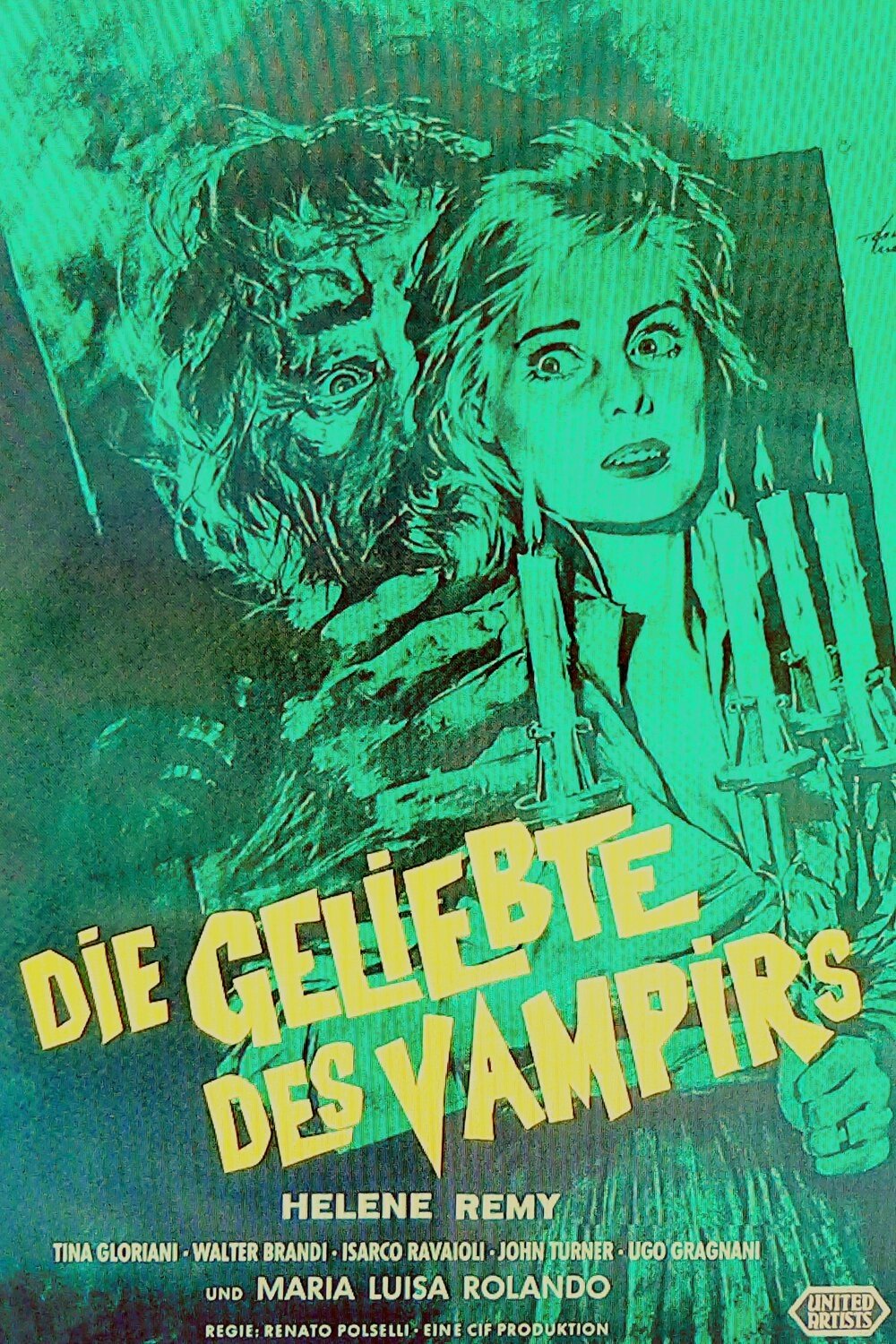
Shooting took place in Artena, near Rome, during approximately three weeks in December 1959. Gastaldi stated that the production team stayed in a local hotel and that the Istituto Nazionale Luce facilities mentioned in the credits were not actually used for filming. He described their inclusion as an administrative formality connected with contemporary production requirements. The casting of French actress Hélène Rémy also reflected the international commercial possibilities of the film, although Gastaldi did not confirm the existence of a formal French co-production agreement. His testimony establishes a production shaped by limited resources, personal contacts and the expectation that vampire horror could attract audiences beyond Italy.
Vampirism, Dependence & the Gothic Narrative
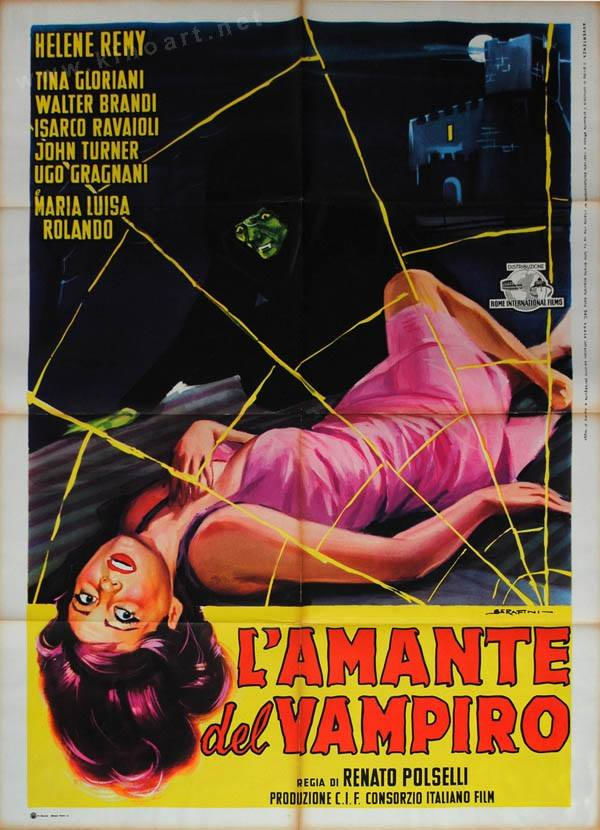
The narrative begins in the Italian countryside, where a group of dancers is preparing a performance under the direction of choreographer Giorgio. The discovery of a young village woman whose body has been drained of blood revives local fears about vampires living in a nearby castle. Francesca and Luisa, accompanied by their friend Luca, become involved in the mystery when they visit the apparently deserted building. The castle is inhabited by Countess Alda and her servant Herman, whose existence is governed by a secret extending back several centuries. Their presence connects the deaths in the village with a form of predatory immortality concealed inside the aristocratic residence.
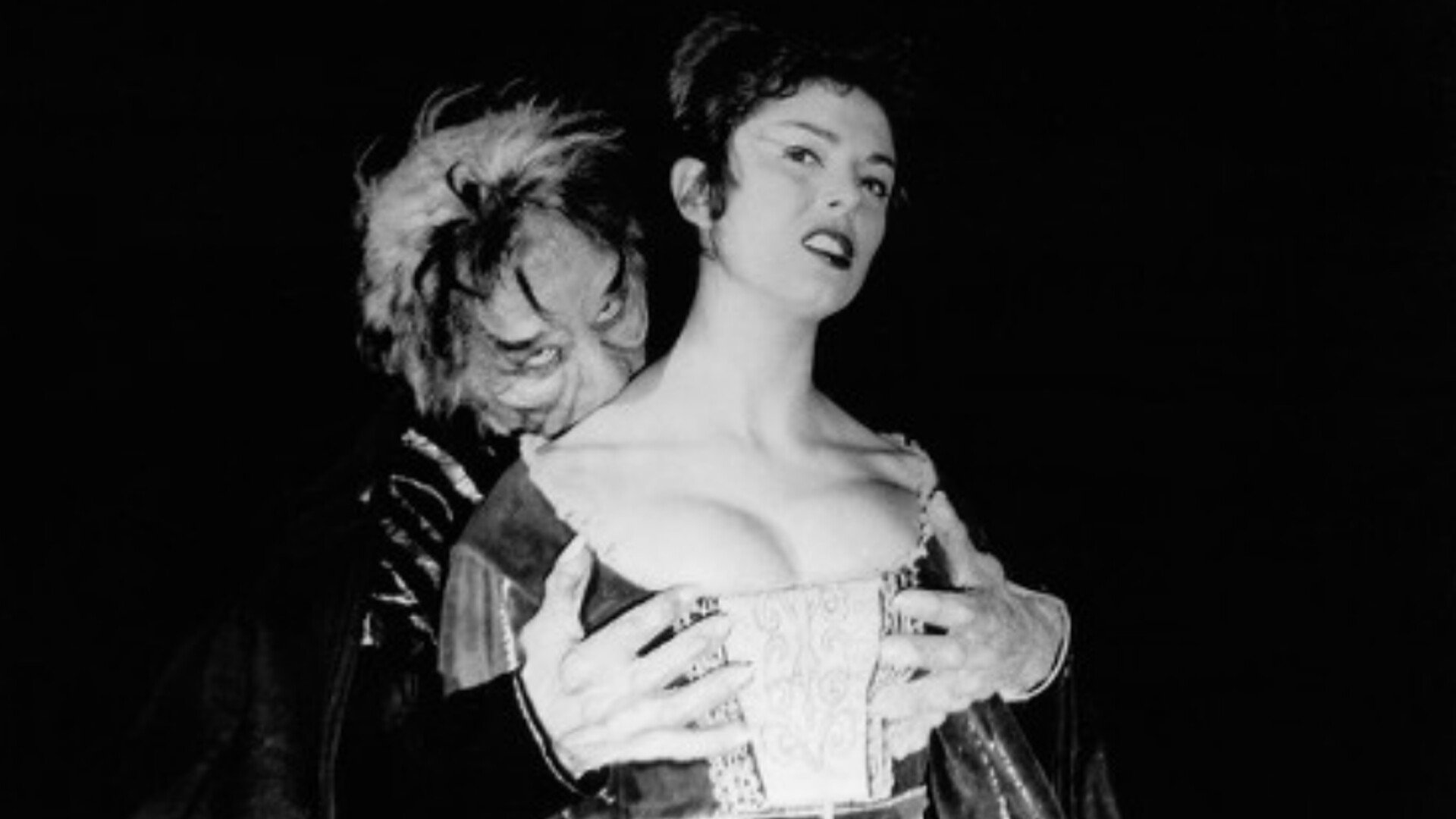
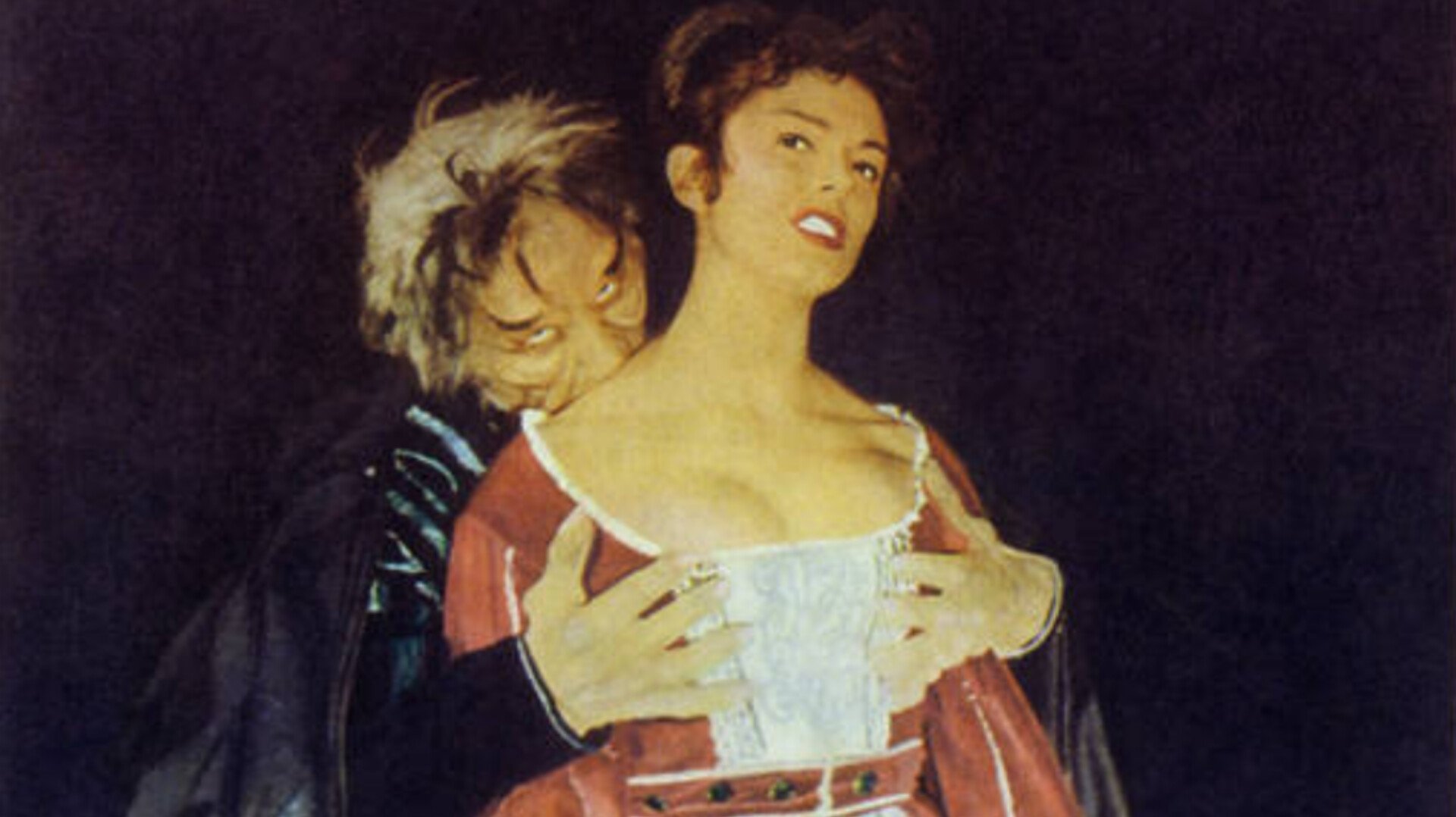
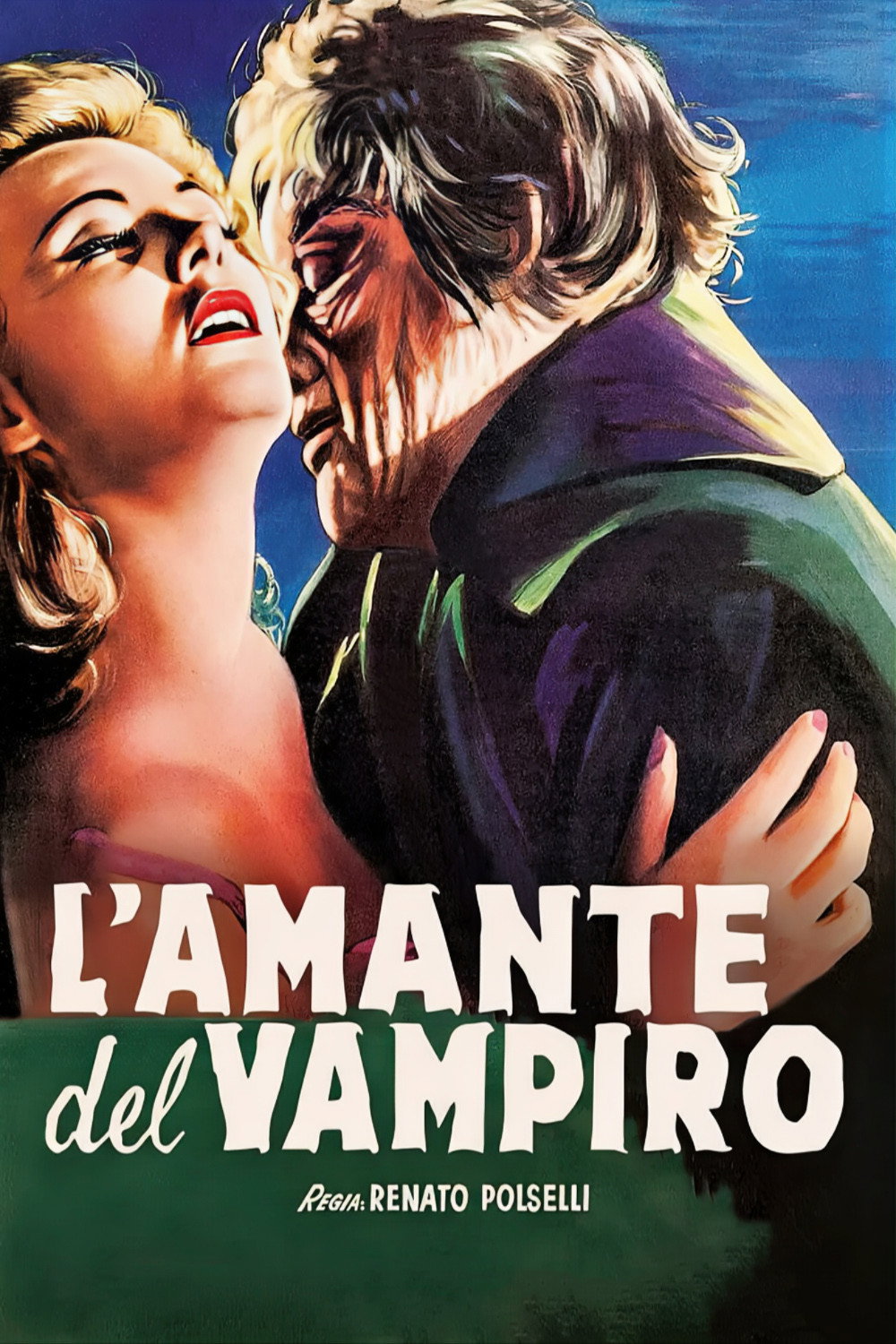
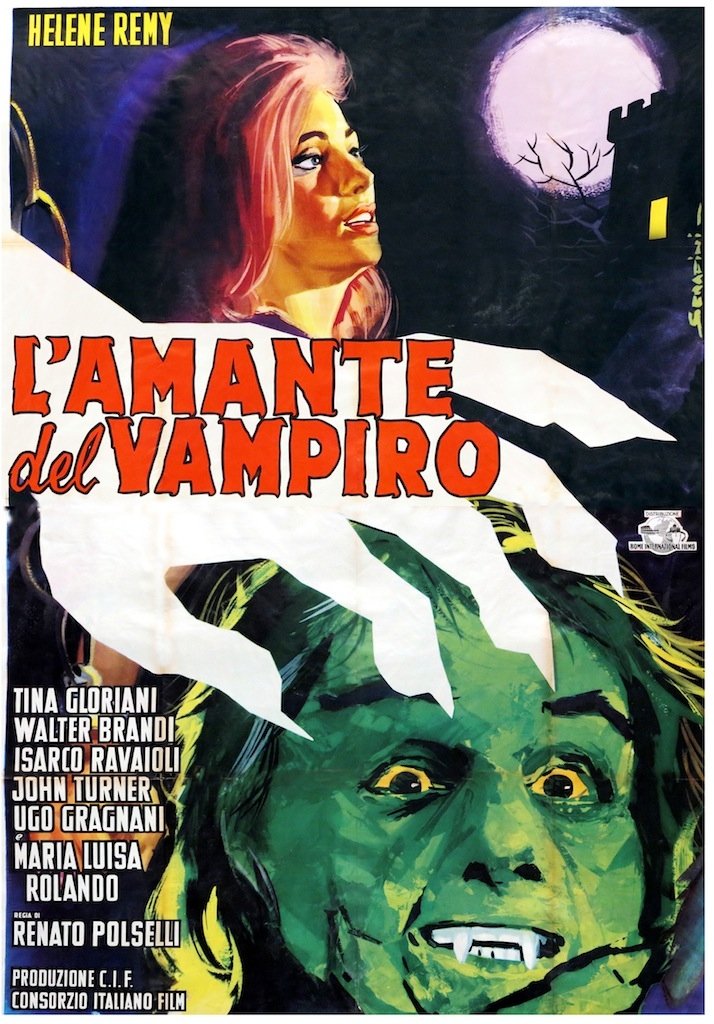
The relationship between the two vampires is one of the film’s more distinctive narrative elements. Alda depends upon blood to maintain her youthful appearance and exercises authority over Herman, who is required to obtain victims. Herman’s position combines the familiar attributes of the monstrous male vampire with an unusually subordinate role within the household. His connection with Alda is therefore marked by dependence and resentment. The arrival of Luisa changes the arrangement when Herman attacks the young dancer and draws her into the supernatural relationship. Luisa subsequently becomes a threat to Francesca, extending the violence from the isolated castle into the circle of young visitors.
The film concludes with an attempt to rescue Francesca from the vampires. Luca and Giorgio intervene, while Luisa’s fate demonstrates the destructive consequences of her encounter with Herman. The vampires are ultimately defeated through exposure to daylight. Their destruction restores the ordinary boundaries between the village and the castle, but the narrative has already associated vampirism with the exploitation of young bodies, the preservation of aristocratic beauty and the unequal distribution of power. These elements connect the film with established Gothic traditions while giving its principal vampire relationship an identifiable character of its own.
Black-and-White Photography, Dance & Horror Imagery
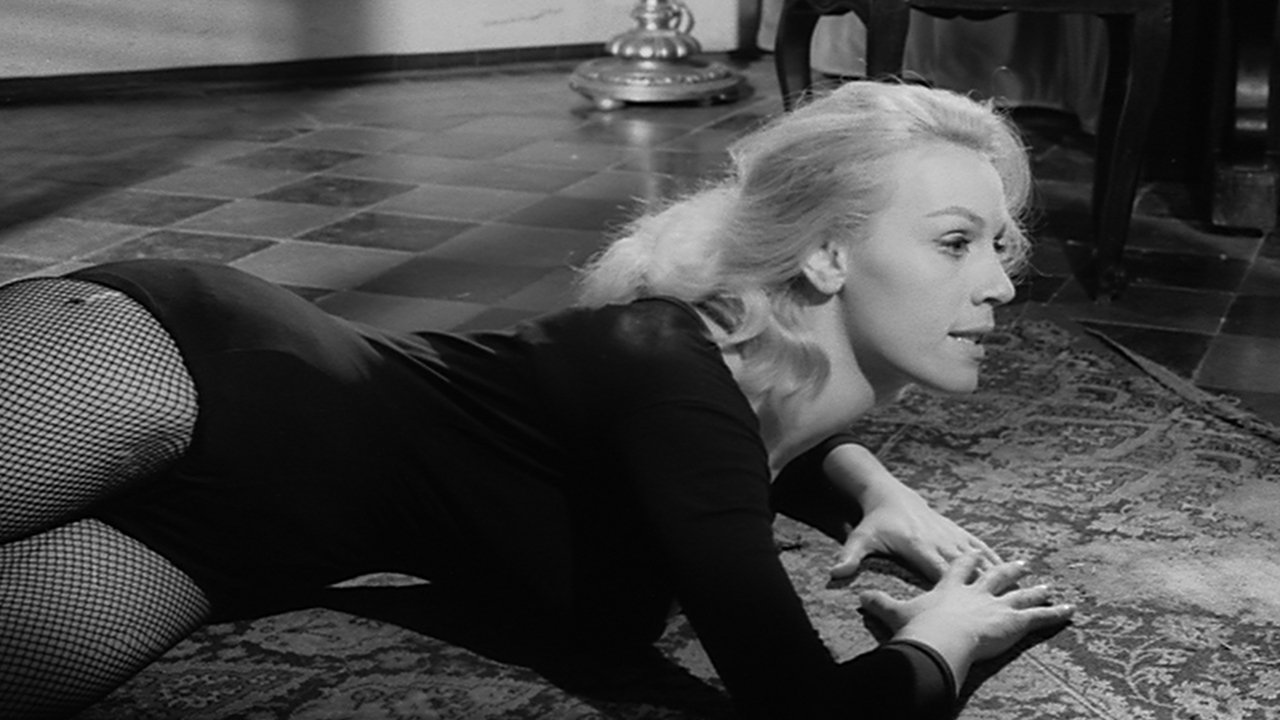
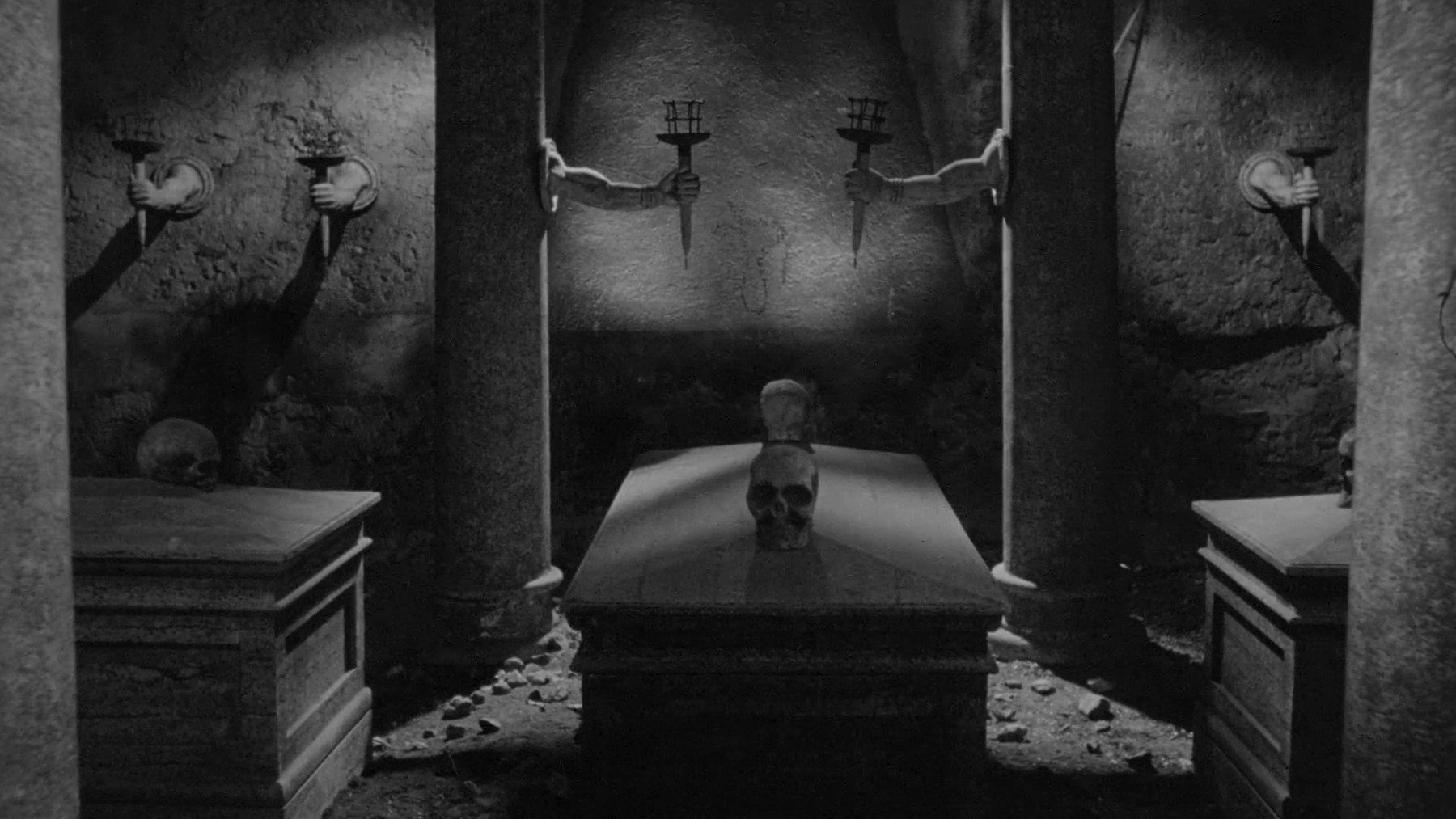
Angelo Baistrocchi’s black-and-white cinematography establishes the contrast between the contemporary world of the dancers and the castle inhabited by Alda and Herman. The rural setting provides a recognizable Italian environment, while the castle interiors introduce the architectural conventions of Gothic horror. The movement between the two locations allows Polselli to alternate scenes of rehearsals and social interaction with encounters involving predatory creatures and concealed violence. Unlike productions that disguised their Italian origins through foreign names and locations, L’amante del vampiro retains recognizably Italian characters and surroundings.
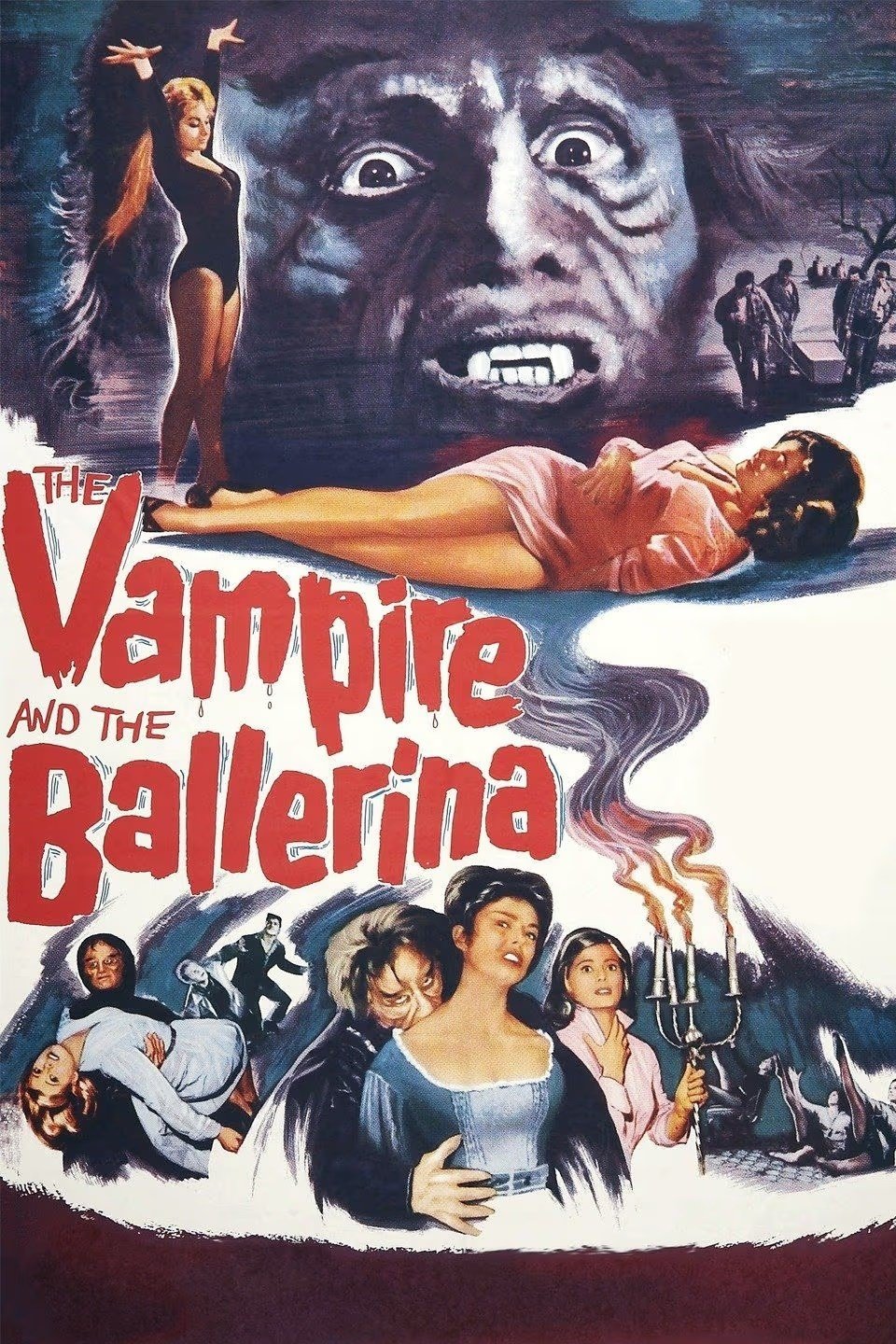
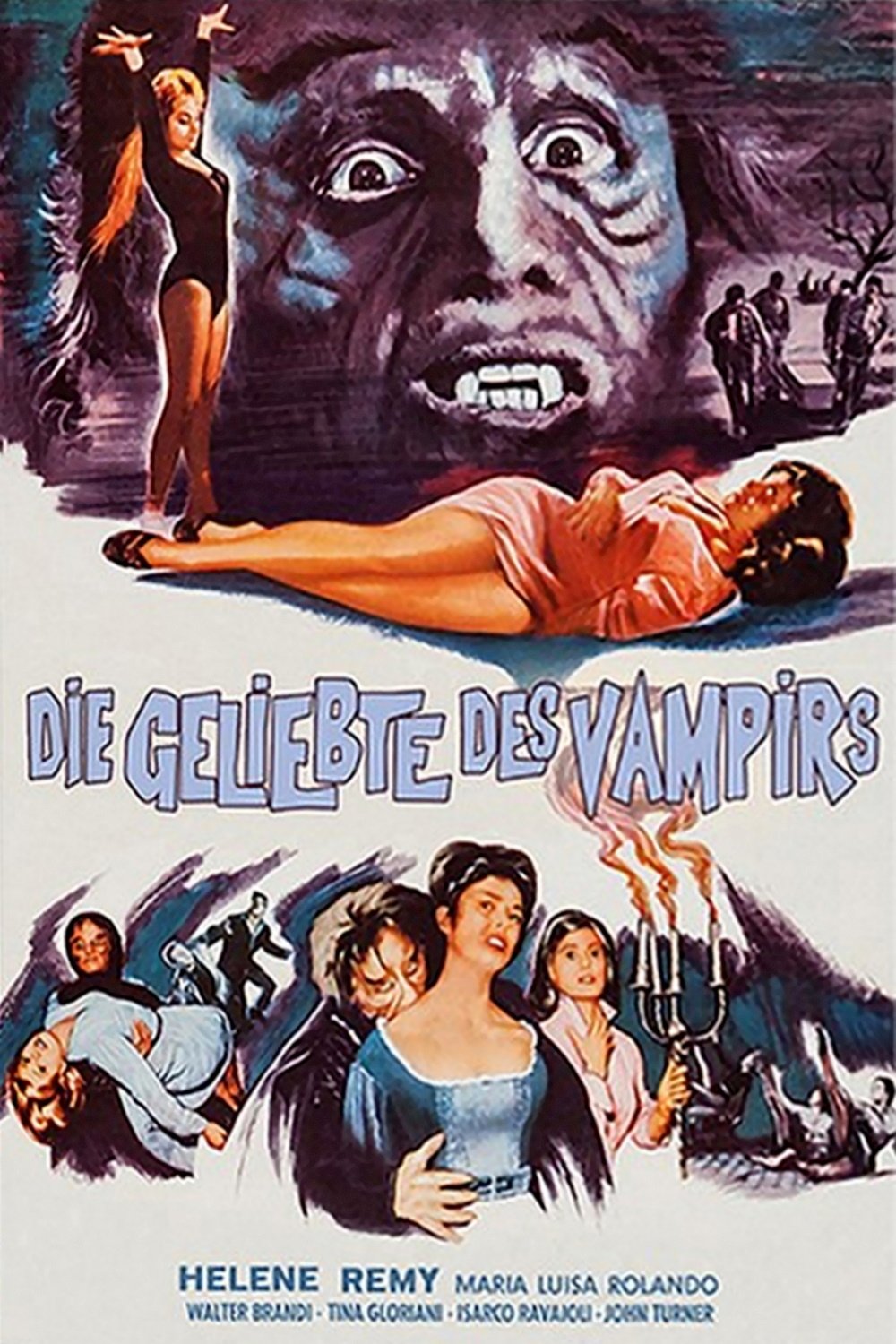
The dance performances form an important part of the film’s visual identity. The young women are presented through choreographed movement, costume and physical display, giving the production a commercial attraction alongside its horror material. The presence of a troupe also supplies a group of potential victims whose activities bring them into proximity with the vampire household. Gastaldi later rejected the suggestion that the dance scenes had been specifically conceived to exploit the success of the Italian revue film Europa di notte (1959). That testimony limits the grounds for attributing a particular commercial strategy to the choreography, although the contrast between bodily display and supernatural predation remains central to the finished film.
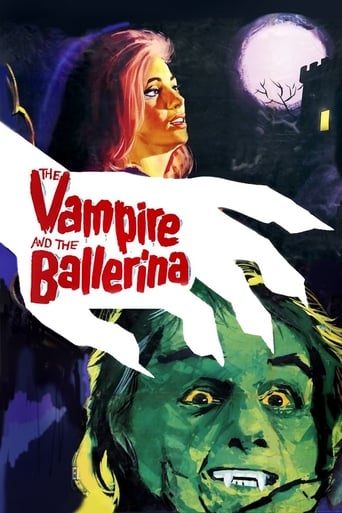
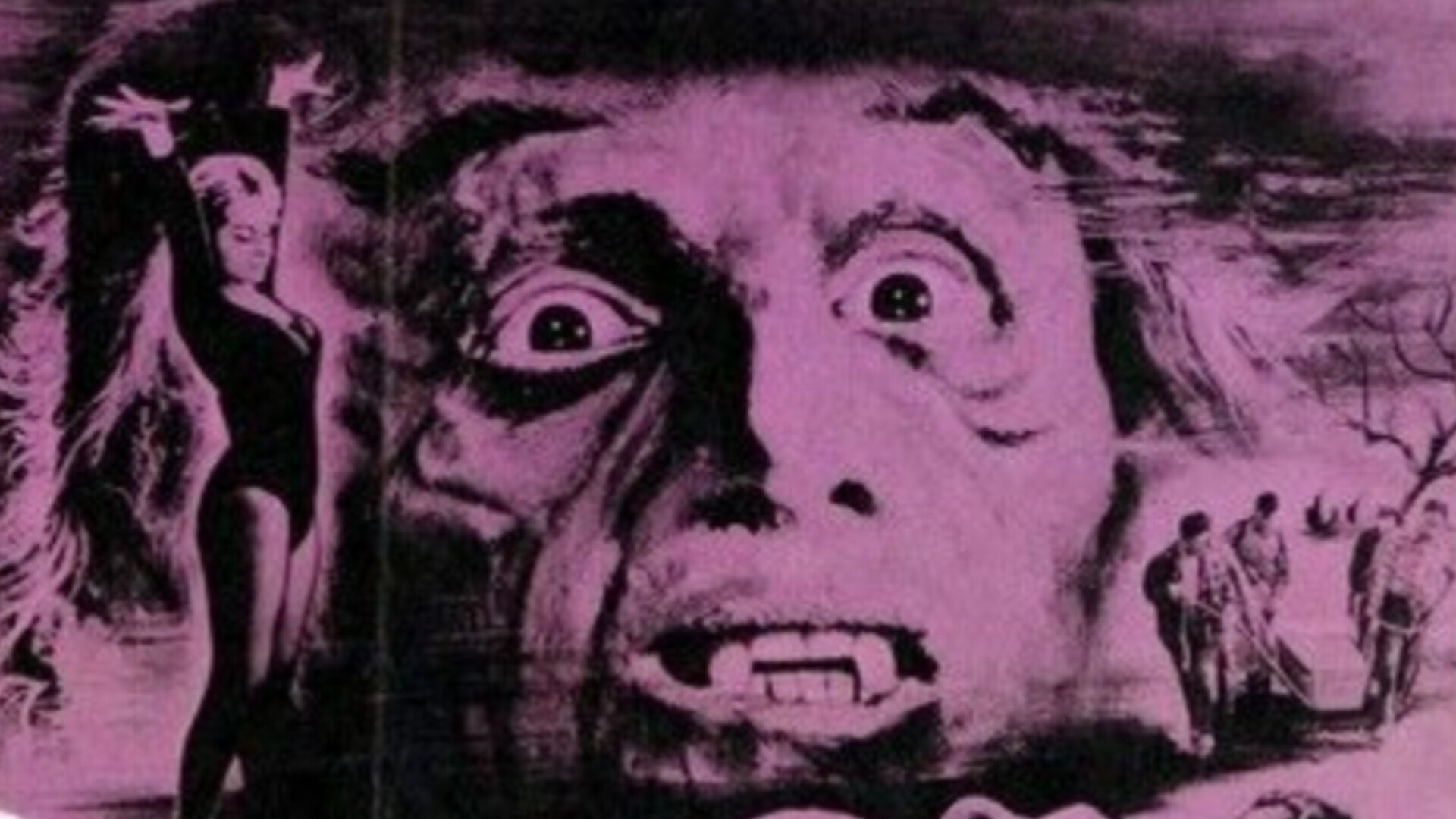
The monstrous appearance of Herman gives the vampire attacks a more openly grotesque quality. Contemporary censorship records identify close views of the vampire’s face as particularly objectionable, demonstrating that the makeup and photographic presentation were considered disturbing enough to require alteration. This evidence establishes the importance of the creature’s physical appearance without requiring unsupported claims about the precise materials or technical procedures used to create it. The surviving film combines conventional Gothic atmosphere with moments of bodily horror, bringing the threat of vampirism into direct visual contact with the dancers.
Contemporary Reception & Italian Gothic History
L’amante del vampiro entered cinemas shortly before several productions that would become more widely associated with the emergence of Italian Gothic horror, including Giorgio Ferroni’s Mill of the Stone Women and Mario Bava’s Black Sunday. Its release places it among the early examples of Italian filmmakers responding to renewed international interest in vampire stories. Unlike the medical explanation used in Riccardo Freda’s I vampiri (1957), Polselli’s production includes traditional supernatural vampires, a castle residence and destruction through sunlight. Its familiar Gothic elements were combined with the setting of a contemporary dance troupe and with a relationship between the vampires that complicated conventional masculine authority.
The contemporary critical response included a review by Leo Pestelli published in La Stampa on 24 May 1960. Pestelli regarded the film as a serious Italian attempt to appropriate the vampire genre and criticized its crude fairground-like technique, while acknowledging moments of effective fright and a narrative that avoided complete dullness. This mixed assessment is more informative than describing the contemporary reception as simply hostile or favorable. It shows that the production’s technical limitations and entertainment value were already being considered together immediately after its Italian release.
The film also occupies a recognizable place in the careers of several participants. For Ernesto Gastaldi, it preceded further work in Gothic horror, including The Horrible Dr. Hichcock and Terror in the Crypt. Walter Brandi subsequently appeared in additional Italian vampire productions, contributing to his association with the genre. Polselli continued to explore horror, sexual transgression and unstable relationships in later films, although those productions belong to different industrial and cultural circumstances. L’amante del vampiro is therefore valuable as an early commercial experiment in the Italian vampire cycle, supported by unusually specific production testimony and censorship documentation. Its historical importance can be established through those records without exaggerating its influence on the entire development of European Gothic cinema.