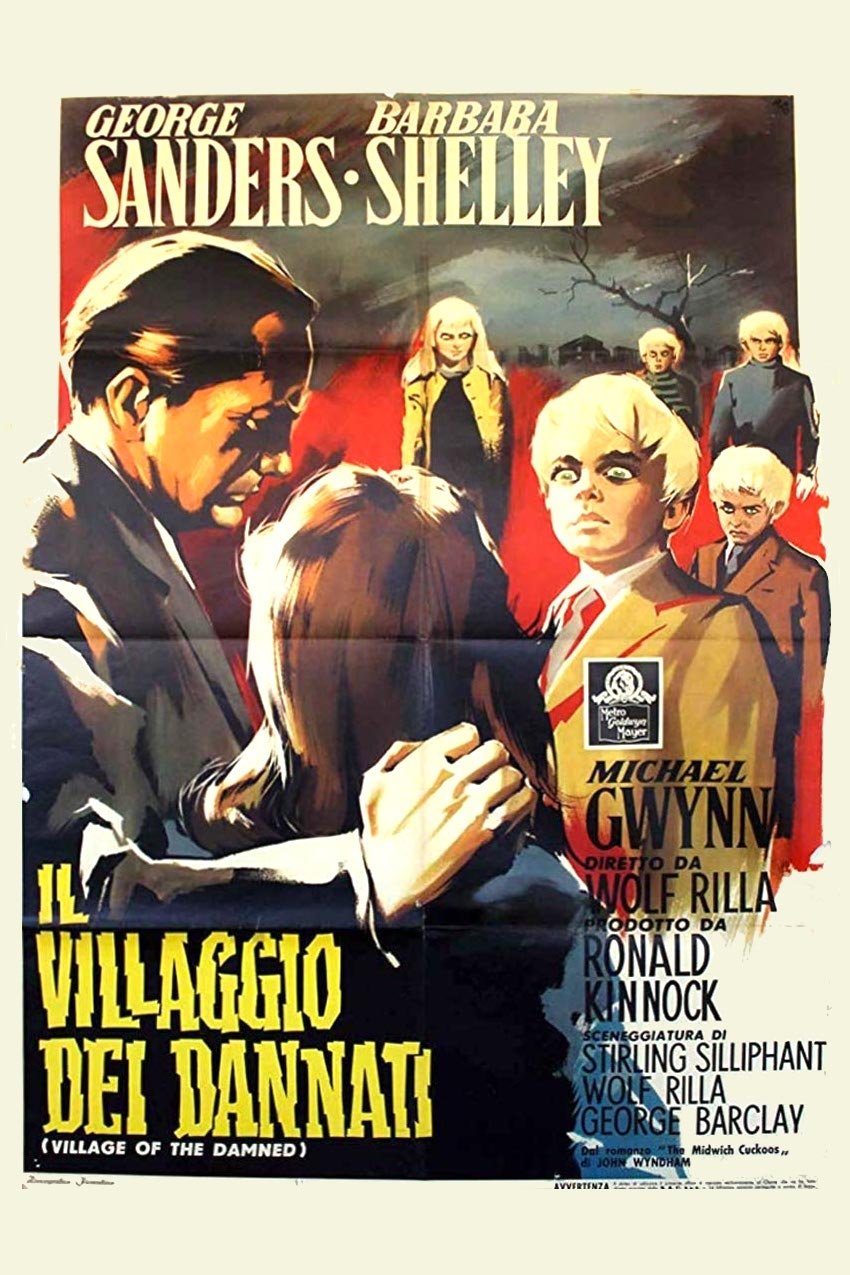
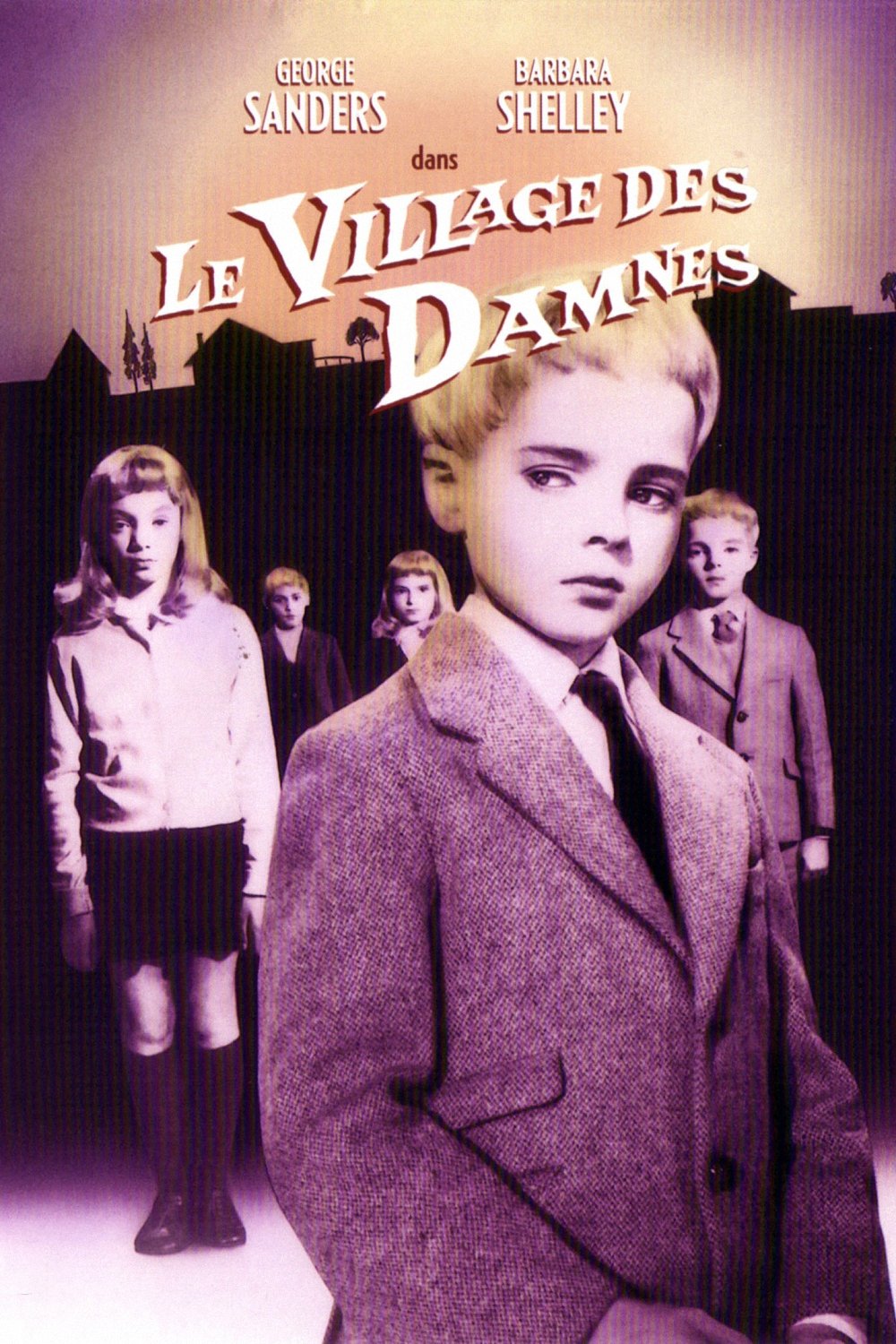
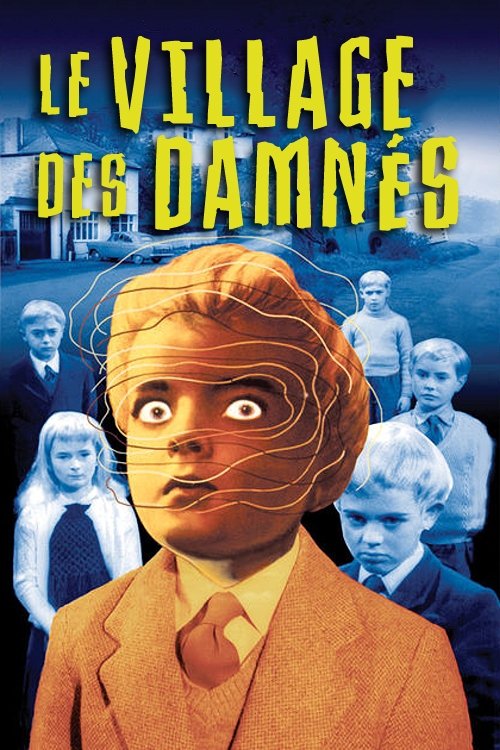
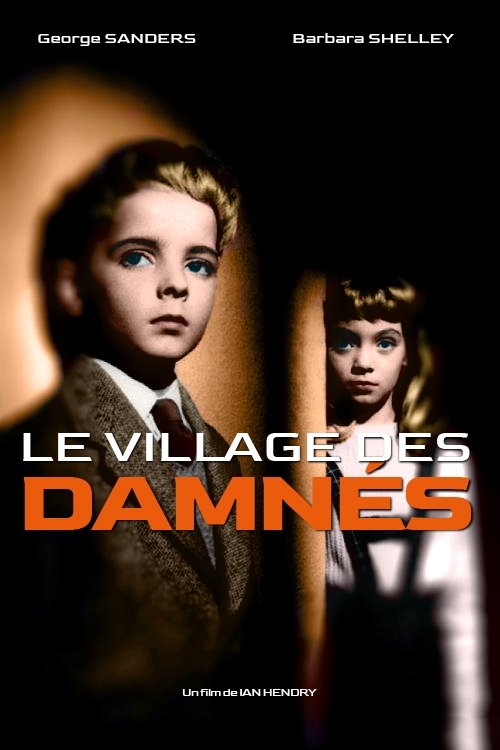
Village of the Damned (1960)

US
Runtime
77 min
Release
June 16, 1960
Budget
$200,000
Revenue
$2,175,000
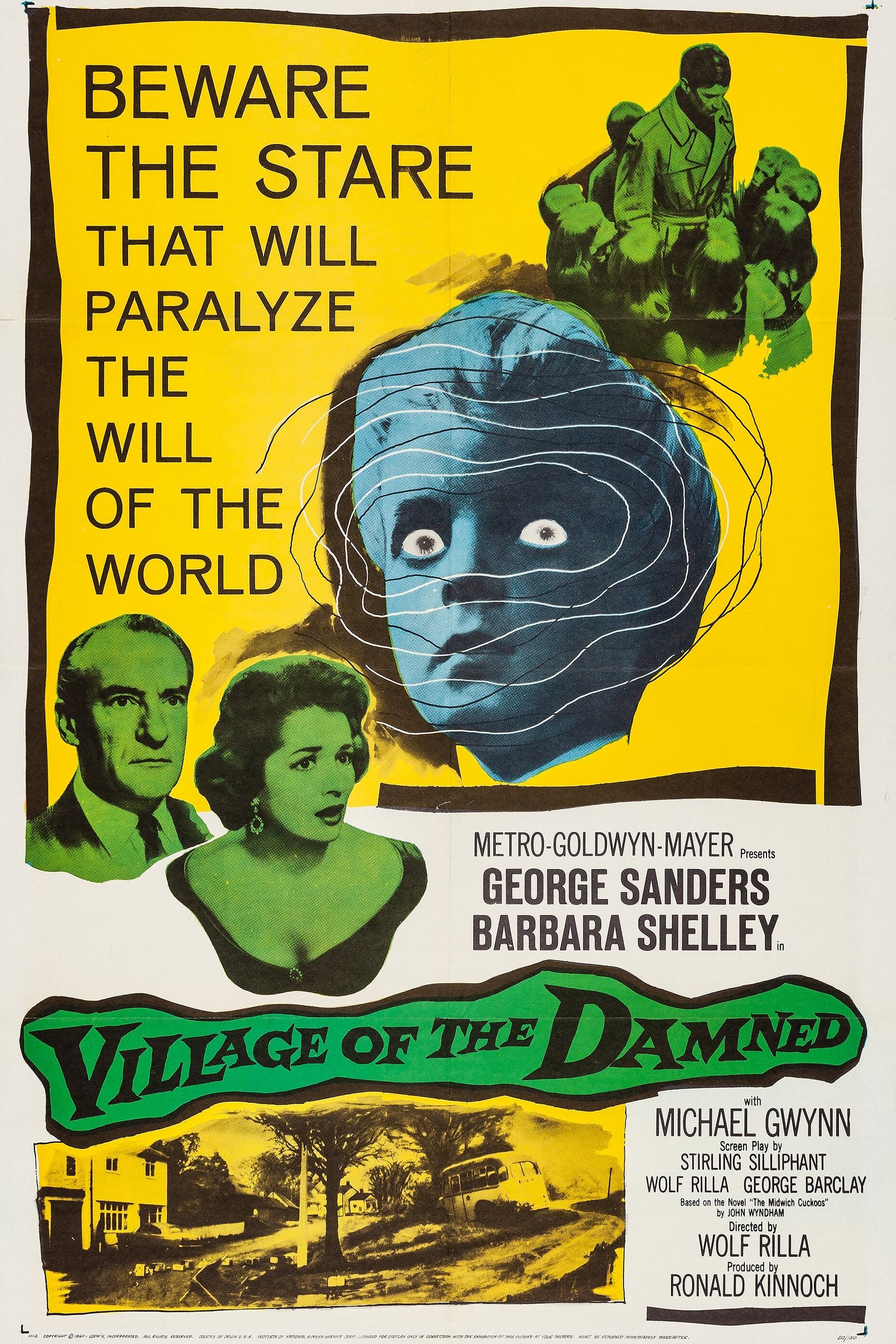
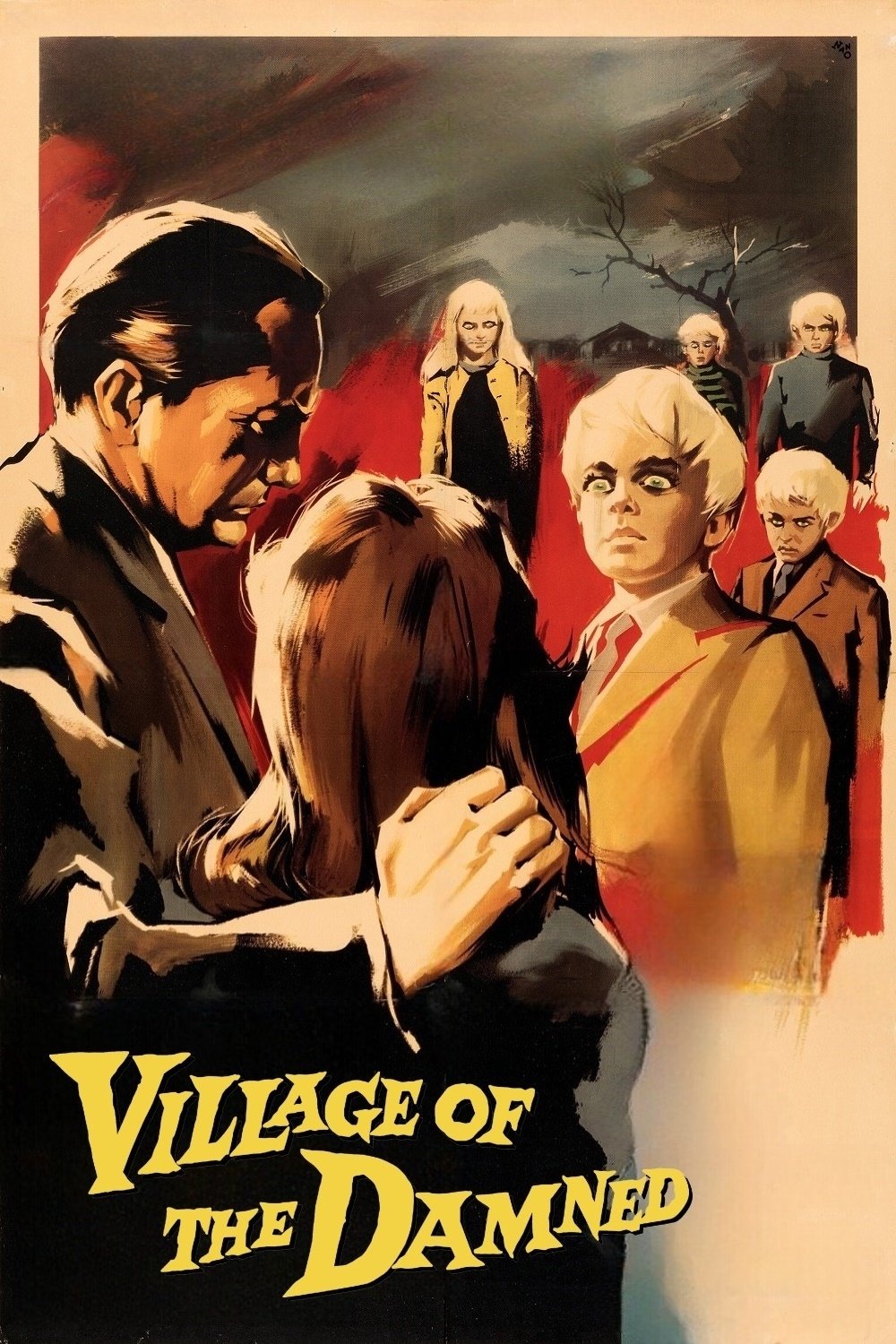
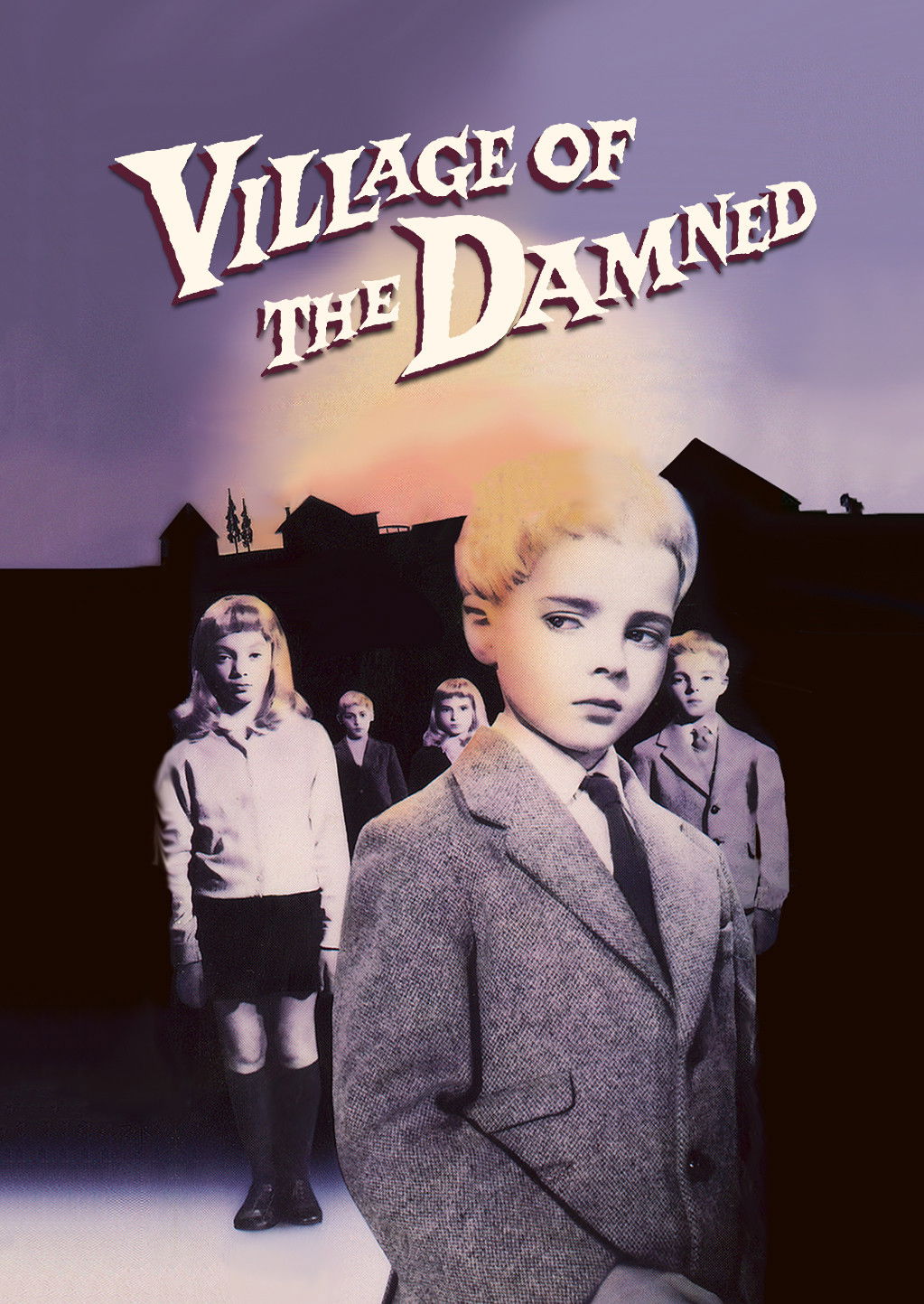
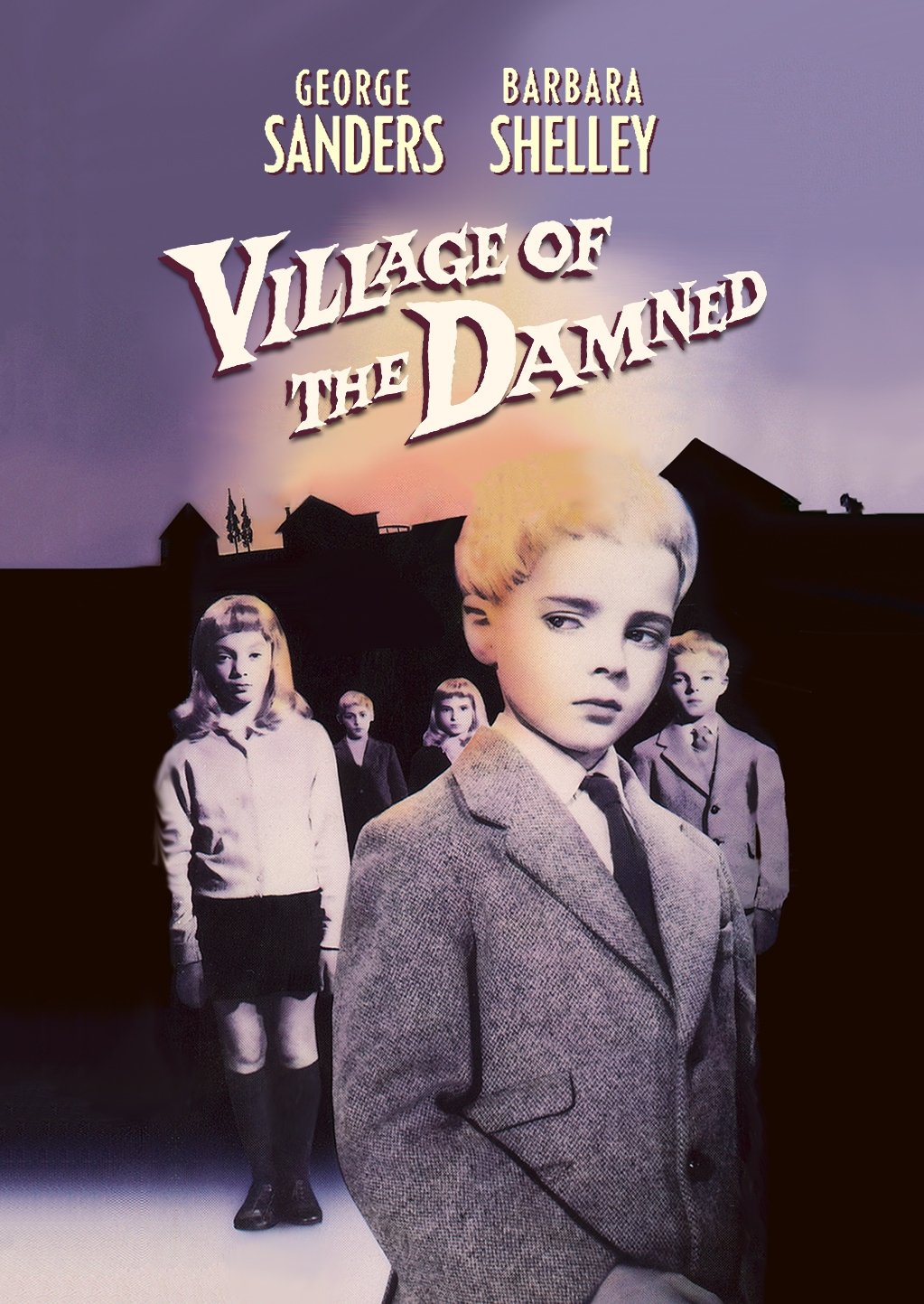
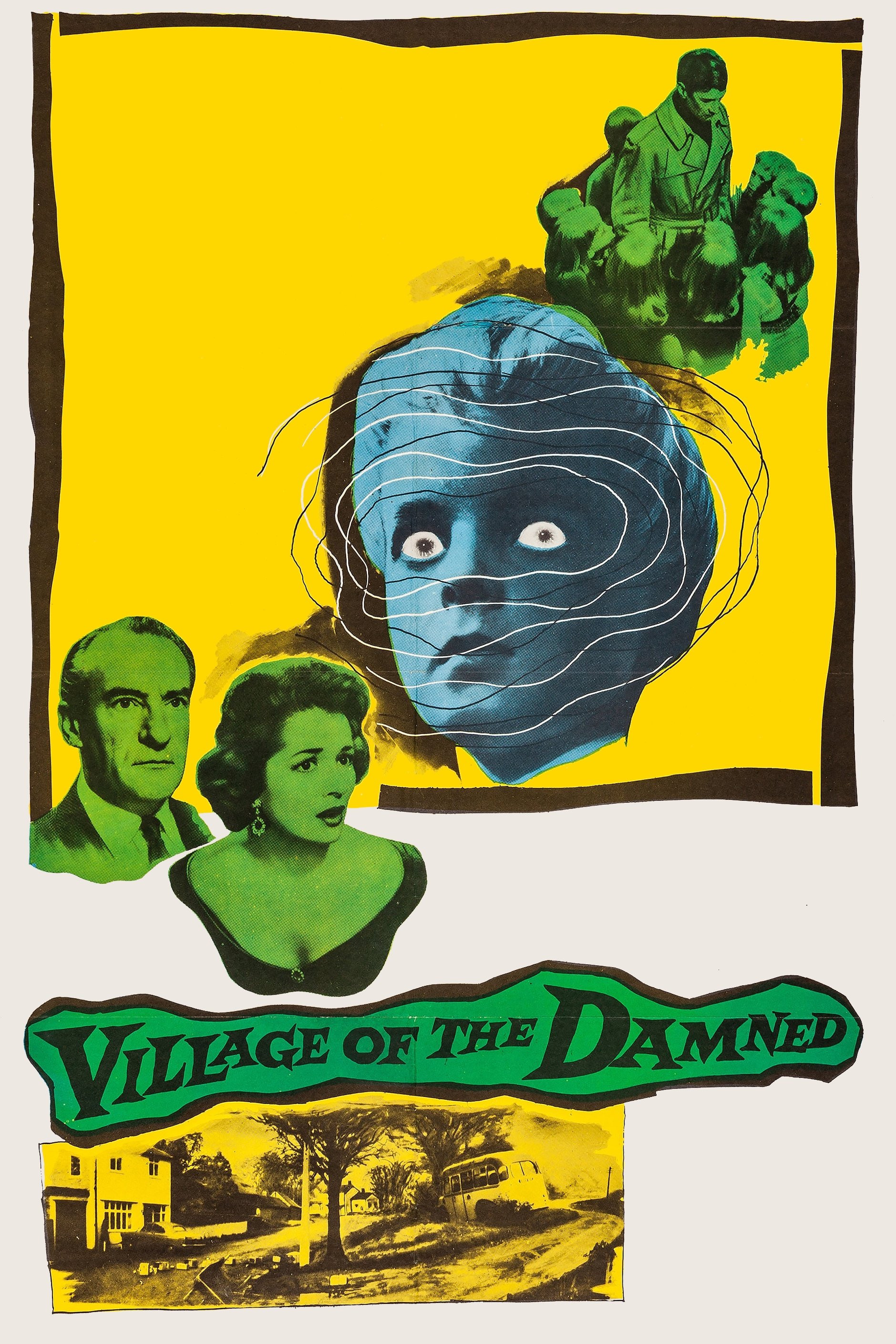
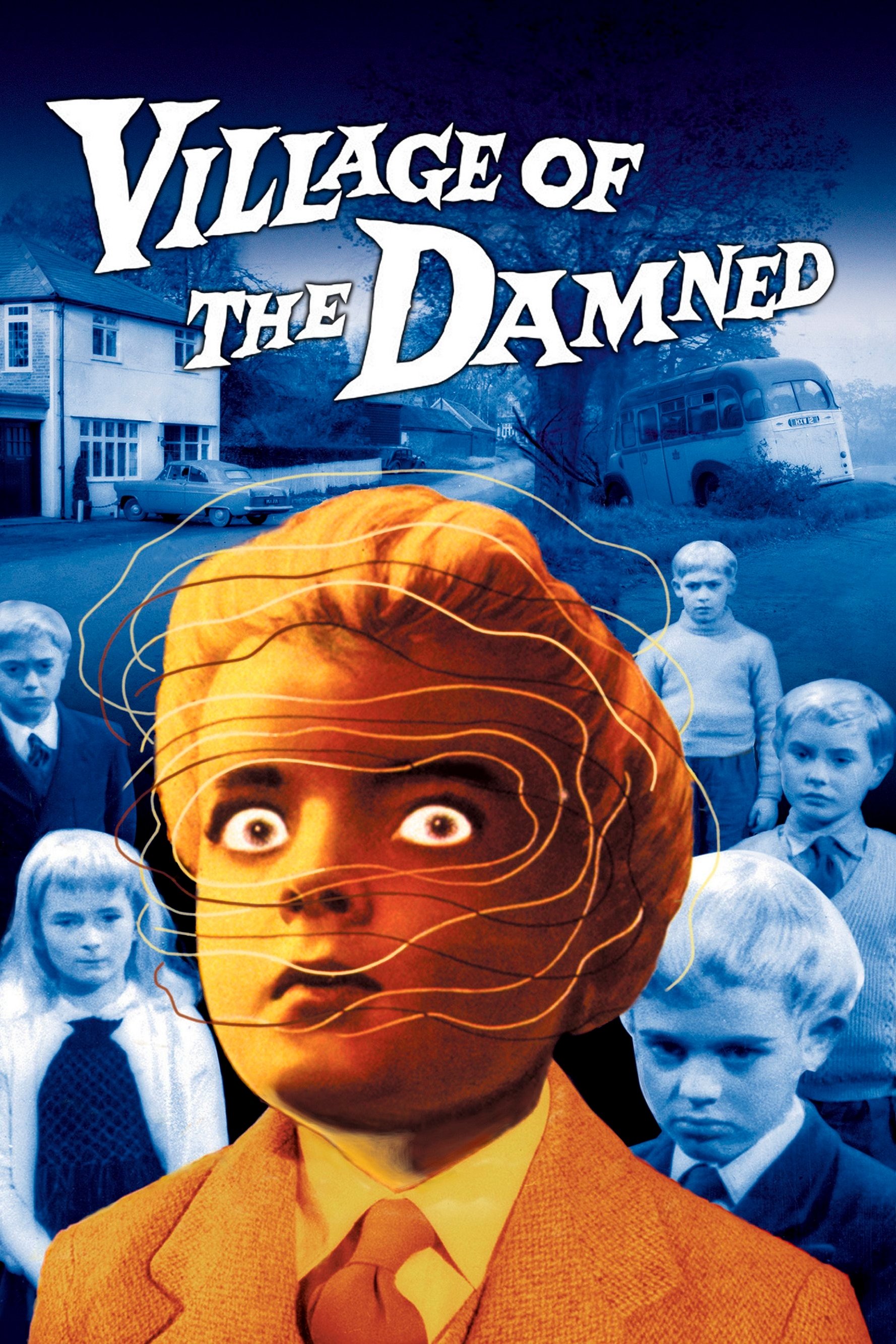
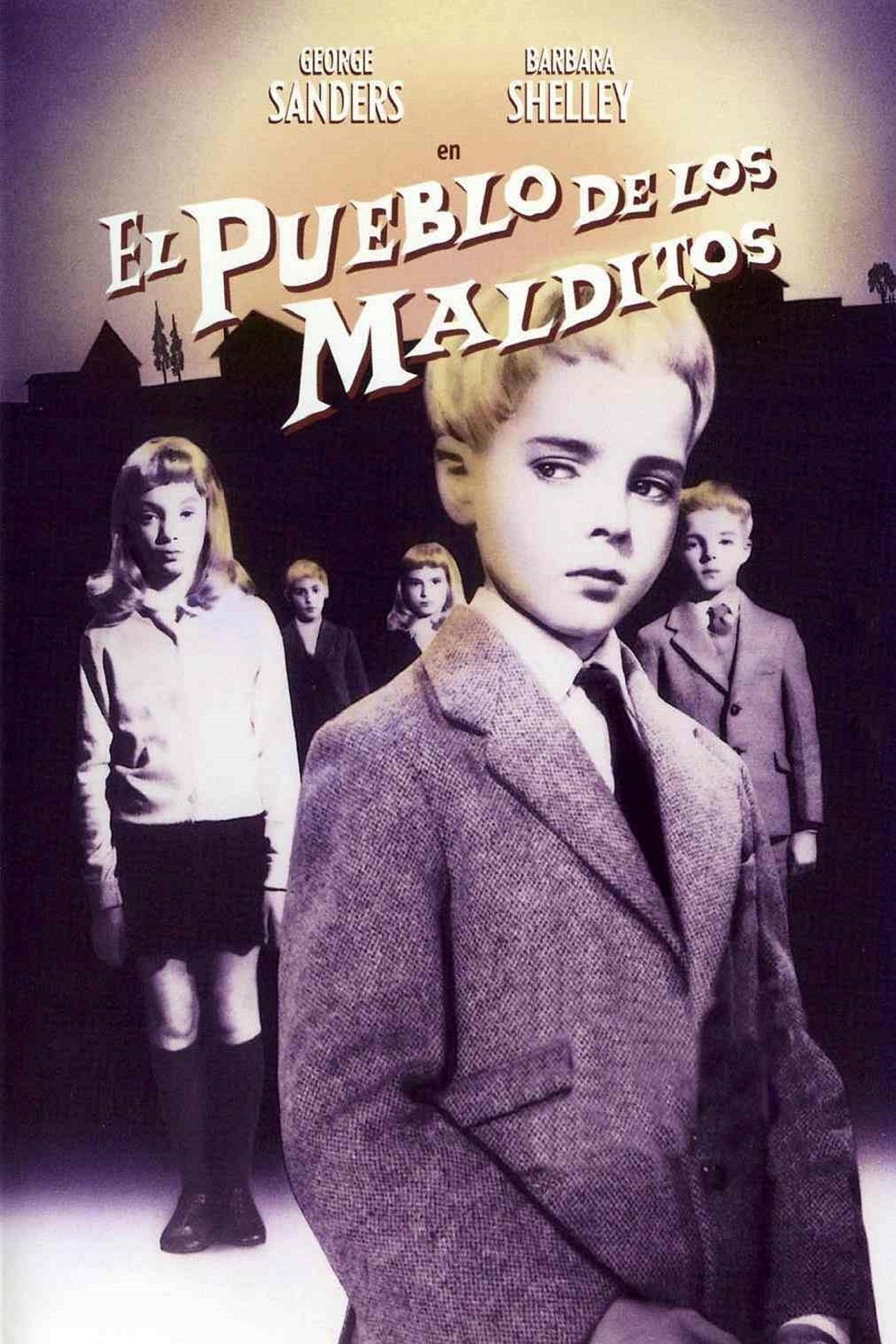
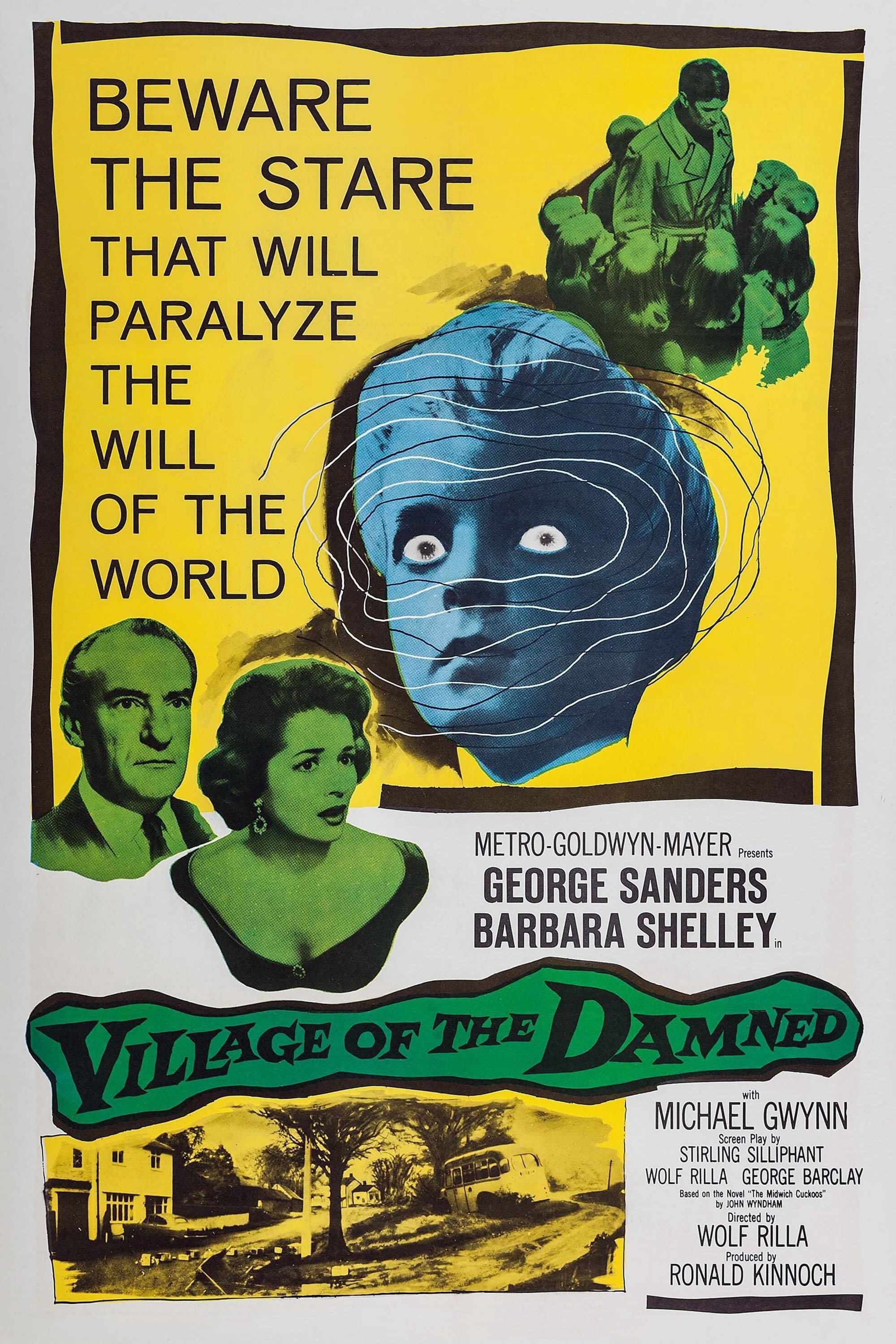
Village of the Damned (1960) poster
Director
Production Companies
Metro-Goldwyn-Mayer British Studios , Metro-Goldwyn-Mayer
Plot

In a small English village everyone suddenly falls unconscious. When they awake every woman of child bearing age is pregnant. The resulting children have the same strange blond hair, eyes and a strong connection to each other.

Alternative Titles
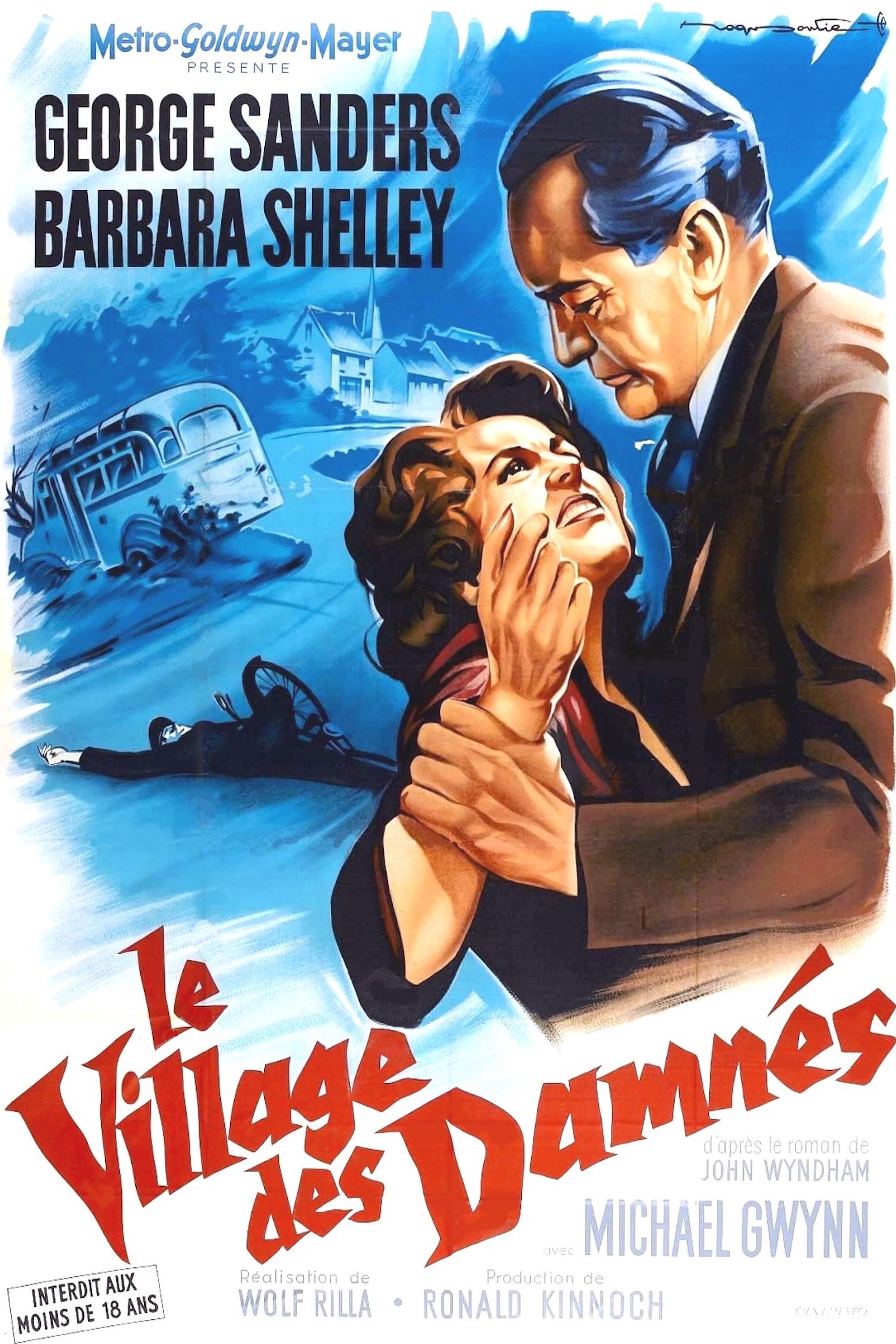
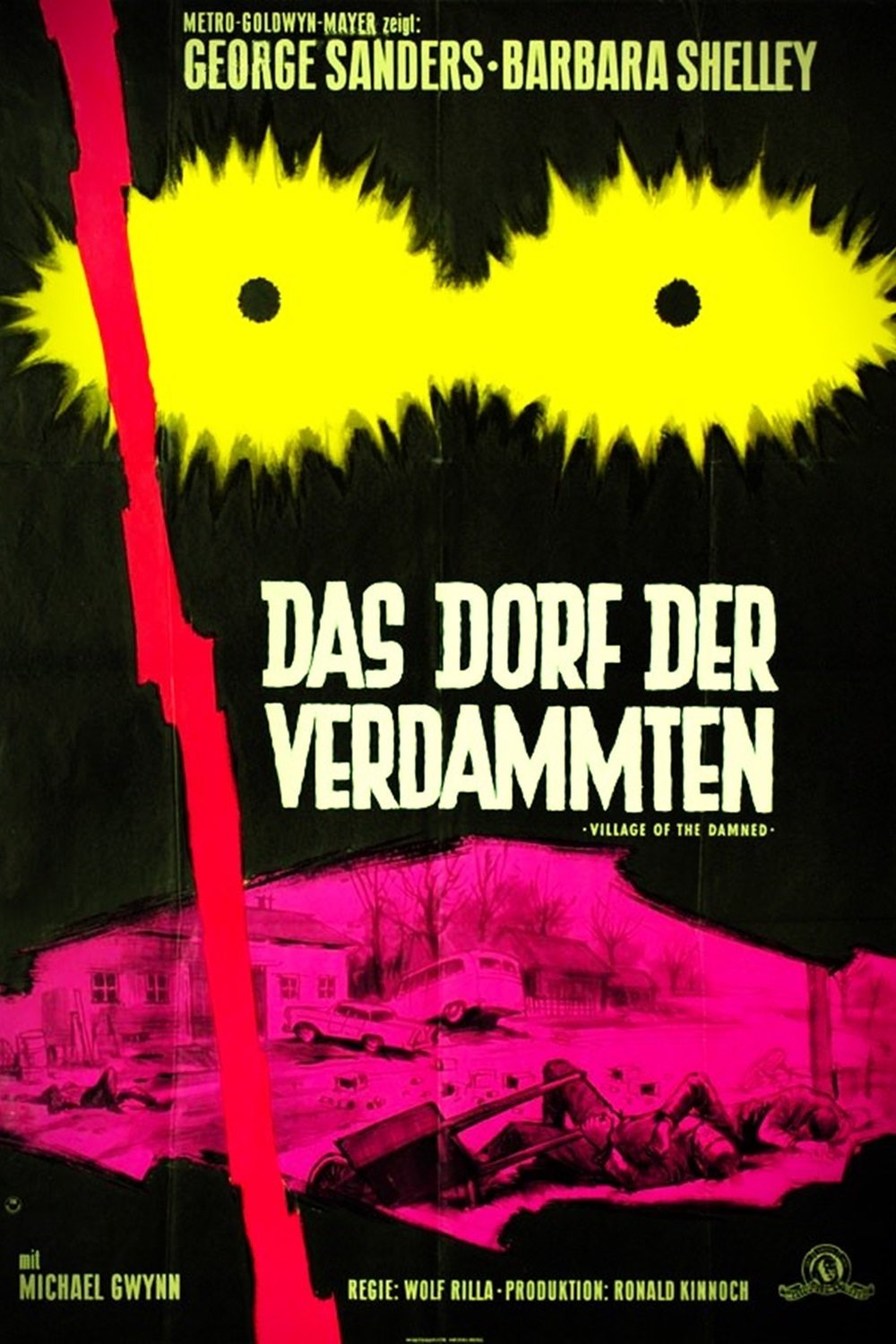
A Aldeia dos Amaldiçoados (Brazil) — Portuguese Le Village des damnés (Canada) — French 魔童村 (China) — Chinese Městečko prokletých (Czechia) — Czech Das Dorf der Verdammten (Germany) — German Rædslen fra himmelrummet (Denmark) — Danish El pueblo de los malditos (Spain) — Spanish Le Village des damnés (France) — French
Show all 23 alternative titles Elátkozottak faluja (Hungary) — Hungarian Il villaggio dei dannati (Italy) — Italian 未知空間の恐怖/光る眼 (Japan) — Japanese 저주받은 도시 (South Korea) — Korean El pueblo de los malditos (Mexico) — Spanish Het Dorp der Verdoemden (Netherlands) Het Dorp der Vervloekten (Netherlands) Byen som stivnet av skrekk (Norway) Wioska przeklętych (Poland) — Polish A Aldeia dos Malditos (Portugal) — Portuguese Orașul celor blestemați (Romania) — Romanian Деревня проклятых (Russia) — Russian De fördömdas by (Sweden) — Swedish Lanetliler Kasabası (Türkiye) — Turkish Селище проклятих (Ukraine) — Ukrainian

Trailers & Videos

2 videos

Film Guide

Wolf Rilla’s 1960 science-fiction horror adapts John Wyndham’s The Midwich Cuckoos through an uncanny collective of children, telepathic violence and a disturbing conflict between parental loyalty and human survival.

Village of the Damned (1960) is a British-American science-fiction horror film directed by Wolf Rilla and adapted from John Wyndham’s 1957 novel The Midwich Cuckoos. In the English village of Midwich, every person and animal suddenly loses consciousness during an unexplained event. When normal life resumes, the women capable of bearing children discover that they are pregnant. The children born from these pregnancies develop with extraordinary speed, possess a collective intelligence and can force adults to act against their own will. George Sanders portrays Gordon Zellaby, a scientist who attempts to understand their abilities before recognizing the danger they represent.

Produced by Ronald Kinnoch for Metro-Goldwyn-Mayer, the film transforms an apparently peaceful rural community into the setting for an invasion carried out through human reproduction and psychological control. Rilla uses restrained black-and-white photography, controlled performances and economical optical effects to make the children’s ordinary appearance disturbing. Martin Stephens plays David Zellaby, the principal spokesman for the group, while Barbara Shelley portrays his mother Anthea. Released in 1960, Village of the Damned became an important example of Cold War-era horror concerned with conformity, generational anxiety and the possible destruction of human individuality.

Literary Origins & Development

John Wyndham’s The Midwich Cuckoos was published in 1957, following novels including The Day of the Triffids (1951), The Kraken Wakes (1953) and The Chrysalids (1955). Wyndham frequently developed speculative events within recognizable British communities, examining how ordinary people and institutions might respond to circumstances beyond established scientific knowledge. The Midwich Cuckoos imagined an unexplained collective unconsciousness followed by the birth of children whose shared intelligence and apparent emotional detachment place them in conflict with humanity. Its title refers to the reproductive behavior of cuckoo birds, which lay eggs in the nests of other species and leave the resulting offspring to be raised by unsuspecting hosts.

Metro-Goldwyn-Mayer acquired the property and initially considered an American production. Contemporary and retrospective accounts describe difficulties associated with the story’s unexplained pregnancies, which raised objections during development. The project eventually moved to MGM’s British operation. Stirling Silliphant contributed to the screenplay before Wolf Rilla and producer Ronald Kinnoch undertook further revisions. Kinnoch received writing credit under the pseudonym George Barclay. Rilla later recalled being offered the directing assignment only six weeks before photography began. He was already familiar with Wyndham’s fiction and admired the logical treatment of extraordinary situations in the author’s work.

The film significantly reduces the scale of the novel. Wyndham’s Midwich contains sixty-one unusual children, while the screen adaptation concentrates on twelve. The relationship between Gordon Zellaby and the children is also reorganized, giving him a direct paternal connection through his wife Anthea and their son David. These changes make the conflict between scientific investigation and family responsibility more immediate. The screenplay additionally develops the idea of a mental brick wall through which Gordon attempts to conceal his intentions. Andrew Pulver, examining the adaptation for The Guardian in 2005, identified this device as one of the film’s most important departures from the literary source.
The Midwich Blackout & the Invasion

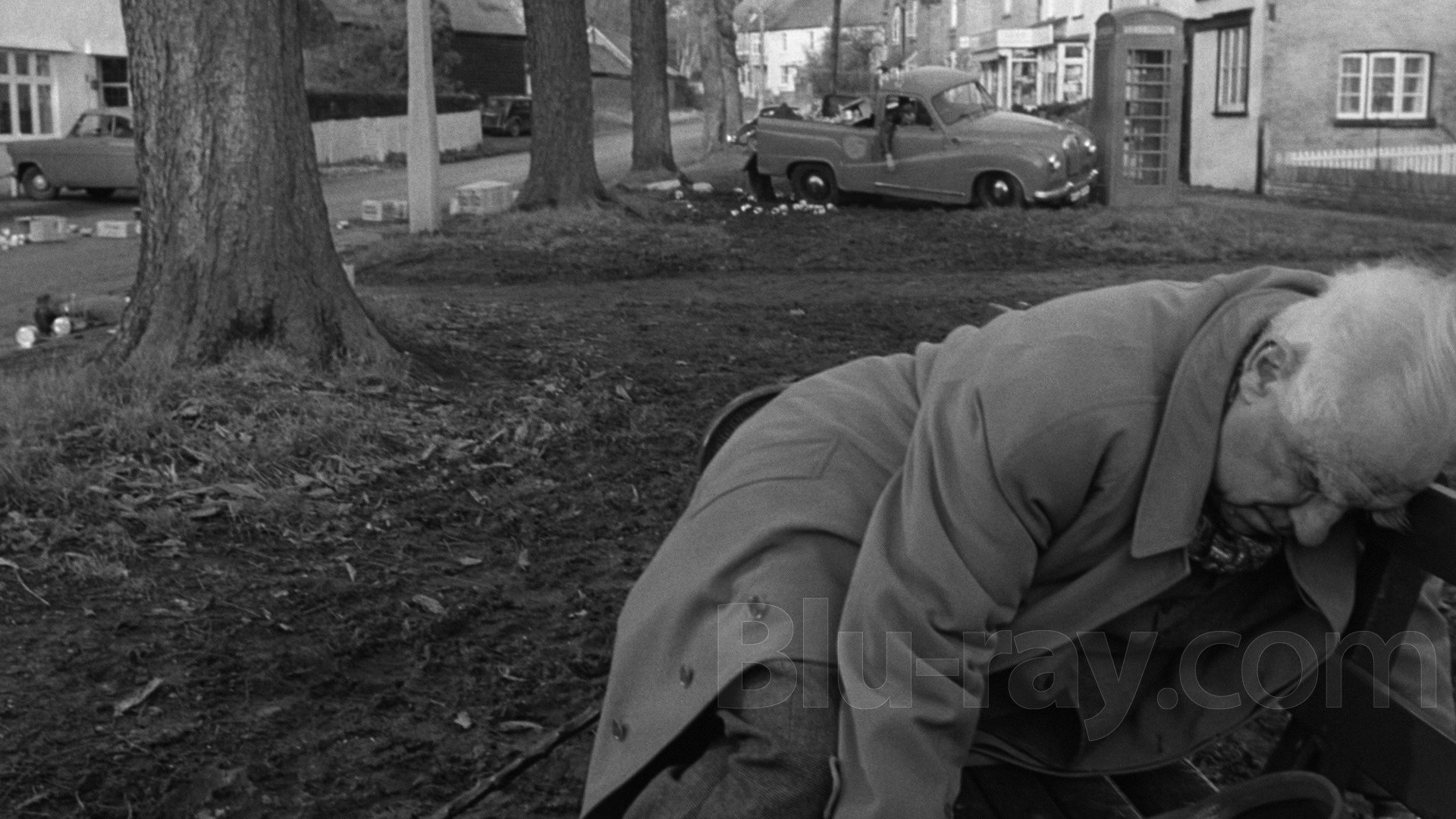
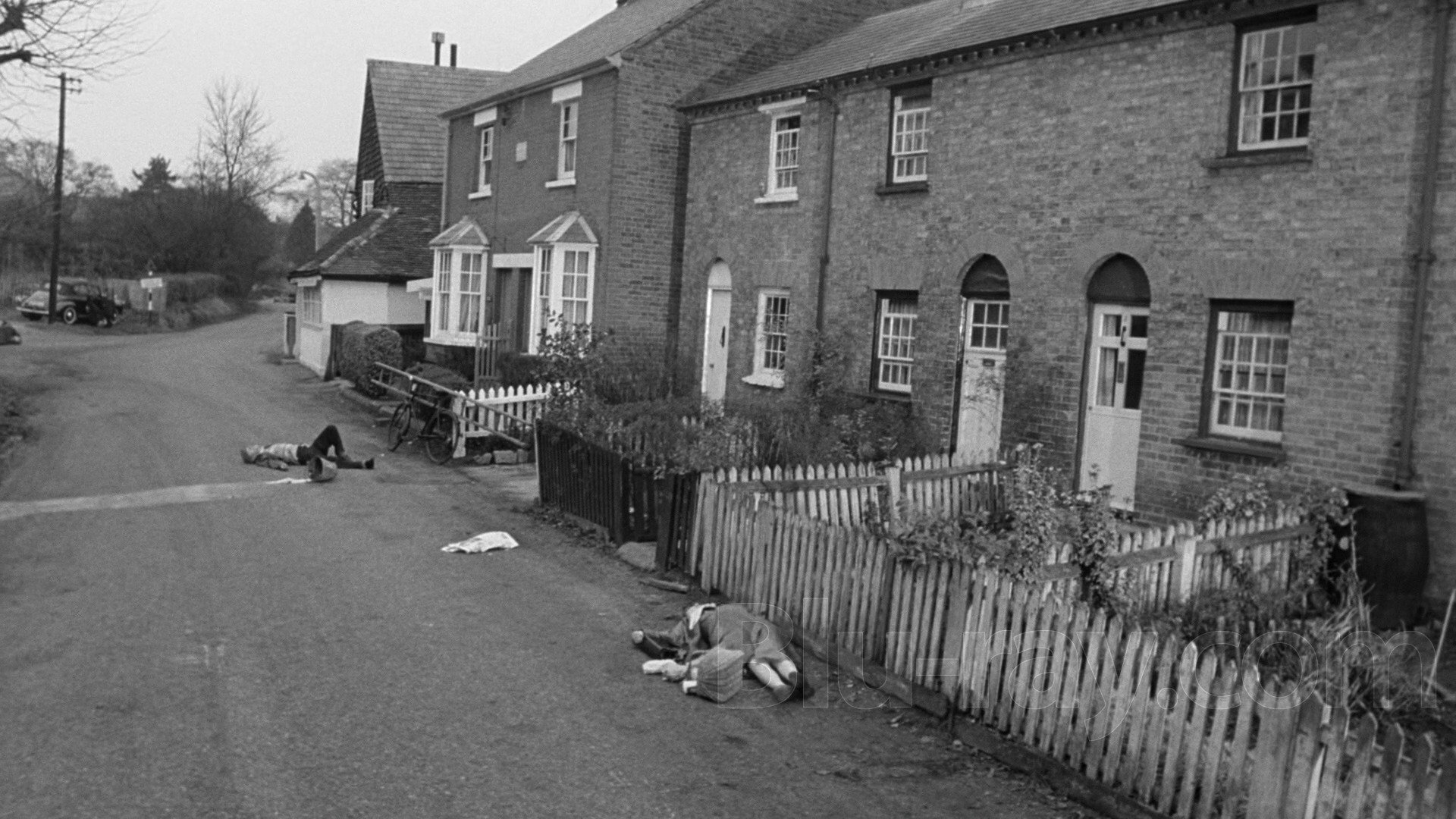
The opening sequence establishes the threat without revealing its origin. Gordon Zellaby is speaking by telephone with his brother-in-law Alan Bernard when the connection abruptly ends. Throughout Midwich, people collapse during ordinary activities, while animals also become unconscious. A bus stops in the road, domestic work is interrupted and the village falls silent. Alan, a military officer, recognizes that the disturbance affects a defined geographical area and arranges an investigation. Personnel approaching the boundary lose consciousness, and an aircraft attempting to cross the affected zone crashes after its pilot becomes incapacitated.

The event eventually ends without explanation. Although the villagers regain consciousness, the absence of an identifiable cause prevents the authorities from dismissing what occurred. The discovery that women with very different personal circumstances have become pregnant creates further anxiety. Medical explanations prove inadequate, while social assumptions concerning marriage and sexual behavior expose several women to suspicion. The children subsequently born from these pregnancies display unusual physical development and a striking similarity of appearance. Their accelerated growth transforms the apparently temporary disturbance into an enduring threat within the community.
Gordon initially regards the children as a scientific problem requiring observation and education. He discovers that they share knowledge and possess telepathic abilities, allowing an experience acquired by one member of the group to become available to the others. Their powers also extend to compelling human behavior. As incidents of violence accumulate, the villagers begin to suspect that the children deliberately punish people who threaten them. The central mystery changes from the origin of the pregnancies to the purpose of a collective intelligence capable of controlling the adults responsible for its upbringing.

Performances & the Uncanny Children

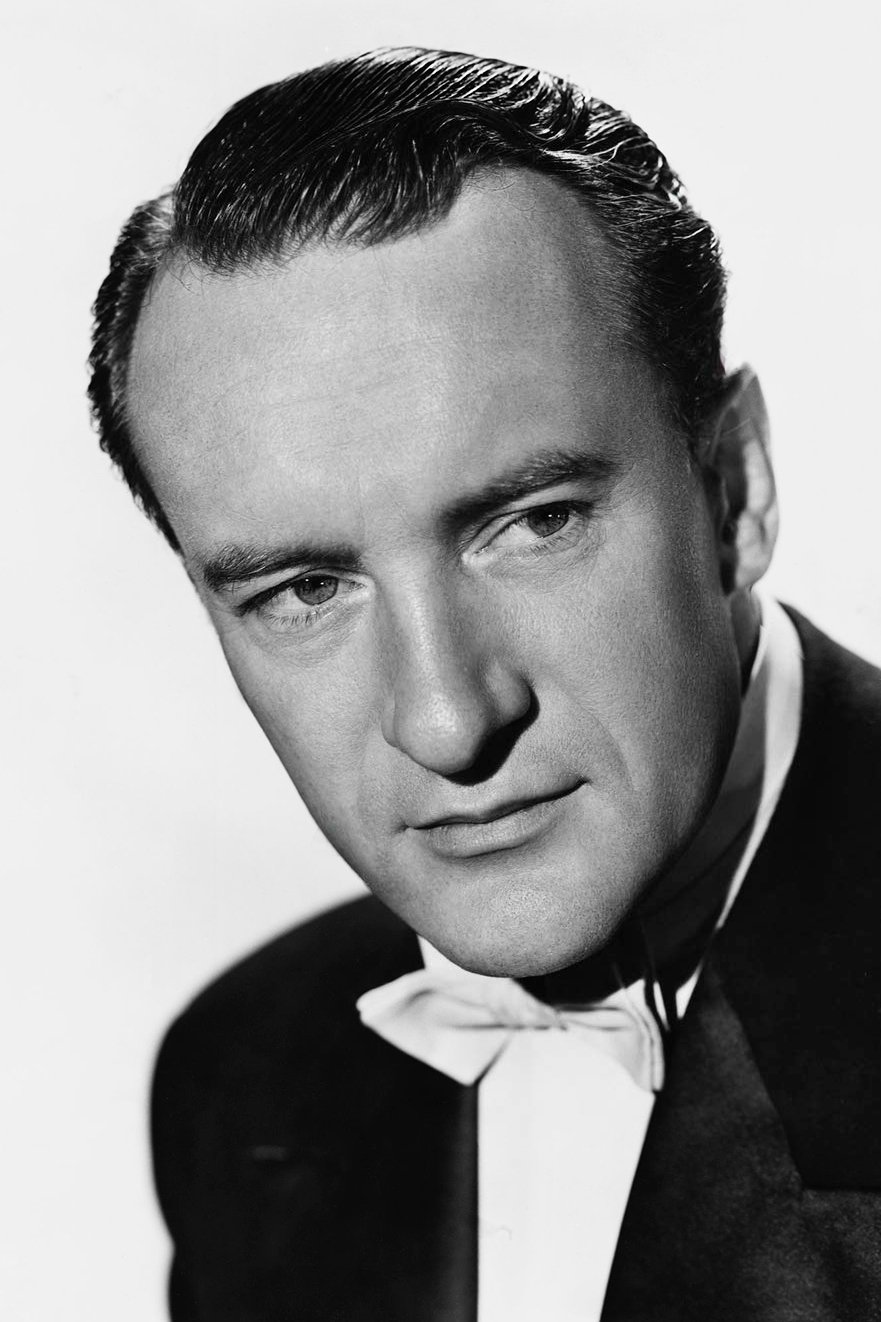
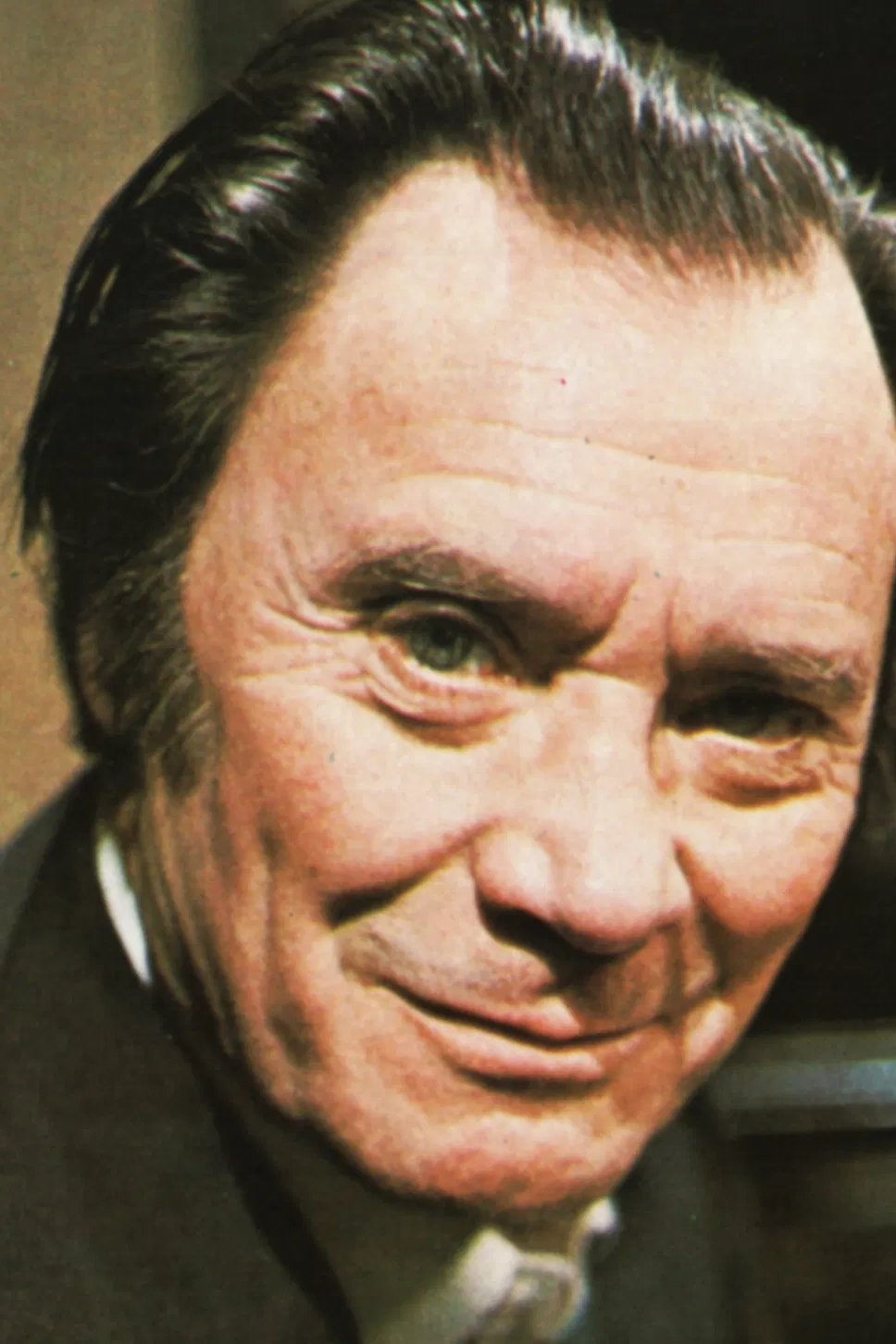
George Sanders gives Gordon Zellaby an intellectual composure that makes his changing attitude toward the children particularly important. As a scientist and father, Gordon initially resists the assumption that unusual abilities necessarily indicate hostile intentions. He attempts to examine their development through instruction and observation, hoping that greater understanding will establish a basis for coexistence. His confidence becomes increasingly difficult to sustain when the children demonstrate their willingness to destroy individuals who interfere with them. Sanders’s restrained performance allows Gordon’s eventual decision to emerge from a conflict between scientific curiosity, paternal responsibility and the protection of the wider community.
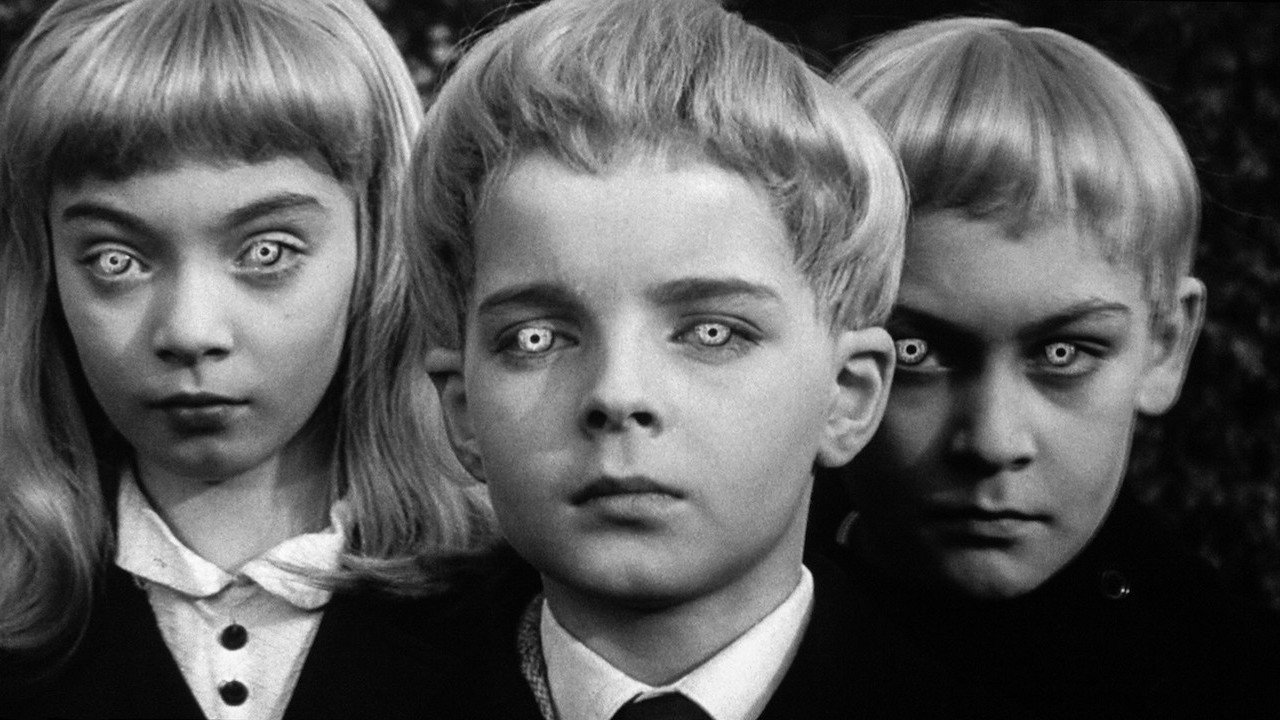
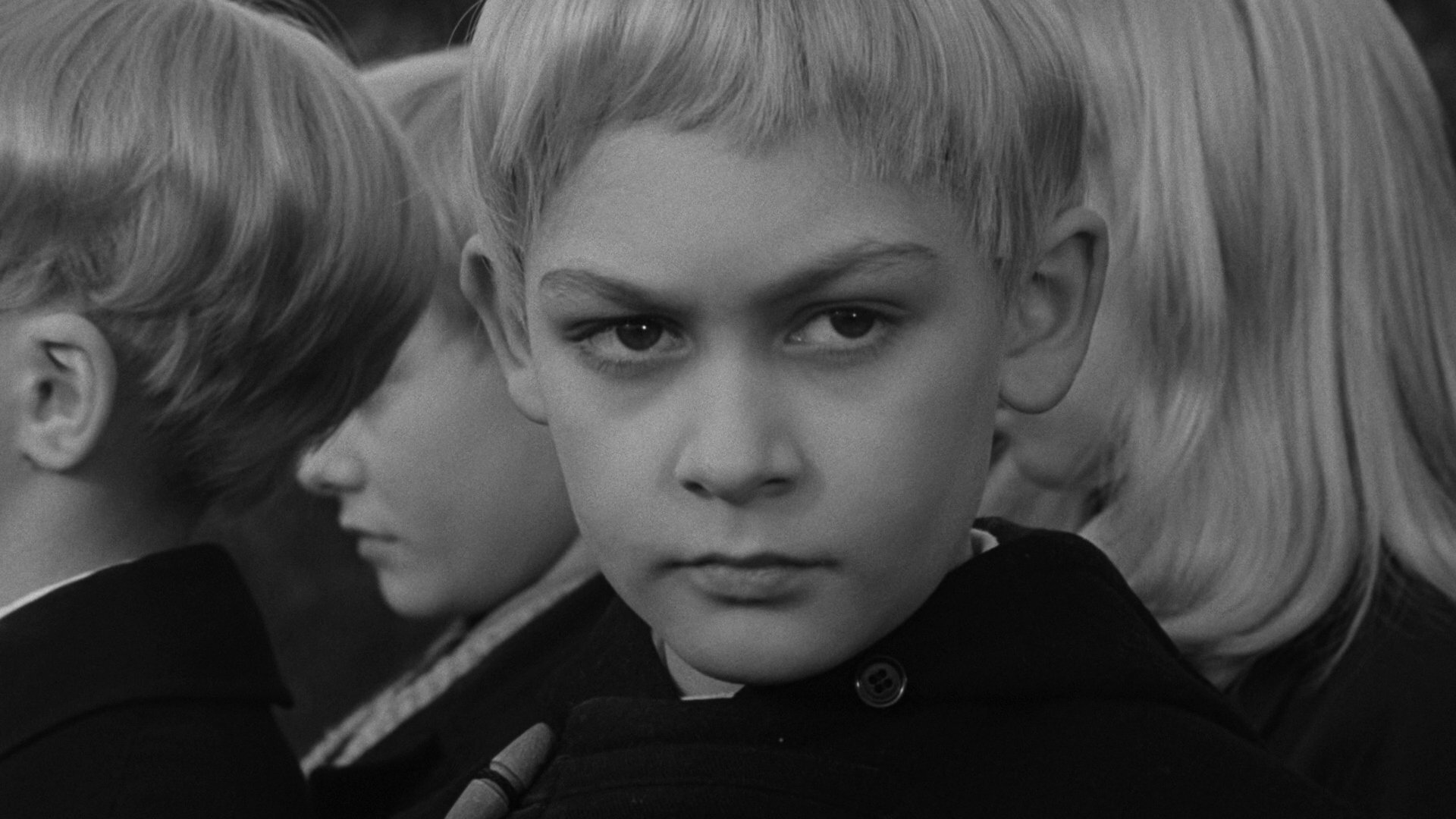
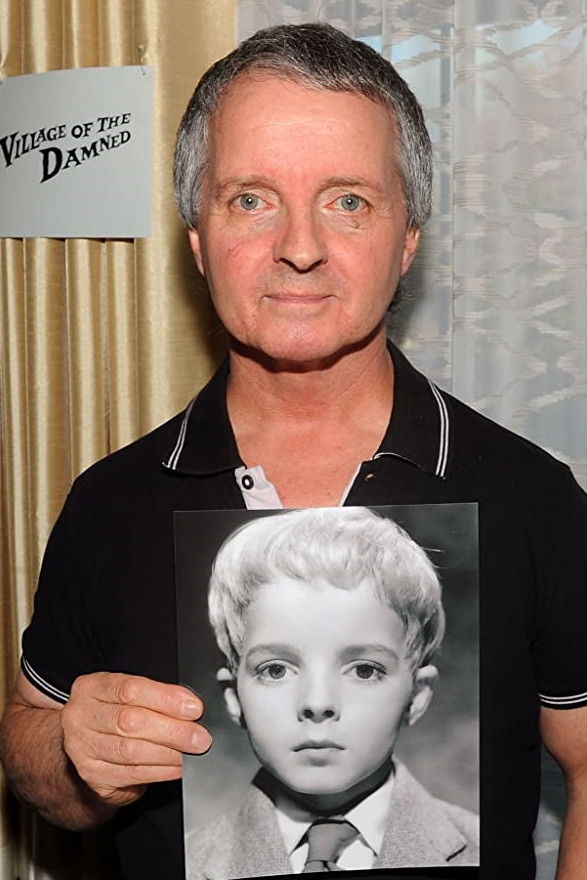
Martin Stephens portrays David Zellaby with controlled movements, precise speech and an almost complete absence of conventional childhood spontaneity. His performance establishes a threatening contrast between the character’s youthful appearance and his apparent understanding of adult fears and weaknesses. The other children maintain similar clothing, hair and expressions, strengthening the impression that they function as a collective rather than as independent personalities. Their uniformity becomes especially disturbing when they communicate with Gordon or demonstrate their powers without visible emotional excitement. Stephens subsequently appeared in Jack Clayton’s The Innocents (1961), another major British horror film involving children whose behavior unsettles the adults responsible for them.

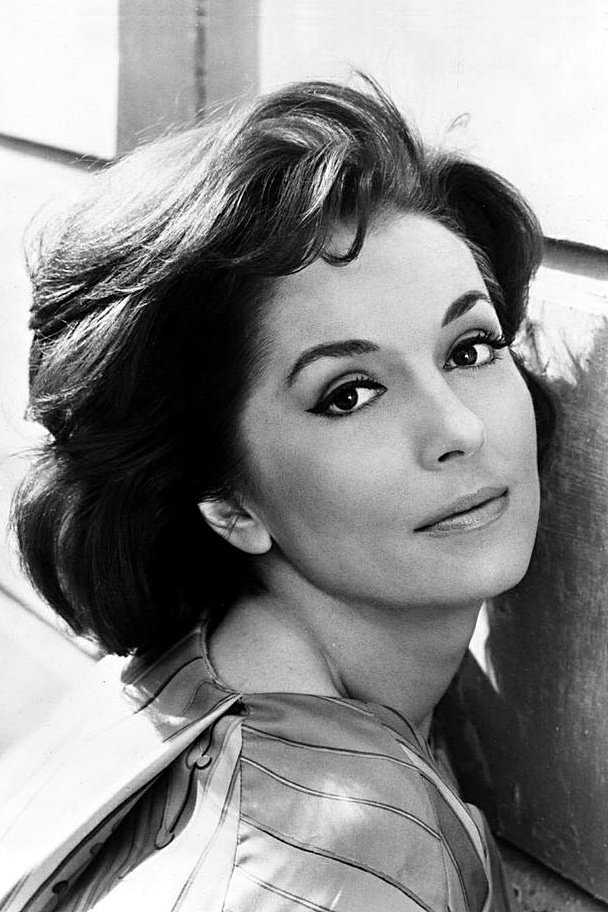
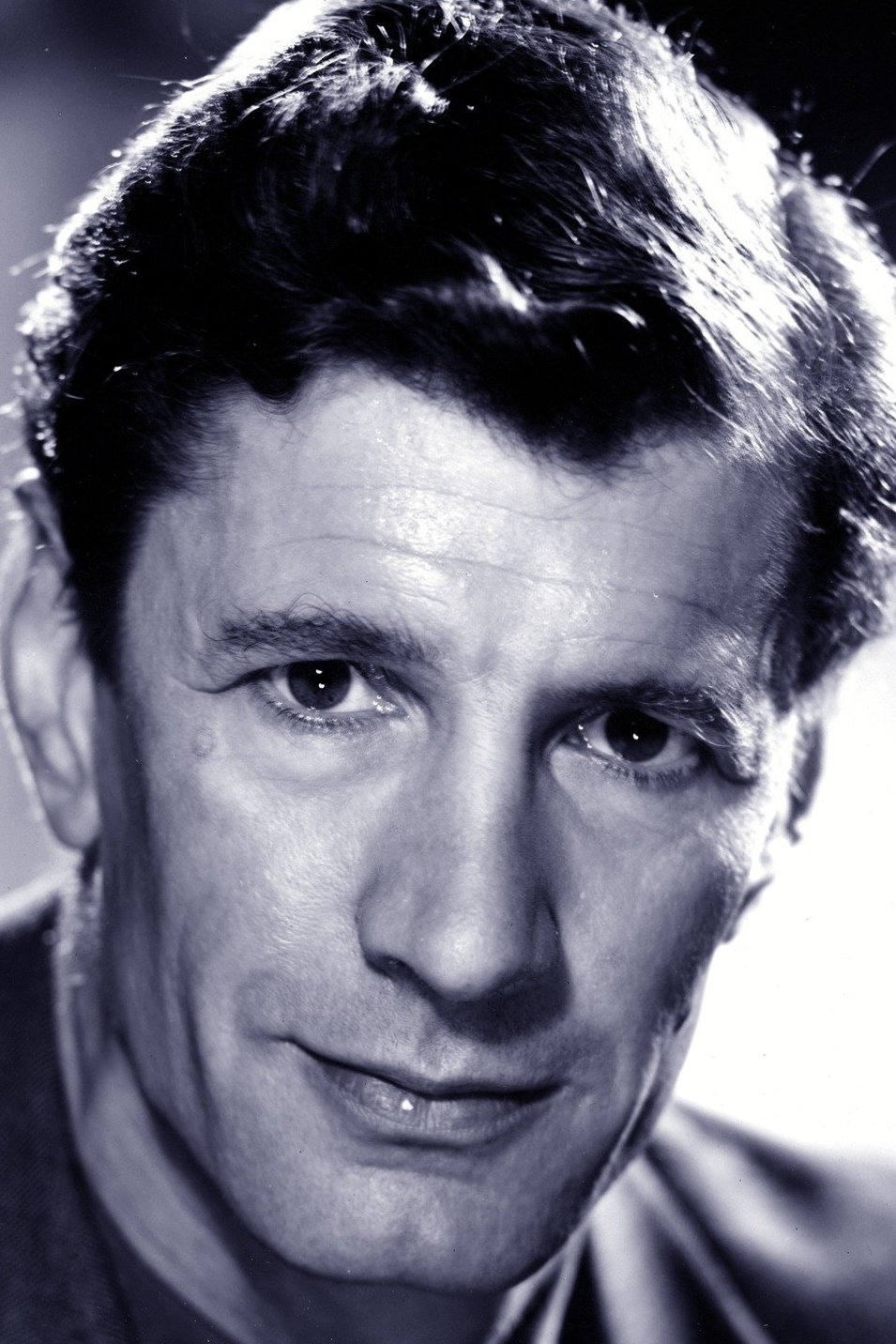
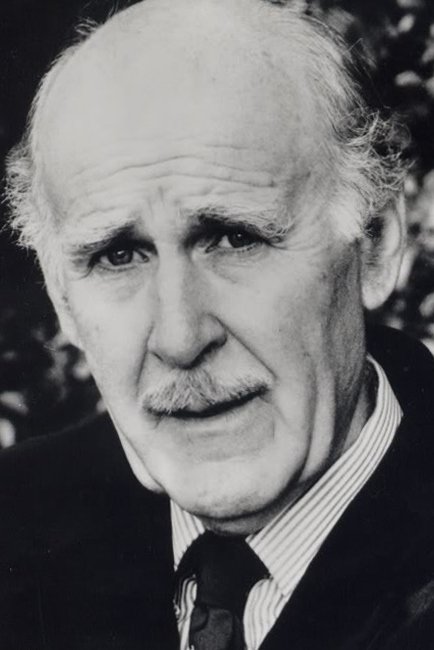
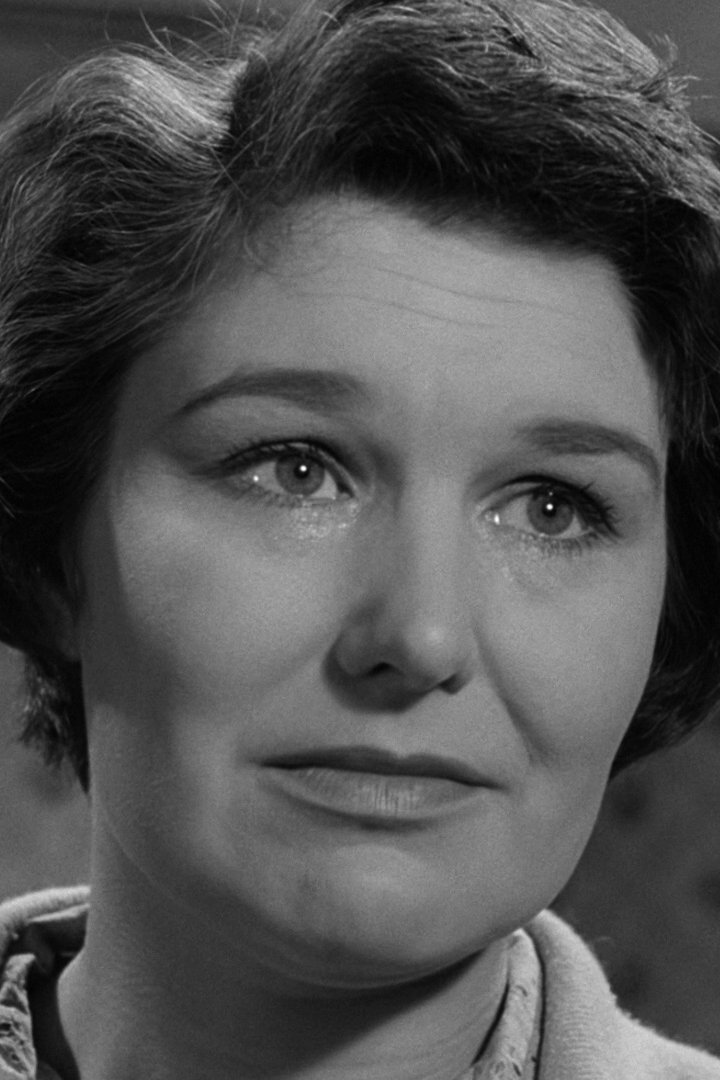
Barbara Shelley’s Anthea provides the principal emotional connection between the extraordinary children and ordinary family life. Her relationship with David becomes increasingly difficult as his behavior reveals an intelligence that does not depend upon affection or parental guidance. Michael Gwynn plays Alan Bernard, whose military responsibilities connect the private crisis in Midwich to wider government concerns. Laurence Naismith portrays Dr. Willers, while other supporting performers establish the responses of villagers whose families and livelihoods have been disrupted. The ensemble gives the invasion a social dimension beyond Gordon’s household, showing how suspicion and fear alter relationships within a community previously organized around familiarity and trust.

Production, Photography & Sound

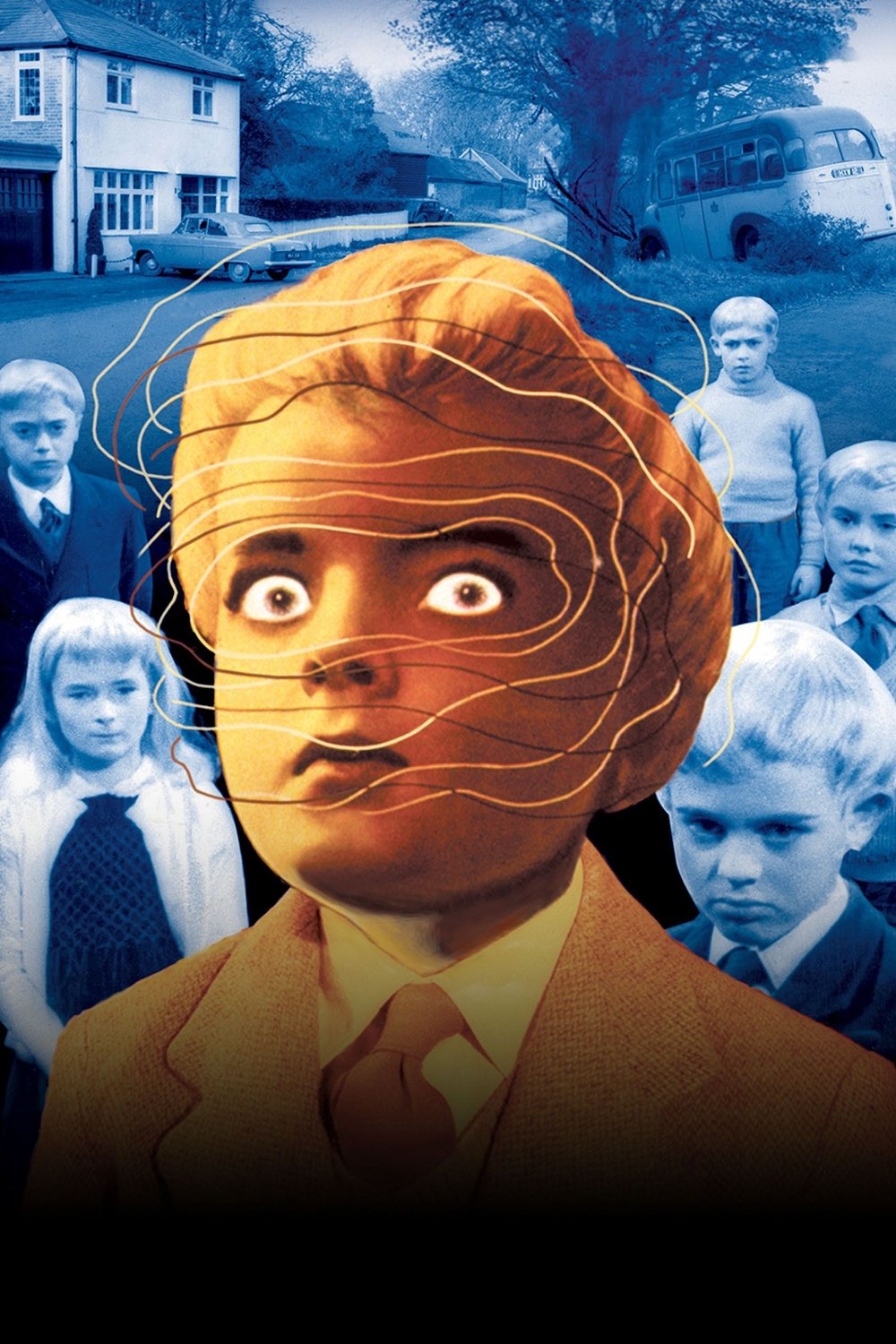
Village of the Damned was photographed largely at MGM’s British studios in Borehamwood, with location work in Letchmore Heath, Hertfordshire. The village supplied recognizable streets, houses and public buildings for the fictional Midwich. Its physical ordinariness is essential to the film’s atmosphere. The invasion occurs within a community whose everyday activities initially appear unremarkable, making the sudden loss of consciousness more disturbing than it would be within an openly fantastic setting. The production’s reliance upon real locations gives the supernatural events a geographical continuity that the screenplay can exploit throughout the investigation.

Geoffrey Faithfull served as cinematographer, while Ivan King received the art-direction credit and Gordon Hales edited the film. The black-and-white photography emphasizes familiar domestic interiors and village exteriors before introducing the unsettling appearance of the children. Rilla later described his preference for a restrained, almost documentary approach to the material. By presenting much of the extraordinary story through ordinary behavior, the director allowed apparently minor changes in expression or movement to become significant. The treatment also reduced the need for continuous spectacular effects, concentrating the audience’s attention on the actors and the uncertain relationships between them.

The opening sequence illustrates the importance of editing and environmental sound. The synchronized collapse of people and animals is communicated through separate views of everyday activities, while the gradual disappearance of ordinary noise establishes the unusual stillness of the village. Ken Hollings, writing for the Wellcome Collection in 2019, drew particular attention to the sound of an unattended wind-up gramophone slowing to a stop. The detail establishes the event through the interruption of an ordinary mechanical action. Ron Goodwin composed the original music, while the sound department contributed to the contrast between the village’s expected activity and the unnatural silence imposed upon it.

Optical Effects & British Release Versions

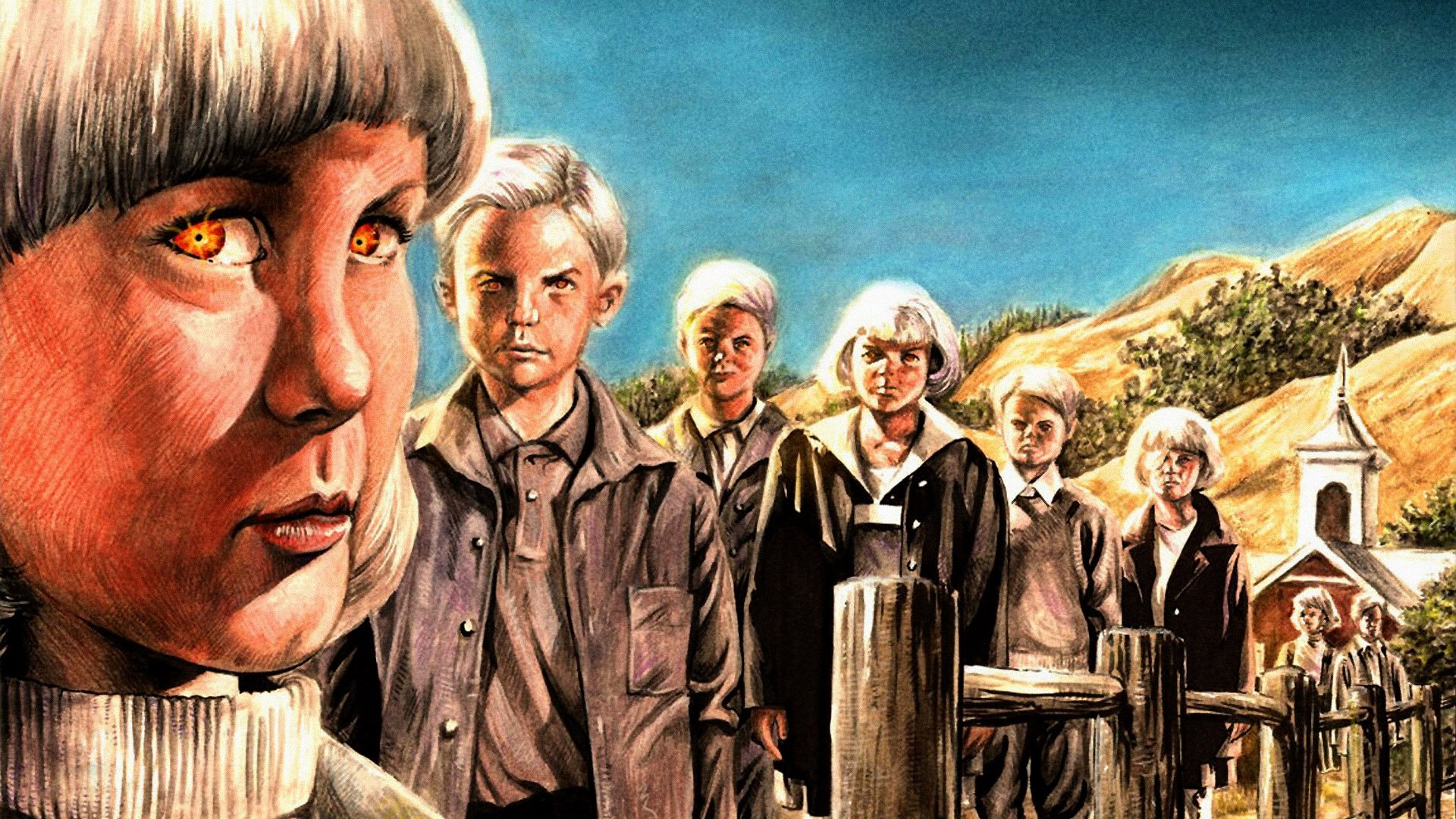
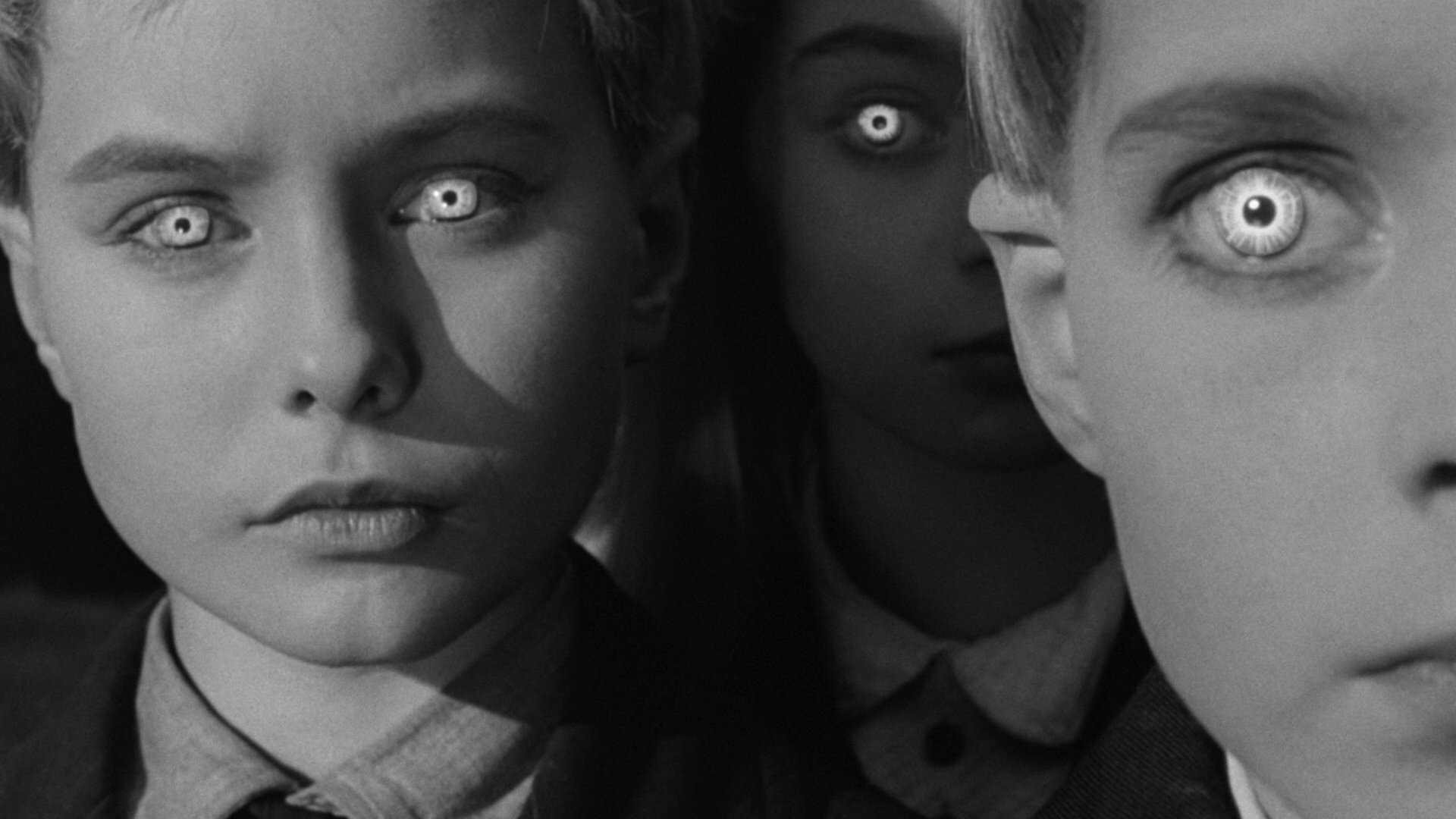
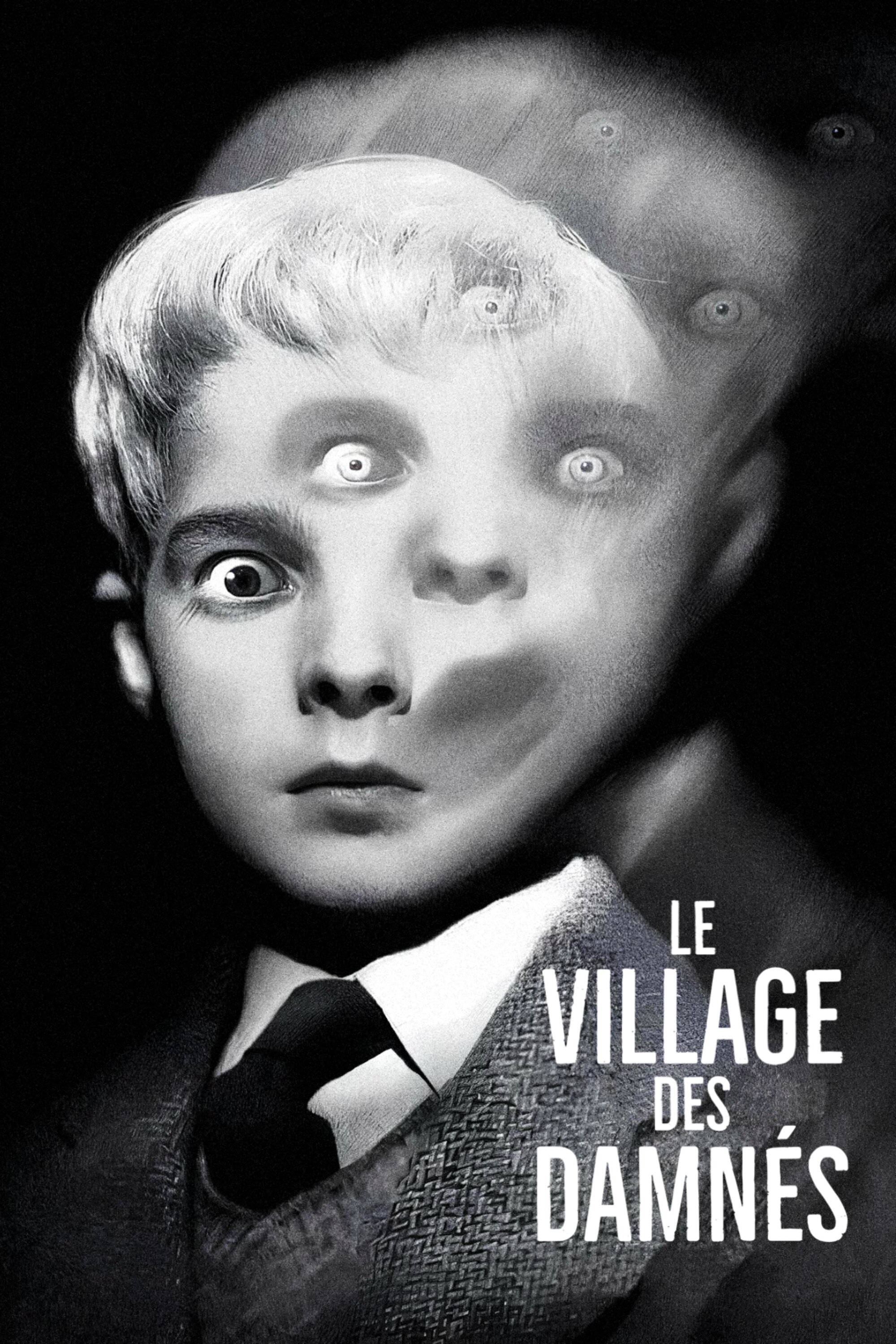
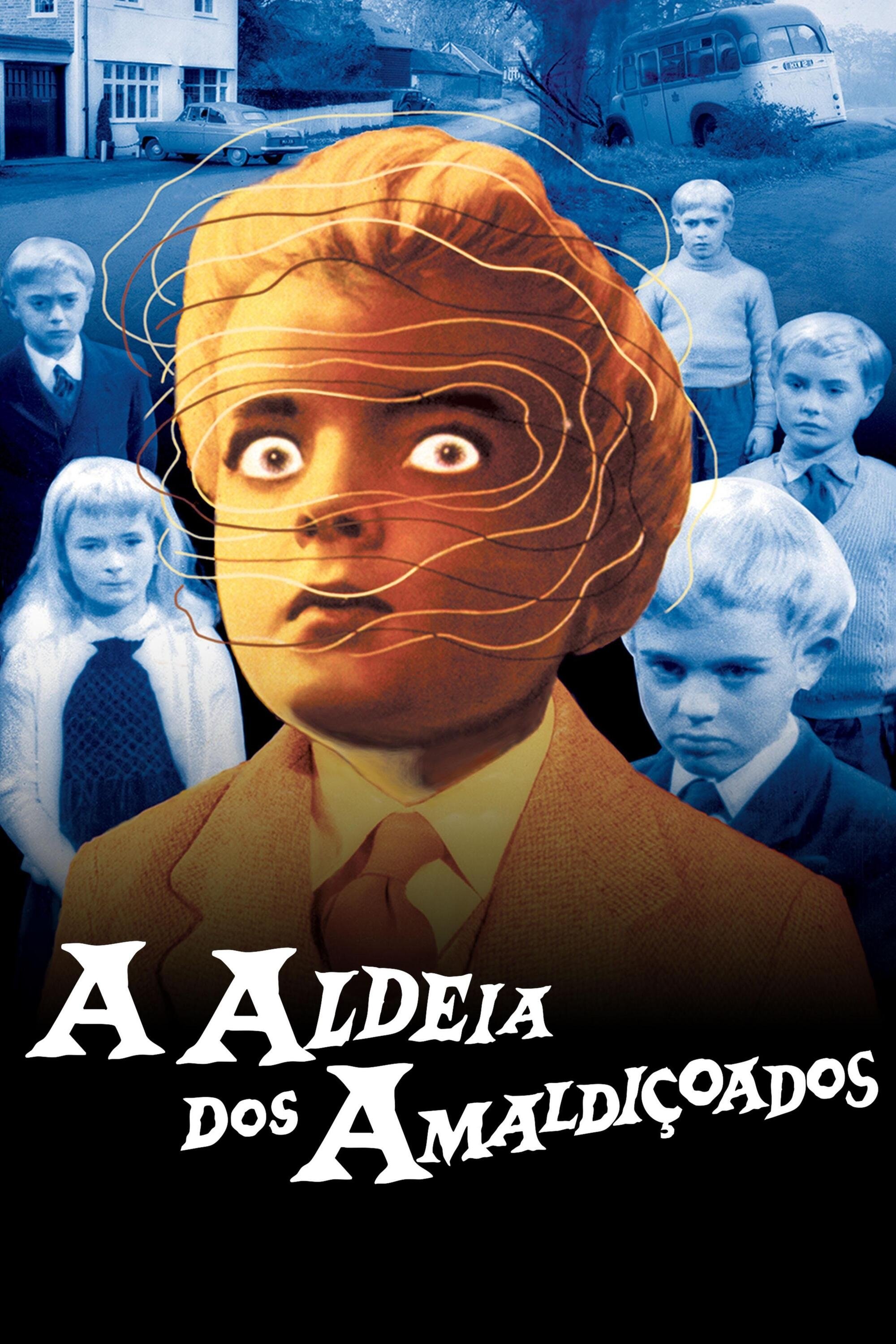
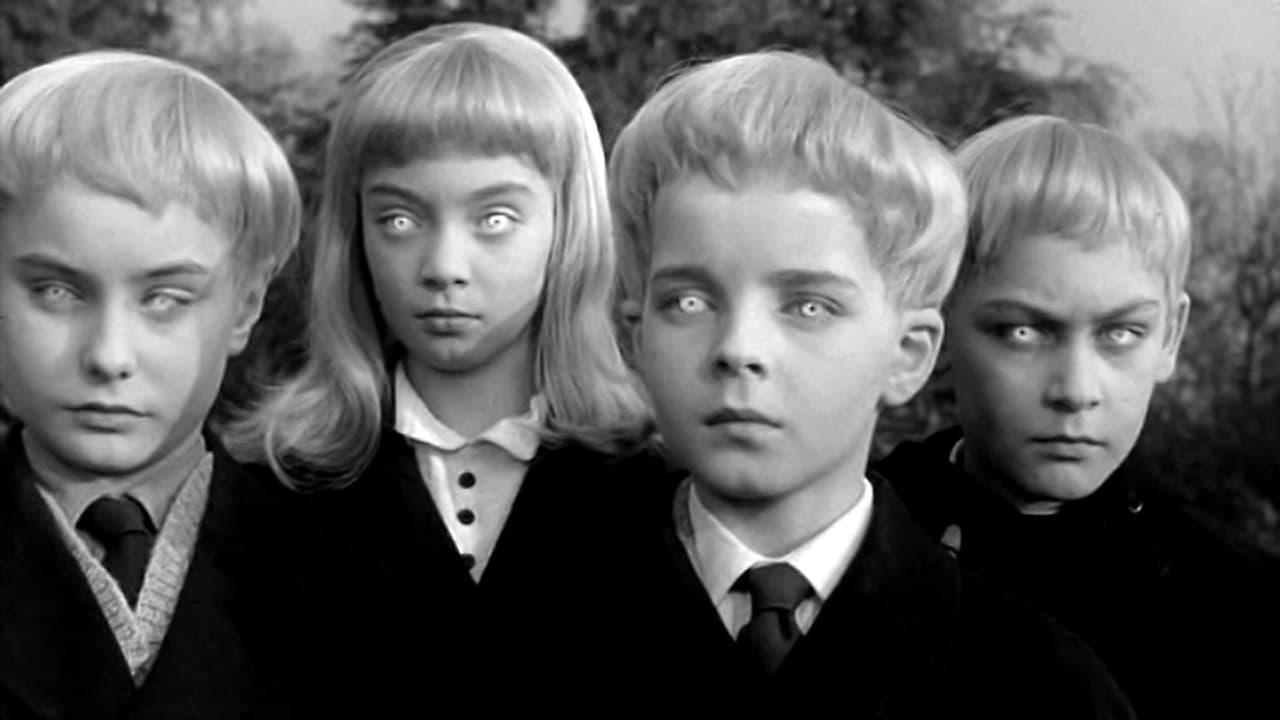
The most recognizable visual effect involves the children’s eyes when they exercise their powers. Tom Howard received the photographic-effects credit. The effect was created through optical manipulation of the eye area, producing the appearance of unusually bright irises within otherwise familiar human faces. Rilla explained in an interview later recalled by MeTV that the production had deliberately cast children with dark eyes and used a matte technique to reverse the tonal appearance of their irises. The result required relatively little visible transformation, preserving the children’s ordinary facial structure while making their gaze appear distinctly inhuman.

The use of a controlled stare is essential to the horror because the children rarely need physical force to attack their victims. Their victims are compelled to perform destructive actions through apparently invisible mental pressure. The optical effect gives the audience a recognizable indication of that process without showing a material connection between attacker and victim. Its restricted use also prevents the film from becoming dependent upon repeated demonstrations of the same technique. A composed expression or sudden silence can become threatening before the familiar visual sign appears.

Historical accounts of the film’s versions identify a significant difference between the original British and American presentations. The British release was prepared without the glowing-eye optical enhancement used in American prints, allowing the threatening actions to be conveyed through the performers’ expressions. Film historian Glenn Erickson subsequently documented confirmation of this difference from Sergio Angelini, who had seen a British 35mm print at London’s National Film Theatre. The distinction has often been associated with the requirements of obtaining an A classification in Britain. These version-specific differences should not be confused with a wholesale removal of the violent incidents: the surviving accounts concern the presentation of the children’s eyes rather than a substantially different narrative.

Cold War Anxiety, Childhood & Ethical Horror

Village of the Damned belongs to the cycle of science-fiction horror produced during the Cold War, when alien invasion frequently supplied a fictional means of examining political and social anxieties. Its threat is unusually intimate because the invaders arrive through the birth of children rather than through visible spacecraft or military occupation. The adults must confront beings who resemble members of their own families but possess interests that cannot be reconciled with established human relationships. The film therefore connects invasion to reproduction, responsibility and the uncertainty of recognizing an apparently familiar person as an autonomous individual.

The children’s uniform clothing and collective intelligence have encouraged comparisons with authoritarian movements and the suppression of individuality. Their blond appearance and disciplined behavior have also been interpreted through memories of the Hitler Youth. Andrew Pulver identified this association in his study of the adaptation, while Mark Jancovich placed the film within a wider category of British and American horror productions that combined familiar stars and respectable literary sources with disturbing subject matter. These historical interpretations help explain its reception, but none should be treated as the exclusive political intention of Wyndham or Rilla.

The conflict also reflects changing perceptions of childhood during the postwar period. Ken Hollings connected the film to cultural concerns about a younger generation whose behavior seemed increasingly difficult for adults to understand or control. The children’s intelligence develops far more rapidly than their capacity for emotional attachment, making their growing independence threatening to established forms of authority. Their collective identity also transforms education into a potential danger: knowledge acquired by one child can immediately strengthen the entire group. The schoolroom, ordinarily associated with social development, becomes a location in which the adult teacher is increasingly vulnerable to his pupils.

The ending concentrates these questions within Gordon’s decision to destroy the children. After learning that similar groups have appeared elsewhere and that the Midwich children intend to disperse, he conceals explosives inside a briefcase. He imagines a brick wall to prevent David and the others from discovering his intentions through telepathy. As the children concentrate on breaking through the mental barrier, the film visualizes its progressive destruction. Gordon succeeds in detonating the explosives, sacrificing himself with the group. The conclusion presents an apparent resolution of the local threat while raising an ethical problem: a father and teacher has deliberately killed the children he had undertaken to educate and protect.

Release, Reception & Historical Position

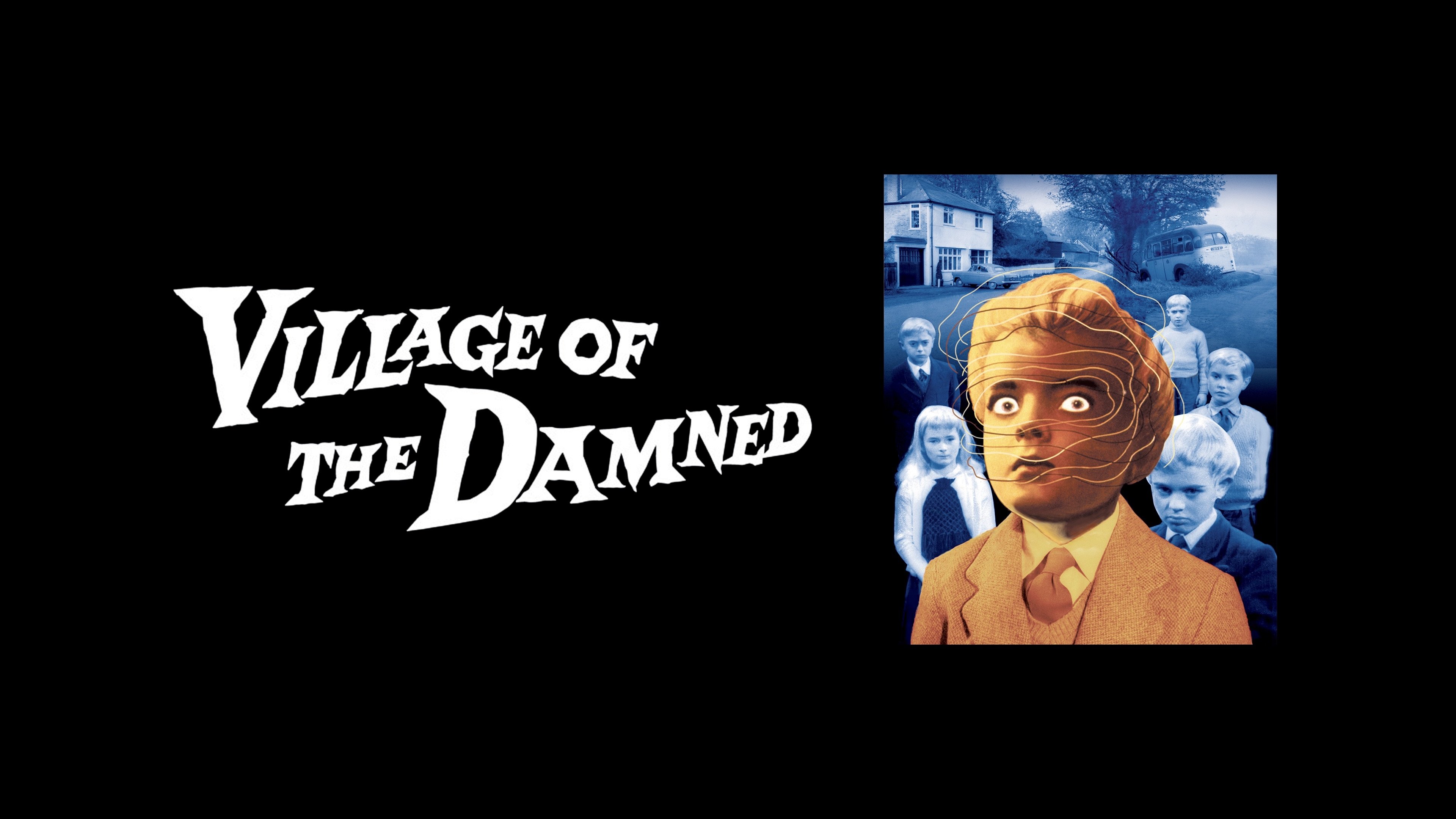
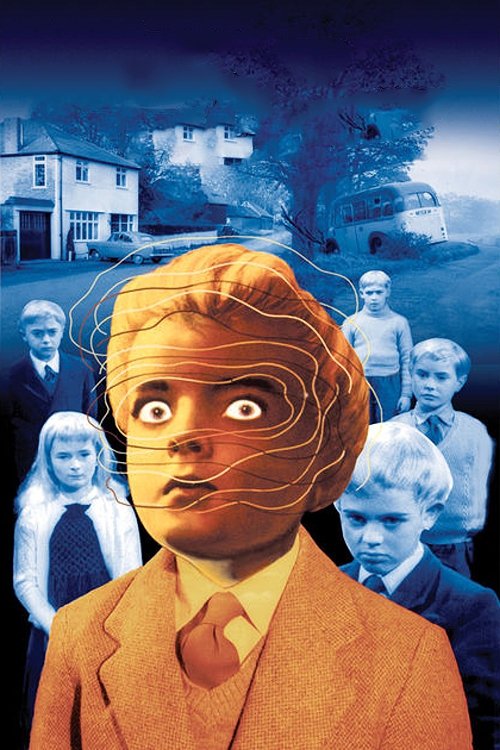
Village of the Damned entered British theatrical distribution in 1960, with a London engagement recorded on 16 June. The American Film Institute documents openings in Los Angeles and New York on 7 December 1960. MGM marketed the picture around the children’s threatening appearance and their ability to control human behavior. Its original American advertising emphasized the eyes as the most immediately recognizable expression of the supernatural threat. The approach allowed the distributor to communicate the central horror premise without explaining the complicated circumstances of the children’s conception or the scientific investigation that dominates the early narrative.

Contemporary critical opinion was divided. Mark Jancovich’s historical research documents a negative review in Variety, whose critic considered the film’s premise and treatment disturbing in an undesirable manner. Howard Thompson, reviewing the film for The New York Times in December 1960, responded much more favorably to its controlled atmosphere and originality. The disagreement reflected different expectations concerning science-fiction cinema, psychological horror and the suitability of stories involving children who commit acts of violence. Rather than relying on elaborate monster makeup or frequent physical attacks, the production generated suspense through the progressive recognition of hostile intentions beneath an ordinary appearance.

The film’s success led MGM to produce Children of the Damned (1964), directed by Anton M. Leader. The later film developed a separate narrative involving children from different countries whose extraordinary abilities provoke international political concern. John Carpenter subsequently directed Village of the Damned (1995), relocating the story to a California community and introducing a different visual interpretation of the children and their powers. The underlying novel also returned to television through The Midwich Cuckoos (2022), providing another adaptation of Wyndham’s premise. These productions document the continuing appeal of the original story without establishing a single, uninterrupted narrative continuity among its screen versions.

The 1960 film remains particularly important within British science-fiction horror because it gives a familiar rural community the function of an invasion setting. Its distinctive children have become recognizable figures in the history of supernatural cinema, while the optical treatment of their eyes established a visual shorthand for coercive mental power. The restrained direction, performances and conflict between parental loyalty and collective survival continue to distinguish Rilla’s adaptation from more spectacular examples of the period’s extraterrestrial horror. Its significance is also supported by the wider critical history of early-1960s British horror, which included productions outside the Gothic cycle most closely associated with Hammer.

References

  1. American Film Institute Village of the Damned (1960) — AFI Catalog

    Archival production and release documentation confirming the screenplay credits, producer Ronald Kinnoch’s pseudonym, principal crew, filming locations, American opening dates and the relationship to subsequent adaptations.

  2. The Guardian New Kids on the Block

    Andrew Pulver’s 2005 analysis of the adaptation of The Midwich Cuckoos, the original MGM development, changes to the characters and narrative, the brick-wall climax and political interpretations.

  3. Humanities and Social Sciences Communications Beyond Hammer: The First Run Market and the Prestige Horror Film in the Early 1960s

    Mark Jancovich’s 2017 peer-reviewed study placing Village of the Damned within the early-1960s horror market and comparing its original reception in Variety and The New York Times.

  4. Wellcome Collection The Unearthly Children of Science Fiction’s Cold War

    Ken Hollings’s 2019 historical essay examining the treatment of childhood, conformity, sound, social anxiety and postwar generational conflict in Village of the Damned and related British productions.

  5. Trailers From Hell — CineSavant Village of the Damned (1960)

    Glenn Erickson’s detailed retrospective on the narrative, performances, optical eye effects, original British release variant and later Warner Archive presentation, including film-print evidence supplied by Sergio Angelini.

Cast

View Full Cast & Crew →

Release & Distribution

Production Companies (2)

  • Metro-Goldwyn-Mayer US
  • Metro-Goldwyn-Mayer British Studios GB

Distributors (1)

  • Metro-Goldwyn-Mayer US

Release History (9)

Release DateTerritoryRelease TypeFormatDistributorCertificationNotes
1960-06-16 United Kingdom Limited Theatrical — — — London
1960-09-21 South Africa Theatrical — — —
1960-10-25 United States Limited Theatrical — — NR
1960-11-14 United Kingdom Theatrical — — —
1960-12-07 United States Theatrical — — NR
1961-02-08 France Theatrical — — 12
1961-07-13 Italy Theatrical — — T
1961-11-13 Denmark Theatrical — — 11
2005-10-28 United Kingdom Physical DVD — 12 DVD
What Demonic Force Lurks Behind Those Eyes?