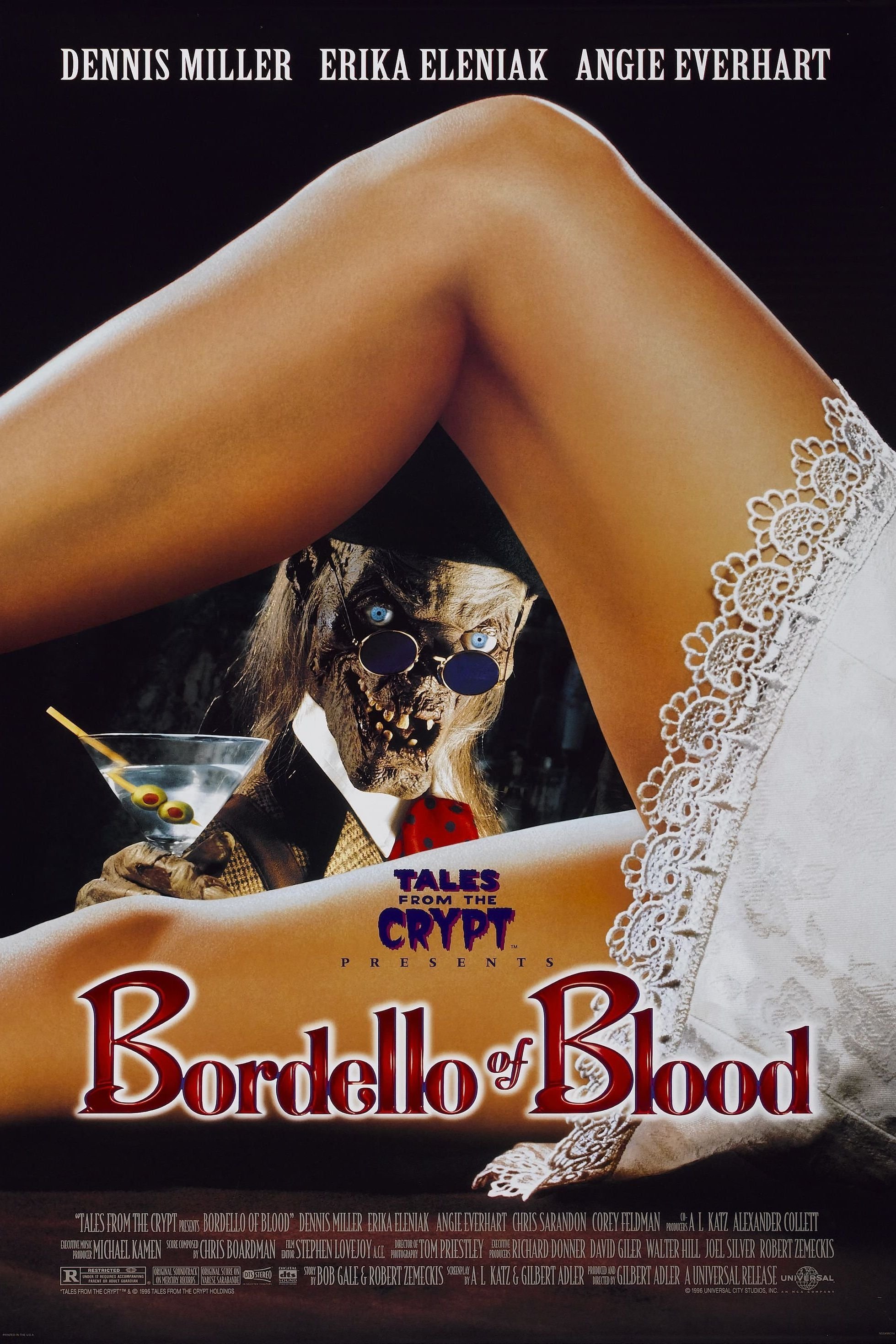
Bordello of Blood (1996)

US
HORROR FILM Comedy
Runtime
87 min
Release
August 16, 1996
Budget
$15,000,000
Revenue
$5,600,000
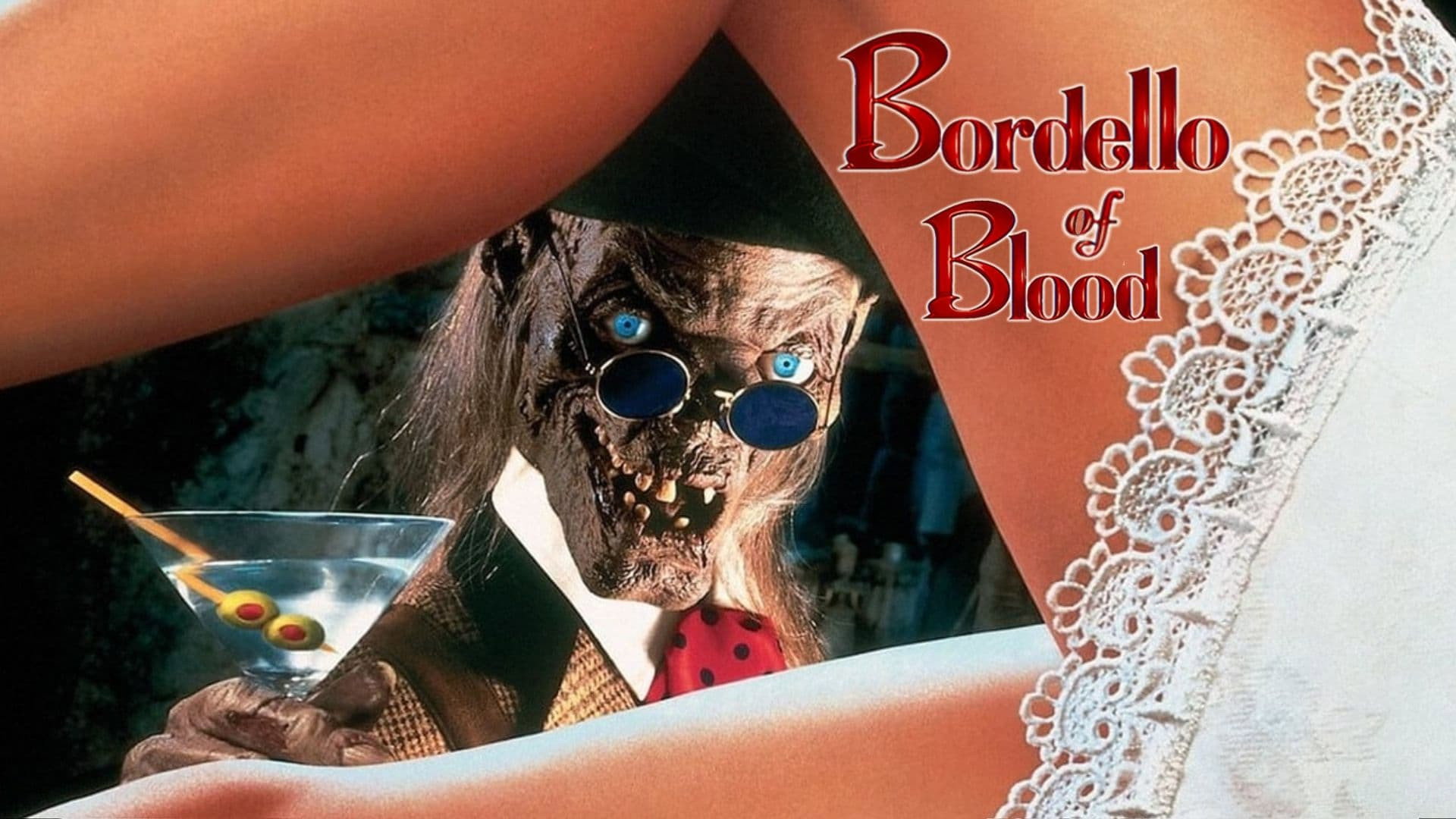
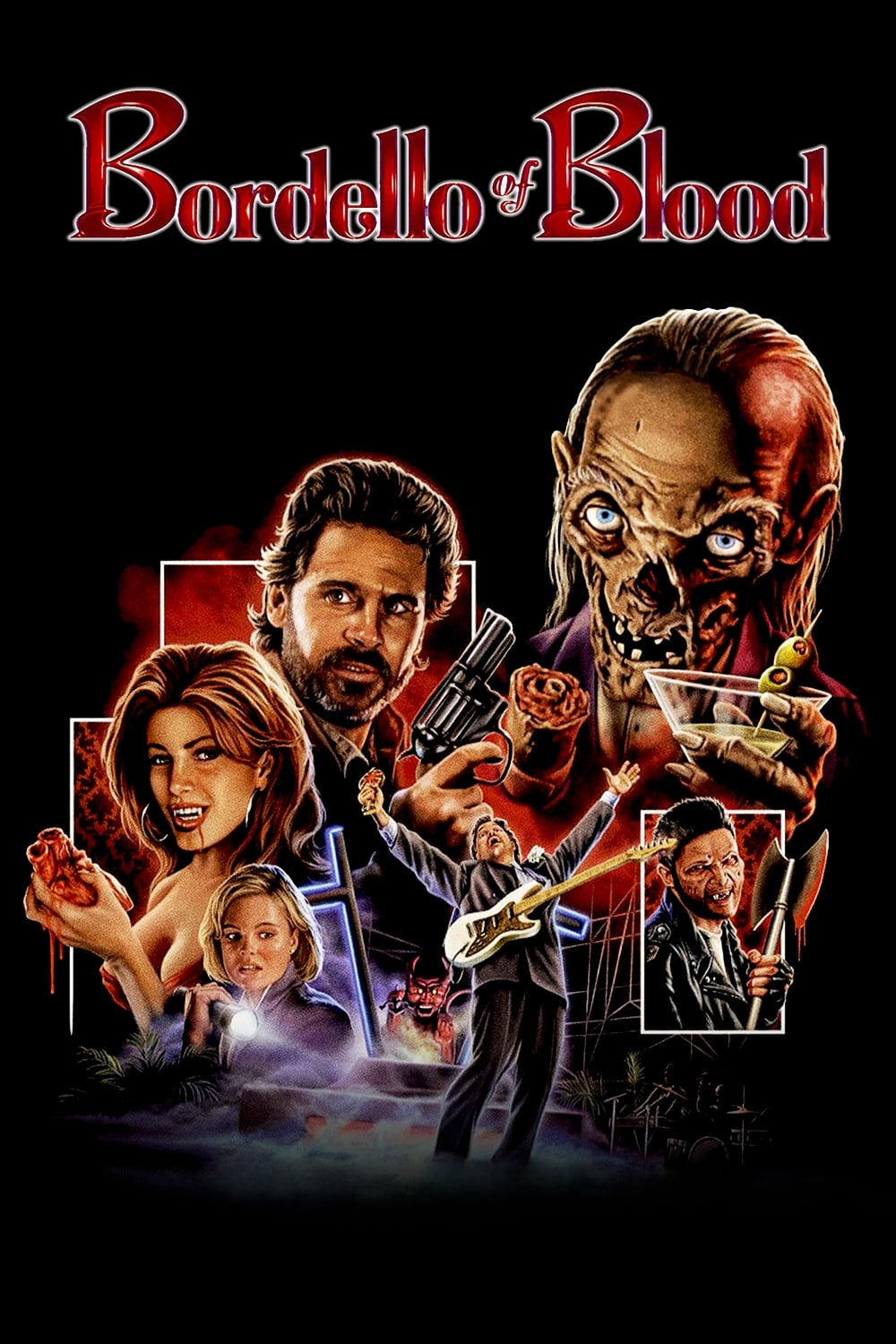
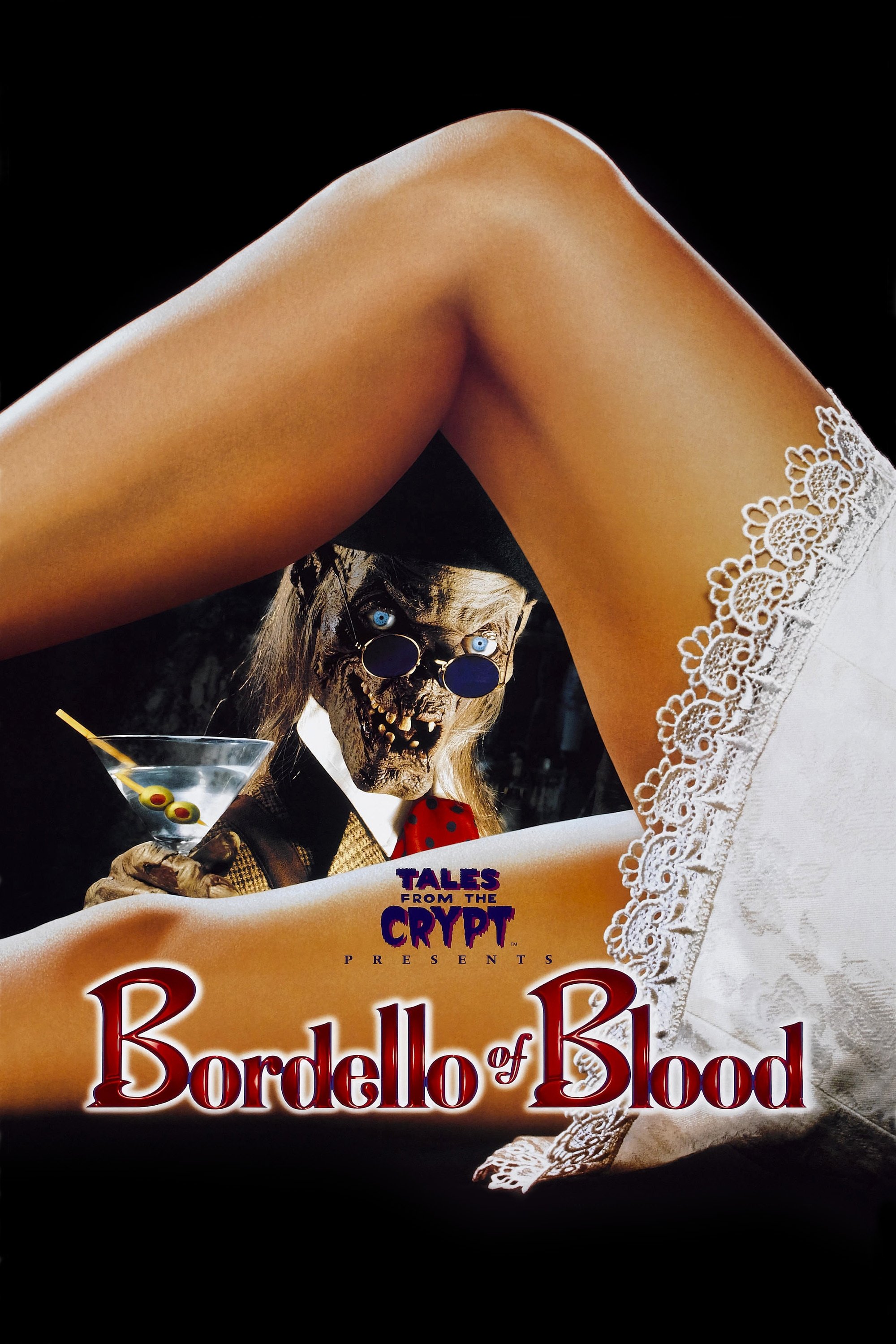
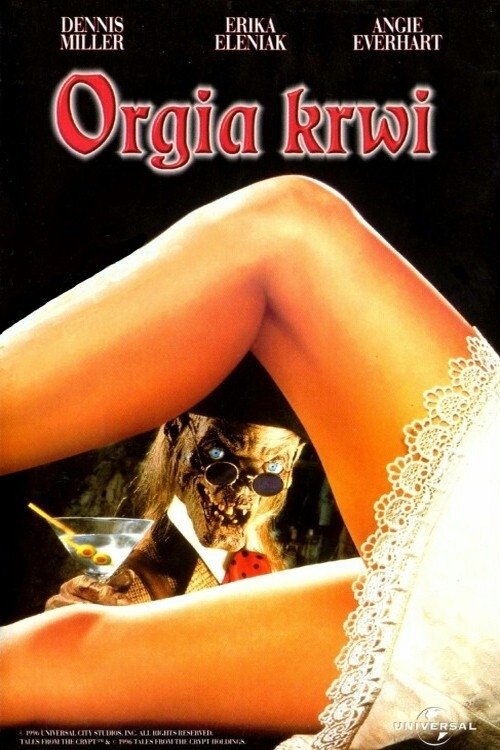
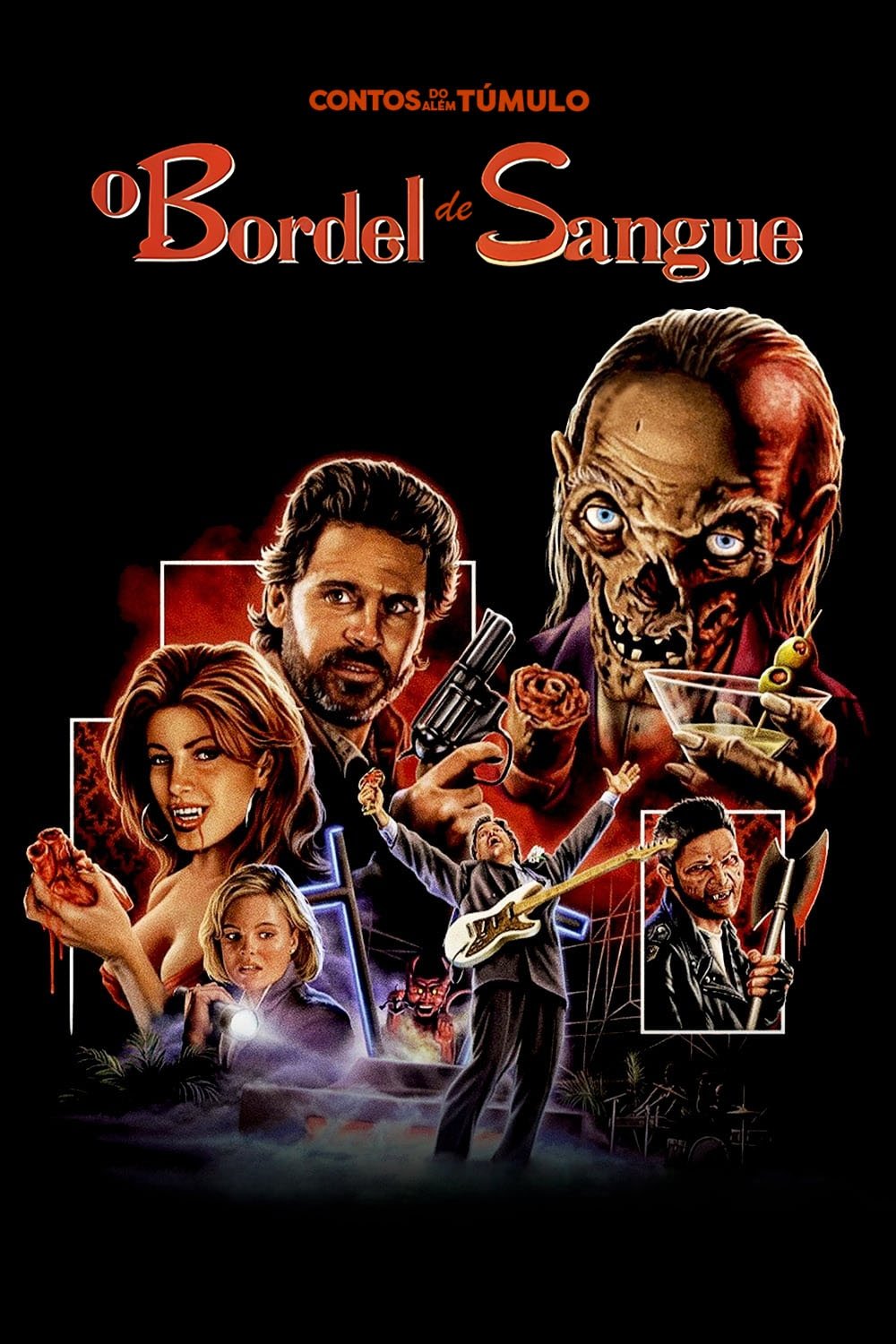
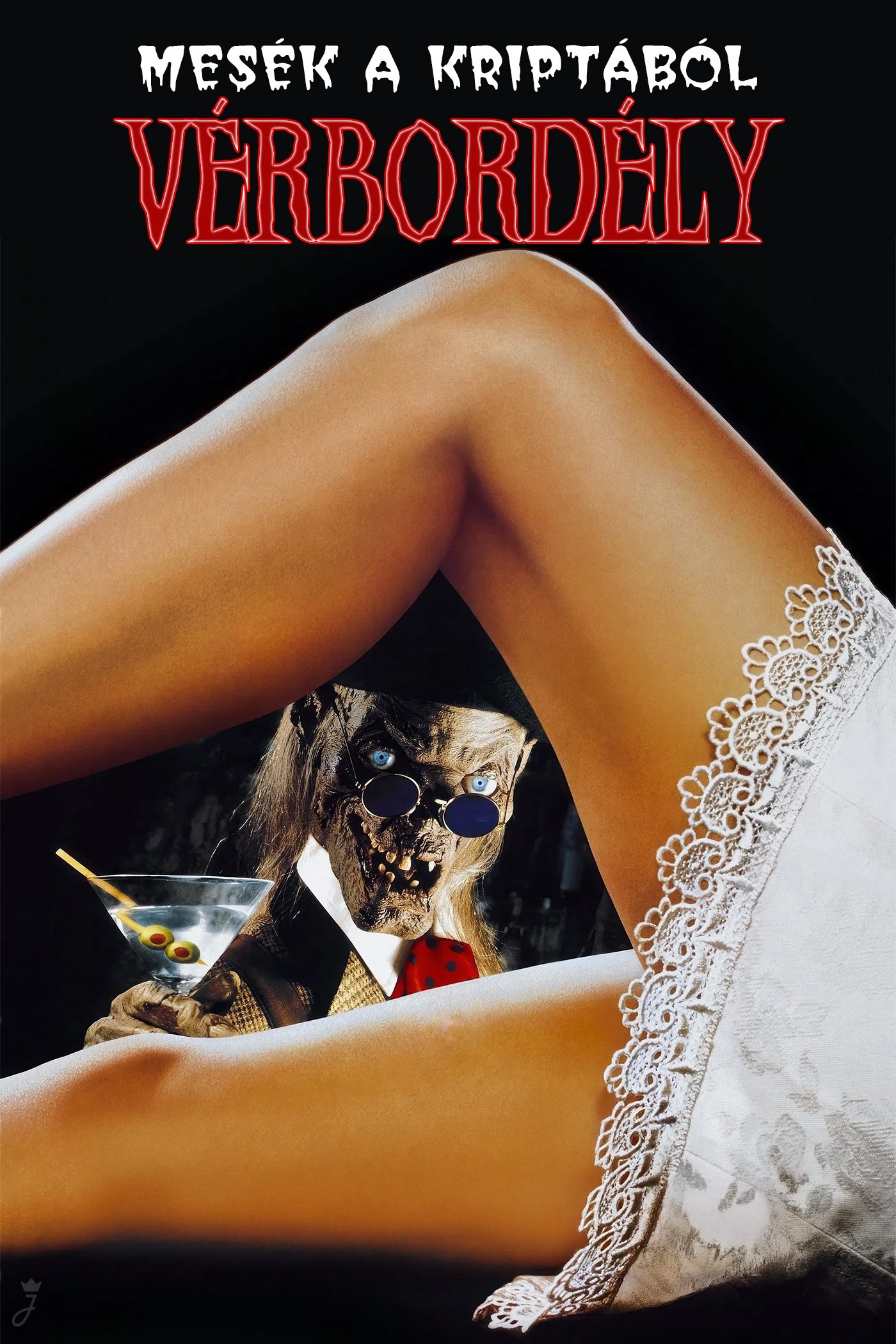
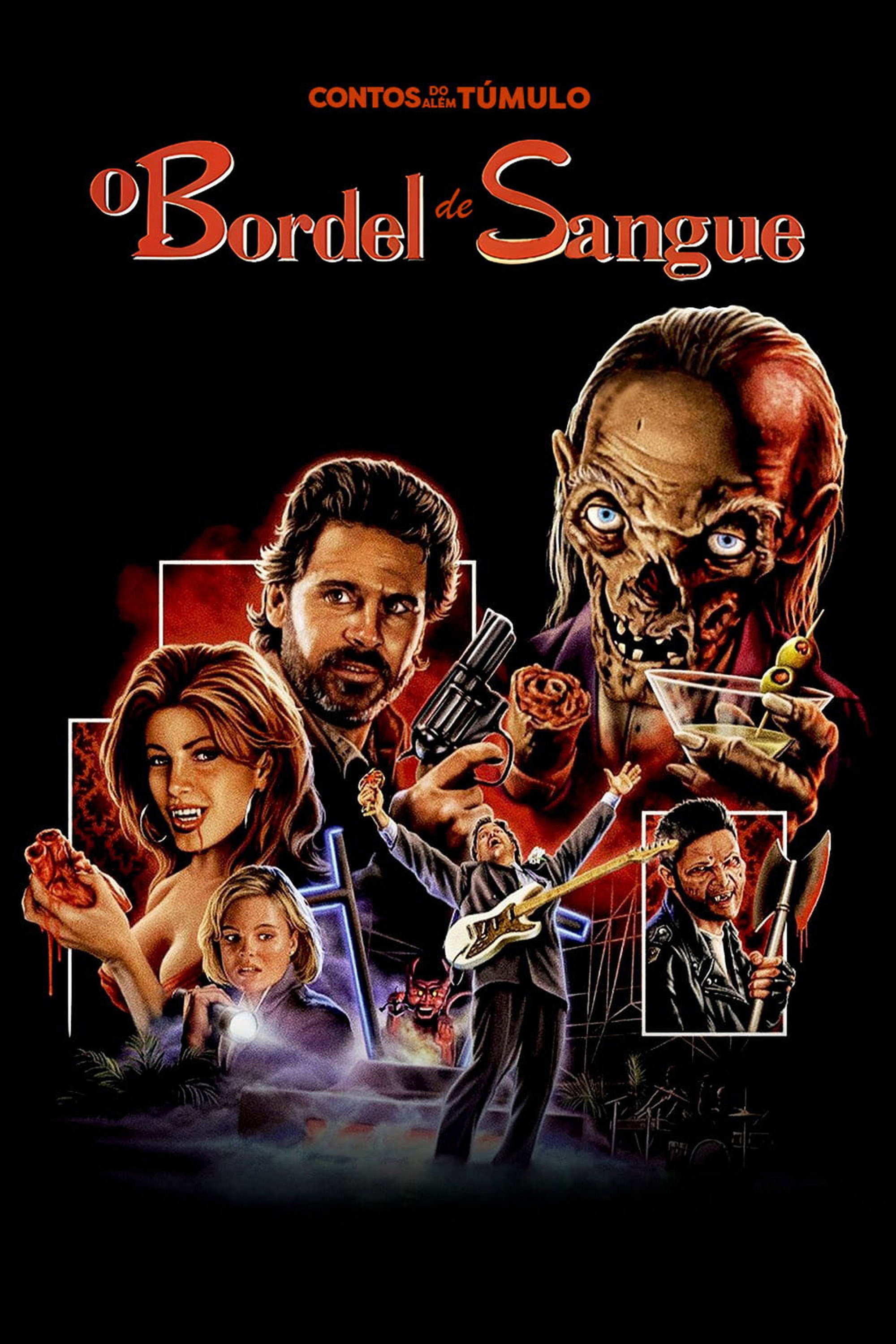
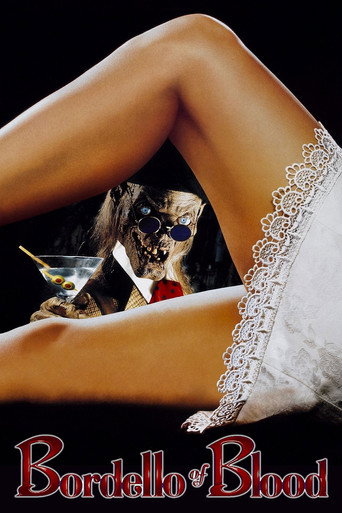
Bordello of Blood (1996) poster
Director
Production Companies
Universal Pictures , Tales From The Crypt Holdings
Plot

A seedy private eye gets more than he ever bargained for when a missing persons case leads him to a brothel overseen by the mother of vampires and her lusty army of the undead.

Alternative Titles
Tales From The Crypt - Bordello Of Blood (Australia) Разкази от криптата: Кървавият бардак (Bulgaria) — Bulgarian O Bordel de Sangue (Brazil) — Portuguese Tales from the Crypt 2 (Canada) Tales from the Crypt 4 - Bordello of Blood (Canada) 青楼禁地 (China) Povídky ze záhrobí: Upíří nevěstinec (Czechia) — Czech Geschichten Aus Der Gruft - Bordello Of Blood (Germany)
Show all 32 alternative titles Geschichten aus der Gruft: Bordello of Blood (Germany) — German Tales from the Crypt: Bordello of Blood (Denmark) — Danish El club de los vampiros (Spain) — Spanish Verenhimoiset viettelijättäret (Finland) — Finnish Les Contes de la crypte - La Reine des vampires (France) — French Tales from the Crypt - La Reine des vampires (France) 青樓禁地 (Hong Kong SAR China) — Chinese Mesék a kriptából - Vérbordély (Hungary) — Hungarian בורדל הדמים (Israel) — Hebrew Il piacere del sangue (Italy) — Italian ボーデロ・オブ・ブラッド 血まみれの売春宿 (Japan) — Japanese ボーデロ・オブ・ブラッド/血まみれの売春宿 (Japan) ボーデロ・オブ・ブラッド~血まみれの売春宿~ (Japan) 크리프트 스토리: 뱀파이어와의 정사 (South Korea) — Korean El Club de Los Vampiros (Mexico) — Spanish Blodig bordell (Norway) — Norwegian Opowieści z krypty: Orgia krwi (Poland) — Polish Tales from the Crypt 4: Bordel de Sangue (Portugal) — Portuguese Байки из склепа: Кровавый бордель (Russia) — Russian Кровавый бордель (Russia) Historias de la Cripta Burdel de Sangre (El Salvador) คืนนรกแตก 2 (Thailand) — Thai Байки зі склепу: Кривавий бордель (Ukraine) — Ukrainian Tales from the Crypt Presents: Bordello of Blood (United States)

Trailers & Videos

1 video

Film Guide & Analysis

Gilbert Adler and the Crypt vampire comedy: the early Zemeckis-Gale screenplay, interrupted sequel plans, difficult casting, vampire effects and 1996 reception.

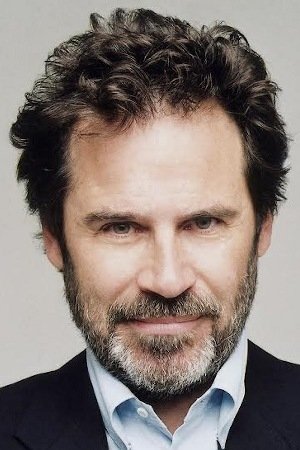
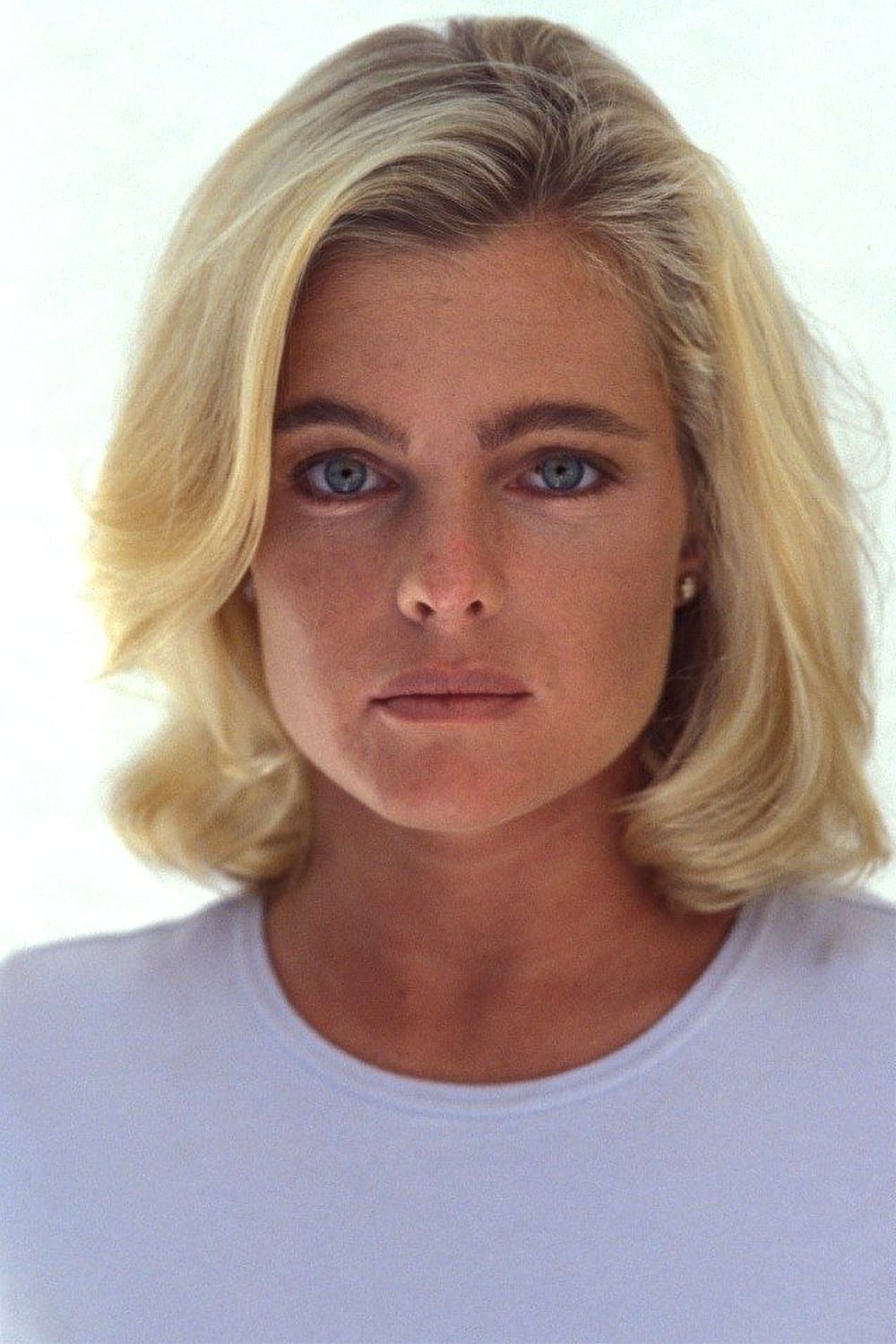
Tales from the Crypt Presents: Bordello of Blood (1996), directed by Gilbert Adler, is the second theatrical feature associated with HBO's horror anthology. Dennis Miller plays Rafe Guttman, a private investigator hired by Katherine Verdoux to find her missing brother Caleb. The inquiry leads to a funeral home that conceals a brothel operated by Lilith, an ancient vampire revived by a group seeking to control her. A televangelist, Reverend J. C. Current, has become entangled in the arrangement, and his public declarations of morality stand in sharp contrast to the enterprise supplying victims to the undead. The story combines vampiric predation, detective comedy and the EC Comics tradition of exposing hypocrisy through grotesque consequences.

Developed from a screenplay that predates the television franchise, the picture passed through substantial changes in production plans and casting. Its abrasive comedy, vampire effects and troubled Vancouver shoot became central to its later reputation. The theatrical release drew sharply divided reviews and earned much less than Demon Knight, interrupting Universal's planned sequence of Crypt films.

Origins: Zemeckis, Gale and a Replaced Sequel

Robert Zemeckis and Bob Gale conceived Bordello of Blood early in their writing partnership, before their commercial success with Back to the Future. In a March 1995 conversation published by the Los Angeles Times, Zemeckis identified it as the first screenplay he had written with Gale and confirmed that the old vampire project was finally being made as a Tales from the Crypt picture. That contemporary statement is important because it establishes the story's independence from the television franchise without relying solely on much later recollections. The released screenplay is credited to Gilbert Adler and A. L. Katz, from a story by Zemeckis and Gale; those different credits represent successive stages of development rather than interchangeable writing responsibilities.

The film was not initially the follow-up that the Crypt producers expected to make. The closing promotion in Demon Knight announced Fat Tuesday, associated with a zombie story set in New Orleans. Adler later recalled that he and a production team were scouting Louisiana when producer Joel Silver informed him that Universal had abandoned that project and wanted the older vampire script developed instead. In interviews given decades later, Adler and Katz sometimes used the title Dead Easy for the alternative project, describing it as a more psychologically oriented story. The varying titles belong to accounts of development, and should not be mistaken for evidence of several completed sequels. The practical result was the same: an anticipated production stopped and a different script was rapidly reshaped for the Crypt brand.

Casting and a Troubled Production

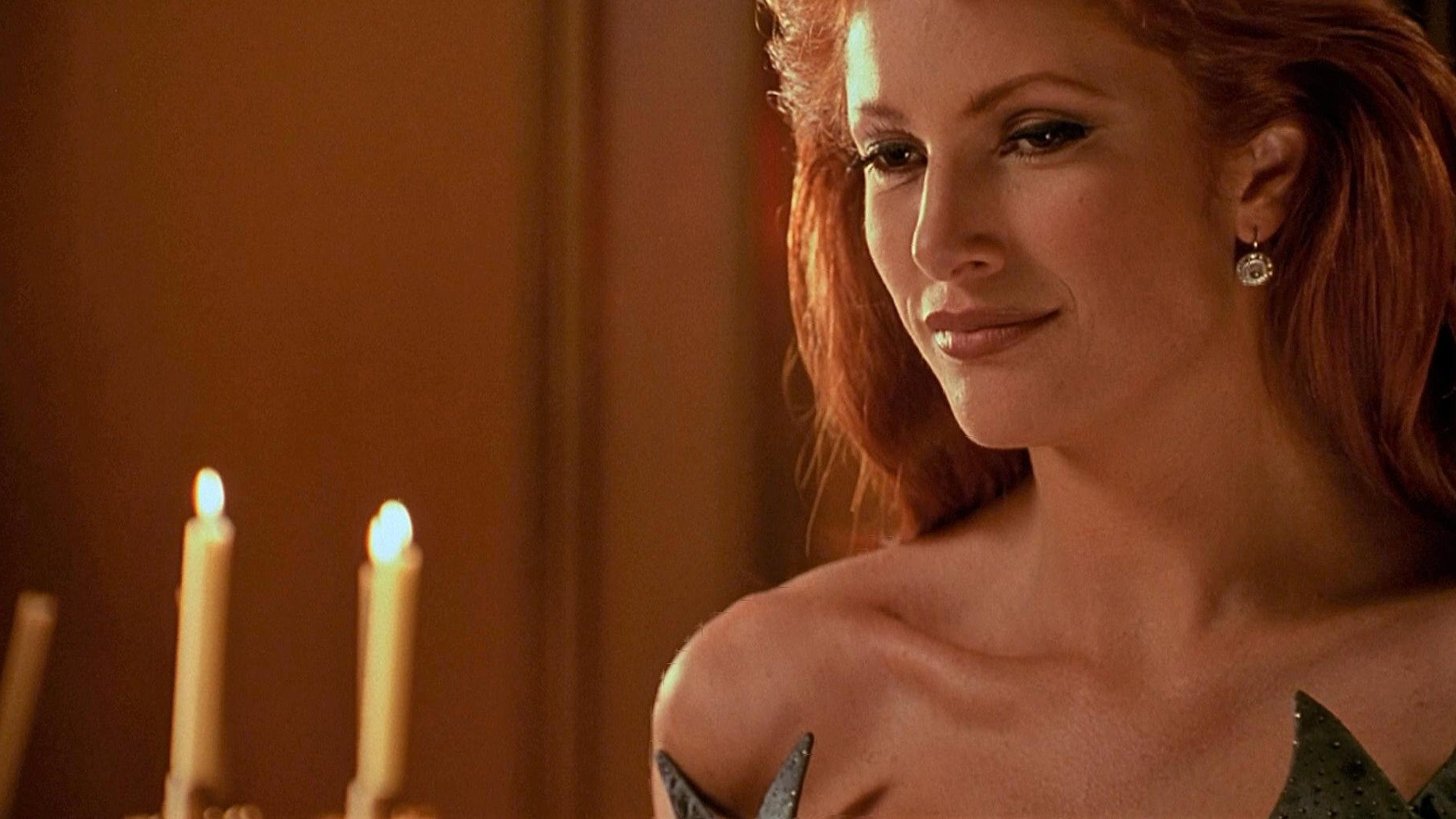
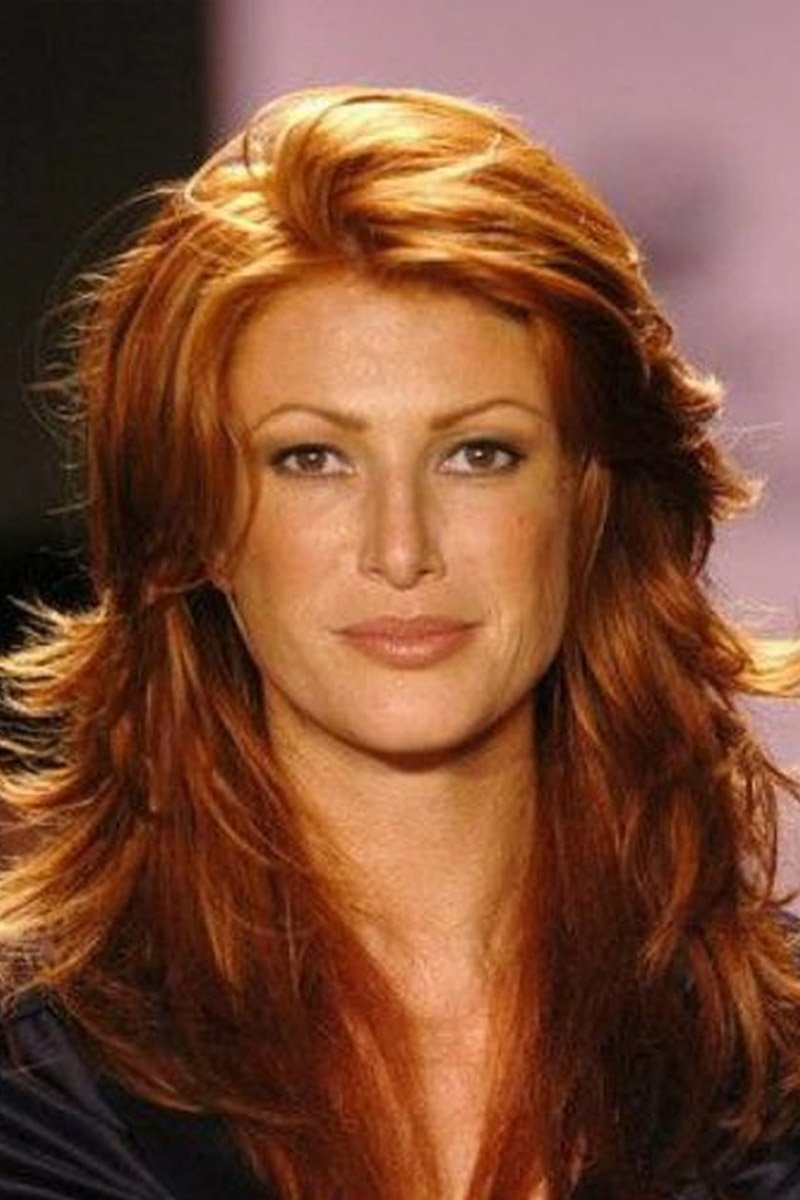
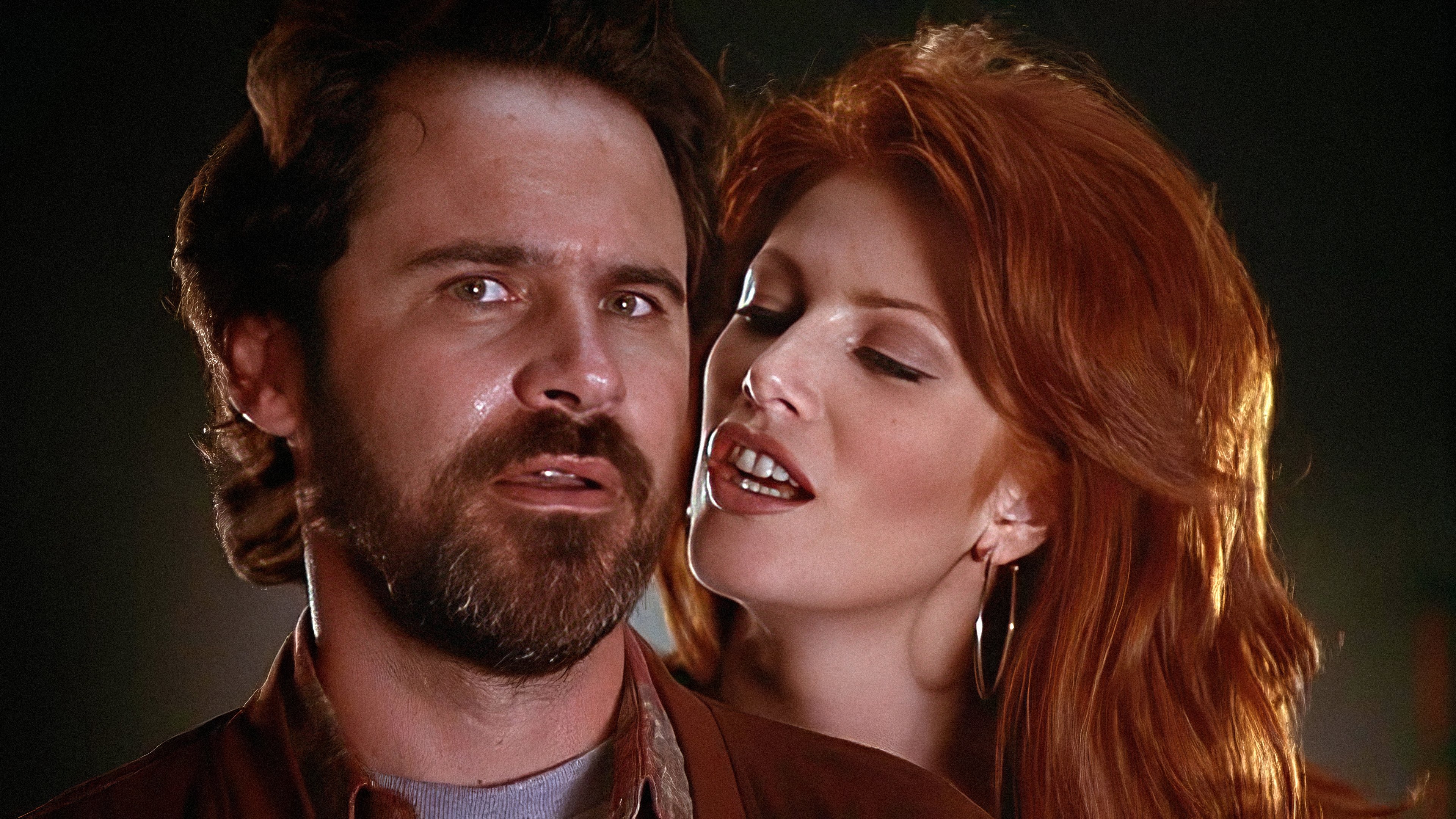
Adler, who had worked extensively on the HBO series, directed his first theatrical feature with this production. He and Katz later described decisions about the leading actors as a major source of disagreement with the executive producers. Dennis Miller, best known for television comedy and commentary, was selected for Rafe; model Angie Everhart was chosen to play Lilith. Adler connected Everhart's casting to the production circle surrounding Sylvester Stallone and executive producers Joel Silver and Richard Donner. Those explanations are participant accounts of decisions made behind closed doors rather than independently established motives for every person involved.
Miller brought a recognizable comic persona but reportedly wanted to improvise much of his dialogue. Katz and Adler have described scheduling tensions and instances in which scenes involving other performers were filmed without Miller present for every reverse angle. The director also recalled disagreement over the length of the working day. A separate dispute arose when Erika Eleniak requested changes to Katherine's characterization shortly before she was due on set. Accounts of exactly what had been promised to the actress differ, making it safer to describe the late rewrites and the disagreements than to present a single explanation of her objections as fact.

The crew filmed in Vancouver, where the long summer daylight severely restricted the hours available for scenes that had to appear to take place at night. Adler recalled that the effective nighttime shooting window was sometimes only about half a normal day. He had also lost the continuity of many collaborators from the Los Angeles-based television production. During post-production he divided his attention between the film and the final season of Tales from the Crypt, whose work took him to London. These practical circumstances help explain the pressure under which the picture was assembled, although production difficulty alone cannot establish the artistic quality of the finished film.

Lilith, the Funeral Home and Religious Hypocrisy

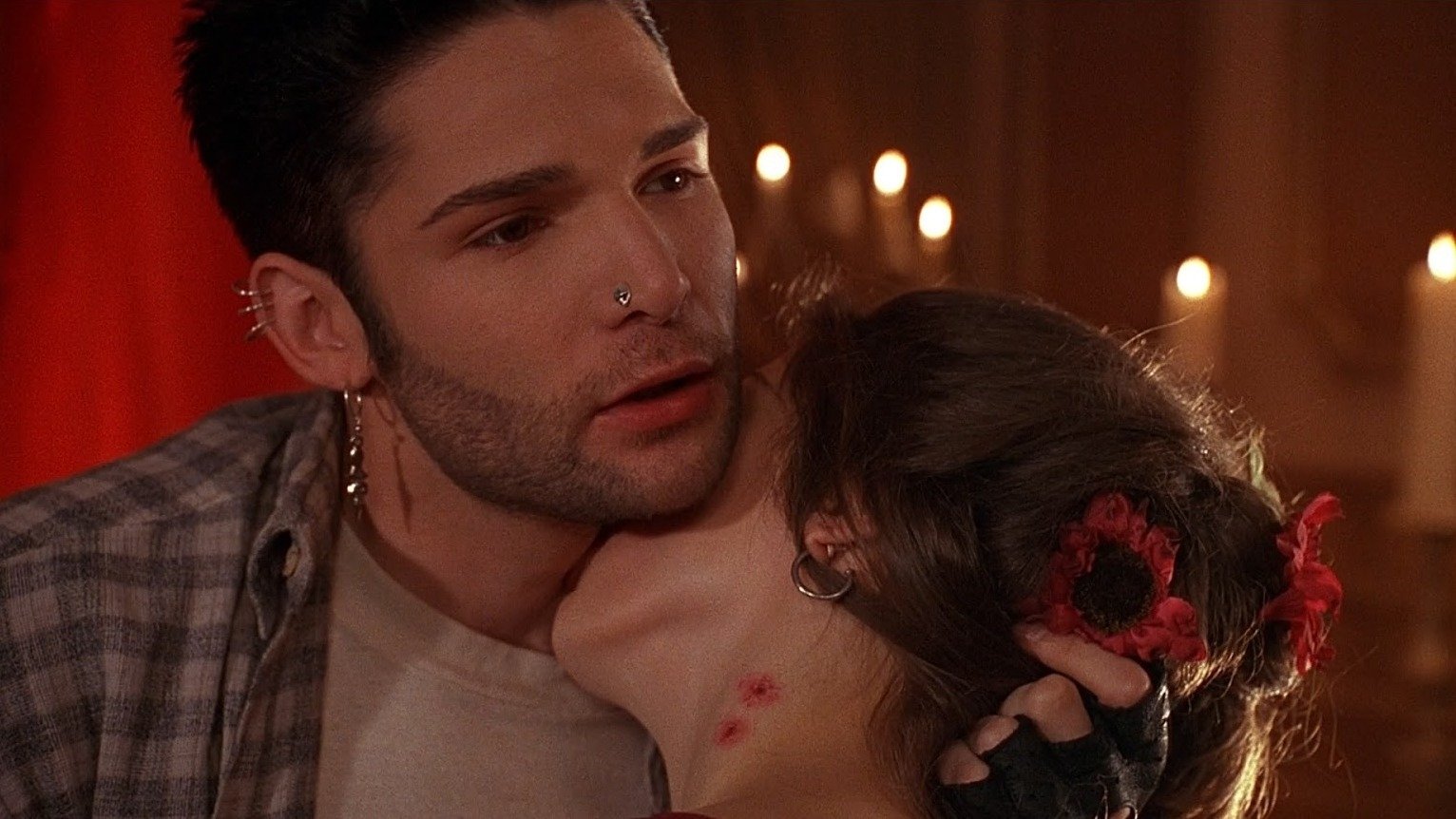
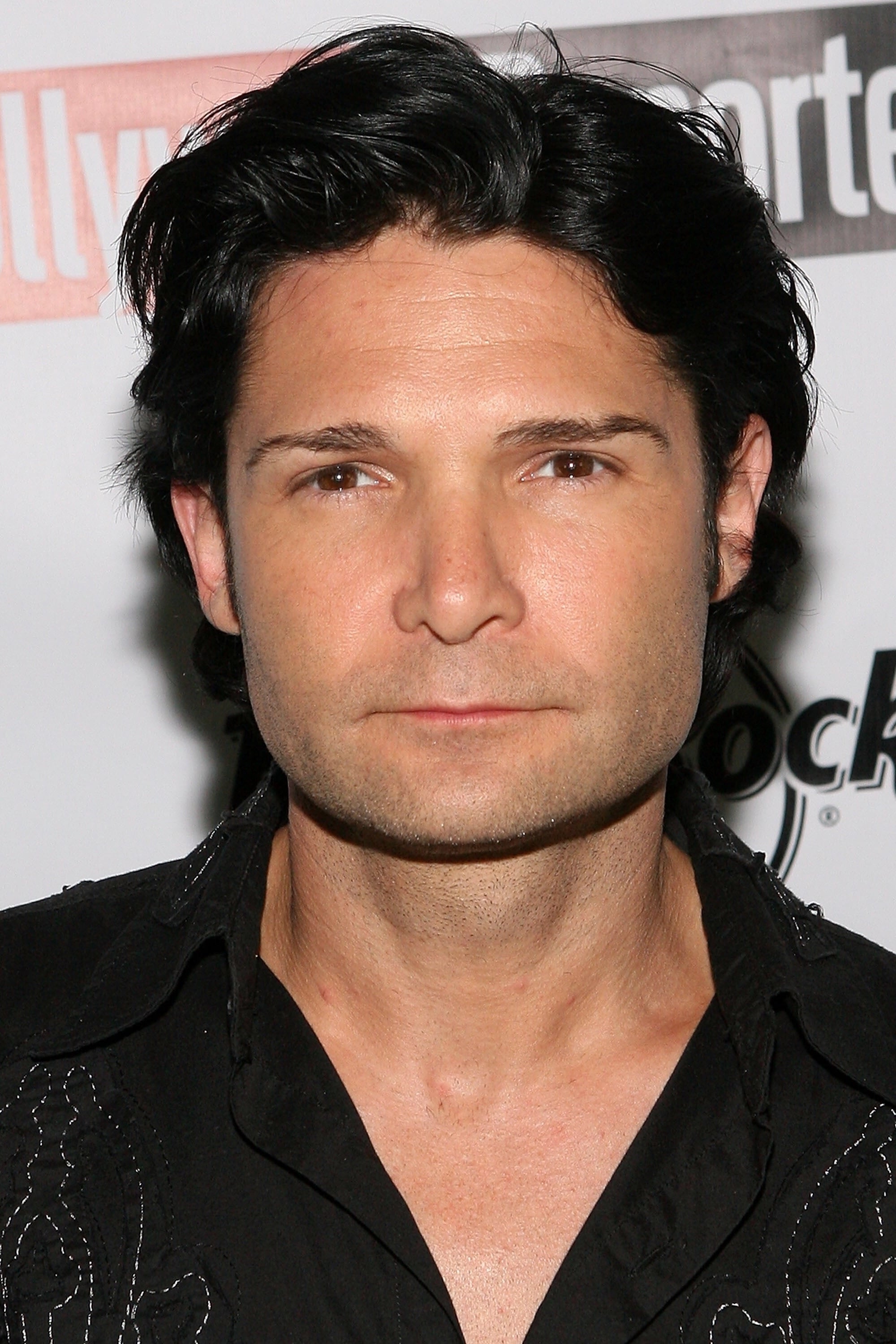
The opening establishes Lilith as a dangerous supernatural being whose fragmented remains are recovered and restored through an occult ritual. Vincent Prather, played by Phil Fondacaro, becomes involved in an arrangement intended to exploit her powers. The detective narrative begins when Caleb Verdoux, played by Corey Feldman, disappears after visiting a supposedly disreputable establishment hidden behind a funeral home's respectable exterior. His sister Katherine asks Rafe Guttman to investigate. This gives the film a recognizable private-eye structure in which the investigator's discoveries repeatedly lead to more dangerous locations and less credible explanations.

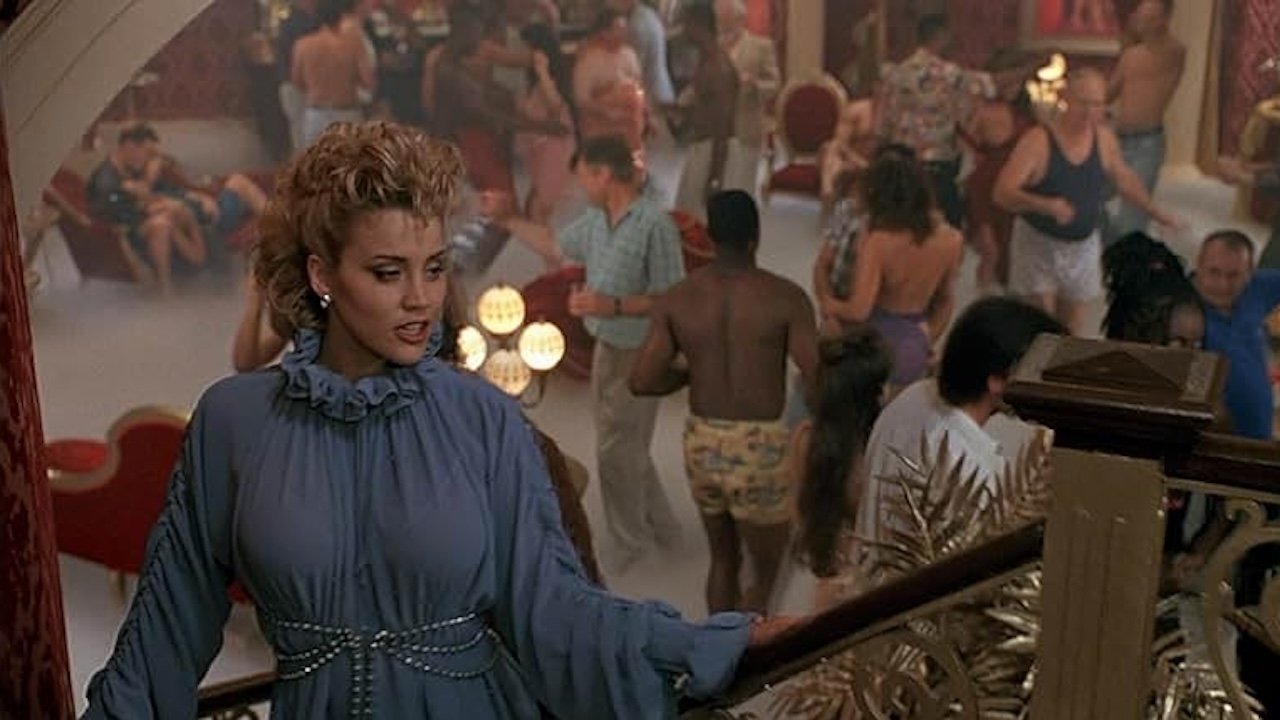
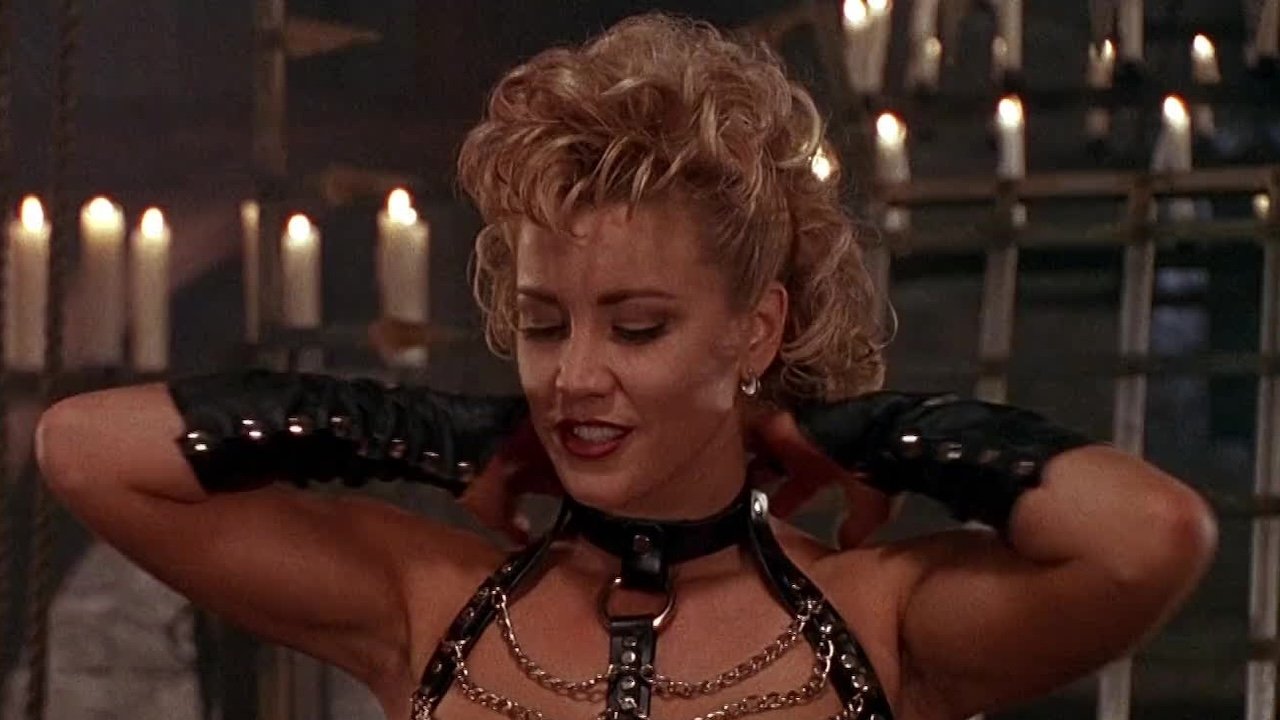
Lilith's brothel uses sexuality as an invitation to bodily destruction. The vampires offer paying visitors the promise of pleasure before turning them into victims or servants. The setting allows the film to combine a familiar Gothic predator with the commercial transactions of a contemporary city. Its humor depends heavily on the incongruity between the mortuary's public business and the nocturnal trade beneath it. Lilith's beauty is part of her weaponry, but she is also constrained by an artifact that others attempt to use to control her. When those restraints are disrupted, the balance of power within the conspiracy changes.

Reverend J. C. Current, played by Chris Sarandon, supplies the story's most explicit satire. The televangelist projects spiritual authority through modern media while participating in a secret arrangement that makes his professed morality untenable. Religious symbols acquire a more literal function during the attacks on the vampires: blessed water and a cross-shaped beam of light become weapons. The jokes are broad, but the underlying reversal is characteristic of the Crypt tradition. People who claim authority over sin have entered into commerce with predators, and the tools associated with their public faith become necessary to undo the bargain.

Performances, Comedy and Horror Rhythm

Miller approaches Rafe as an investigator whose principal defense is a steady stream of sarcastic remarks. Much of the humor relies on his manner of delivery rather than on elaborate visual jokes. The role can appear to place the actor outside the horror, as though he were commenting on a situation that others take more seriously. This tension was recognized in the original reviews. Jack Mathews, writing for the Los Angeles Times on the release date, found Miller's comic assurance one of the film's strengths even while acknowledging its limited suspense. Other contemporary reviewers considered the same verbal style intrusive. Those reactions show genuine disagreement about performance rather than a simple division between critics who understood the film and those who did not.

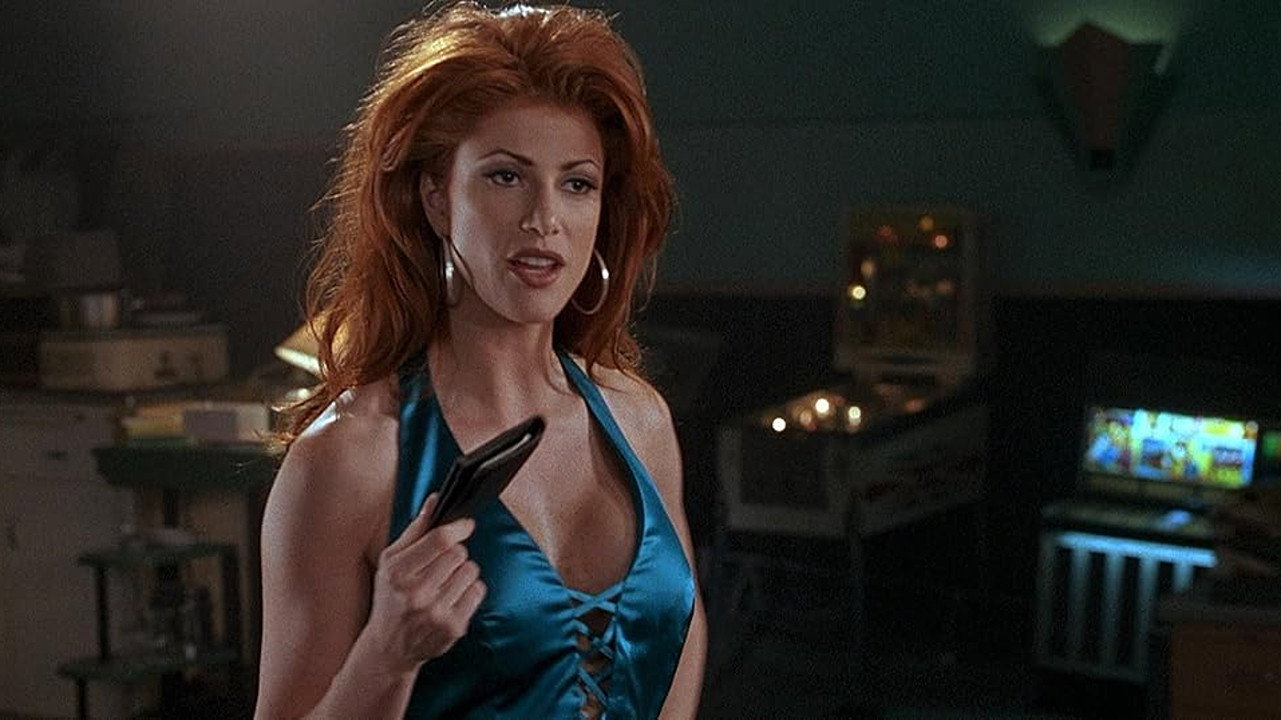
Everhart's Lilith is presented through control of space, costume and the confidence of a predator accustomed to obedience. She alternates seduction with violent punishment, making the brothel a place in which apparent power over visitors can be reversed immediately. Chris Sarandon plays Current with exaggerated evangelical conviction, and his willingness to move between solemn pronouncements and desperate self-preservation makes him an effective comic foil. Eleniak's Katherine initially acts as the concerned sister asking for help, then becomes an increasingly direct participant in the fight against the vampires. The supporting ensemble includes Feldman and Fondacaro, whose characters connect the missing-person investigation with the concealed supernatural business.

Vampire Effects, Photography and Sound

The monsters frequently appear in human form before attacks expose fangs, wounds and the destructive effects of blessed water. Rather than building suspense around a creature that remains permanently hidden, the film stages violence through the sudden transformation of bodies. Its vampires can burn and collapse when the characters discover an effective defense, allowing the climax to develop into a rapid succession of physical effects. The changing appearance of Lilith and her followers gives the scenes an intentionally grotesque counterpoint to the polished surfaces and exaggerated glamour of the brothel.

Tom Priestley served as cinematographer, Gregory Melton as production designer and Stephen Lovejoy as editor. The brothel's dark, theatrical rooms contrast with offices, streets and the televangelist's broadcast environment. Chris Boardman is credited with the musical score; the film also uses contemporary recorded songs, reinforcing its irreverent distance from classical Gothic vampire cinema. The final confrontation turns studio technology into a weapon, extending the satire of televised religion into the mechanics of the action itself.

Theatrical Release and Contemporary Reception

Universal released Tales from the Crypt Presents: Bordello of Blood in the United States on August 16, 1996. The film received an R rating for sexual material, nudity, strong language and horror violence, and its theatrical running time was approximately eighty-seven minutes. The Los Angeles Times reviewed it on the day of release, emphasizing Miller's confident comic performance and the film's cheerful absurdity. That assessment stands beside markedly less sympathetic contemporary responses, some of which criticized its reliance on bawdy jokes and found the vampire attacks insufficiently frightening. Its mixed reception should be represented through distinct reviews, not reduced to a retrospectively invented consensus.

Its domestic box office was approximately $5.8 million, substantially below the domestic return for Demon Knight. Later recollections by the producers describe the release as a disappointment, and the studio did not proceed with the initially envisioned film series in the same form. Published budget estimates vary widely; neither a precise final production cost nor a reliable worldwide total is established by the documentary sources used here. Consequently, the theatrical result can be described as commercially disappointing without repeating an unsupported exact budget or calculating an unjustified loss.

Retrospective Testimony and Franchise Position

The film's production has received unusually detailed retrospective attention because Adler and Katz later revisited the experience together. Their podcast How Not to Make a Movie examined the making of Bordello of Blood through a series of conversations about casting, scheduling, rewriting and the demands of collaboration. In a 2022 Entertainment Weekly interview, they described the decision to create the program as a way of examining a painful professional experience and reconnecting after years apart. The discussions are valuable primary testimony, but the recollections of participants do not automatically settle every disagreement over who caused a problem or what an earlier draft contained.

The film's position within the Tales from the Crypt property is also distinctive. Its premise predates HBO's series, yet its final form includes the Cryptkeeper and an occult object visually associated with Demon Knight. Such details connect the productions without transforming their otherwise separate casts and stories into a single tightly governed narrative. The larger brand drew upon EC Comics' mix of transgression, irony and punishment, while Bordello of Blood pushed toward a contemporary adult comedy of sex, commerce and televised moral authority. It offers a revealing contrast with Demon Knight's comparatively serious account of inherited supernatural responsibility.

References

  1. Daily Dead Blood from a Stone: Tales from the Crypt's Bordello of Blood 25 Years Later with Director Gilbert Adler

    James Doherty retrospective including extensive firsthand recollections by director Gilbert Adler about the abandoned sequel, casting, Vancouver production, editing pressures and subsequent franchise plans.

  2. Entertainment Weekly A Crappy Dennis Miller Vampire Movie Inspired the Best Film Podcast of 2022

    Clark Collis interviews Gilbert Adler and A. L. Katz about the old Zemeckis-Gale screenplay, Universal decisions, production conflicts and the How Not to Make a Movie podcast.

  3. Los Angeles Times Celluloid Heroes: Quentin Tarantino and Robert Zemeckis

    Contemporary March 1995 conversation in which Robert Zemeckis identifies Bordello of Blood as the first screenplay he wrote with Bob Gale and confirms its upcoming Crypt adaptation.

  4. Los Angeles Times 'Bordello' a Bloody Good Vehicle for Dennis Miller

    Jack Mathews original opening-day review of the film, discussing Dennis Miller, the vampire brothel premise, religious satire, cast and principal production credits.

  5. American Film Institute Tales from the Crypt Presents Bordello of Blood (1996)

    Institutional catalog record identifying the 1996 film credits, the original story and screenplay divisions, cinematography, editing, score and American theatrical details.

Connections

Cast

View Full Cast & Crew →

Release & Distribution

Production Companies (2)

  • Tales From The Crypt Holdings US
  • Universal Pictures US

Distributors (1)

  • Universal Pictures US

Release History (6)

Release DateTerritoryRelease TypeFormatDistributorCertificationNotes
1996-08-16 United States Theatrical — — R
1997-05-01 Portugal Physical — — M/18
1997-07-23 Germany Theatrical — — 18
2009-08-06 Russia Physical DVD — 18+ DVD "Настроение Video"
2017-01-30 United Kingdom Physical Blu-ray — 18 Blu-ray
2020-09-04 France Digital — — — Netflix
Evil bites!