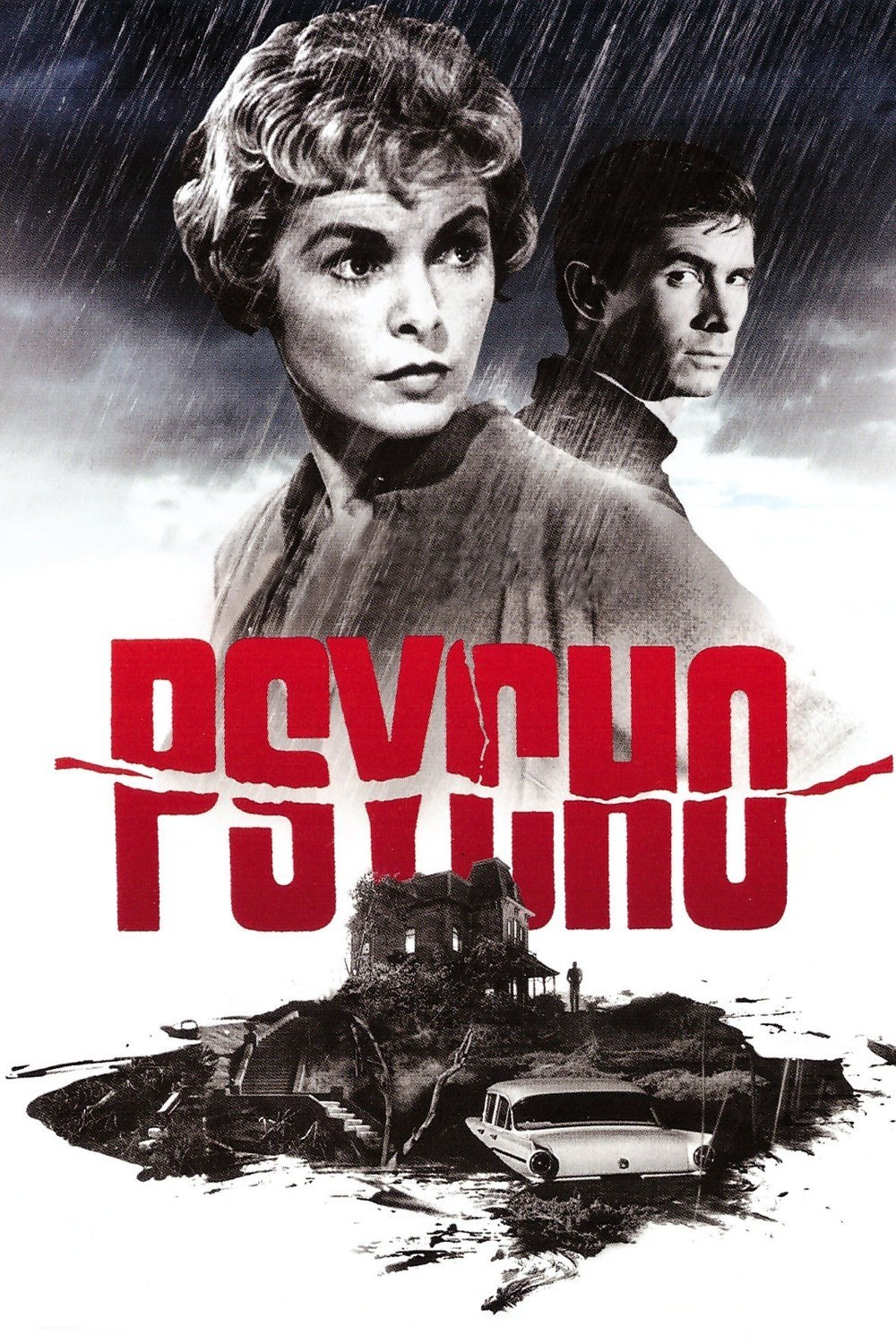
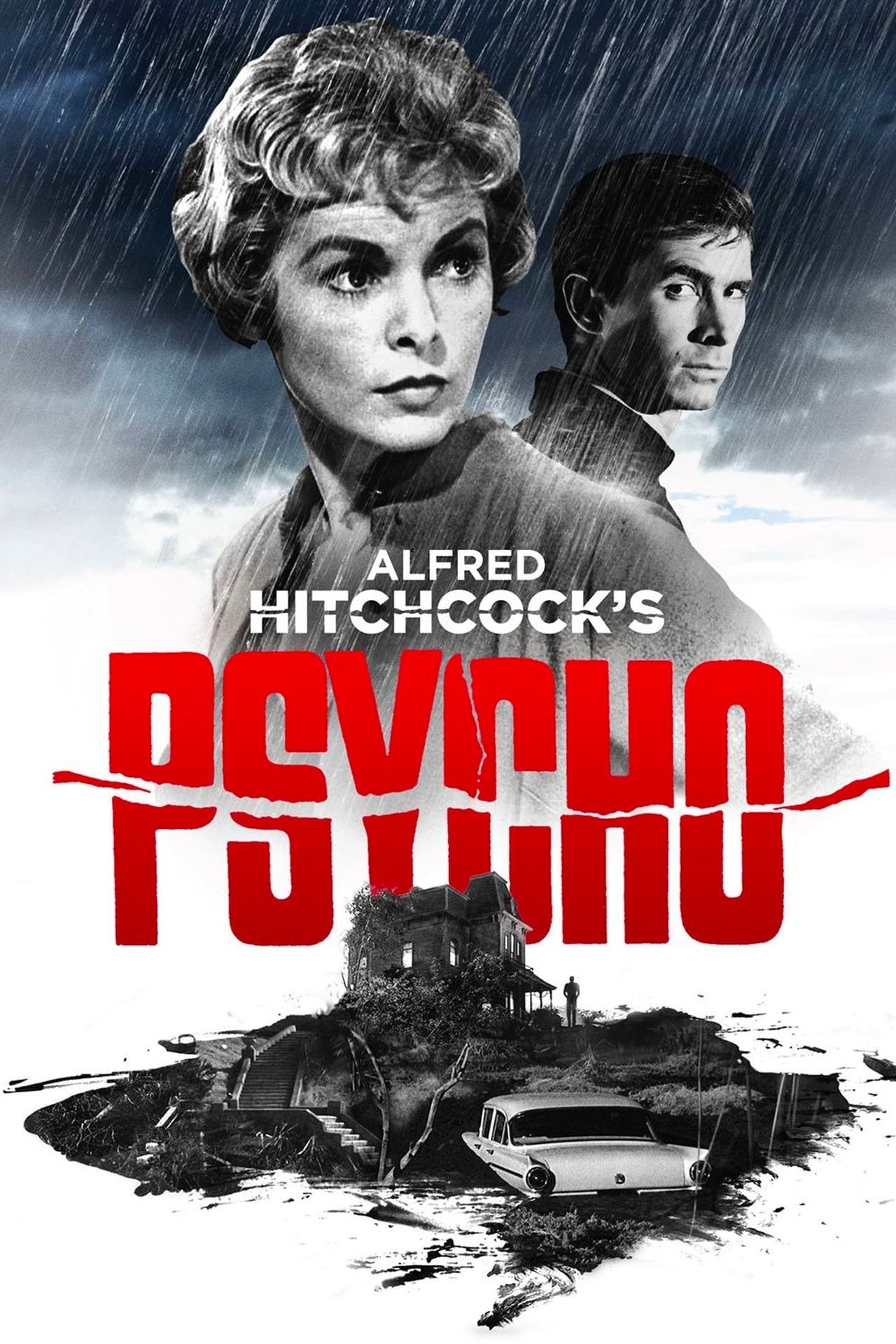
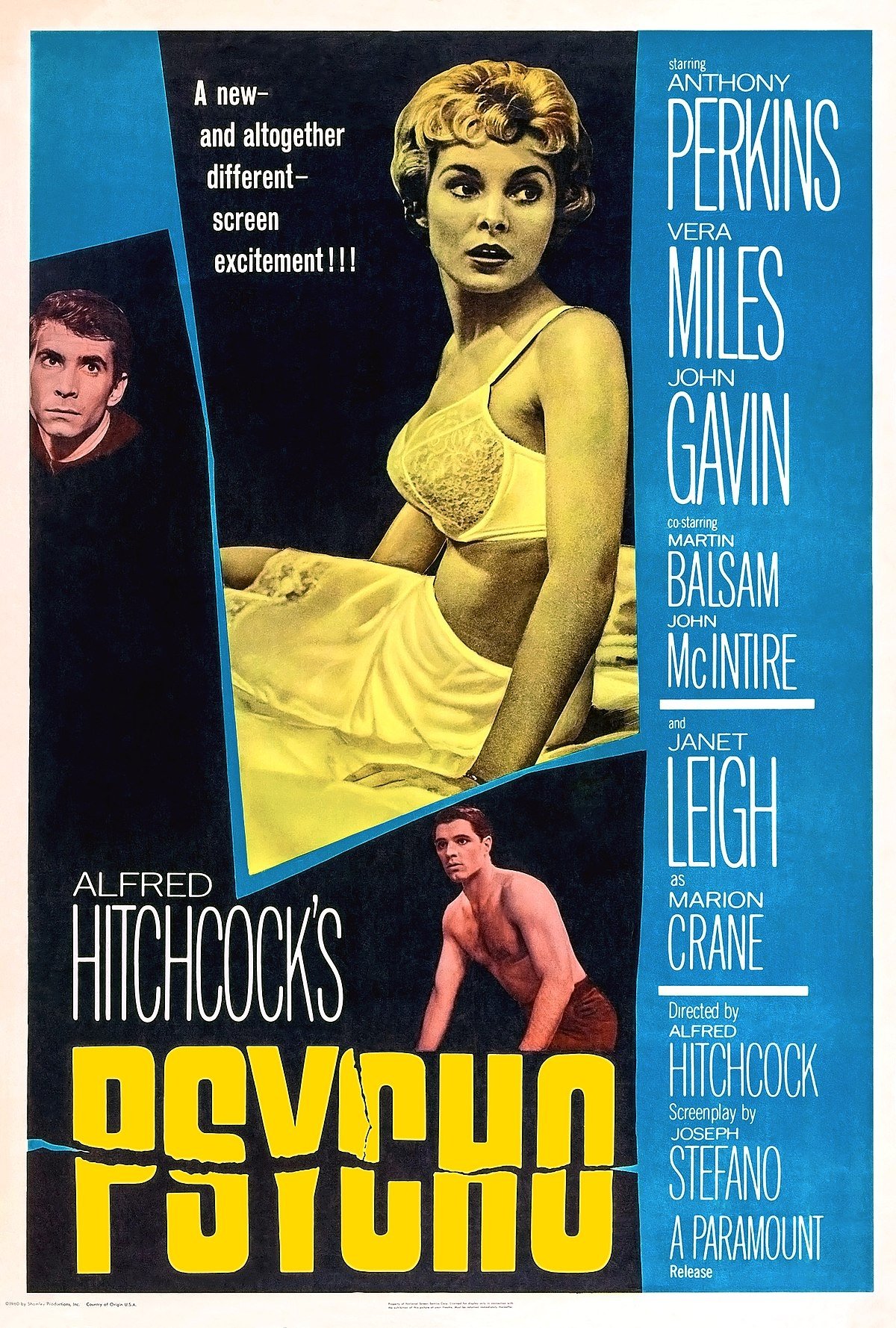
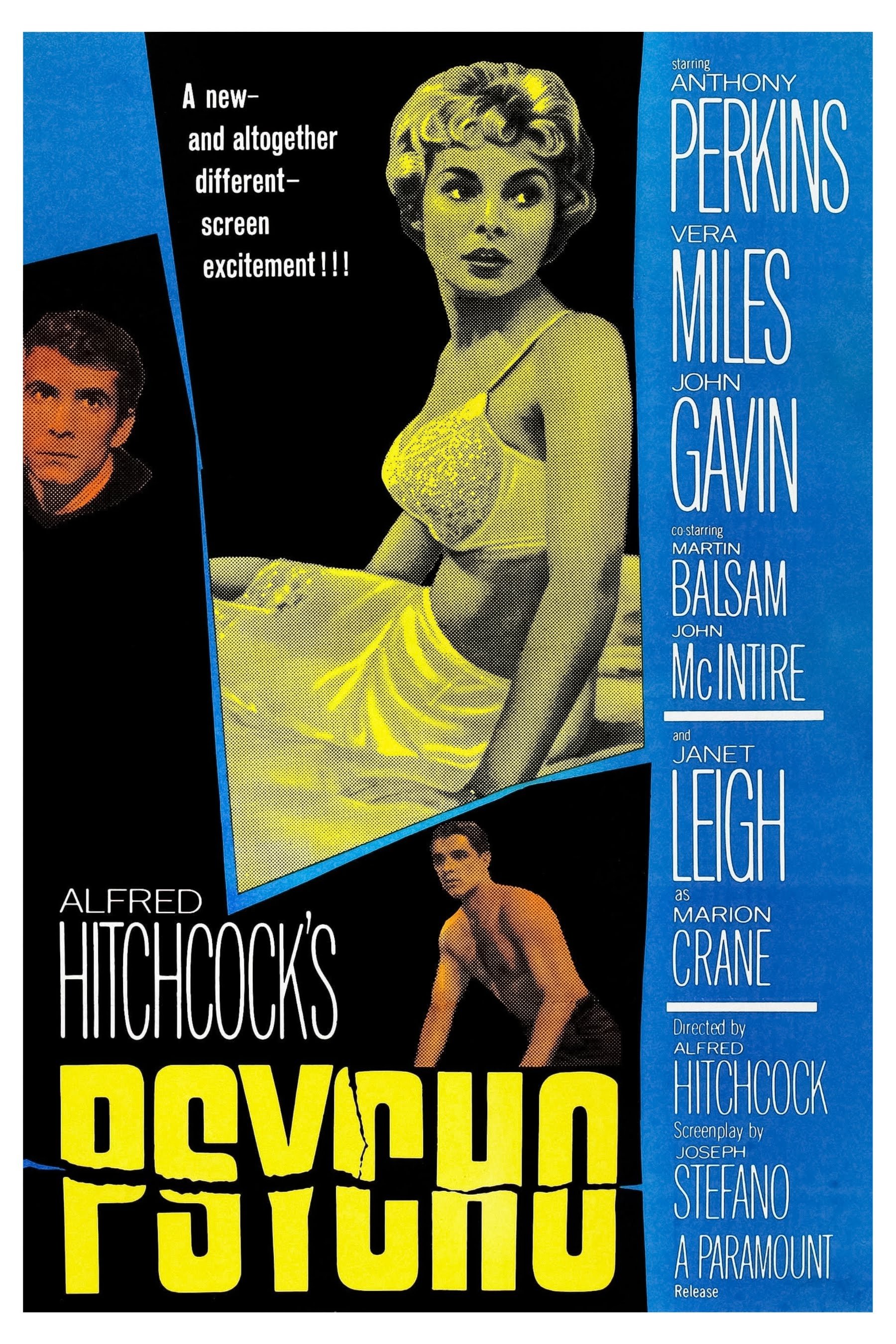
Bloch, Stefano and a Calculated Production Risk
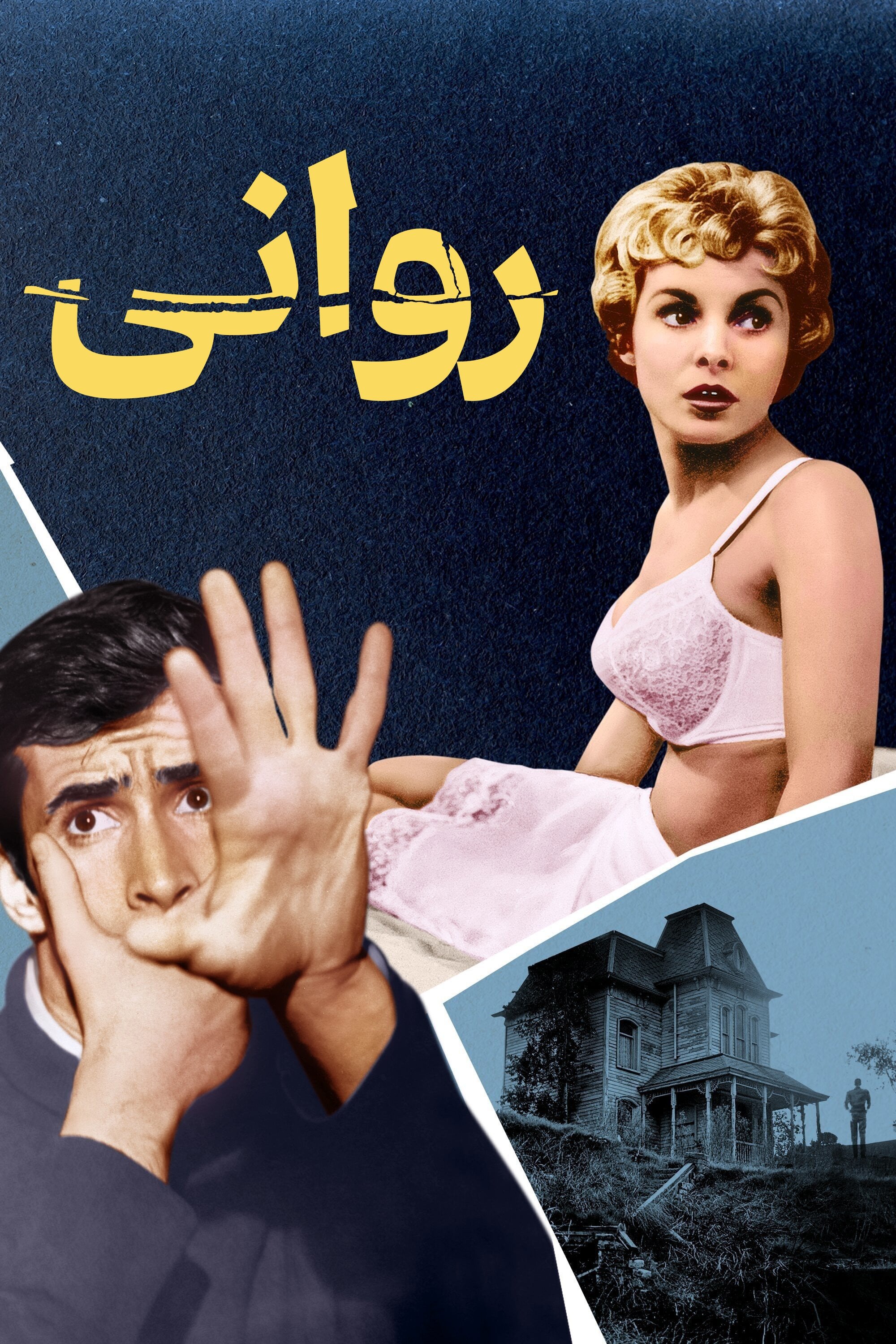
Hitchcock selected Bloch's 1959 novel at a moment when his reputation was associated with expensive suspense productions such as North by Northwest. Stefano's adaptation gave Marion's situation sustained attention before placing the story at a remote roadside motel. The choice made the audience invest in an apparent lead character whose plans are interrupted before the customary resolution. Hitchcock later described his interest in the shock of removing the star from the picture; that recollection explains a deliberate storytelling decision without requiring every effect on first-run audiences to have been predicted during development. The book offered a premise, but the film's arrangement gave its surprise a particular cinematic force.
The production was budgeted at approximately $800,000, far below Hitchcock's recent large-scale productions. Film historian Mark Jancovich cautions against treating this figure as proof that Psycho was equivalent to the cheapest exploitation movies. It was inexpensive by Hitchcock's standards while retaining a major filmmaker, recognizable performers and access to commercial first-run theaters. Hitchcock used personnel experienced with Alfred Hitchcock Presents, including cinematographer John L. Russell, and worked chiefly at Universal's facilities for a Paramount release. The combination of economical methods and prestigious authorship allowed a disturbing story to enter a market in which low-budget shock films and expensive studio thrillers were often sold to different audiences.
The leaner production did not prevent painstaking preparation. Russell and Hitchcock sometimes employed two cameras to obtain coverage efficiently, a method associated with television schedules. Yet the shower murder received a full week of filming, an exceptional allocation within this shoot. This contrast is central to the film's production history: time was saved where conventional coverage would suffice and concentrated where editing itself had to manufacture an experience. The resulting movie was commercially accessible while challenging assumptions about the safety of its central character and the limits of screen violence.
Marion, Norman and the Collapse of a Narrative
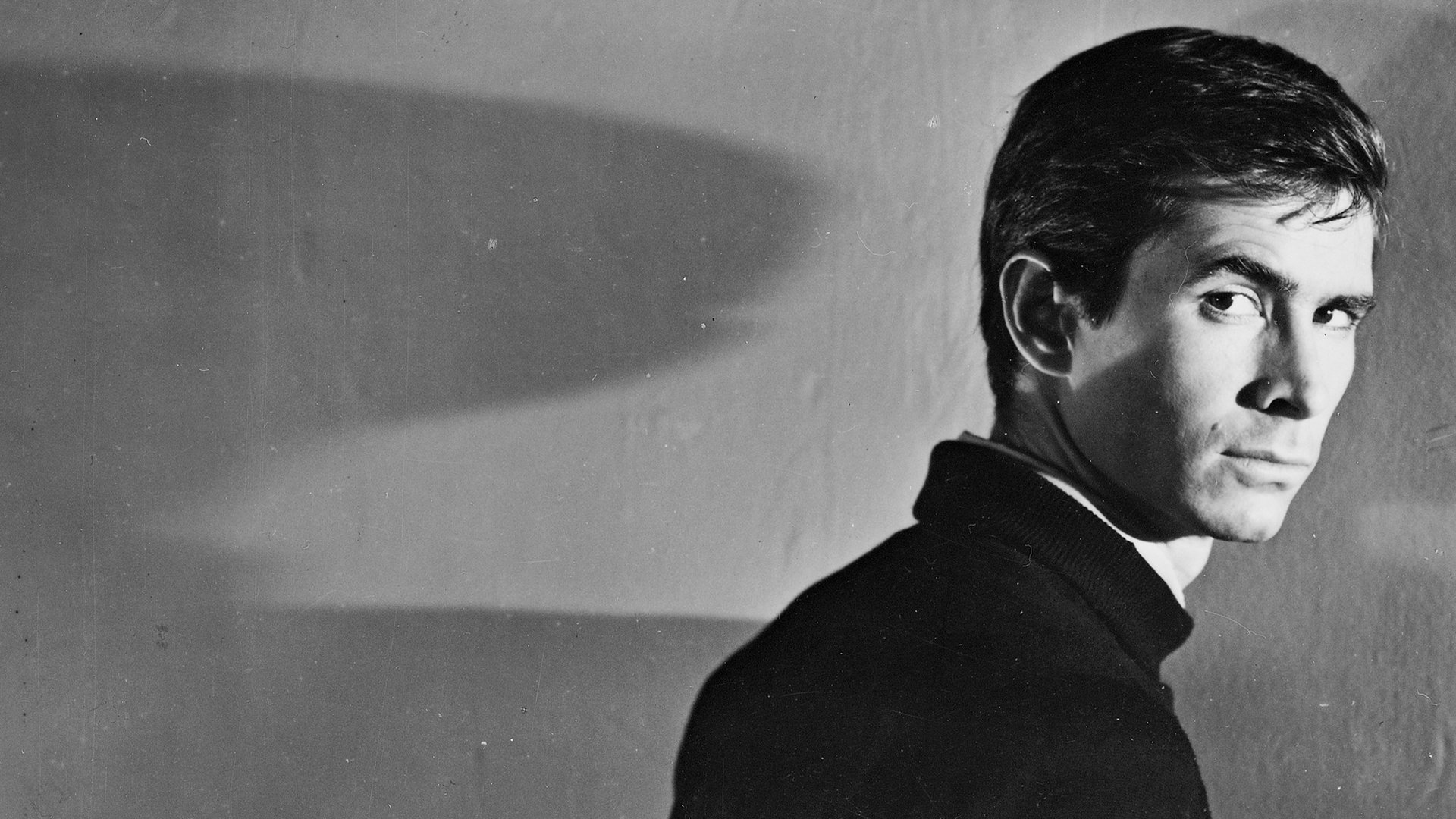
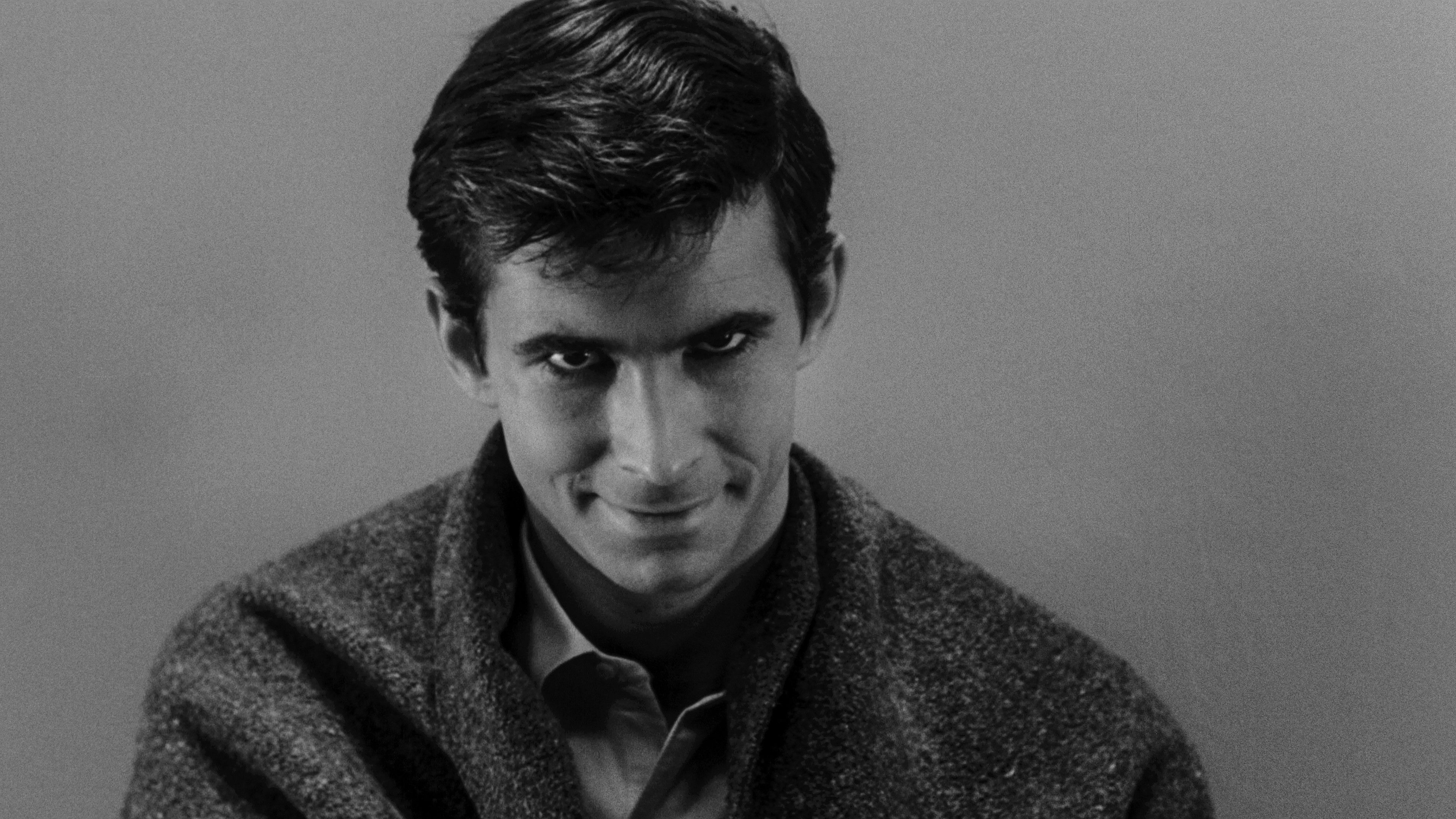
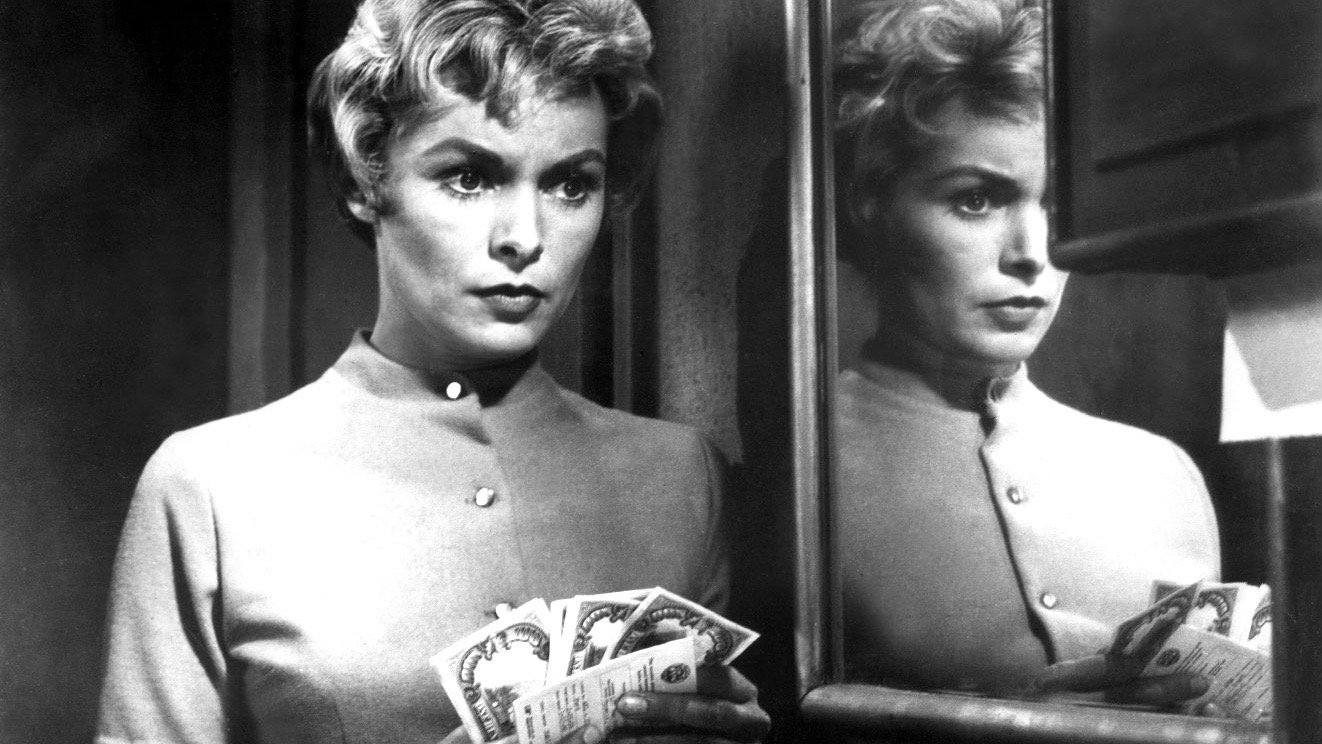
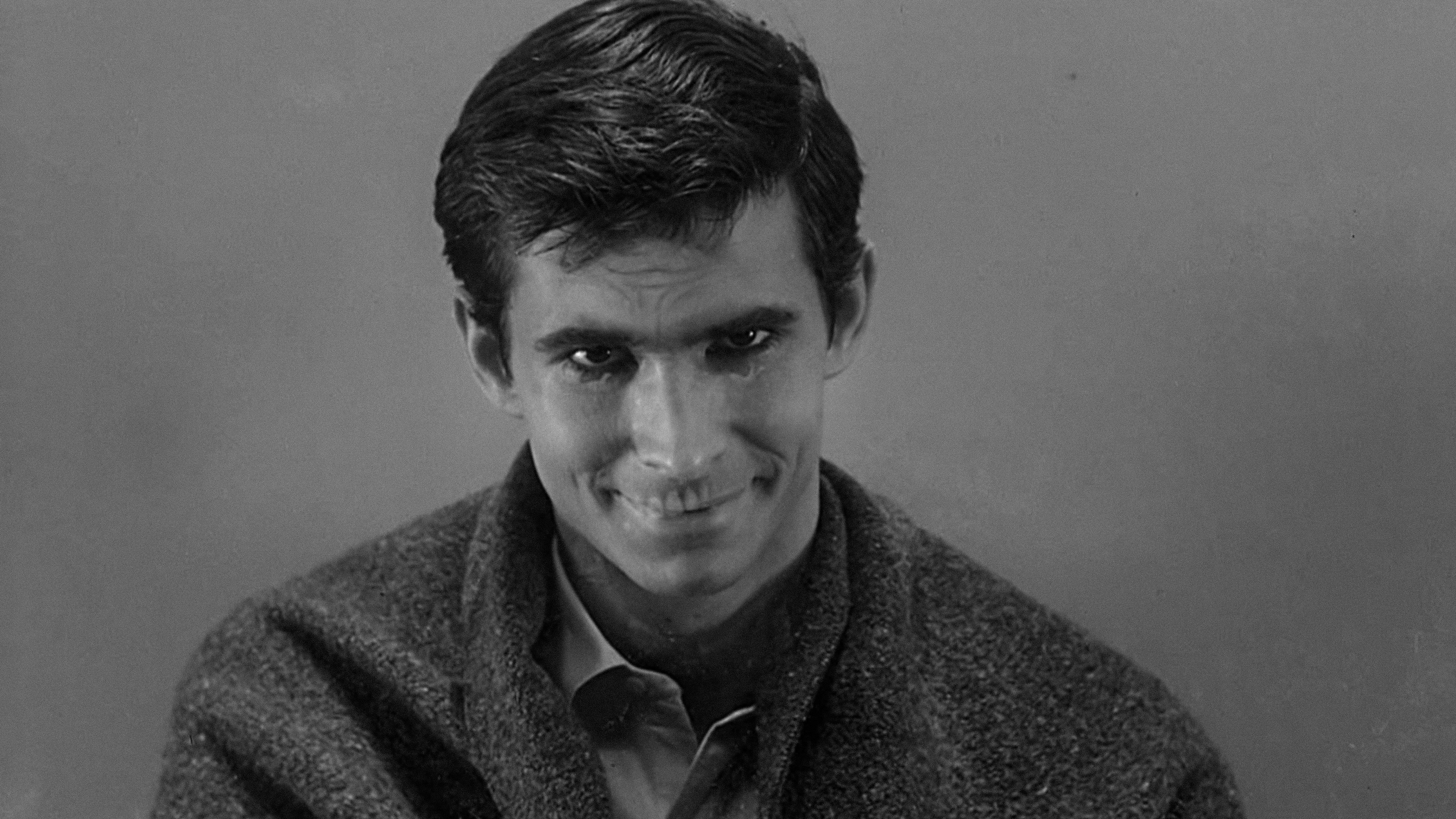
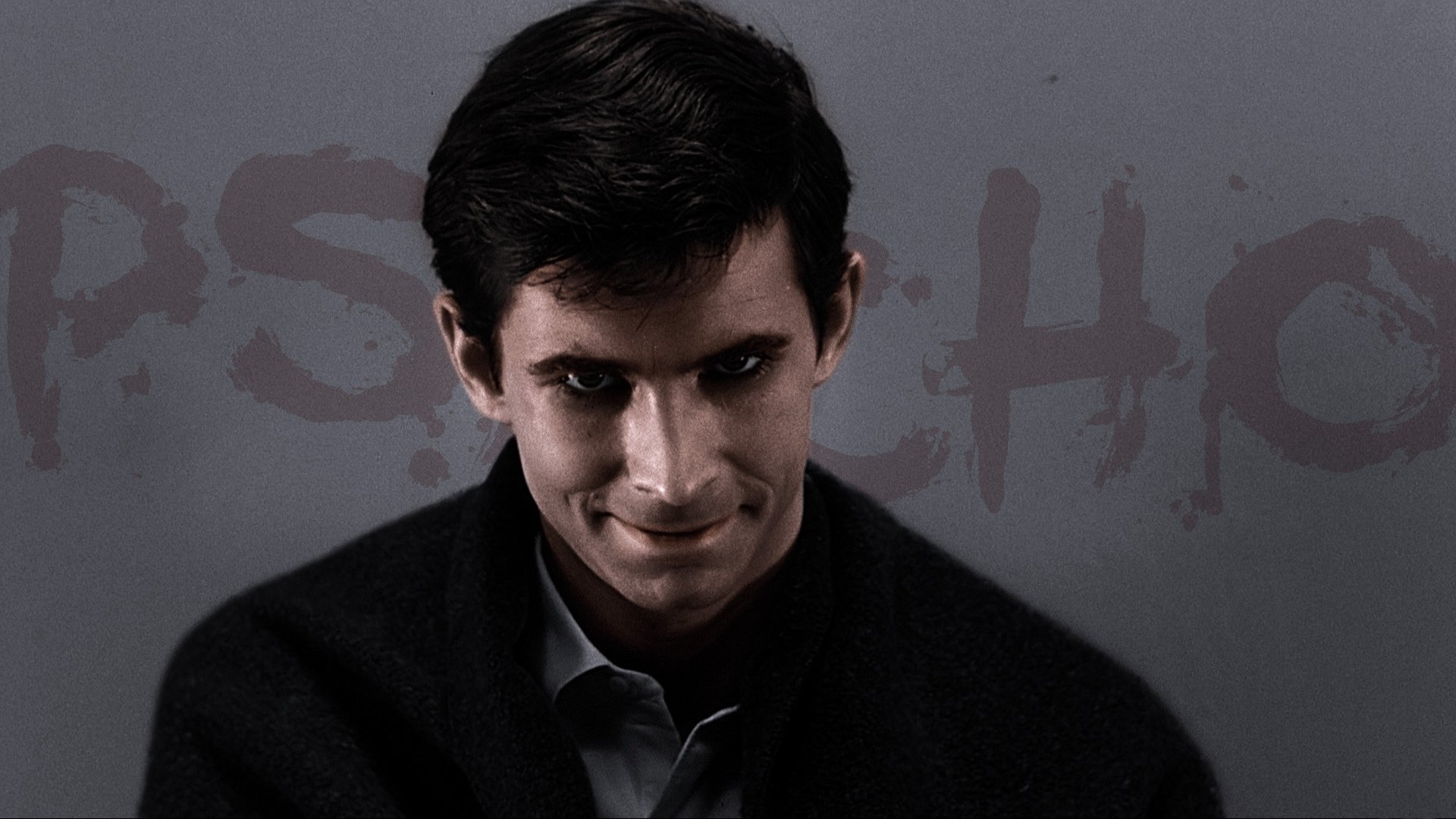
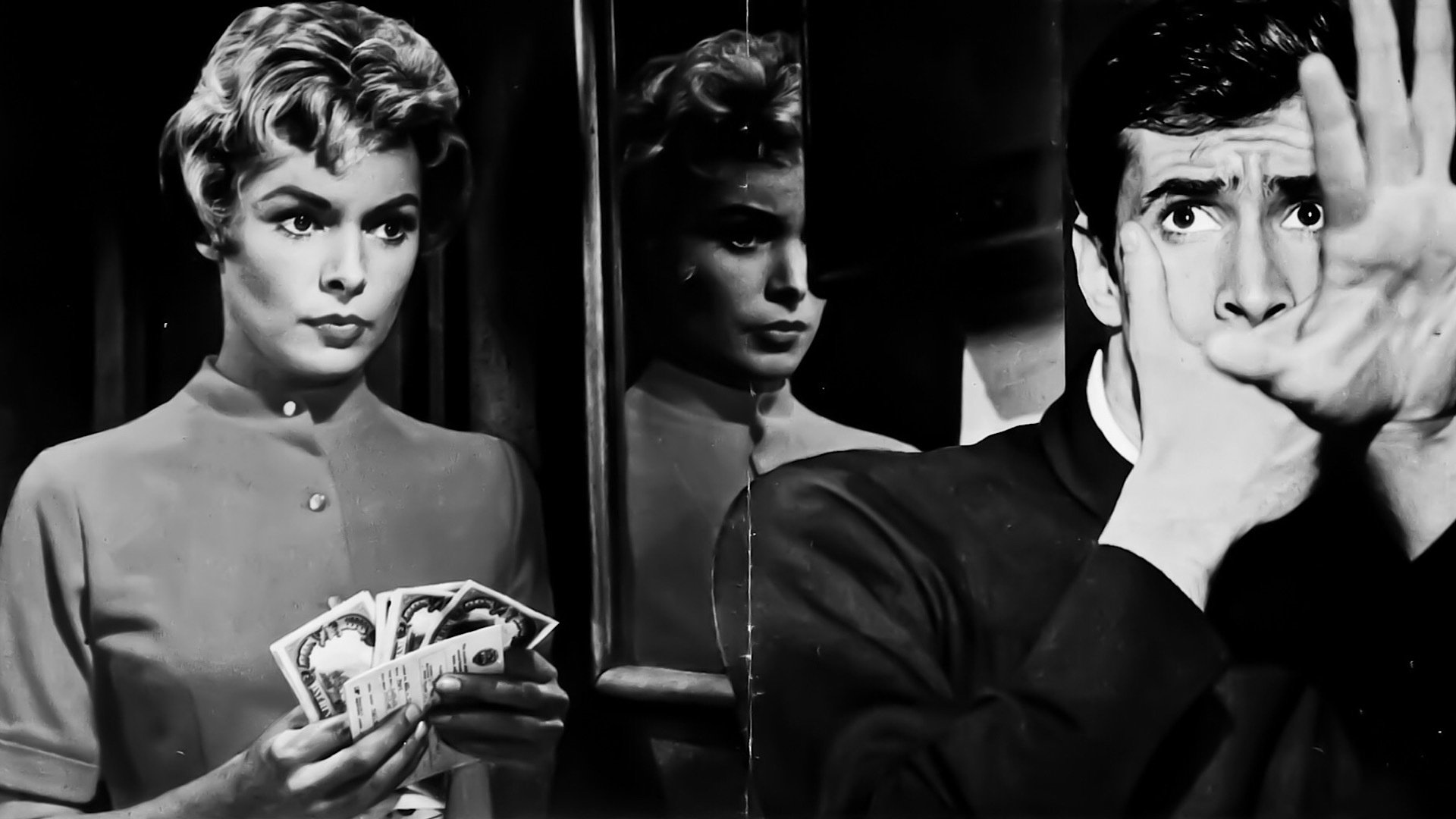
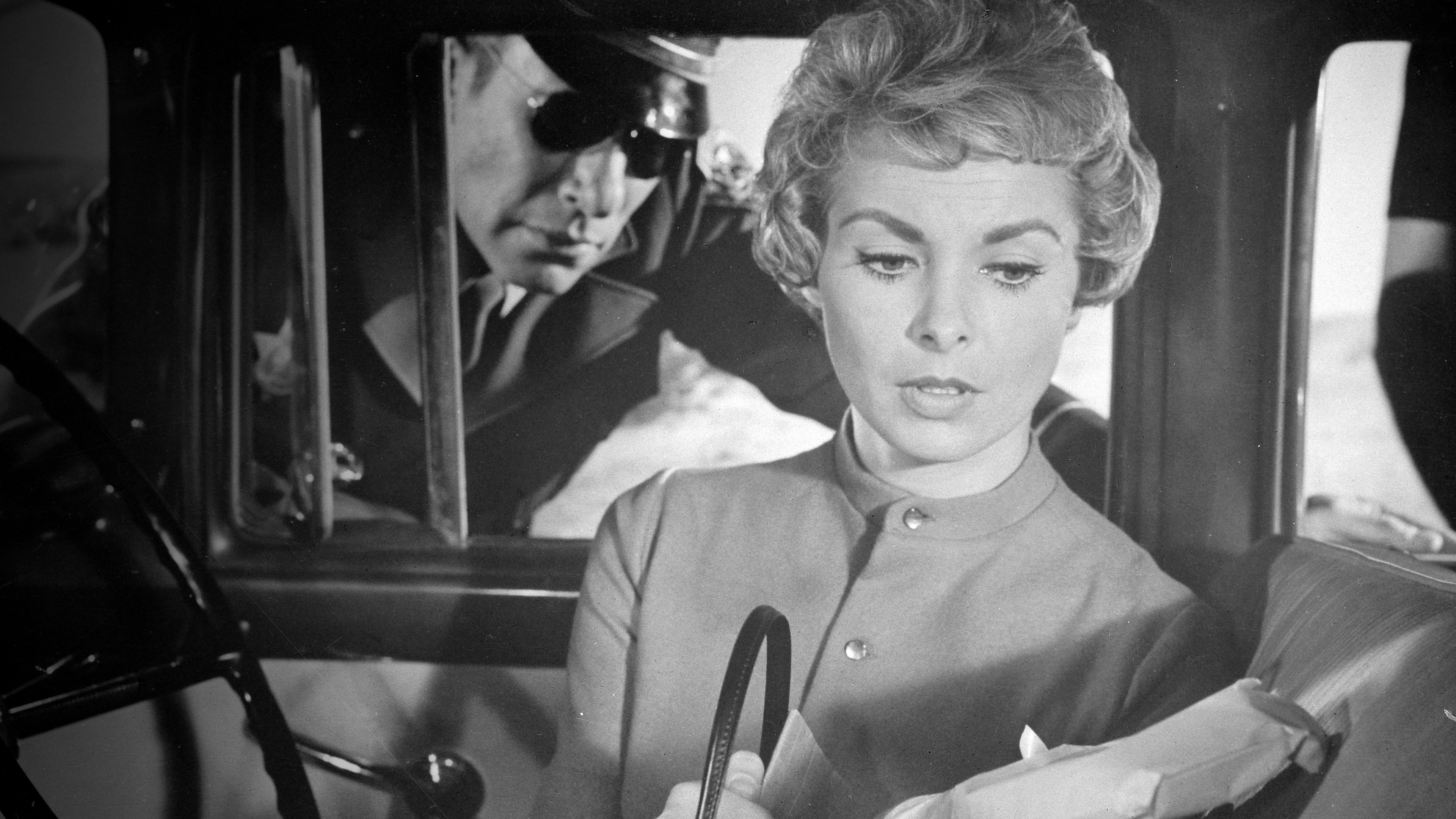
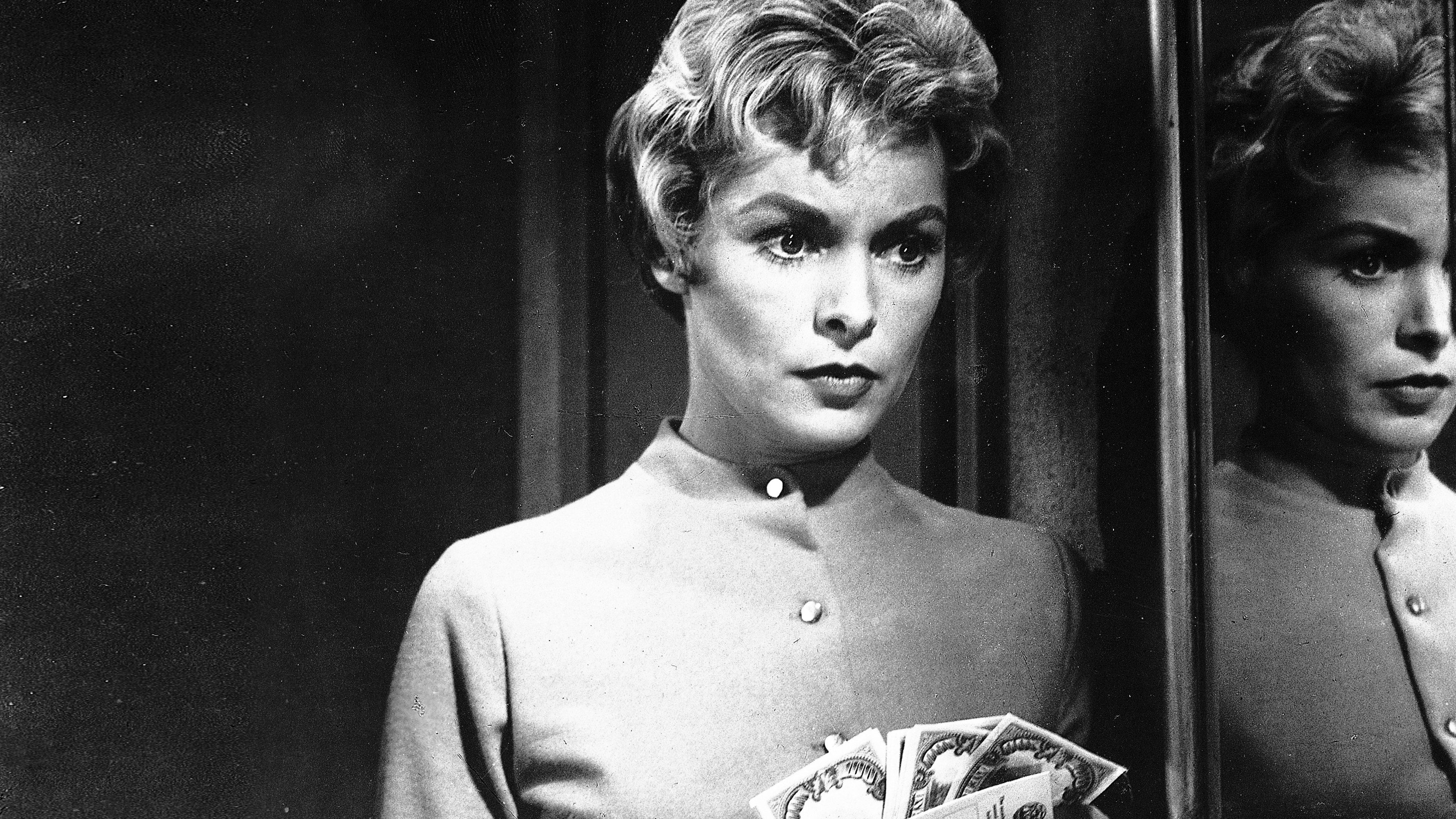
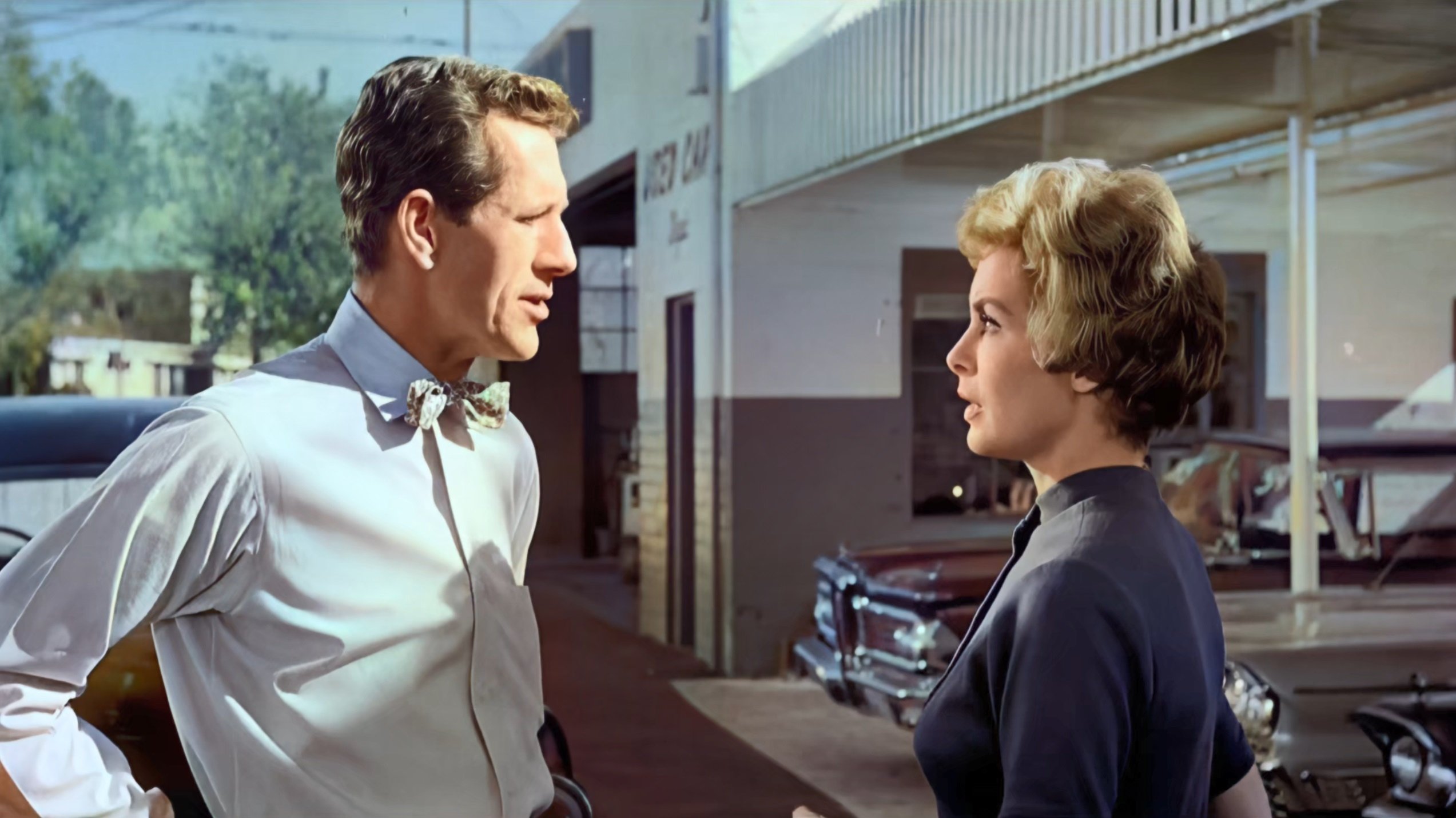
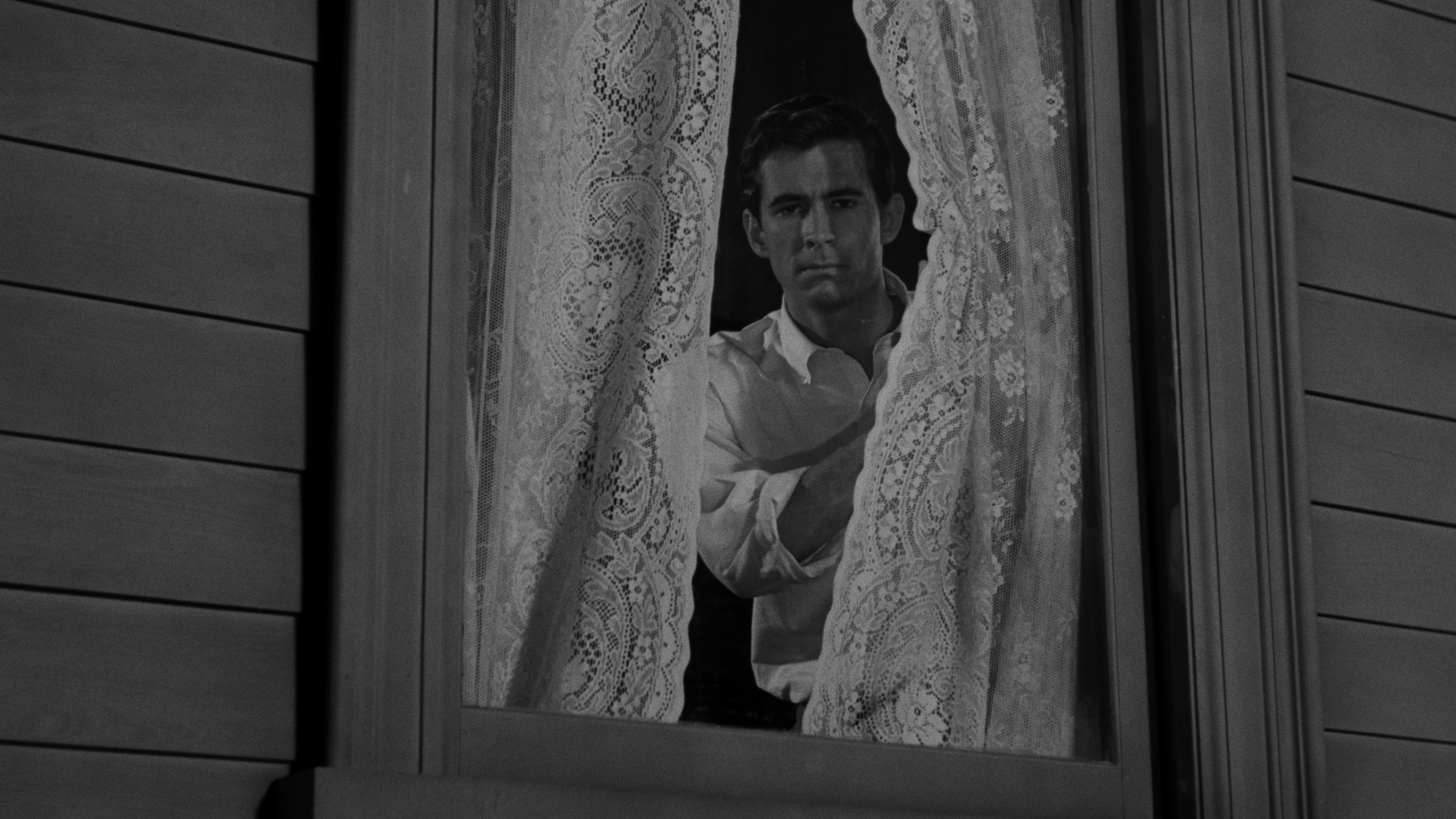
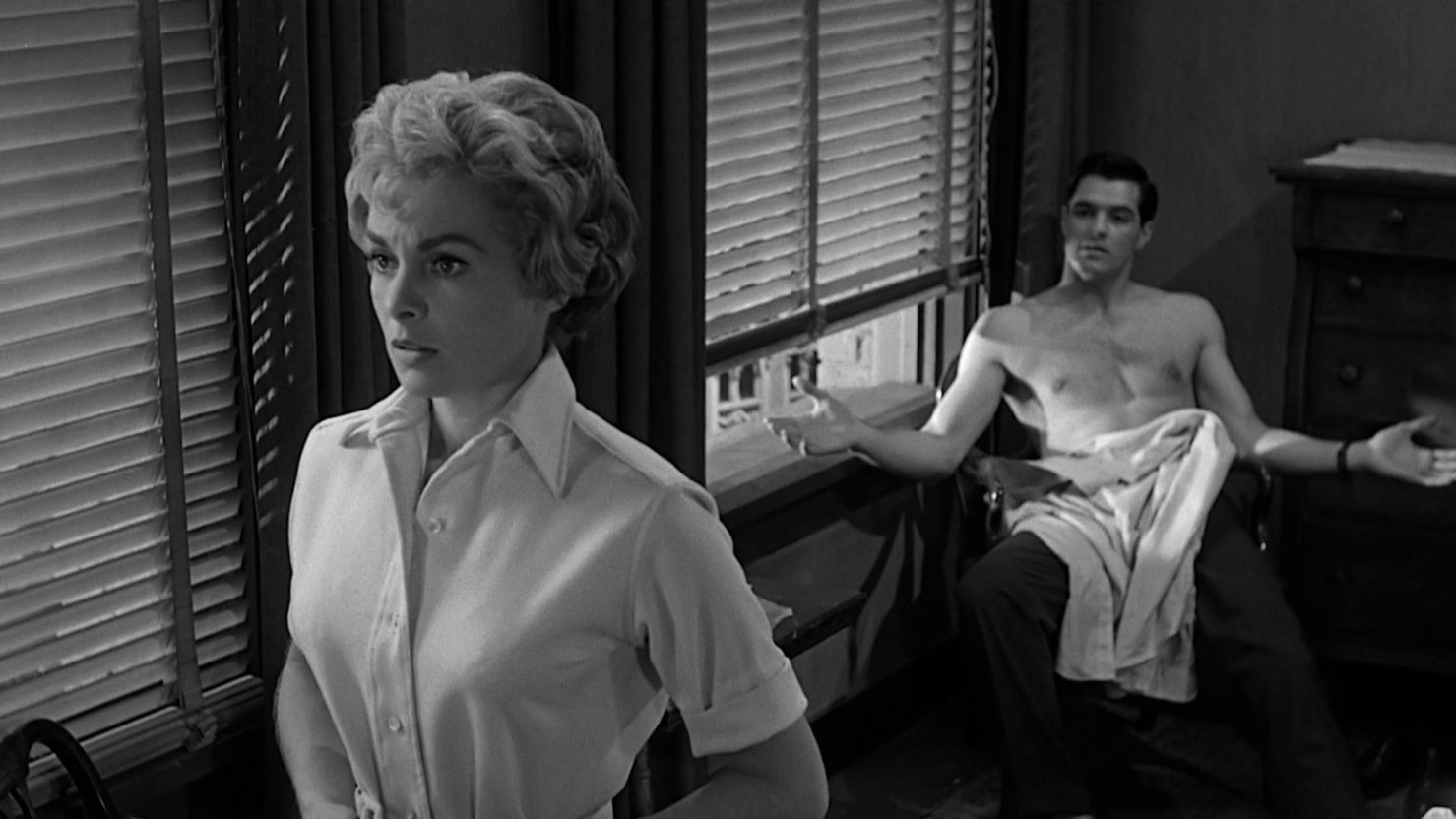
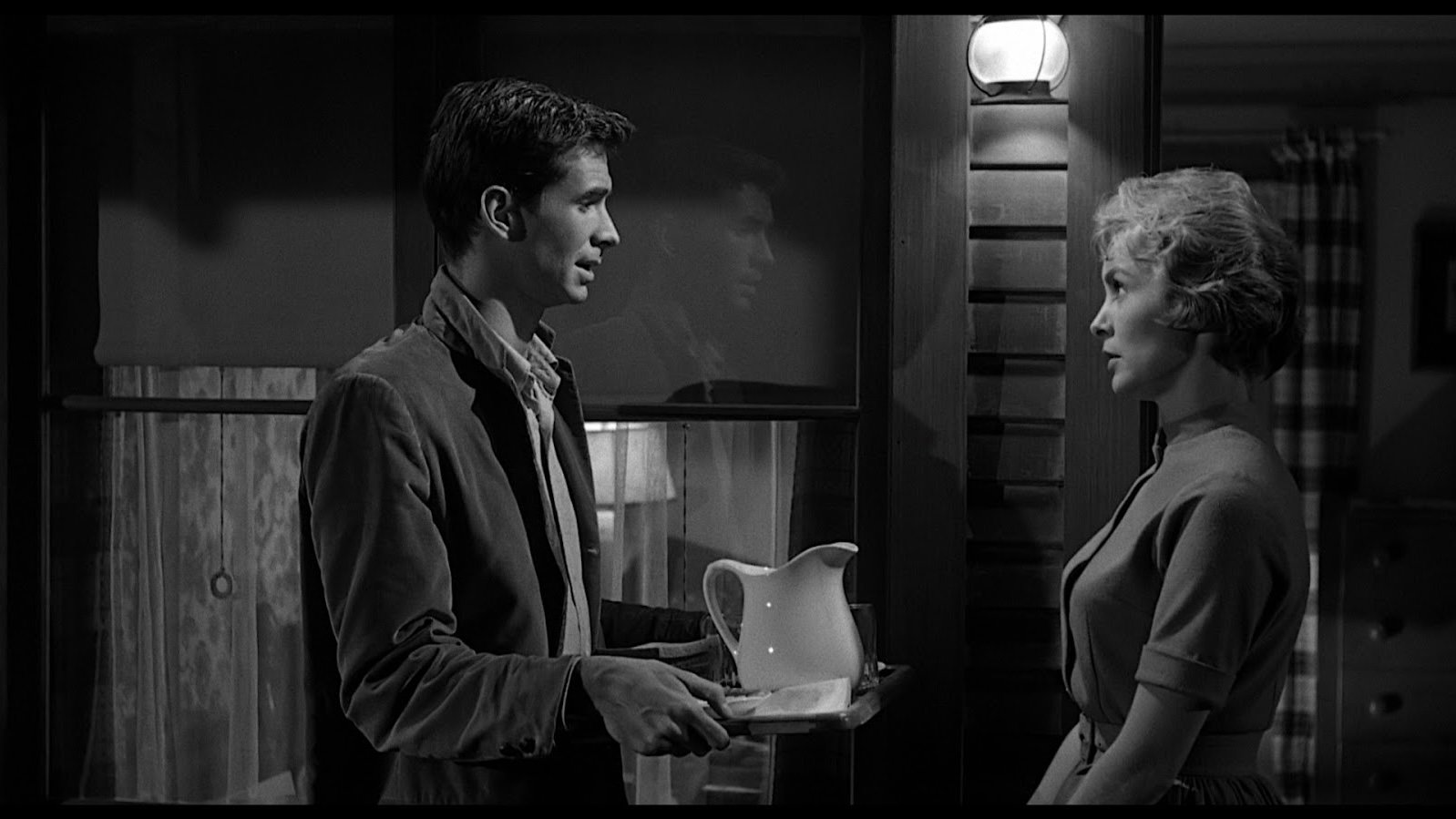
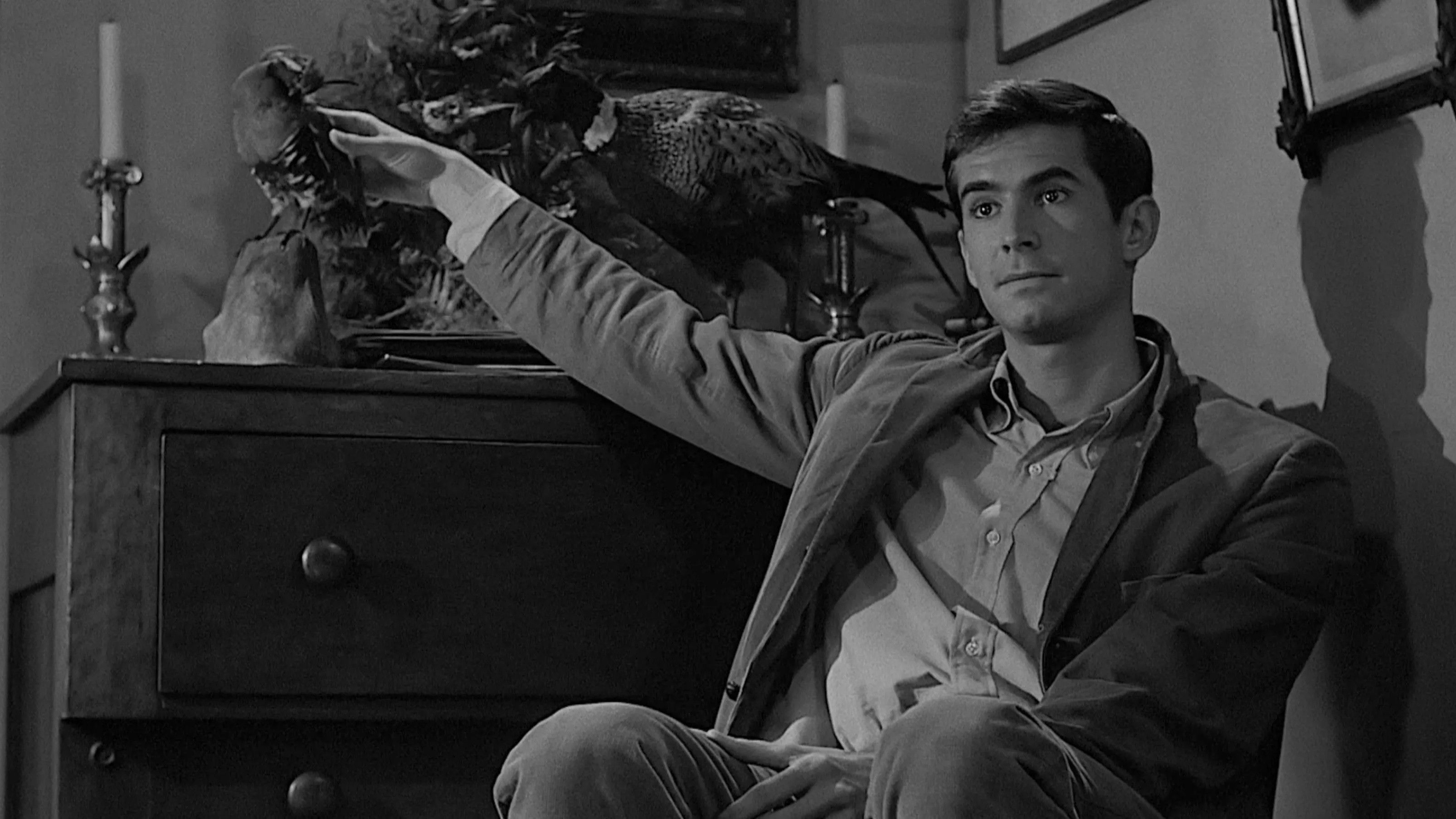
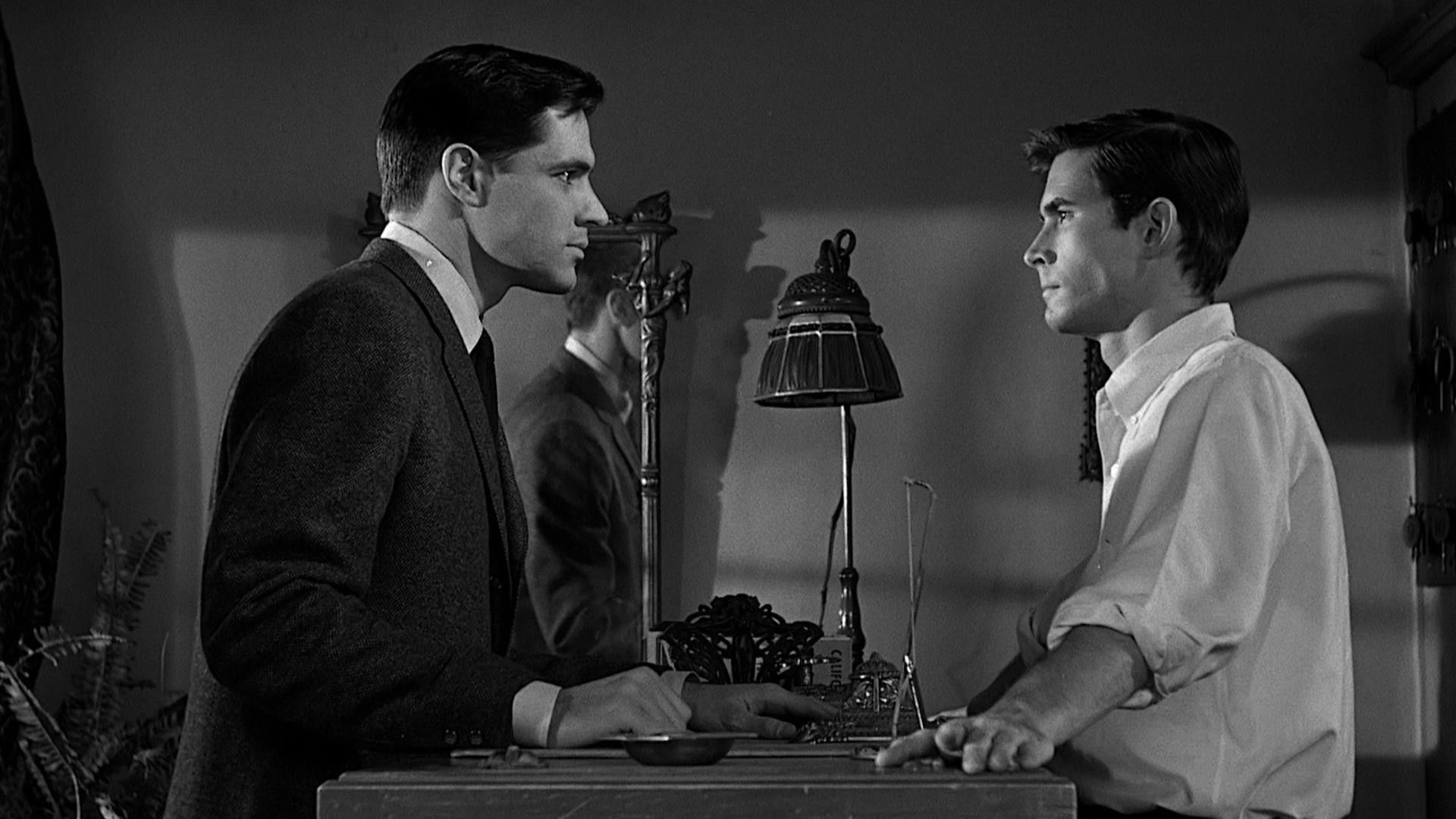
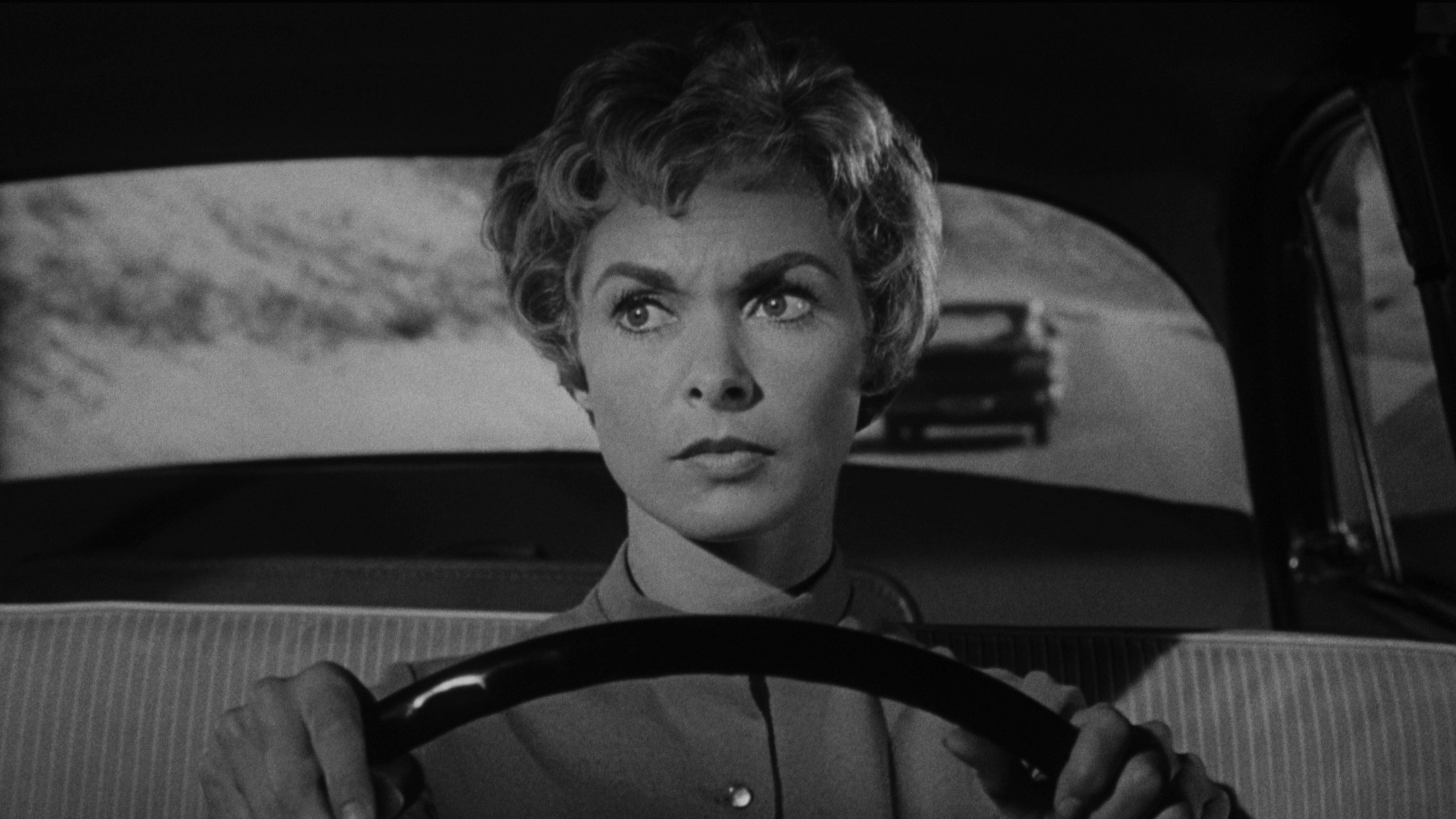
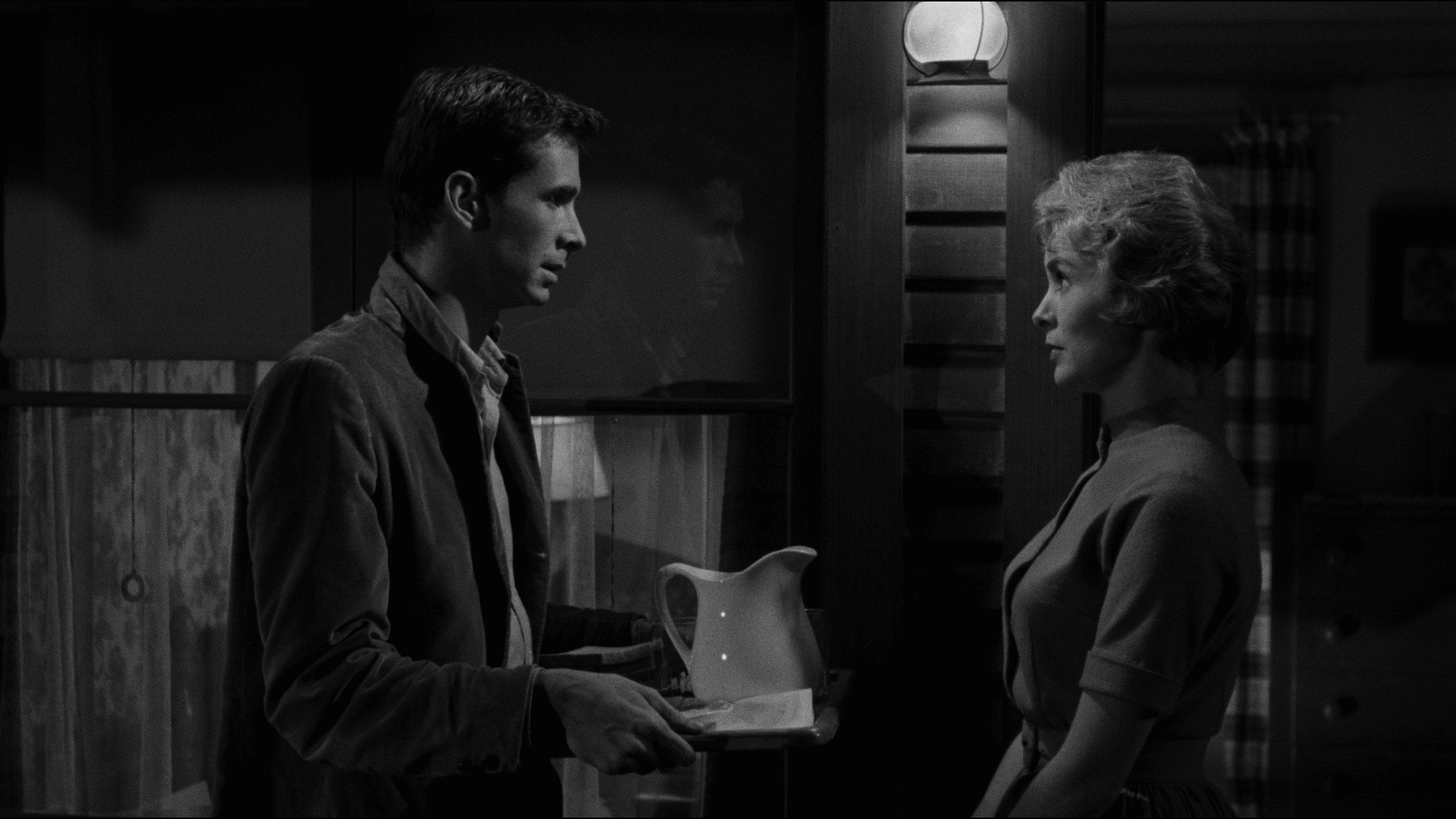
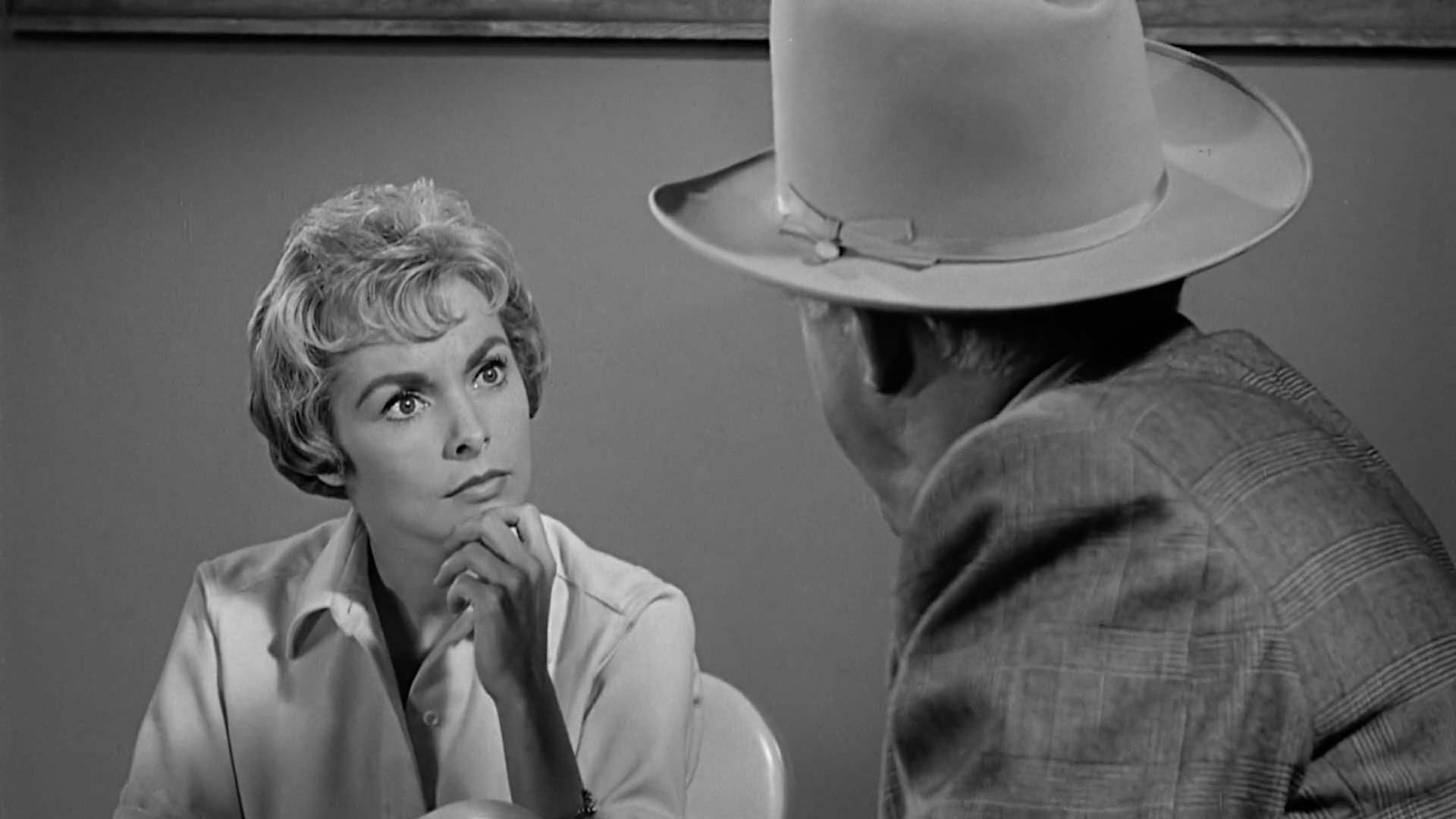
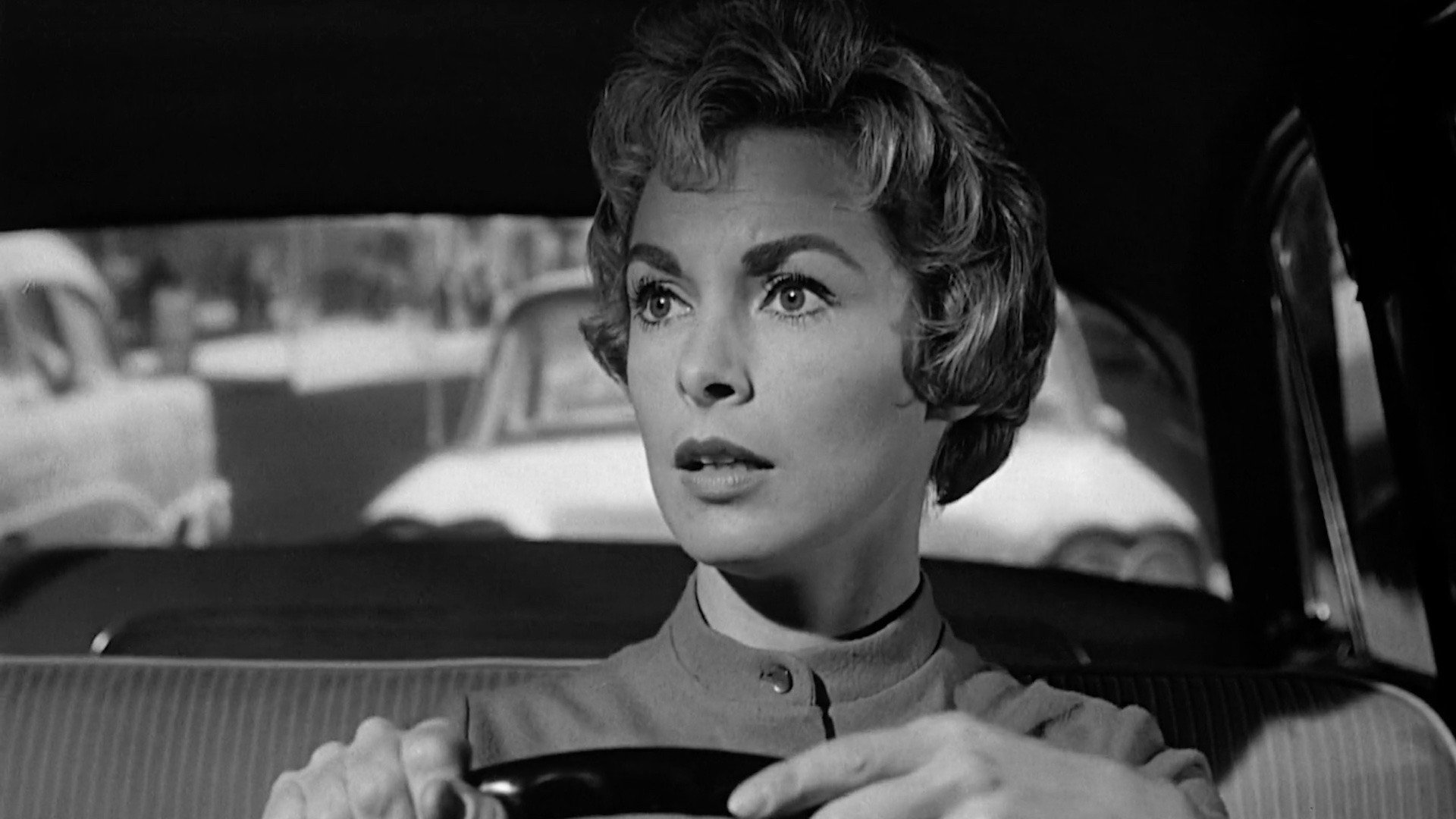
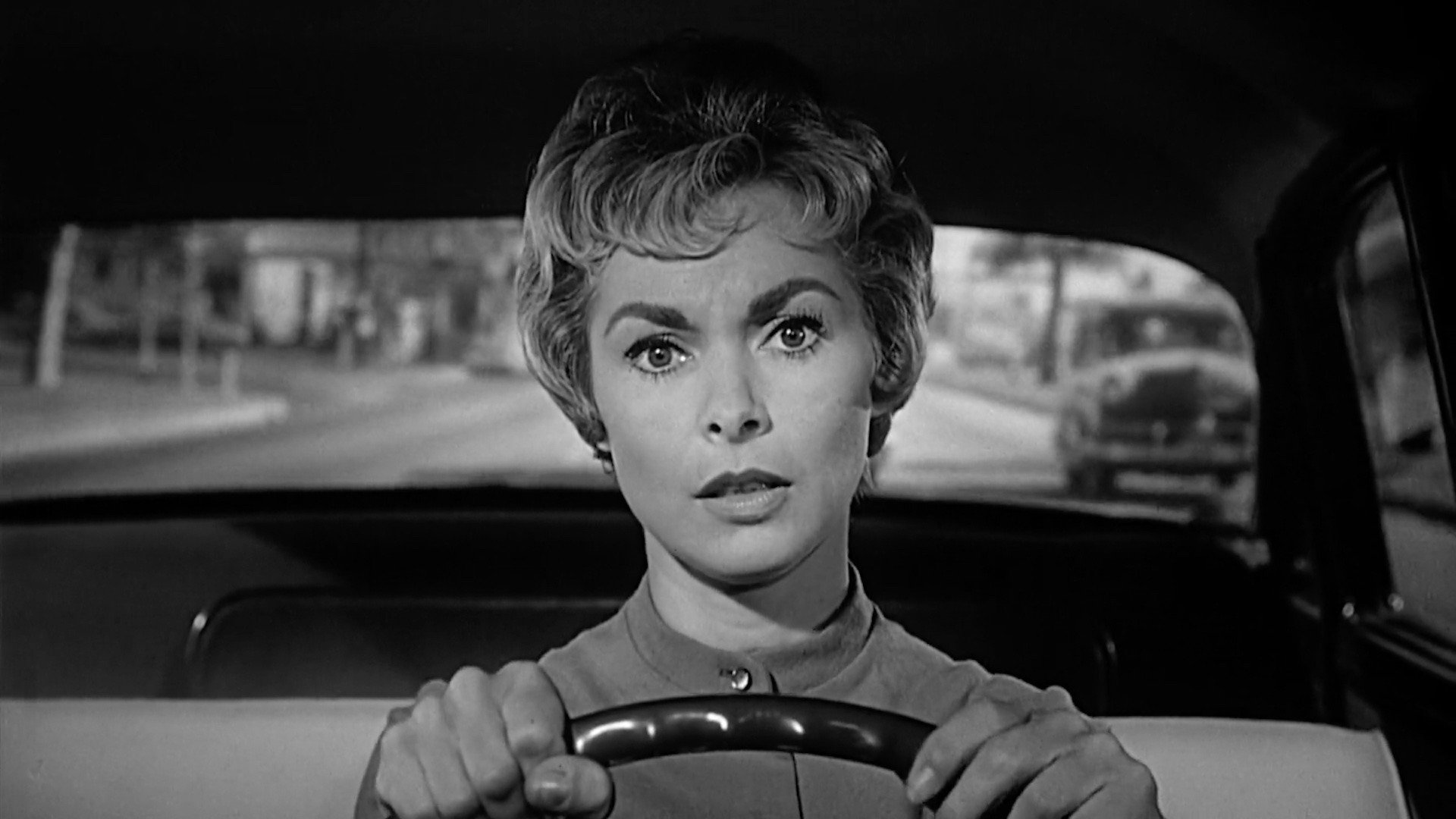
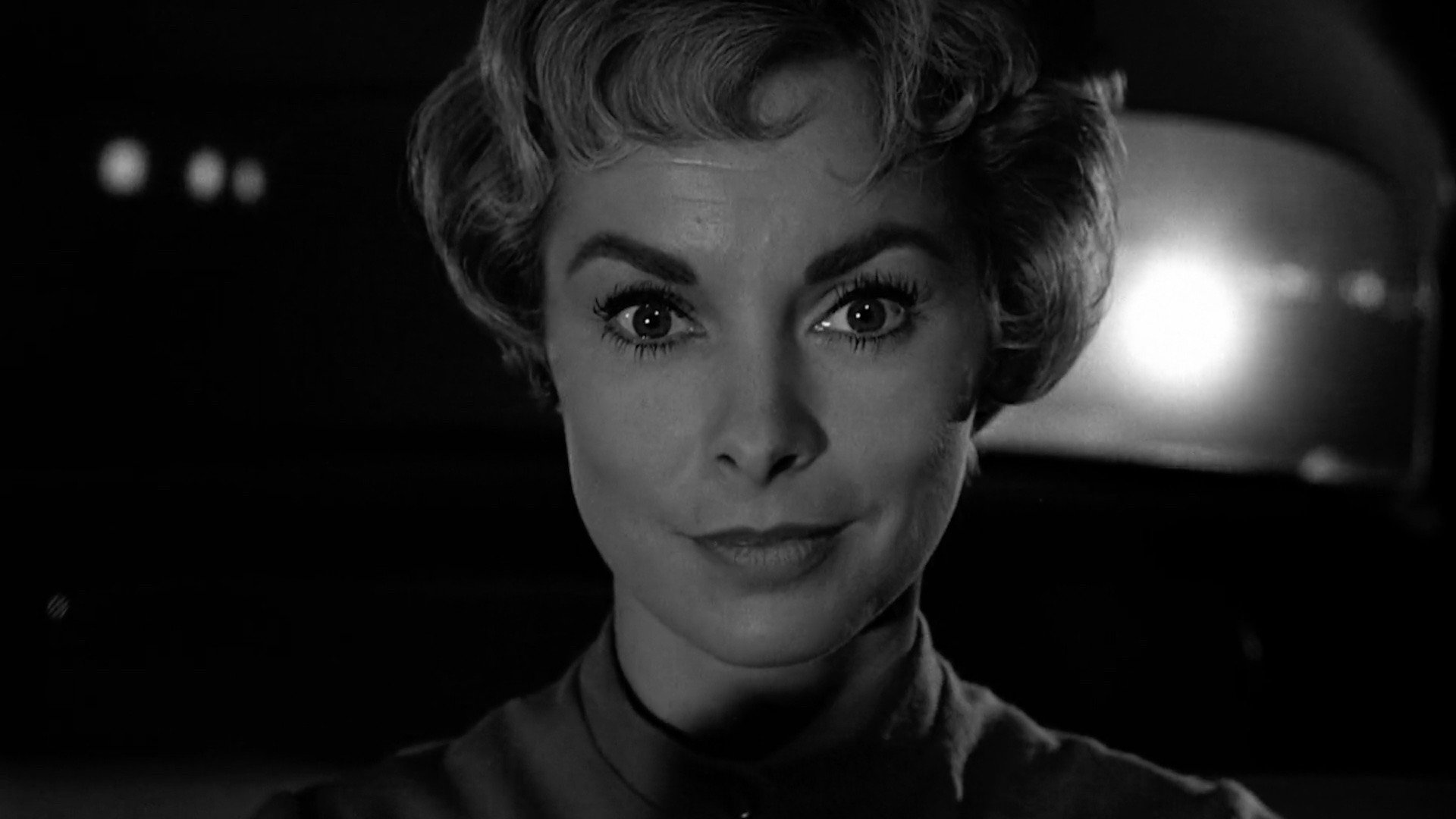
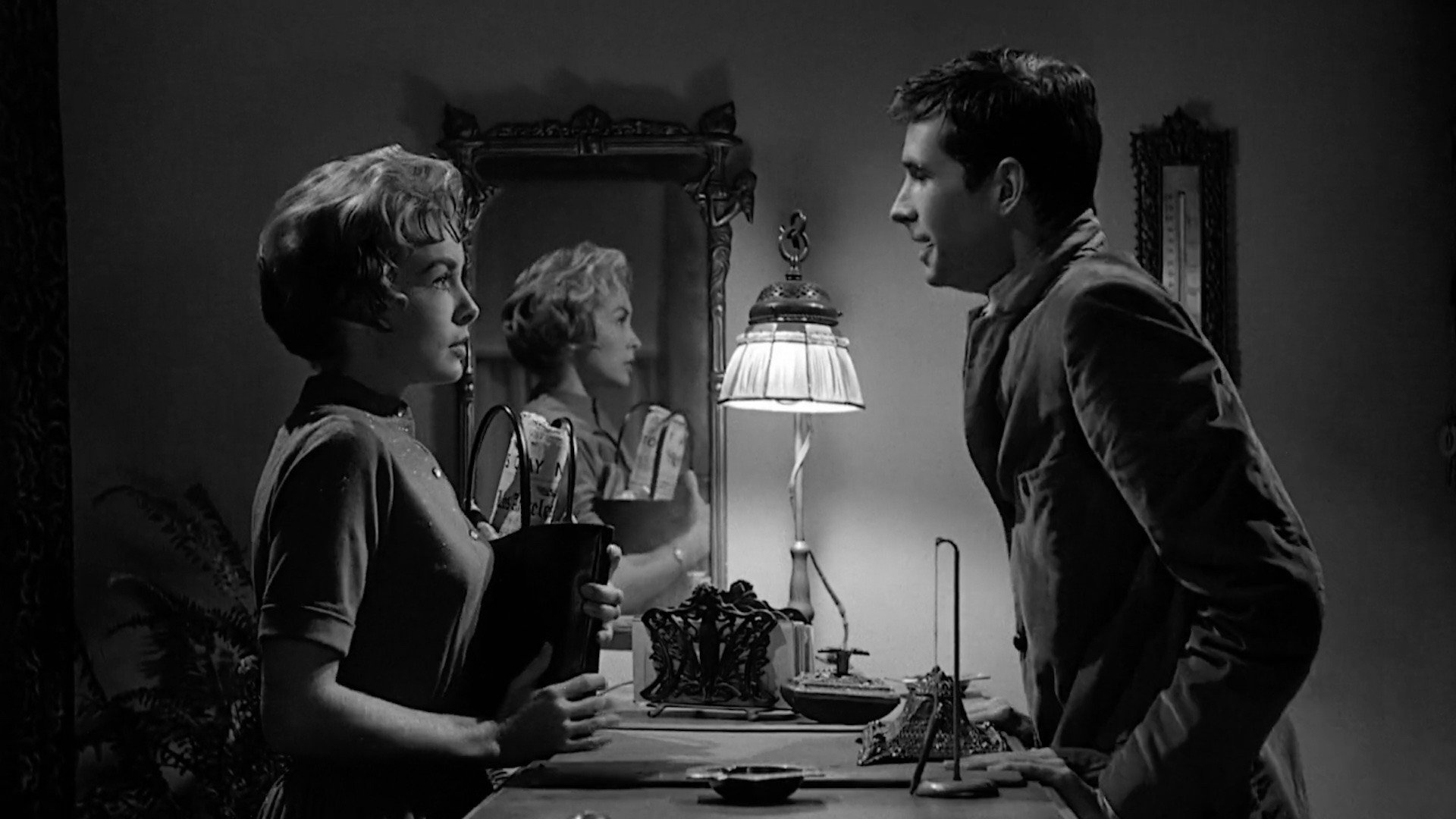
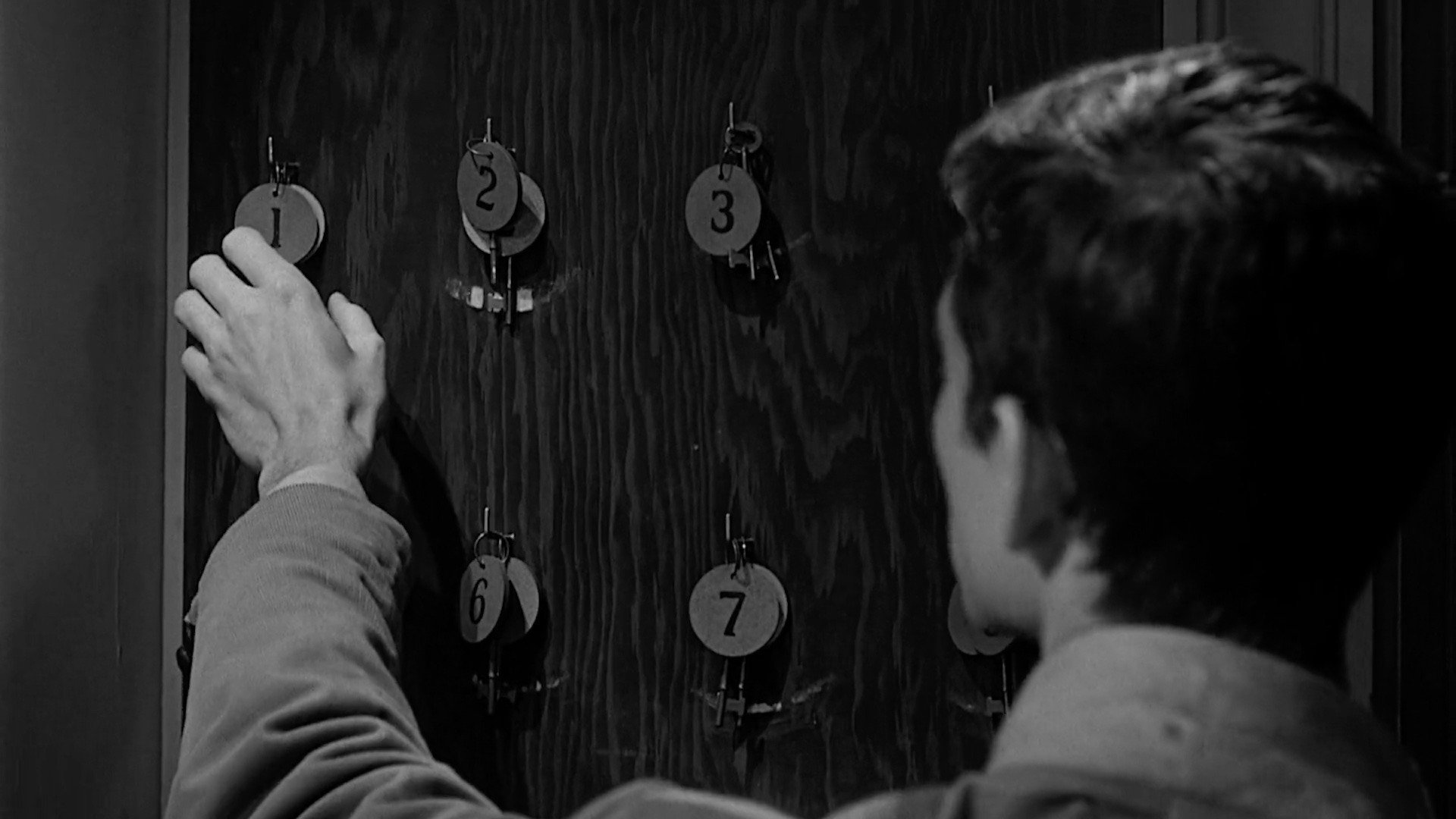
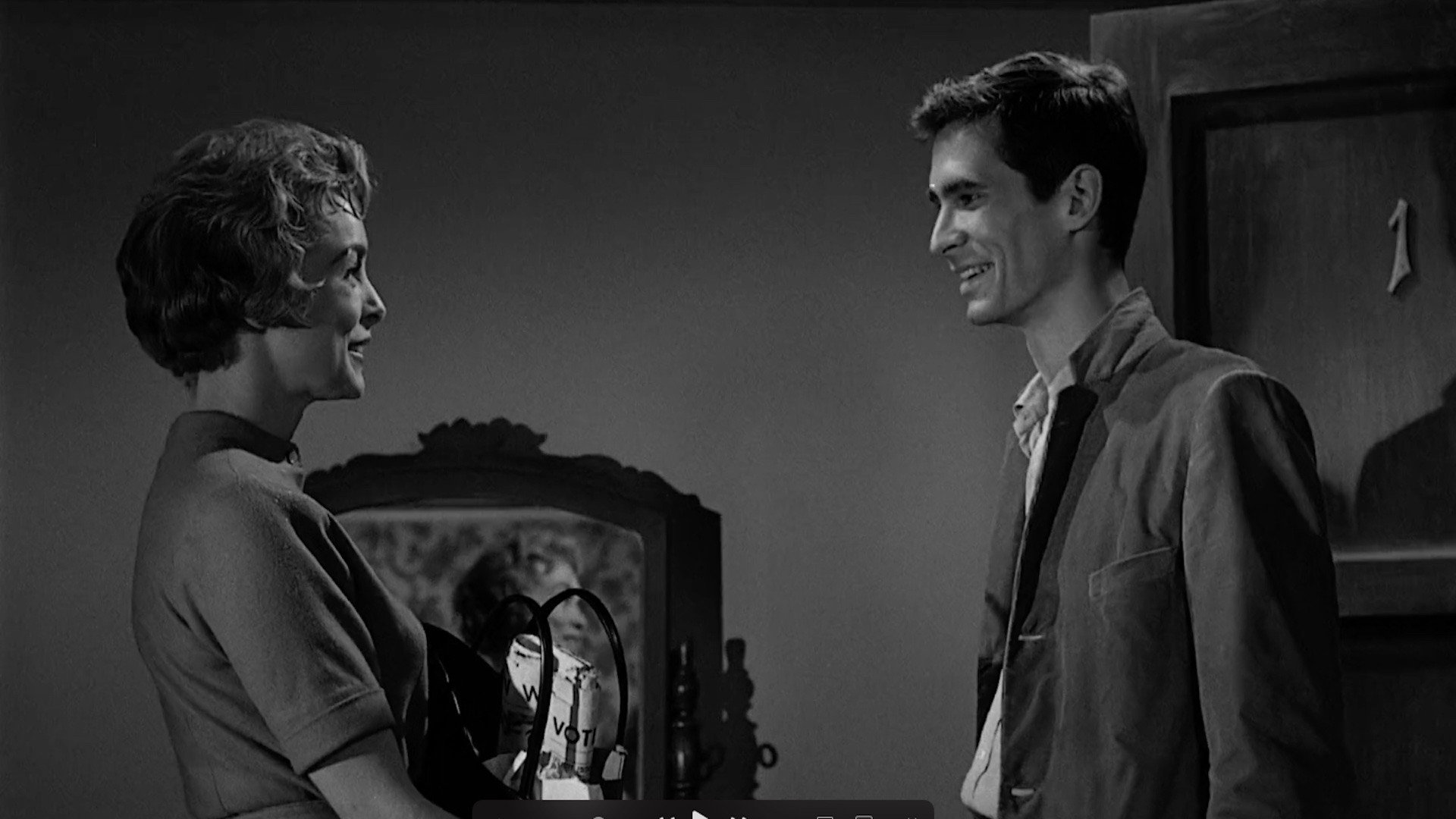
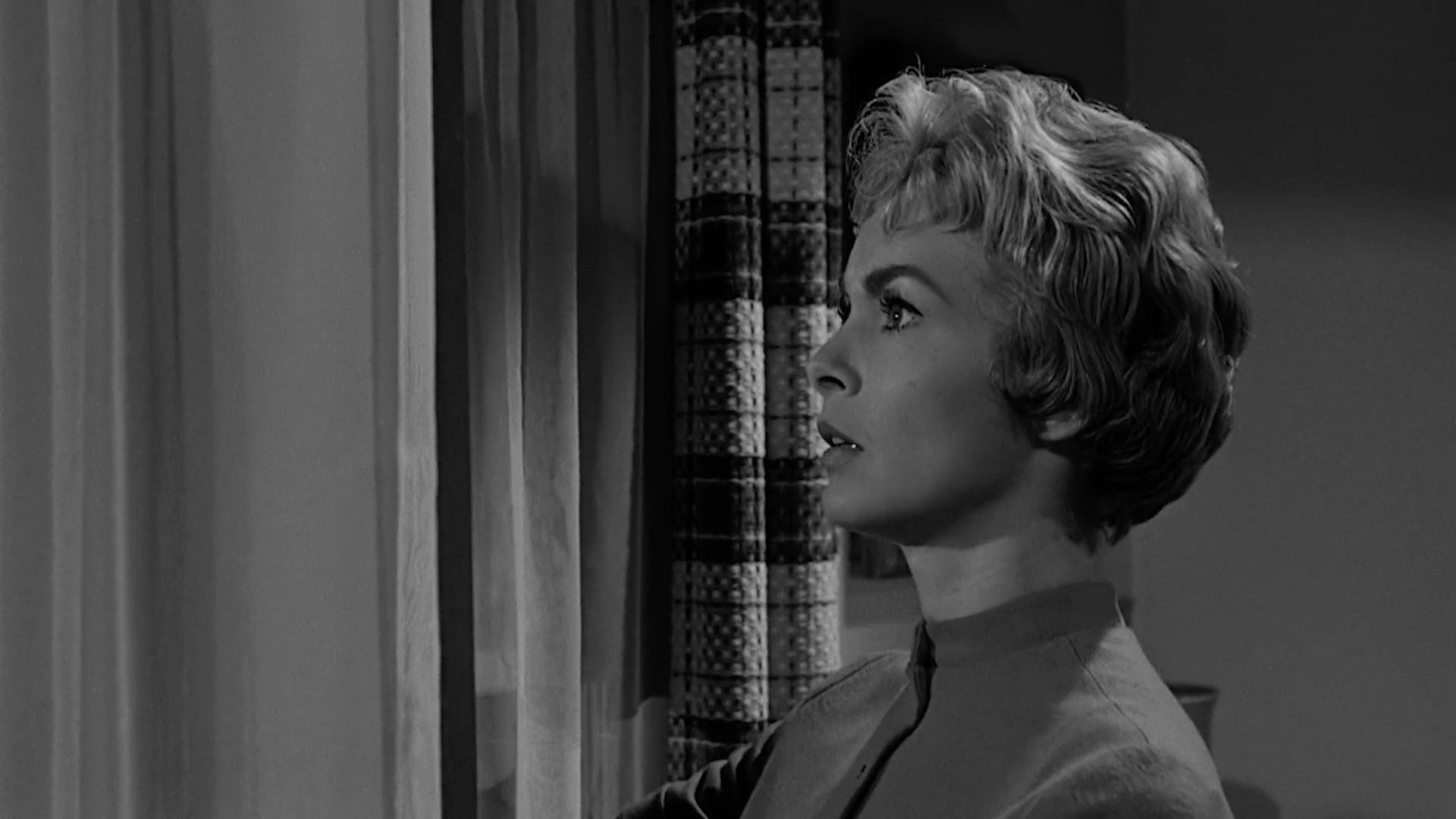
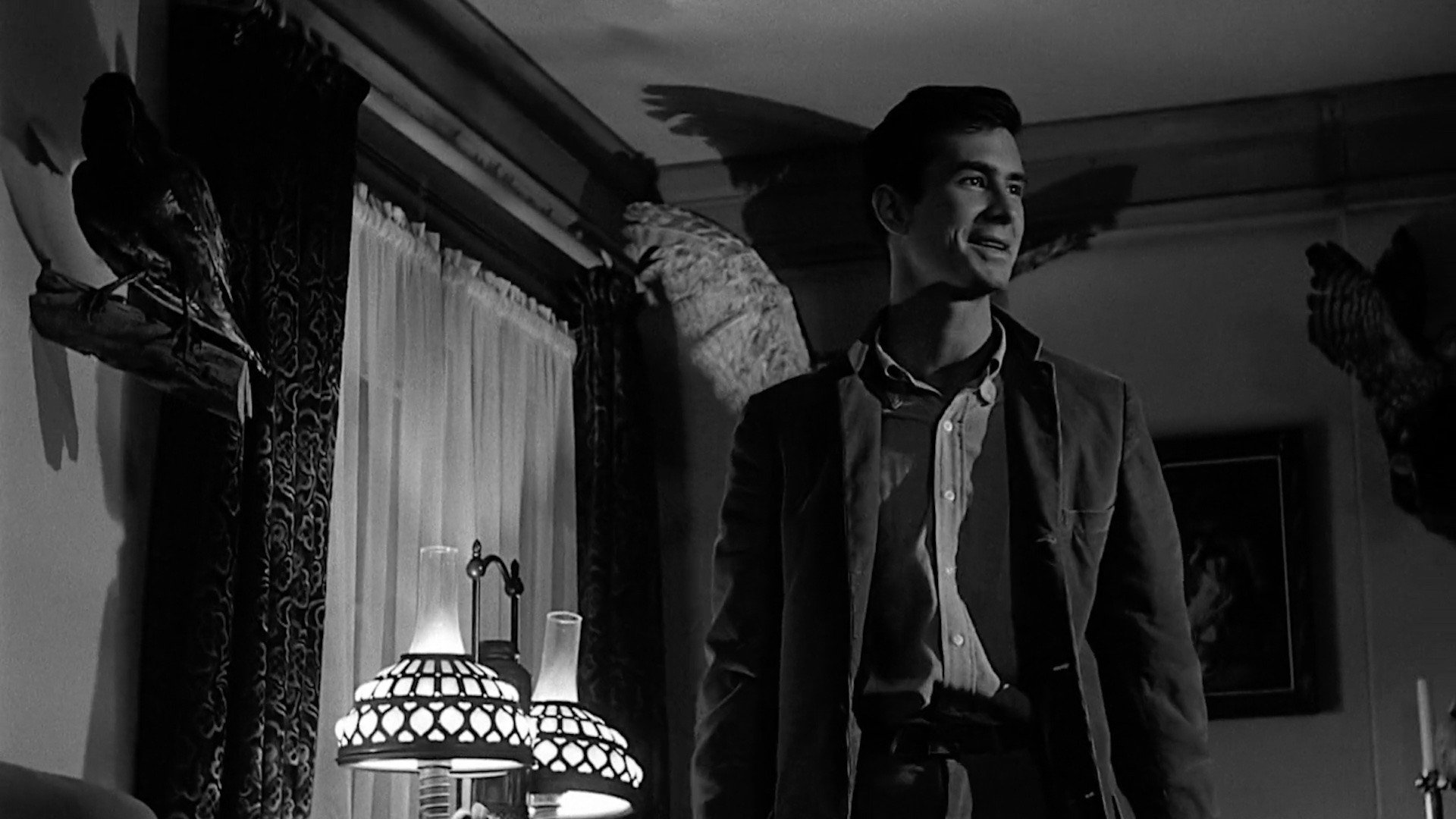
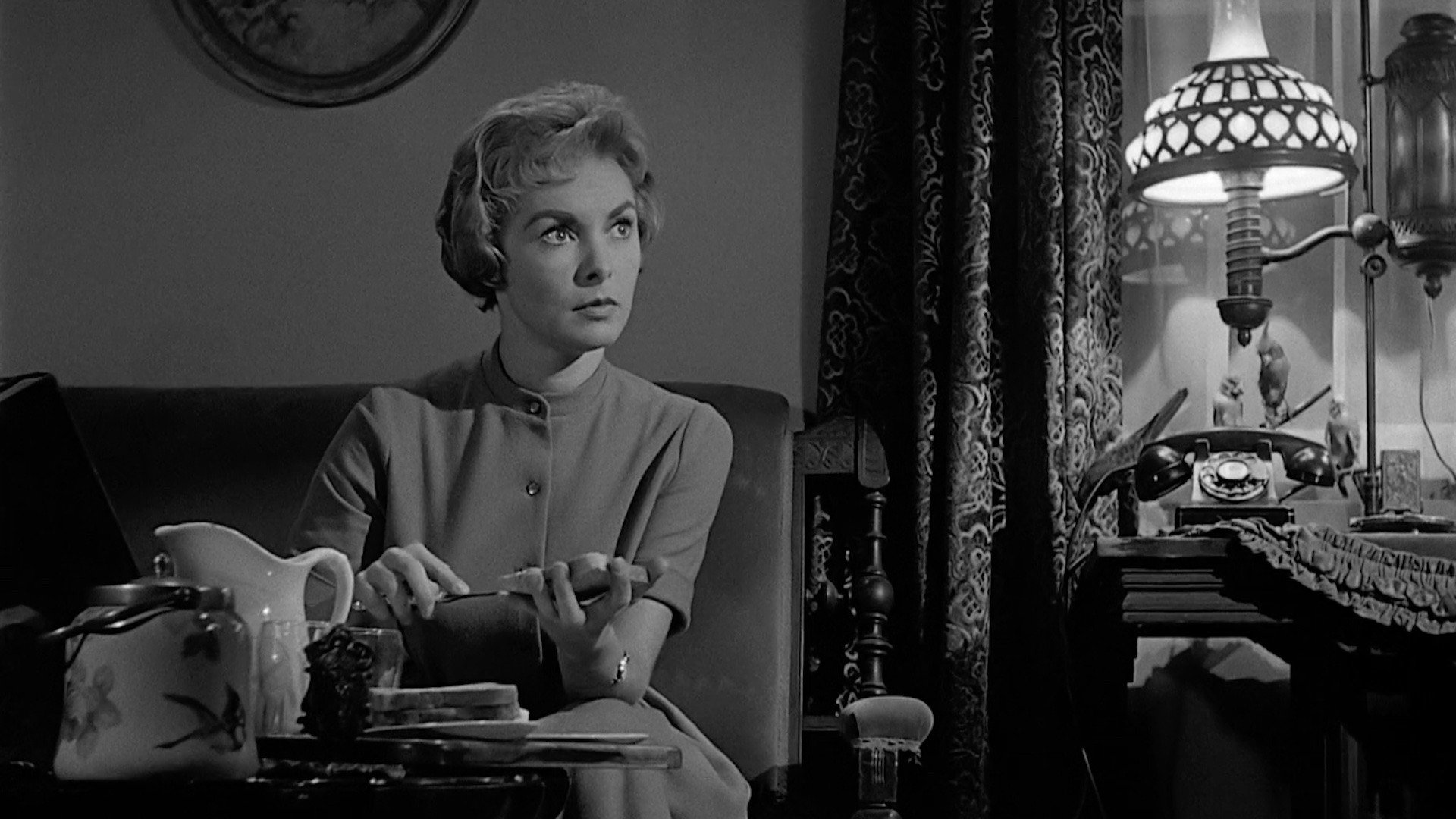
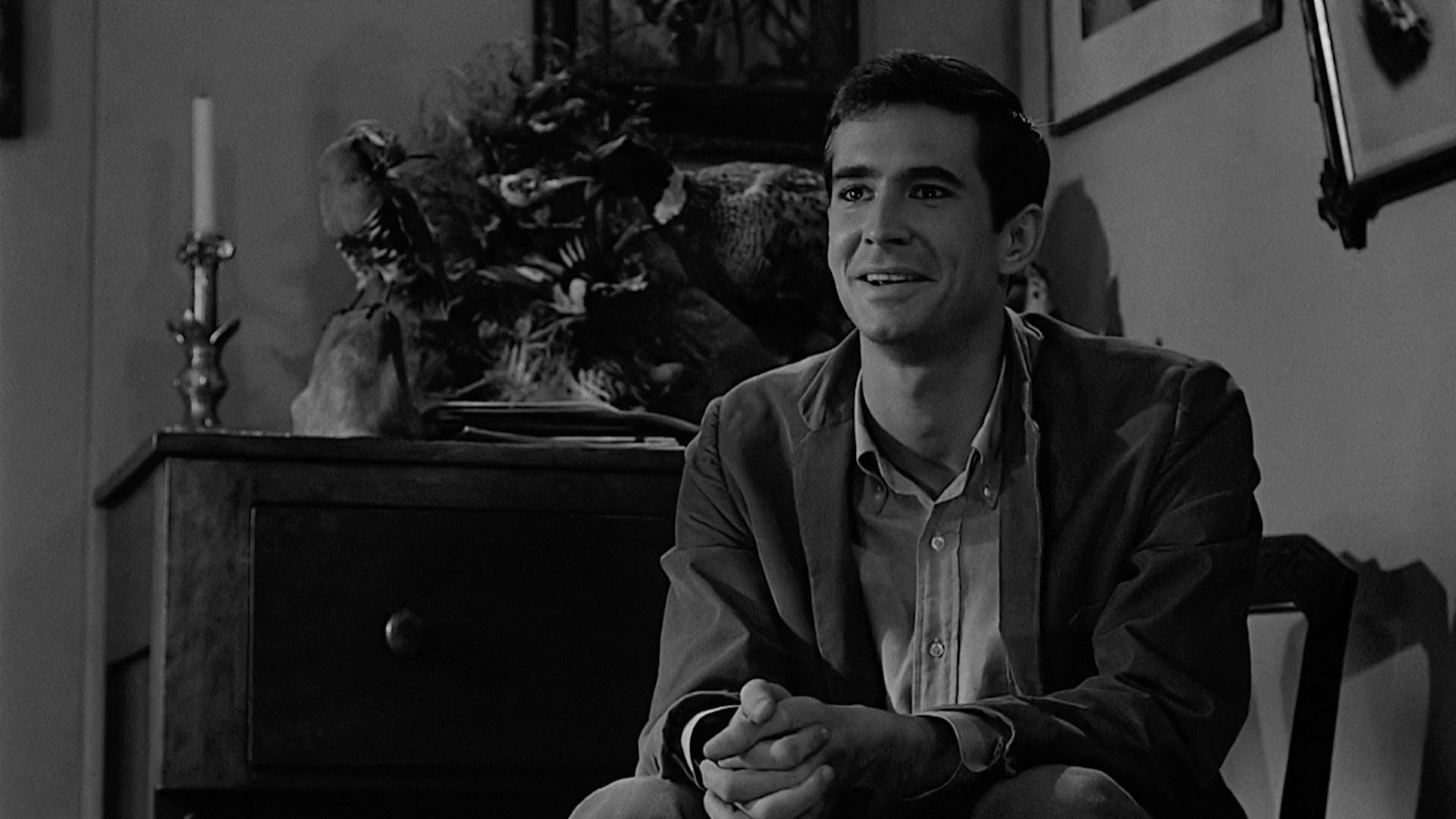
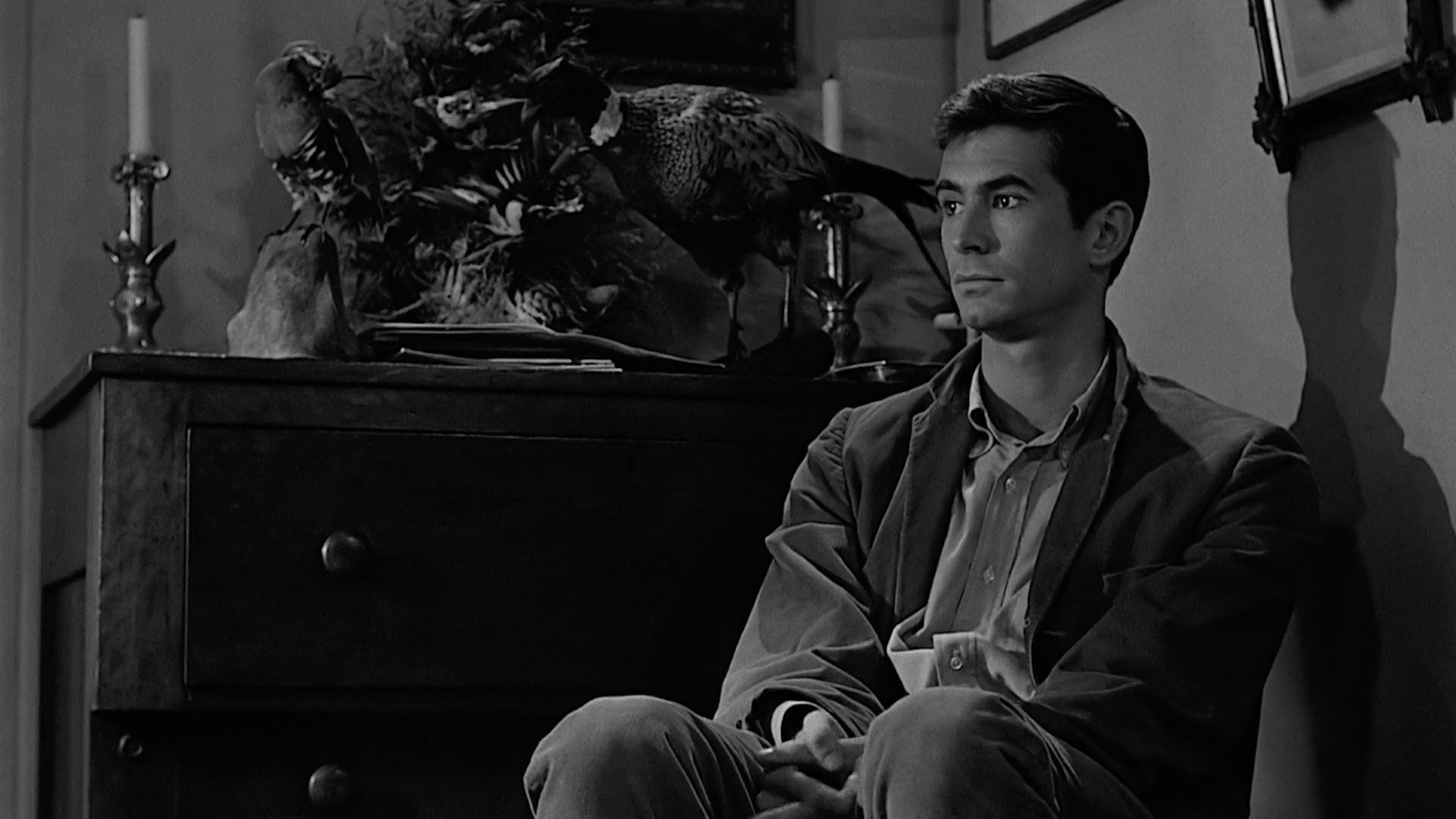
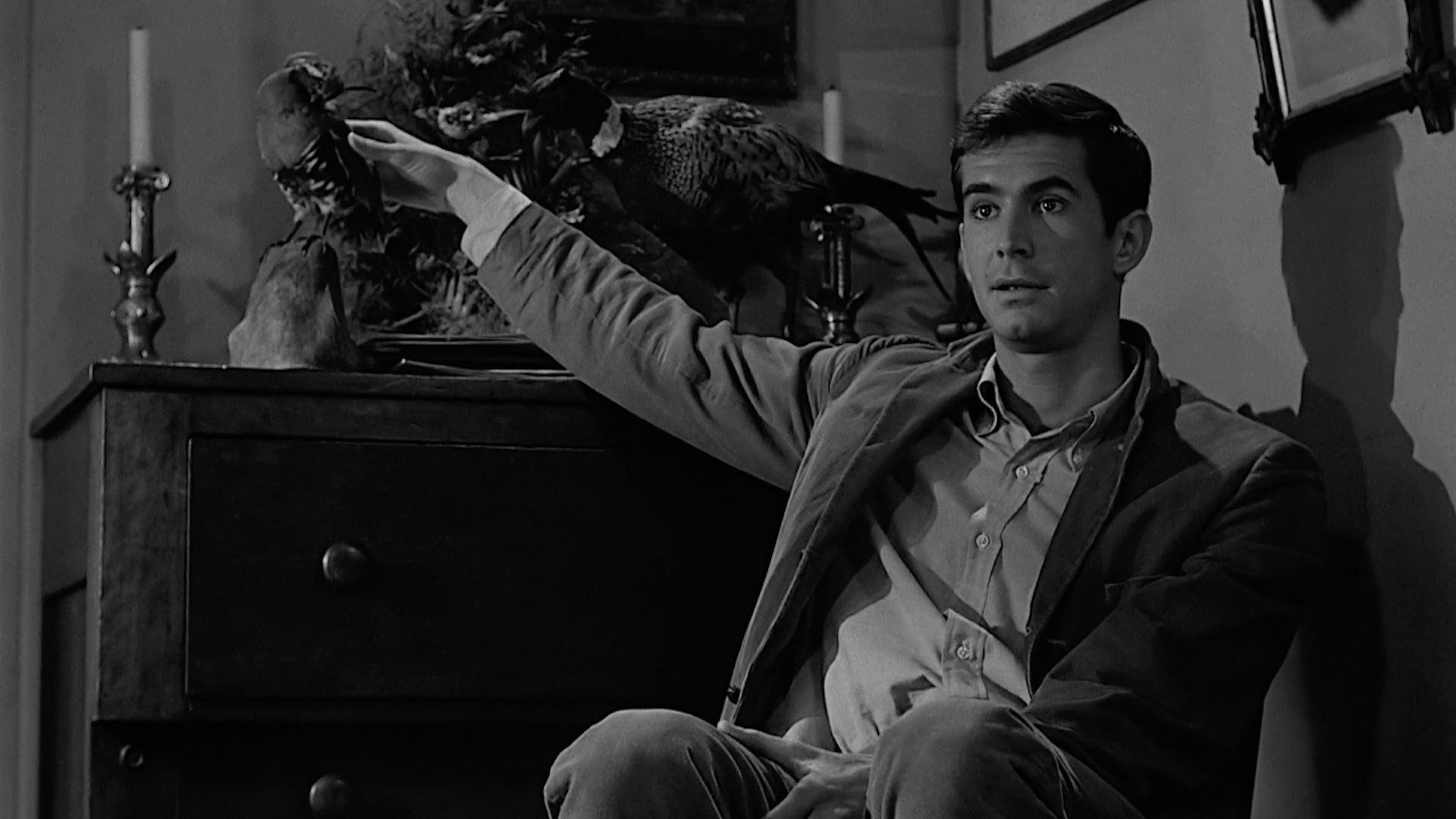
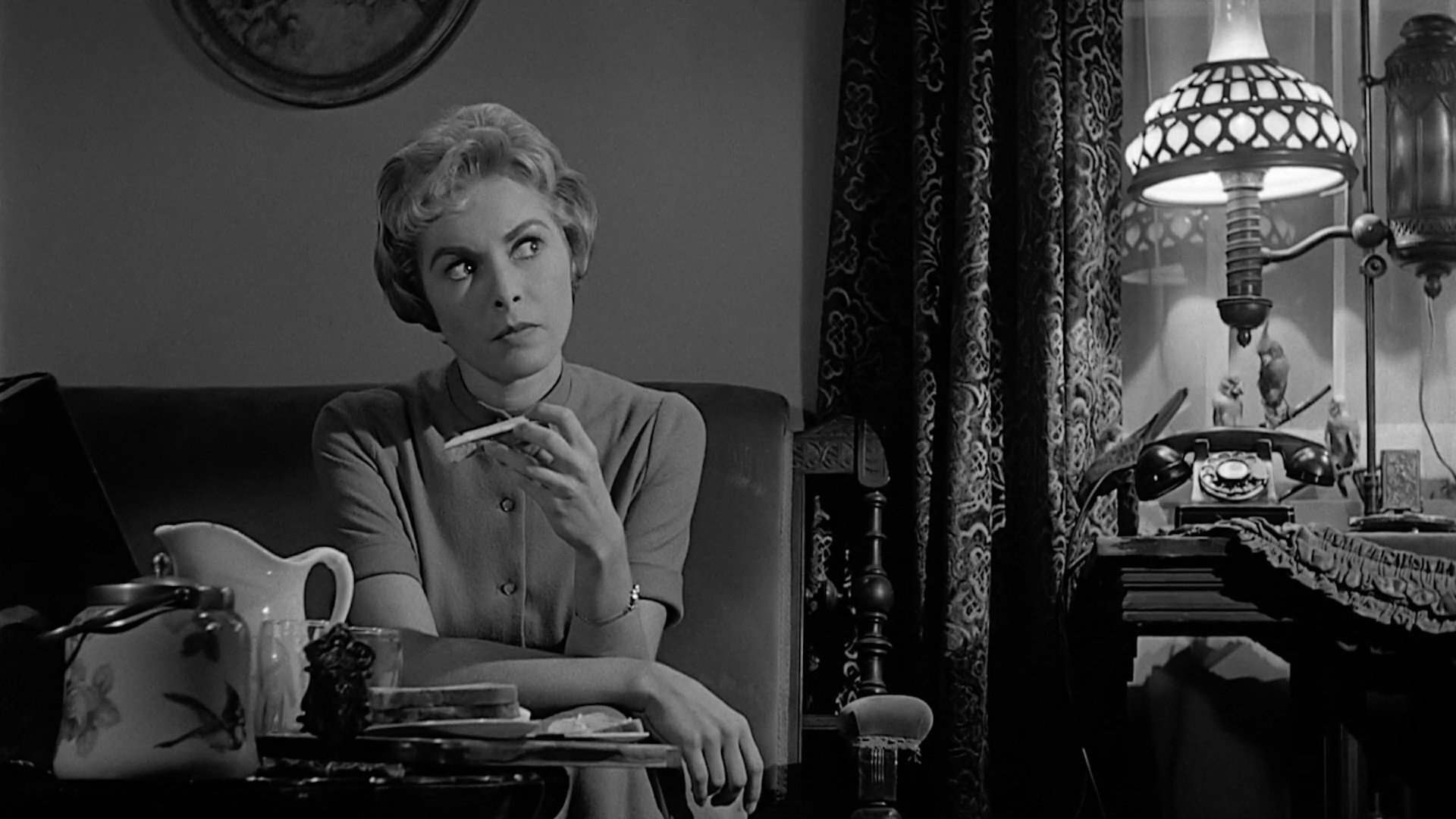
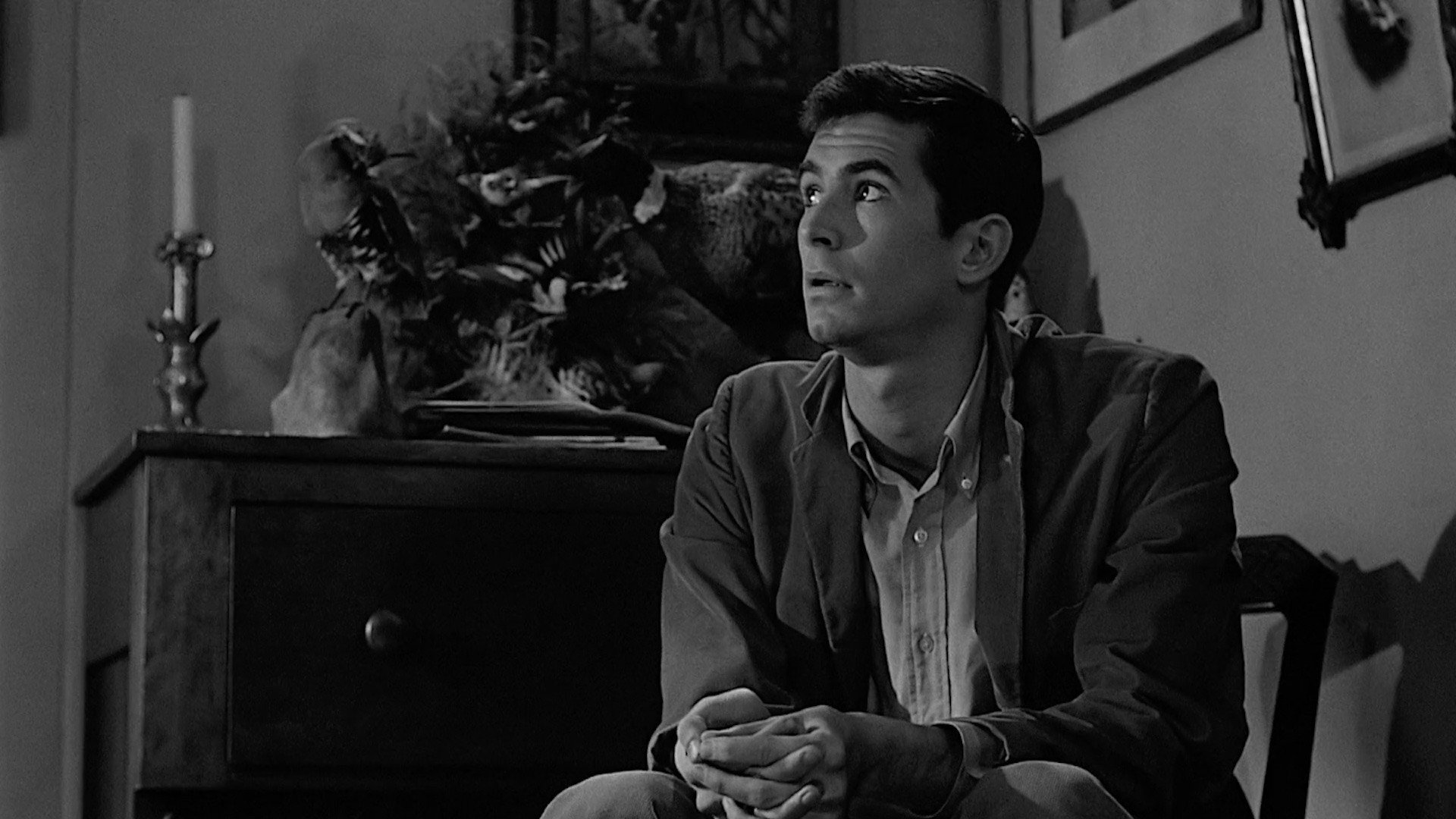
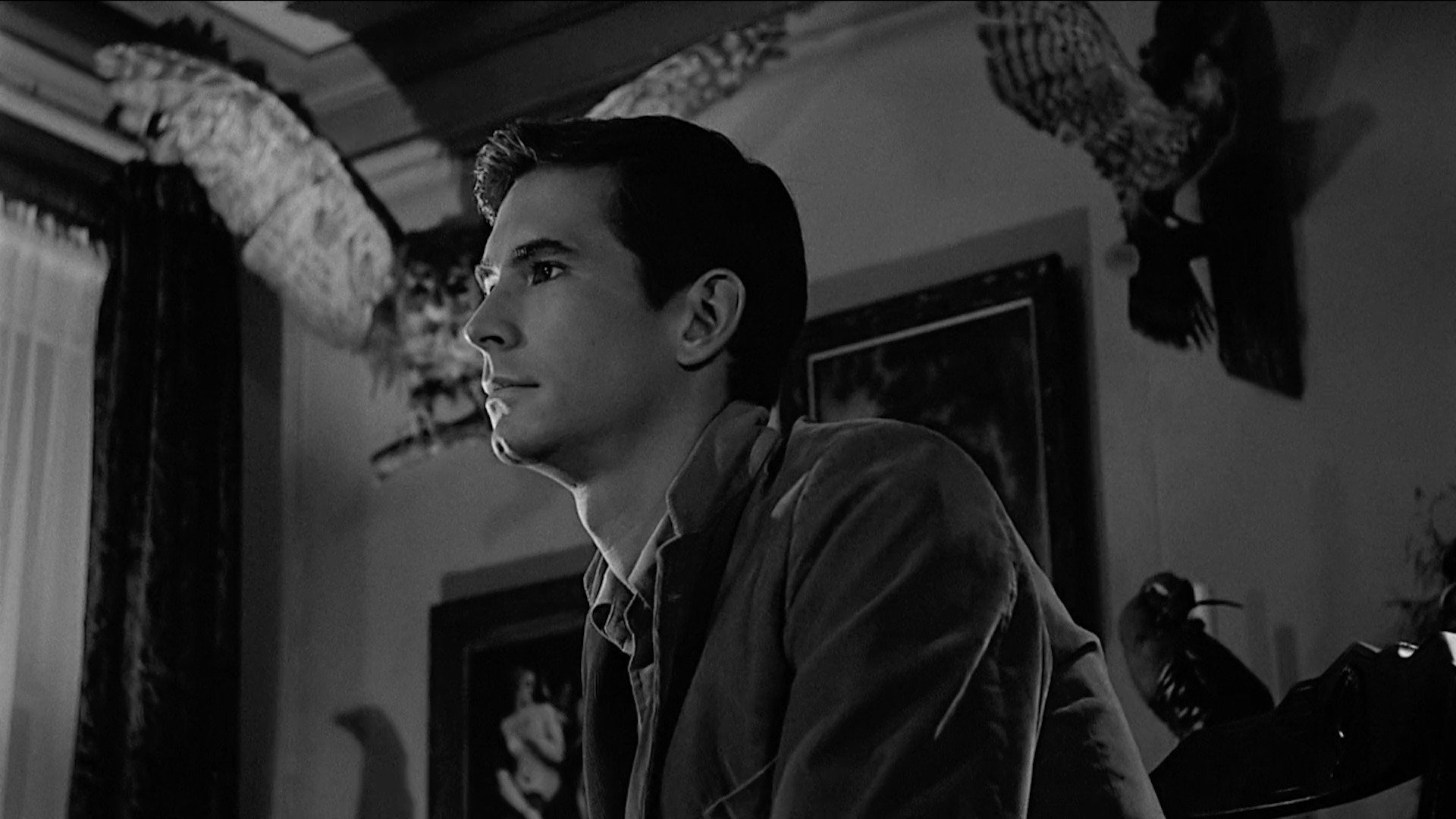
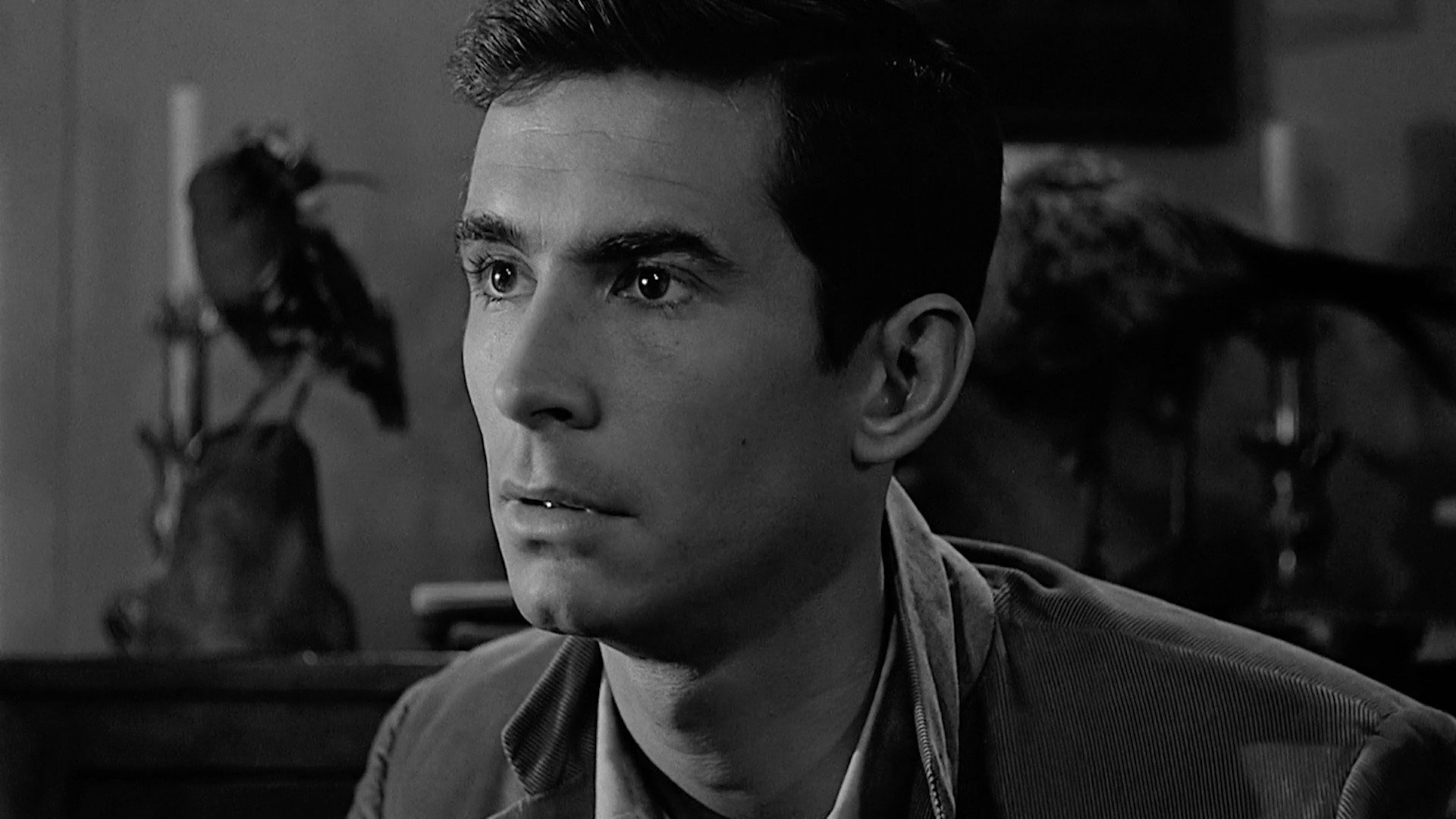
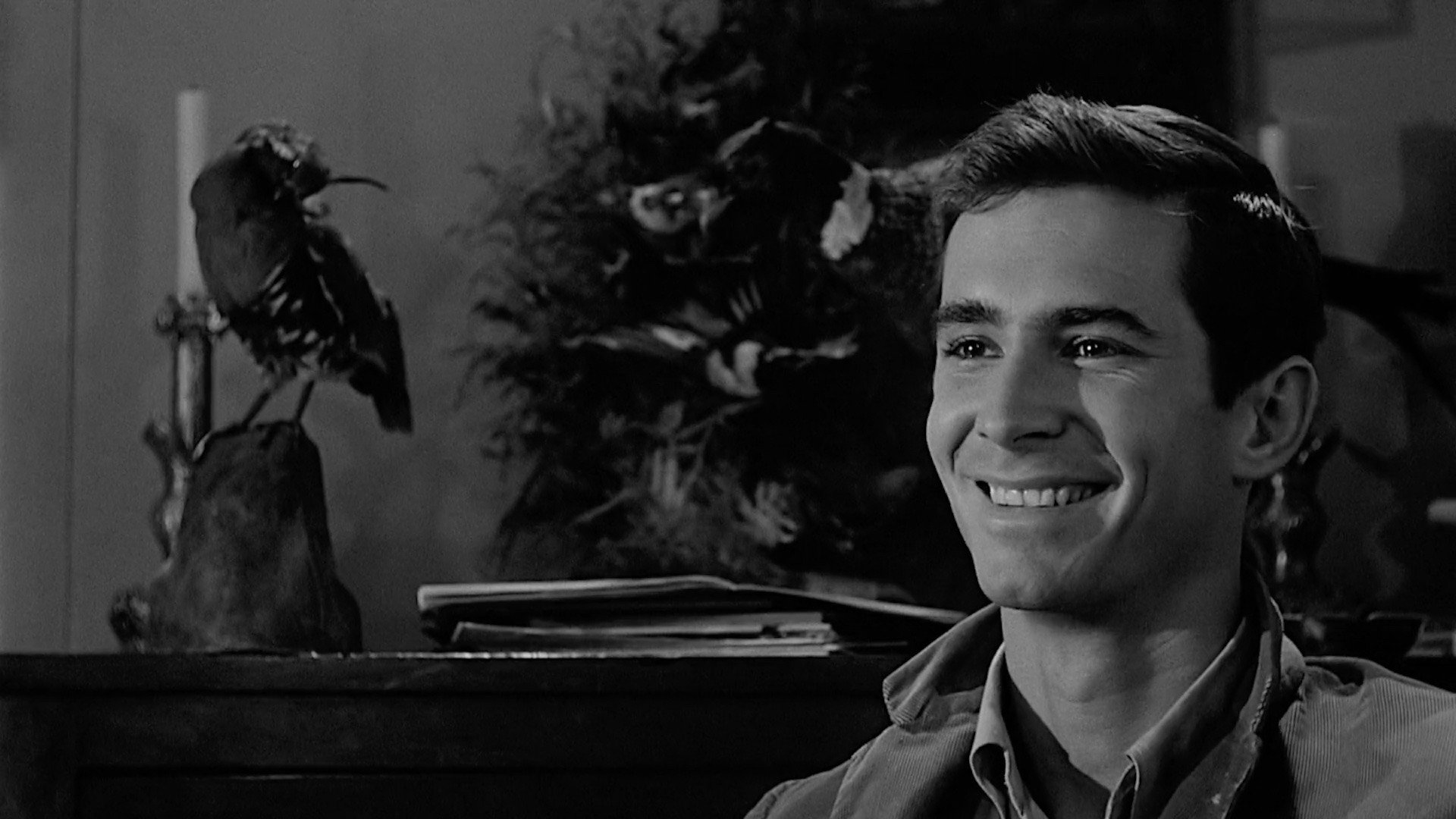
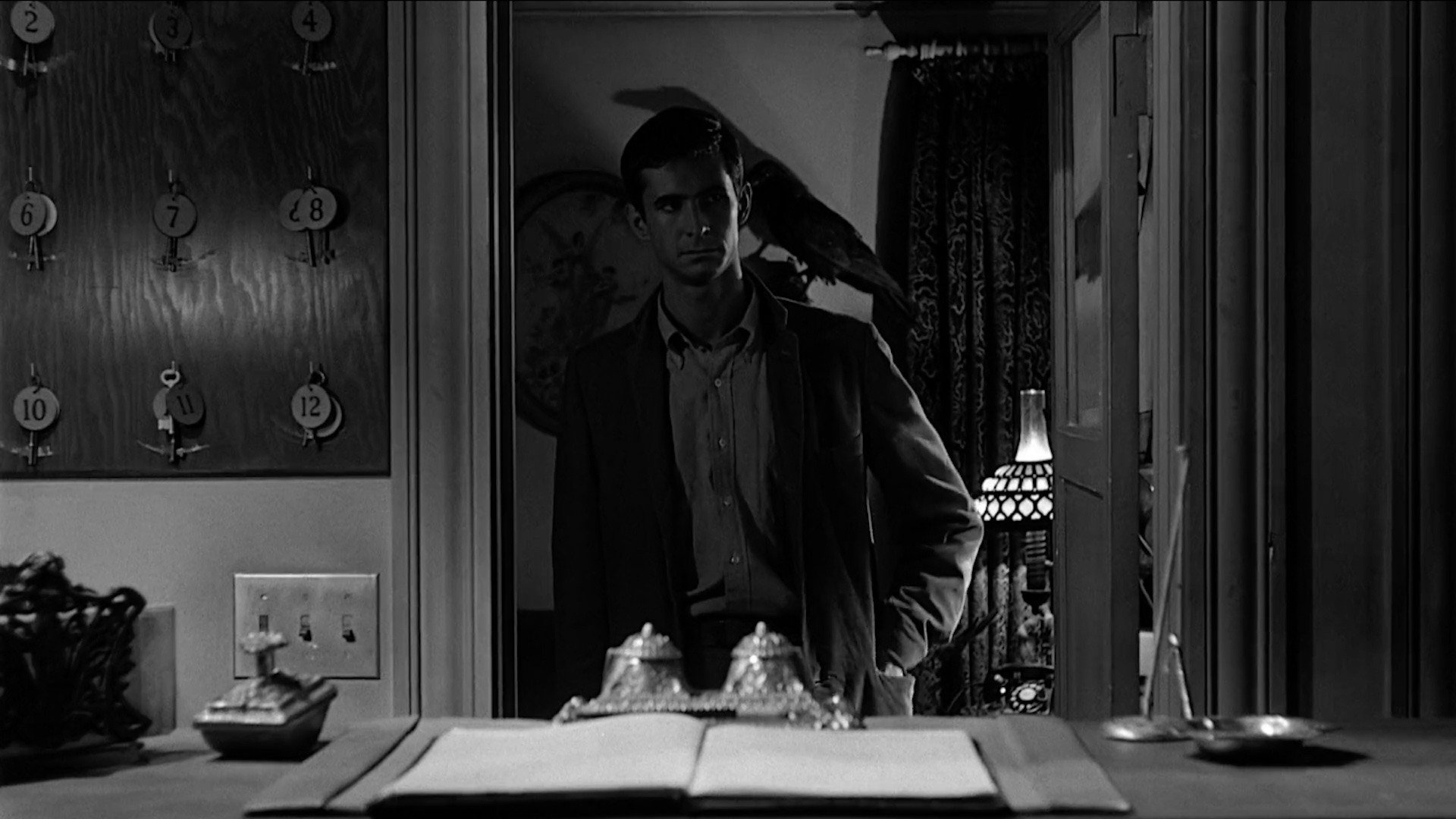
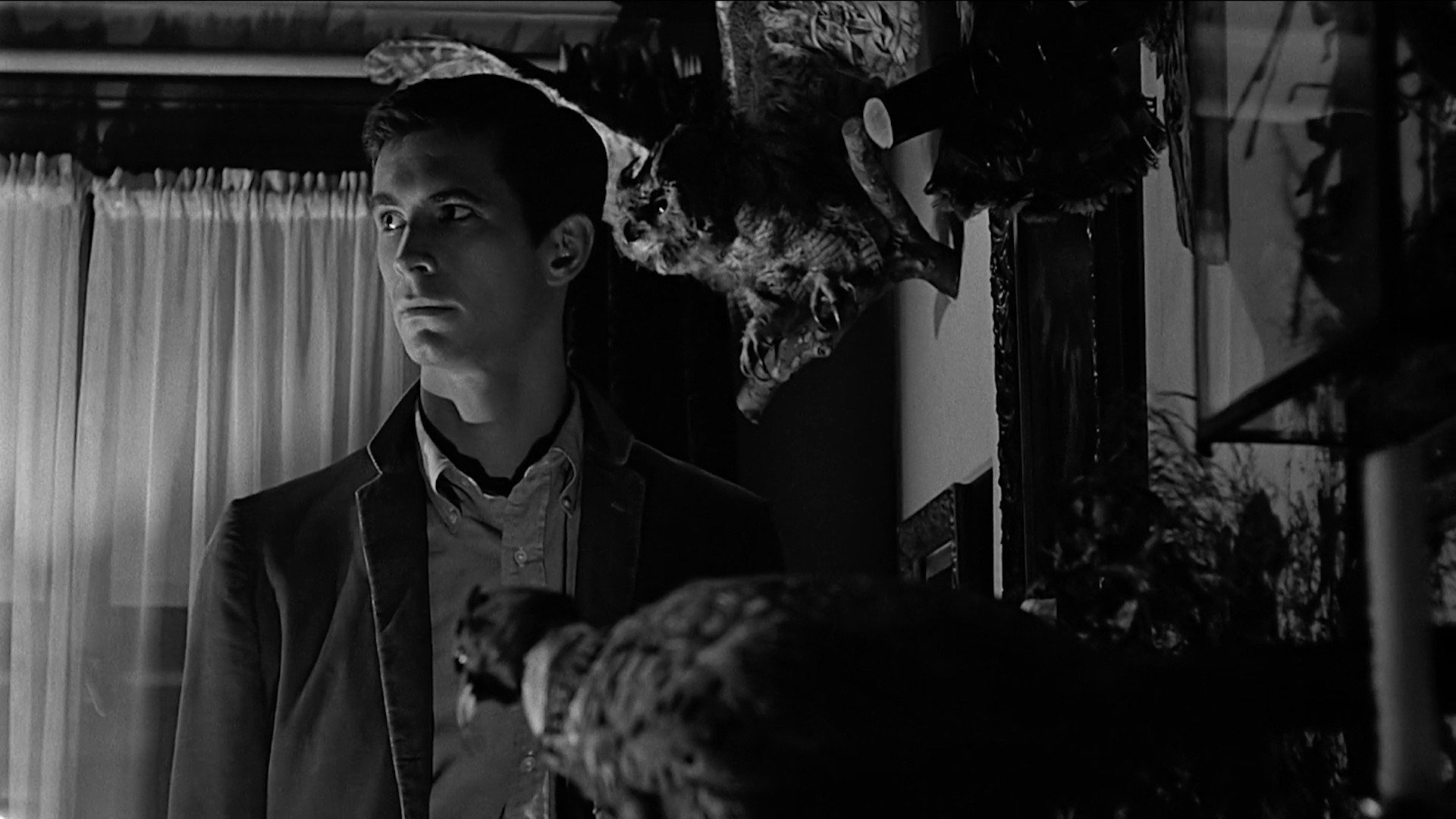
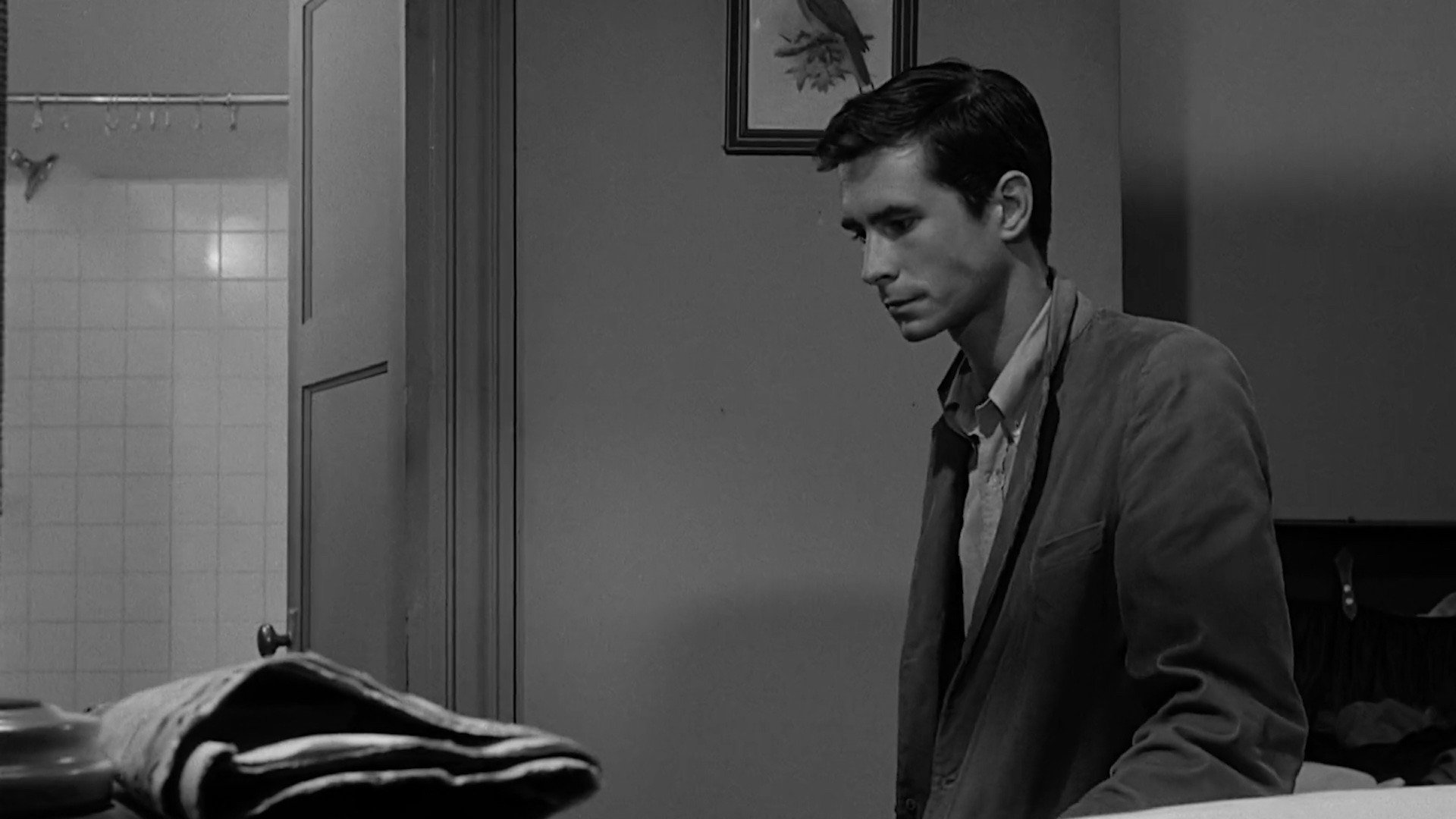
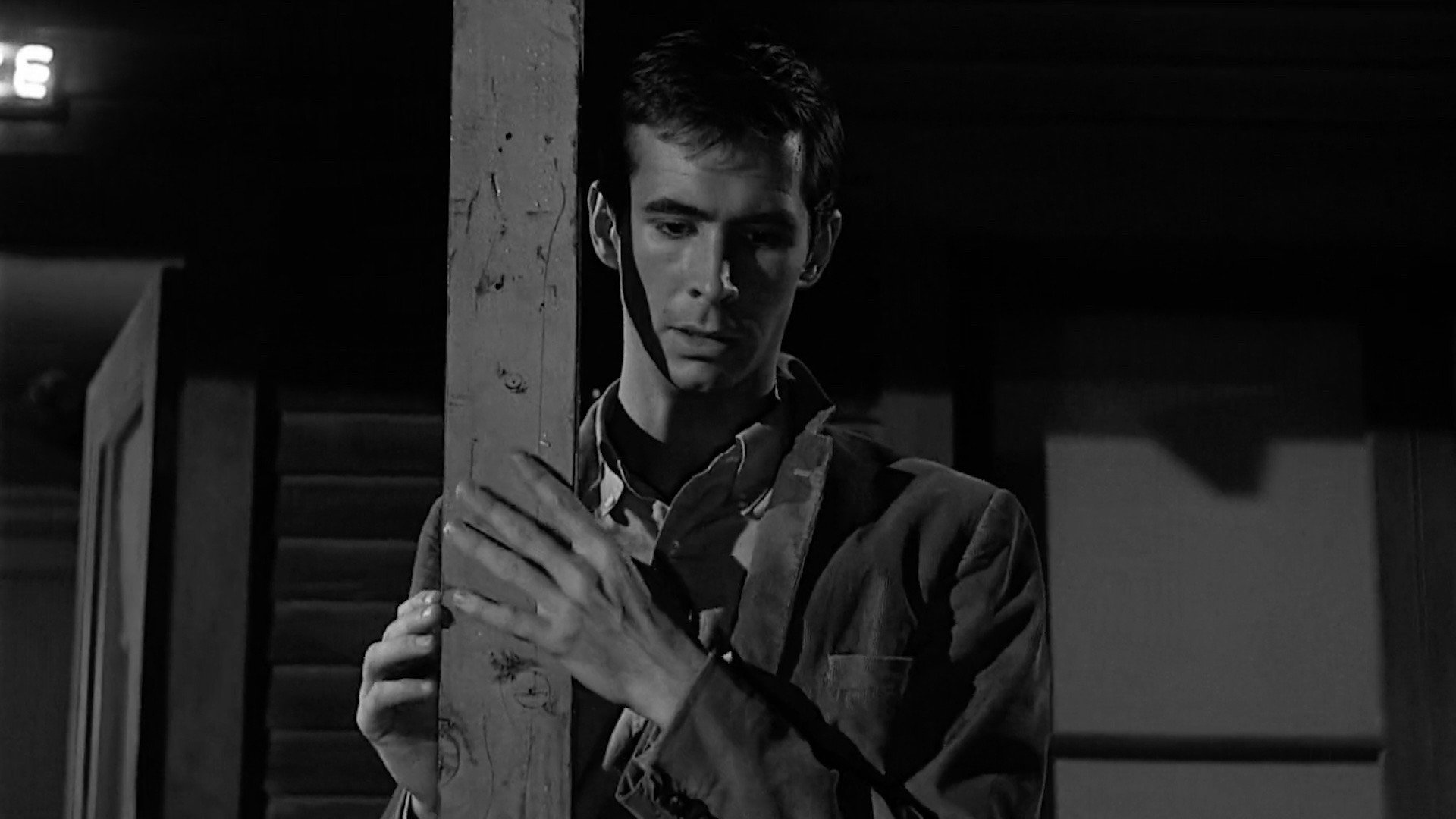
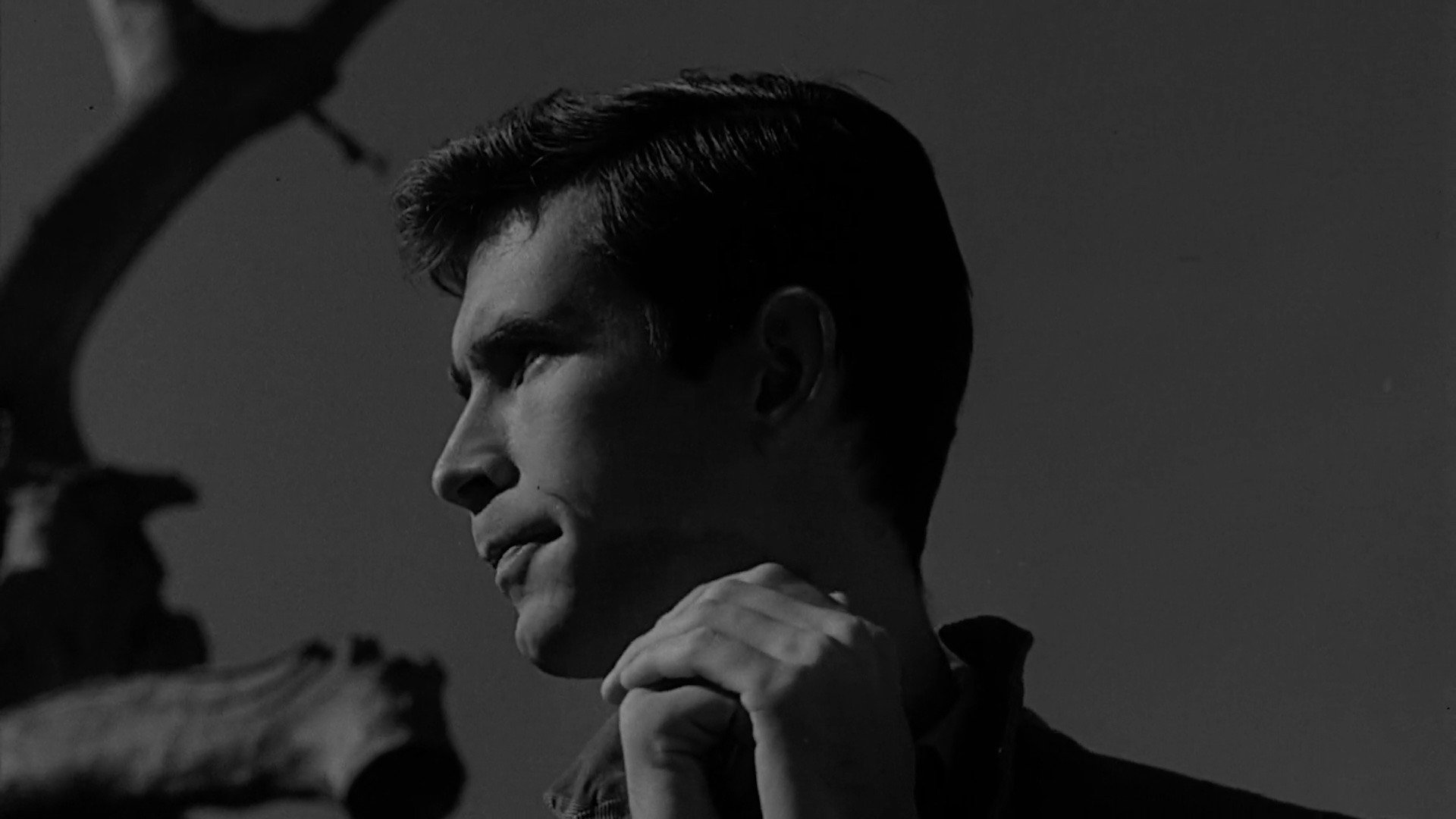
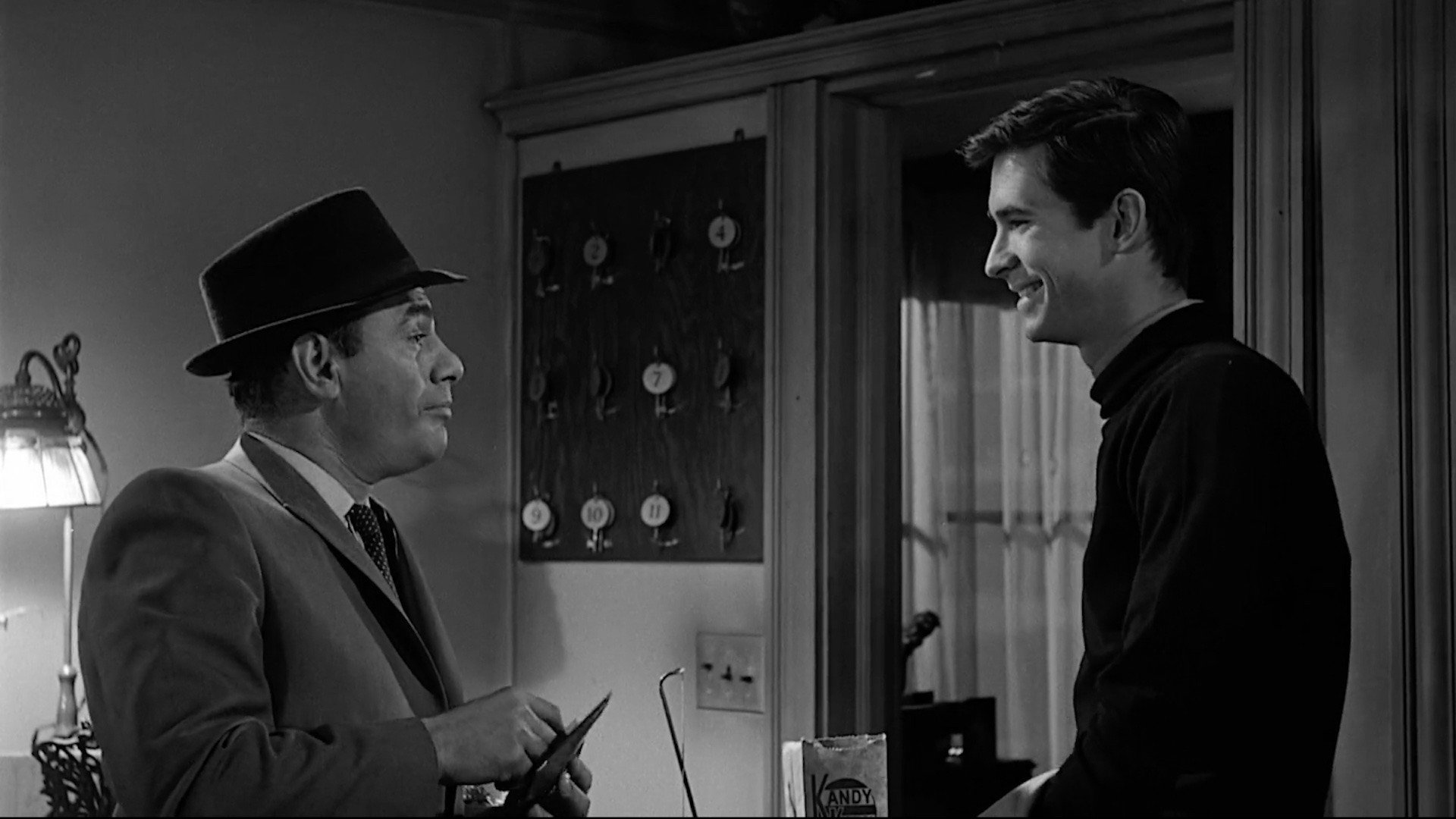
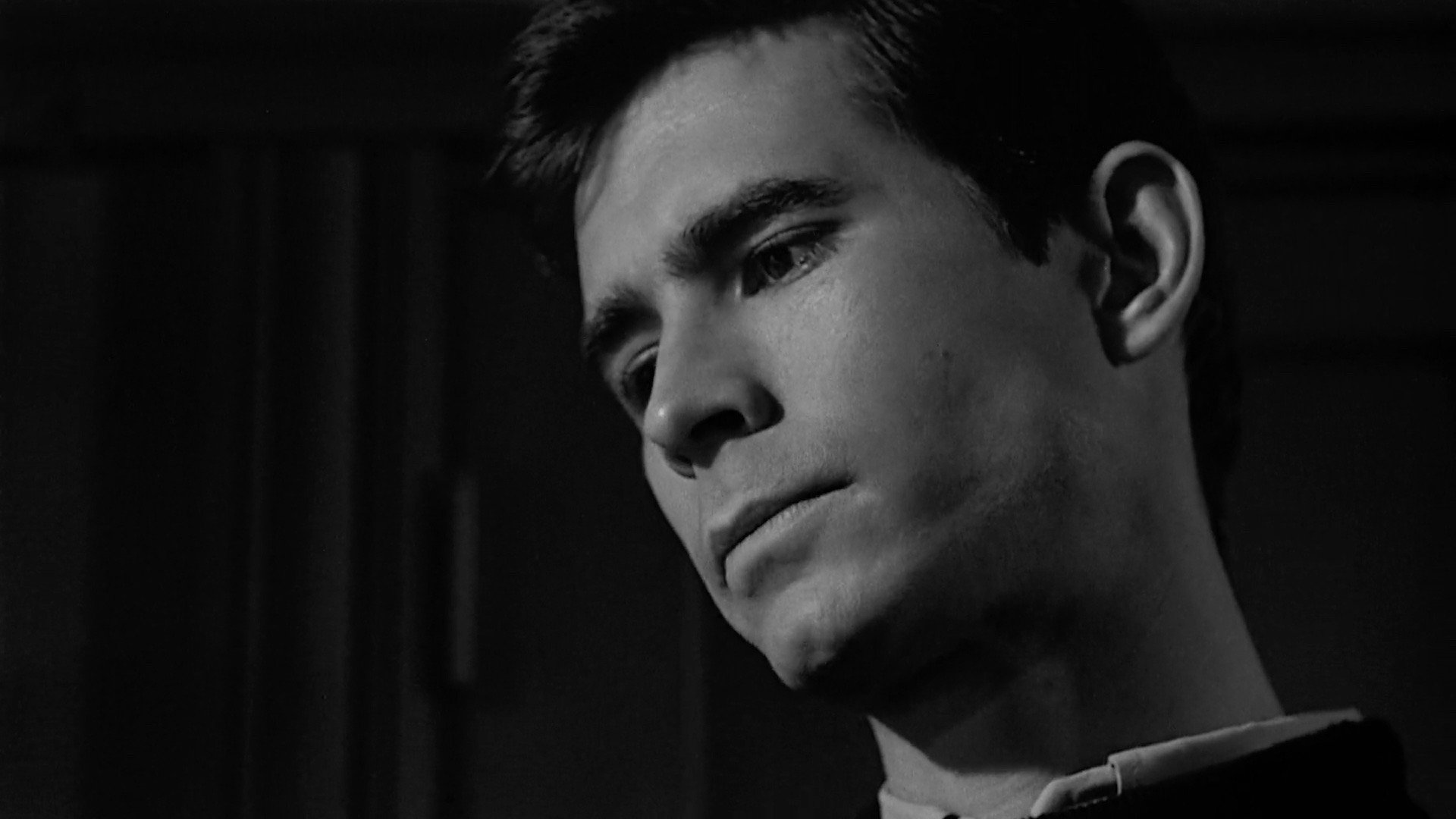
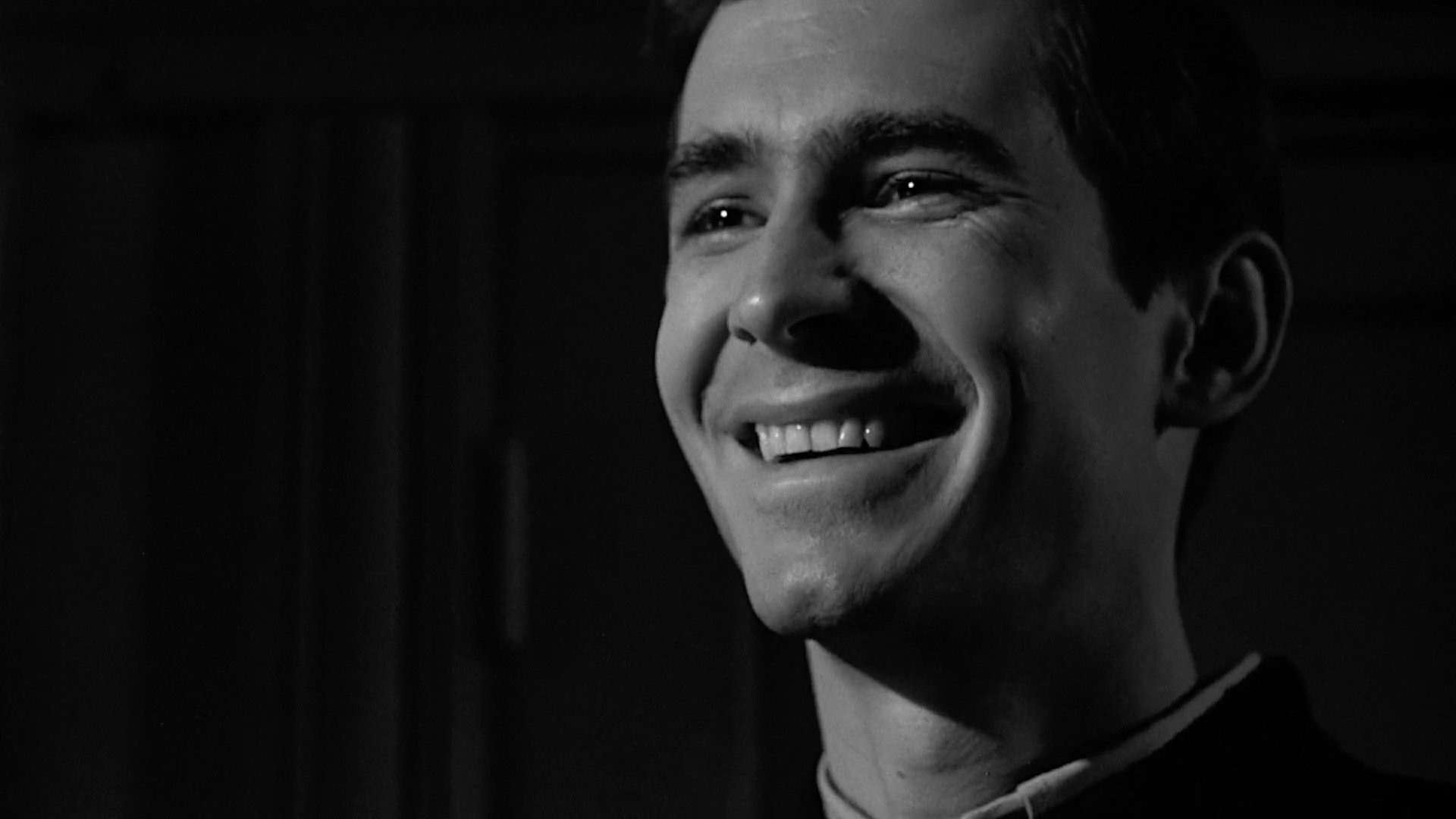
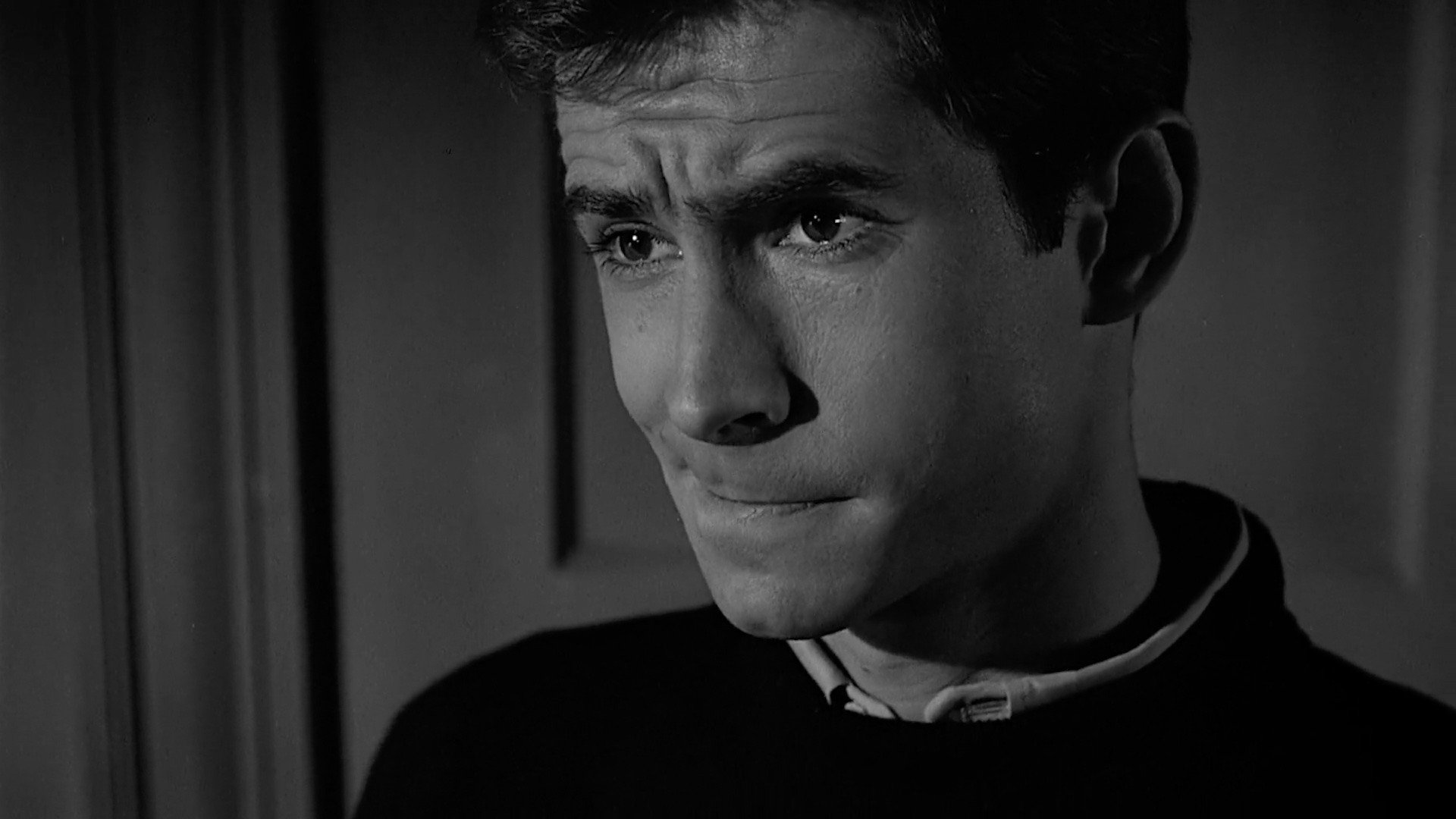
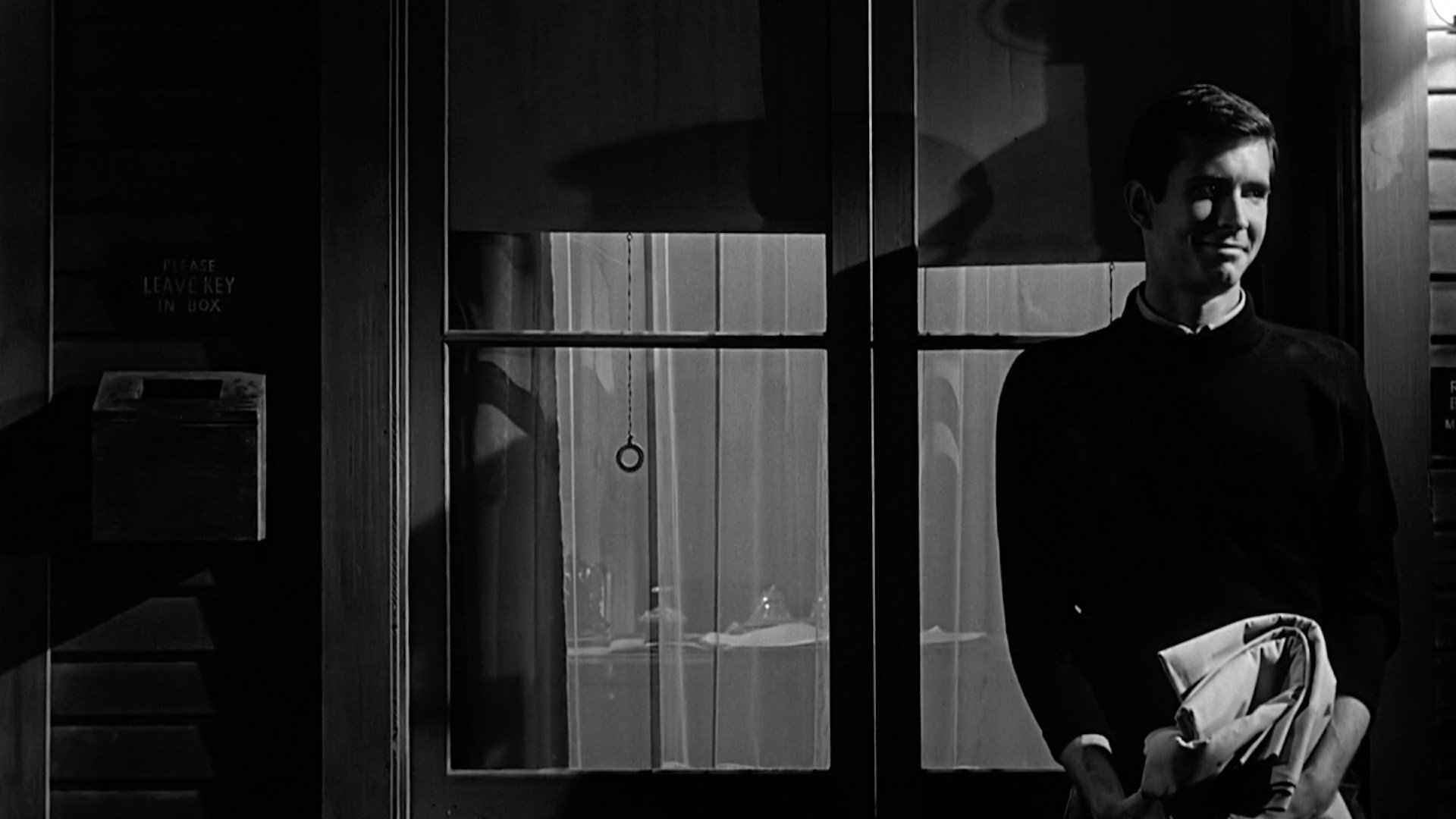
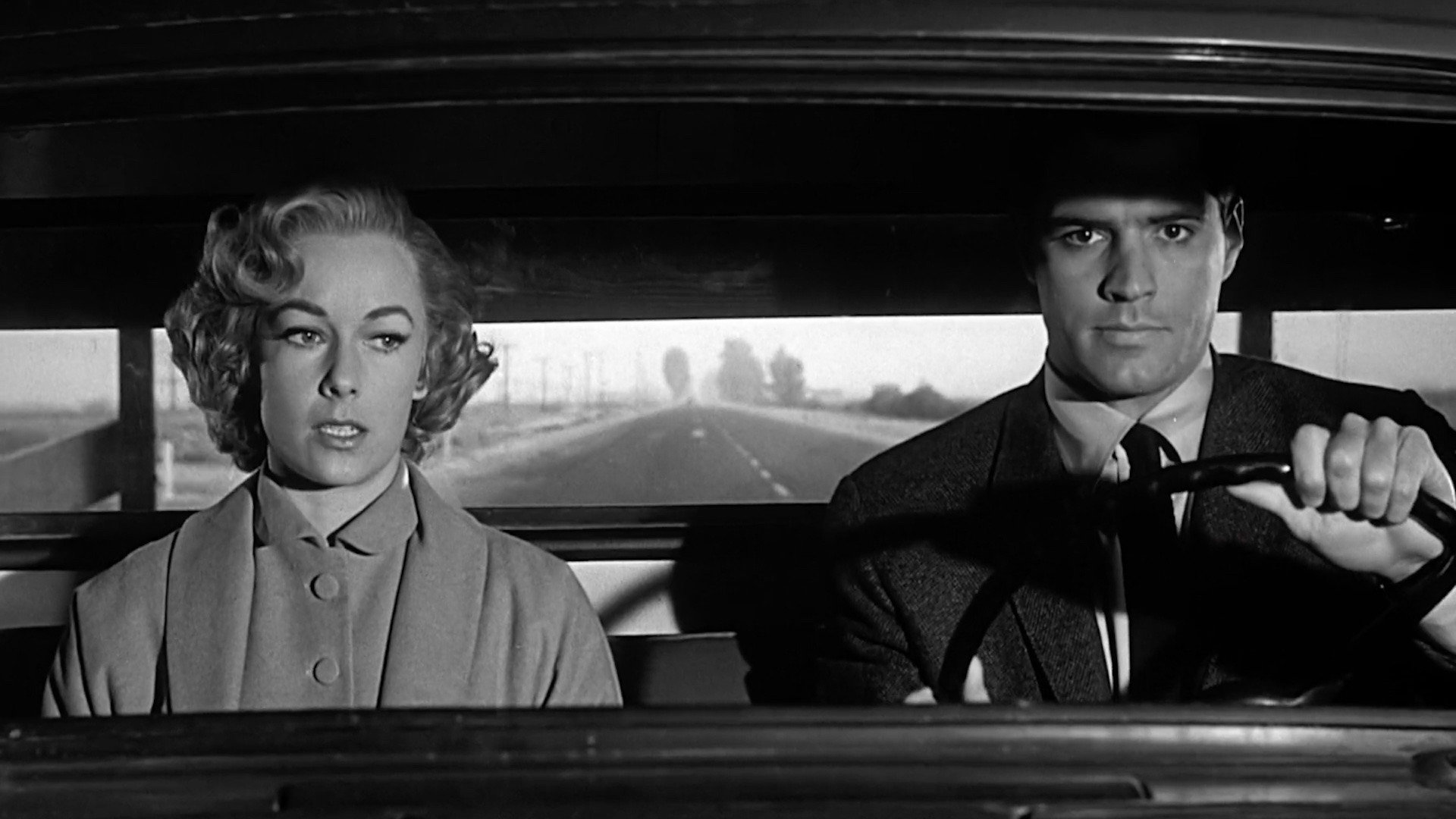
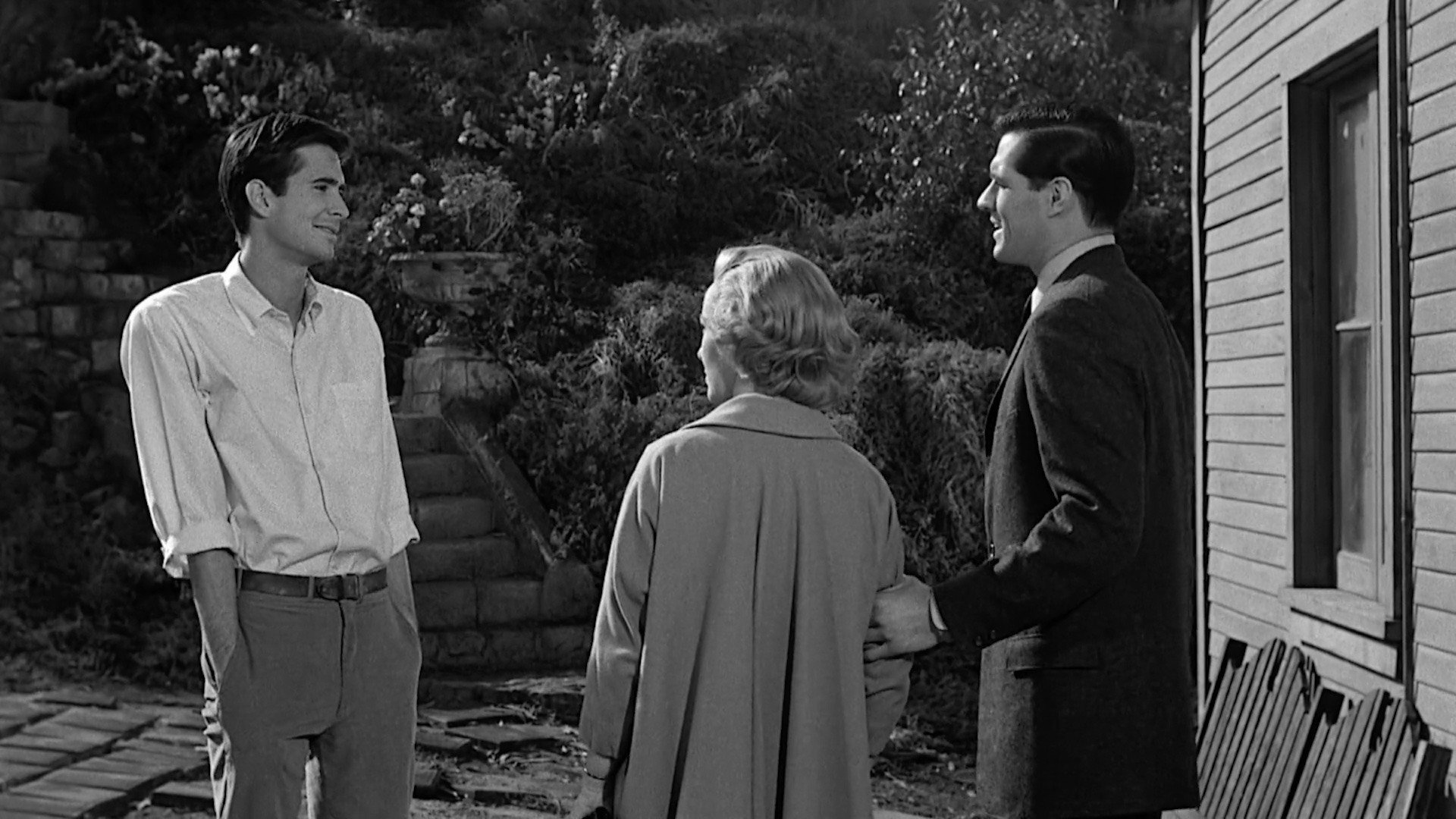
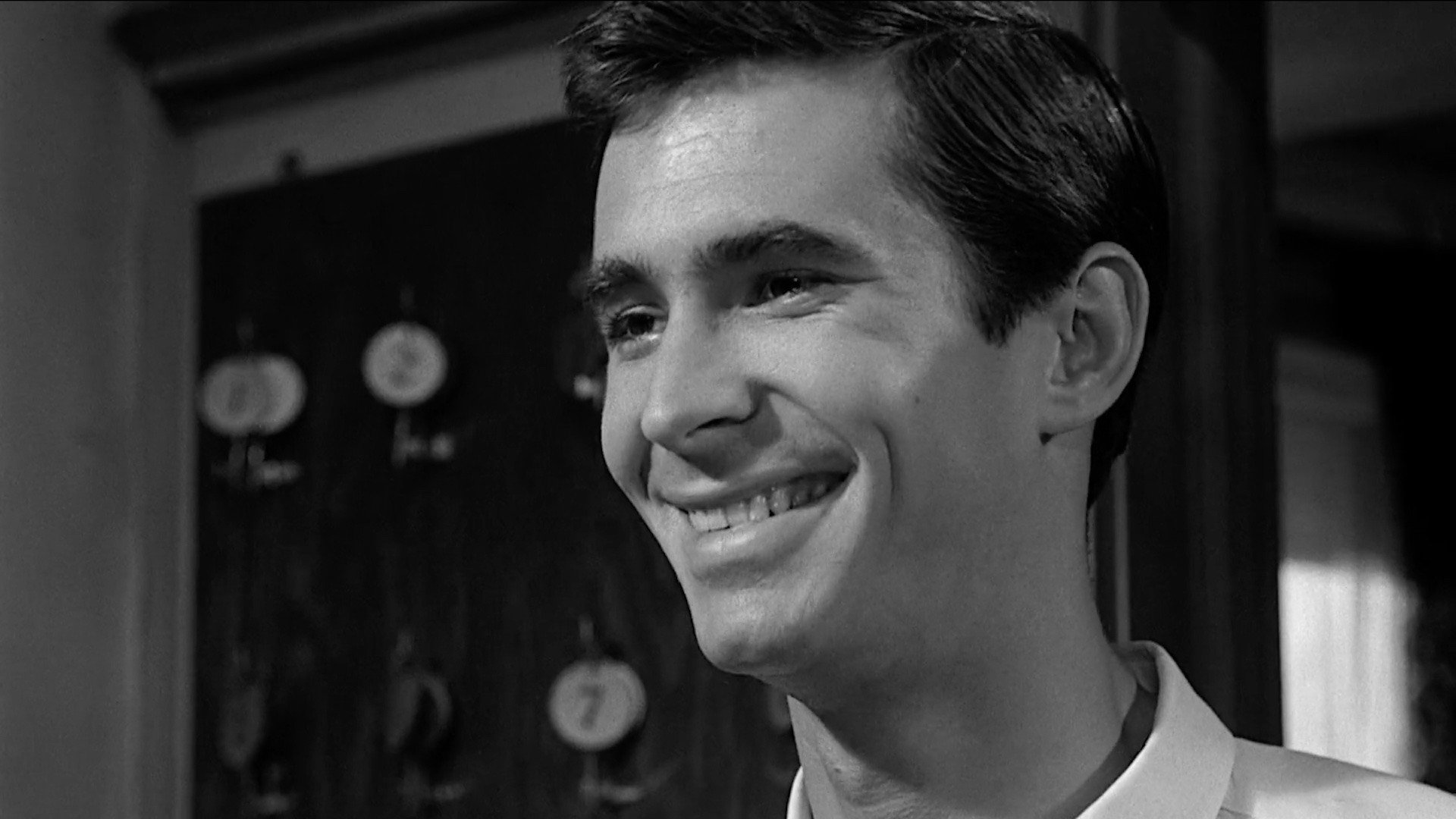
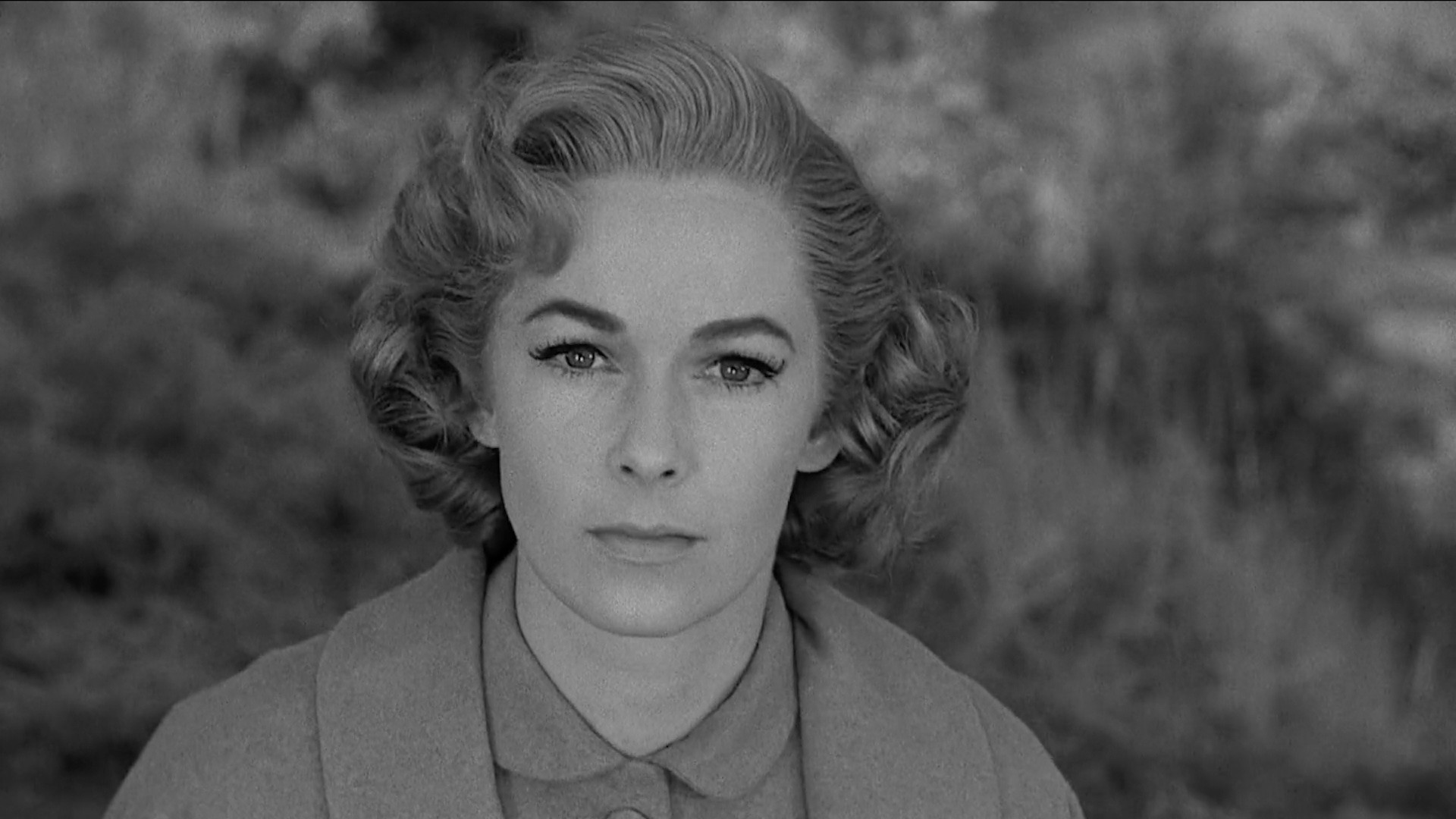
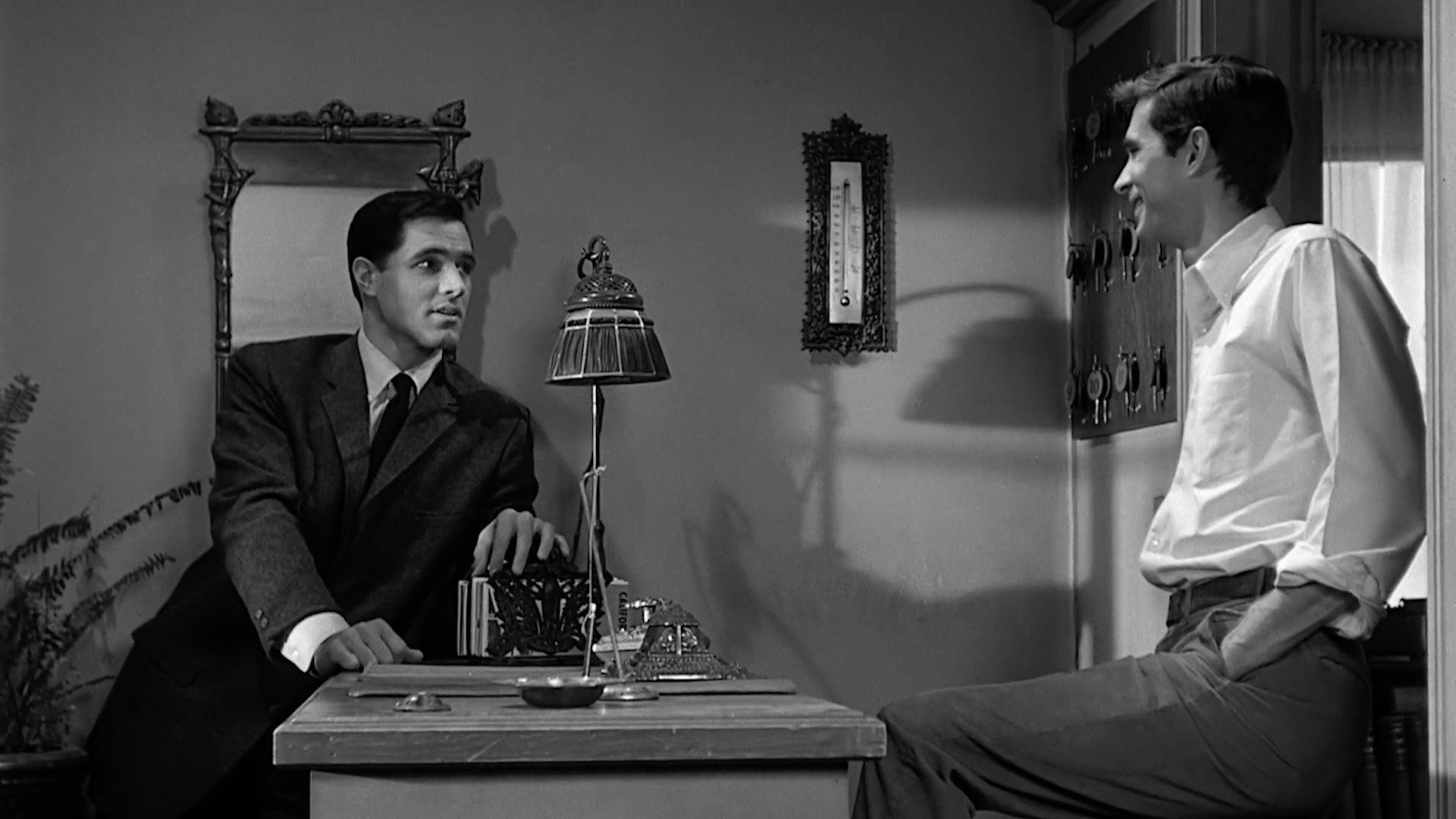
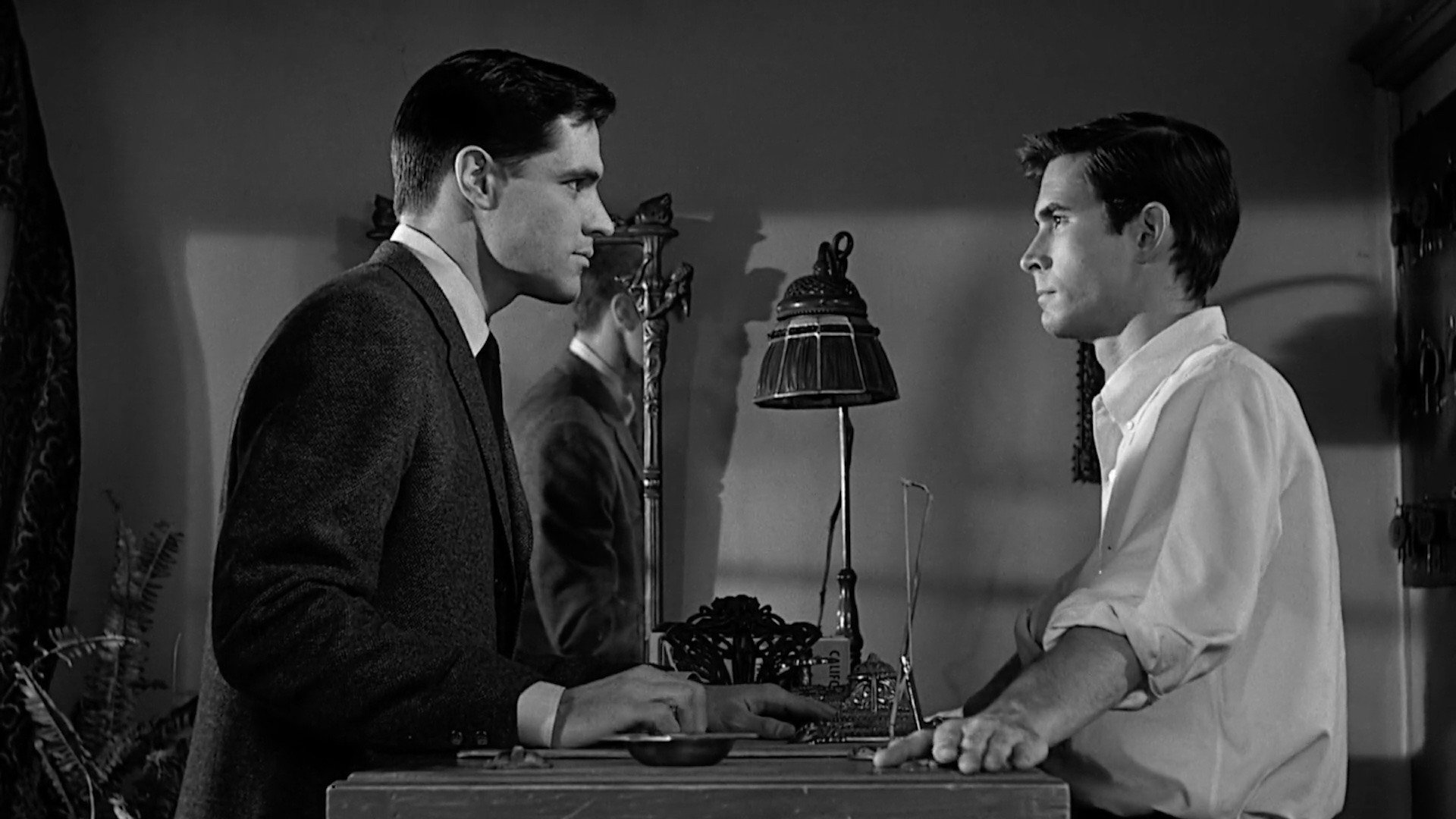
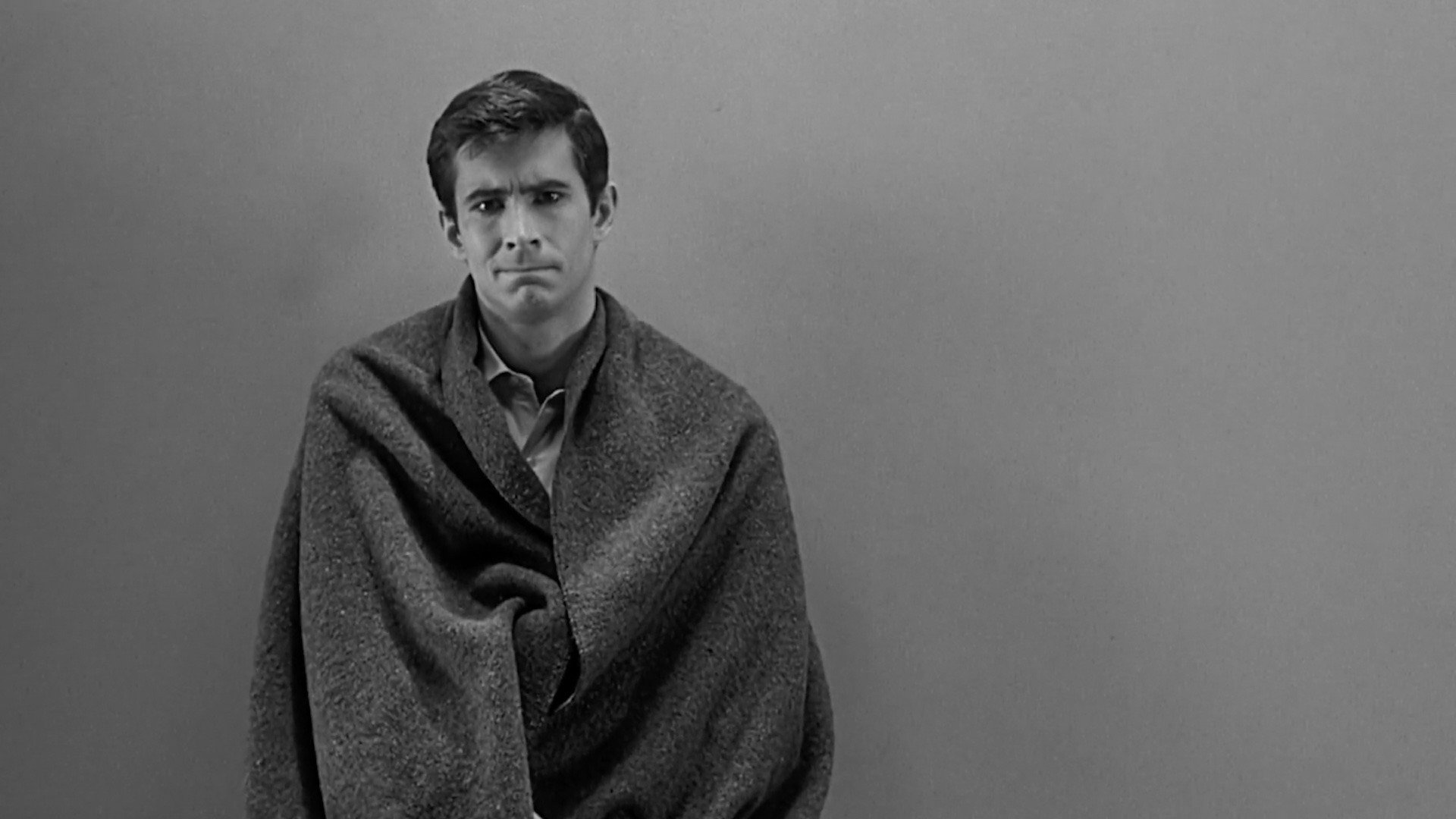
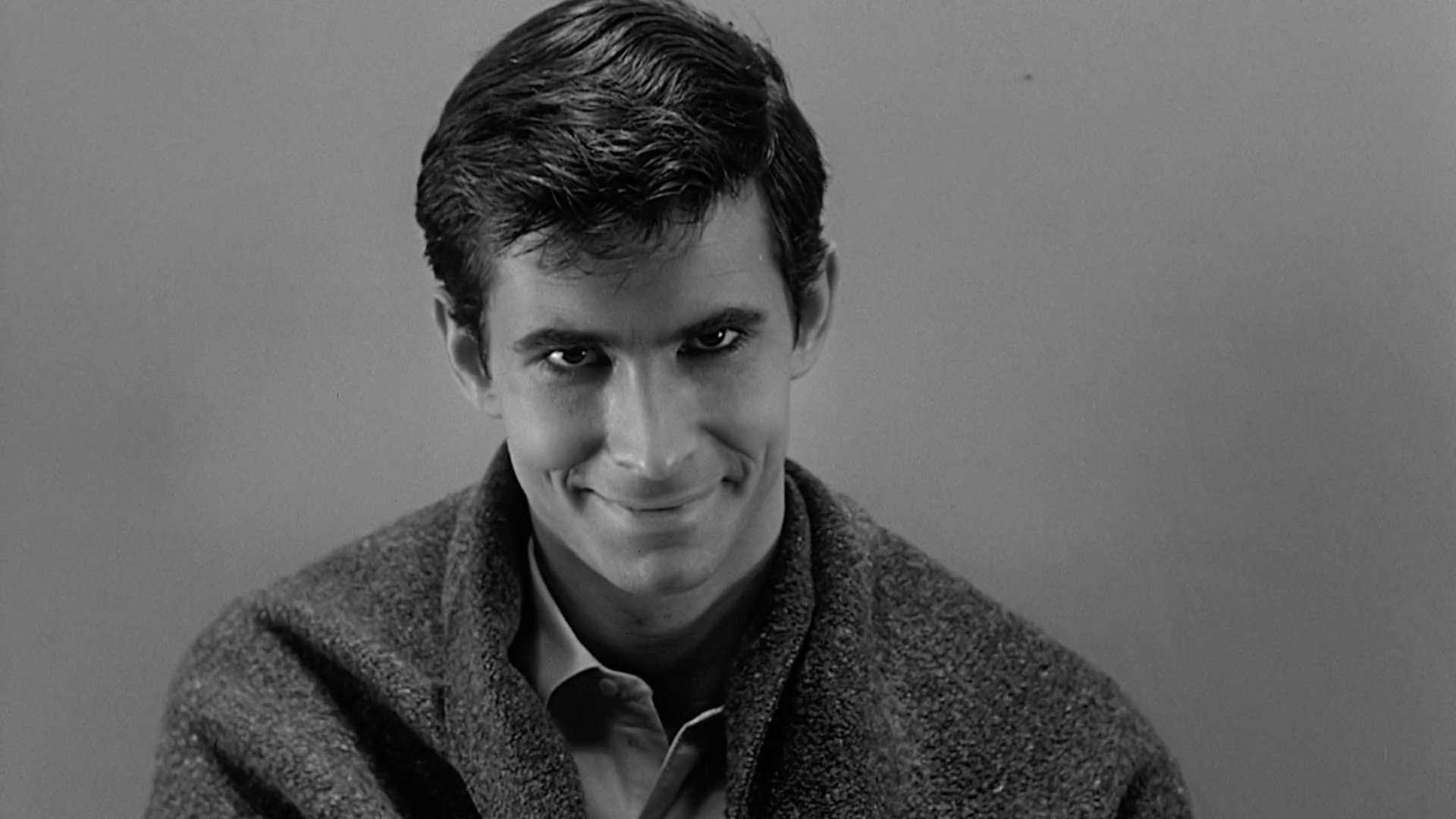
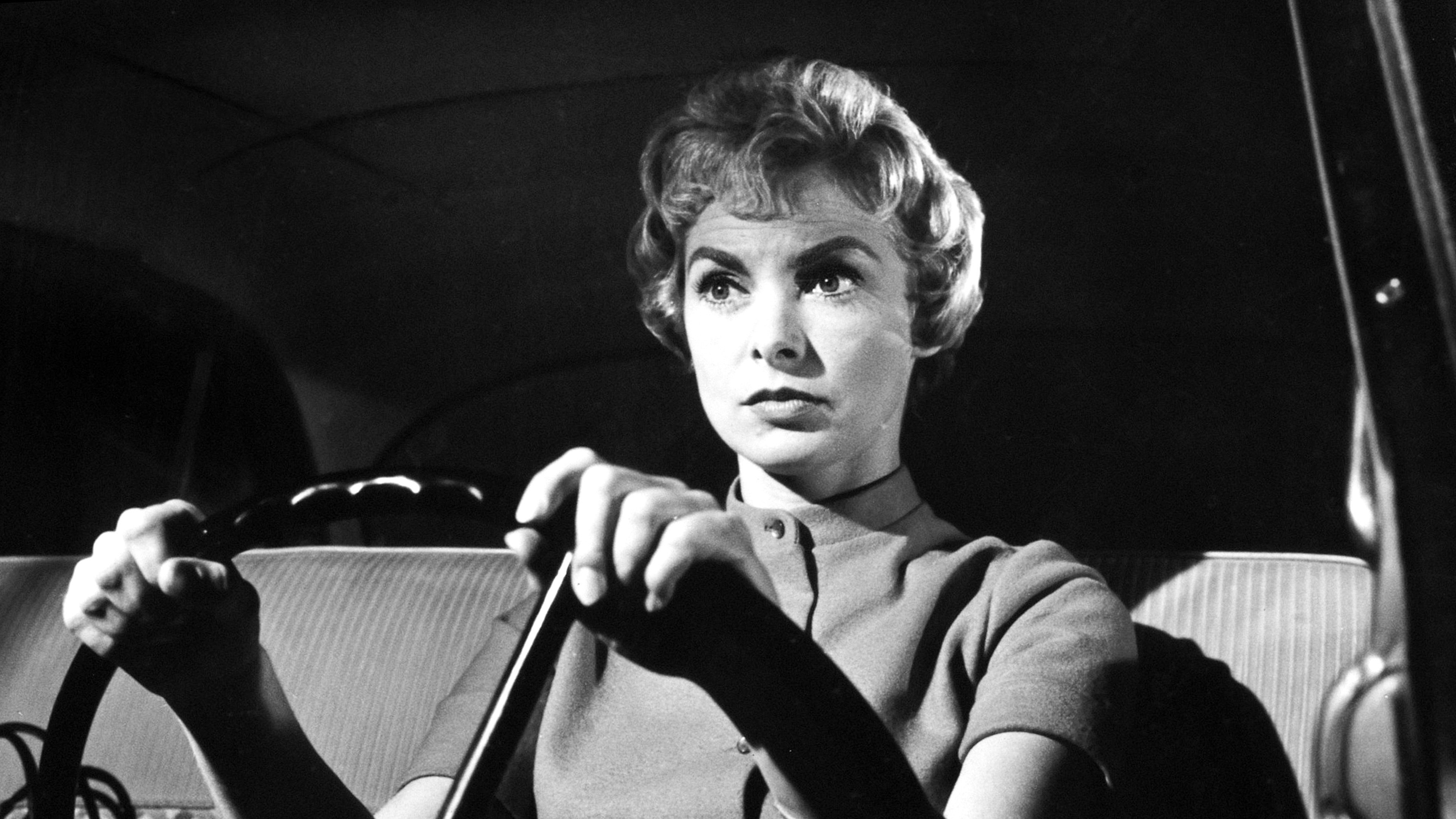
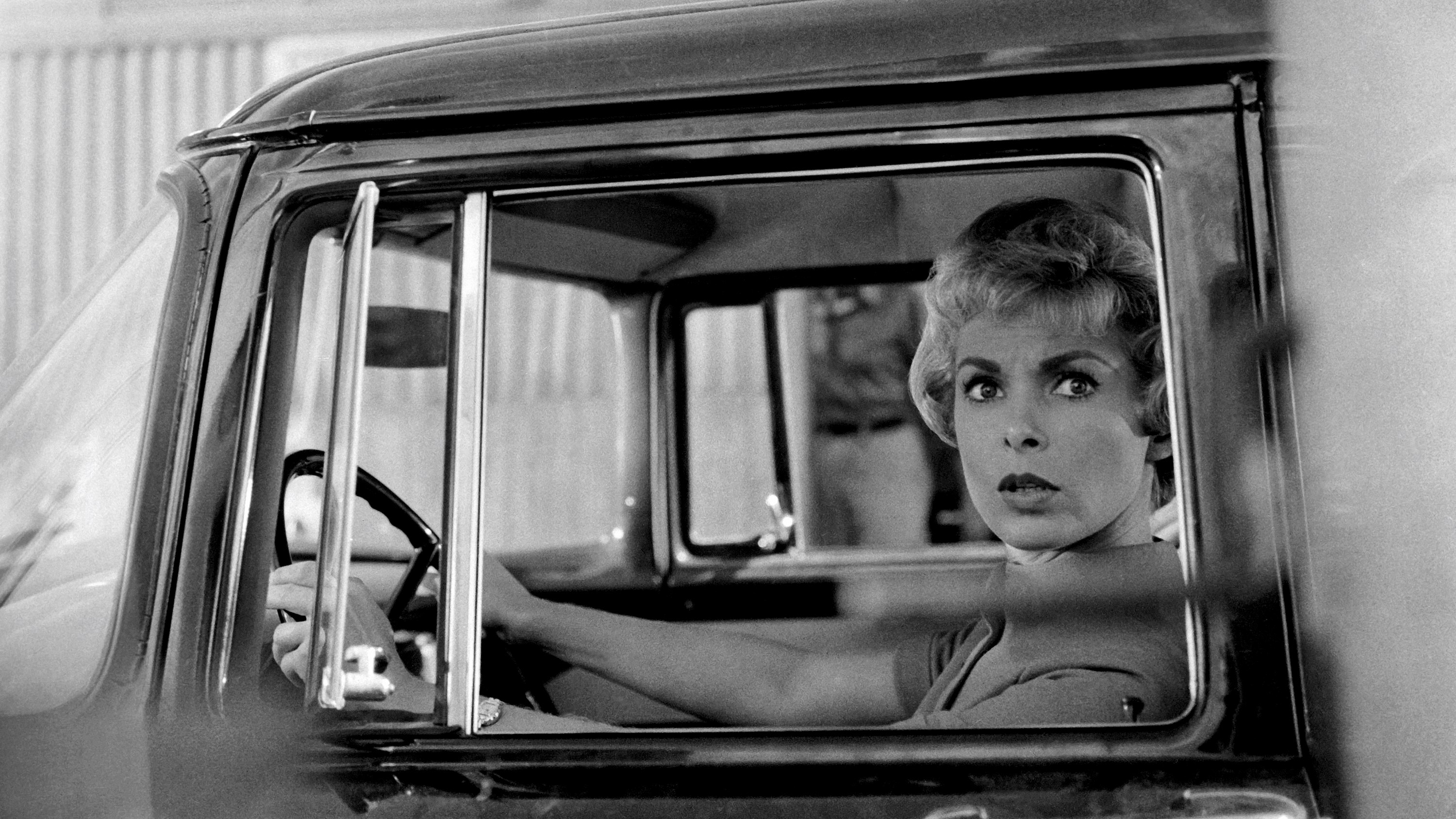
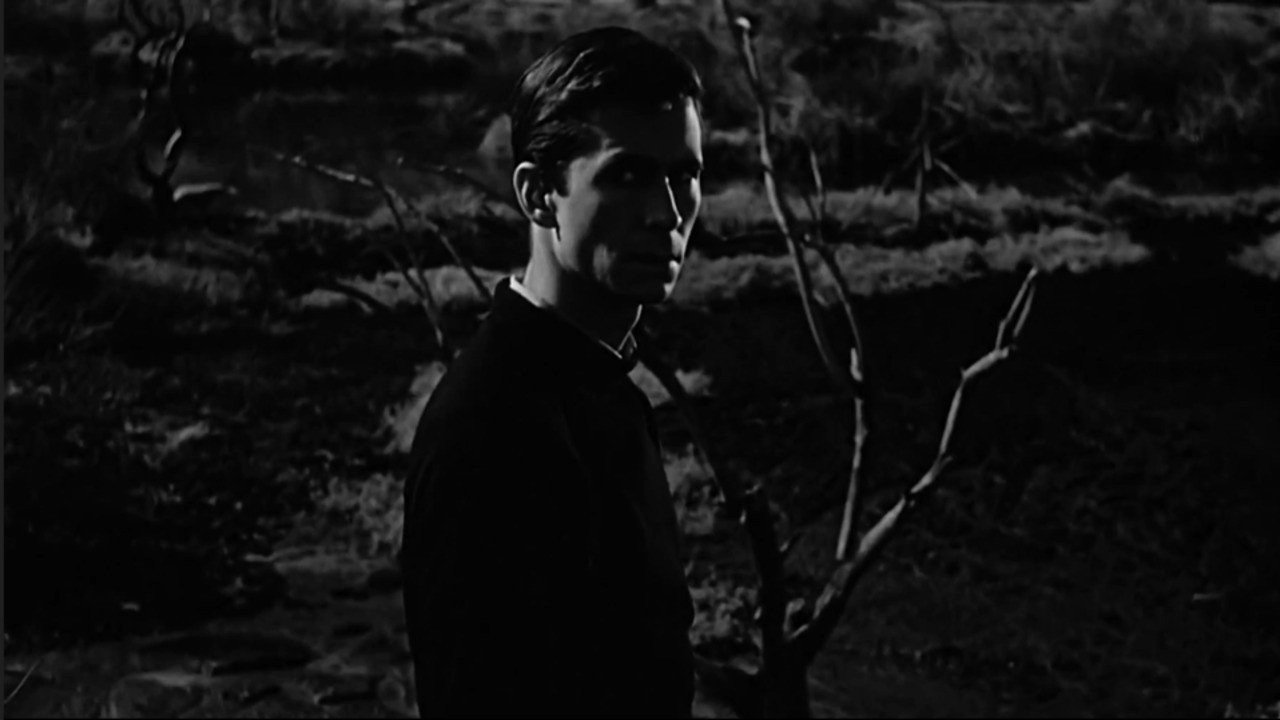
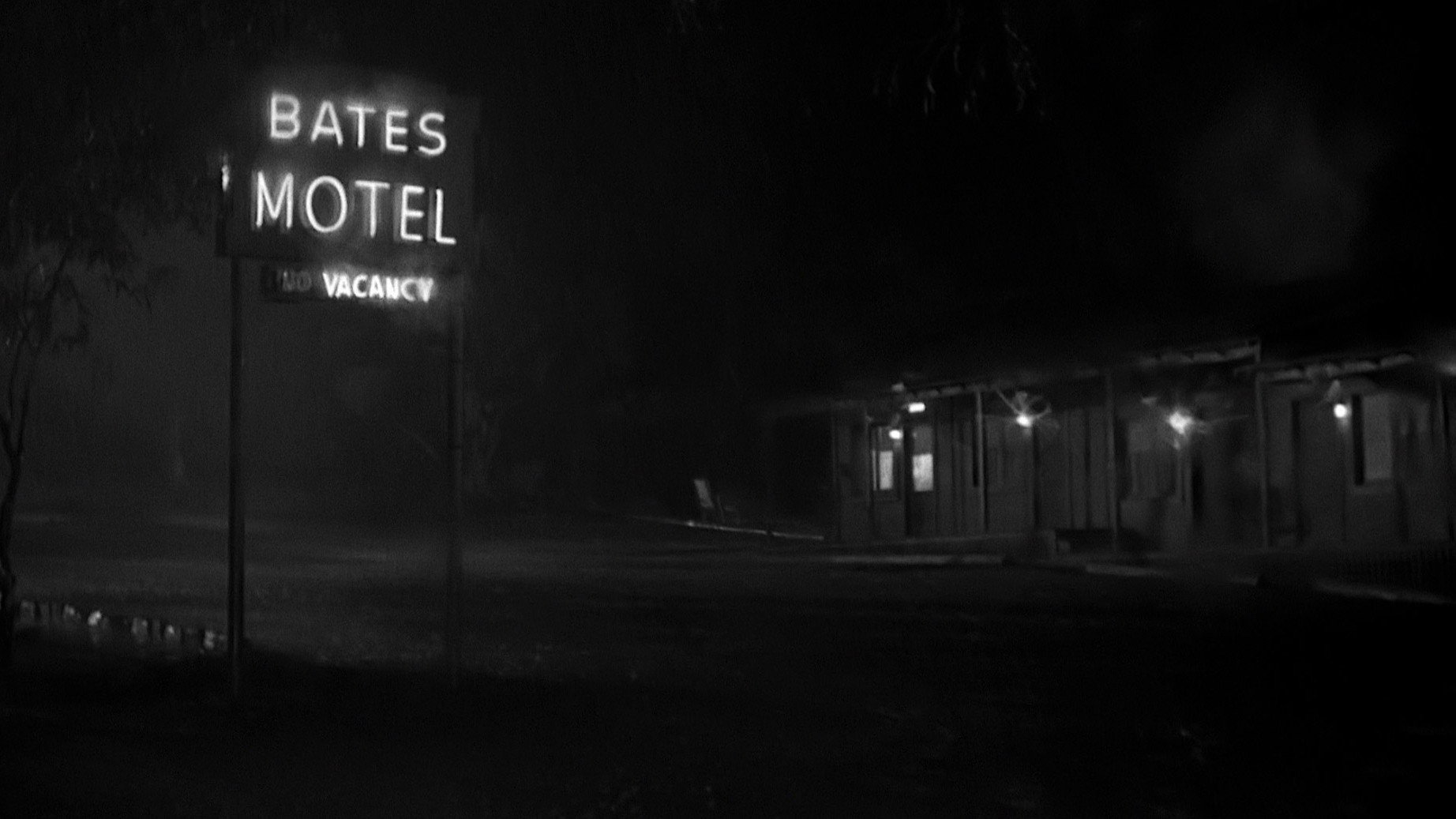
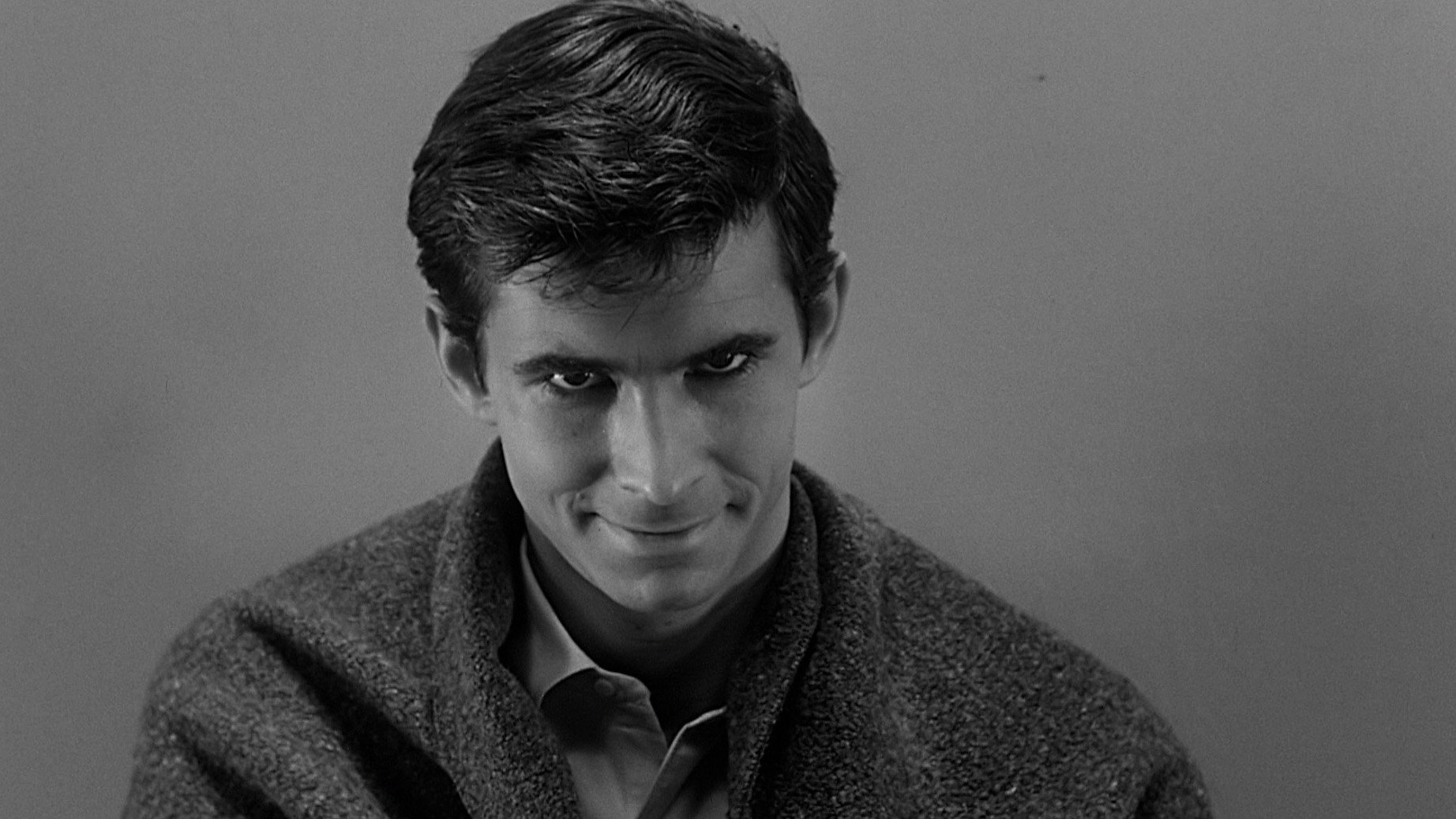
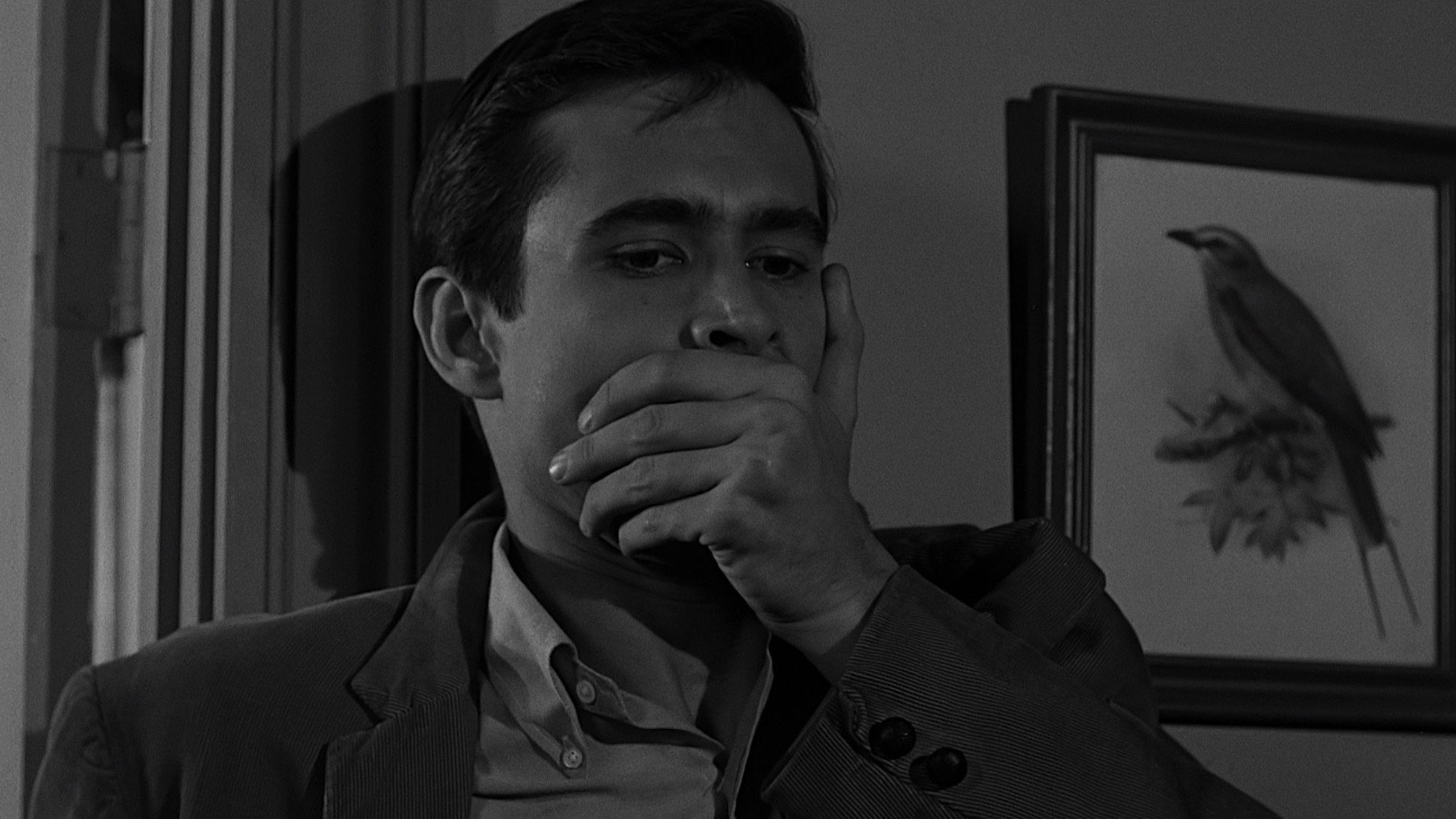
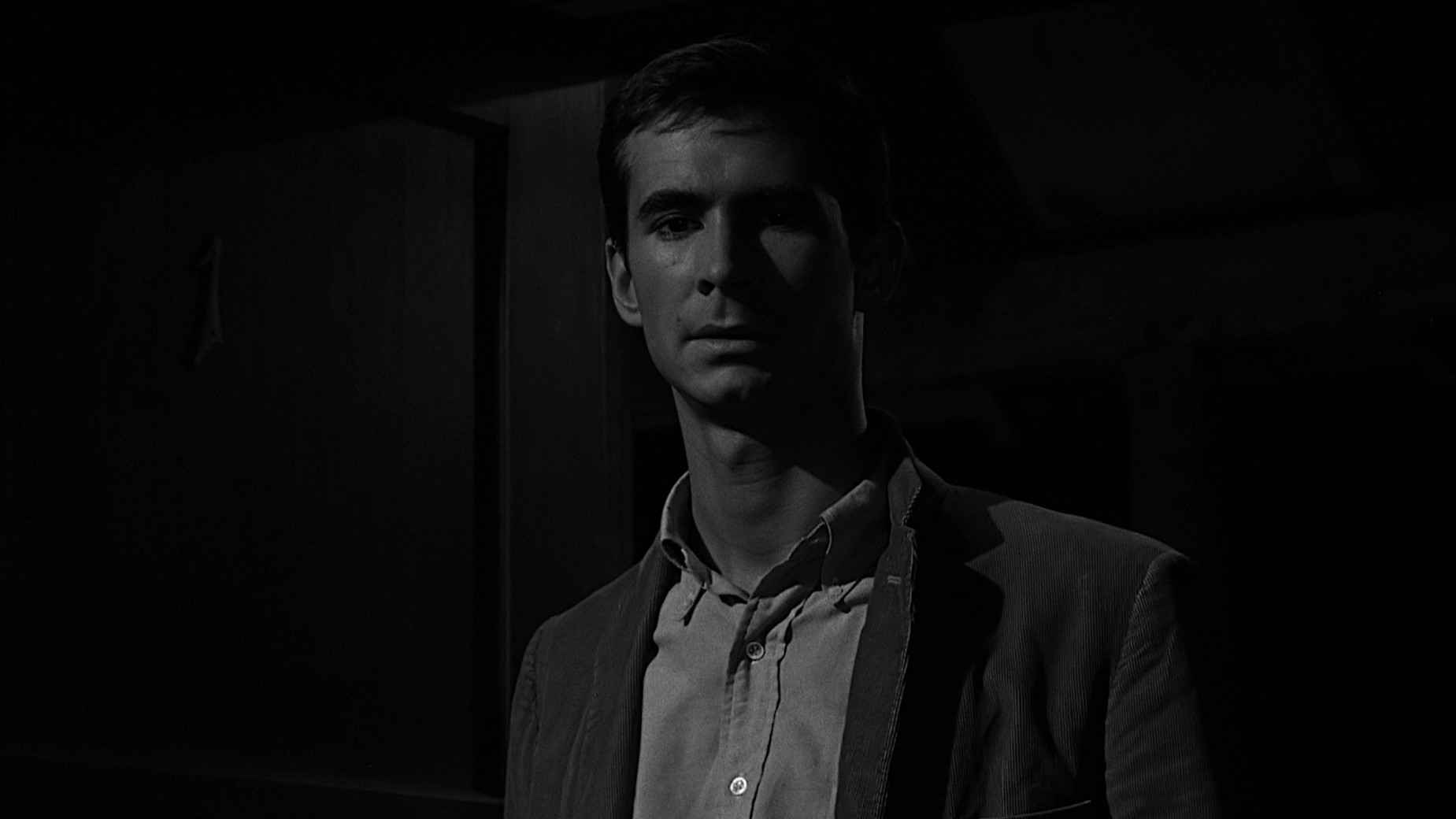
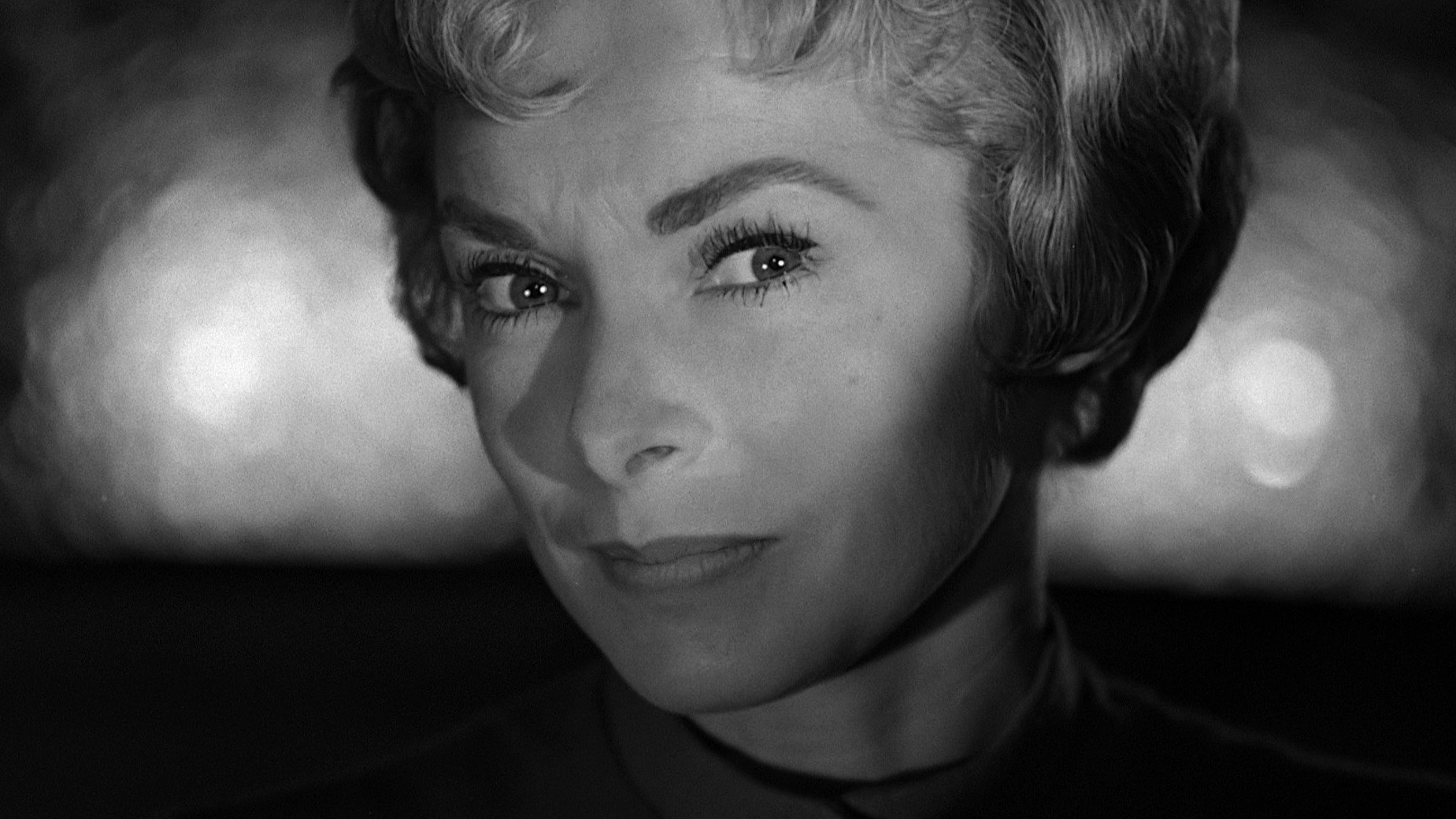
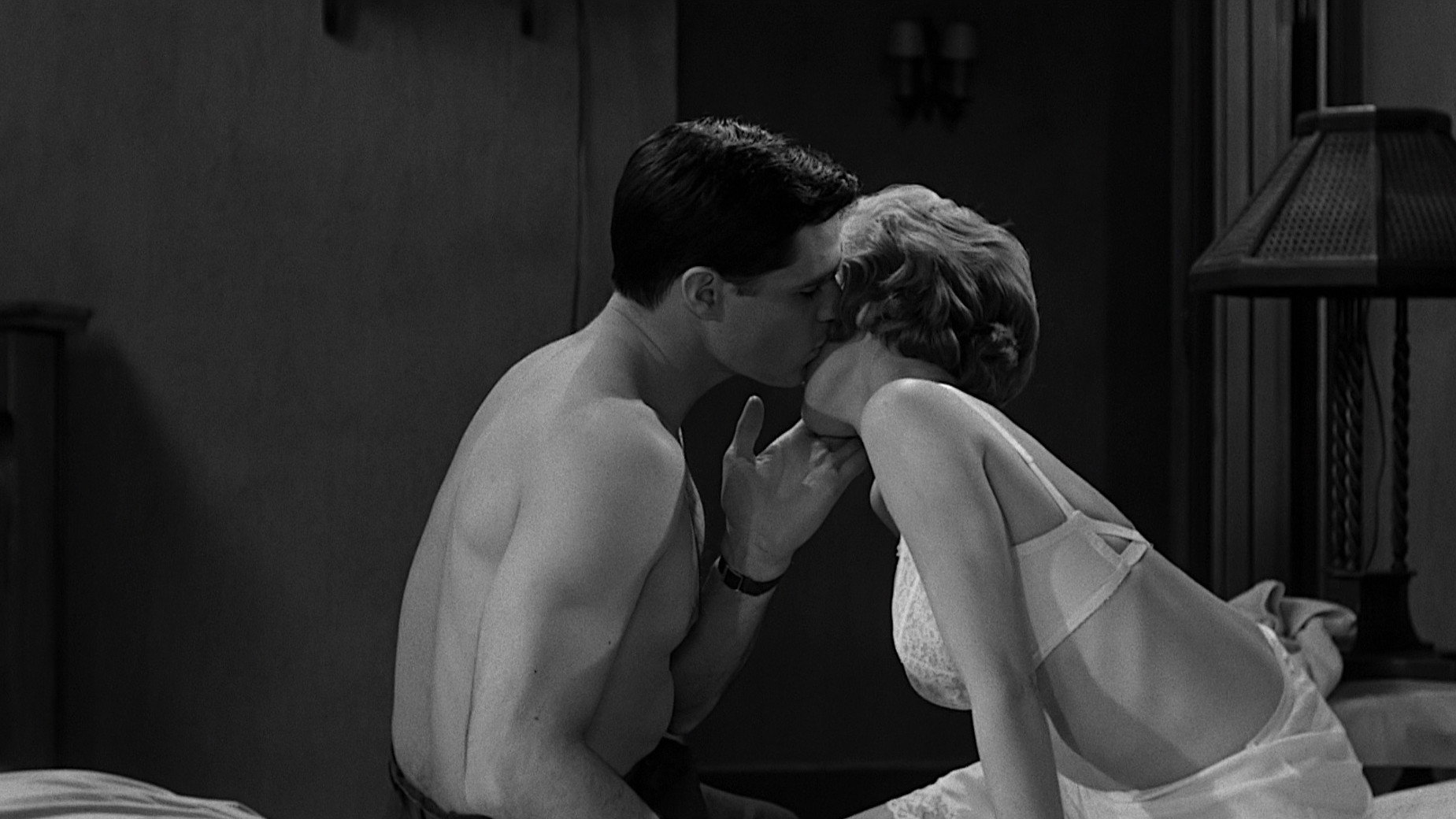
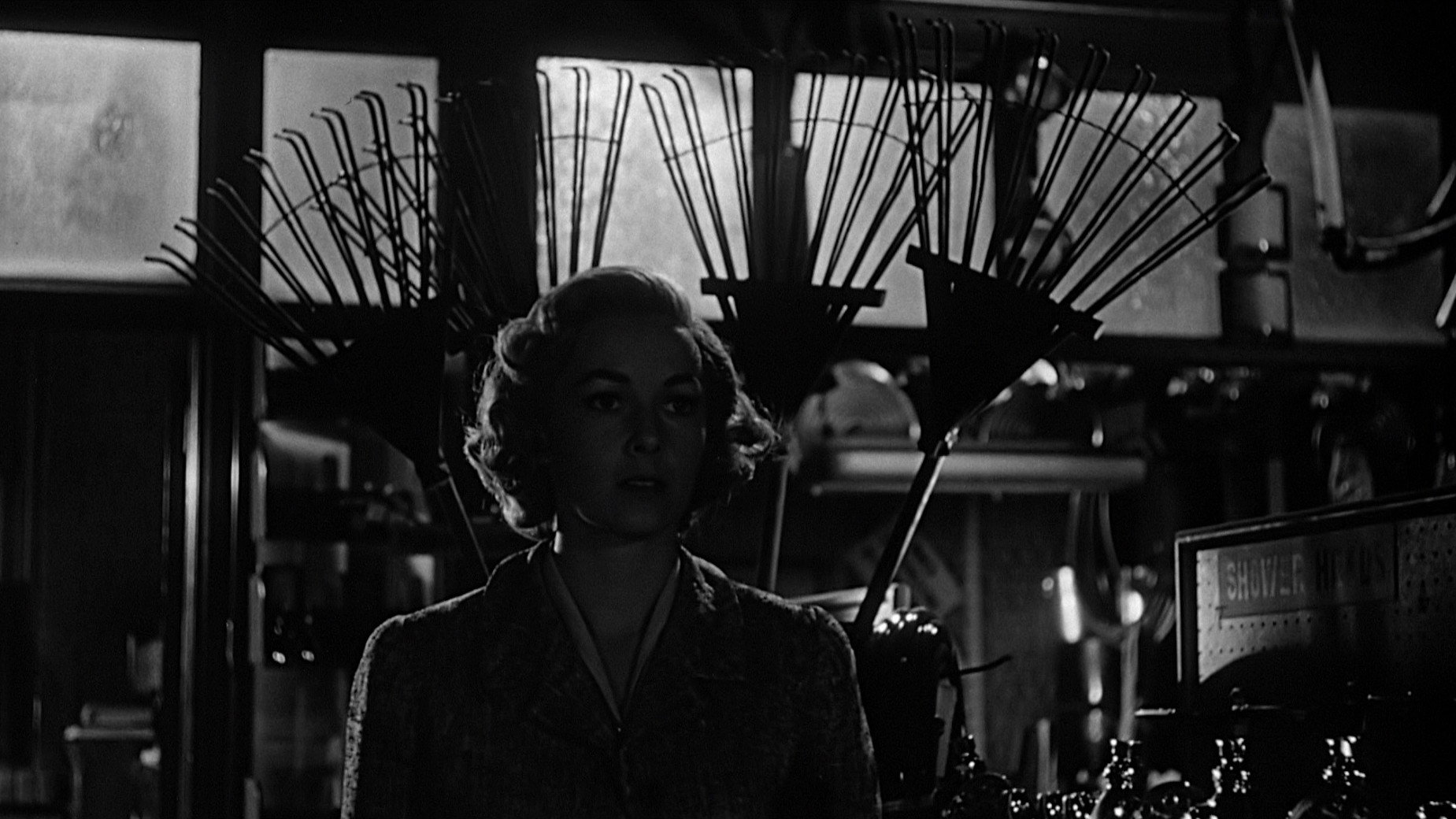
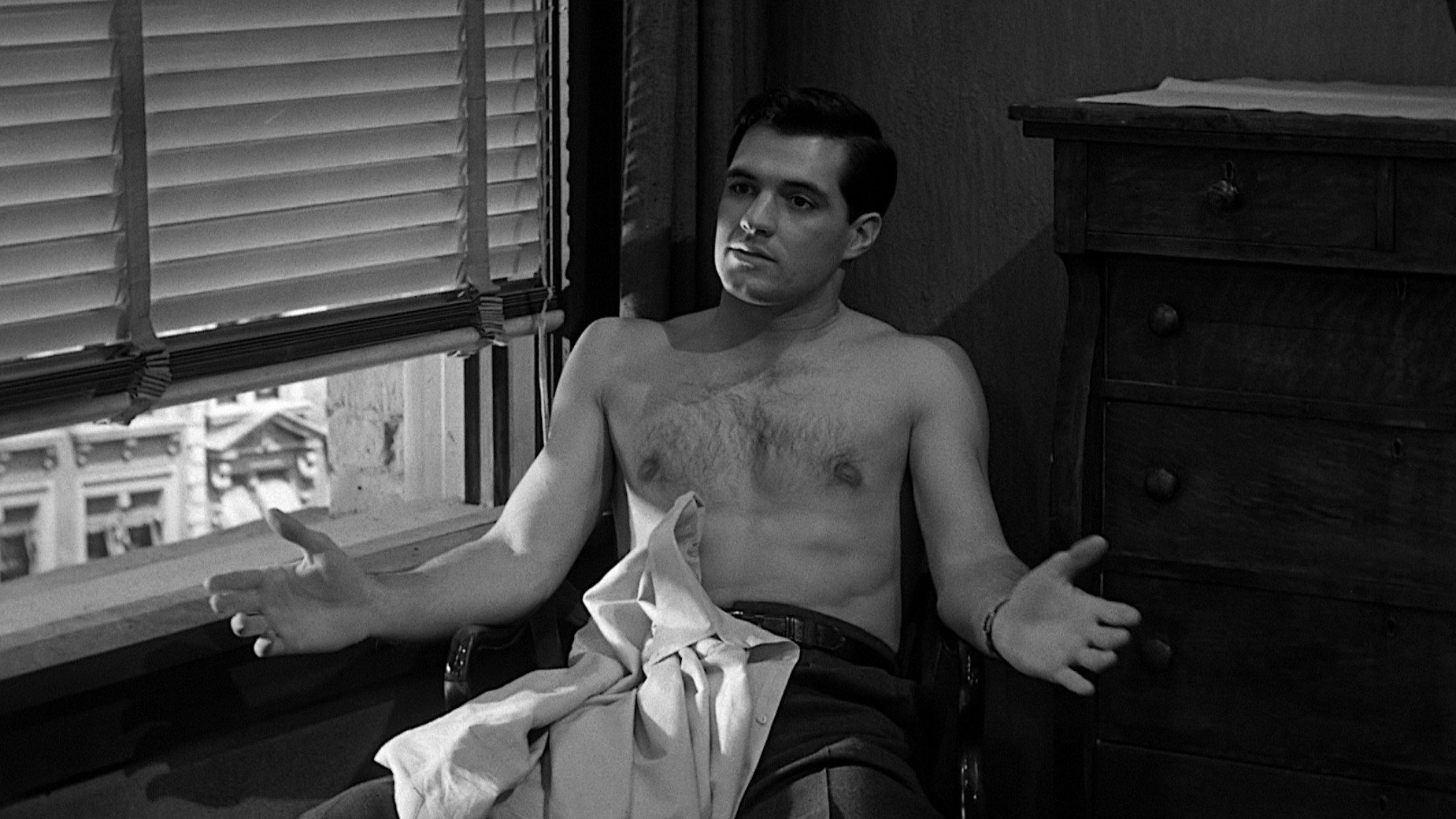
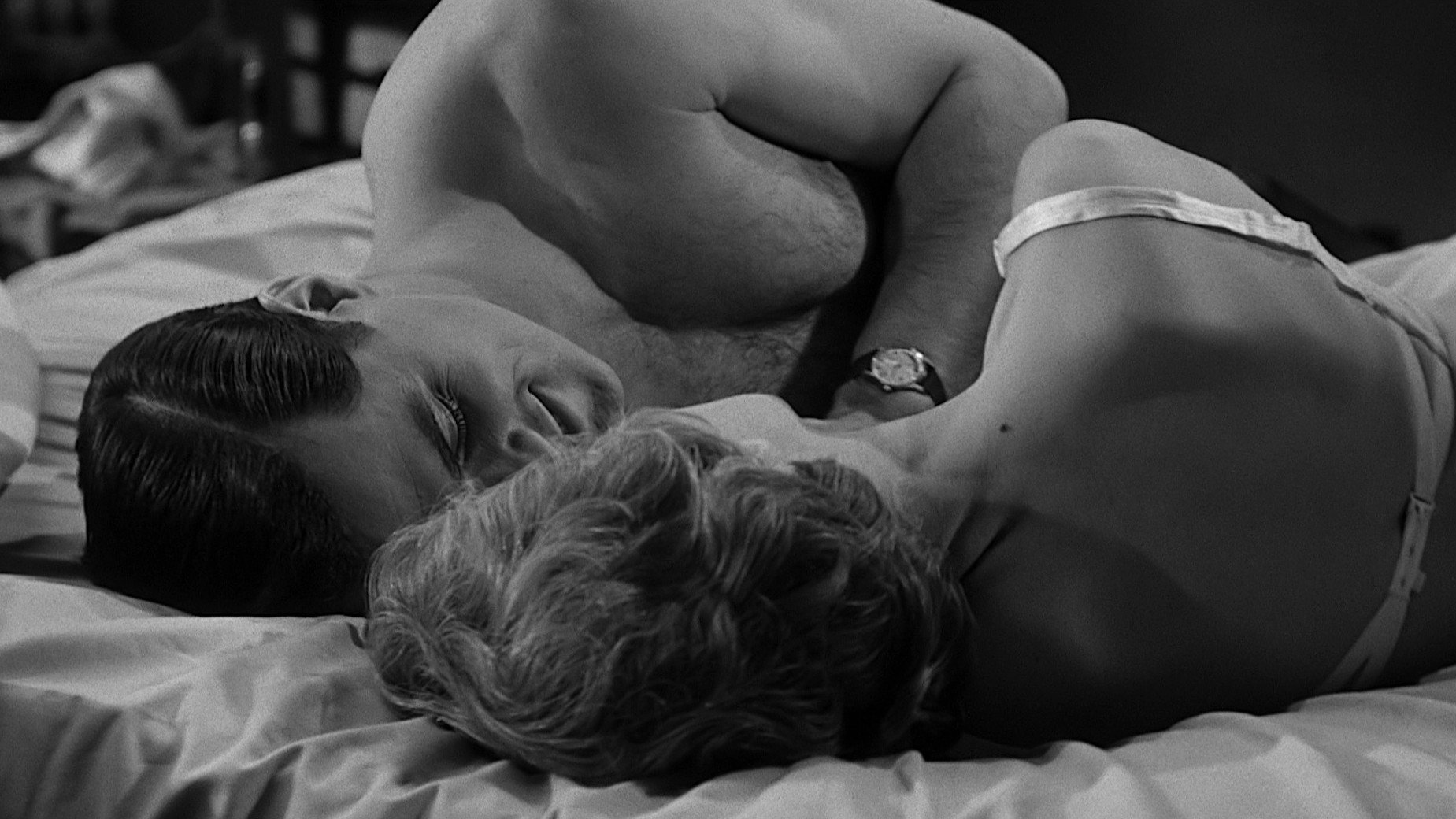
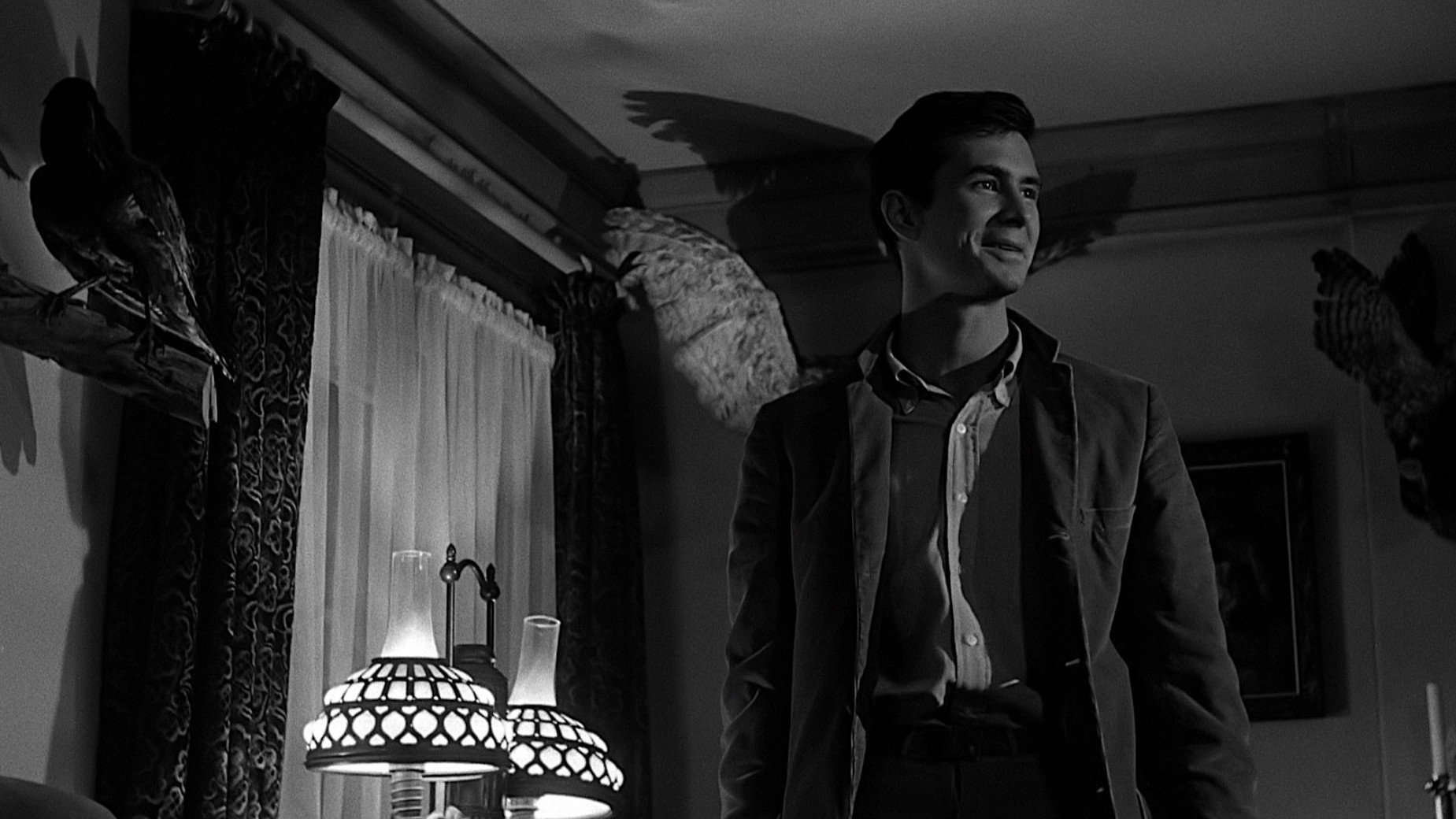
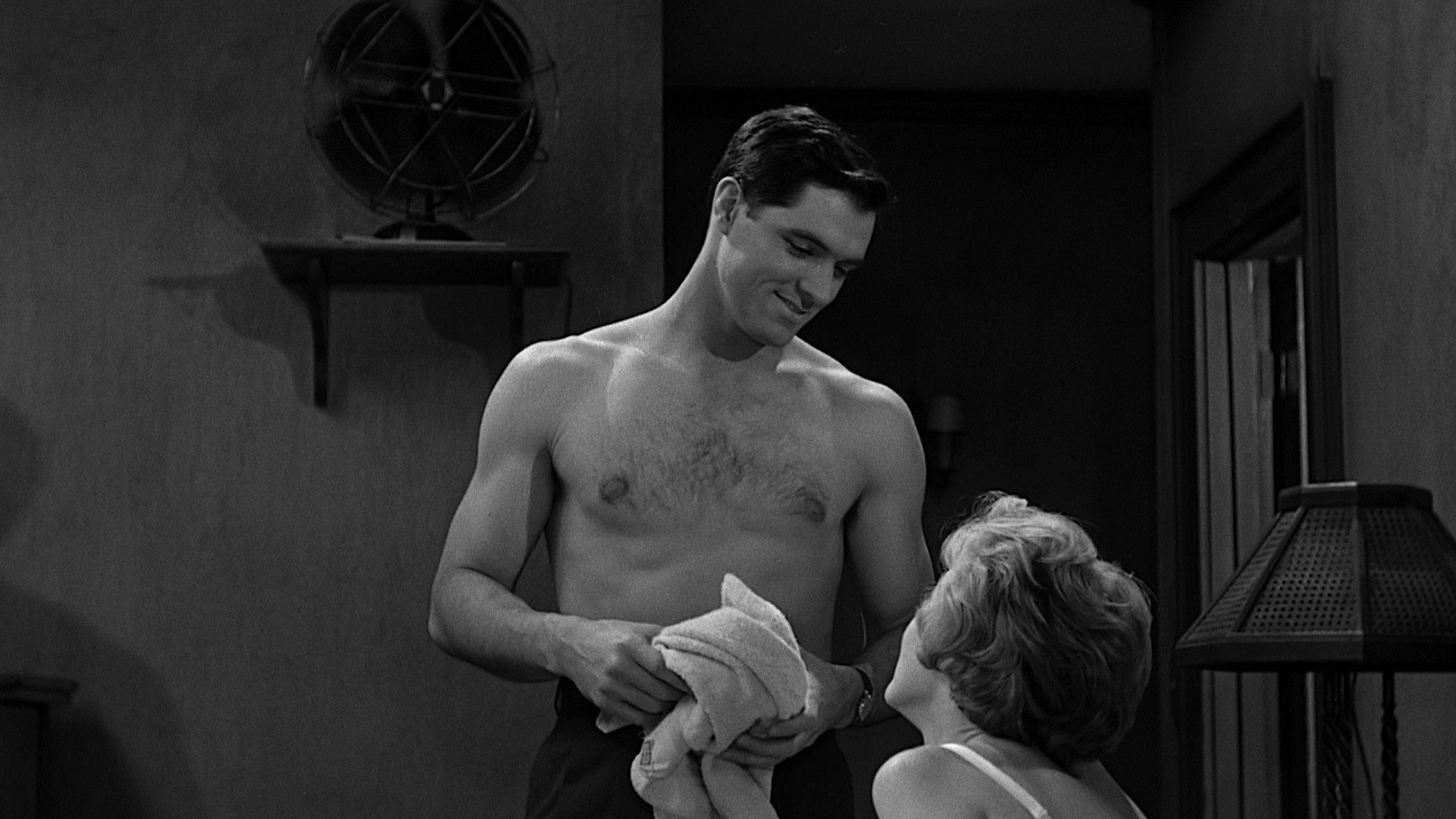
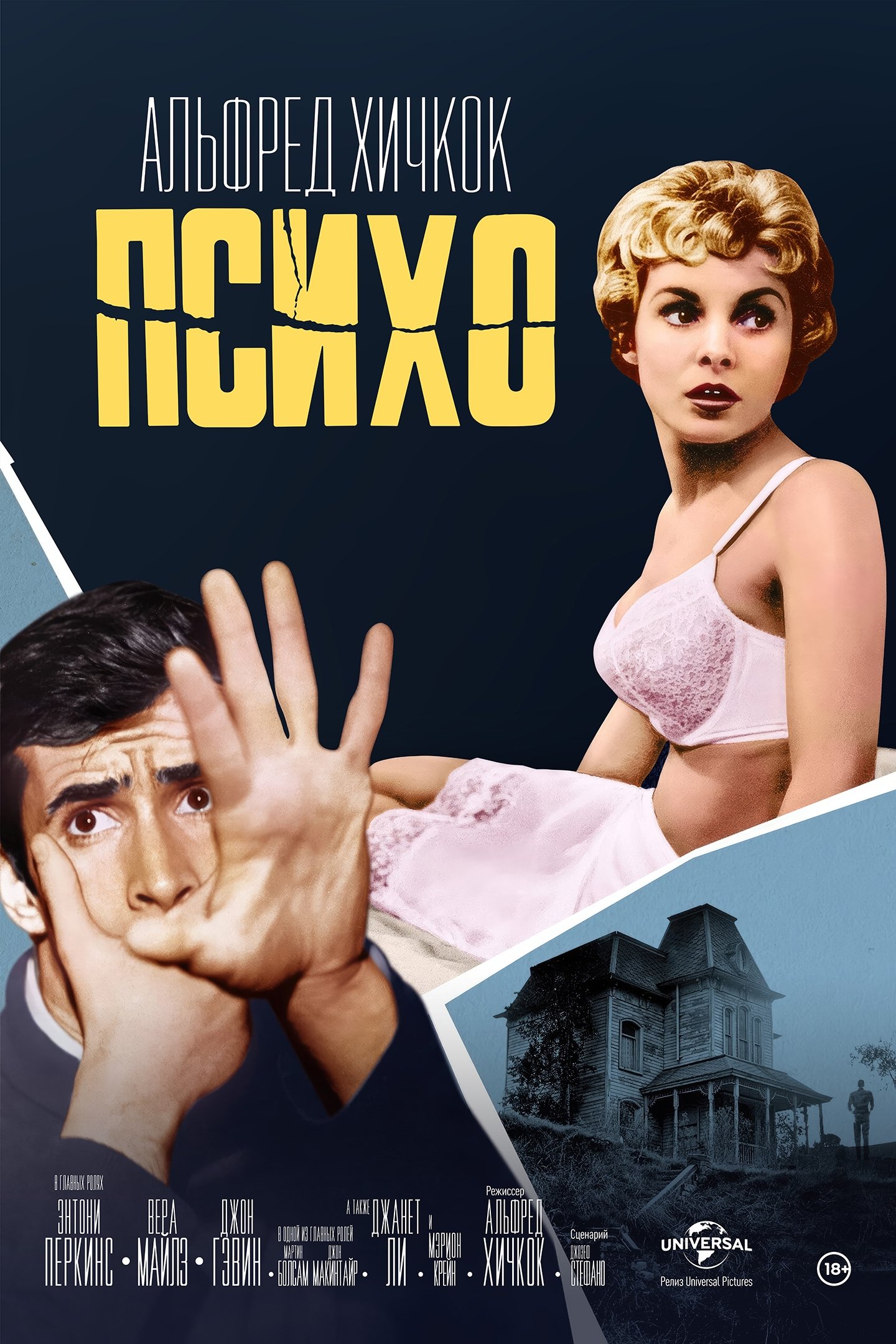
The opening establishes a world of hotel rooms, wages, private relationships and money before introducing overt horror. Marion's decision to take $40,000 turns routine encounters into threats because the viewer knows what she is hiding. Her journey encourages attention to passing strangers, a patrol officer and her own increasingly anxious thoughts. At the Bates Motel, the story appears to exchange a crime plot for the possibility of confession and repair. Marion's conversation with Norman Bates creates an intimate pause, allowing an apparently awkward and sympathetic young man to enter the drama before his surroundings acquire their full significance.
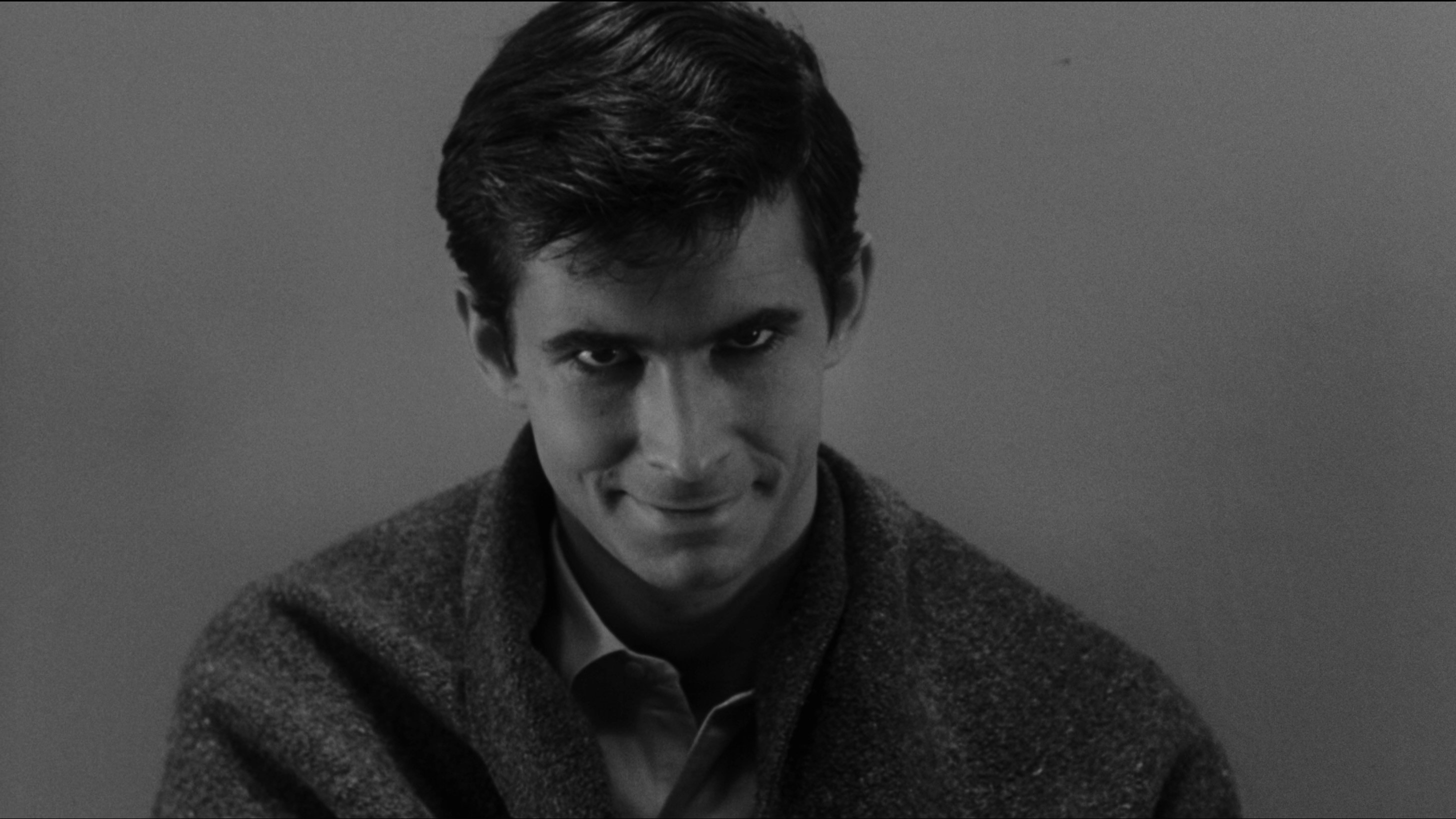
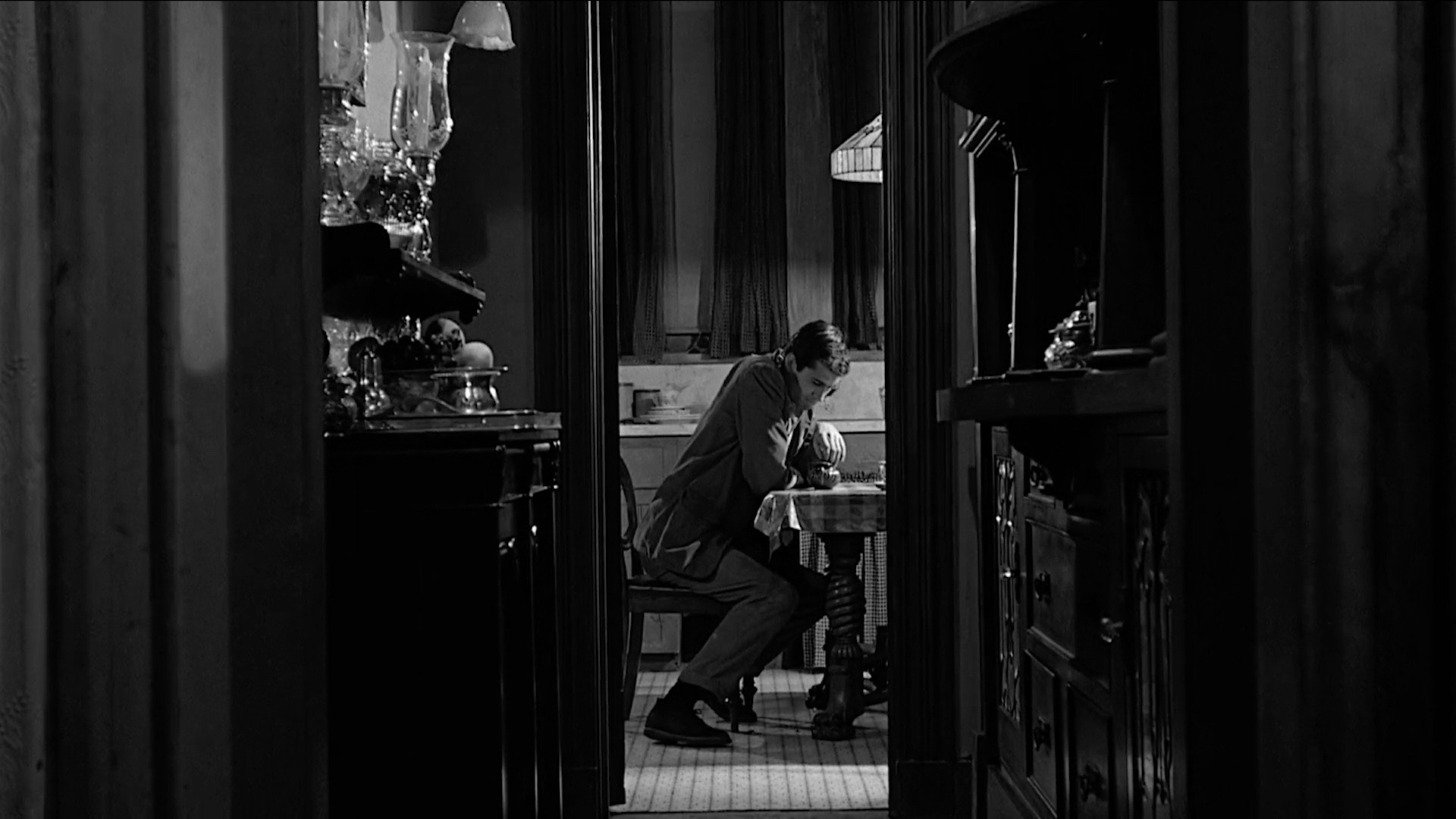
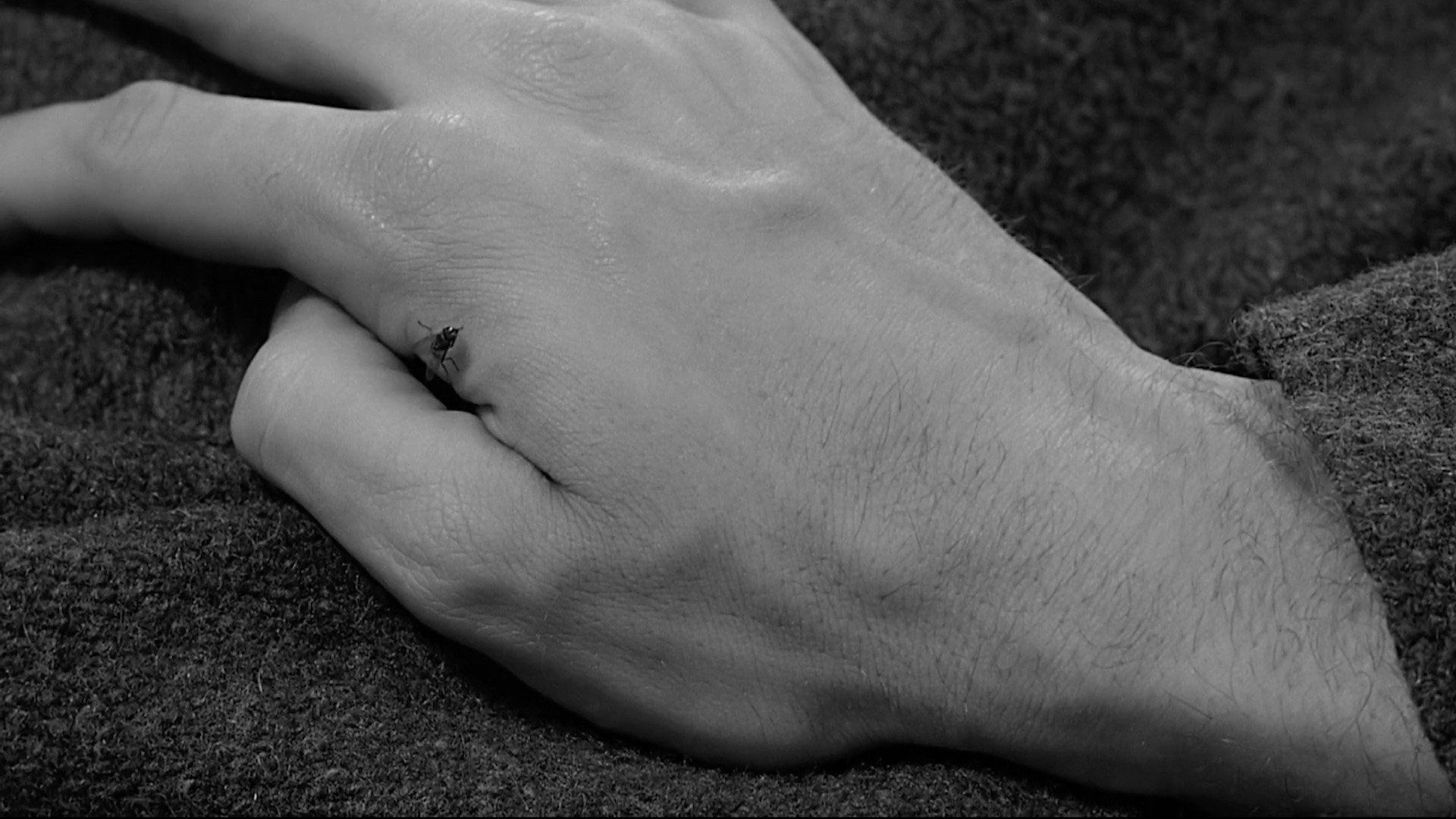
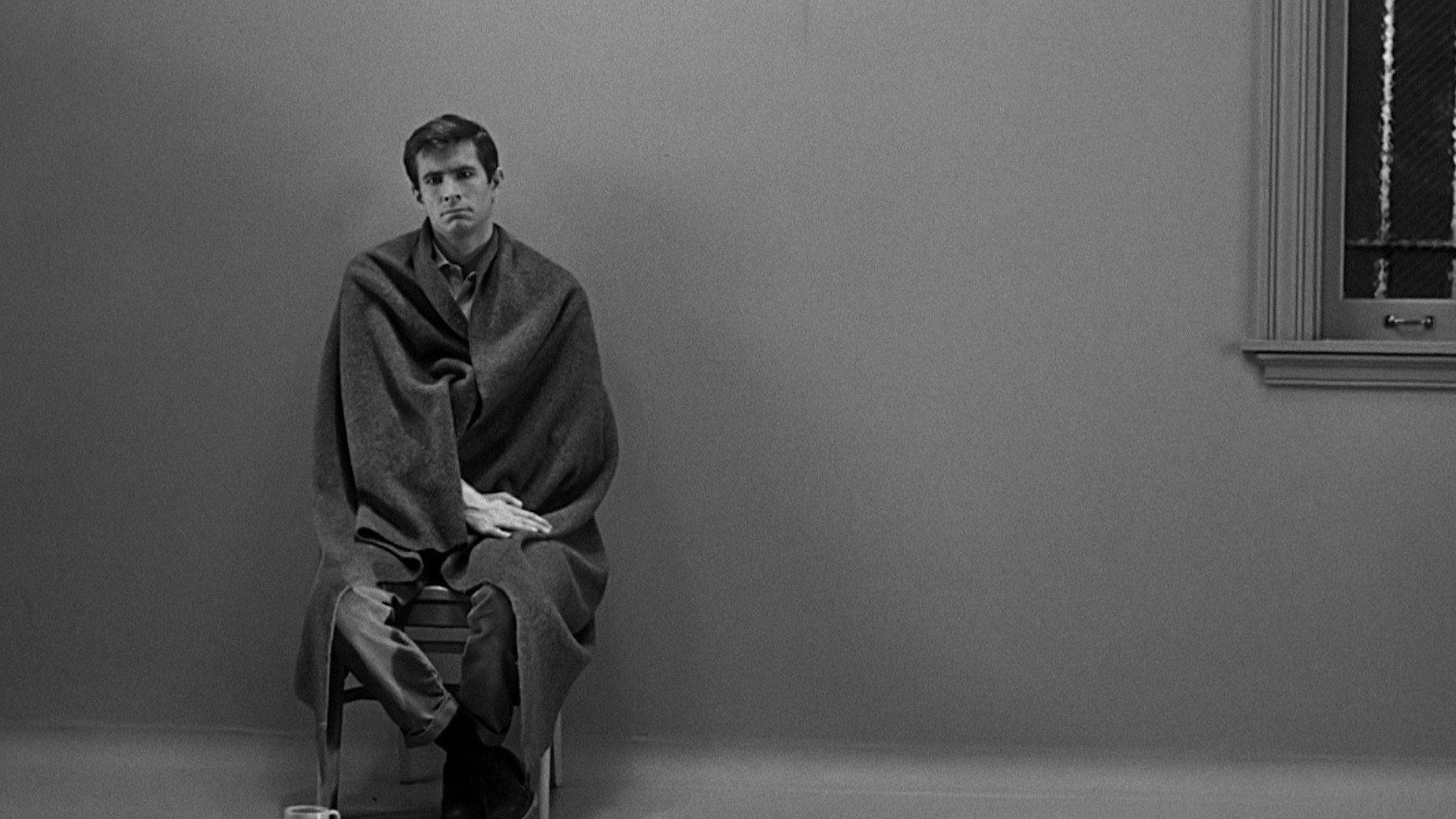
The murder removes the person through whom most earlier events have been understood. Hitchcock told an interviewer, in material preserved by the Museum of Modern Art, that the leading actress's disappearance was essential to the experiment with audience expectations. Afterward the spectator's attention moves uneasily to Norman as he cleans the bathroom and disposes of evidence. The method is troubling because an ordinary desire for the action to continue can momentarily resemble an interest in his success. The film organizes that response through the duration of the cleanup and the suspense surrounding a submerged car, without explicitly requiring viewers to approve of the crime.
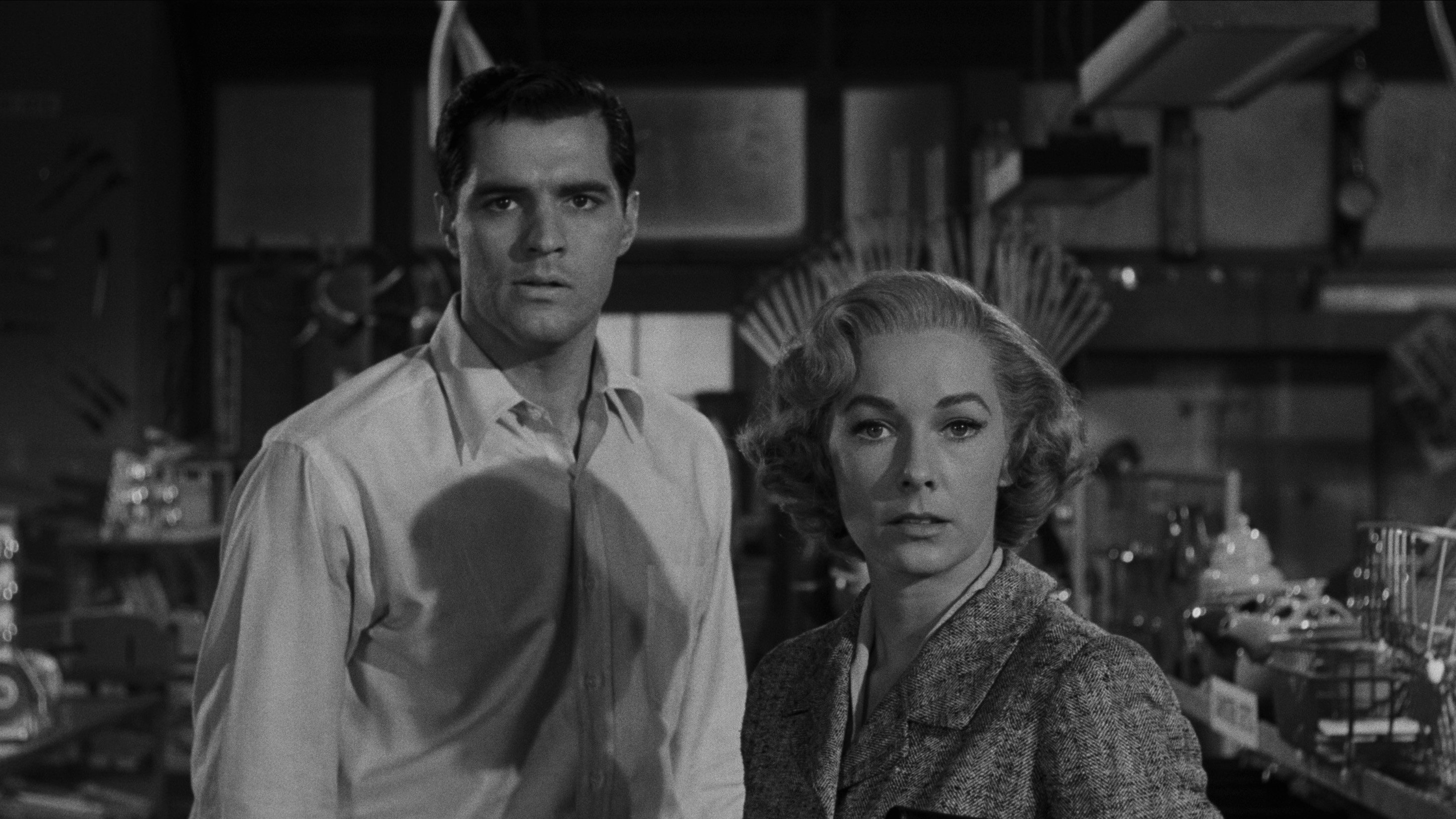
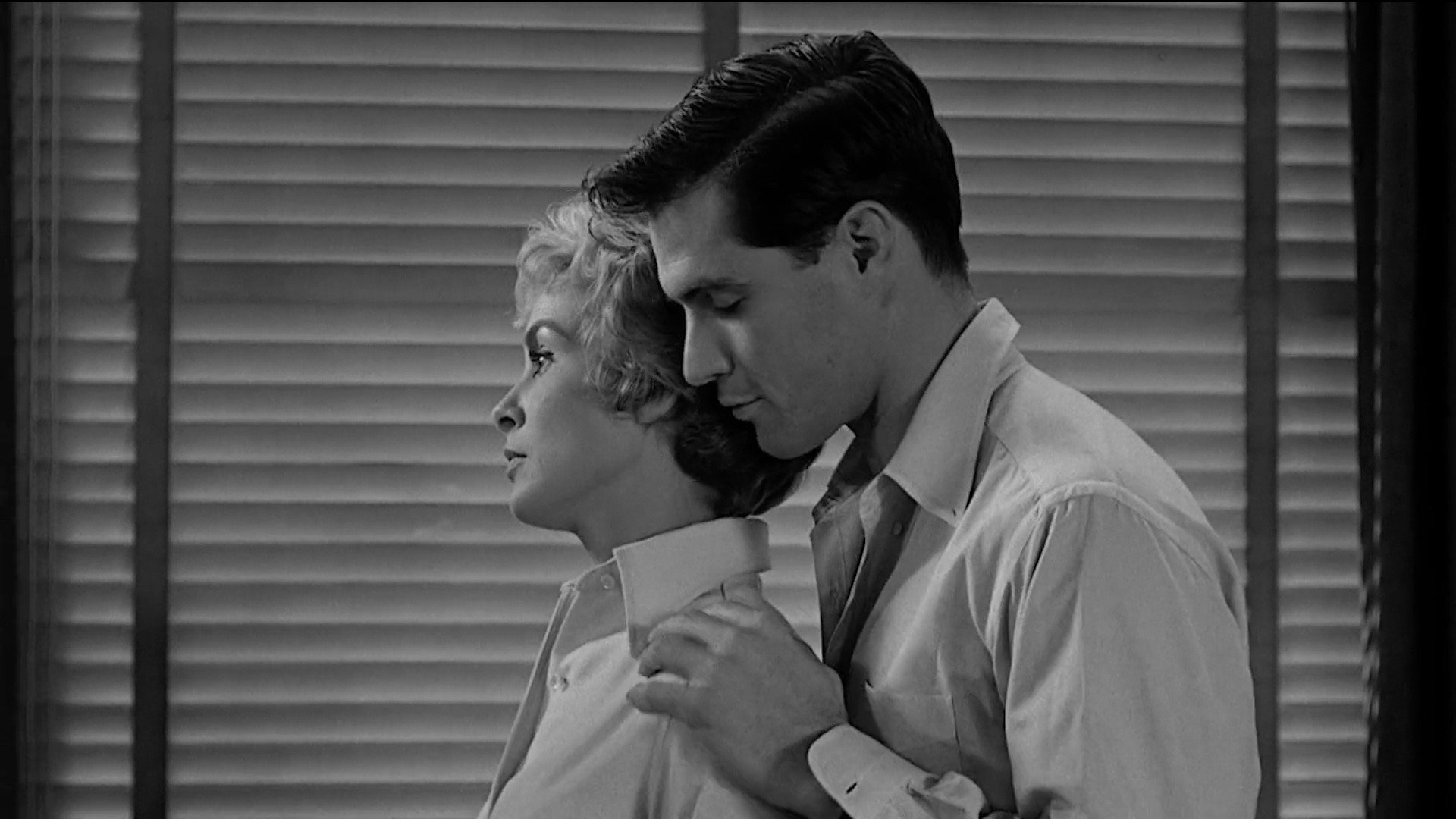
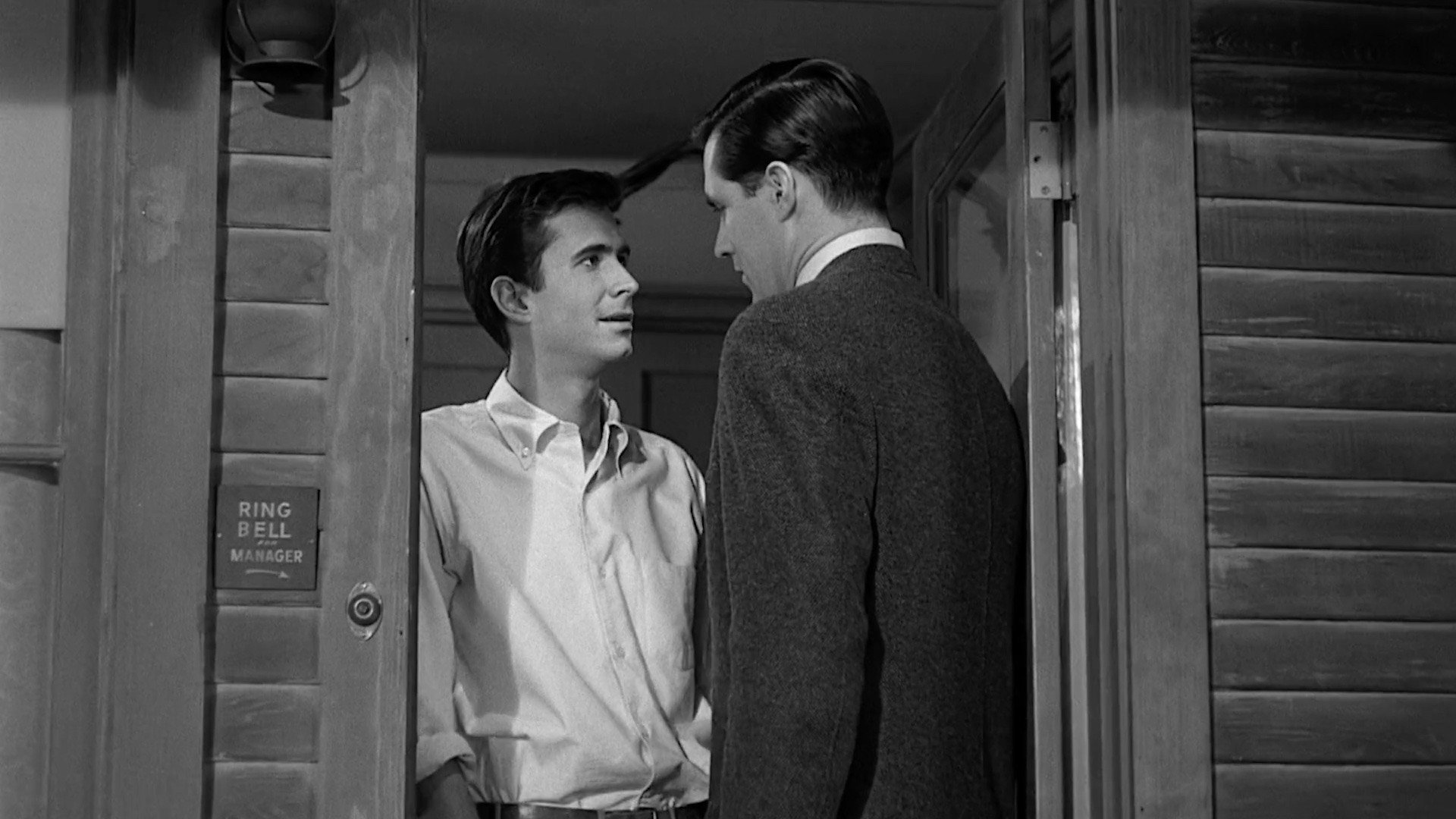
The investigation by Lila Crane, Sam Loomis and private detective Arbogast slowly rebuilds a means of looking at the motel from outside. Their questions give the mystery a procedural shape, yet every apparent source of information is compromised by incomplete knowledge of the house and its occupant. The final psychiatric explanation belongs to the film's 1960 storytelling conventions, not to contemporary clinical evidence about mental illness or gender identity. Hitchcock's own retrospective remarks described an interest in a suspense mechanism instead of a medical case history. That distinction preserves the film's psychological imagery without presenting its dialogue as authoritative diagnosis.
Black-and-White Spaces and Voyeurism
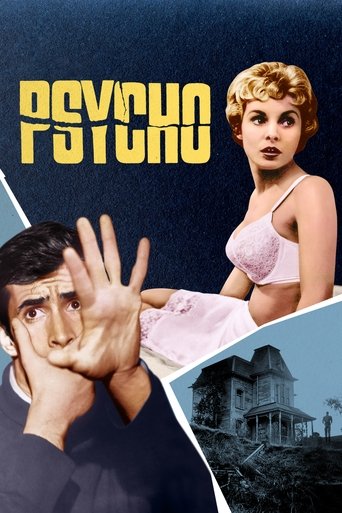
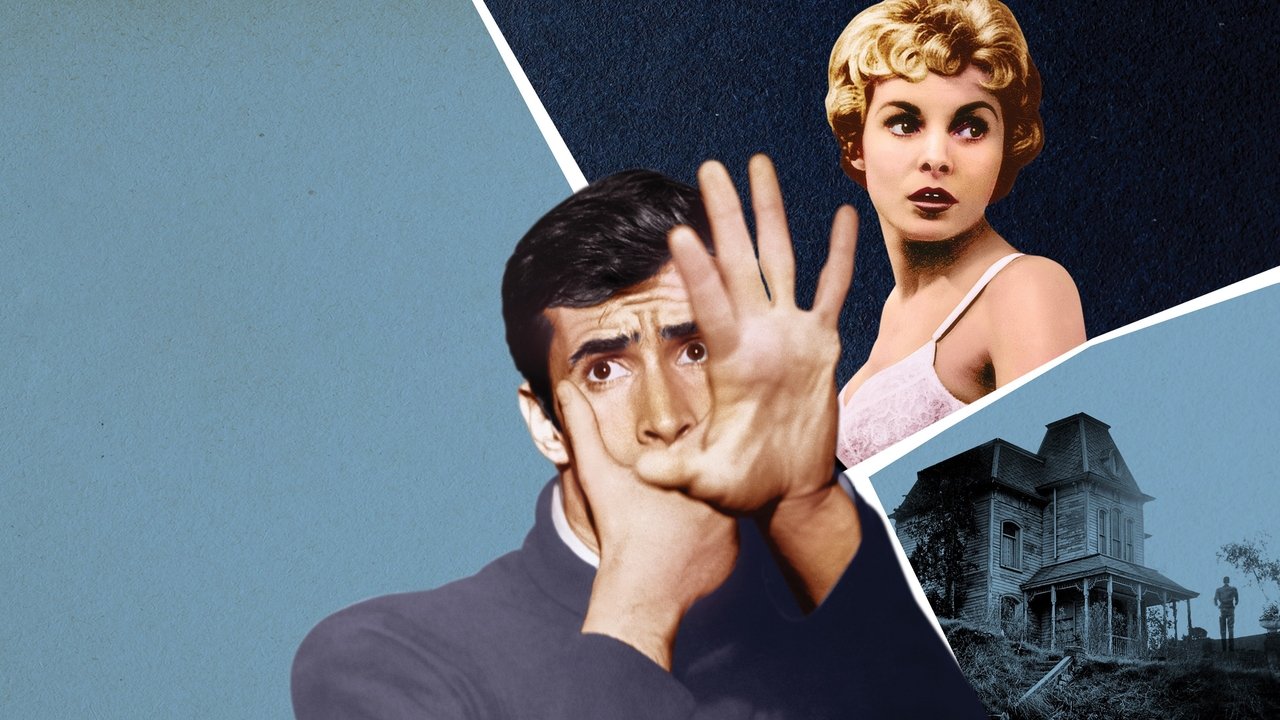
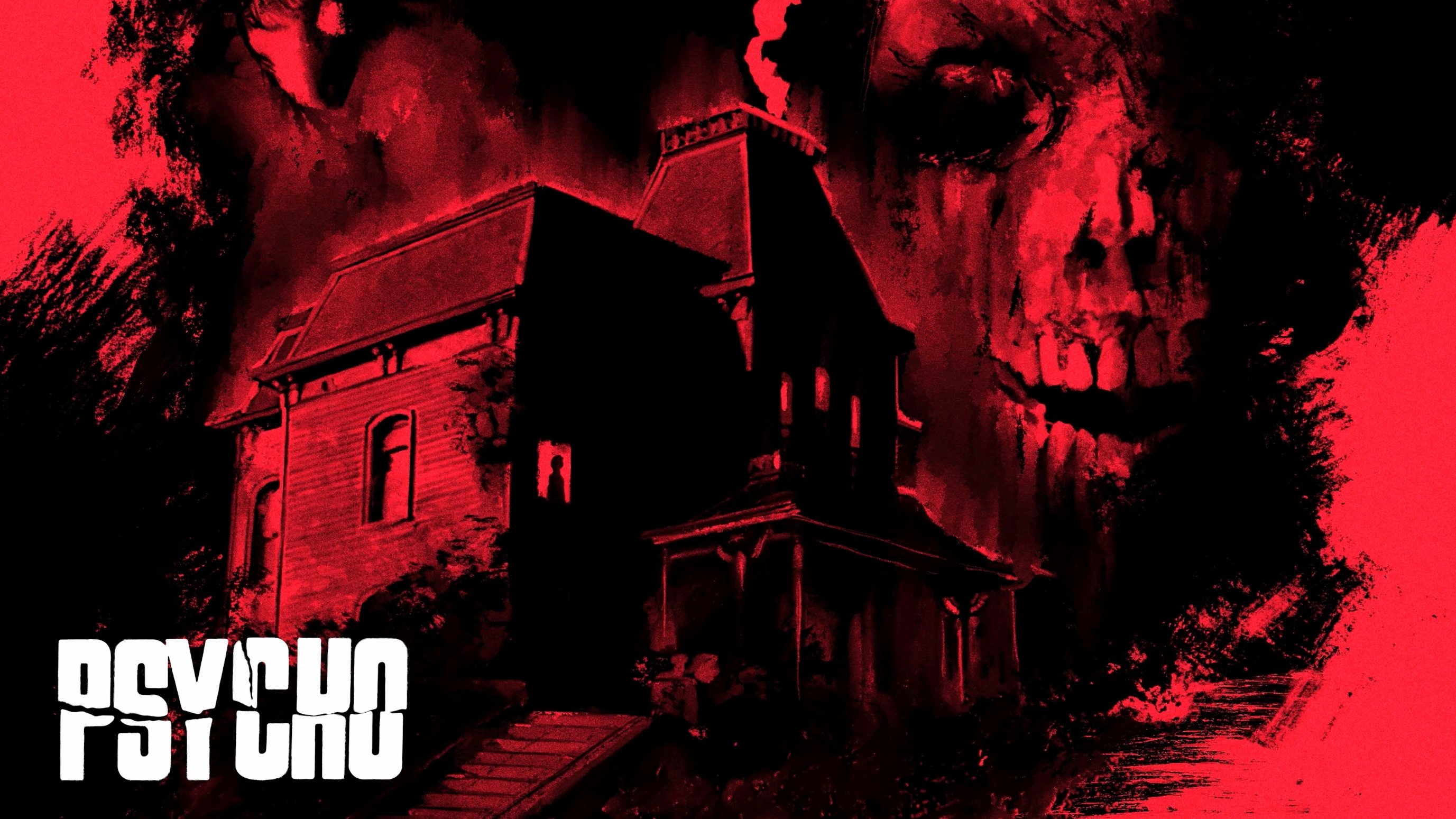
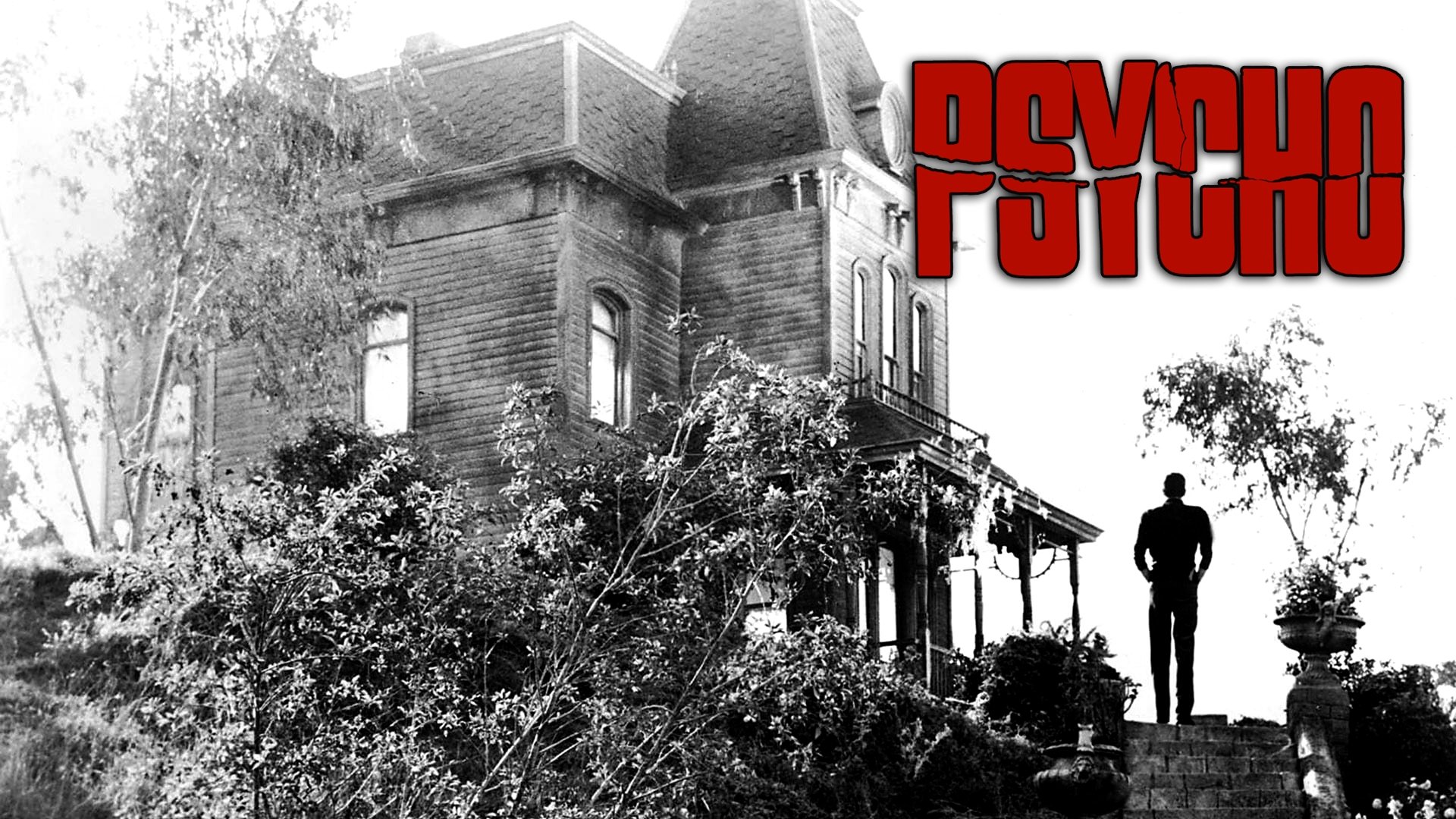
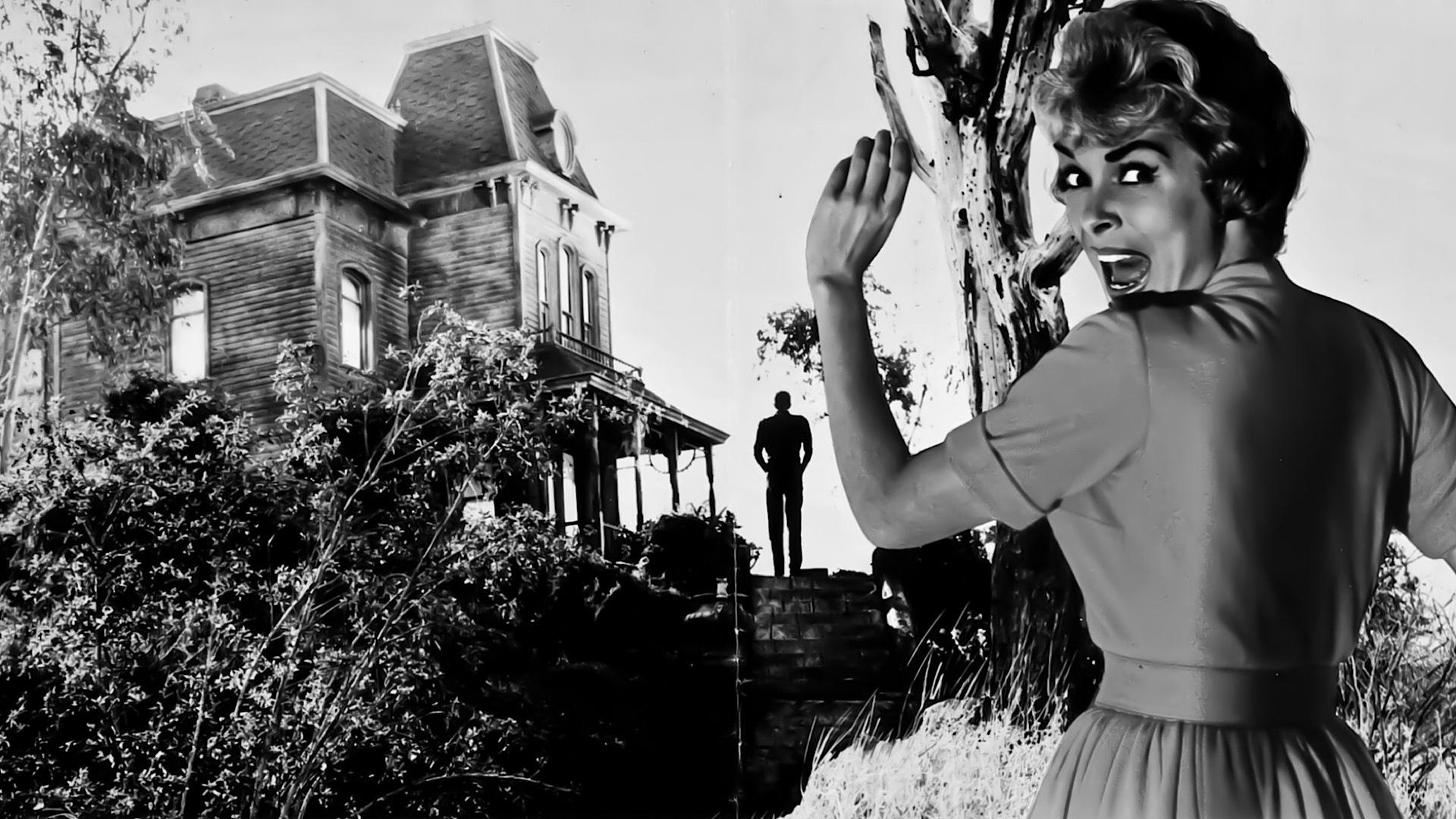
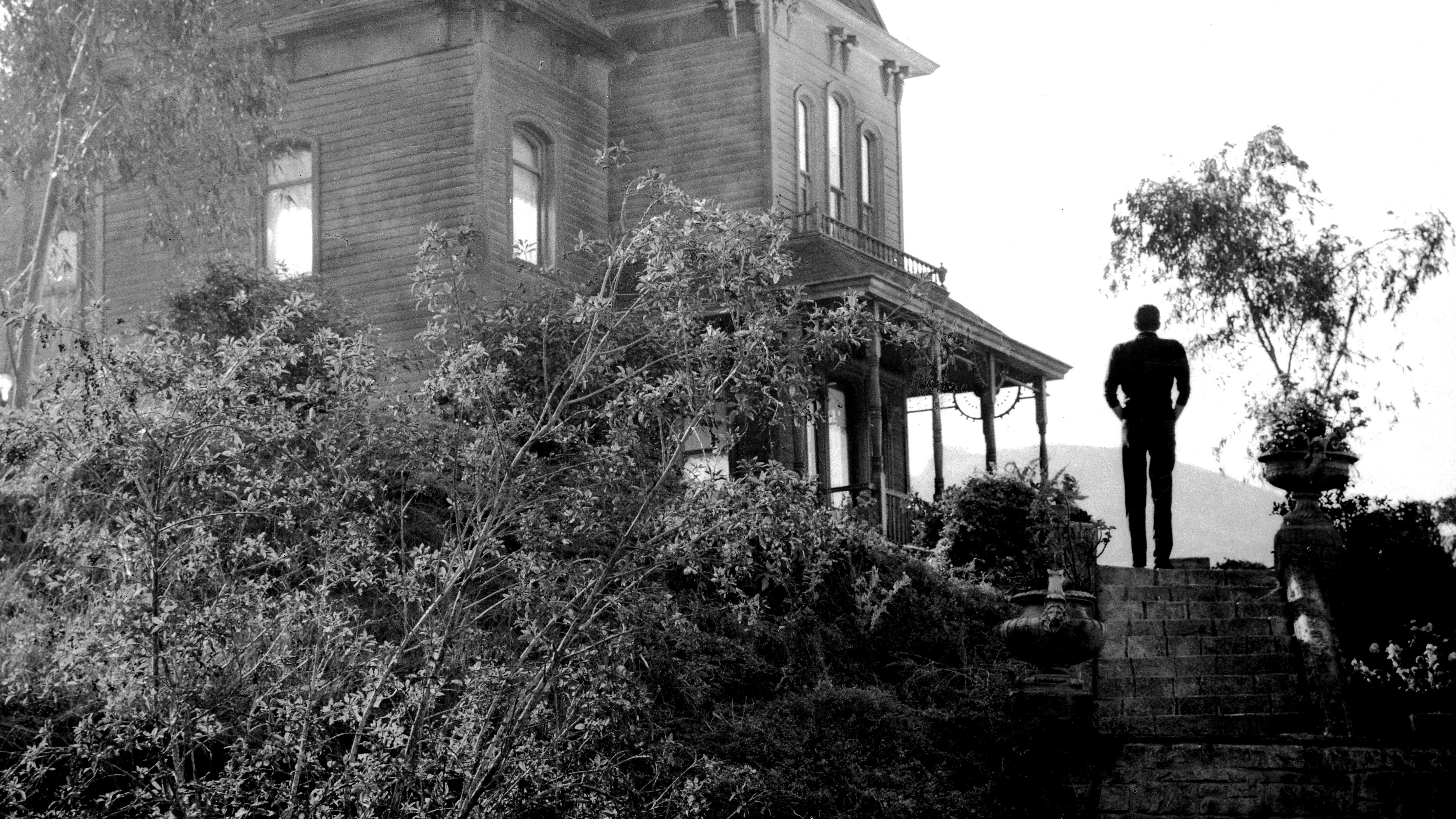
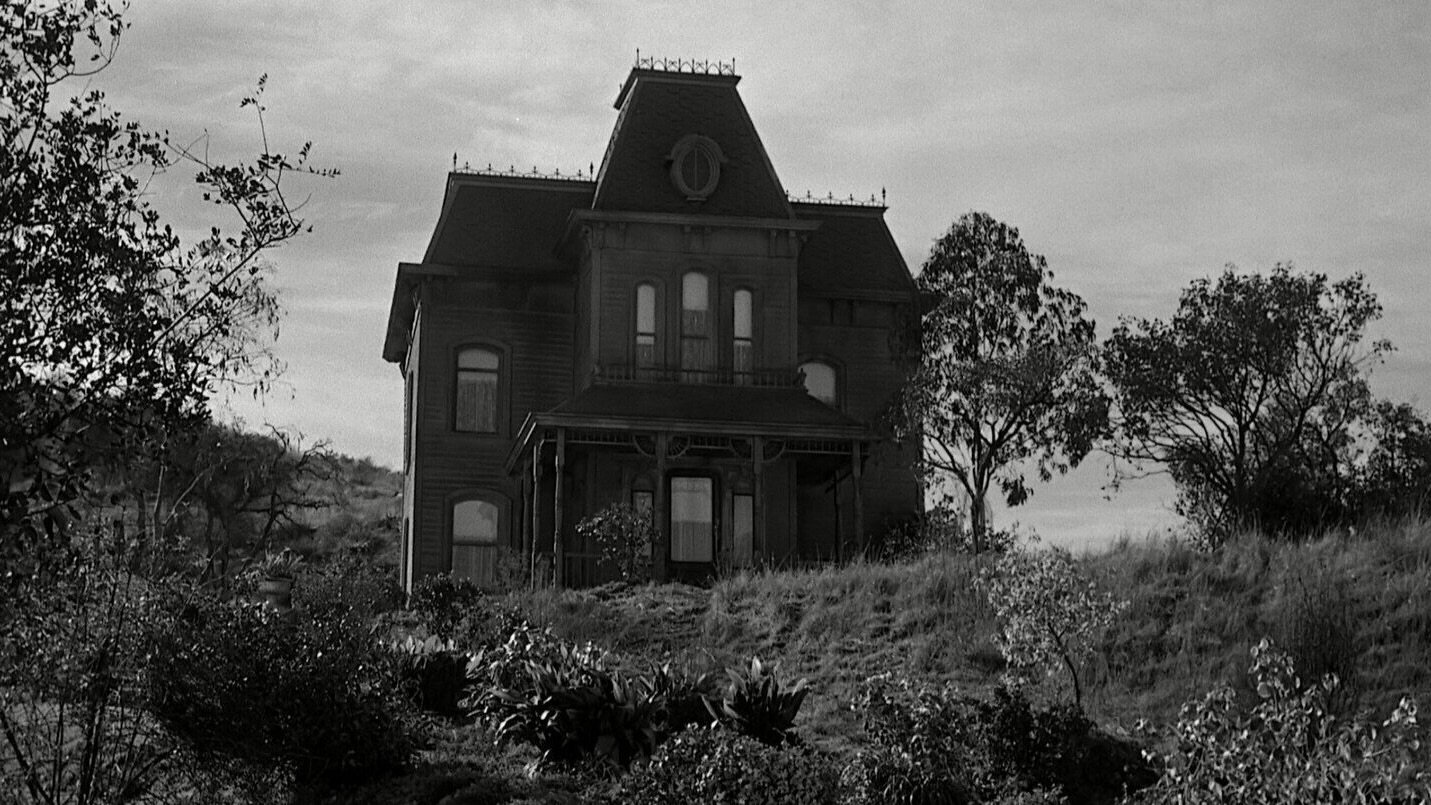
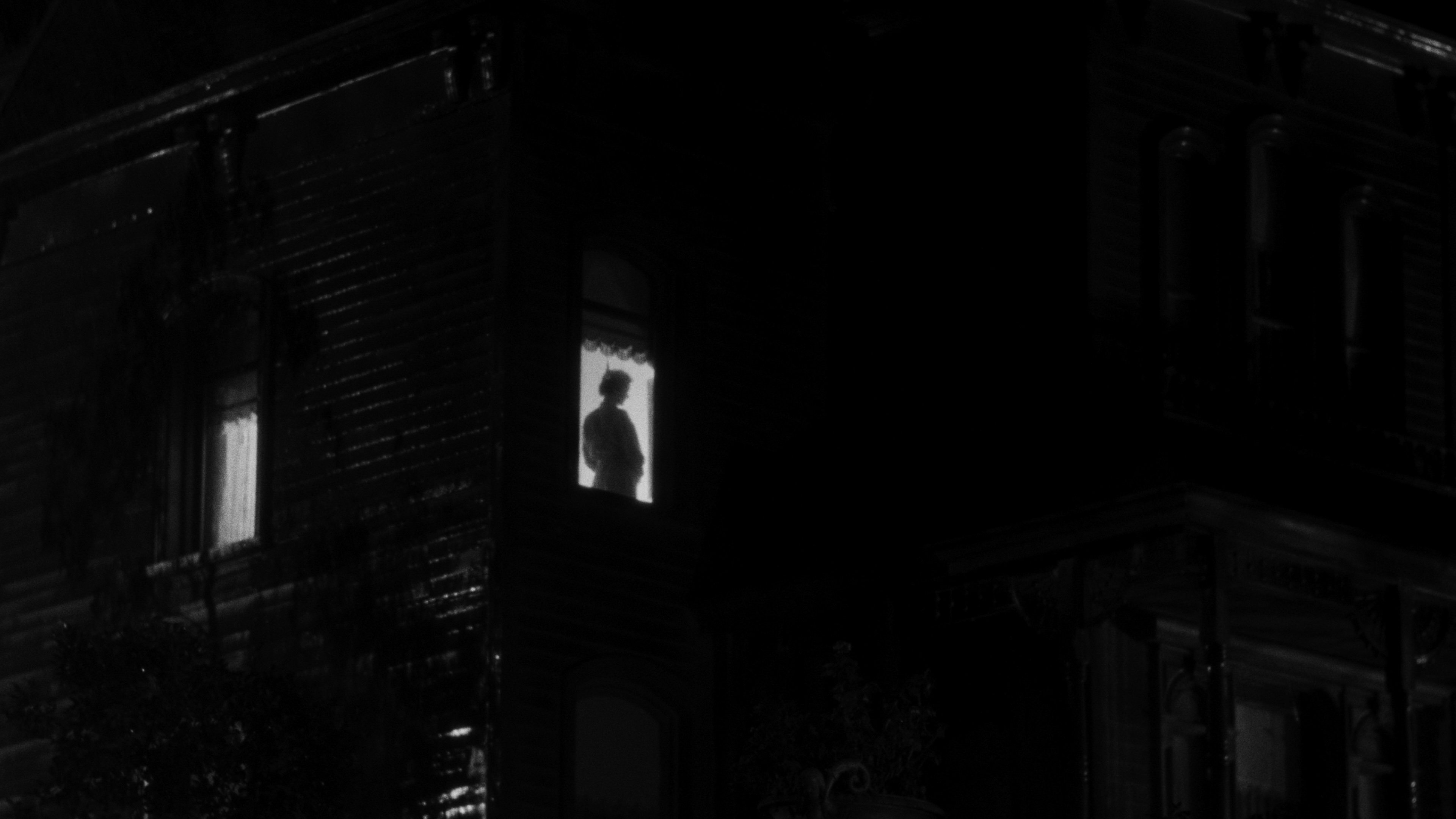
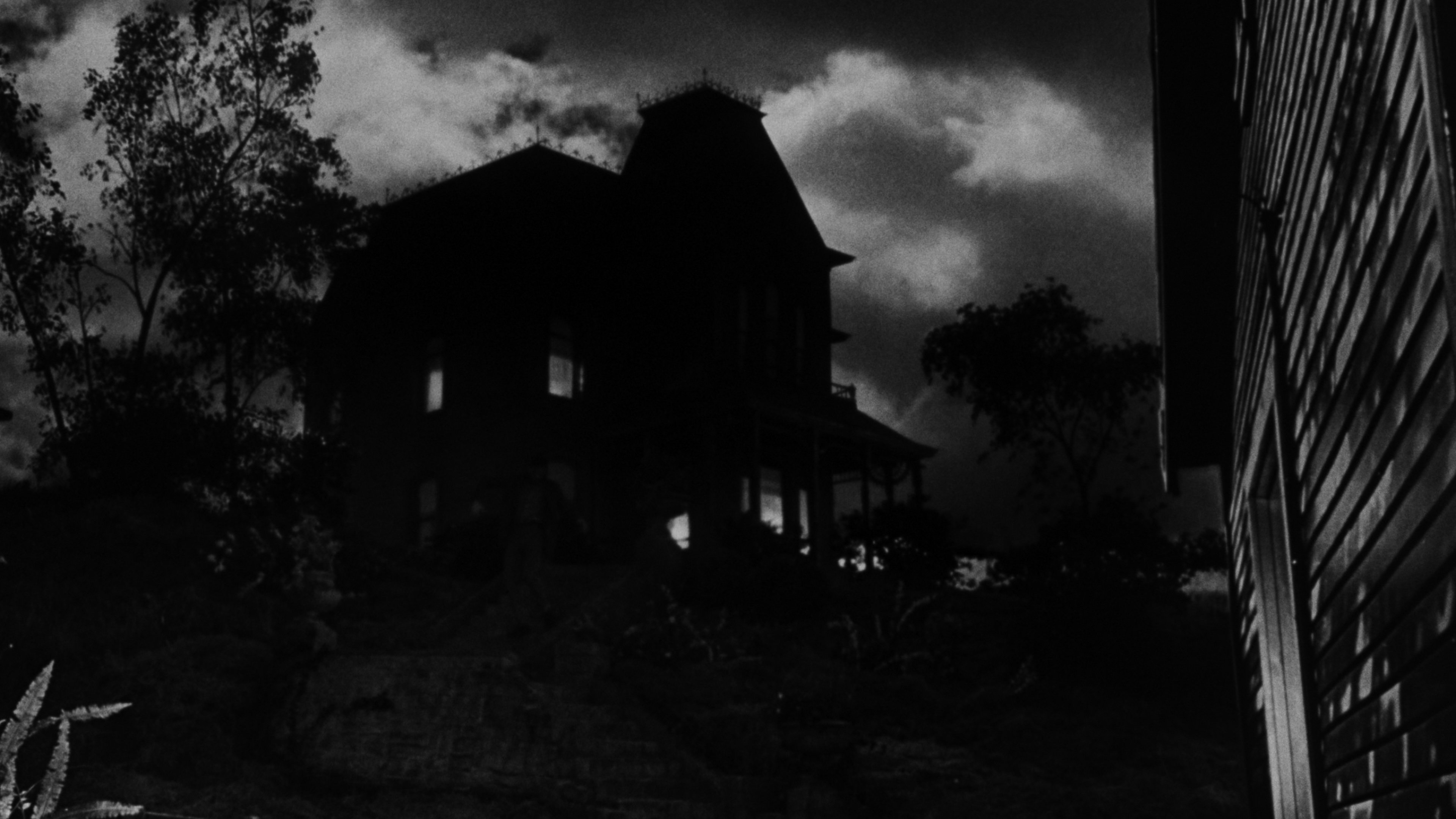
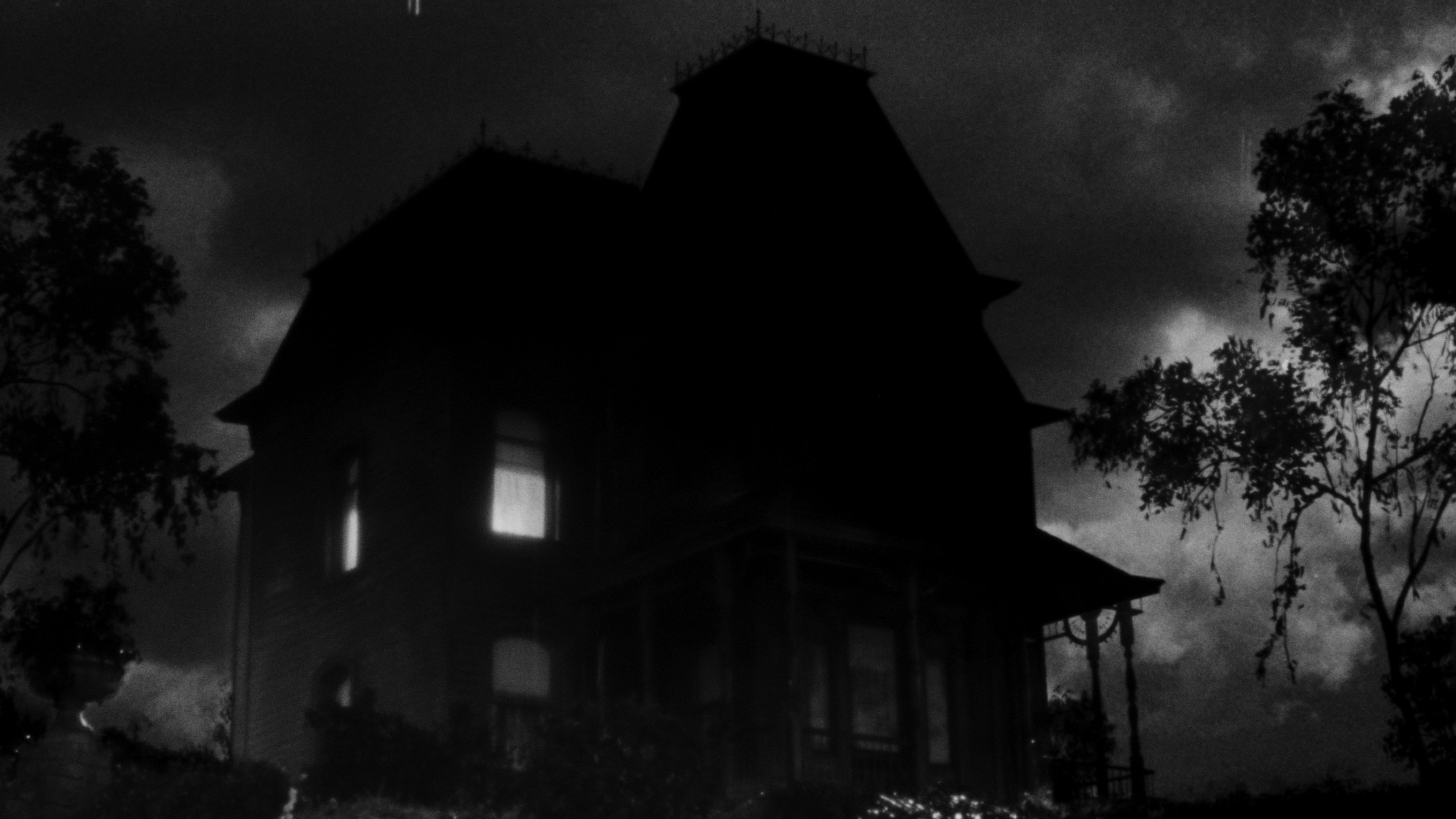
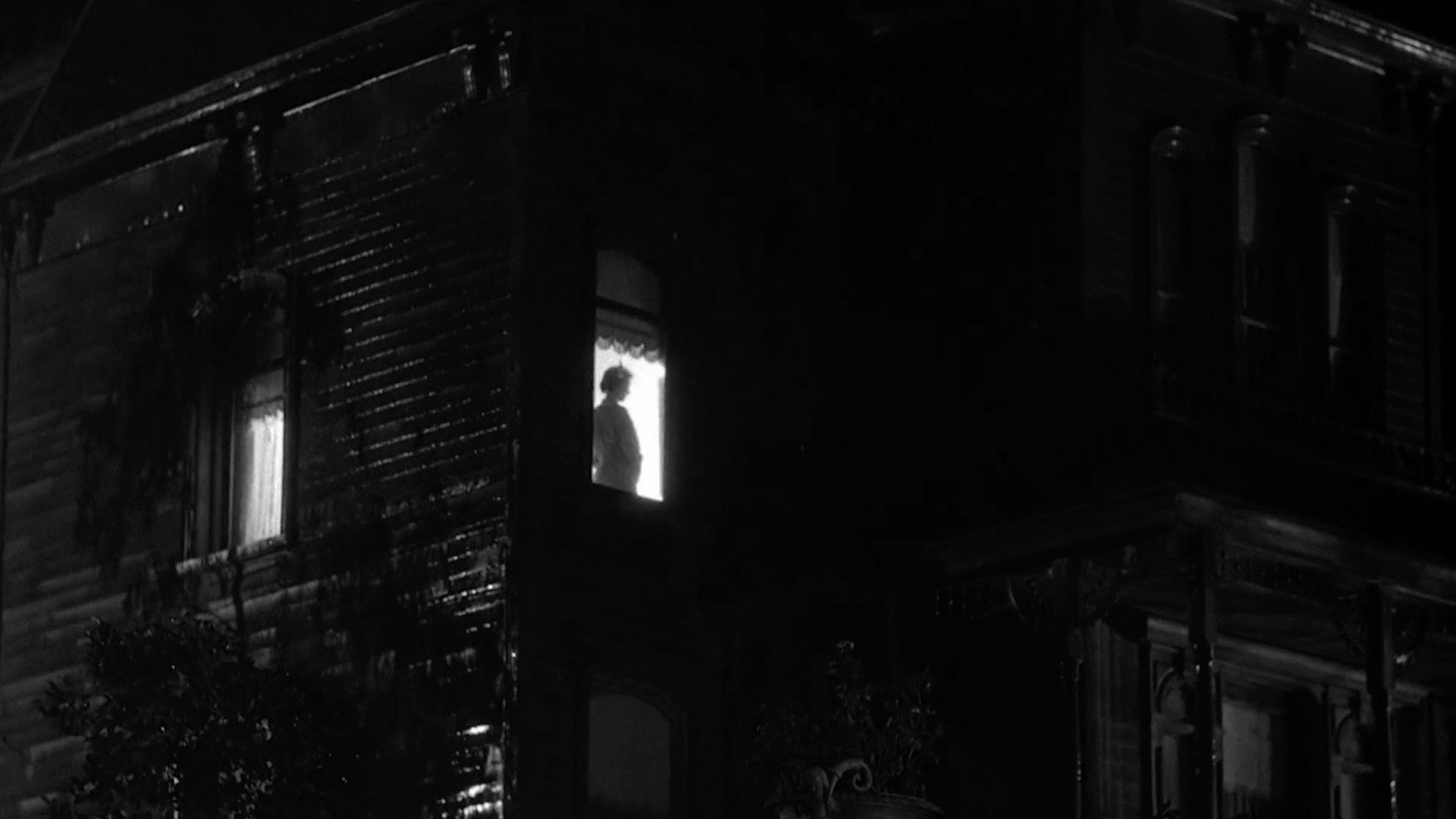
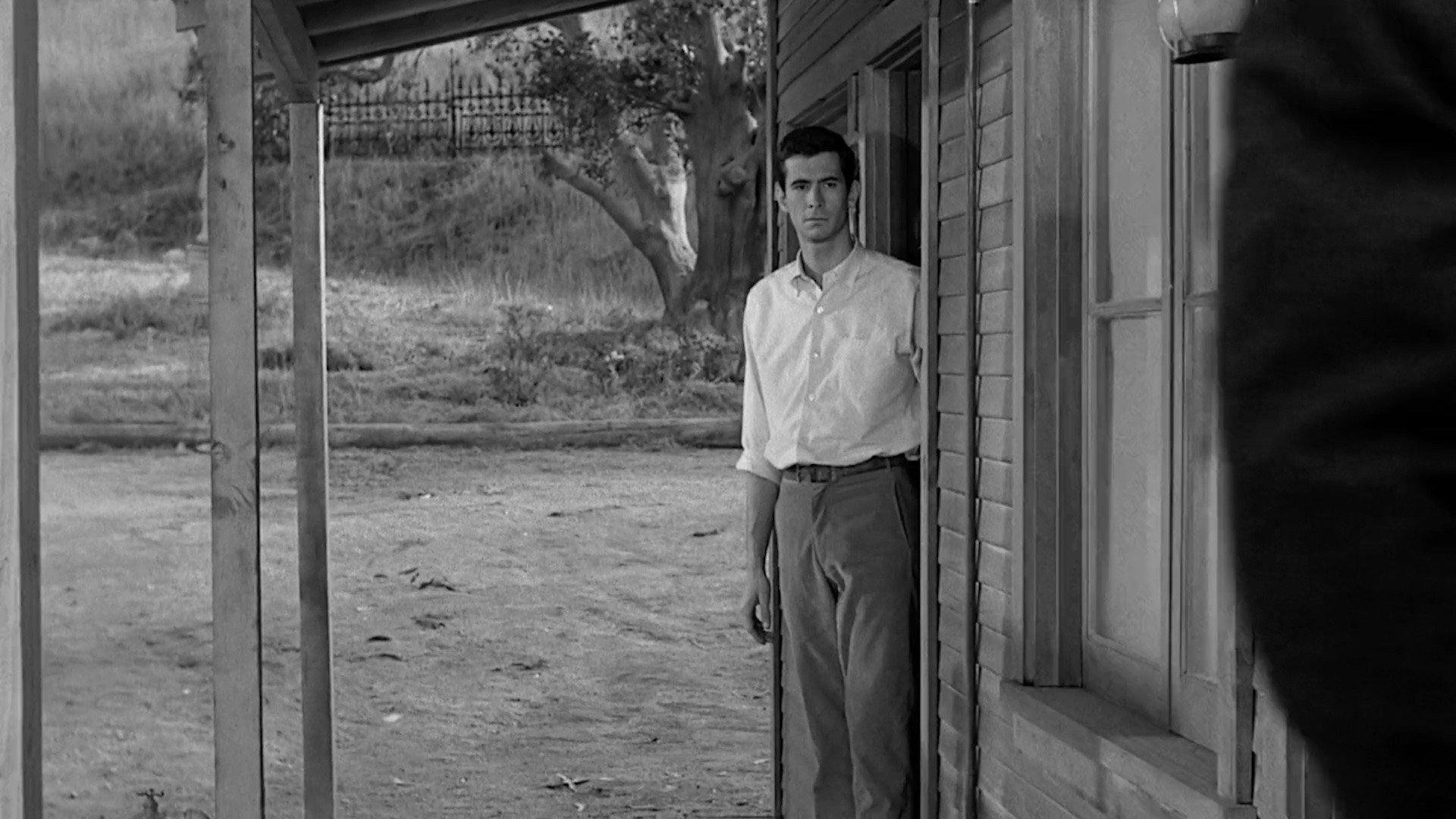
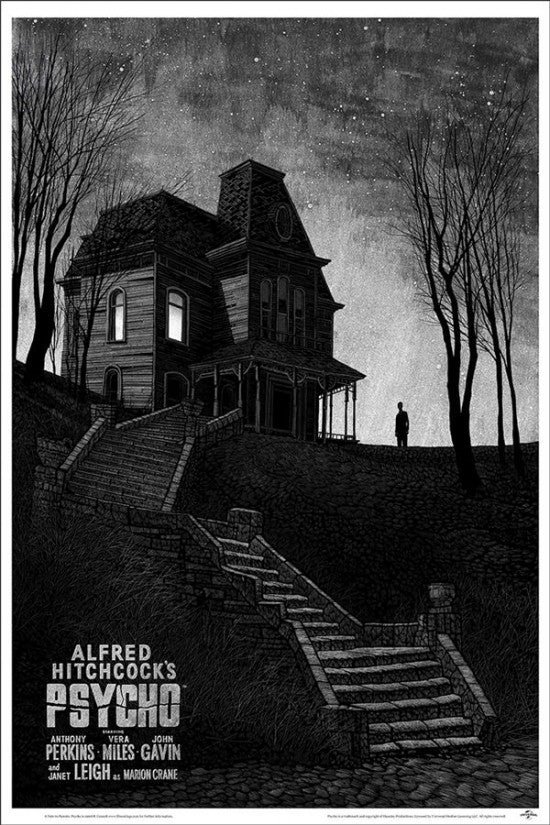
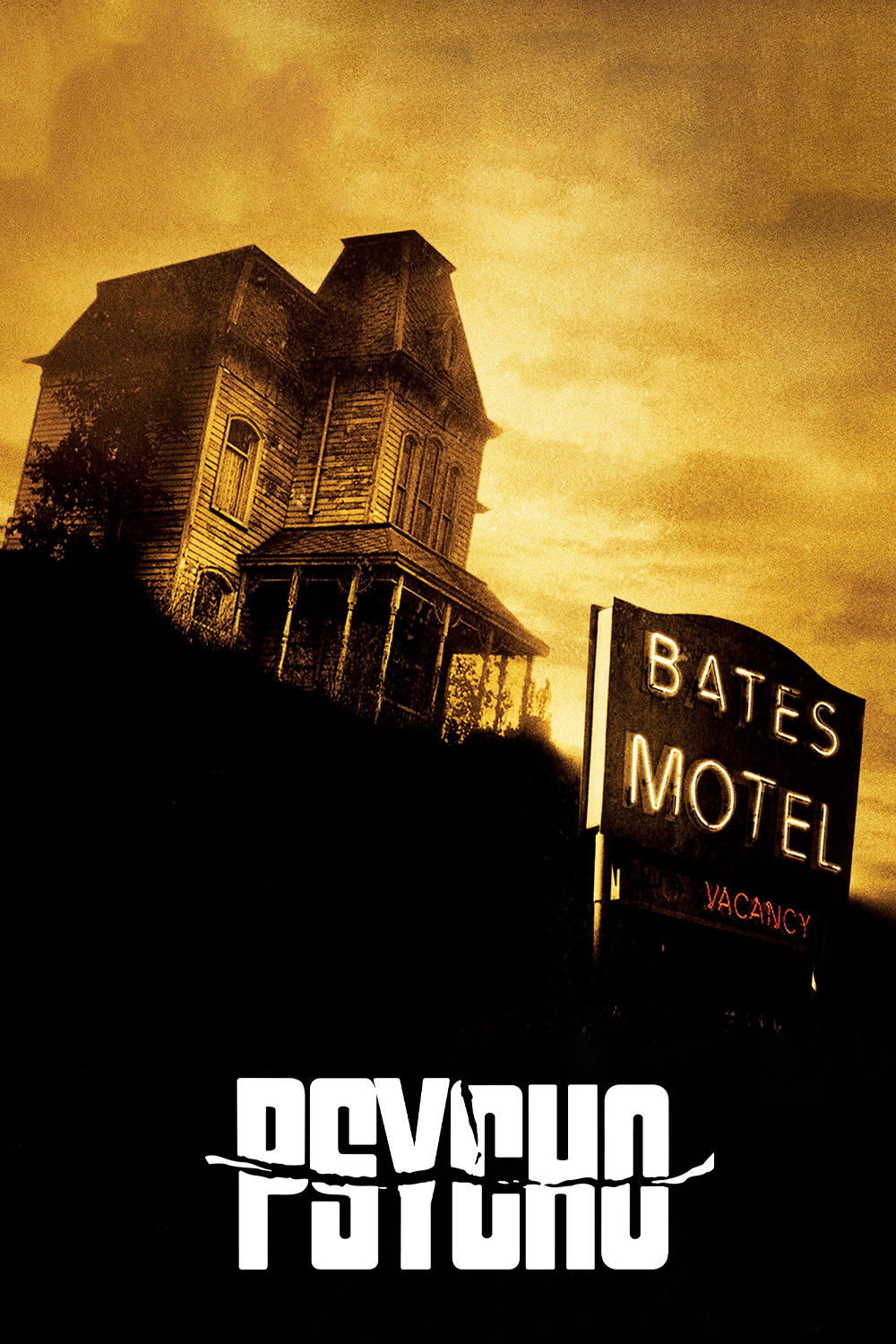
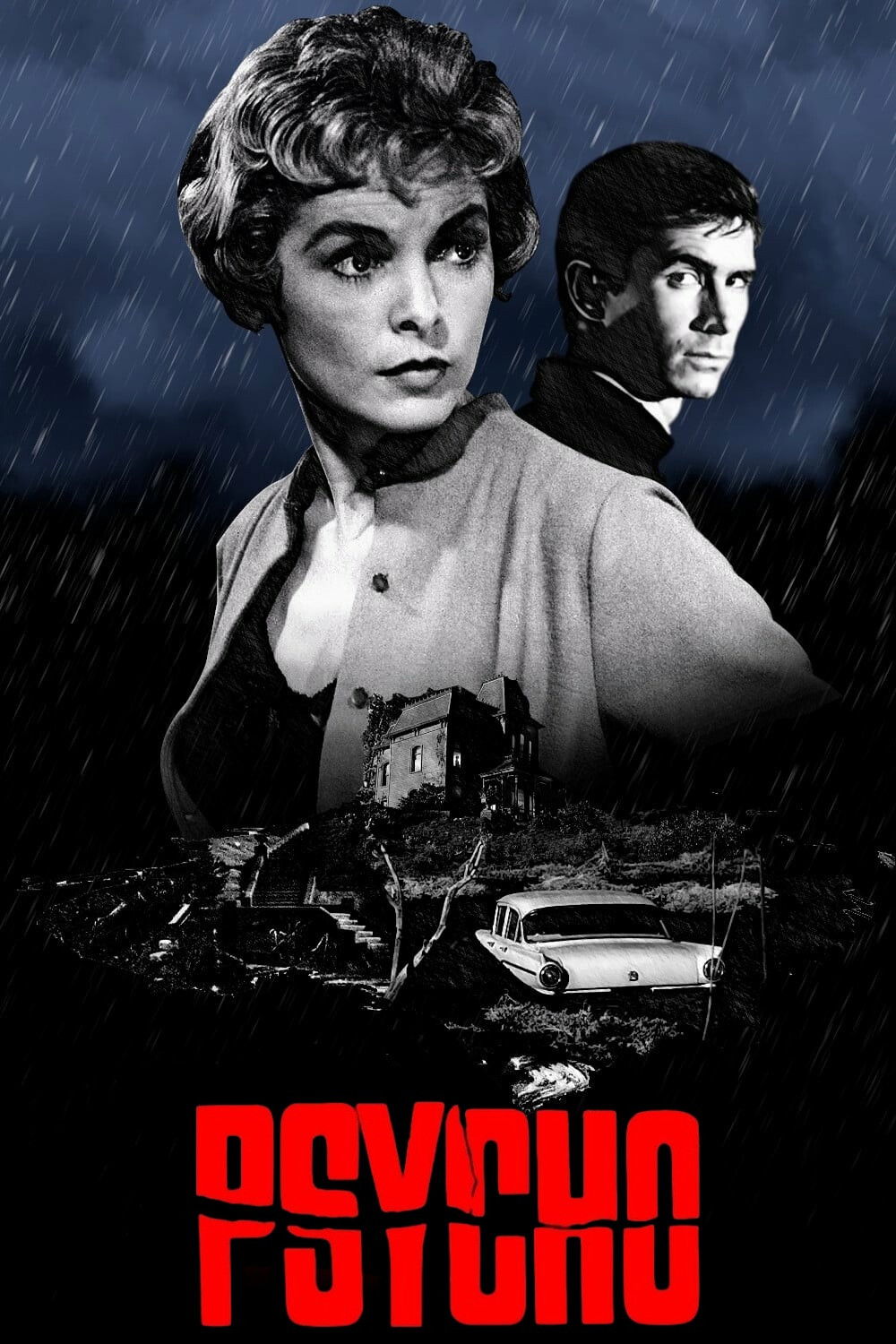
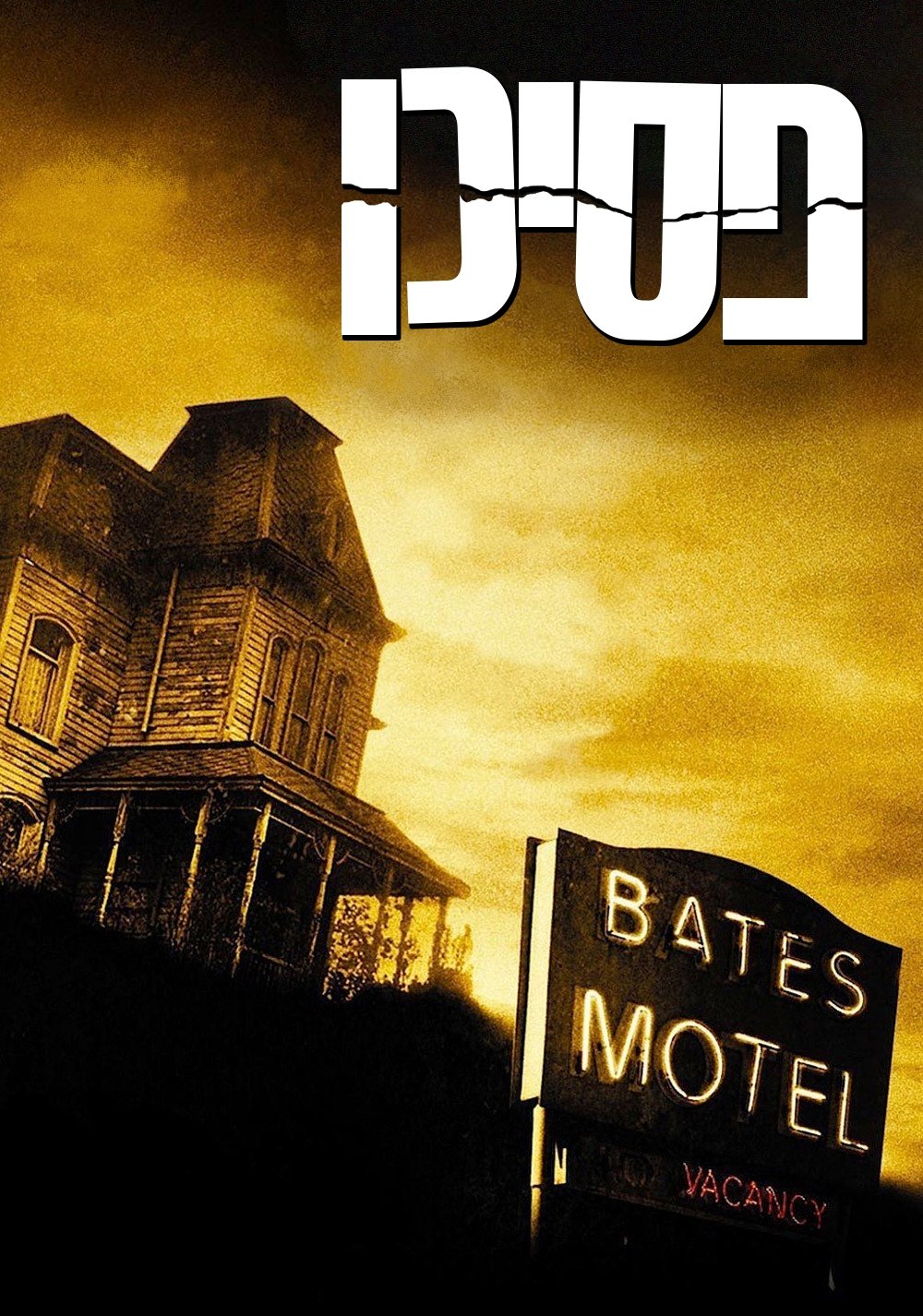
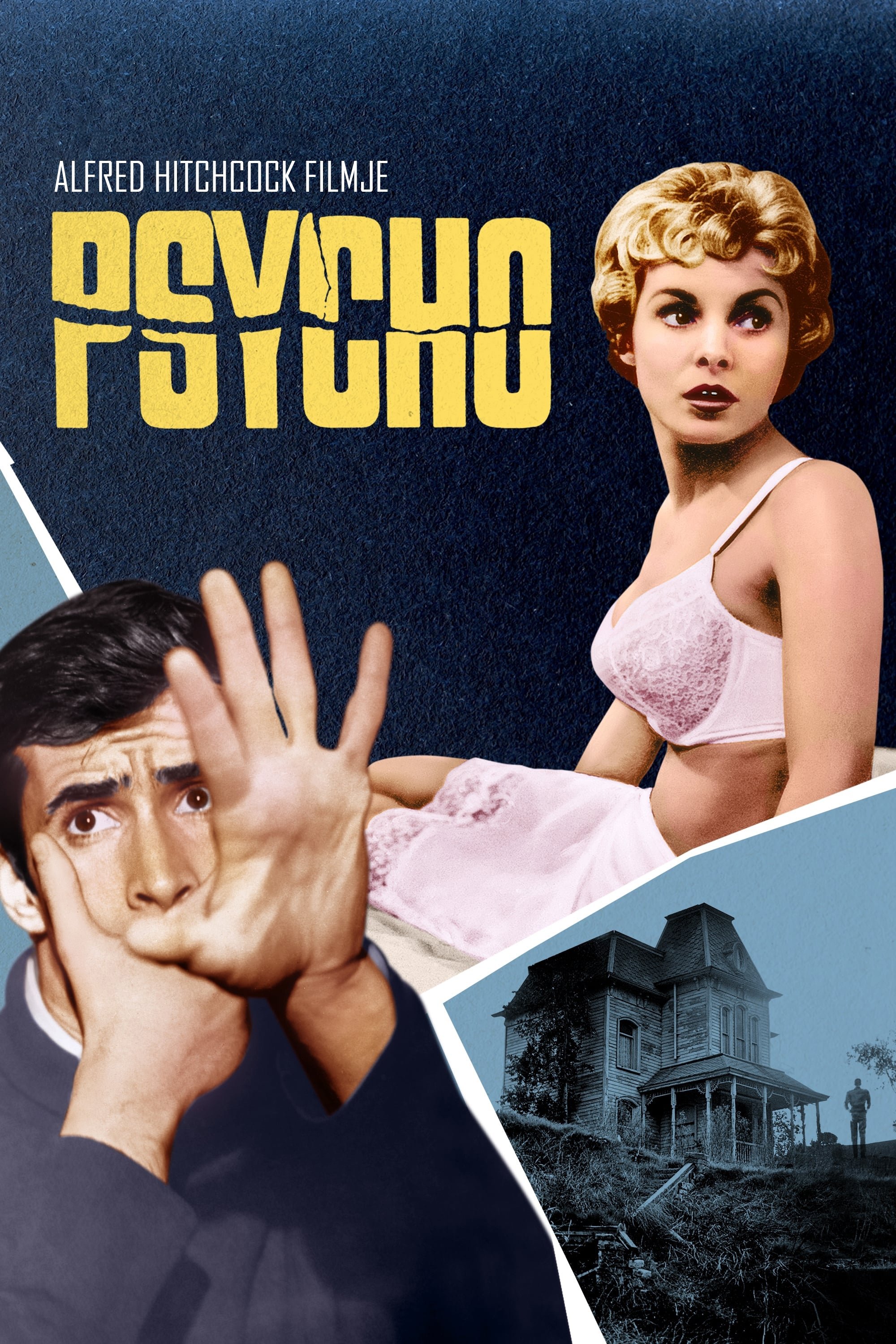
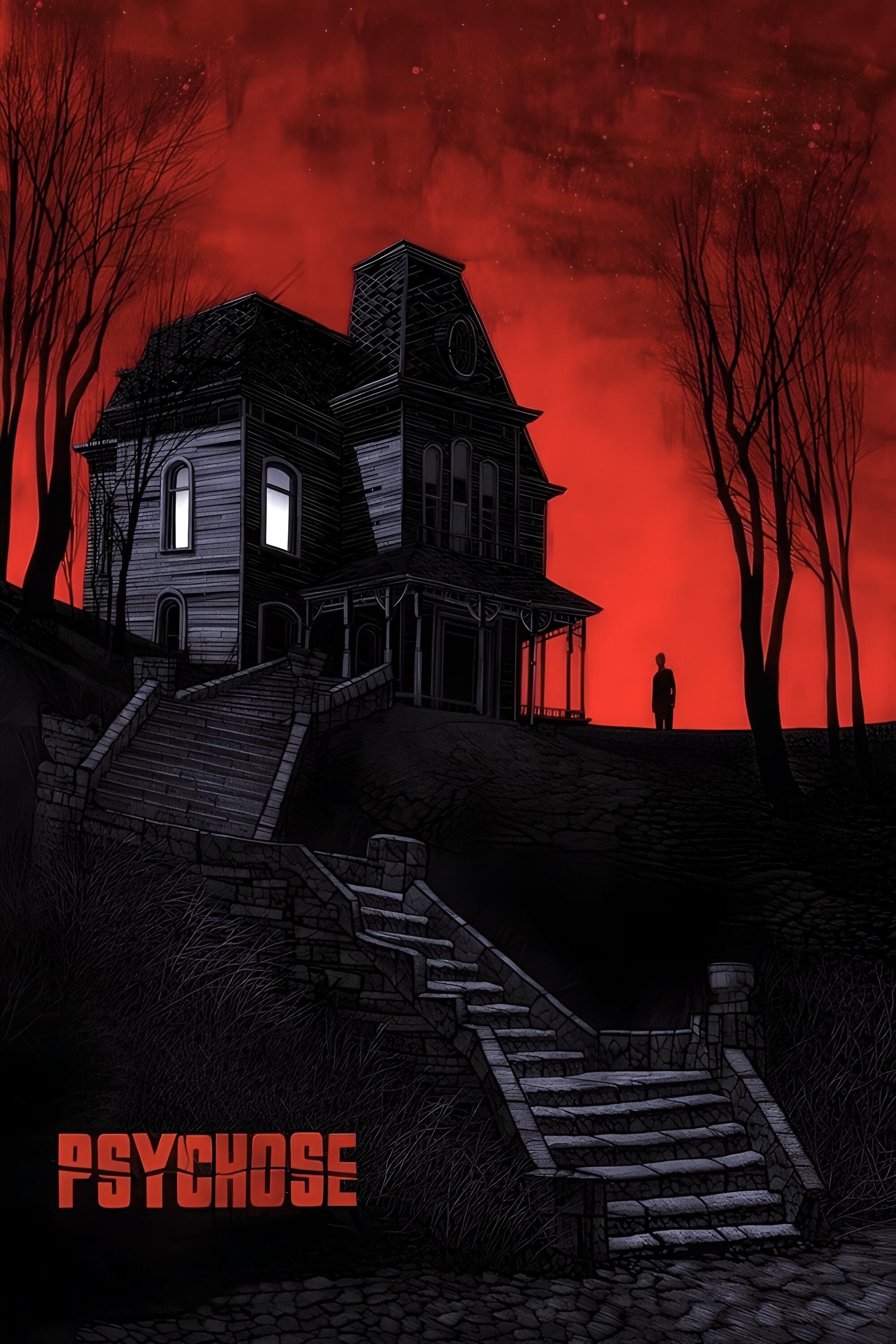
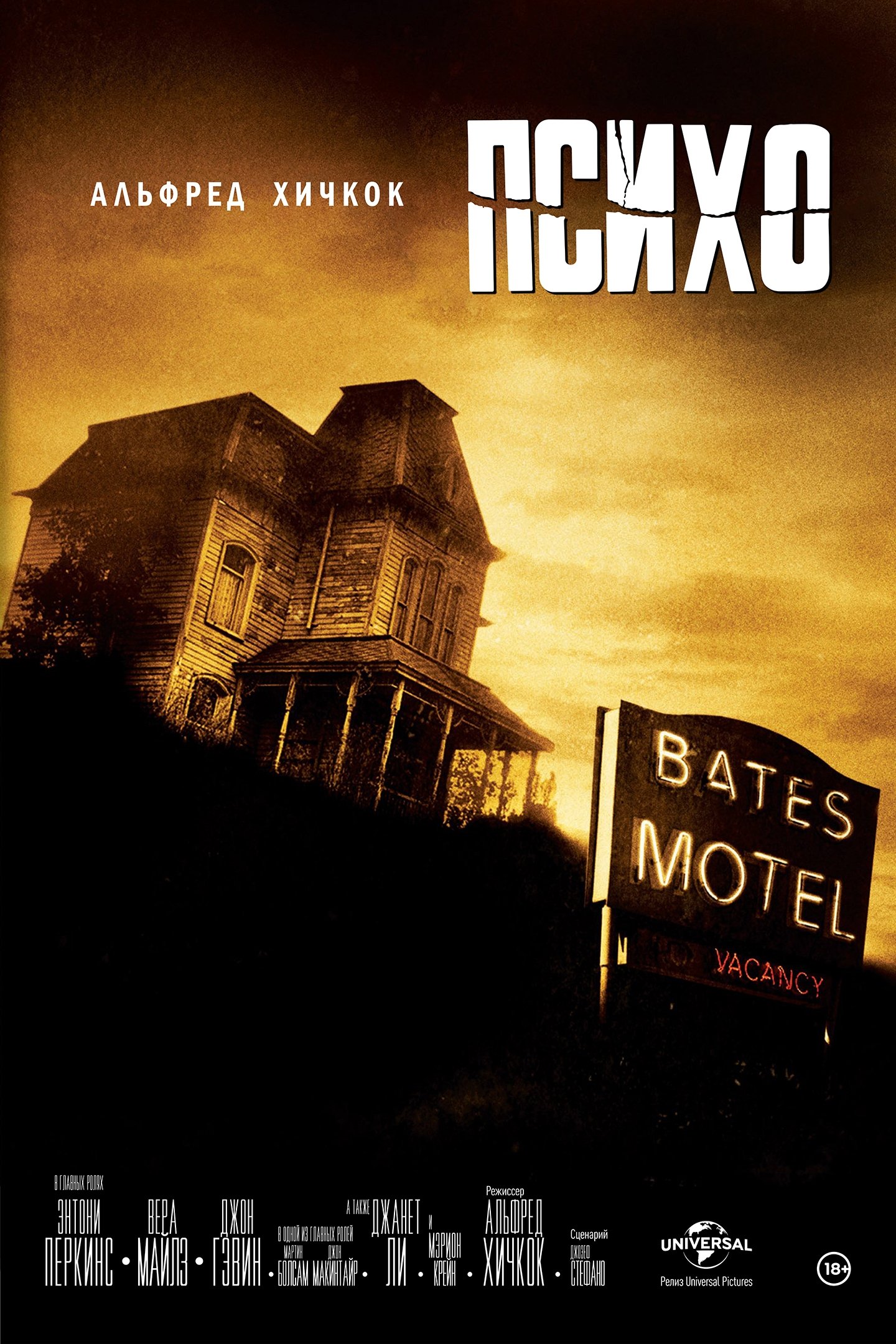
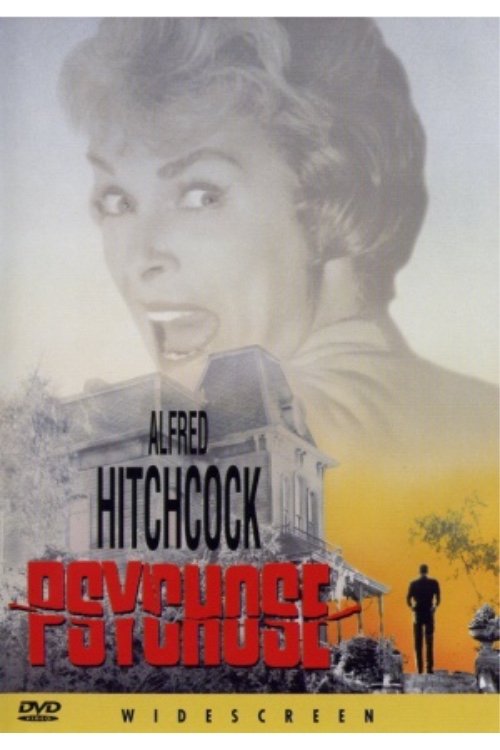
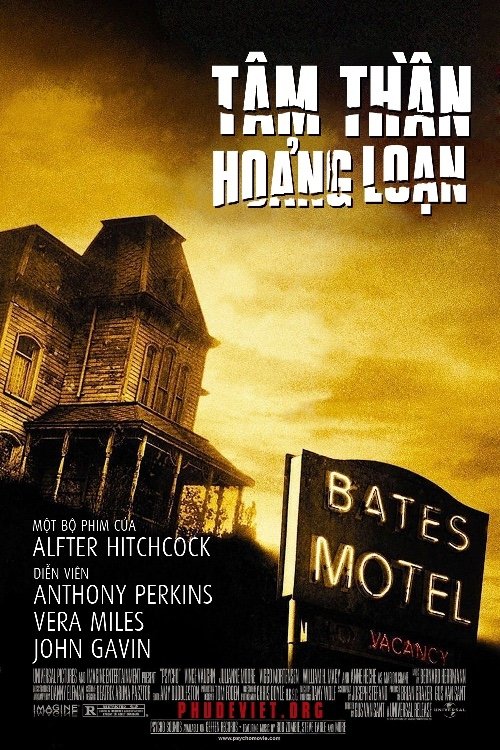
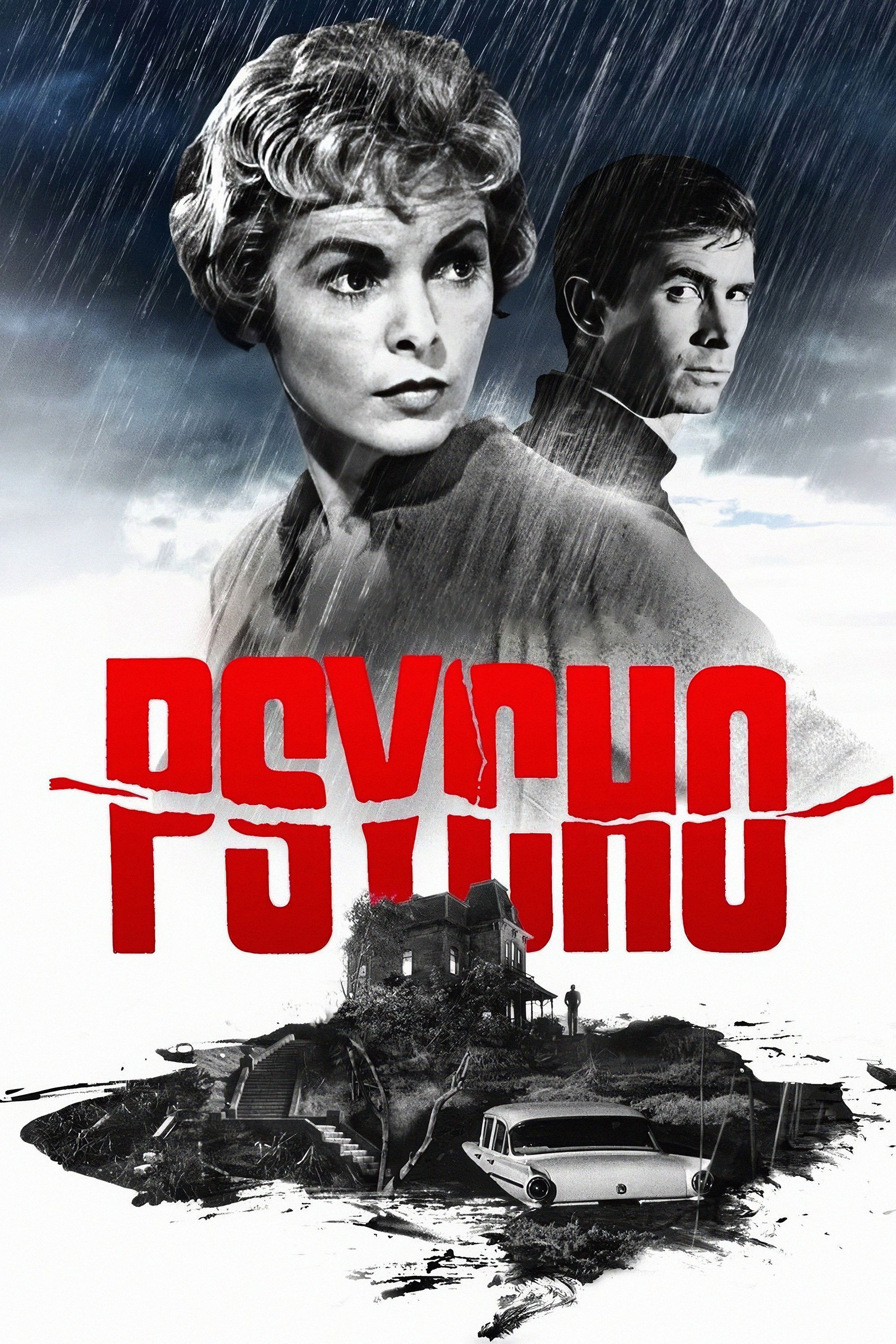
The contrast between the low motel buildings and the Victorian-looking house above them is one of Psycho's most important spatial arrangements. The visitor can see the house from the motel but cannot readily understand what happens within it. Exterior views establish a relationship of proximity and separation, while staircases and interior doorways limit the information available during encounters. Hitchcock's controlled black-and-white images also connect a relatively ordinary roadside business with older Gothic architecture. According to production accounts, the house was designed to suggest an architectural type found in the story's Northern California setting; its ominous effect arises from staging and context as well as shape.
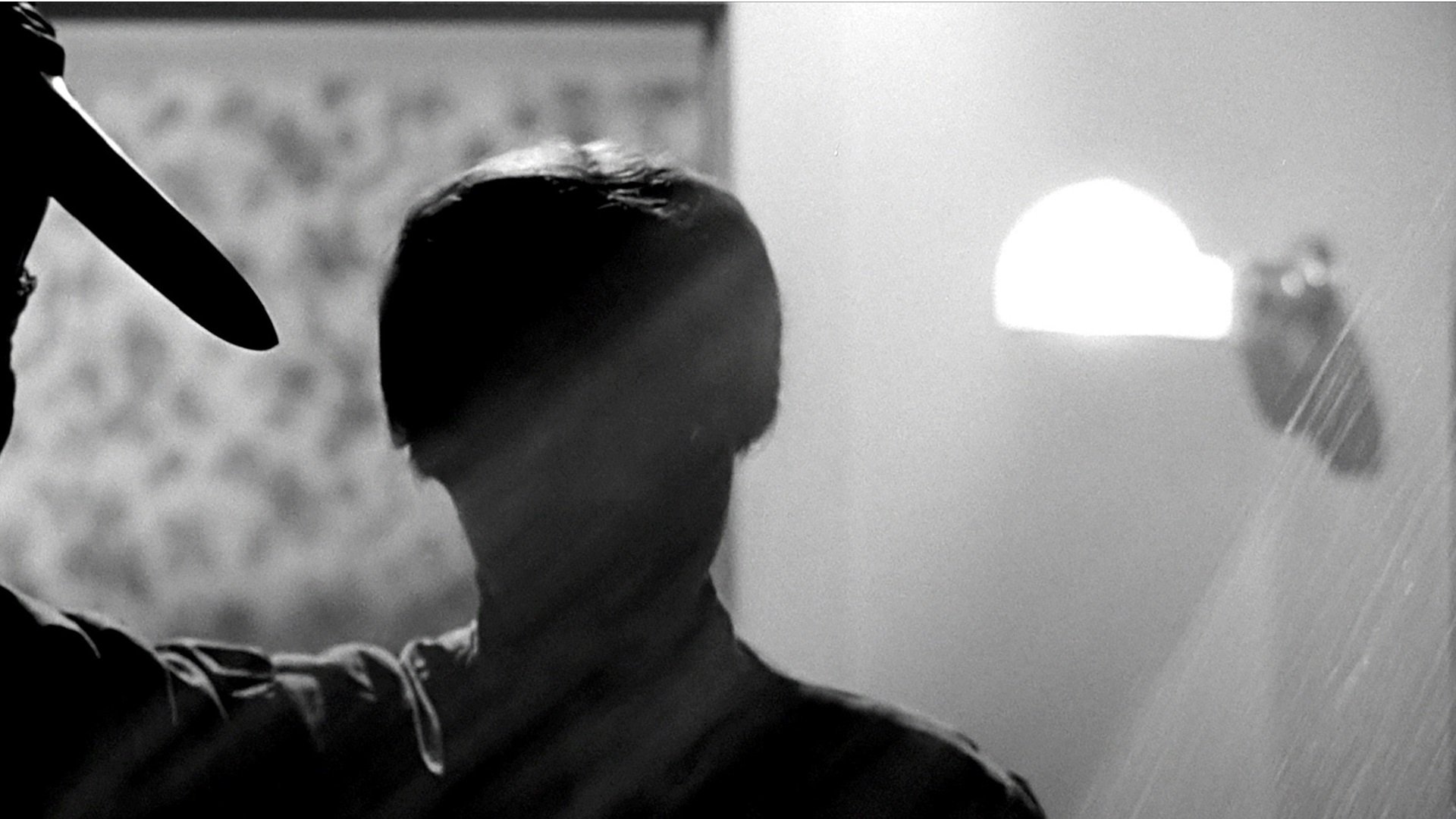
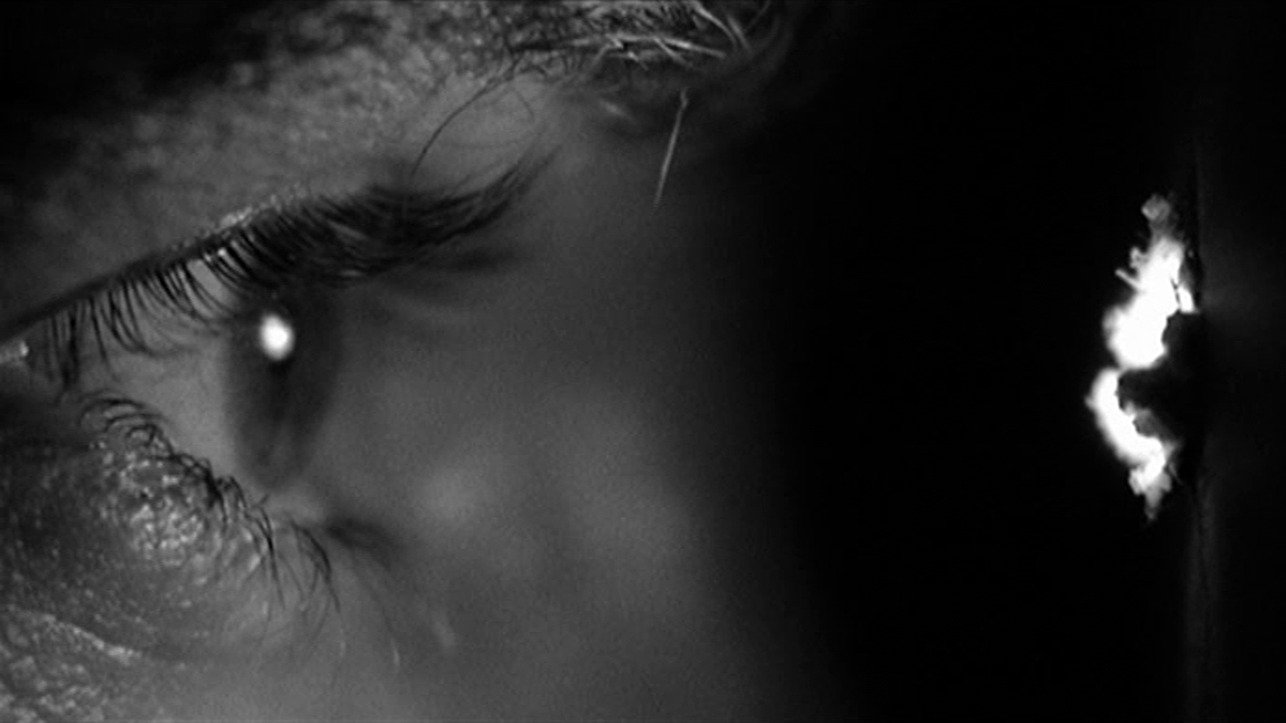
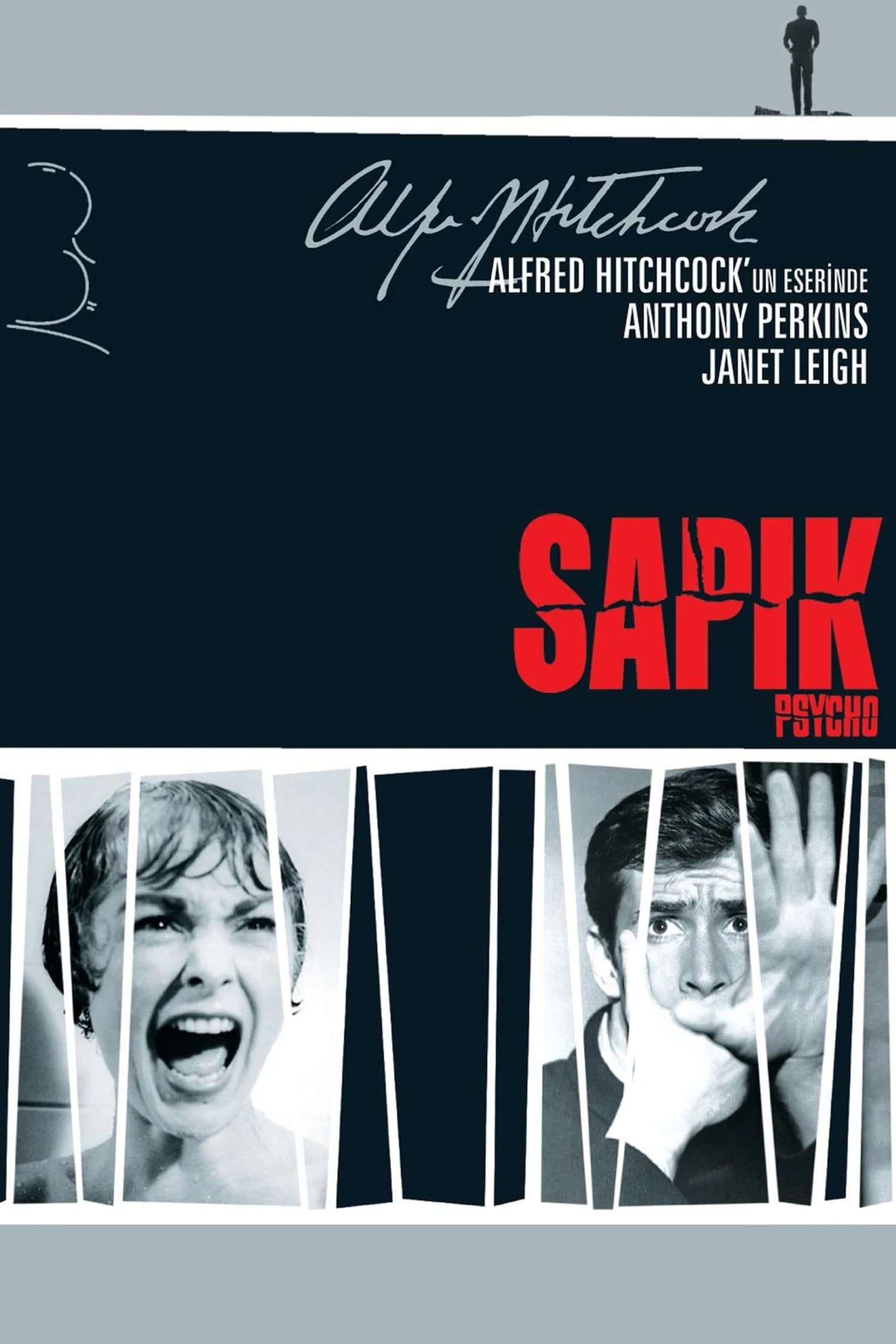
Observation becomes a threat through the small opening Norman uses to look into Marion's room. Russell's camera reproduced the restricted circular field of the peephole, linking the viewer's position to that of a character who violates privacy. The scene exposes a central unease in watching Psycho: the audience receives information through a point of view whose purpose is morally disturbing. The shower sequence then overturns the apparent protection offered by a private bathroom. The sudden attacker seems to emerge from a space that the camera has allowed the spectator to regard as secure, making the previous act of looking part of the buildup.
Other camera movements redirect what viewers think they know. The high angle above the staircase in Arbogast's death interrupts normal spatial orientation just as the attack begins. Hitchcock also discussed revising proposed storyboard coverage because detailed close-ups made the detective's approach seem predatory, when the scene needed him to remain an unsuspecting victim. That explanation is the director's account of a disputed collaborative episode and should not erase Saul Bass's credited pictorial work. It nevertheless identifies a concrete principle of suspense: the arrangement of shots determines whether an approaching figure appears to threaten someone or to enter danger.
The Shower Murder: Editing, Sound and the Body
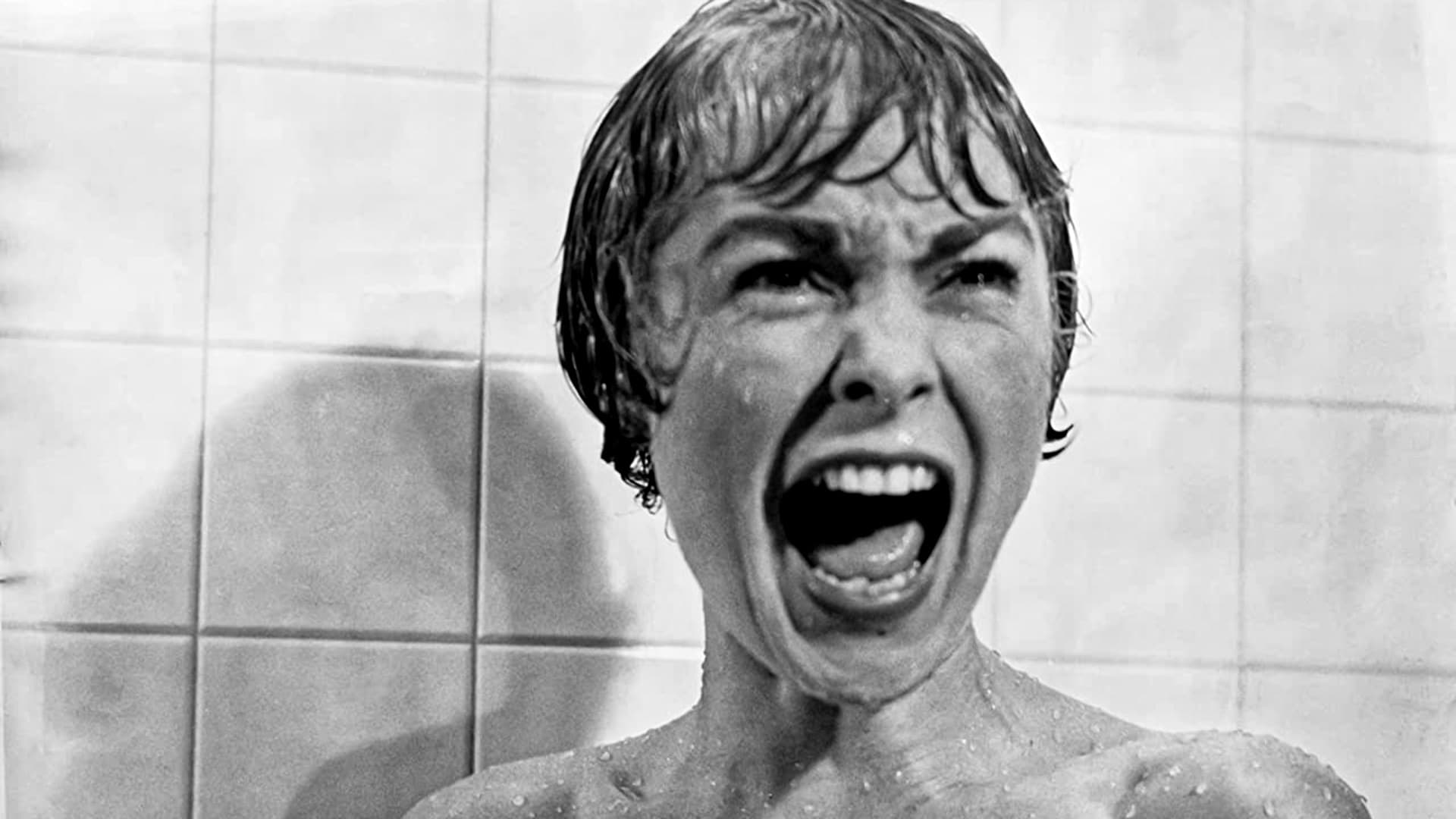
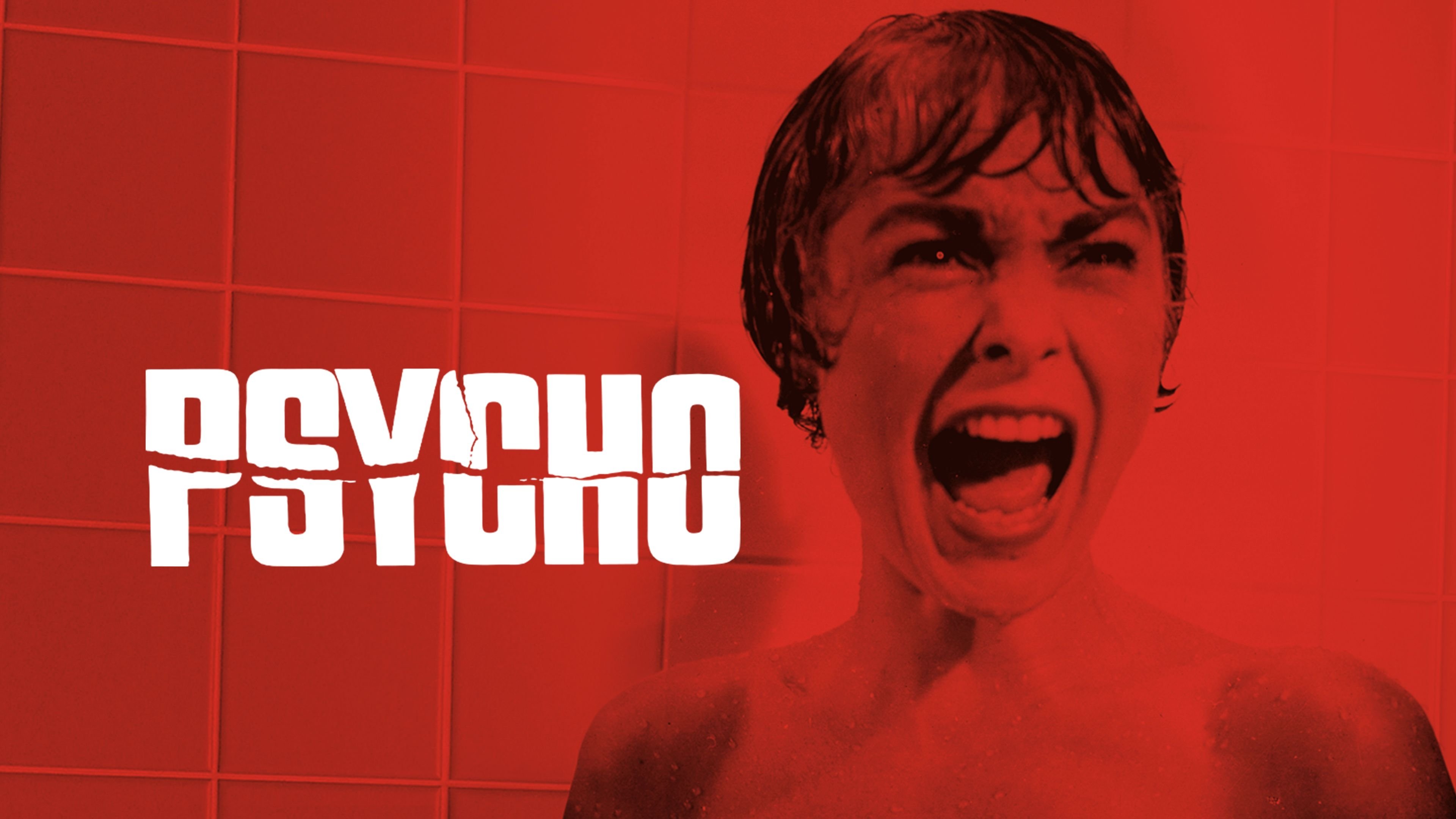
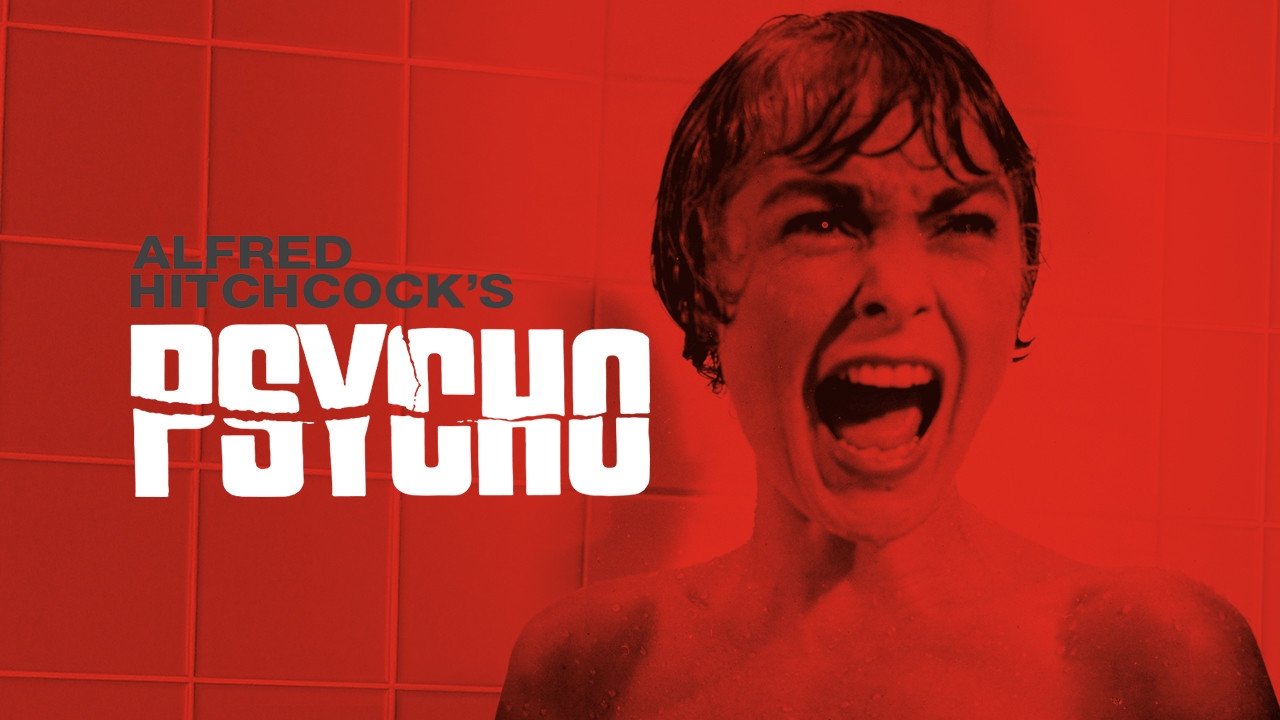
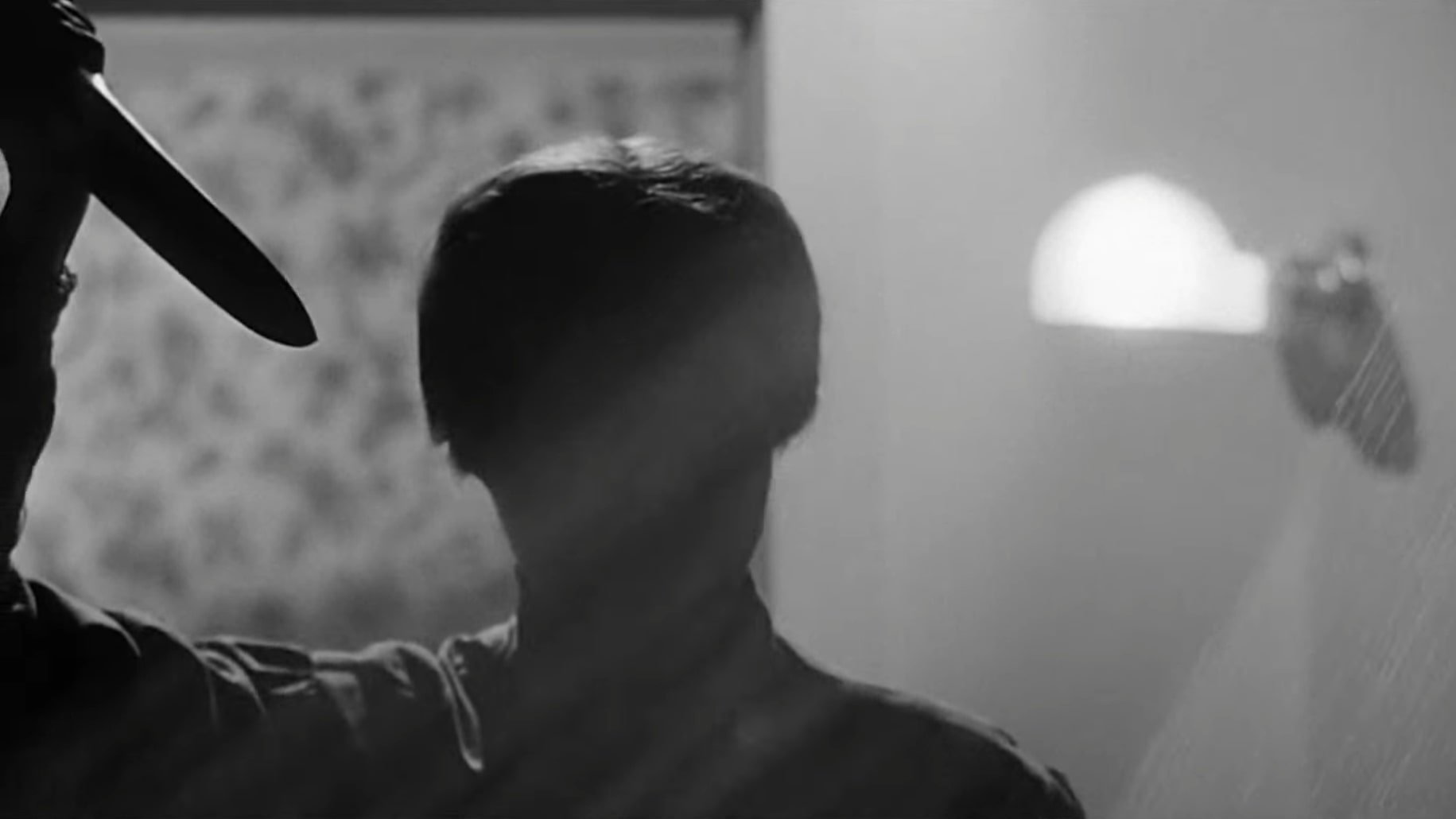
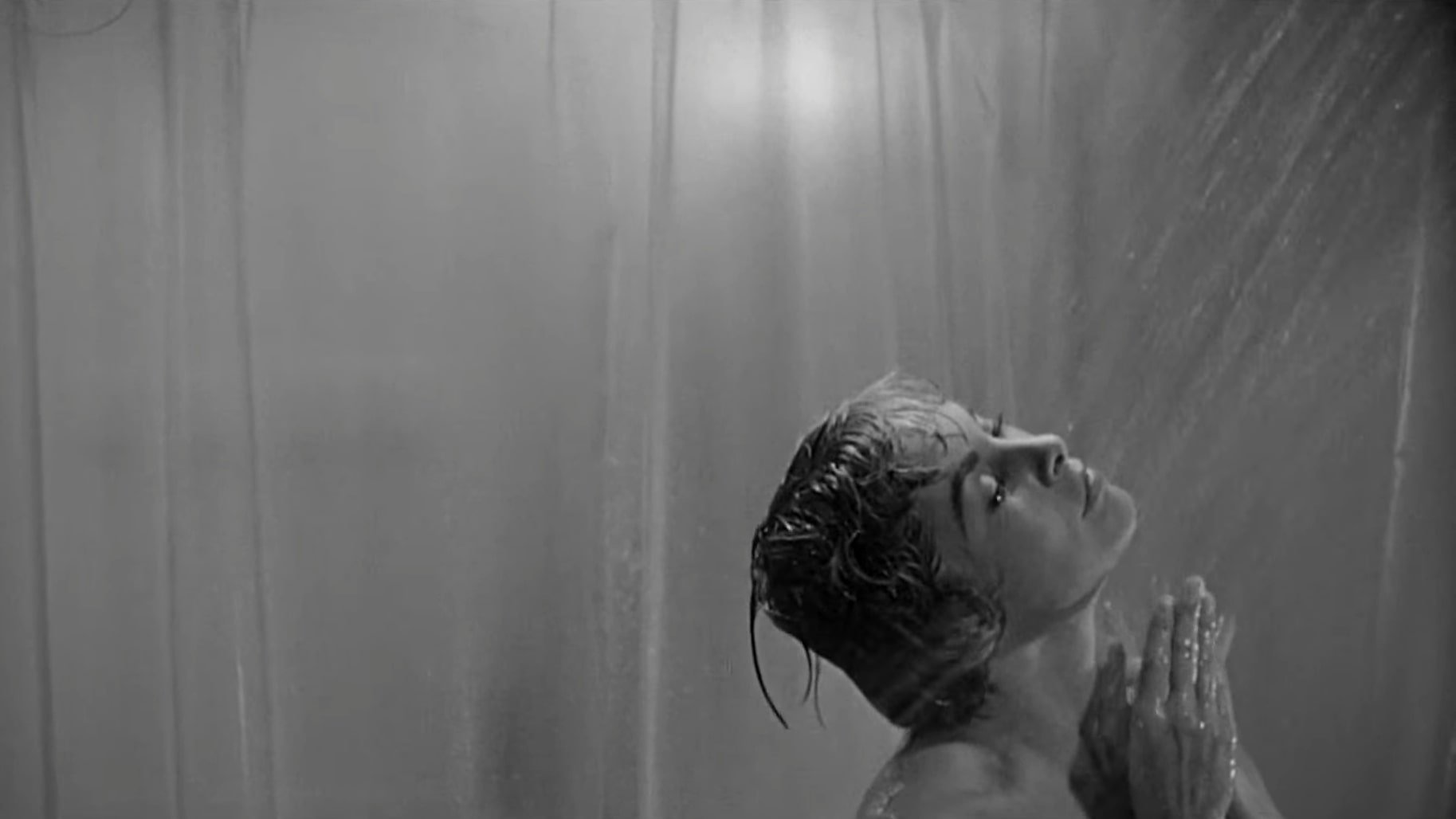
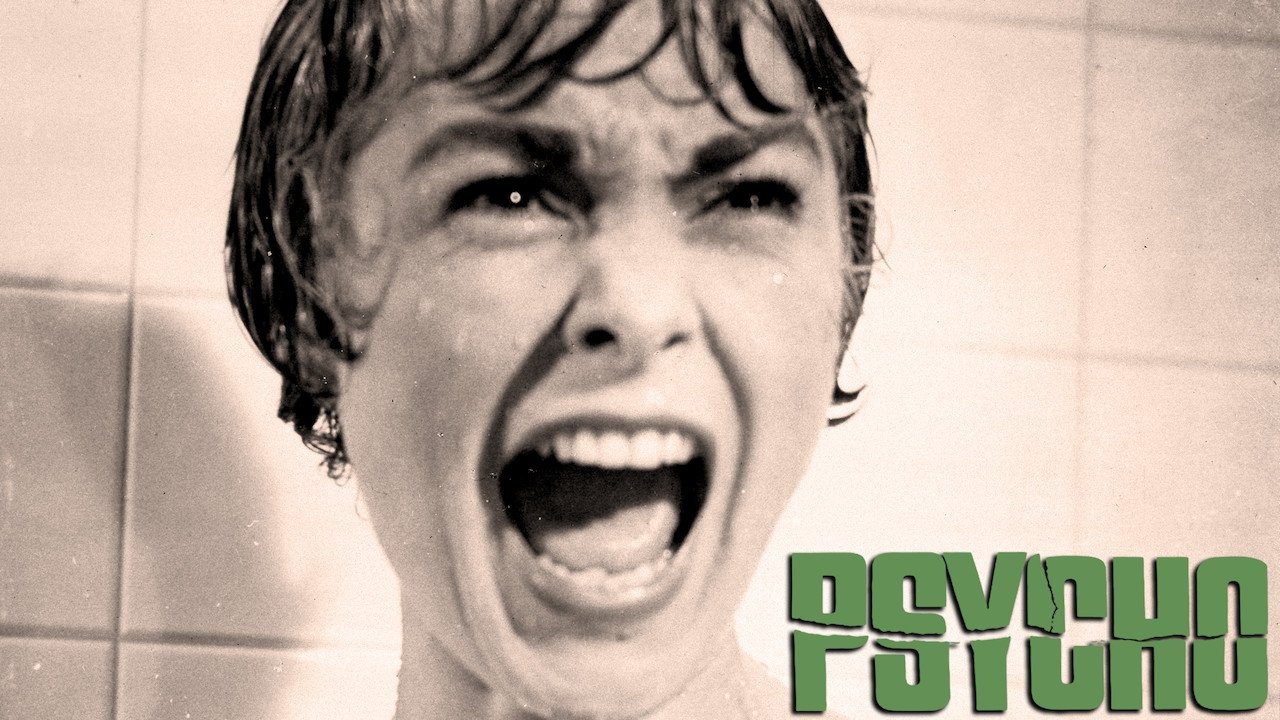
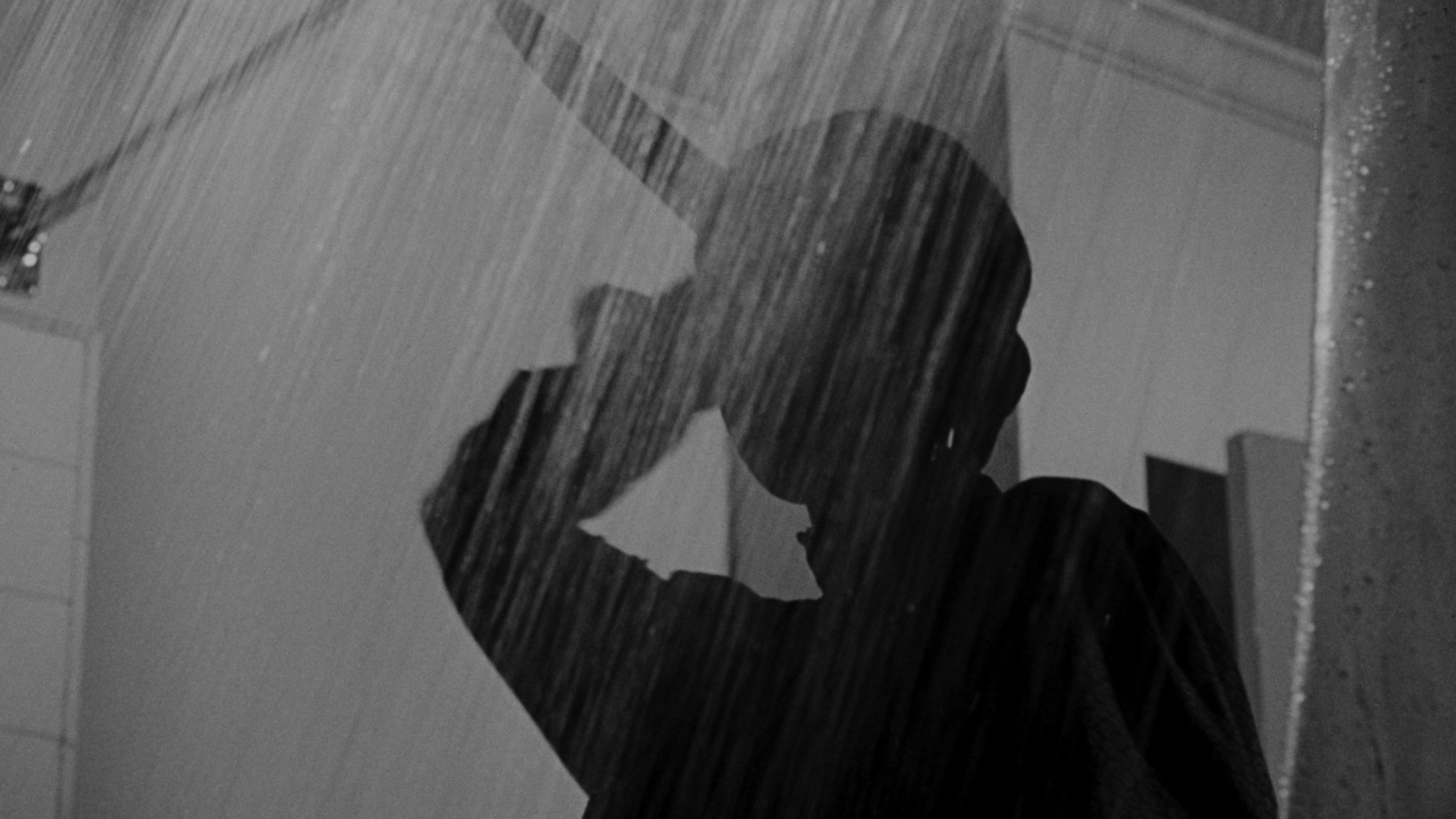
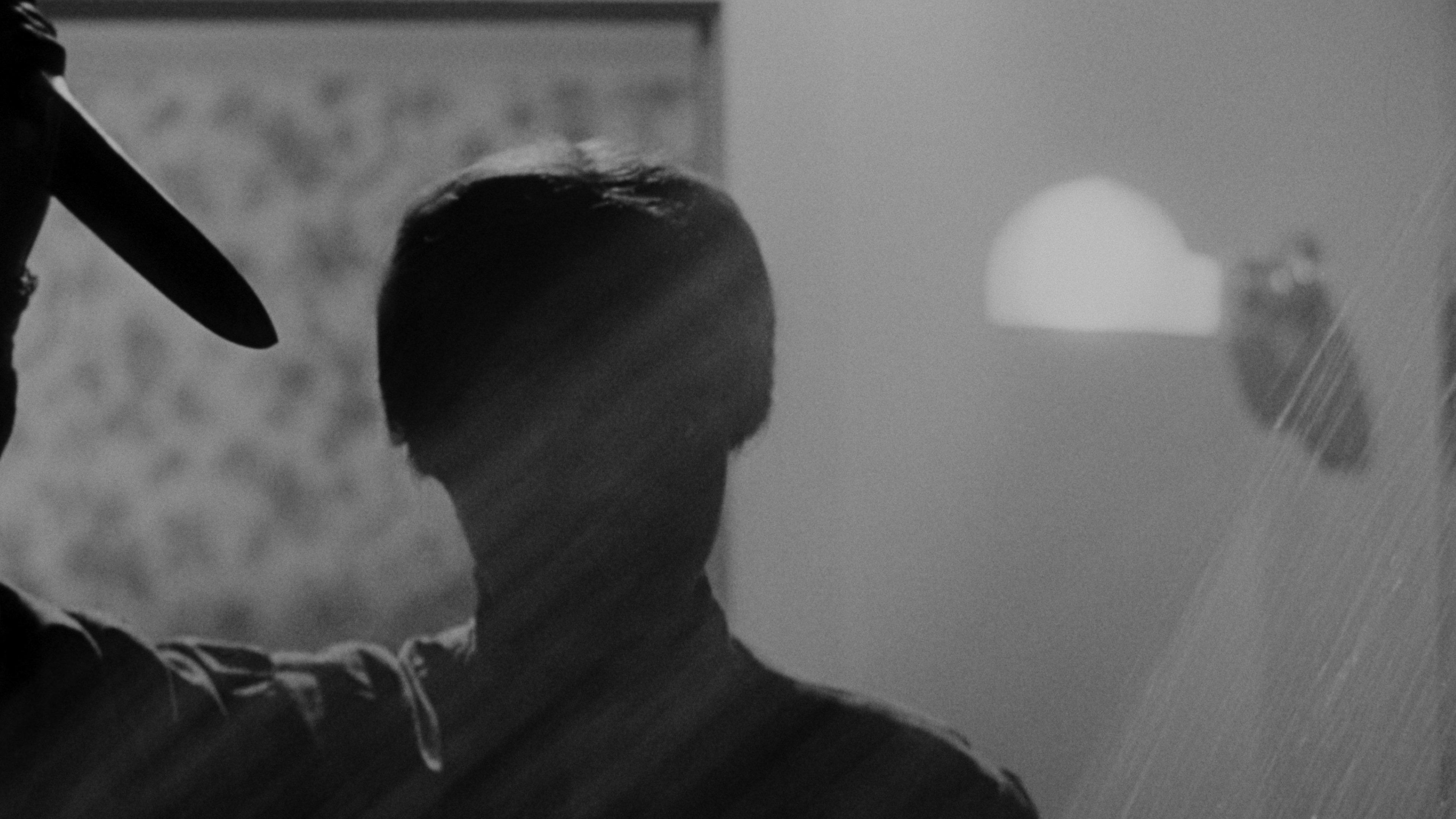
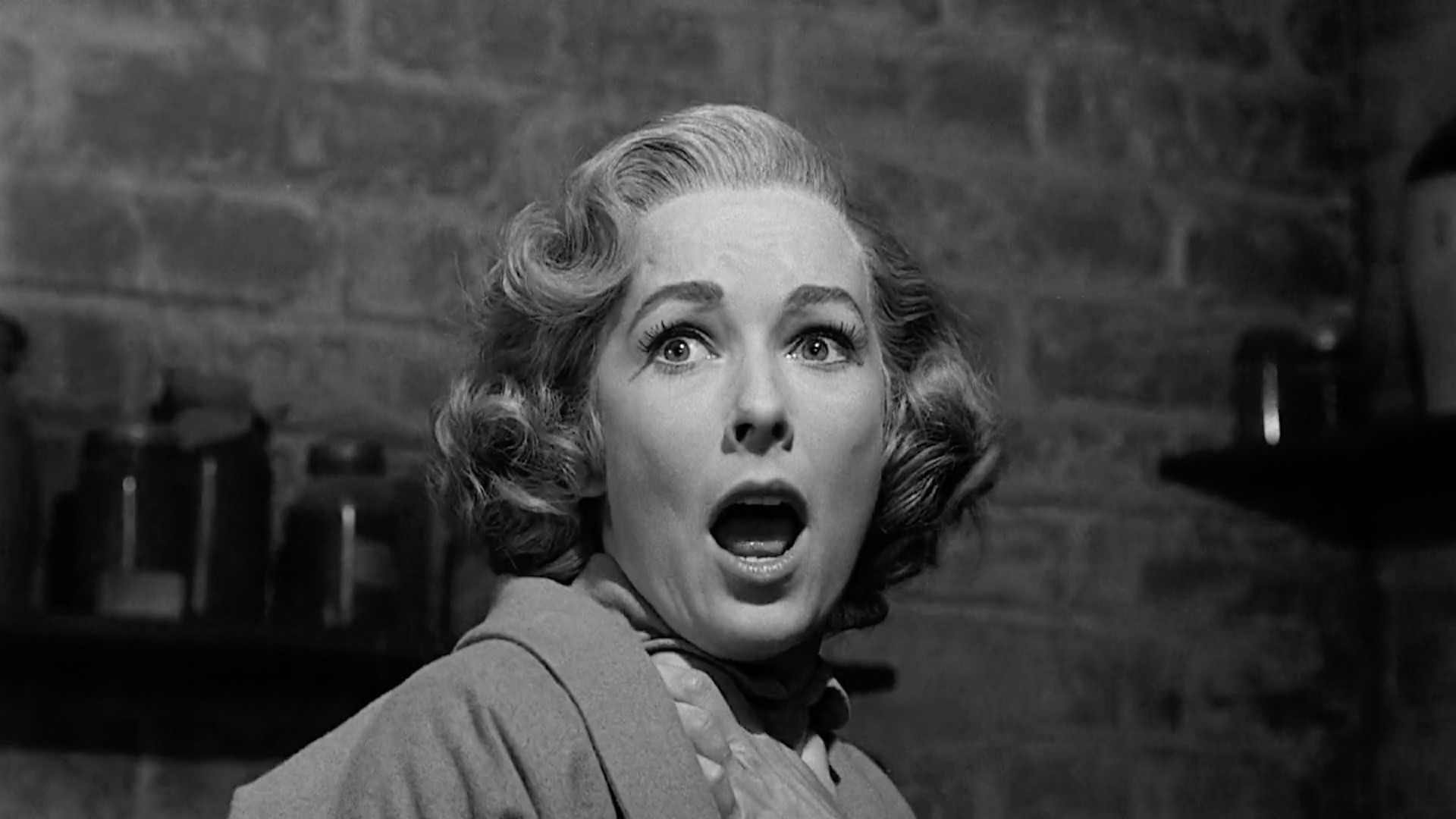
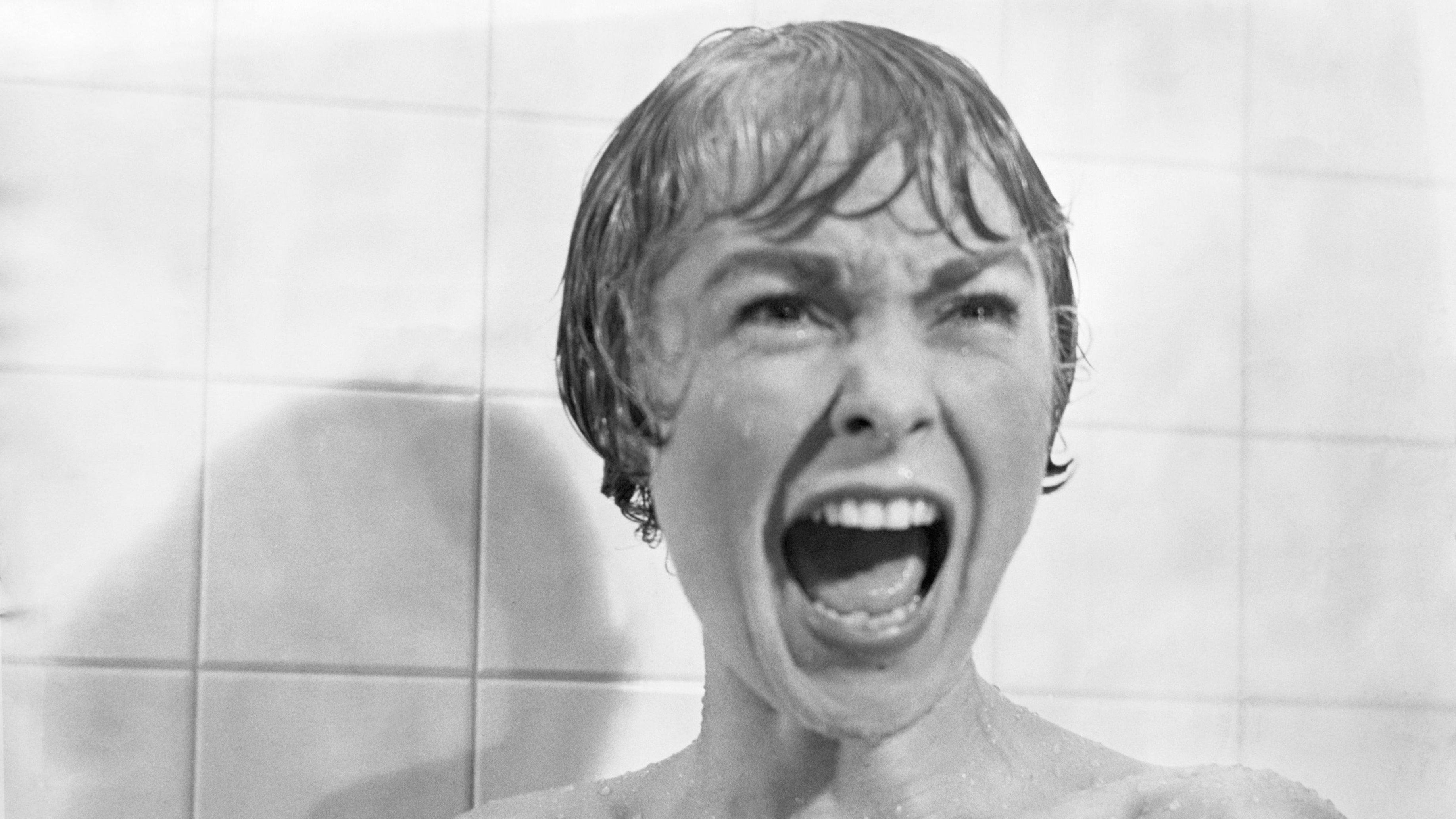
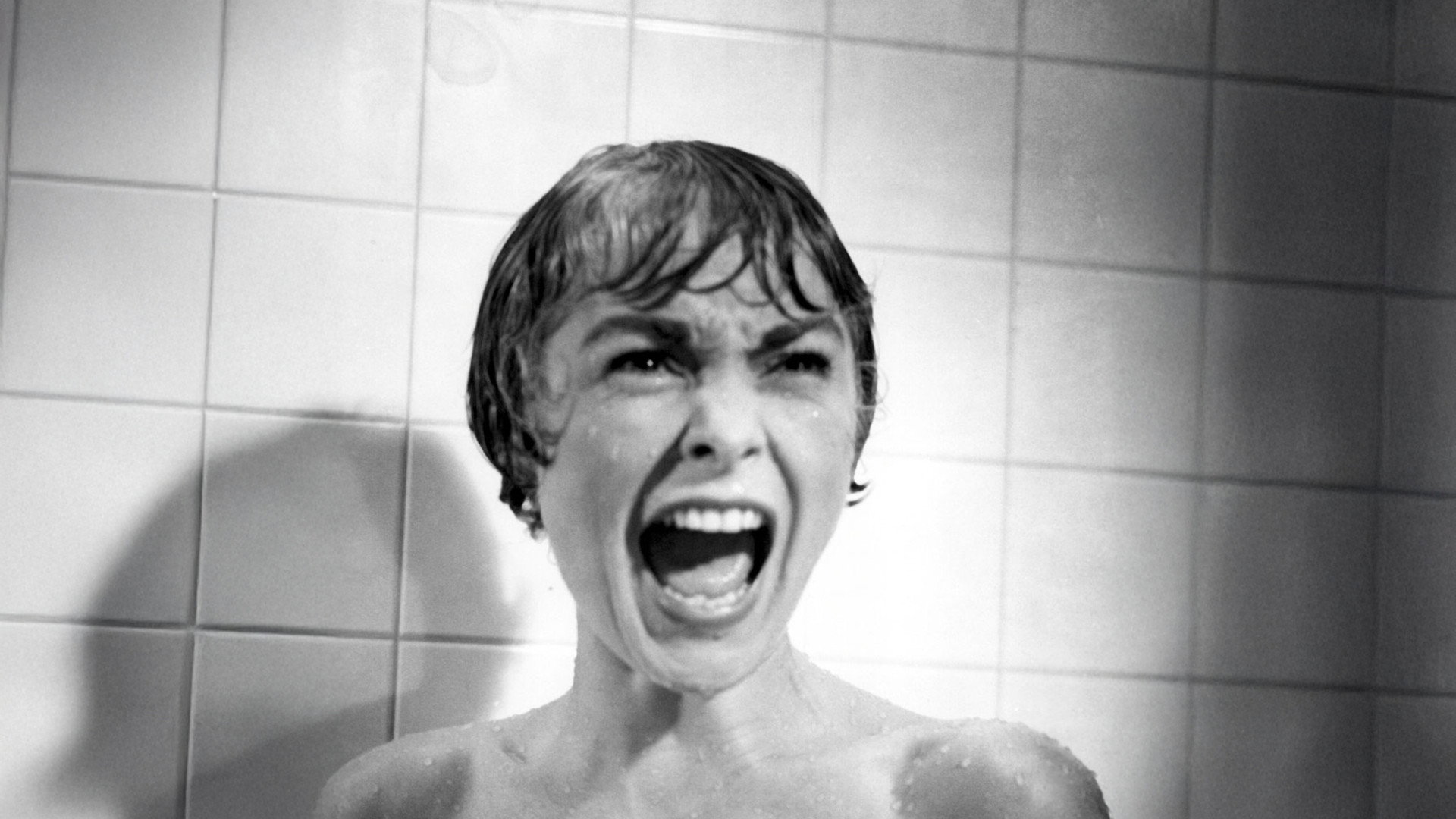
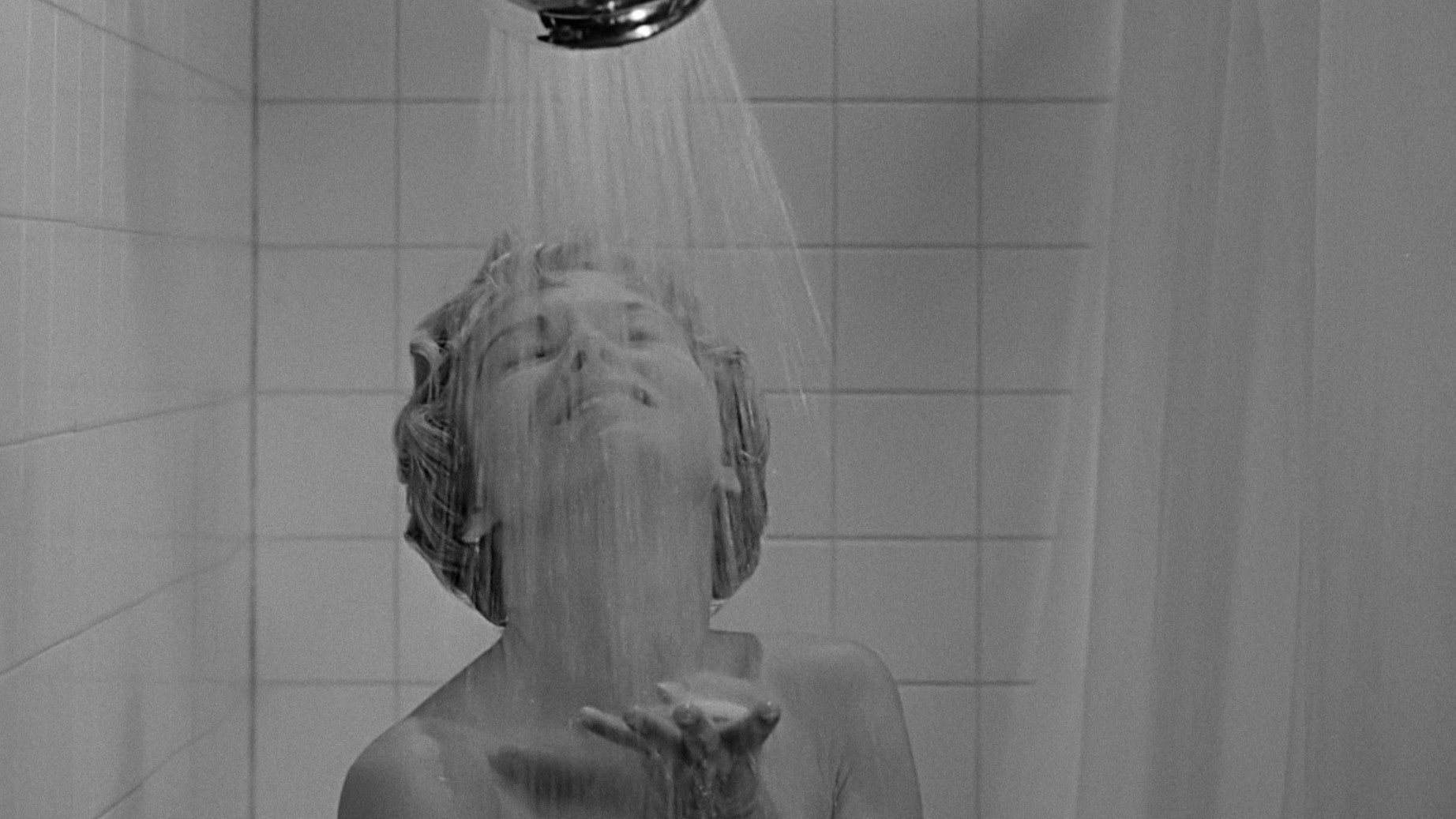
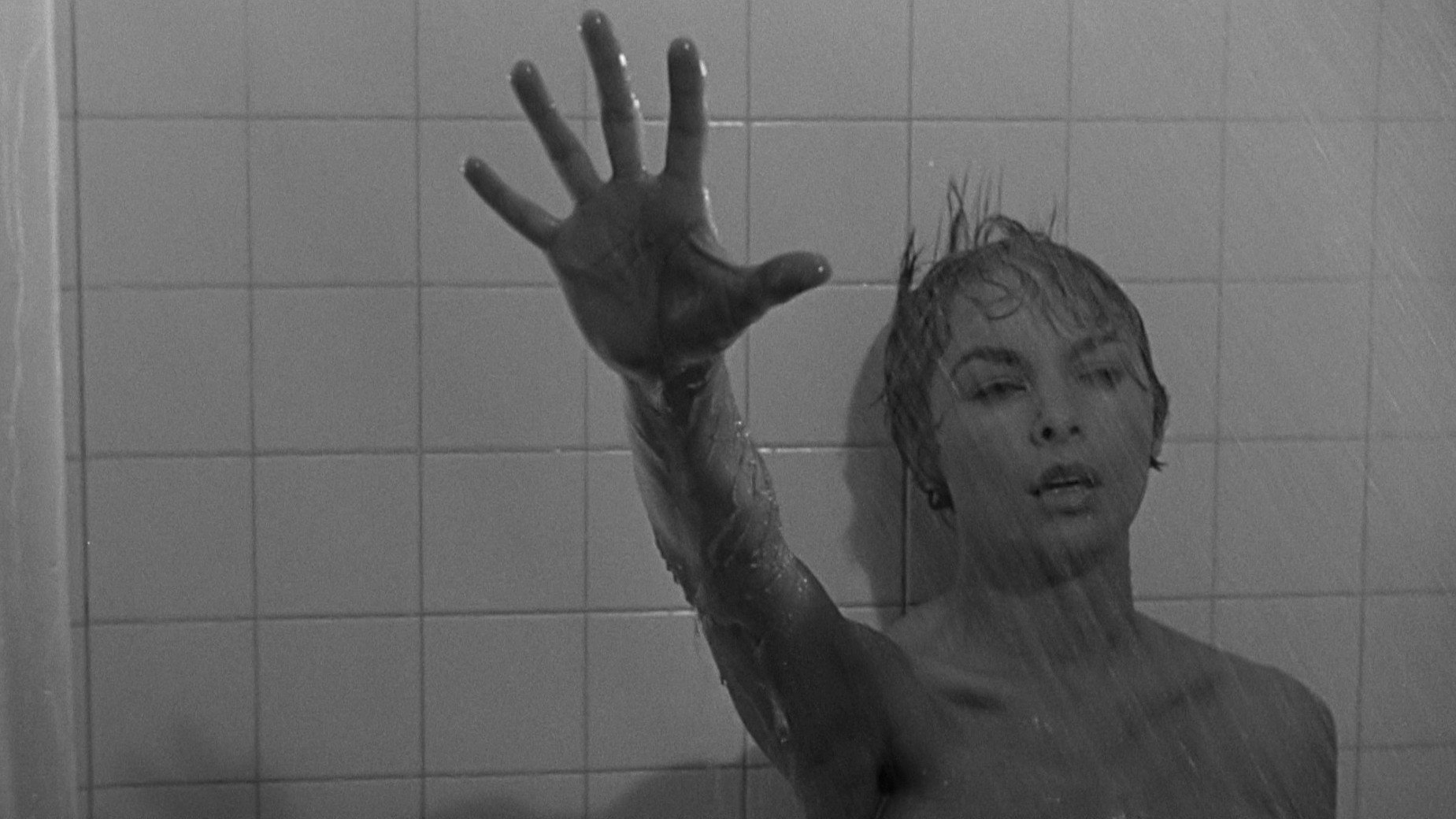
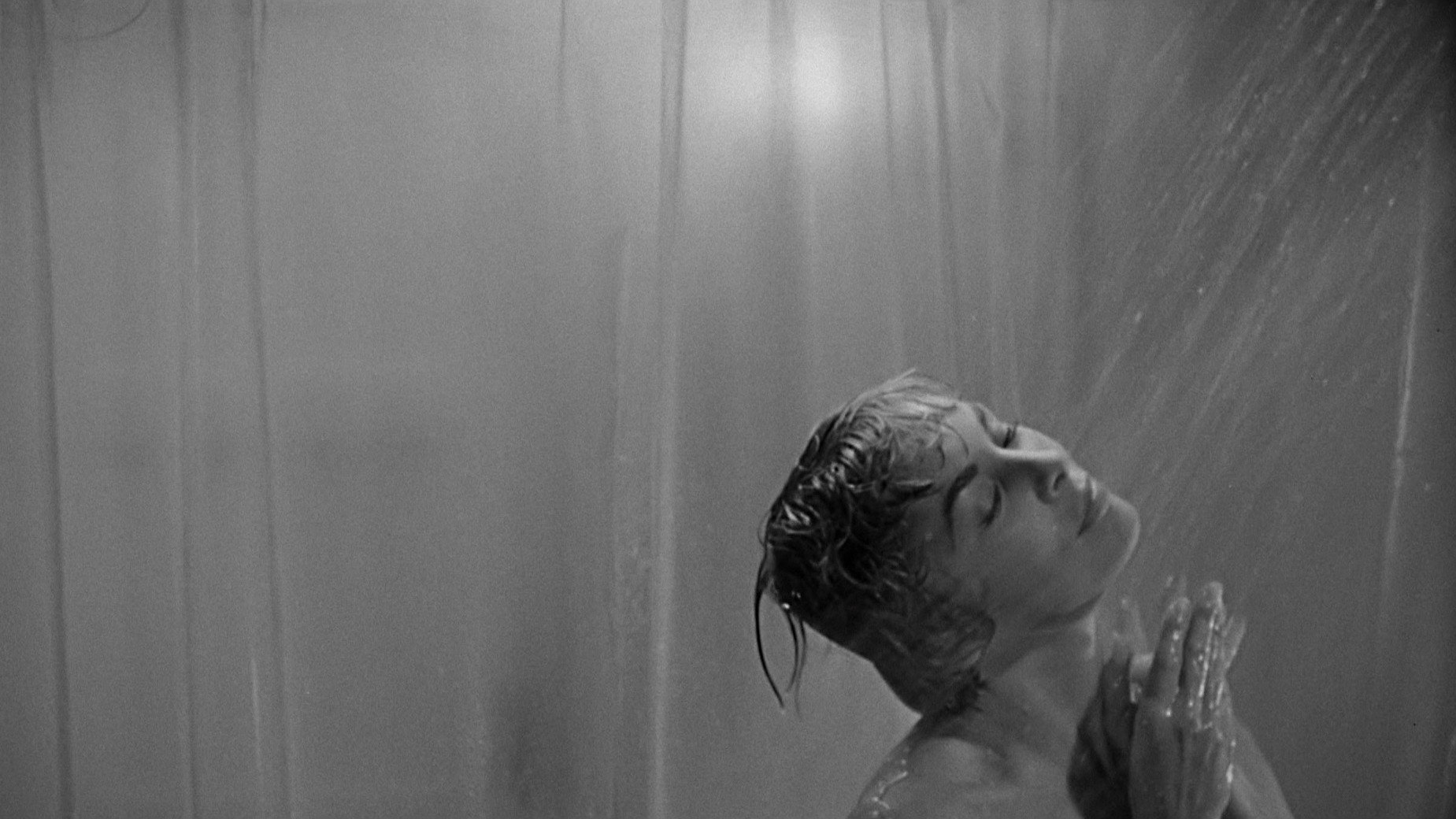
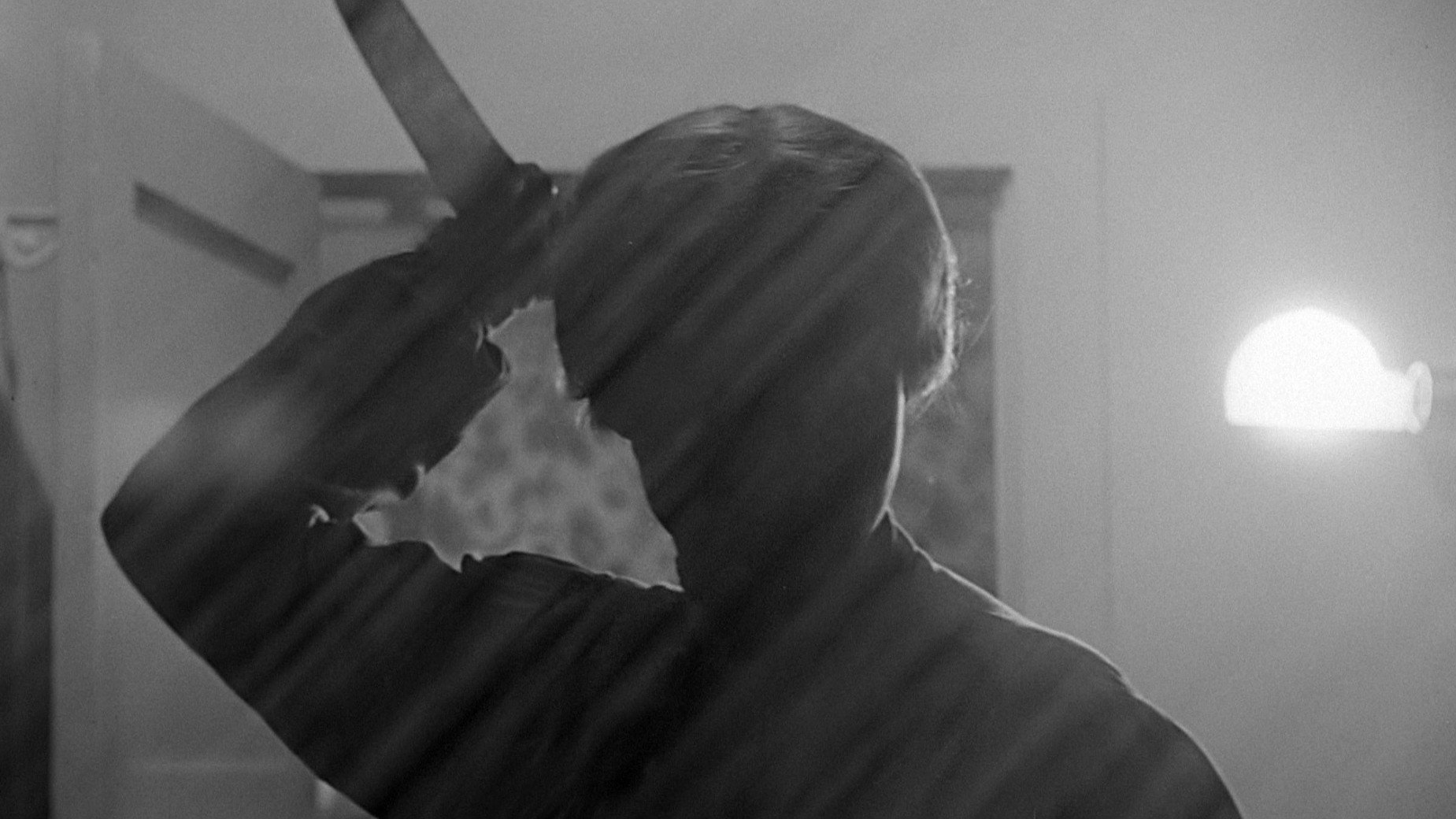
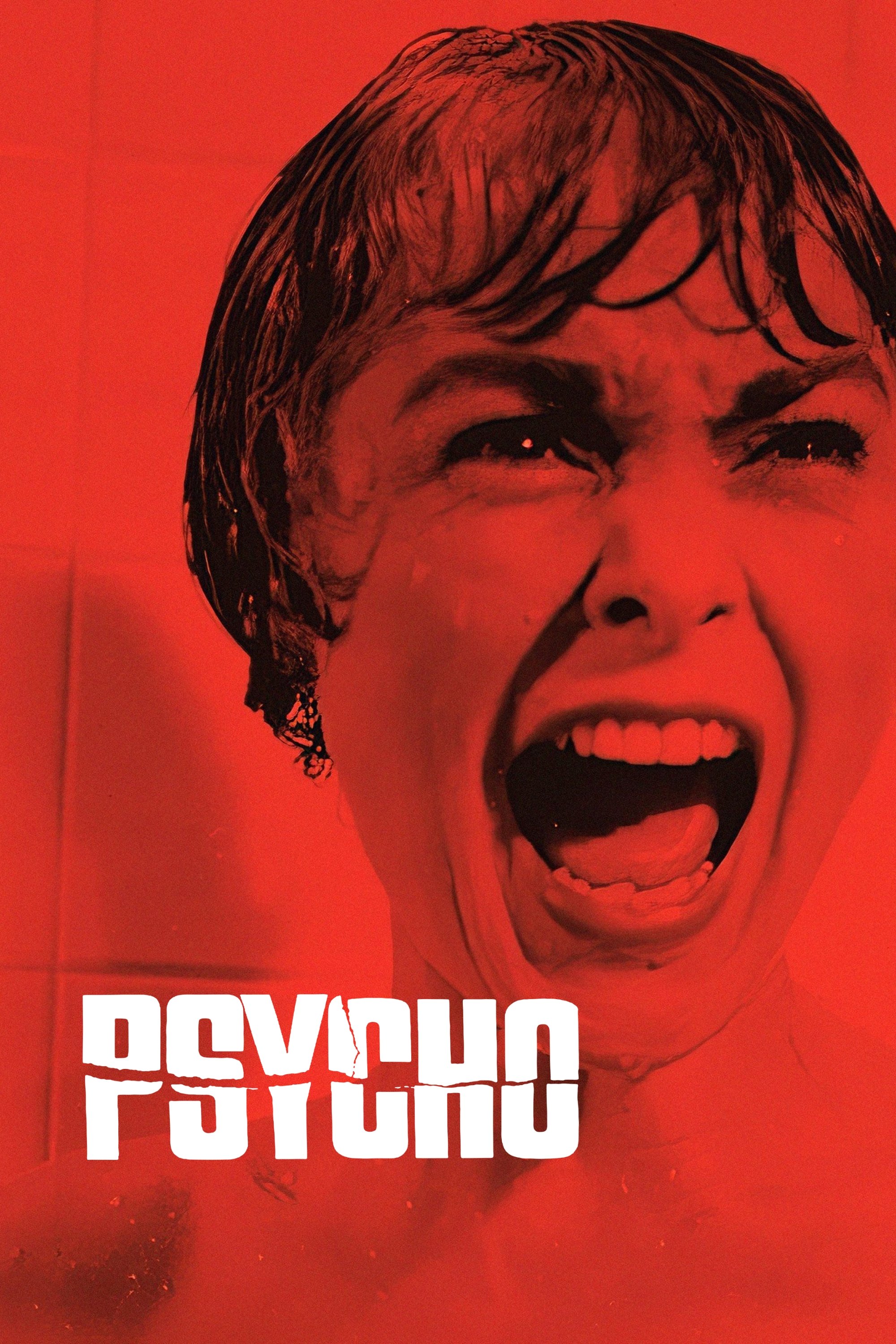
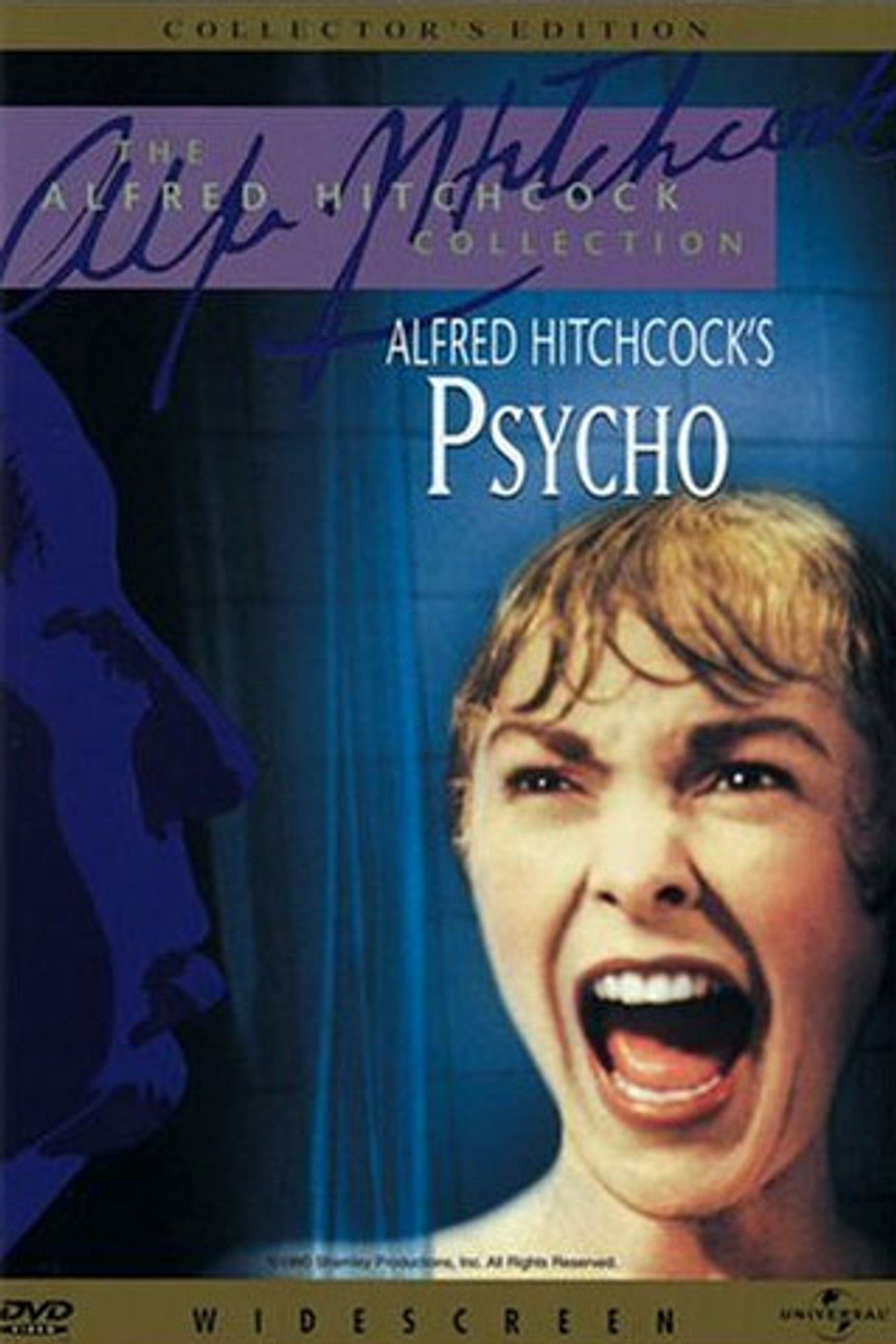
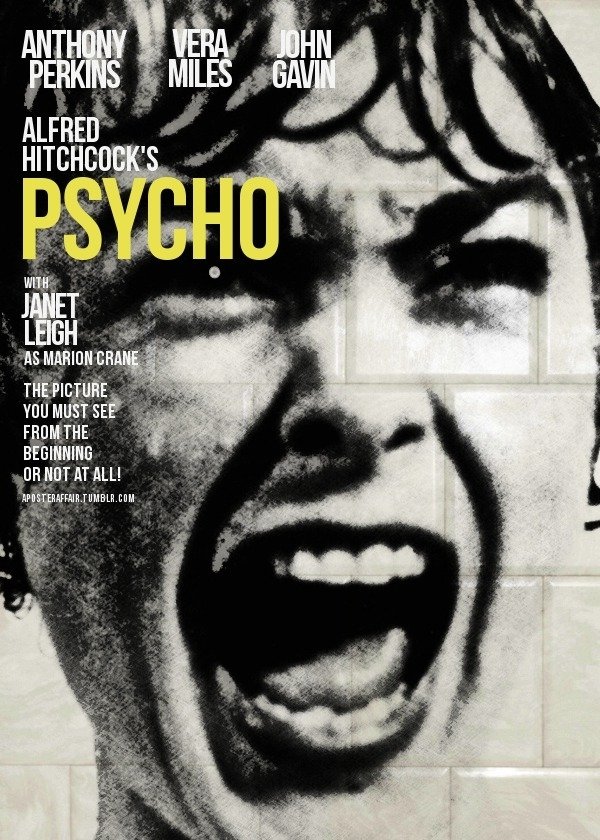
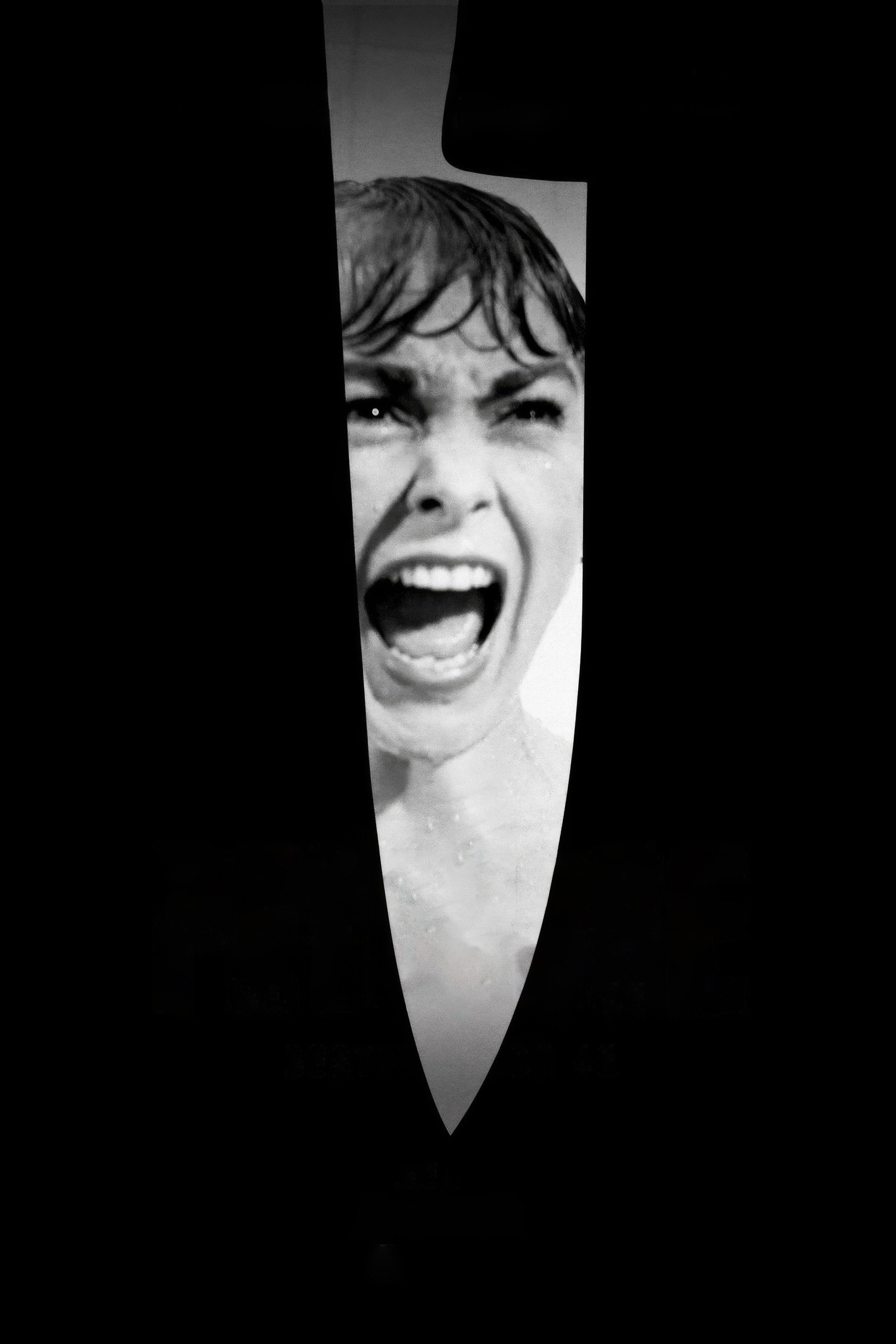
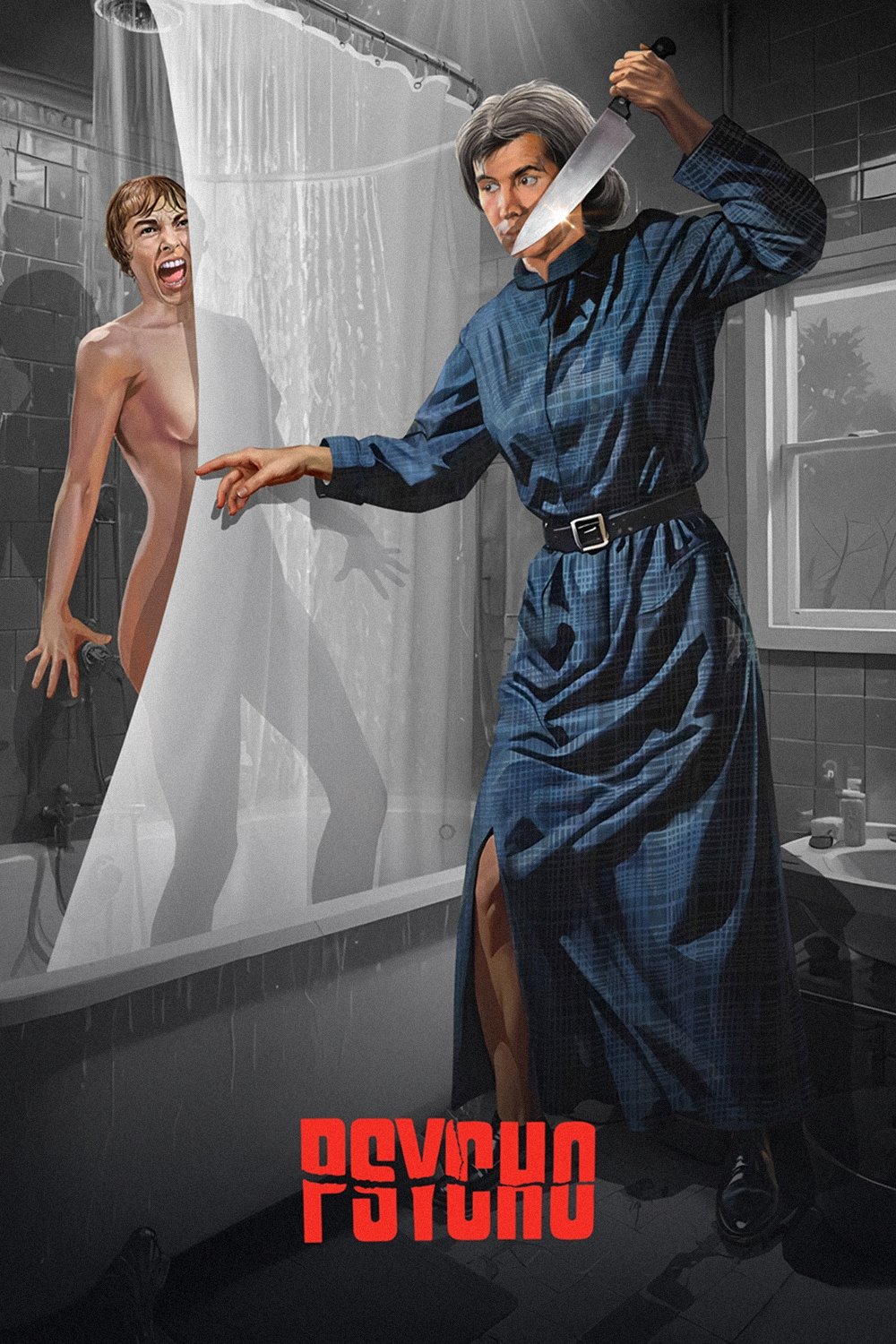
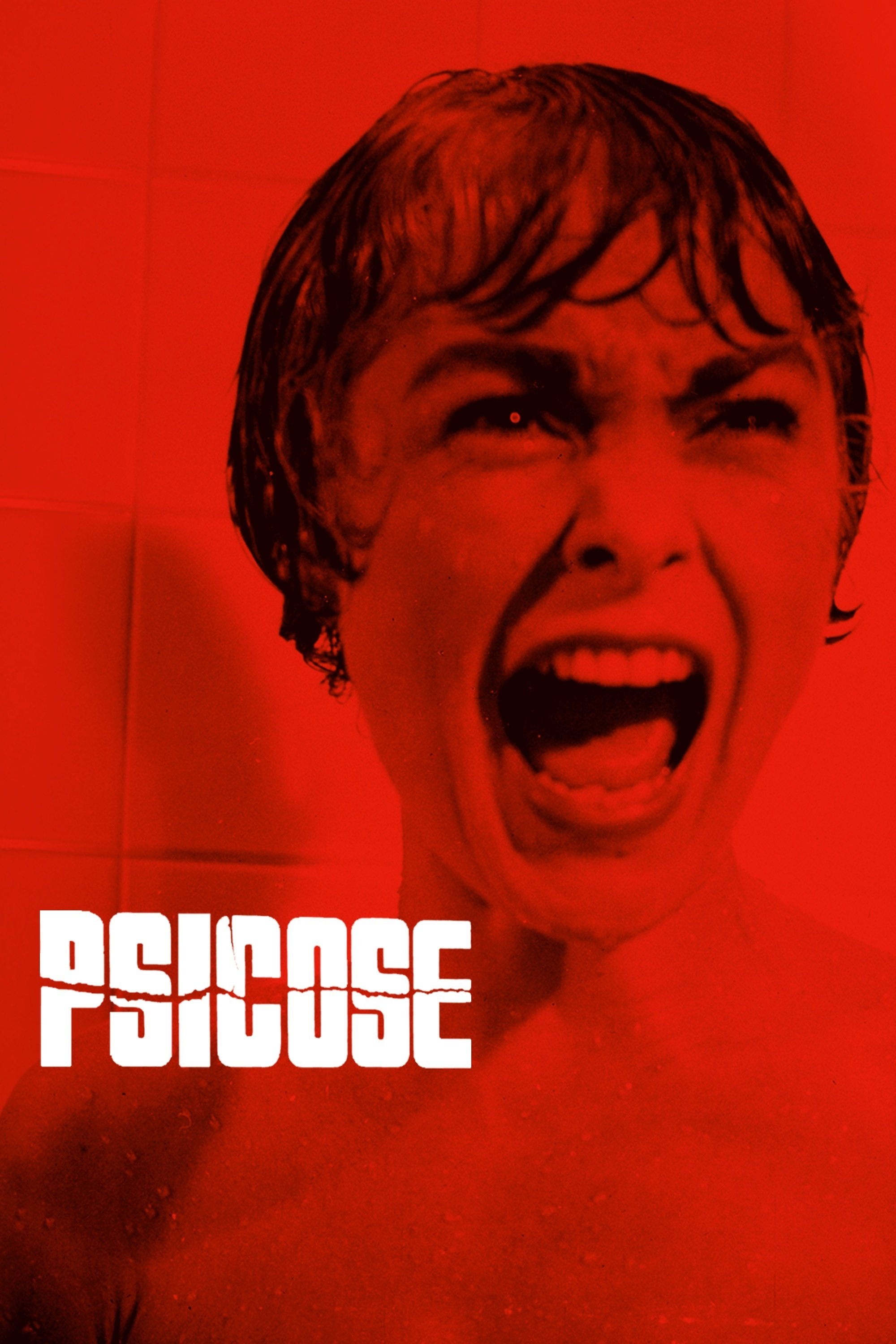
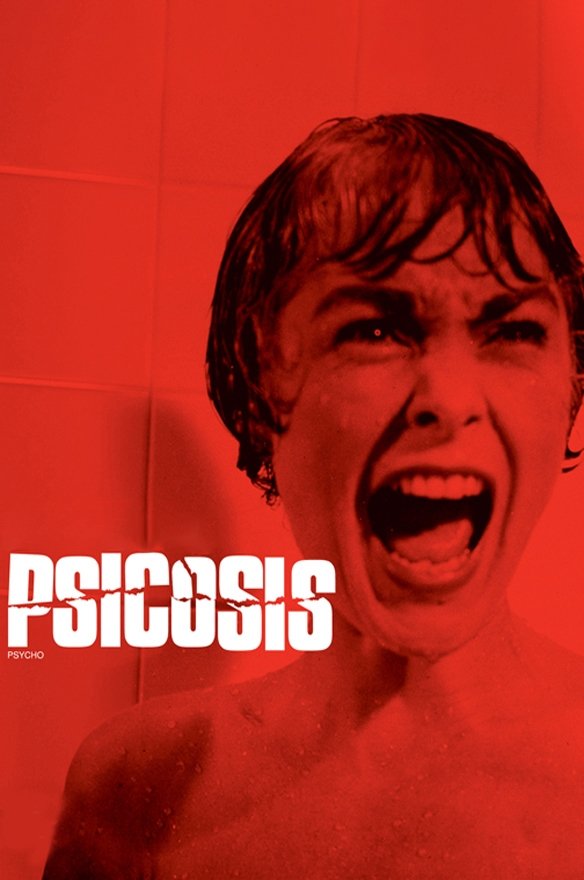
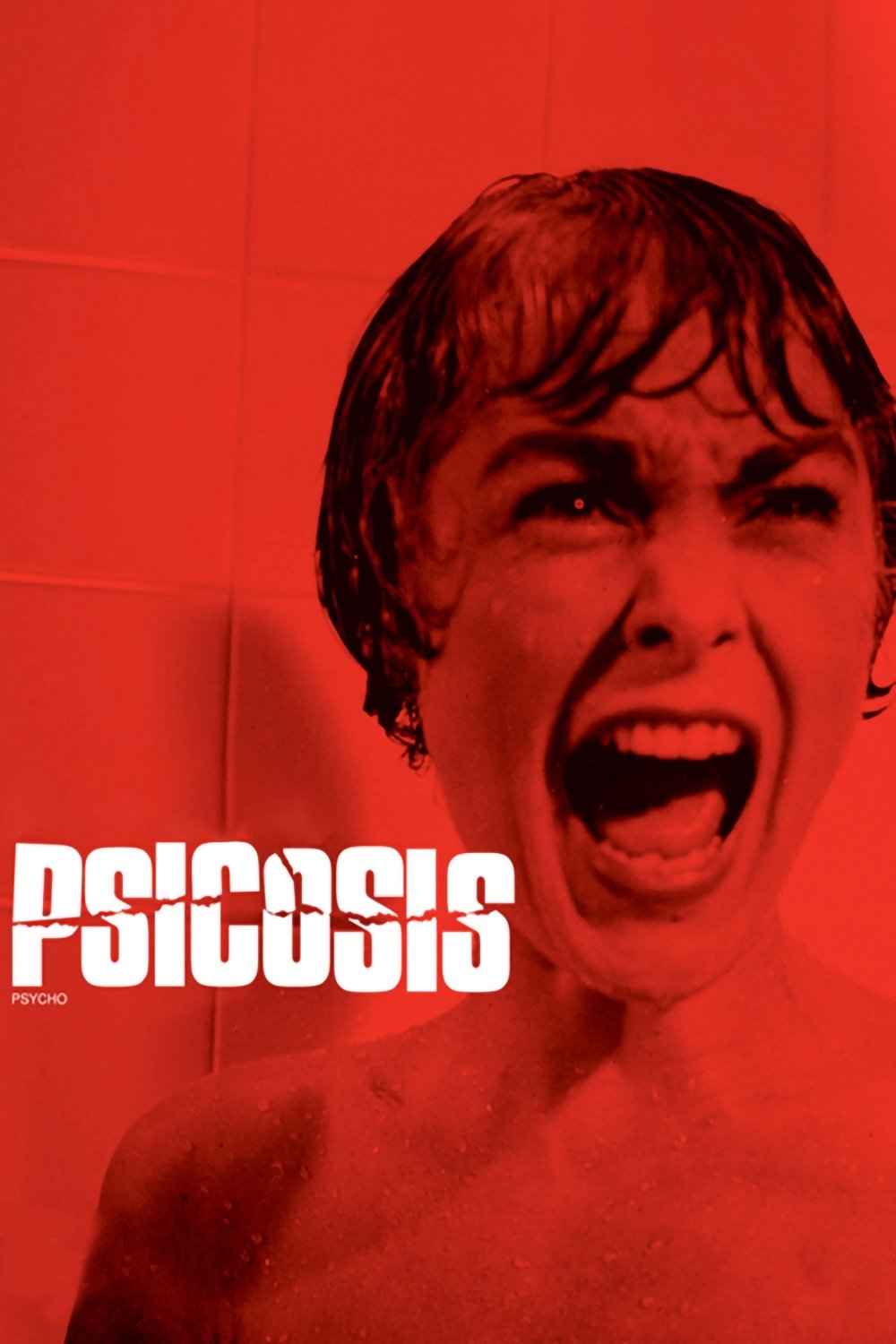
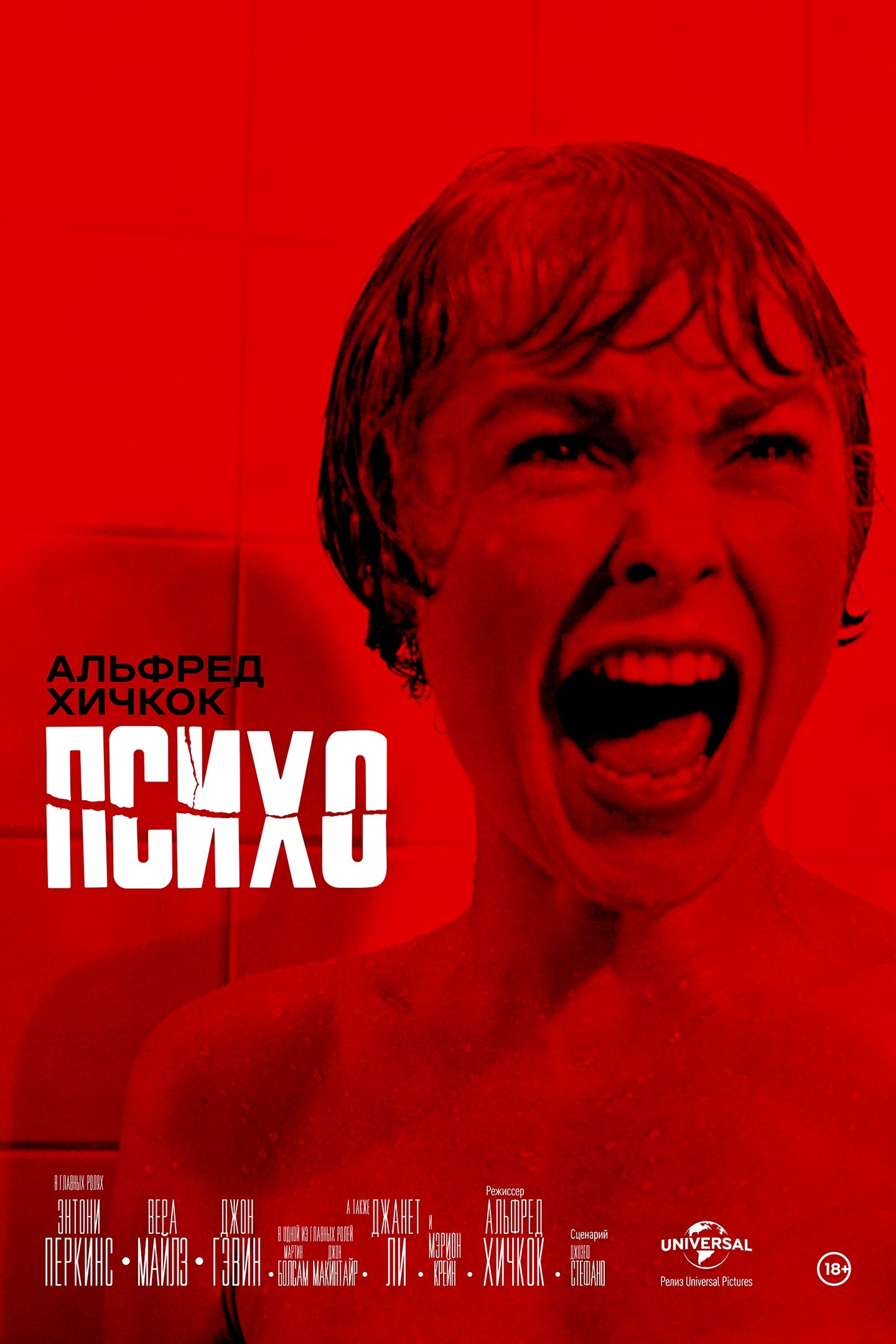
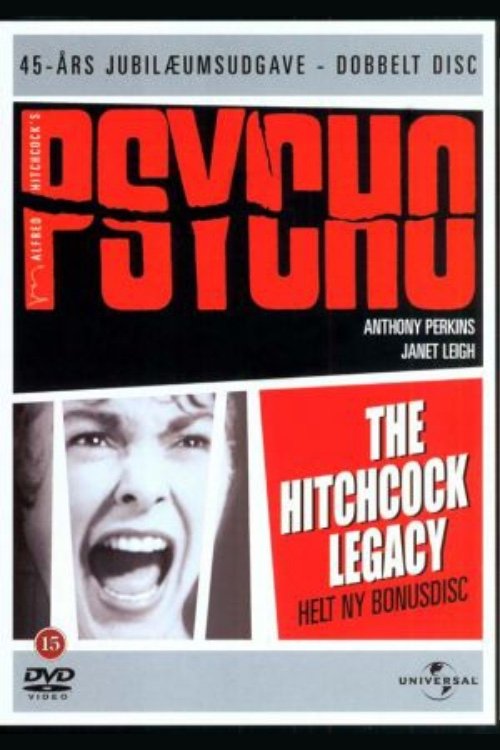
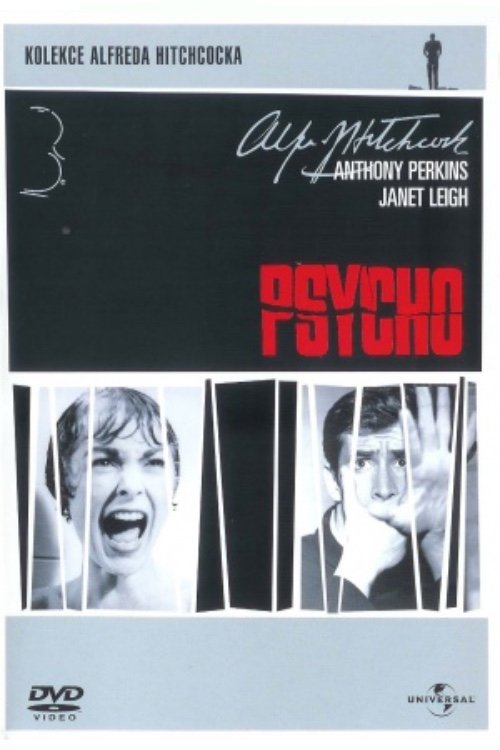
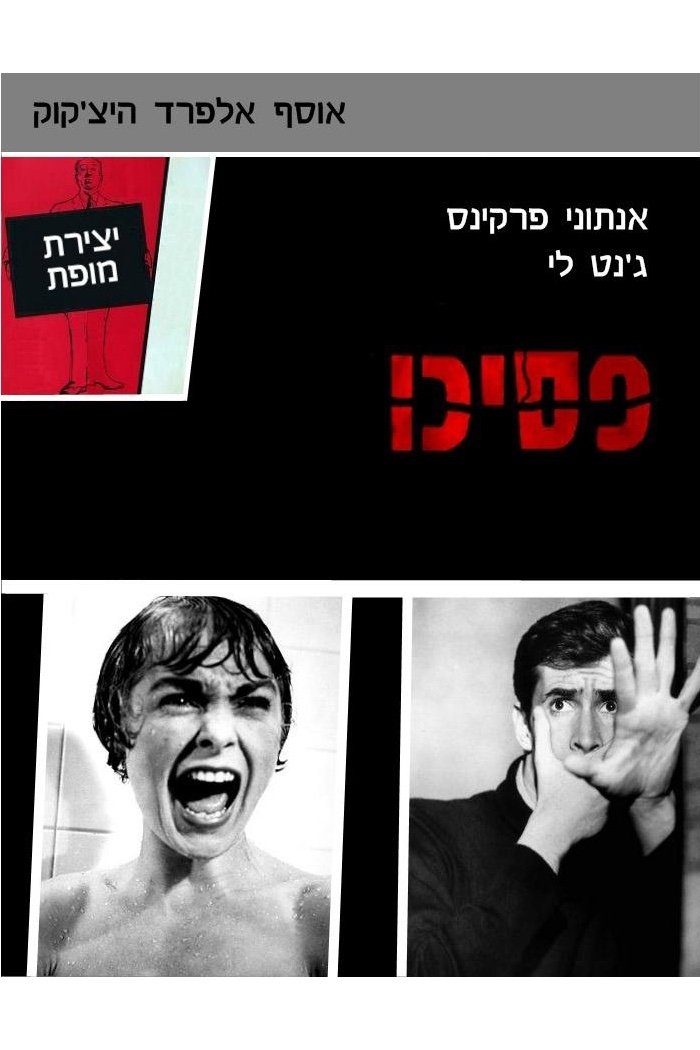
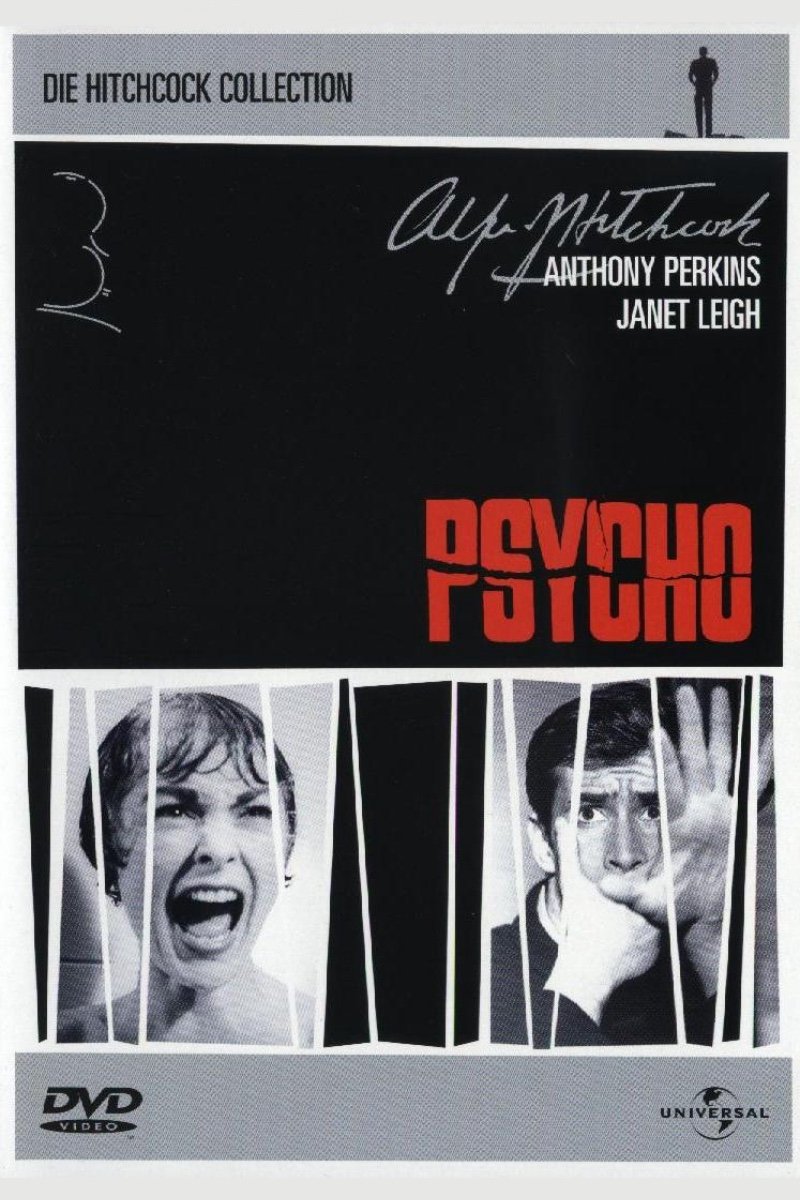
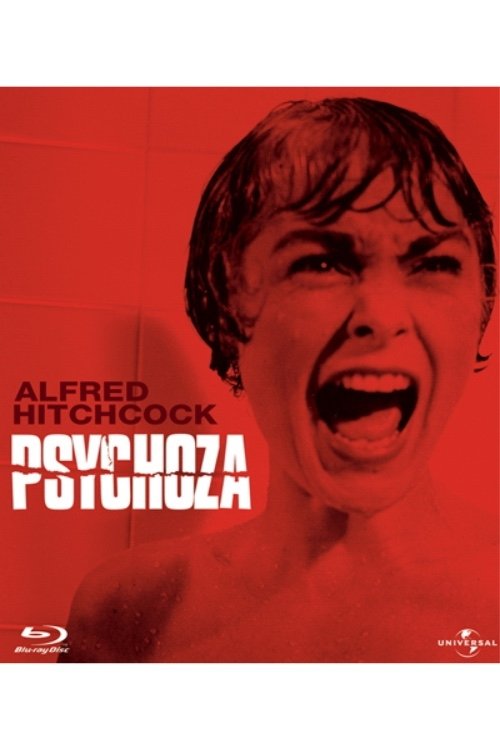
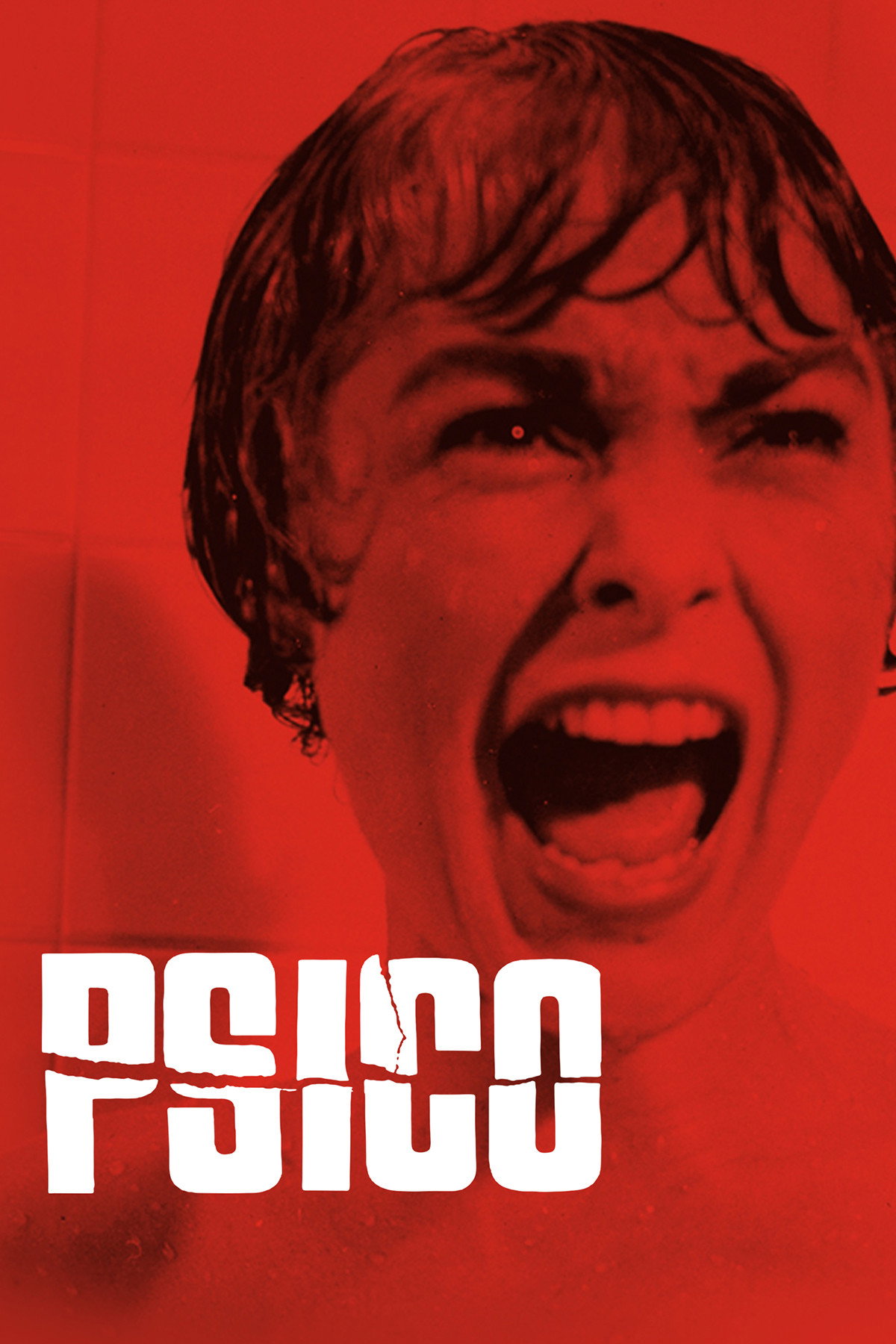
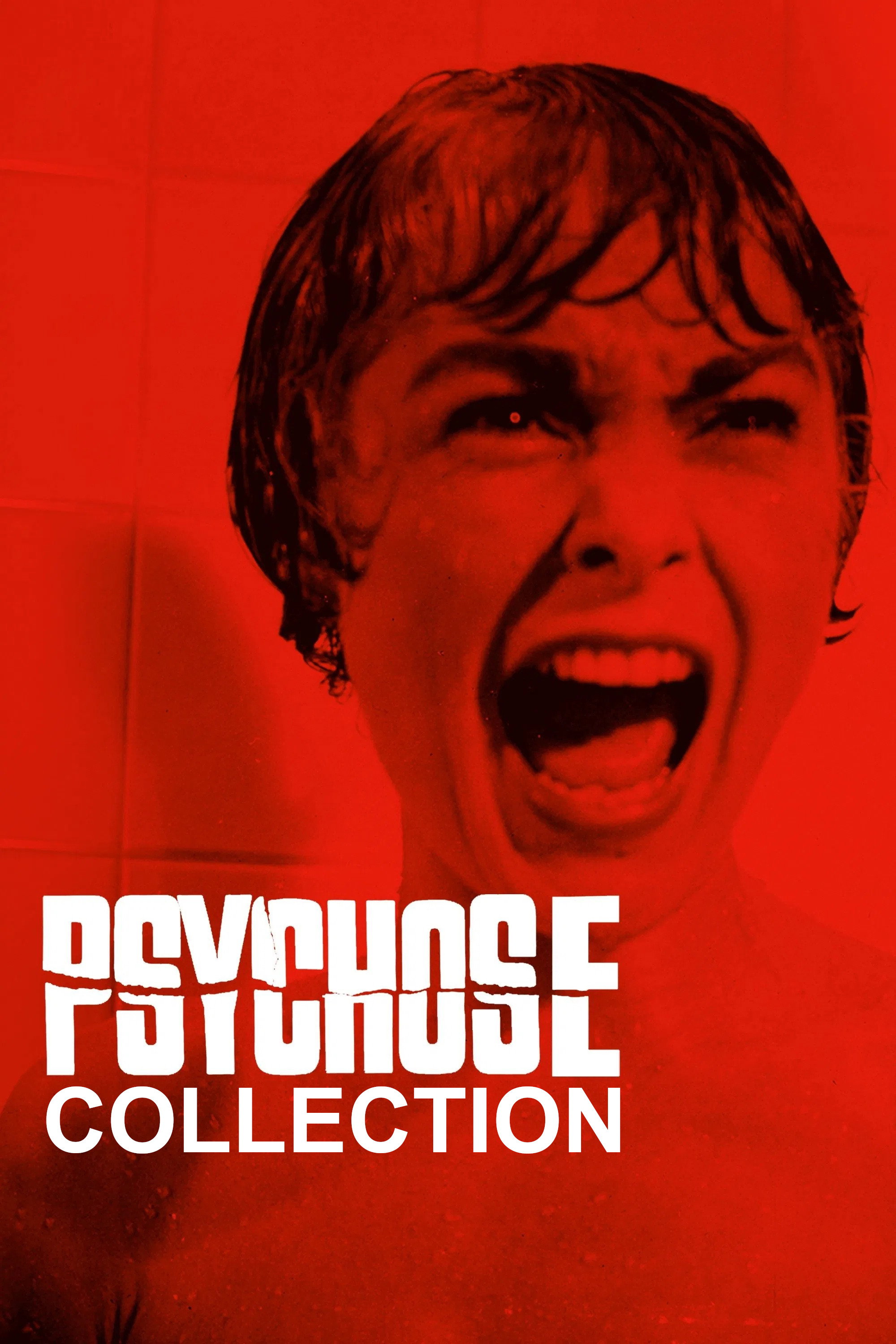
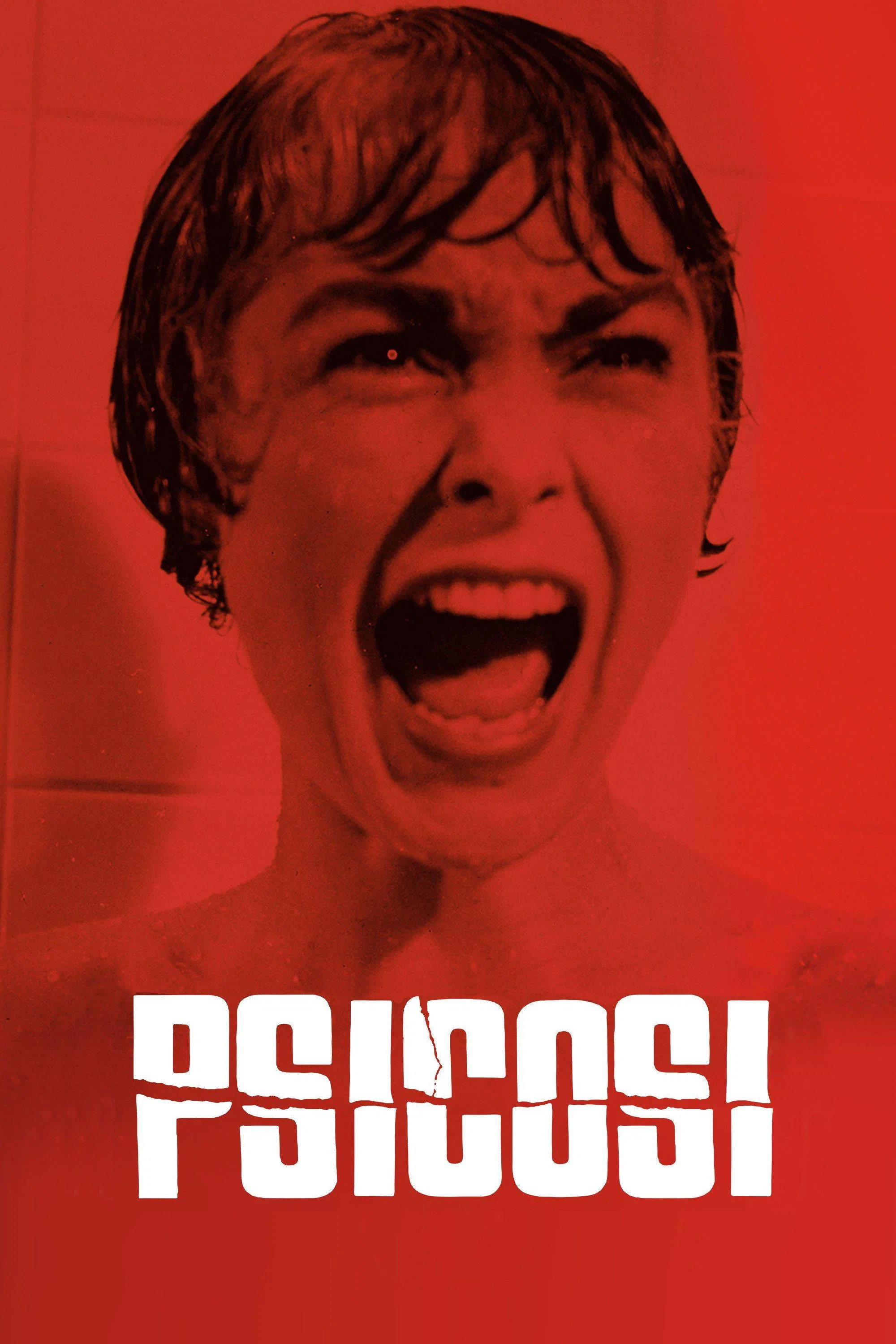
The bathroom killing required an unusually large number of setups for a brief stretch of screen time. The shower walls were designed to be moved so the camera could approach the action from multiple angles. Production accounts identify seventy-eight setups and seven days of shooting, with George Tomasini subsequently assembling a succession of images whose violence is suggested through abrupt changes of scale and direction. The knife, the victim's reactions, water and fragmented views of bodies produce the impression of repeated penetration without a sustained image of a blade entering flesh. The effect is constructed in the viewer's perception across cuts.
Several physical devices made those images possible. Chocolate syrup substituted for blood under monochrome lighting, and a specially prepared shower head enabled the camera to photograph falling water at close range. Accounts of a reversed knife shot show how the suggestion of contact could be produced without filming an actual wound. Janet Leigh's body double Marli Renfro participated in the sequence, although memories and accounts differ over which precise shots used her. Preserving this uncertainty is preferable to attributing every frame to one performer. What can be established is the combination of removable scenery, close photographic control, montage and simple material effects.
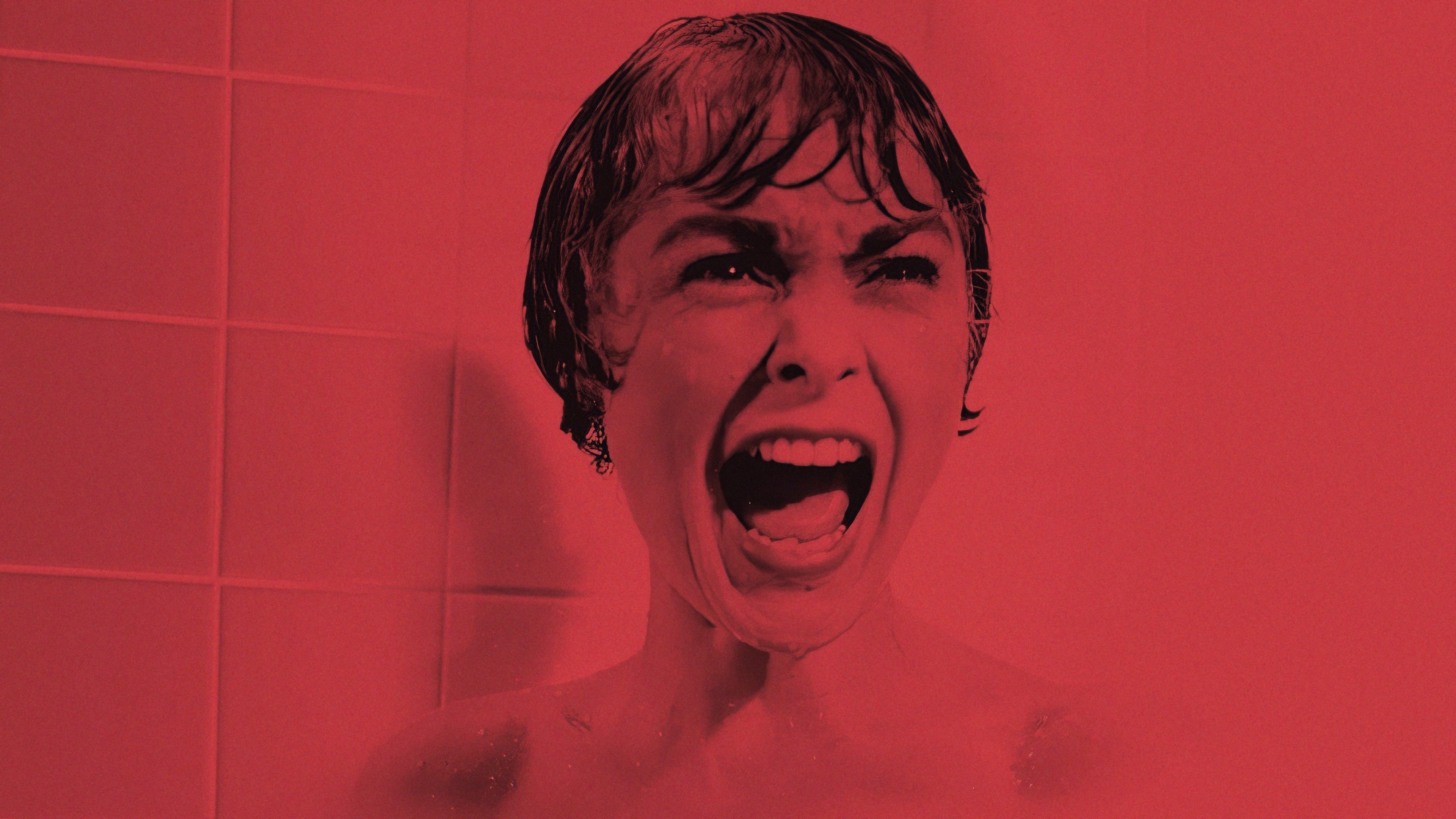
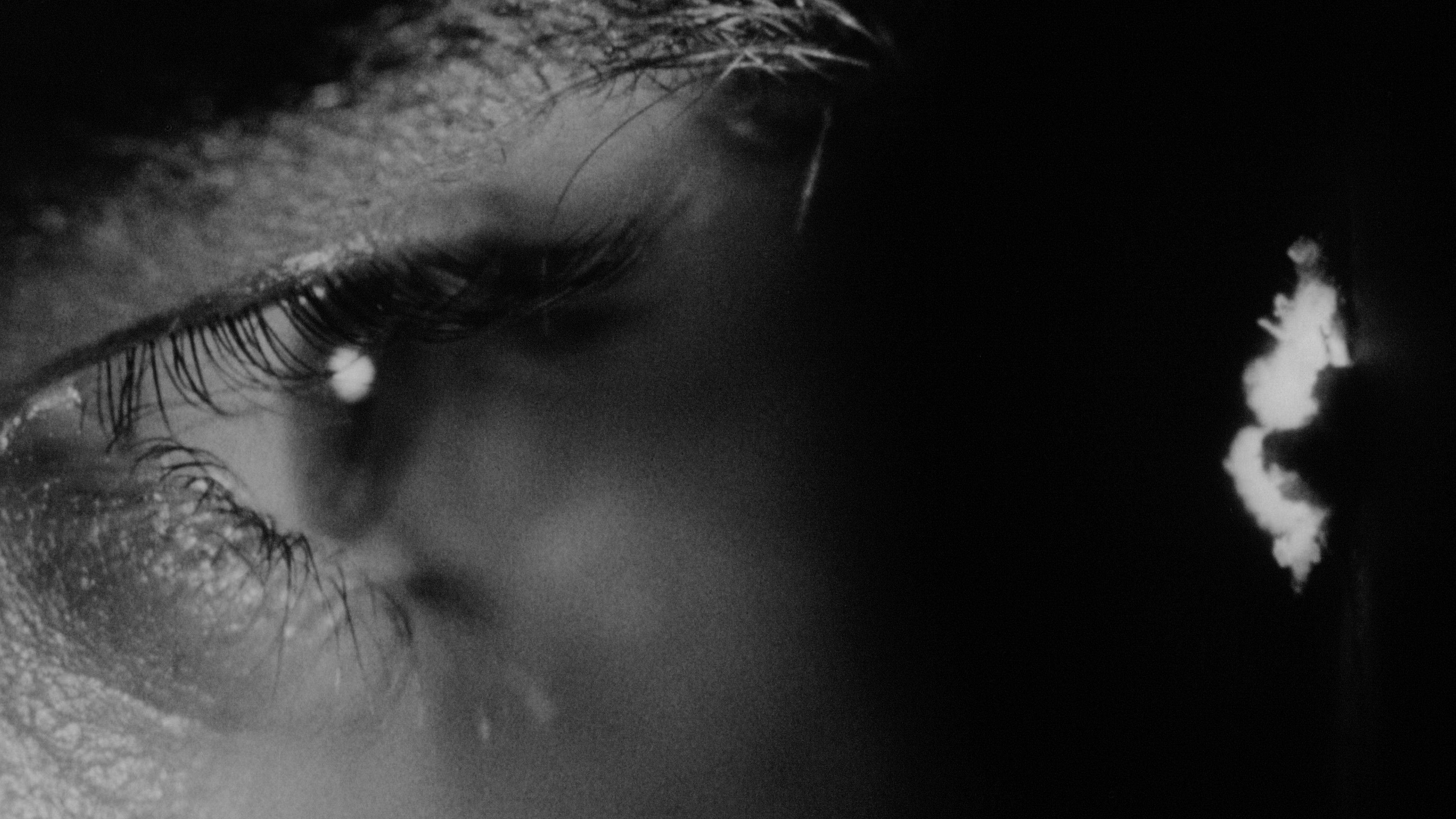
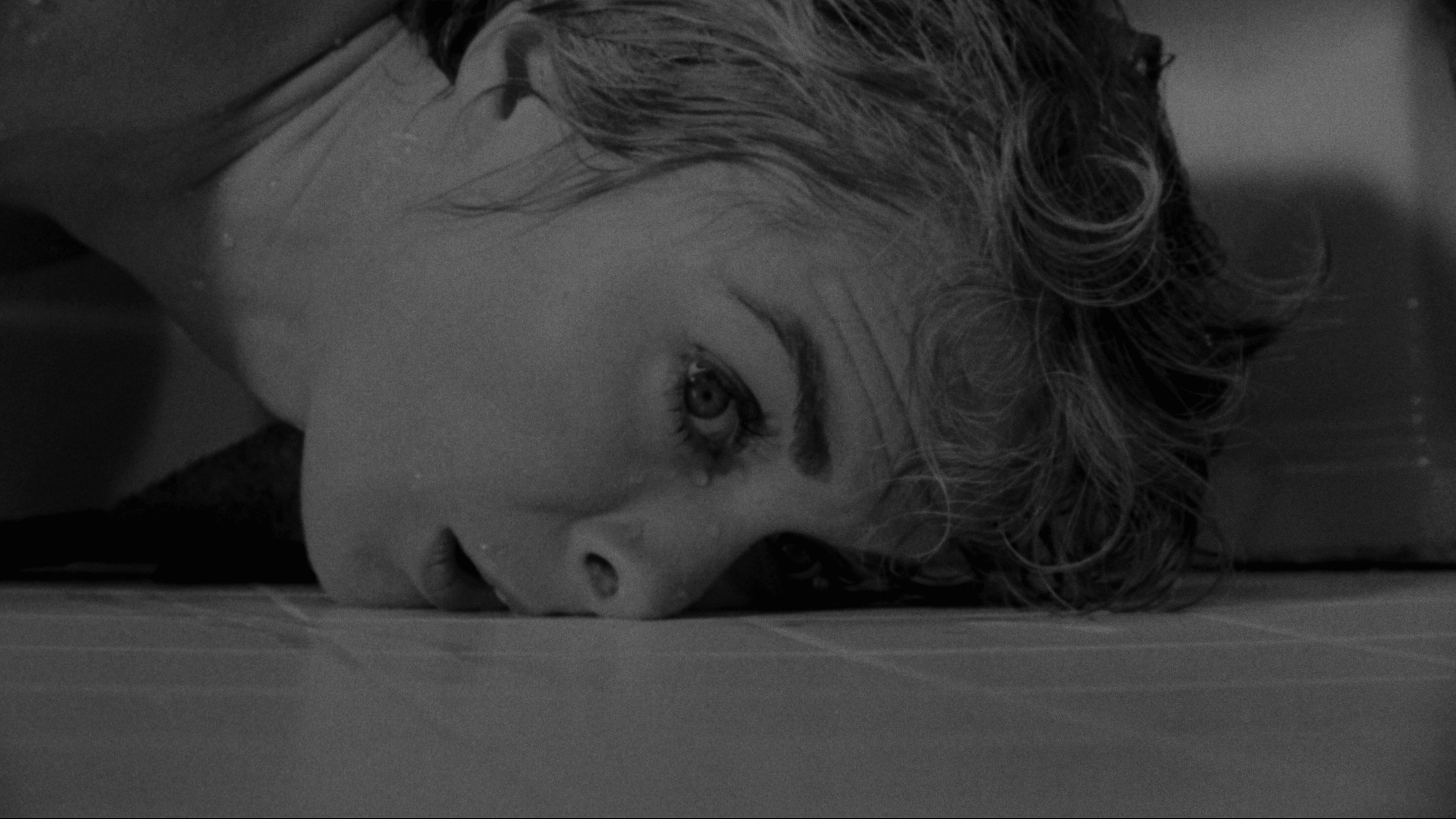
The sound separates the perceived brutality of the scene from what is visibly presented. Water noise continues across shifts in viewpoint, while the sharp musical attacks make the cuts feel like repeated blows. The violence also changes the meaning of the images that follow: a draining pool, an unmoving eye and Norman's meticulous cleanup extend the shock beyond the attack itself. Linda Williams, writing in Sight and Sound, treats the sequence as an example of cinema acting directly on the body of its audience. That is a critical interpretation grounded in the record of first-run reactions, distinct from the technical claims about how the individual shots were made.
Bernard Herrmann, Saul Bass and the Musical Image
Herrmann wrote the score for strings alone, using a narrow instrumental family to create both continuous agitation and sudden abrasive attacks. TCM's production history records his description of the approach as black-and-white music, connecting orchestral color to Russell's photography. During Marion's drive, repeated figures transform the sight of a moving car into a scene of obsessive unease. Sound gives the image a psychological pressure that a vehicle traveling down a road cannot communicate by itself. The score's restraint in instrumentation is striking because its impact does not depend on a large percussion section or a variety of threatening orchestral effects.
Hitchcock initially expected the shower murder to play without music. Herrmann composed a cue nonetheless, and the director accepted it after hearing the result. Accounts of their collaboration describe Hitchcock as recognizing the importance of the score to the film's completed effect. Such stories are partly retrospective testimony, but they agree on a documented artistic reversal: a passage conceived in silence acquired one of cinema's most recognizable musical gestures. The shrieking upper strings have often been imitated in later horror scoring; here their precise relationship to the editing makes the attack feel rapid, invasive and difficult to localize within the image.
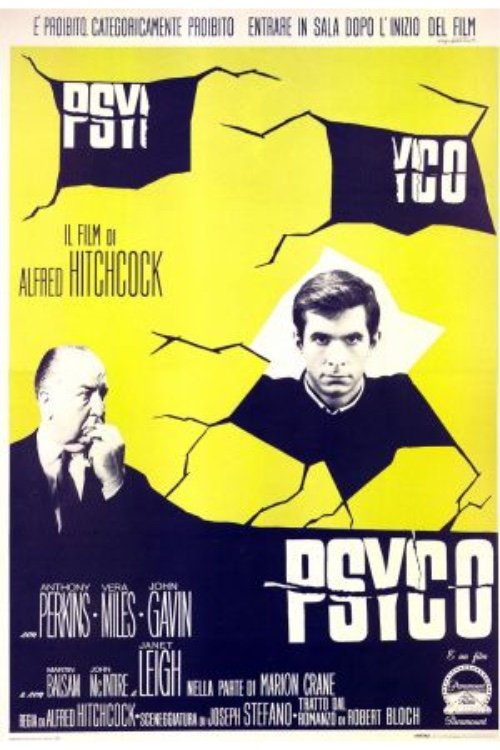
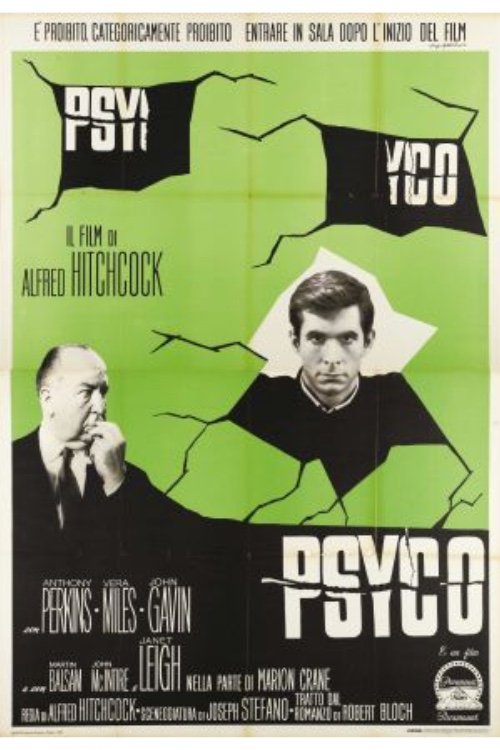
Saul Bass designed the titles, whose shifting horizontal and vertical bars give names the appearance of being divided and displaced. The animated forms meet the aggression of Herrmann's opening music before any character has appeared. Bass was also credited as pictorial consultant, and accounts of his involvement in storyboards have generated disagreement over the authorship of particular images. Hitchcock minimized aspects of that contribution in interviews, while production histories acknowledge Bass's planning work. The defensible conclusion is that the title design, pictorial consultation, direction and final editing were related creative activities with distinct responsibilities. Reducing the film's visual achievement to a single contested anecdote would obscure that larger collaboration.
Classification, Secrecy and Theatrical Exhibition
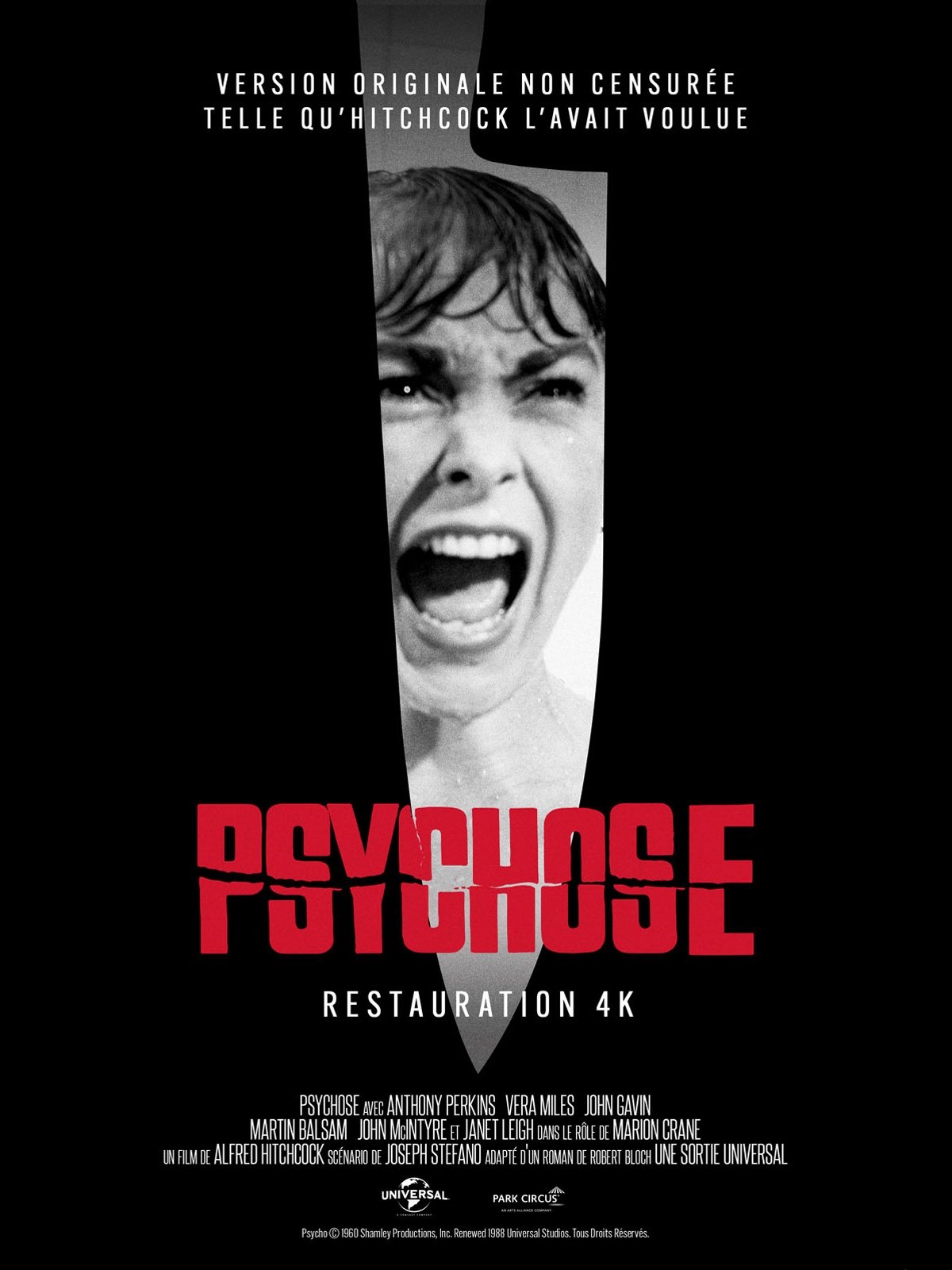
The British Board of Film Classification maintains a case study based on its original examination of Psycho in June 1960. Its examiners required substantial reductions to the shower assault, including images and sounds associated with the stabbing and shots they considered sexually explicit. The distributor made the requested changes, and the British release received an X certificate barring children under sixteen. The BBFC archive also preserves hostile letters from viewers who regarded the film's violence as unacceptable. This record provides specific evidence of national censorship decisions; it should not be generalized into a claim that every theatrical territory saw exactly the same version.
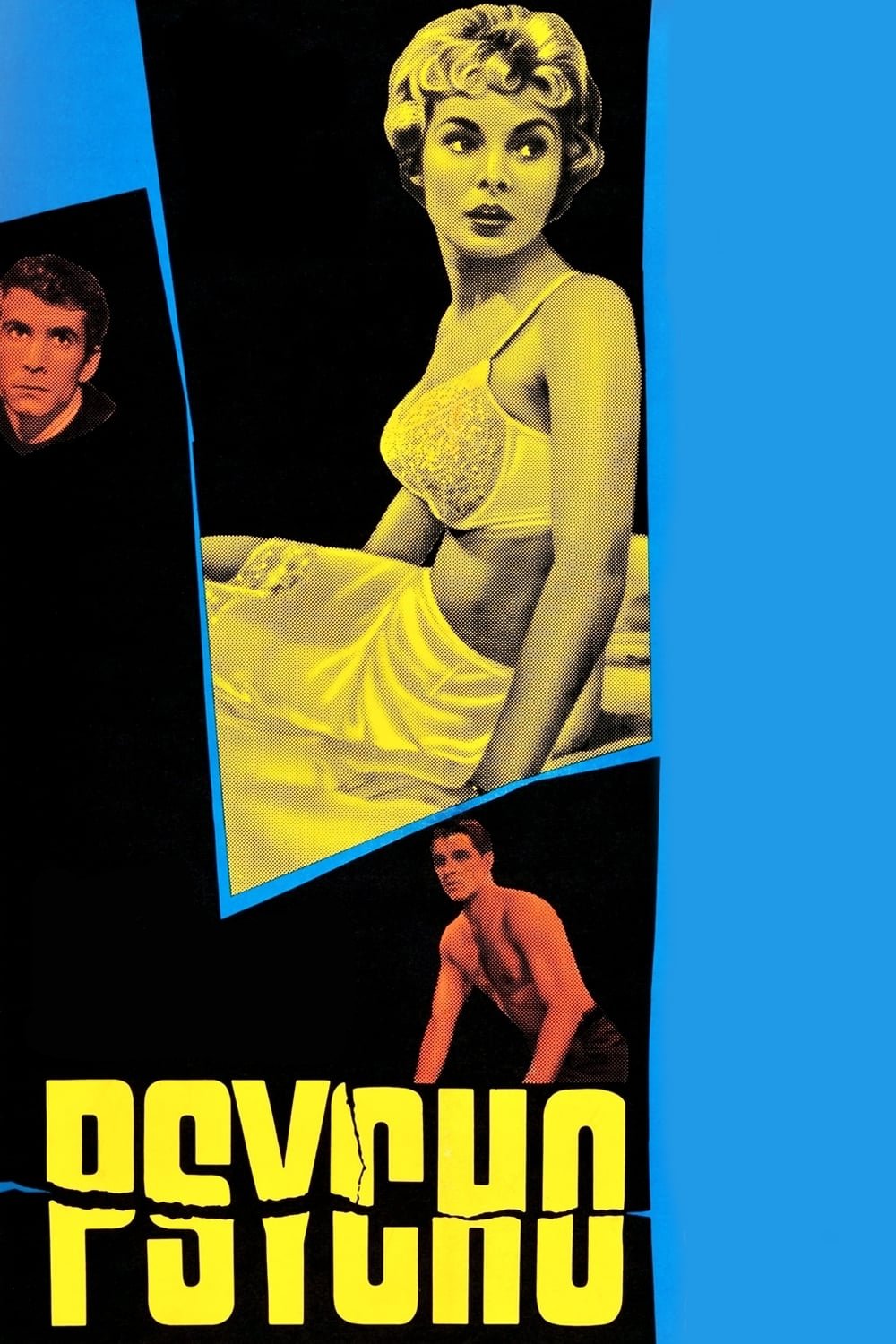
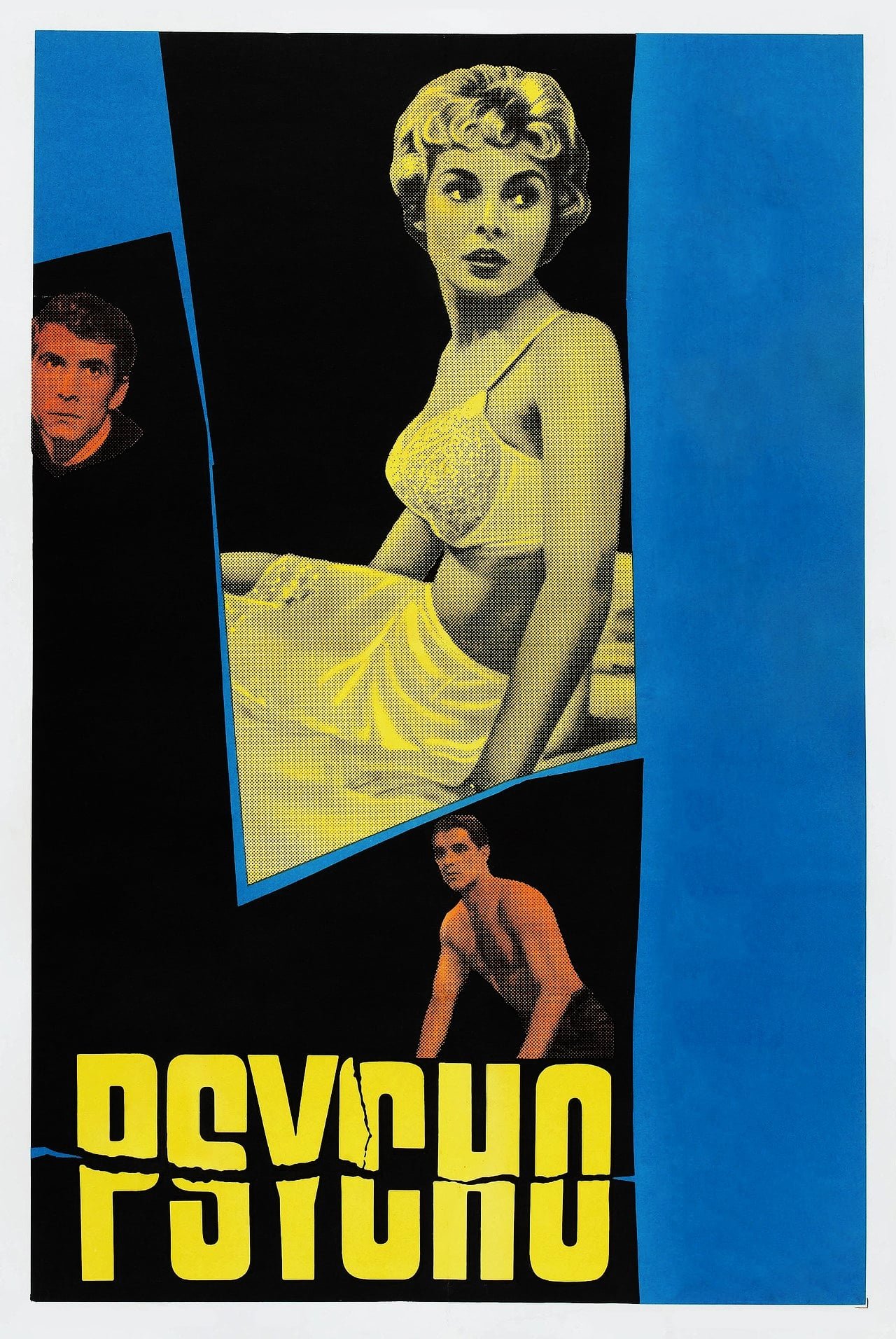
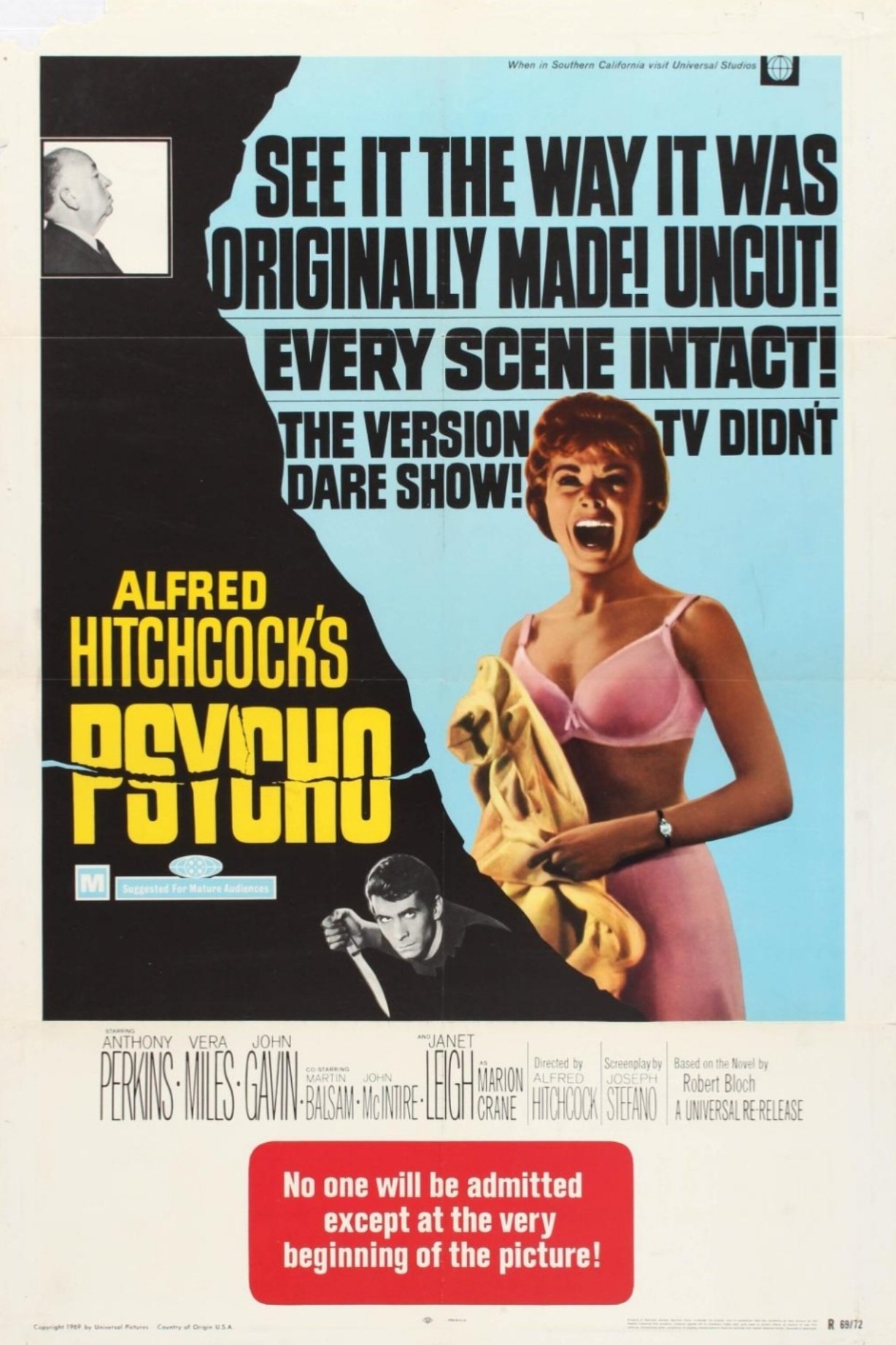
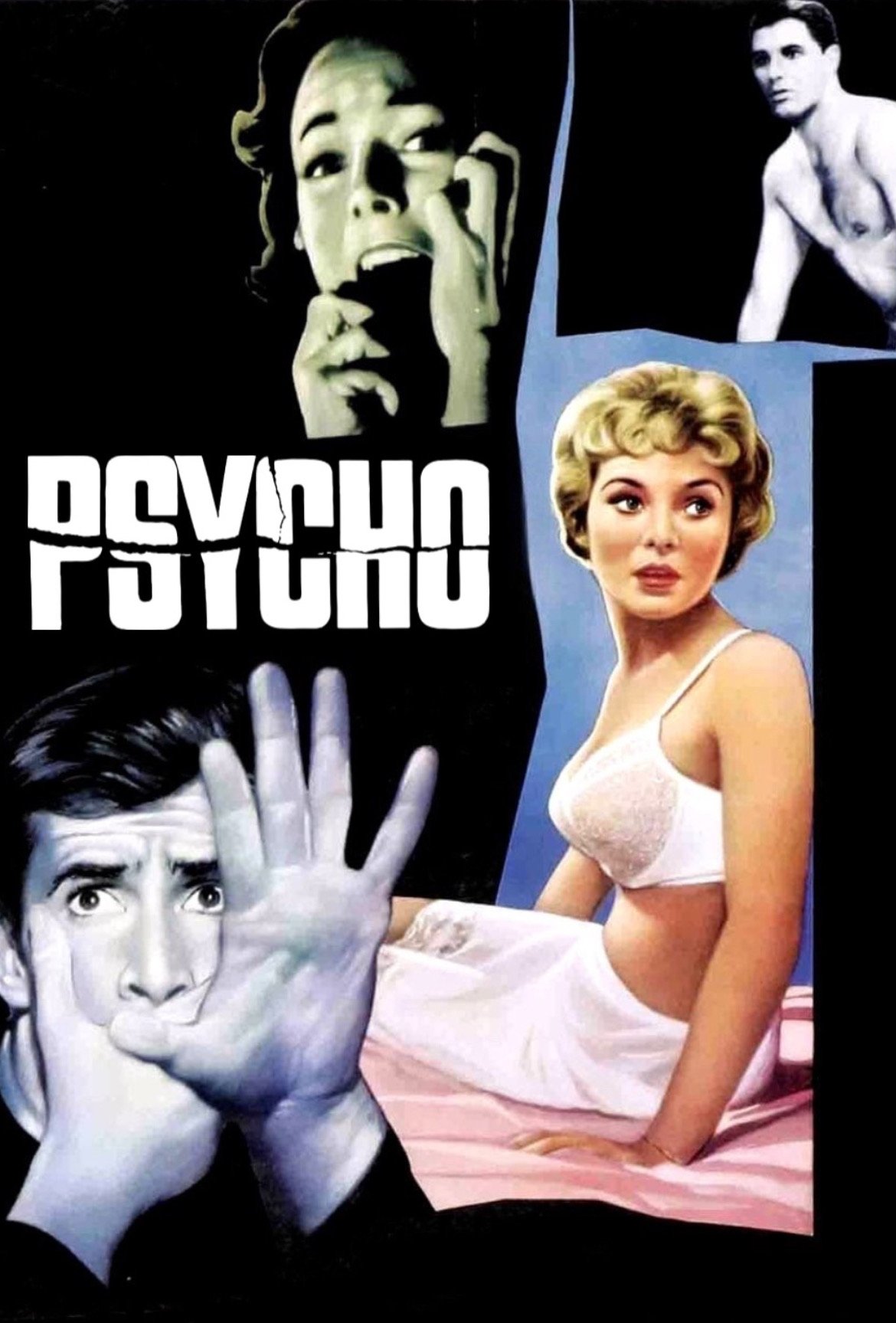
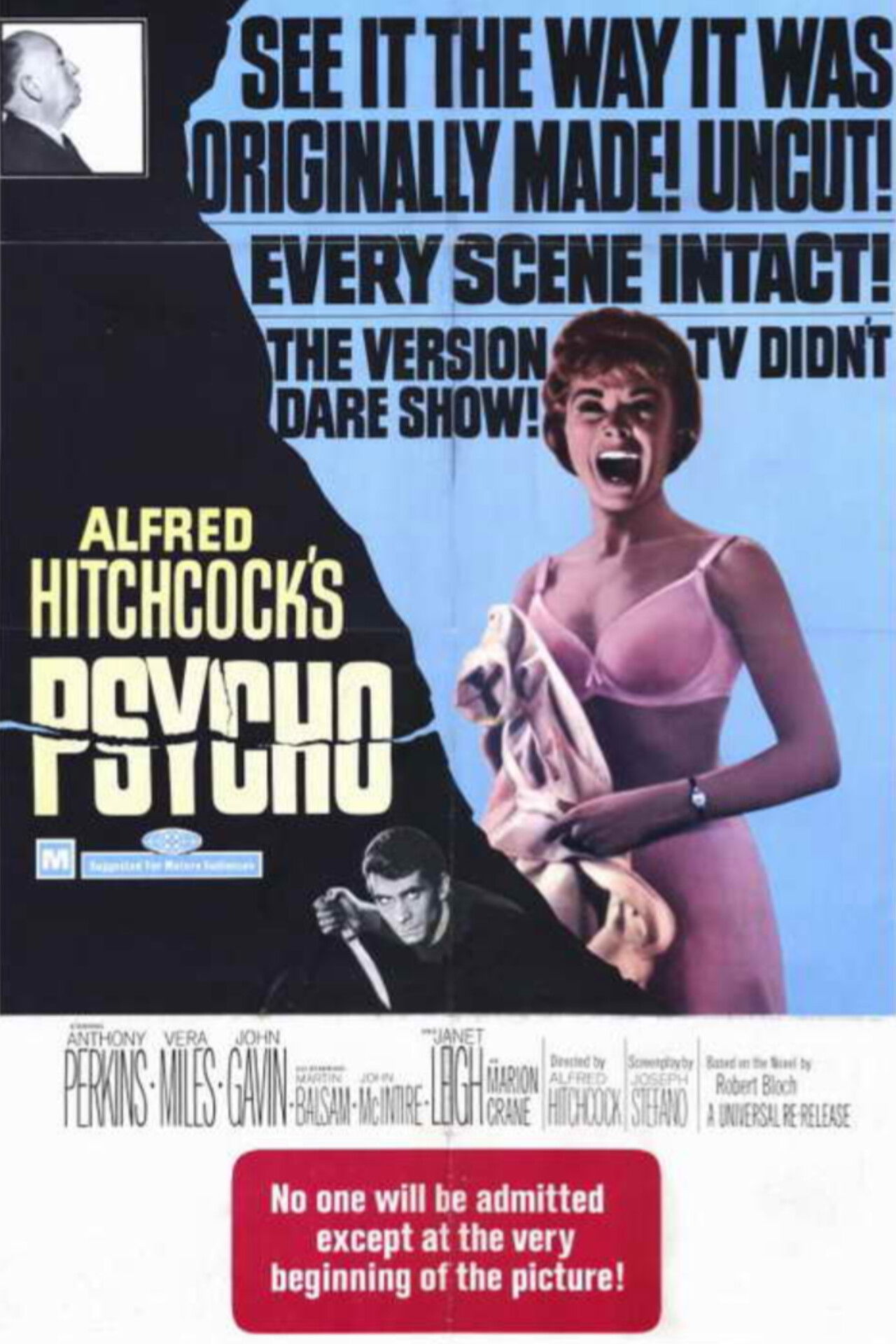
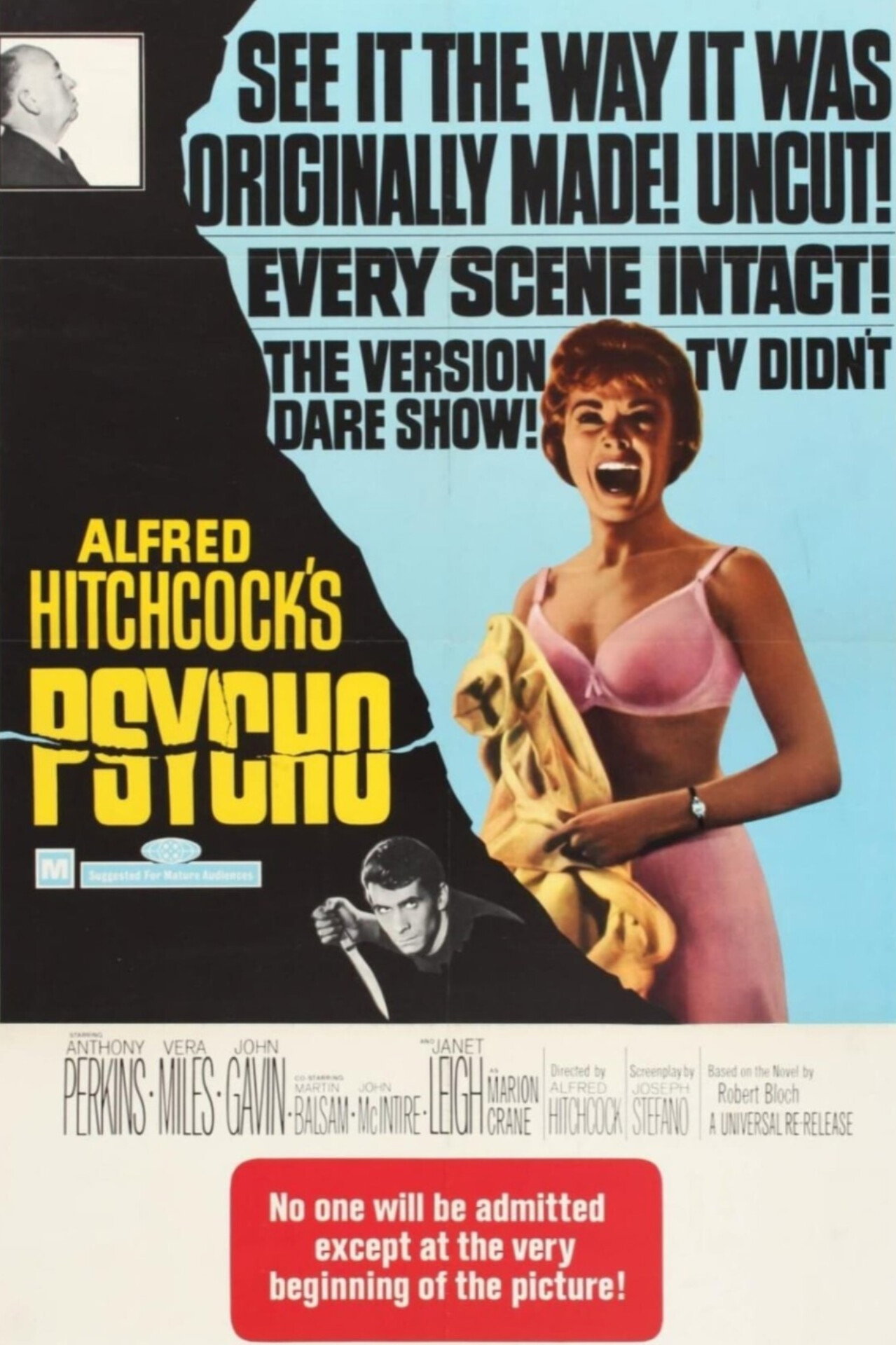
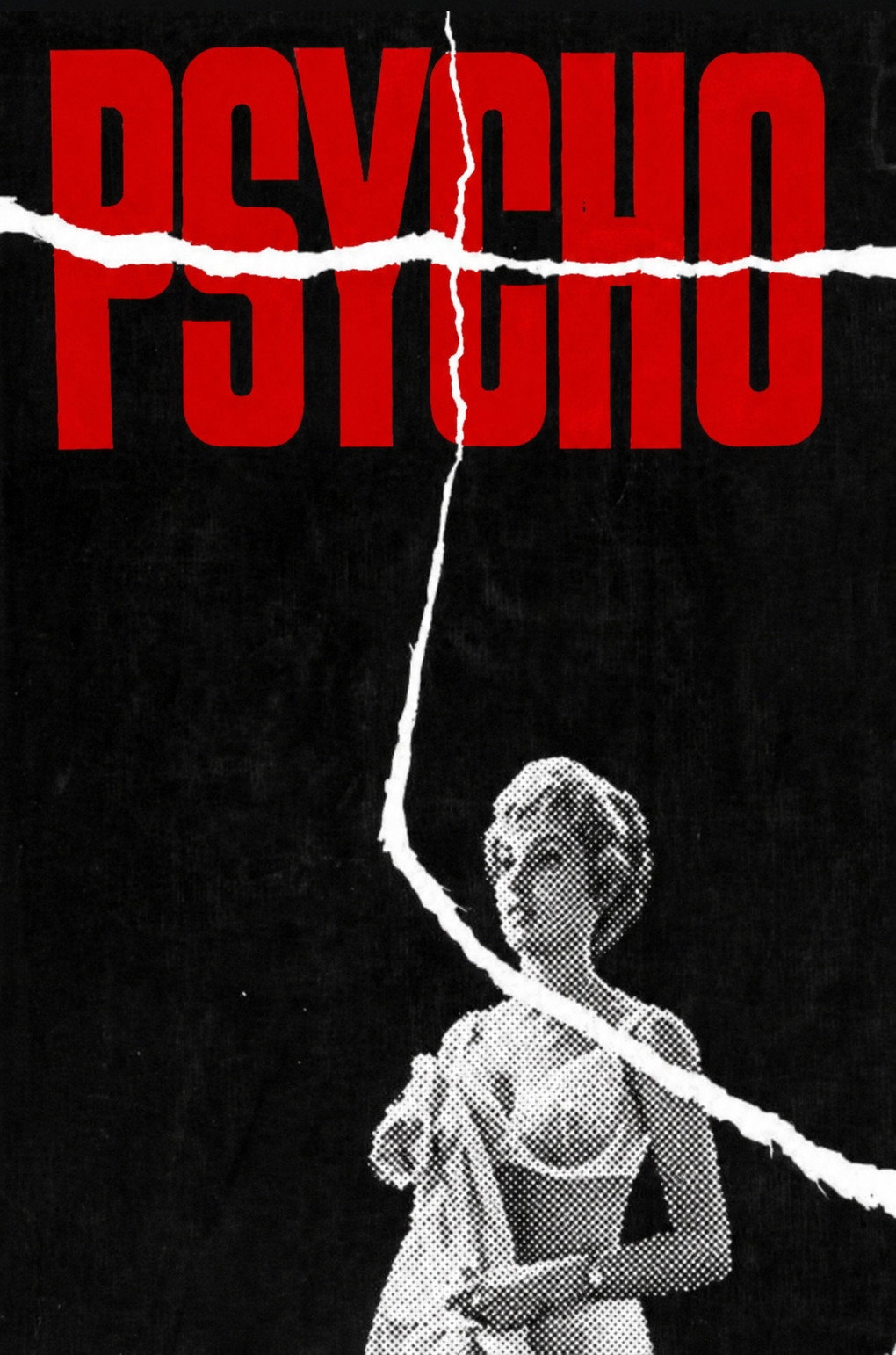
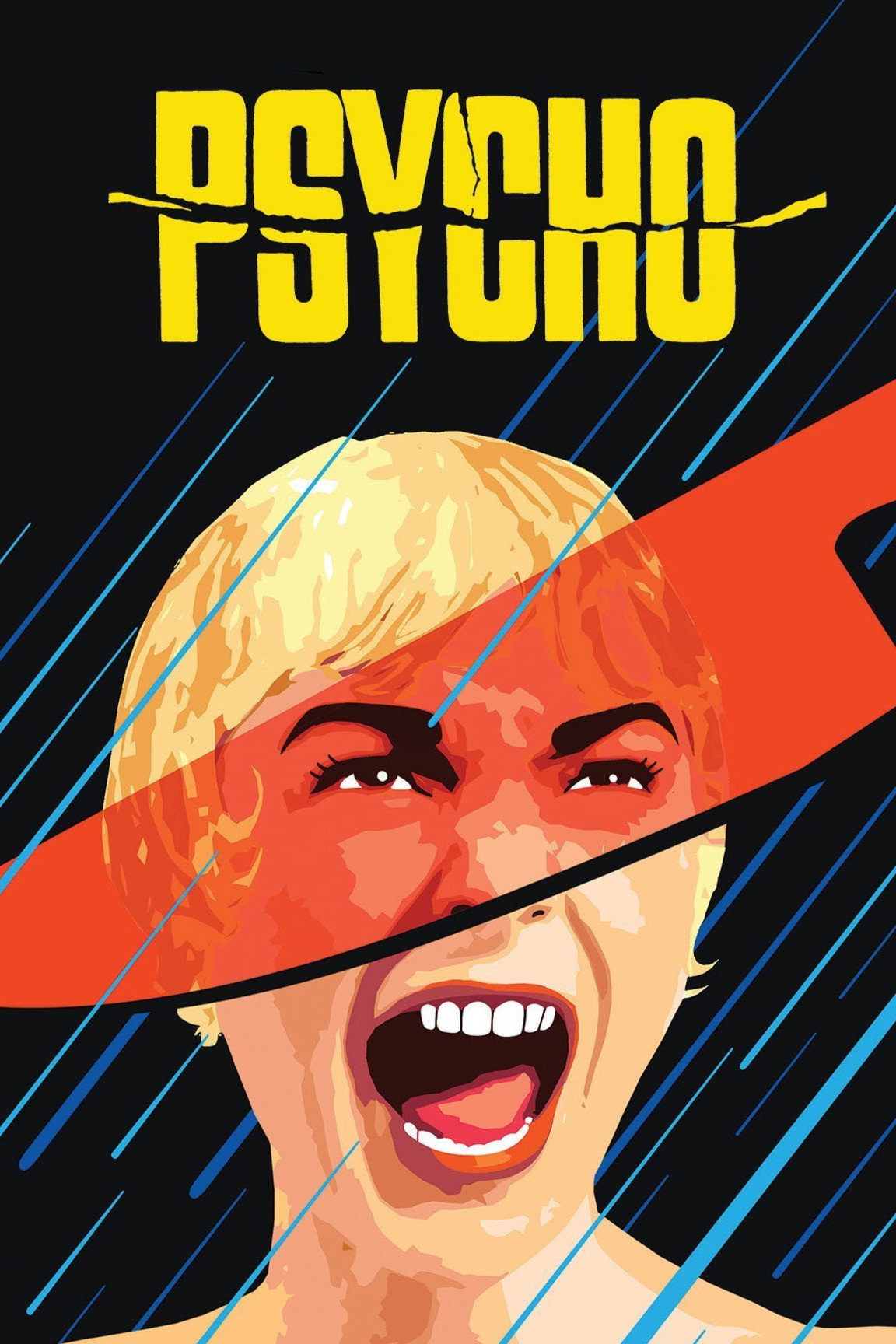
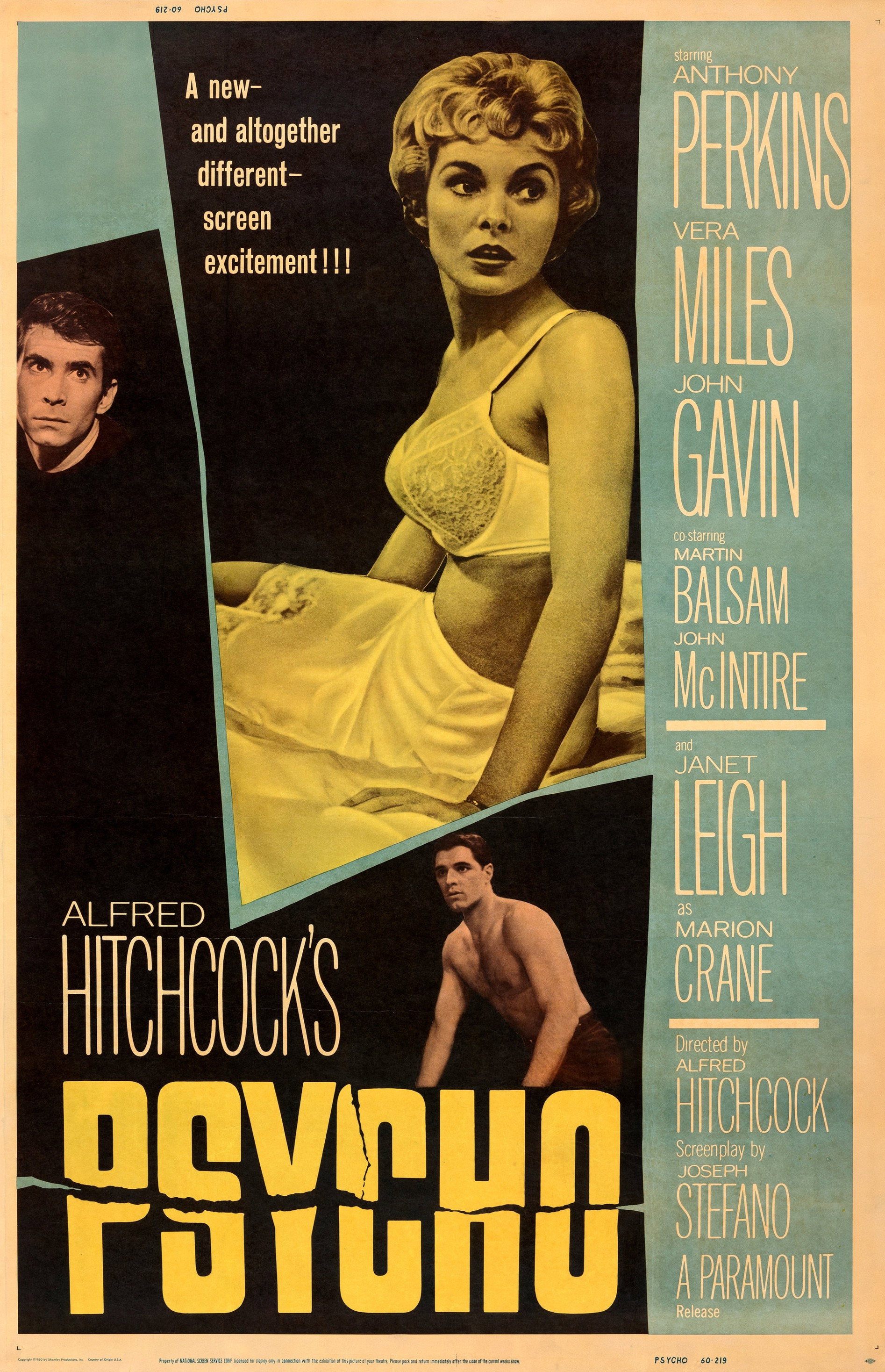
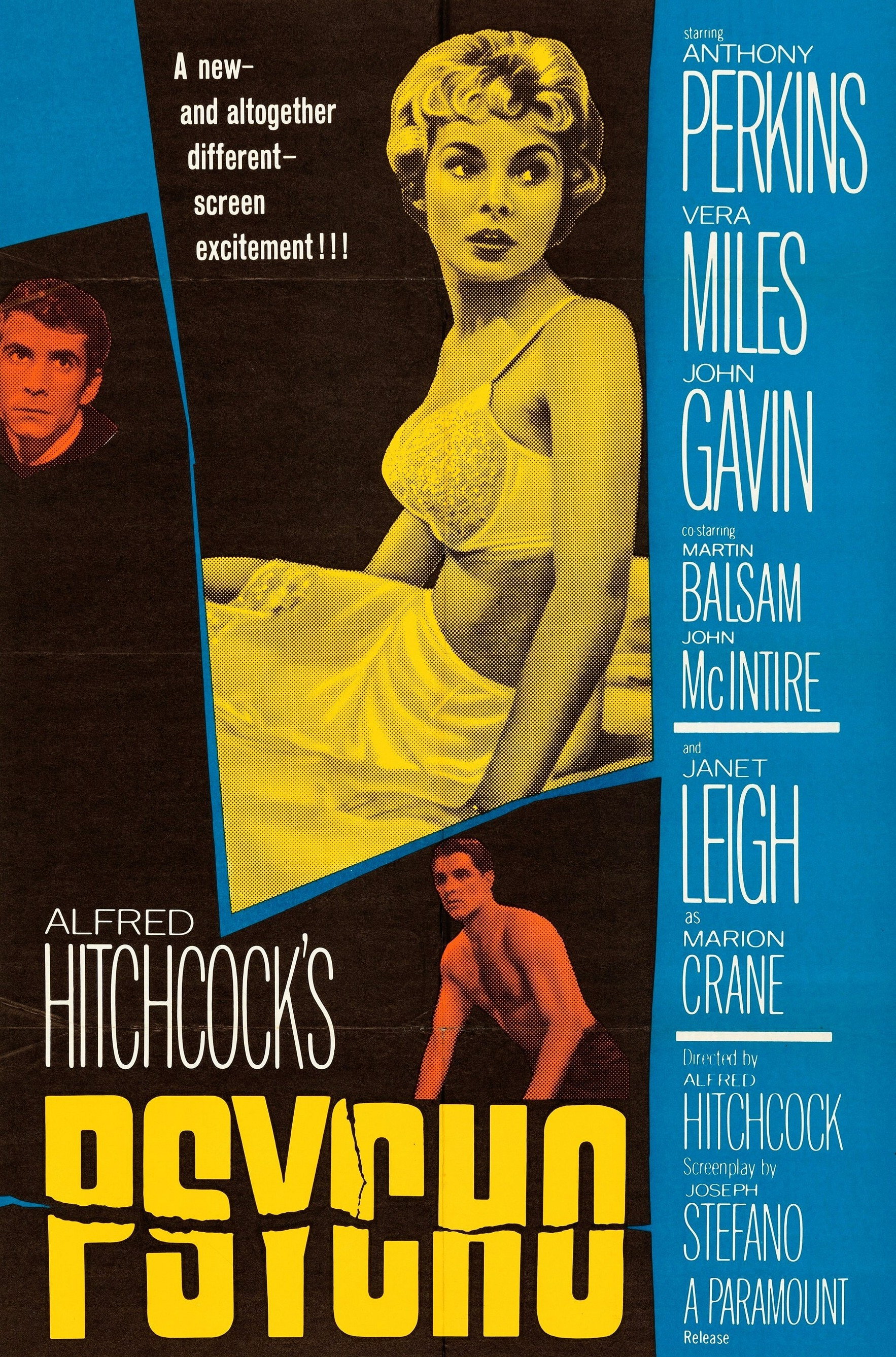
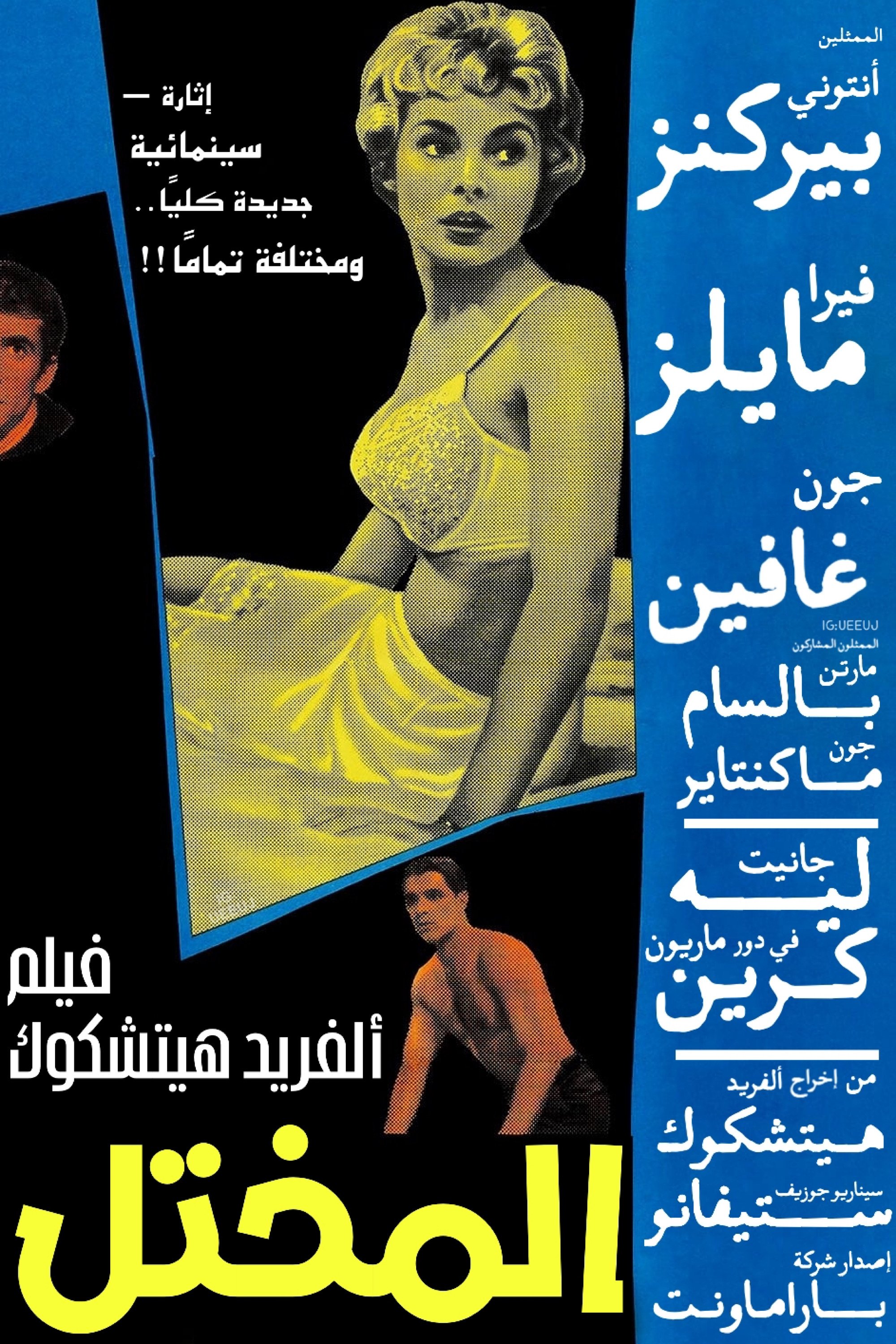
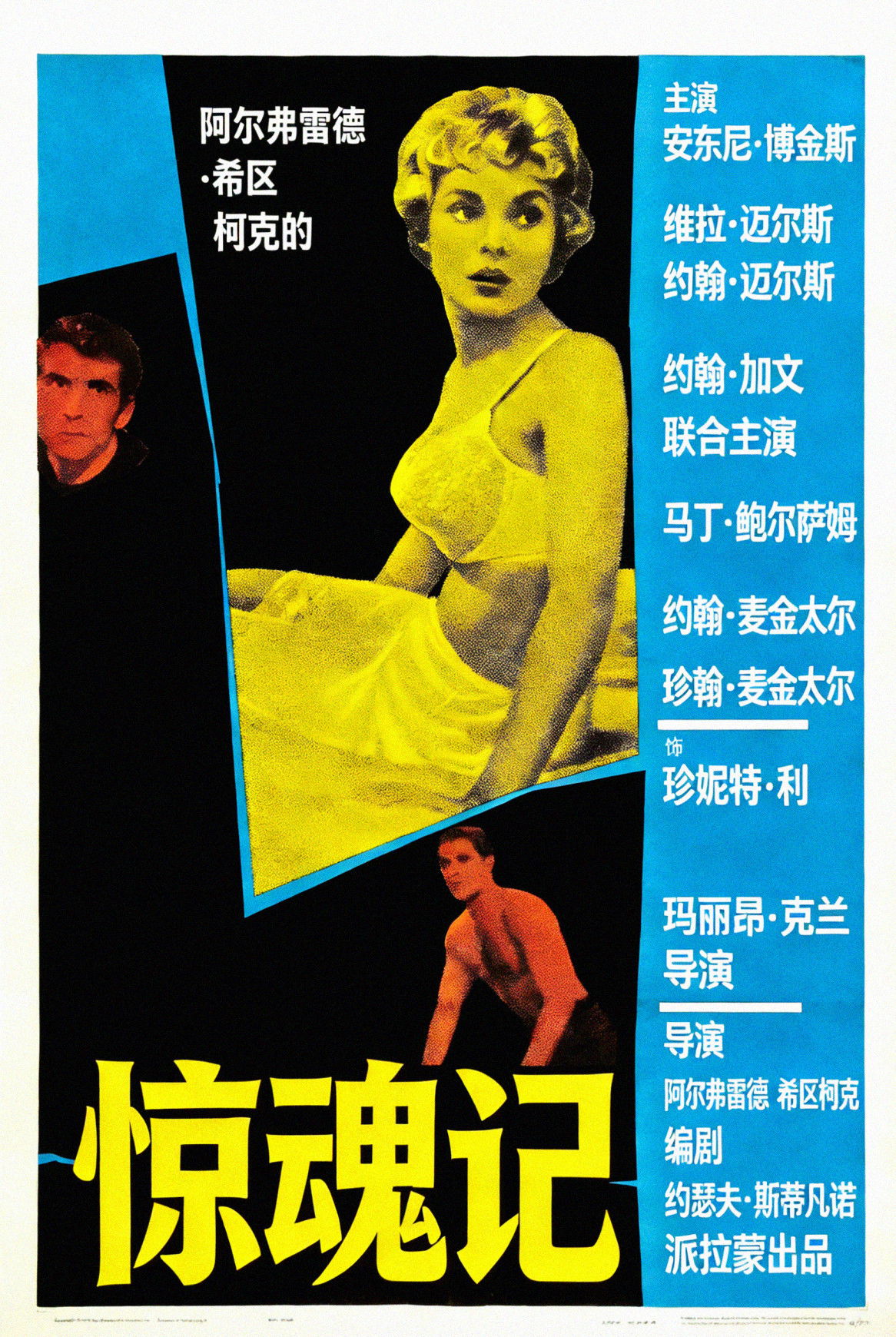
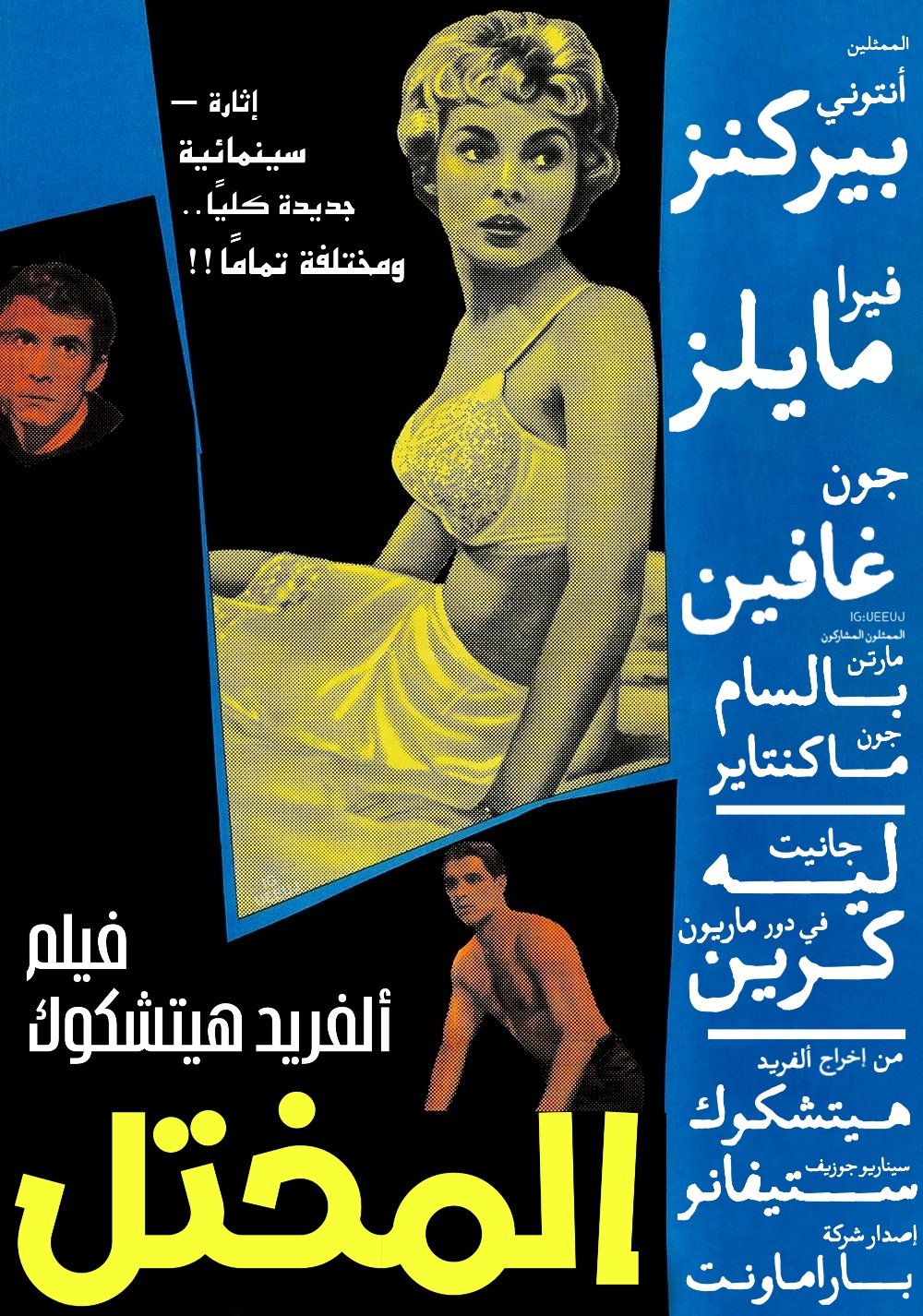
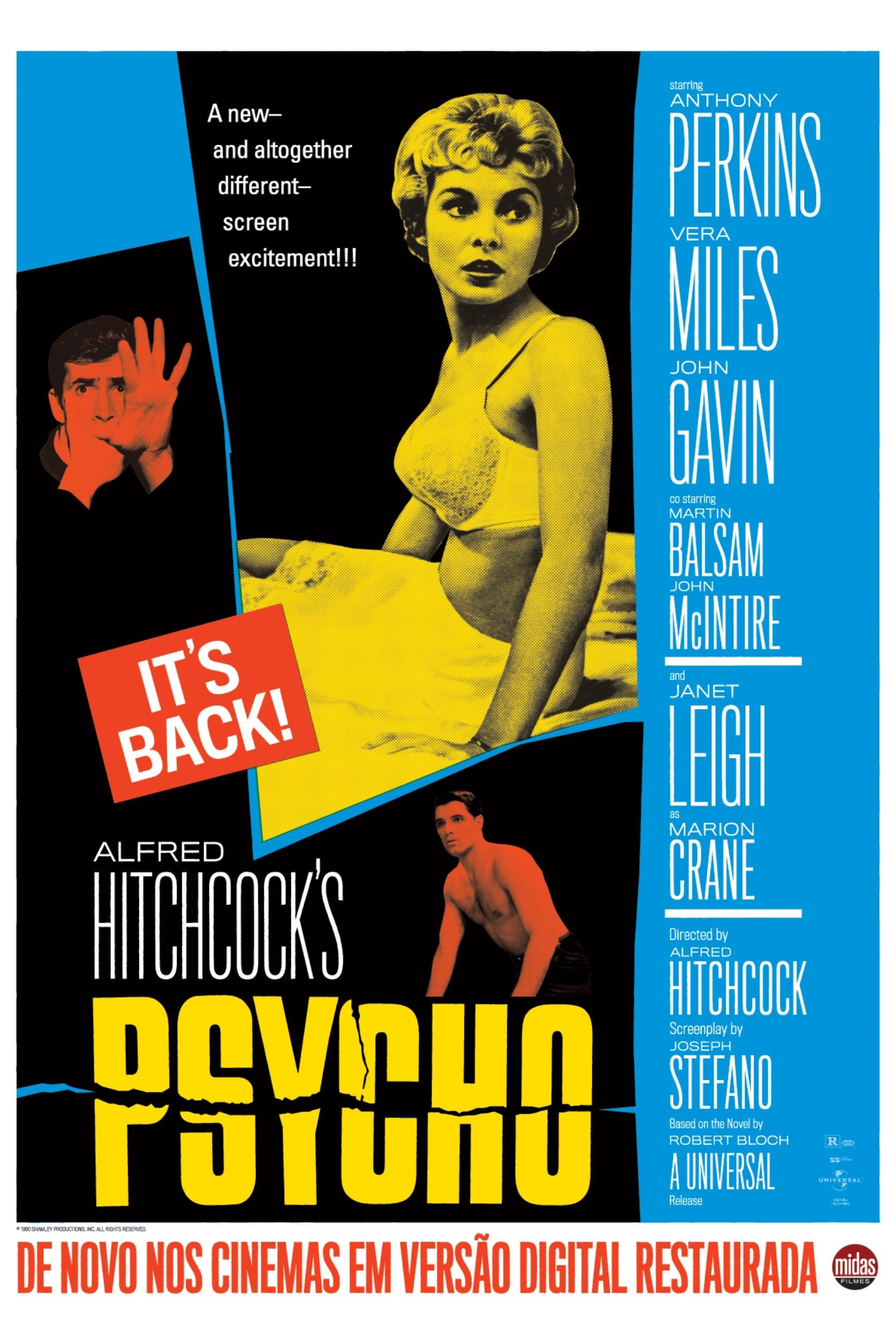
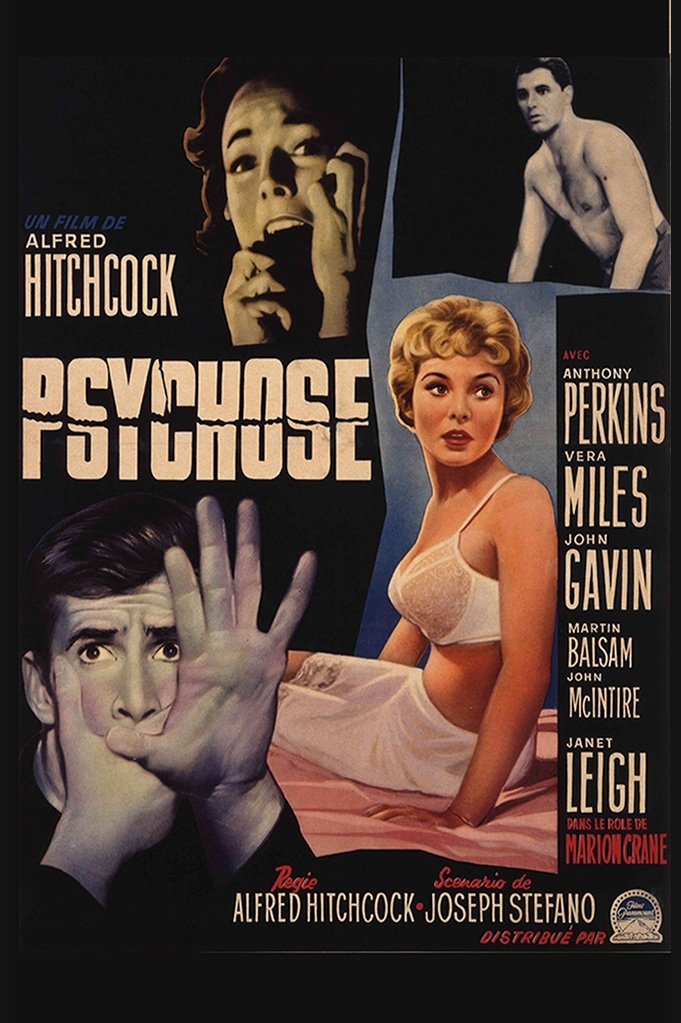
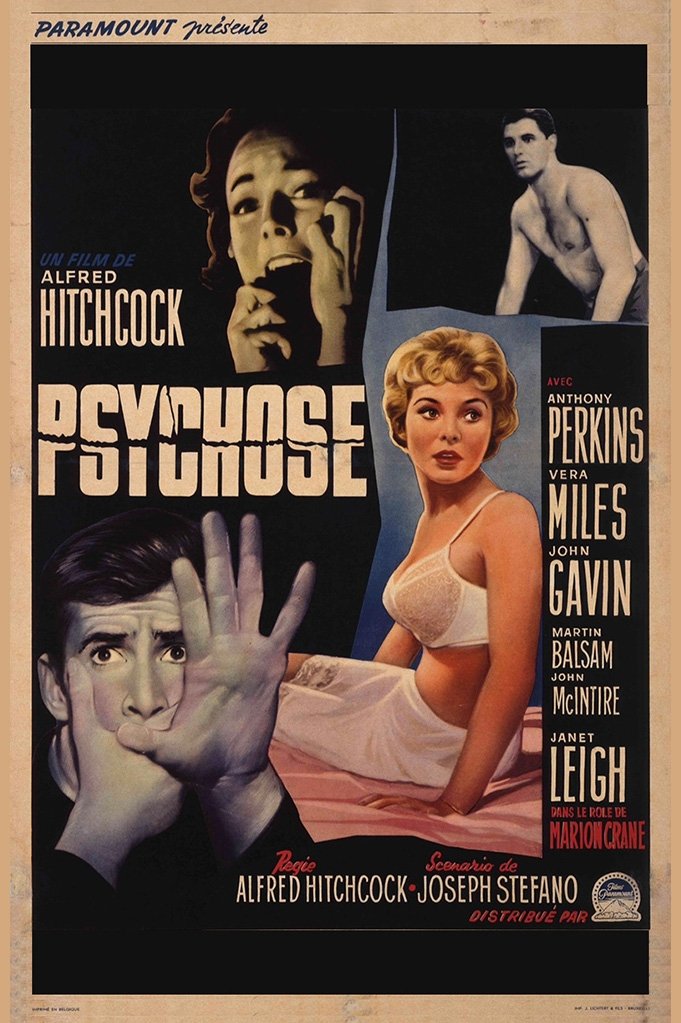
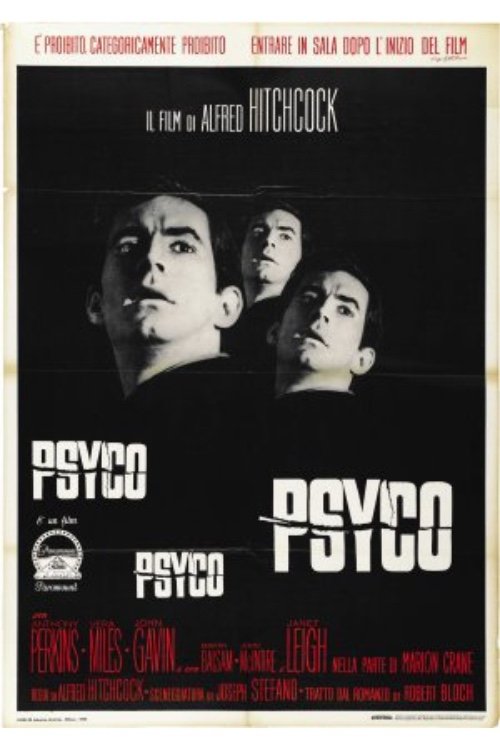
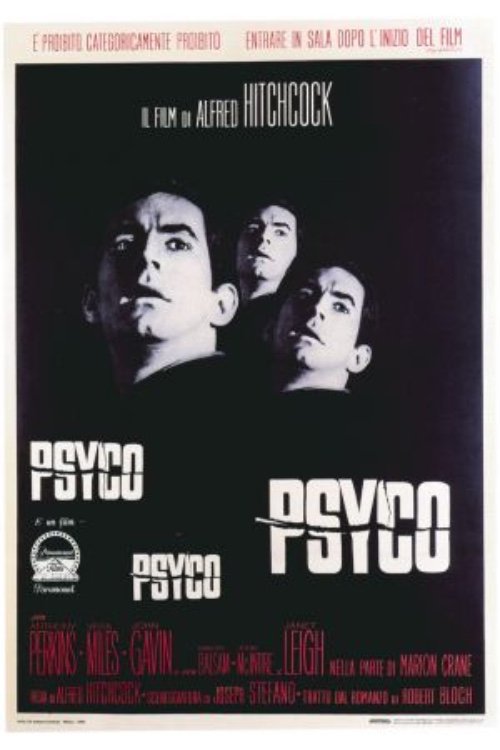
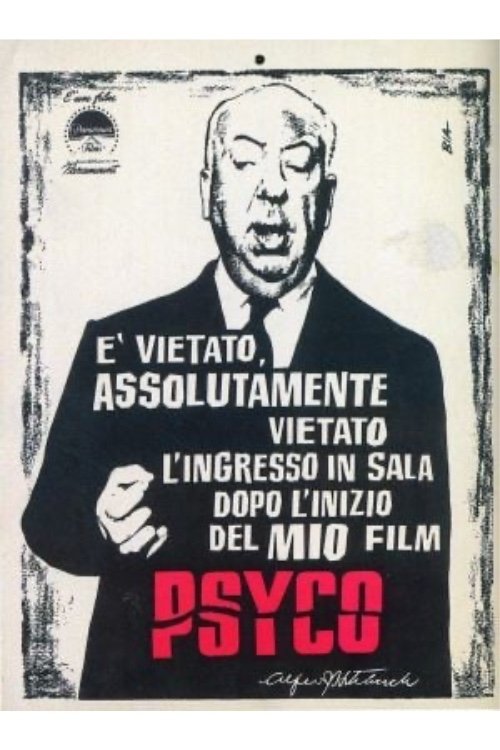
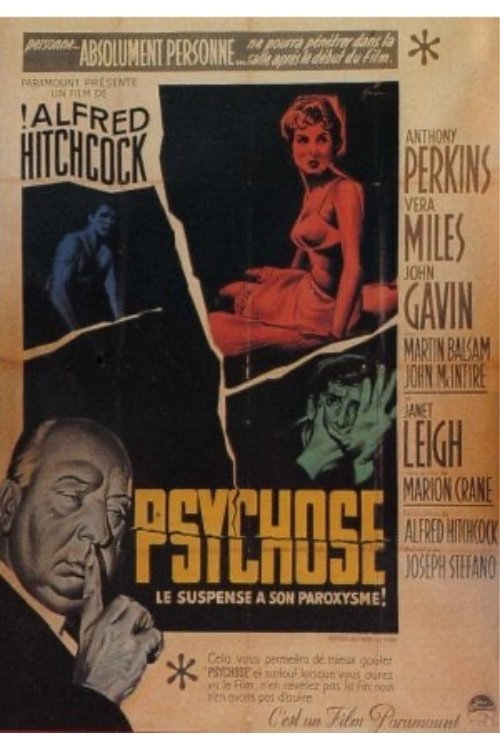
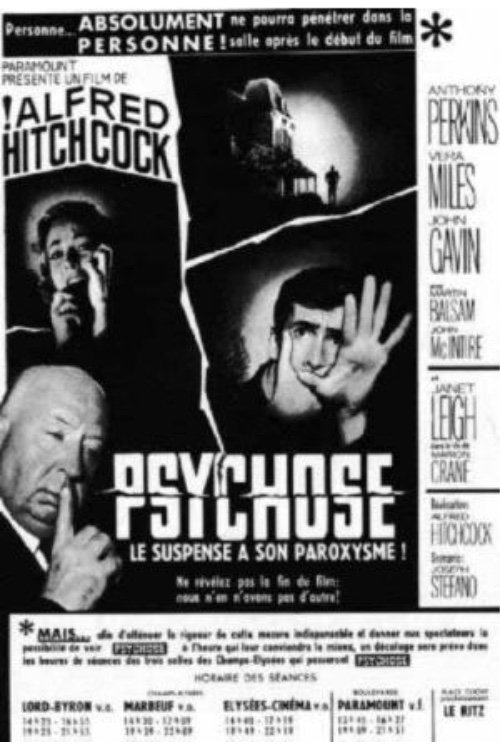
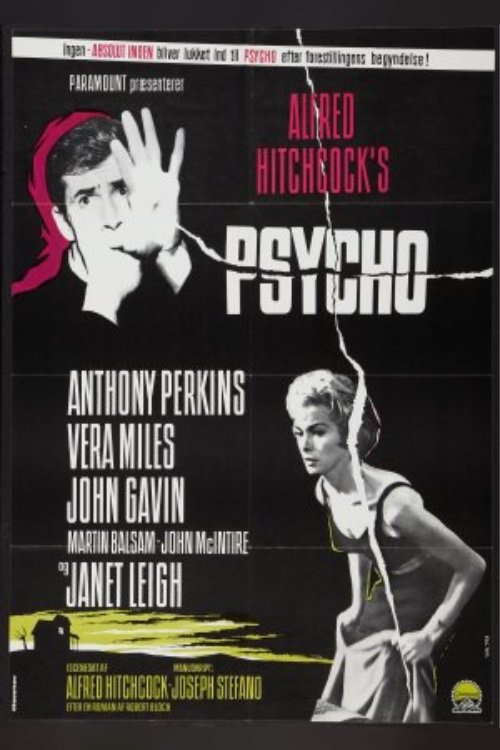
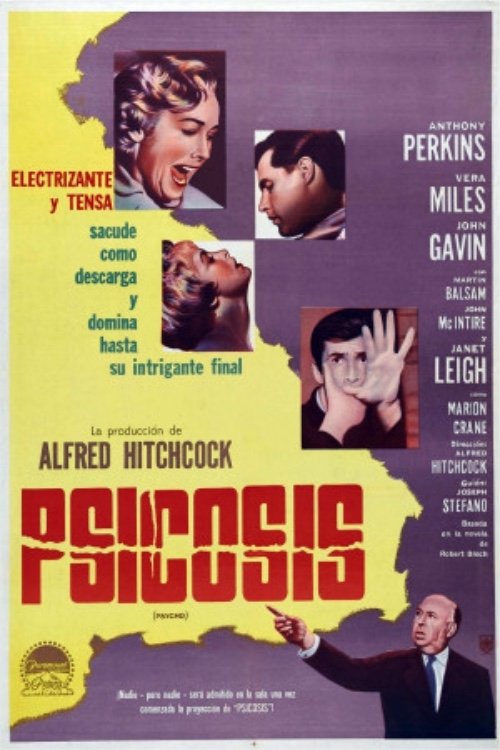
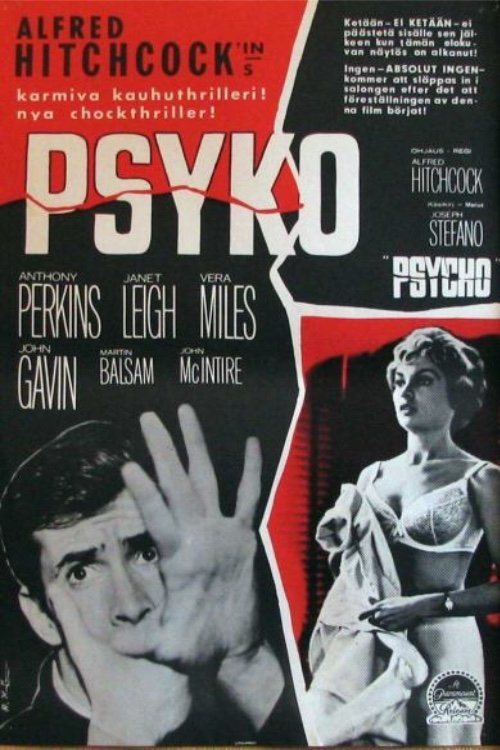
Hitchcock's American campaign also reshaped the circumstances of exhibition. Audiences were instructed to enter before the beginning and avoid revealing the surprise to later viewers. Linda Williams argues that these rules did something beyond advertising a shocking film: they disciplined attendance, strengthened the anticipation of a shared experience and made the abrupt change in protagonist more effective. Her essay reproduces contemporary testimony about patrons screaming and sometimes responding aloud to the screen. These records concern the experience of particular first-run screenings, not a measurable reaction shared identically by every audience member.
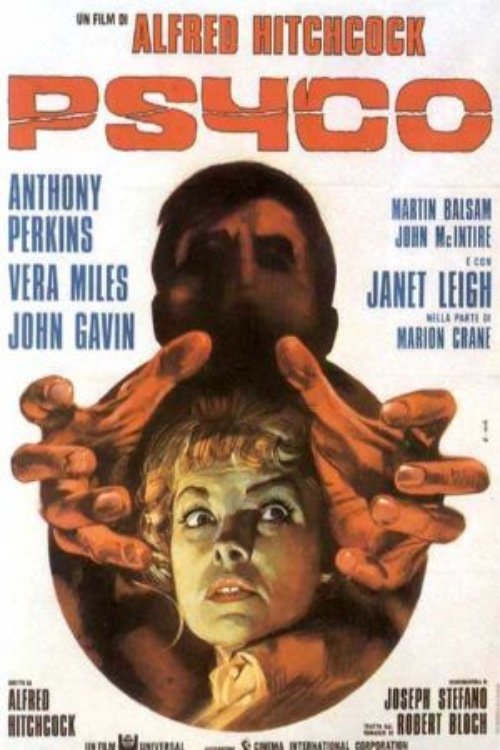
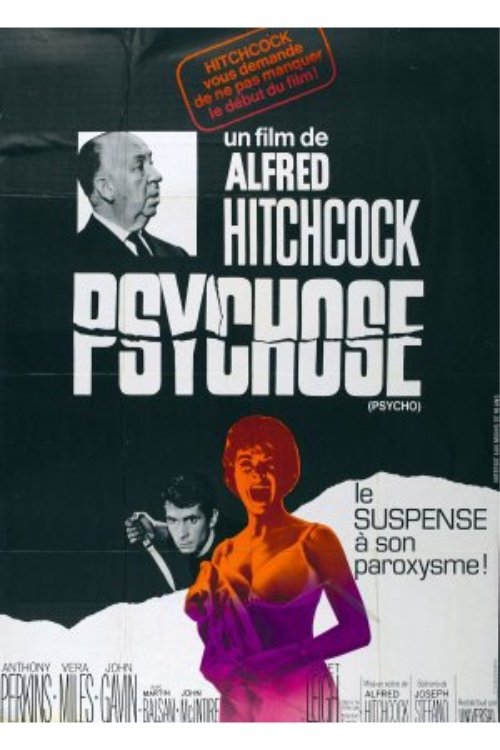
The campaign made Hitchcock's public persona an active part of the attraction. Jancovich places Psycho within a broader commercial market where prestige directors and stars could lend cultural standing to stories resembling sensational exploitation fare. He notes the continuity between Hitchcock's television-host identity and the teasing, almost mischievous presentation of violence in the advertising. The policy of refusing late admissions also had precedents in specialized theatrical exhibition, an important qualification to claims that the director invented scheduled moviegoing. Psycho combined existing practices with a narrative twist that gave the regulation unusually direct dramatic value.
Contemporary Response and Its Place in Horror History
Psycho premiered in New York in June 1960 and generated a critical response that was neither uniformly admiring nor simply hostile. Jancovich documents reservations voiced by reviewers who questioned the credibility of its psychological explanation while acknowledging Hitchcock's ability to frighten audiences. Williams cites a 1960 Film Quarterly response emphasizing the impulse of spectators to warn endangered characters aloud. The contrast matters: objections to the ending's account of Norman's behavior coexisted with strong reactions to the craft of the suspense scenes. A history based only on the film's later prestige would erase this initially contested reception.
The film became a substantial commercial success and altered expectations about the audiences a horror production could reach. Its mixture of a reputable director, established performers and relatively modest resources complicated the distinction between prestigious suspense and sensational shock entertainment. Jancovich situates it alongside other horror developments of the period, including Britain's Hammer productions and Michael Powell's Peeping Tom. Such comparisons argue against presenting a single 1960 title as the sole origin of modern screen horror. Psycho is historically decisive because of the specific combination of formal devices, popular reach and exhibition practices that its makers achieved.
Its afterlife reaches beyond direct sequels or images of Norman Bates. The removal of a seeming protagonist, the isolated human murderer, the threatening domestic interior and the use of montage to imply bodily injury offered later filmmakers a set of powerful possibilities. These are identifiable stylistic and narrative precedents, although an influence on any particular subsequent film requires evidence of a connection. Williams's account of spectatorship supplies another important dimension: the film demonstrated how a theater audience could become acutely aware of its own reactions while watching a conventional narrative disintegrate. Its endurance depends on that organized uncertainty as much as the revelation with which the mystery ends.