Black Sunday (1960)

IT
HORROR FILM
SUBGENRES GOTHIC
6.8/10 5 votes
Runtime
87 min
Release
August 12, 1960
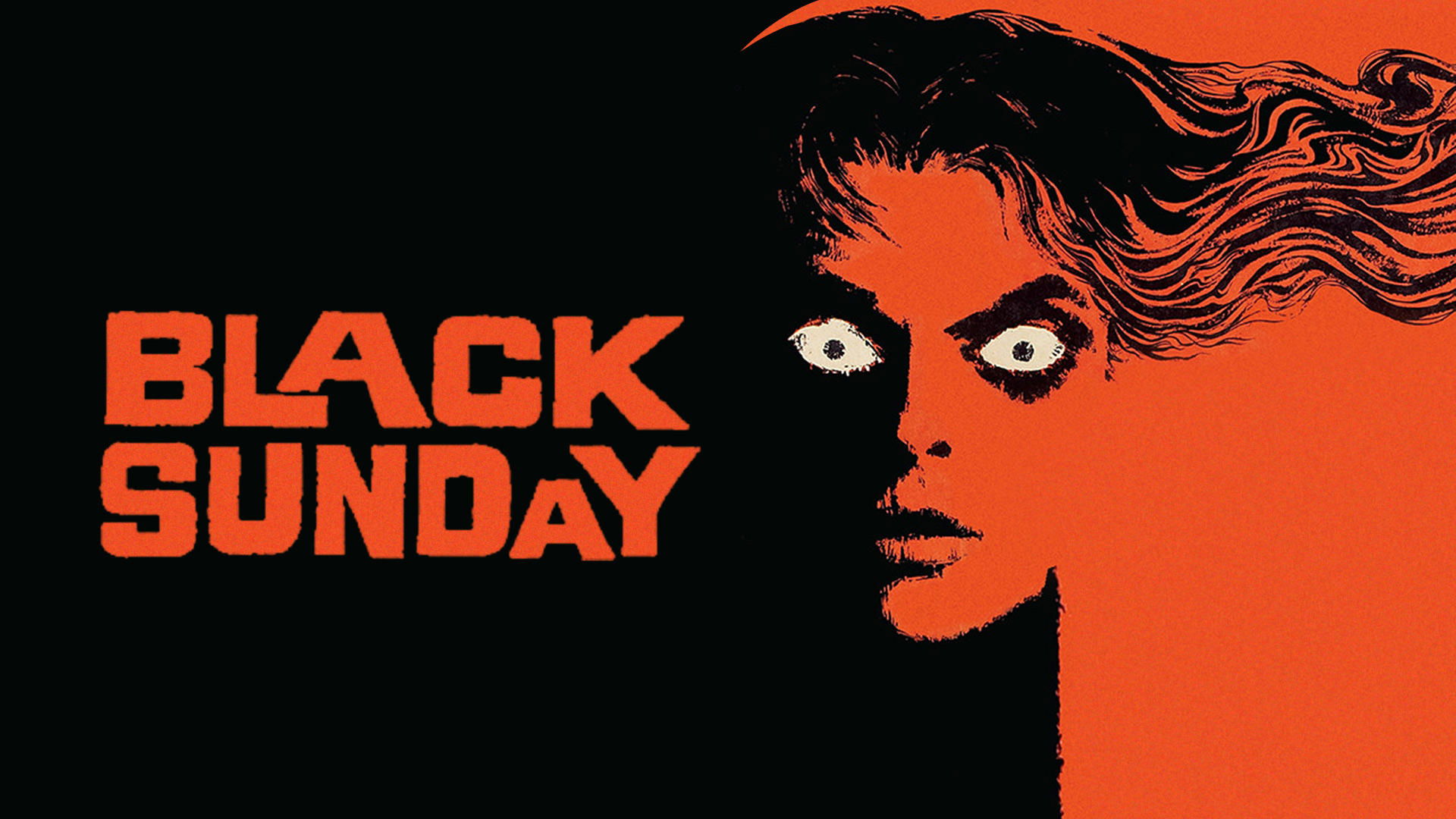
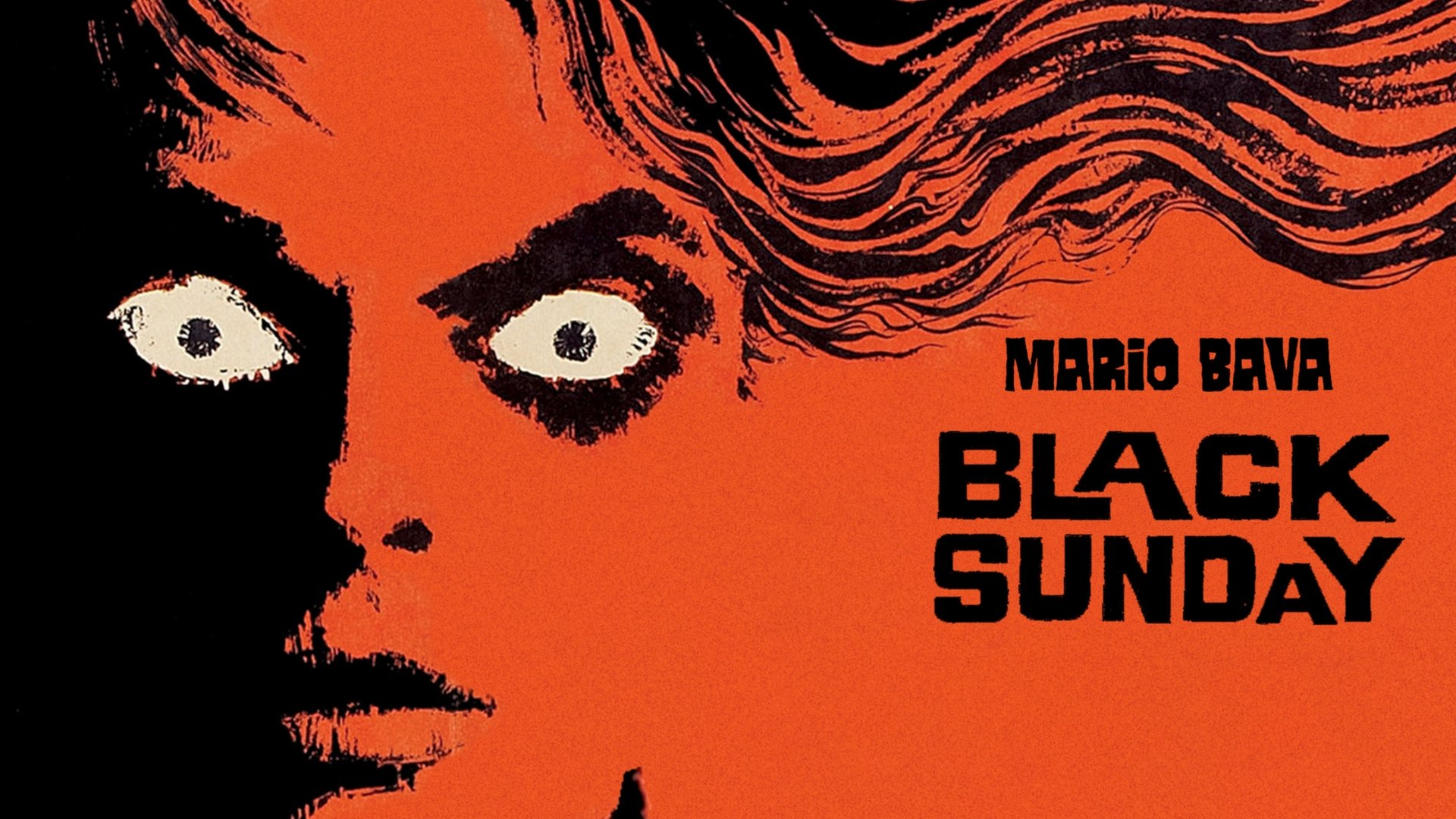
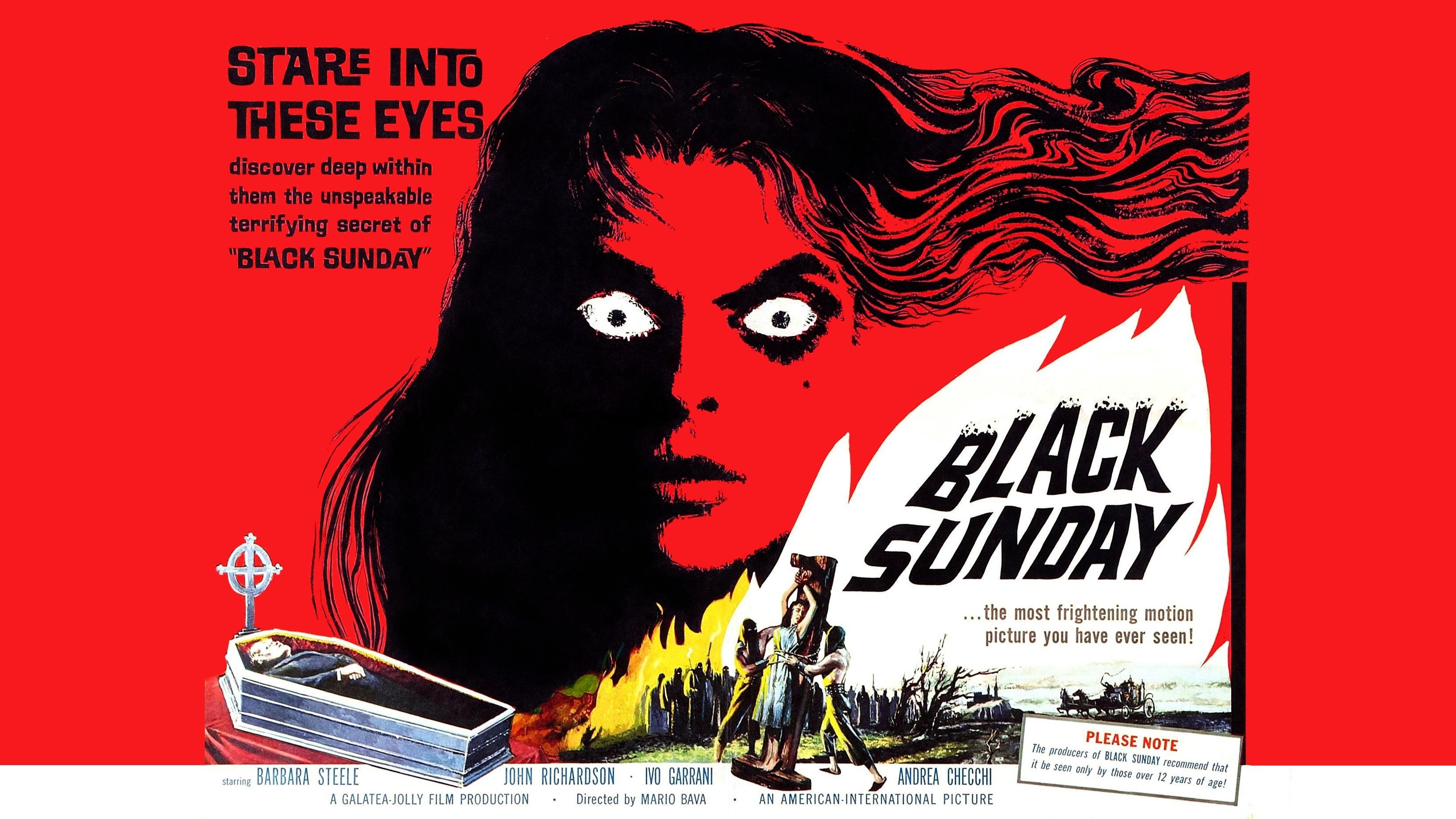
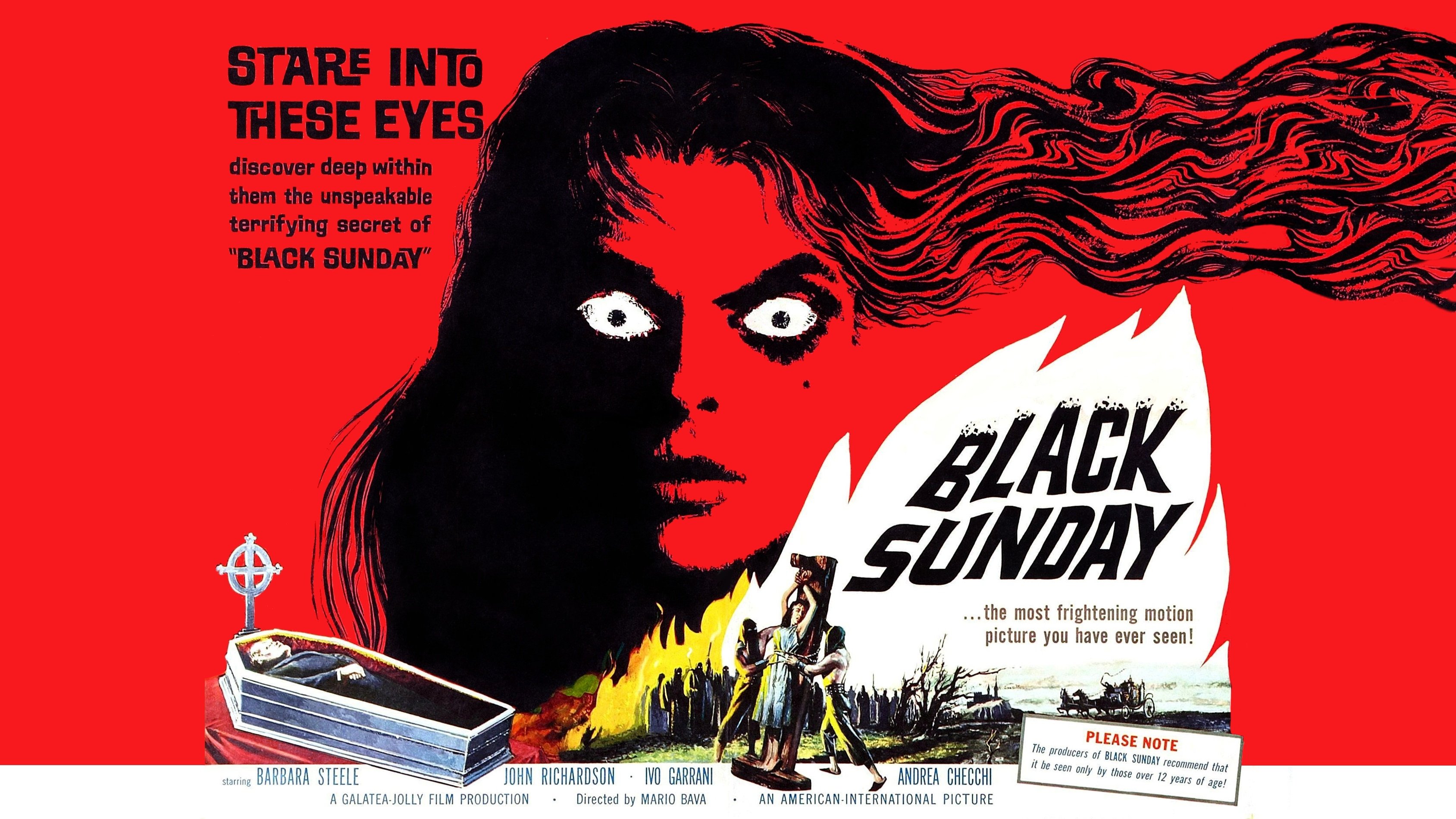
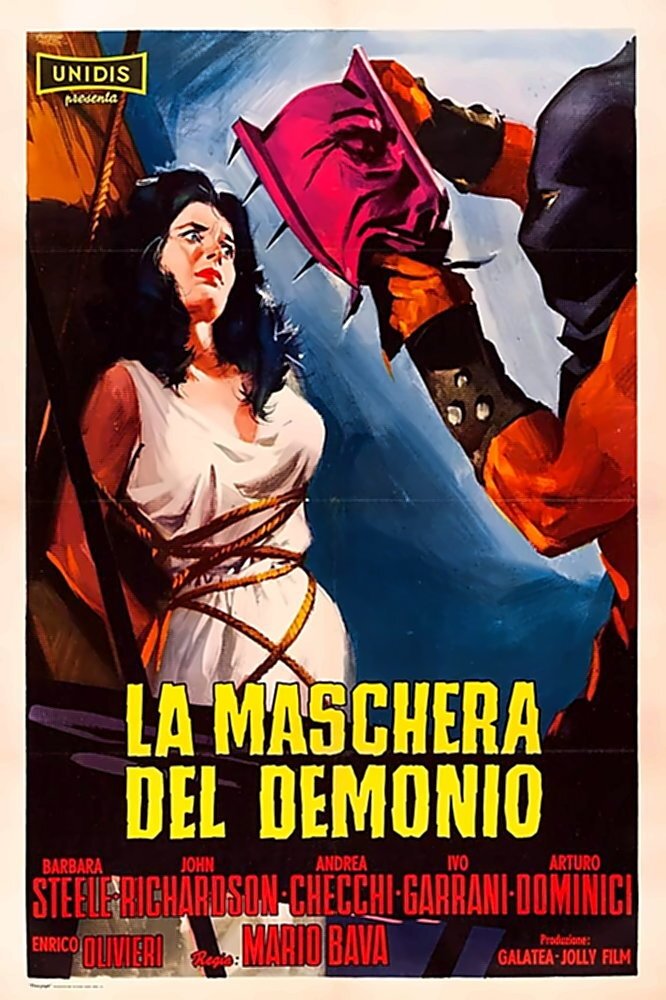
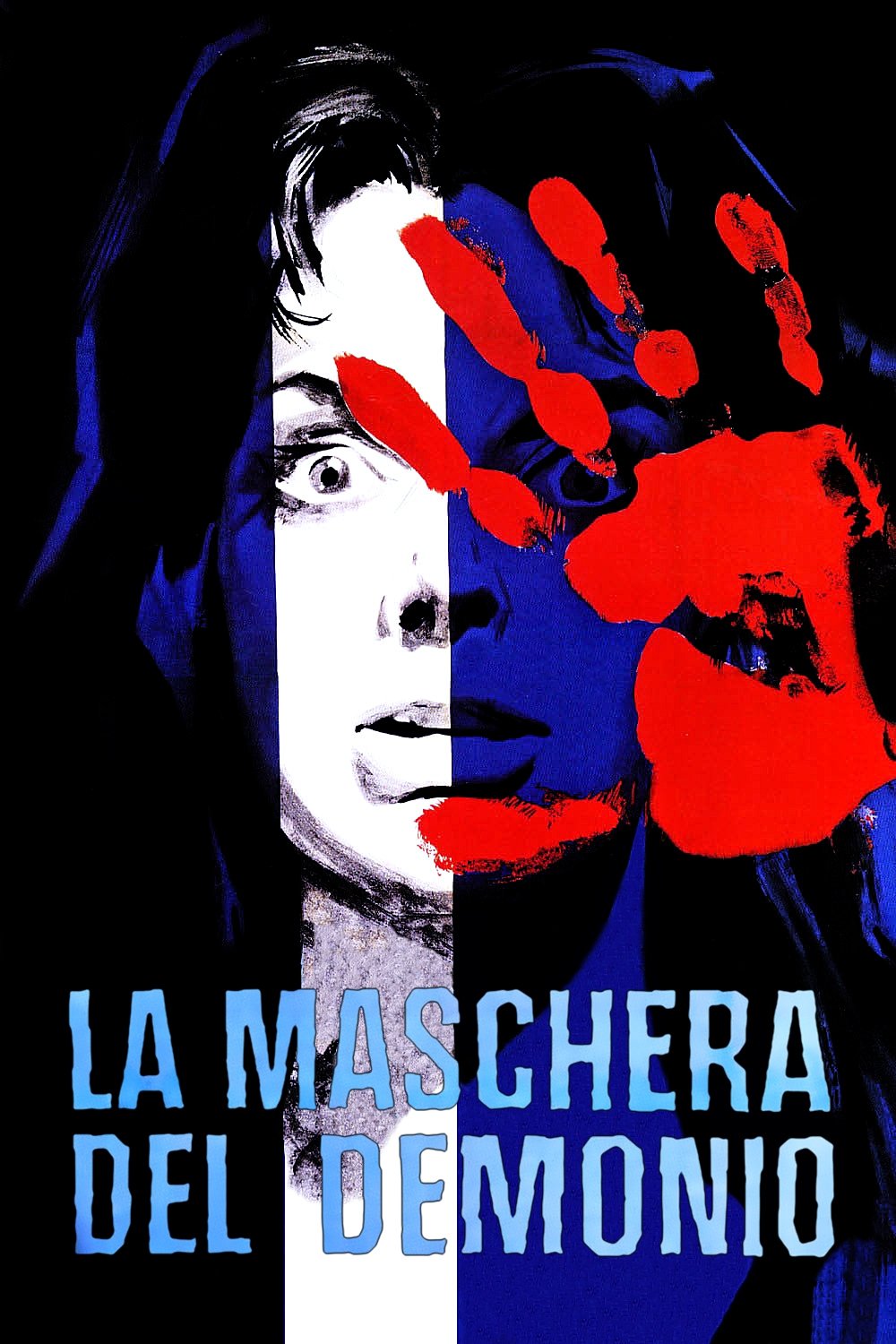
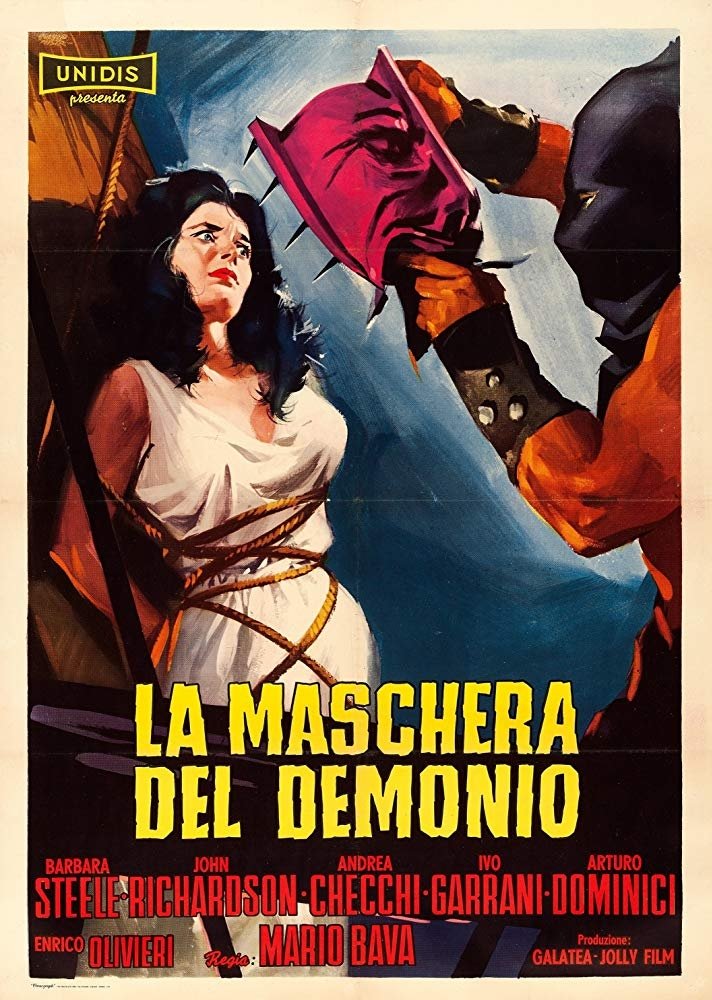
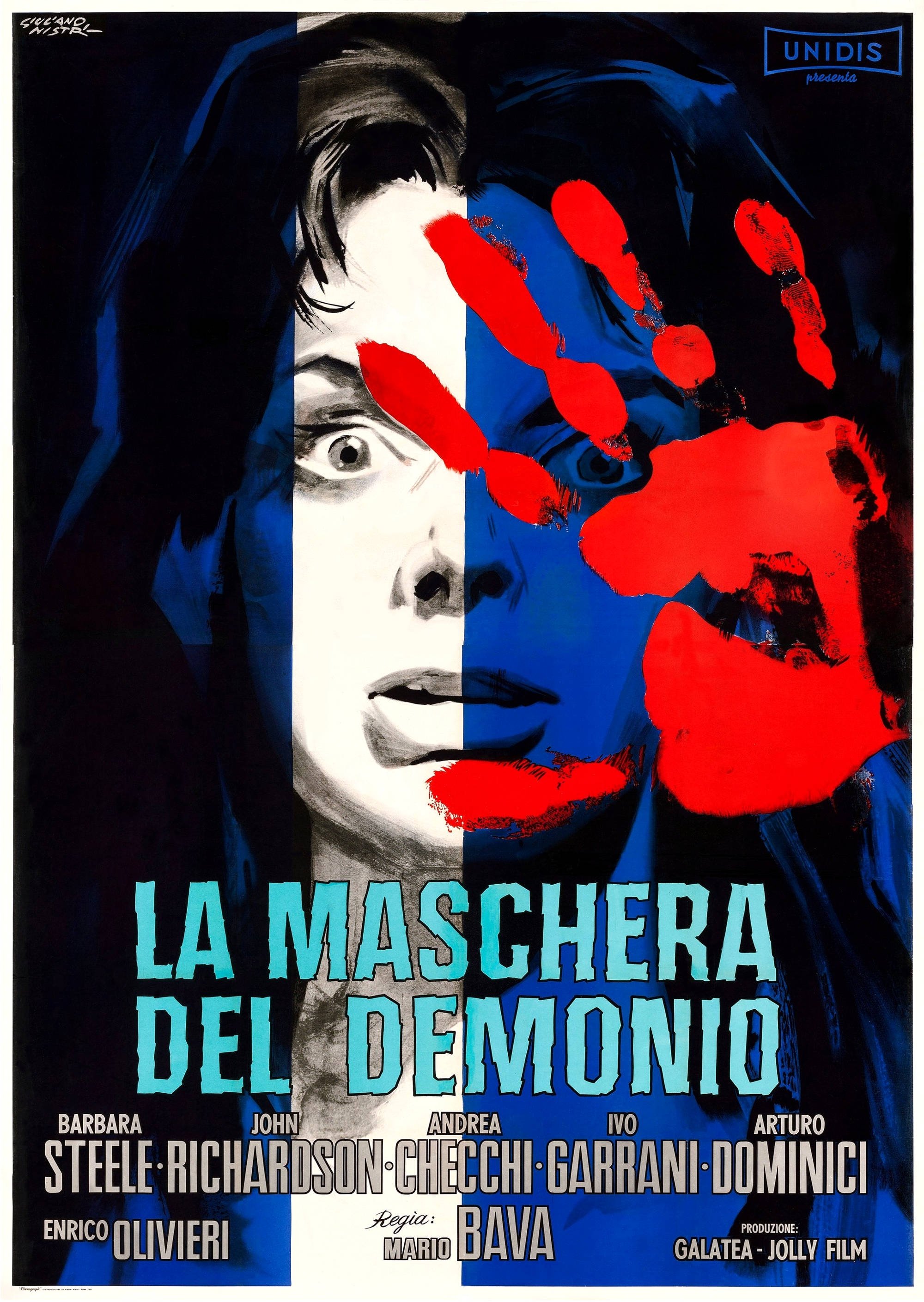
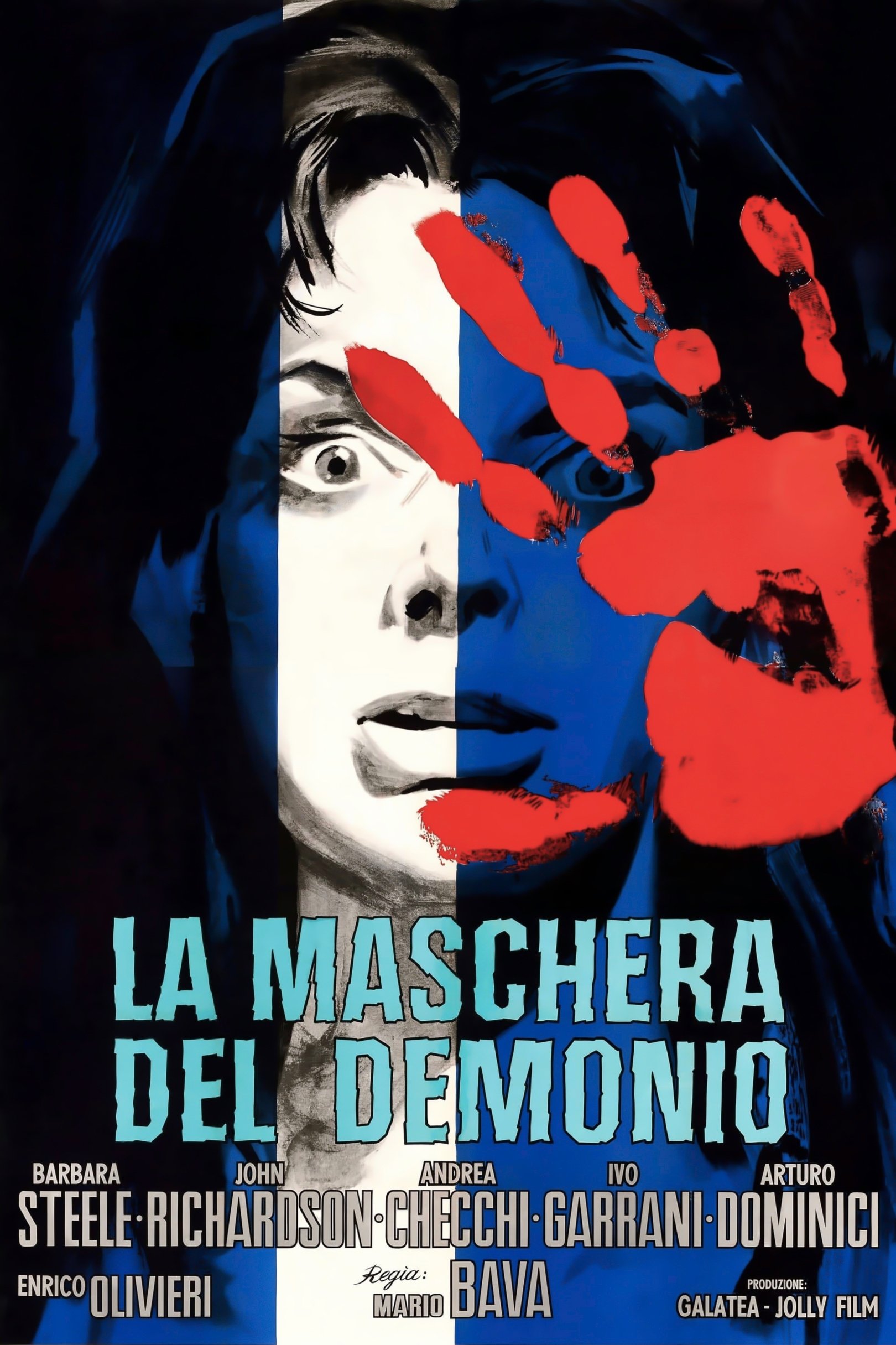
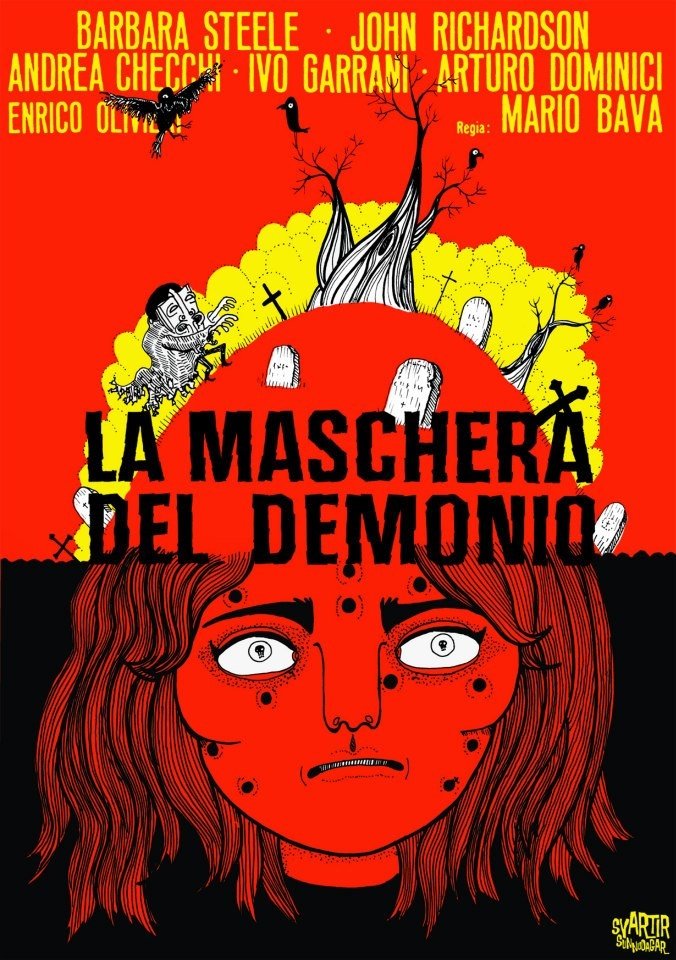
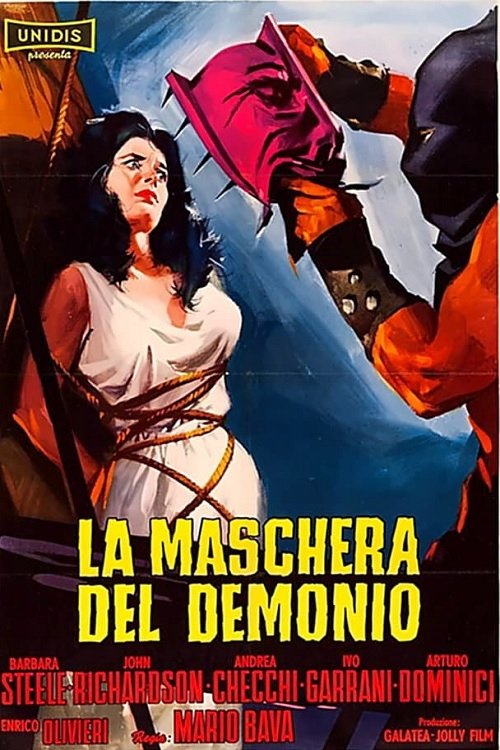
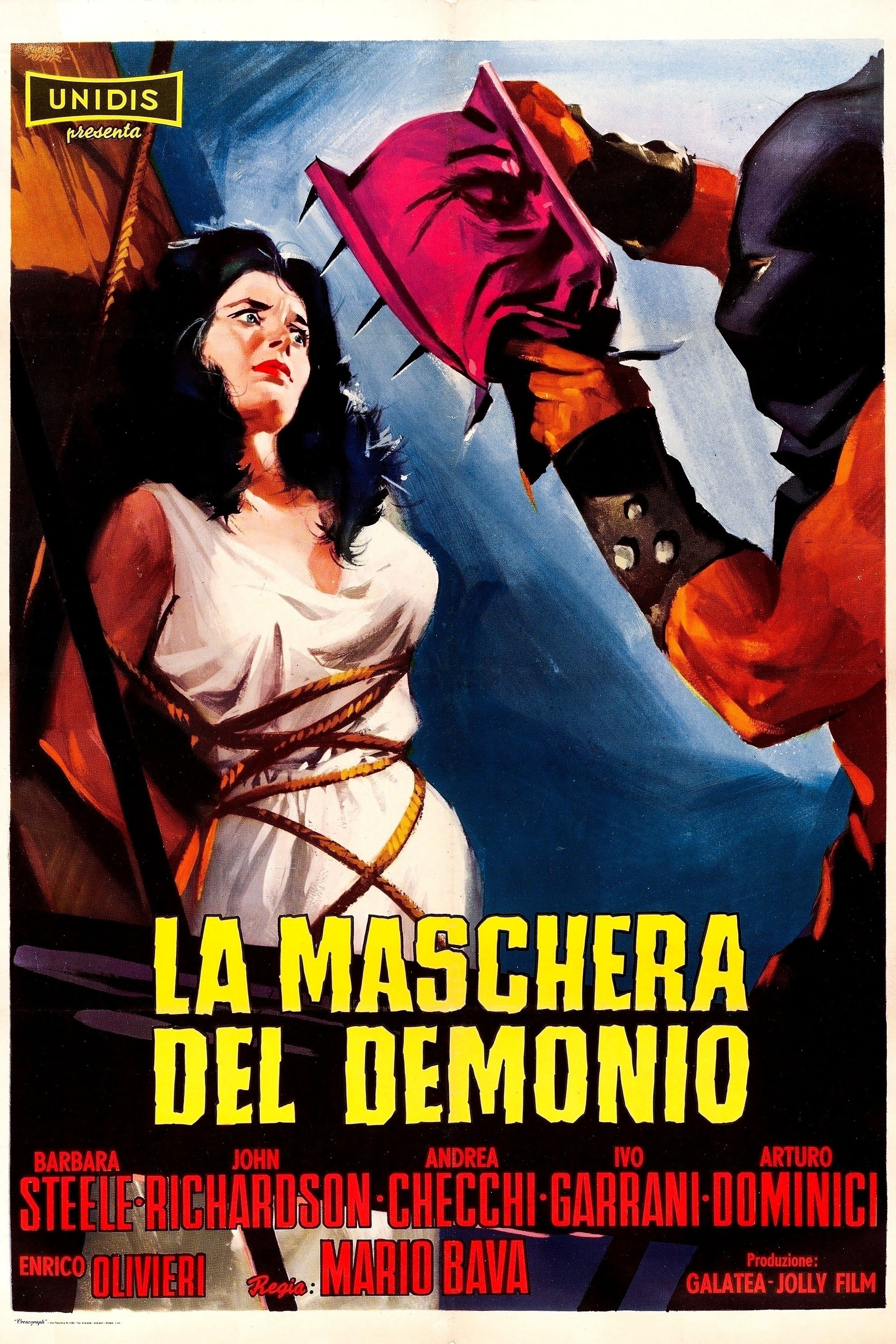
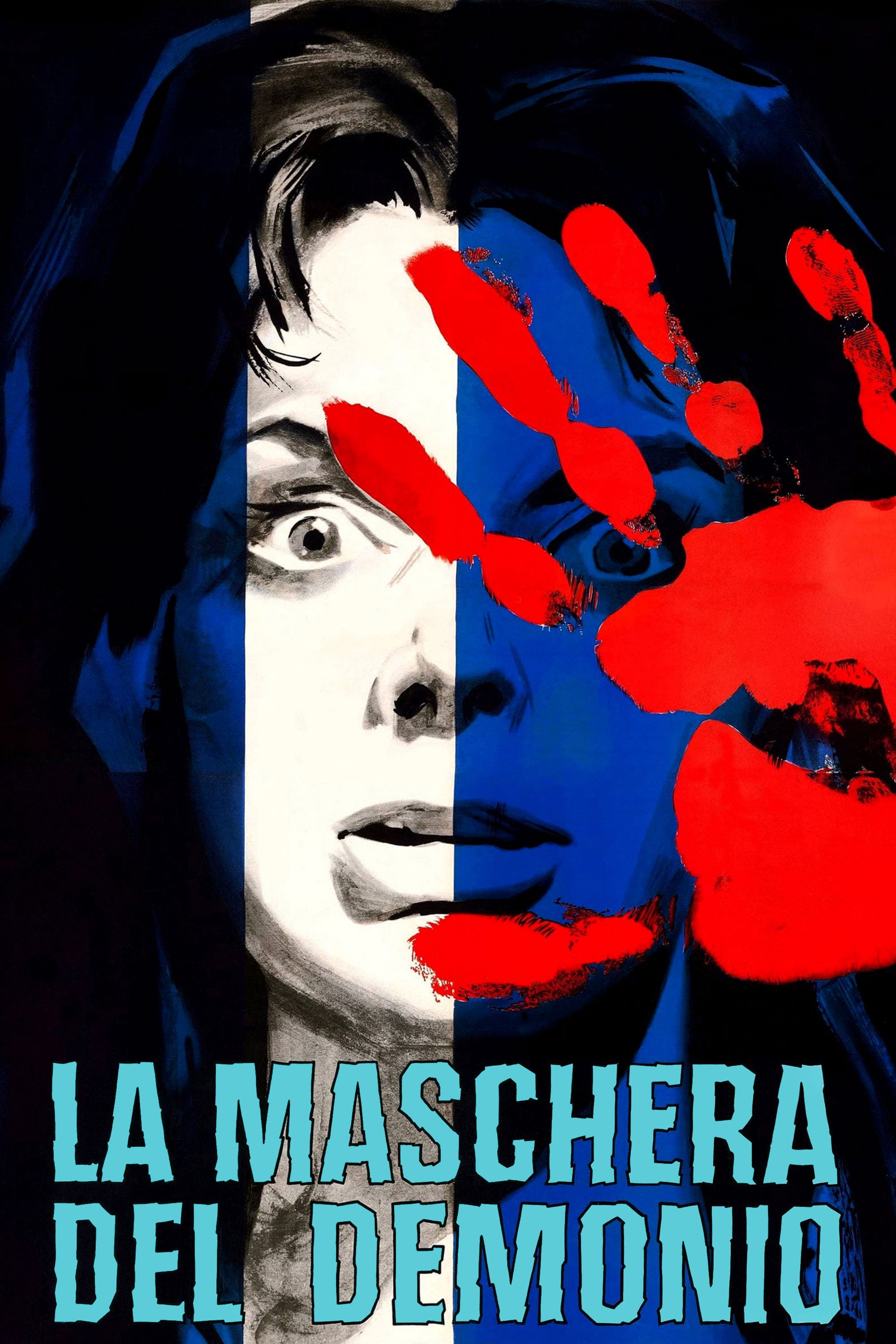
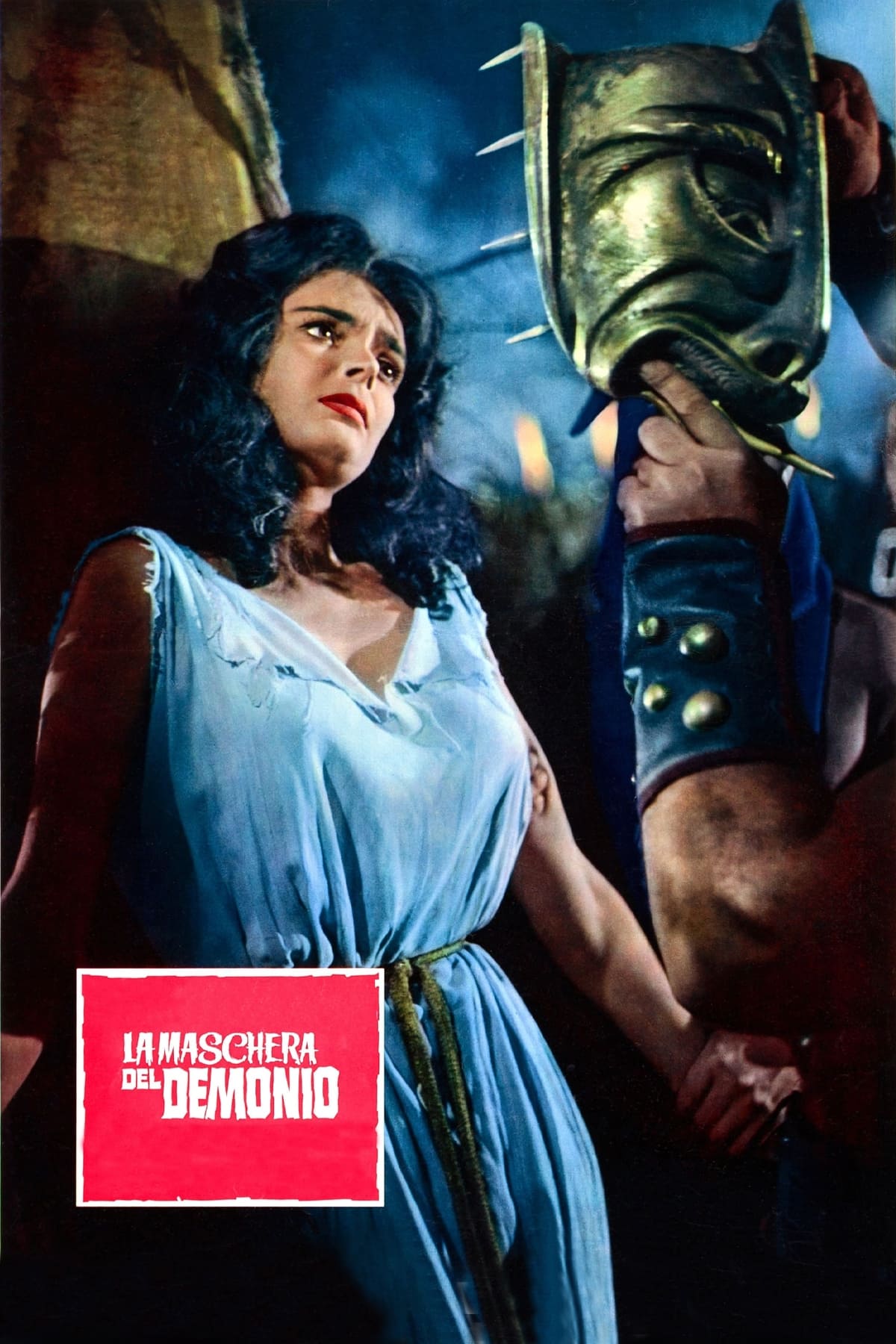
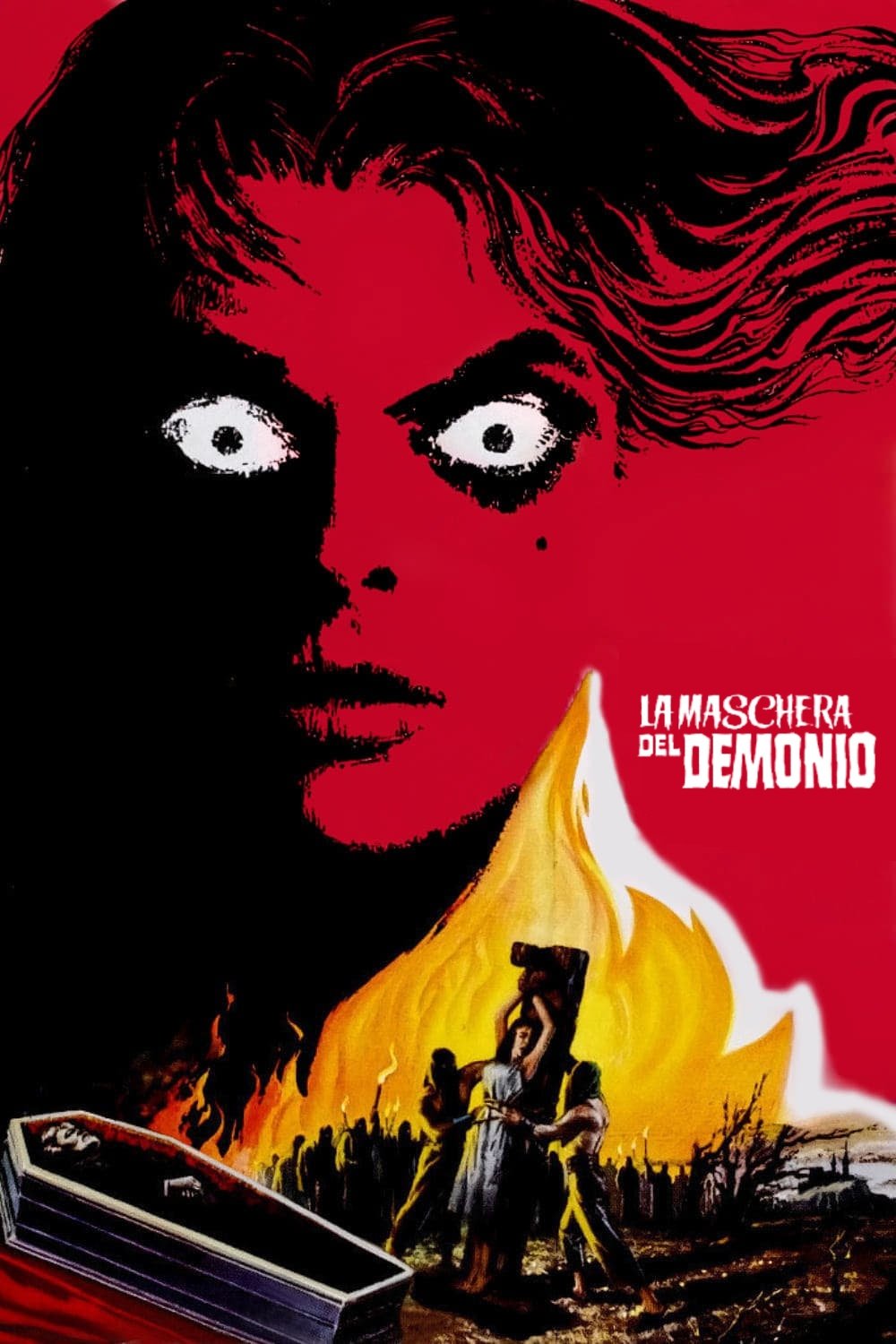
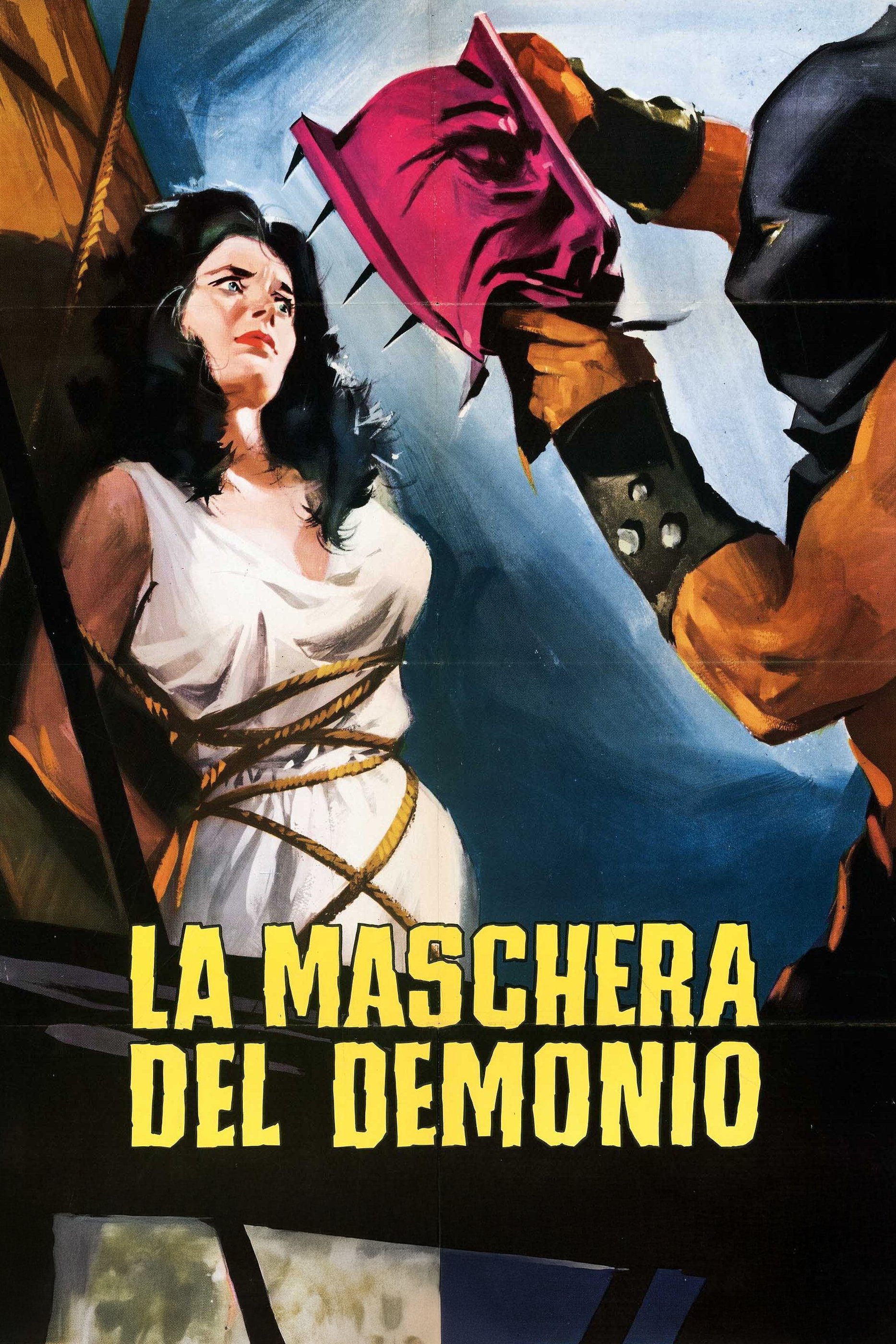
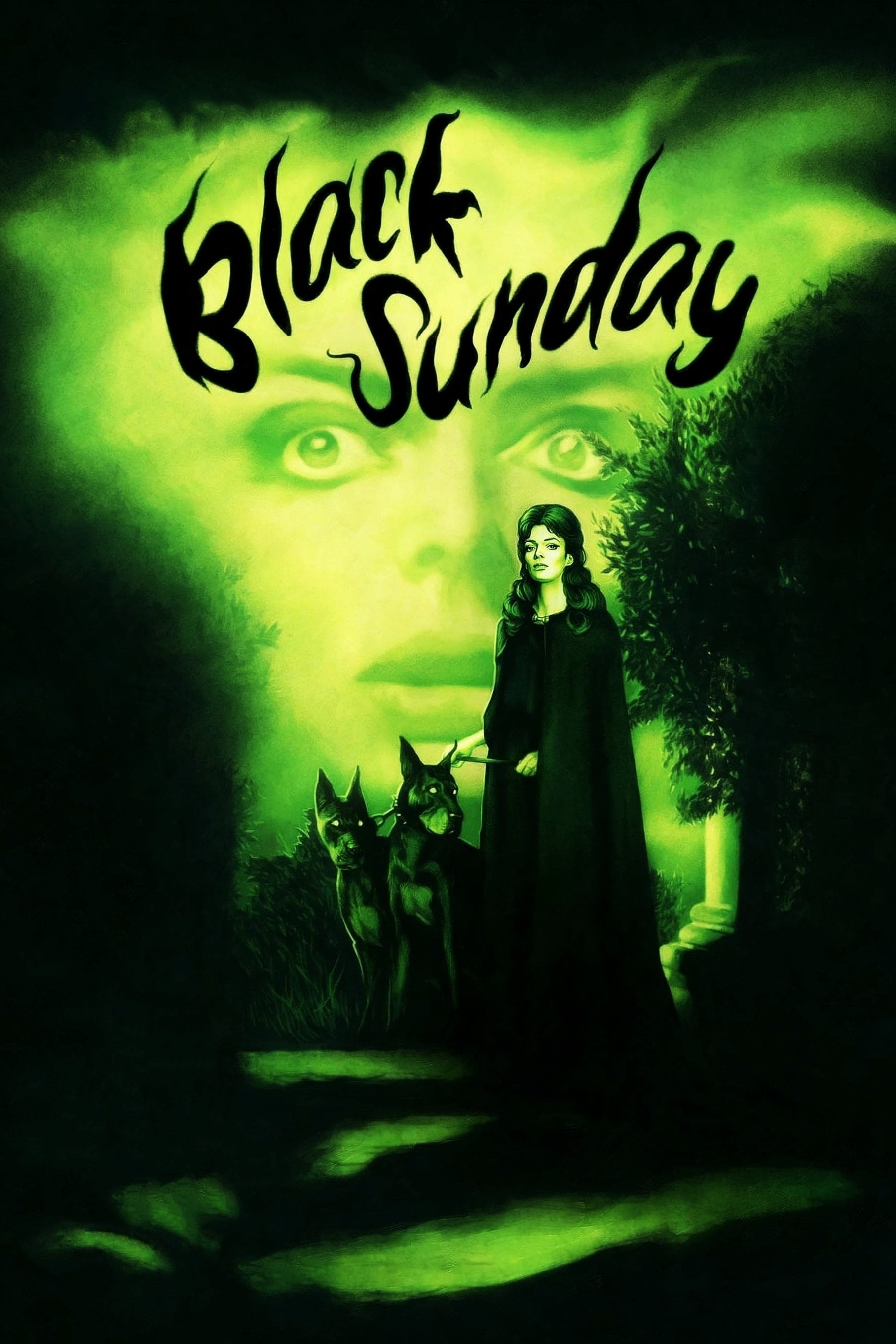
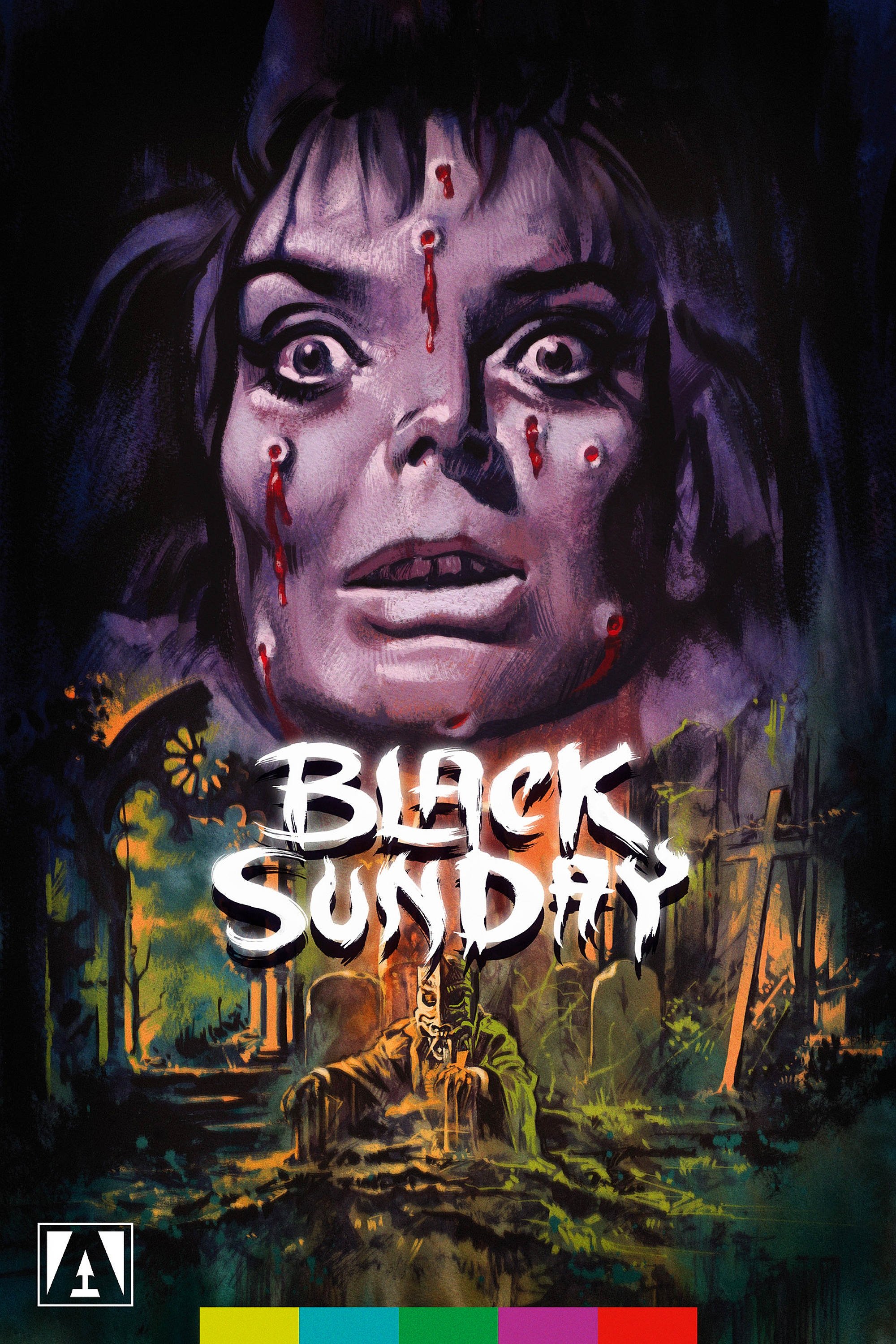
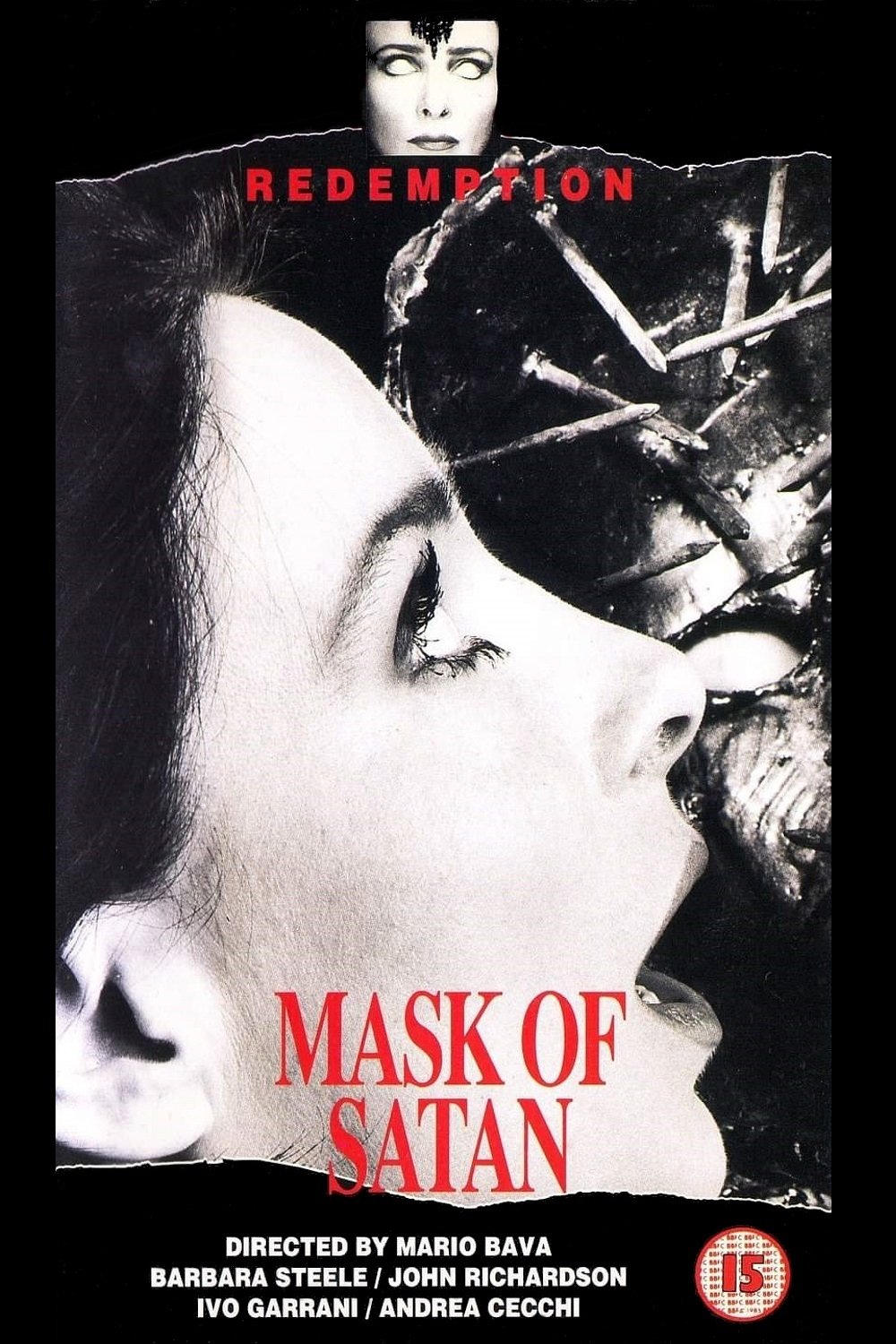
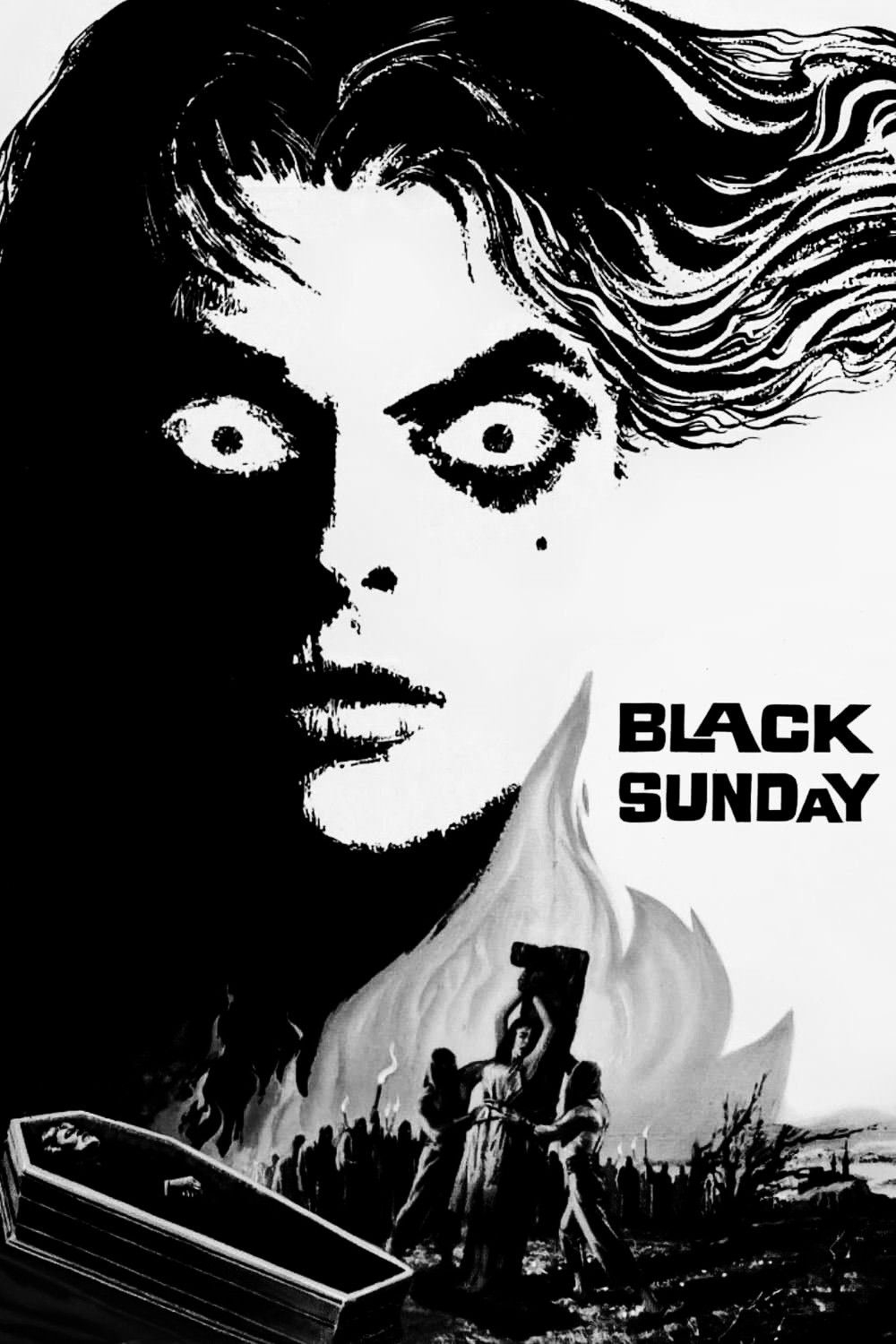
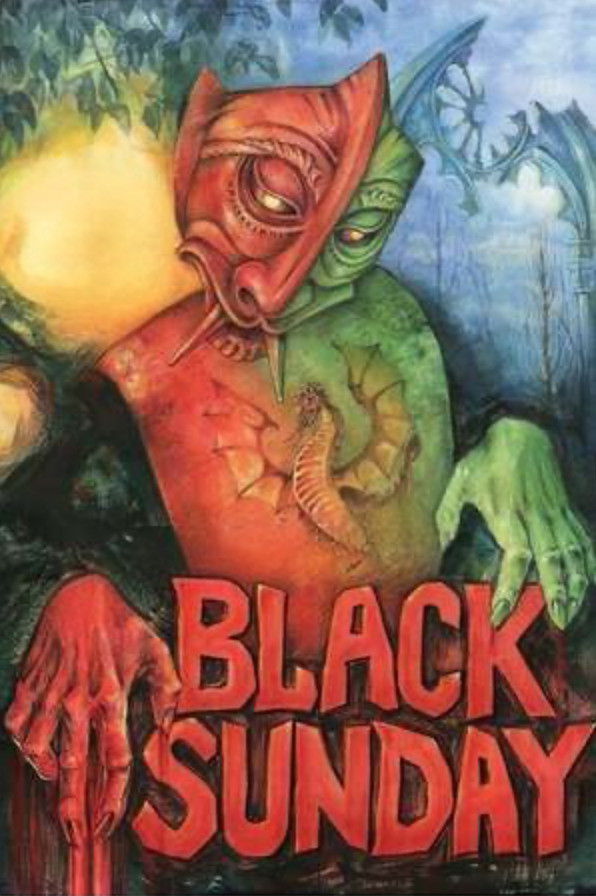
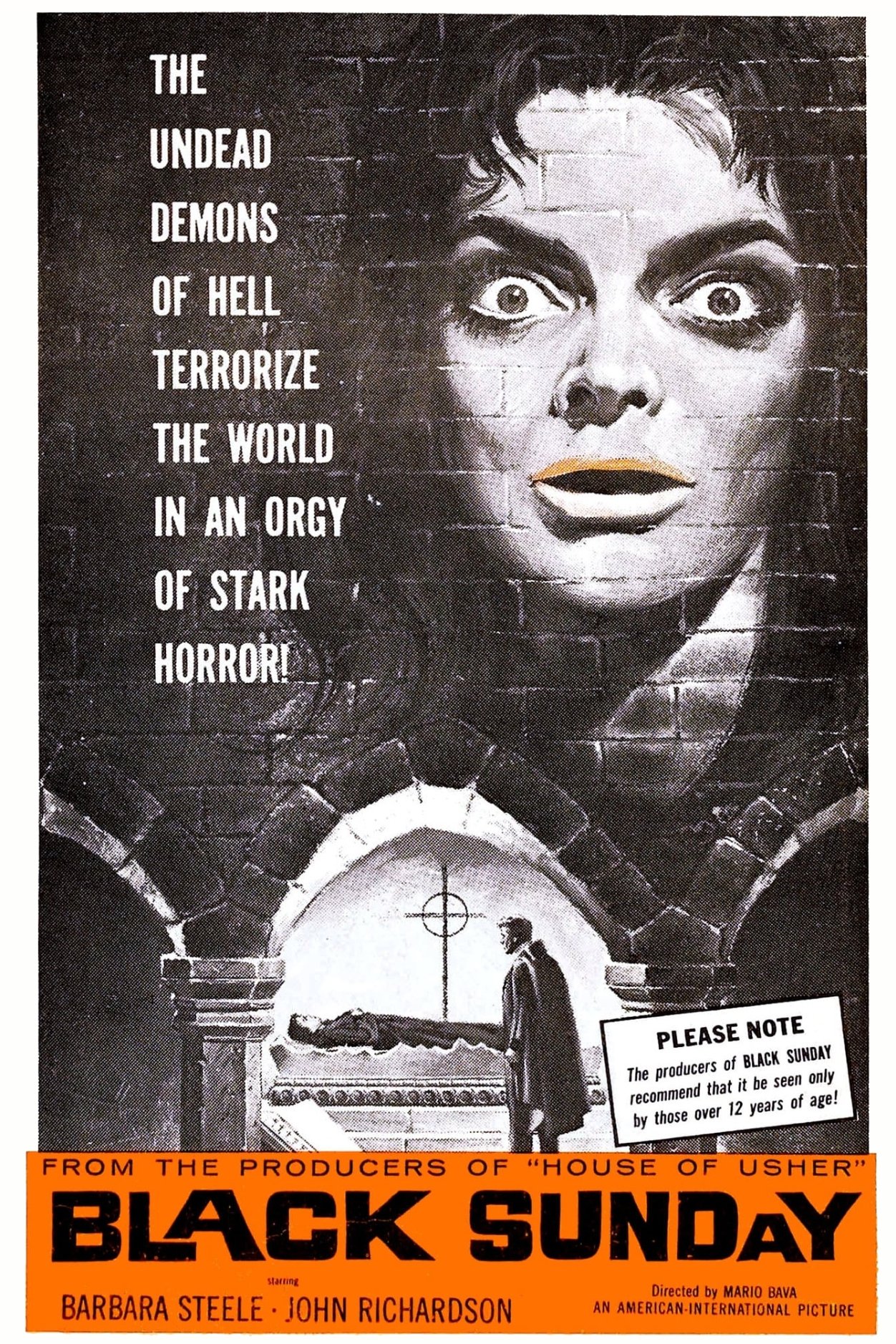
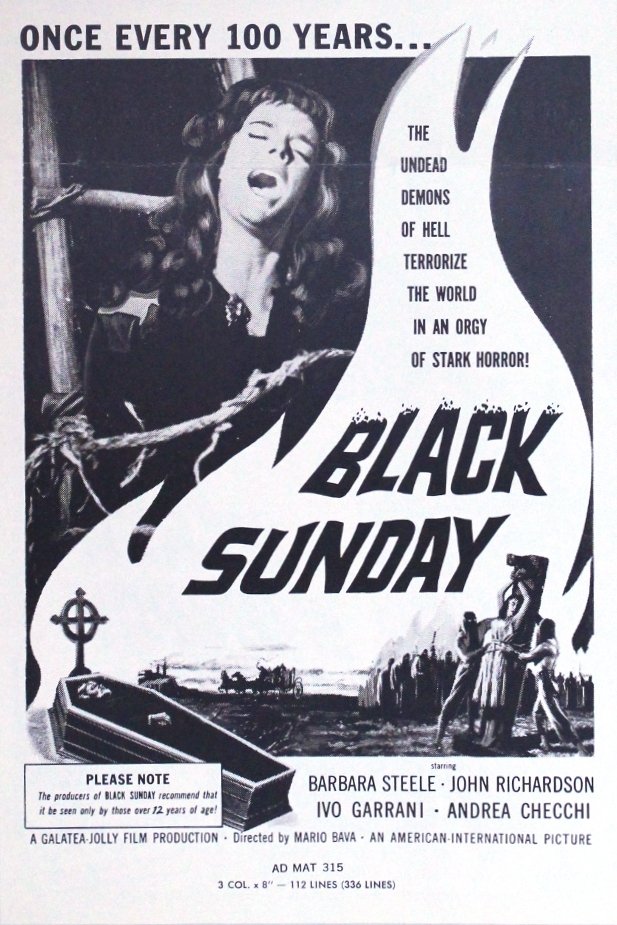
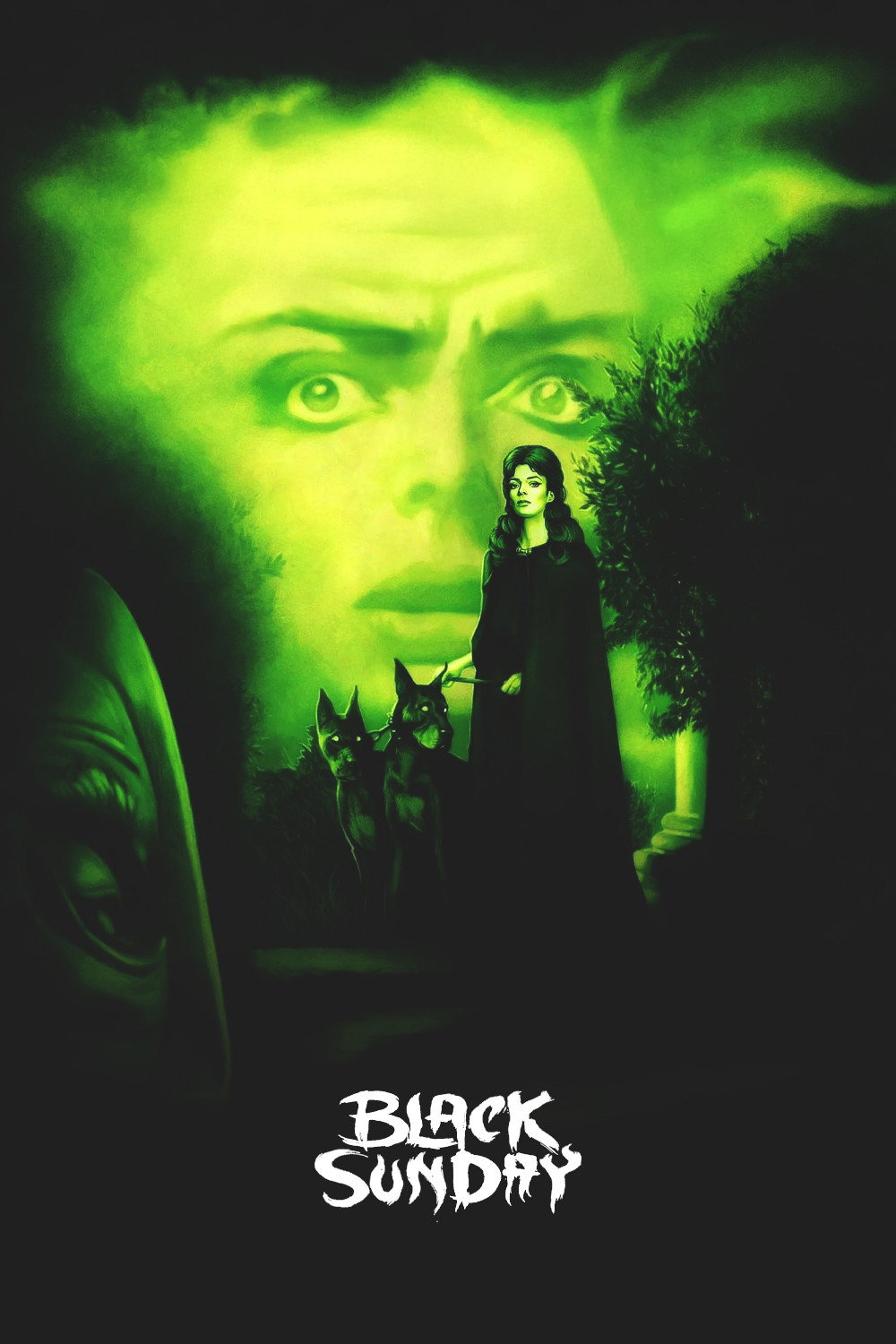
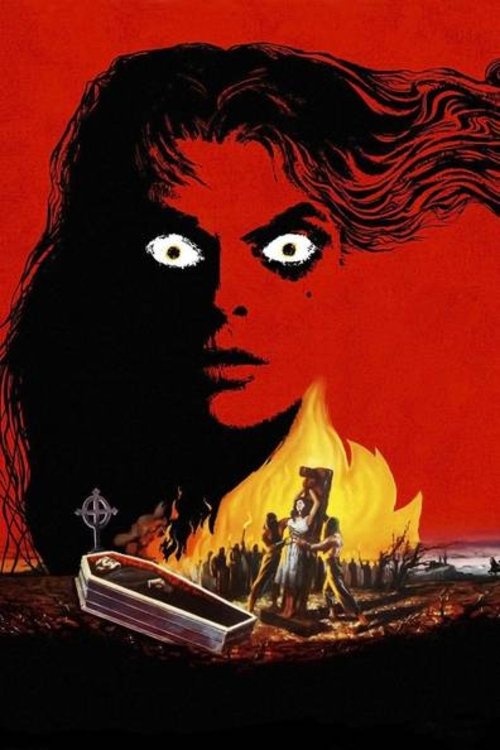
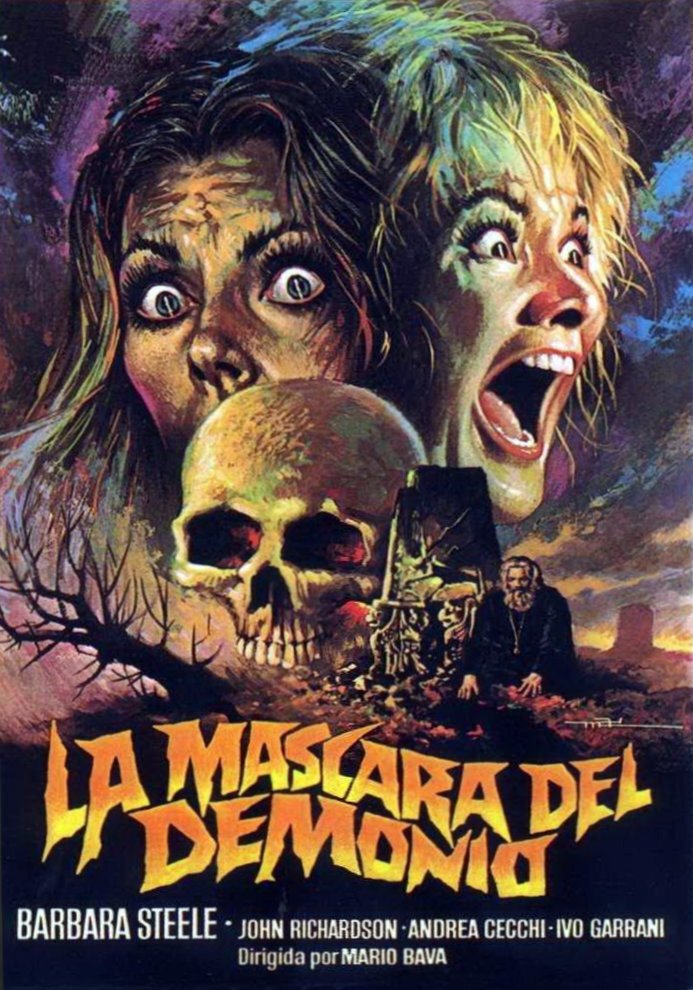
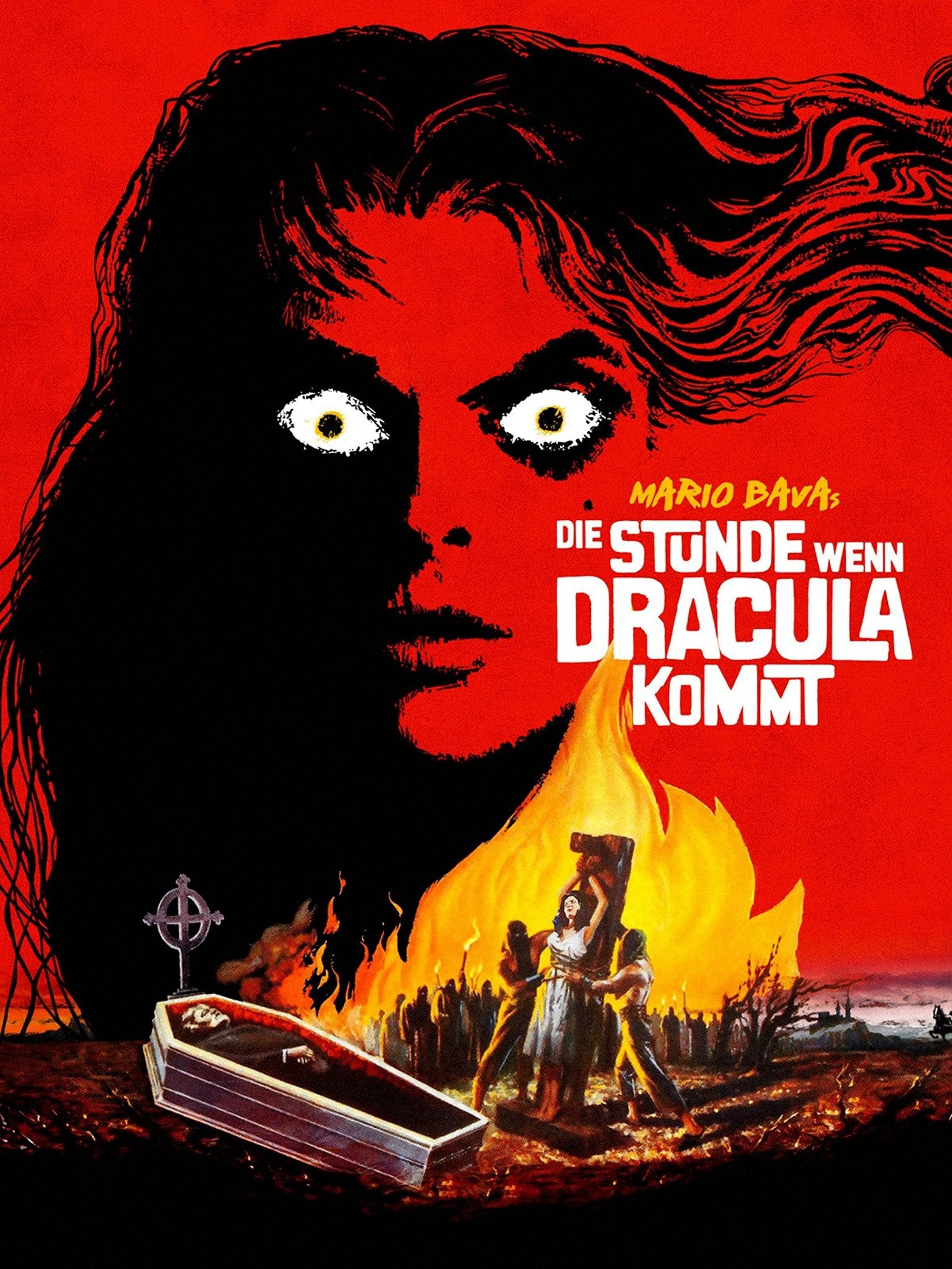
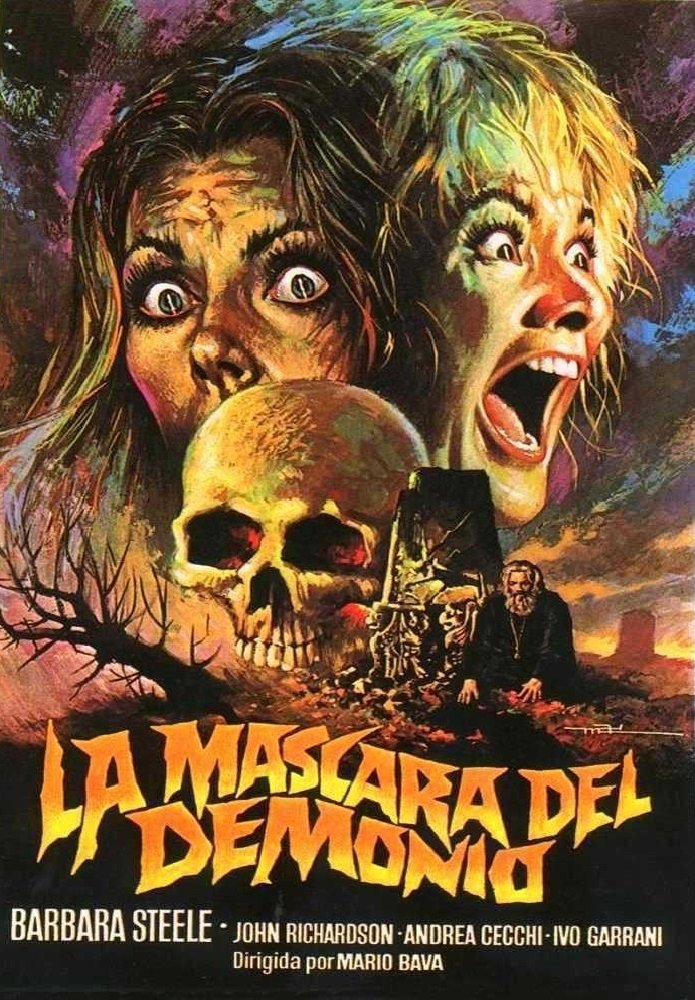
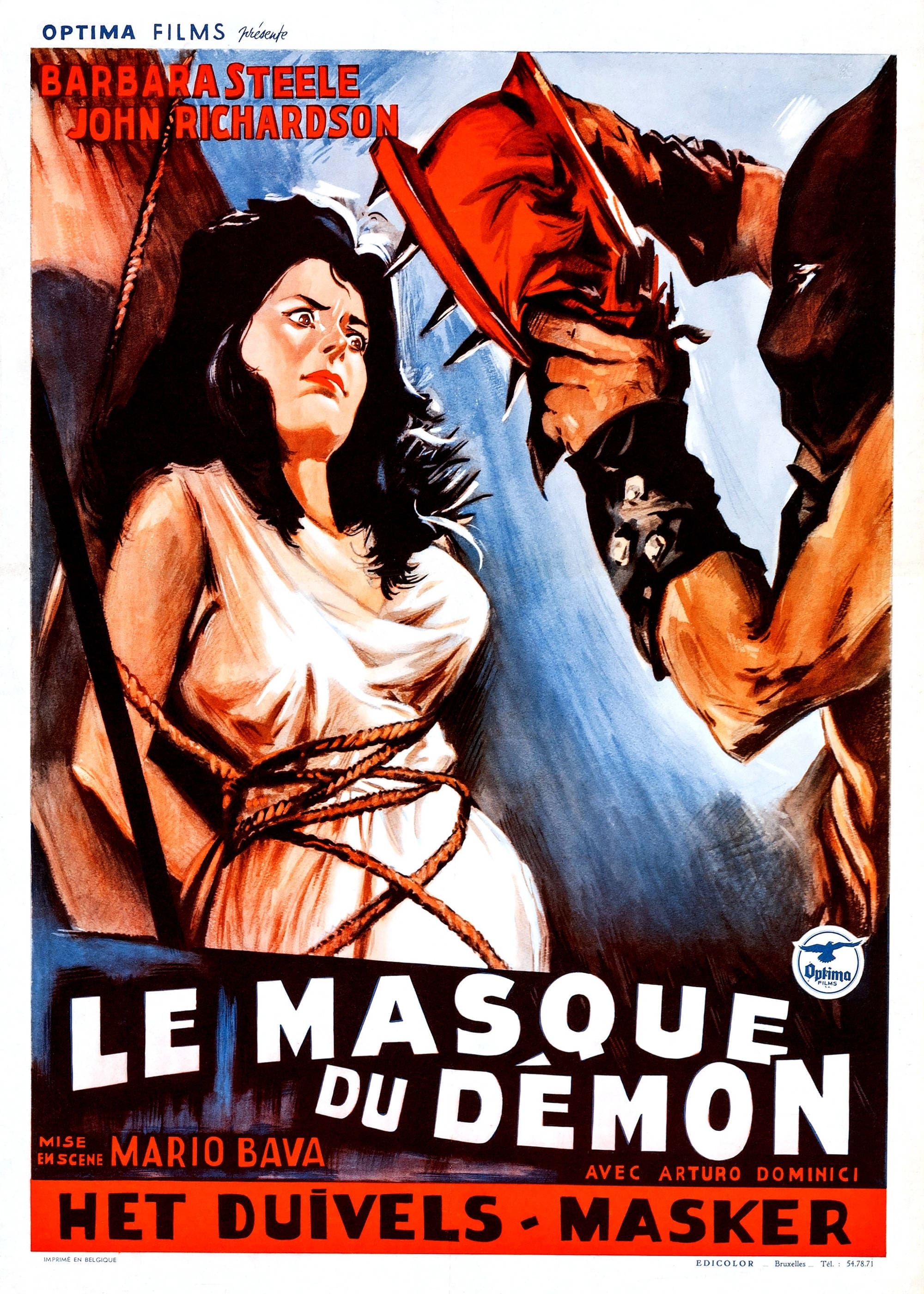
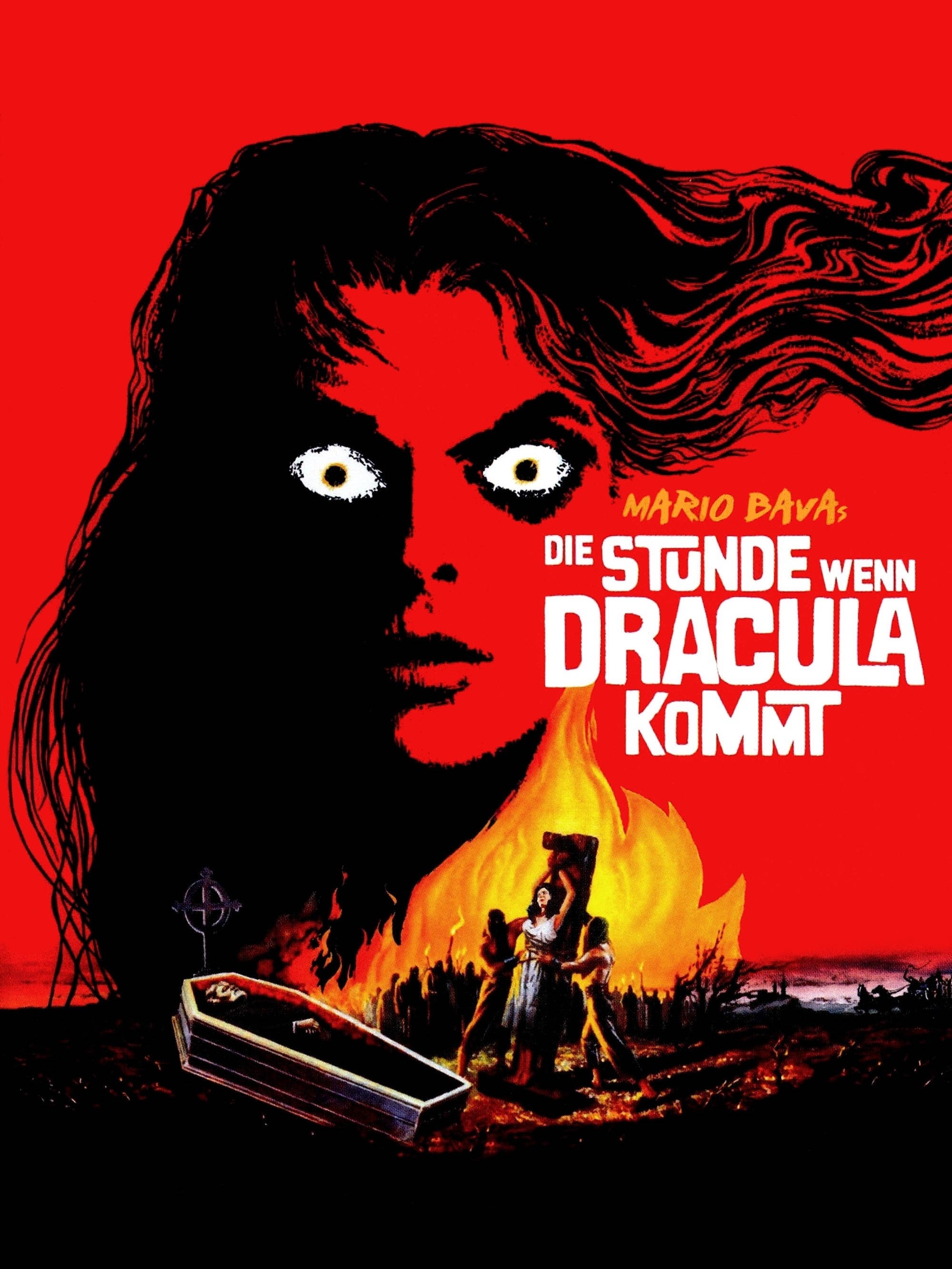
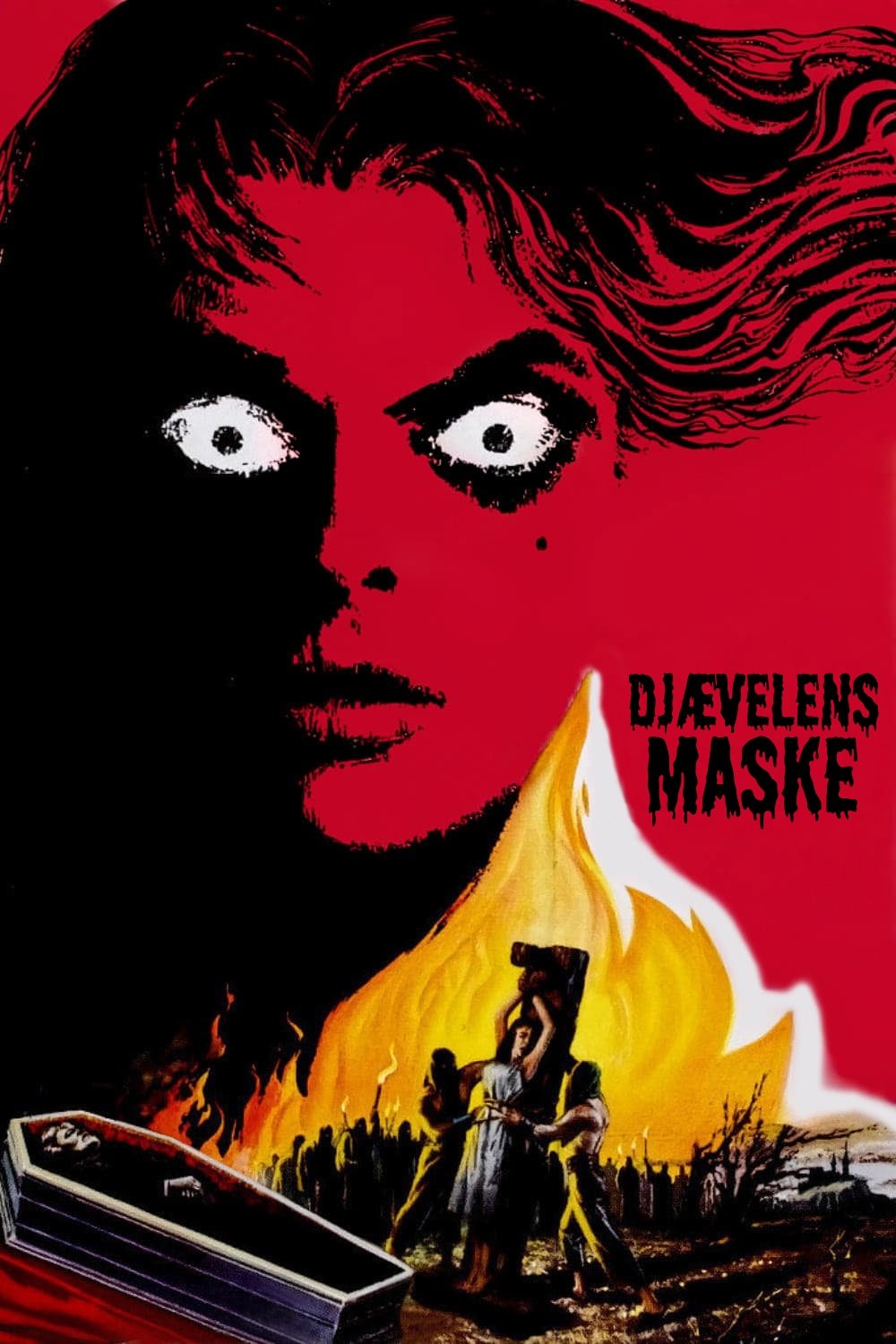
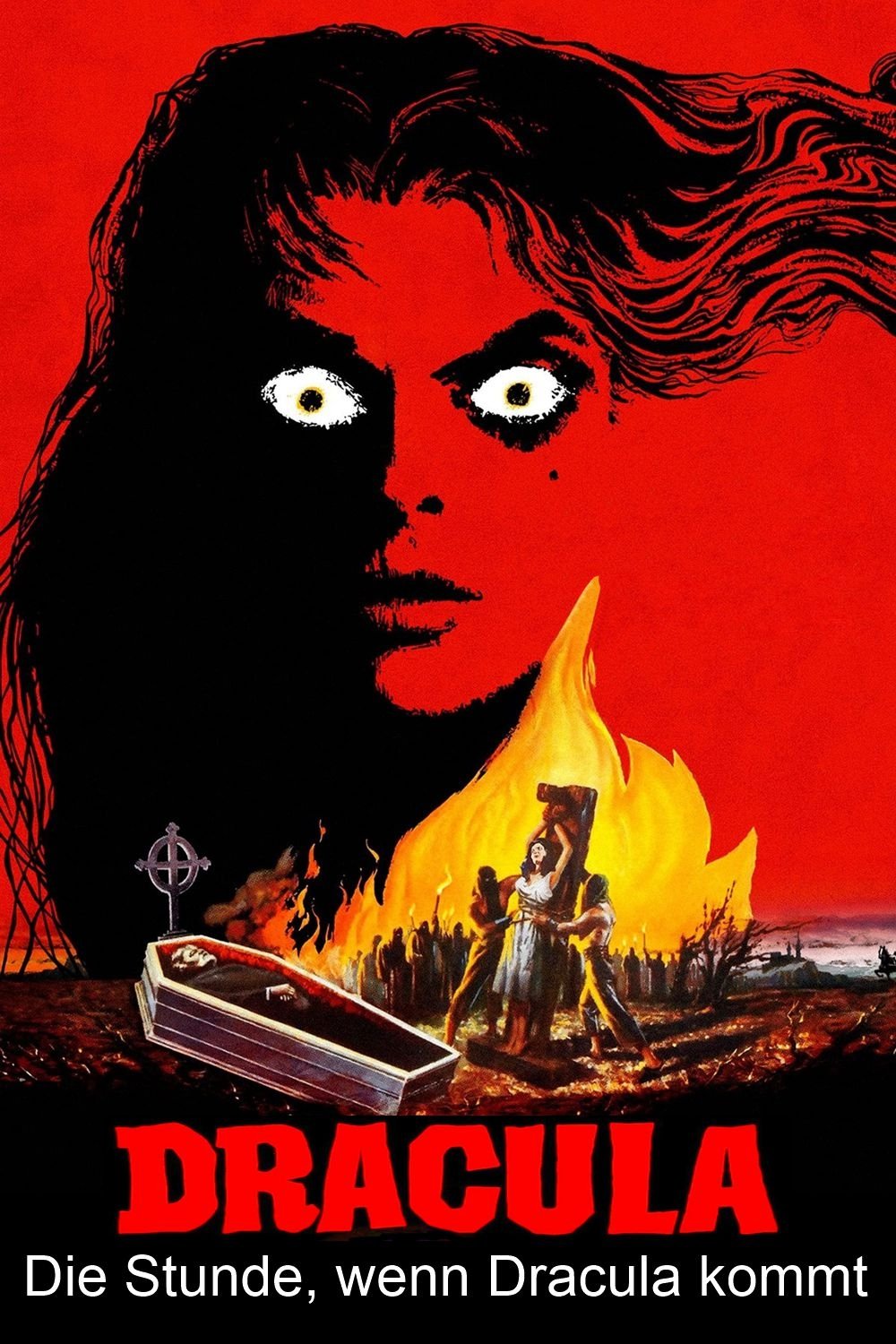
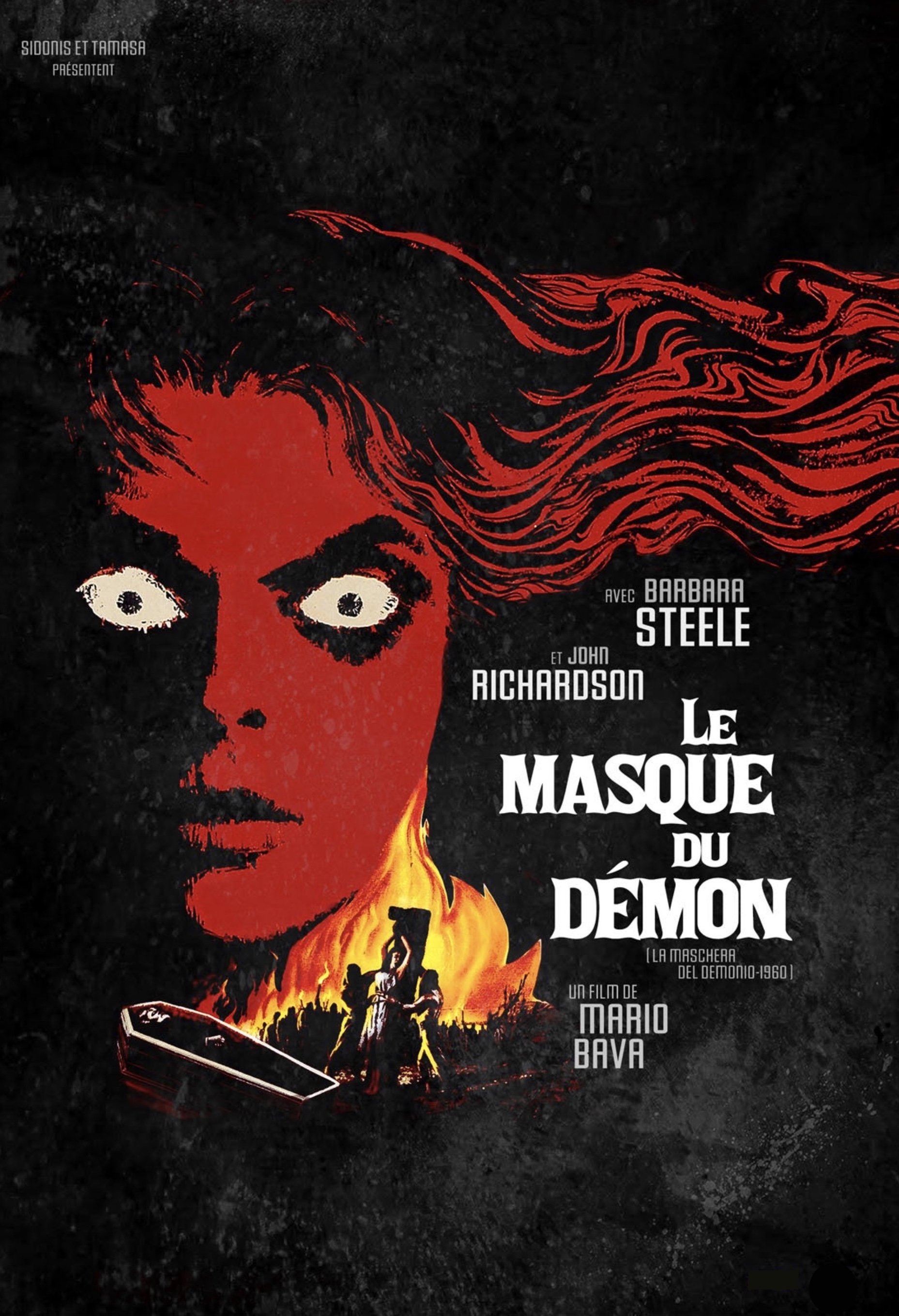
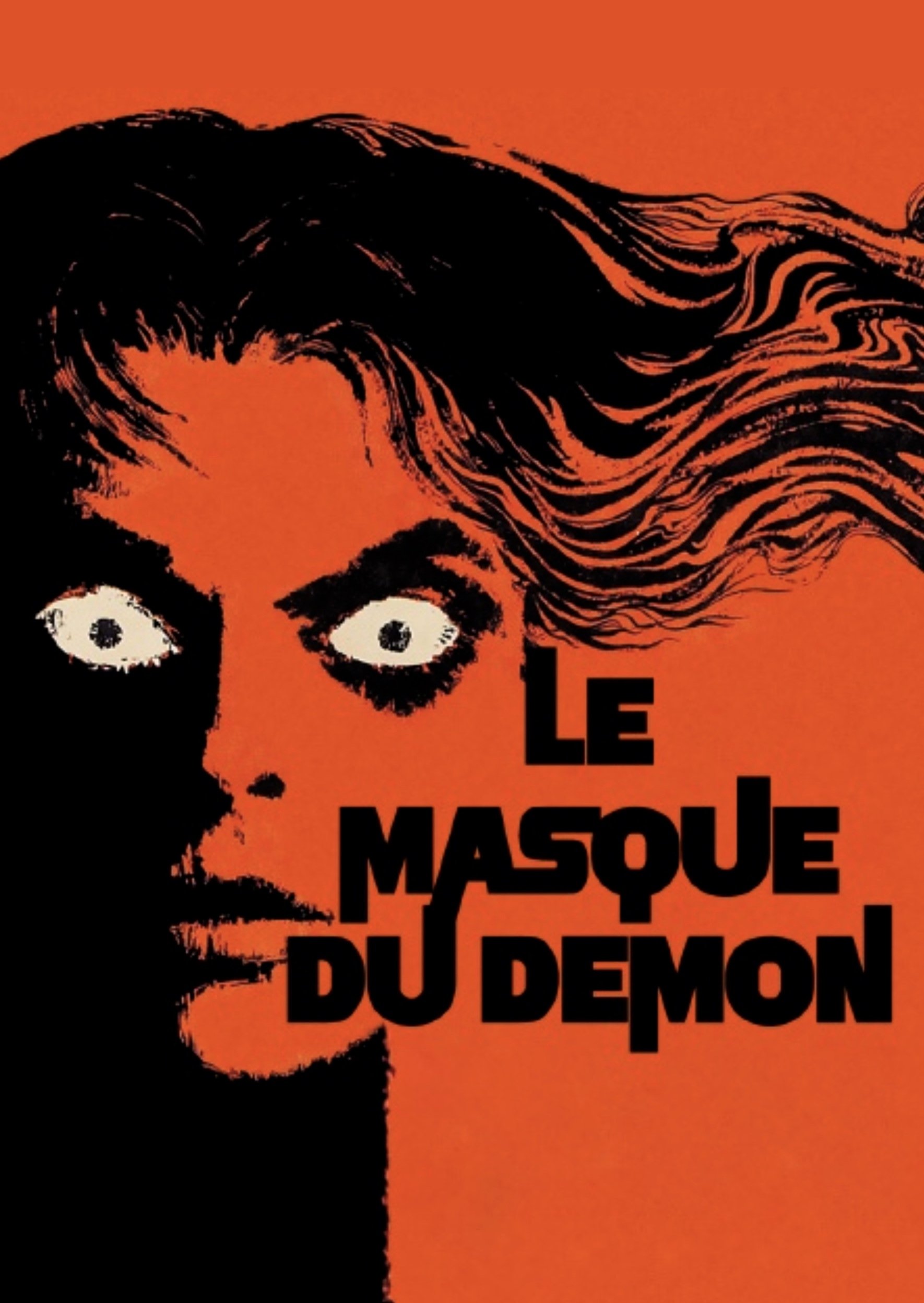
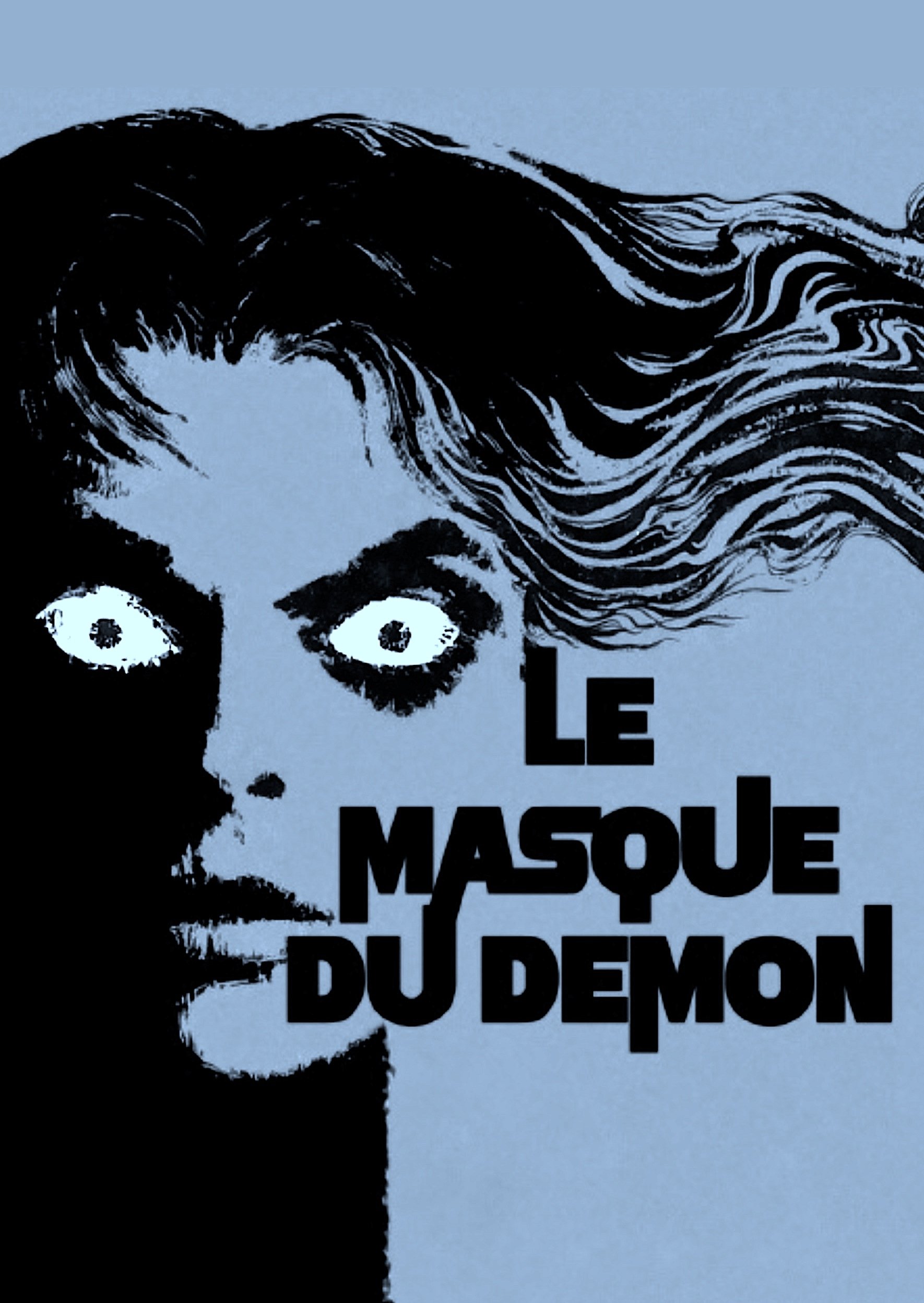
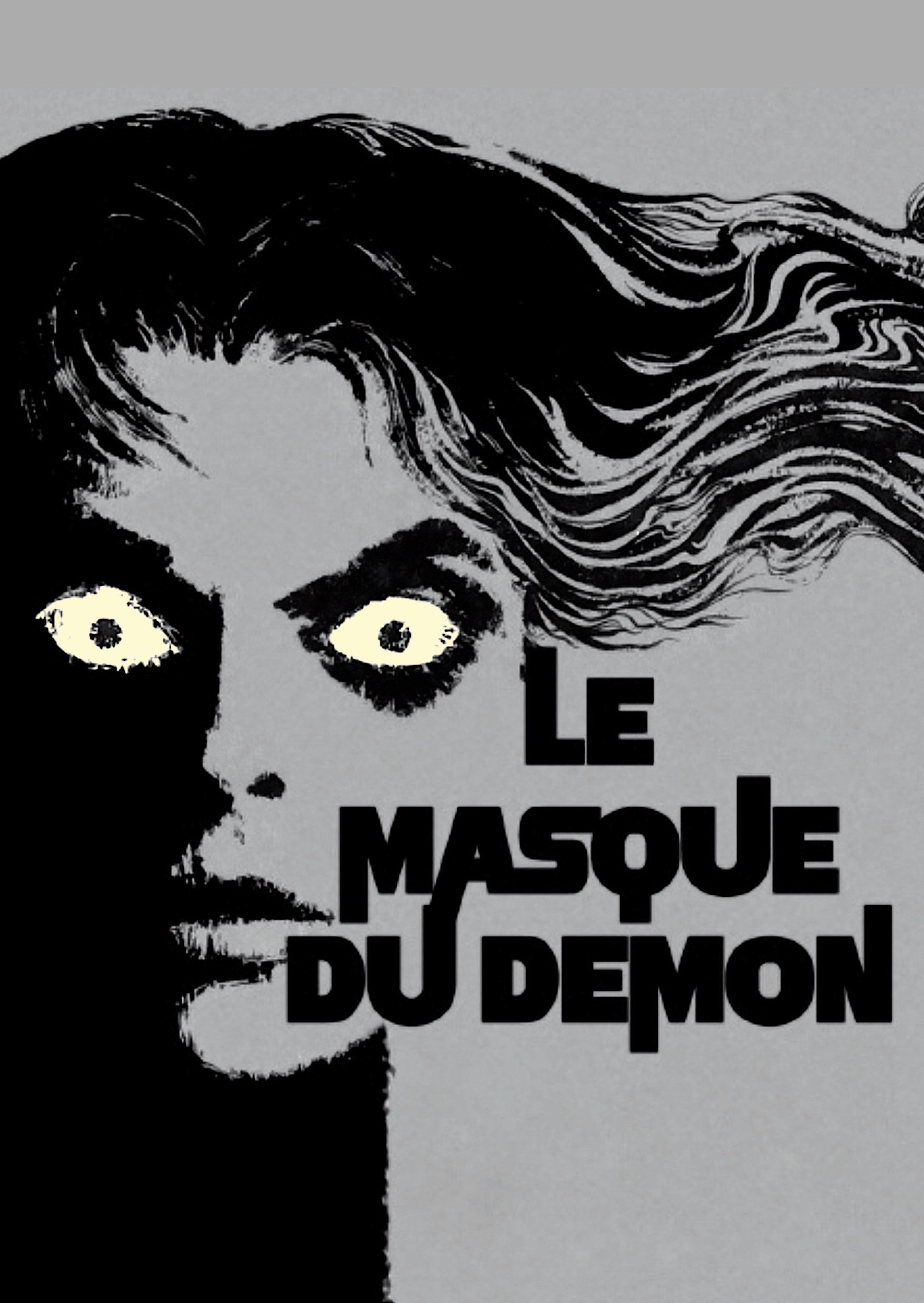
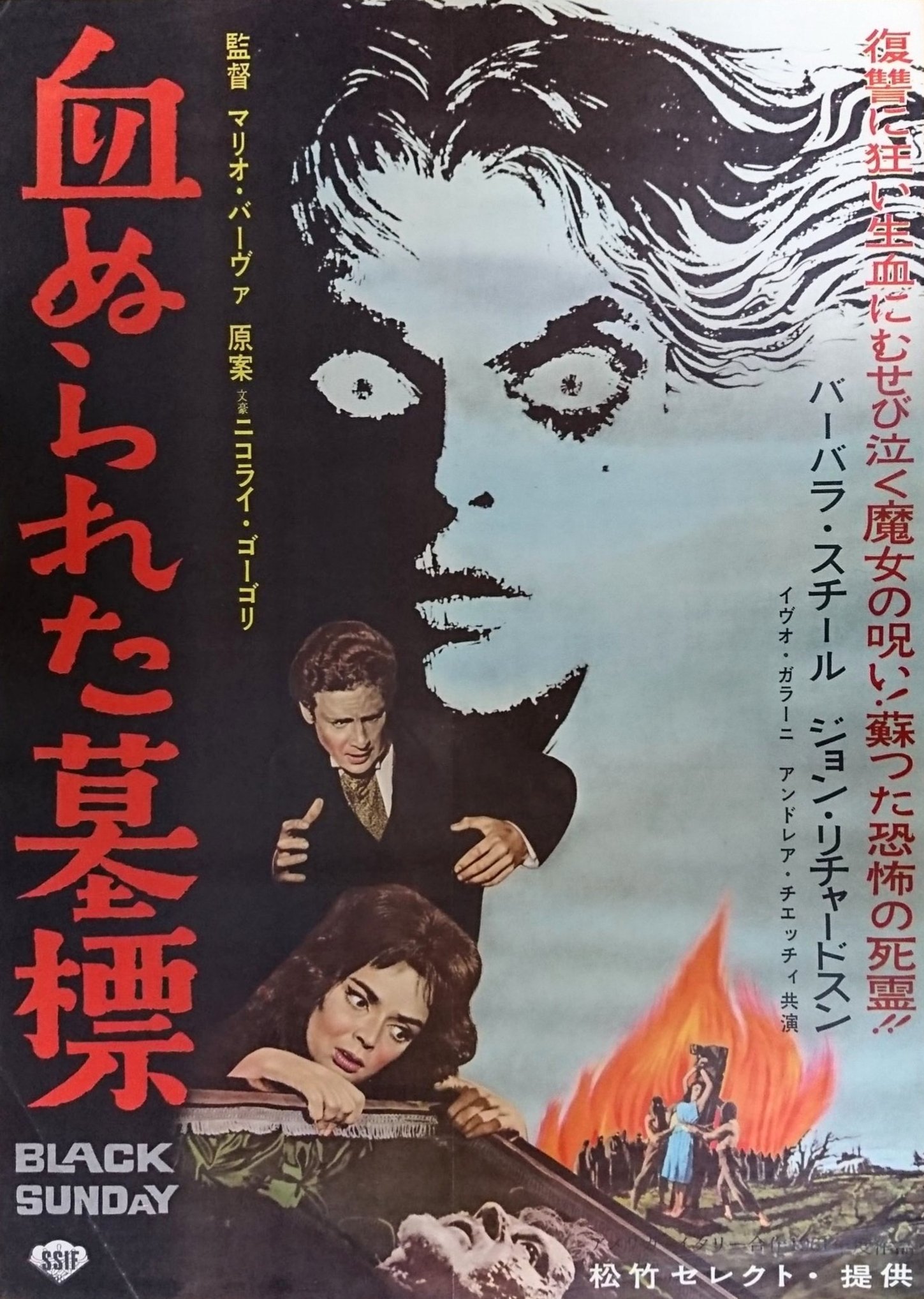
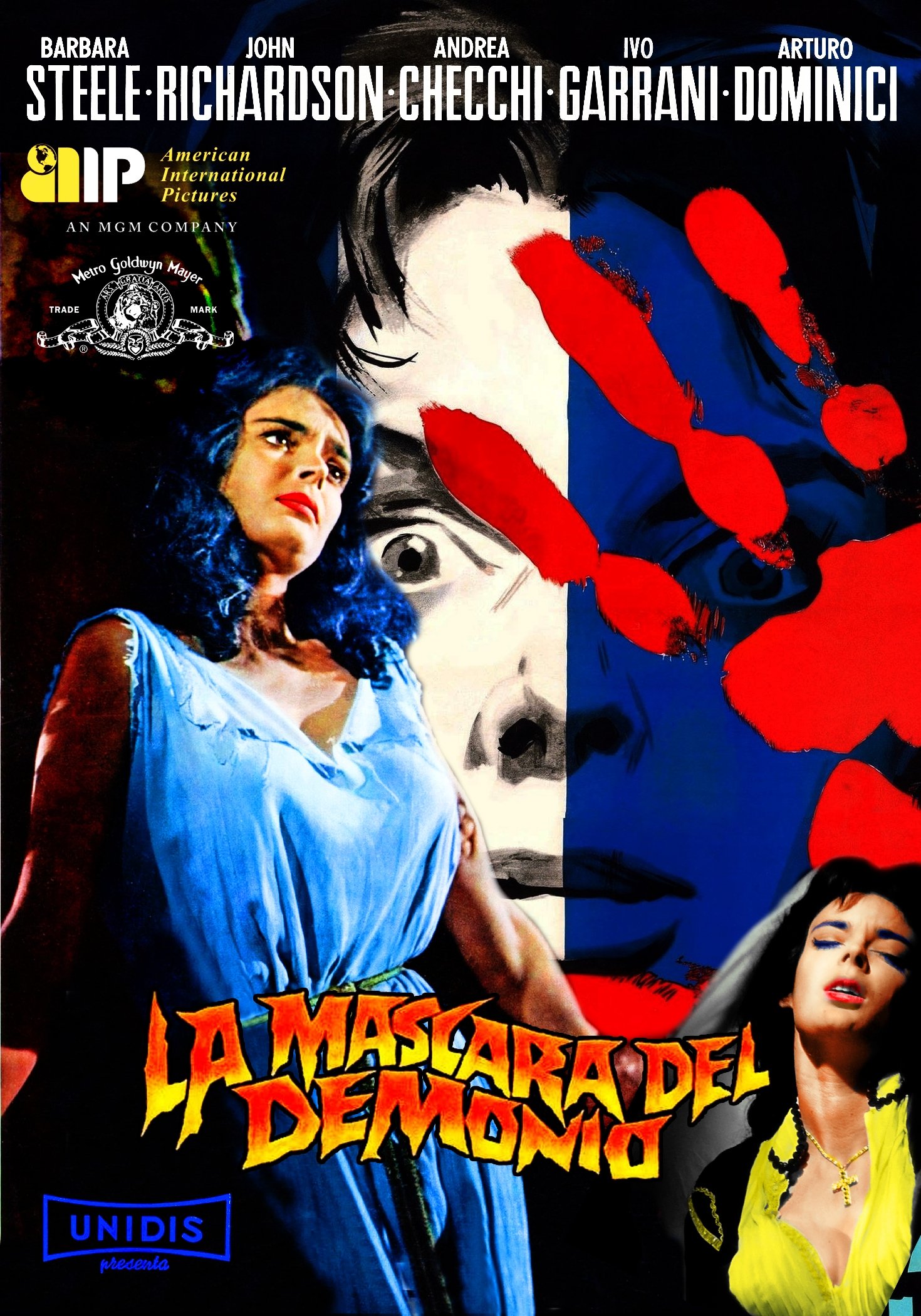
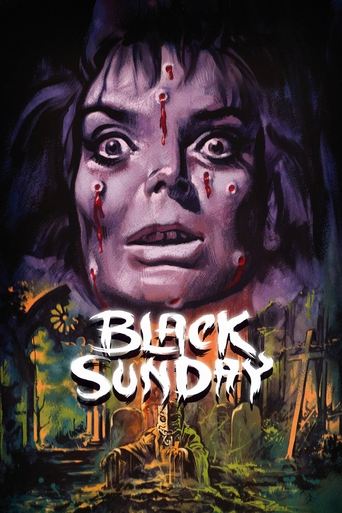
Black Sunday (1960) poster
Director
Production Companies
Galatea Film , Jolly Film
Plot

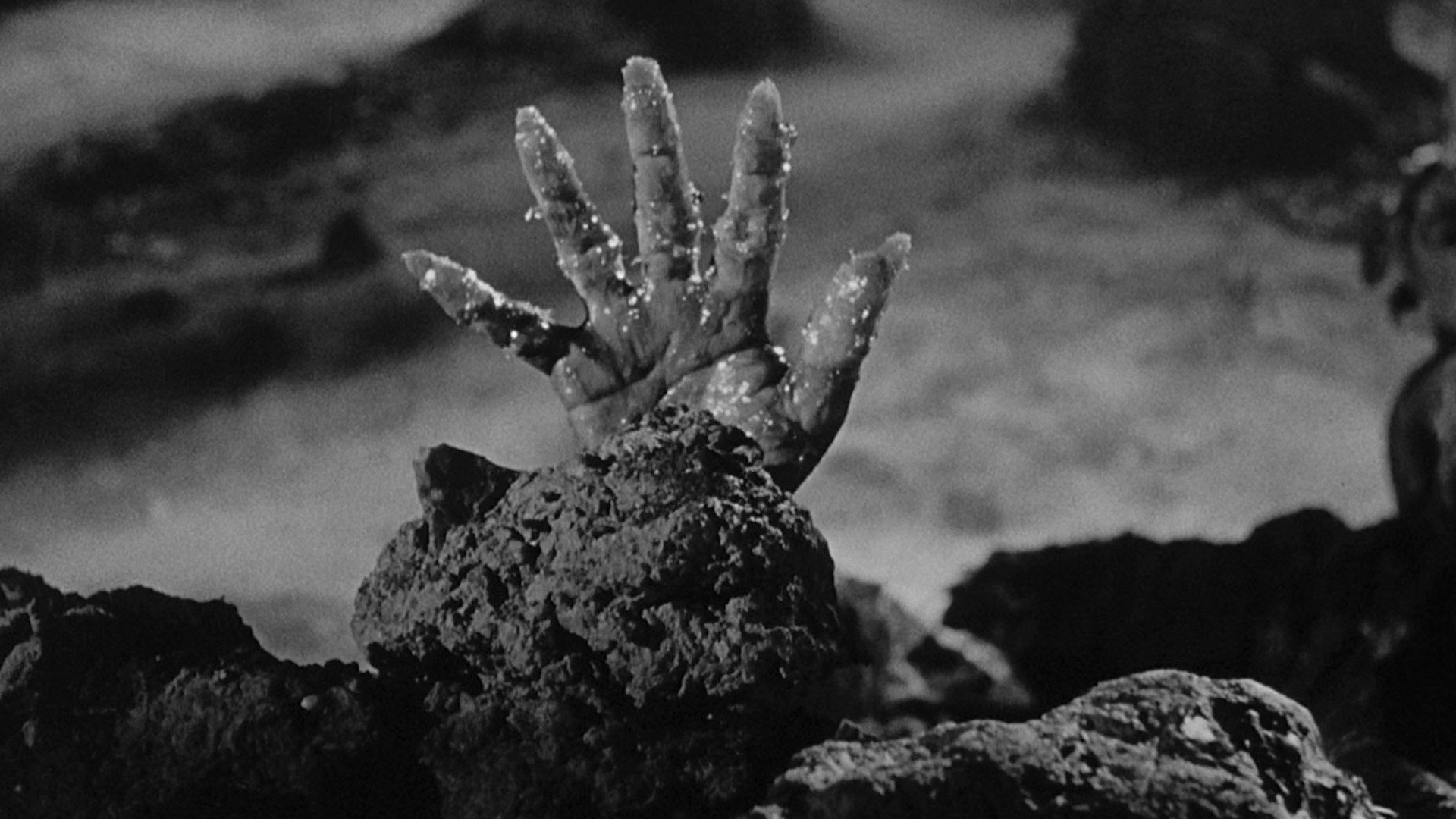
A vengeful witch and her fiendish servant return from the grave and begin a bloody campaign to possess the body of the witch's beautiful look-alike descendant. Only the girl's brother and a handsome doctor stand in her way.

Alternative Titles
Qara Cümə (Azerbaijan) — Alternative Şeytanın Maskası (Azerbaijan) A Máscara do Demônio (Brazil) — Portuguese 撒旦的面具 (China) — Chinese Maska démona (Czechia) — Czech Die Stunde, wenn Dracula kommt (Germany) — German Djævelens maske (Denmark) — Danish La máscara del demonio (Spain) — Spanish
Show all 26 alternative titles La màscara del diable (Spain) — Catalan Paholaisen naamio (Finland) — Finnish Le Masque du démon (France) — French Revenge of the Vampire (United Kingdom) Η Μάσκα του Σατανά (Greece) — Greek A démon maszkja (Hungary) — Hungarian 血ぬられた墓標 (Japan) — Japanese 사탄의 가면 (South Korea) — Korean La máscara del demonio (Mexico) — Spanish Het Duivels-Masker (Netherlands) Maska szatana (Poland) — Polish A Máscara do Demónio (Portugal) Маска Сатаны (Russia) — Russian Djävulsmasken (Sweden) — Swedish Şeytanın Maskesi (Türkiye) — Turkish Маска Сатани (Ukraine) — Ukrainian Mask of the Demon (United States) The Mask of Satan (United States)

Trailers & Videos

2 videos

Film Guide & Analysis

Mario Bava transforms a witchcraft revenge story into a landmark of Italian Gothic horror through Barbara Steele, studio illusion and unsettling supernatural violence.

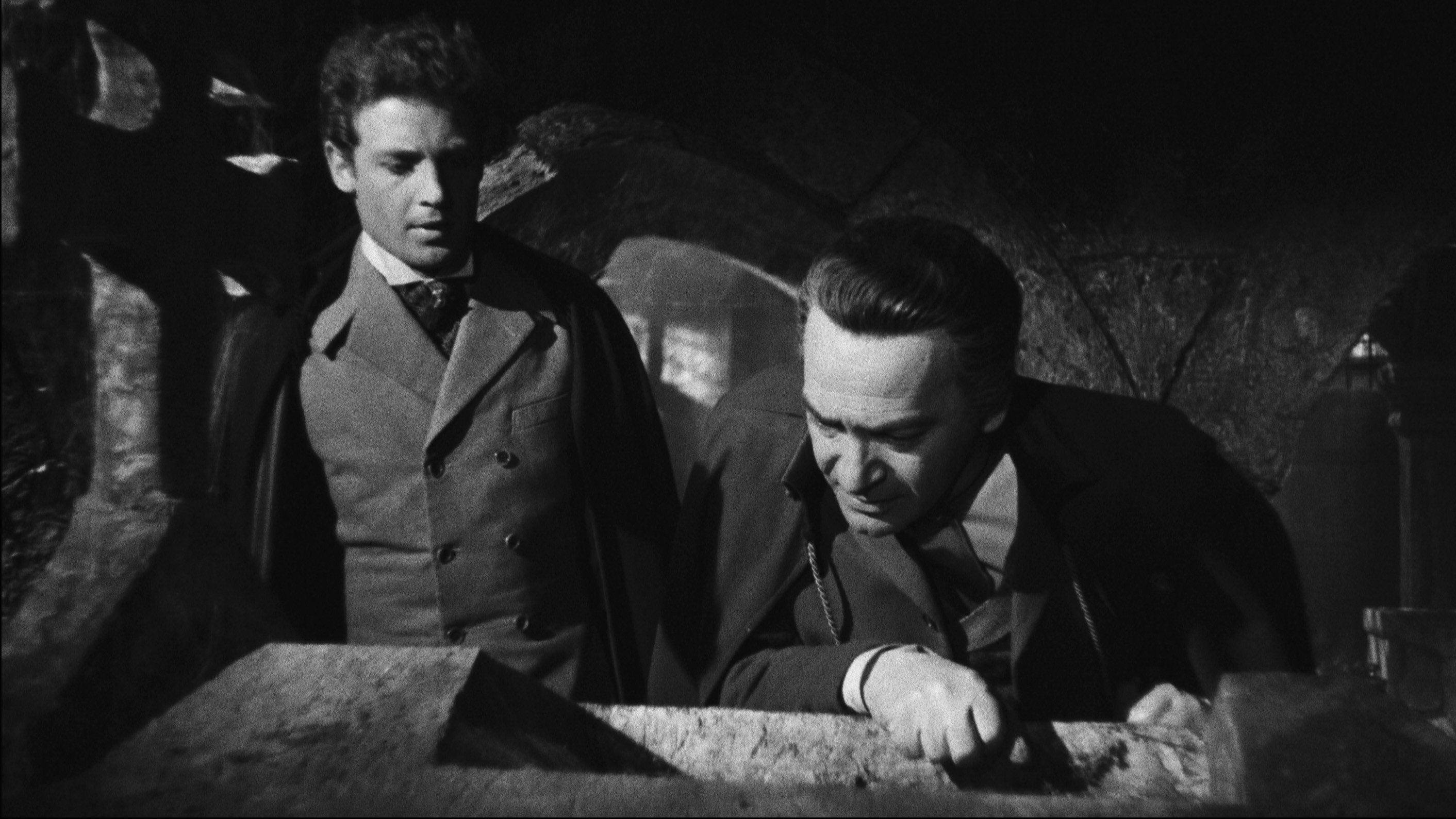
Black Sunday (1960), released in Italy as La maschera del demonio, established Mario Bava as a director of Gothic horror through a story of witchcraft, bodily corruption and inherited violence. Its opening execution of Princess Asa places an image of extreme cruelty at the center of a film whose castles, burial chambers and mist-bound landscapes appear drawn from an older European tradition. The narrative then connects the dead woman's revenge to Katia Vajda, a descendant with the same face, both played by Barbara Steele. That doubling makes the horror depend on the difficulty of distinguishing a living person from the malignant past that seeks to occupy her body.

Bava was already an experienced cinematographer and effects specialist when Galatea entrusted him with the project. Working largely with constructed environments, he used lighting, camera movement and in-camera transformations to give modest resources an unusually elaborate appearance. The original Italian production subsequently acquired a different identity in the United States, where American International Pictures changed the dubbing, music and editing. British censorship delayed theatrical circulation still further. Those separate histories matter to any account of the film's violence, international reception and place in the emergence of Italian Gothic cinema.

An Official Debut Built on Technical Experience

The first feature bearing Bava's sole directorial credit followed years of work behind the camera and of substantial contributions to films made by other directors. He had collaborated on the visual construction of I vampiri (1957), associated with Riccardo Freda, and worked on the spectacle of Hercules (1958). Such assignments involved solving photographic and effects problems within the cost limits of Italian genre production. The experience helps explain why the debut could be both visually ambitious and economical. Galatea, led by Nello Santi, was already engaged in attracting audiences beyond Italy; its established interest in exportable entertainment created an opportunity for a horror project with an internationally recognizable Gothic vocabulary.

The Centro Sperimentale di Cinematografia preserves a recollection in which Bava said that he had initially preferred cinematography to directing. He described reading Nikolai Gogol's Viy to his children and deciding, after the success of Dracula, that a frightening film might be worth making. The testimony is retrospective and offers his account of the idea's origins, rather than a complete record of the screenplay's development. Ennio De Concini and Mario Serandrei were among the credited writers, while producer Massimo De Rita oversaw the project for Galatea and Jolly Film. What appears in the finished picture is a deliberately shaped supernatural adventure, not simply an exercise designed to display its creator's technical skills.
Gogol Reimagined as an Italian Gothic Curse

Although the film acknowledges Gogol's Viy, its relationship to the short story is exceptionally loose. The source concerns a young seminarian, a witch and repeated nights of prayer beside a corpse. Bava's adaptation instead introduces a condemned noblewoman, her execution, the threatened descendants of her family and physicians whose curiosity helps release the buried danger. The Moldavian location and elements of supernatural folklore provide a loose connection, but the new plot is organized around a blood feud spanning two centuries. The emphasis on a duplicated female face and a family castle belongs to the screen version's particular Gothic construction. Treating it as a faithful dramatization of Viy would conceal the scale of that transformation.
The contrast has a material significance for horror history. Bava drew upon the castles, crypts and ancestral guilt familiar from nineteenth-century fiction and earlier cinema while making violence erupt with an intensity unusual for a studio Gothic. The initial punishment condemns Asa as a Satanist, but the supernatural events that follow do not provide an objective historical investigation of witchcraft. The premise belongs to a fictional world in which a curse can outlast its alleged perpetrators. The actors' later conflicts arise because the present generation confronts actions it did not commit. This gives the story its revenge structure without requiring an invented folklore tradition to explain every ritual and apparition.

Barbara Steele and the Problem of Two Faces

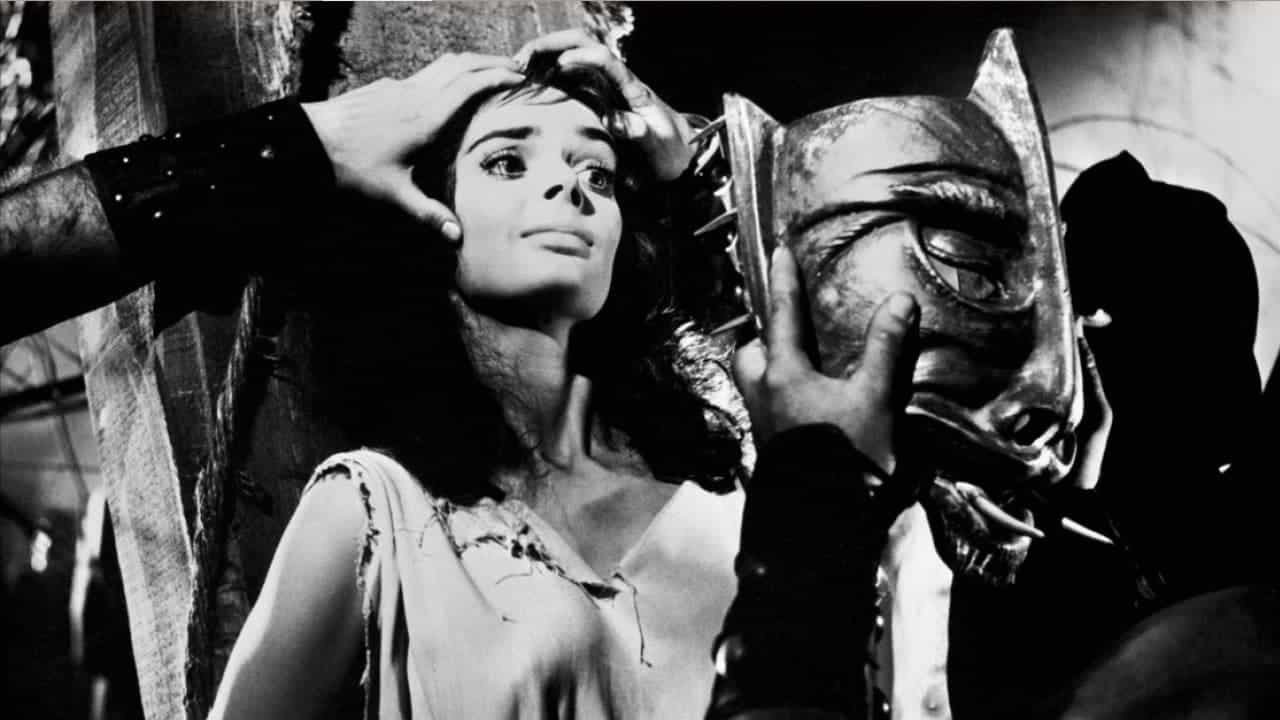
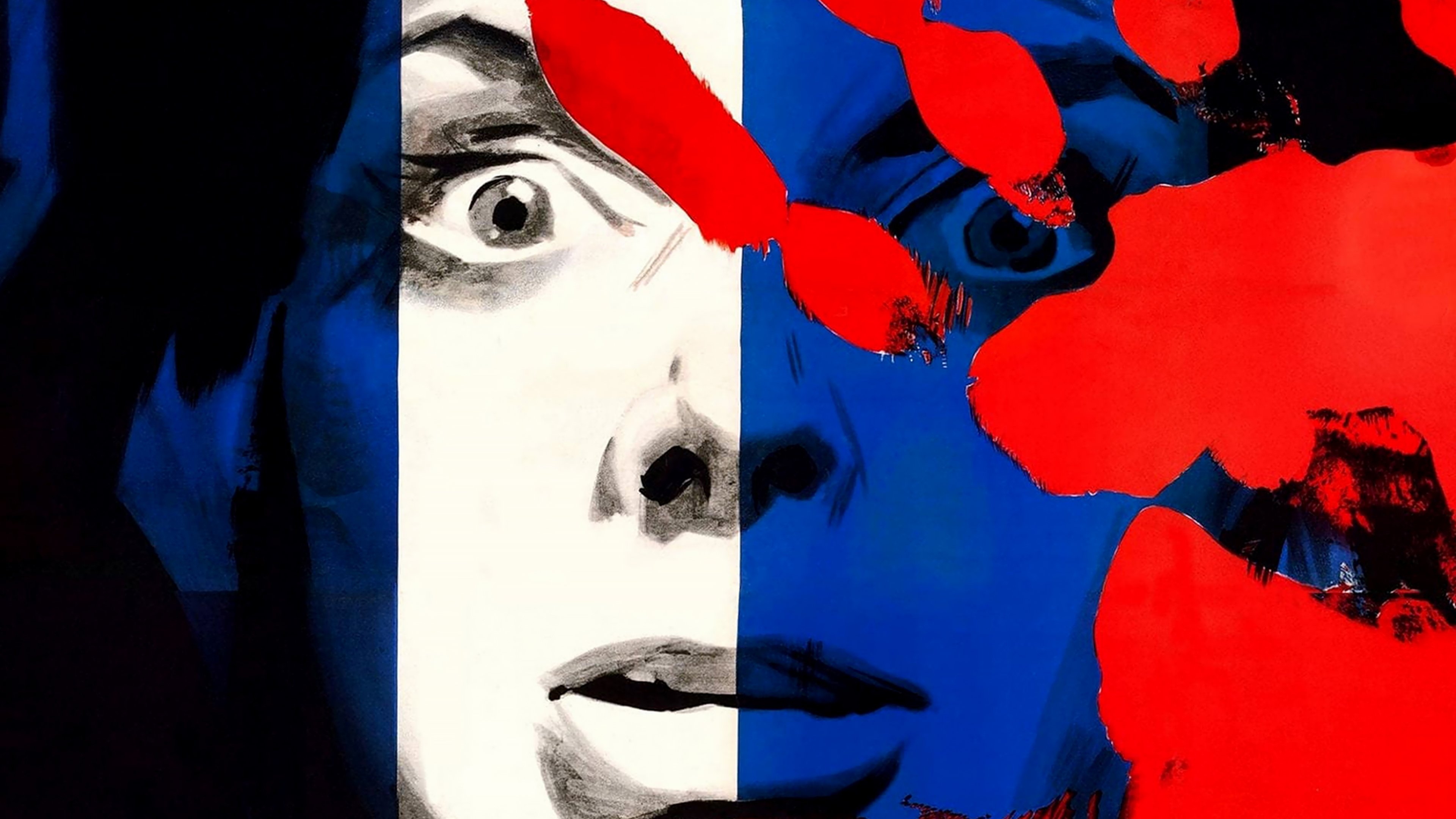
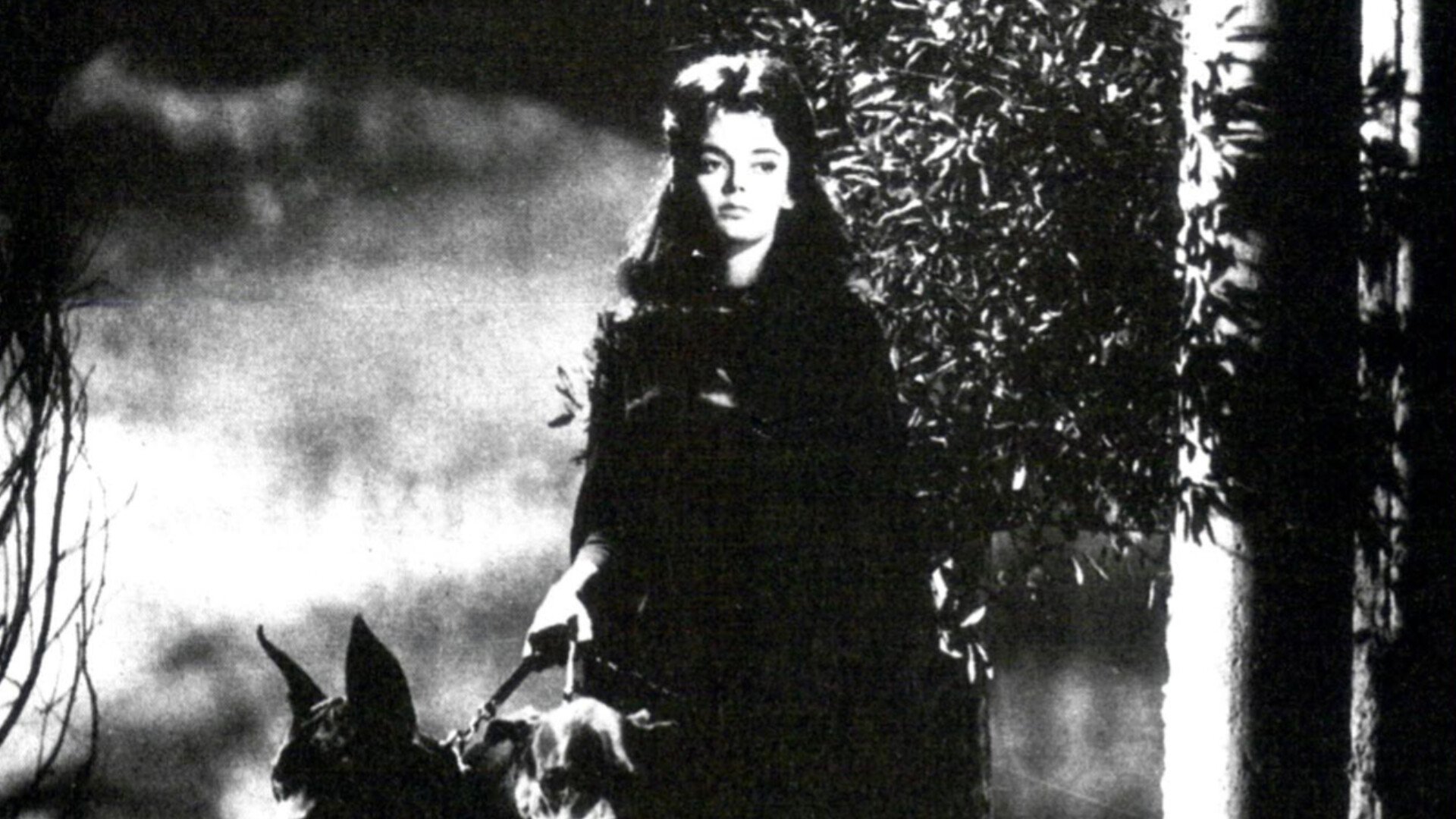
Steele's double performance is one of the film's defining visual decisions. As Asa, she is made uncanny by scars, threatening gestures and a face alternately hidden and exposed; as Katia, the same features are framed as vulnerable and living. The danger intensifies because the resemblance gives the resurrected witch a possible route back into the world. Stefano Della Casa, writing in Treccani's Enciclopedia del Cinema, argues that shifting light across Steele's face can leave viewers momentarily uncertain which woman they are seeing. His interpretation identifies a specific relation between casting and photography. The supernatural doubling is conveyed by images and performance before it becomes a matter of dialogue.

In a 2020 Sight and Sound interview, Steele recalled Bava as shy and comparatively undemonstrative in his direction of actors. Her account complicates the assumption that every gesture on screen must have been prescribed in detail by him. She also spoke of the sensuous force she tried to bring to her Gothic characters, an account of her own working instincts rather than a statement about a universal genre rule. The role helped establish her association with Italian horror, followed by appearances in other Gothic productions. Her international visibility should not be reduced to a claim that any single costume or makeup effect created her career; the decisive contribution here is the ability of one performer to embody both the object of terror and its intended victim.

The Studio Landscape and Black-and-White Design

The misty forests and forbidding interiors look like an extensive world, yet substantial portions were constructed and photographed under controlled studio conditions. Della Casa describes paper-based scenic construction and a crypt set made within an extremely small area, where carefully managed smoke concealed the limits of the space. Bava's command of black-and-white exposure allowed light to pick out a face, a doorway or a tomb while leaving the adjacent darkness unresolved. This method gives the landscape a consistency of mood that on-location naturalism would not necessarily have supplied. The depth suggested by drifting fog and receding shadows matters more to the result than the measurable size of the sets.

Camera movement turns those artificial environments into areas of anticipation. Slow approaches to a crypt, shifts toward an apparently empty threshold and abrupt changes in angle make the viewer search the frame for a body that may appear without warning. Javutich's phantom carriage also places motion within the Gothic landscape, allowing the road and its surrounding trees to feel temporarily subject to another order of time. The camera's attraction to texture and silhouette does not dissolve the film into decoration: uncertainty over what occupies the space is the mechanism through which its threats acquire force. Much of the spectacle comes from practical choices made before the negative reached the editing room.

The Spiked Mask and In-Camera Transformations

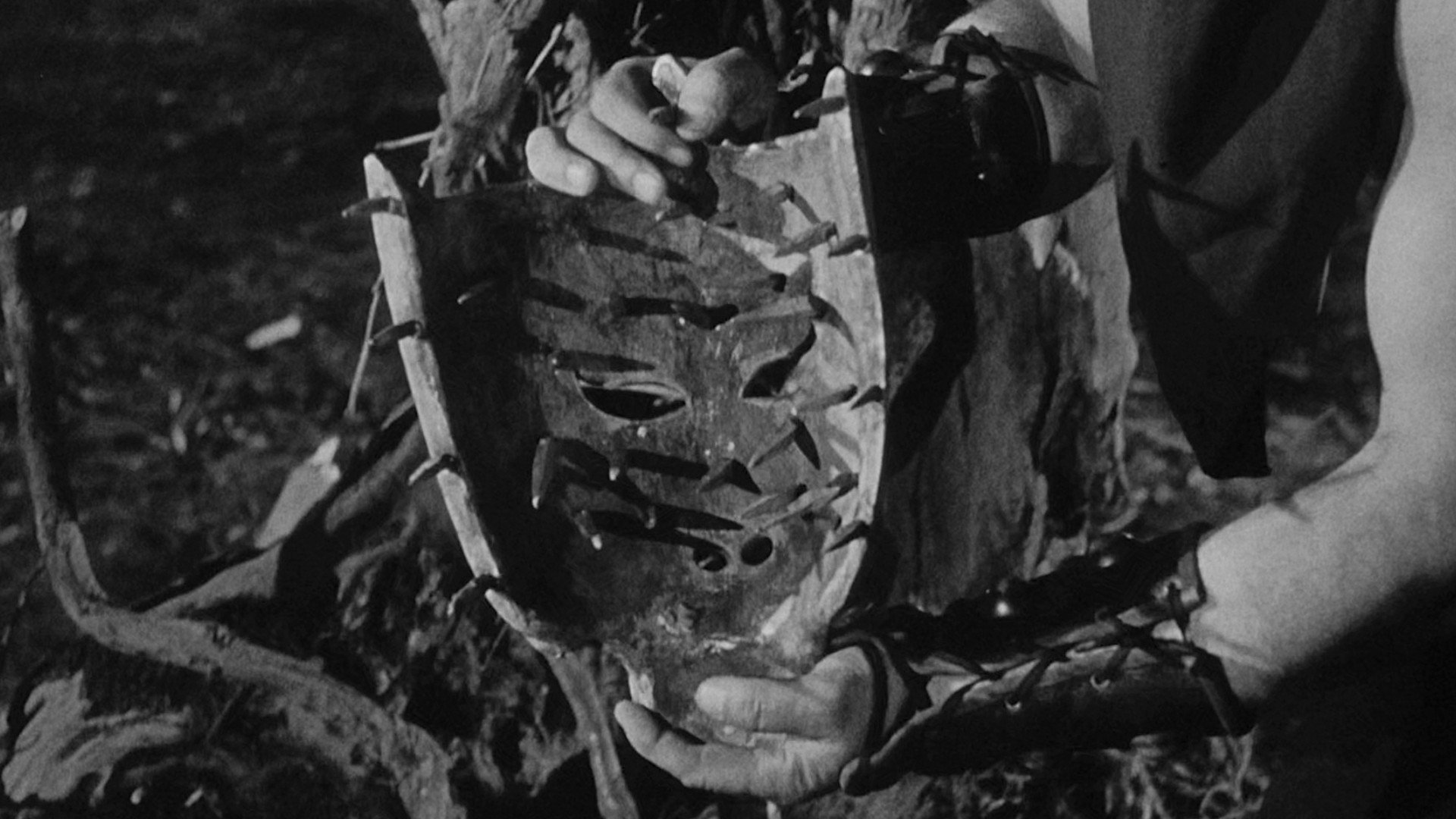
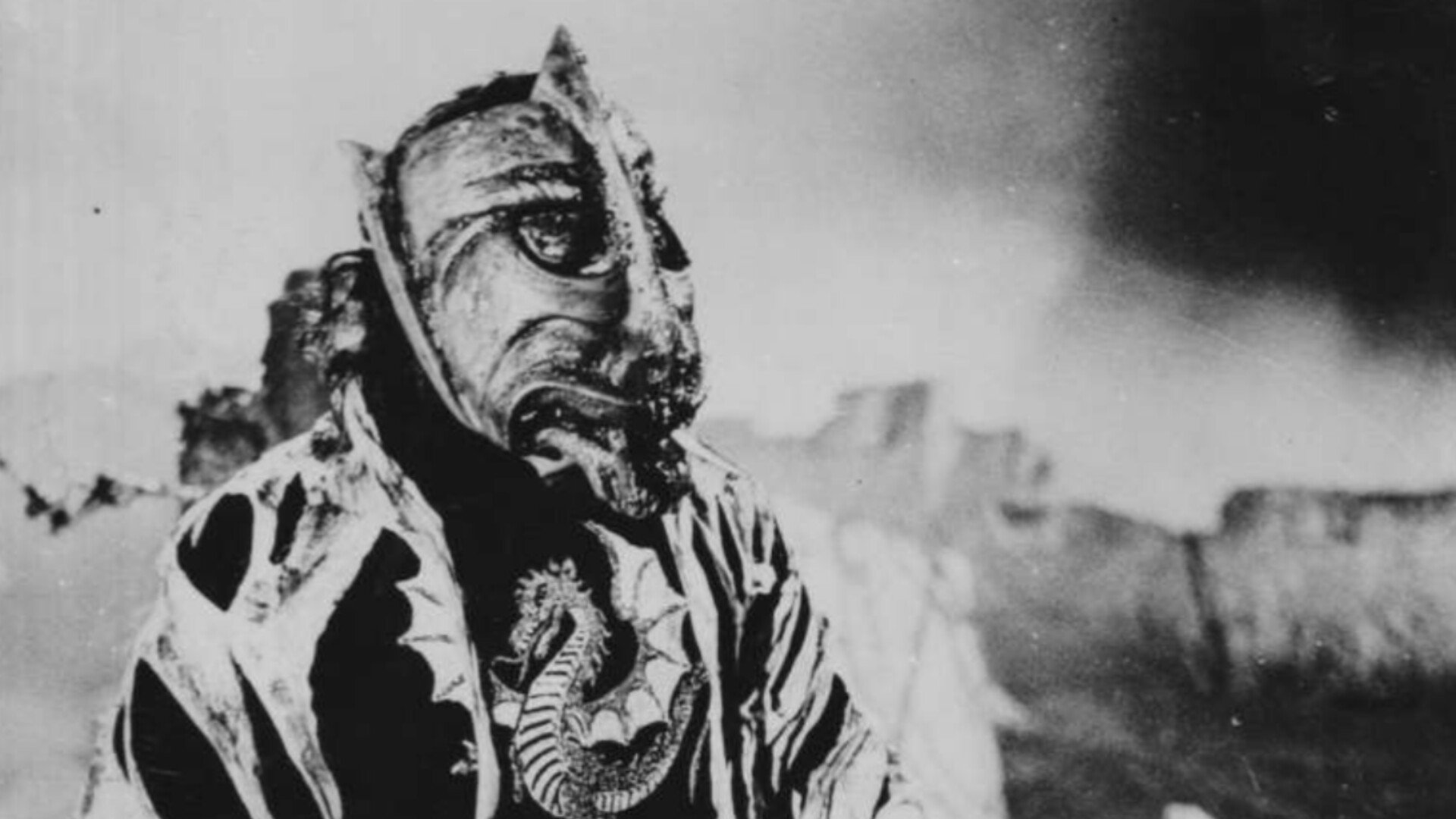
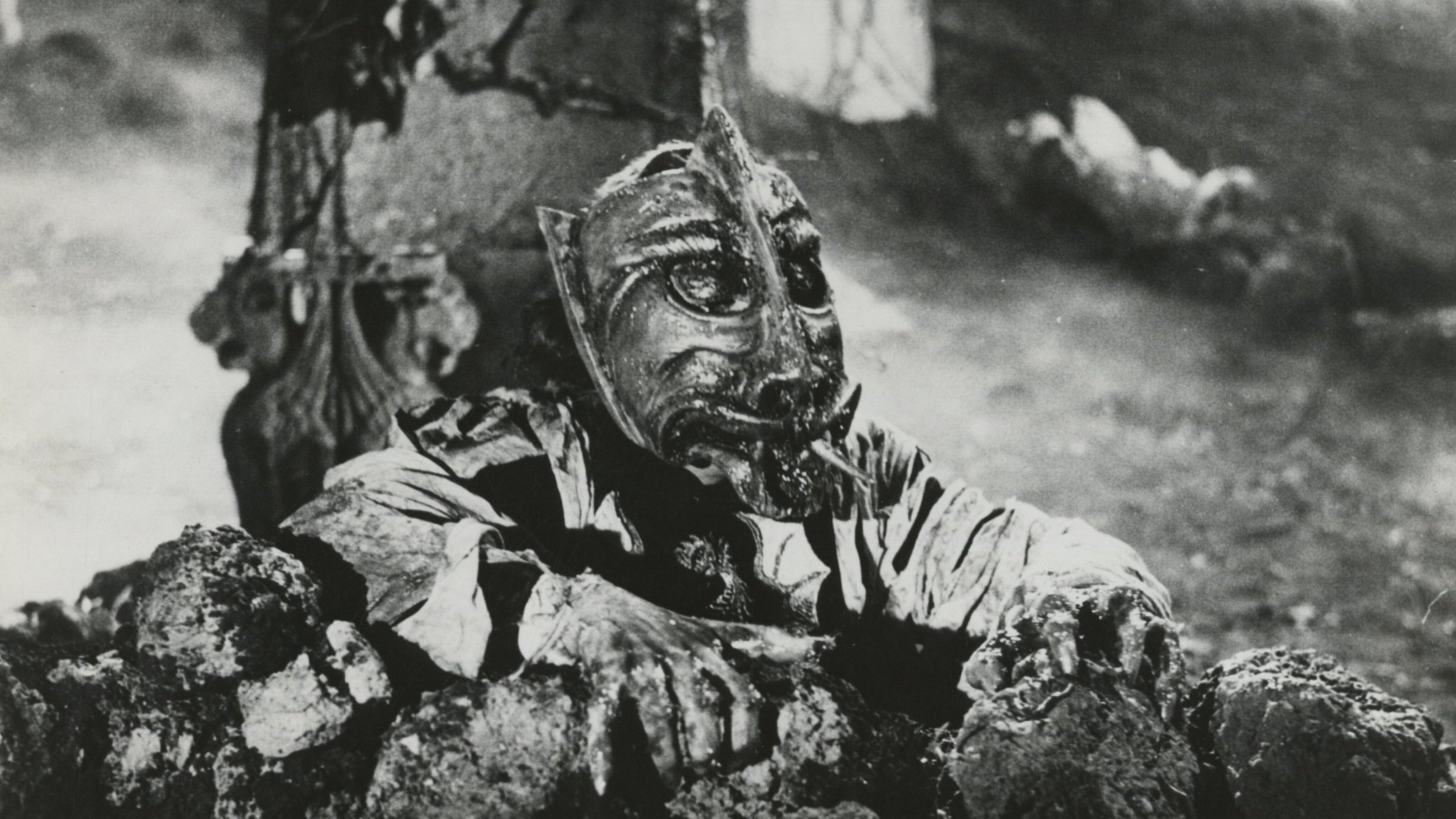
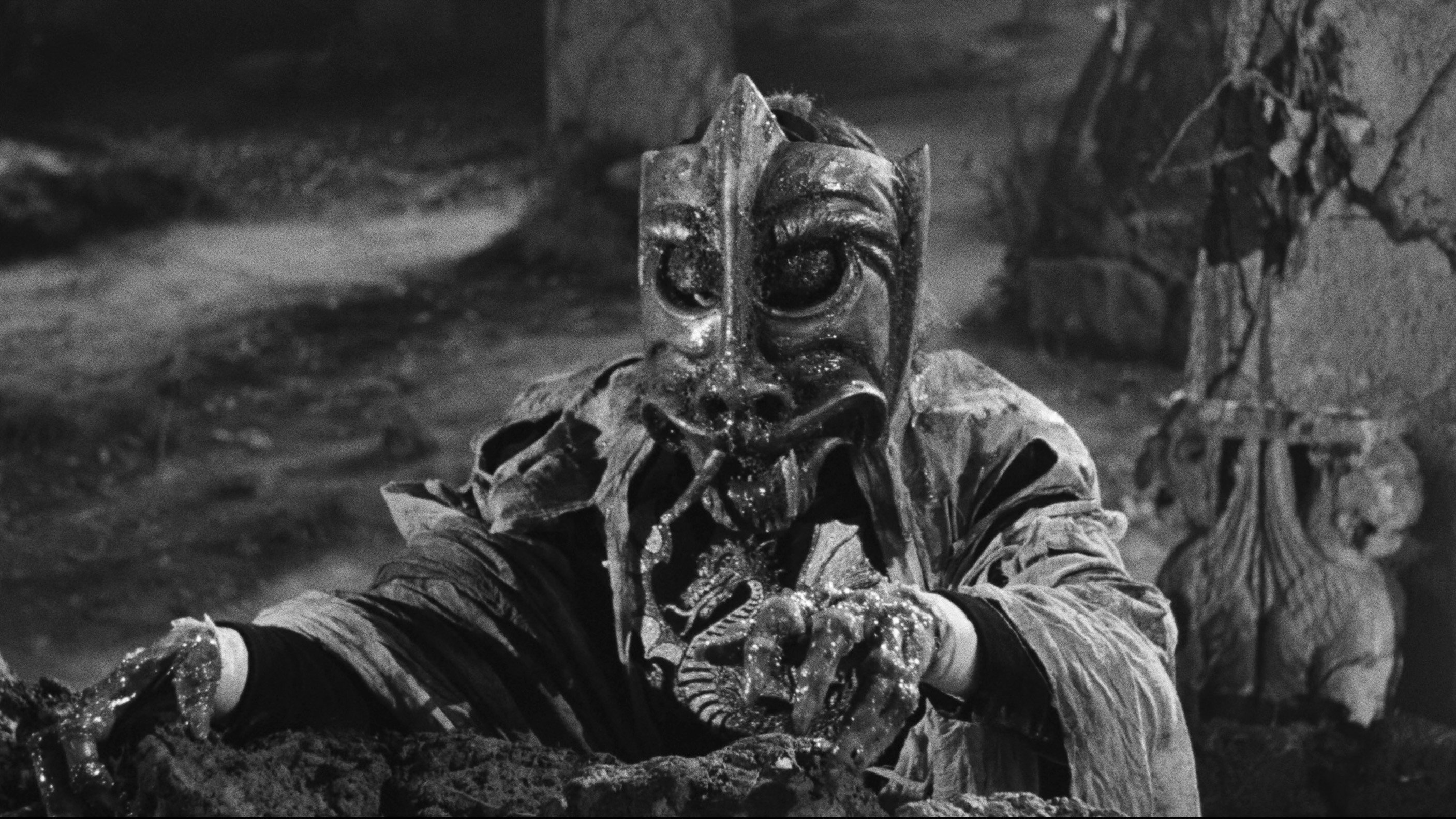
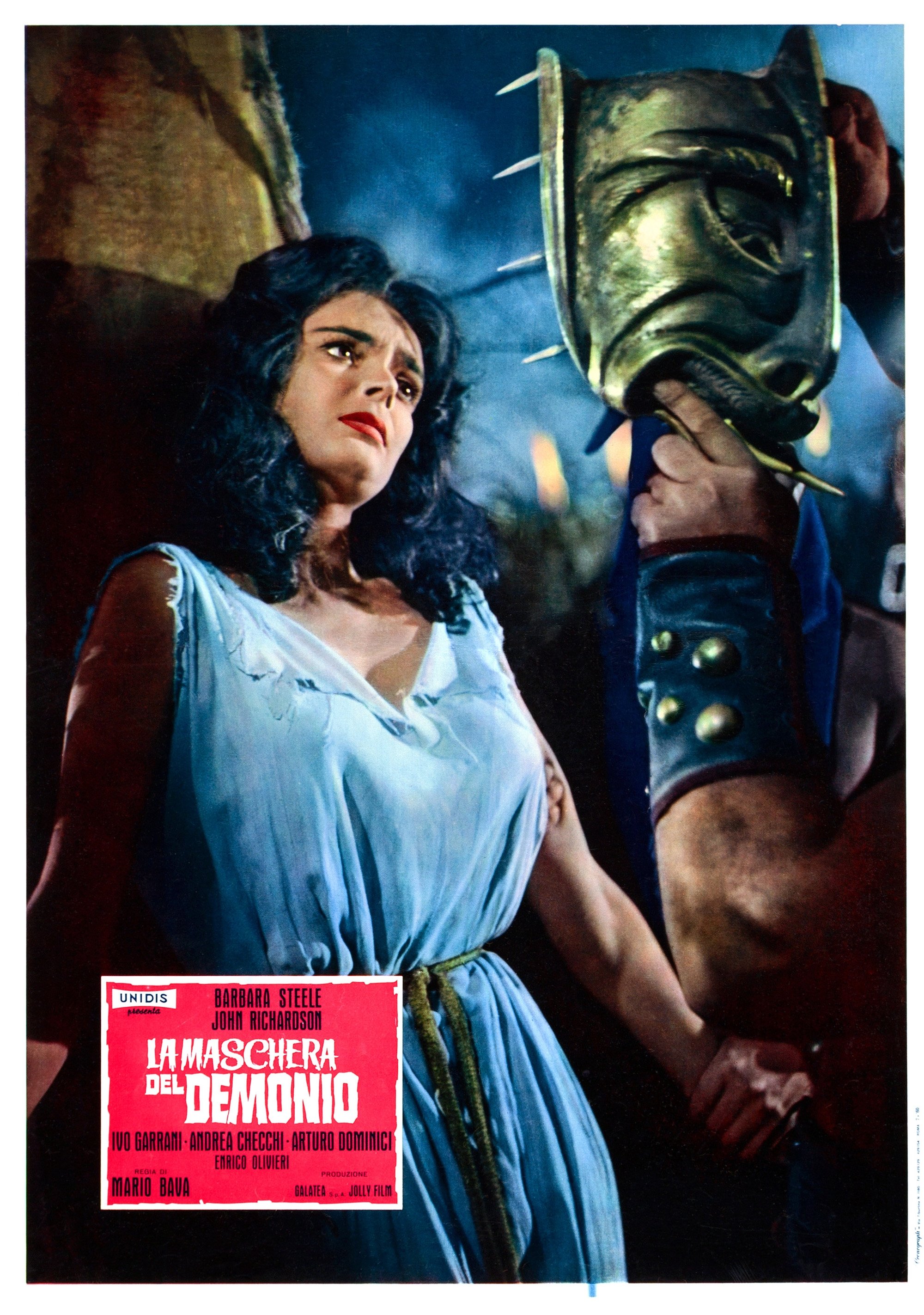
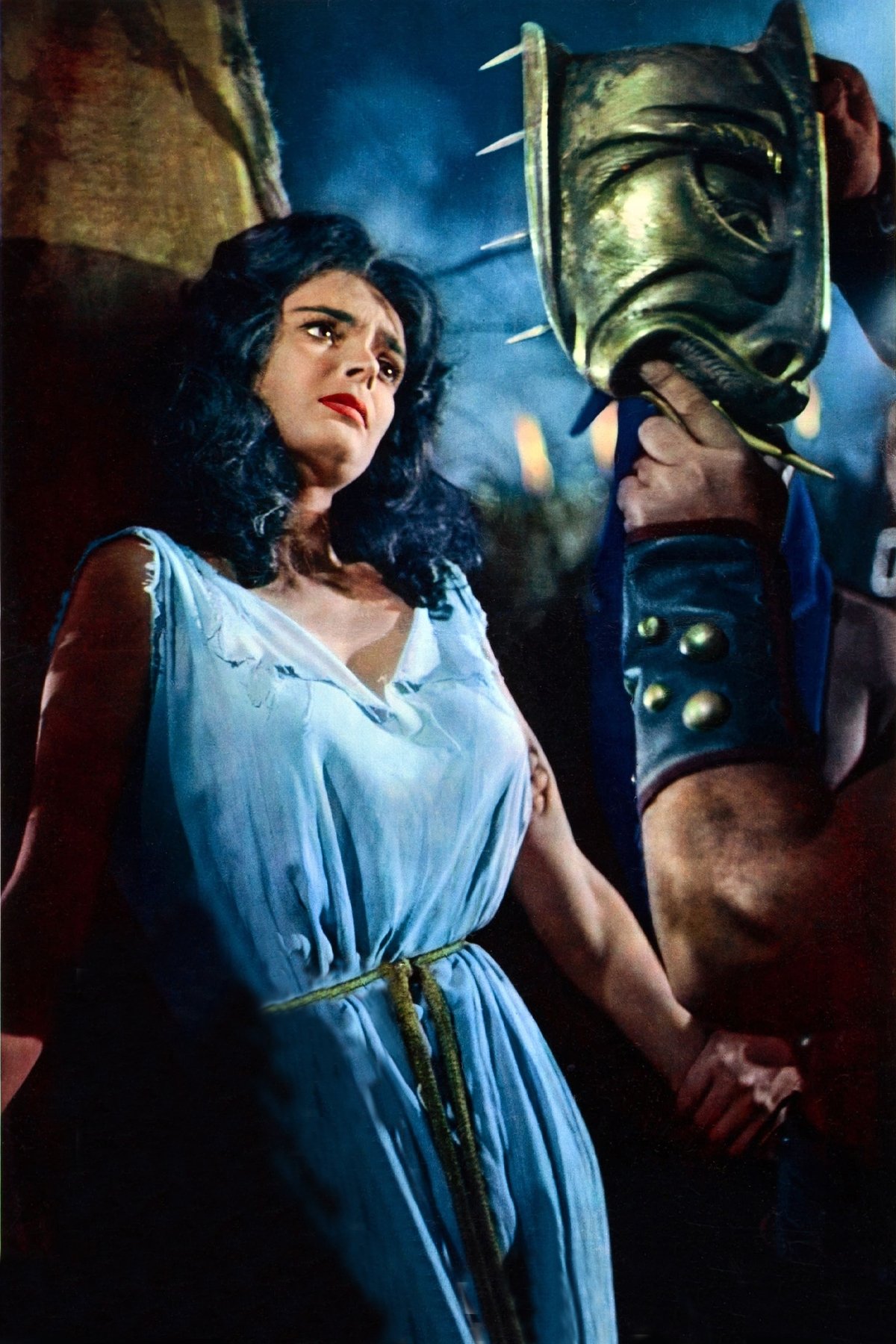
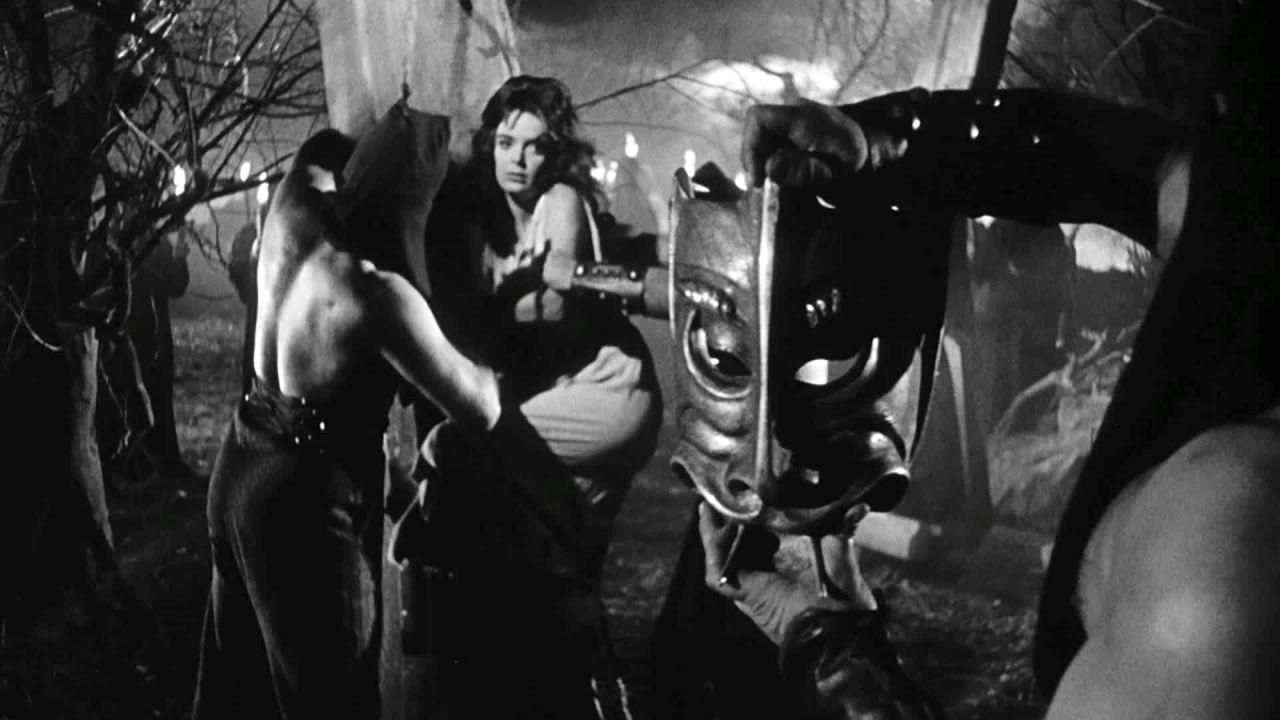
The execution of Asa establishes an unusually direct relation between punishment and monstrous appearance. A heavy mask with inward-facing spikes is hammered onto her face, placing a bodily wound at the origin of the family curse. The image is memorable because an object that conceals identity simultaneously inflicts the damage later used to recognize its wearer. Resurrection retains that violence in the markings on the witch's skin. Other effects work through a less immediately visible principle: the living and dead can appear to exchange states under the camera's gaze. Such sequences make transformation itself a source of suspense rather than treating supernatural activity only as something reported by frightened characters.

Treccani documents one of Bava's in-camera methods for the gradual alteration of Steele's makeup. Colored filters placed before the lens were removed in succession, causing makeup that had previously blended with the filtering to become visible. The technique explains how a face could change appearance within an apparently continuous shot without requiring modern digital manipulation. Makeup, illumination and photography were planned as parts of a single effect. The violence should likewise be described with precision: the film includes penetrating instruments and attacks on the body, but the distinct versions released abroad do not retain every image in identical form. Claims about what a particular audience saw must therefore identify the version involved.

Music, Dubbing and the American Reworking

The Italian release credits music by Roberto Nicolosi, whereas the version prepared for American International Pictures employs a replacement score by Les Baxter. These are separate musical arrangements belonging to different presentations of the same film. Nicolosi's original accompaniment supports the funeral imagery and supernatural setting of the European release; Baxter's music belongs to a deliberate repackaging for American theaters. Comparisons between their dramatic emphases are meaningful only when the soundtracks are properly identified. The use of post-synchronized dialogue also means that a familiar voice in one edition is not necessarily the actor's own recorded performance. The picture's international production history is audible as well as visible.

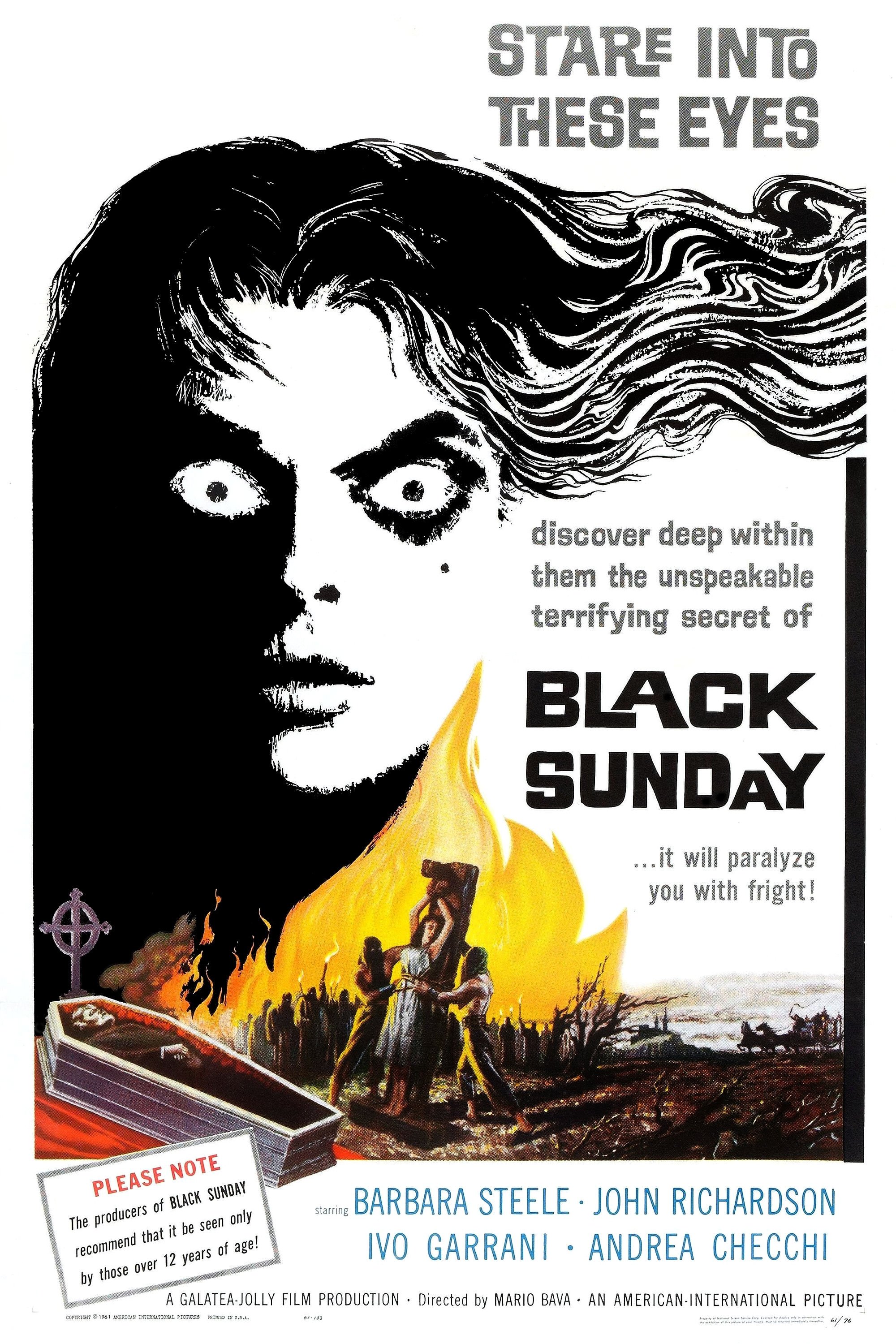
Research published by the Politecnico di Milano's Transatlantic Transfers project documents the American changes as part of a coordinated commercial strategy. The distributor shortened material, commissioned new English dialogue and credits, replaced the score and promoted the picture as Black Sunday. These alterations went beyond translating the title first used in Italy. They shaped an American product intended to reach a different theatrical market under the AIP banner. The study also records attention-grabbing publicity directed at younger audiences, supported by period trade material. Promotional claims about the film's sensational content belong to that marketing history; they should not be treated as neutral descriptions of the unaltered Italian work.

Release, British Censorship and the Question of Versions

The picture reached Italian audiences in 1960 and appeared in American theaters the following year. The Transatlantic Transfers study describes only partial domestic success followed by considerably stronger American business. It provides evidence of a different commercial reception across markets, although broad claims about exact worldwide profits require consistent contemporary financial records. The original release and the AIP edition should not be assigned an interchangeable running time merely because both are called Black Sunday in later listings. Dubbing, musical changes and removals made for overseas distribution form a separate editorial history from the movie completed for Italian exhibition.

The British record is especially clear on one point and limited on another. The BBFC identifies a submission titled Black Sunday as unsuitable for classification on February 10, 1961. A later cinema submission, Revenge of the Vampire, received a classification with cuts on May 15, 1968, at approximately eighty-six minutes. The Board also lists subsequent home-video submissions of differing durations. These records establish the decisions, dates, titles and classifications attached to specific presentations; they are not a complete shot-by-shot comparison of Italian, American and British prints. It would be incorrect to call every difference in running time a British censorship cut or to claim that a modern release necessarily reproduces the original theatrical version without examining that edition.

Initial Reception and the Italian Gothic Tradition

The production belongs to a period when Italian companies were testing the overseas market for Gothic subjects associated with British and American genre cinema. Research from the Politecnico di Milano describes the initial Italian response as limited in comparison with the more enthusiastic American reception. Della Casa's historical assessment locates Bava's importance in the way his images make a sometimes inconsistent narrative compelling. These are distinct forms of evidence: one addresses documented distribution and promotion, while the other evaluates the film's artistic method. Their separation prevents an account of commercial success from becoming an unsupported claim that contemporary Italian critics unanimously recognized a masterpiece.

The longer significance of the film emerges from its demonstrated position within Bava's career and the wider Gothic cycle. Treccani traces his ability to create lavish effects with modest resources, while Steele's later work makes the production a recognizable starting point for her Italian horror persona. The visual method was extended in other films even as Bava moved toward color and, eventually, different kinds of thriller. A comparison with Hammer or earlier Universal horror can establish shared imagery and important departures in the depiction of bodily damage; it does not establish personal influence on every later director. Black Sunday remains a foundational work because its documented combination of studio illusion, violent Gothic imagery and international circulation helped give Italian supernatural horror a recognizable screen identity.

References

  1. Treccani - Enciclopedia del Cinema La maschera del demonio - Stefano Della Casa

    Detailed film-historical analysis of the double performance, low-cost studio construction, filtered-light effects, production background and changing place in Italian Gothic cinema.

  2. Research project drawing on 1961 trade publications to examine American International Pictures distribution, dubbing and music changes, marketing practices and the contrasting Italian and US reception.

  3. British Board of Film Classification The Mask of Satan - UK Classification History

    Official classification register documenting the 1961 refusal, the 1968 cut cinema version under Revenge of the Vampire and later home-video submissions.

  4. BFI / Sight and Sound I Was Made for Horror: Barbara Steele Is an Angel for Satan

    David Cairns and Daniel Riccuito interview Barbara Steele in 2020 about her dual role, recollections of Mario Bava and her performance sensibility within Italian Gothic cinema.

  5. Centro Sperimentale di Cinematografia - Cineteca Nazionale Gogol Bicentenary Film Programme: La maschera del demonio

    Institutional retrospective placing the adaptation beside Viy and preserving direct recollections by Mario Bava about the story, the shift from cinematography and the origin of the film.

Cast

View Full Cast & Crew →

Release & Distribution

Production Companies (2)

  • Galatea Film IT
  • Jolly Film IT

Release History (7)

Release DateTerritoryRelease TypeFormatDistributorCertificationNotes
1960-08-11 Italy Theatrical — — —
1961-01-01 France Theatrical — — 12
1961-02-15 United States Theatrical — — NR
1961-04-01 Japan Theatrical — — R18+
1961-09-29 Germany Theatrical — — 18
1964-01-31 Finland Theatrical — — —
2006-01-26 Netherlands Physical DVD — 16 DVD
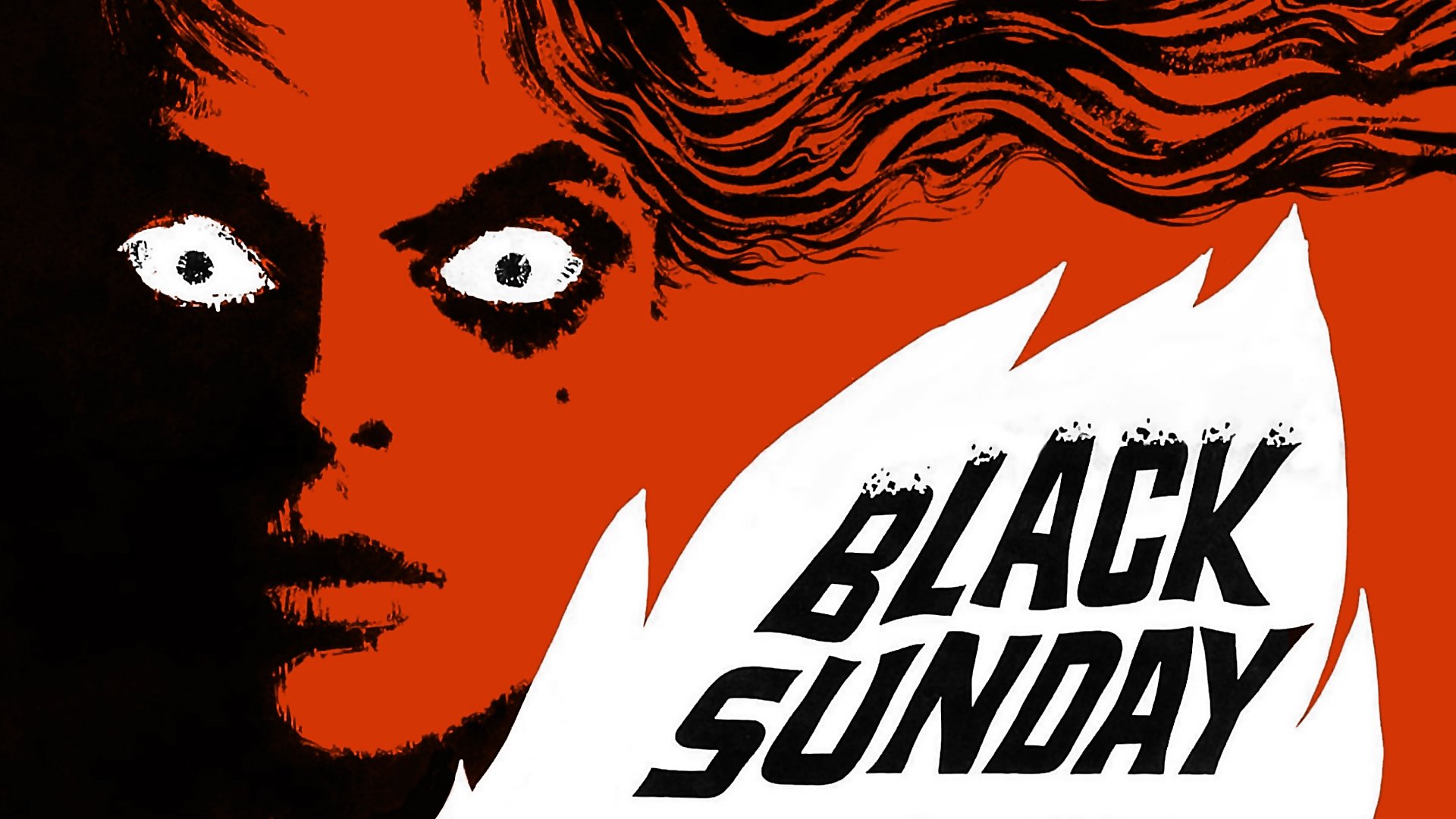
STARE INTO THESE EYES...Discover deep within them the unspeakable, terrifying secret of BLACK SUNDAY...It will paralyze you with fright!