Production & the Fictional Literary Source
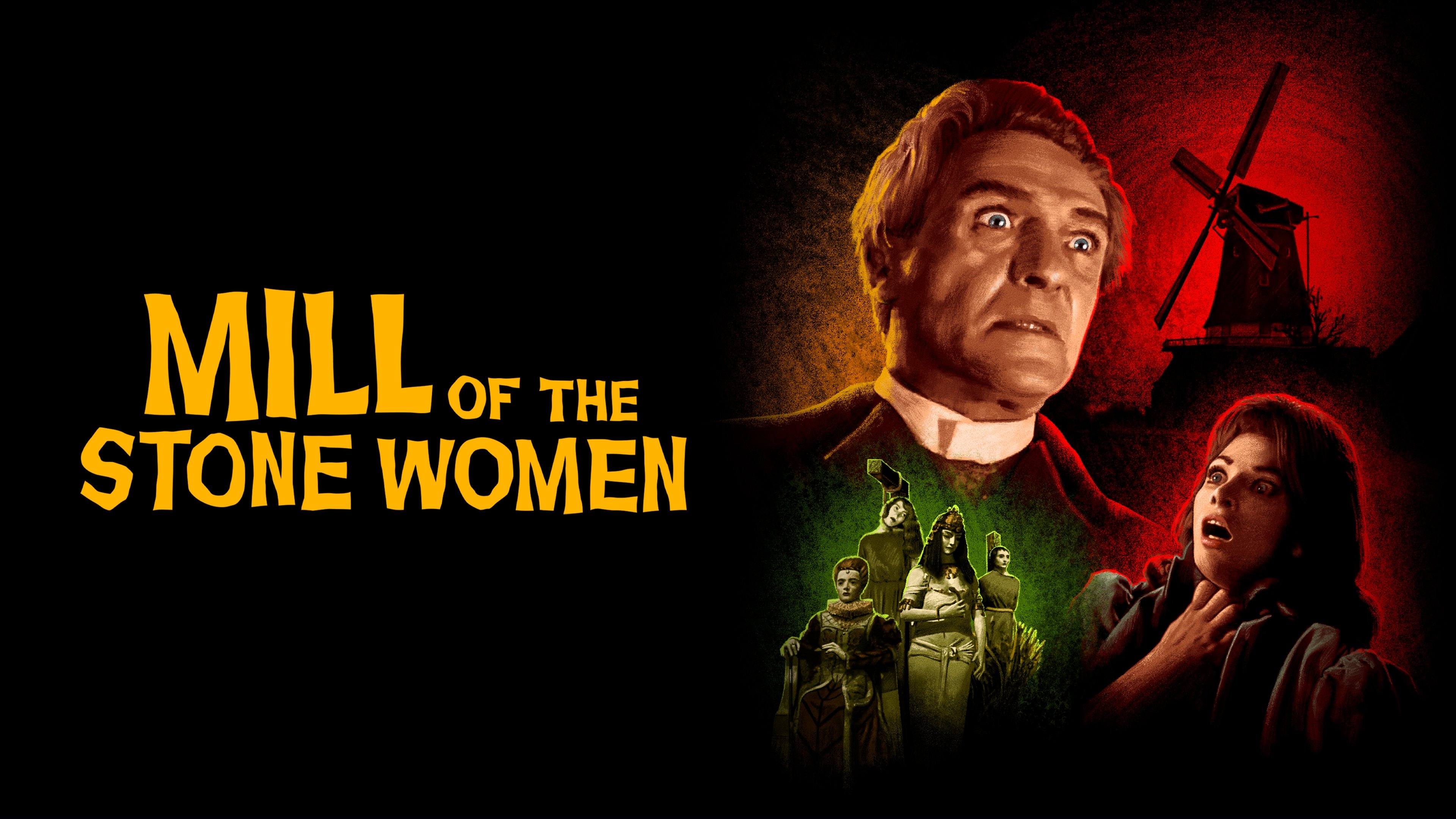
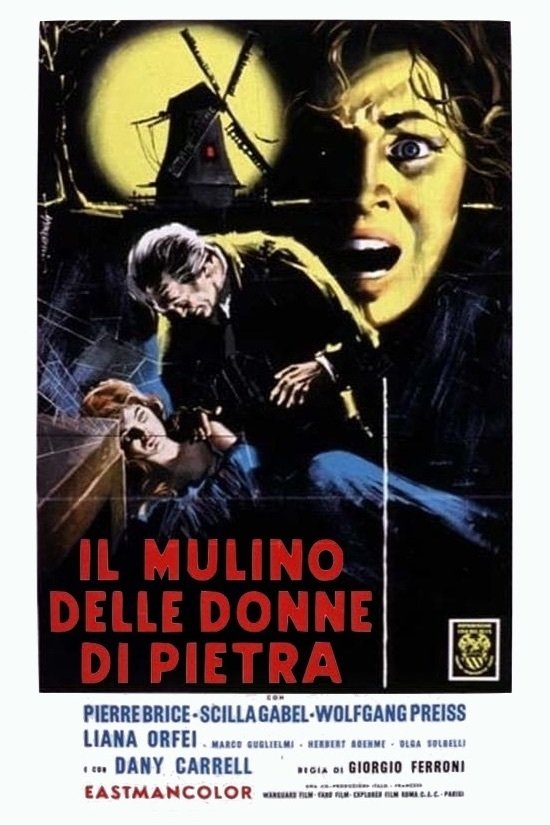
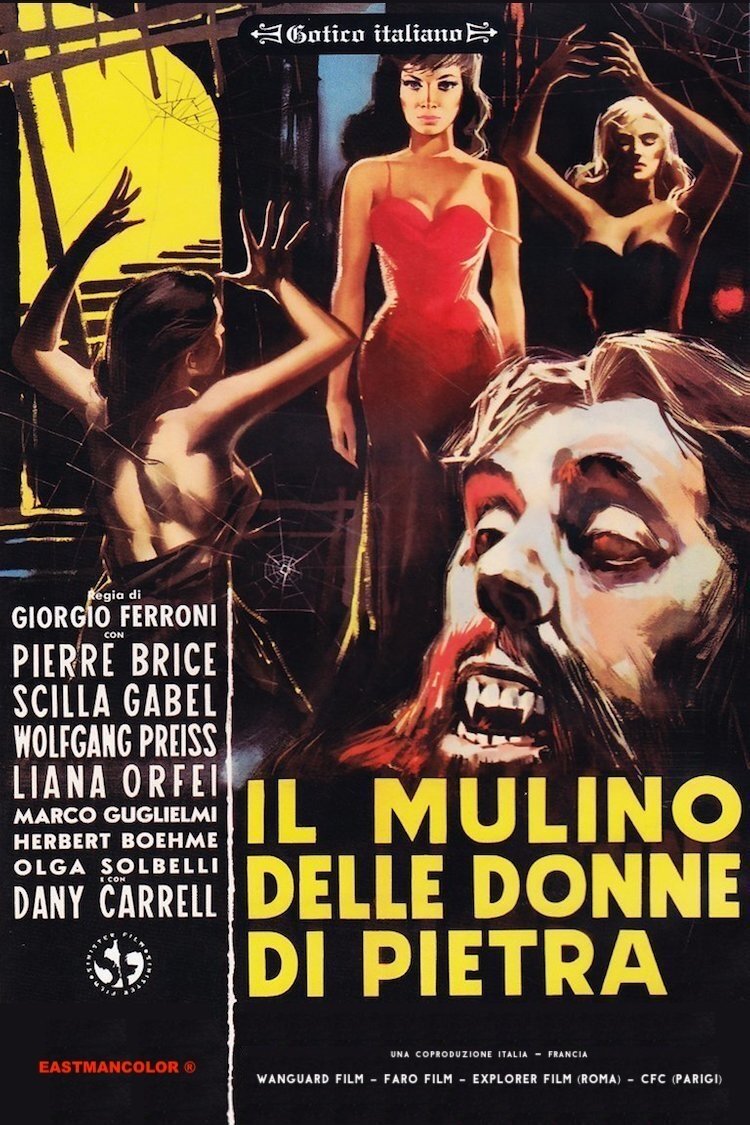
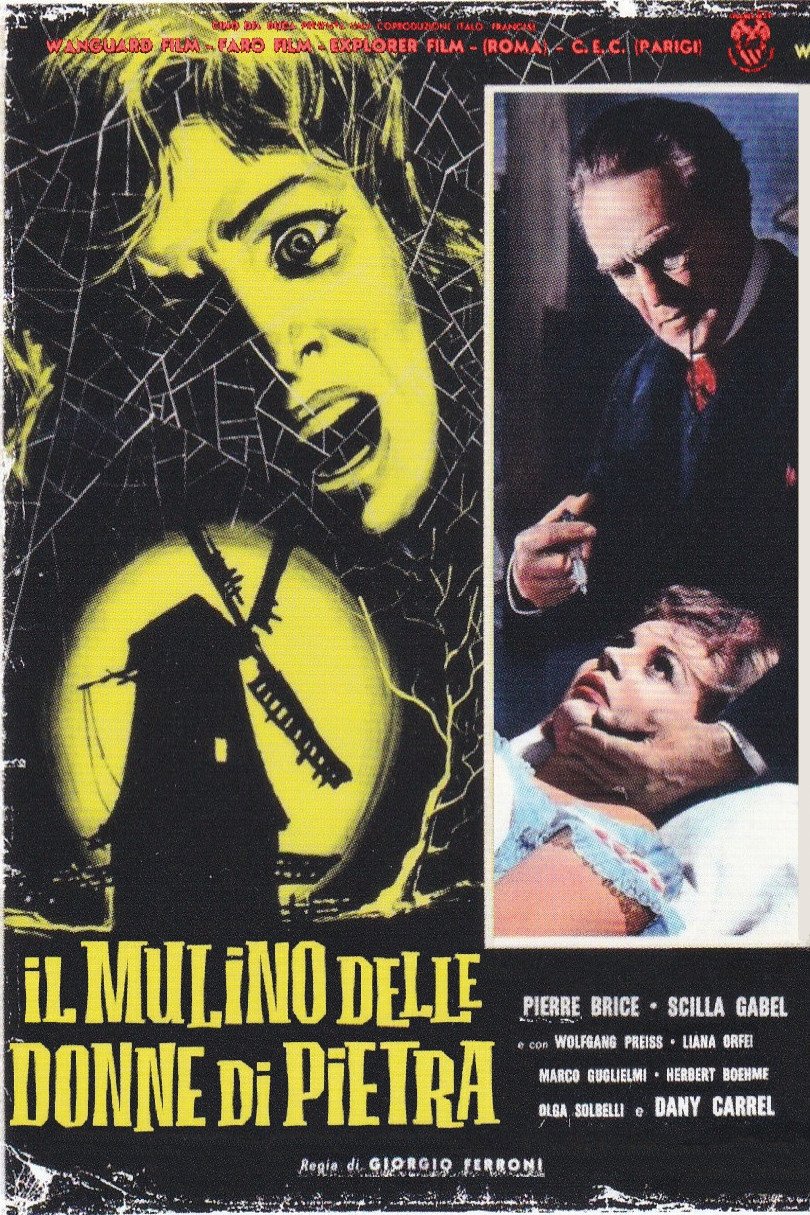
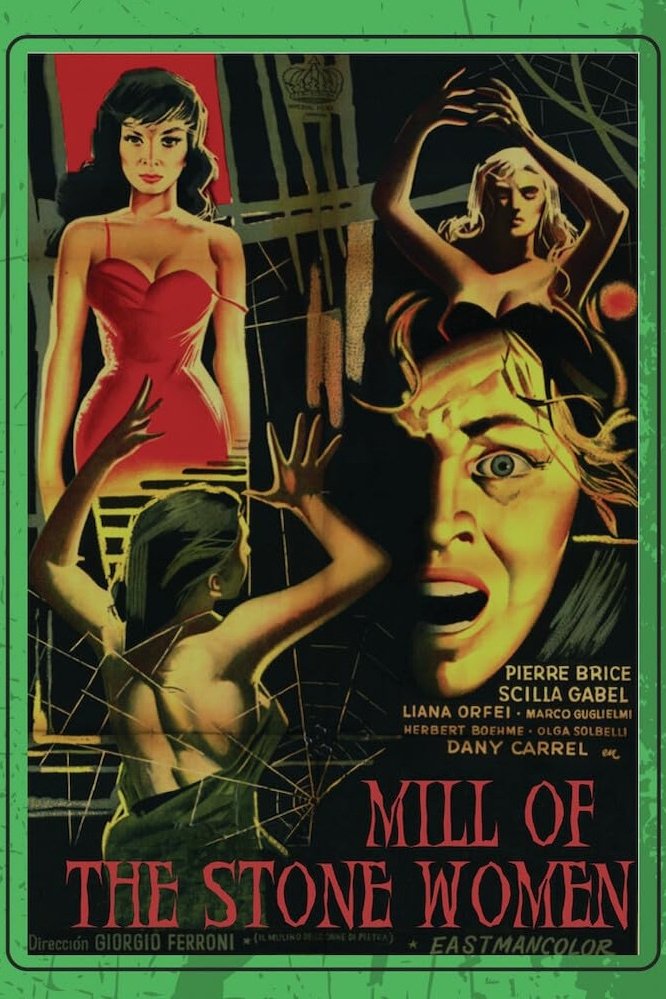
Mill of the Stone Women was developed as an Italian-French co-production involving Wanguard Film, Faro Film, Explorer Film ’58 and the French company C.E.C. – Comptoir d’Expansion Cinématographique. Giorgio Ferroni directed from a screenplay credited to Remigio Del Grosso, Ugo Liberatore, Giorgio Stegani and Ferroni himself. The project emerged during the expansion of European Gothic filmmaking that followed the international success of Hammer’s late-1950s horror productions. Italian producers were increasingly exploring subjects built around supernatural appearances, criminal experimentation and elaborate period environments.
The film’s opening credits attribute its story to a work called Flemish Tales by Pieter van Weigen. Although this attribution appears in historical film records, no corresponding book or author has been reliably identified. Film historian Roberto Curti and other researchers have treated the supposed literary source as an invented attribution, apparently designed to lend the production the appearance of an established European literary origin. This distinction matters because the film should not be described as a verified adaptation of an authentic Flemish story. Its documented screenplay authors remain the appropriate starting point for examining the development of the narrative.
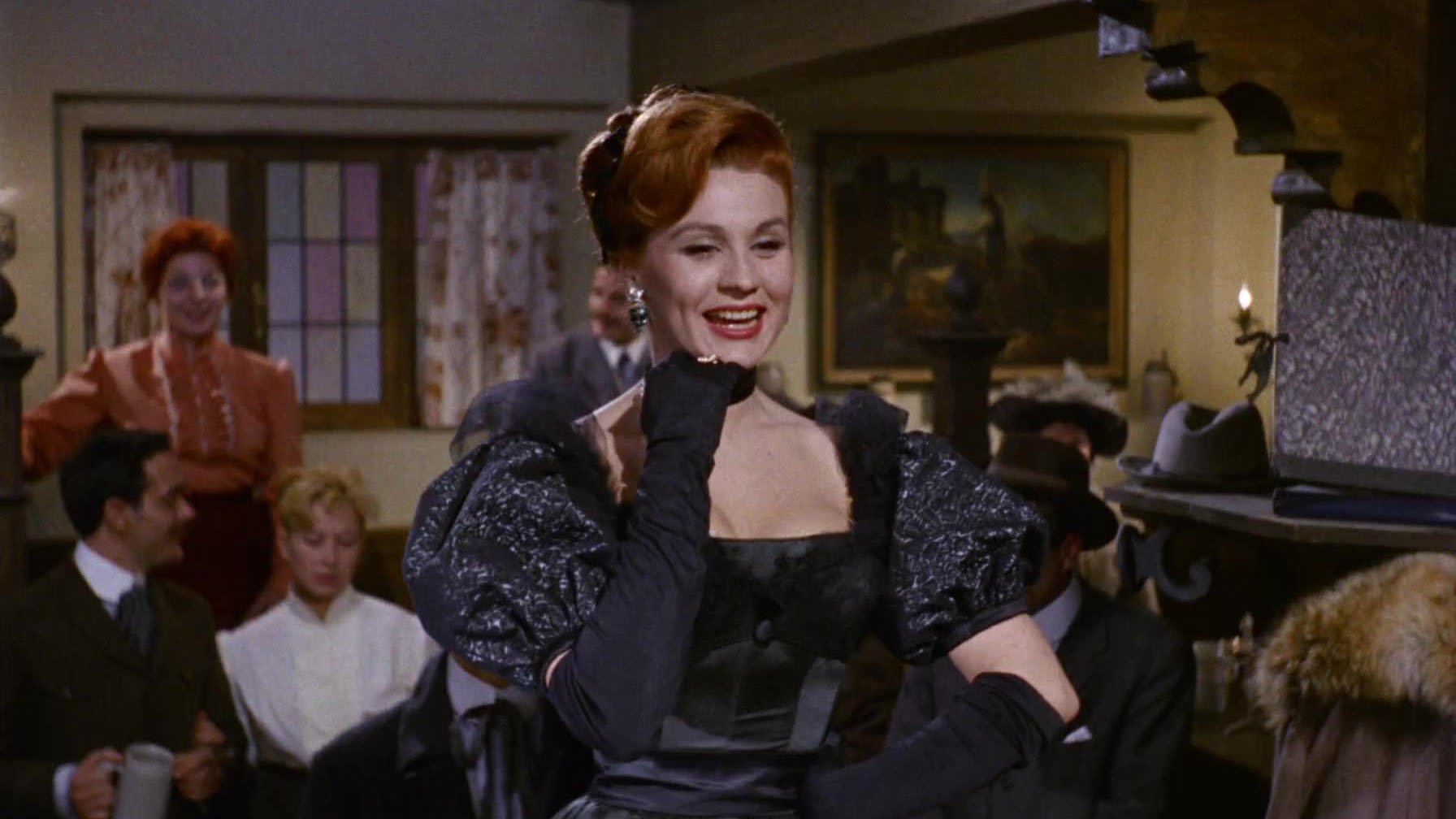
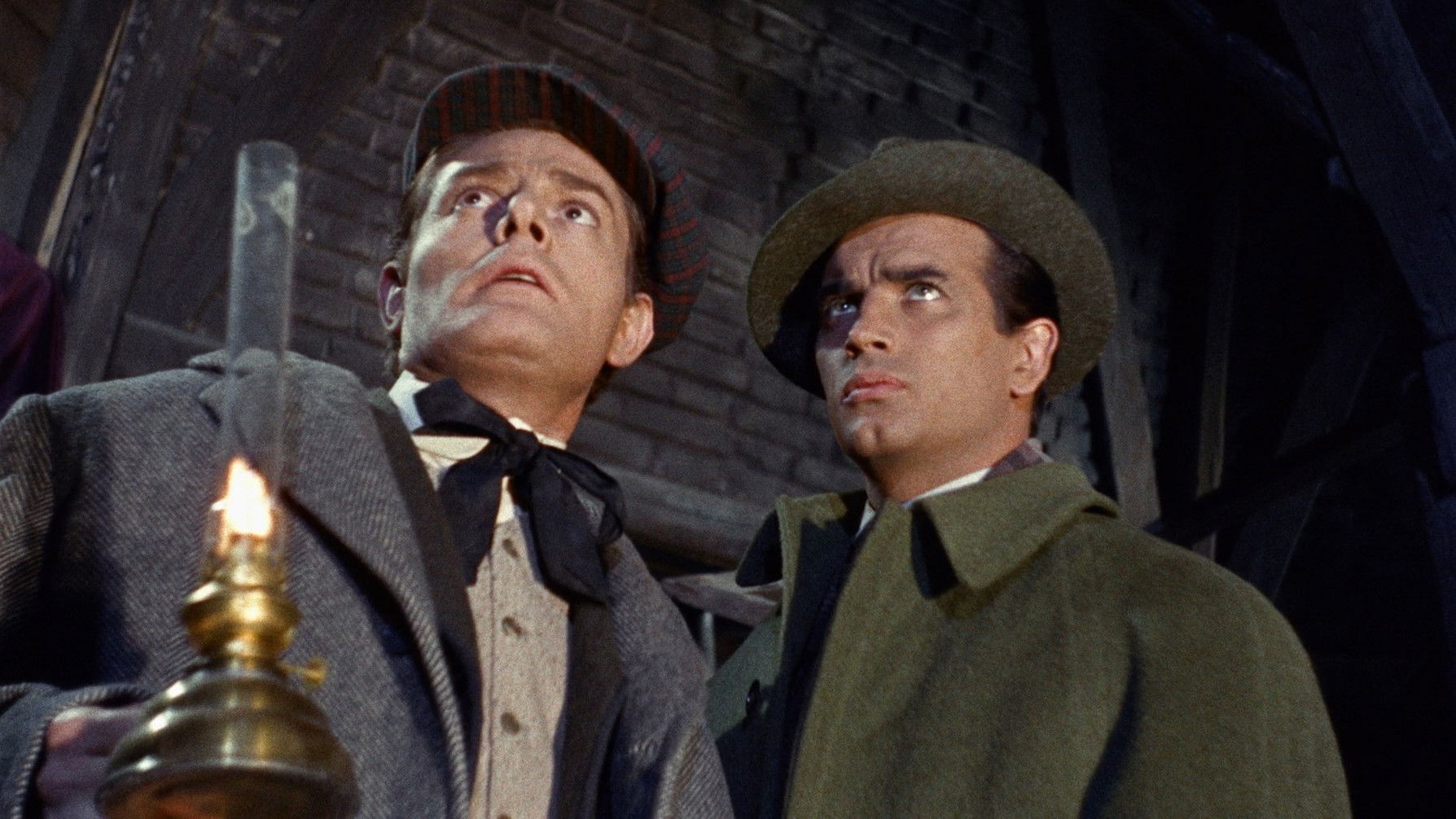
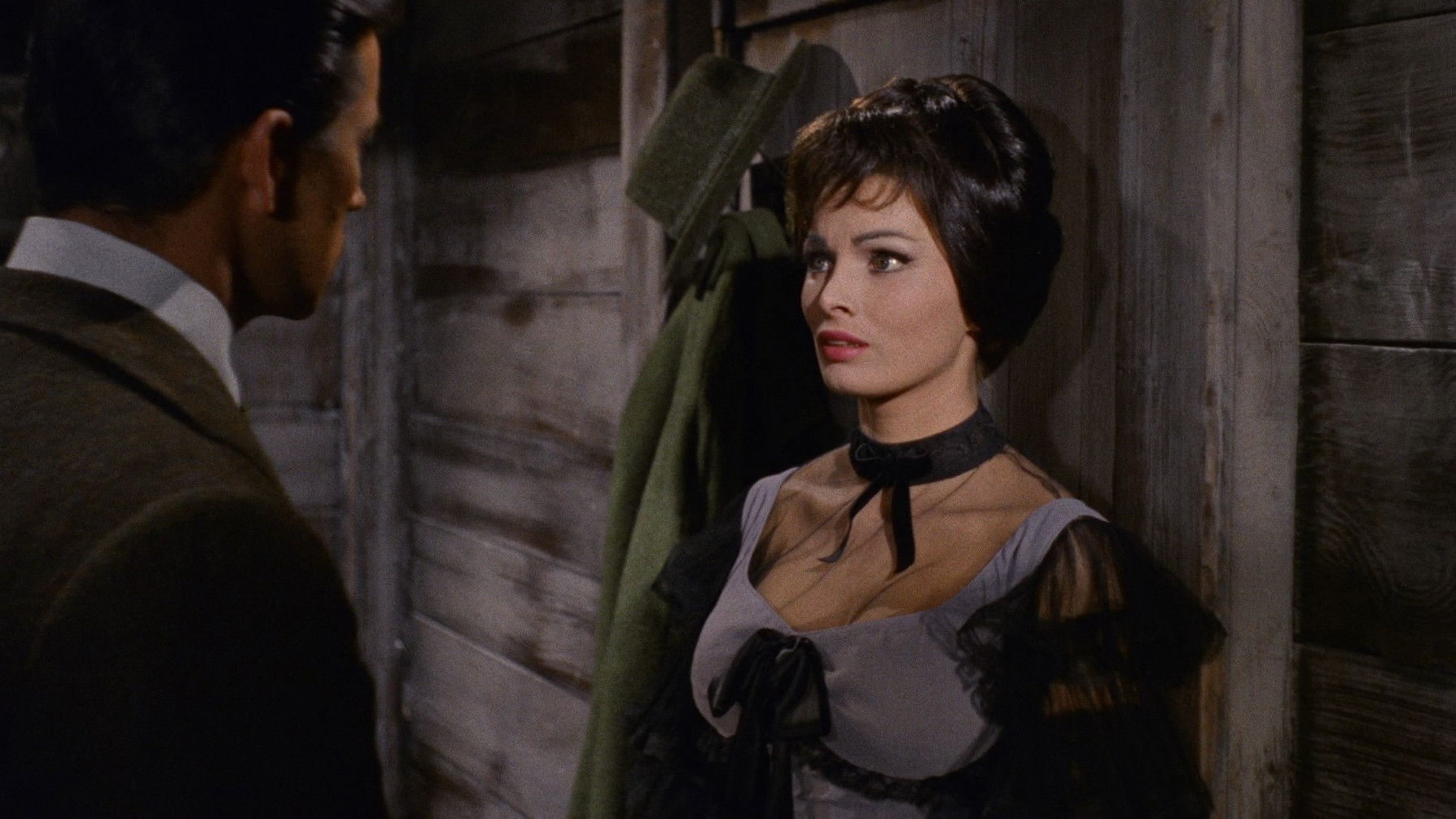
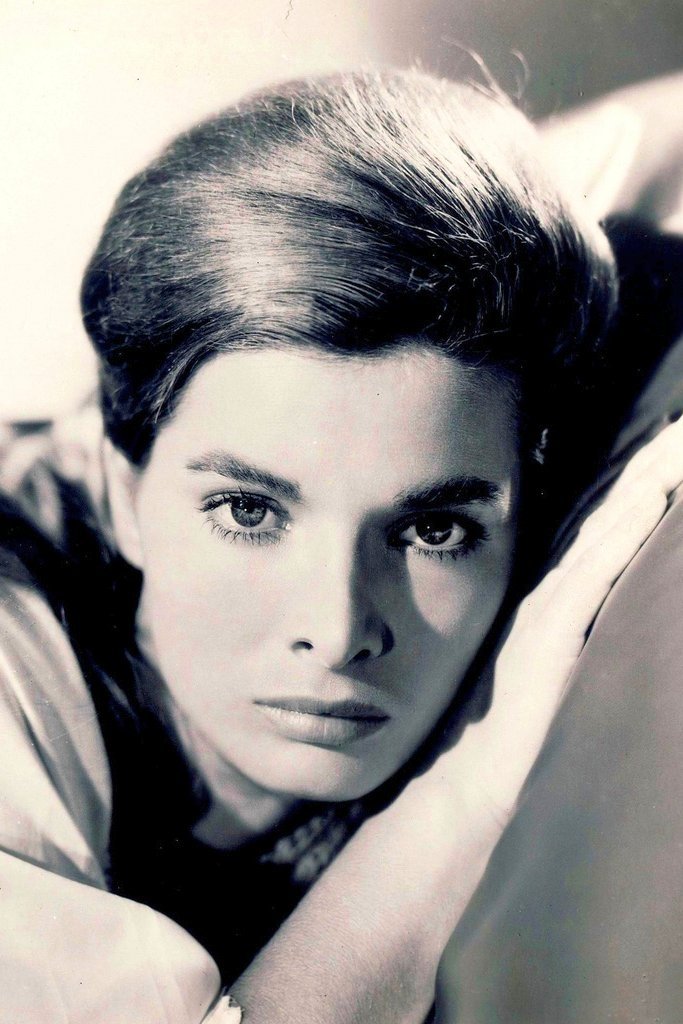
Ferroni approached the project after directing films in other genres, and Mill of the Stone Women was an unusual opportunity to construct a sustained Gothic atmosphere through colour cinematography. The production brought together a multinational cast, including Pierre Brice, Scilla Gabel, Wolfgang Preiss, Dany Carrel and Herbert A. E. Böhme. Their characters inhabit a fictional Dutch environment that combines historical architecture with the more theatrical spaces of the European horror tradition. Ferroni subsequently returned to horror with Night of the Devils (1972), but his 1960 production remains particularly important for its mechanical centerpiece, unusual setting and early use of colour within Italian Gothic cinema.
Narrative, Blood Transfusions & Medical Horror
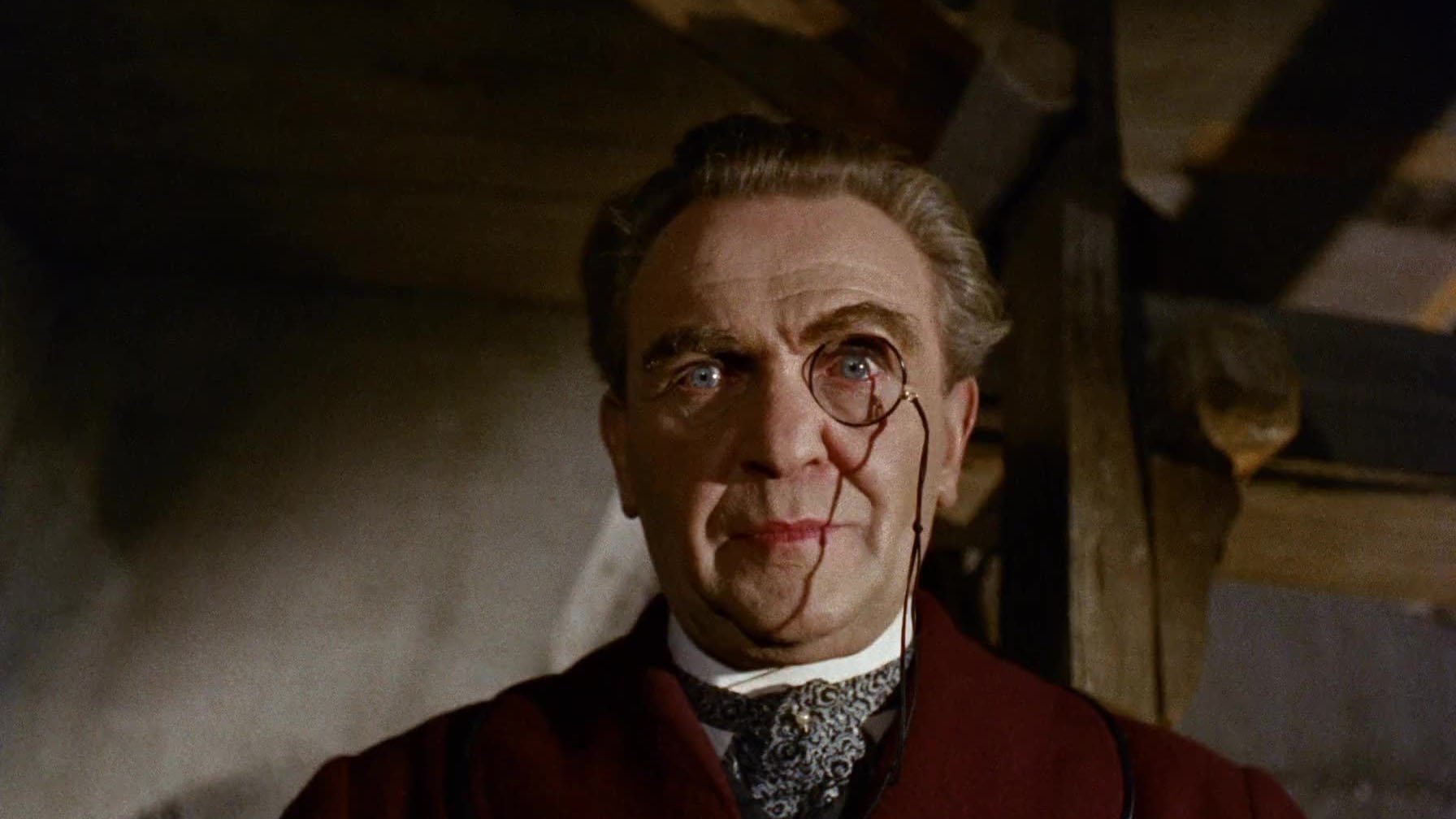
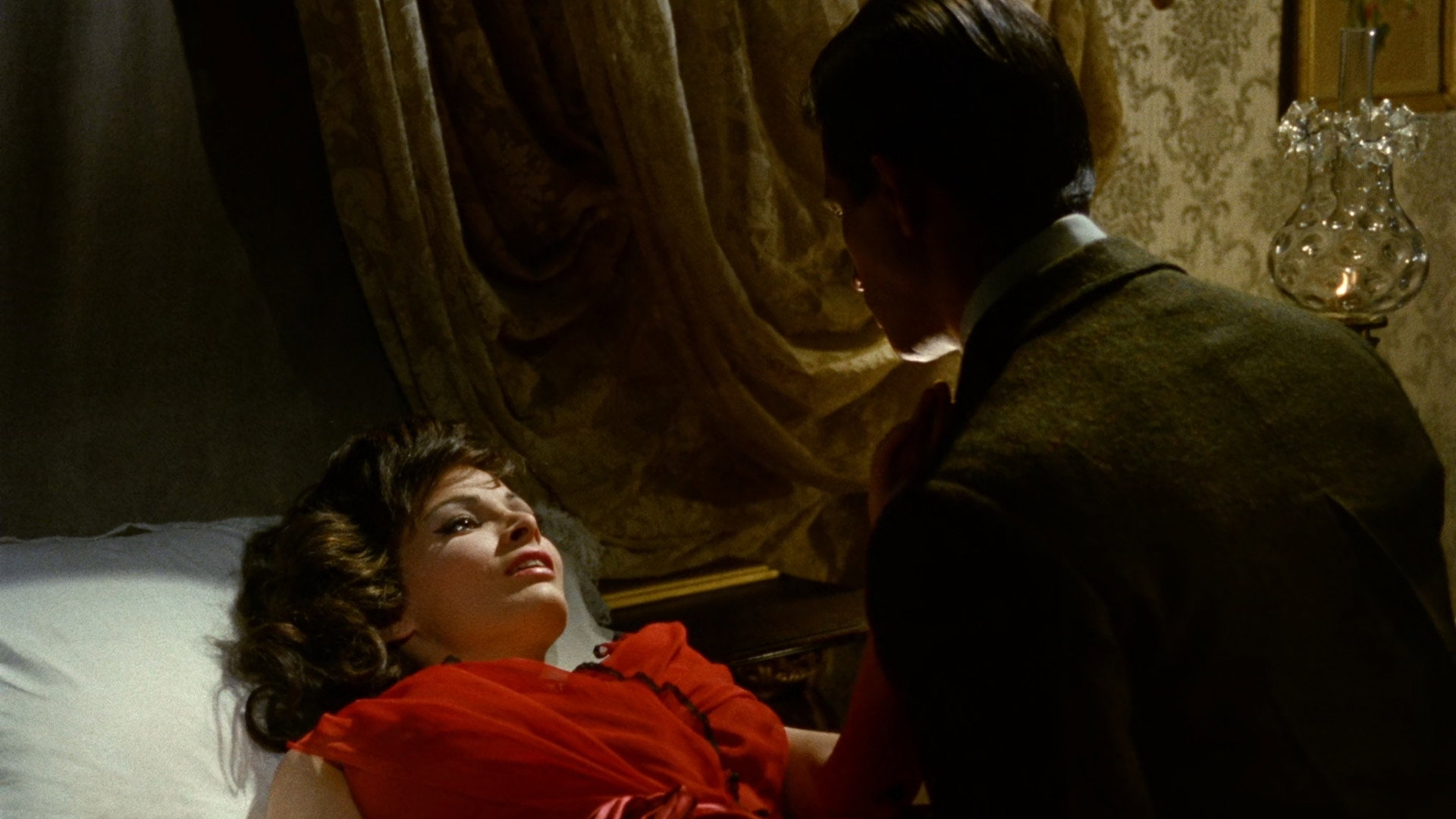
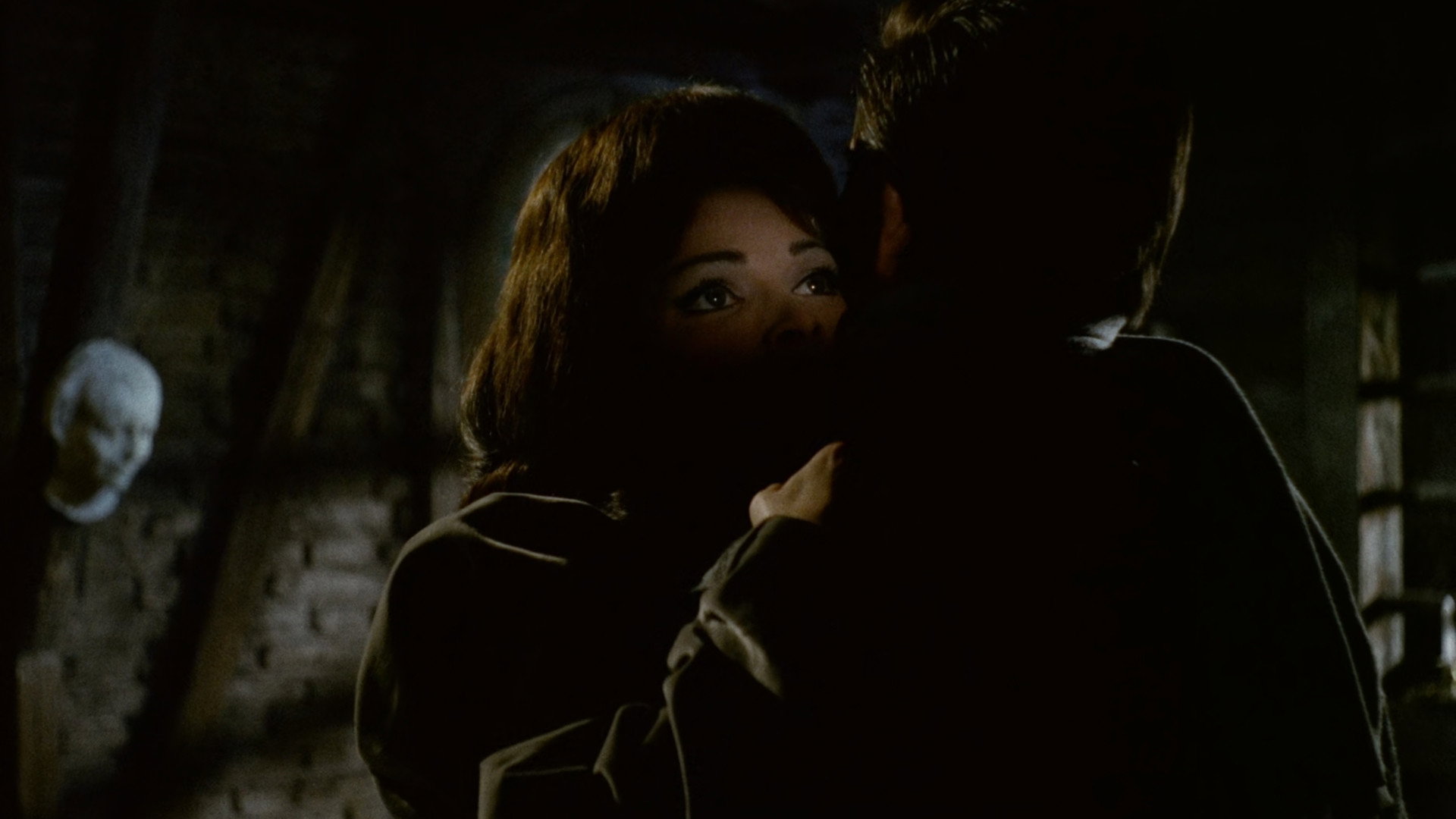
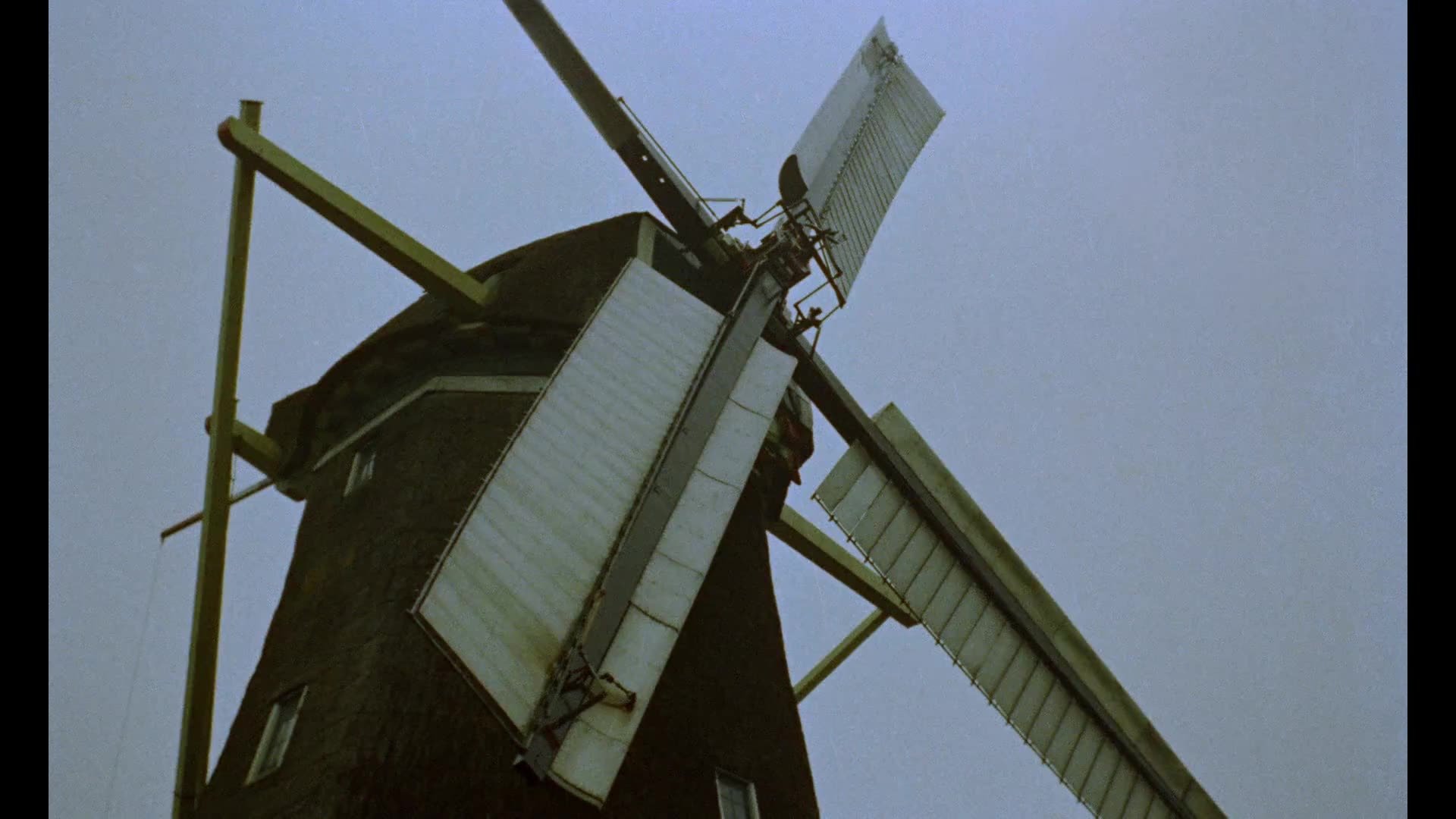
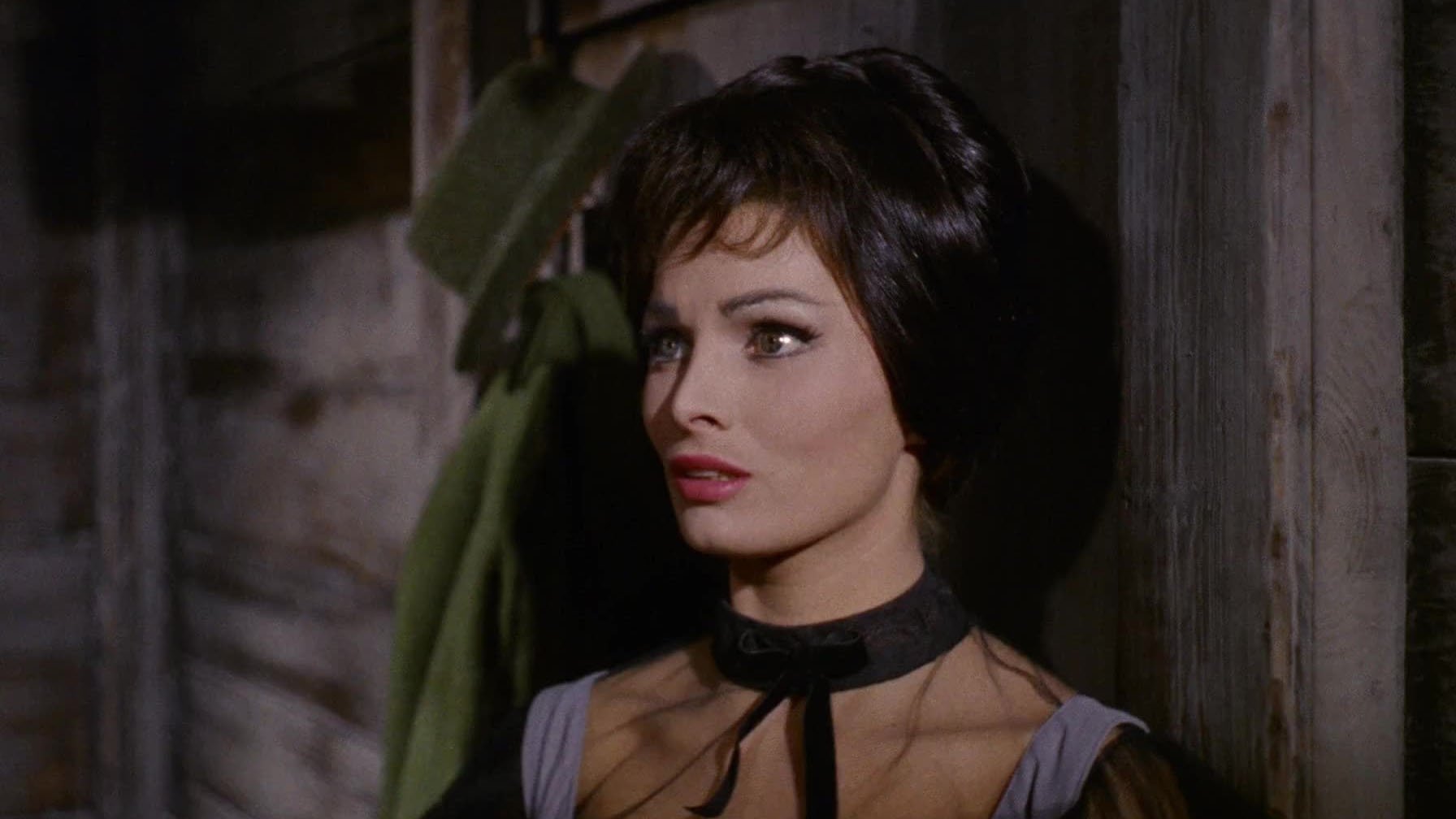
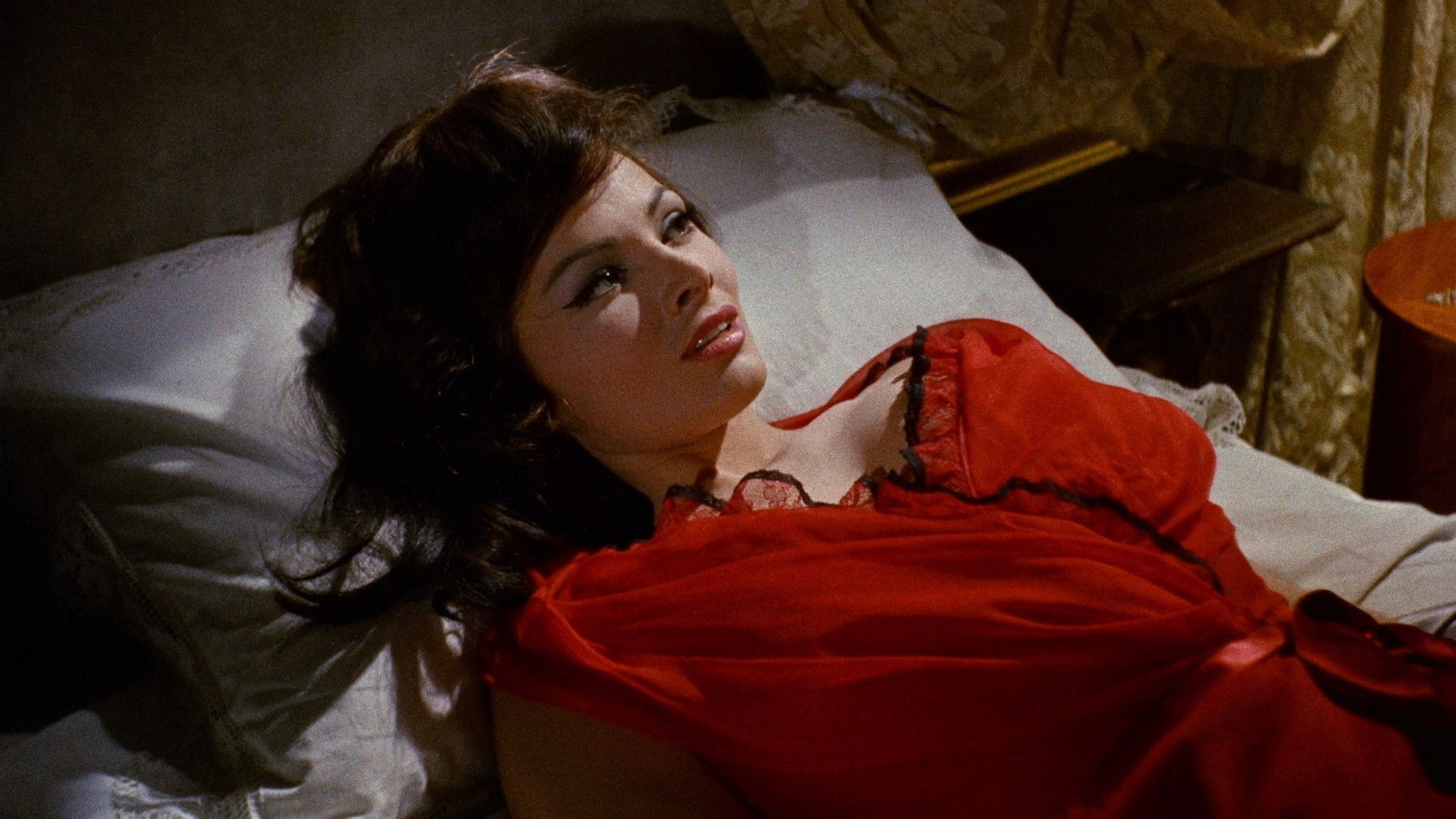
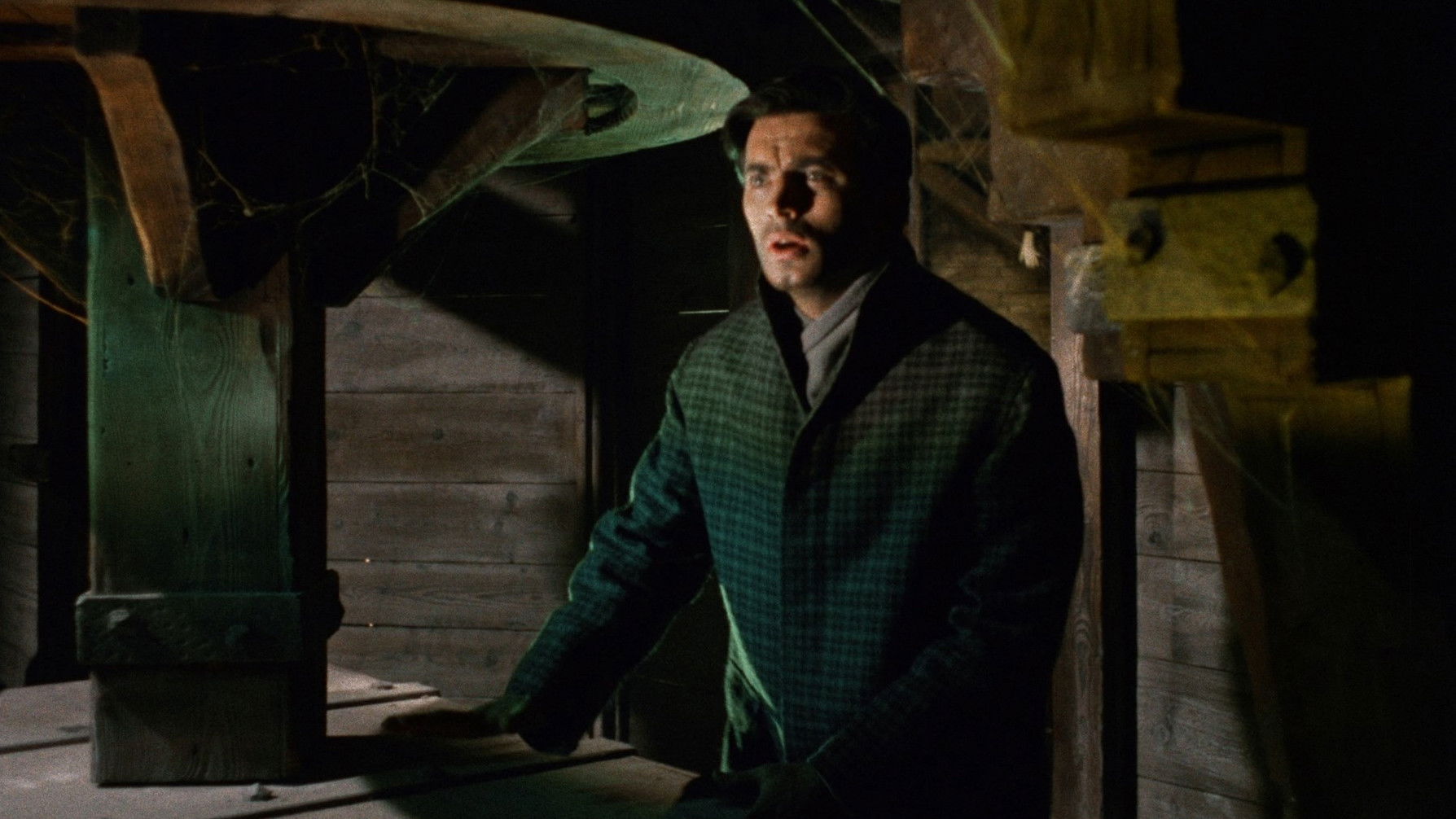
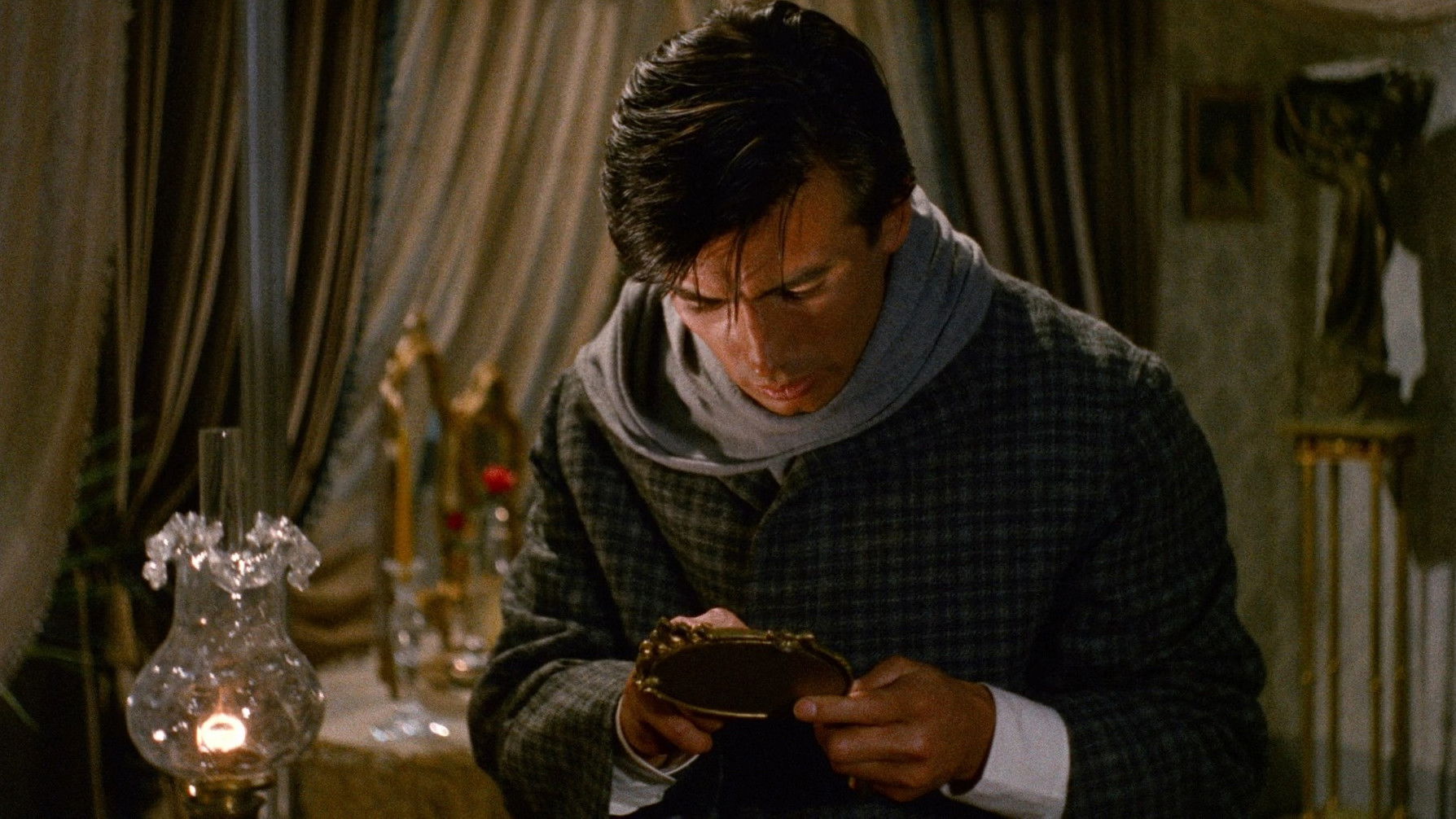
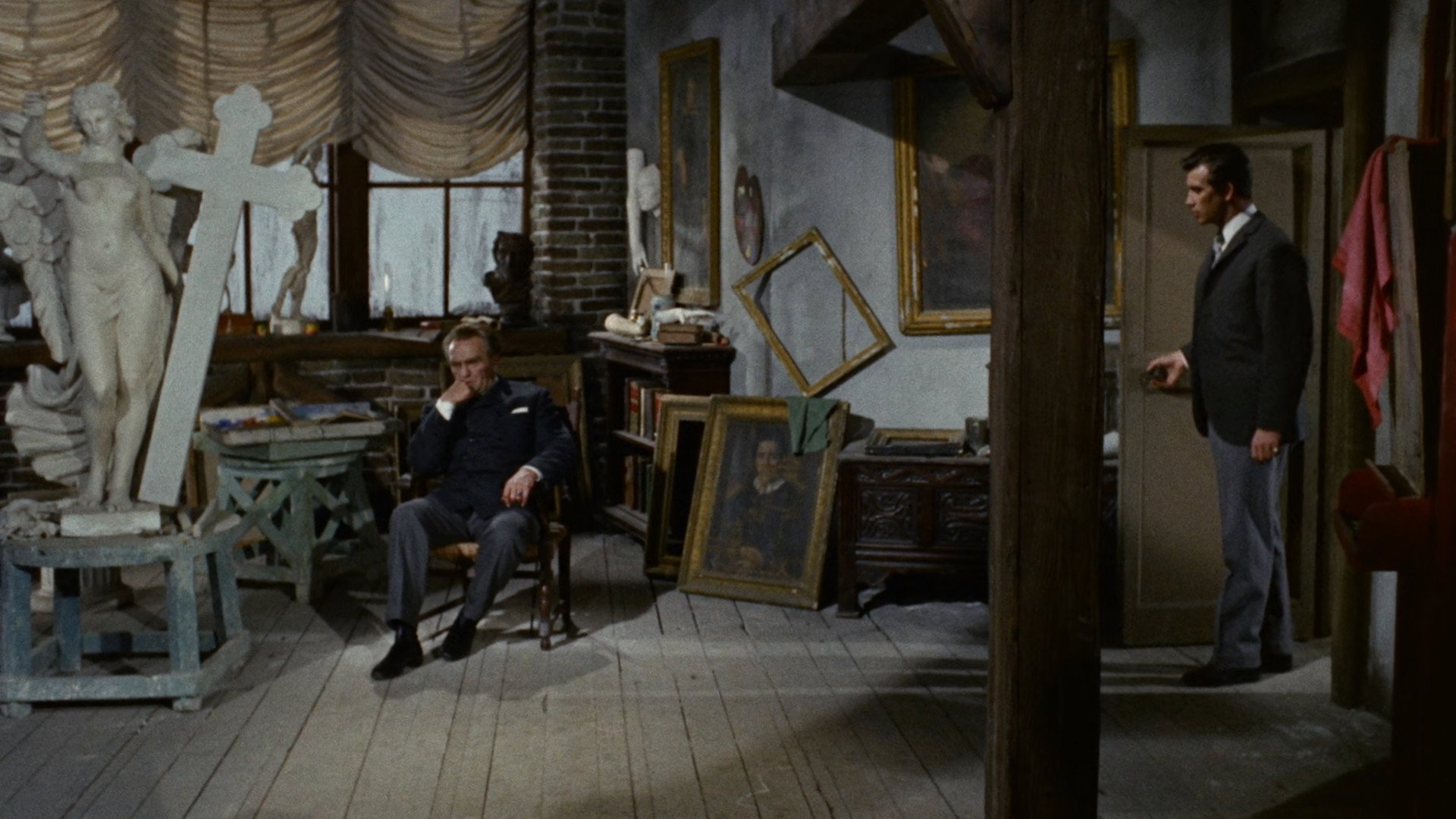
The narrative begins with Hans arriving at an old Dutch windmill to research a celebrated mechanical display maintained by sculptor and academic Gregorius Wahl. The attraction consists of life-size representations of women associated with violent deaths, arranged within a rotating carousel driven by the machinery of the mill. Hans soon becomes interested in Wahl’s secluded daughter Elfi, whose fragile health apparently prevents her from participating in ordinary life. Her emotional attachment to the visitor places him in conflict with the warnings issued by her father and the physician Loren Bohlem.
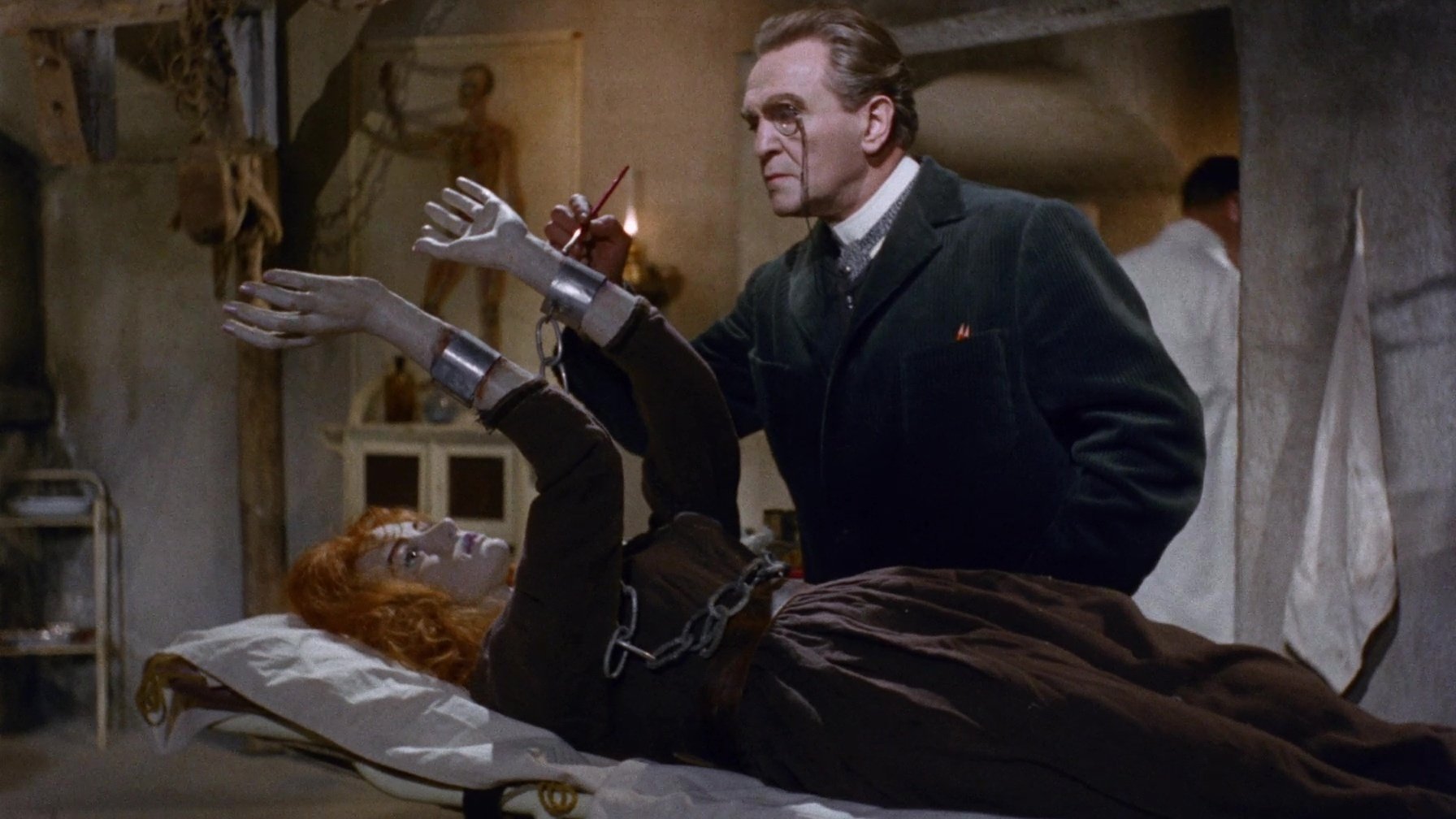
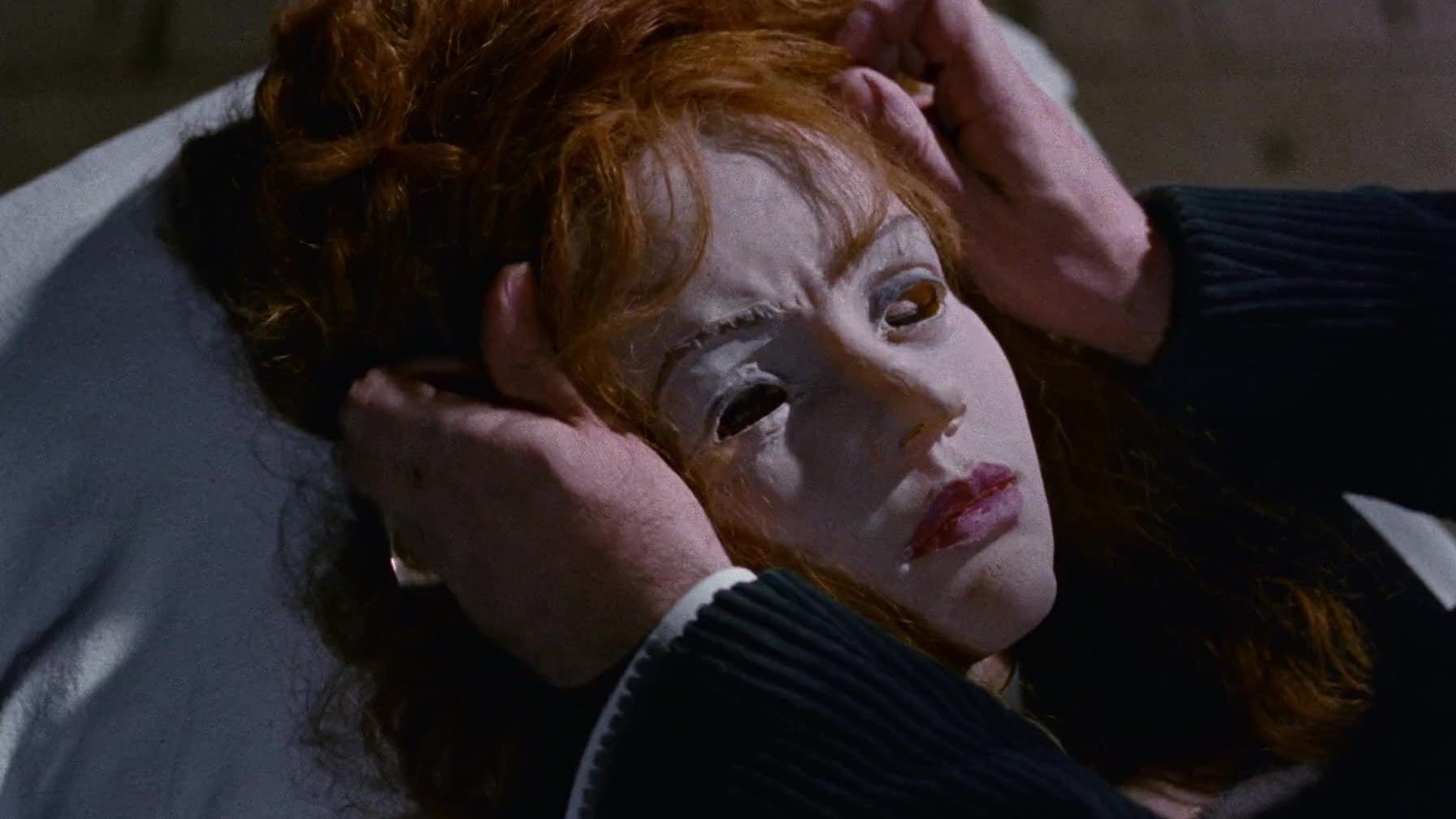
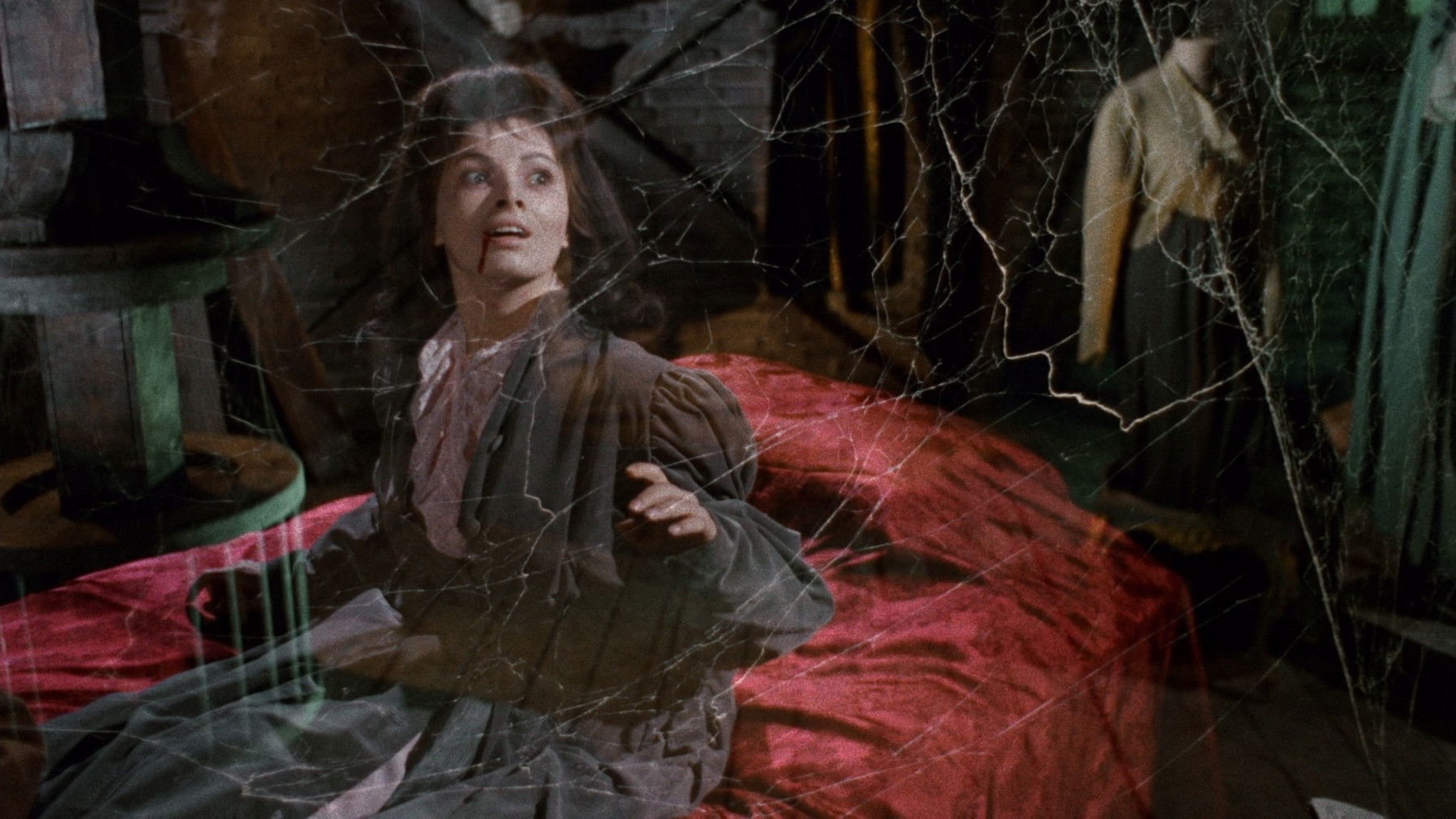
The mystery intensifies when Hans witnesses Elfi apparently die, only to encounter her alive again. His confusion is exploited by the inhabitants of the mill, who encourage him to doubt his perceptions. The revelation concerns the treatment devised to preserve Elfi’s life. Bohlem extracts blood from abducted young women, whose bodies subsequently become part of Wahl’s collection of apparently sculpted figures. The terrible secret of the carousel consequently changes the meaning of its exhibition: figures presented as artistic representations are actually connected with the disappearance and deaths of real women.
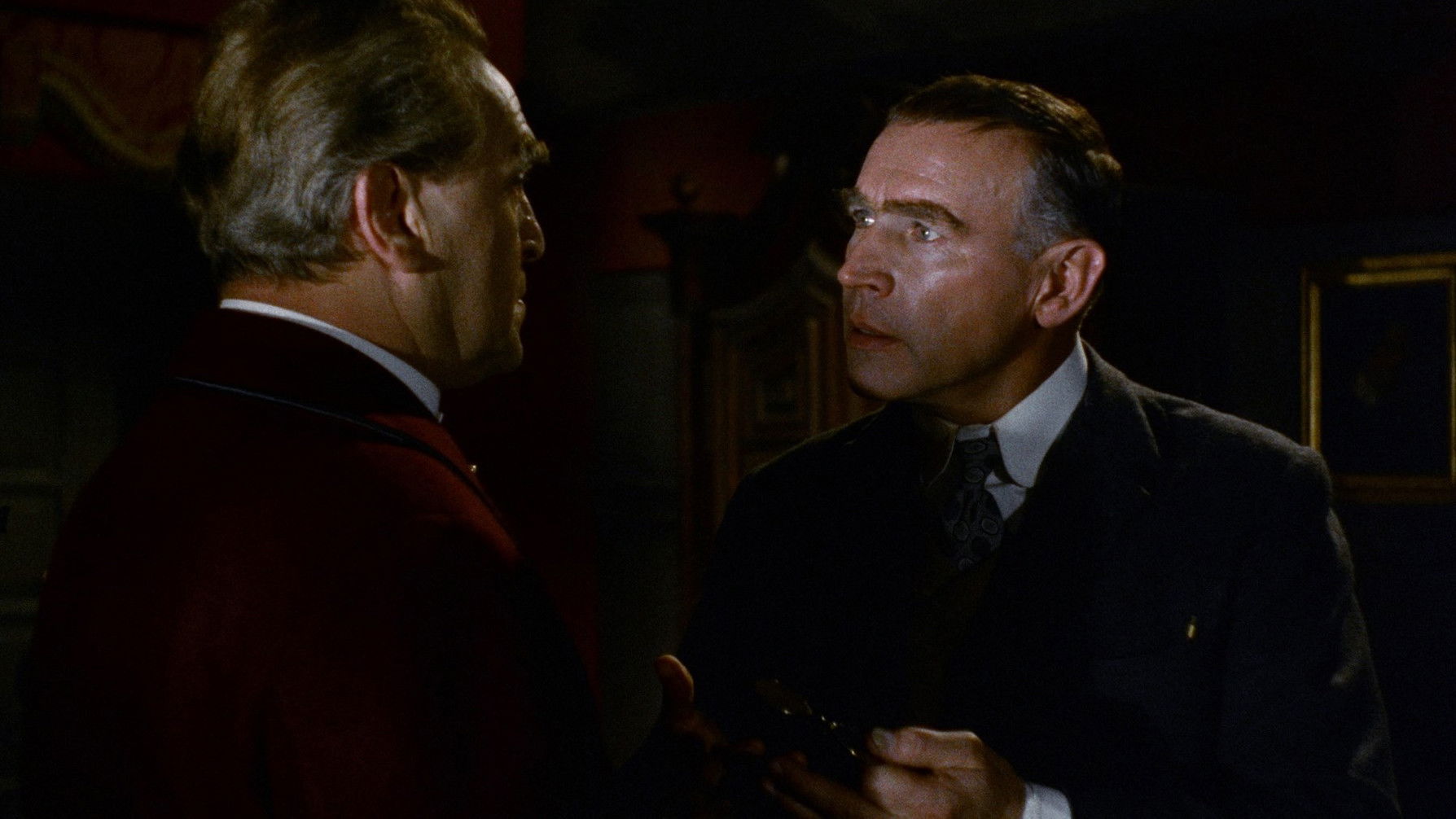
The medical explanation establishes a relationship with earlier Gothic stories of scientific ambition and bodily exploitation. Elfi’s survival depends upon the sacrifice of other women, while Wahl’s paternal devotion becomes inseparable from criminal violence. Bohlem’s professional authority supplies the procedures that make the arrangement possible within the film’s fantastic logic. Hans must eventually confront the machinery and the people responsible for its horrifying contents, and the narrative culminates in the destruction of the mill by fire. The final images return to the carousel, whose movement becomes a last display of the crimes concealed within the building.
Eastmancolor, Cinematography & Gothic Design
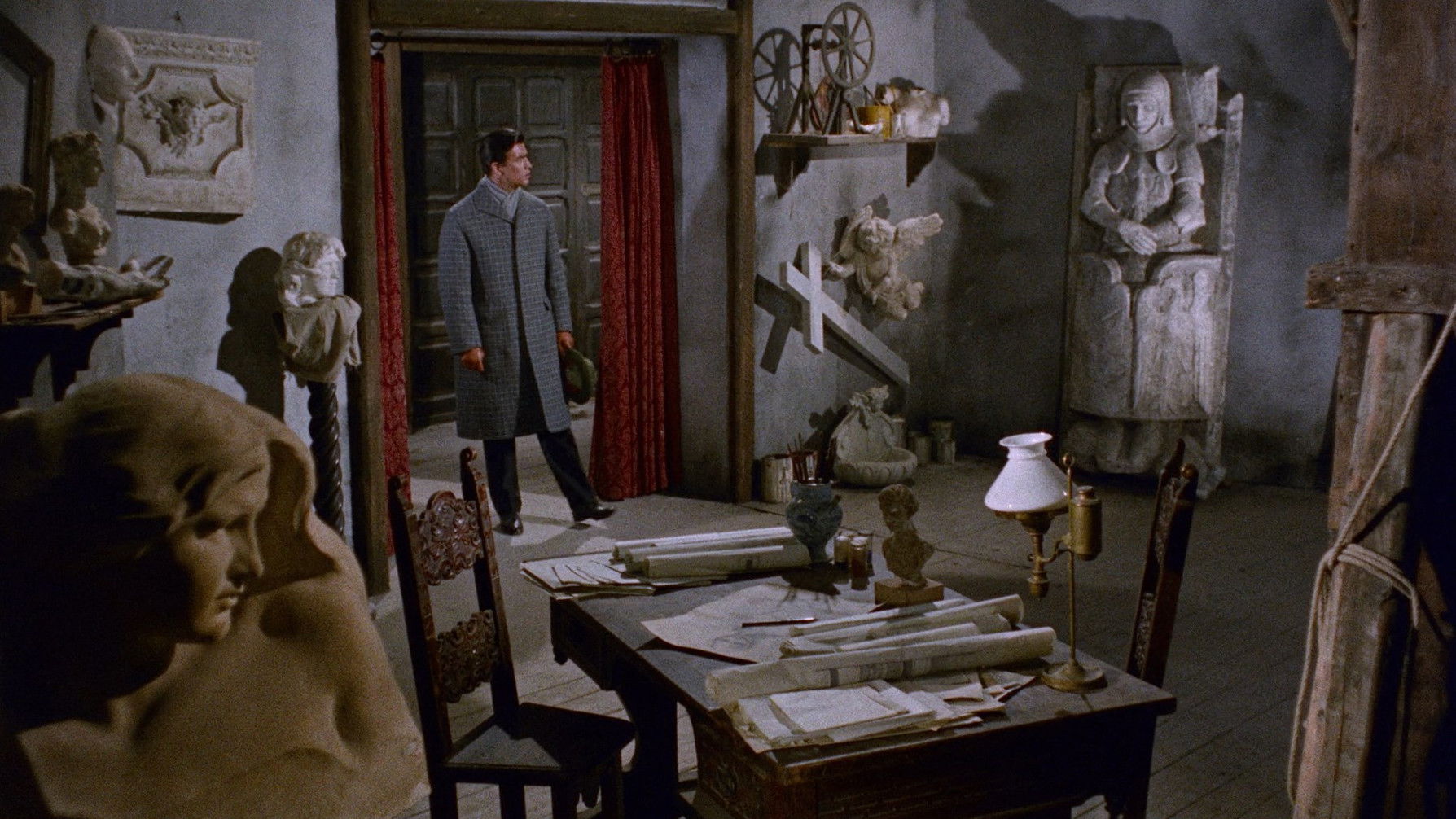
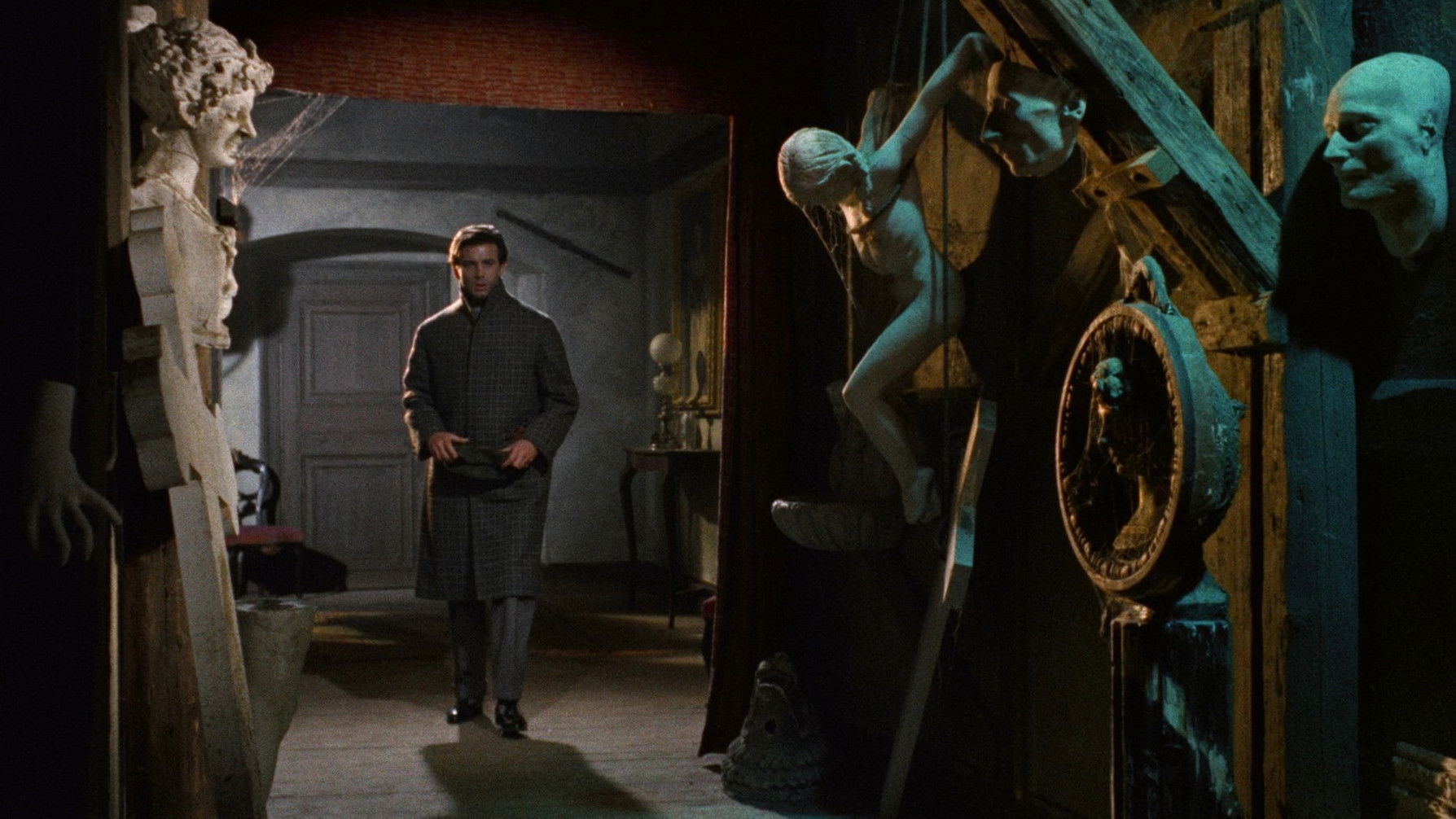
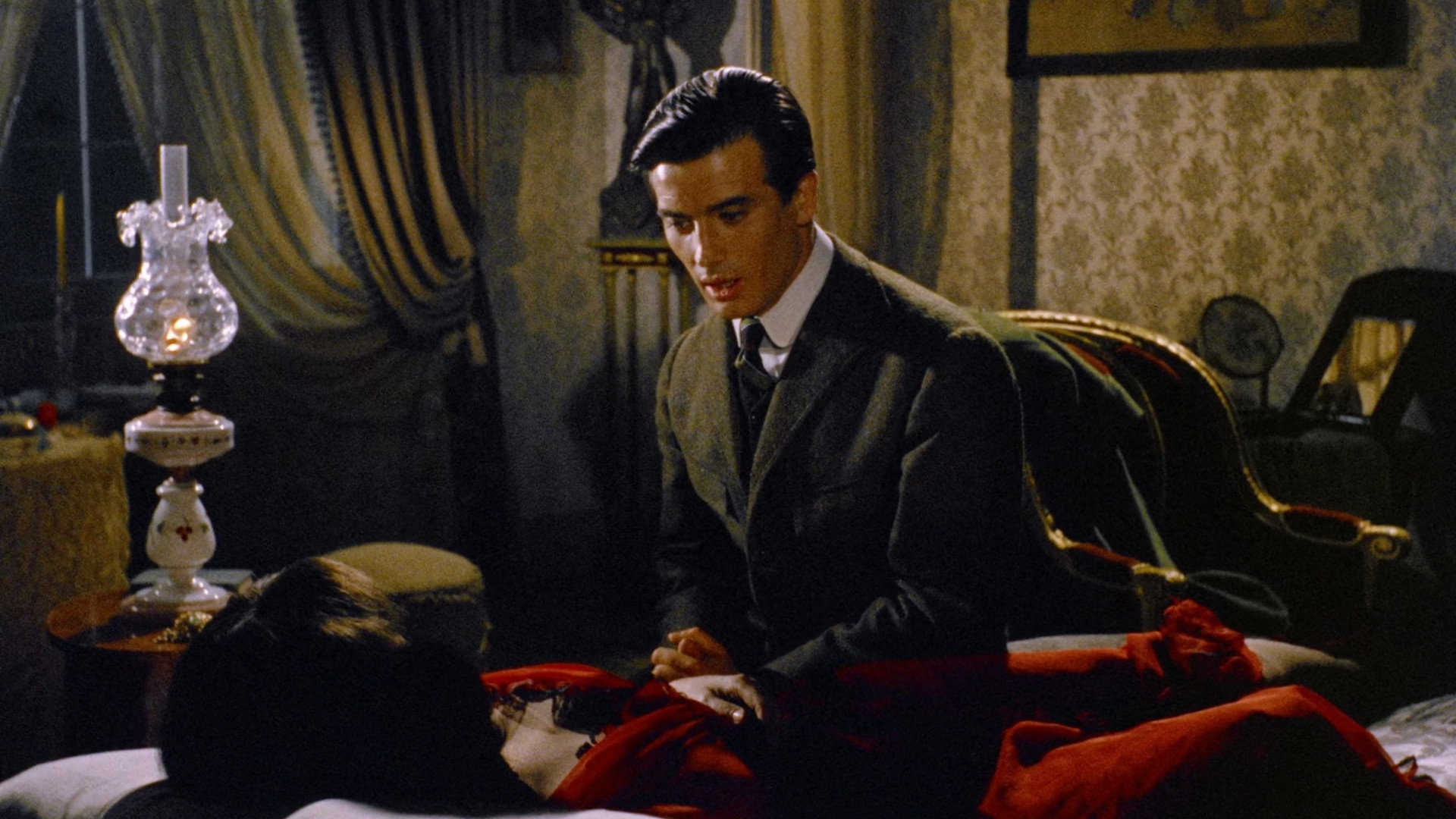
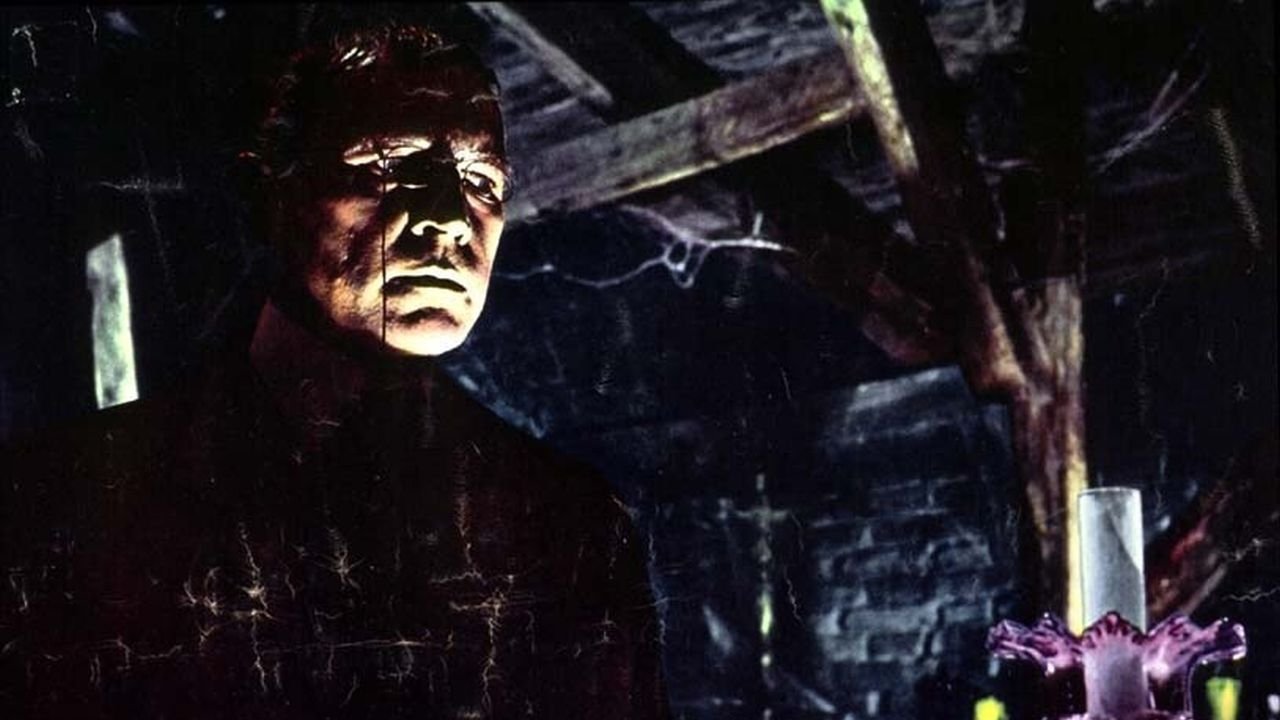
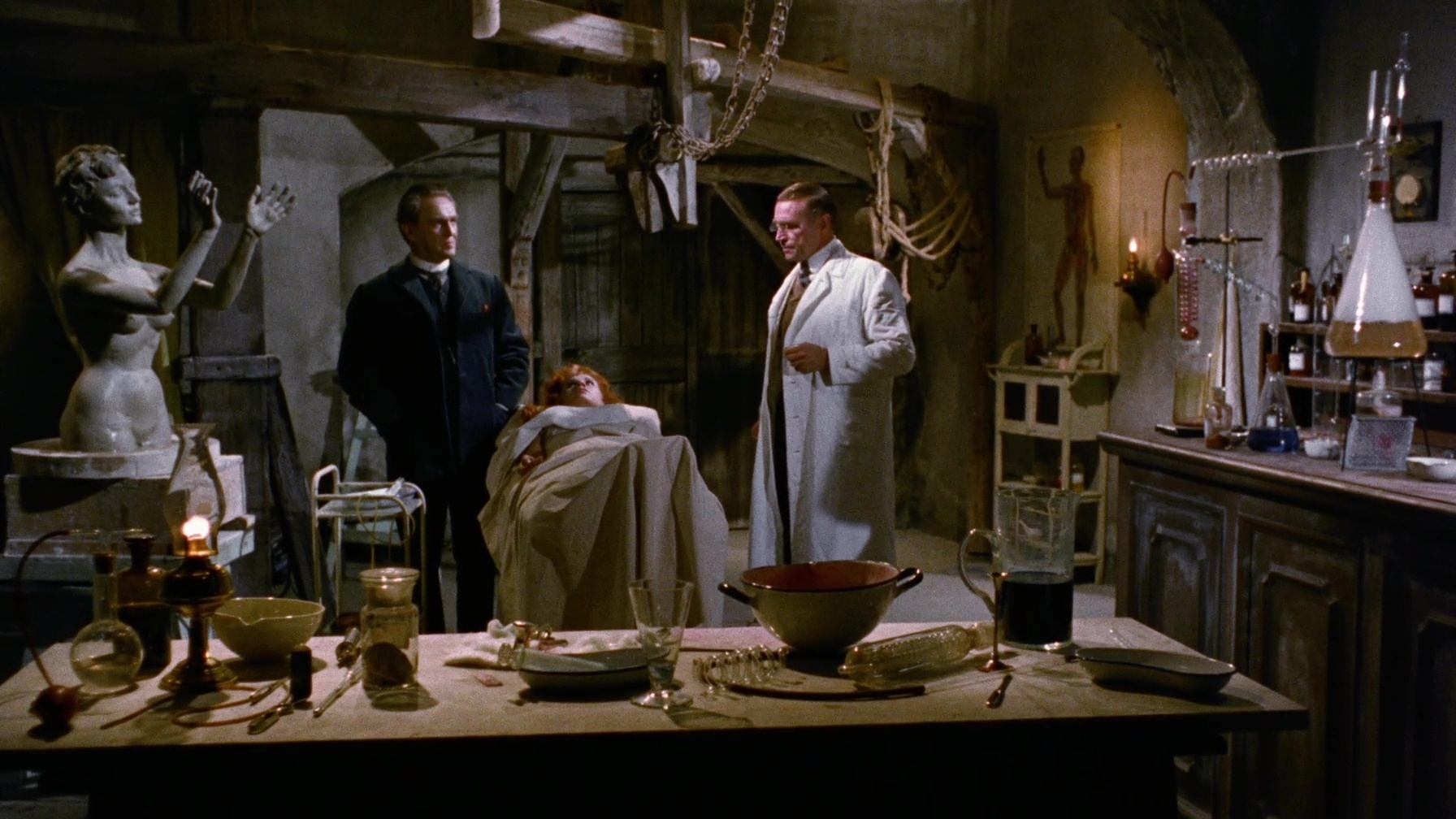
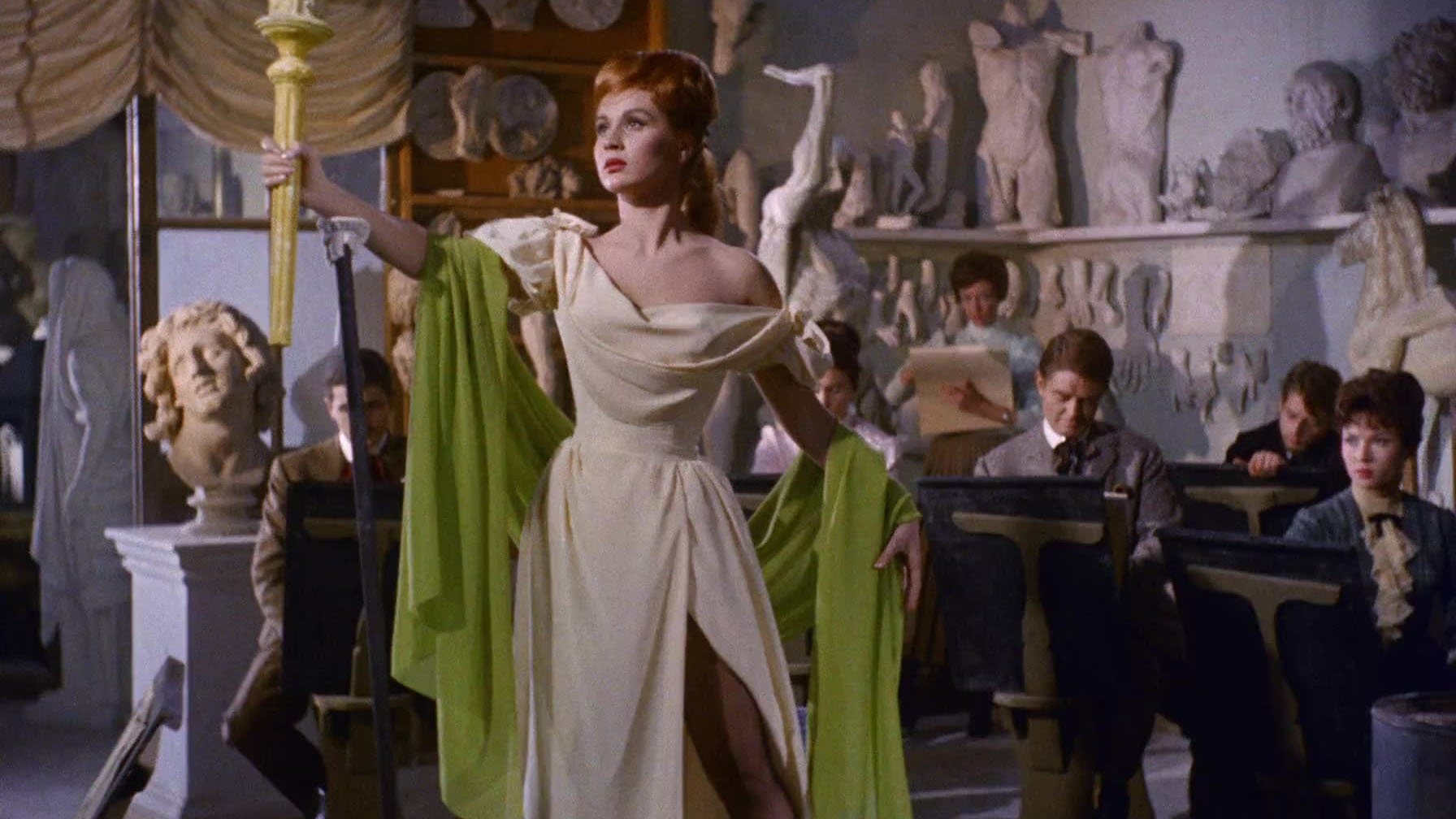
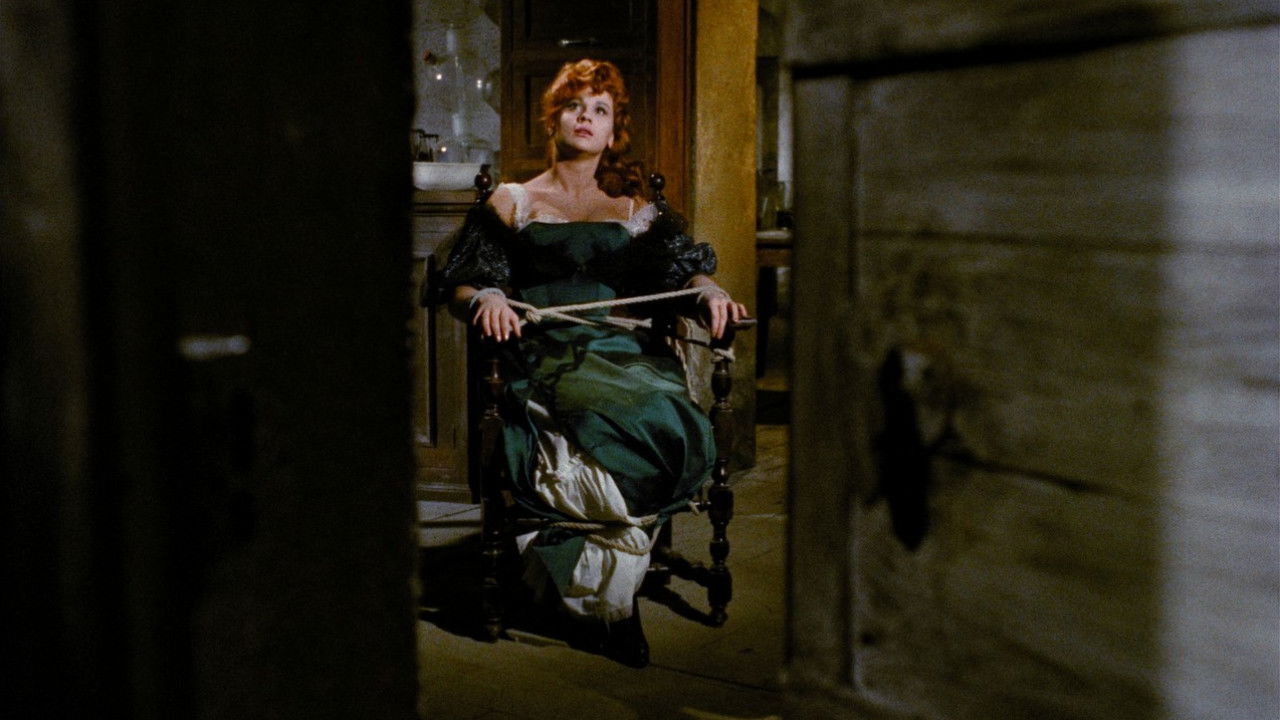
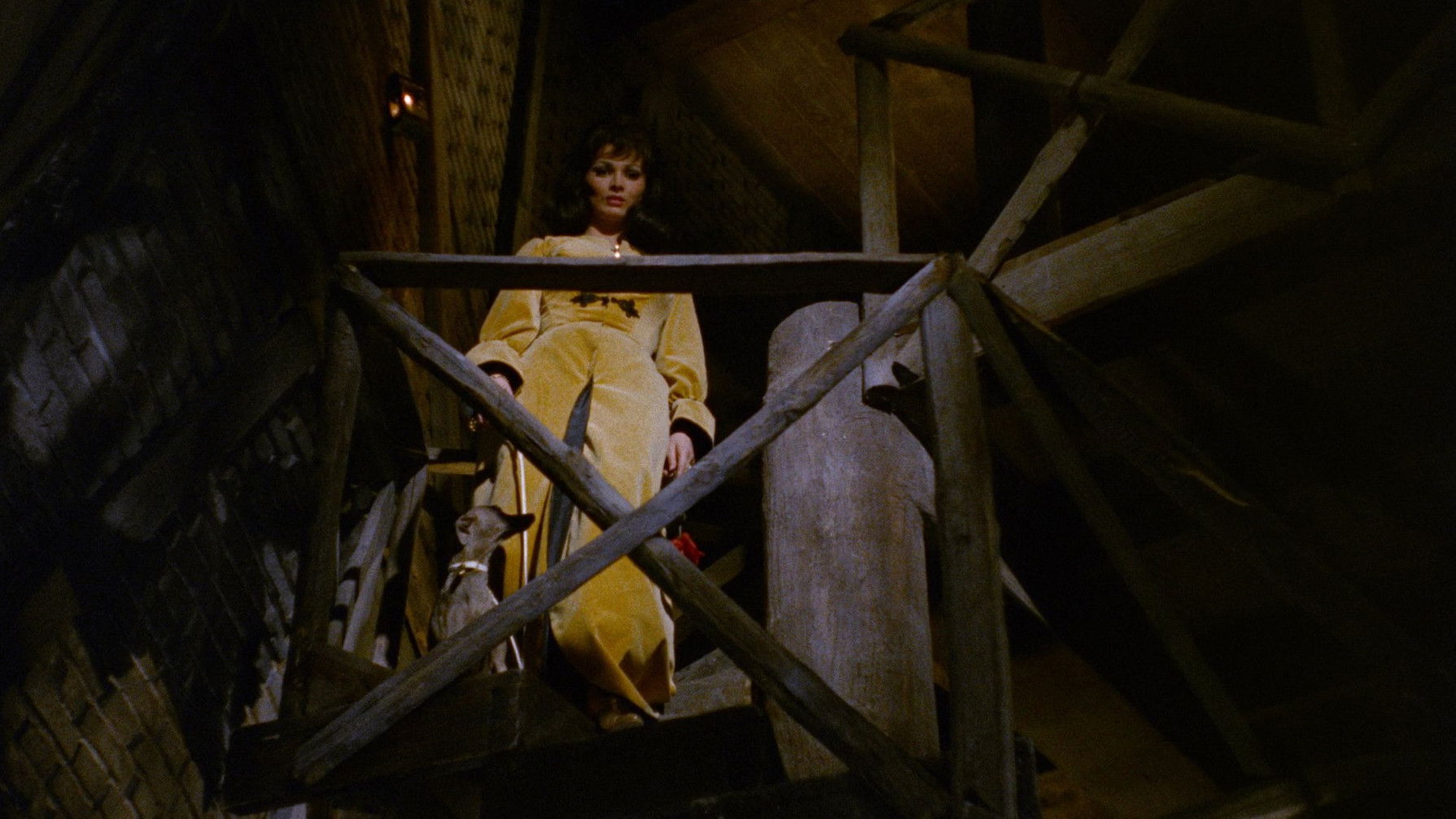
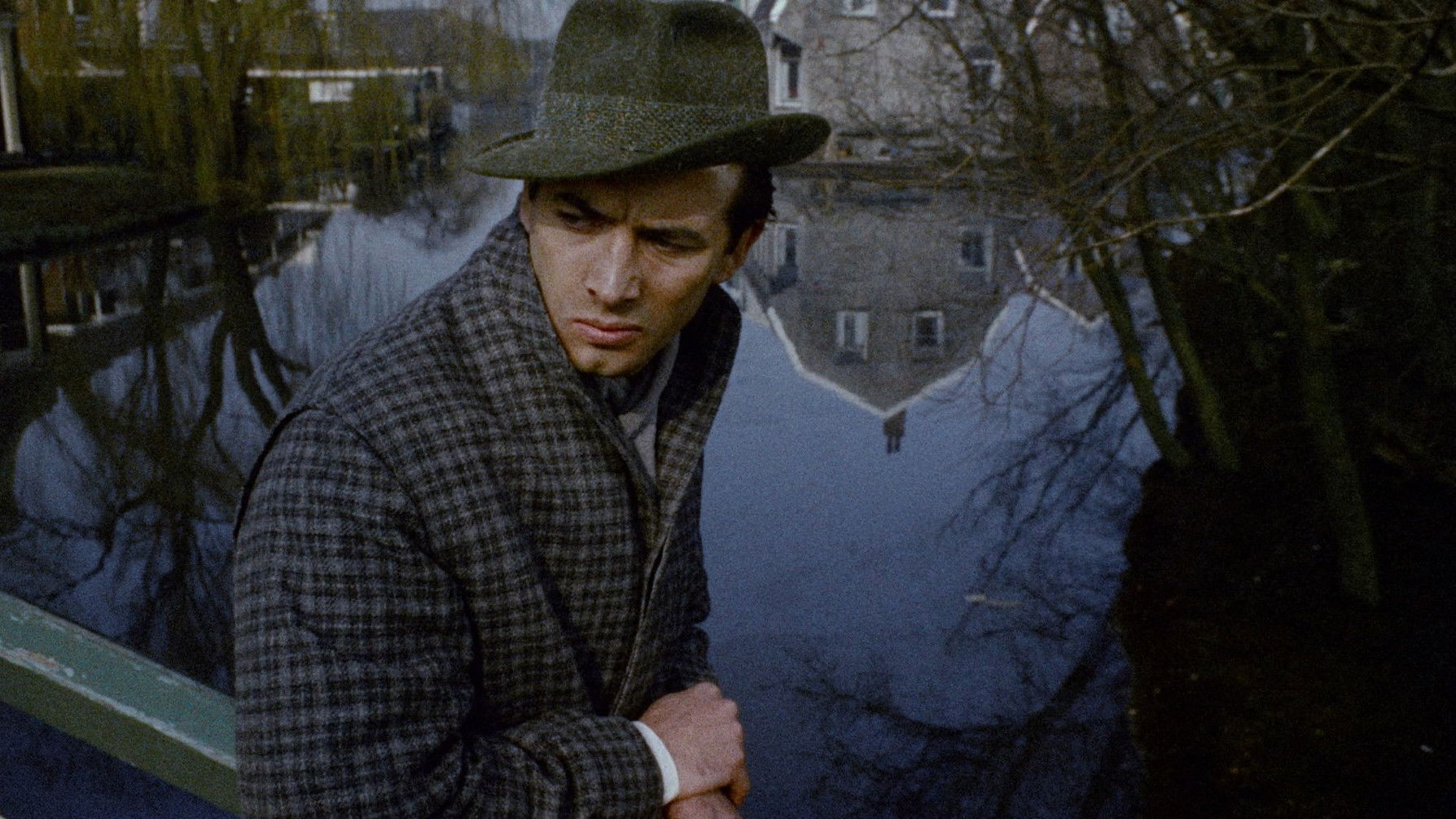
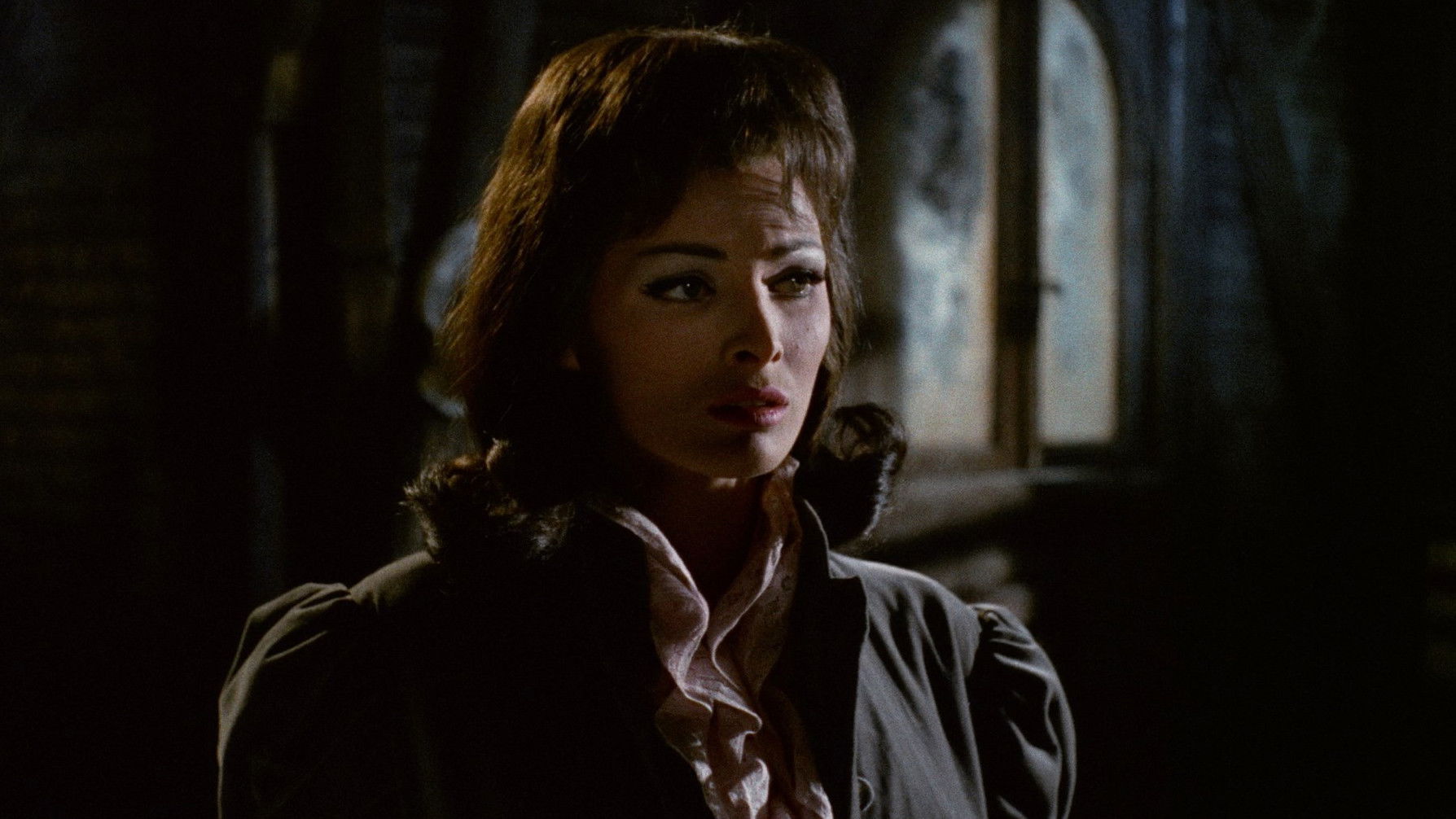
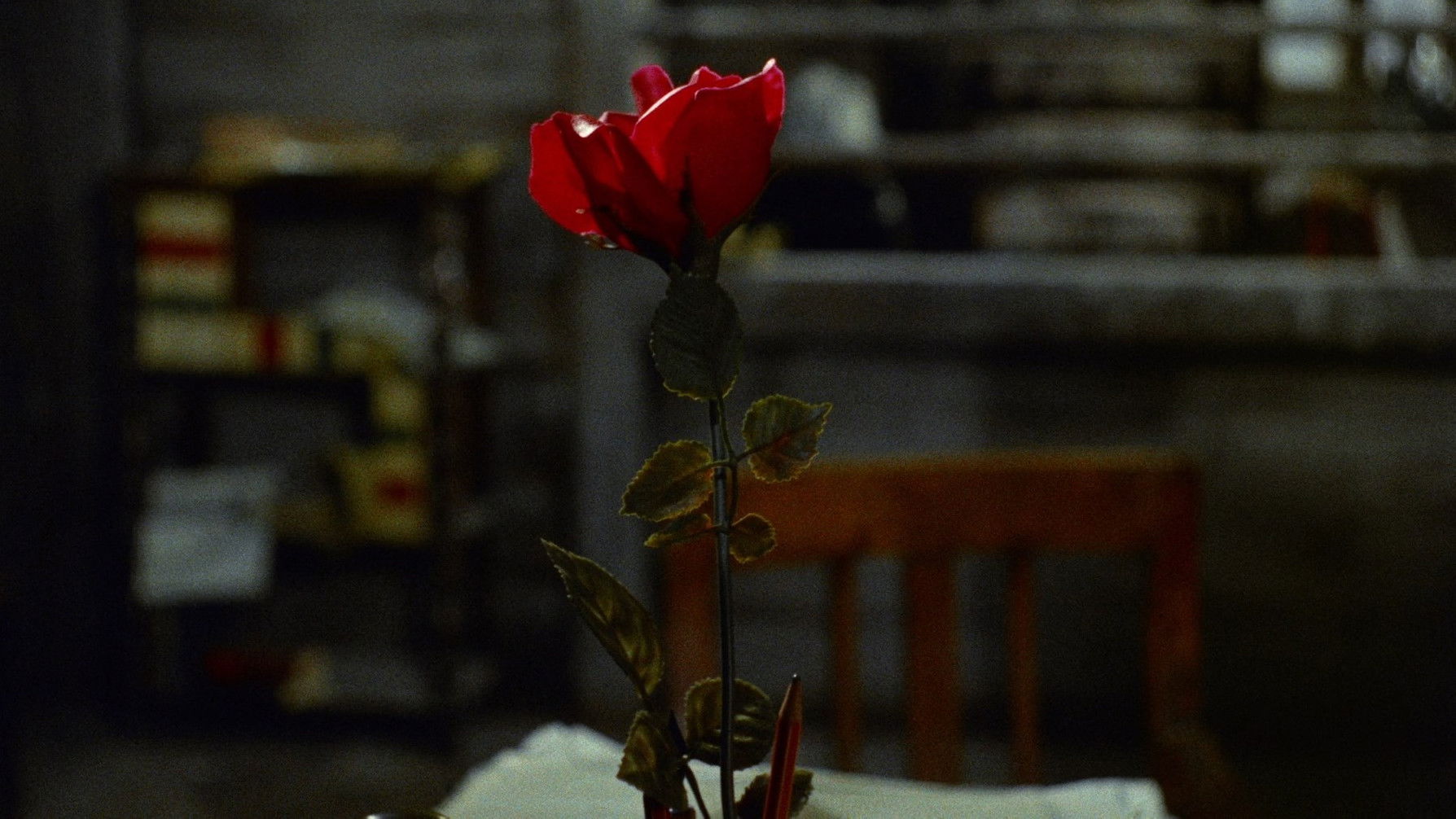
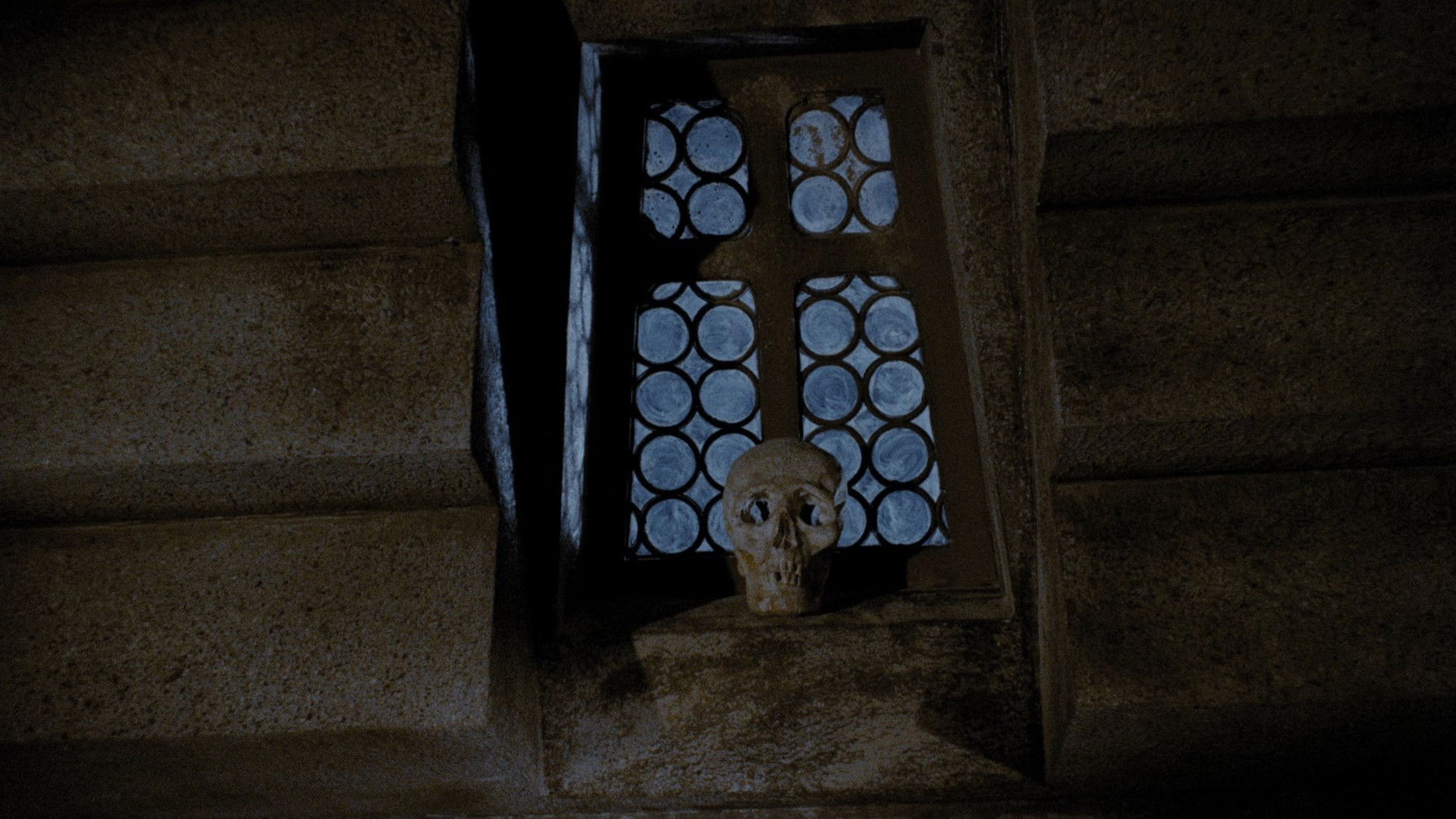
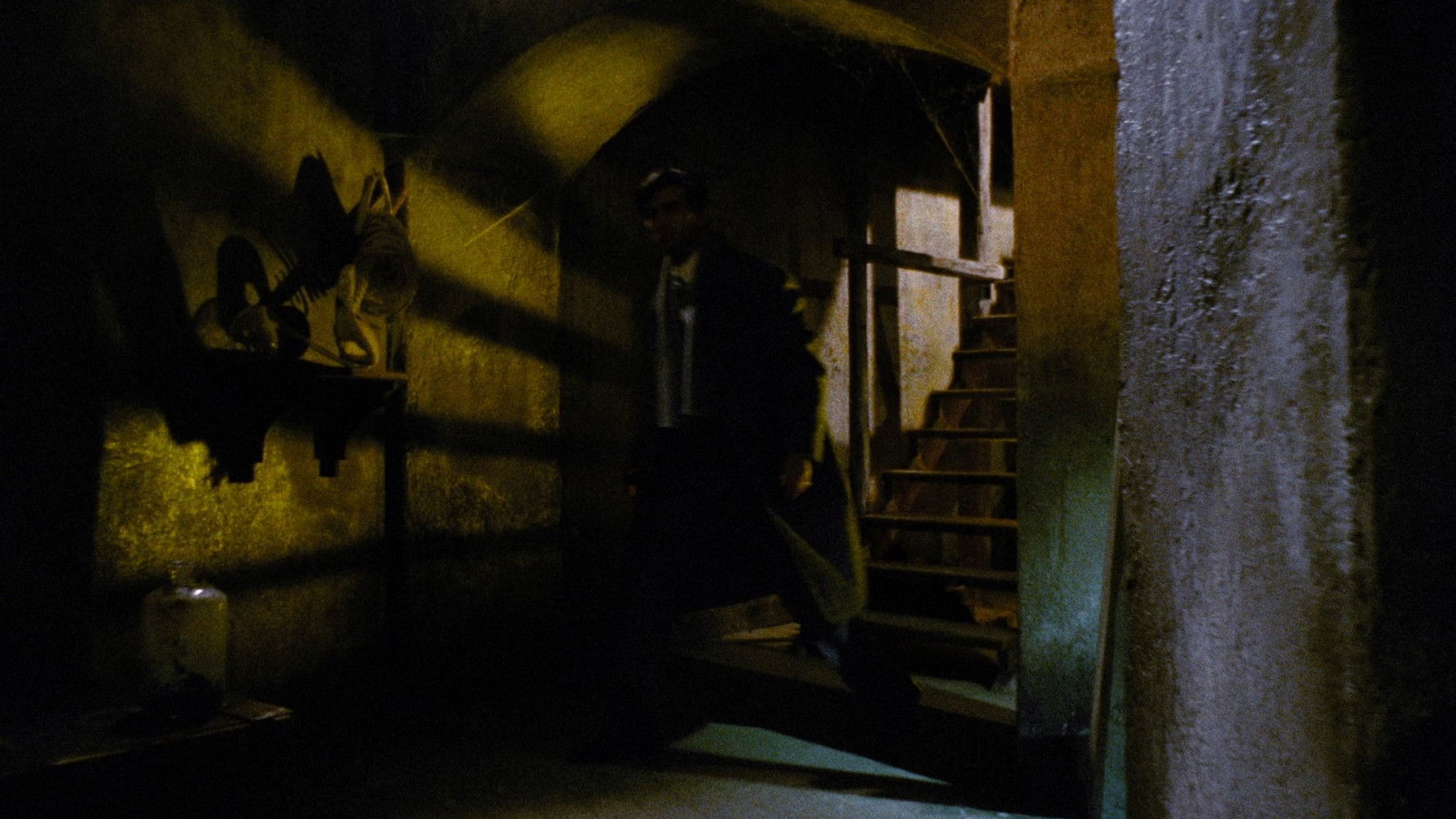
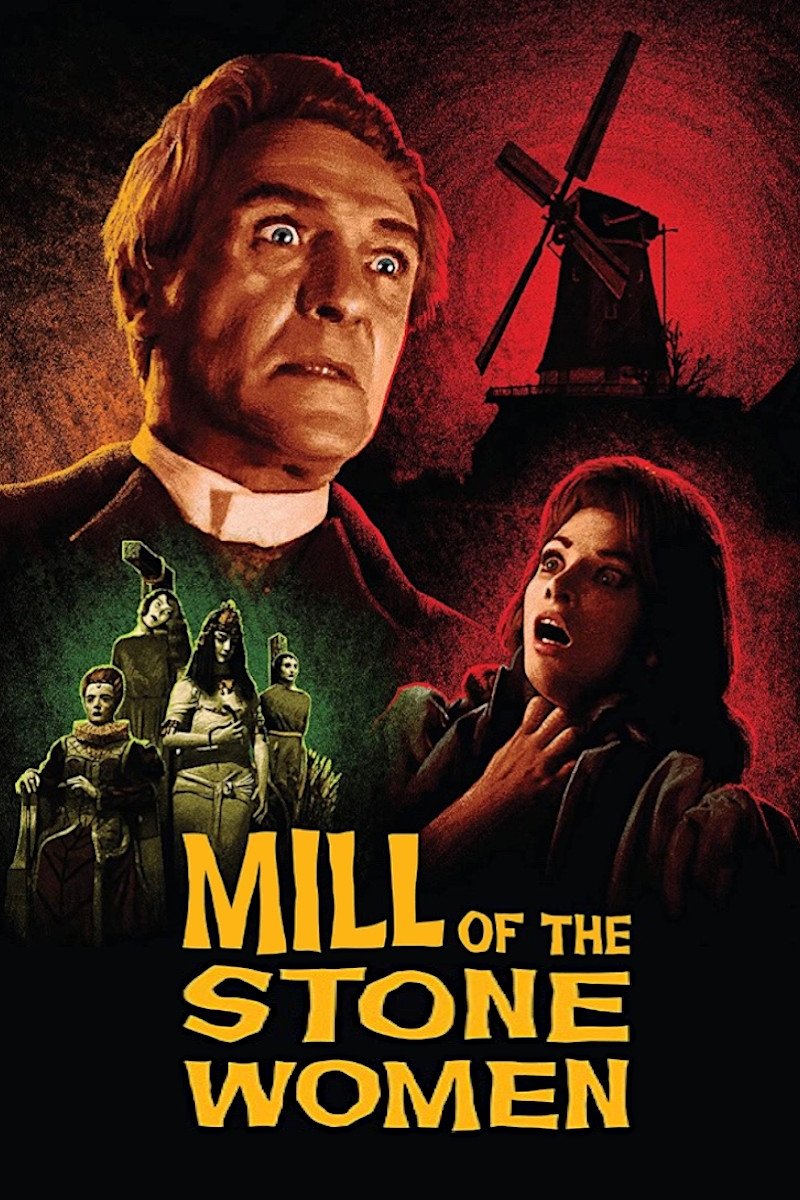
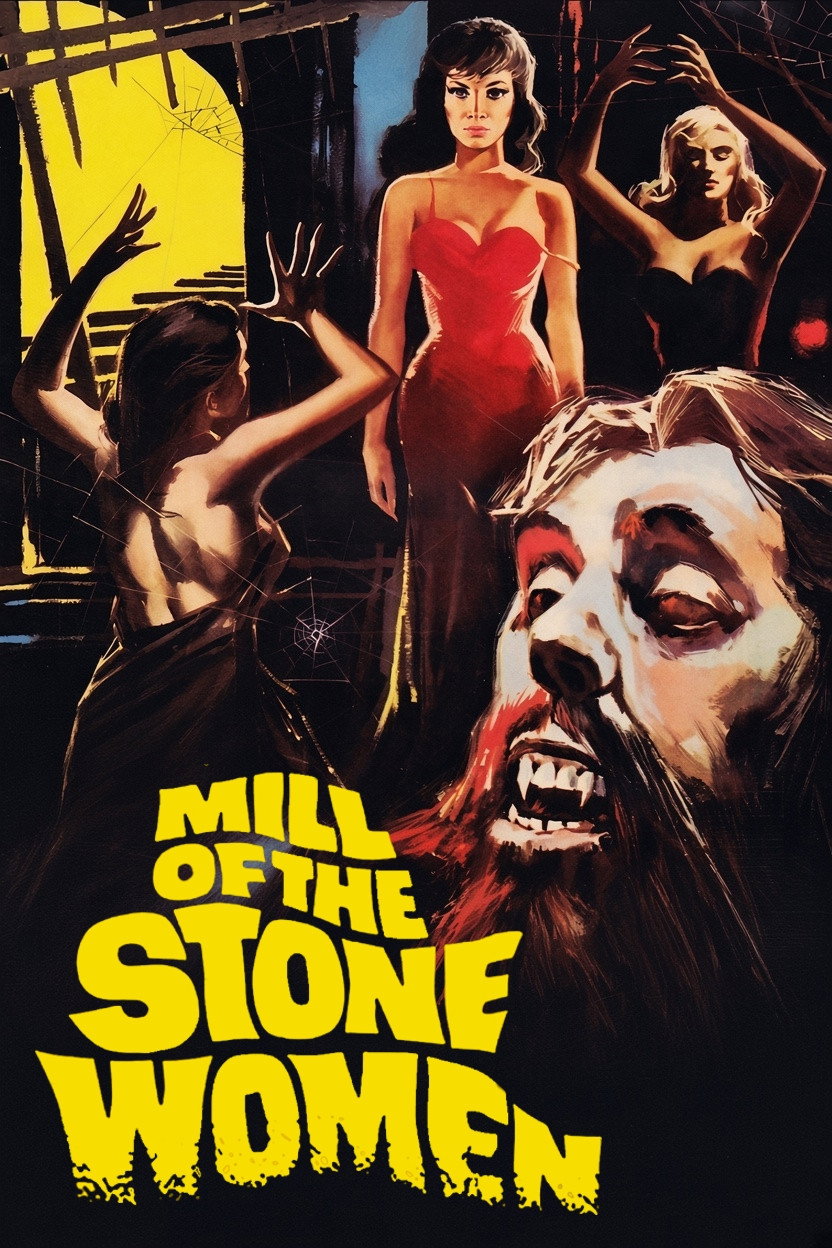
Pier Ludovico Pavoni’s cinematography gives Mill of the Stone Women a visual character distinct from the monochrome Gothic productions that preceded it in Italian cinema. Its Eastmancolor imagery draws particular attention to the contrasting textures and colours of the mill’s interiors. Deep reds, greens and subdued architectural tones contribute to an environment in which artificial beauty and threatening darkness coexist. These qualities are central to the film’s historical position as an early Italian horror production conceived for colour photography rather than merely reproduced in colour through later processes.
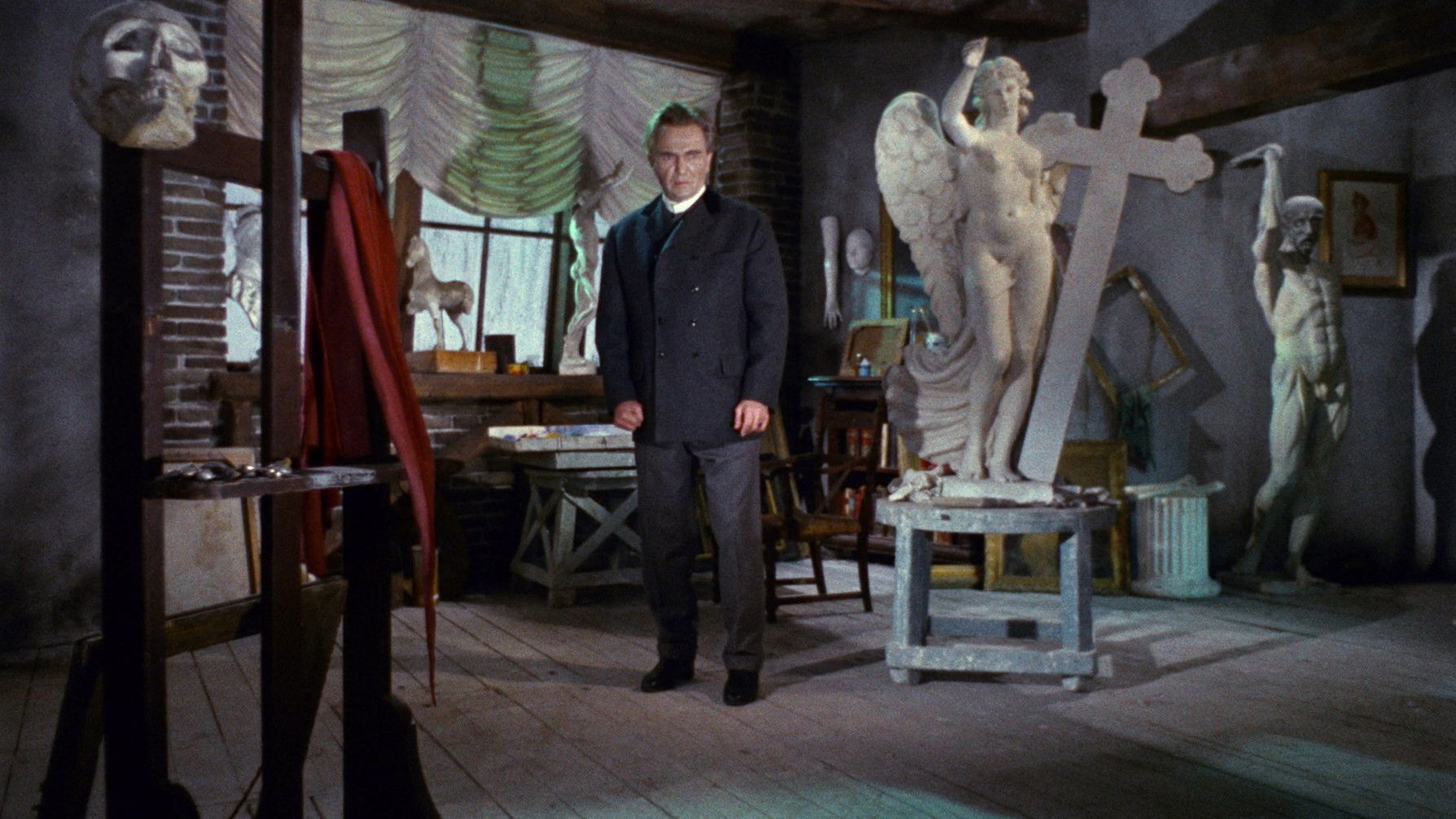
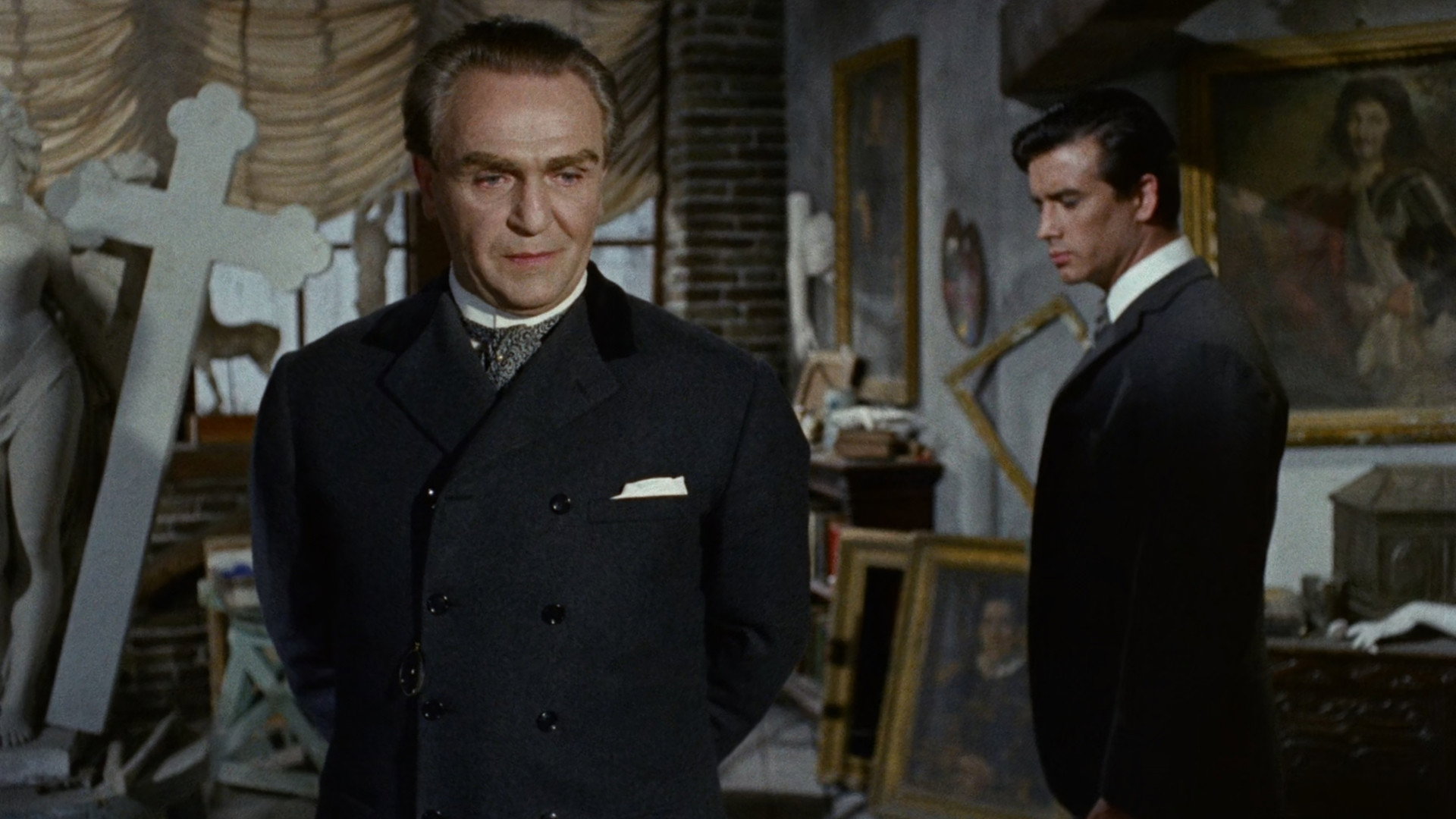
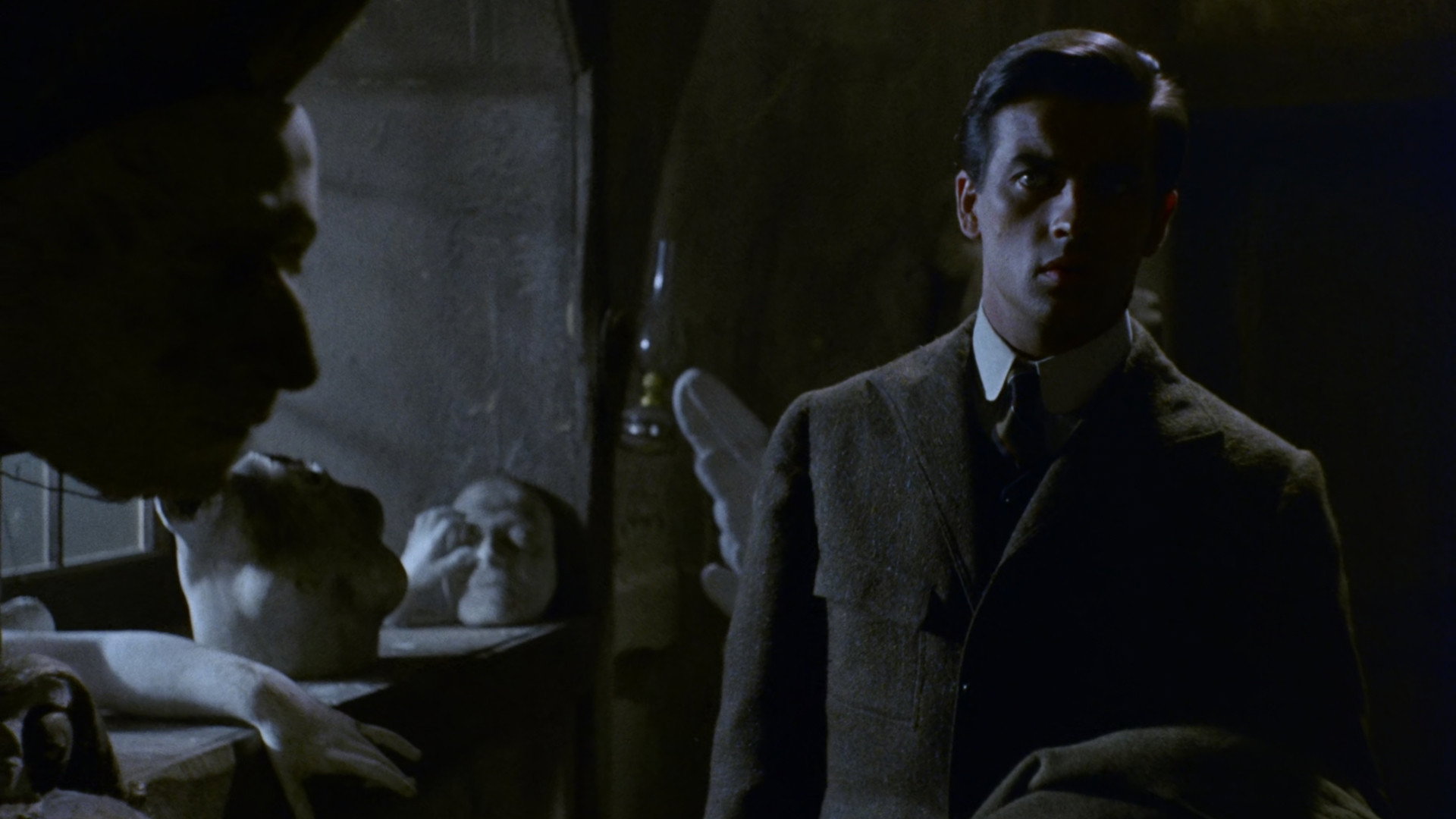
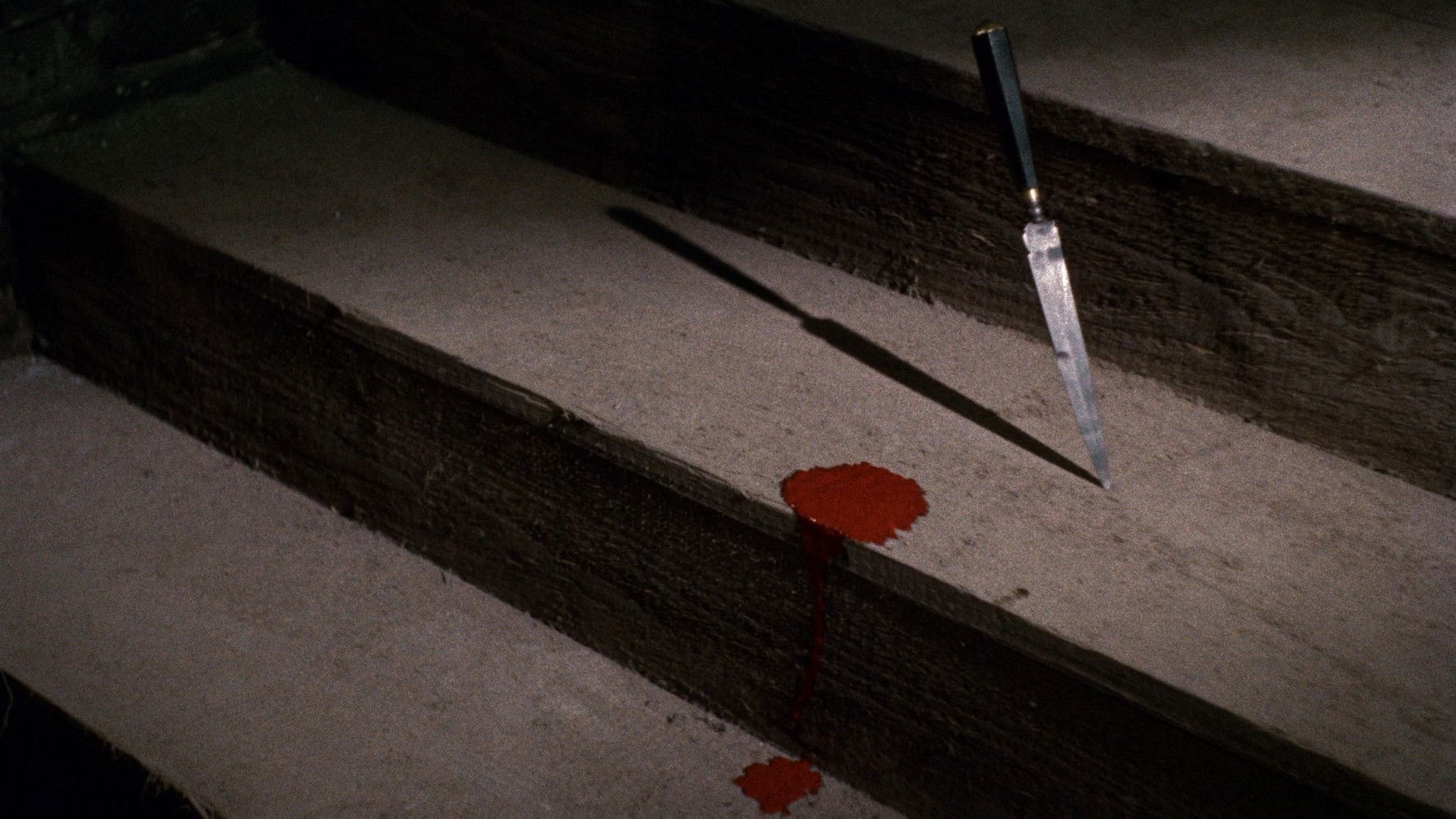
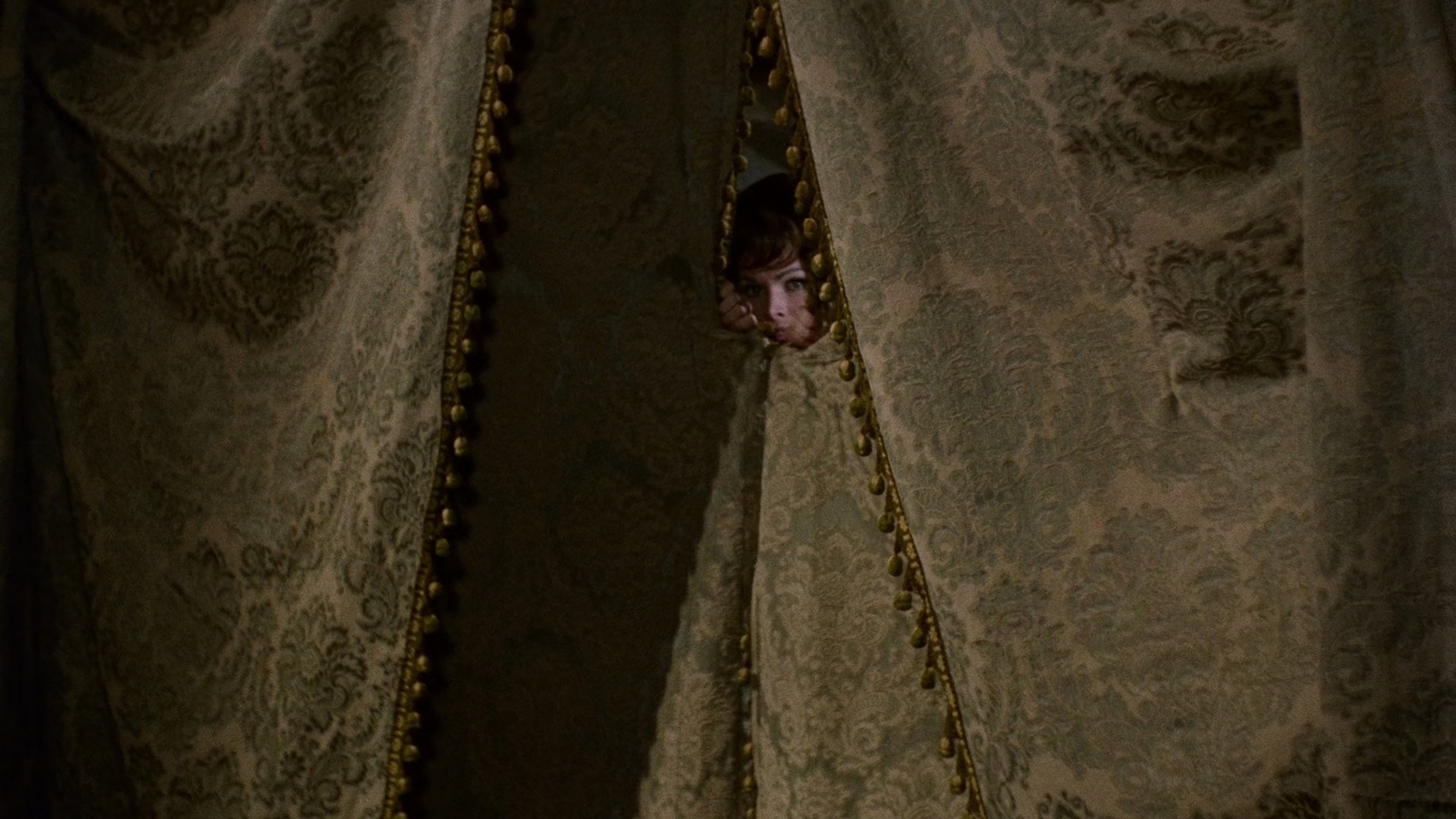
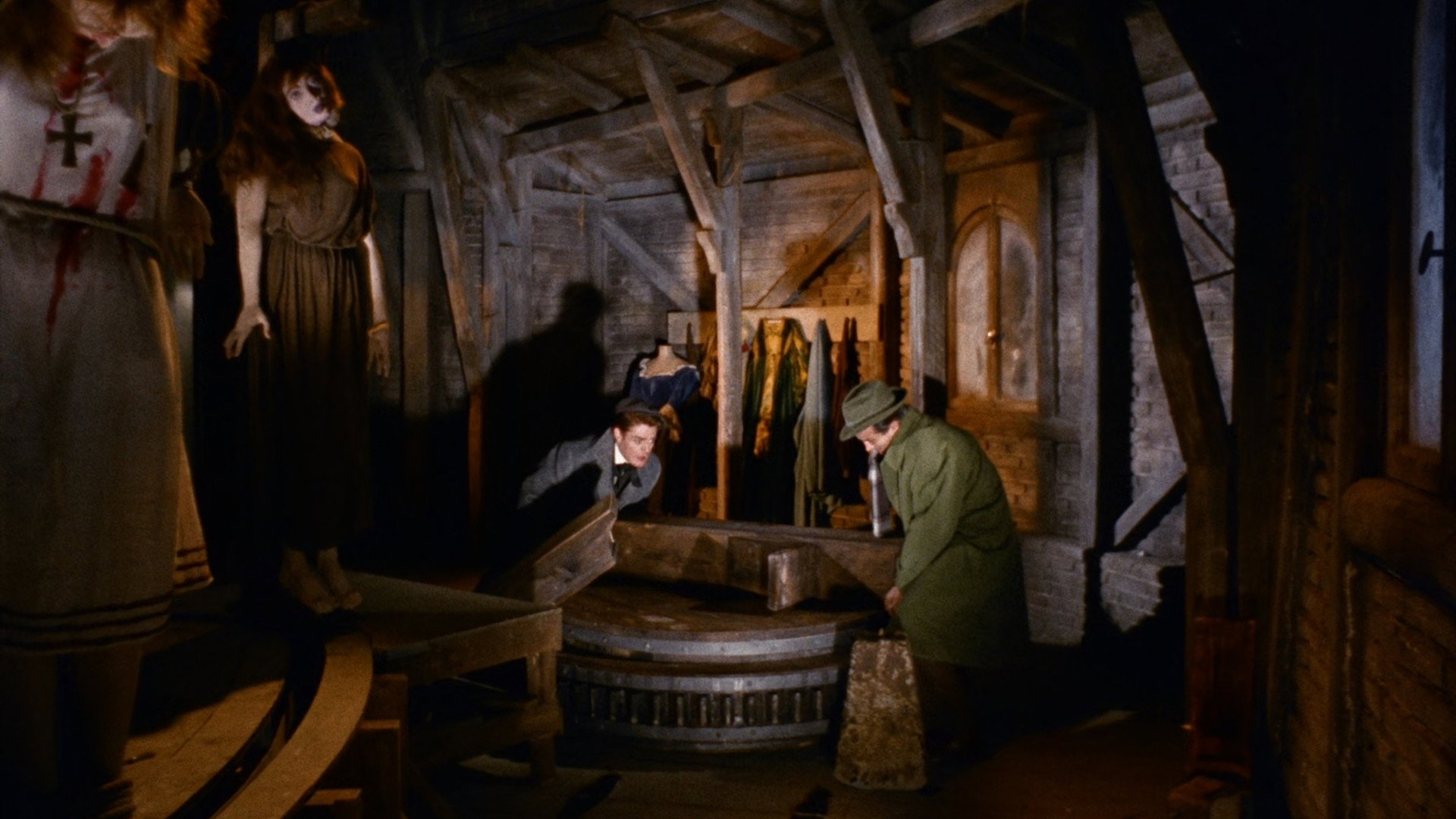
Arrigo Equini’s production design establishes the windmill as an imposing assemblage of corridors, sculptural displays, concealed rooms and mechanical installations. The building is simultaneously a residence, workshop, exhibition space and setting for medical experimentation. Its internal complexity enables Ferroni to move between the apparently respectable environment of an academic sculptor and the spaces associated with his crimes. The arrangement gives the audience opportunities to inspect threatening objects before their significance becomes clear. Mechanical components, stairways, heavy curtains and isolated doorways contribute to the uncertainty surrounding the building.
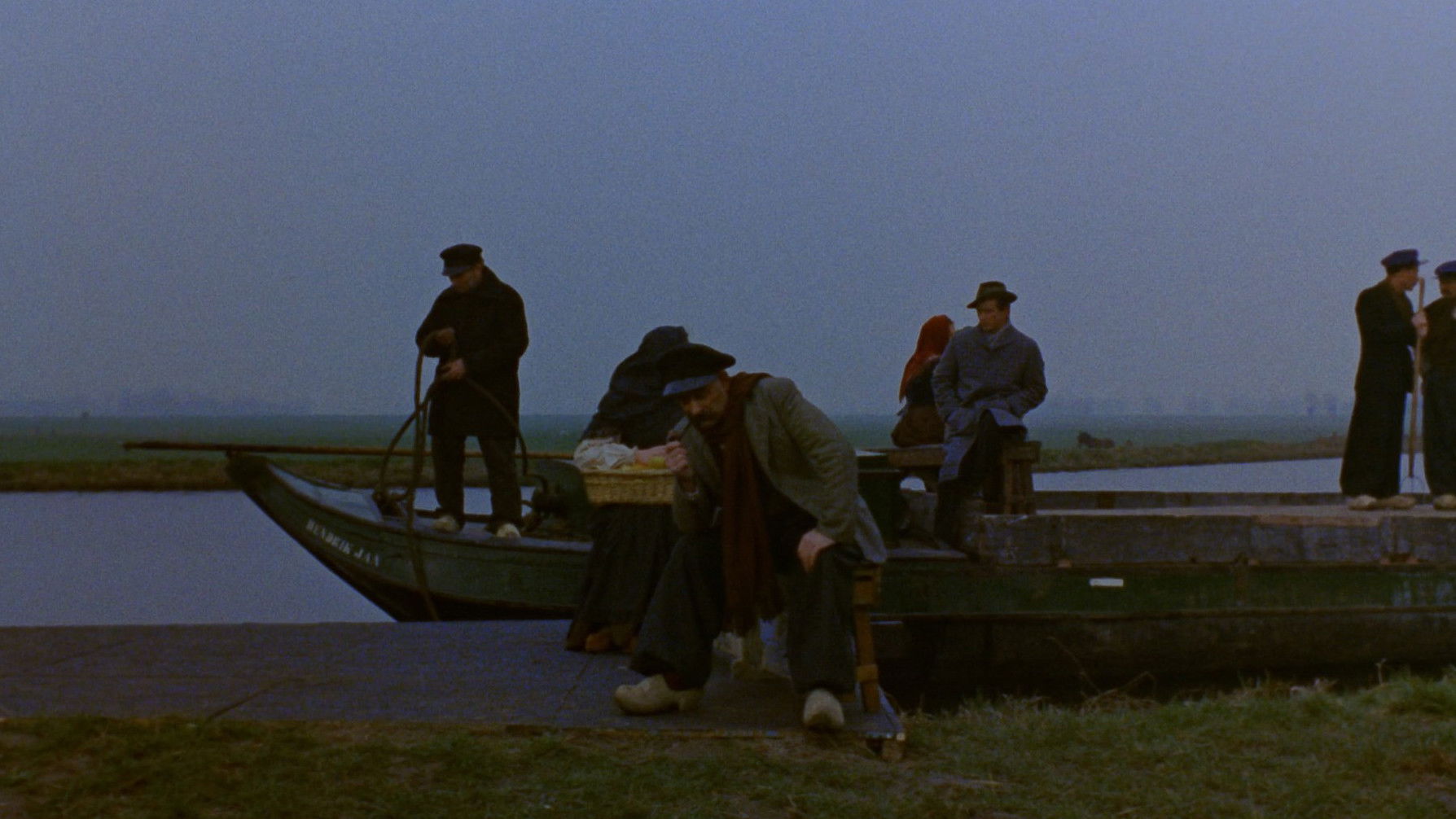
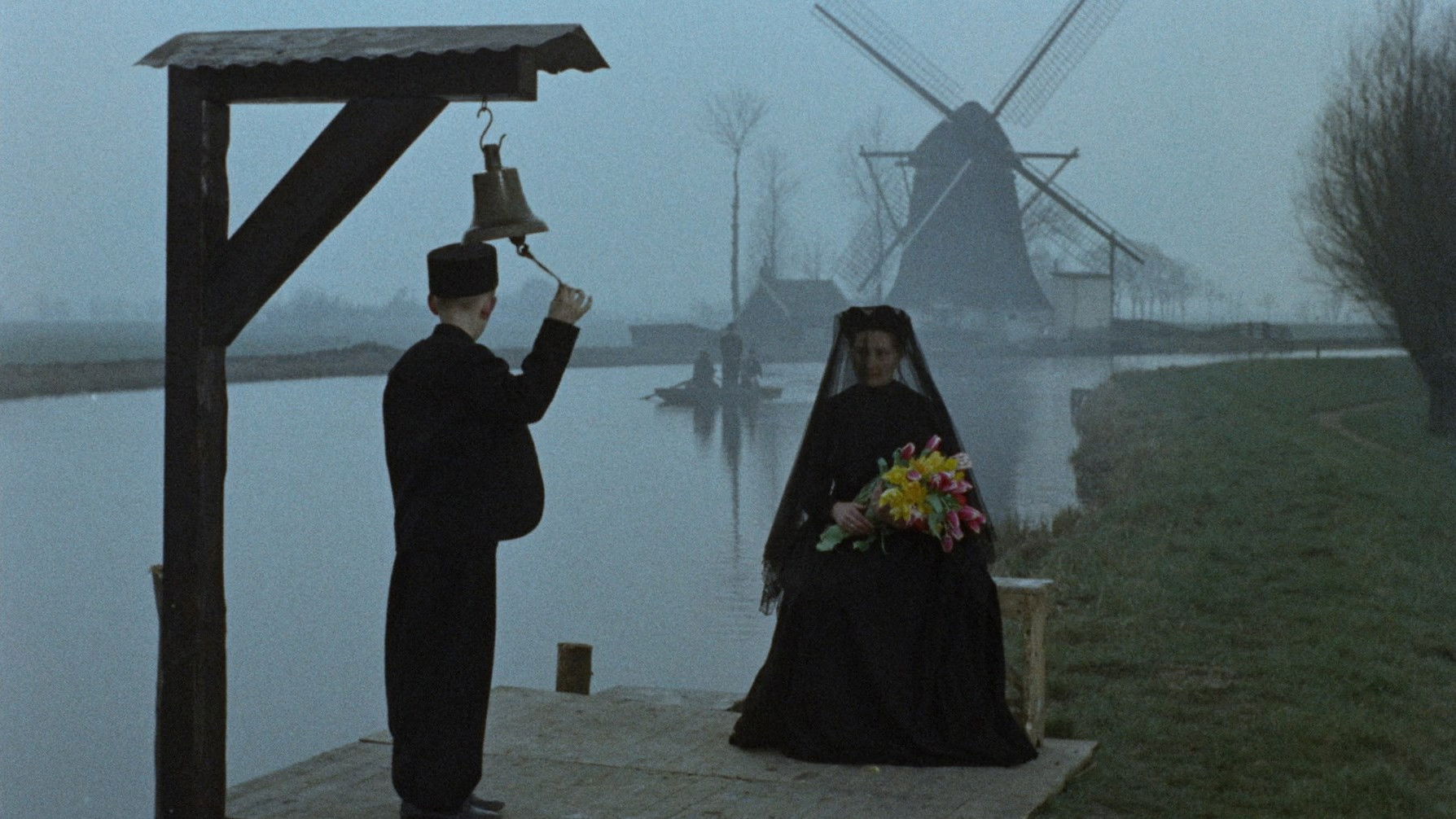
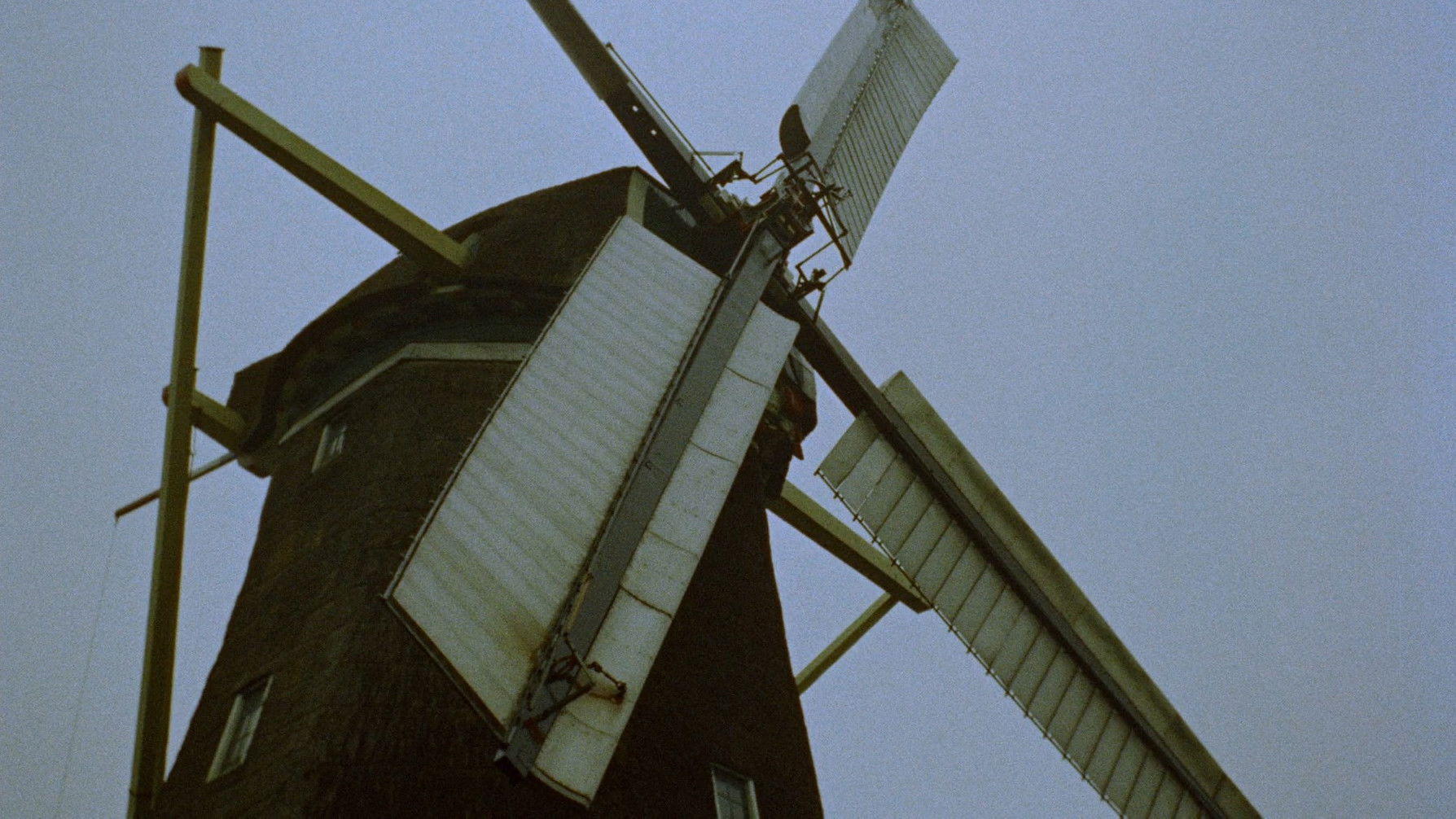
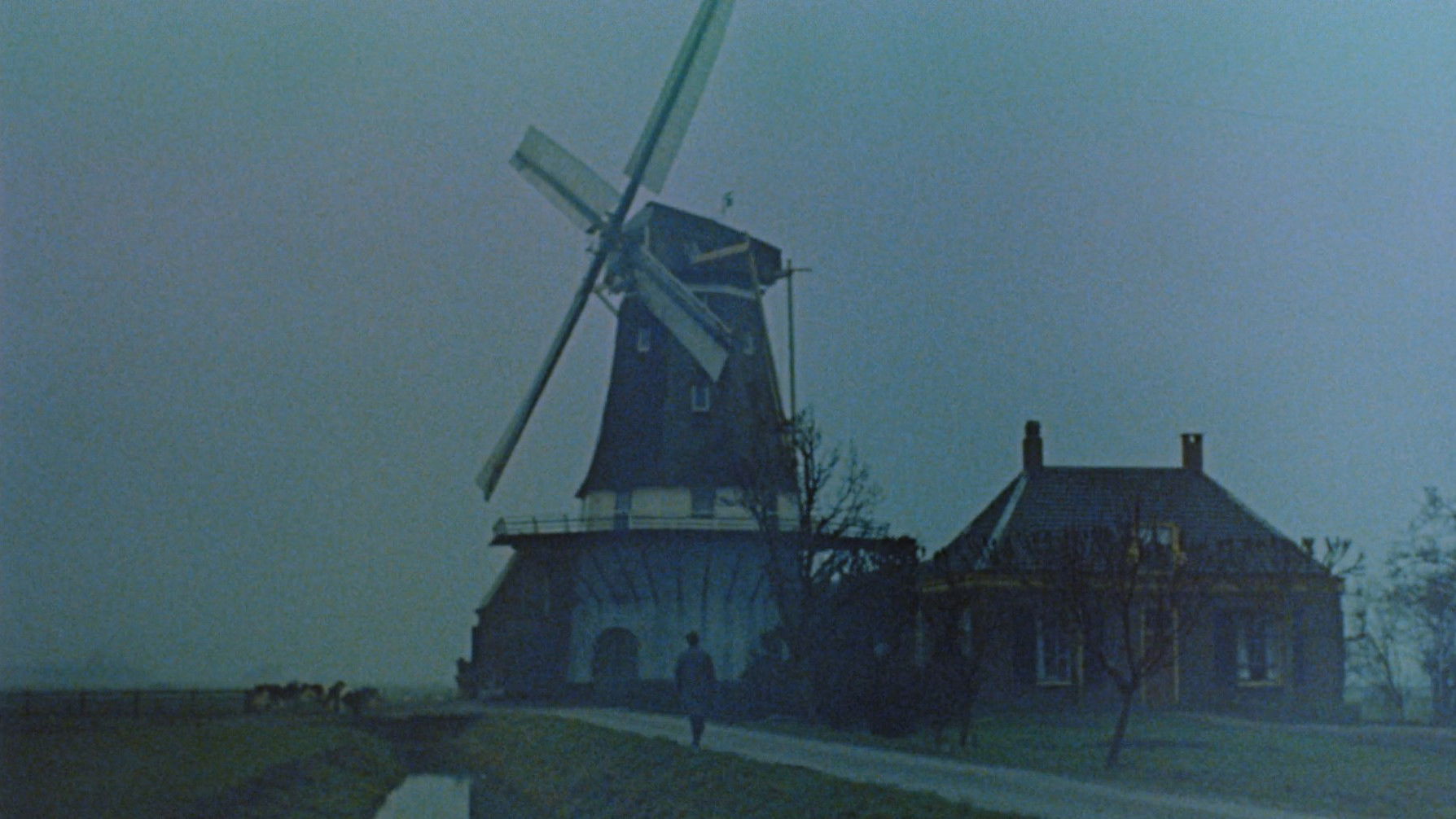
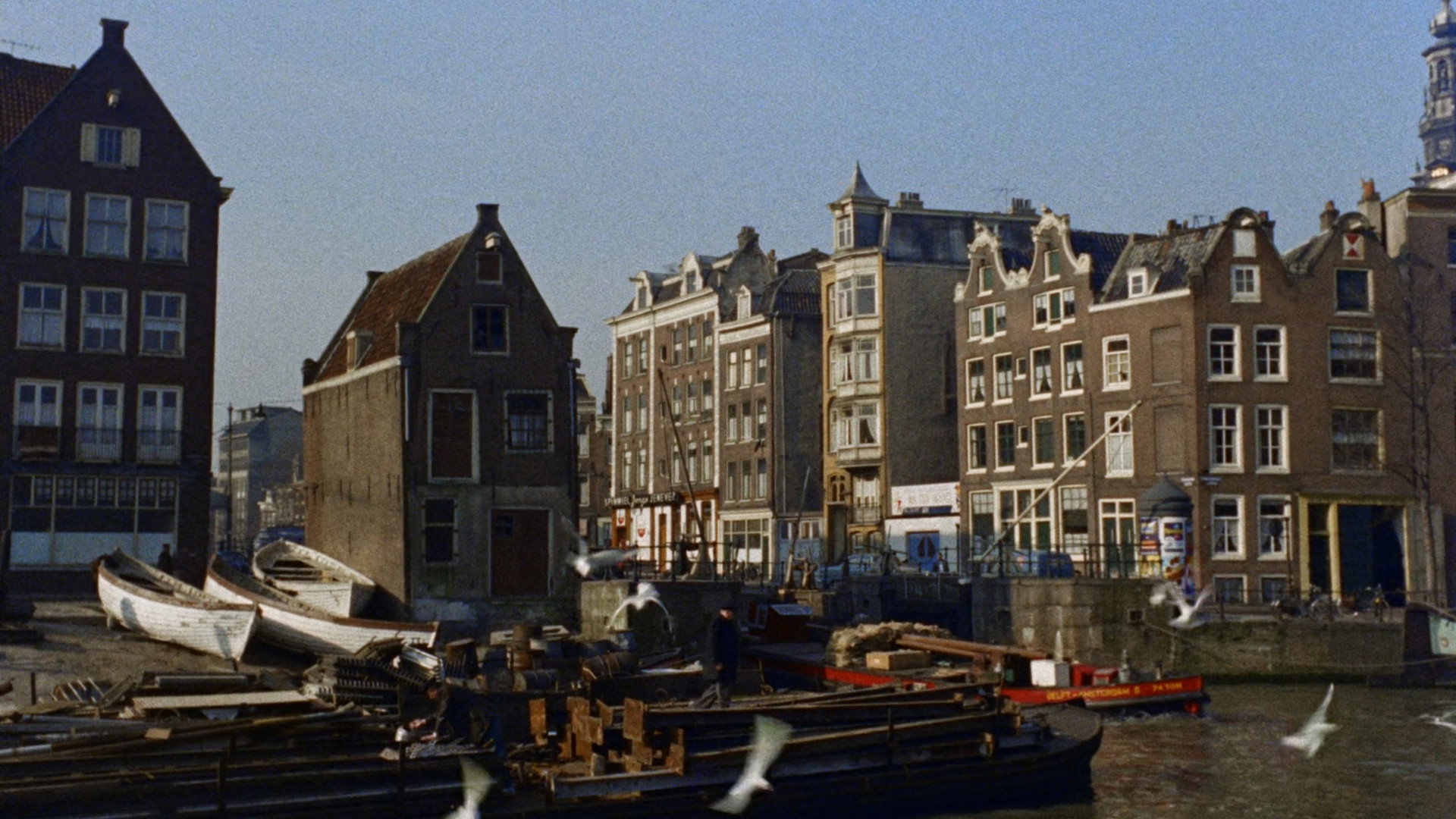
The exterior Dutch landscape provides another important visual element. Waterways, distant windmills and flat expanses establish a geographical environment distinct from the castles and mountainous regions commonly associated with Gothic horror. Ferroni uses these settings to frame the journey into the isolated mill, where the apparent tranquility of the landscape contrasts with the violent secret of the residence. The film’s visual strategy therefore depends upon more than decorative richness. It establishes a division between a recognizable rural world and an enclosed environment in which bodies are transformed into objects of display.
Automata, Human Remains & the Gothic Body
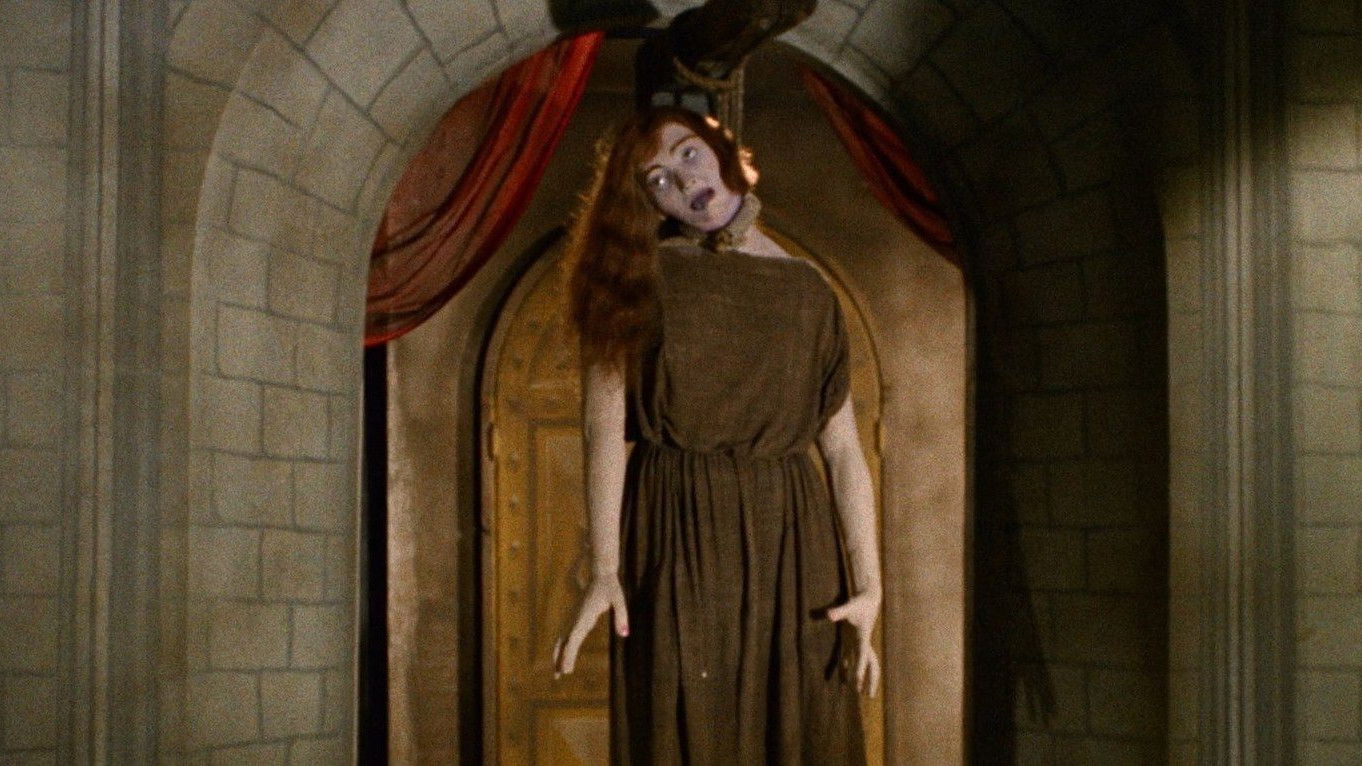
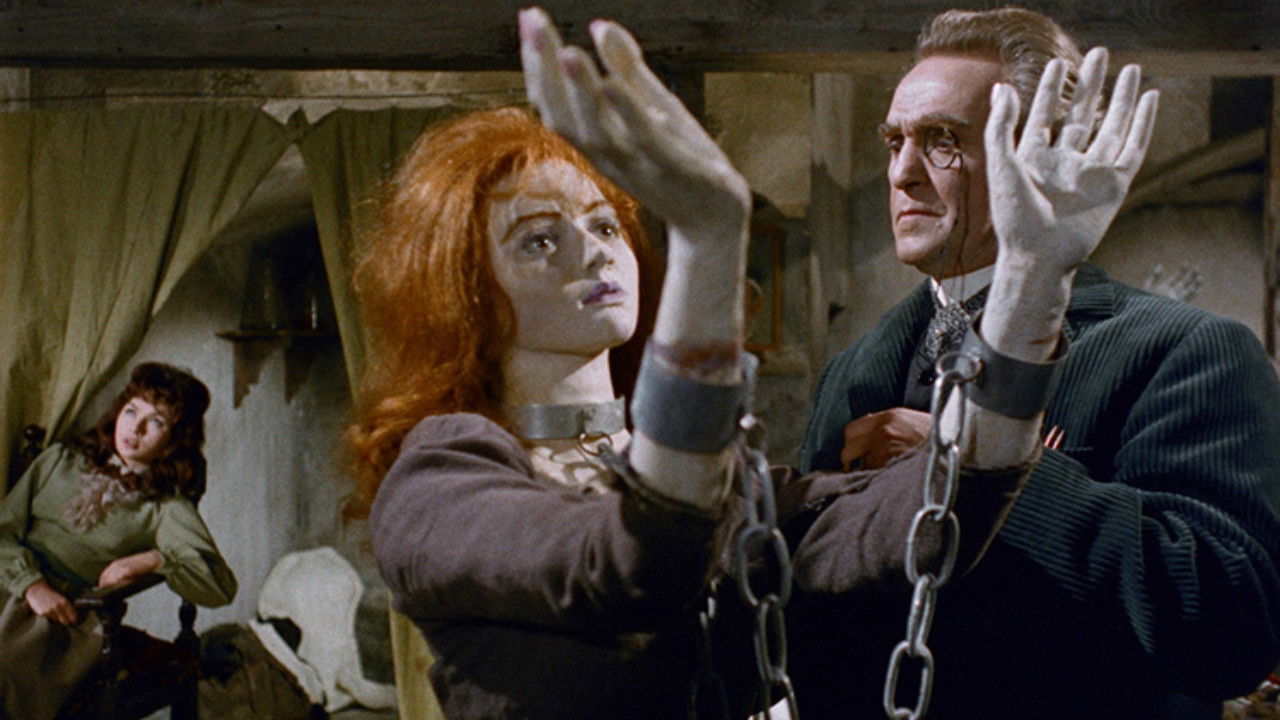
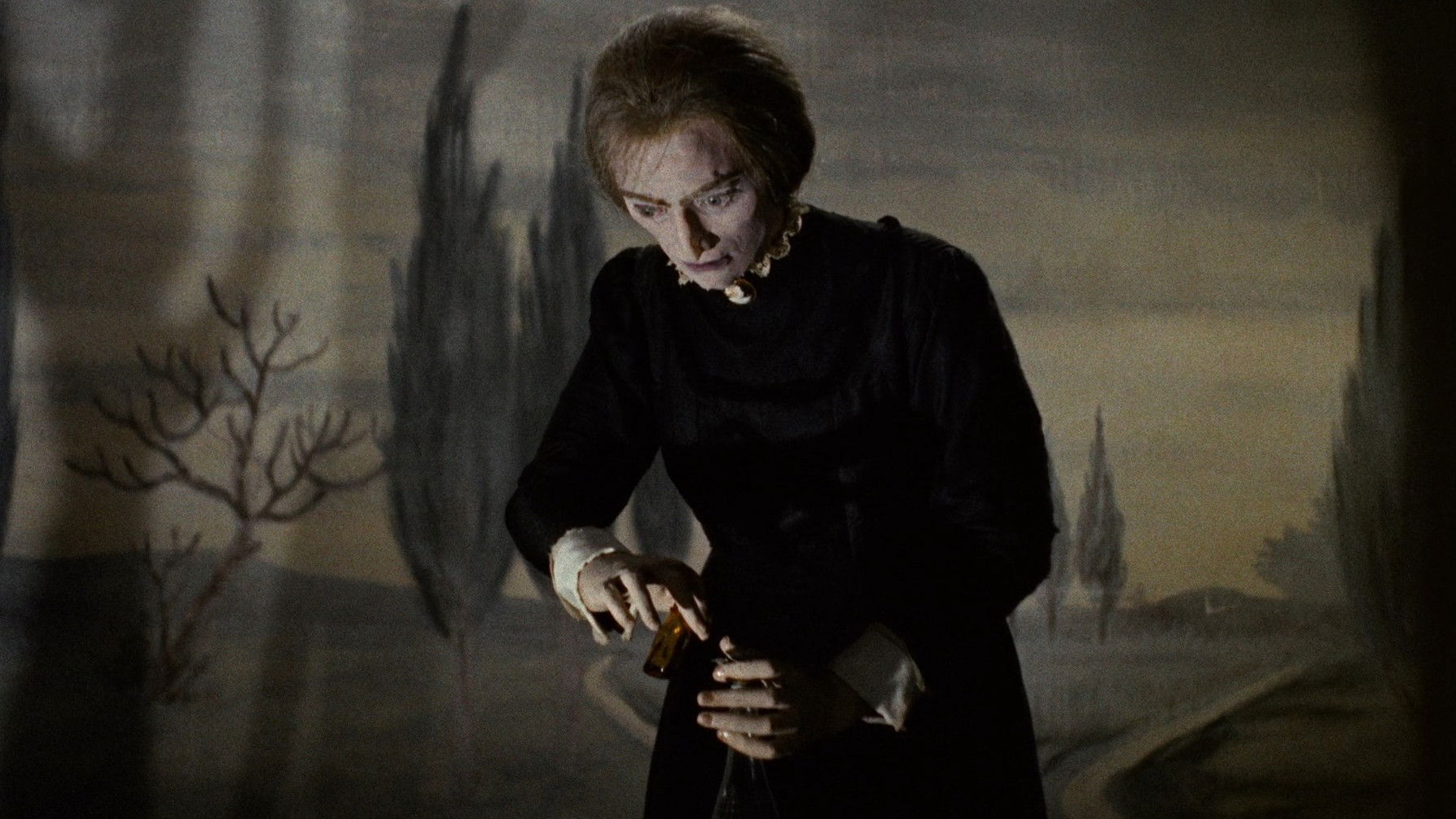
The film’s central attraction is a mechanical carousel populated by figures representing women associated with historical violence or violent death. The exhibition includes recognizable images connected with figures such as Joan of Arc and Cleopatra, while other tableaux evoke execution, imprisonment and physical suffering. Presented as a collection of sculptures, the figures initially appear to belong to the traditions of wax museums and popular exhibitions of criminal or historical subjects. Their movement through the windmill’s machinery gives the display an unsettling quality even before the truth about its construction emerges.
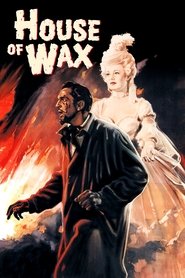
The revelation that murdered women have been incorporated into the exhibition transforms an artistic spectacle into a form of posthumous exploitation. The sculptor’s professional identity provides a respectable explanation for the presence of lifelike bodies, while the mechanical exhibition conceals their connection with contemporary disappearances. The arrangement recalls earlier waxwork horror narratives, including Mystery of the Wax Museum (1933) and House of Wax (1953). These comparisons are grounded in their shared interest in the uncertain distinction between crafted representation and actual human remains, rather than evidence of a documented direct production relationship.
The carousel also gives the film a recurring image of bodily immobility set against mechanical movement. Its figures remain fixed in attitudes of suffering while the apparatus transports them through a repeated sequence. This contrast makes the exhibition both an object of visual fascination and a record of violence. The display’s final appearance during the destruction of the mill brings the central imagery back into the foreground. Burning figures and moving machinery give the climax a particularly macabre force, revealing how the apparatus of an artistic exhibition has been used to conceal and perpetuate the consequences of murder.
Gothic Traditions & Scientific Violence
Mill of the Stone Women belongs to a cycle of European horror films that combine older Gothic imagery with contemporary anxieties about medical power. Its narrative links a vulnerable young woman, a controlling father and a physician prepared to violate ethical boundaries in the pursuit of survival. The arrangement resembles the scientific vampirism of I vampiri, in which blood taken from young victims sustains an older woman. Ferroni’s film alters the relationship by making the beneficiary a daughter whose continued existence becomes the overriding concern of the adults surrounding her.
The premise also invites comparison with Georges Franju’s Eyes Without a Face (1960), in which a surgeon sacrifices other women in an attempt to restore his daughter’s damaged appearance. The two films share an interest in paternal obsession, medical intervention and the treatment of female bodies as resources. Their respective production and release histories should be distinguished from any claim of direct influence. The similarities identify a broader group of concerns circulating within European horror at the beginning of the decade, especially the conflict between professional medical authority and the protection of vulnerable individuals.
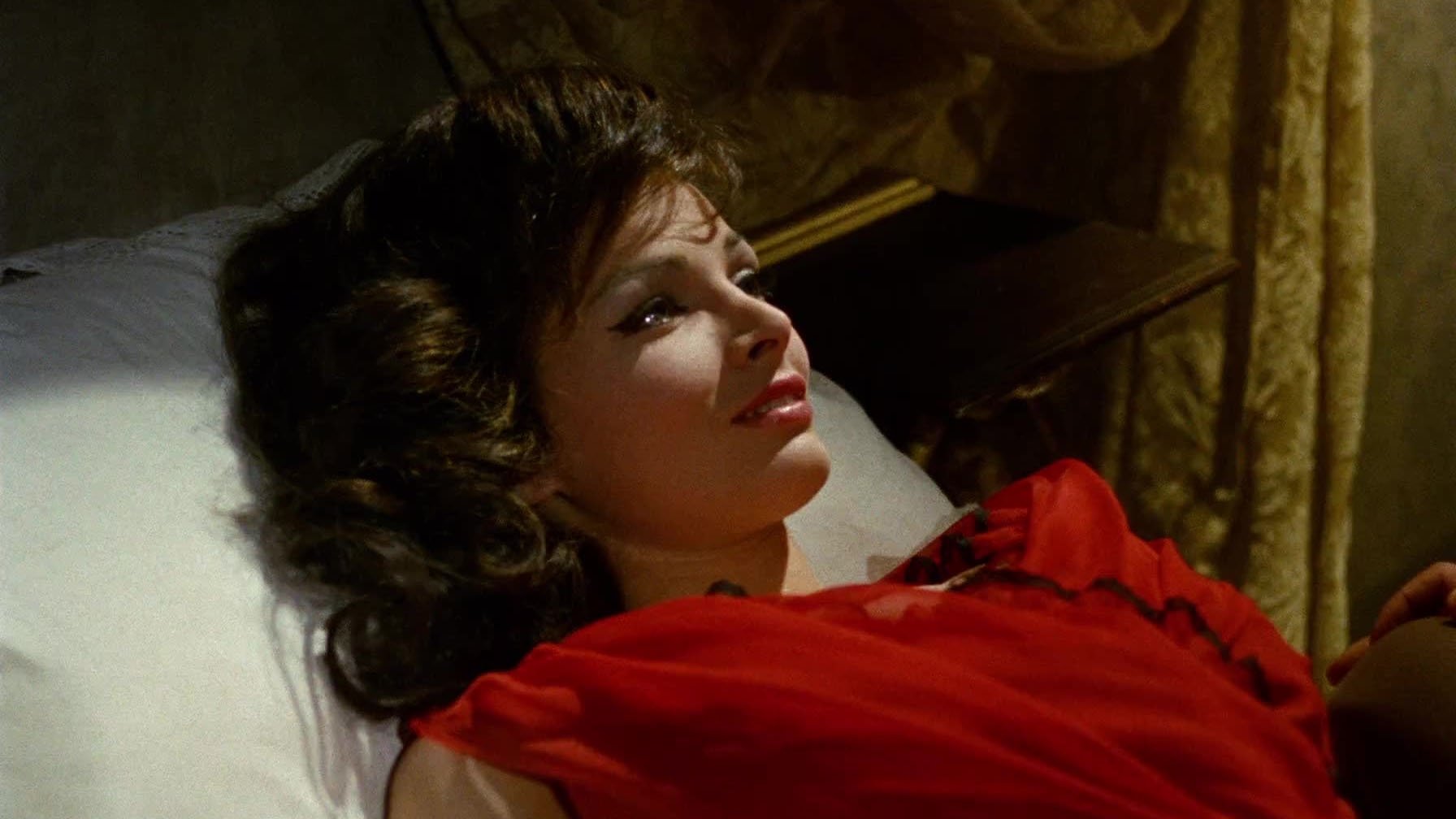
Ferroni combines these themes with the visual traditions of waxwork horror and the claustrophobic architecture of the Gothic mystery. The supernatural appearance of events is eventually explained through human wrongdoing and fantastic medical procedures, but the atmosphere remains dependent upon uncertainty, concealment and the threat of bodily destruction. Scilla Gabel’s Elfi occupies an ambiguous position within this structure: her apparent vulnerability invites sympathy, while her survival depends upon a system of violence directed against other women. The tension between these circumstances gives the film a disturbing dimension beyond the revelation of the murders themselves.
Release, Contemporary Reception & International Versions
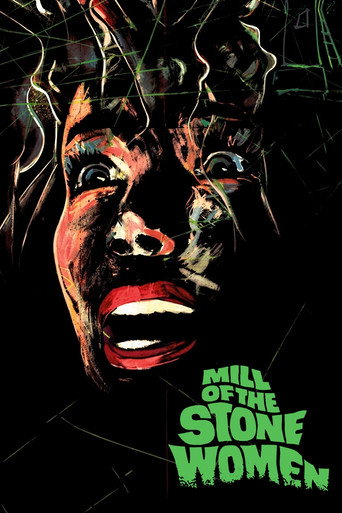
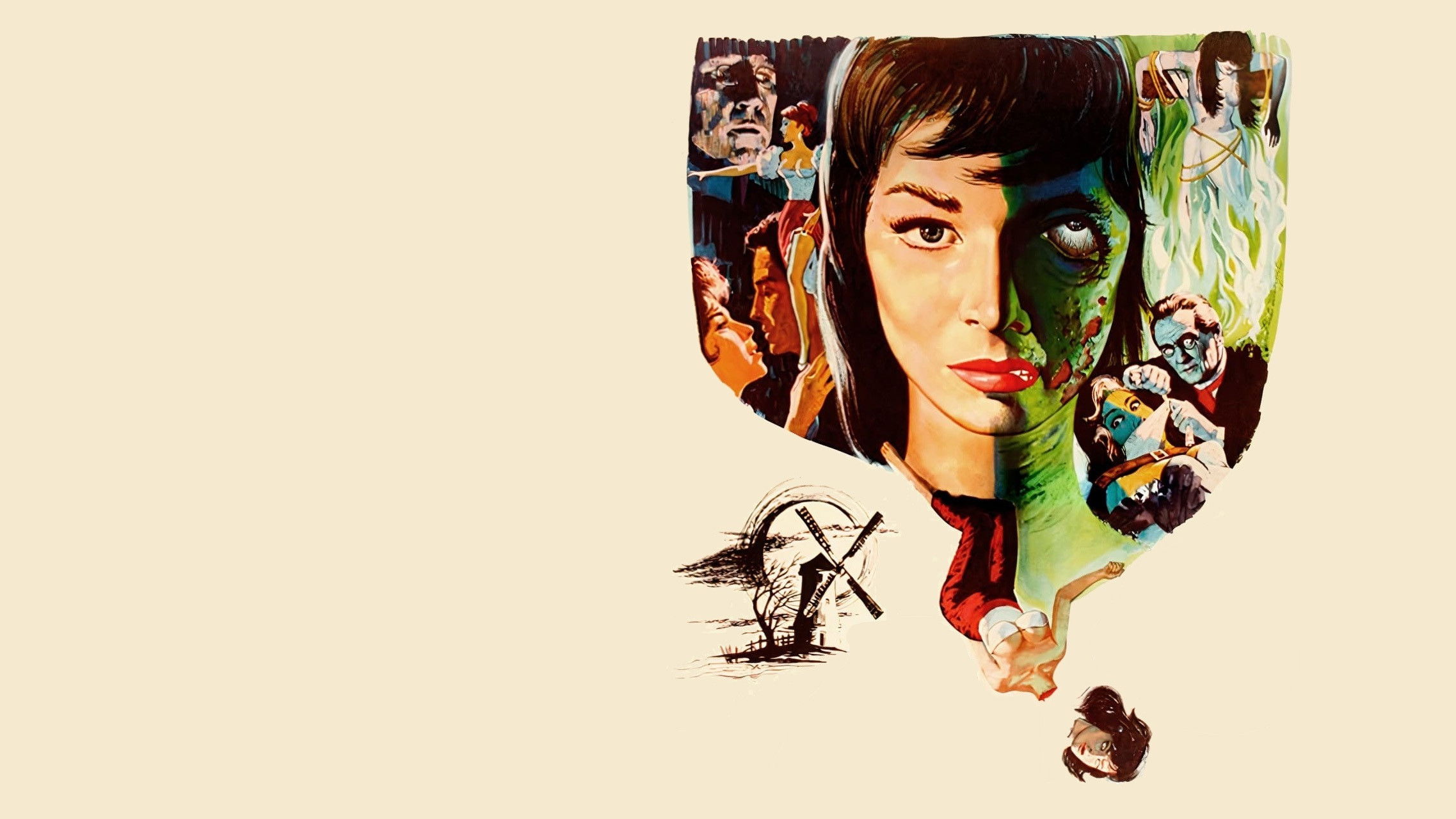
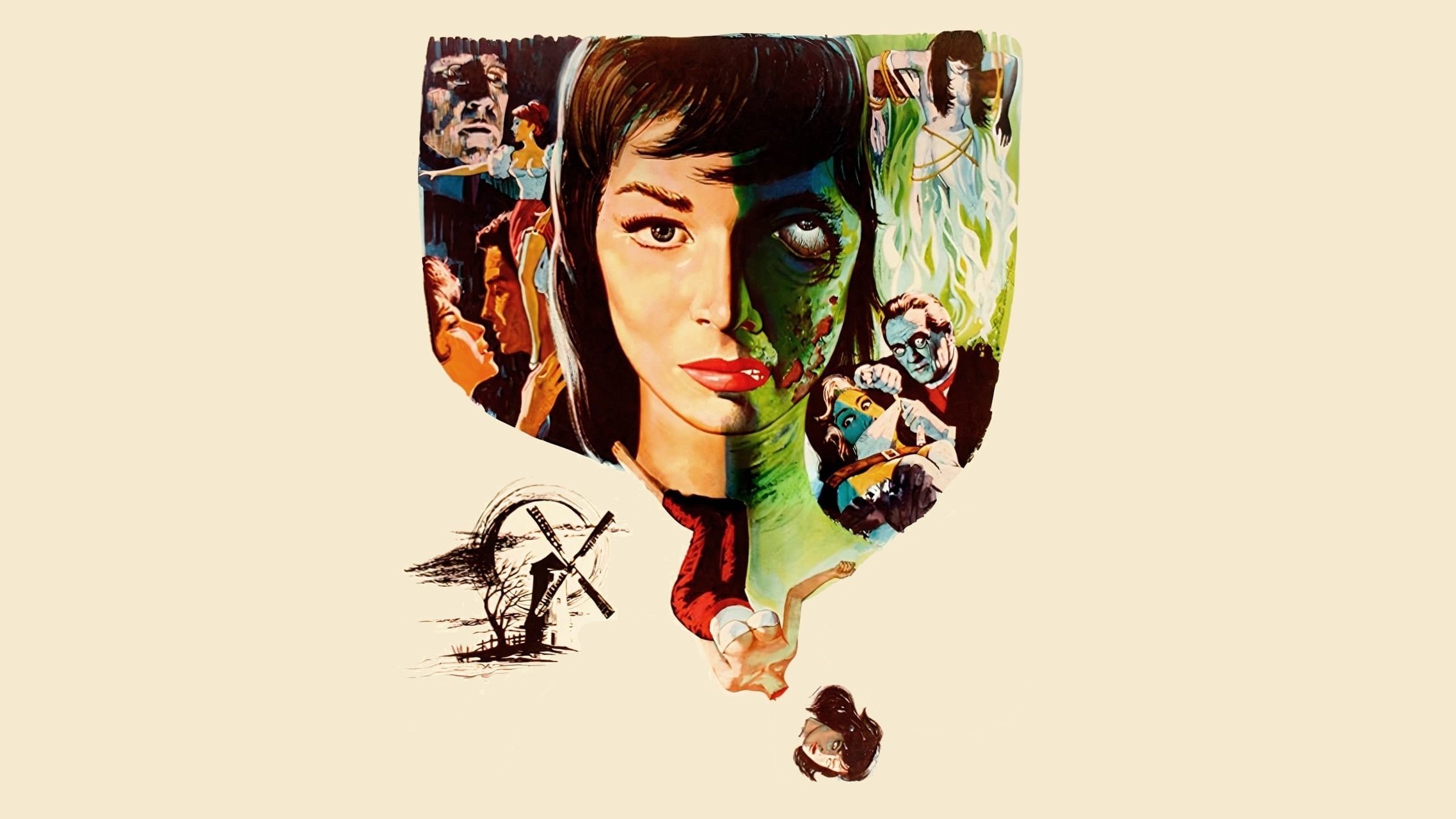
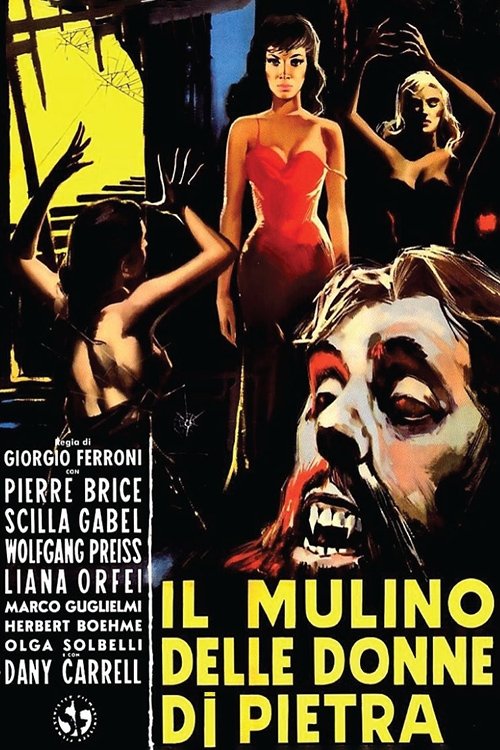
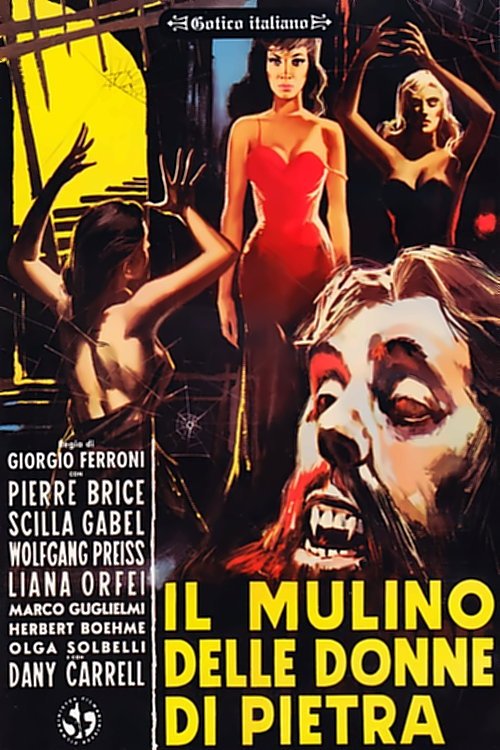
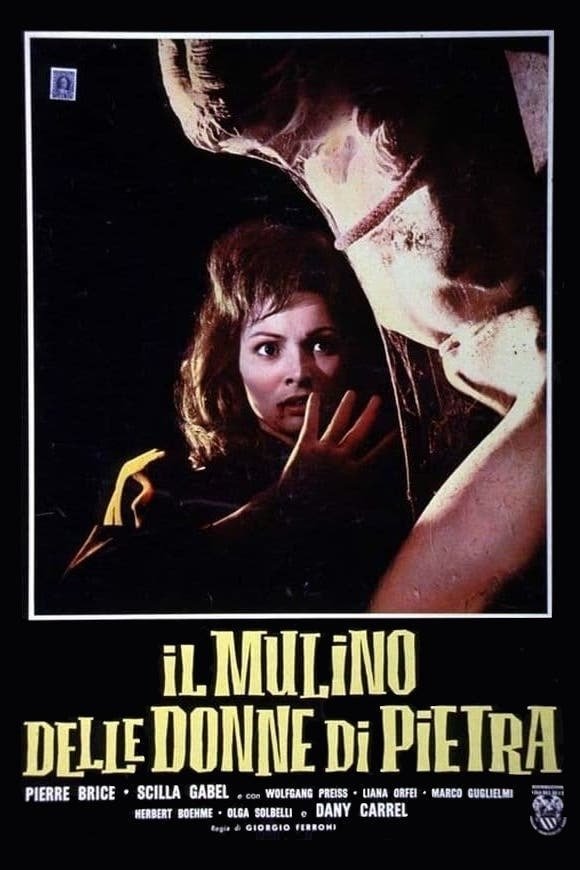
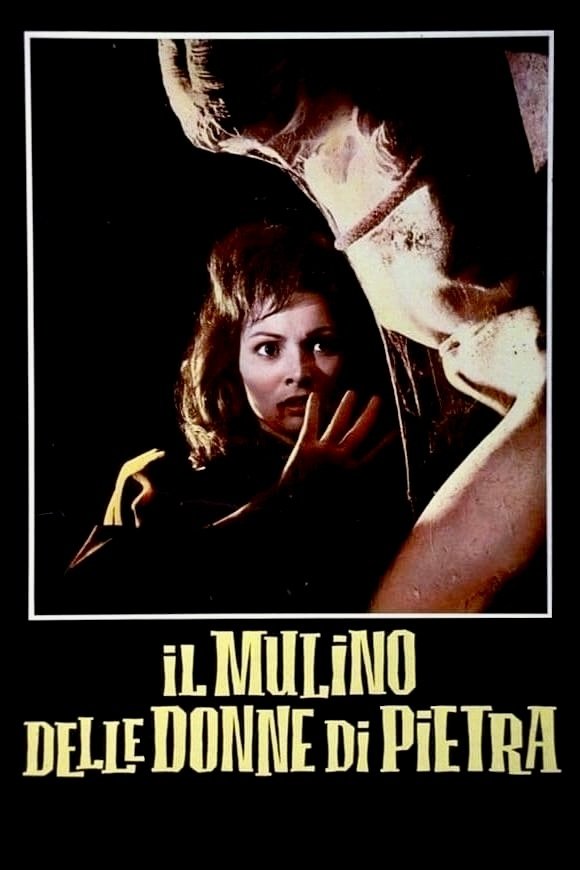
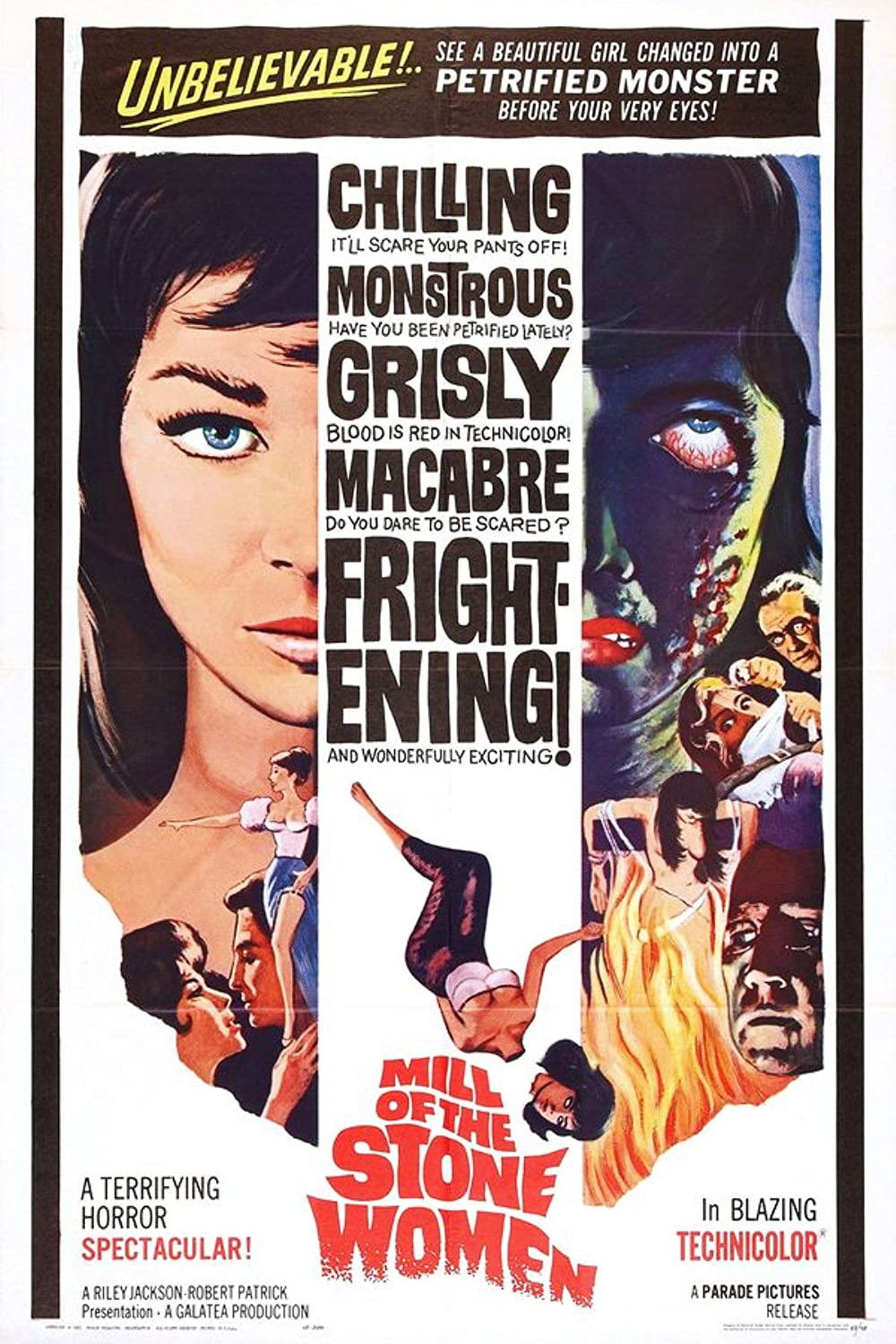
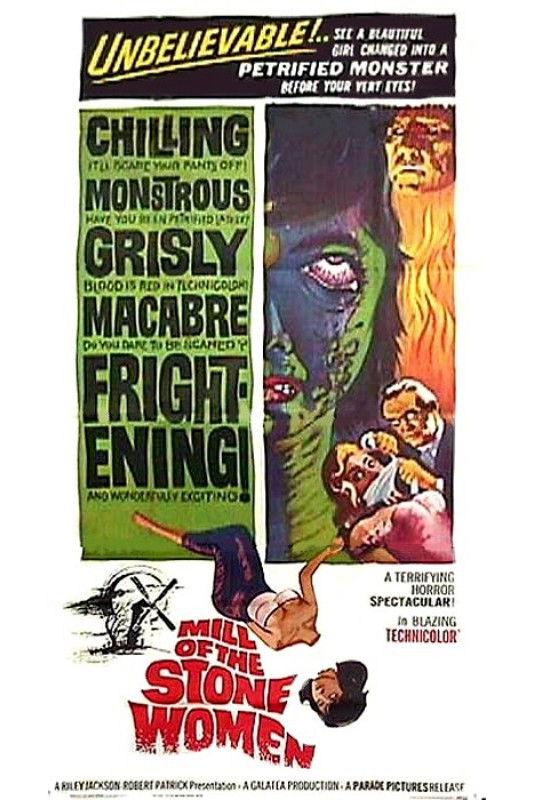
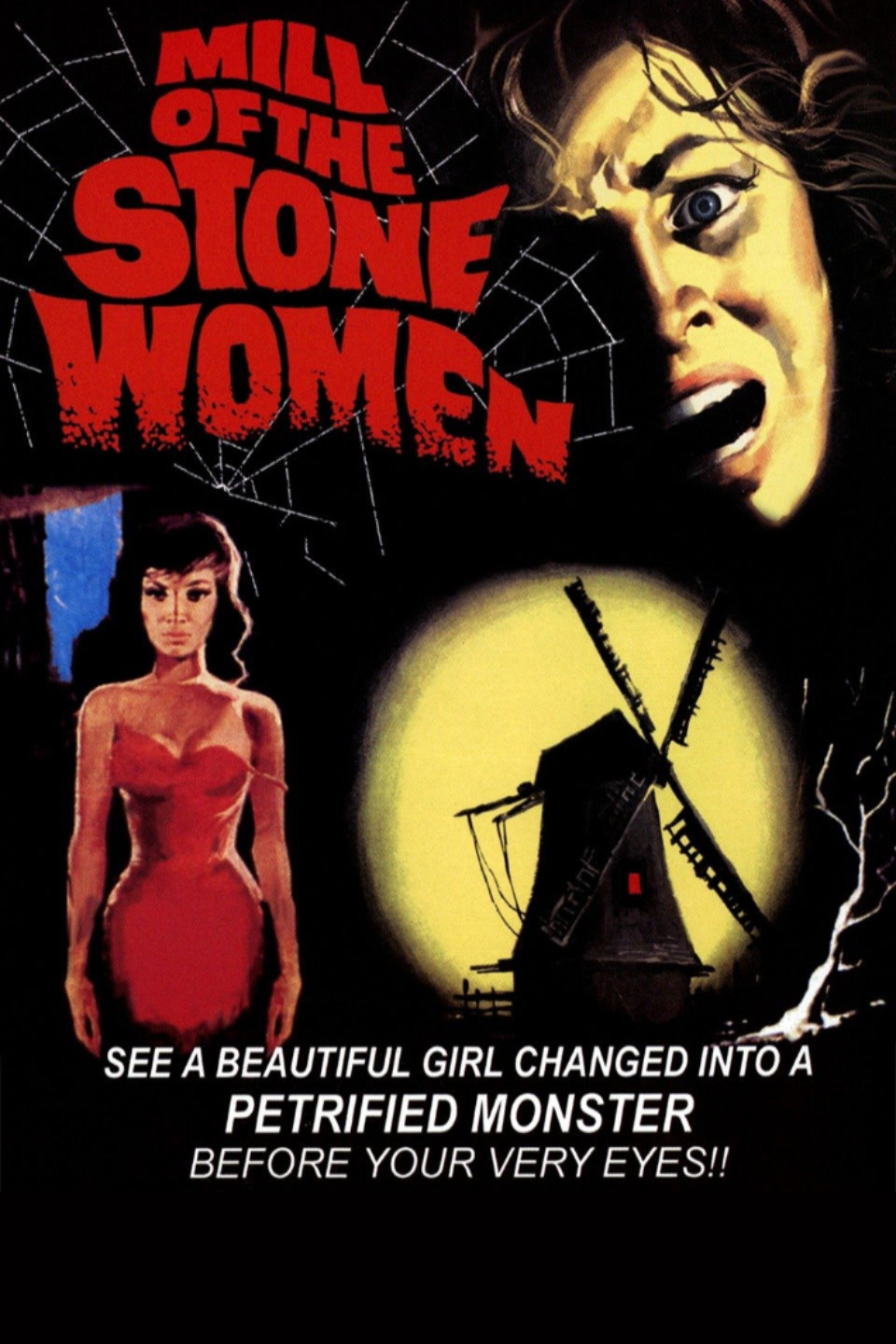
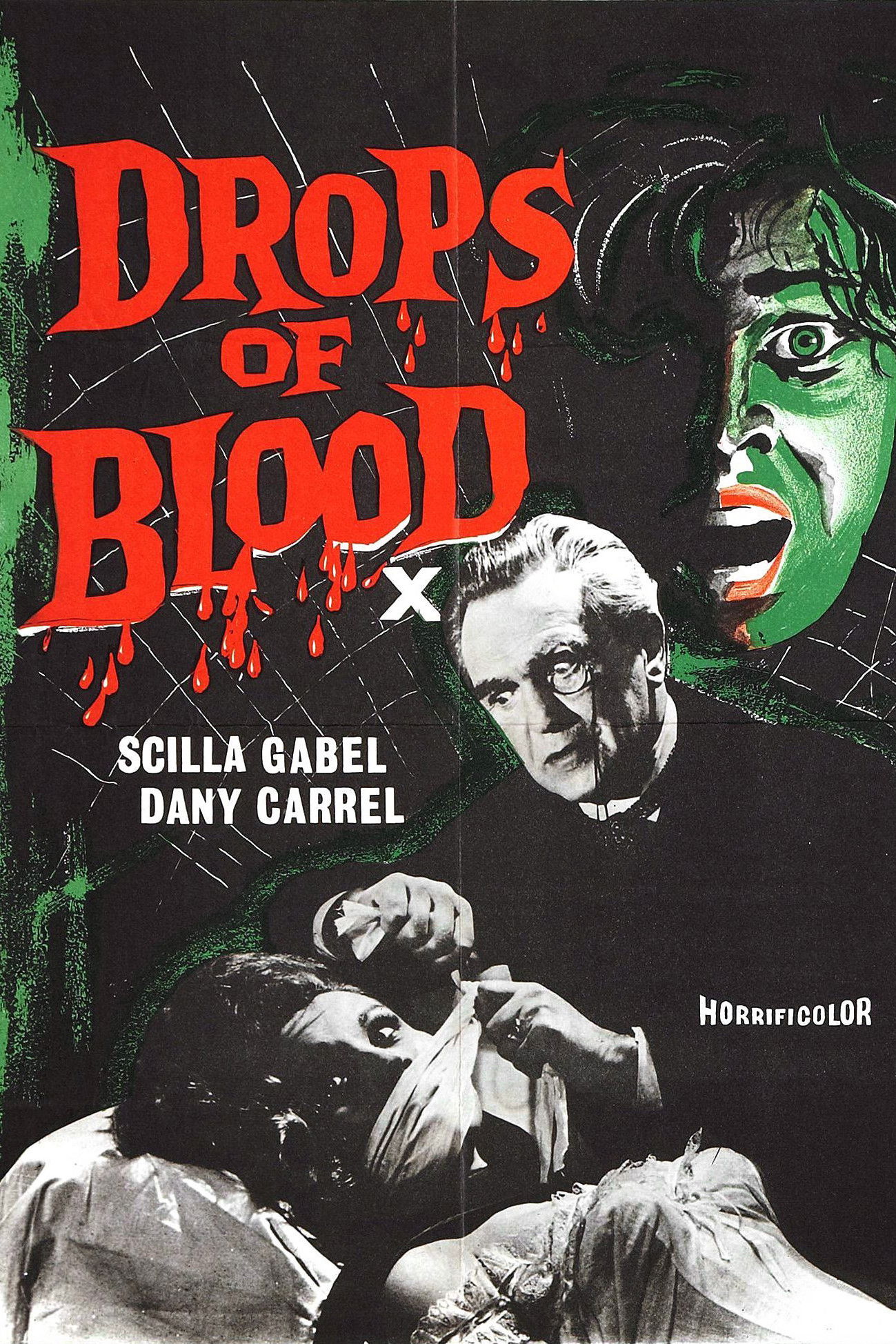
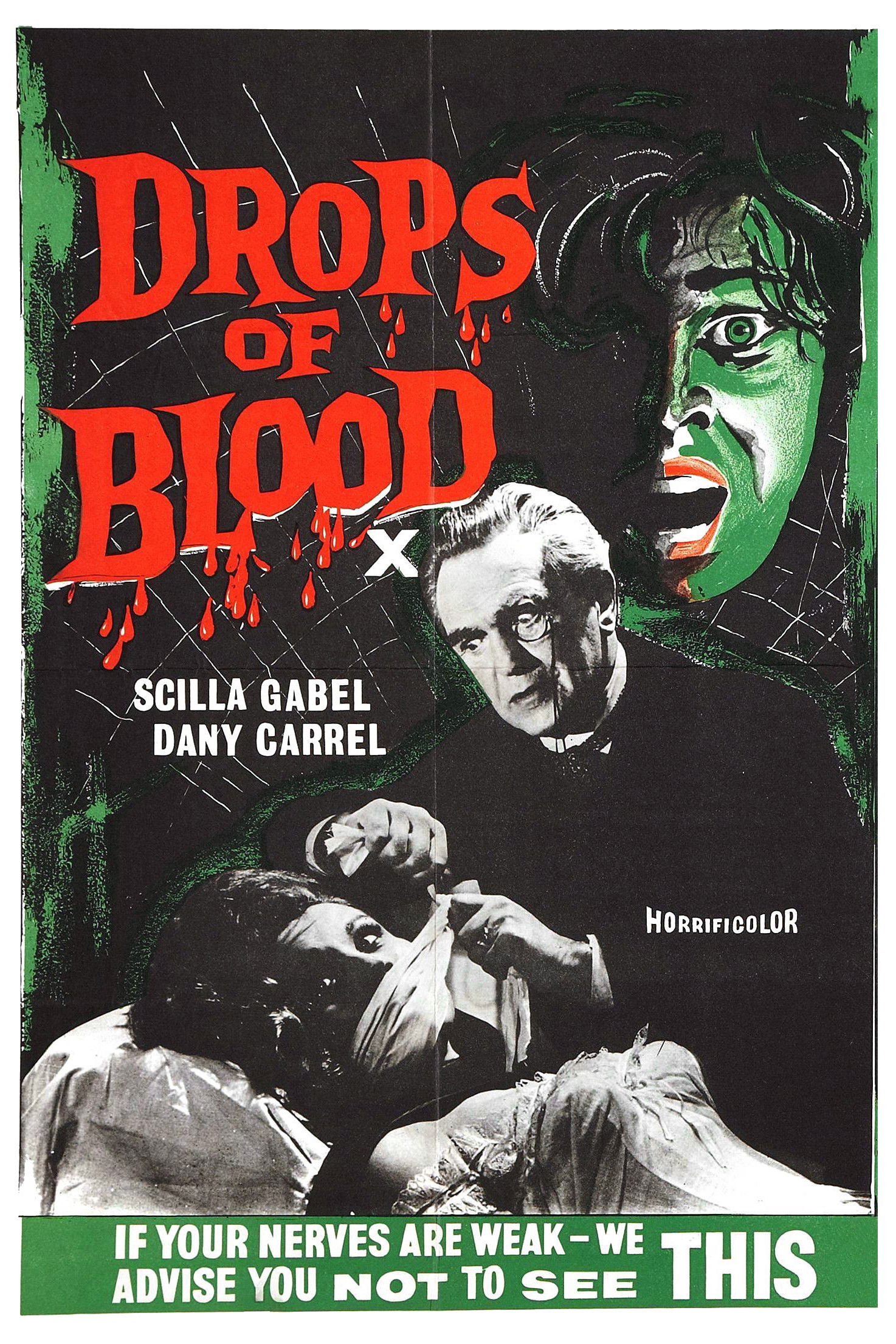
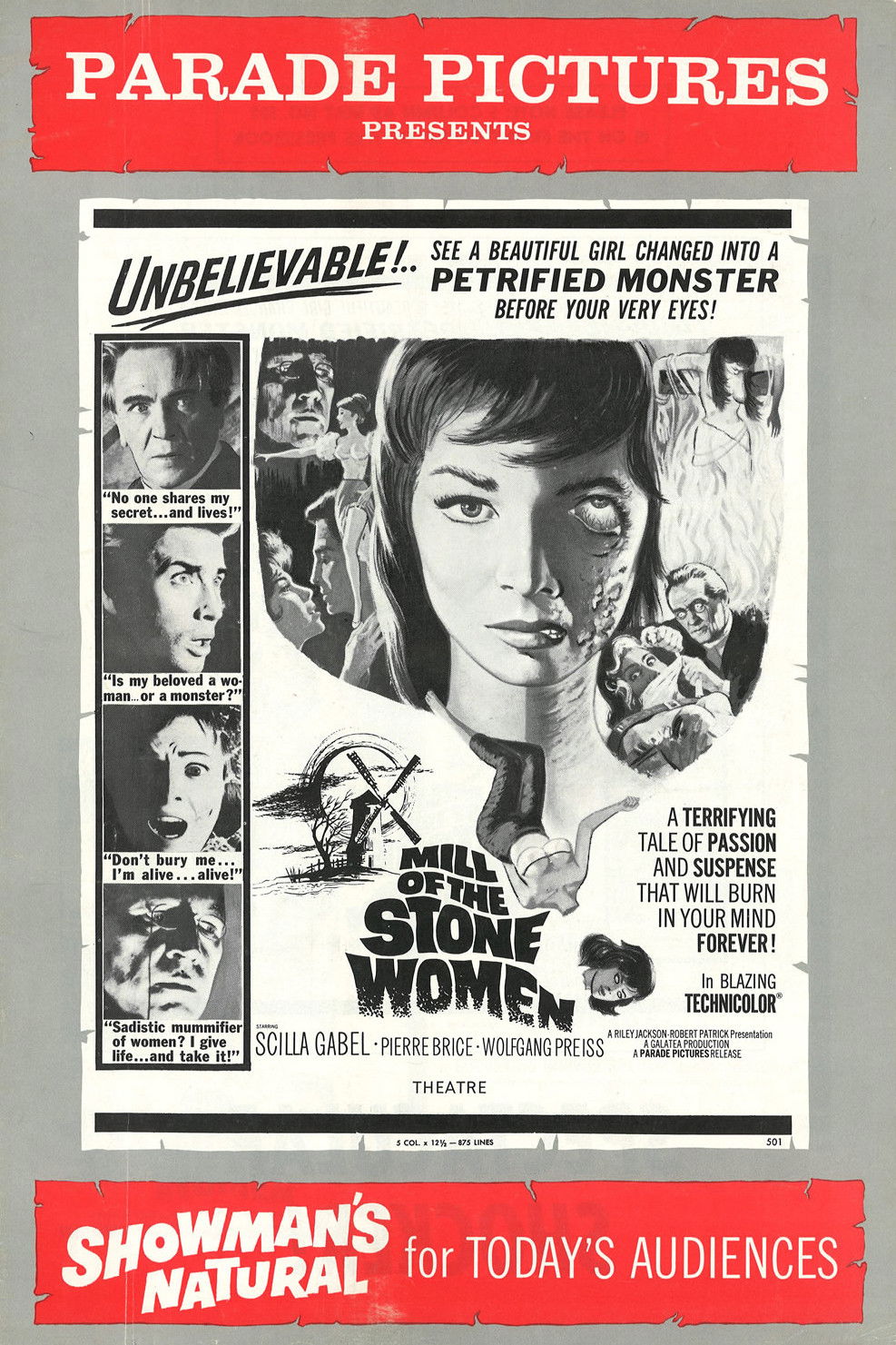
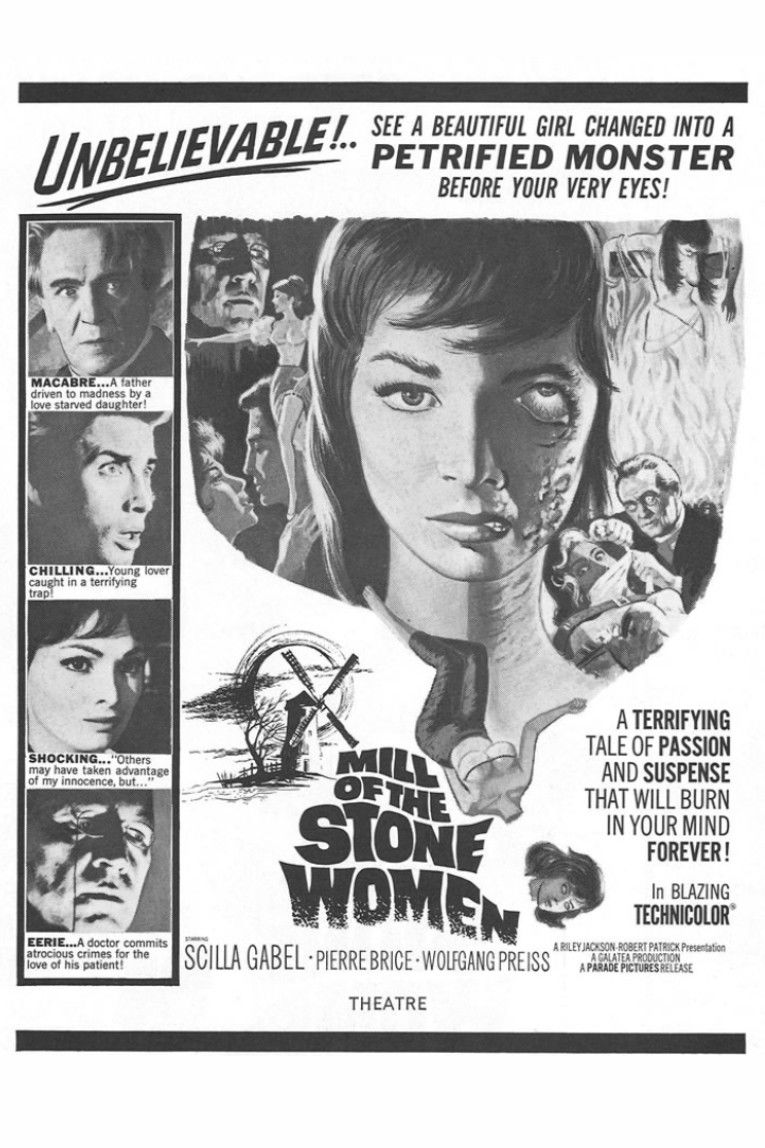
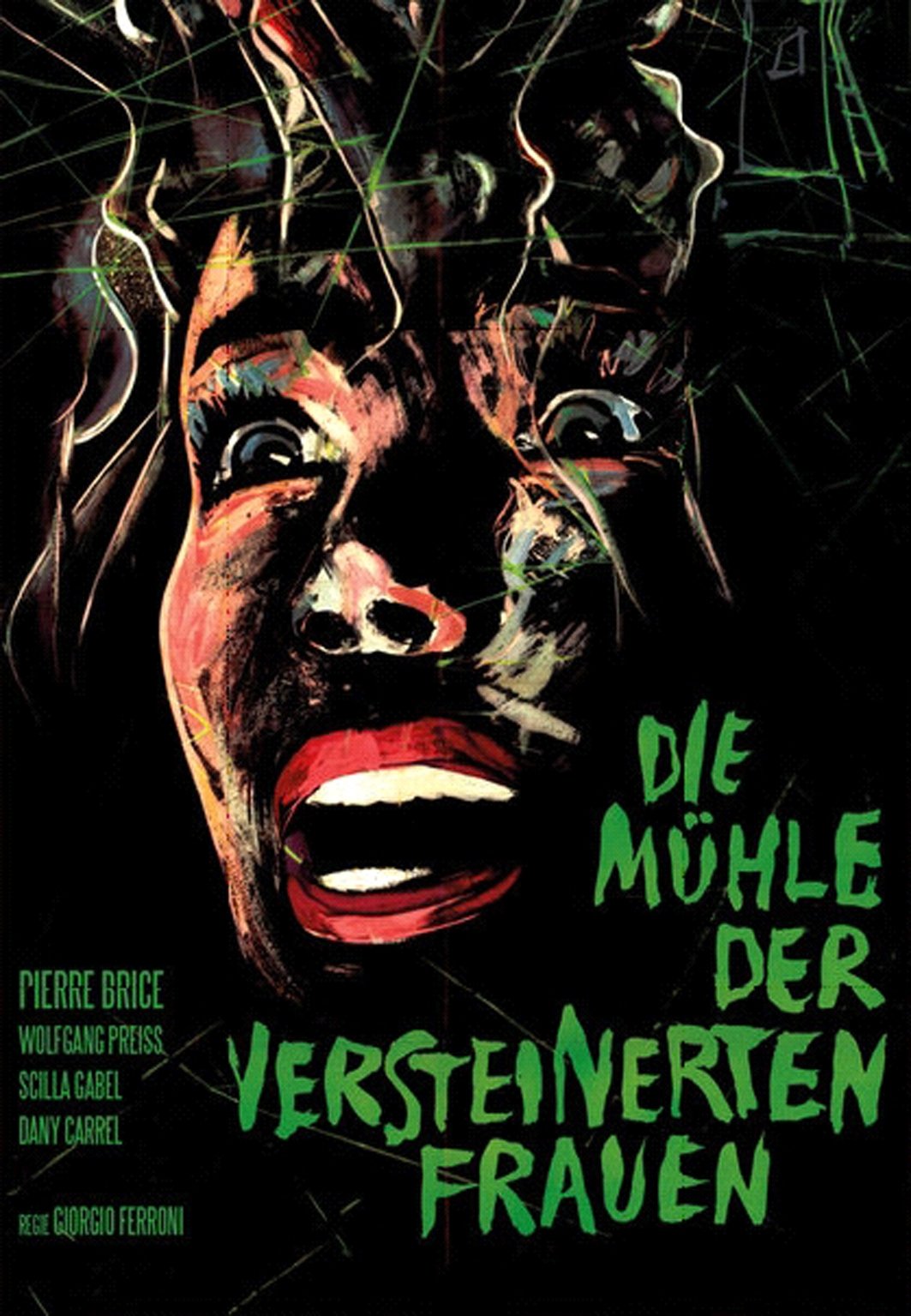
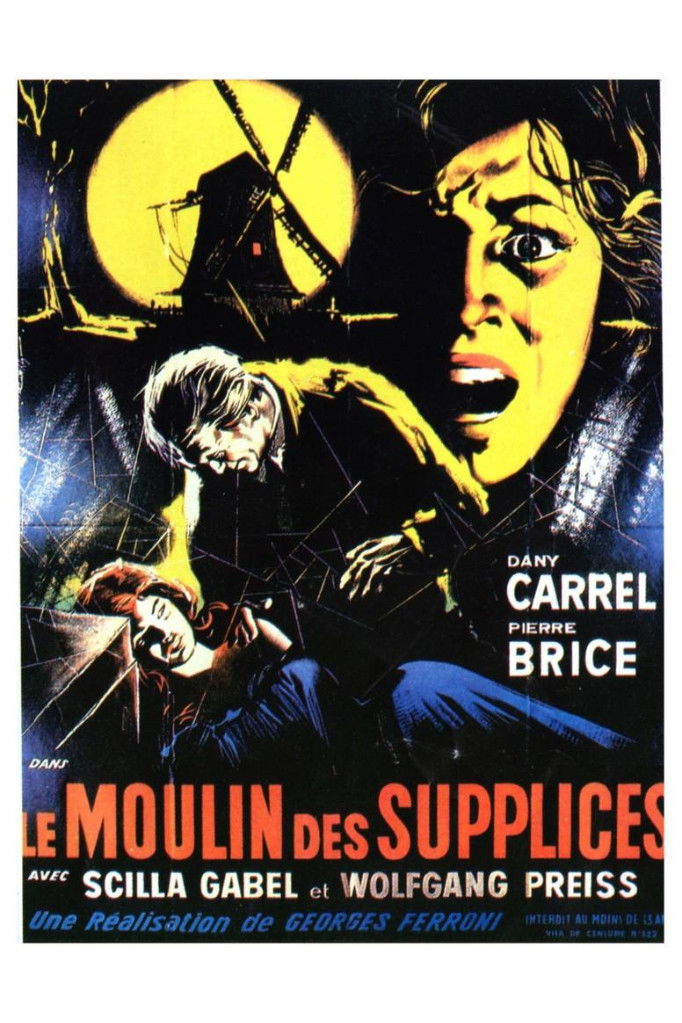
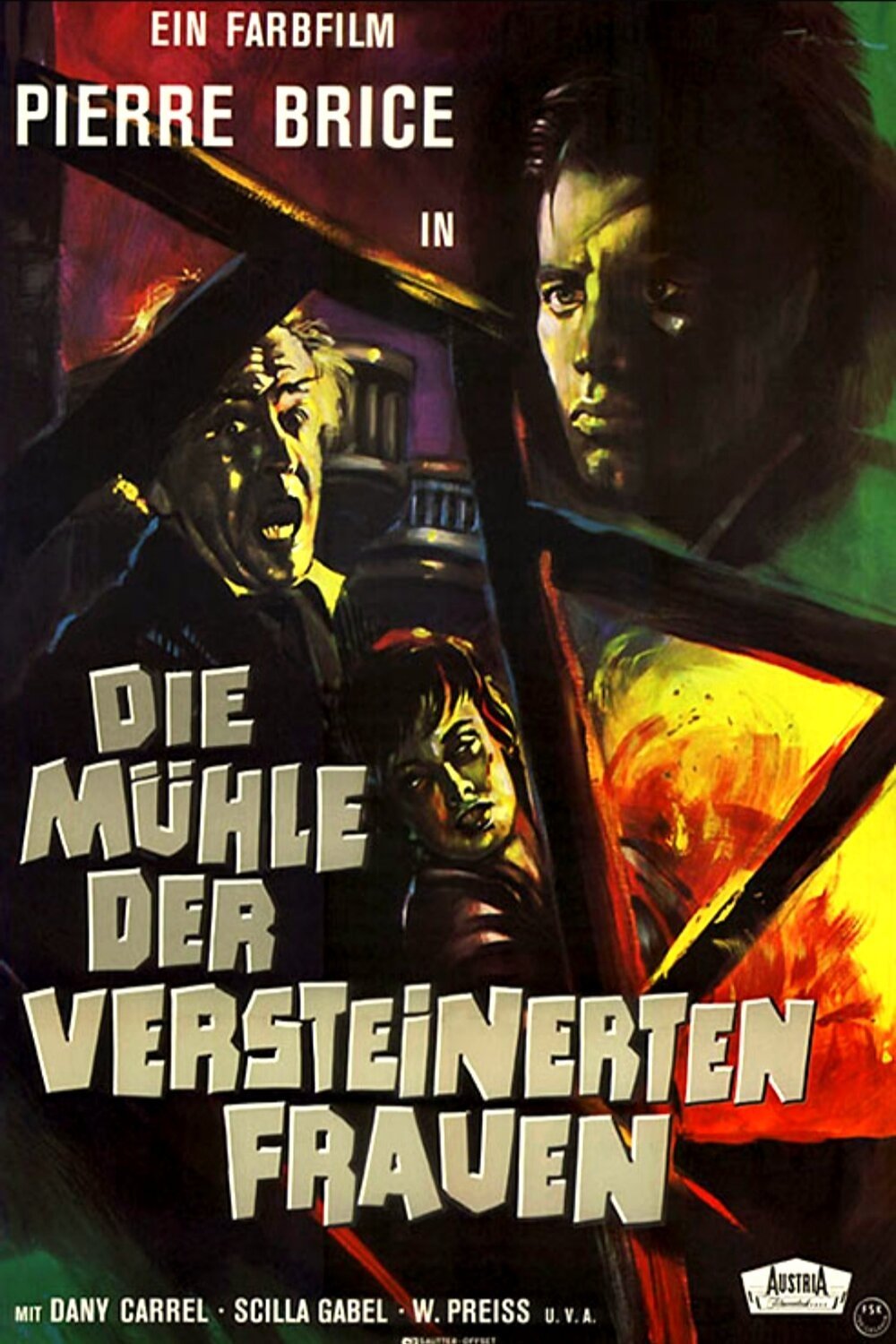
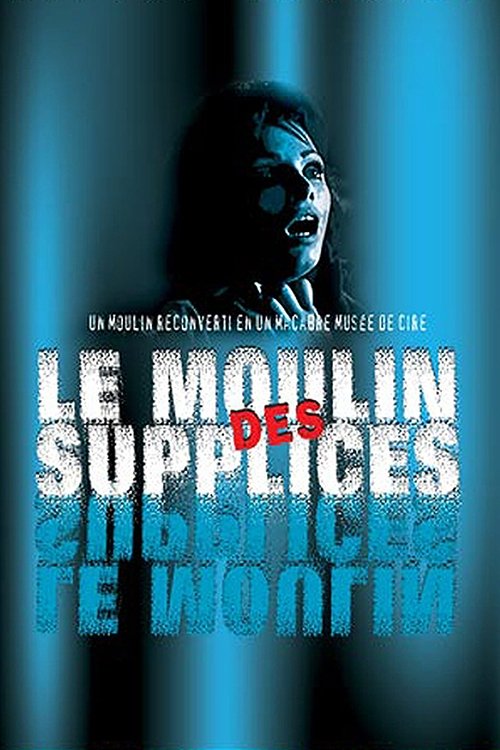
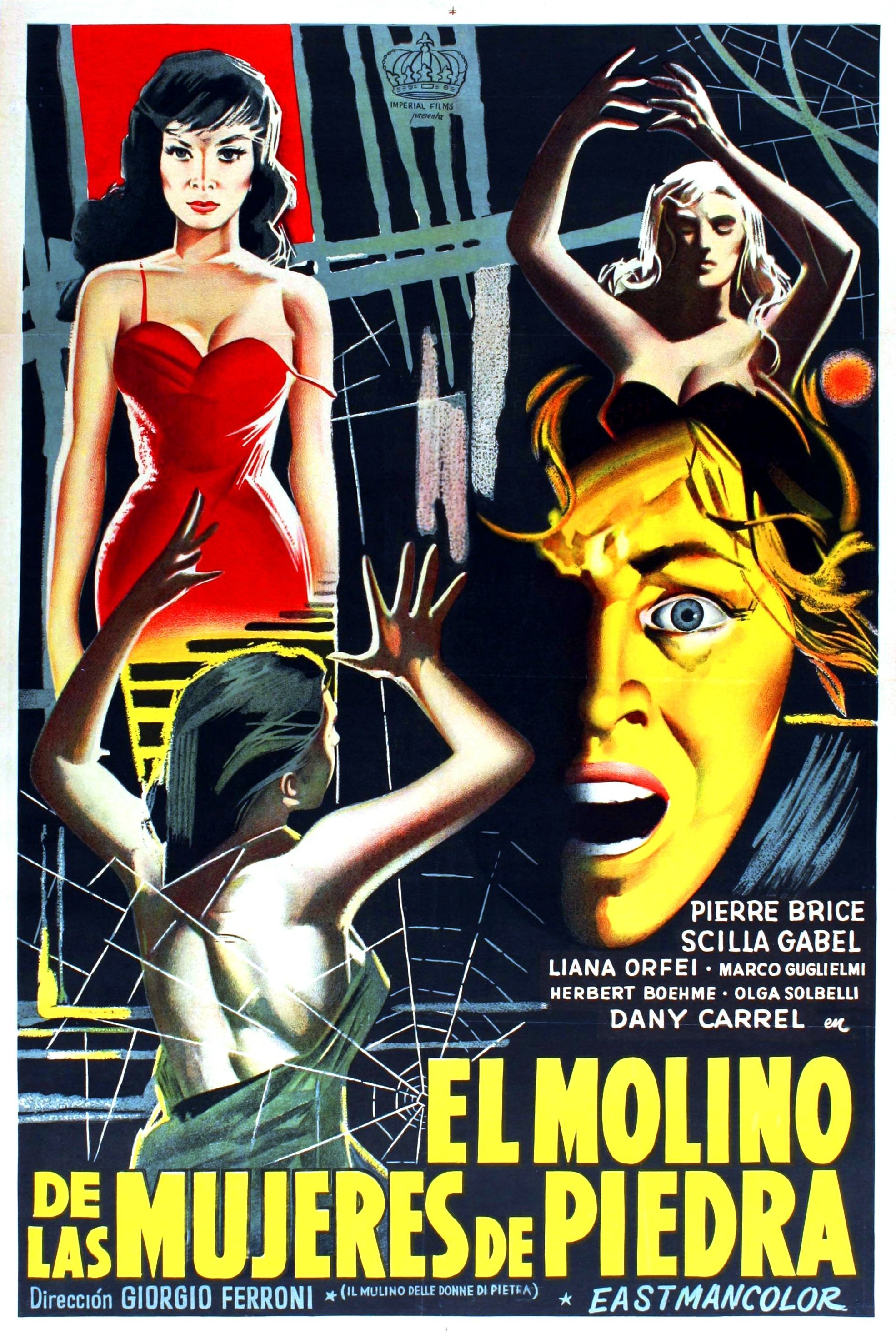
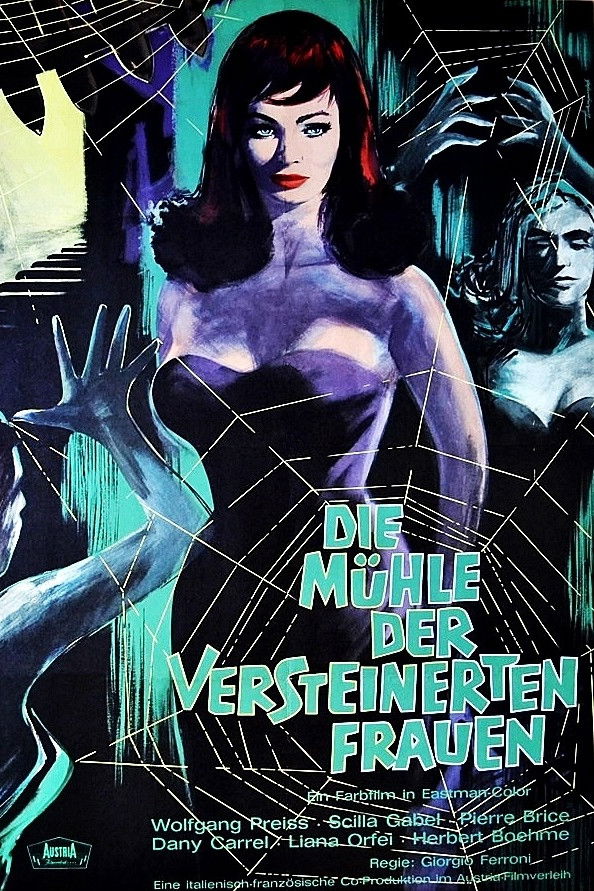
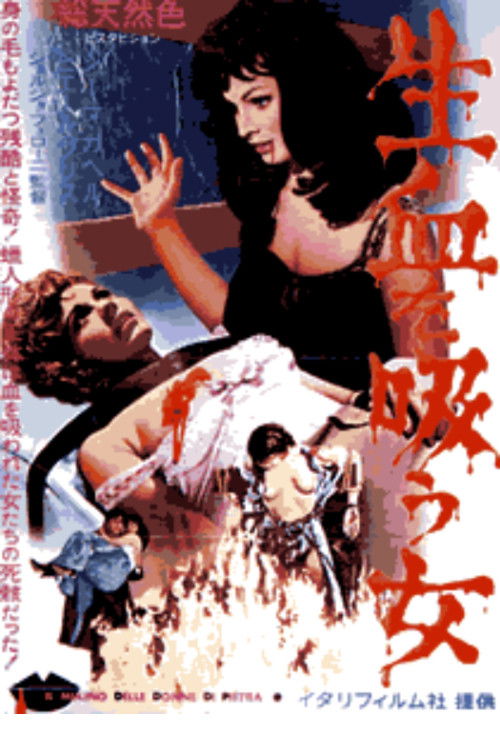
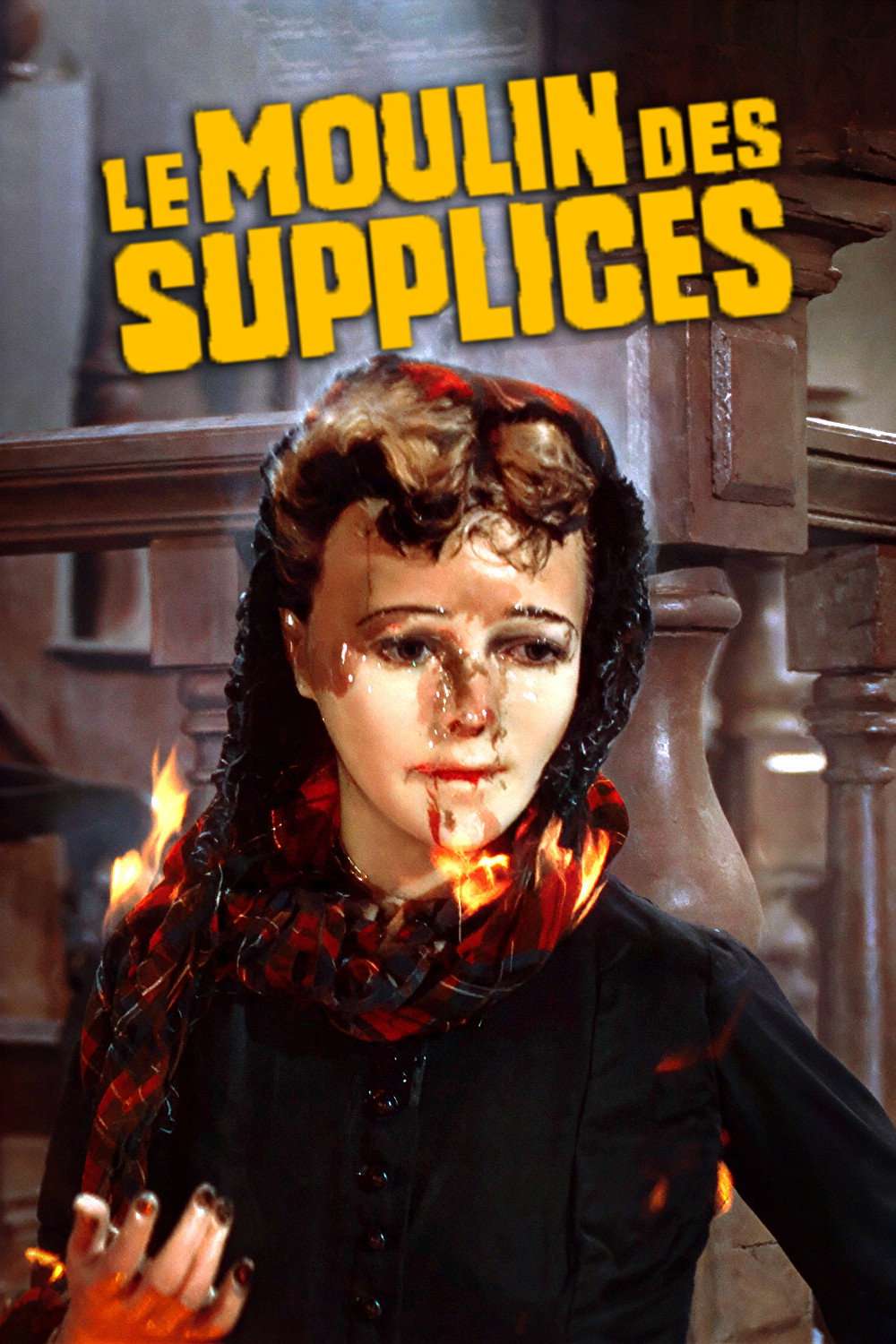
Mill of the Stone Women received Italian censorship certification on 20 August 1960 and entered Italian theatrical distribution on 30 August. Its original release was followed by circulation in several foreign markets, including France, Germany, Britain and the United States. The production acquired alternative titles such as Le moulin des supplices, Die Mühle der versteinerten Frauen and Drops of Blood. These names reflect the different approaches used to promote the film internationally, sometimes emphasizing the gruesome nature of the imagery rather than the mechanical exhibition described by the original title.
The film received sharply divergent contemporary critical responses. Segnalazioni cinematografiche dismissed the production in 1960 as lacking originality and artistic distinction, criticizing both direction and performances. French critic Michel Caen offered a contrasting assessment in the third issue of Midi-Minuit Fantastique in November 1962, praising its visual beauty while acknowledging stylistic affinities with Terence Fisher’s Gothic productions. These reactions demonstrate that the film’s pictorial qualities were already the subject of disagreement during its original international circulation. Later appreciation of its design and colour should therefore be distinguished from the assumption that its historical reputation developed exclusively through retrospective discovery.
International distribution also produced materially different cuts. The original Italian and English export presentations run approximately 96 minutes, while the French version runs about 90 minutes and contains exclusive footage. The American version, approximately 95 minutes, features altered dubbing, changes to scene order and additional visual effects. The French edition includes a conversation between Liselotte and Ralf absent from the principal Italian version. These differences demonstrate that the surviving international editions cannot be described solely through their language or running time. Each represents a distinct historical presentation with alterations that may affect the narrative.
Restoration & Position in Italian Horror History
The circulation of different international versions complicated the film’s subsequent availability. Viewers encountered editions with missing scenes, altered dialogue, modified credits and substantial changes in duration. Its historical visual character was also difficult to assess through inferior home-video transfers. The restoration issued by Arrow Films in 2021 therefore represented an important improvement in access to the original production. The project used the original 35 mm camera negative for a new 2K restoration, while additional film elements and previously transferred material were employed to reconstruct the alternate national versions.
The restored presentations distinguish the original Italian version and English export edition from the French and American cuts. The comparison clarifies differences in editing, dubbing and additional material that earlier releases did not always identify. The accompanying historical analysis also contributed to the study of the film’s visual traditions. Roberto Curti examined its place in Italian Gothic cinema, while Brad Stevens investigated the variations between the surviving edits. Kat Ellinger’s visual essay considered the representation of women as waxworks or statues within Gothic horror, placing Ferroni’s mechanical exhibition in a wider iconographic tradition.
The film’s lasting historical significance is closely connected to its early use of colour and its integration of Gothic imagery with themes of medical experimentation. Its narrative belongs to recognizable traditions, but the peculiar environment of the windmill and the spectacle of the moving statues give it a distinctive identity. Ferroni’s production demonstrates the visual ambitions of Italian horror during a period when the genre was developing new international markets and artistic possibilities. Its preservation allows the relationship between production design, colour, mechanical spectacle and representations of bodily violence to be examined through the most complete surviving versions.