Origins and Development
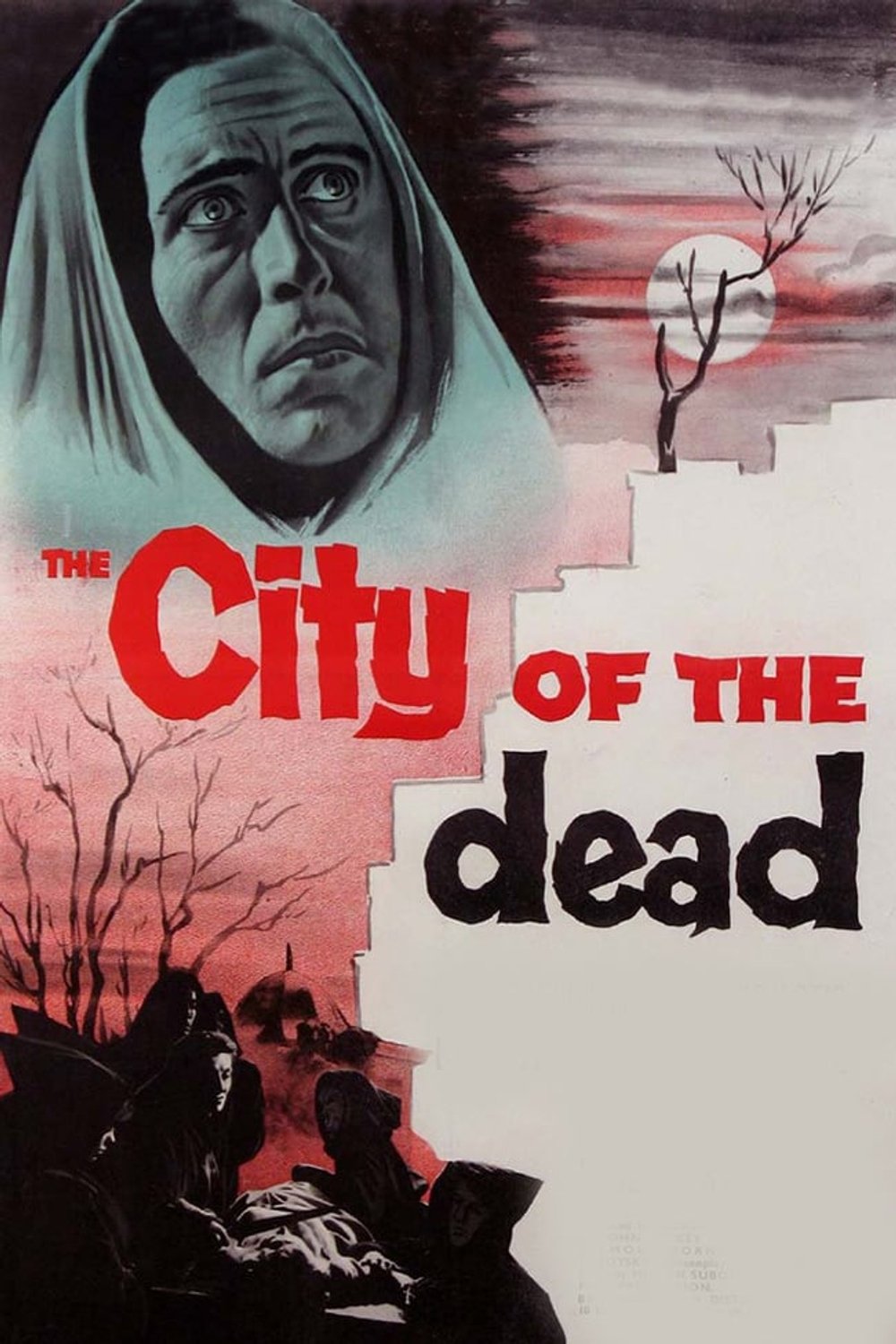
The project emerged from the collaboration between Subotsky and Rosenberg, producers who were establishing themselves in British genre cinema before the Amicus name became familiar. The City of the Dead was made through Vulcan Films and took shape during a period when Hammer's commercial success had renewed interest in Gothic horror. Its American characters and Massachusetts setting give the film an unusual position within that British production landscape. The setting is integral to the premise: Whitewood's invented history of witch persecution permits an old curse to govern a story set centuries later, while allowing the film to draw on recognizable images of colonial New England.
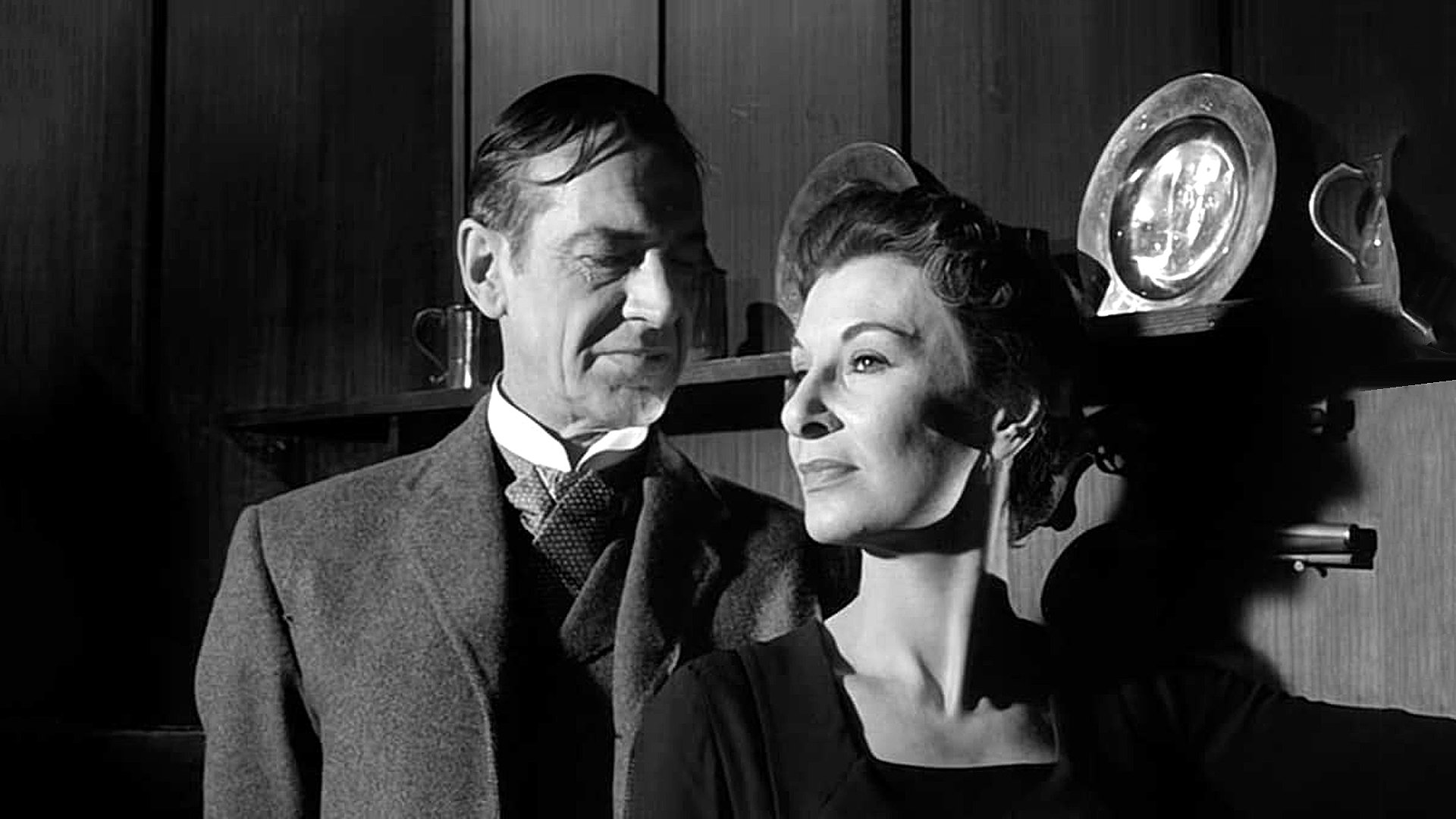
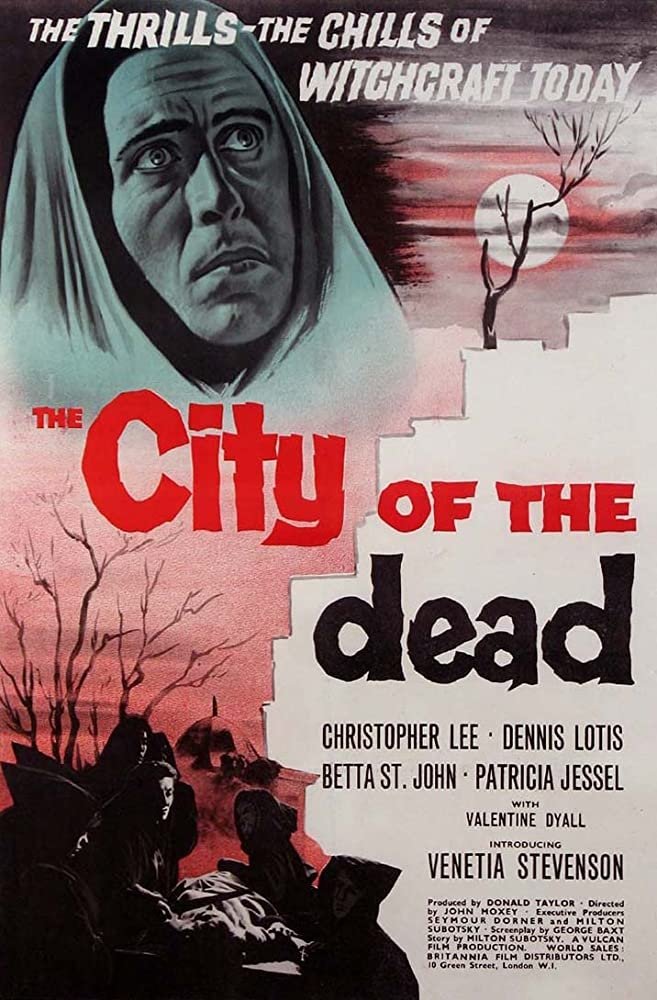
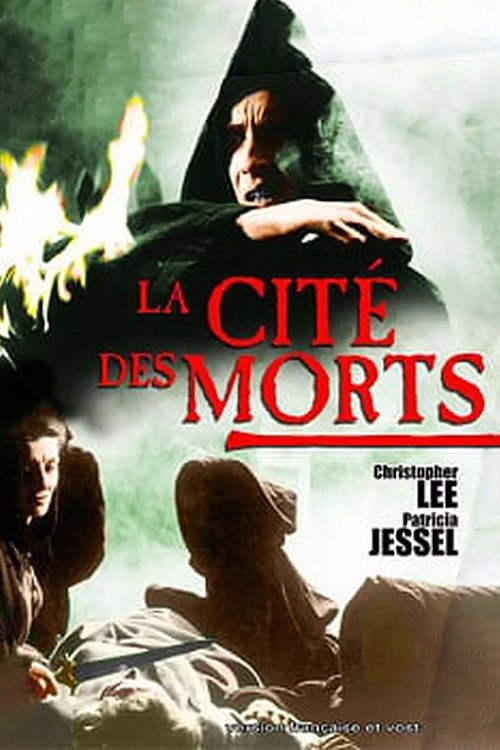
John Llewellyn Moxey came to the film with experience in editing, production work and television direction; this was his first theatrical feature as director. His task was to make a convincing supernatural town within the limits of a modestly resourced production. The film relies heavily on constructed environments and carefully organized encounters rather than on a broad geographical world. Christopher Lee's role as Professor Alan Driscoll offered an established horror performer a modern academic character whose certainty about witchcraft makes an initially skeptical classroom uncomfortable. Patricia Jessel and Valentine Dyall provide a more openly threatening presence after the action moves to Whitewood.
Witchcraft and the Fiction of Whitewood
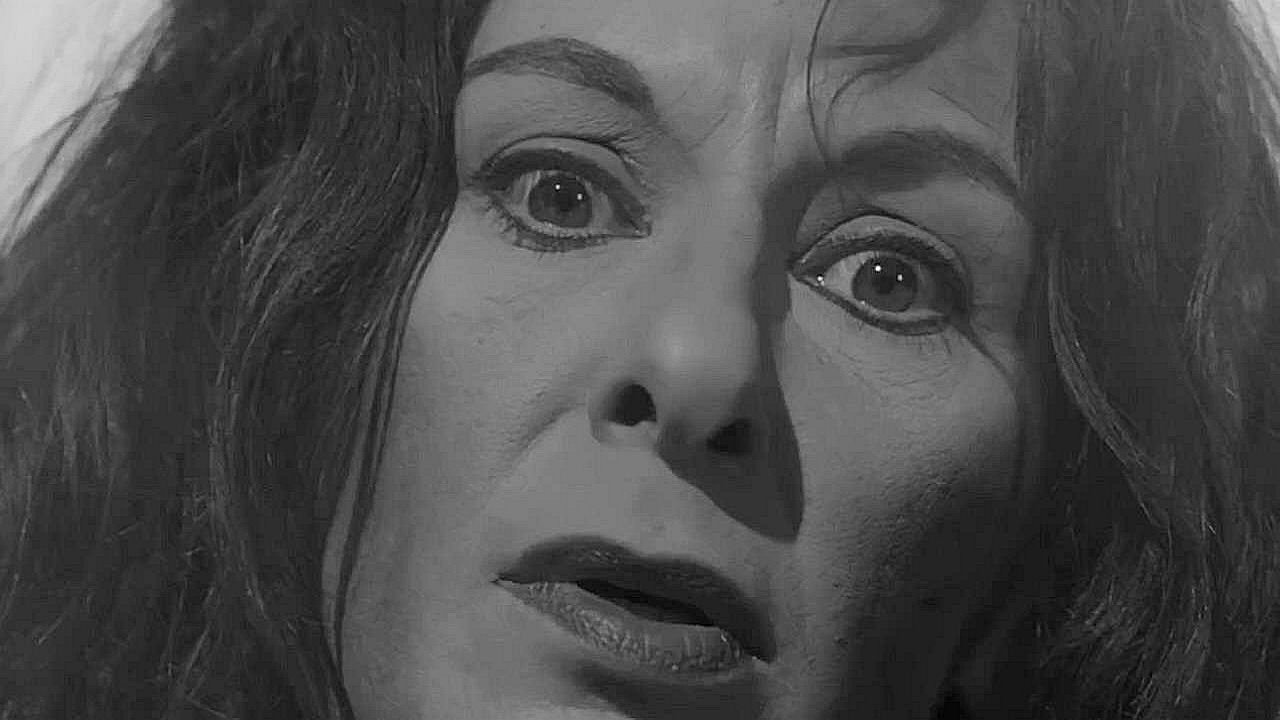
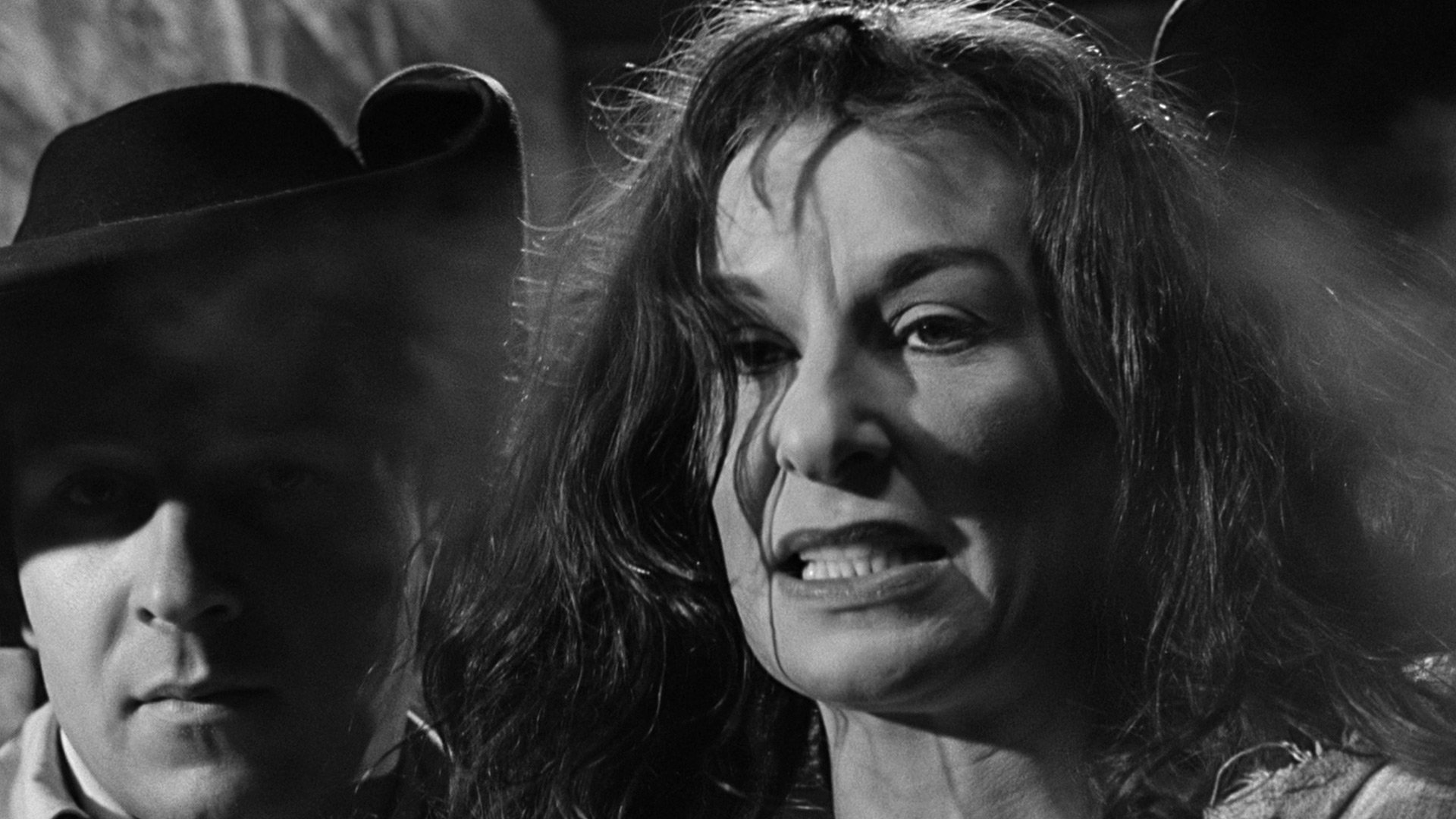
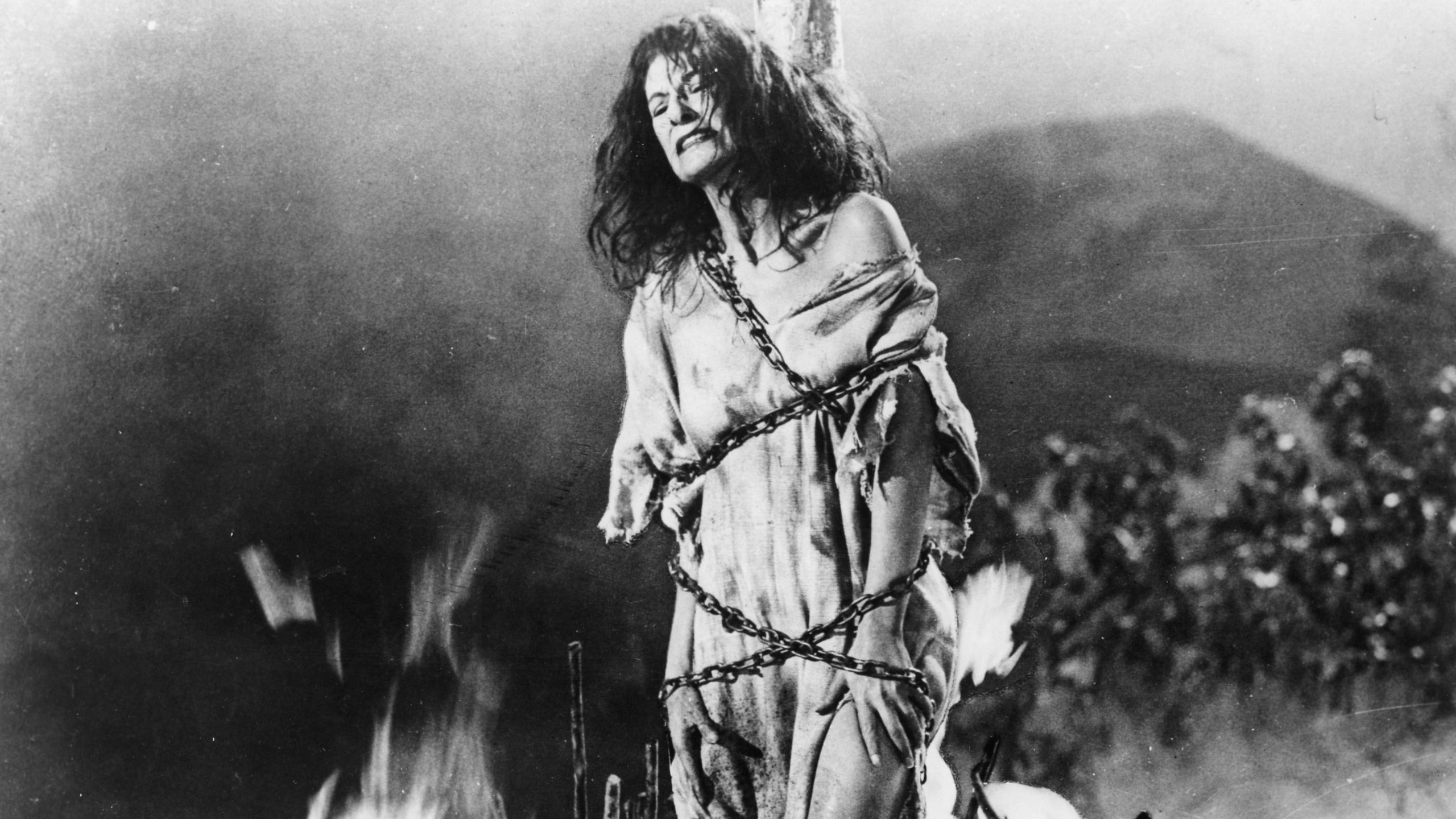
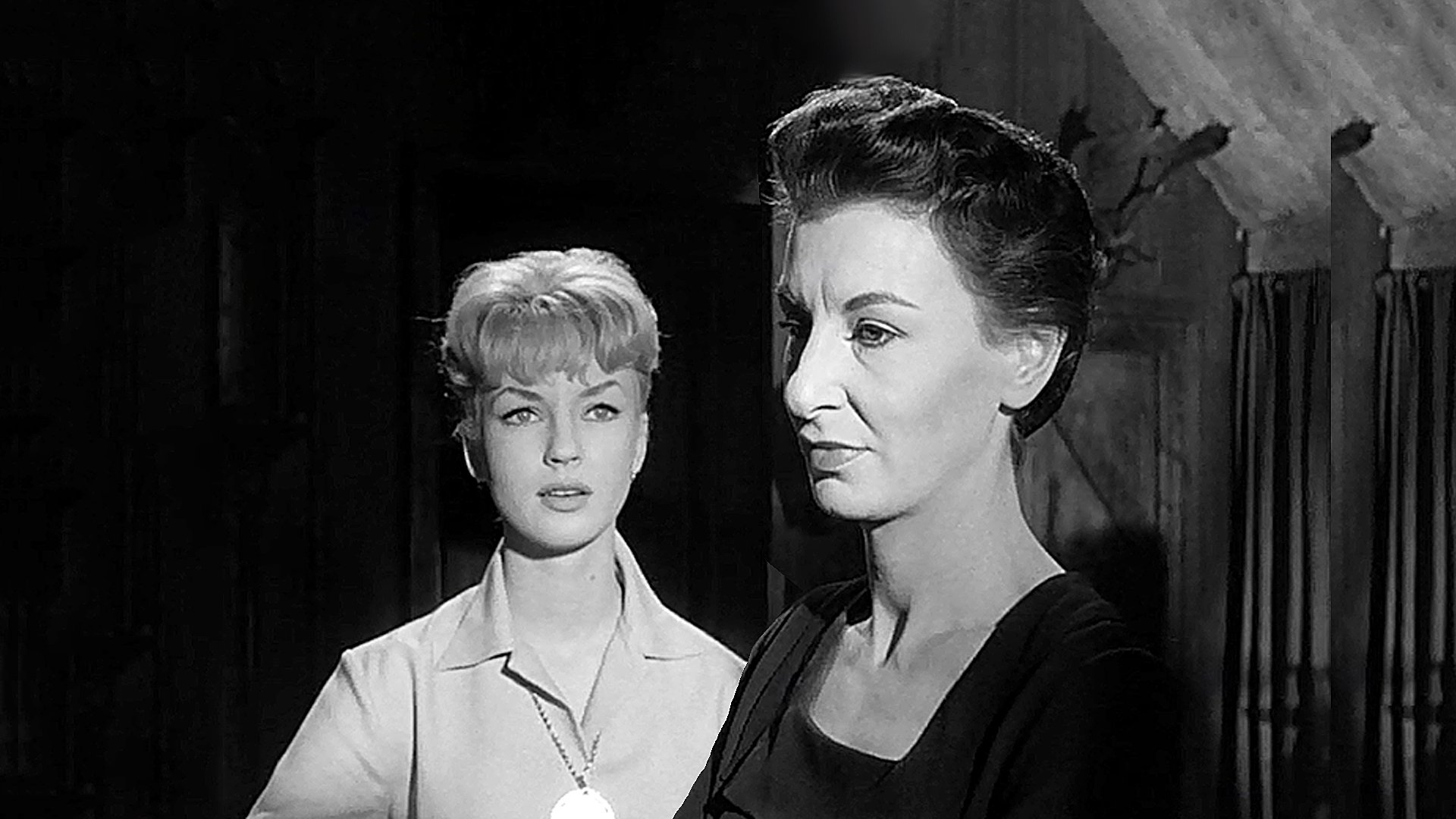
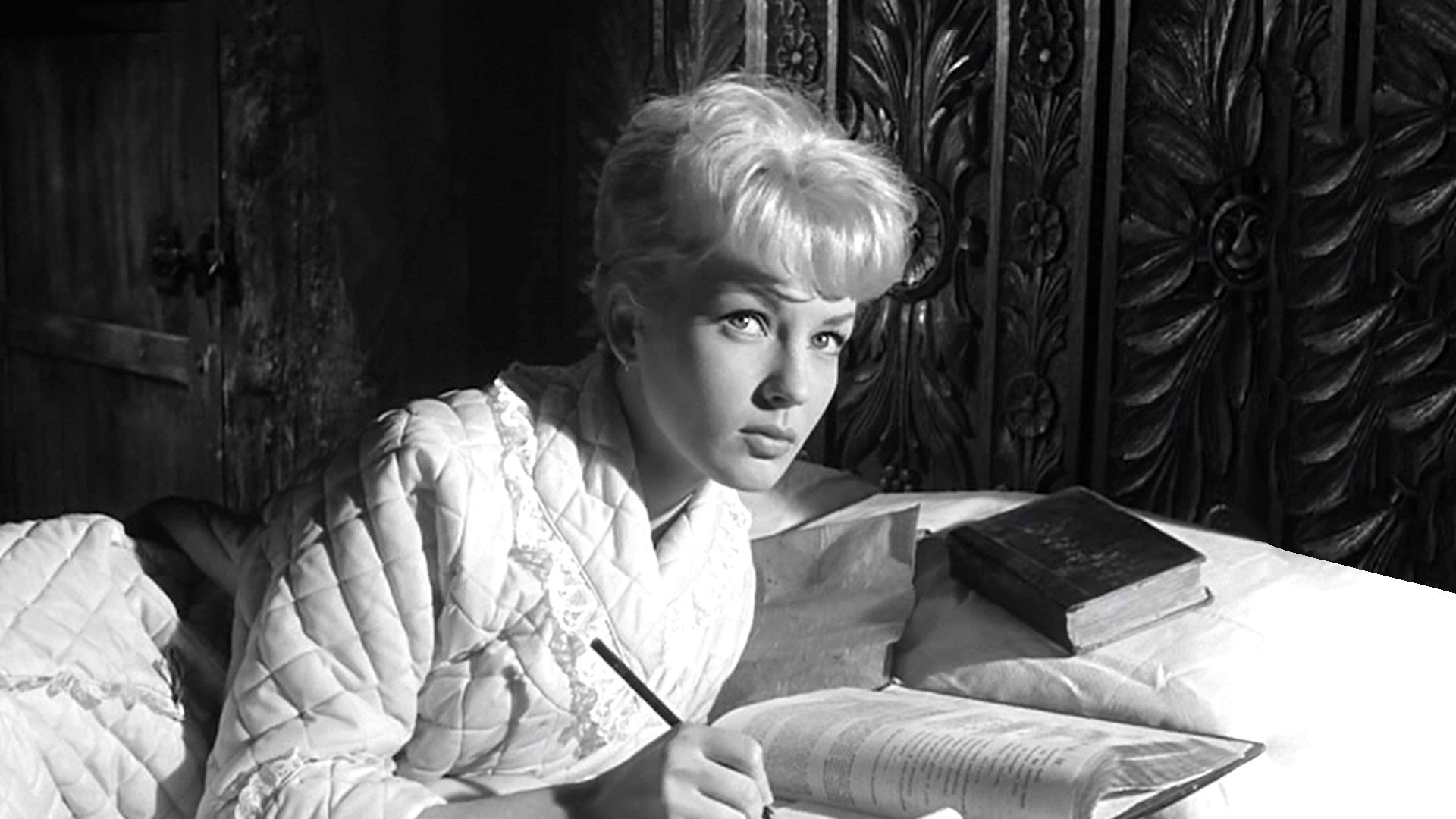
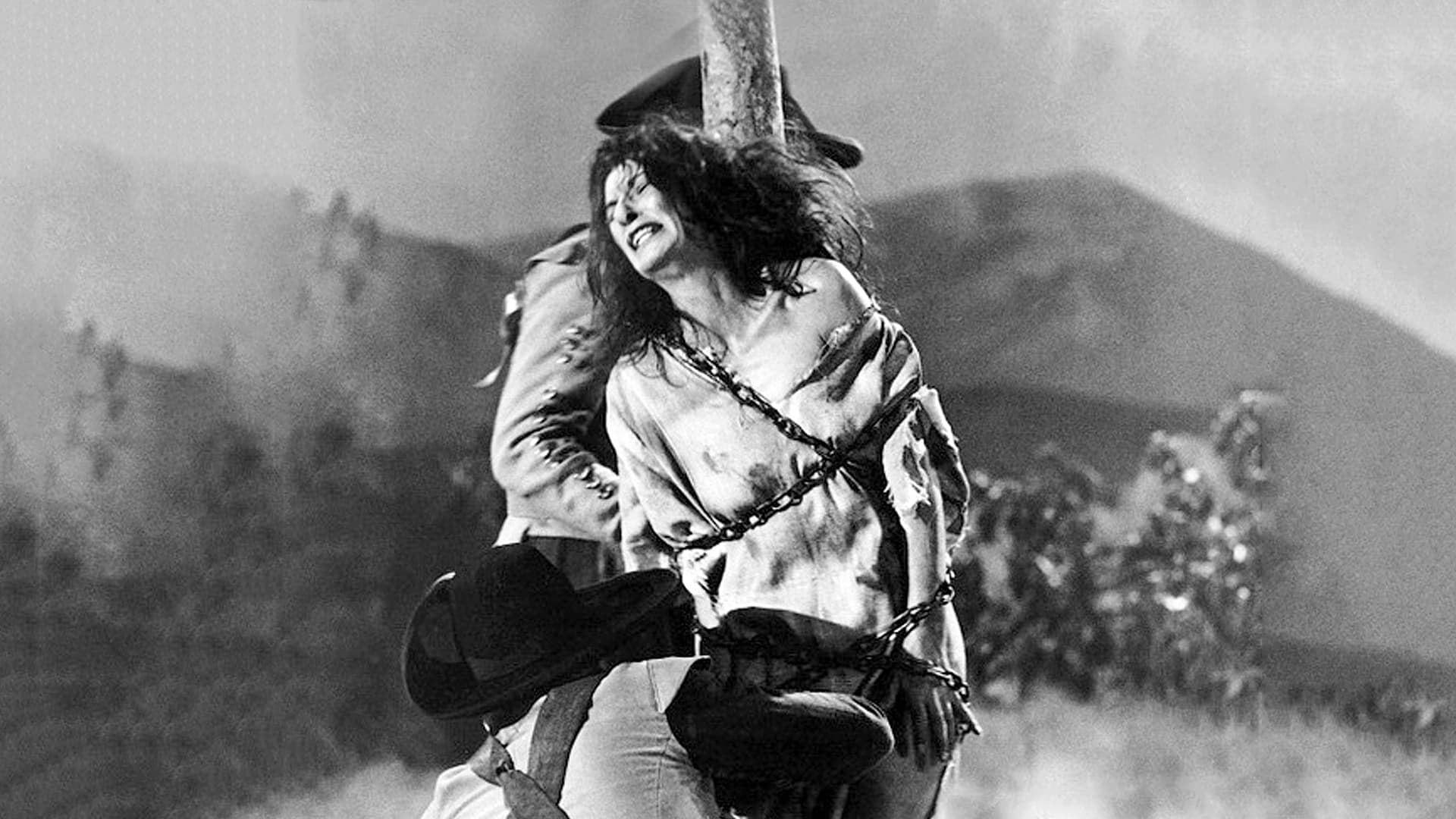
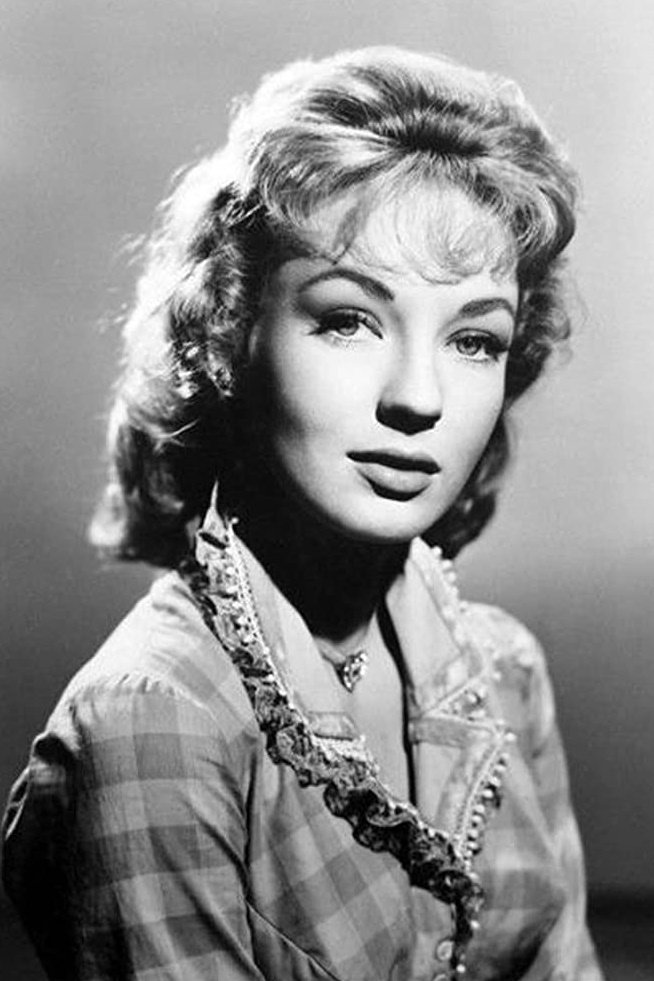
The film begins in 1692 with the execution of Elizabeth Selwyn, played by Patricia Jessel, and the invocation of a curse upon the town. This opening supplies the rules of the fiction before the modern investigation begins. The contemporary story follows college student Nan Barlow, played by Venetia Stevenson, who accepts her professor's suggestion that she conduct research in Whitewood. Her curiosity takes her to the Raven's Inn, where the outward routines of lodging and hospitality conceal a community organized around ritual sacrifice. The film's witch-burning prologue is part of its invented history and should not be mistaken for an accurate depiction of New England judicial practice.
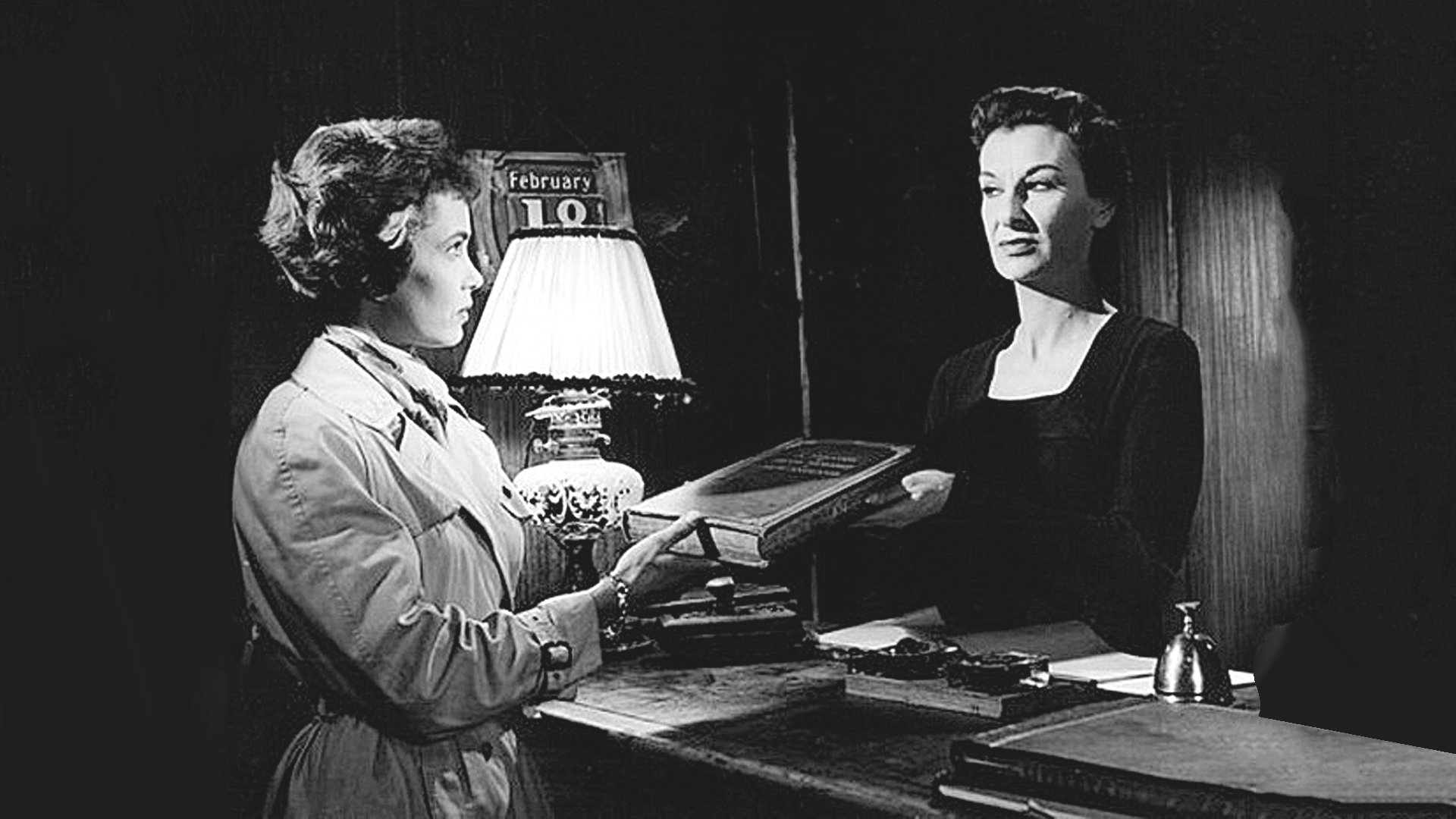
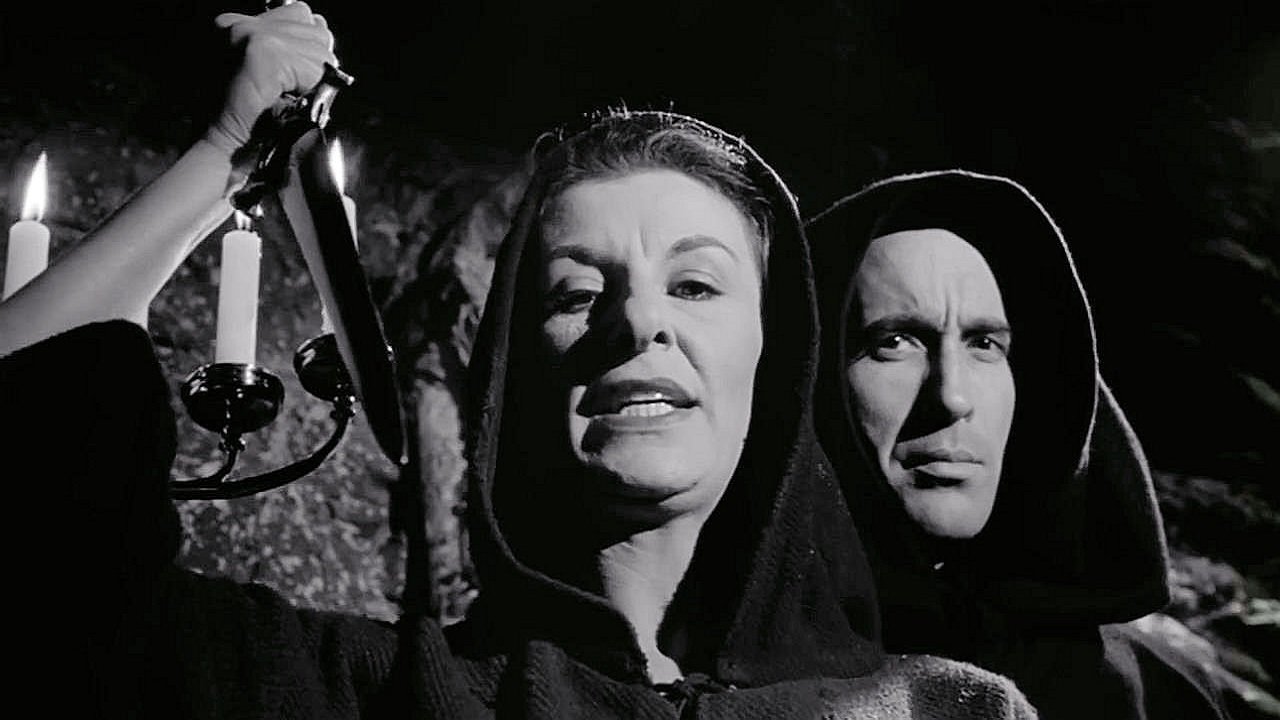
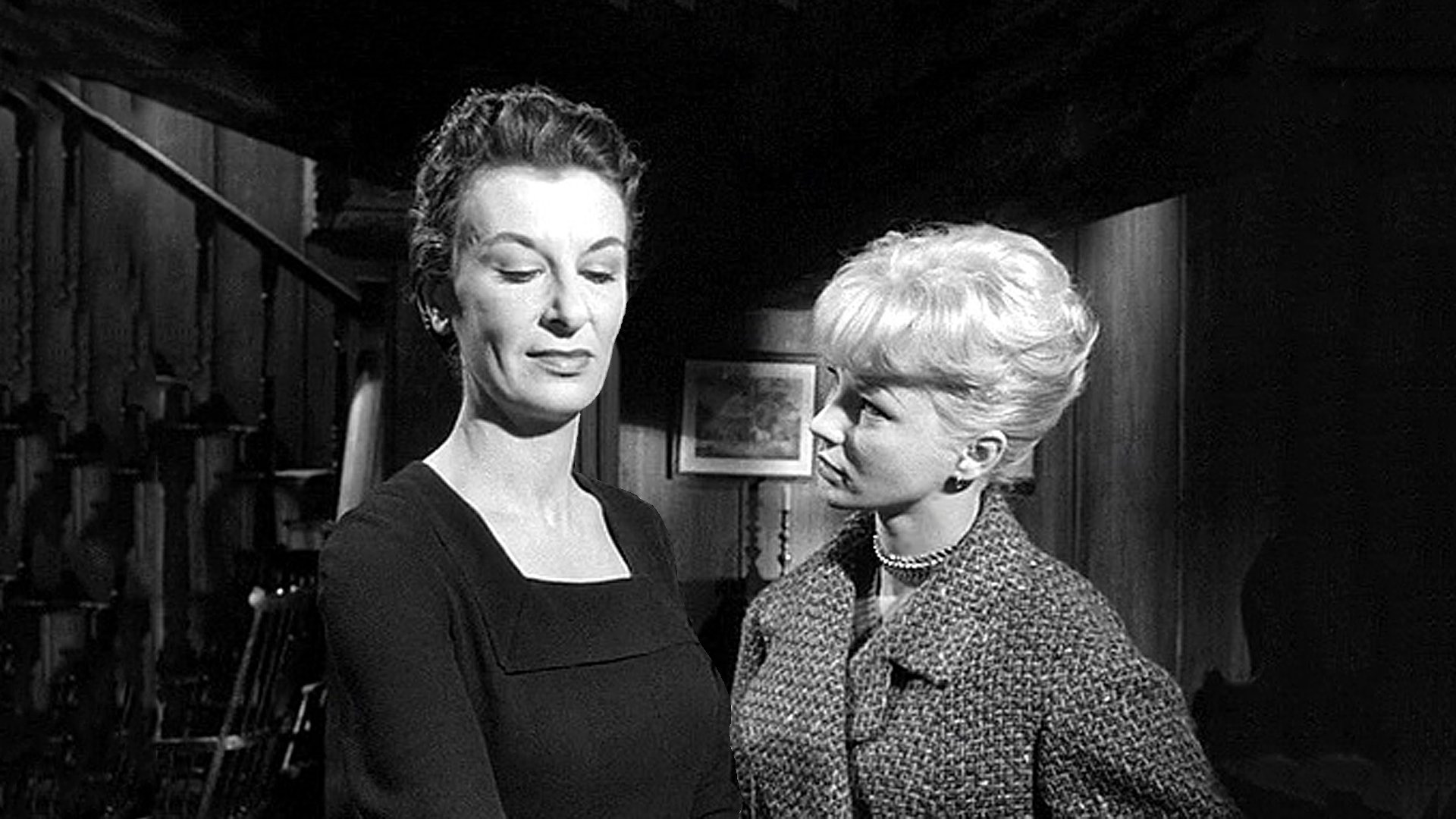
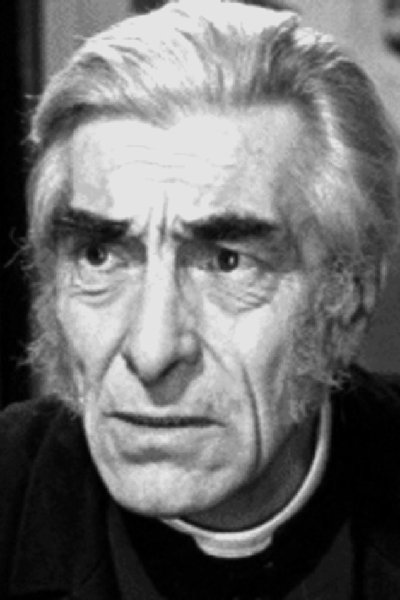
Whitewood's inhabitants appear to share information that the visitor lacks. The innkeeper, Mrs. Newless, presides over a building in which corridors, rooms and hidden passages connect everyday activity to clandestine ceremonies. Other residents offer partial warnings without providing Nan with a complete explanation, leaving her to interpret signs within a town that seems resistant to outside scrutiny. Christianity, represented partly by the local church and its blind clergyman, is set against the coven's survival, but religious imagery functions within an explicitly supernatural plot. The horror arises from the town's collective participation: its menace is distributed across a community, not contained in a single isolated murderer.
Photography, Fog and Gothic Space
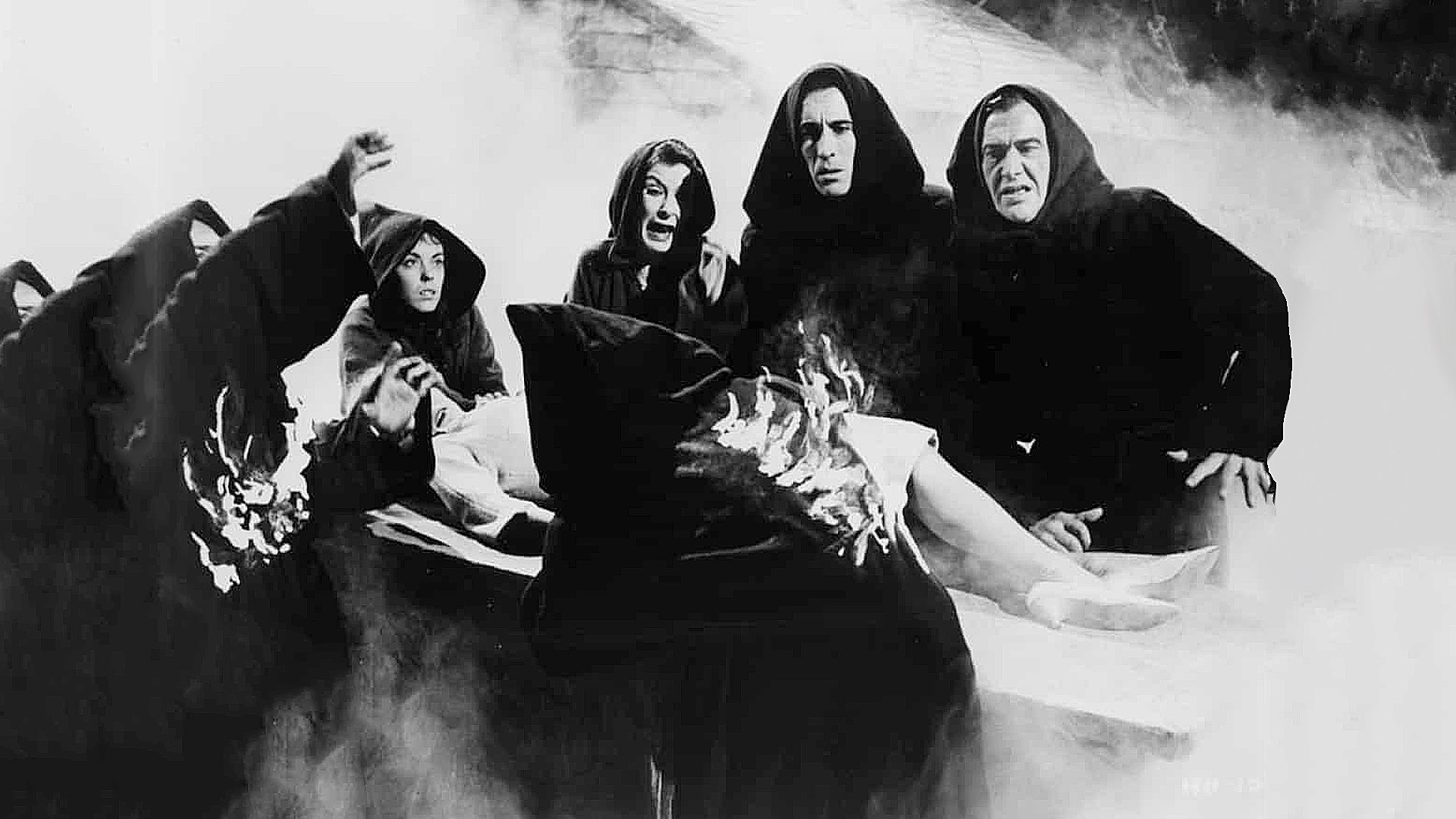
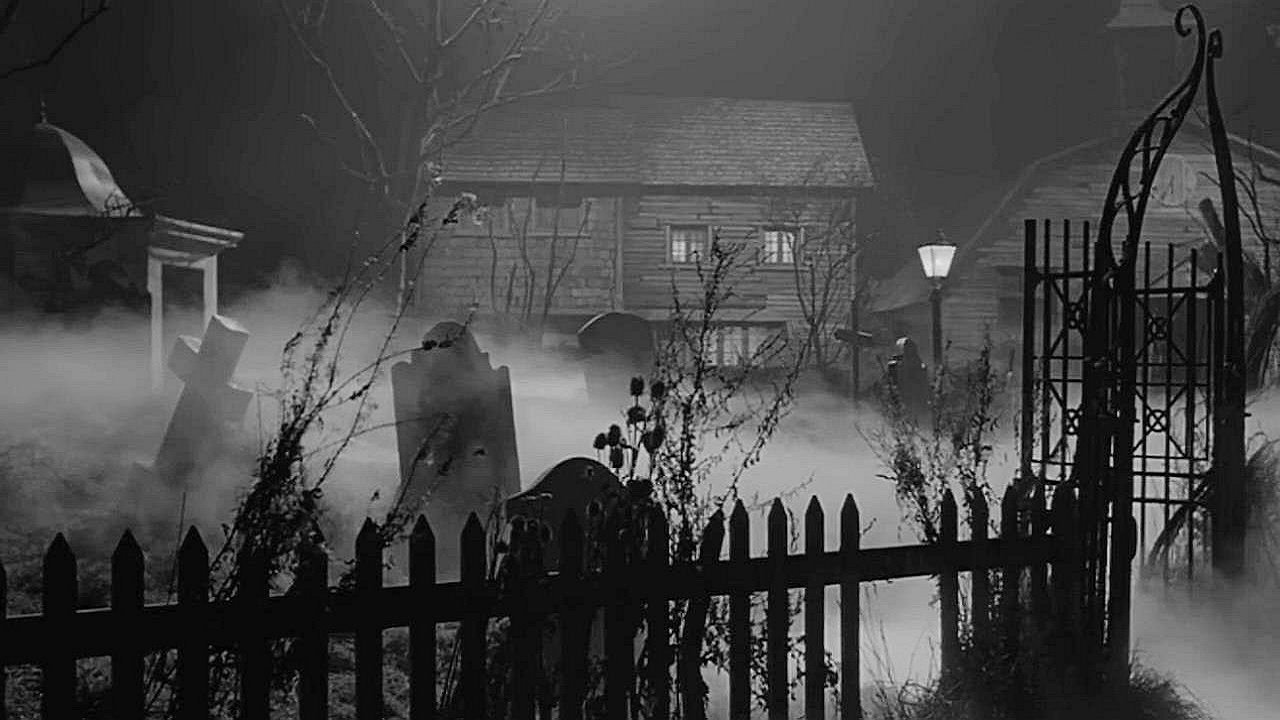
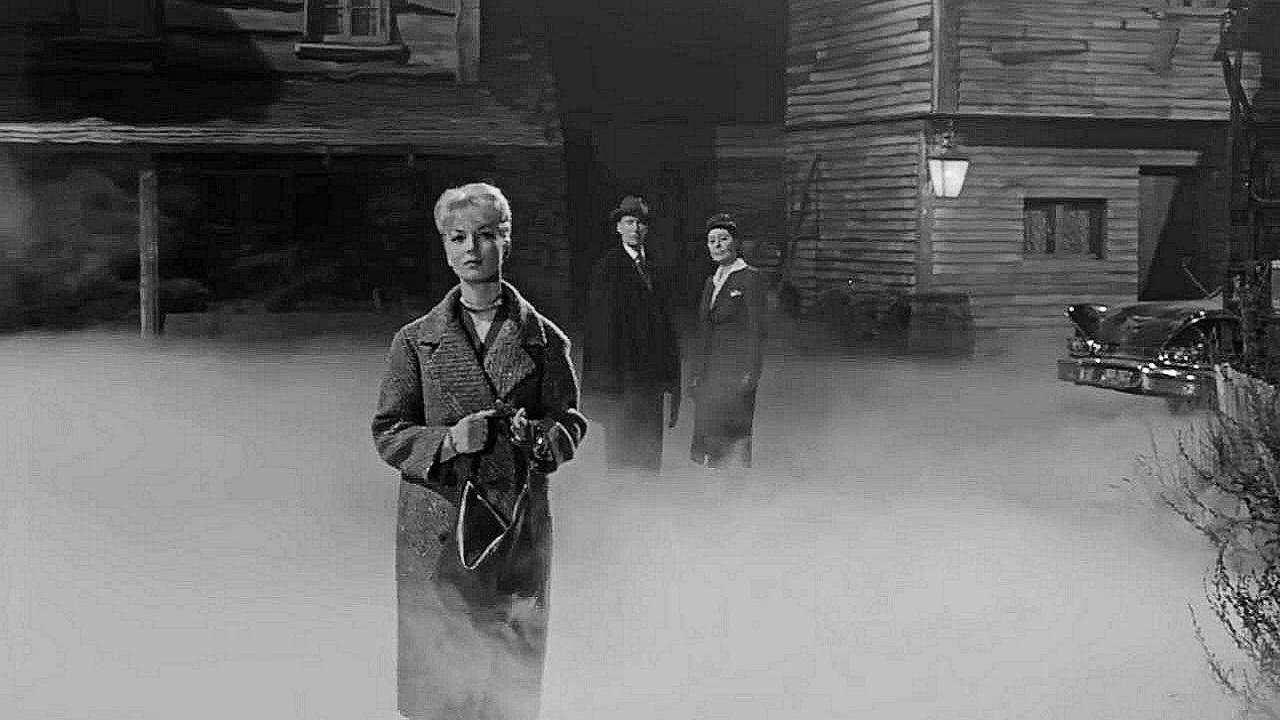
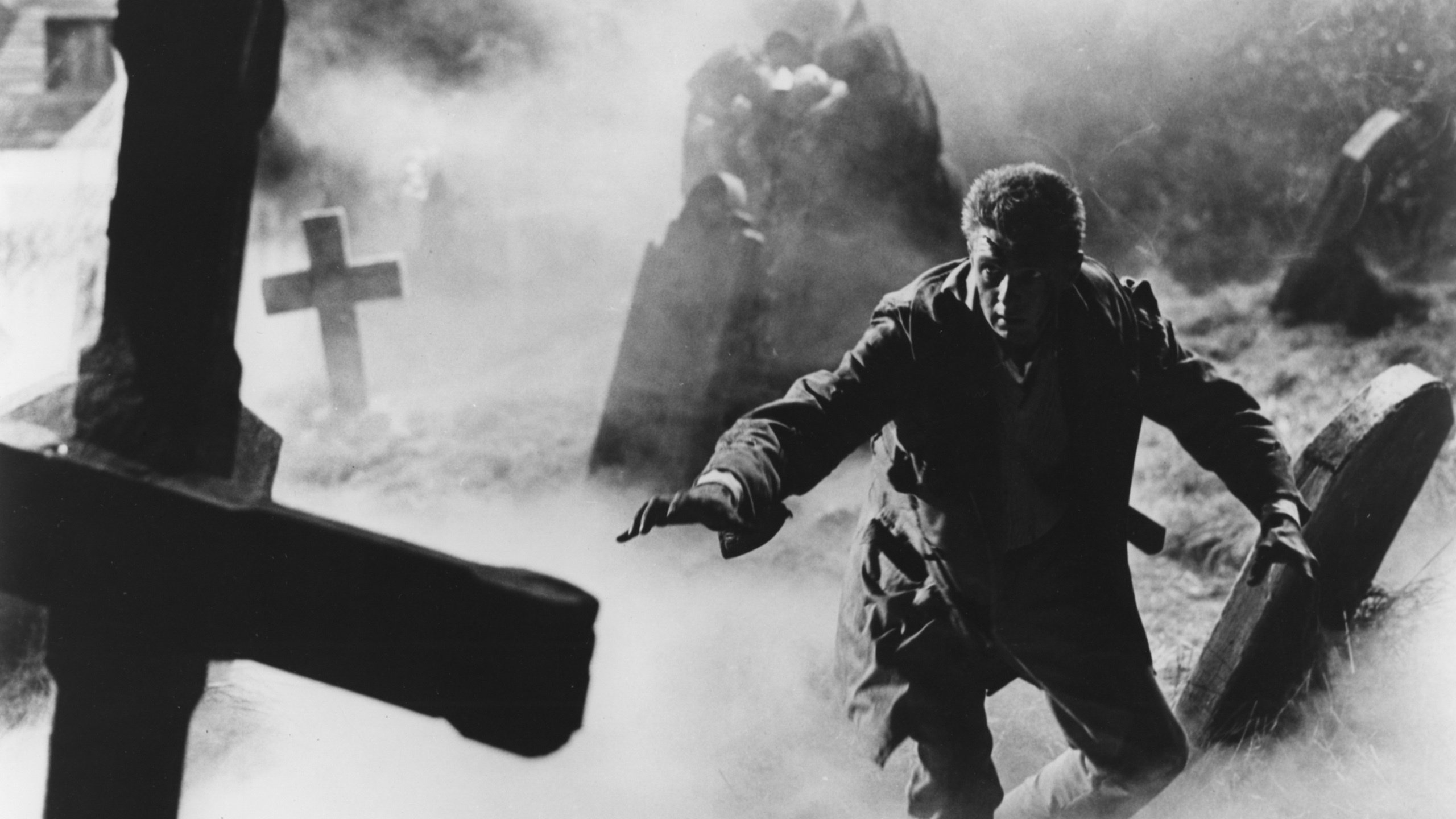
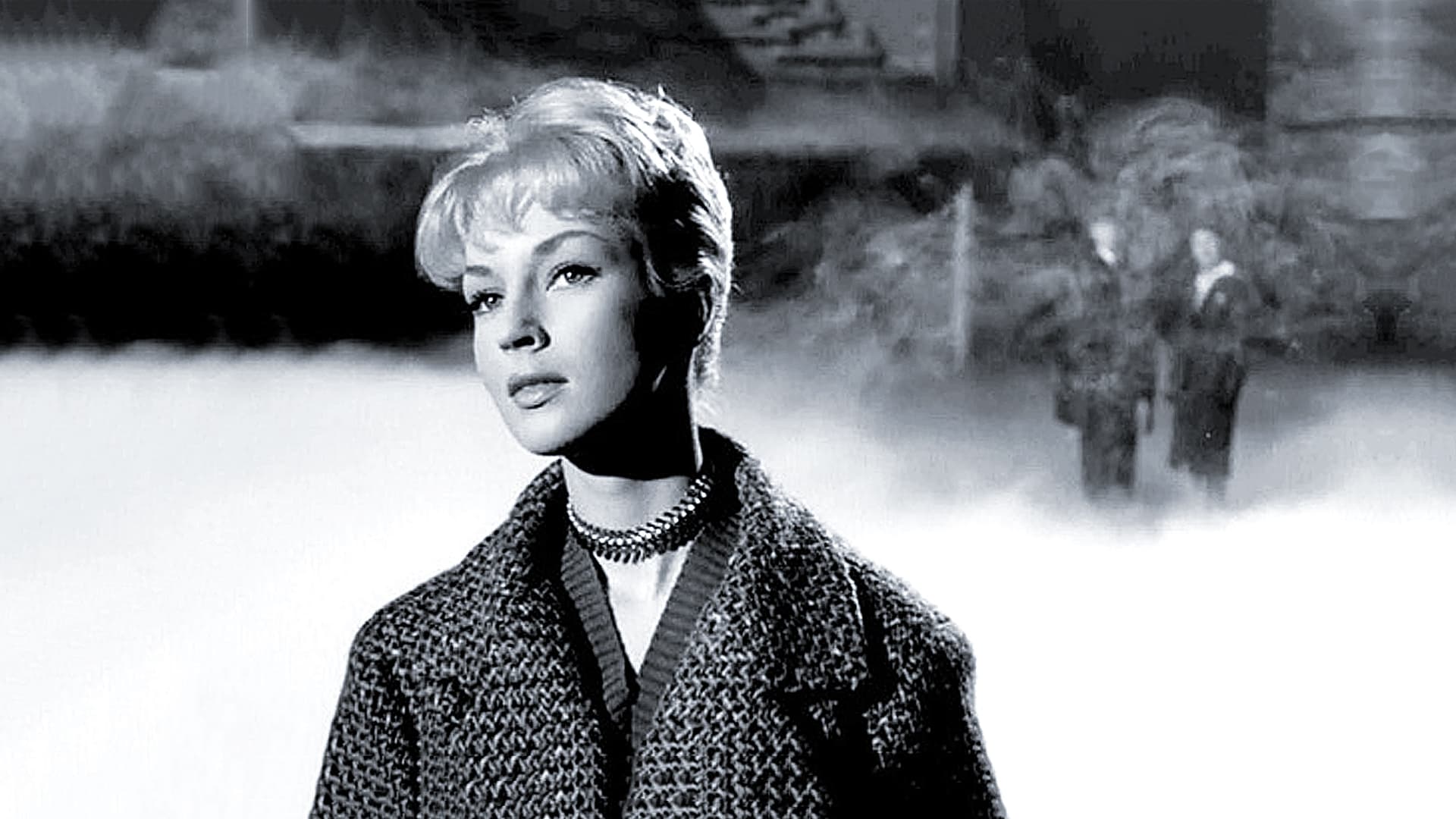
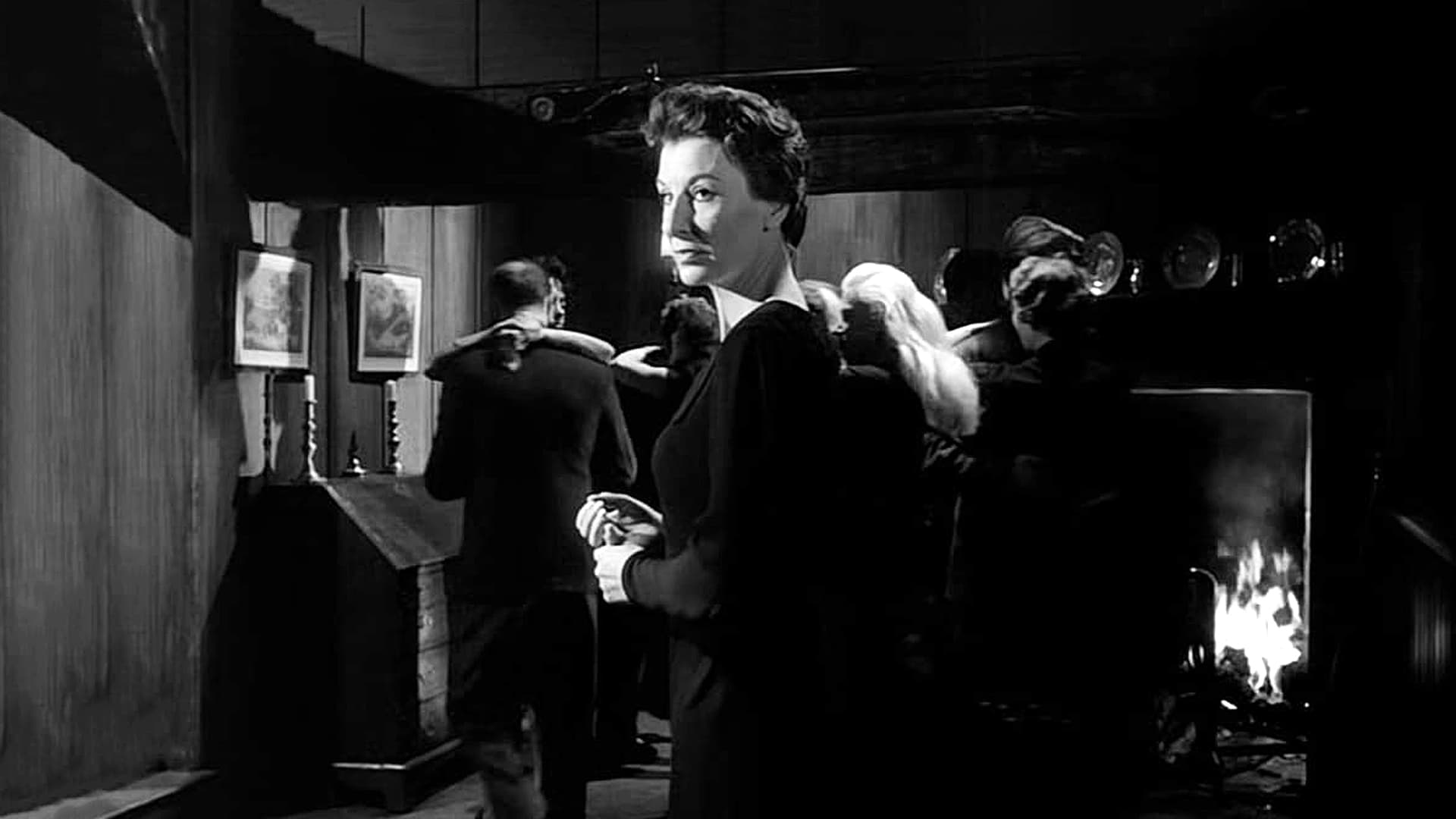
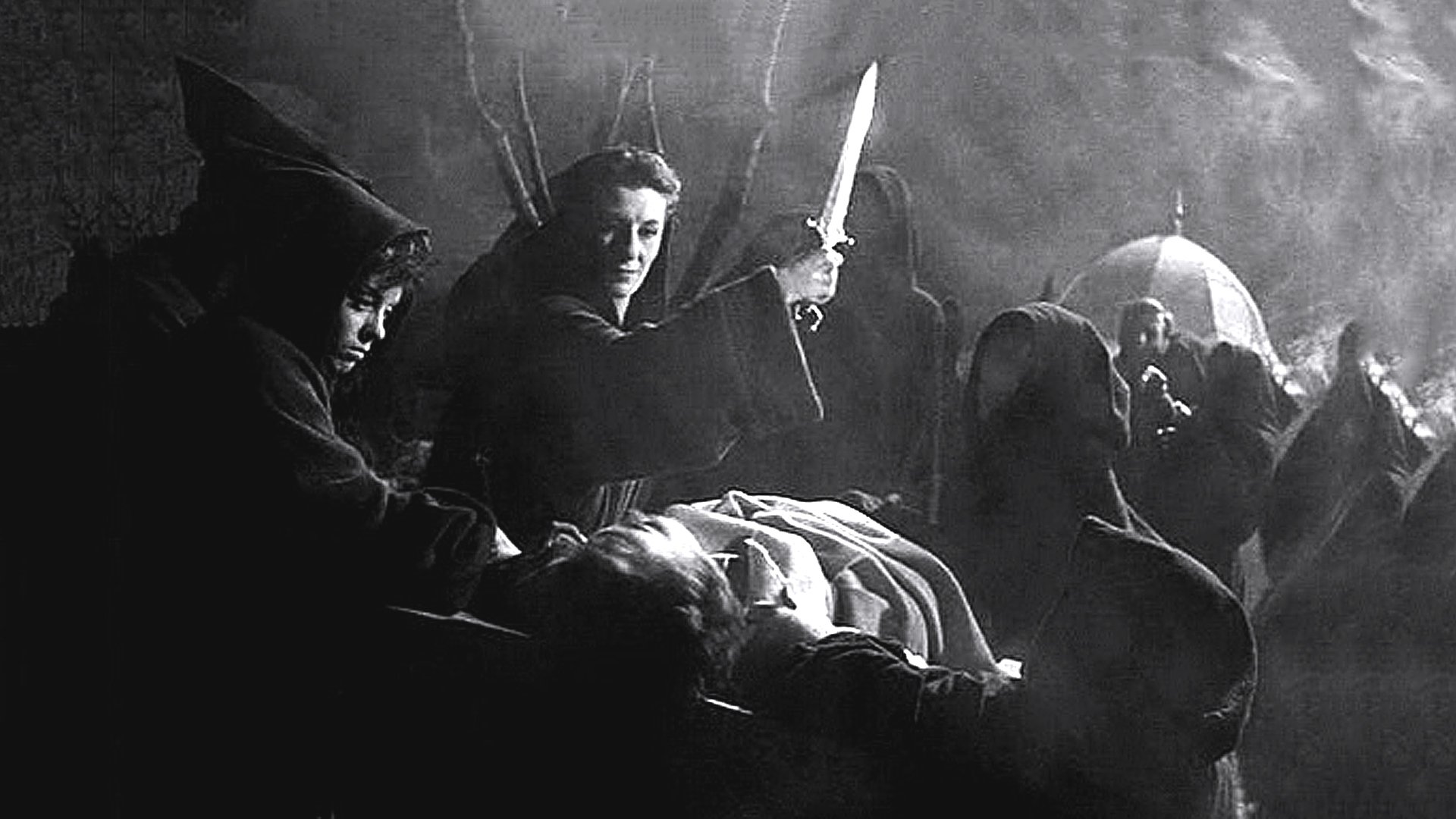
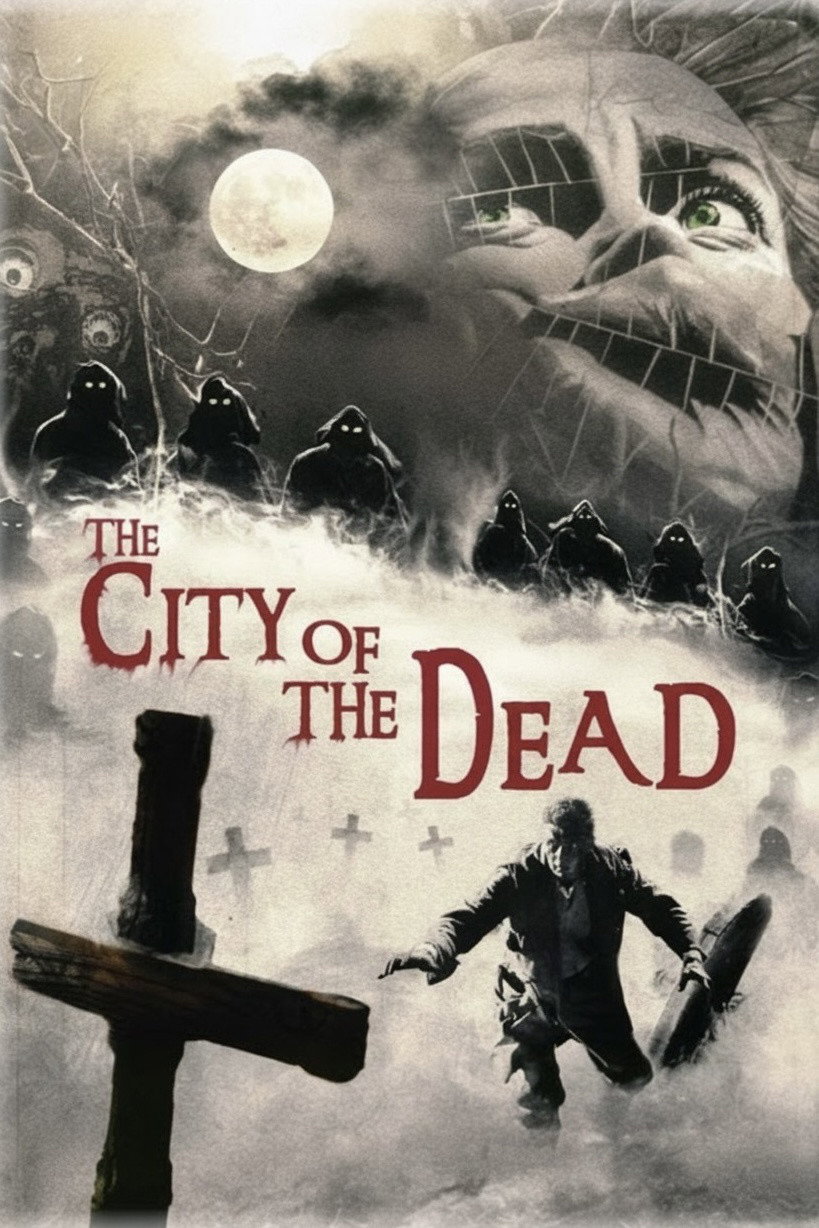
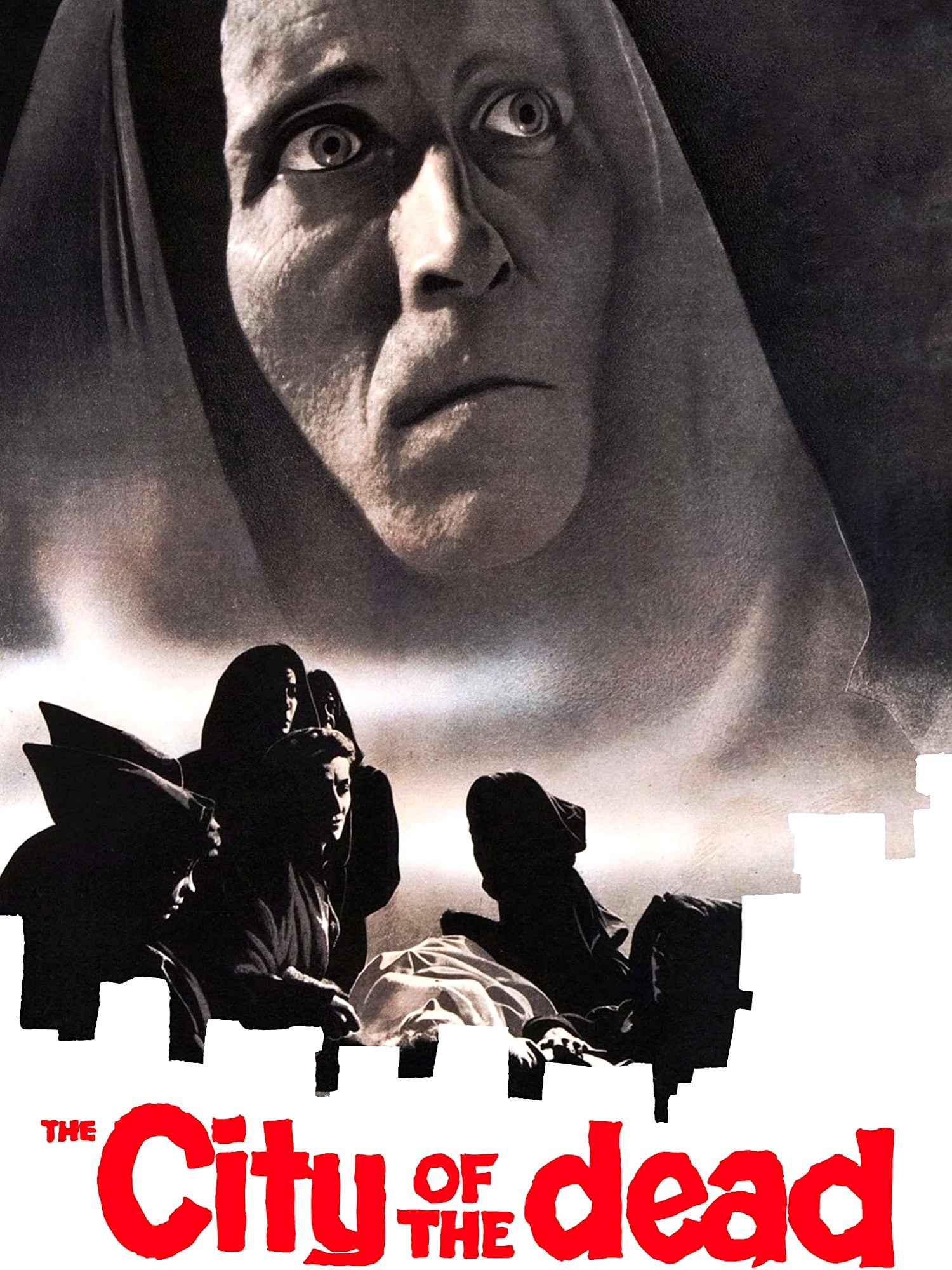
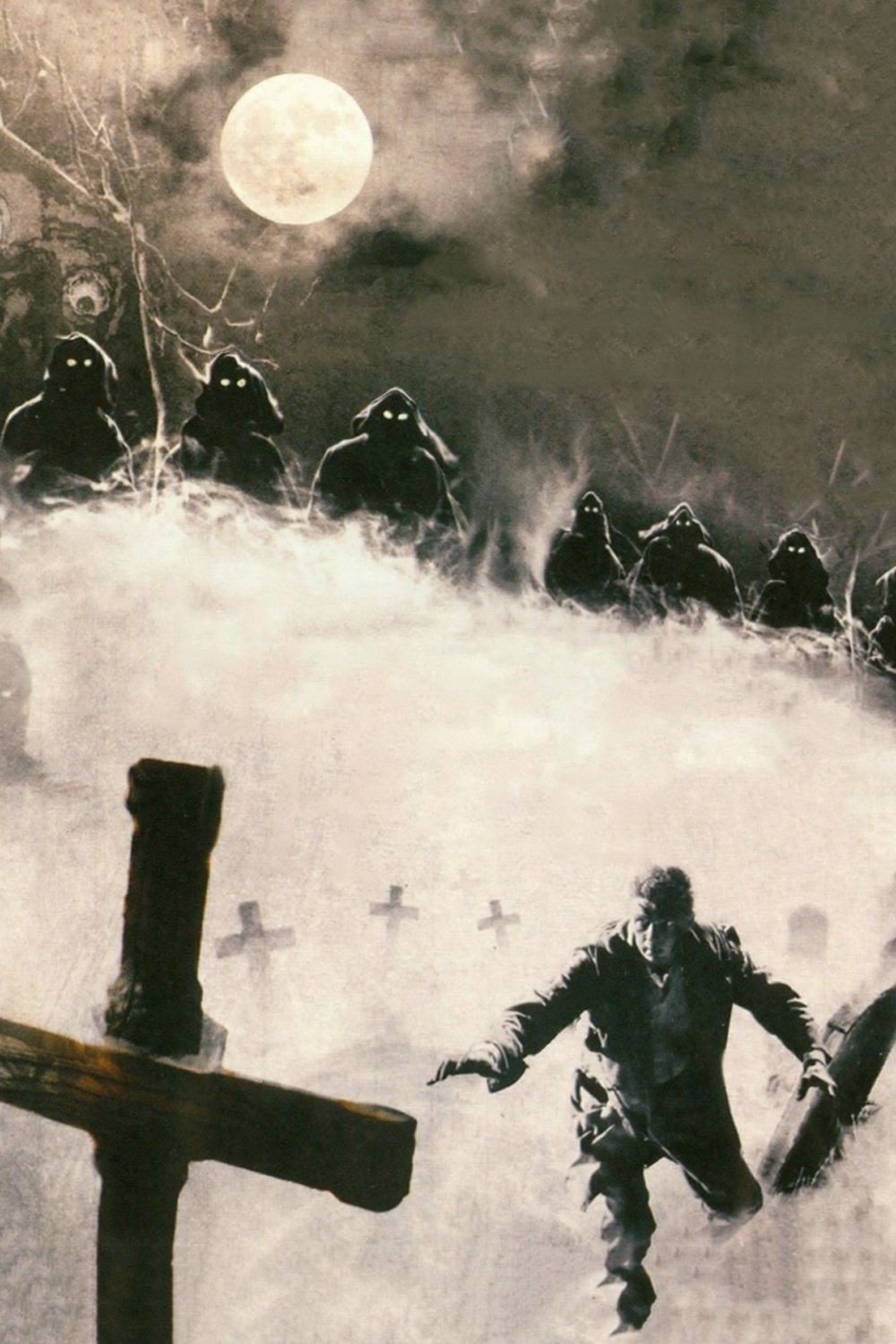
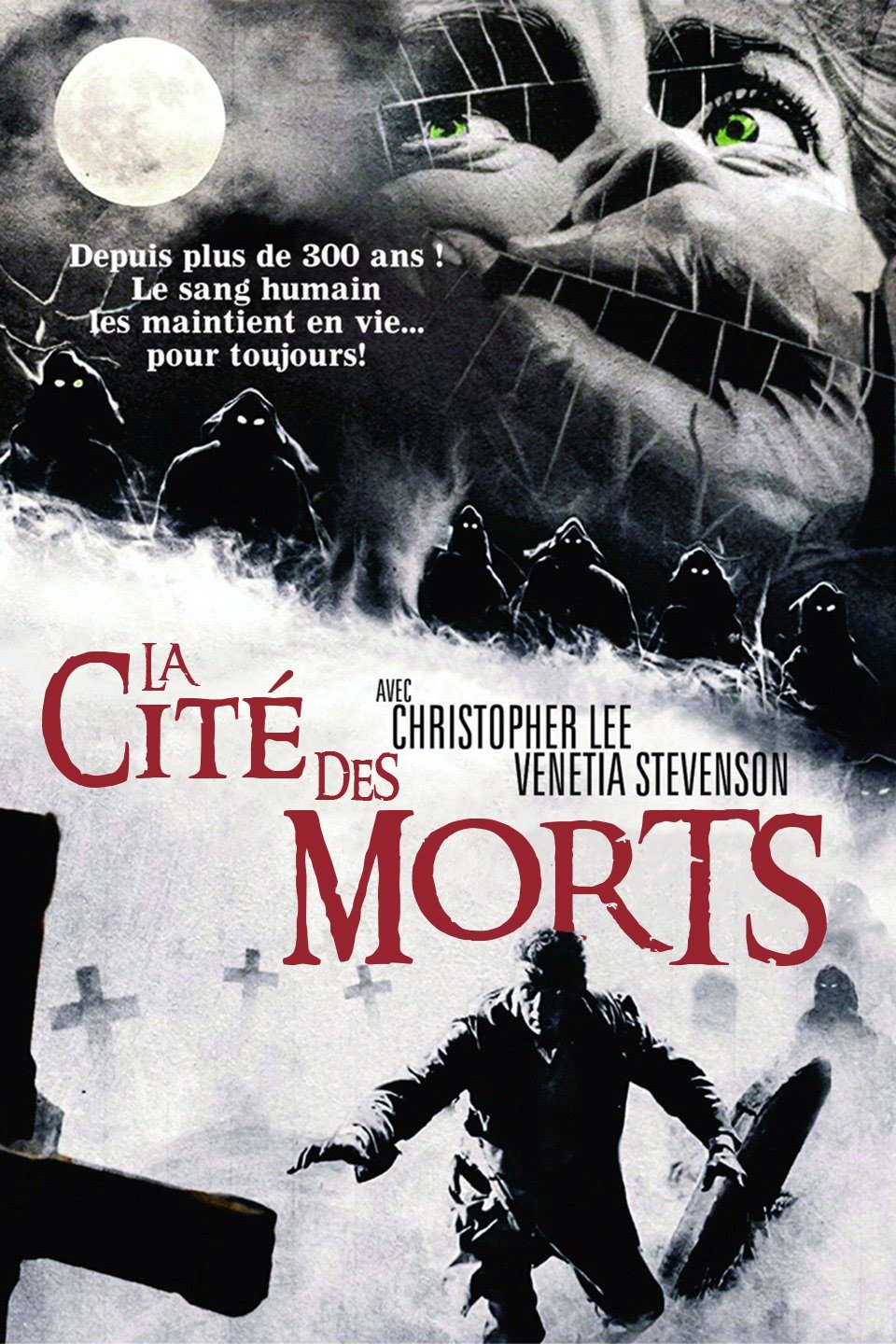
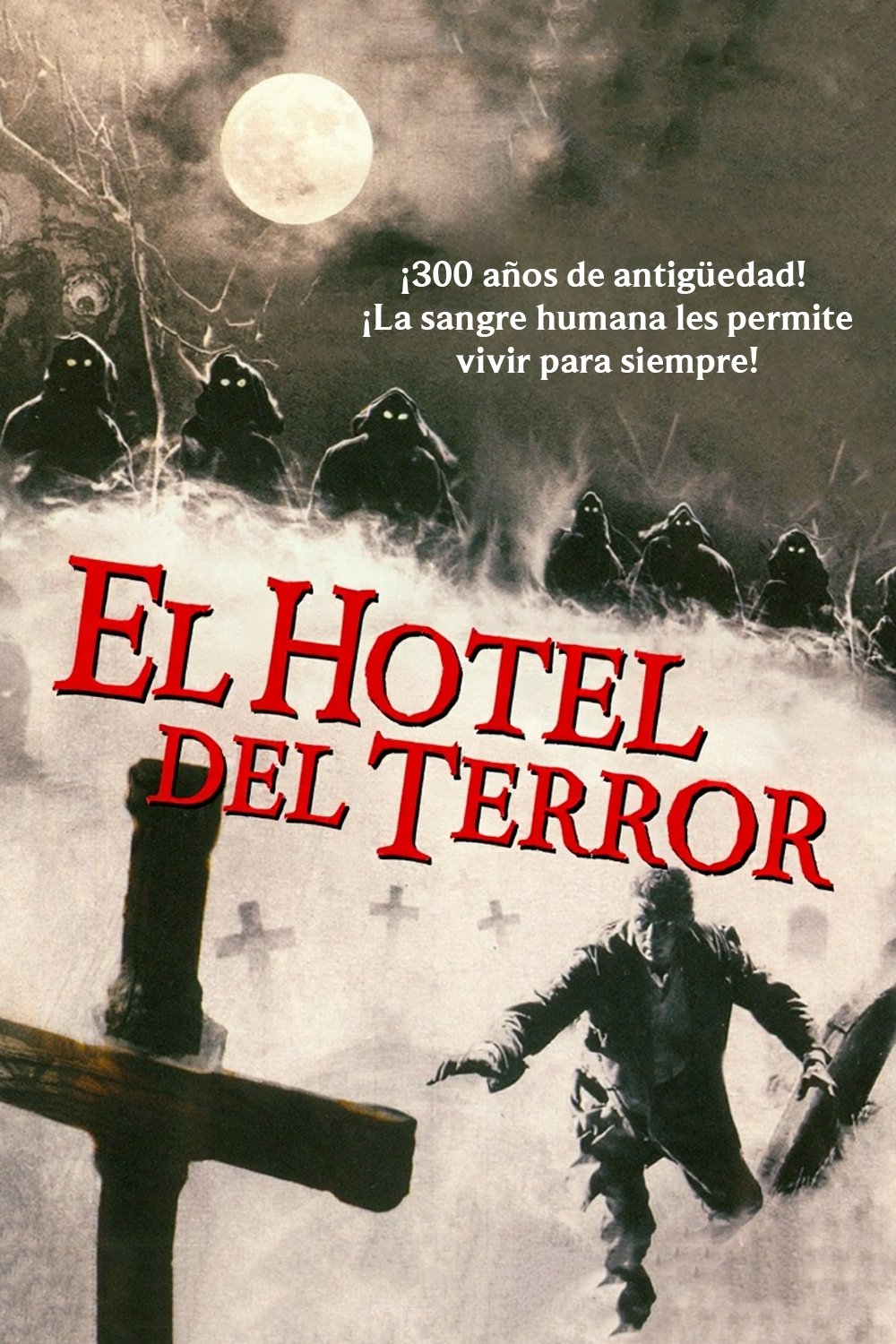
Desmond Dickinson's black-and-white cinematography is central to the film's identity. Whitewood is presented through darkness, bare trees, grave markers and heavy layers of mist that conceal the boundaries of the studio sets. Streets appear to stretch into an uncertain distance, while figures seem to emerge from their surroundings without warning. The restricted visibility is especially effective when Nan approaches the town and tries to understand where she has arrived. Interior spaces use similarly forceful contrasts: firelight, deep shadows and tightly grouped figures give the Raven's Inn an unstable, almost theatrical character. The look makes the location seem simultaneously concrete and impossible to map.
Film scholar Robert Spadoni has examined The City of the Dead as a case in which atmosphere can slow, complicate or temporarily displace ordinary narrative movement. His analysis draws attention to the film's unusual material treatment of fog and to the way Whitewood's environment appears to resist change. These observations help explain why the opening journey and Nan's exploration occupy such a prominent place in discussions of the film. The repetitive streets and heavily enclosed interiors sustain dread even when no immediate attack occurs. Moxey's visual approach turns limited space into an asset by making the town's apparent smallness feel like entrapment.
Narrative Structure and the Vanishing Heroine
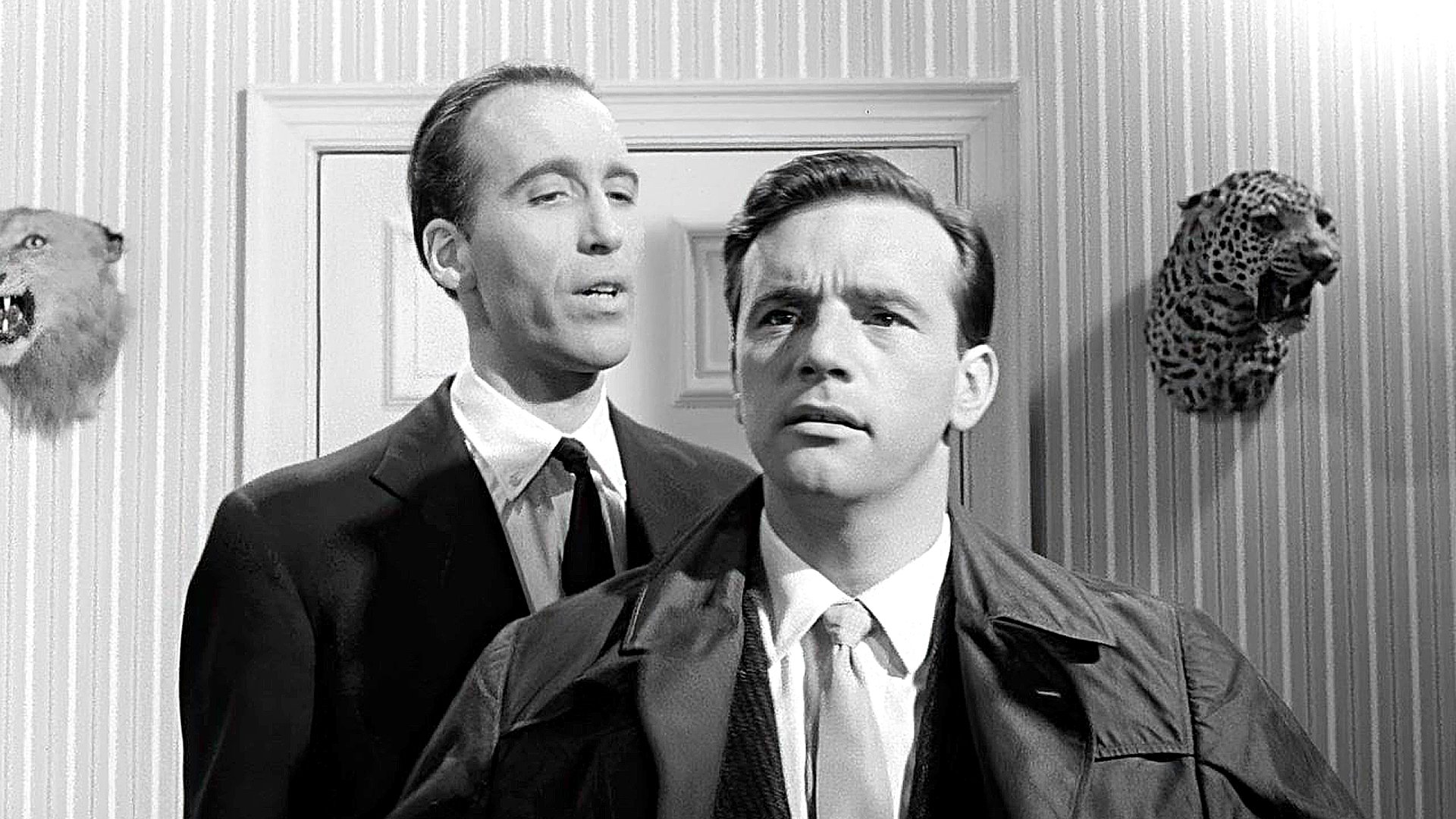
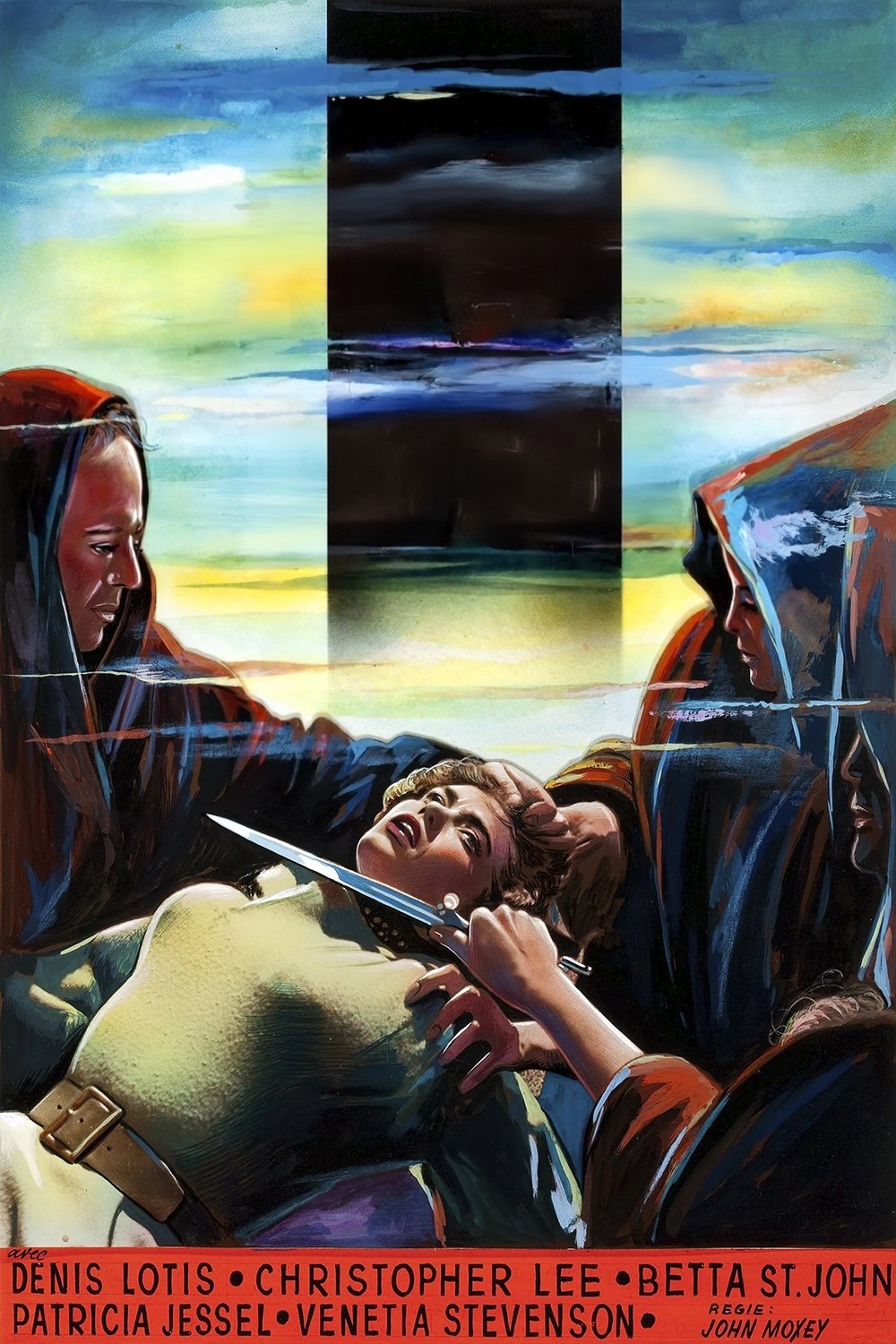
Nan initially appears to be the story's central investigator. Her academic interest supplies an intelligible reason to visit Whitewood, and the film spends considerable time following her growing unease. The apparent stability of that viewpoint ends when the coven murders her during a ritual. From that point the story shifts to the people who begin searching for her, notably her brother Richard and boyfriend Bill, while local resident Patricia Russell becomes involved in uncovering the town's secret. This change of viewpoint matters because it denies the audience the expected continuity of a single heroine's experience and turns an atmospheric investigation into a race to establish what happened.
The shift also changes how Whitewood is perceived. Nan encounters the village as a stranger seeking knowledge, often unable to distinguish warnings from intimidation. The later investigators approach it with the suspicion that a person has disappeared, which makes familiar places and recurring figures more directly threatening. The supernatural explanation is available to the viewer earlier than it is to several characters, so the tension depends less on discovering whether witchcraft exists than on whether anyone can interrupt the coven's ritual order. The final confrontation brings the church and cemetery imagery into the struggle, making the town's religious division part of the action.
British Release and the Horror Hotel Version
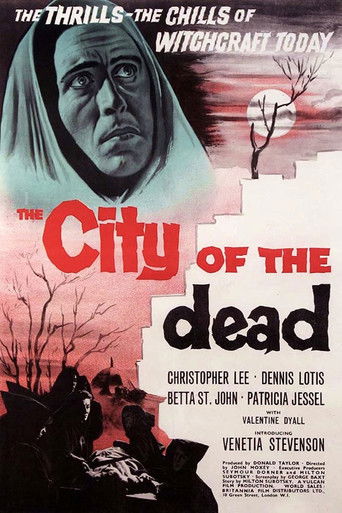
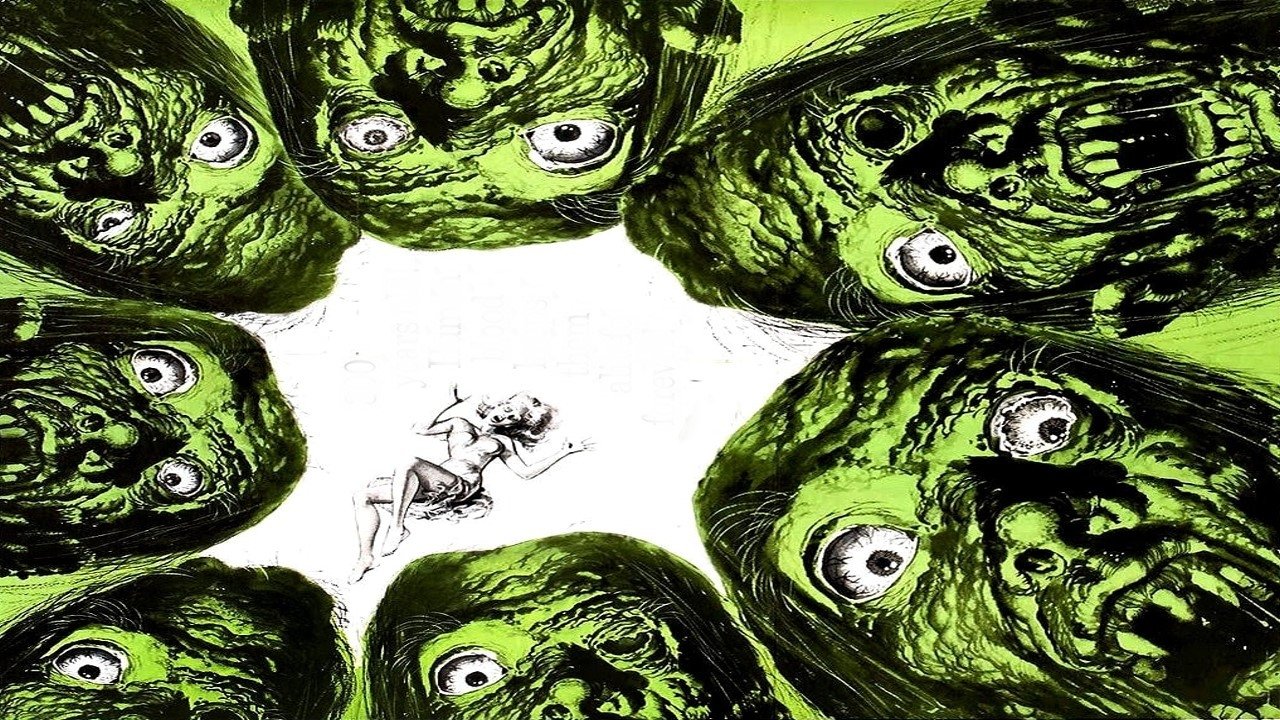
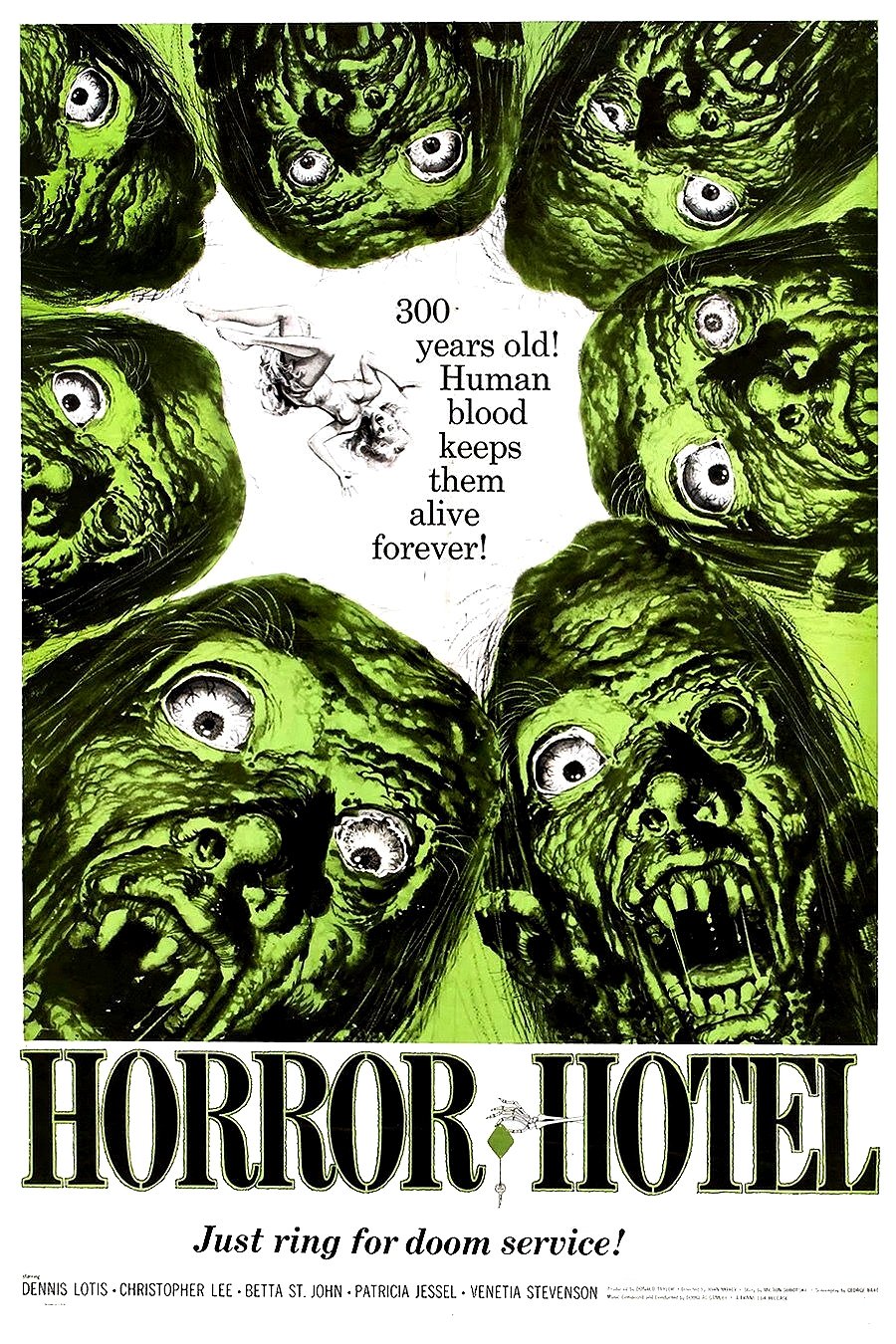
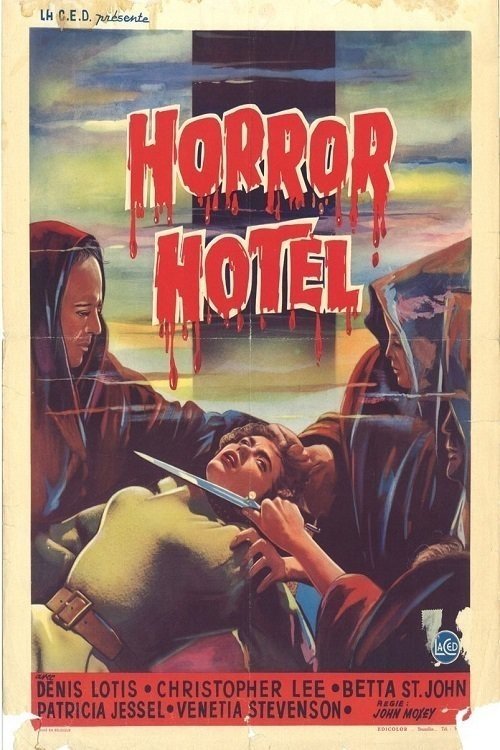
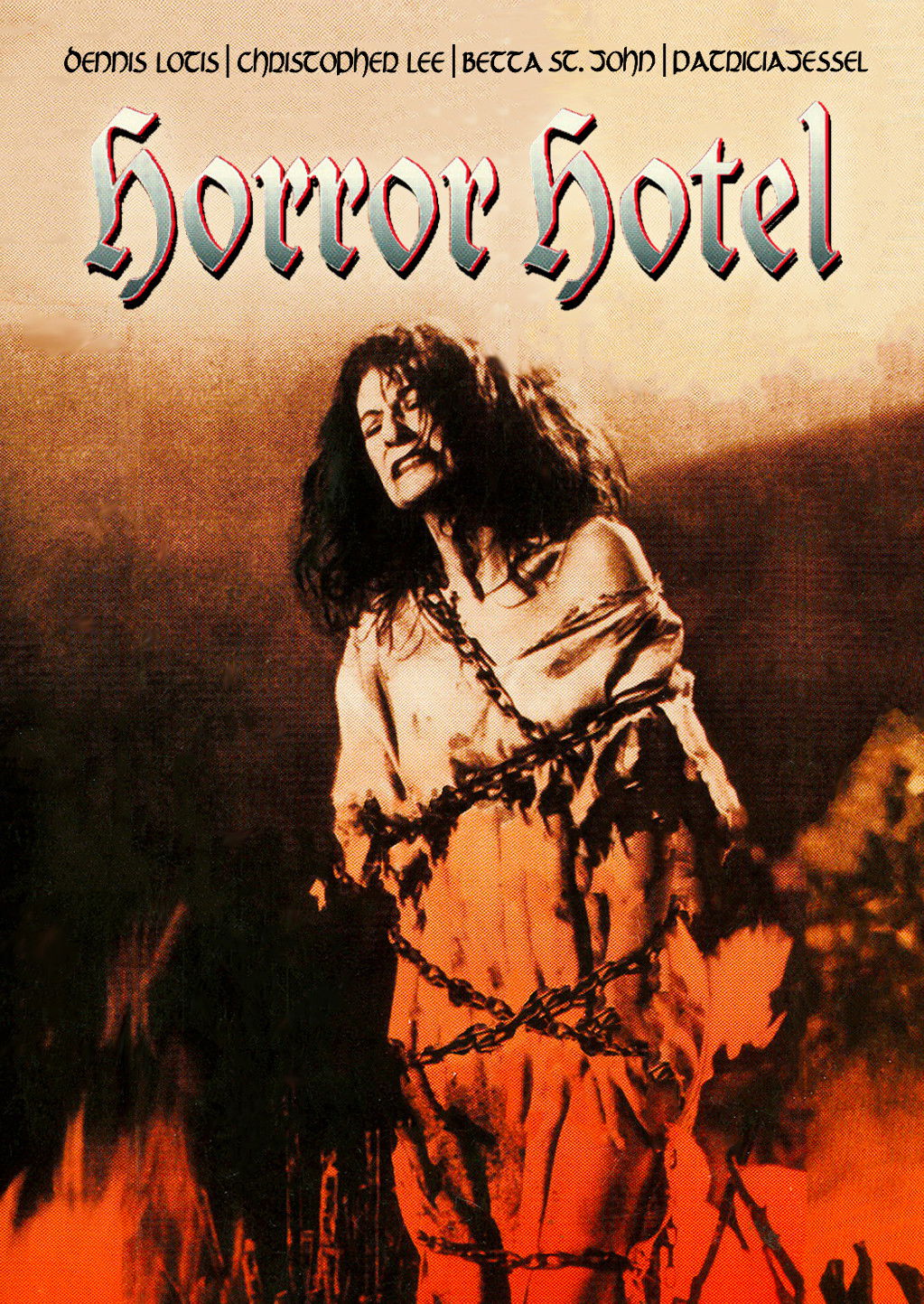
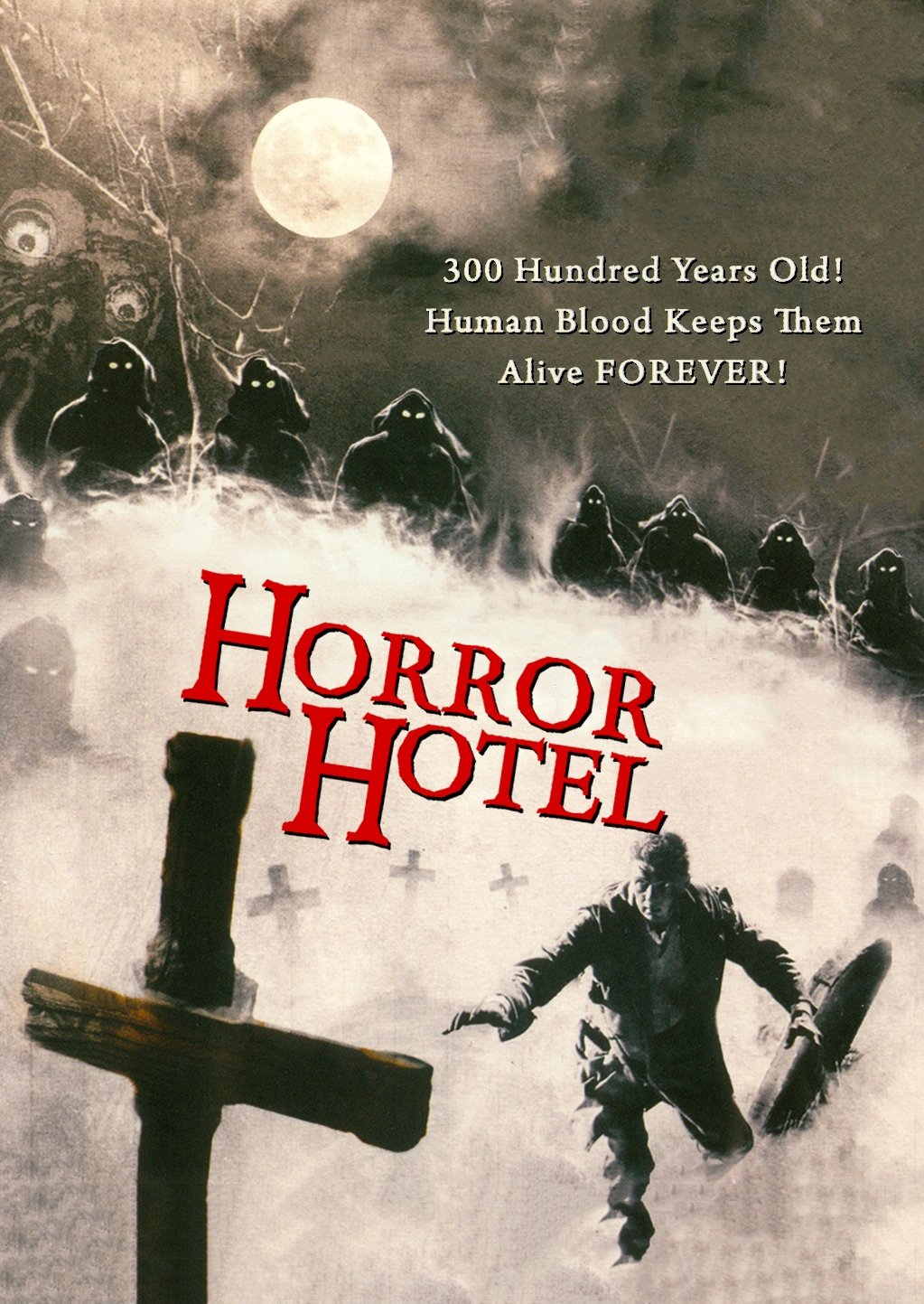
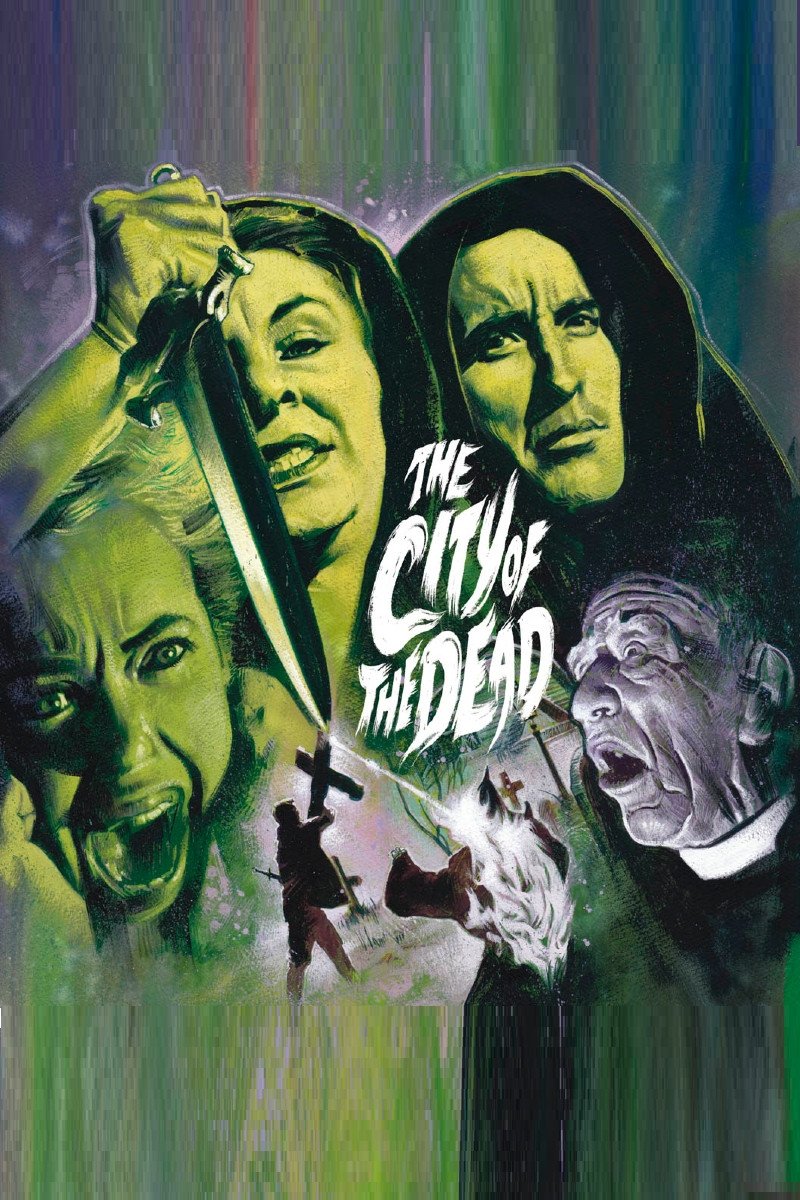
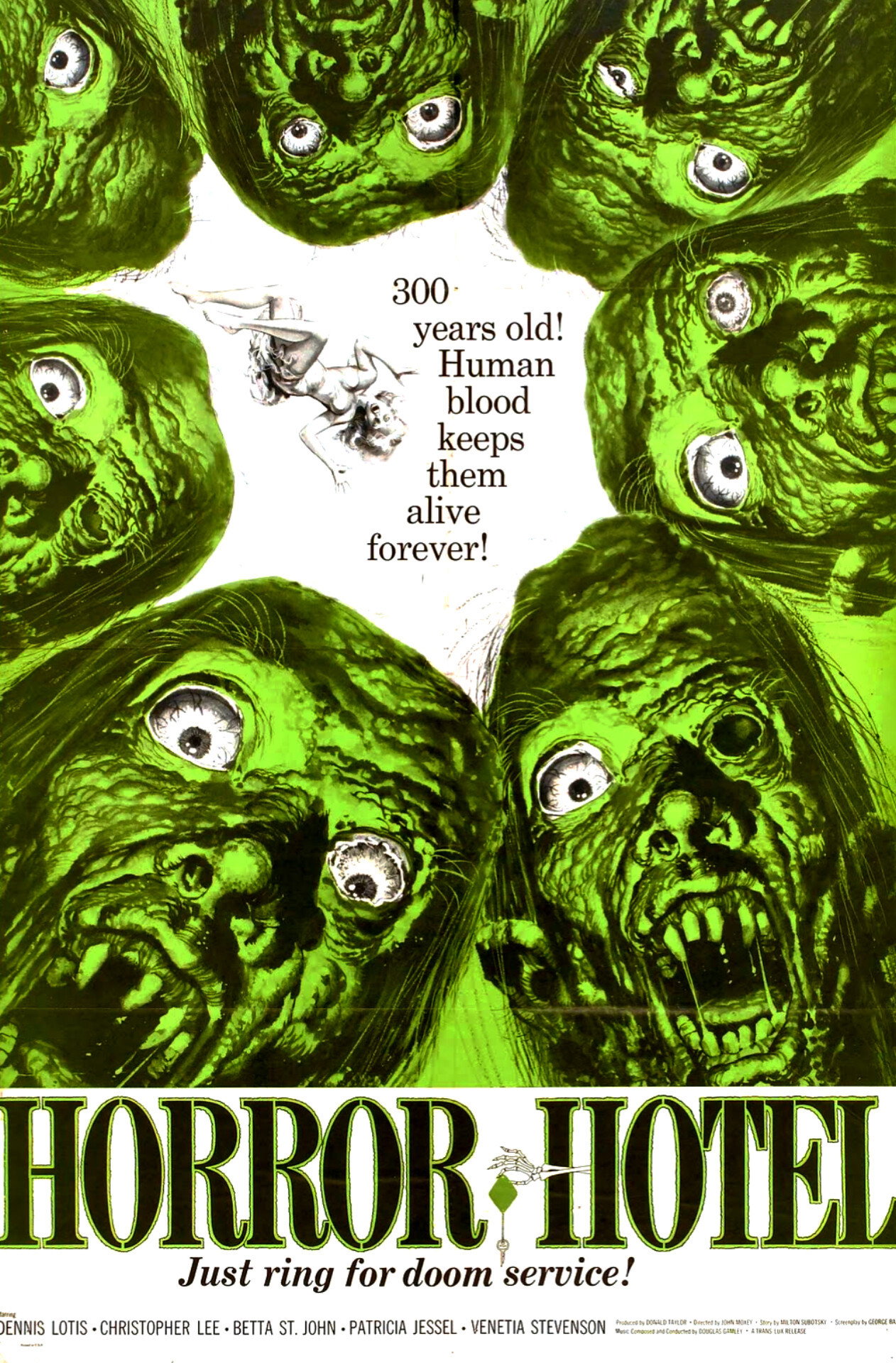
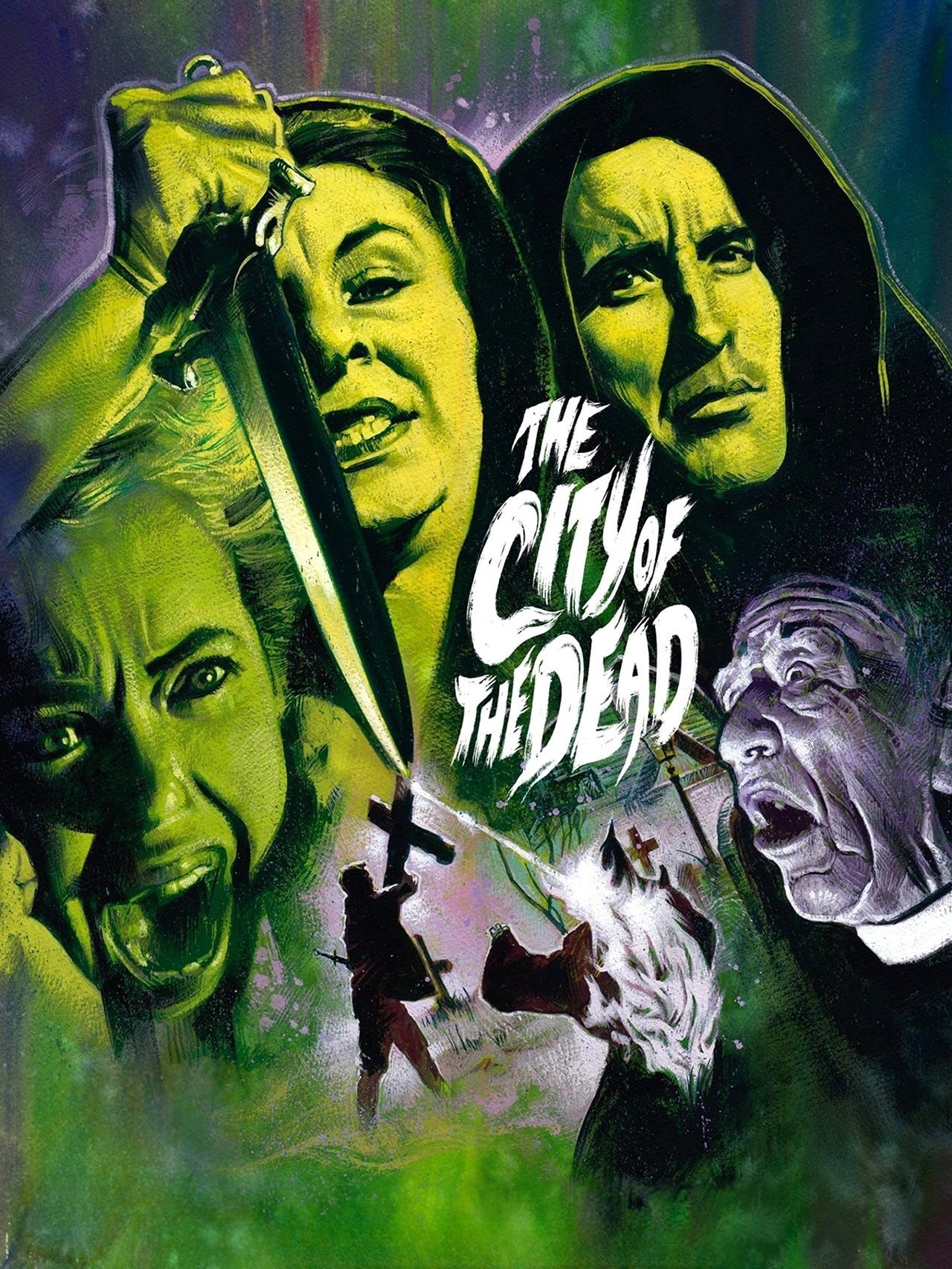
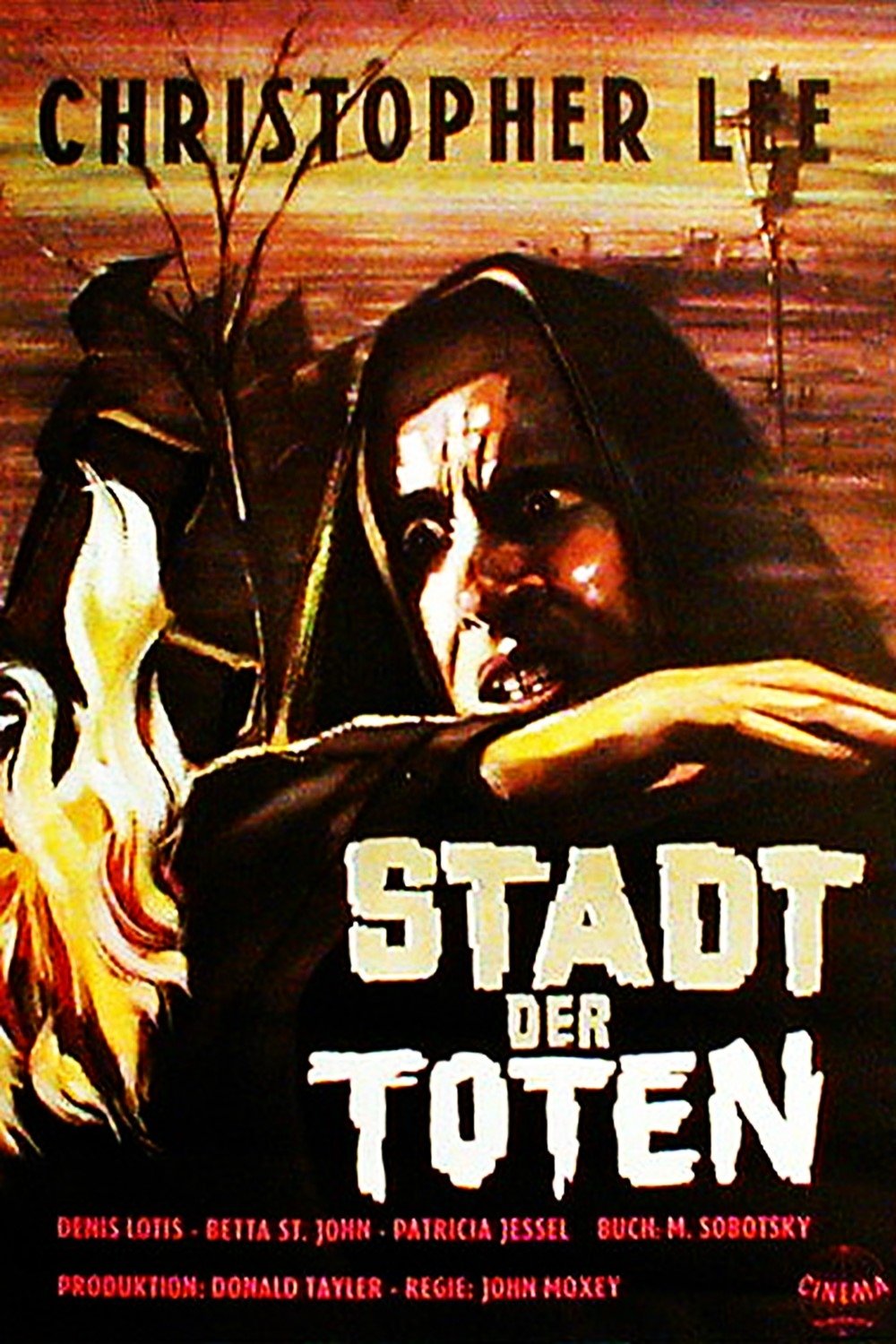
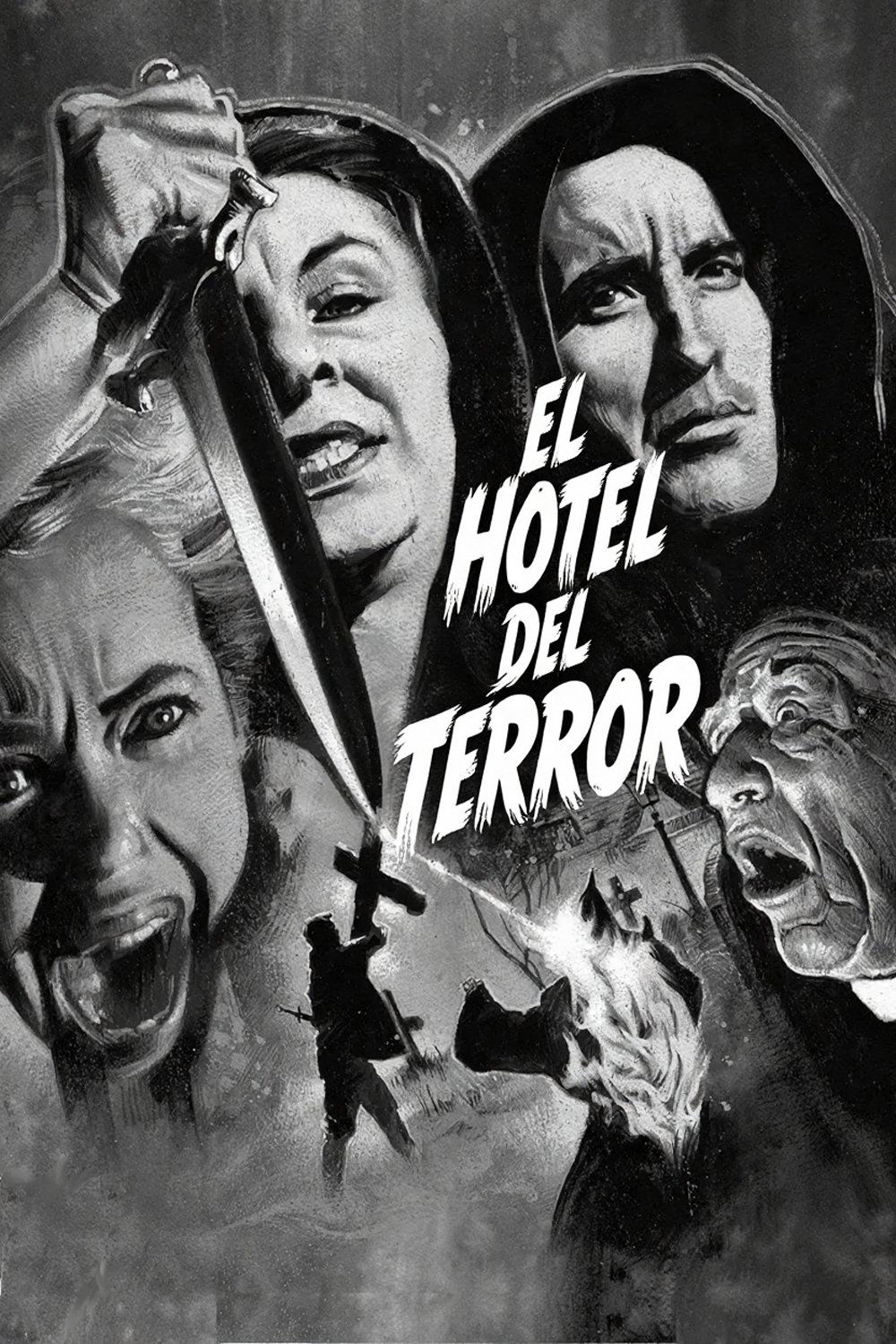
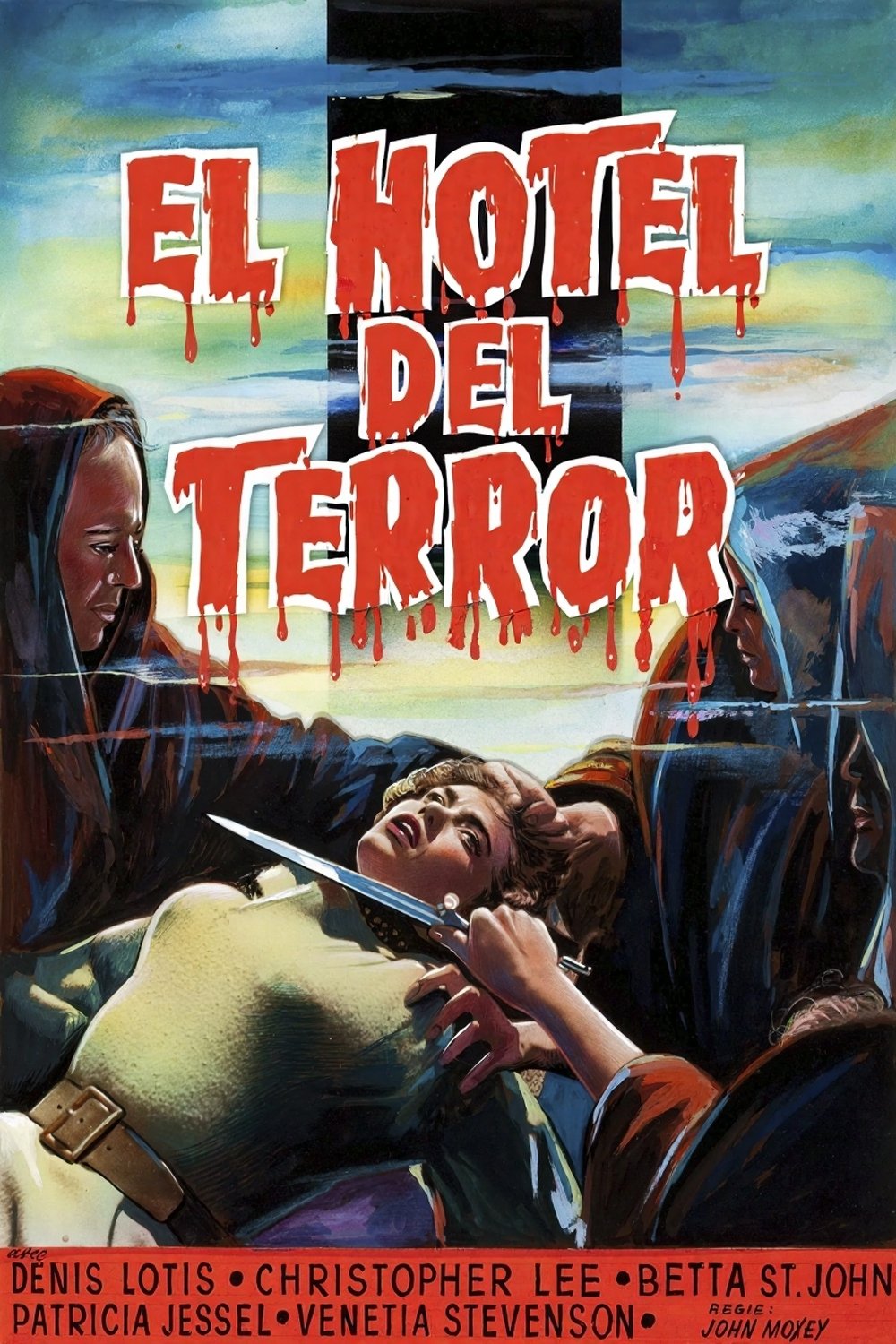
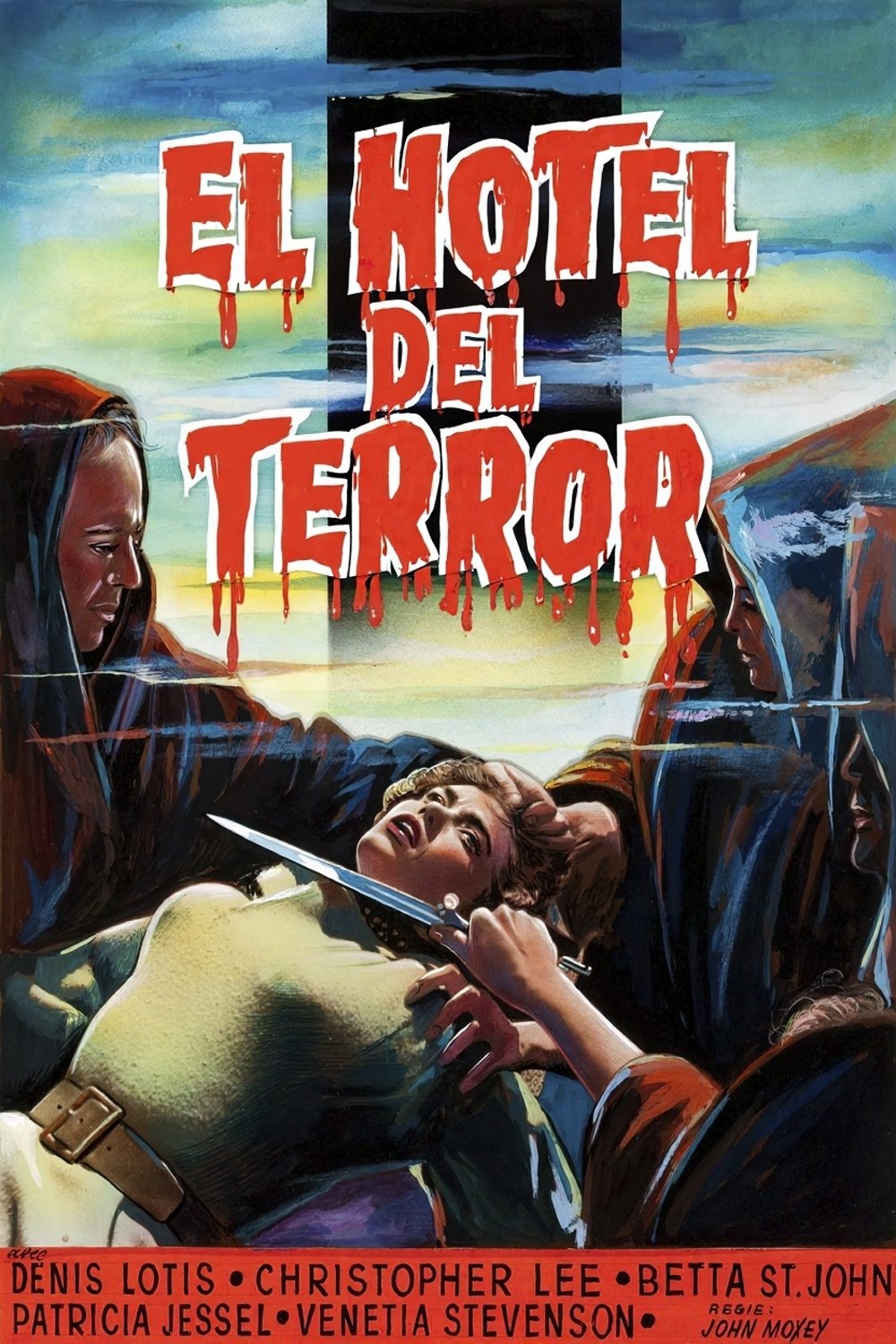
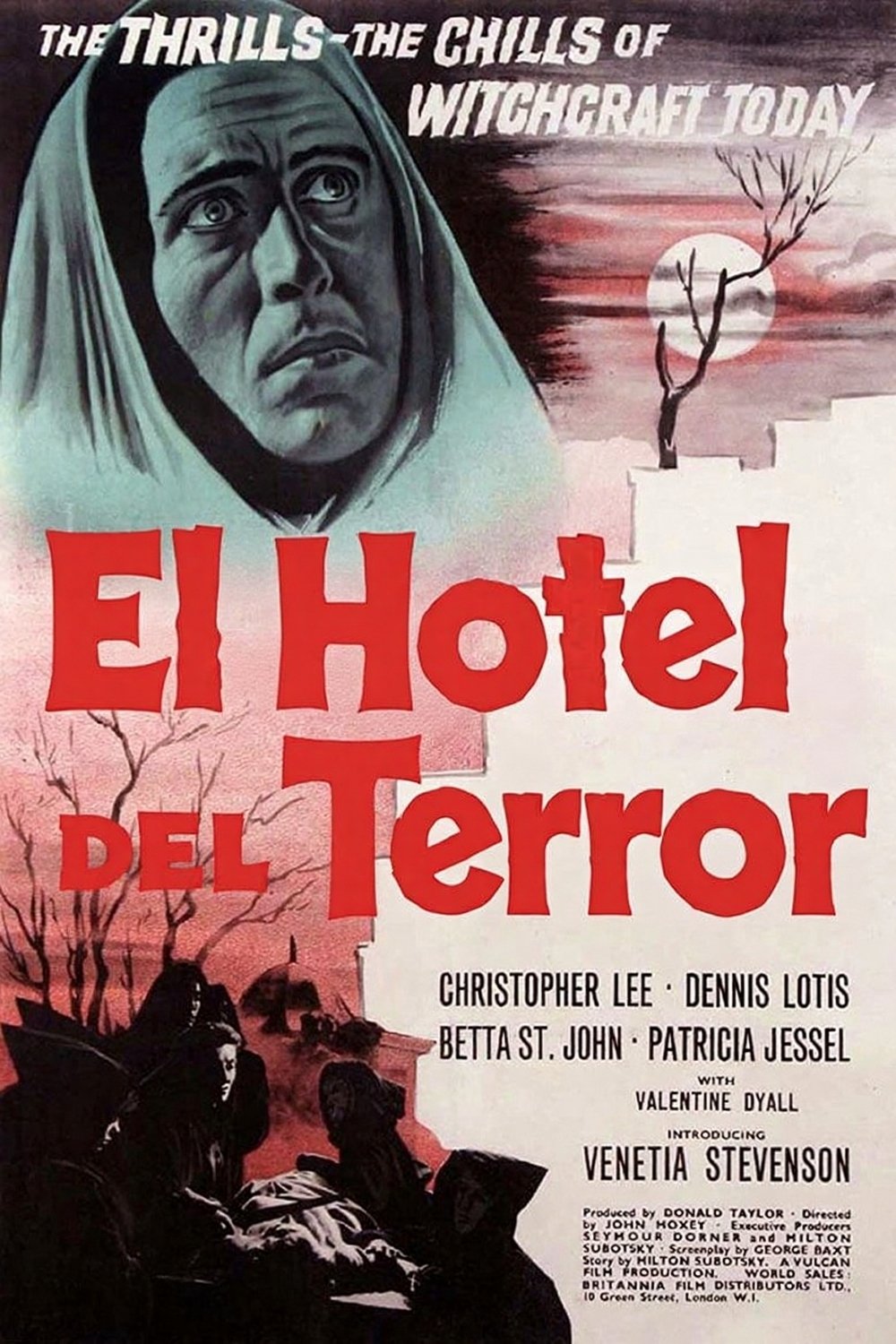
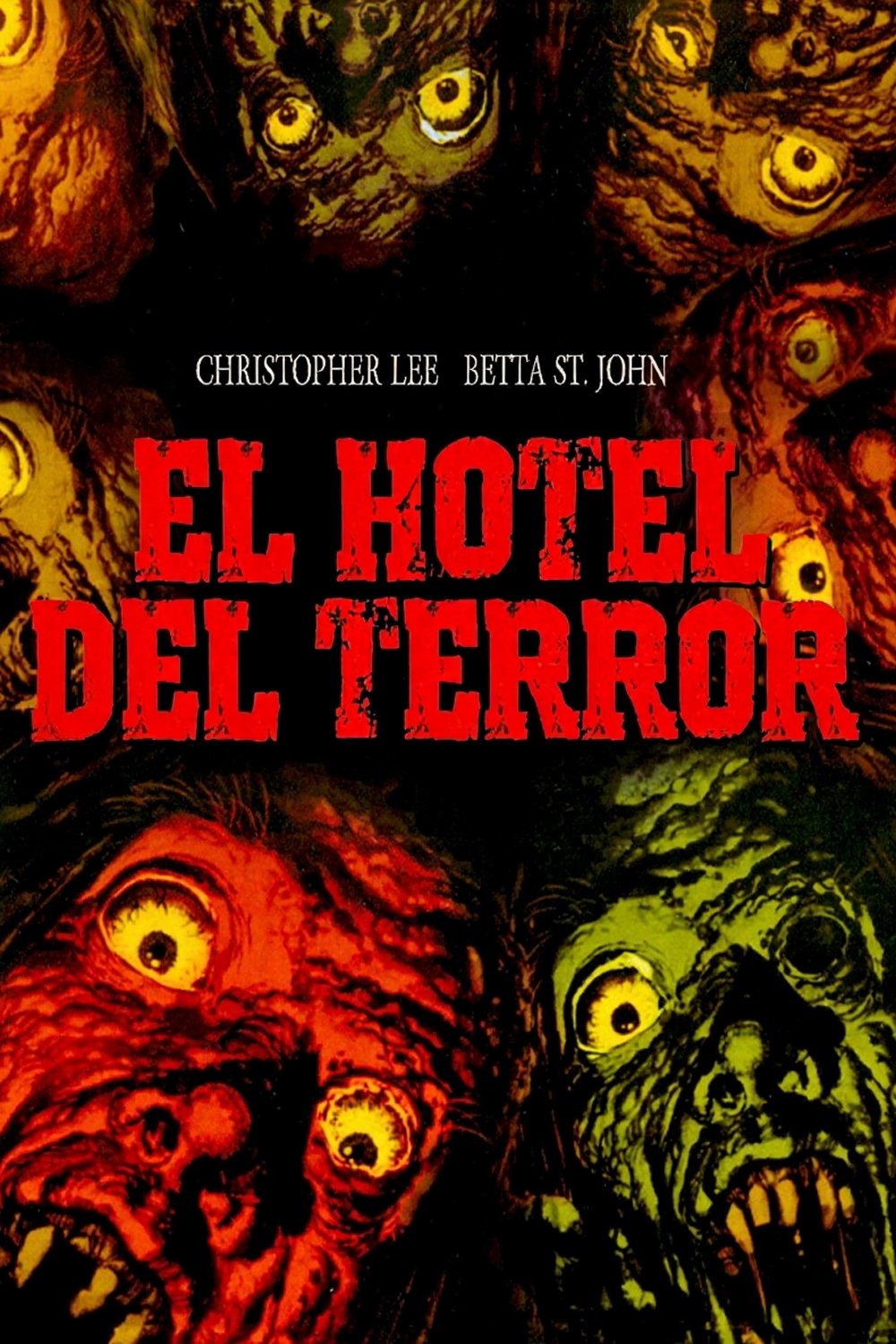
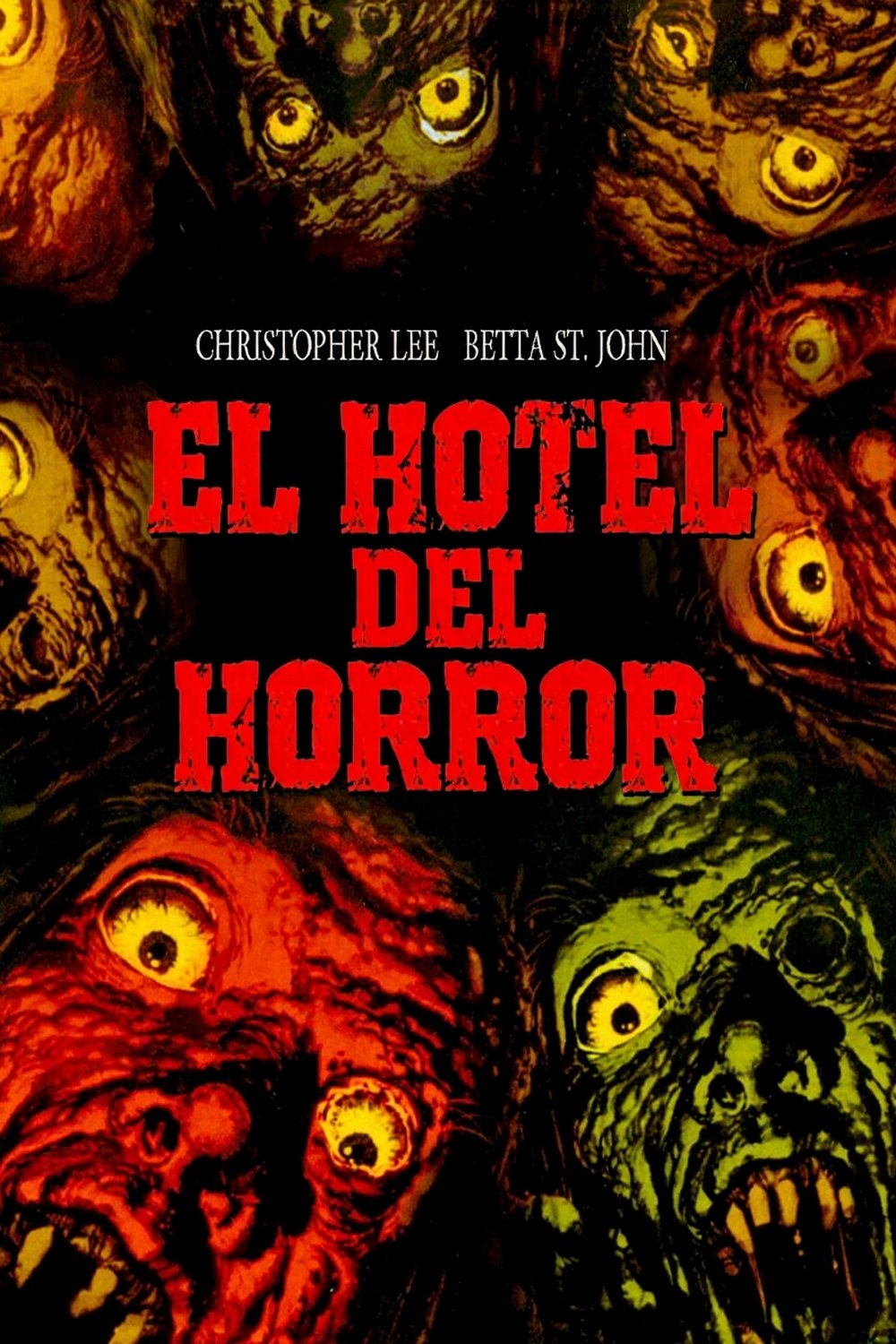
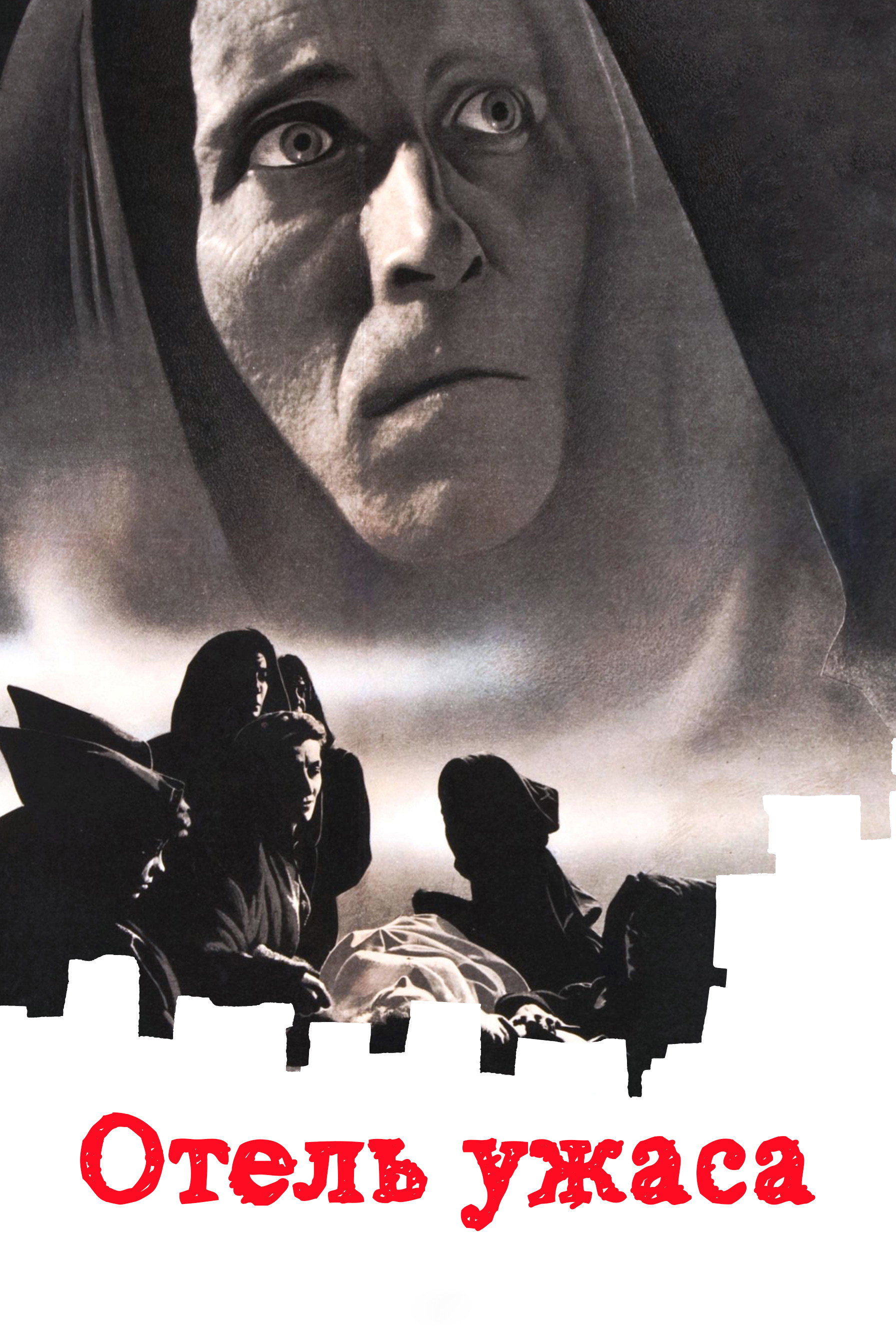
The City of the Dead reached British audiences in 1960 and subsequently circulated in the United States under the title Horror Hotel. The change of title emphasized the inn as the principal attraction for American horror advertising, while the British title had described the entire cursed settlement. The American edition is also shorter, and the differences extend beyond the opening credits. Material was removed from the early sections, including dialogue connected to Selwyn's pact and other exchanges that clarify the supernatural premise. These omissions affect how the audience receives information about the coven and its relationship to Whitewood.
The British original and the American cut therefore should be treated as separate presentations, not as identical prints bearing different names. Later home-video editions have helped make that distinction visible by offering versions for comparison. The film also received a digital restoration associated with the Cohen Film Collection and the British Film Institute, with a 2017 British edition presenting both cuts. Reported running times differ among archival and release records, partly because editions and distribution formats vary; a single number should not be assigned indiscriminately to every version. The important historical distinction is the preservation of the original's fuller dialogue alongside the altered American circulation.
Reception and Place in Horror History
The film has often been discussed beside Alfred Hitchcock's Psycho because both pictures remove a seemingly central young woman and then follow other characters investigating her disappearance. Richard Harland Smith, writing for Turner Classic Movies, notes that The City of the Dead was already in production in 1959, before Psycho began principal photography. A direct claim that Moxey's film copied Hitchcock's narrative structure is consequently unsupported by the production chronology. Other comparisons have linked the witch-burning opening to Mario Bava's Black Sunday, another 1960 release; resemblance alone is insufficient evidence of influence between films being made in the same period.
Its more secure historical place is in the development of British occult horror and in the early careers of the people behind Amicus. The film combines the atmosphere of a Gothic ghost town with an organized Satanic coven, anticipating subjects that became more prominent in later British and international horror, without proving a direct line of influence on each subsequent work. Critical attention has repeatedly returned to the density of its fog, Dickinson's lighting and the disruption of Nan's storyline. Those are identifiable formal features, rather than claims of universal importance, and they explain why the film remains a useful point of reference in writing about the visual construction of cinematic dread.