Blood and Roses (1960)

IT
HORROR FILM Romance
SUBGENRES GOTHIC
Runtime
79 min
Release
September 14, 1960
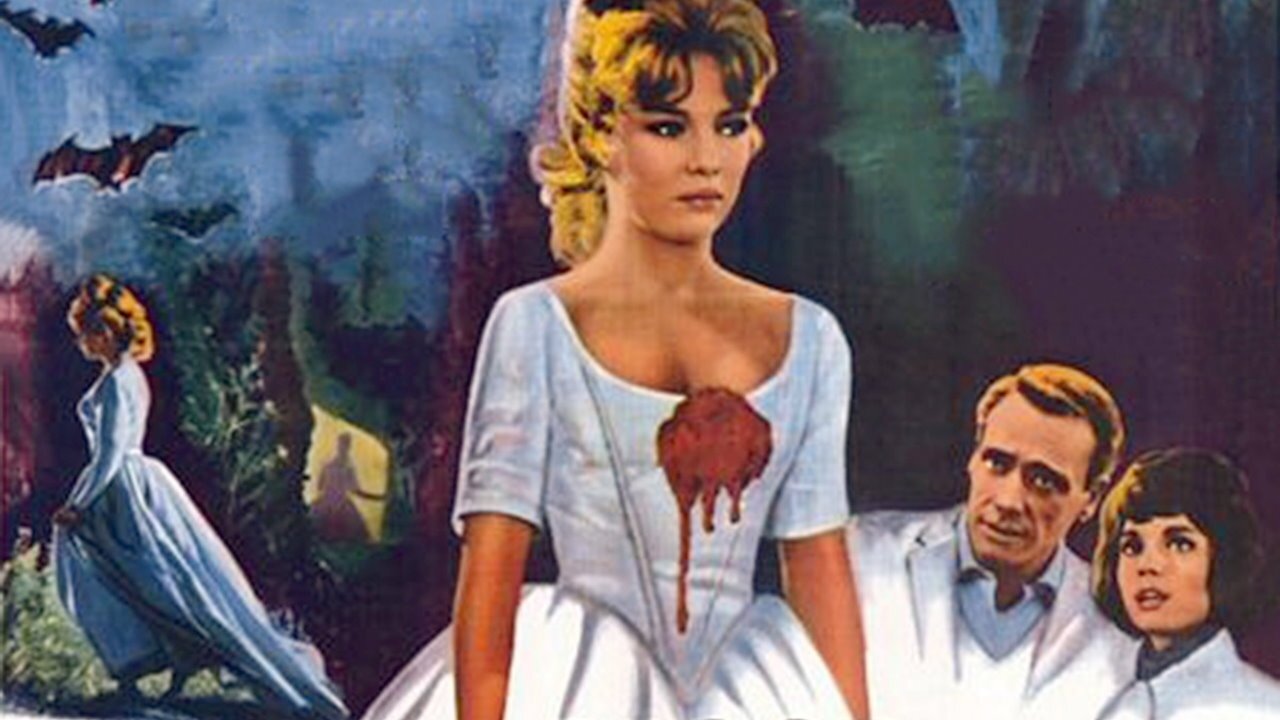
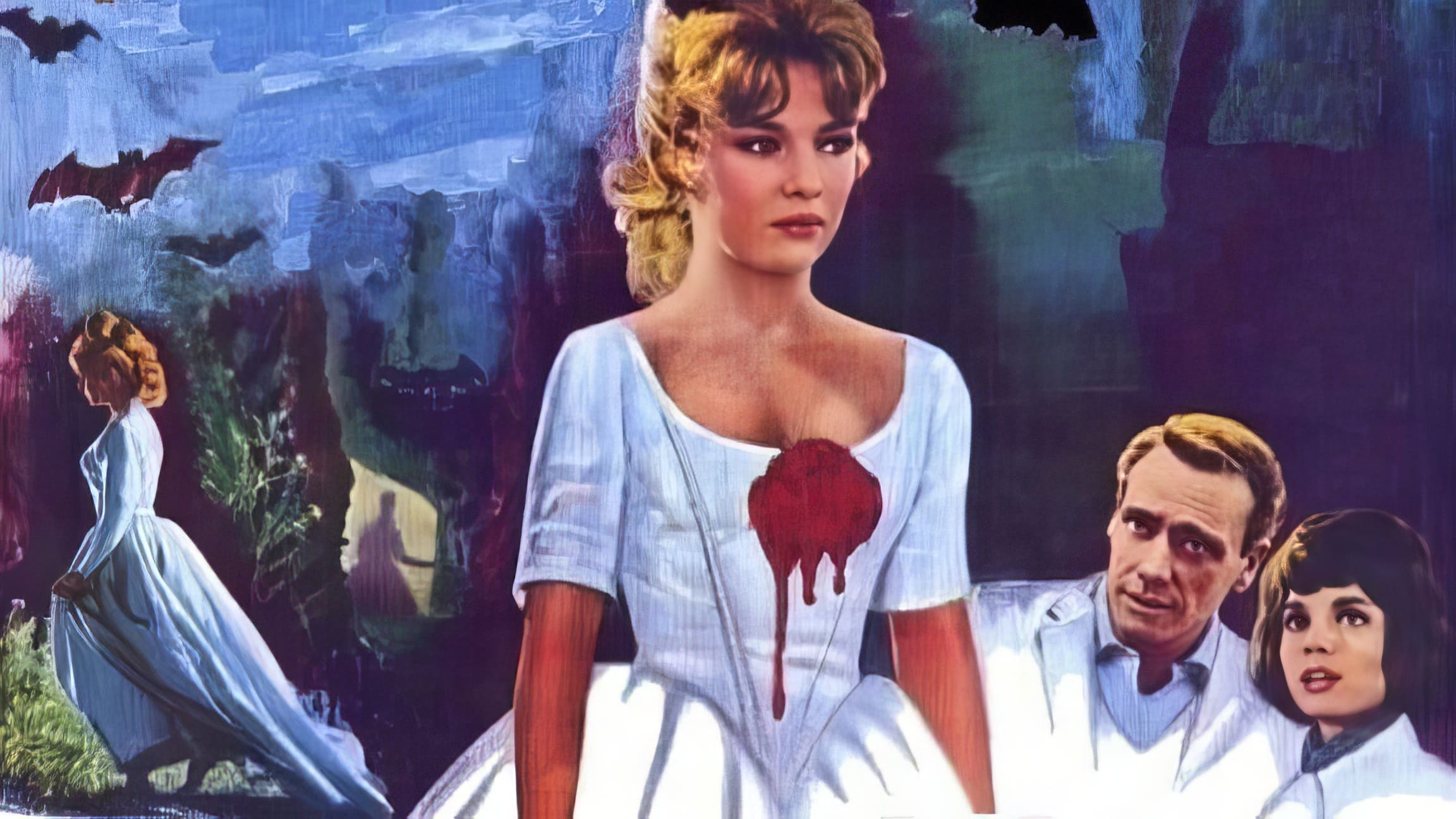
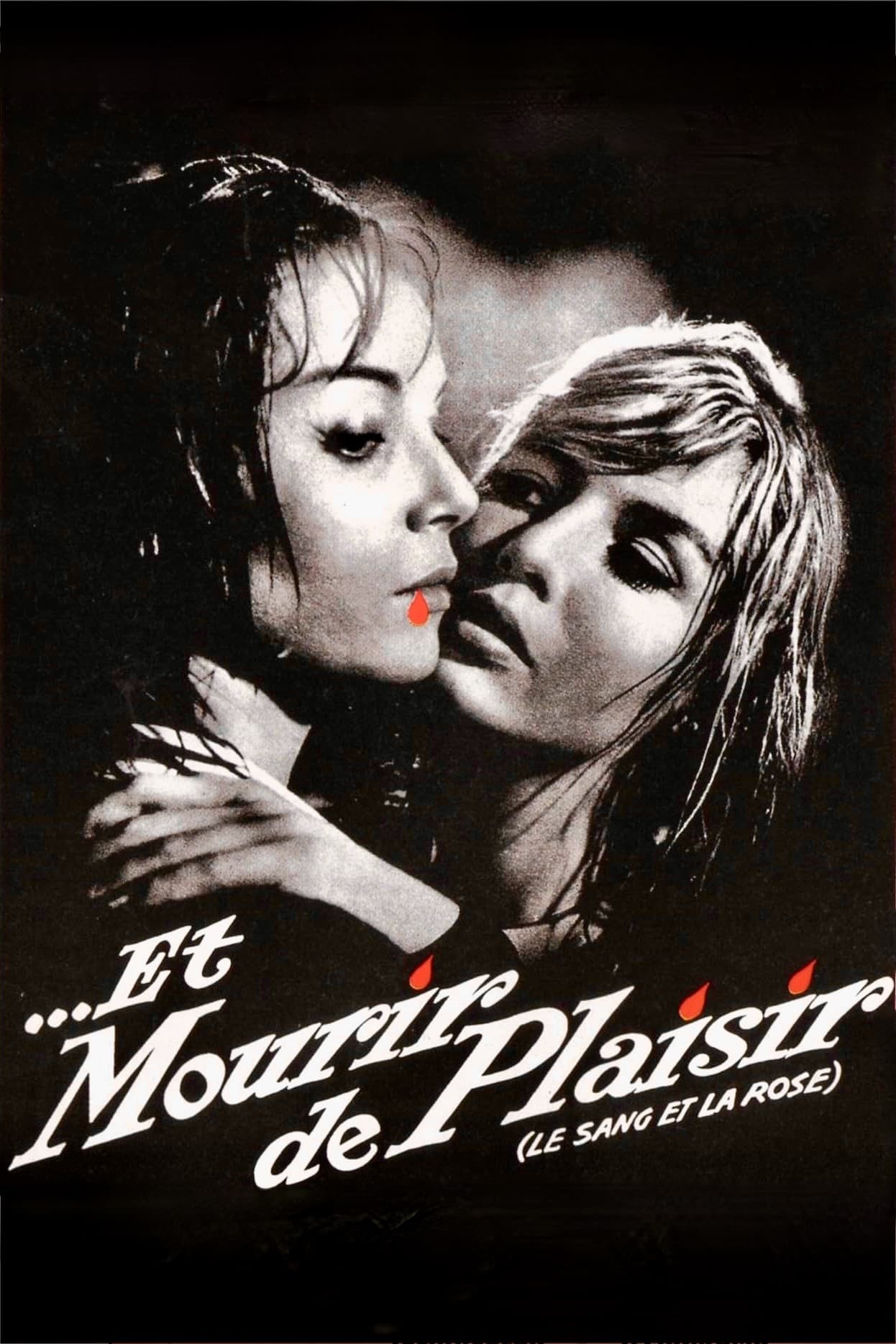
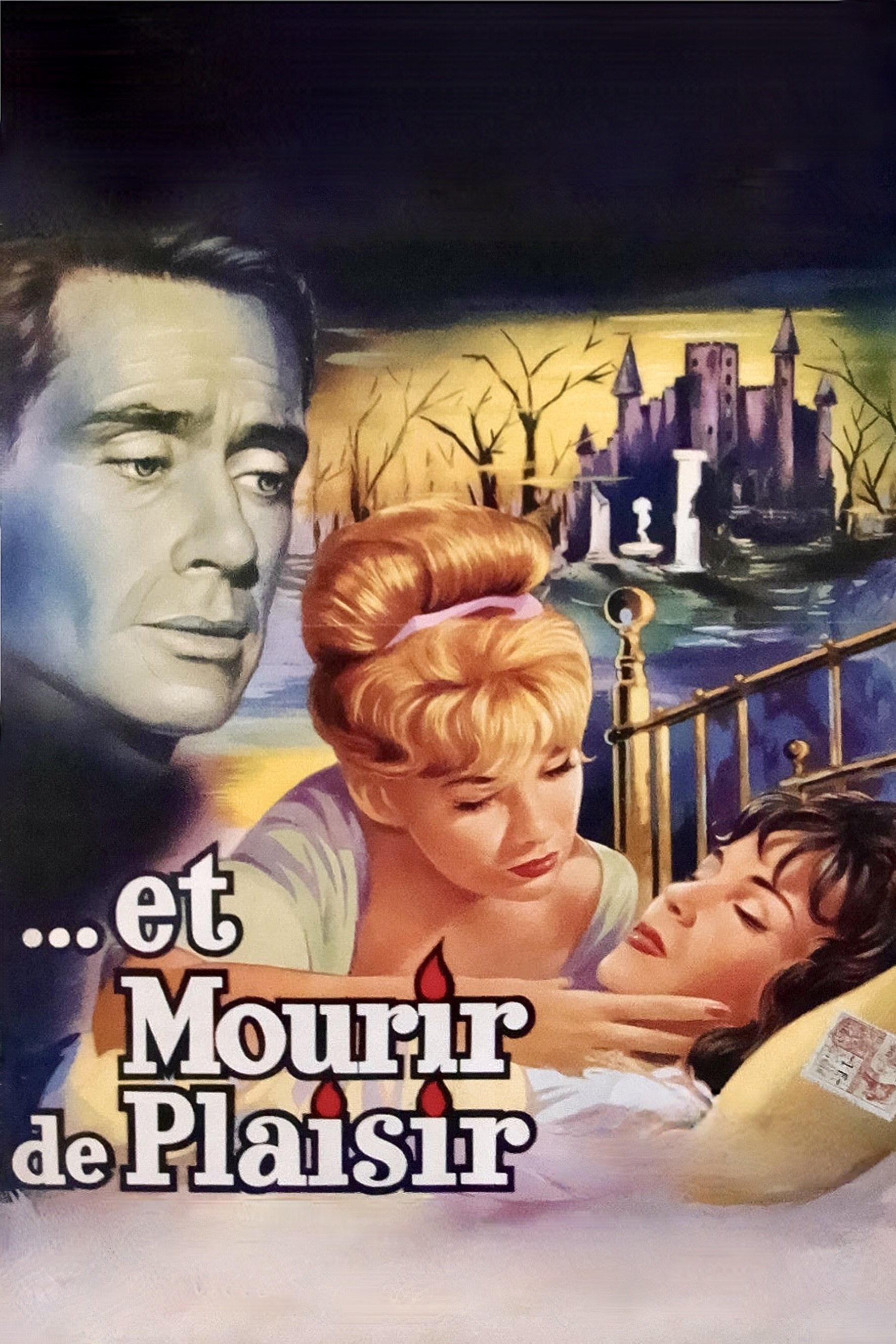
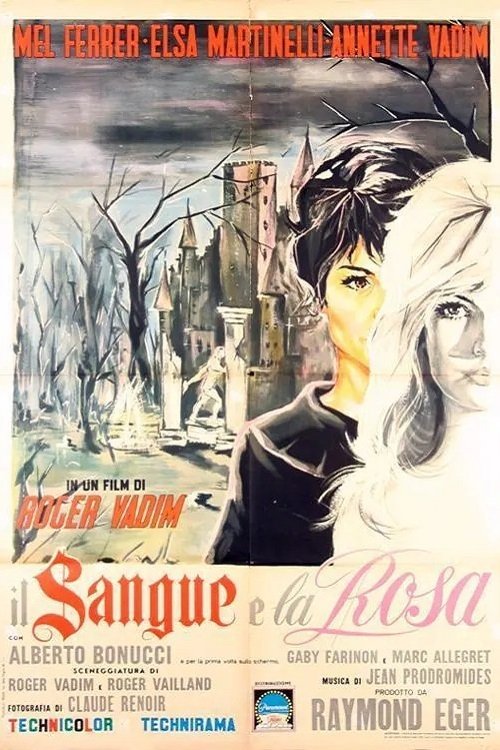
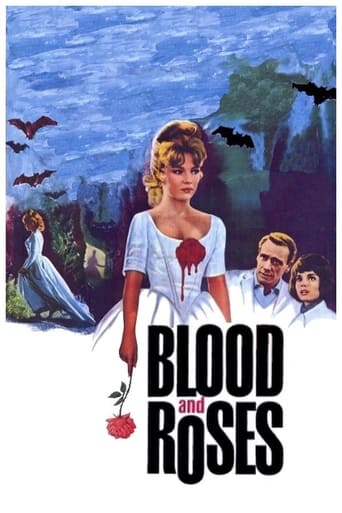
Blood and Roses (1960) poster
Director
Production Companies
Paramount Pictures , Films EGE , Documento Film
Plot

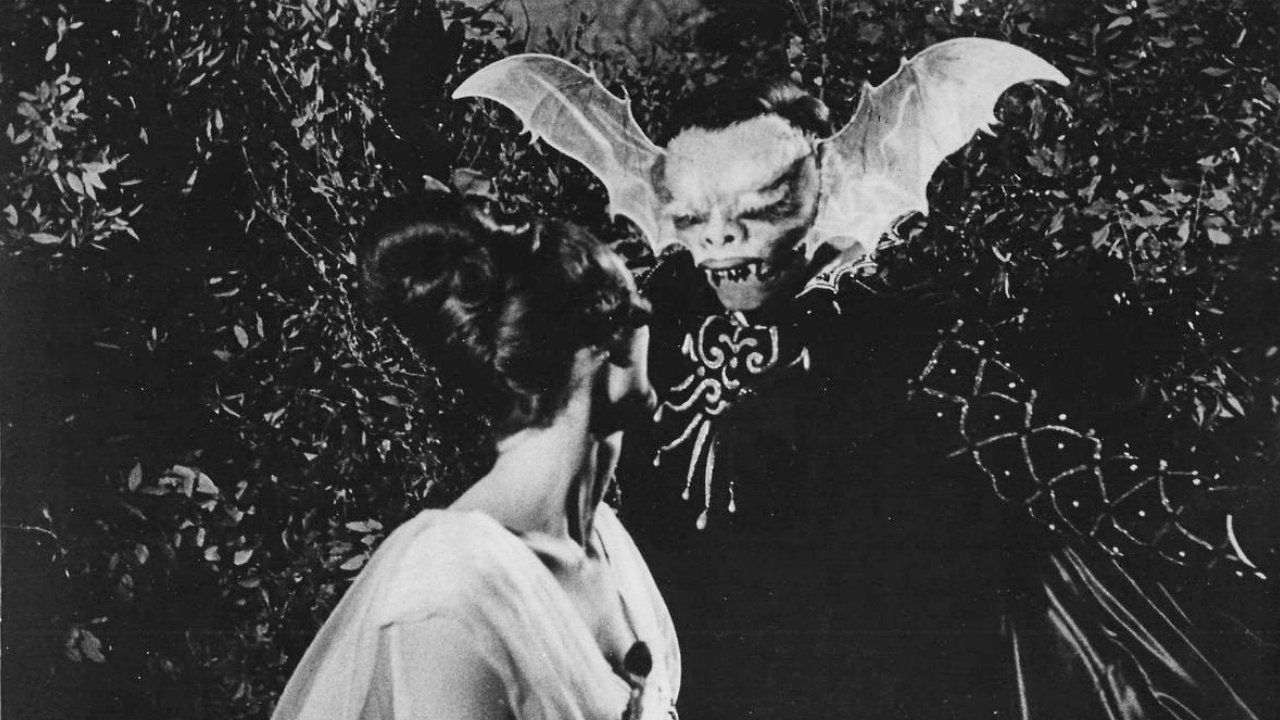
The spirit of a vengeful female vampire is released from her grave and possesses a wealthy young woman of nobility, who preys on other women in her village.

Alternative Titles
Rosas de Sangue (Brazil) — Portuguese 血与玫瑰 (China) — Chinese ...und vor Lust zu sterben (Germany) — German Sangre y rosas (Spain) — Spanish 血與玫瑰 (Hong Kong SAR China) — Chinese Il sangue e la rosa (Italy) — Italian Умереть от наслаждения (Russia) — Russian Blod och rosor (Sweden) — Swedish
Show all 9 alternative titles Померти від насолоди (Ukraine) — Ukrainian

Trailers & Videos

3 videos

Film Guide & Analysis

Roger Vadim’s adaptation of Carmilla combines female vampirism, forbidden desire and Technirama Gothic imagery in a landmark of European supernatural cinema.

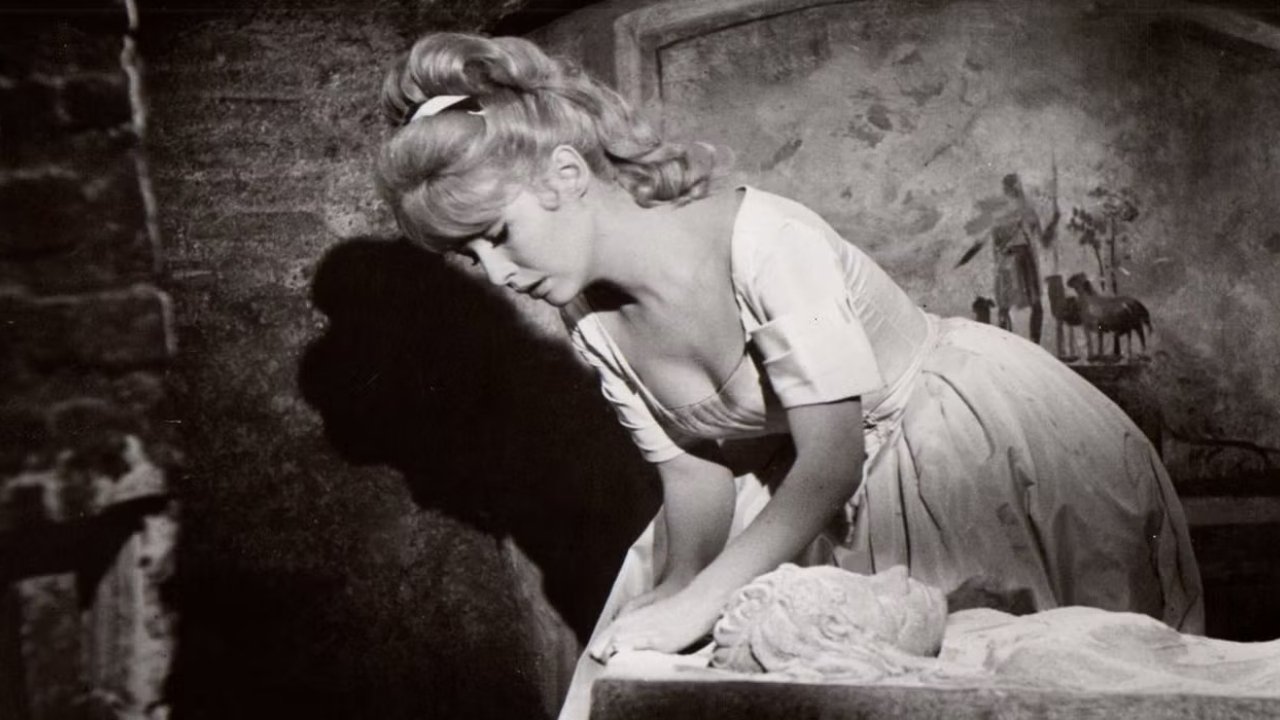
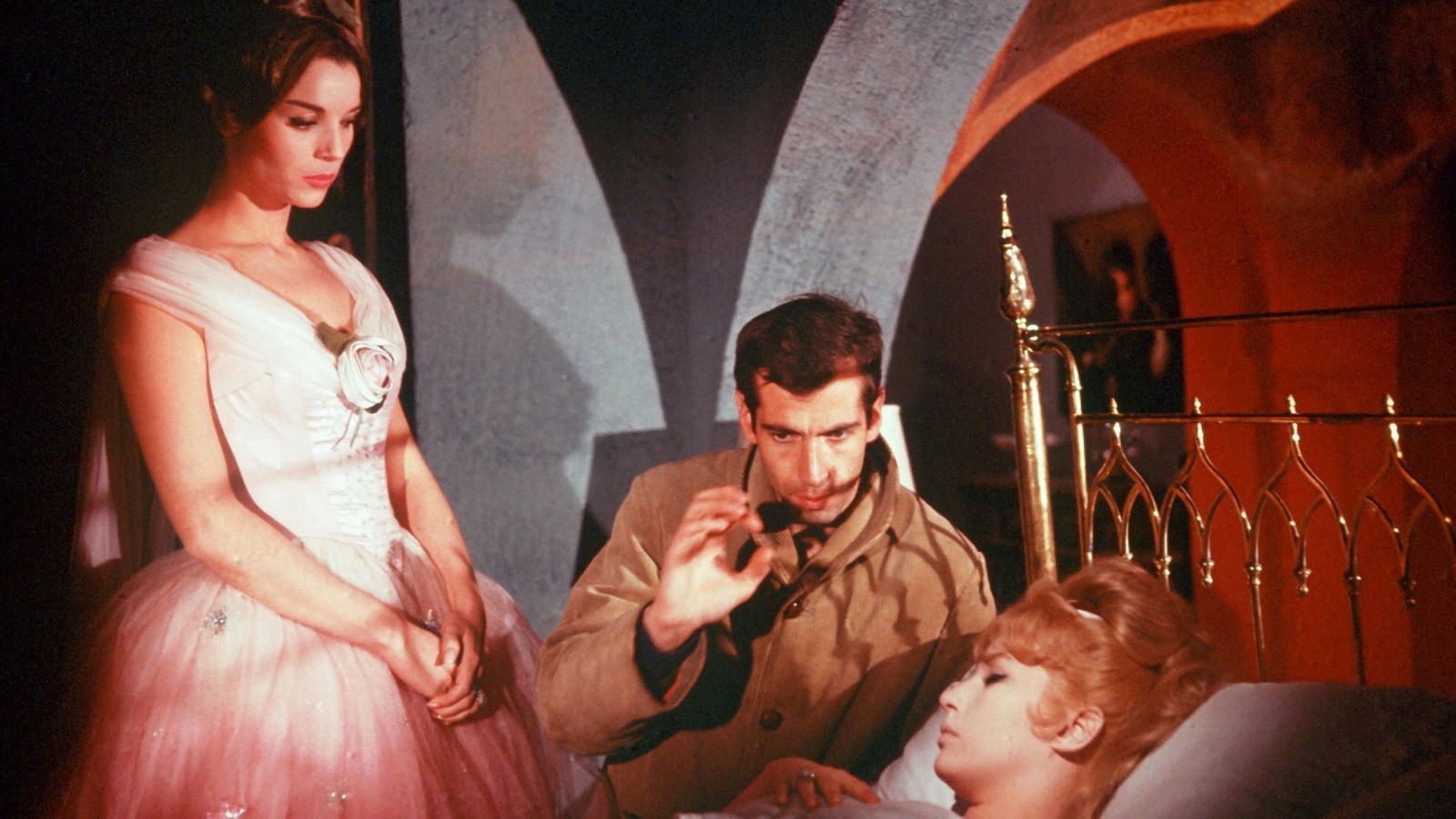
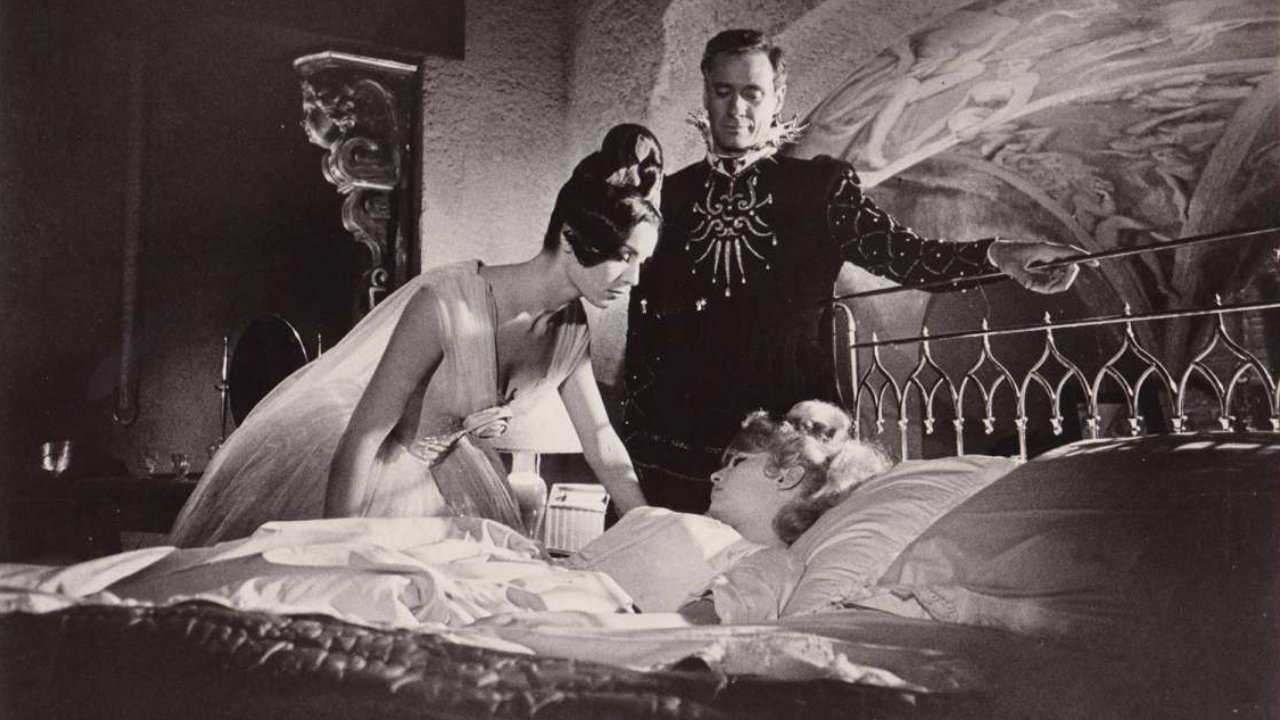
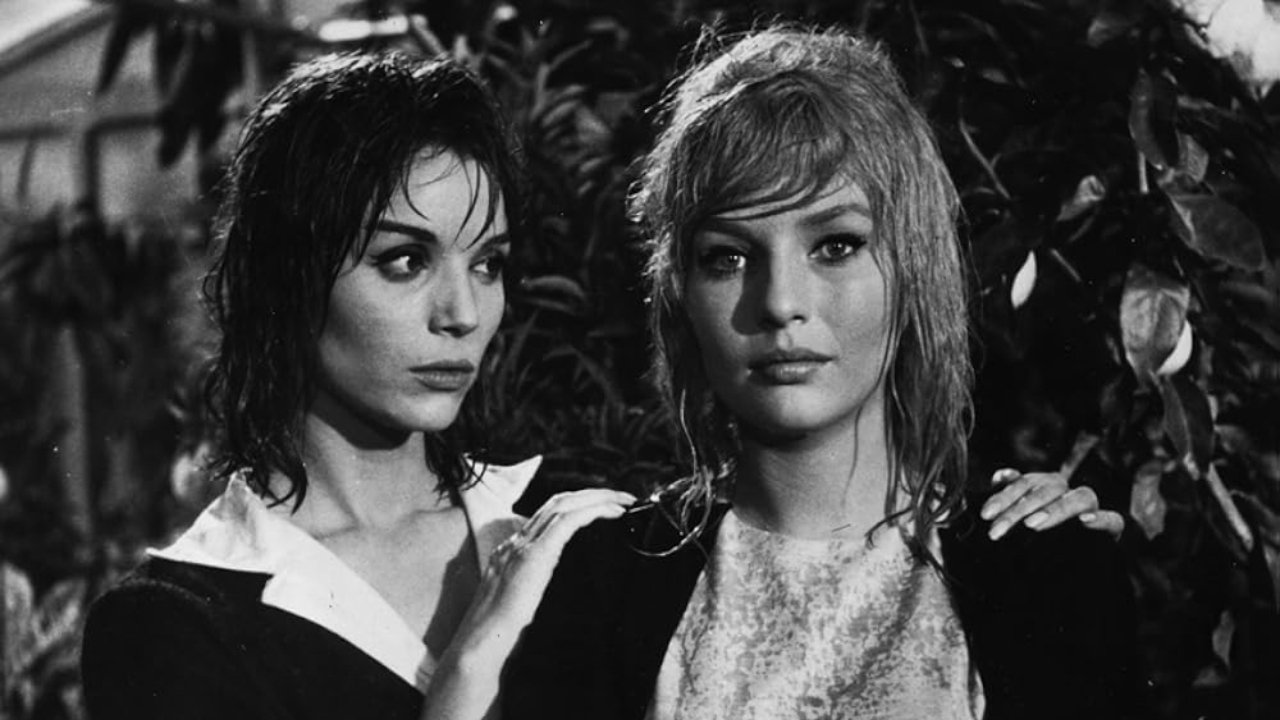
Released in France on 14 September 1960, Et mourir de plaisir (Blood and Roses) is a French-Italian Gothic horror film directed by Roger Vadim and adapted from Sheridan Le Fanu’s novella Carmilla. Annette Strøyberg plays Carmilla Karnstein, a young aristocrat whose jealousy over her cousin Leopoldo’s engagement to Georgia becomes entangled with the supernatural history of her family. After discovering the tomb of her vampiric ancestor Millarca, Carmilla undergoes a transformation that threatens the women around her. The film places its Gothic narrative within the fashionable social world of the early 1960s, creating a distinctive relationship between contemporary sexuality, inherited aristocratic violence and the imagery of traditional vampire fiction.

Photographed in colour and widescreen by Claude Renoir, Blood and Roses combines the architectural landscape of the Italian countryside with elaborate costumes, atmospheric lighting and dreamlike images of supernatural possession. Its importance to horror history rests particularly on its treatment of female vampirism and desire, themes that subsequently became prominent within European Gothic cinema. Vadim’s adaptation also belongs to an important transitional period in which filmmakers were exploring increasingly explicit representations of sexuality within established horror traditions. Its surviving international versions differ in length and construction, making the distinction between the original European film and its English-language editions essential to understanding the work.

Production & Development

Blood and Roses emerged from the renewed European interest in Gothic horror that followed the international success of late-1950s vampire productions. French producer Raymond Eger engaged Roger Vadim to direct an adaptation of Sheridan Le Fanu’s Carmilla, combining a nineteenth-century supernatural narrative with the contemporary social environment familiar from Vadim’s earlier work. The production was organized through Films E.G.E. and the Italian company Documento Film. Its international cast included Mel Ferrer, Elsa Martinelli and Annette Strøyberg, then married to Vadim, whose screen character shared the name of the literary heroine.

The screenplay was developed by Vadim, Roger Vailland, Claude Brulé and Claude Martin. Rather than preserve the original historical setting, the adaptation relocates the principal characters to contemporary Italy, where the aristocratic Karnstein family continues to occupy a world associated with inherited privilege and disturbing ancestral legends. This decision allowed modern clothing, automobiles and social behavior to coexist with ruined religious buildings, ancient graves and traditional vampire imagery. The production consequently approached Gothic horror through an aesthetic already associated with Vadim: fashionable settings, erotic tension and characters whose emotional relationships challenge conventional social boundaries.

Filming took place in Italy, with the architectural remains of Hadrian’s Villa near Tivoli providing an important setting. The location supplied monumental stonework and expansive exterior environments suited to the film’s combination of modern leisure and historical menace. Vadim worked with cinematographer Claude Renoir, beginning a collaboration that contributed substantially to the visual identity of the production. Although the film is associated with the commercial revival of vampire horror, its artistic ambitions extended into a broader exploration of colour photography, stylized performance and the relationship between contemporary experience and the supernatural past.
Sheridan Le Fanu & the Adaptation of Carmilla

Sheridan Le Fanu’s Carmilla, first published in 1871–1872, established one of the most influential female vampires in Gothic literature. Its narrative follows the growing intimacy between Laura and a mysterious young woman whose presence is accompanied by illness, disturbing dreams and unexplained deaths. Blood and Roses preserves the Karnstein lineage, the female vampire and the association between desire and supernatural danger, but substantially reorganizes the original narrative. Vadim introduces a contemporary romantic triangle involving Carmilla, her cousin Leopoldo and his fiancée Georgia, providing a different emotional basis for the vampire’s awakening.

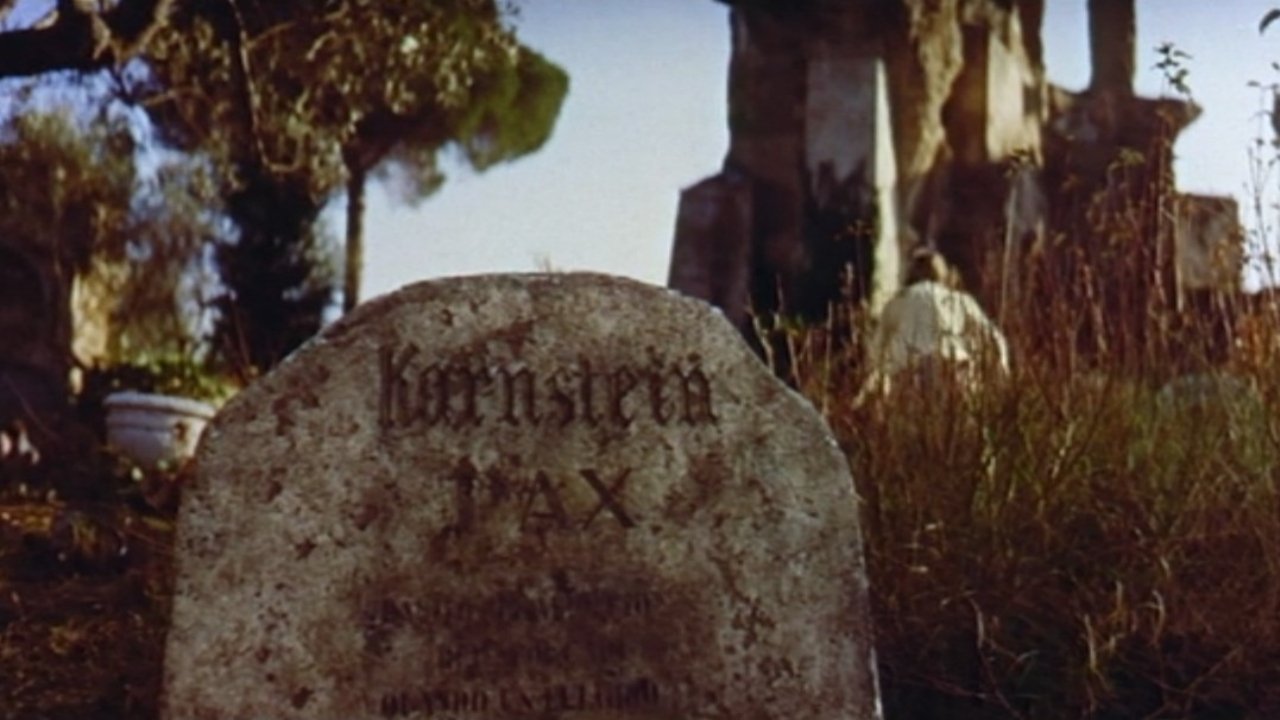
Carmilla resents the impending marriage because of her attachment to Leopoldo. During the engagement celebrations, the history of the Karnstein family becomes increasingly significant. A long-dead ancestor, Millarca, is associated with vampirism, and her burial place has escaped the destruction of other family graves. Carmilla’s encounter with the tomb initiates a change in her behavior, suggesting that the ancestor has returned through possession of the living descendant. Her growing attraction to Georgia subsequently gives the supernatural relationship a particularly intimate character.
The adaptation makes the continuity between past and present central to its structure. Millarca’s history appears to repeat itself through Carmilla, whose physical resemblance to her ancestor creates uncertainty about the identity governing her actions. Unlike a conventional vampire story organized around the pursuit of an external monster, the threat emerges from within an established social relationship. The ambiguity surrounding Carmilla’s desires and the influence of the dead ancestor provides an important connection with Le Fanu’s treatment of supernatural intimacy, while the contemporary setting and altered conclusion establish the film as an independent interpretation of the literary source.

Female Vampirism, Desire & Gothic Identity

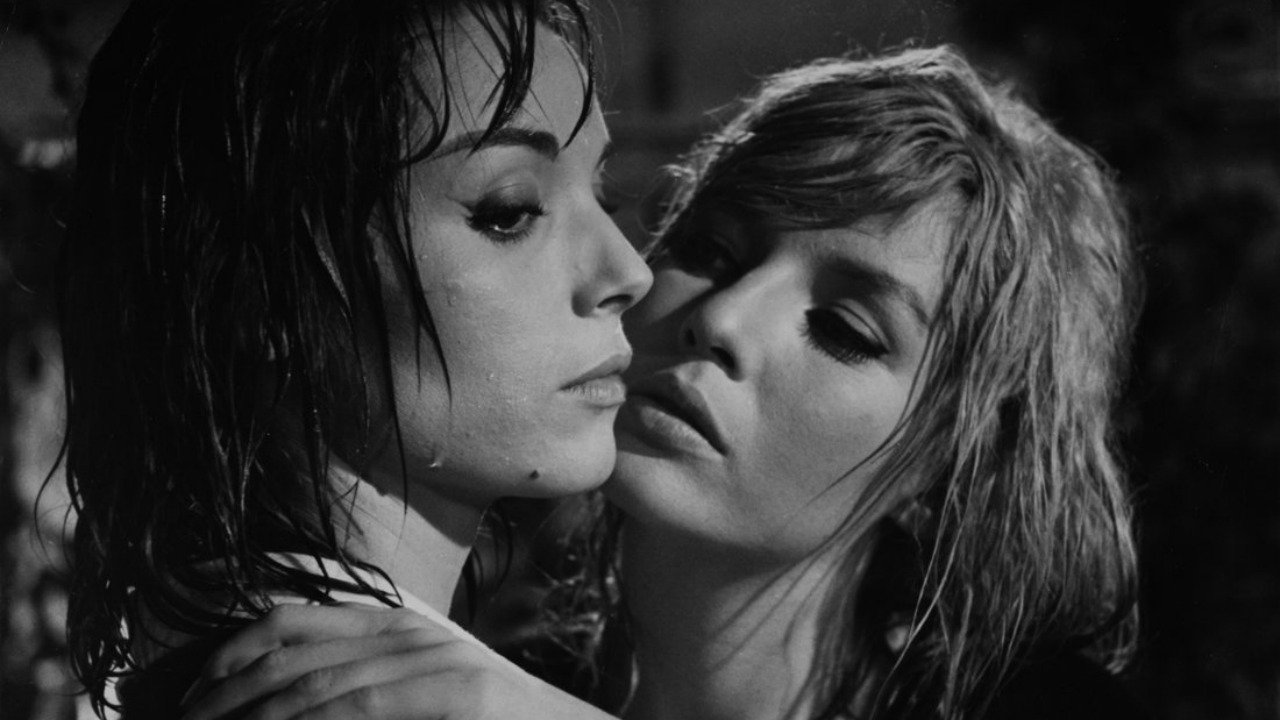
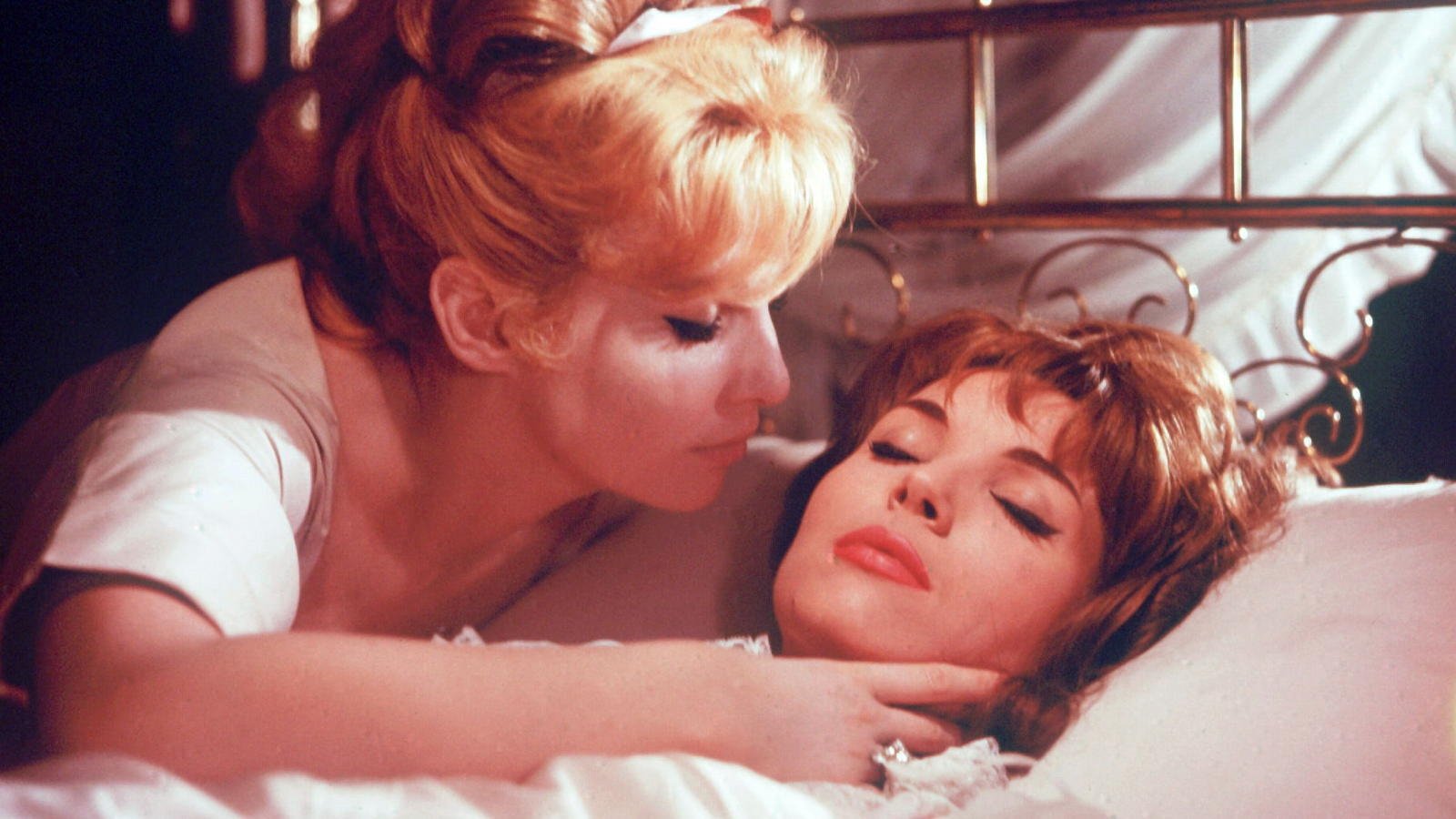
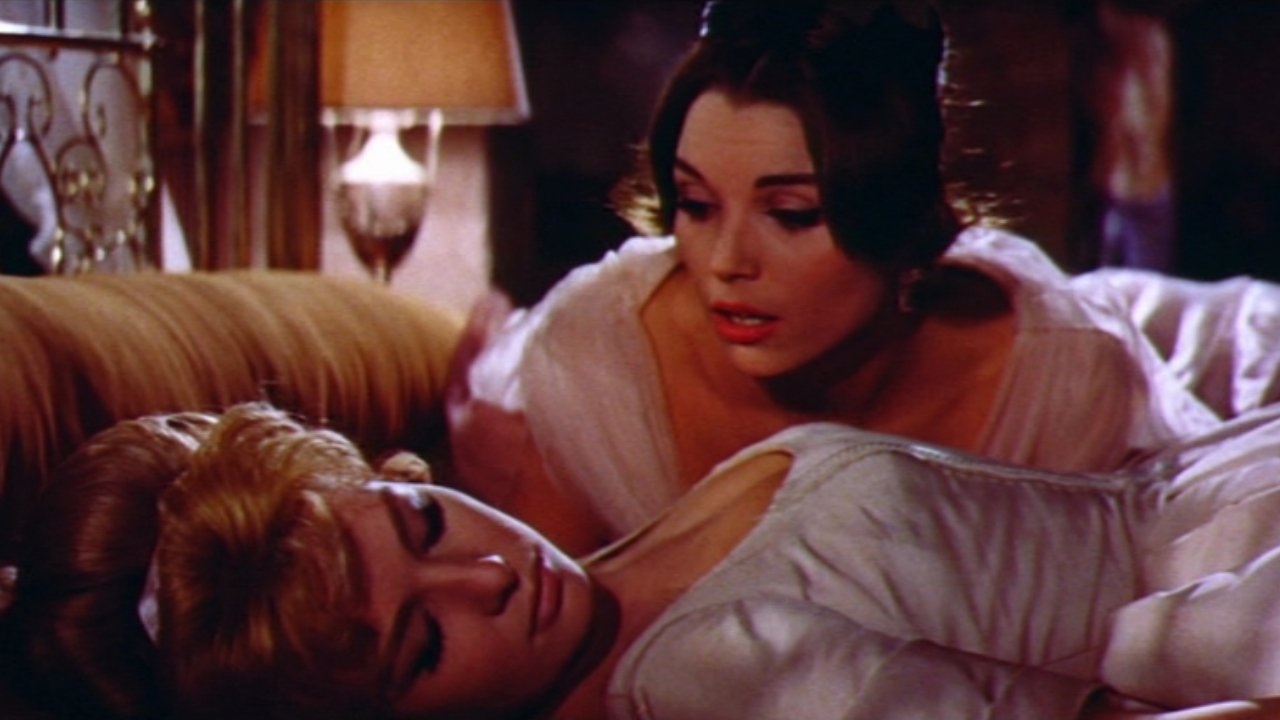
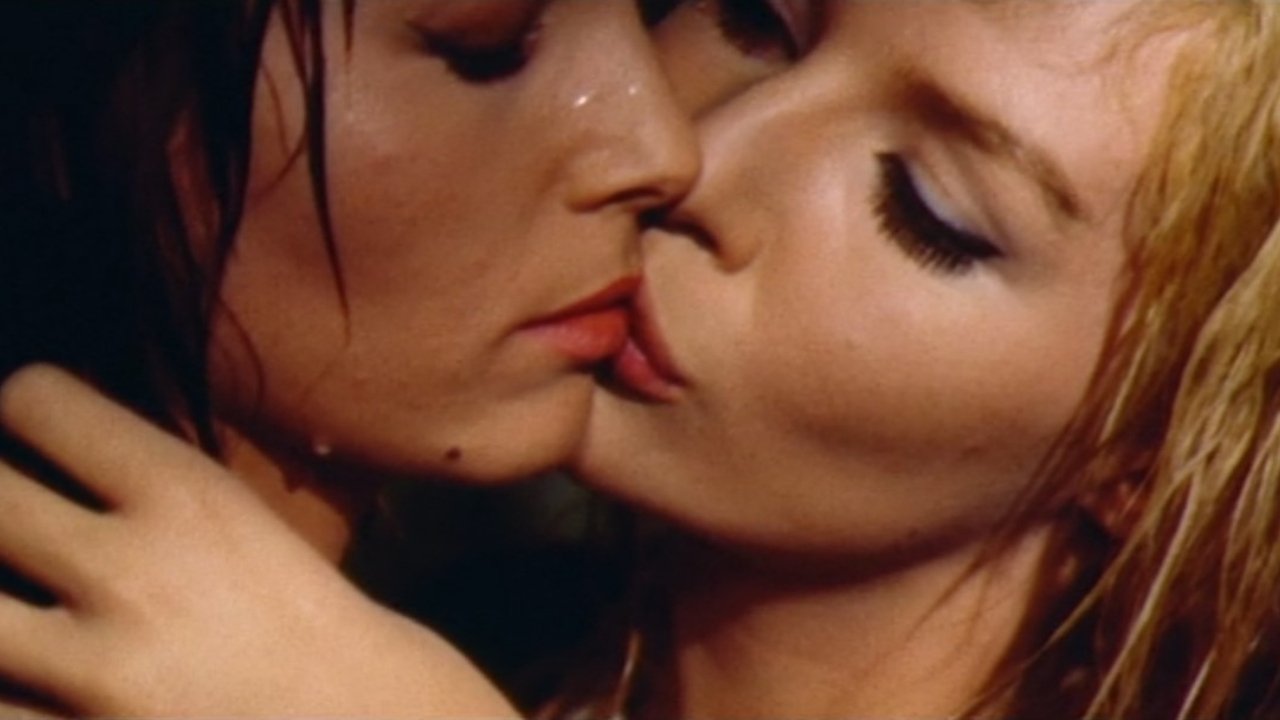
The relationship between Carmilla and Georgia gives Blood and Roses its principal significance within the history of female vampire cinema. Carmilla’s jealousy initially appears connected with her attachment to Leopoldo, but her subsequent supernatural behavior redirects attention toward Georgia. The vampire’s desire is therefore presented through an unstable triangle involving romantic rivalry, possession and attraction between women. The film’s Gothic framework allows feelings that cannot be expressed openly within the characters’ social environment to emerge through the language of predation and supernatural transformation.

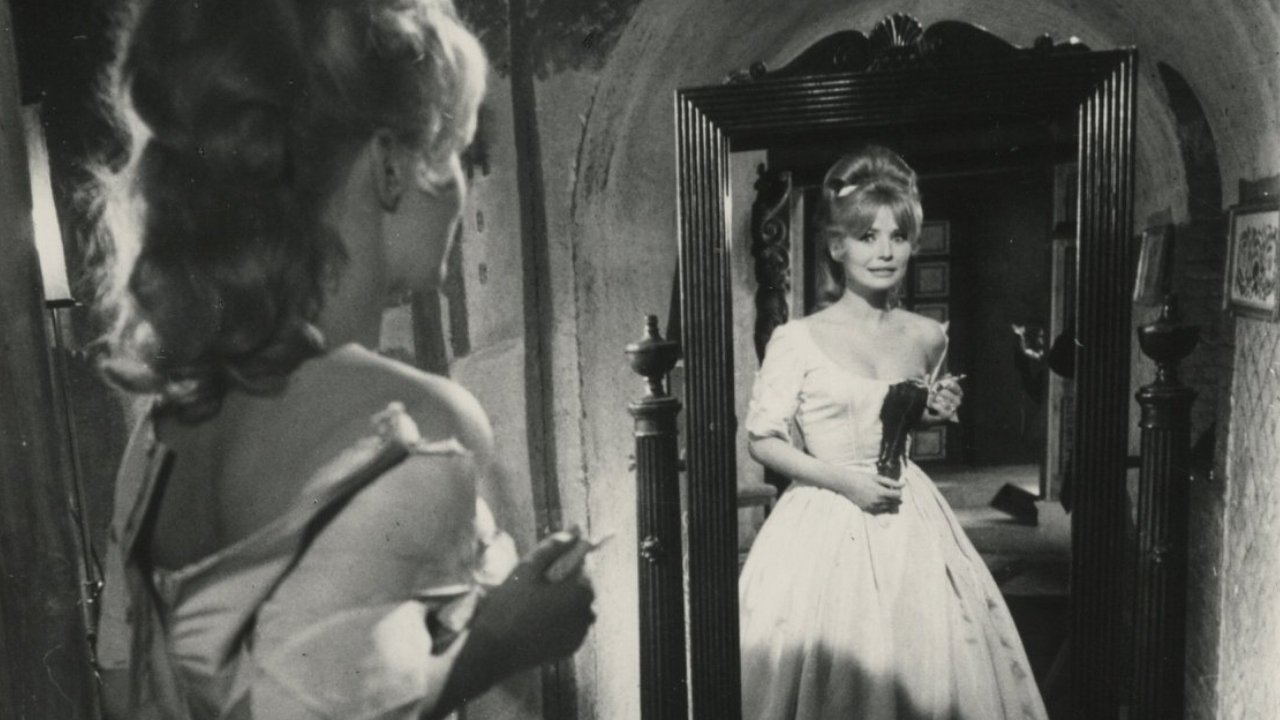
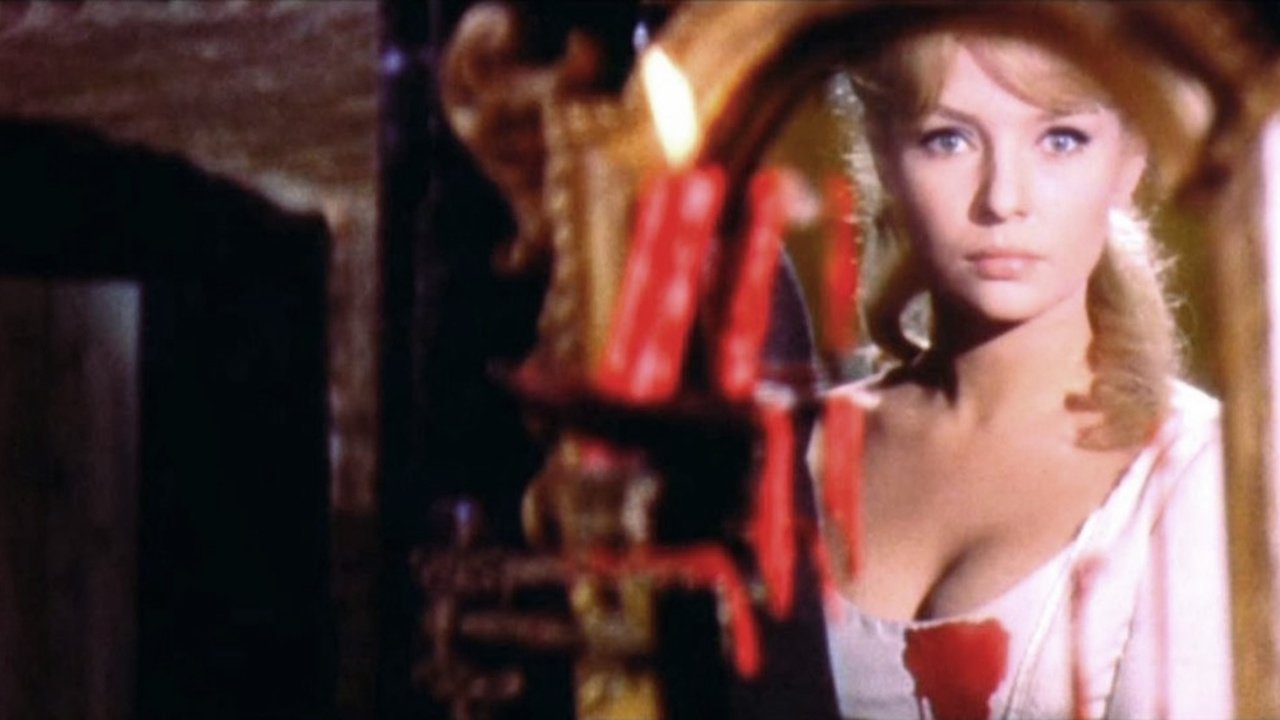
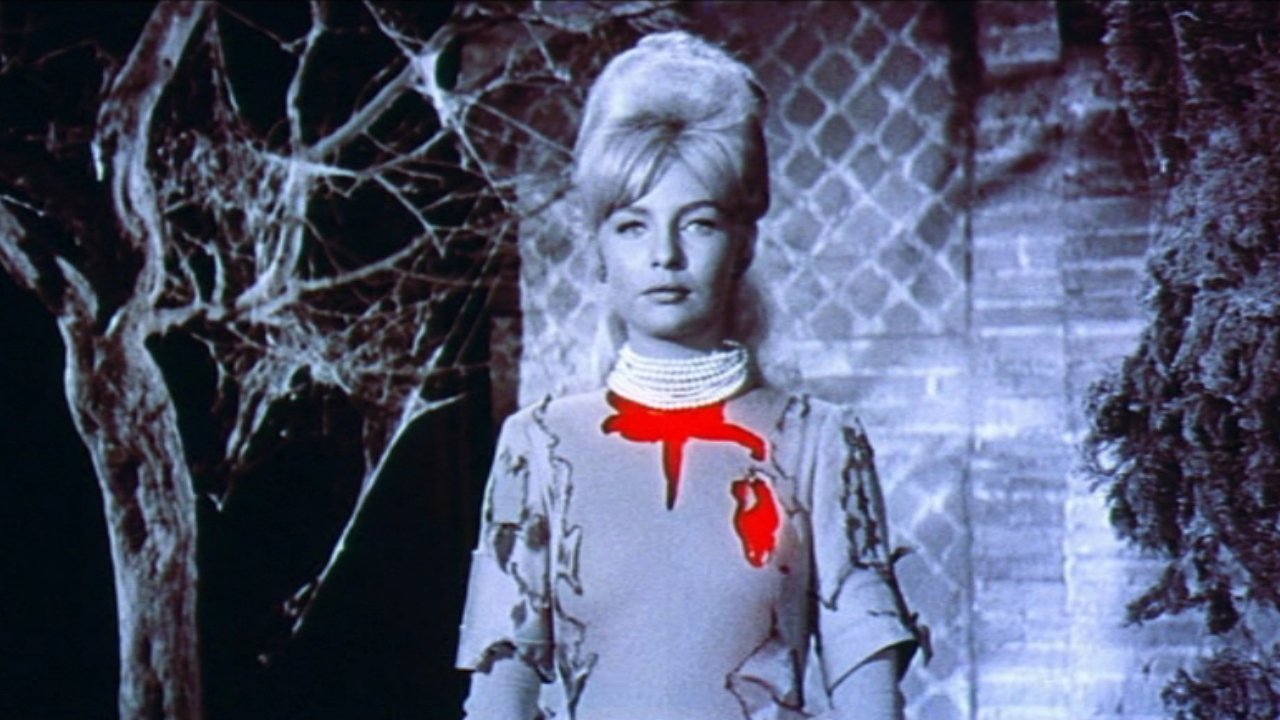
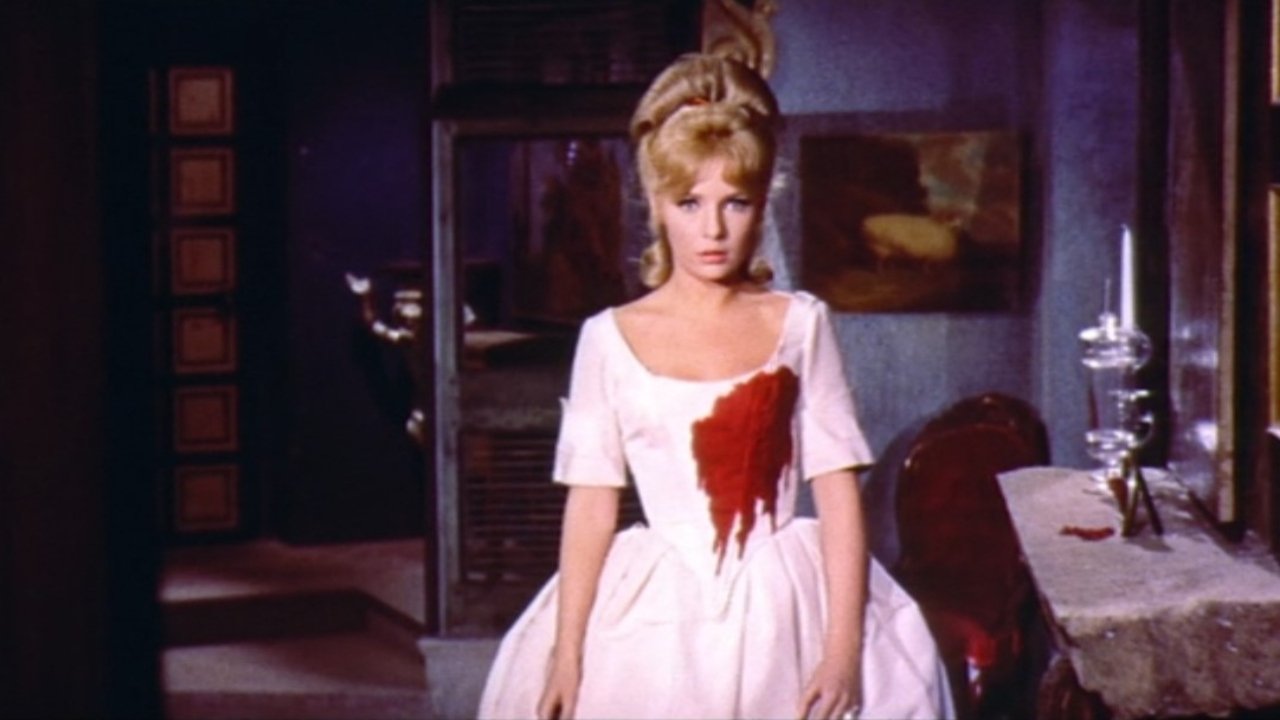
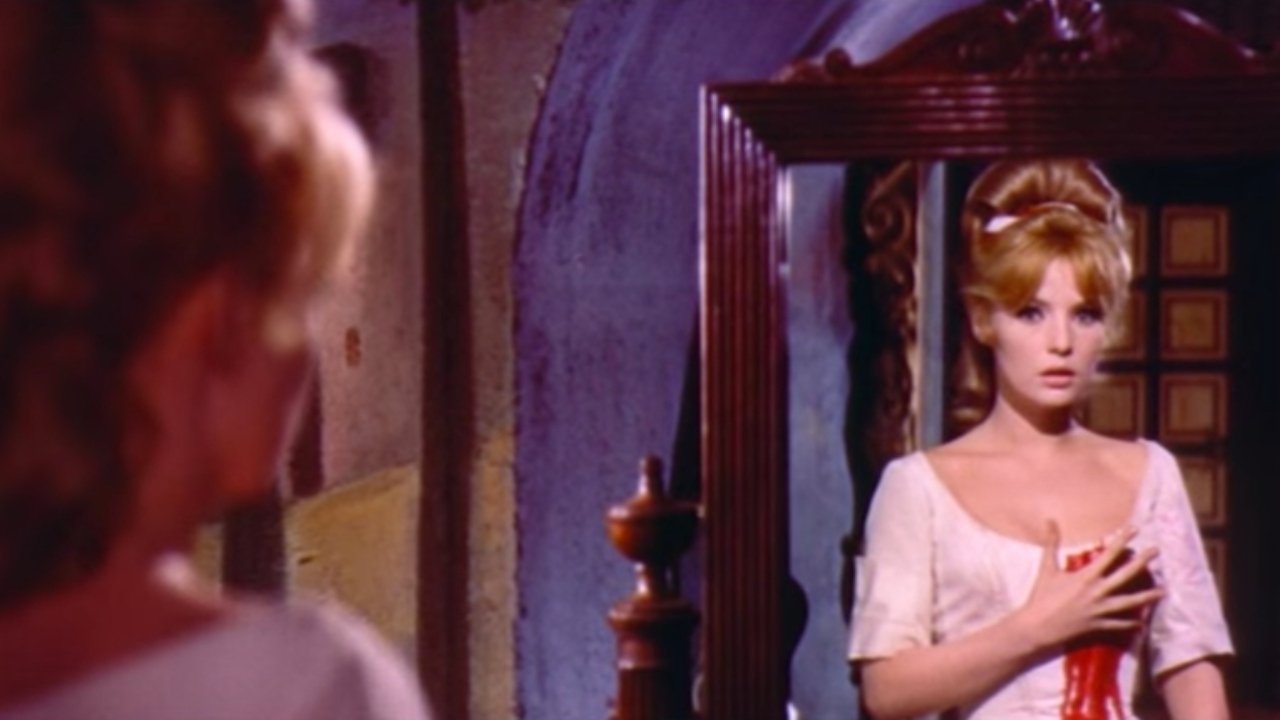
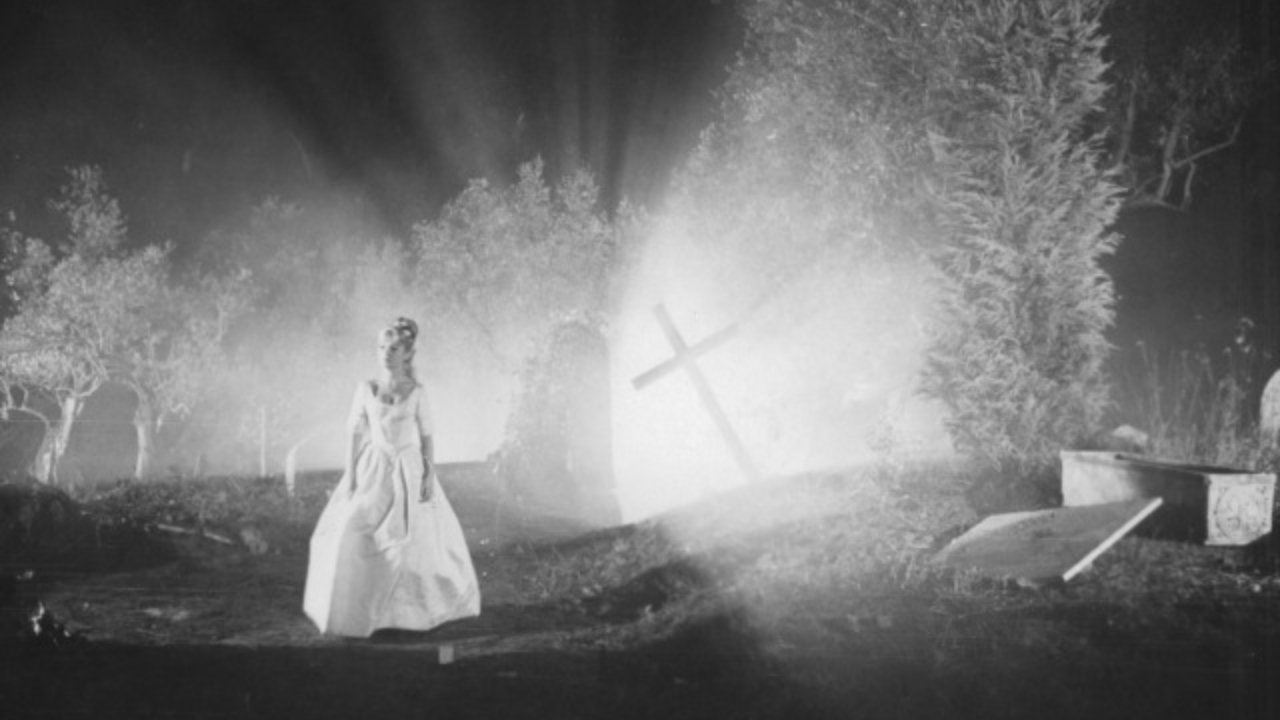
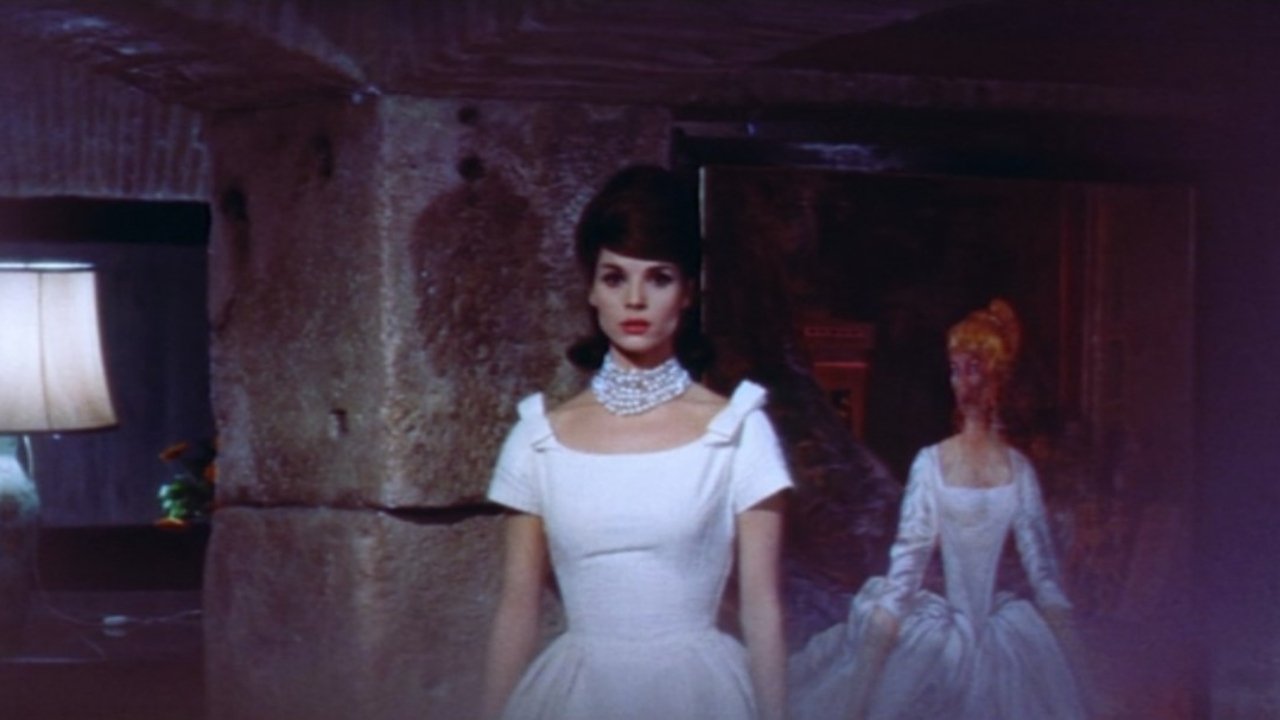
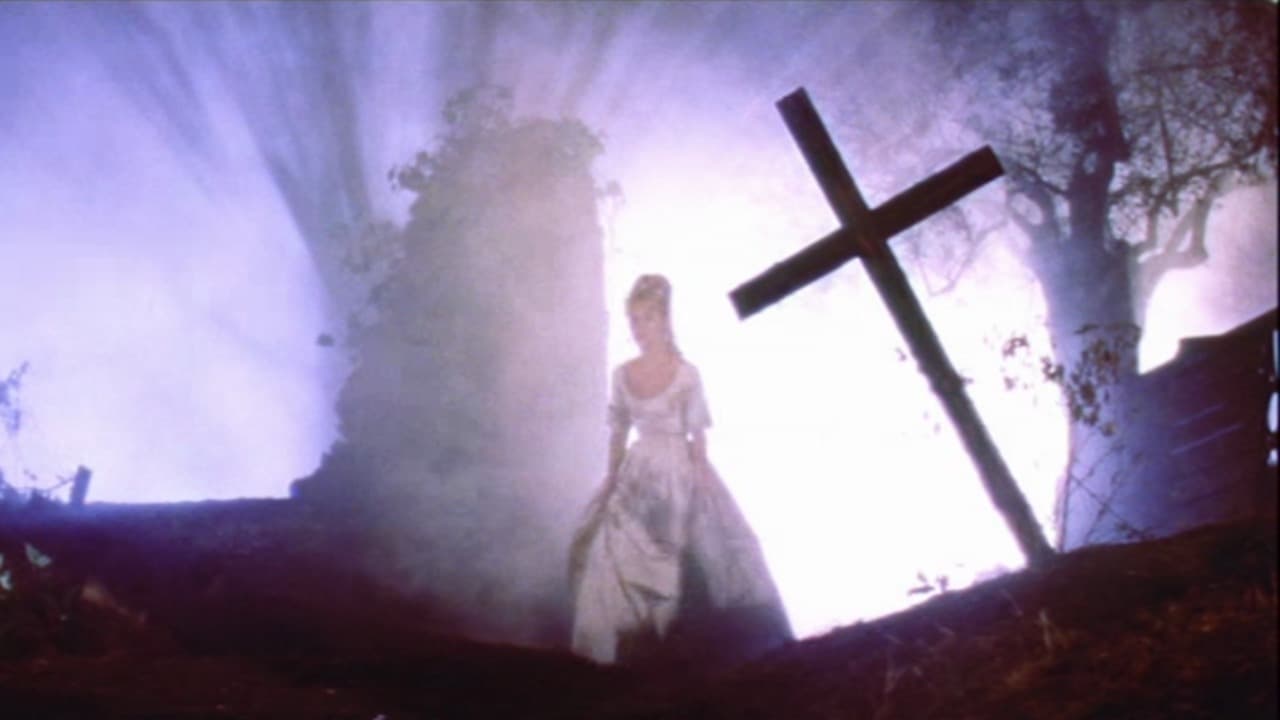
Vadim’s treatment differs from the more overtly monstrous vampire imagery associated with some contemporary Gothic productions. Carmilla frequently appears in elegant clothing and occupies visually restrained environments, making her increasingly disturbing behavior part of an otherwise recognizable world. The contrast between her fashionable appearance and her connection with an ancient vampire lineage contributes to the uncertainty surrounding her identity. Her white clothing during nocturnal encounters becomes especially important, providing a recurring visual distinction between bodily innocence, spectral presence and the threat of violence.

The film belongs to an evolving screen tradition in which female vampirism became associated with forbidden desire and ambiguous sexual identity. Its treatment preceded the more explicit adaptations and variations that appeared in European horror during the following decade, including Hammer’s The Vampire Lovers (1970). The relationship should be understood within the broader adaptation history of Le Fanu’s novella rather than as proof that subsequent filmmakers directly copied Vadim. Nevertheless, Blood and Roses provides an unusually prominent early example of the interaction between female same-sex attraction, Gothic possession and the visual conventions of vampire cinema.

Technirama, Colour & Gothic Visual Design

Claude Renoir’s cinematography is among the film’s most distinctive achievements. Photographed in Technicolor and Technirama, Blood and Roses uses an expansive widescreen composition to integrate its characters with the architecture and landscapes of central Italy. The remains of Hadrian’s Villa contribute a sense of historical depth that contrasts with the modern appearance of the principal characters. Ancient stonework, gardens and open countryside become part of a visual environment in which the past appears capable of intruding upon contemporary life.

The film’s Gothic imagery draws upon traditions extending beyond conventional vampire cinema. Its ruined buildings, elaborate costume arrangements and spectral female figure invite comparison with the visual world of Jean Cocteau, particularly the combination of supernatural fantasy and stylized romantic imagery associated with La Belle et la Bête and Orphée. These affinities have been discussed by critics including David Cairns, who identifies the interaction between modern fashion and older fantastic traditions as a distinctive element of Vadim’s approach. Such comparisons concern identifiable visual and thematic relationships rather than an independently established production influence.

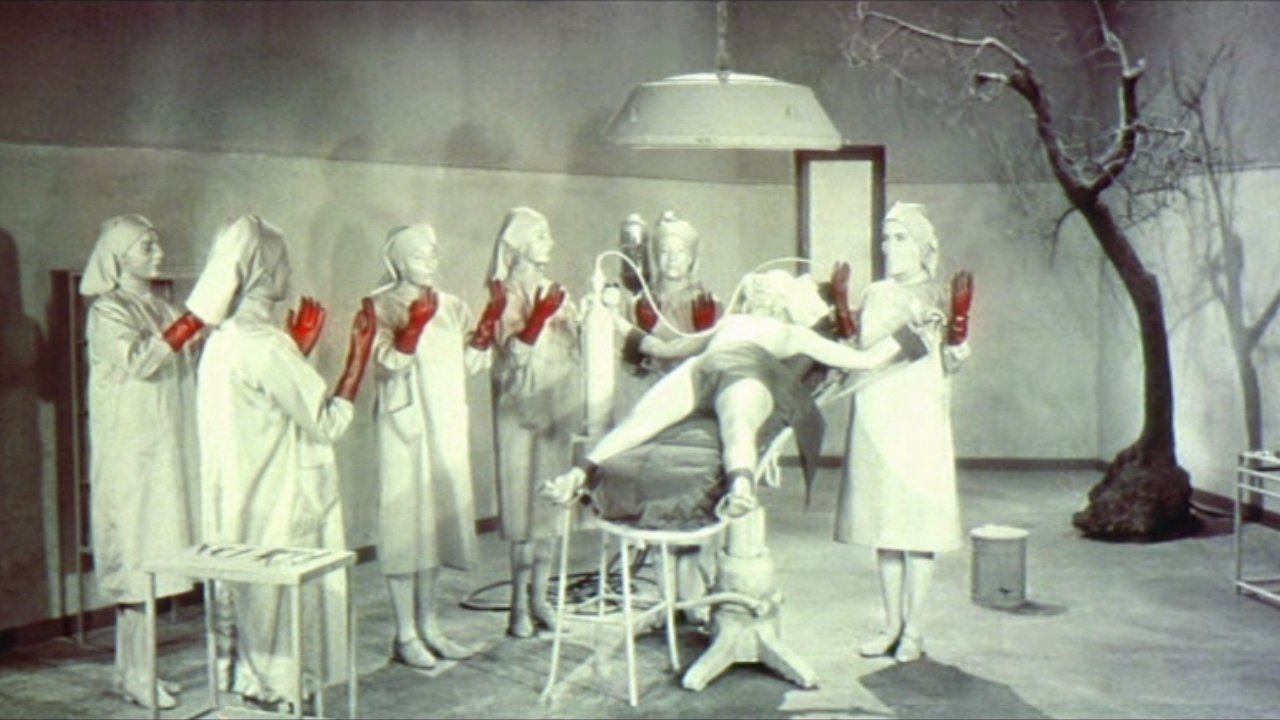
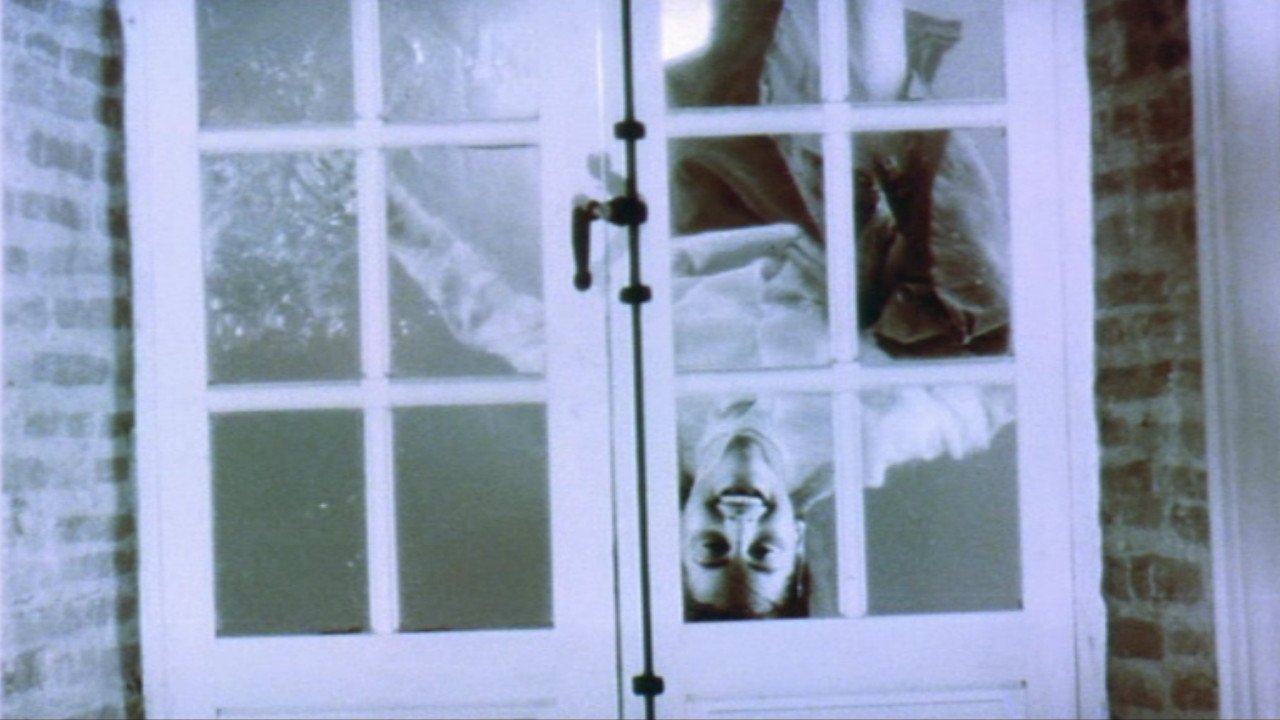
A particularly memorable dream sequence temporarily abandons the film’s dominant colour presentation for a largely monochrome environment in which red blood acquires exceptional visual prominence. The contrast concentrates attention upon the violence concealed beneath the film’s elegant surfaces. Architectural spaces become disorienting, and ordinary visual continuity gives way to threatening supernatural imagery. The sequence demonstrates how colour, compositional contrast and stylized movement could express psychological disturbance within Gothic cinema. Its imagery also contributes to the uncertainty surrounding the boundary between possession, dream and actual supernatural experience.

Music, Release History & International Versions

The original score was composed by Jean Prodromidès, whose music contributes to the film’s atmosphere of romantic melancholy and supernatural unease. The orchestral writing accompanies a narrative that alternates contemporary social activity with visions of ancestral violence and forbidden desire. Rather than treating the vampire entirely through conventional musical signals of horror, the score supports the emotional tension surrounding Carmilla and the relationships that lead to her transformation. Its presence is particularly important during passages where the visual presentation becomes more dreamlike and the narrative relies heavily upon mood.

Blood and Roses premiered commercially in France on 14 September 1960 under the title Et mourir de plaisir. Italian censorship documentation records authorization dated 25 November 1960, under the title Il sangue e la rosa. The film subsequently circulated internationally, including an English-language version distributed as Blood and Roses. Differences between national presentations complicate the use of a single running time. Surviving editions have been reported at approximately 74, 79 and 85–87 minutes, depending on the print, language version and exhibition circumstances.

The English-language presentation was altered for foreign distribution, with changes affecting the narrative framework and other passages. A 35 mm English-language copy exhibited by Film at Lincoln Center in 2016 ran 74 minutes, while Quad Cinema presented an 87-minute 35 mm version in 2018. These documented screenings illustrate the continued circulation of distinct editions. The German home-video release examined by film critic Glenn Erickson in 2014 also included multiple cuts with different reported lengths. The evidence supports identifying the version whenever a runtime is supplied, rather than treating one surviving print as an unquestionably complete representation of the original release.

Critical Reception & Historical Significance

The contemporary reception of Blood and Roses included substantial criticism despite its elaborate photography and ambitious visual presentation. The British Monthly Film Bulletin reviewed the film in January 1962, acknowledging the beauty of its settings and cinematography while criticizing the dialogue, performances and treatment of Le Fanu’s source. The assessment contrasted Vadim’s approach unfavorably with Carl Theodor Dreyer’s Vampyr (1932), another film associated with Carmilla. The comparison reflected differing expectations concerning literary adaptation, supernatural atmosphere and the artistic possibilities of horror cinema.

Later critical discussion has placed greater emphasis on the film’s position within the history of queer Gothic imagery. Film at Lincoln Center included Blood and Roses in its 2016 programme An Early Clue to the New Direction: Queer Cinema Before Stonewall, identifying its significance as a representation of female same-sex desire through supernatural horror. David Cairns, writing for MUBI Notebook in 2014, also emphasized its visual relationship with Cocteau and its anticipation of later European Gothic cinema. These interpretations demonstrate the range of historical questions raised by the film beyond its original reputation as an erotic horror production.

Blood and Roses remains significant because it places a nineteenth-century vampire narrative within the social and visual culture of the early 1960s. Its combination of female desire, ancestral possession, contemporary fashion and stylized supernatural imagery provides an important point of reference for the history of European Gothic cinema. The film’s alternate versions and incomplete accessibility have complicated its historical evaluation, making archival presentation particularly important. Its position is best understood through the documented development of Carmilla adaptations and changing representations of sexuality in horror, without assigning it unsupported claims of universal influence or absolute artistic precedence.

References

  1. MUBI Notebook The Forgotten: Blood and Roses (1960) — David Cairns

    Substantial critical analysis of Vadim’s visual style, Cocteau influences, Gothic imagery and importance to later European horror.

  2. Film at Lincoln Center Blood and Roses — An Early Clue to the New Direction

    Institutional presentation examining the film’s female vampire imagery, queer Gothic significance and 74-minute English-language theatrical print.

  3. Quad Cinema Blood and Roses (…Et mourir de plaisir)

    Archival screening documentation identifying its relationship to Le Fanu’s Carmilla, the principal cast and an 87-minute 35 mm presentation.

  4. DVD Talk — DVD Savant …und vor Lust zu Sterben — Glenn Erickson

    Detailed examination of the film’s production context, visual qualities and surviving international versions and their different running times.

Cast

View Full Cast & Crew →

Release & Distribution

Production Companies (3)

  • Documento Film IT
  • Films EGE FR
  • Paramount Pictures US

Distributors (1)

  • Paramount Pictures US

Release History (2)

Release DateTerritoryRelease TypeFormatDistributorCertificationNotes
1960-09-14 France Theatrical — — —
1961-01-27 Germany Theatrical — — 16
Ghoul or Girl?