Event Horizon (1997)

US
Runtime
96 min
Release
August 15, 1997
Budget
$60,000,000
Revenue
$26,700,000
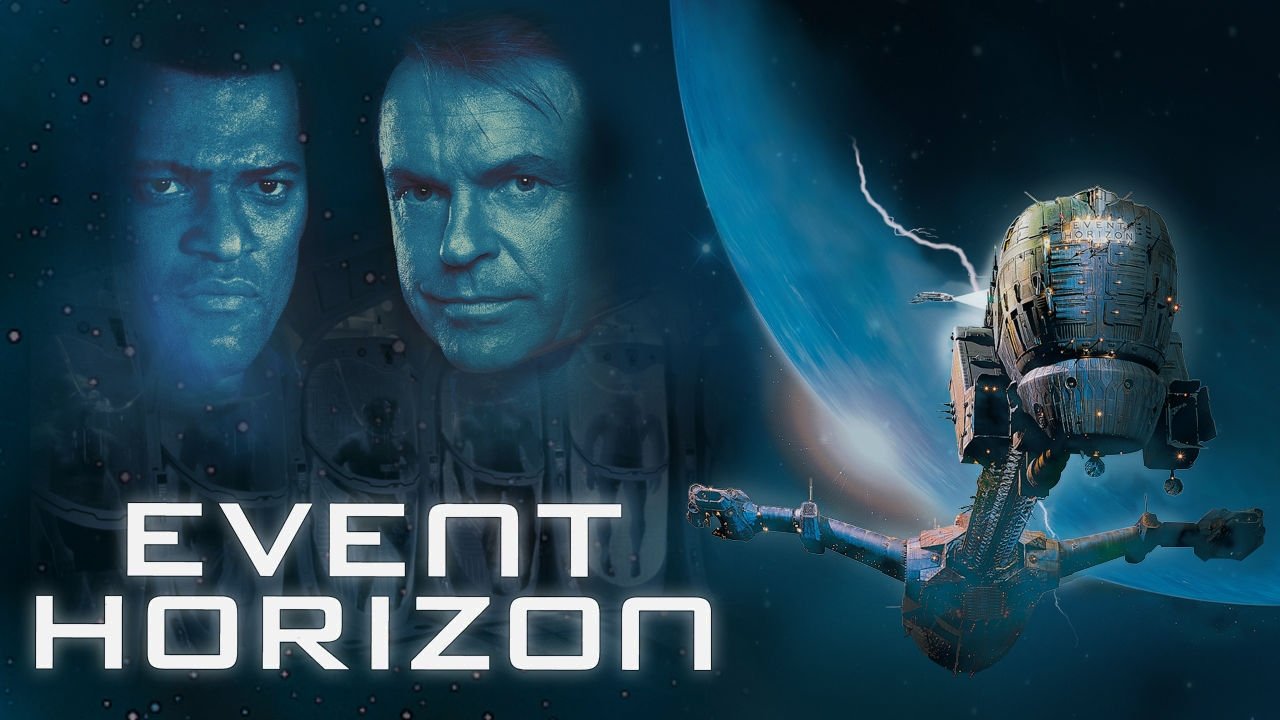
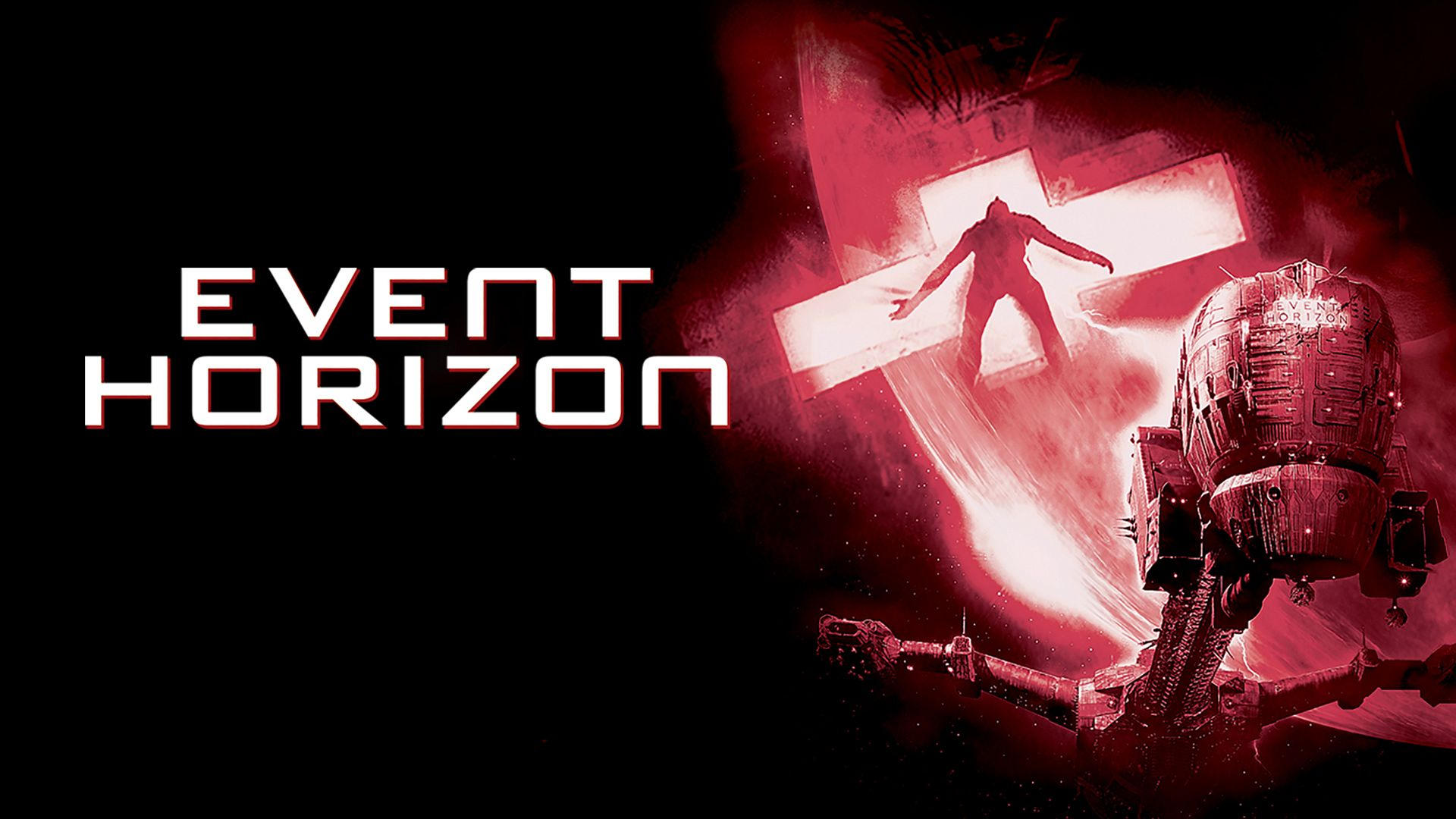
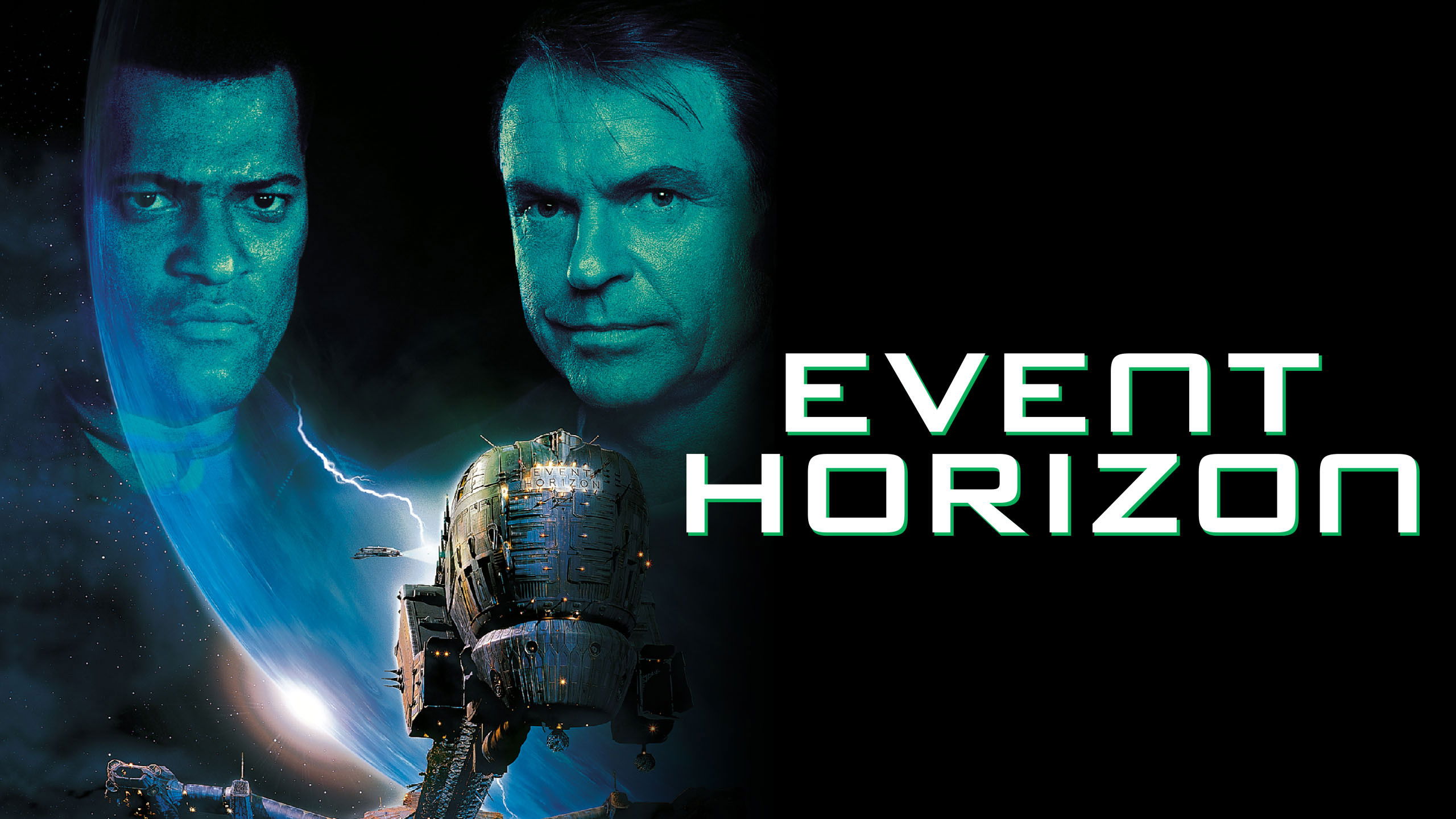
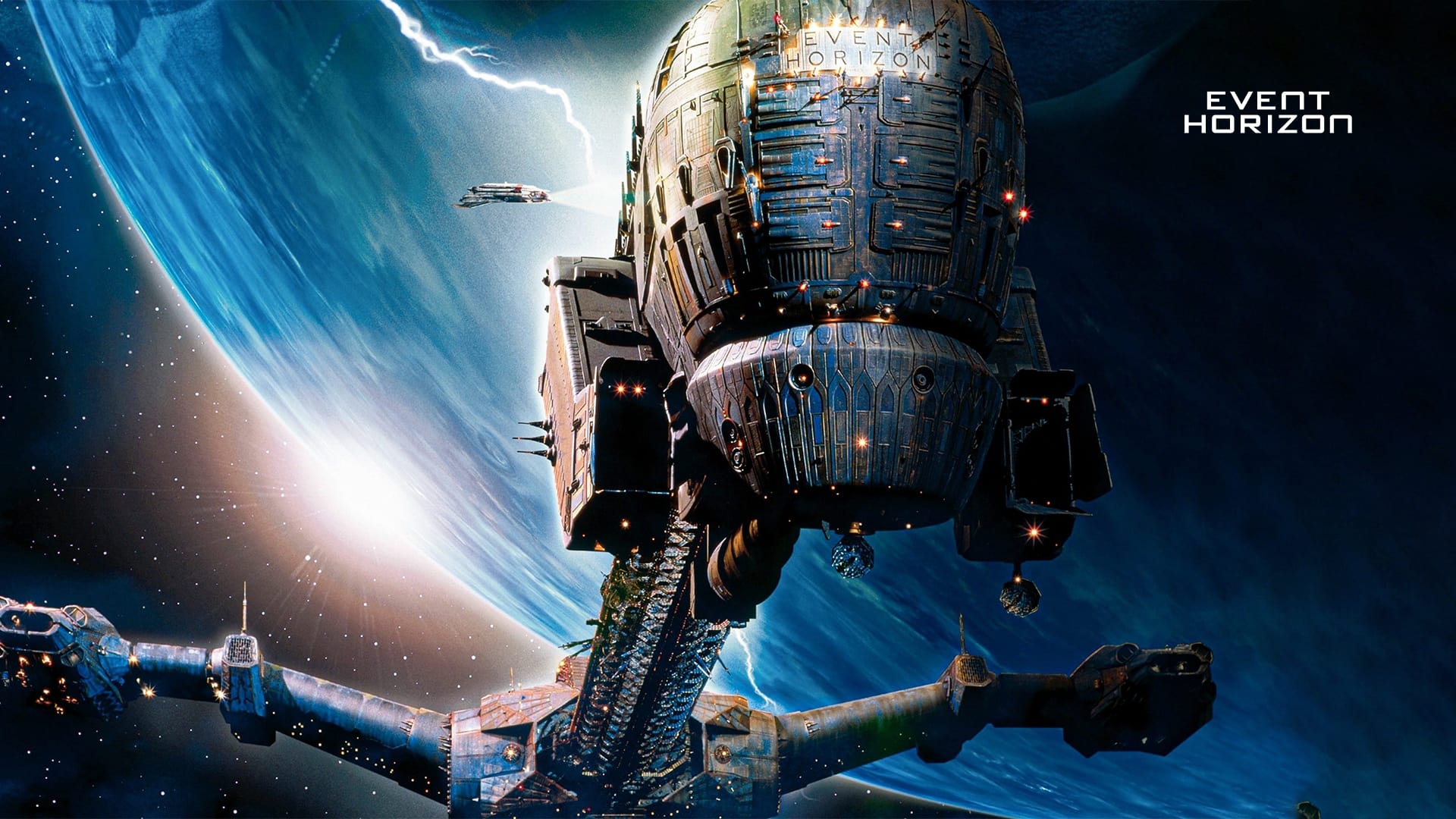
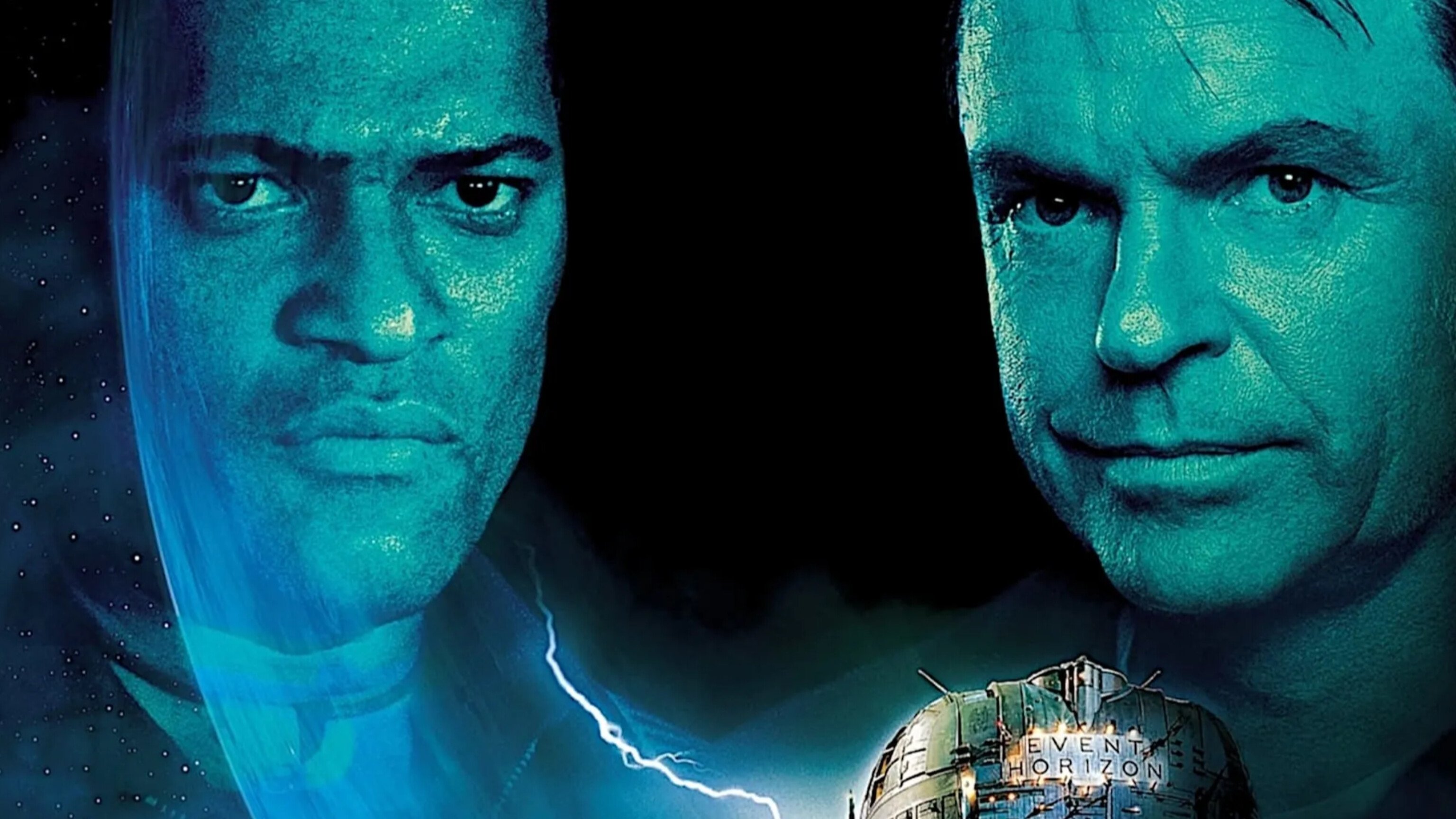
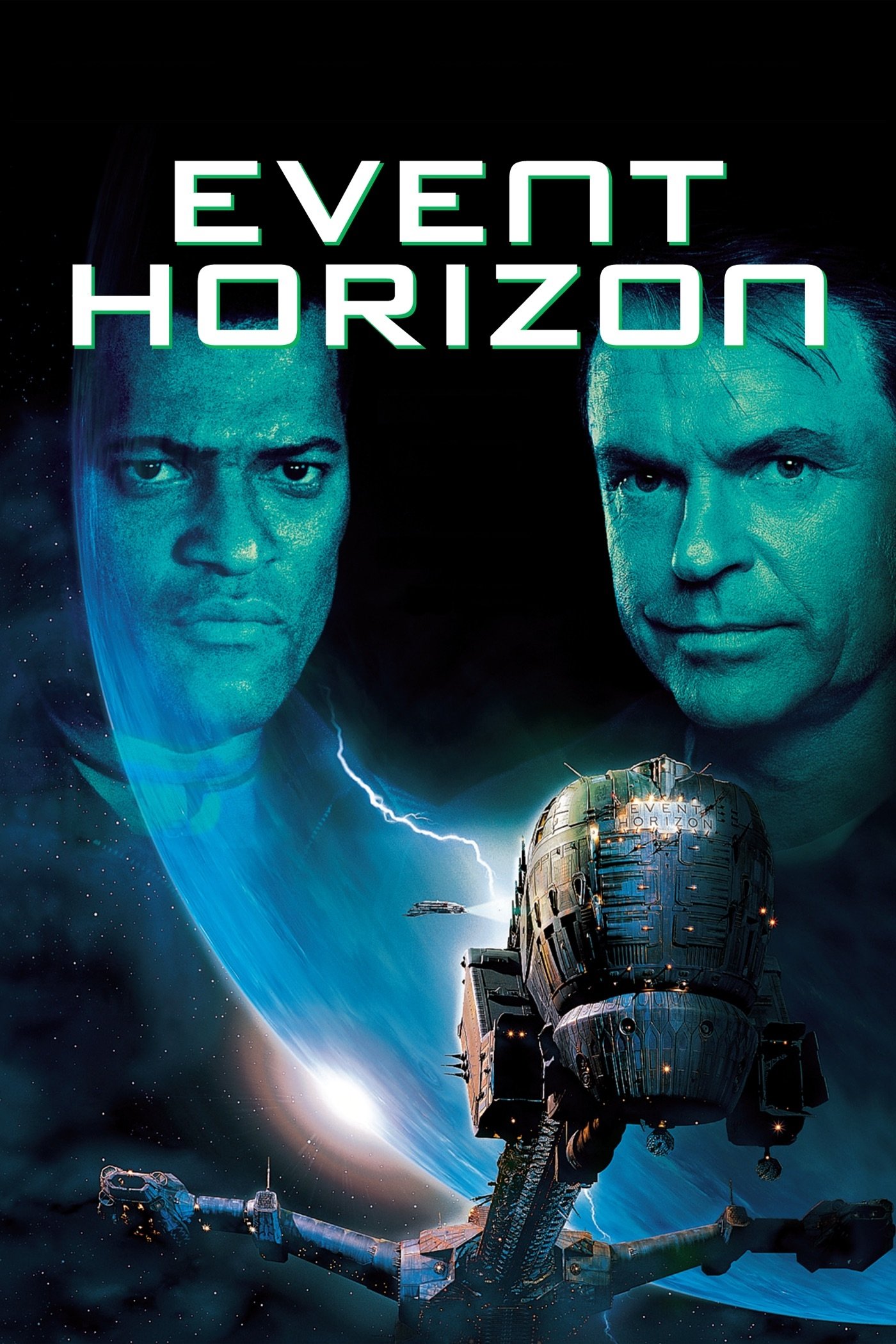
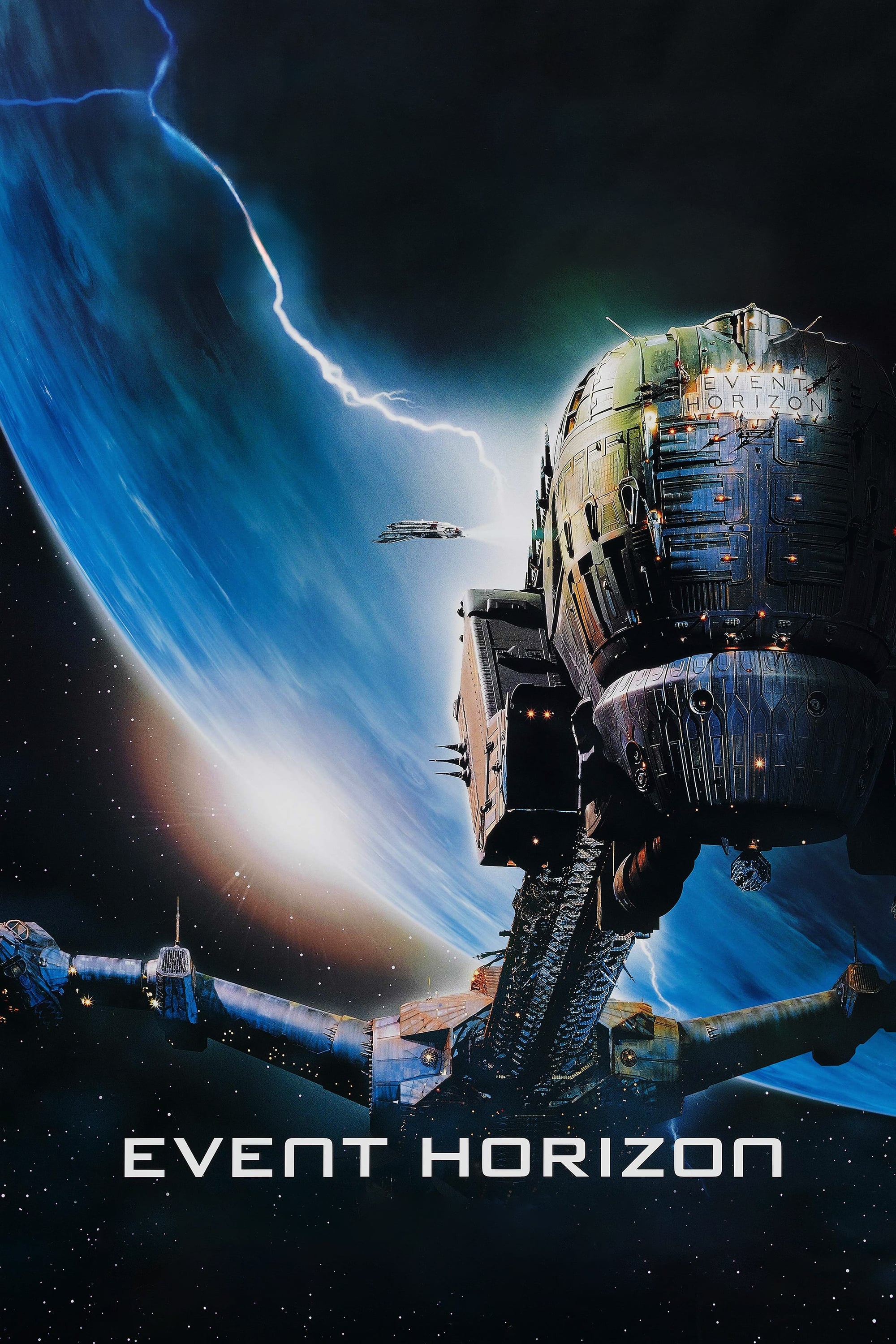
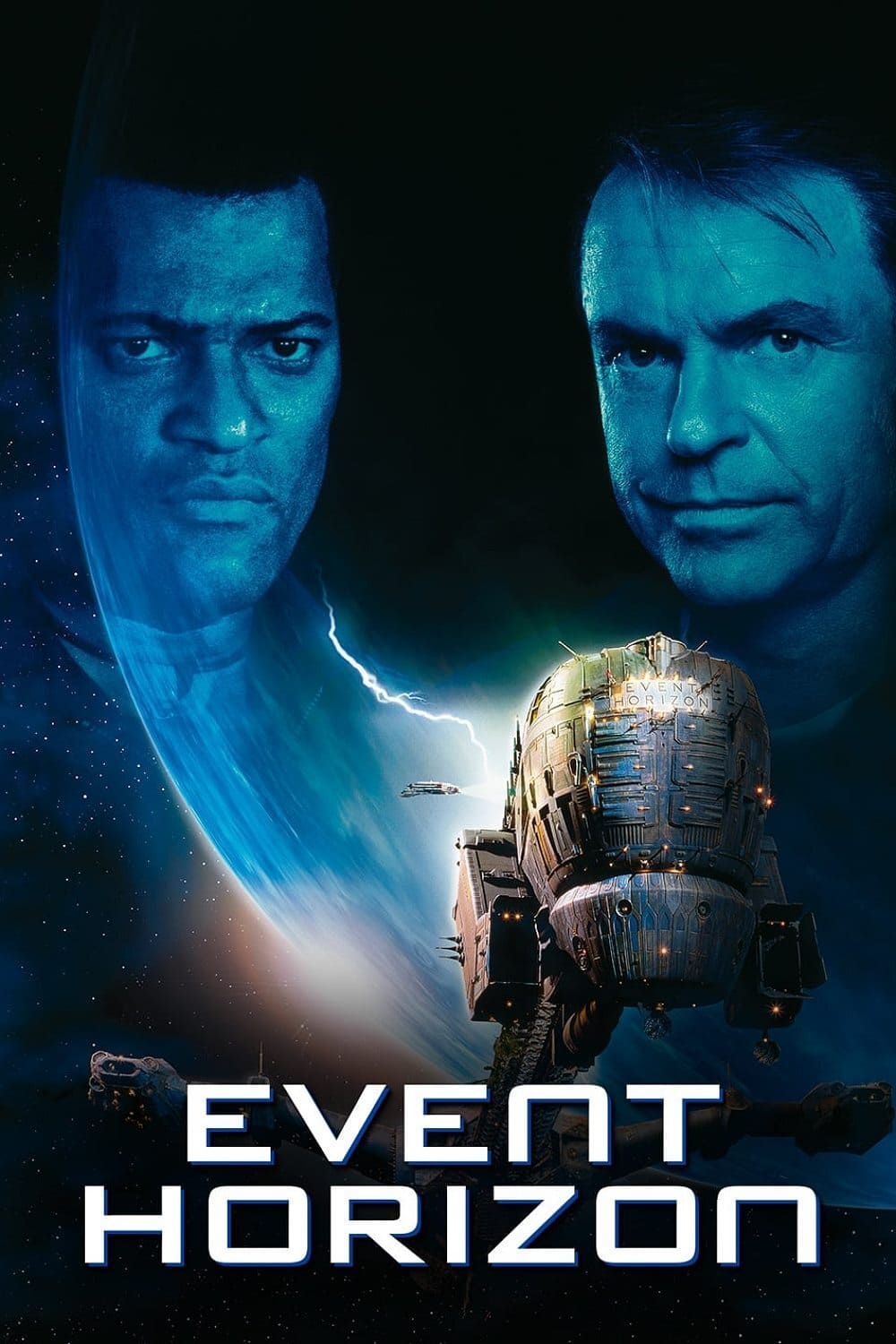
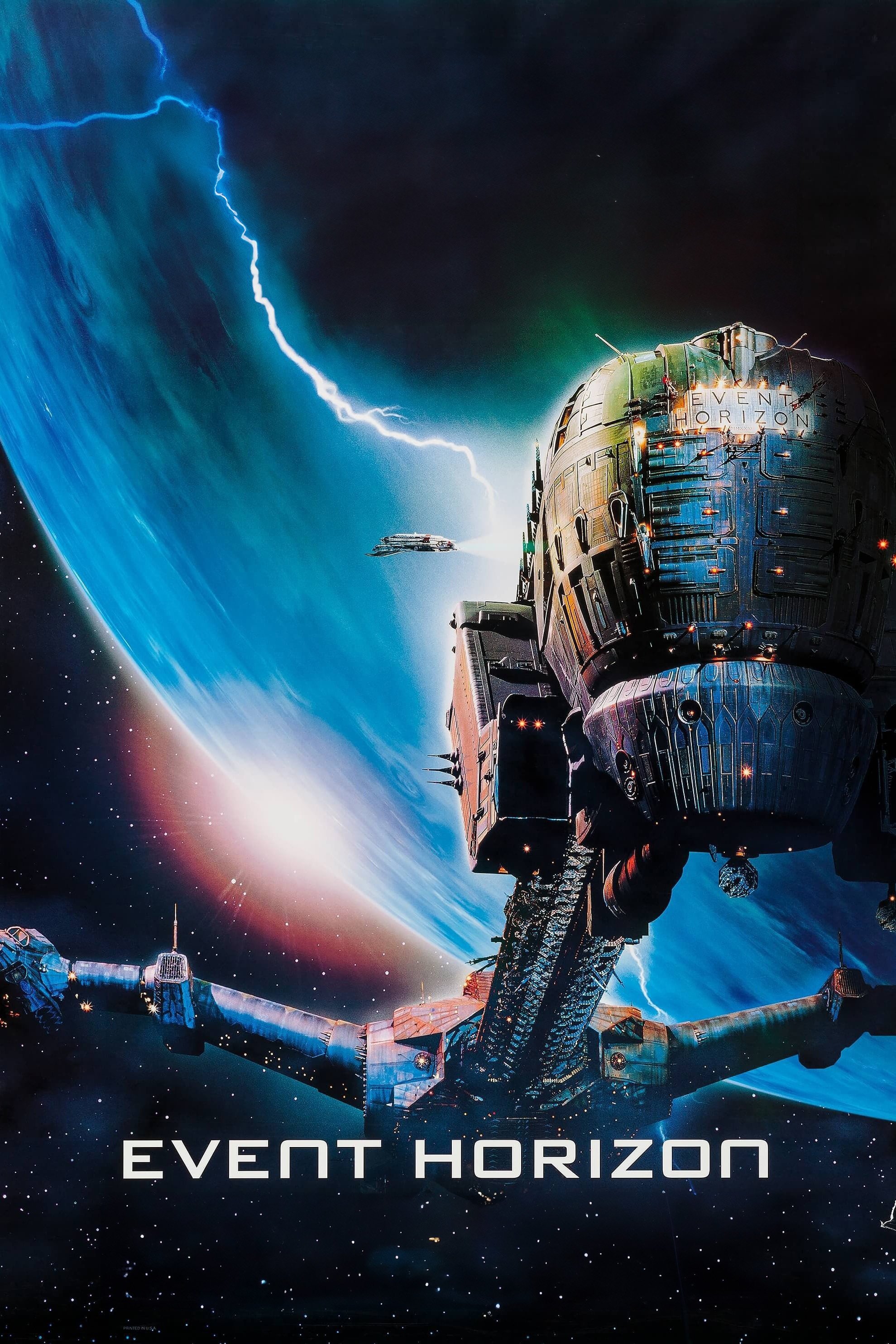
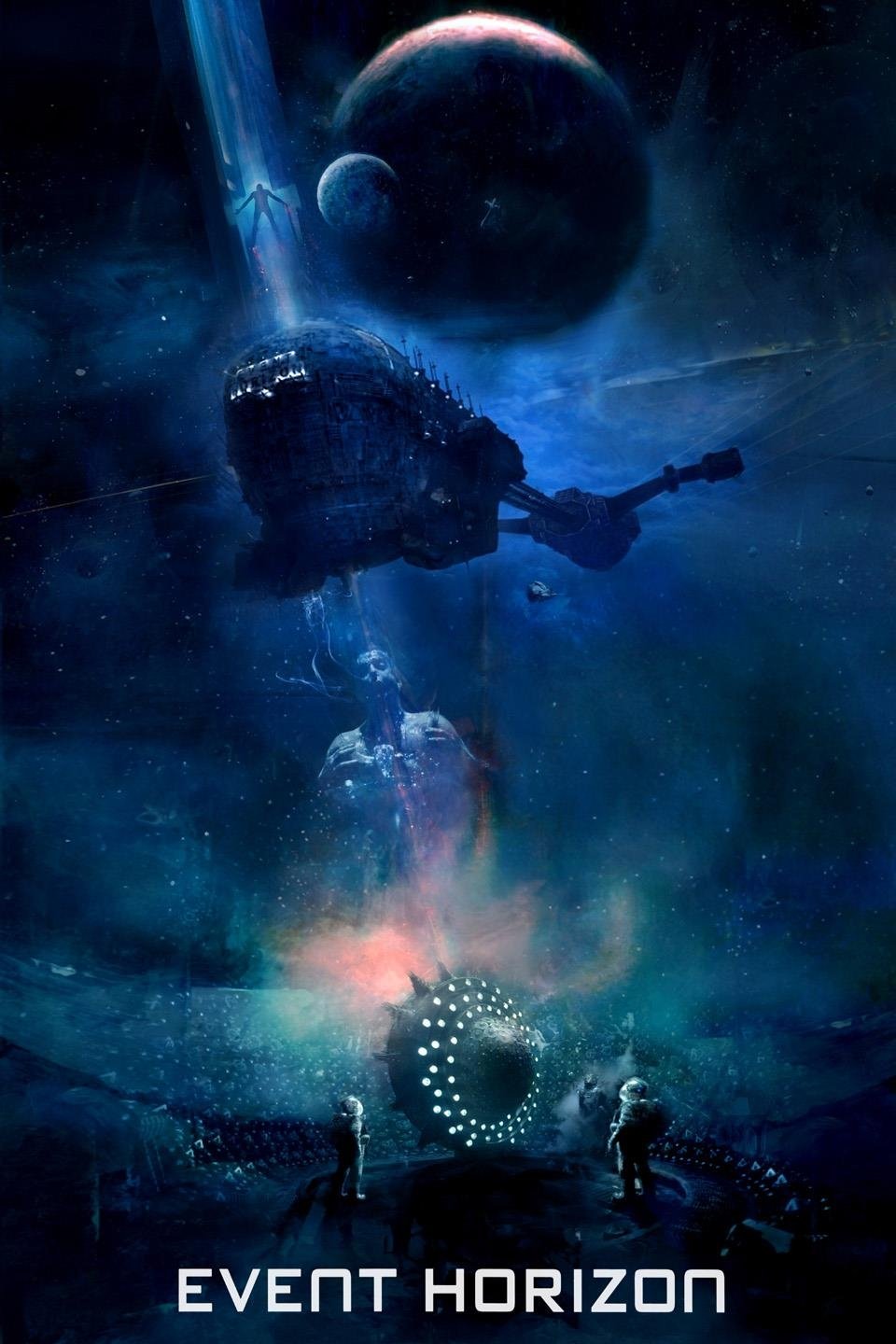
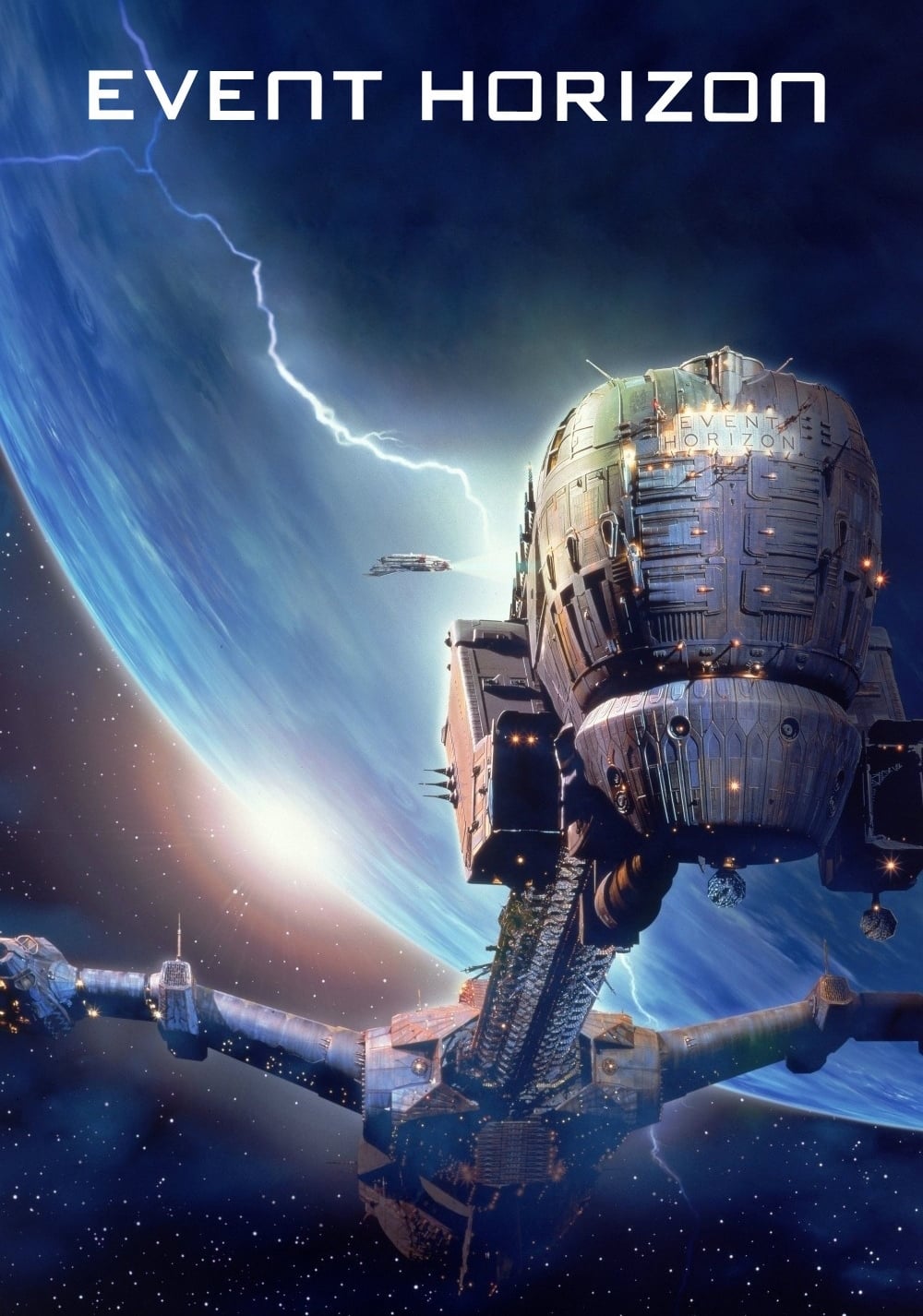
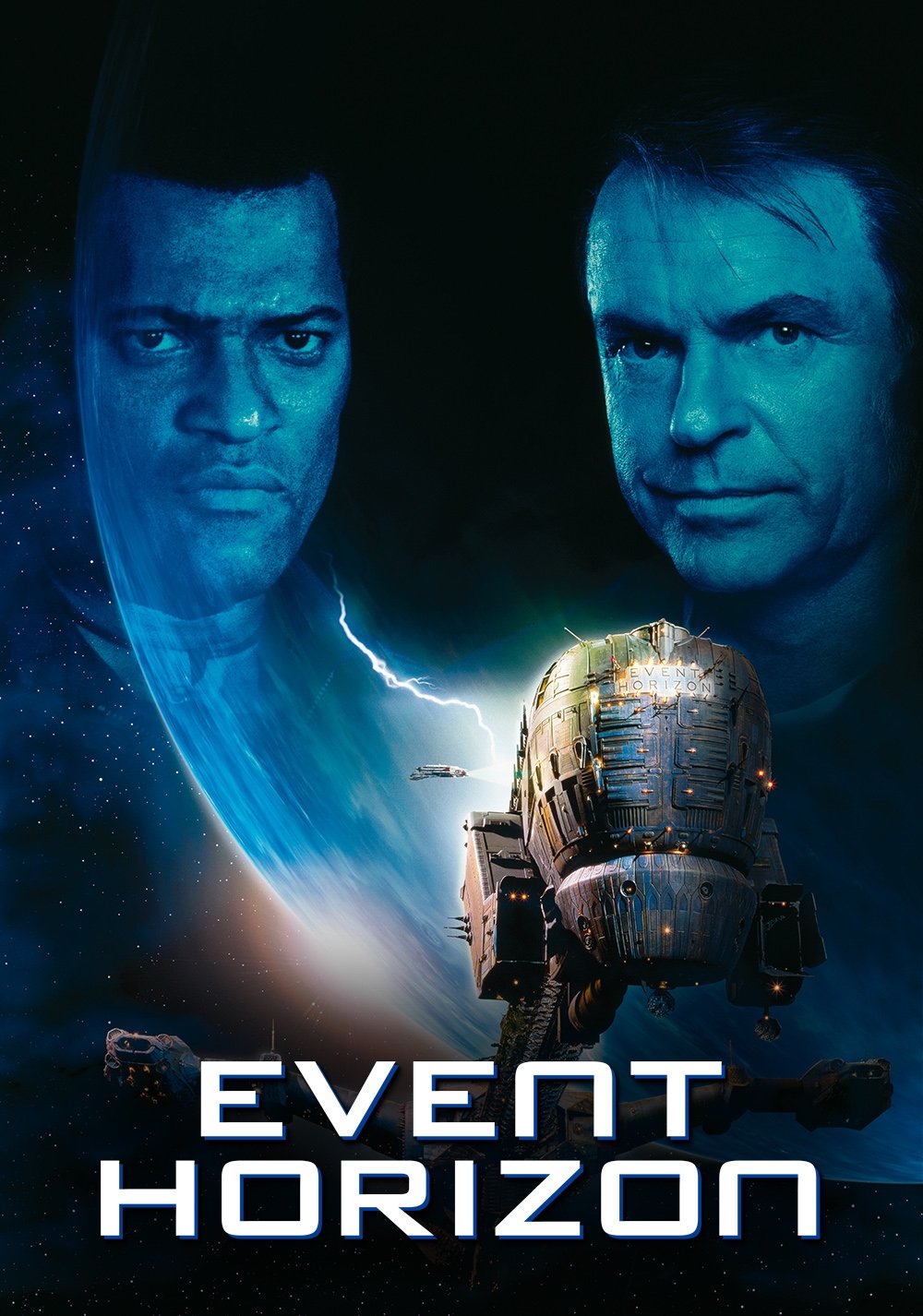
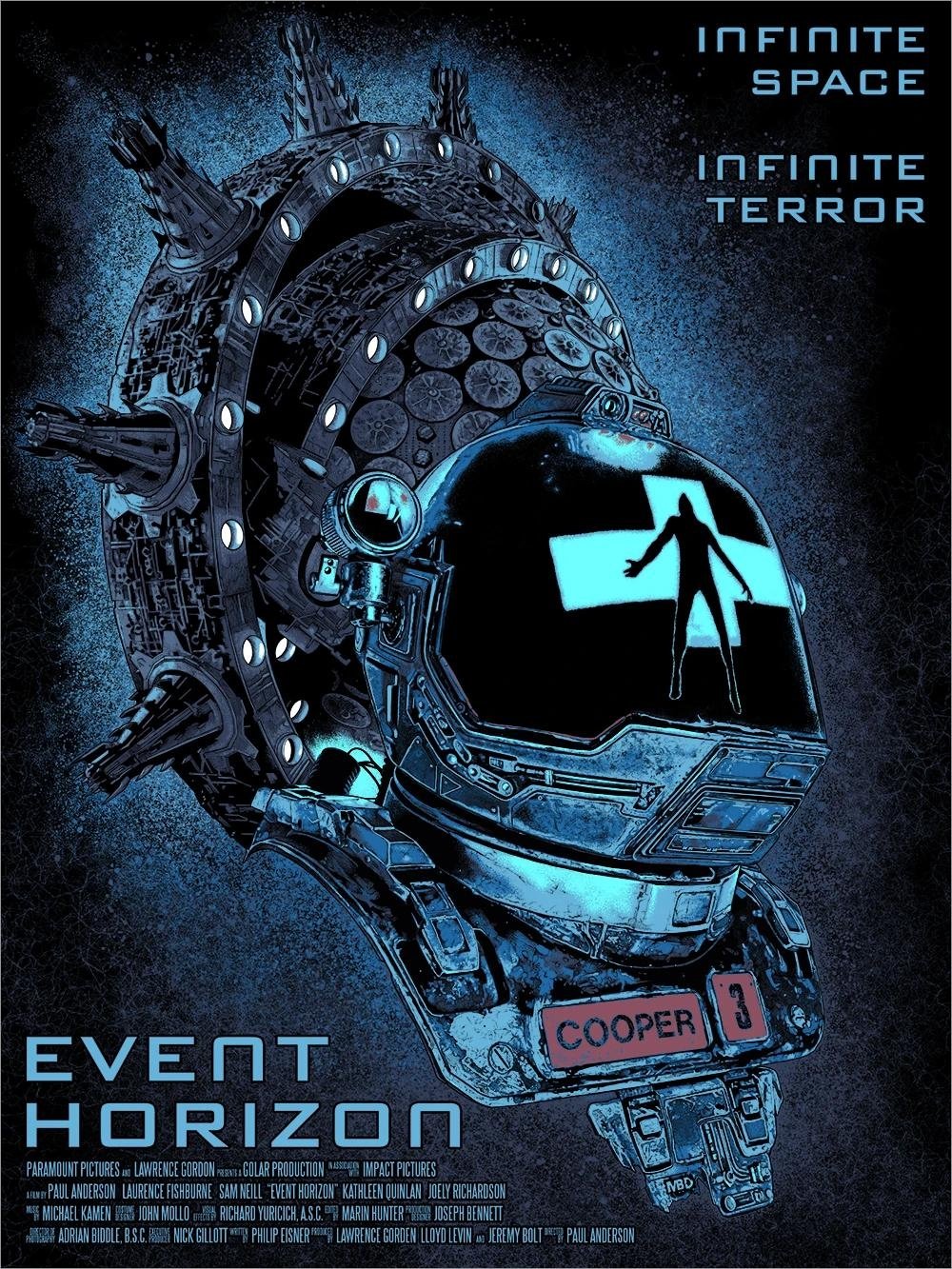
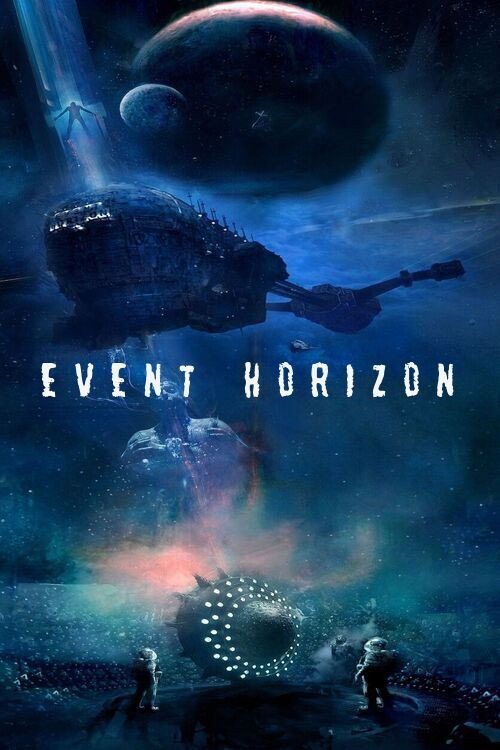
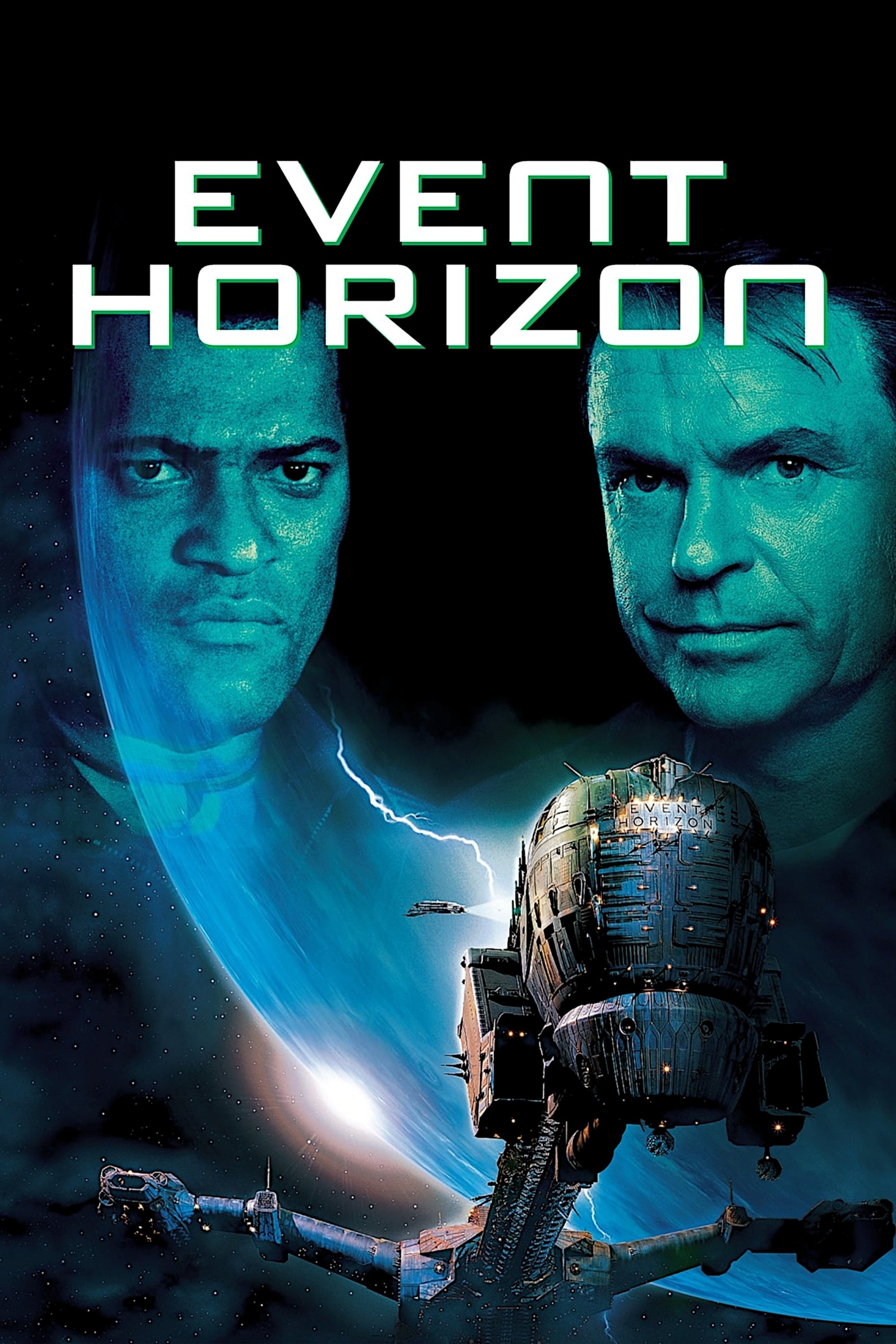
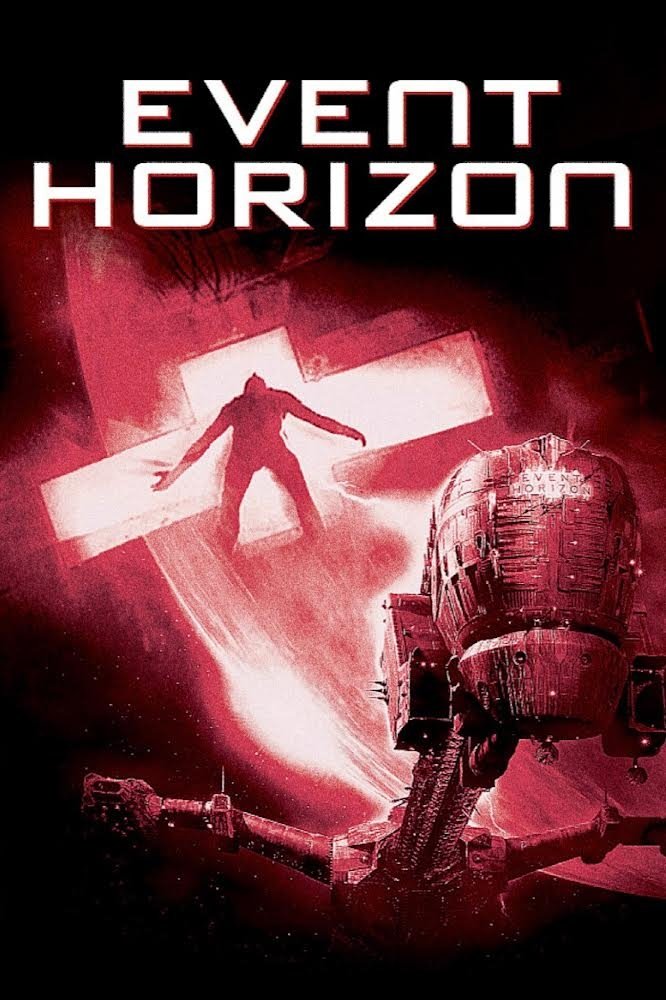
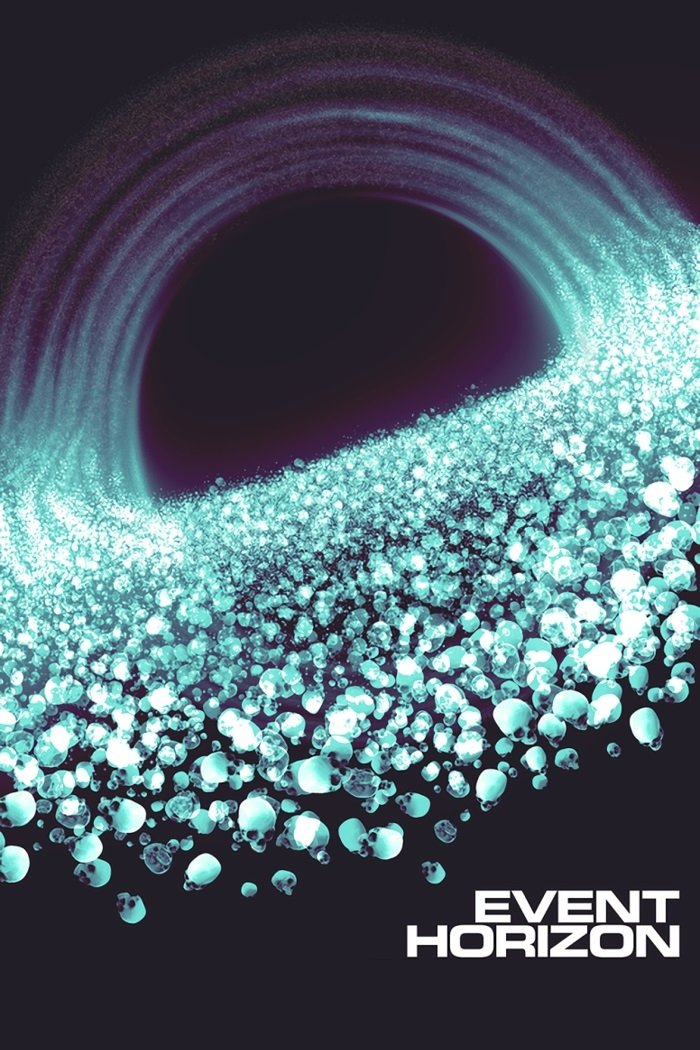
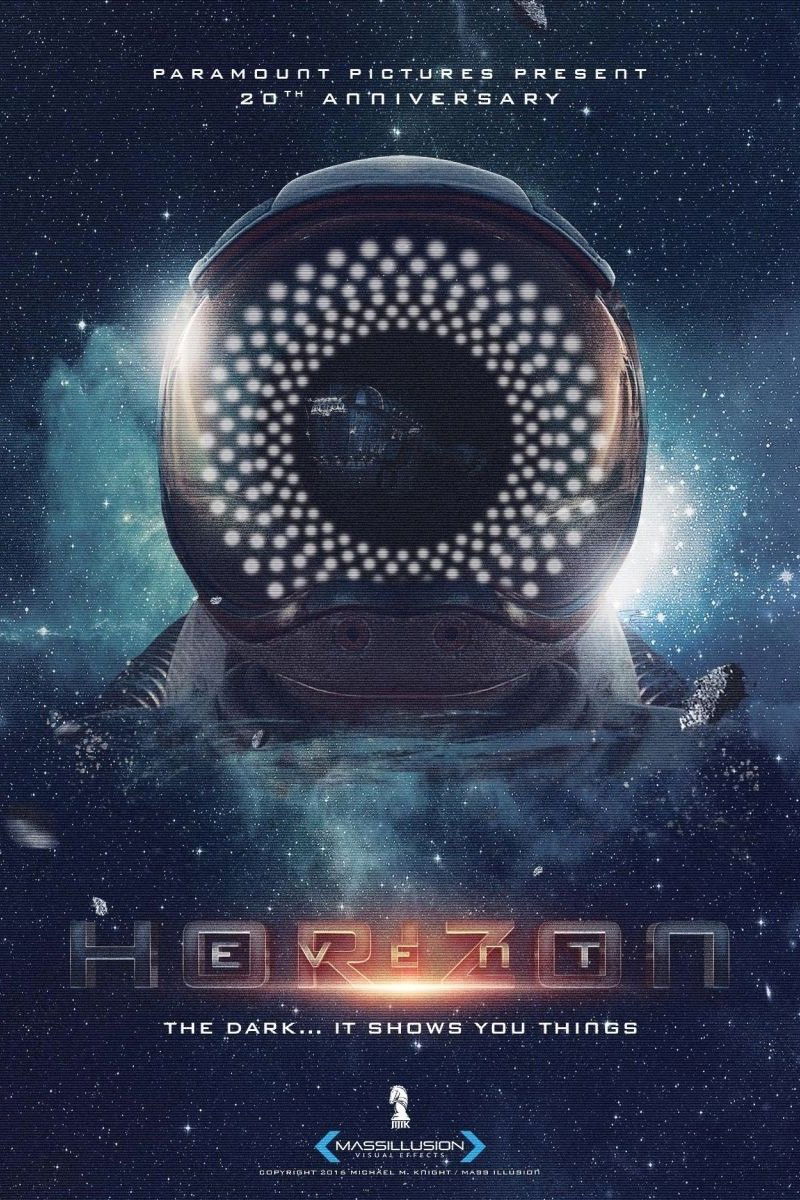
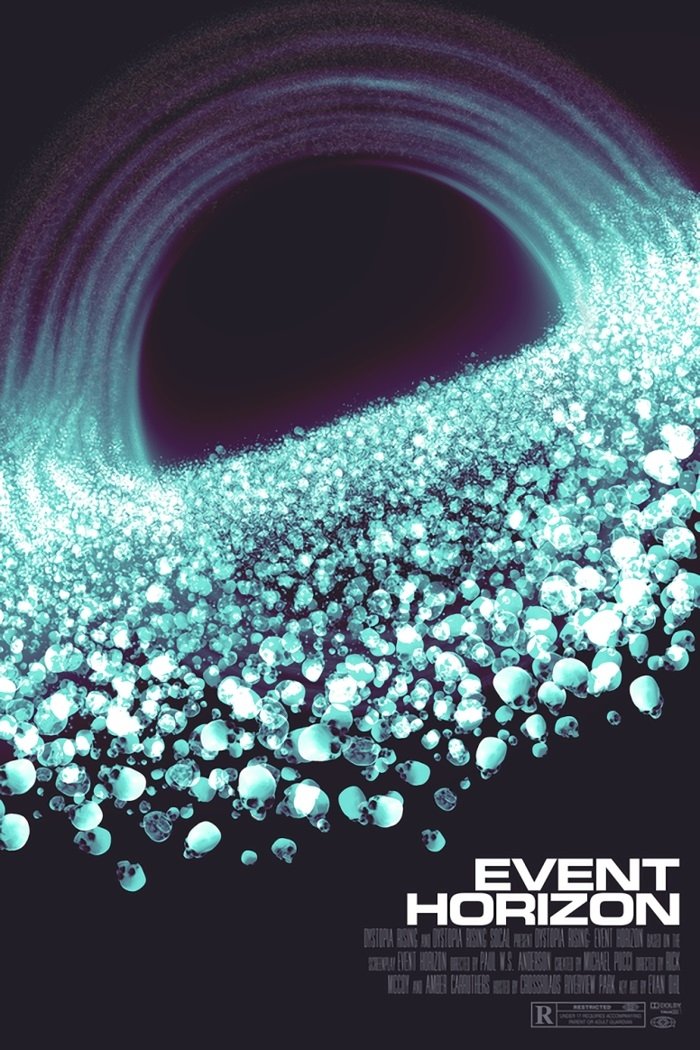
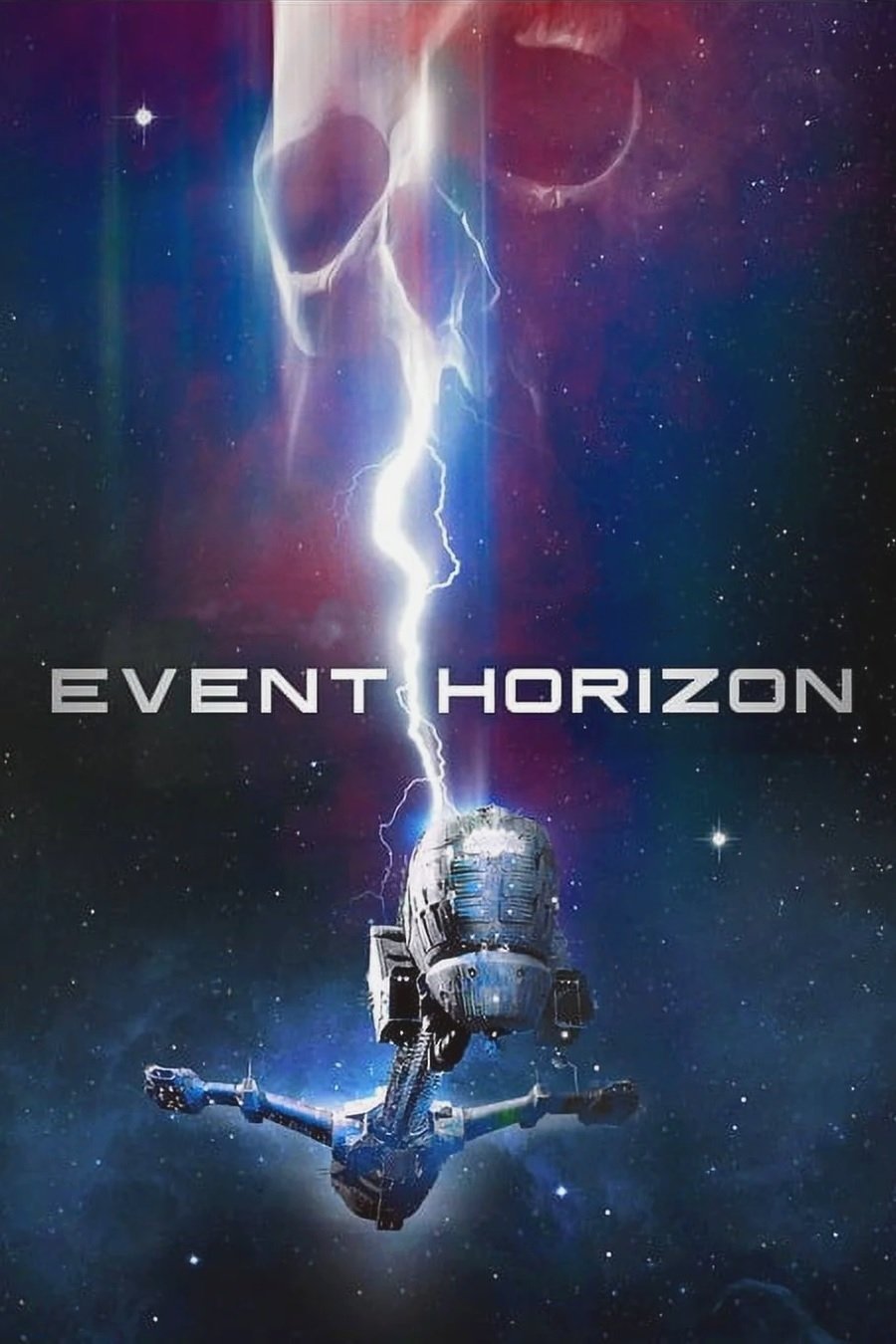
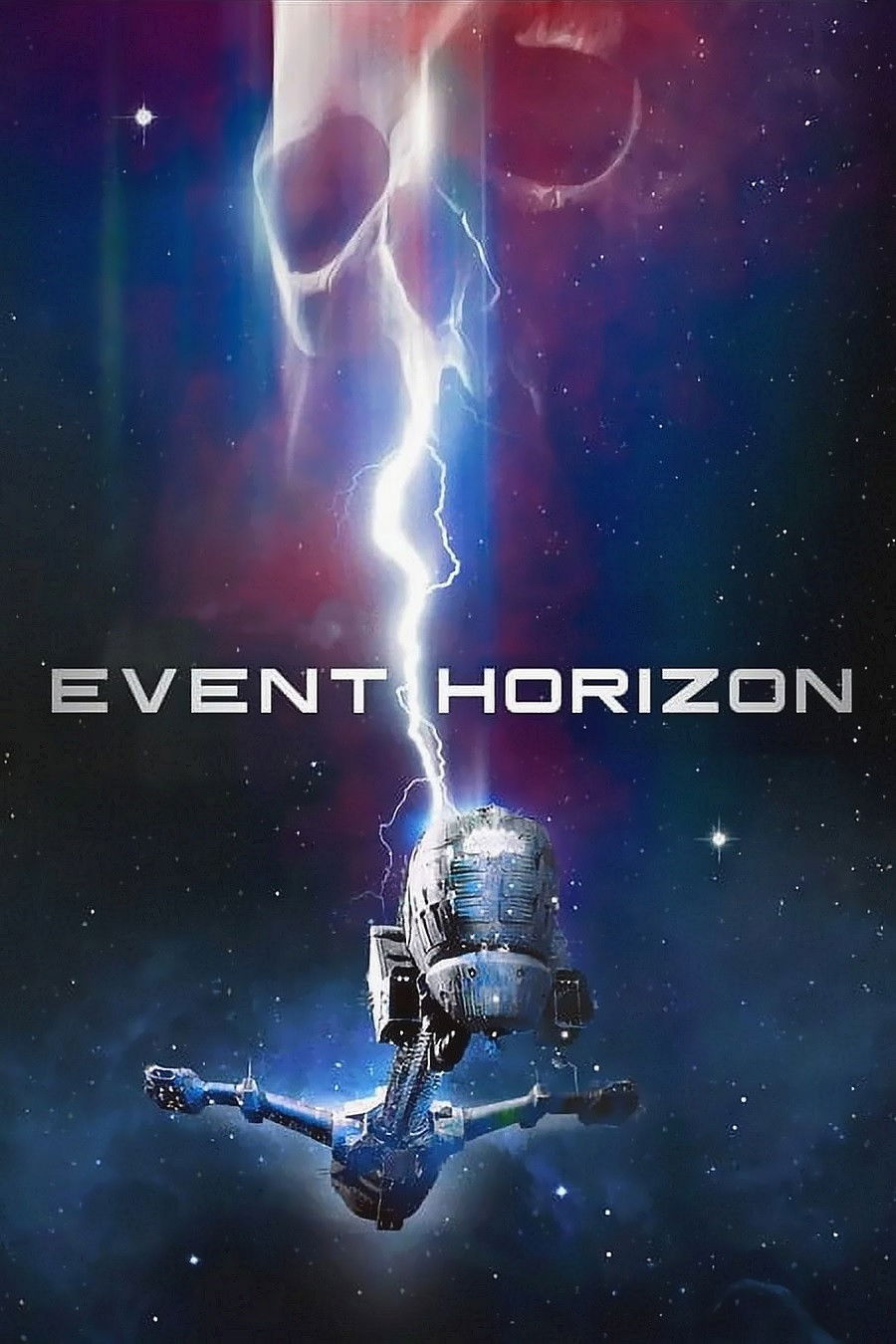
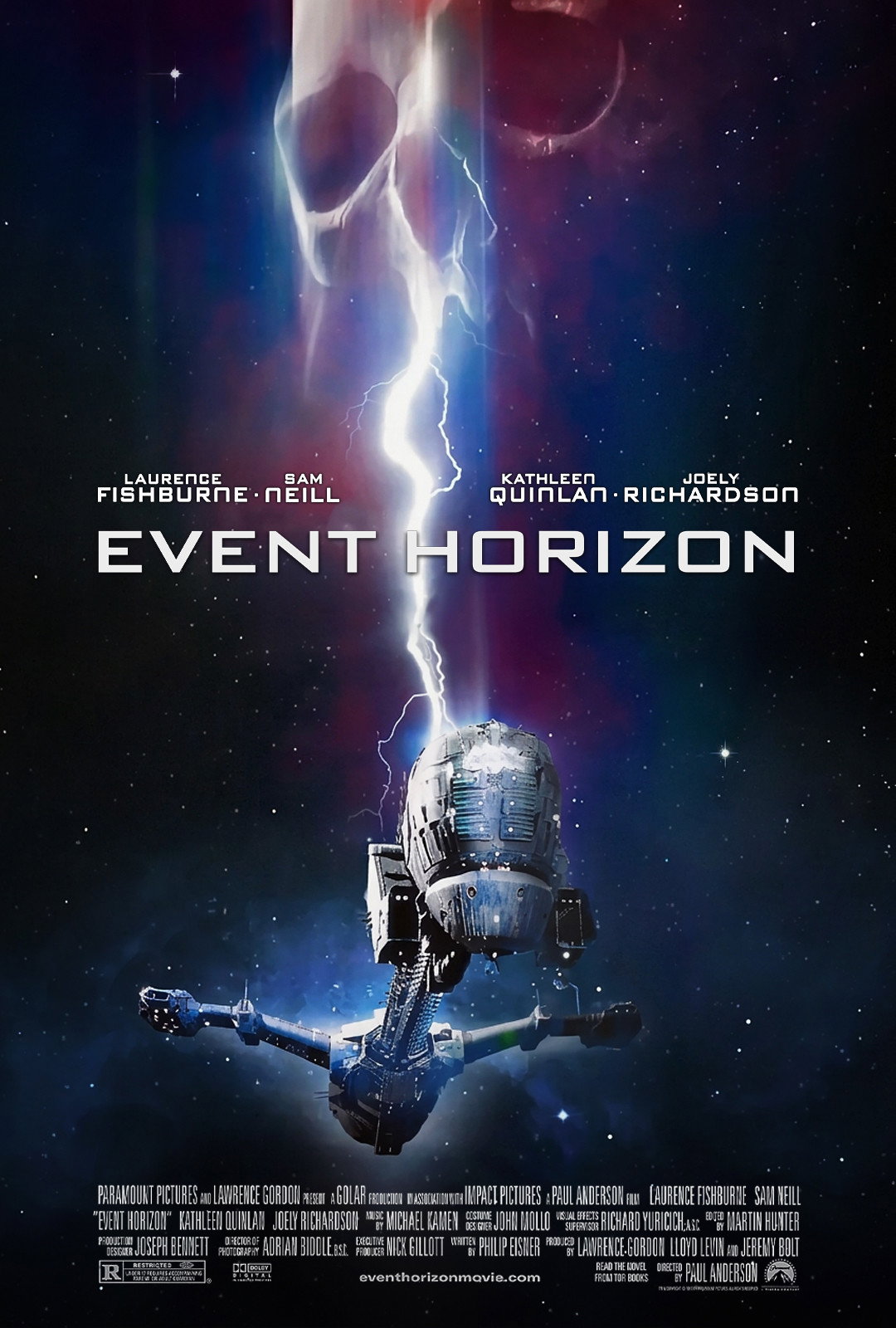
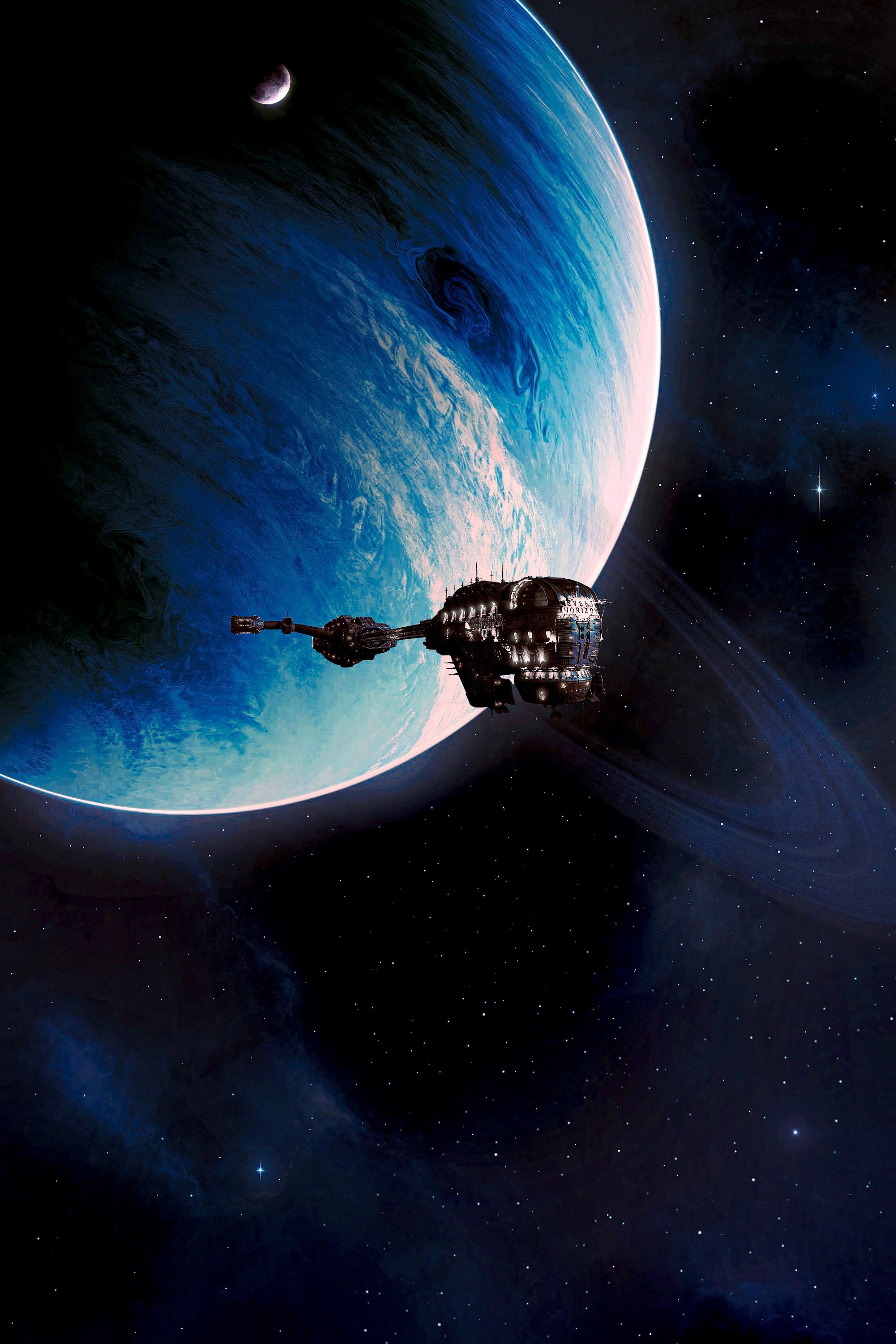
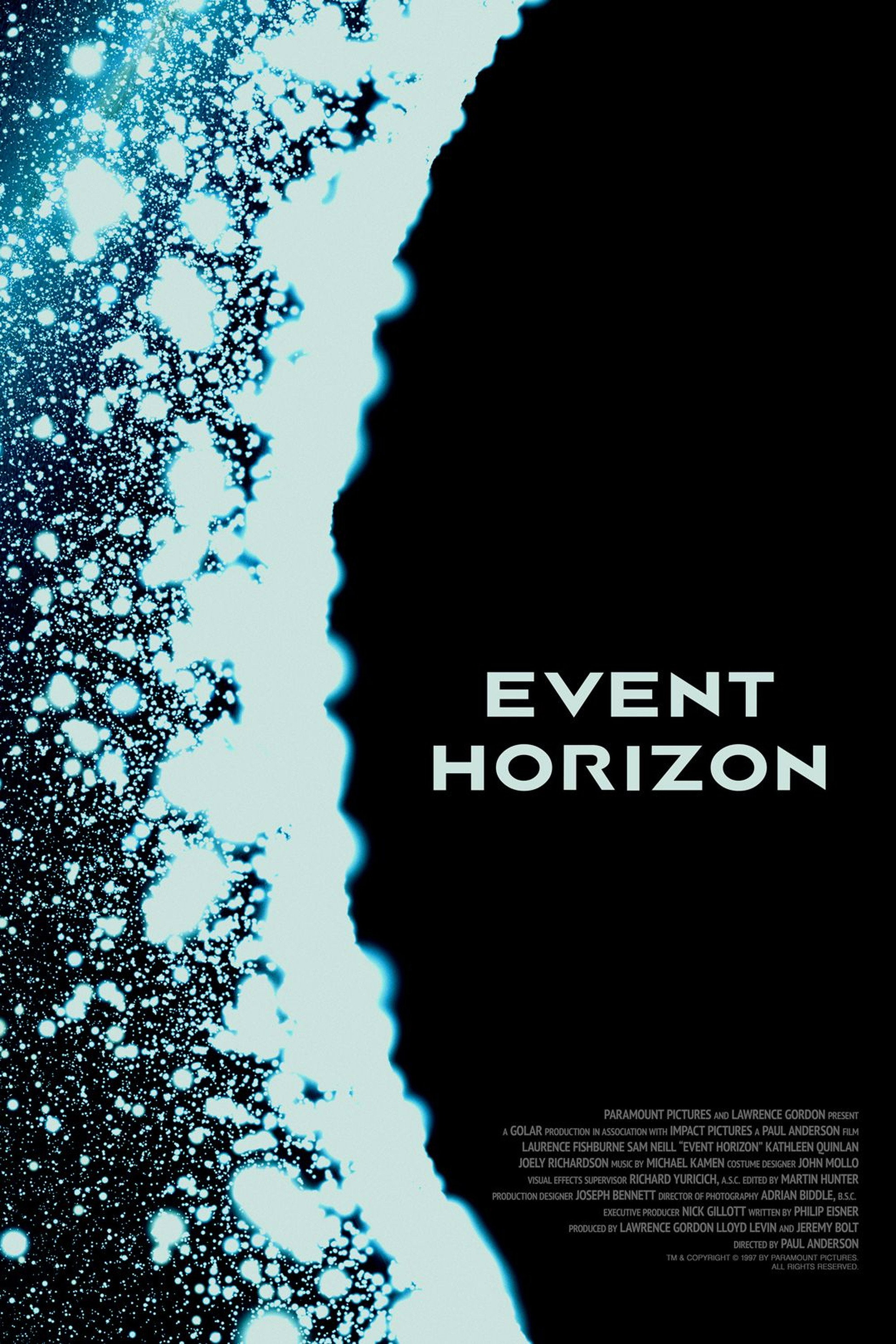
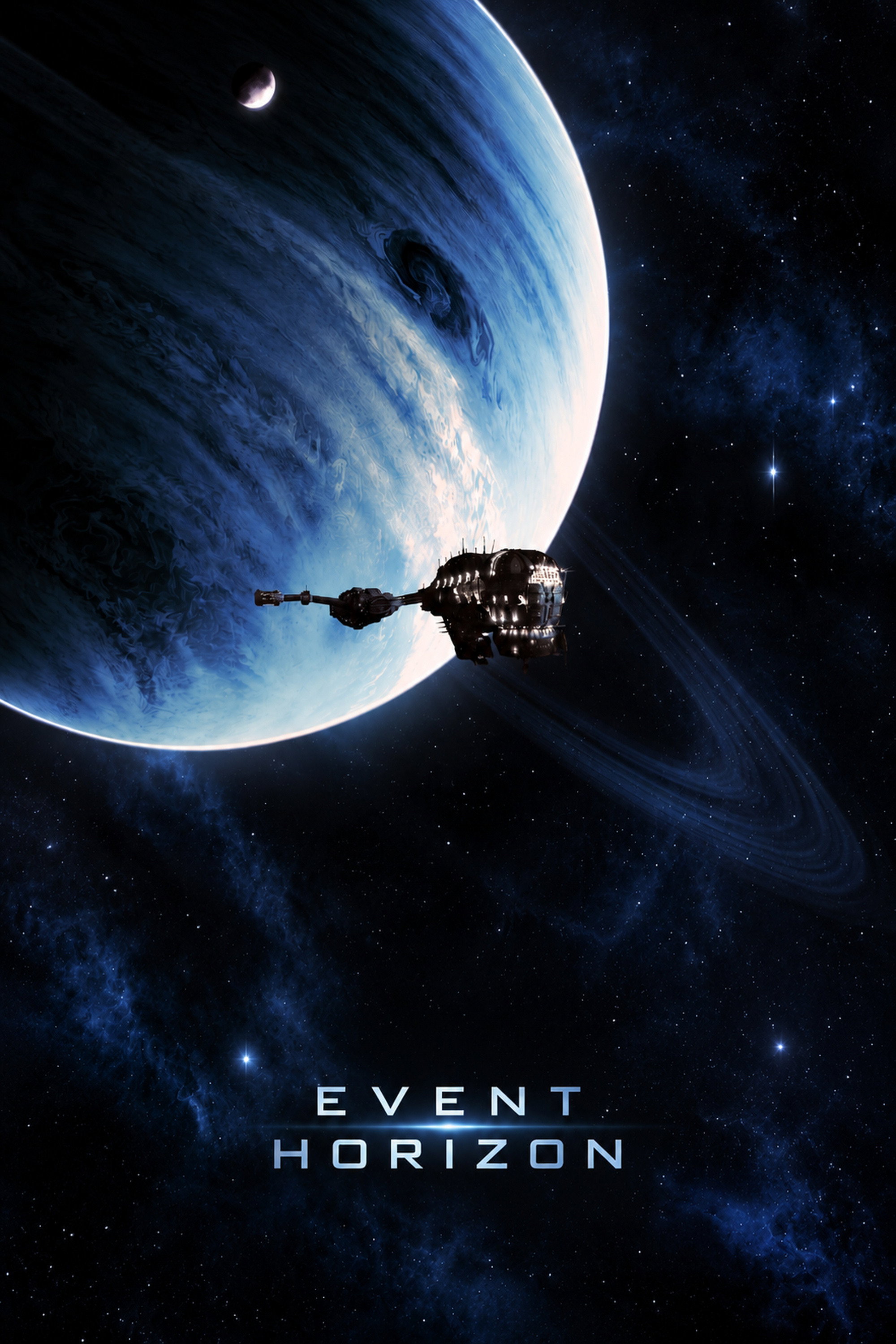
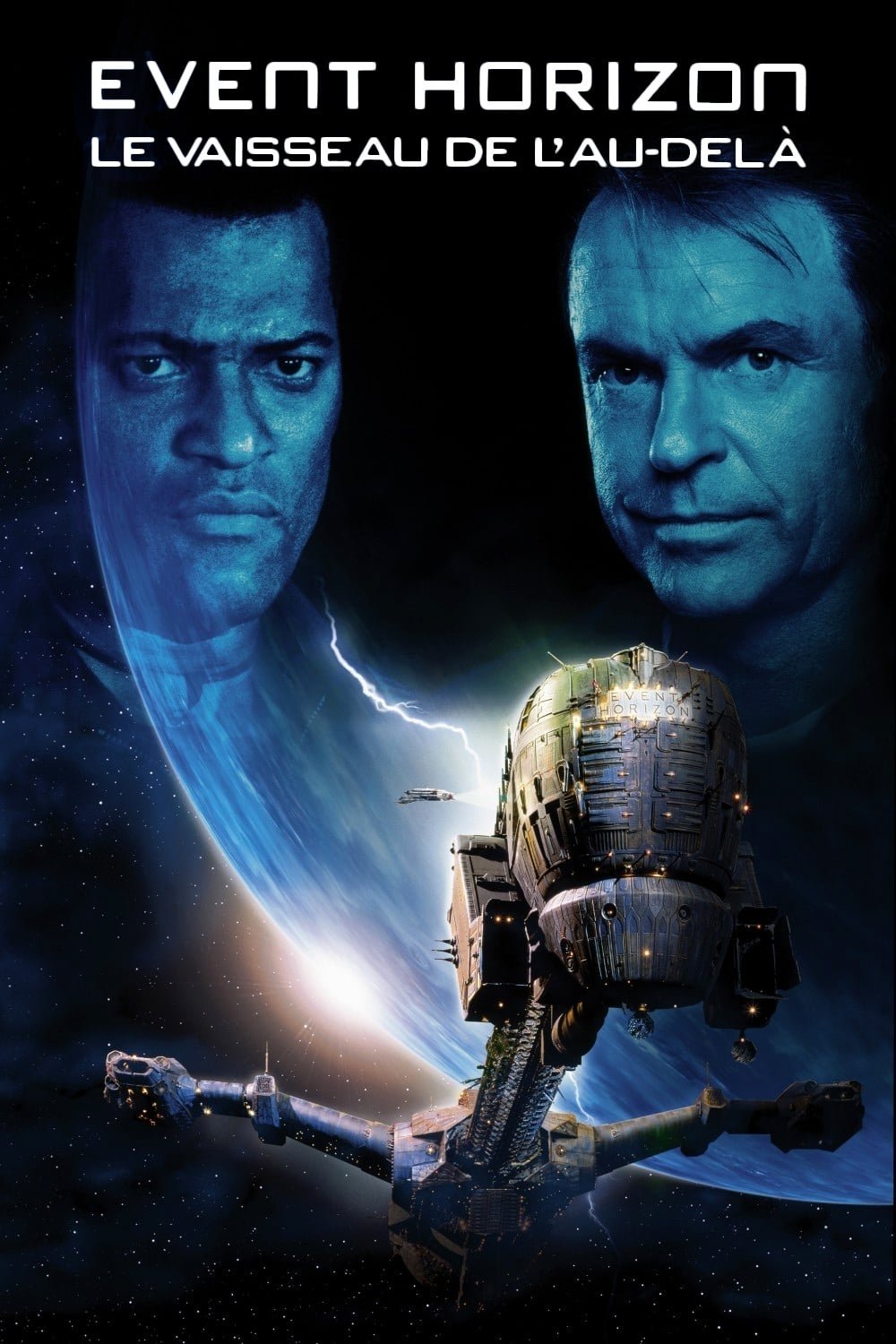
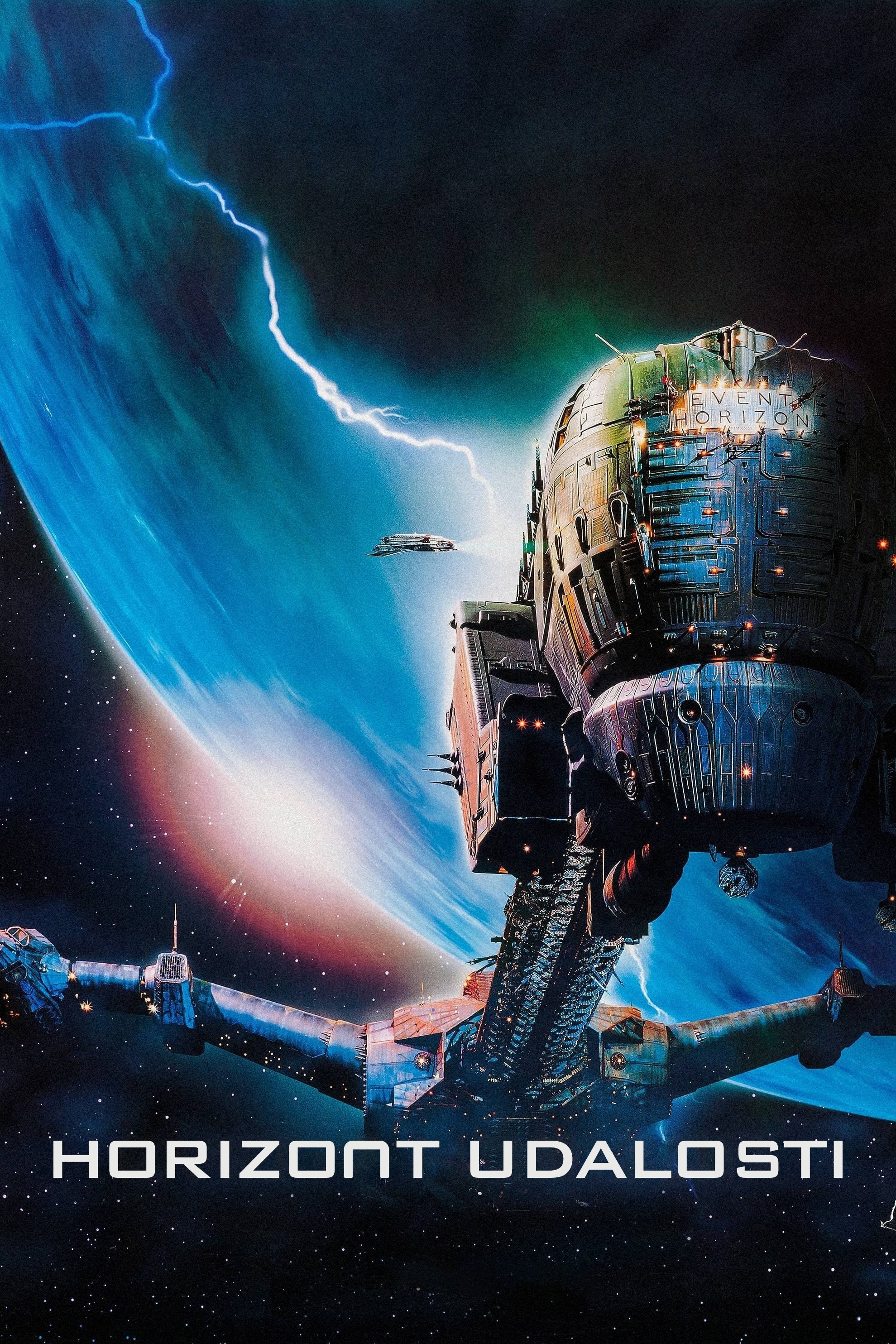
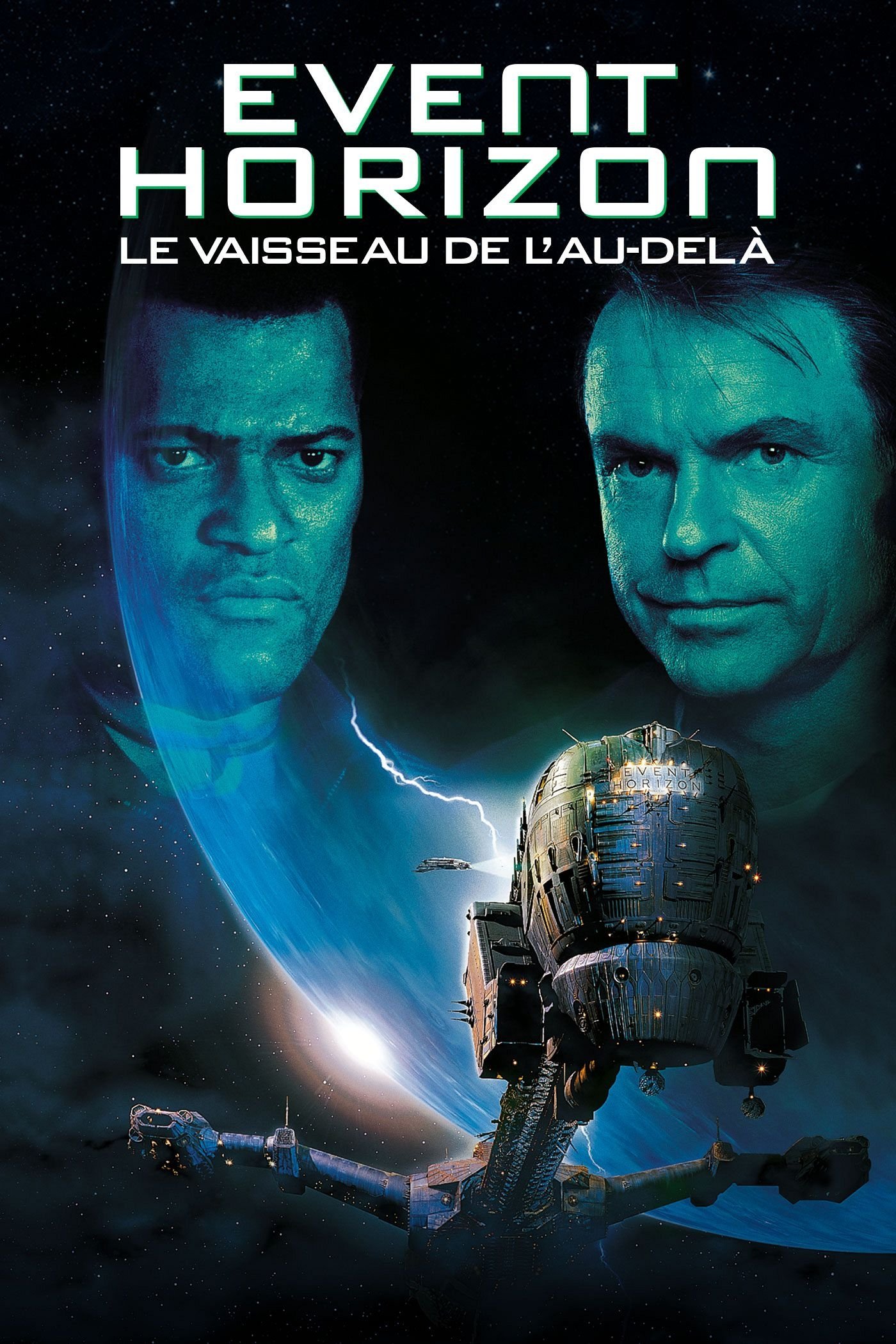
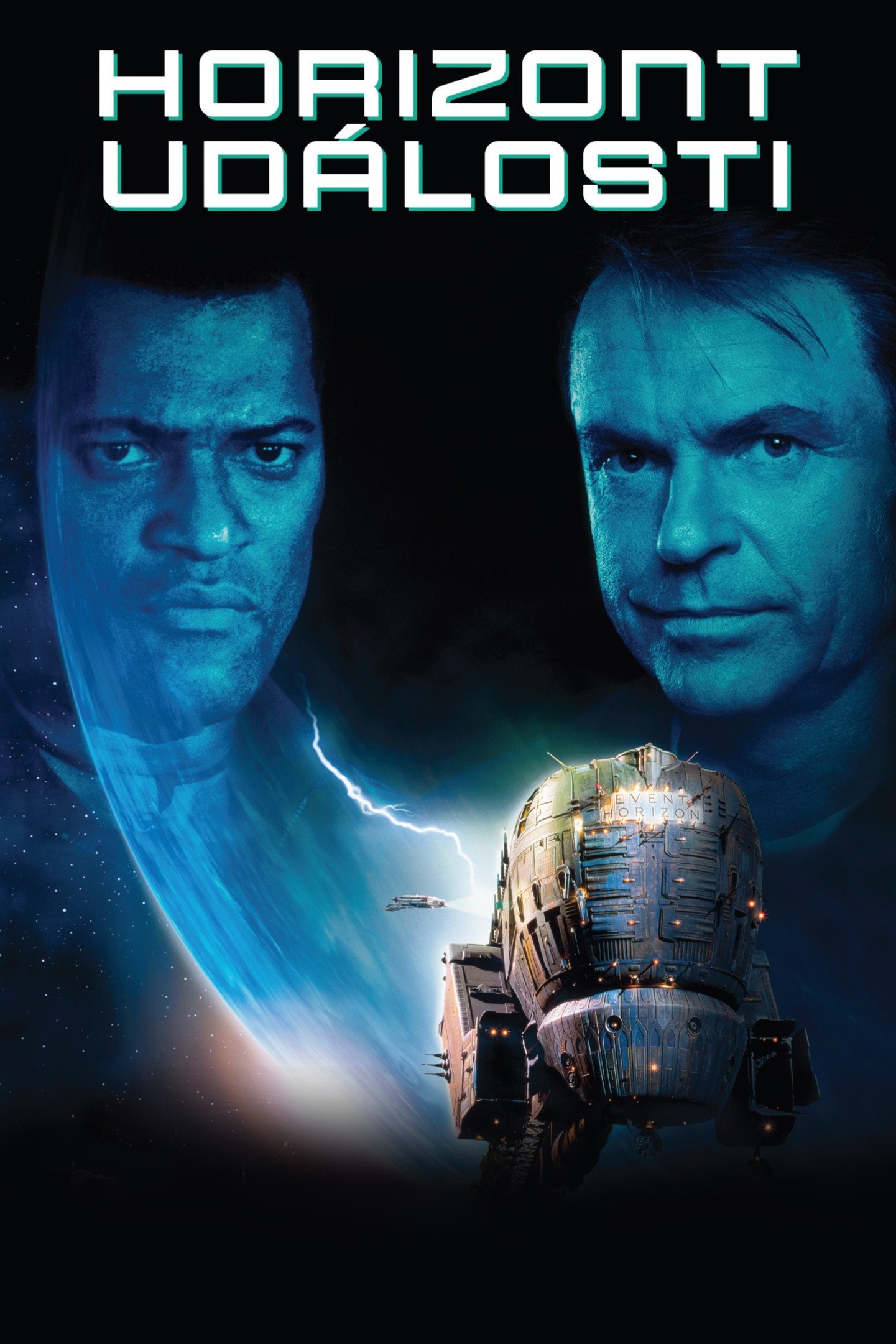
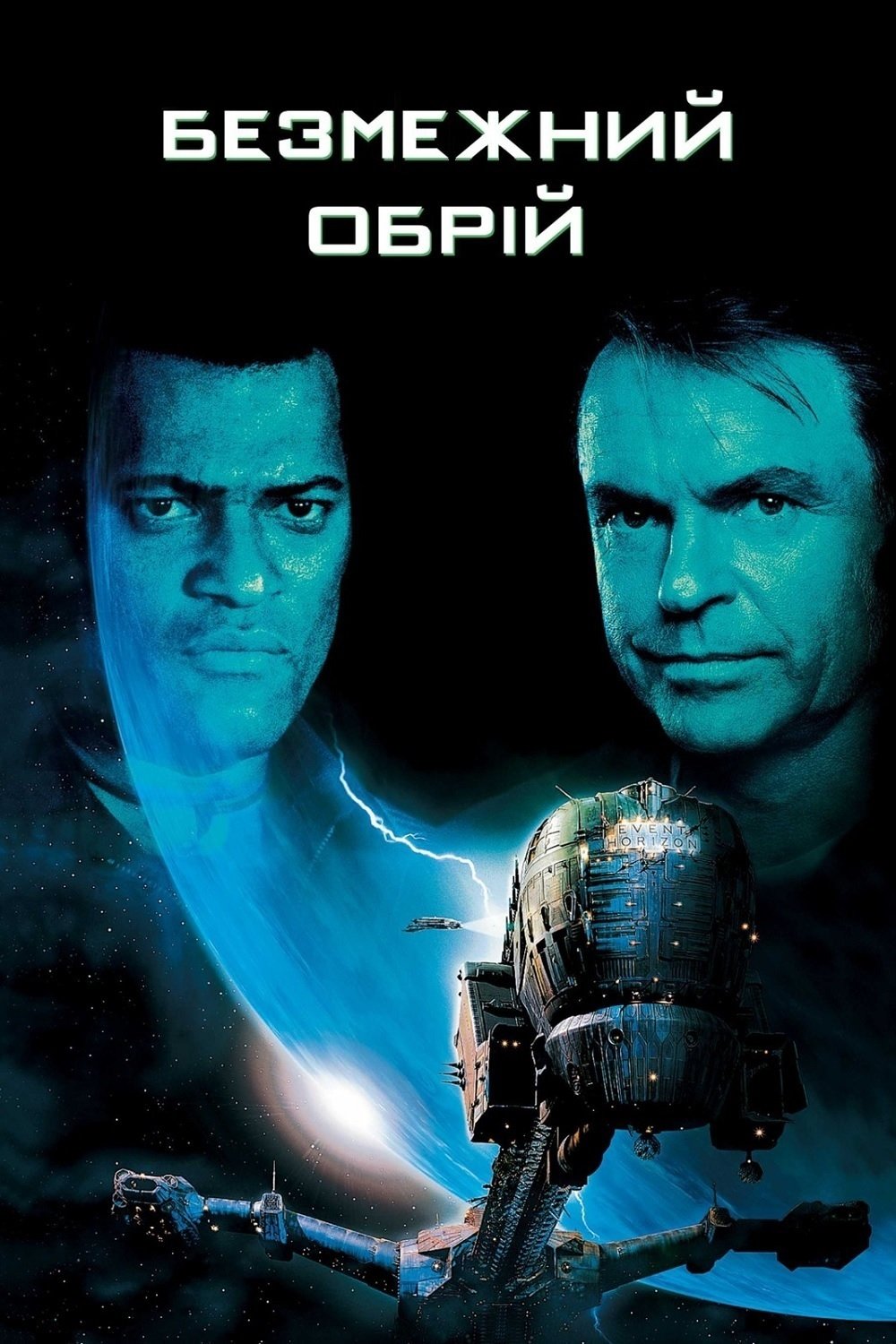
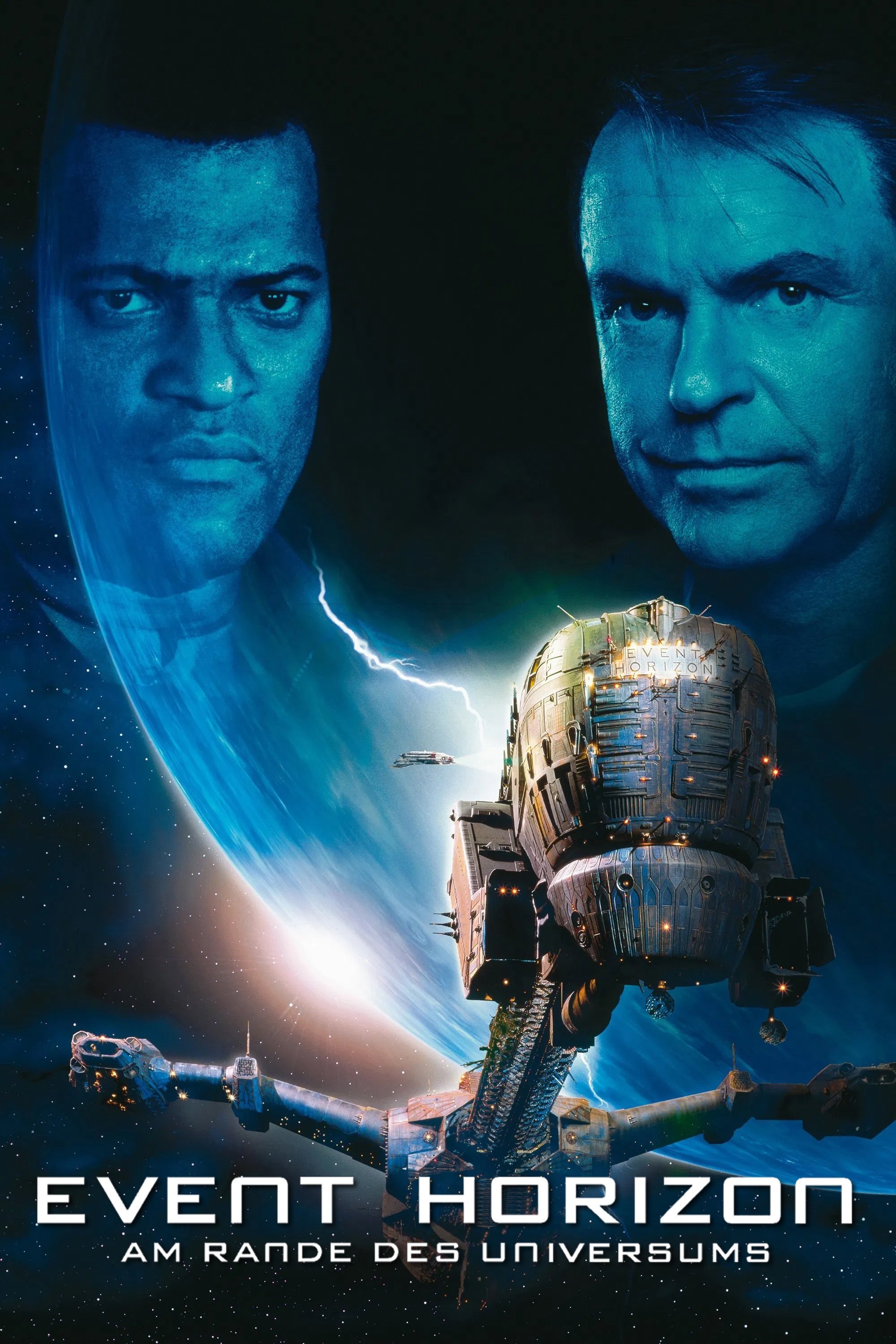
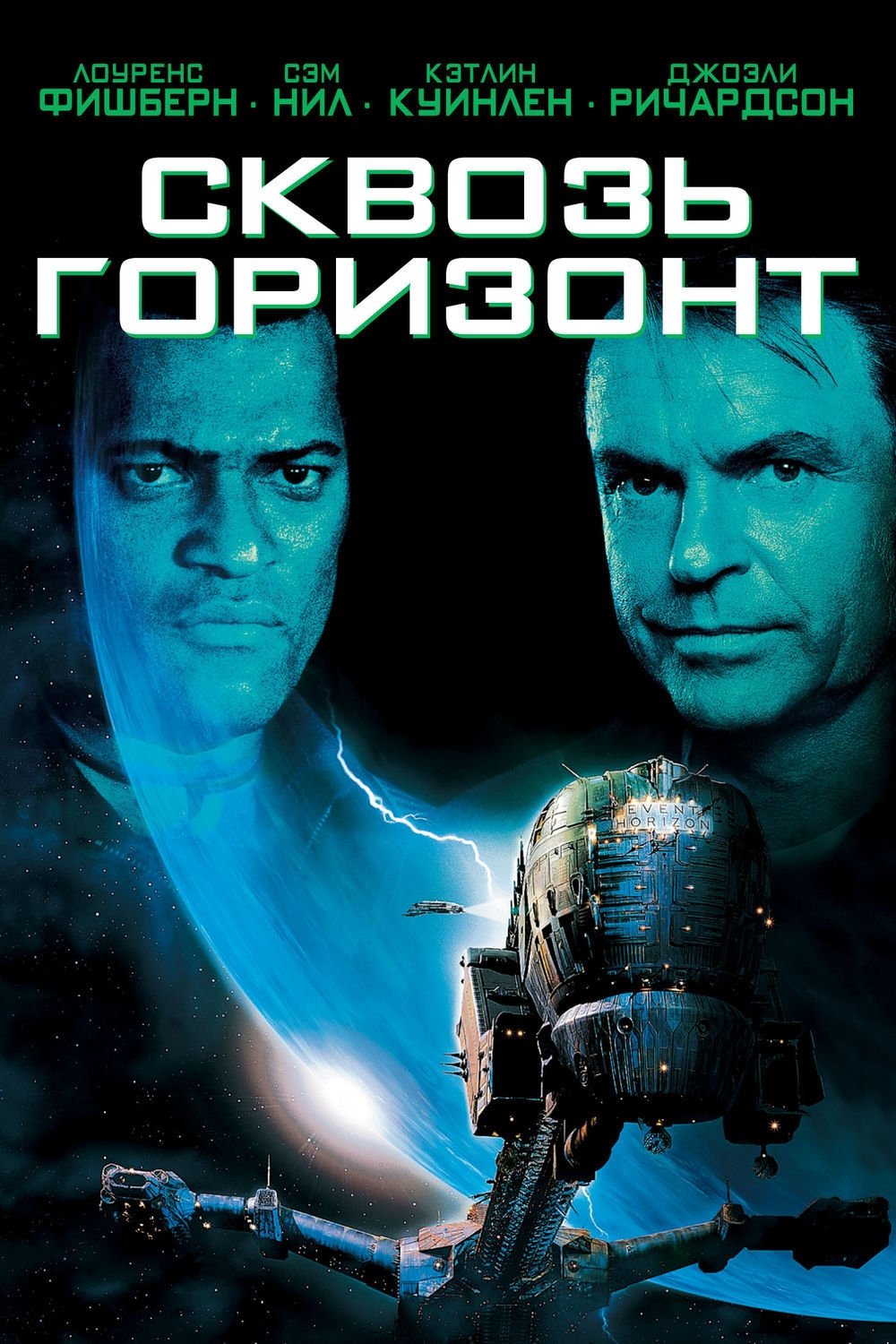
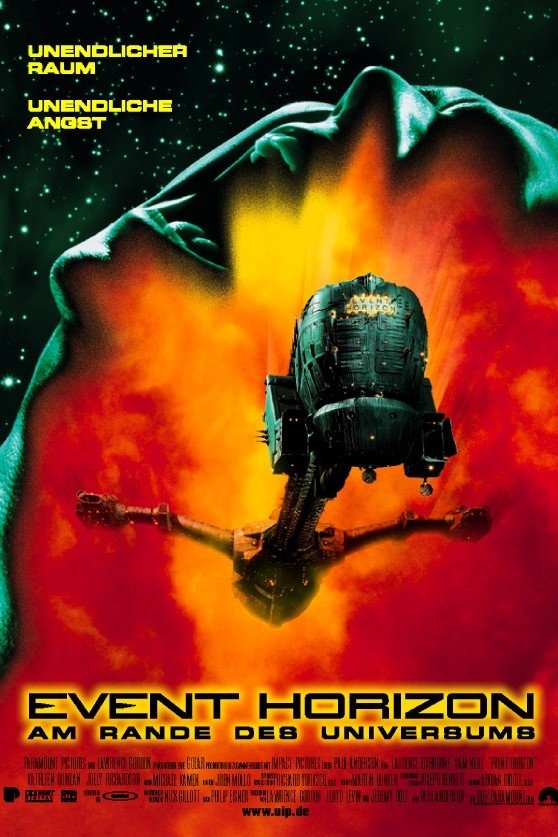
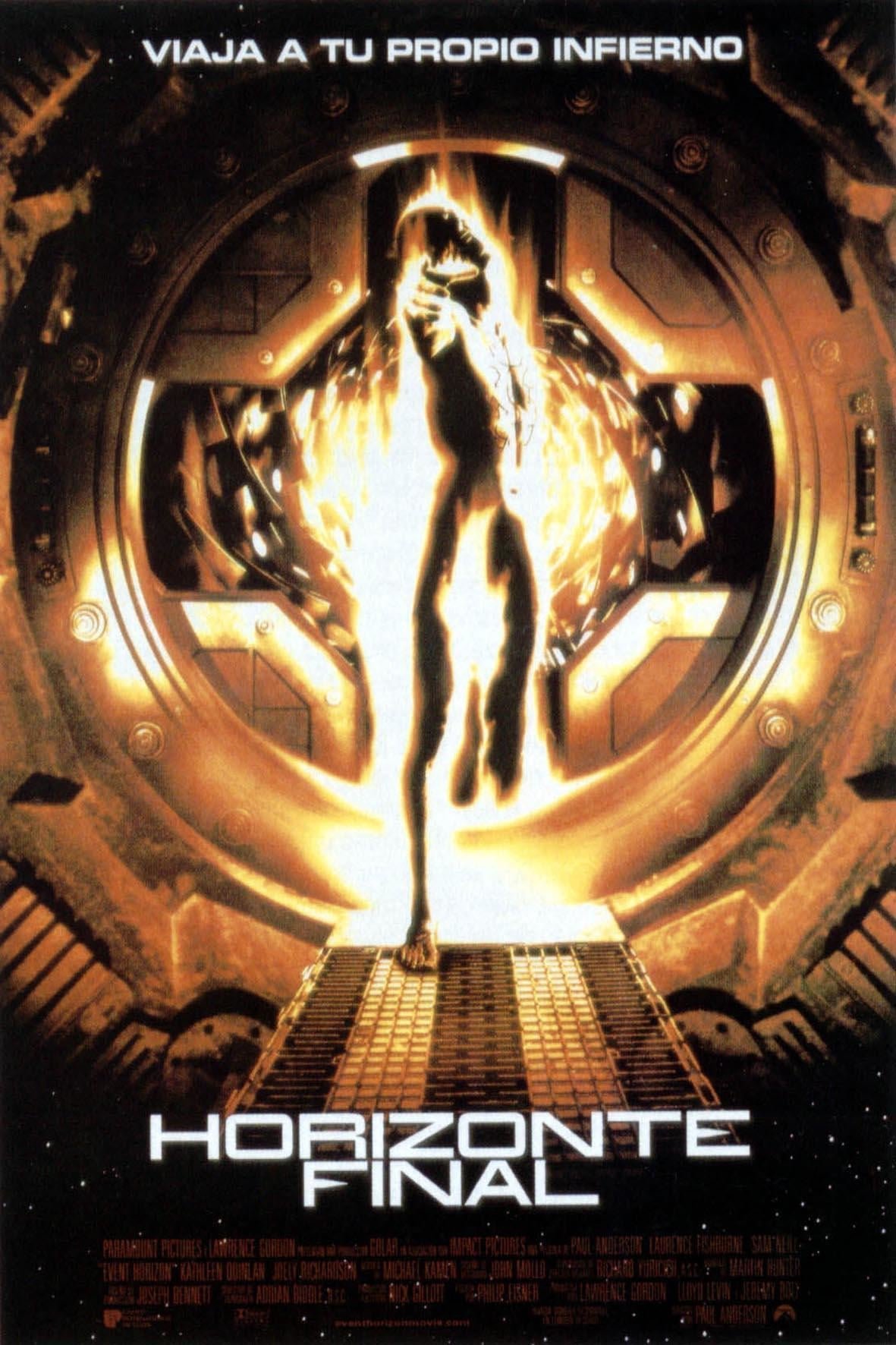
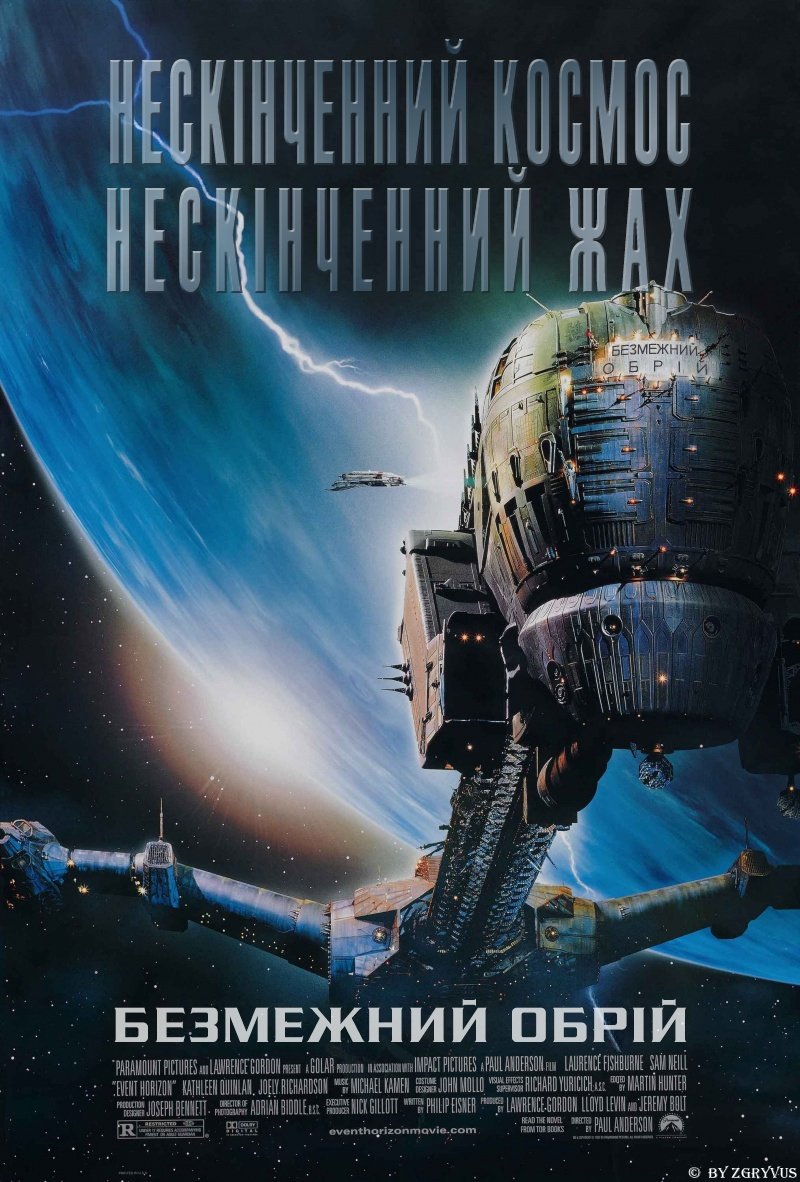
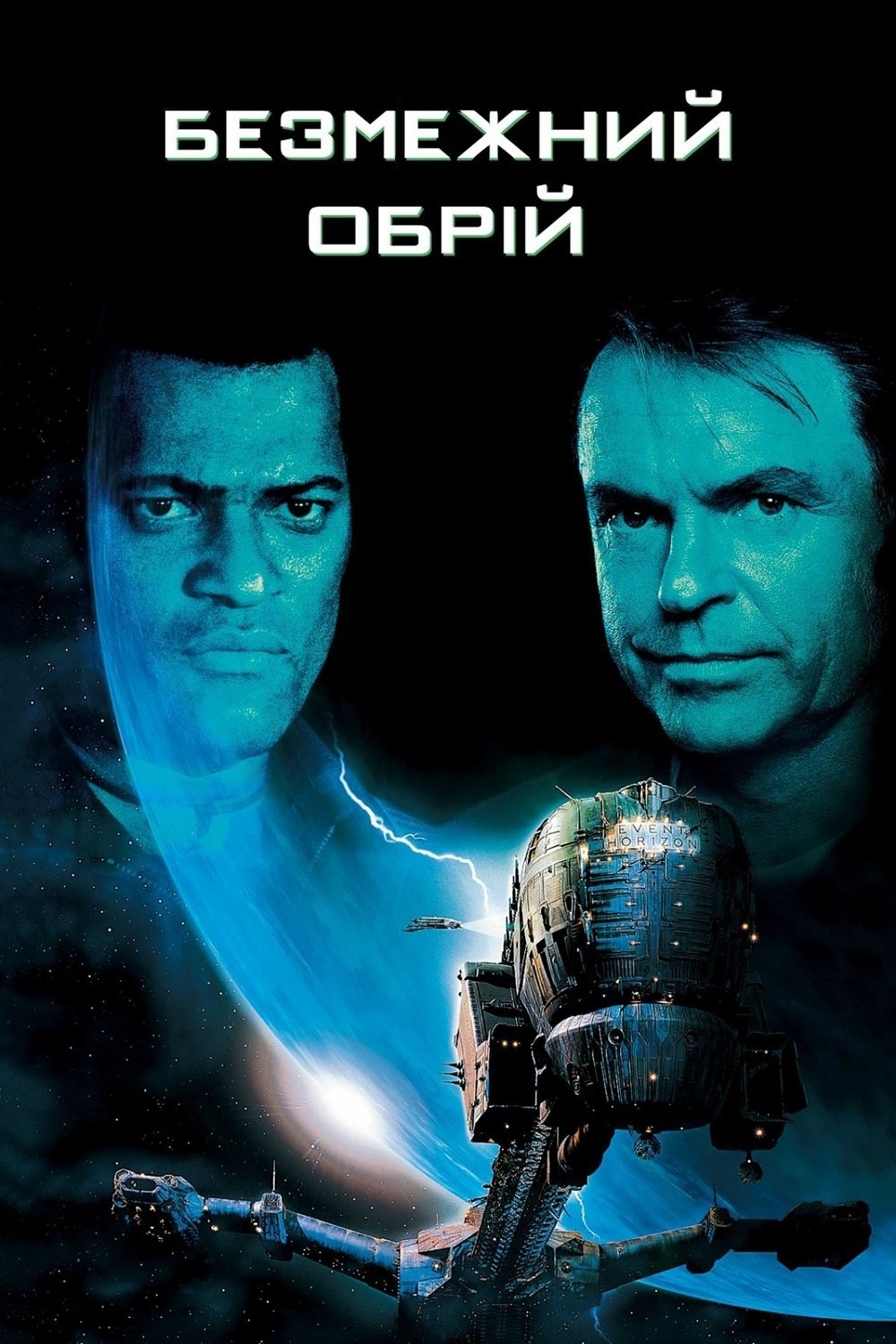
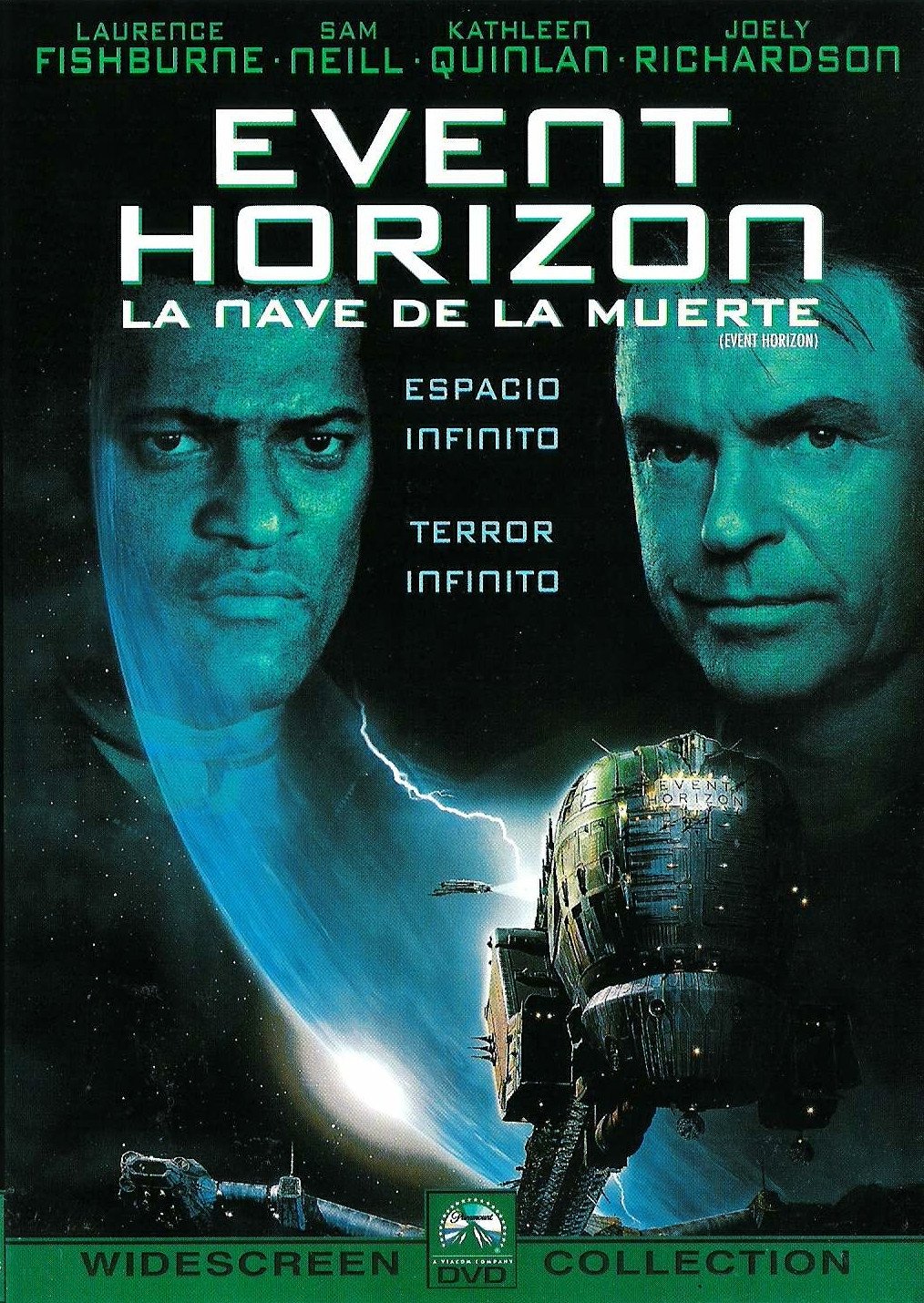
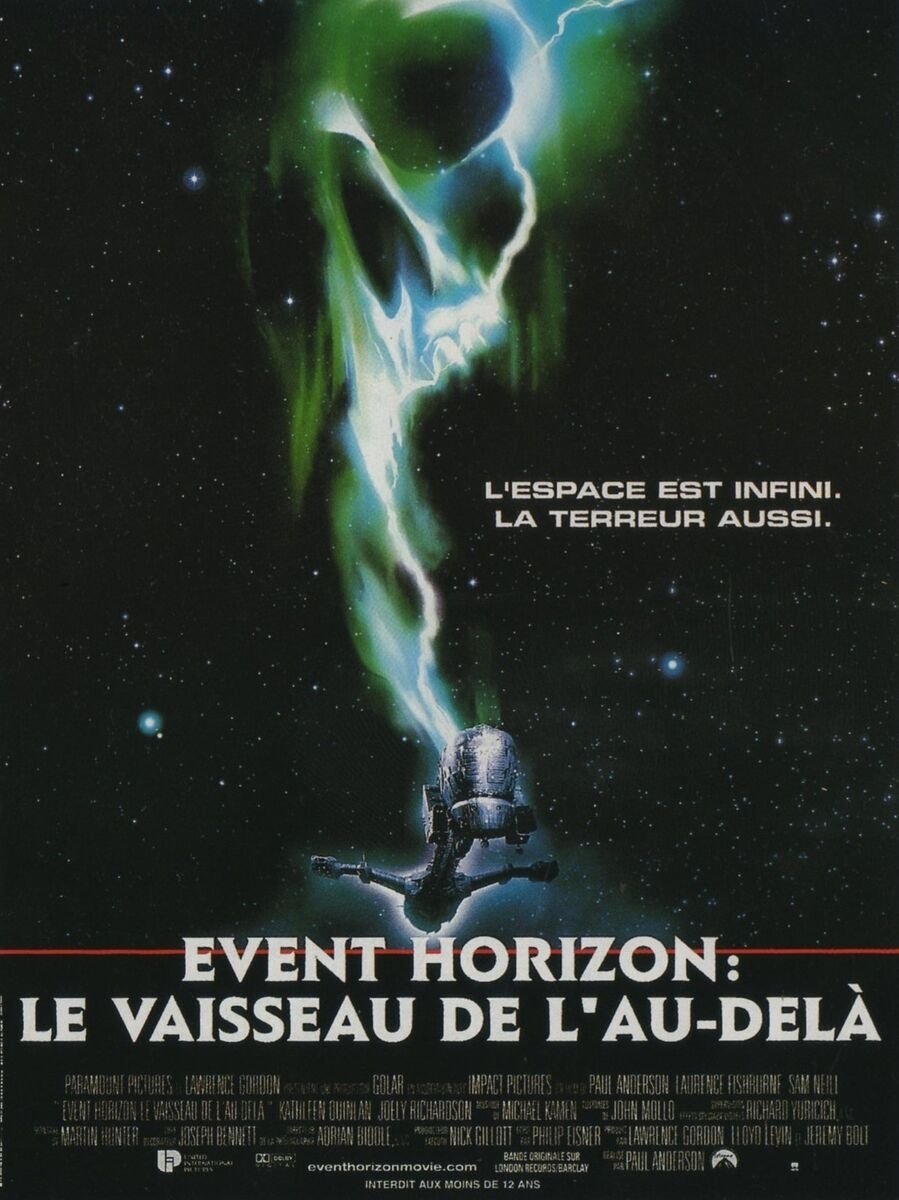
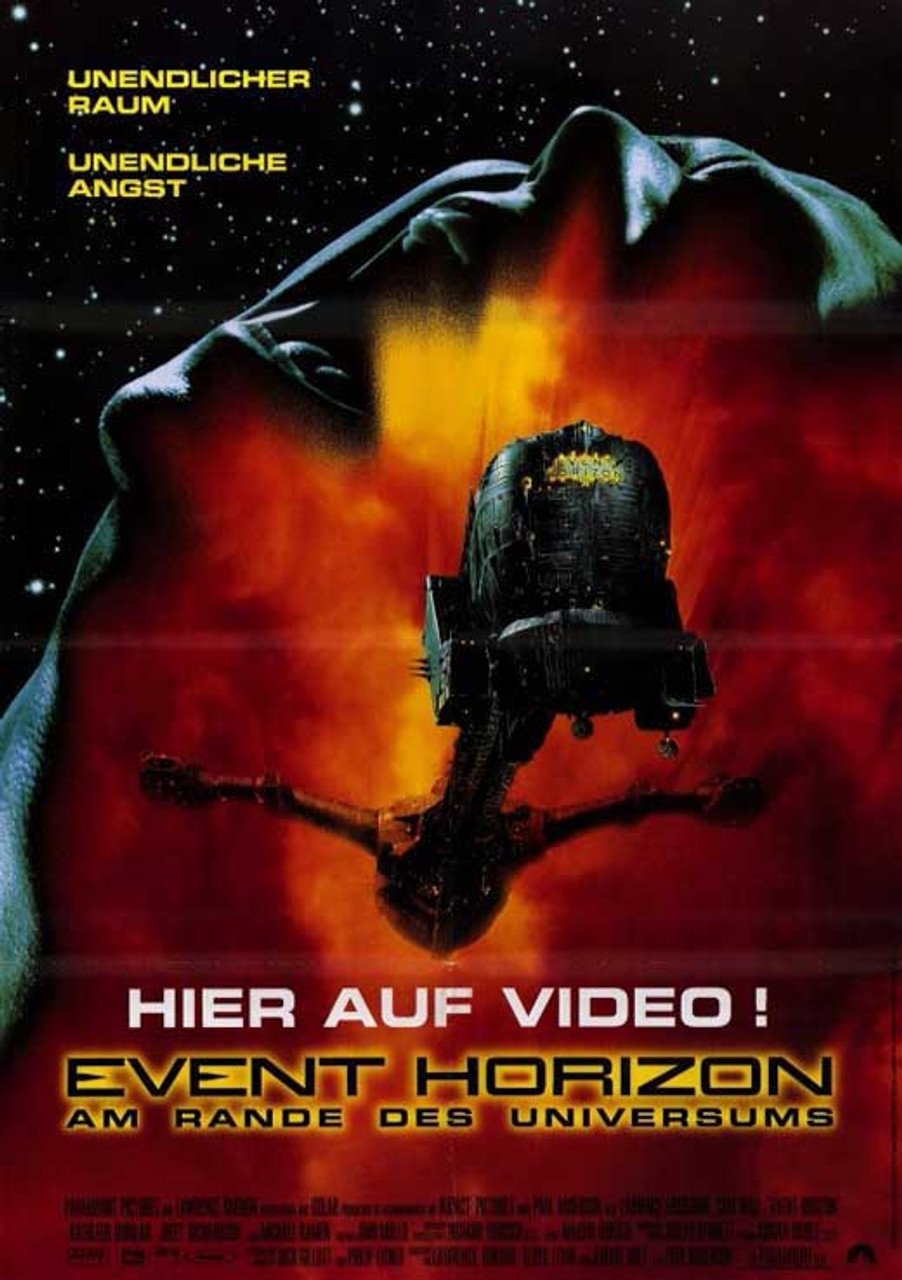
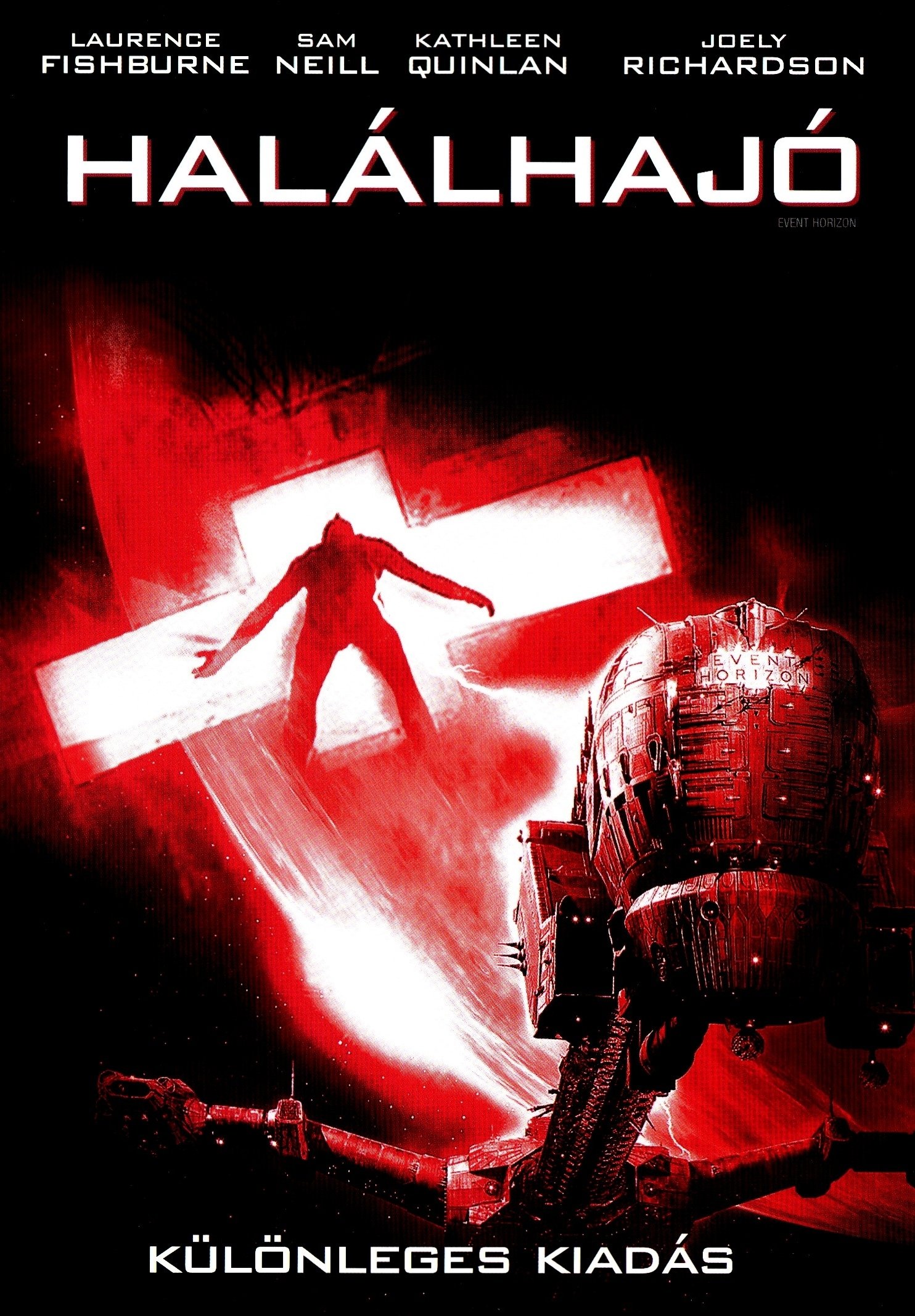
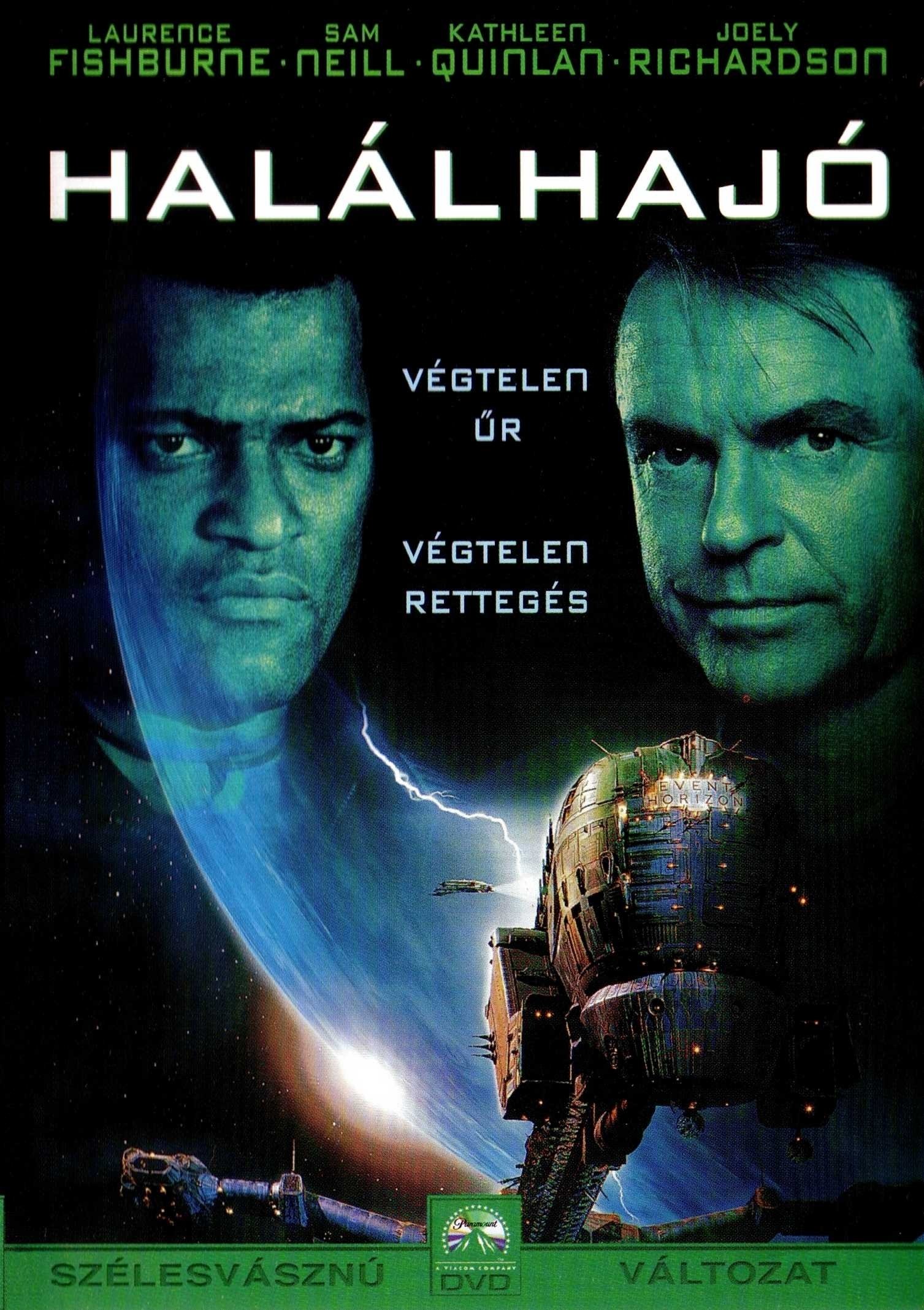
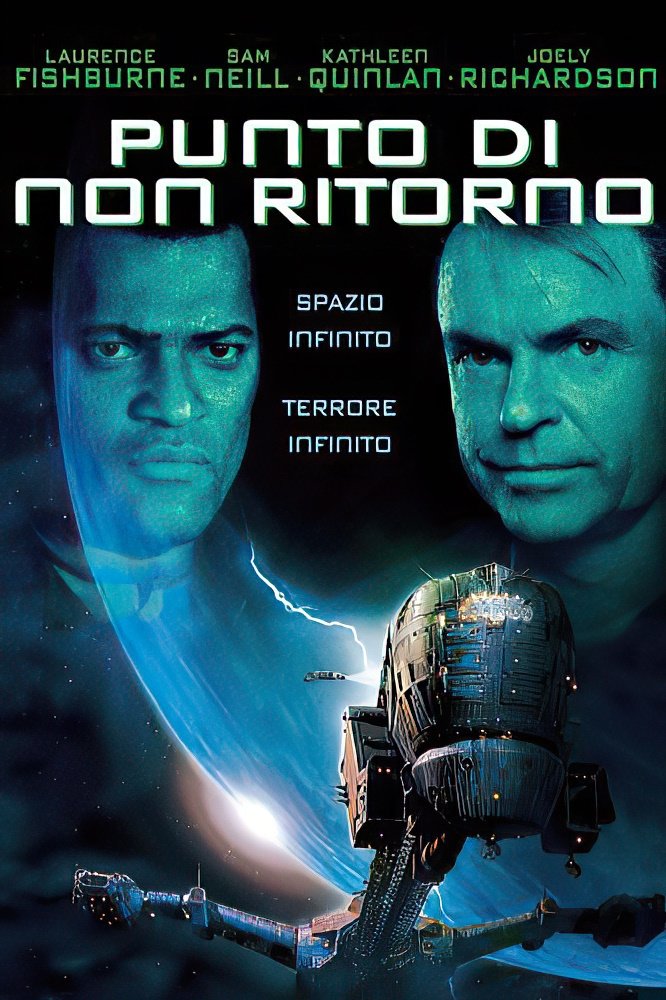
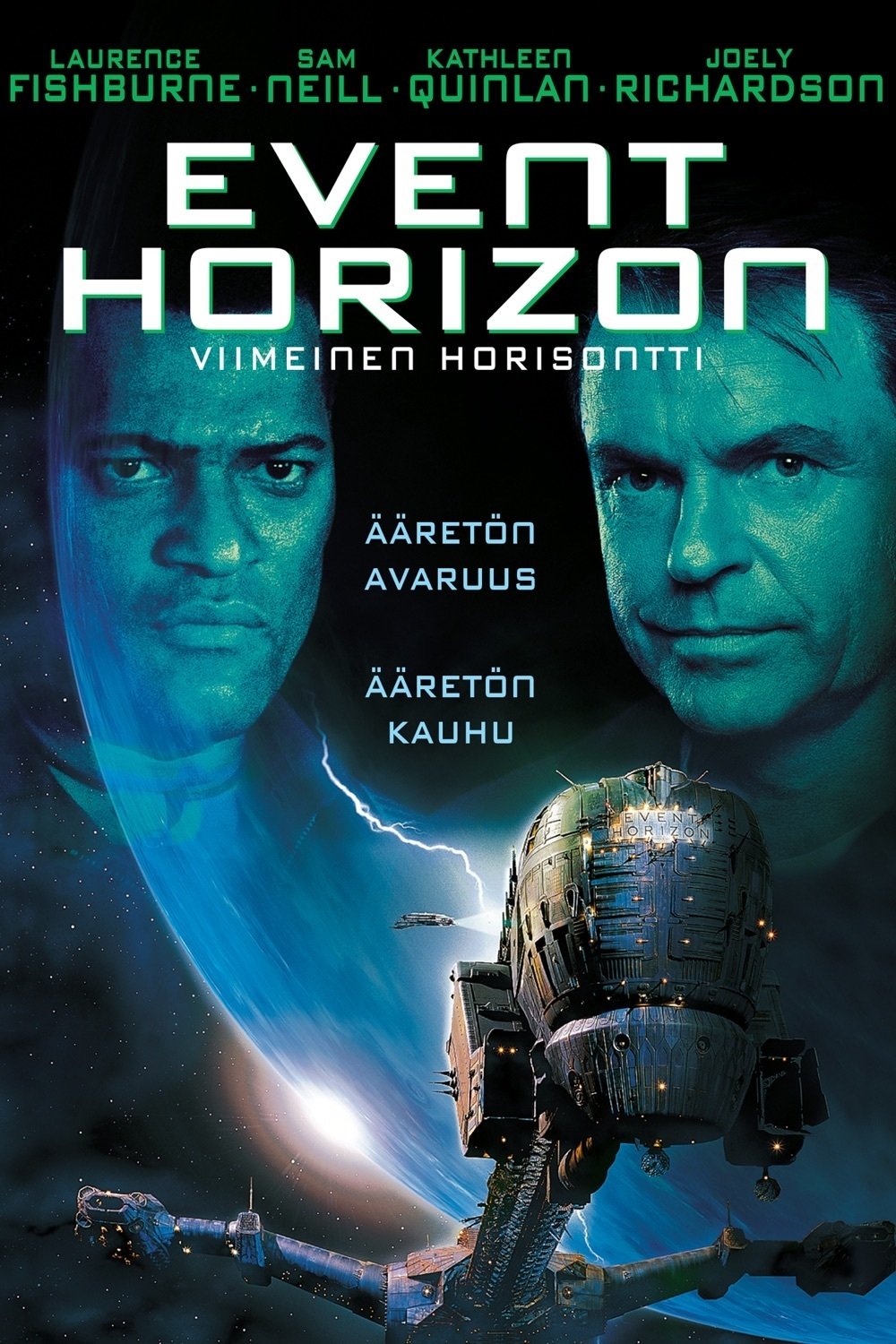
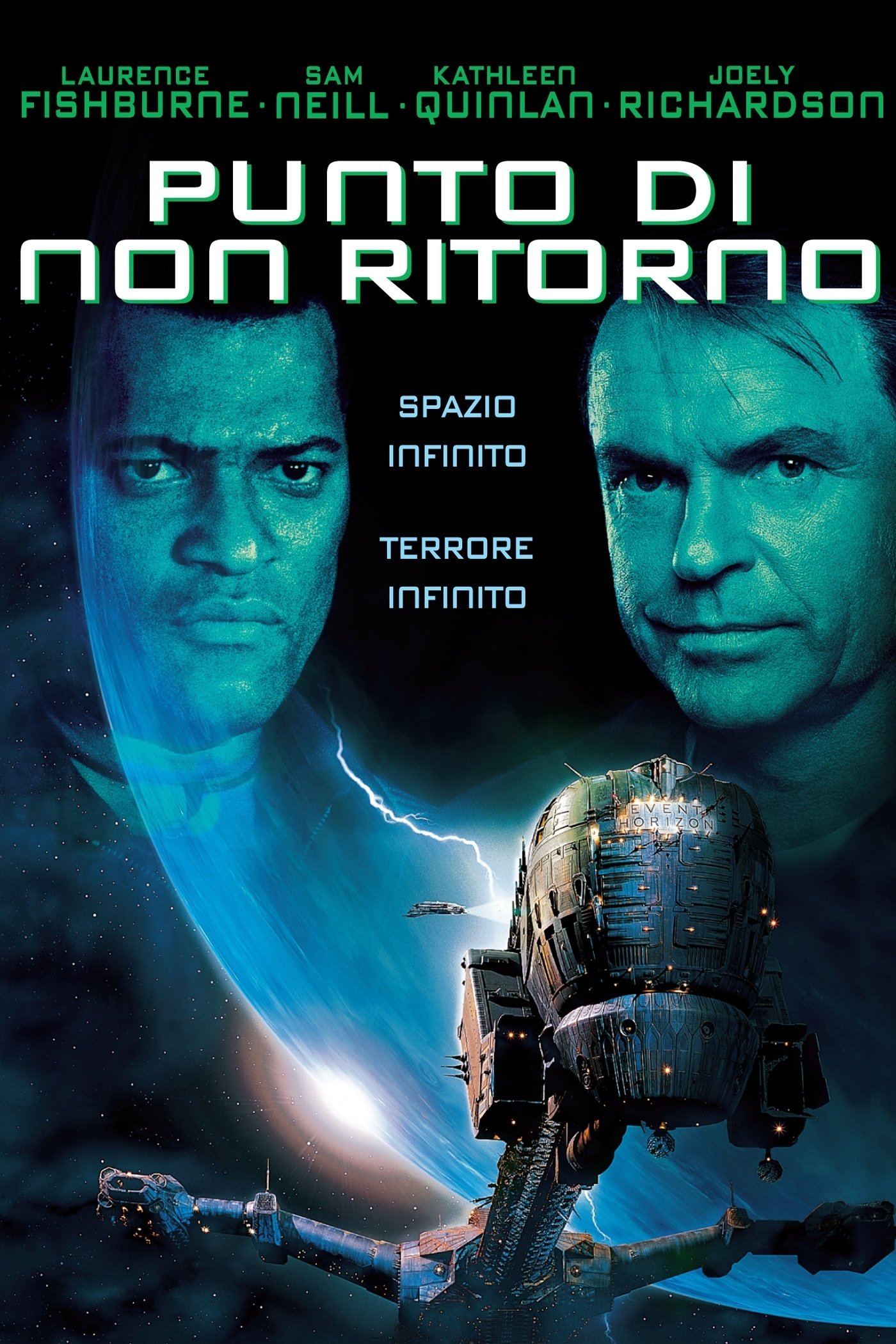
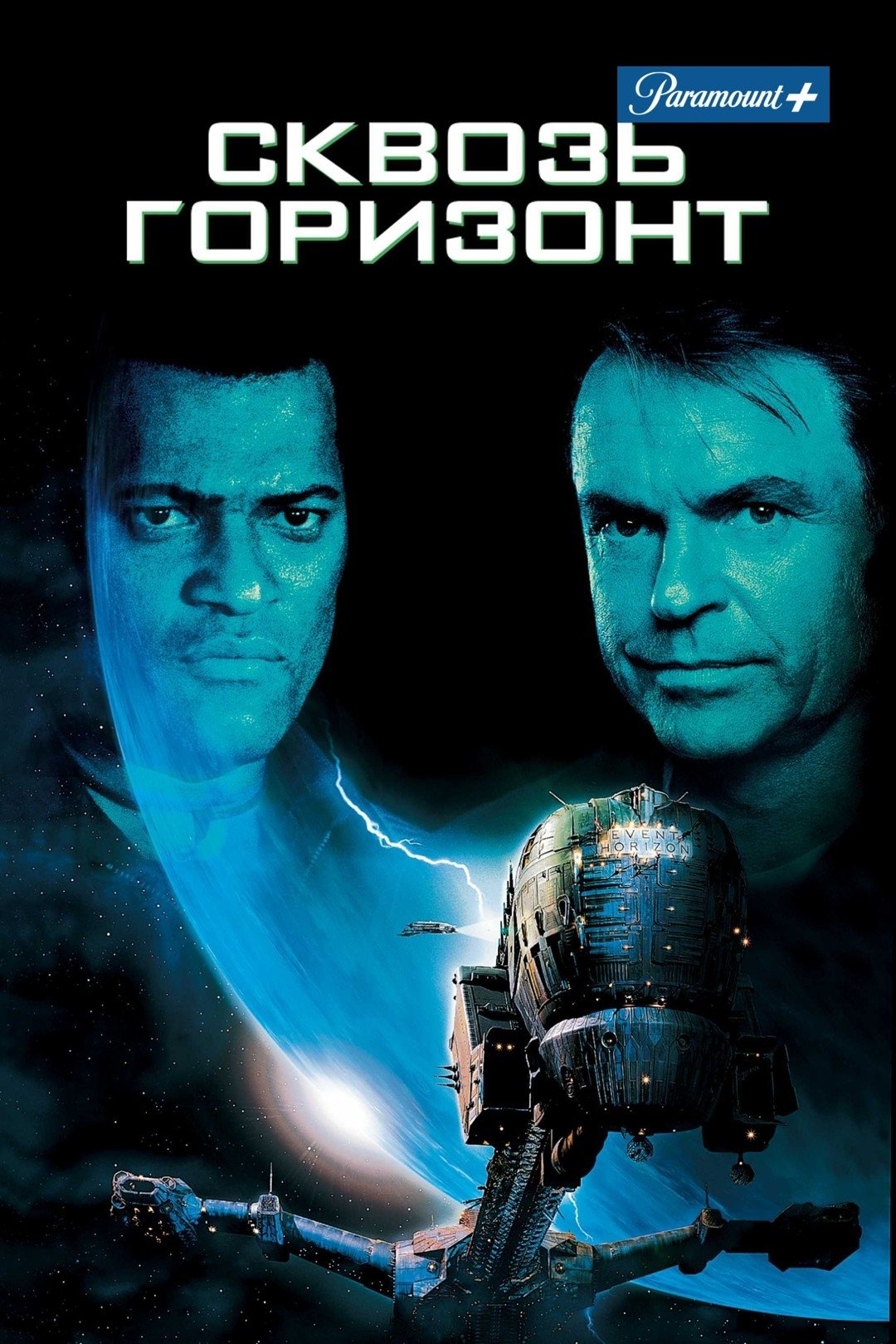
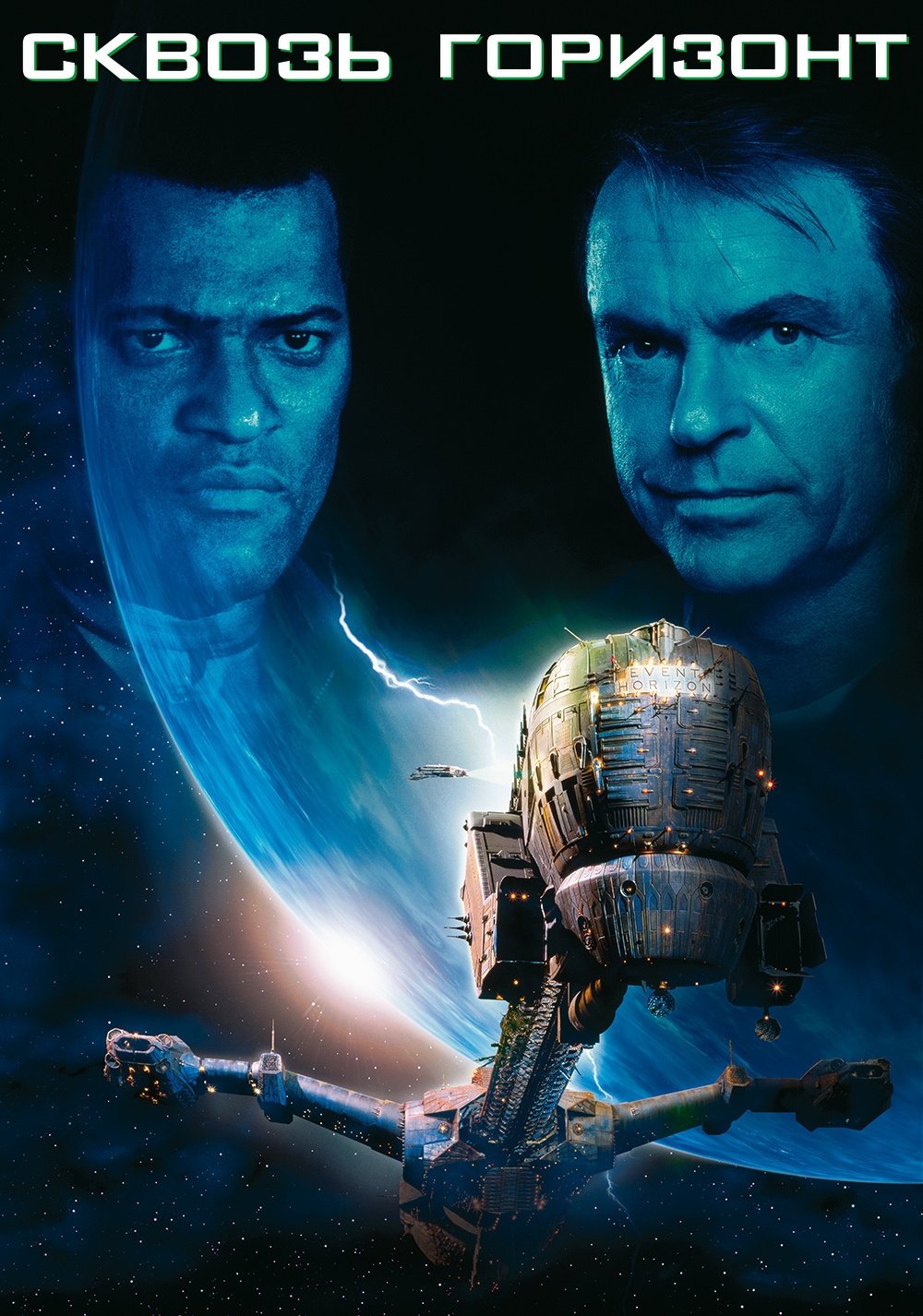
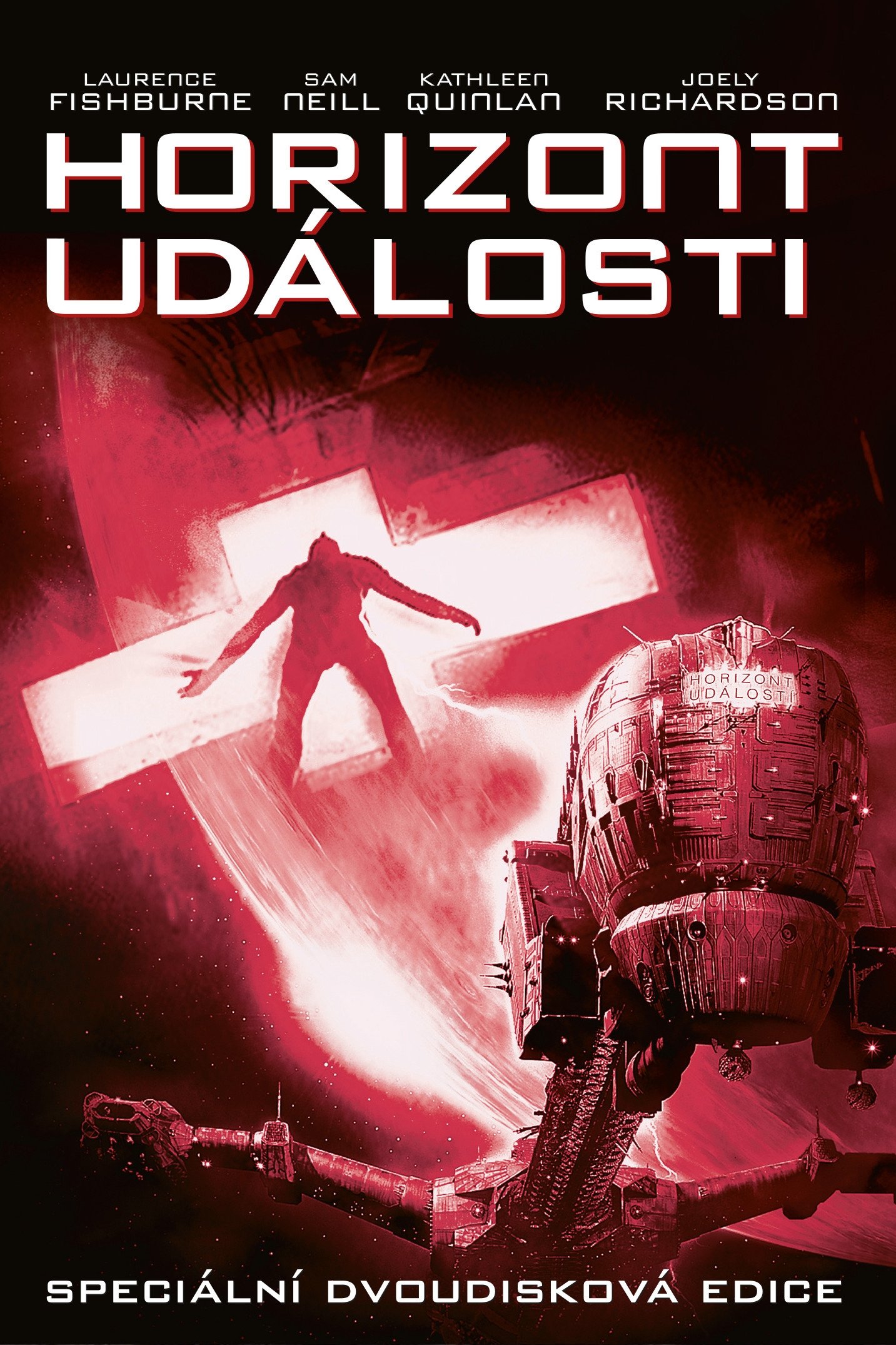
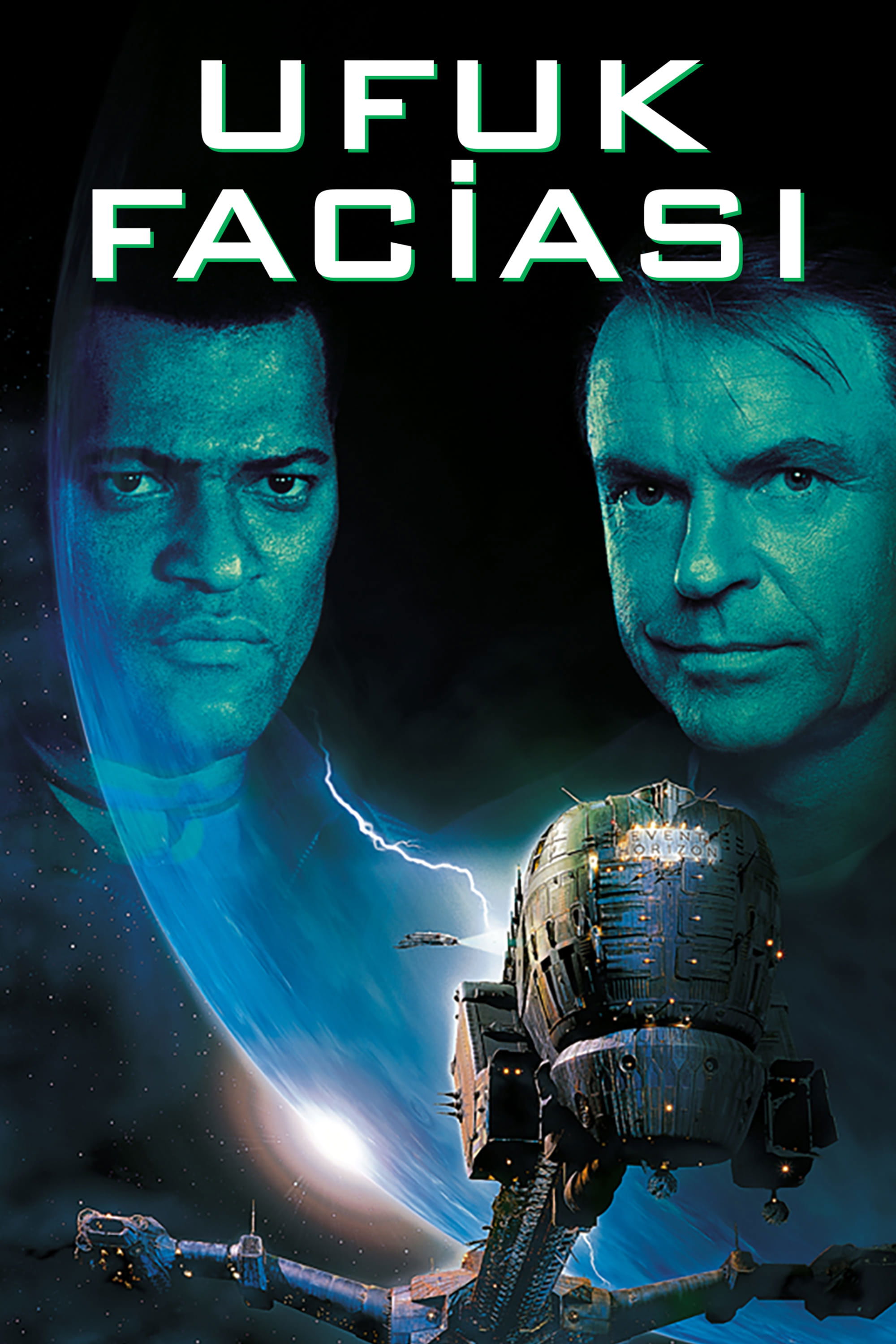
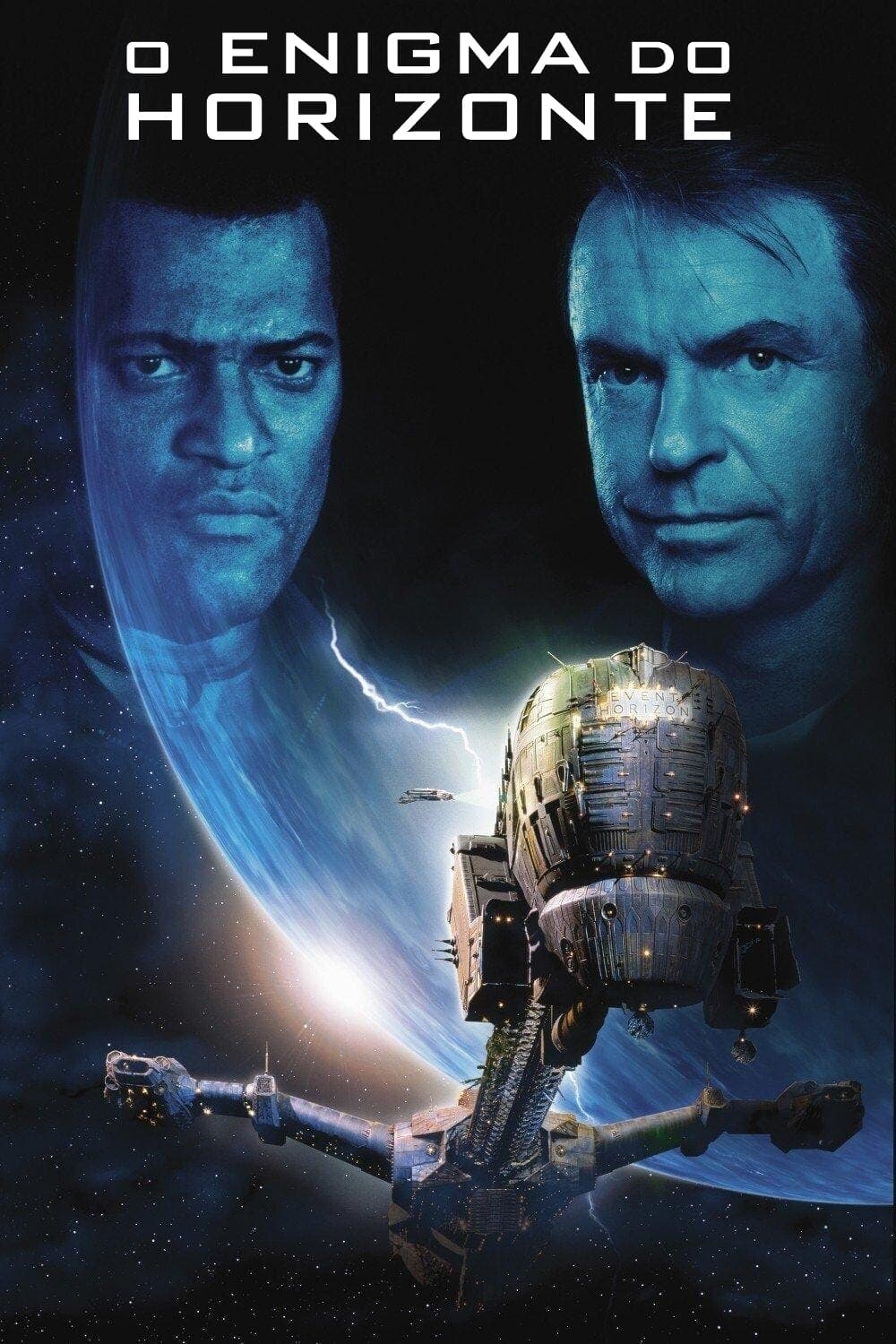
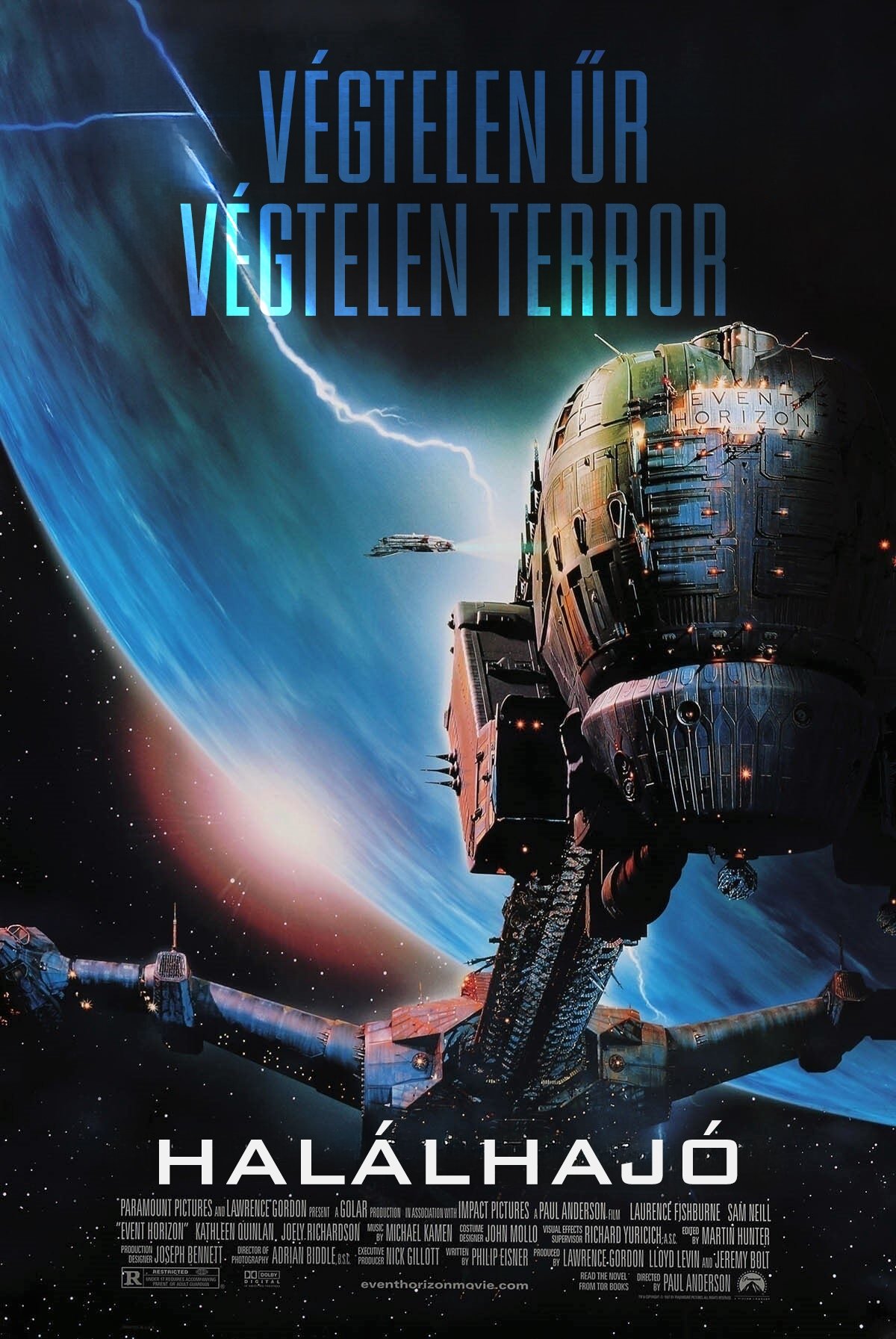
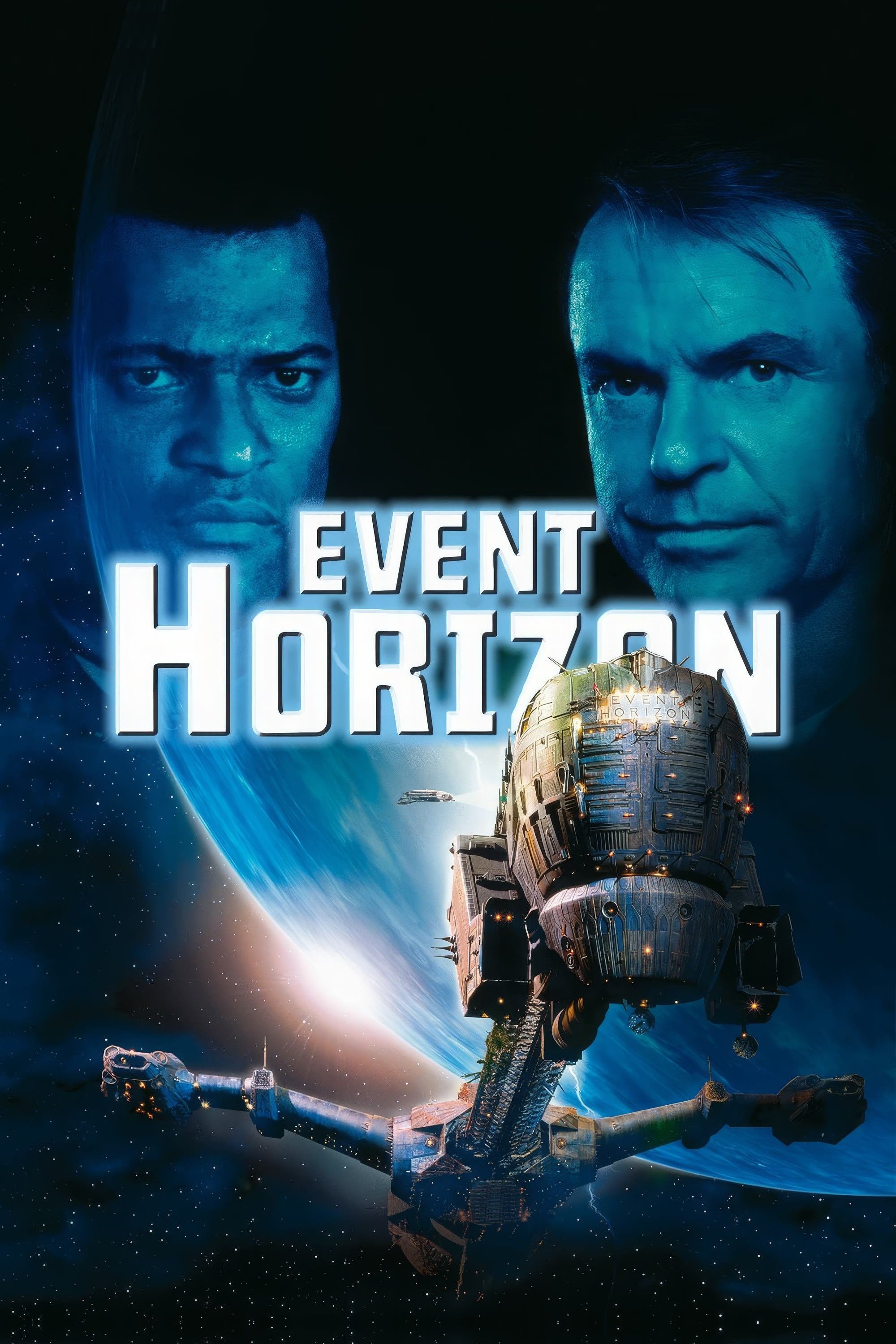
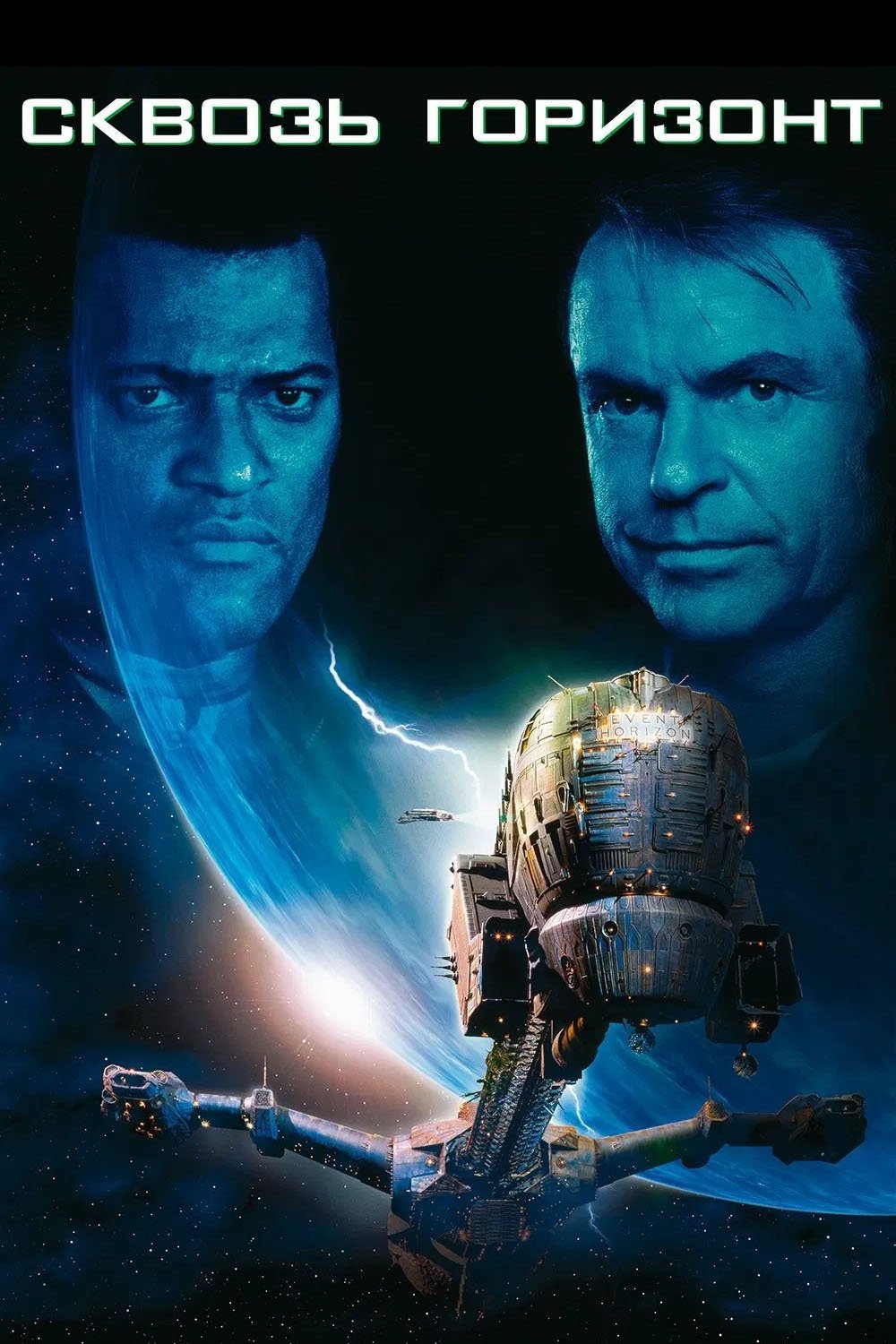
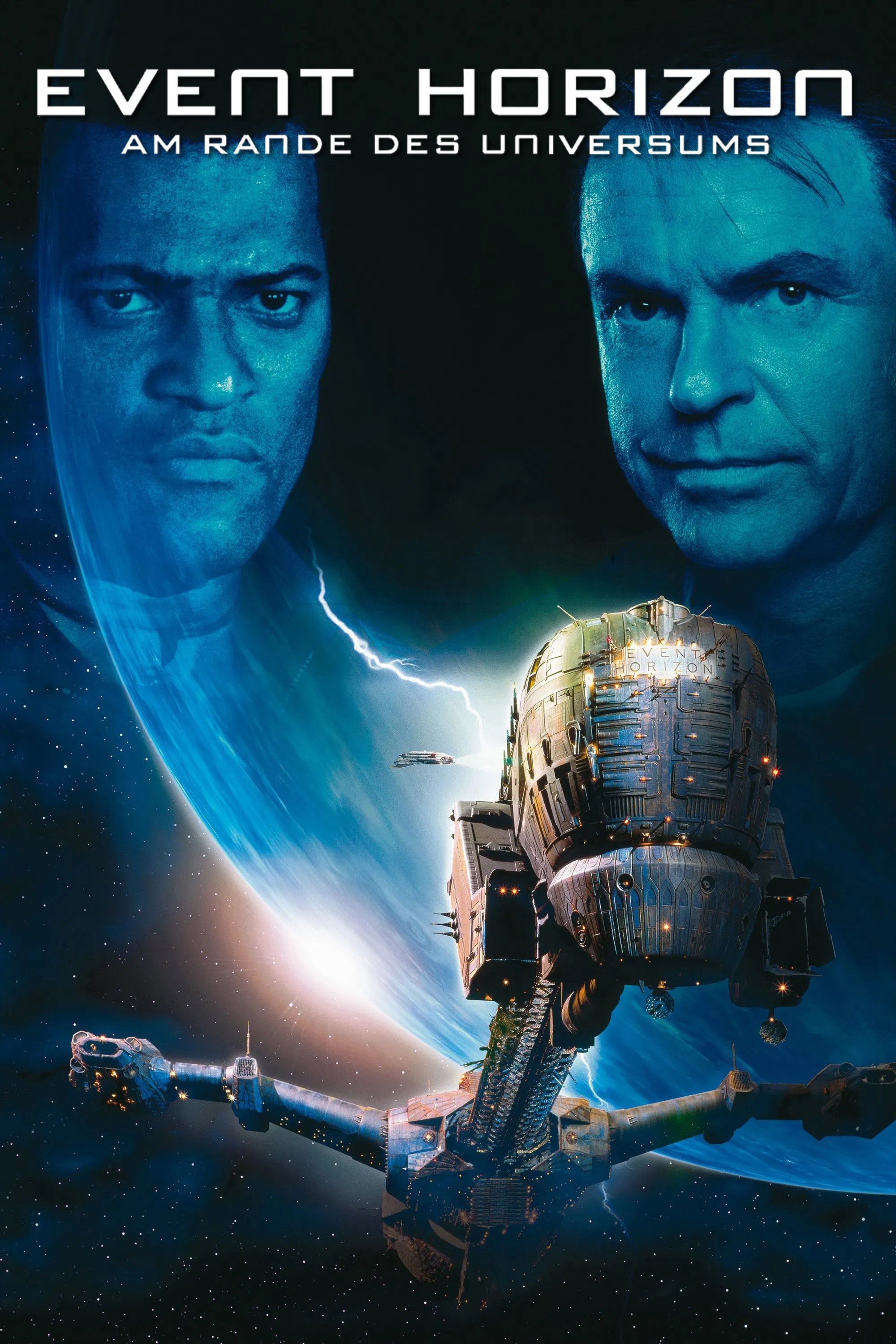
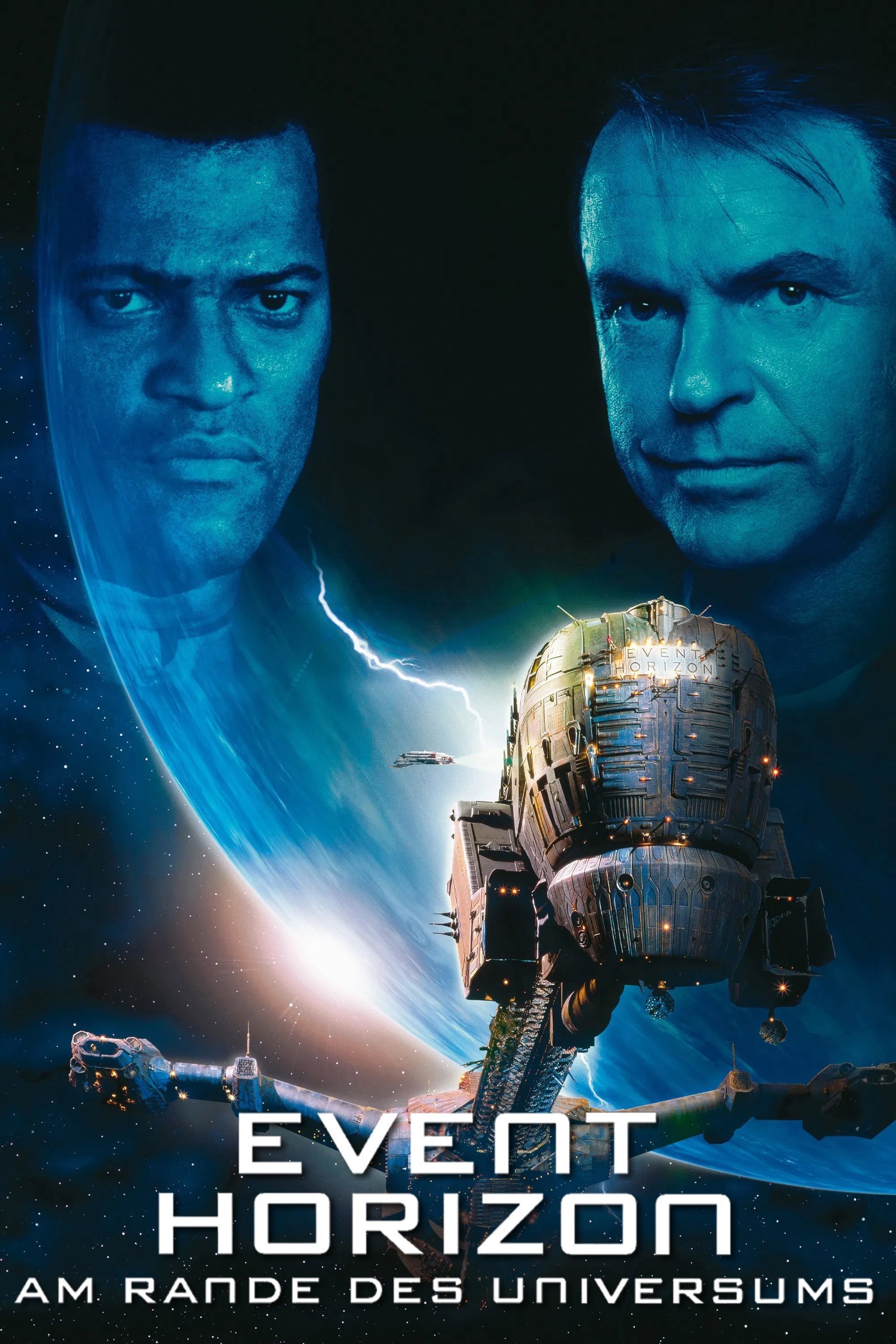
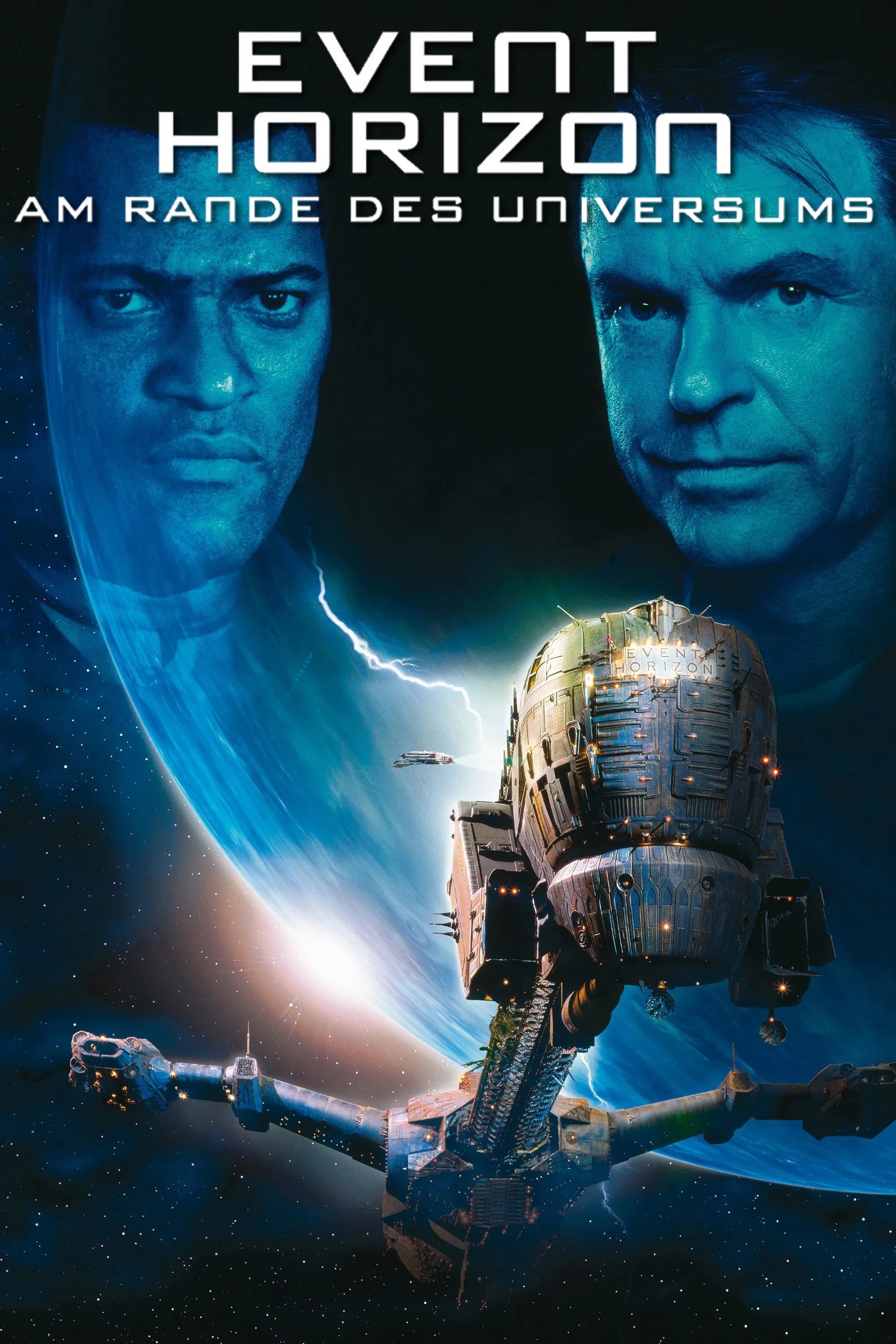
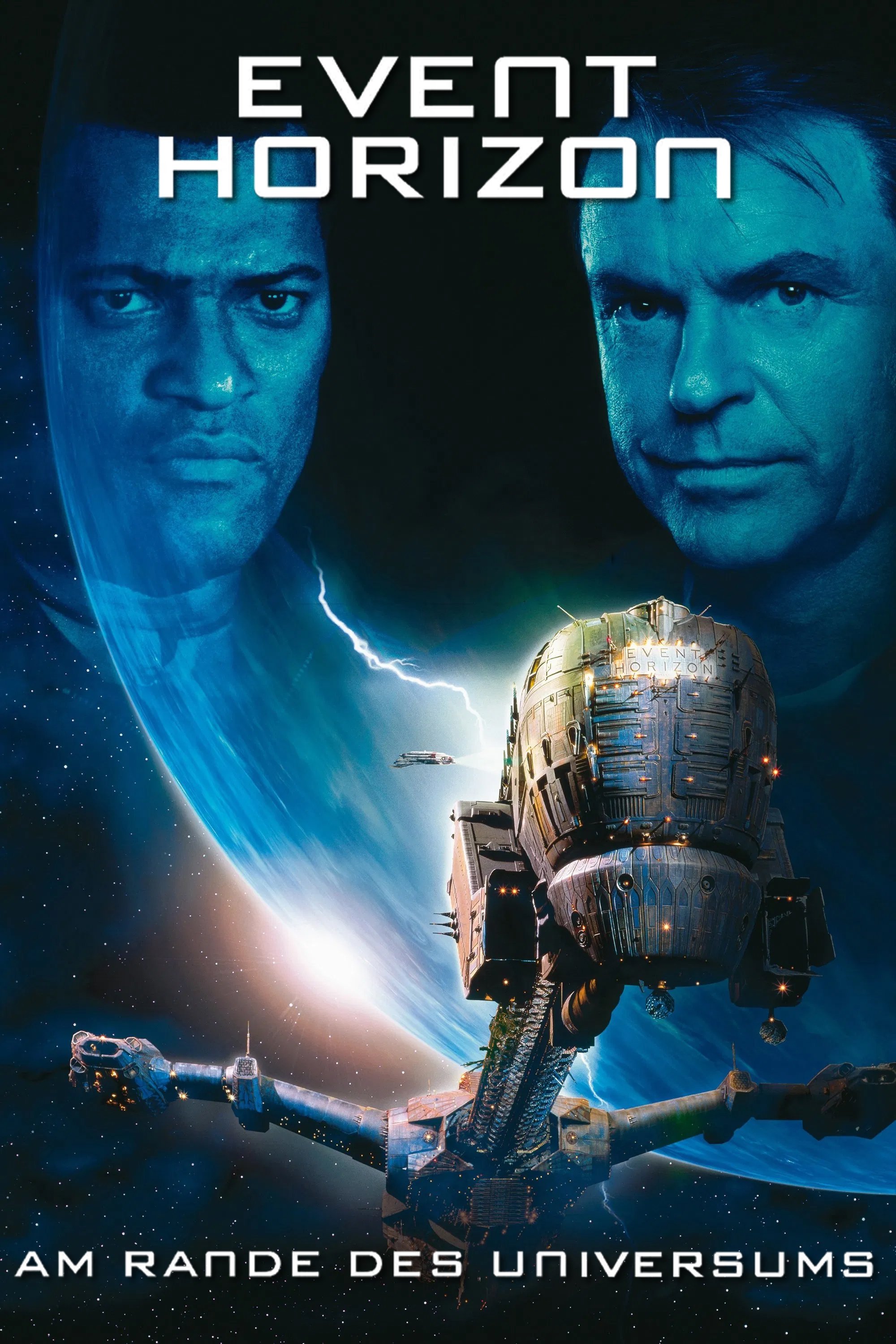
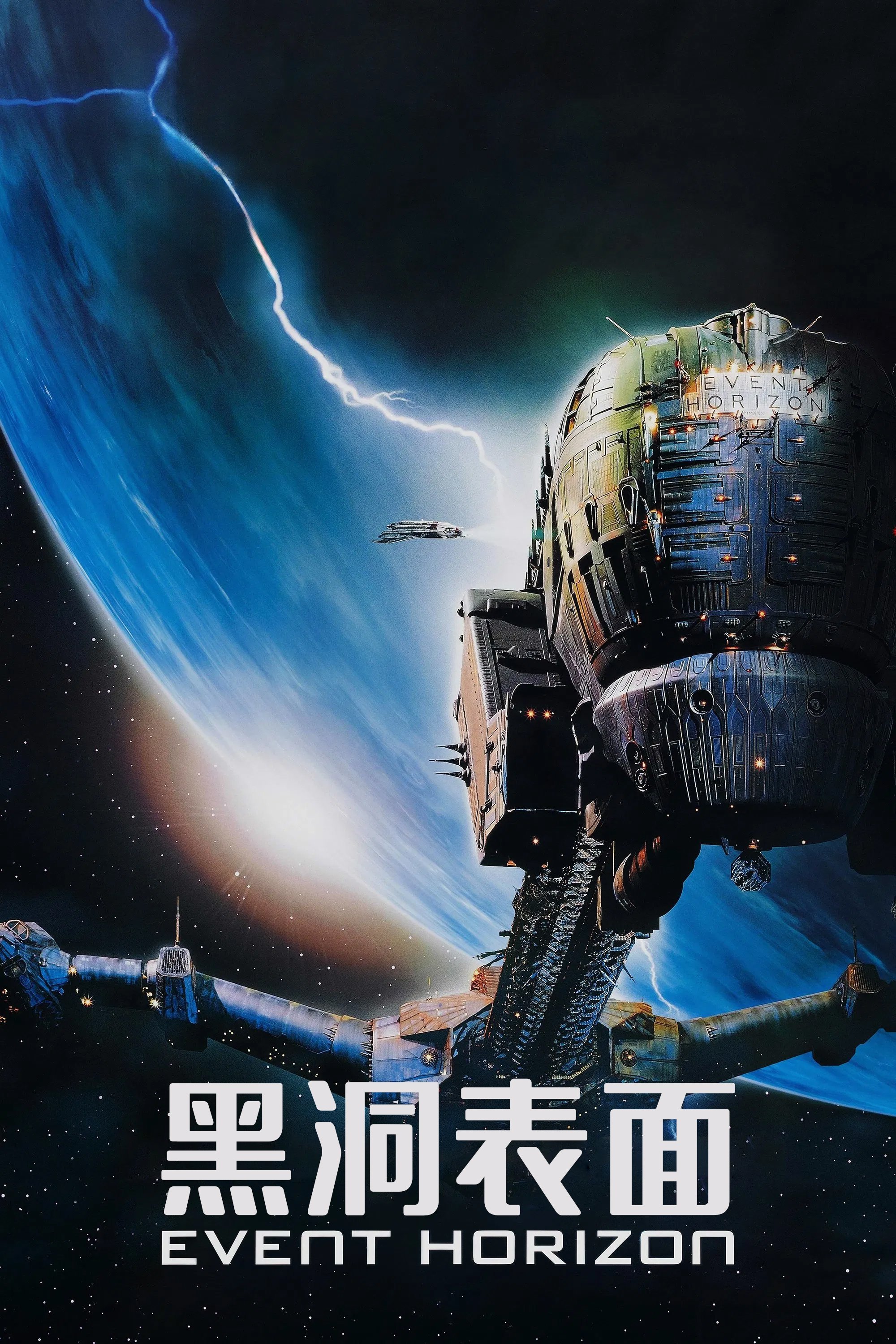
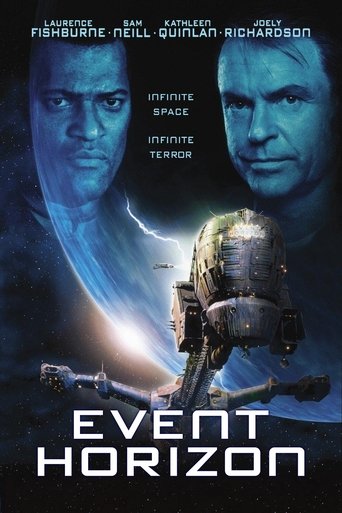
Event Horizon (1997) poster
Production Companies
Paramount Pictures , Impact Pictures , Golar Productions , Lawrence Gordon Productions
Plot

In 2047, a group of astronauts are sent to investigate and salvage the starship Event Horizon which disappeared mysteriously seven years before on its maiden voyage. However, it soon becomes evident that something sinister resides in its corridors.

Alternative Titles
Смъртоносен хоризонт (BG) — translation:bg O Enigma do Horizonte (BR) — translation:pt Event Horizon : Le vaisseau de l'au-delà (CA) — translation:fr 黑洞表面 (CN) — translation:zh Horizont události (CZ) — translation:cs Event Horizon - Am Rande des Universums (DE) — translation:de Viimane horisont (EE) — translation:et Horizonte Final (ES) — translation:es
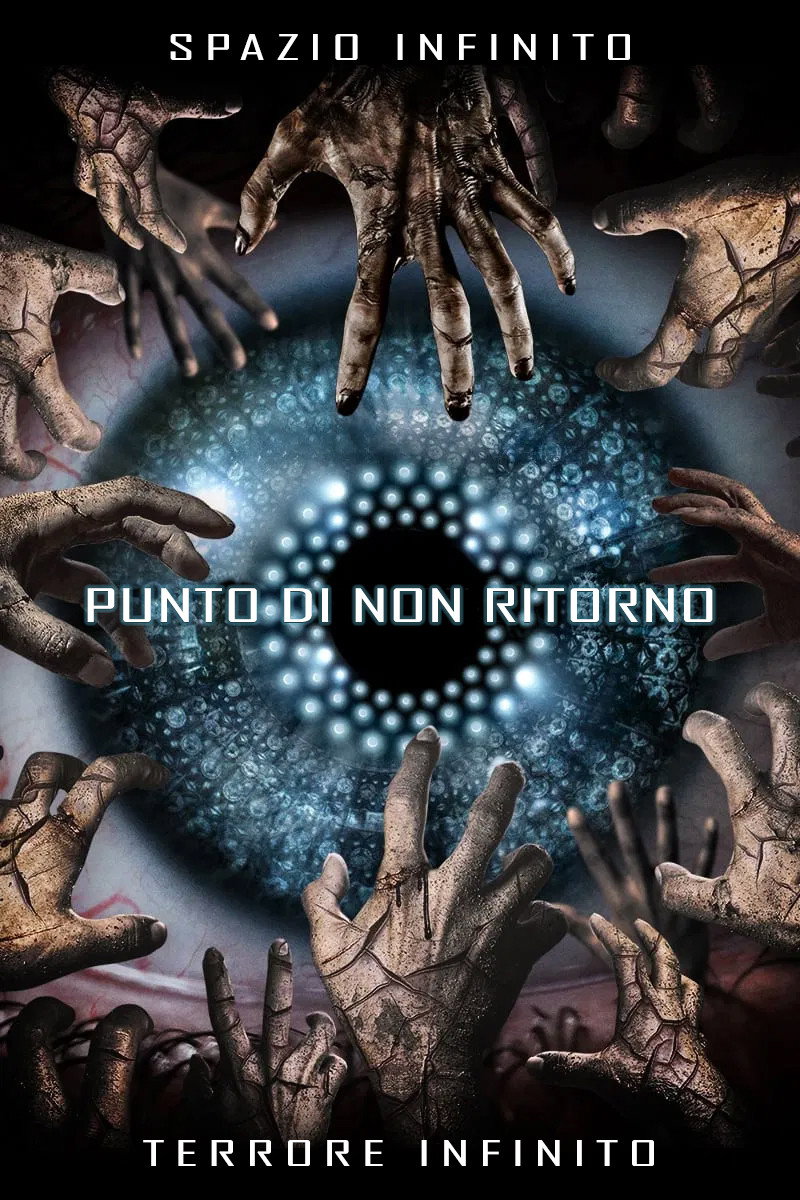
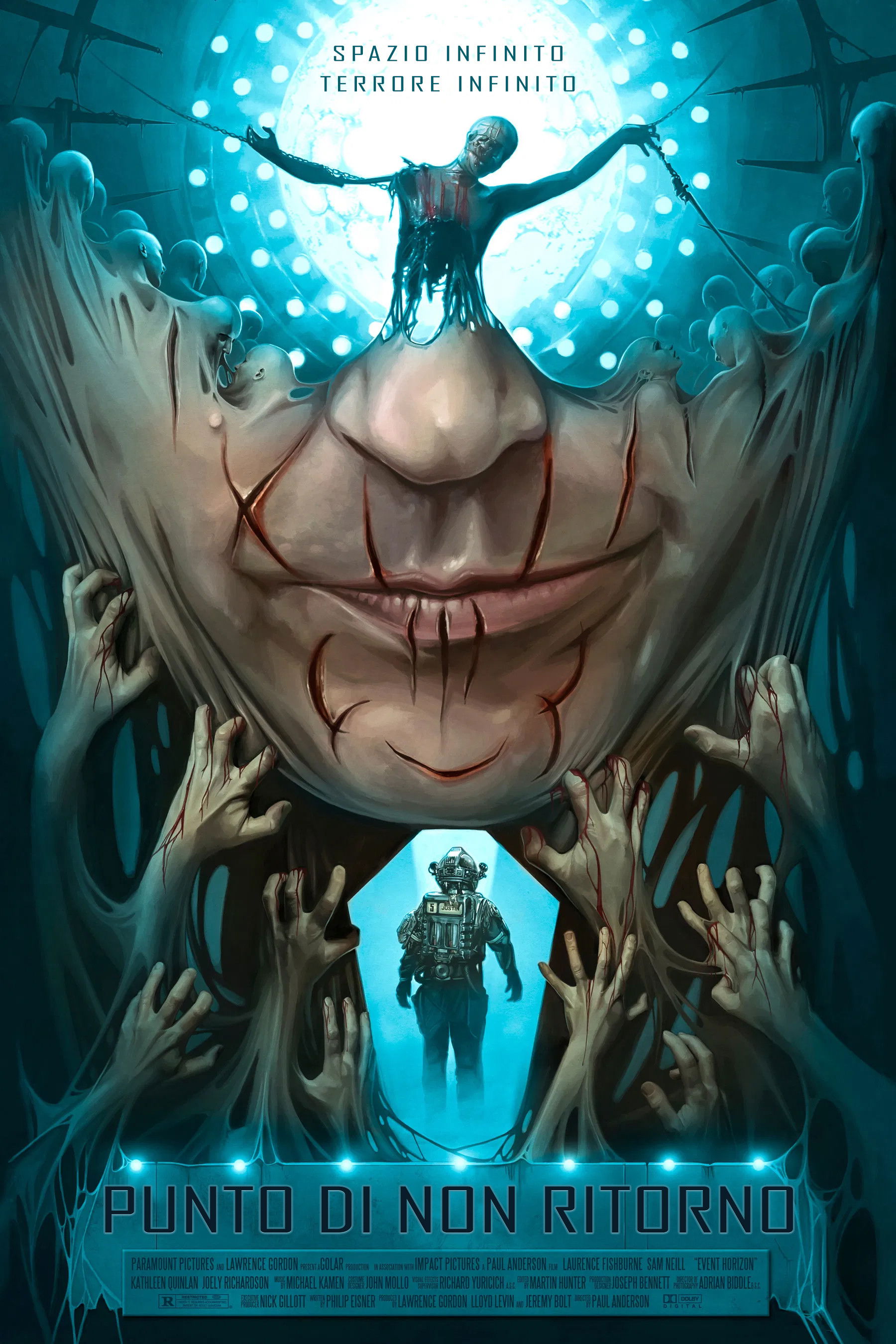
Show all 35 alternative titles Event Horizon : Le vaisseau de l'au-delà (FR) — translation:fr ჰორიზონტს მიღმა (GE) — translation:ka Το Σκάφος του Τρόμου (GR) — translation:el 異煞 (HK) — translation:zh Konačni horizont (HR) — translation:hr Halálhajó (HU) — translation:hu סיוט בקצה האופק (IL) — translation:he افق رویداد (IR) — translation:fa Punto di non ritorno (IT) — translation:it イベント・ホライゾン (JP) — translation:ja 이벤트 호라이즌 (KR) — translation:ko Juodoji skylė (LT) — translation:lt Event Horizon: La Nave De La Muerte (MX) — translation:es Puerta al infierno (MX) — Spoken insert Ukryty wymiar (PL) — translation:pl O Enigma do Horizonte (PT) — translation:pt Orizontul de evenimente : Destinație mortală (RO) — translation:ro Коначни хоризонт (RS) — translation:sr Сквозь горизонт (RU) — translation:ru Krvavo obzorje (SI) — translation:sl Horizont udalosti (SK) — translation:sk ผ่านรกสุดขอบฟ้า (TH) — translation:th Ufuk Faciası (TR) — translation:tr 撕裂地平線 (TW) — translation:zh Безмежний обрій (UA) — translation:uk The Stars My Destination (US) — working title Phi Thuyền Mất Tích (VN) — translation:vi

Trailers & Videos

3 videos

Film Guide

Paul W. S. Anderson's haunted spacecraft: Gothic production design, practical effects, cosmic horror, the Kamen-Orbital score and lost footage.

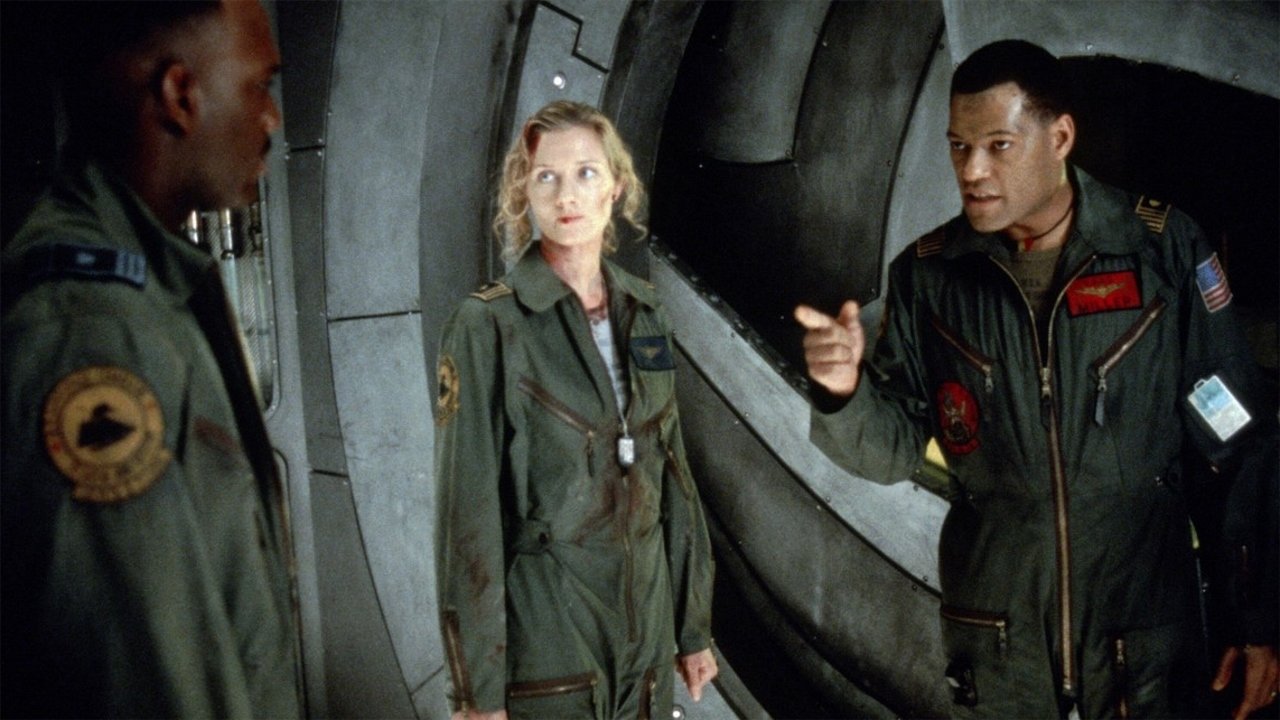
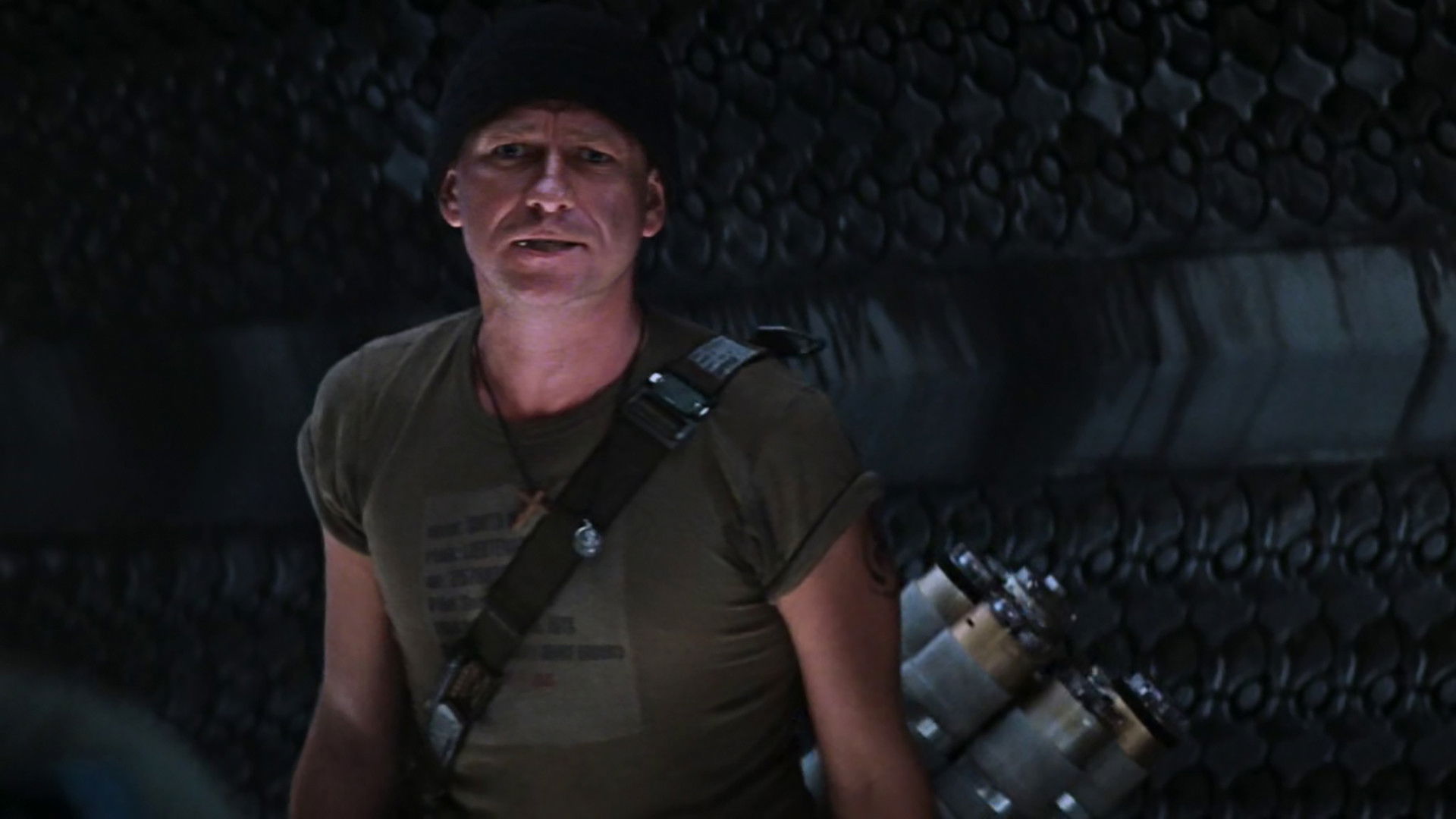
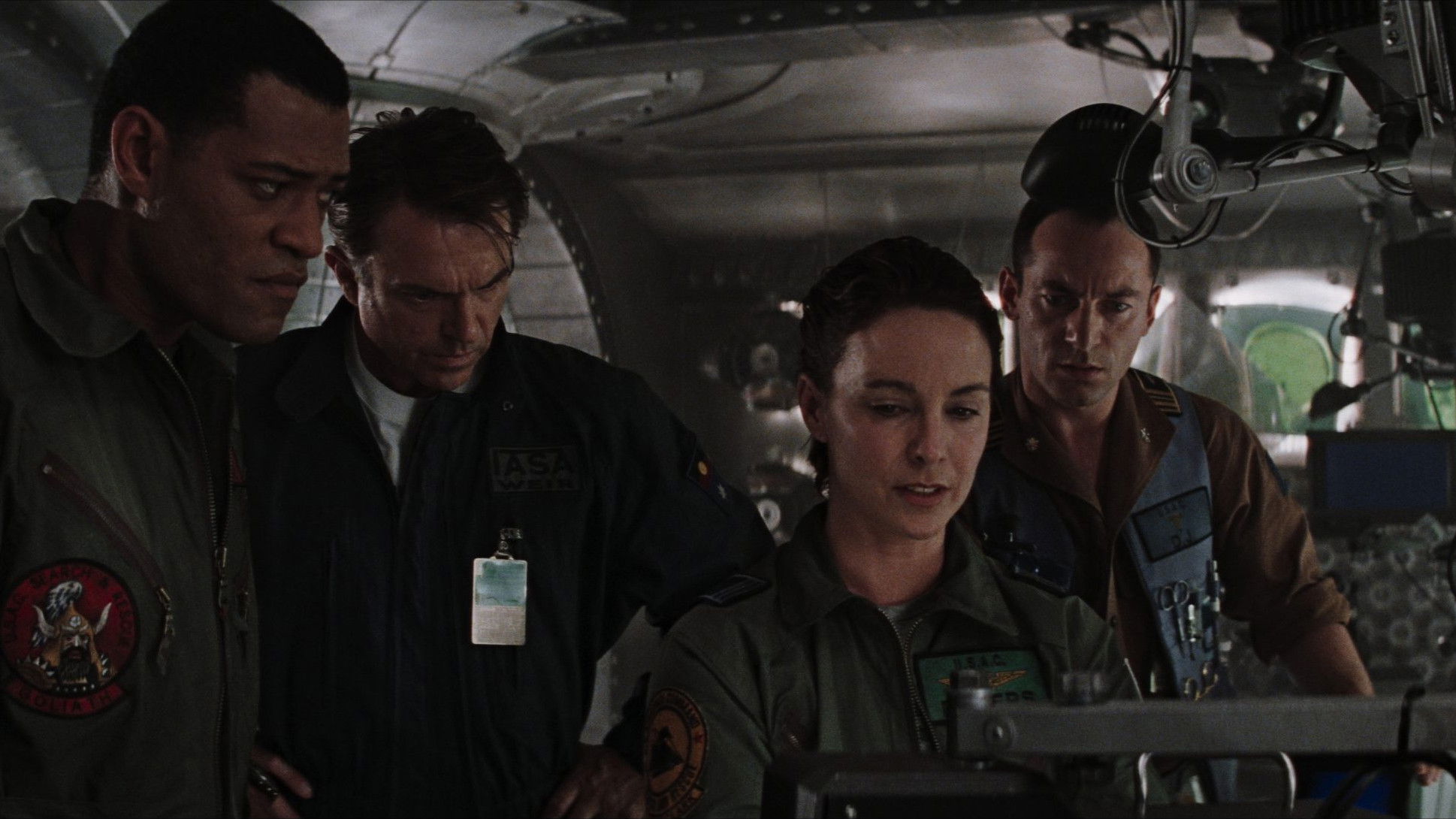
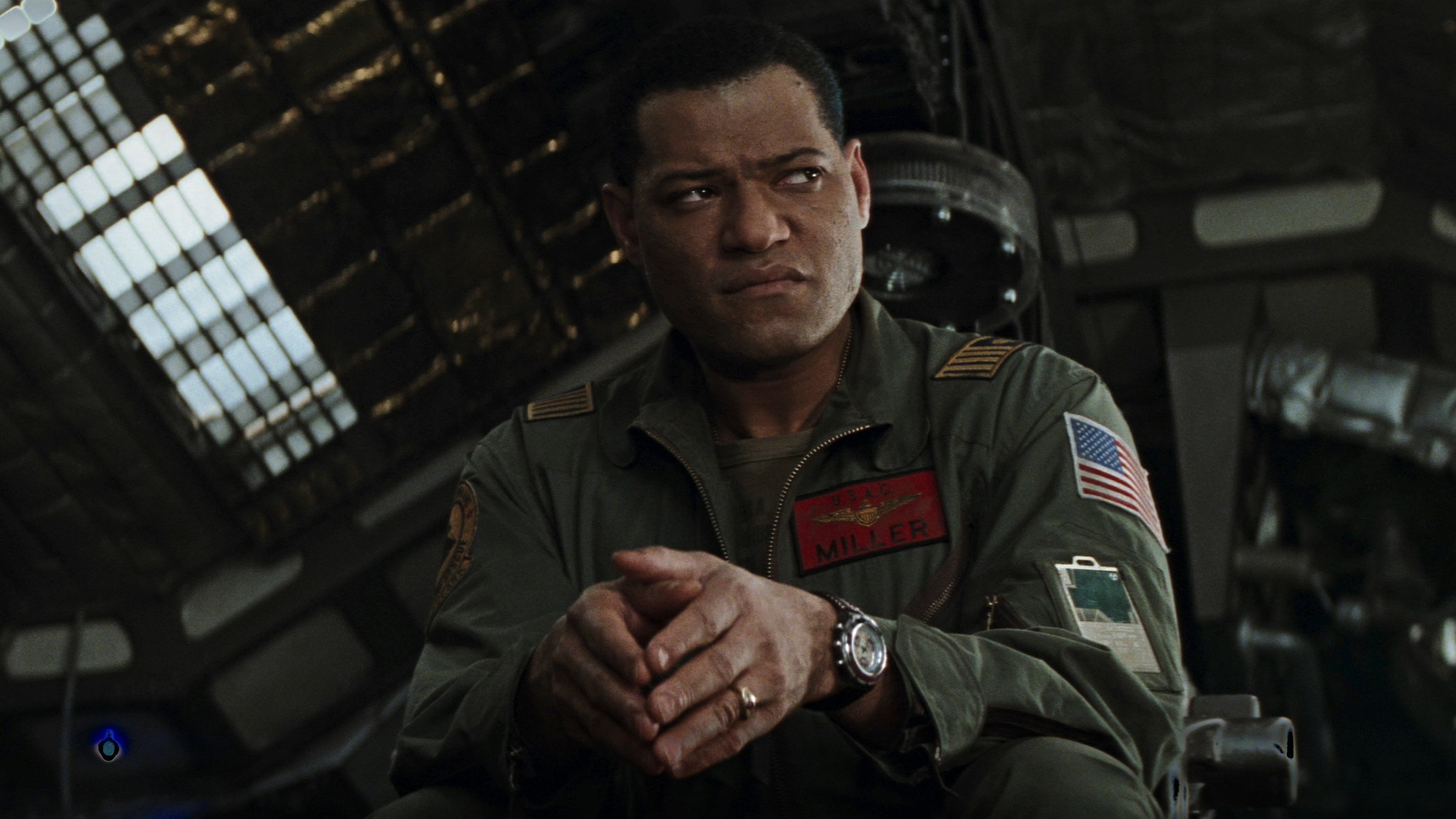
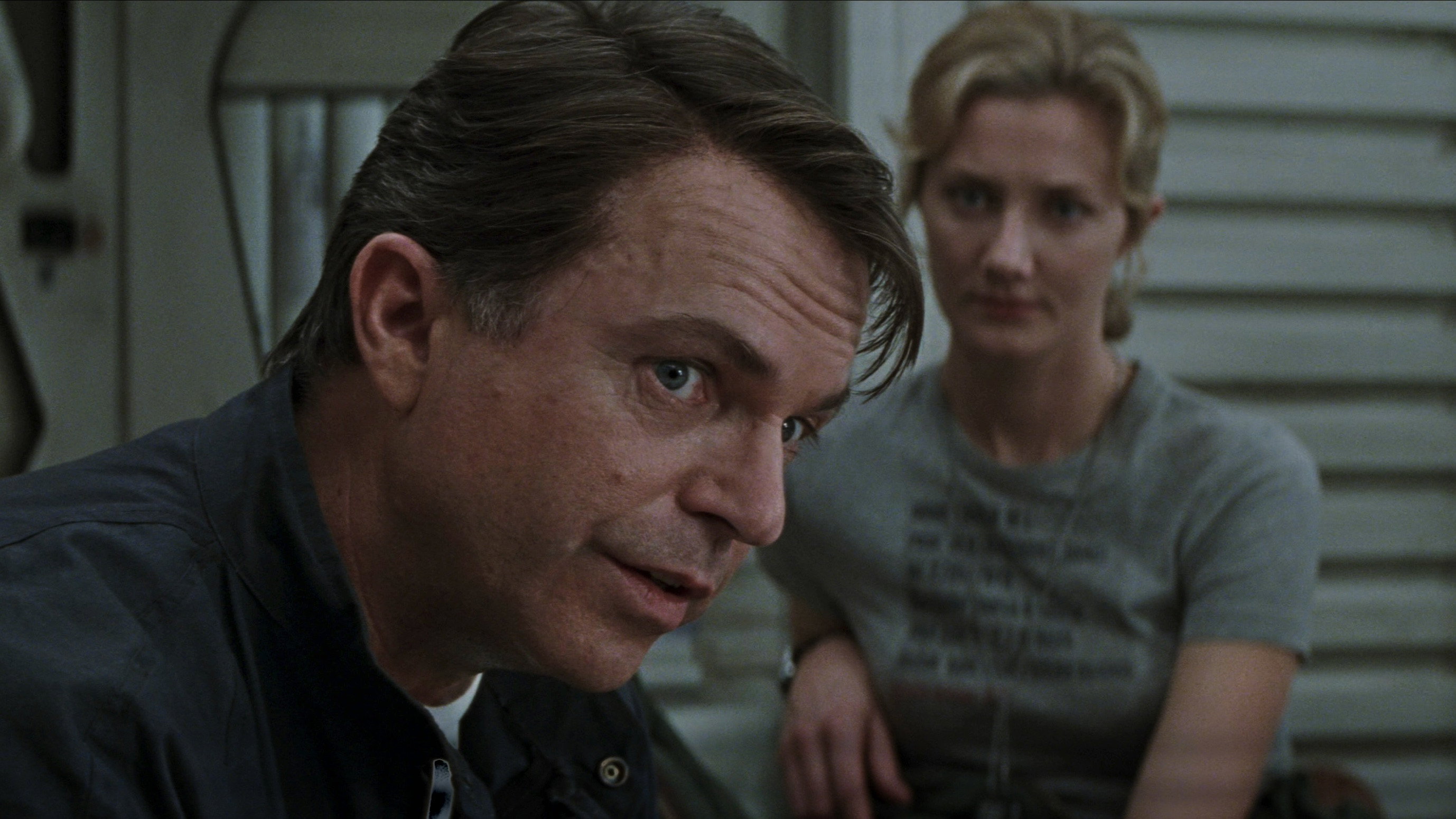
Event Horizon (1997), directed by Paul W. S. Anderson from a screenplay by Philip Eisner, combines the investigation of an abandoned spacecraft with the structure of a supernatural haunted-house film. In 2047, a rescue crew travels to Neptune after the experimental starship Event Horizon unexpectedly reappears, seven years after vanishing during a mission to test a gravity drive. Its designer, Dr. William Weir, accompanies the mission aboard the Lewis and Clark. The deserted ship confronts the visitors with violent hallucinations and evidence that its earlier voyage reached a place beyond their understanding.

The film was developed as a large-scale Paramount production, with substantial physical sets and optical, miniature and digital effects. Its cathedral-like architecture, disturbing bodily imagery and unusually severe ending distinguished it from more conventional space adventures of the period. A compressed post-production schedule and hostile responses to test screenings led to major reductions before the August 1997 release. Although its initial theatrical reception was disappointing, interviews with cast and crew have documented a subsequent cult following and continuing interest in the missing material.

Development and Production

Screenwriter Philip Eisner developed the premise around a haunted house in space, drawing on the idea that a journey beyond familiar physical dimensions might have catastrophic psychological consequences. In a detailed oral history published by Inverse, he recalled resisting studio pressure to give the source of the supernatural threat an explicit religious identity. This distinction matters because the released film uses infernal imagery without offering a verified scientific explanation of the destination reached by the gravity drive. The narrative establishes a conflict between what Weir believes his invention accomplished and the fragmented testimony available to the rescue crew.

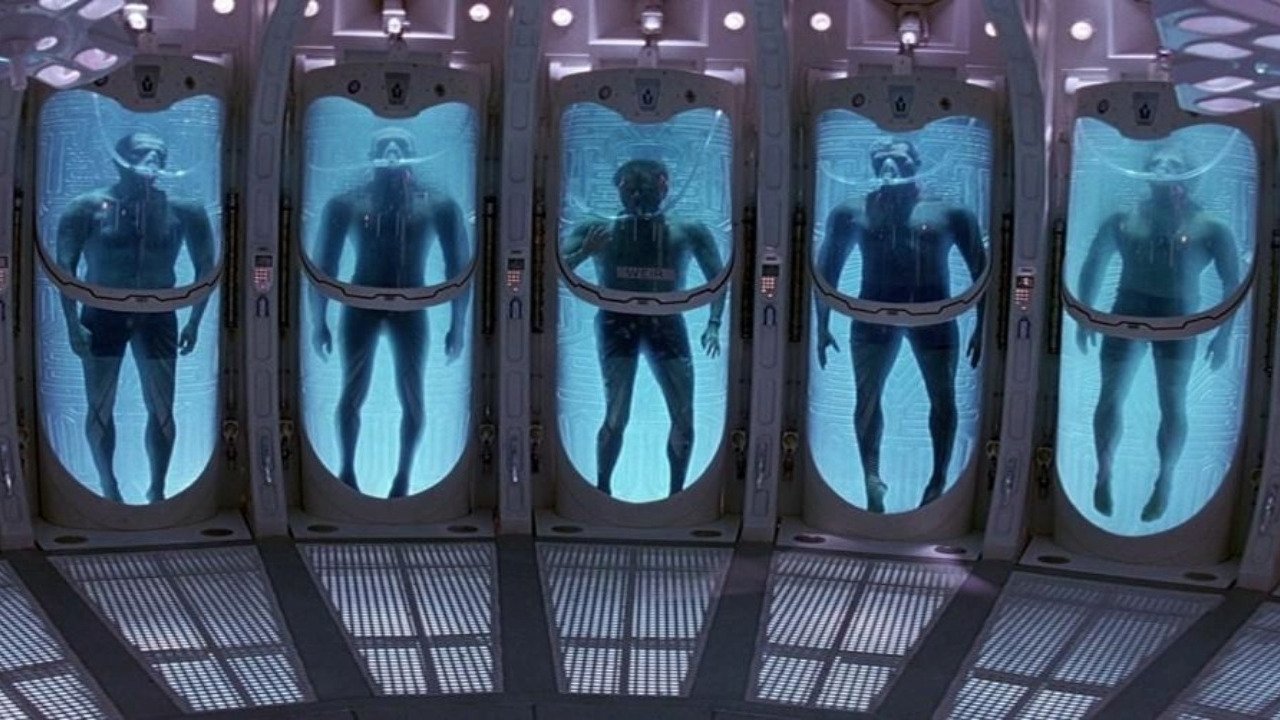
Anderson joined the project after the commercial success of Mortal Kombat (1995). Production took place in England, with extensive interiors built at Pinewood Studios, including major sections of the abandoned vessel on the large stage associated with James Bond productions. The sets were designed for complex camera movement, mechanical action and physical effects rather than relying entirely on digital environments. Members of the cast later recalled the solidity of the structures and the demanding weight of their spacesuits.
Gothic Architecture and Cinematography

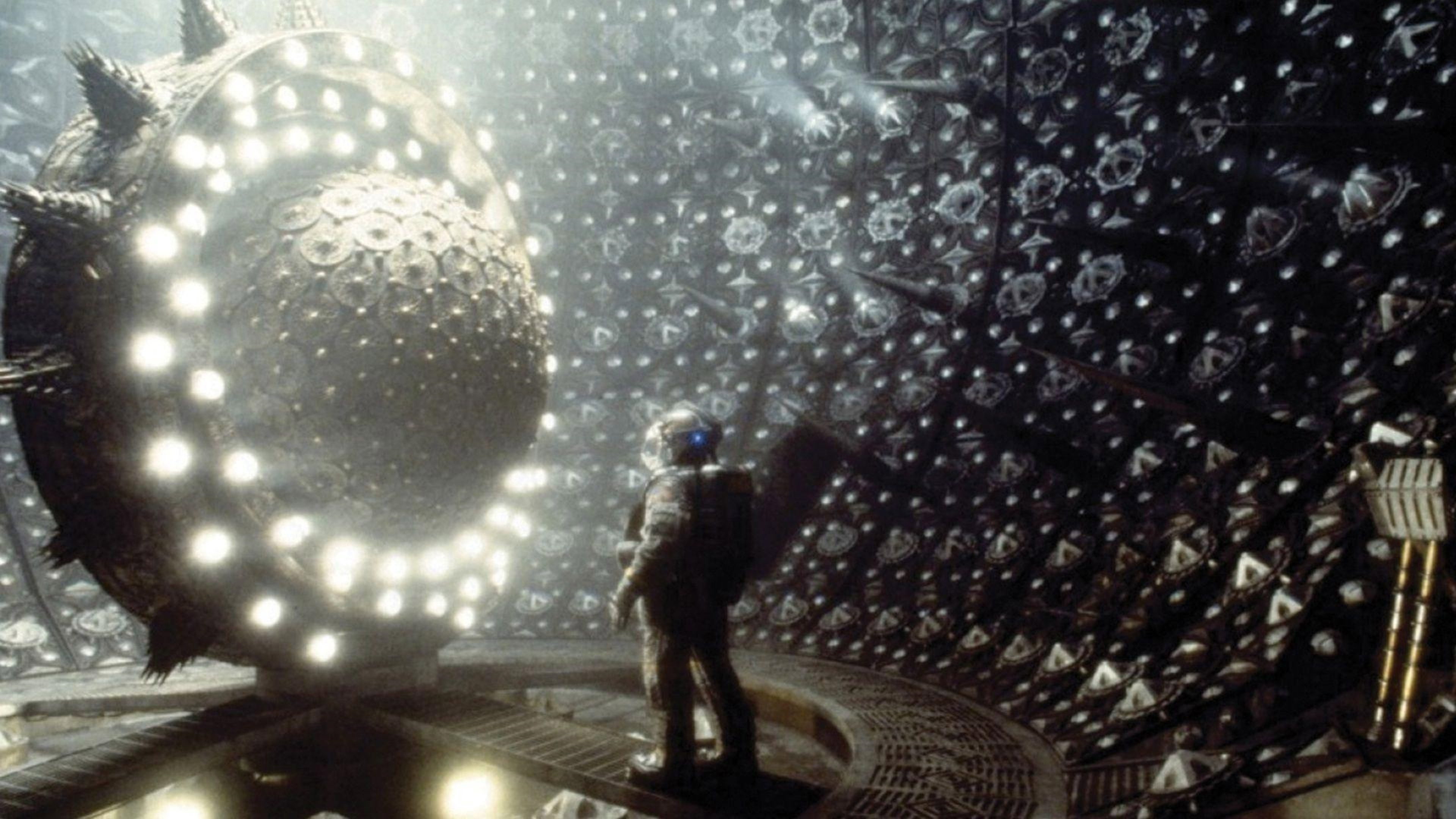
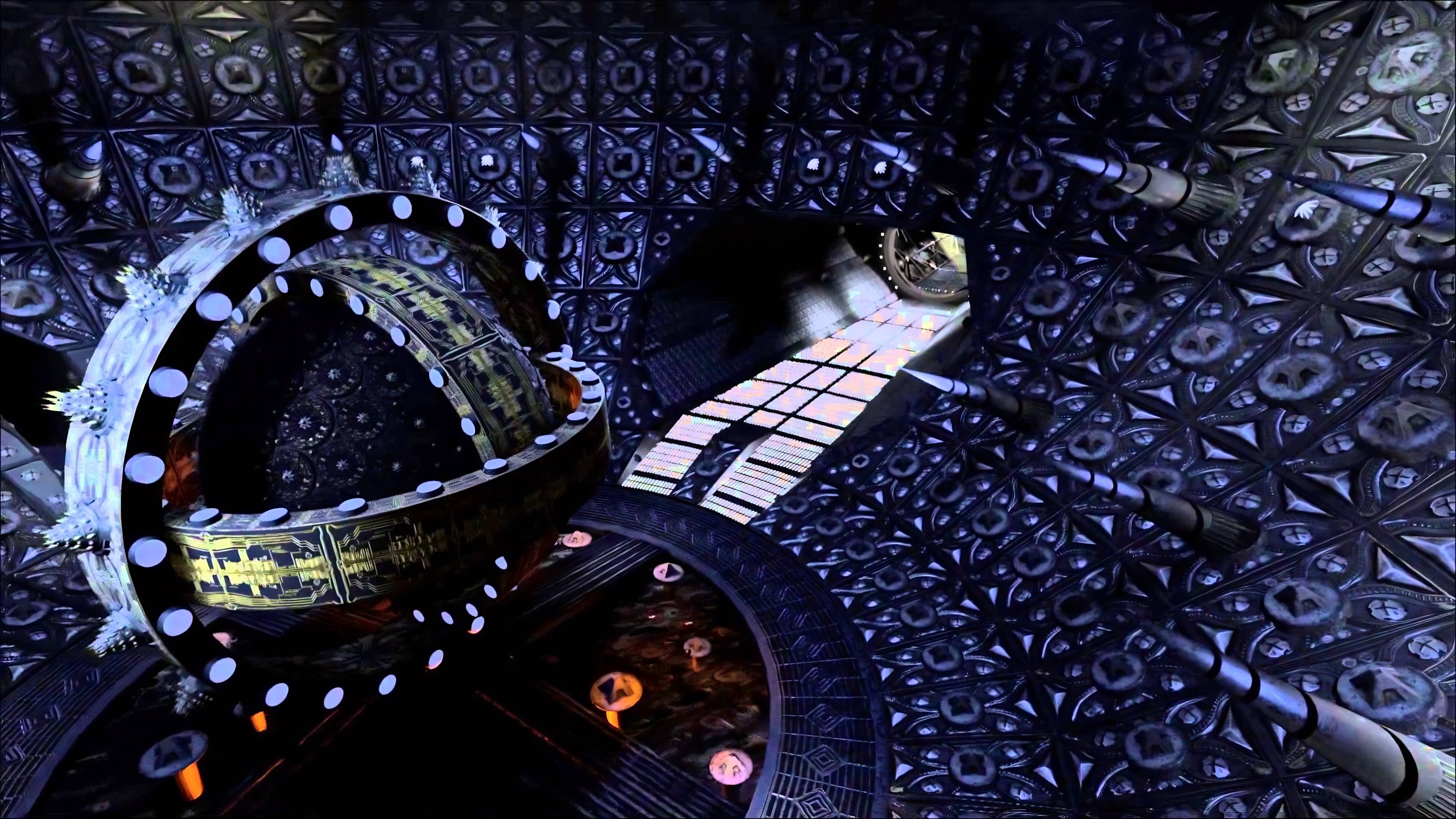
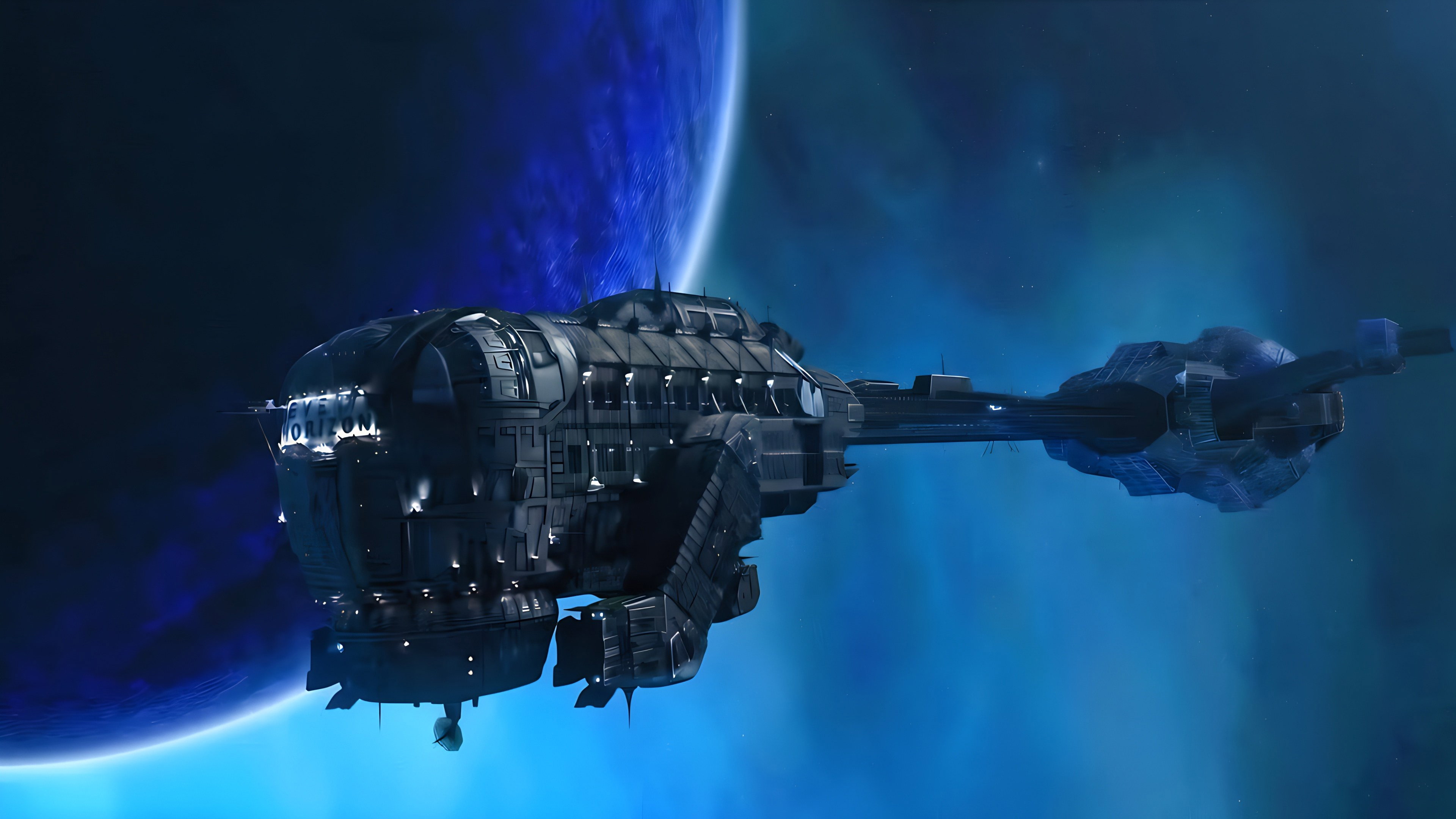
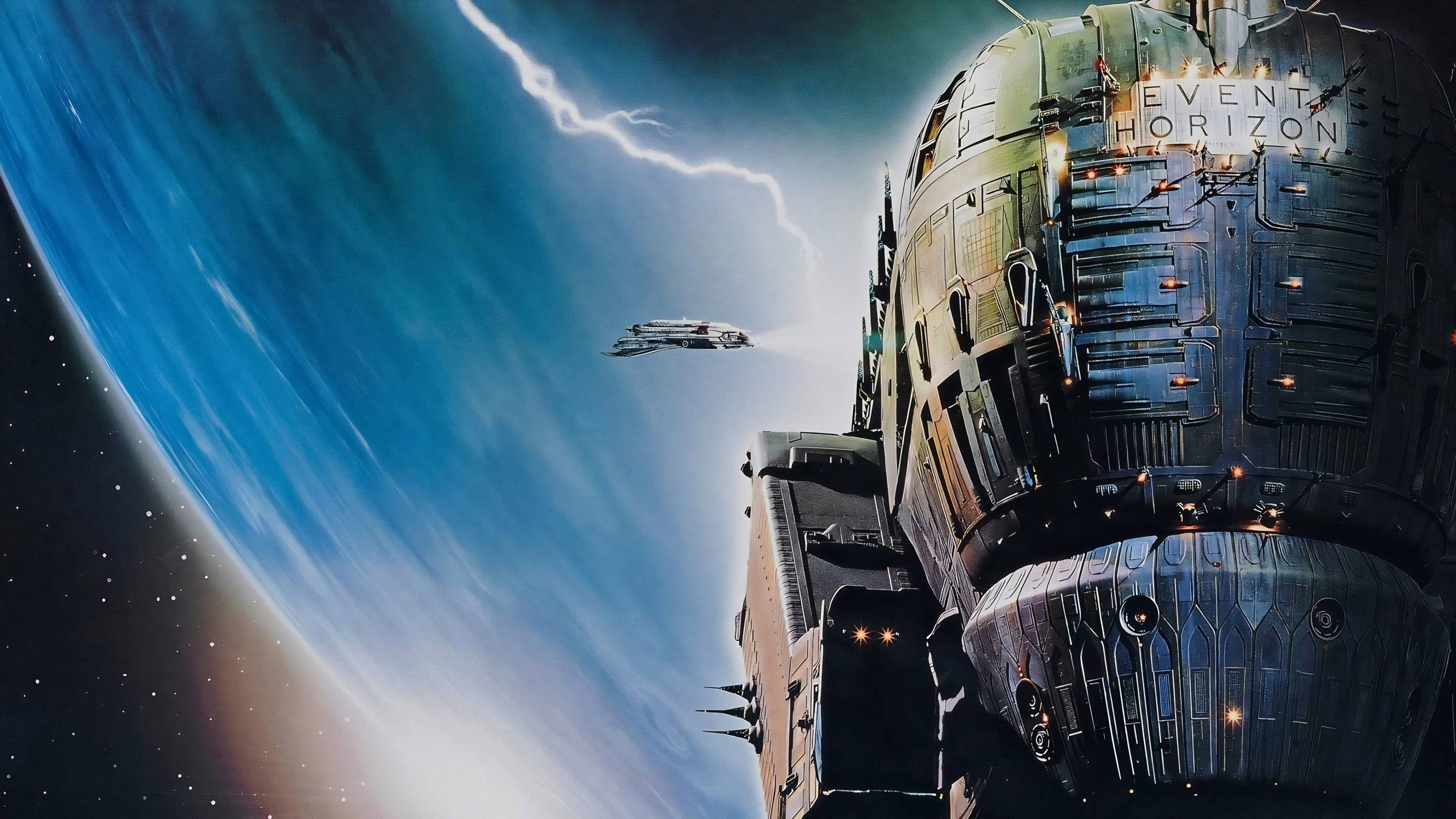
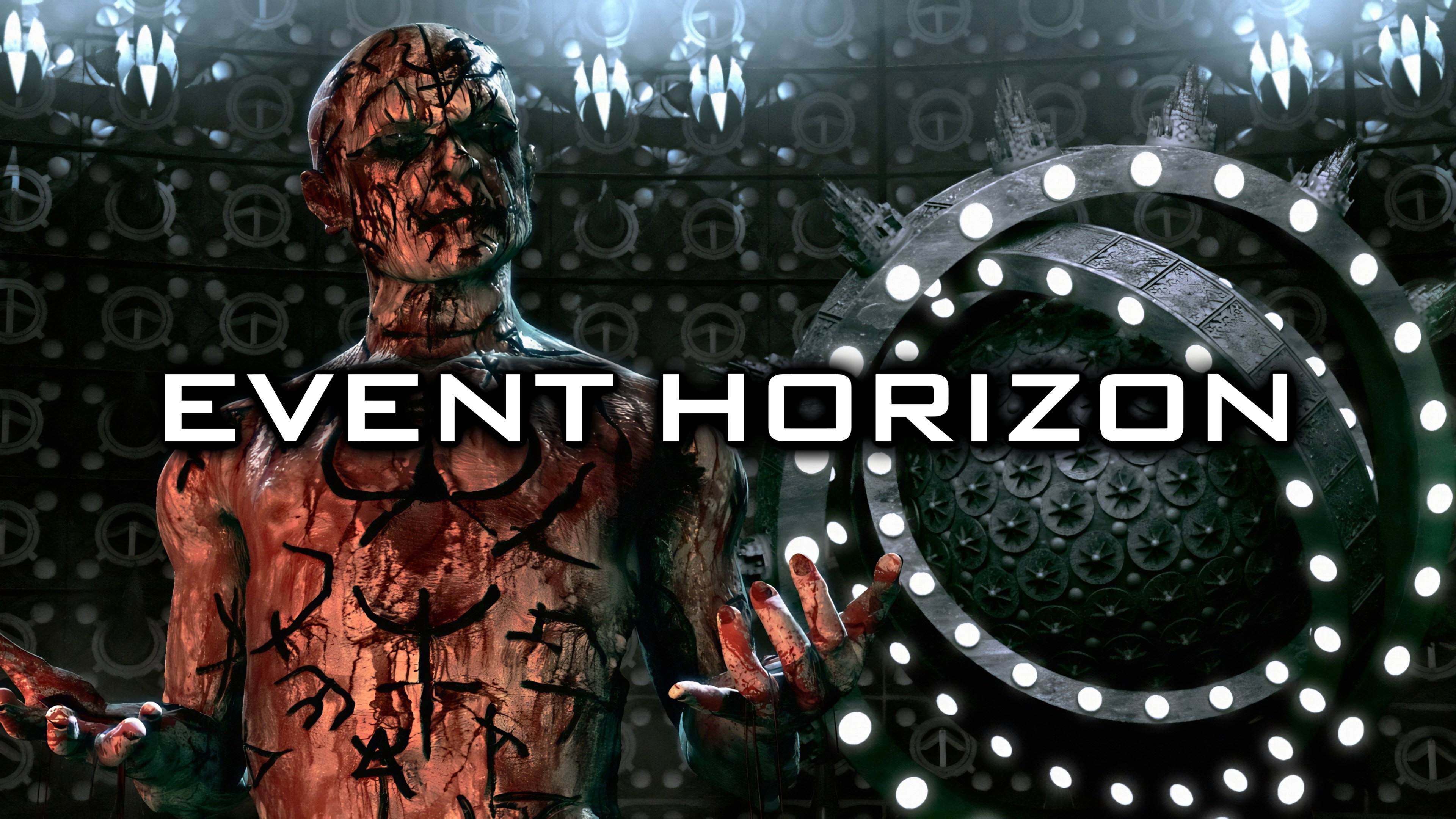
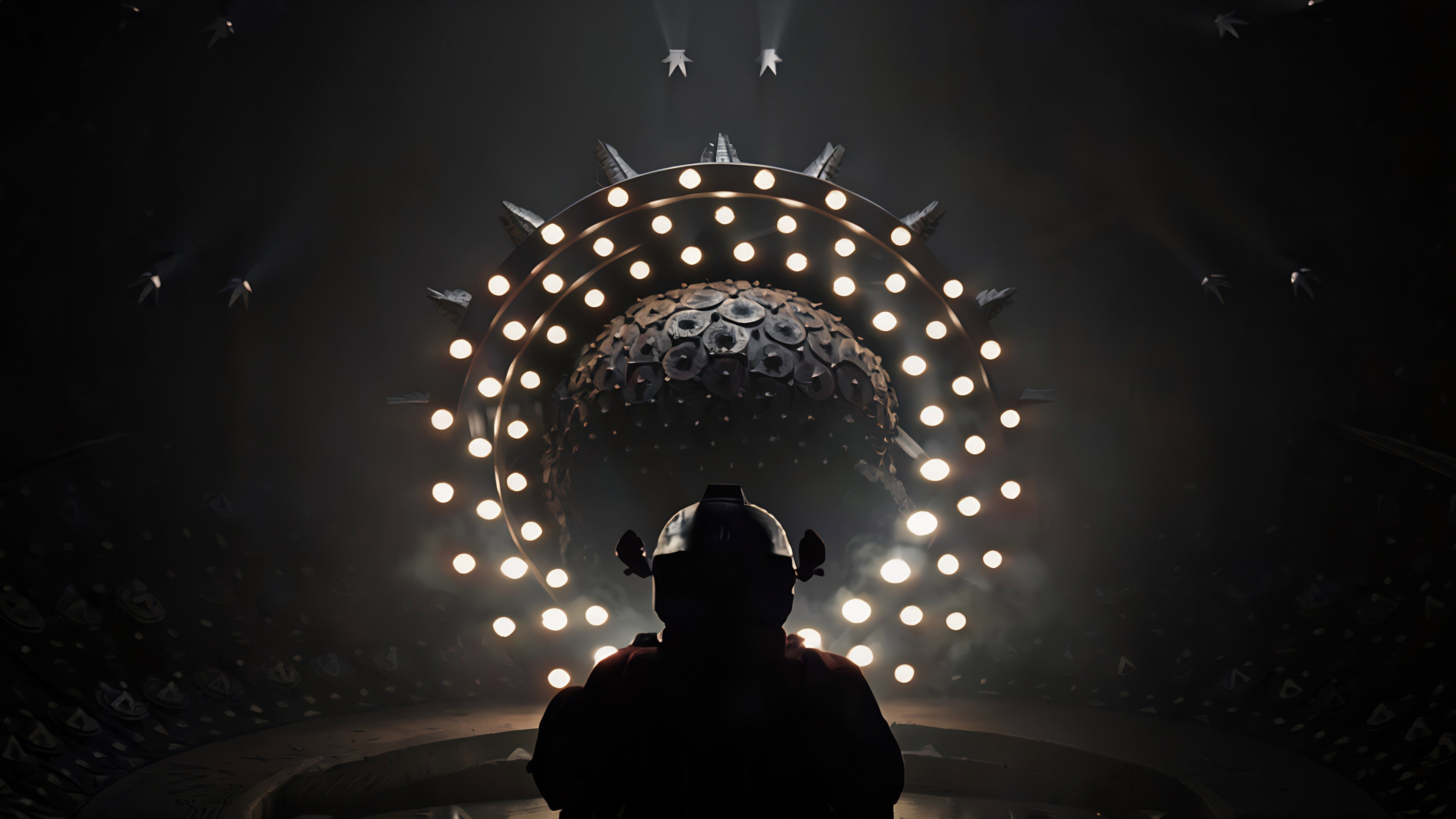
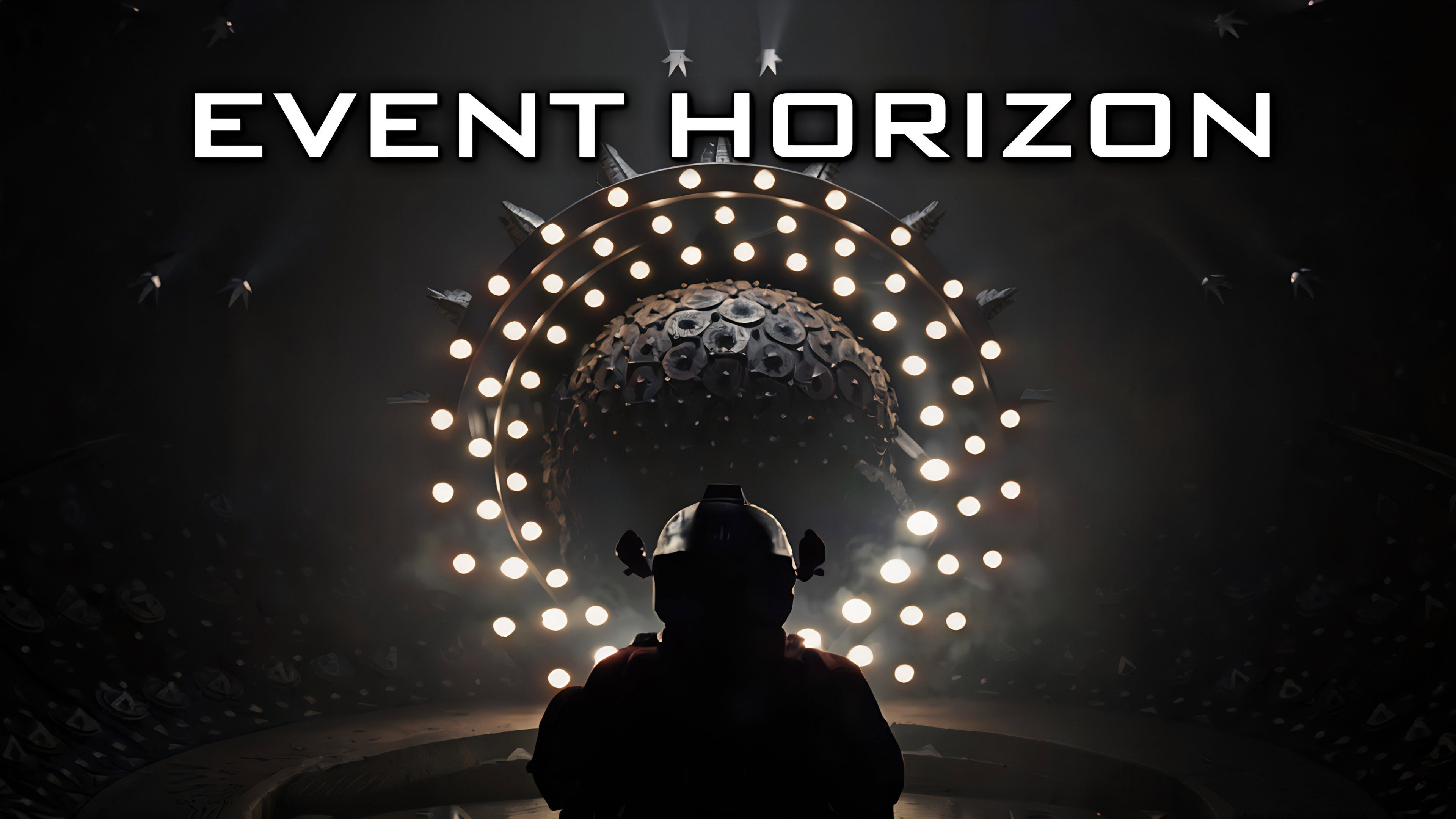
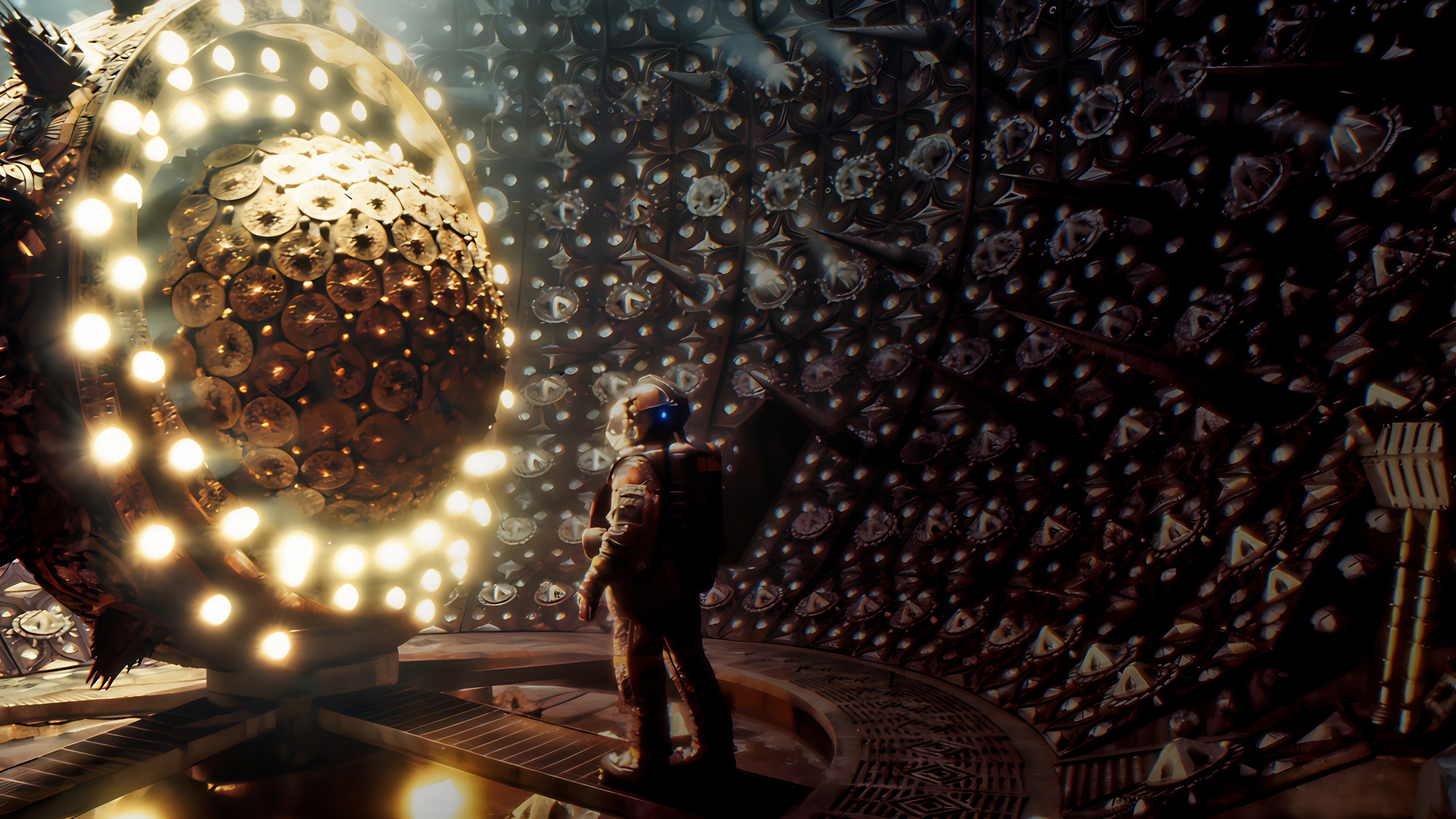
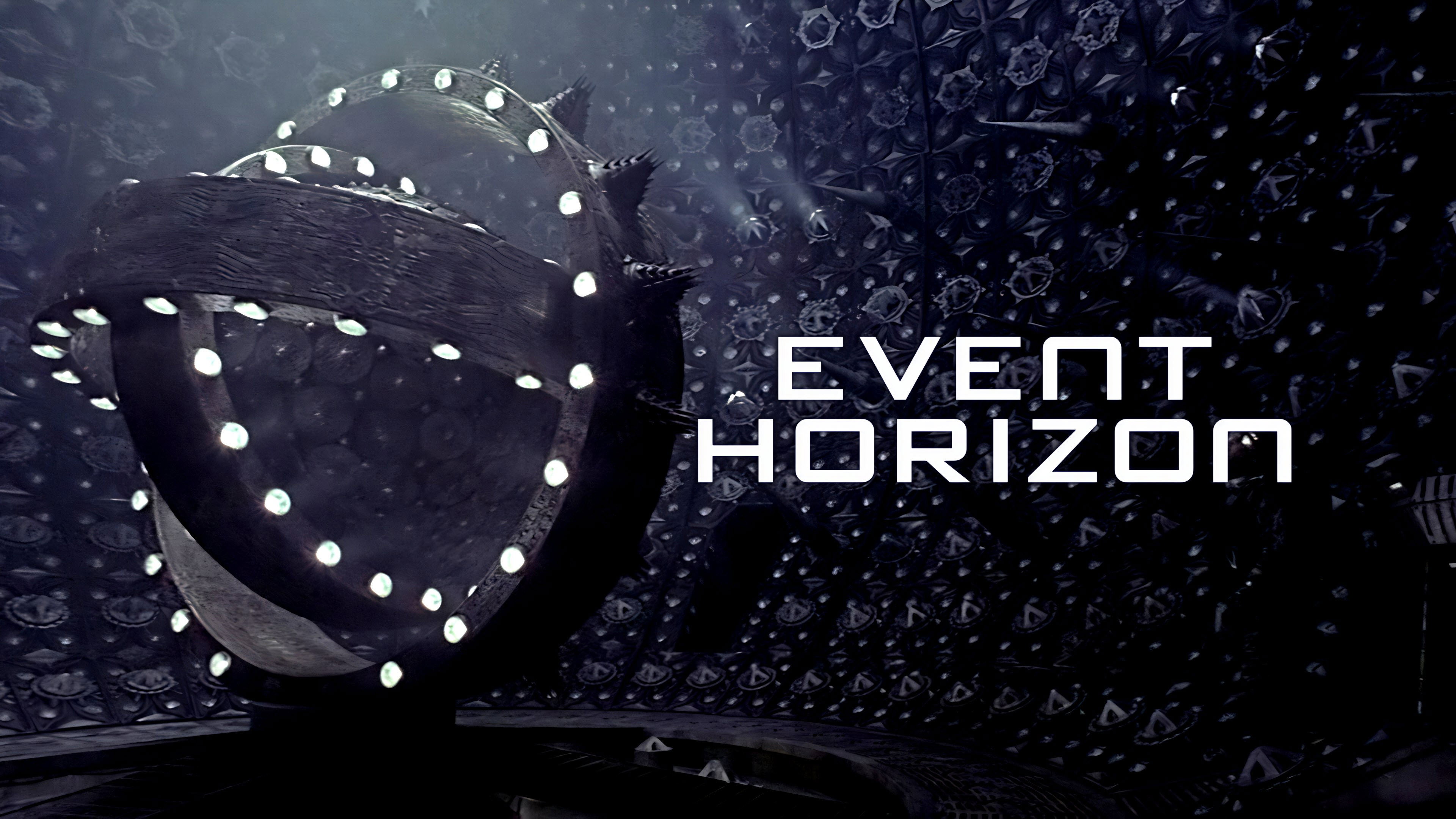
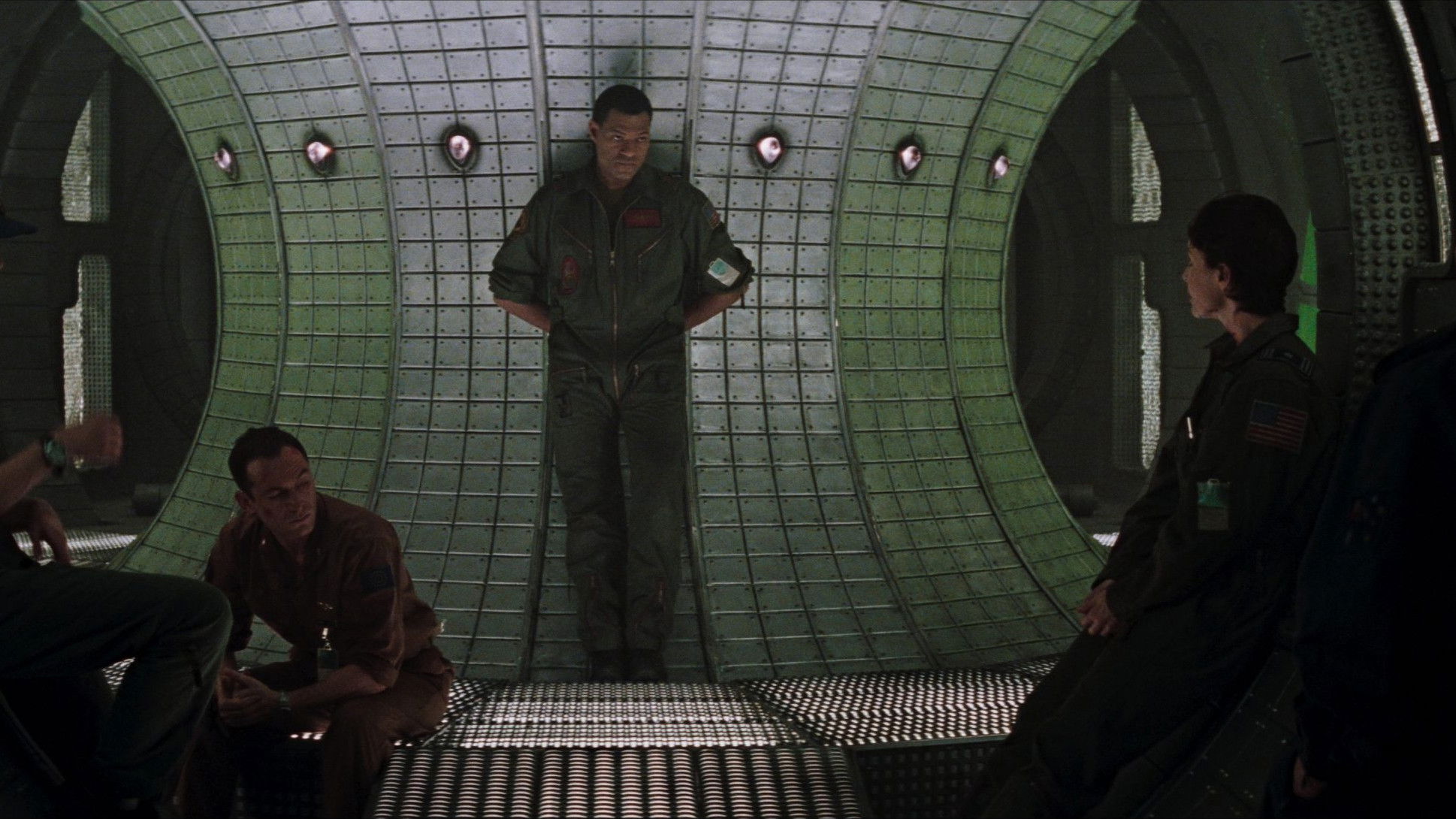
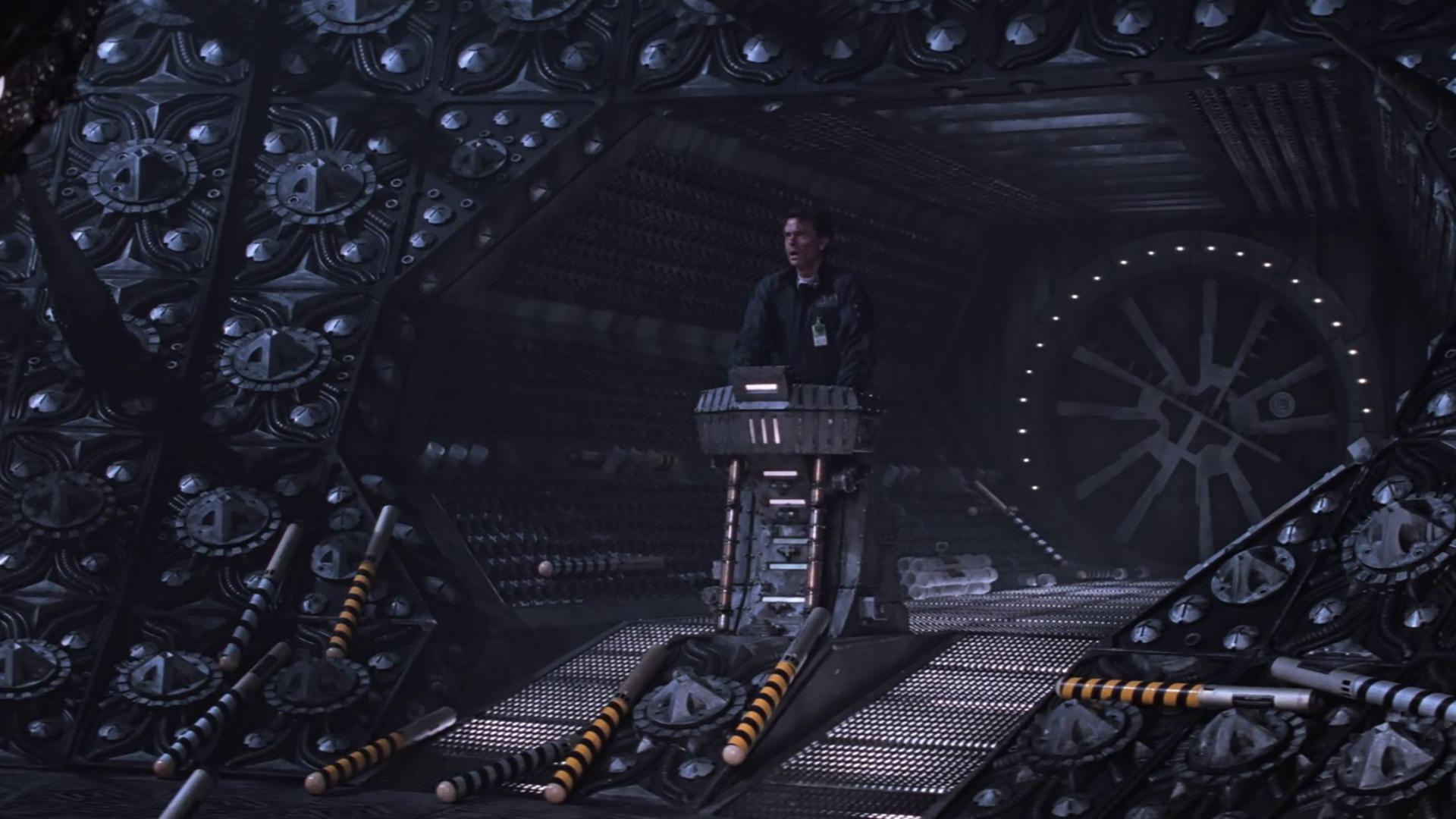
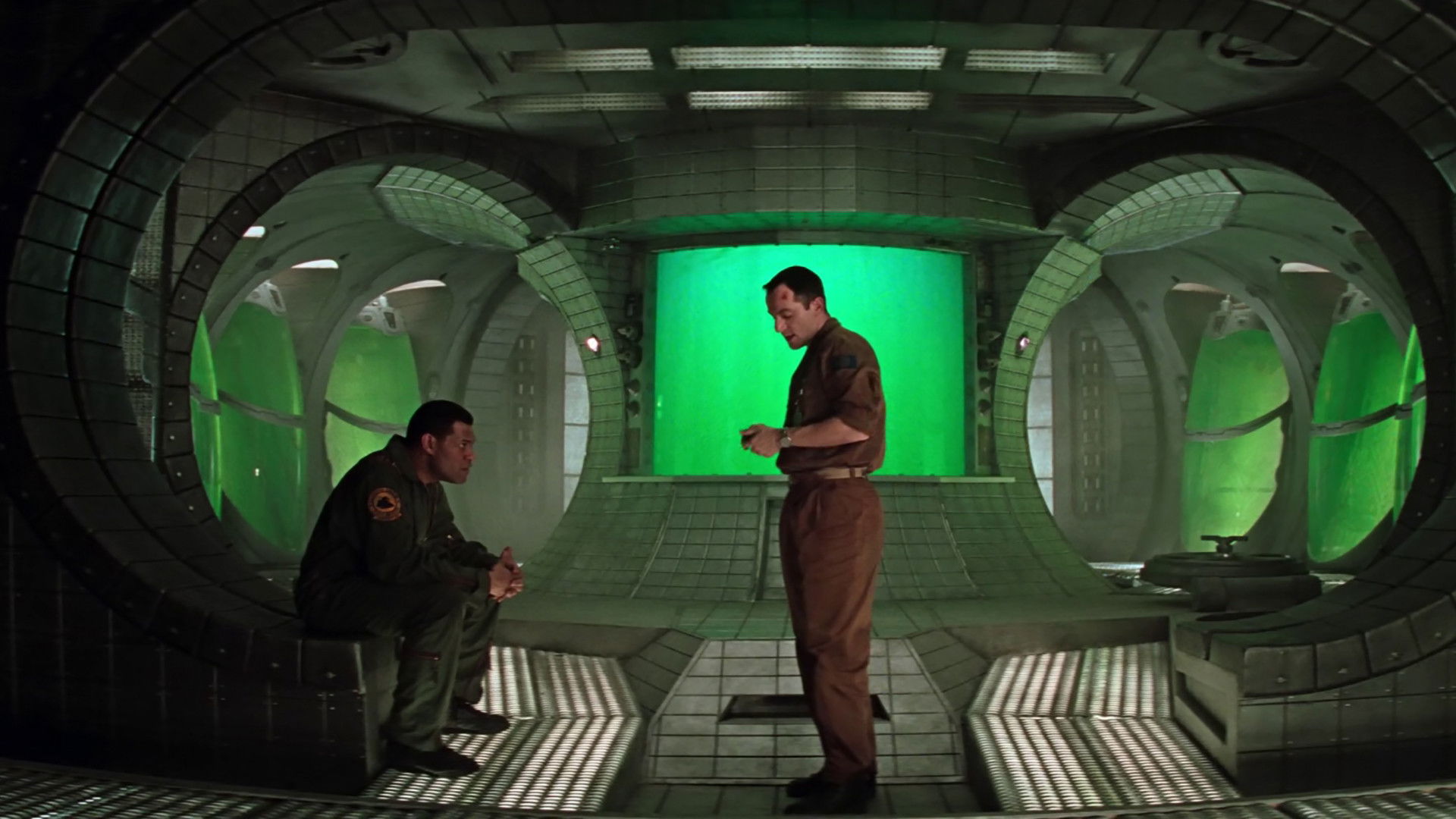
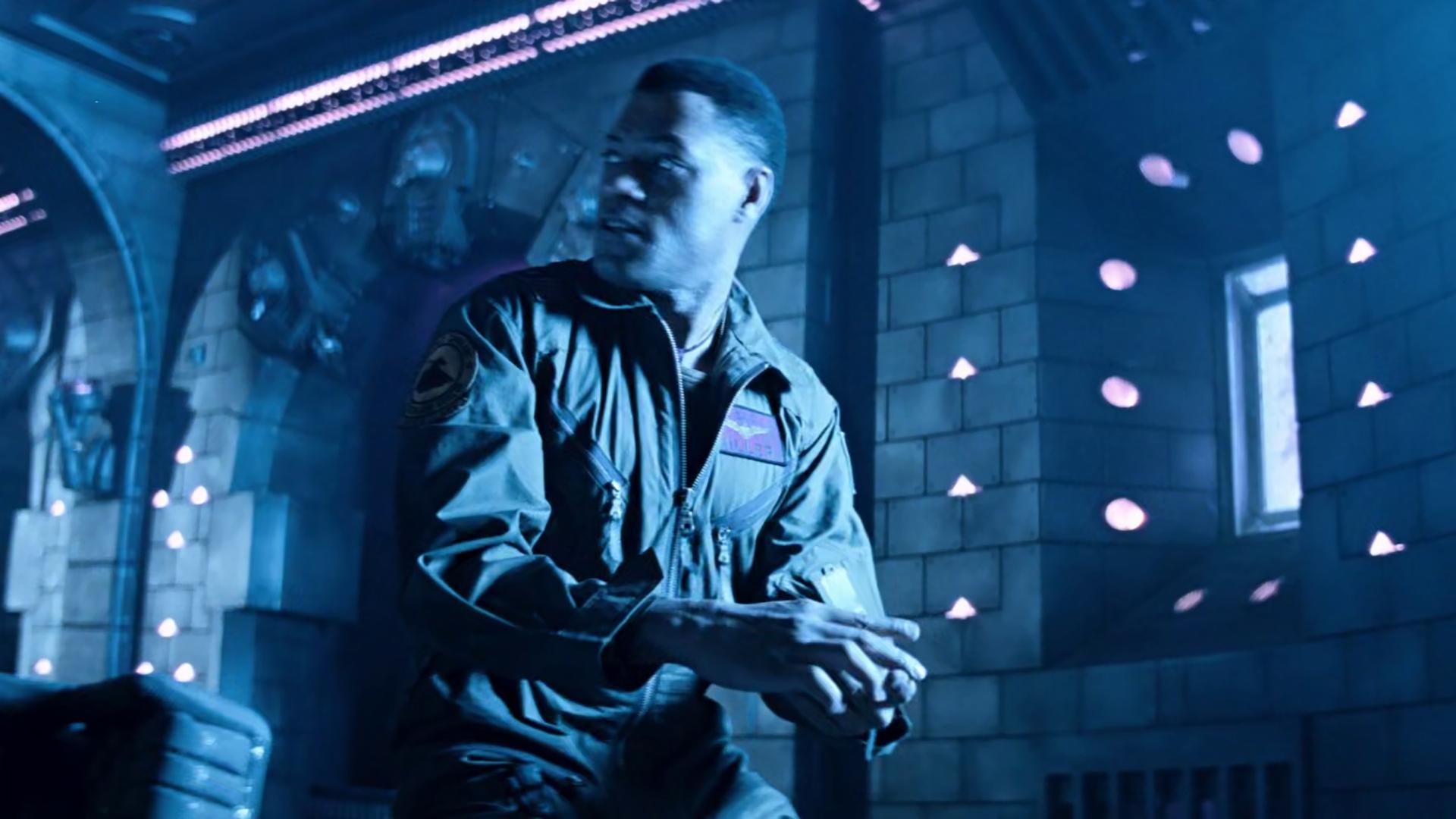
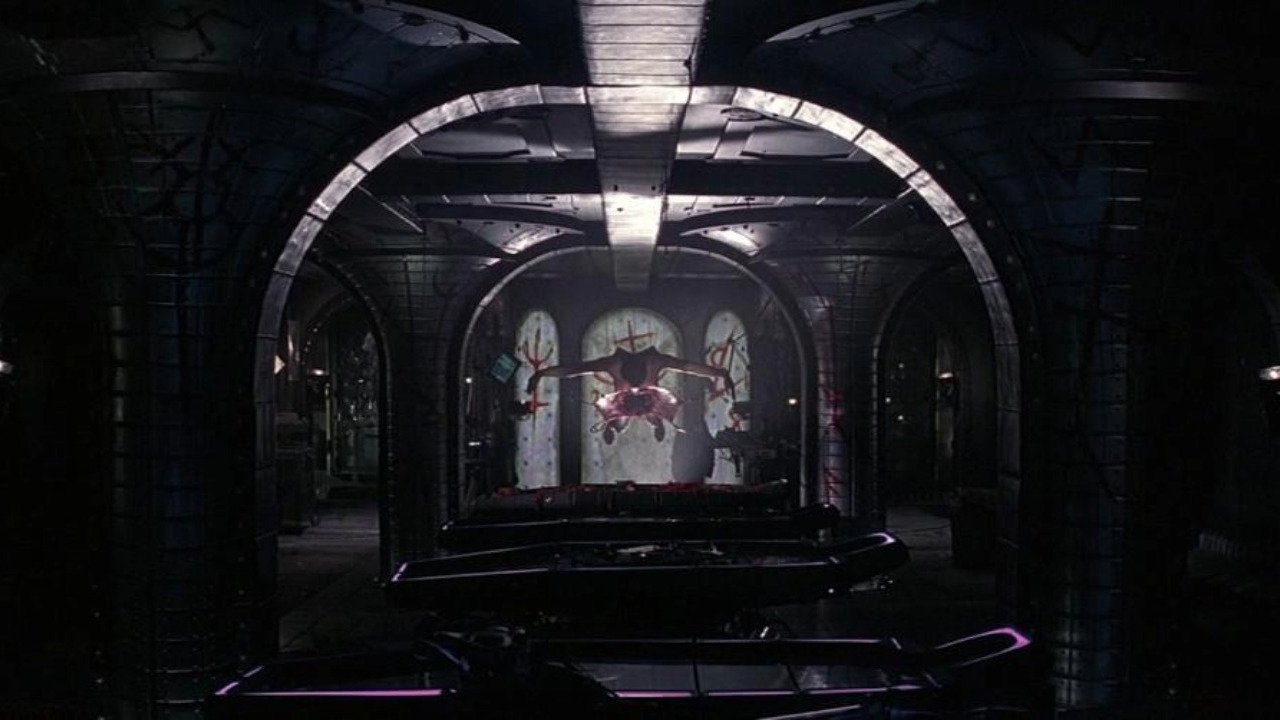
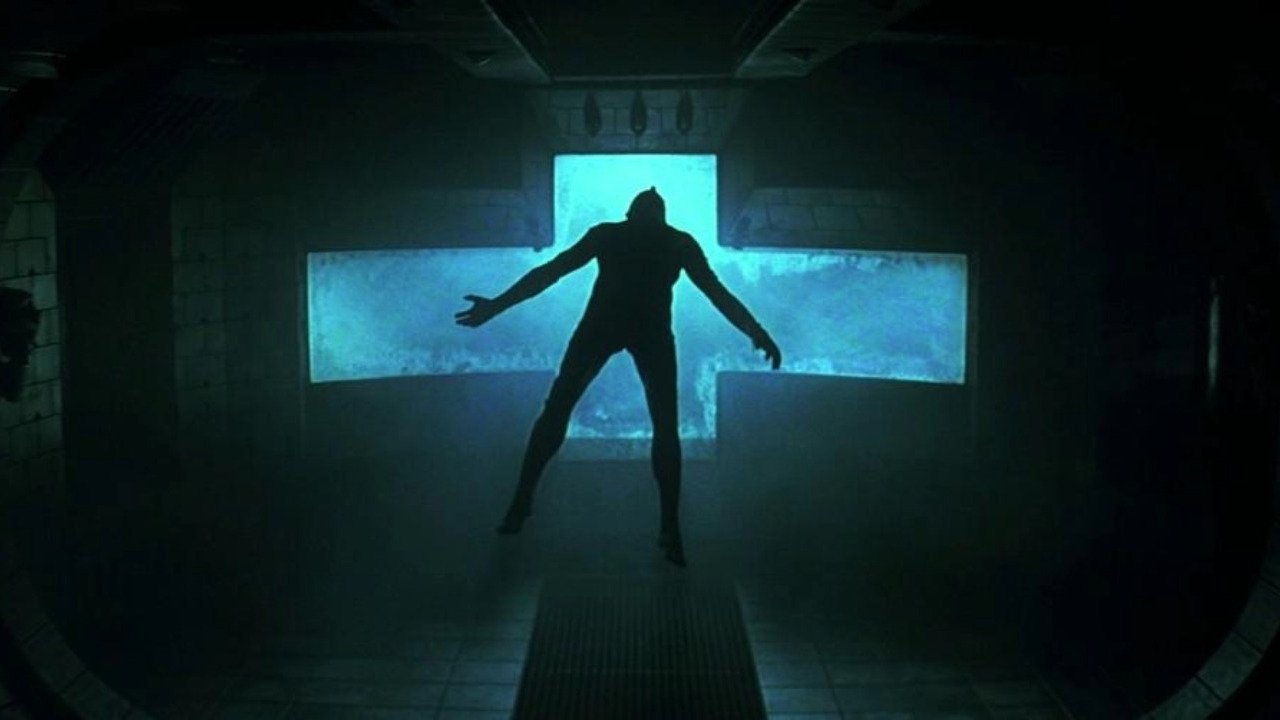
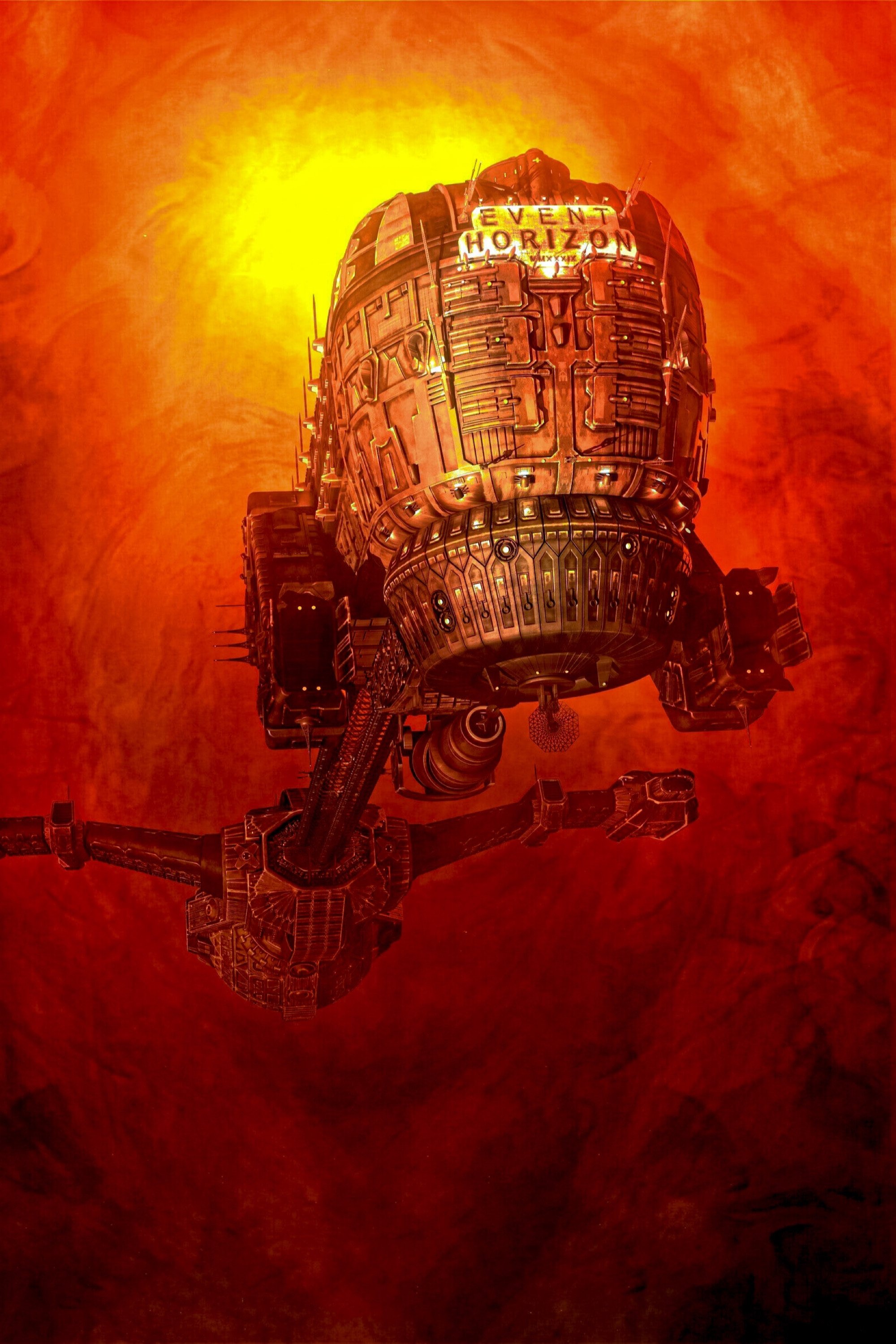
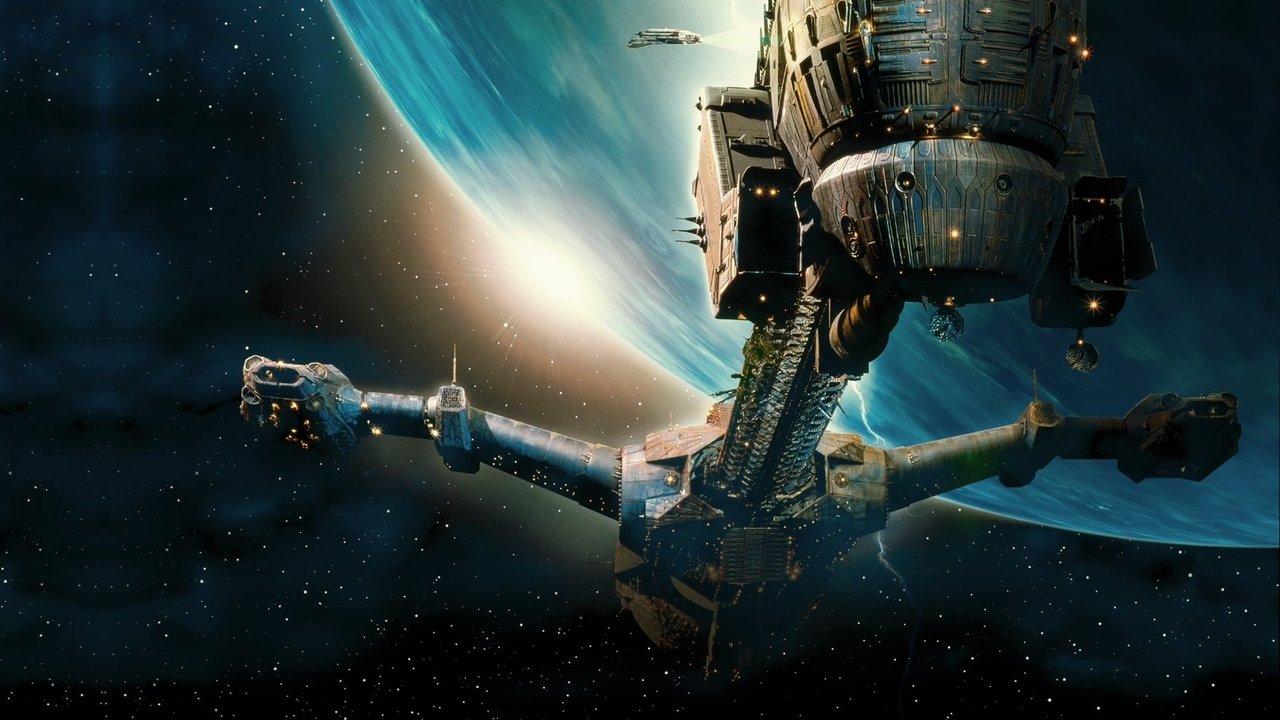
Production designer Joseph Bennett and Anderson established a visual concept they called techno-medieval. The filmmakers drew explicitly on the architecture of Notre-Dame, adapting the forms of a Gothic cathedral into the cruciform silhouette, metalwork and interior spaces of the Event Horizon. Anderson described scanning images of the cathedral as part of the design process. The resulting vessel contains recessed crosses, pointed structures and corridors that become threatening when the working lights fail. The religious associations are built into the environment before the crew discovers what happened during the ship's disappearance.

Cinematographer Adrian Biddle used anamorphic widescreen photography and deliberately uncomfortable lighting to alter the appearance of those spaces. In an article originally published by American Cinematographer in August 1997, he explained his use of green fluorescent effects, flashes of red and brownish floor light. These choices made the technologically advanced interiors look diseased or unstable. Biddle also faced an unusually difficult relationship between architecture and camera placement: curved rooms, submerged floors and large moving structures restricted the positions from which actors could be photographed.

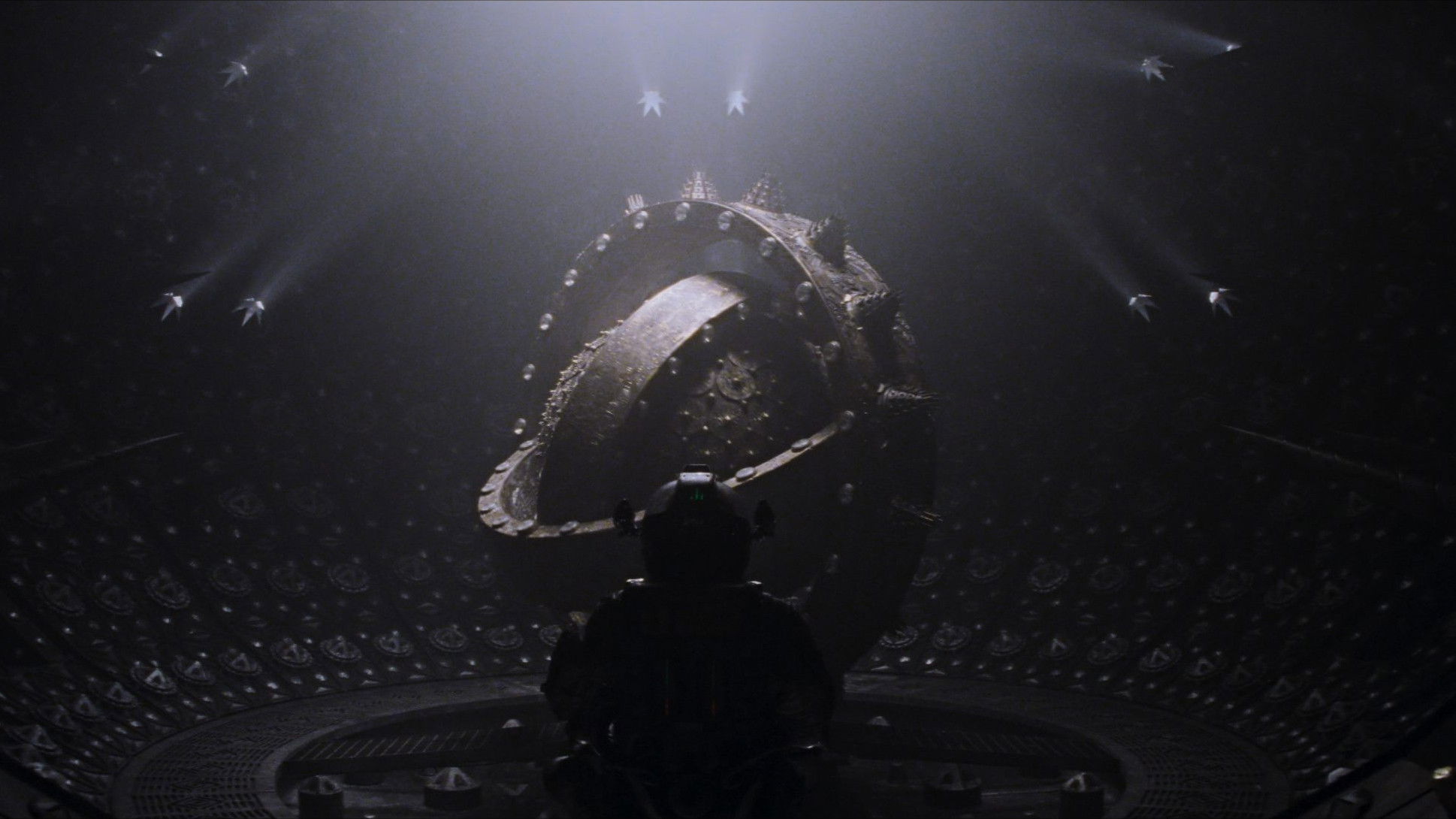
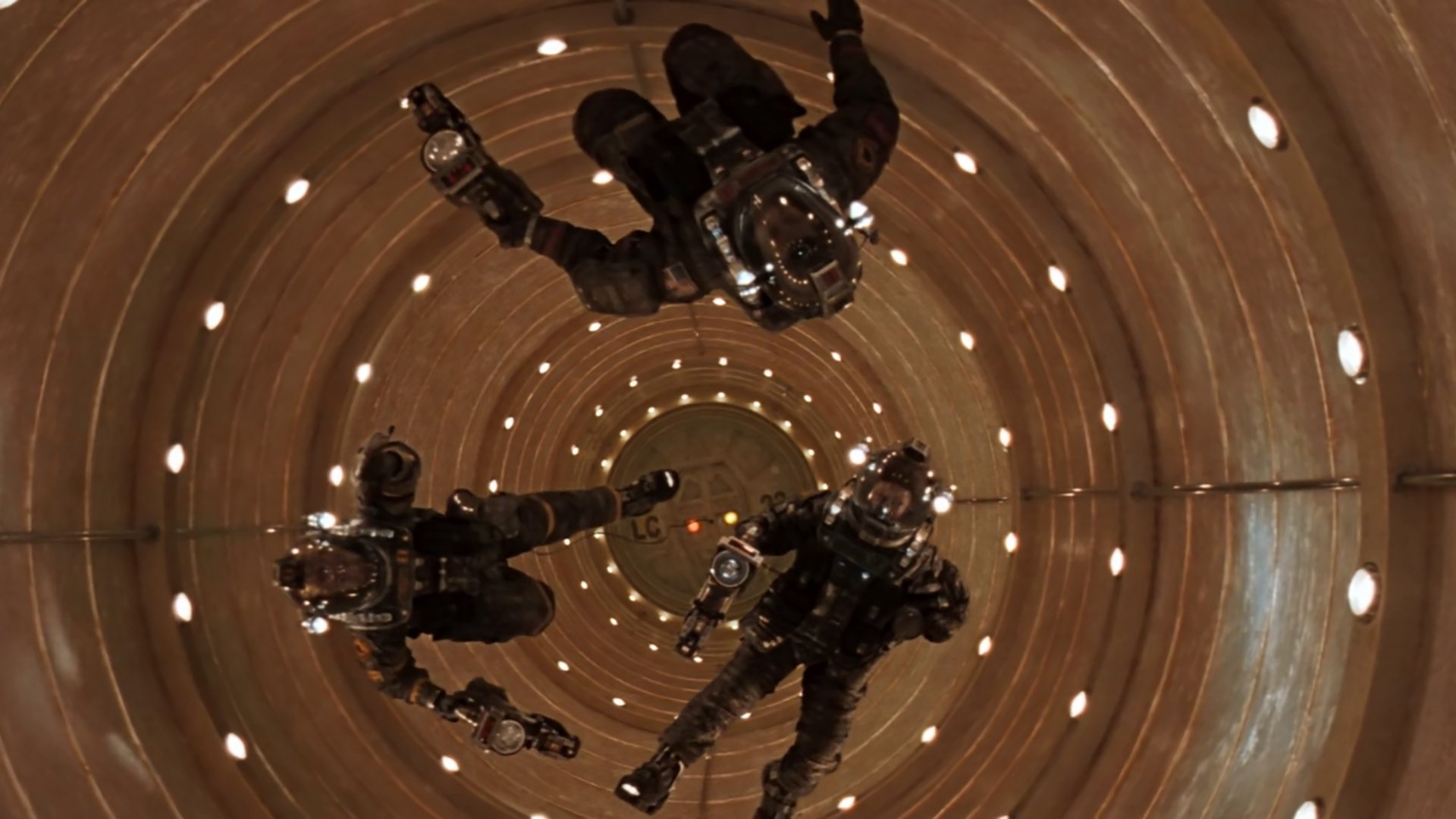
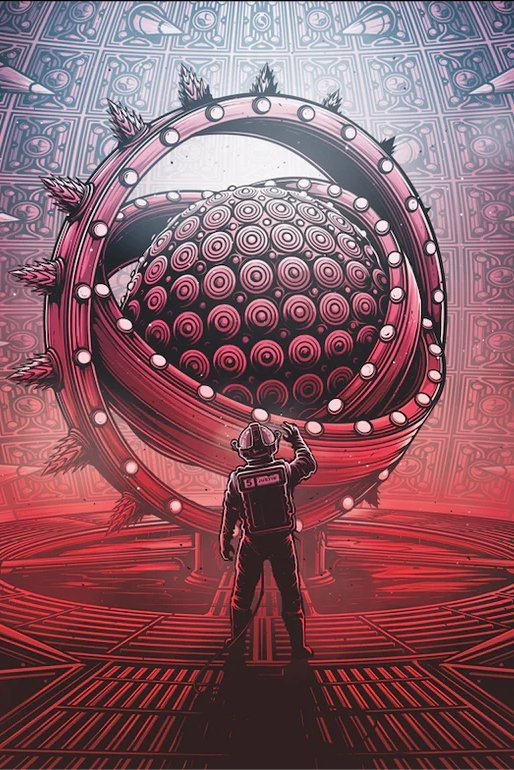
The gravity-drive complex embodied these challenges. Its first chamber was a rotating passage approximately fifty feet long, with a narrow stationary walkway and lighting positioned outside the moving walls. A circular chamber and a mechanical gyrosphere led toward the central drive. Dolly tracks and camera supports were incorporated into the sets, while elaborate external lighting rigs allowed images to be made as the machinery turned. These techniques gave the interior a continual sensation of rotation and disorientation without requiring the viewer to understand the fictional physics of the apparatus.

Models, Practical Effects and Gore

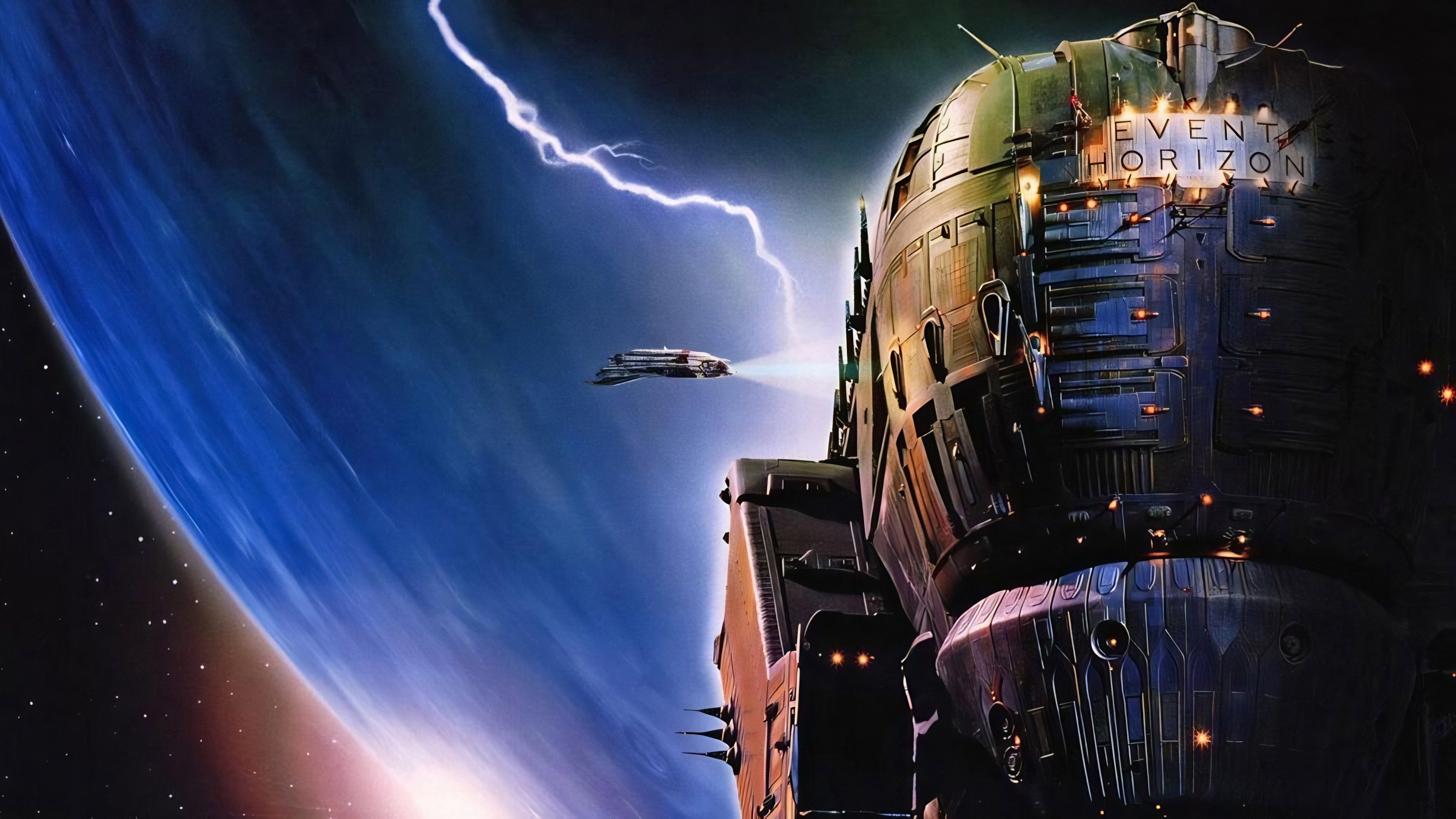
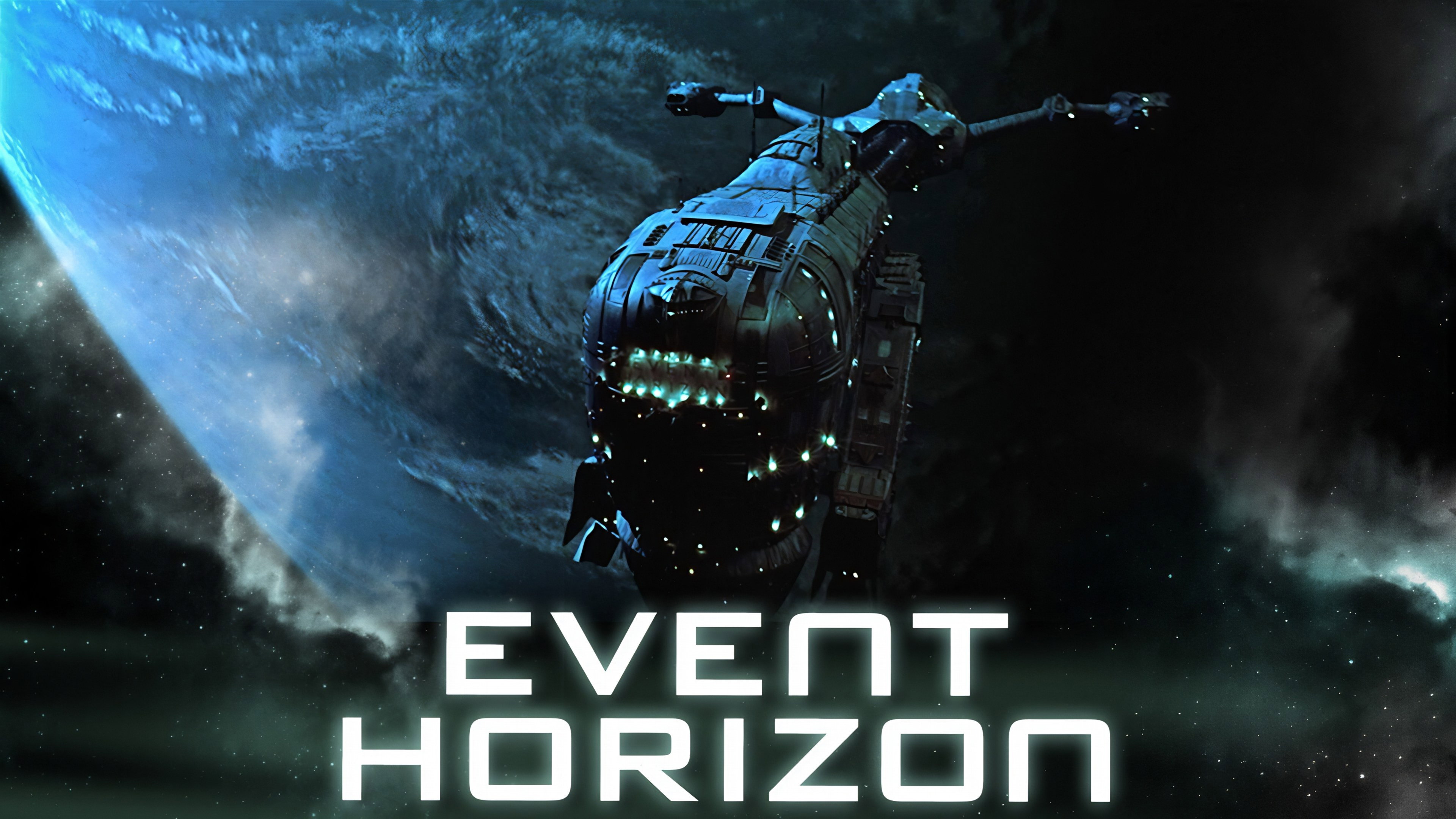
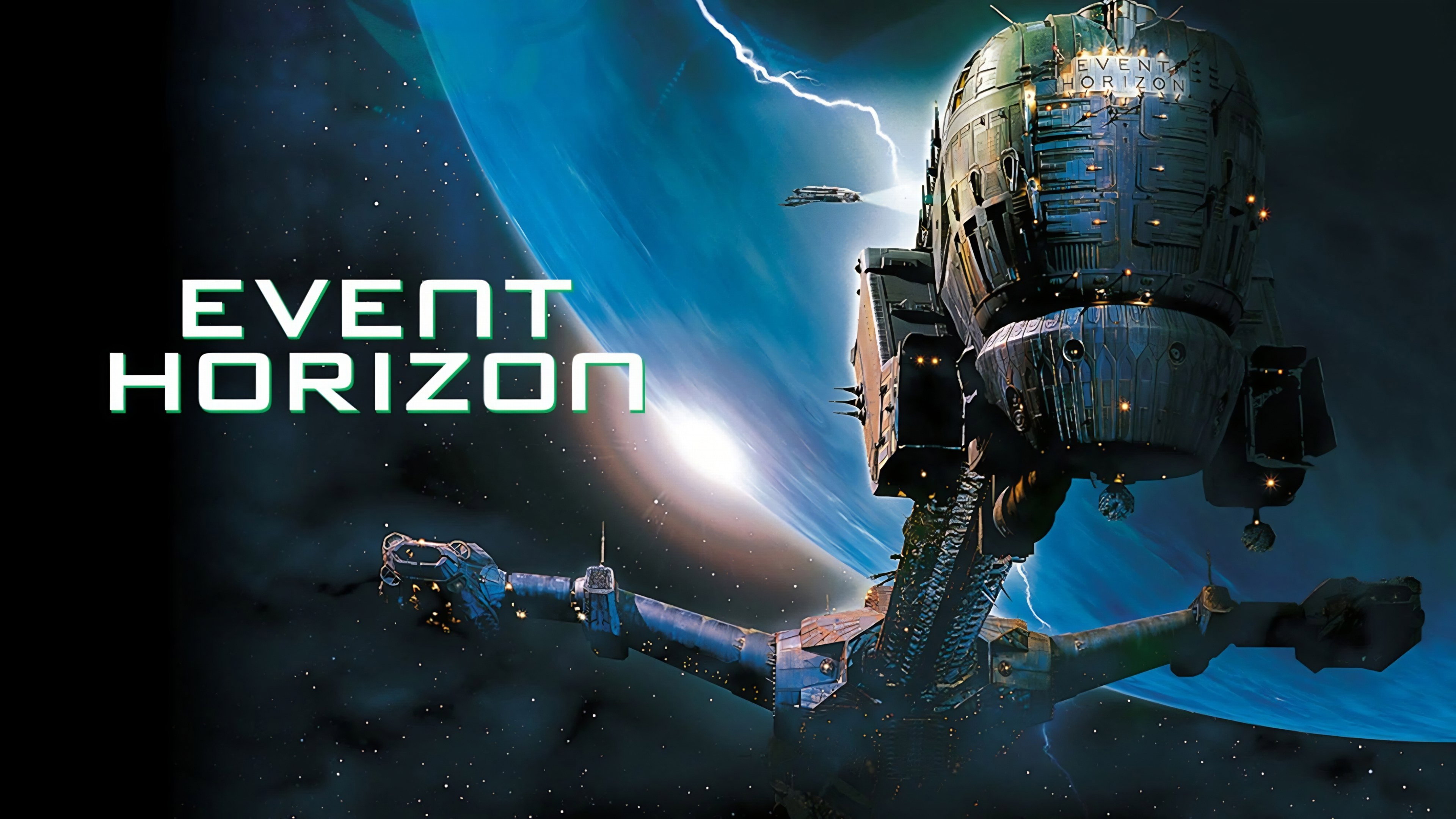
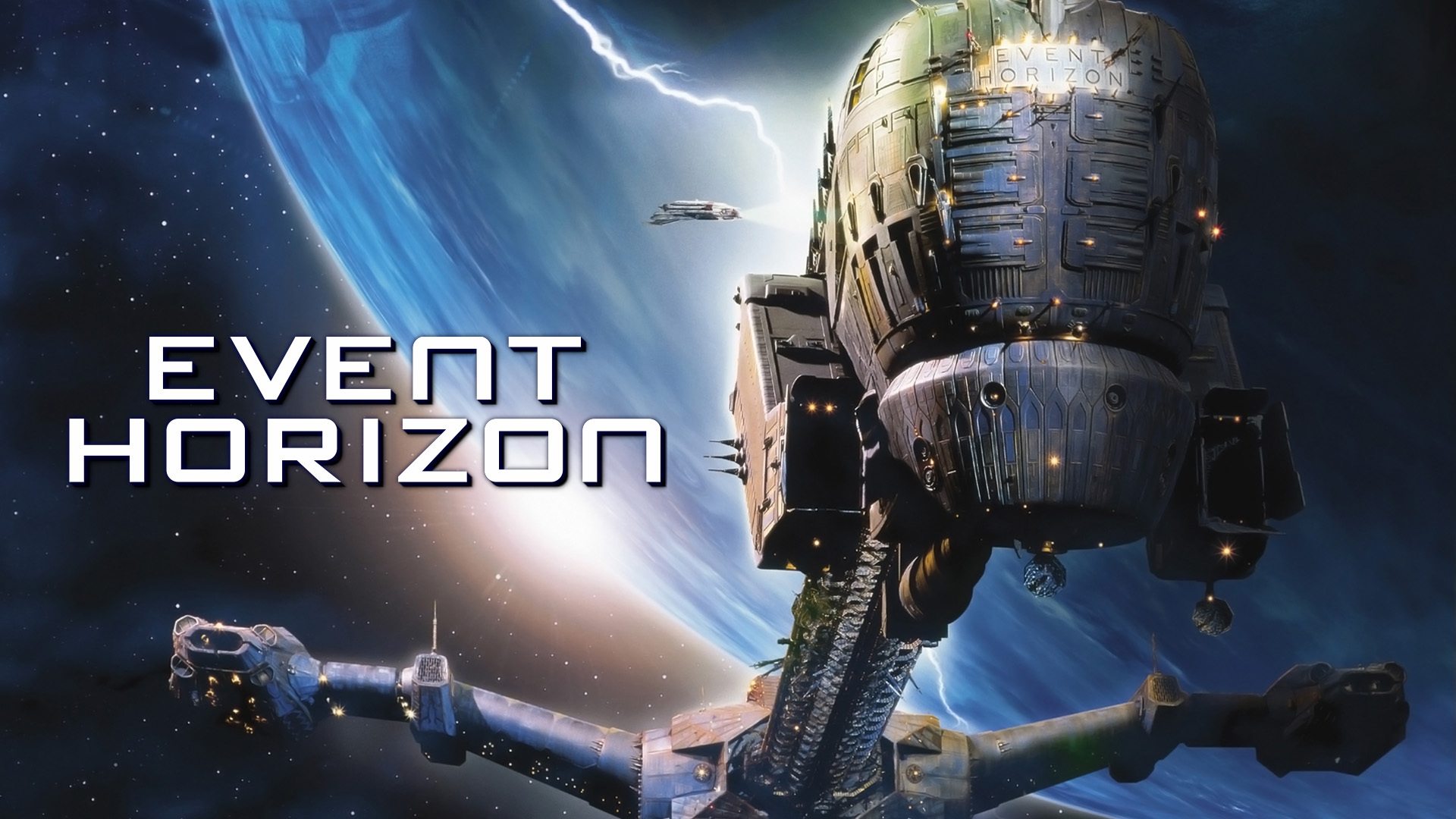
Visual effects supervisor Richard Yuricich coordinated traditional model photography with digital compositing and effects work. The production used multiple miniatures of the two spacecraft, allowing their apparent size to be established through carefully matched photography. The rescue ship and the much larger Event Horizon are presented as distinct mechanical structures rather than interchangeable computer-generated objects. The filmmakers also built working portions of the drive, rotating corridors and practical atmospheric effects. In the oral history, special-effects supervisor Neil Corbould described the challenges posed by the revolving tunnel and the use of physical flames, smoke and explosive effects.
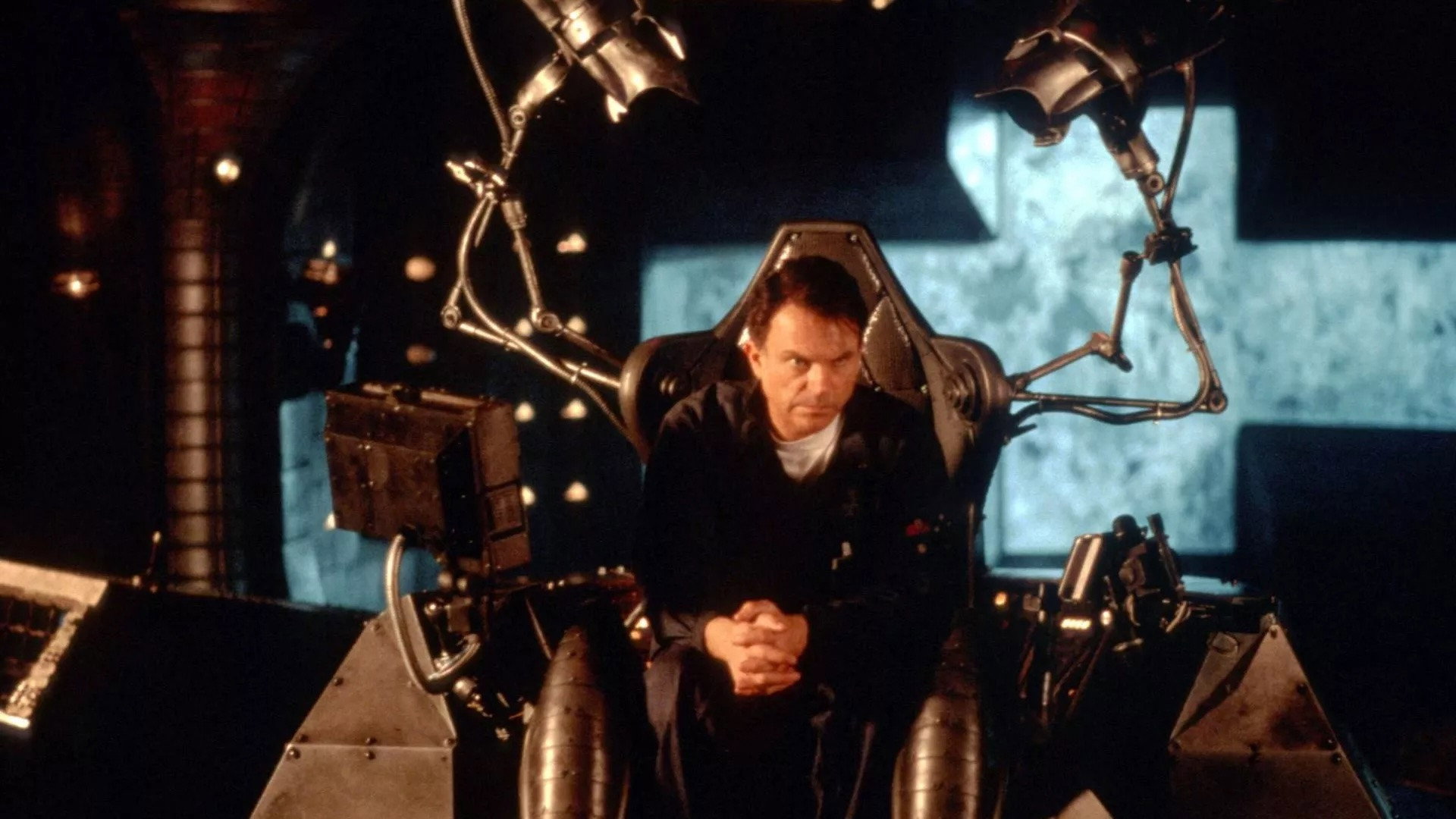
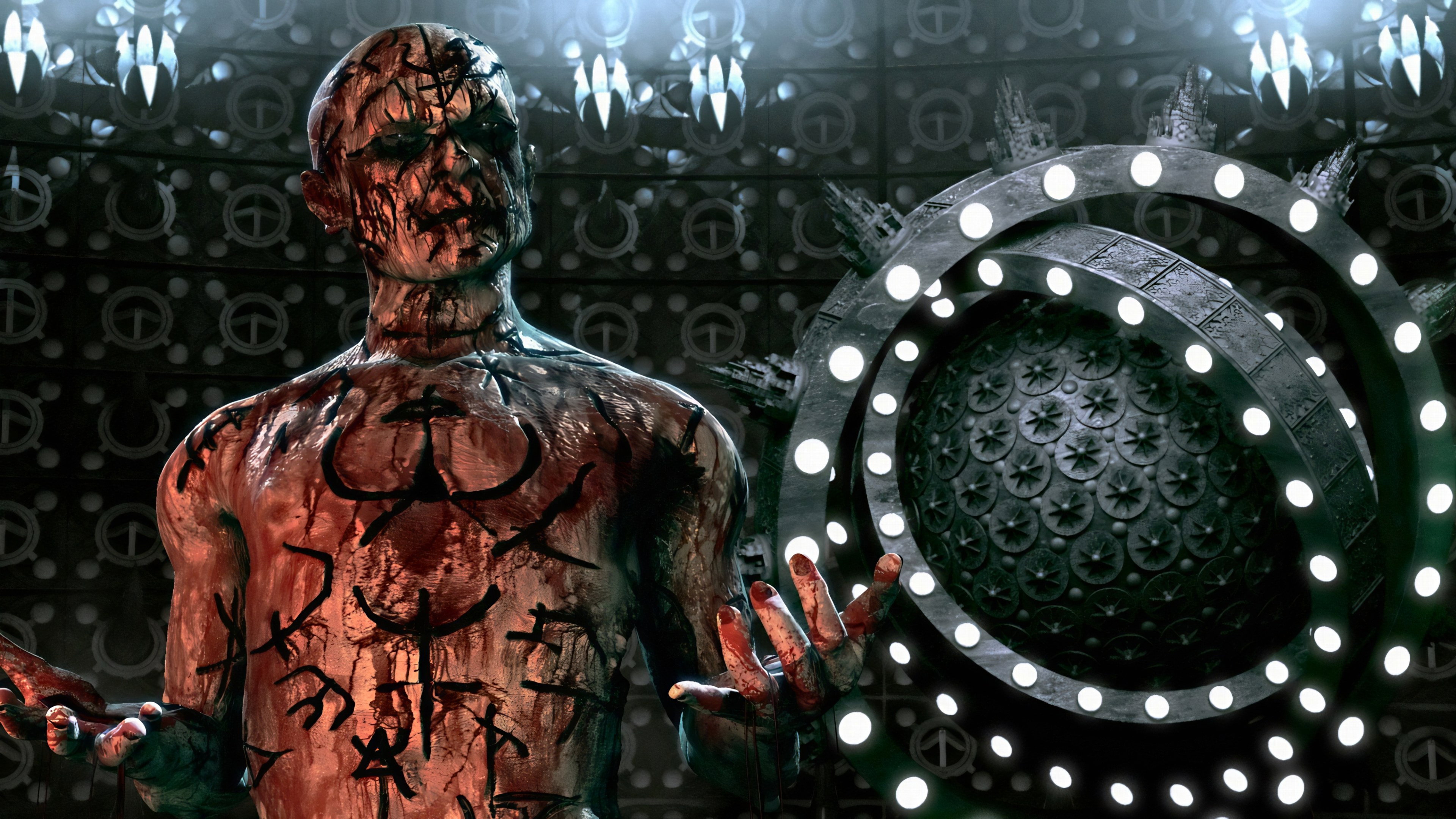
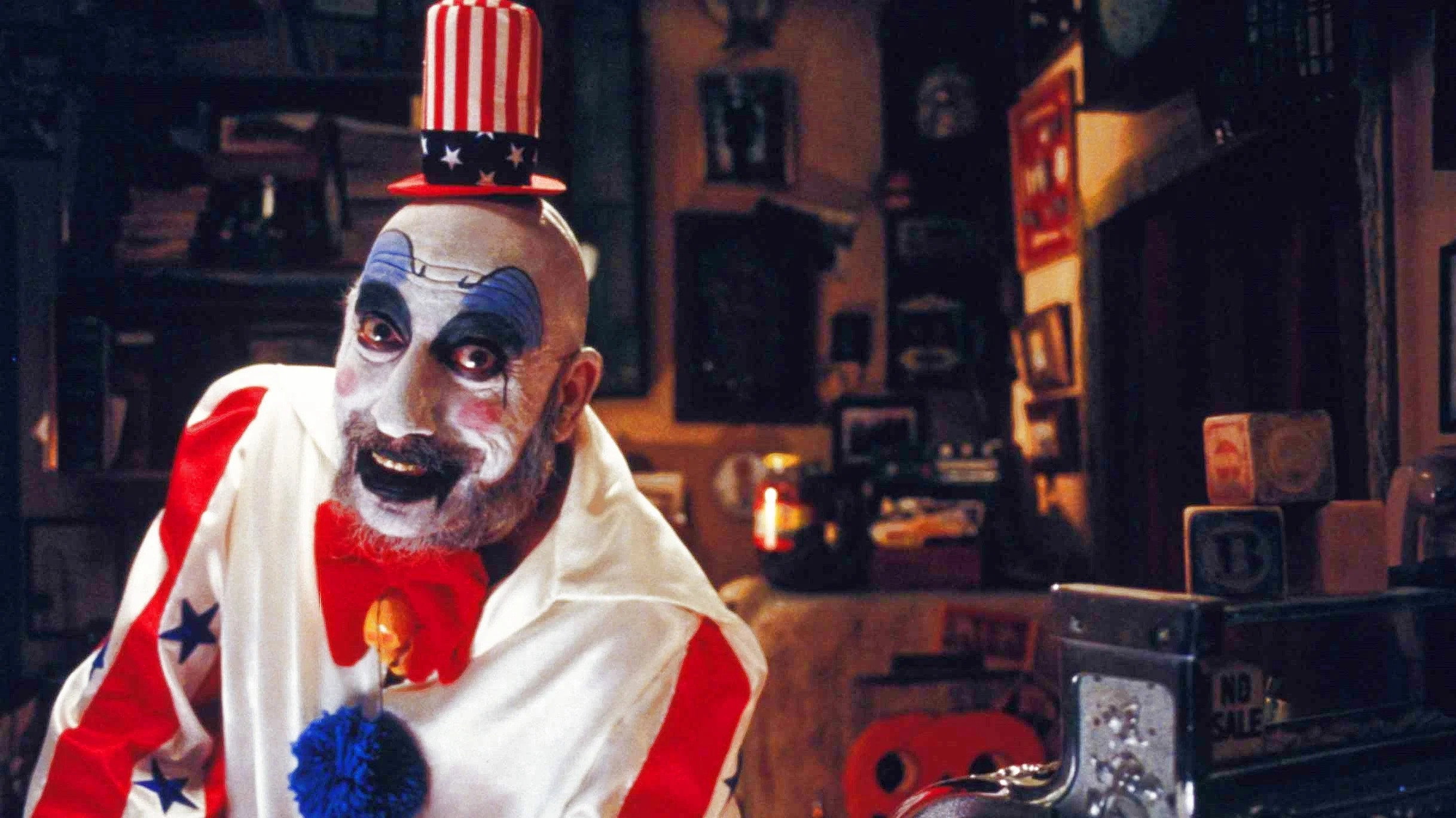
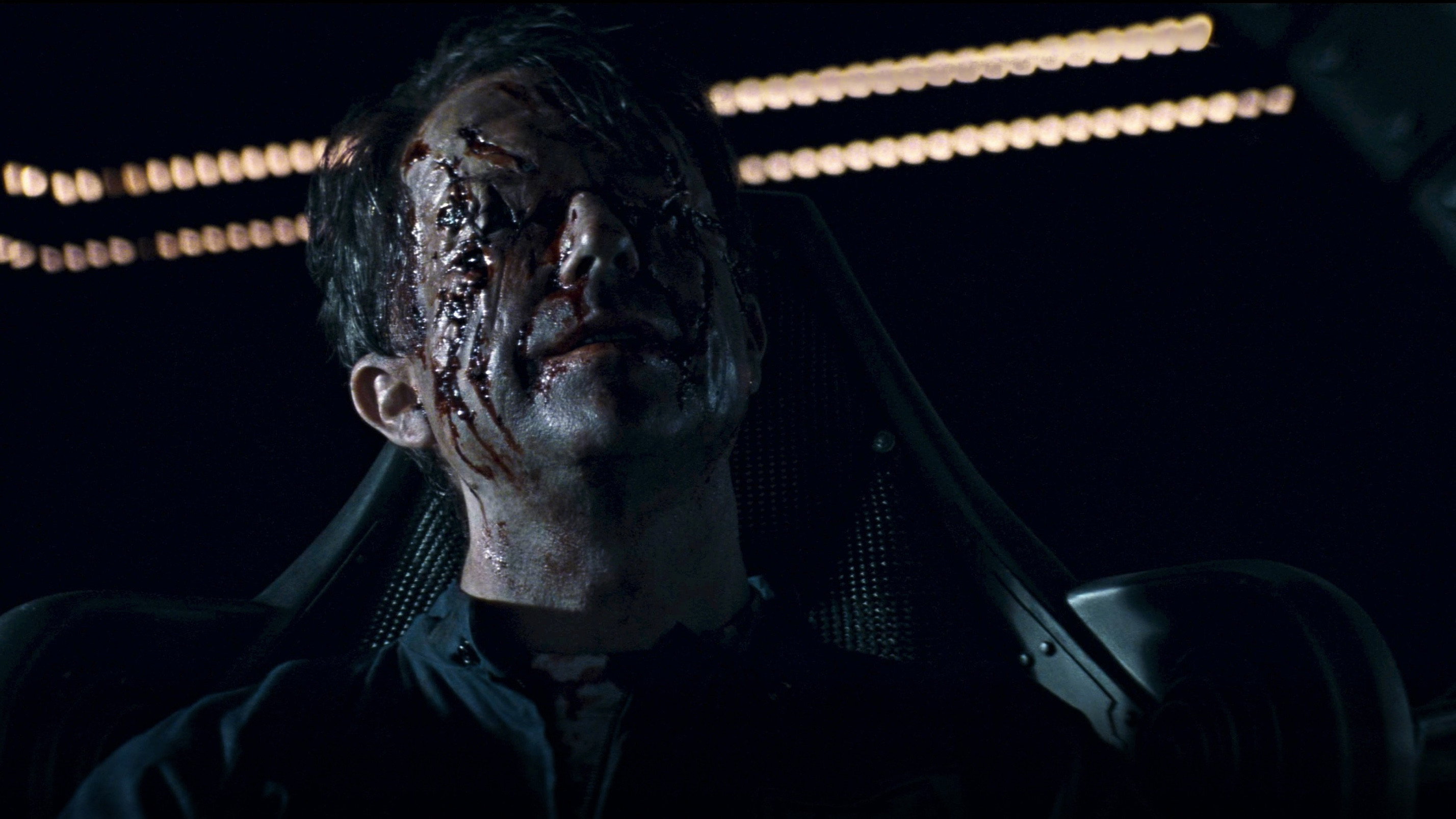
The grotesque images demanded a different mixture of techniques. The crew's visions include mutilated bodies, wounds and violent transformations, some presented in fragments too brief for the viewer to examine fully. Jason Isaacs recalled undergoing a full-body moulding process for one of the film's gruesome effects. Anderson explained that he arranged especially disturbing tableaux as carefully composed images, drawing on the work of Hieronymus Bosch and photographer Joel-Peter Witkin. These are the director's stated artistic references; the film's fleeting images do not establish a literal history or geography of the dimension beyond the gateway.
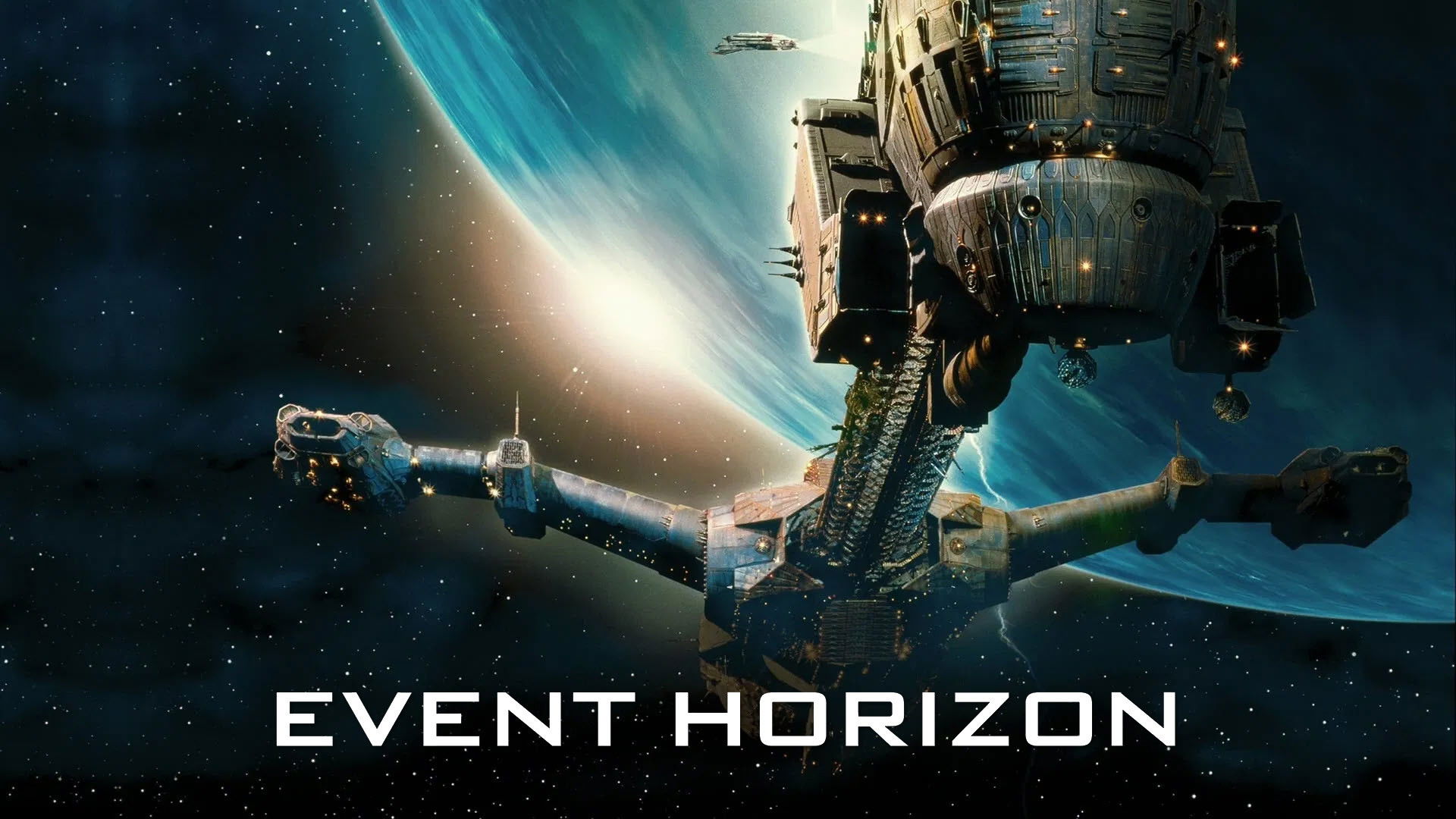
Photographic compositing was also necessary for apparitions such as the burning figure associated with Captain Miller's earlier rescue failure. Biddle described photographing multiple elements, including controlled fire and repeated camera passes, to make such scenes appear within the ship. The mixture of constructed environments and processed imagery is important to the film's visual character: the camera repeatedly presents convincing physical space and then introduces an event that violates the crew's expectations of that space.

Cosmic Horror and Psychological Threat

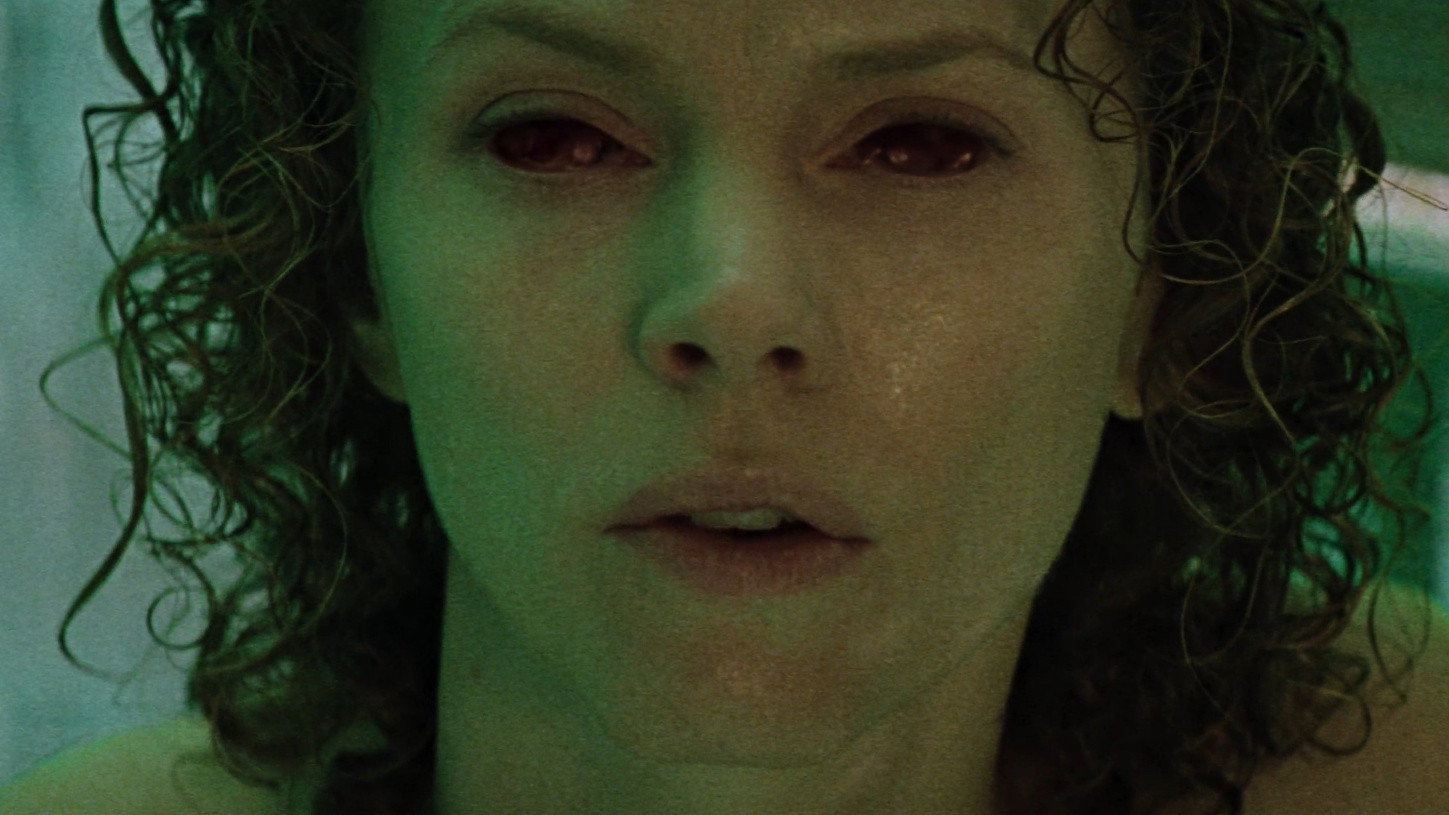
The film's supernatural threat reaches the crew through personal memory as well as bodily injury. Weir experiences visions connected with the death of his wife, while other characters encounter images of the people or events they fear most. The story uses these experiences to undermine confidence in perception, because an apparent human presence may be a manifestation produced by the ship. The rescue crew initially relies on technical procedures and medical explanations, but the consequences become increasingly difficult to contain. The narrative's strongest horror sequences arise when familiar behavior proves inadequate in surroundings that appear designed to exploit vulnerability.

The ship's central drive also changes the meaning of exploration. Weir sees the experiment as an achievement capable of transcending physical distance, but its unknown destination has altered the vessel and made it hostile to human beings. Anderson compared the project to haunted-house cinema and explicitly cited films including The Haunting and The Shining as points of reference. The connection to cosmic horror rests on the same uncertainty: the danger exceeds the characters' ability to describe its origin or motives. The religious visual language suggests an interpretation, while the screenplay leaves the precise nature of the other realm unresolved.
Music and Sound

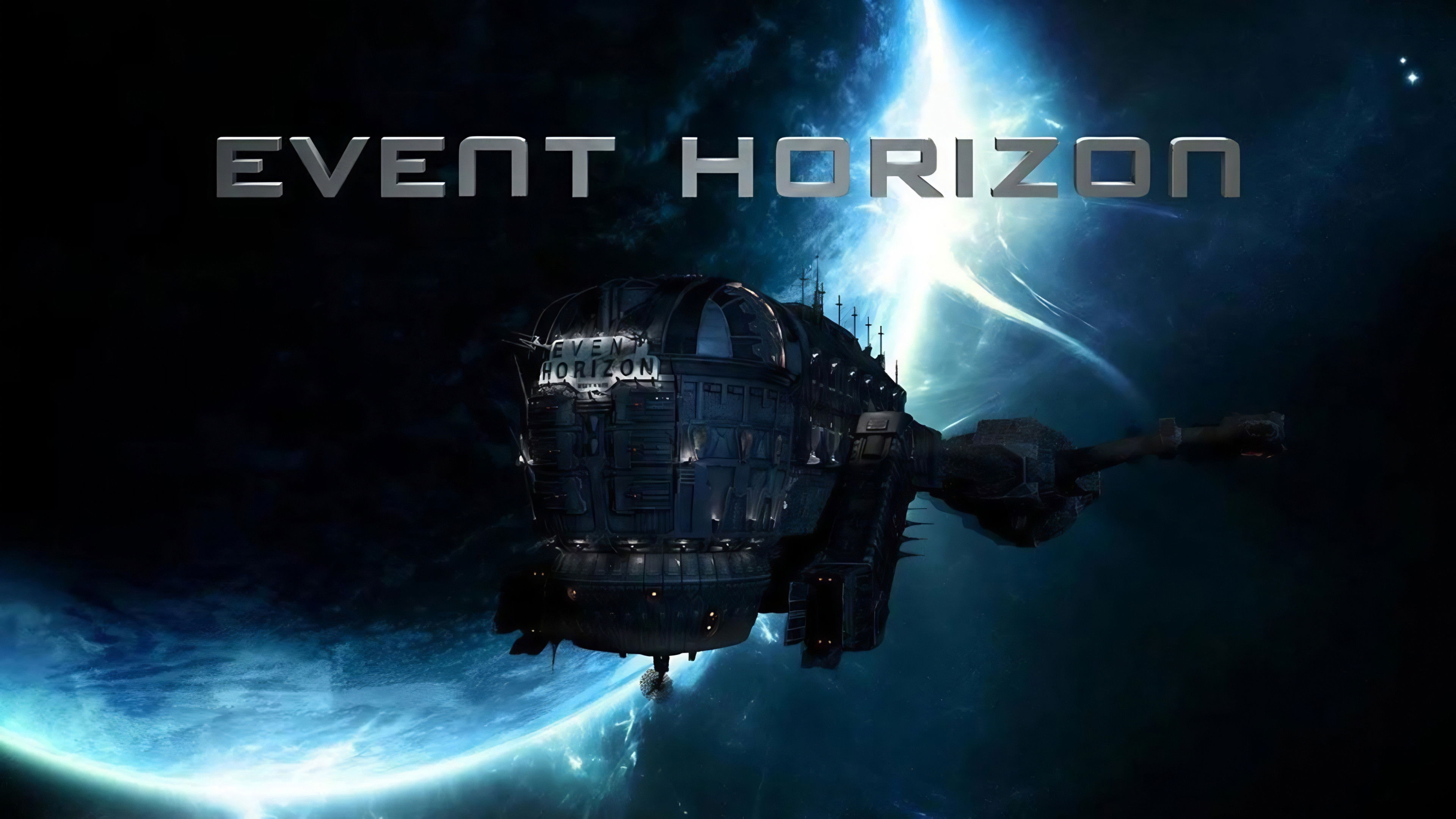
Michael Kamen composed and conducted the orchestral score, with additional music by the electronic group Orbital. The composer's official archive identifies performances by the London Metropolitan Orchestra and recording sessions held in London during June and July 1997. It also records that Kamen prepared more than two hours of music, a substantial quantity of which did not appear in the completed film. The surviving session information documents a demanding recording process rather than simply providing the name of a credited composer. The film's music joins orchestral weight to electronic textures appropriate to its industrial, futuristic environments.

The soundtrack album credits Kamen and Orbital together and organizes its material into extended suites corresponding to locations and sequences aboard the spacecraft. Its contents should therefore be distinguished from a complete presentation of every cue written or recorded for the film. Low mechanical sounds, alarms and sudden sonic interruptions contribute to the sense that the ship is an unstable environment, while the score supplies a changing emotional pressure around the characters' discoveries.

Editing, Test Screenings and Lost Footage

The film underwent substantial changes during an accelerated post-production period. Participants interviewed for the 2022 Inverse oral history attributed the rush partly to Paramount's need to meet an established summer release date after changes to the schedule of Titanic. Eisner recalled a longer initial cut and pressure to bring the running time closer to ninety minutes. Anderson described the reaction of executives at a test screening as particularly severe because the grotesque imagery was more explicit than they had anticipated. These are retrospective accounts by the filmmakers, but they consistently identify the preview response and short editing schedule as major factors.

The removed material included longer views of the violent acts that befell the original crew and scenes intended to elaborate the experience beyond the gravity drive. Anderson has explained in later interviews that reducing several seconds of footage to brief flashes sometimes intensified the effect, even though he considered aspects of the final reduction too severe. This distinction is important: a longer test-screening assembly is known to have existed, but it should not automatically be identified with a finished, approved director's cut. Nor is there evidence that every disputed scene would have improved the film had it survived in its original duration.

Later attempts to locate usable elements for a reconstructed version have encountered the loss or inadequate preservation of much of the excised footage. Anderson attributed the problem in part to archival practices before deleted scenes became routine home-video supplements. Existing releases contain limited additional material, but they do not restore the long preview assembly.

Release, Reception and Afterlife

Paramount released Event Horizon in American theaters on August 15, 1997. The British Board of Film Classification had approved a theatrical presentation running 95 minutes and 46 seconds on July 31, identifying strong horror imagery and language. Later British video entries run around ninety-two minutes, a difference consistent with film-to-PAL speed conversion and insufficient on its own to establish a new censored edit. American theatrical receipts totaled approximately 26.7 million dollars according to box-office records. Publicly available international figures are incomplete, so this sum should not be represented as a reliable worldwide gross.

Contemporary reviews were divided over the relationship between the impressive production and the story. In the Los Angeles Times, Kenneth Turan acknowledged the quality of the model work and the film's ability to generate suspense while objecting to its emphasis on extreme gore. Those criticisms should be read as responses from the release period, separate from later assessments of its influence or popularity. In interviews marking its twenty-fifth anniversary, Anderson and several cast members described their surprise at the film's subsequent audience and the persistence of interest in its images and settings.

Its later visibility has been supported by home-video editions and a 4K anniversary release, which allow the extensive set construction and photography to be examined with greater clarity. The continued discussion of its lost scenes and cathedral-like spacecraft provides a documented basis for describing the film as a cult work. Claims of influence on particular later productions require separate evidence; the film's distinctive contribution is sufficiently visible in its combination of a physical science-fiction environment with the mechanisms of supernatural siege horror.

References

  1. Inverse The Oral History of Event Horizon, Paul W. S. Anderson's Sci-Fi Cult Classic

    Original interviews with the director, screenwriter, cast and crew on the screenplay, built sets, violent imagery, rushed editing and retrospective reception.

  2. American Cinematographer Unearthly Terrors: Event Horizon

    Contemporary technical interviews with Paul W. S. Anderson and Adrian Biddle on cathedral-based design, cameras, lighting and mechanical sets.

  3. Michael Kamen Official Archive Event Horizon (1997)

    Composer archive detailing orchestral sessions, Orbital contributions, recording locations and music prepared beyond the finished soundtrack.

  4. Official records of the original 1997 theatrical classification and later British home-video submissions.

  5. Los Angeles Times Event Horizon: Journey to Gory Ghost Ship

    Kenneth Turan contemporary review of the miniature photography, performances, suspense and graphic violence.

Cast

View Full Cast & Crew →

Release & Distribution

Production Companies (4)

  • Golar Productions
  • Impact Pictures GB
  • Lawrence Gordon Productions US
  • Paramount Pictures US

Distributors (1)

  • Paramount Pictures US

Release History (45)

Release DateTerritoryRelease TypeFormatDistributorCertificationNotes
1997-08-15 CA theatrical — — 18A
1997-08-15 RO theatrical — — AP
1997-08-15 US theatrical — — R
1997-08-22 GB theatrical — — 18
1997-08-22 IE theatrical — — 18
1997-09-16 HK theatrical — — III
1997-10-03 KR theatrical — — 18
1997-10-09 AU theatrical — — MA 15+
1997-10-17 BR theatrical — — 16
1997-10-24 IN theatrical — — A
1997-10-30 AR theatrical — — —
1997-10-30 SG theatrical — — M18
1997-11-05 PH theatrical — — R-18
1997-11-06 CZ theatrical — — 15+
1997-11-13 NZ theatrical — — 18
1997-11-15 JP theatrical — — R-15
1997-11-21 IS theatrical — — 16
1997-11-21 MX theatrical — — B
1997-11-21 PL theatrical — — 18
1997-11-28 TR theatrical — — 18+
1997-12-04 HU theatrical — — 18
1997-12-04 SI theatrical — — —
1998-01-15 DE theatrical — — 16
1998-01-16 AT theatrical — — —
1998-01-21 CH theatrical — — 16
1998-01-23 IT theatrical — — VM18
1998-02-11 KW theatrical — — —
1998-02-12 NL theatrical — — 16
1998-05-06 BE theatrical — — KNT/ENA
1998-05-06 FR theatrical — — 12
1998-05-06 GR theatrical — — 16
1998-05-06 SE physical VHS — 15 VHS
1998-05-13 FI physical — — K-18 Video
1998-06-03 NO physical DVD — 18 DVD
1998-07-13 ES theatrical — — 16
1998-07-31 PT theatrical — — M/12
1998-12-15 US physical DVD — R DVD Release
2000-10-10 BR tv — — 16
2001-02-15 NL physical DVD — 16 DVD
2001-05-22 BR physical DVD — 16 DVD
2001-08-08 SE physical DVD — 15 DVD
2002-06-04 NL theatrical — — 16 Yorin
2008-12-30 US physical Blu-ray — R Blu-Ray Release
2009-04-09 NL physical Blu-ray — 16 Blu ray
2009-05-13 SE physical Blu-ray — 15 Blu-ray
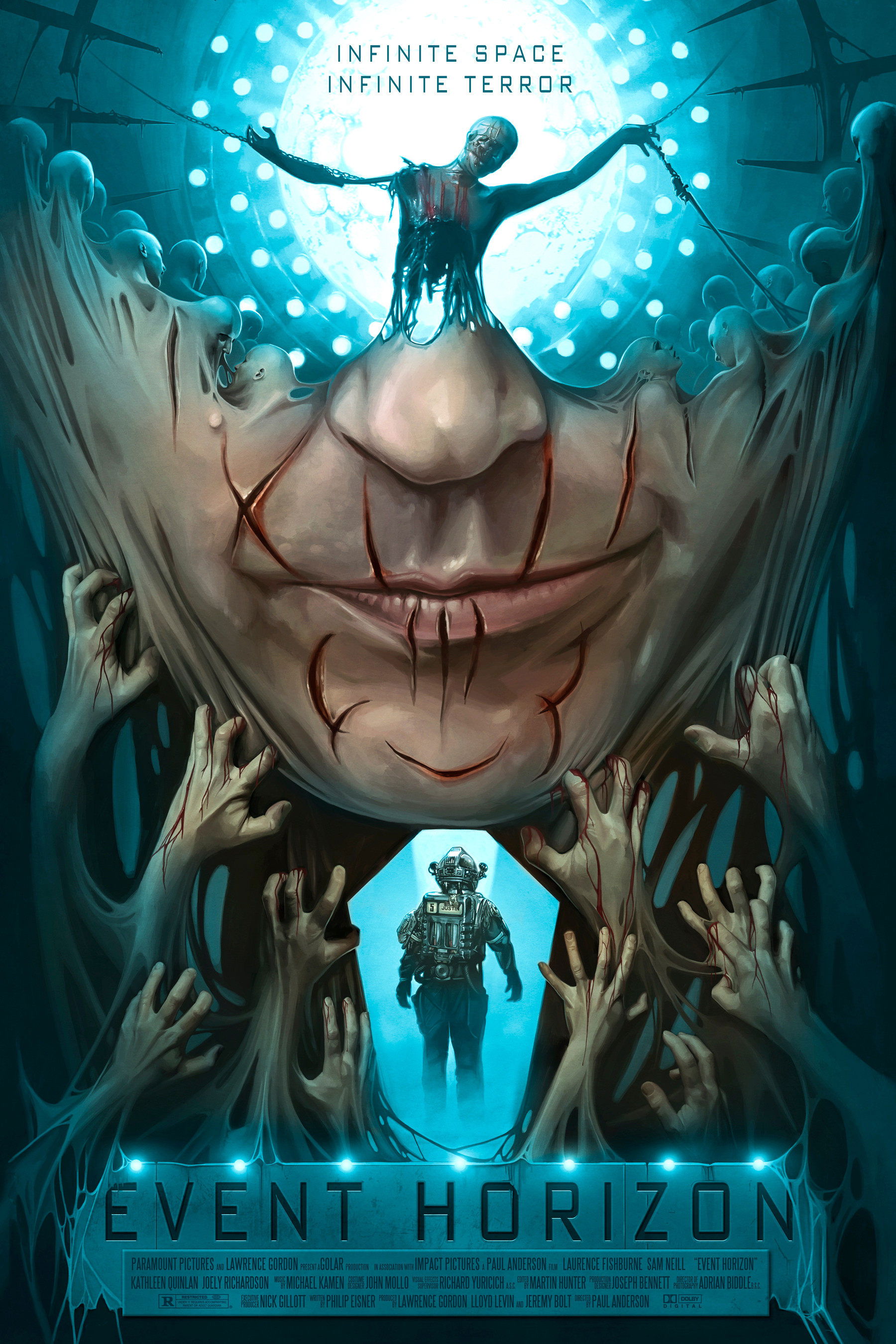
Infinite space. Infinite terror.