Castle Freak (1996)

US
HORROR FILM Mystery Thriller Drama
SUBGENRES CANNIBAL
5.0/10 1 votes
Runtime
90 min
Release
April 20, 1996
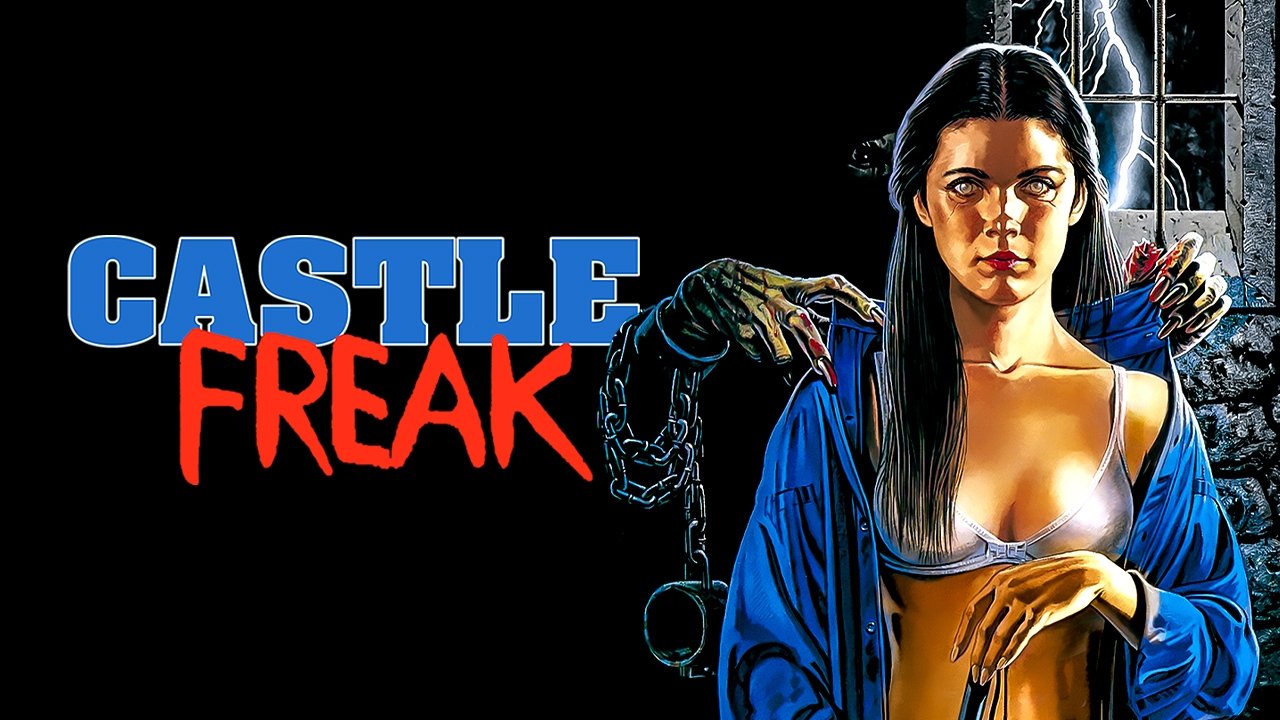
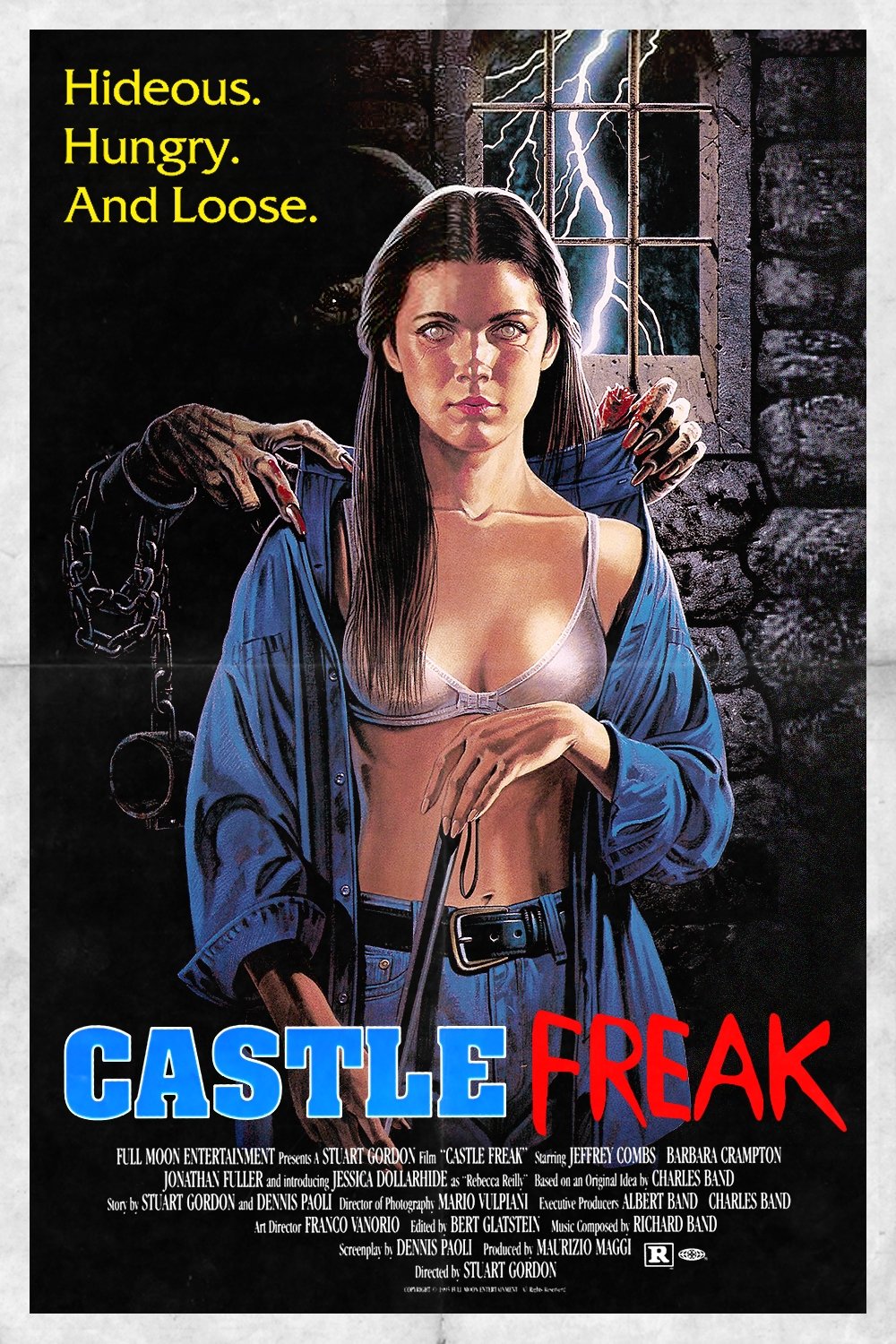
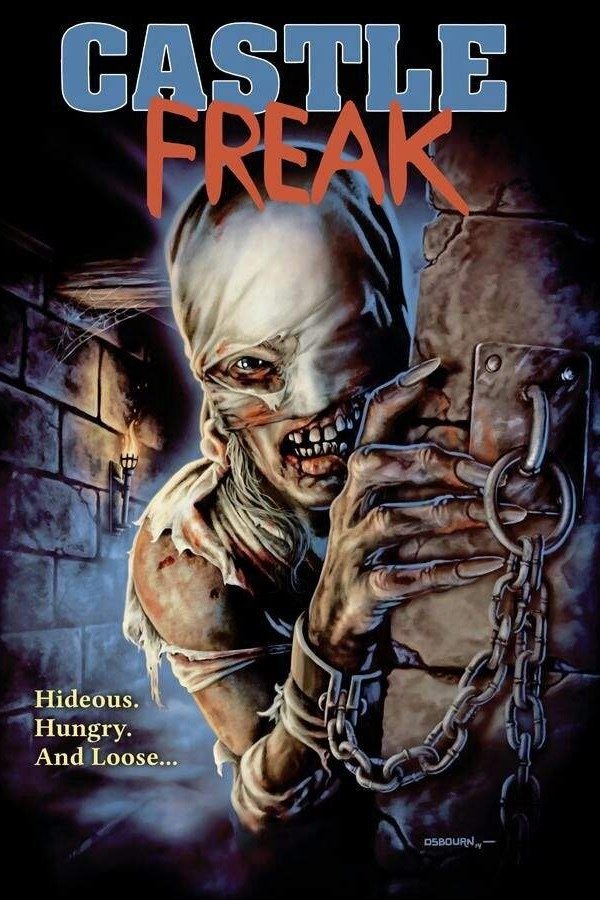
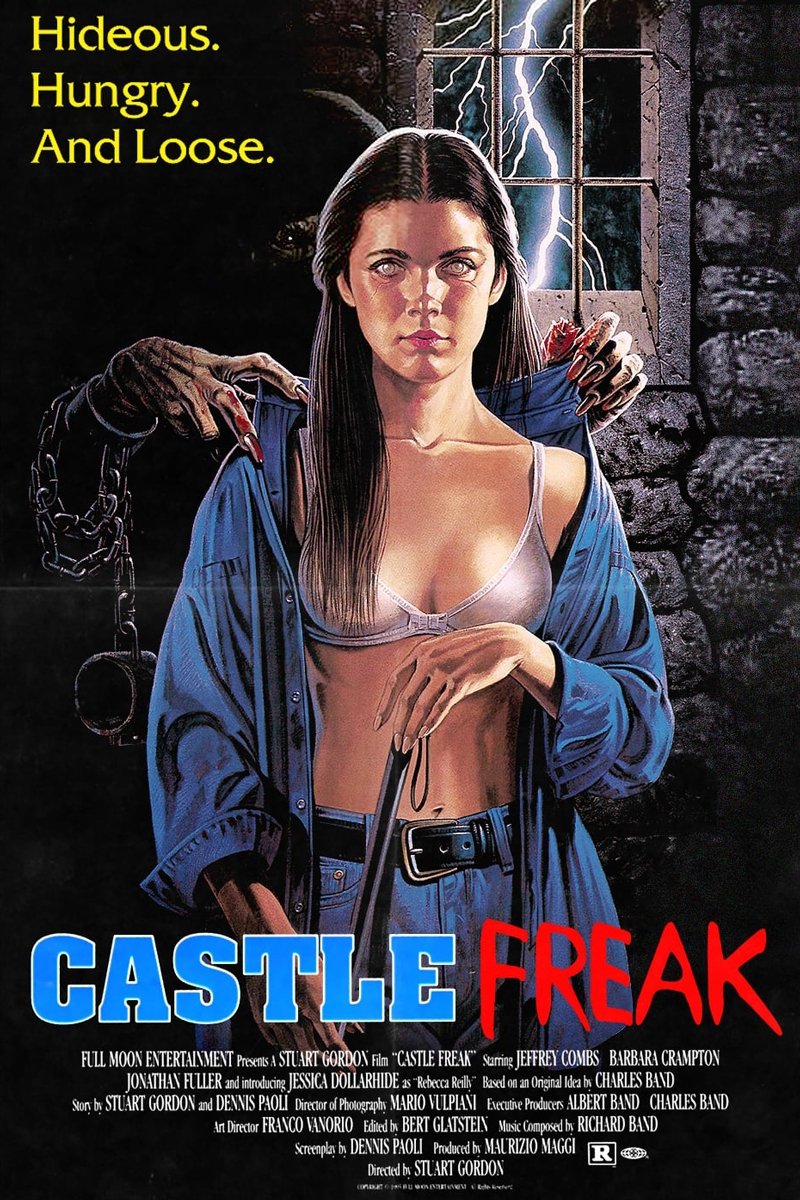
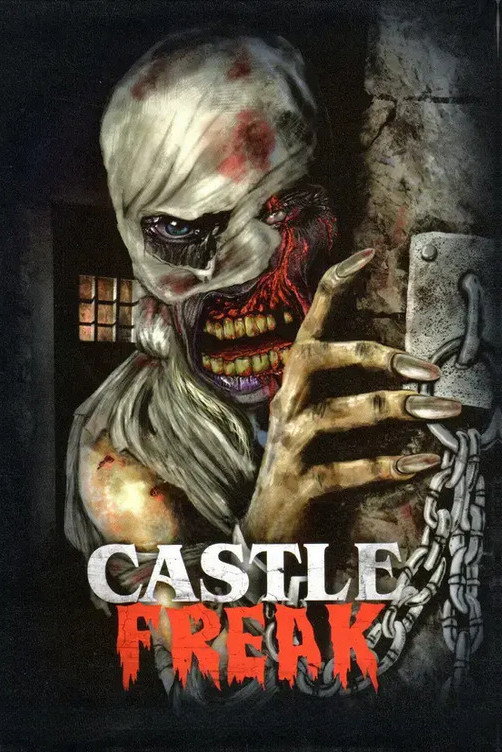
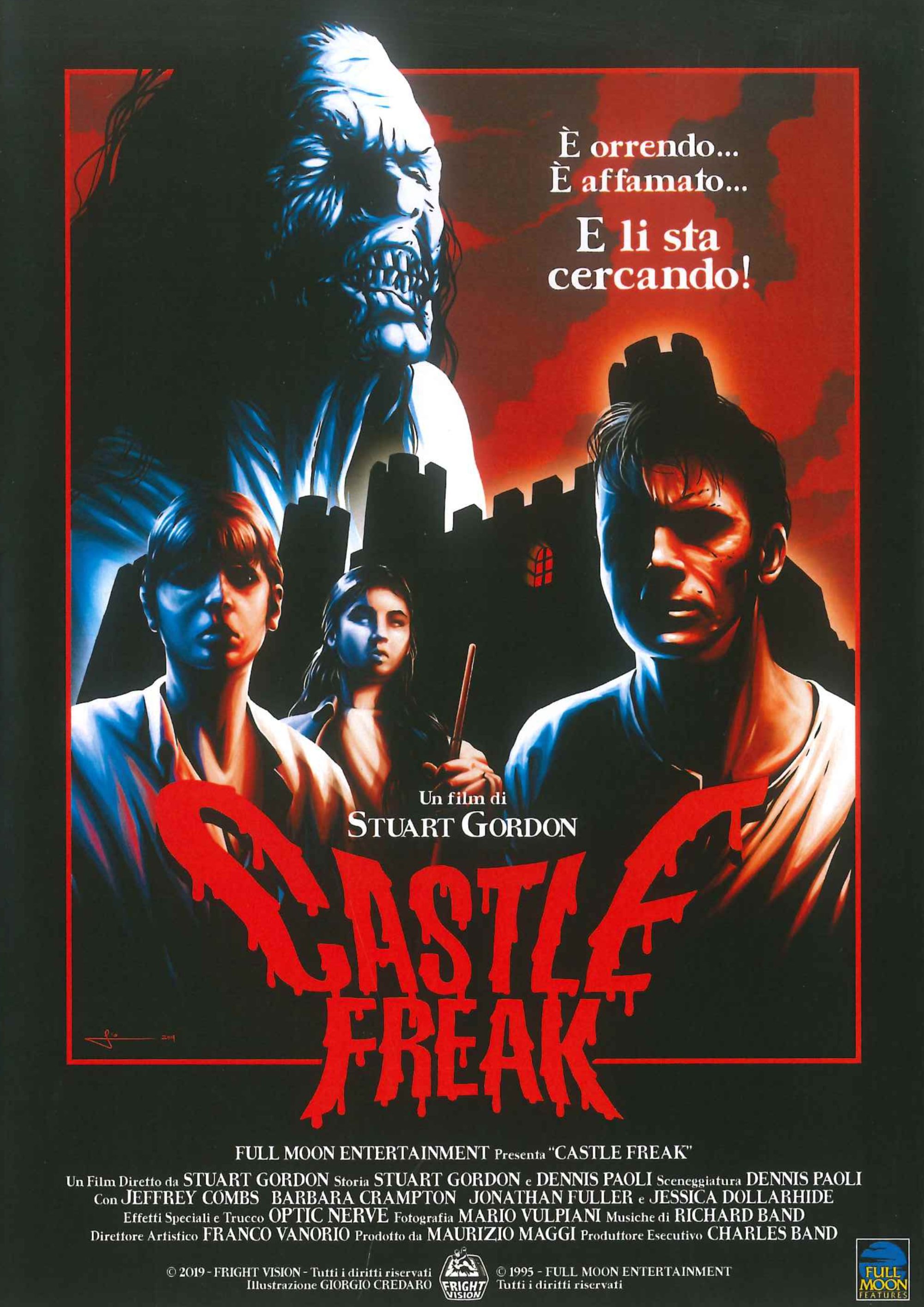
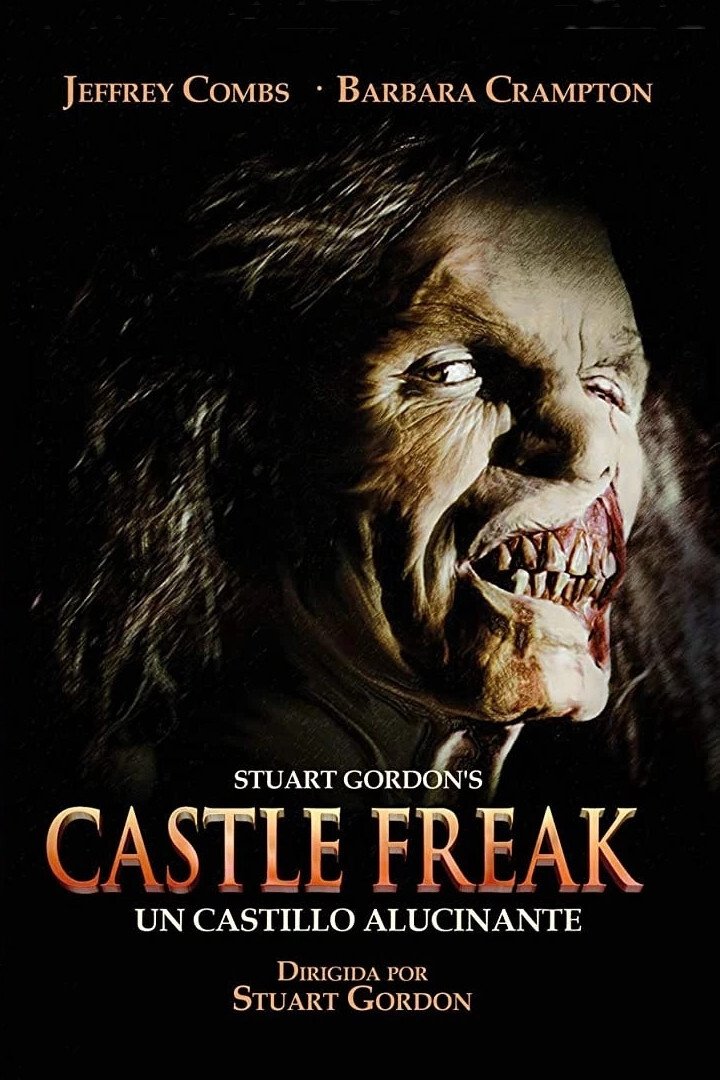
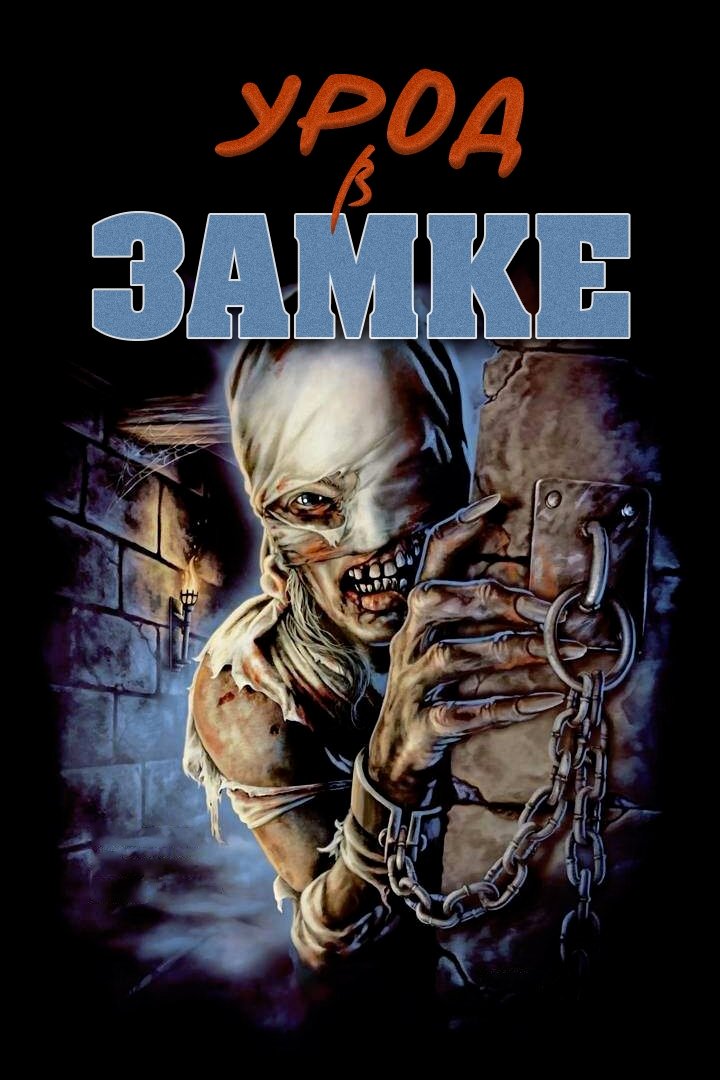
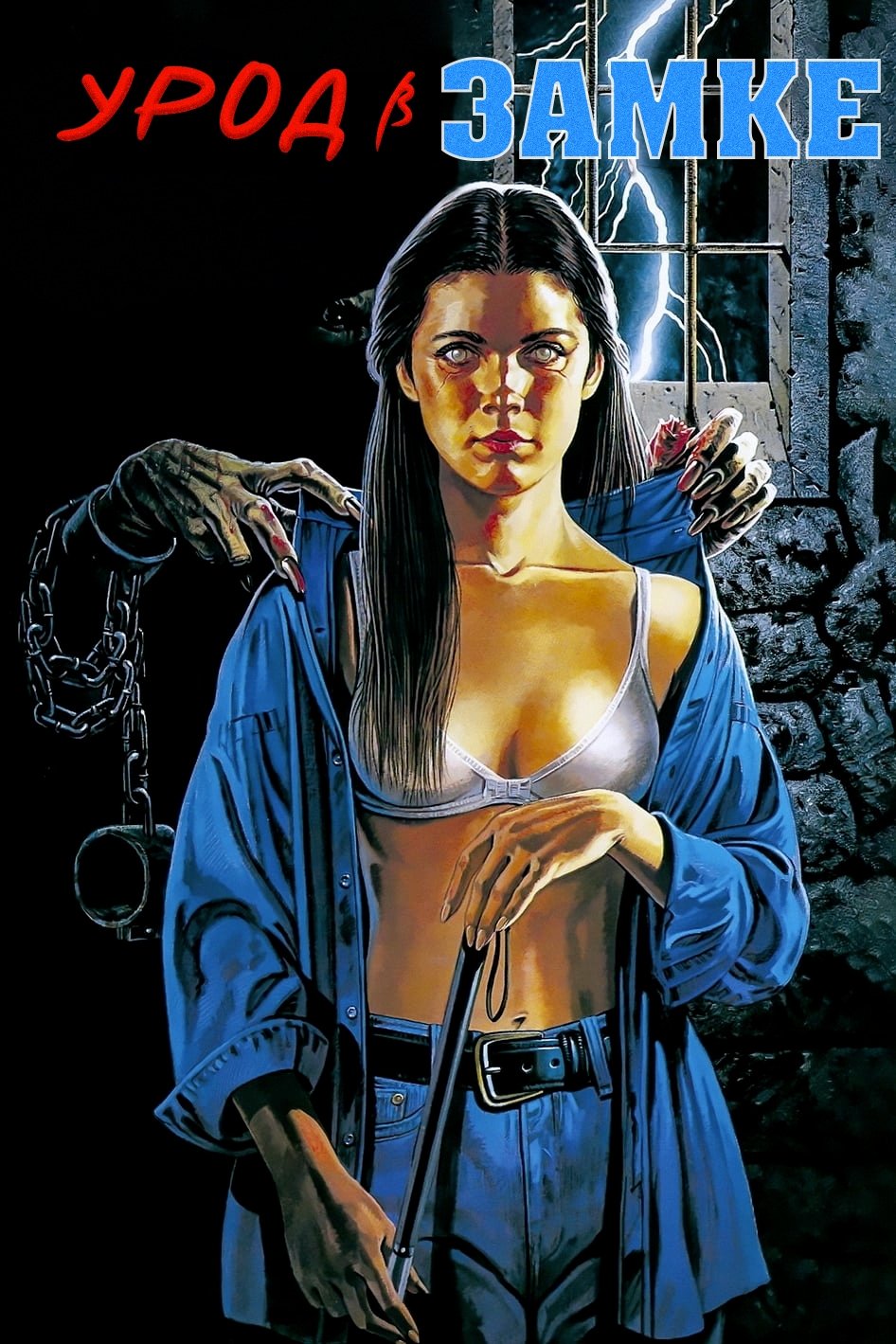
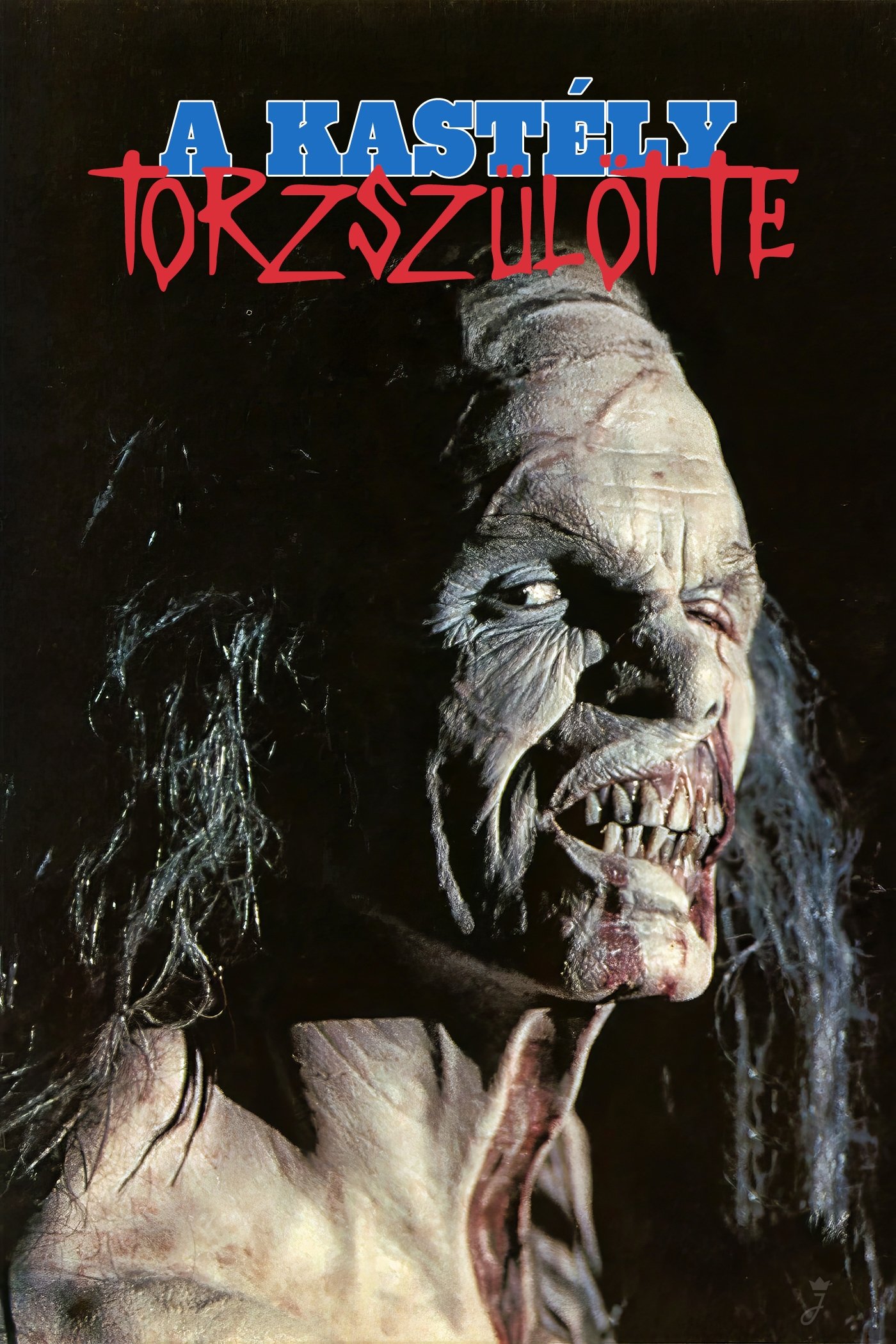
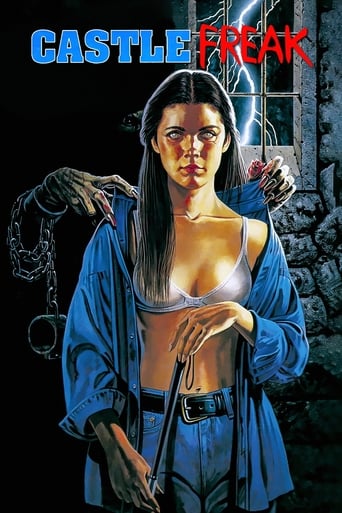
Castle Freak (1996) poster
Director
Production Company
Full Moon Entertainment
Plot

John Reilly discovers that his family's newly inherited castle in Italy is haunted by a relentless, bloodthirsty creature.

Alternative Titles
Herança Maldita (Brazil) — Portuguese O Castelo Maldito (Brazil) 衰落的城堡 (China) — Chinese Zámecká zrůda (Czechia) — Czech Un castillo alucinante (Spain) To frikio tou kastrou (Greece) 衰落的城堡 (Hong Kong SAR China) — Chinese A kastély torzszülötte (Hungary) — Hungarian
Show all 17 alternative titles Castle Freak - Il segreto del castello (Italy) — Italian キャッスル・フリーク (Japan) 사탄의 테러 (South Korea) — Korean Castillo maldito (Mexico) Misterio viviente (Mexico) — Spanish Potwór na zamku (Poland) O Castelo Maldito (Portugal) — Portuguese Урод в замке (Russia) — Russian Stuart Gordon's Castle Freak (United States)

Trailers & Videos

5 videos

Film Guide & Analysis

An in-depth look at the Lovecraftian origins, Italian castle production, broken-family drama, Giorgio makeup effects, physical horror and cult afterlife of Castle Freak (1995).

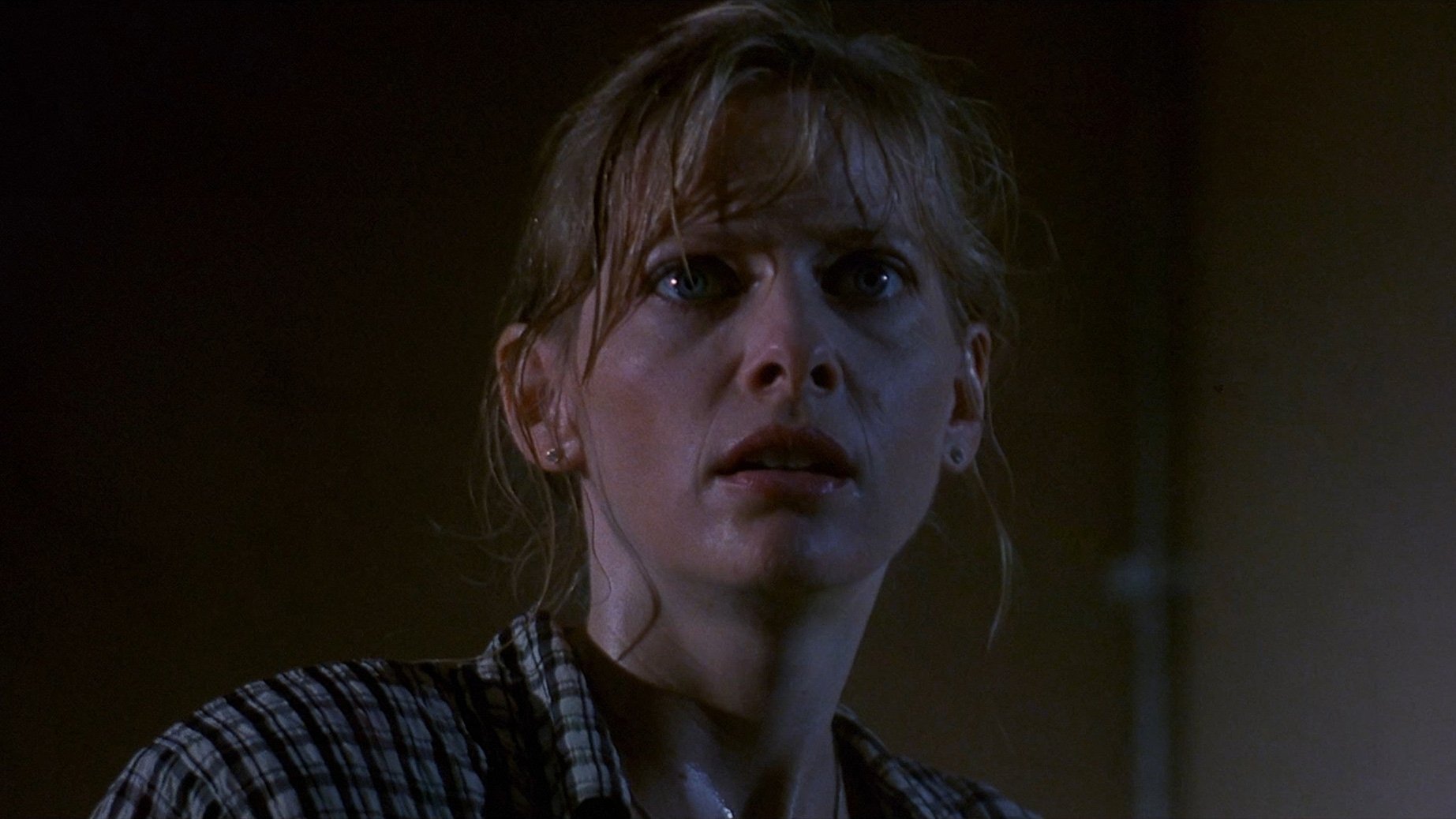
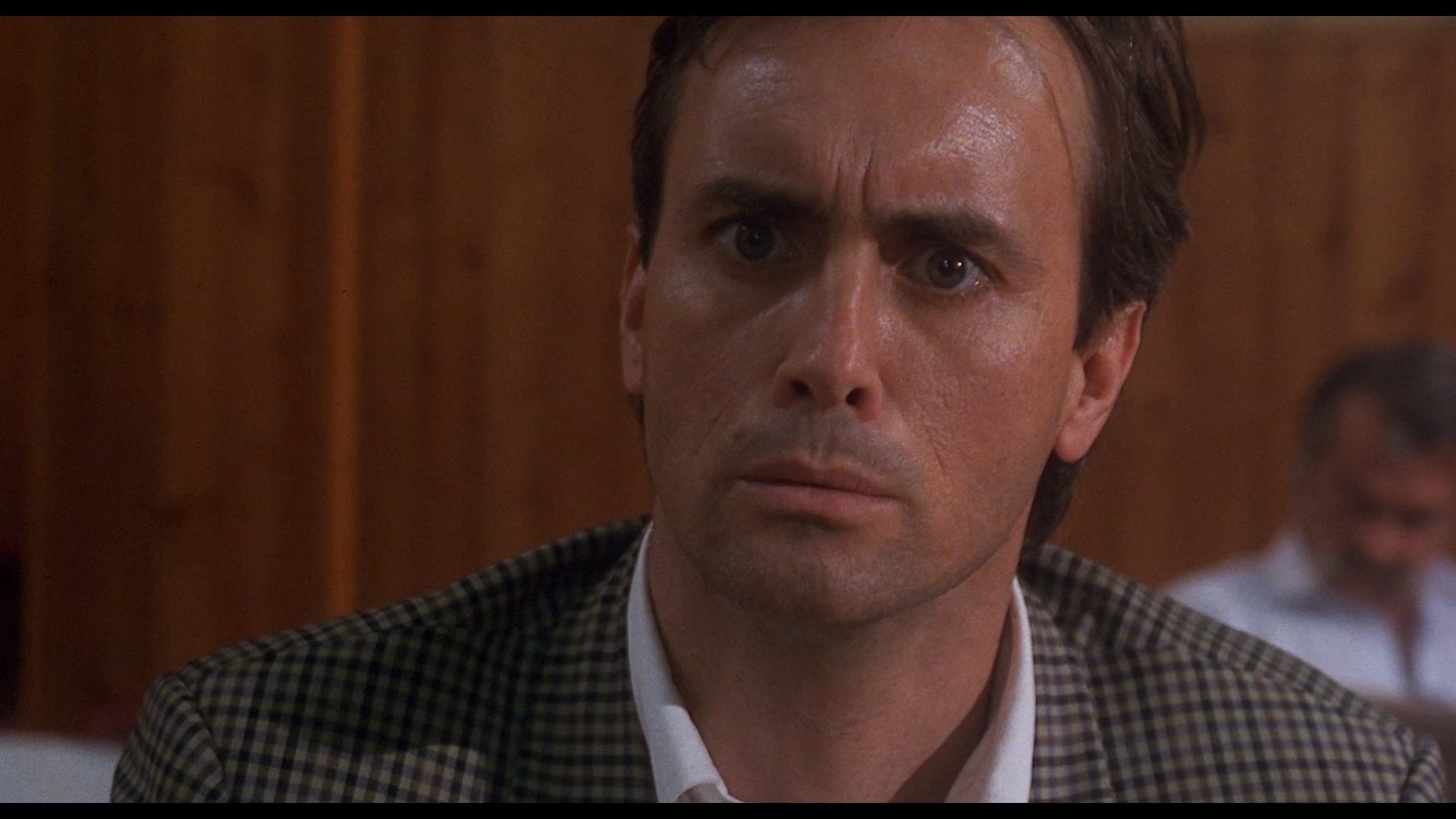
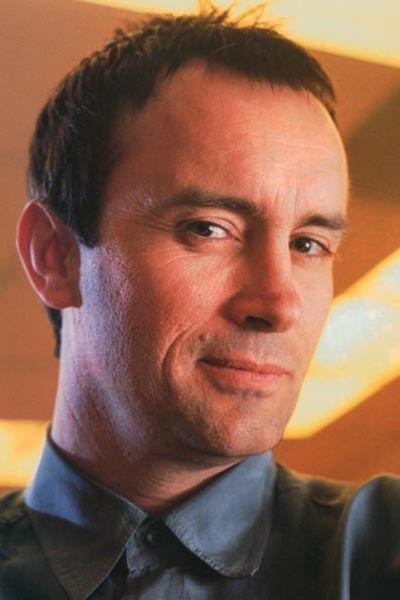
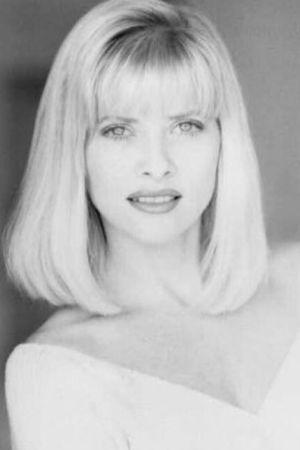
Castle Freak is a 1995 Gothic horror film directed by Stuart Gordon from a screenplay by Dennis Paoli. Jeffrey Combs and Barbara Crampton play John and Susan Reilly, an American couple whose marriage has been devastated by a car accident caused by John while intoxicated. Their young son was killed and their daughter Rebecca was blinded. When John unexpectedly inherits a castle in Italy, the family travels there intending to inspect and eventually sell the property, unaware that another member of the family has spent his entire life imprisoned beneath it.

The film reunited several of the central collaborators behind Re-Animator and From Beyond, but its tone is markedly different. Gordon and Paoli once again drew upon H. P. Lovecraft, this time expanding the basic idea of “The Outsider” into a story about inherited abuse, guilt and damaged families. Gore and sexuality remain important, but the manic black comedy associated with Gordon's earlier Lovecraft films is largely absent. Castle Freak instead treats its monster and its human protagonists as products of different forms of family catastrophe, turning an exploitation-ready title into one of Gordon's bleakest films.

Development & “The Outsider”

The project began not with a completed screenplay but with a title and an image. Producer Charles Band had created promotional artwork for a film called Castle Freak before there was a story attached to it. Gordon encountered the concept through Band and was effectively given two requirements: there had to be a castle, and there had to be a freak. The extreme simplicity of that premise gave Gordon and Paoli considerable freedom to determine what the film would actually become.

They found the foundation in Lovecraft's “The Outsider.” The short story follows an isolated figure who has spent his existence cut off from other people and only gradually discovers the horrifying truth about his own appearance. Gordon was particularly interested in the moment when the Outsider encounters his reflection and finally understands why everyone reacts to him with terror. Paoli and Gordon retained that emotional core rather than attempting a literal adaptation of the entire story.

Their major addition was the history that could explain how such an outsider had been created. Giorgio is therefore not an inexplicable supernatural creature. He is a human being transformed through decades of confinement, mutilation and abuse. Paoli later described him as an embodiment of familial dread rather than as a zombie or traditional monster. The screenplay takes the unexplained isolation of Lovecraft's protagonist and imagines the family violence that might have produced it.

That decision also allowed the story of Giorgio to mirror the Reilly family. John, Susan and Rebecca enter the castle carrying their own history of death, alcoholism, blame and damaged intimacy. The inheritance brings two damaged branches of the same family structure into contact. The monster waiting underneath the building is consequently connected to the human drama above it rather than existing merely as an external threat.

Il Castello di Giove & the Italian Production

The film was shot in Italy at the Castello di Giove in Umbria, a property already familiar to Gordon and Dennis Paoli. The castle had been used by the Band production operation before, and Gordon had previously worked there on The Pit and the Pendulum. Paoli had also visited the property before Castle Freak was written, allowing the physical location to influence the screenplay rather than forcing the production to find a building that matched a completed script.

The location suited Lovecraft's story unusually well. Underground rooms, passages, stone walls and a genuine dungeon provided spaces that did not need to be manufactured entirely through production design. Giorgio's imprisonment therefore occupies a physical environment with visible age and weight. The castle can function simultaneously as residence, inheritance and prison.

Production moved quickly. Gordon was approached about the project early in 1994 and filming was underway by the summer. The limited Full Moon budget made the existing castle particularly valuable because a large proportion of the film could be staged within and around one major location. Instead of attempting to disguise that limitation, Gordon repeatedly explores different areas of the building, making geography central to the suspense.

Mario Vulpiani's cinematography emphasizes the contrast between the castle's impressive rooms and its concealed spaces. Rebecca's blindness adds another dimension to the environment. She frequently experiences the building through sound and touch rather than sight, while Giorgio can move through passages unknown to the visitors. The architecture therefore gives different characters radically different levels of knowledge about the same space.

Richard Band's score reinforces the Gothic setting without turning the film into a period piece. The prologue makes notable use of a string quartet, establishing a classical texture before the story moves into darker suspense material. The complete score runs for more than forty minutes and follows the film through the castle, family tomb, Giorgio's escape and the final confrontation.

A Family Broken by Tragedy

The Reilly family distinguishes Castle Freak from Gordon's more comic or science-driven horror films. John is neither a scientist pursuing forbidden knowledge nor an innocent hero placed randomly in danger. Before the story begins, he has already committed the act that destroyed his family. He drove while drunk, caused the accident that killed his son and left Rebecca blind, and now lives with both guilt and Susan's inability to forgive him.

Jeffrey Combs regarded the part as an important departure from the characters for which he was best known. After roles such as Herbert West in Re-Animator, he was not an obvious industry choice to play a grieving father trying to hold together a marriage. Gordon's long relationship with him allowed the actor to move away from manic genre performance and toward a character whose greatest threat initially appears to be his own history.

Barbara Crampton likewise saw the film as an evolution in her collaboration with Gordon. By the time of Castle Freak, she, Combs and Gordon had been working together for a decade. Crampton later characterised the story fundamentally as one about people who love each other but have been broken by tragedy. Susan's anger is therefore not simply an obstacle preventing the protagonist from restoring domestic harmony. Her refusal to trust John has a specific cause that the film never dismisses.

The horror continually intersects with this family crisis. John's loneliness and frustration contribute to decisions that create further danger. Susan interprets new evidence through what she already knows about her husband. Rebecca is physically dependent on parents whose relationship has become unstable. The supernatural-looking events inside the castle initially intensify existing suspicion rather than immediately bringing the family together.

Gordon himself described the film as a story about the destruction of a family. That emphasis explains why Castle Freak remains unusually serious for a Full Moon production carrying such an exploitation title. The castle contains grotesque secrets, but the emotional structure has already been damaged before anyone arrives in Italy.

Giorgio, Abuse & the Monster as Victim

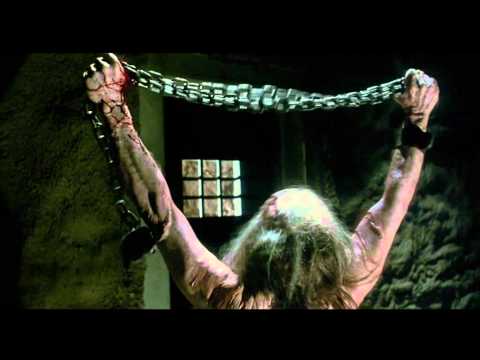
Giorgio is introduced as a frightening presence but gradually becomes something more complicated. His body has been permanently altered by sustained punishment inflicted by his mother, the former duchess. He has been denied ordinary social development, language, education and physical intimacy. When he finally escapes, he enters the world with an adult body but with almost no framework through which to understand other people.

Gordon explicitly connected Giorgio's violence to repression and abuse. The character observes behaviour and attempts to reproduce it without understanding the social distinction between desire, food, affection and violence. This does not make his attacks harmless or absolve him of the danger he creates, but it prevents the film from treating deformity itself as the origin of evil. Giorgio was made into the “freak” long before the Reilly family encountered him.

This was also the way Paoli expanded Lovecraft's Outsider. The film asks what kind of childhood could produce a person who reaches adulthood without knowing his own place among other human beings. Giorgio's discovery of his reflected appearance directly recalls the central revelation of Lovecraft's story, but the film supplies an abuser and a family history where Lovecraft had preserved mystery.

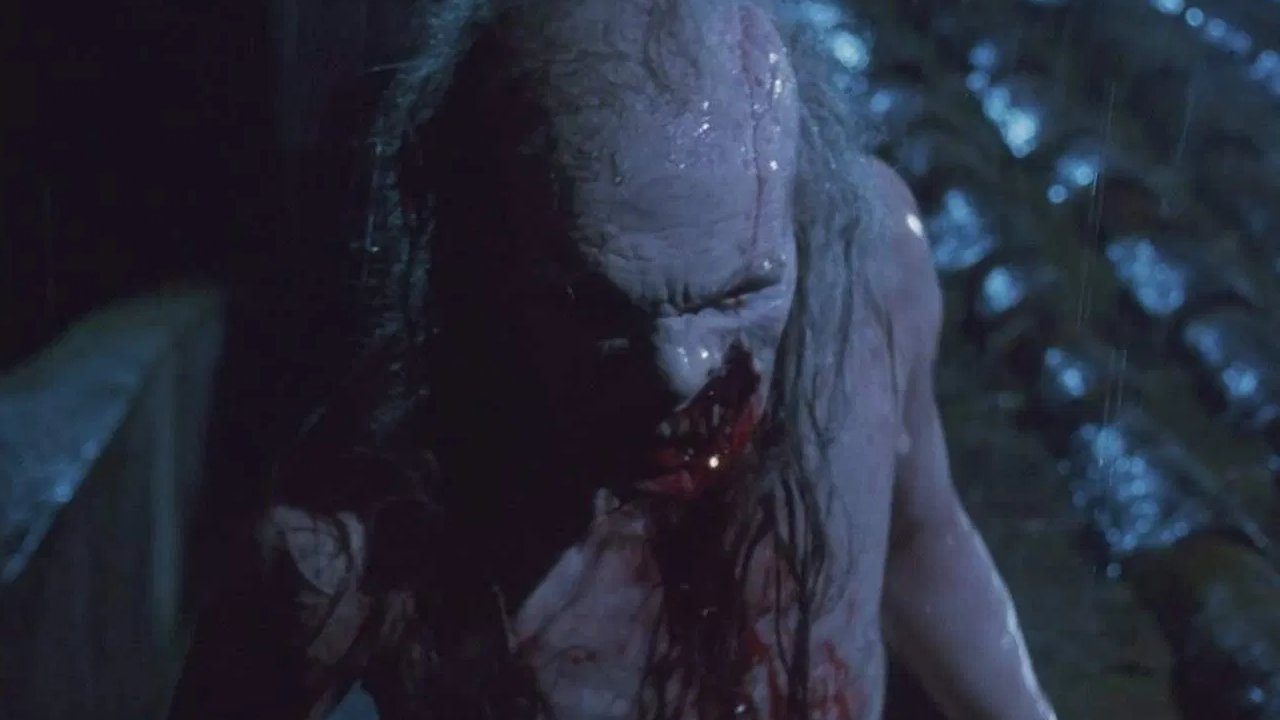
Jonathan Fuller gives the character a heavily physical performance. Gordon recalled that Fuller lost weight to create the required body shape, while John Vulich developed the extensive full-body makeup that transformed him into Giorgio. The design does not resemble a conventional fantasy creature. Damage, malnutrition and mutilation remain recognisably human, keeping the horror connected to what has been done to the character rather than suggesting that he belongs to another species.

That humanity also gives Giorgio's relationship to John additional weight. They initially appear to occupy opposite positions: one is the American heir above ground, the other the hidden relative below it. As the family history becomes clear, the distinction becomes less comfortable. Both are men shaped by destructive family relationships and sexual frustration, although the circumstances and moral responsibility surrounding them are radically different.

Makeup, Gore & Physical Horror

John Vulich's makeup design is central to the film because Giorgio has to remain convincing through extended scenes rather than appearing only for brief monster shots. Full-body appliances transform Jonathan Fuller from face to torso, creating a figure whose anatomy communicates years of deprivation and mutilation before the screenplay explains the details.

Gordon credited both Vulich's work and Fuller's performance for the success of the creature. The film gradually gives the viewer increasingly direct access to him. His body therefore has to withstand close scrutiny as the narrative moves from suggestion to revelation.

The gore operates differently from Re-Animator or From Beyond. In those films, bodily destruction frequently escalates toward grotesque comedy. Castle Freak largely removes that release. Biting, mutilation and sexual violence are staged as ugly consequences of Giorgio's confused drives and history of abuse rather than as spectacular punchlines.

This tonal difference is crucial. The film can still become extremely graphic, especially in its unrated form, but the effects are embedded within a story whose characters experience violence as traumatic rather than exhilarating. Gordon and Paoli deliberately reduced the comic distance separating the audience from the physical material.

Giorgio's makeup ultimately functions in the same way as the castle itself. Both initially promise traditional Gothic horror — a deformed figure living beneath an inherited European estate — but gradually reveal a human history. The frightening surface conceals a family story rather than an ancient curse.

Direct-to-Video Release & Cult Afterlife

Castle Freak was produced during a difficult period for Full Moon Entertainment. The company had built its identity around the direct-to-video market, but that market was changing and financial problems affected the film's release. Gordon had hoped that the picture might receive theatrical distribution, but it ultimately became primarily a home-video title.

Full Moon released the film in November 1995, with both R-rated and unrated versions entering circulation. The unrated version preserved material that better represented Gordon's intended level of violence and sexual horror. Unlike Re-Animator, Castle Freak did not arrive with a major theatrical campaign or immediate critical profile. Its audience accumulated gradually through VHS and later DVD circulation.

The limited initial exposure partly explains the film's later reputation. It reunited Gordon, Paoli, Combs, Crampton and Richard Band — several of the people behind two of the most recognisable Lovecraft films of the 1980s — yet did so inside a comparatively obscure Full Moon video release. Over time, the combination of those collaborators and the film's unusually serious tone encouraged reassessment beyond its exploitation title.

Later DVD and Blu-ray editions kept it in circulation, and the original VideoZone behind-the-scenes feature preserved contemporary footage and interviews from the production. Richard Band's score also continued independently through soundtrack releases, eventually receiving its first vinyl edition decades after the film.

The film's cult status was substantial enough for a new Castle Freak to be produced in 2020. That version changed the Lovecraftian framework considerably, while Barbara Crampton participated as a producer. The existence of the remake demonstrates the durability of a concept that originally began with little more than a title, a poster and Charles Band's requirement that the story contain a castle and a freak.

The original remains distinctive because Gordon and Paoli refused to stop at that premise. What could easily have become a simple dungeon-monster picture became a story about abuse moving through generations. Giorgio is terrifying because of what he does, but the deeper horror lies in understanding what had to be done to a human being to create him. The Reilly family arrives believing that the castle is merely property they have inherited; by the end, inheritance has become the film's central horror.

Cast

View Full Cast & Crew →

Release & Distribution

Production Companies (1)

  • Full Moon Entertainment US

Distributors (1)

  • Full Moon Features US

Release History (5)

Release DateTerritoryRelease TypeFormatDistributorCertificationNotes
1995-11-14 United States Physical — — R
1996-04-20 Netherlands Premiere — — — Amsterdam Fantastic Film Festival
1996-06-07 Japan Physical — — R18+
1996-08-16 United Kingdom Physical — — 18
2018-12-14 Germany Physical — — 18
Hideous, hungry, and loose!