Production, Director Replacement and the Bulgarian Shoot
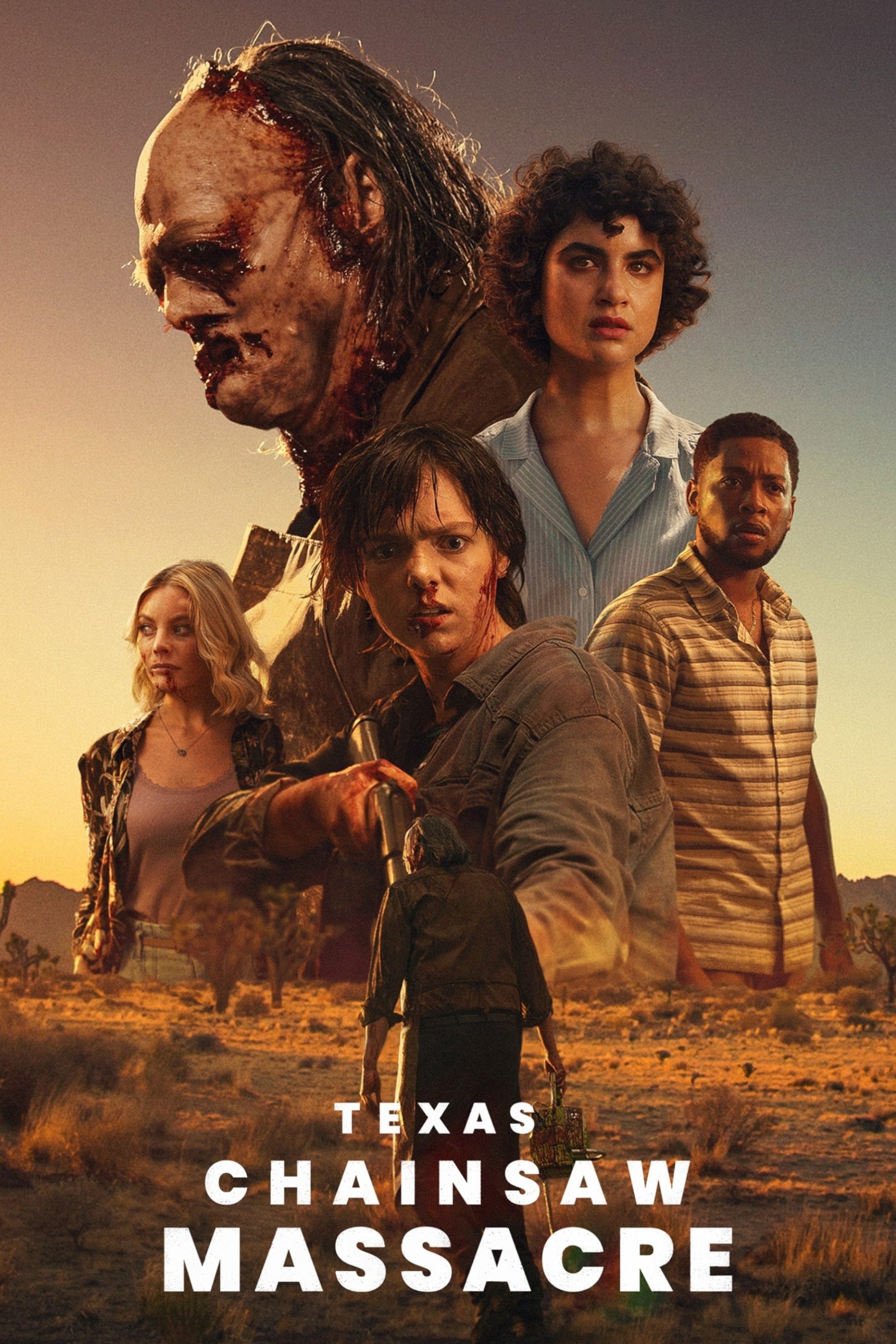
The new installment developed from a story by producers Fede Álvarez and Rodo Sayagues, with Chris Thomas Devlin writing the screenplay. It followed the franchise's repeated attempts to find a fresh point of entry after the 2003 remake, the 2013 direct sequel and the 2017 prequel. The filmmakers chose to resume the mythology after the first movie, leaving those other branches outside the immediate narrative. Andy and Ryan Tohill initially directed the production, but David Blue Garcia replaced them after filming had begun. Production designer Michael Perry later explained that substantial sets were already designed and under construction when Garcia arrived, leaving little time for a complete redesign.
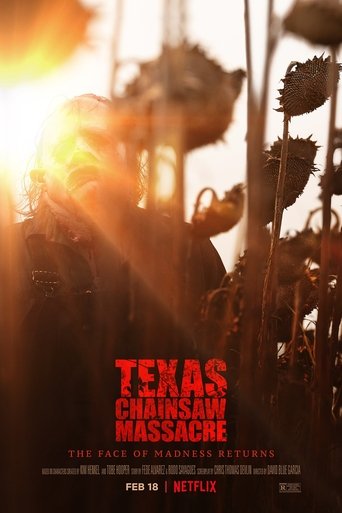
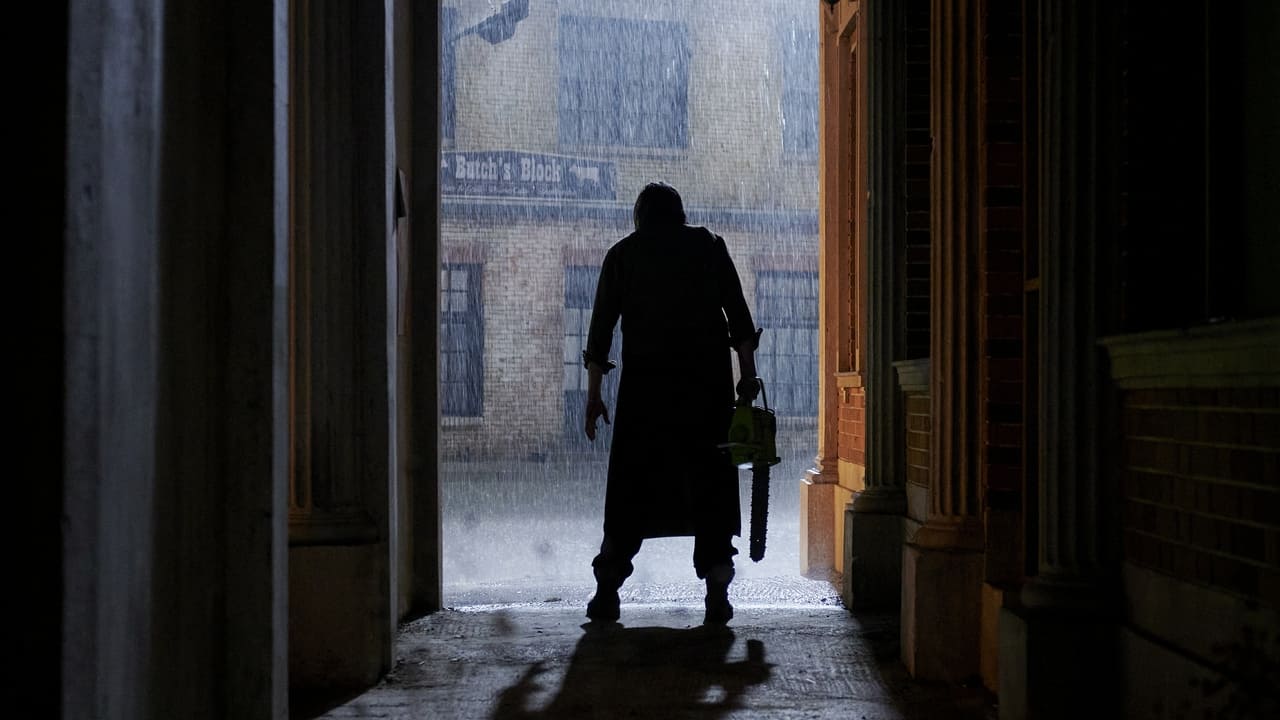
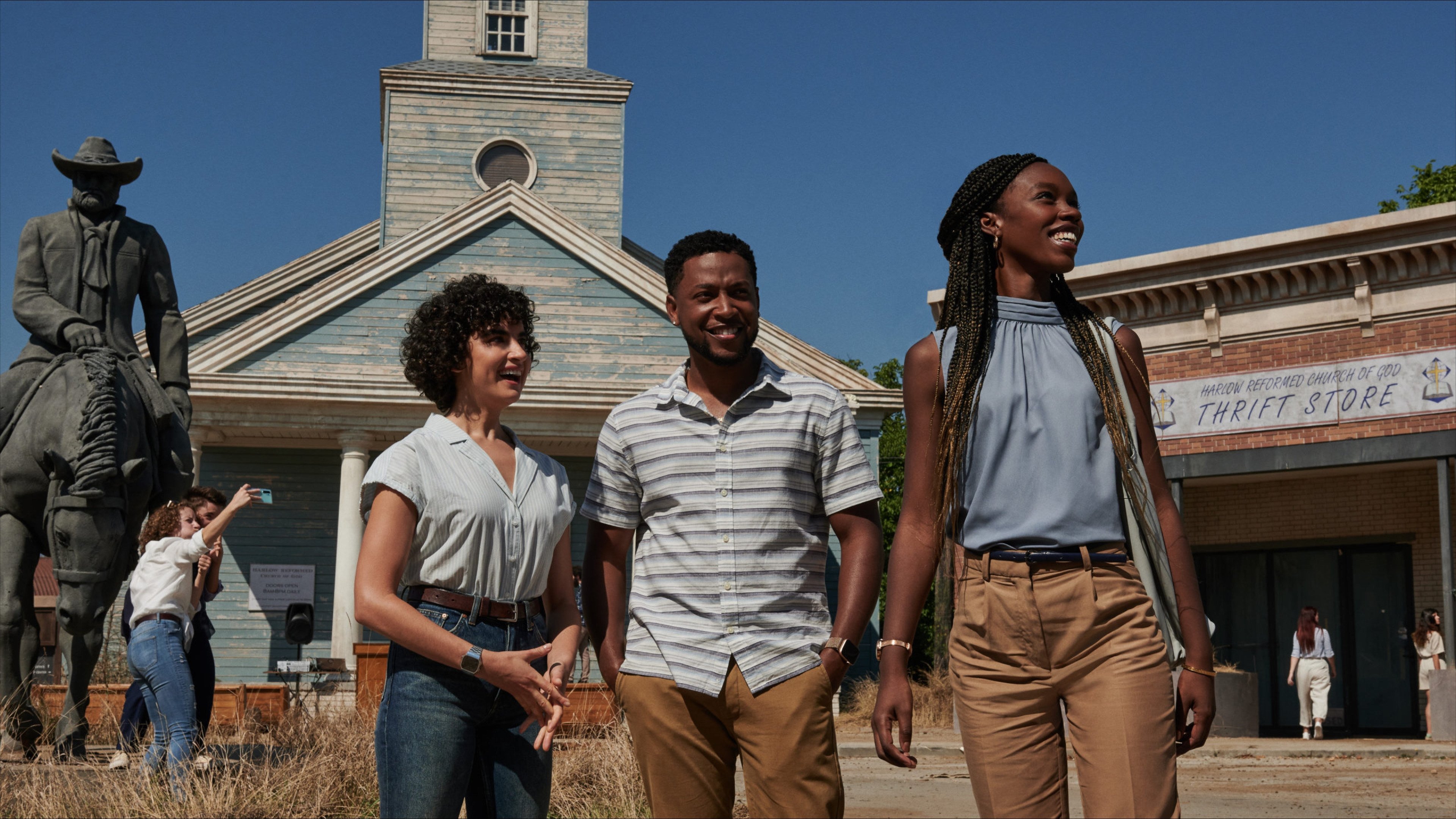
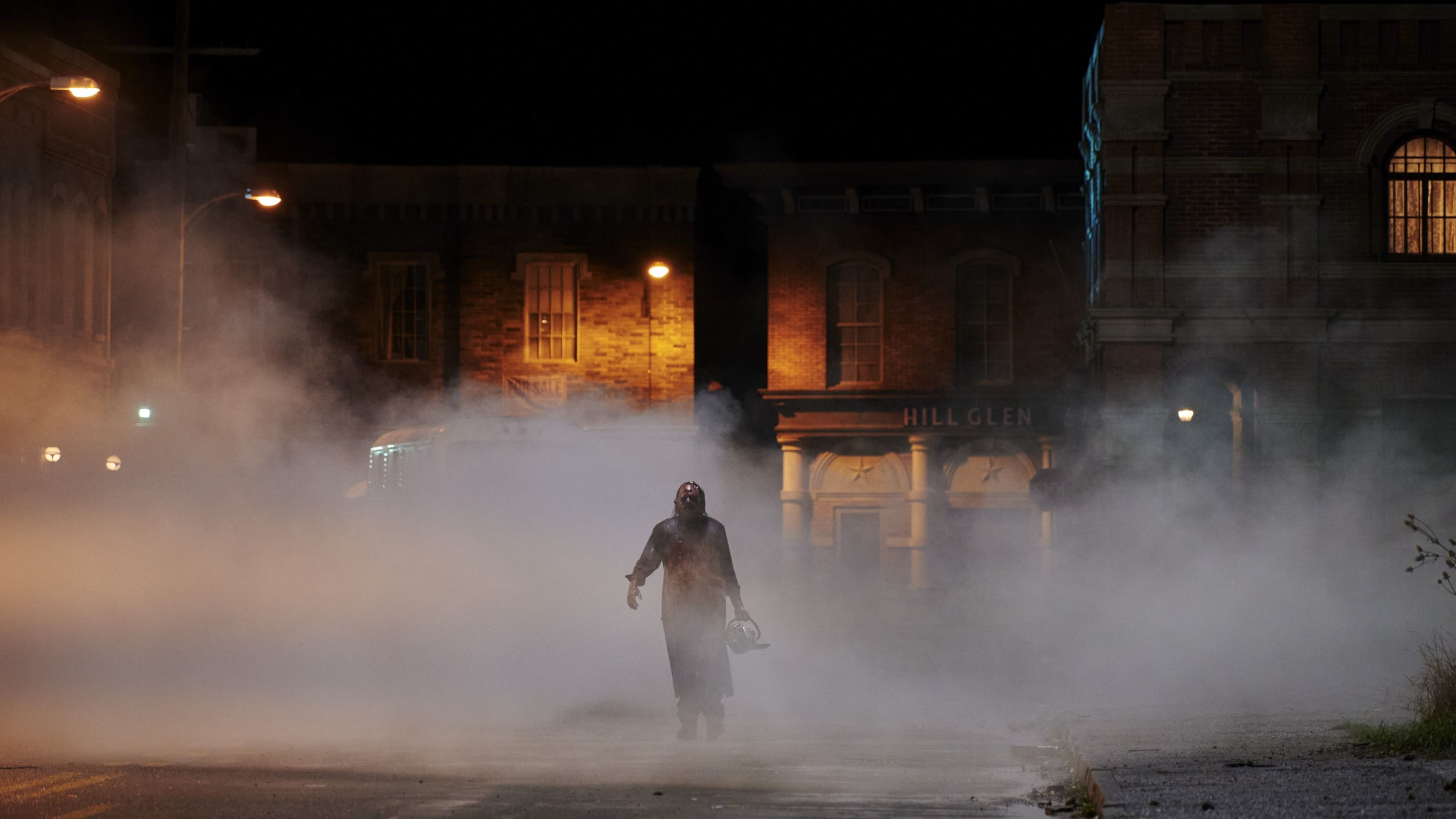
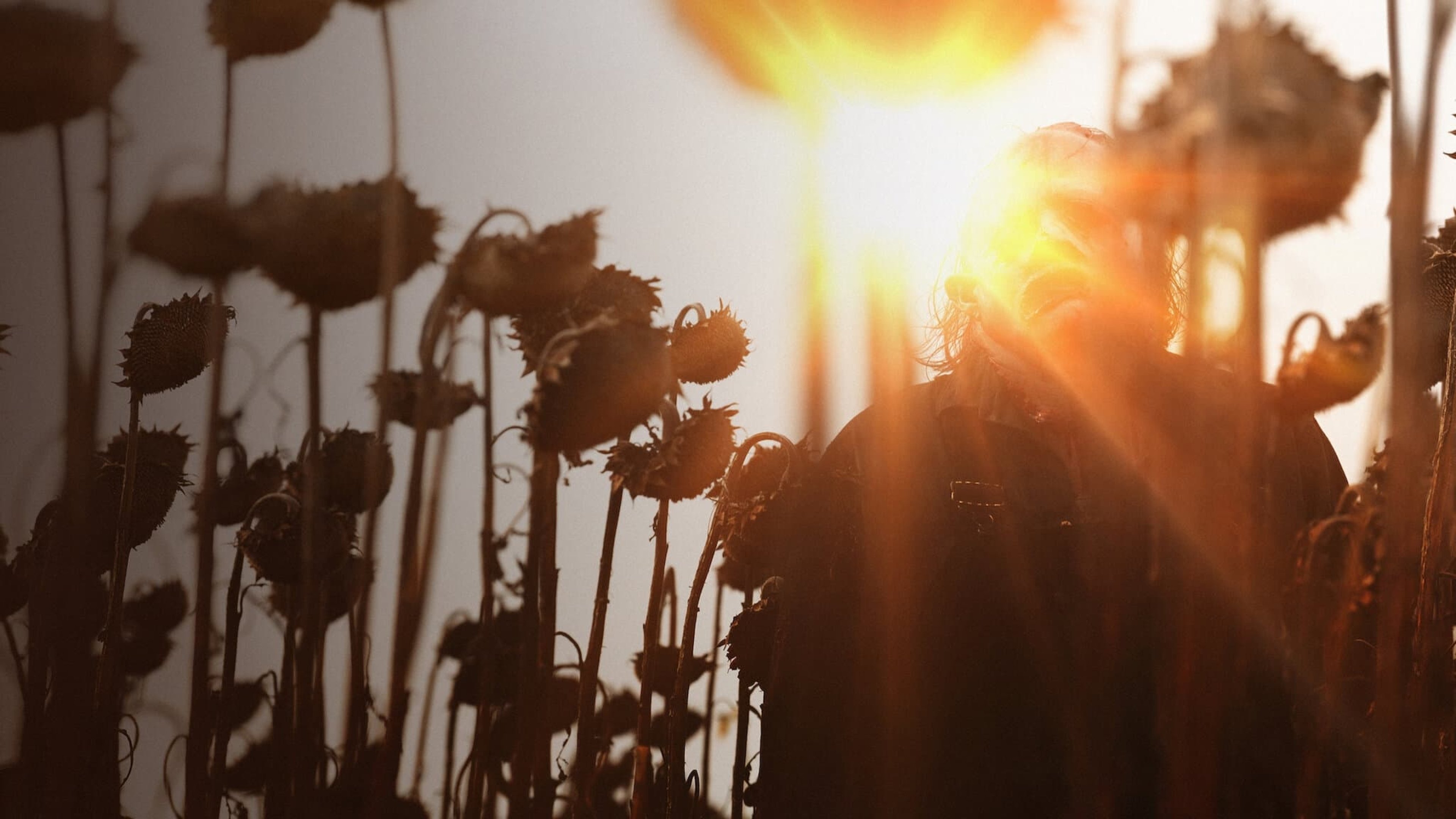
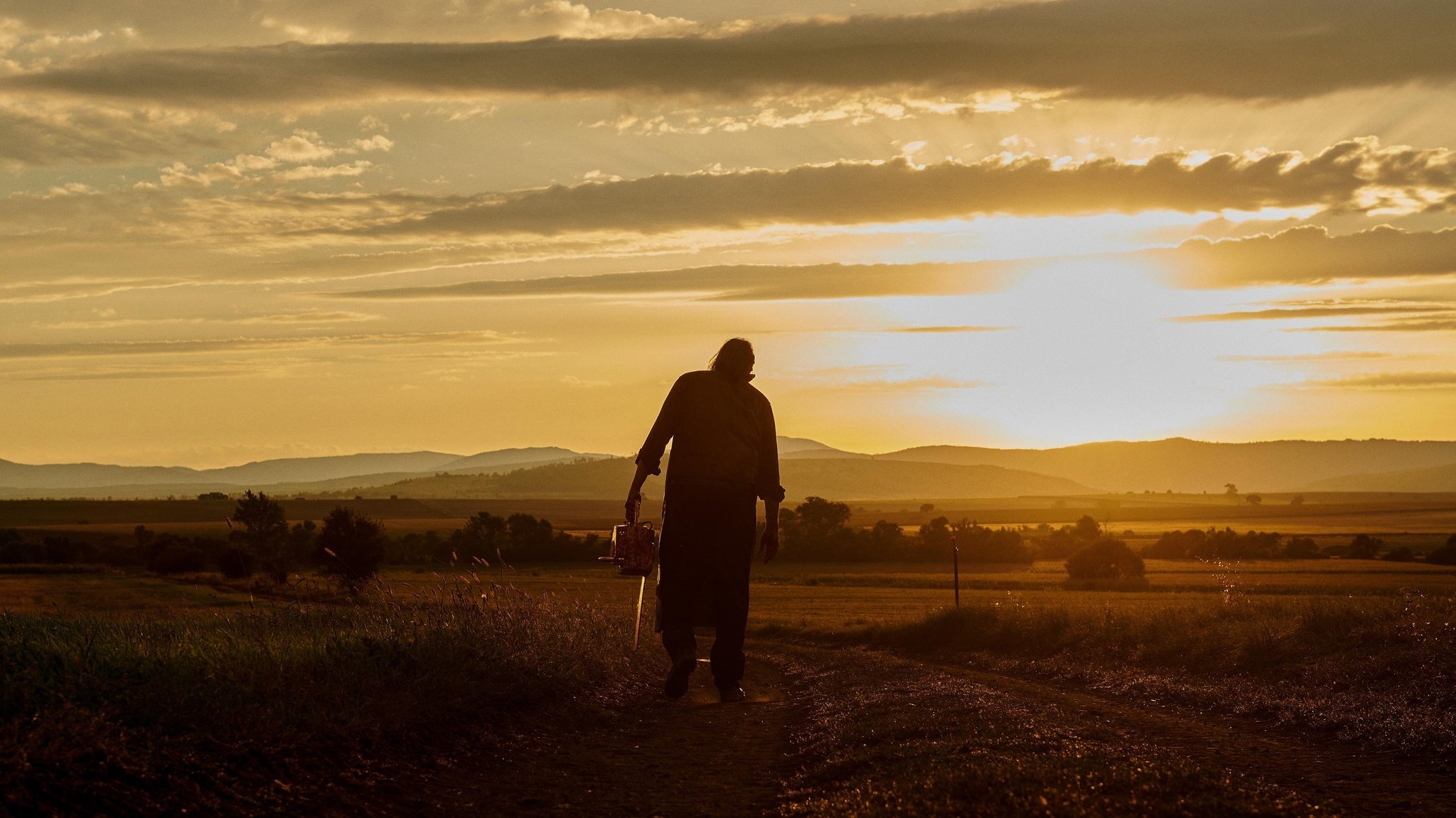
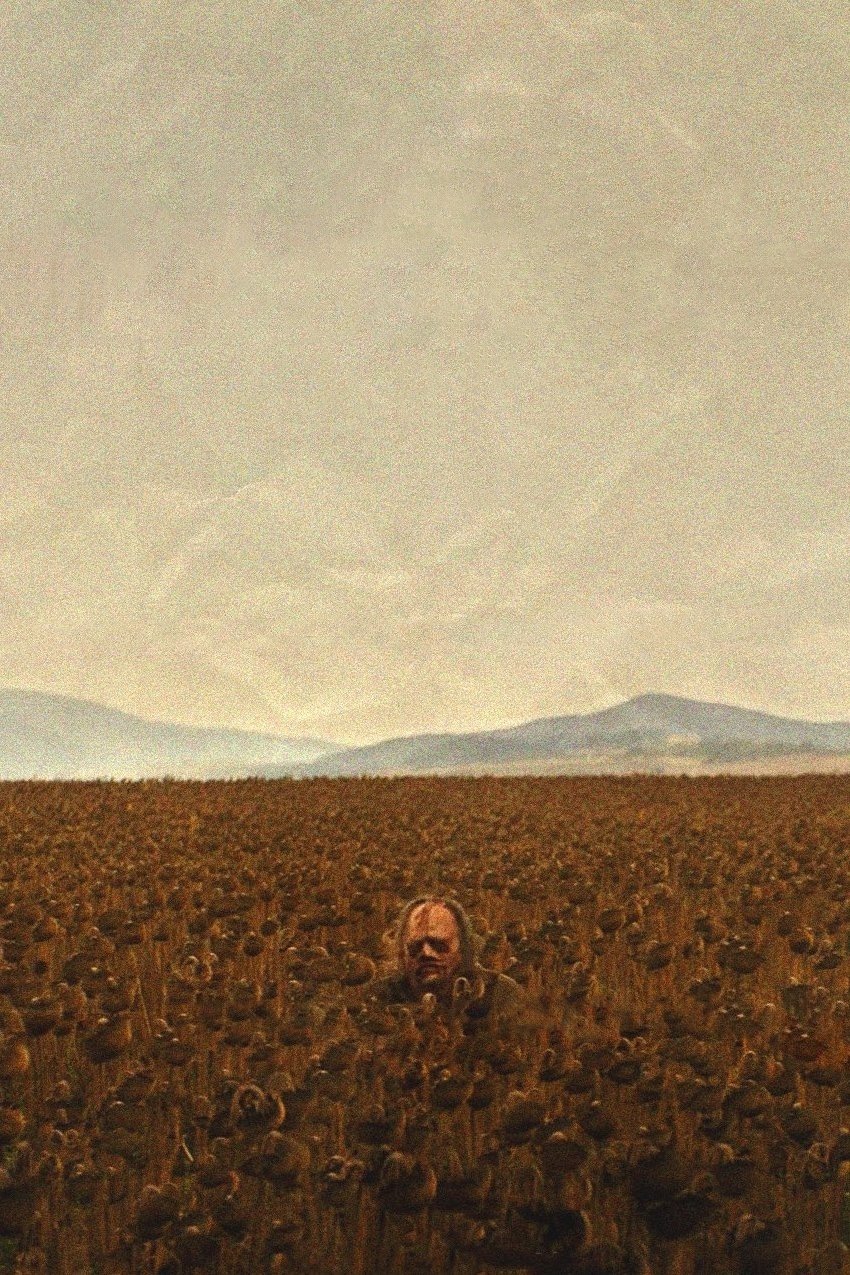
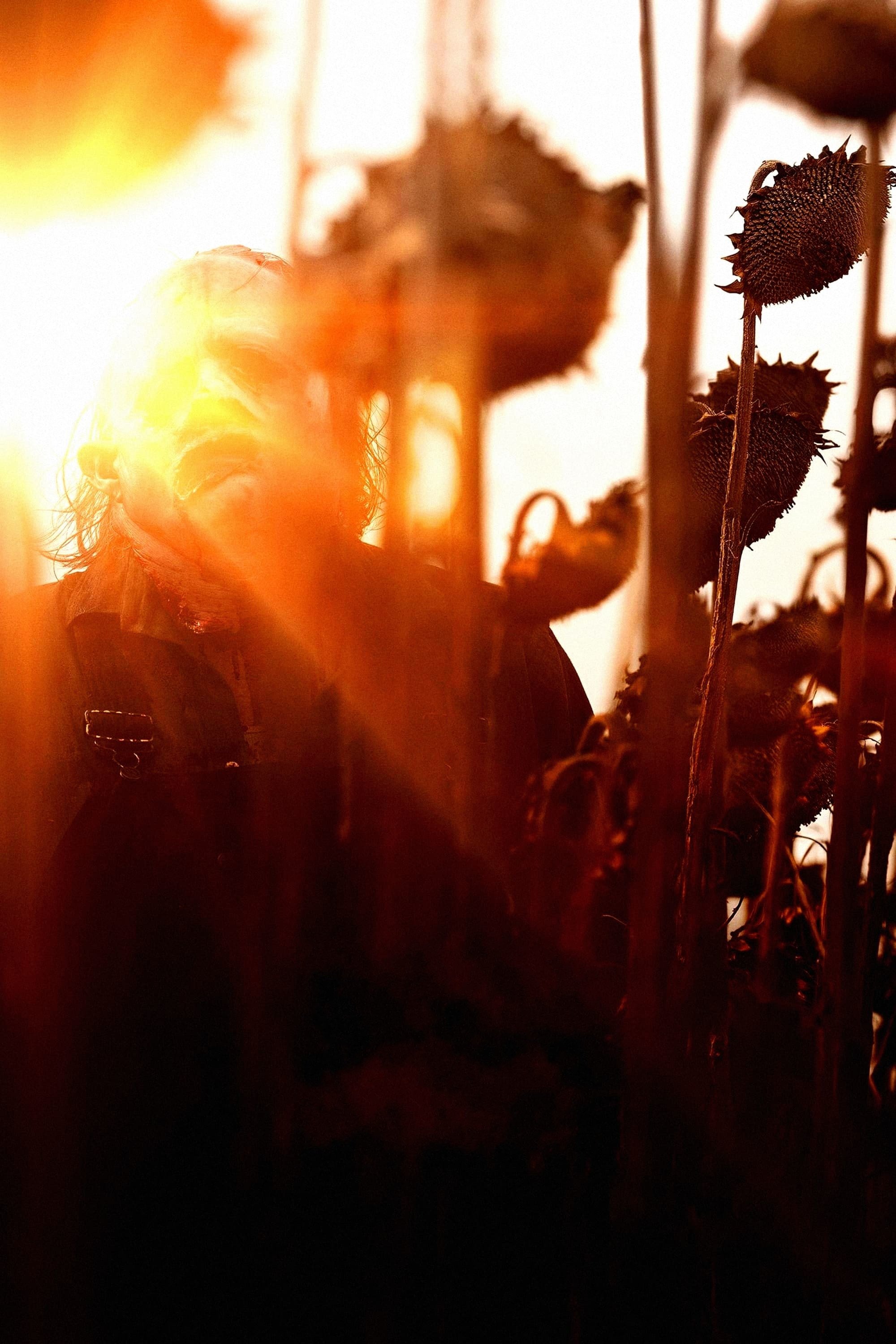
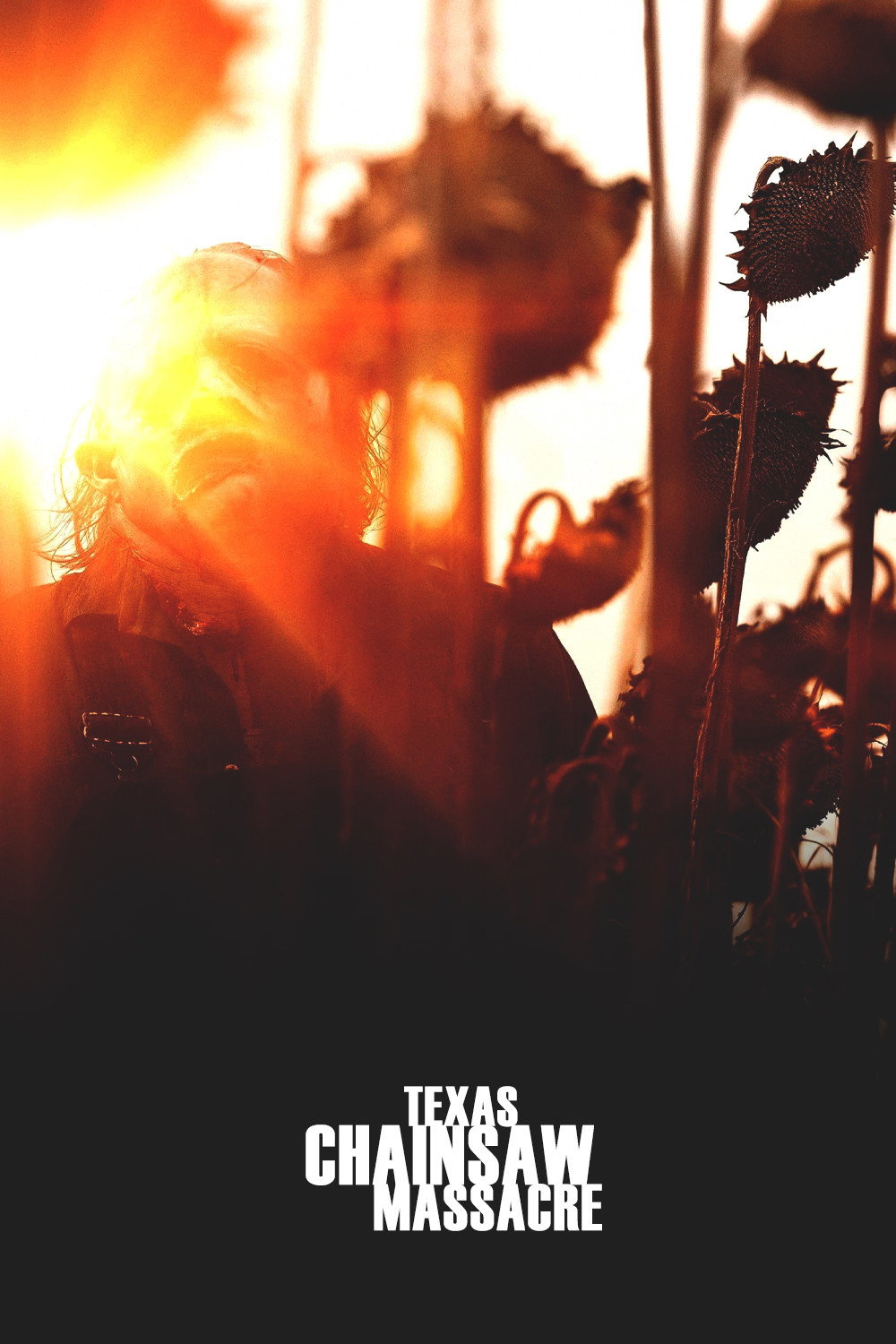
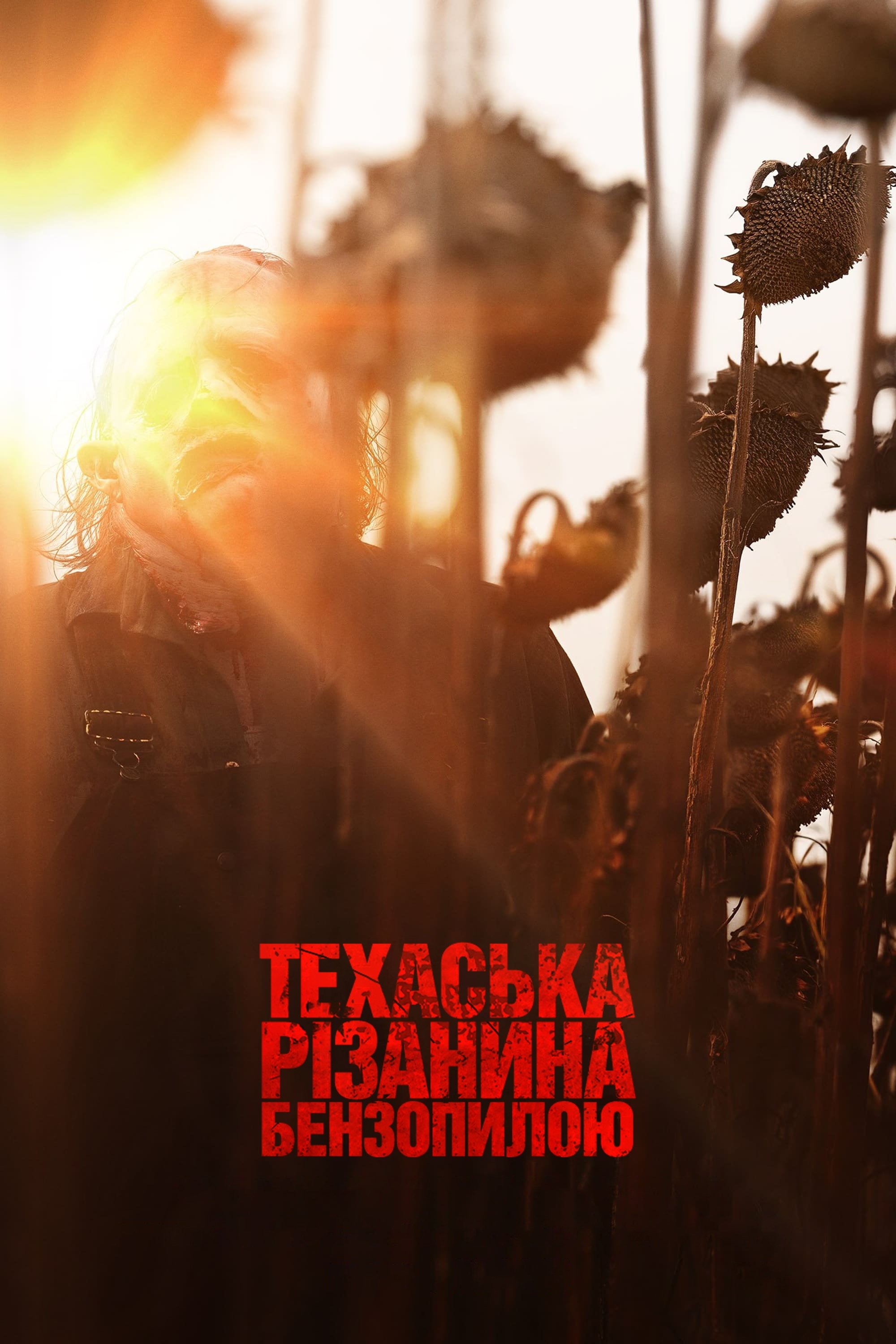
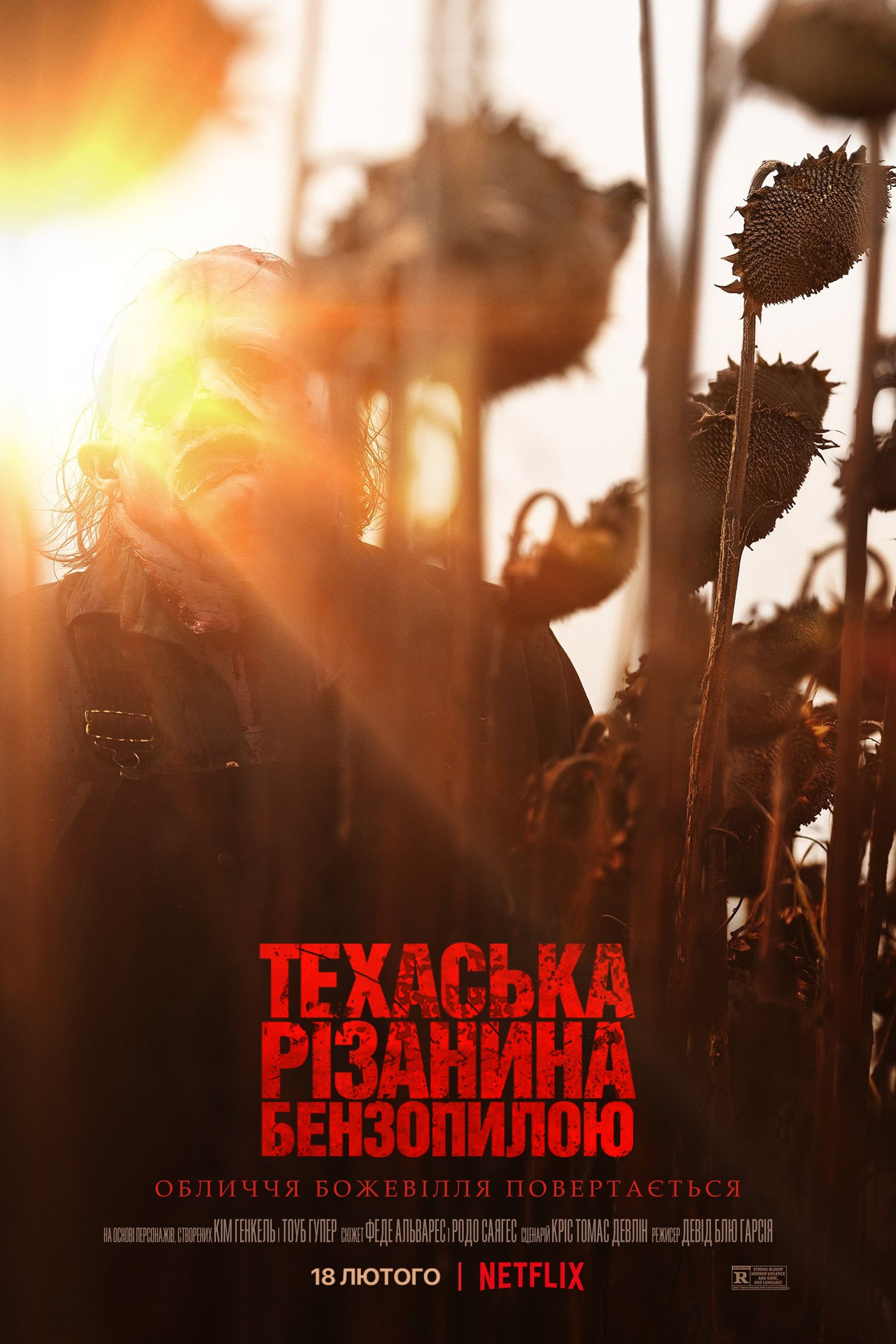
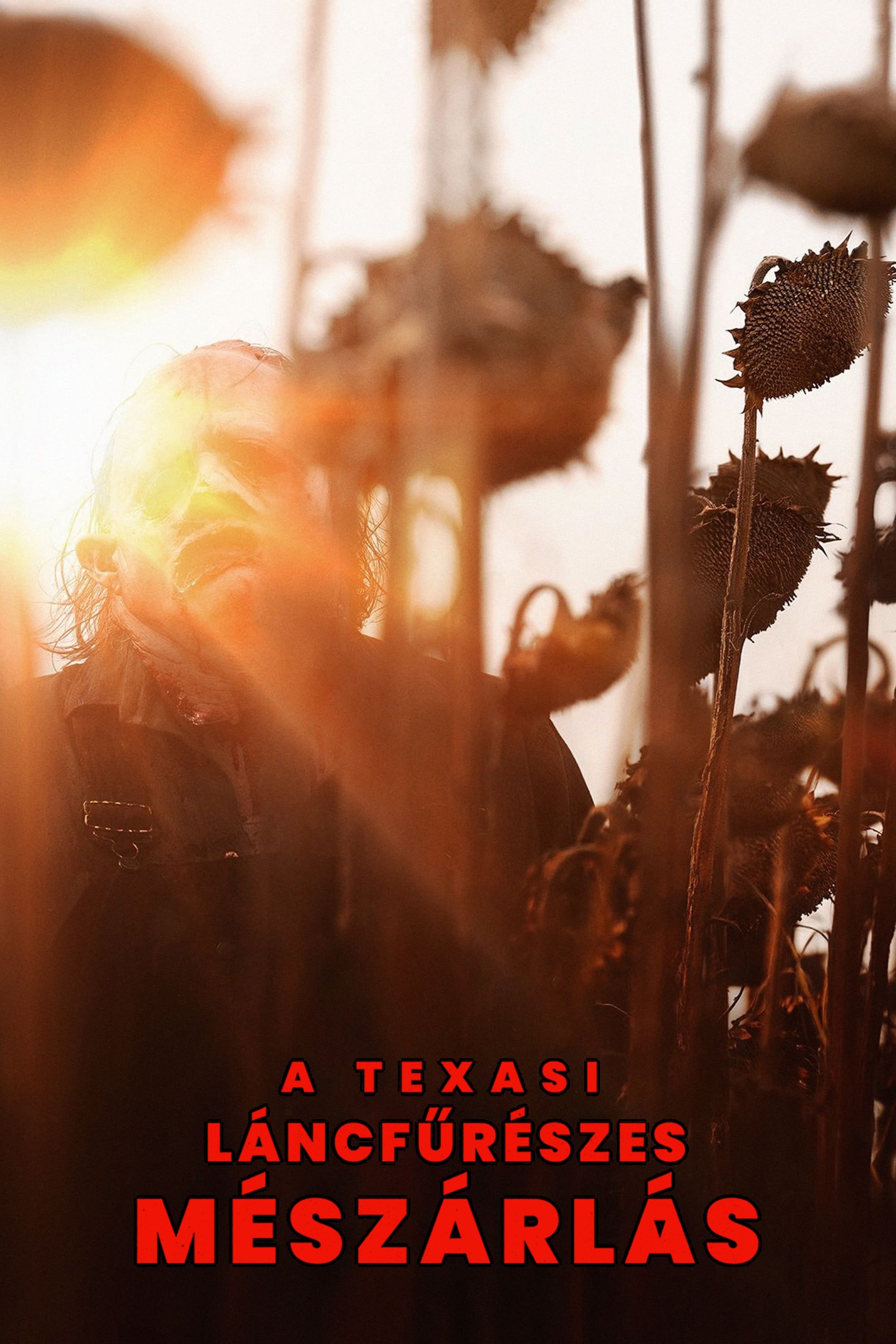
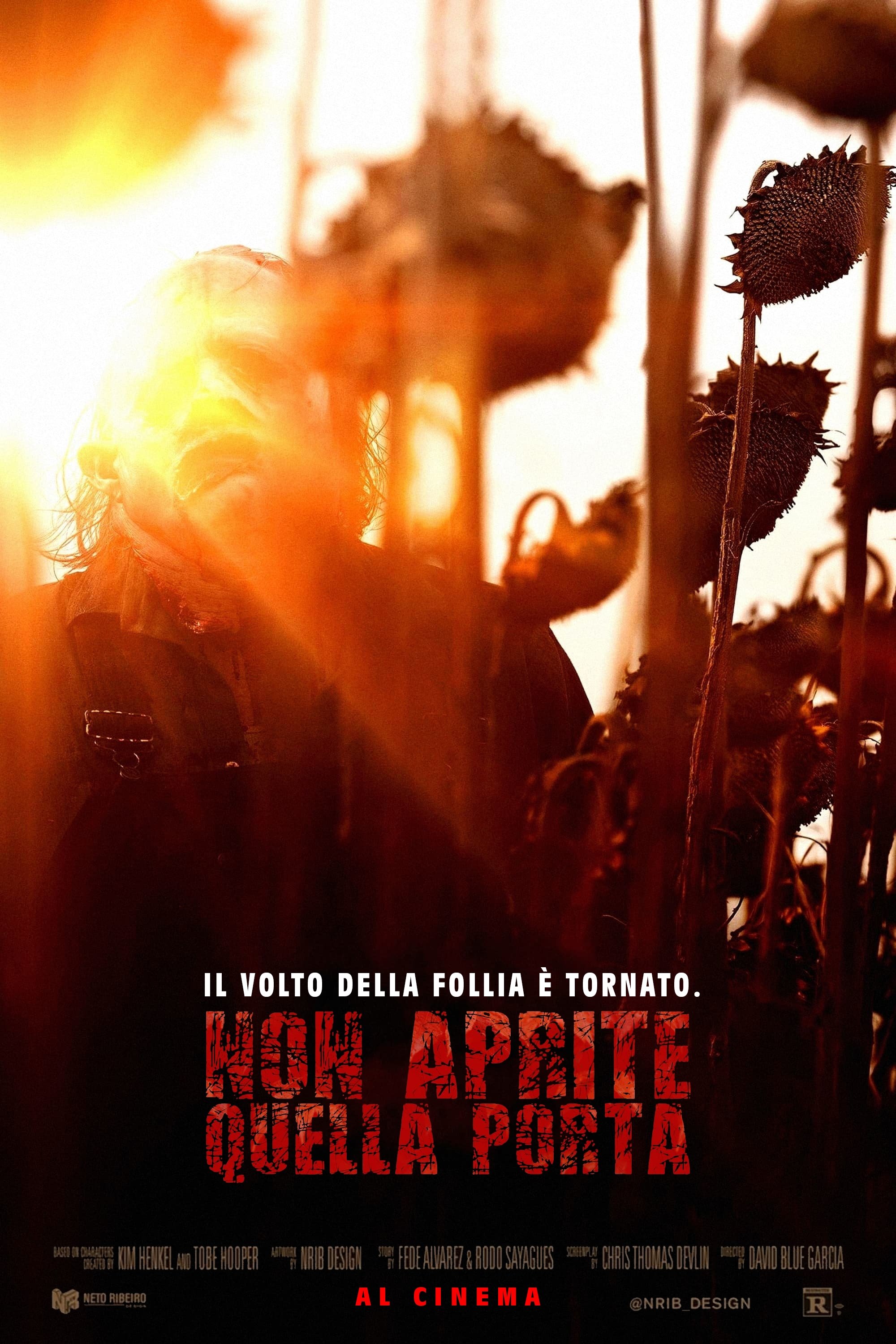
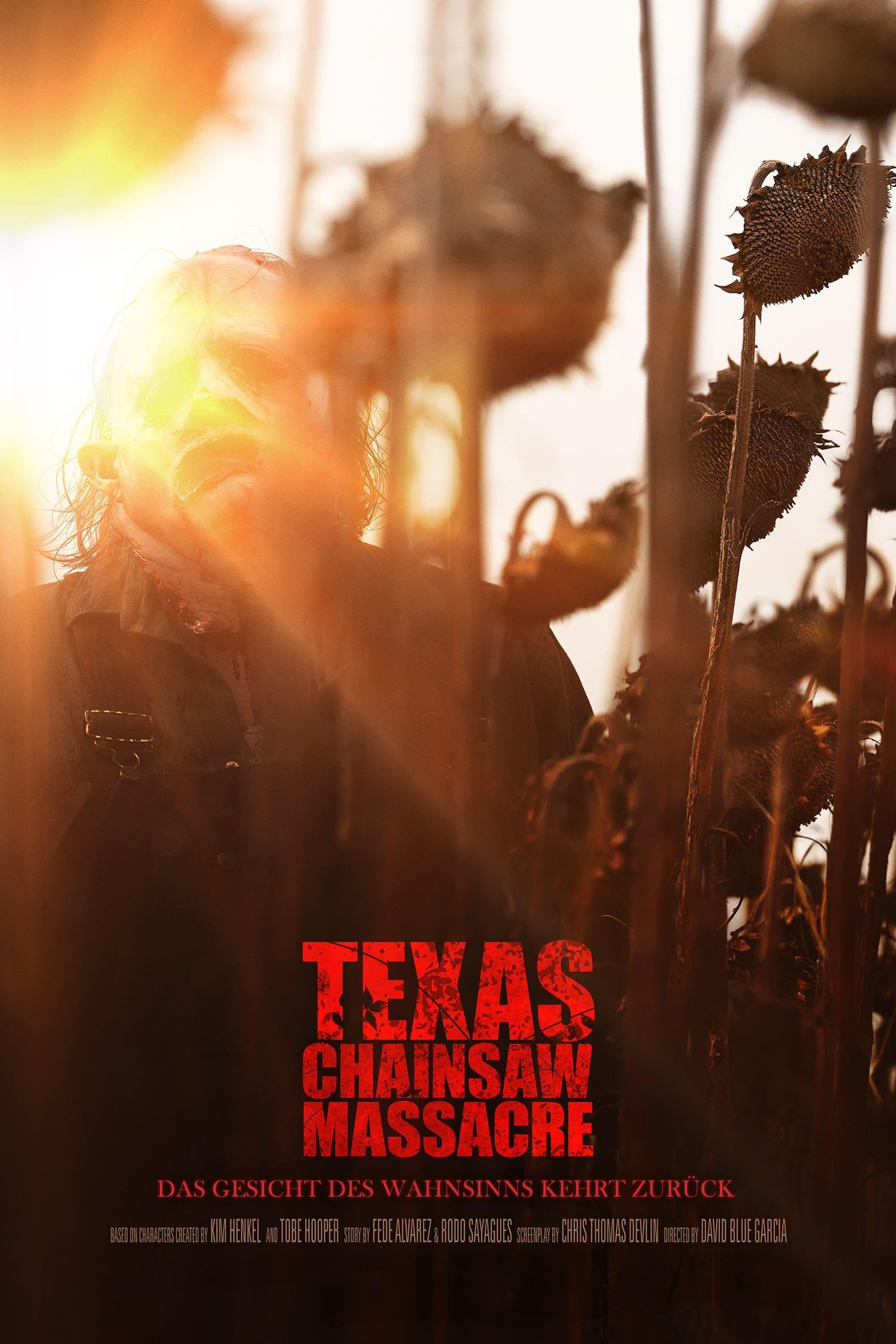
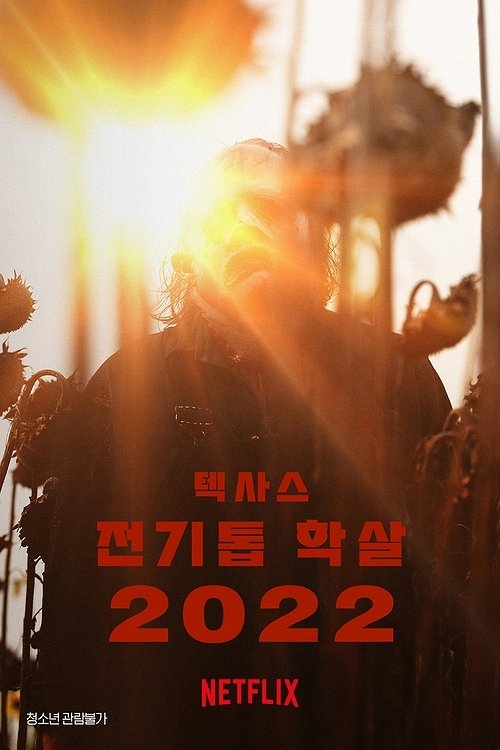
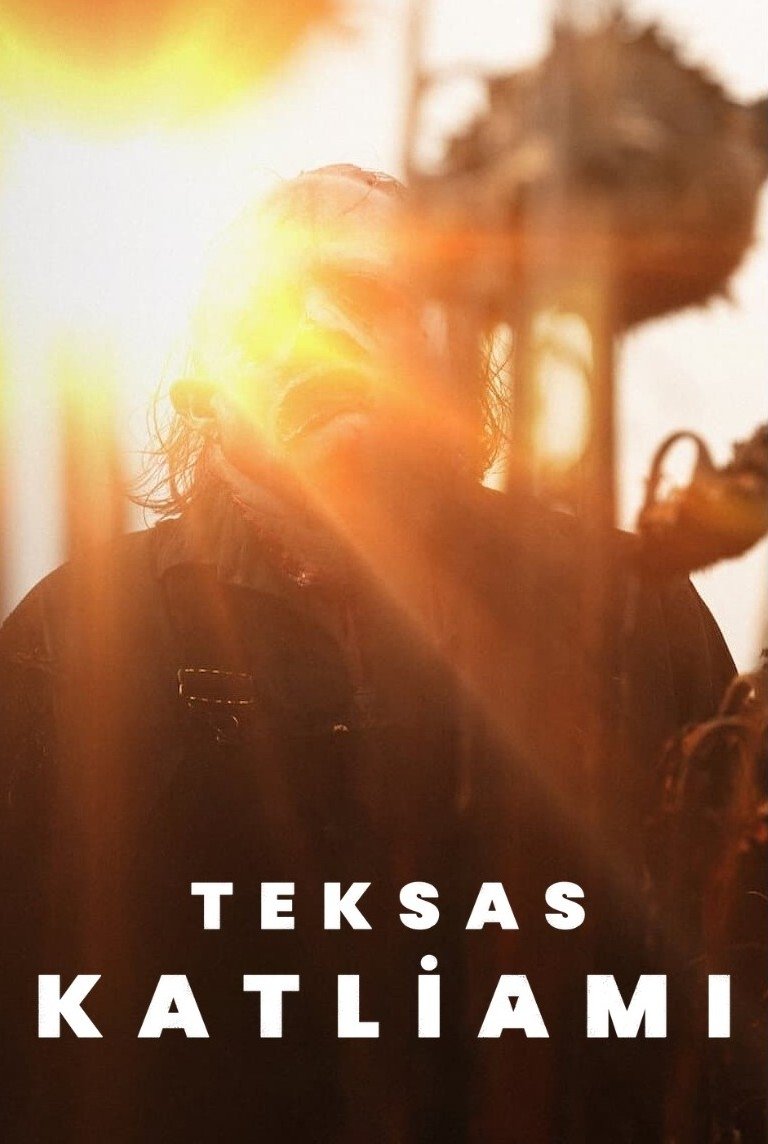
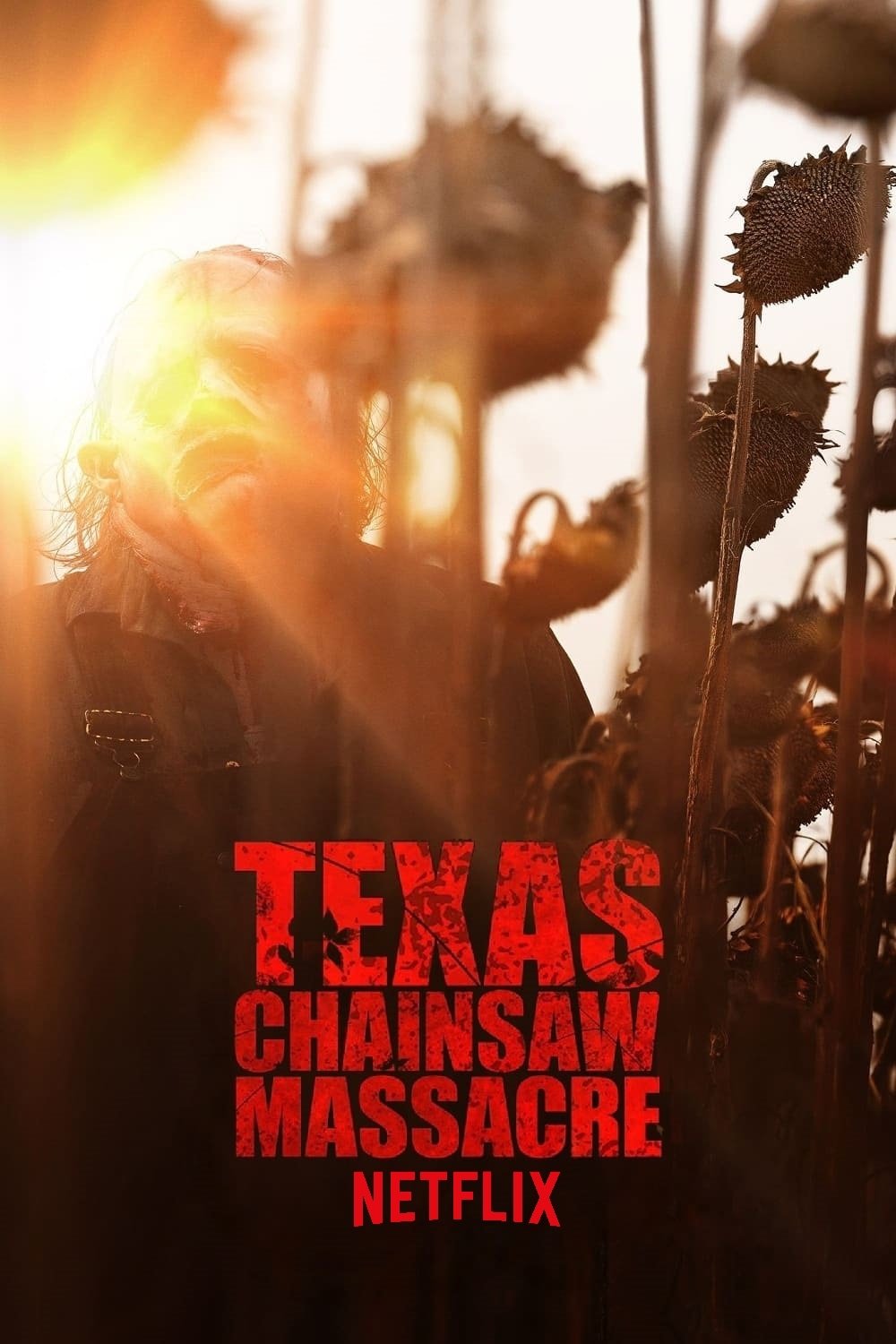
Perry's account supplies unusually concrete evidence of the rapid transition. He recalled building approximately forty facades and several interior and exterior sets on an existing Bulgarian backlot, laying roads and changing parts of the town layout after discussions with Garcia. The director, who grew up in South Texas and had lived in Austin, recognized rural landscapes that could stand in for his home state. Fields of sunflowers became a prominent setting after the crew discovered them locally and waited for the plants to wither. That decision supplied a visual image with more specificity than a generic woodland pursuit, while the constructed main street allowed a climactic massacre to unfold in a concentrated communal space.
The replacement brought a cinematographer-director with an established working relationship to incoming director of photography Ricardo Diaz. Diaz recalled that they had known each other since attending the University of Texas, where the original film had particular historical significance. Their preparation was compressed into approximately a week, so they developed shared visual shorthand based on familiar features of Hooper's film. Garcia also described revising parts of the screenplay, costumes and sets after joining. The survival of major construction decisions from the previous regime makes the completed film a record of overlapping production phases. These recollections document practical constraints, but they do not establish a comprehensive account of creative disagreements with the initial directors.
Harlow, Redevelopment and the Outsider Story
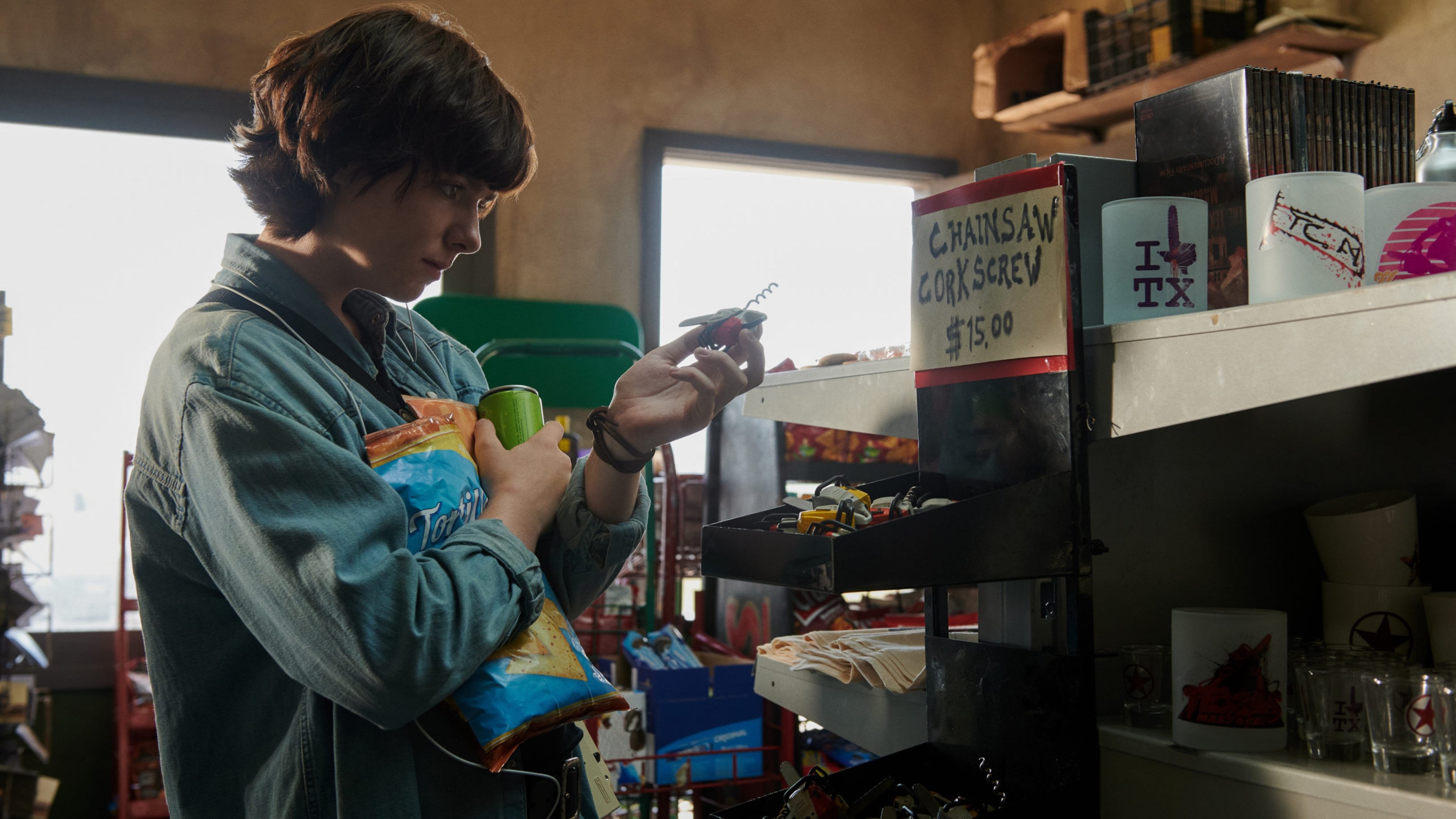
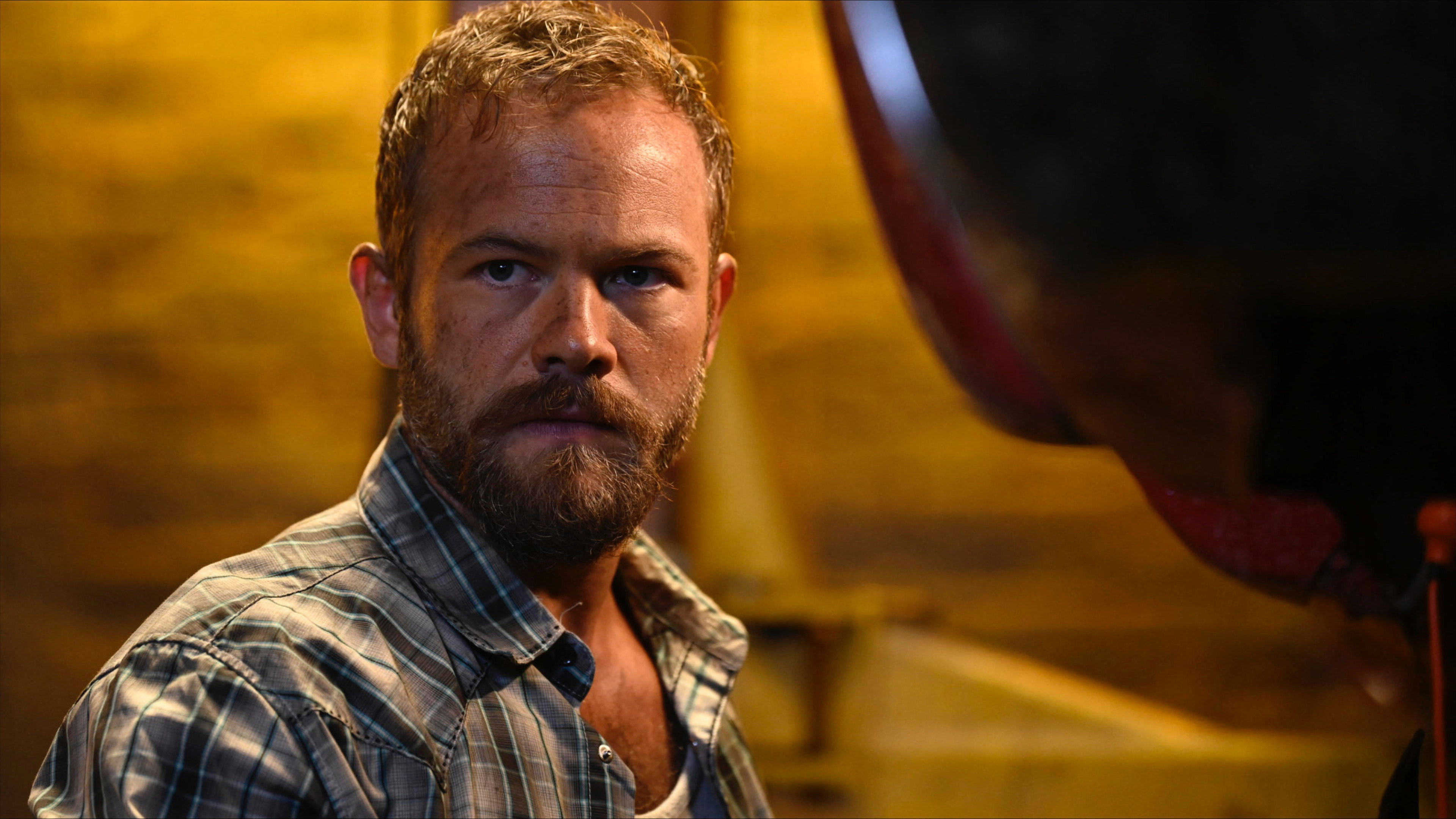
Harlow's empty storefronts provide a setting for a conflict over possession and belonging. Melody and Dante arrive as outsiders intending to convert a fading settlement into a marketable destination. Their plans depend on the assumption that they understand what remains in the town, an assumption exposed when they dispute an elderly resident's right to occupy the former orphanage. The social conflict becomes an immediate horror mechanism: an argument over property precedes the woman's medical emergency and Leatherface's renewed violence. The screenplay uses gentrification as a contemporary premise, but its short running time gives little space to the lives of residents beyond their encounters with the newcomers.
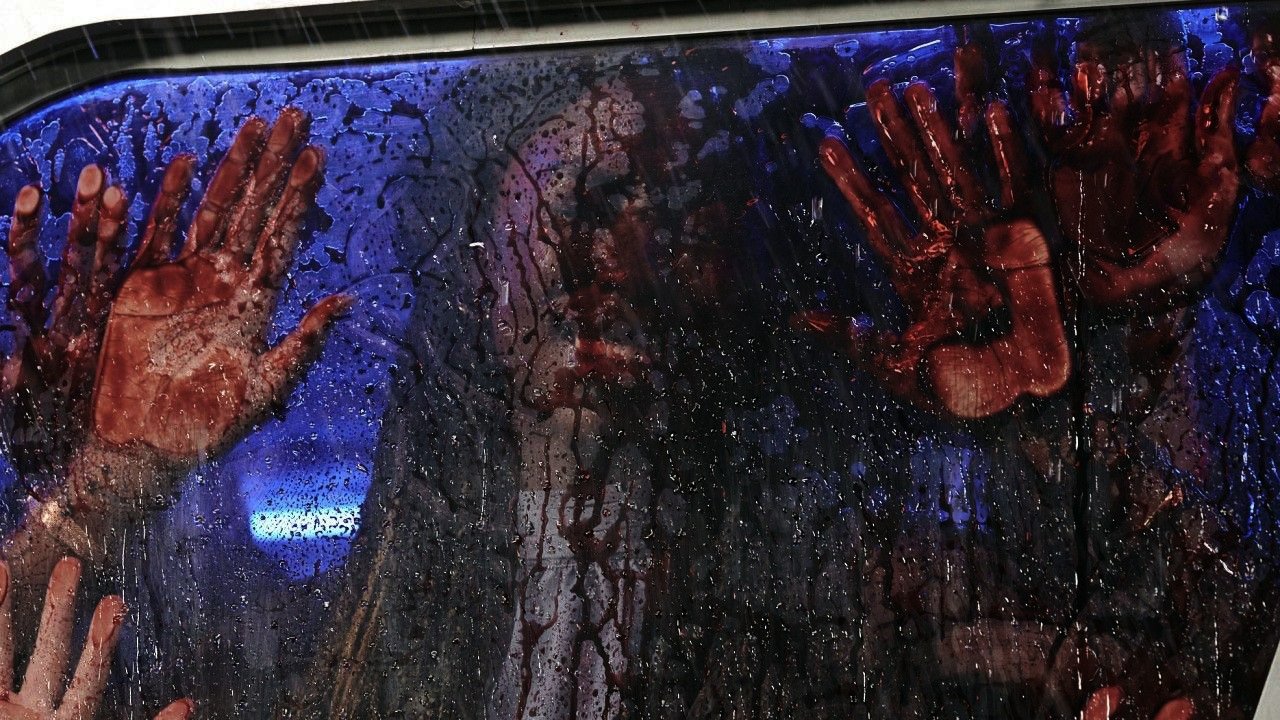
The bus massacre transforms that premise into a pointed piece of black comedy. Wealthy visitors are sheltered inside a vehicle filled with lights, music and phones; when Leatherface enters, they initially treat him as another spectacle worth recording. Garcia told Rue Morgue that the phone-recording detail was among the changes he introduced after assuming the directing job. The sequence criticizes the expectation that violence will remain safely separated from its observers by a screen. Yet the satire is deliberately broad, and it offers only limited insight into the economic circumstances of Harlow. Its chief dramatic effect is to turn a gathering of spectators into a confined collection of potential victims.
Leatherface, Sally Hardesty and the Legacy-Sequel Model
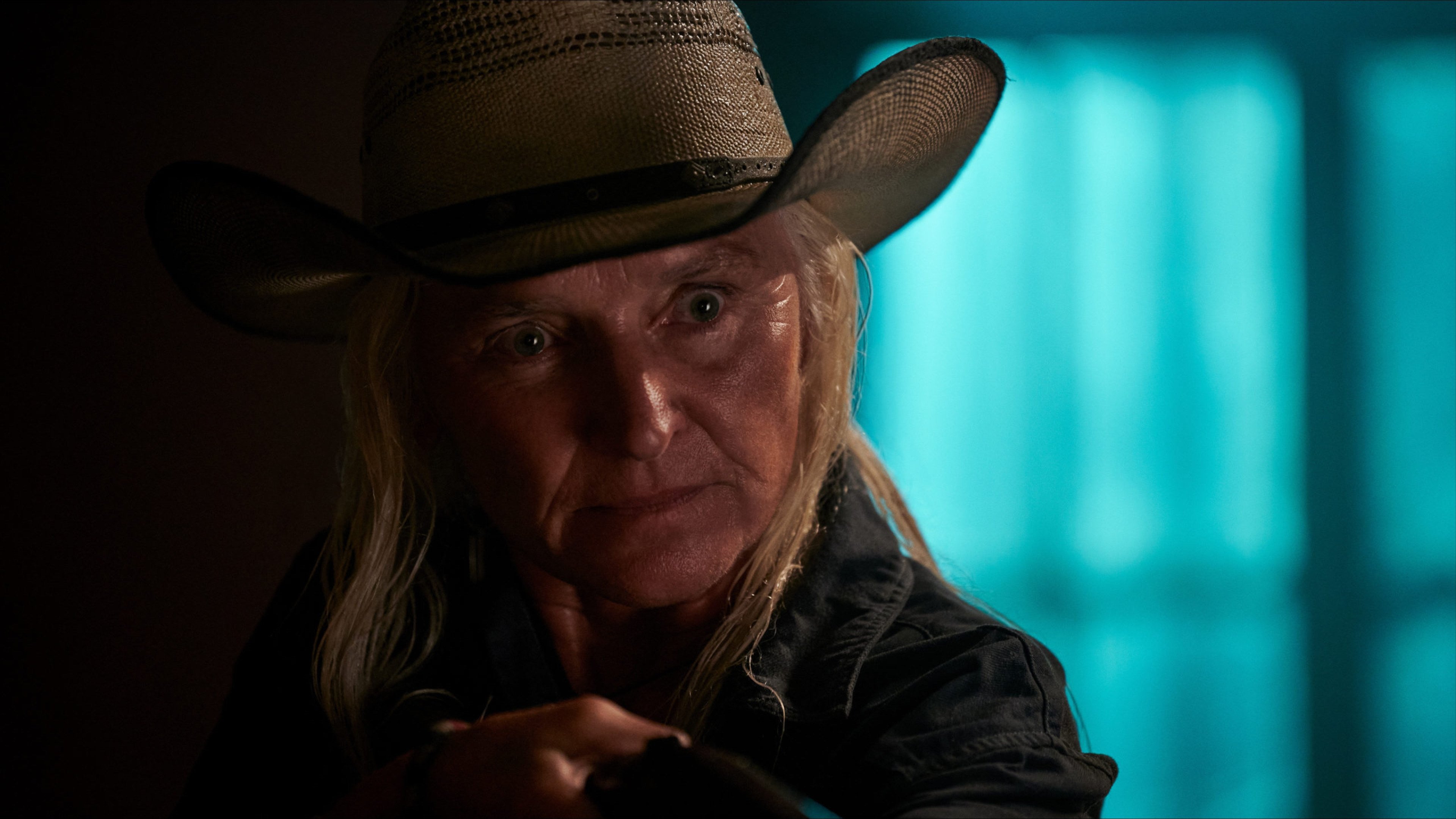
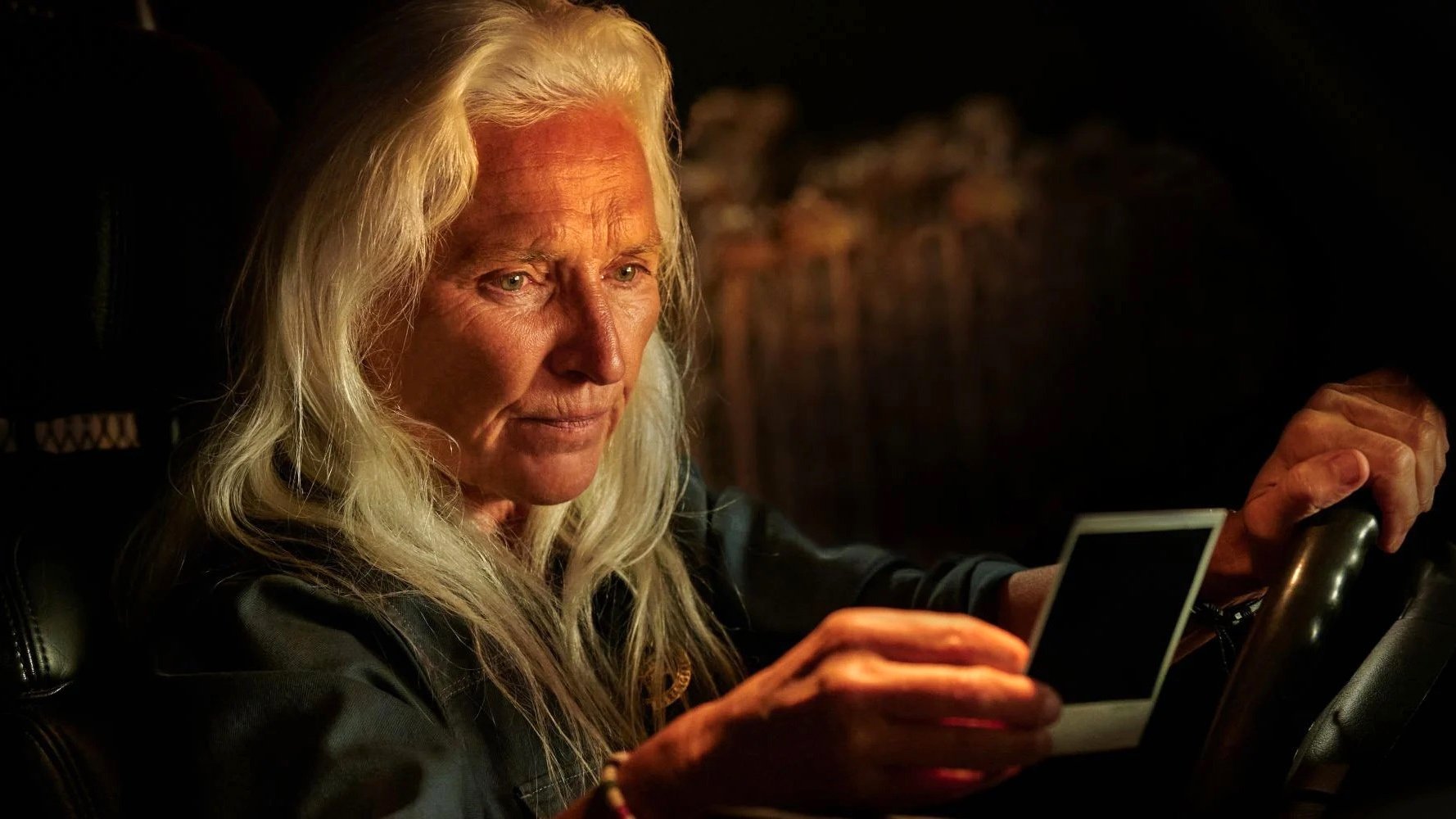
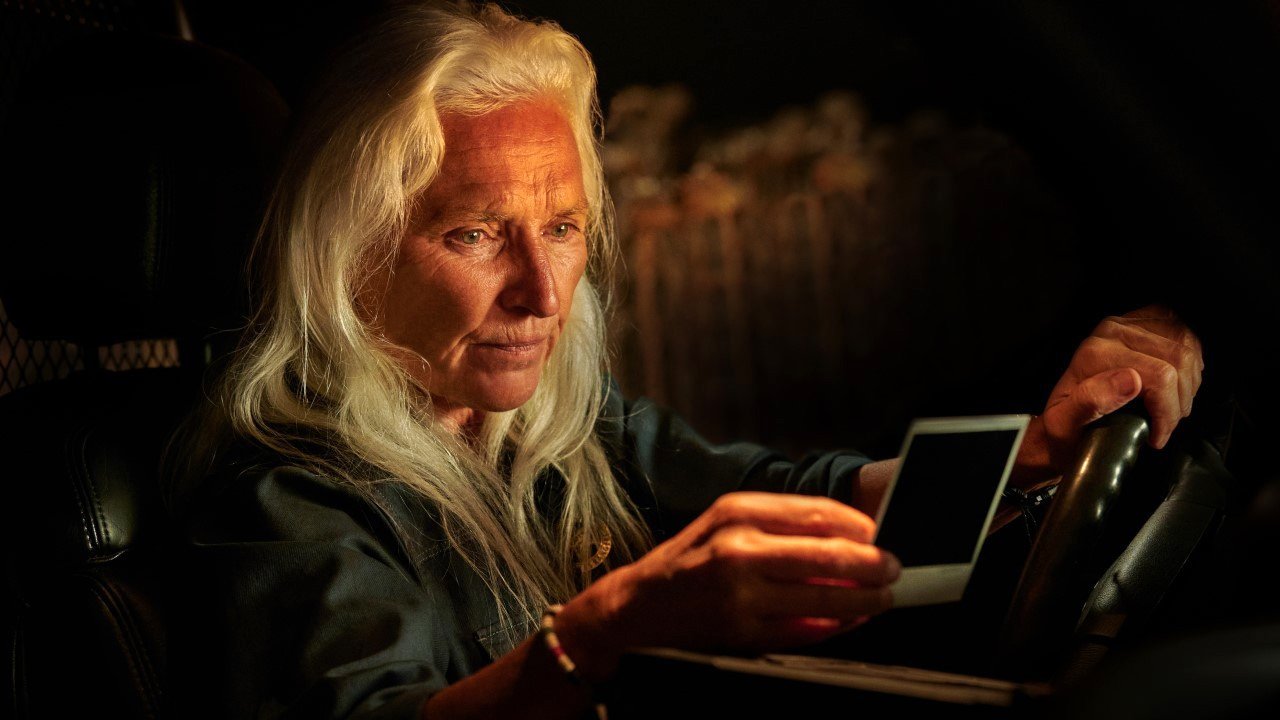
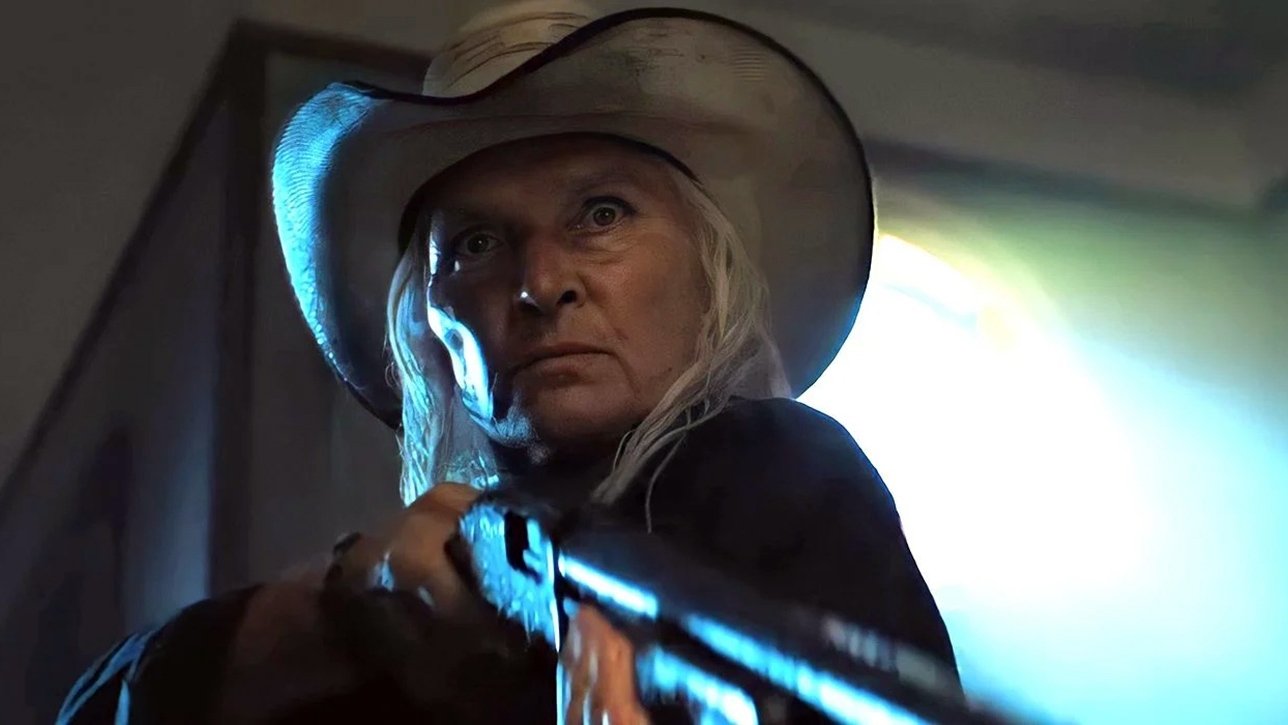
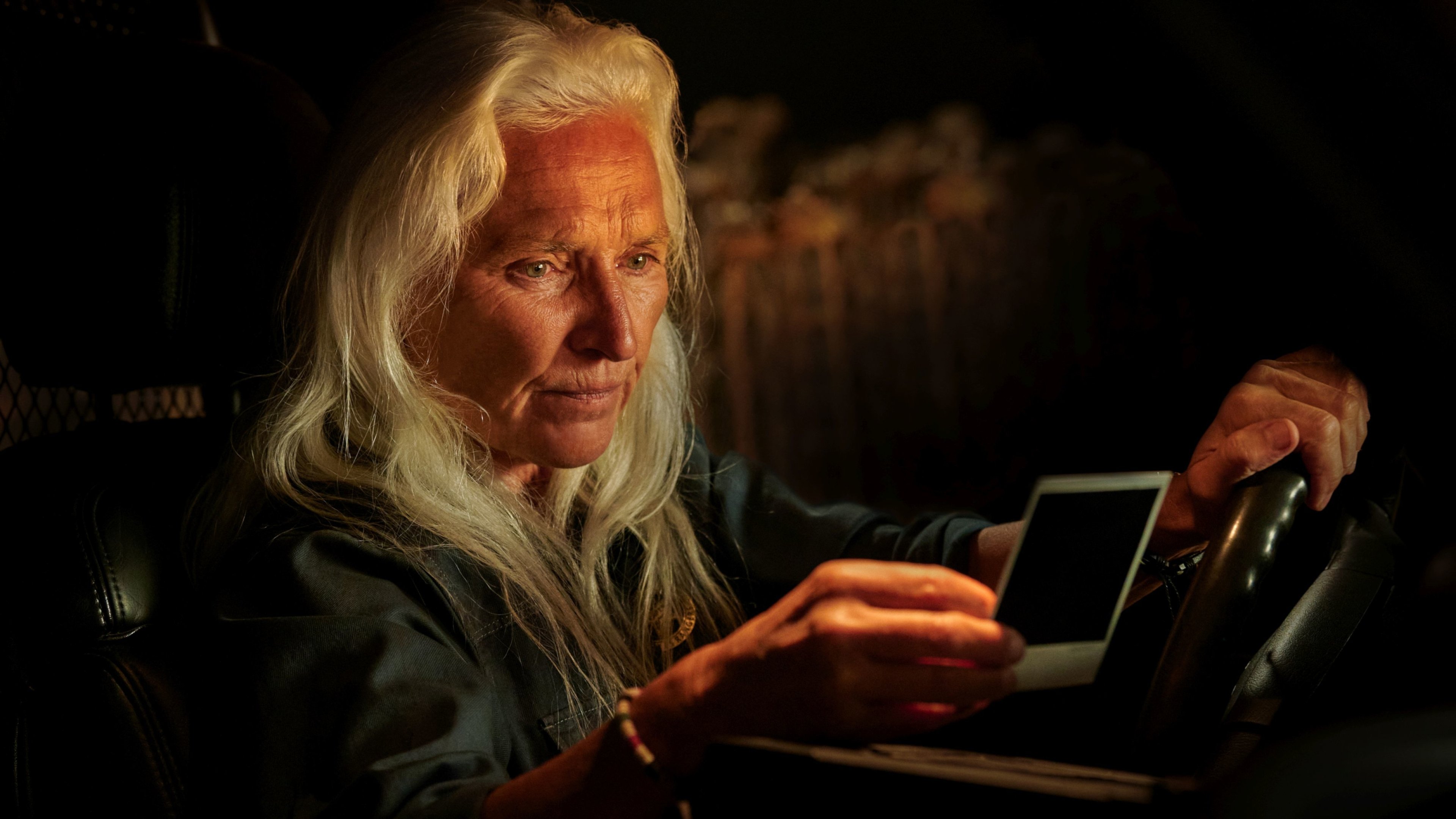
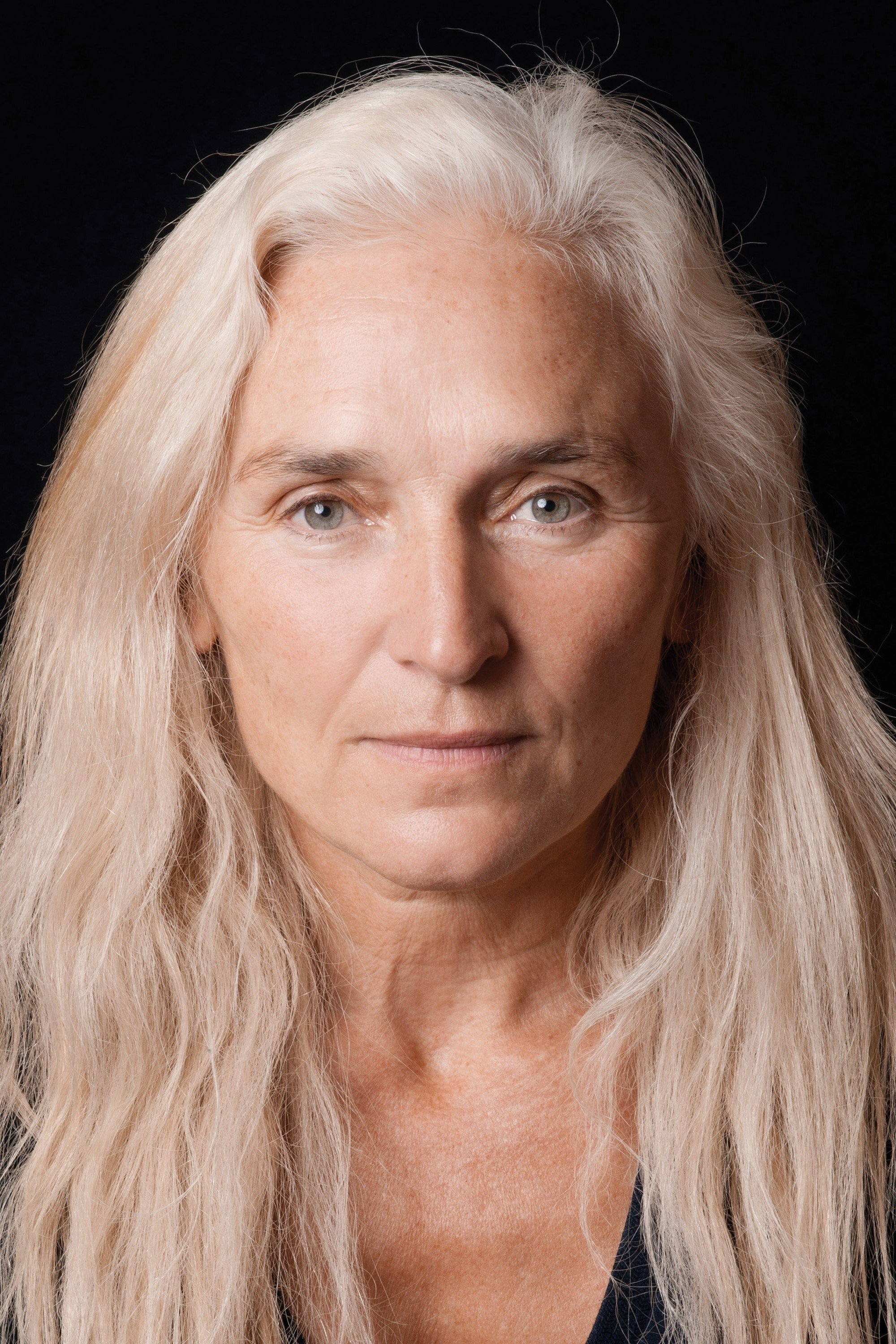
The film's relationship to 1974 is established through Leatherface's survival and the reappearance of Sally Hardesty. Mark Burnham plays the older killer with a heavy, deliberate physical presence, while Olwen Fouere takes over the role created by Marilyn Burns. The revived rivalry invokes the structure of a survivor returning decades after a traumatic encounter, familiar from other late-period horror sequels. Its effect is complicated by the enormous gap between the films. Hooper ended his story with Sally fleeing the family; the new production places her in a long pursuit of one murderer while dispensing with most of the original household's social and psychological context.
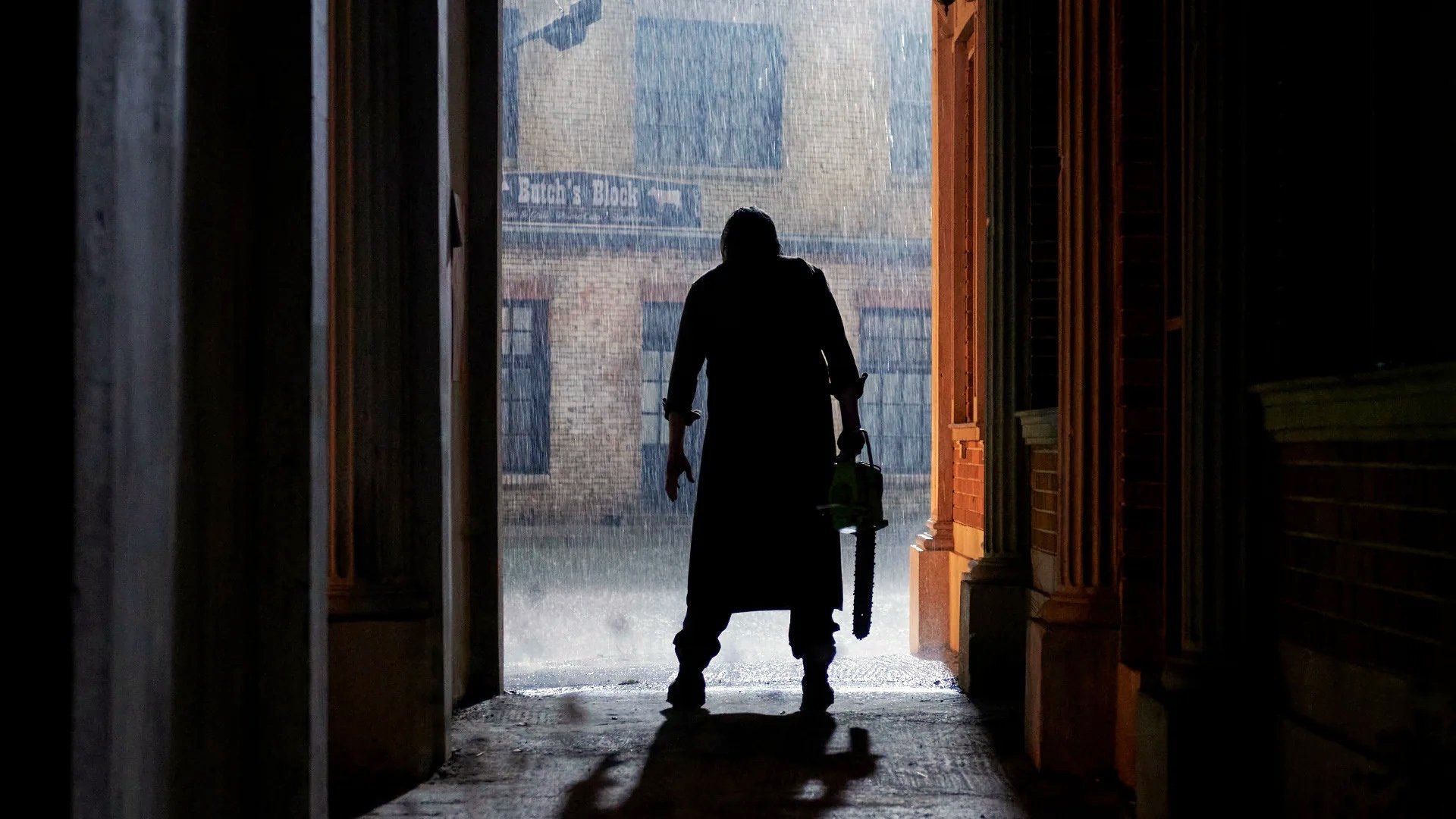
Leatherface's existence in the orphanage also revises the established figure. He appears initially as a withdrawn dependent of the woman who has cared for him, and her death precipitates a new cycle of attacks. This arrangement replaces the original film's elaborate domestic hierarchy with a single attachment that the screenplay can quickly destroy. Sally's return supplies a second idea of trauma, focused on the inability to escape an earlier experience. Her attempt to demand recognition from Leatherface is especially revealing: the killer does not offer the personal acknowledgment upon which her revenge has come to depend. The scene permits a reading of traumatic memory as asymmetrical, although this is an interpretation of the completed film rather than a documented statement of its creators' intentions.
Photography, Color and an Invented Texas
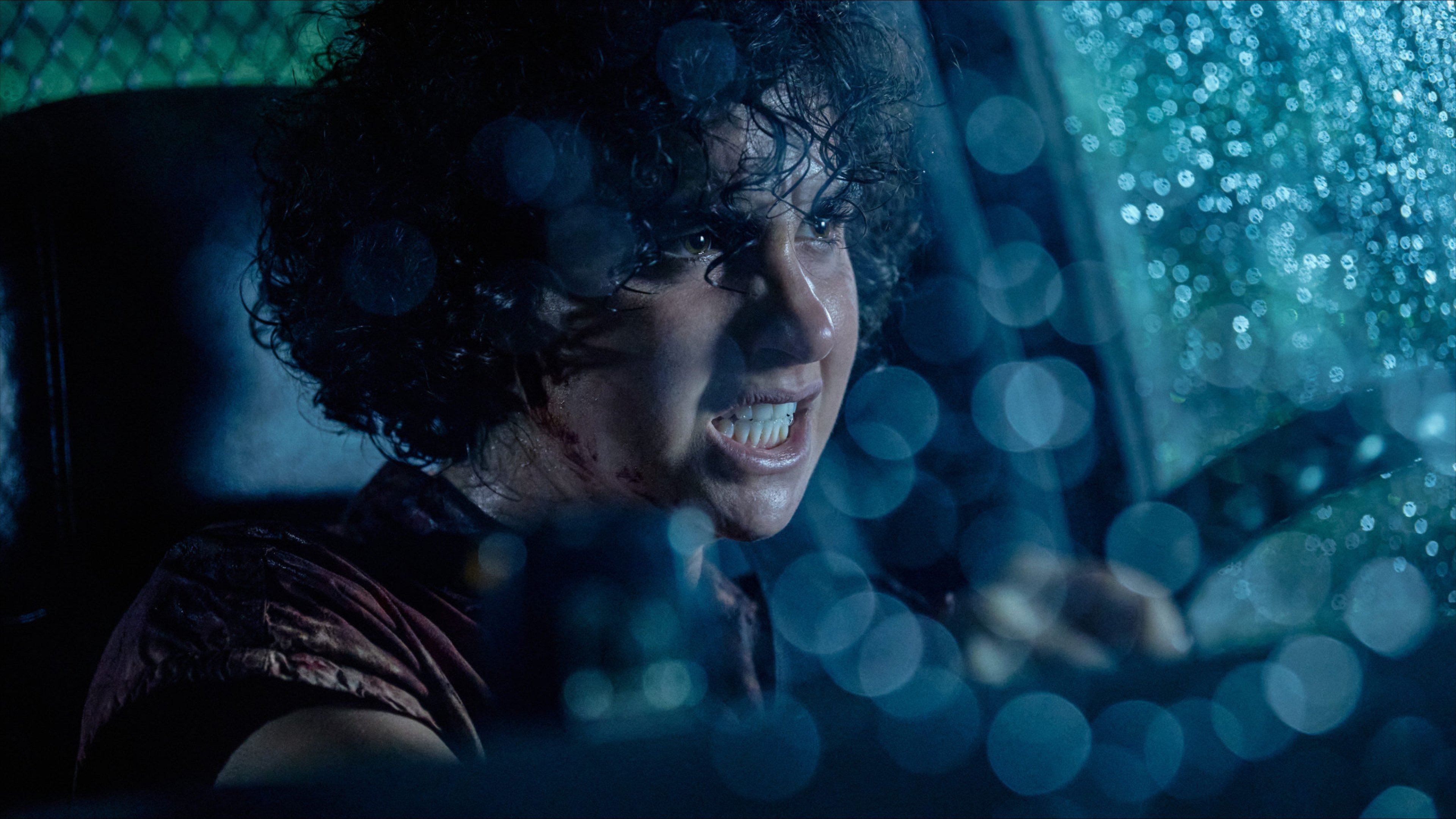
Garcia and cinematographer Ricardo Diaz described their shared visual approach as elevated grindhouse. In a lengthy technical interview, Diaz explained that they studied Daniel Pearl's work on the 1974 original, particularly its strong color, mobile compositions and oppressive environments. Their answer was not to copy its images mechanically. They used older anamorphic lenses, handheld movement and deliberate imperfections while giving individual locations distinctive color schemes. The sun-bleached exteriors create a harsh sense of exposure, whereas the enclosed interiors and nighttime violence employ more emphatic separation of light and color. The film consequently moves between an imagined rural Texas and an openly stylized slasher environment.
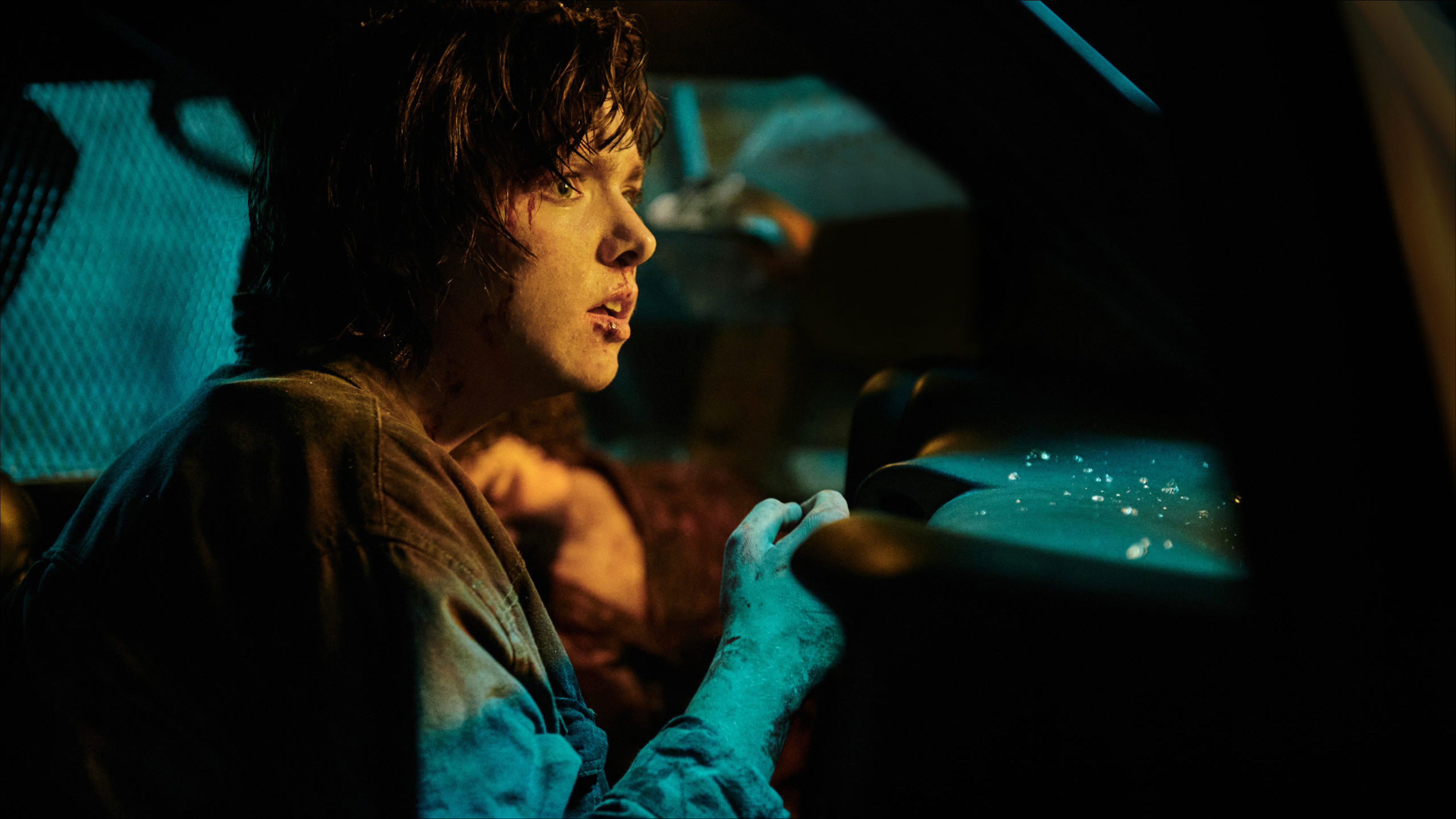
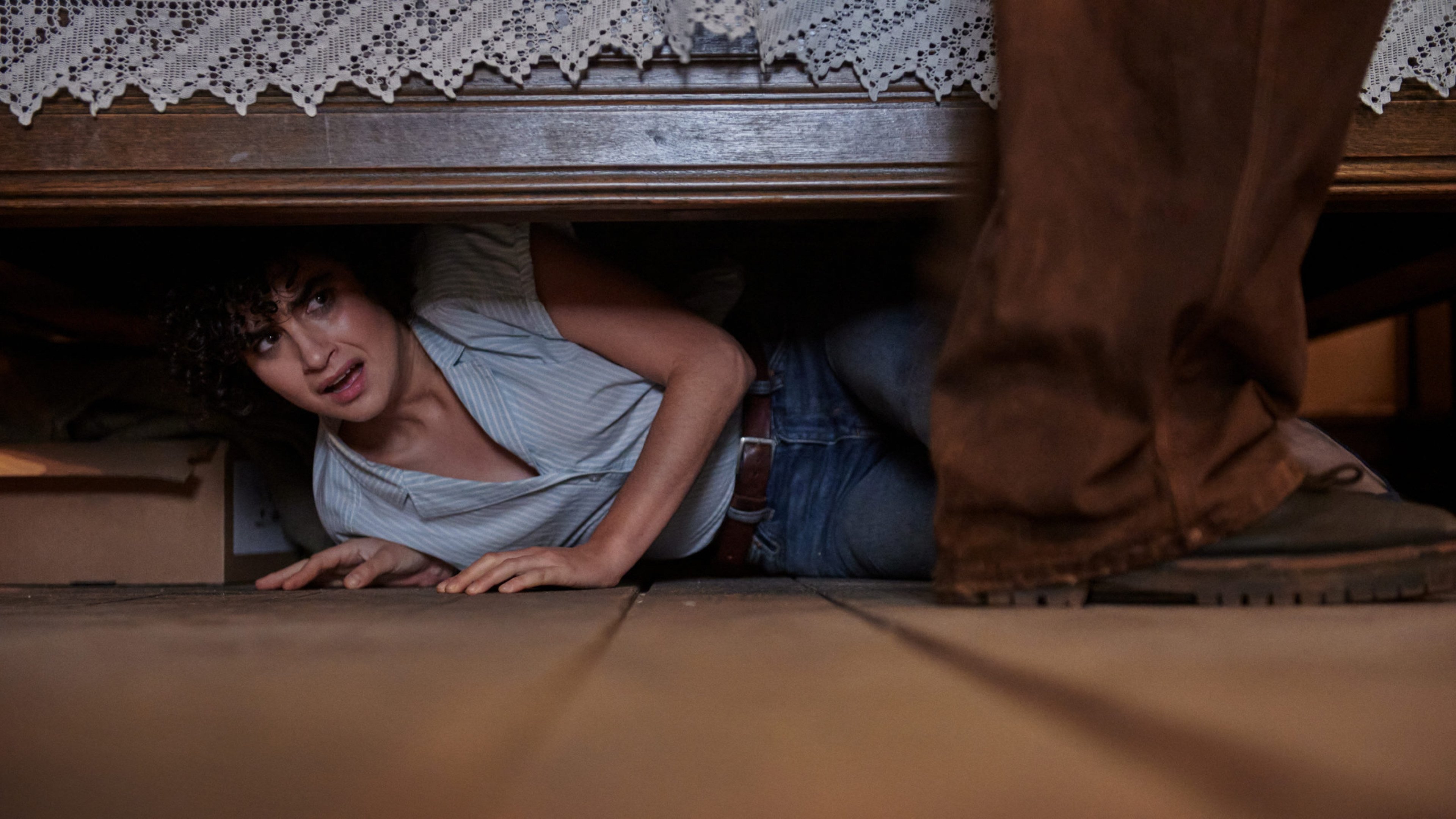
The production design is integral to that appearance. Perry's facades supplied an almost complete town for the photography, allowing the filmmakers to organize pursuit routes along a main street and to fill windows and doorways with potential threats. Diaz singled out the confined area beneath a building as a location whose camera angles were designed to make the audience experience Melody's limited space. Such choices recover an important element of Hooper's visual method: terror arises from the relationship between a human body and an environment that no longer offers reliable exits. At the same time, the cleaner composition and heavily staged bursts of violence reveal the film's interest in contemporary spectacle.
Practical Effects and the Escalation of Screen Violence
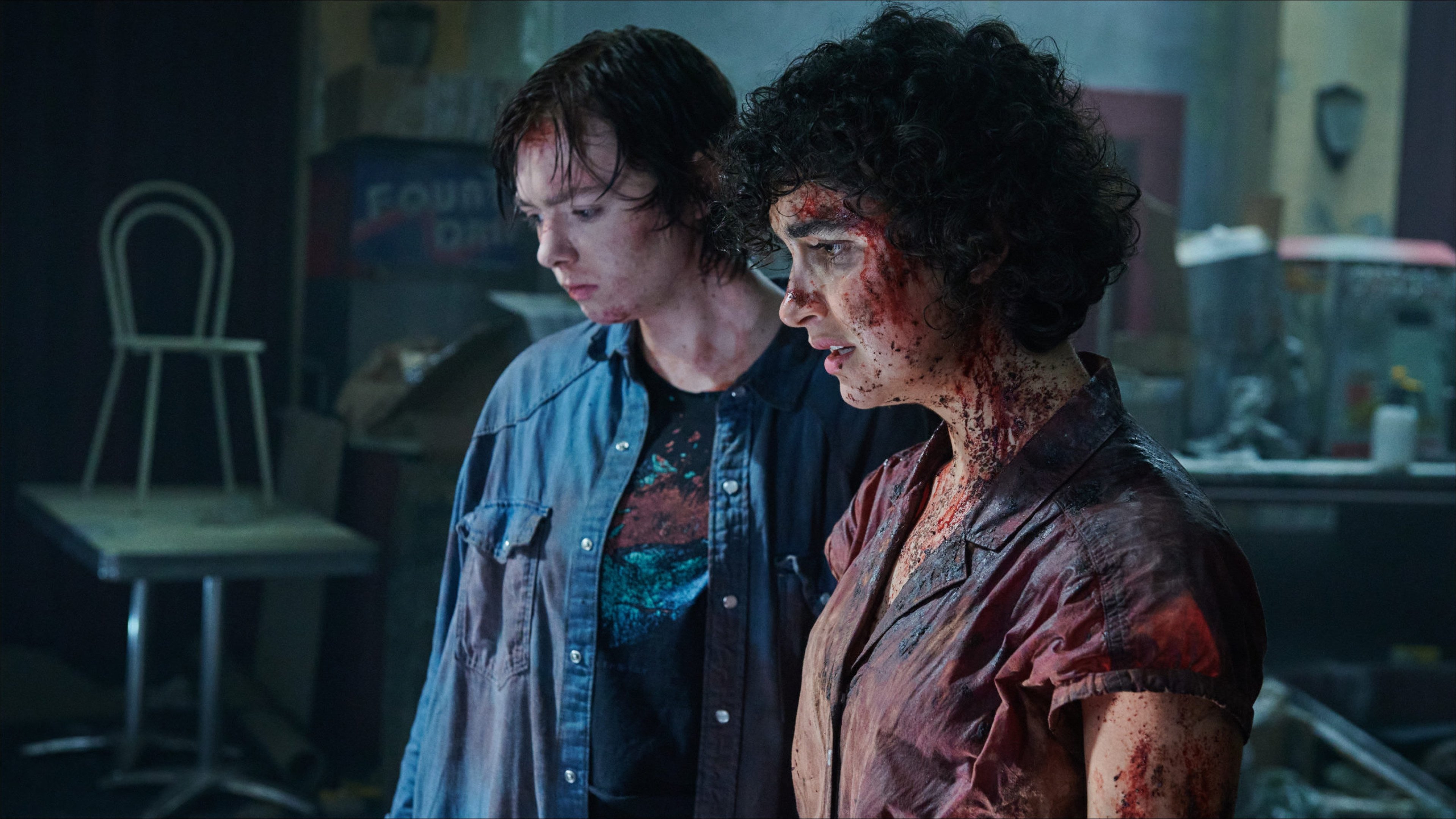
The bus attack is the clearest example of the sequel's shift toward explicit gore. Diaz recalled that the bus interior was built as a fixed set and that the crew worked within its tight physical dimensions instead of removing walls for easier camera access. Blood cannons discharged during shooting, covering the ceiling and eventually dripping onto performers and technicians between takes. The detail matters because the violence was organized around a real, restricted volume of space. Numerous victims occupy a single frame or narrow passage, forcing the massacre to progress through bodies that obstruct one another's escape.
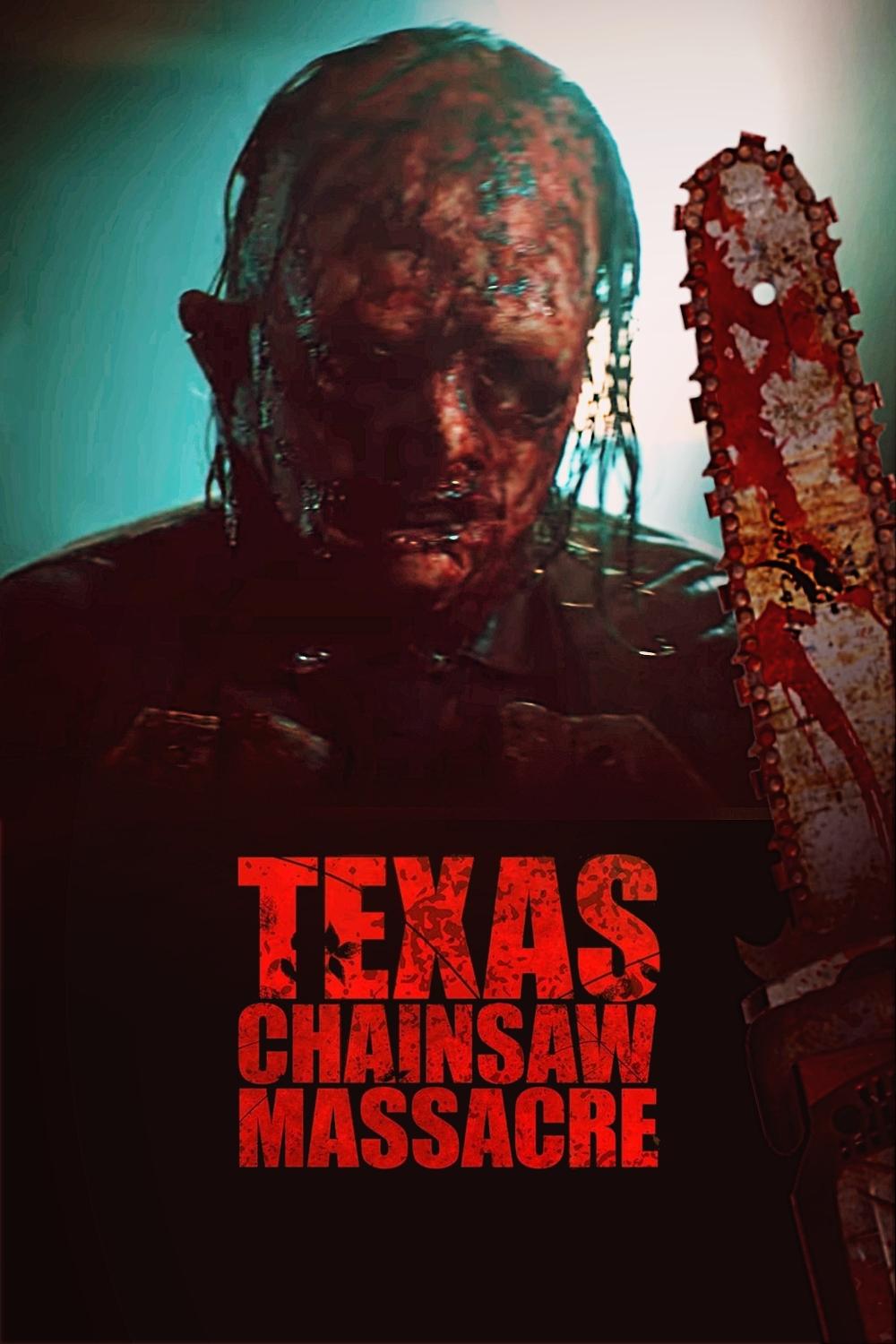
Digital techniques also supported practical work where an injury could not be photographed safely. Diaz described the killing of Richter, which began with a physical effect and was supplemented by visual work on the damaged face. Garcia acknowledged that producer Álvarez encouraged the filmmakers to push the visible carnage much further than the first picture. The resulting violence relies on anatomical shock, rapid reversals and escalating destruction. Hooper's original often made the audience imagine injuries that the camera withheld; the 2022 film converts that inherited reputation into a direct promise of spectacle. The contrast reflects differing filmmaking strategies, without proving that either approach is universally more frightening.
Director Garcia framed the pursuit of excess as a conscious response to changing audience expectations. In his interview with Rue Morgue, he remembered calling producer Shintaro Shimosawa to inspect the degree of blood visible in a shot, a recollection that illustrates how insistently the production foregrounded practical carnage. The finished set pieces also depend on pauses, anticipation and bodies suddenly entering restricted spaces. That combination is especially evident before the bus attack, where the crowd's amused recording gives way to panic as the doors become barriers. The spectacle is therefore both a technical construction and a narrative reversal: an audience within the film discovers that its apparent control of the image offers no protection from the killer.
Netflix Release, Critical Response and Franchise Position
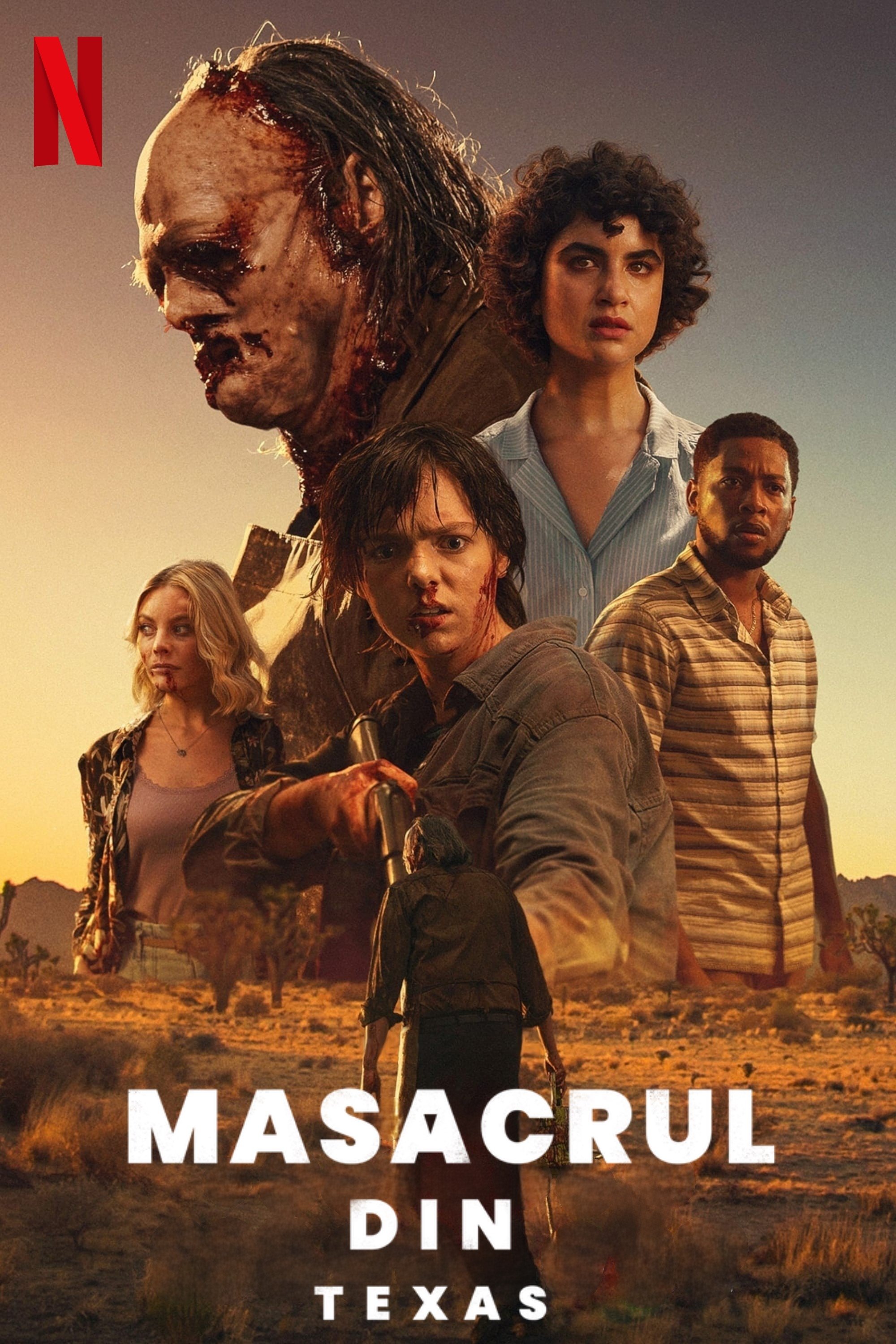
Netflix released Texas Chainsaw Massacre on February 18, 2022, after a production and distribution history that had originally involved plans outside the streaming platform. The move positioned the film as a home-viewing release, although its widescreen cinematography and tightly choreographed group scenes had also been conceived for a large image. Critical response was mixed to negative, with much of the discussion centered on the strength of its slasher set pieces and the weakness of its writing. In The Guardian, Benjamin Lee considered the film's violent momentum more effective than its attempt to revive Sally, and objected strongly to the handling of Lila's history as a school-shooting survivor.
Other contemporary reviews also distinguished the ingenuity of individual killings from dissatisfaction with the characters and the film's abbreviated treatment of social issues. The gentrification premise and the bus's phone-based satire offer recognizable subjects for a twenty-first-century sequel, but their development remains subordinate to the return of a franchise icon. Netflix's own editorial essay discussed the uneasy assignment of sympathy between the newcomers and their killer, revealing how the story asks audiences to judge intruders before subjecting them to violence. Viewed within the larger series, the installment is most revealing as a legacy-sequel experiment: it preserves selected elements of a canonical horror film, then refashions their meaning through modern production methods and an appetite for graphic effects.