

Production & Development
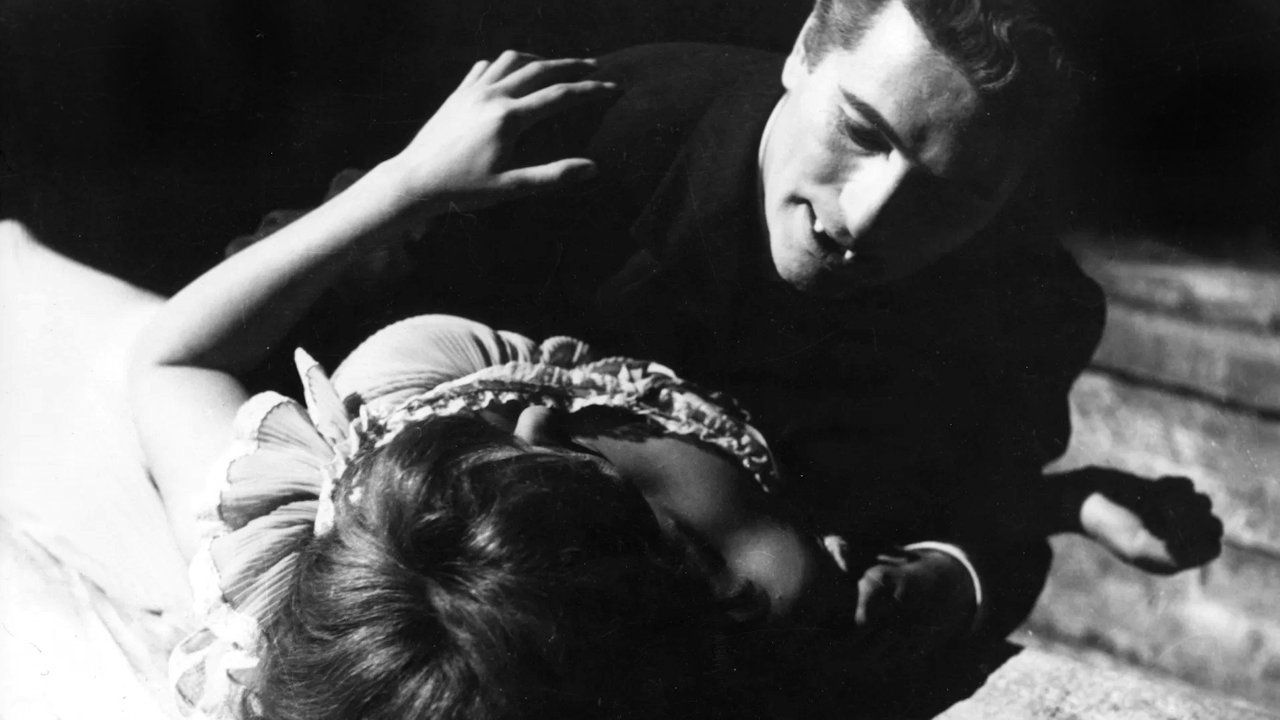
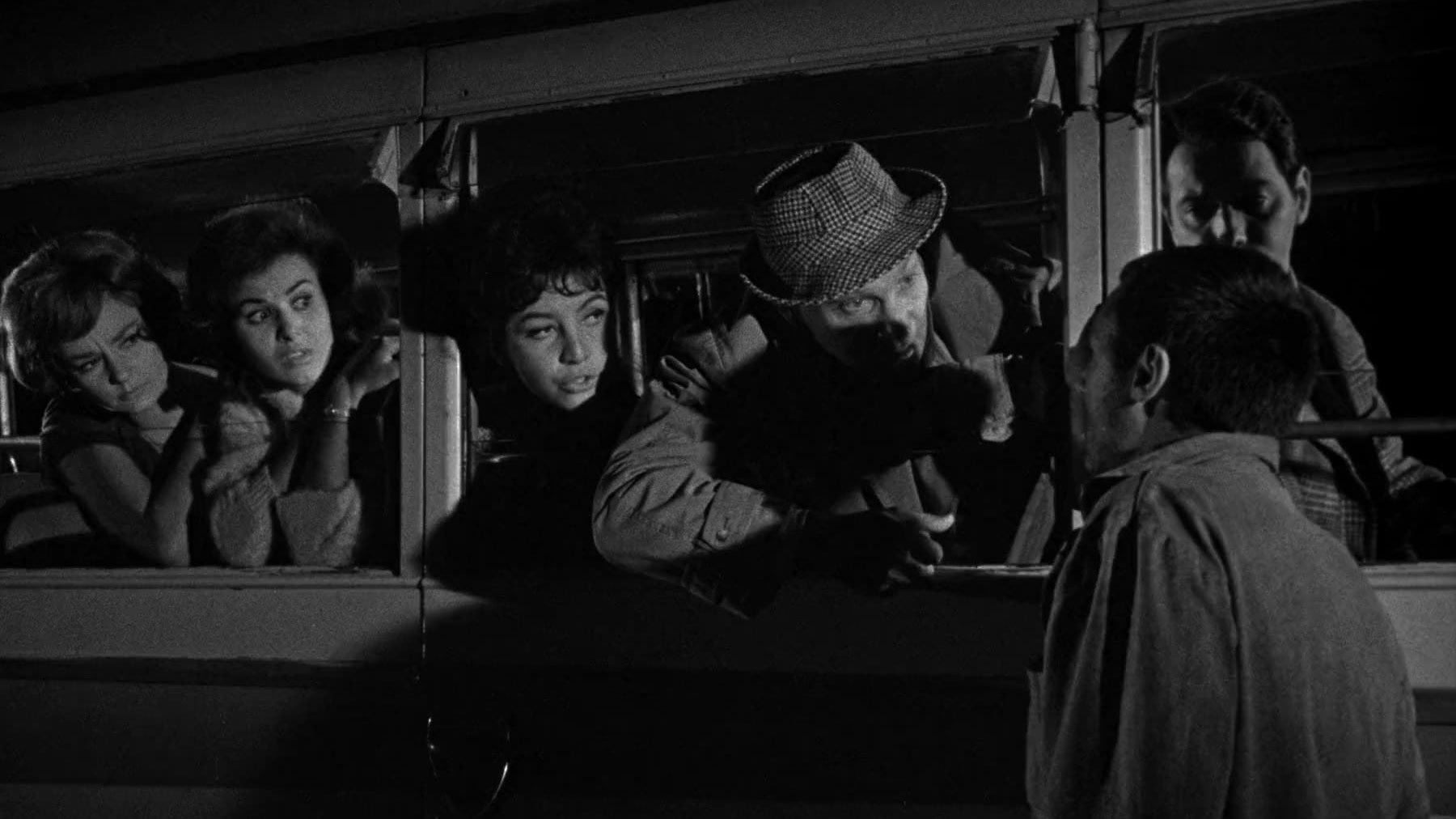
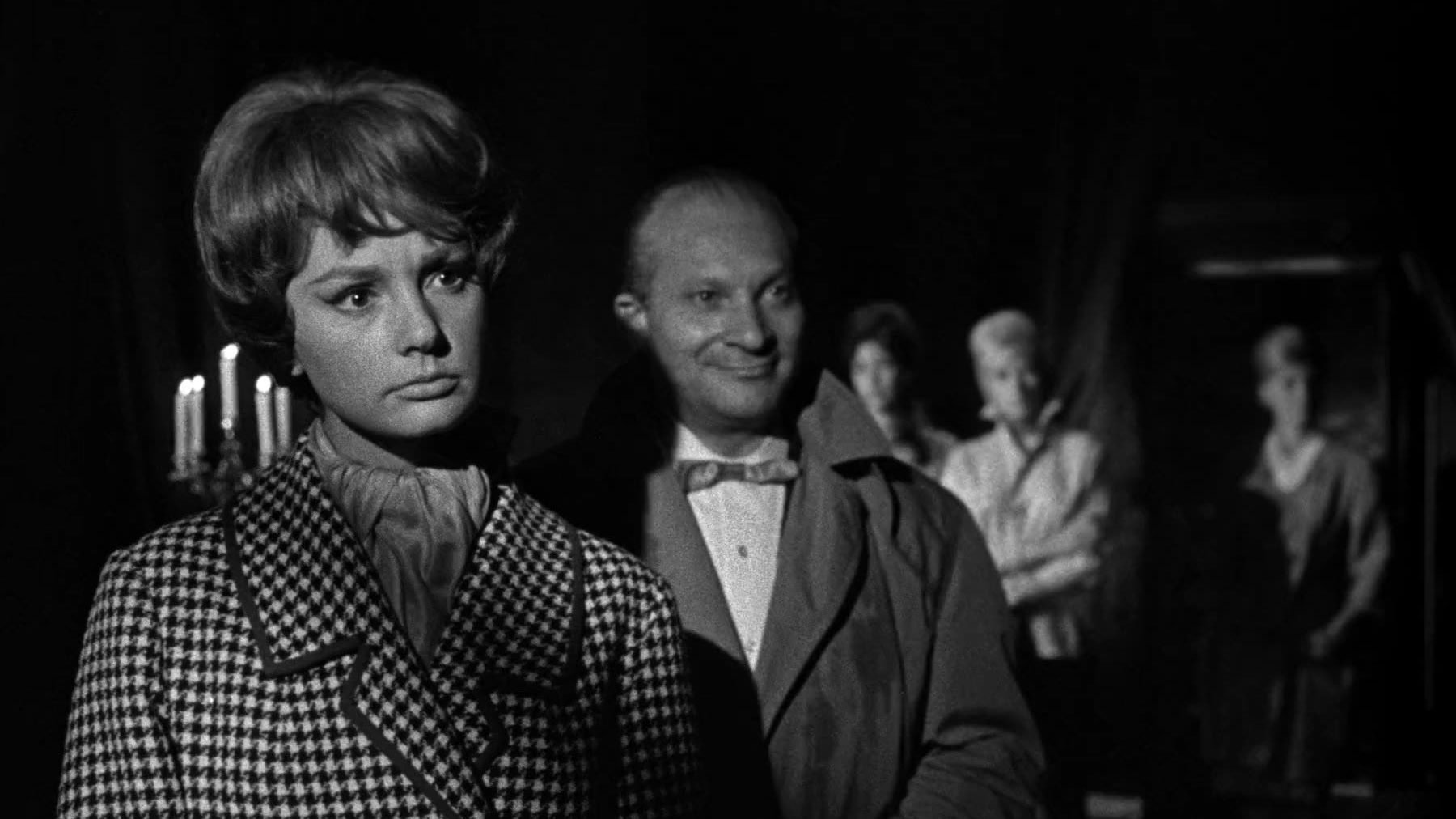
L’ultima preda del vampiro was produced during the expansion of Italian Gothic cinema following the international success of Terence Fisher’s Dracula (1958). Piero Regnoli had already contributed to the screenplay of Riccardo Freda’s I vampiri (1957), one of the earliest Italian horror productions of the sound era. His own vampire film emerged in 1960, when small Italian companies were increasingly exploiting international demand for inexpensive Gothic subjects. The production followed Renato Polselli’s L’amante del vampiro, another black-and-white vampire picture featuring Walter Brandi and a troupe of dancers. The proximity between the projects extended beyond their narrative similarities.
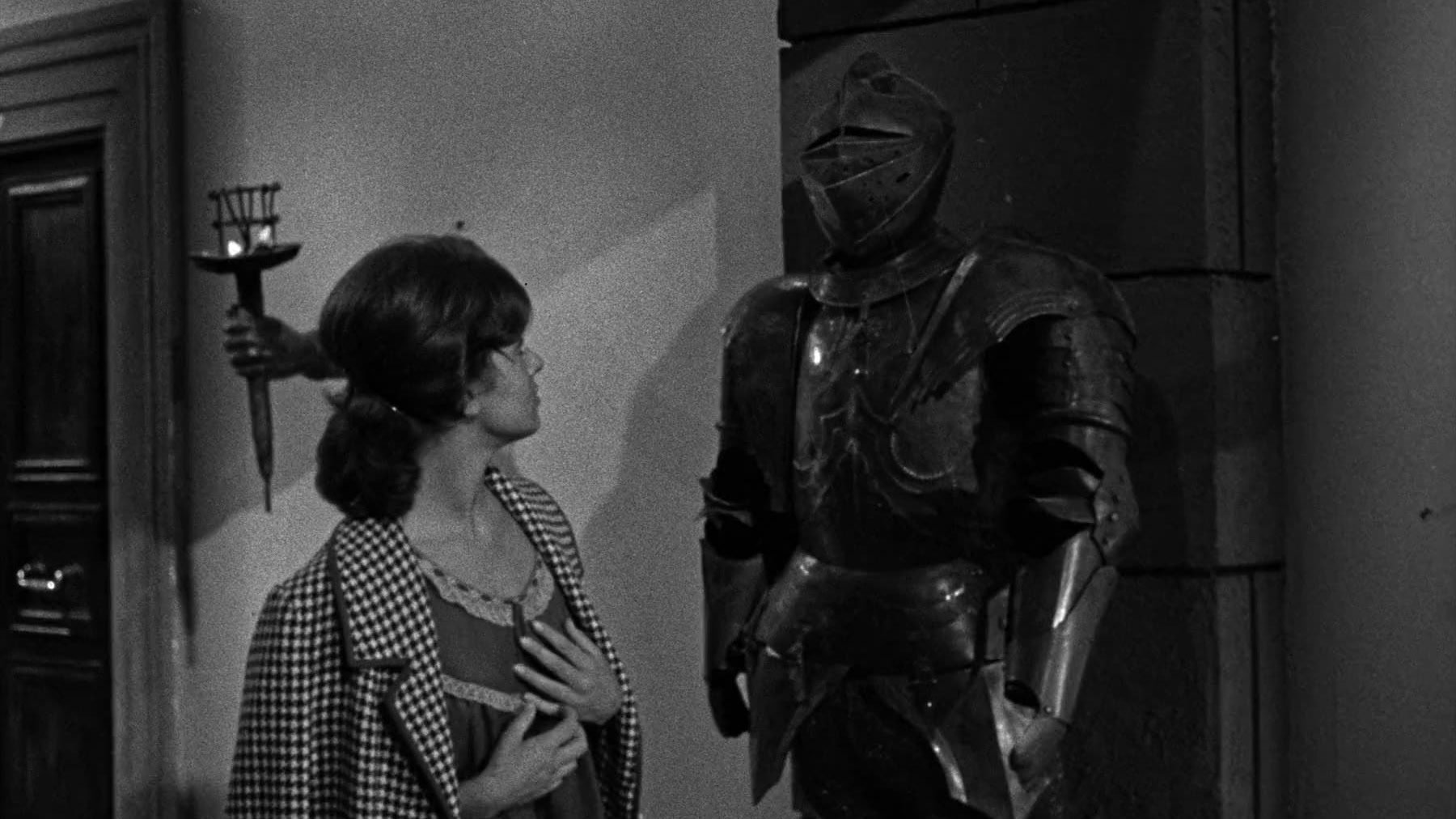
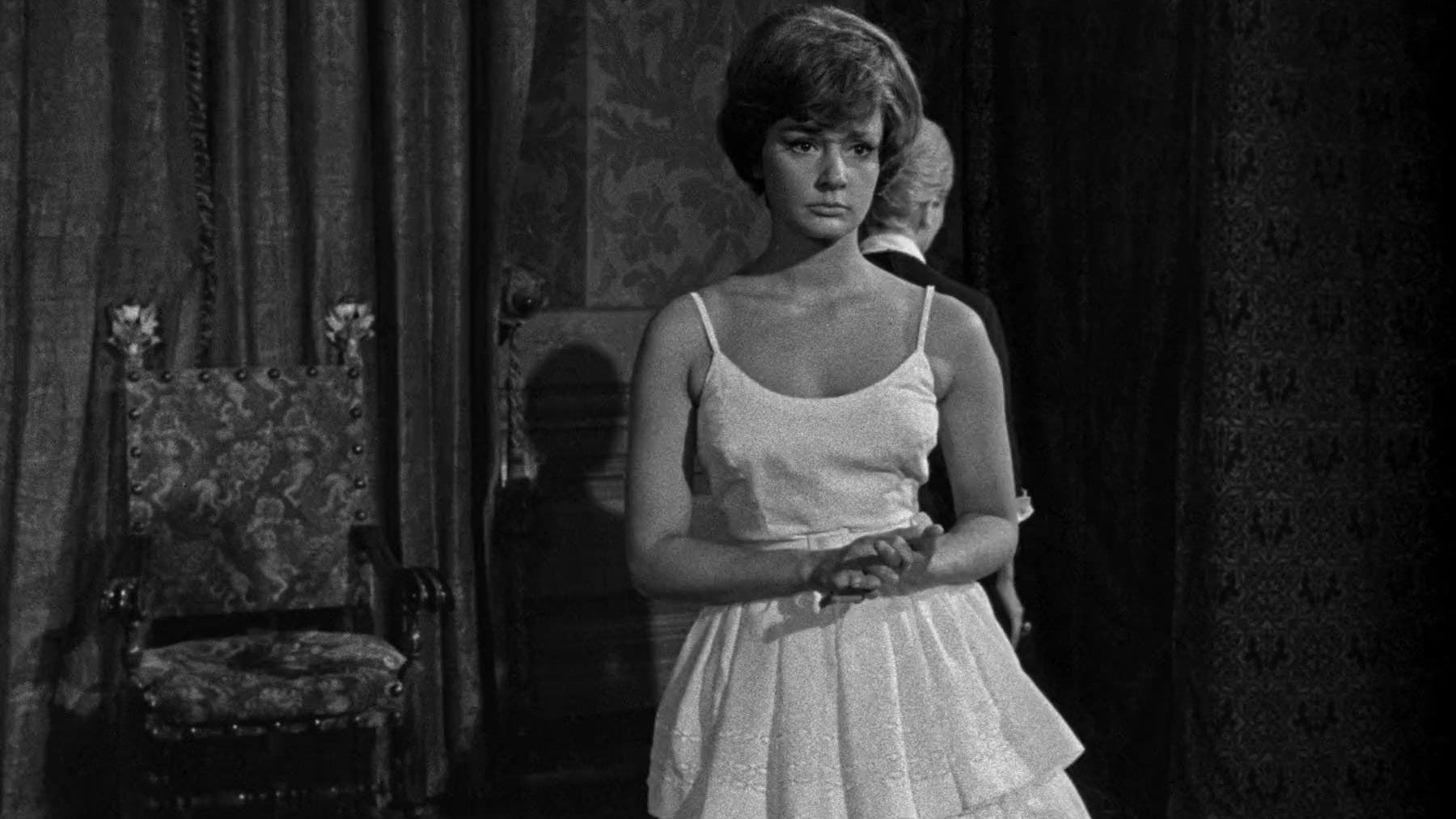
Film historian Michael Guarneri documents that Nord Film Italiana used Palazzo Borghese in Artena, near Rome, as a production location, reusing resources associated with L’amante del vampiro. The earlier film had employed the building for interiors and accommodation, reducing expenses by keeping performers and technicians close to the shooting location. Regnoli’s production adopted a comparable arrangement, illustrating how the Italian Gothic cycle could develop through the repeated use of available buildings, technical personnel and practical production resources. The castle setting therefore belonged to an identifiable method of low-budget filmmaking rather than an elaborate purpose-built studio environment.
According to financial records examined by Guarneri, the production company initially declared a four-week shooting schedule and a projected budget of 50 million lire. Financing included a distributor’s minimum guarantee of 20 million, investments from Nord Film Italiana and other participants, and contributions associated with members of the production. The completed film reportedly cost approximately 37 million lire. These figures demonstrate the relationship between restricted financing and the film’s production strategy. Its financial organization was characteristic of an industry in which advance distribution agreements could provide the foundation for small genre pictures intended for both domestic and foreign circulation.