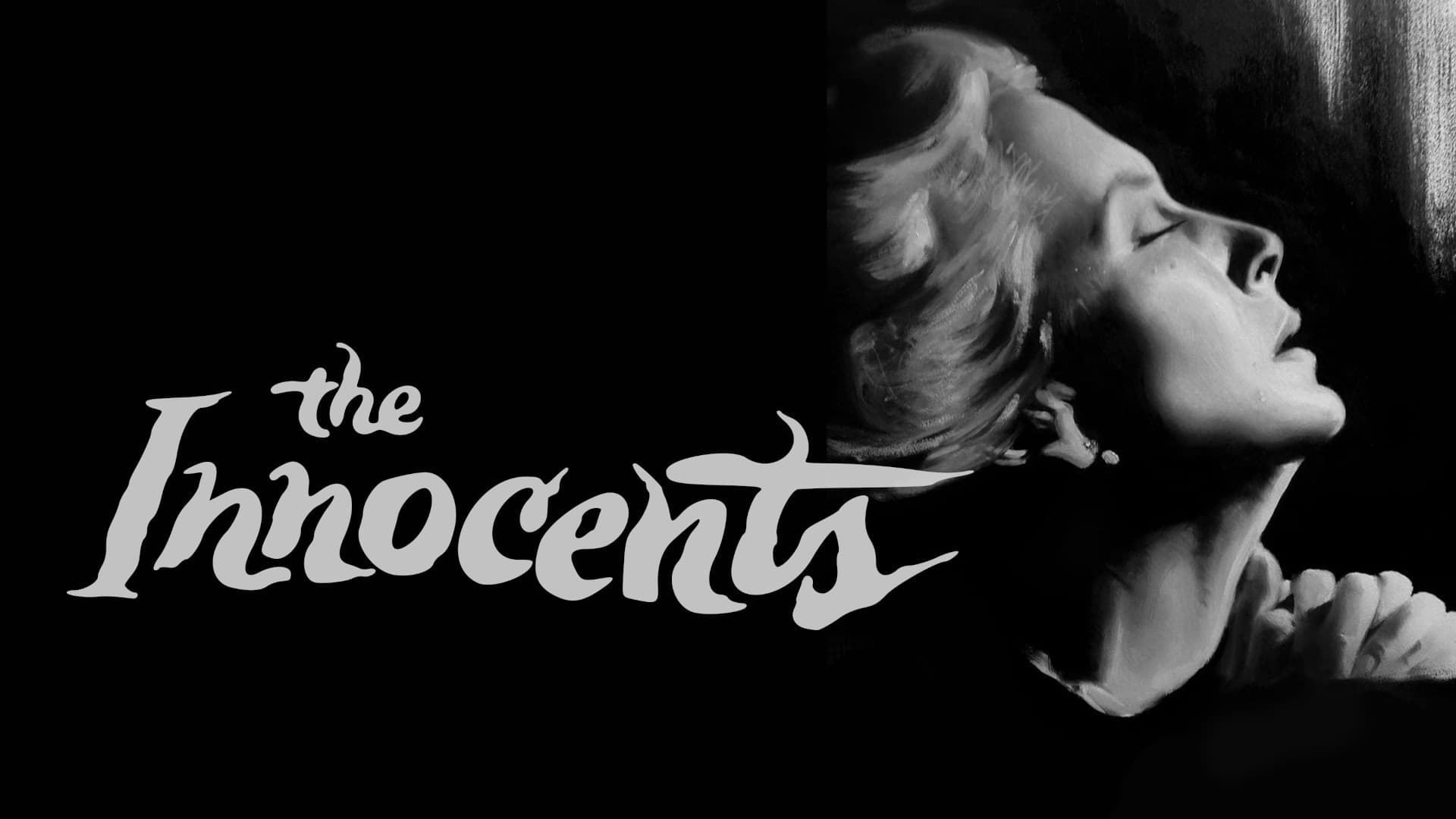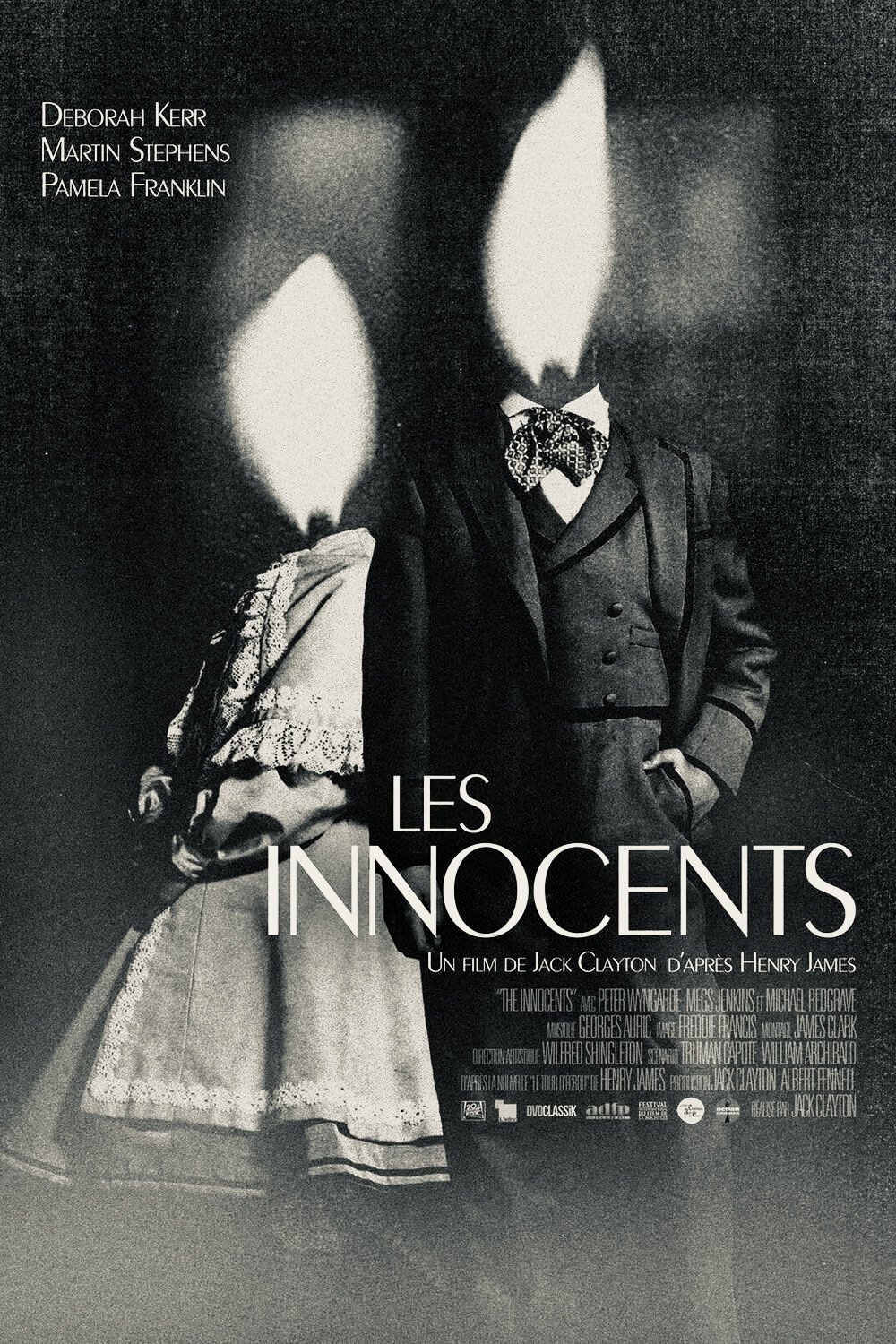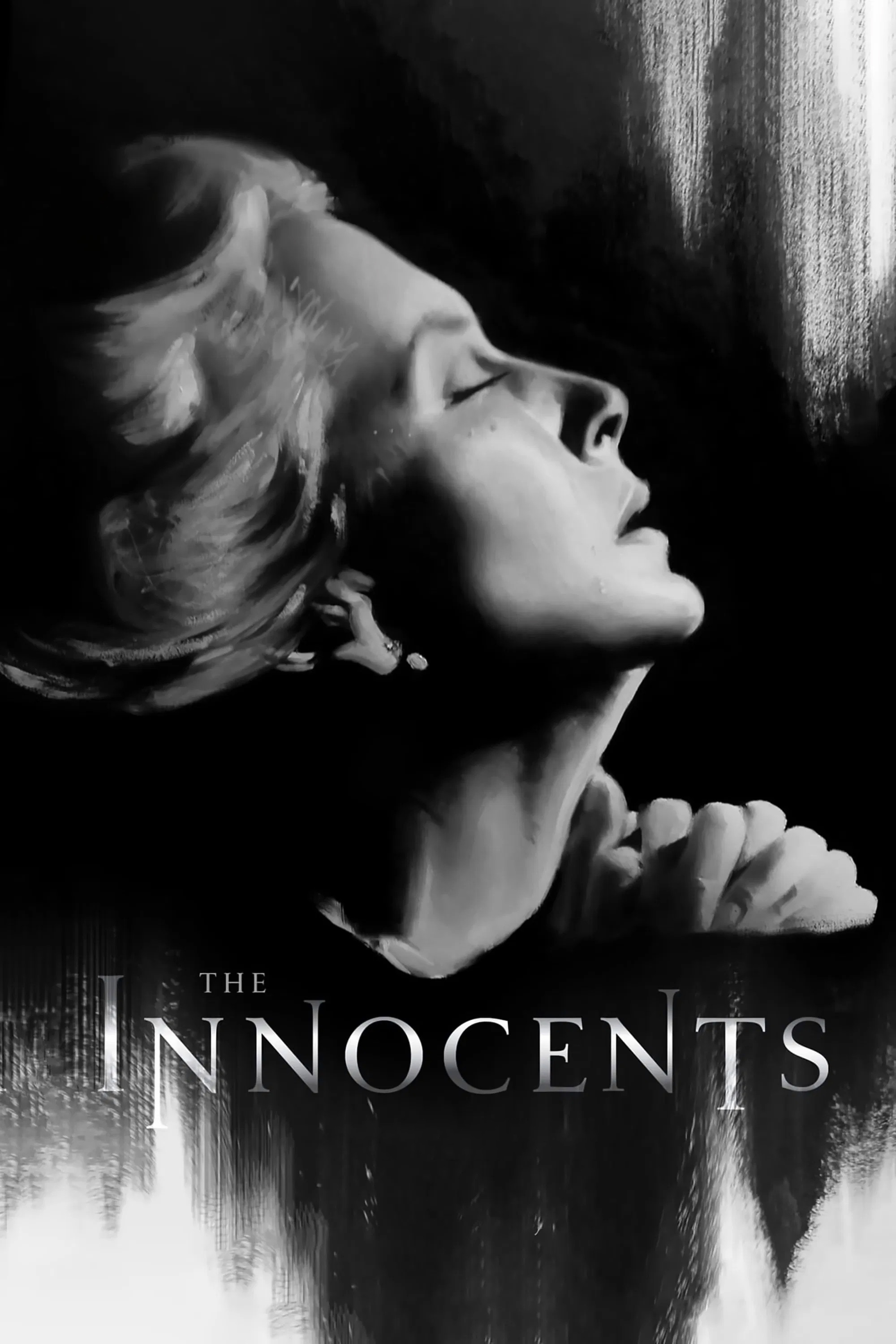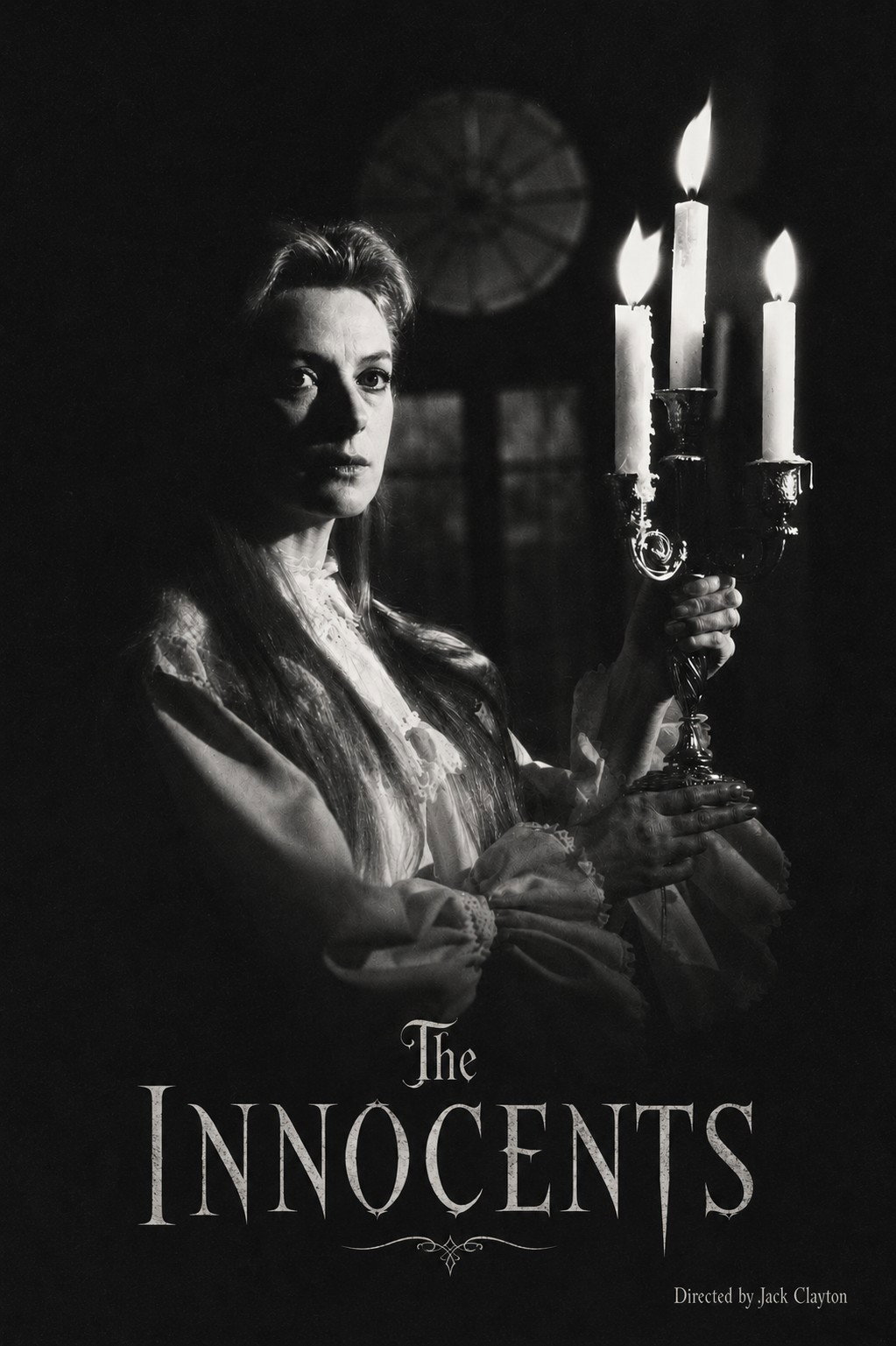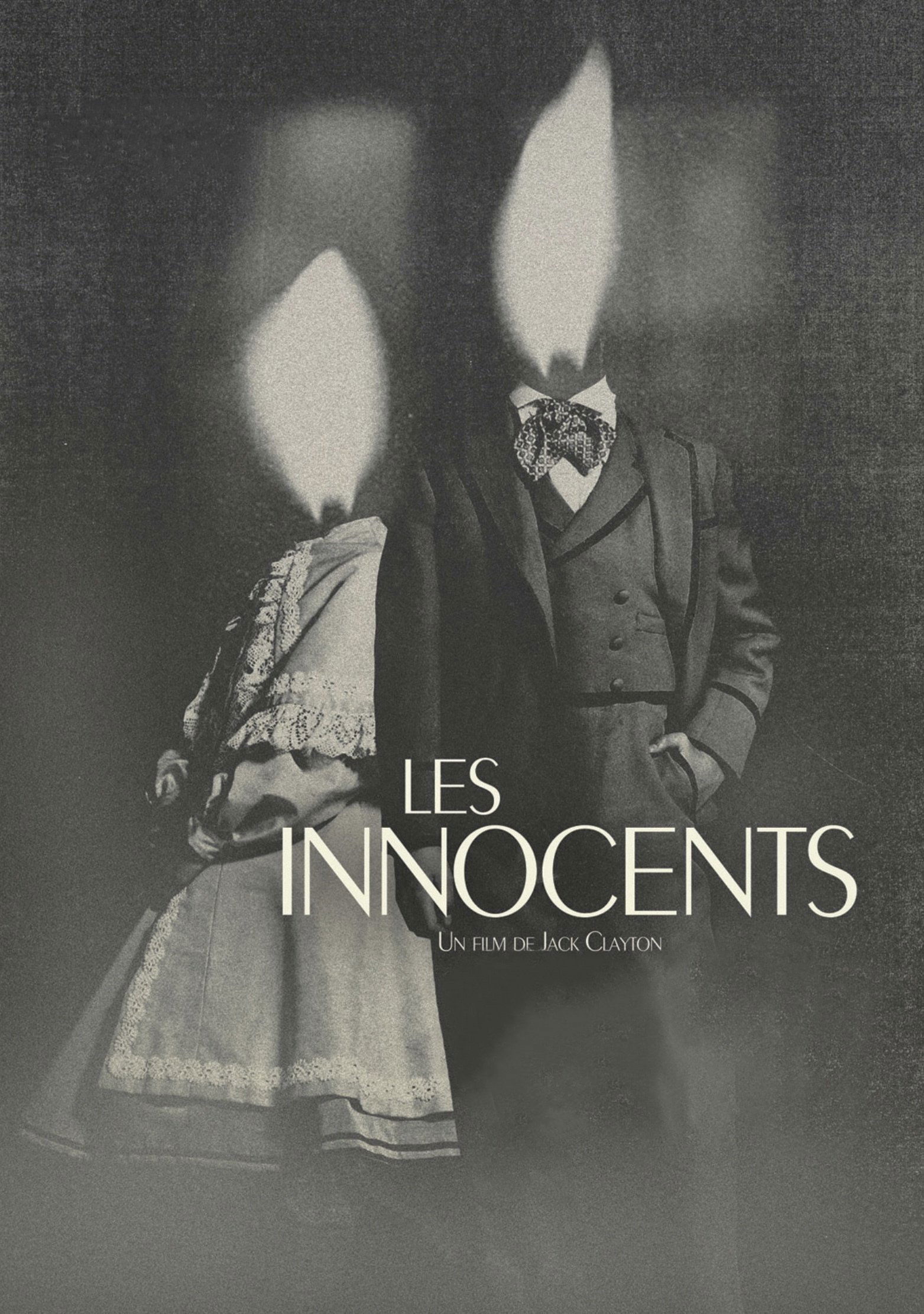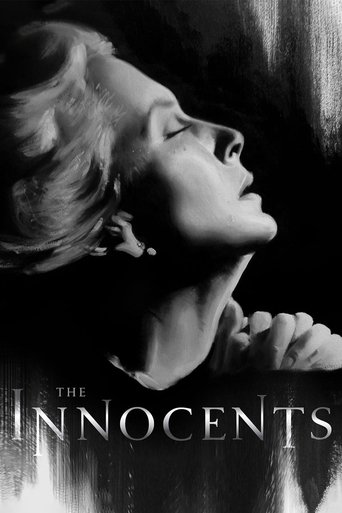
The Innocents (1961)

GB
HORROR FILM Thriller History Mystery
SUBGENRES HAUNTED HOUSES
Runtime
100 min
Release
December 15, 1961
Budget
$430,000
Revenue
$1,200,000
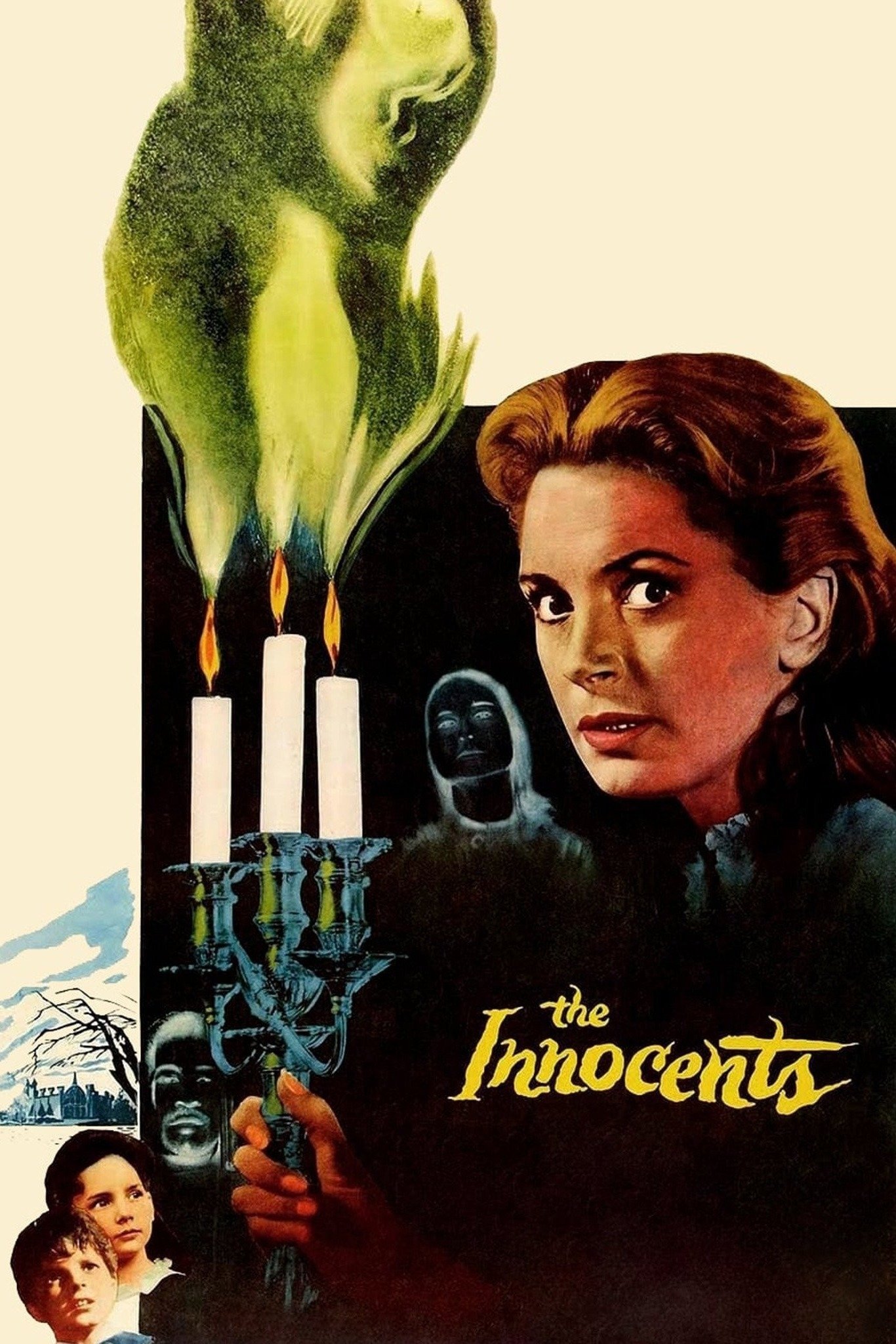
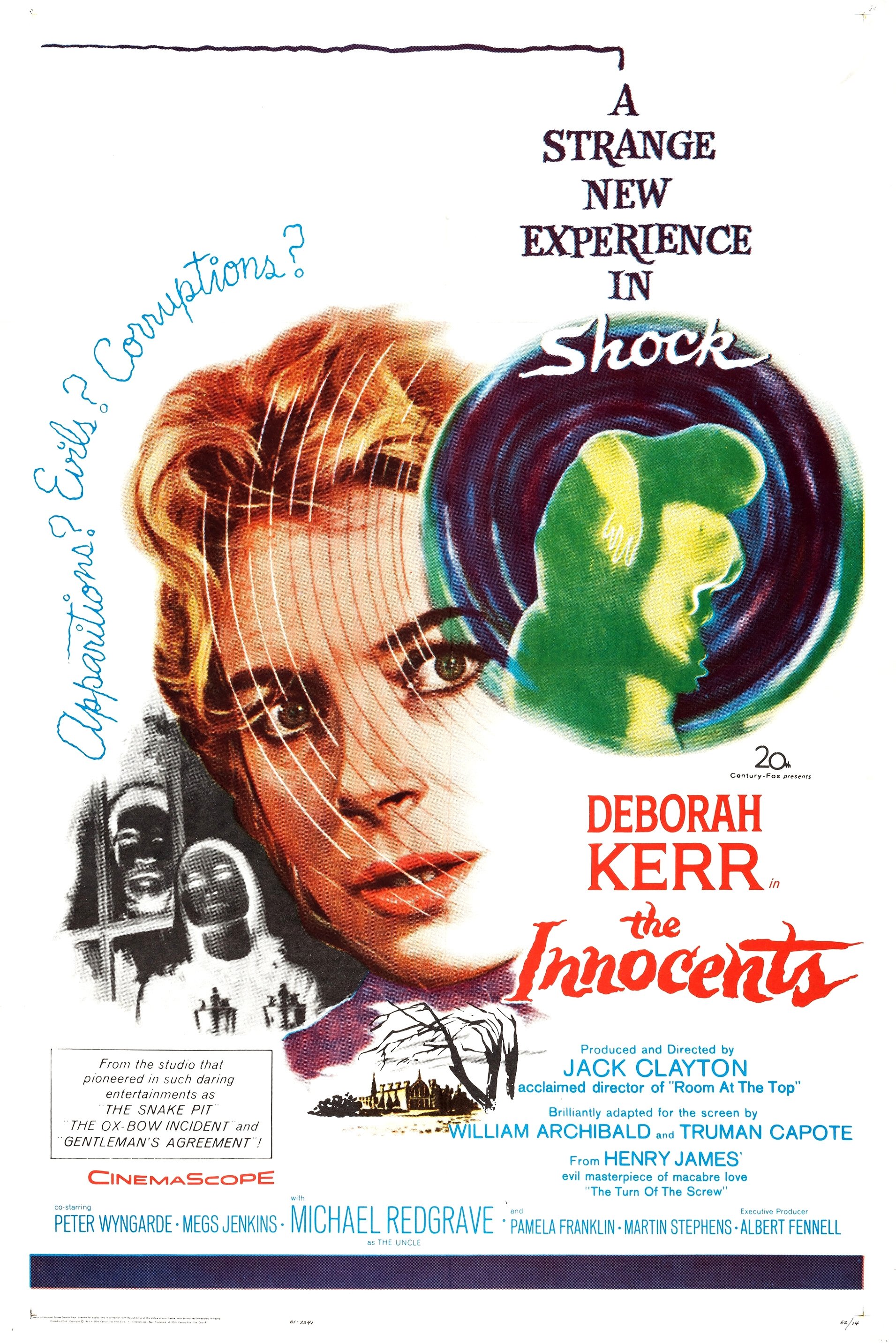
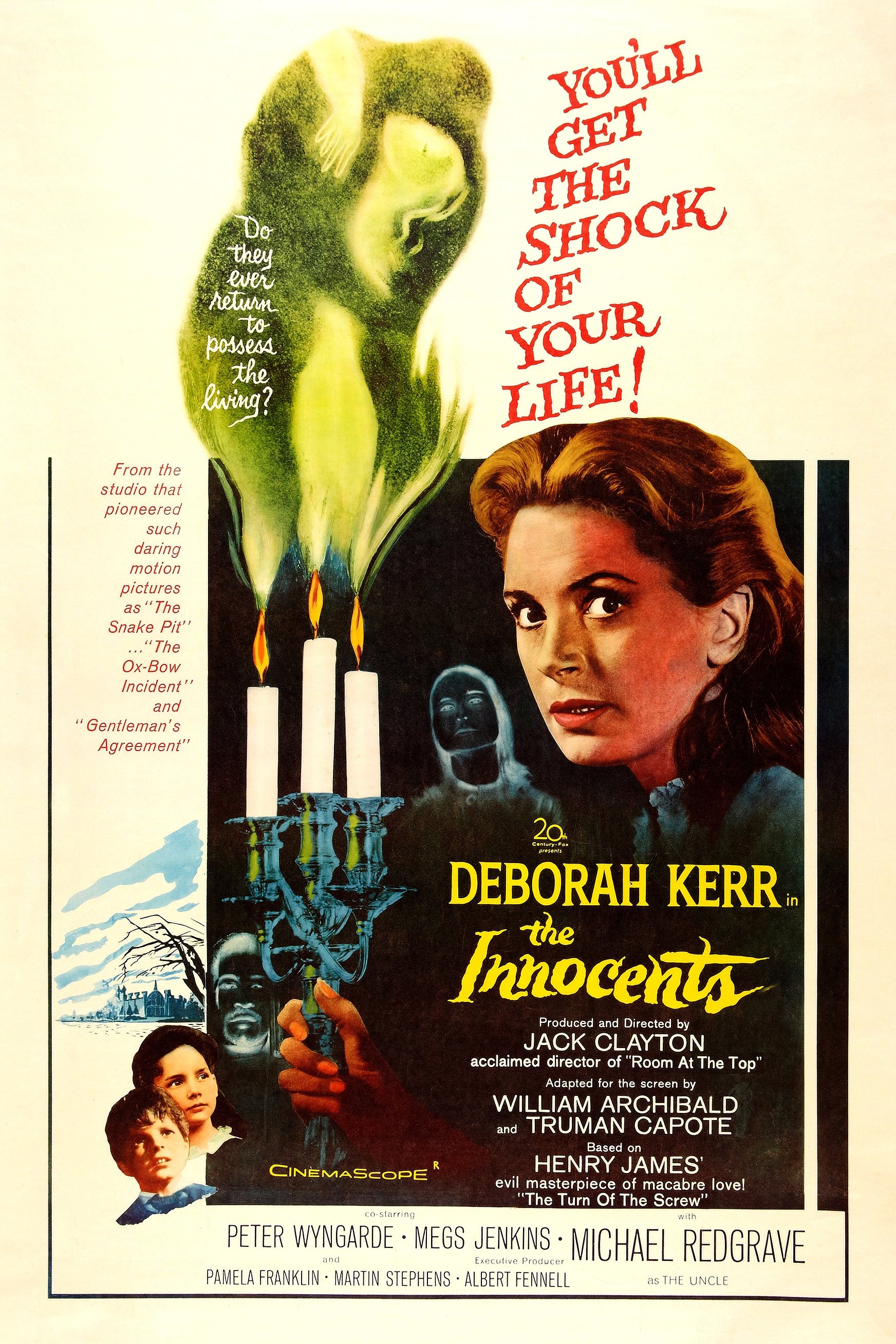
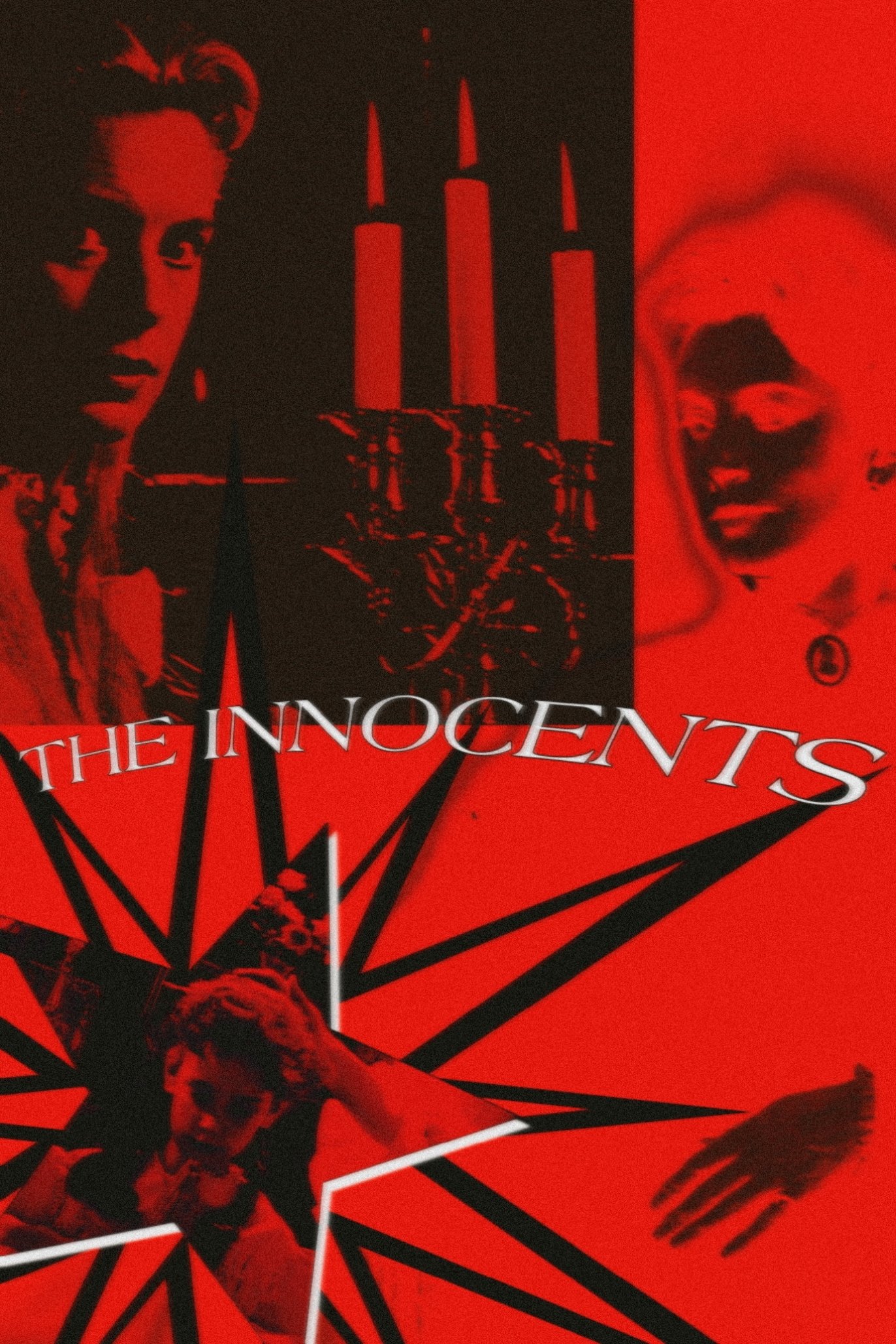
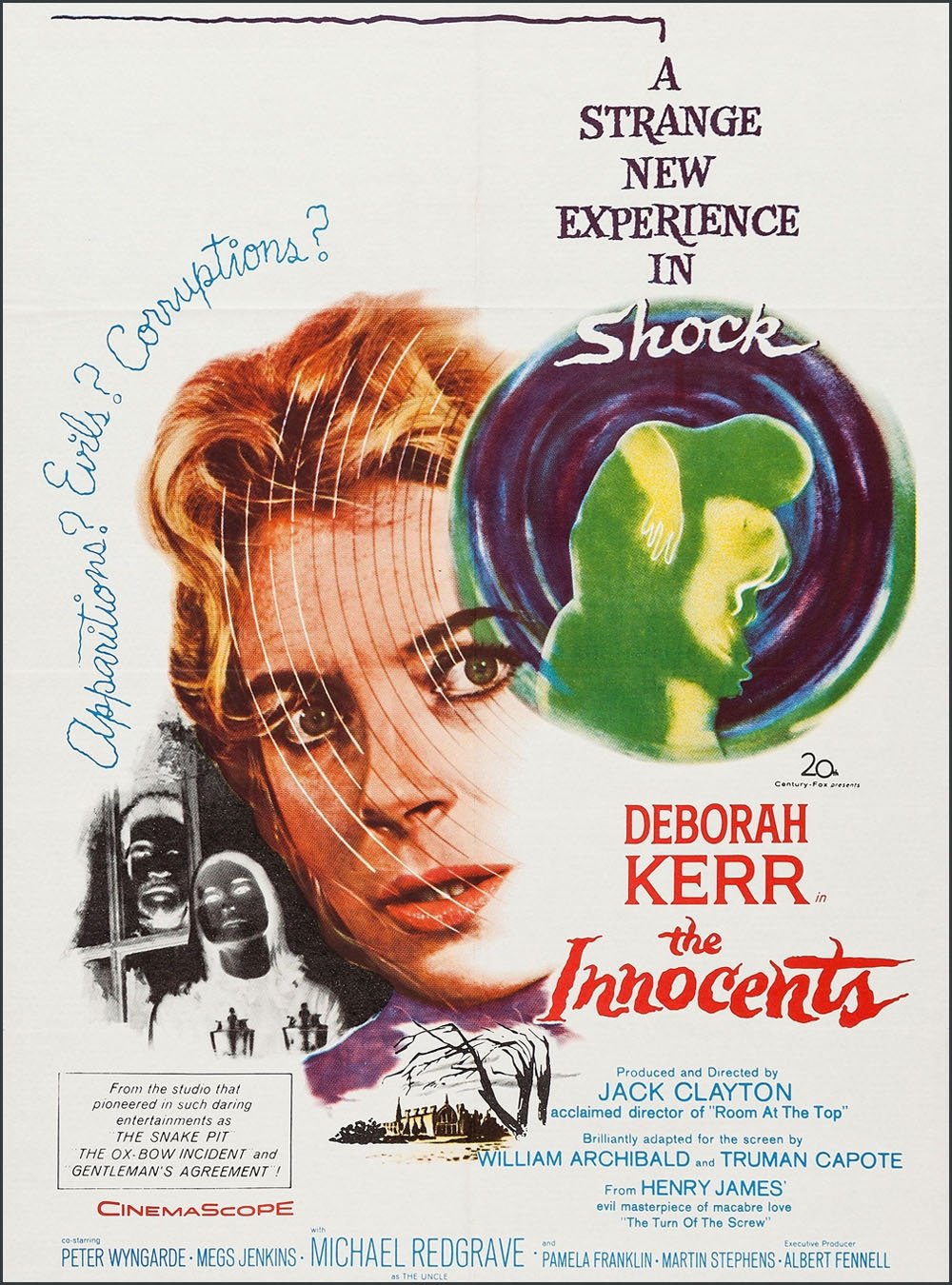
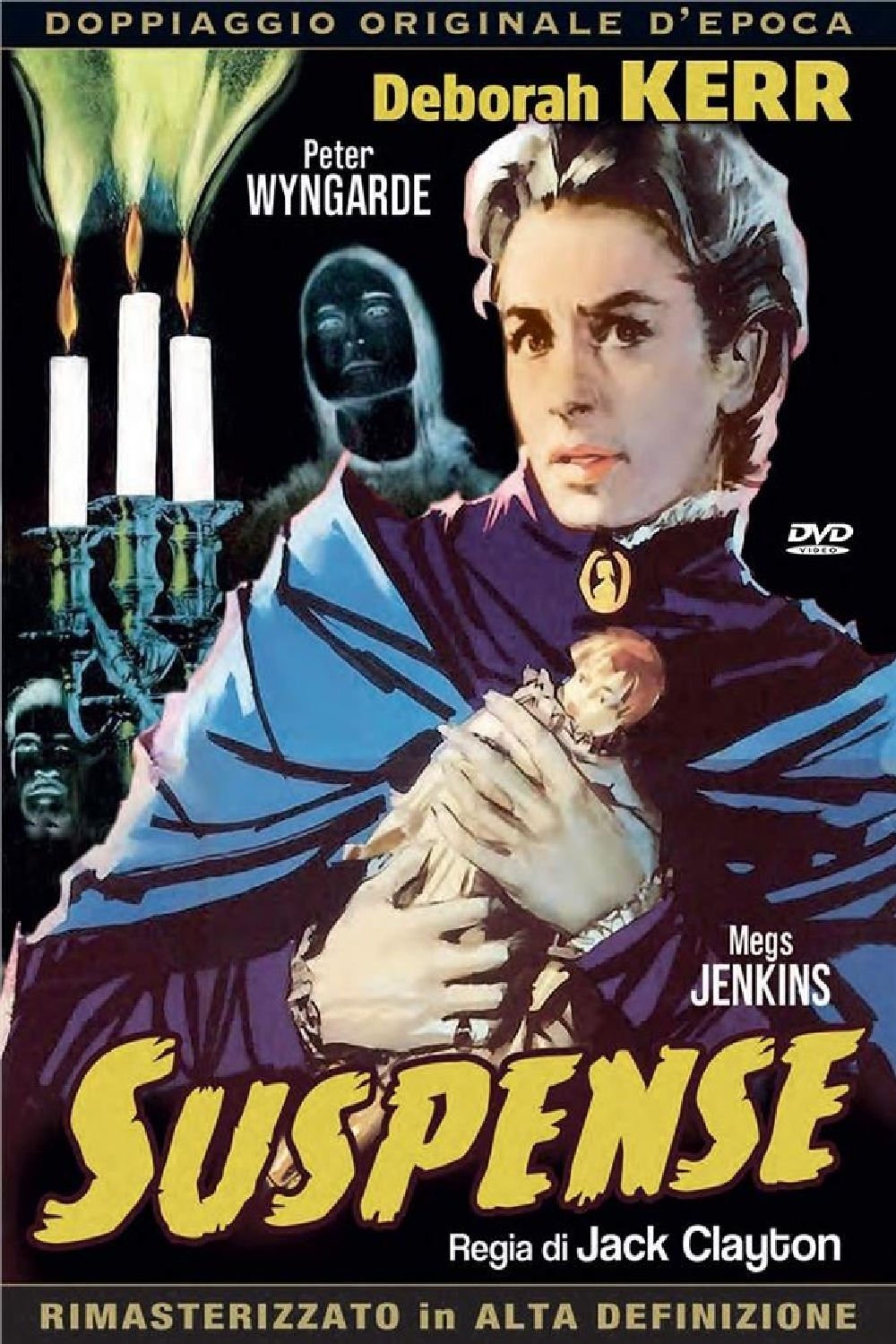
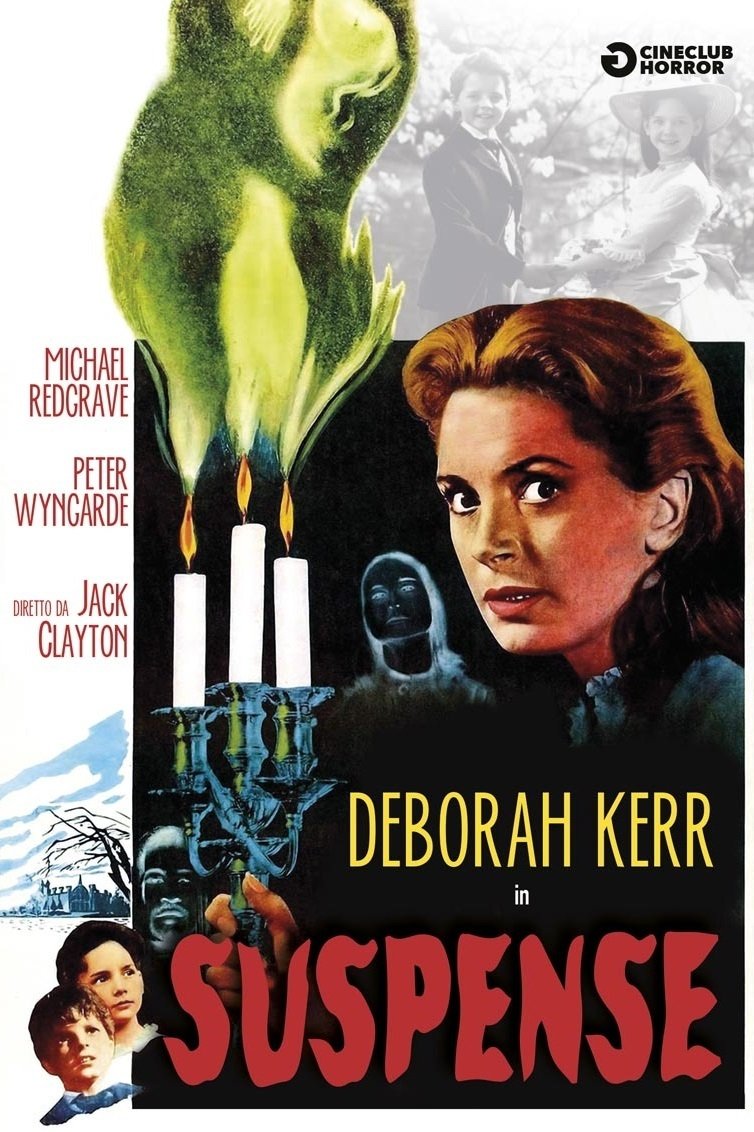
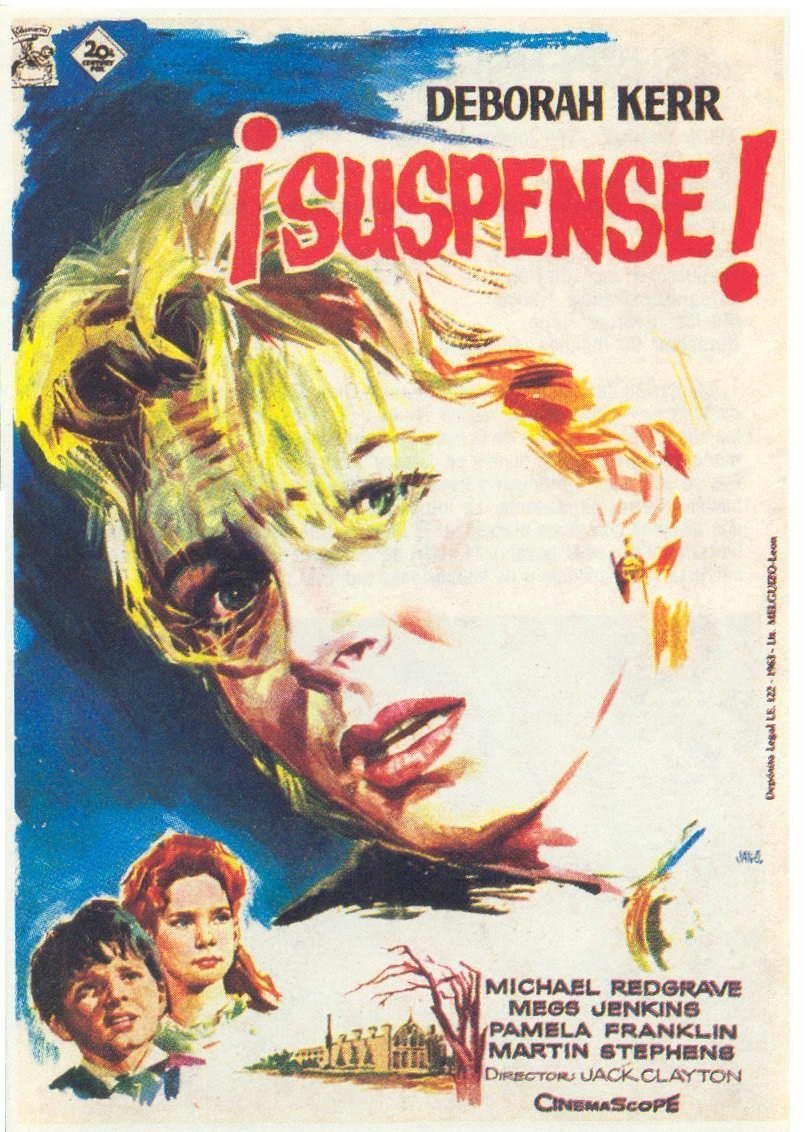
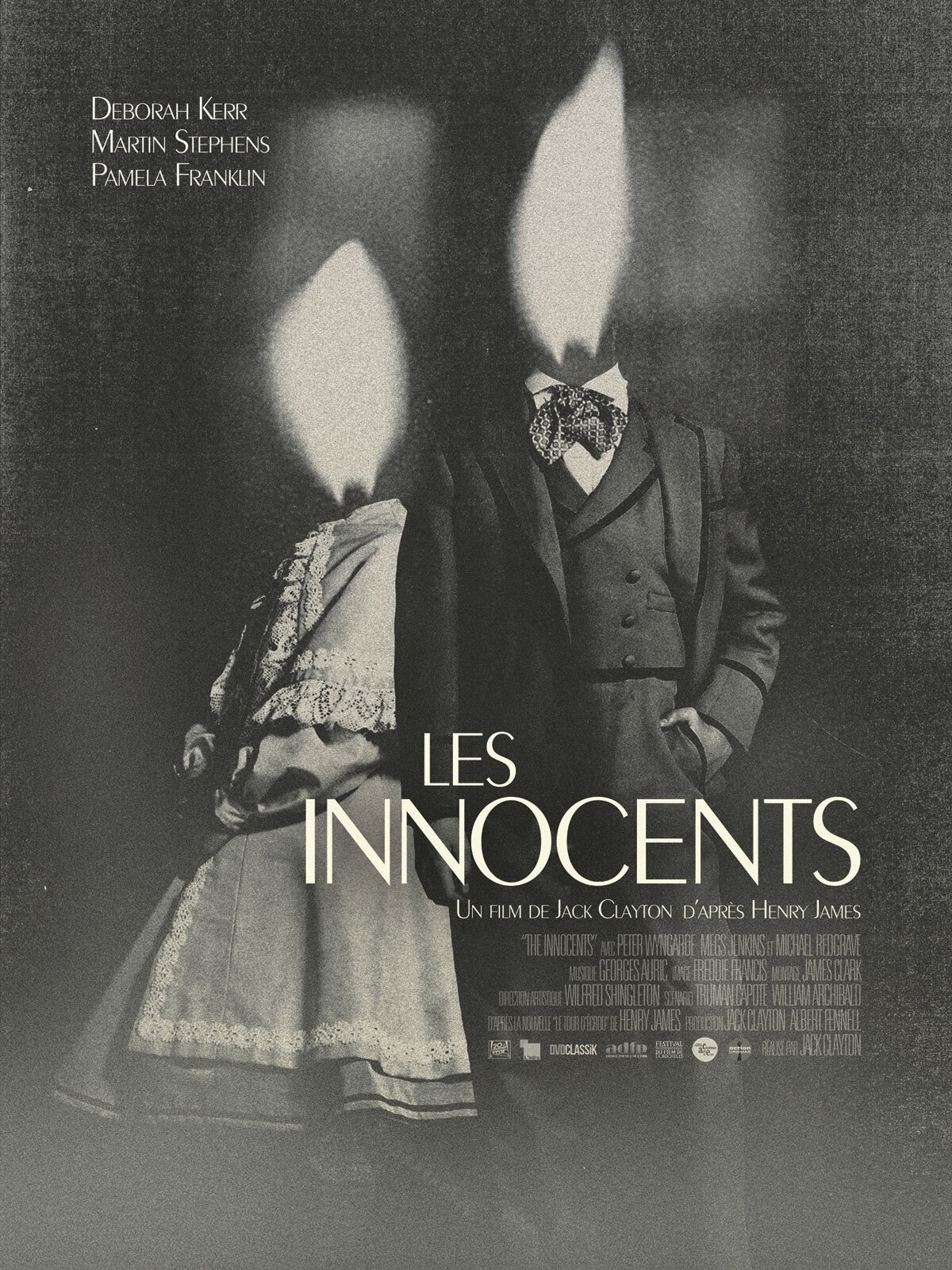
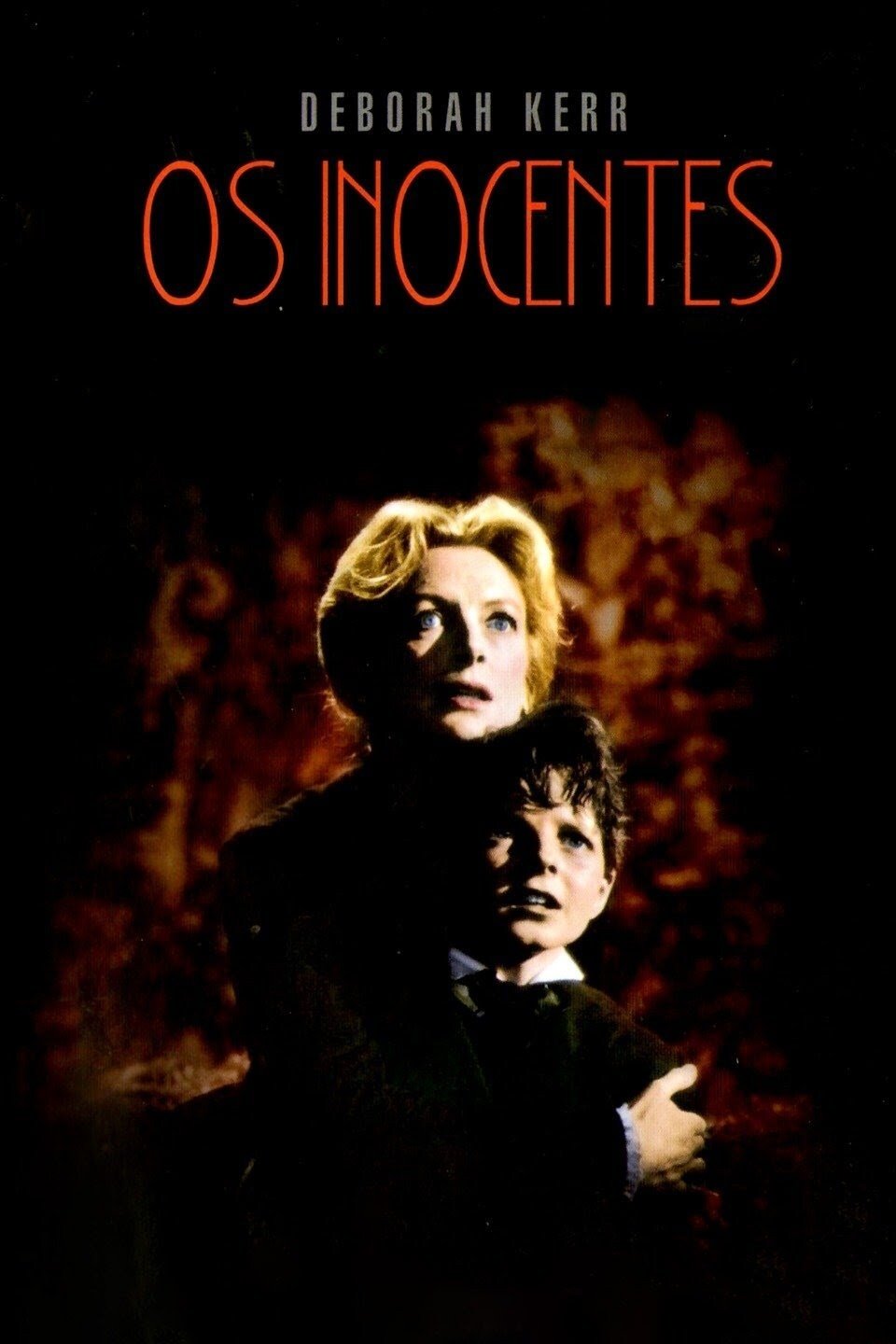
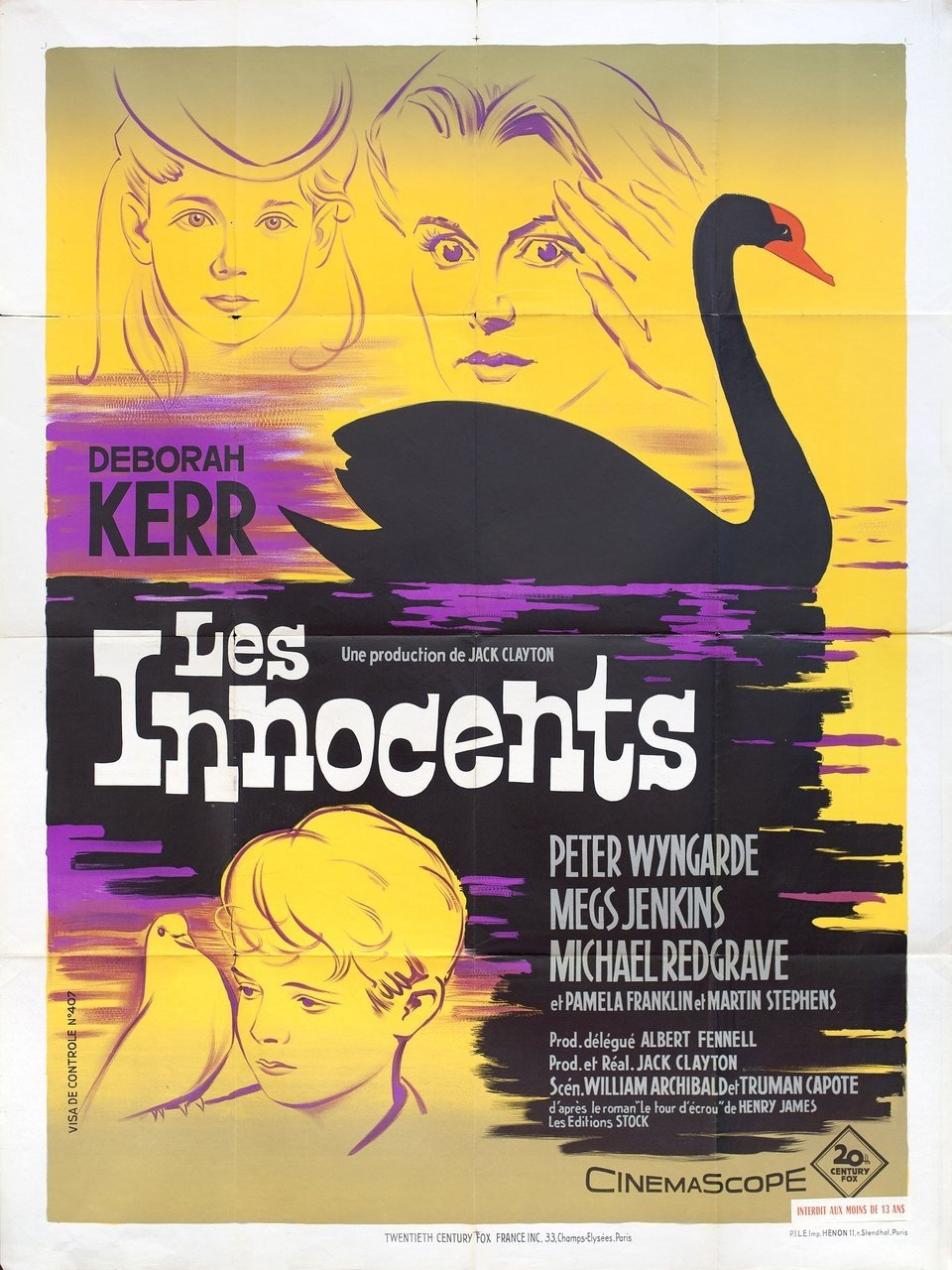
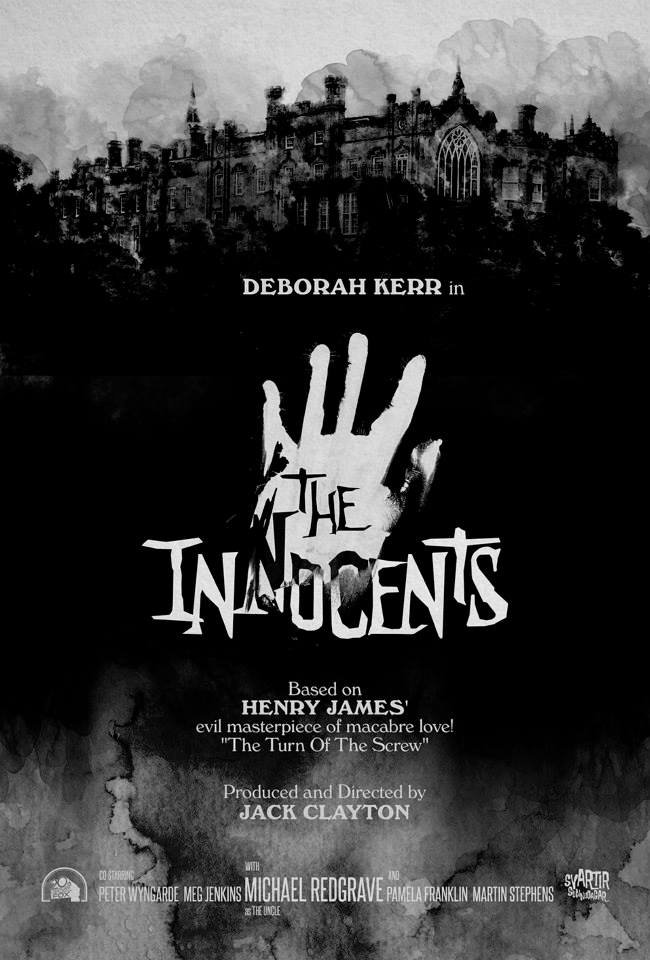
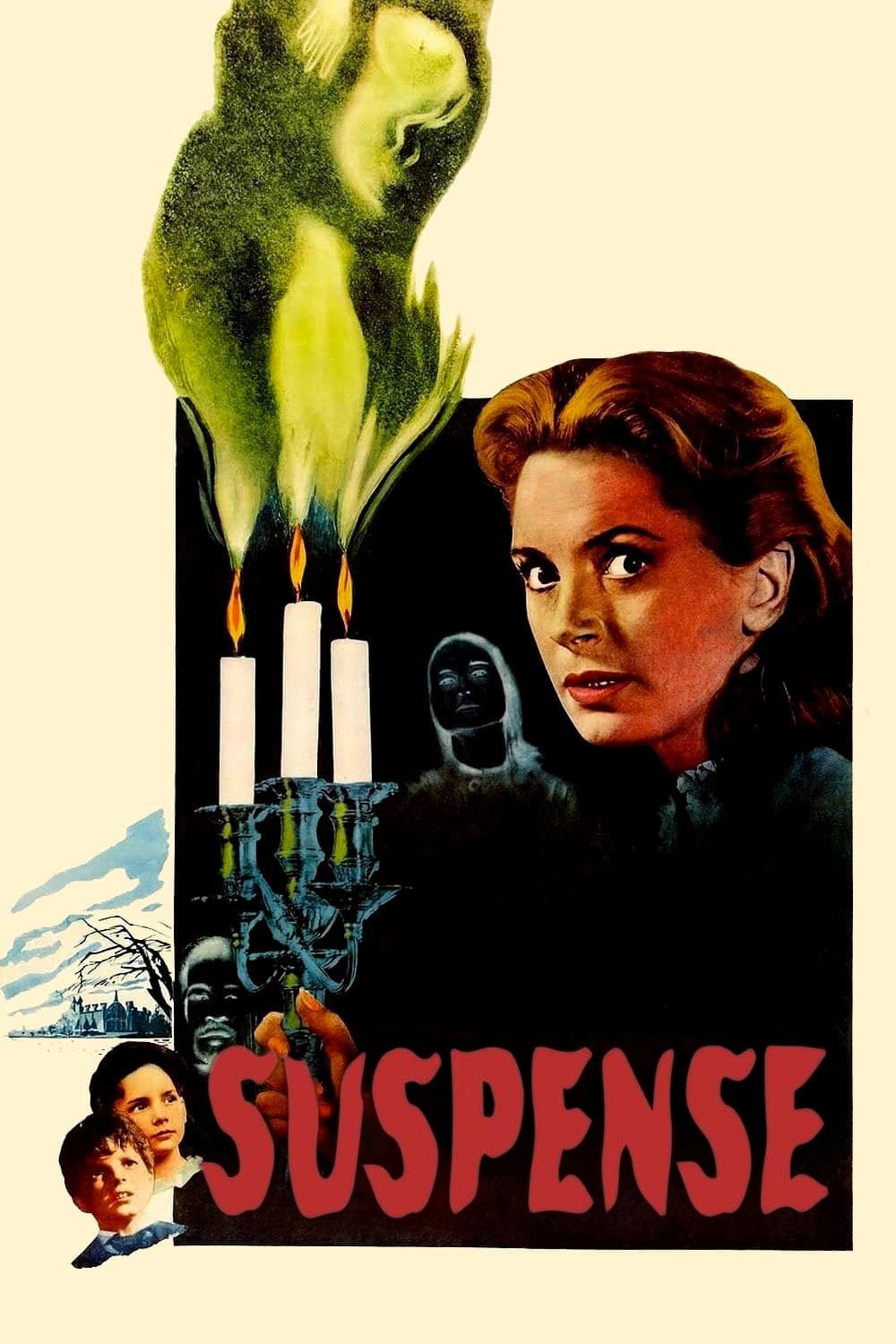
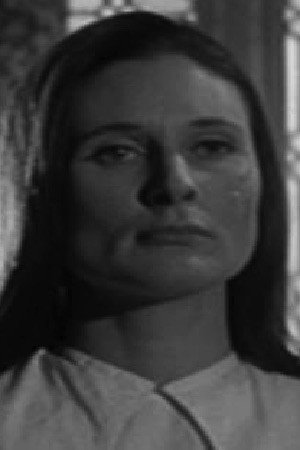
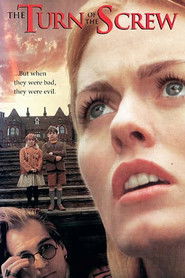
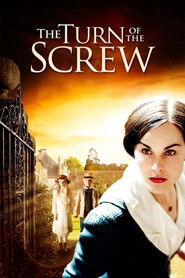
The Innocents (1961) poster
Director
Production Companies
Achilles , 20th Century Studios
Plot

A young governess for two children becomes convinced that the house and grounds are haunted.

Alternative Titles
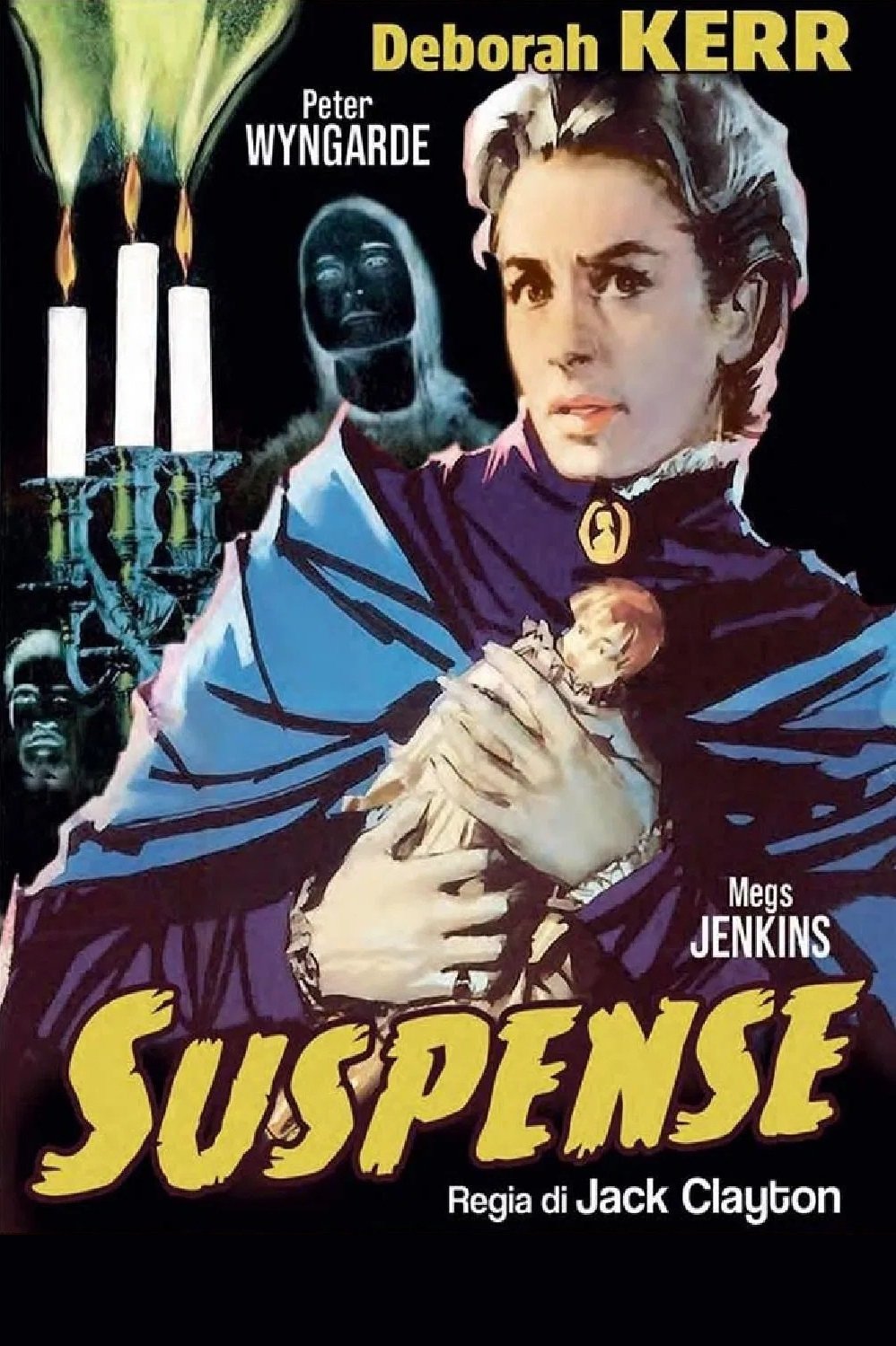
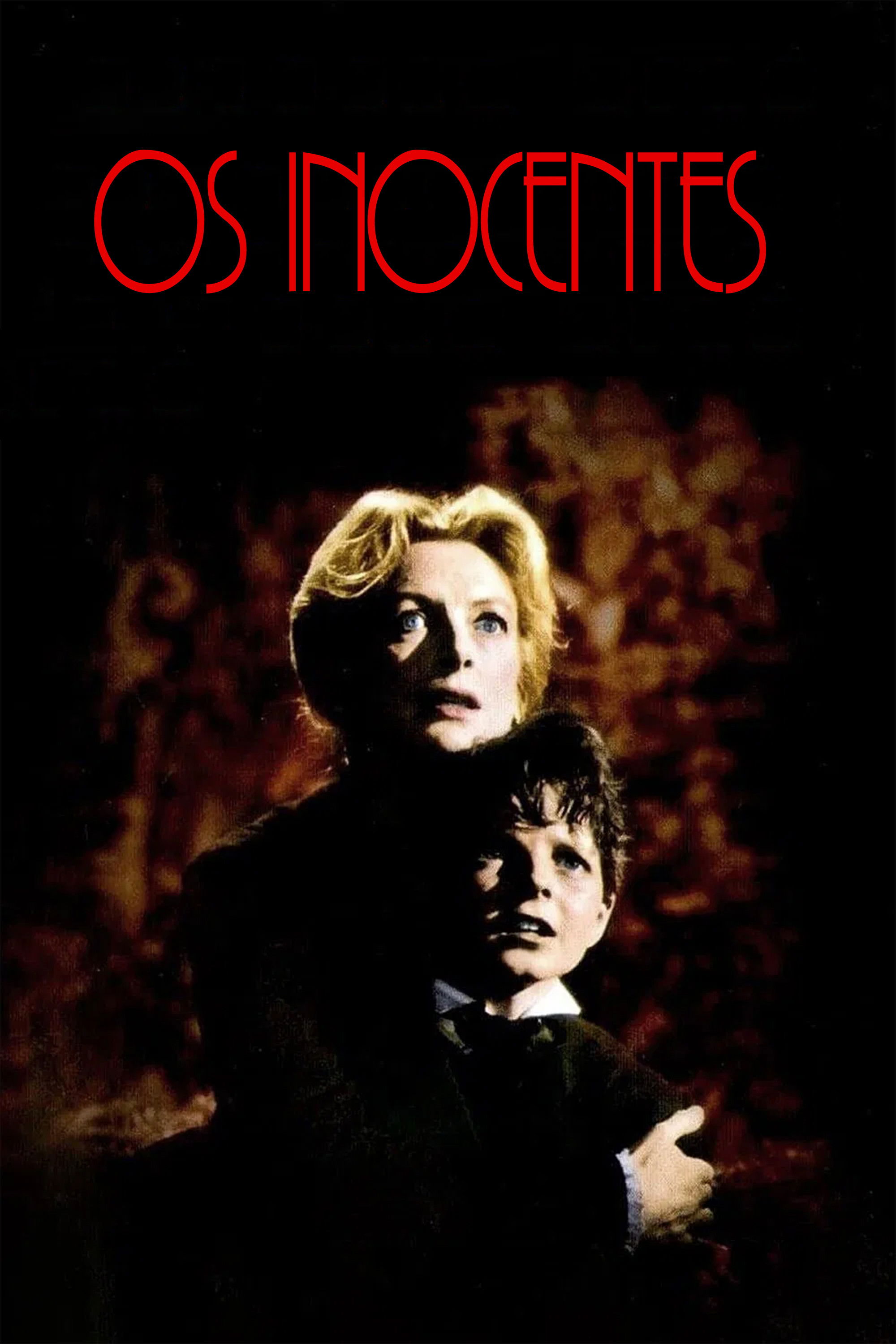
Günahsızlar (Azerbaijan) Os Inocentes (Brazil) 无罪的人 (China) 无辜的人 (China) — Chinese Neviňátka (Czechia) — Czech Schloß des Schreckens (Germany) — German Suspense (Spain) — Spanish Les Innocents (France) — French
Show all 26 alternative titles Μια Μορφή στο Παράθυρο (Greece) — Greek Nevini (Croatia) — Croatian Az ártatlanok (Hungary) — Hungarian התמימים (Israel) — Hebrew Suspense (Italy) — Italian かいてん (Japan) 回転 (Japan) — Japanese 공포의 대저택 (South Korea) — Korean Los inocentes (Mexico) — Spanish W kleszczach lęku (Poland) — Polish Os Inocentes (Portugal) Inocenții (Romania) — Romanian Невинные (Russia) De oskyldiga (Sweden) — Swedish Masumlar (Türkiye) — Turkish 惡魔附身的小孩 (Taiwan) — Chinese Невинні (Ukraine) — Ukrainian The Turn of the Screw (United States)

Trailers & Videos

5 videos

Film Guide & Analysis

Jack Clayton’s Gothic supernatural horror classic: Henry James’s adaptation, Deborah Kerr’s performance, Freddie Francis’s CinemaScope photography, Daphne Oram’s electronic sound and the film’s psychological ambiguity.

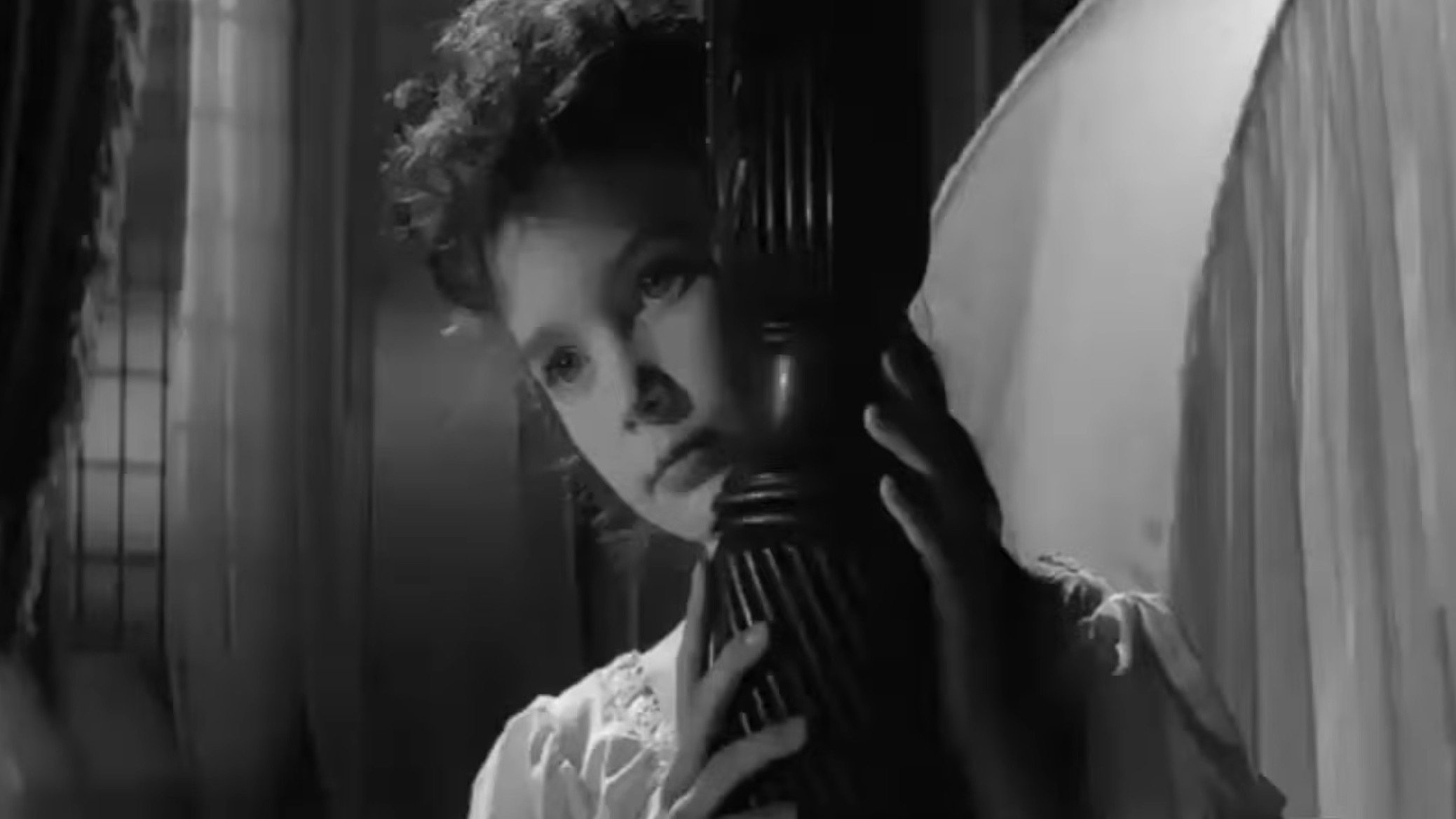
The Innocents (1961) is a British-American Gothic supernatural horror film produced and directed by Jack Clayton, adapted from Henry James’s 1898 novella The Turn of the Screw. Set at an isolated English country estate, it follows a governess who becomes convinced that two children are subject to the influence of their deceased former caretakers. The apparent hauntings develop through distant figures, disturbing sounds and increasingly ambiguous behaviour. Clayton places the audience close to the governess’s perceptions while withholding conclusive evidence about the relationship between the supernatural manifestations and her deteriorating emotional condition.

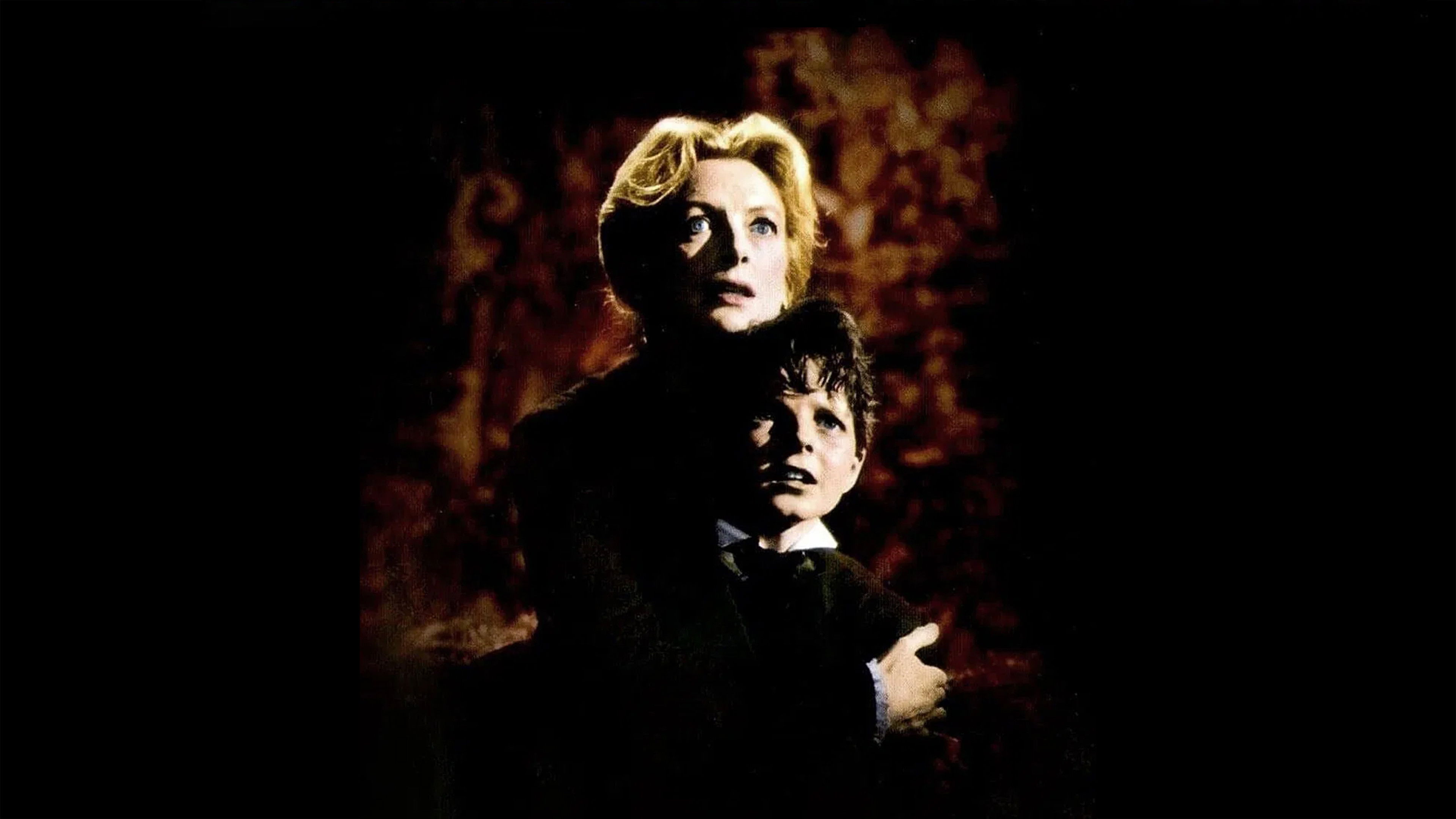
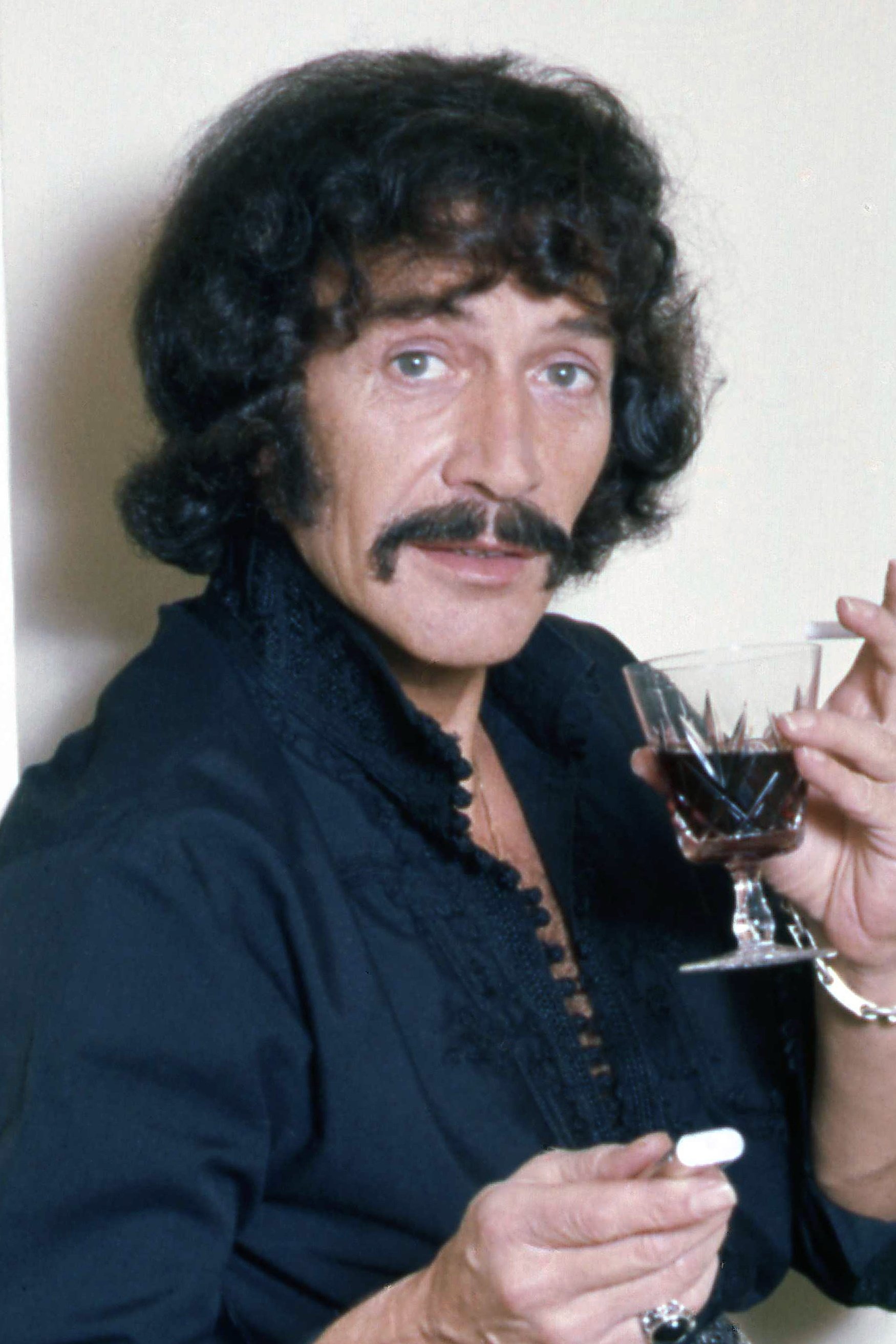
Deborah Kerr portrays Miss Giddens, with Martin Stephens and Pamela Franklin as the orphaned siblings Miles and Flora. Megs Jenkins plays the housekeeper Mrs. Grose, while Peter Wyngarde and Clytie Jessop appear as the deceased Peter Quint and Miss Jessel. The screenplay was credited to William Archibald and Truman Capote, with additional contributions from John Mortimer. Photographed in black-and-white CinemaScope by Freddie Francis, the film combines elaborate lighting techniques, carefully controlled compositions and a soundtrack incorporating Georges Auric’s music and electronic effects by Daphne Oram. Released in Britain in November 1961, it subsequently acquired an enduring reputation for its treatment of psychological uncertainty and its ability to create supernatural terror through suggestion.

Development and the Adaptation of Henry James

Clayton became interested in adapting The Turn of the Screw after the critical success of his first feature, Room at the Top (1959). He had encountered James’s novella earlier in life and returned to it while considering his next project. According to the American Film Institute, Clayton approached Twentieth Century-Fox after discovering that the company controlled the screen rights. His agreement allowed considerable directorial autonomy, an important condition following his experience with studio involvement in earlier projects. The production was organized through Achilles Film Productions and Fox, with Clayton serving as producer as well as director.

The screenplay drew on James’s original narrative and William Archibald’s 1950 stage adaptation, also titled The Innocents. Archibald prepared the initial script, after which John Mortimer contributed structural revisions and additional material. Truman Capote subsequently undertook extensive rewriting. Freddie Francis recalled that Capote continued adjusting dialogue during production, including the exchange in which Flora observes a spider eating a butterfly. The apparently casual incident acquires disturbing implications because Miss Giddens interprets the children’s behaviour as evidence of concealed corruption. Capote’s contributions helped concentrate the material into scenes whose dialogue suggests more than the characters explicitly acknowledge.

The adaptation gives James’s unnamed governess the name Miss Giddens and develops visual encounters that the novel presents through subjective narration. It preserves the uncertainty surrounding the children’s experiences while placing greater emphasis on possible sexual repression and the governess’s relationship with her charges. Clayton and his collaborators also had to make the invisible pressures of the literary narrative available to the camera. The film consequently organizes its revelations around appearances at windows, in gardens and beside the lake. The resulting structure allows supernatural incidents to occur within recognizable physical spaces without resolving whether every implication drawn from them is justified.
Miss Giddens, the Children, and Psychological Conflict

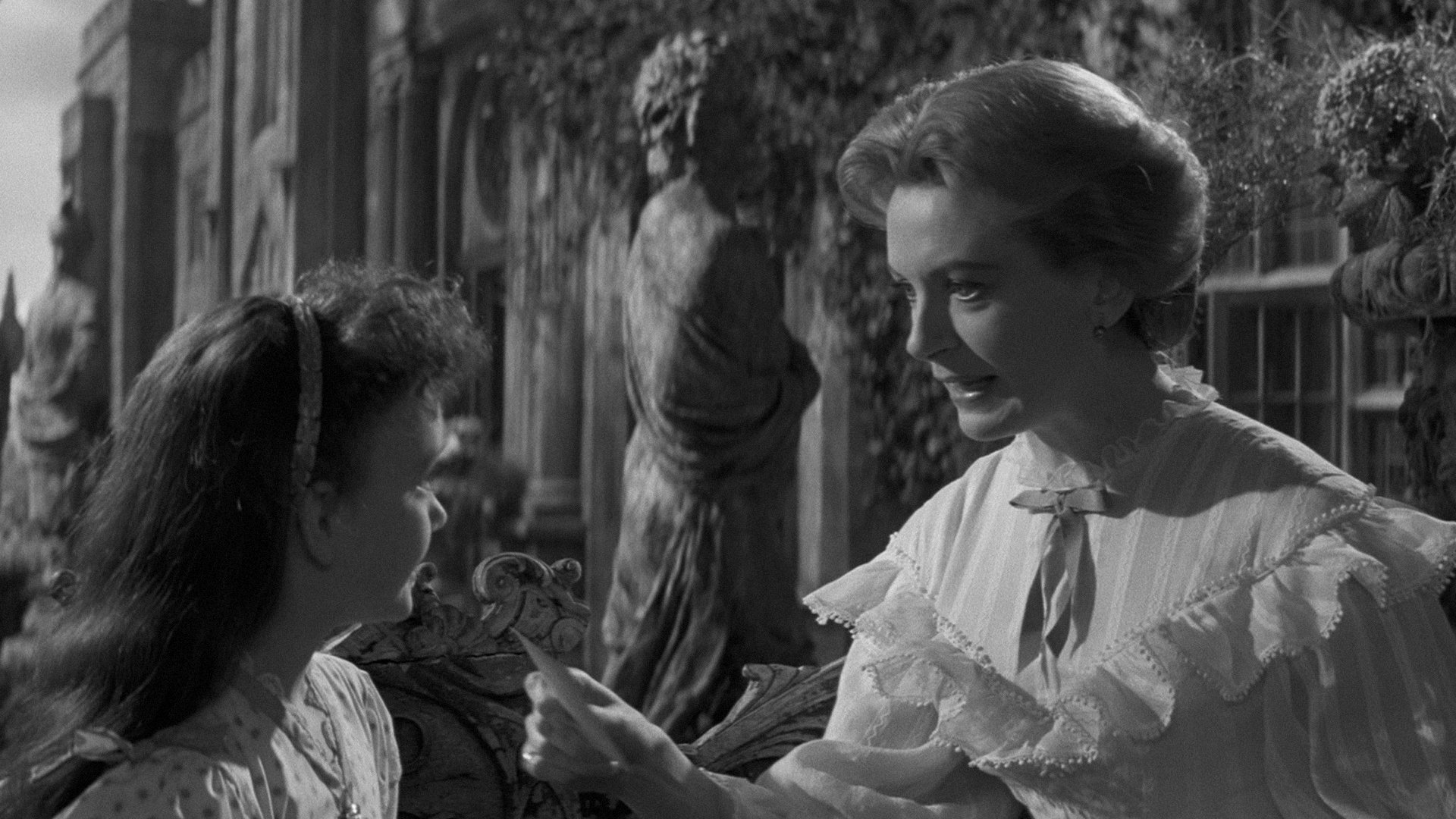
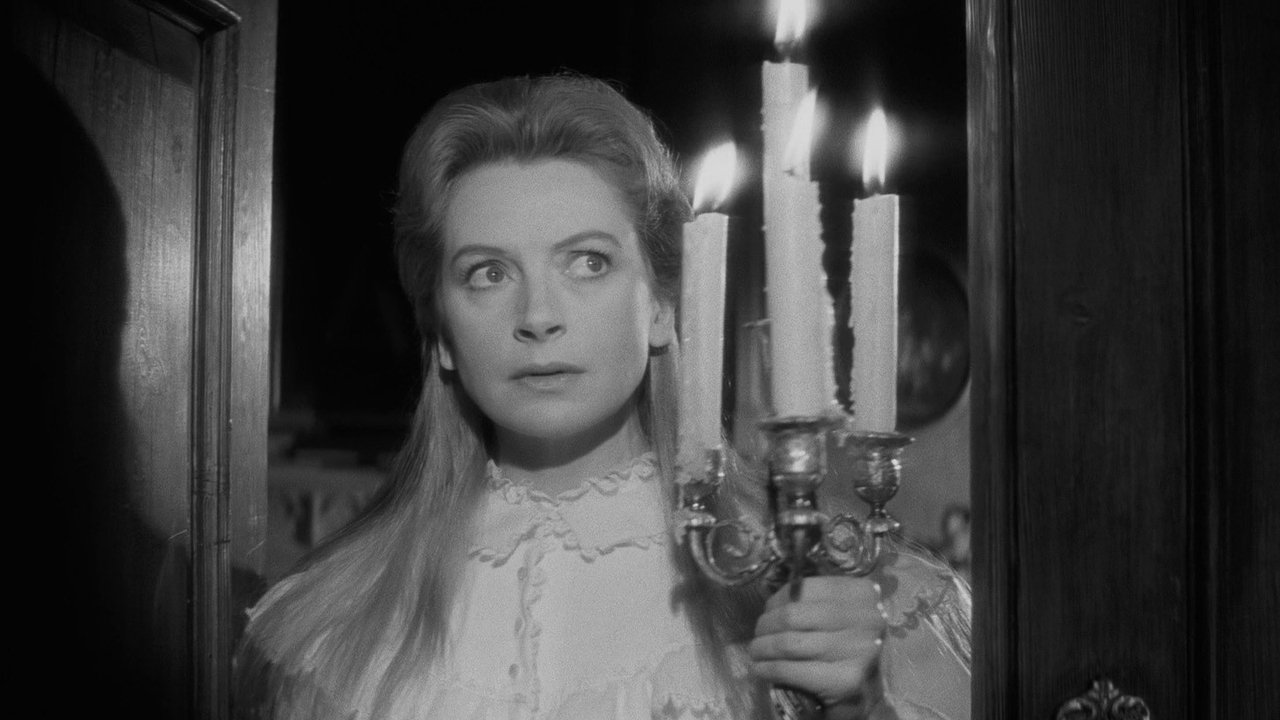
Miss Giddens accepts employment from the wealthy uncle of two orphaned children, who insists that she assume responsibility for them without bringing problems to his attention. Her arrival at Bly introduces an environment apparently devoted to their comfort, with extensive gardens, domestic servants and a large country house. Flora initially seems affectionate and obedient. Miles returns from boarding school after being expelled for unspecified misconduct, but his polished manner makes the accusations difficult for the governess to reconcile with his behaviour. These circumstances establish the central uncertainty: the children appear innocent while events around them suggest that their lives contain experiences adults have concealed.

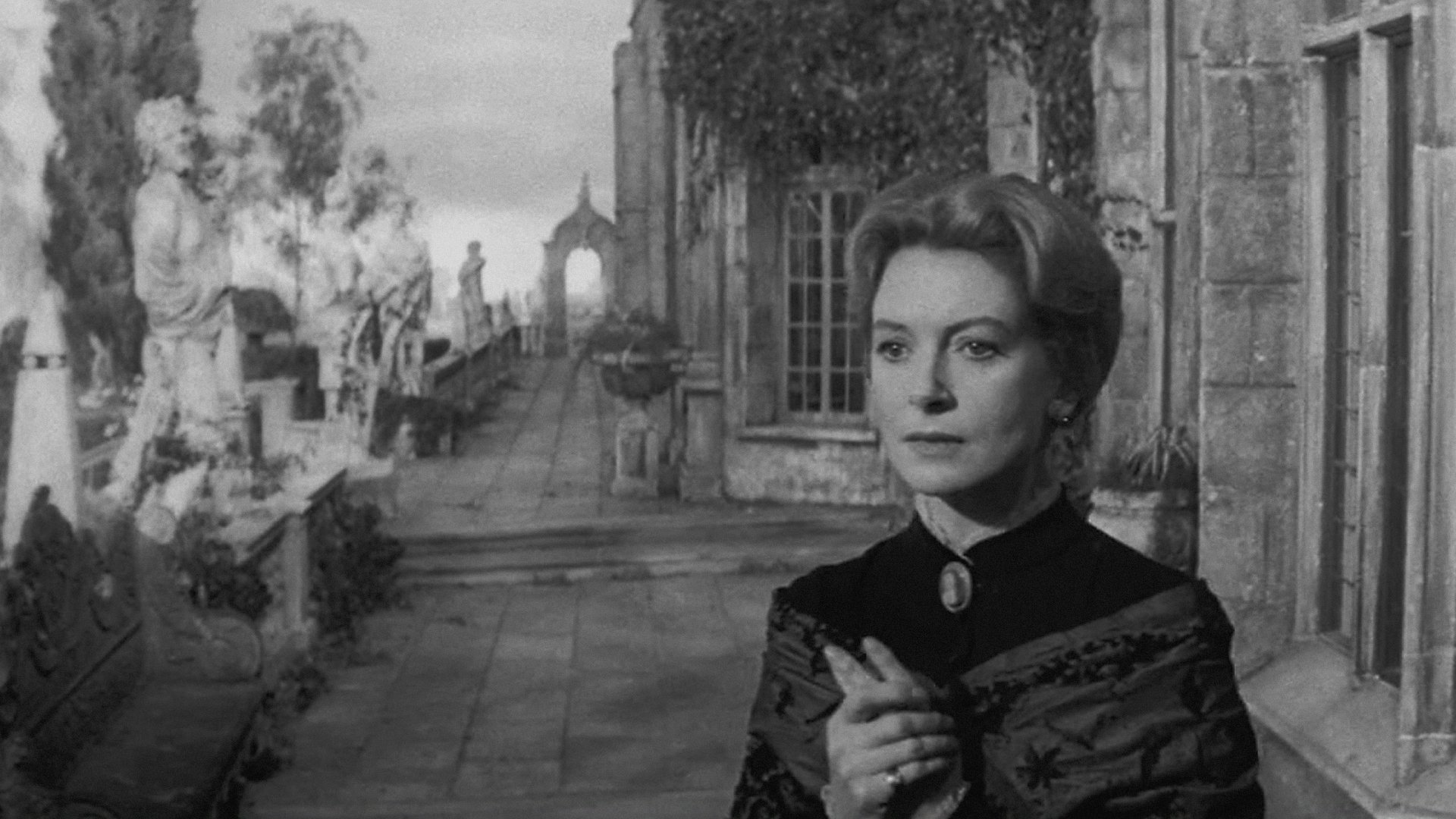
Deborah Kerr approaches Miss Giddens through escalating concern, restraint and emotional intensity. The character’s desire to protect her charges becomes increasingly inseparable from her certainty that she understands the danger facing them. Mrs. Grose initially resists the governess’s conclusions, then supplies information about Quint and Jessel’s earlier relationship. The revelations encourage Miss Giddens to interpret the children’s conduct as evidence of an attempt by the dead to regain influence over the living. Her investigation gradually affects the household, especially when she presses the children to acknowledge experiences they repeatedly deny. The protective relationship becomes a source of pressure in its own right.

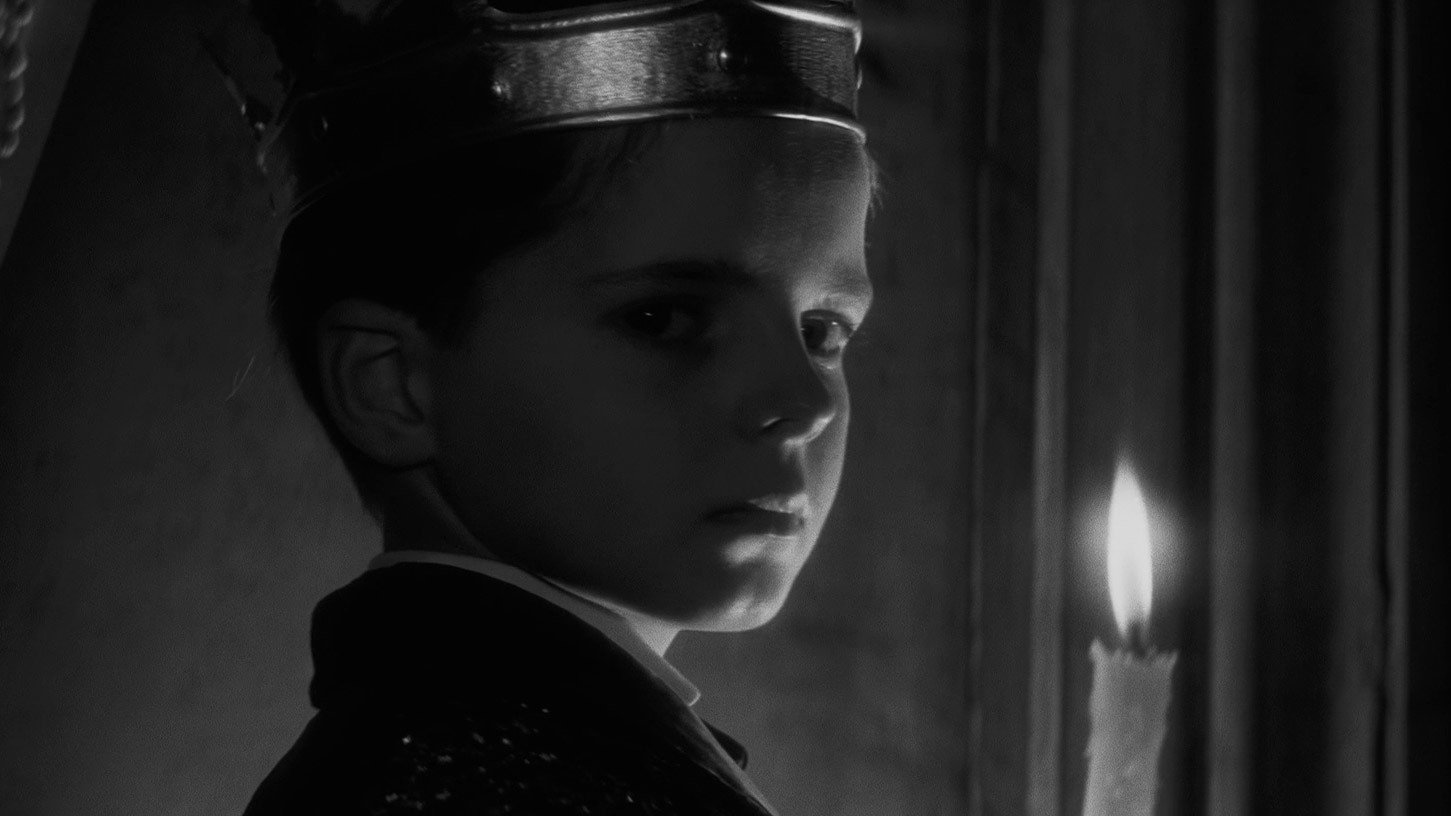
The performances of Stephens and Franklin are crucial to this uncertainty. Miles combines formal courtesy with unsettling familiarity, while Flora’s playfulness occasionally becomes difficult to distinguish from calculated concealment. The film avoids giving either child an independent viewpoint capable of conclusively explaining the apparitions. Kerr later recalled that she performed Miss Giddens as a fundamentally sane woman, while recognizing that frustration and imagination could provide another interpretation of her experiences. Her approach preserves the character’s conviction without requiring the audience to accept it. The resulting horror depends on the possibility that the children face a supernatural threat, that their governess misunderstands them, or that both circumstances may contribute to the escalating tragedy.

Bly House, Locations, and Production Design

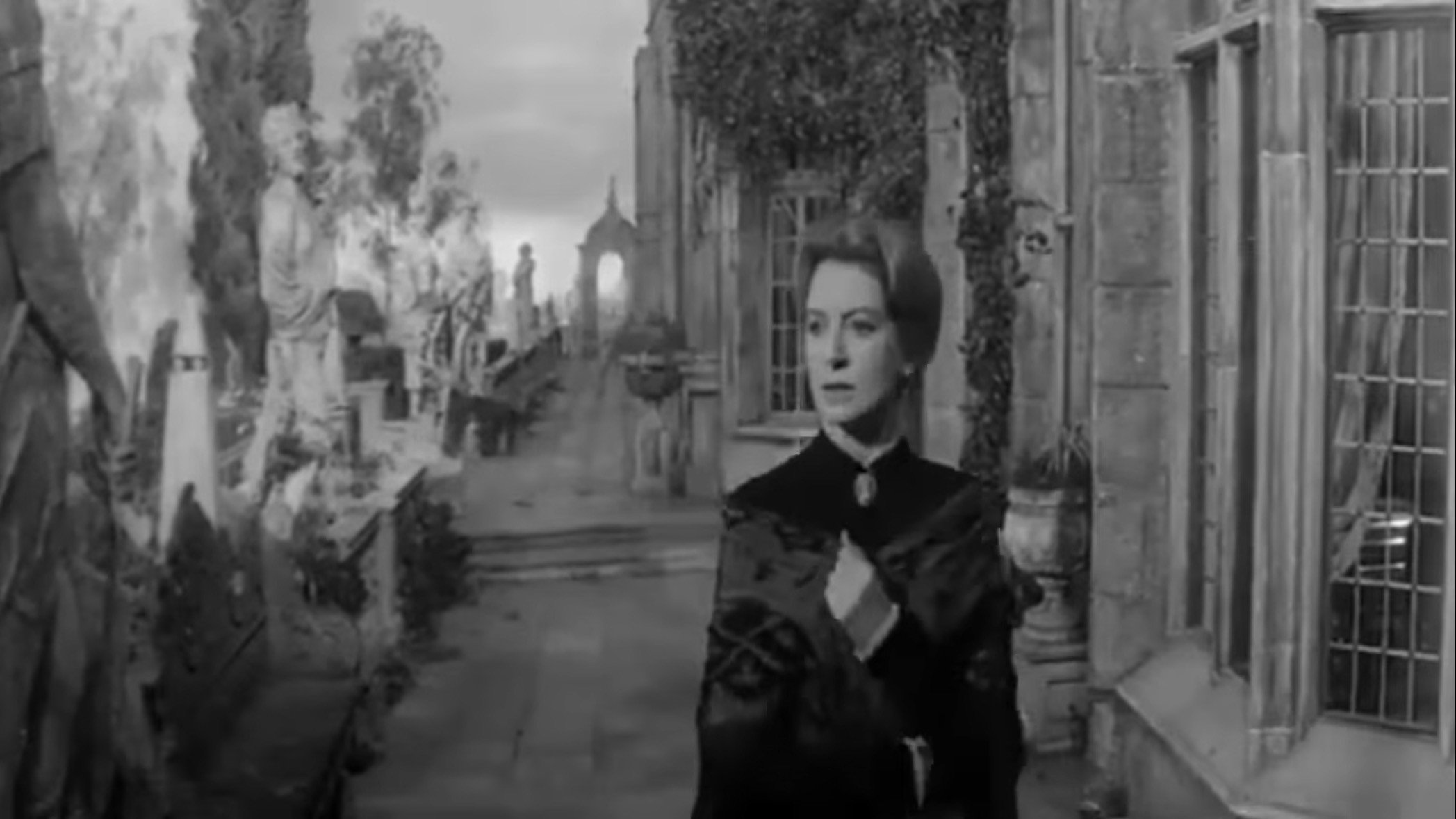
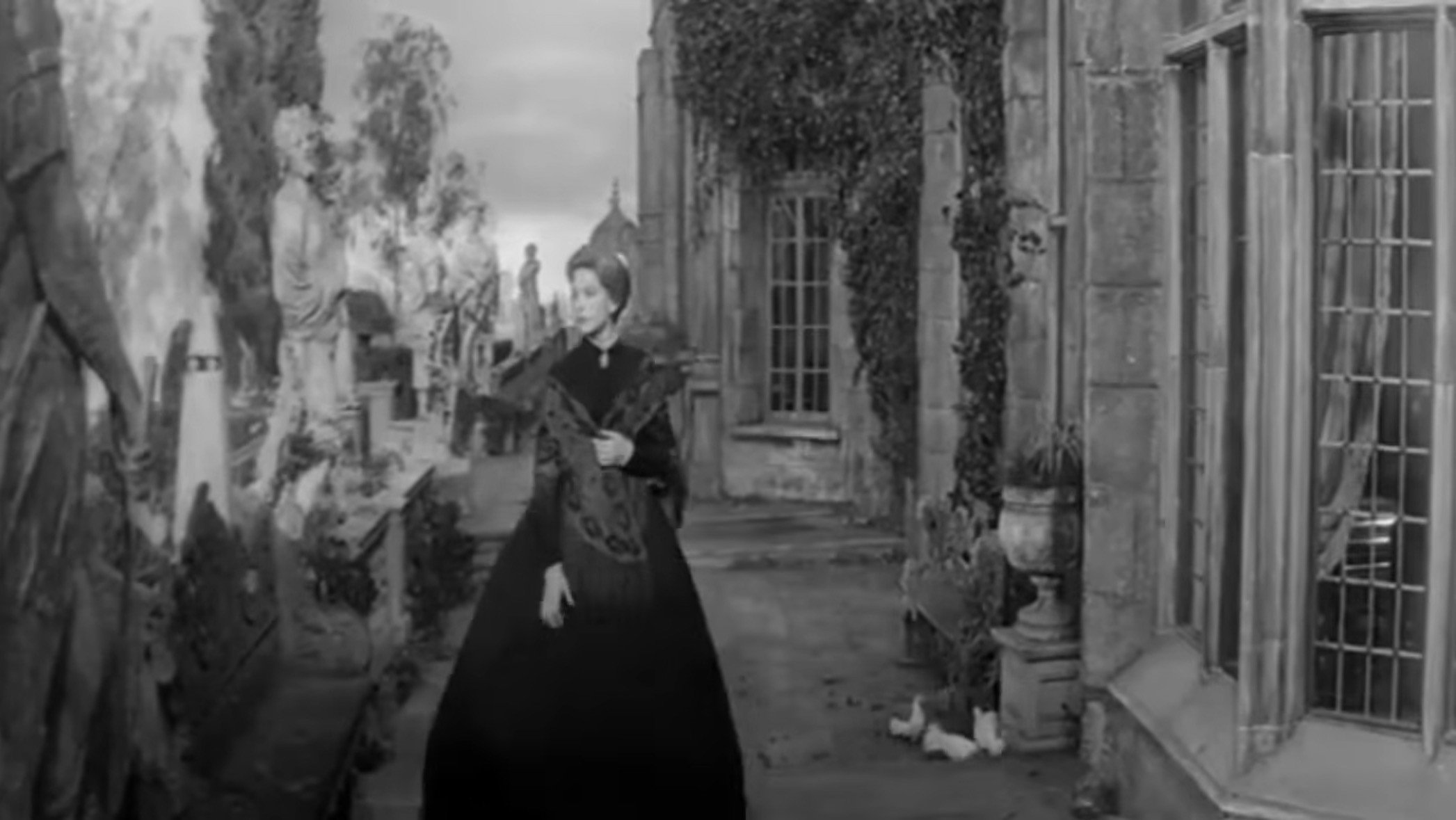
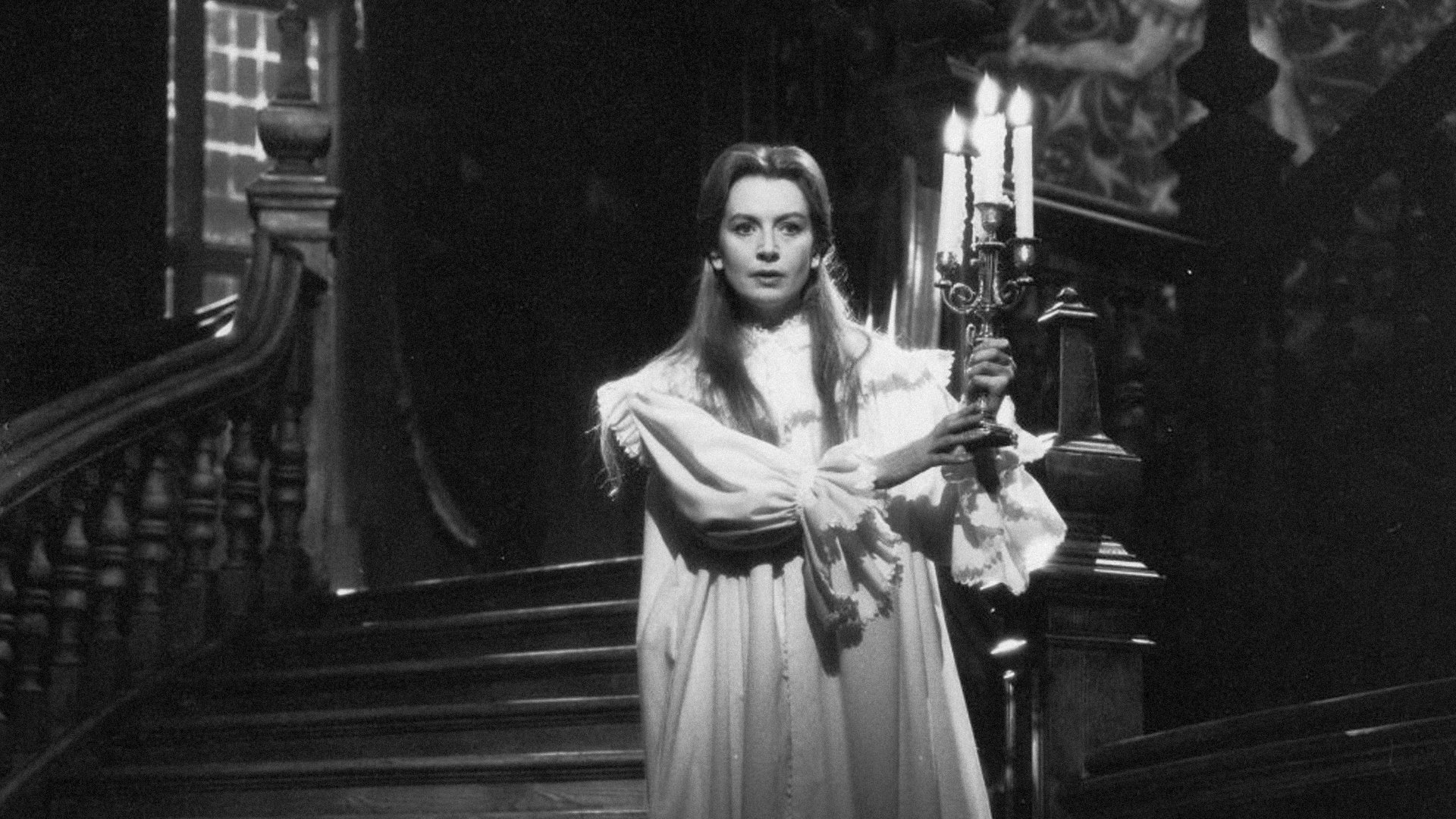
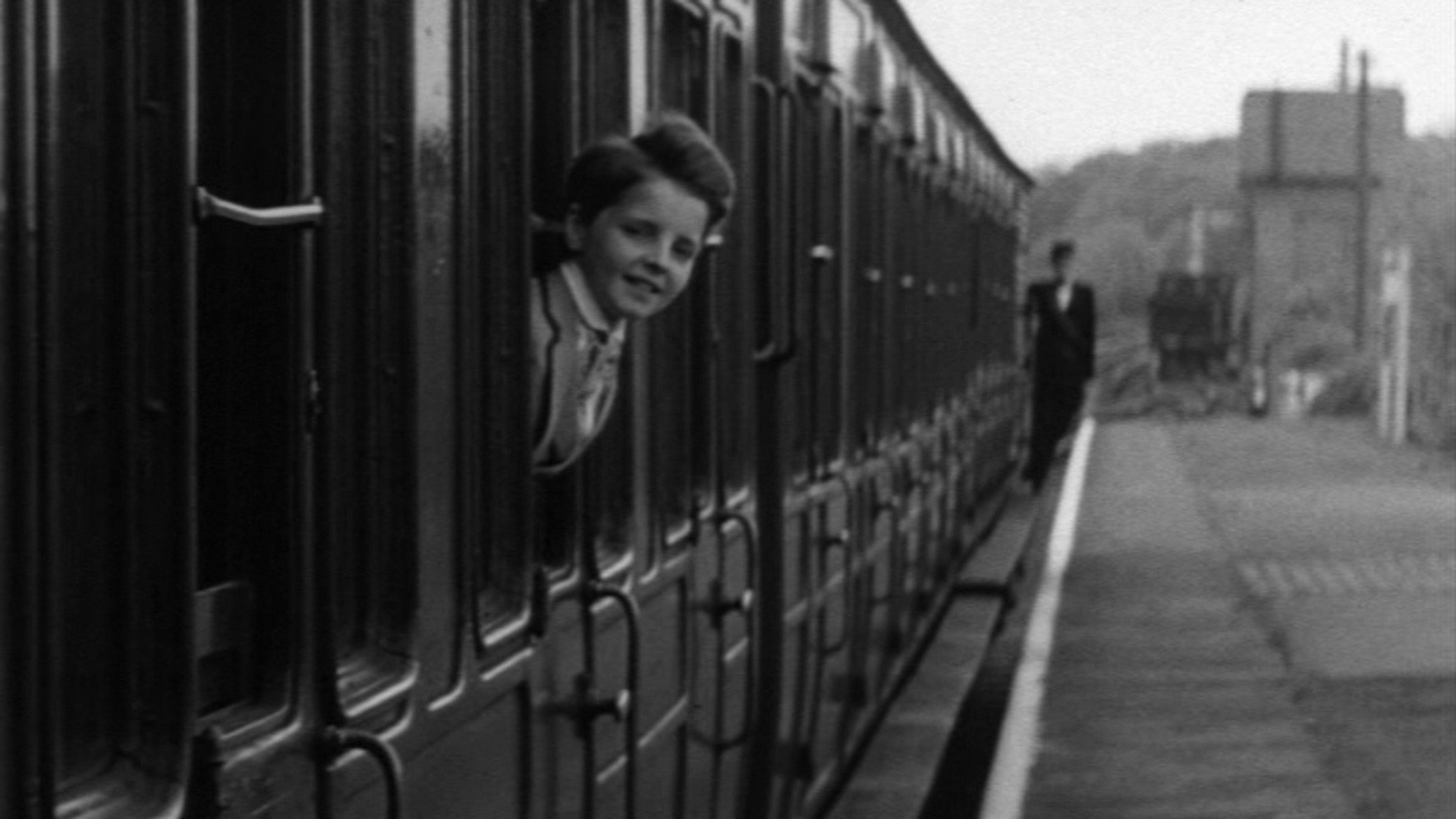
Principal photography began at Shepperton Studios in February 1961, with location work extending into the spring. Sheffield Park in East Sussex supplied the principal exterior representation of Bly House, while additional exterior photography used the Bluebell Railway. The production combined these real environments with interior sets and constructed outdoor spaces at Shepperton. Art director Wilfred Shingleton developed the elaborate domestic architecture, giving the house the appearance of an established Victorian residence whose scale exceeds the needs of its small household. Rooms, staircases and corridors become progressively more threatening as Miss Giddens begins interpreting ordinary spaces through her growing fear.

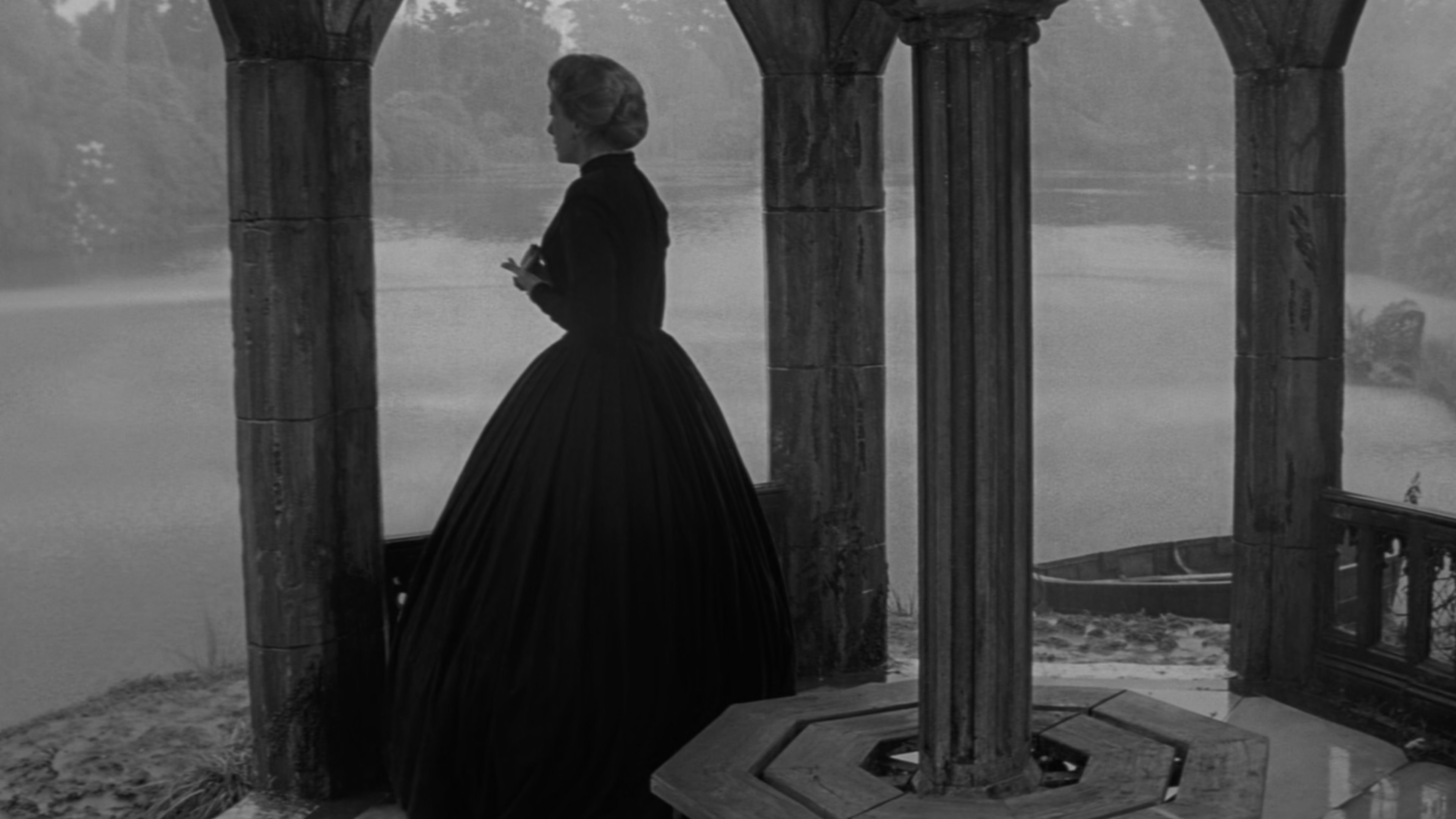
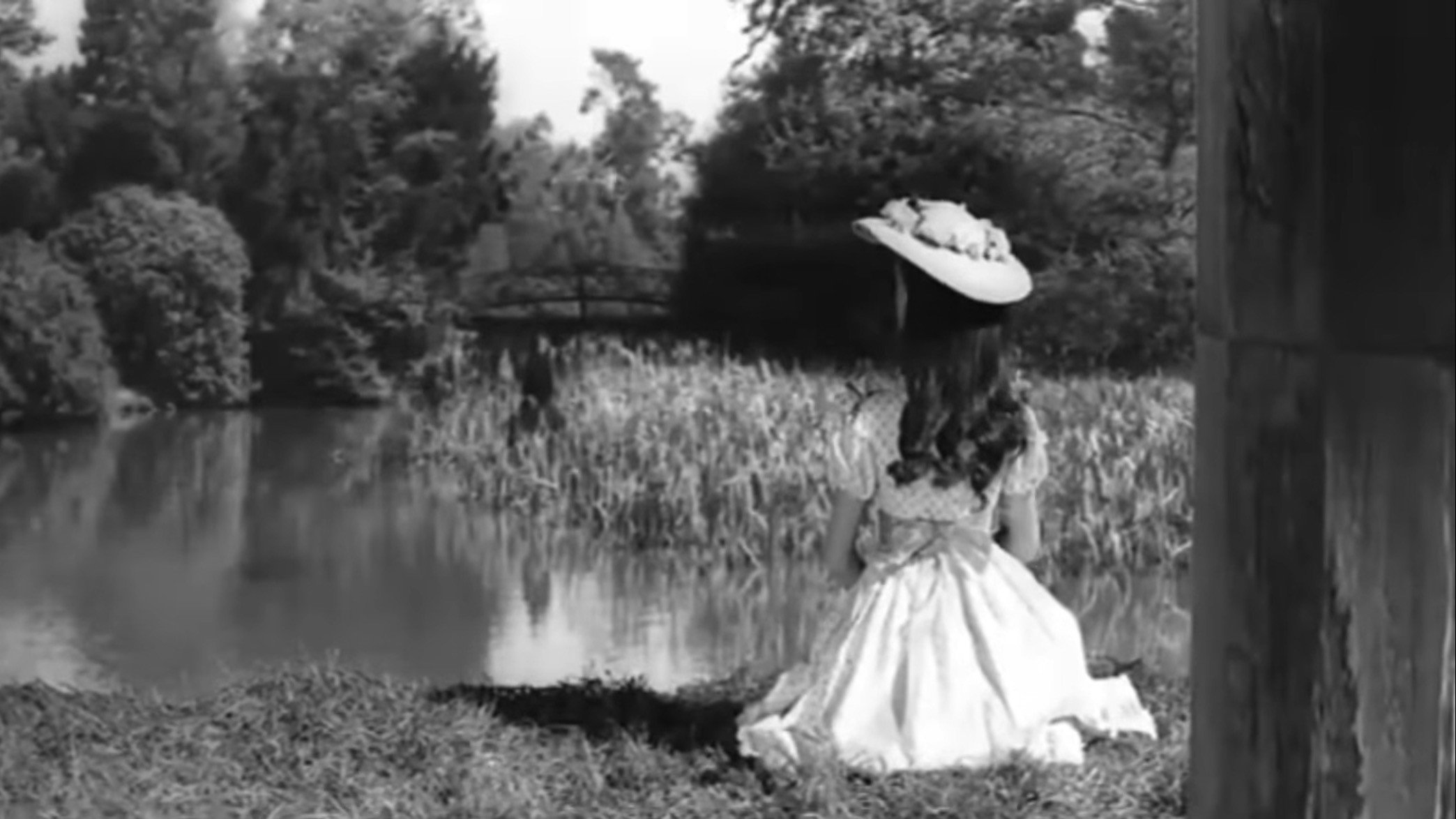
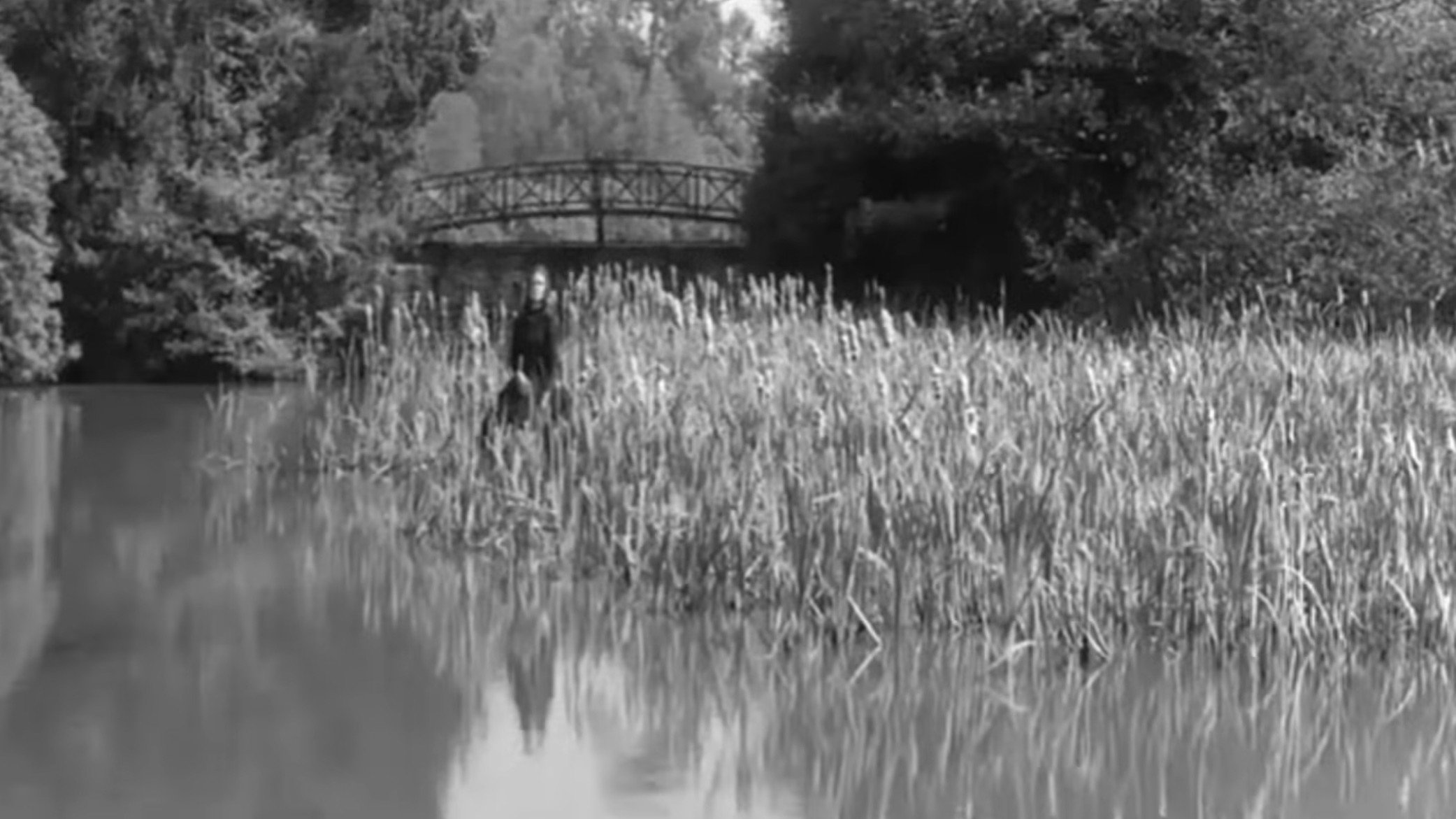
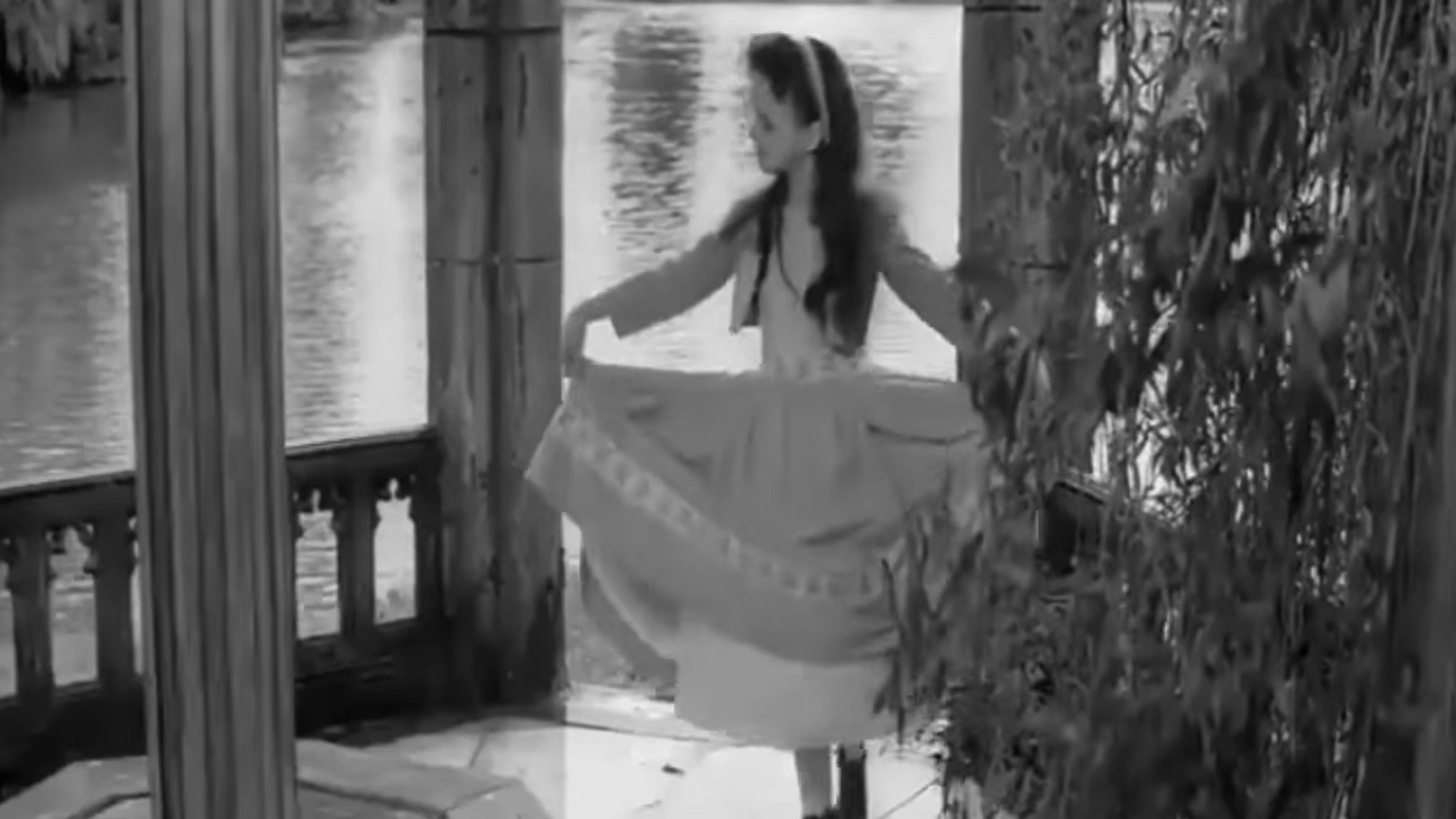
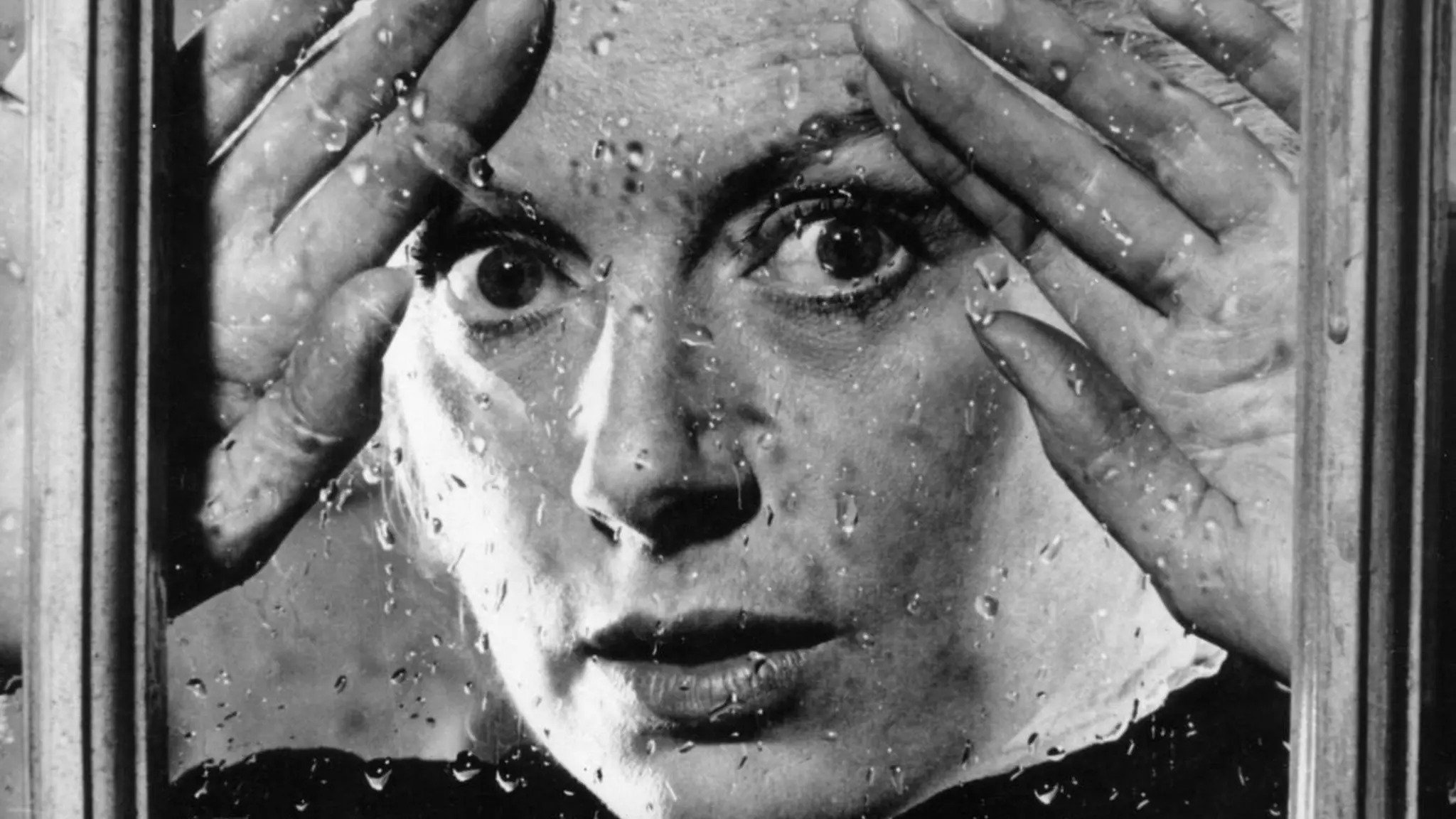
The garden and lake provide especially important locations because the supernatural figures can appear in daylight and at considerable distances from the characters. The lake scene positions Miss Jessel among the reeds, separated from Miss Giddens by open water. Francis recalled photographing the apparition from a platform or boat, creating an image whose composition establishes the figure’s presence without explaining how the encounter occurs. The surrounding landscape remains clearly recognizable, making the interruption more disturbing than an apparition concealed within conventional Gothic darkness. The conservatory offers another location in which vegetation and transparent surfaces complicate the boundary between what is visible and what might be hidden.

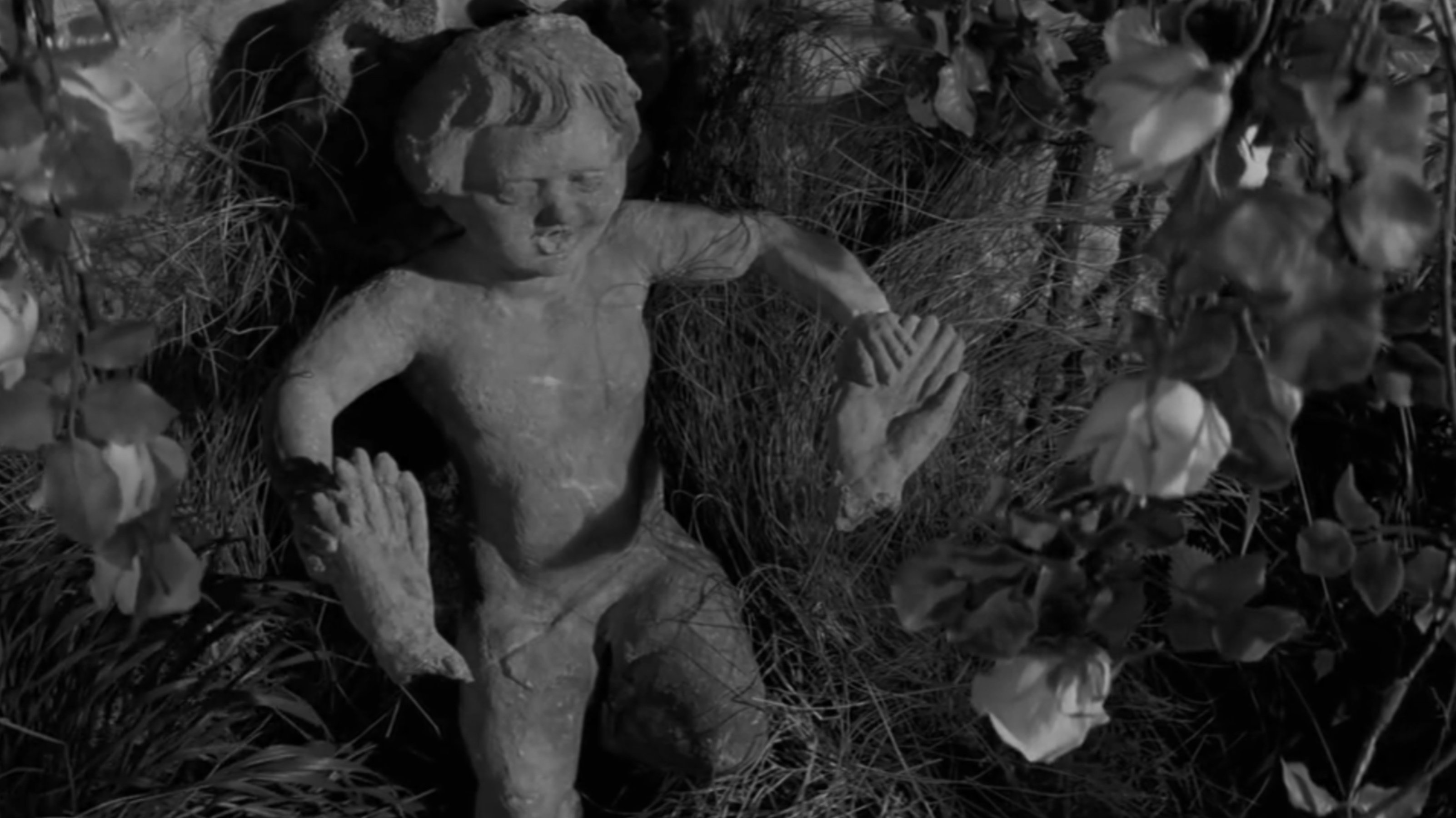
Production design also supports the film’s presentation of childhood. Toys, ornaments and decorative objects surround Miles and Flora, sometimes suggesting innocence while simultaneously acquiring threatening associations. The image of a spider consuming a butterfly introduces violence within an apparently beautiful environment. A damaged cherub and the repeated presence of birds contribute to the visual contrast between purity and corruption. Francis remembered that Clayton deliberately incorporated white birds as recurring elements associated with life. These details allow the house and grounds to develop a disturbing character without requiring every object to possess an explicitly supernatural function. Their significance emerges through the governess’s attention and the film’s arrangement of images.

Freddie Francis, CinemaScope, and Experimental Lighting

Fox required The Innocents to be photographed in CinemaScope, although Clayton initially preferred the narrower Academy frame. He believed a widescreen composition might undermine the claustrophobic atmosphere he wanted to create. Francis, who had previously worked with Clayton on Room at the Top, developed an unconventional solution. In his published memoir, he described commissioning twelve large glass filters, clear in their centres and progressively darkened toward their edges. The filters were painted by hand in a farmhouse near Windsor. Their effect concentrated attention within selected parts of the wide frame while allowing surrounding areas to disappear gradually into darkness.

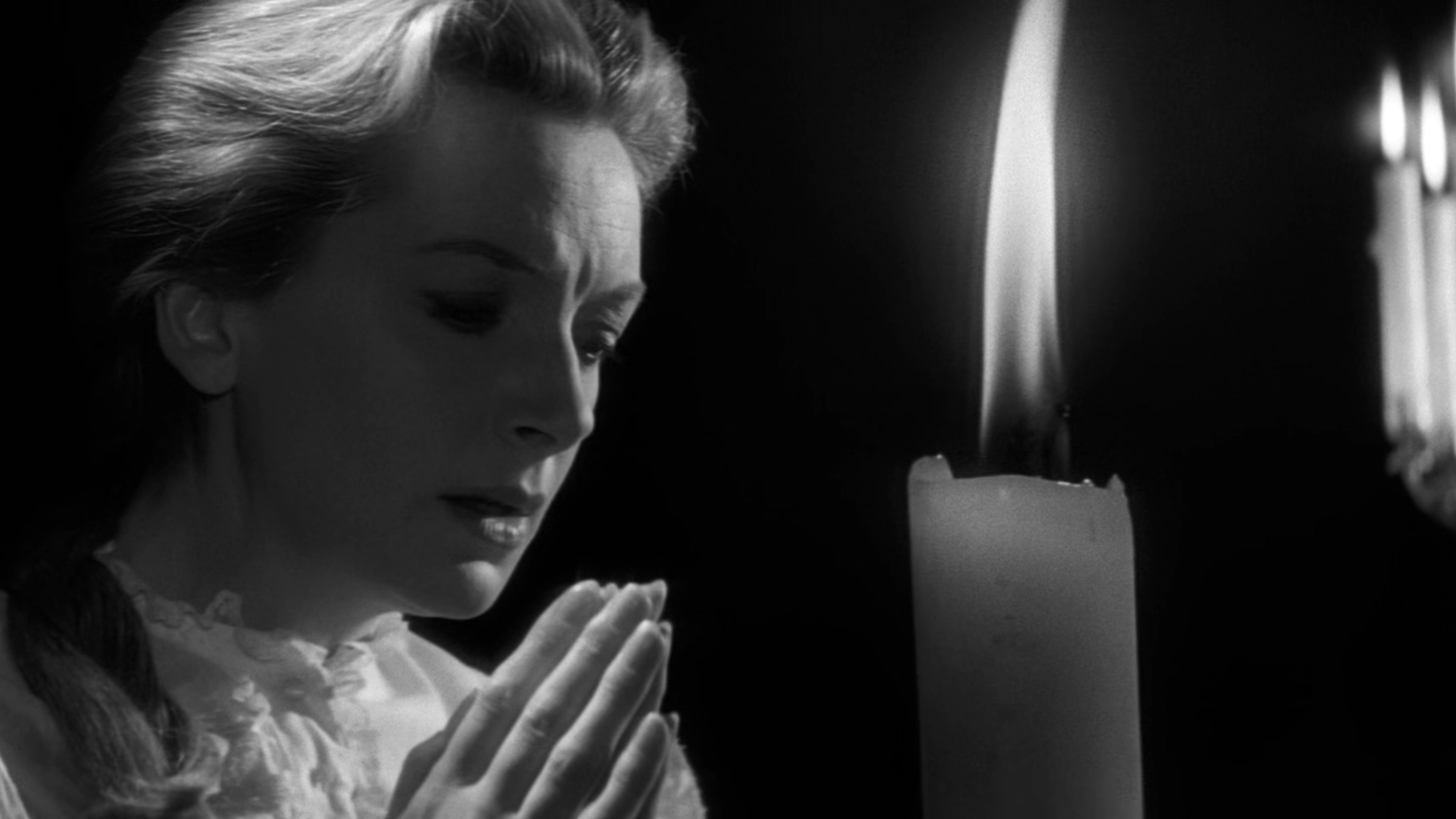
The combination of anamorphic photography, deep focus and extensive interior darkness required unusually powerful lighting. Francis recalled that the studio management became concerned about the heat generated by the equipment. Some garden foliage was painted silver or white on one side to create apparent highlights that conventional illumination could not reproduce effectively. Candlelit passages required another solution: the props department prepared candles containing as many as four wicks, increasing their brightness. The use of large lighting dimmers occasionally made synchronized sound recording impractical, so certain scenes were photographed silently and completed with effects during post-production.

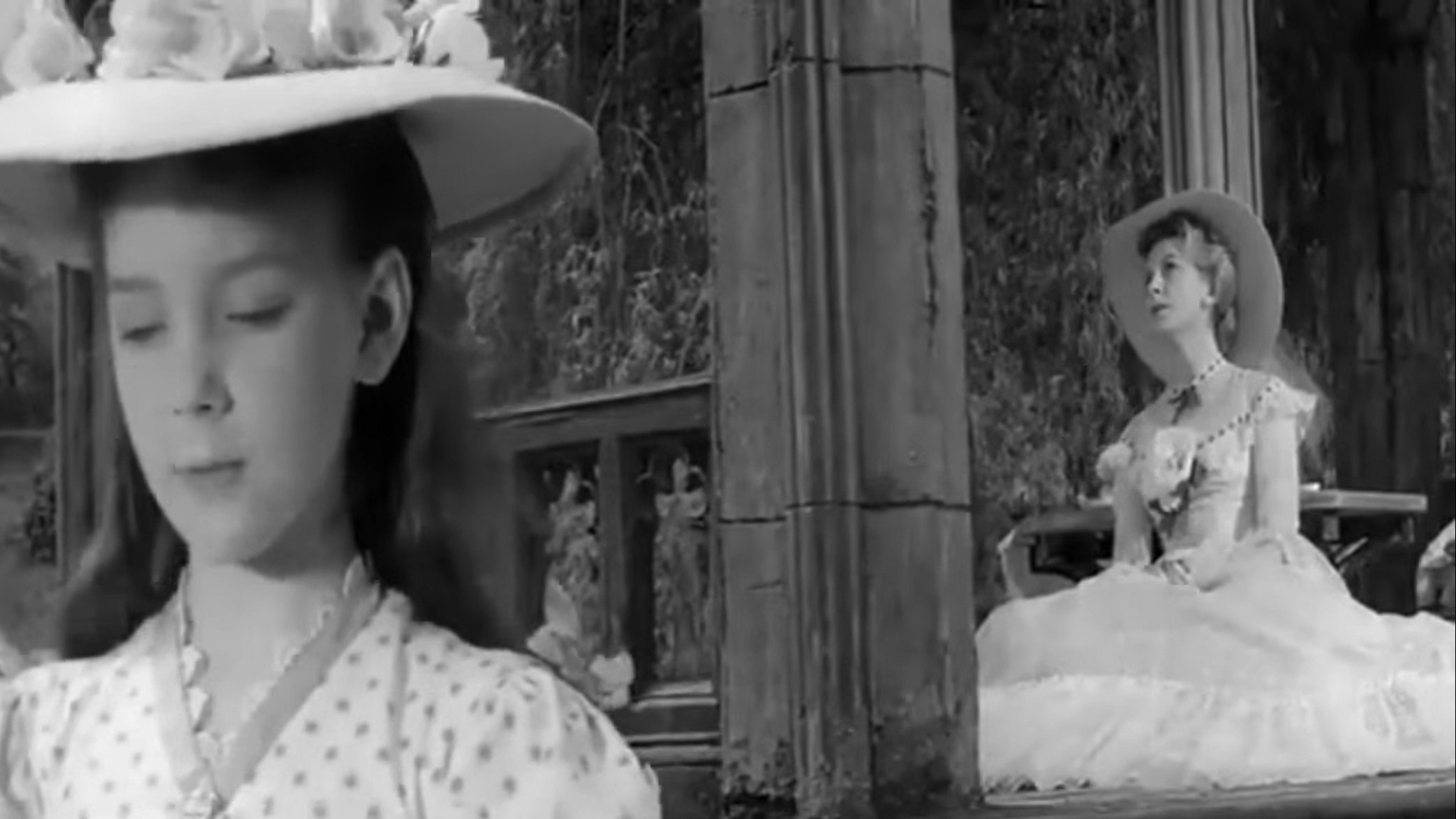
These techniques give the film an unusual relationship between sharply visible figures and surrounding darkness. Miss Giddens frequently occupies a clear area of the frame while architectural details disappear into shadow or distorted edges. In other scenes, distant figures remain visible within expansive outdoor compositions, making the viewer examine apparently empty spaces for movement. Francis considered The Innocents among his finest achievements as a cinematographer and emphasized the freedom Clayton allowed him to experiment. Their collaboration demonstrates how the technical requirements of a studio widescreen process could be adapted to a horror film whose suspense depends on concealed spaces and limited visual certainty.

Apparitions, Subjective Perception, and the Ending

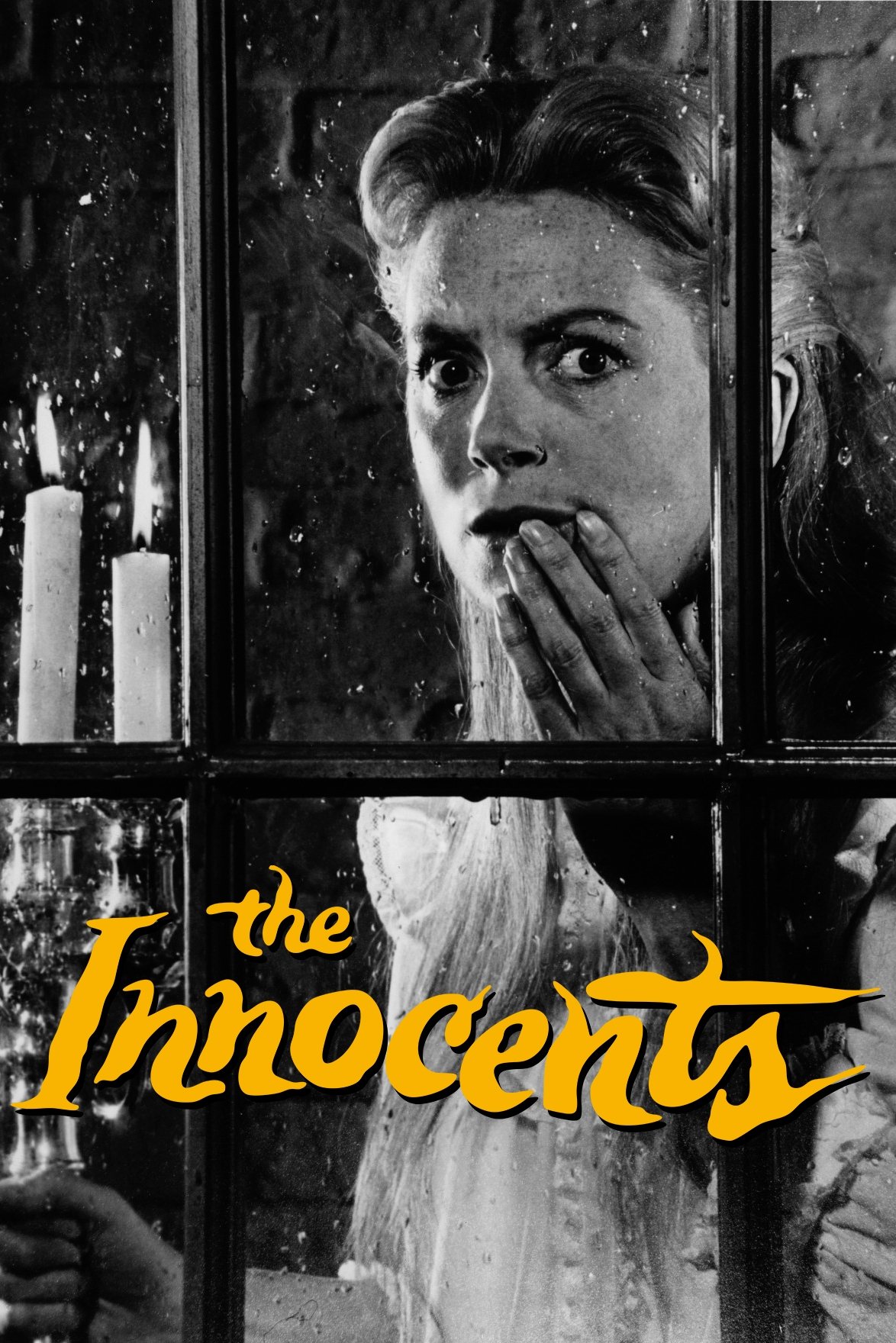
The supernatural figures appear in different circumstances, including Quint’s presence on a tower and at a window, and Jessel’s appearance beside the lake. Their presentation creates apparent visual evidence for the haunting, yet the film rarely establishes how the other characters perceive the same incidents. Miss Giddens supplies the central interpretation, identifying the figures through descriptions and information provided by Mrs. Grose. Her certainty grows as the children continue denying that they have seen anything. The audience must therefore consider both the images and the reliability of the explanations attached to them.

The possibility of corruption is developed through the history of Quint and Jessel’s relationship. Their conduct before death is described as abusive and sexually troubling, leading Miss Giddens to fear that Miles and Flora have absorbed experiences beyond their age. Some encounters appear to support her suspicions, while others permit alternative explanations. Miles’s unusually intimate manner toward the governess creates additional discomfort. The extended goodnight kiss is particularly important because it introduces a sexual implication without establishing who understands or initiates its meaning. These moments place the Victorian ideal of childhood innocence under pressure while also raising questions about the governess’s own emotional assumptions.

The final confrontation concentrates the film’s uncertainties around Miles. Miss Giddens attempts to force him to acknowledge Quint and free himself from the supposed influence. The encounter ends with the child’s death in her arms. The sequence offers no independent explanation establishing whether the boy has been harmed by a supernatural presence or by the intensity of the confrontation itself. The film’s treatment of the apparitions does not require every element of James’s ambiguity to remain unchanged. Its concluding uncertainty concerns the nature of the children’s experiences and the responsibility of the adult attempting to protect them. The result preserves the emotional consequences of the story even when the supernatural evidence appears comparatively direct.

Georges Auric, Daphne Oram, and Supernatural Sound

Georges Auric composed the principal score, while Paul Dehn wrote the lyrics for O Willow Waly, the song associated with Flora and the dead governess. The opening begins with a black screen and a distant female voice singing before the studio logo appears. Isla Cameron supplied the recorded vocal performance, adopting a childlike delivery rather than allowing Pamela Franklin’s own voice to carry the song. Cameron also appears in the film as a servant. The melody returns through singing, a music box and fragments played on the piano. Its repetition connects different characters and locations without explicitly explaining the nature of the haunting.

Electronic-music pioneer Daphne Oram contributed uncredited sound effects. Her work introduced unfamiliar electronic tones alongside Auric’s orchestral writing, creating passages in which conventional music and environmental noise become difficult to separate. Clare Nina Norelli’s detailed analysis for MUBI identifies the combination of Oram’s textures with children’s voices, wind, bird sounds and distorted musical fragments. The nightmare montage provides a particularly developed example, assembling images and sounds associated with Miss Giddens’s earlier experiences. The resulting sequence presents her accumulating fears through an unstable audiovisual arrangement rather than through explanatory dialogue.

The sound of a buzzing fly also becomes associated with the apparitions. Francis recalled that Clayton introduced this detail to suggest decay and the presence of death. Elsewhere, whispered voices and unexplained noises occupy spaces whose visible contents provide little reassurance. The soundtrack’s emotional effects depend partly on the contrast between familiar domestic sounds and unfamiliar electronic material. Oram’s contribution belongs to an early period of British electronic composition, giving the film technical significance beyond its credited orchestral score. The combination supports Clayton’s approach to supernatural horror by making an apparently ordinary environment acoustically uncertain before its inhabitants understand the cause.

Original Release, Critical Reception, and Historical Significance

The Innocents opened in London on November 23, 1961, according to contemporary reporting documented by the American Film Institute. Its American release began at the El Rey Theatre in Los Angeles on December 15, followed by New York engagements on December 25. The film runs approximately 99 minutes, although some later editions list 100 minutes. Contemporary critical reception was largely favourable, but the film did not achieve the American commercial success anticipated by its creators. Reliable comprehensive worldwide theatrical earnings are not established in the principal archival sources, so its commercial performance cannot be reduced to a precise global total.

Critical responses differed in their understanding of the supernatural ambiguity. A January 1962 review cited by the AFI argued that the screenplay placed greater emphasis on the possibility of Miss Giddens’s delusions than the original novella. Other critics considered the visible apparitions a departure from James’s more uncertain literary construction. Pauline Kael praised the film’s visual elegance and its ability to sustain terror through suggestive images. The National Board of Review named Clayton Best Director for 1961, while Capote and Archibald subsequently received an Edgar Allan Poe Award for their screenplay. The film also received British Academy recognition, although it secured no Academy Award nominations.

The film’s reputation expanded through later critical assessments and archival editions. The British Film Institute has repeatedly included it in discussions of important haunted-house cinema, emphasizing Francis’s widescreen photography and the psychological uncertainty surrounding Miss Giddens. Criterion released a restored edition featuring interviews with surviving production personnel and an analysis of the cinematography by John Bailey. Its treatment of unseen influence, troubling childhood behaviour and unreliable perception has remained relevant to later supernatural cinema. The film occupies a significant position in British horror history because of its precise integration of literary ambiguity, experimental photographic techniques and a soundtrack that makes the ordinary environment increasingly threatening.

References

  1. American Film Institute AFI Catalog — The Innocents (1961)

    Institutional production history based on contemporary industry reporting, documenting Clayton’s adaptation, studio agreement, principal photography, London and American openings, original reviews and awards.

  2. The Criterion Collection Freddie Francis on The Innocents

    Firsthand memoir extract by the cinematographer describing the screenplay revisions, CinemaScope conflict, handmade filters, lighting, specially constructed candles, locations and photography of the apparitions.

  3. The Criterion Collection The Innocents: Forbidden Games — Maitland McDonagh

    Substantial September 2014 essay examining the adaptation of Henry James, the governess’s psychology, the children’s behaviour, sexual implications and the ambiguities of the supernatural narrative.

  4. MUBI Notebook Scores on Screen: Electronica Victoriana — The Soundtrack of The Innocents

    Clare Nina Norelli’s December 2017 soundtrack analysis covering Georges Auric, Paul Dehn, Isla Cameron’s performance of O Willow Waly, Daphne Oram’s electronic effects and the nightmare montage.

  5. Turner Classic Movies The Innocents — Jeff Stafford

    Historical production essay incorporating recollections of Jack Clayton, Deborah Kerr and Freddie Francis, with discussion of Truman Capote’s adaptation, demanding studio photography and the original critical and commercial reception.

Cast

View Full Cast & Crew →

Release & Distribution

Production Companies (2)

  • 20th Century Studios US
  • Achilles GB

Distributors (1)

  • 20th Century Studios US

Release History (11)

Release DateTerritoryRelease TypeFormatDistributorCertificationNotes
1961-11-24 United Kingdom Theatrical — — — Rated X
1961-12-15 United States Theatrical — — NR
1962-05-18 France Theatrical — — —
1962-05-23 Italy Theatrical — — —
1963-10-02 Spain Theatrical — — —
2005-05-31 Brazil Physical — — 12 Fox Home mj.gov.br
2005-05-31 Netherlands Physical DVD — 16 DVD
2005-12-09 United Kingdom Theatrical — — 12A Re-release
2006-12-11 United Kingdom Physical DVD — 12 DVD
2010-08-23 Netherlands Physical Blu-ray — 16 Blu ray
2013-06-11 United Kingdom Theatrical — — 12A Re-release

Awards & Festivals

1 entries
YearFestival / AwardEntrySectionCategoryResultPremiere
—National Board of Review: Top Ten Filmsawardwon
Apparitions? Evils? Corruptions?