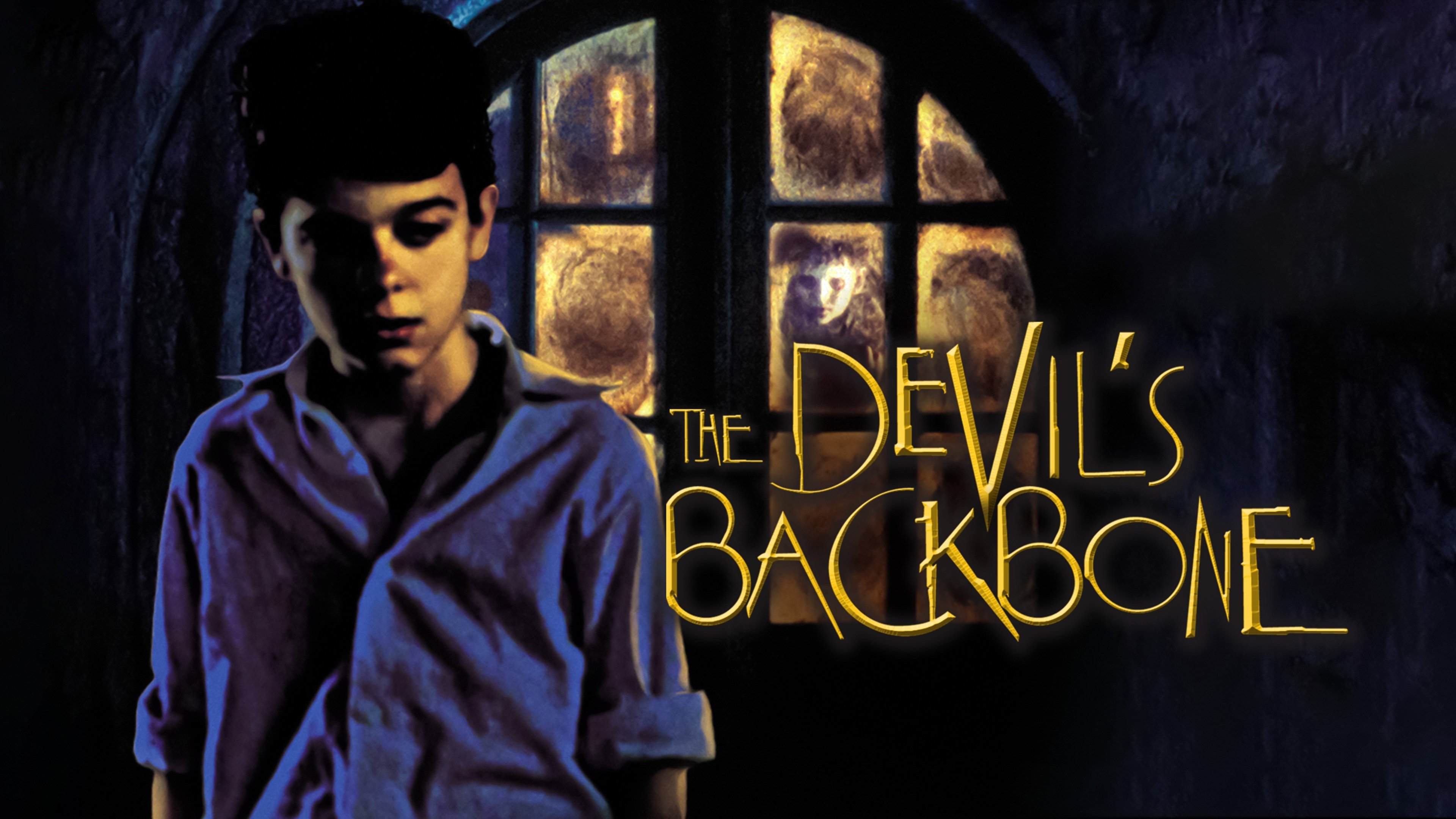
The Devil's Backbone (2001)

ES
HORROR FILM Thriller Fantasy Drama
Runtime
108 min
Release
April 20, 2001
Budget
$4,500,000
Revenue
$6,582,065
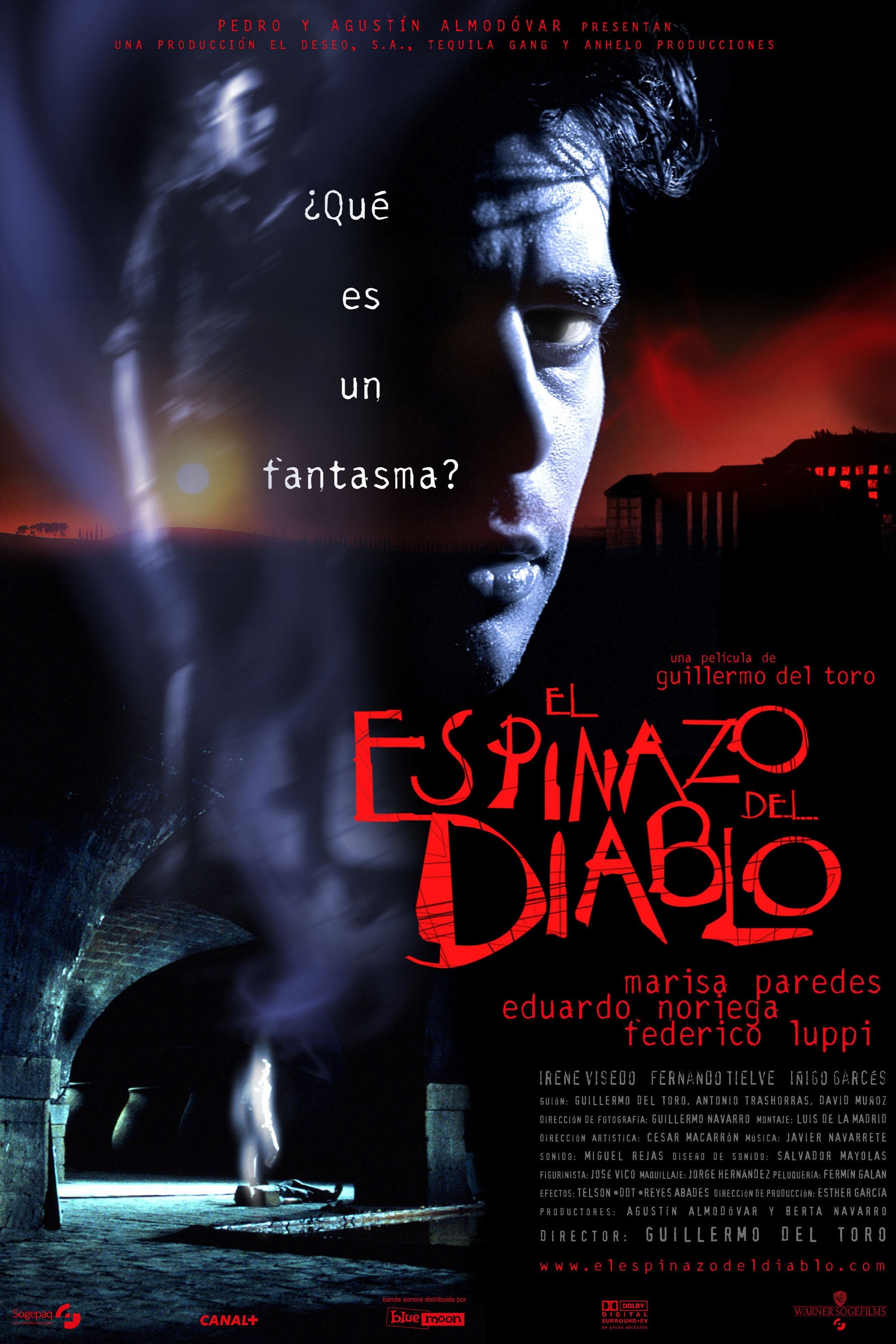
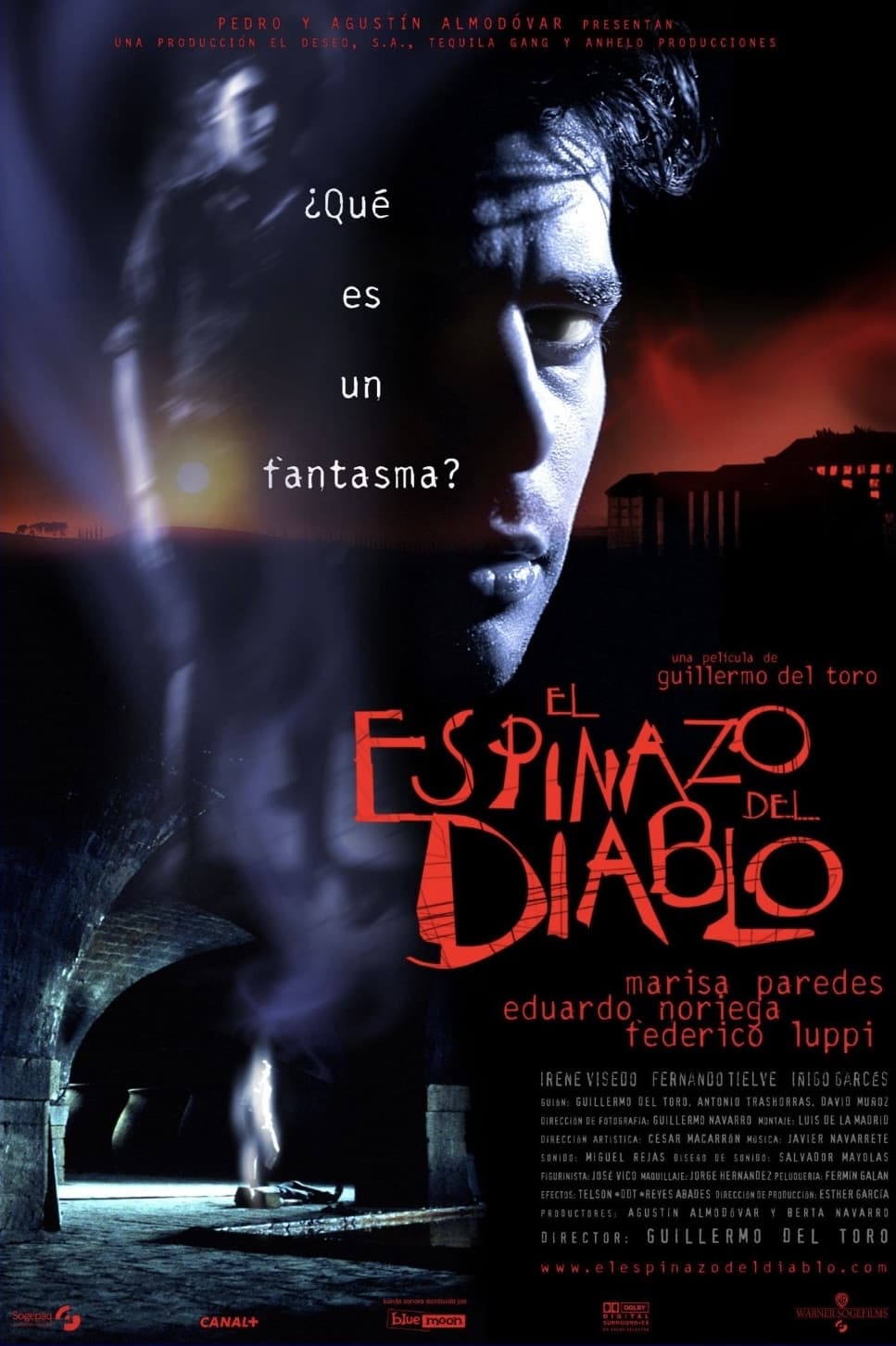
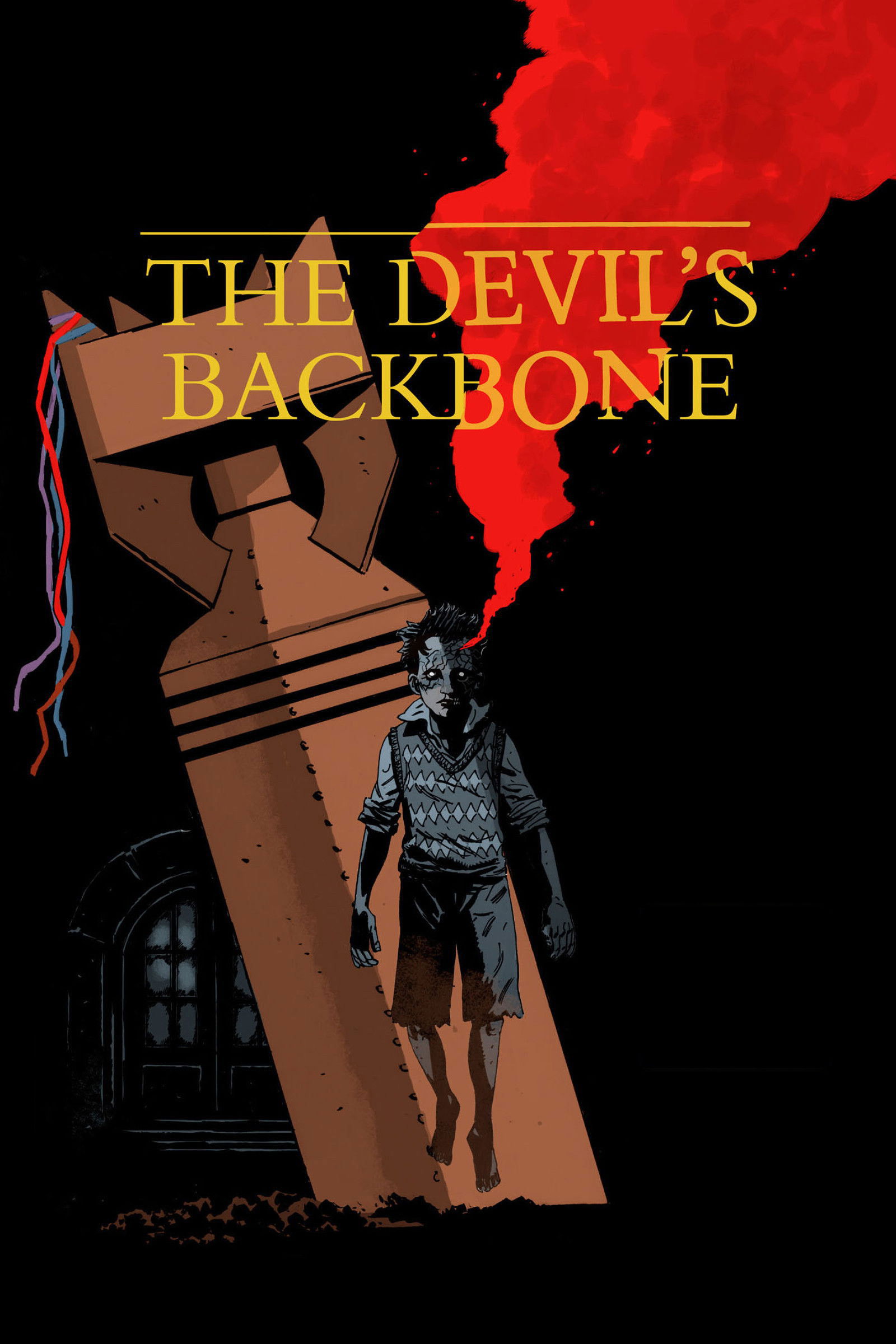
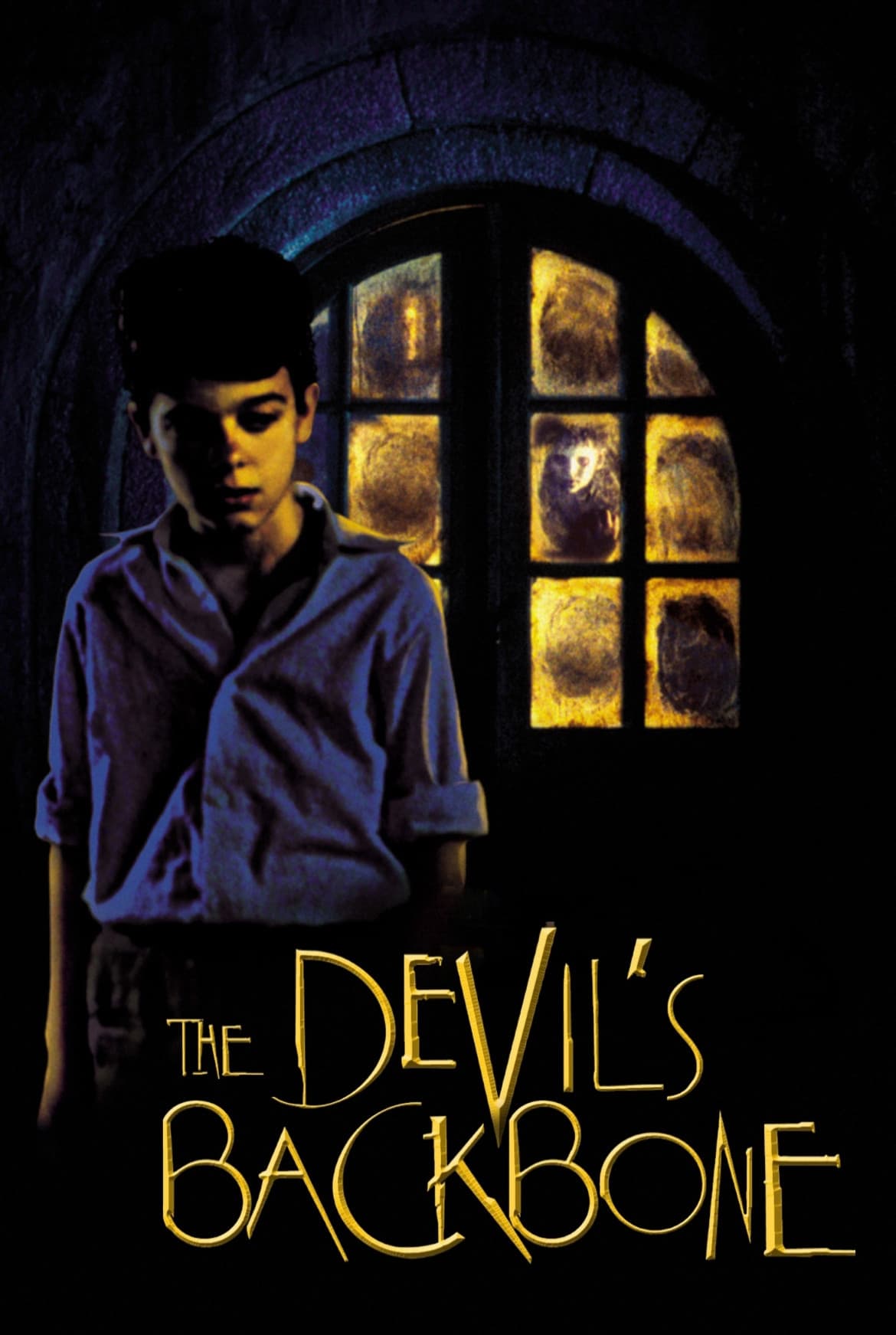
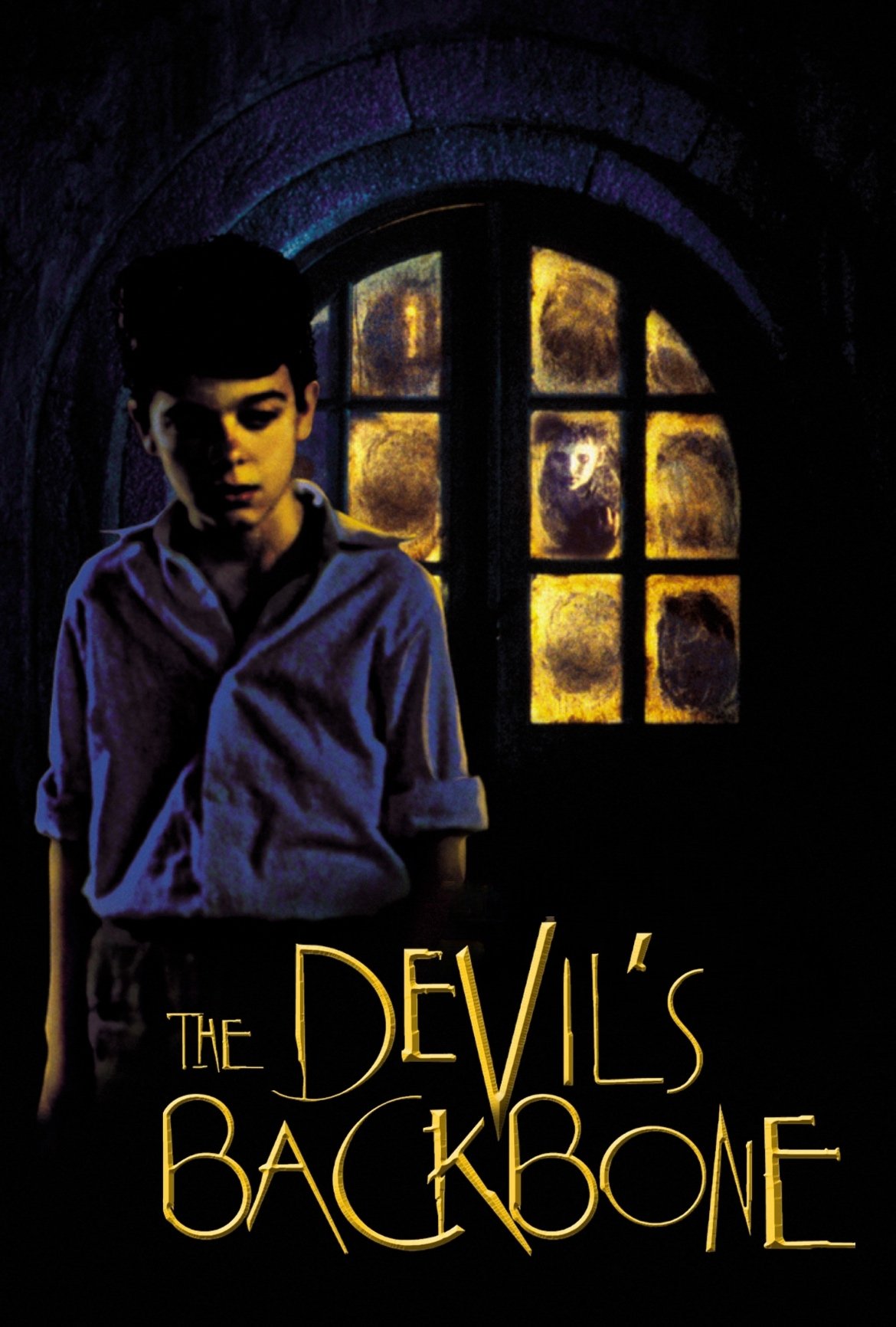
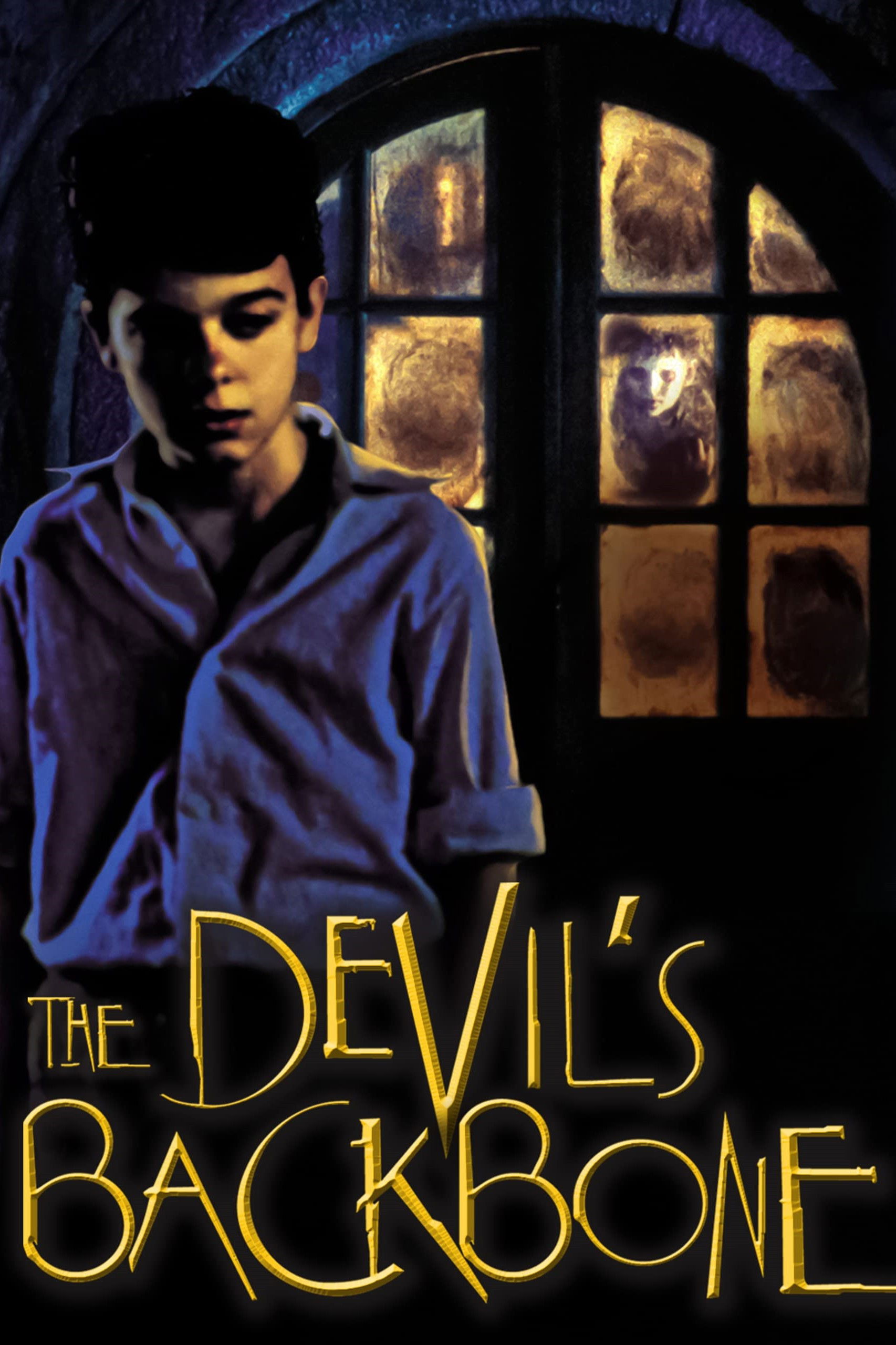
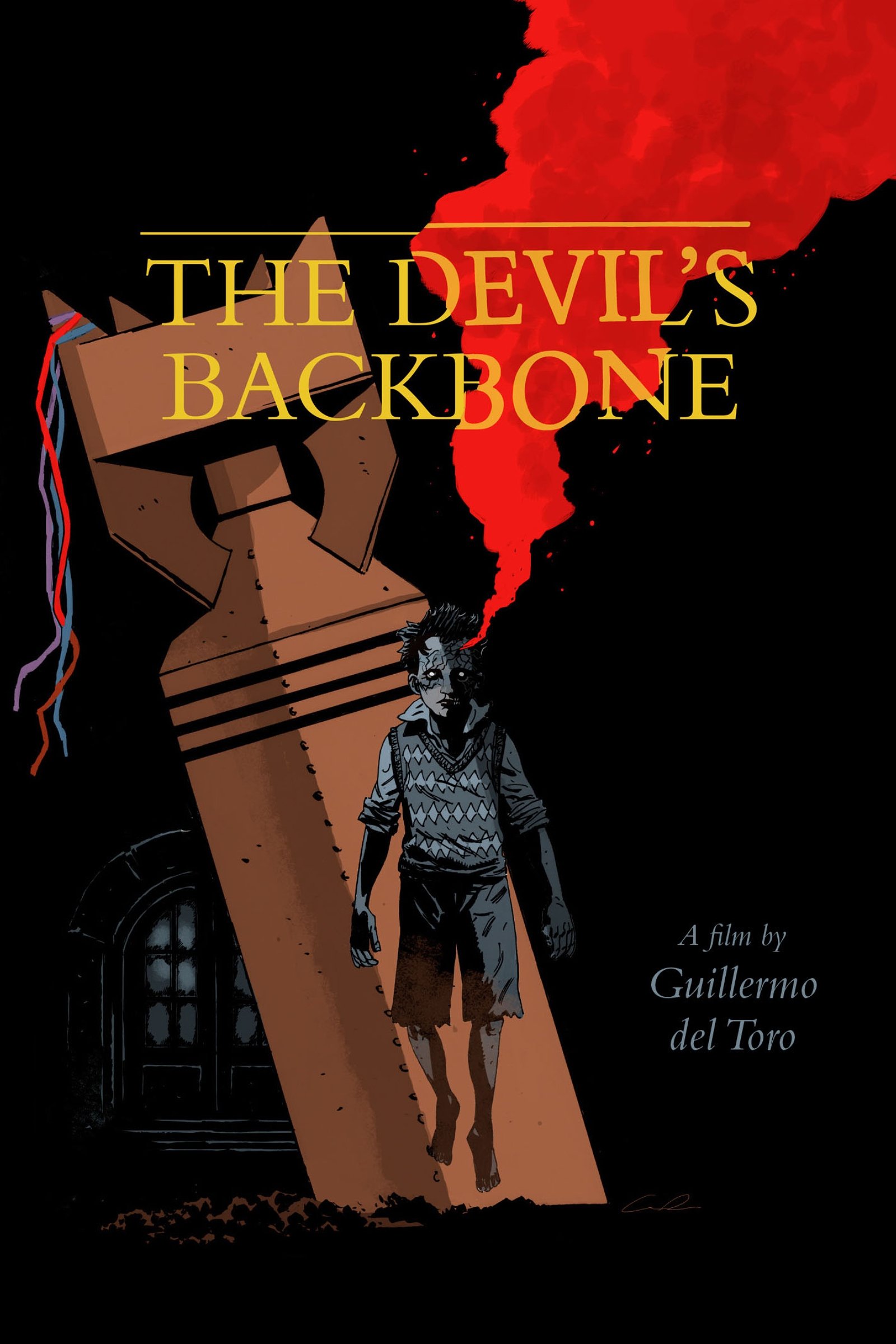
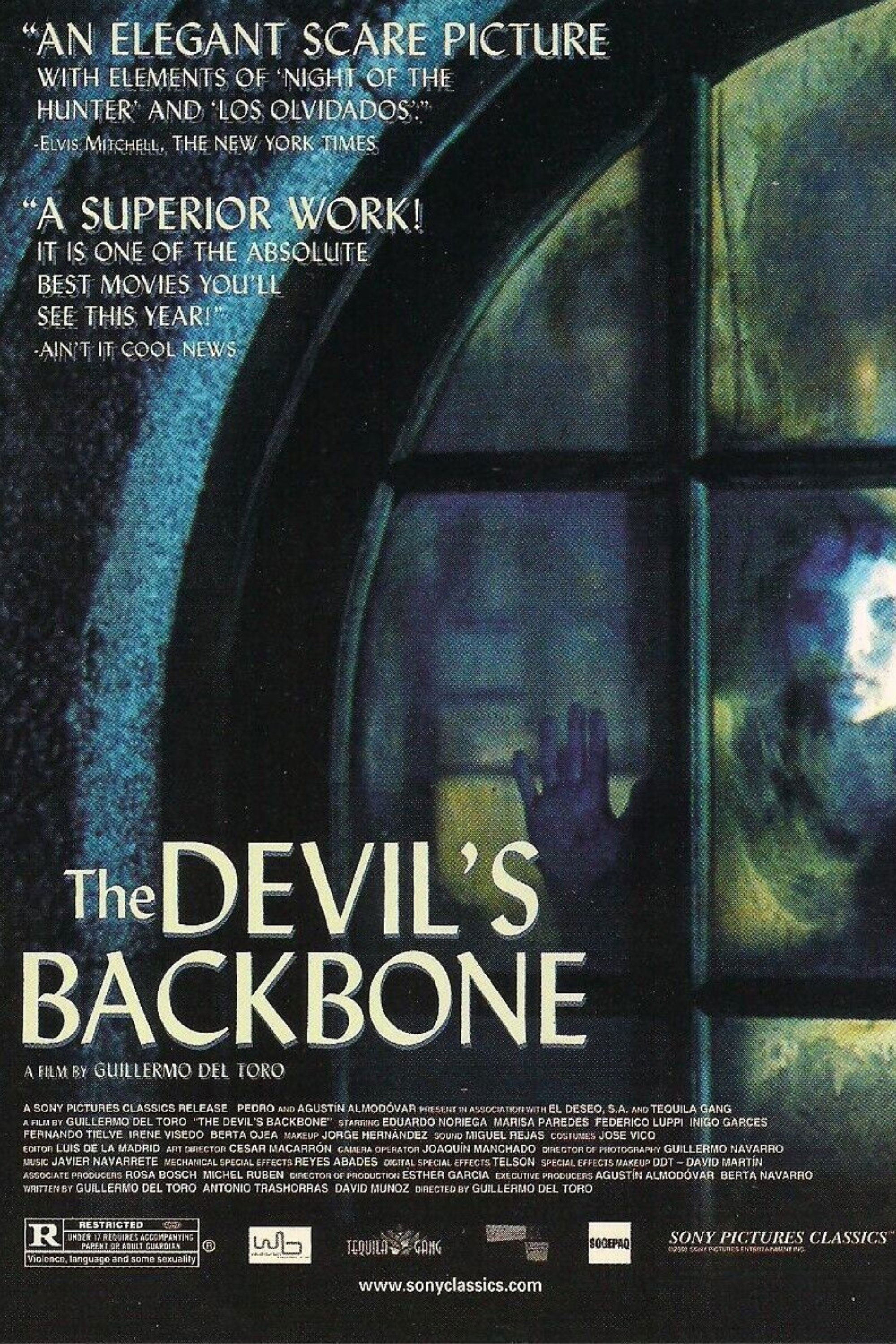
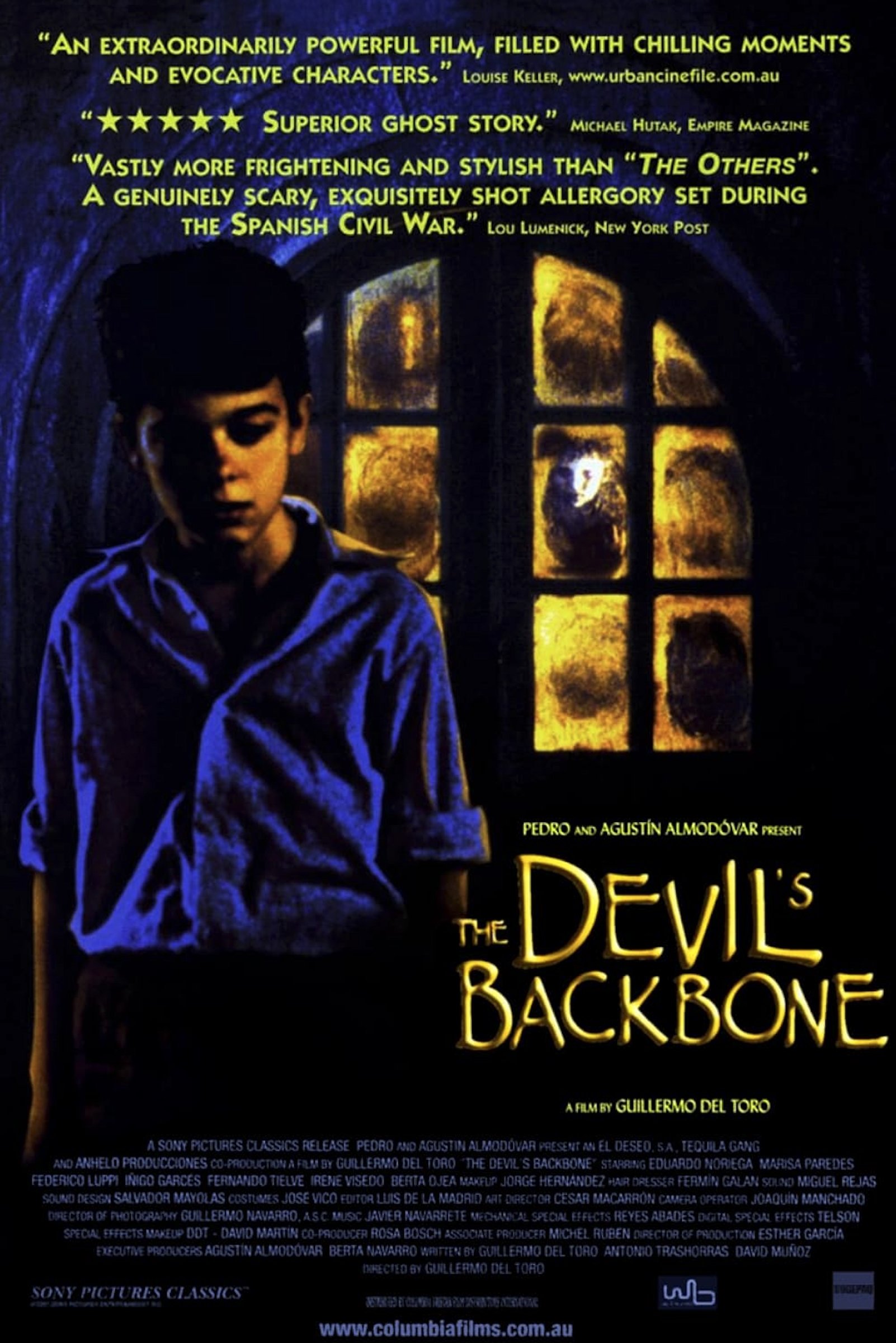
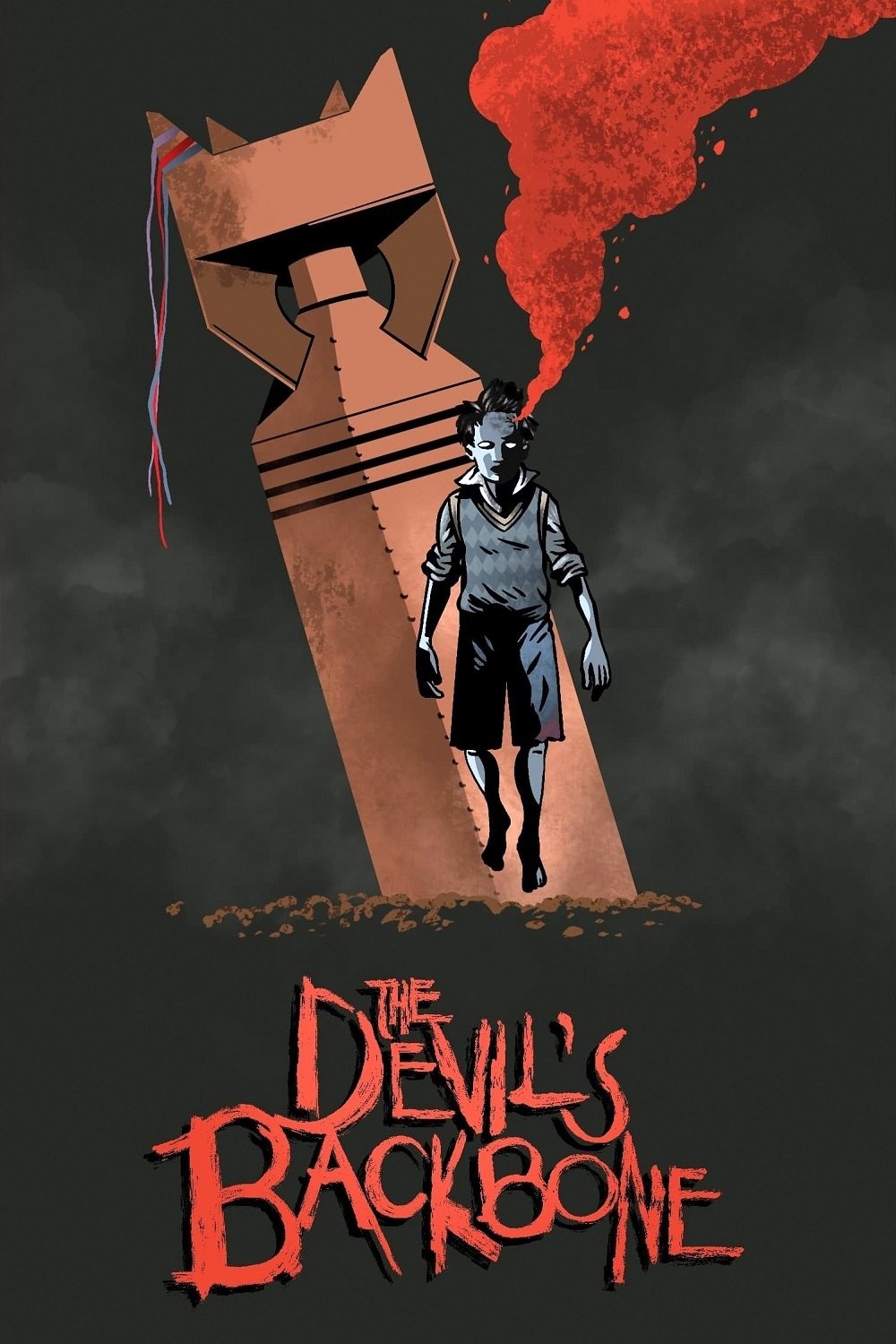
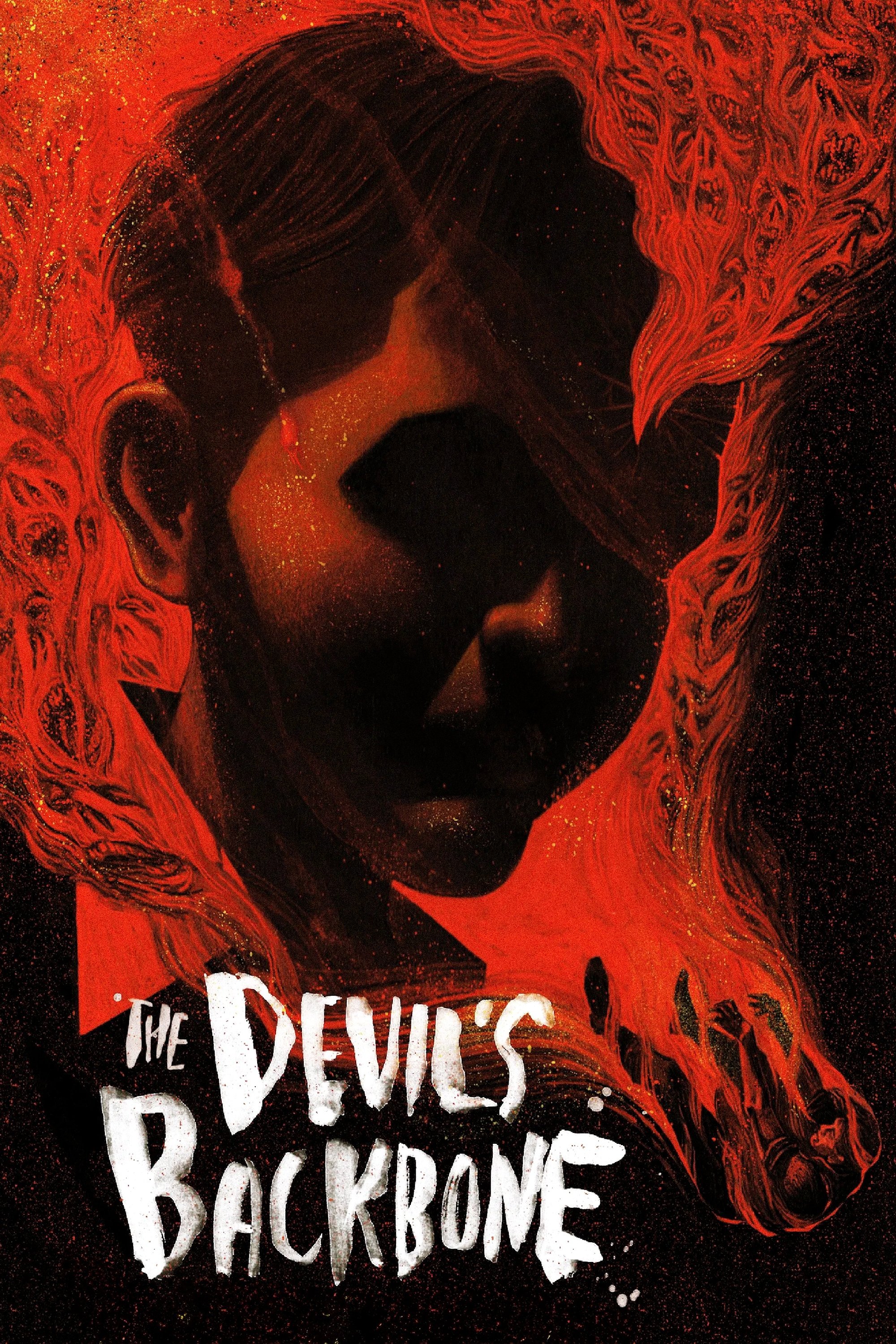
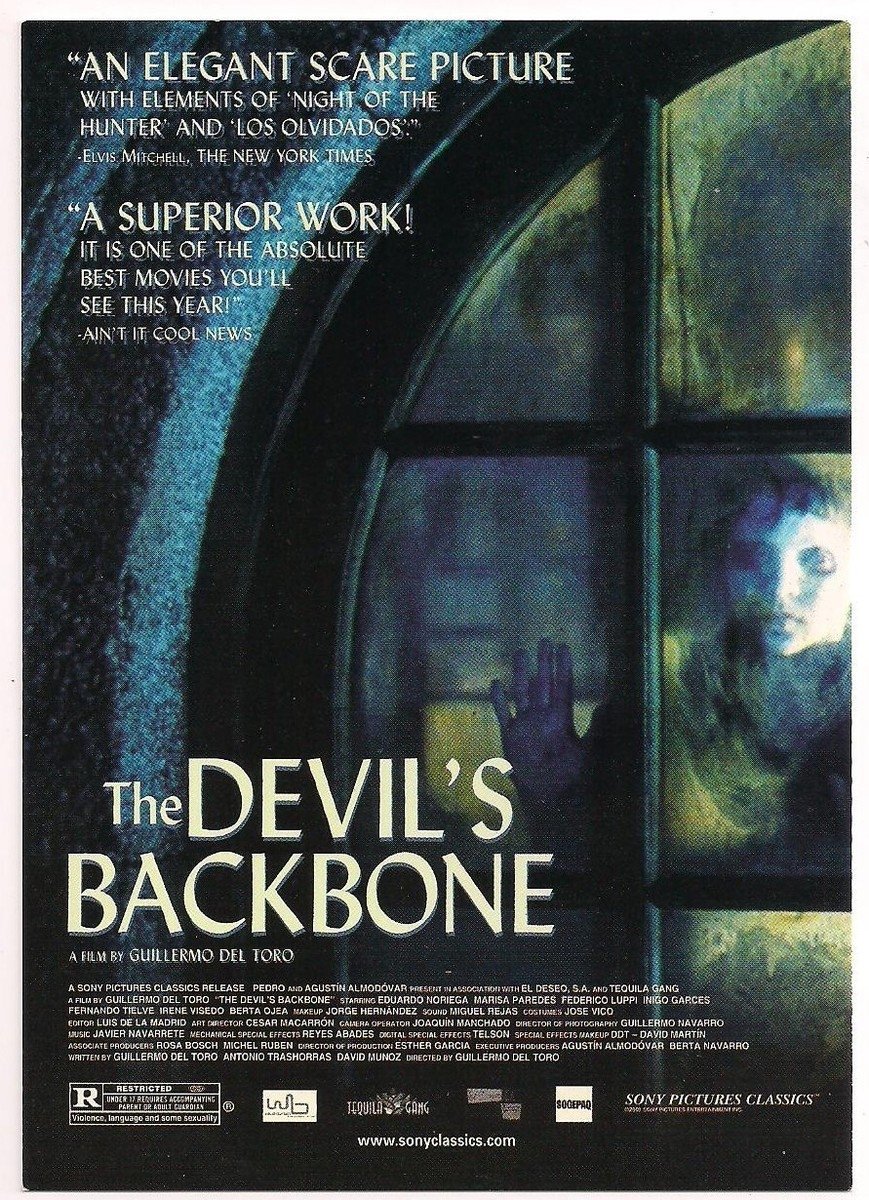
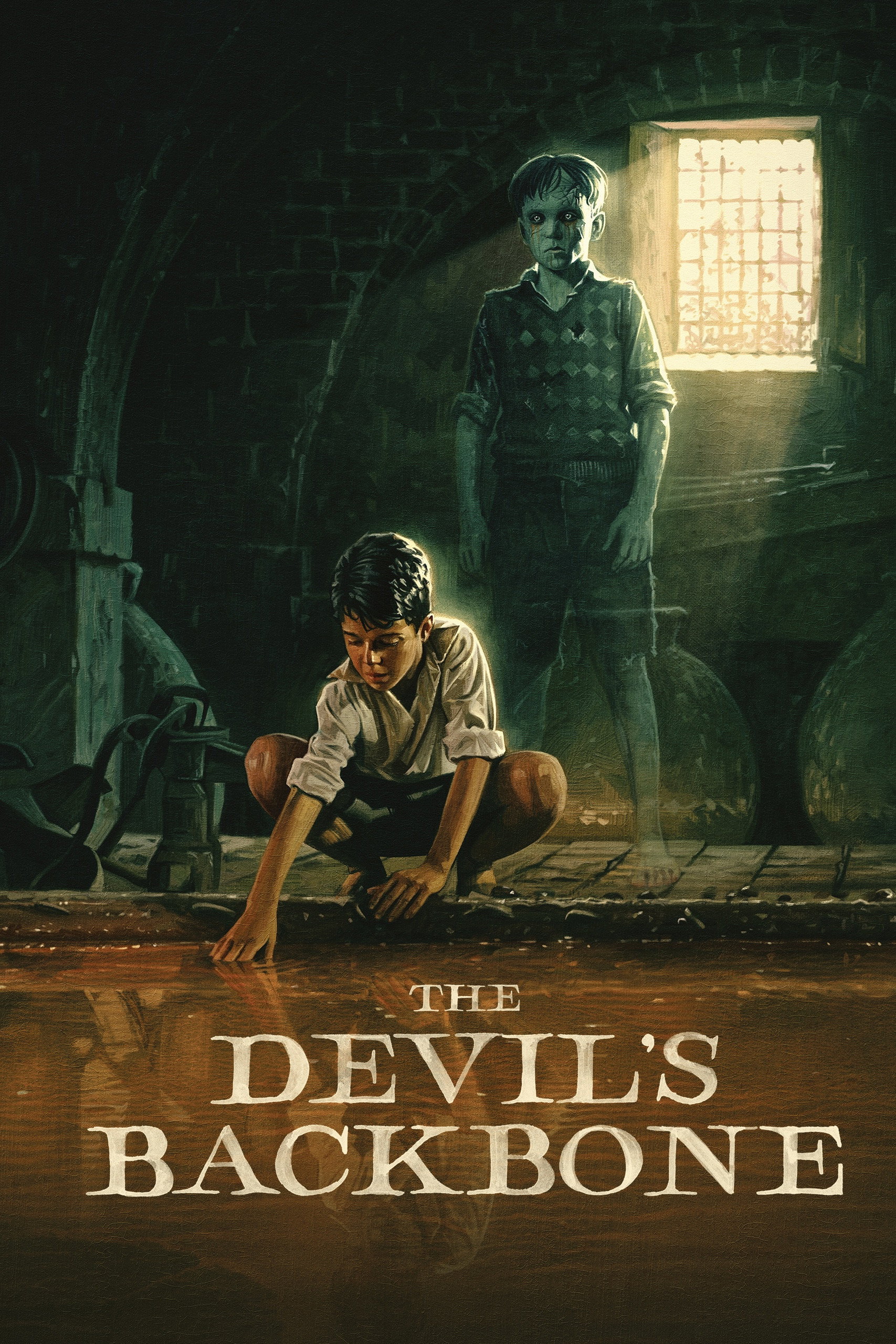
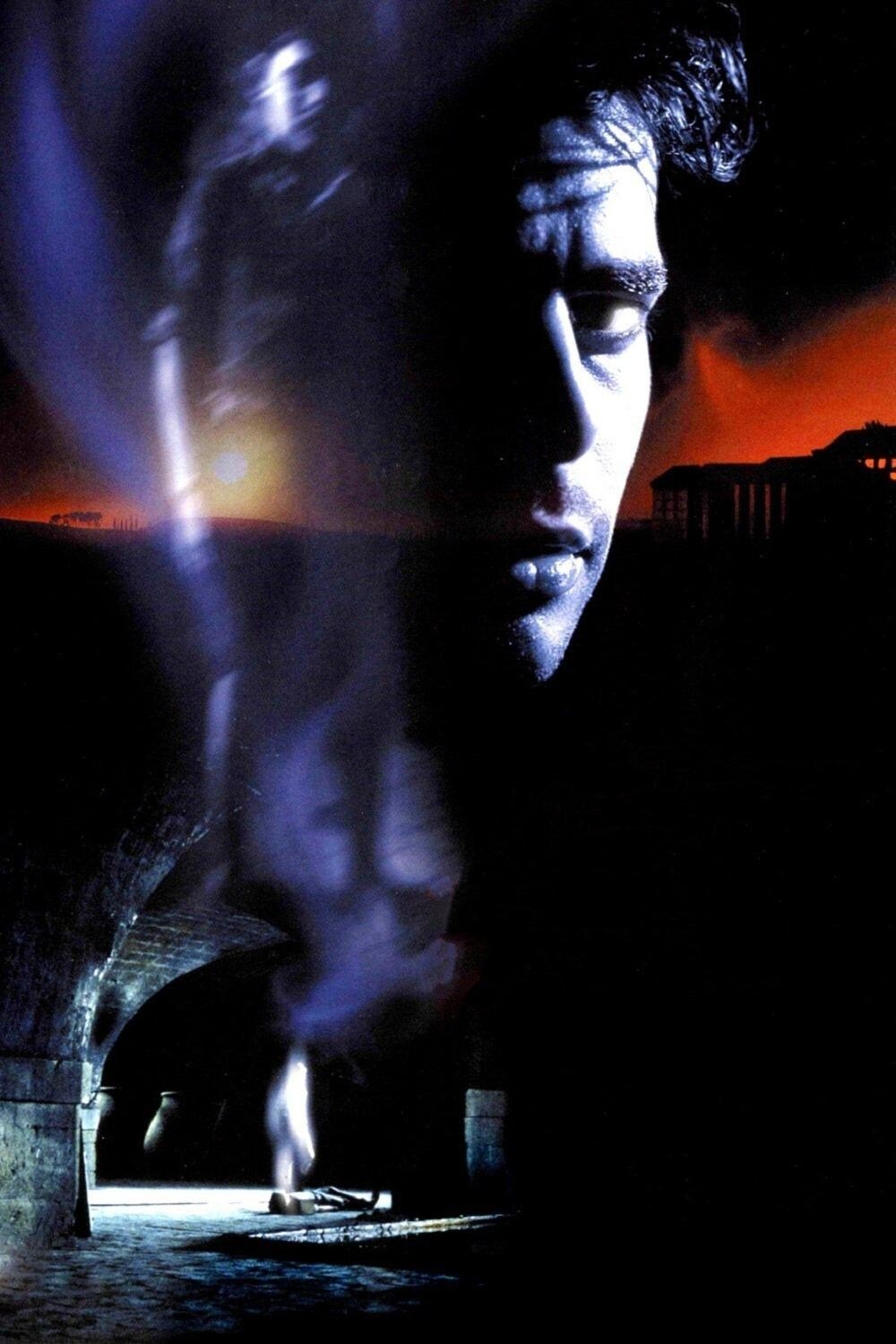
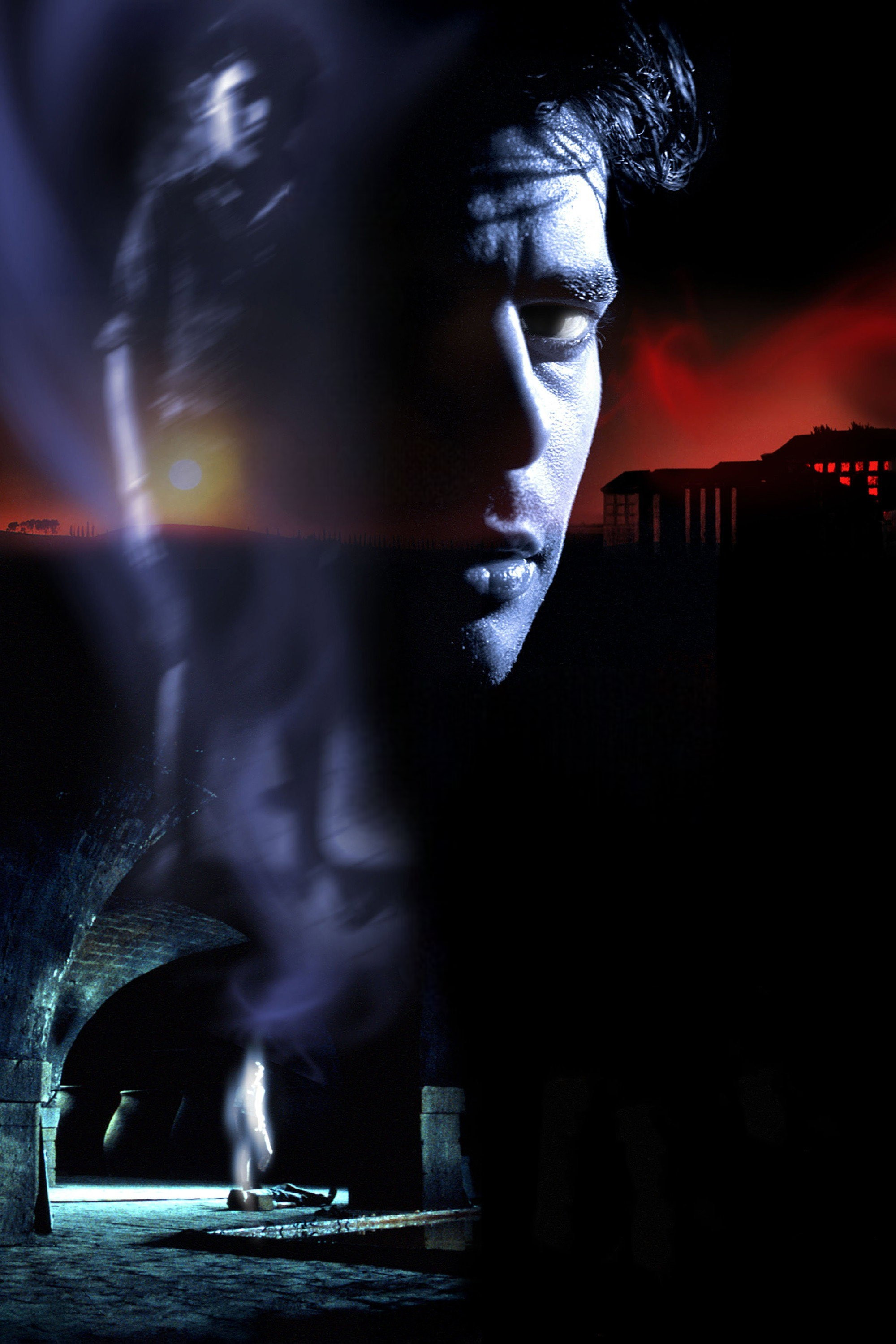
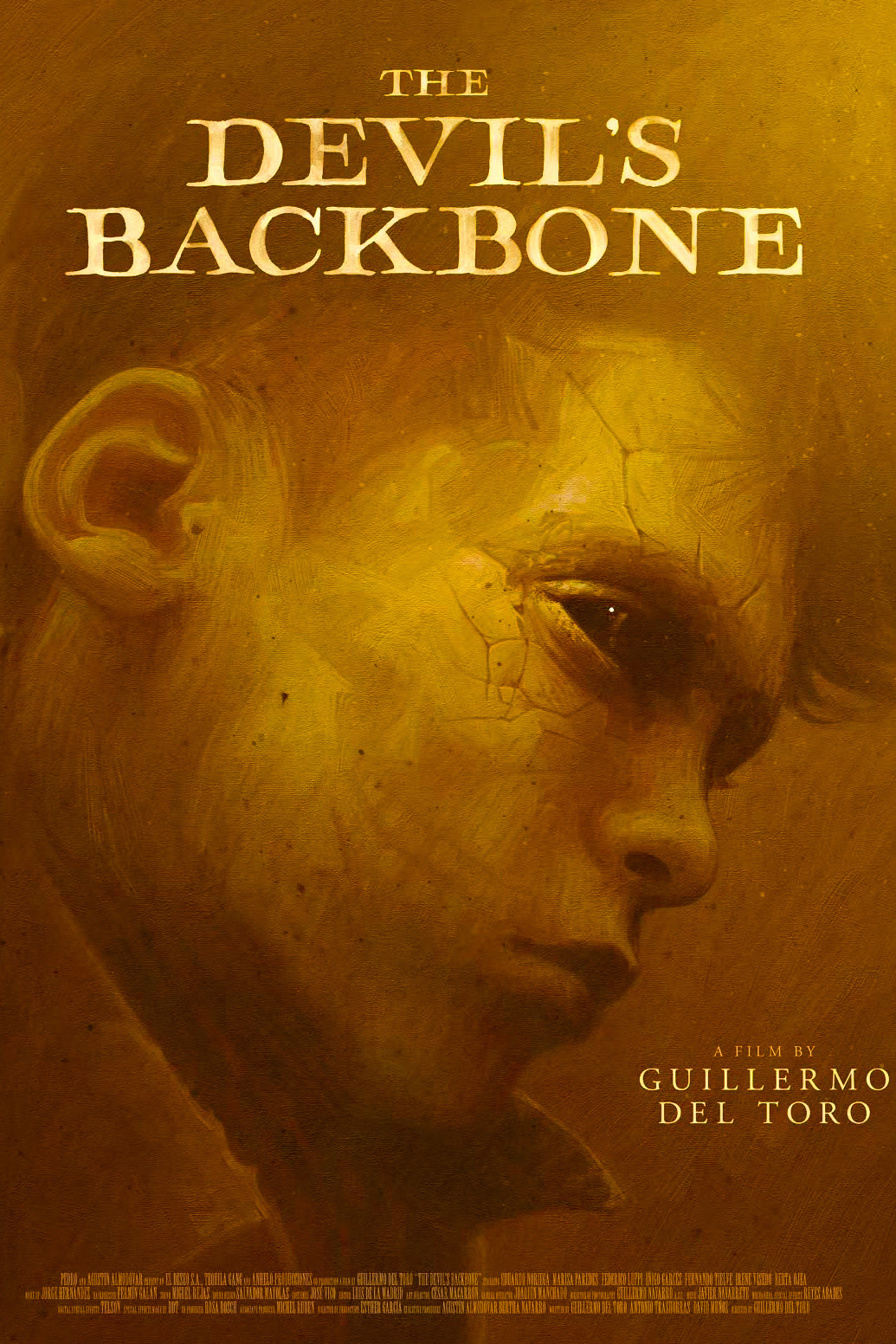
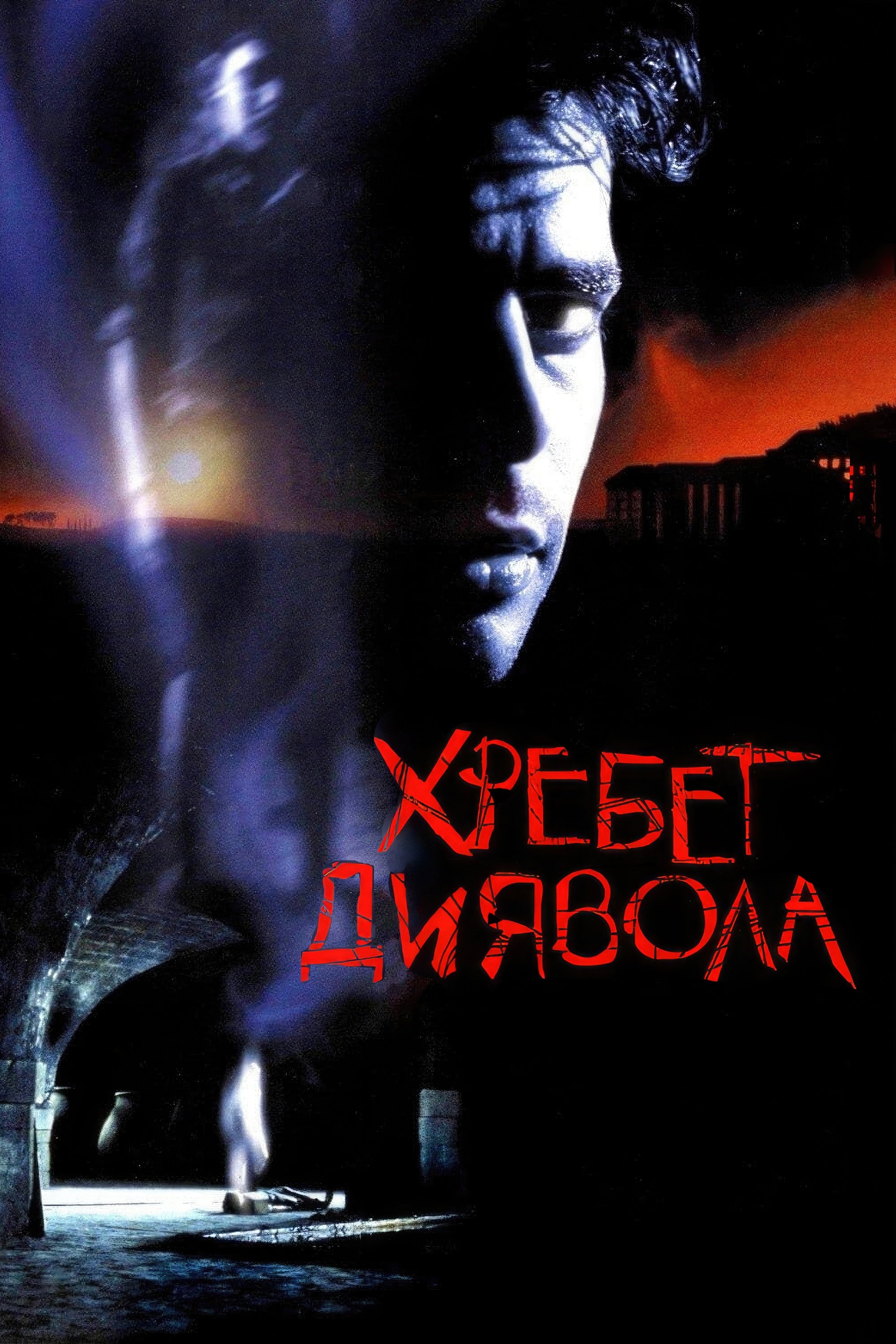
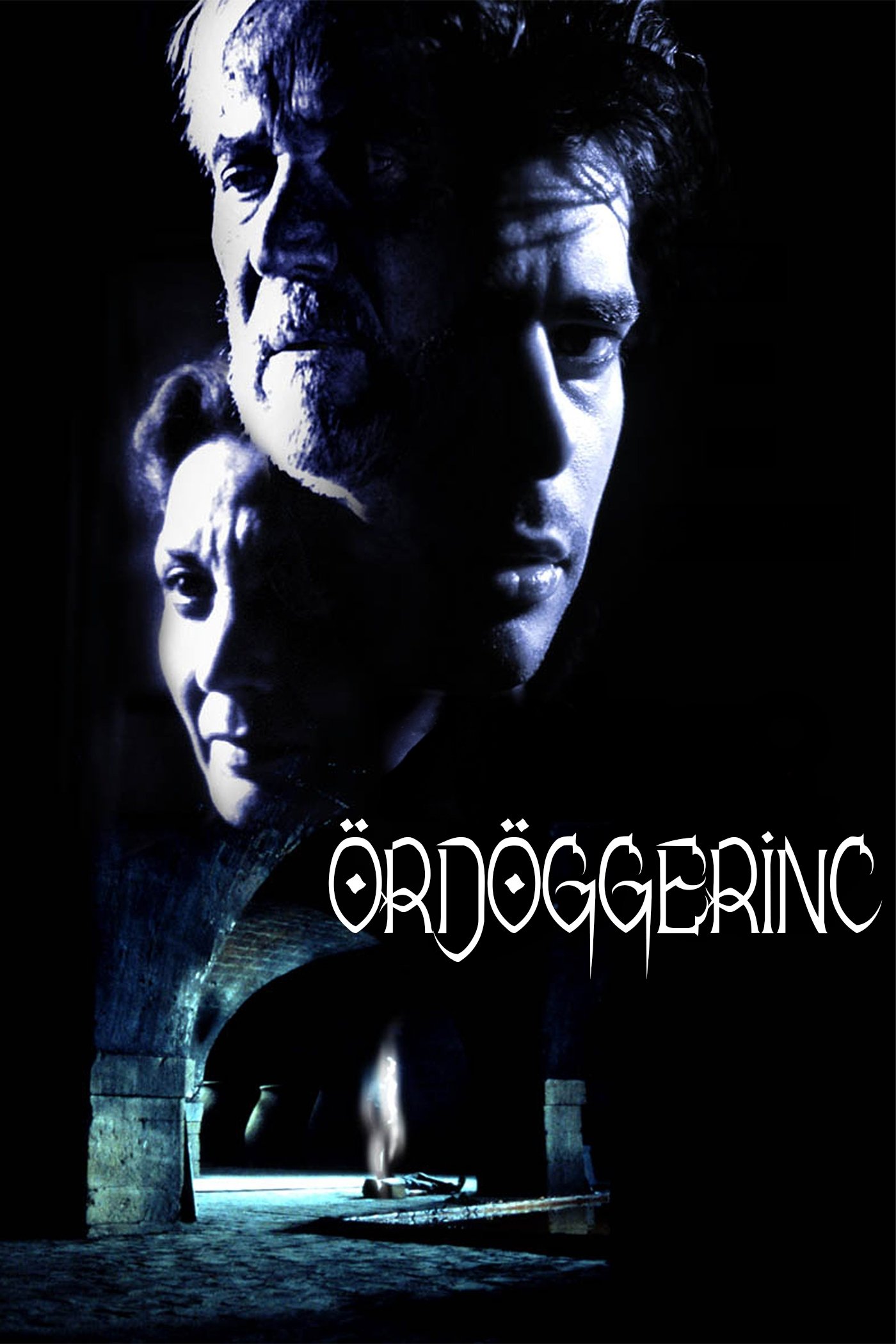
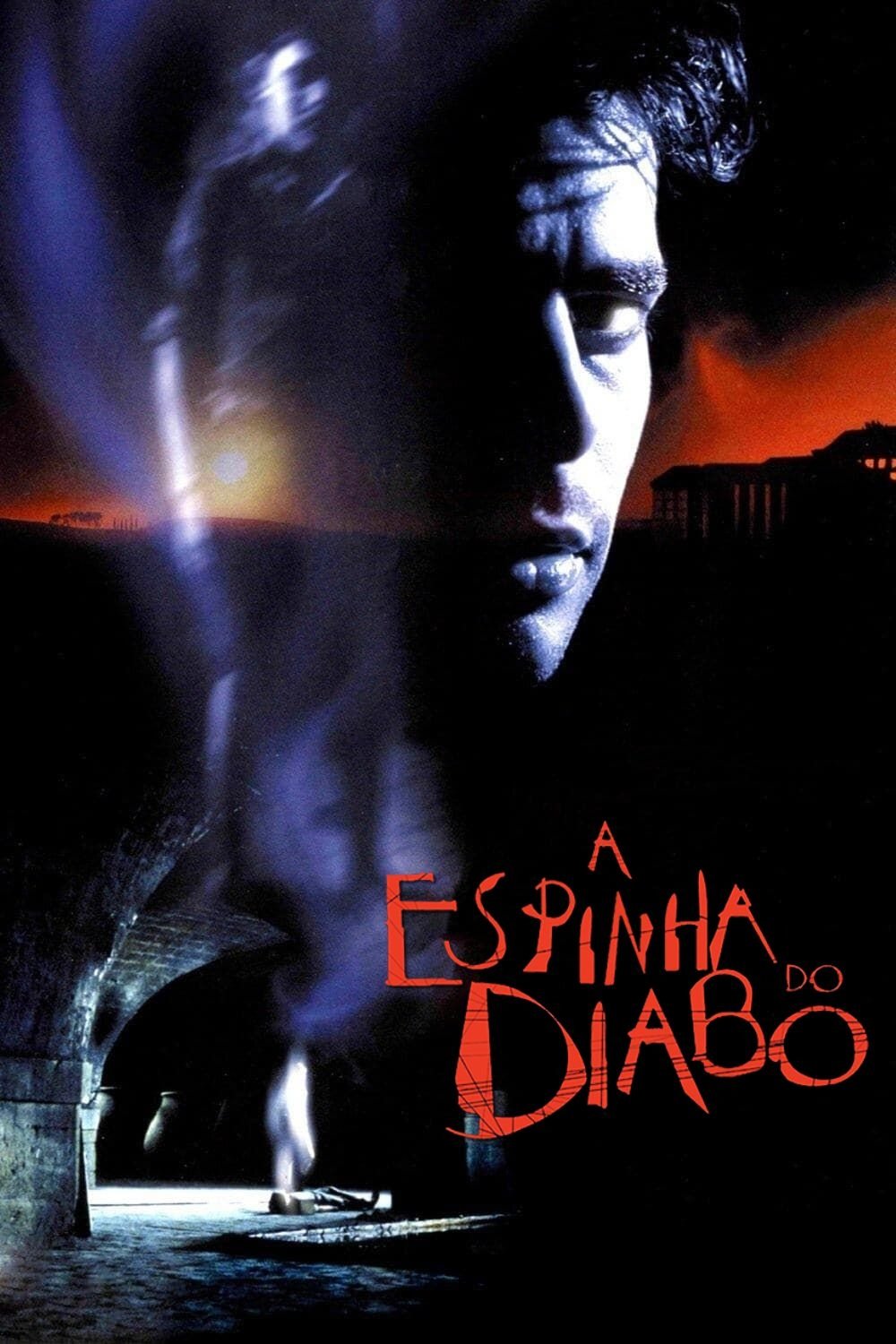
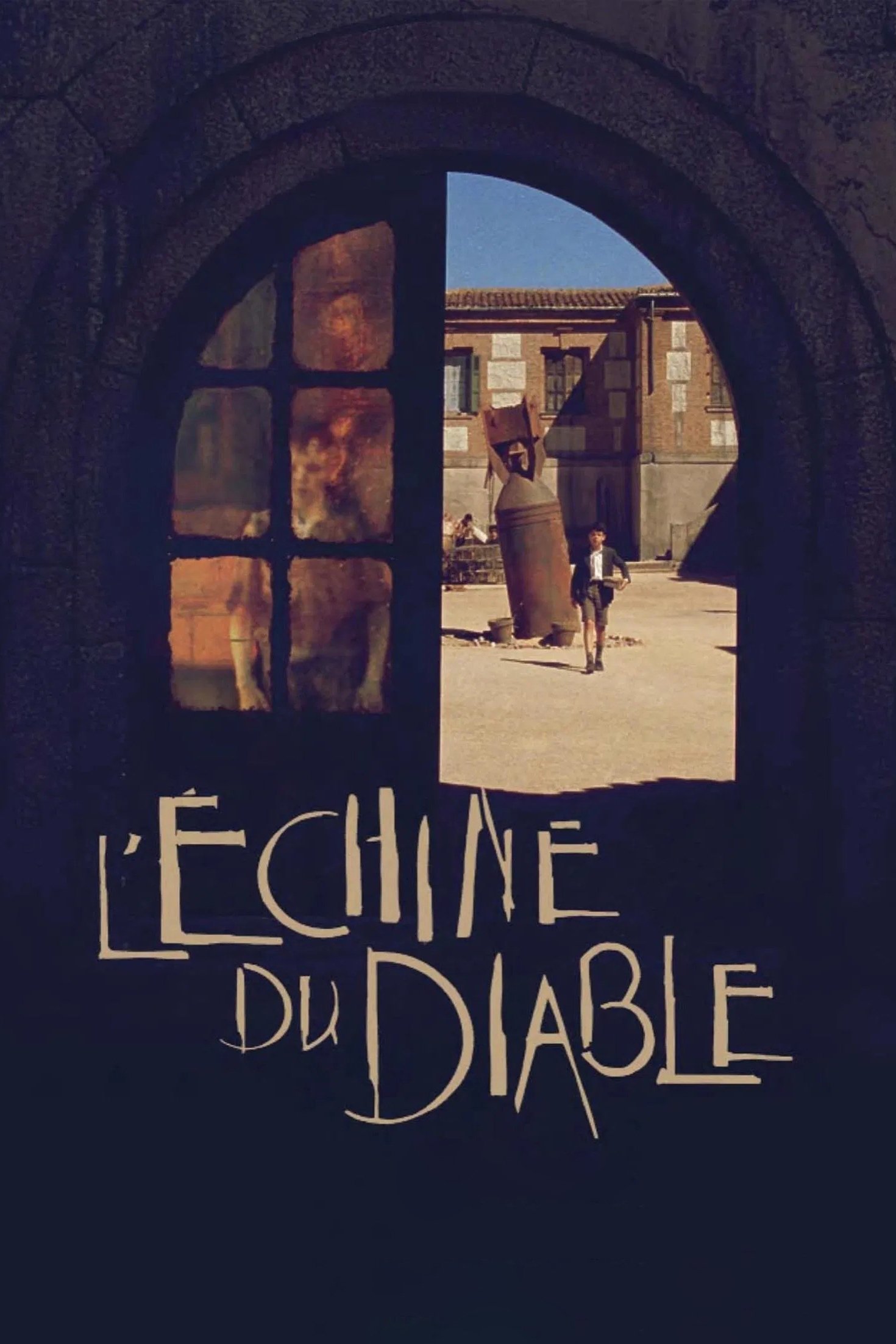
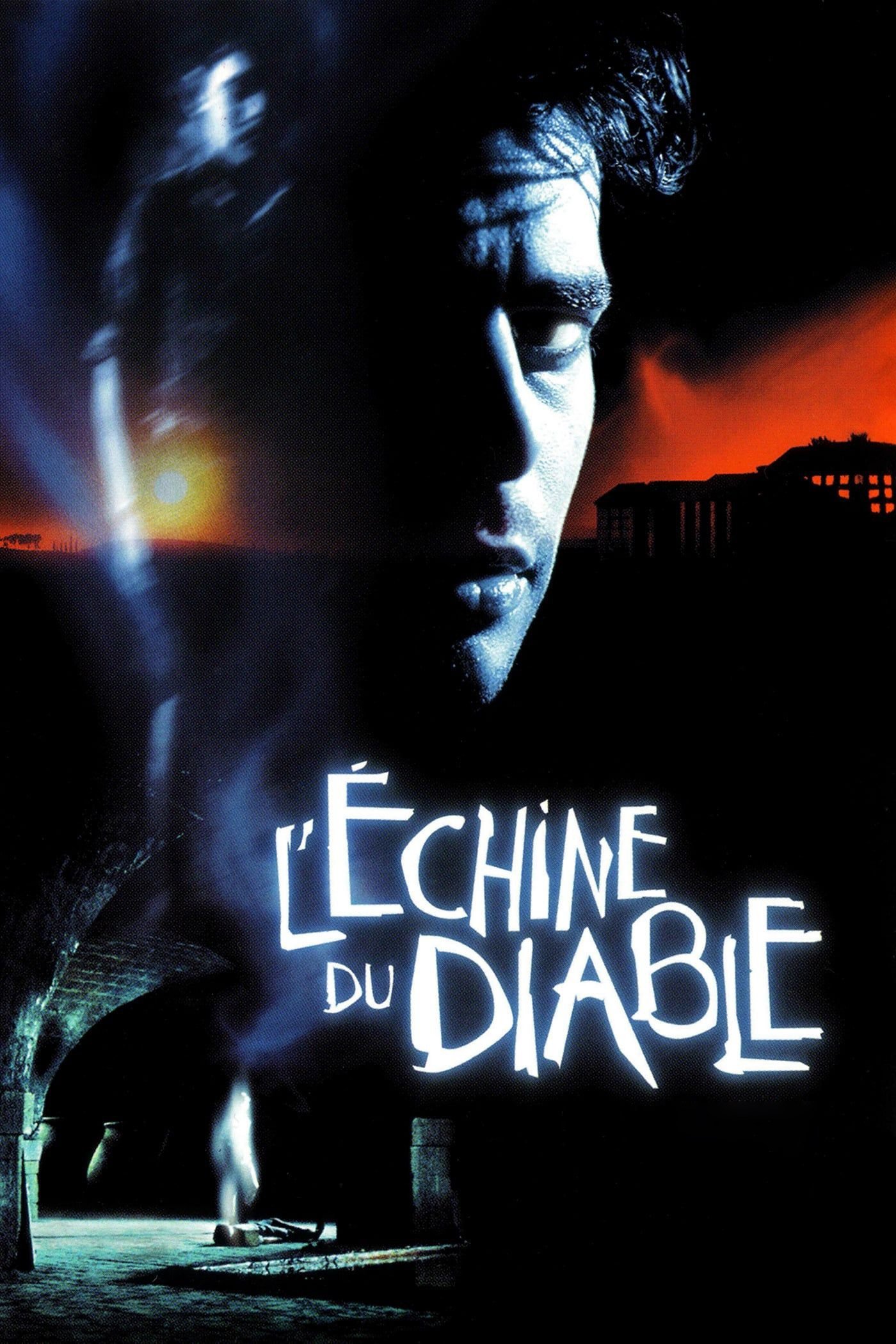
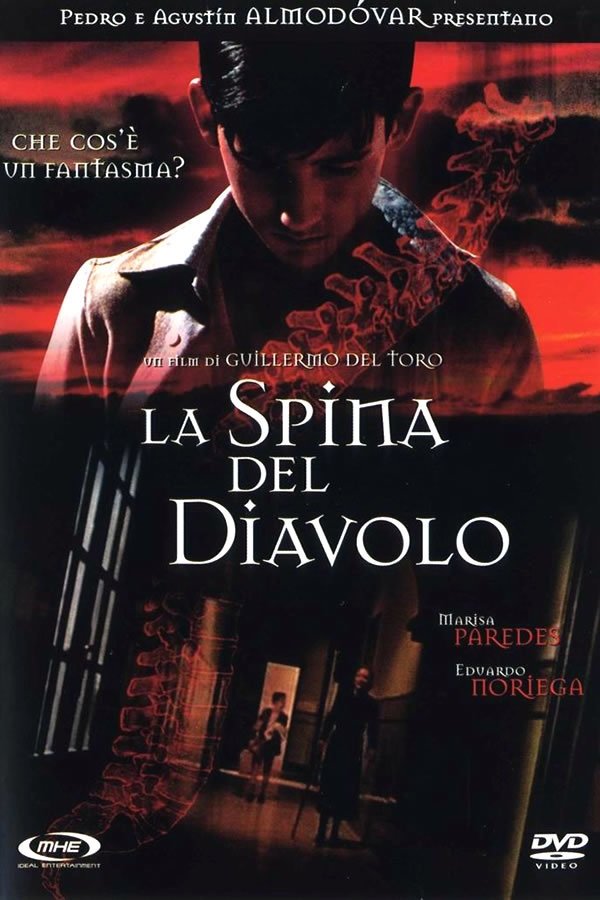
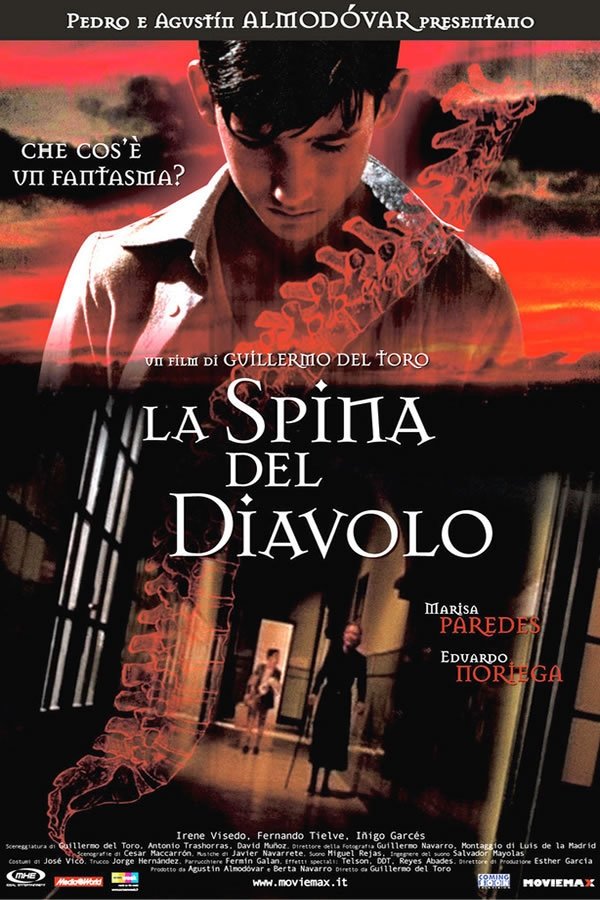
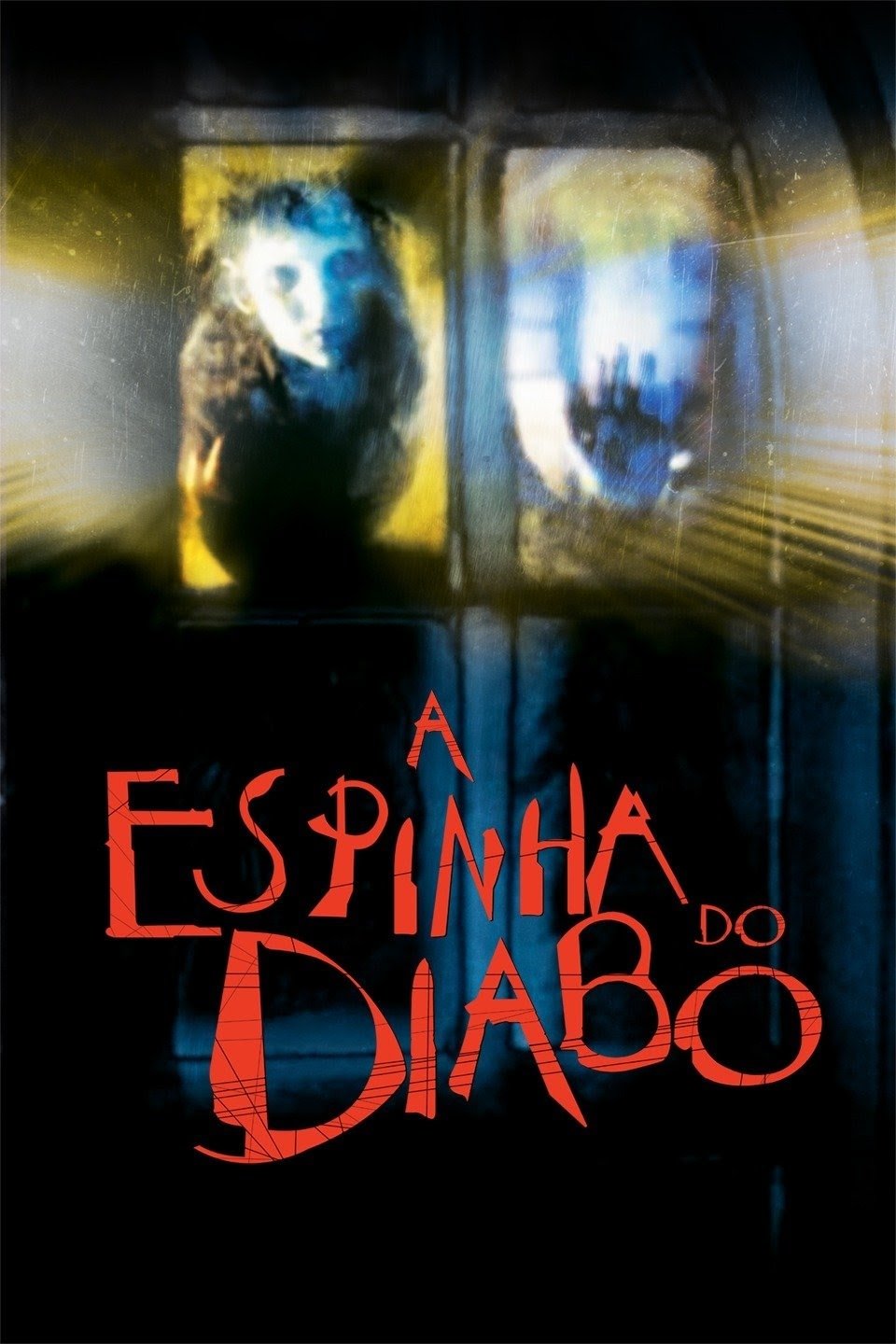
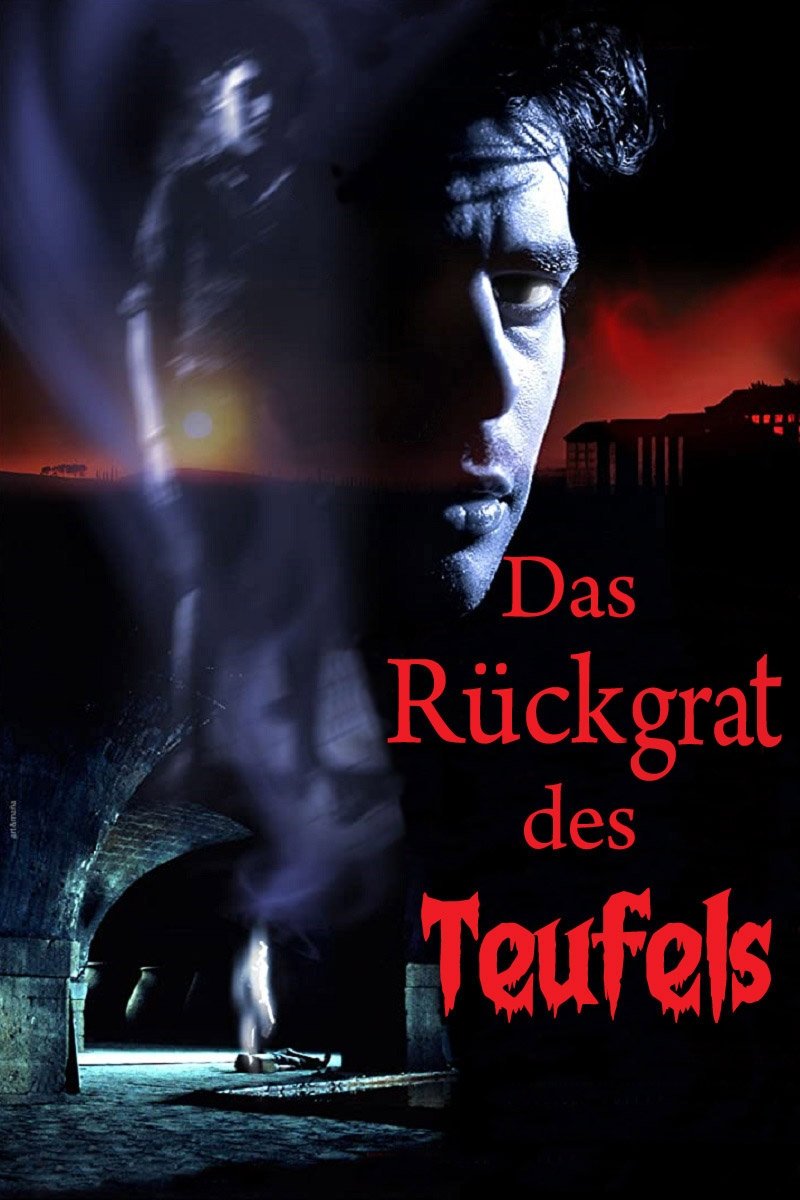
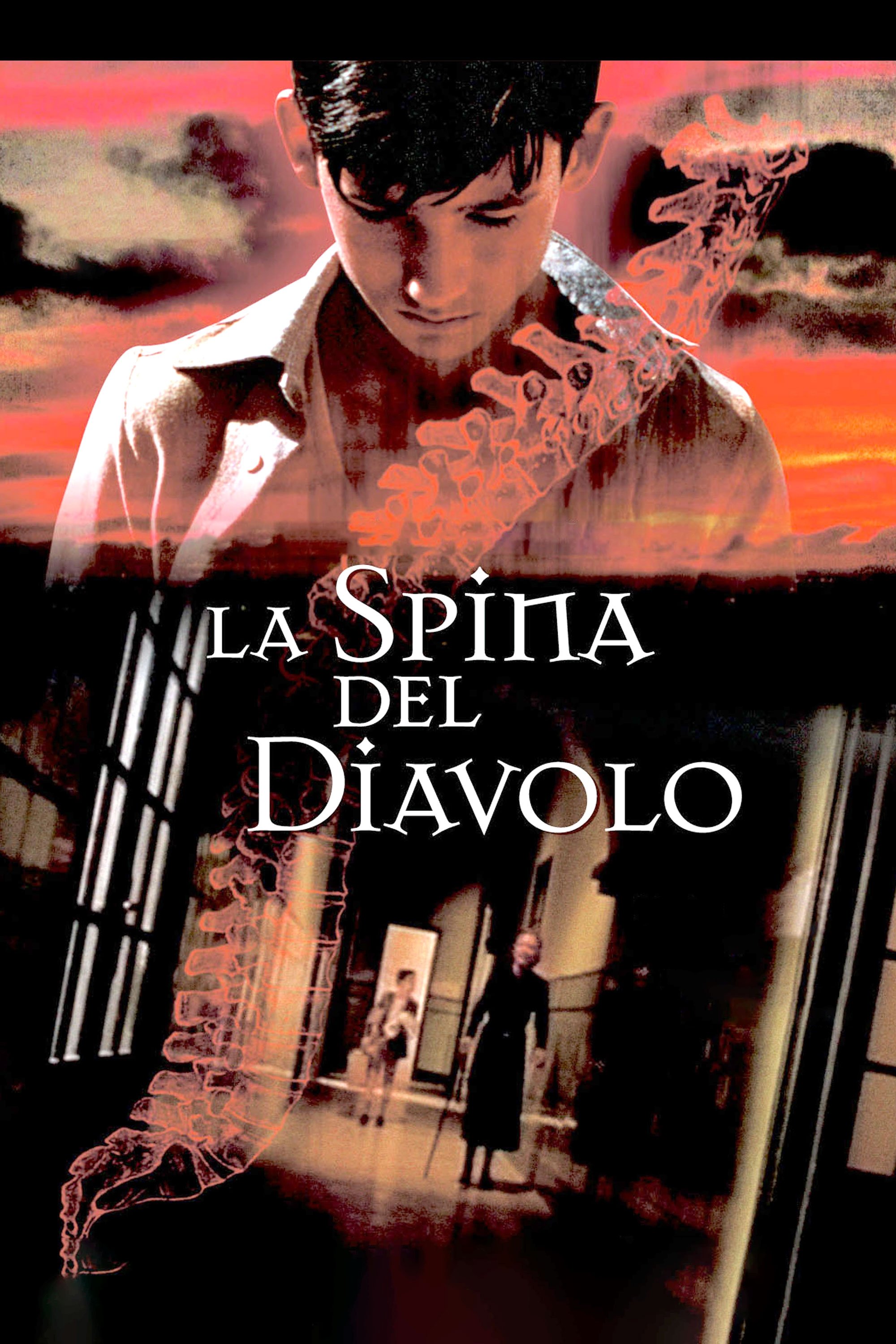
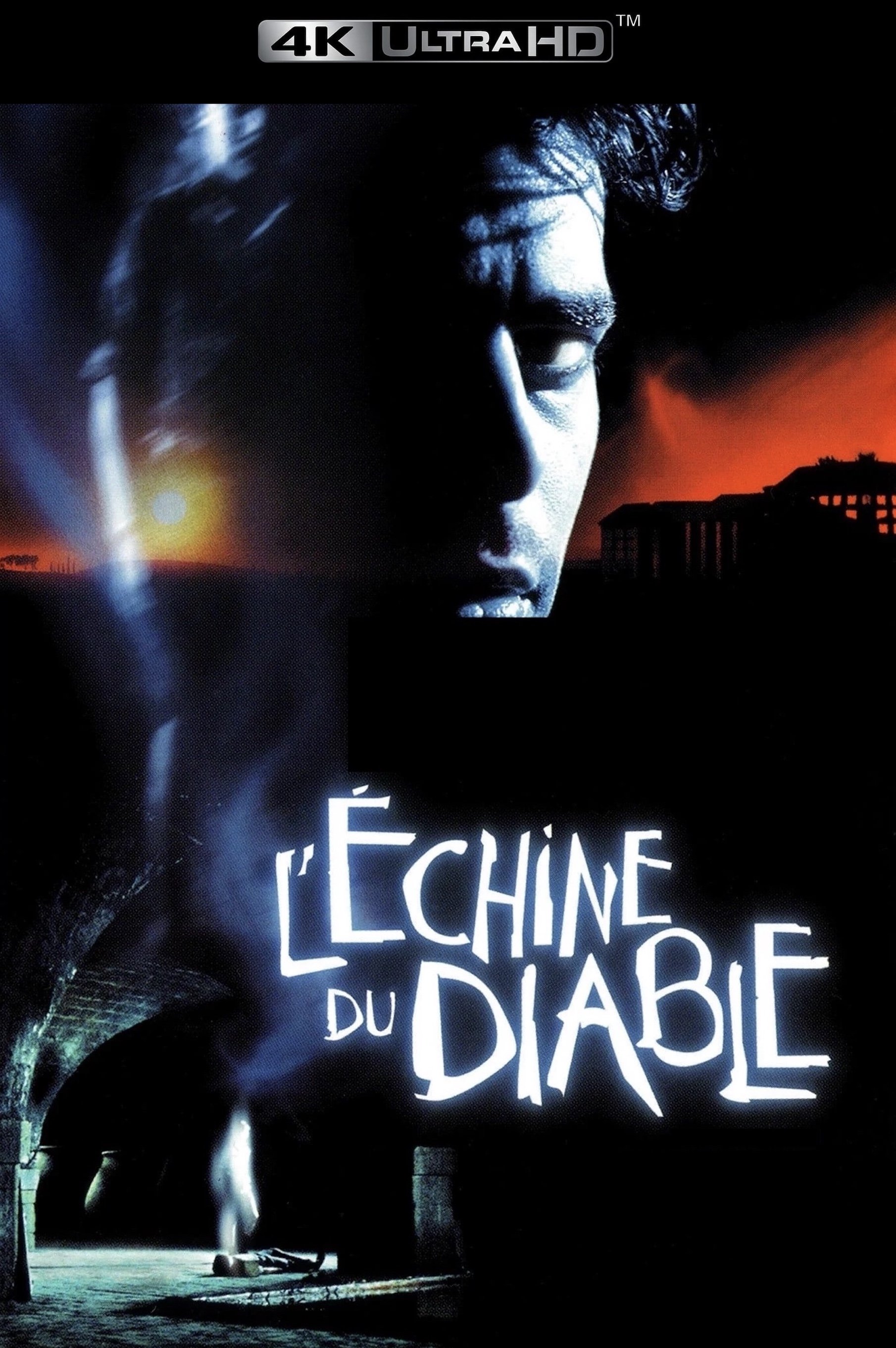
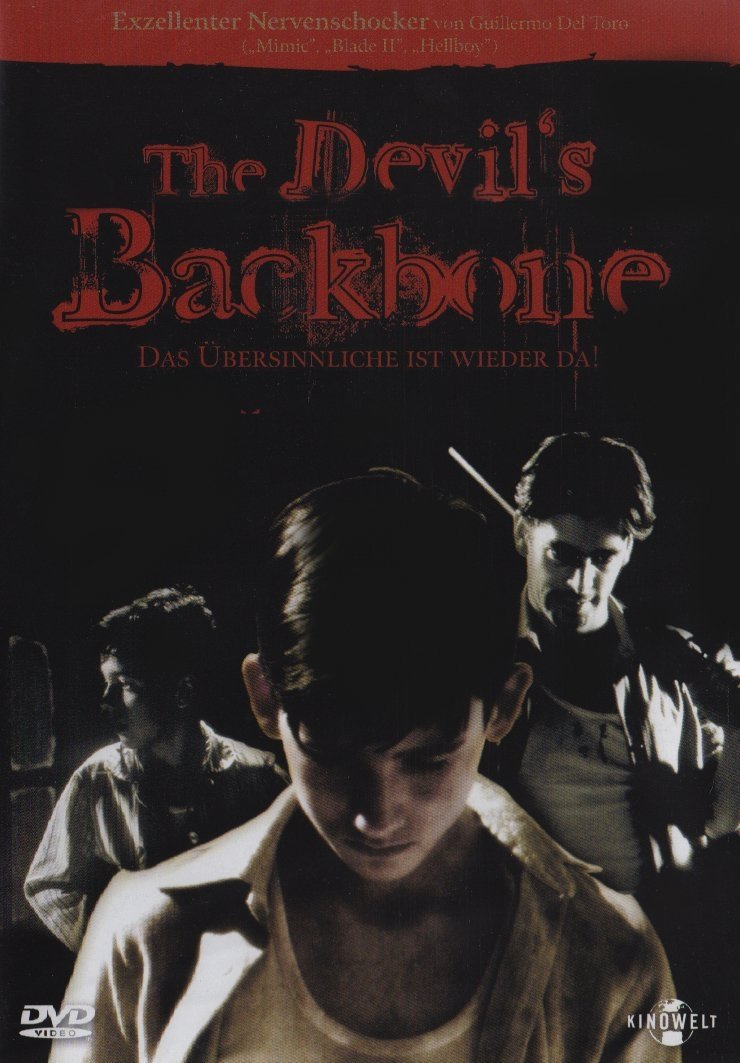
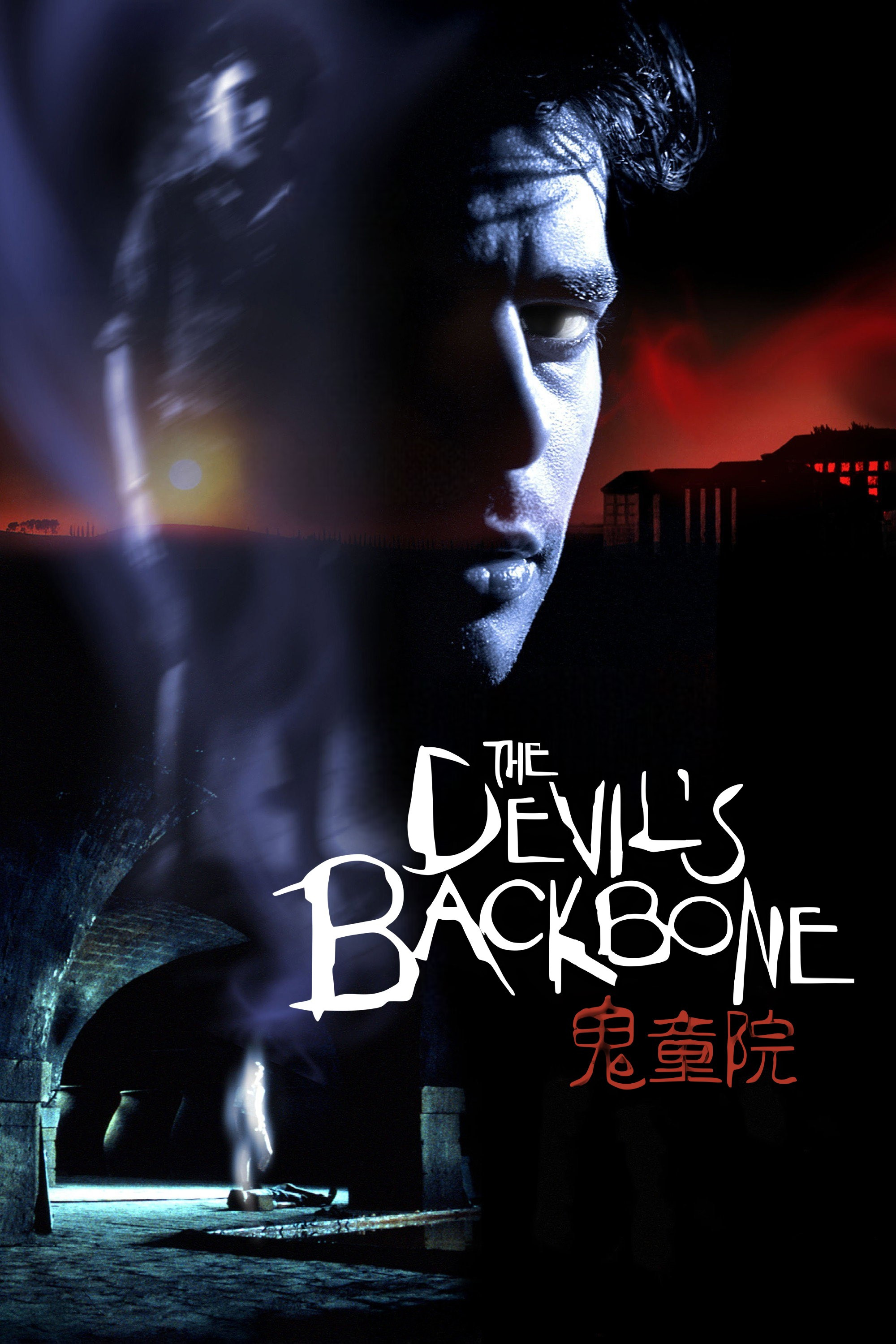
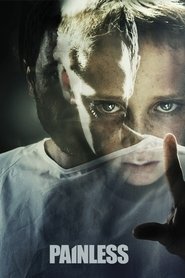
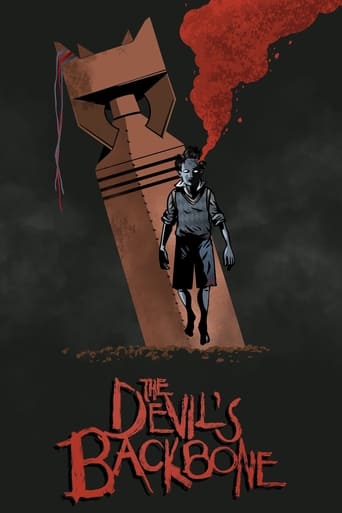
The Devil's Backbone (2001) poster
Production Companies
Tequila Gang , Anhelo Productions , El Deseo
Plot

Spain, 1939. In the last days of the Spanish Civil War, the young Carlos arrives at the Santa Lucía orphanage, where he will make friends and enemies as he follows the quiet footsteps of a mysterious presence eager for revenge.

Alternative Titles
Гръбнакът на дявола (Bulgaria) — Bulgarian A Espinha do Diabo (Brazil) — Portuguese 鬼童院 (China) — Chinese Ďáblova páteř (Czechia) Princ bez království (Czechia) — Czech Das Rückgrat des Teufels (Germany) — Television Title L'Échine du diable (France) — French Στη ράχη του διαβόλου (Greece) — Greek
Show all 26 alternative titles 鬼童院 (Hong Kong SAR China) — Chinese Đavolja kralježnica (Croatia) — Croatian Ördöggerinc (Hungary) — Hungarian ילדים של אף אחד (Israel) — Hebrew La spina del diavolo (Italy) — Italian デビルズ・バックボーン (Japan) — Japanese 악마의 등뼈 (South Korea) — Korean Velnio stuburas (Lithuania) — Lithuanian Djevelens ryggrad (Norway) Kręgosłup diabła (Poland) — Polish Nas Costas do Diabo (Portugal) — Portuguese Хребет дьявола (Russia) — Russian Diablova chrbtica (Slovakia) — Slovak เด็กผีวิญญาณพยาบาท (Thailand) — Thai Şeytanın Bel Kemiği (Türkiye) — Turkish 神鬼第六感2:魔鬼之心 (Taiwan) — Chinese Хребет диявола (Ukraine) — Ukrainian Xương Quỷ​ (Vietnam) — Vietnamese

Trailers & Videos

5 videos

Film Guide & Analysis

Guillermo del Toro’s Civil War ghost story: its long development, the orphanage, Santi’s spectral design, practical and digital effects, historical themes, sound, reception and legacy.

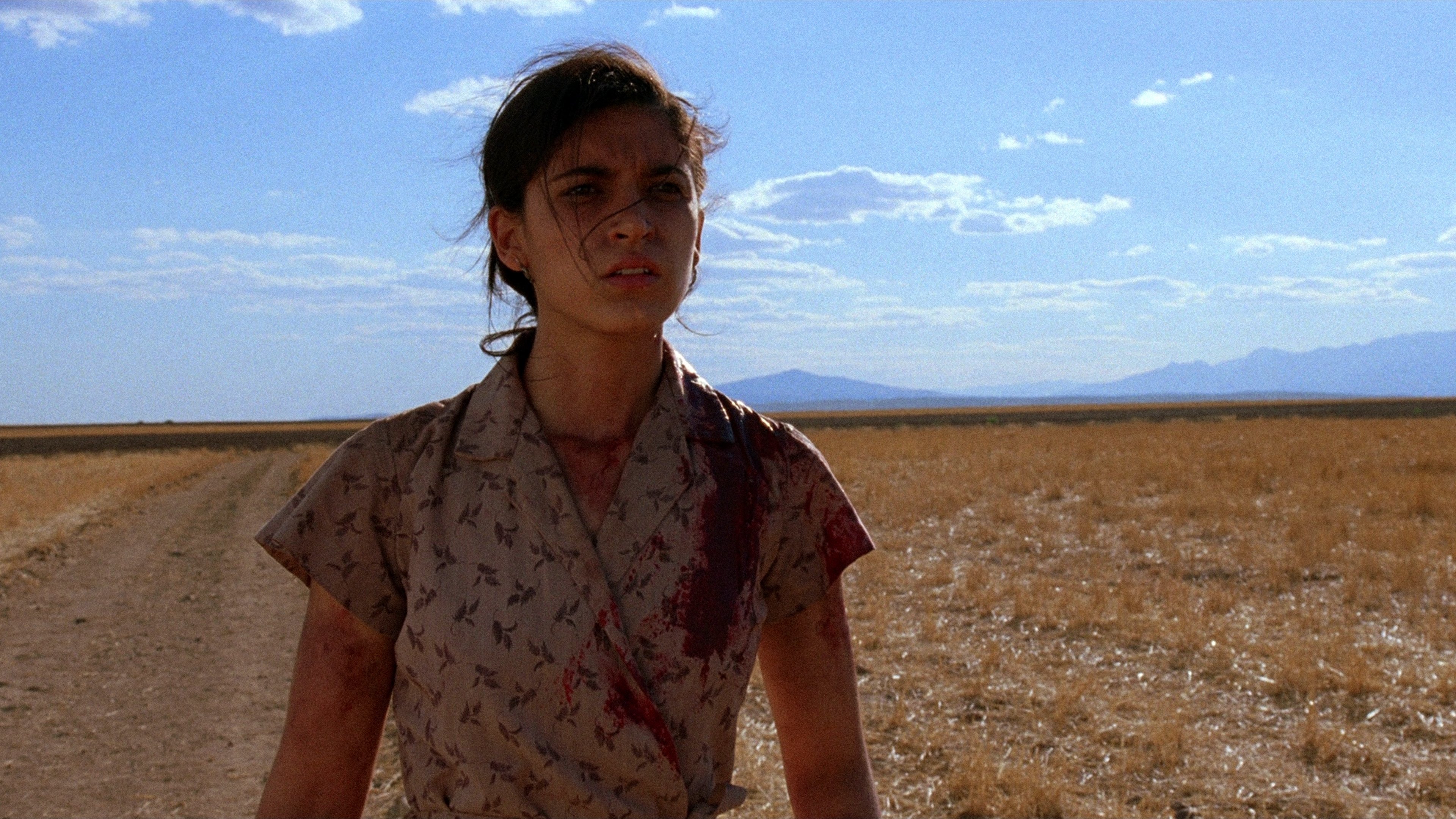
Guillermo del Toro’s The Devil’s Backbone (2001), originally titled El espinazo del diablo, sets a ghost story in a remote Spanish orphanage during the closing phase of the Civil War. A boy named Carlos arrives at Santa Lucía, where a huge unexploded bomb stands in the courtyard and the disappearance of another child, Santi, has become a source of fear. The apparitions that disturb Carlos gradually reveal a crime committed inside the institution. At the same time, the advancing war threatens the adults who shelter the children, giving the building’s apparently isolated mysteries a political urgency beyond its walls.

Produced as a Spanish-Mexican collaboration after del Toro’s difficult experience directing Mimic (1997) in Hollywood, the film combines the physical detail of Gothic horror with a story about childhood, repression and the persistence of violence. Guillermo Navarro’s cinematography distinguishes the sun-struck landscape from the corridors in which Santi appears, while the ghost’s unsettling design makes an injured body seem suspended between water and air. The film’s unusual emotional movement is integral to its conception: as the children understand the apparition, danger increasingly comes from the living people around them. Del Toro later developed related concerns in Pan’s Labyrinth (2006), another Spanish Civil War fantasy told through a child’s experience.

The Long Development and Return to Spanish-Language Film

Del Toro began developing the idea long before production. In a 2001 interview with Beth Accomando, he said he had started writing it sixteen years earlier and had initially imagined a ghost story set during the Mexican Revolution. He eventually transferred the action to the Spanish Civil War, finding a setting suited to the relationship between private suffering and collective catastrophe. Mark Kermode’s account for the Criterion Collection places the project among the filmmaker’s earliest ambitions and identifies the influence of Spanish artist Carlos Giménez’s comics, especially Paracuellos, with their depictions of children in institutional care. Giménez also contributed storyboards to the finished film.

The project took shape after del Toro’s conflict with the producers of Mimic, his first Hollywood feature. The director described the experience as a loss of control over his work and wanted to regain authority over both form and subject. The production involved Mexico’s Tequila Gang and the Spanish company El Deseo, associated with Pedro and Agustín Almodóvar. Del Toro credited this arrangement with giving him creative freedom despite a more limited scale than a major American studio production. The collaboration joined a Mexican filmmaker and production team with Spanish actors, settings and a historical subject central to the country’s twentieth-century memory.

The screenplay credits are shared by del Toro, Antonio Trashorras and David Muñoz. Its final form brings the mechanisms of a murder mystery into contact with a political melodrama and a child’s apprehension of the supernatural. Rather than treating the isolated orphanage as a convenient backdrop, the writing makes it a small community whose divisions reflect the war unfolding elsewhere. These strands also allowed del Toro to place personal childhood fears within a story whose geography and historical moment differed from his own experiences.
The Civil War and the World of Santa Luc?a

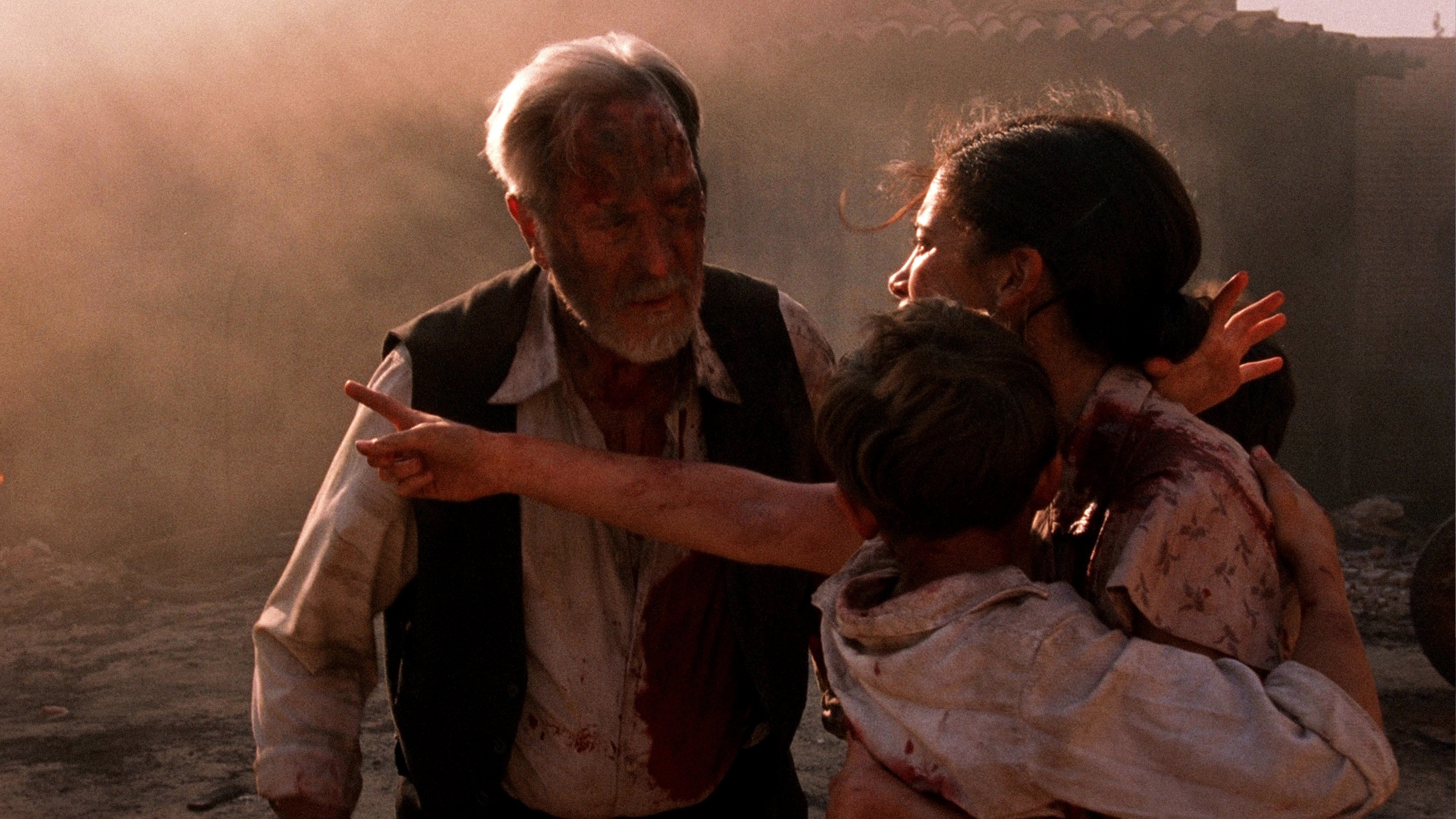
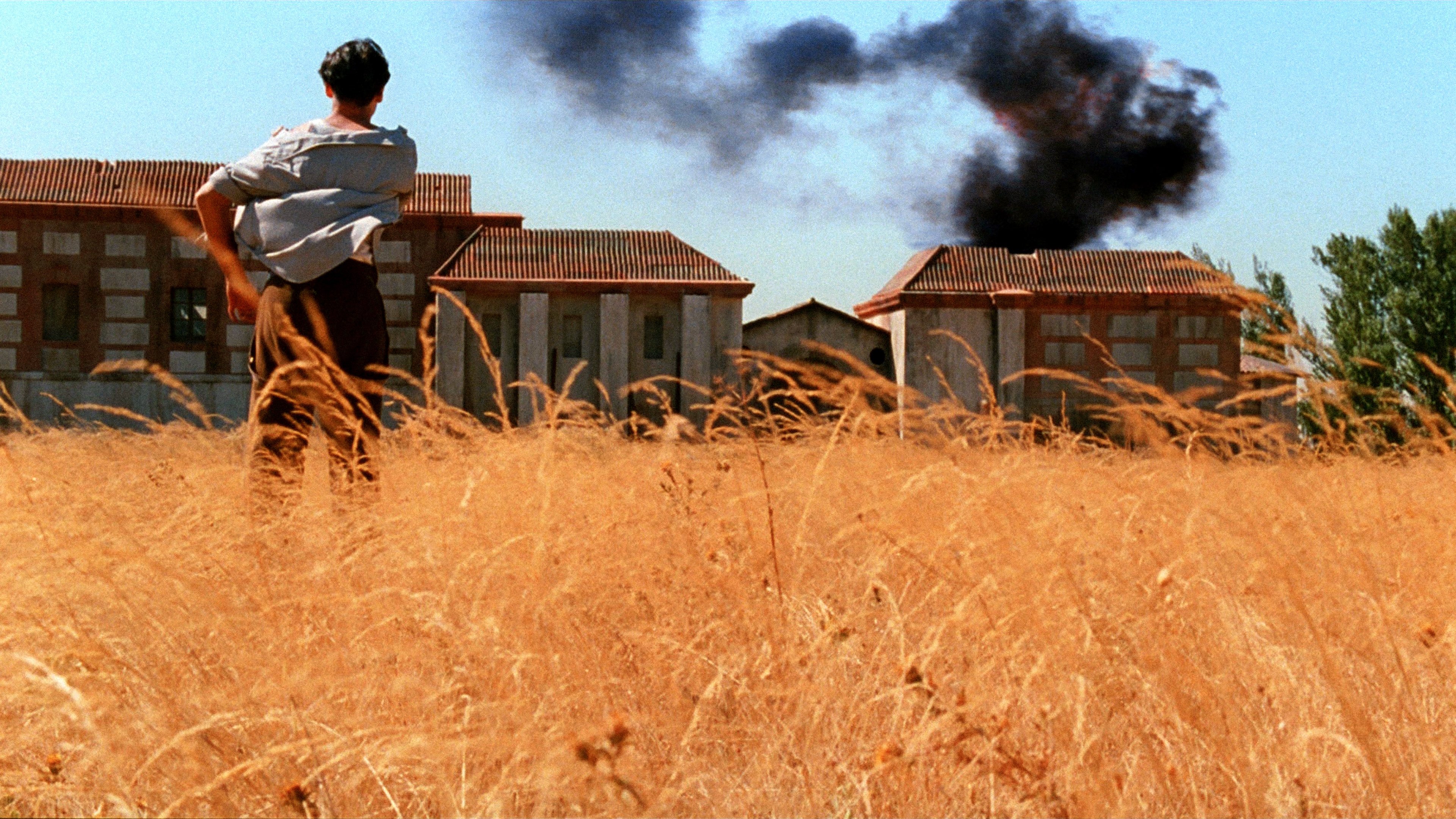
The film takes place near the end of the Spanish Civil War, when the defeat of Republican forces is approaching. Santa Lucía shelters boys whose lives have been disrupted by the fighting, while its adult caretakers remain committed to the Republican cause. Their position gives the school’s isolation a double meaning: the surrounding plain separates it from immediate battle, yet the political conflict determines the risks of remaining there. Carlos arrives with little power to decide his own future, sharing the uncertainties of children who must depend on adults whose ability to protect them is rapidly diminishing.

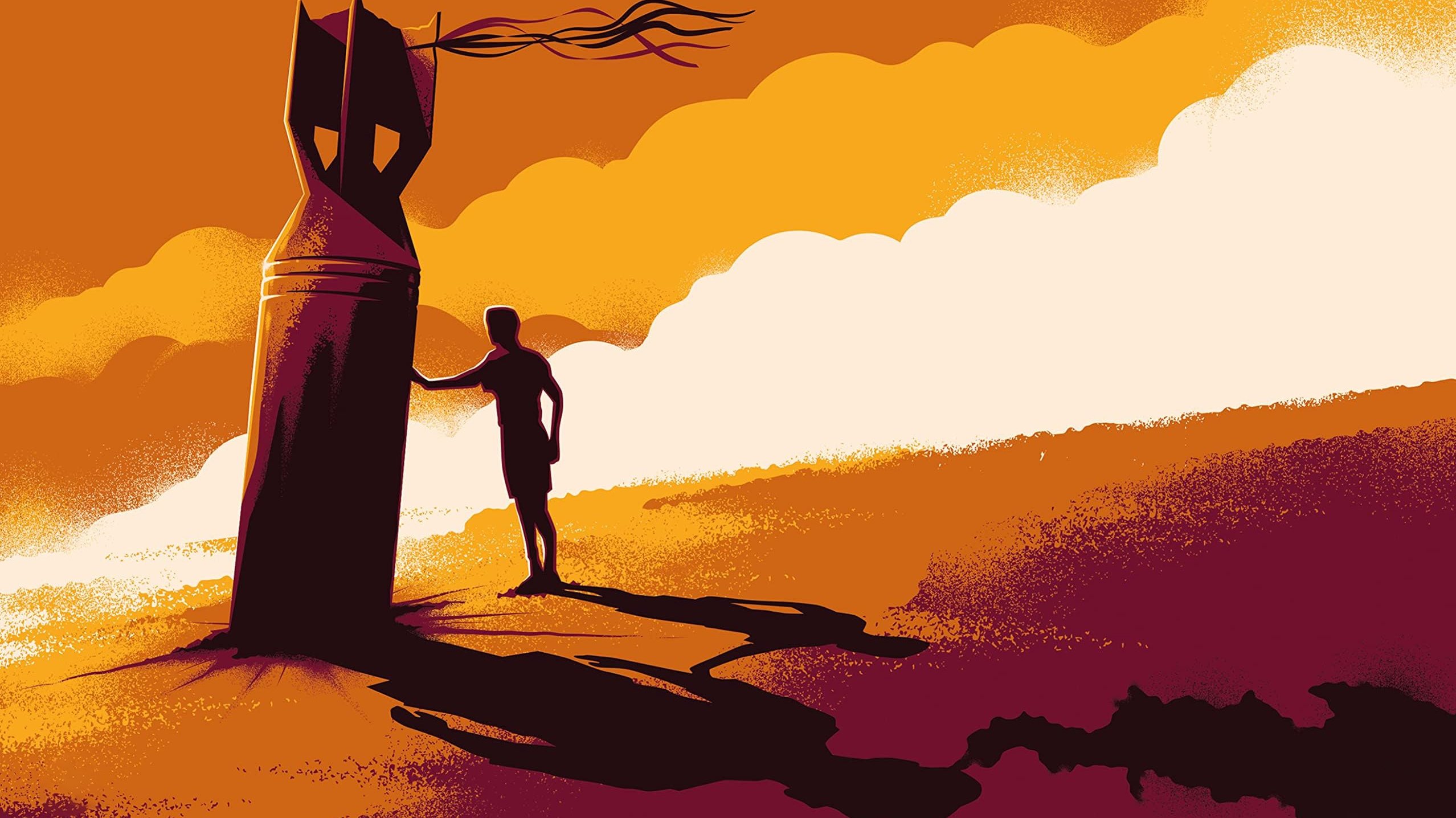
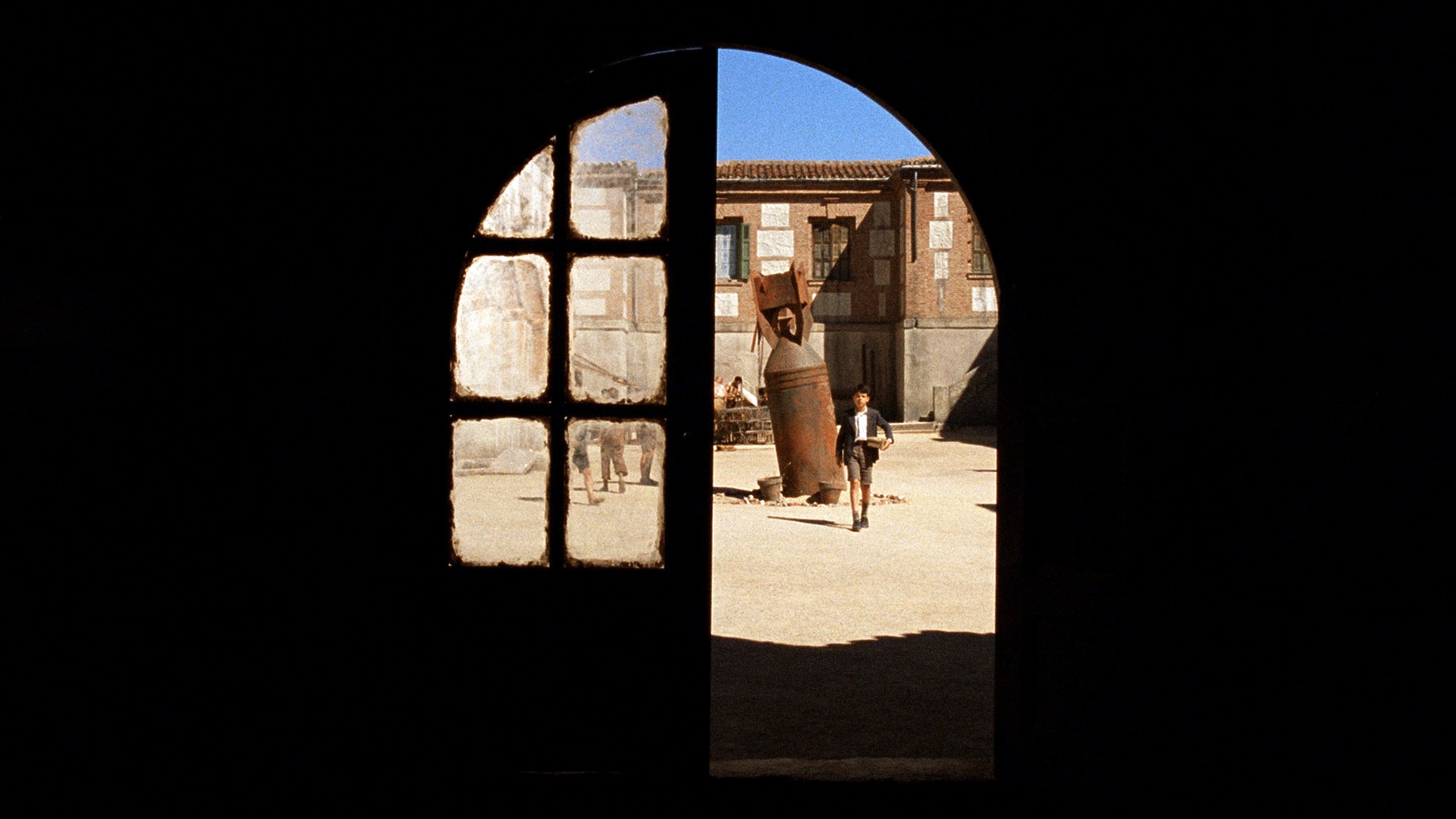
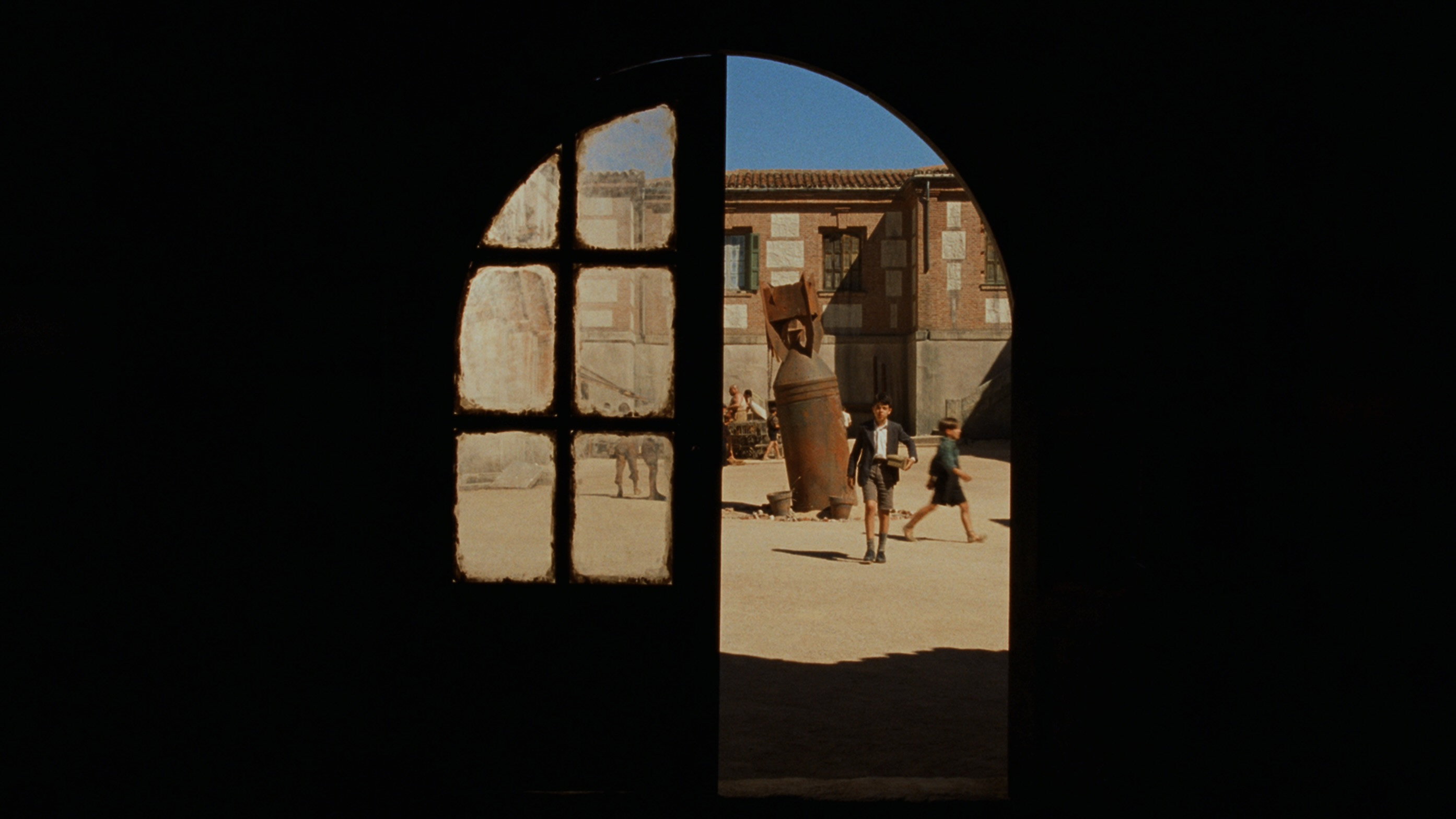
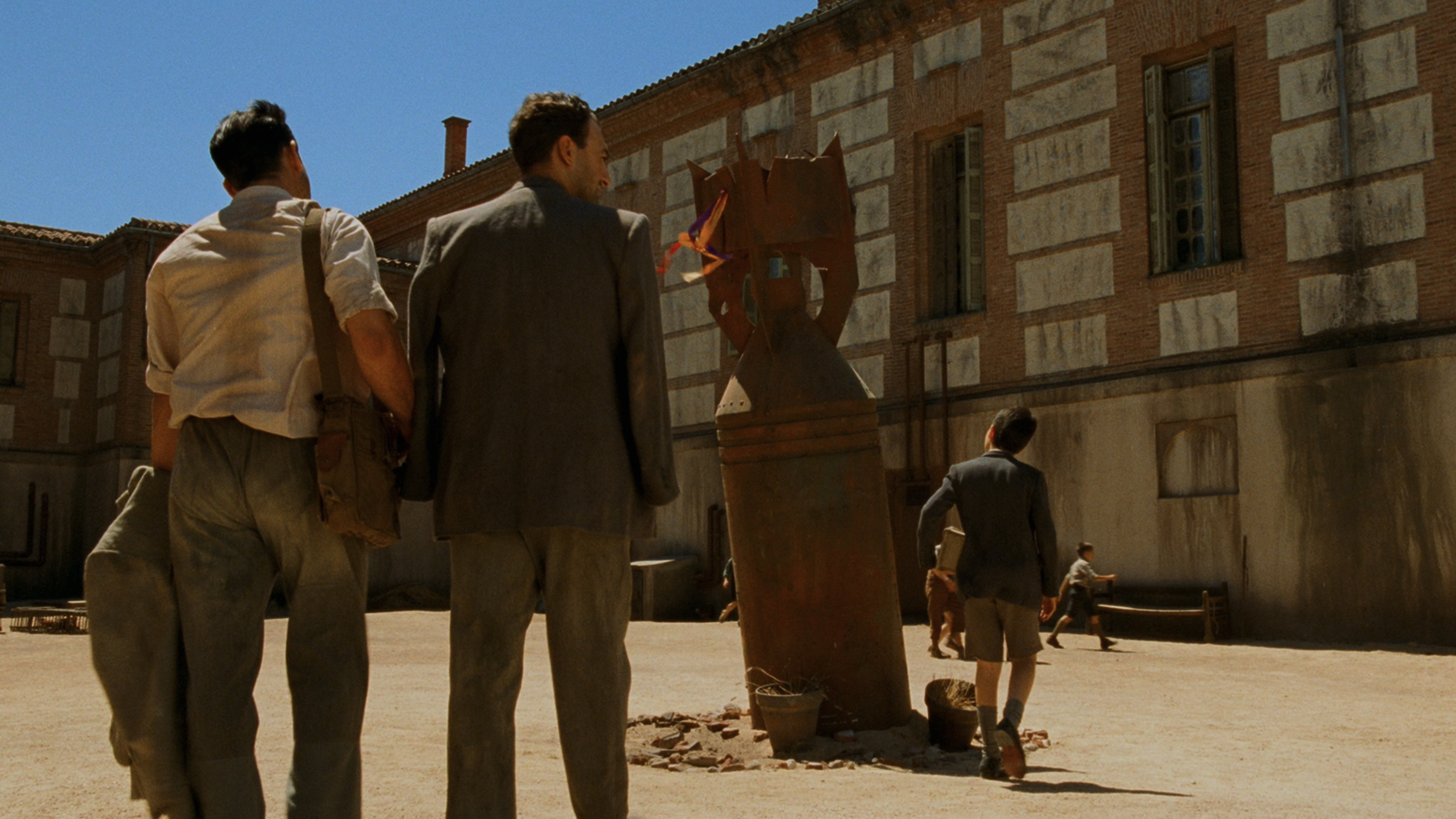
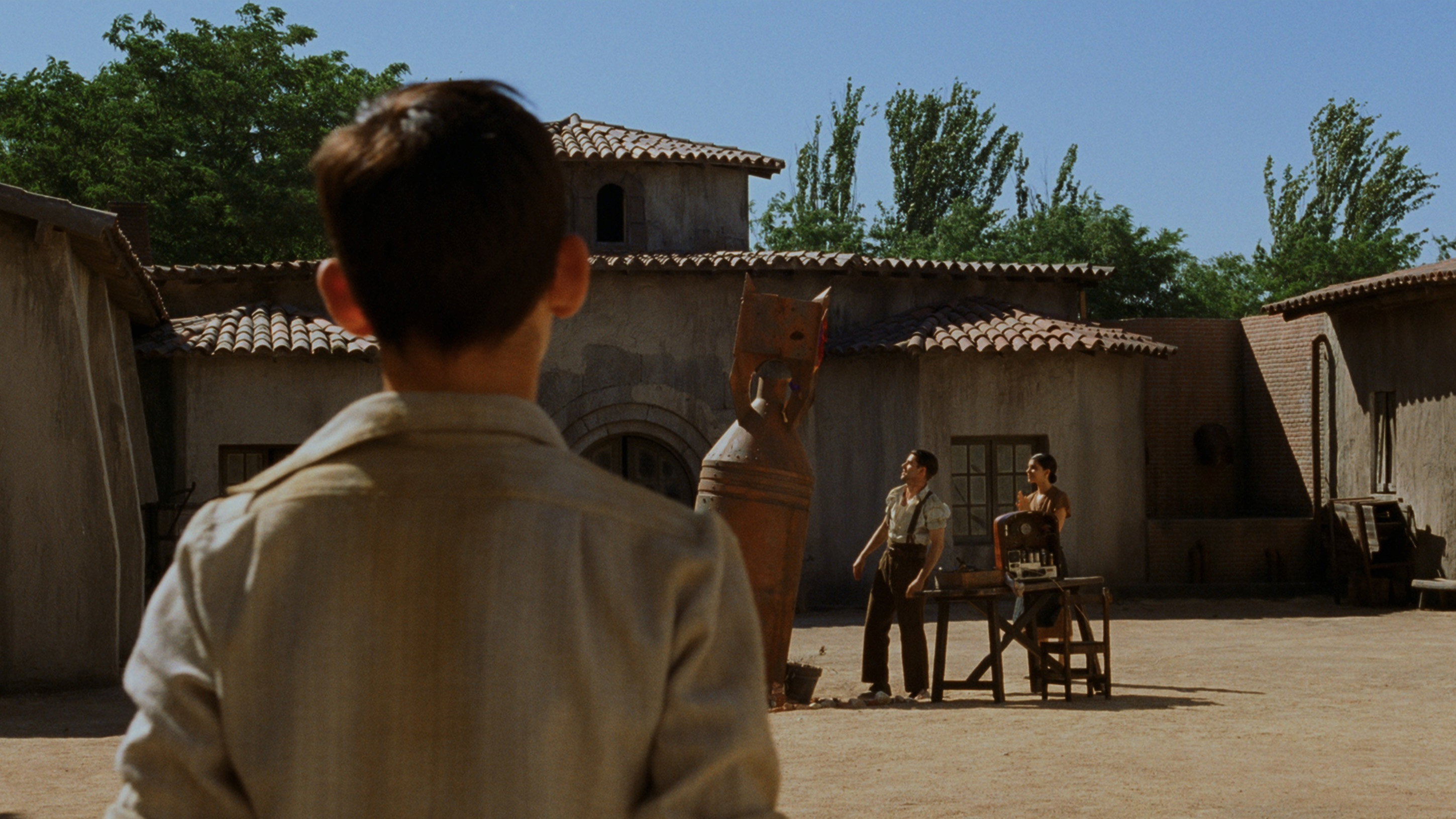
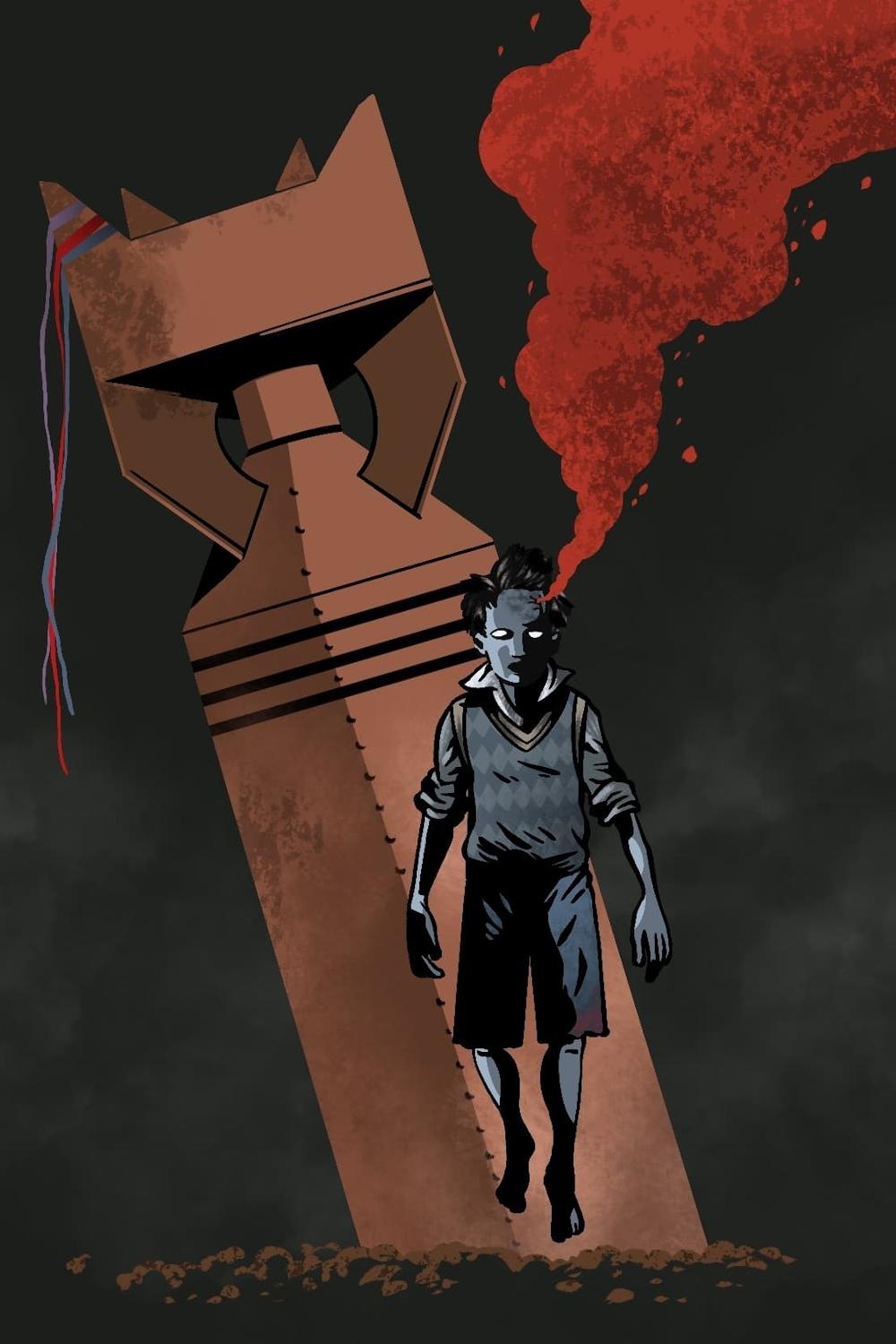
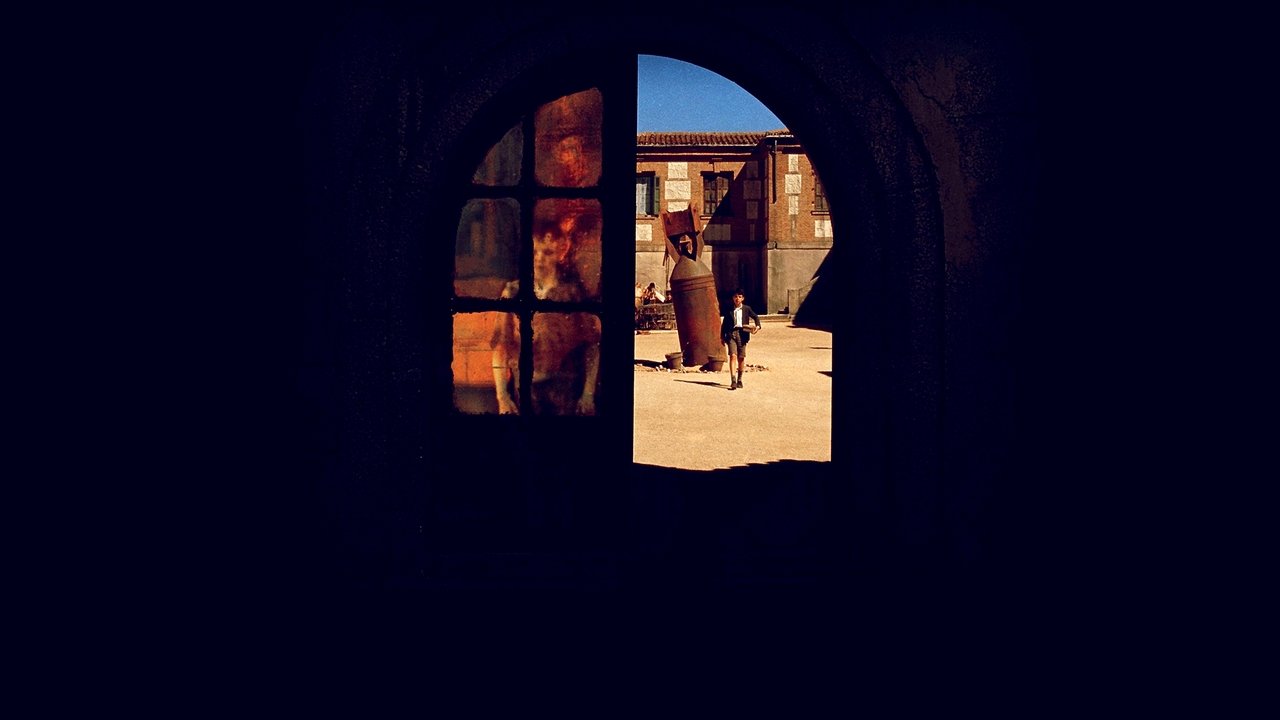
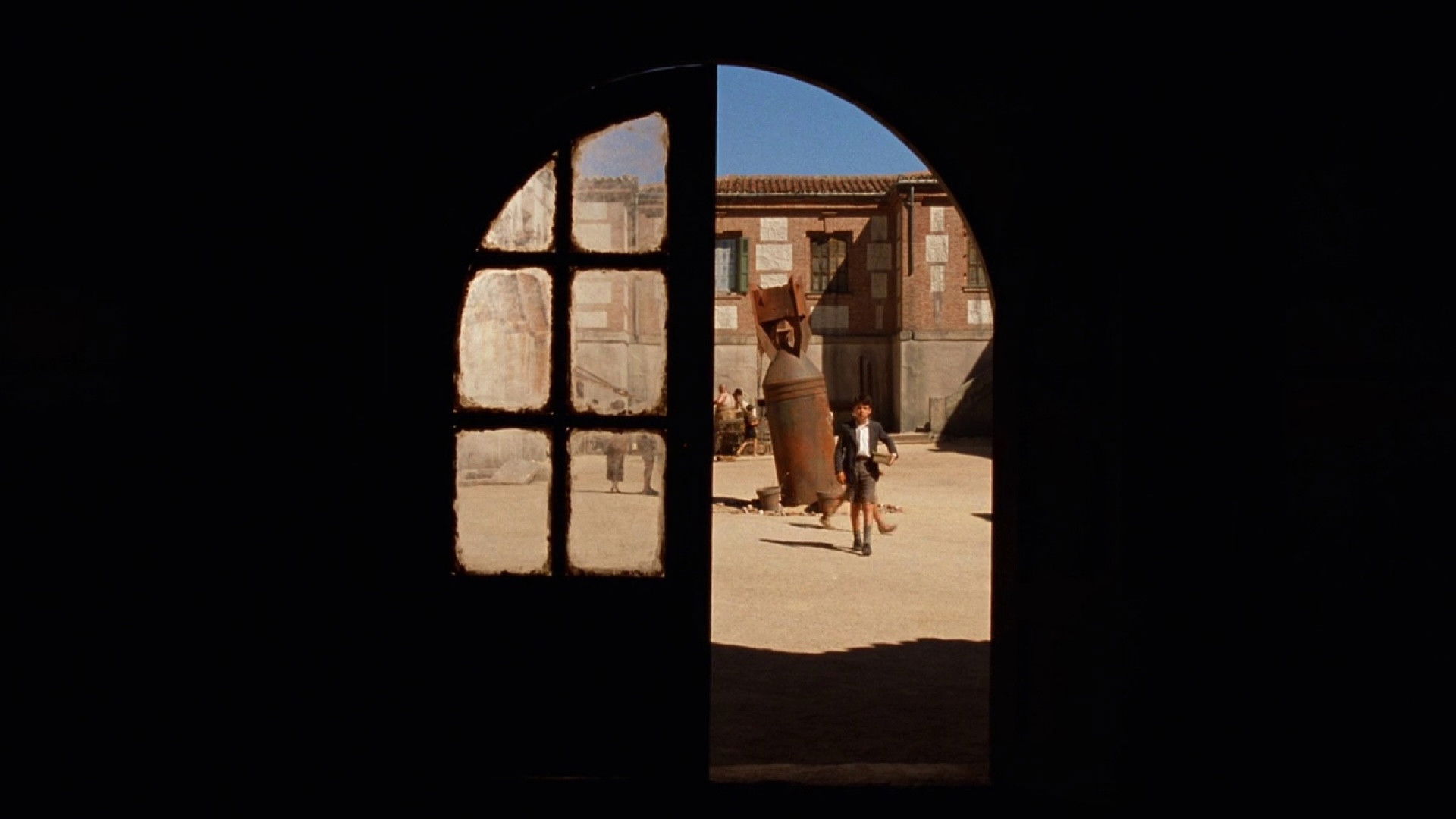
The courtyard is dominated by an unexploded bomb dropped during an earlier attack. It is both an object the children can touch and a reminder that the war has already penetrated their refuge. Their games and discussions take place around something built to destroy them. A persistent contrast emerges between the predictable routines of communal life and the unstable situation outside: the school has classrooms, bedrooms and rules, but its inhabitants know that those arrangements may not last. The bomb also places an unfinished act of violence at the centre of the image, where it remains long after the attack itself has ended.

Del Toro later explained at a British Film Institute interview that he wanted the orphanage to function as a microcosm of Spain’s conflict, a war in which people from the same communities could become enemies. That declared intention helps clarify the film’s focus on divided loyalties and intimate betrayals. Its characters are fictional, and their experiences should not be mistaken for a documented case from the conflict. The historical setting gives their choices consequences while the Gothic narrative makes the persistence of traumatic events perceptible through a haunting.
Carlos, Jaime and the Children’s Community

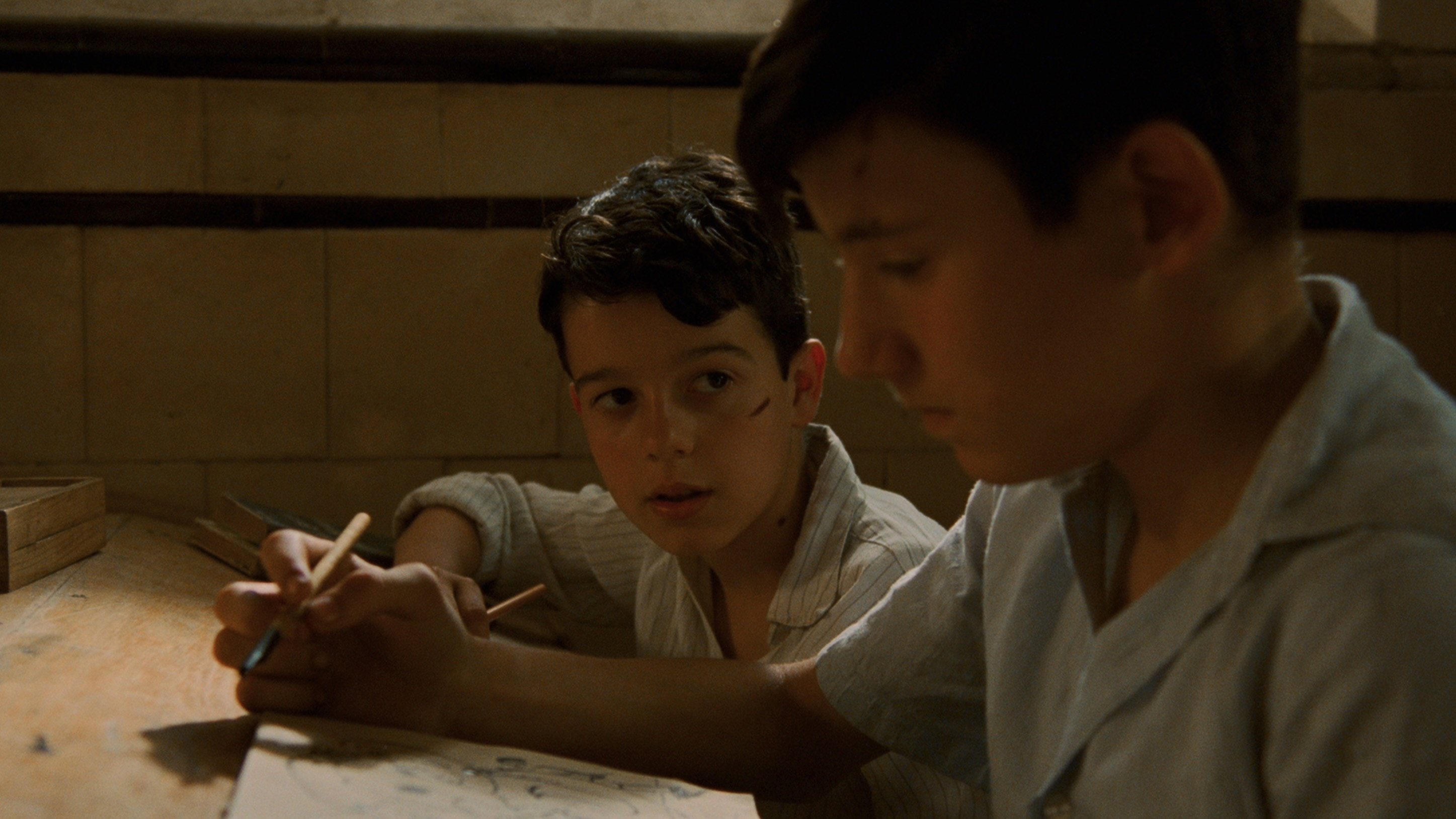
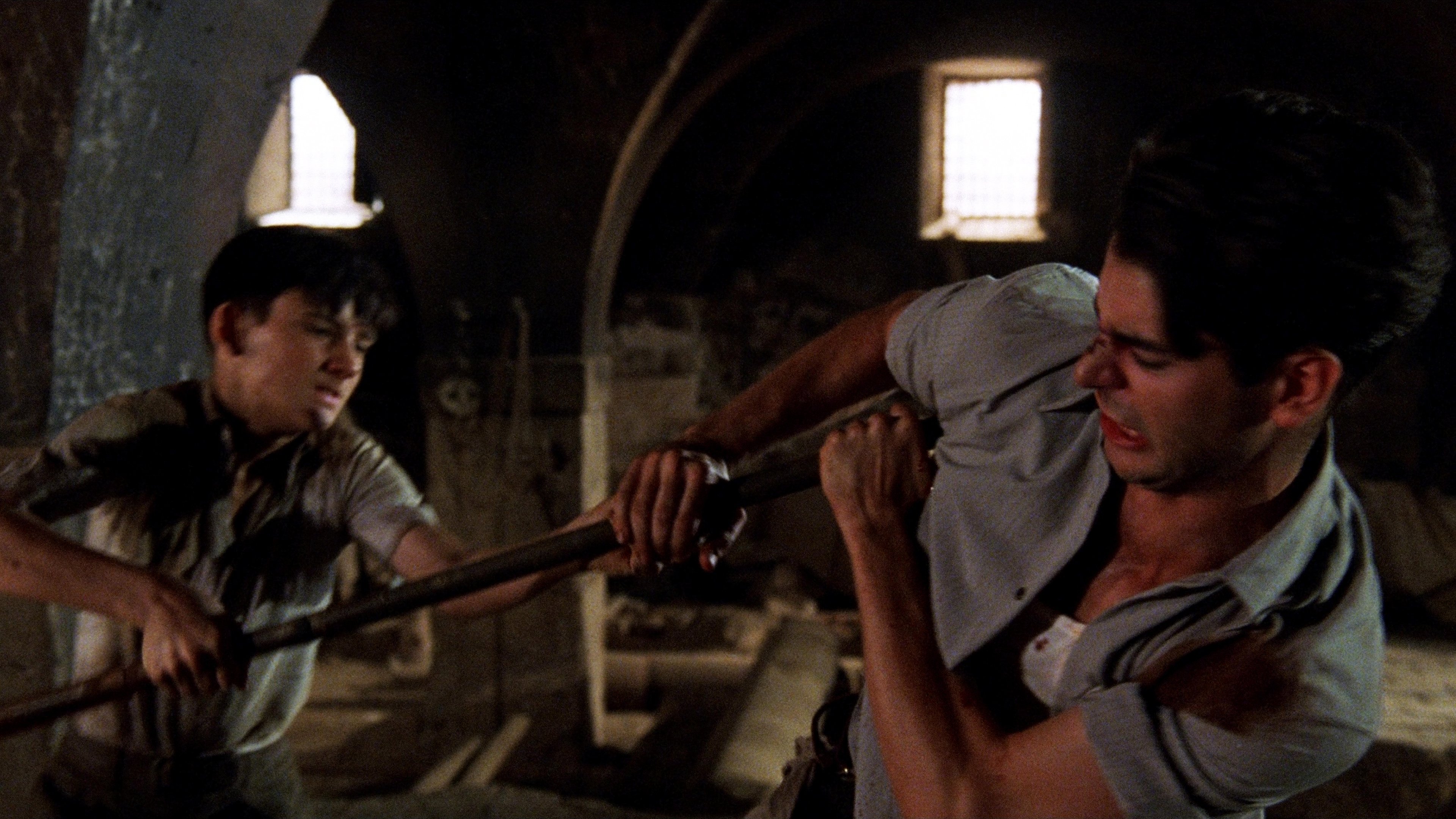
Fernando Tielve’s Carlos encounters the school first as a stranger. He must learn its informal hierarchies, confront bullying and interpret the rumours surrounding the missing Santi. Jaime, played by Íñigo Garcés, initially exercises power through intimidation, yet his behaviour gradually acquires a more troubled significance as evidence of the disappearance emerges. Their changing relationship gives the film a route from suspicion toward cooperation. The children have knowledge that the adults lack, but discovering it demands that they challenge the authority established within their own group.

The boys respond to danger with curiosity, cruelty and mutual assistance, sometimes in quick succession. Del Toro linked this aspect of the story to his memories of childhood violence rather than to an idealized image of innocence. His recollections include the fear of schoolyard aggression and the lasting impression of children seriously injuring one another. Those memories do not identify literal events reproduced on screen; they illuminate the director’s interest in making childhood an environment where vulnerability and harsh conduct can coexist. The film uses those social dynamics to shape the suspense before its supernatural mystery can be understood.

Carlos’s encounters with Santi become intelligible as he learns to distinguish the ghost’s frightening appearance from his intentions. The haunting is tied to the disappearance of a boy whose voice has been lost within the institution. Carlos’s decision to listen therefore alters the balance of power among the living children. Their eventual collective action grows out of the same spaces in which they first tested and threatened one another. The movement toward solidarity supplies an emotional counterweight to the surrounding collapse, without suggesting that the boys can escape the effects of the war unchanged.

Carmen, Casares and Jacinto: Conflicting Loyalties

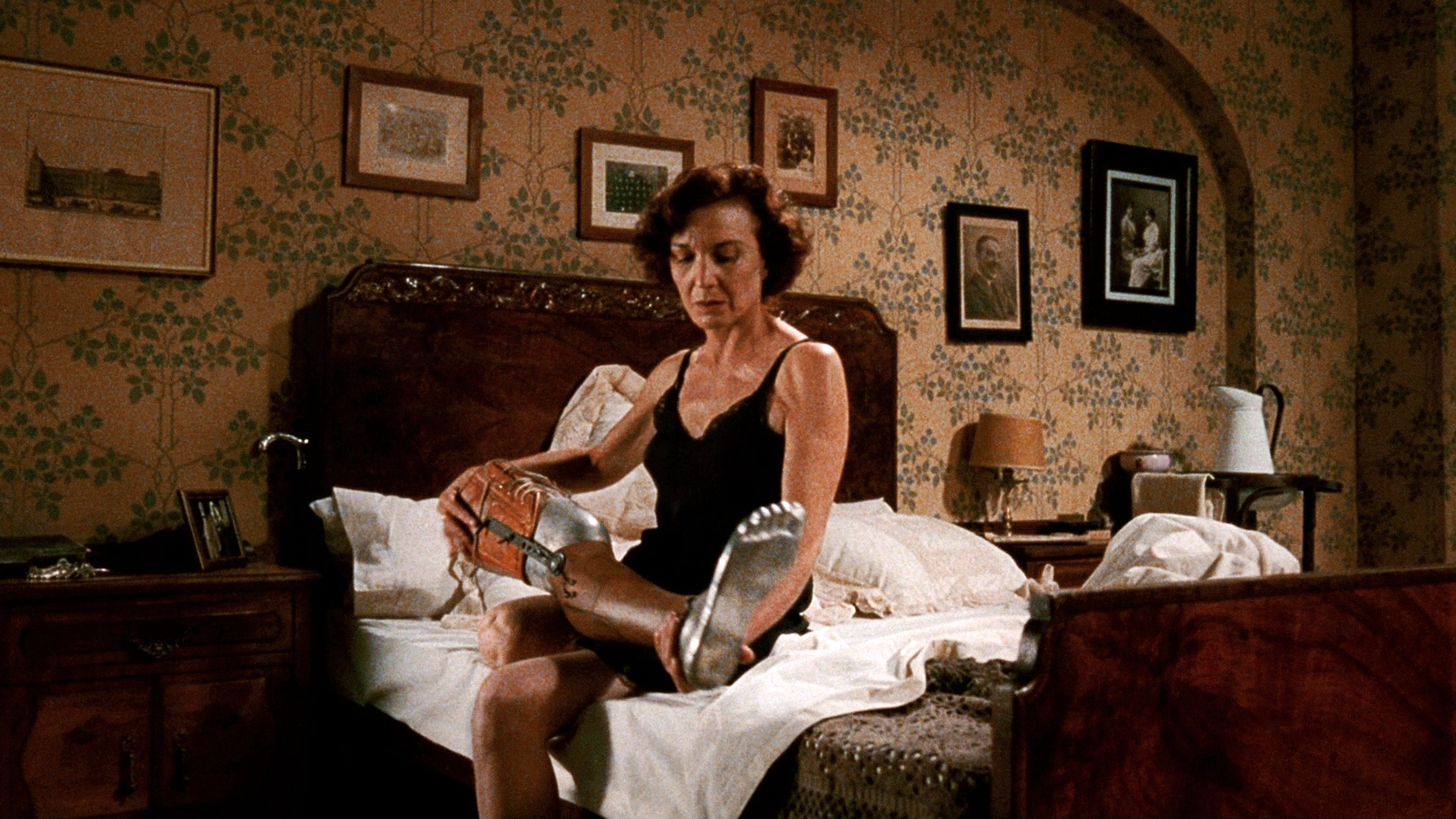
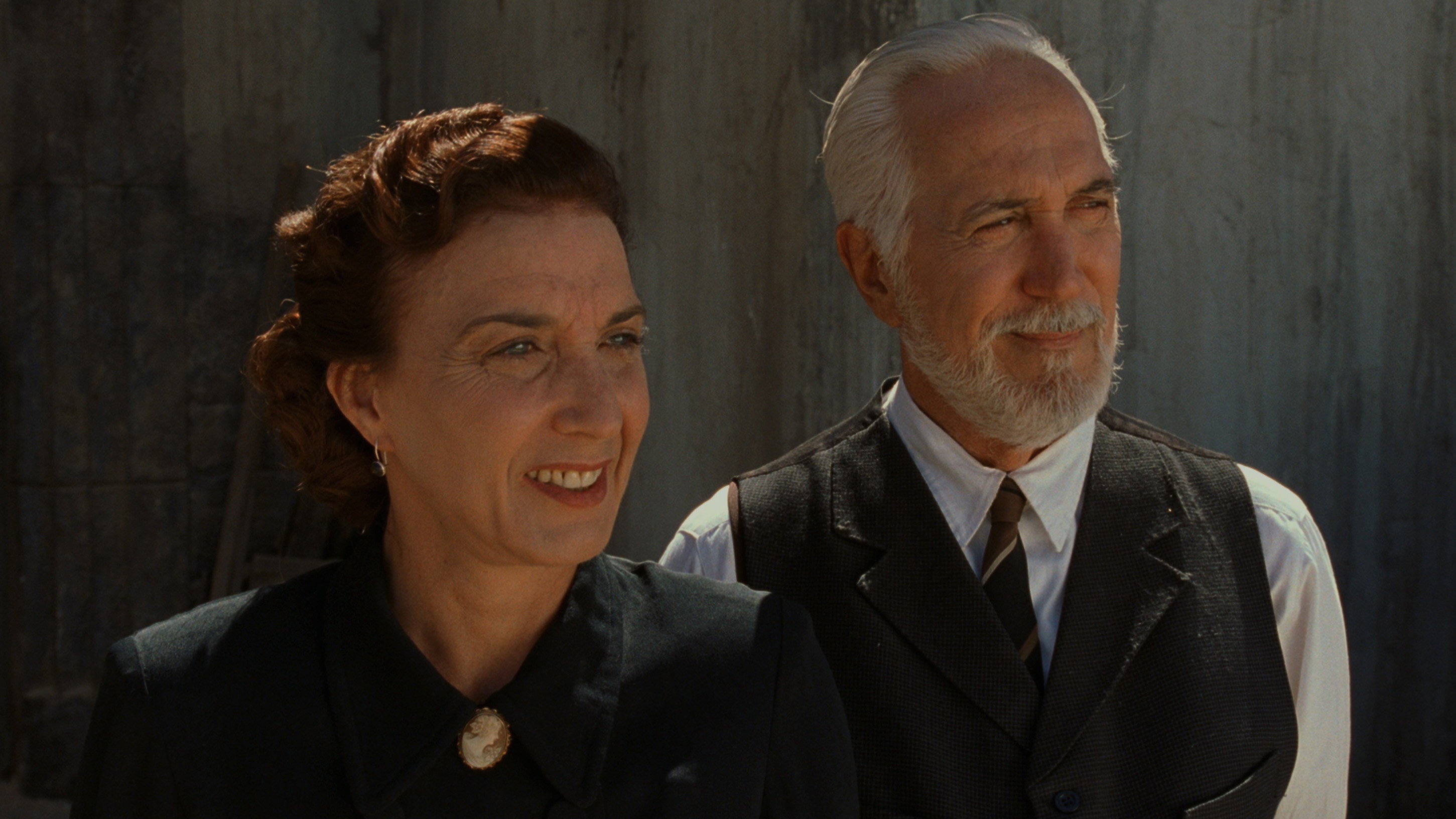
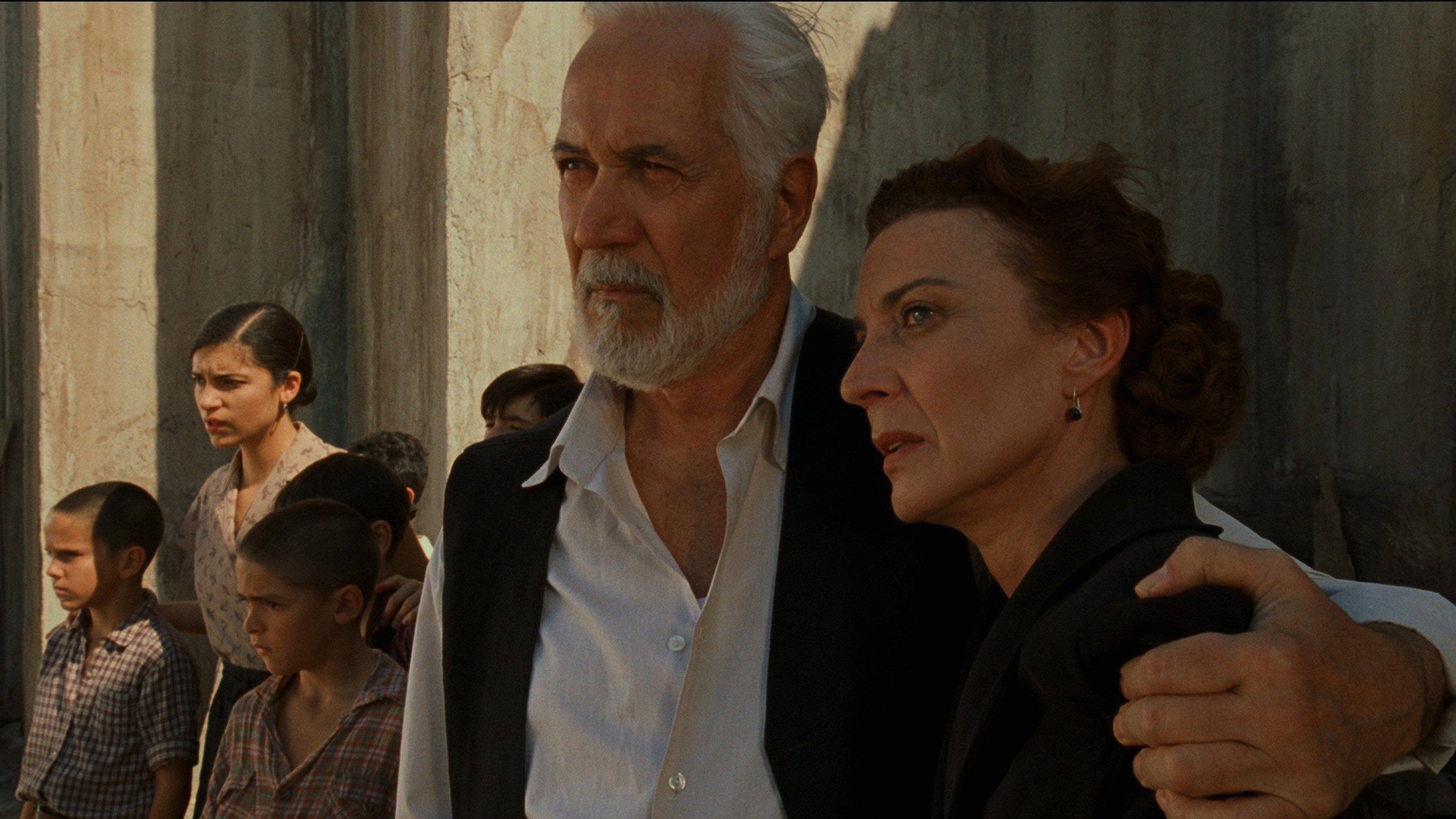
Marisa Paredes plays Carmen, the head of the orphanage, while Federico Luppi portrays Dr. Casares, a teacher and medical figure whose affection for her remains largely unfulfilled. Their work requires practical decisions about the children’s safety as Republican resistance nears defeat. Carmen’s physical disability and her obligations to the school make her especially vulnerable to the demands of those around her. Casares offers steadiness and tenderness in a setting increasingly exposed to violence, but his commitment cannot remove the dangers created by the institution’s political position.

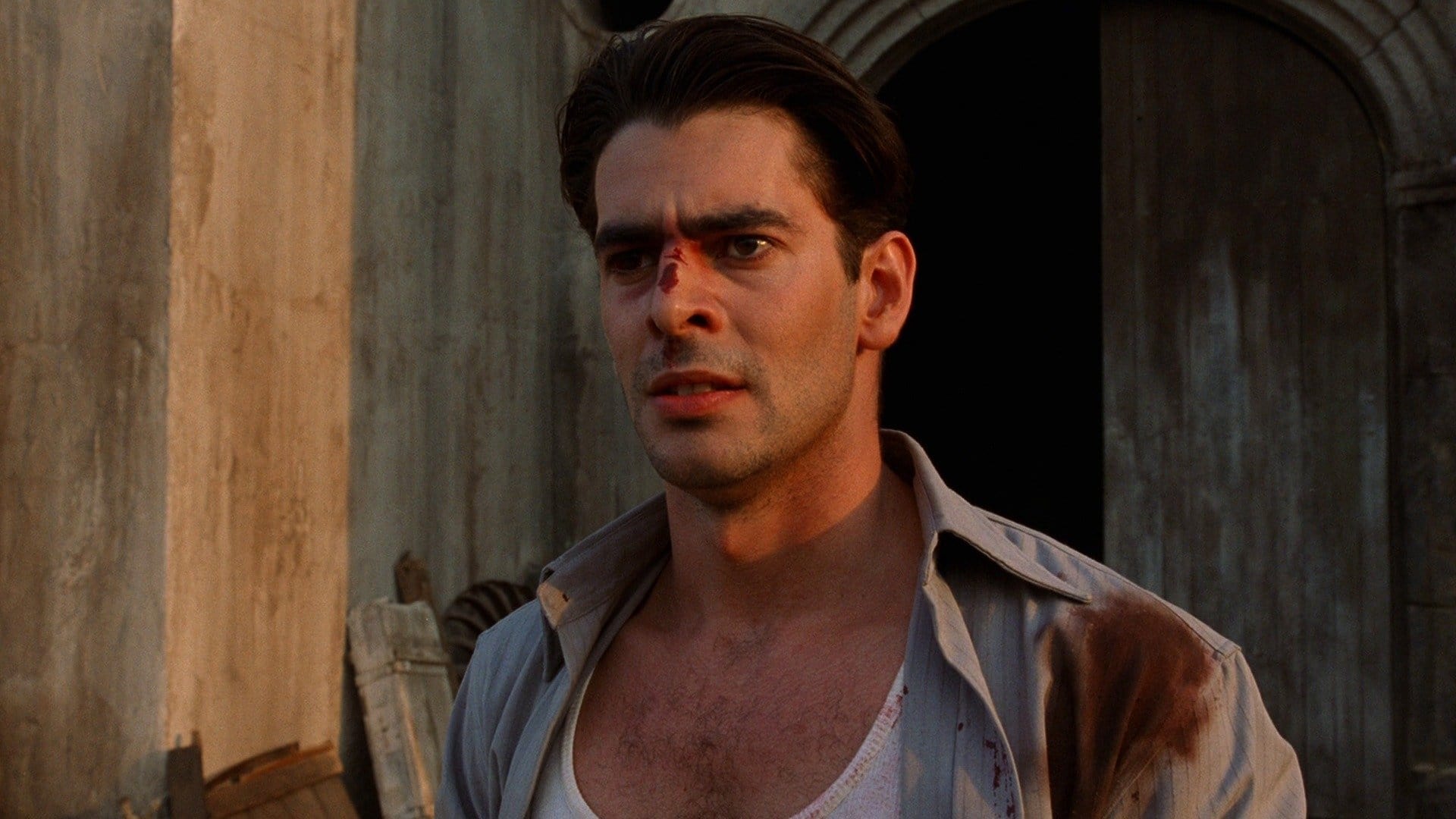
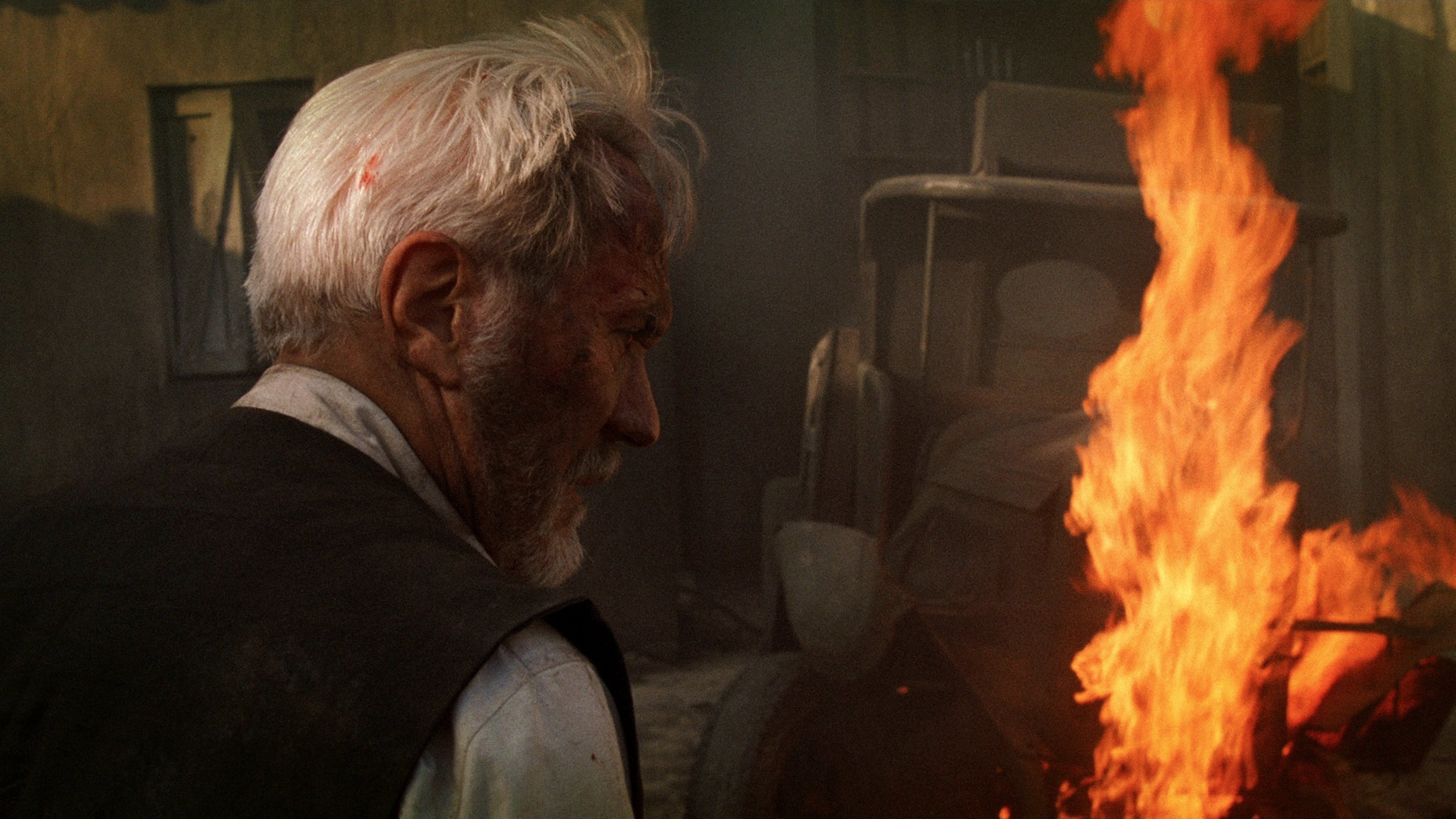
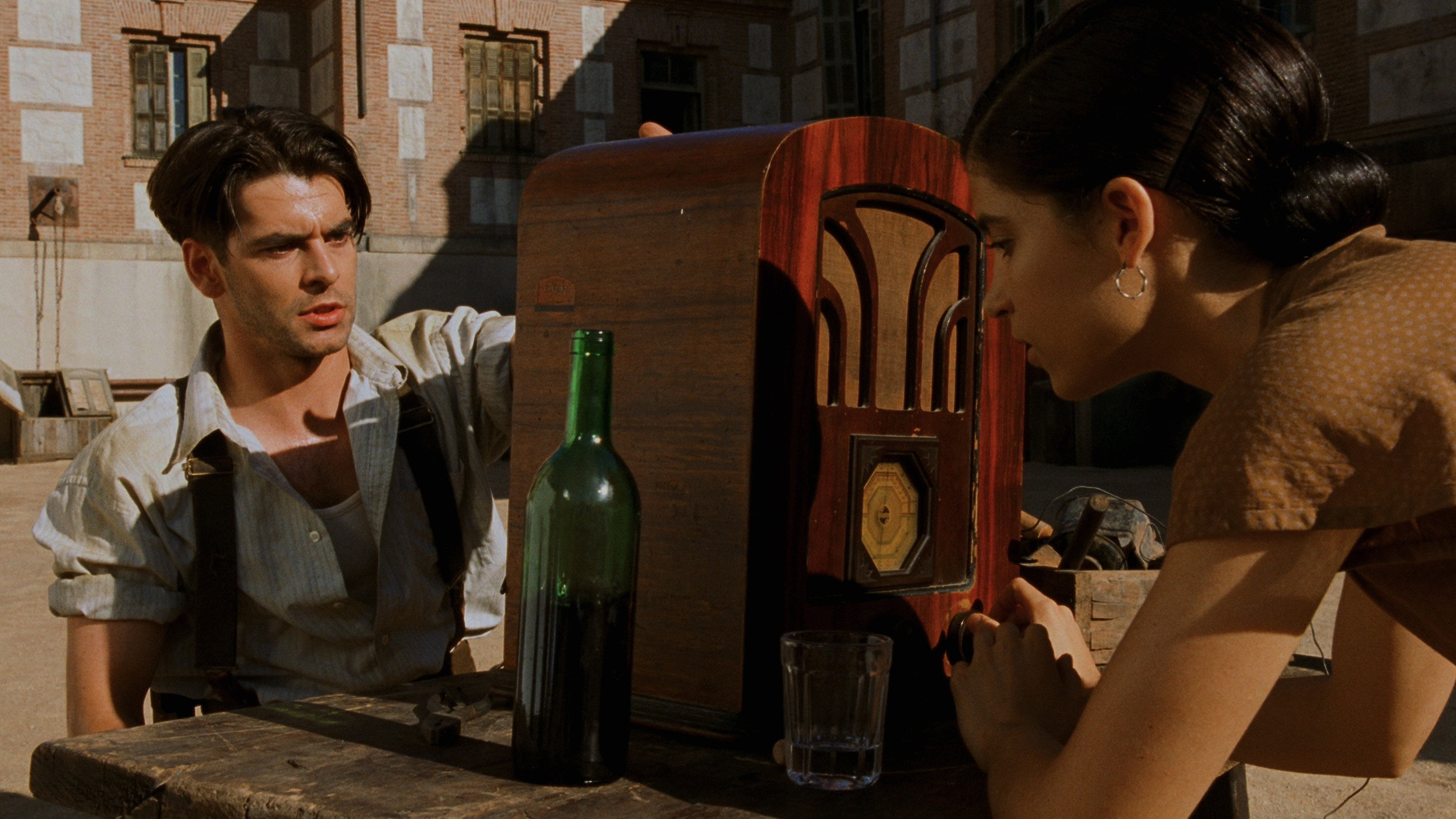
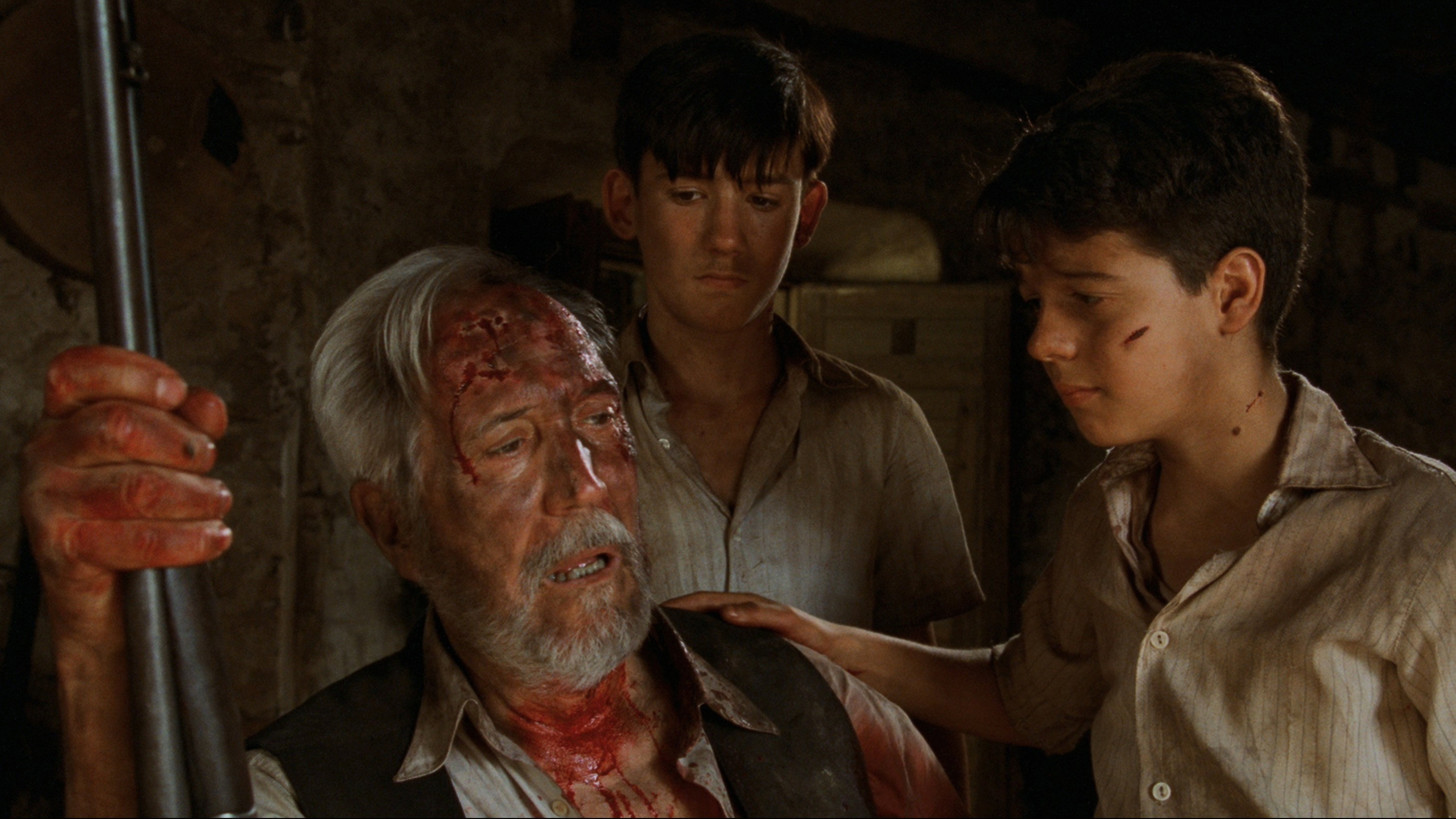
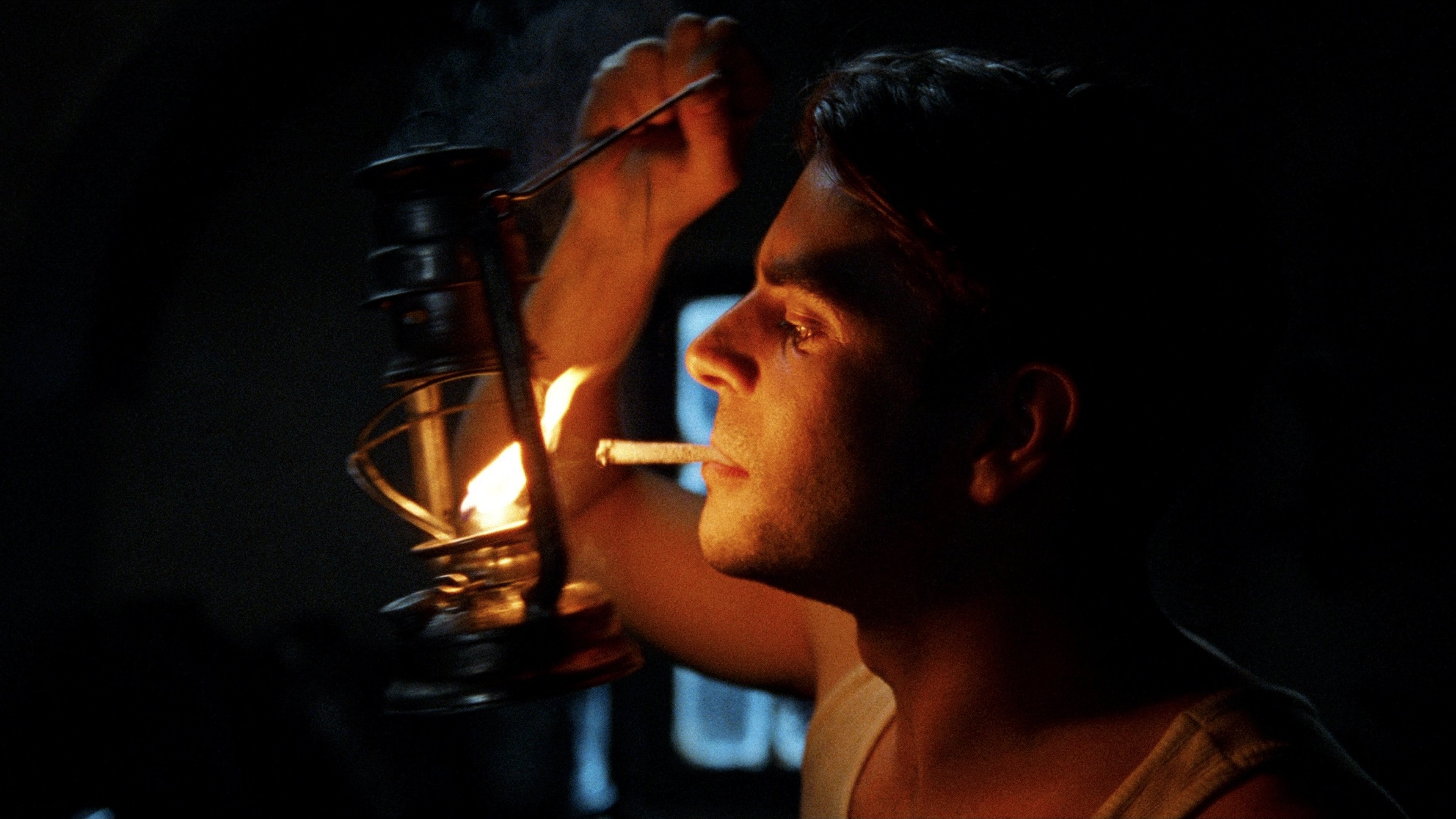
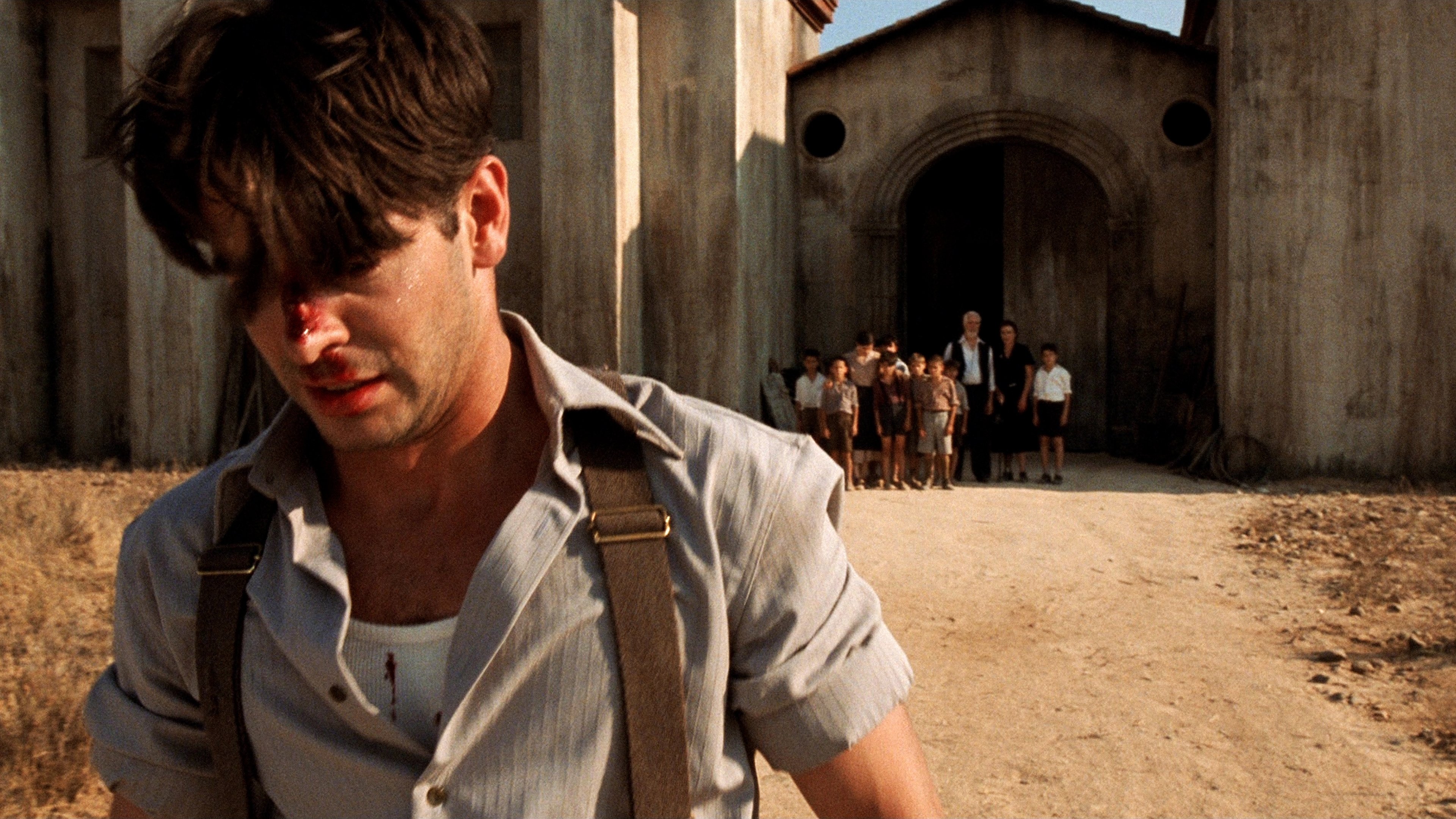
Eduardo Noriega’s Jacinto, a former resident who now works at the orphanage, embodies the most immediate threat within its walls. His knowledge of the building and his intimate relationship with Carmen give him access denied to outsiders. He becomes obsessed with gold kept for the Republican cause, and the effort to seize it turns his resentments into a danger for everyone in the school. The film reveals his responsibility for Santi’s death, changing the meaning of the haunting: the apparent monster has been trying to make a buried human crime known. Jacinto’s violence is rooted in recognizable motives, even as its consequences take on Gothic dimensions.

The adult relationships prevent the Civil War from being reduced to a distant chronology of armies and battles. Loyalty, desire, self-interest and fear are worked out through people living in close quarters. Del Toro’s later remarks about the film emphasize that intimate divisions were essential to his understanding of this particular conflict. The story also gives Casares a role in the supernatural framework that changes how the opening narration is understood. The voice reflecting on the nature of ghosts comes to belong to someone with his own unfinished responsibility to the surviving children.

Santi and the Design of a Ghost

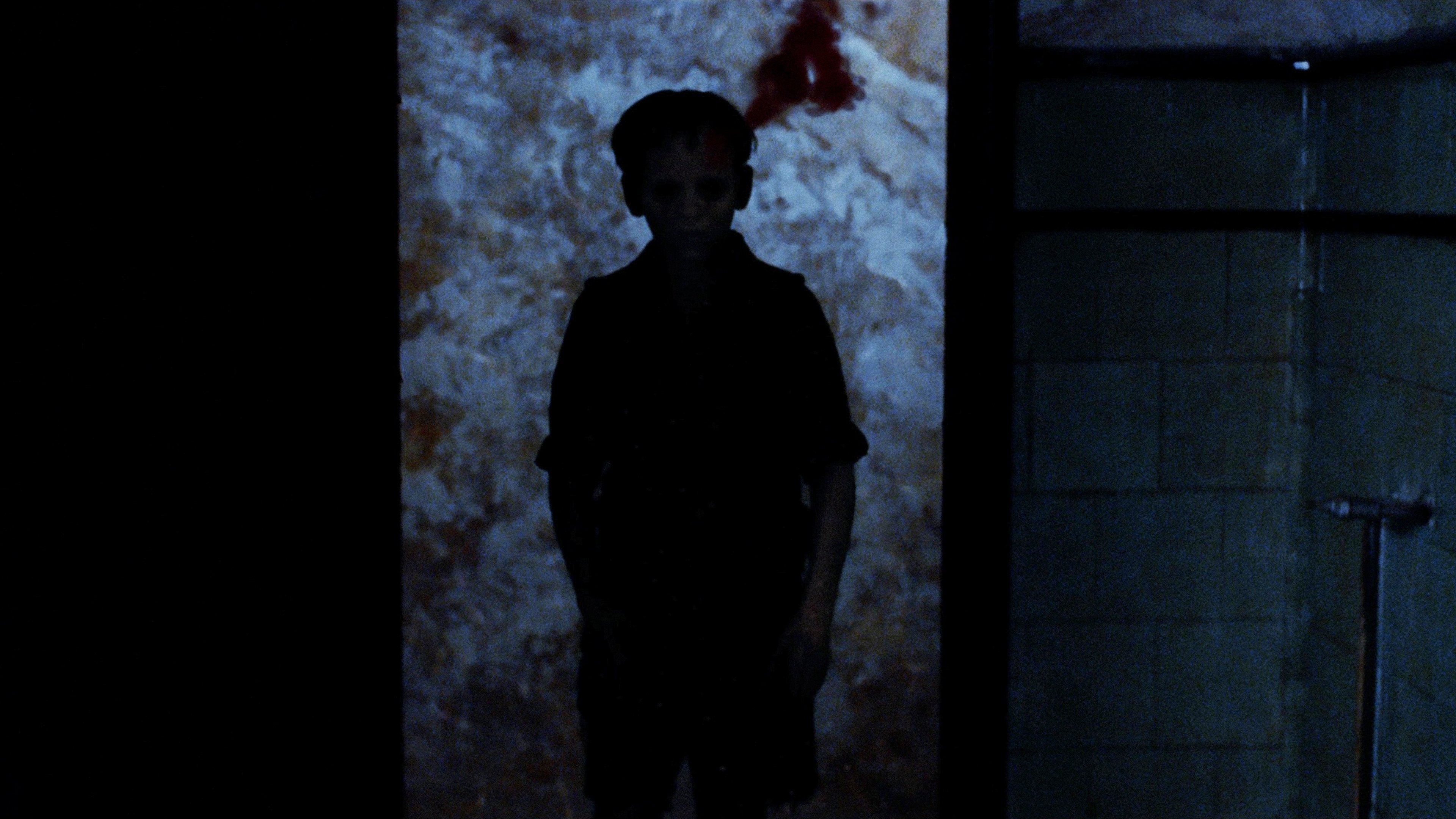
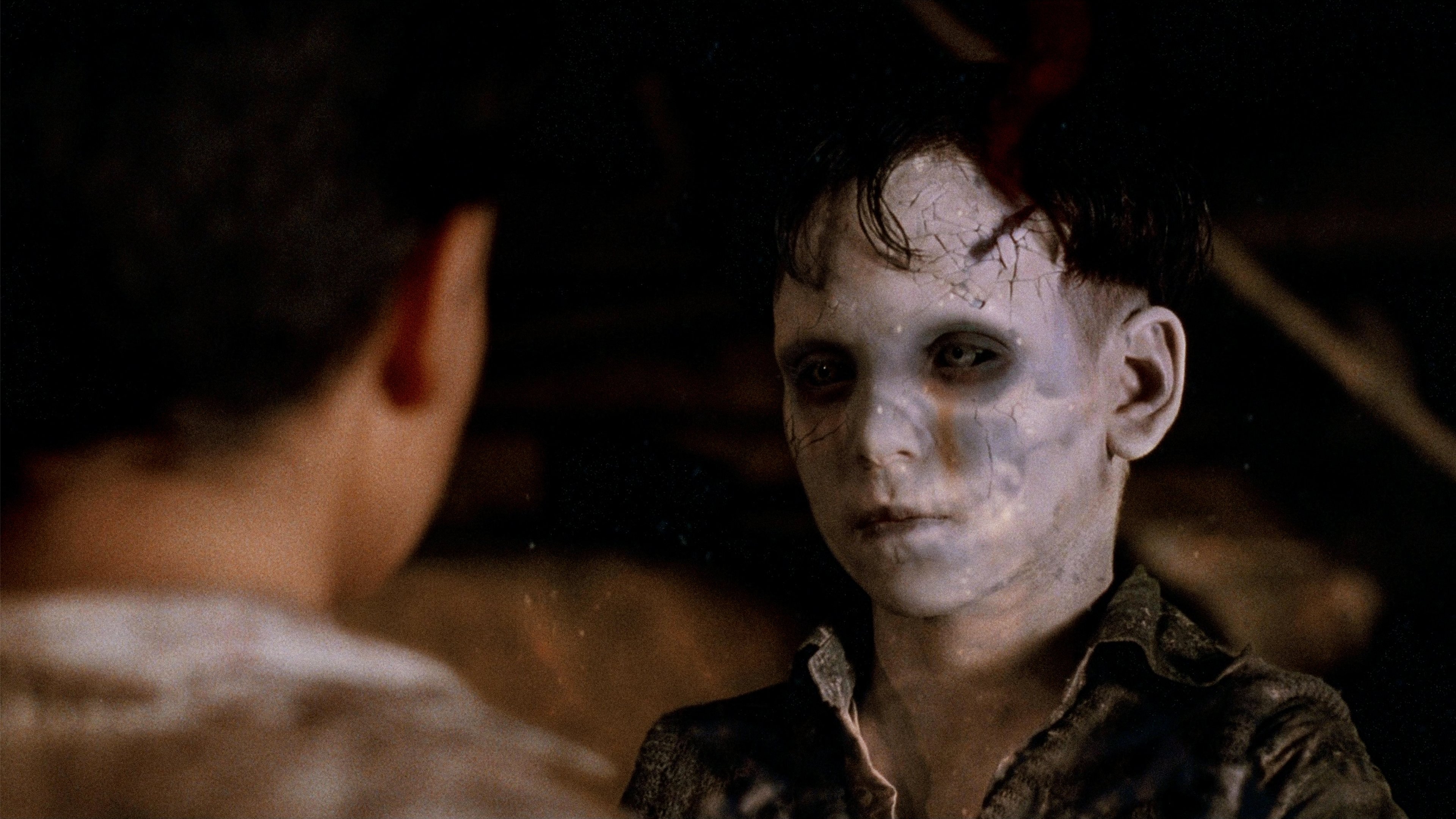
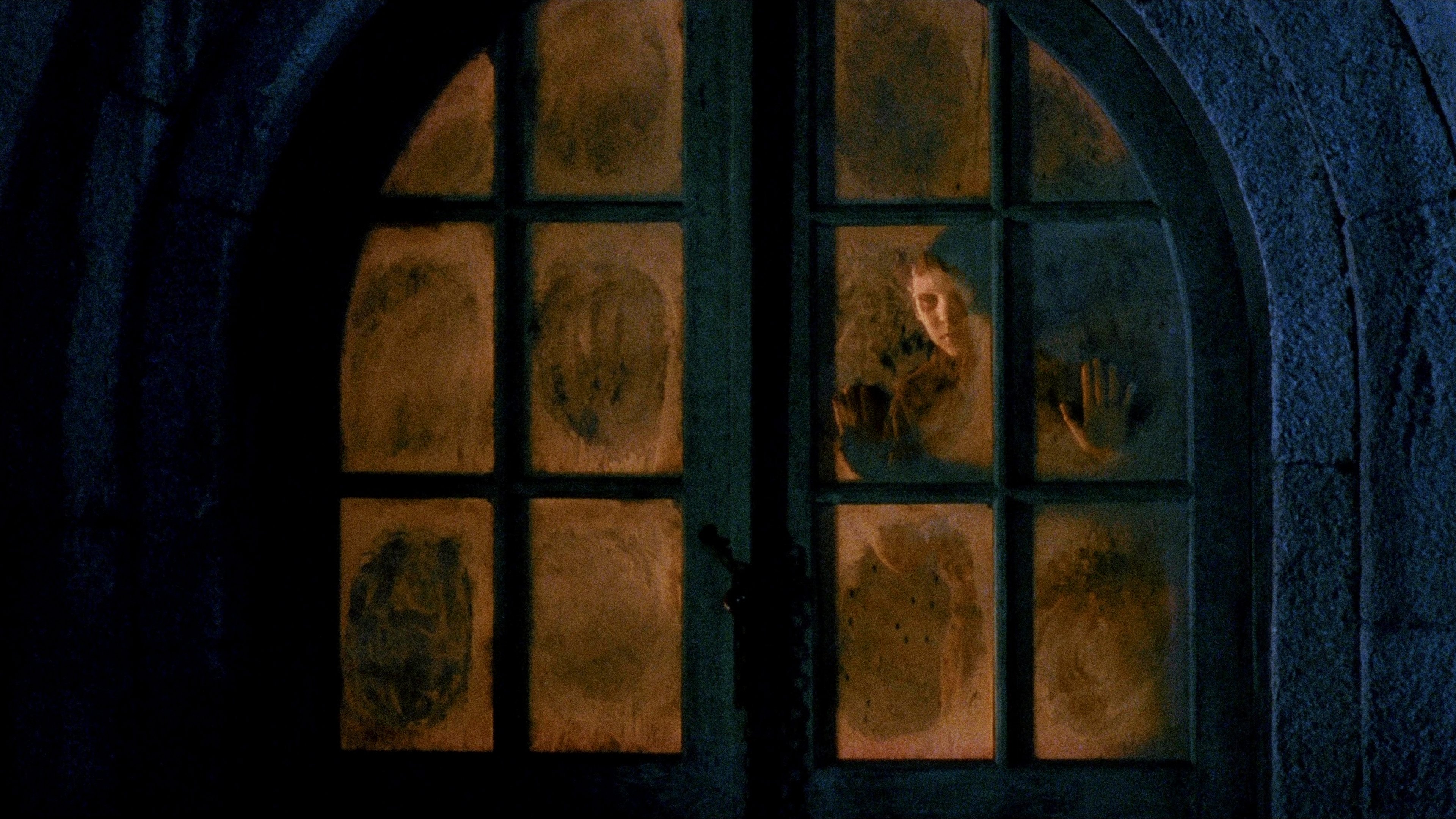
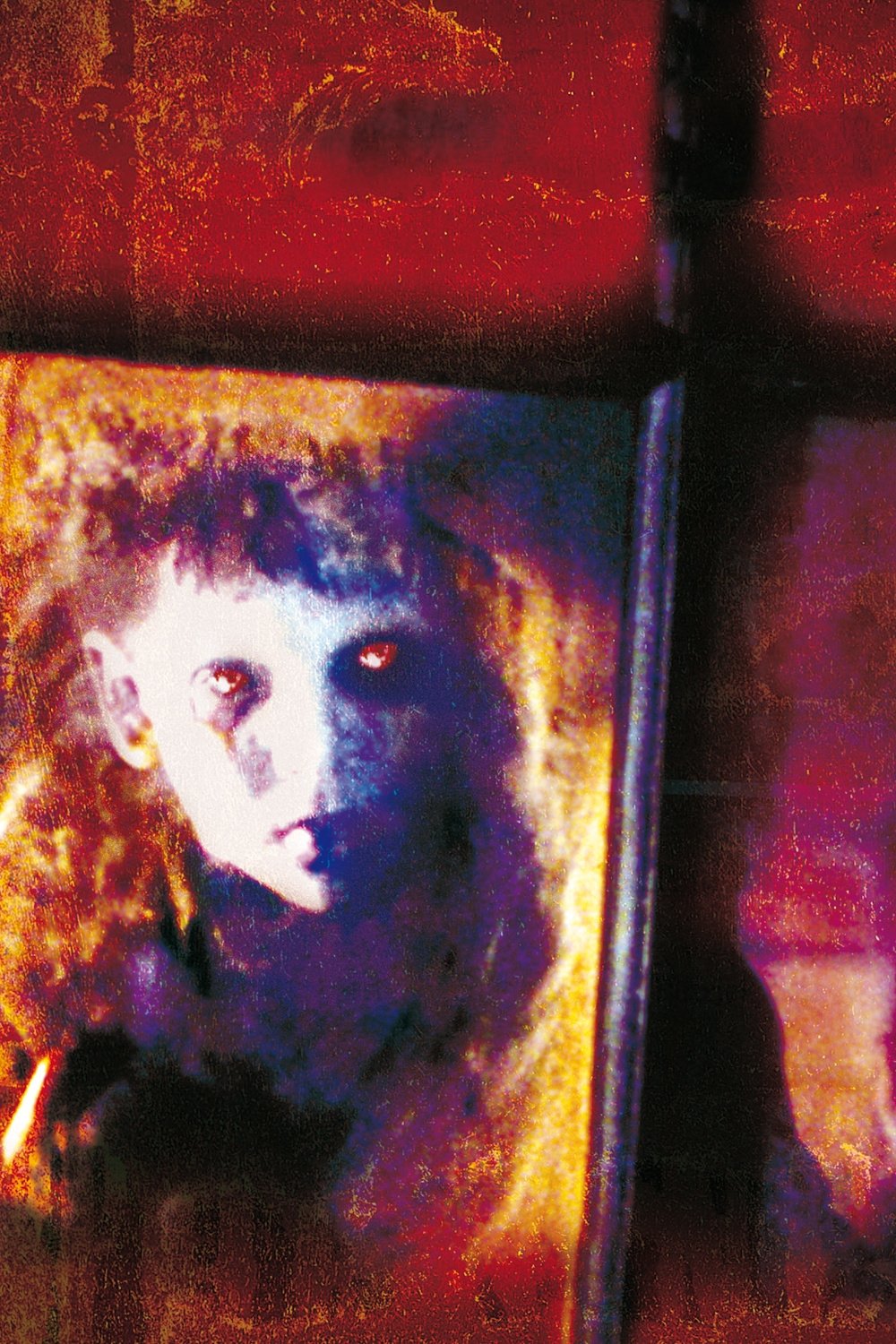
Santi, played by Junio Valverde, is introduced as a disturbing apparition whose visible wounds retain the circumstances of his death. Blood seems to spread upward from his head, while his outline shimmers as if he were still surrounded by water. The ghost leaves an impression of bodily damage that cannot be healed by becoming supernatural. This design gives the audience a visual mystery to solve: the marks on Santi’s body are clues to an event that the living have concealed. The apparition’s presence turns the orphanage into a place where violent history continues to register physically.

In his interview with Beth Accomando, del Toro explained that he wanted a ghost more distinctive than a uniformly transparent figure. Santi becomes partially translucent in particular lighting, and the distortion around his body evokes the water in which he died. The persistent trail of blood was designed to appear almost like a halo, combining injury with a strangely graceful image. These choices arose from the director’s sympathy for monsters and his wish to make the boy increasingly tragic as the story developed. Horror thus begins with a frightening appearance and changes as information about the apparition becomes available.

The production combined performance, makeup and digital effects. The BFI’s published credits identify DDT with special makeup effects and Telson with digital work, while contemporary commentary discusses the cloud of suspended particles surrounding the ghost. Del Toro later spoke about the limitations of the digital techniques available at the time, a retrospective assessment that should not be confused with a complete shot-by-shot effects record. What remains striking is how the character’s spectral qualities communicate his death: the waterlike distortion and suspended blood serve the story before they serve as a demonstration of technology.

Cinematography, Architecture and Repeated Objects

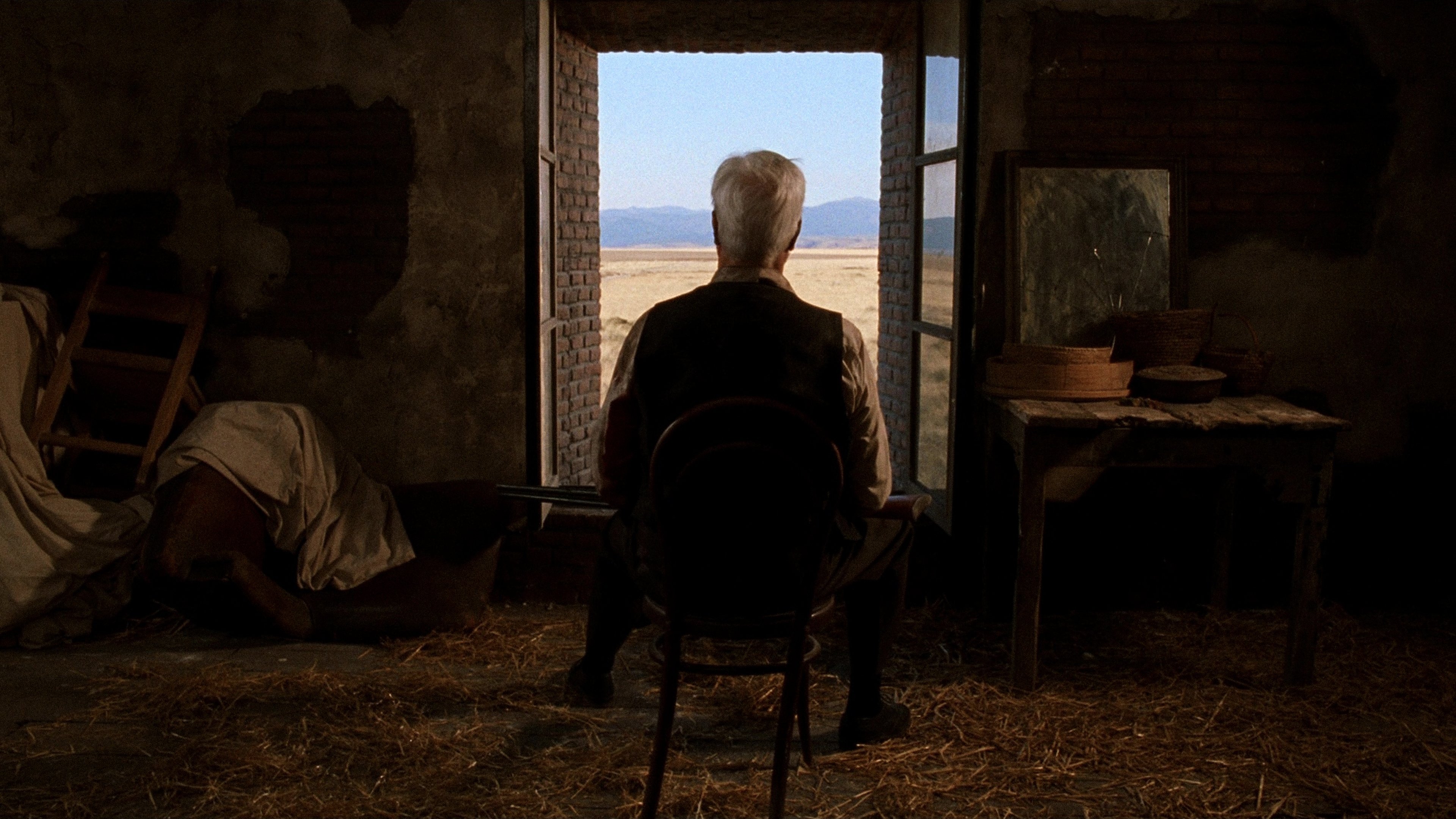
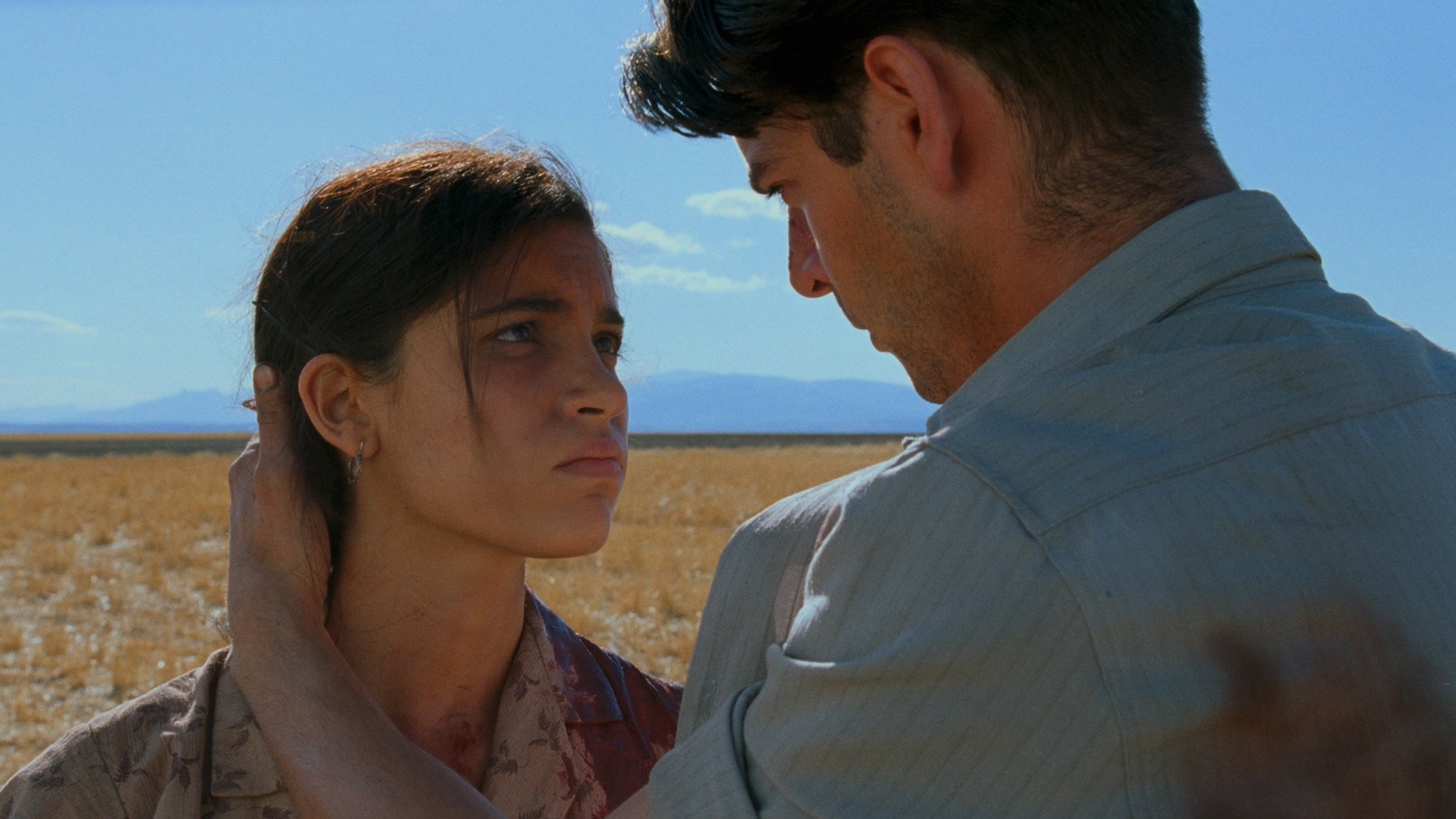
Guillermo Navarro photographs the orphanage as a coherent physical environment whose meaning changes between daylight and darkness. The harsh light outside isolates the building on a dry plain; interiors acquire warmer, more enclosed tones during the adults’ conversations, while Santi’s appearances are associated with cooler nocturnal passages. Writing in Sight and Sound, Paul Julian Smith drew attention to the contrast between sunlit exteriors and interiors coloured by warm browns or spectral blue-grey. The effect lets the film move between political drama and ghost story without abandoning its single central location.

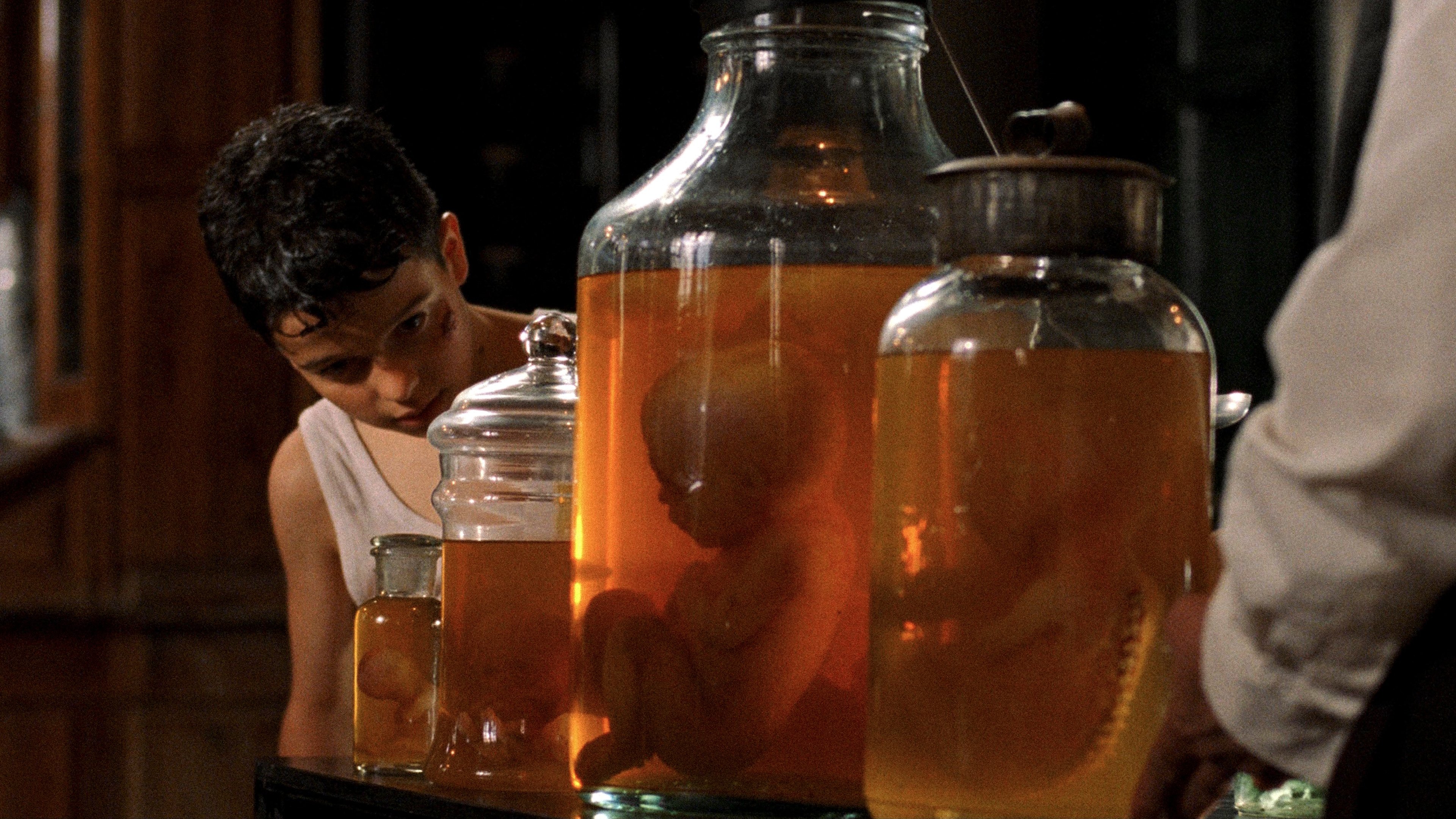
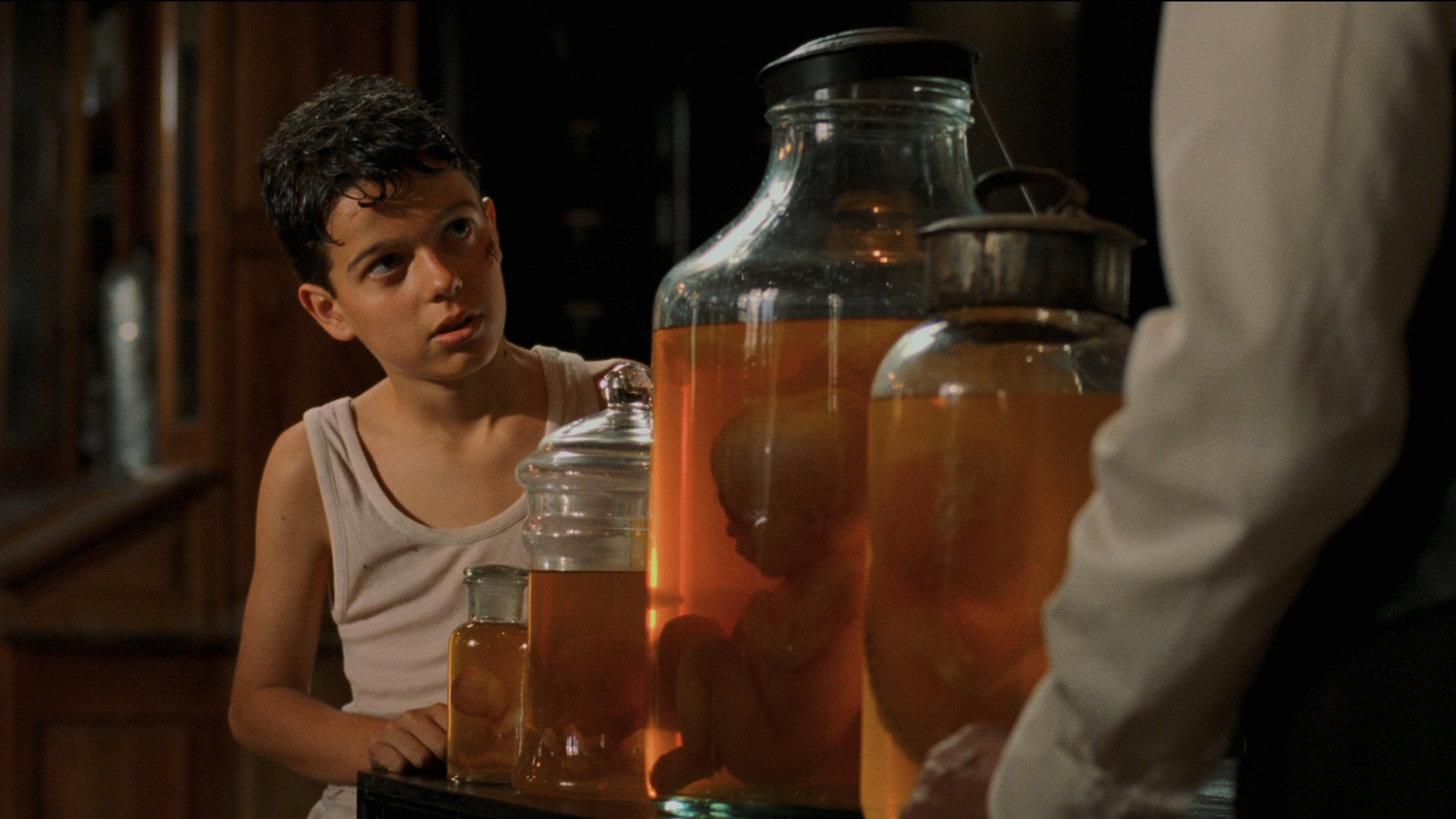
Several objects carry information across those modes. The unexploded bomb connects a moment of military violence with the children’s everyday routine. A pool or cistern beneath the building holds evidence of a more private killing. Glass containers preserving malformed fetuses provide another image of bodies made strange through suspension in liquid; their colloquial association with the film’s title belongs to the world of the story. These objects recur as material traces of events that remain unresolved, allowing the spectator to assemble connections before every character can do so. Their function emerges from placement and repetition rather than from a single explanatory speech.

The film’s opening and ending also reorganize information. Images initially presented in fragments acquire clearer meaning after the mystery has unfolded. Corridors, storerooms and the flooded basement allow the ghost to move between a building’s familiar surfaces and the events it hides. Del Toro’s mise-en-scène repeatedly puts children near mechanisms and containers they only partly understand, making the school’s architecture an active part of the suspense. The director’s attraction to older Gothic forms is evident in this approach, but the setting’s concrete historical pressures give the haunted building a purpose beyond decorative atmosphere.

Sound, Music and the Narrating Voice

The film’s acoustic world includes whispered warnings, footsteps, water and the suggestive silences of empty passages. Santi’s identity as the child who sighs makes sound one of the first signs of his presence. These cues encourage the viewer to listen for evidence that might not yet be visible. The bomb in the courtyard is also associated with the children’s apprehension of a hidden life inside it, showing how a static object can become threatening through imagined sound. Repeated noises acquire narrative significance as Carlos begins to recognize where the orphanage’s danger has come from.

Javier Navarrete composed the score, while the BFI’s credits document specialist sound and music personnel involved in the film’s production. Paul Julian Smith’s contemporary essay highlights the contrast between songs associated with Jacinto and the tangos favoured by Casares, connecting personal preference to the film’s Spanish and Latin American cultural dimensions. Such details allow music to help define competing adult identities without reducing the soundtrack to a succession of emotional signals. The score operates alongside environmental sounds and the movements of the children, keeping quiet moments as important to the haunting as open confrontations.

Casares’s opening meditation asks what a ghost is, and the question frames the entire story as an inquiry into pain that survives the event which caused it. The return of this narration at the conclusion gives the words a different speakerly significance. Its structure links the personal tragedy of Santi to the adults’ unfinished responsibilities and to the memory of war. Rather than using a voiceover simply to explain supernatural rules, the film makes the voice part of its eventual revelation. The spoken idea of haunting is matched by a narrative in which sound and memory repeatedly pull the past into the present.

Release, Contemporary Reception and Historical Position

The Devil’s Backbone opened theatrically in Spain on 20 April 2001, according to Cineuropa’s release record, and circulated through international festivals later that year. The San Sebastián Film Festival included it in its 2001 Made in Spain programme. Del Toro recalled presenting the film in Toronto on 9 September 2001, just before the attacks of 11 September transformed the context in which he thought about violence and innocence. These are distinct stages of its early circulation; they should not be compressed into a single international premiere date. Published running times also vary between approximately 106 and 108 minutes, depending on the source and presentation.

Contemporary critics identified both the film’s aesthetic accomplishment and tensions within its combination of history and fantasy. In Sight and Sound, Paul Julian Smith praised the image-making and sound design while questioning whether the explicit historical meaning left enough uncertainty for the ghost story. Other contemporary responses, including a Los Angeles Times profile of del Toro, emphasized the compassionate treatment of Santi and the emotional force of the children’s predicament. Their differences provide a clearer account of reception than a generalized statement that the picture was uniformly celebrated. The work’s broader critical standing developed through subsequent attention to del Toro’s Spanish-language films.

Del Toro subsequently described Pan’s Labyrinth as a companion to The Devil’s Backbone, with each approaching the Civil War through a child and a different form of fantasy. That relationship is supported by the director’s own statements, although the films have separate characters and plots. The Criterion Collection later issued a director-approved restored 2K transfer supervised by del Toro and Navarro, contributing to preservation of the original colour and photographic design. The Devil’s Backbone remains a distinctive example of horror shaped by historical memory: its ghost tells the truth about a death, while the living community must decide what to do with the knowledge.

References

  1. The Criterion Collection The Devil’s Backbone: The Past Is Never Dead . . . — Mark Kermode

    In-depth historical essay drawing on interviews with del Toro about the long development, production partnership, Spanish Civil War setting, film influences and its relationship with Pan’s Labyrinth.

  2. British Film Institute / Sight and Sound The Devil’s Backbone — Paul Julian Smith

    Contemporary December 2001 critical essay addressing Spanish-Mexican production, Guillermo Navarro’s photography, sound design, political themes and the film’s credits.

  3. KPBS Public Media Film Review: The Devil’s Backbone — Beth Accomando

    Original November 2001 interview in which del Toro explains the screenplay’s origins, creative control, childhood experiences and the design and meaning of Santi’s ghost.

  4. The Guardian / BFI Guillermo del Toro — Interview with Mark Kermode

    Transcript of a 2006 British Film Institute conversation in which del Toro explains the Civil War microcosm and the intended companion relationship with Pan’s Labyrinth.

  5. Los Angeles Times Empathy for the Bedeviled — Susan King

    Contemporary December 2001 interview exploring del Toro’s childhood experiences, practical approach to anticipation, the increasing visibility of Santi and his sympathy for horror creatures.

Cast

View Full Cast & Crew →

Release & Distribution

Production Companies (3)

  • Anhelo Productions MX
  • El Deseo ES
  • Tequila Gang MX

Distributors (1)

  • Warner Bros. Entertainment US

Release History (13)

Release DateTerritoryRelease TypeFormatDistributorCertificationNotes
2001-04-20 Belgium Limited Theatrical — — 14
2001-04-20 Spain Theatrical — — 12
2001-08-01 Switzerland Digital — — 16
2001-09-02 United States Premiere — — R Telluride Film Festival
2001-09-09 Canada Premiere — — — Toronto International Film Festival
2001-09-19 Greece Premiere — — — Athens Film Festival
2001-10-19 Mexico Theatrical — — B
2001-11-30 United Kingdom Theatrical — — 15
2002-05-08 France Theatrical — — 12
2002-05-16 Australia Theatrical — — MA 15+
2002-07-28 Germany Premiere — — 16 München Fantasy Filmfest
2002-11-22 Portugal Theatrical — — M/12
2007-02-01 Russia Limited Theatrical — — —
What is a ghost?