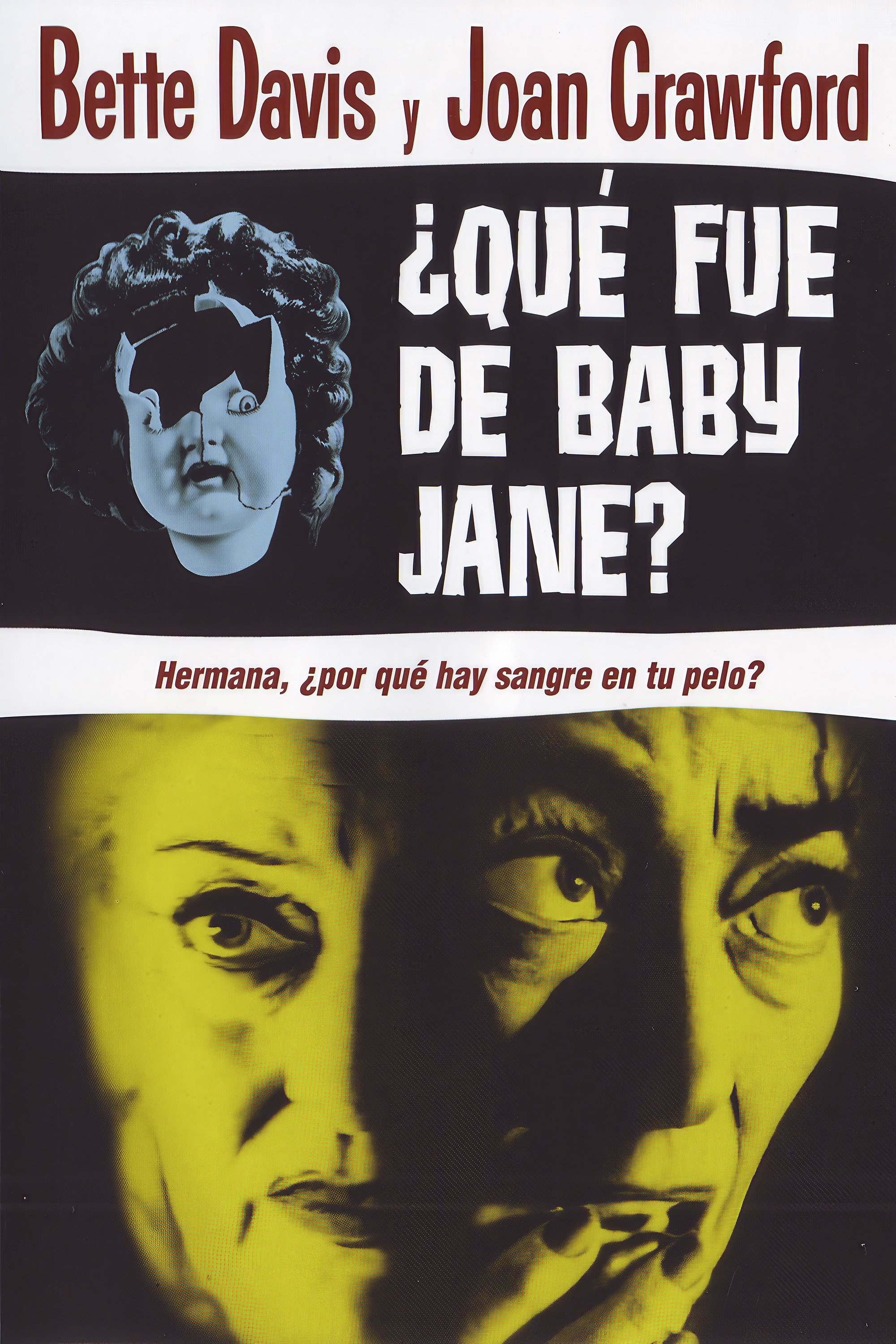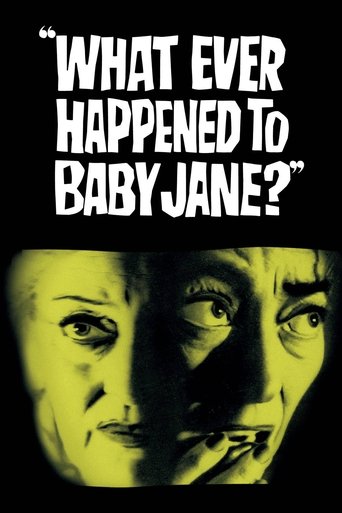
What Ever Happened to Baby Jane? (1962)

US
Runtime
135 min
Release
October 31, 1962
Budget
$980,000
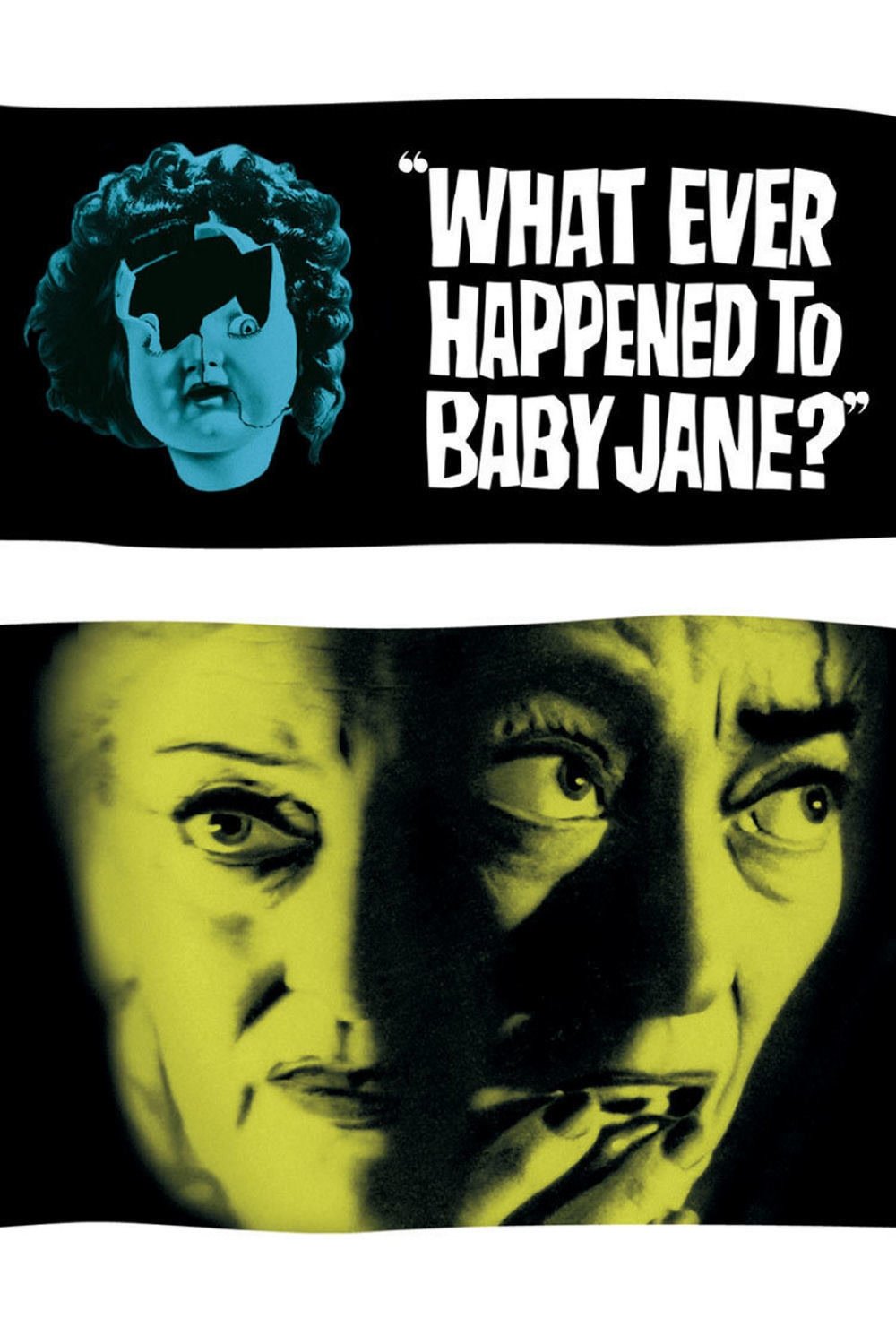
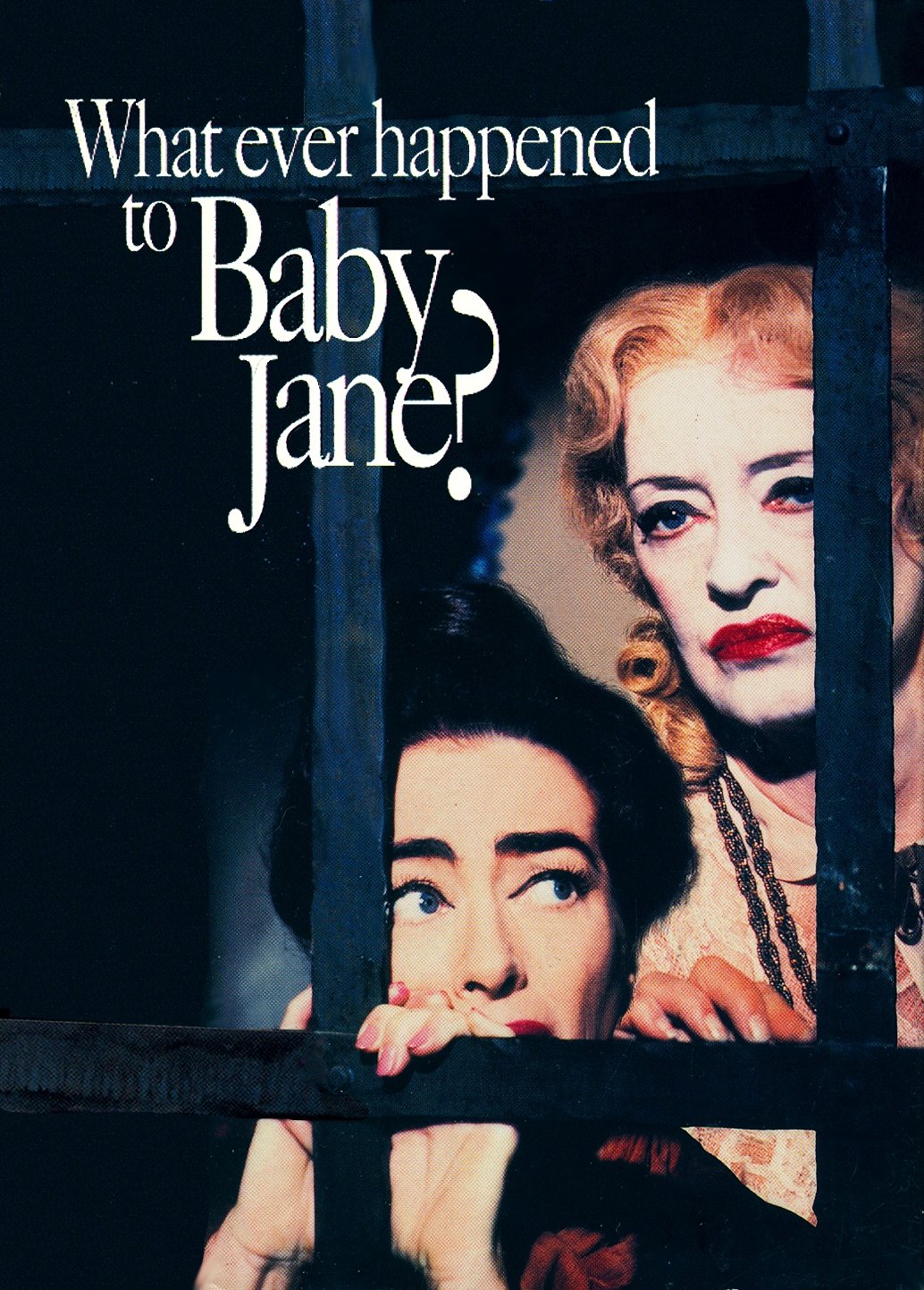
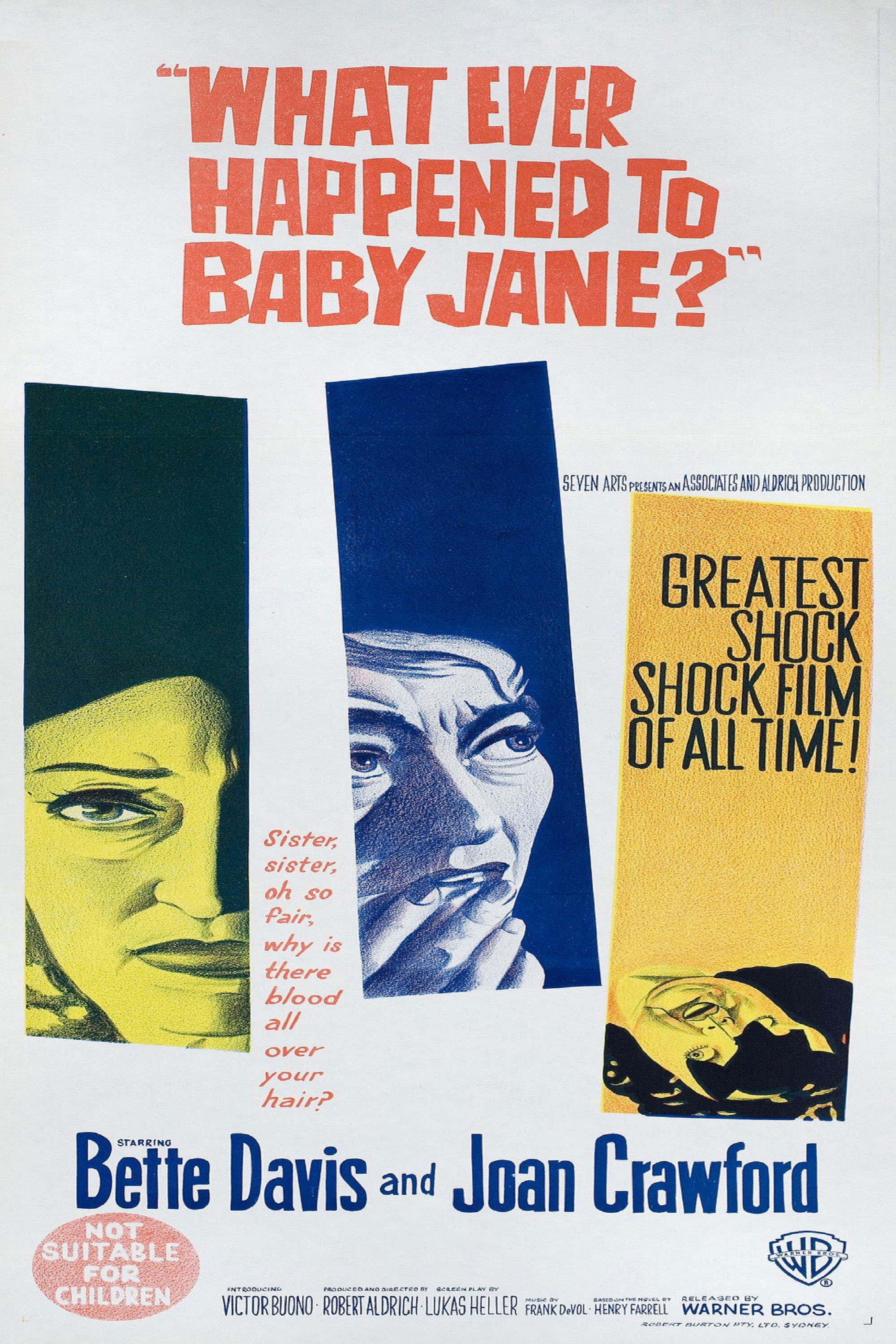
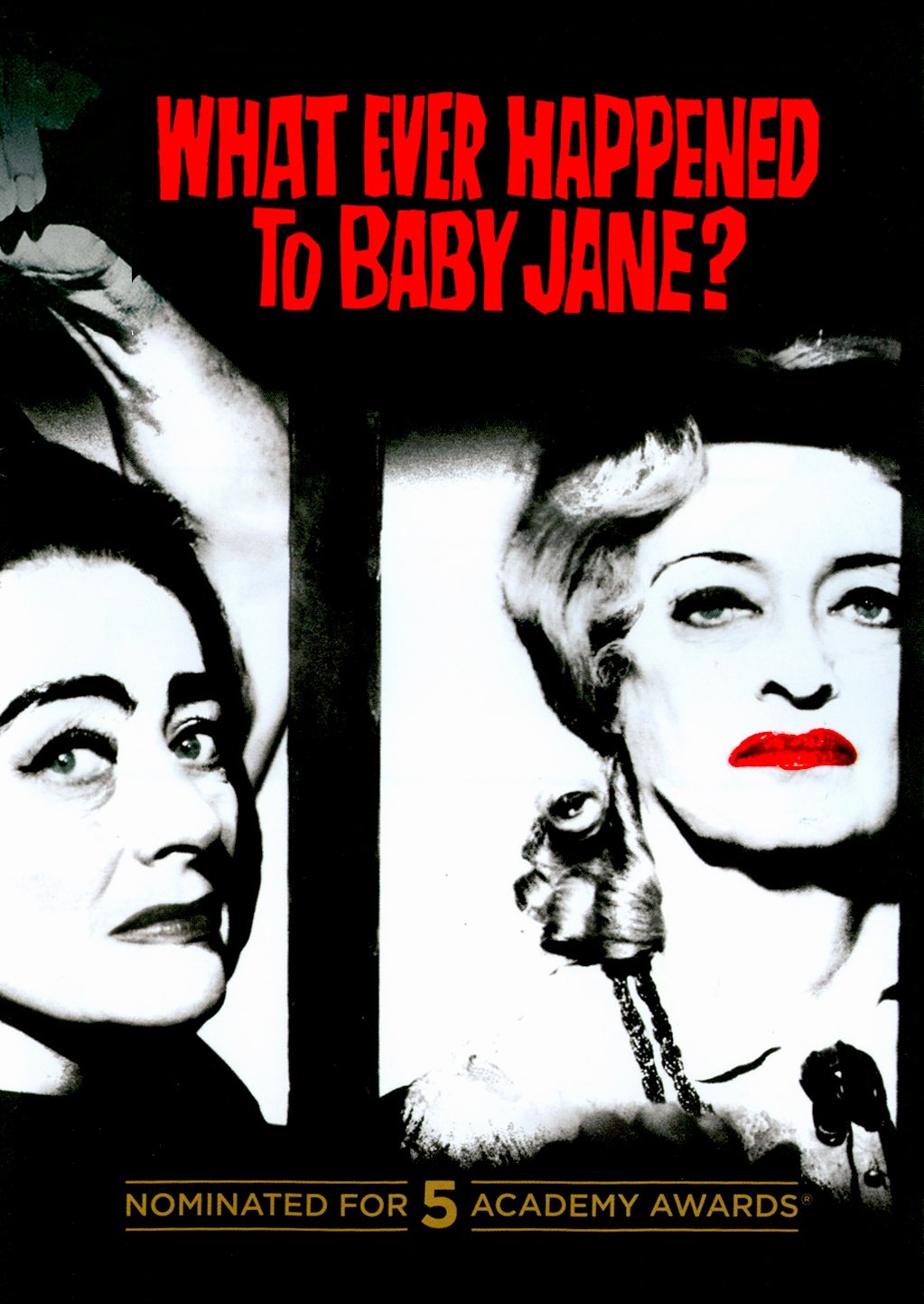
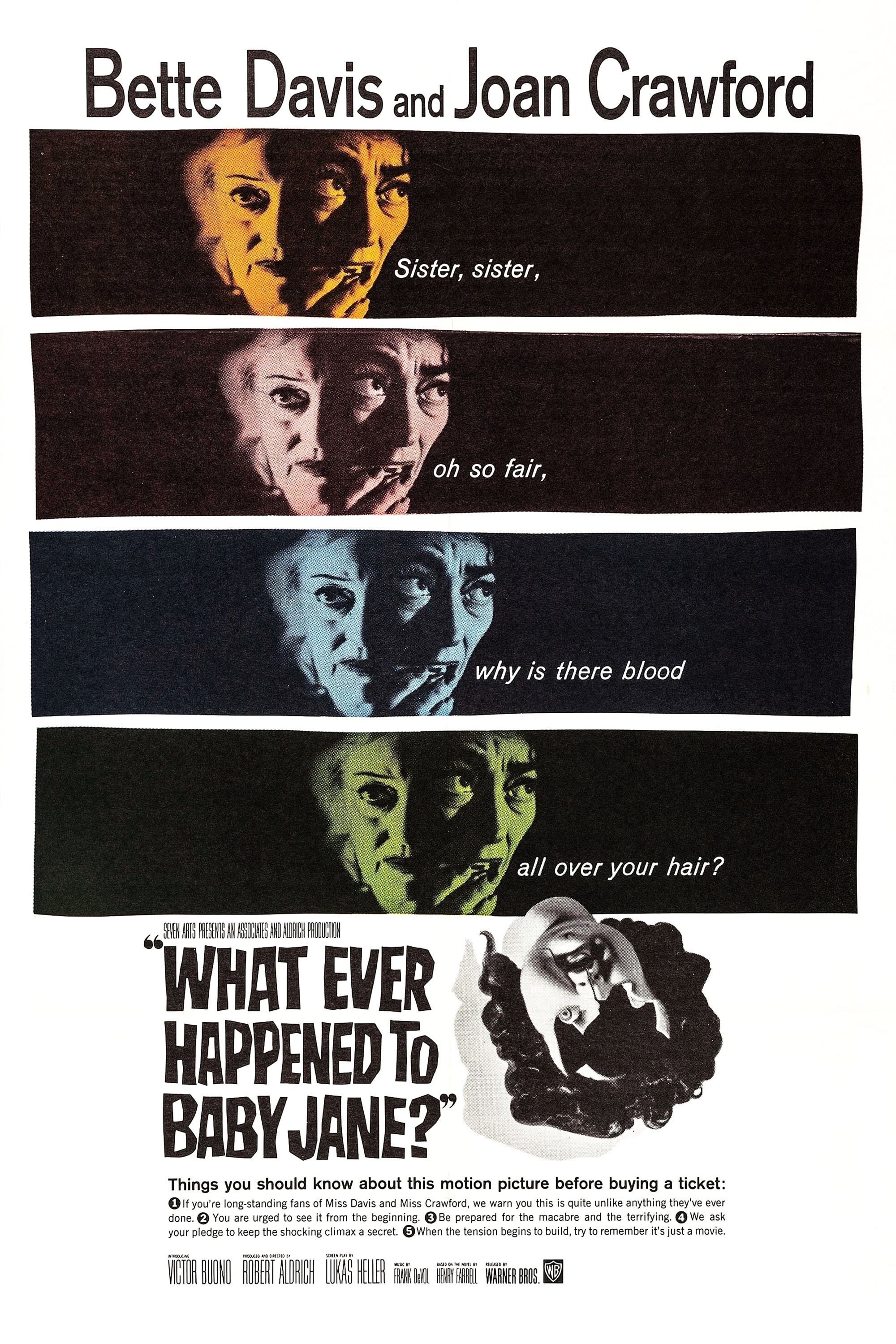
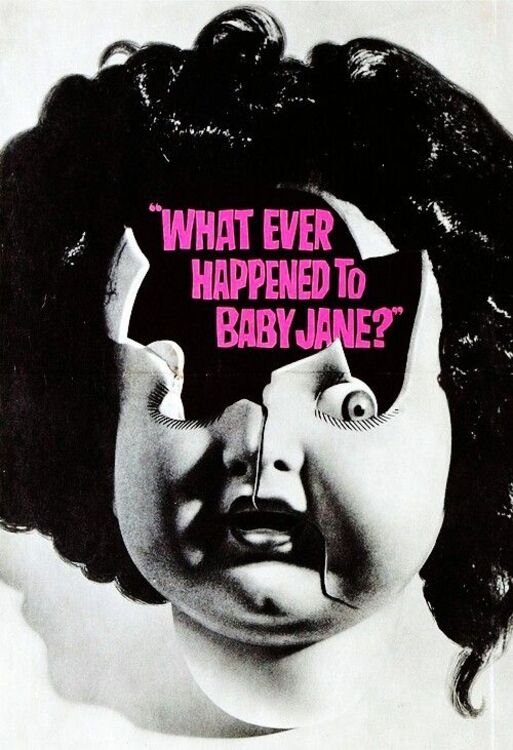
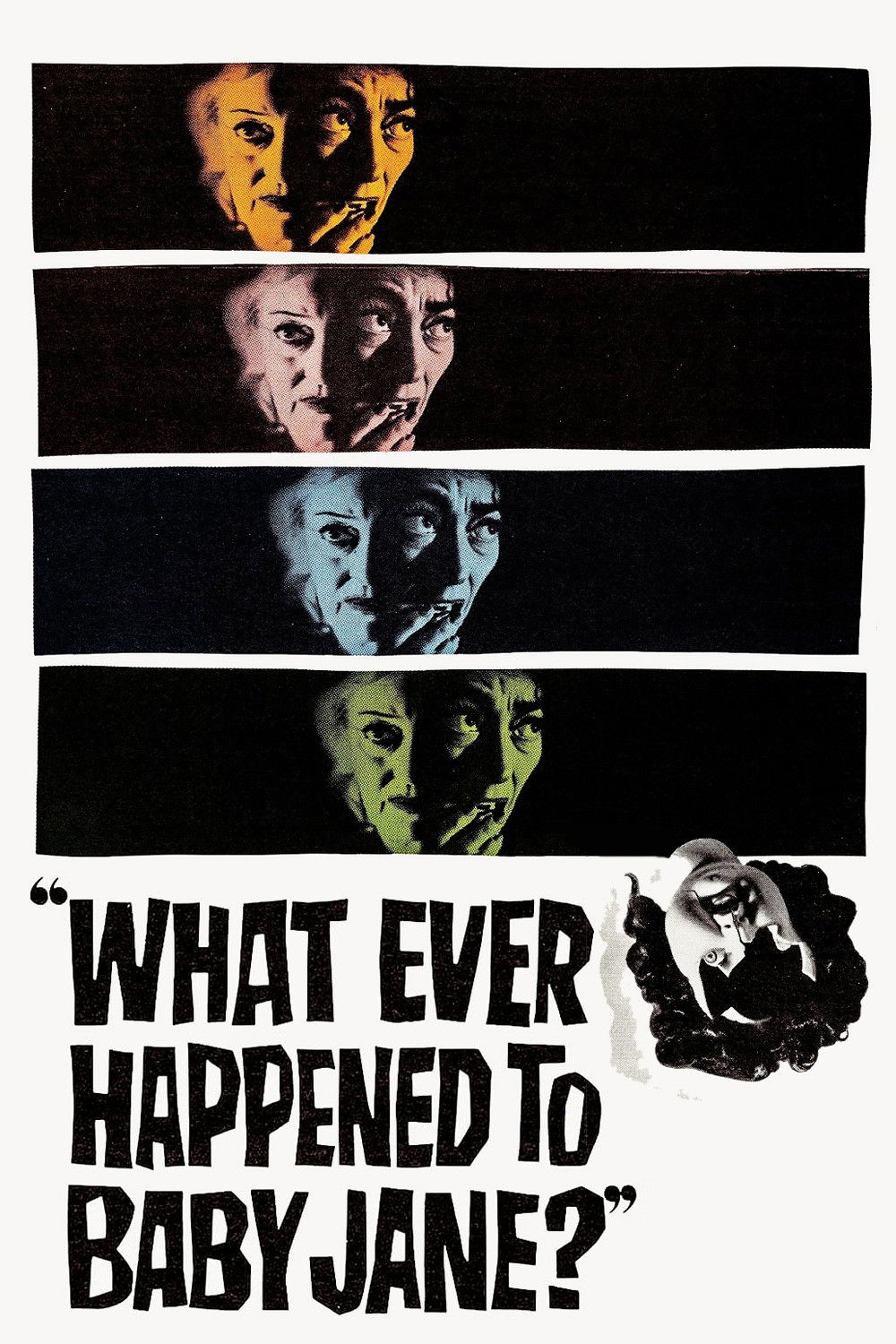
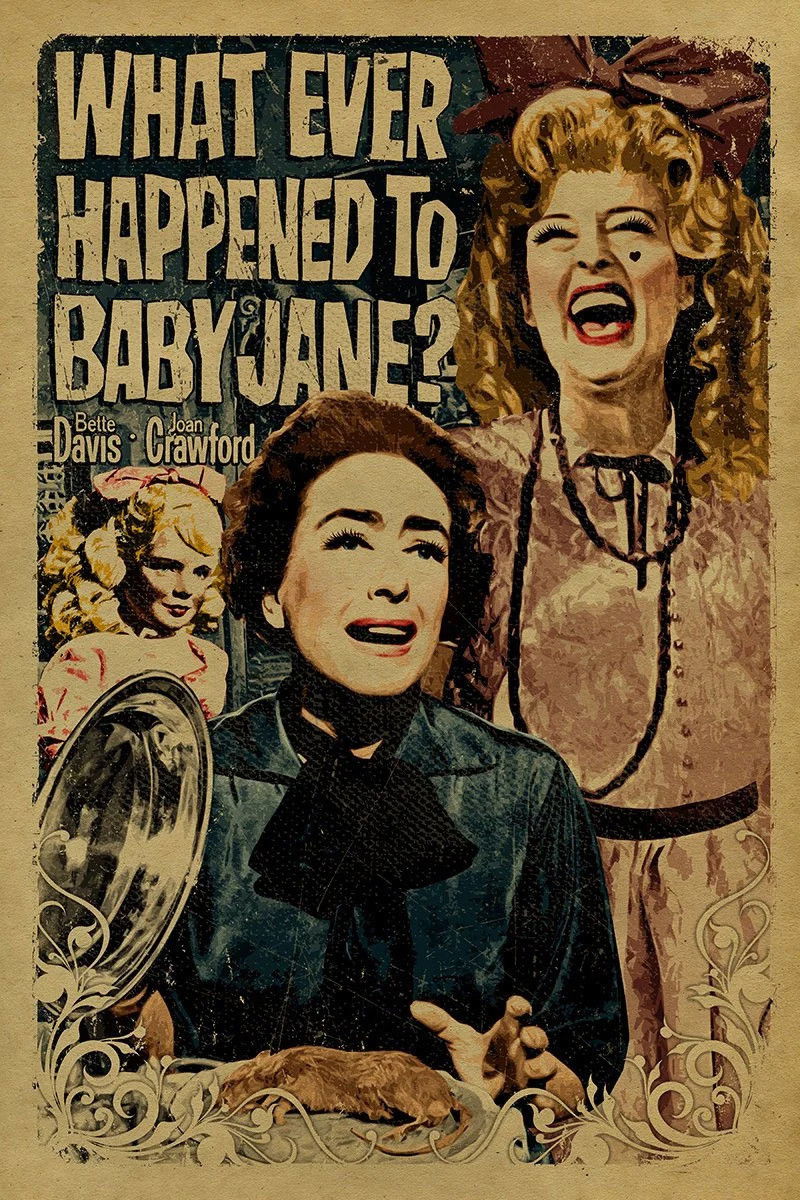
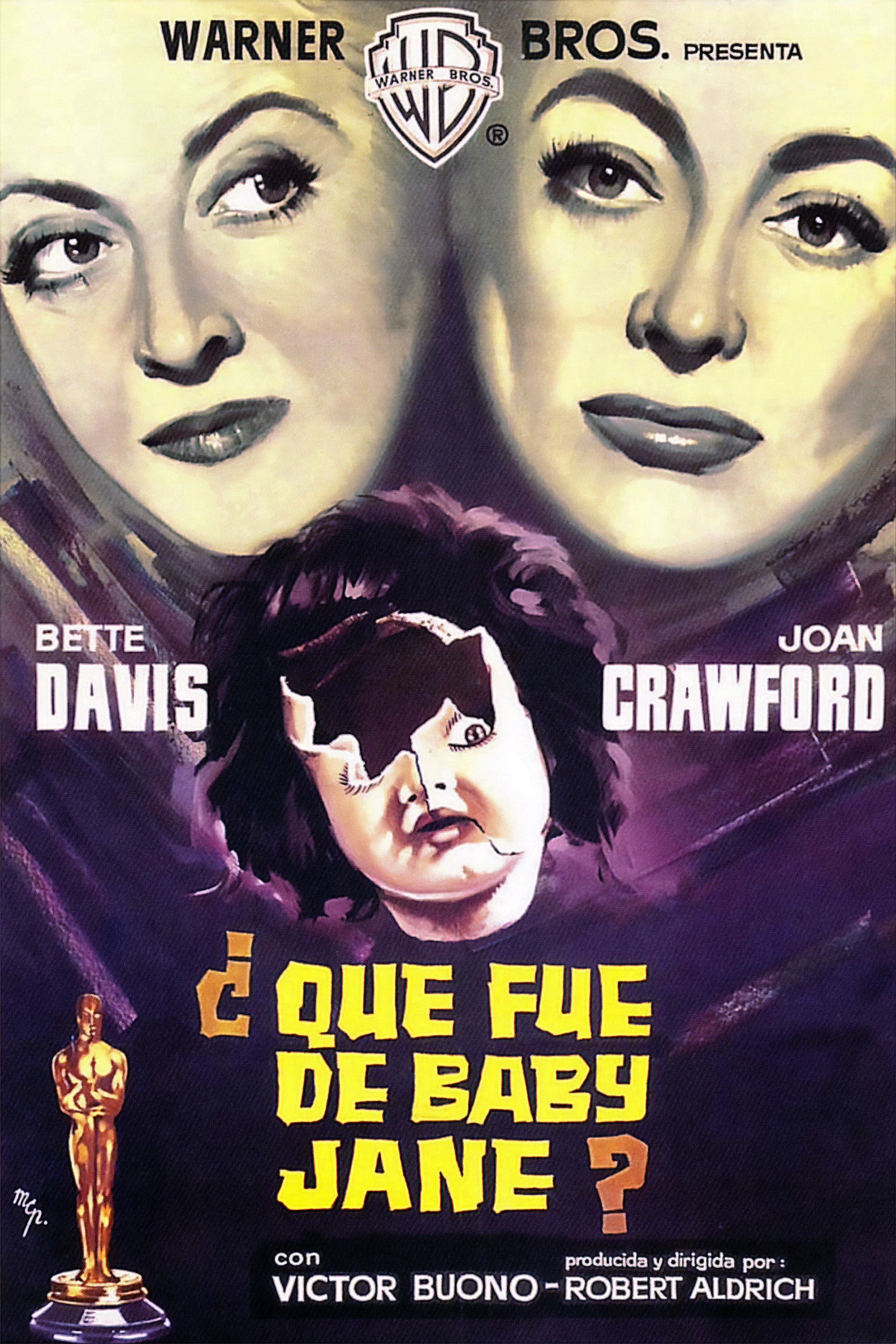
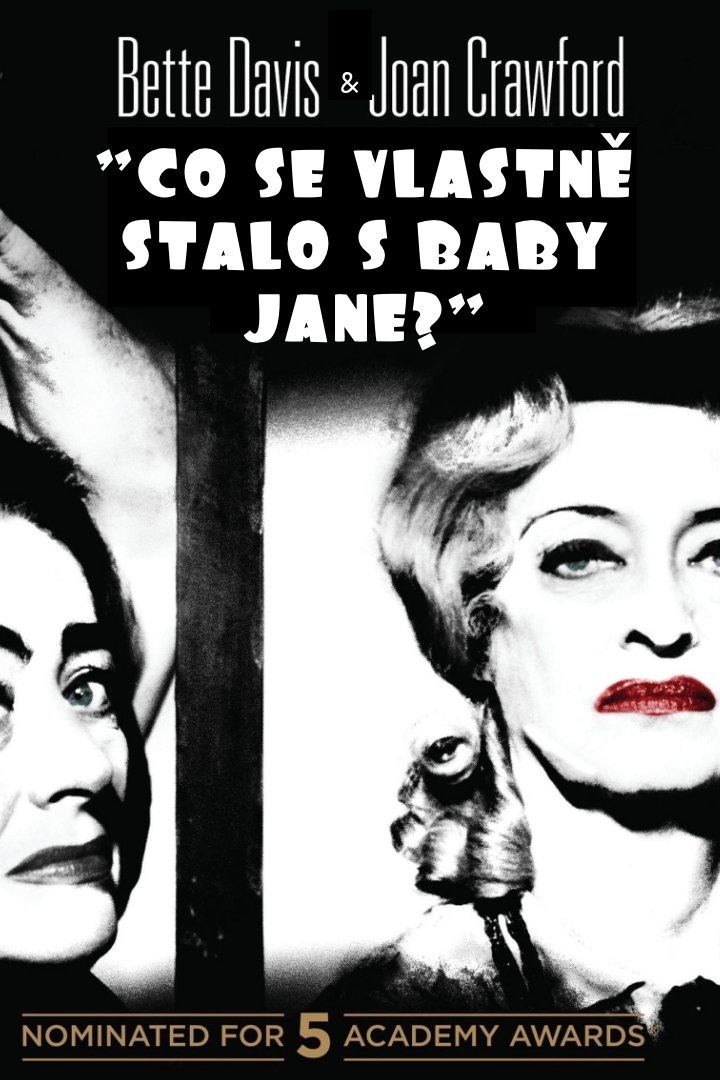
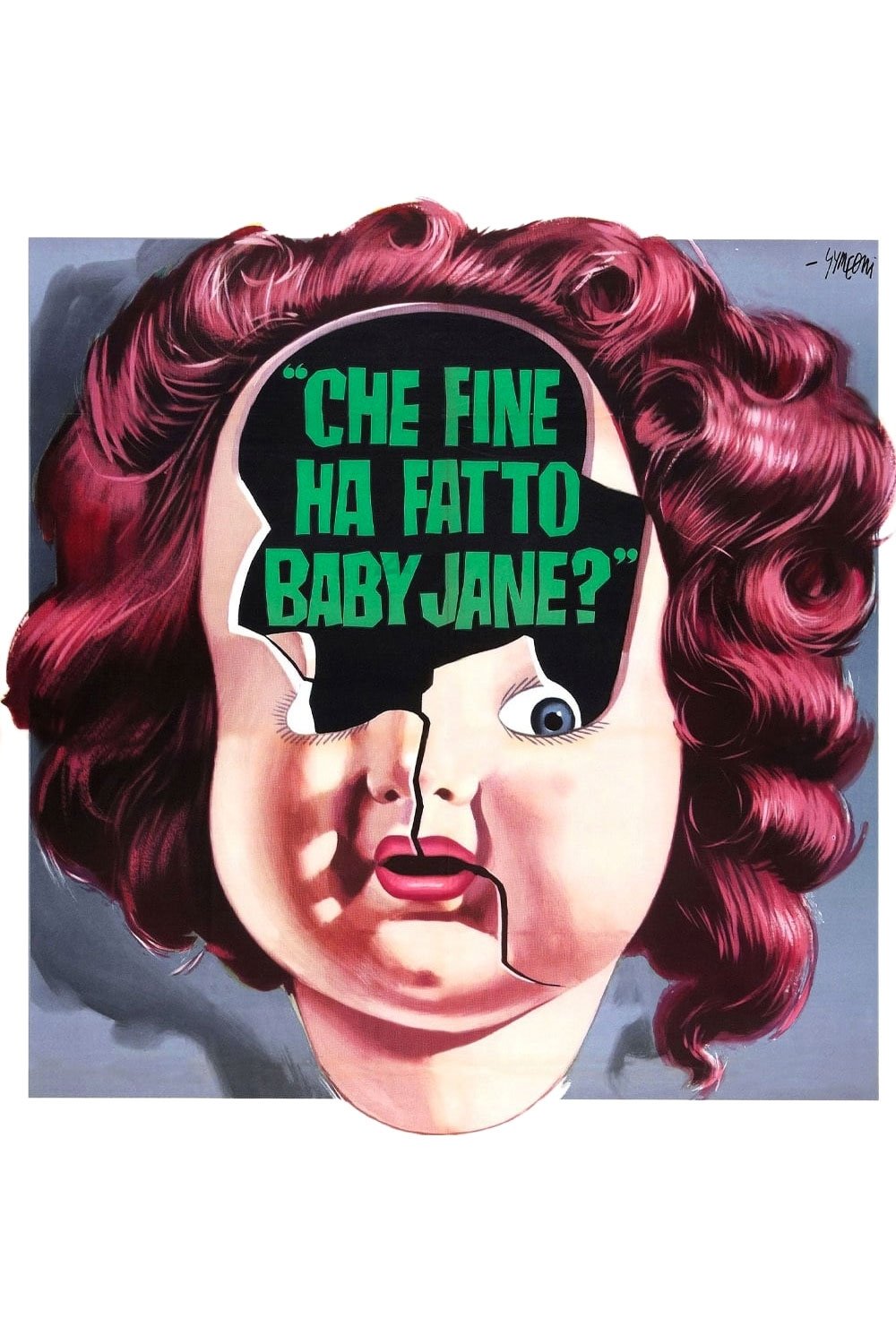
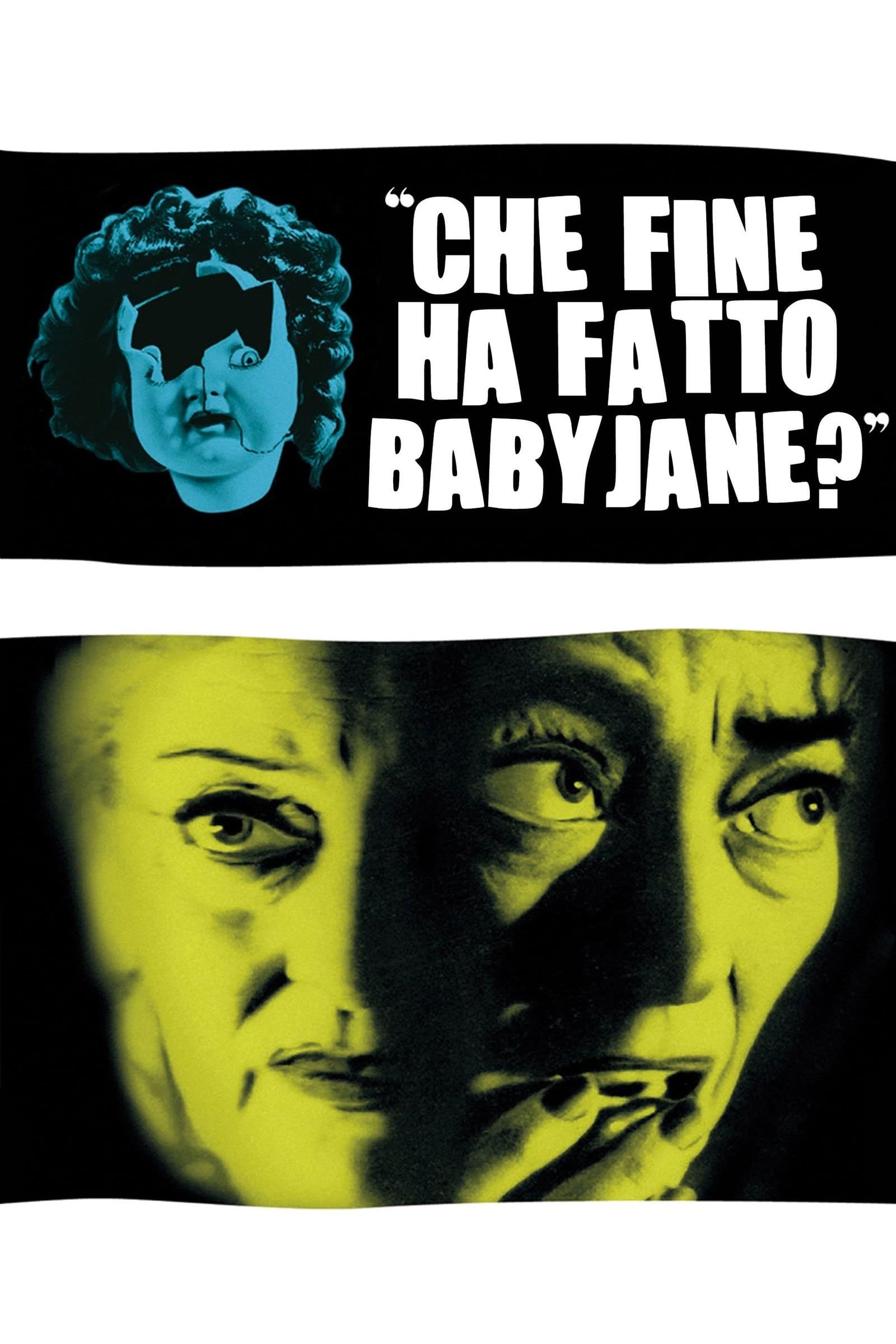
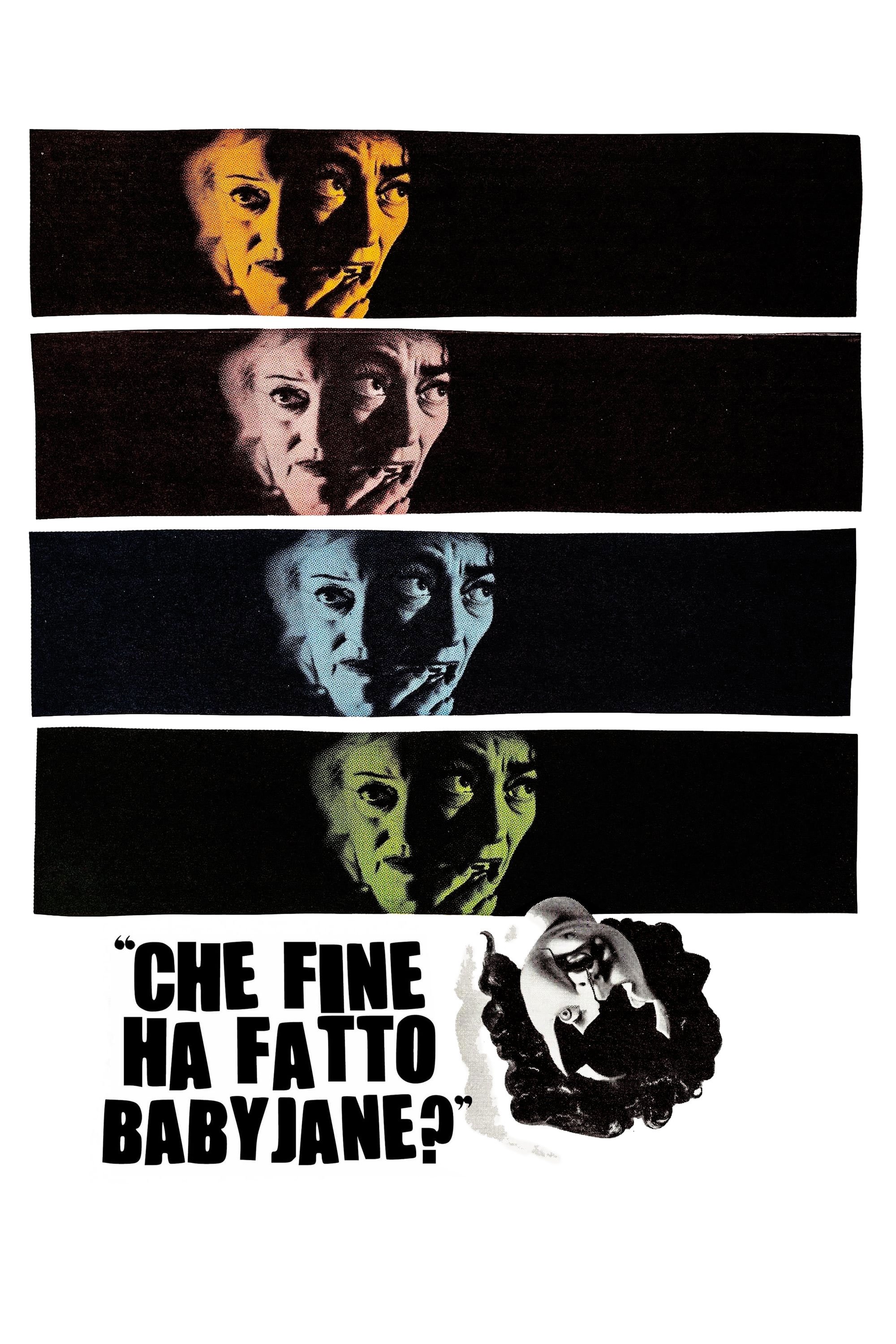
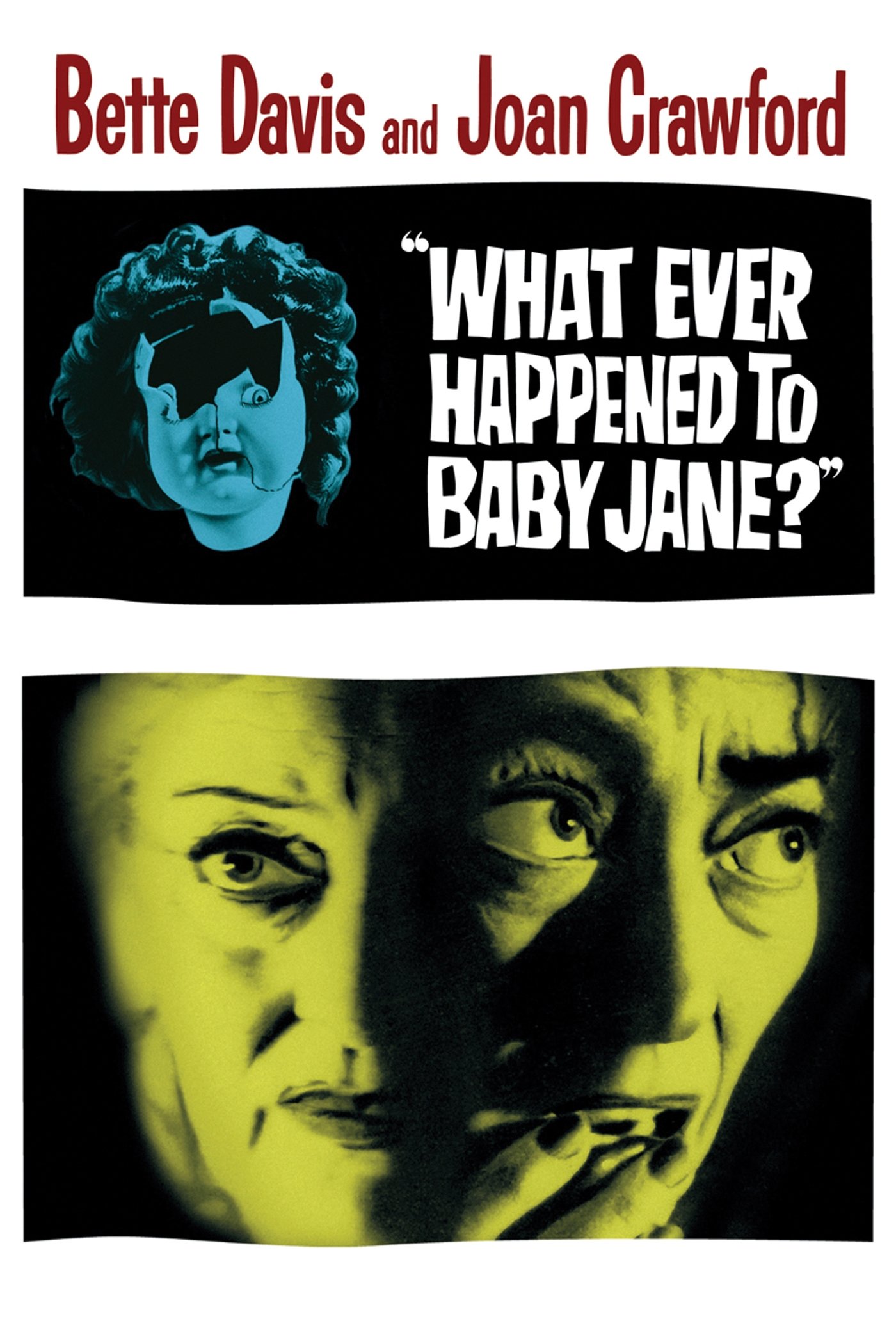
What Ever Happened to Baby Jane? (1962) poster
Director
Production Company
The Associates & Aldrich Company
Plot

Two aging film actresses live as virtual recluses in an old Hollywood mansion. Jane Hudson, a successful child star, cares for her crippled sister Blanche, whose career in later years eclipsed that of Jane. Now the two live together, their relationship affected by simmering subconscious thoughts of mutual envy, hate and revenge.

Alternative Titles
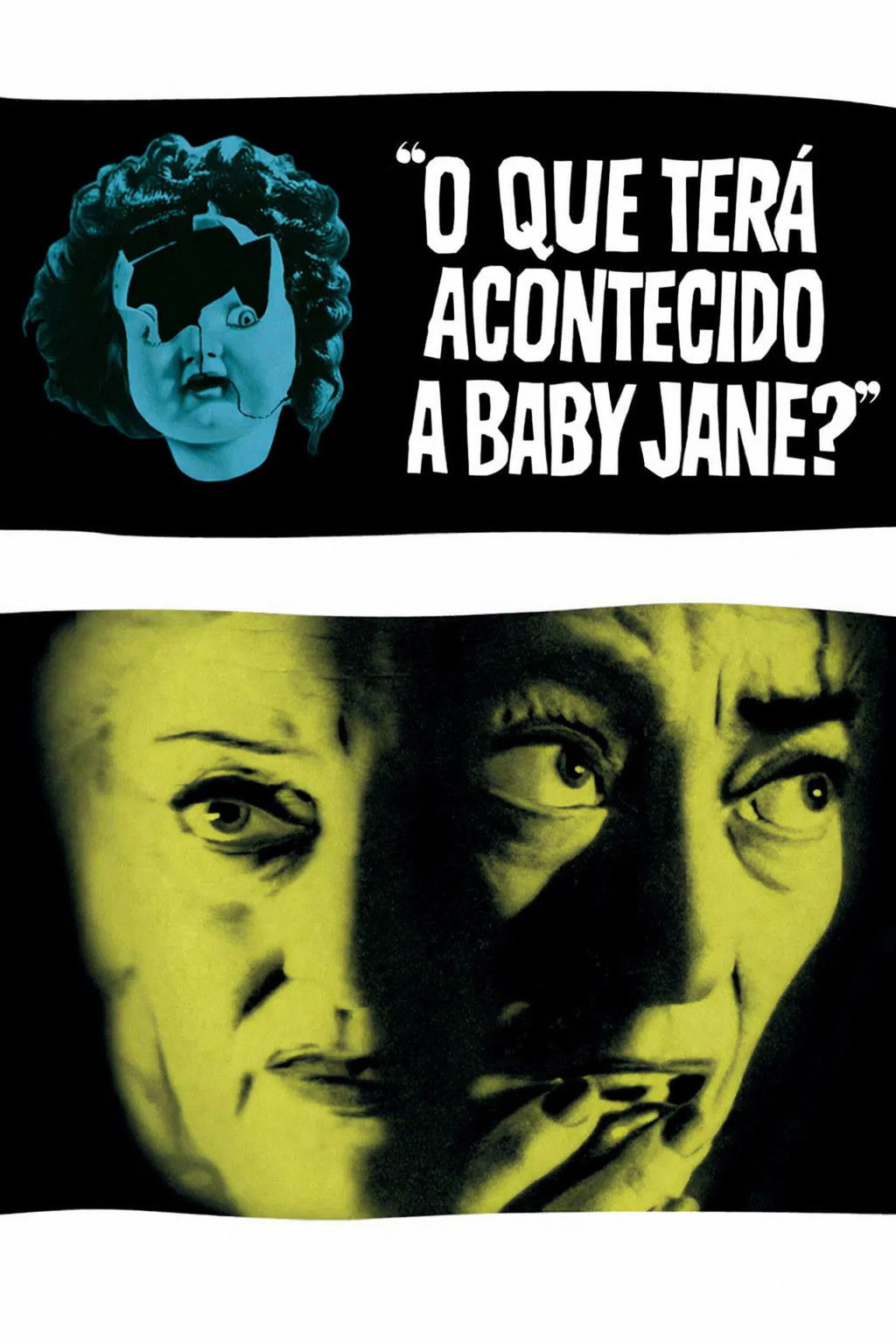
Wat is er van Baby Jane geworden? (Belgium) Какво се случи с Бейби Джейн? (Bulgaria) O Que Aconteceu com Baby Jane? (Brazil) O Que Terá Acontecido a Baby Jane? (Brazil) — alternative title 兰闺惊变 (China) Co se vlastně stalo s Baby Jane? (Czechia) Was geschah wirklich mit Baby Jane? (Germany) Hvad Blev Der Egentlig Af Baby Jane? (Denmark)
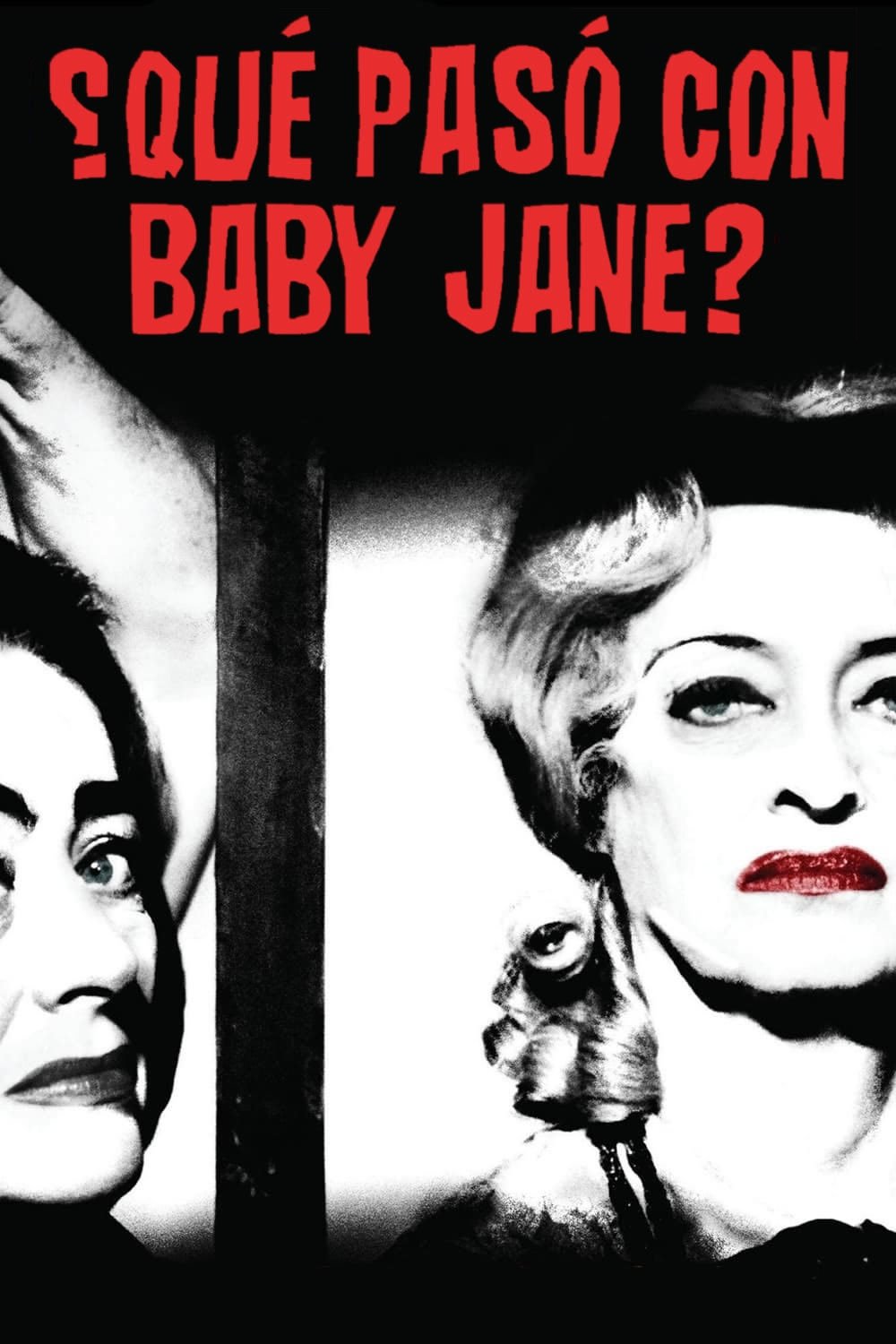
Show all 42 alternative titles ¿Qué fue de Baby Jane? (Spain) Què se n'ha fet, de Baby Jane? (Spain) — Catalan title Què se n’ha fet, de Baby Jane? (Spain) — Catalan Mitä tapahtuikaan Baby Janelle? (Finland) Qu'est-il arrivé à Baby Jane ? (France) Τι Απέγινε H Μπέιμπι Τζέιν; (Greece) — Greek Τι απέγινε η Μπέιμπι Τζέιν; (Greece) 姊妹情仇 (Hong Kong SAR China) Što se dogodilo s Baby Jane? (Croatia) Mi történt Baby Jane-nel? (Hungary) מה קרה לבייבי ג'יין (Israel) چه بر سر بیبی جین آمد؟ (Iran) Che fiṅ à-la fat la Baby Jane? (Italy) — Emilian title Che fine ha fatto Baby Jane? (Italy) 何がジェーンに起ったか? (Japan) 베이비 제인에게 무슨 일이 생겼는가? (South Korea) 제인의 말로 (South Korea) Kas notika ar mazulīti Džeinu? (Latvia) ¿Qué pasó con Baby Jane? (Mexico) Wat Is Er Toch van Baby Jane Terechtgekomen? (Netherlands) Hva hendte med Baby Jane? (Norway) Co się zdarzyło Baby Jane? (Poland) Que Teria Acontecido a Baby Jane? (Portugal) Ce s-a întâmplat cu Baby Jane? (Romania) Шта се догодило са Беби Џејн? (Serbia) Что случилось с Бэби Джейн? (Russia) ماذا حدث للطفلة جين؟ (Saudi Arabia) — Arabic Vad hände med Baby Jane? (Sweden) Čo sa vlastne stalo s Baby Jane? (Slovenia) Bebek Jane'e Ne Oldu? (Türkiye) — alternative title Küçük Bebeğe Ne Oldu? (Türkiye) 姊妹情仇 (Taiwan) — Chinese Що сталося з Бебі Джейн? (Ukraine) Whatever Happened to Baby Jane? (United States)

Trailers & Videos

6 videos

Film Guide

Robert Aldrich and Hollywood Gothic: Bette Davis, Joan Crawford, domestic terror, black-and-white design, censorship and psycho-biddy horror.

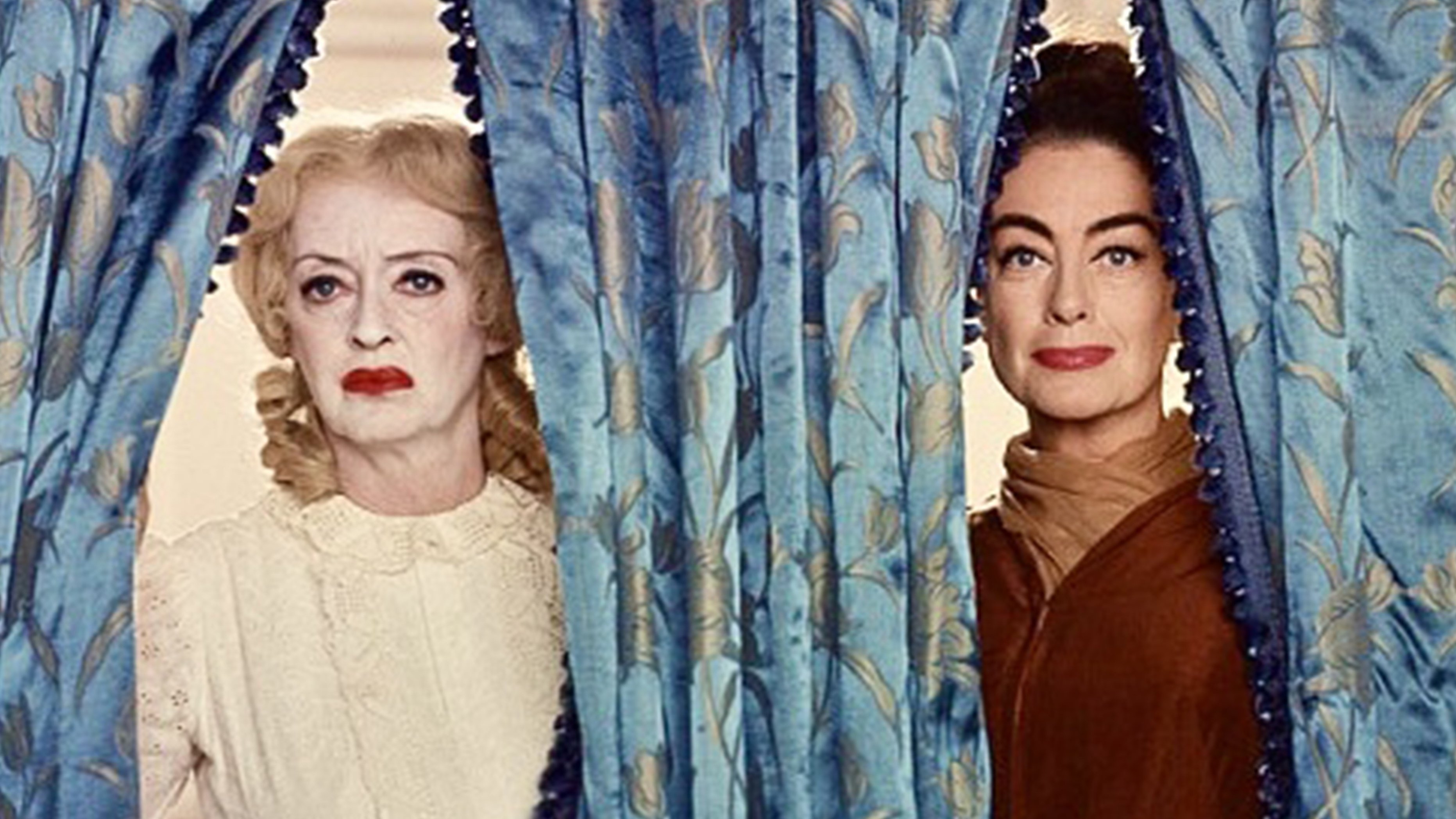
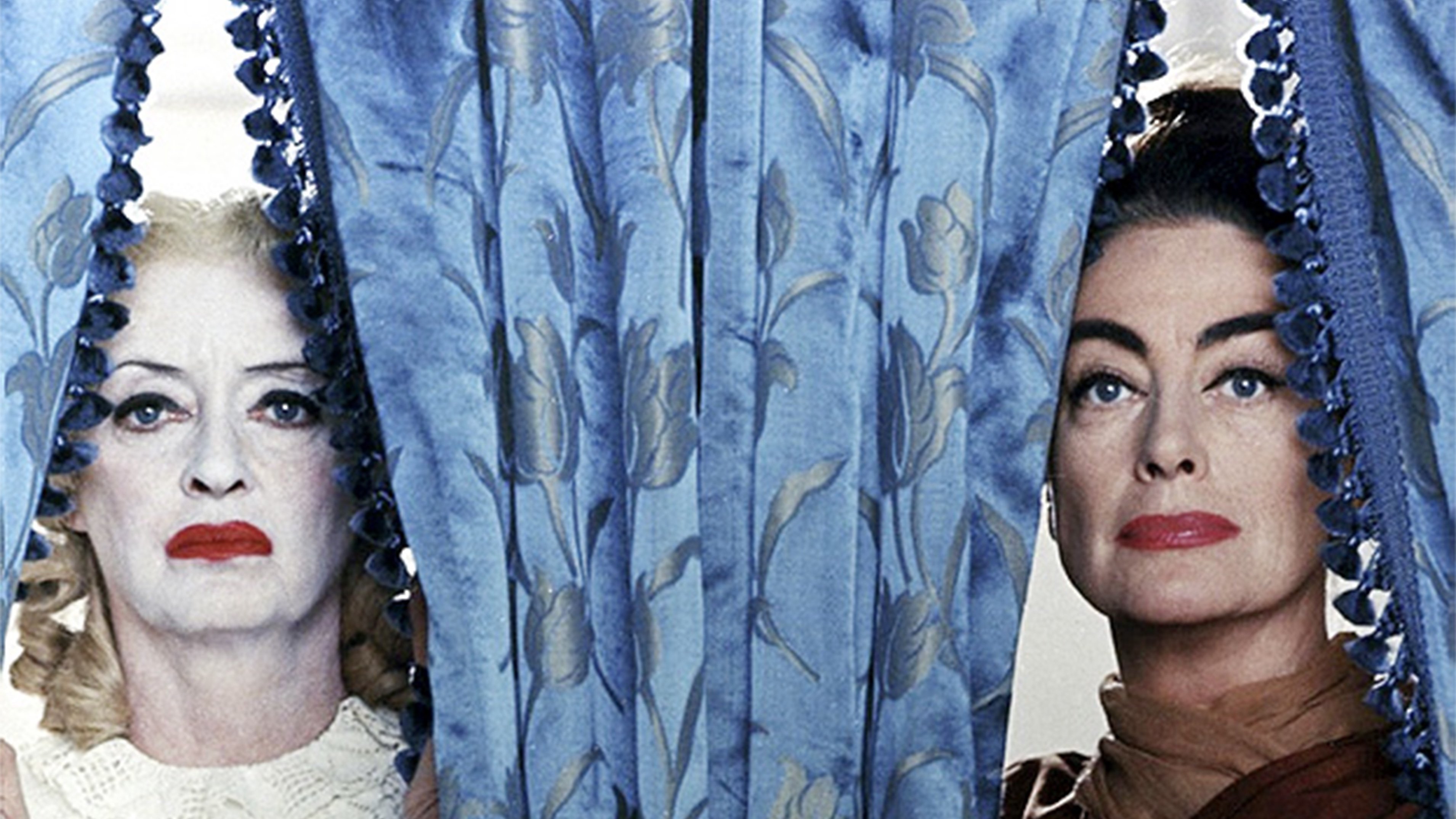
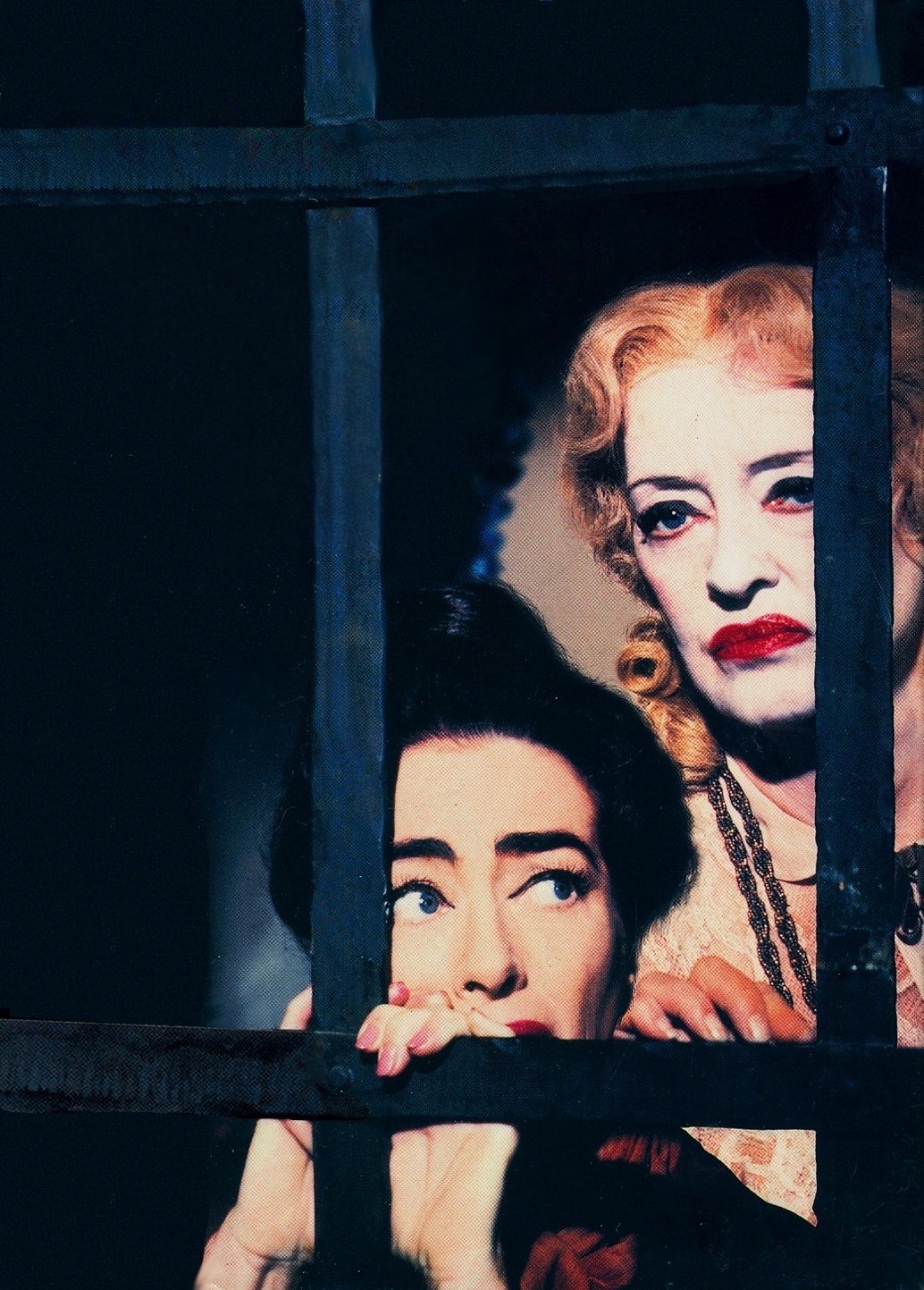
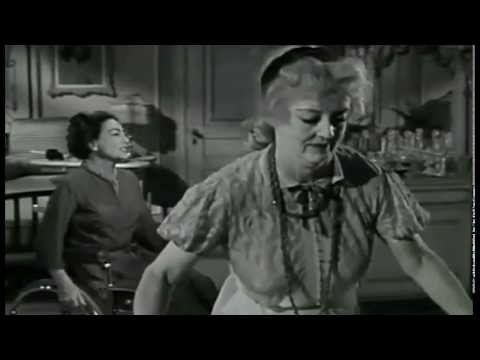
What Ever Happened to Baby Jane? (1962), directed and produced by Robert Aldrich, places the violence of a psychological horror film inside the decaying household of two former entertainers. Jane Hudson, once a celebrated child performer, lives with her sister Blanche, whose successful screen career ended after a car accident left her unable to walk. Their shared Los Angeles home becomes a place of imprisonment when Jane begins to control Blanche's food, communications and access to help. The film finds its menace in the intimate knowledge that relatives possess of one another and in the difficulty of distinguishing genuine helplessness from the stories people tell about the past.

Adapted by Lukas Heller from Henry Farrell's 1960 novel, the picture brought Bette Davis and Joan Crawford together at a moment when Hollywood offered few comparable leading roles to actresses of their generation. Its black-and-white photography, deliberately unsettling makeup and performances move between domestic melodrama and Grand Guignol horror. Public fascination with the stars' relationship contributed to its notoriety, but the film's formal achievement extends beyond that publicity: it steadily restricts Blanche's possible avenues of escape while using Jane's ruined stage persona to expose the cruelty of an industry built on youth and visibility.

Origins, Adaptation and Independent Production

Farrell's novel appeared in 1960, and attempts to adapt it preceded Aldrich's involvement. The American Film Institute documents an early proposal associated with producer Richard Rush and an arrangement subsequently discussed with Joseph E. Levine's Embassy Pictures. Joan Crawford had already approached Aldrich about finding a project in which she could appear opposite Bette Davis. Aldrich did not accept her first proposed story, but the prospect of pairing the actresses remained attractive. When What Ever Happened to Baby Jane? emerged as suitable material, he commissioned Lukas Heller to adapt it. Davis later approved the screenplay, and financing came through Seven Arts, with Warner Bros. handling distribution.

The project was comparatively inexpensive for a feature built around two established stars. According to production reports assembled by the AFI, a budget of $600,000 and a thirty-day schedule were contemplated; a later trade estimate placed the cost at approximately $800,000. The picture was photographed in Los Angeles at the Producers Studio, subsequently known as Raleigh Studios, from July 23 into early September 1962. Contemporary reporting indicates that shooting fell behind the original plan. These figures refer to different stages of production and should not be collapsed into one definitive audited budget. The constrained resources also help explain the dramatic emphasis on the sisters' house and a small collection of recurring rooms.

The adaptation preserves the central arrangement of Farrell's story: childhood fame gives Jane power over Blanche, adult fame reverses their positions, and an apparently culpable accident makes the two women dependent upon one another. Rather than moving quickly between locations and new characters, Heller's screenplay devotes much of its length to the worsening routines of the household. The opening passages establish the sisters' different histories before the main action reveals the destructive habits produced by their long isolation. The result is a horror film constructed through ordinary domestic encounters, interrupted only occasionally by Jane's attempts to resurrect a public career.

Black-and-White Photography and the Hudson House

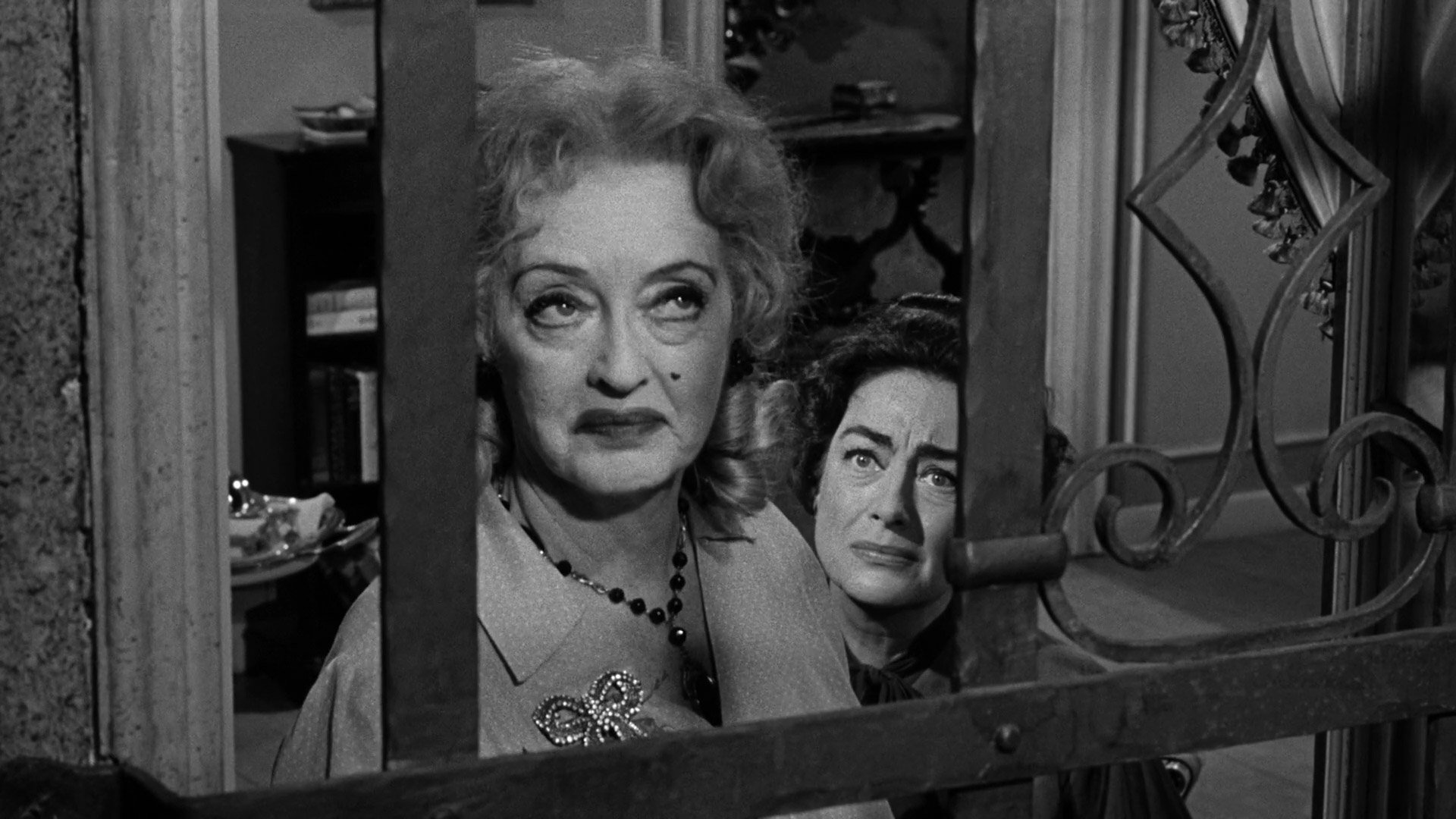
The film was shot in black and white by Ernest Haller. Davis later recalled arguing for monochrome against a preference for color among the financial backers, believing a handsome color presentation would diminish the story's bleakness. Her recollection, reported by Turner Classic Movies, is evidence of her own position during production rather than a complete account of every photographic decision. In the finished film, Haller's contrasts emphasize pale faces, dark stairways, heavy furniture and rooms that seem preserved from an earlier Hollywood era. The house contains reminders of successful careers but offers little freedom to either occupant.

Aldrich uses the geography of the house to define the power struggle. Blanche's bedroom is upstairs, beyond a staircase she cannot negotiate independently; Jane controls movement between that room, the telephone and the outside world. The repeated passage between floors gives ordinary household actions an increasingly threatening significance. Doorways and landings allow characters to overhear or interrupt one another, while the spaces beyond Blanche's reach remain visible enough to frustrate her. The confined compositions make the audience acutely aware of distance inside a building that is outwardly comfortable. A window or a ringing telephone can therefore become the center of an entire suspense sequence.

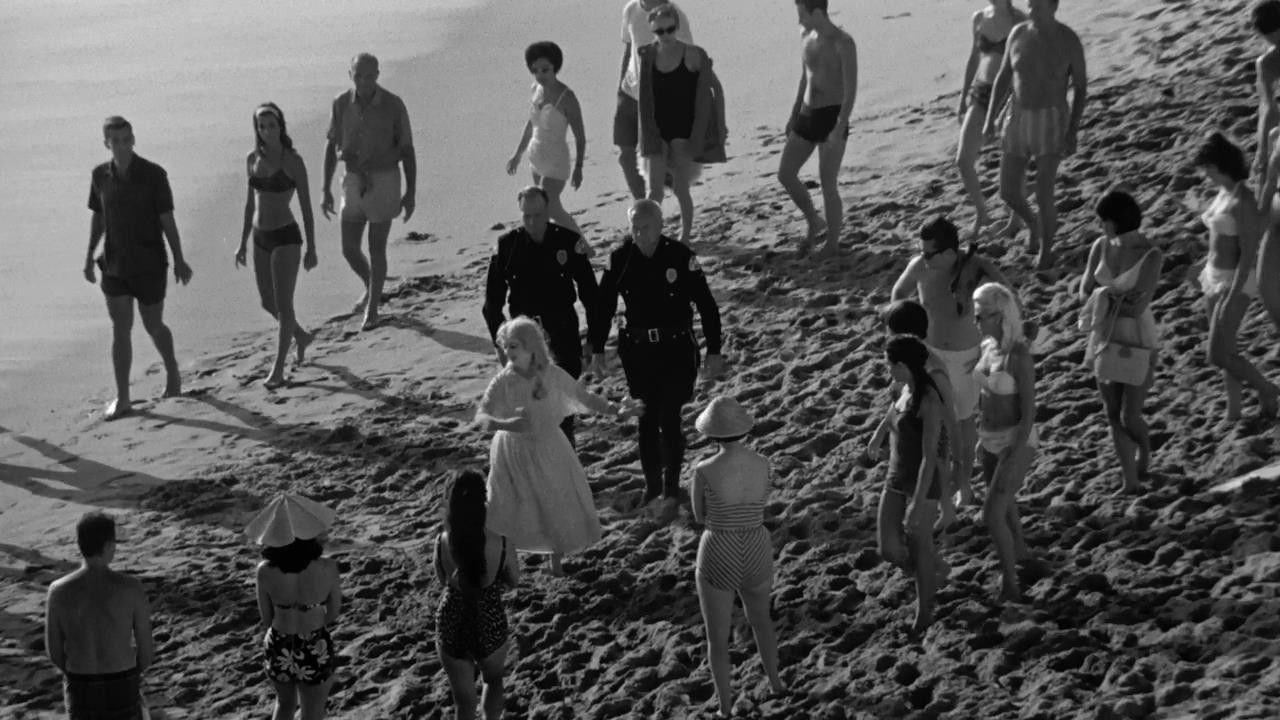
The film occasionally escapes this enclosure through flashbacks, neighborhood encounters and the concluding beach episode. Those interruptions provide an important contrast with the interior's oppressive repetition. The early scenes of vaudeville and movie-star success also give the sisters' present surroundings a historical dimension: the house is a repository of professional disappointment as well as the scene of ongoing cruelty. Costume designer Norma Koch's work accentuates this disjunction, particularly in Jane's attempts to revive a little-girl performance style long after childhood. Her costumes help make elapsed time visible without relying on explanatory dialogue.

Bette Davis, Joan Crawford and Performance

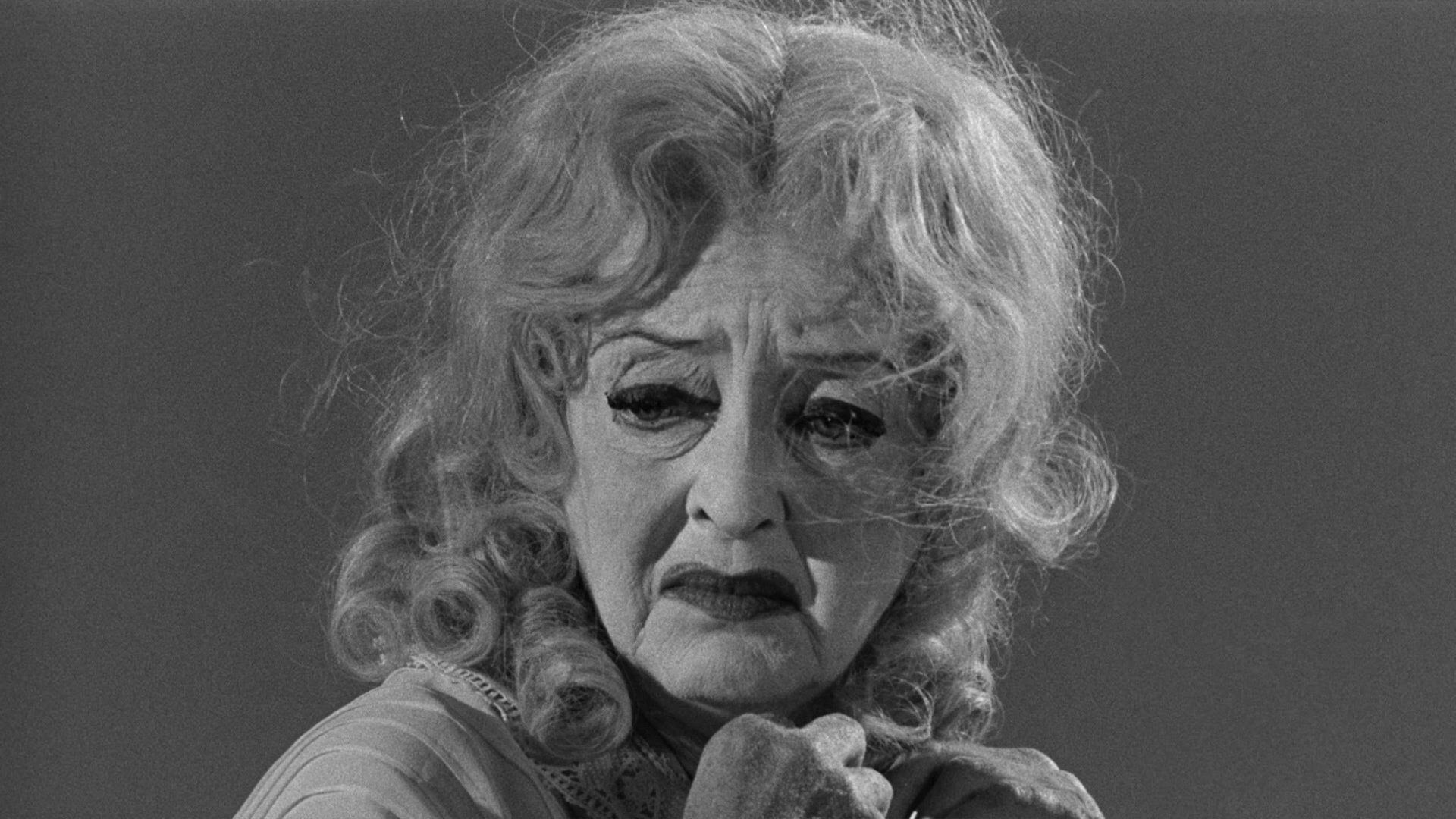
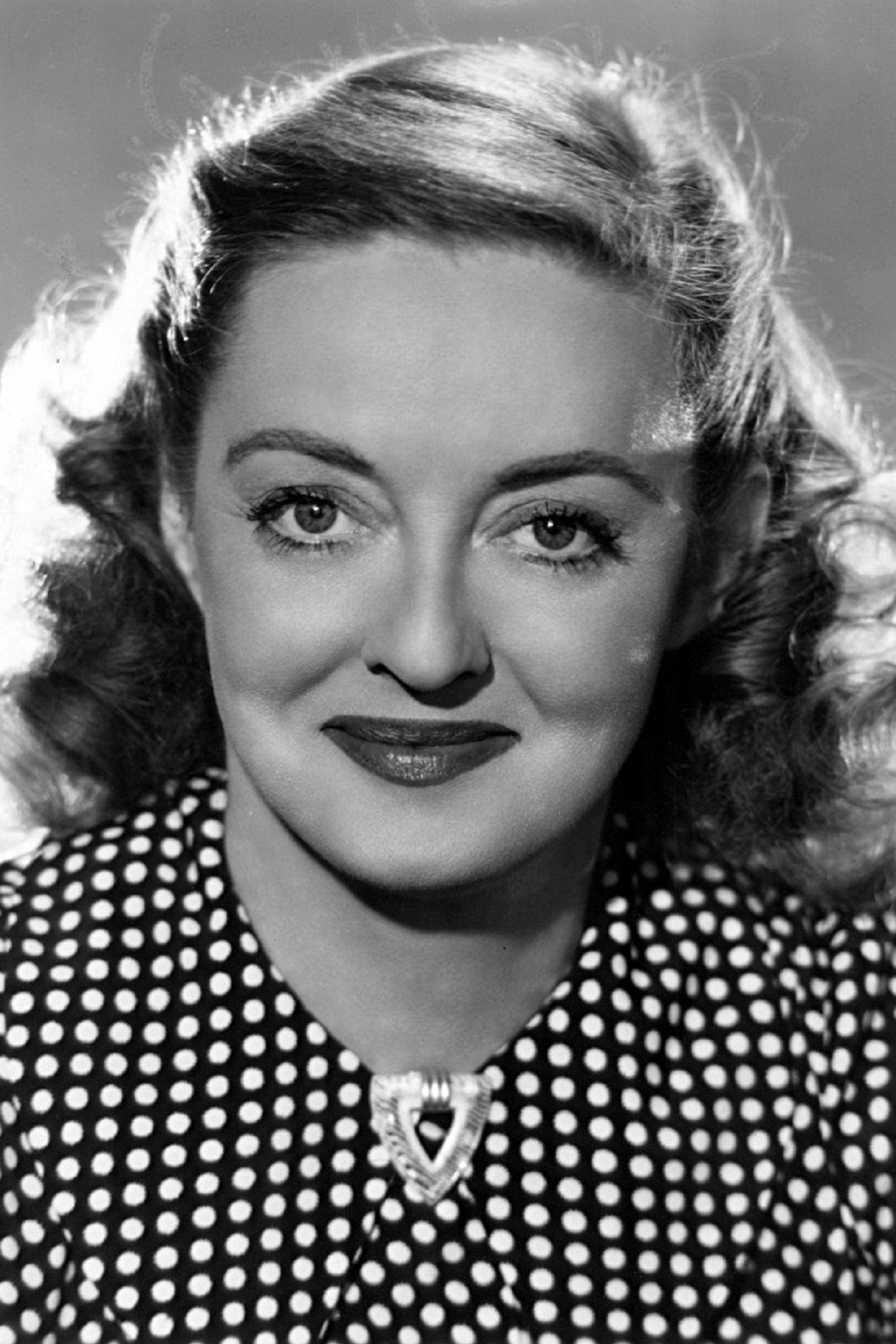
Davis developed Jane's appearance as an accumulation of heavy makeup, theatrical costume and gestures that have lost their original audience. In recollections reproduced by Turner Classic Movies, she said that she wanted the character to look as though she added new makeup without removing the old. Her account also describes disagreements over how much glamour should remain in Blanche's appearance. These comments come from a participant with strong views about the performance and should not be treated as a neutral record of Crawford's intentions. What is visible on screen is the contrast between Jane's deliberately grotesque self-presentation and Blanche's controlled, often immobile response to her sister's behavior.

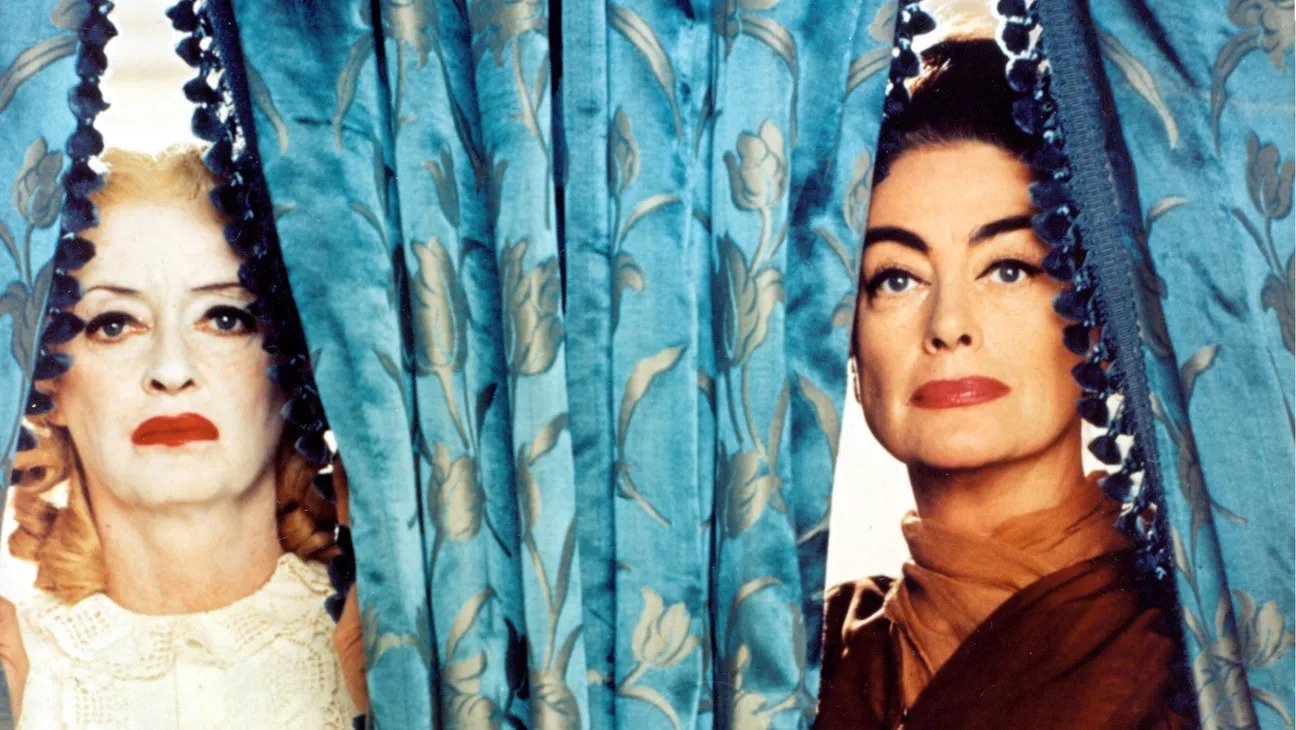
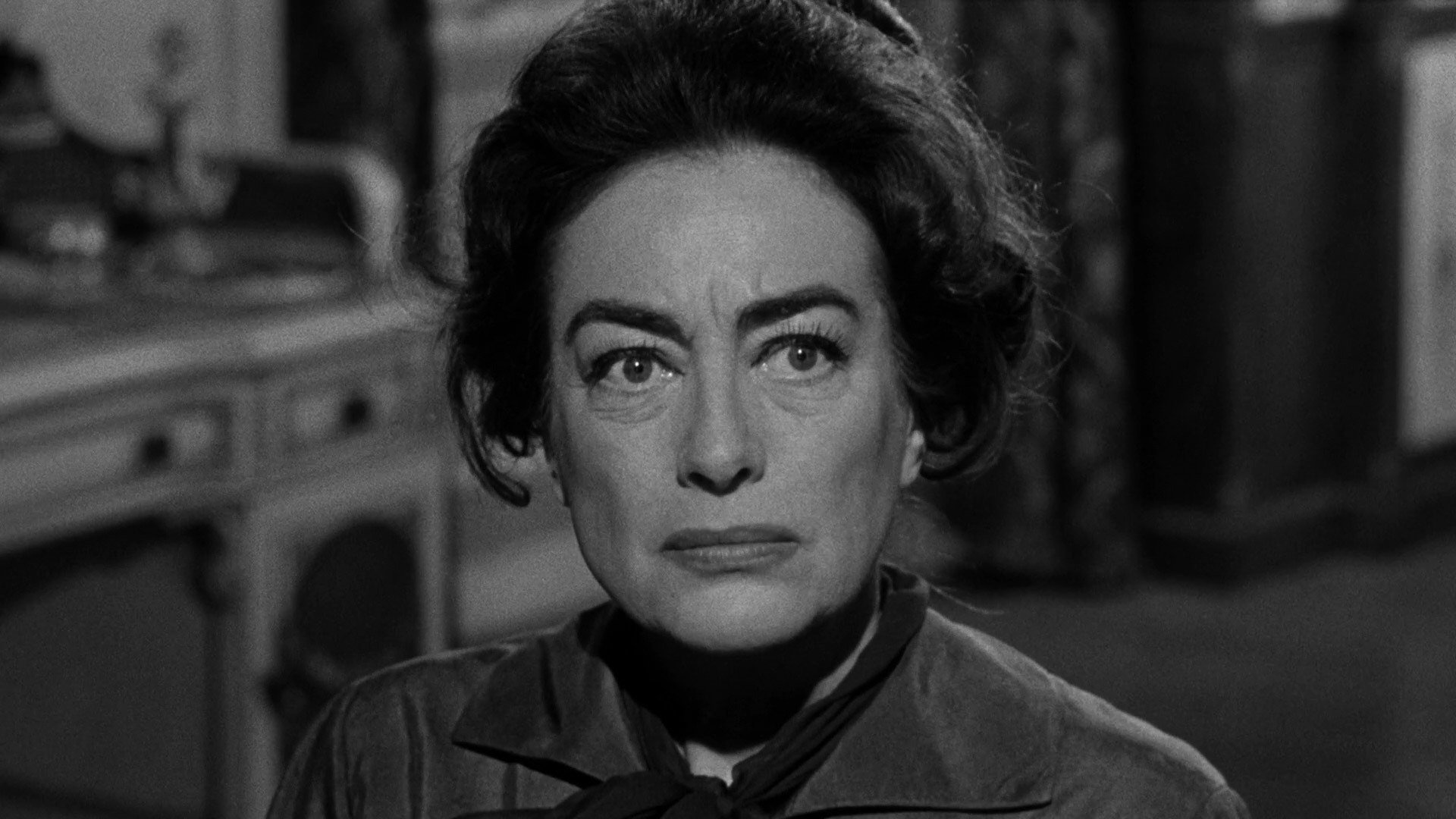
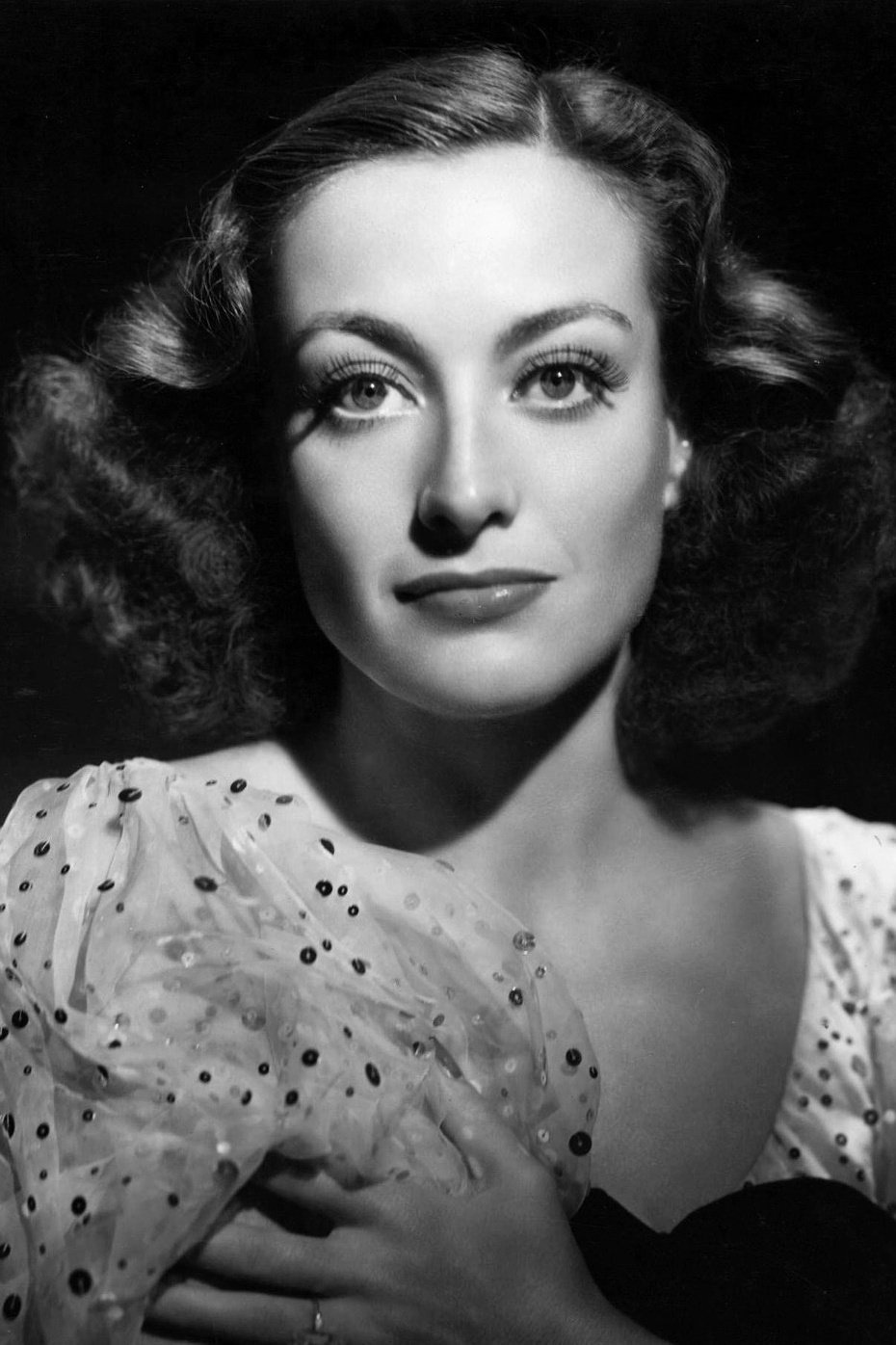
Crawford's performance depends on restricted movement and the expression of fear through posture, speech and small changes of attention. Blanche must conceal attempts to communicate with outsiders while avoiding signs that might provoke further violence. Davis, by contrast, repeatedly lets Jane fill the house with noisy rehearsals and exaggerated displays of affection or anger. The roles require different kinds of intensity, and their opposition supplies much of the film's rhythm. Victor Buono's Edwin Flagg, an aspiring accompanist who recognizes an opportunity in Jane's comeback fantasy, brings another kind of performance into the story. His uneasy participation reveals how easily Jane's private delusions can become a public spectacle.

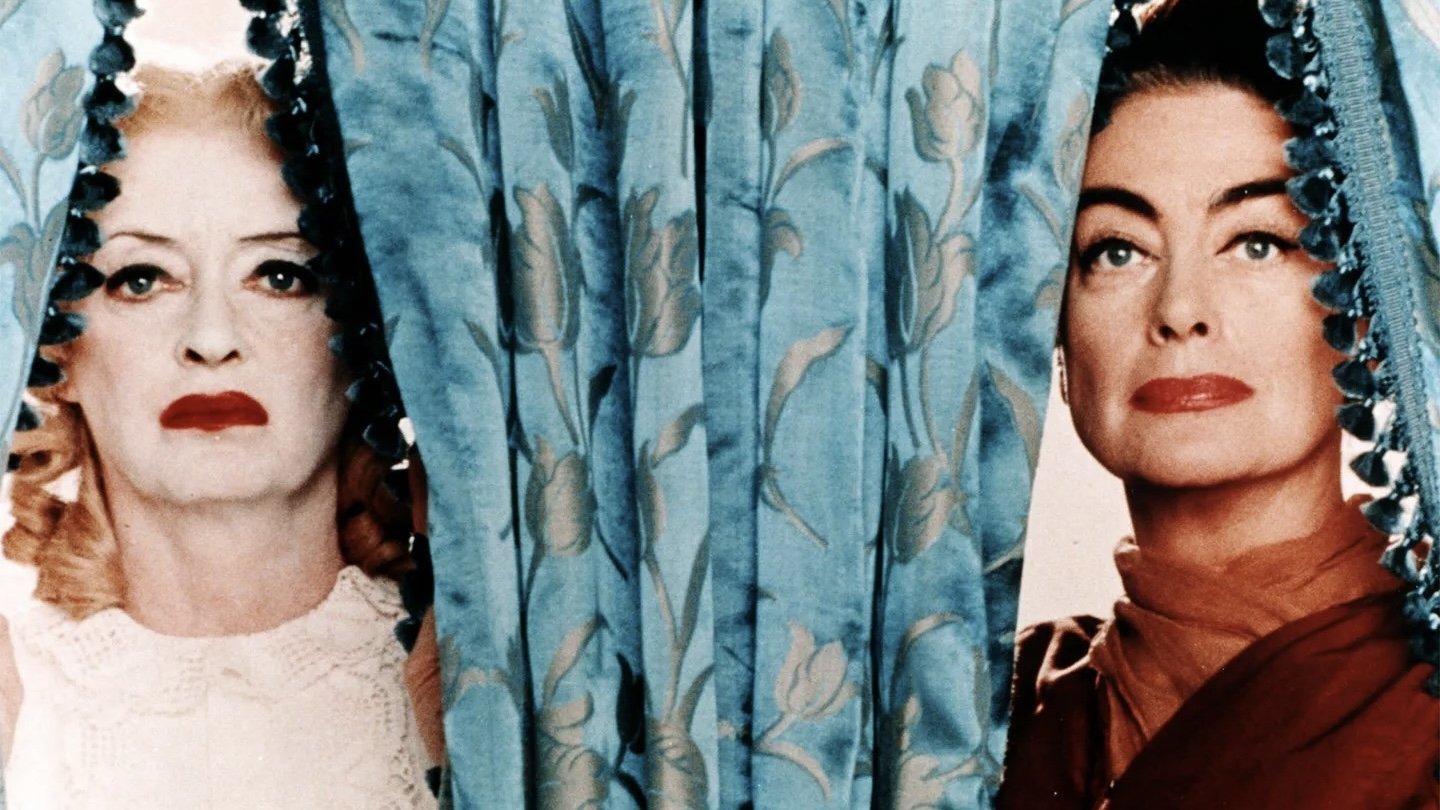
The widely repeated account of an uninterrupted Davis-Crawford feud demands caution. The AFI cites contemporary trade reporting of a cooperative atmosphere during filming and public statements in which the women downplayed suggestions of hostility. Later memoirs and retrospectives describe sharp disagreements, and the stars' competitive reputations undeniably shaped publicity. It is therefore more accurate to distinguish documented work on the production from retrospective anecdotes than to claim that every on-screen confrontation arose from genuine off-screen hatred. The pairing was a planned professional collaboration, and its effect depends on the actresses' contrasting methods as much as on the publicity surrounding them.

Domestic Terror and the Grotesque

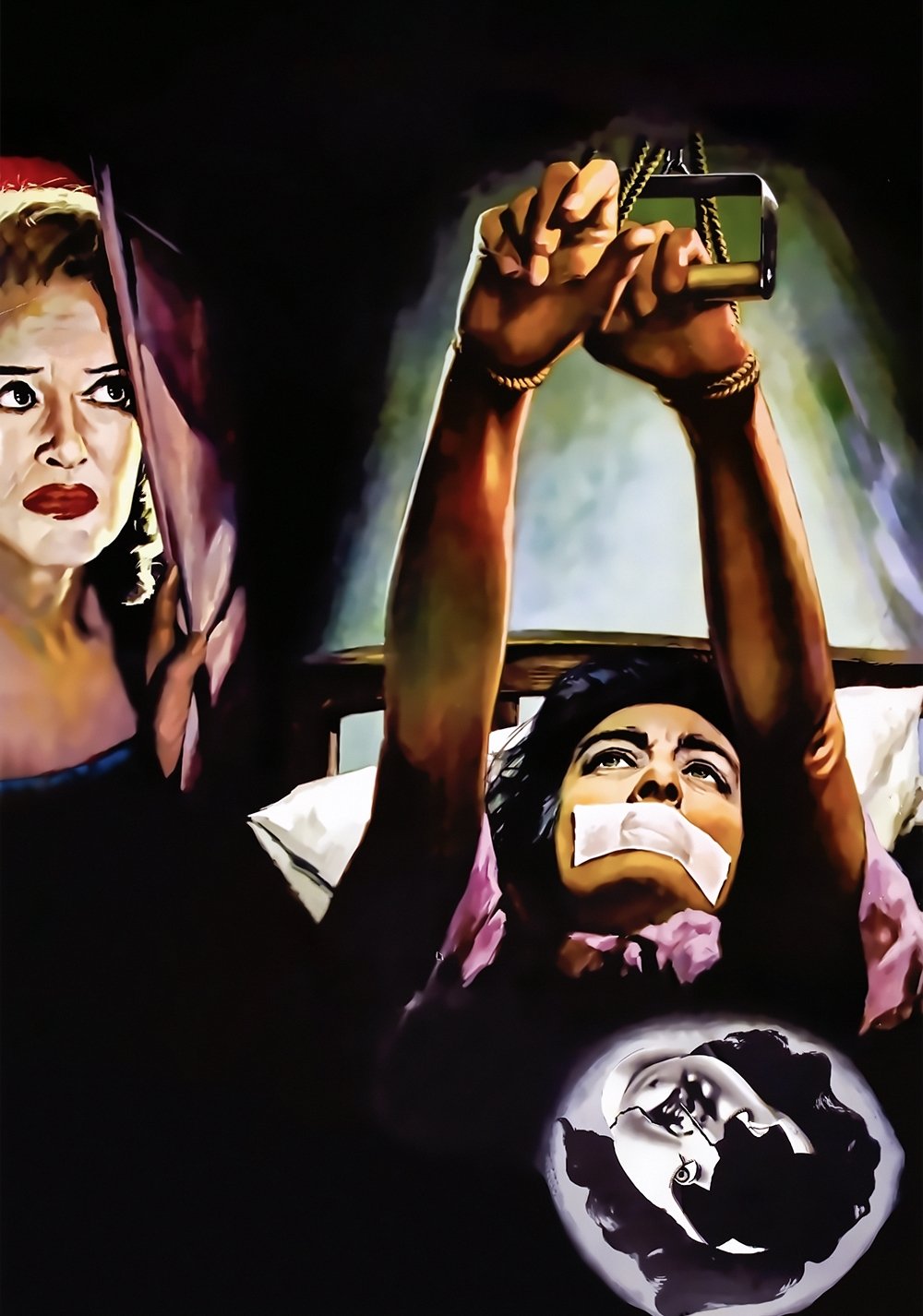
The horror develops through progressively smaller violations of Blanche's security. Jane interrupts communication, withholds food and makes familiar meals into threats. The dead bird and rat served on covered dishes are among the film's best-known shocks because they transform a ritual of domestic care into deliberate humiliation. Physical brutality appears alongside a campaign of intimidation that depends on Jane's ability to present herself to visitors as Blanche's guardian. Maidie Norman's Elvira, the housekeeper who understands that something is wrong, becomes essential to the struggle over who can enter the house and recognize Blanche's condition.

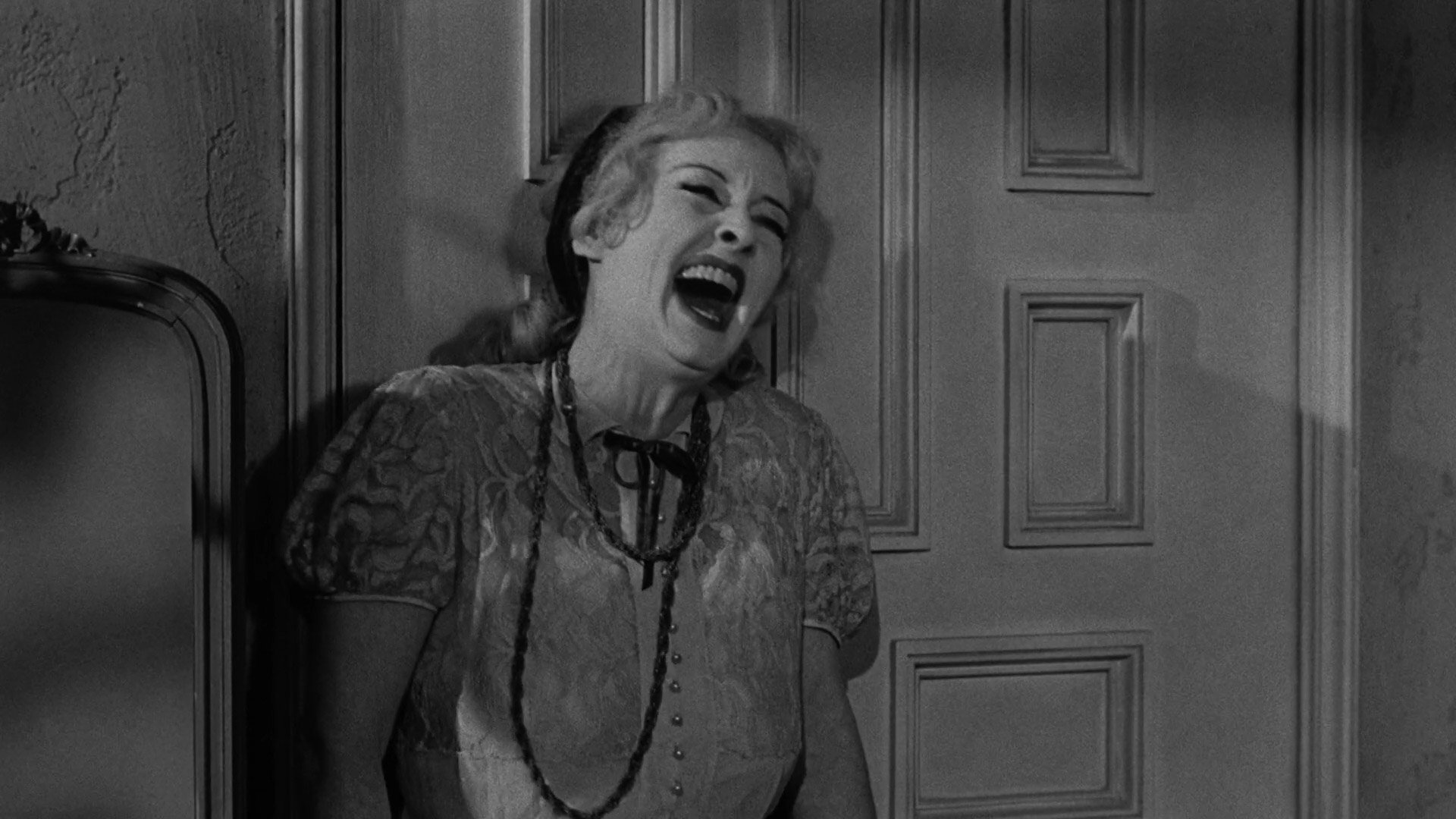
Aldrich gives these incidents a tone that is sometimes grotesquely comic without making their consequences harmless. Jane's attempt to revive her childhood act, accompanied by the song I've Written a Letter to Daddy, exposes the distance between the public image she remembers and the adult performer she has become. Frank De Vol composed the film's music and is credited with the song, which functions in the story as a trace of Jane's lost profession. The uncomfortable spectacle of her rehearsal deepens the horror because the same person who longs to be loved by an audience is capable of treating her sister with extreme cruelty.

Unlike a supernatural haunted-house film, the danger here is created by the occupants' history and their unequal freedom of movement. Jane's escalating behavior is depicted through violence, alcohol use and unstable attachments to the past, but the film offers no clinically established diagnosis that would account for every action. The narrative's interest lies in what her behavior does to others and in the audience's changing understanding of responsibility. Its most disturbing scenes are not elaborate effects displays; they are interactions in which the person who could offer help is also the source of danger.

Memory, Responsibility and the Ending

The sisters' relationship is governed by an account of the automobile accident that ended Blanche's career. For much of the film, Jane is understood to have caused the injury while intoxicated, and the apparent guilt gives her resentment an additional, painful dimension. Blanche's dependence can seem like the consequence of Jane's earlier recklessness even as Jane now becomes her persecutor. Aldrich withholds a decisive correction until the final beach sequence, after the household has been overtaken by violence and the possibility of an orderly rescue has narrowed. The delayed disclosure is a structural choice: viewers have spent most of the film interpreting the sisters' actions through a misleading version of their shared history.

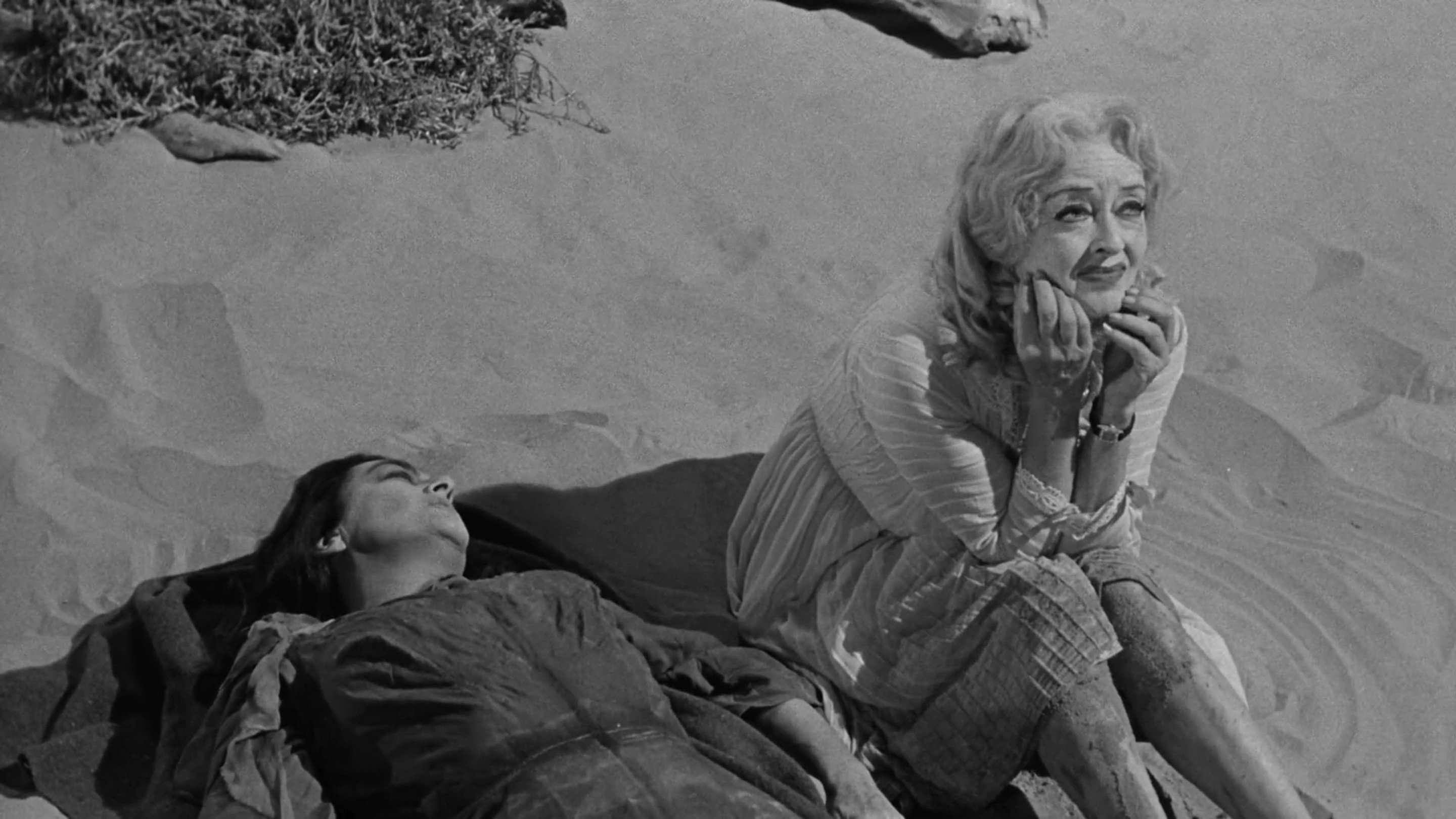
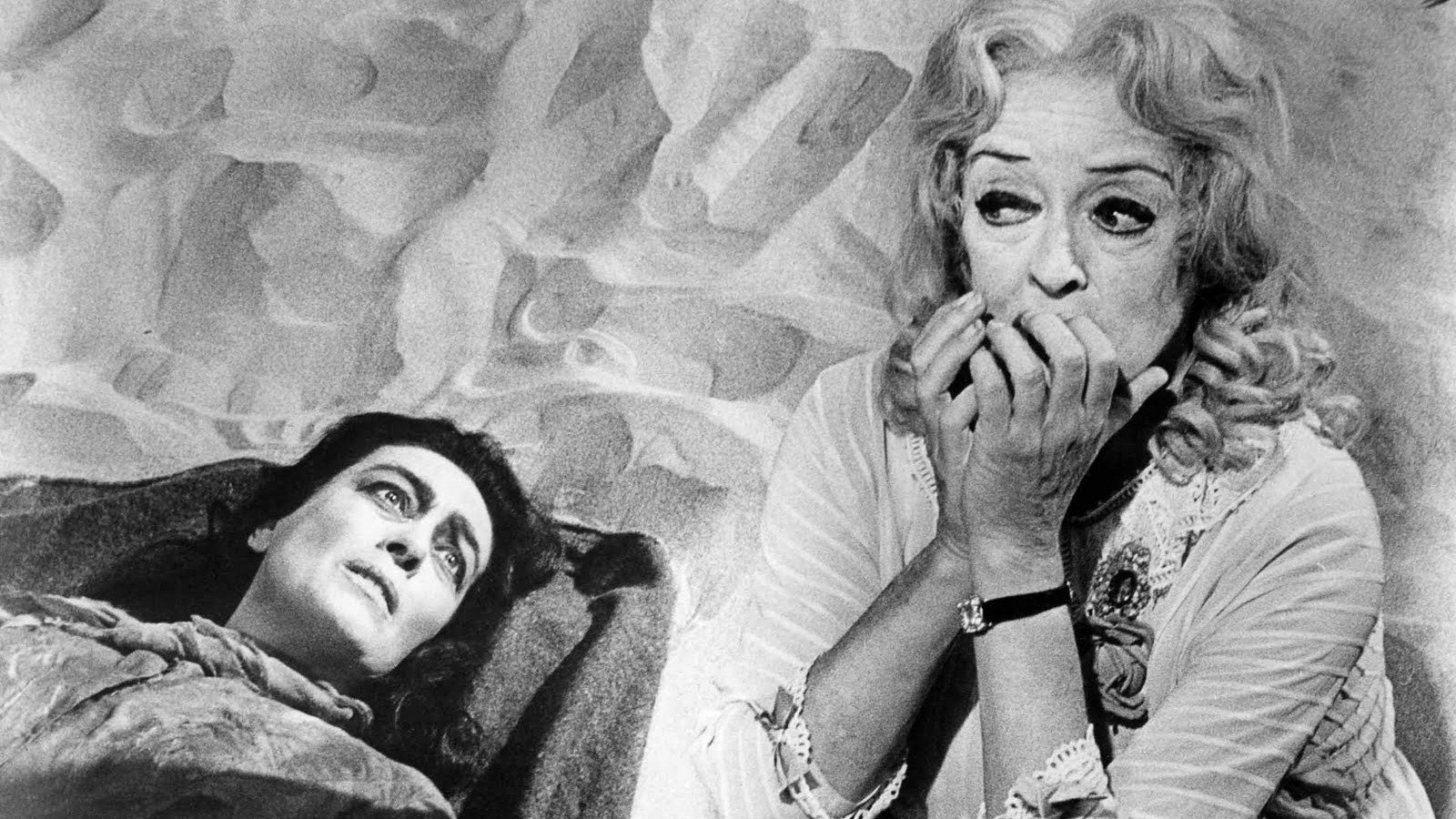
At the beach, Blanche admits that she herself was driving the car and had tried to strike Jane, crashing and injuring herself. Jane was left to believe she had been responsible. The reversal does not excuse the abuse that follows, nor does it turn Blanche's suffering into a deception; her disability and captivity have remained real. It instead shows how the family's subsequent decades were shaped by concealment, guilt and mutual dependence. Tony Williams, writing in Senses of Cinema, argues that the revelation should complicate any simple division between villain and victim. His reading is one critical interpretation rather than a claim that the film requires viewers to forgive either sister.

Jane's sudden return to a childlike manner during the closing moments gives the ending its disturbing ambiguity. The revelation appears briefly to free her from one burden, even as the damage committed in the present cannot be undone. The beach crowd sees an eccentric public performance while the audience knows the private catastrophe behind it. This final contrast brings the film back to the central question of entertainment: spectators can be absorbed by a spectacle without recognizing the suffering that makes it possible. The conclusion resists the reassuring restoration of order normally expected after a domestic thriller's crimes have been exposed.
Release, British Censorship and Contemporary Reception

The film opened in Cincinnati on October 31, 1962, followed by New York on November 6 and Los Angeles on November 7, according to the AFI Catalog. Its commercial reception contradicted industry doubts about the appeal of two established actresses in demanding, unglamorous roles. Contemporary trade reports cited by the AFI described enthusiastic theater appearances by Davis and estimated $4 million in receipts by February 1963. That figure is a period estimate at a particular point in the release, not a complete audited worldwide total. Later publications give other grosses, but these are not necessarily measured on the same basis. A single definitive lifetime figure would therefore require more detailed distribution accounts.

The British censorship history is unusually specific. The BBFC first examined the film in November 1962 and required changes for an X certificate, which then excluded viewers under sixteen. Shots of Jane kicking Blanche and of Elvira witnessing Blanche bound and struggling were removed. A proposed cut to the display of the dead rat was ultimately waived after Warner Bros. argued that the visible animal was necessary to the scene's meaning. The excised footage was reinstated for a video submission in 1984, which received an 18 classification. The film was subsequently reclassified 12A for cinema in 2004 and 12 for video in 2006. Those decisions reflect changing classification judgments and specific print histories.

Contemporary reviews were not uniformly celebratory. The AFI records objections from the Los Angeles Times to the grotesque characterizations and sustained effort to shock, while Bosley Crowther of The New York Times responded to its depiction of children shaped by the entertainment business. The divergence between reservations about sensationalism and the audience response is important to the film's initial history. Its later reputation as a classic should not be projected backward as universal critical approval in 1962. The film was quickly recognized as a commercial success, but arguments about cruelty, performance and camp have remained part of its critical life.

Awards, Psycho-Biddy Horror and Historical Legacy

The picture received five Academy Award nominations for films released in 1962: Bette Davis for Actress, Victor Buono for Supporting Actor, Ernest Haller for black-and-white cinematography, the Glen Glenn Sound Department for sound and Norma Koch for black-and-white costume design. Koch won the film's only Oscar at the April 1963 ceremony. These results demonstrate recognition for technical craft as well as for the performances, complicating any description of the film as a success based exclusively on the celebrity of its stars. Davis's nomination also underscored the unusual prominence of a female horror performance at a time when the industry increasingly marginalized older leading women.

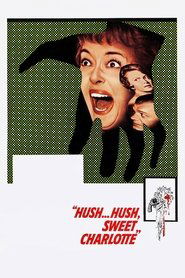
Retrospective criticism often identifies the film as a starting point for the cycle known as psycho-biddy horror, hagsploitation or Grande Dame Guignol. The terms describe productions that cast established actresses in stories of confinement, rivalry and psychological violence, sometimes exploiting audience anxiety about women's aging. They are historically useful labels but also carry implications of ageism and misogyny. Aldrich's subsequent Hush... Hush, Sweet Charlotte (1964) pursued related Gothic material, and later films provided comparable star vehicles. The line of influence should be understood as a recognizable production and marketing pattern rather than proof that every later thriller borrowed directly from Baby Jane.

Tony Williams's extended reassessment in Senses of Cinema argues against allowing the film's reputation for camp to obscure its study of family injury and distorted responsibility. That position complements broader discussion of how the film turns Hollywood itself into the source of an emotionally destructive mythology. The characters' images survive after the careers that produced them, and the promise of public affection becomes inseparable from the capacity to inflict harm in private. Its continuing place in horror history rests on this intersection of domestic imprisonment, performative grotesquerie and a late reversal that unsettles the audience's judgment of both sisters.

References

  1. AFI Catalog What Ever Happened to Baby Jane? (1962)

    Institutional production history based on contemporary trade reporting, covering development, financing, the Davis-Crawford collaboration, filming and original release.

  2. Turner Classic Movies Behind the Camera - What Ever Happened to Baby Jane?

    Retrospective production account preserving Bette Davis recollections about monochrome photography, makeup, costumes and her working relationship with Crawford.

  3. British Board of Film Classification What Ever Happened To Baby Jane? (1962)

    Original classification case study documenting the 1962 theatrical cuts, the retained dead-rat scene and later restoration and reassessment.

  4. Senses of Cinema What Ever Happened to Baby Jane?

    Film scholar Tony Williams examines the ending, the family trauma narrative, the relationship with Gothic horror and the limitations of a purely camp reading.

  5. Academy of Motion Picture Arts and Sciences The 35th Academy Awards | 1963

    Official record of the five nominations and Norma Koch costume-design victory.

Cast

View Full Cast & Crew →

Release & Distribution

Production Companies (1)

  • The Associates & Aldrich Company US

Distributors (1)

  • Warner Bros. Entertainment US

Release History (17)

Release DateTerritoryRelease TypeFormatDistributorCertificationNotes
1962-10-31 Netherlands Theatrical — — 14
1962-10-31 United States Theatrical — — —
1962-11-06 United Kingdom Theatrical — — 18
1962-11-06 United States Theatrical — — — New York
1962-11-07 United States Theatrical — — — Los Angeles
1963-05-02 United Kingdom Theatrical — — — London
1963-05-11 France Premiere — — — Cannes Film Festival
1963-05-17 France Theatrical — — 12
1964-06-11 Brazil Theatrical — — L
1988-01-01 United Kingdom Physical VHS — 18 VHS release (exact date unknown)
1997-01-01 United States Physical DVD — — DVD (exact date unknown)
2004-10-08 United Kingdom Limited Theatrical — — 12A
2004-10-08 Ireland Digital — — 12
2006-01-01 United States Physical DVD — — two-disc special edition DVD (exact date unknown)
2012-10-09 United States Physical DVD, Blu-ray — — DVD / Blu-ray (15th anniversary)
2014-12-14 United Kingdom Limited Theatrical — — 12A
2019-07-30 United States Physical Blu-ray — — Blu-ray

Awards & Festivals

6 entries
YearFestival / AwardEntrySectionCategoryResultPremiere
1963Academy Award for Best Actressawardnominated
1963Academy Award for Best Cinematography, Black-and-Whiteawardnominated
1963Academy Award for Best Costume Design, Black-and-Whiteawardwon
1963Academy Award for Best Costume Design, Black-and-Whiteawardnominated
1963Academy Award for Best Soundawardnominated
1963Academy Award for Best Supporting Actorawardnominated
Sister, sister, oh so fair, why is there blood all over your hair?