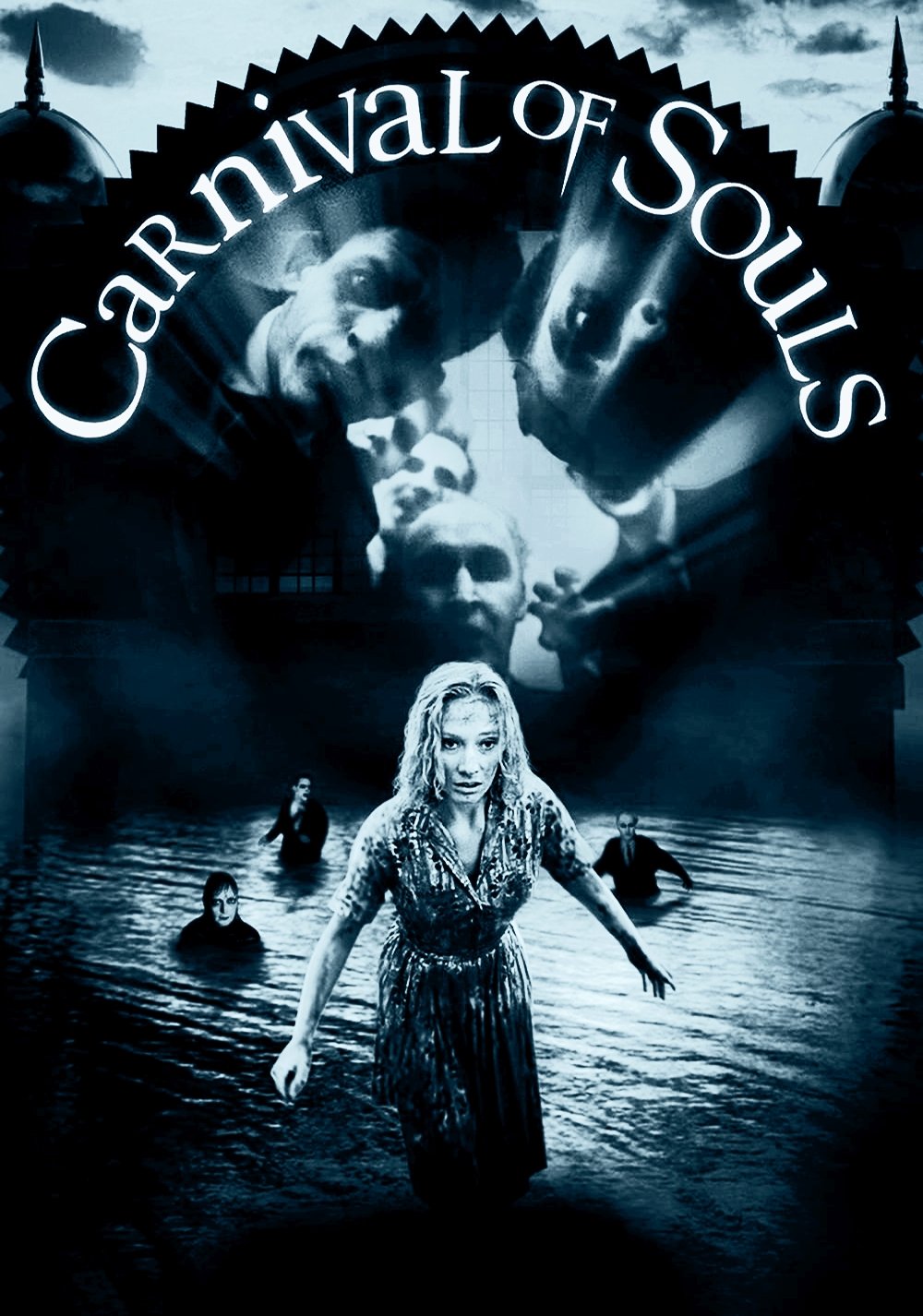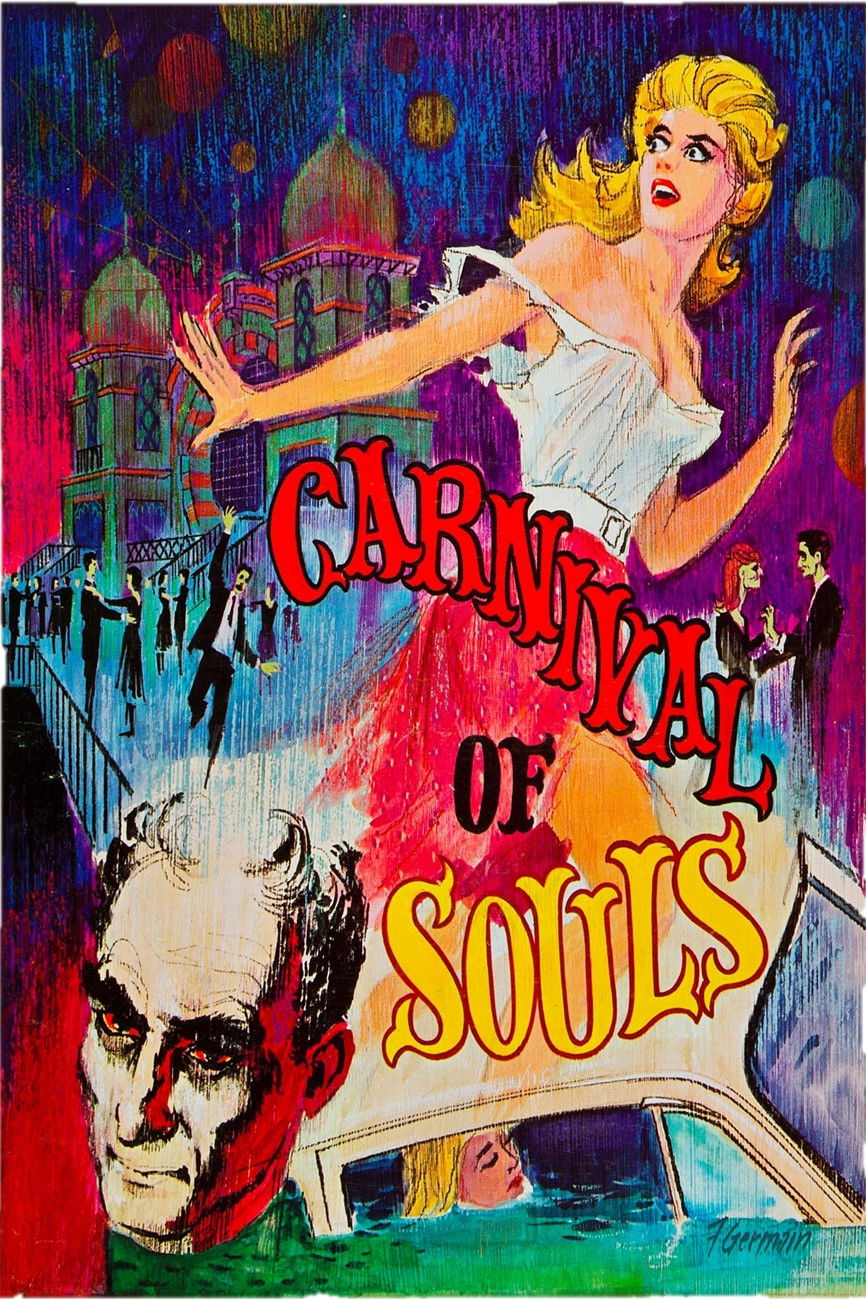
Carnival of Souls (1962)

US
Runtime
78 min
Release
November 2, 1962
Budget
$30,000
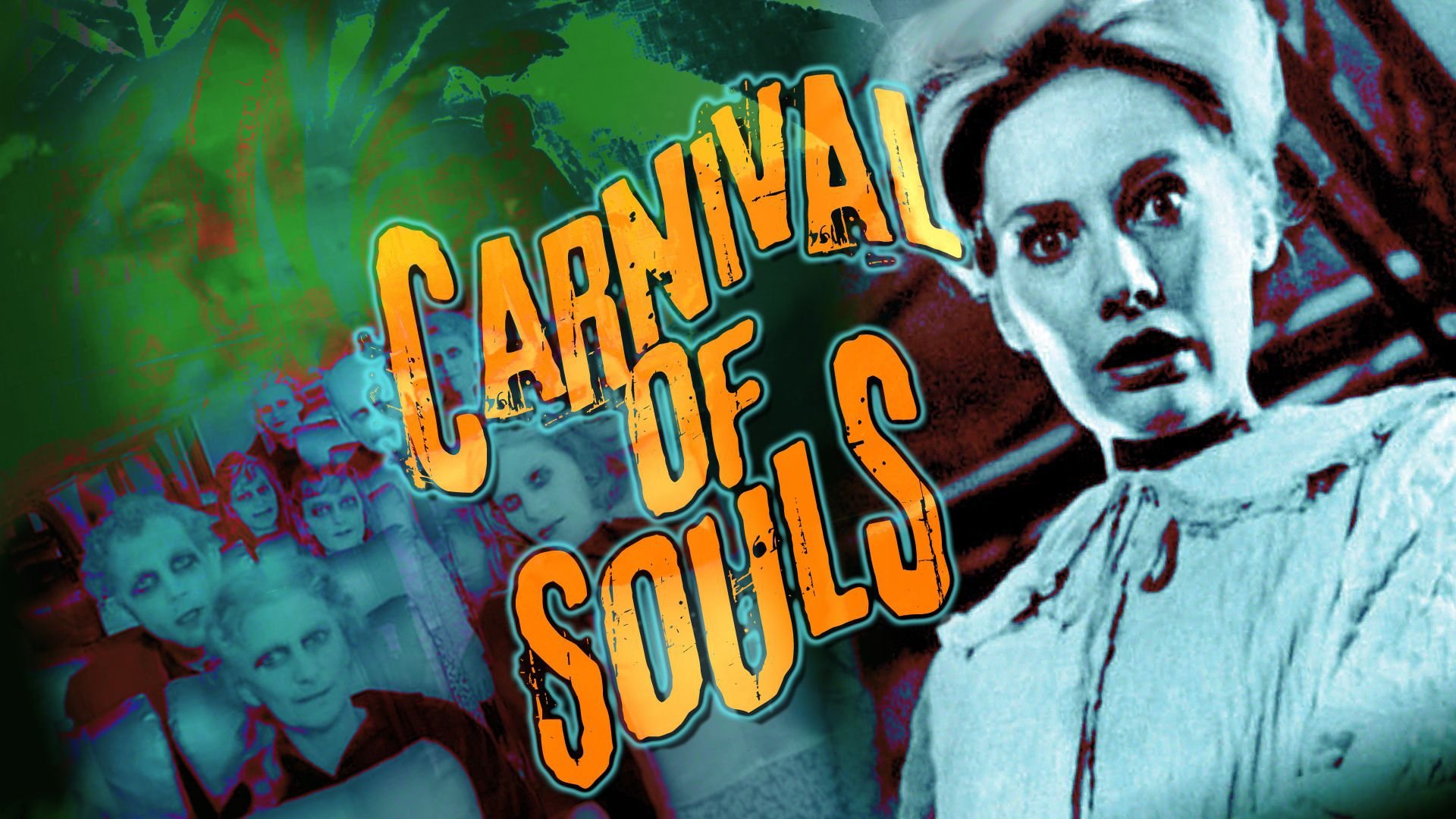
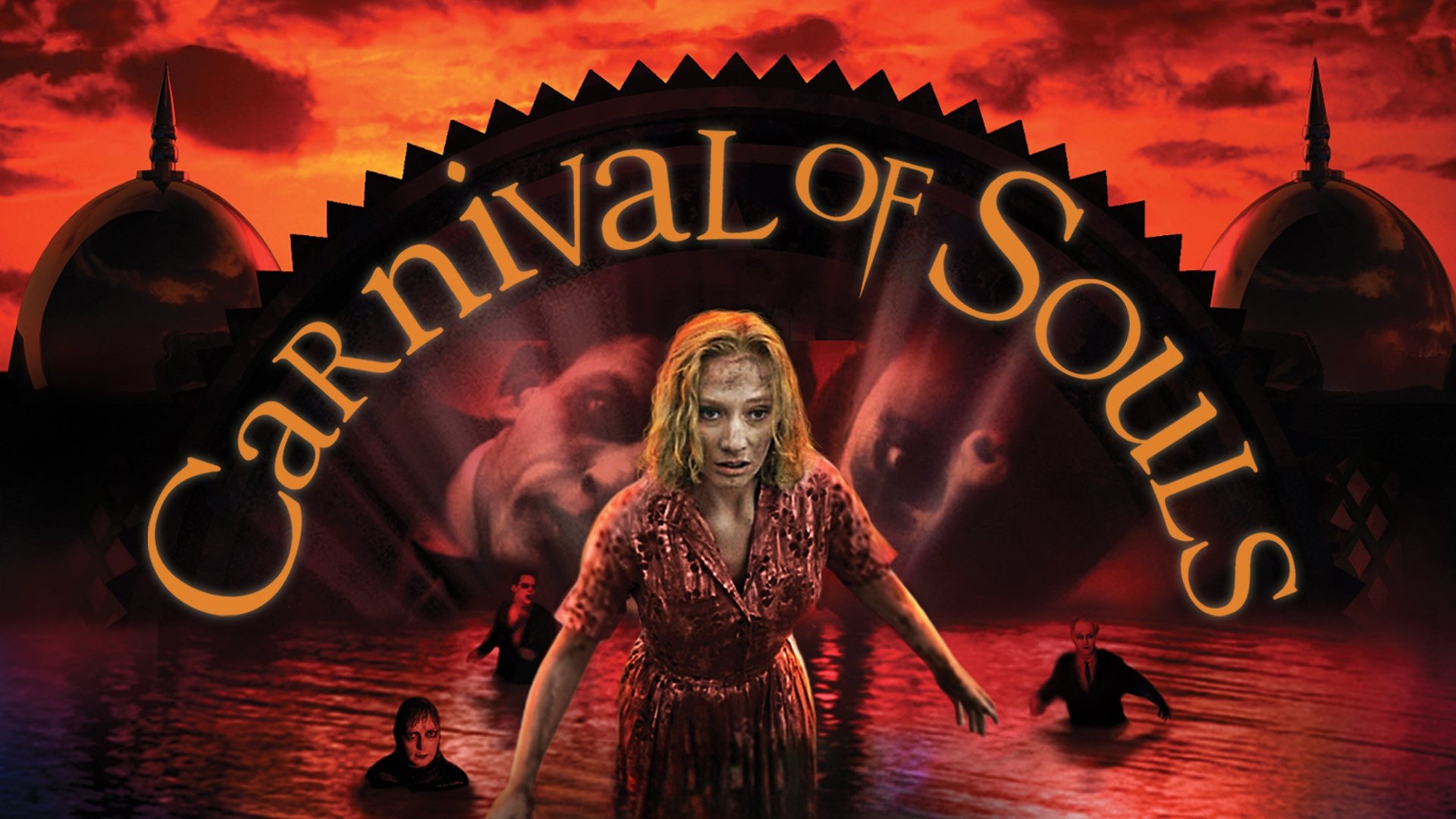
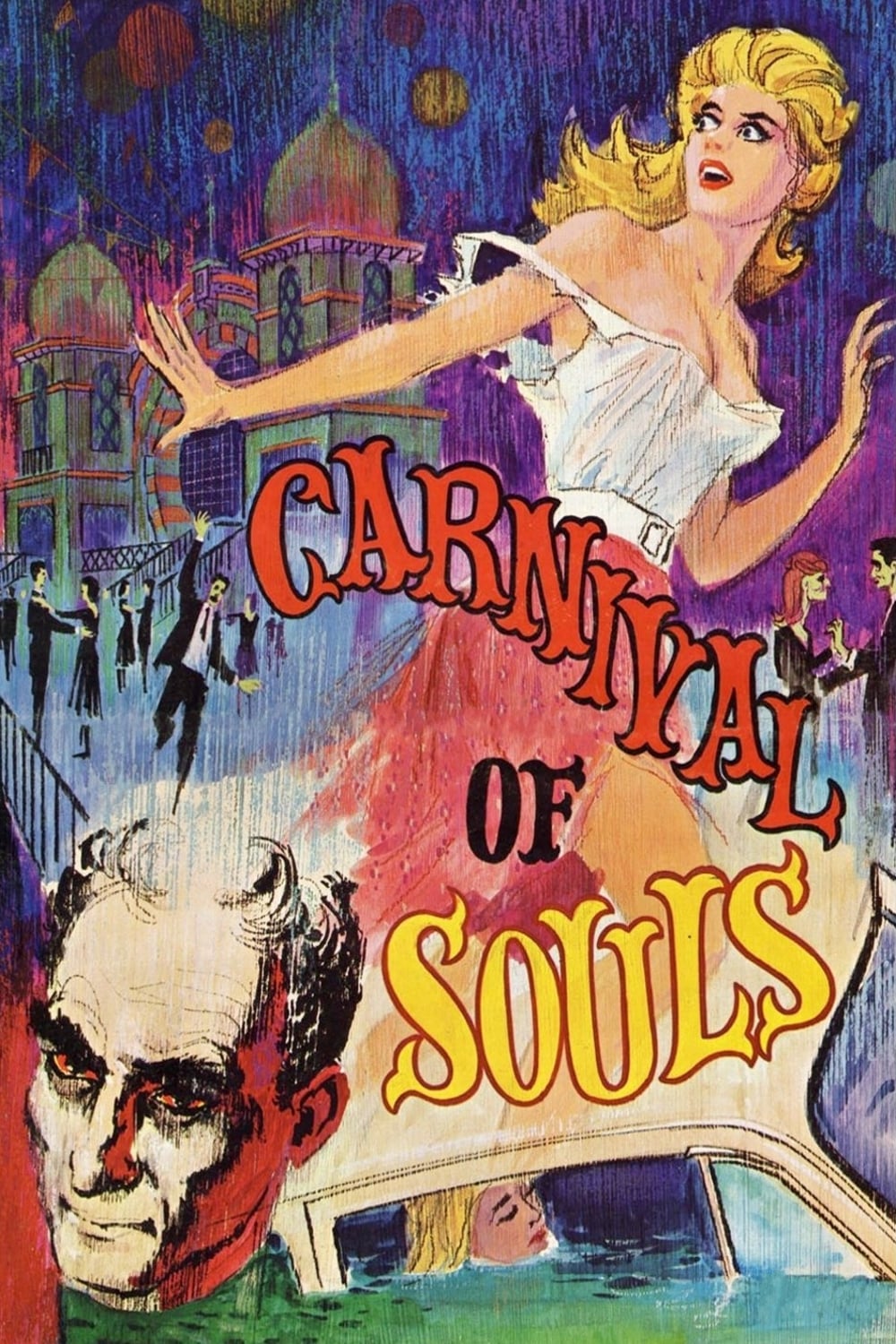
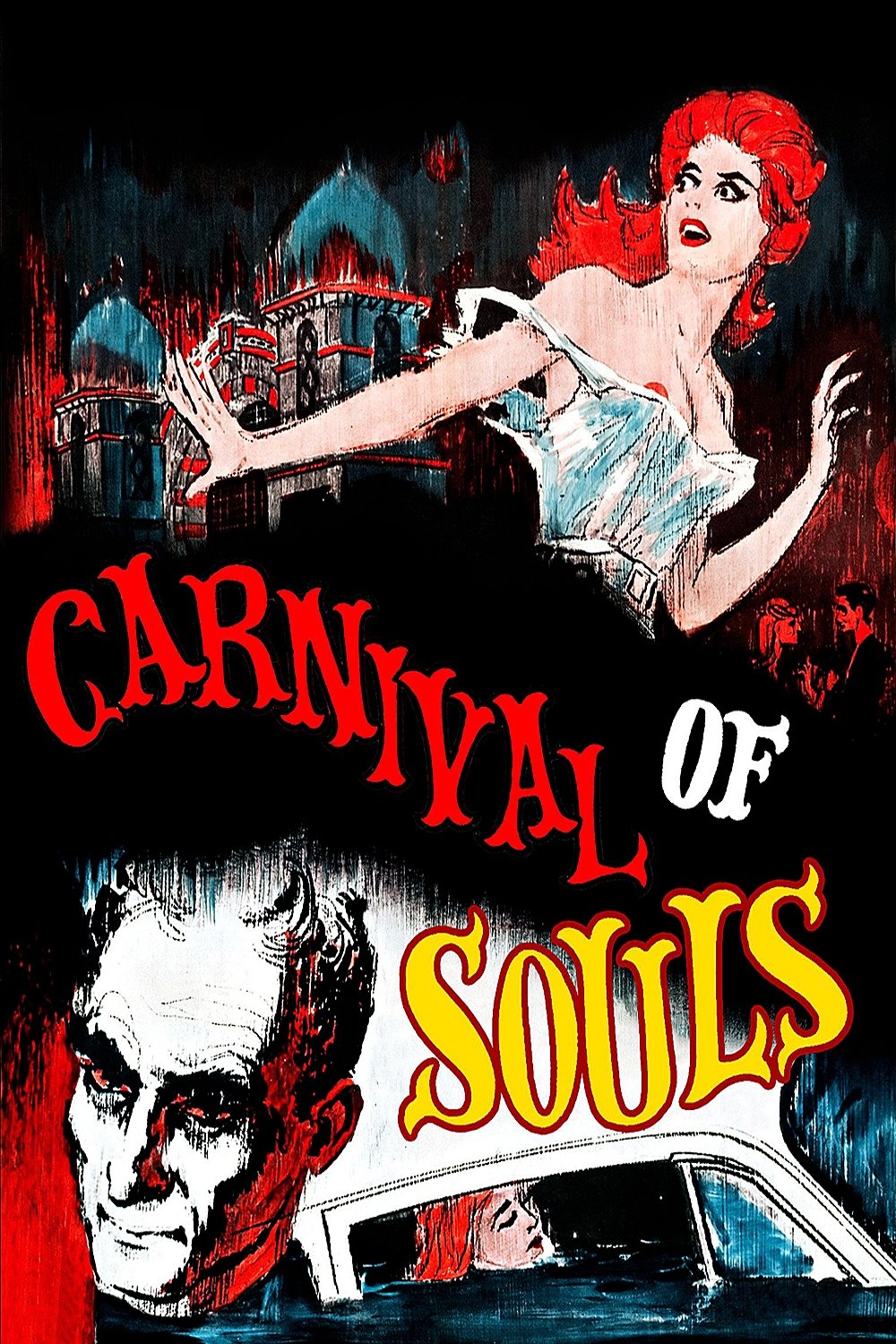
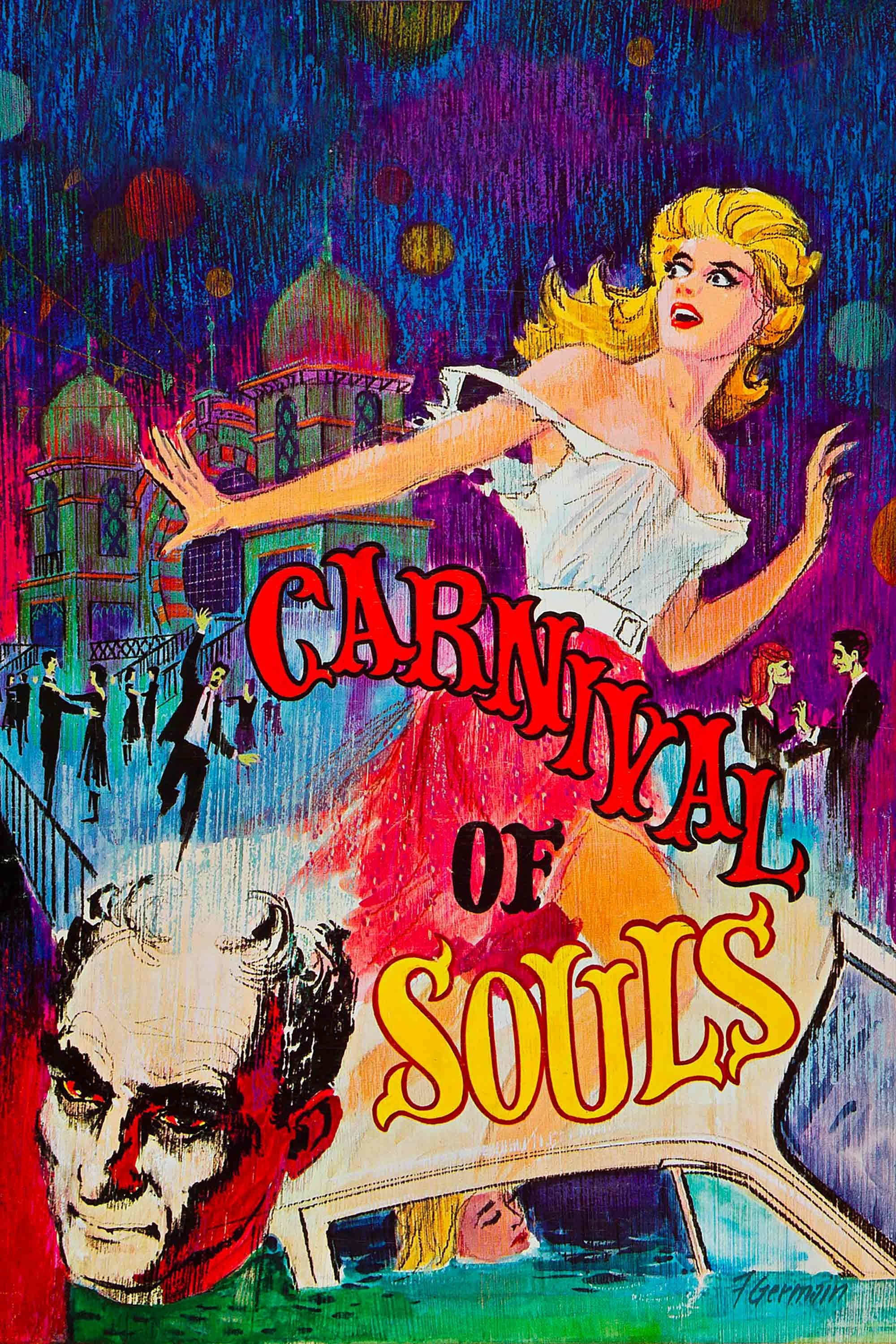
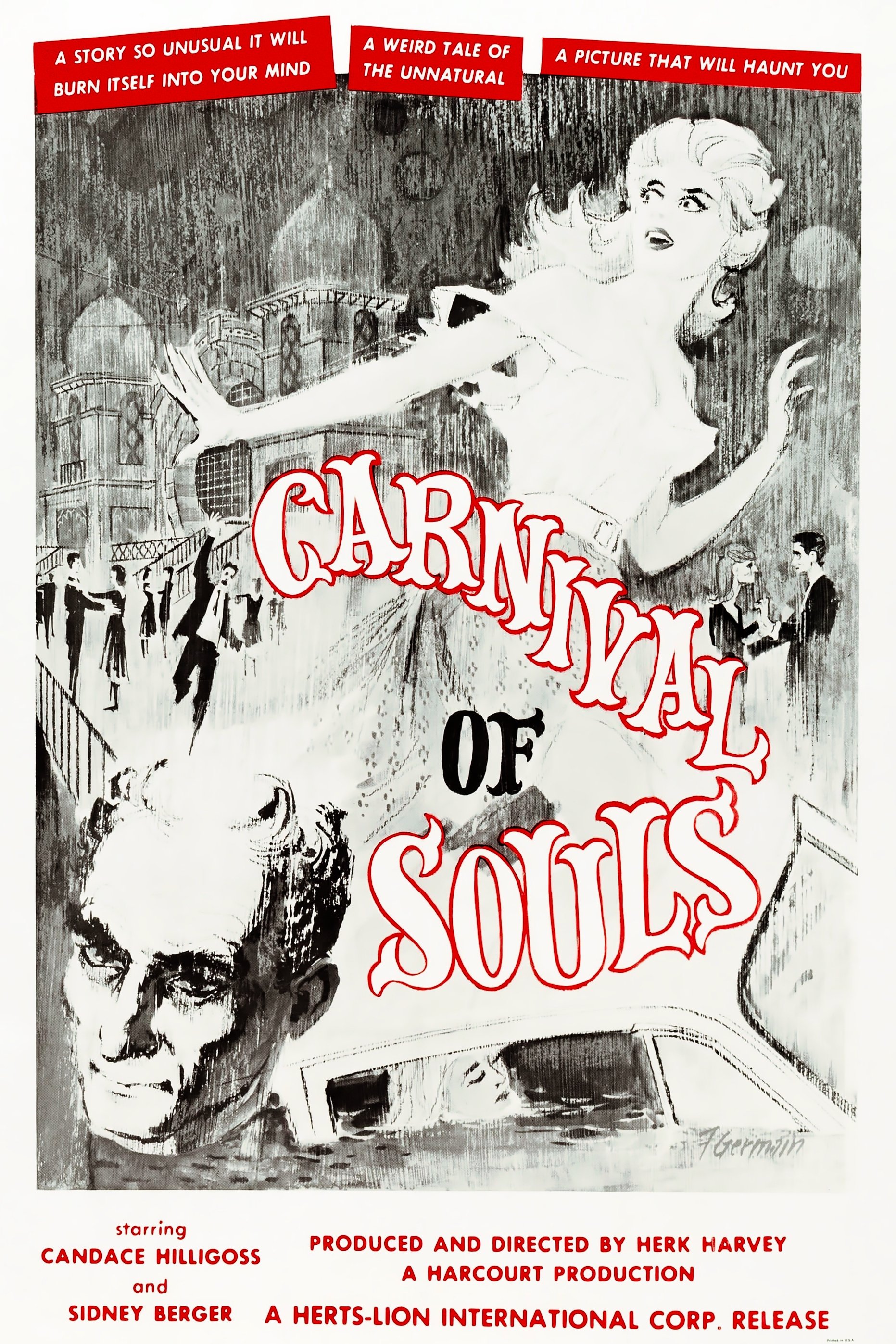
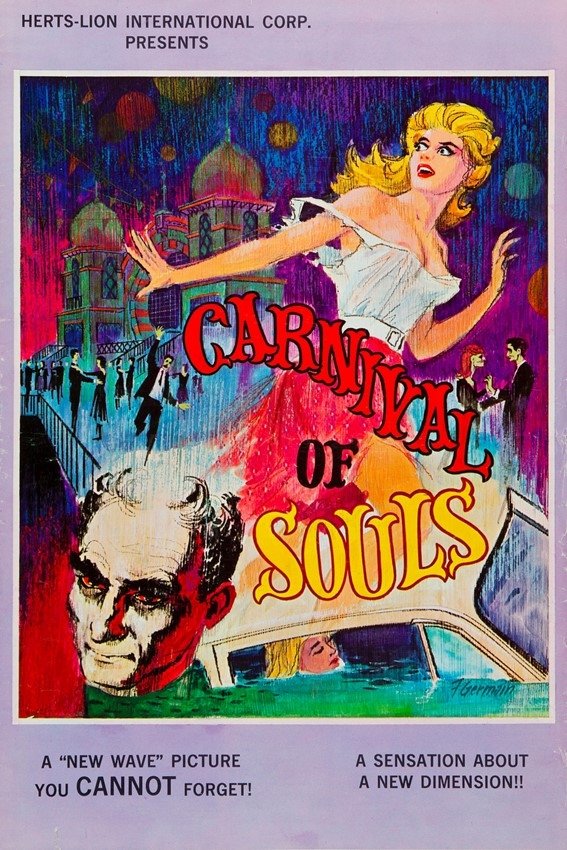
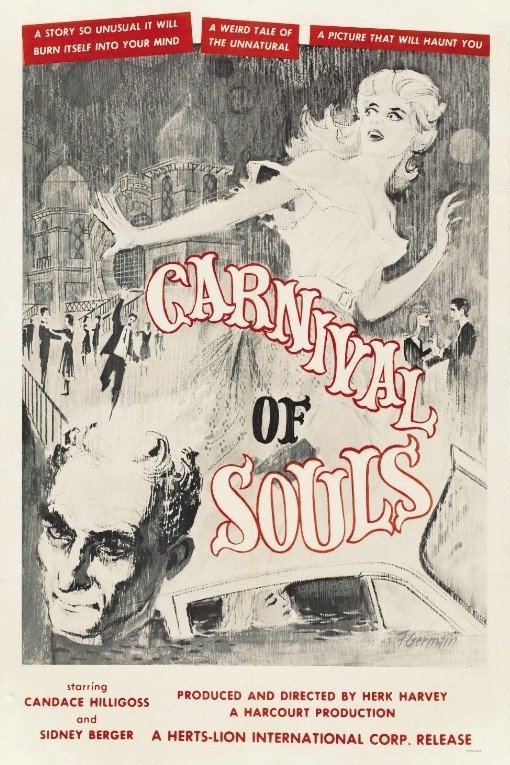
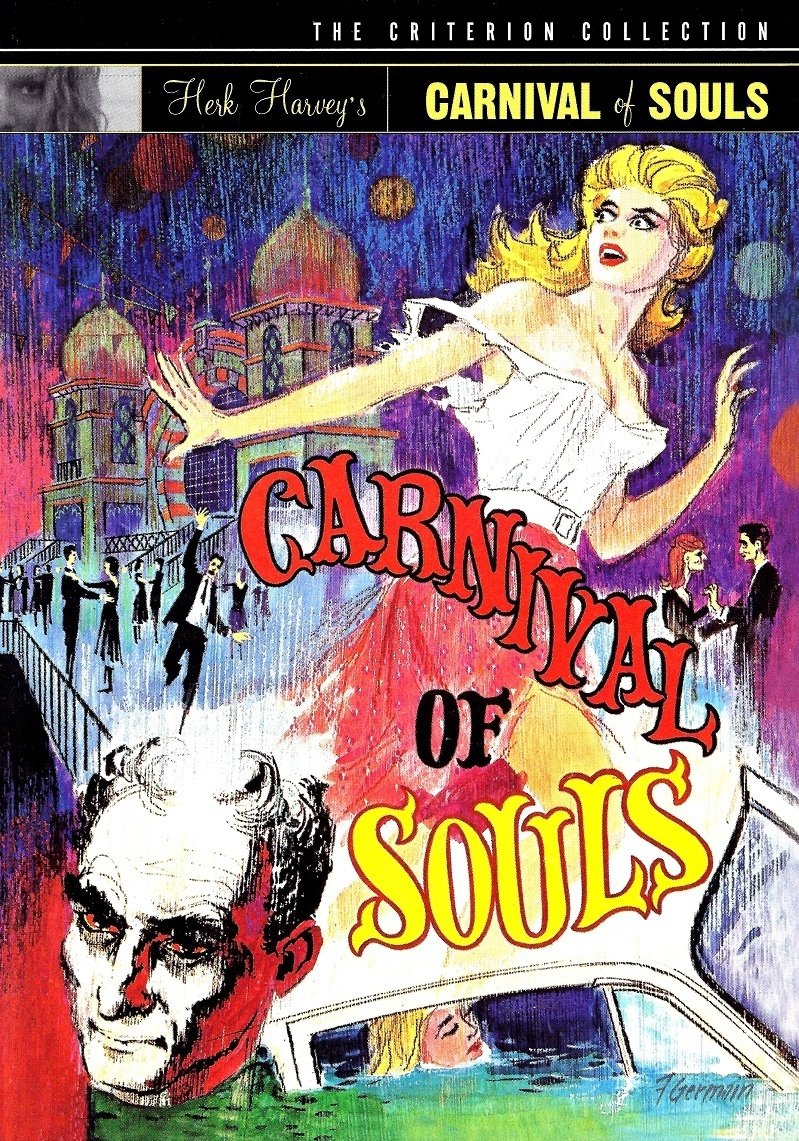
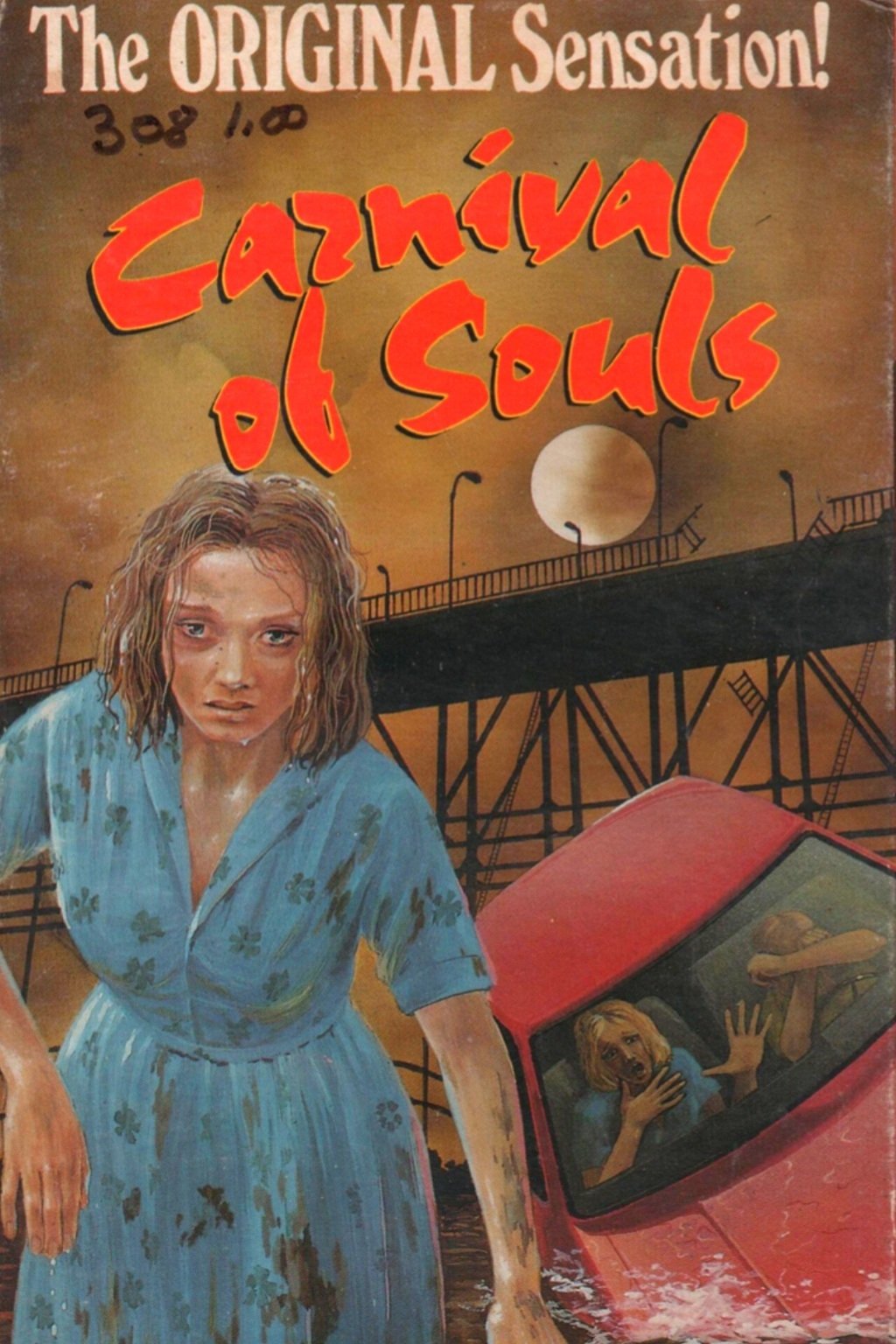
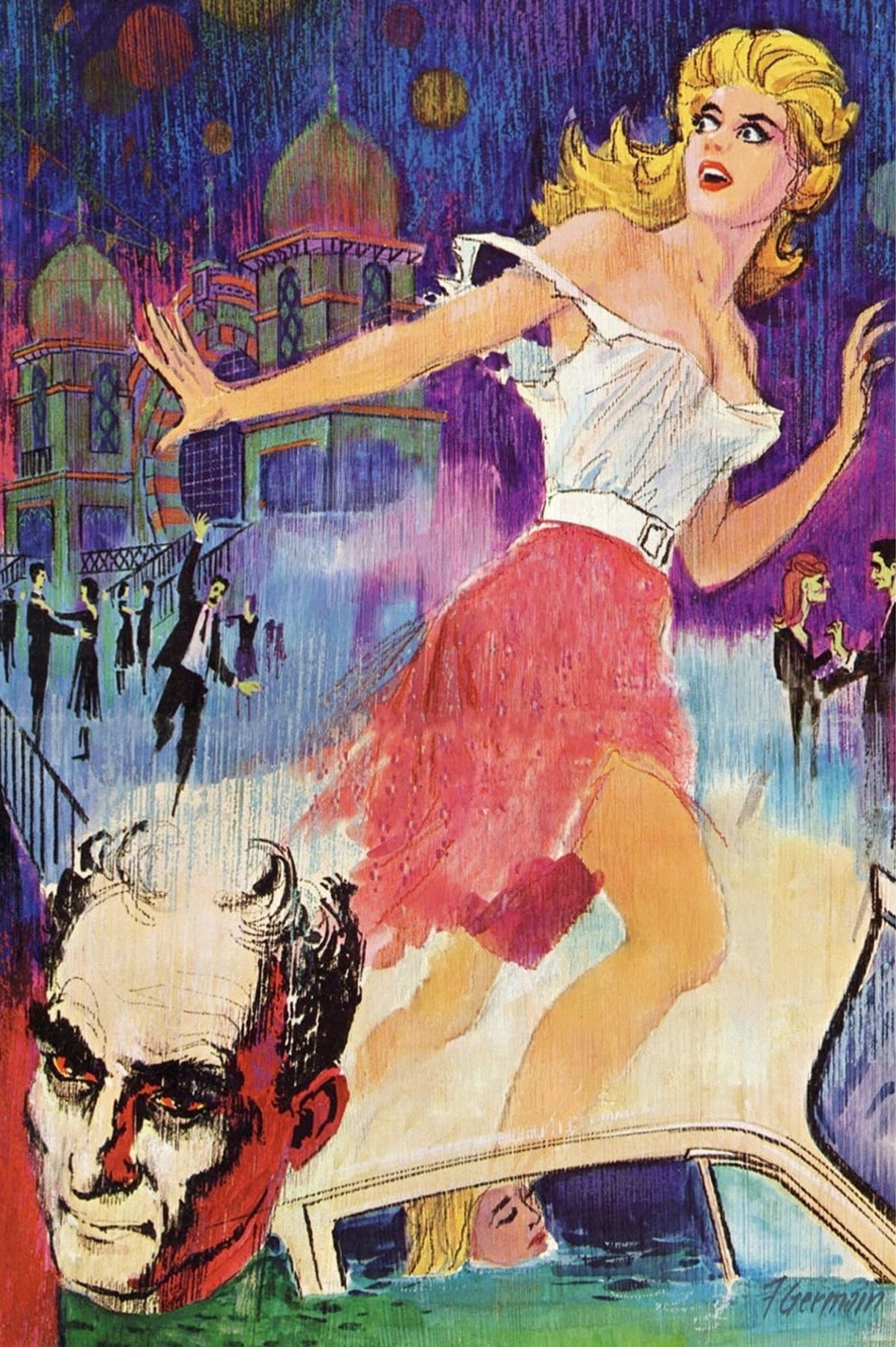
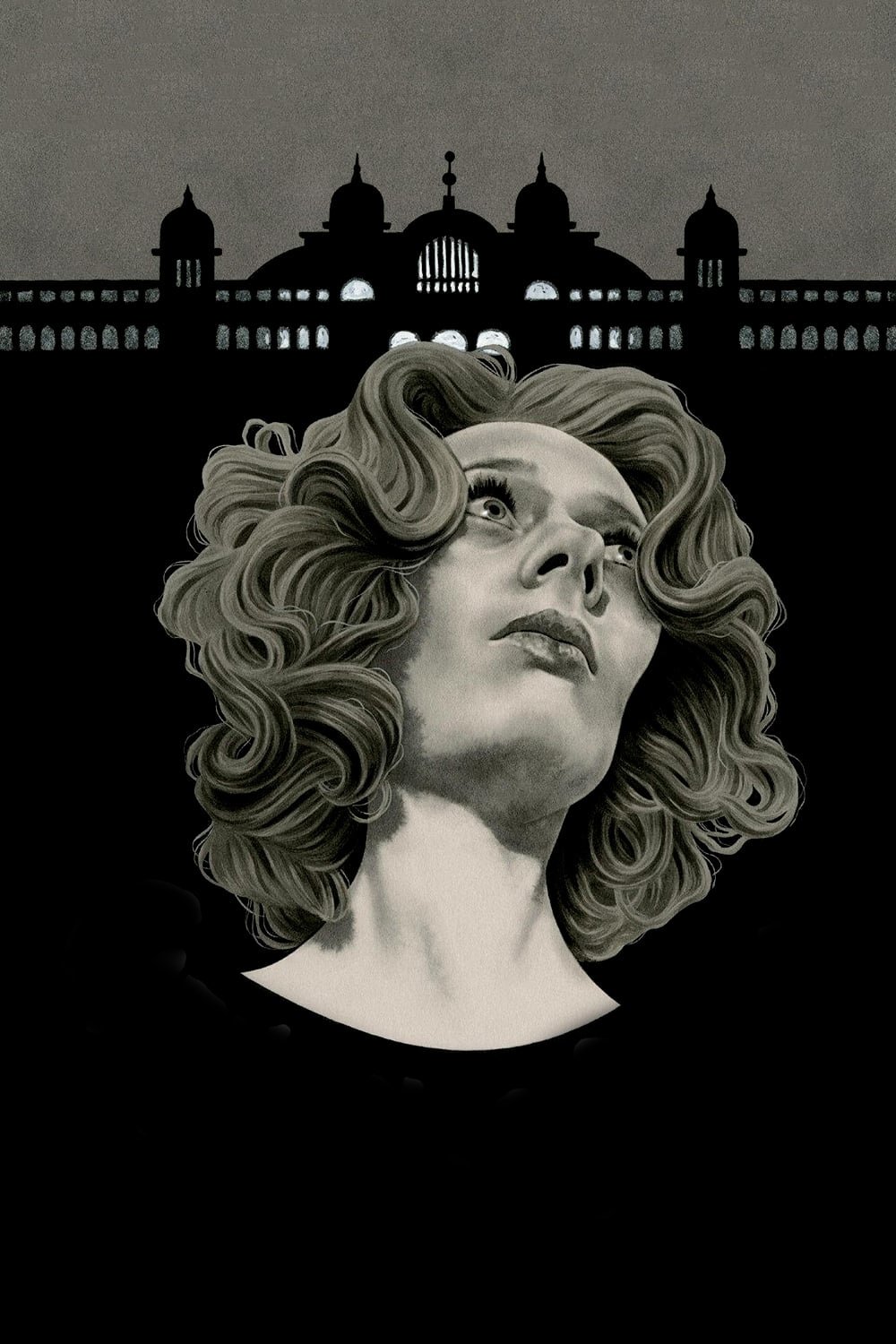
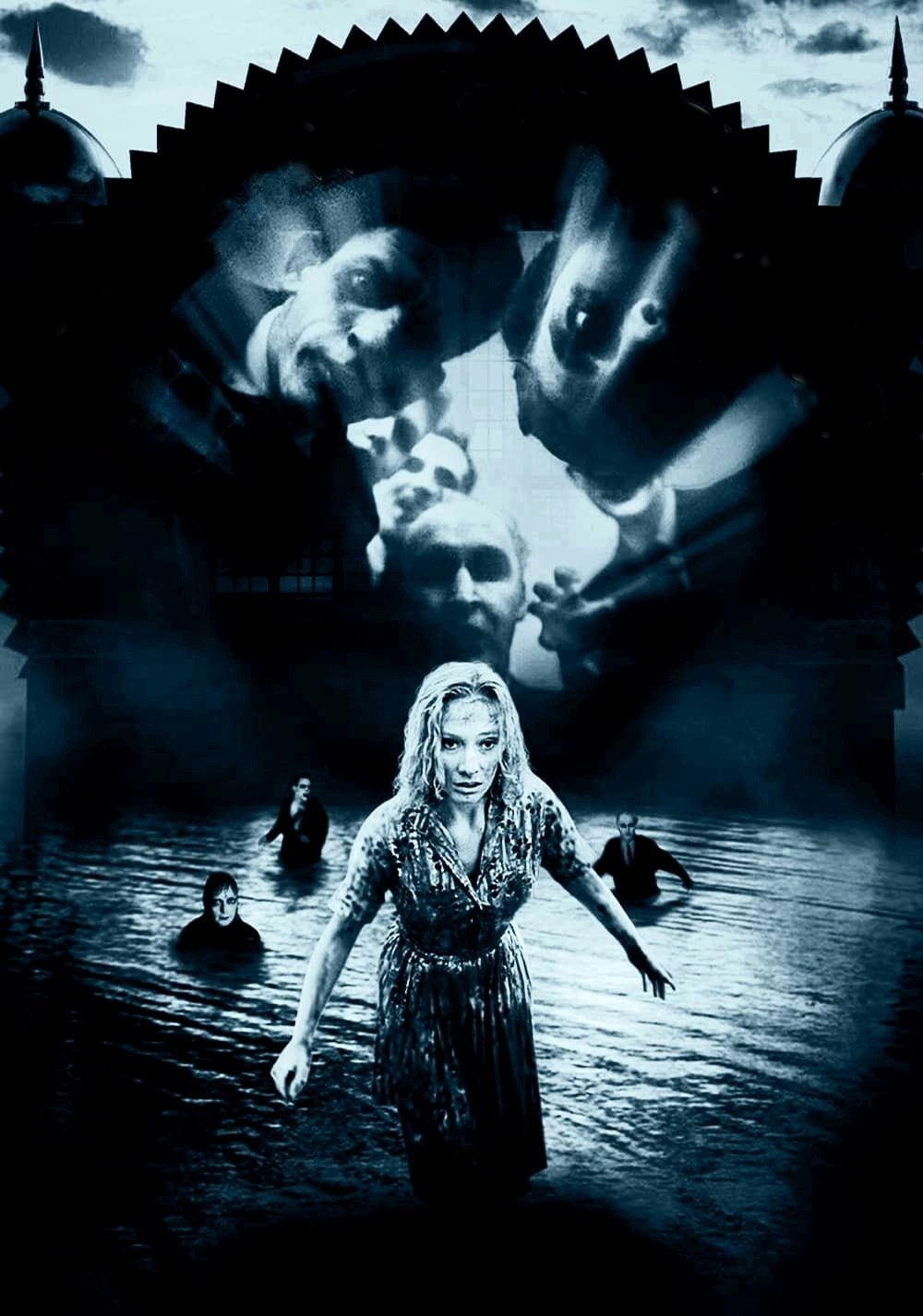
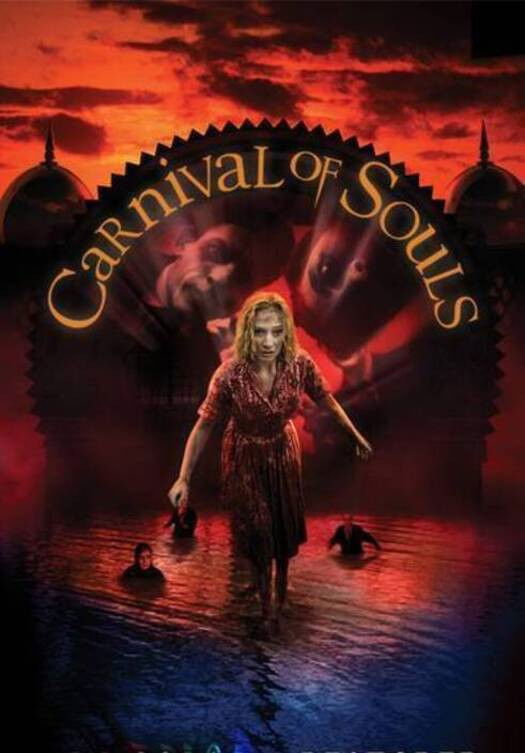
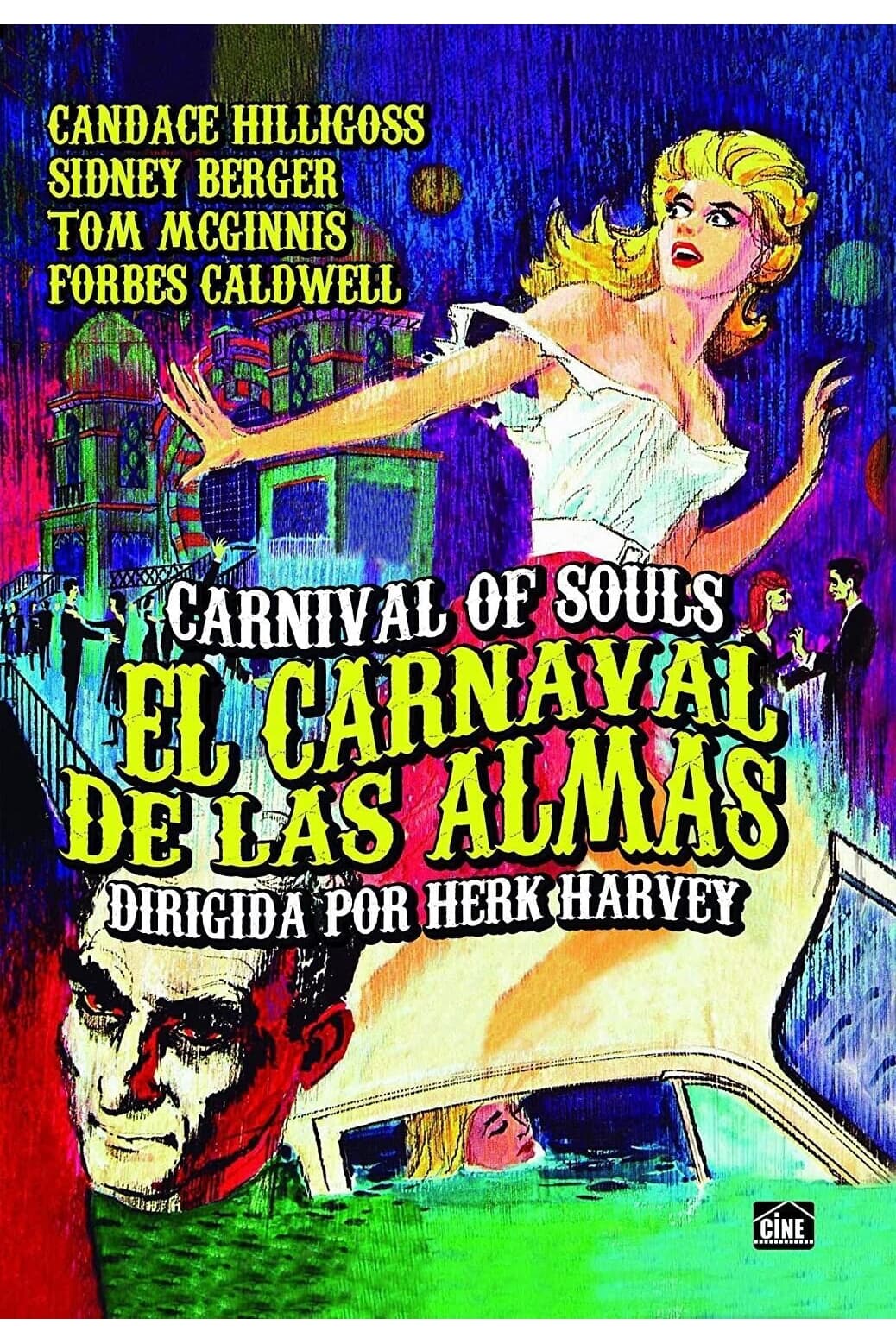
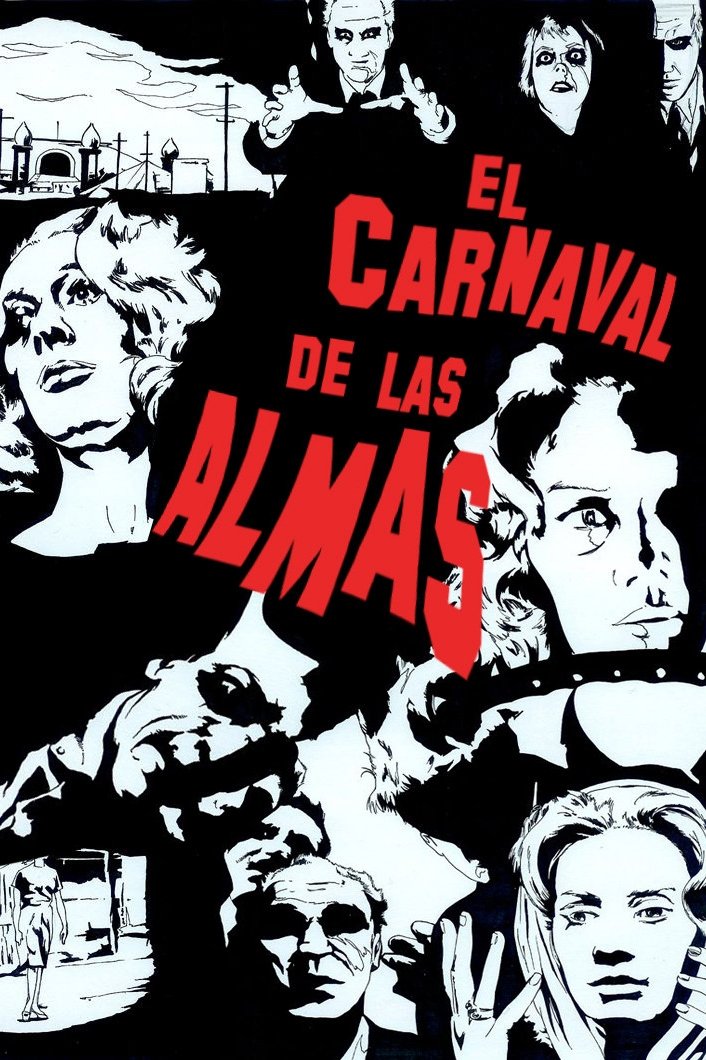
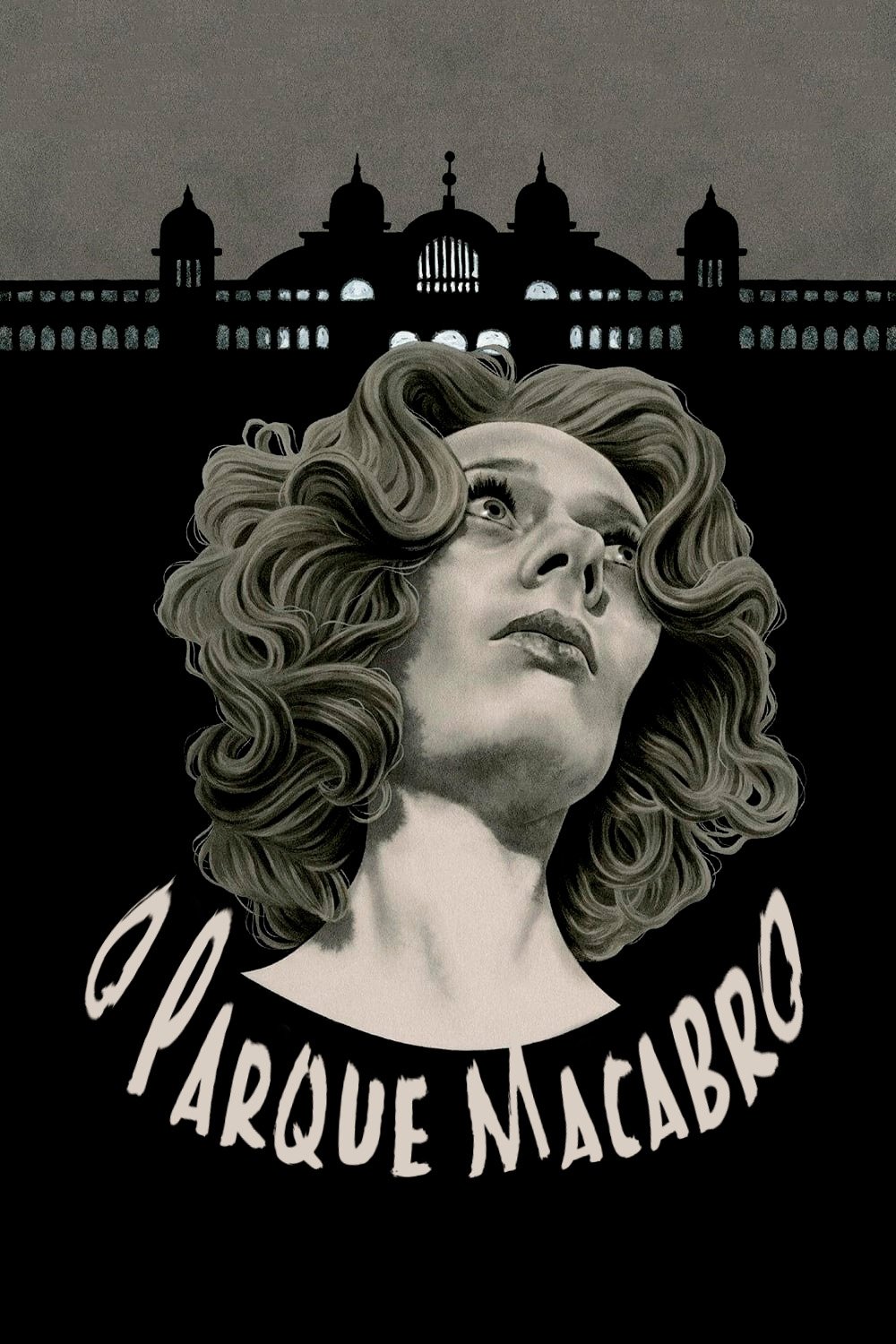
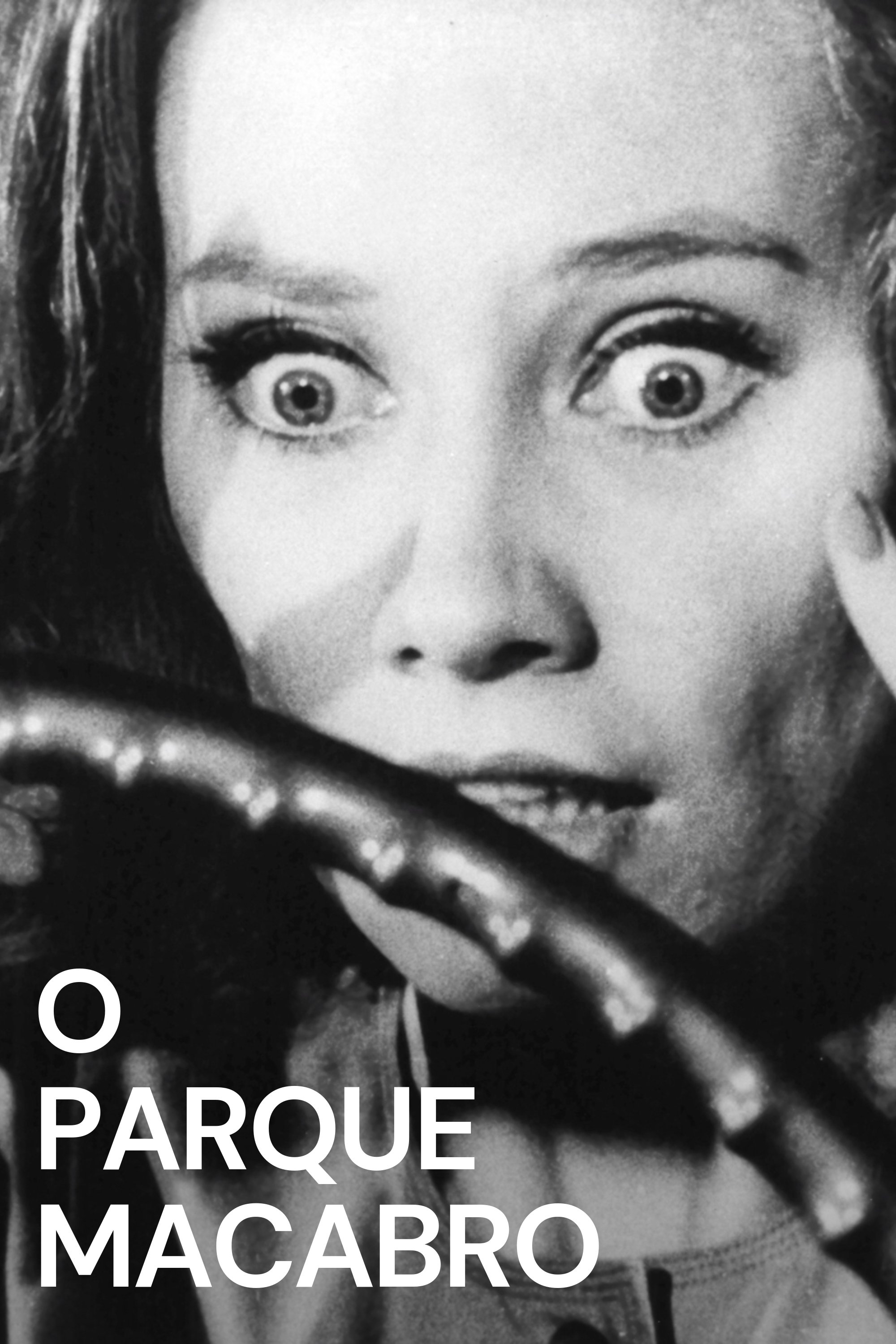
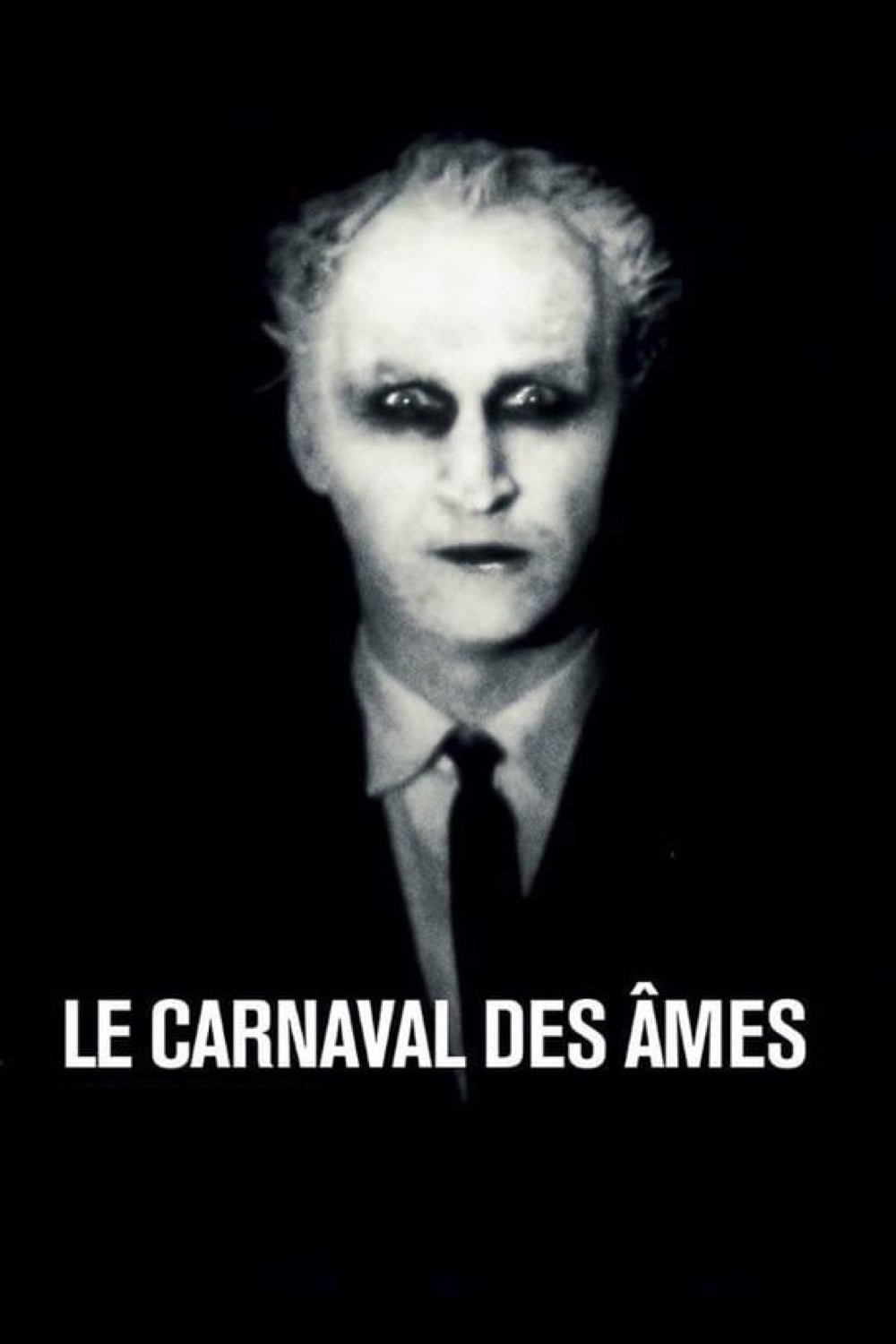
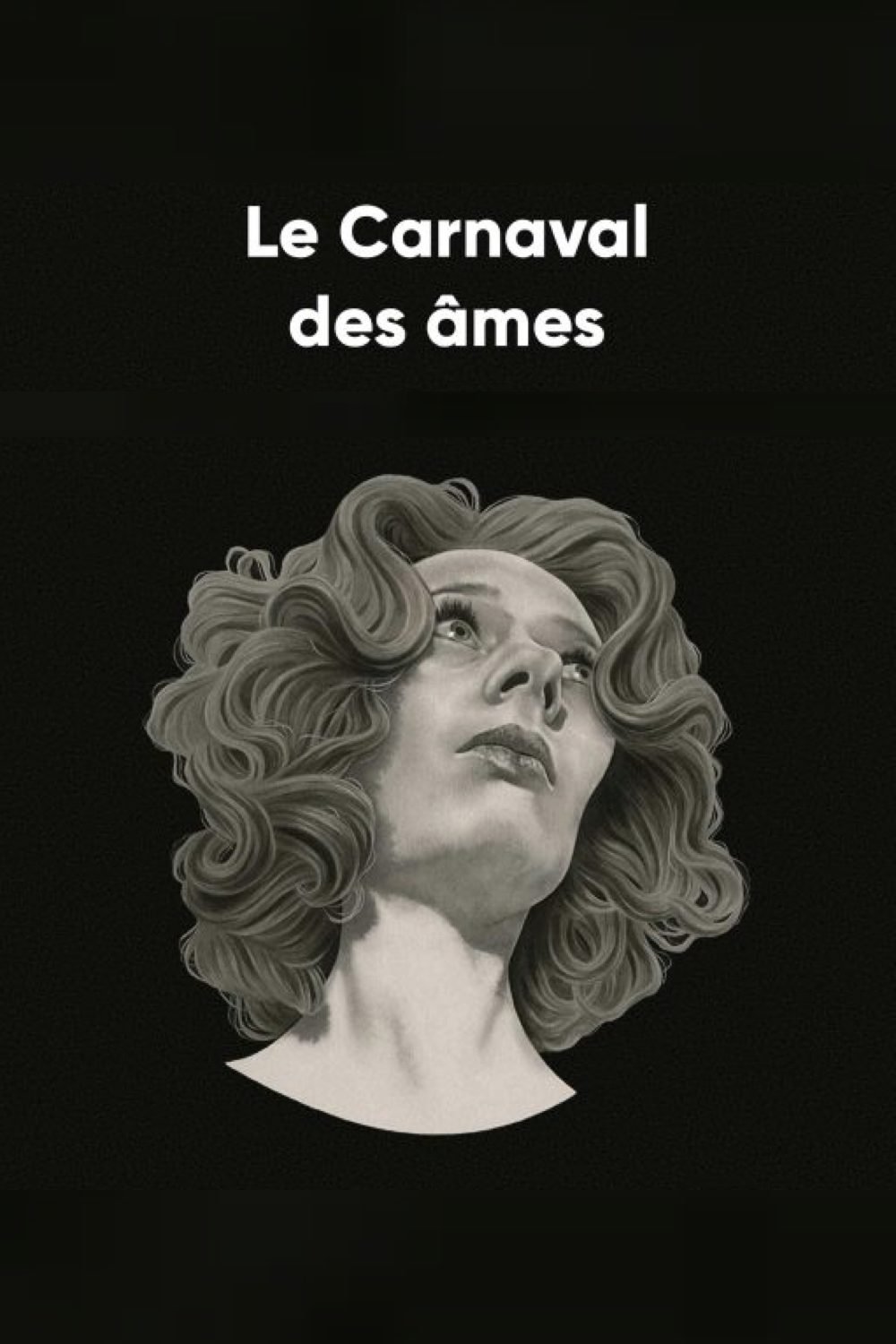
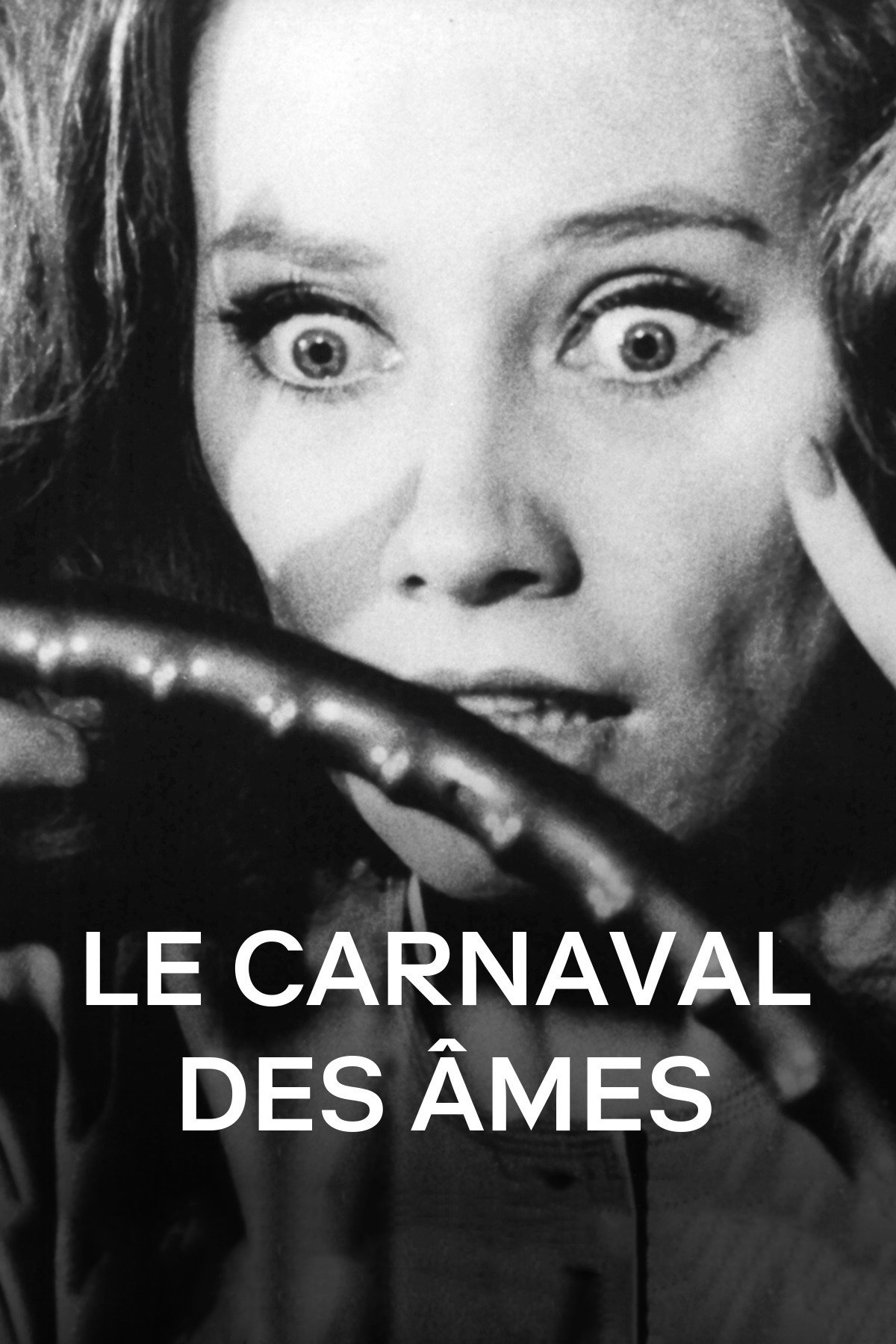
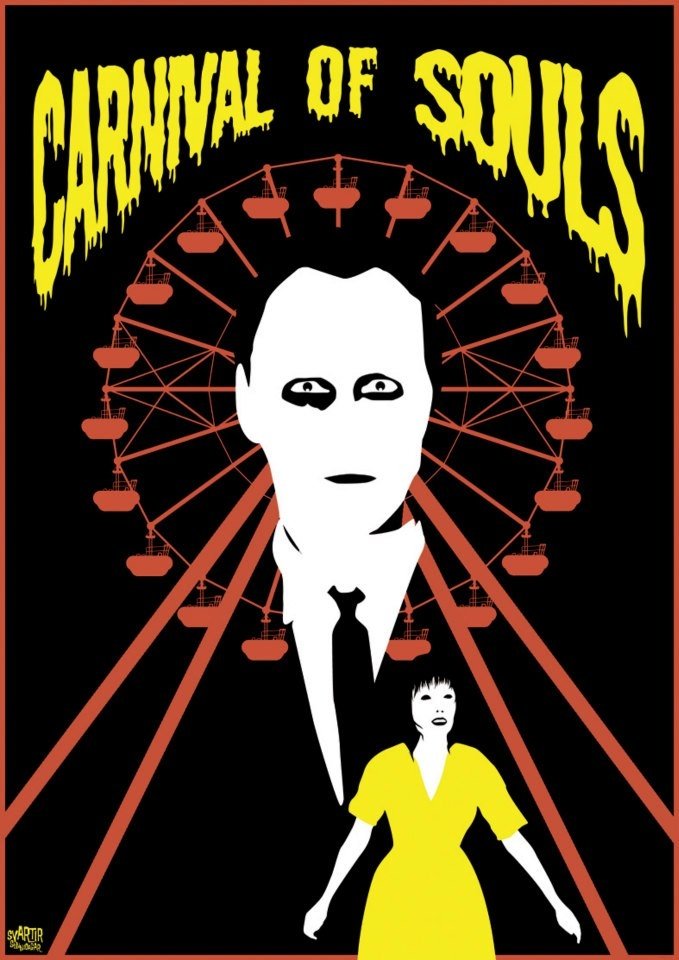
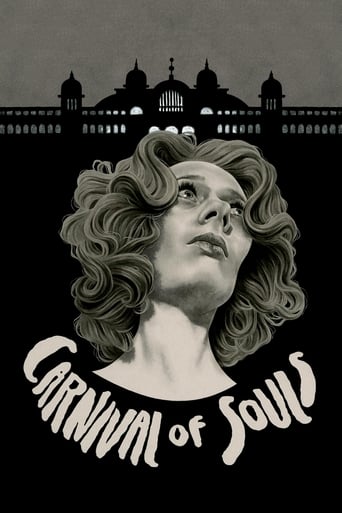
Carnival of Souls (1962) poster
Director
Production Companies
Harcourt Productions , Centron Corporation
Plot

Mary Henry ends up the sole survivor of a fatal car accident through mysterious circumstances. Trying to put the incident behind her, she moves to Utah and takes a job as a church organist. But her fresh start is interrupted by visions of a fiendish man. As the visions begin to occur more frequently, Mary finds herself drawn to the deserted carnival on the outskirts of town. The strangely alluring carnival may hold the secret to her tragic past.

Alternative Titles
Carnaval de Almas (Brazil) — DVD O Parque Macabro (Brazil) — Portuguese Parque Macabro (Brazil) 灵魂狂欢节 (China) — Chinese Karneval duší (Czechia) — Czech Tanz der toten Seelen (Germany) — German El carnaval de las almas (Spain) — Spanish Helvetilliset (Finland) — Finnish
Show all 21 alternative titles Le Carnaval des âmes (France) — French Το Καρναβάλι των Ψυχών (Greece) — Greek 靈魂狂歡節 (Hong Kong SAR China) — Chinese Lelkek karneválja (Hungary) — Hungarian קרנבל הנשמות (Israel) — Hebrew 恐怖の足跡 (Japan) — theatrical title 영혼의 카니발 (South Korea) El carnaval de las almas (Mexico) — Spanish Karnawał dusz (Poland) — Polish O Circo das Almas (Portugal) — Portuguese Карнавал душ (Russia) — Russian De infernaliska (Sweden) — Swedish Corridors of Evil (United States) — reissue title

Trailers & Videos

5 videos

Carnival of Souls (1962) Film Guide

Herk Harvey’s independent supernatural horror classic: the Centron production, Saltair pavilion, Mary Henry’s isolation, Gene Moore’s organ score, original release, restored versions and influence on horror cinema.

Carnival of Souls (1962) is an American independent supernatural horror film produced and directed by Herk Harvey from a screenplay by John Clifford. It follows Mary Henry, a young church organist who survives an automobile accident and relocates to Utah, where she experiences terrifying apparitions and episodes in which the surrounding world seems unable to acknowledge her existence. Her growing attraction to an abandoned amusement pavilion on the shore of the Great Salt Lake becomes inseparable from the mystery of her survival. The film constructs its horror through disorienting spaces, spectral faces, interrupted perception and the increasing isolation of a woman whose experience cannot be adequately explained by the people around her.

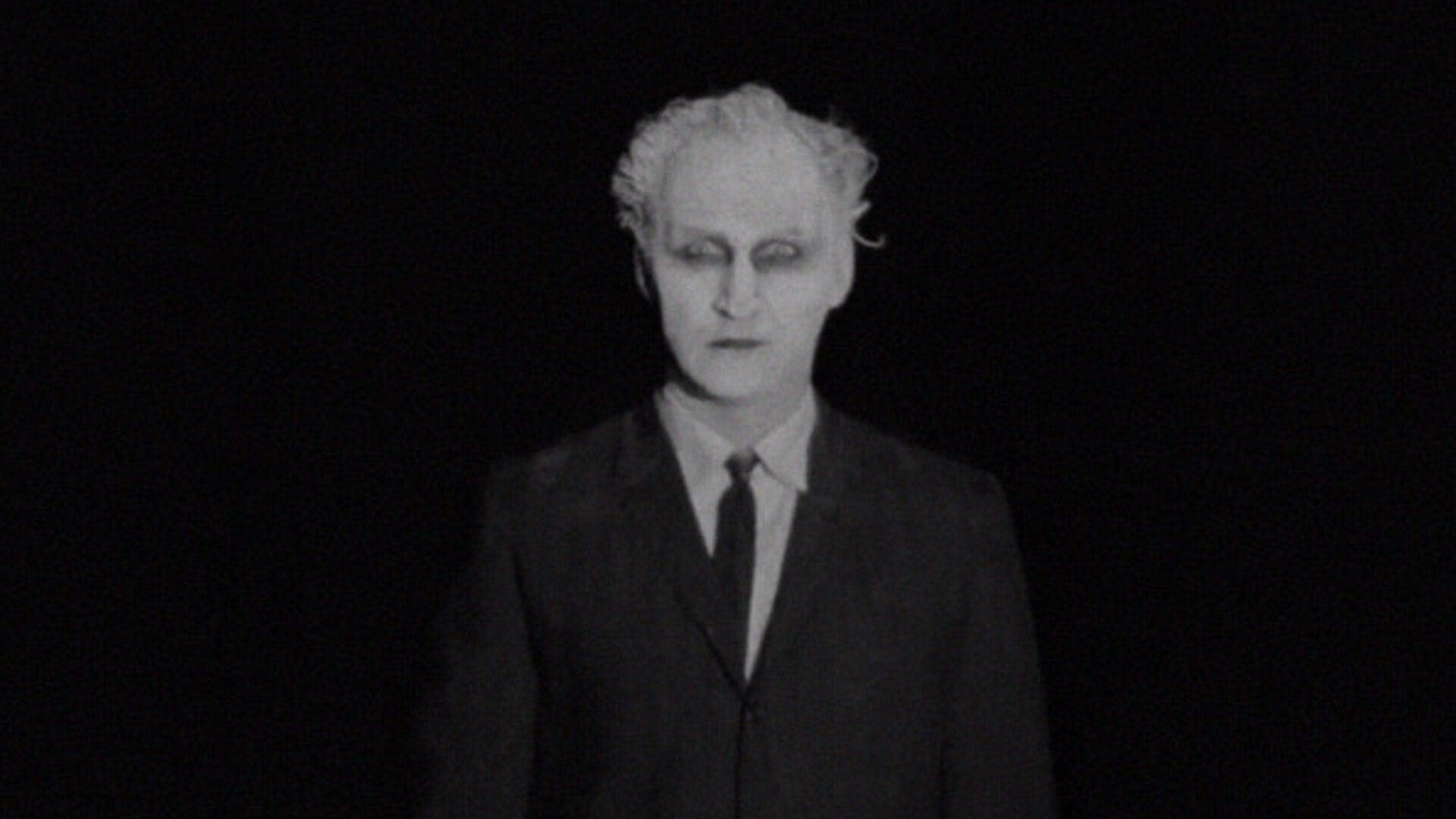
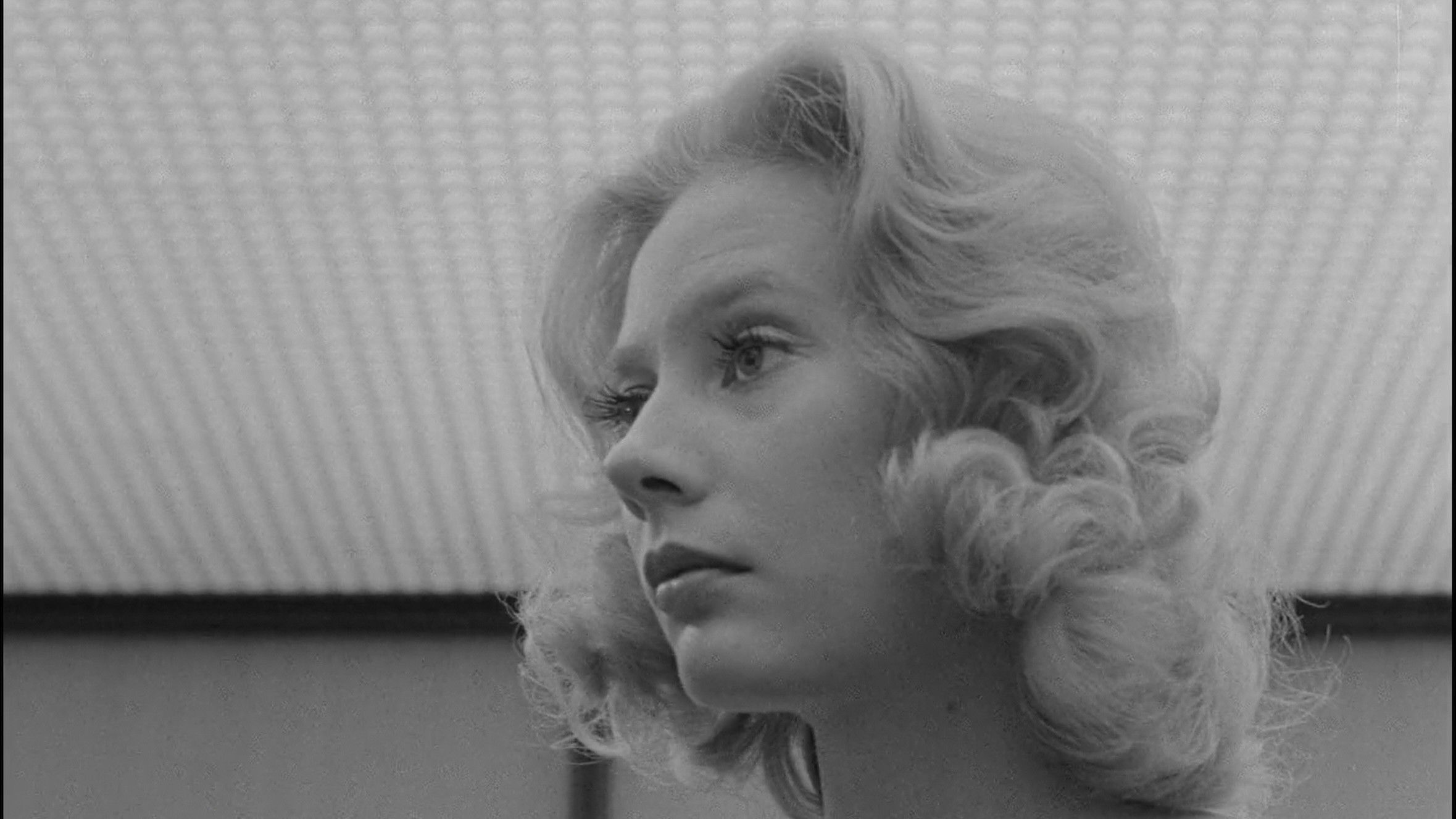
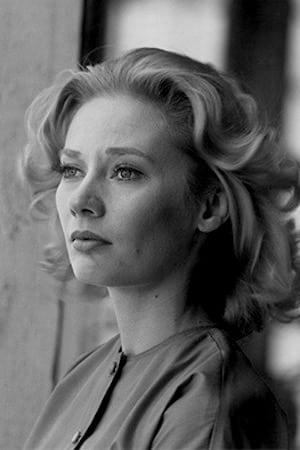
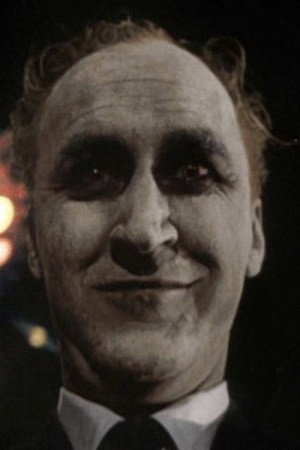
Candace Hilligoss portrays Mary, while Harvey appears as the cadaverous figure known as the Man. Produced for approximately $30,000 by filmmakers associated with the educational-film company Centron, the picture was photographed in Kansas and Utah by Maurice Prather and accompanied by an organ score composed by Gene Moore. Its original distribution was limited, and contemporary recognition remained modest. Following a theatrical revival in 1989, Carnival of Souls received increasing attention for its unsettling visual construction and its treatment of death and identity. Its subsequent preservation and influence on horror cinema established a historical reputation far beyond the circumstances of its original release.

Origins, Centron, and Independent Development

Herk Harvey spent much of his professional career at Centron Corporation, an educational and industrial filmmaking company based in Lawrence, Kansas. The organization produced instructional films for schools, businesses and public institutions, giving its employees extensive experience with small crews, practical locations and limited budgets. Harvey worked as an actor and director, frequently collaborating with writer John Clifford. Their professional relationship supplied the foundation for Carnival of Souls, although the feature was produced independently through Harcourt Productions. It became Harvey’s only theatrical feature, a distinction that should not obscure the hundreds of shorter professional films he made throughout his career.

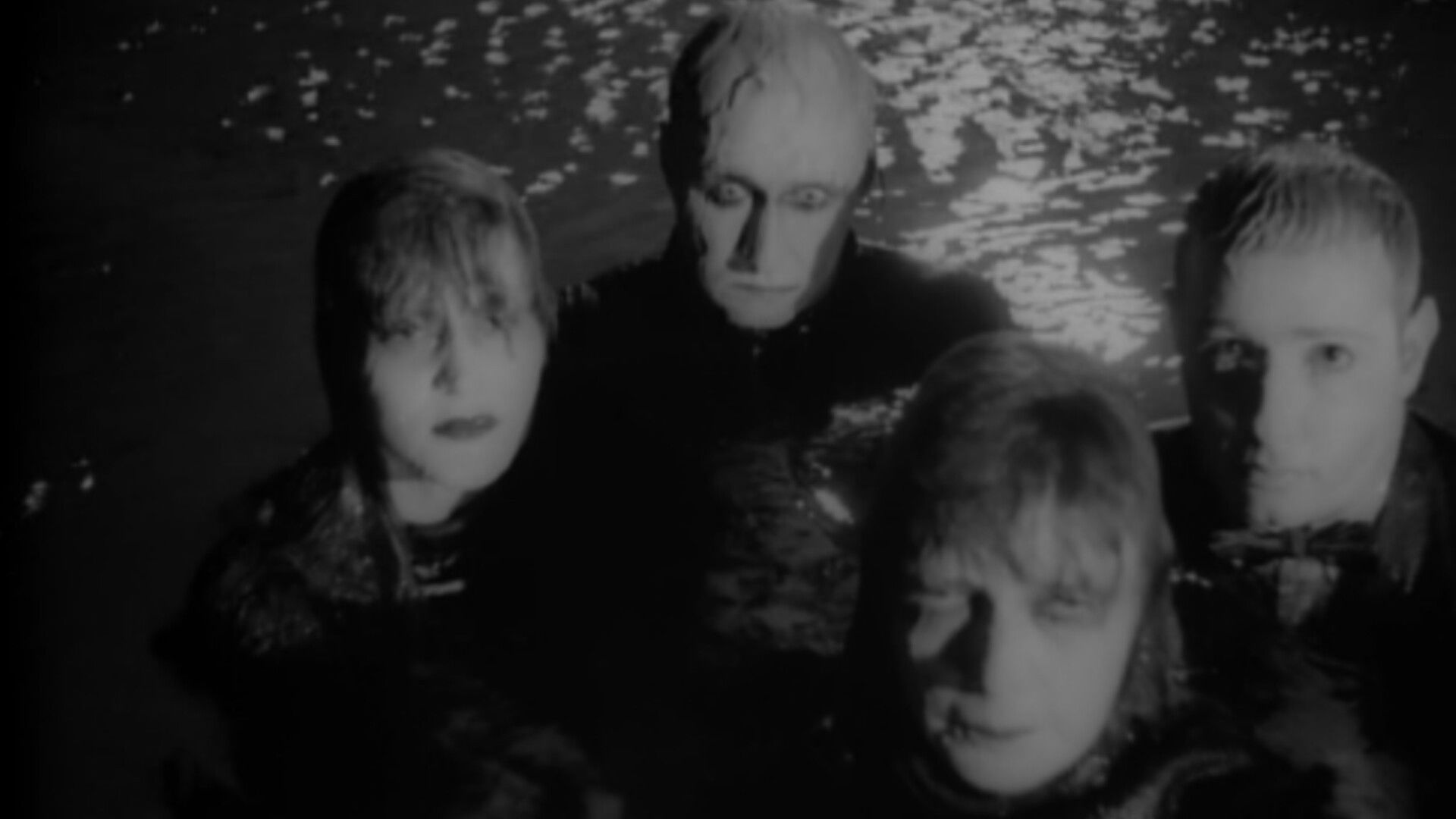
The project began with an image Harvey encountered while travelling through Utah. Beside the Great Salt Lake stood the deserted Saltair pavilion, a once-popular entertainment complex whose deteriorating structures created an unusually threatening impression. Harvey imagined figures emerging from the water and participating in a dance of death inside the abandoned ballroom. He asked Clifford to develop a story around that image. In a firsthand account published by Criterion in 2000, Clifford explained that the scene was the principal requirement supplied by the director. The rest of the narrative emerged through his search for an appropriate protagonist and locations that could provide atmosphere without expensive construction.

Clifford identified the Reuter Organ Company in Lawrence as another visually distinctive location available to the production. Its large assembly room, filled with exposed organ pipes, suggested that the central character could work as an organist. That decision connected her employment, the church in Salt Lake City and her journey past the abandoned pavilion. The screenplay was developed rapidly, with little opportunity for extensive revision. Clifford later acknowledged weaknesses in some of its dialogue while emphasizing that the script’s atmospheric passages were deliberately written. The production proceeded outside the usual Hollywood development process, allowing Harvey and Clifford to retain a story built around unsettling experiences rather than a conventional sequence of explained supernatural events.
Filming Locations, Casting, and Budget

Carnival of Souls was photographed in Lawrence and Lecompton, Kansas, together with locations in Salt Lake City and the Great Salt Lake region of Utah. The bridge used for the opening automobile accident stood near Lecompton. The filmmakers relied on existing buildings and public spaces rather than constructing extensive studio environments. Harvey later told the Los Angeles Times that the production cost approximately $30,000. He recalled renting the Saltair pavilion for $50 and paying a department-store employee $25 to participate in a scene in which Mary becomes invisible to the surrounding customers. These unusually modest arrangements helped make the production financially possible.

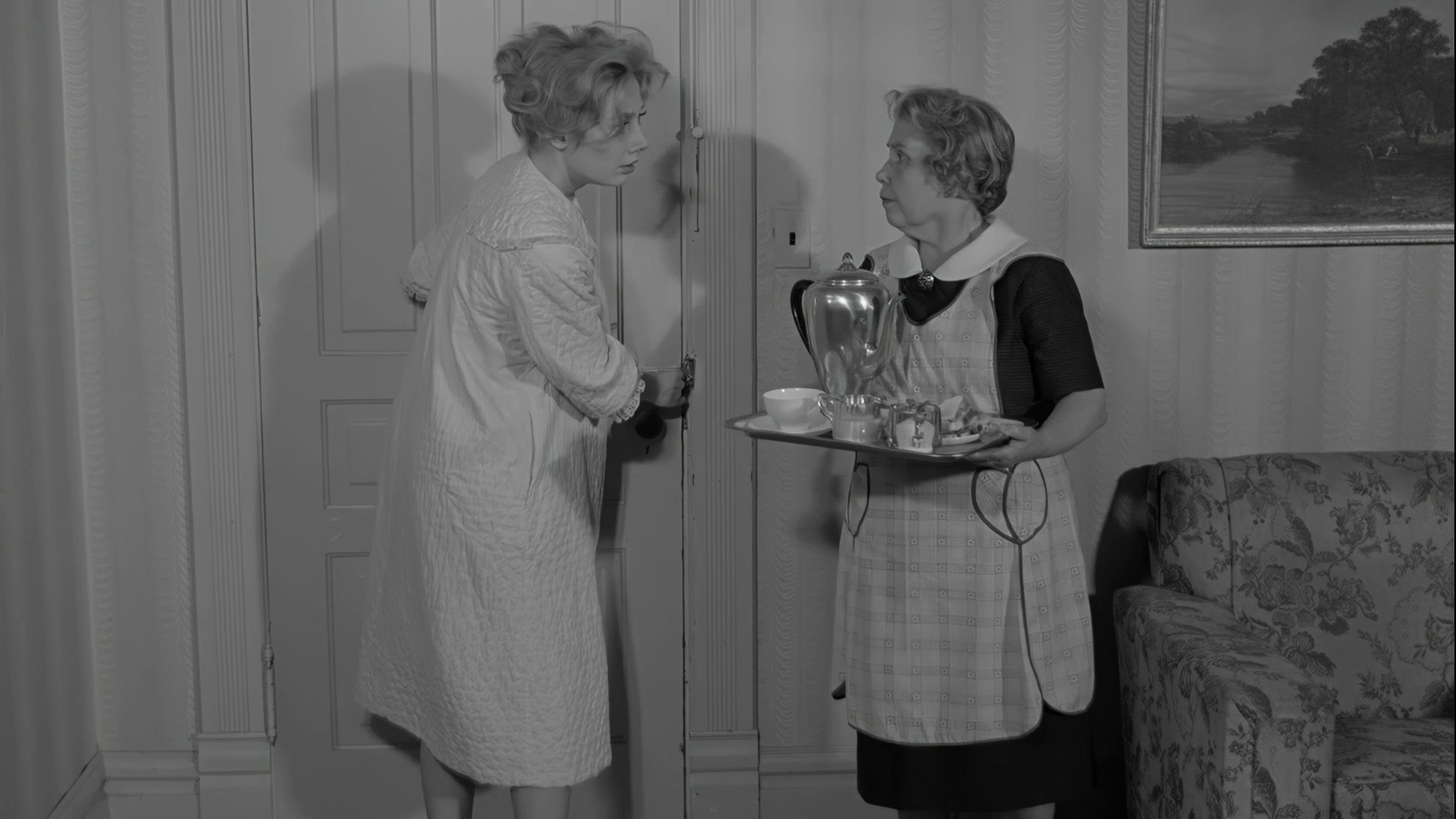
The cast consisted largely of people associated with the filmmakers’ professional and local communities. Candace Hilligoss, who had trained at the Actors Studio in New York, was the principal performer with established professional acting training. Sidney Berger, who portrays Mary’s intrusive fellow lodger John Linden, taught drama at the University of Kansas. Harvey appeared as the spectral Man, reducing the expense of hiring another performer while giving himself direct control over the figure’s physical presence. Members of the Centron crew also accepted small acting roles. Editors Dan Palmquist and Bill de Jarnette, together with writer Peter Schnitzler, were among the collaborators whose contributions extended beyond their principal production responsibilities.

The work was organized around the filmmakers’ existing employment, with Centron personnel participating during time away from their regular assignments. Harvey used his professional experience to photograph material quickly and adapt scenes to the spaces available. According to the American Film Institute’s production history, some street sequences were filmed without permits. The resulting images incorporate ordinary American buildings, shops and streets whose familiarity becomes increasingly disturbing as Mary’s experiences change. The absence of elaborate sets made location selection especially important. Saltair’s decaying architecture, the organ factory’s mechanical environment and the quiet streets of Kansas and Utah supply much of the film’s physical atmosphere.
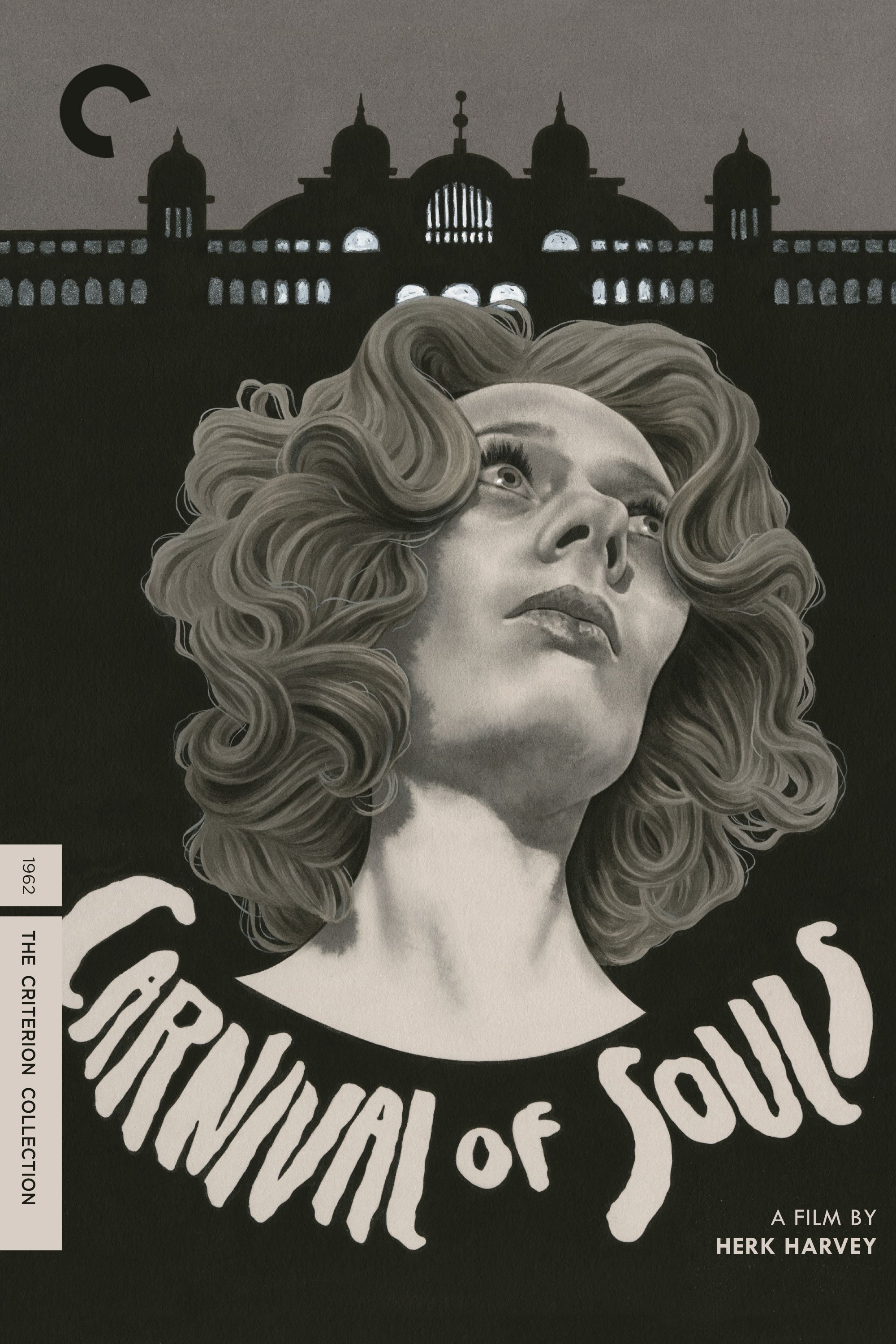
Mary Henry, Isolation, and Supernatural Perception

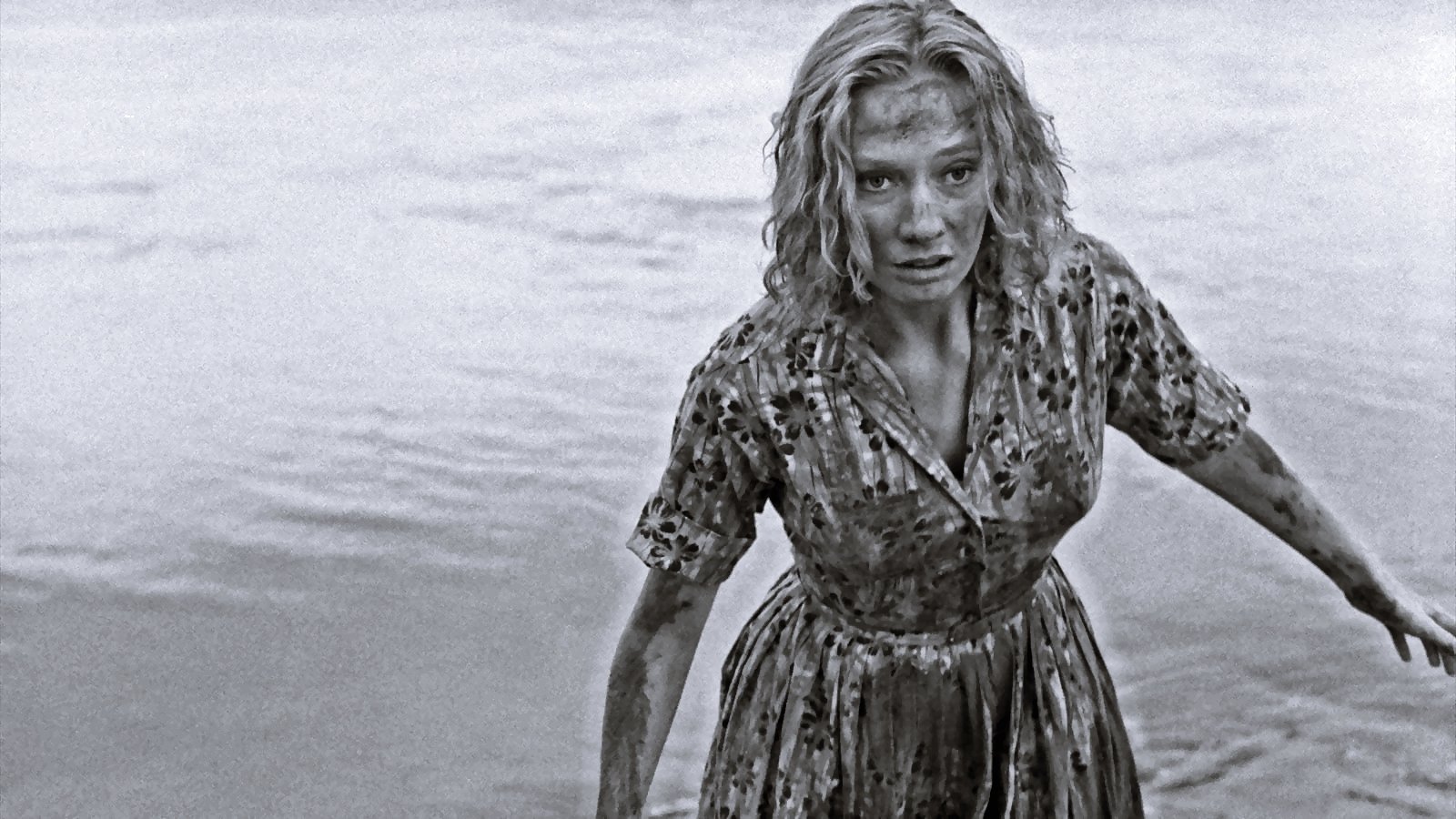
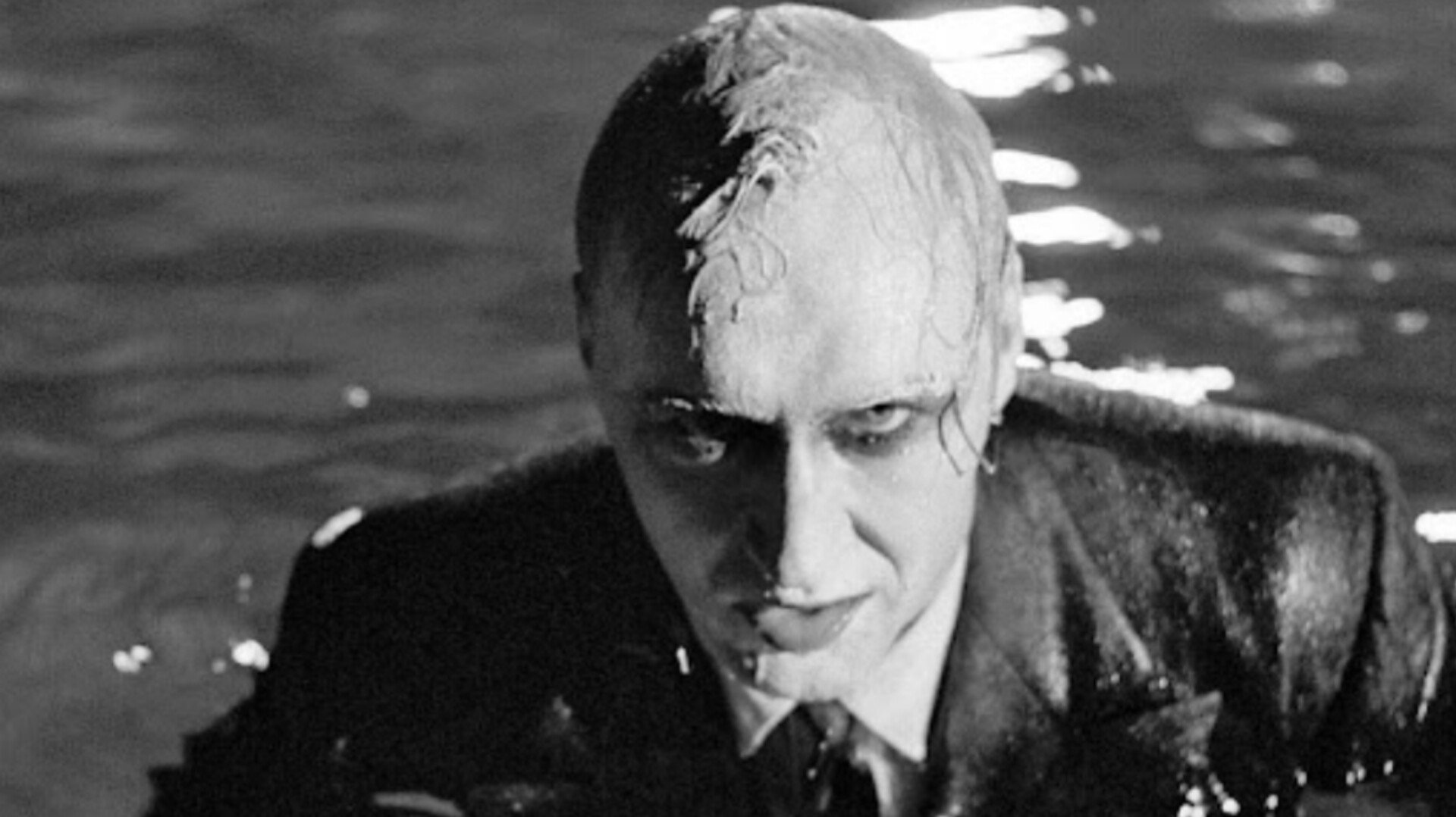
The story opens when Mary and two other young women are involved in an automobile accident during an improvised road race. Their vehicle falls from a bridge into a river, and Mary eventually emerges from the water without an explanation for her apparent survival. She accepts employment as an organist in Salt Lake City, intending to begin an independent life away from the place where the accident occurred. During the journey, she sees the pale face of an unfamiliar man appearing beside the road. The encounter introduces a recurring presence that seems connected with her but remains invisible to other people.

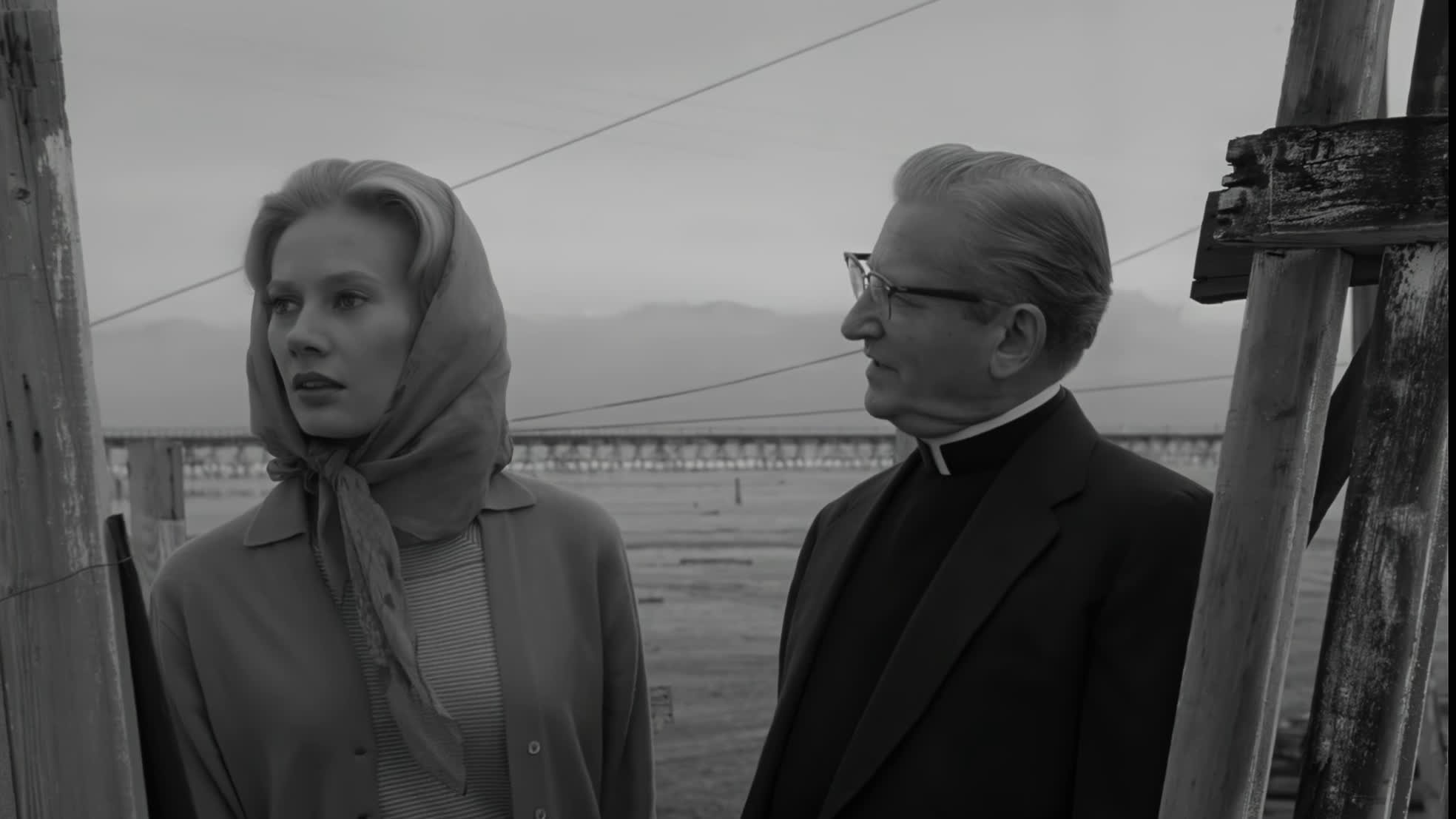
Mary’s position becomes increasingly precarious after she reaches Utah. Her landlady, Mrs. Thomas, provides accommodation, while John Linden attempts to develop a relationship that Mary does not want. The church minister considers her musical ability valuable but questions her apparent lack of religious feeling. A doctor offers explanations for her disturbing experiences without possessing sufficient information to resolve them. These encounters establish a pattern in which Mary’s requests for understanding receive inadequate or unwelcome responses. Clifford later explained that he deliberately withheld sympathy from the protagonist within the fictional world. Her isolation was therefore an intentional part of the screenplay’s construction.
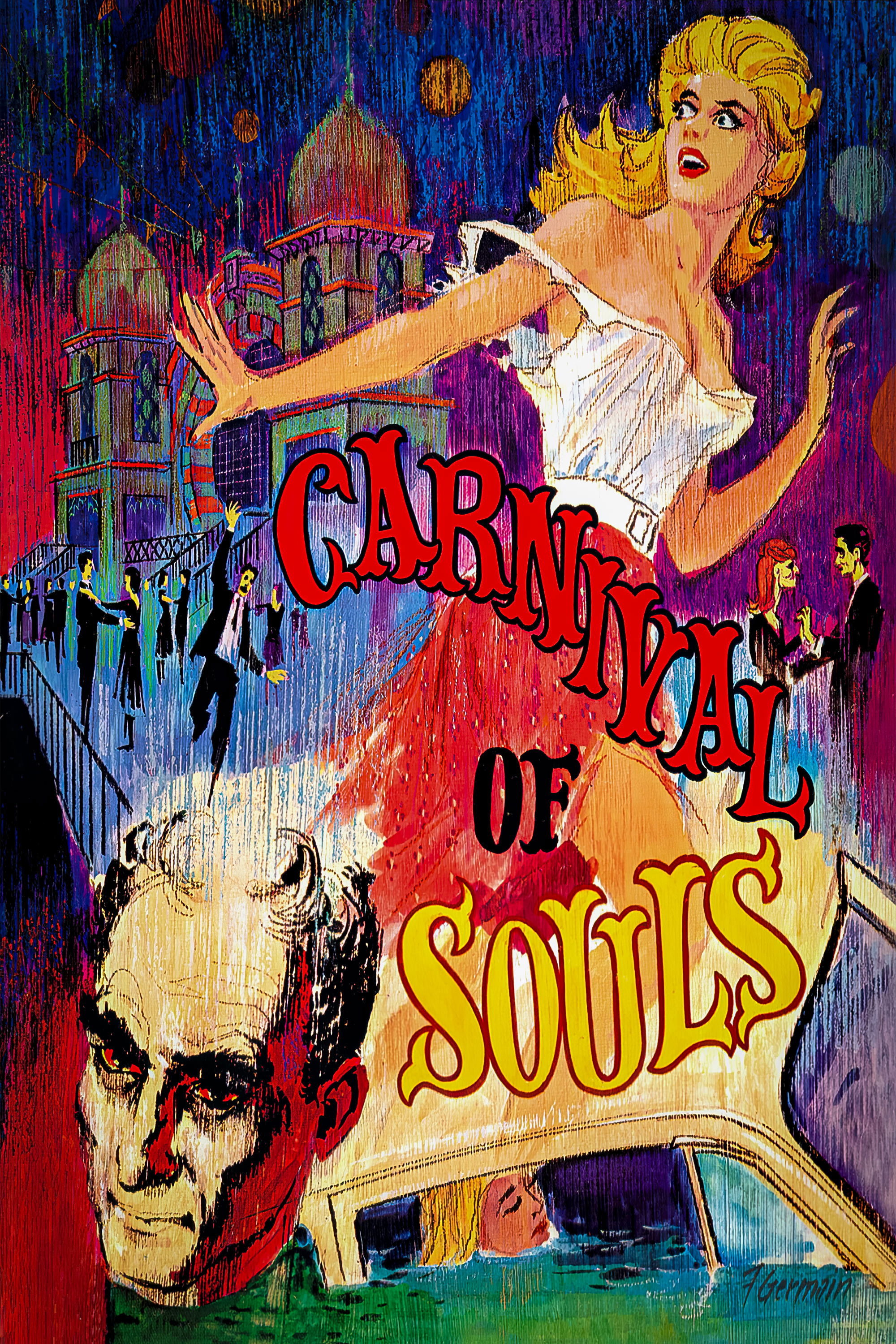
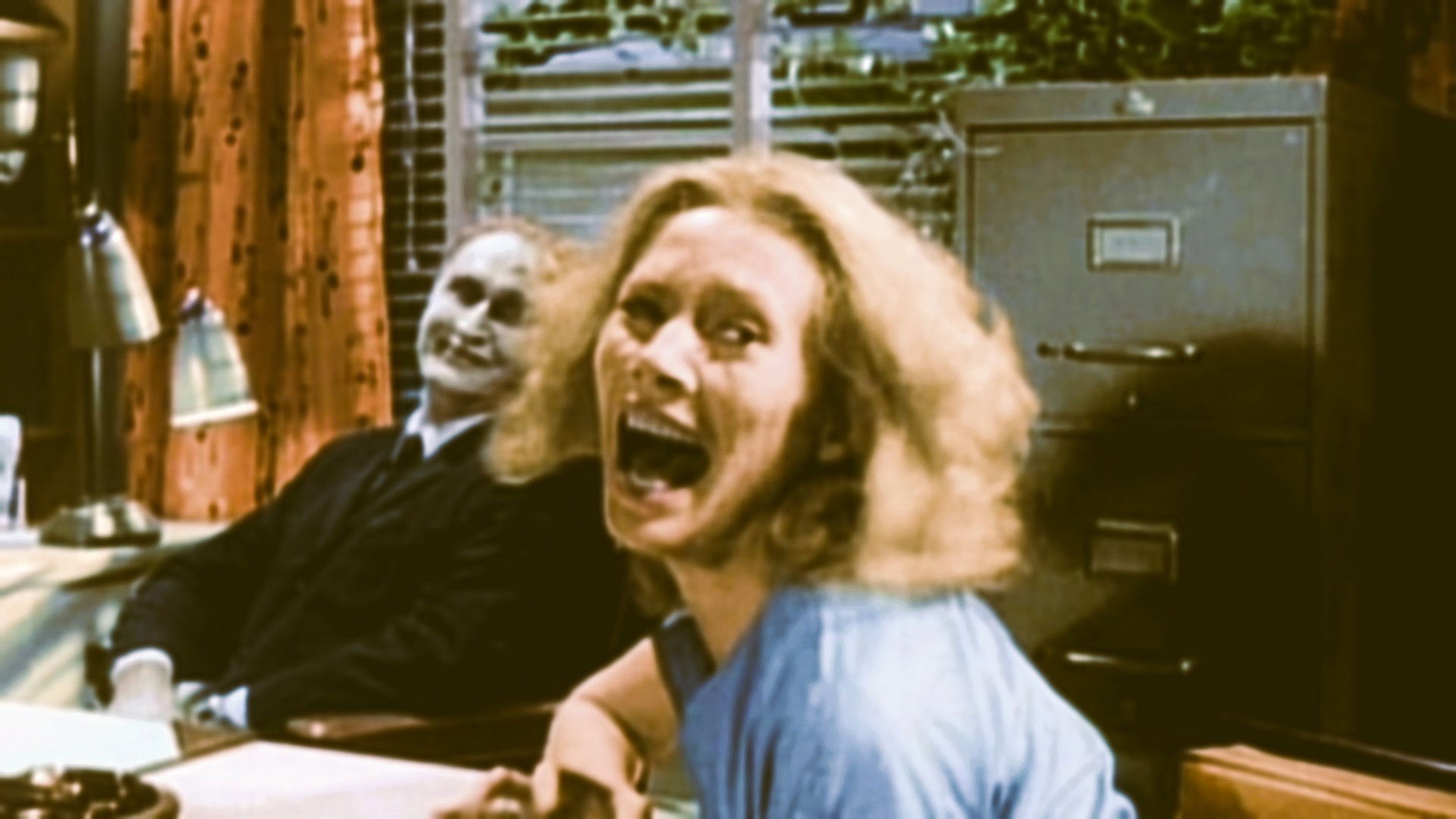
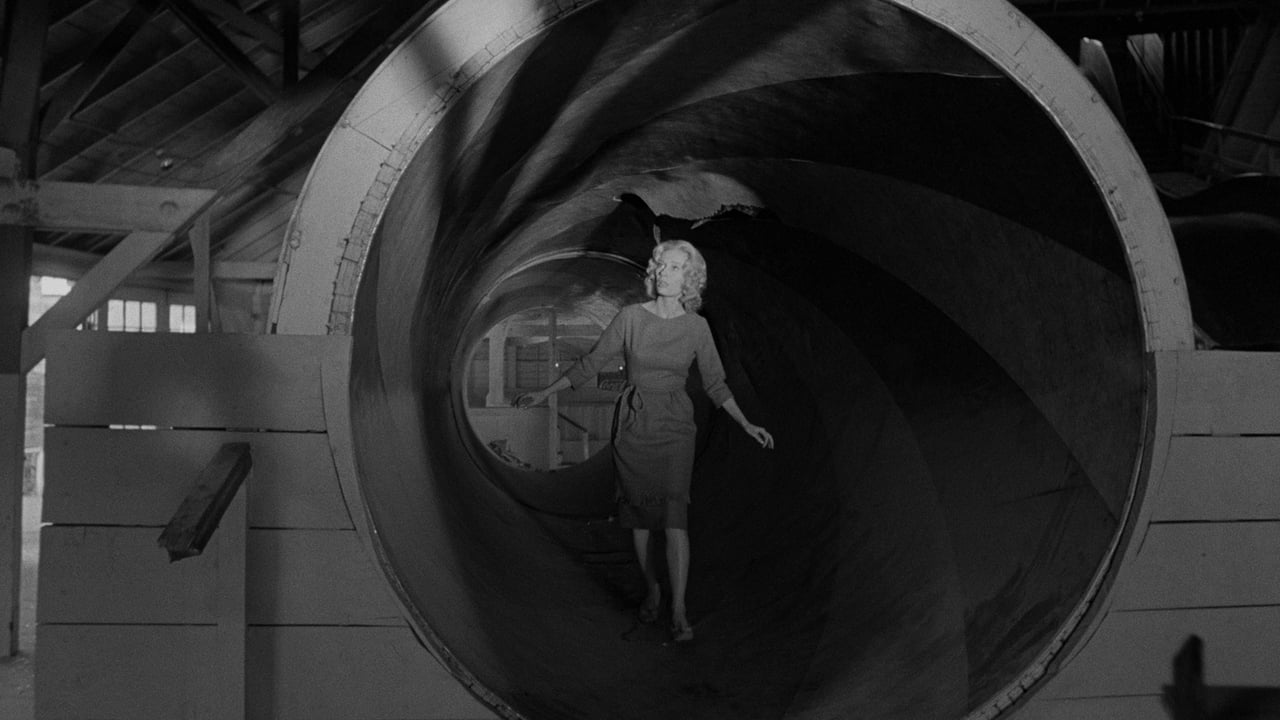
The supernatural episodes gradually undermine Mary’s confidence in ordinary perception. During a visit to a department store, she discovers that the people around her no longer respond to her presence. Voices become inaccessible, and attempts to attract attention fail. Similar disturbances interrupt her movement through familiar streets. The experience raises questions about whether she remains connected to the physical world, but the film delays an explanation. Mary’s fear develops through the disappearance of ordinary social contact rather than through immediate physical attack. Her recognition that no one can hear or acknowledge her becomes as threatening as the spectral figure who repeatedly follows her.

The Saltair Pavilion and the Dance of Death

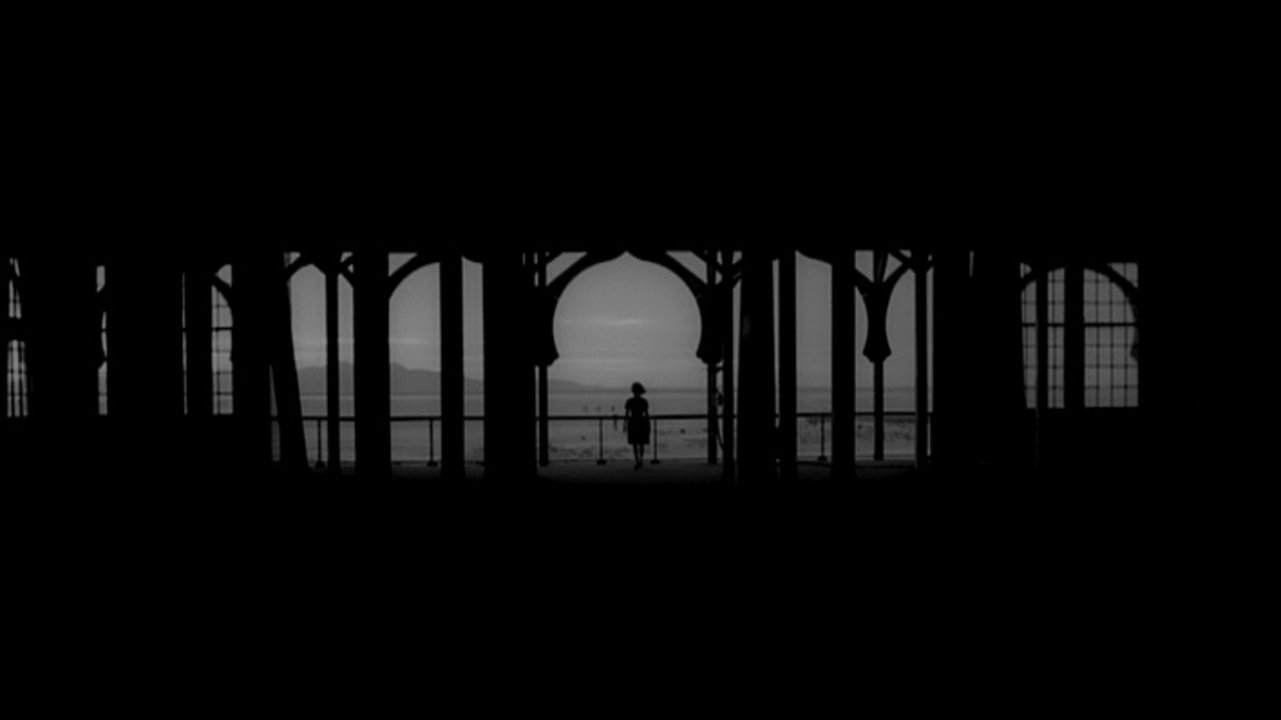
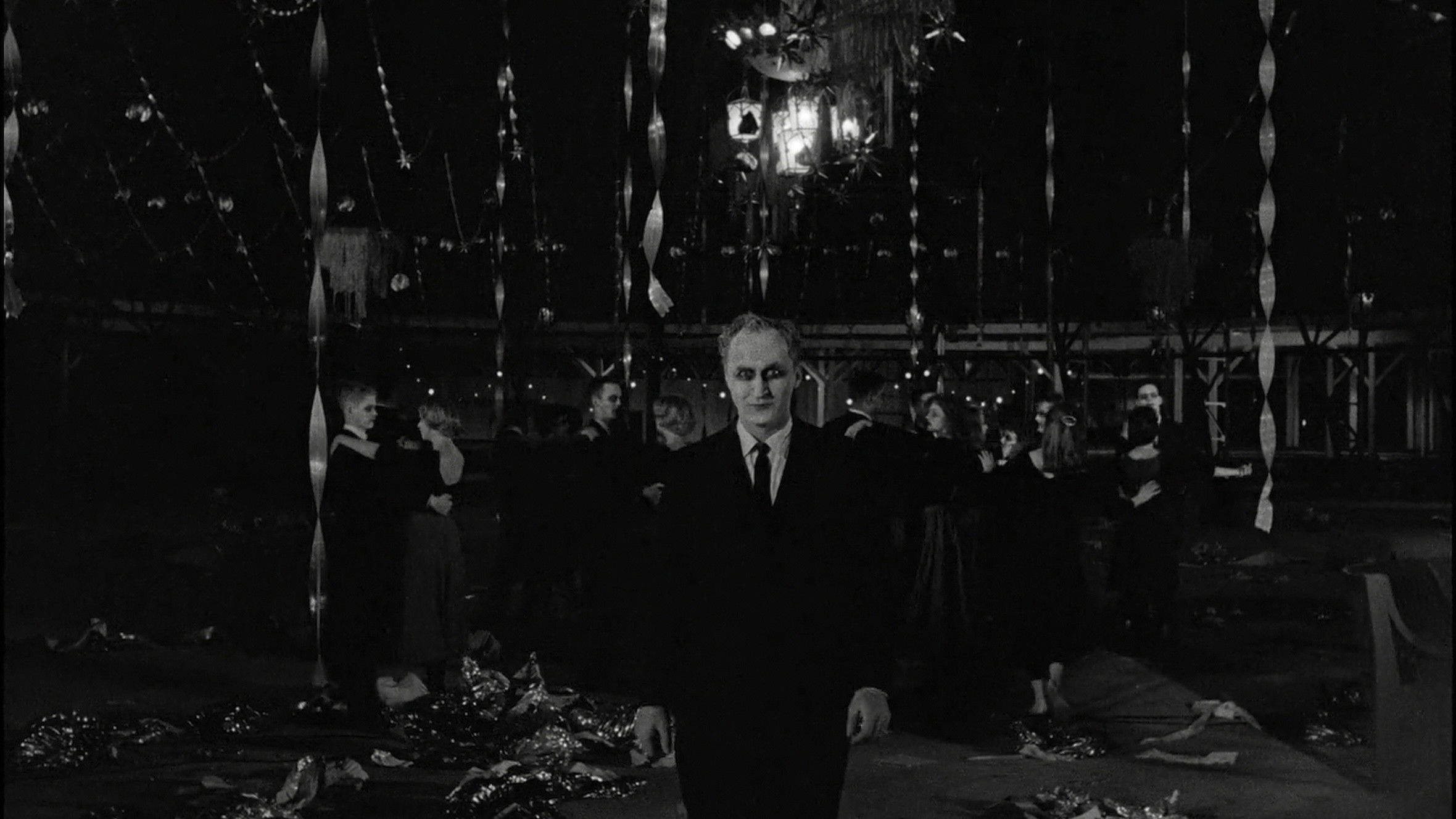
The abandoned Saltair pavilion gives Carnival of Souls its most distinctive setting. Originally developed as an entertainment destination beside the Great Salt Lake, the complex had experienced periods of popularity, deterioration and destructive fires before Harvey encountered it. Its empty ballroom, damaged structures and proximity to the water provided an environment associated with vanished public activity. Mary first notices the building during her journey to Salt Lake City and subsequently experiences a growing compulsion to return. The pavilion becomes a physical destination connected with the Man’s recurring appearances, although its relationship with the accident is initially concealed.

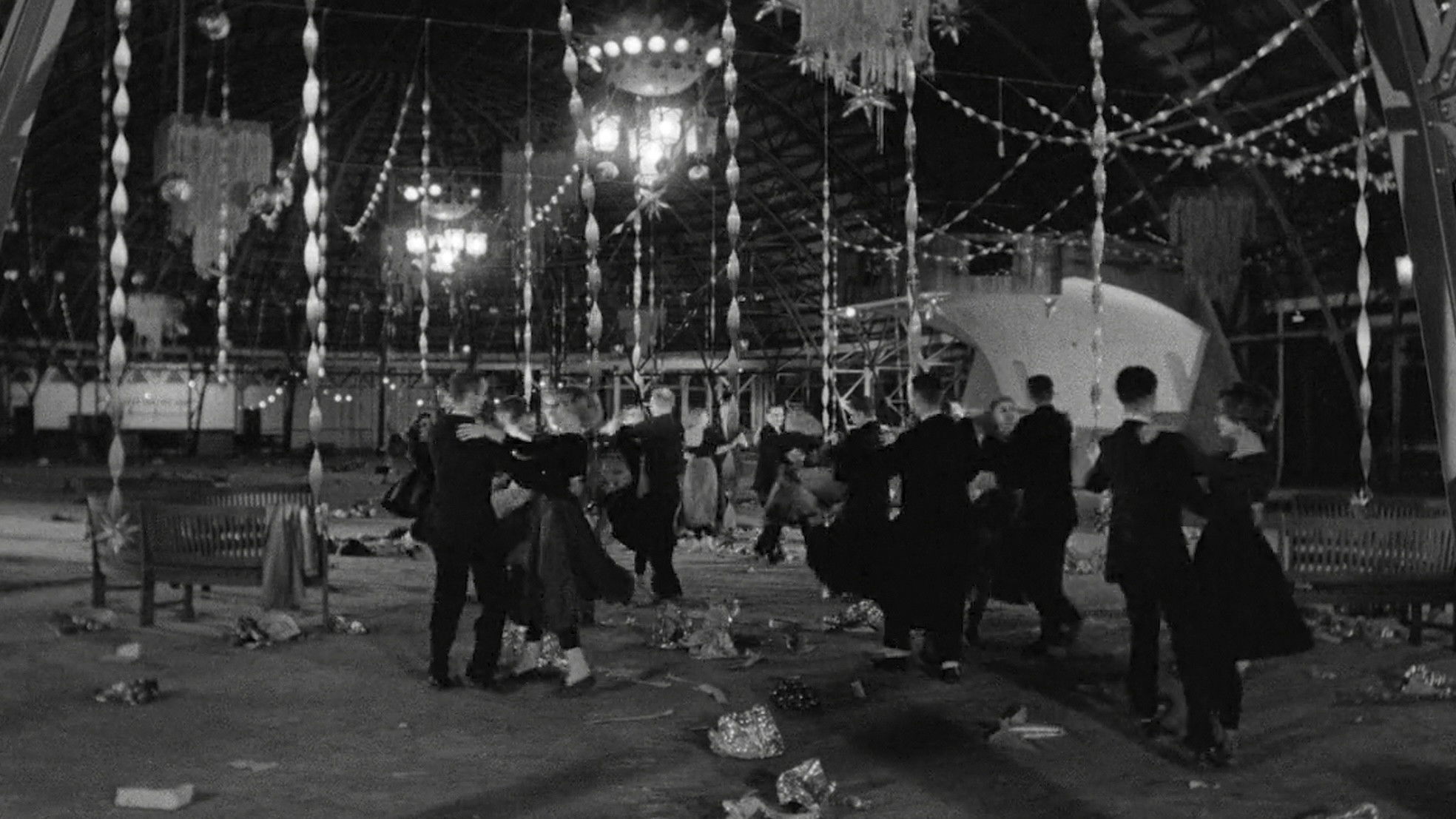
Harvey photographs the building through its deteriorating architecture and the emptiness of spaces once designed to accommodate crowds. Corridors, doorways and the ballroom retain traces of organized entertainment without the people who formerly occupied them. When Mary explores the pavilion, the absence of ordinary activity creates an unstable atmosphere. Her movements through the structure suggest curiosity as well as fear. The location’s history gives the images a tangible sense of abandonment, while the narrative introduces figures that appear to belong to a different condition of existence. The resulting encounters transform a recognizable derelict building into a supernatural environment without requiring large constructed sets.

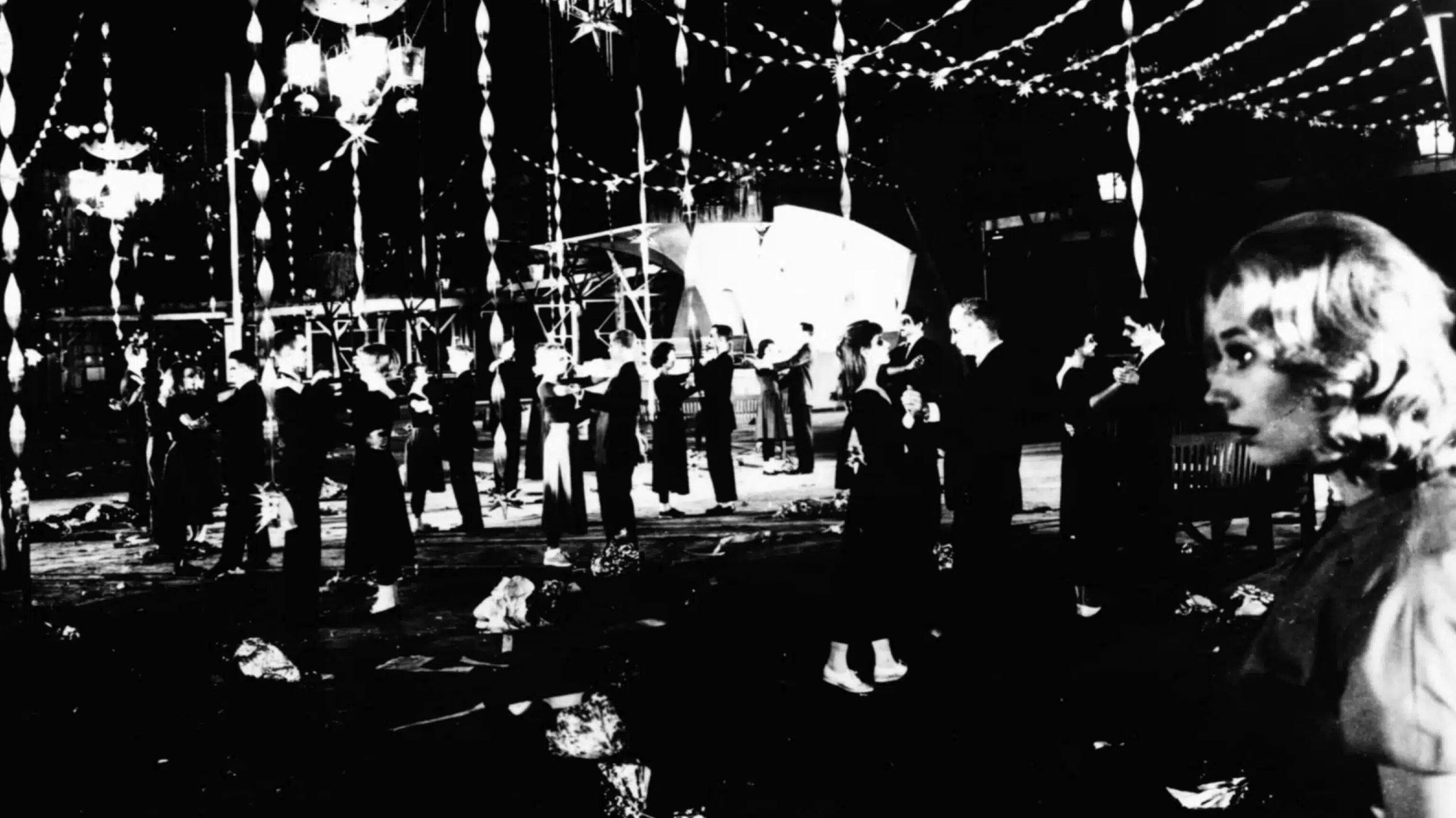
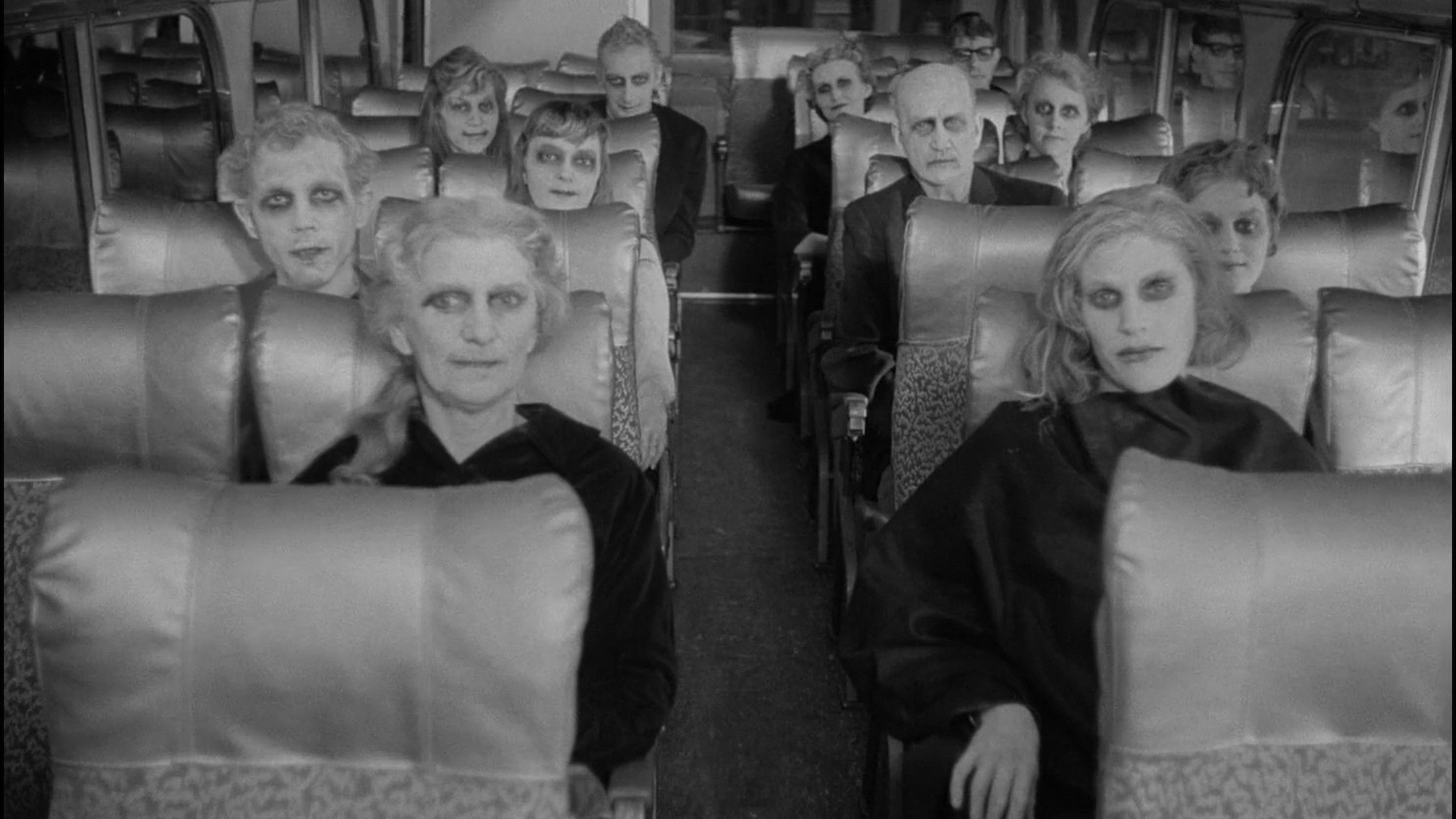
The dance sequence eventually reveals a gathering of pale, cadaverous figures moving within the ballroom. Their appearance develops the original image that Harvey described to Clifford before the screenplay was written. The dancers evoke a traditional danse macabre, connecting social movement with the presence of death. Their participation also changes the status of the pavilion: the deserted entertainment complex appears to have retained an audience existing outside ordinary human experience. Mary’s encounter with the gathering culminates in a pursuit that brings the film’s separate apparitions together. The sequence depends on location, performance, makeup and editing rather than extensive mechanical effects, making the ballroom the principal expression of the production’s supernatural conception.

Cinematography, Editing, and Dreamlike Geography

Maurice Prather’s black-and-white cinematography gives the film a visual identity shaped by contrasting light, deep shadows and unusual camera positions. Harvey’s experience producing industrial films is evident in the practical use of available environments, but the finished images repeatedly depart from straightforward descriptive photography. The film employs disorienting angles and changes in spatial perspective to suggest that Mary’s surroundings cannot be trusted. In her historical study for Criterion, Kier-La Janisse identifies a sequence at a gas station in which the apparent direction of the camera’s view changes as Mary moves between locations. The transition briefly makes it difficult to determine whether the viewer is observing a space from inside or outside.

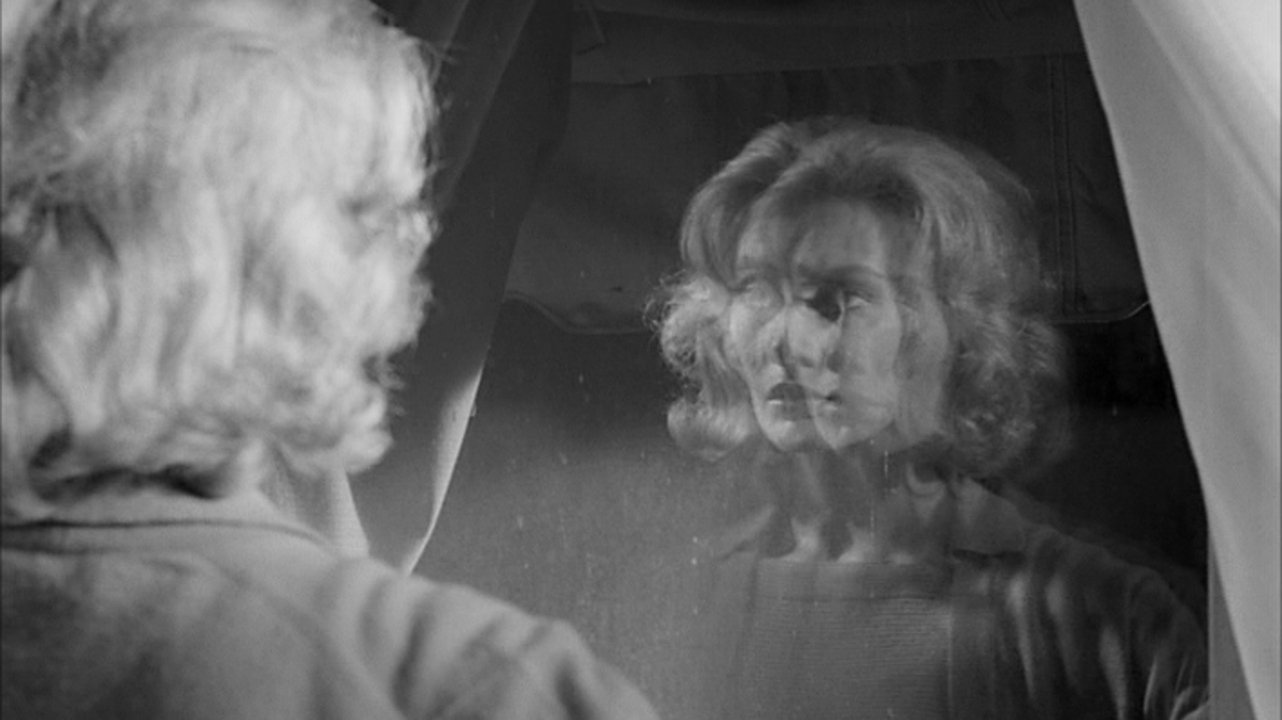
Similar techniques alter the relationship between Mary and the Saltair pavilion. A distant view of the building becomes connected through editing with a perspective apparently located within it. The effect suggests that the derelict structure occupies a more active position in the narrative than an ordinary architectural landmark. Harvey also uses handheld photography and sudden changes in framing during encounters with the Man. Reflections, close-ups and abrupt appearances create a visual relationship between the protagonist and the figure pursuing her. These methods are especially effective because the surrounding locations remain recognizable. The unsettling effects arise from changes in the presentation of familiar spaces.

The editing, credited to Dan Palmquist and Bill de Jarnette, organizes Mary’s experiences around recurring disturbances rather than a steadily explained investigation. Moments of apparent normality are interrupted by visions or episodes of sensory disconnection. The repetition gradually changes their meaning as Mary becomes less certain of her surroundings. The film’s dreamlike construction has often attracted comparisons with later psychological horror, although similarities of imagery should not automatically be treated as proof of direct influence. Its most identifiable visual techniques can be established through the surviving film itself: dislocated viewpoints, unsettling close-ups, movement through empty environments and the gradual intrusion of figures whose existence remains uncertain.

Gene Moore’s Organ Score and Supernatural Sound

Gene Moore composed the film’s music, using the organ as its principal instrument. The choice developed naturally from Mary’s occupation and the filmmakers’ access to the Reuter Organ Company. The instrument provides a musical connection between her employment, the religious environment she enters and the increasingly threatening experiences that disrupt her life. Rather than relying on a conventional orchestral horror score, the soundtrack uses sustained organ tones, repeating figures and changes in registration to create an atmosphere that can move between church music and supernatural disturbance. Its recognizable instrumental identity also reflects the practical resources available to the independent production.

The church sequence makes the relationship between music and narrative particularly explicit. As Mary performs at the organ, her playing moves away from the music expected by the minister and develops into a disturbing passage associated with the spectral figures. The changing sound suggests that another condition of consciousness has interrupted her ordinary performance. The minister interprets the episode through his religious expectations and dismisses her from the position. For Mary, the experience represents another failure to reconcile her perception with the understanding of those around her. The sequence also gives the musical score a dramatic function within the story, since the frightening sounds are presented as music the character herself produces.

The broader soundtrack alternates organ music with environmental sounds and episodes of reduced auditory contact. When Mary becomes disconnected from the people around her, the disturbance affects what she can hear as well as what others appear able to perceive. Such passages establish an acoustic difference between ordinary social existence and her increasingly uncertain condition. Moore’s music also accompanies the spectral encounters and the movements within the pavilion, reinforcing their connection with the church and Mary’s profession. Surviving recordings of the score, including material used to accompany archival outtakes, document its continuing preservation. Its effectiveness rests on the close relationship between a single distinctive instrument and the film’s supernatural narrative.

Original Release, Rediscovery, and Restoration

Carnival of Souls premiered at the Granada Theatre in Lawrence, Kansas, on September 26, 1962. The American Film Institute cites an October 1962 Variety review that considered the film suitable for drive-in double bills. Herts-Lion International subsequently distributed it through limited theatrical engagements, including screenings paired with The Devil’s Messenger. Its original reception did not produce the broader recognition the filmmakers had hoped to obtain. The film continued to circulate through late-night television, where some viewers encountered it without knowing the details of its independent production. Reliable comprehensive figures for its original theatrical gross are not documented in the principal historical sources, making precise commercial claims inappropriate.

The film’s running time and surviving versions require careful distinction. The American Film Institute lists approximately 80 minutes, while the Museum of Modern Art identifies the original theatrical release version as 78 minutes. Criterion’s 2000 DVD edition presented a longer version of approximately 84 minutes alongside the shorter theatrical cut. These differences reflect changes to the material used in distribution and subsequent reconstruction, rather than separate productions. Some scenes removed from the shorter release survive in archival elements. Their preservation allows modern audiences to examine material absent from the version most widely circulated during the film’s early history. Individual editions should therefore be identified by their source and editing rather than by an assumed definitive running time.

The film’s historical reputation changed substantially during the late 1980s. Film historian Gordon K. Smith played an important role in encouraging renewed interest, while the filmmakers participated in a reunion and theatrical revival during 1989. New York screenings introduced the picture to audiences who had previously known it mainly through television. Turner Classic Movies documents the subsequent revival on the midnight-film circuit, its appearance on videocassette in 1990 and the arrival of a substantial Criterion edition in 2000. Further preservation work included a restoration from the original camera negative by the Academy Film Archive, exhibited by the Museum of Modern Art in 2015. Criterion’s 2016 edition introduced a restored 4K digital transfer and additional historical materials. These projects document the continuing recovery and reassessment of Harvey’s only theatrical feature.

Historical Position and Influence on Horror Cinema

Carnival of Souls occupies a distinctive place in American independent horror because its atmosphere depends so heavily on the protagonist’s uncertain relationship with the world around her. The film uses the familiar structure of a journey to a new town but progressively removes the possibility of ordinary social connection. The resulting fear is concentrated in the inability to determine whether Mary’s experiences originate in her mind, in a supernatural environment or in a condition of existence she has not recognized. The eventual revelation recontextualizes earlier incidents without explaining every visual and psychological disturbance. This construction has made the film particularly relevant to critical discussions of death, isolation and dreamlike horror.

George A. Romero acknowledged the film as an influence on Night of the Living Dead (1968). The American Film Institute records contemporary retrospective reporting of that connection, while Kier-La Janisse’s Criterion essay identifies the spectral makeup as an important point of reference. The relationship is historically significant because Romero’s film subsequently became central to modern zombie cinema. Harvey’s pale, silent figures differ from Romero’s flesh-eating dead, but the earlier production demonstrated how inexpensive makeup and physical performance could establish a disturbing collective presence. Its influence should be understood through this documented connection rather than through unsupported claims that all later films featuring an uncertain boundary between life and death directly borrowed from Harvey.

Later criticism has also examined the film through the position of its female protagonist. Richard Harland Smith, writing for Turner Classic Movies in 2011, connected Mary’s independence with the restrictive social expectations expressed by the people she encounters. Clifford’s firsthand account gives this interpretation a documented basis in his deliberate decision to deny Mary sympathetic relationships. These concerns coexist with the film’s supernatural story and its modest practical methods. The 1998 film marketed as Wes Craven Presents Carnival of Souls reused the title and some broad elements but developed a substantially different narrative. The continued publication of historical essays, archival screenings and restored editions provides concrete evidence of the original film’s lasting place in the study and exhibition of American horror.

References

  1. American Film Institute AFI Catalog — Carnival of Souls (1962)

    Institutional production history based on contemporary trade reporting and interviews with Herk Harvey, documenting the film’s locations, budget, casting, September 1962 premiere, distribution, rediscovery and restoration history.

  2. The Criterion Collection Introduction to Carnival of Souls — John Clifford

    Firsthand account by the screenwriter explaining Harvey’s original Saltair concept, the selection of the organ factory, the creation of Mary Henry, the limited production resources and the deliberate isolation of the protagonist.

  3. The Criterion Collection Carnival of Souls: Thinkin’ Like That, Don’t It Give You Nightmares? — Kier-La Janisse

    Substantial July 2016 historical and critical essay examining Centron, screenplay development, the film’s visual geography, religious and psychological themes, Mary’s isolation and the documented connection with George A. Romero.

  4. Museum of Modern Art Carnival of Souls: Original Theatrical Release Version

    Institutional preservation and exhibition record identifying the 78-minute theatrical version, principal creative personnel, original camera-negative restoration by the Academy Film Archive and the film’s visual approach.

  5. Turner Classic Movies Carnival of Souls — Richard Harland Smith

    August 2011 historical essay examining the film’s disappearance from mainstream critical attention, Gordon K. Smith’s role in the 1989 revival, midnight screenings, video distribution and subsequent recognition.

Cast

View Full Cast & Crew →

Release & Distribution

Production Companies (2)

  • Centron Corporation US
  • Harcourt Productions

Release History (5)

Release DateTerritoryRelease TypeFormatDistributorCertificationNotes
1962-09-26 United States Premiere — — NR Lawrence, Kansas
1962-11-02 Canada Limited Theatrical — — PG
1962-11-02 Finland Theatrical — — —
2009-04-01 United Kingdom Physical — — 12
2009-08-27 Netherlands Physical DVD — 12 DVD
She Escaped Death. Now It Wants Her Back!