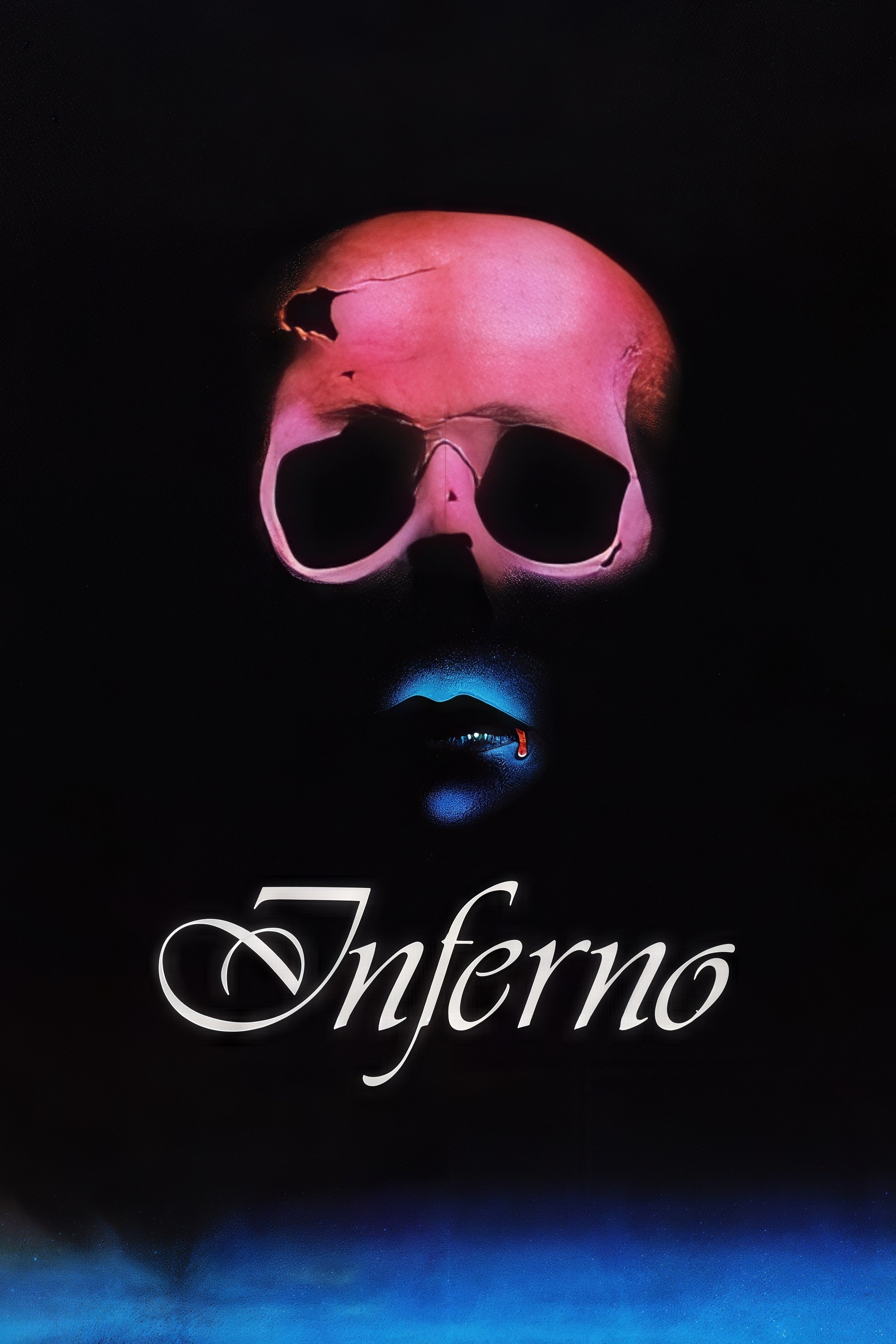
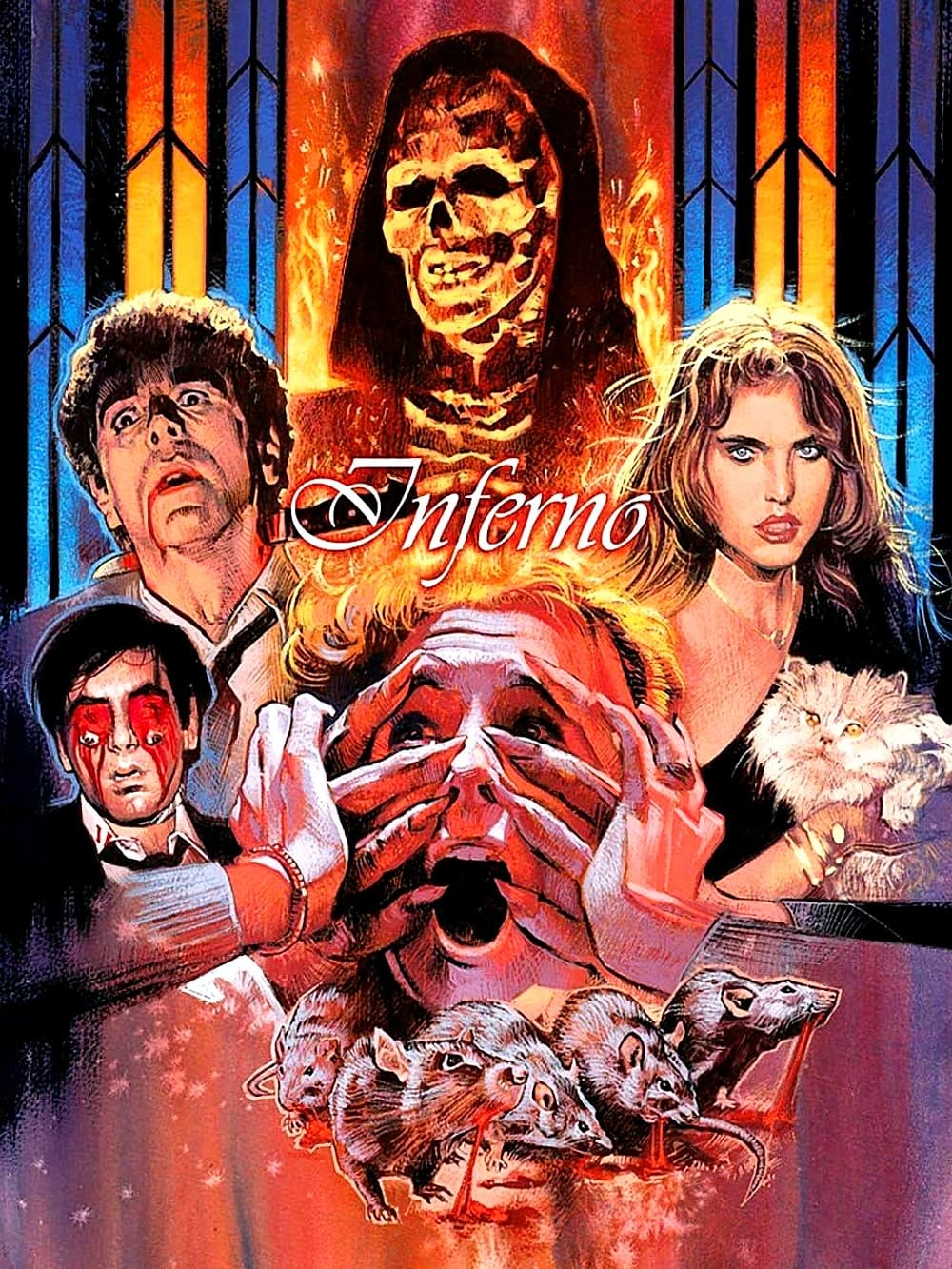
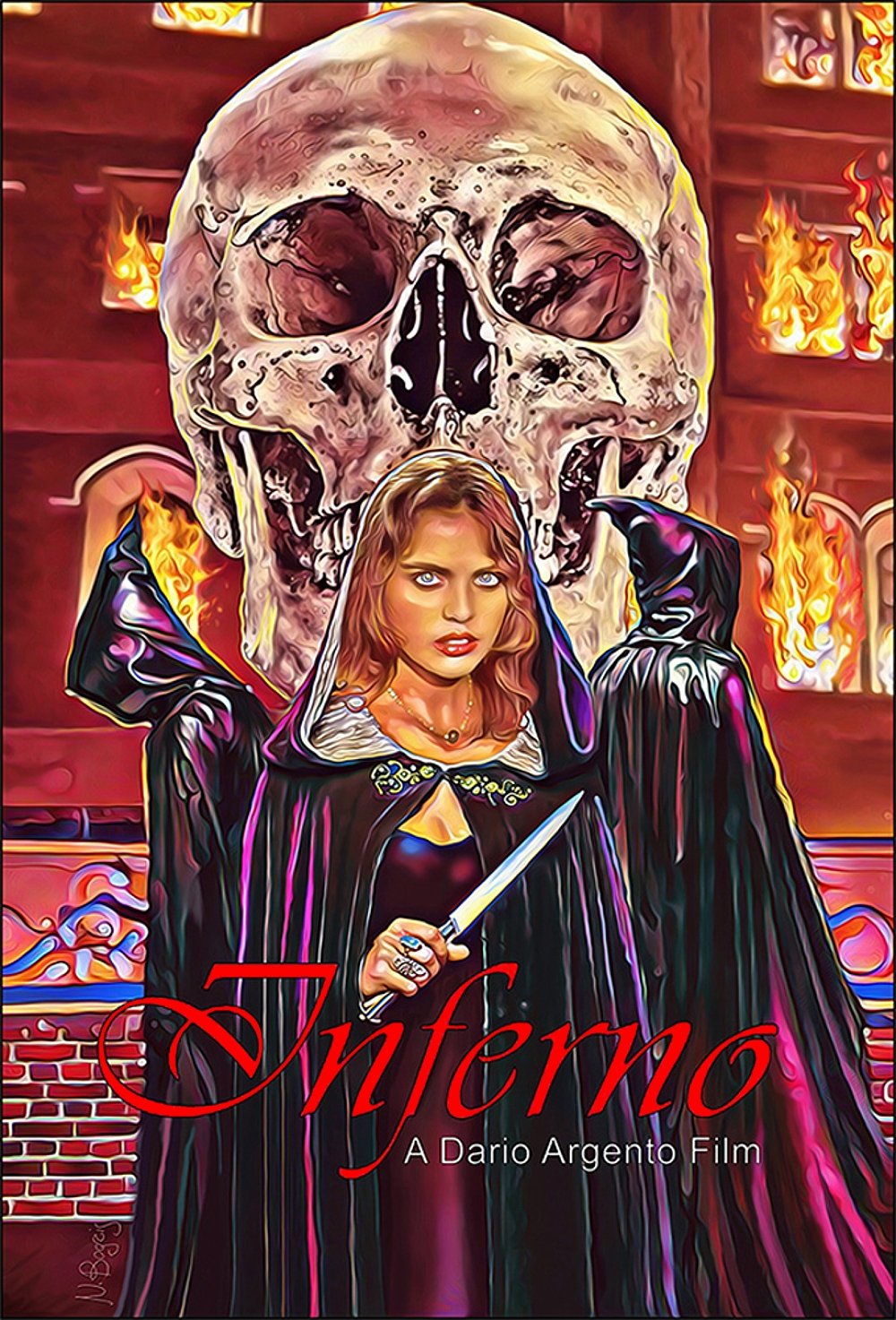
The Three Mothers and the Occult Story
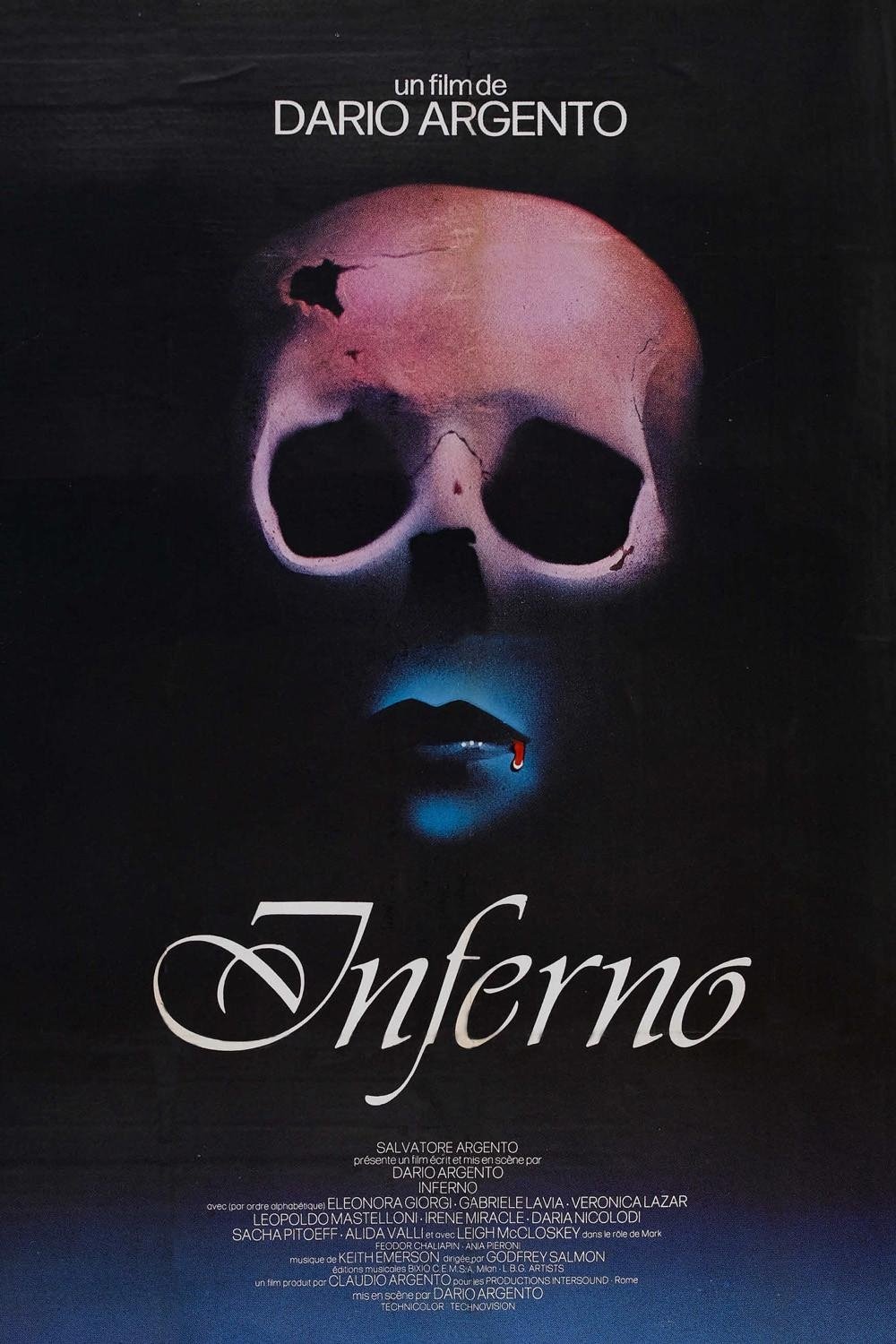
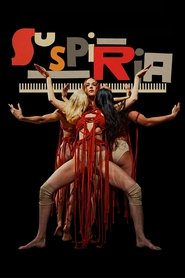
The Three Mothers derive from Thomas De Quincey's prose work Suspiria de Profundis, particularly the passage on the Ladies of Sorrow. Argento reimagined those personifications as supernatural powers with separate residences: Mater Suspiriorum in Freiburg, Mater Lacrimarum in Rome and Mater Tenebrarum in New York. The first had already governed Suspiria (1977). In Inferno, the mythology comes through a book attributed to Emilio Varelli, an architect and alchemist who built houses capable of storing the Mothers' secrets. Rose purchases this account from the antiquarian Kazanian and begins testing its indications against features of her own building.
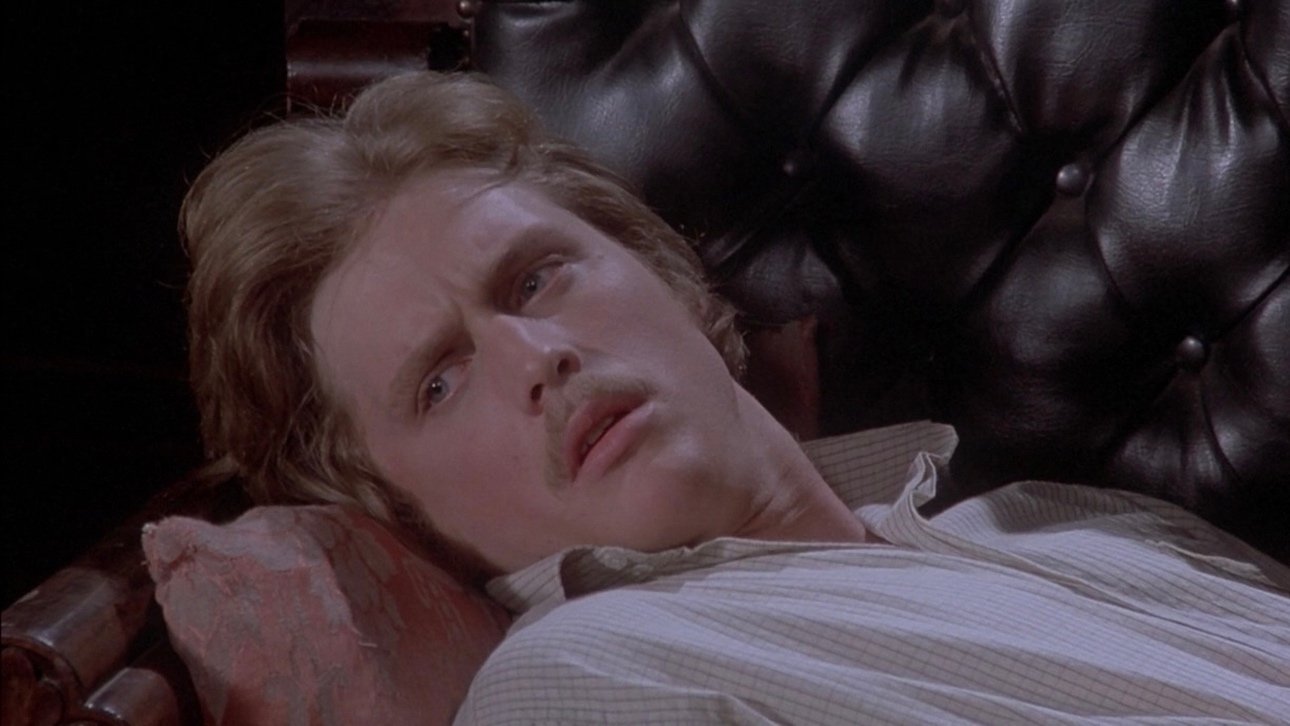
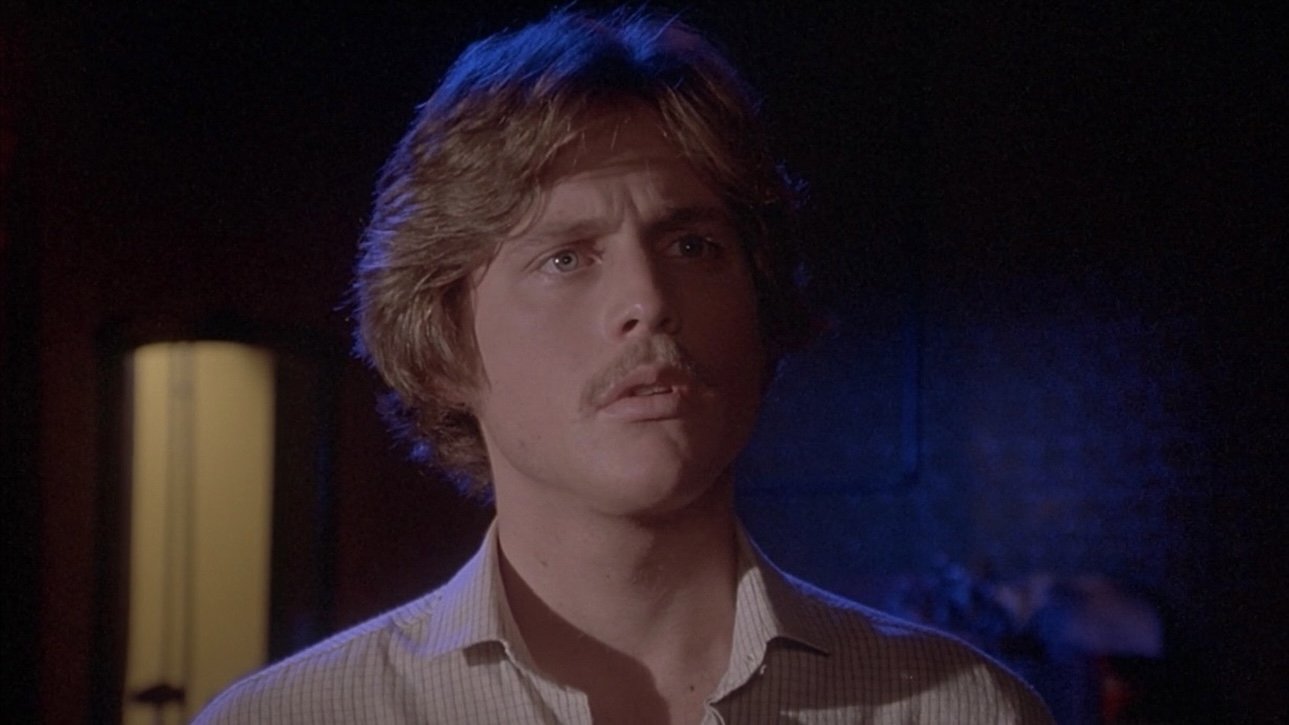
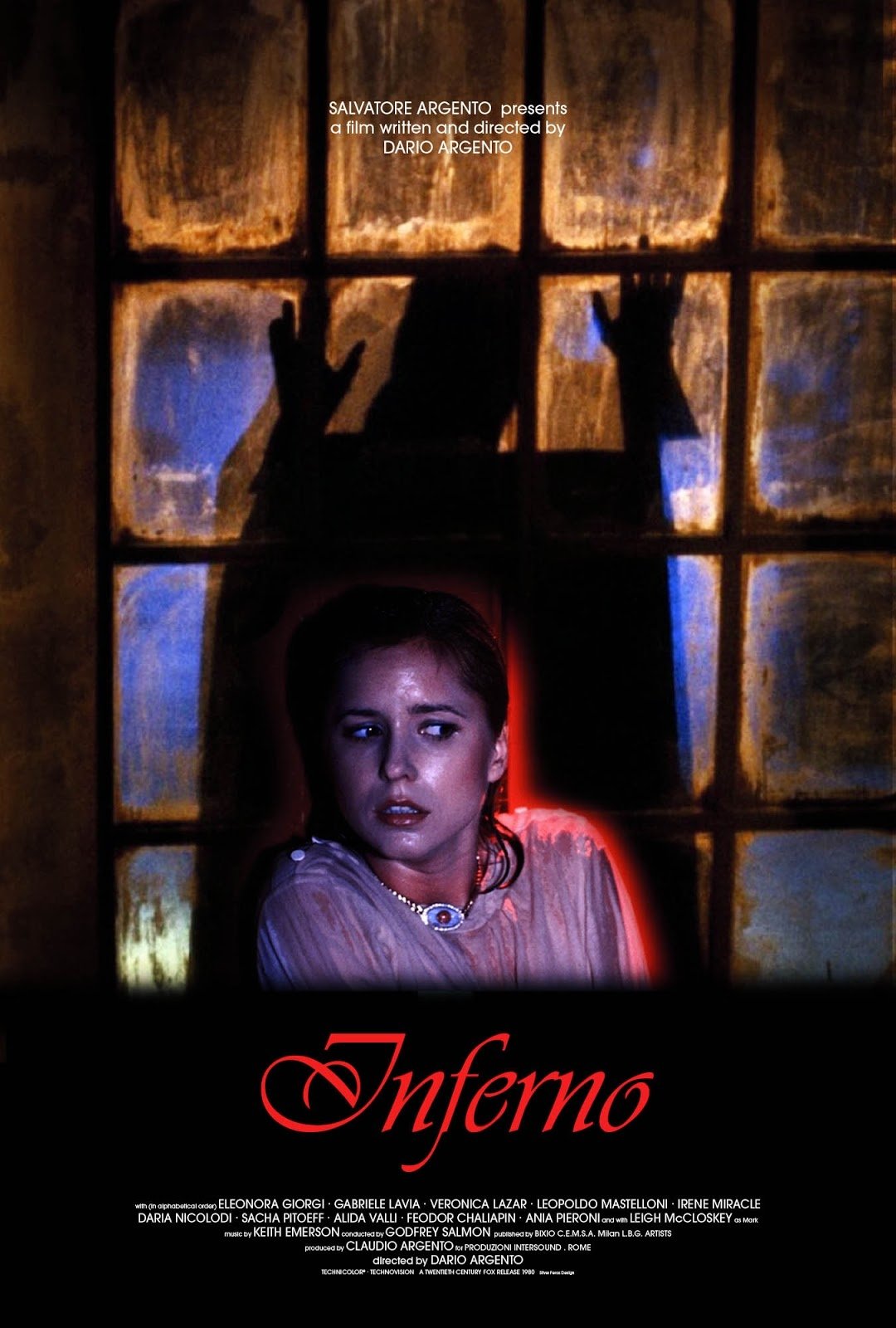
Rose writes to her brother Mark, a music student in Rome, after finding evidence that the apparently ordinary property contains dangerous hidden spaces. Her warning draws other people into the mystery before Mark reaches New York. Sara, who finds the letter while attending his music class, visits a Roman library in search of Varelli's book and enters an unexpected network of secret rooms. The narrative gives knowledge a physical cost: reading, looking and descending repeatedly expose the characters to attack. Investigators are removed as the threat becomes clearer, preventing any one person from assembling an uninterrupted explanation.
Daria Nicolodi's contribution to the original story has been acknowledged in retrospective accounts, while the credited screenplay belongs to Argento. Their work expanded the mythology introduced in Suspiria without presenting a conventional sequel driven by a returning protagonist. The film's principal bond is between a sister and brother separated by geography. Her letter functions as an imperfect bridge between the two locations, while objects and inscriptions acquire meanings that the characters cannot fully verify. Argento later described his interest in mysteries that remain unresolved and in asking viewers to think through the film's riddles for themselves.
Investigation, Violence and Horror Logic
The murder structure recalls Argento's gialli, with clues discovered in books, offices and private rooms, but the source of danger is supernatural from the outset. Rose's descent beneath the building exposes an environment that cannot be mapped using the visible corridors above it. Sara's pursuit of the manuscript leads to another apparently rational institution, the library, which conceals its own threatening depth. Both women act on information before anyone else recognizes the risk. Mark ultimately follows traces of their inquiries and arrives after major pieces of the investigation have been destroyed.
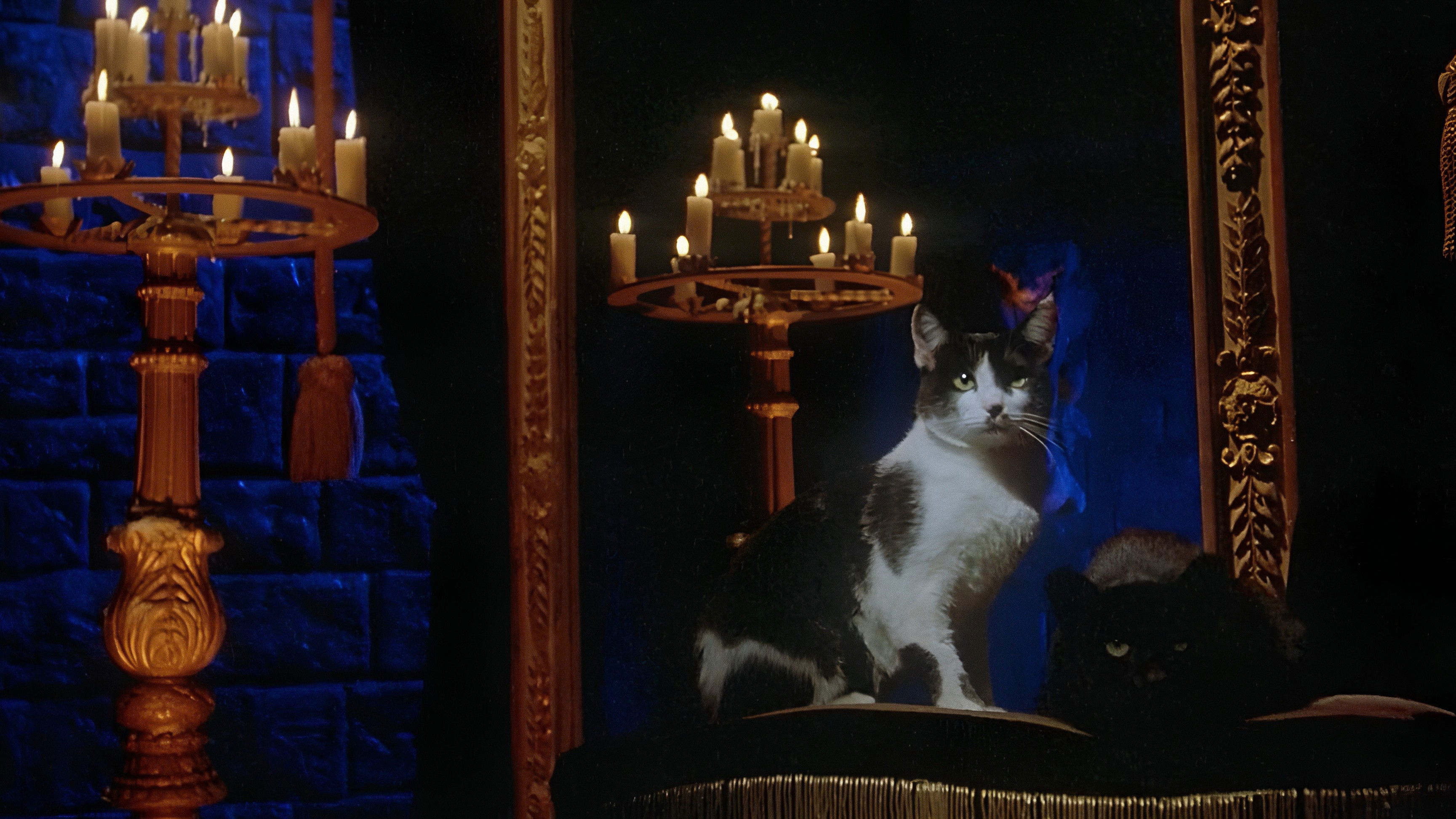
Deaths emerge from spaces that appear temporarily manageable. Sara escapes one danger only to encounter another in a familiar apartment; the disabled bookseller Kazanian is attacked beside the water after trying to rid himself of cats. Animals, servants and secondary occupants extend the sense that the Mothers' influence operates beyond a single visible attacker. Suspense grows out of these reversals of safety. Each new setting introduces a practical problem of movement or escape, and the resulting violence interrupts the search for a coherent chain of suspects.
The film occasionally abandons the investigator's viewpoint, letting the audience experience an isolated attack without an explanatory link to the previous scene. This is a formal choice that has divided critics, since finding a clue does not necessarily advance a clearly organized puzzle. Argento's later description of the film as a collection of riddles offers evidence of his intended effect, although it does not turn every discontinuity into an established symbol. Its horror is rooted in the uncertainty that a familiar building may conceal another spatial order, one whose occupants know far more than those who enter it.
Architecture, Colour and Cinematography
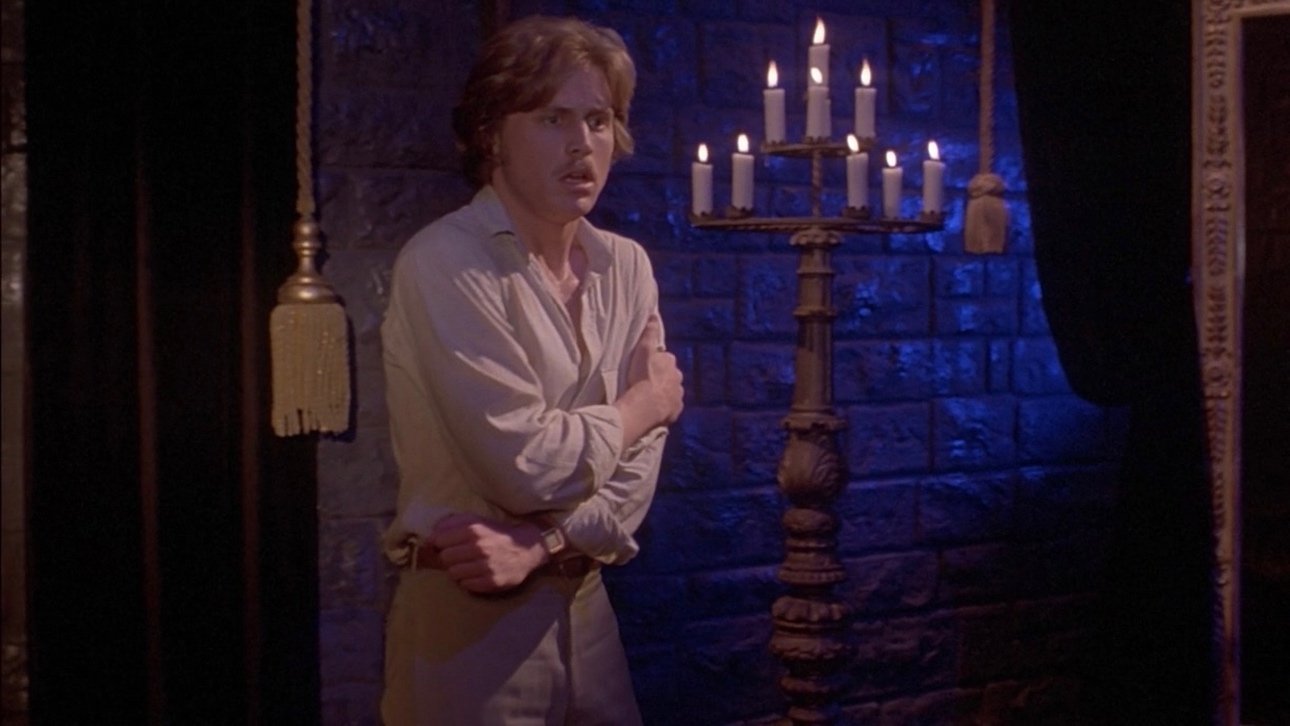
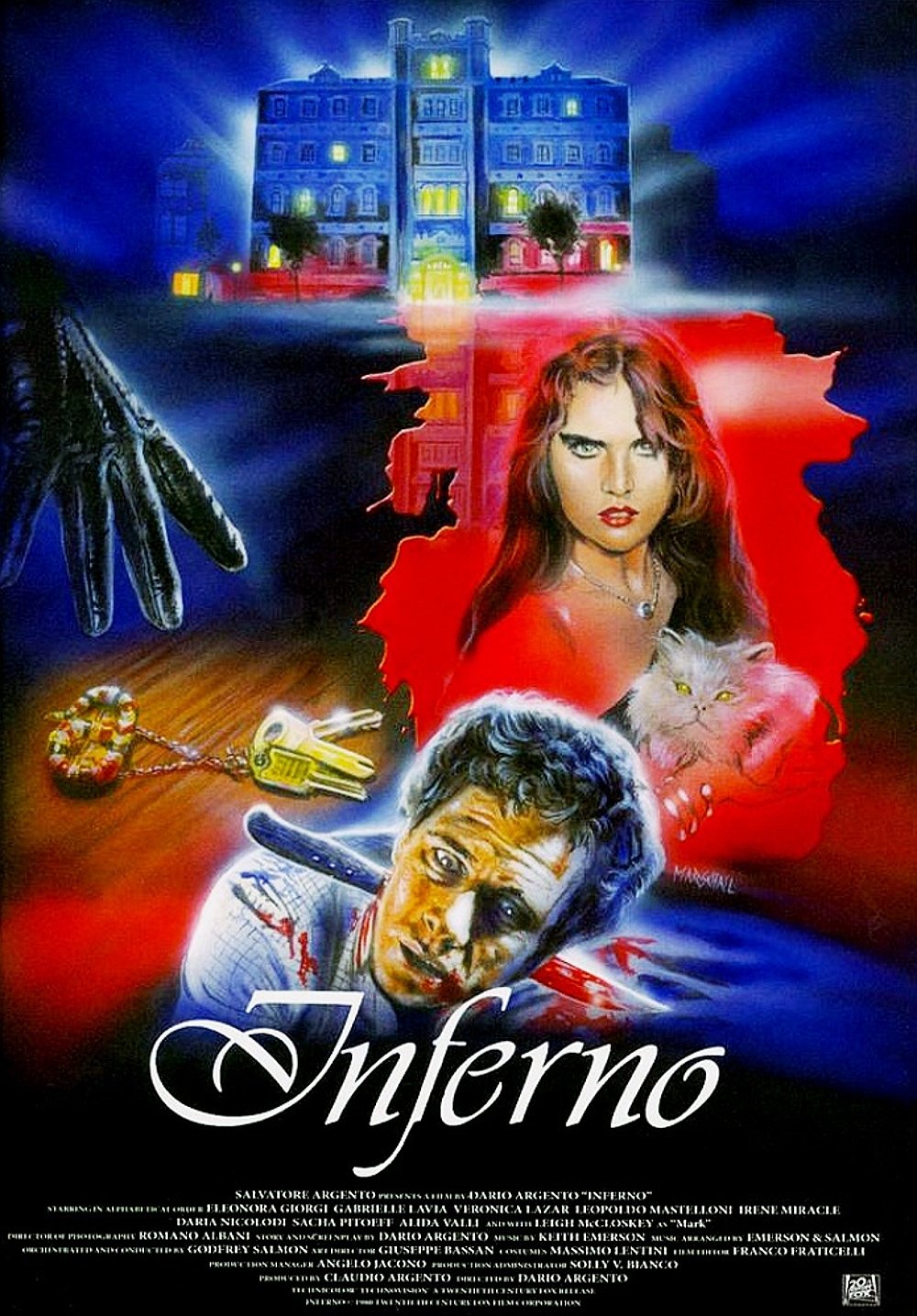
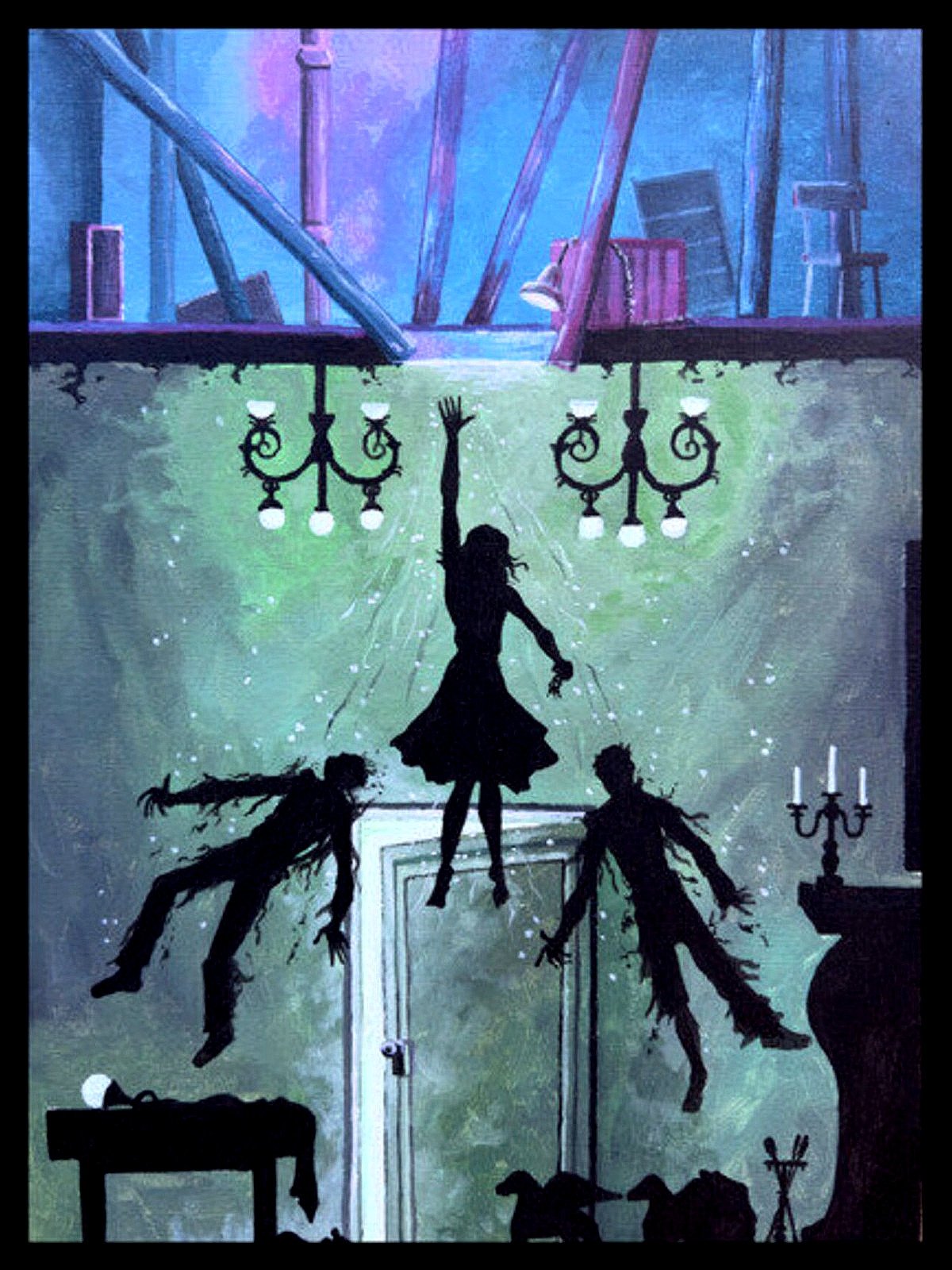
The New York residence is the story's dominant figure. From the street it resembles an imposing apartment building; inside, staircases, doors and concealed passages lead toward a submerged room that seems incompatible with the structure above it. Varelli's relationship to the property eventually makes the architecture's importance explicit. The builder has become inseparable from his creation, a transformation that allows the film to treat masonry and interior corridors as an extension of a supernatural body. The structure's apparent normality is sustained only while its occupants avoid looking beneath its surfaces.
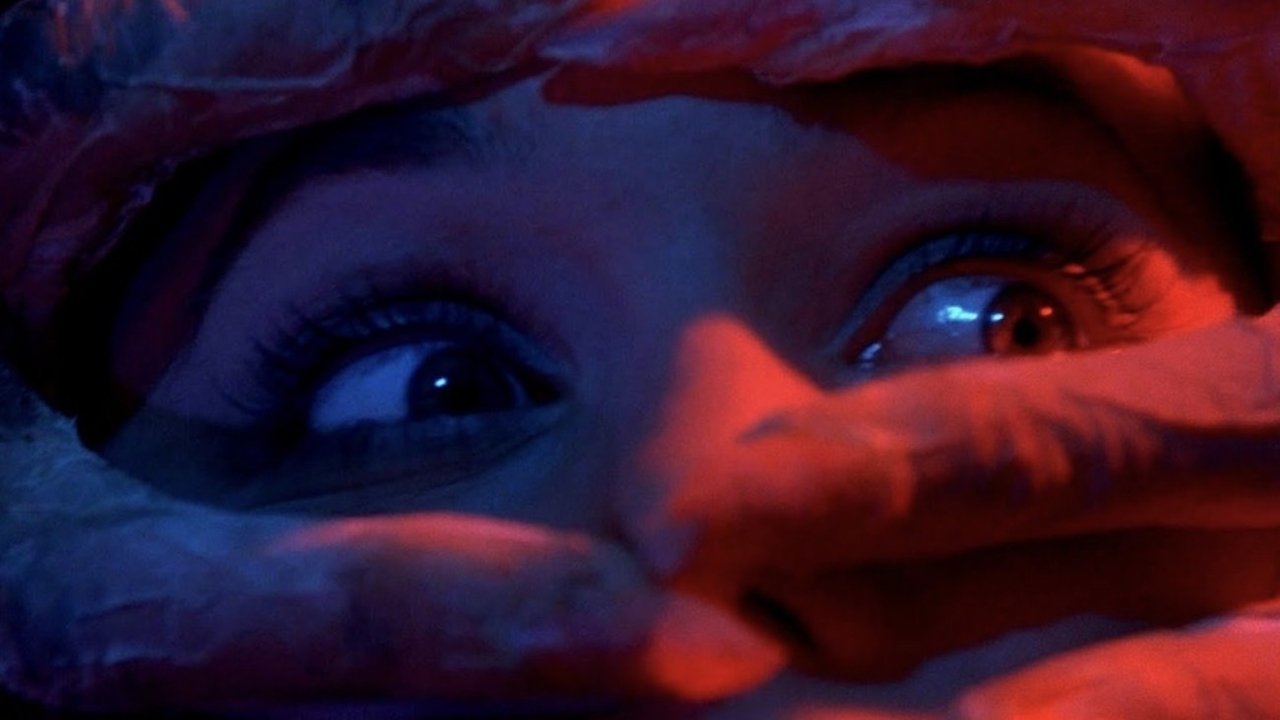
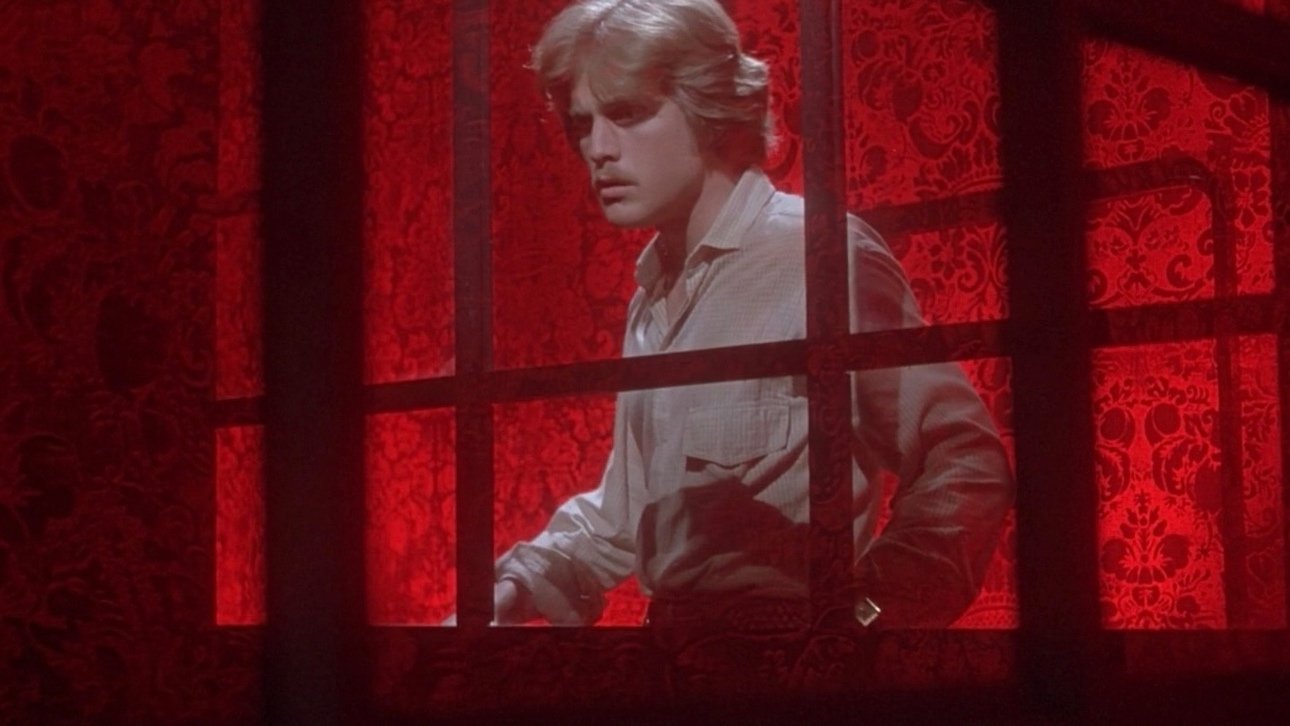
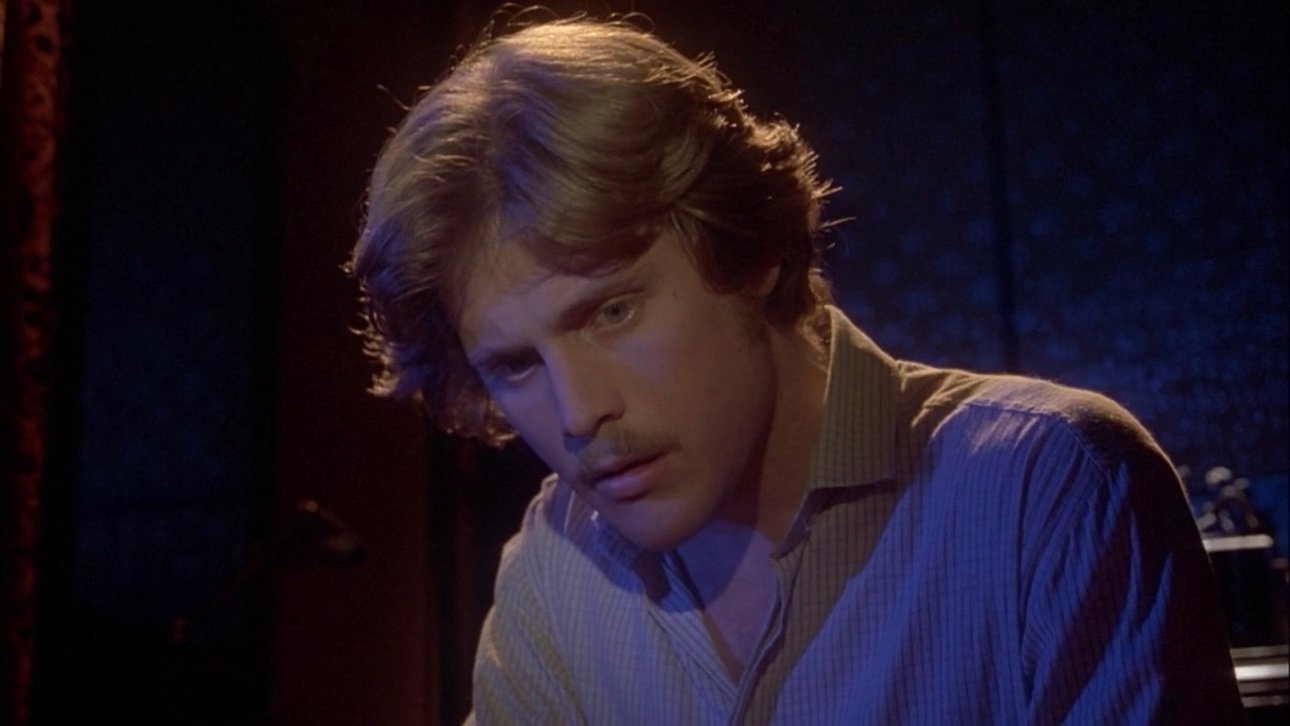
Romano Albani's cinematography uses concentrated reds, blues and pinks across bedrooms, corridors and subterranean chambers. The palette does not behave like a consistent account of light entering from lamps or windows. Instead, color helps distinguish ordinary movement from spaces already charged with occult danger. Reflections on wet surfaces and contrasting areas of shadow further destabilize the viewer's sense of depth. Architectural writer and critics have noted how the film's color schemes give the house an identity independent of its inhabitants, extending an approach Argento had explored in Suspiria.
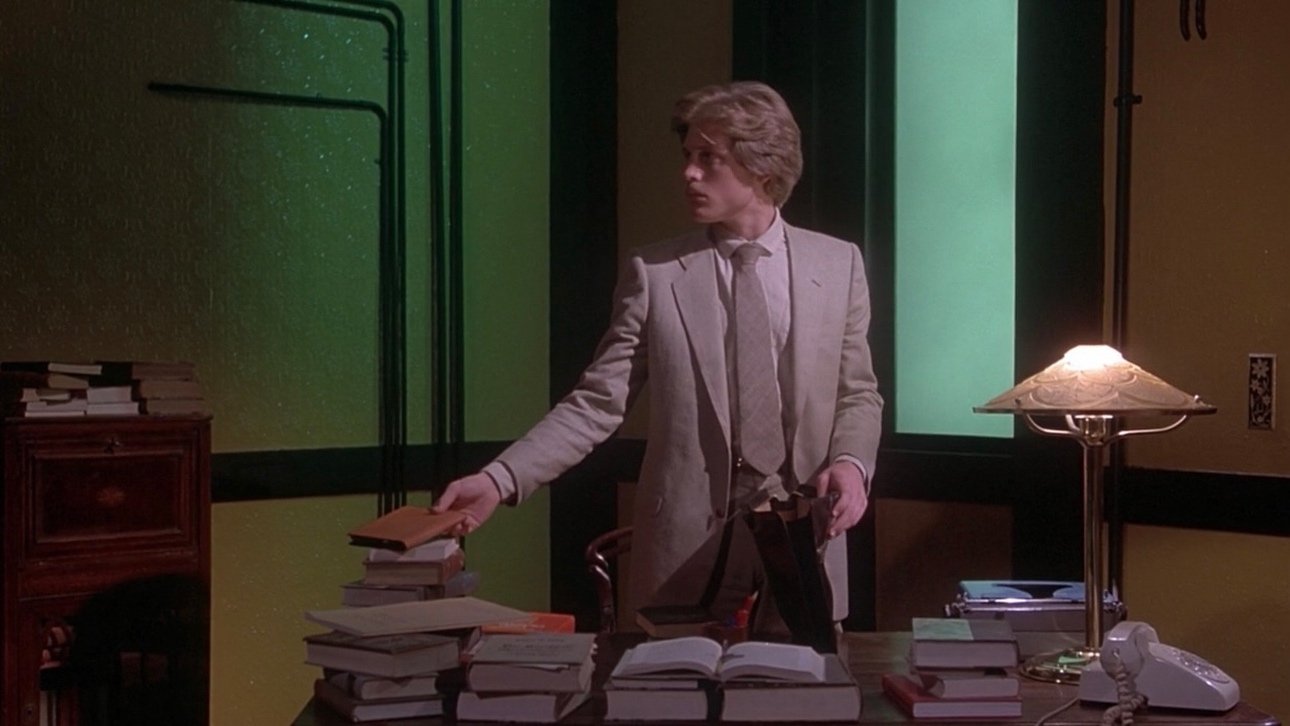
The Rome passages supply a second version of this geography. A library leads away from its public reading rooms into a hidden section, while a music classroom briefly places an enigmatic woman before Mark as a possible sign of the wider mythology. These places are not exact duplicates of the New York building, yet they share the same principle of an everyday institution withholding dangerous knowledge. Camera movement and architectural framing encourage the eye to search entrances, windows and passageways for information. The environments become active participants in the investigation long before the final revelation names the controlling force.
The Underwater Chamber and the Shoot
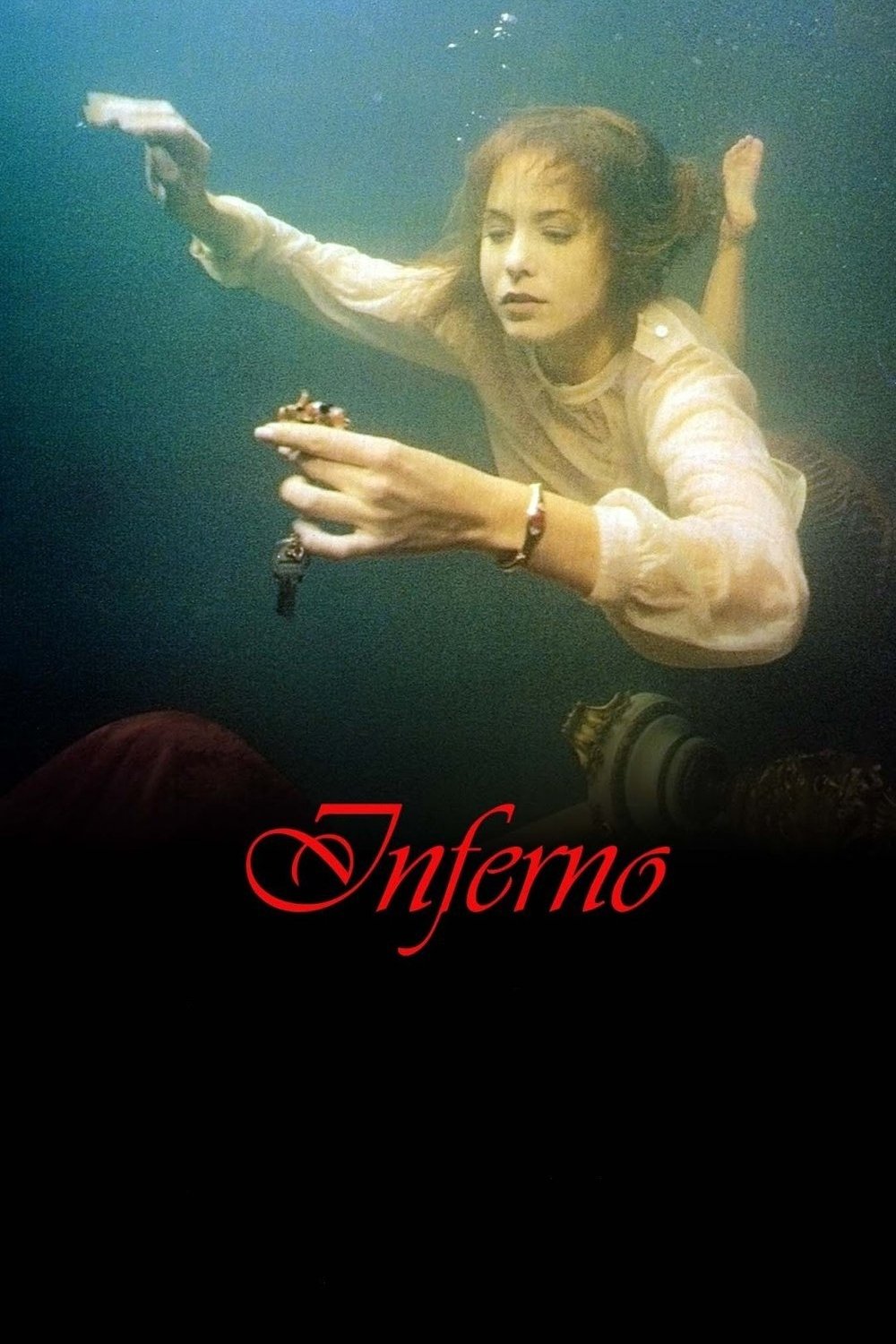
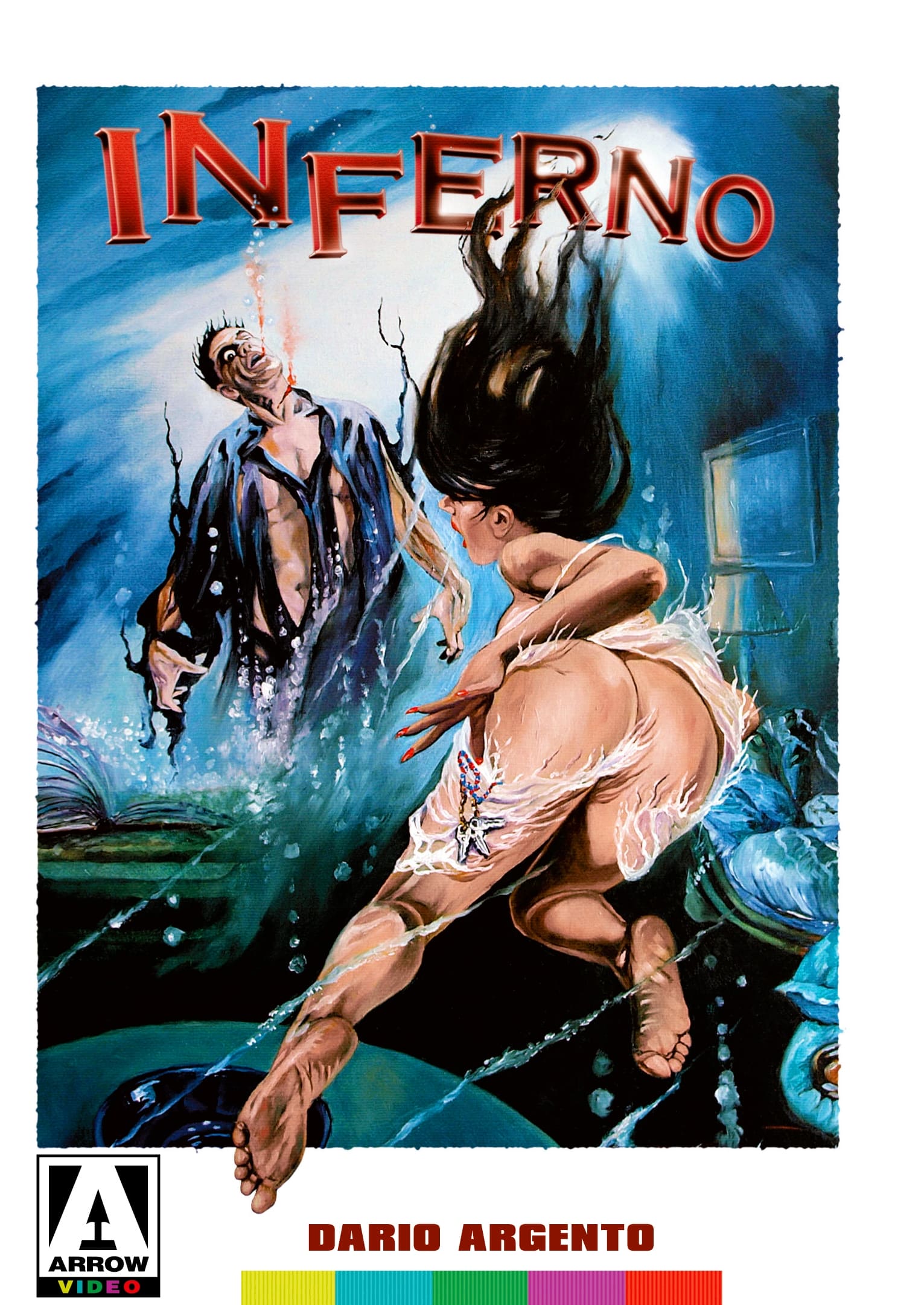
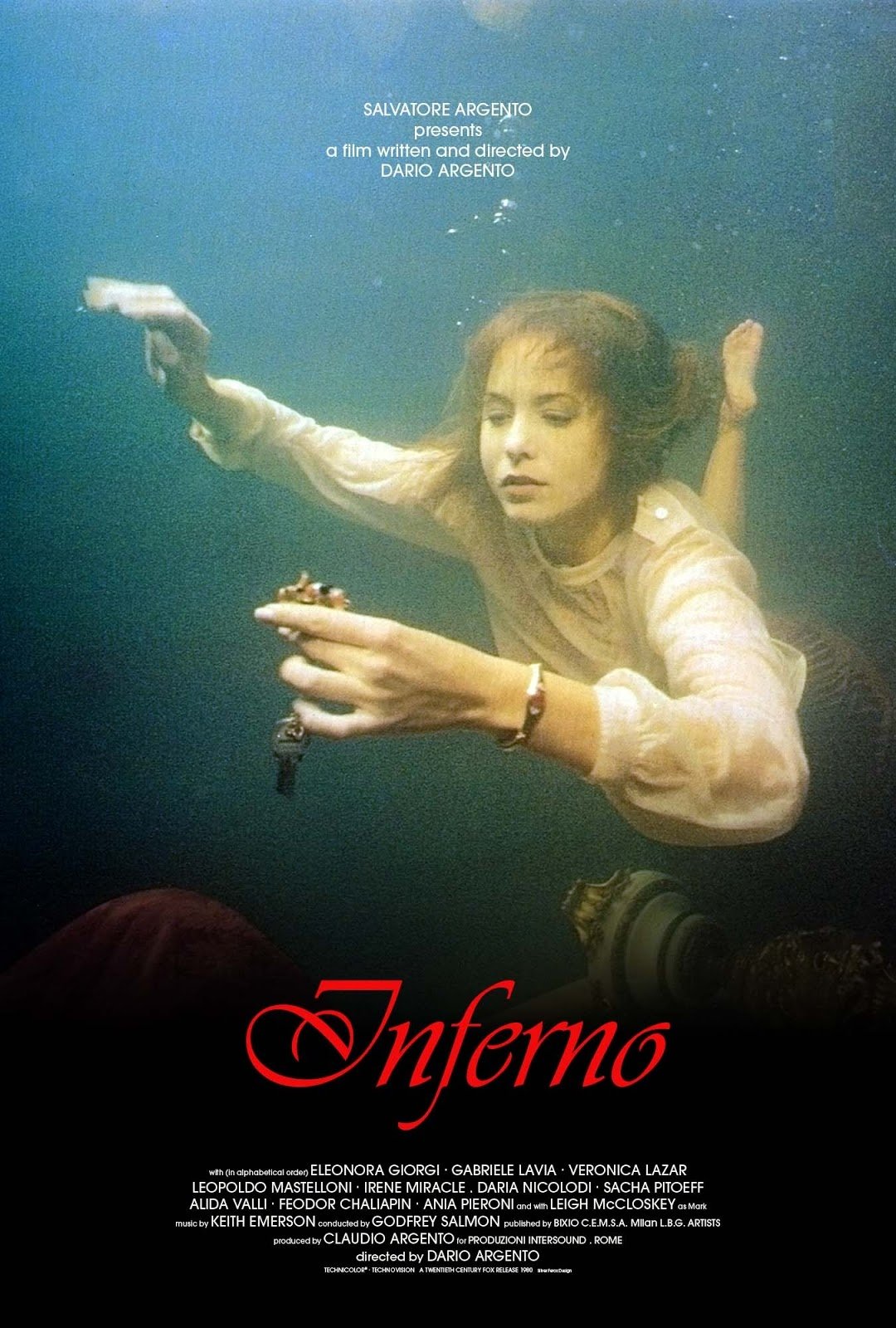
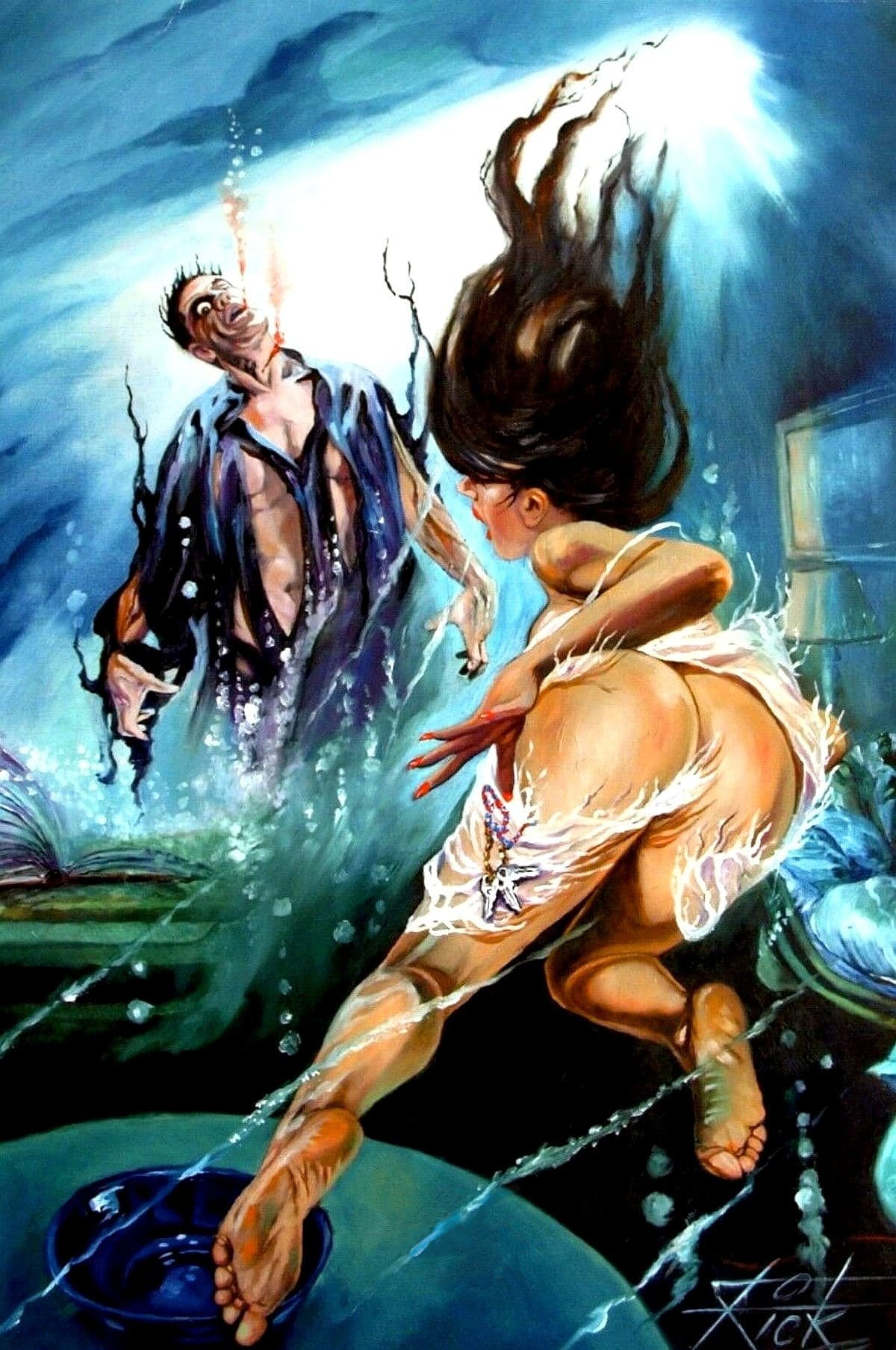
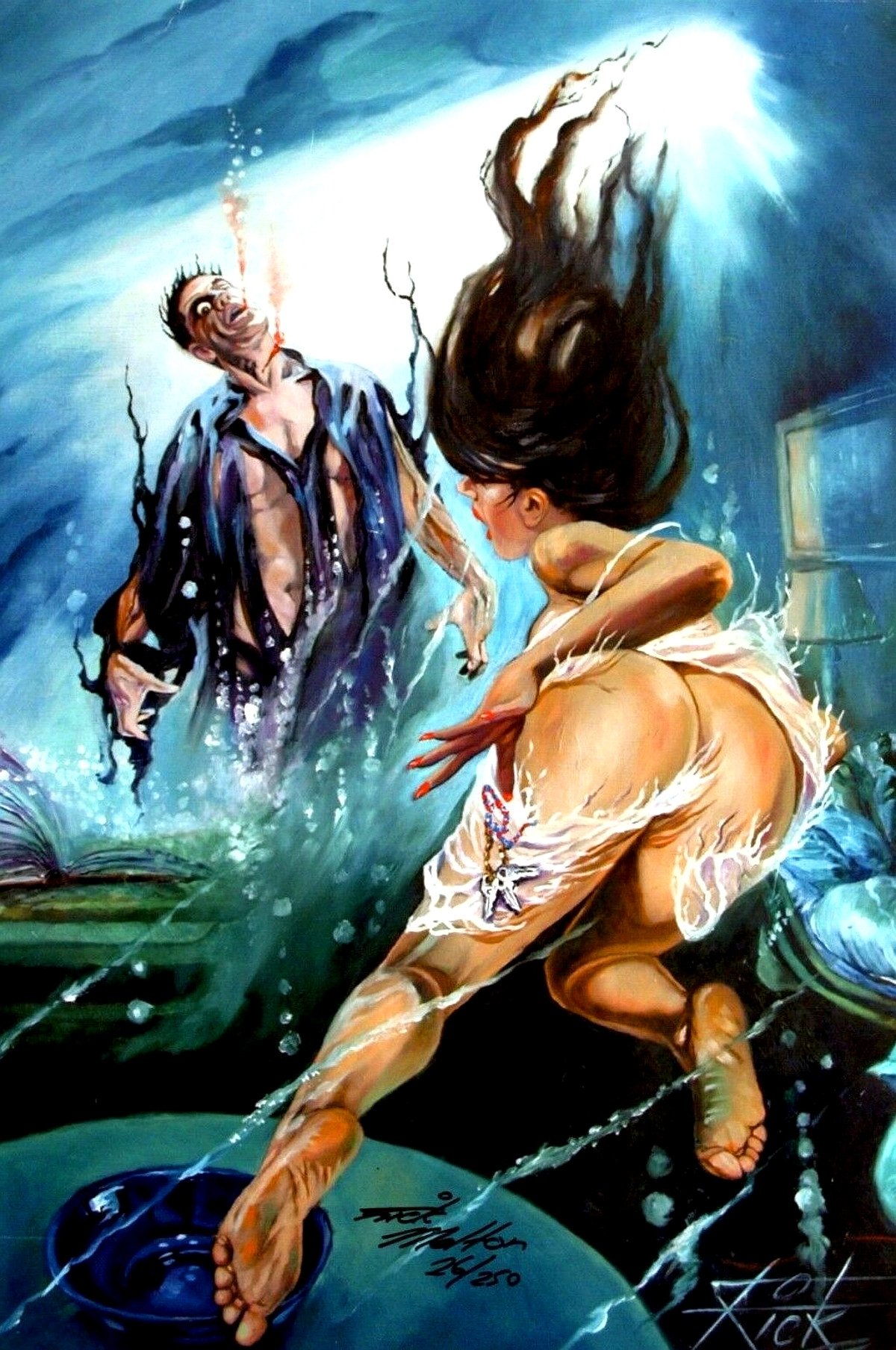
Inferno was filmed principally in Italian studios, with additional New York location material. The submerged ballroom required a constructed tank and a performer able to act underwater without relying on a succession of brief reaction shots. Argento recalled looking specifically for an actress who could swim and dive confidently, and he chose Irene Miracle after auditions in Los Angeles. In his account, her ease beneath the surface was essential to making the sequence possible. The scene presents the discovery of a drowned body within what initially seems to be an abandoned and strangely furnished room.
Tim Lucas, writing about Mario Bava's contribution to the production, credits Gianlorenzo Battaglia with the underwater photography, a separate achievement from Bava's optical effects. This distinction matters because the scene is sometimes folded into a general account of the older director's uncredited work. Its terror depends on practical staging in water, careful placement of furniture and the physical vulnerability of Rose as she dives deeper into an enclosed structure. Movement that might be straightforward on a dry set becomes slow and precarious, with the possibility of a threat approaching from outside the character's line of sight.
Argento's work on the film was also affected by illness. Later production accounts describe an episode of hepatitis severe enough to interrupt his participation in portions of the shoot. The difficulties should not be used to assign every disputed scene to another filmmaker. The surviving evidence identifies particular assistance from Bava, as well as the sustained work of cinematographer Albani and the larger effects team. Seen together, the underwater construction, New York exteriors and studio interiors demonstrate a production built around the challenge of making a fictional occult building physically convincing.
Mario Bava, Optical Effects and Fire
Mario Bava provided important uncredited work involving matte paintings, miniatures and other optical constructions. In a detailed clarification of his role, historian Tim Lucas identifies the moon as a painted effect and explains that the apparent height of Rose's apartment house was created through a partial studio facade and a miniature extension. Tabletop skyscrapers made from photographed surfaces mounted on everyday containers extended views of the city, including material photographed in Central Park. Those artifices give the residence the scale required by the mythology without the expense of constructing or finding a complete exterior.
Bava also performed limited second-unit work while Argento was ill, according to Lucas, including small inserts such as a movement toward a dangerous air vent. The climactic destruction of the building used a burning model, permitting the film to conclude with a spectacle that would have been impractical to stage at full scale. These effects were created for specific photographic problems. Their purpose was to make an otherwise impossible house coexist with recognizable streets and interiors, and to connect the release of supernatural power to the destruction of a tangible architectural object.
Keith Emerson, Music and Sound
Keith Emerson's score took the film into a different musical territory from the Goblin soundtrack of Suspiria. In a lengthy interview with Anil Prasad, Emerson recalled being summoned from the Bahamas to meet Argento in Italy and being shown earlier horror films before accepting the assignment. He described working with an orchestra under conductor Godfrey Salmon and recording to projected images, adjusting tempo so musical events coincided with actions on screen. The account documents a conventional synchronization process undertaken by a performer associated with progressive rock and elaborate keyboard arrangements.
The resulting music ranges from piano passages and aggressive electronic textures to large choral writing. Its solemn and theatrical elements supply a distinctive accompaniment to a story built around ritual and architecture. In a 2015 Innerviews interview, Emerson remembered Argento asking for Verdi's Requiem and said he had responded with a version in 5/4. However, in an earlier 2013 conversation with Hit Channel, he identified the adapted passage in Taxi Ride as Va, pensiero from Verdi's Nabucco, also recast in 5/4. The latter account identifies the music heard during the Roman taxi passage and is consistent with the soundtrack. These conflicting recollections should be distinguished instead of treating the Requiem as the verified source of the taxi cue. The score also contains the prominently titled Mater Tenebrarum, linking the musical identity of the climax to the mythology.
Music is part of the film's investigation, since Mark's studies take him to a Roman classroom where a mysterious appearance briefly diverts his attention from Rose's letter. Elsewhere the score accompanies prolonged searches through enclosed spaces, making changes in rhythm and instrumental color part of the experience of uncertainty. Sound effects from water, animals and moving objects acquire force when the visual field remains restricted. Emerson's compositions enlarge the scale of the menace, even during scenes involving only one character and a few rooms.
Release, British Versions and Influence
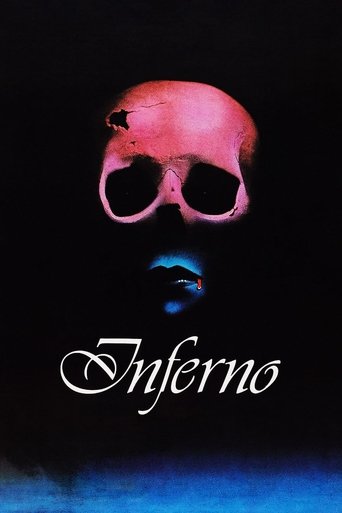
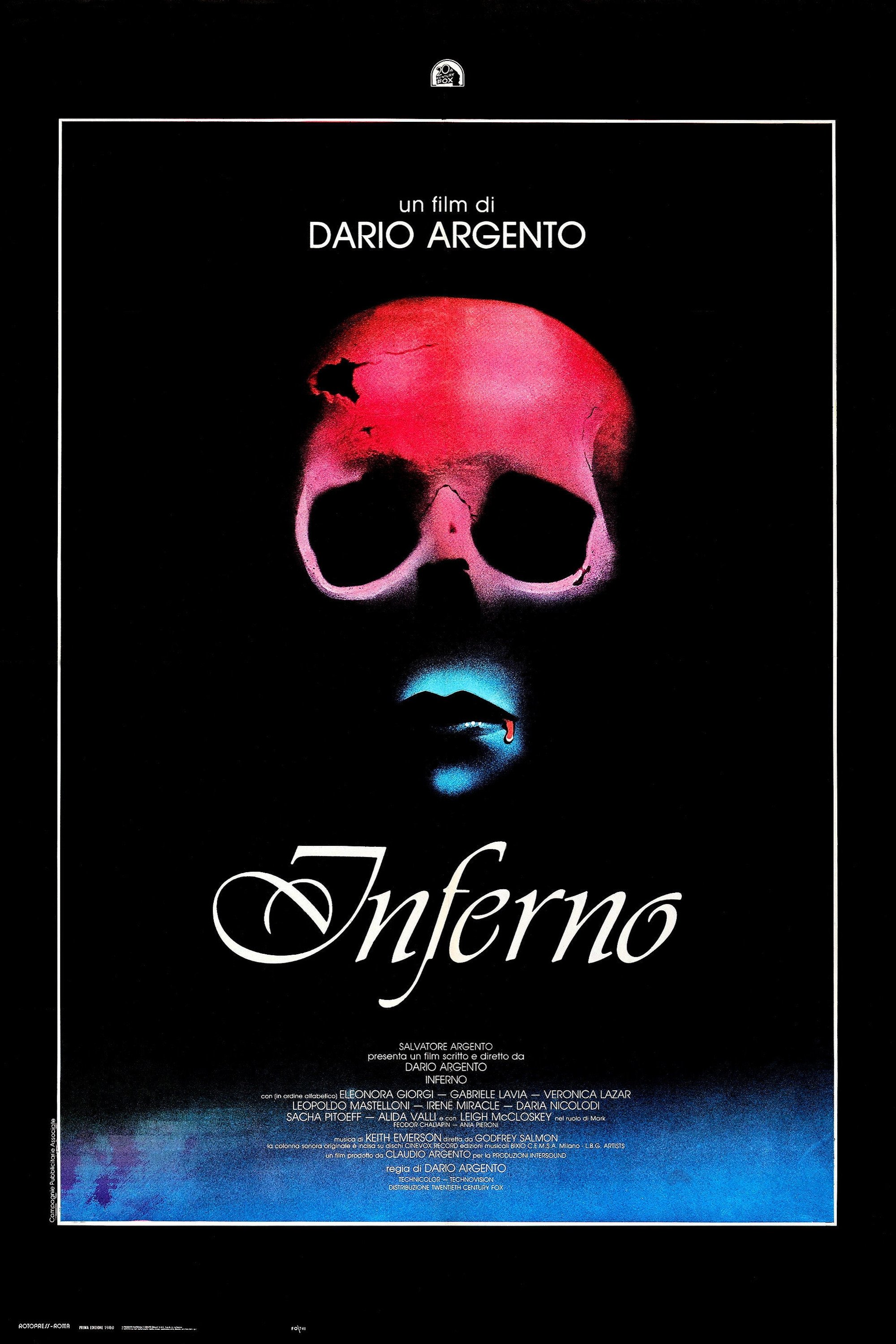
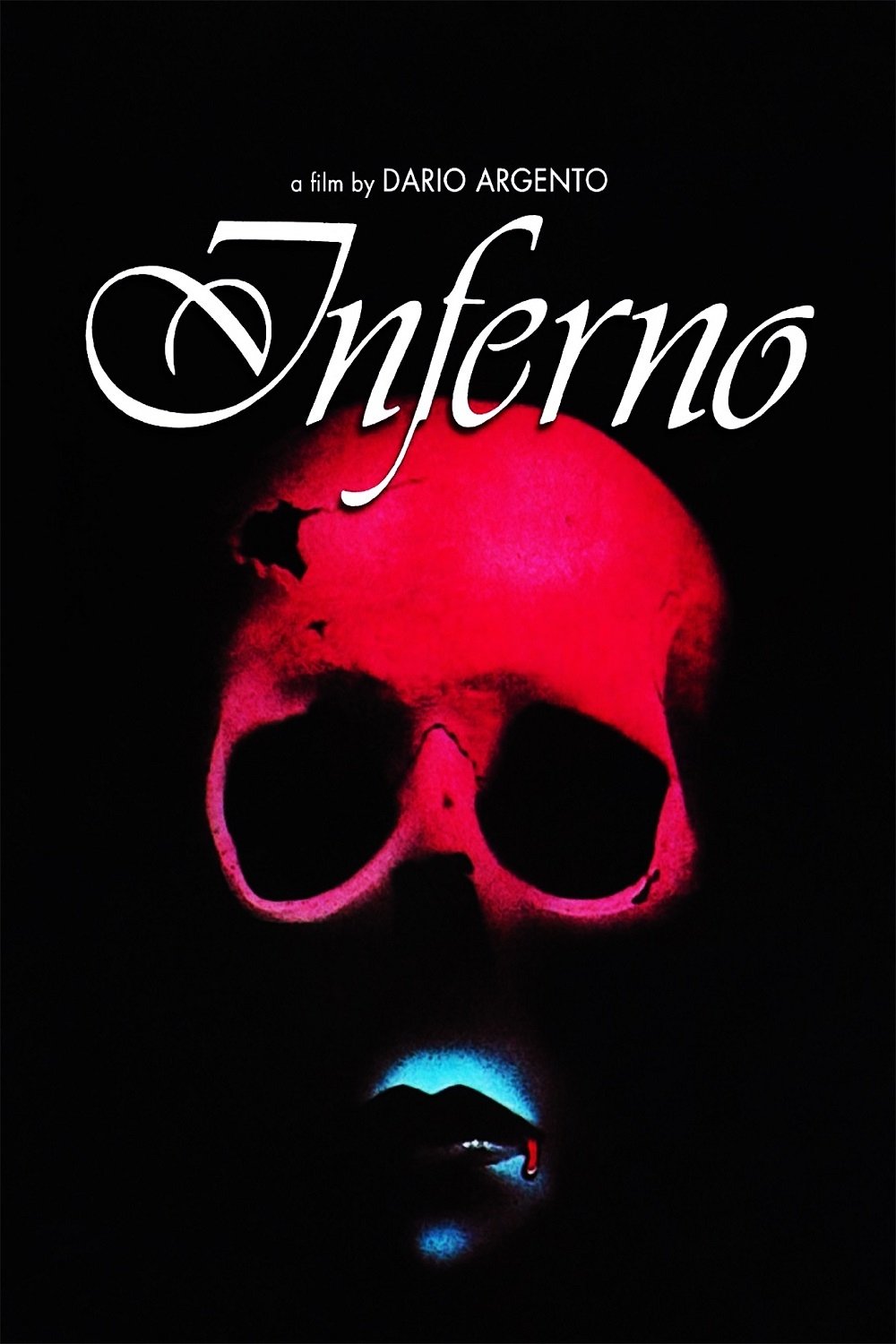
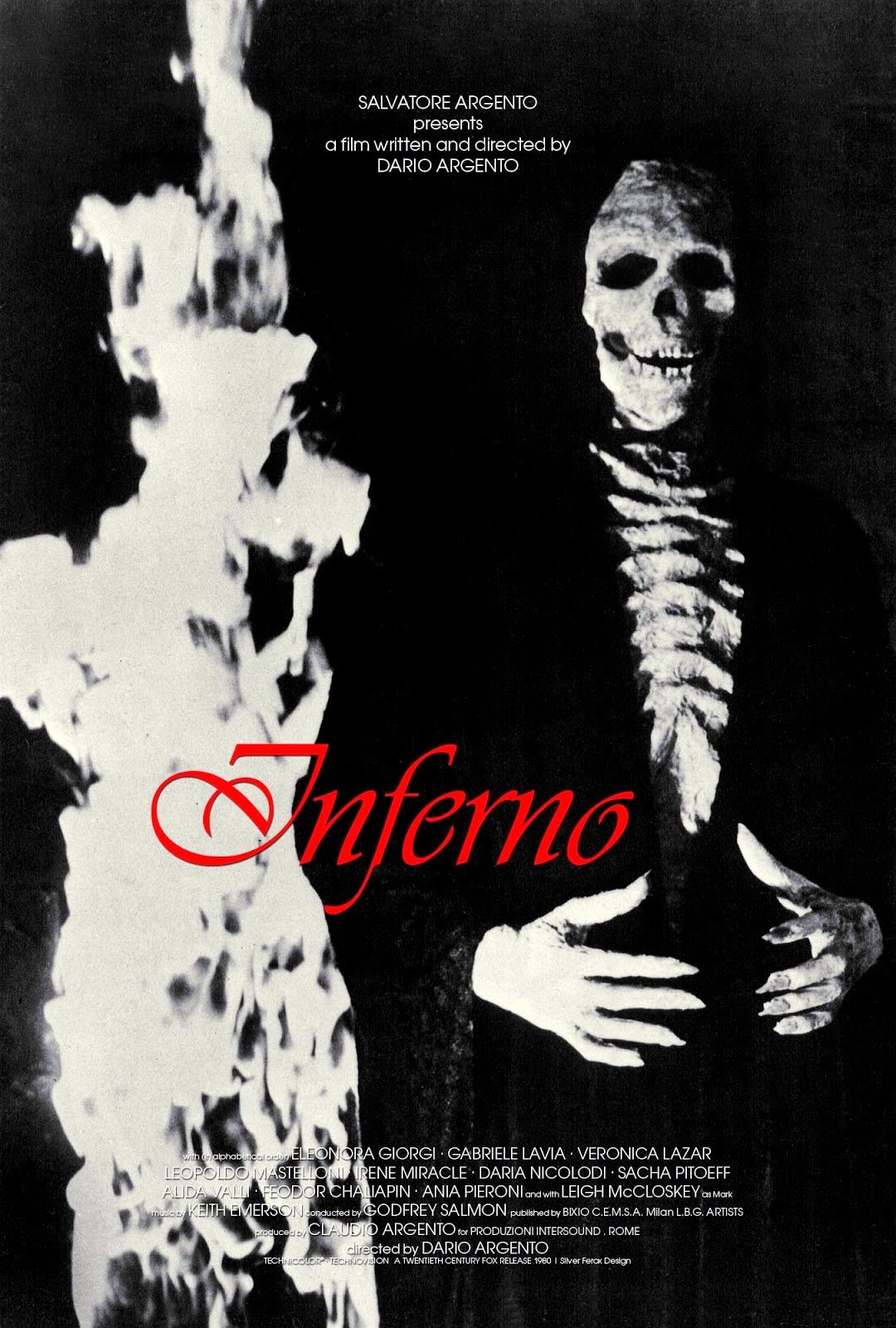
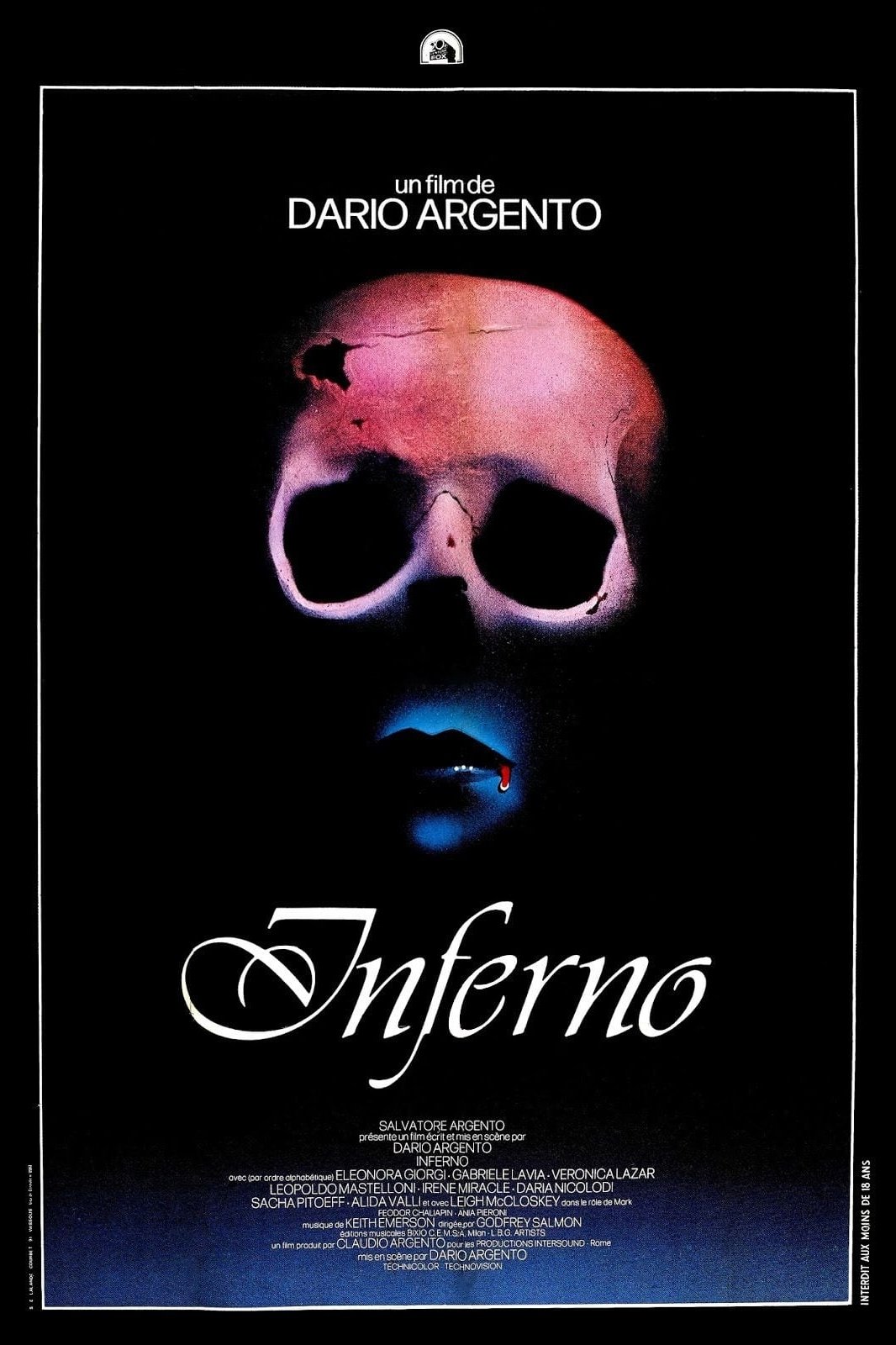
Inferno opened in Italy in February 1980 through 20th Century Fox. International circulation was uneven, and Argento later recalled frustration with the American studio's handling of the picture. A date attached to one territory or a classification record cannot, by itself, demonstrate a wide commercial opening elsewhere. The film's reputation consequently developed through an assortment of theatrical engagements and later home-video editions. Critics have differed over the relationship between its deliberate mystery and its attention to elaborate death sequences, with some emphasizing narrative gaps and others defending its extraordinary visual construction.
The British Board of Film Classification records a cinema submission classified on 20 March 1980 with cuts. Subsequent physical-media submissions in 1987 and 1993 also received cuts or alterations, while the Arrow submission classified on 8 June 2010 has no cuts indicated in the public record. Those decisions apply to specific versions and should not be compressed into a single claim that Inferno was permanently banned. Inferno also appeared on the DPP video-nasty list and was later removed without a successful obscenity prosecution. That police-list history is separate from the BBFC's cuts to particular cinema and home-video submissions. Differences in running time may also reflect transfer speeds and cannot independently quantify removed footage.
Later reassessment has emphasized the film's visual ambition and its place within the Three Mothers cycle, completed decades afterward by The Mother of Tears (2007). Its influence is unusually tangible in a direct statement by John Carpenter, who identified Inferno's narrative freedom as an inspiration when developing Prince of Darkness (1987). That documented connection is stronger than broad claims that every subsequent occult thriller imitates Argento. Inferno's historical position rests on its distinctive joining of Italian Gothic architecture, optical craftsmanship, music and the unstable logic of supernatural investigation.