Development and the Adaptation of Daphne du Maurier
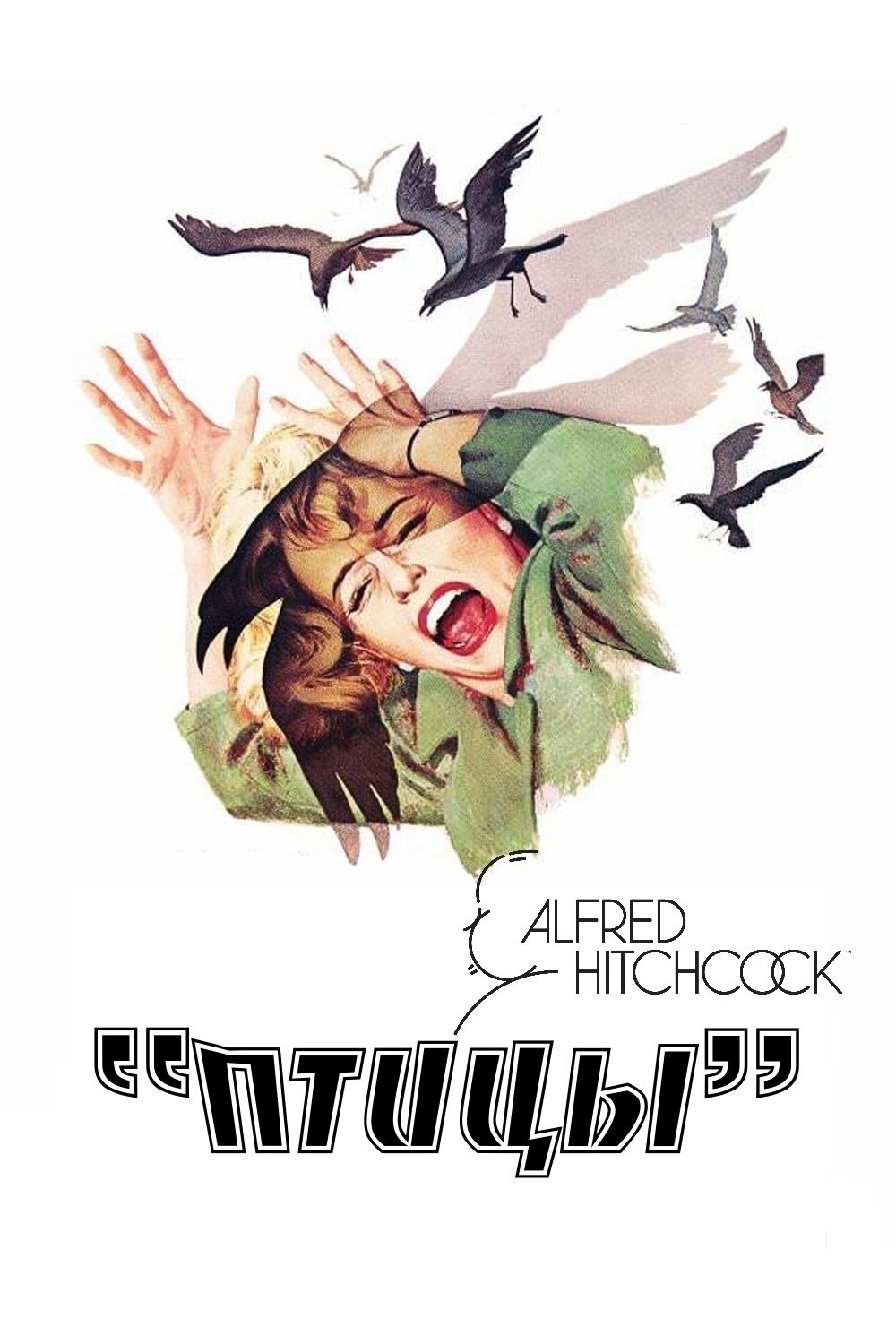
Hitchcock acquired the screen rights to Daphne du Maurier’s short story in 1961, following his earlier adaptations of her novels Jamaica Inn and Rebecca. Published in the 1952 collection The Apple Tree, the original story follows a farmworker and his family in Cornwall as birds begin attacking human beings. Its atmosphere of isolation and mounting destruction appealed to Hitchcock, but the director wanted a different dramatic foundation for the film. Screenwriter Evan Hunter was commissioned to build new characters and situations around the central premise. The setting moved from rural England to the California coast, while the original family’s struggle for survival gave way to a more elaborate network of personal relationships.
In a 1999 interview with Terry Gross, Hunter explained that the original story presented difficulties for a feature screenplay because its principal characters spent considerable time confined indoors. Hitchcock preferred more socially sophisticated characters whose conversations could establish an engaging situation before the attacks began. Hunter experimented with different approaches before developing the relationship between Melanie Daniels and Mitch Brenner. He initially imagined their exchanges in the tradition of screwball comedy, allowing romantic attraction and mutual irritation to occupy the opening scenes. Hitchcock’s intention was to introduce recognizable people gradually, making the supernatural crisis more disturbing when it interrupted their ordinary concerns.
The adaptation retained the idea of birds attacking collectively, together with certain domestic encounters, but changed the narrative’s social environment and character relationships. Hunter recalled discussions about whether the birds’ behaviour required a scientific explanation. A sequence suggesting some form of collective intelligence was written and filmed but removed from the completed picture. The filmmakers deliberately avoided a conventional explanation involving disease or extraterrestrial intervention. Hitchcock later explained that he wanted the personal drama to remain integrated with the catastrophe. The film’s unresolved cause therefore emerged through screenplay development and editing, rather than through the absence of any consideration of why the attacks occurred.
Casting, Bodega Bay, and the Production
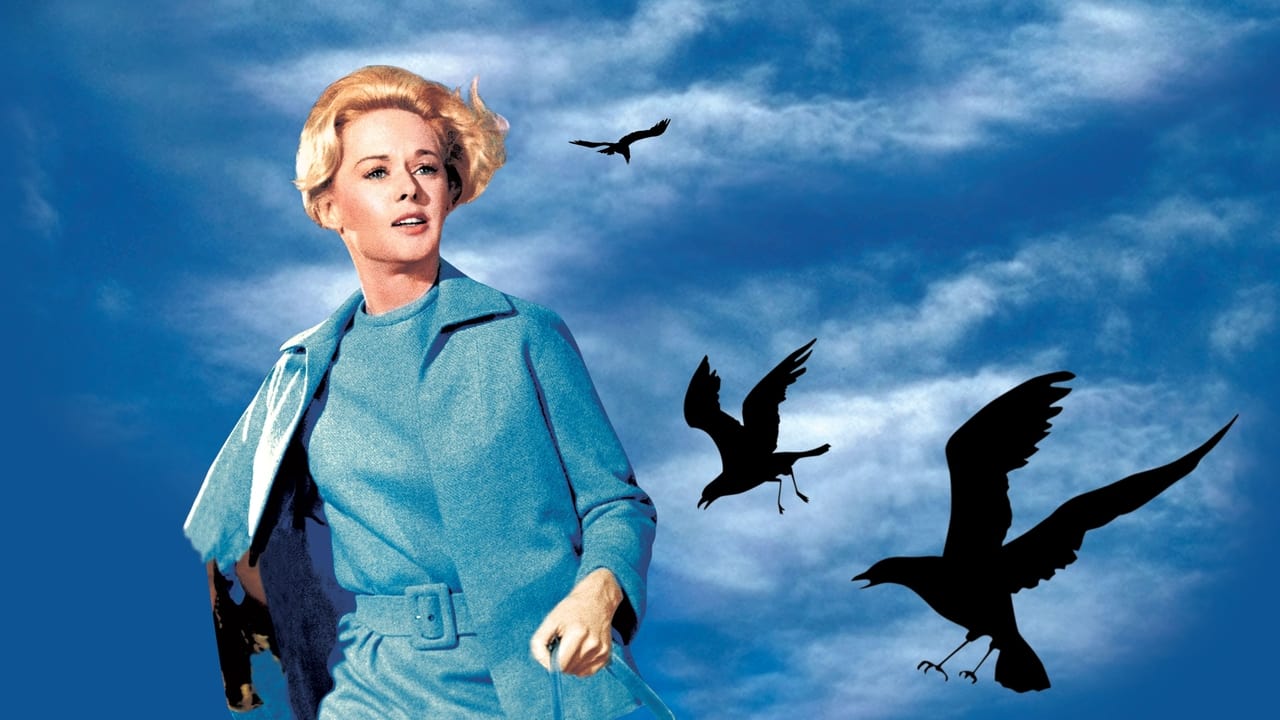
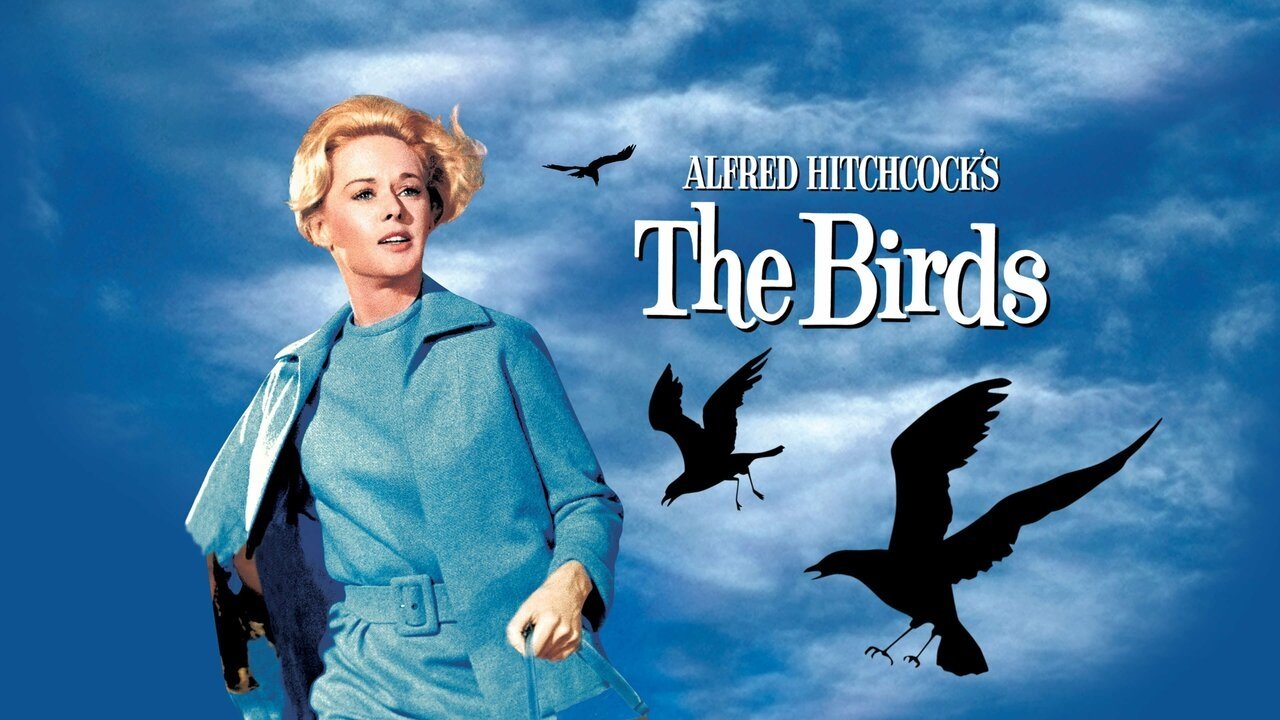
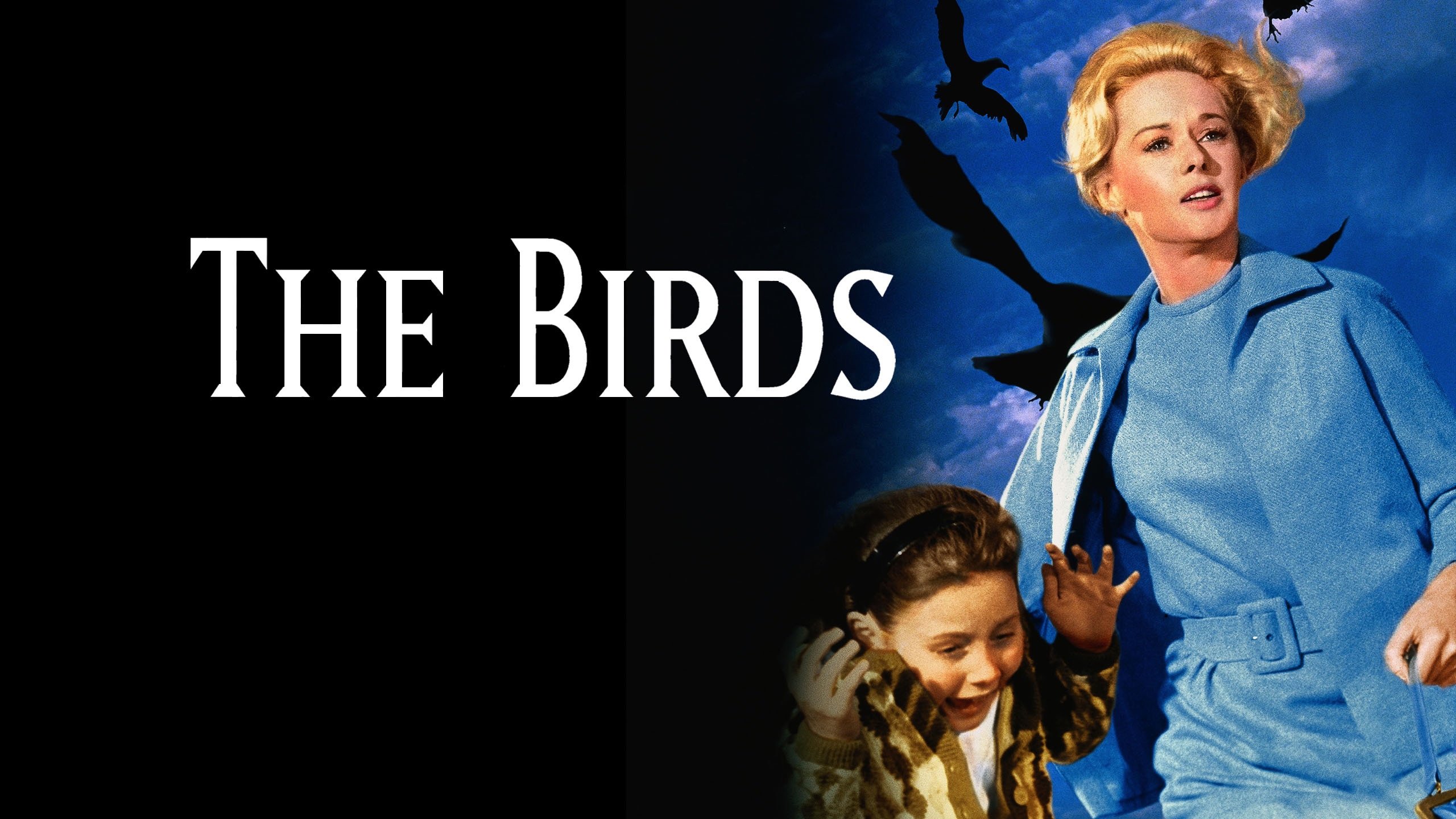
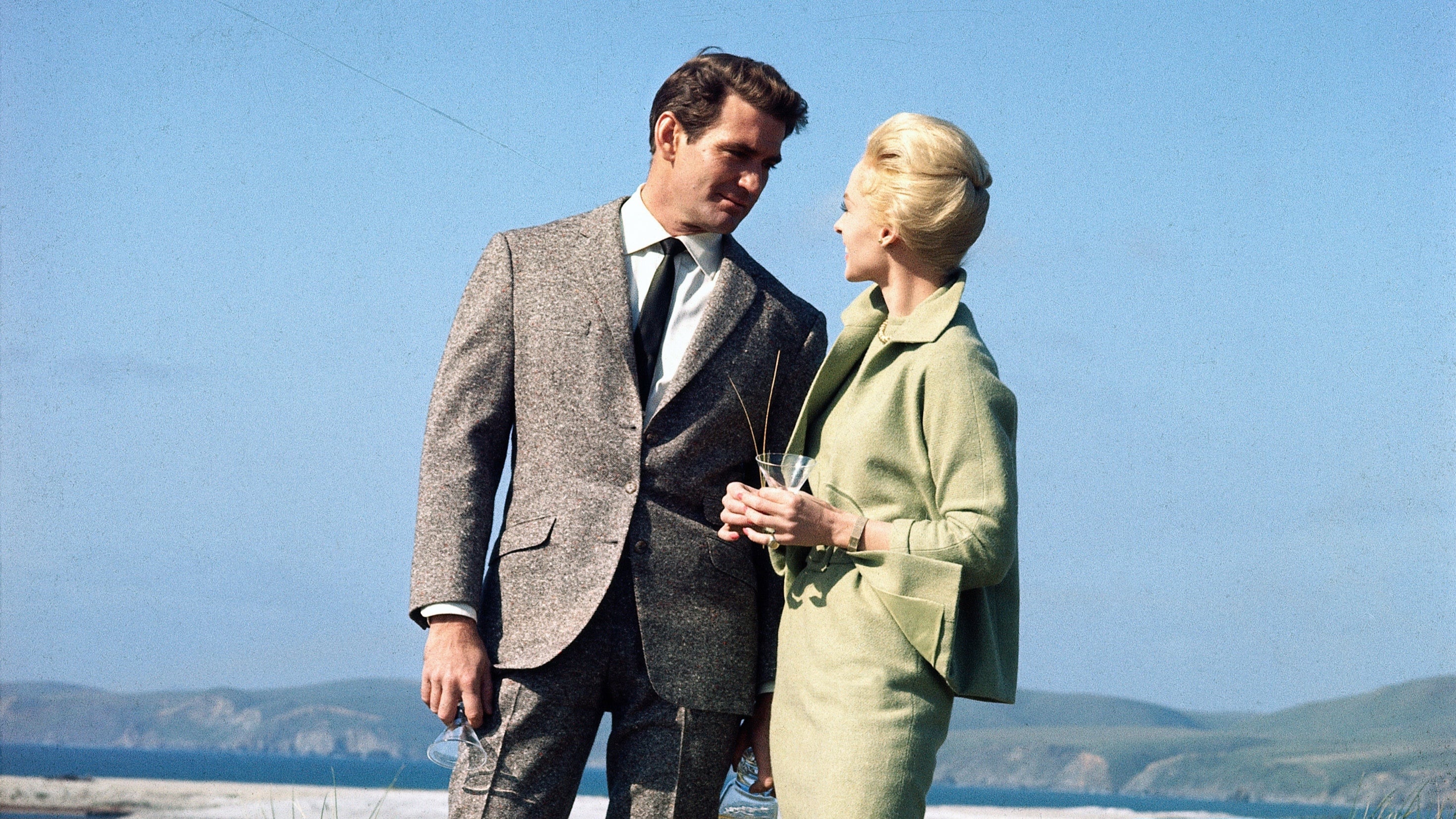
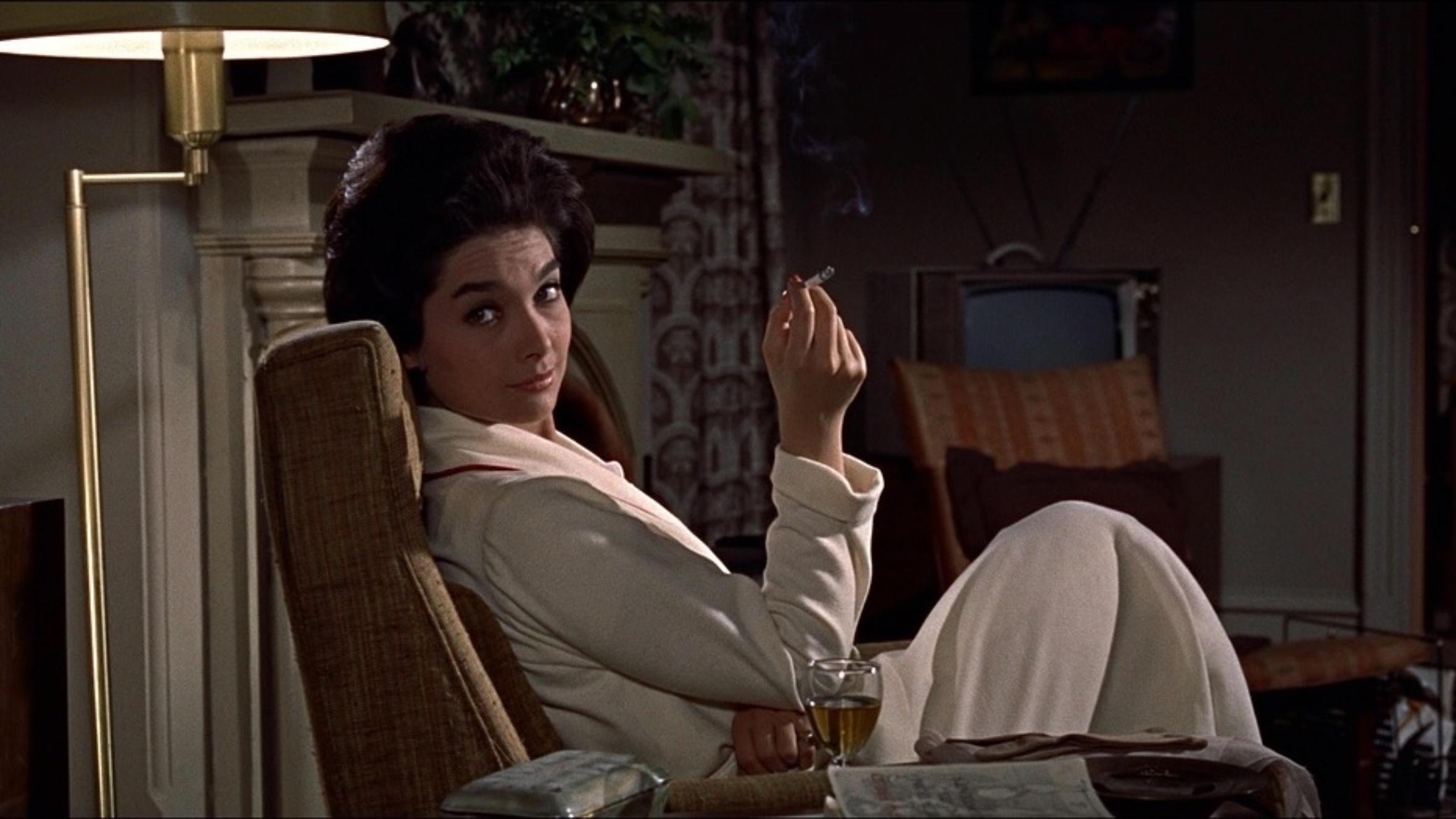
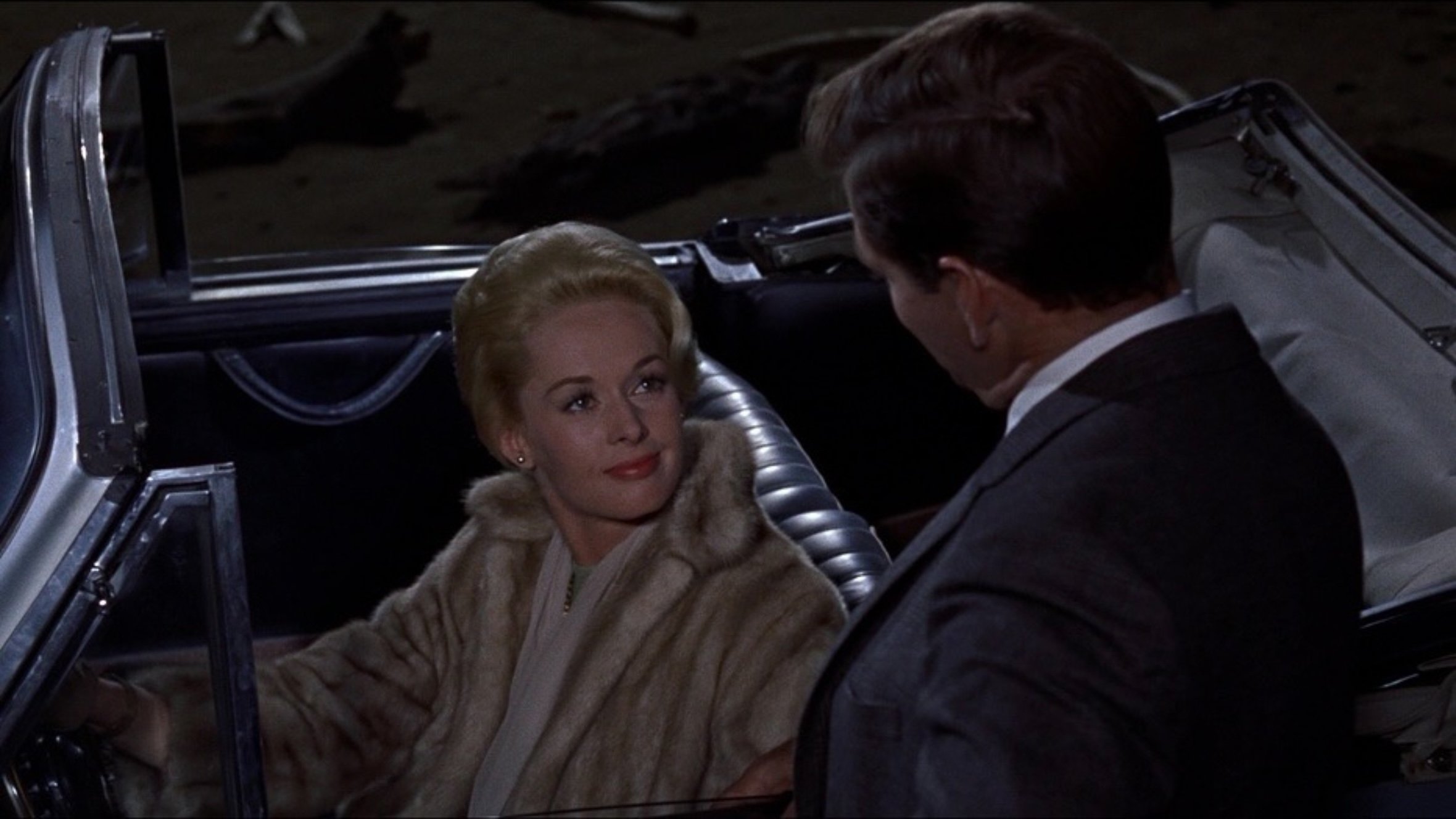
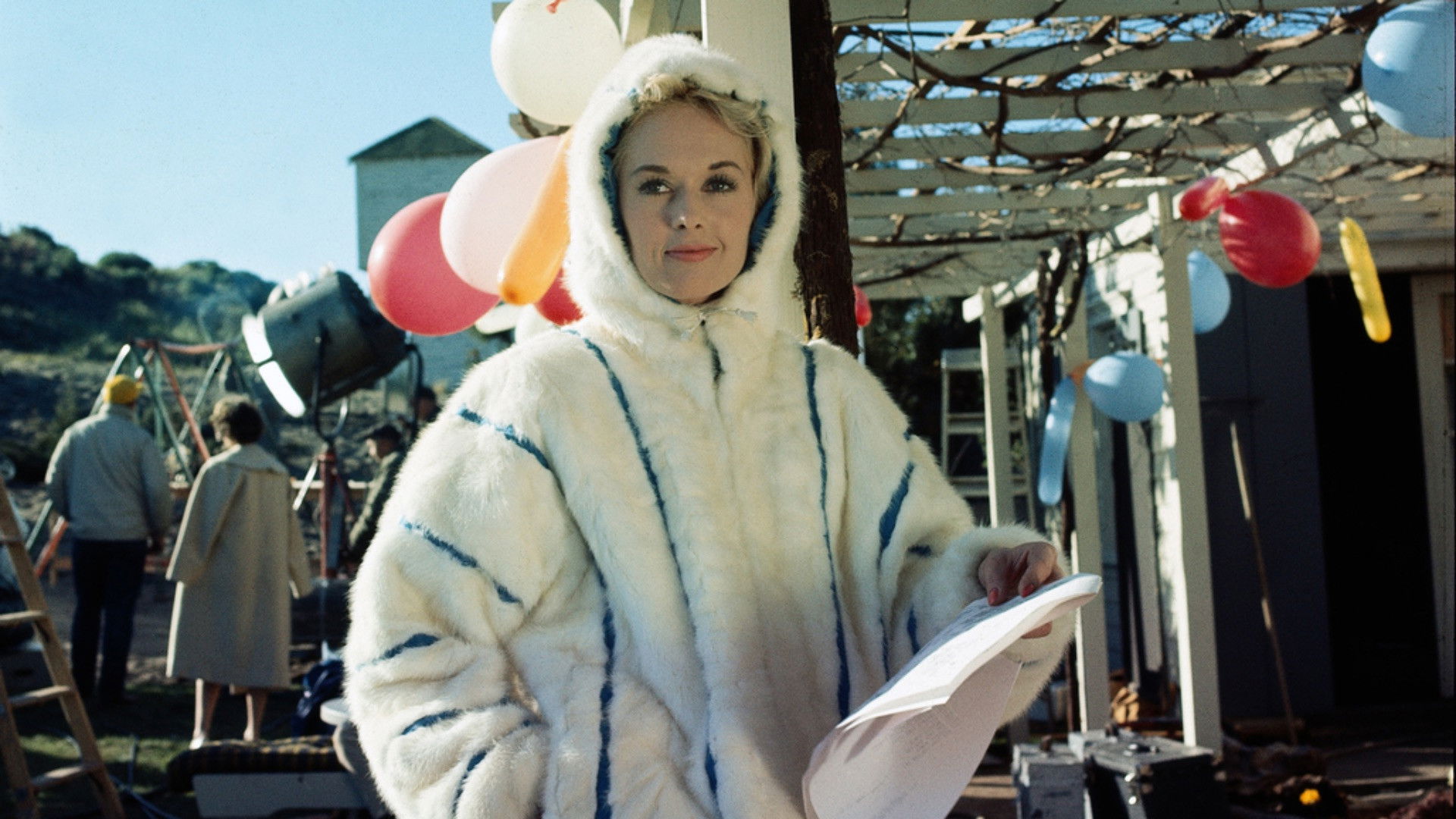
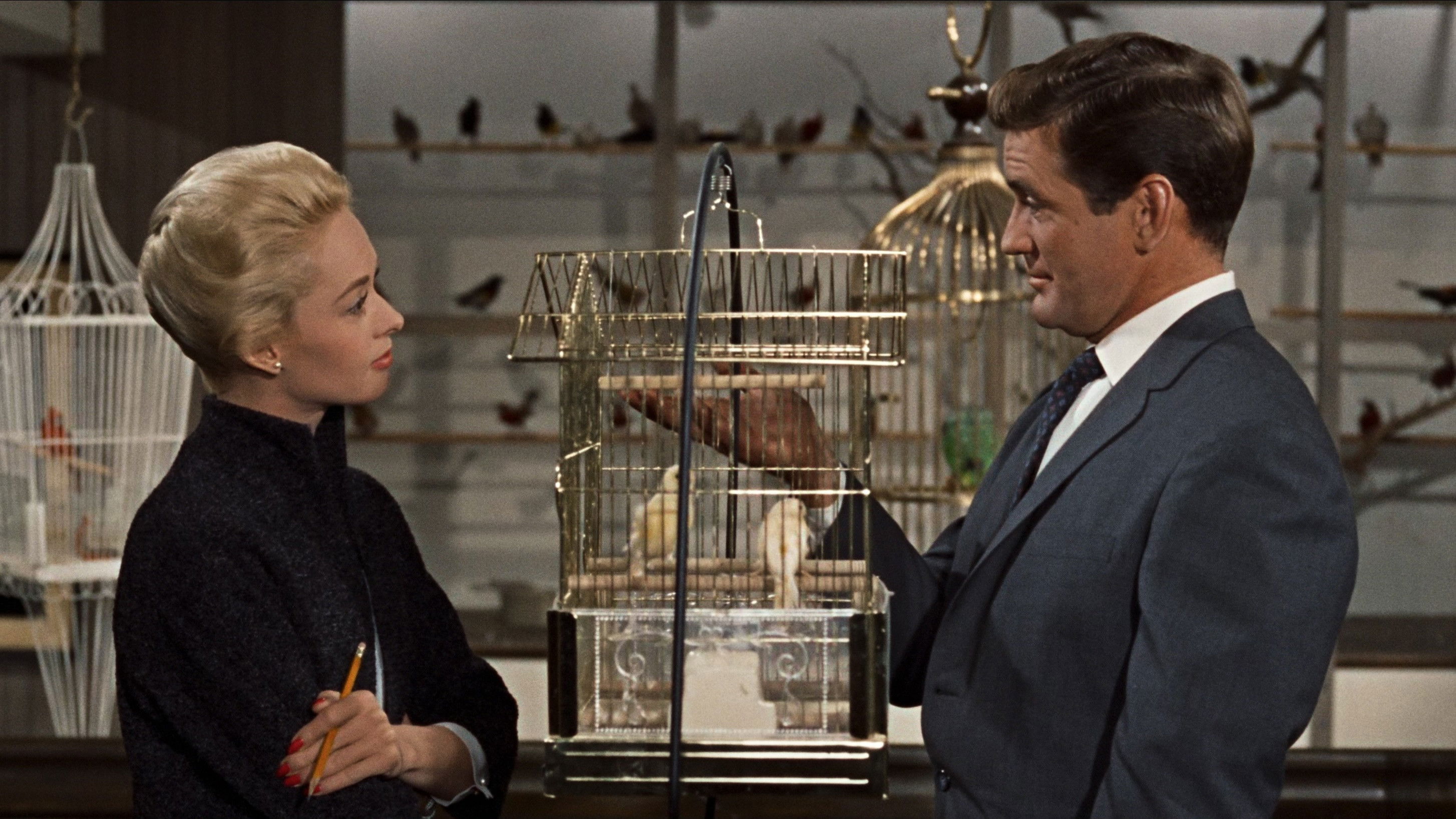
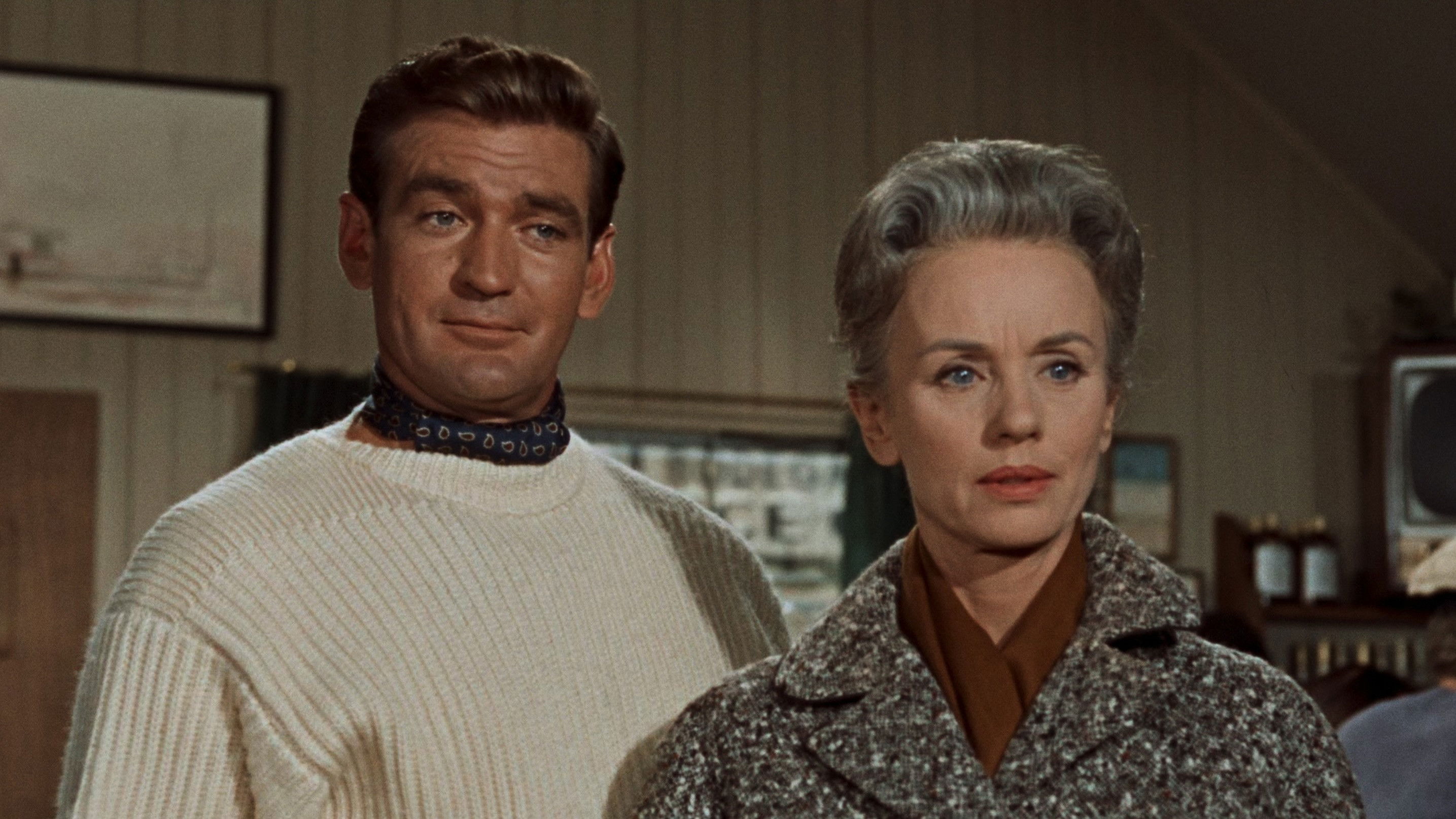
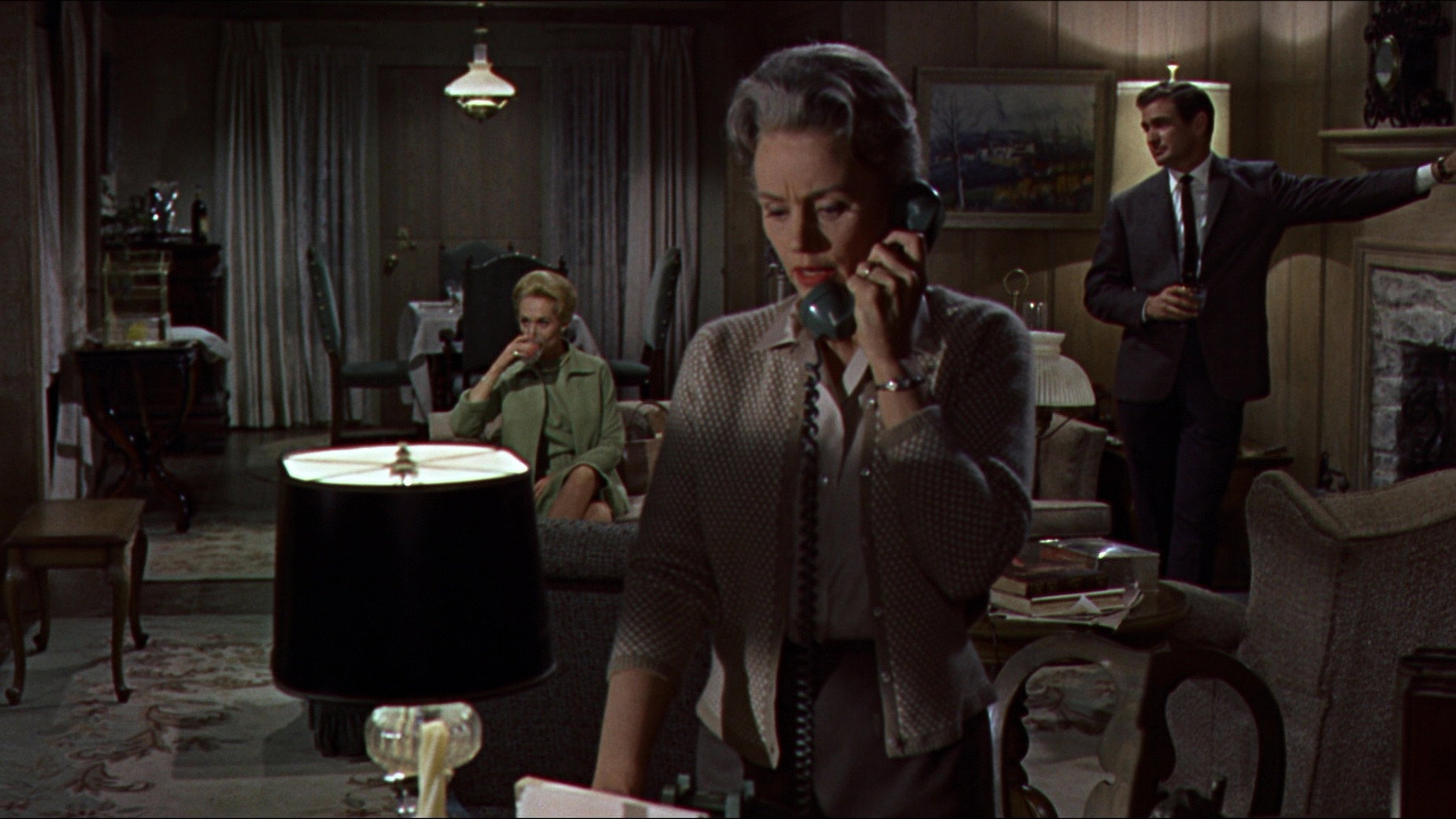
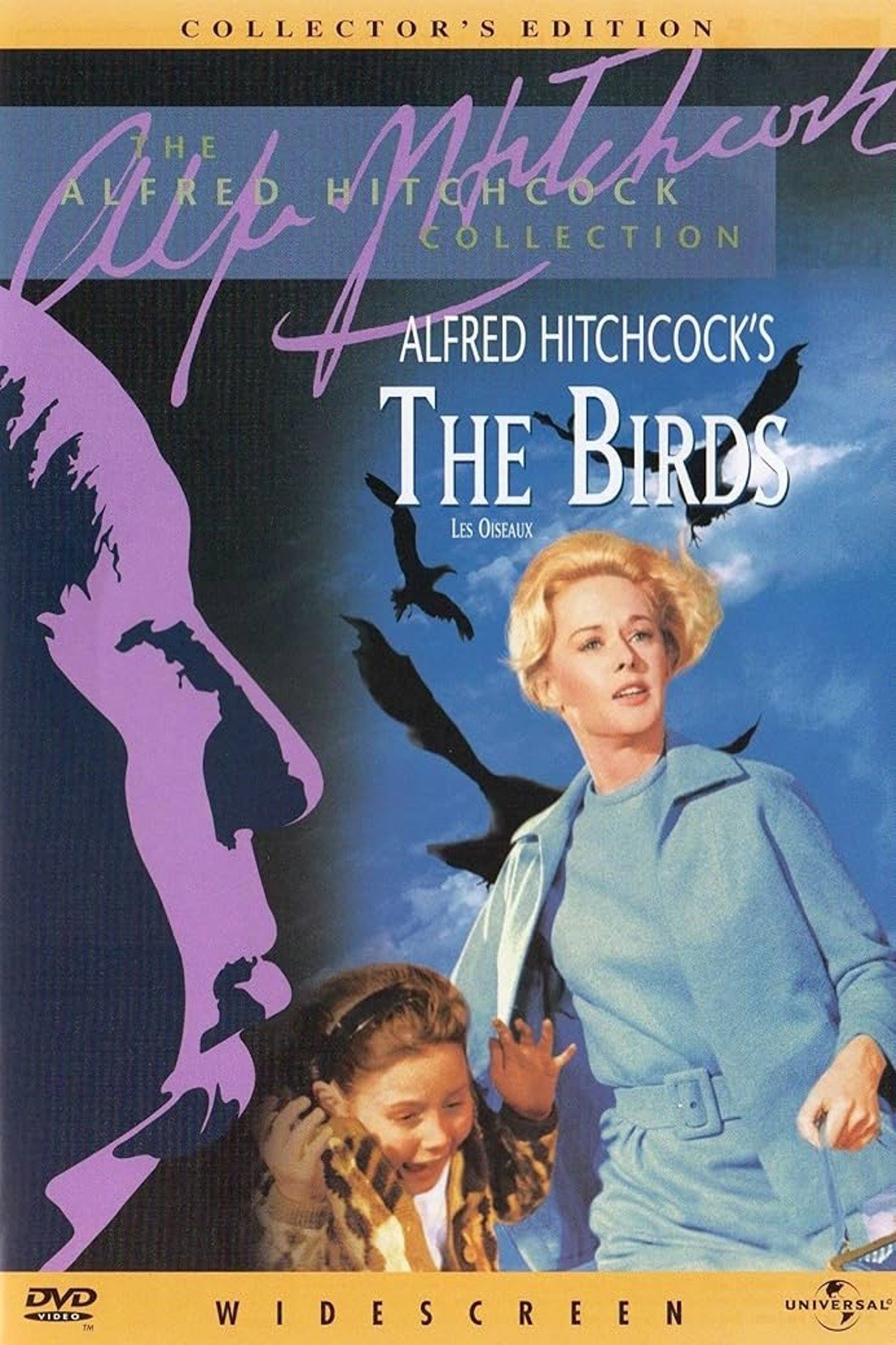
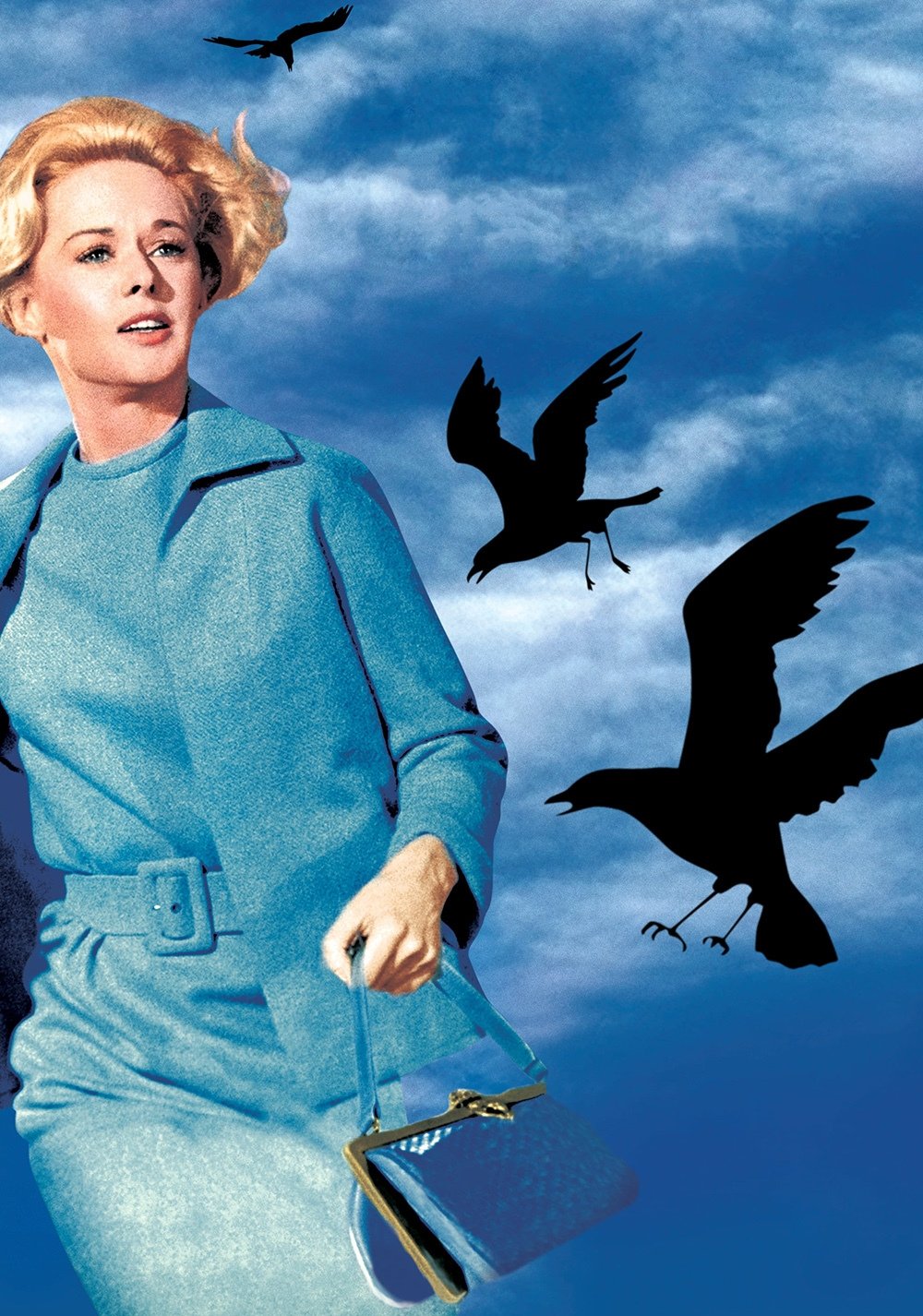
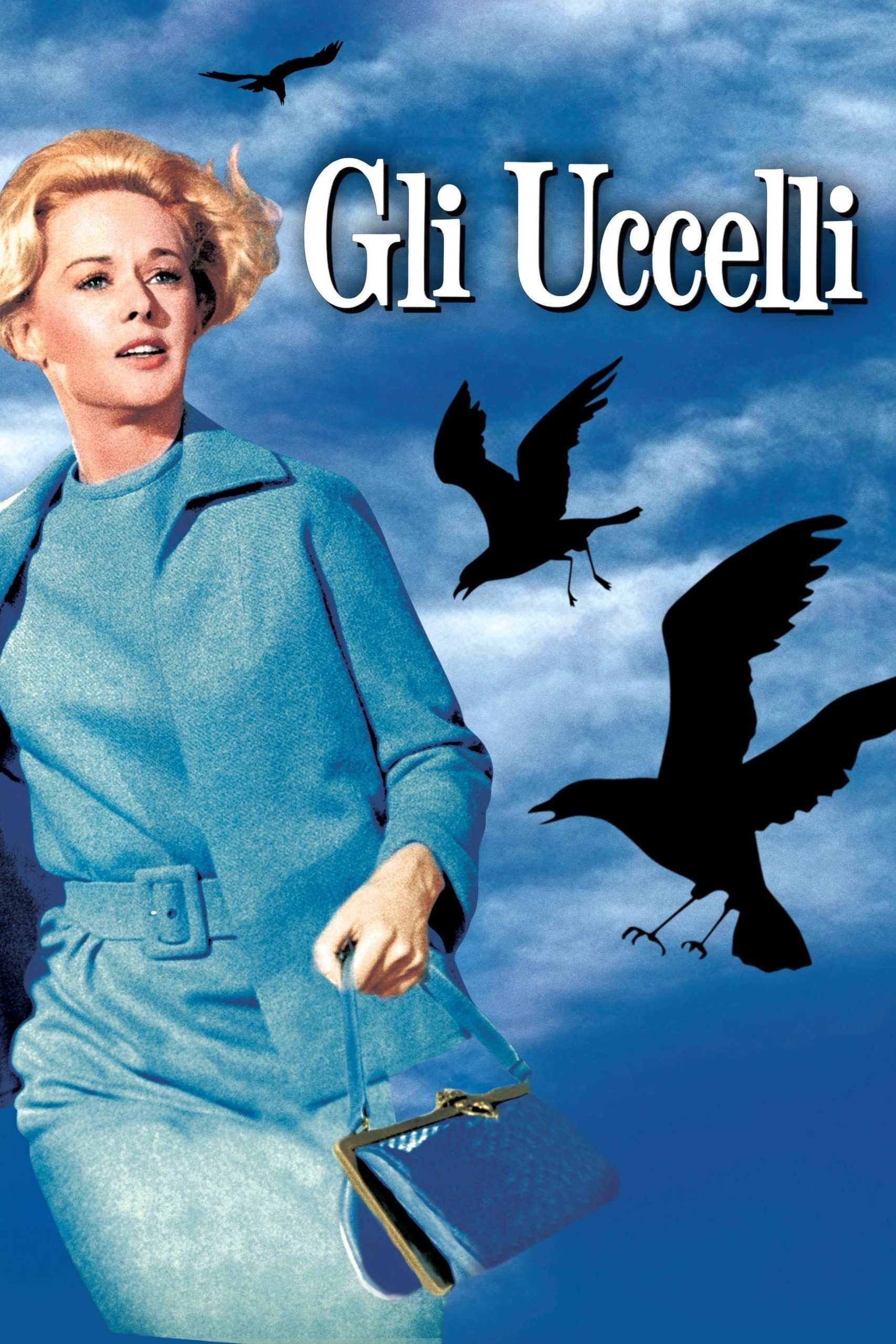
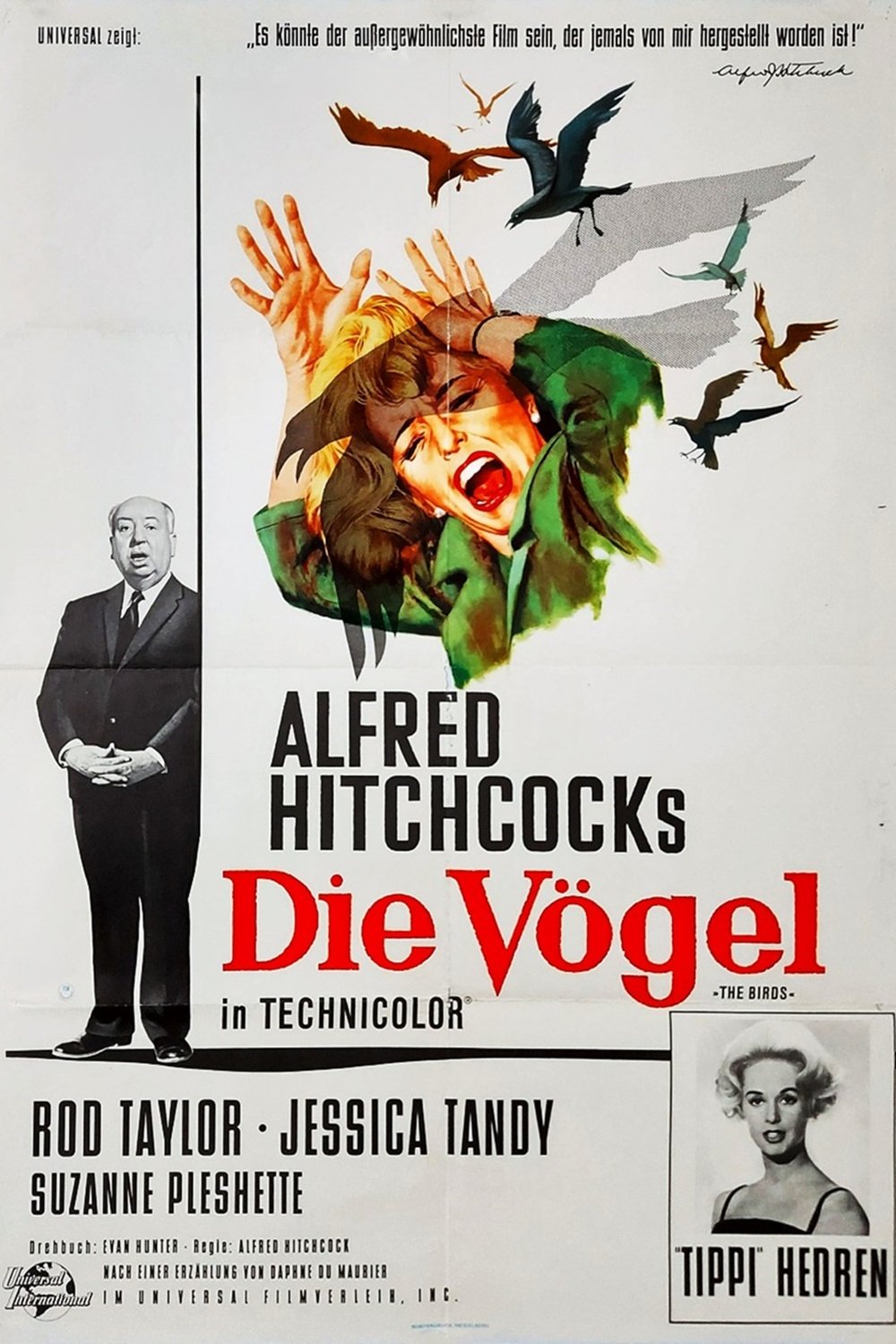
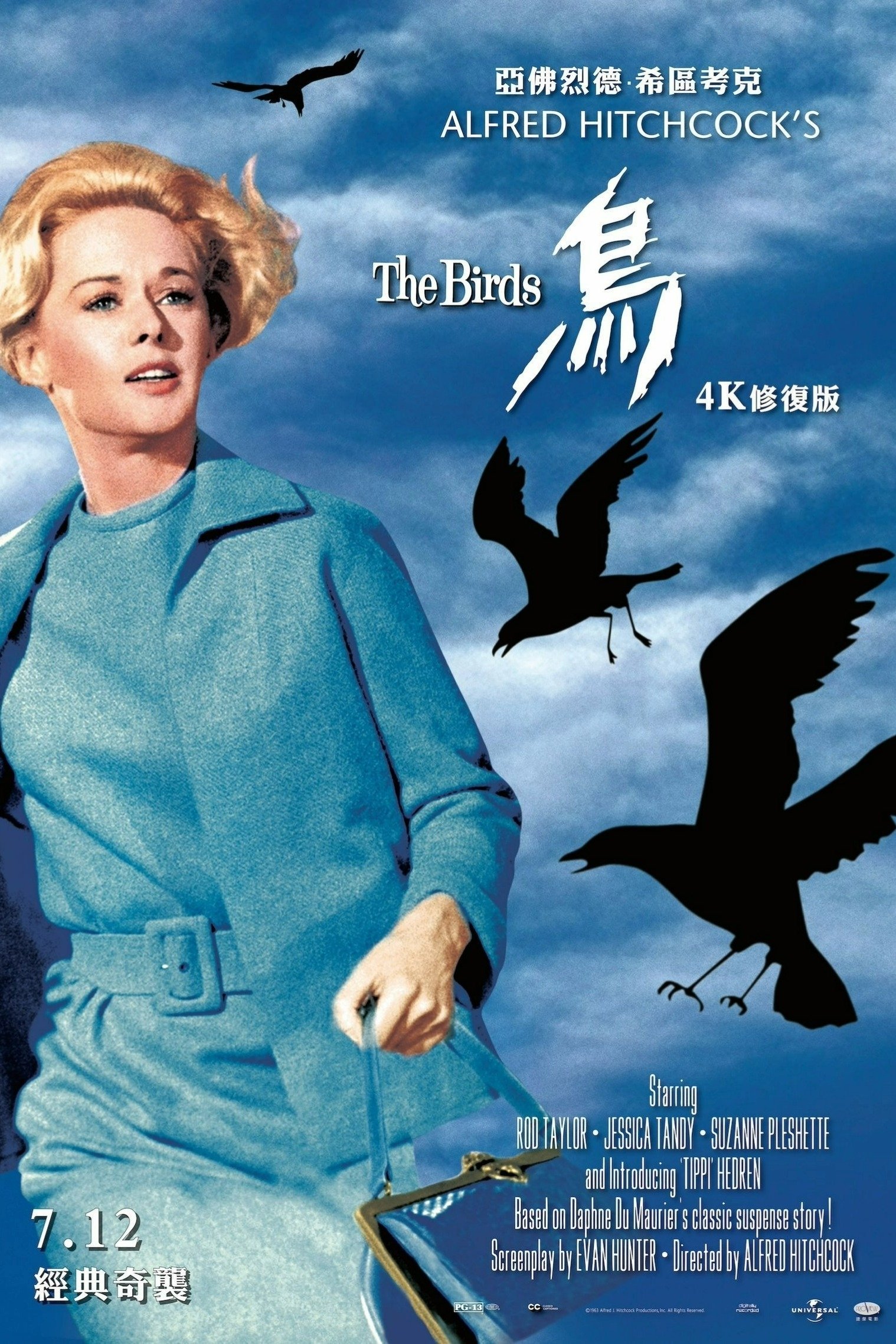
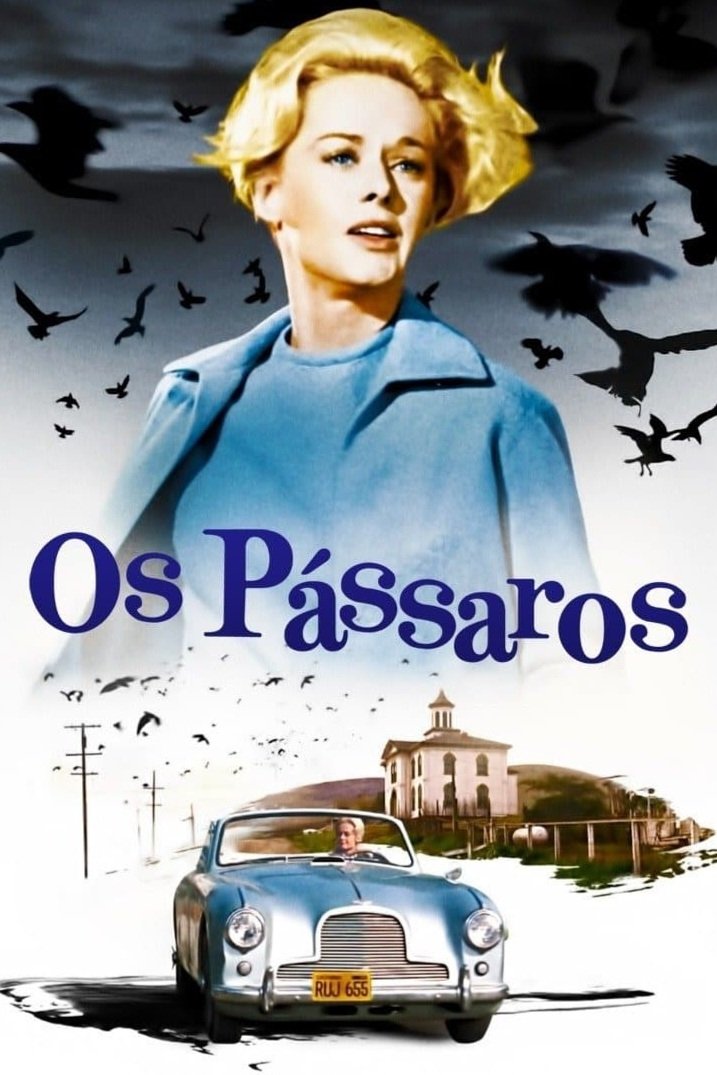
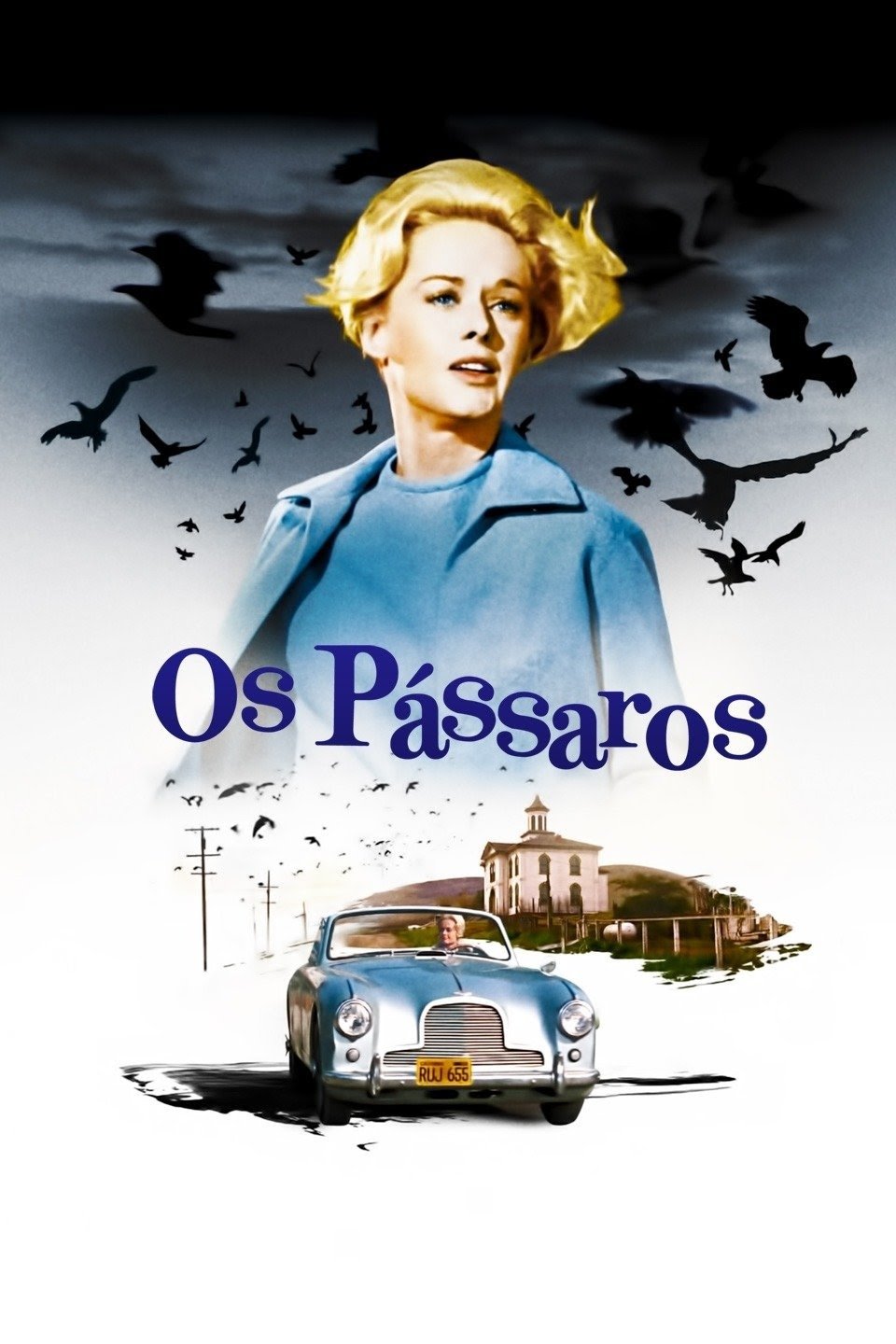
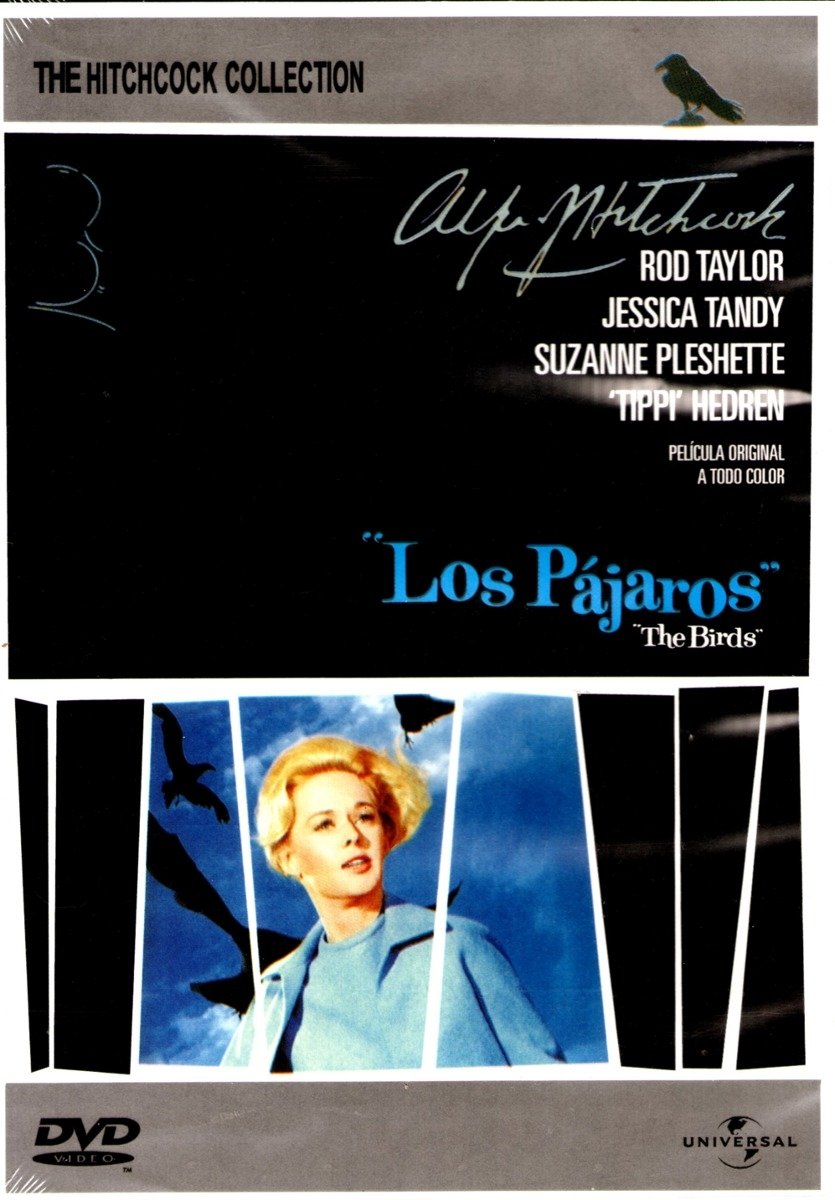
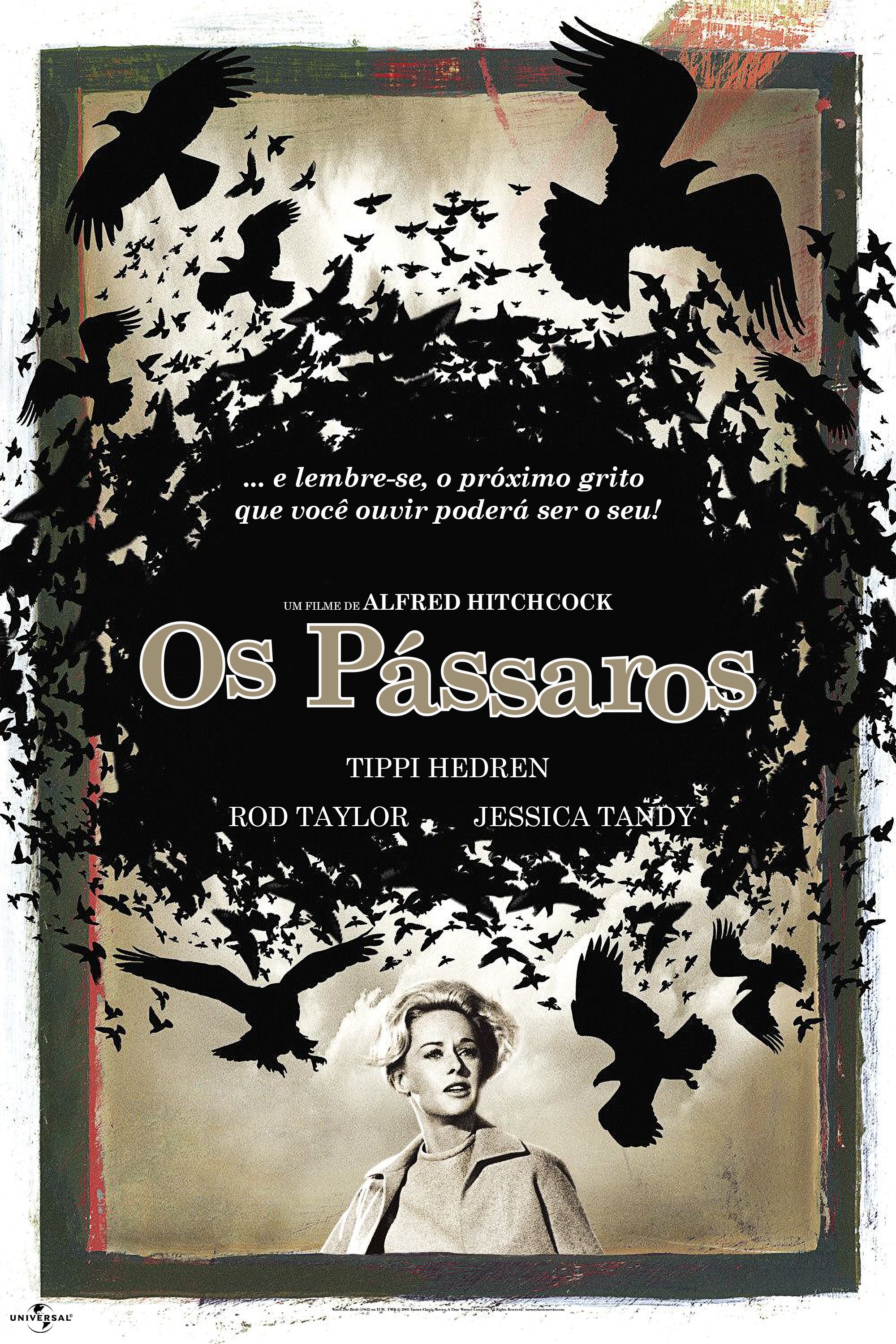
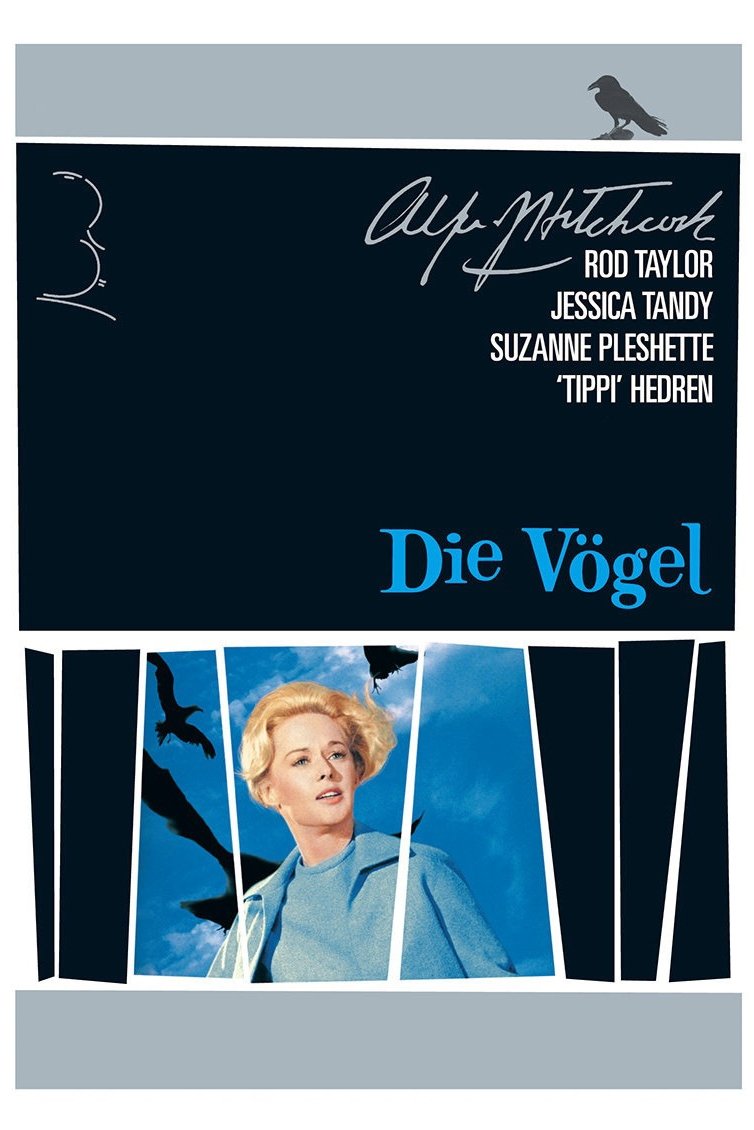
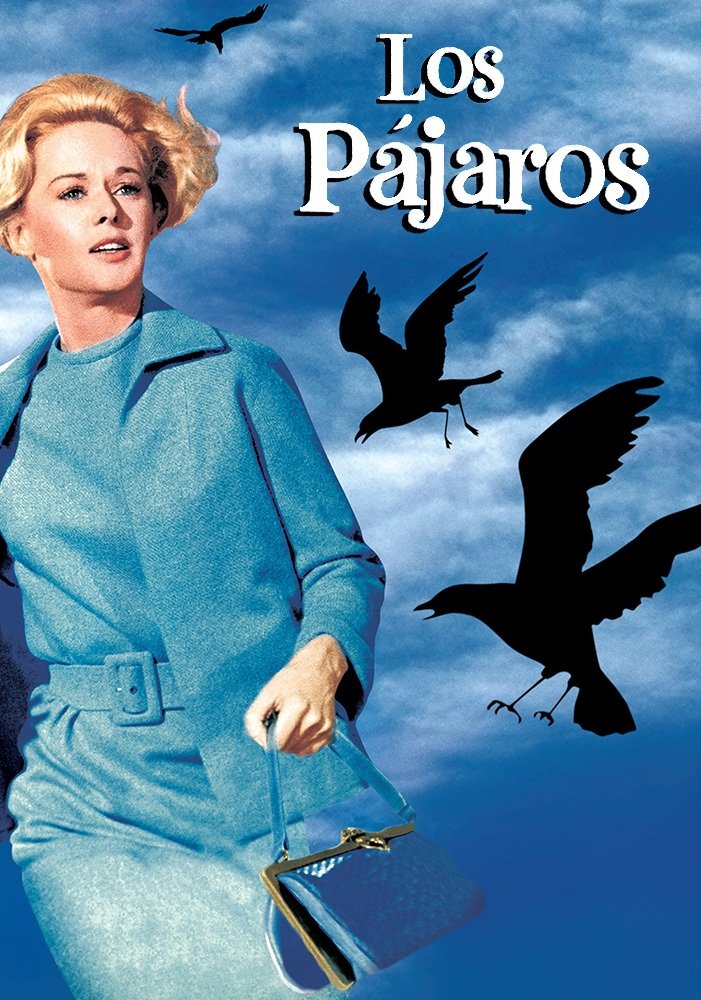
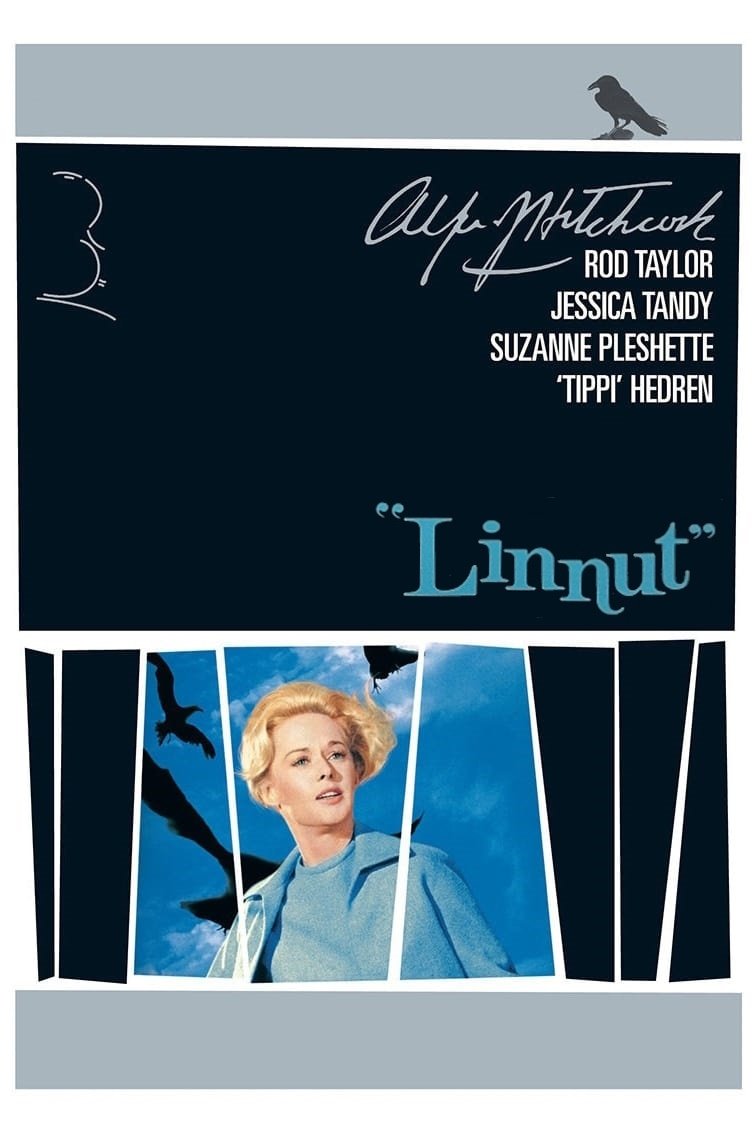
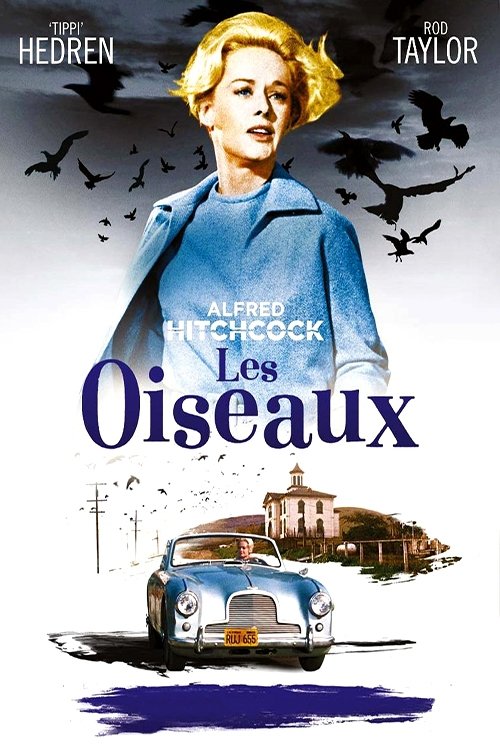
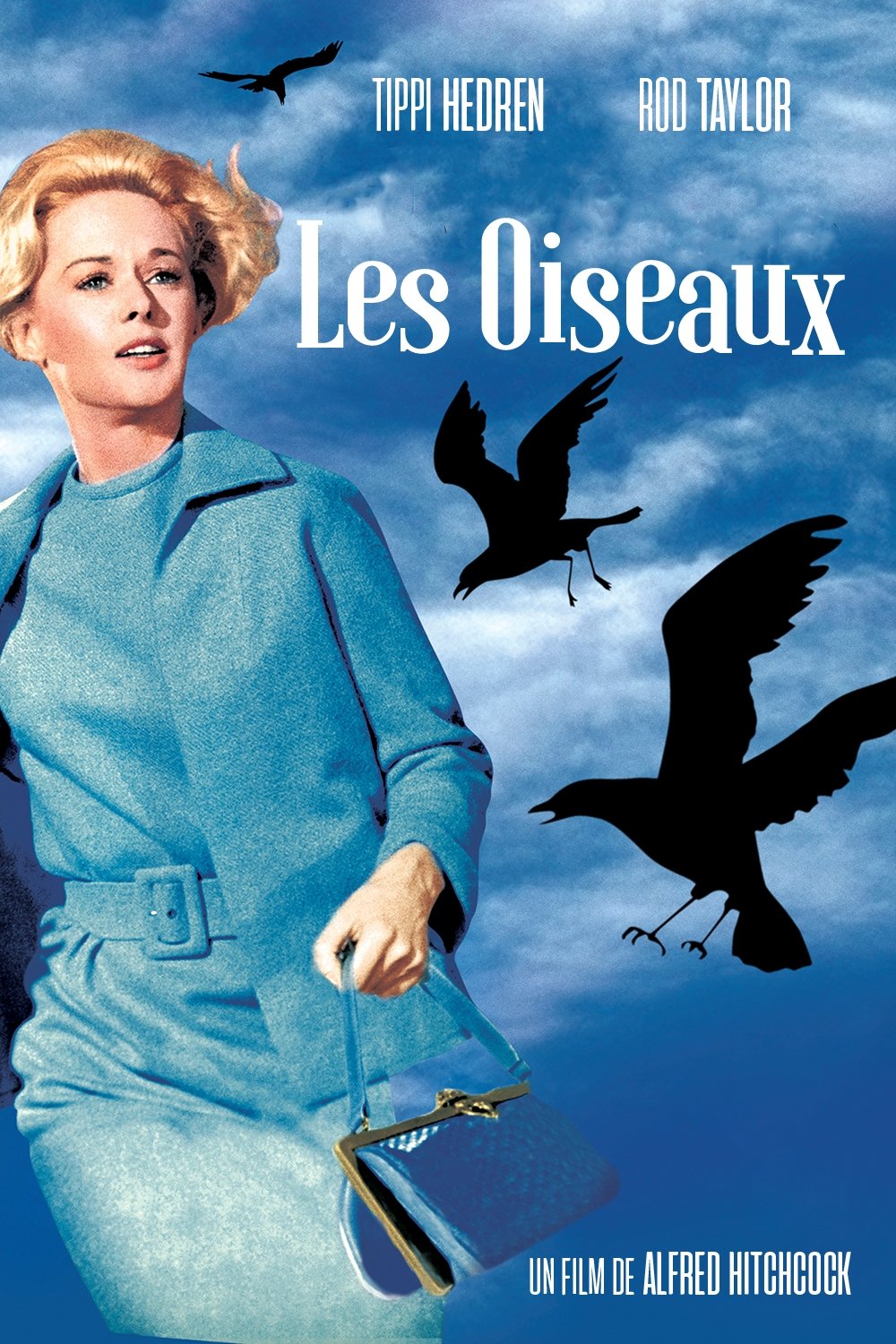
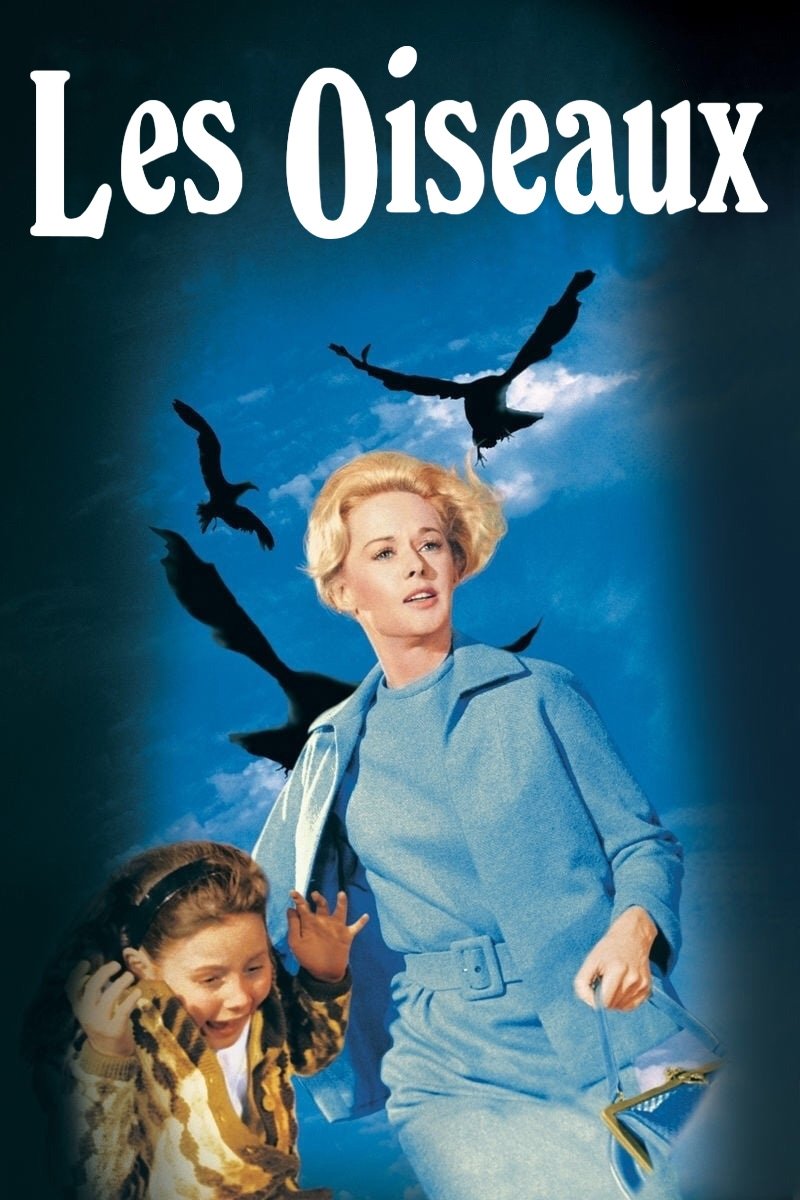
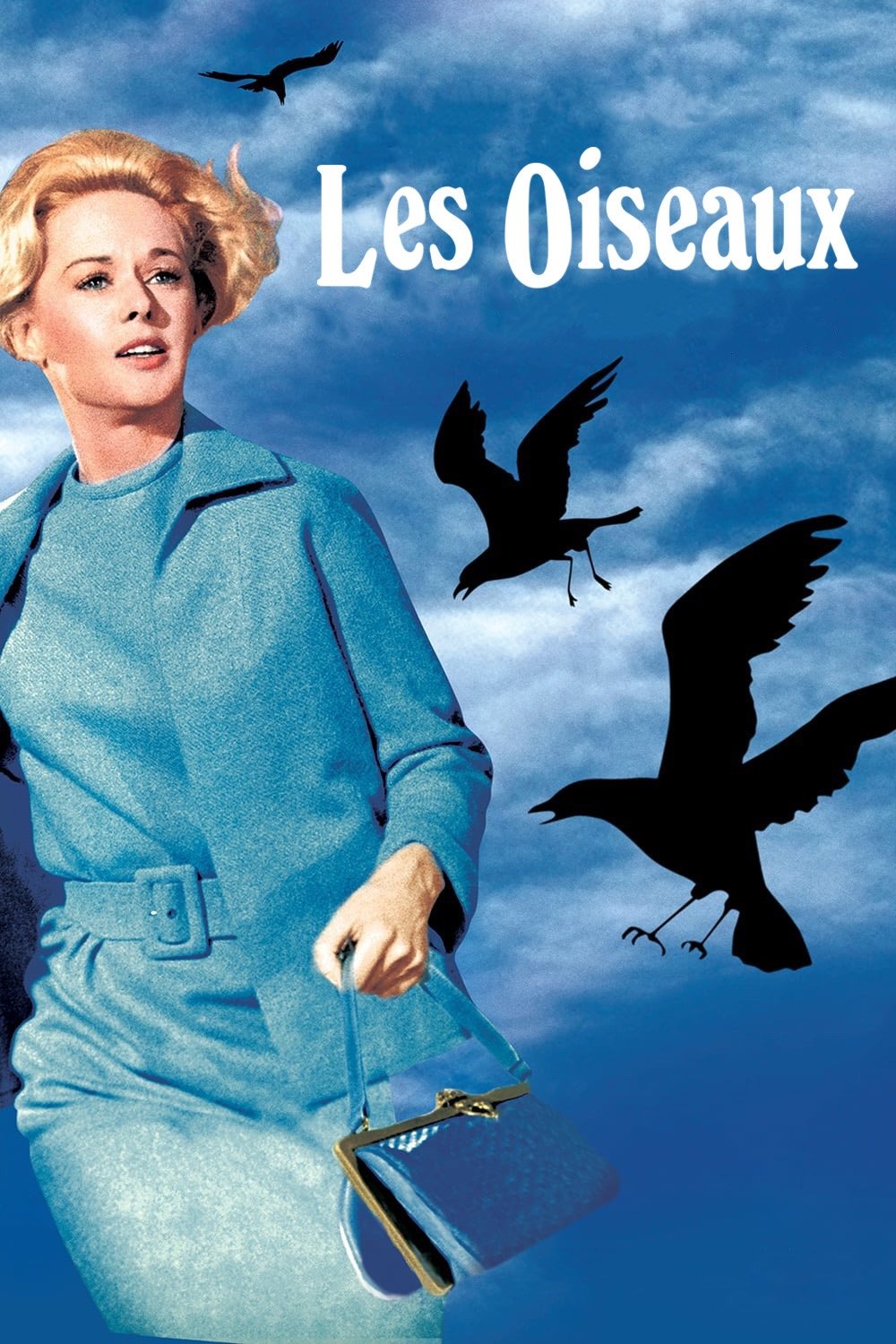
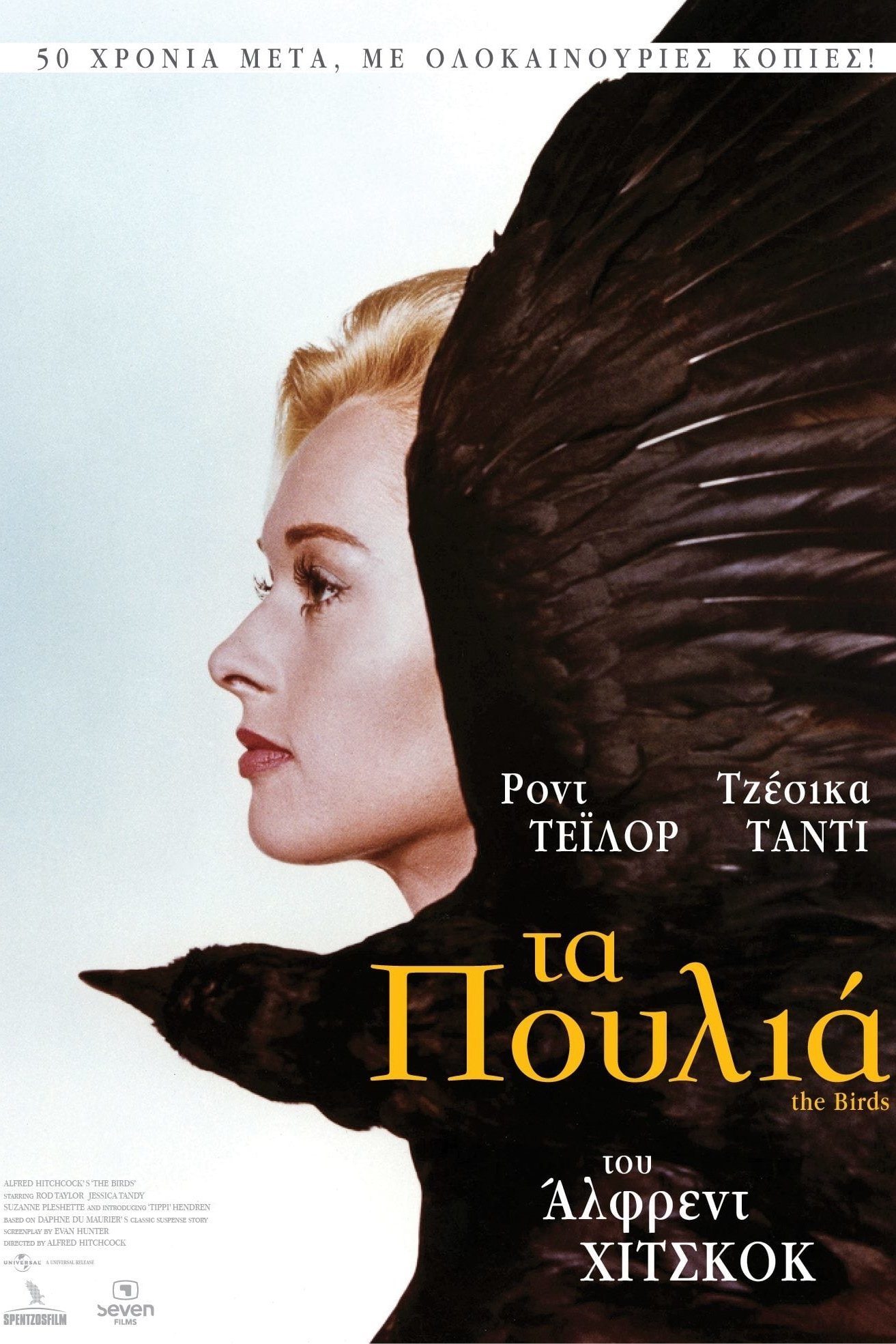
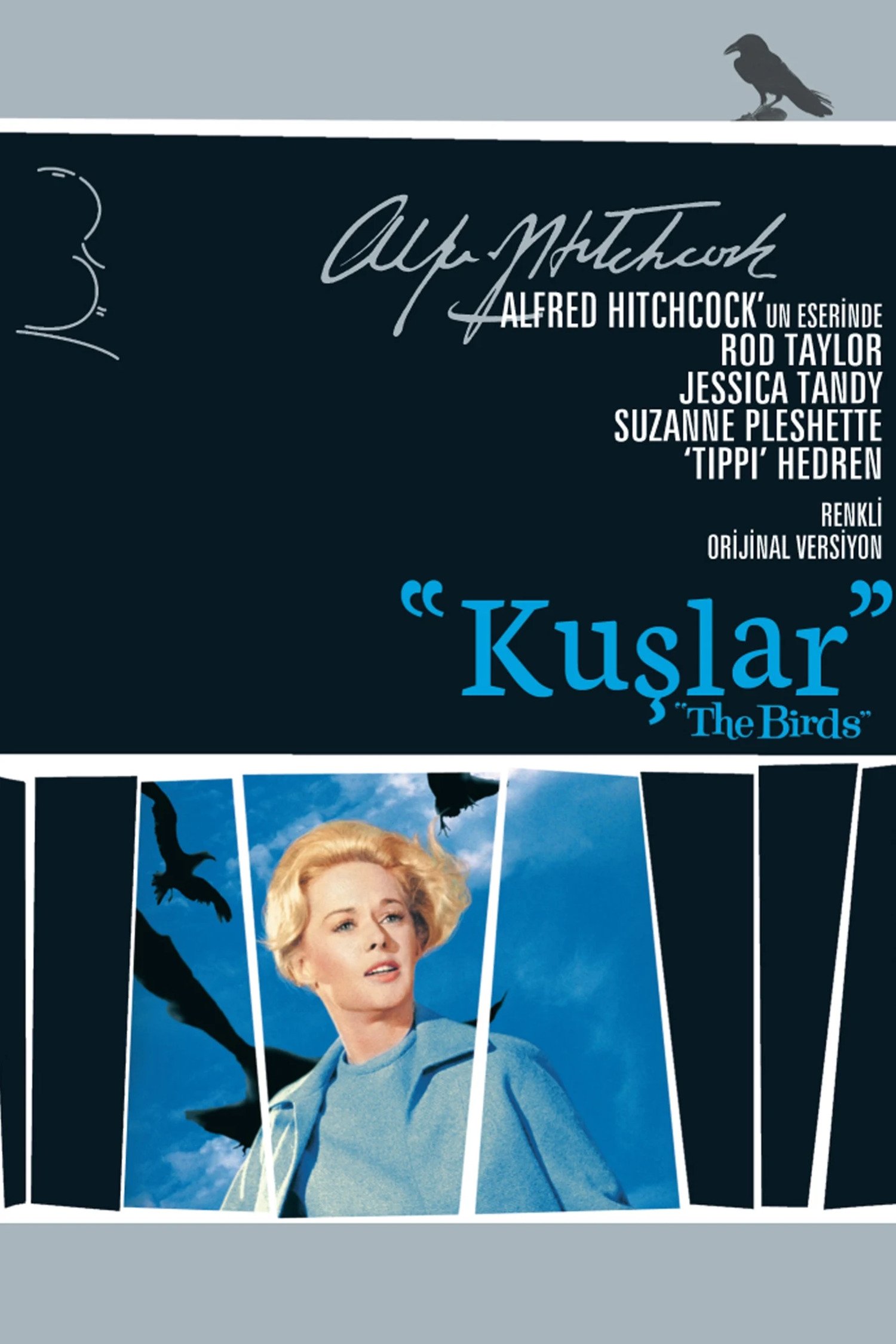
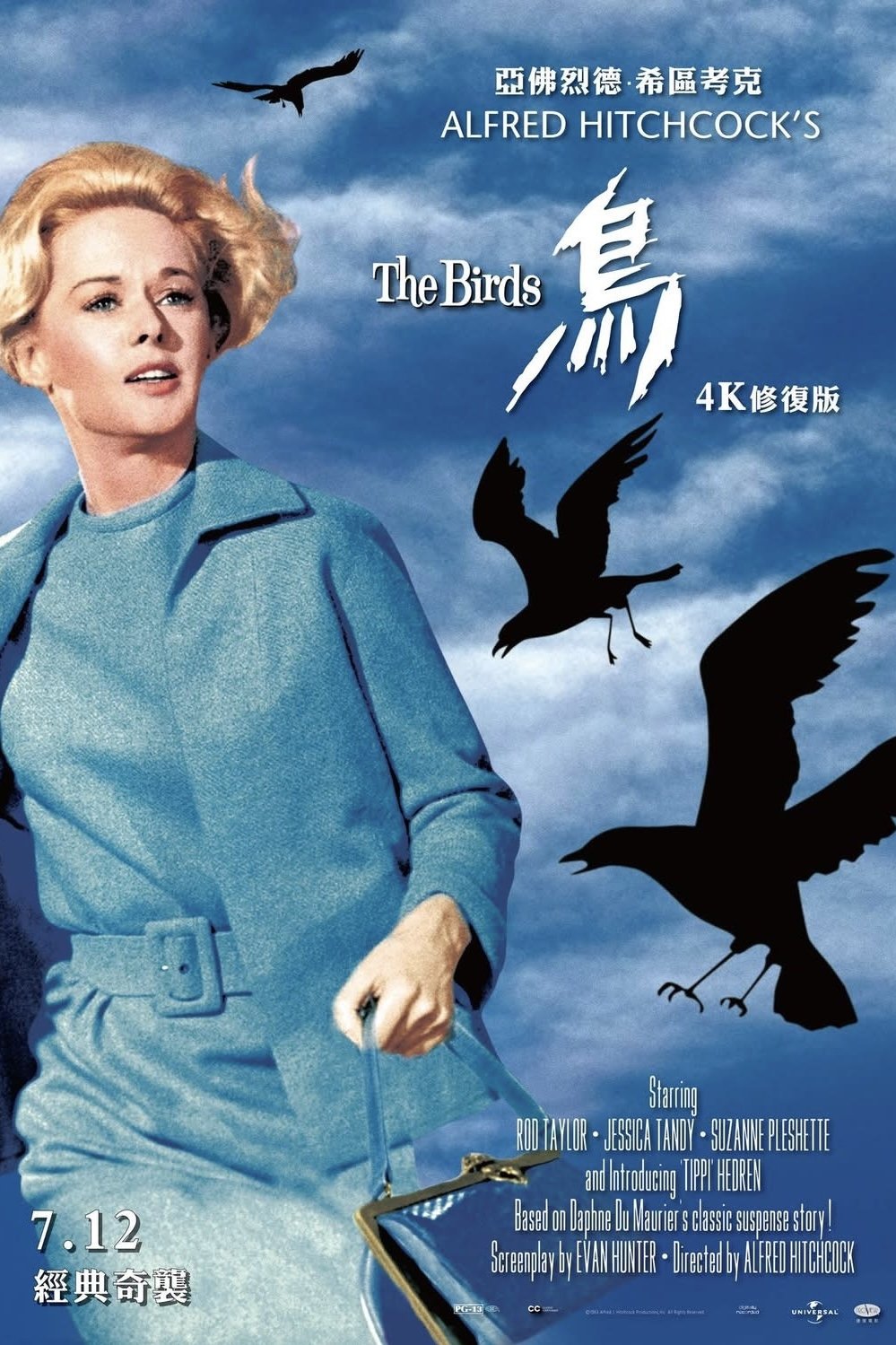
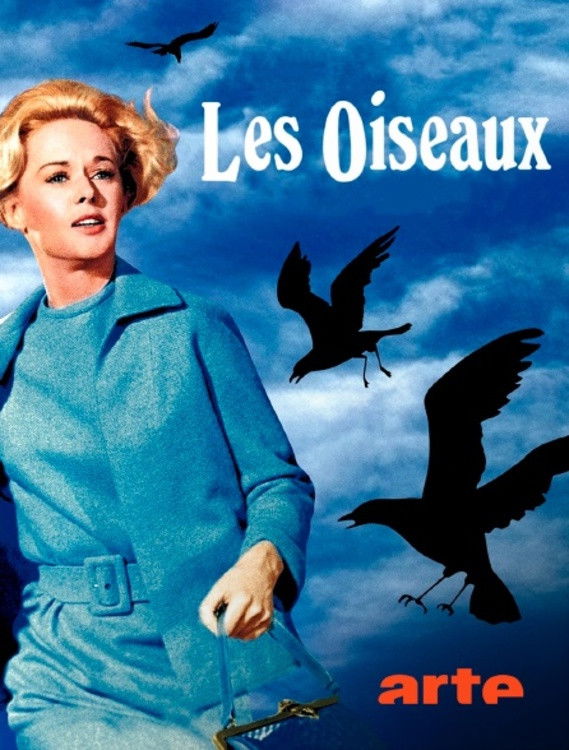
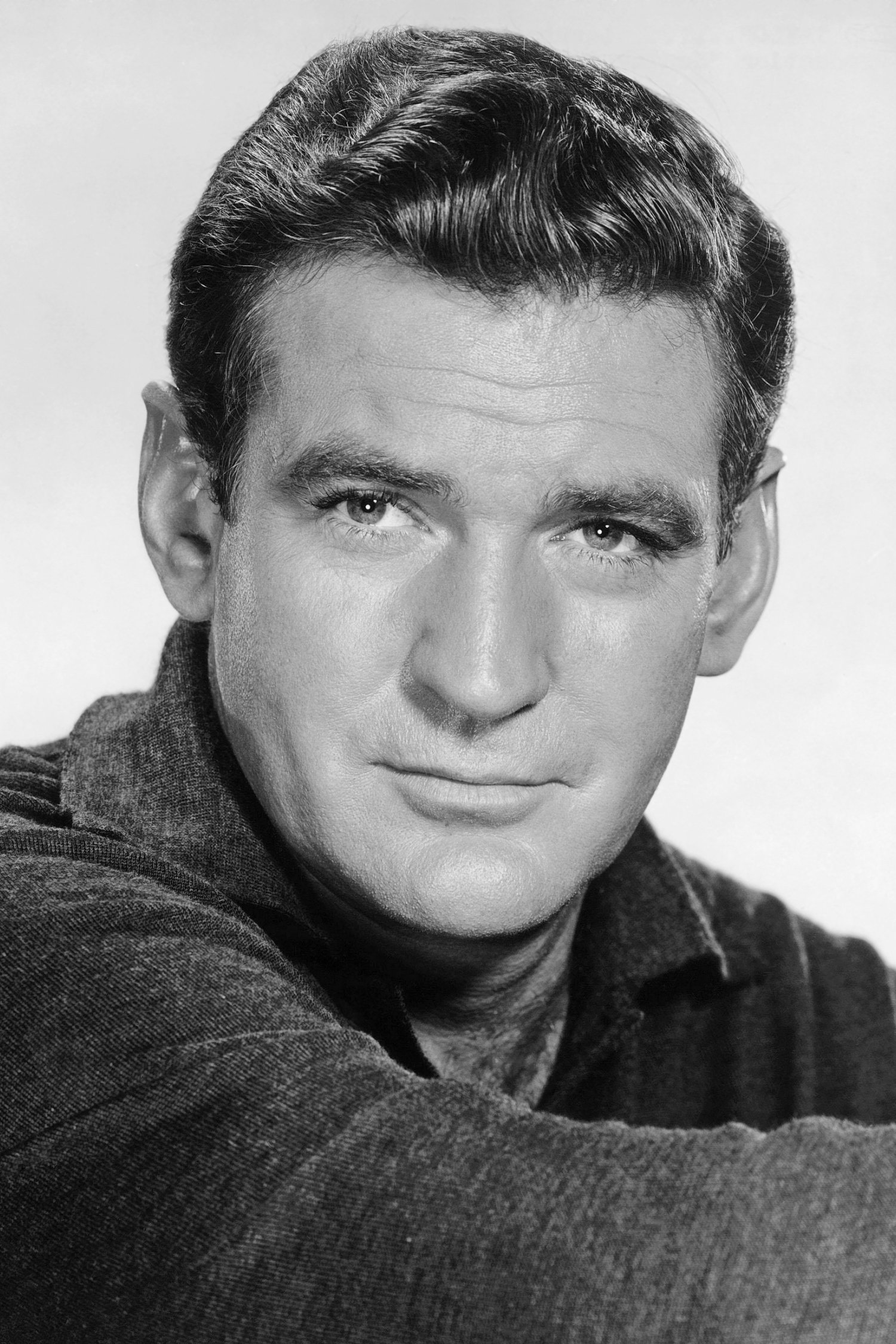
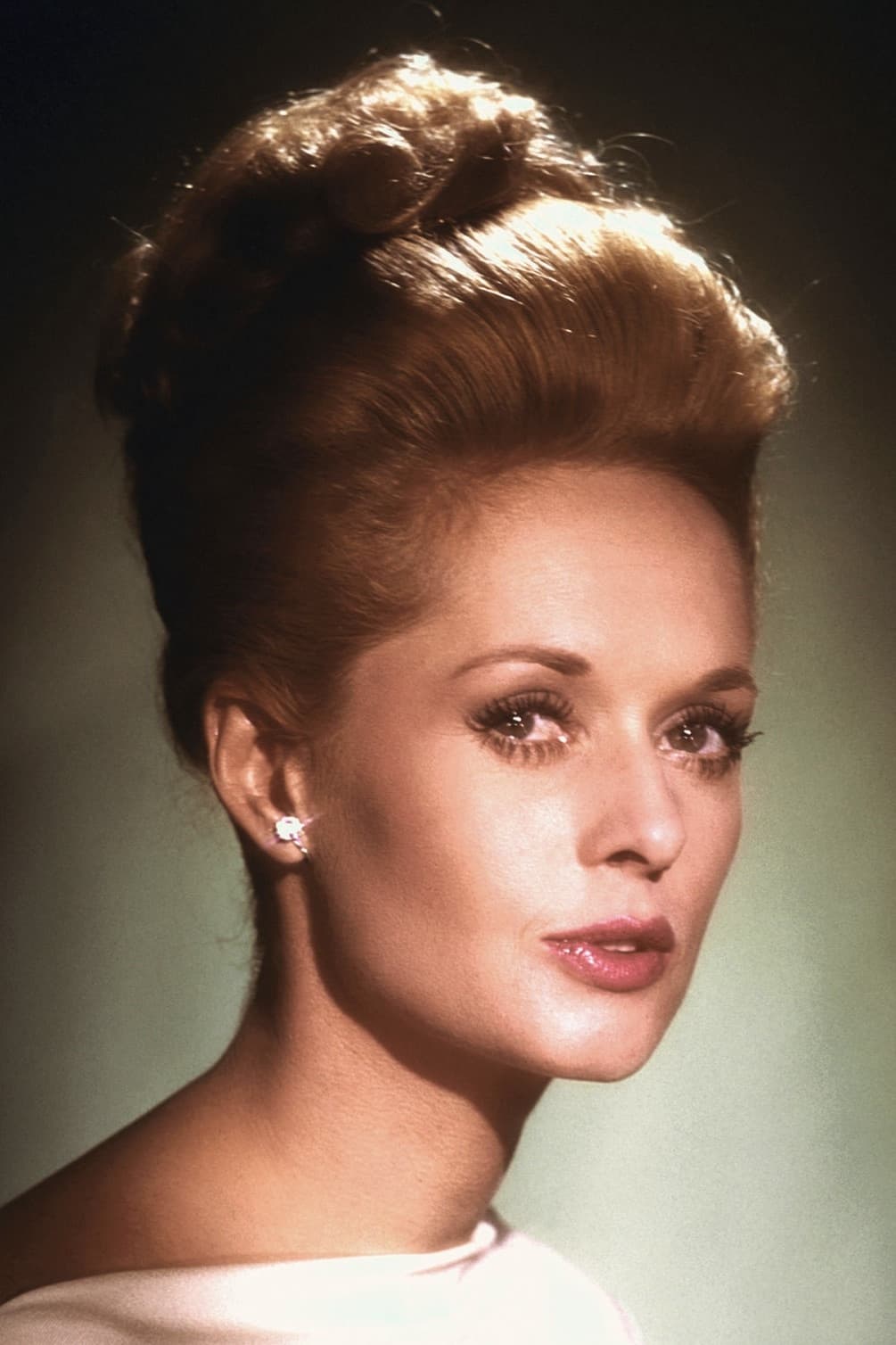
The Birds was produced independently by Hitchcock’s company, with Universal Pictures subsequently acquiring distribution rights. Production began in March 1962, following preparations for an unusually demanding combination of location photography and special effects. Hitchcock selected Tippi Hedren after noticing her work in television advertising. Although she had appeared briefly in The Petty Girl (1950), The Birds became her first substantial theatrical film role. Her casting introduced a performer whose controlled social manner could gradually give way to fear and exhaustion. Rod Taylor, Jessica Tandy and Suzanne Pleshette supplied contrasting personalities within the small community that becomes the centre of the attacks.
Bodega Bay and the surrounding Northern California coastline provided the principal exterior environment. The crew photographed the local waterfront, the Tides Restaurant and nearby properties, while a schoolhouse in the region became an important location for one of the film’s central suspense sequences. Hitchcock initially encountered undesirable rainy weather, followed by unusually bright conditions that complicated his intention to photograph a sombre colour film. The contrast between overcast coastal scenery and artificial studio lighting remained a concern during production. After completing the location work, the filmmakers returned to the Universal studio facilities to photograph interiors and material requiring extensive technical manipulation.
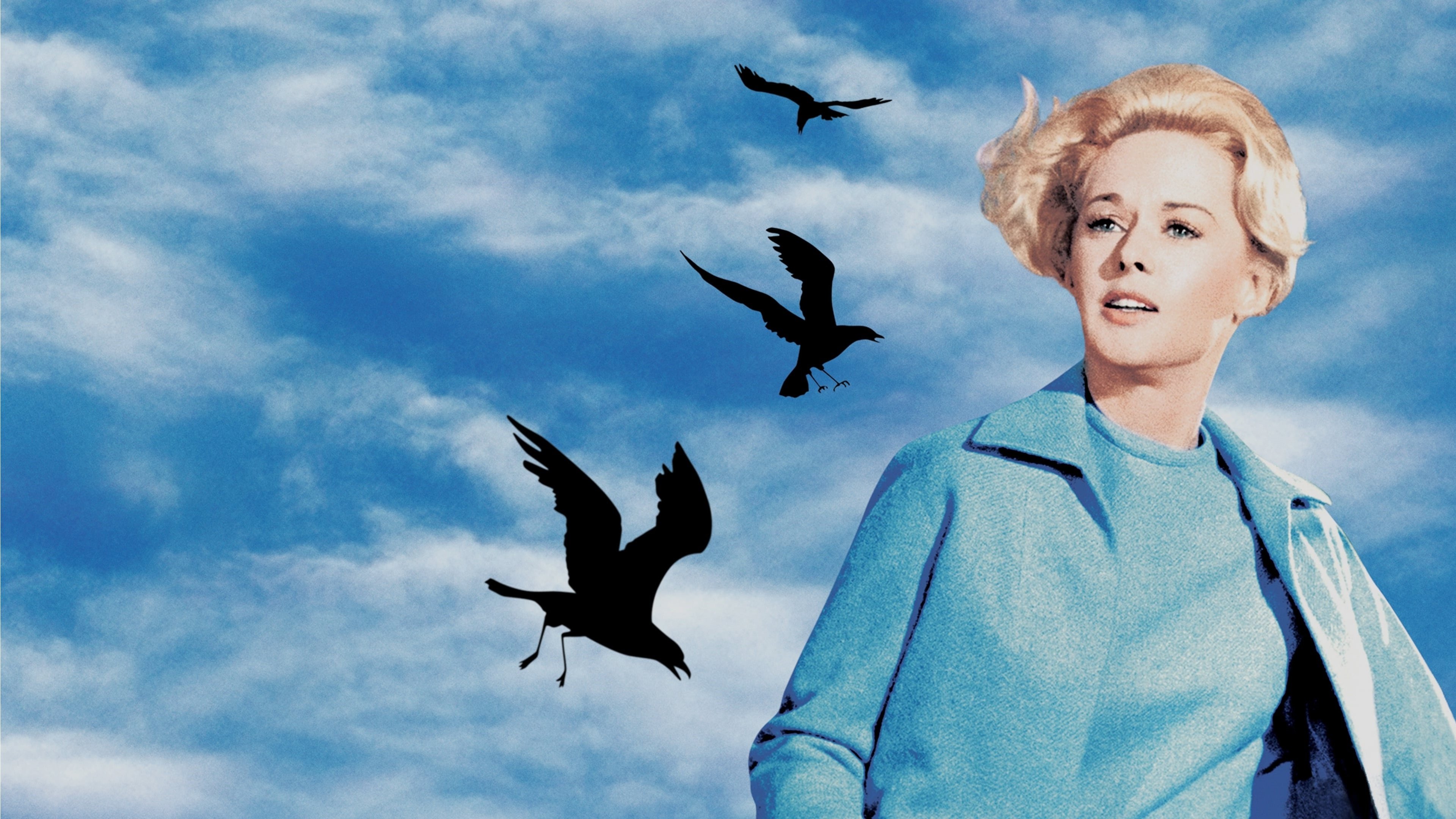
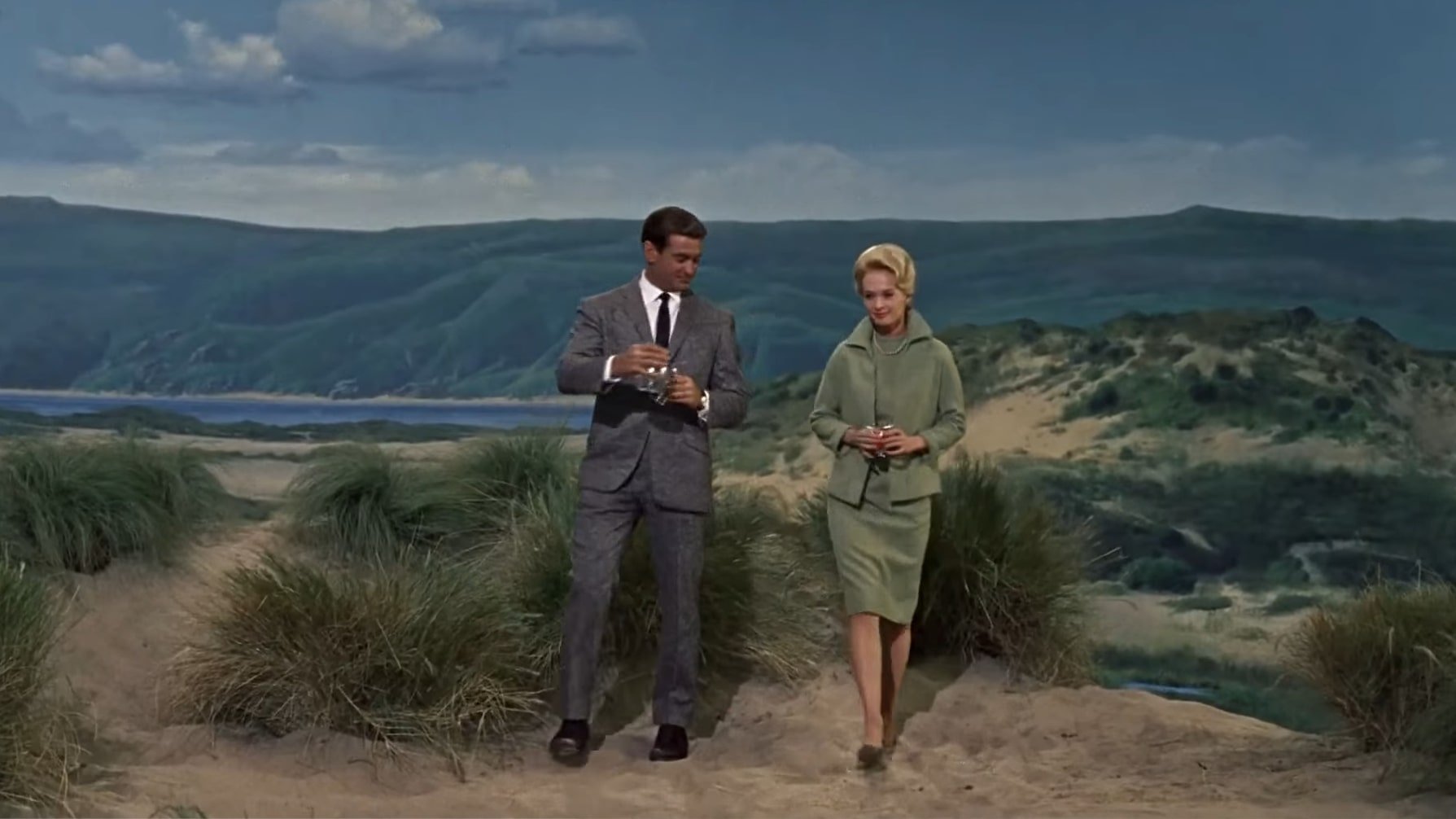
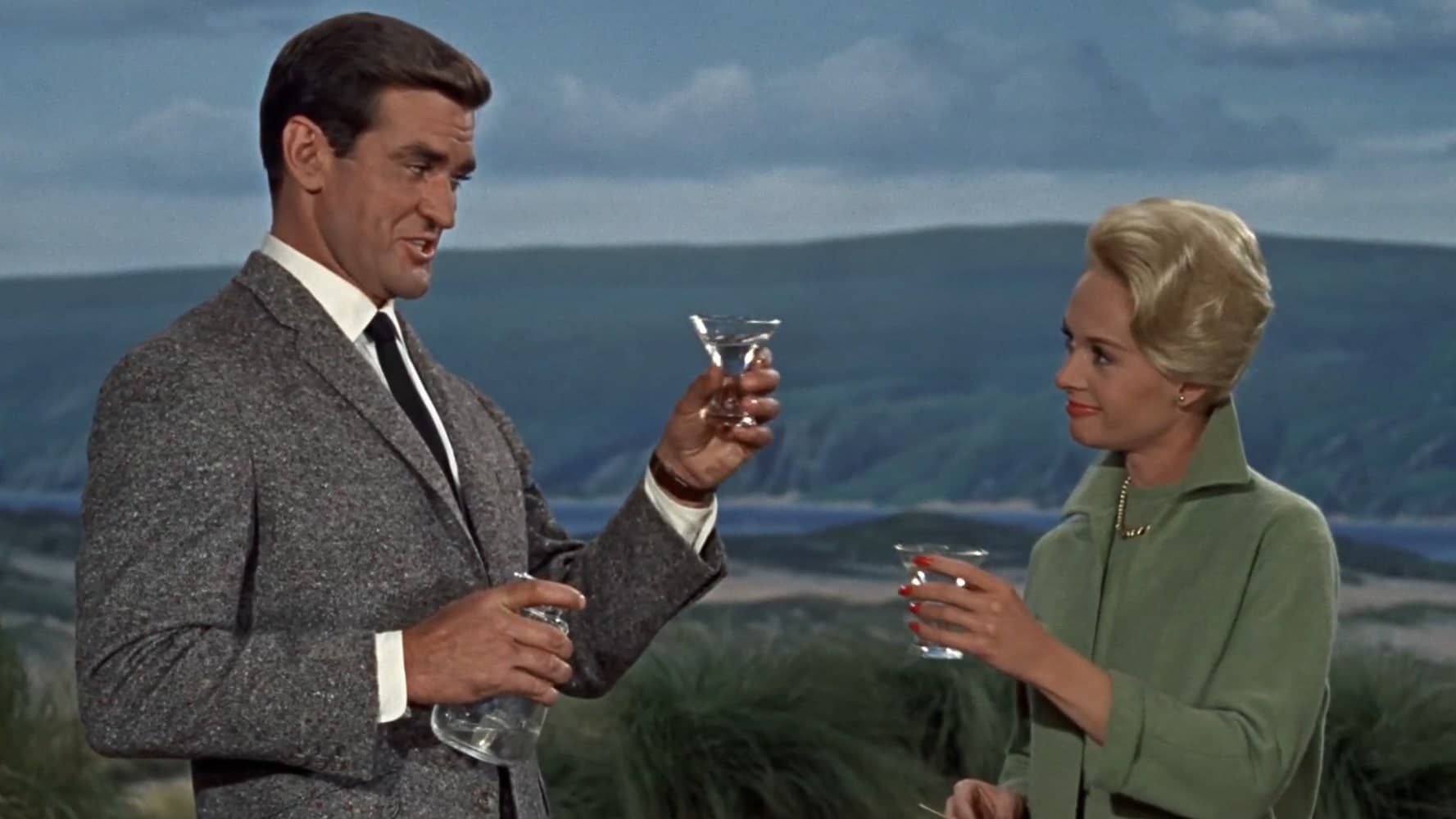
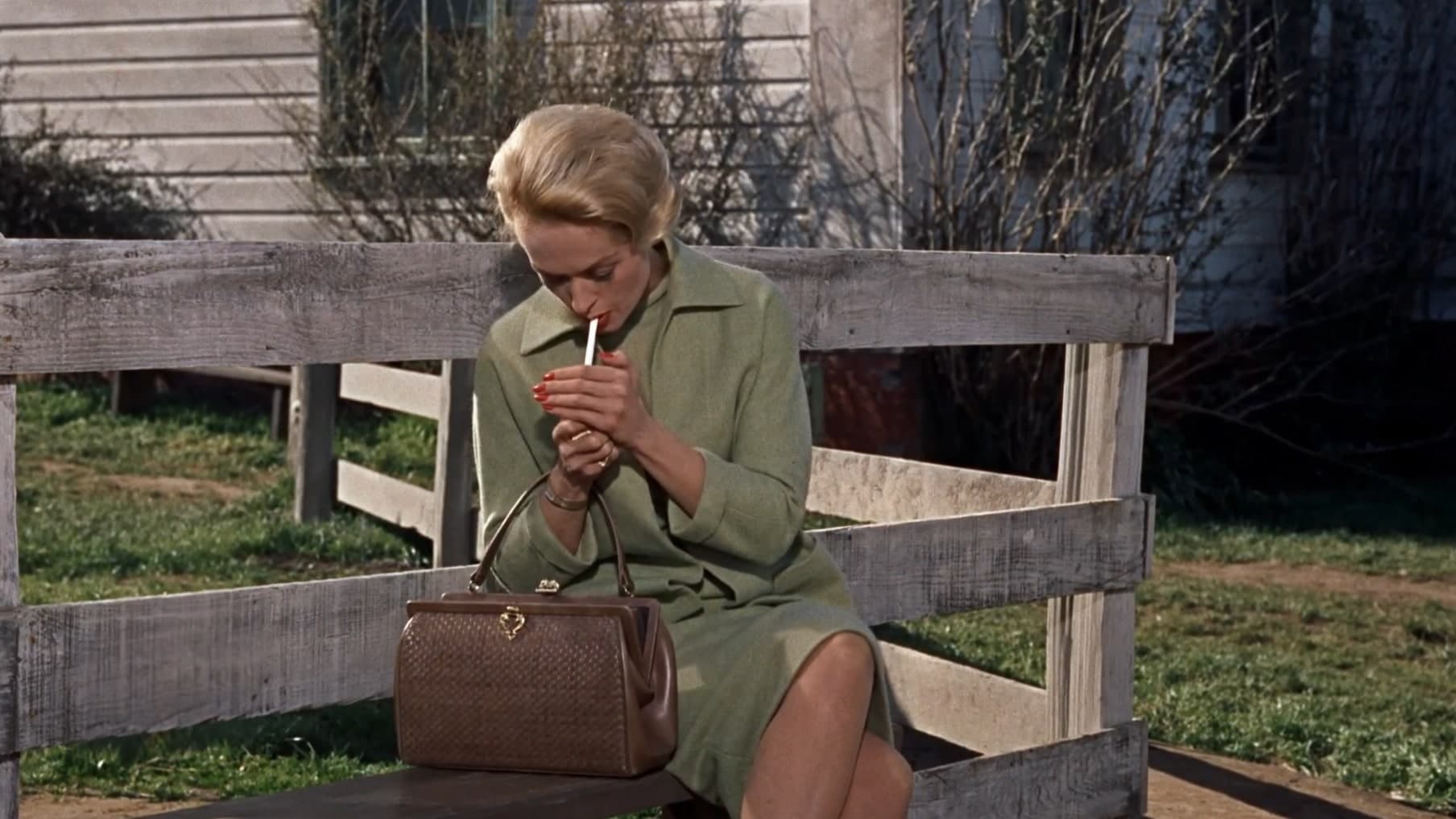
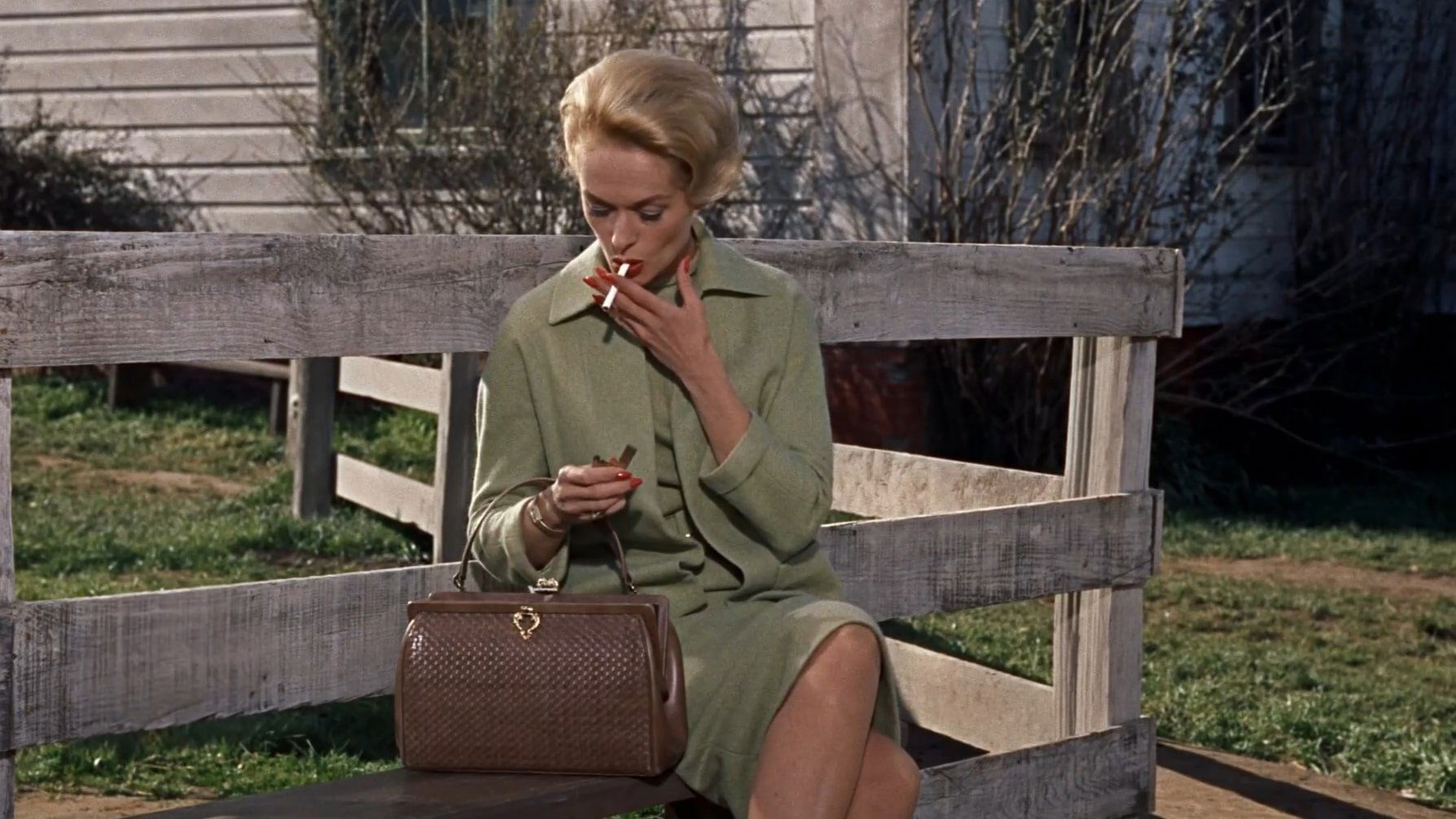
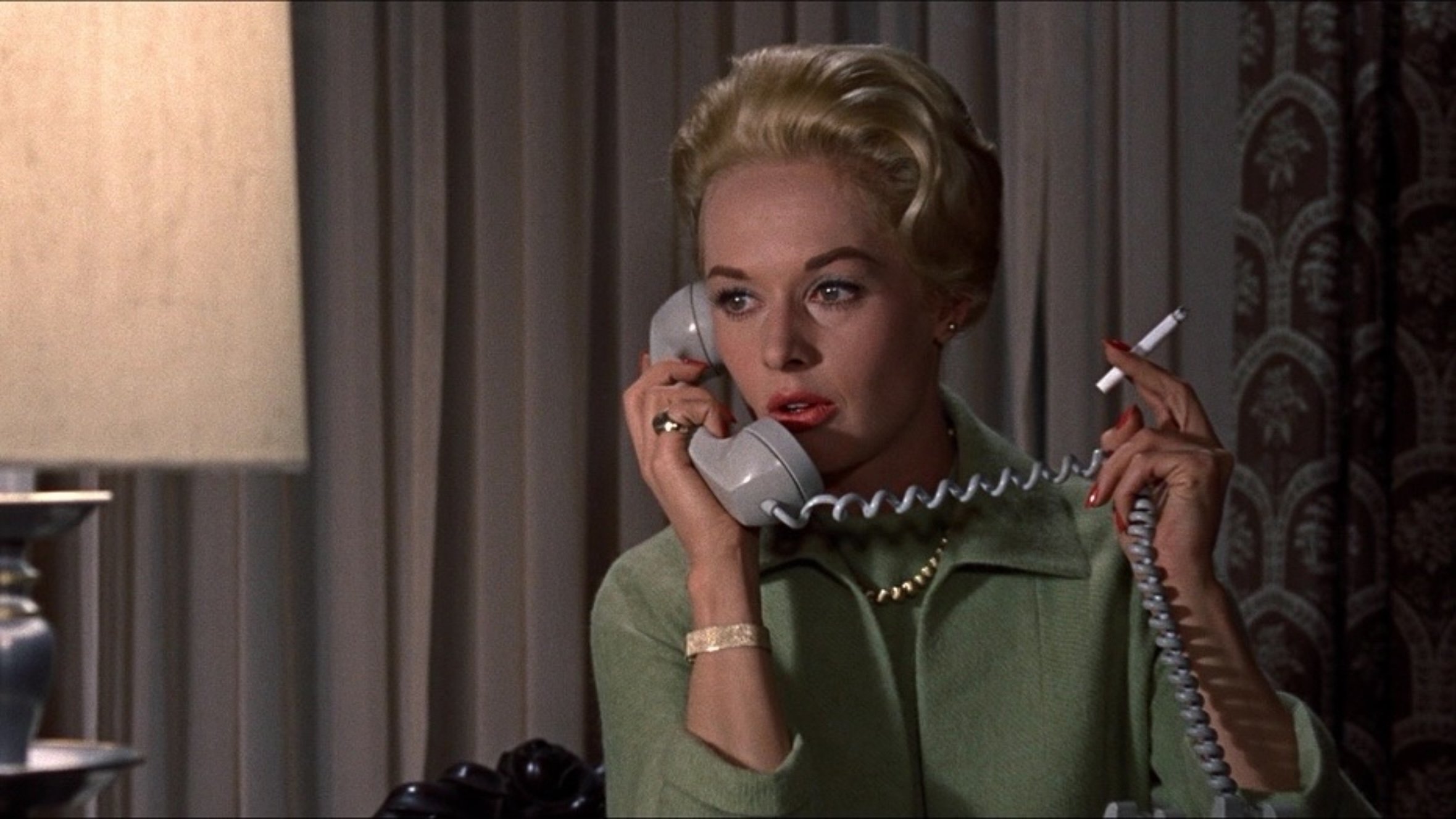
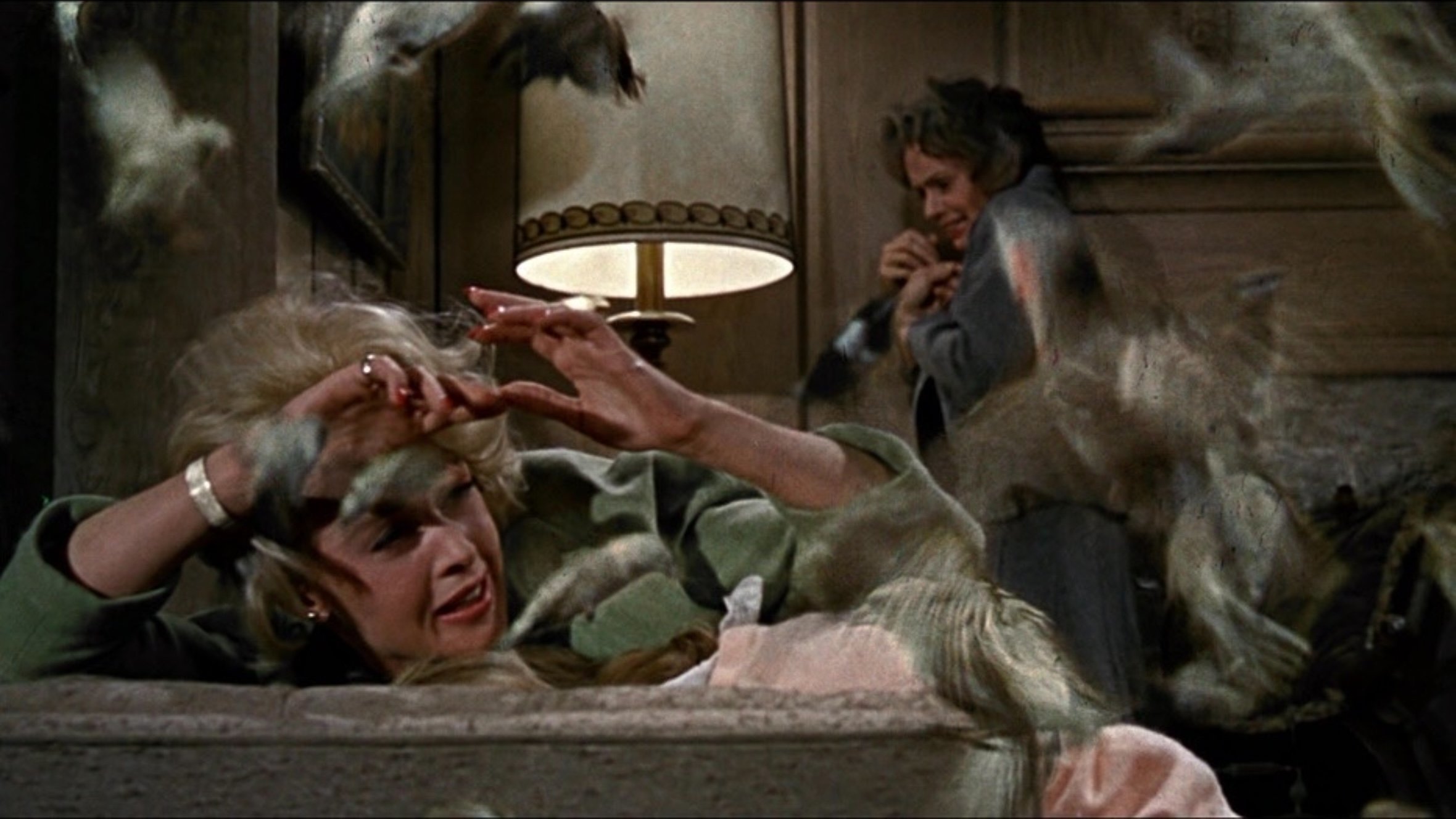
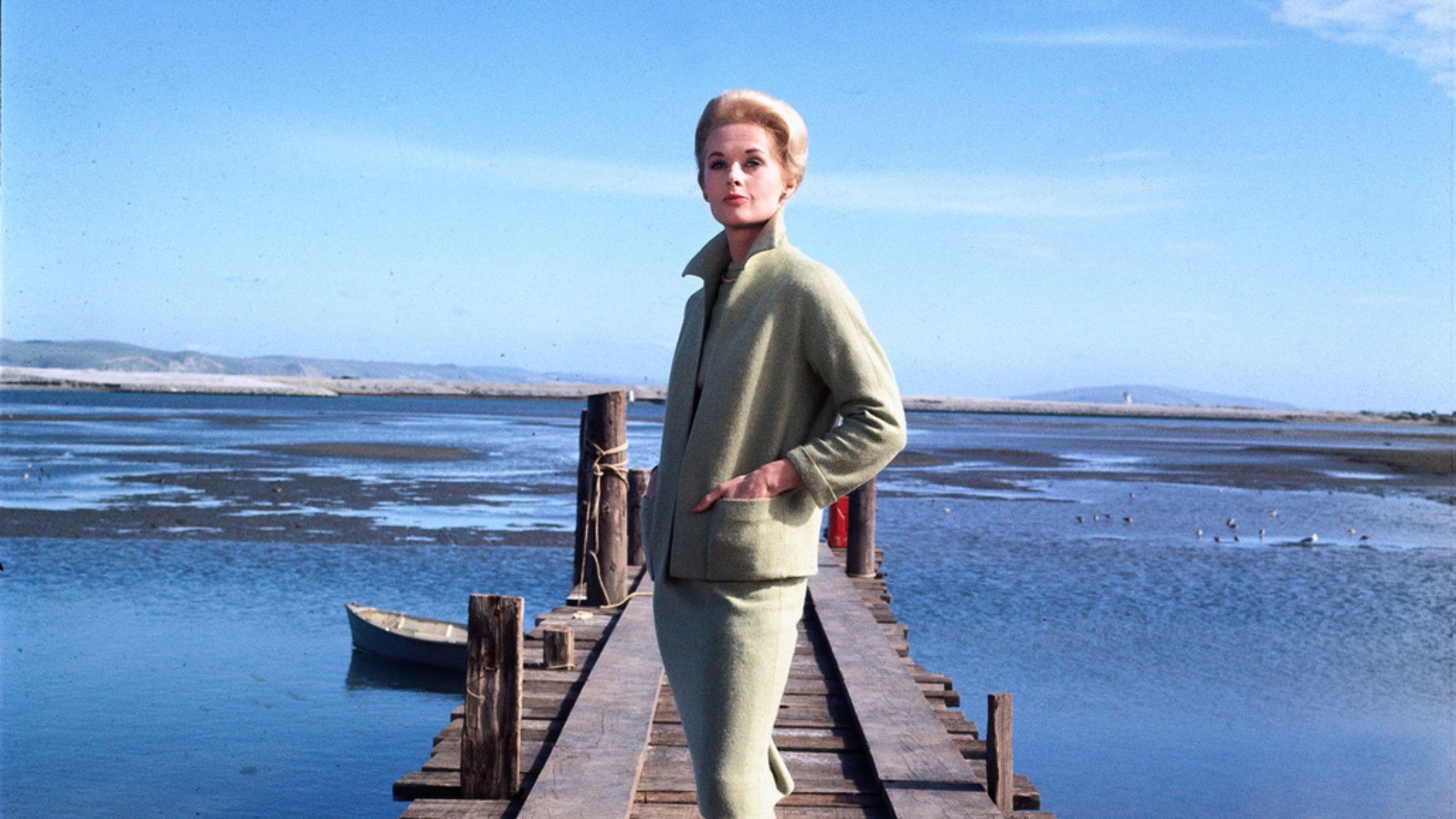
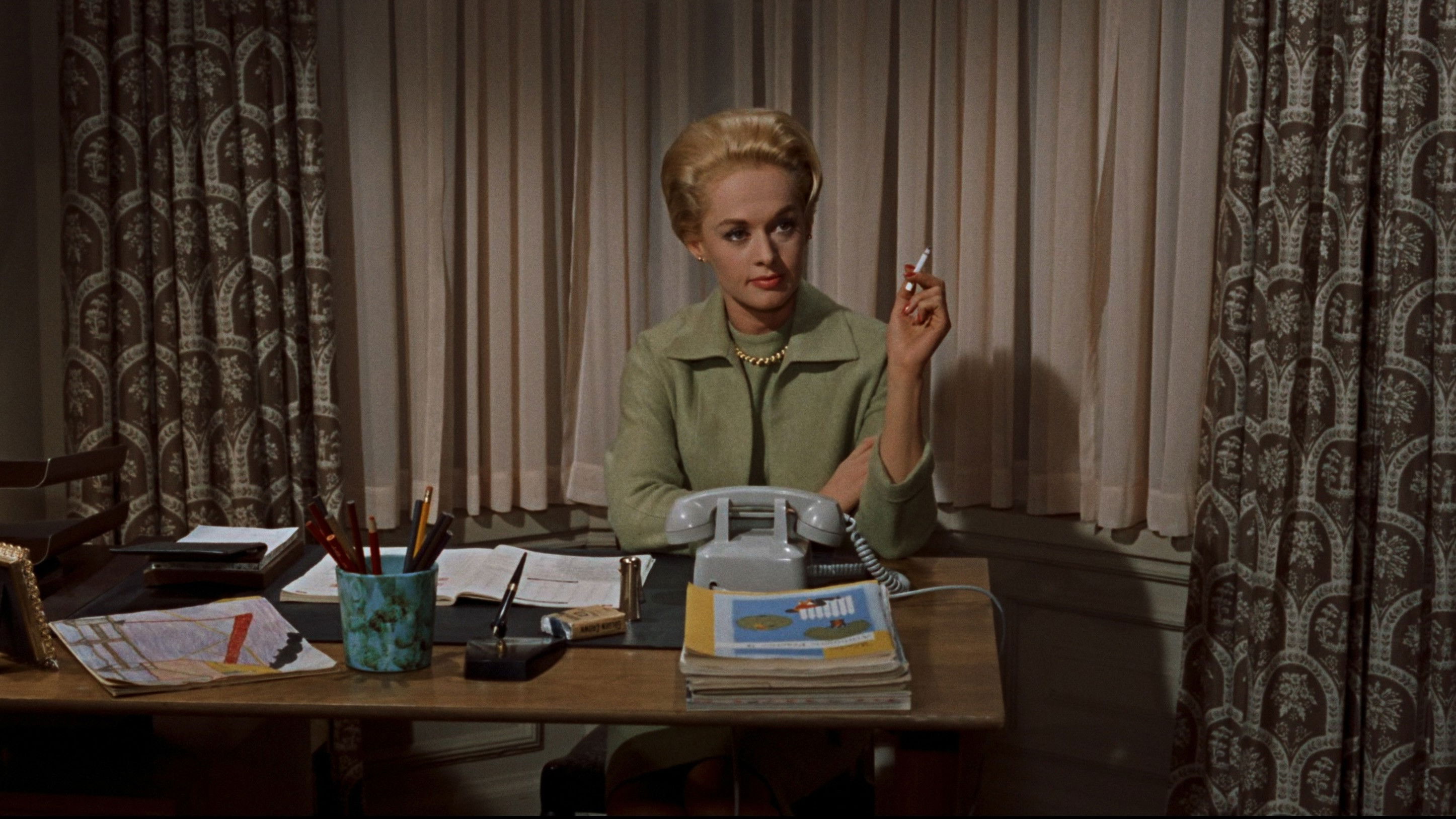
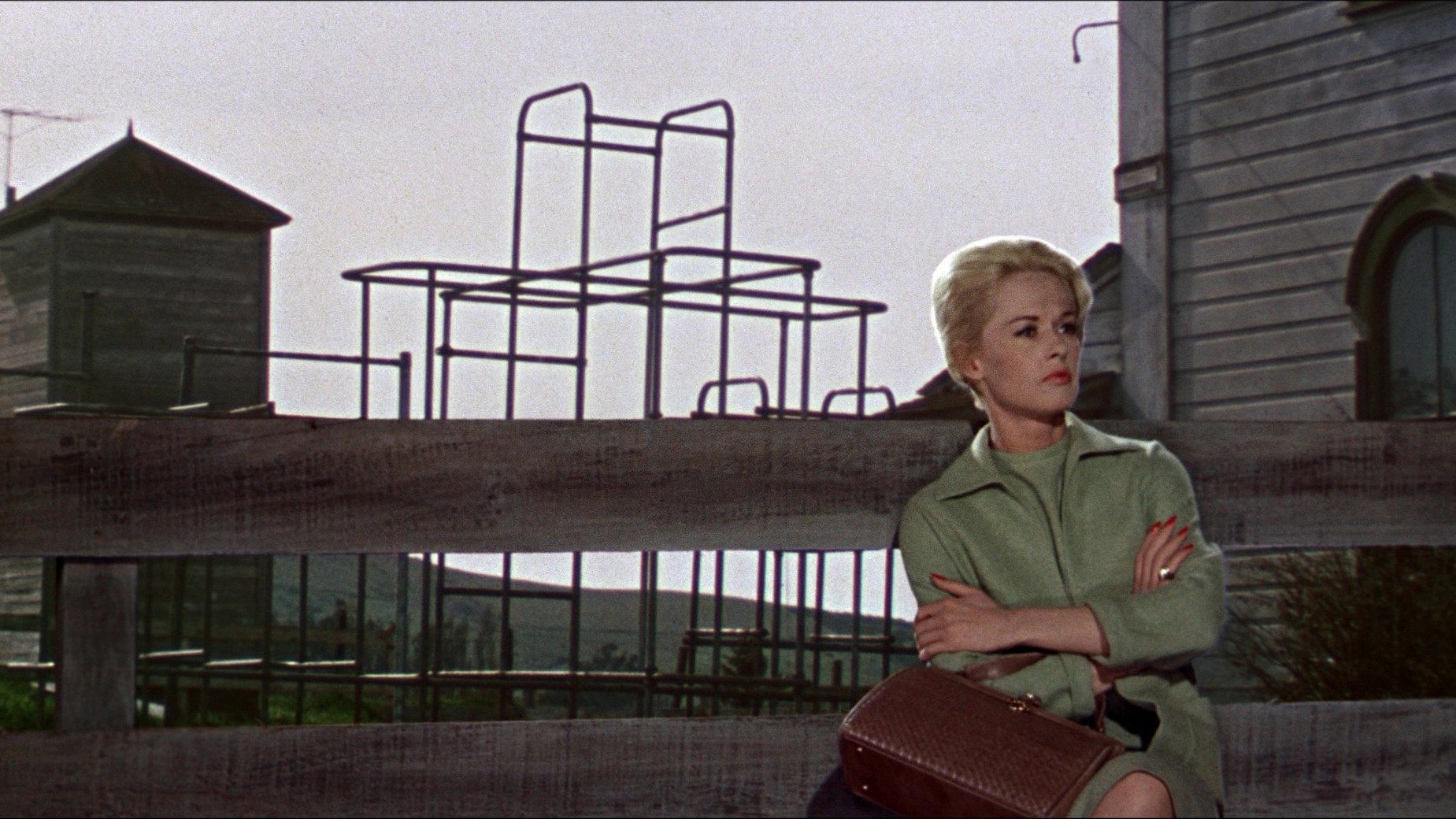
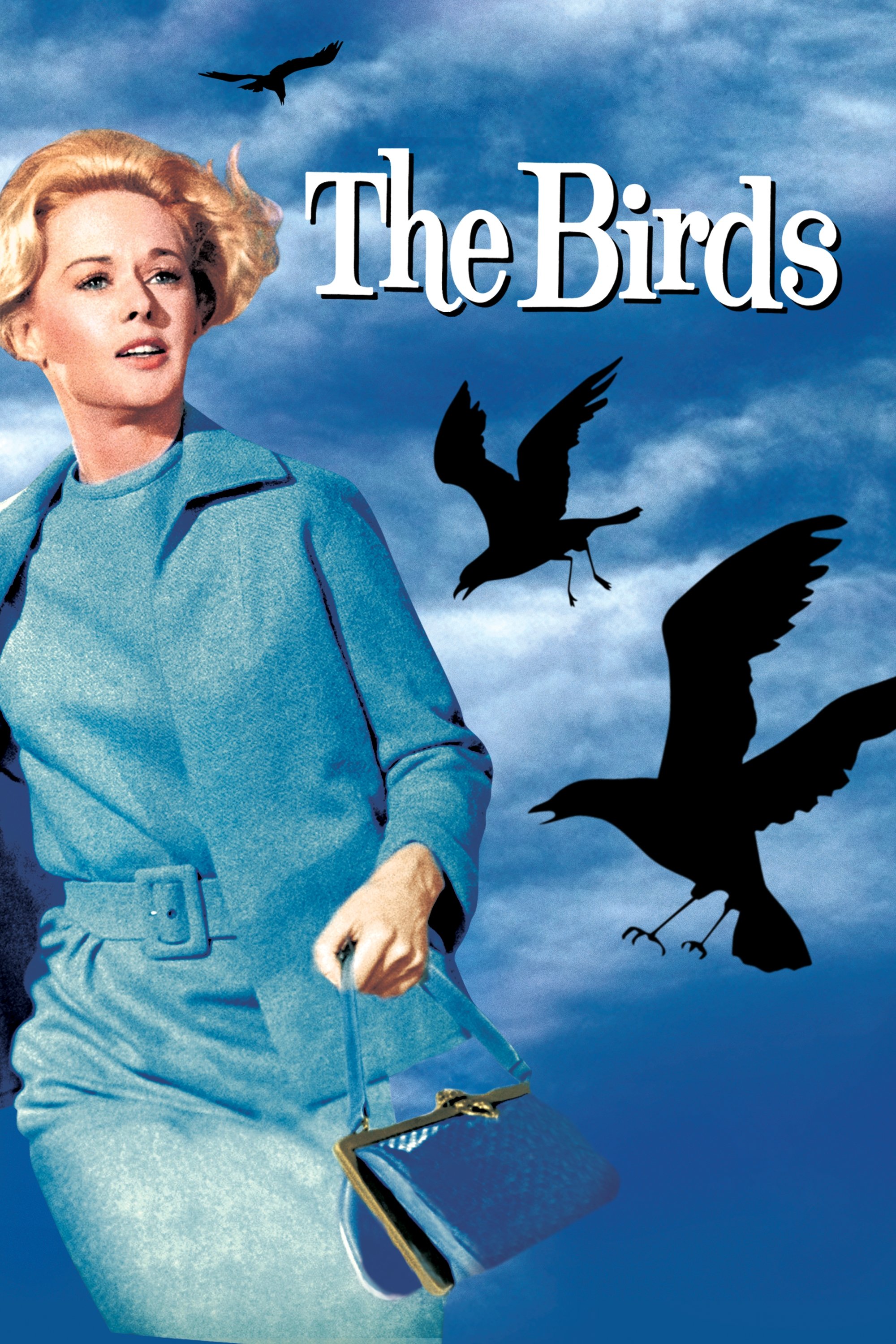
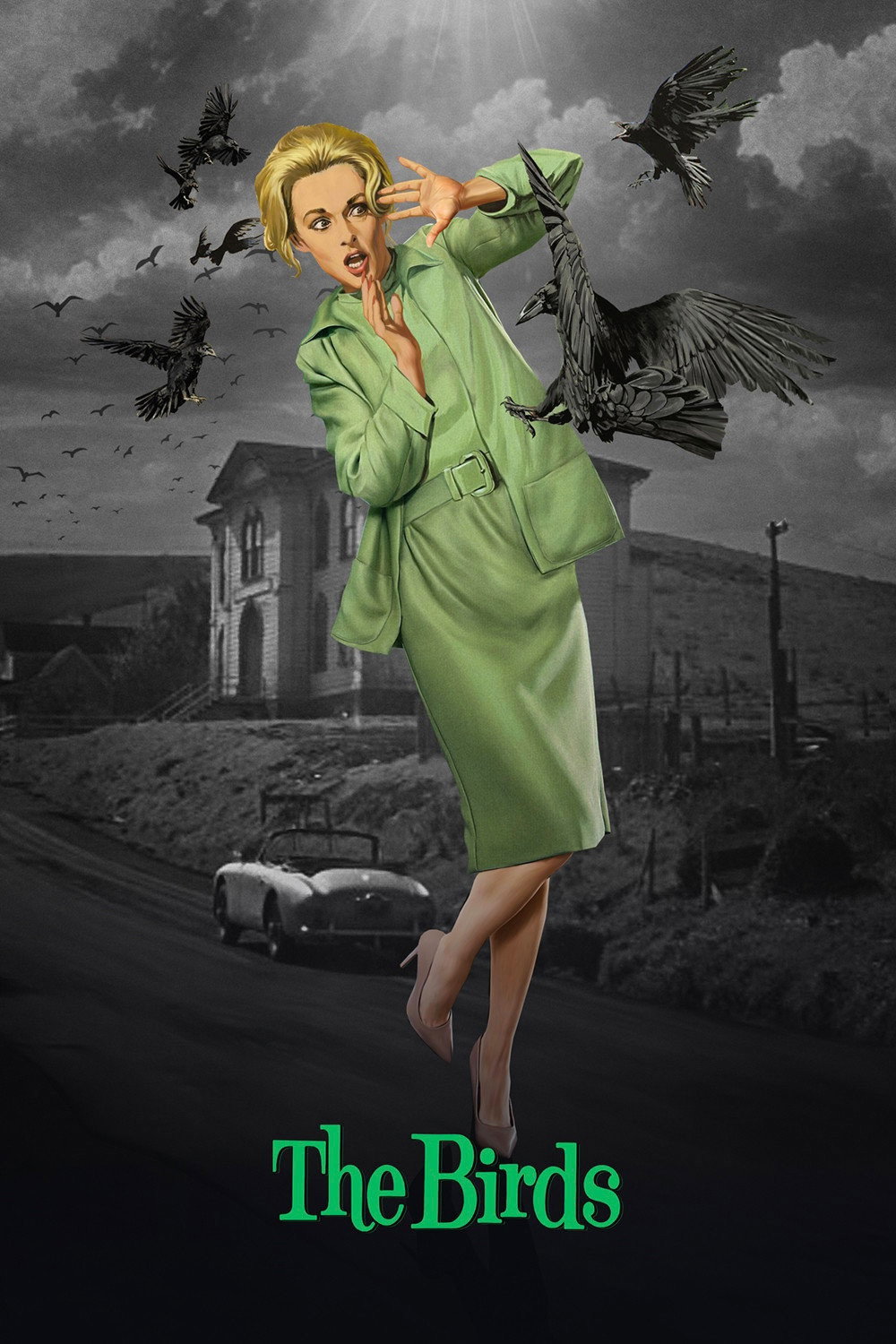
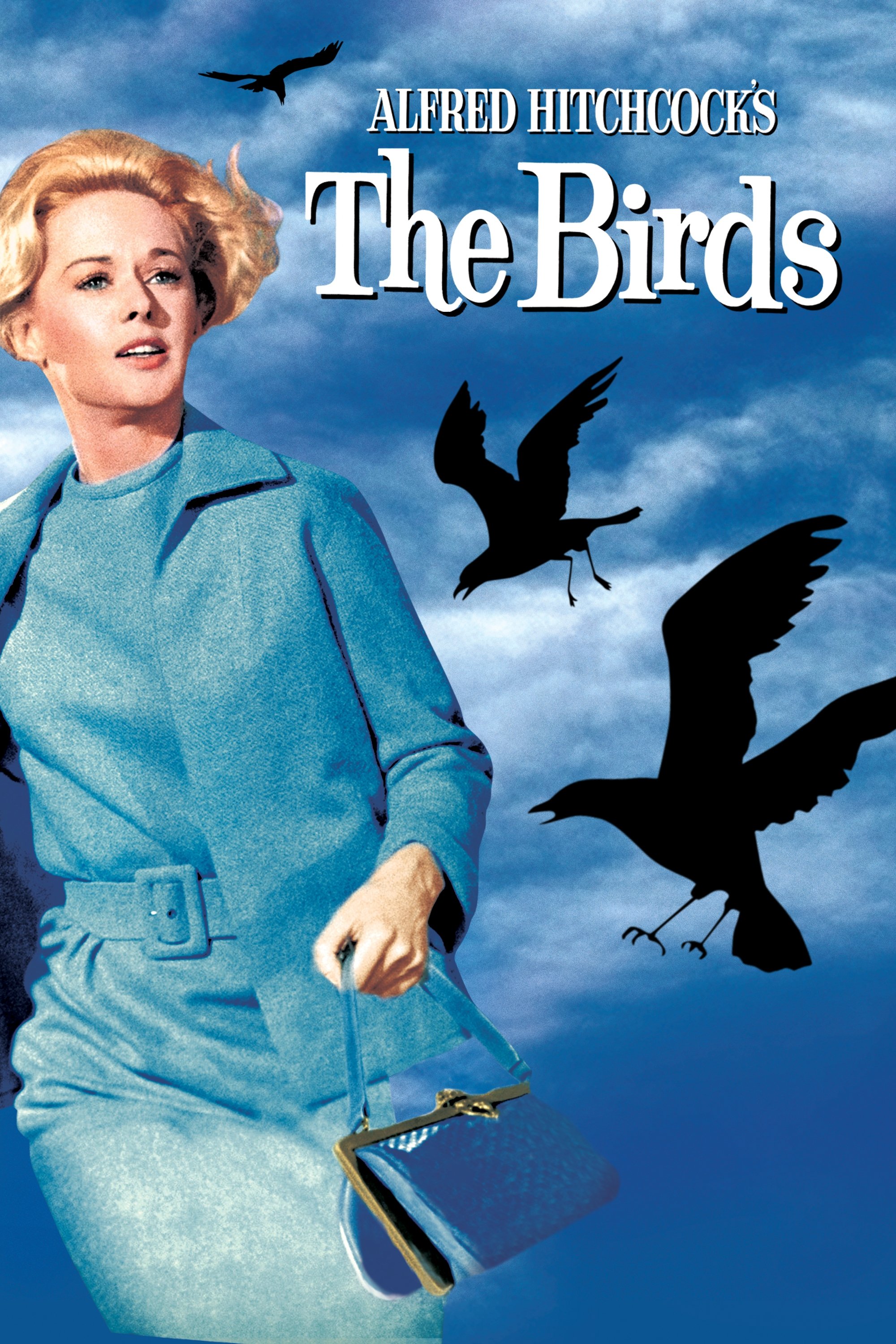
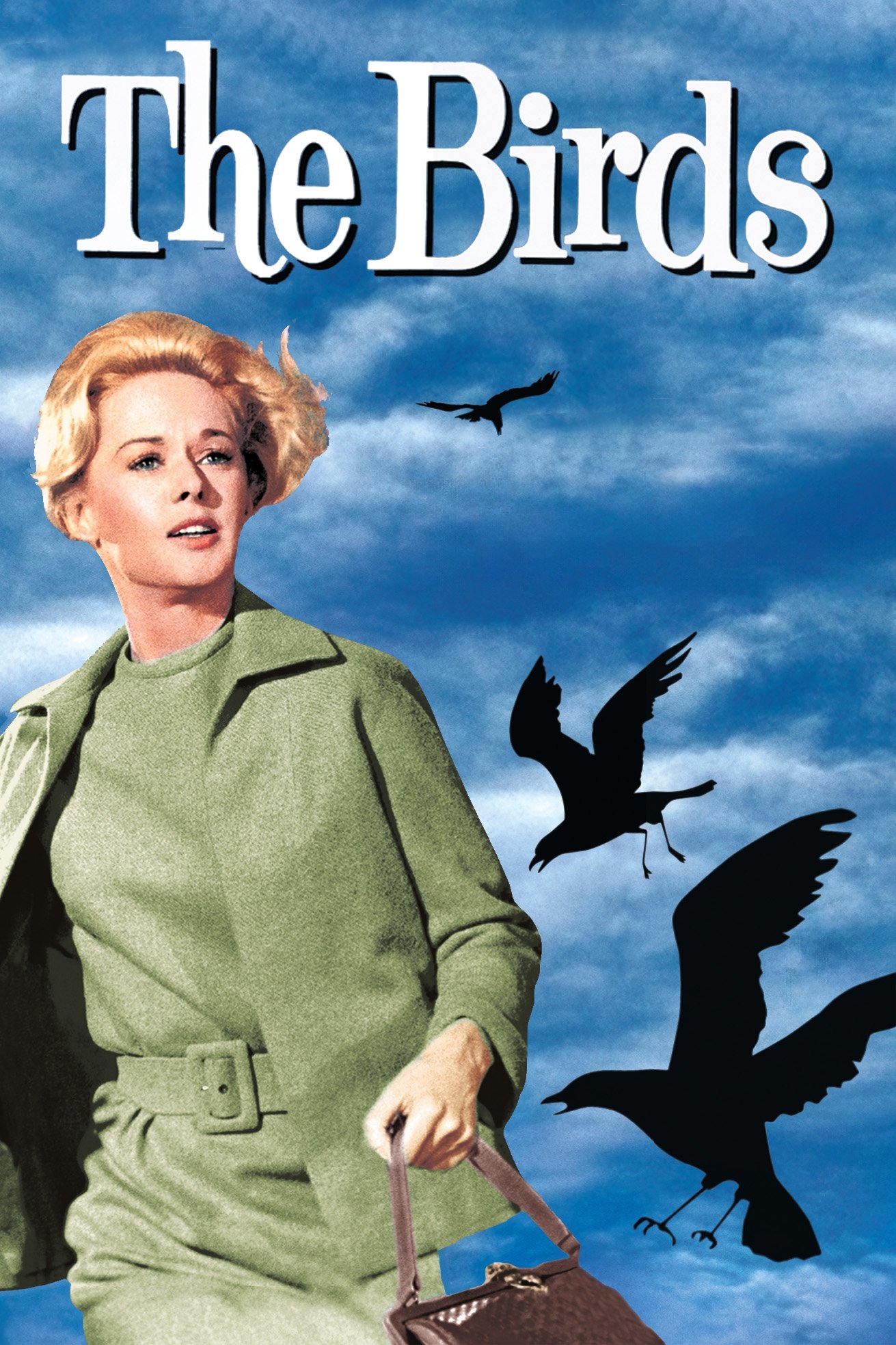
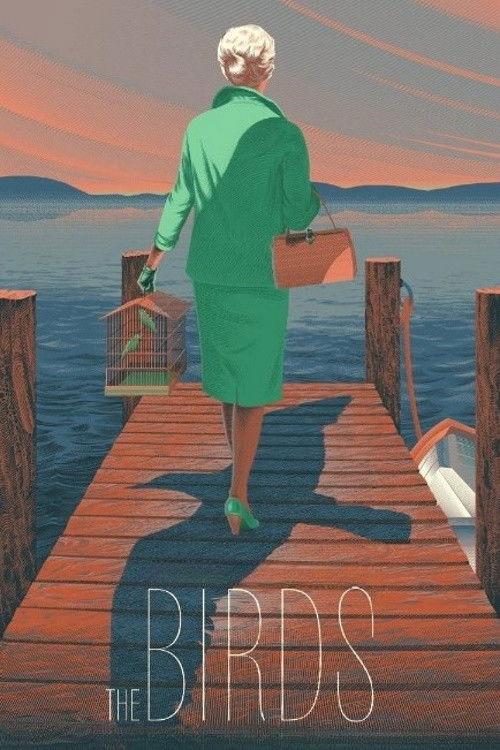
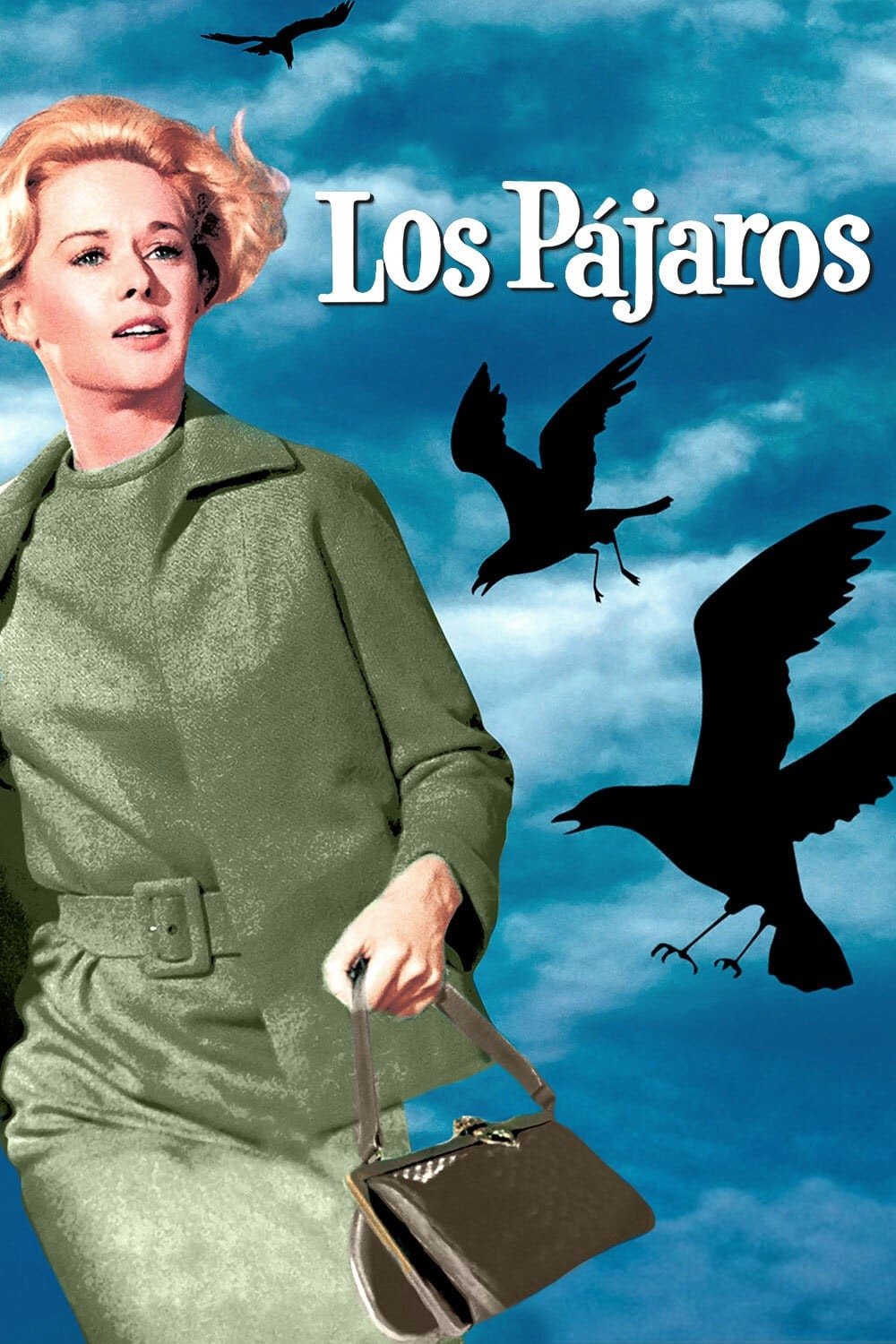
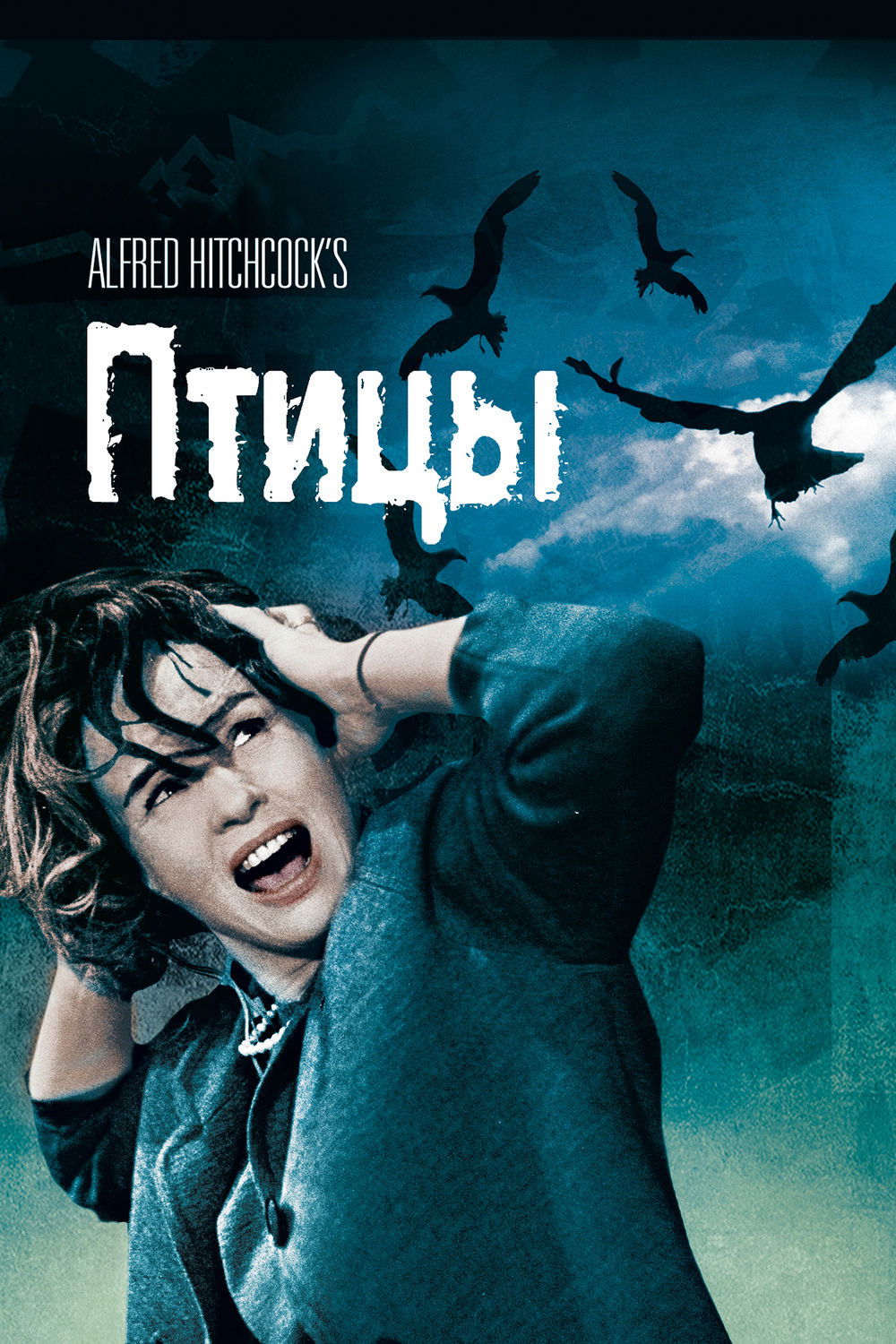
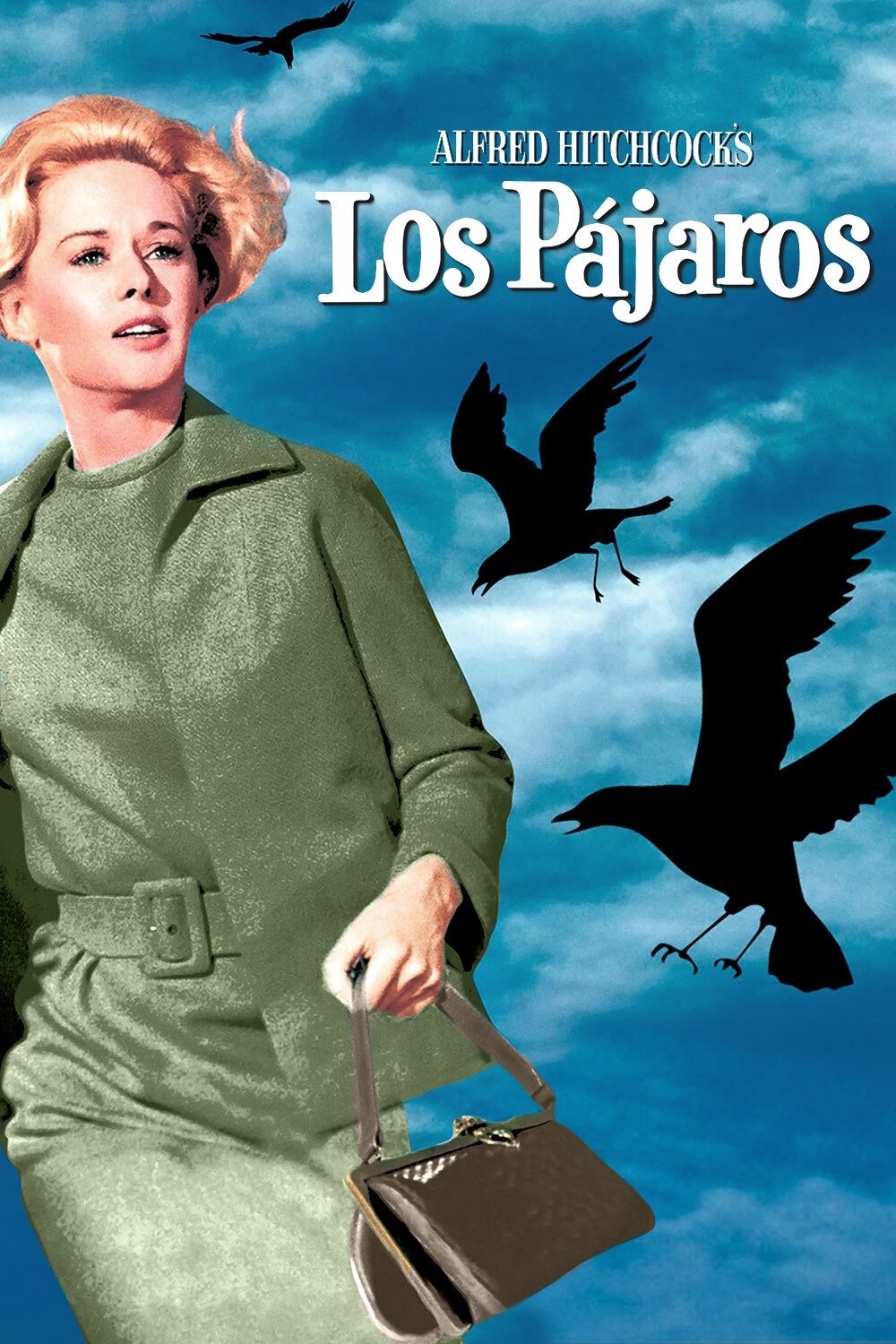
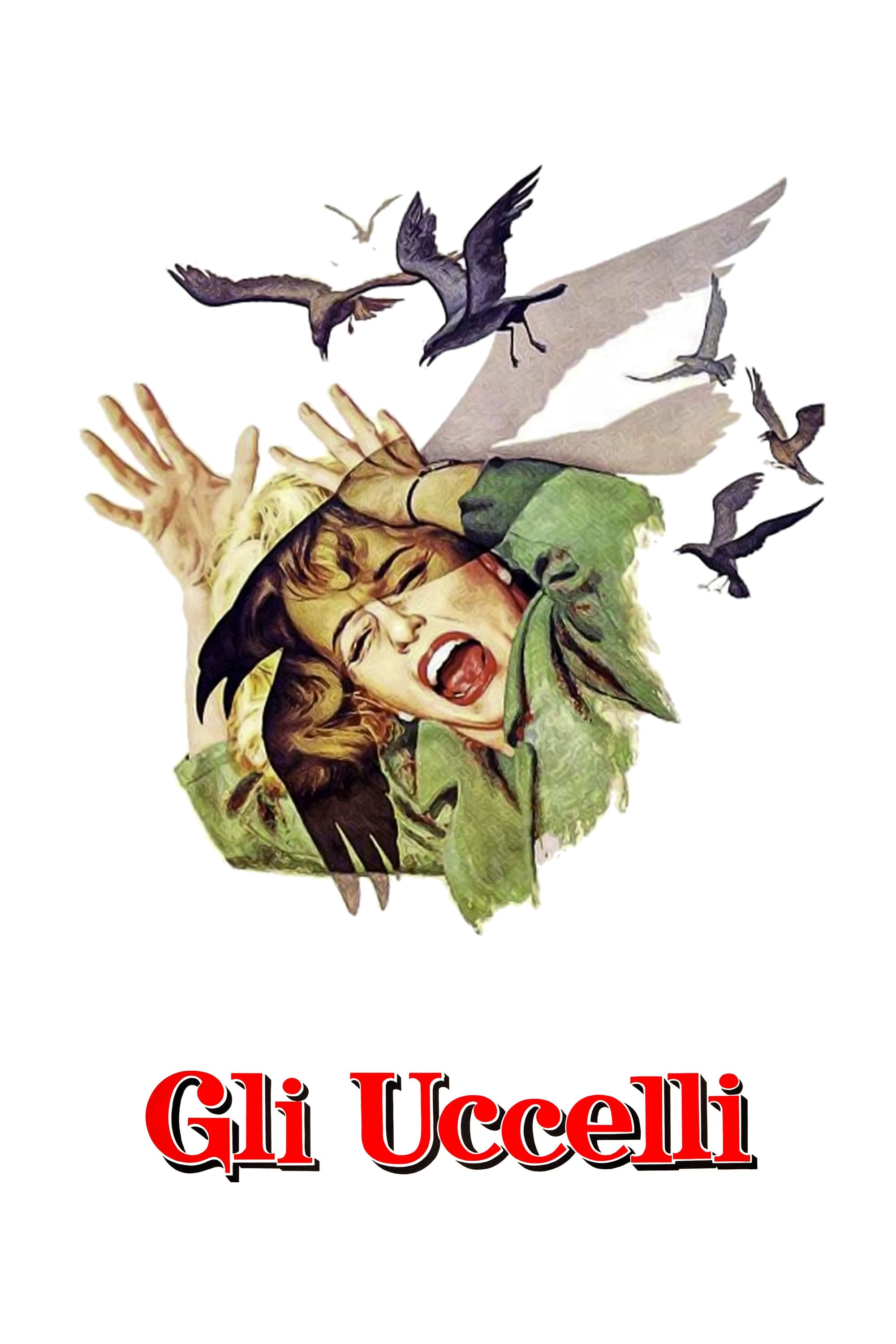
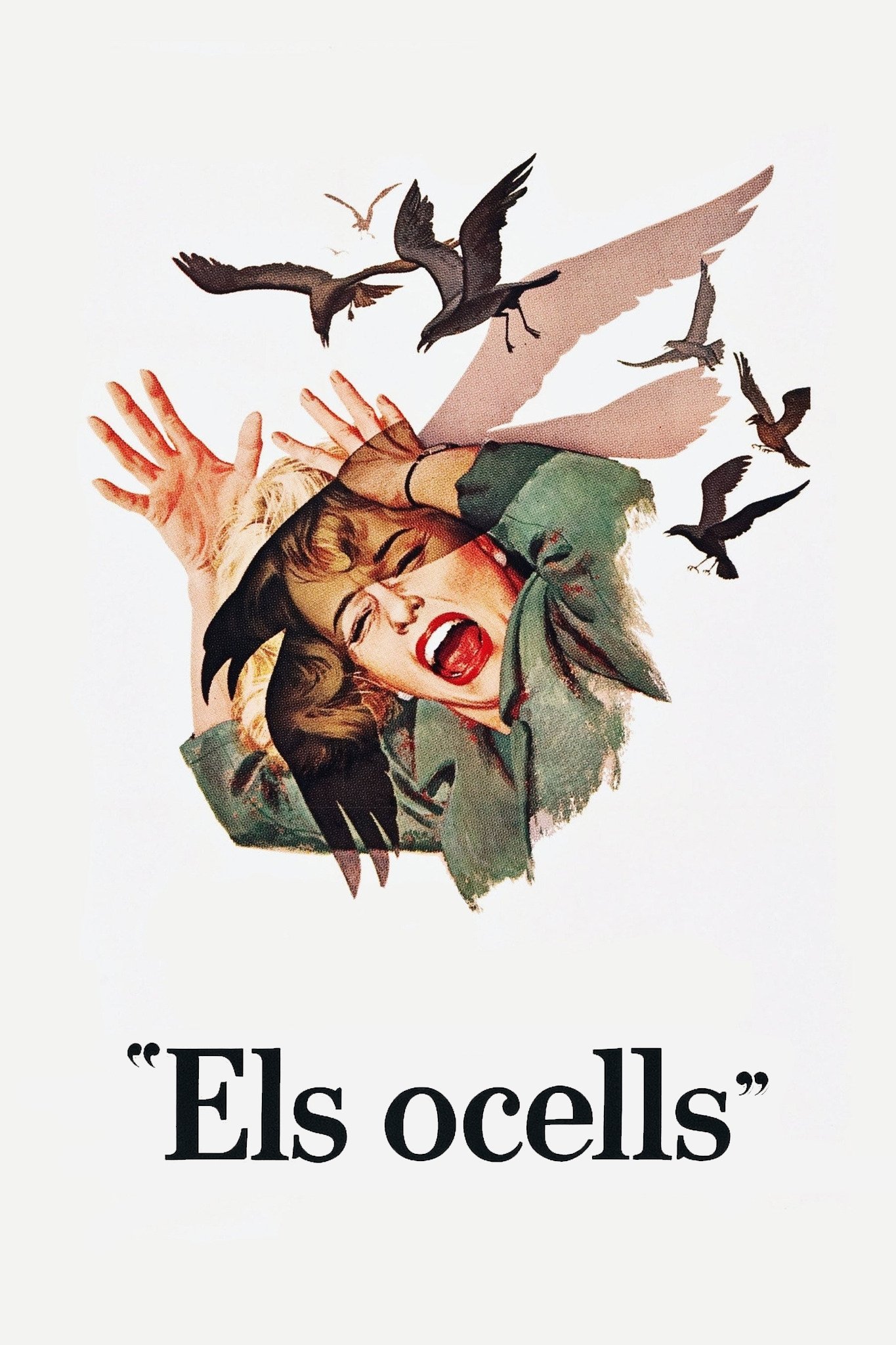
The film’s production design was supervised by Robert Boyle, with Edith Head designing Hedren’s costumes. The characters’ clothing and the ordinary furnishings of houses, schools and shops establish a social environment whose apparent security is progressively destroyed. Melanie’s green suit remains visually recognizable throughout the attacks, making her deteriorating physical condition especially conspicuous. The domestic spaces are arranged around windows, doors, fireplaces and other openings through which the birds can enter. Their construction becomes increasingly important as the Brenner family attempts to defend the house. These environments also offered Hitchcock opportunities to connect character movement with the technical requirements of optical effects and controlled animal photography.
Suspense, Storyboards, and Visual Construction
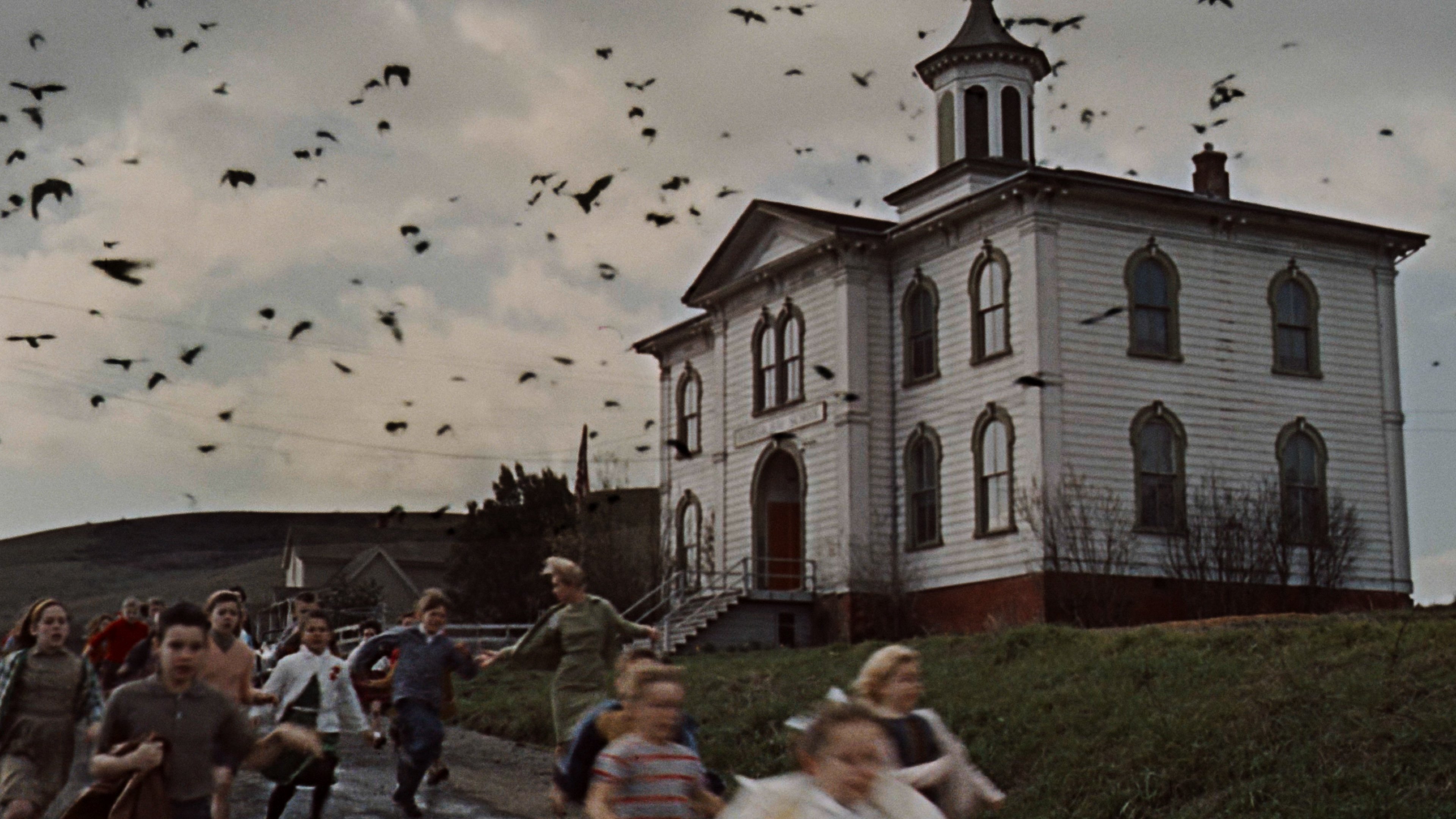
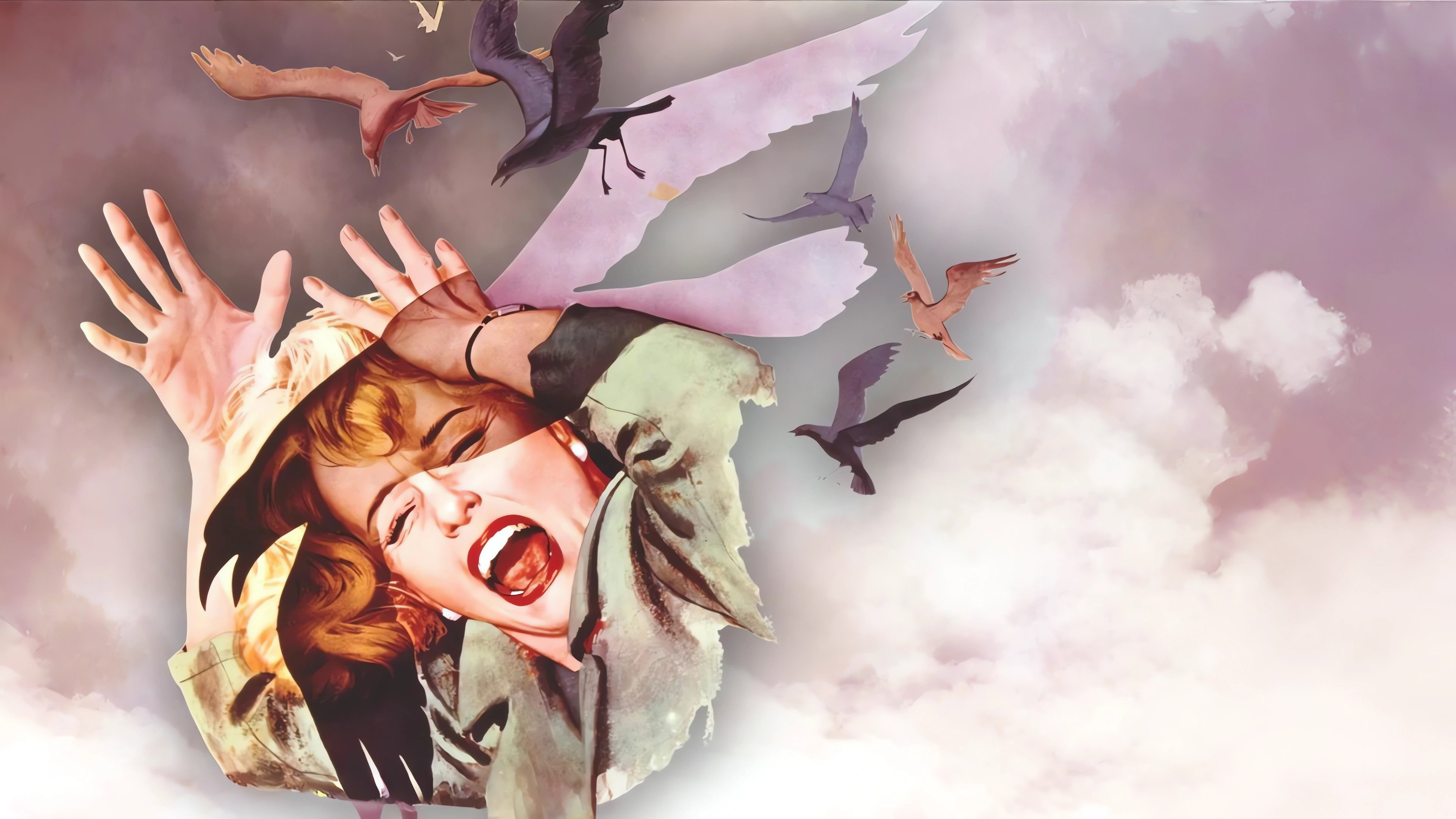
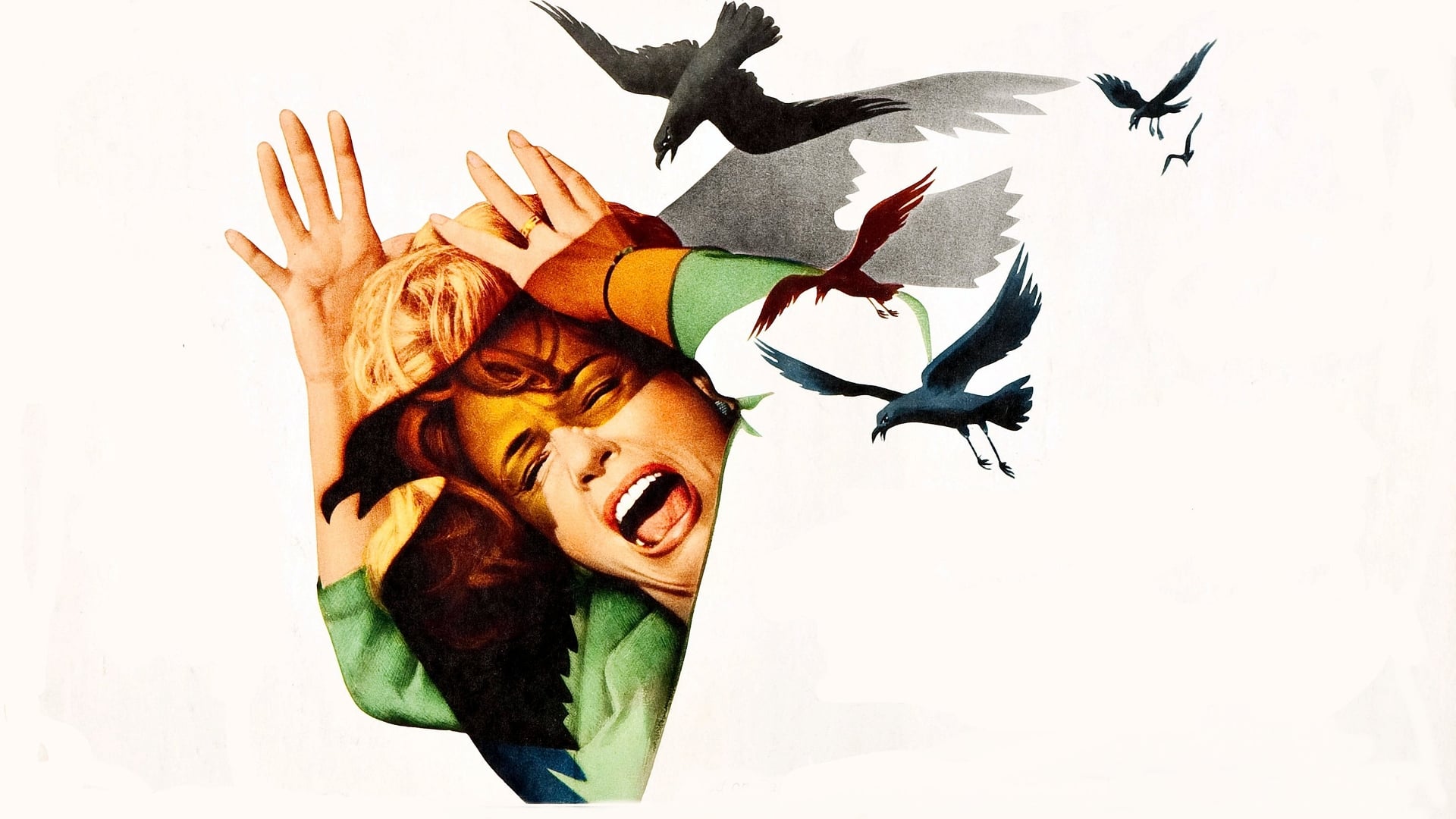
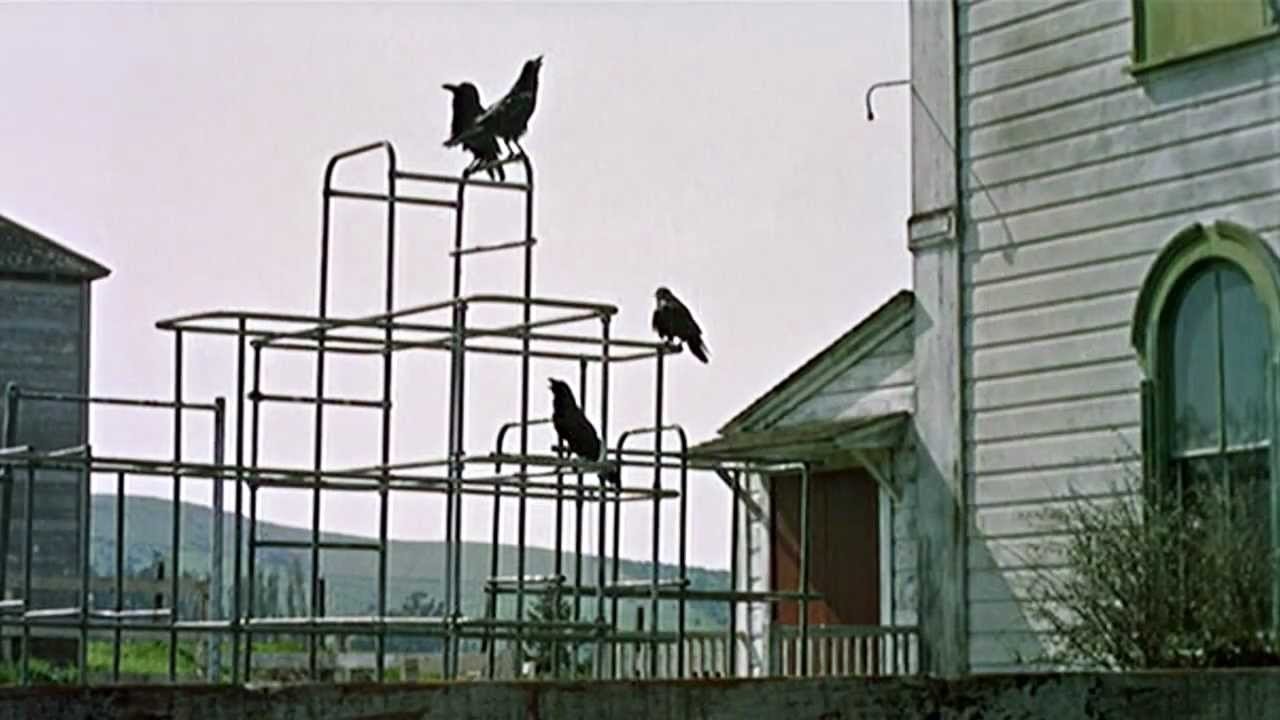
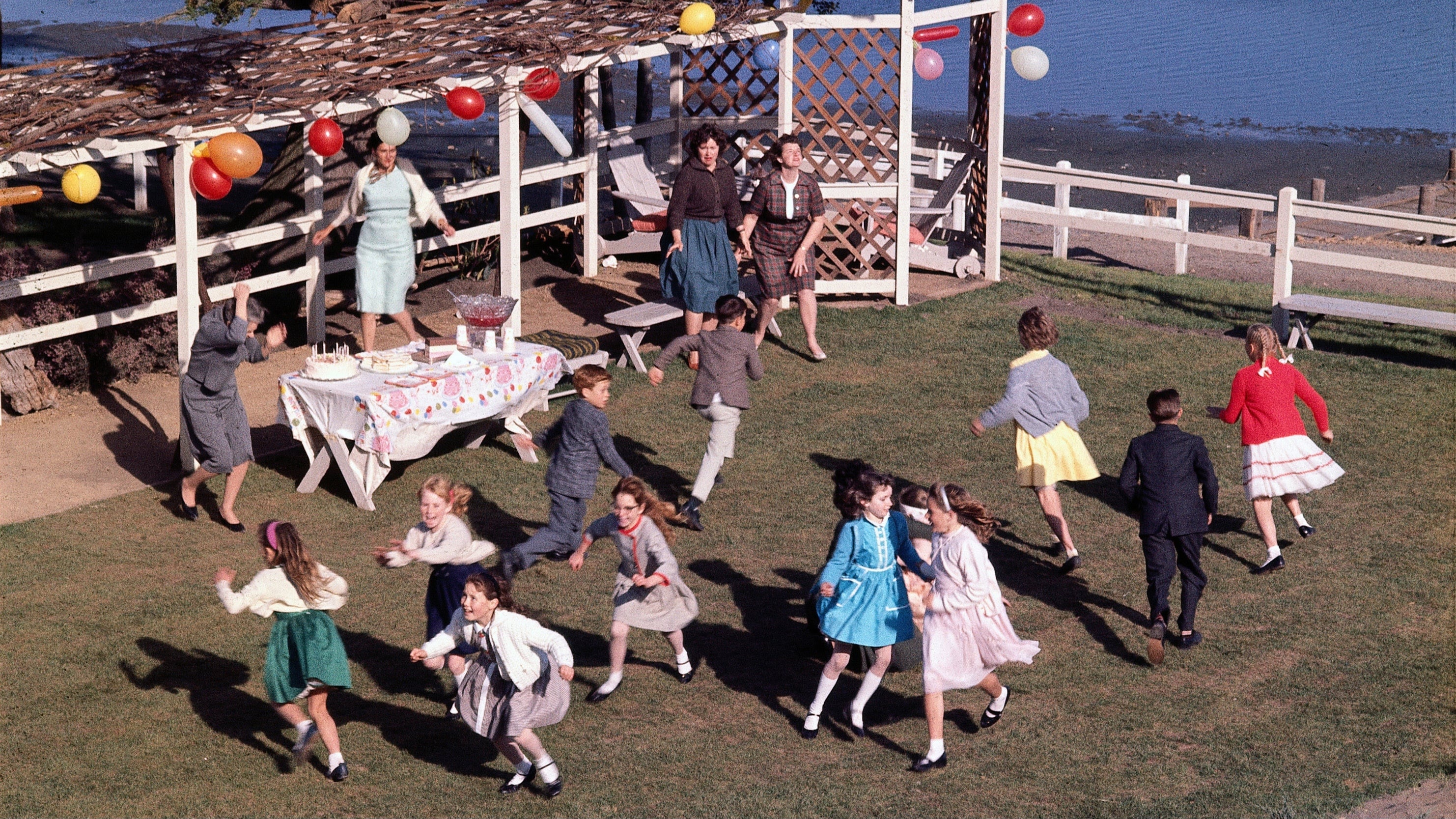
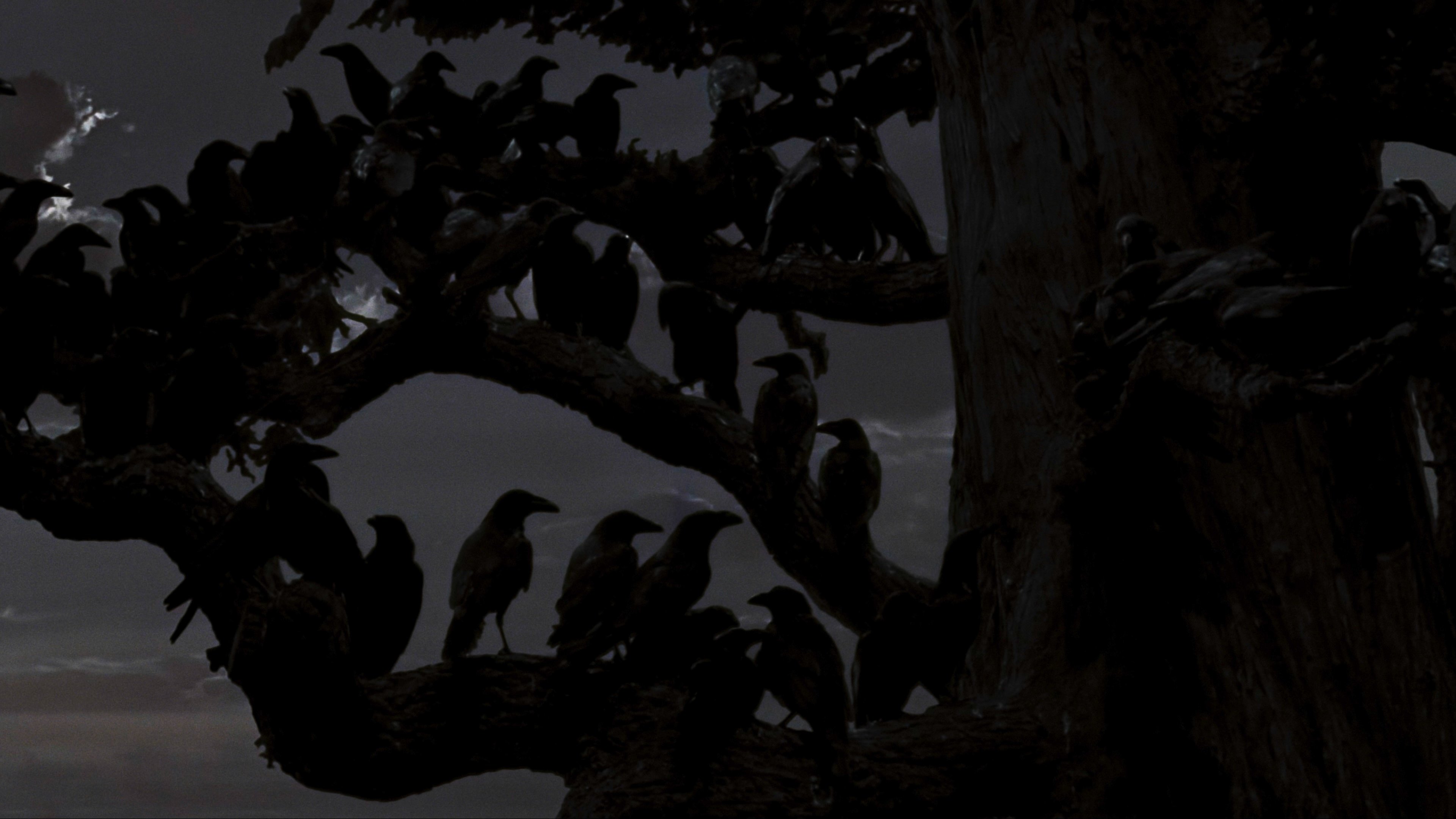
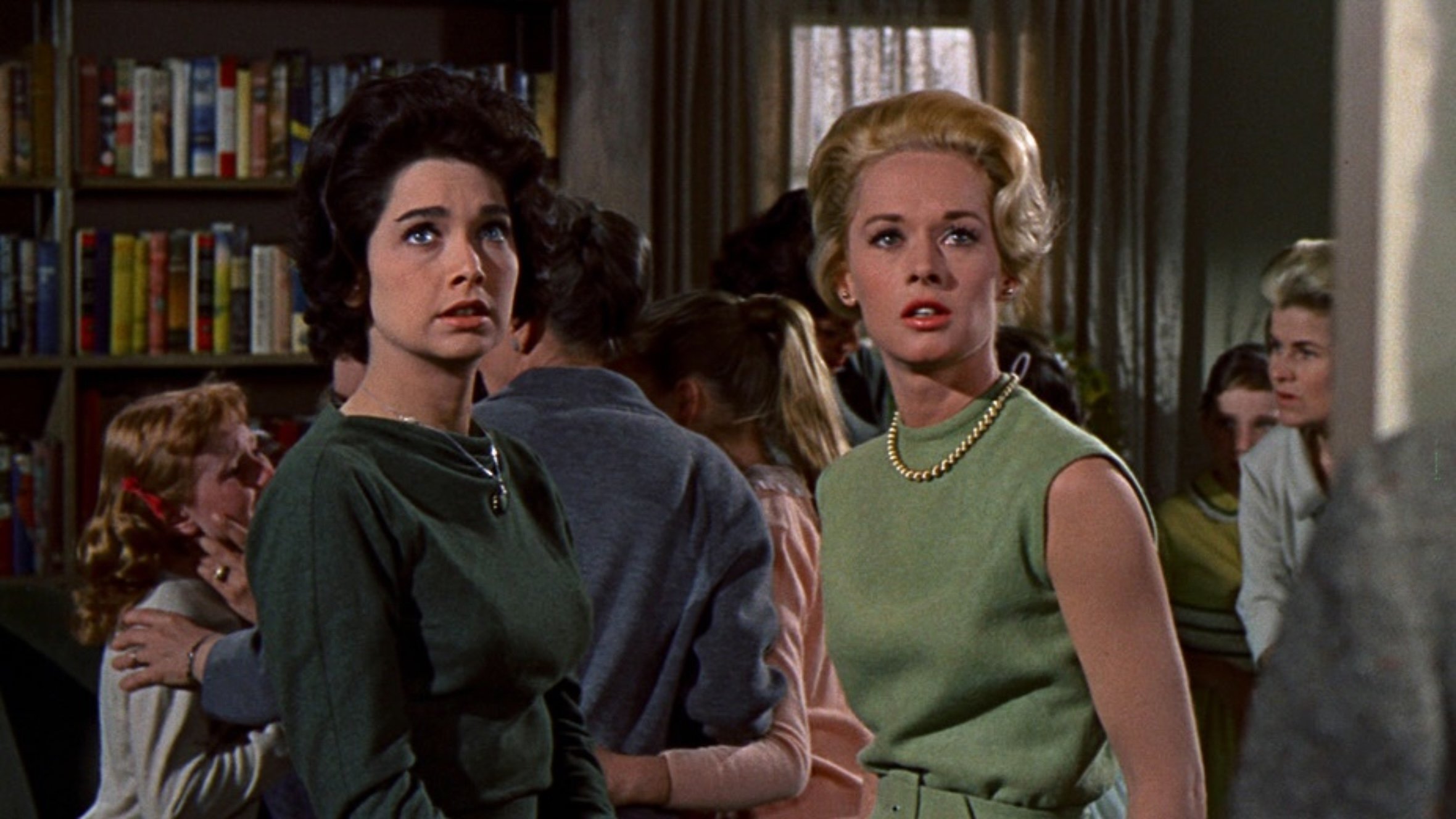
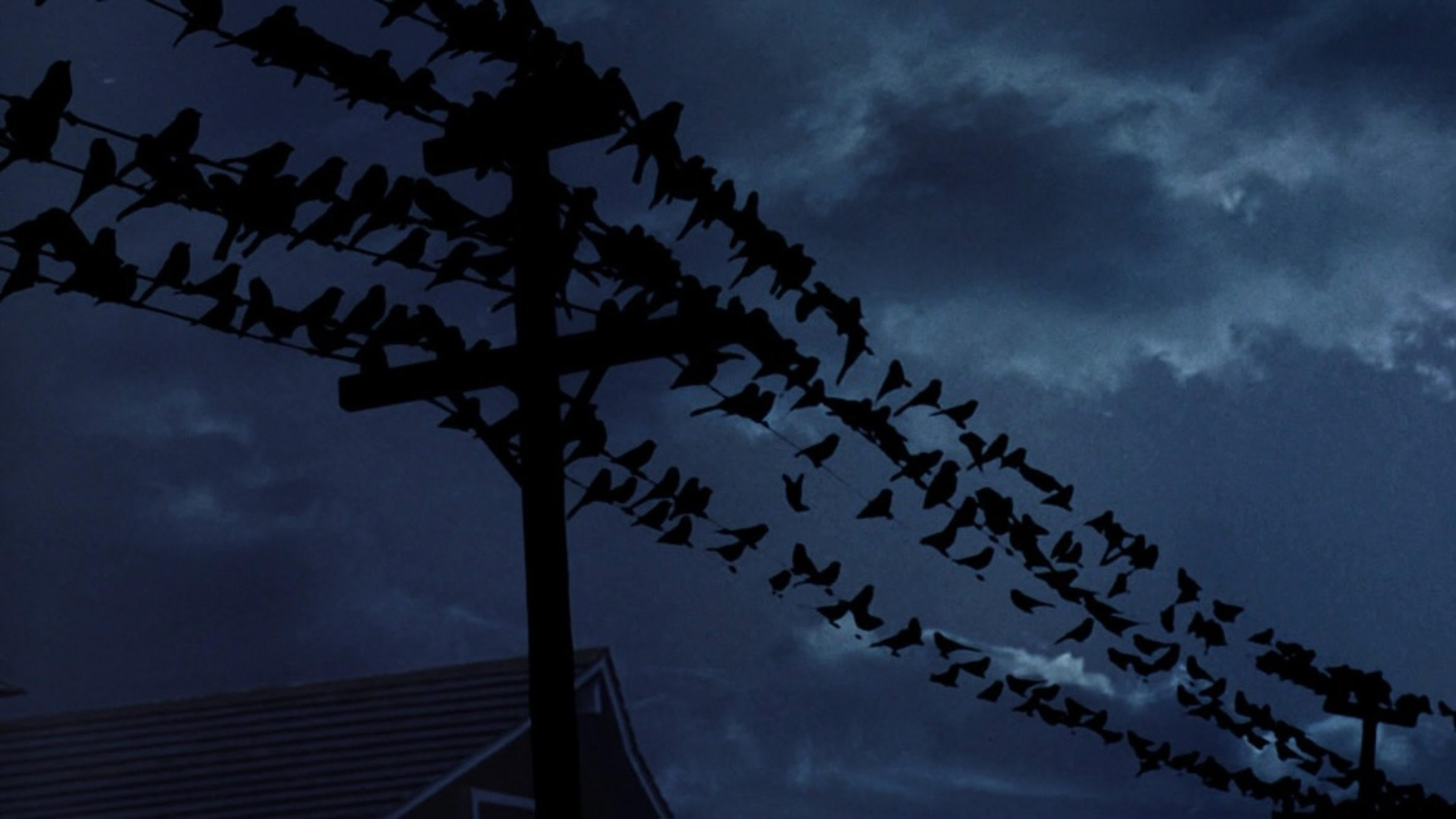
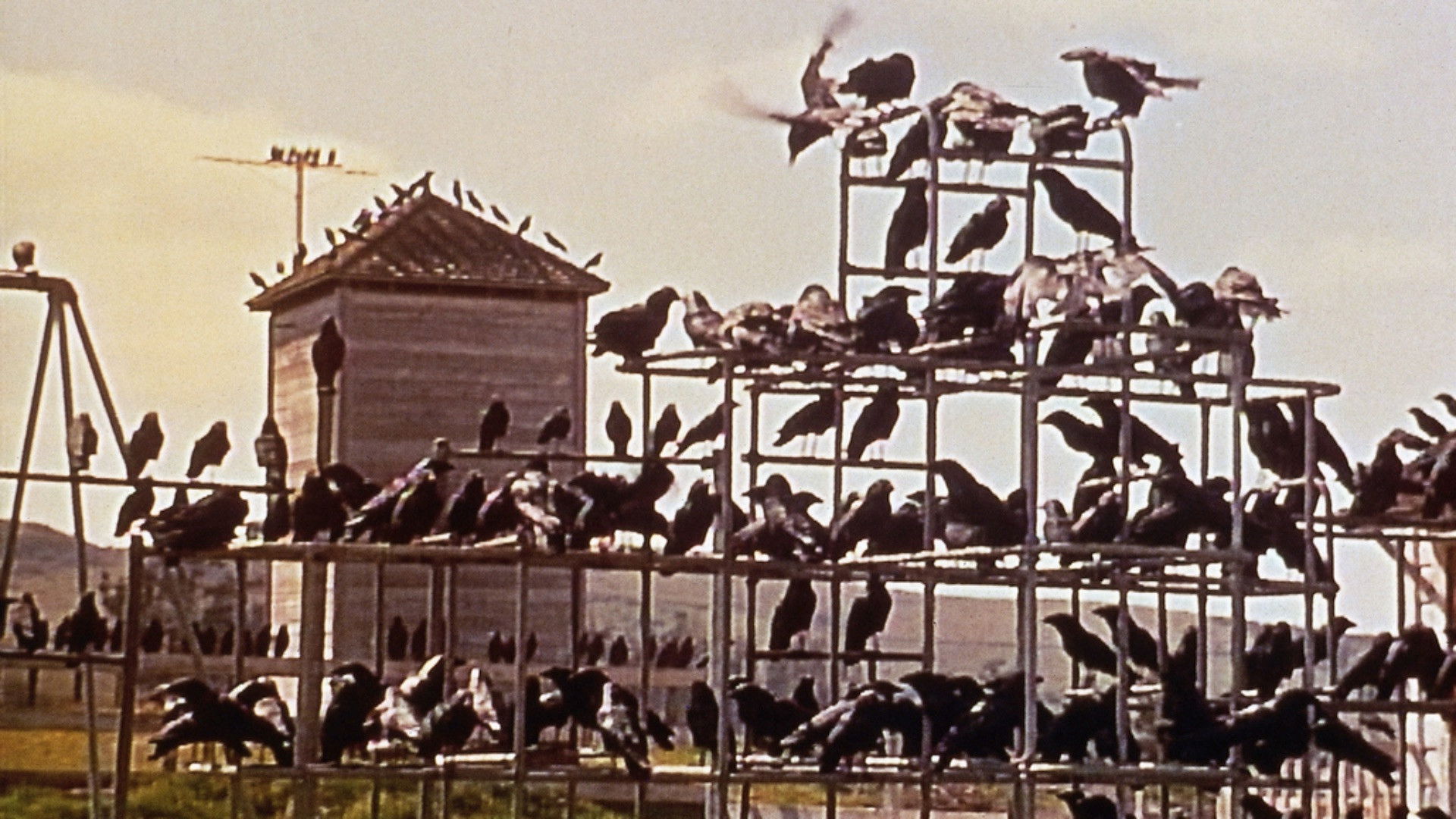
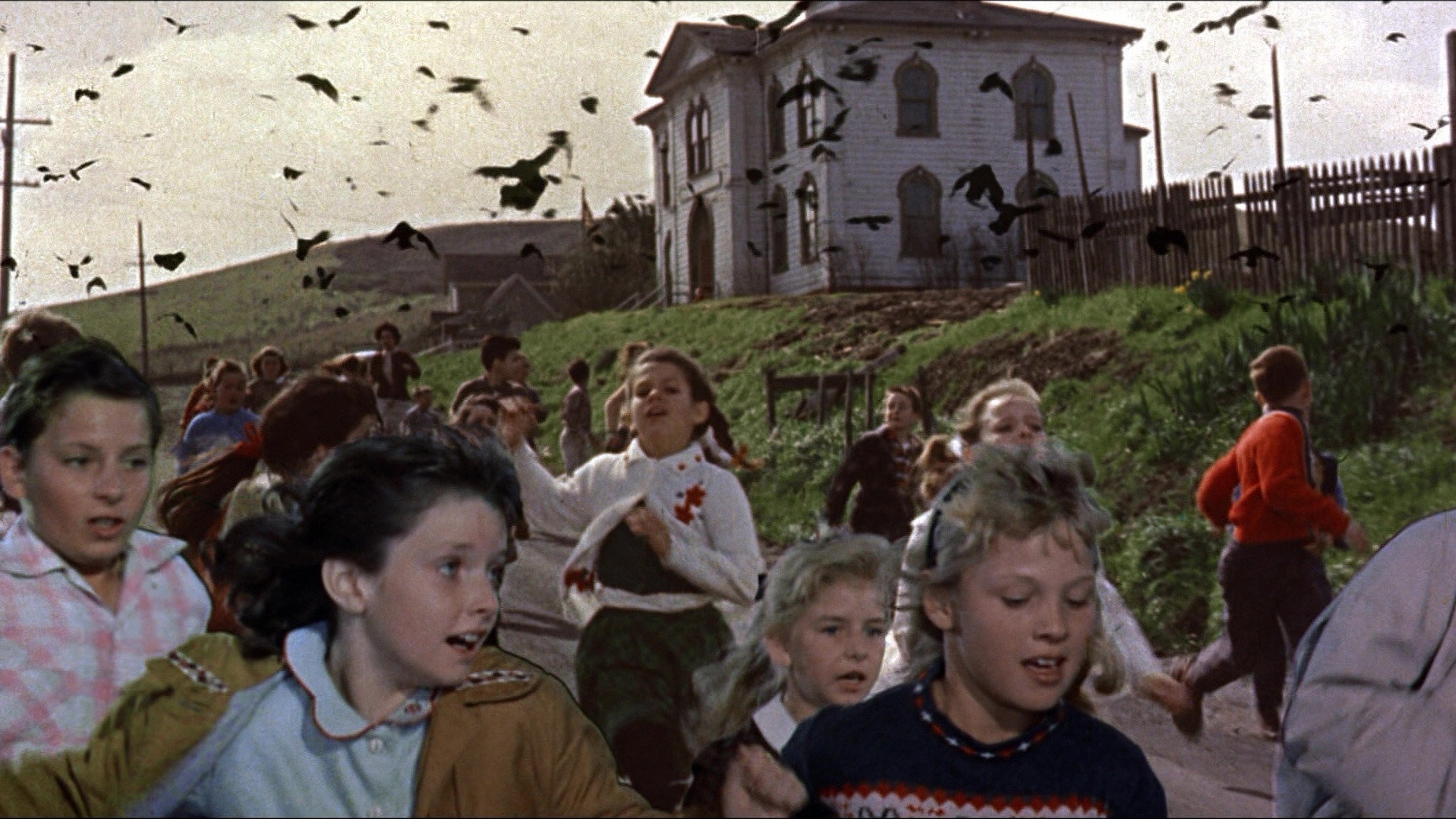
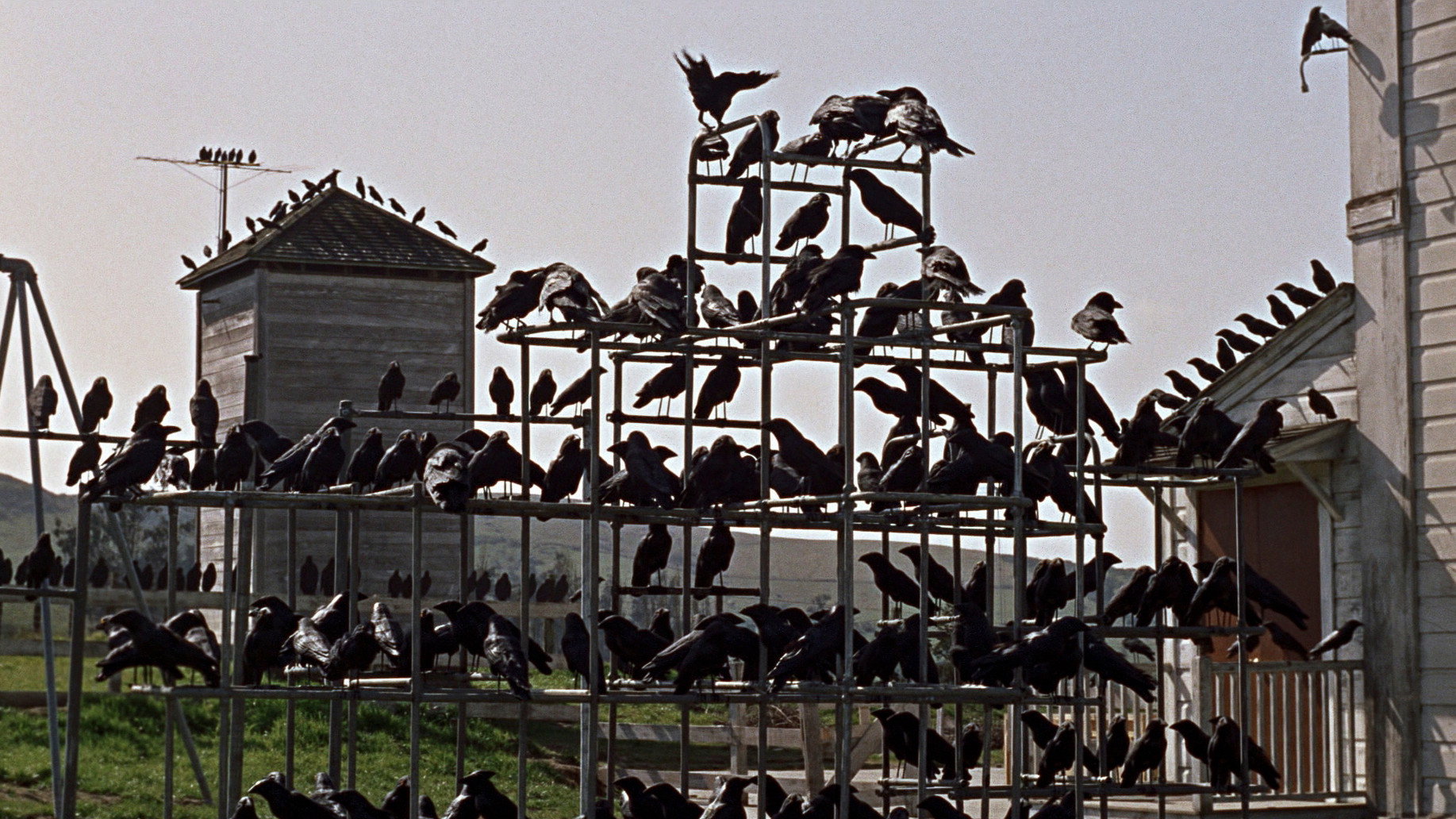
Hitchcock’s visual method repeatedly transforms an ordinary image into a source of danger through changes in framing and editing. The schoolhouse sequence provides a particularly clear example. Melanie sits outside while children sing inside the building. Behind her, birds begin gathering on a climbing frame. The camera returns to the structure repeatedly, revealing an increasing number of crows while Melanie remains unaware of their presence. Surviving storyboards by Harold Michelson, reproduced by the British Film Institute, document the careful preparation of this sequence. The suspense depends on the growing difference between the information available to the audience and the danger recognized by the character.
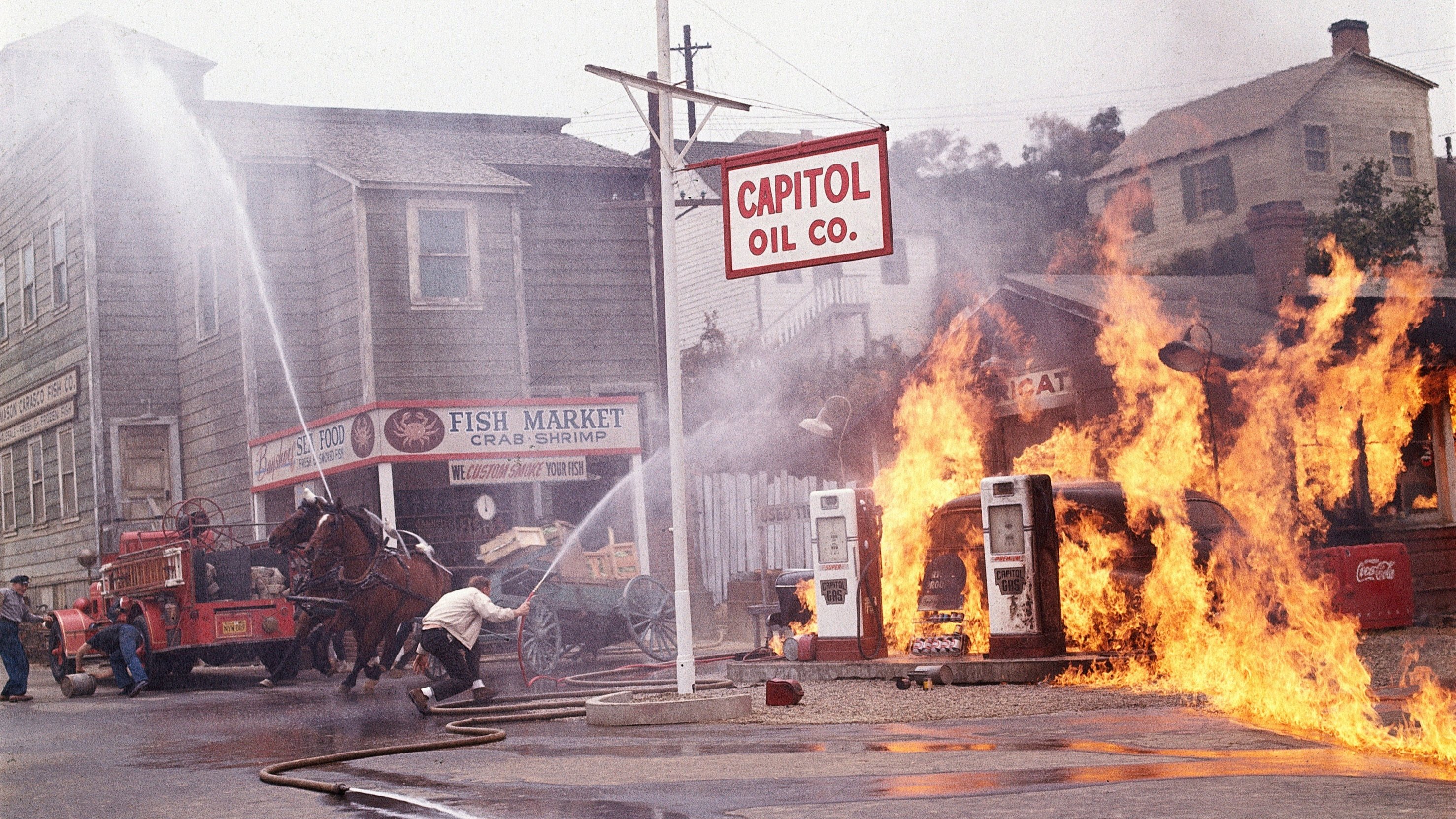
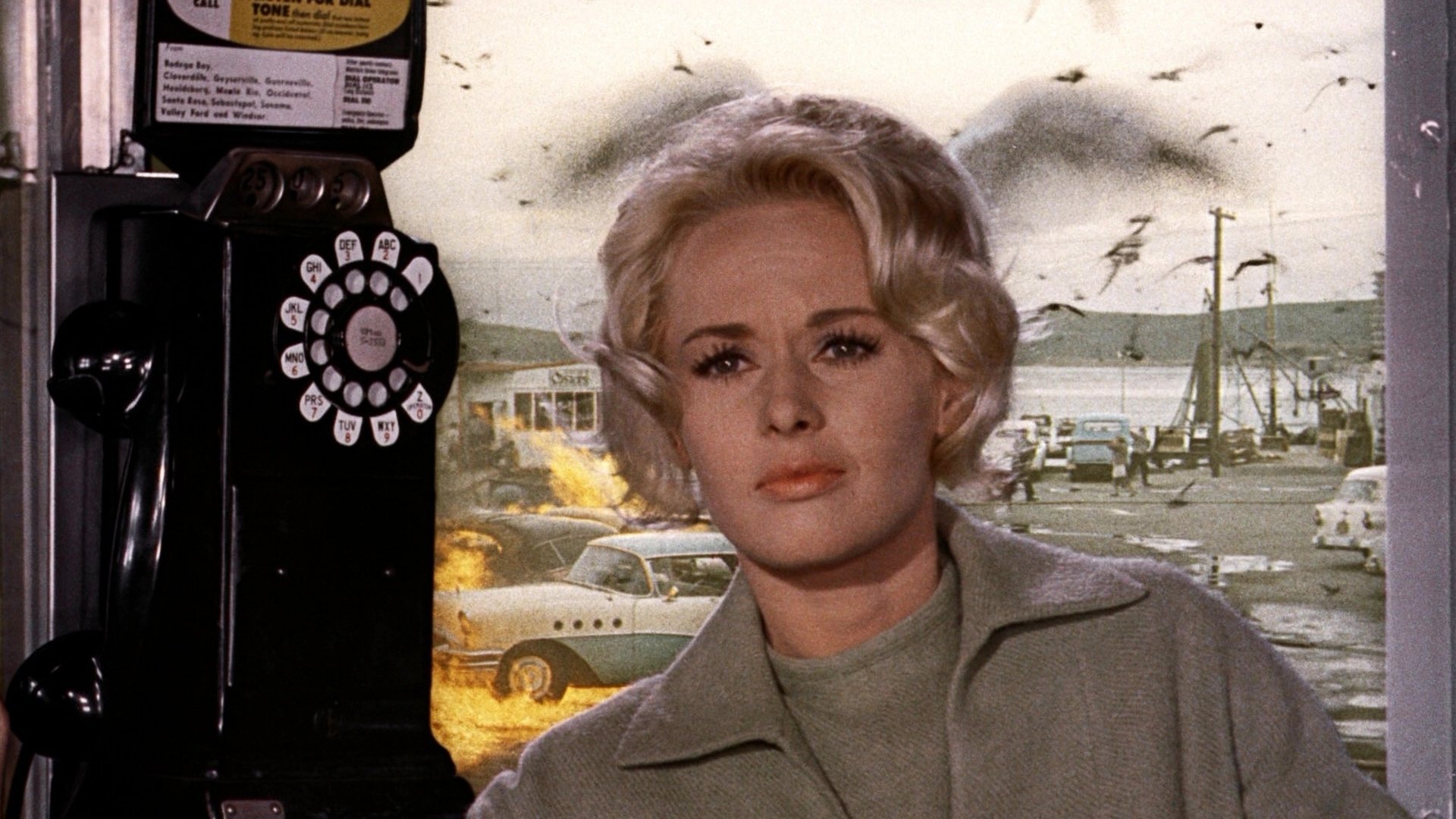
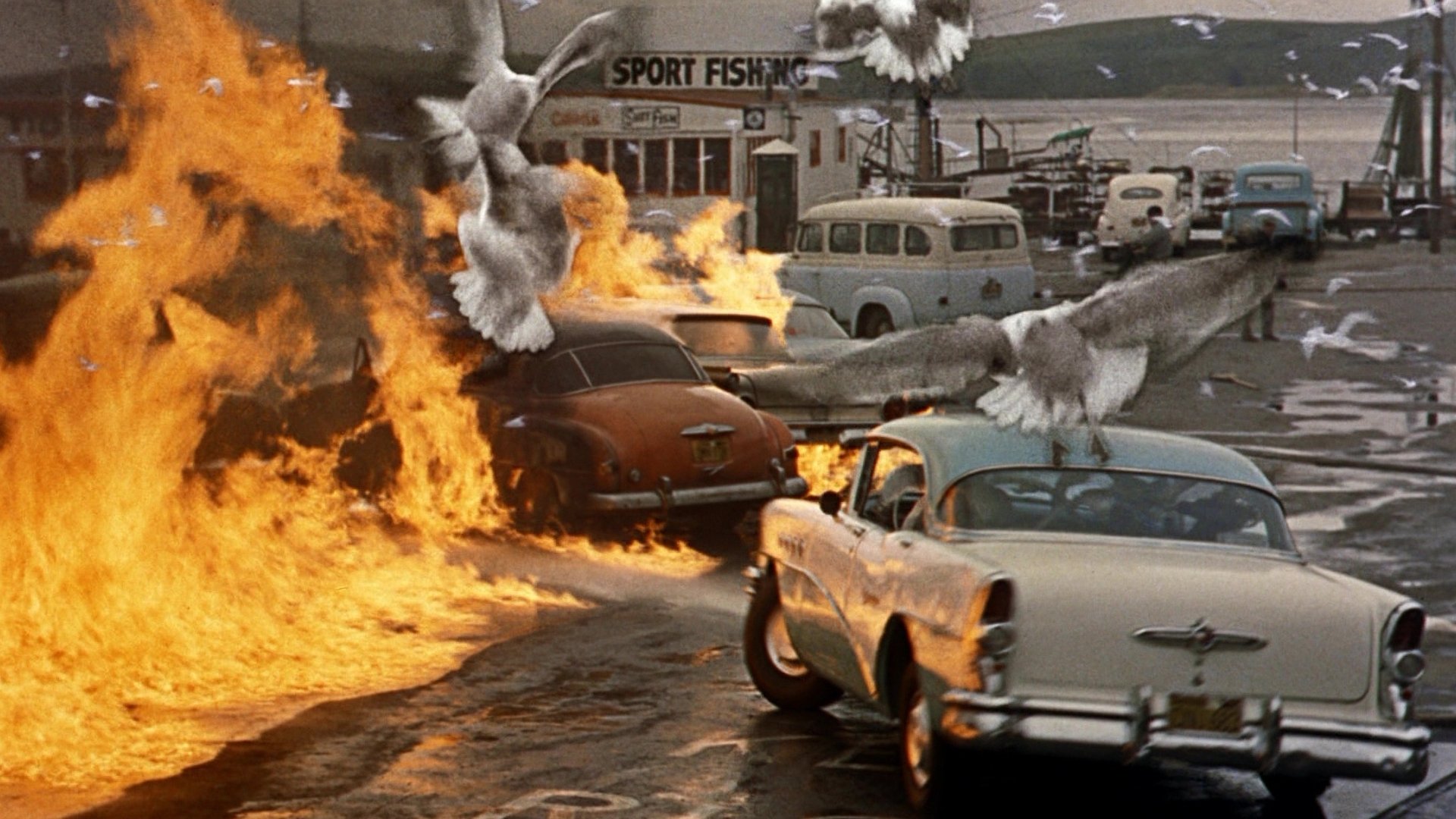
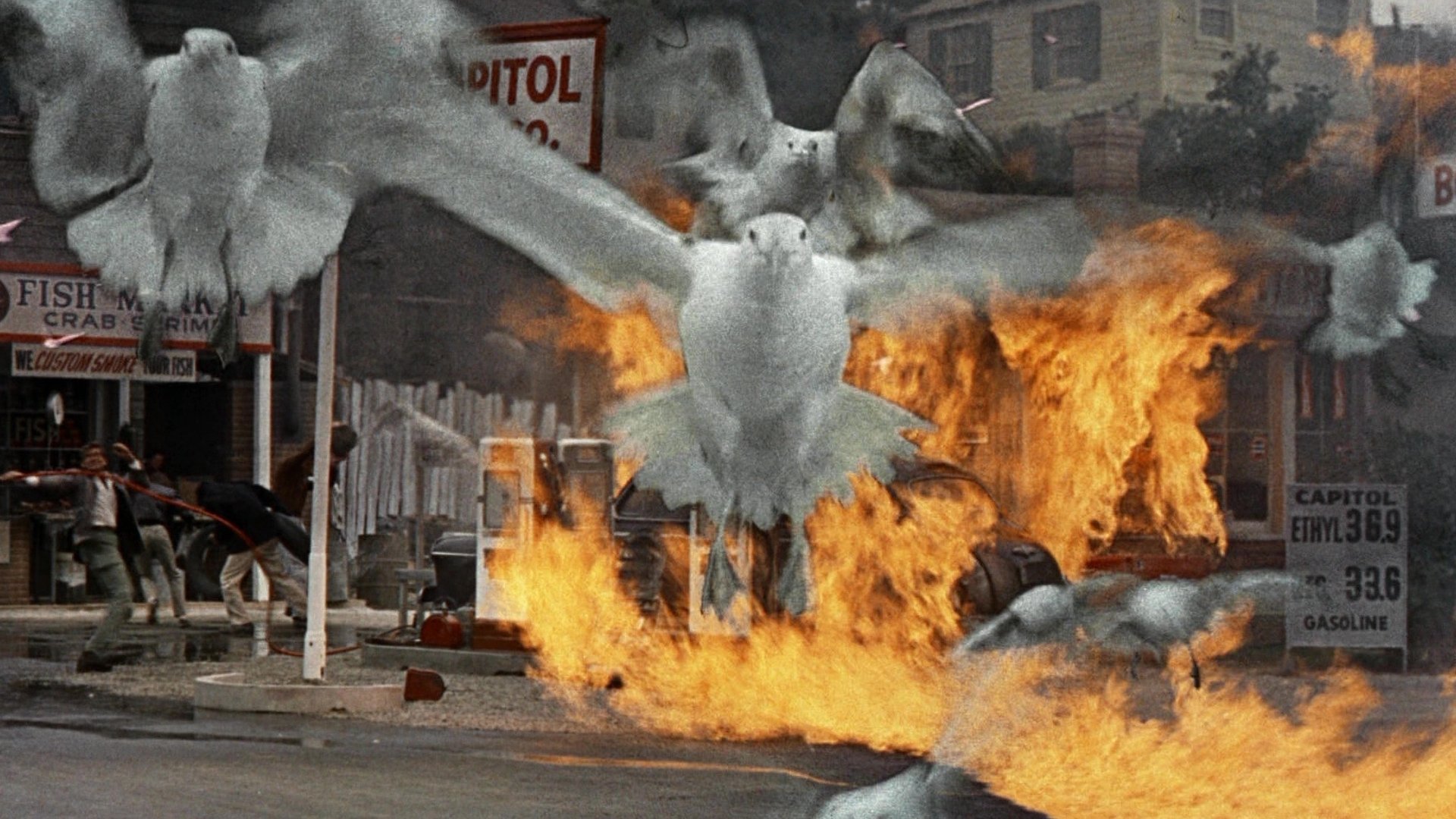
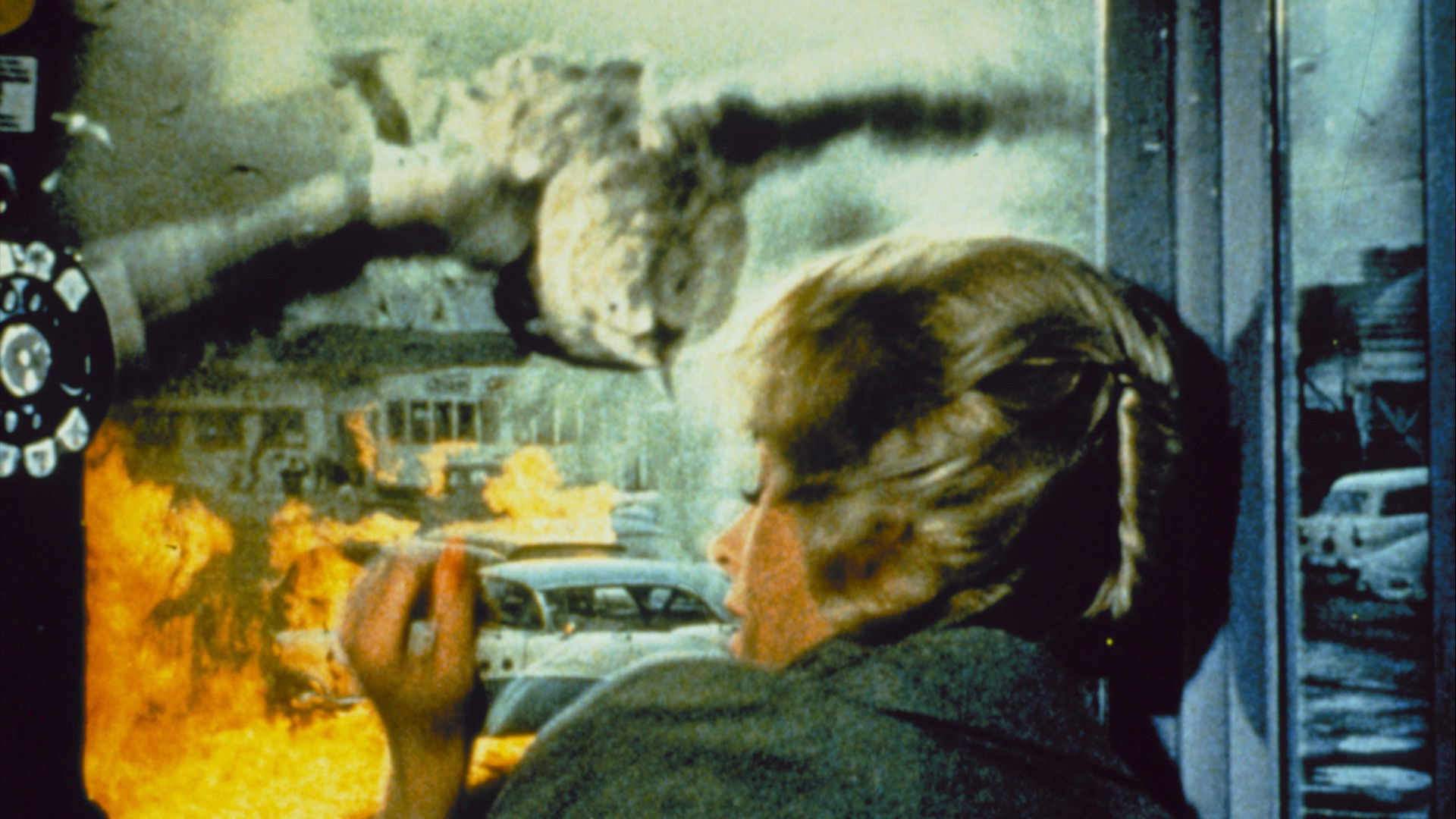
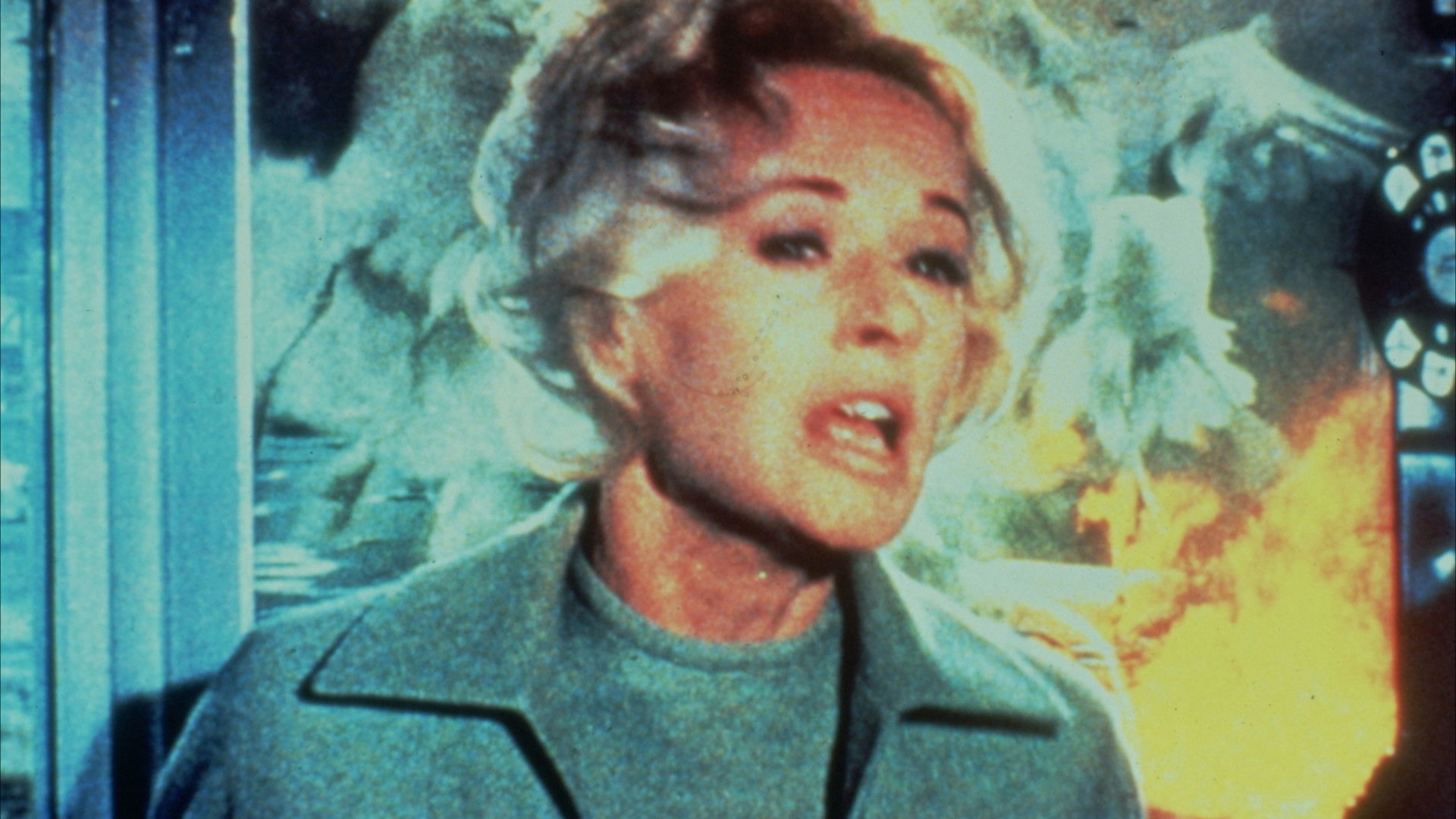
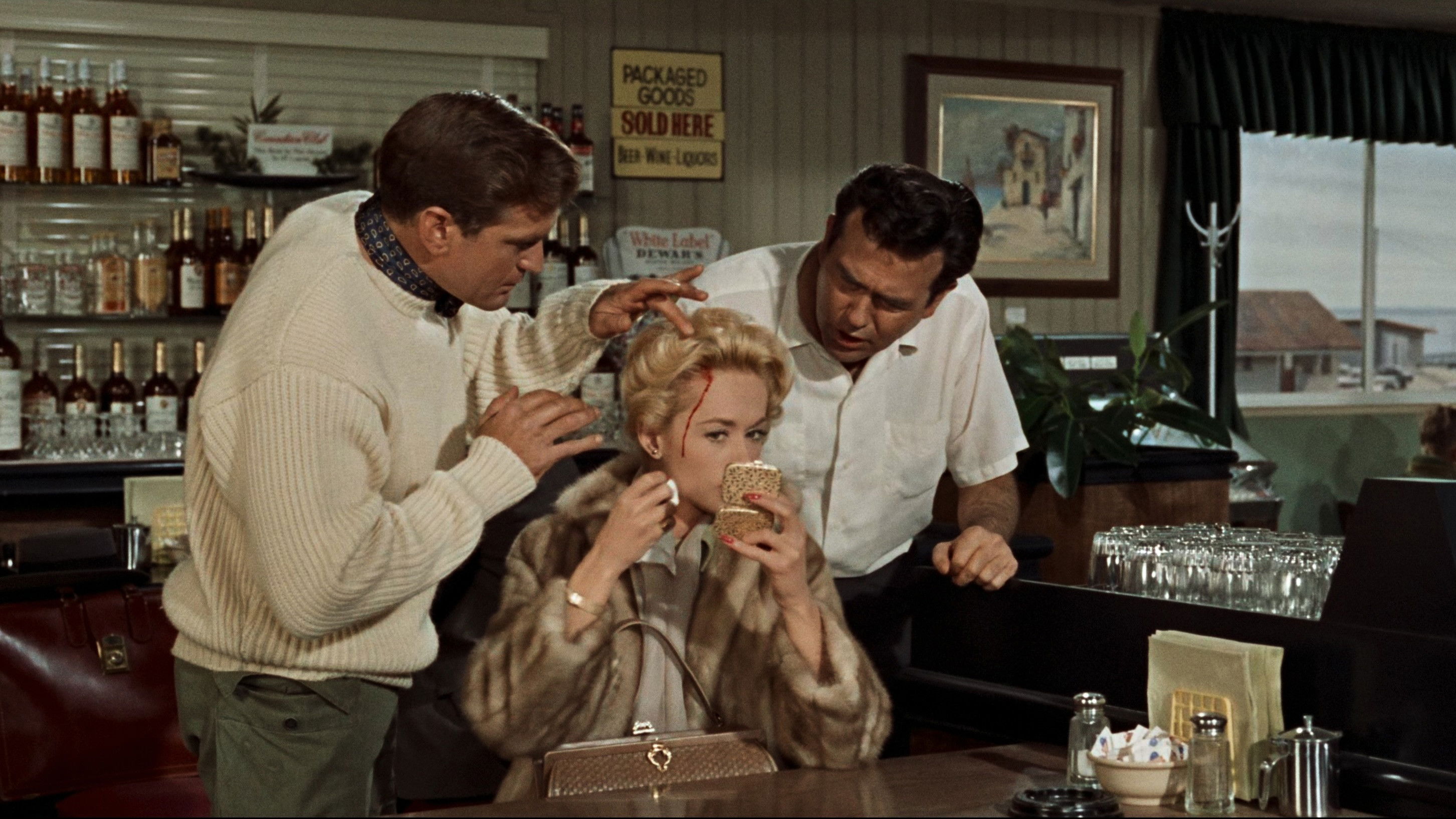
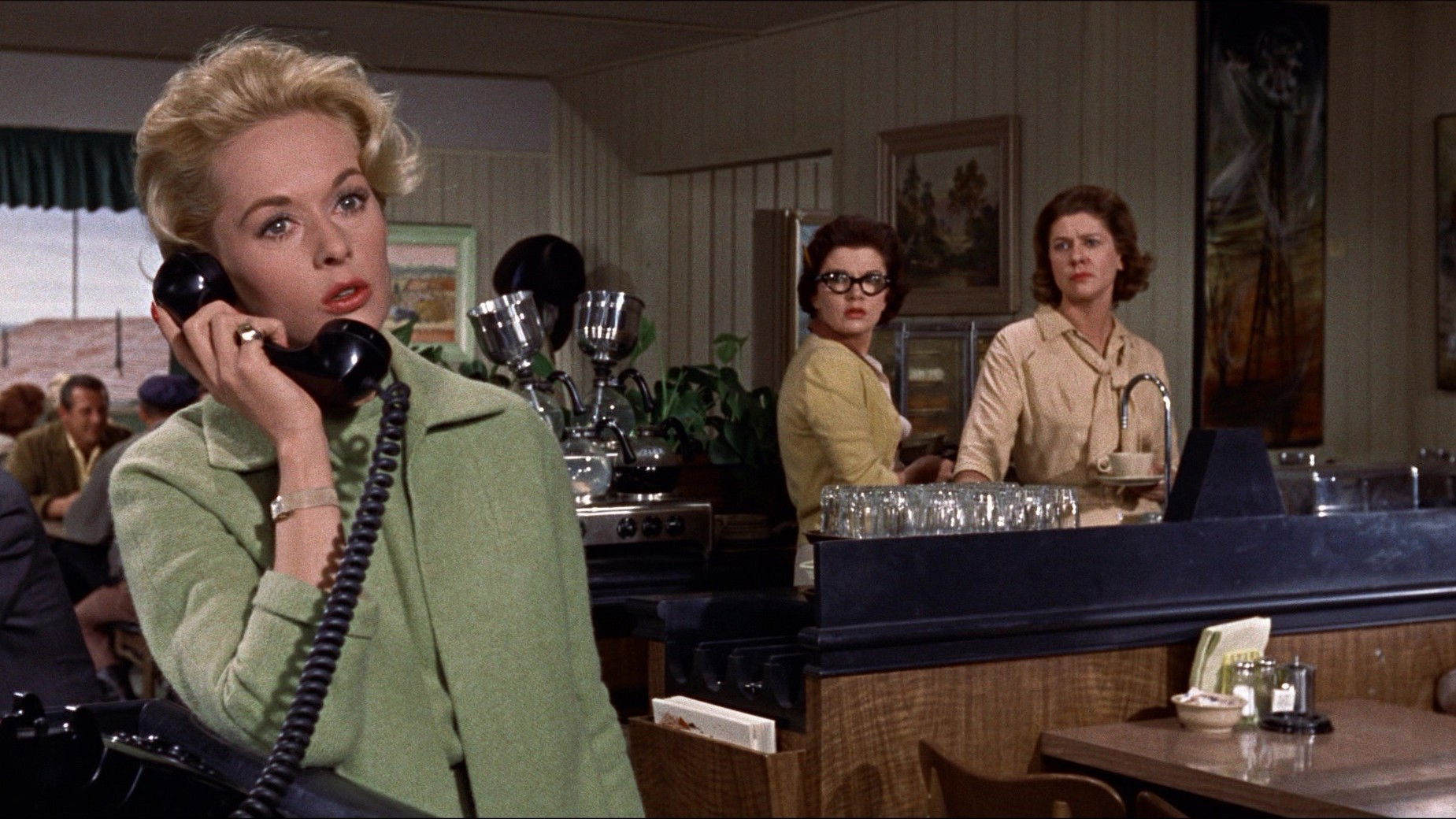
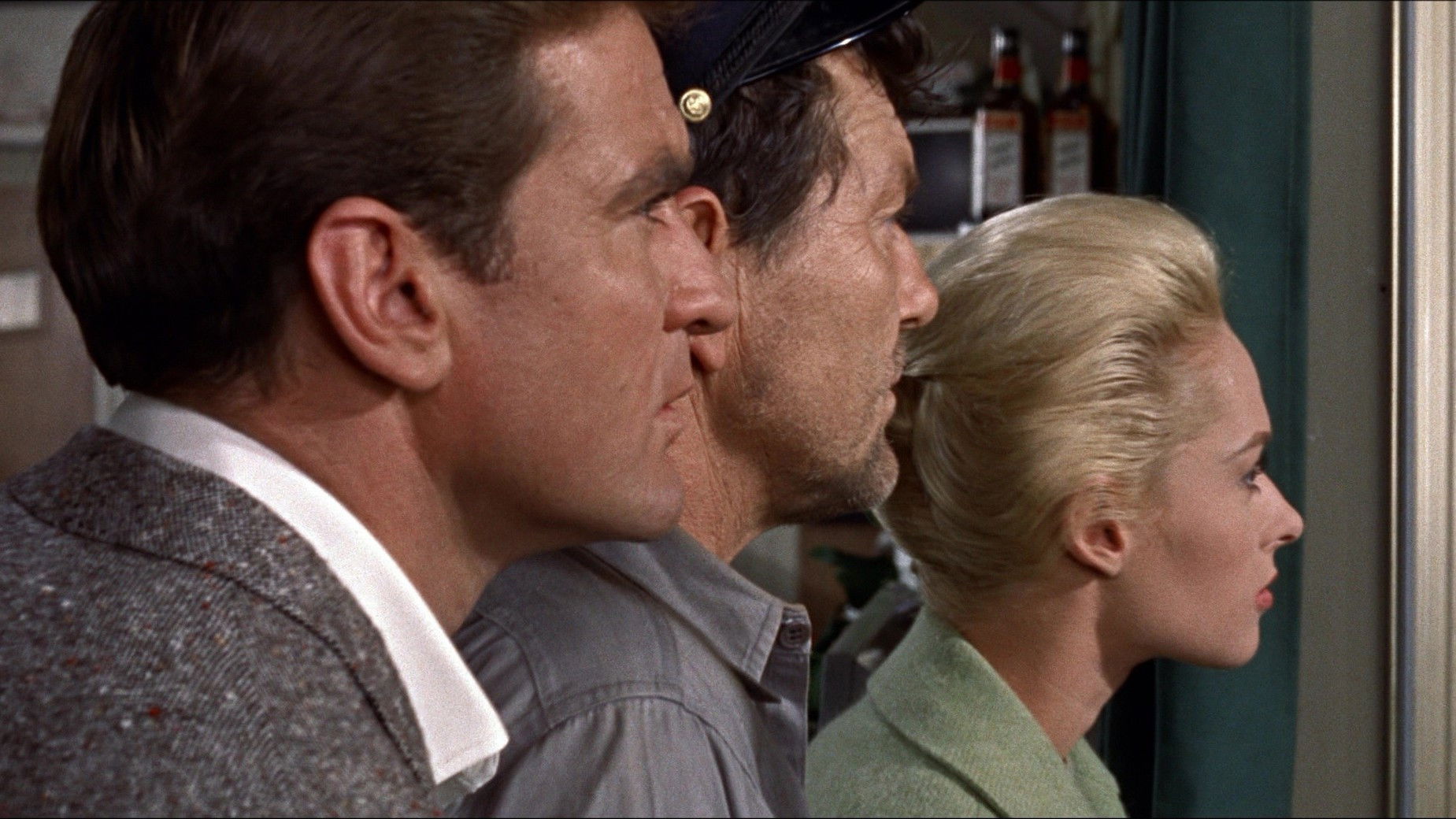
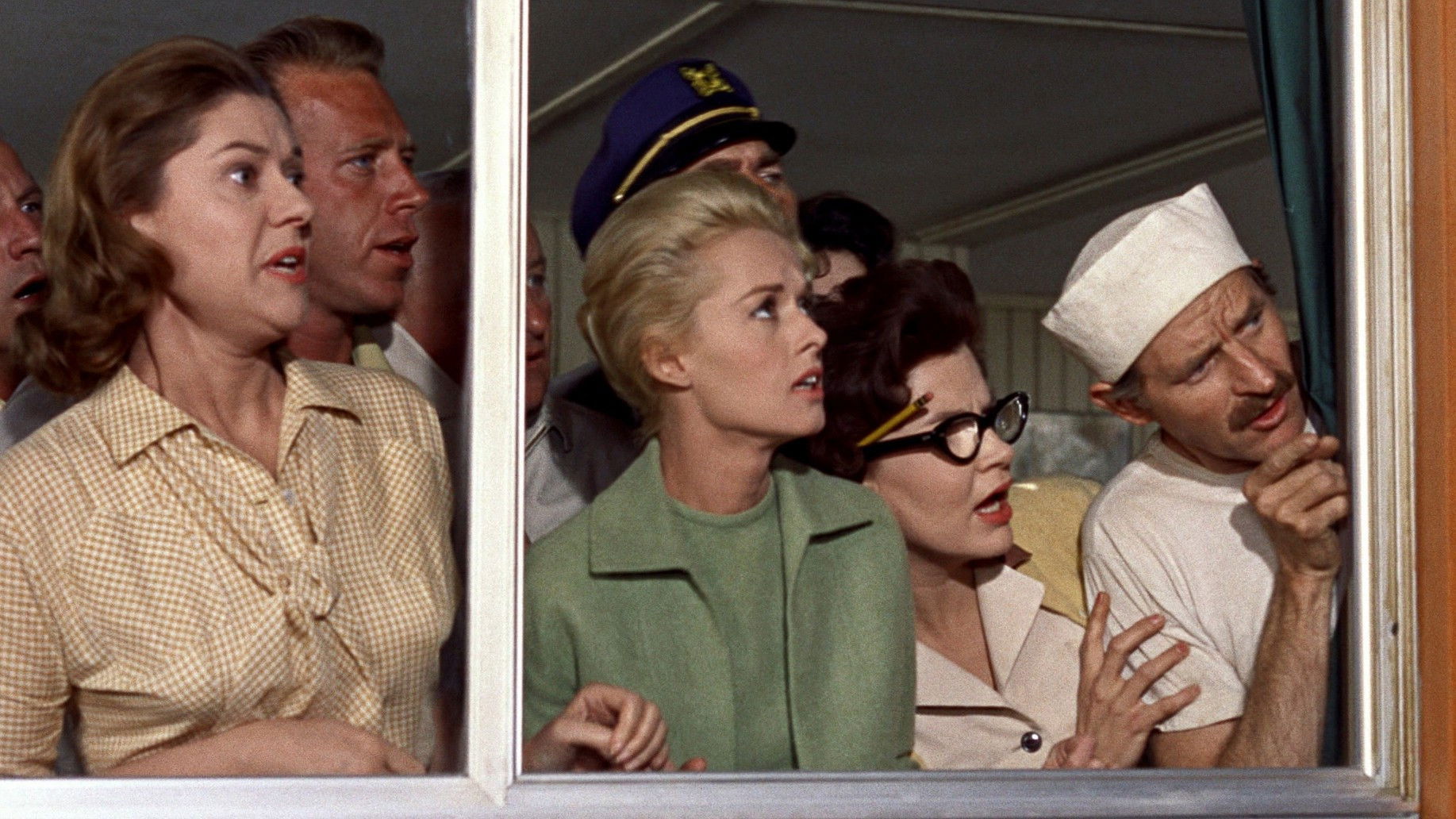
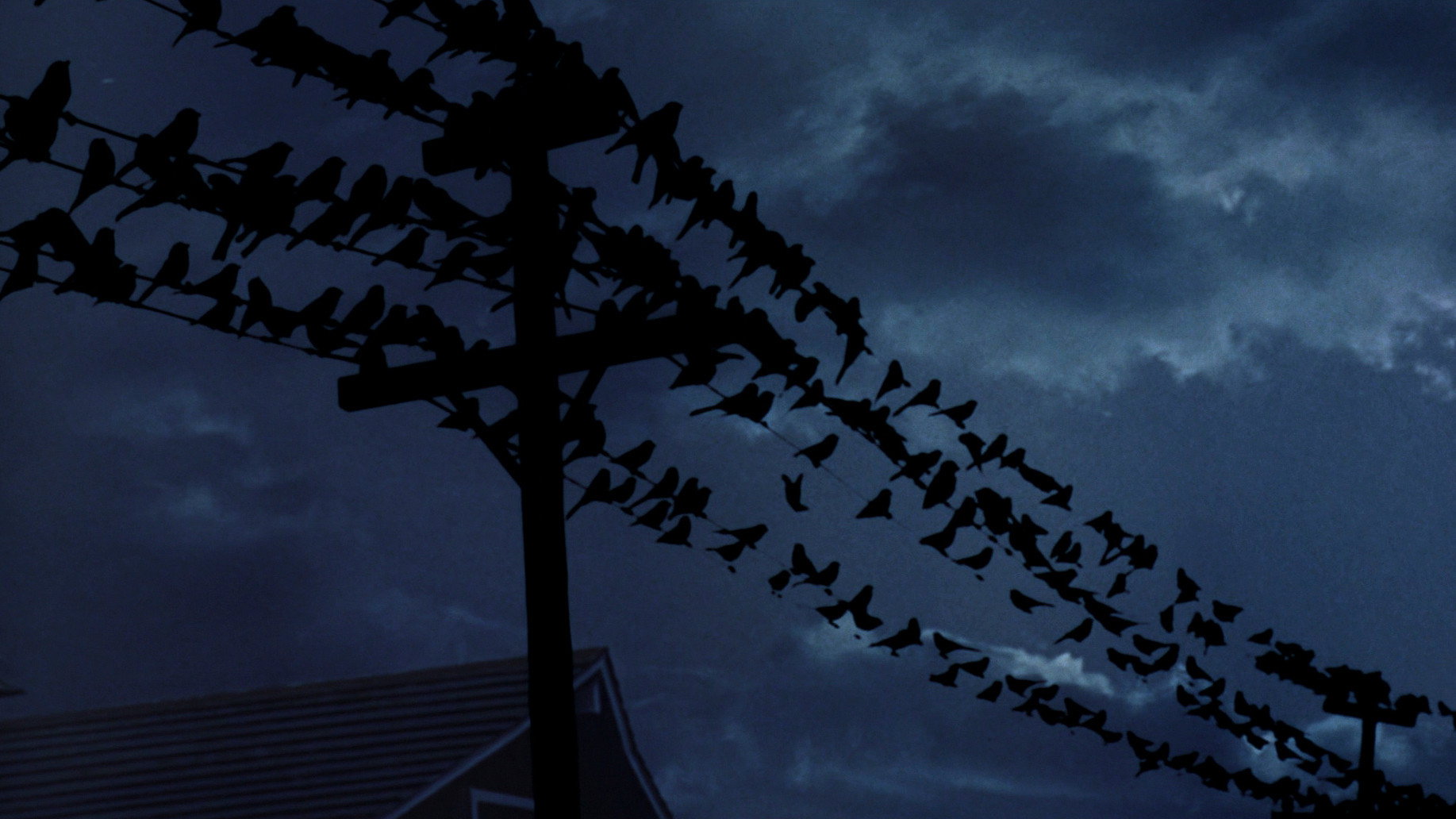
The attack on Bodega Bay expands the geography of the catastrophe. Birds descend upon streets and buildings, while a damaged petrol station creates the conditions for a destructive fire. Hitchcock interrupts the action with elevated views that reveal the scale of the danger from above. The telephone-booth sequence offers an opposite arrangement, confining Melanie inside a transparent enclosure while violence continues around her. Hunter later recalled that Hitchcock had developed this particular situation independently of his original screenplay. The glass walls make the character simultaneously protected and exposed, allowing the viewer to follow the external destruction while remaining close to her immediate fear.
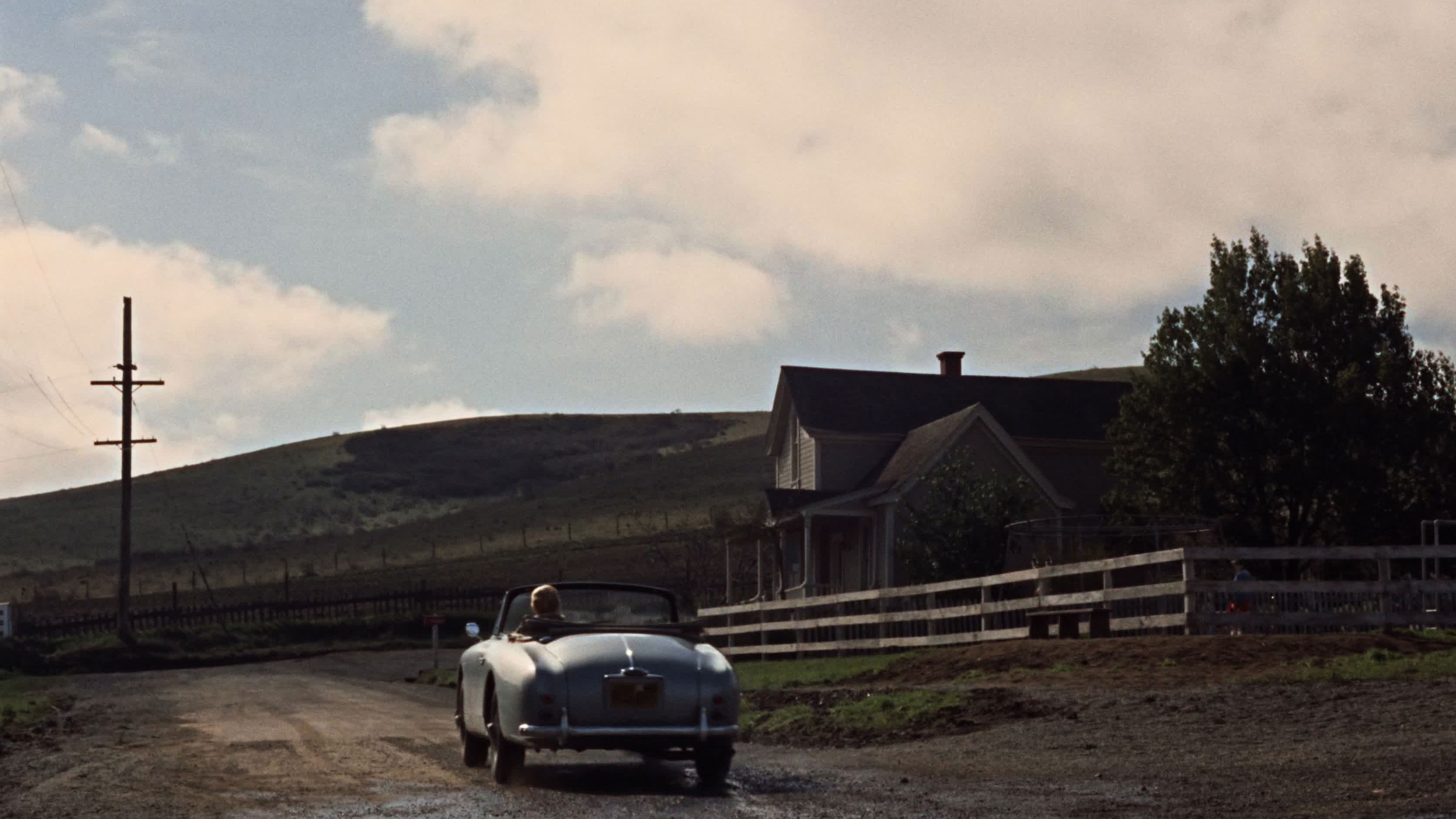
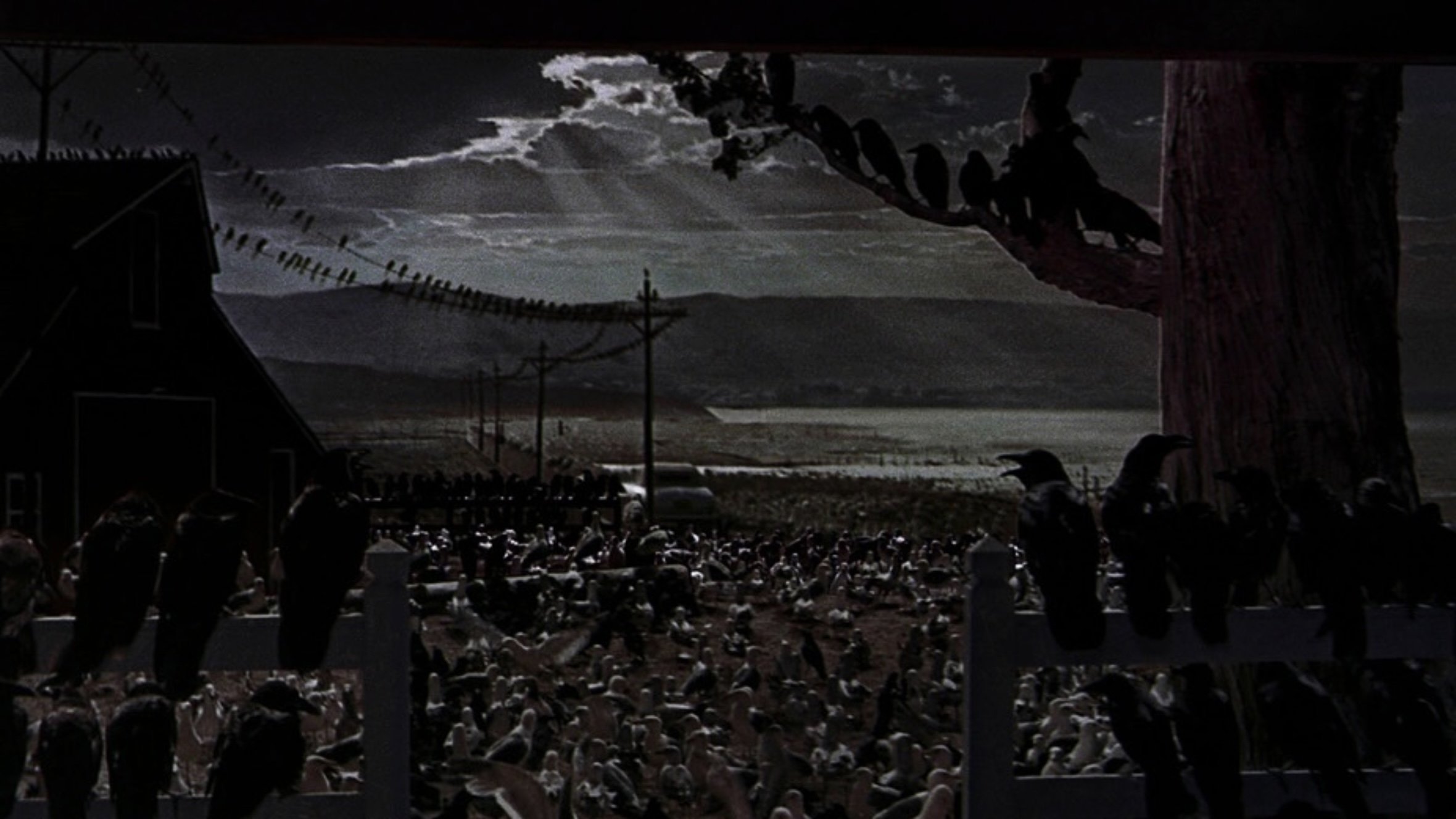
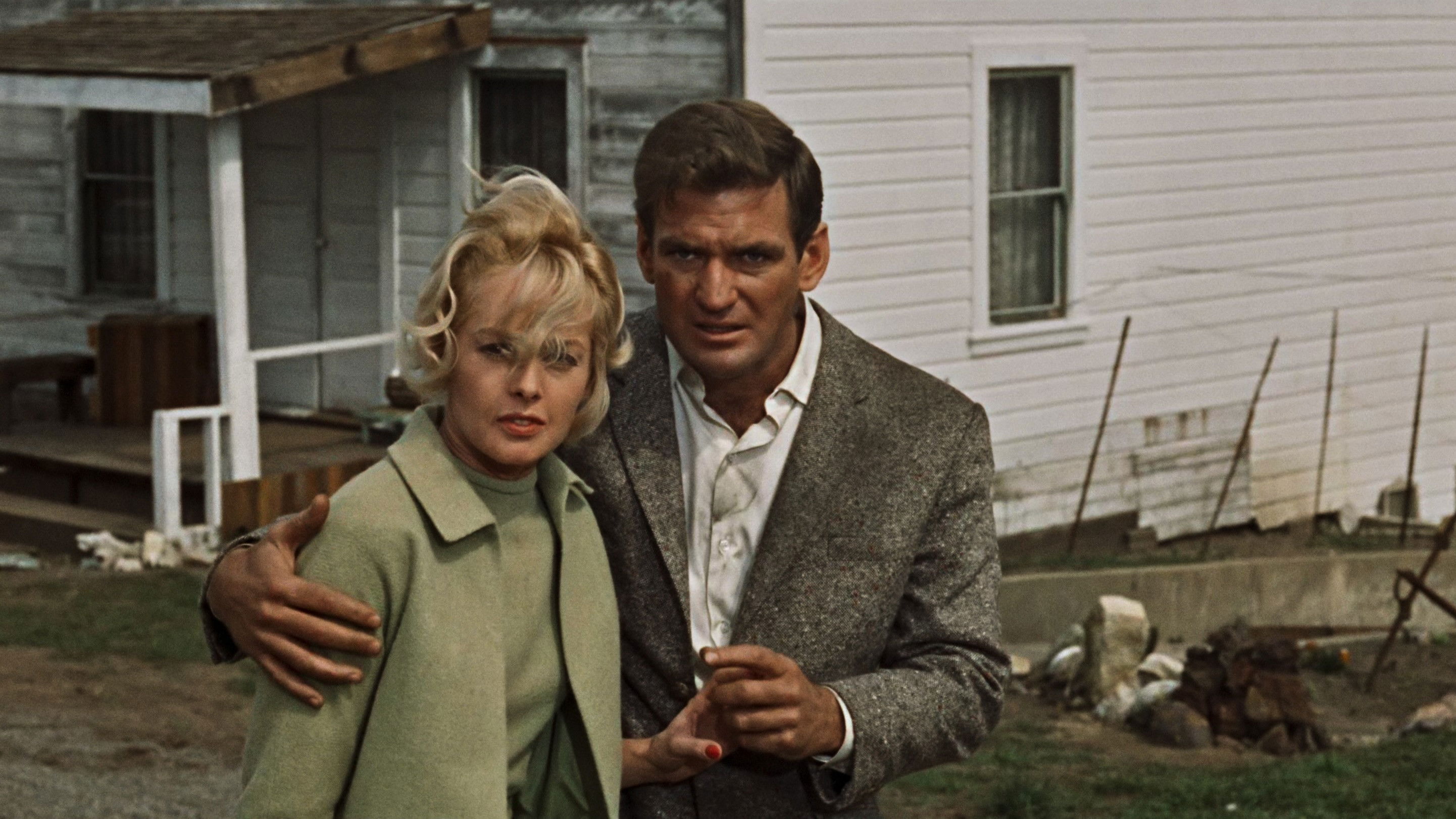
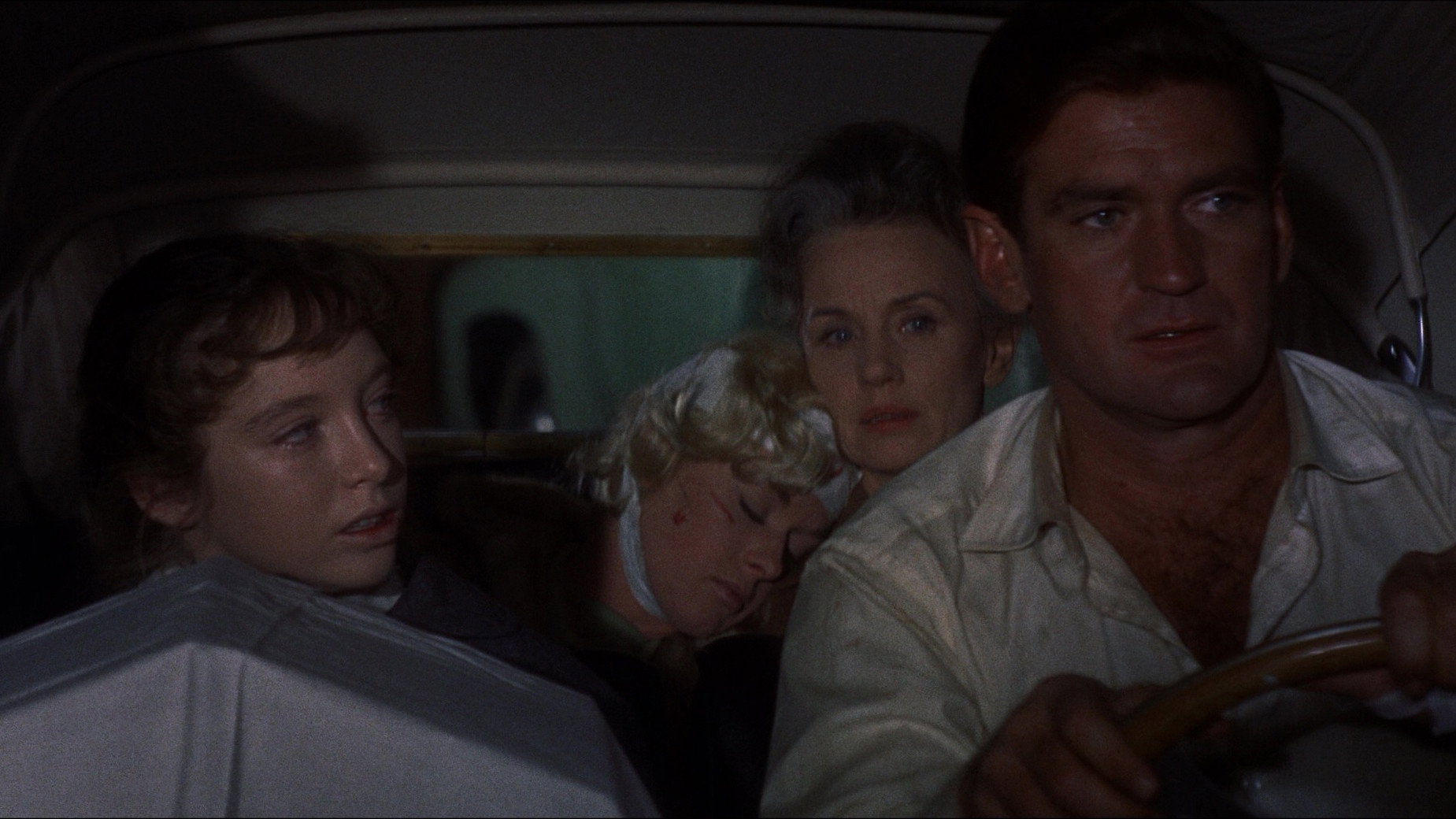
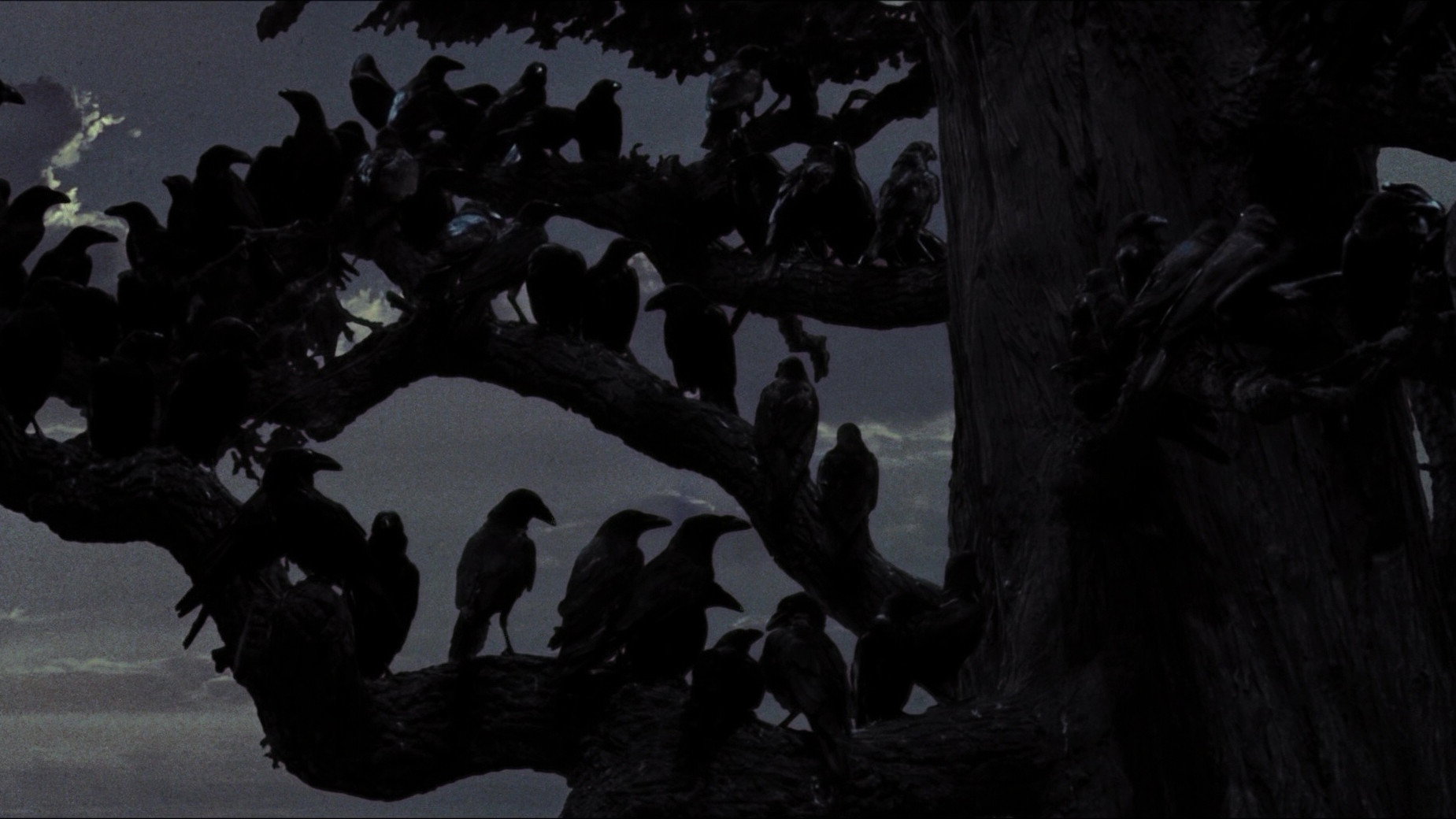
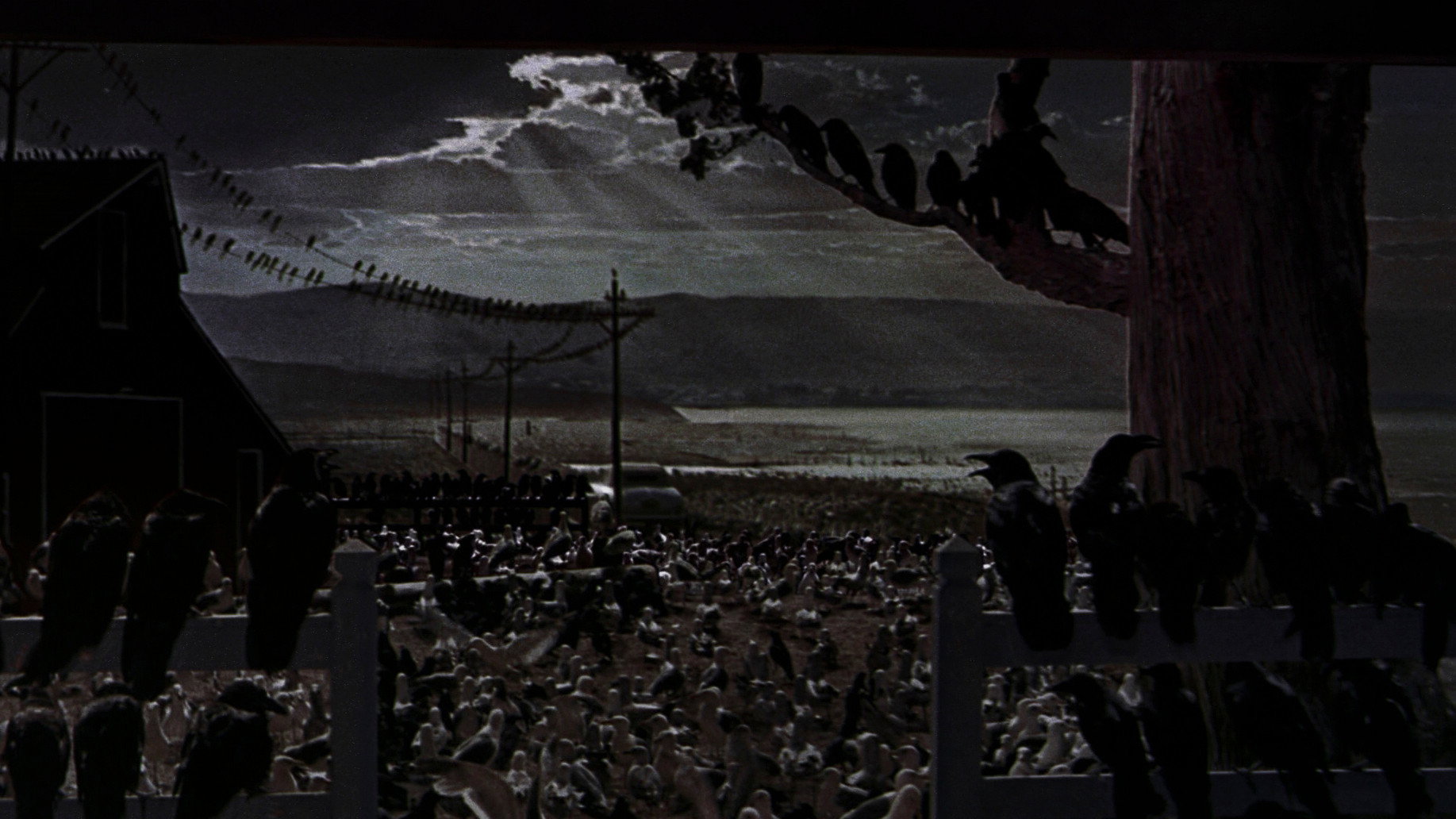
The concluding sequence abandons the expectation of a decisive confrontation with the birds. After Melanie is severely injured in an attic, Mitch prepares to transport her away from the house. The family moves cautiously through an enormous gathering of birds that remain temporarily motionless. Hitchcock explained that he considered an additional image of the Golden Gate Bridge covered with birds, which would have suggested the catastrophe extending into San Francisco. The completed film instead ends with the family leaving the property amid a landscape occupied by the creatures. This refusal to establish the final extent of the attacks preserves the uncertainty developed throughout the narrative.
Bird Training, Optical Effects, and the Difficulties of Filming
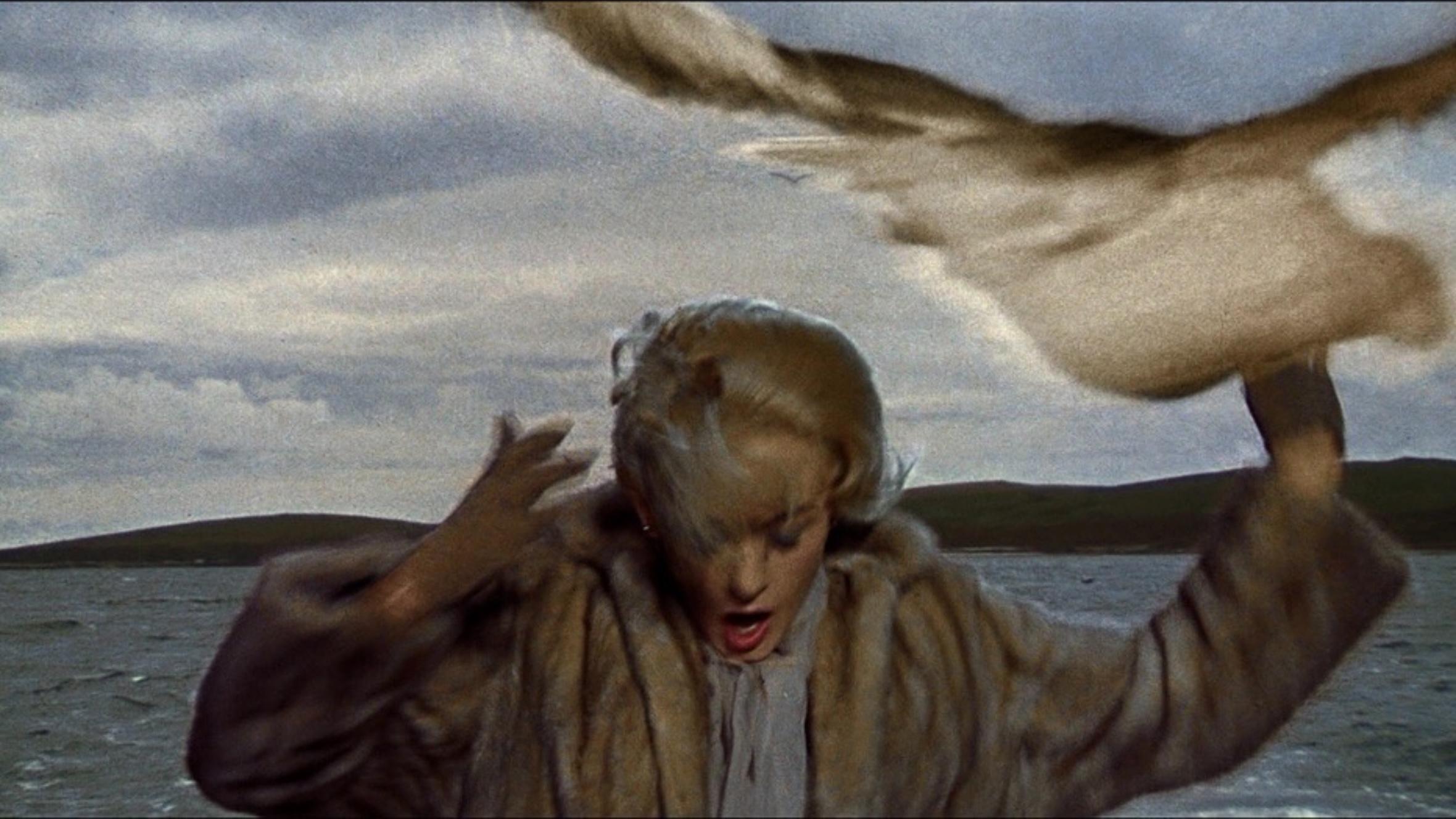
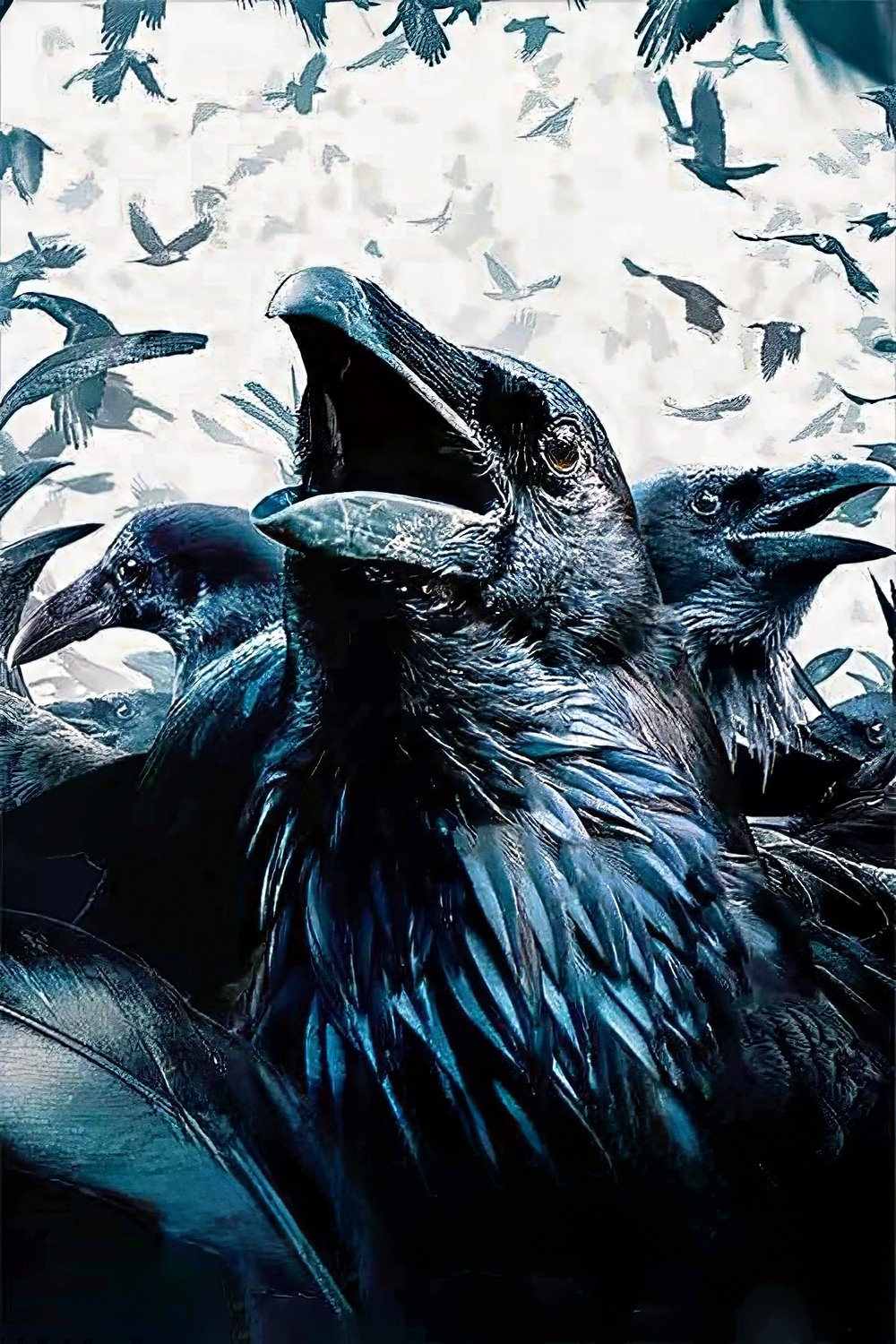
The animal attacks required a combination of live birds, mechanical figures and photographic effects. Trainer Ray Berwick worked with gulls, crows and other species, while different techniques were selected according to the movement required in each shot. Hitchcock’s production also photographed birds separately for later combination with performances and backgrounds. Mechanical birds were used when direct contact with actors or controlled movement proved necessary. The American Film Institute records that the production encountered difficulties with wildlife permits during the California location shoot, resulting in a government fine. The incident demonstrates the practical complications associated with assembling large numbers of animals for a commercial motion picture.
Ub Iwerks, whose career included pioneering animation and photographic effects work, supervised important aspects of the optical construction. The production employed a sodium-vapour matte process that allowed foreground subjects to be separated from backgrounds with greater precision than some contemporary blue-screen methods. Multiple photographed elements could then be combined through optical printing. Hitchcock later described the finished film as containing 371 effects shots. The final image alone required 32 separate photographic elements, including repeated groups of birds, buildings, sky and the departing automobile. Albert Whitlock contributed pictorial effects, while Lawrence A. Hampton was credited with special effects. The Academy subsequently nominated the film for its visual effects achievement.
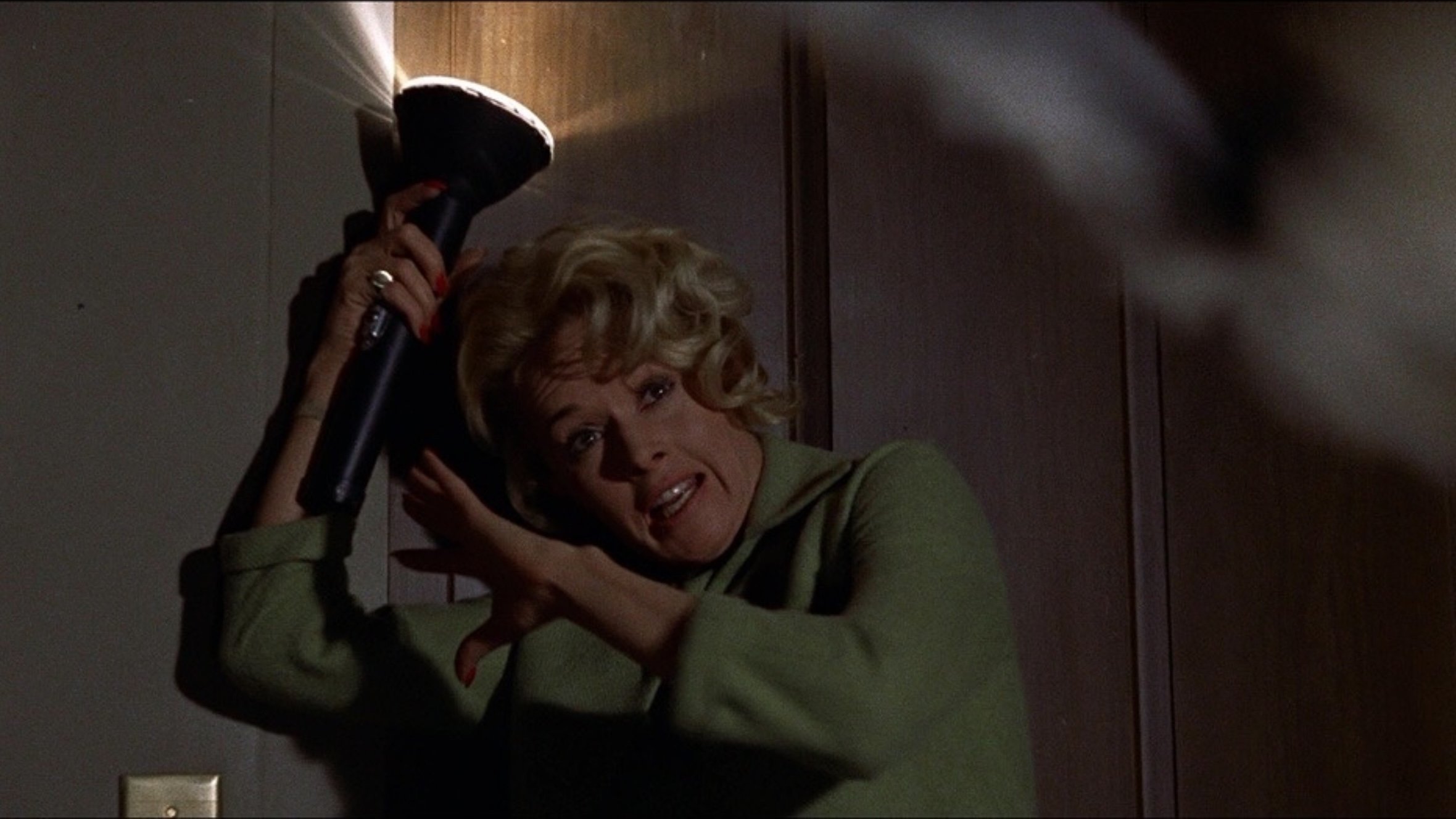
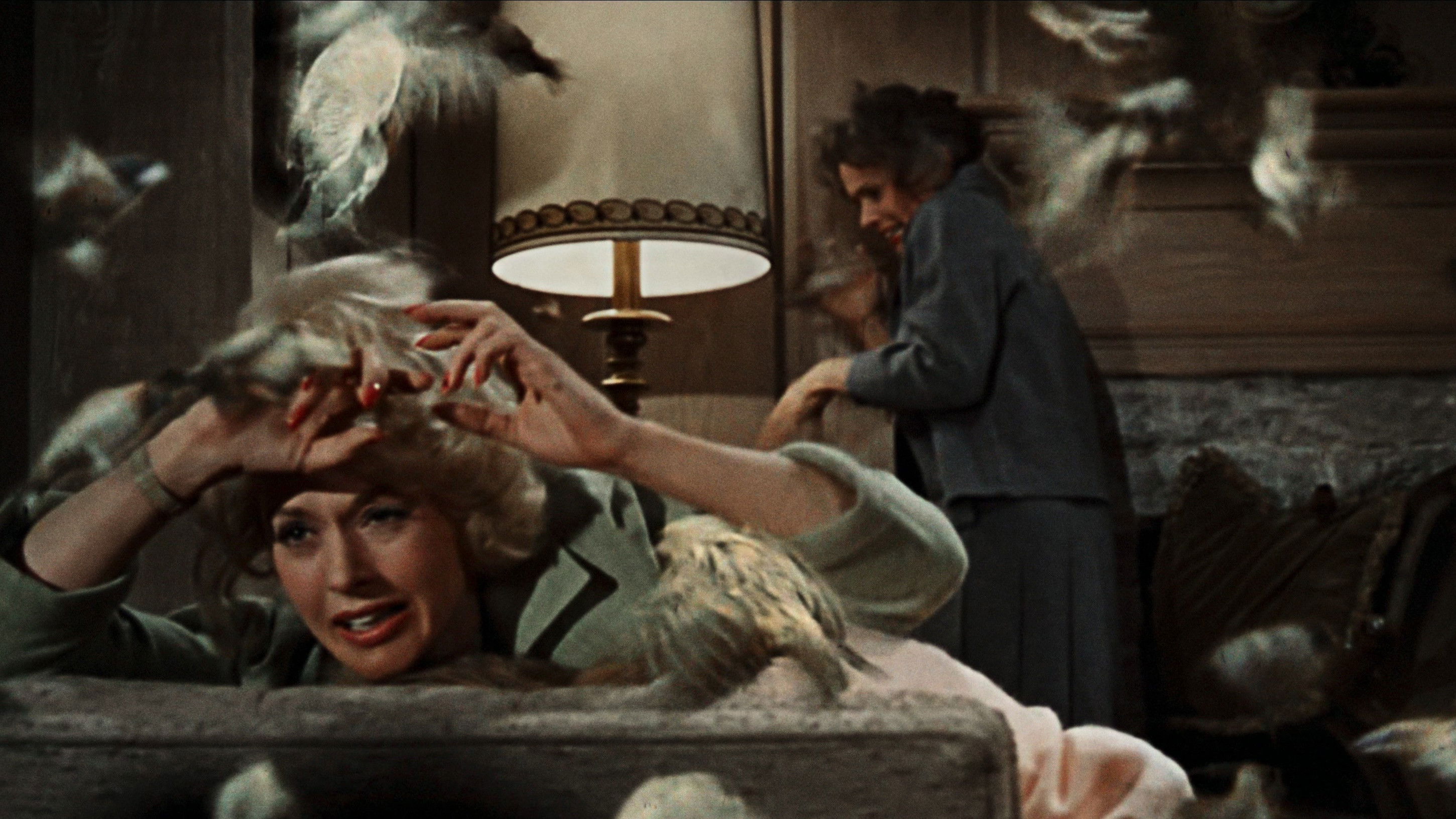
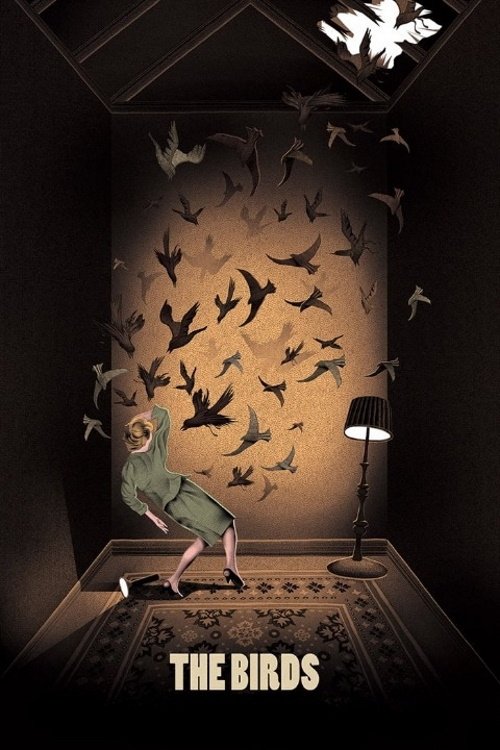
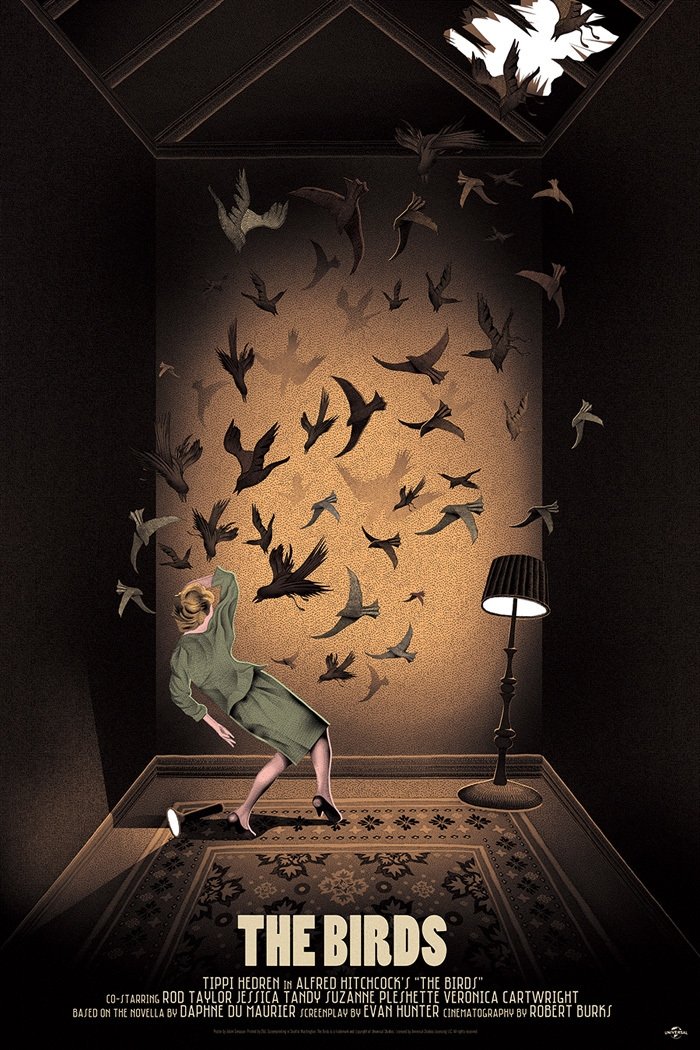
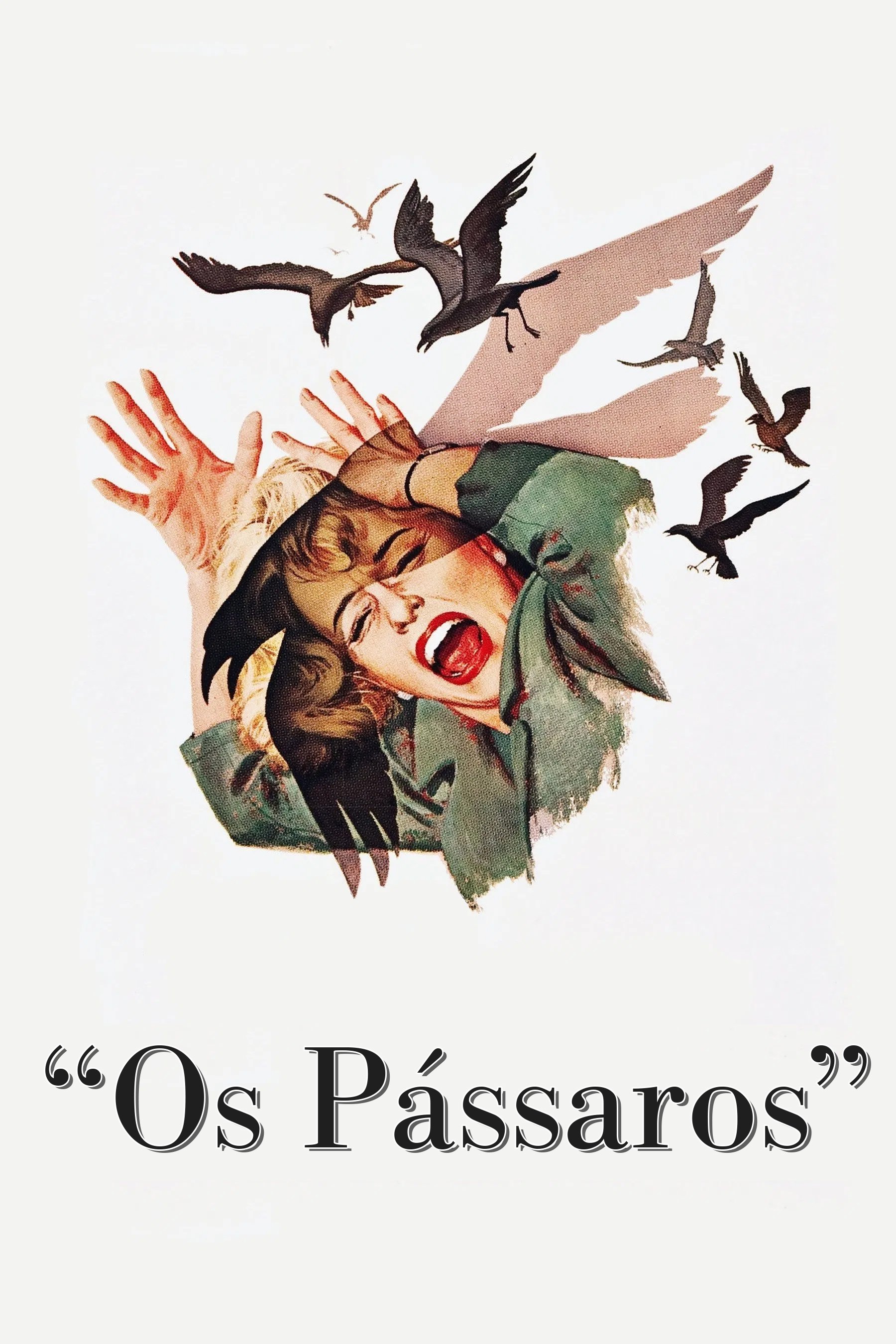
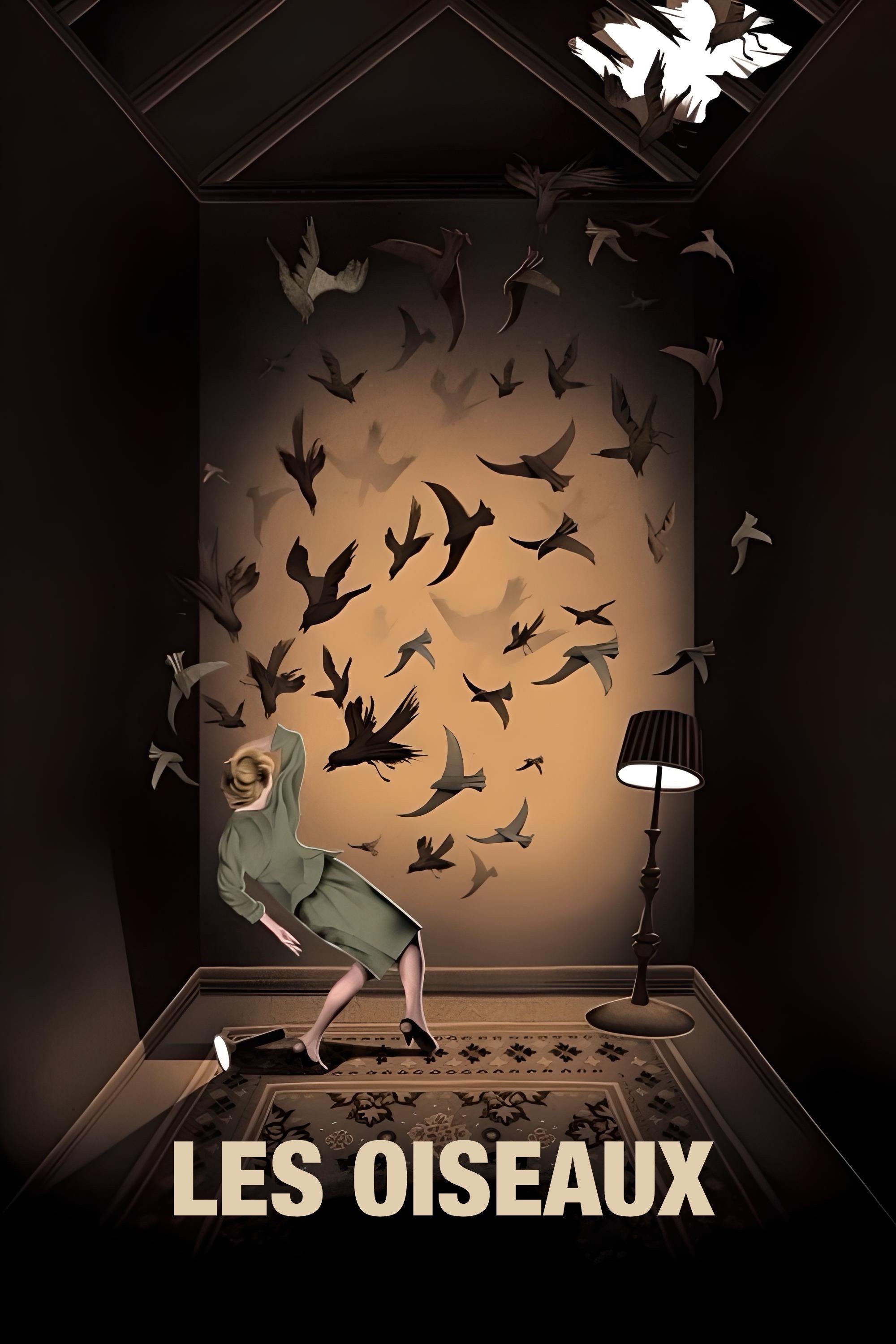
The most physically demanding material involved Melanie’s attack inside the attic. In her memoir, excerpted by British Vogue in 2016, Hedren recalled being told that mechanical birds would be used before learning that the production intended to employ live animals. According to her account, filming continued for five days, with birds repeatedly directed toward her during the scene. She described an exhausting final session in which birds were attached to her costume and one pecked dangerously close to her eye. These details are the actress’s retrospective testimony and should be distinguished from independent production records. Her account also illuminates the severe physical demands that could accompany the pursuit of realistic screen violence during the period.
Electronic Sound and the Absence of a Traditional Score
The Birds departed from Hitchcock’s established use of orchestral suspense music. Bernard Herrmann, whose collaborations with the director included Vertigo, North by Northwest and Psycho, served as a sound consultant rather than supplying a conventional dramatic score. The electronic compositions and bird sounds were produced by Remi Gassmann and Oskar Sala. Hitchcock travelled to Berlin during post-production to work with the musicians, whose methods were associated with the Trautonium family of electronic instruments. Contemporary trade reports described the decision as an attempt to construct an expressive soundtrack without relying on recognizable melodies or ordinary musical accompaniment.
The sound of the birds operates through changes in volume, texture and rhythmic intensity. Their calls can announce danger before the corresponding creatures are visible, while increasingly dense layers of noise accompany the larger attacks. The electronic treatment allows apparently natural sounds to become unfamiliar without losing their association with real animals. Hitchcock explained that he regarded this material as capable of performing a dramatic function comparable to music. The effect is particularly apparent during attacks on enclosed spaces, when scratching, wing movements and vocalizations create an impression of pressure against the physical boundaries of the setting.
The absence of a conventional nondiegetic musical score also makes quieter passages more significant. Ordinary conversations, environmental sounds and the children’s singing at the school retain their immediate narrative functions without being constantly interpreted through orchestral cues. The contrast between the school song and the gathering birds is especially disturbing because the threatened characters remain unaware of the danger. During the final departure, relatively restrained sound accompanies the family’s movement through the motionless flock. The electronic soundtrack consequently became a defining component of the film’s horror, complementing the visual effects while permitting silence and naturalistic sound to carry considerable dramatic weight.
Theatrical Release, Budget, and Contemporary Reception
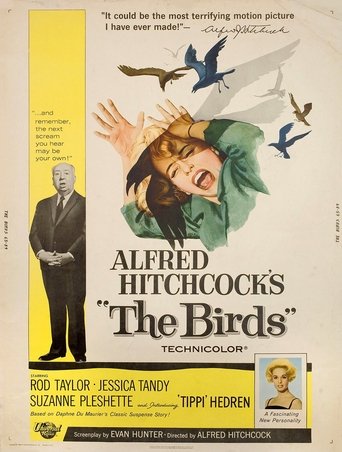
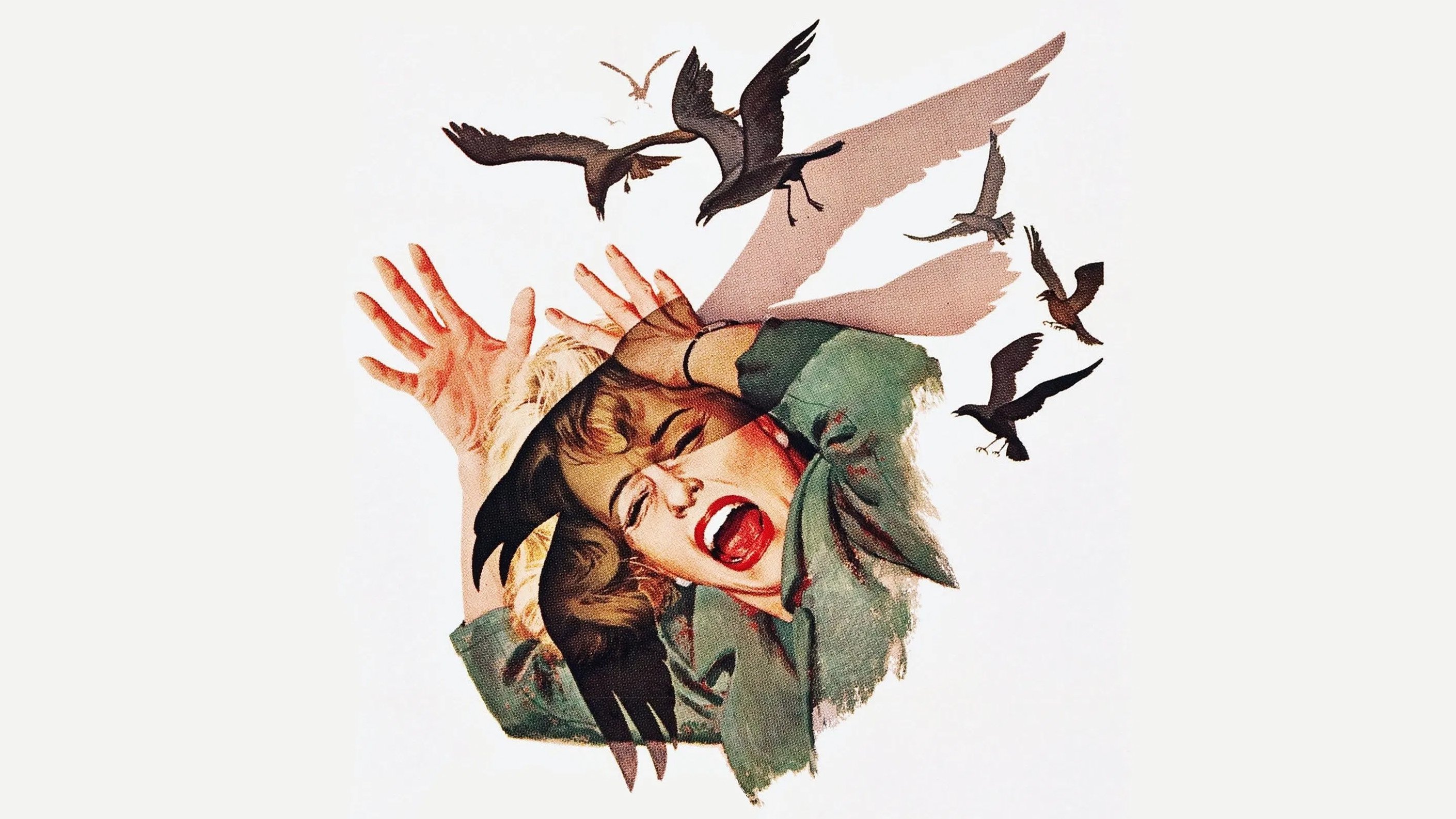
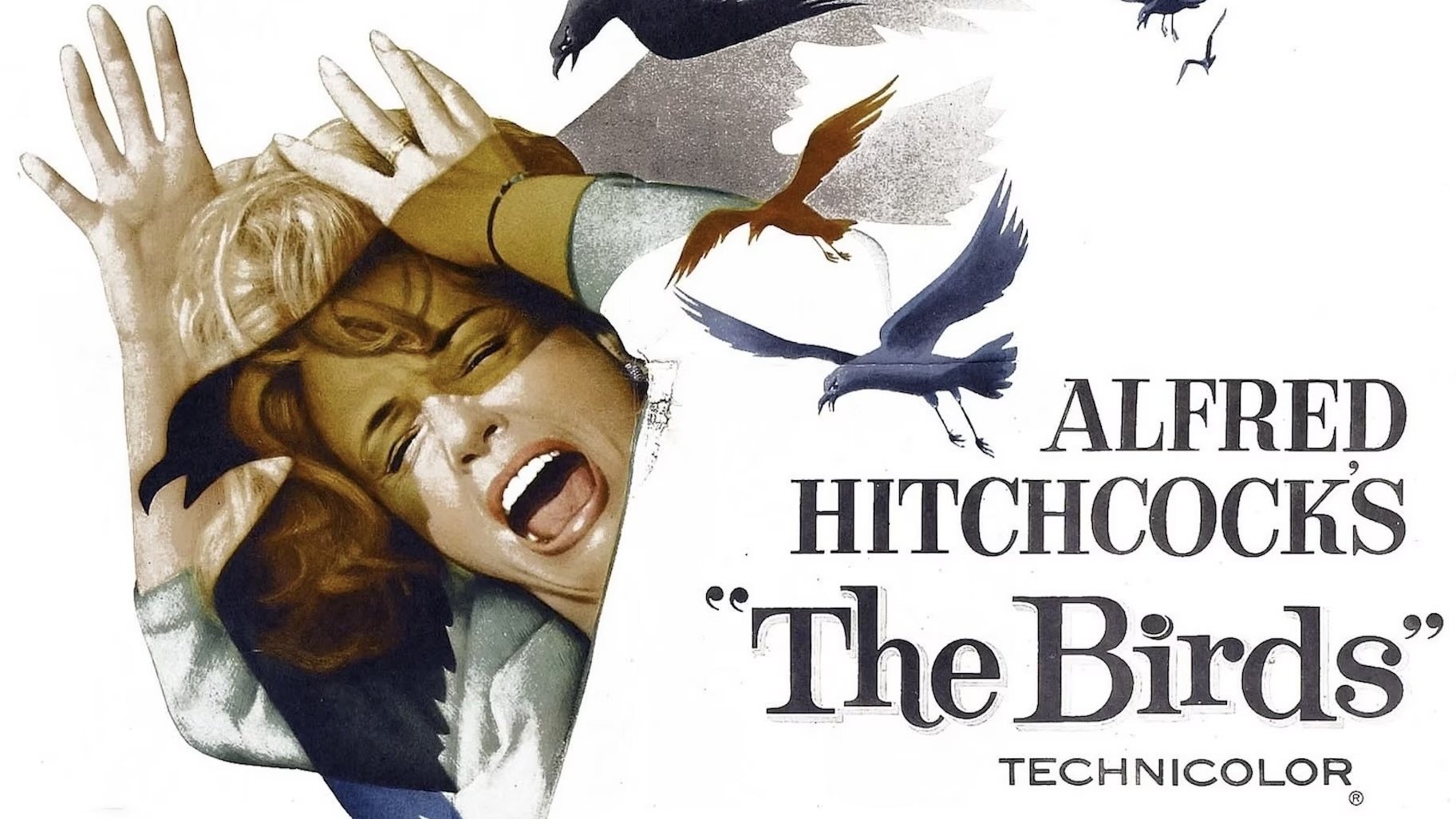
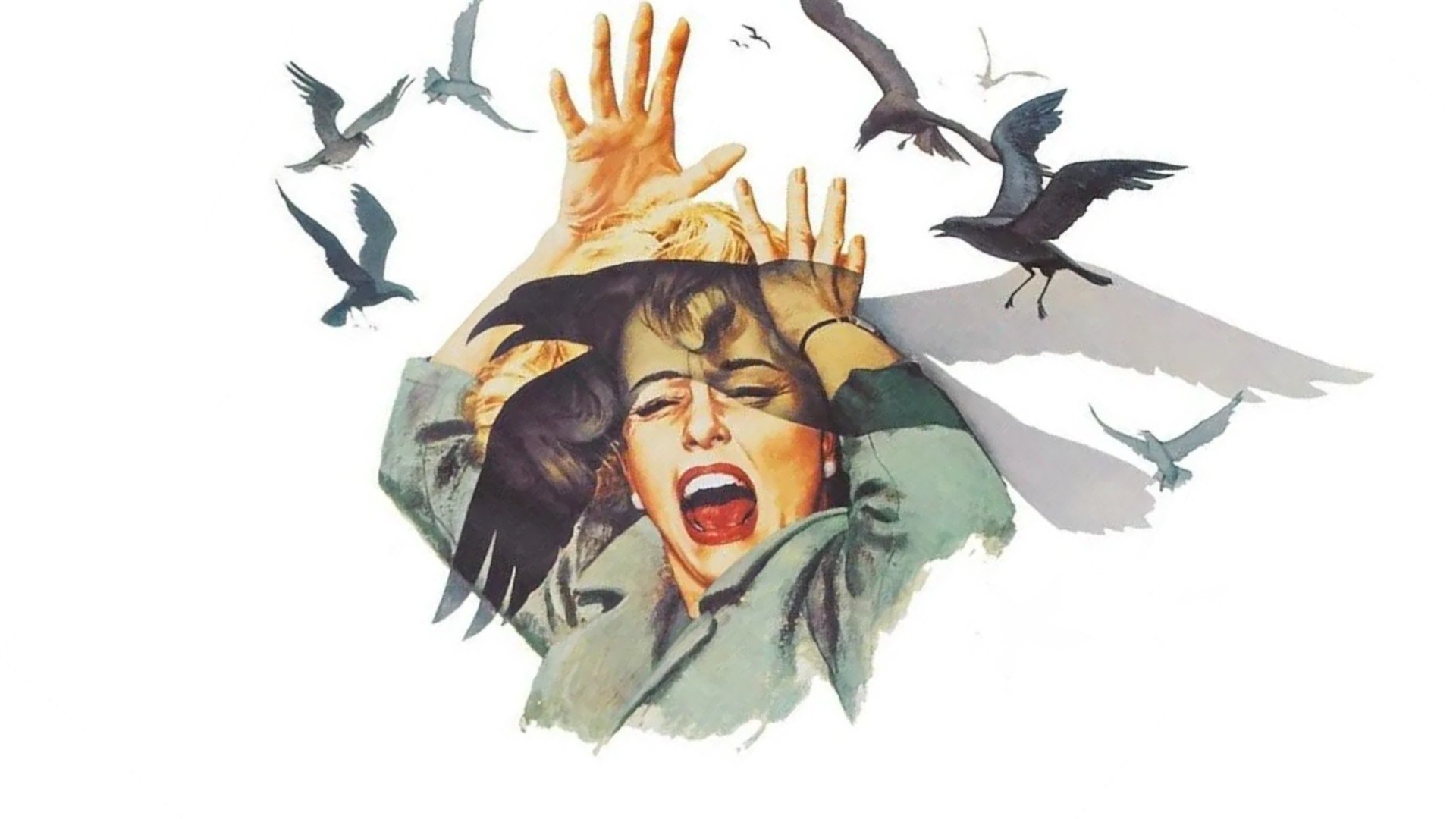
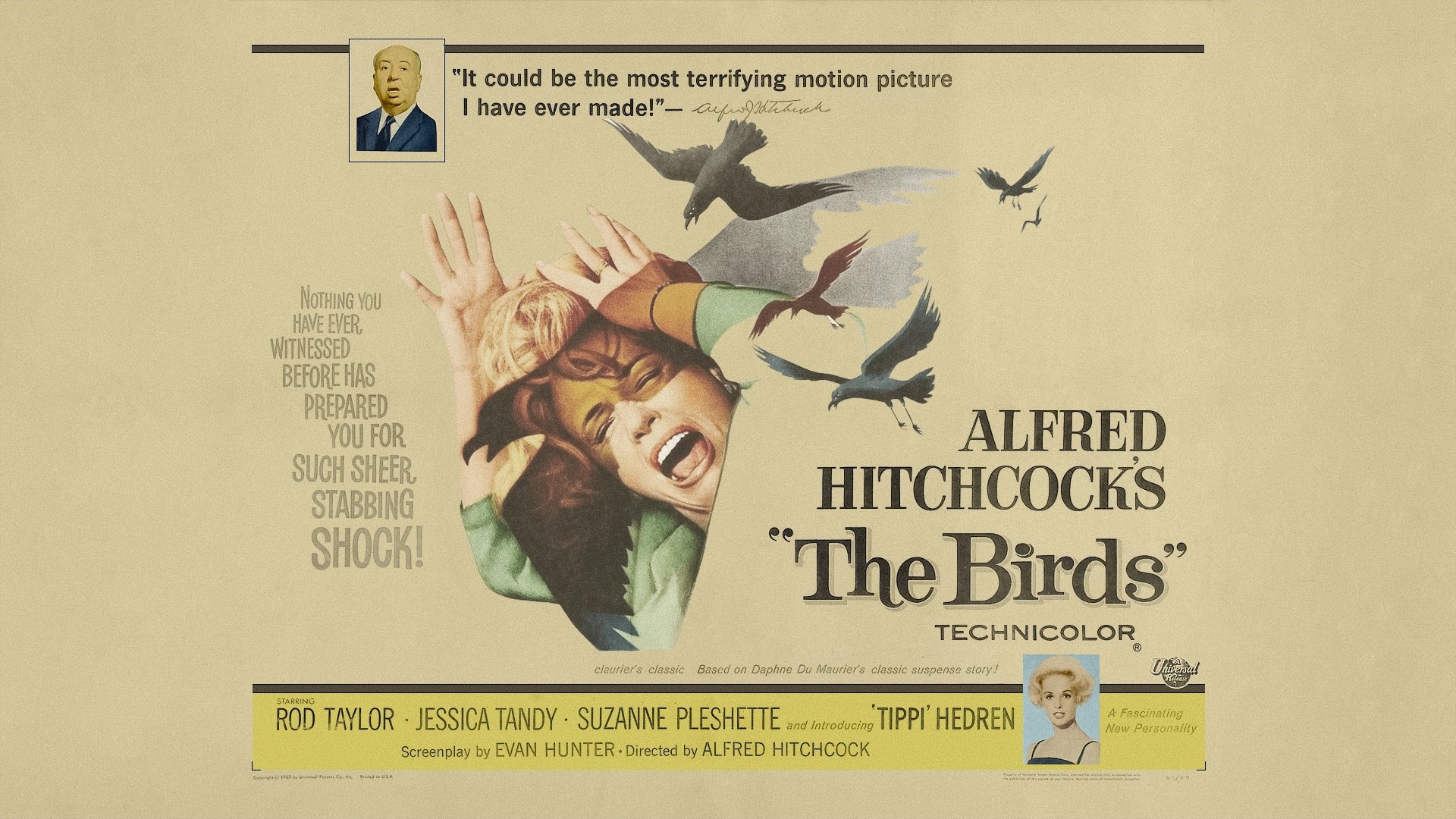
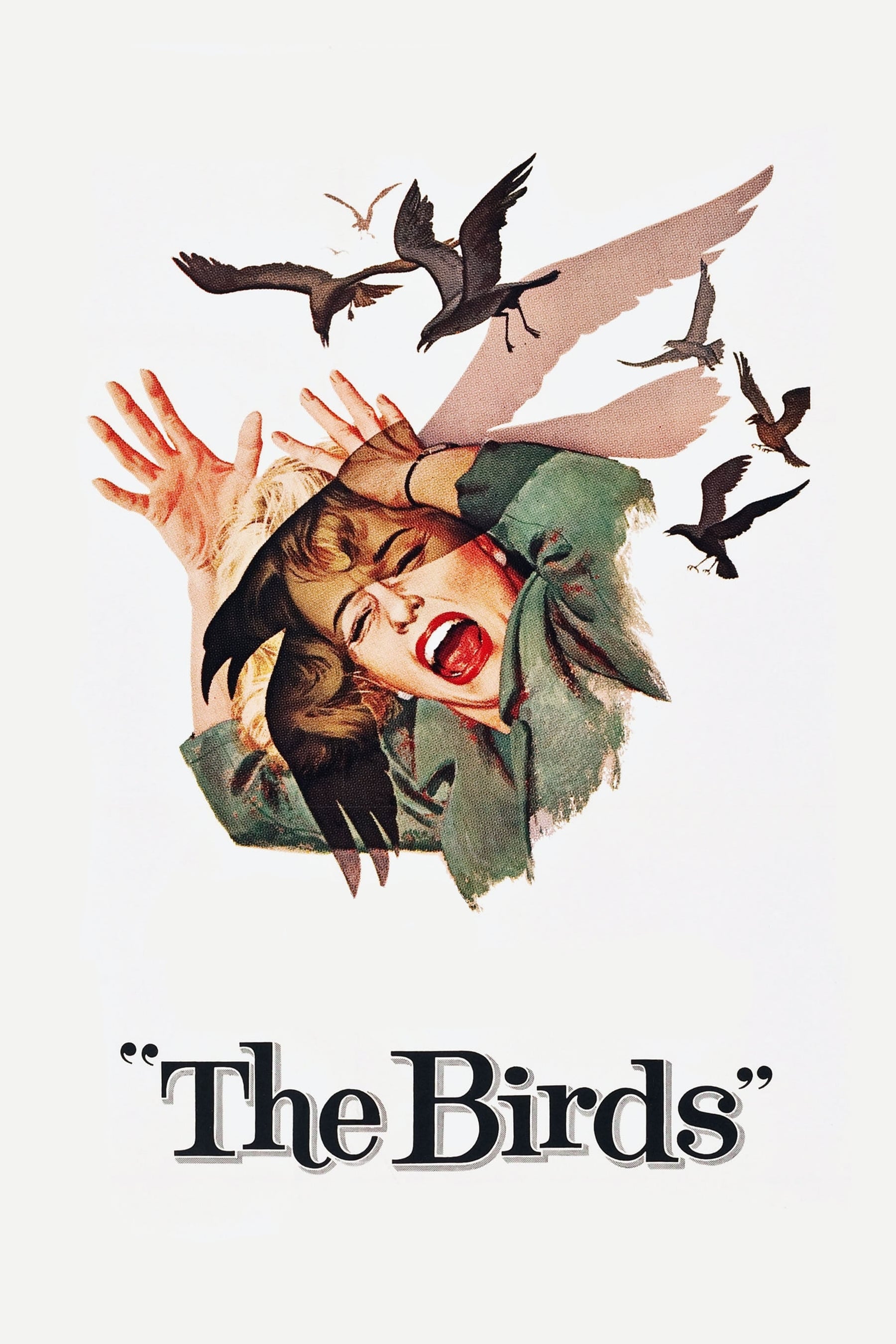
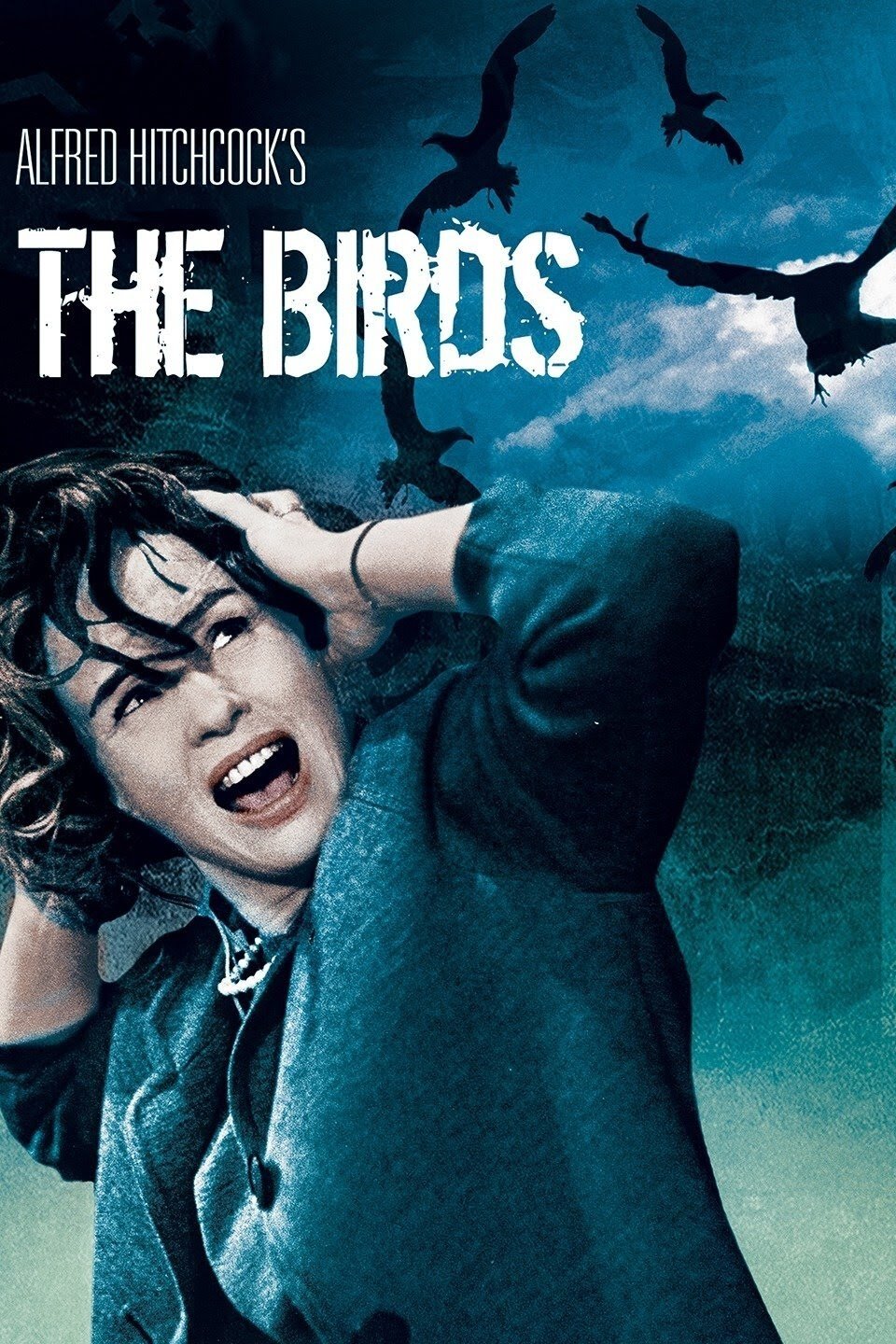
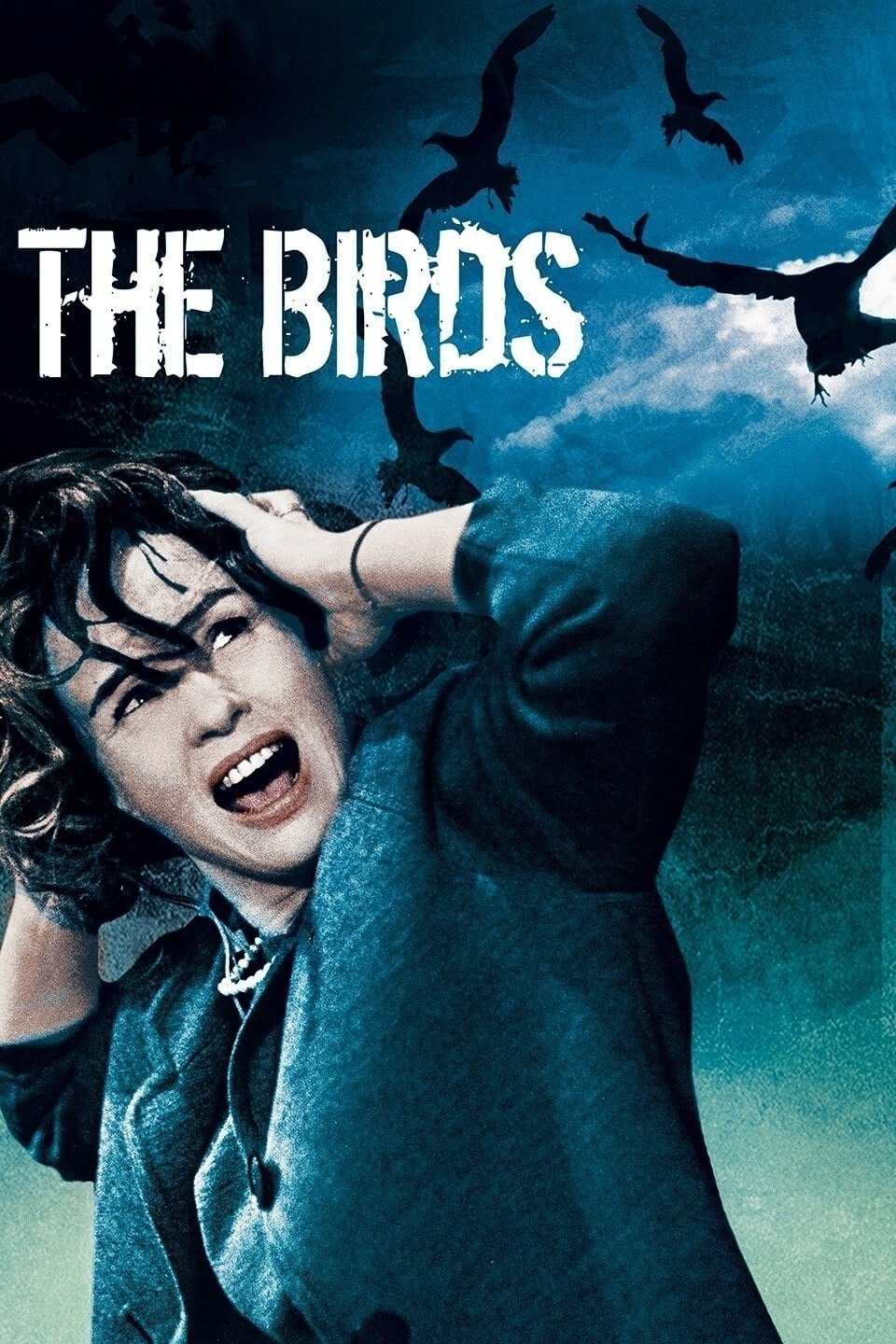
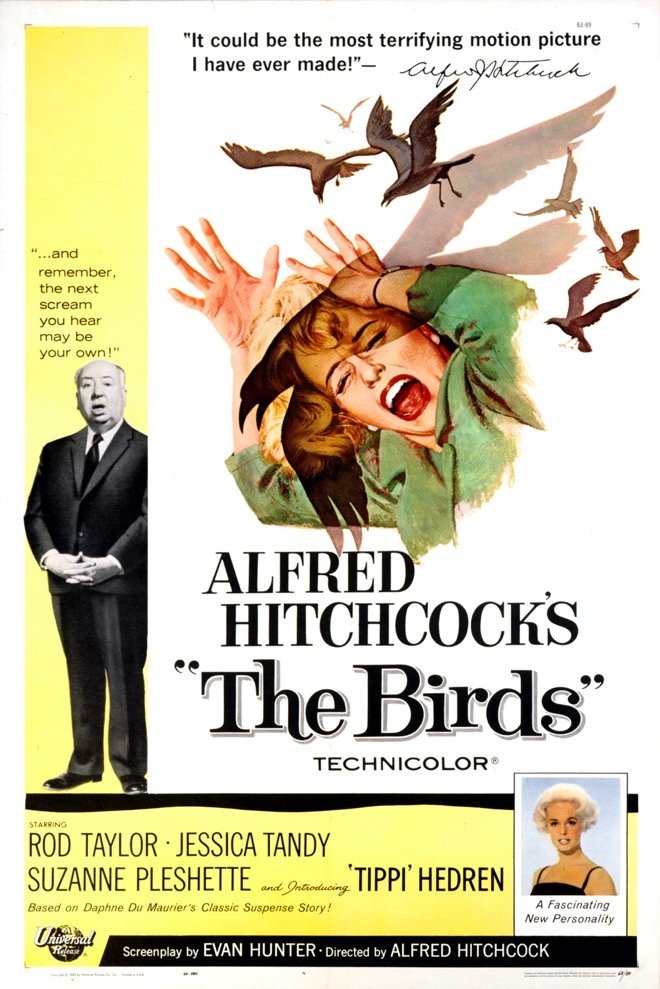
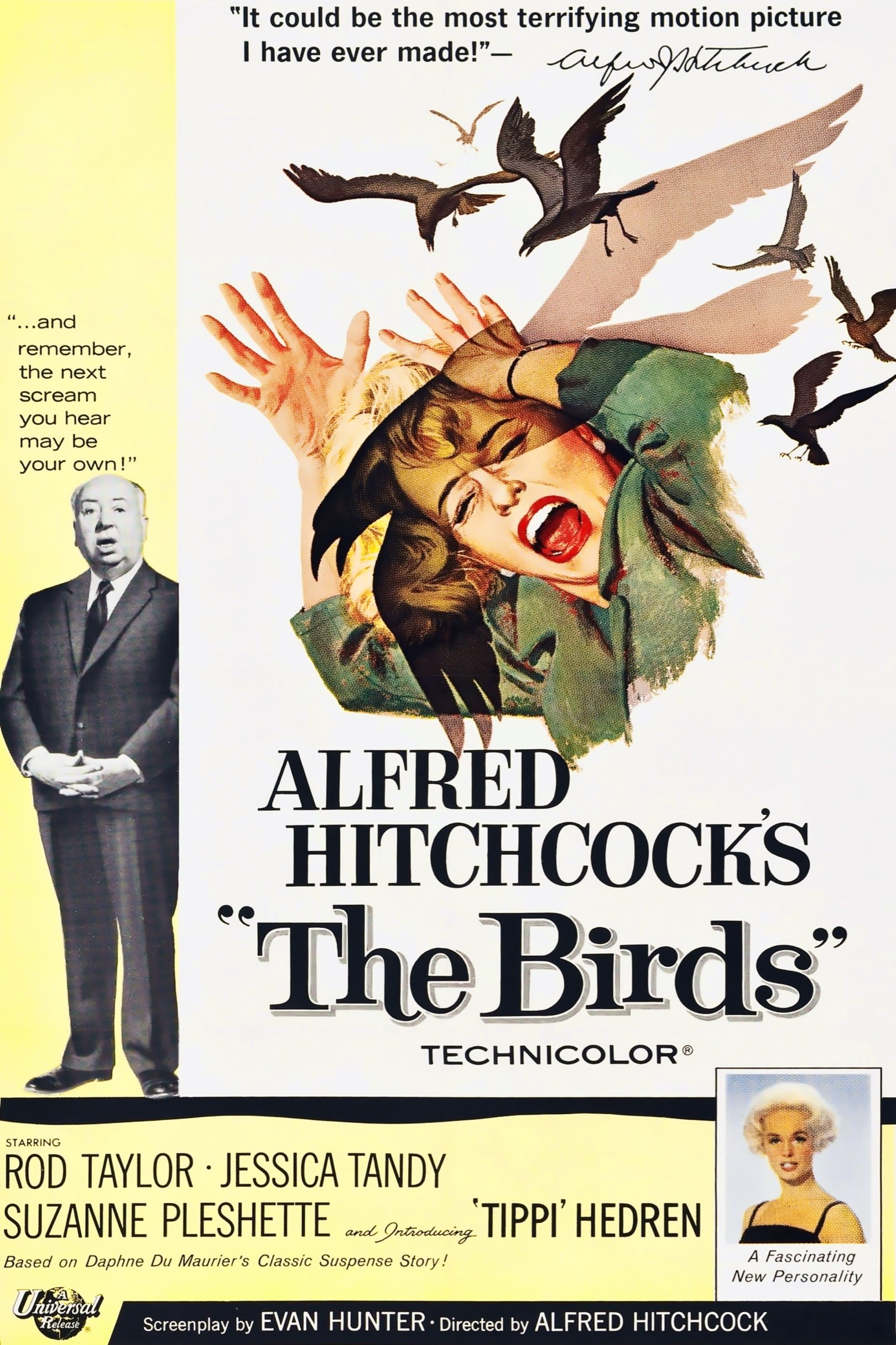
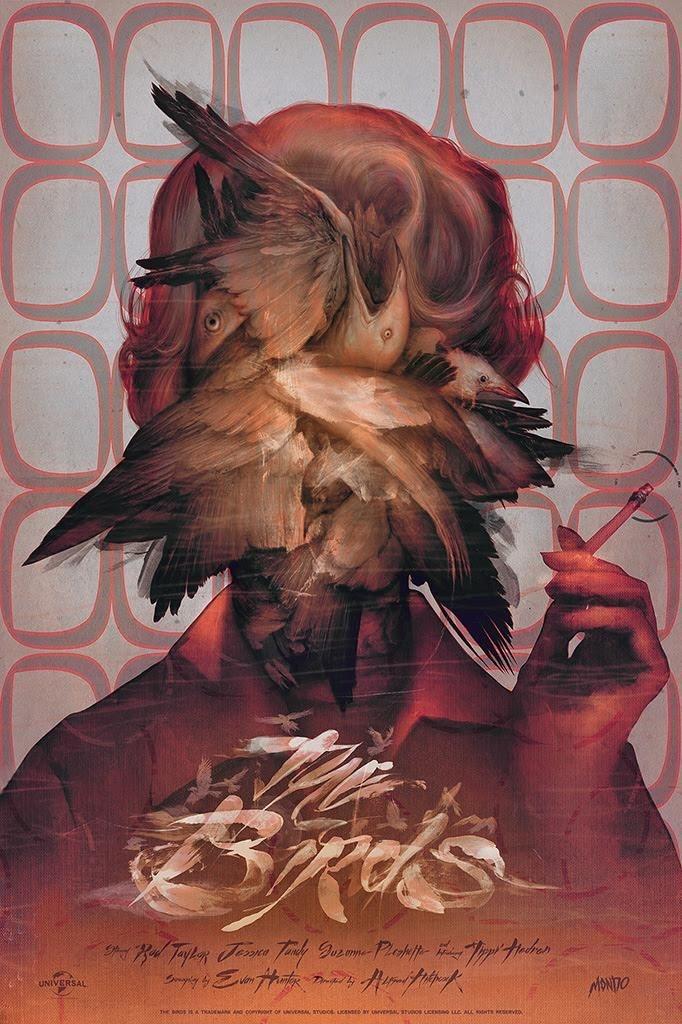
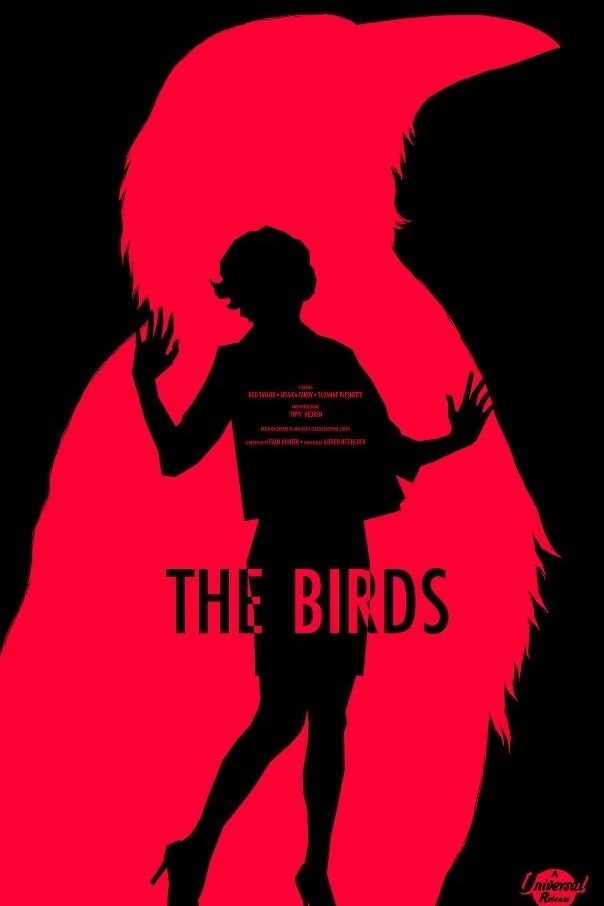
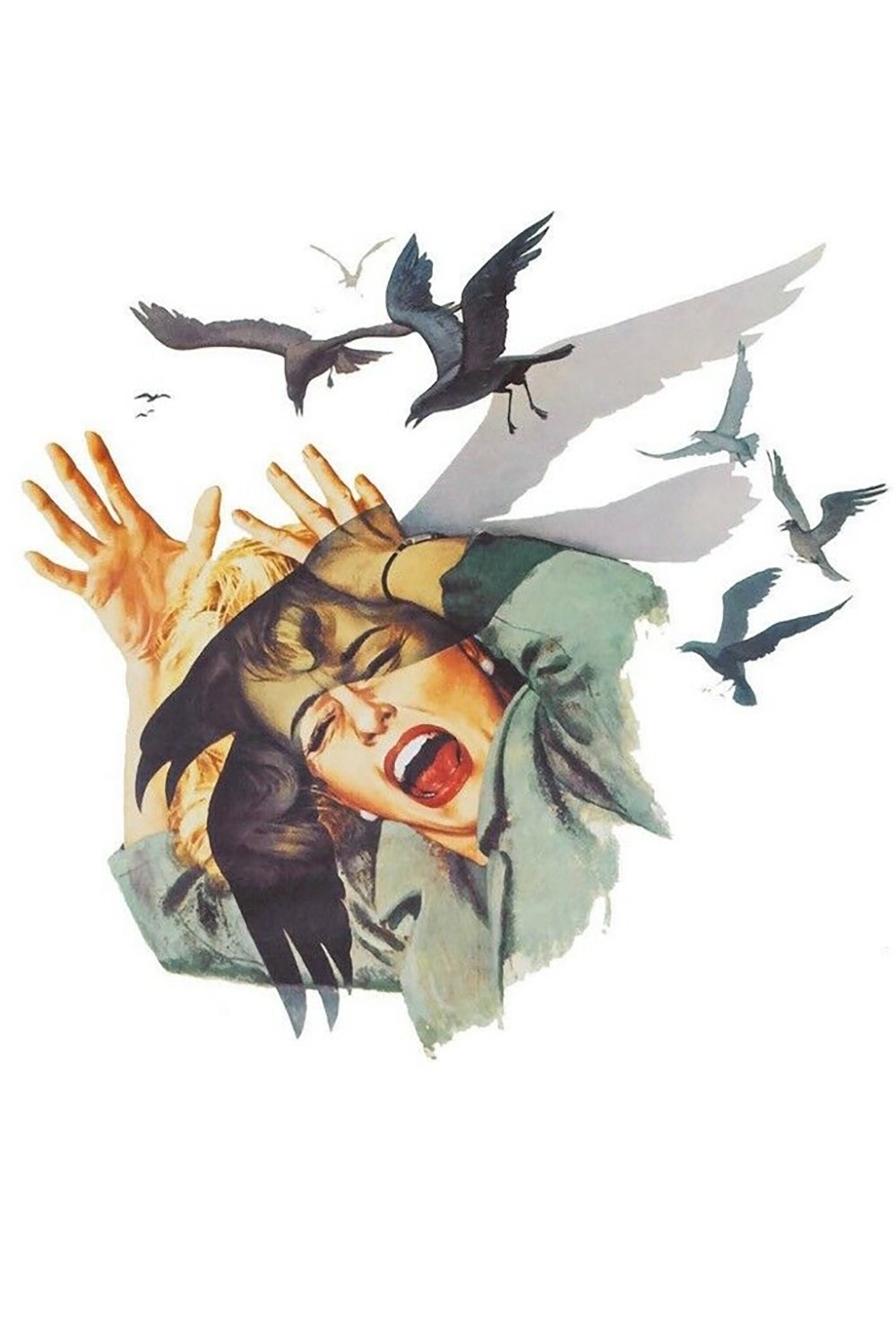
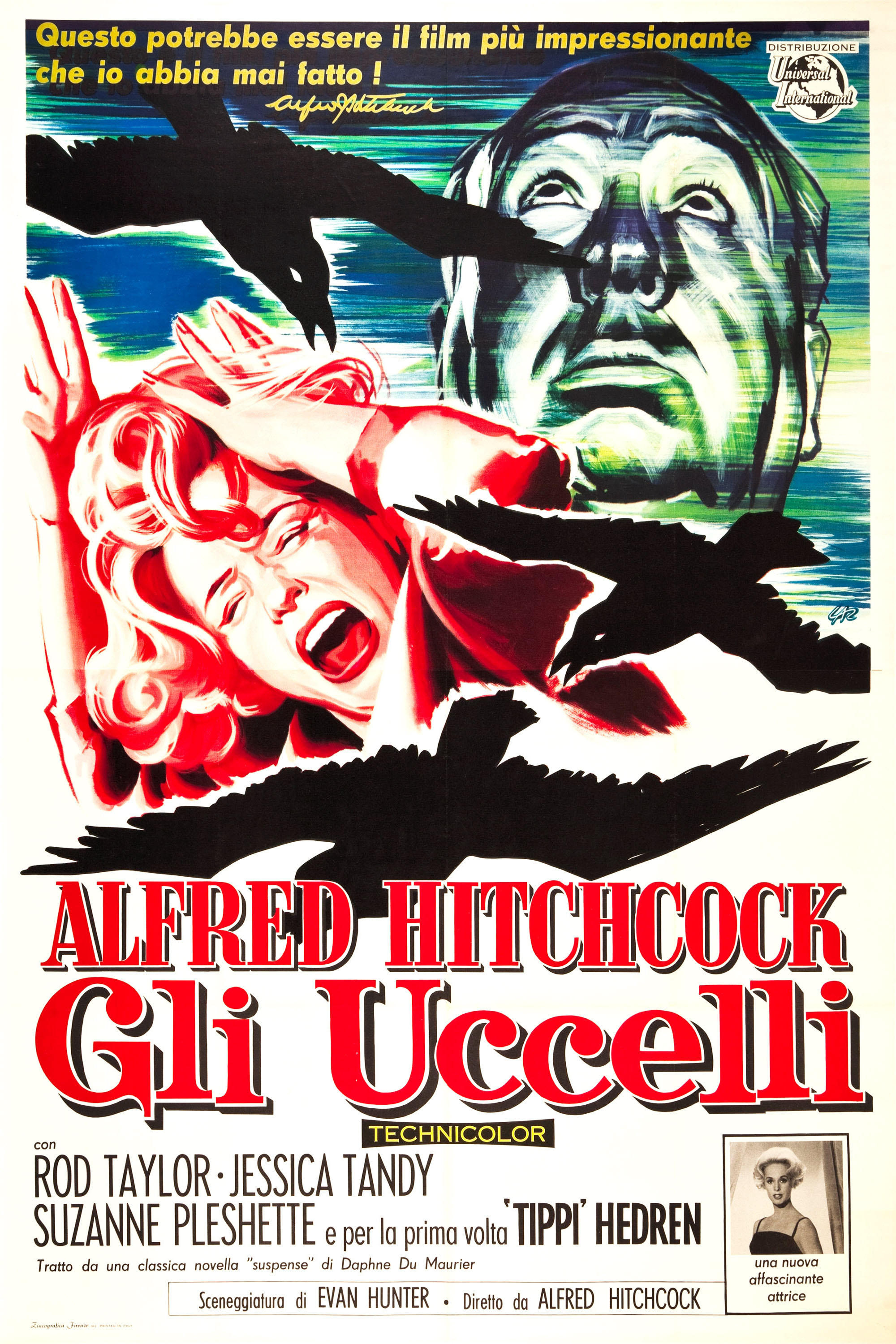
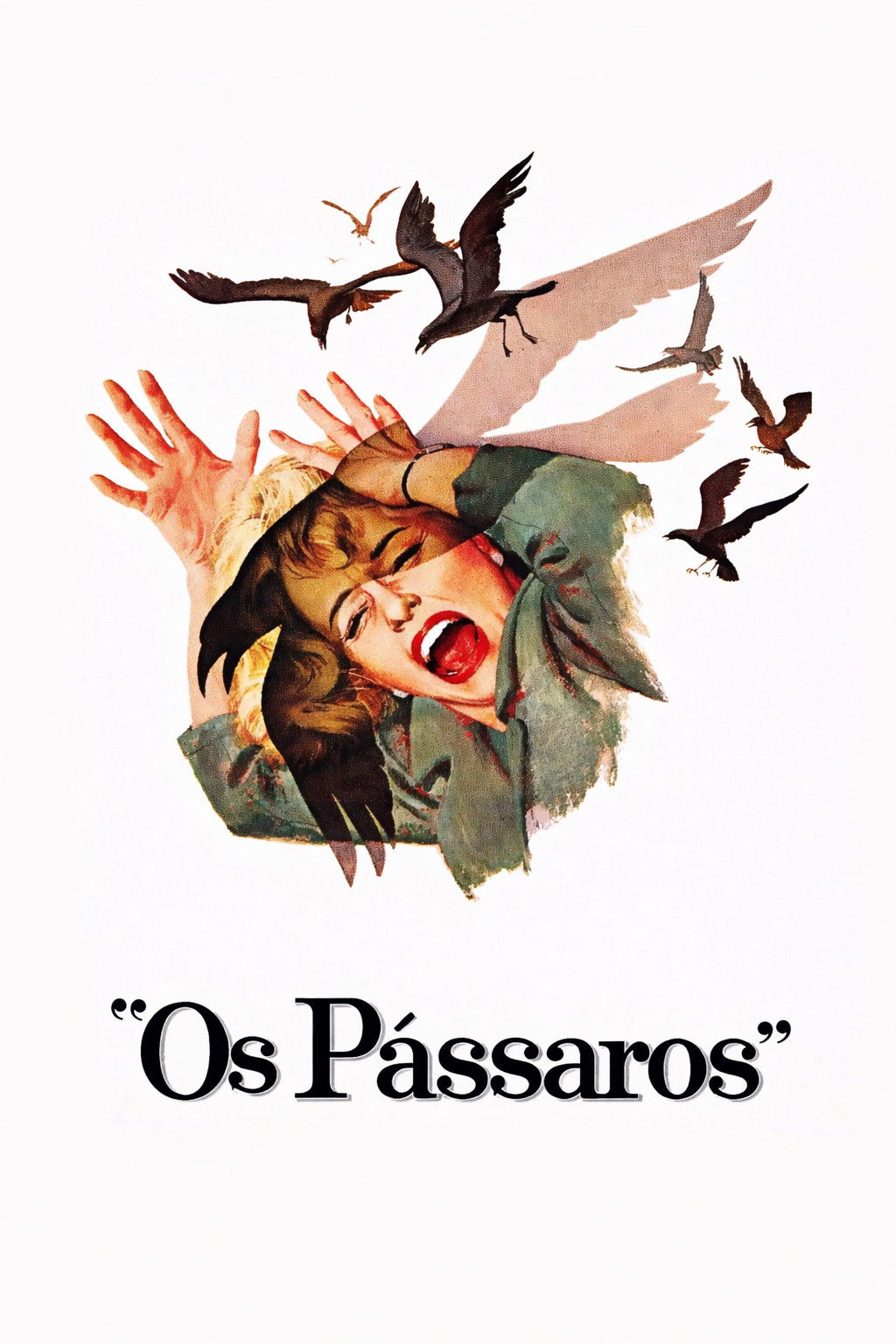
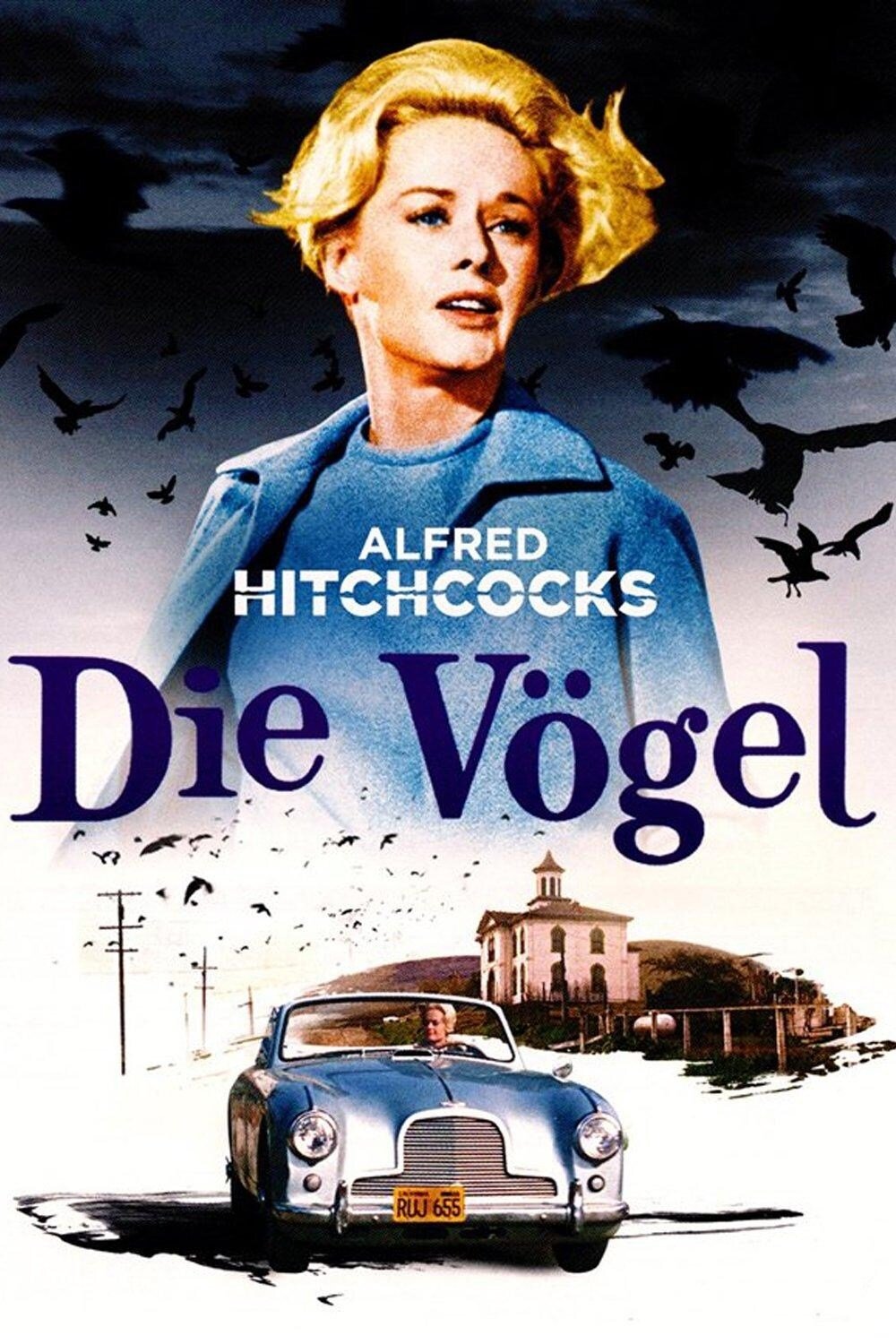
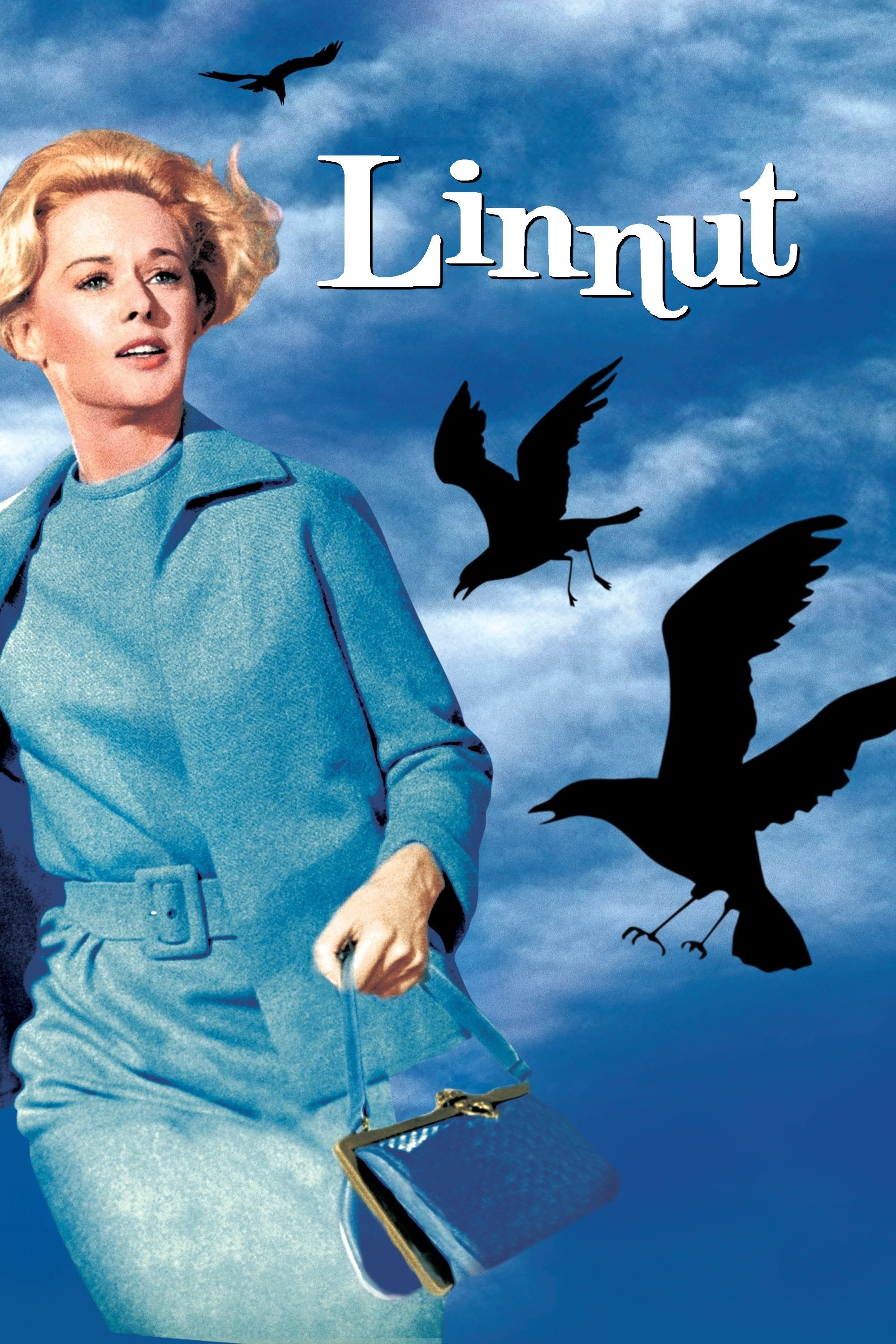
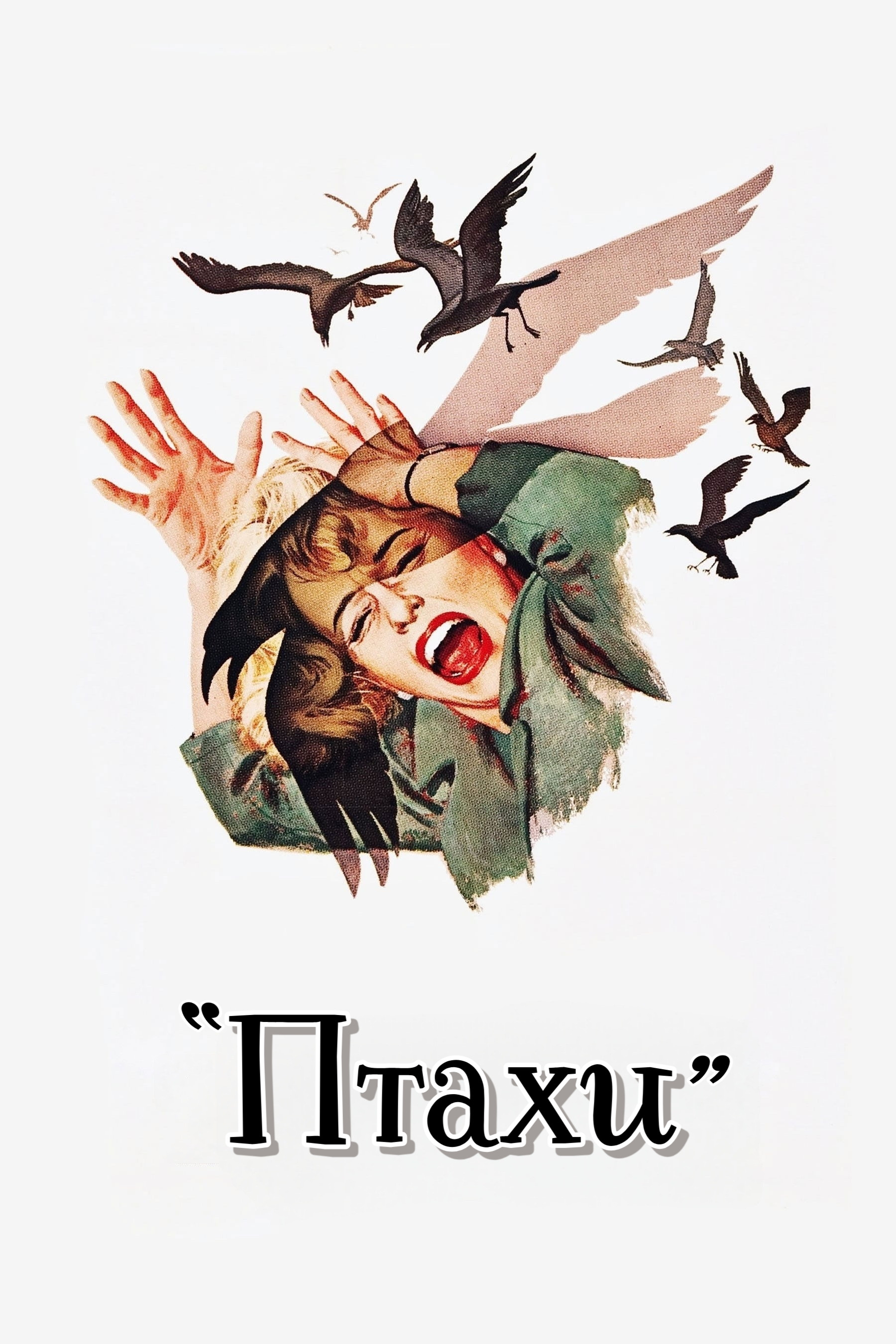
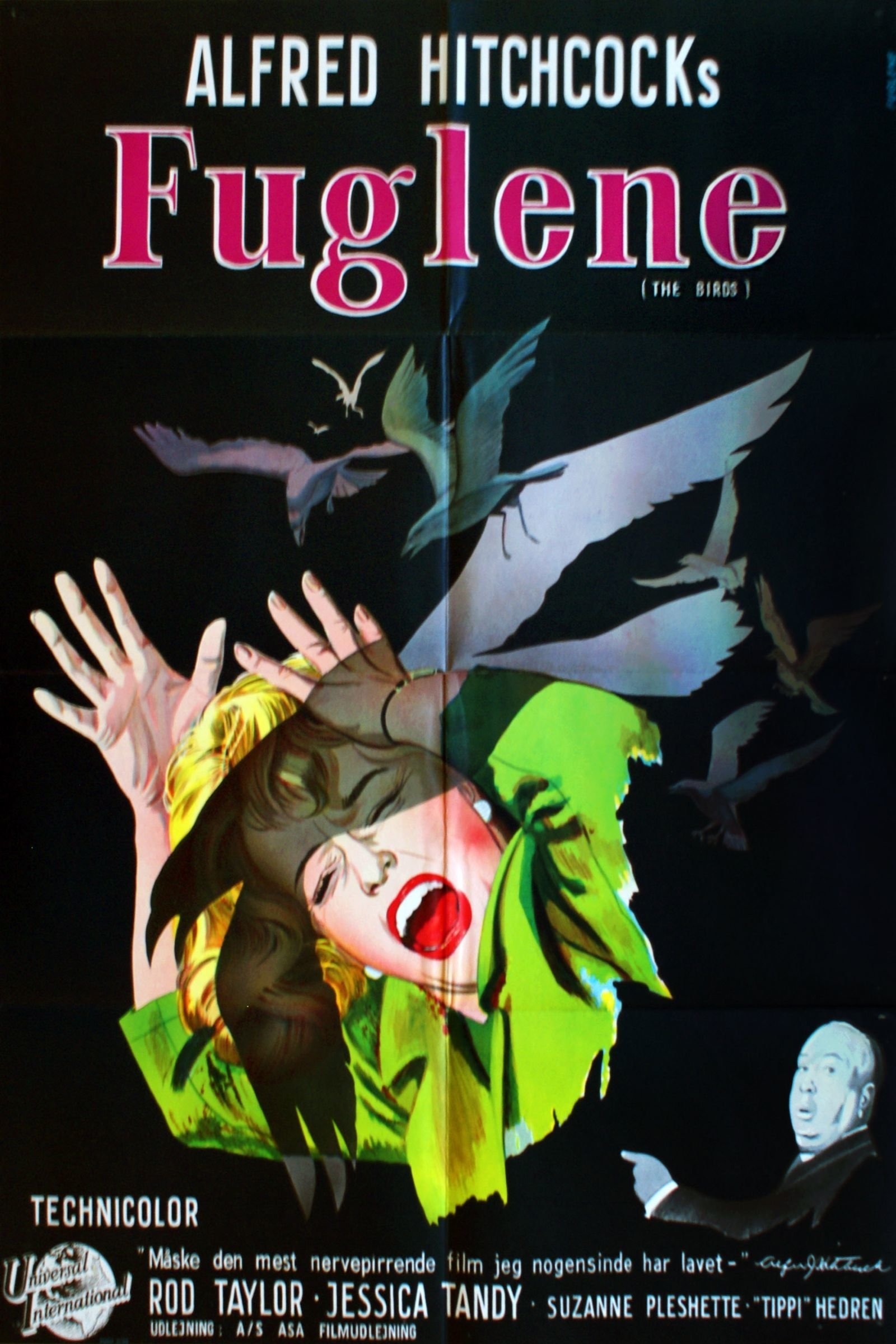
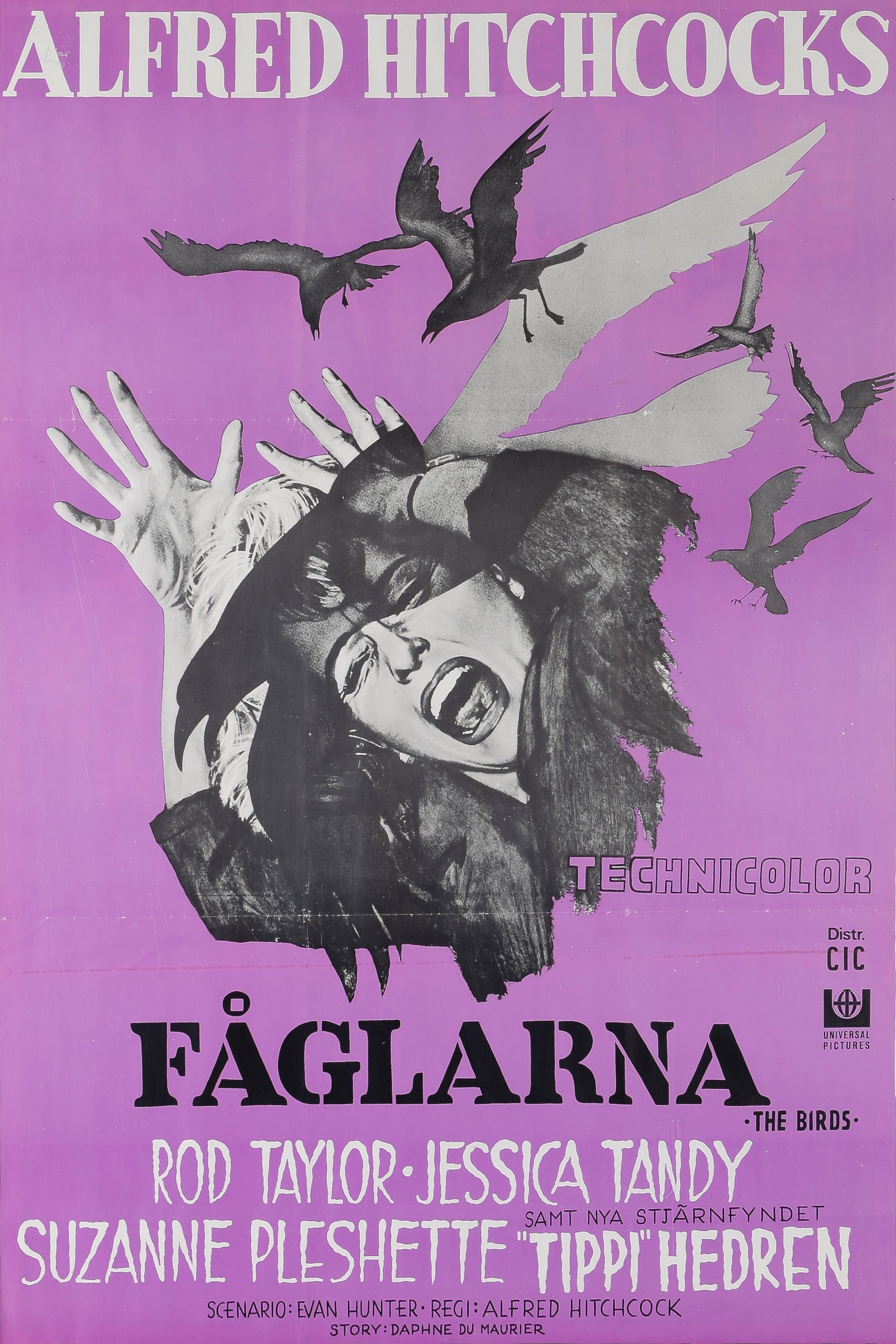
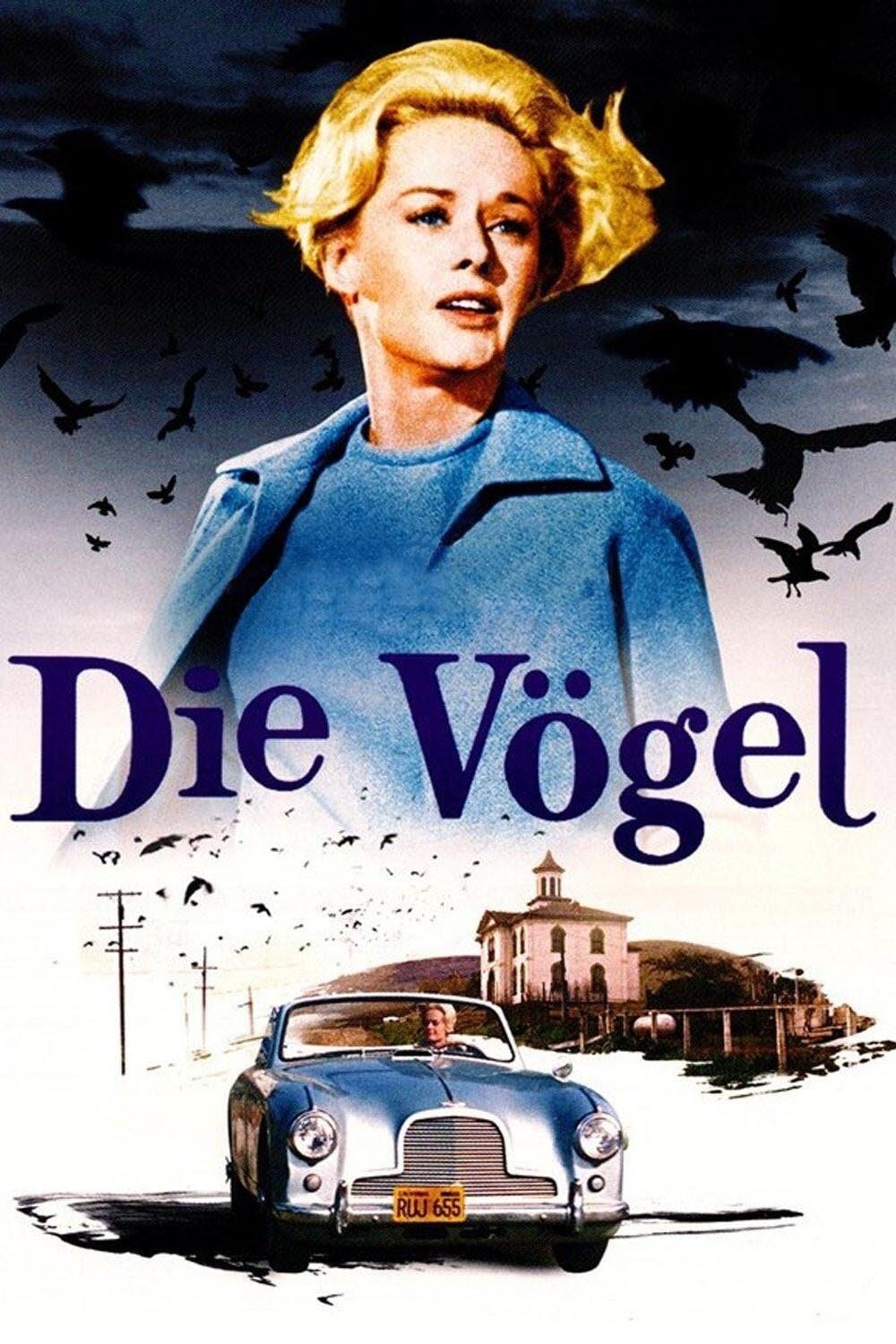
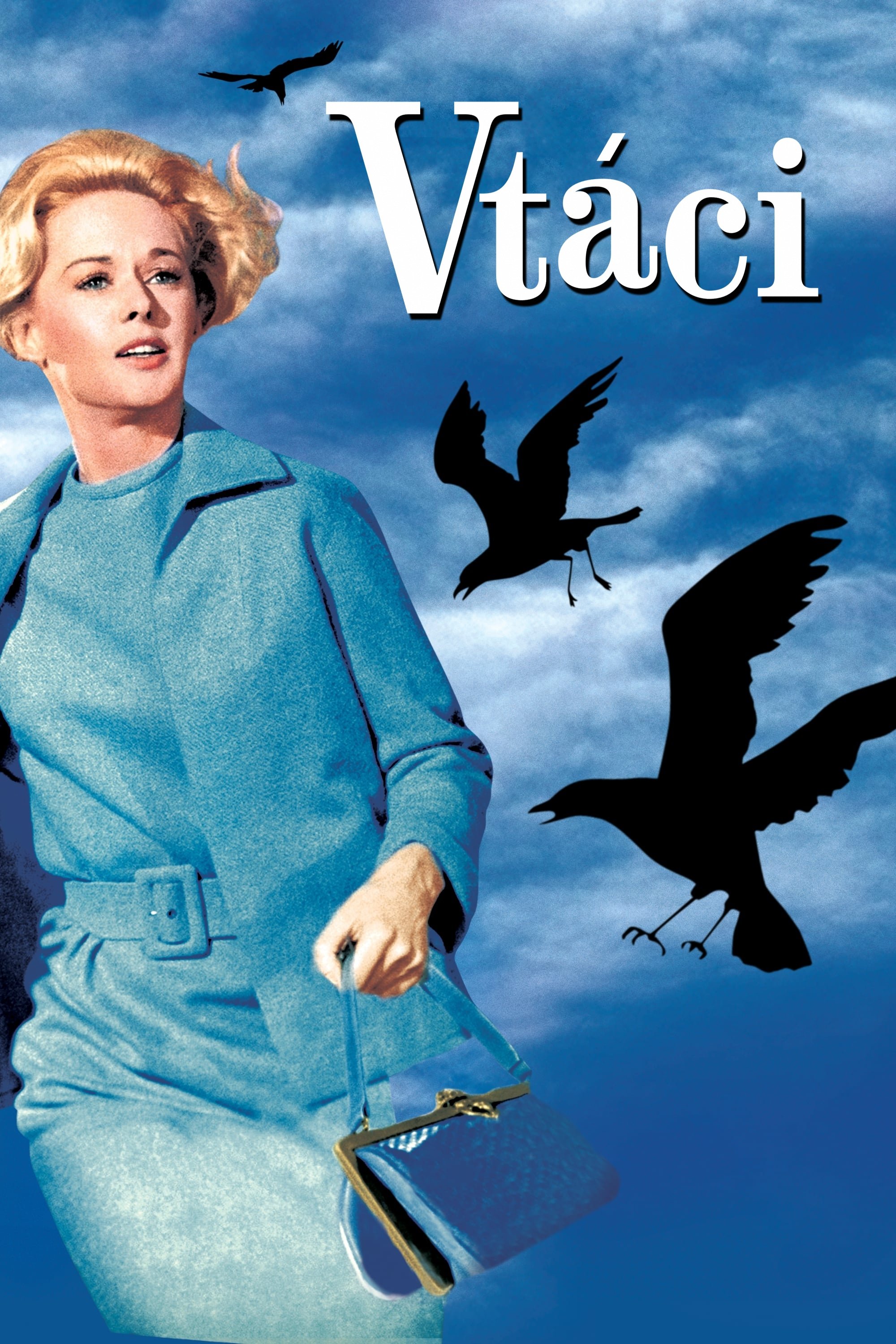
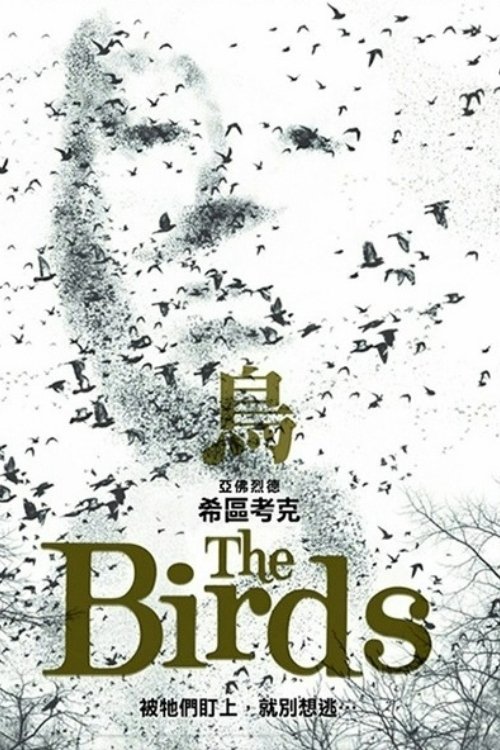
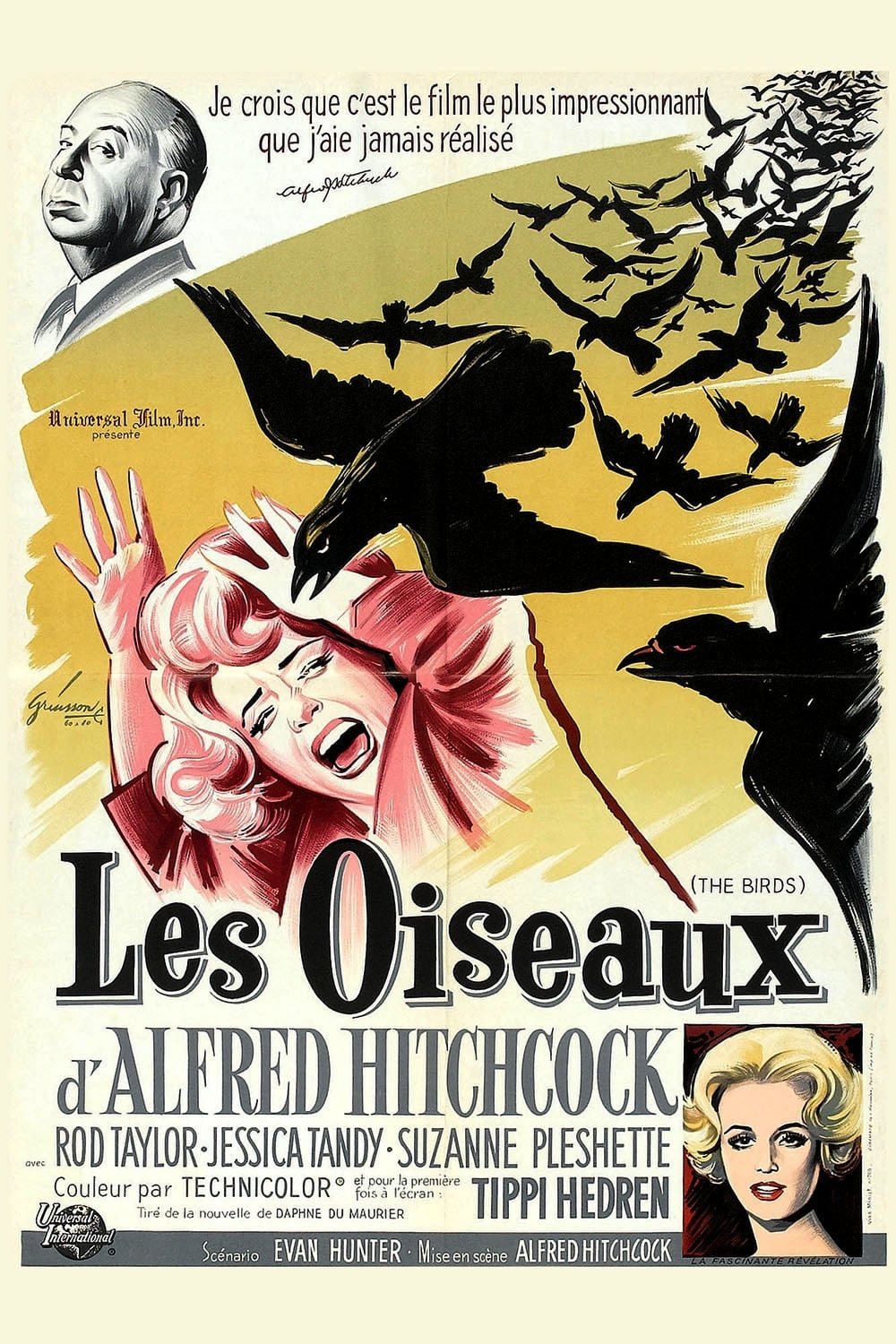
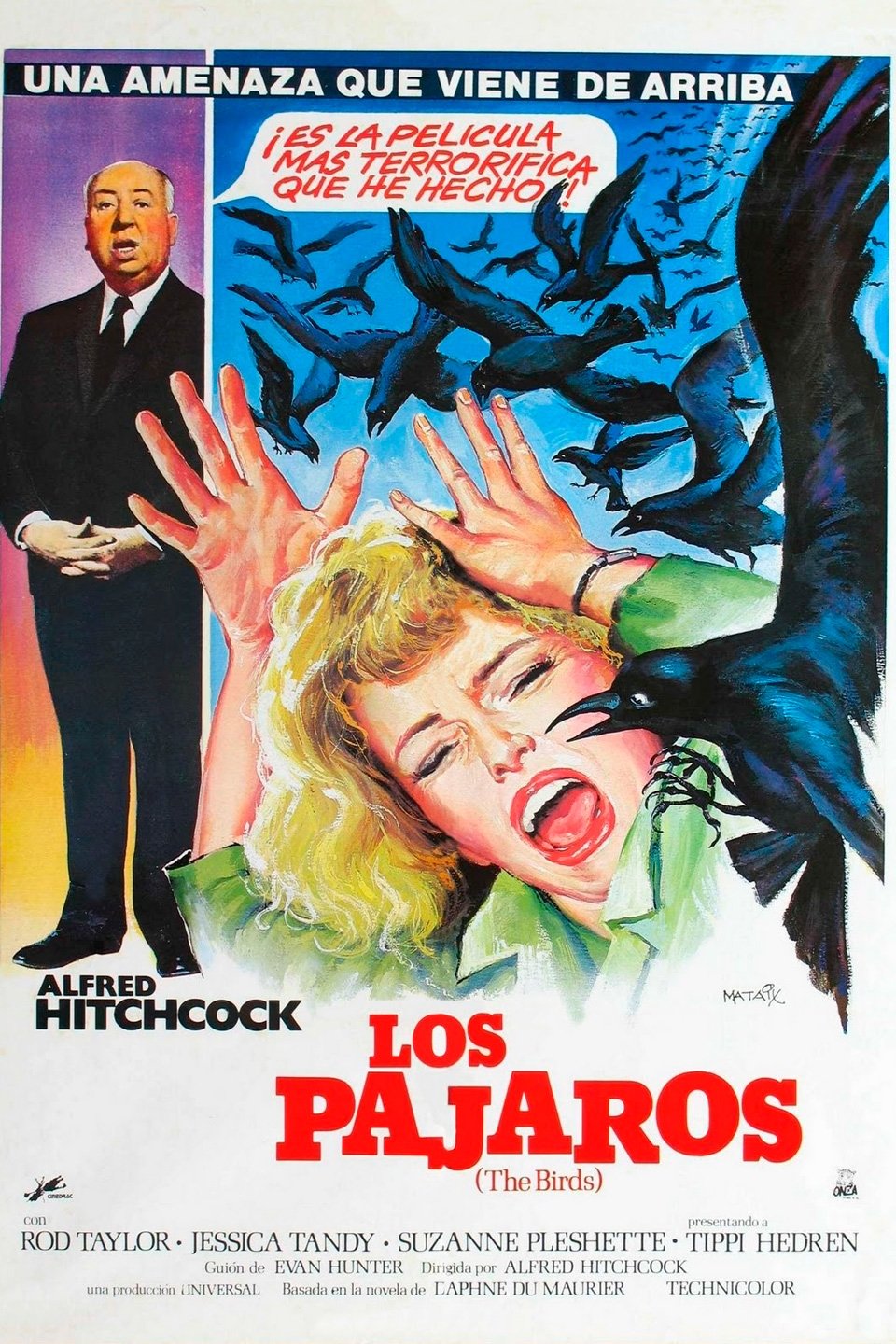
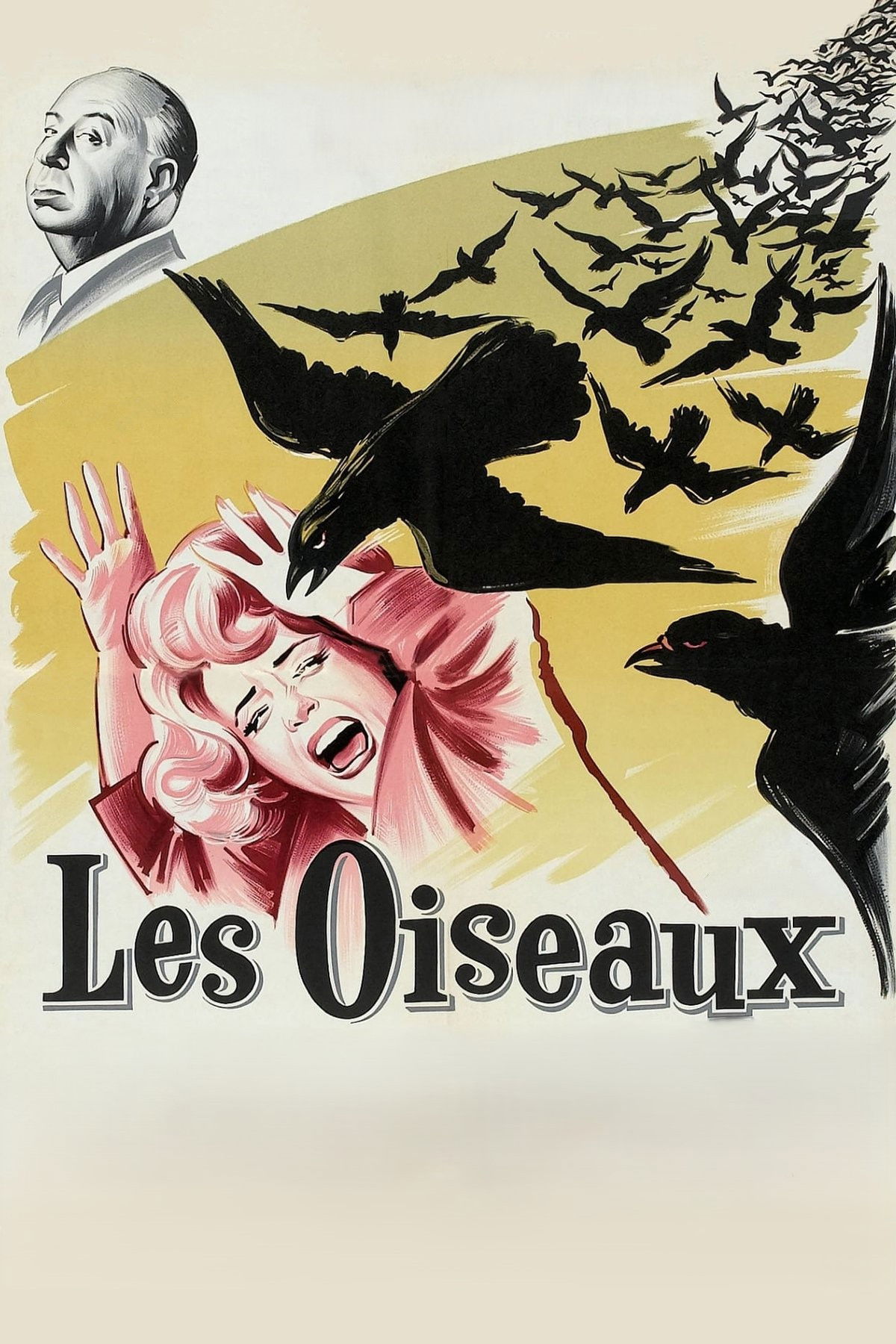
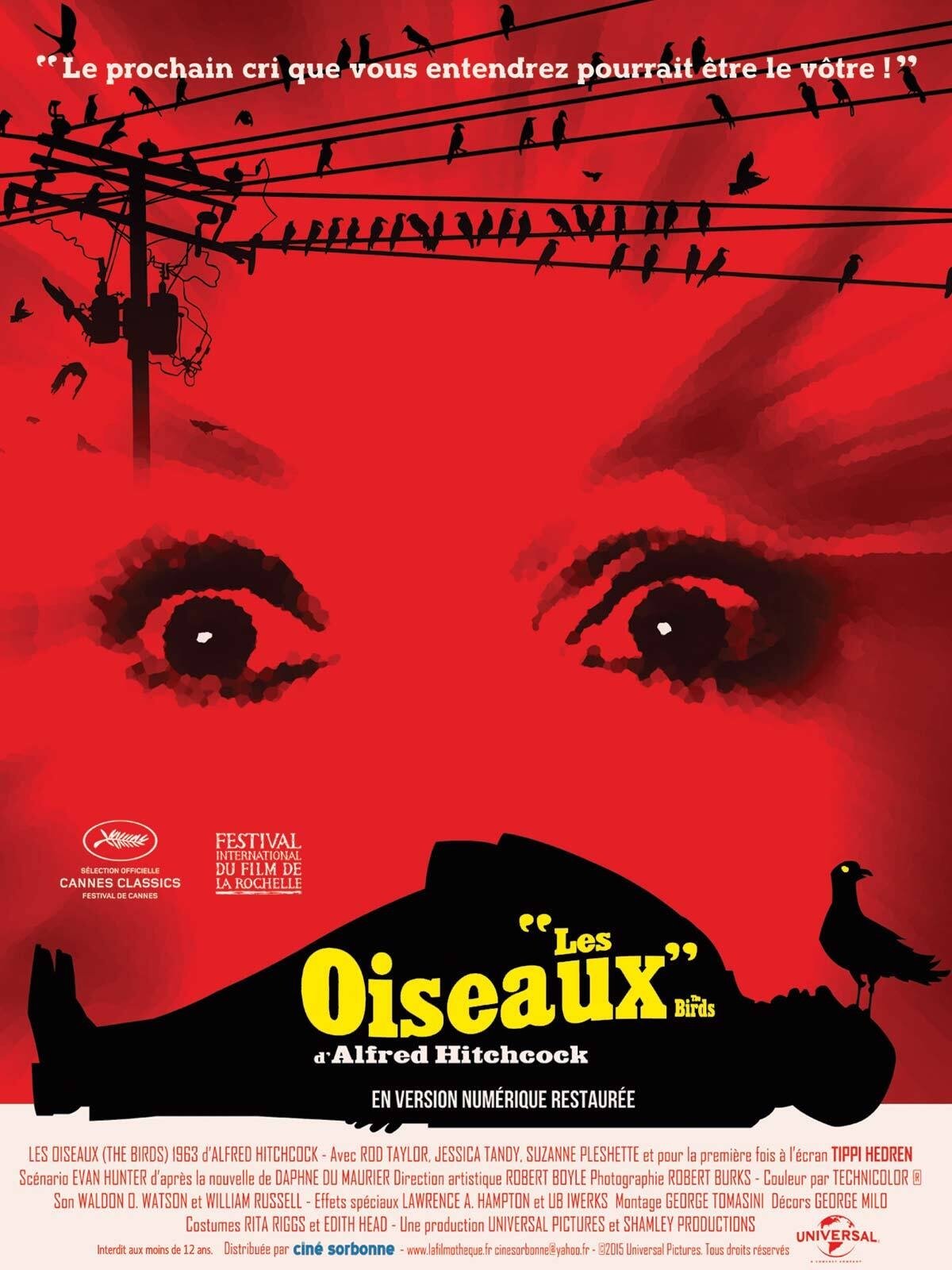
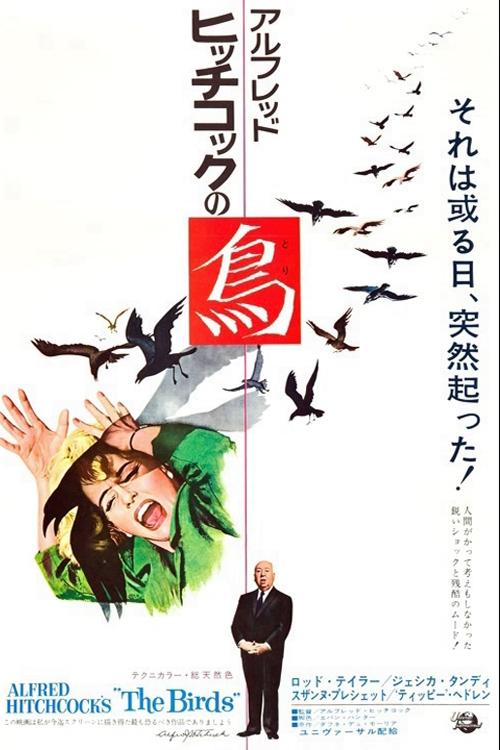
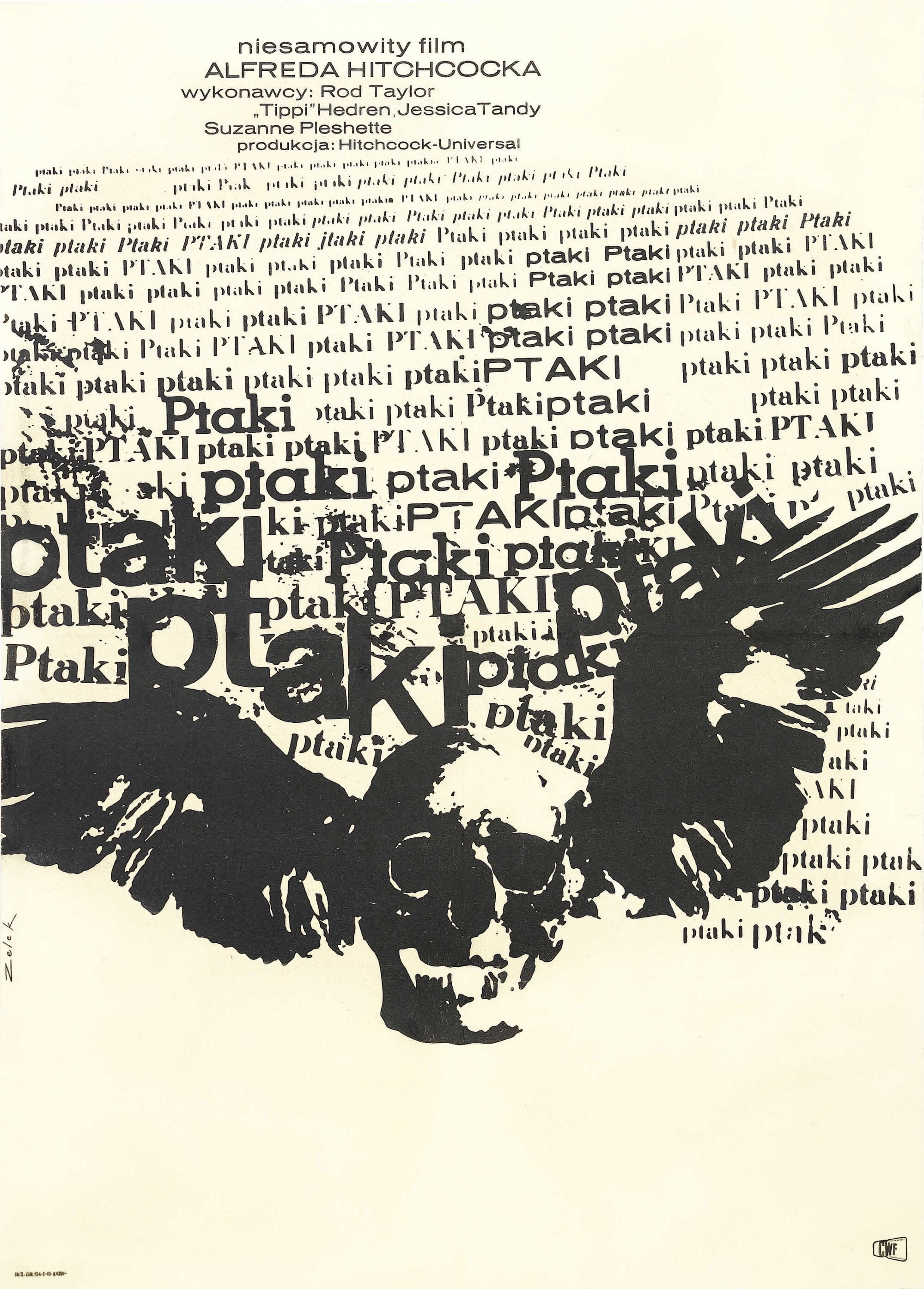
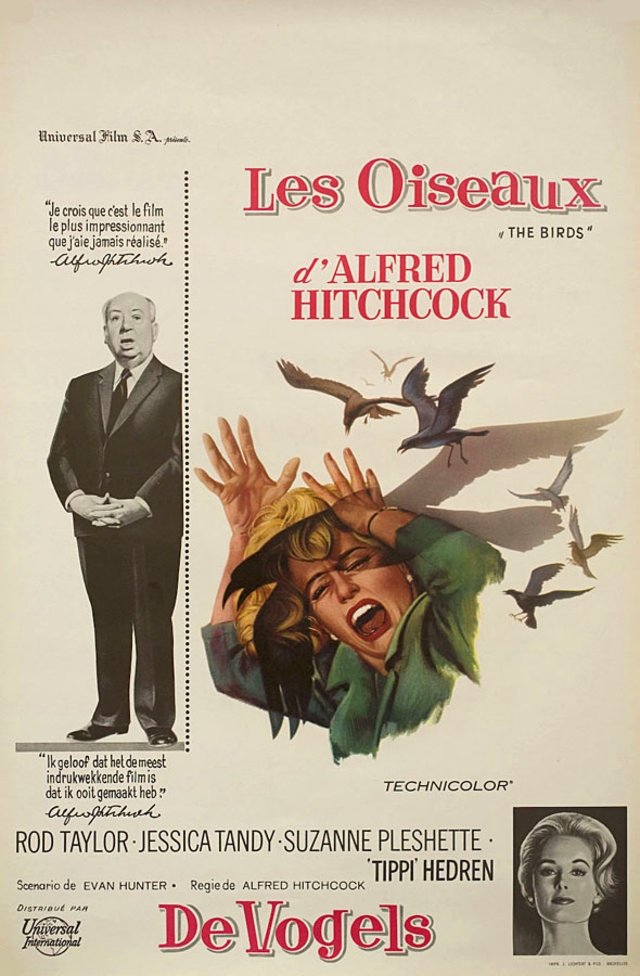
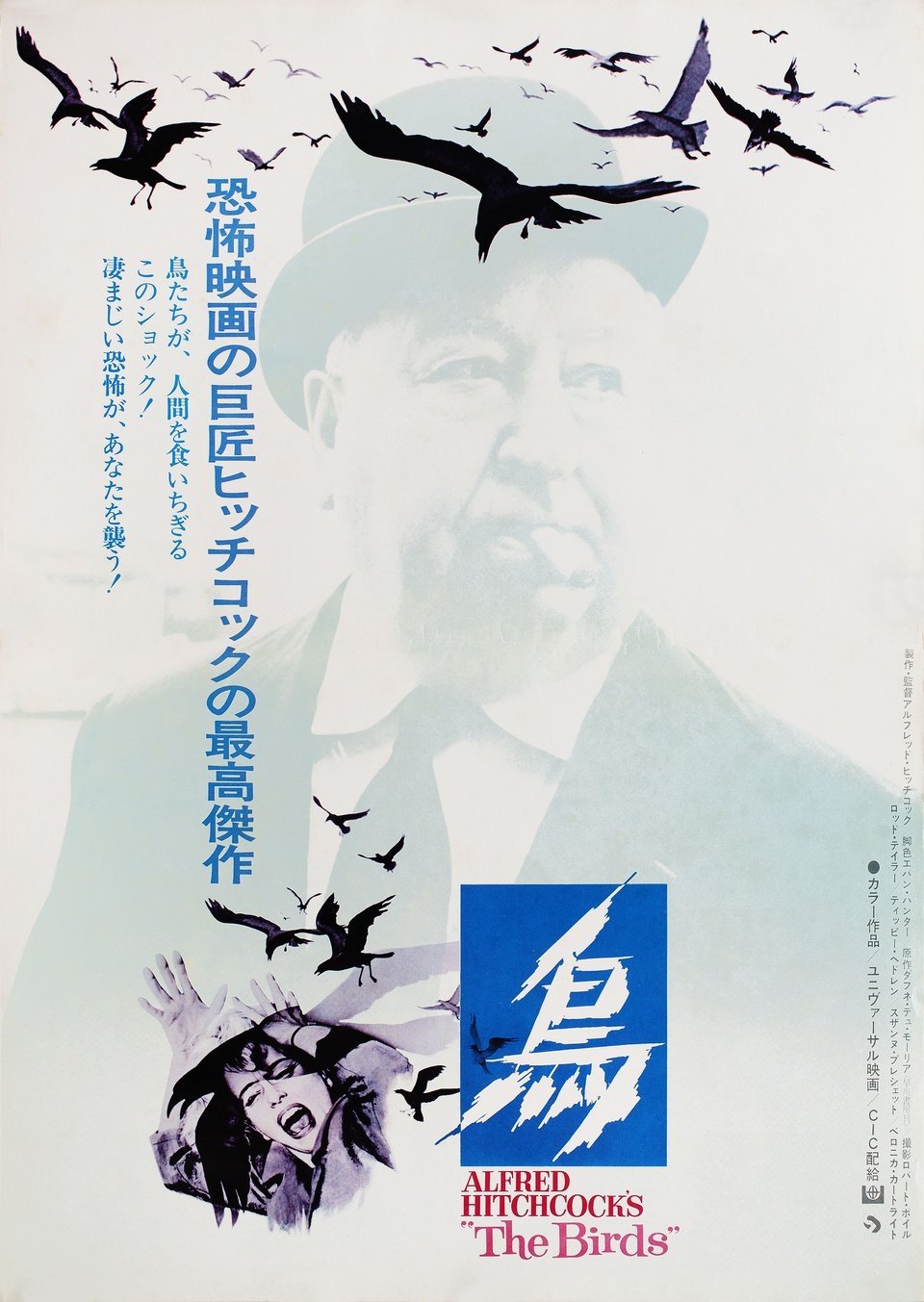
The Birds received its world premiere at the RKO Palace in New York on March 28, 1963, followed by its Los Angeles opening on April 10. Universal Pictures distributed the independently produced film and organized a substantial publicity campaign that emphasized the mysterious nature of the attacks. Hitchcock appeared in promotional material and supported an advertising strategy built around the spectacle of apparently harmless animals becoming dangerous. Contemporary reporting recorded his acknowledgement of a production cost of approximately $3 million, although other published budget estimates differ. This figure should be understood as a contemporary statement about production expenditure rather than a complete accounting of marketing or distribution costs.
The initial critical response was mixed. Philip K. Scheuer, reviewing the film for the Los Angeles Times immediately after its premiere, criticized the implausibility of the narrative while praising the photographic effects and sound. Variety similarly admired the technical achievement but questioned the dramatic substance beneath the spectacle. Other contemporary responses were more enthusiastic about the film’s ability to transform ordinary animals into a threatening force. The disagreement reflects differing expectations of Hitchcock’s work following Psycho. Some reviewers concentrated on the sophistication of the cinematic technique, while others found the unexplained attacks and abrupt ending insufficient as a conventional dramatic resolution.
The theatrical release also attracted attention through its technical achievements and international exhibition. Contemporary reporting noted a strong opening in the Los Angeles area, including a single-day gross of $51,381 across twenty-nine cinemas and drive-ins. That figure represents a specific local engagement and cannot establish the final domestic or worldwide theatrical total. The film screened out of competition at the Cannes Film Festival in May 1963. Its Academy Award nomination for Best Special Visual Effects recognized the complexity of its photographic work, although the award went to Cleopatra. The film’s initial commercial performance should be distinguished from its subsequent reputation as one of Hitchcock’s principal horror achievements.
Ambiguity, Catastrophe, and the Film’s Horror Legacy
The Birds has generated differing interpretations of the relationship between its human drama and the unexplained violence. Melanie’s arrival in Bodega Bay introduces emotional tensions involving Mitch, Lydia and Annie, but the birds’ behaviour does not follow an explicitly demonstrated moral or psychological rule. In an interview preserved by the Museum of Modern Art, Hitchcock associated the film with human complacency and the capacity to respond to catastrophe. He also described its events in terms of a possible Judgment Day. These statements establish ideas considered by the director, while the completed film leaves their precise relationship to the attacks unresolved.
The broader catastrophe gradually undermines the social structures that appear capable of protecting the community. The school becomes unsafe, the town’s public spaces collapse into disorder, and the family home must be barricaded against an enemy that cannot be negotiated with. Different characters respond through denial, religious interpretation, practical preparation or panic. The uncertainty surrounding the birds’ motives prevents any of these responses from becoming an authoritative explanation. The final departure offers temporary escape without demonstrating that the danger has ended. This arrangement allows the film to combine recognizable domestic relationships with the scale of an approaching disaster.
The film’s later standing within horror history reflects both its formal experimentation and the durability of its premise. The British Film Institute has placed it within the development of cinematic apocalypse, emphasizing its ability to transform everyday creatures and environments into instruments of terror. Its influence is most securely understood through the continuing critical attention given to its editing, sound design and methods of visual effects rather than through unverified claims about particular later filmmakers. In 2001, the American Film Institute ranked The Birds seventh in its list of the hundred most thrilling American films. Its enduring significance rests on the carefully constructed escalation of apparently ordinary events into a catastrophe whose origins and ultimate limits remain unknown.