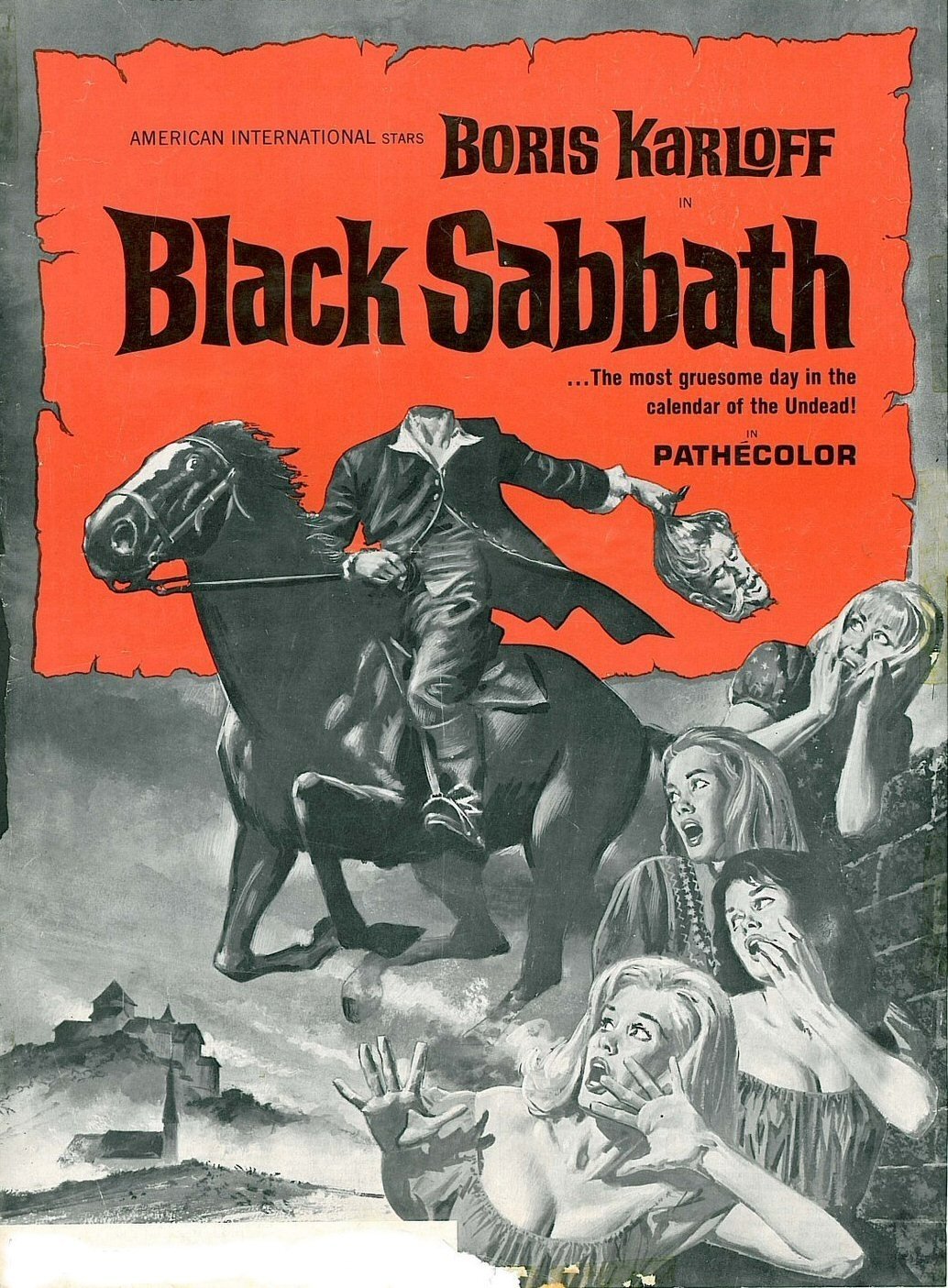
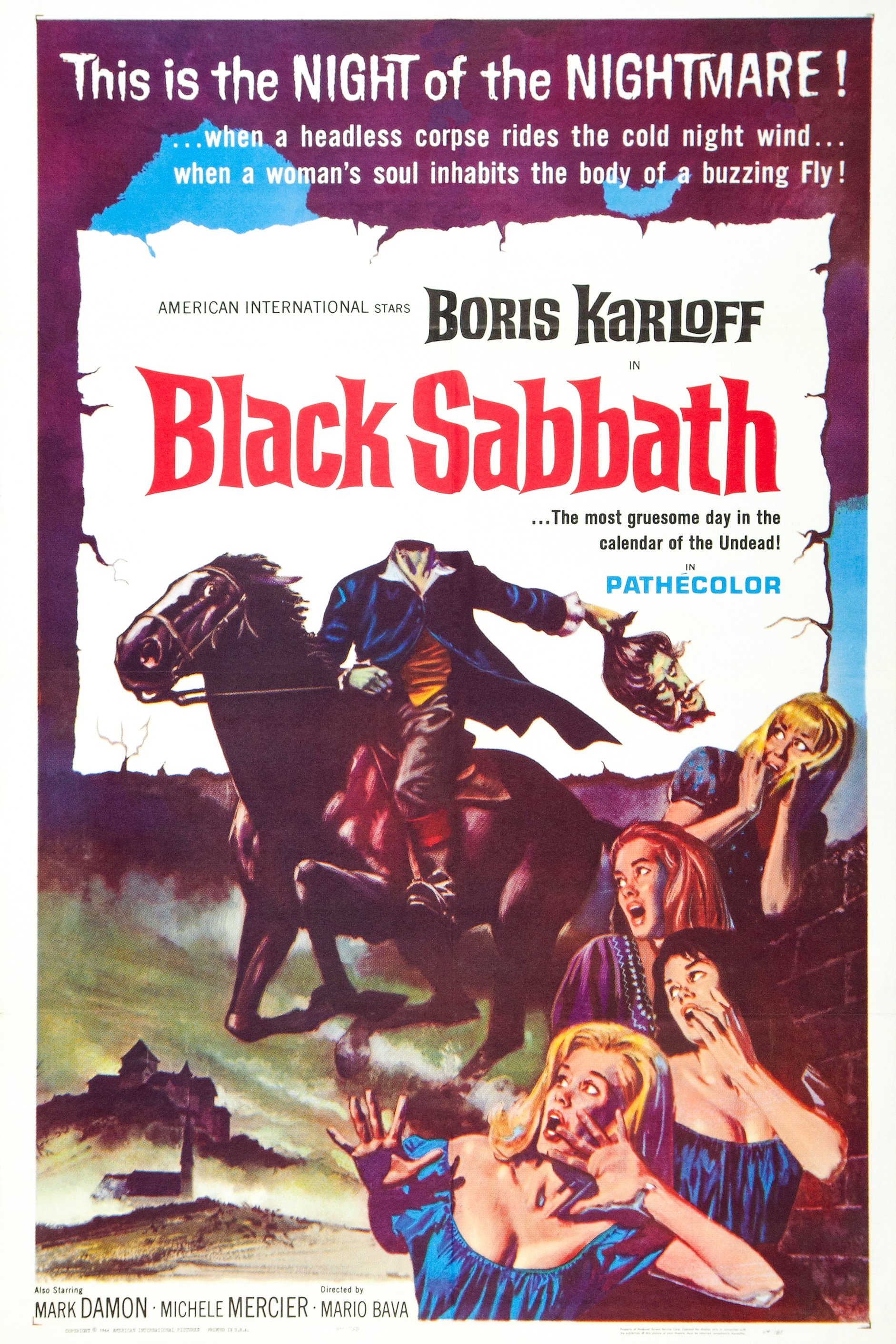
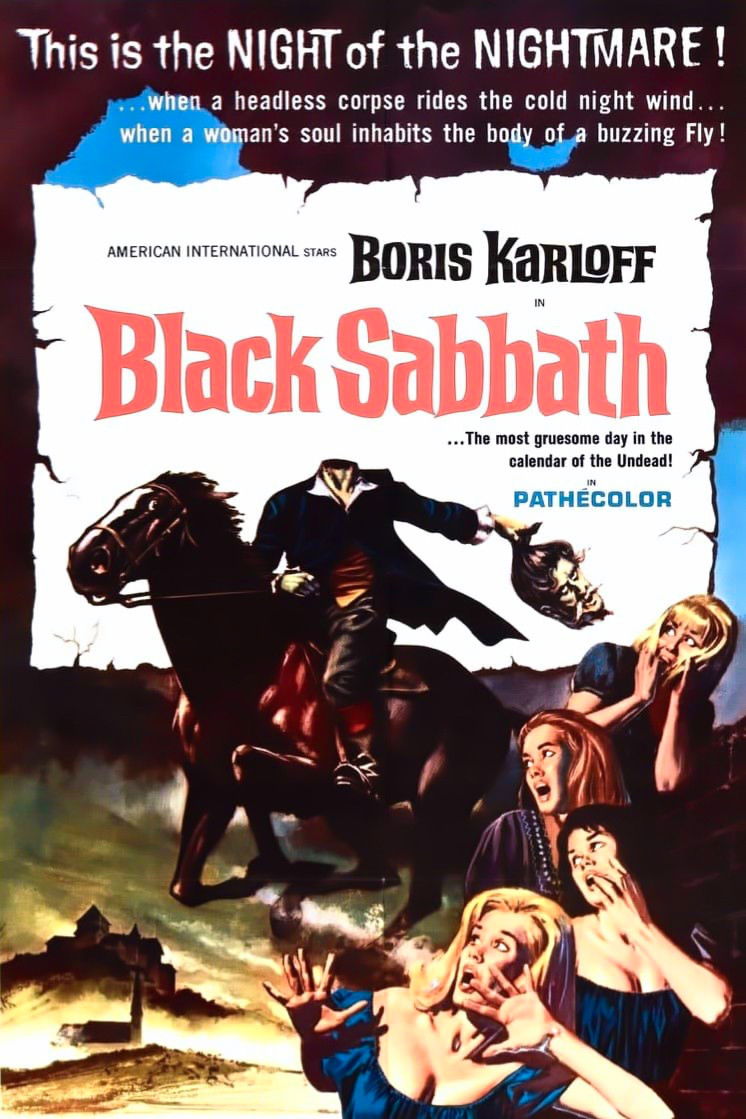
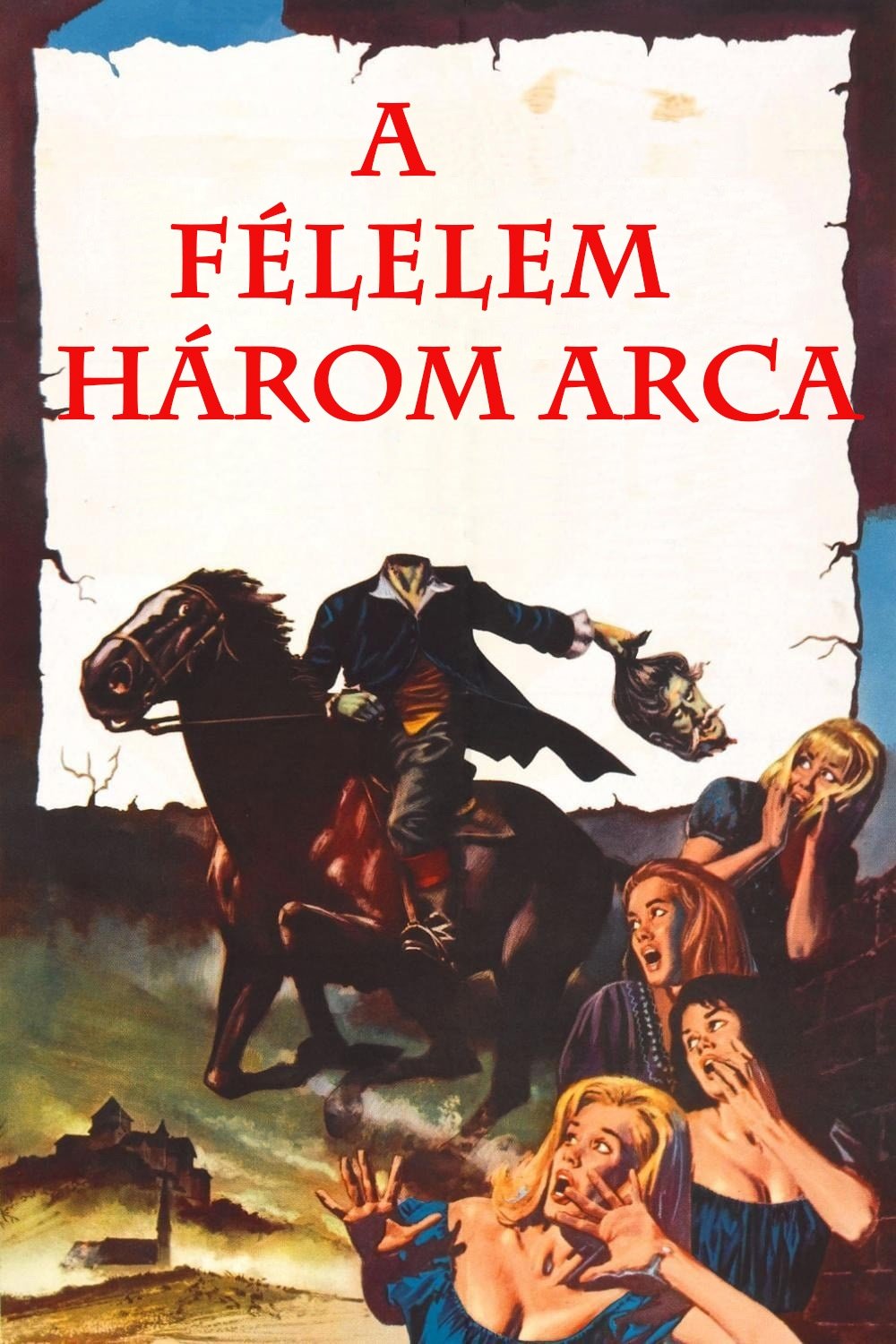
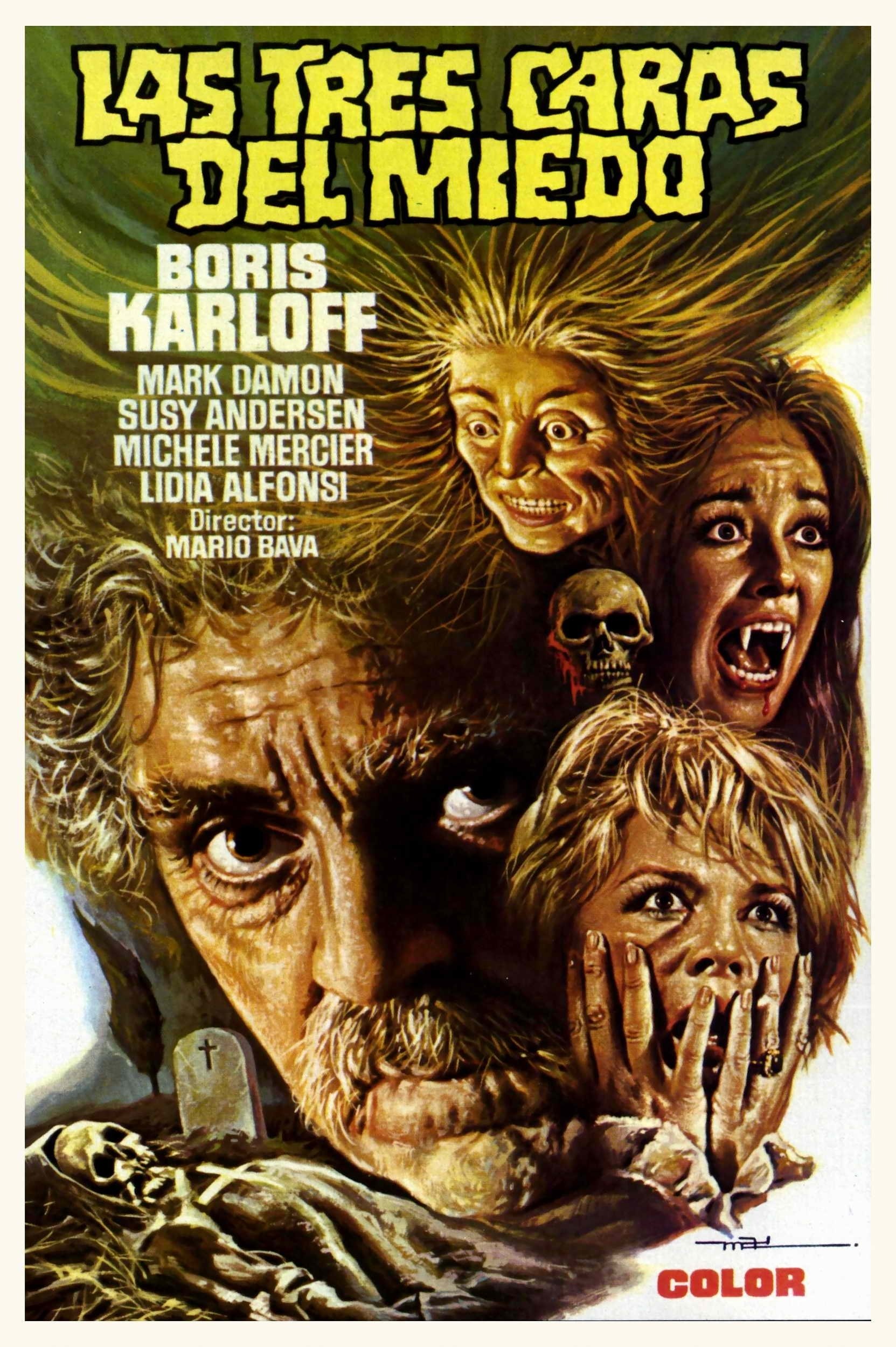
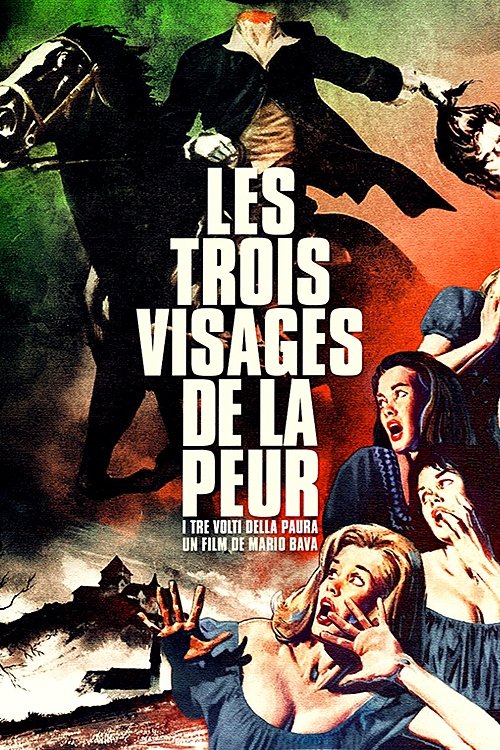
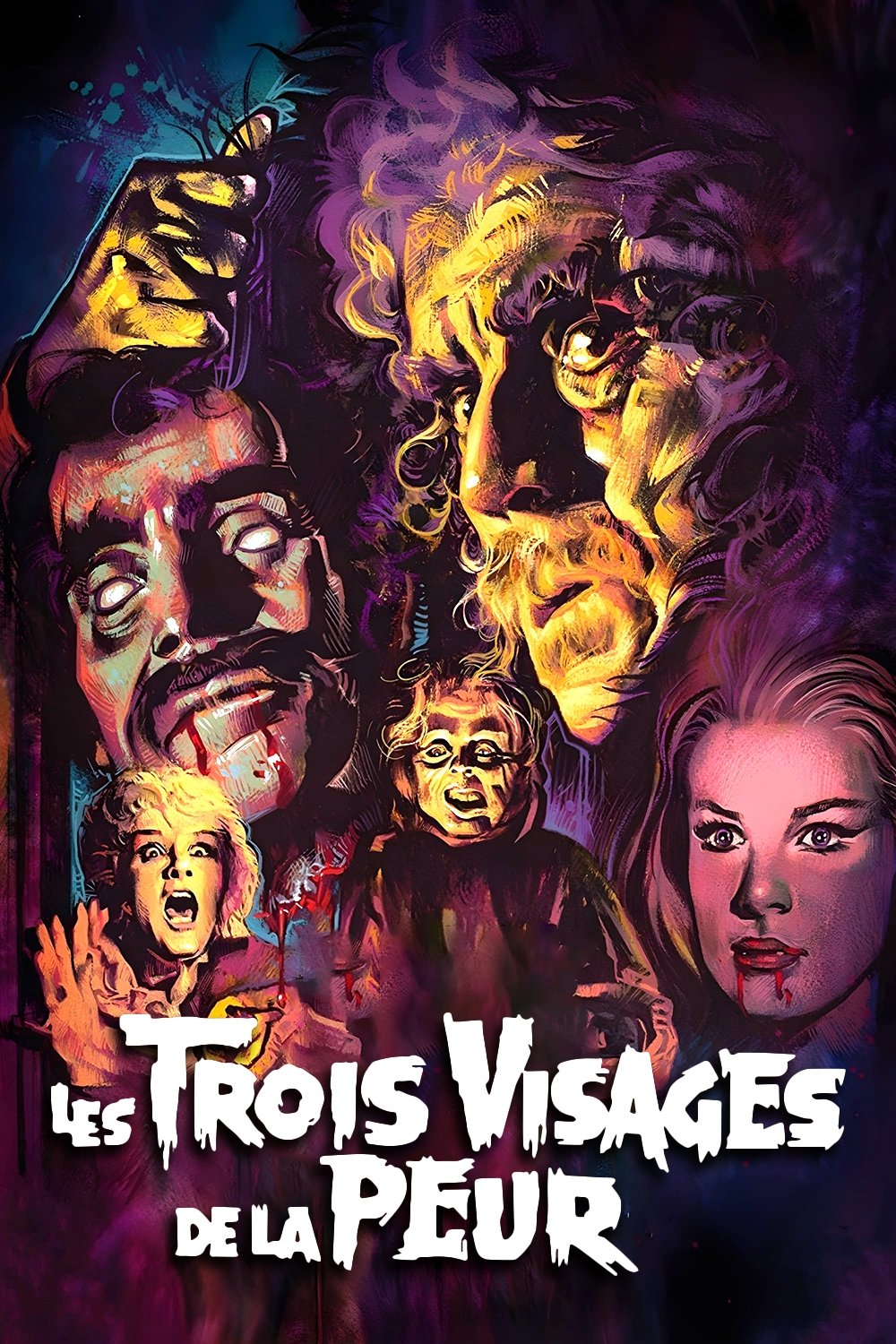
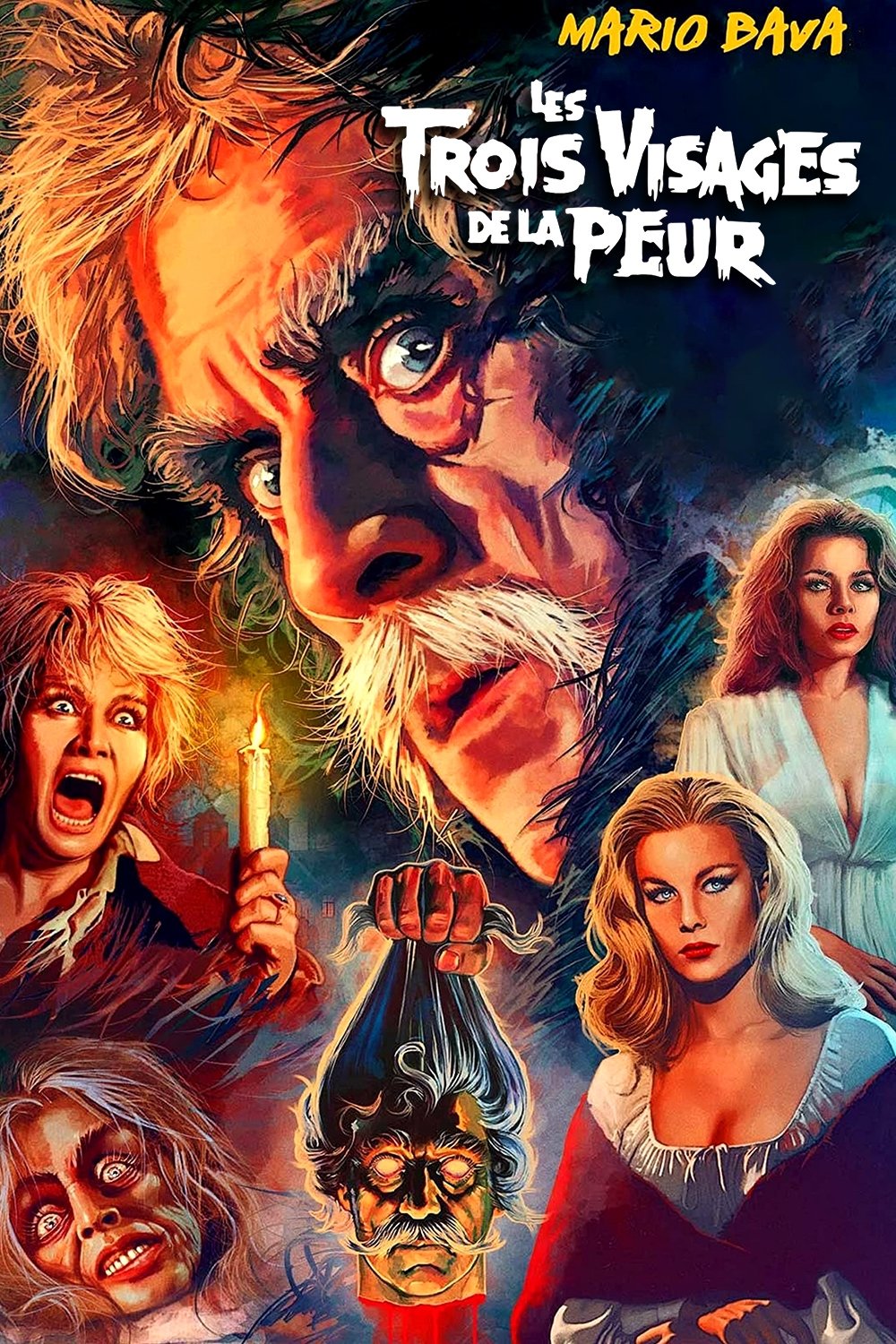
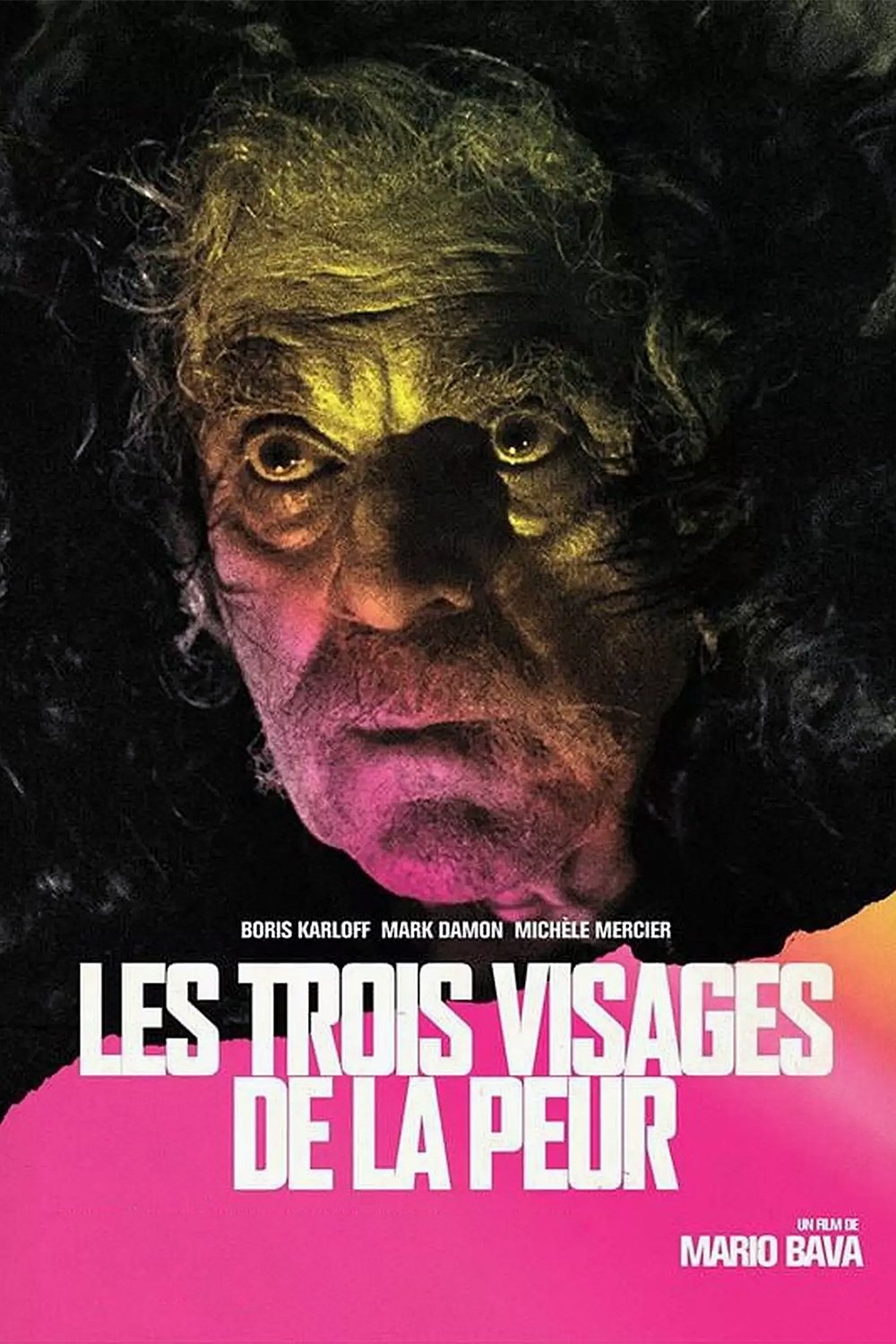
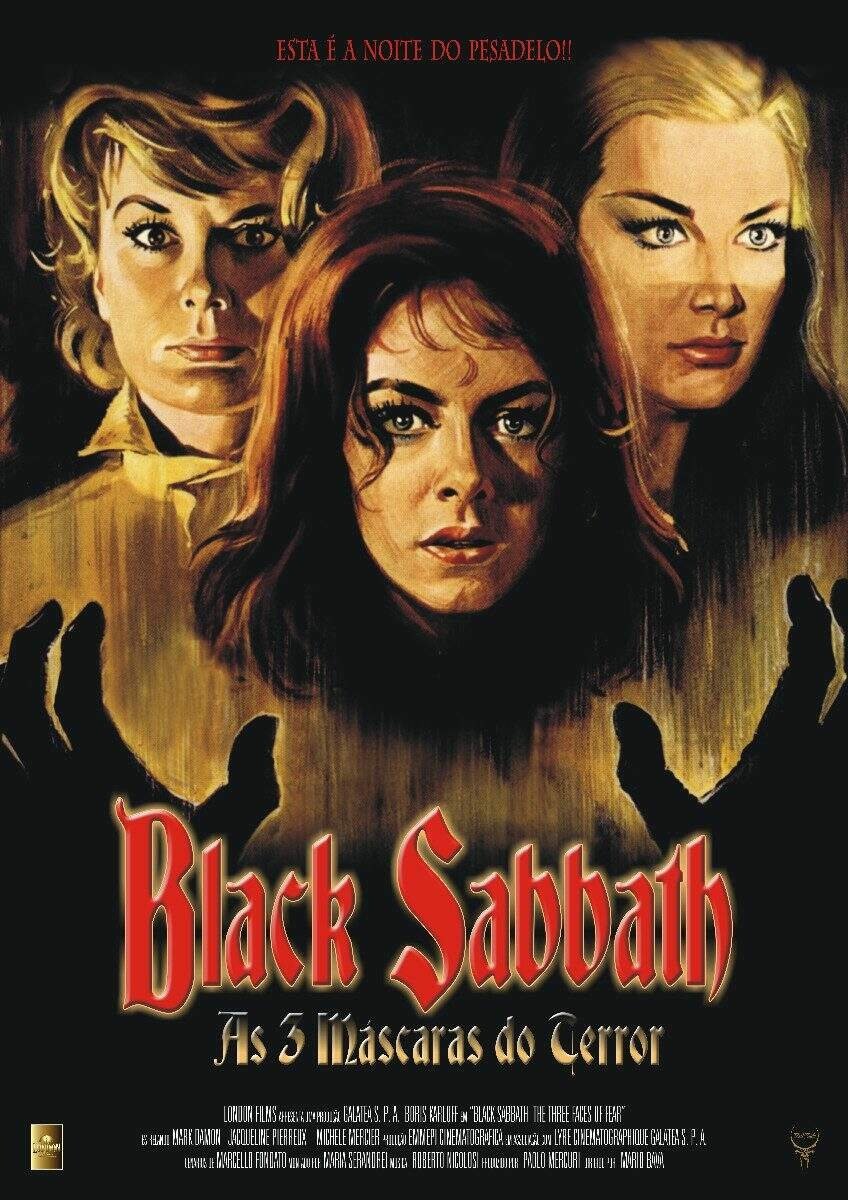
An Anthology Within Italian Horror
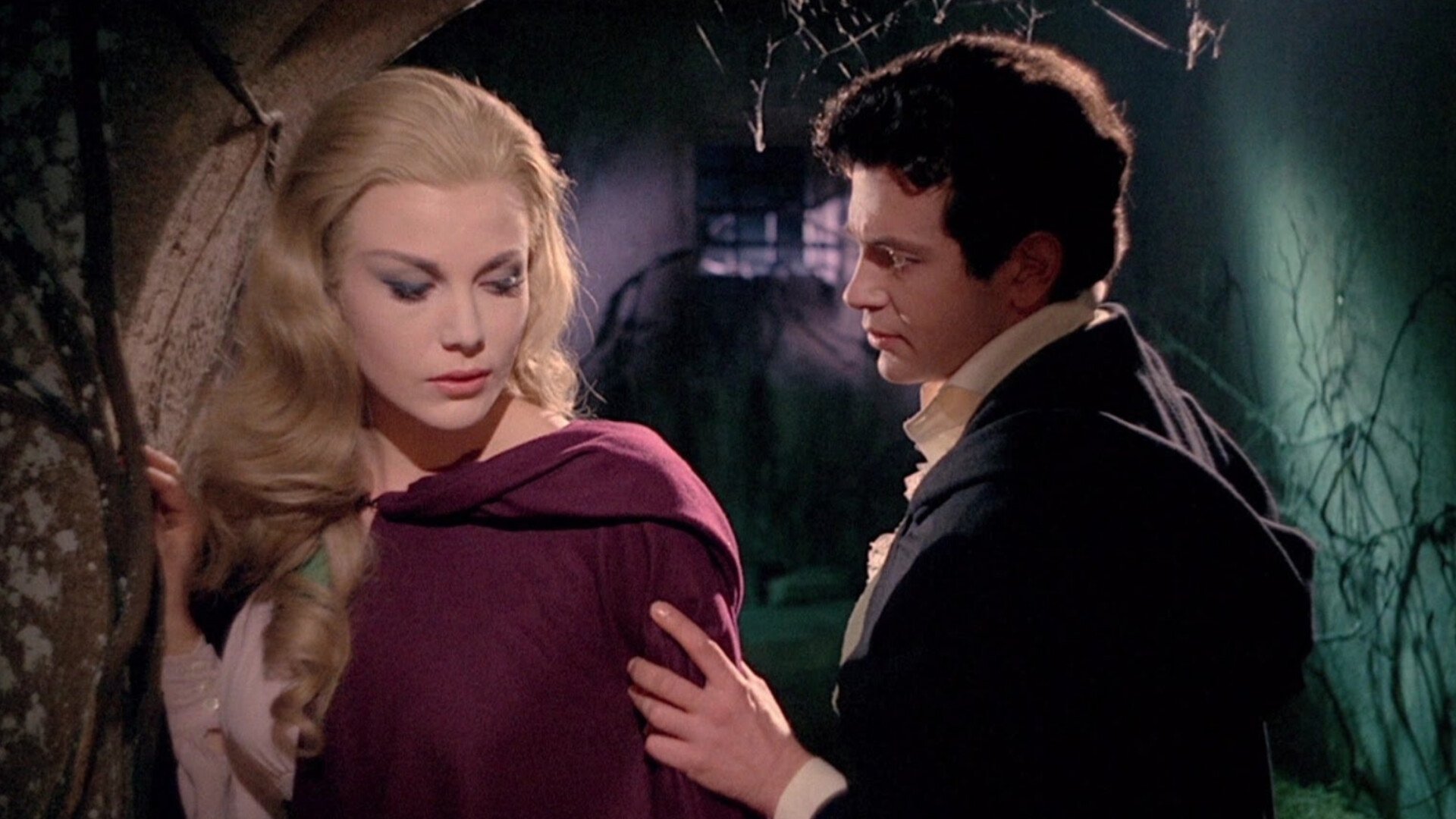
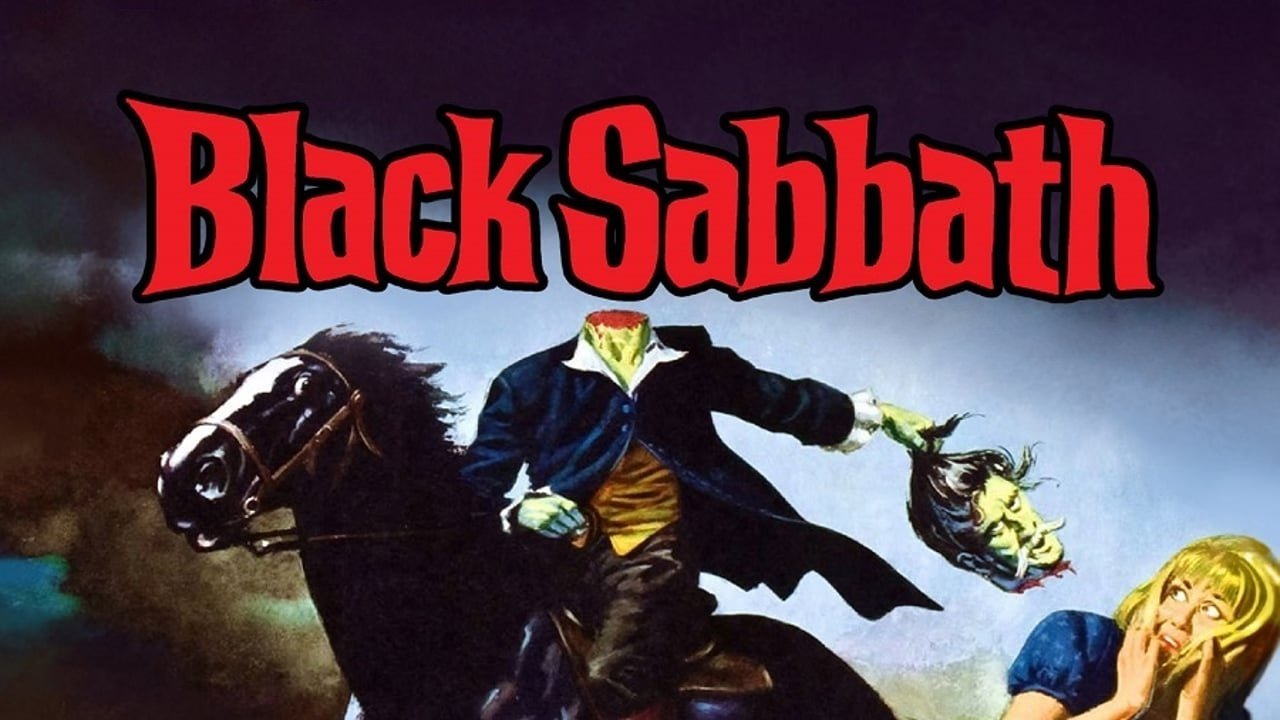
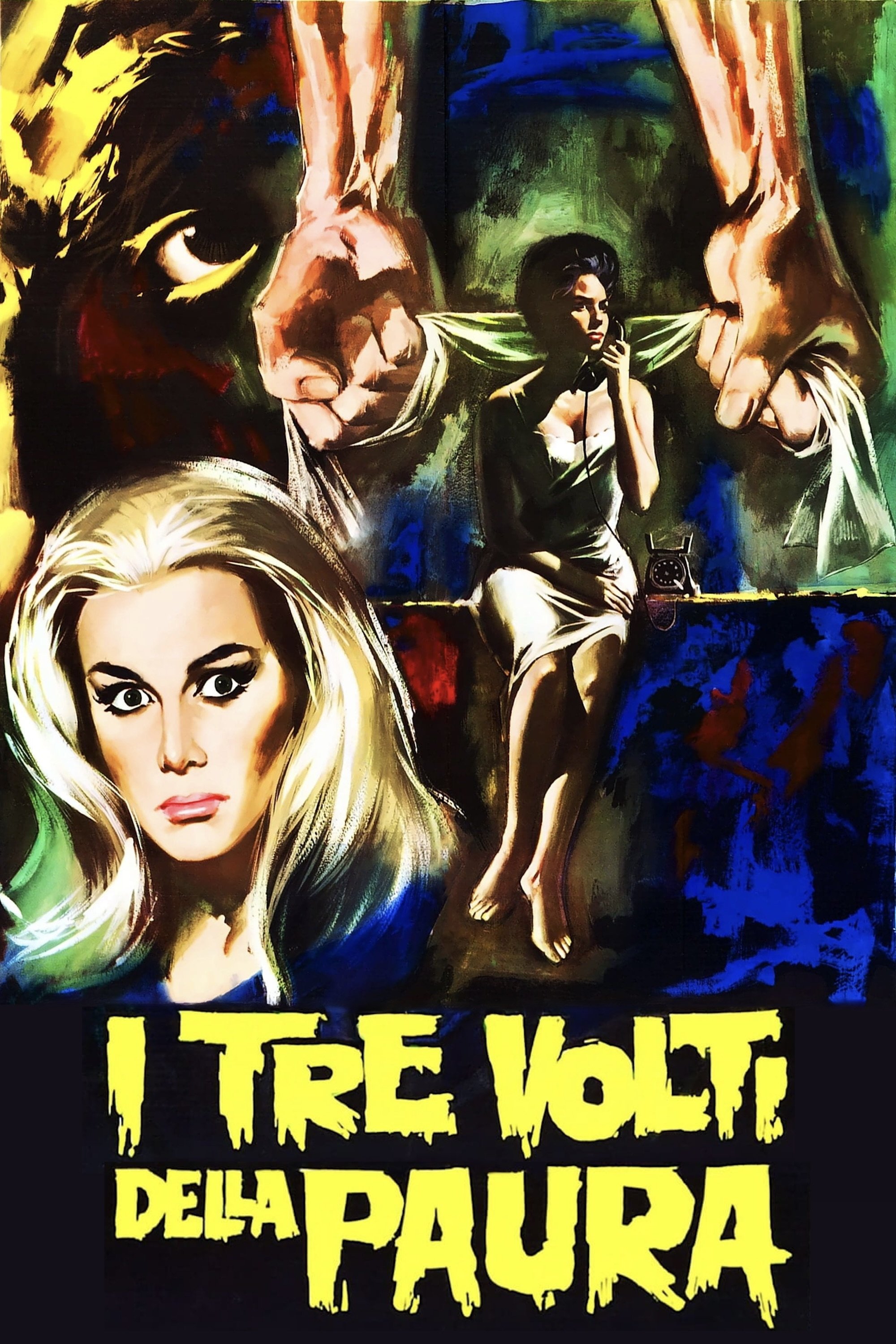
Bava made Black Sabbath during 1963, the same year as The Girl Who Knew Too Much and The Whip and the Body, as Italian popular cinema was developing several approaches to mystery and Gothic horror. The production combined Italian and French companies with American participation, reflecting the international arrangements behind many European genre films of the period. The American Film Institute’s production chronology places the beginning of principal photography on 27 February 1963 and records that filming had recently finished by mid-April. Those contemporary trade notices establish a compact production period without requiring a speculative account of the budget or the precise shooting order of its three stories.
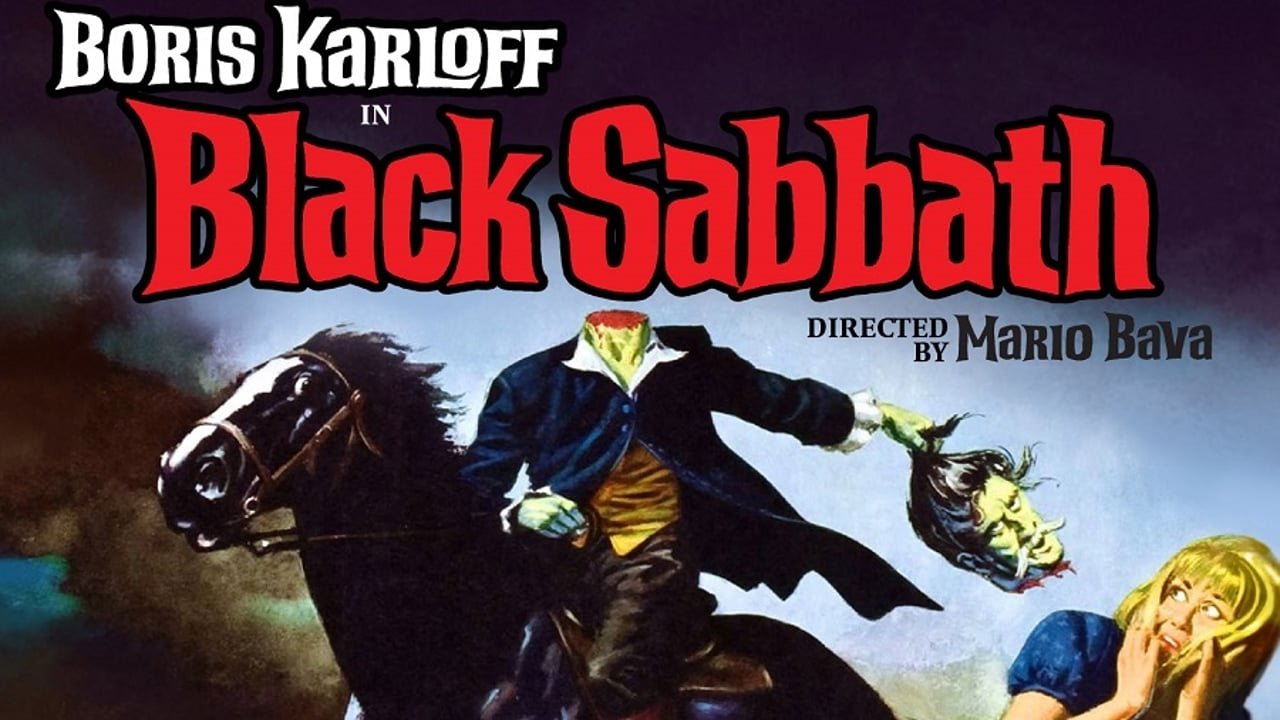
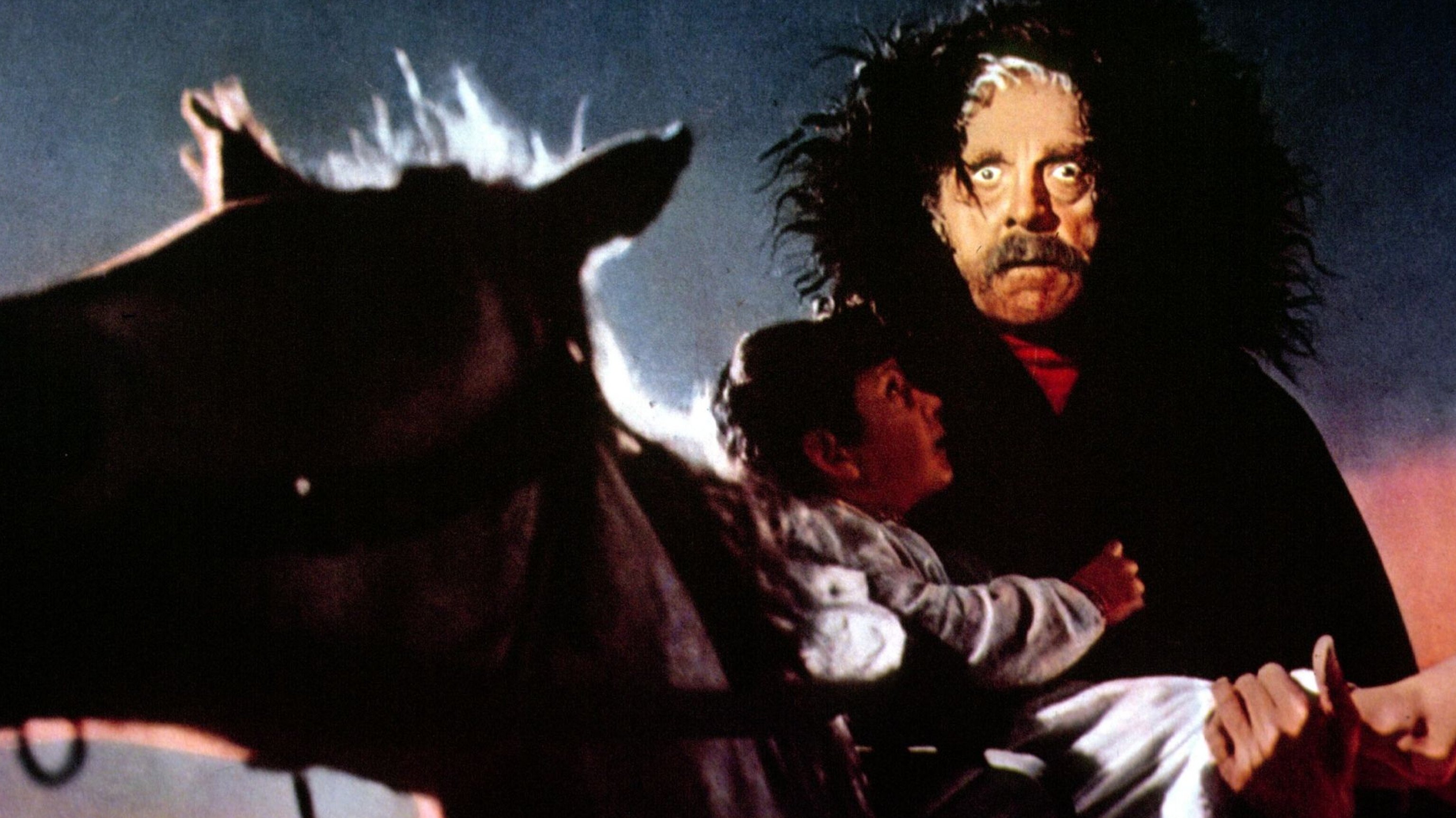
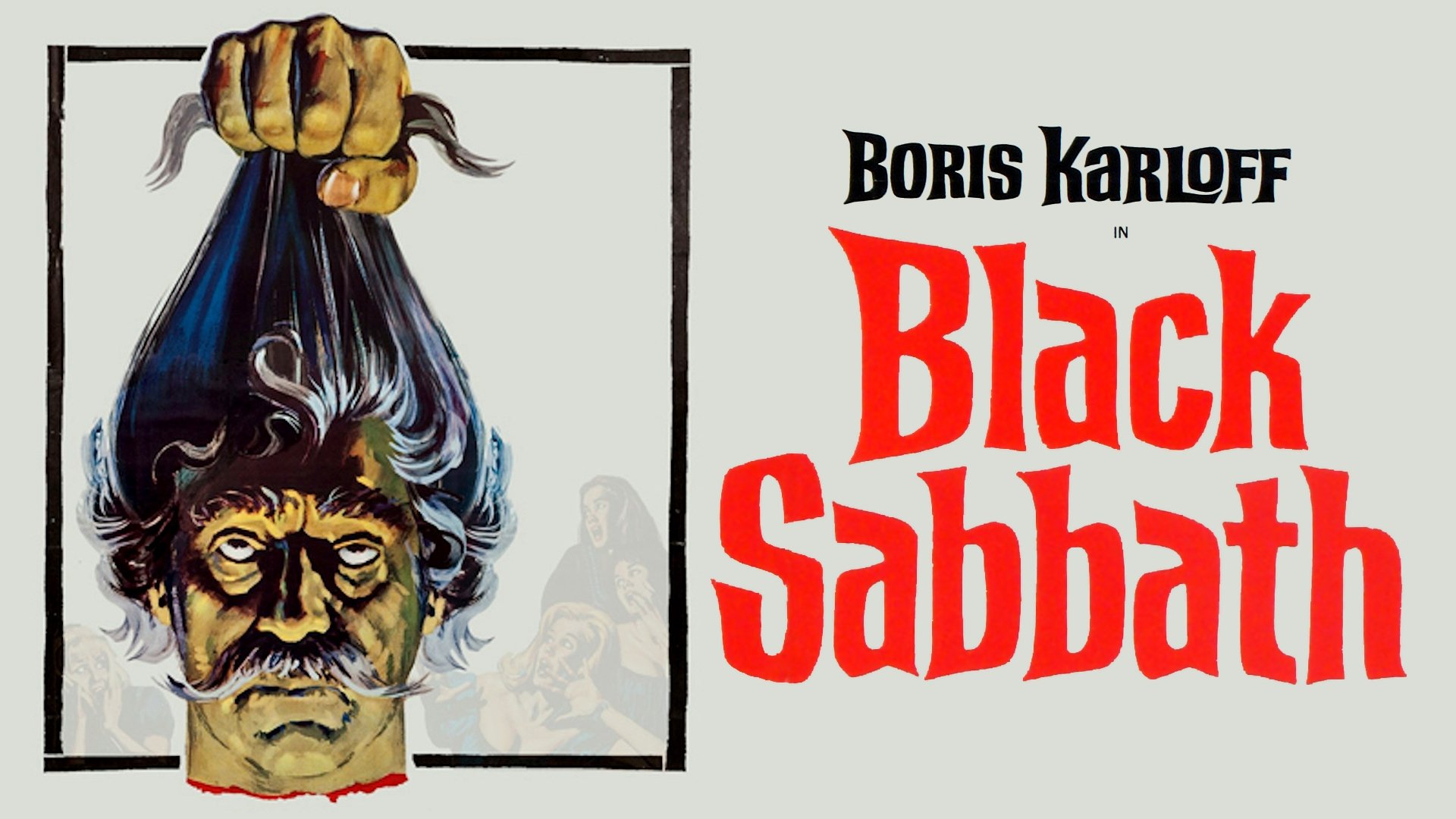
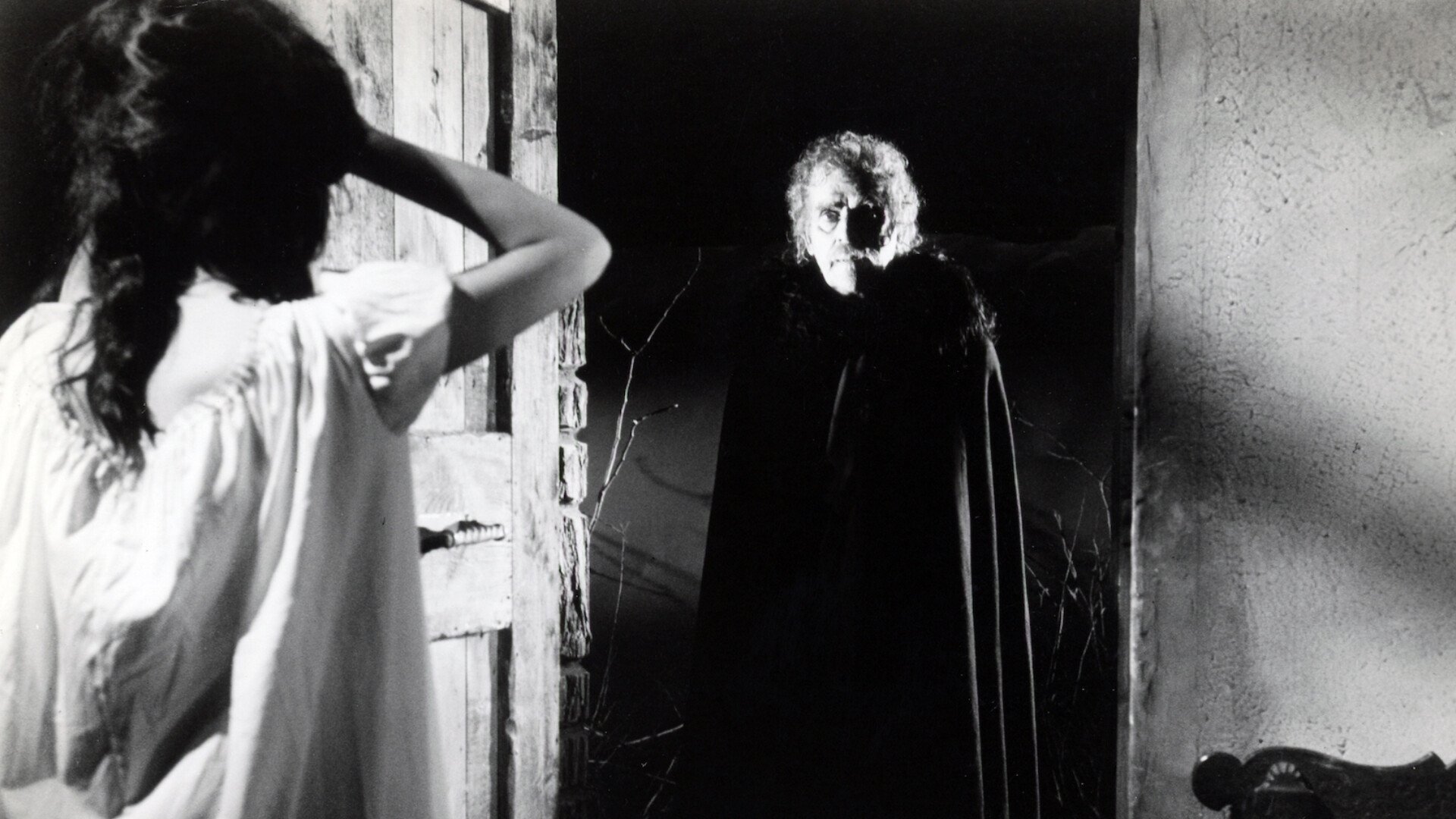
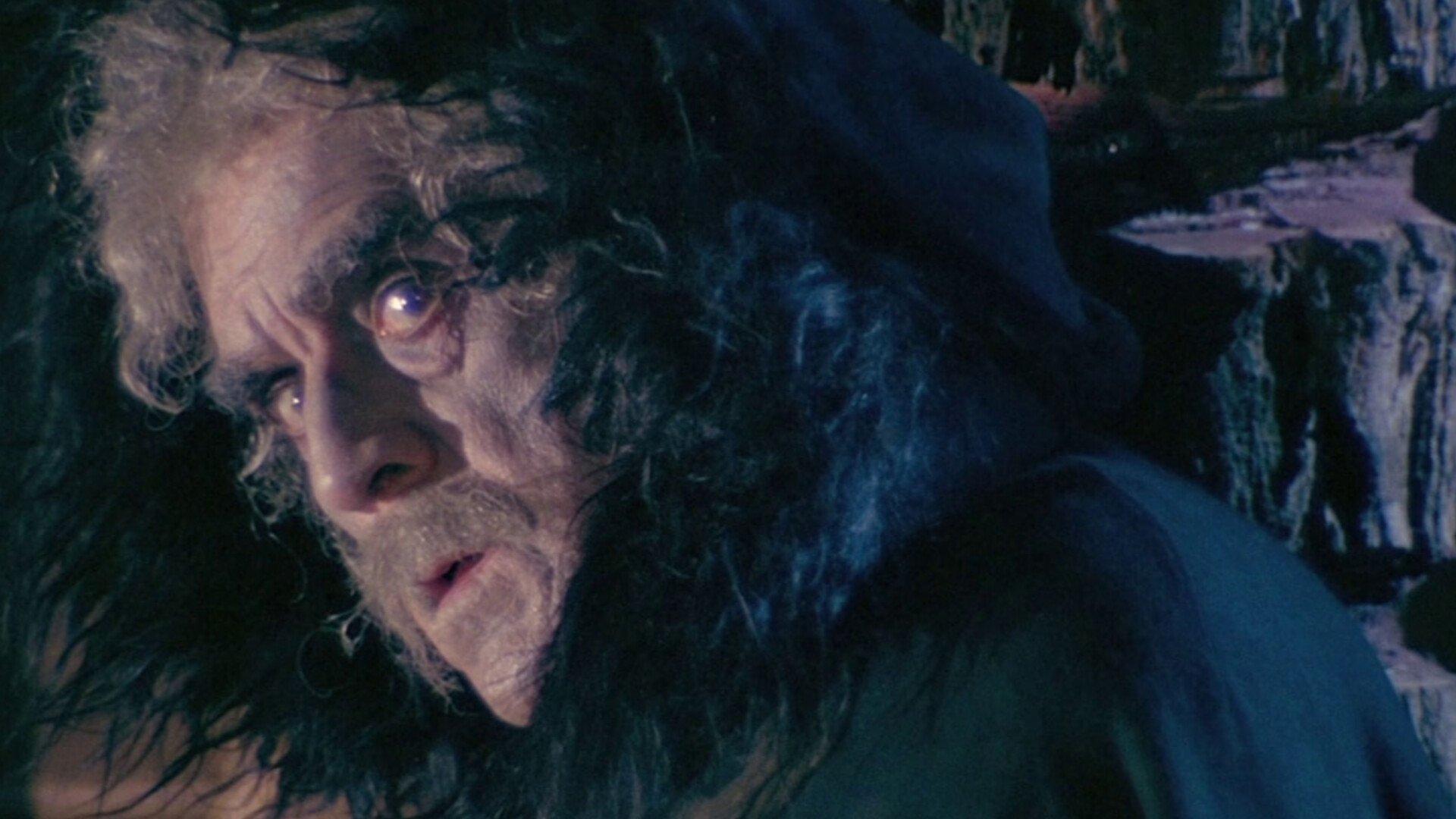
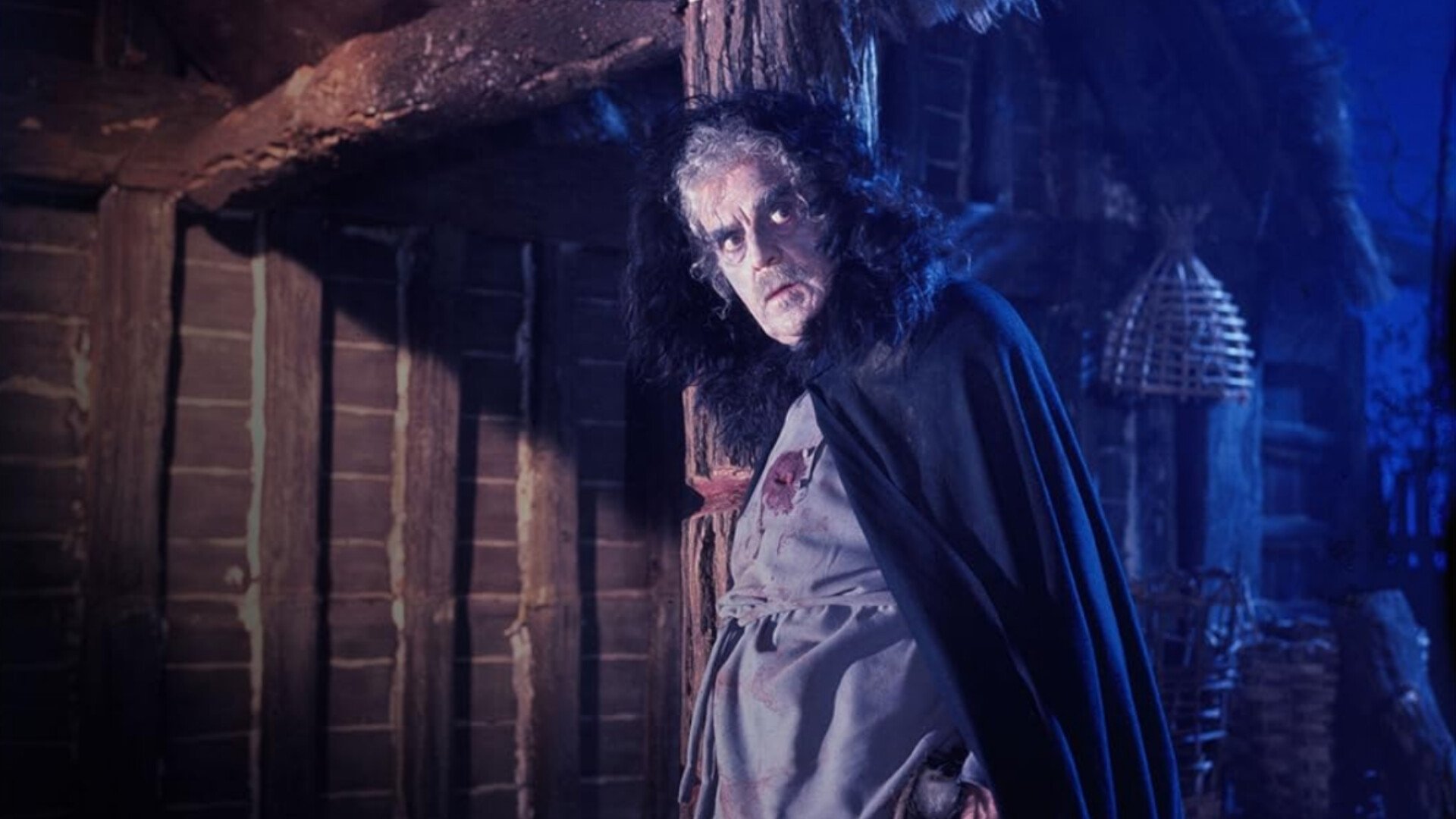
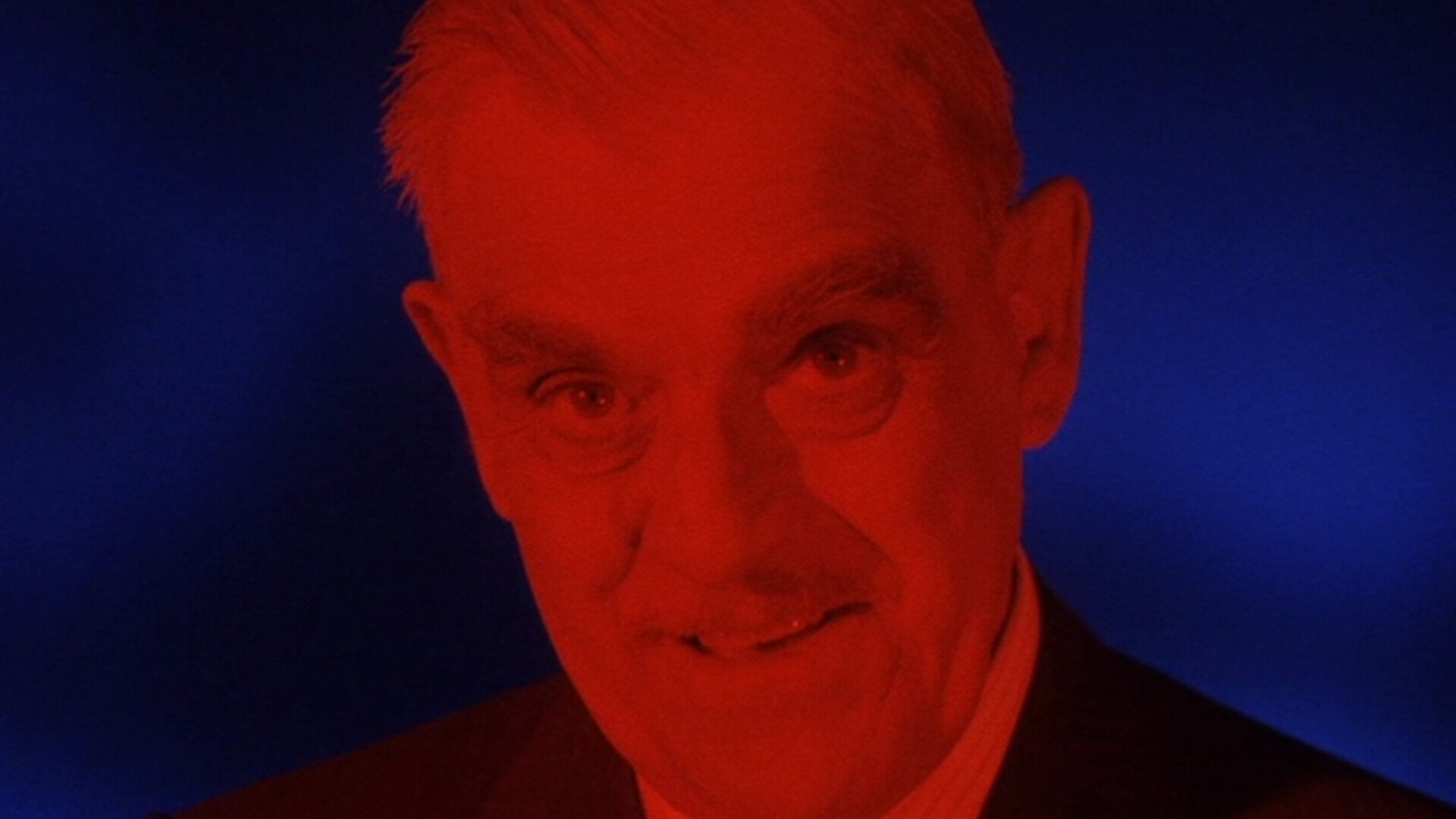
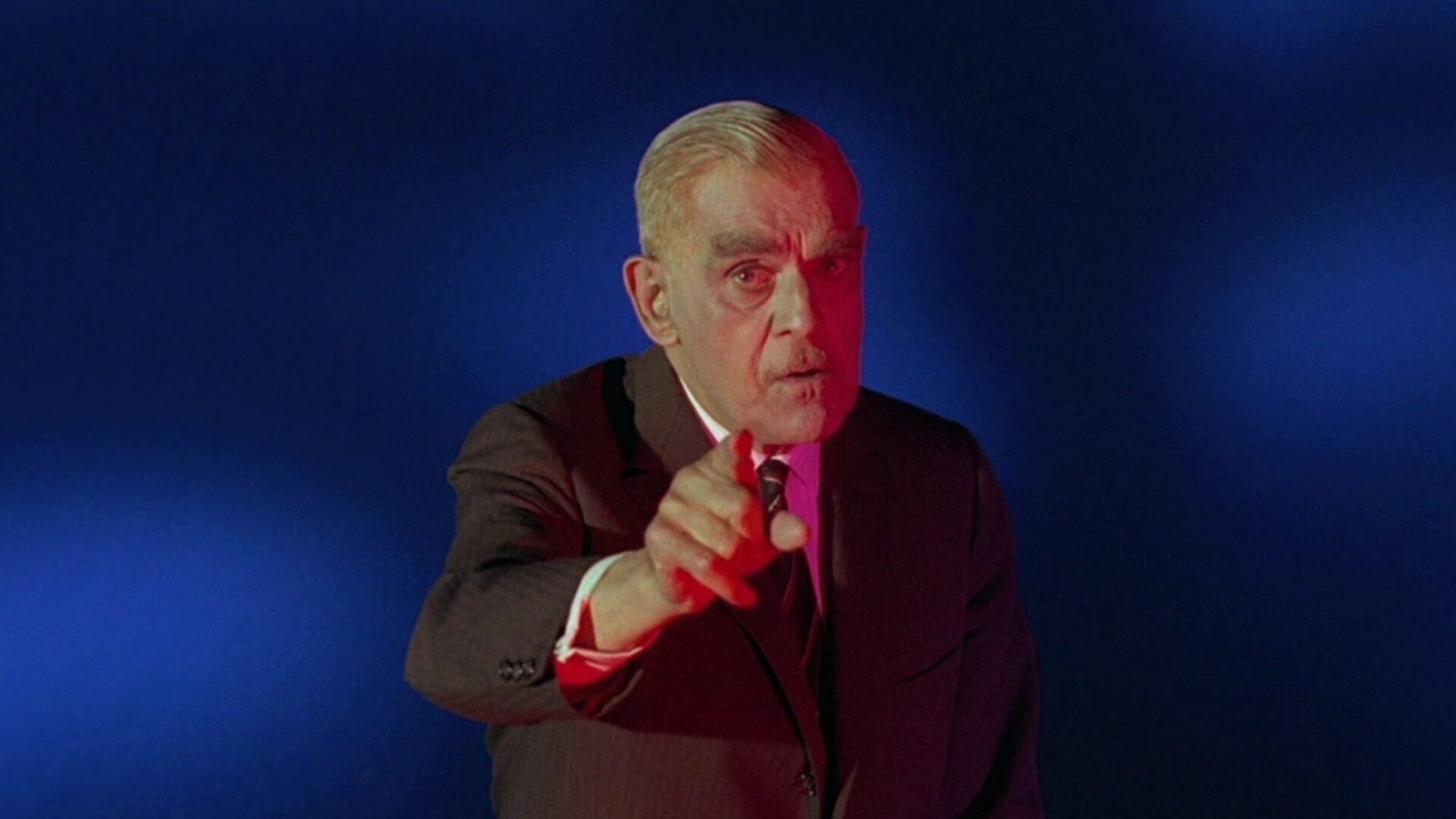
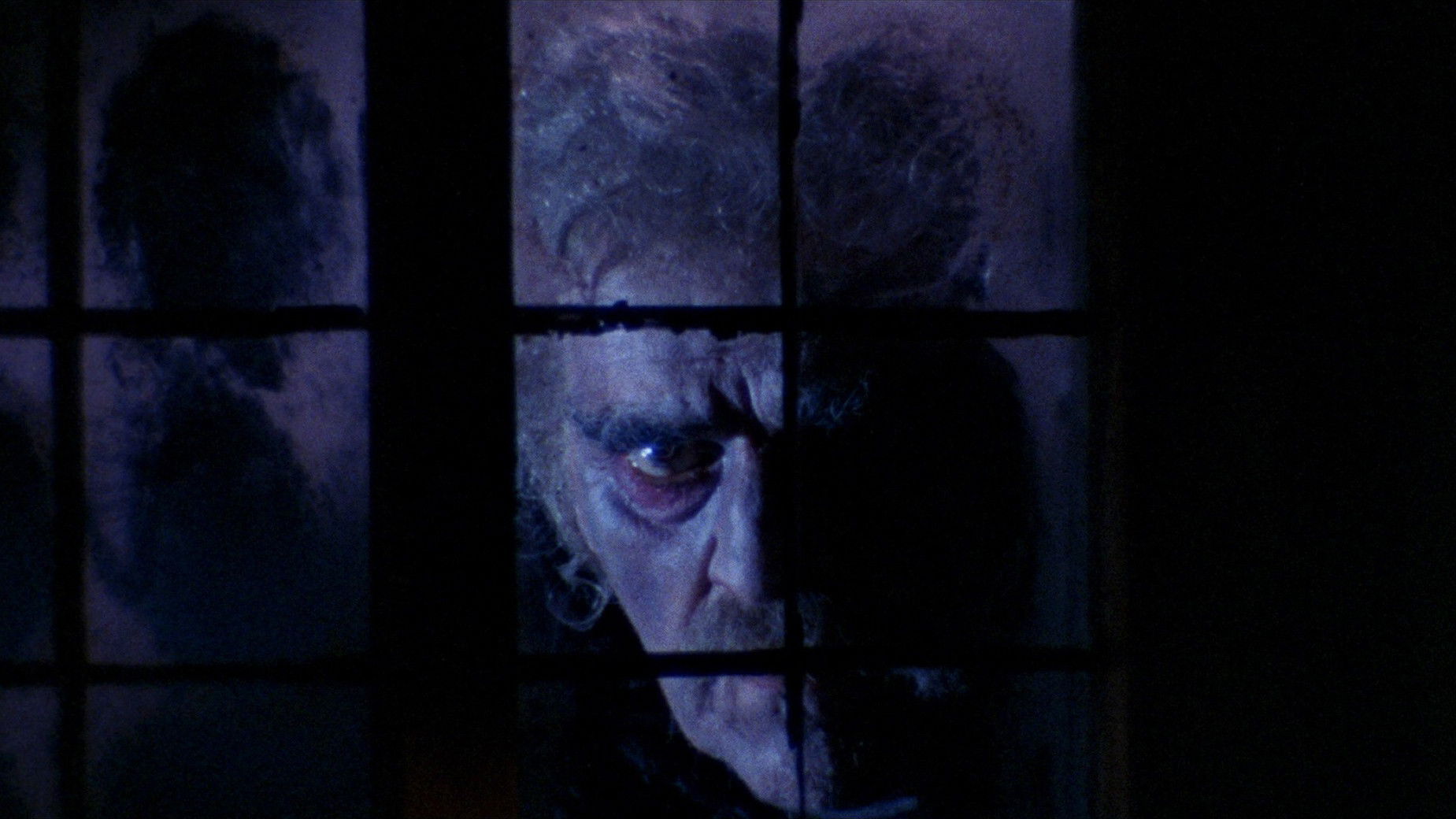
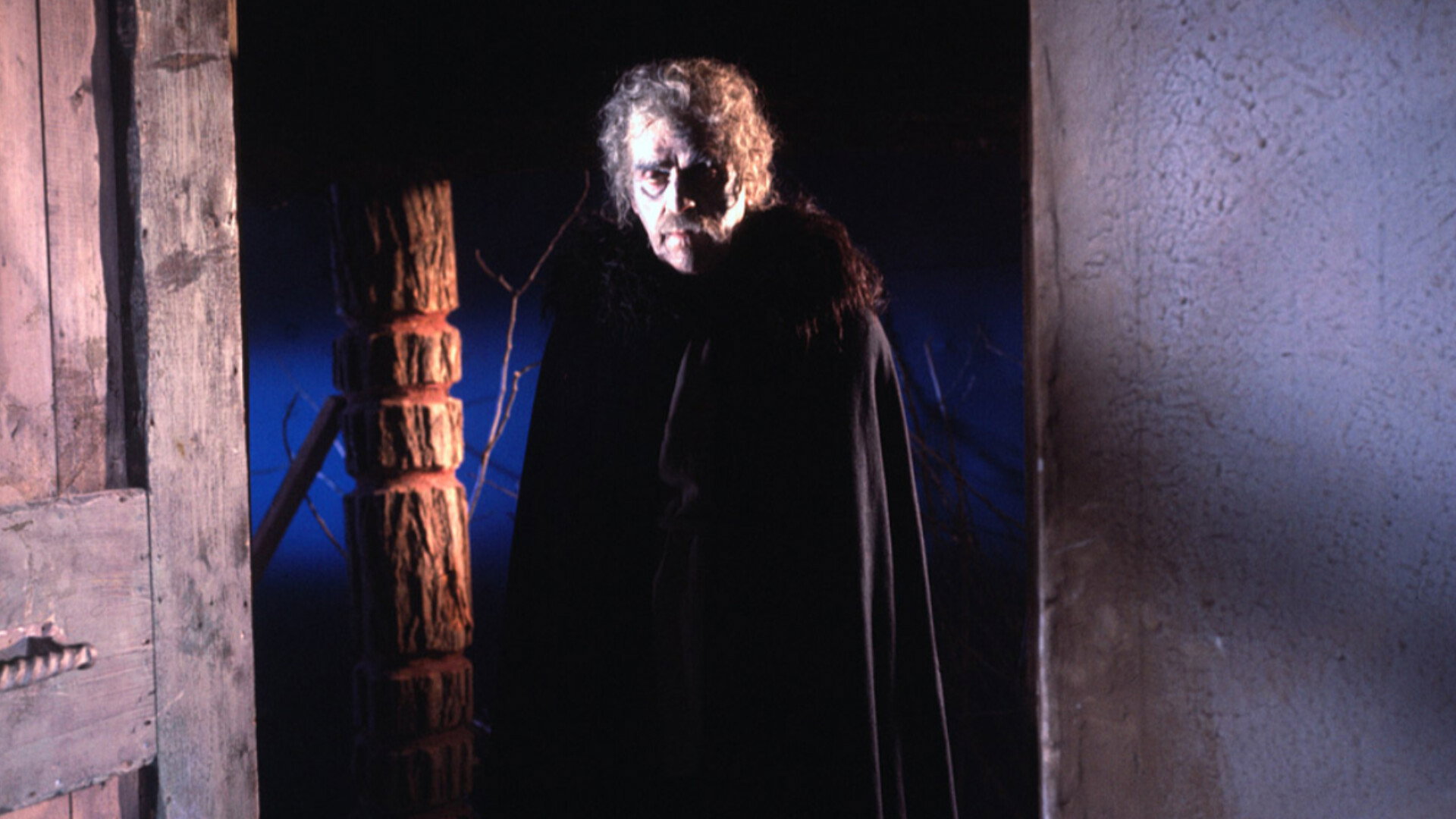
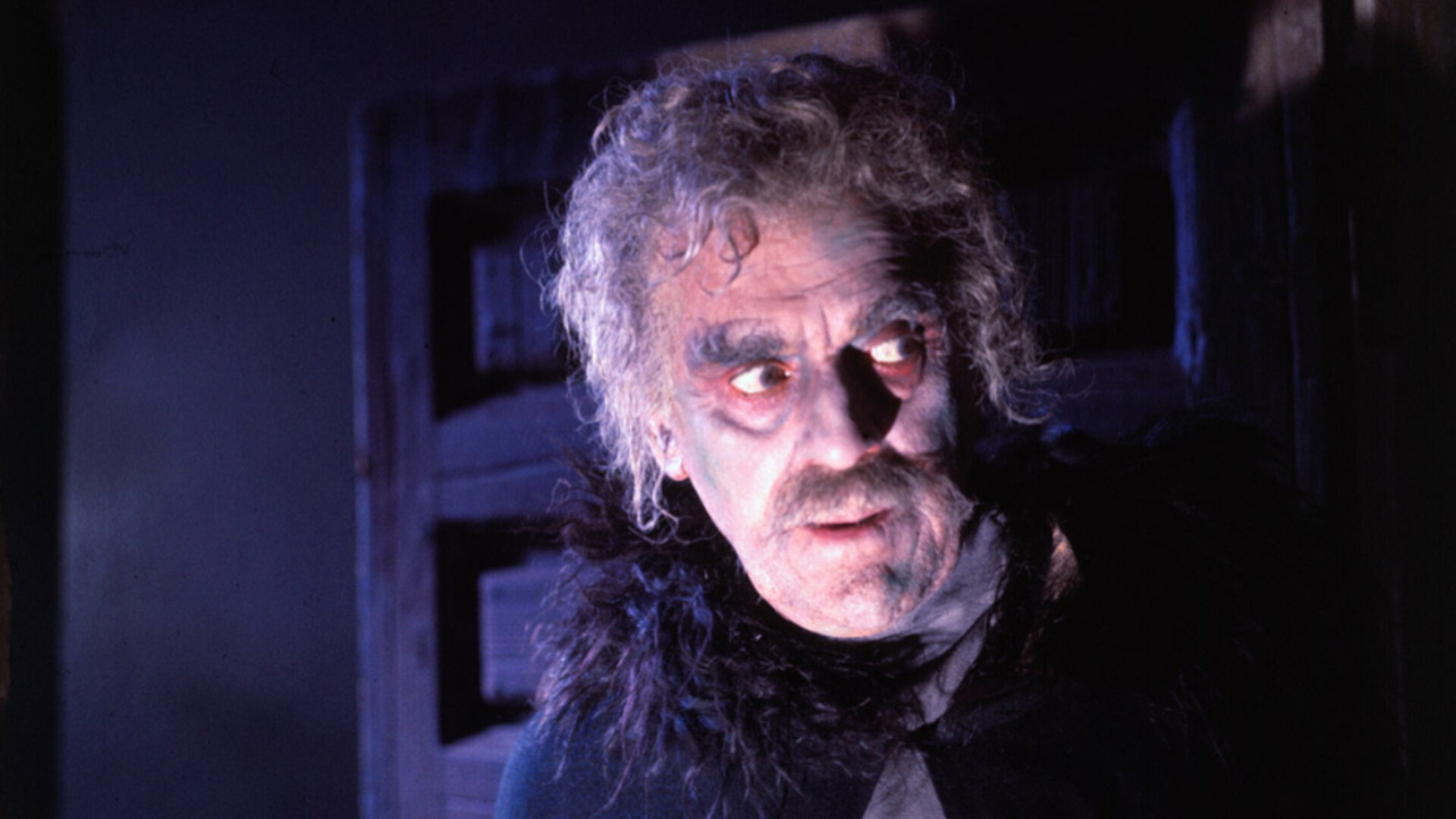
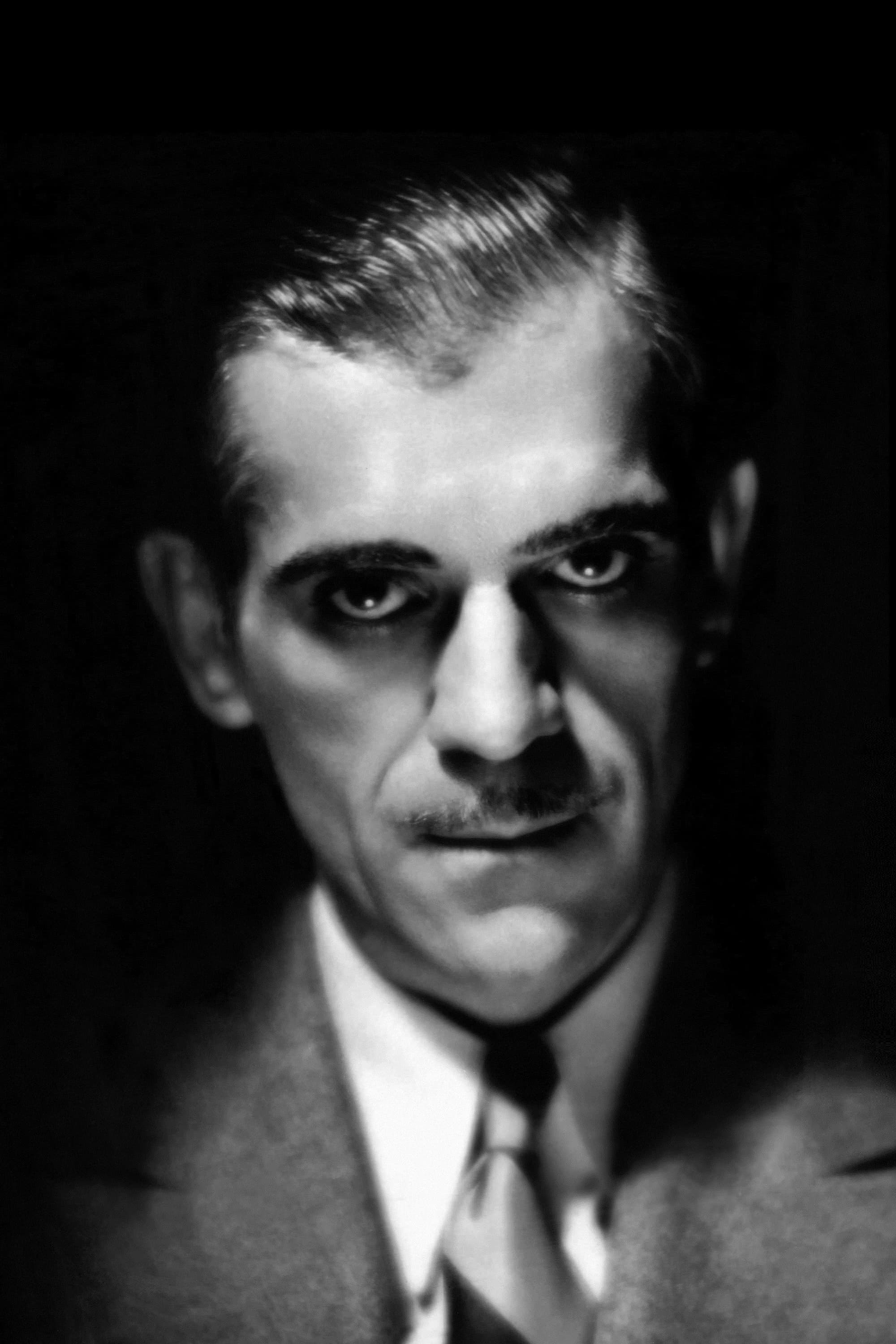
The anthology format brought a familiar screen personality into Bava’s work. Karloff had become associated with Gothic screen horror through Frankenstein and his later performances, and had recently appeared in productions connected with Roger Corman. His presence gives the film an immediately recognizable horror identity, while his performance as Gorca uses that reputation inside a particularly unsettling narrative about the family. As an on-screen presenter, he also recalls the hosting conventions of television anthologies. The Italian film gives his introductory and concluding appearances a playful character, an approach that becomes especially significant when contrasted with the American version’s additional narration and altered conclusion.
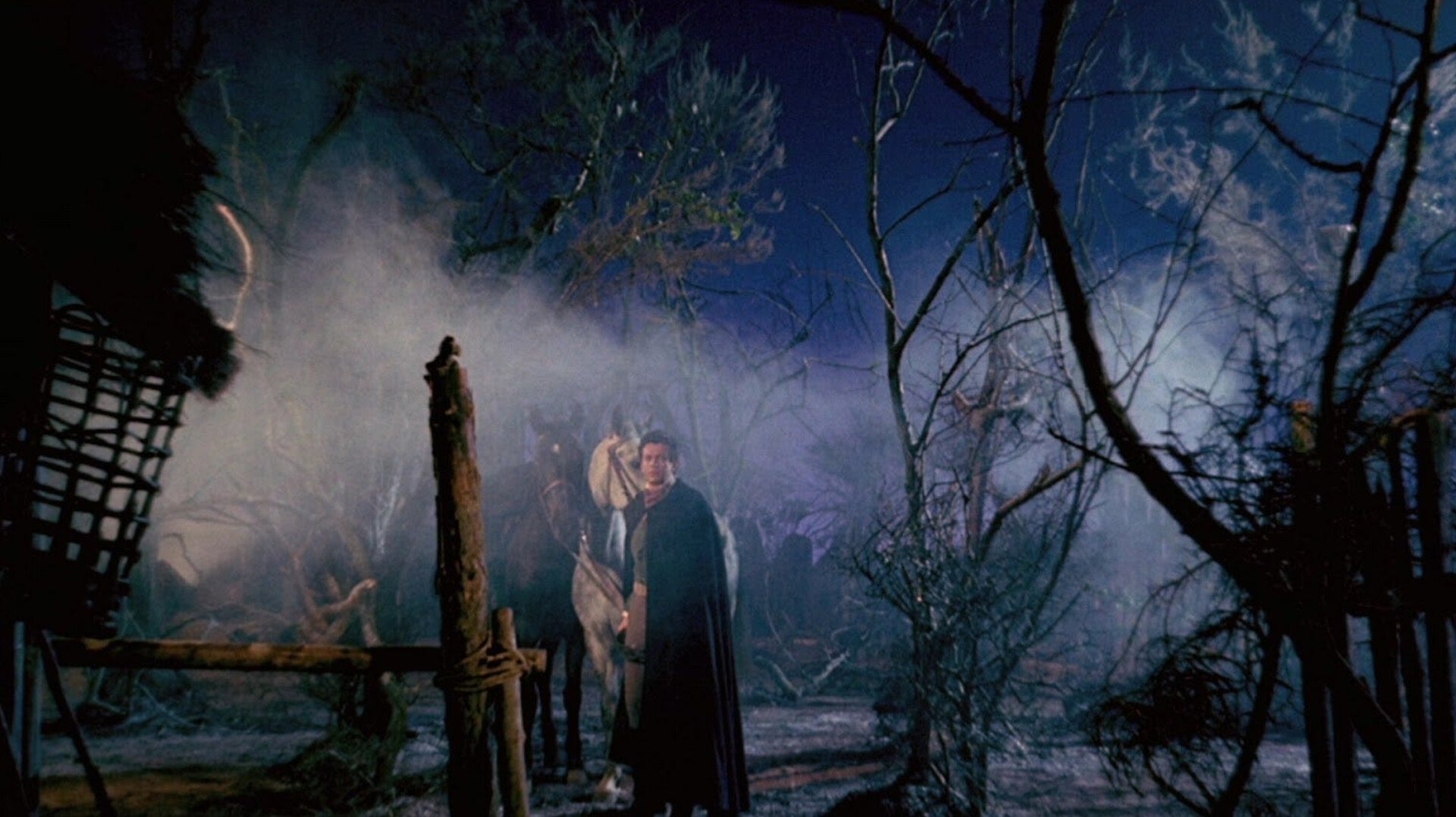
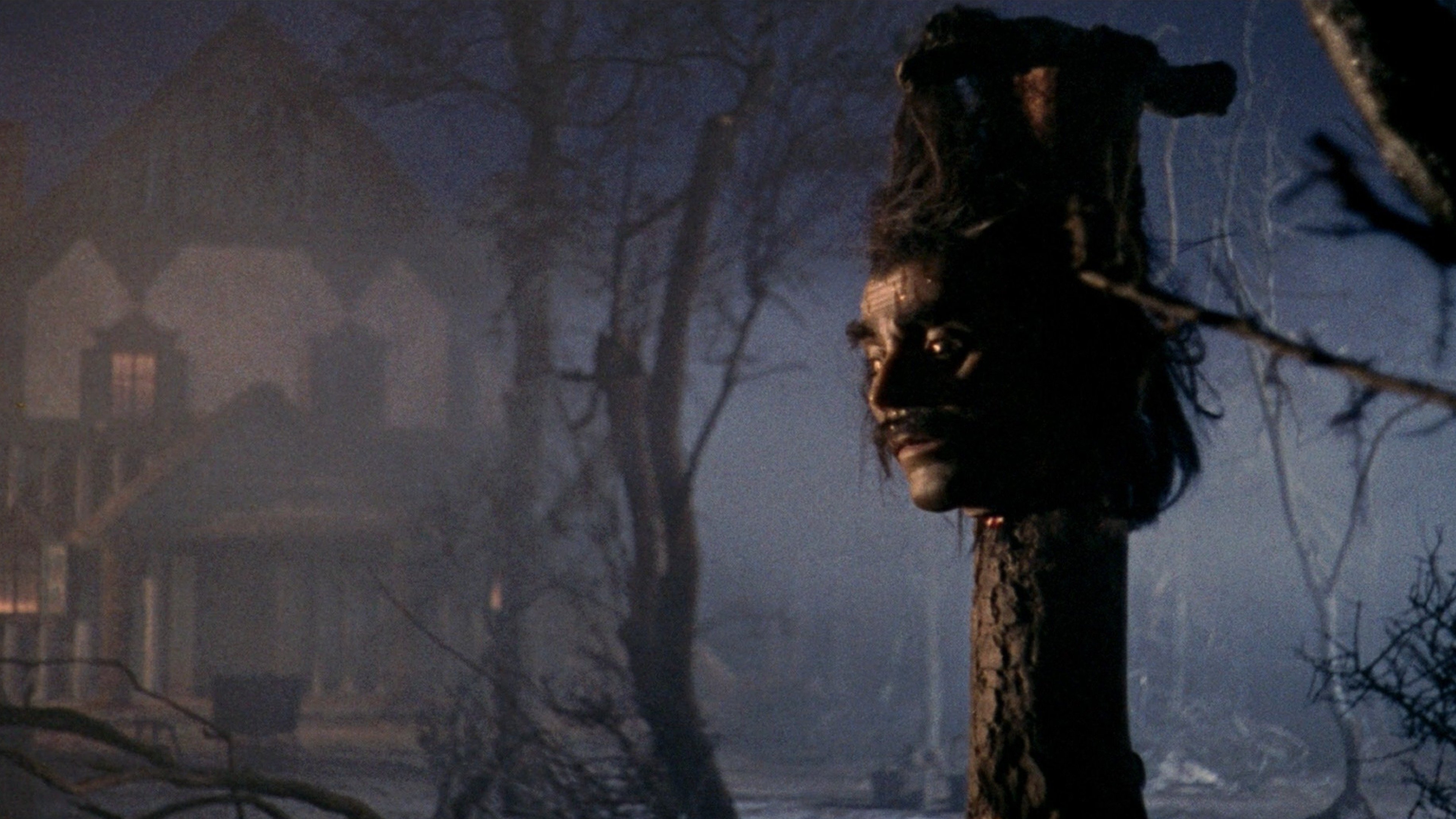
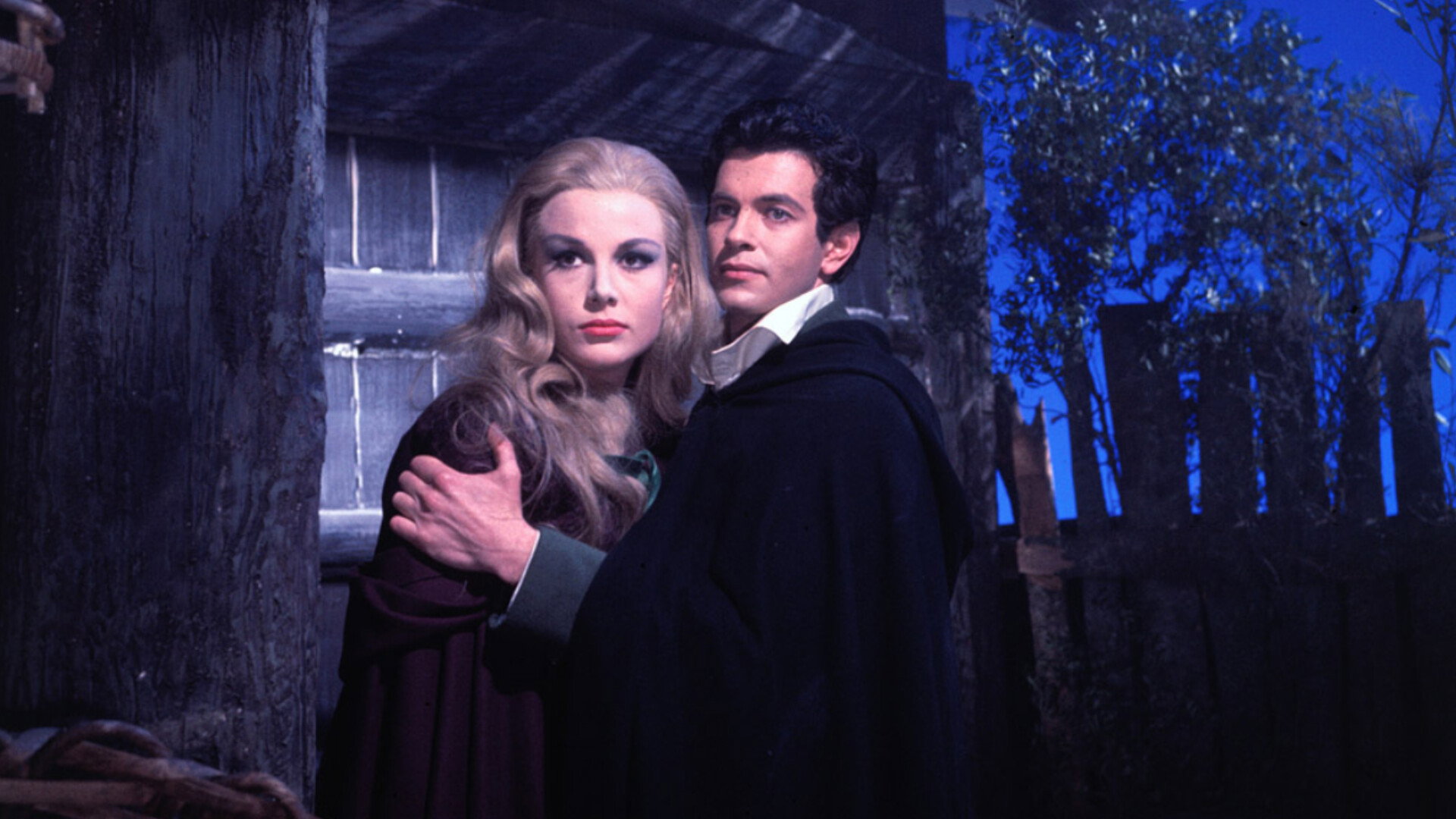
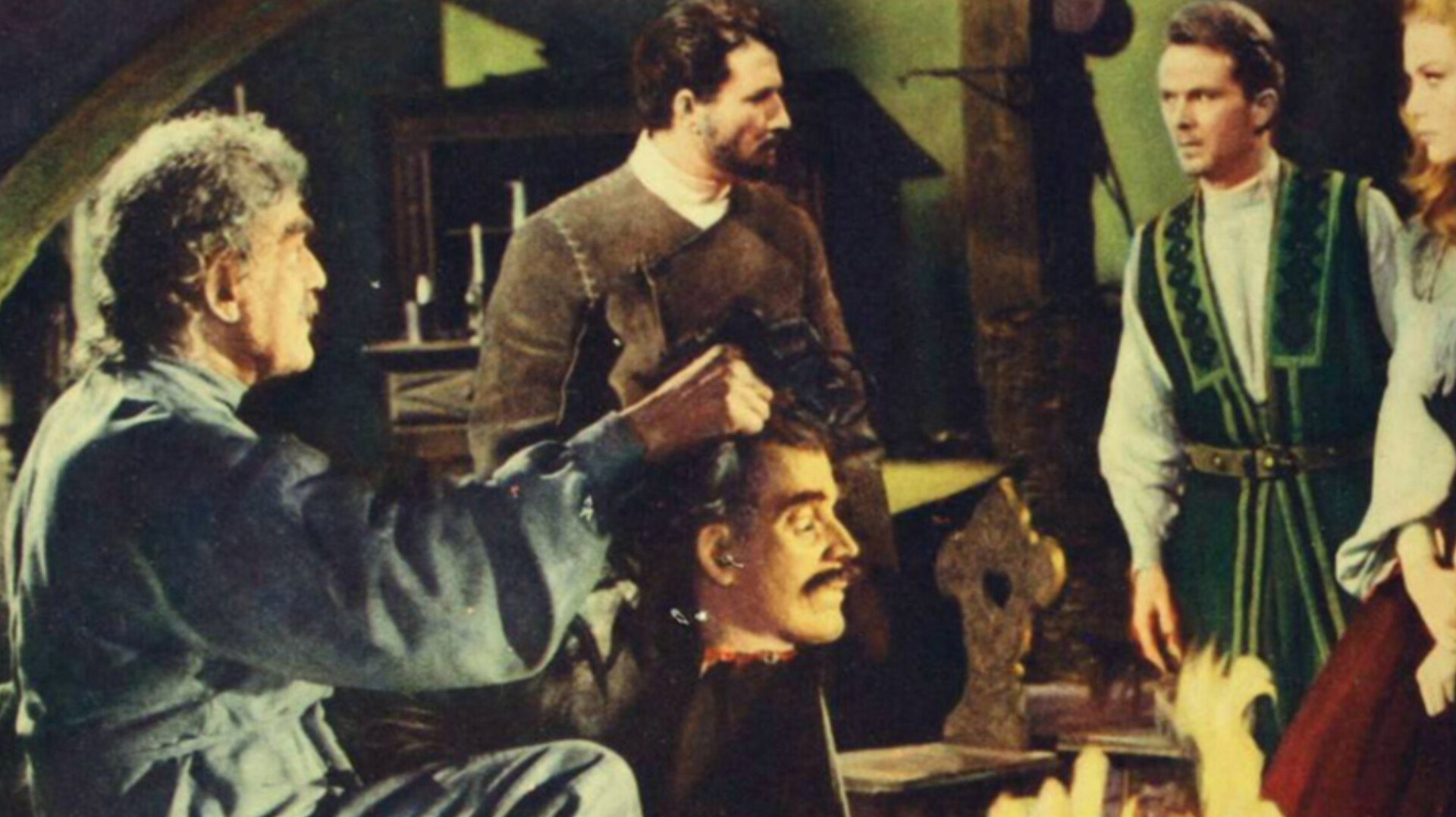
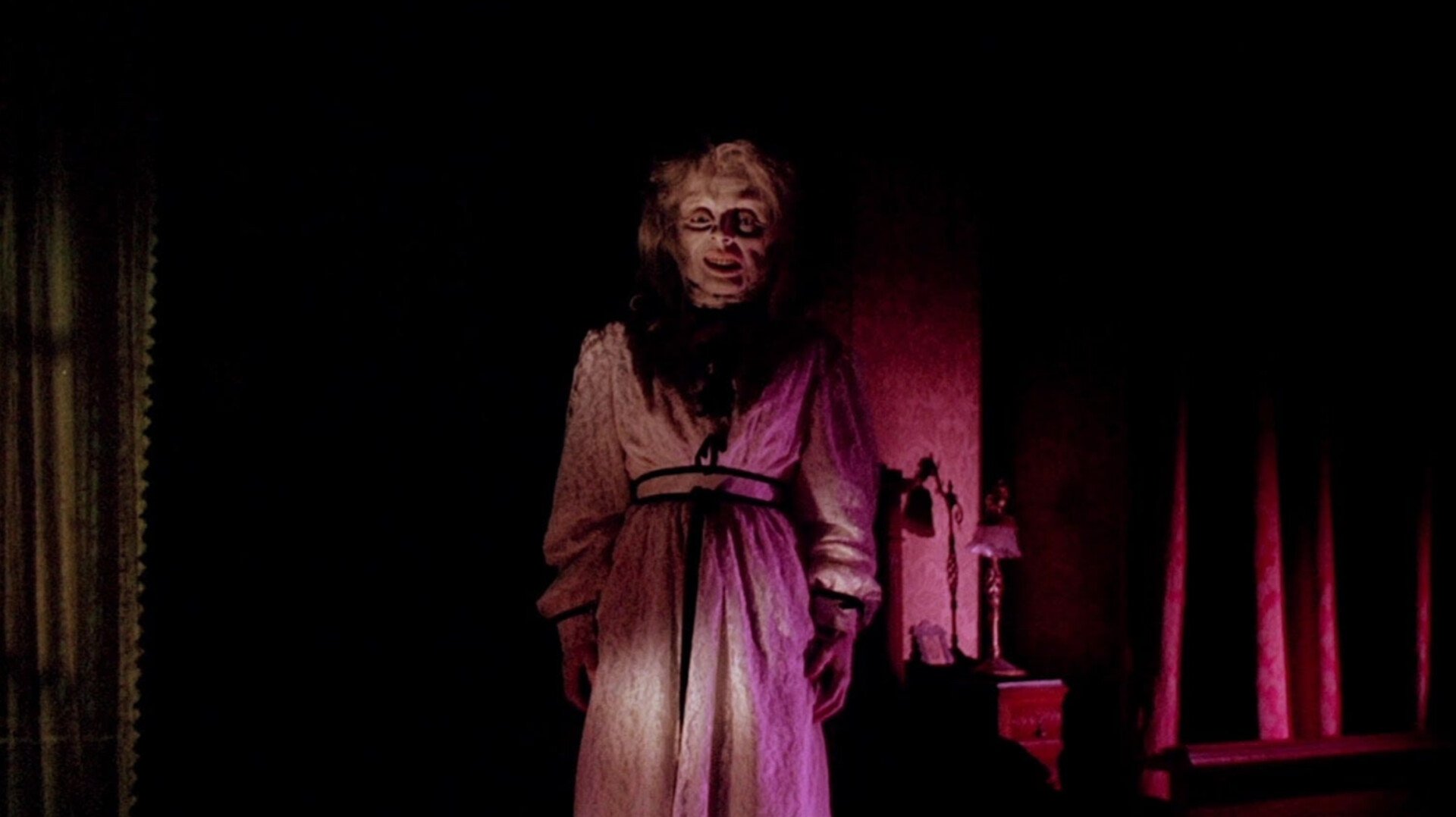
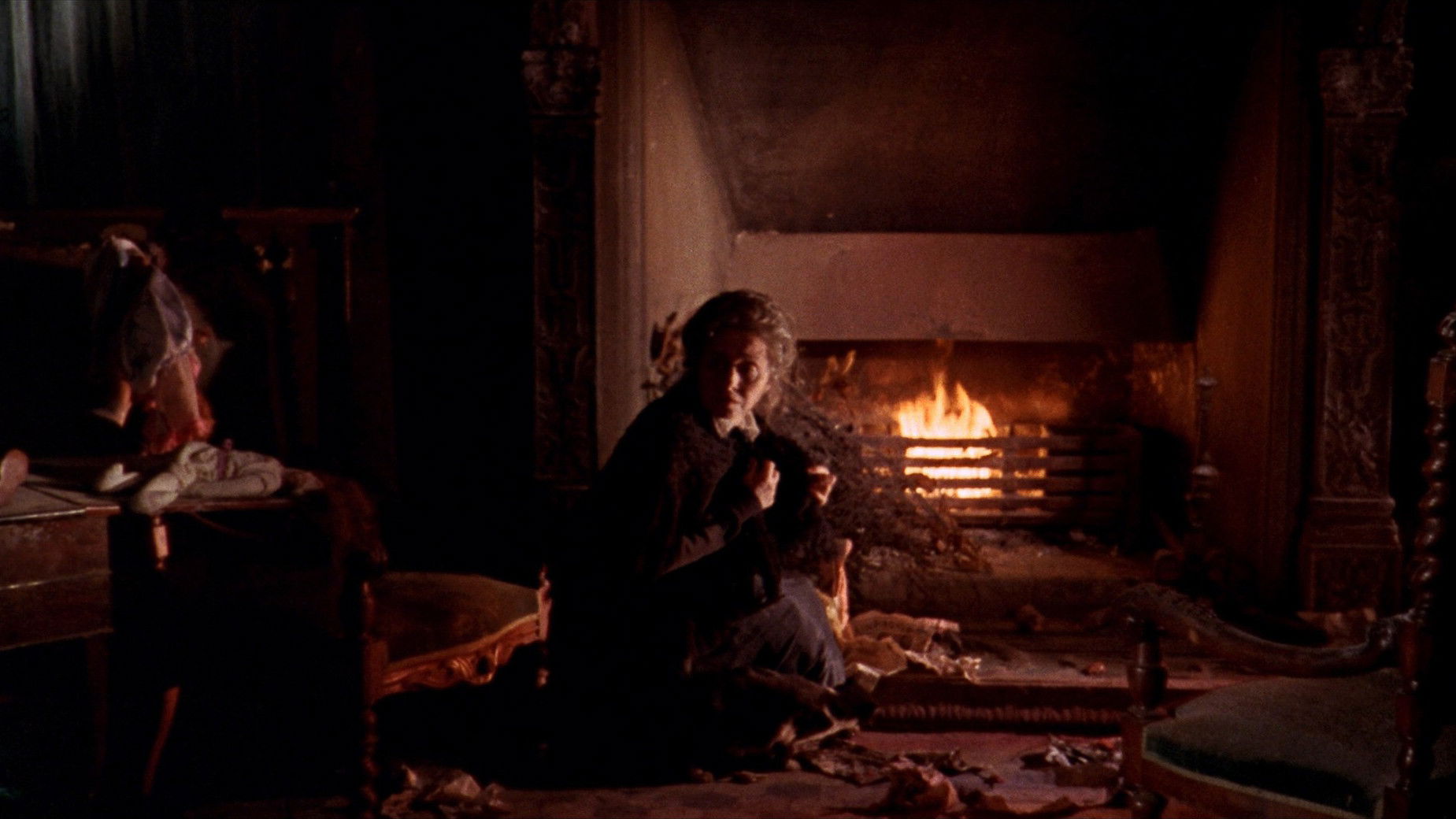
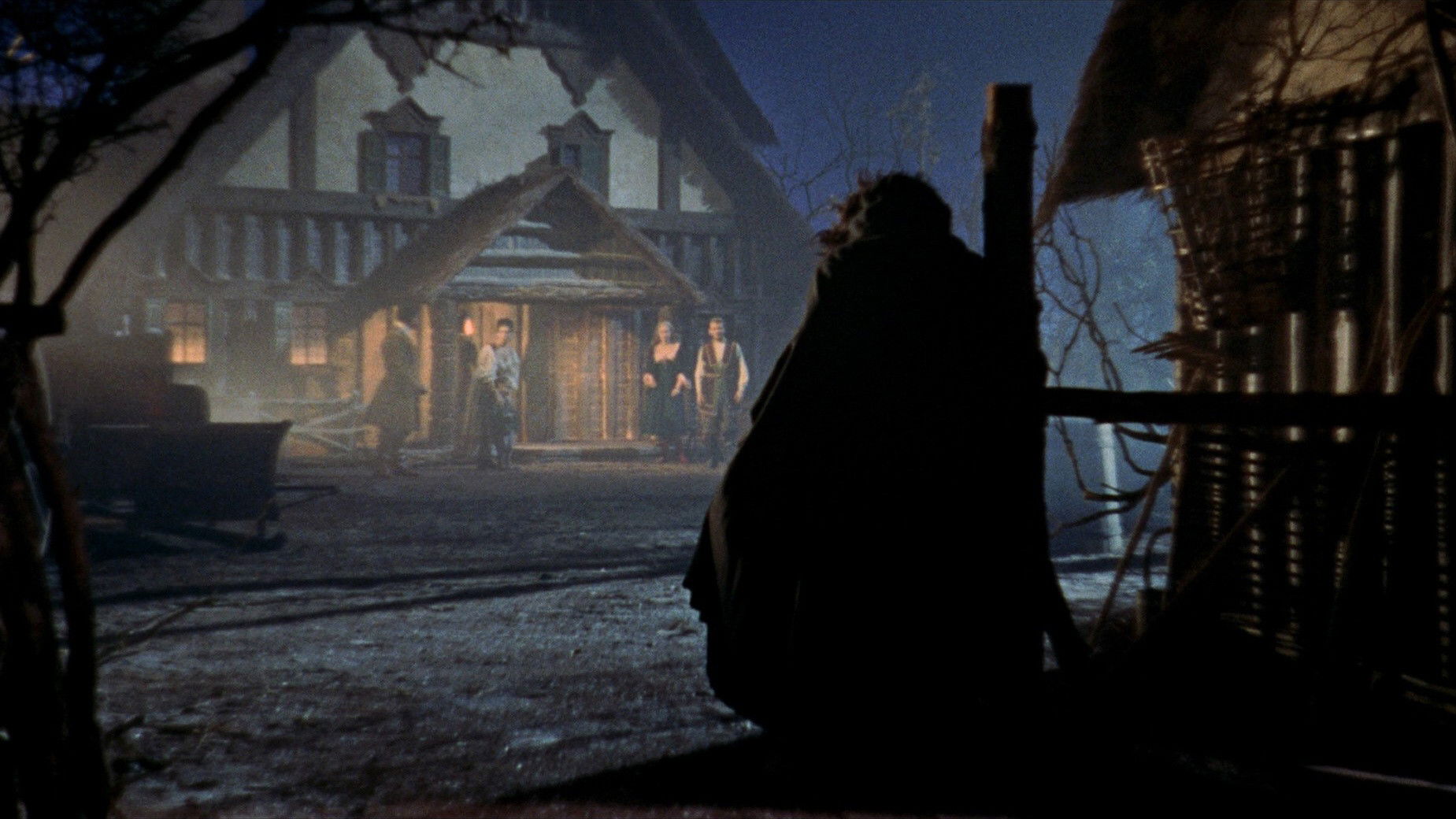
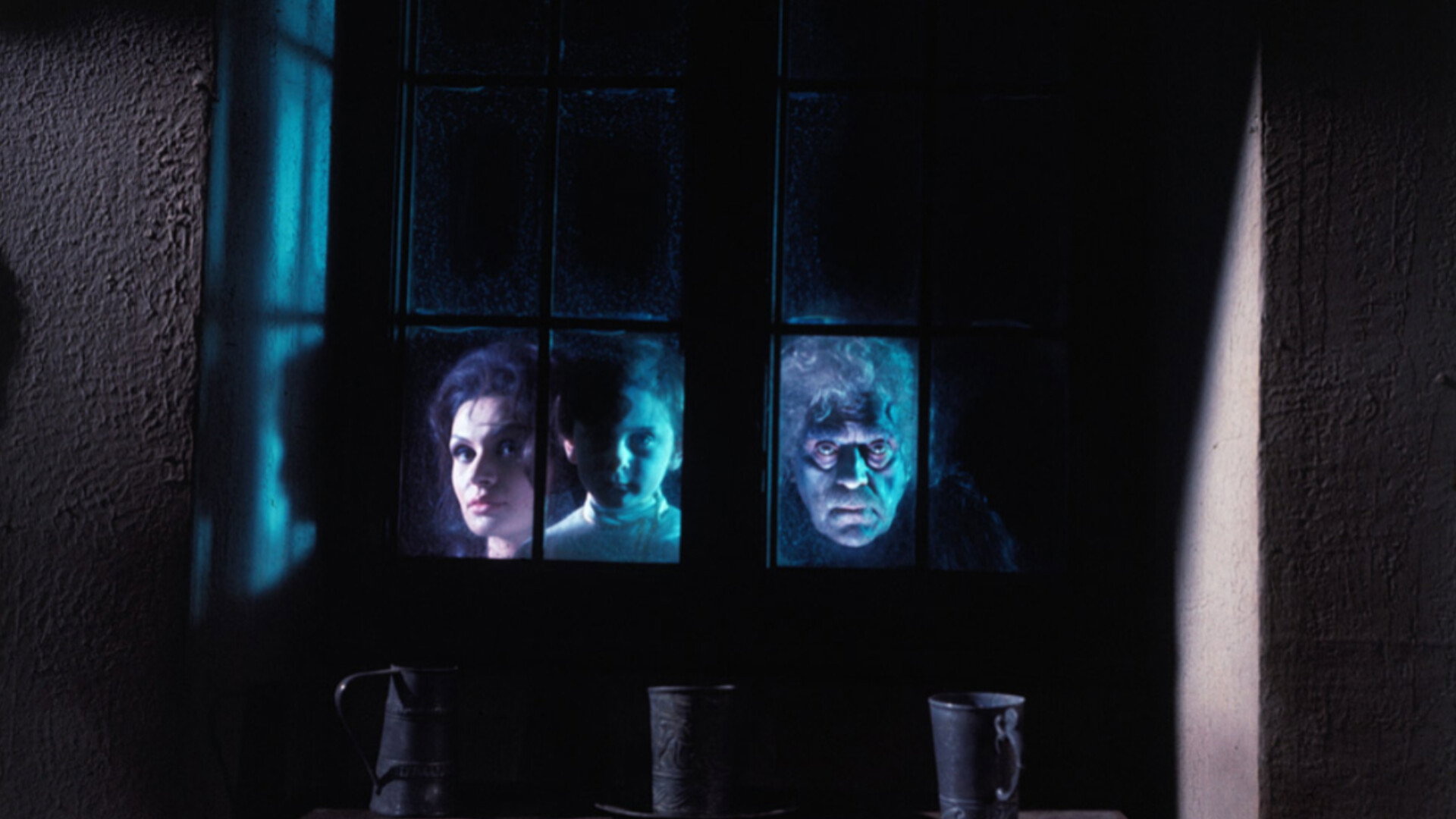
Only one of the three episodes has a literary source that can be identified with confidence: The Wurdalak derives from La Famille du Vourdalak by Aleksey Konstantinovich Tolstoy, a writer distinct from Leo Tolstoy. Its premise concerns a revenant who preys upon members of his own family. Other literary attributions associated with the picture are less secure. Credits and later catalogues have variously connected the remaining tales to writers such as Anton Chekhov, Guy de Maupassant, or F. G. Snyder, but a corresponding source text cannot simply be assumed from those names. The two original-language thrillers are better discussed through their screen narratives than presented as verified adaptations of particular short stories.