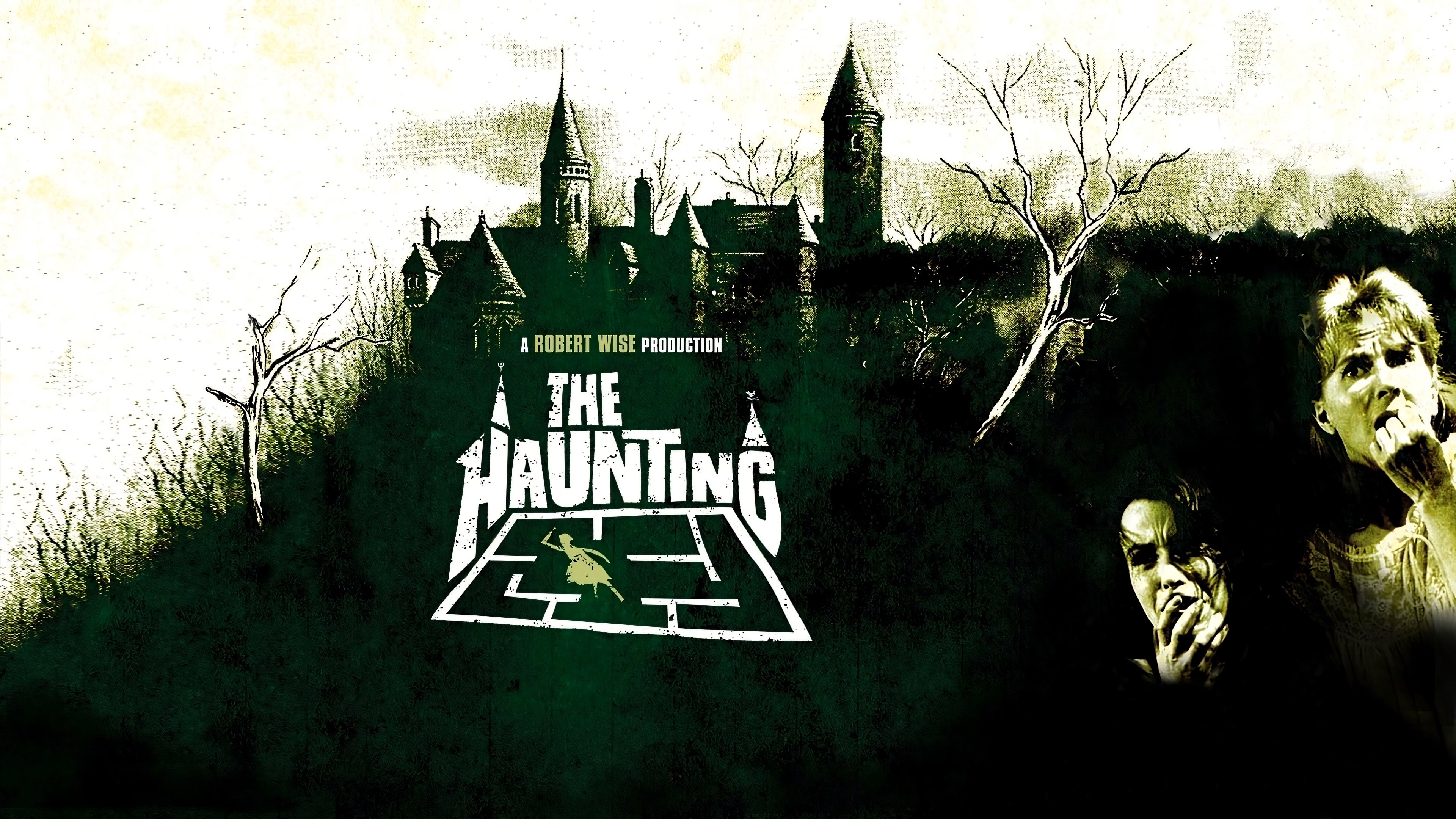
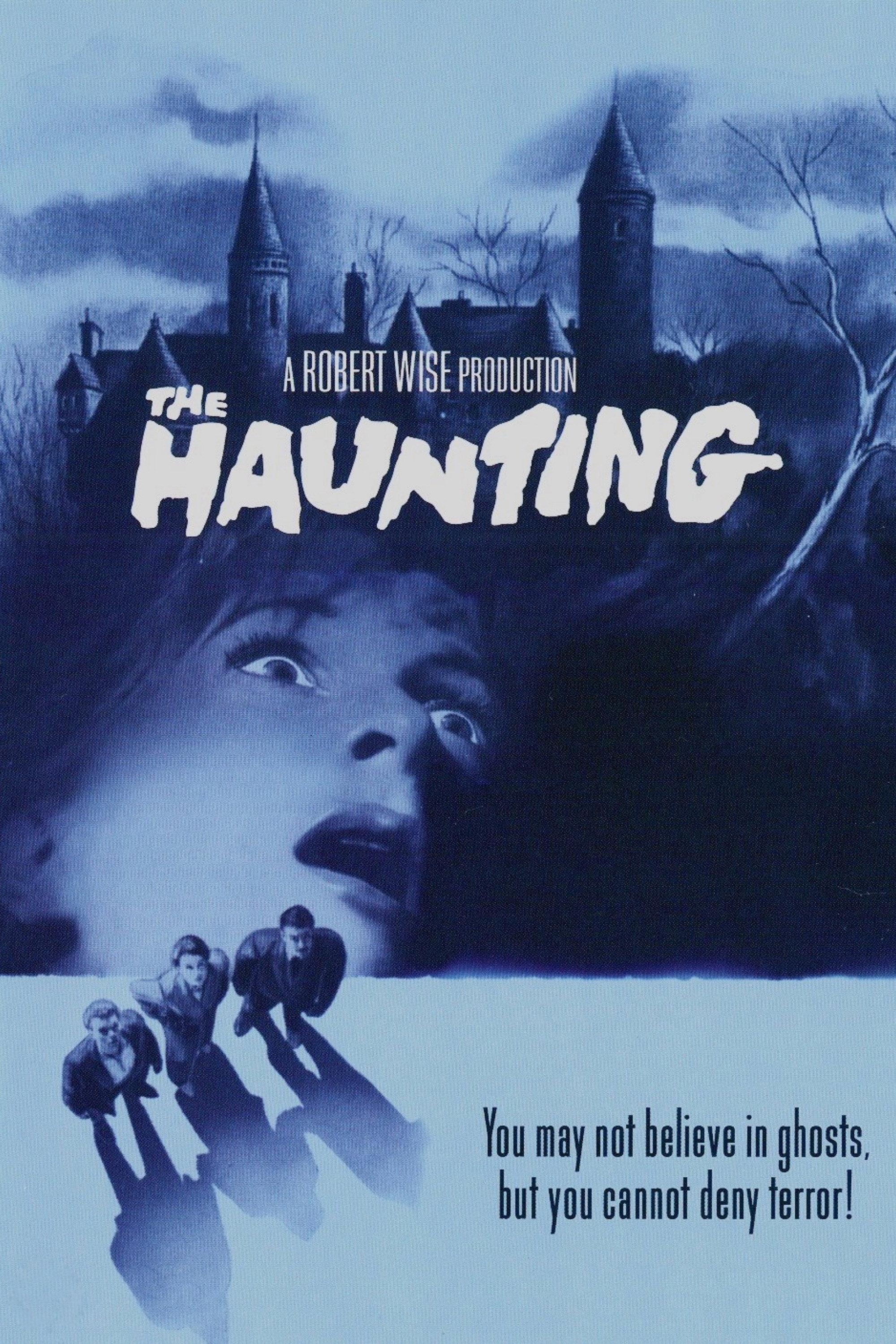
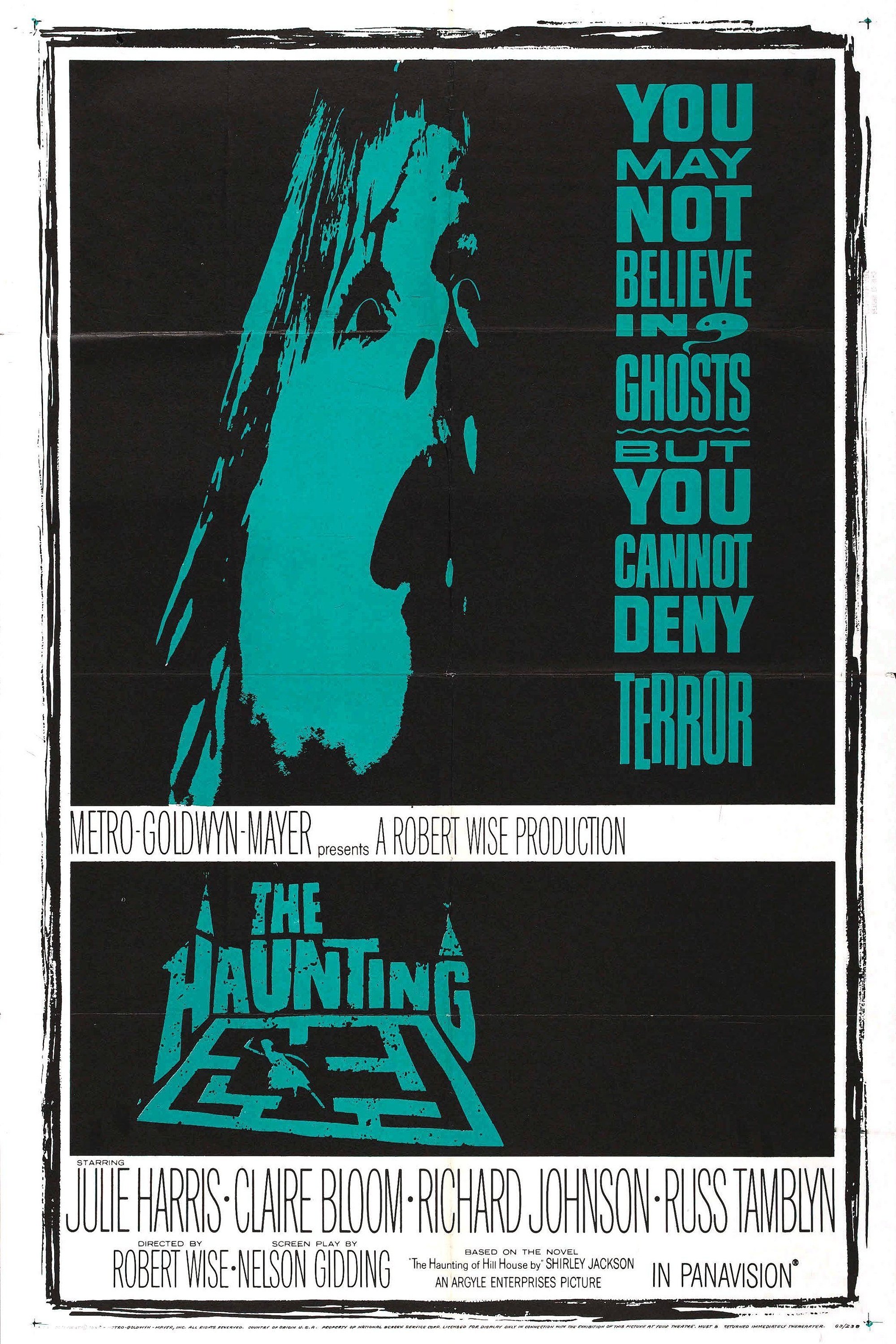
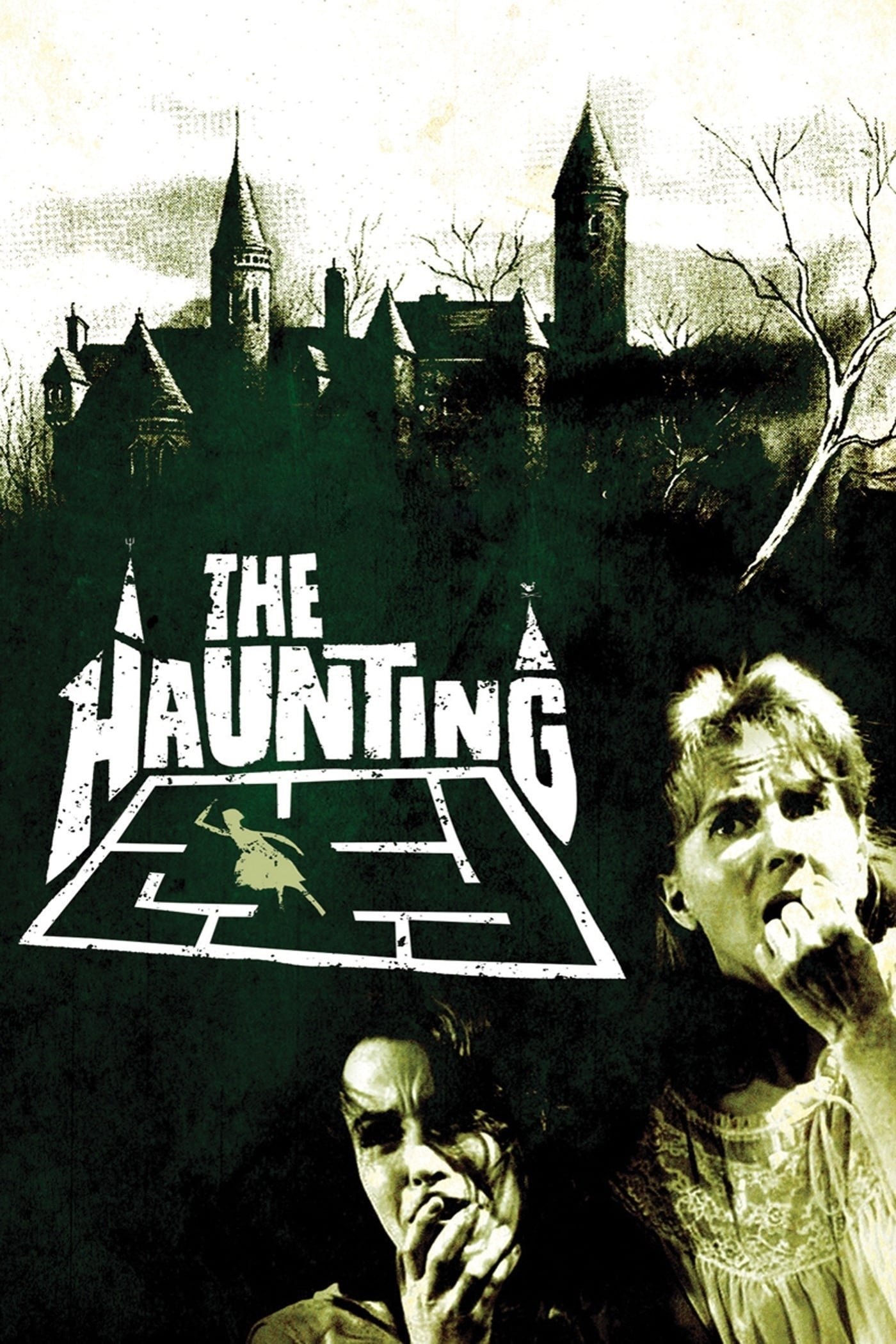
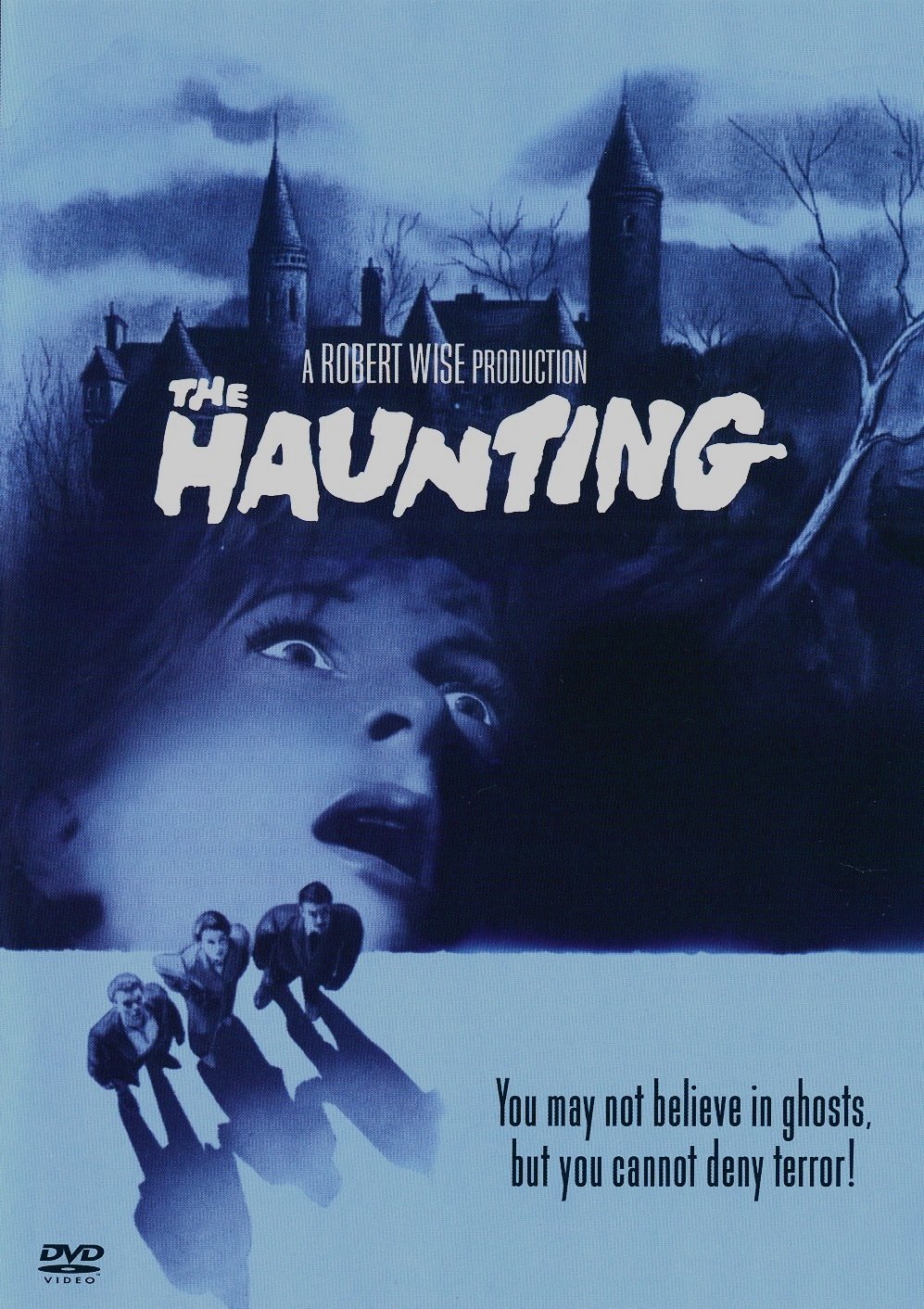
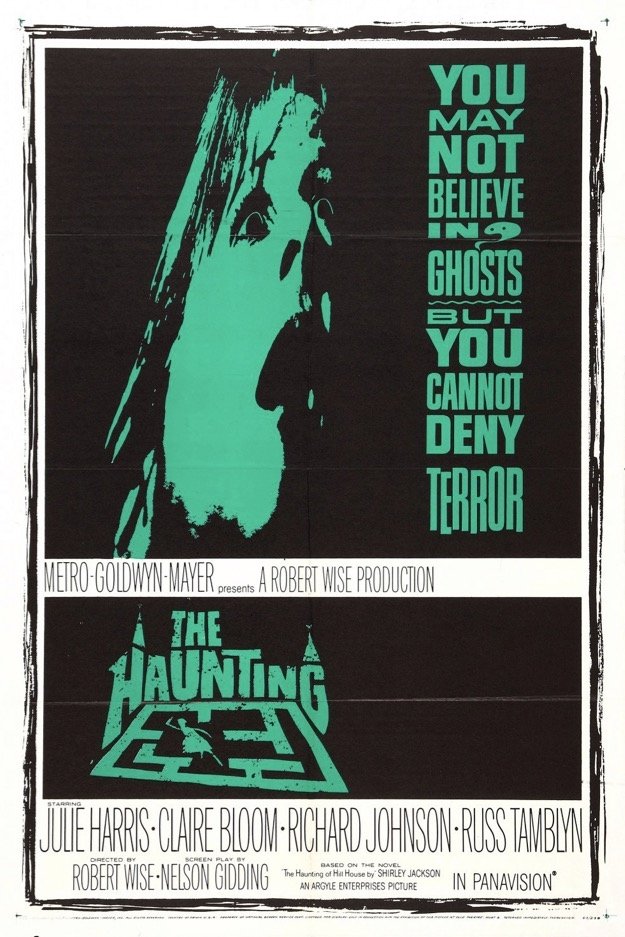
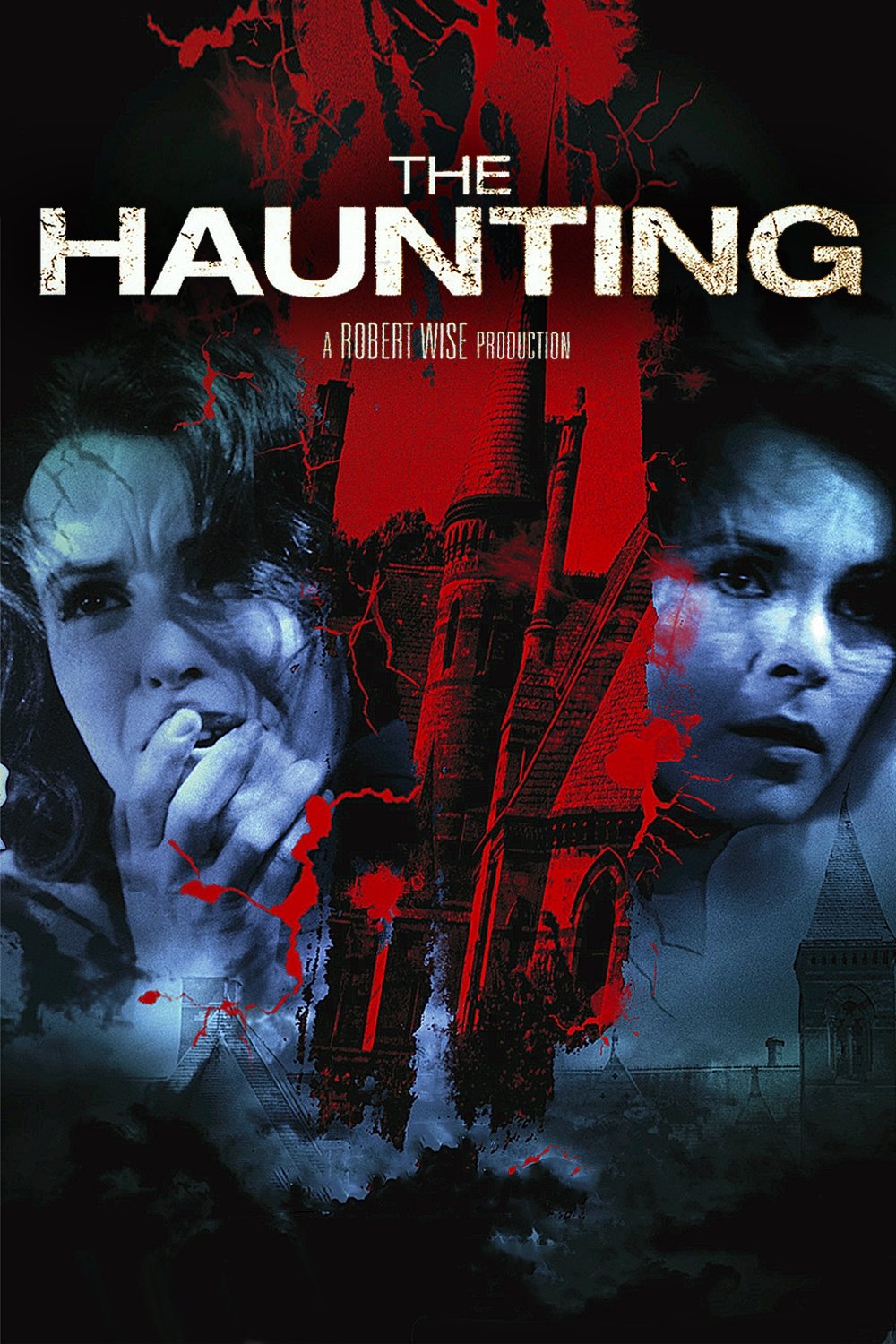
Development and the Adaptation of Shirley Jackson
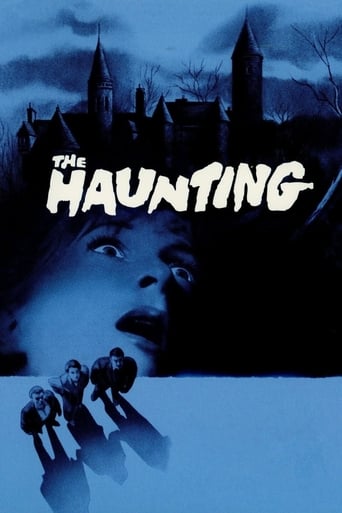
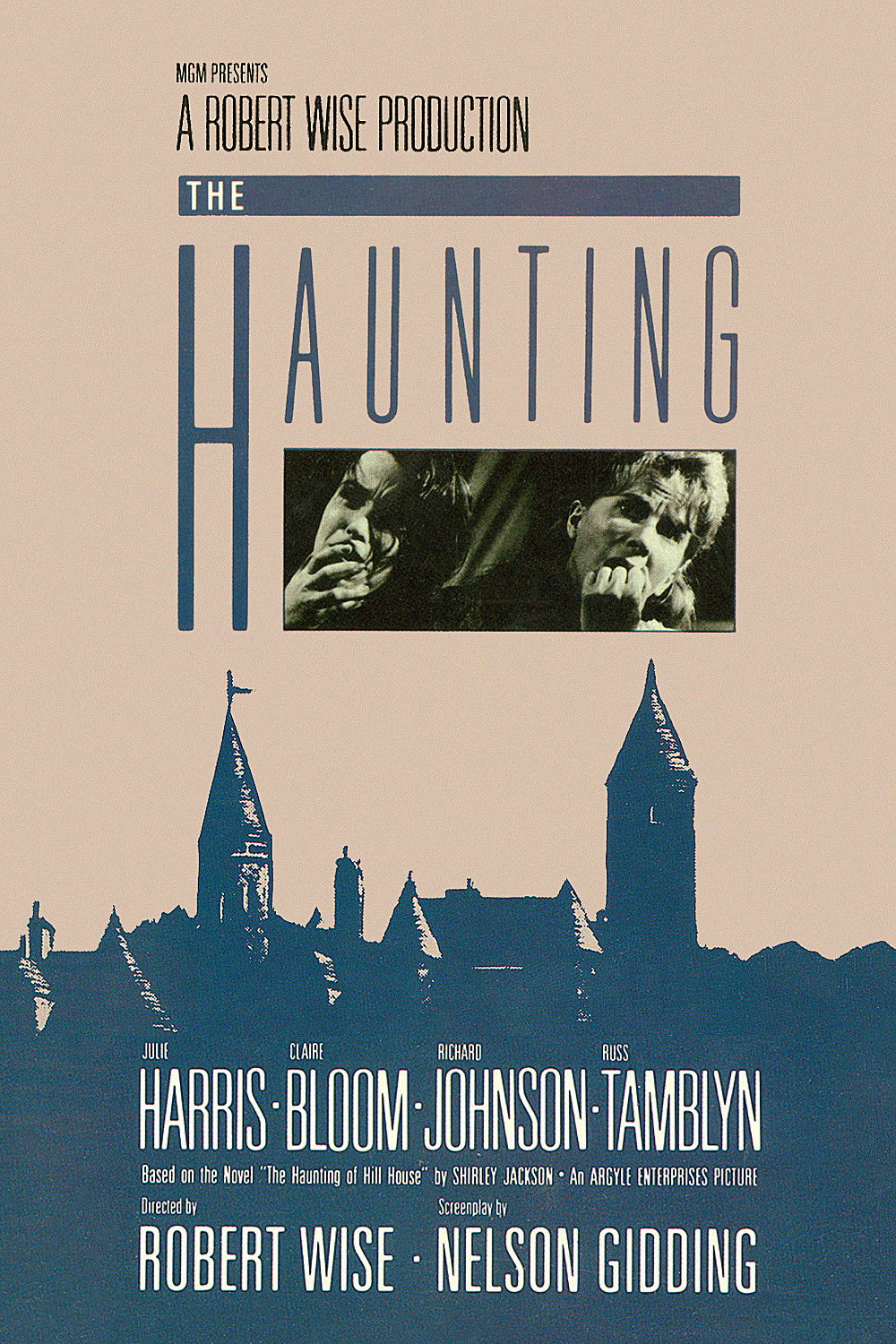
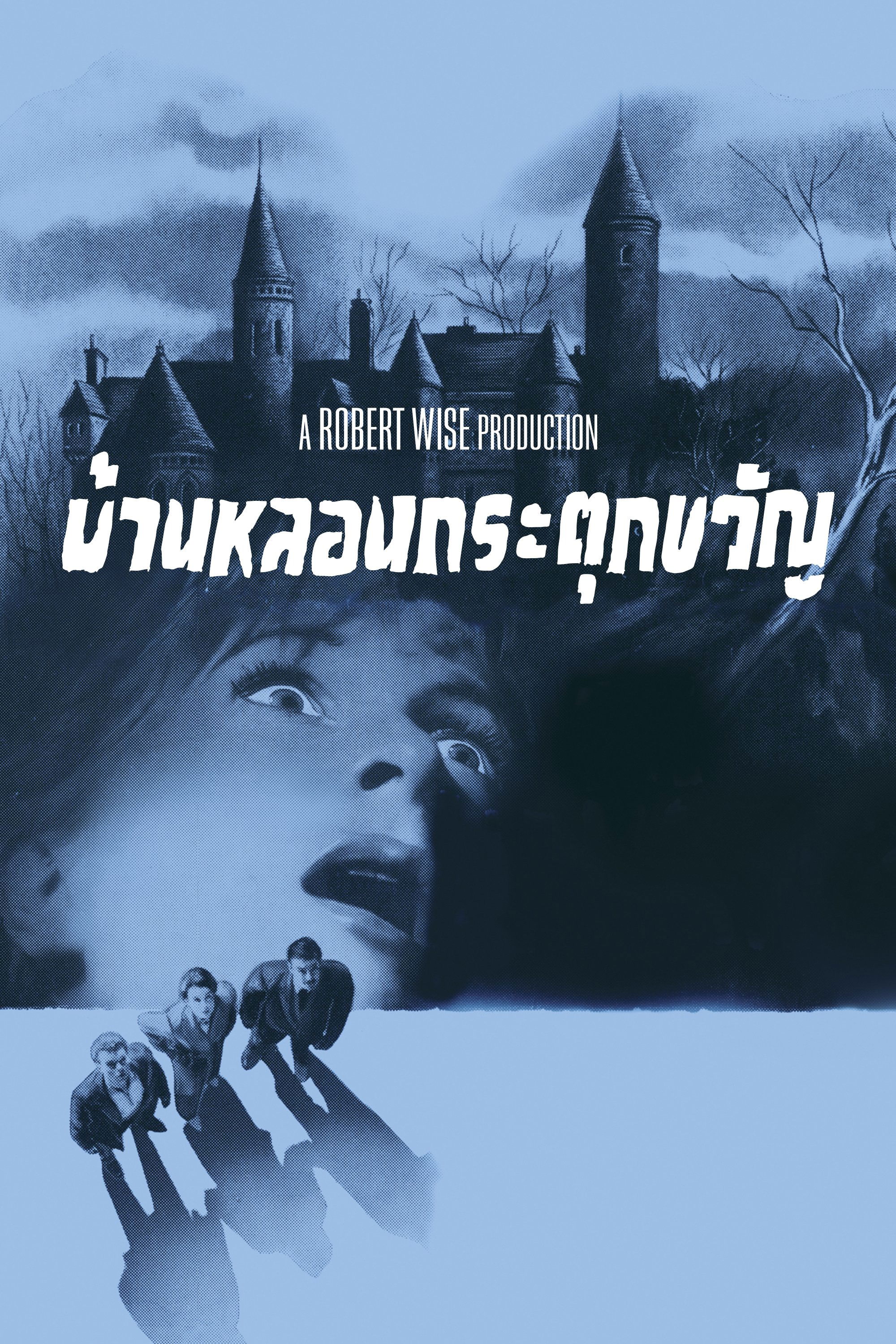
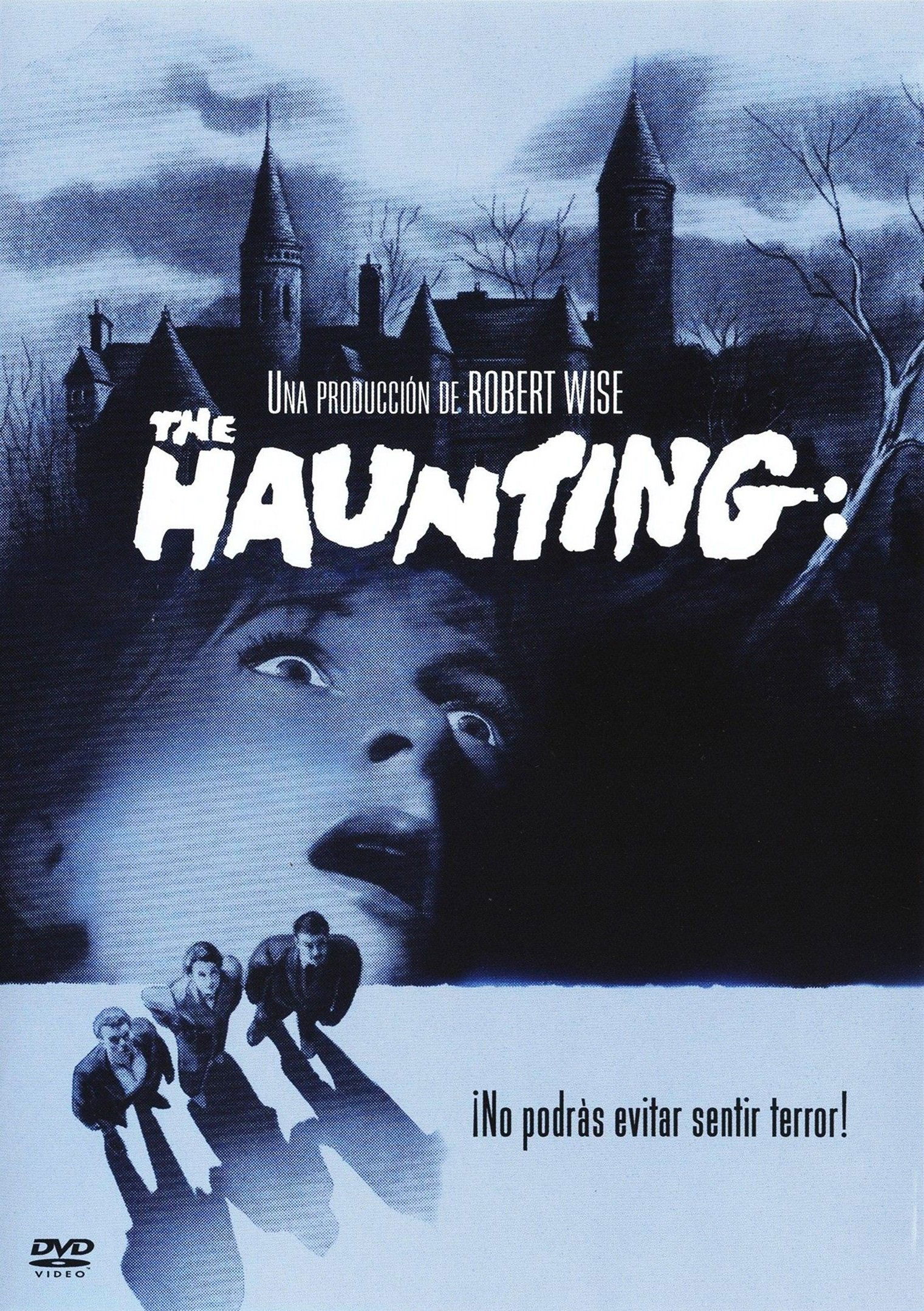
Wise discovered Jackson’s novel while working on West Side Story. Having encountered a review of the book in Time magazine, he obtained a copy and became convinced that its supernatural atmosphere could be translated into cinema. He later recalled being startled when screenwriter Nelson Gidding interrupted him during a particularly frightening passage. Wise acquired the film rights and began developing an adaptation with Gidding. The director had previously worked on horror productions associated with RKO producer Val Lewton, including The Curse of the Cat People (1944) and The Body Snatcher (1945). He regarded the new project as an opportunity to return to the suggestive methods he had learned during that period.
Jackson’s novel centres on Eleanor Vance, whose experiences within Hill House are filtered through an increasingly unstable psychological perspective. The adaptation preserves her isolation, her fascination with the building and the possibility that supernatural forces are responding specifically to her. Gidding modified several characters and relationships, changing Eleanor’s surname to Lance and Dr. Montague’s name to Markway. The film also introduces a different emphasis on Eleanor’s romantic attraction to the investigator and the arrival of his wife. These changes concentrate the interpersonal conflict within the limited group assembled at the house, while retaining the novel’s refusal to offer a fully reassuring explanation of the haunting.
Wise and Gidding visited Jackson in Vermont during the development process. In a 1995 interview with Judy Sloane, Wise explained that the shortened title originated from a discussion with the author, who had considered The Haunting as an alternative name for her novel. The screenplay’s development coincided with difficulties obtaining studio financing. An initial production arrangement through the Mirisch organization did not proceed, and the project eventually moved to MGM. George E. Turner’s production history in American Cinematographer records that a proposed American budget of approximately $1.4 million was considered excessive. Moving the production to MGM’s British facilities made the project more economical, with a revised estimate of approximately $1.05 million.
Eleanor, Theodora, and the Psychology of the Haunting
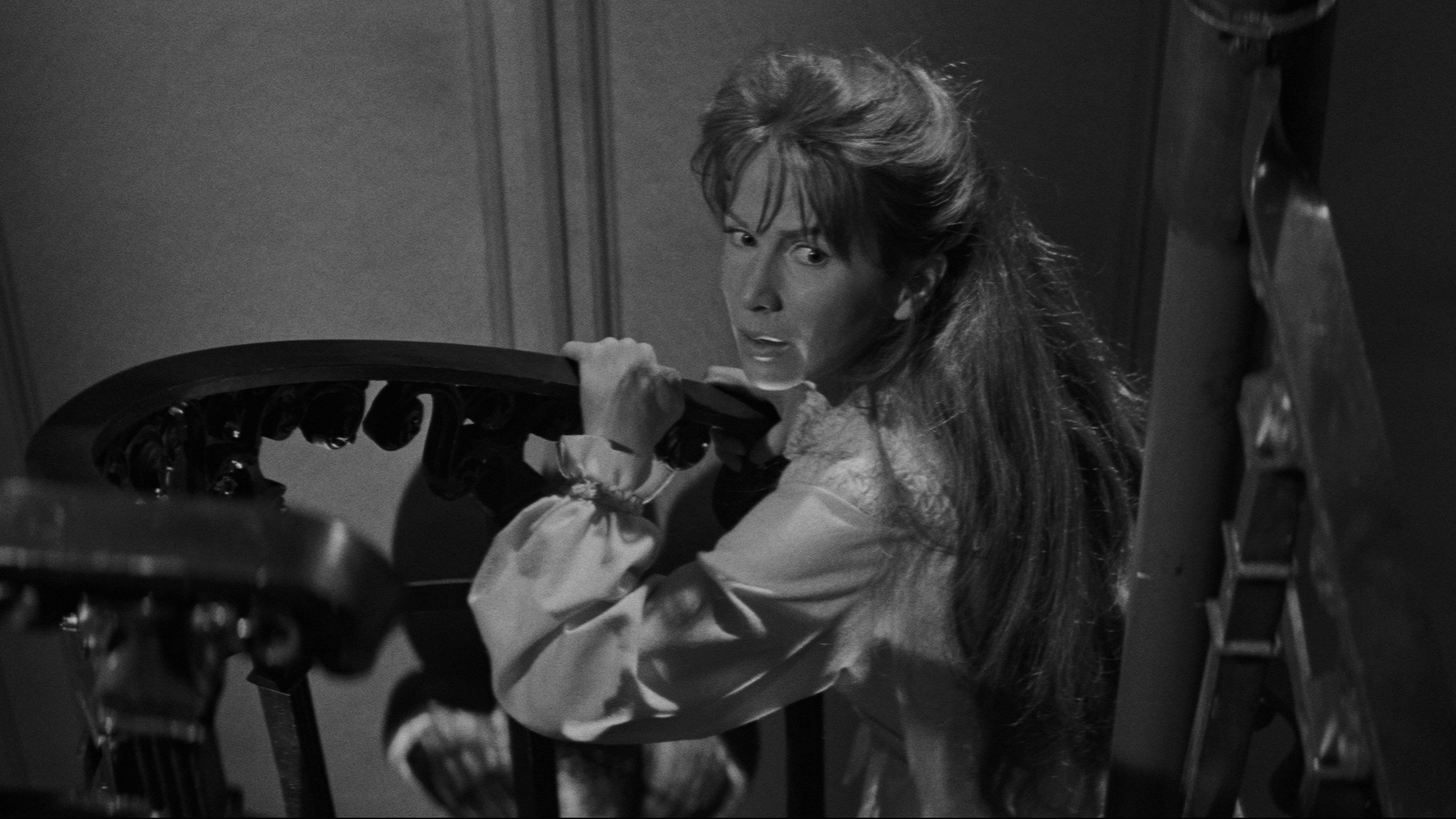
Eleanor enters the story after years spent caring for her invalid mother, whose death has left her with guilt and an uncertain place within her family. Her sister Carrie treats her independence with suspicion, making the invitation to Hill House an opportunity to escape an oppressive domestic arrangement. Eleanor arrives with expectations that extend beyond the investigation itself. She hopes to experience friendship, affection and a life that belongs entirely to her. The house gradually exploits these desires through incidents that appear to address her personally. Messages bearing her name, unexplained voices and disturbances around her bedroom encourage the belief that she has been selected for a particular purpose.
Theodora provides both companionship and a source of emotional conflict. Her confidence, independence and apparent psychic sensitivity contrast with Eleanor’s insecurity. Their conversations sometimes suggest affection that neither character clearly defines. The film retains indications of Theodora’s attraction to women, although their presentation was constrained by the conventions of the period. In her interview with Judy Sloane, Julie Harris recalled that restrictions had been placed on physical contact between the two characters because of concerns about implying a homosexual relationship. The recollection provides direct testimony about the production’s treatment of the subject, while the finished film leaves the precise nature of their attachment open to interpretation.
Eleanor’s growing attachment to Markway creates another point of instability. She interprets his concern as evidence of a possible romantic relationship, even though his interest is primarily connected to the investigation. The arrival of his wife Grace exposes the distance between Eleanor’s expectations and the reality of his personal life. Her responses become increasingly difficult for the other characters to distinguish from the effects of the house. Wise does not establish a definitive separation between supernatural manipulation and psychological vulnerability. The film permits the possibility that Hill House possesses an external power while making Eleanor’s emotional experience the principal means through which that power becomes perceptible.
Hill House, Architecture, and Production Design
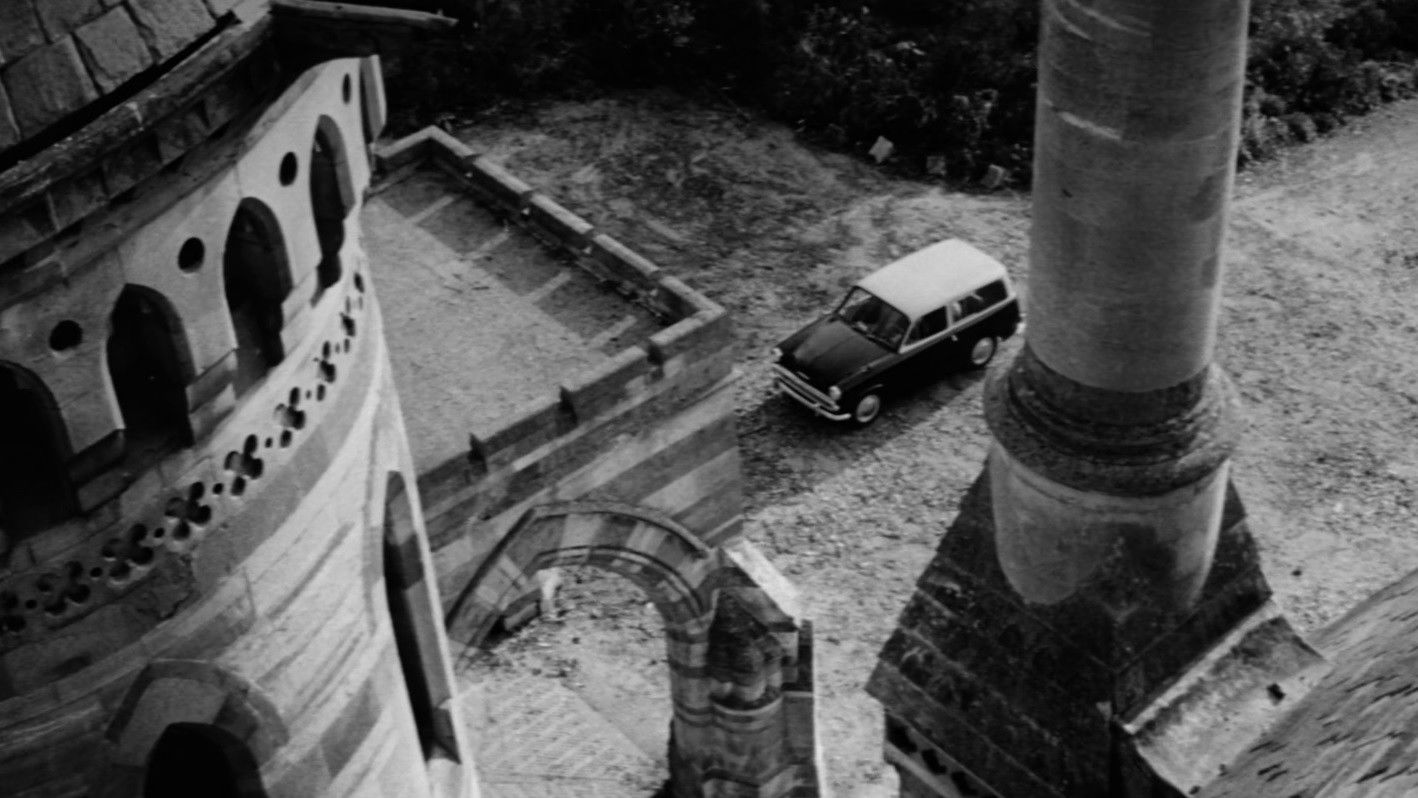
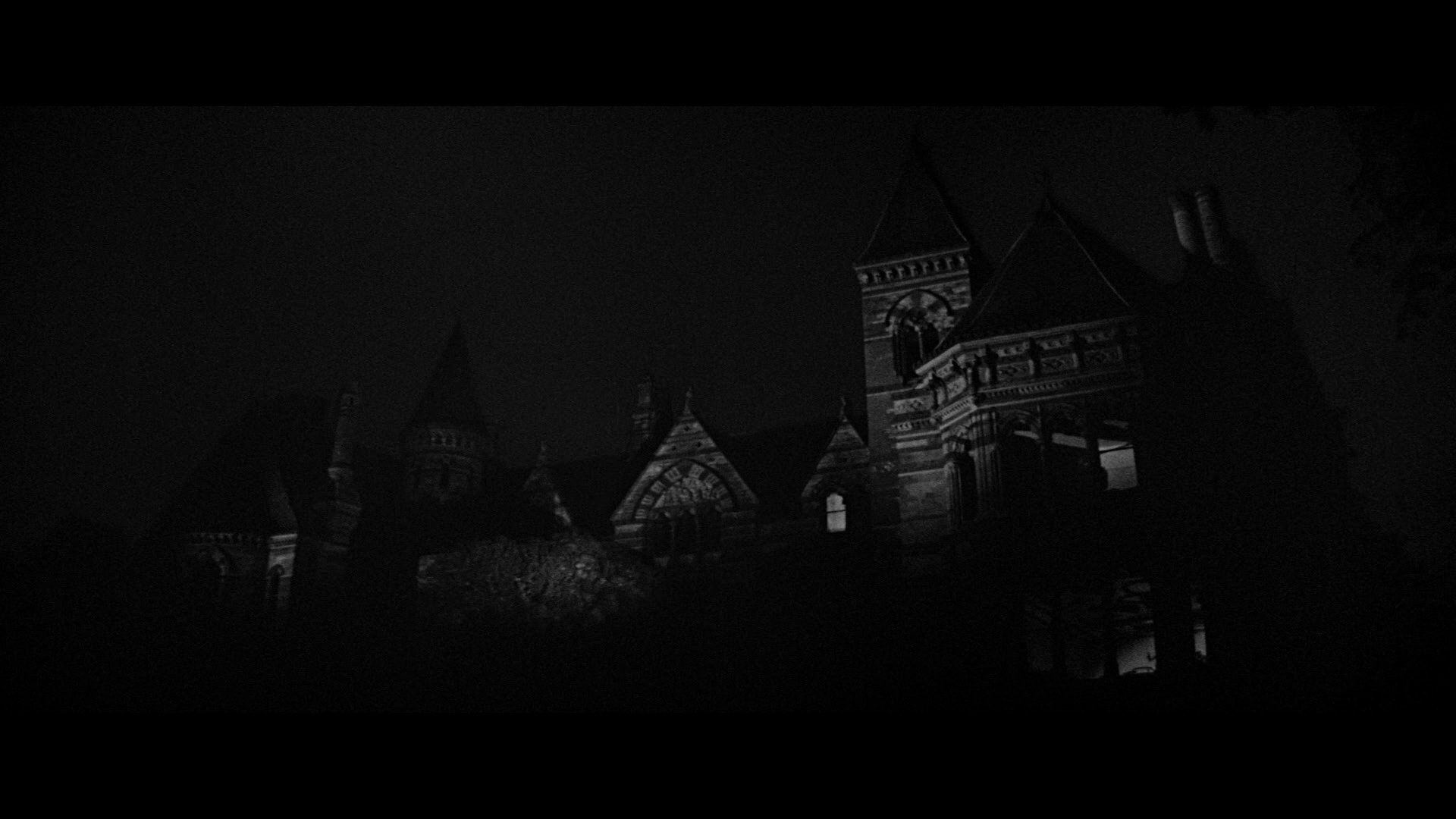
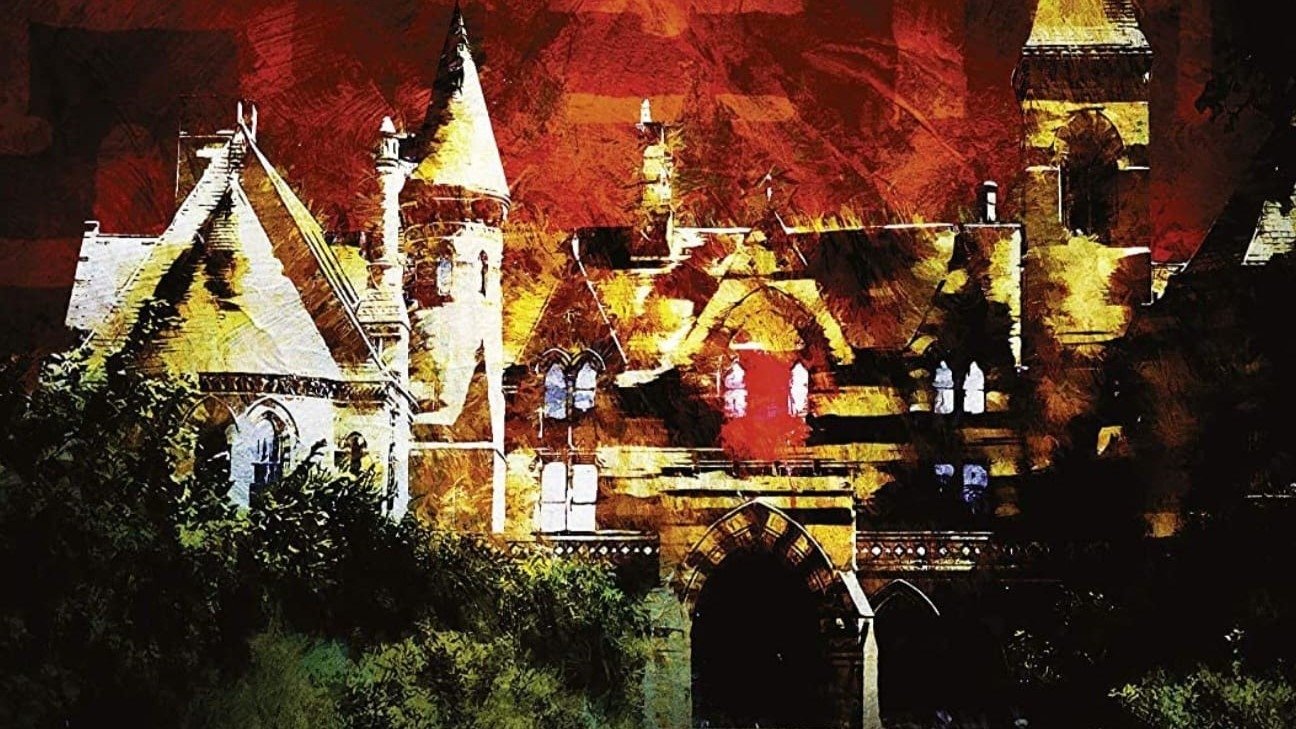
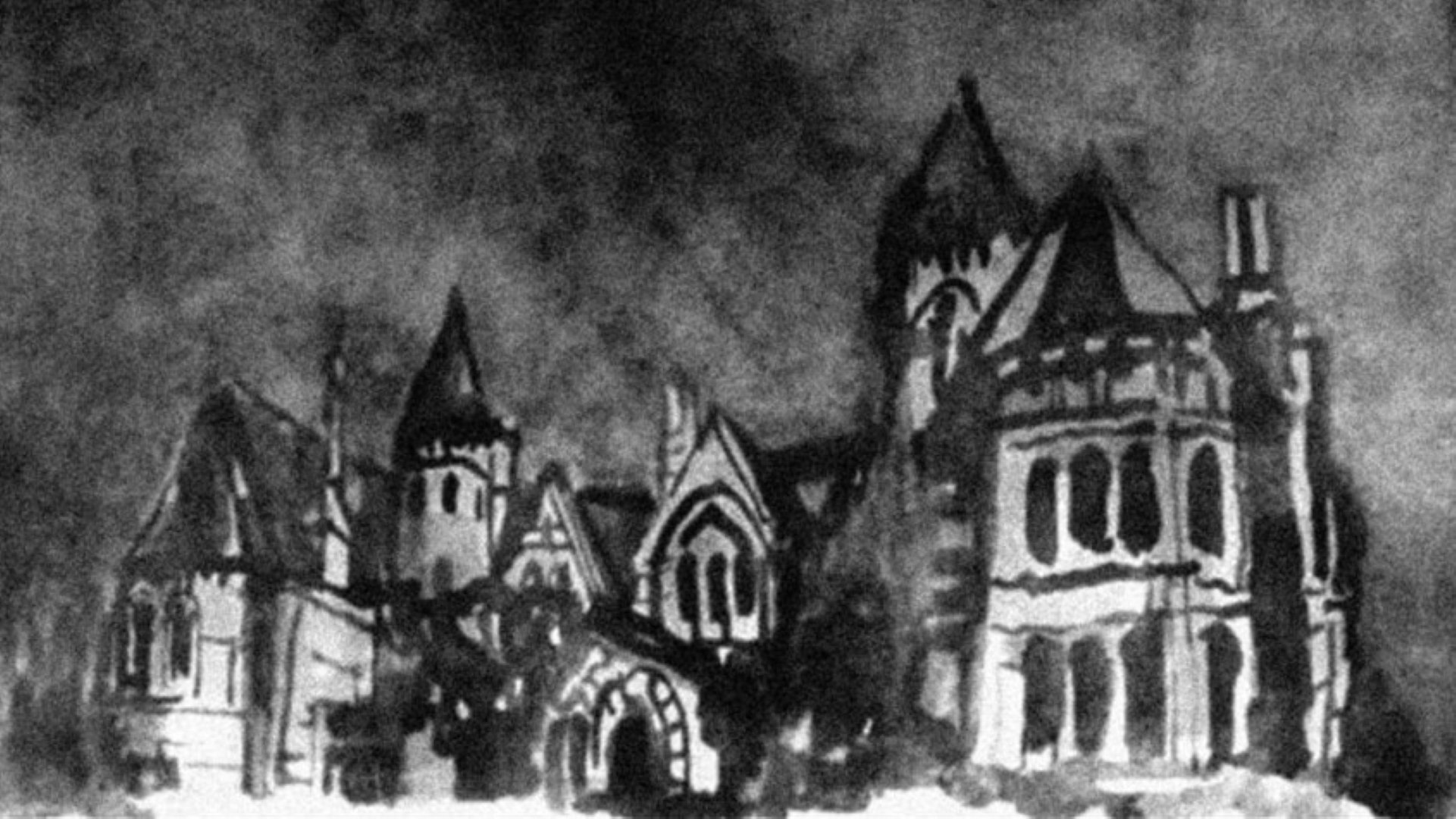
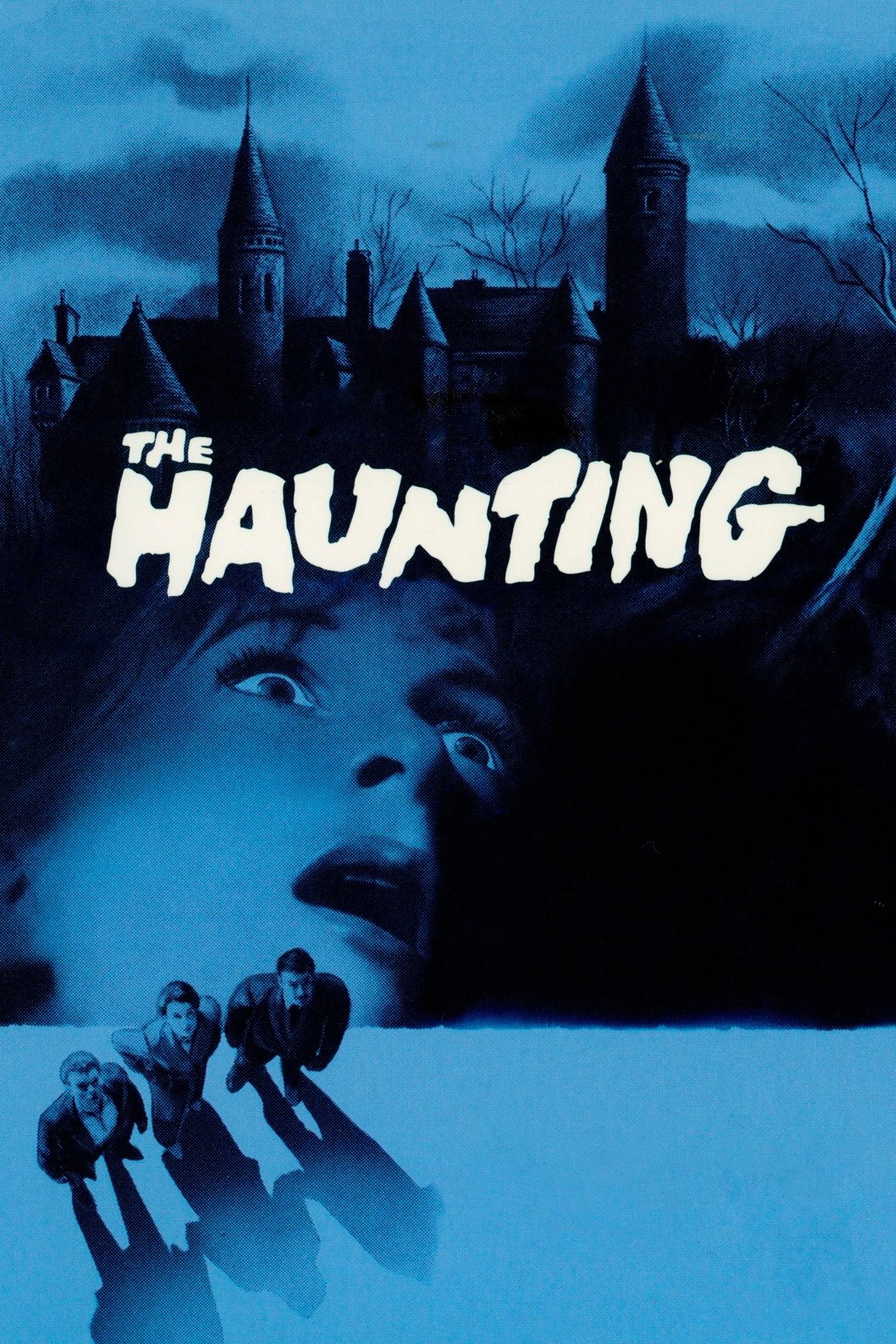
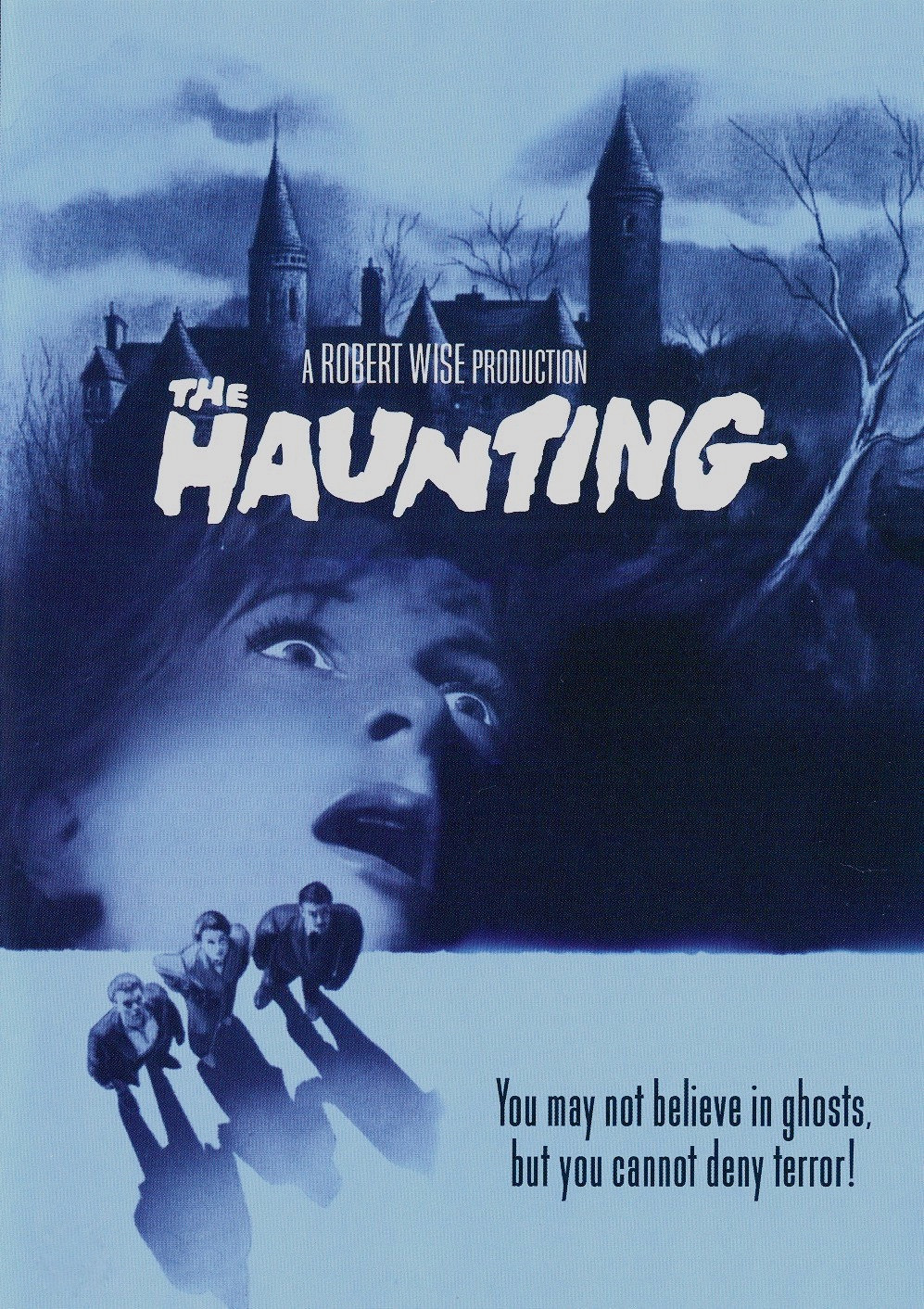
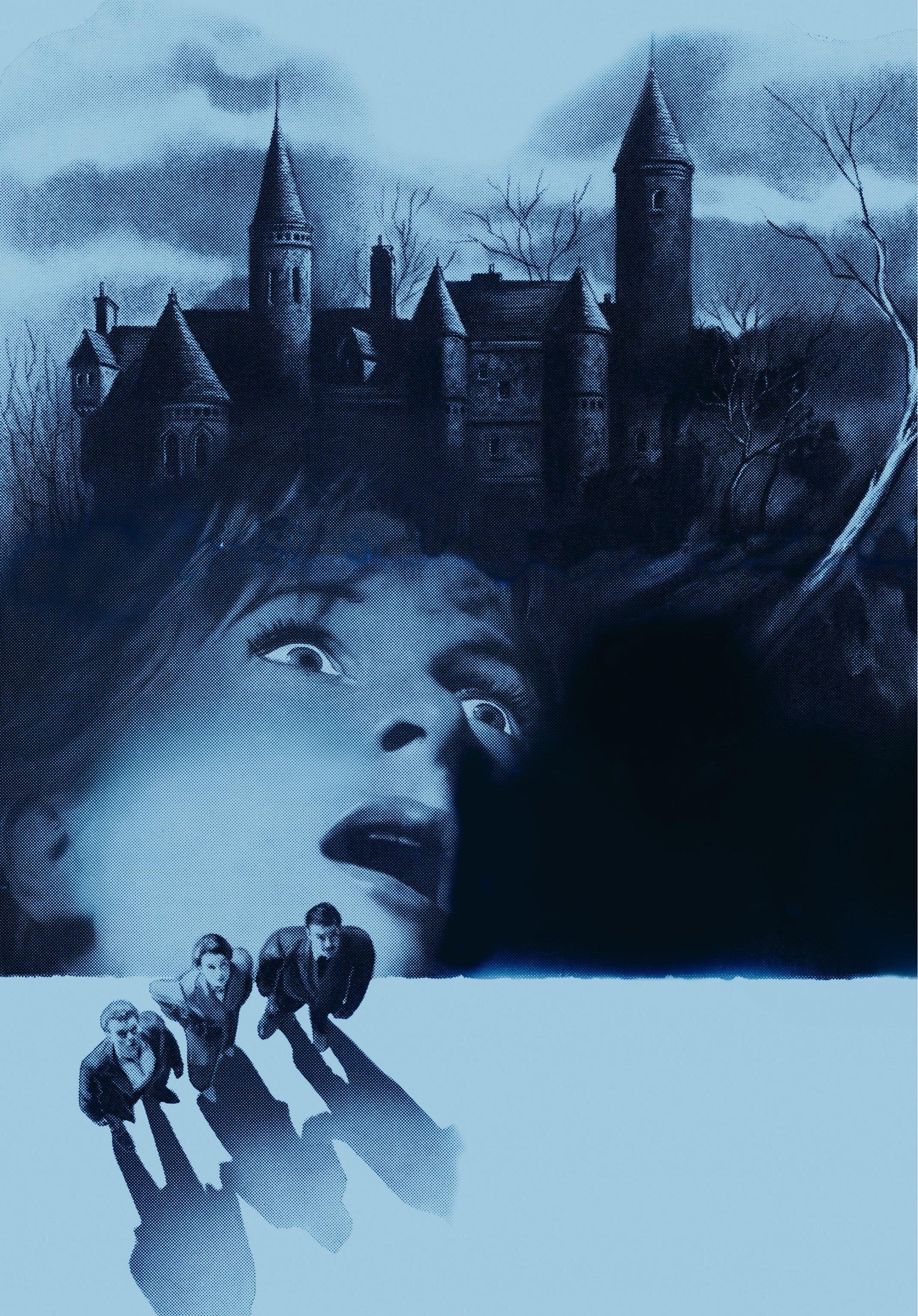
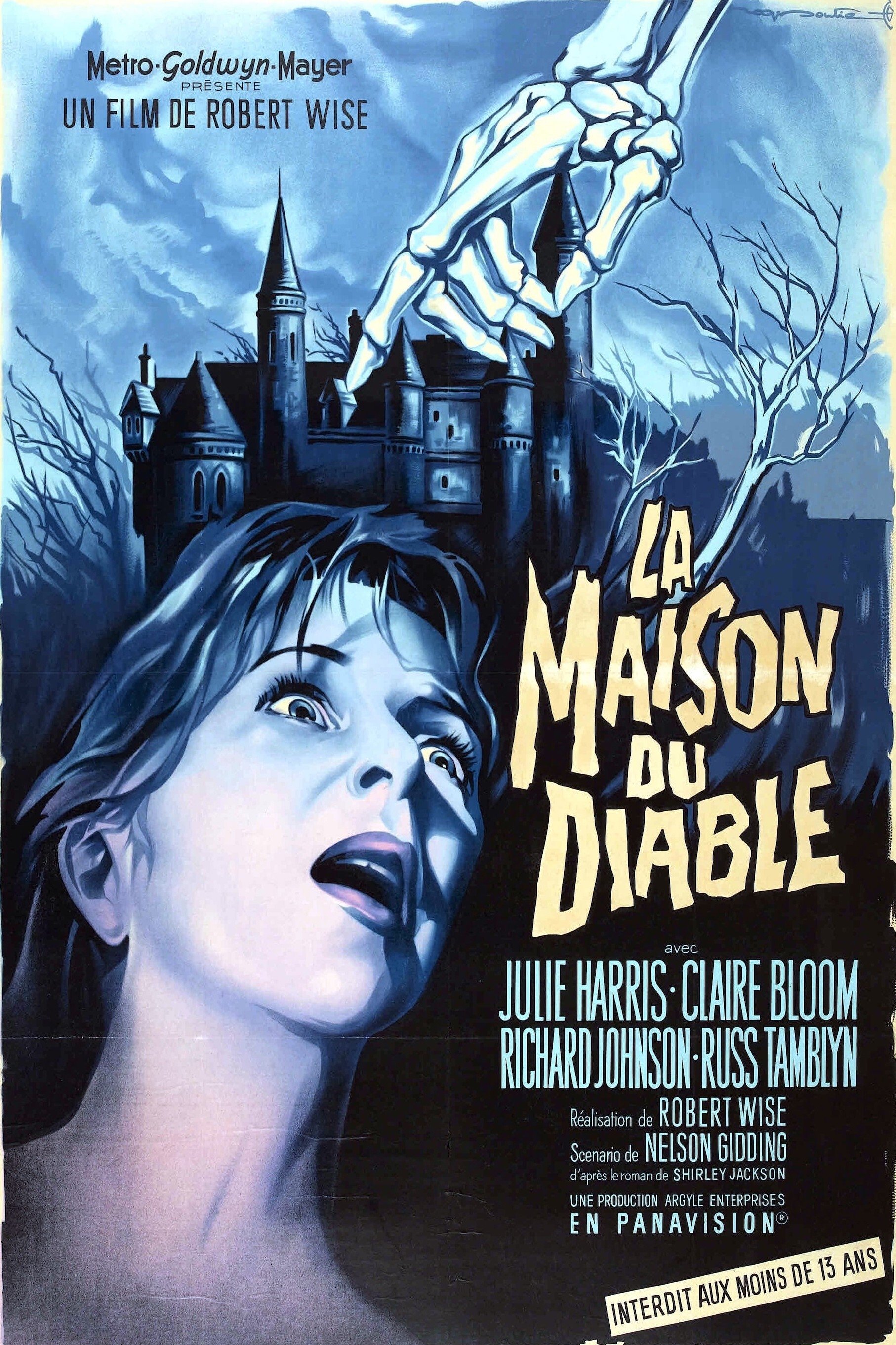
The exterior of Hill House was represented by Ettington Hall, a nineteenth-century Gothic Revival country house near Stratford-upon-Avon in Warwickshire. Wise selected the building for its irregular appearance and the threatening impression created by its stone surfaces, windows and towers. He wanted the house to function as a character within the film rather than merely provide an atmospheric location. In his retrospective interview with Judy Sloane, he recalled photographing architectural details to make the windows resemble eyes. The production used the building’s physical appearance as the foundation for a more elaborate interior environment constructed at MGM’s British studios in Borehamwood.
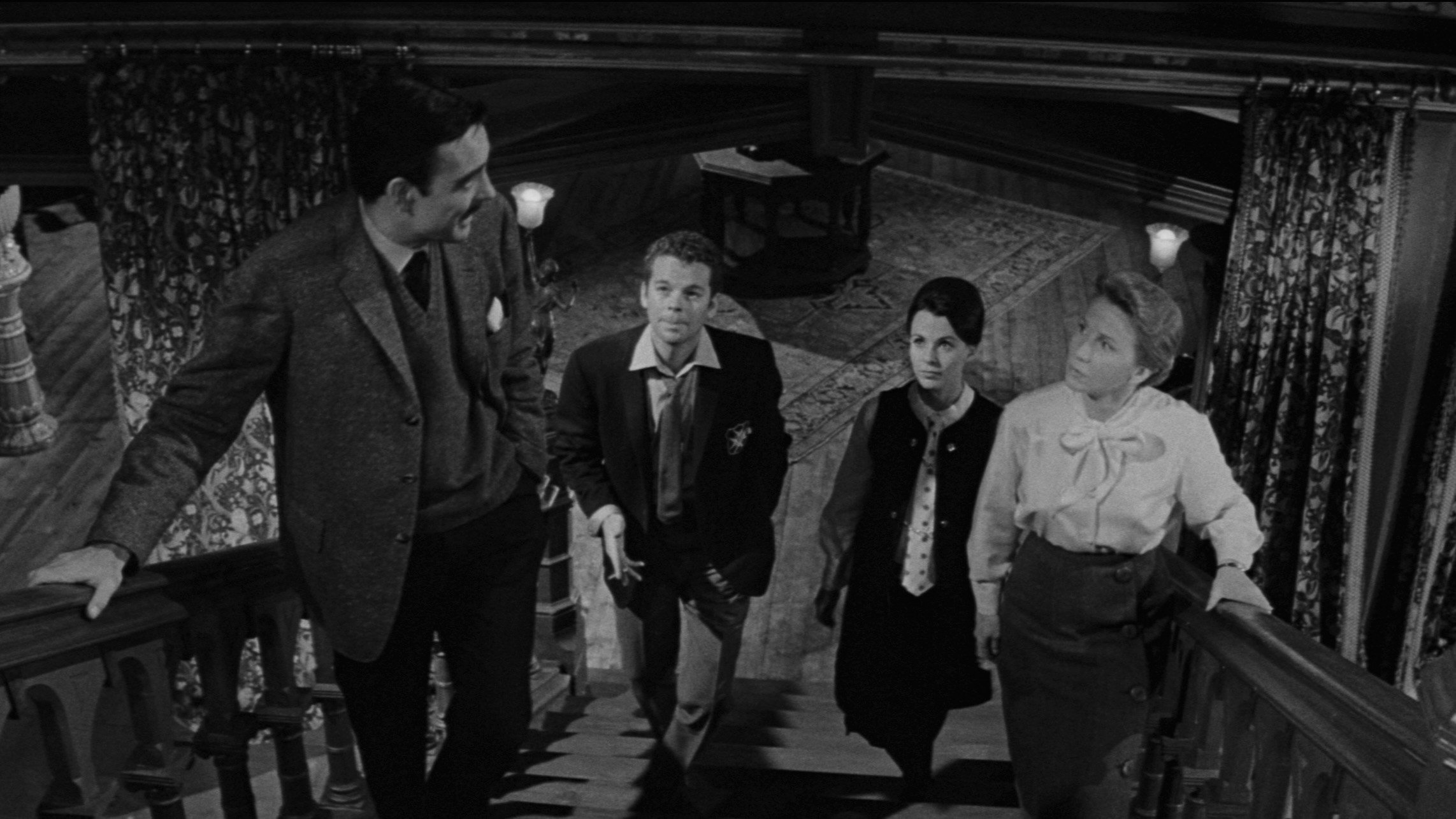
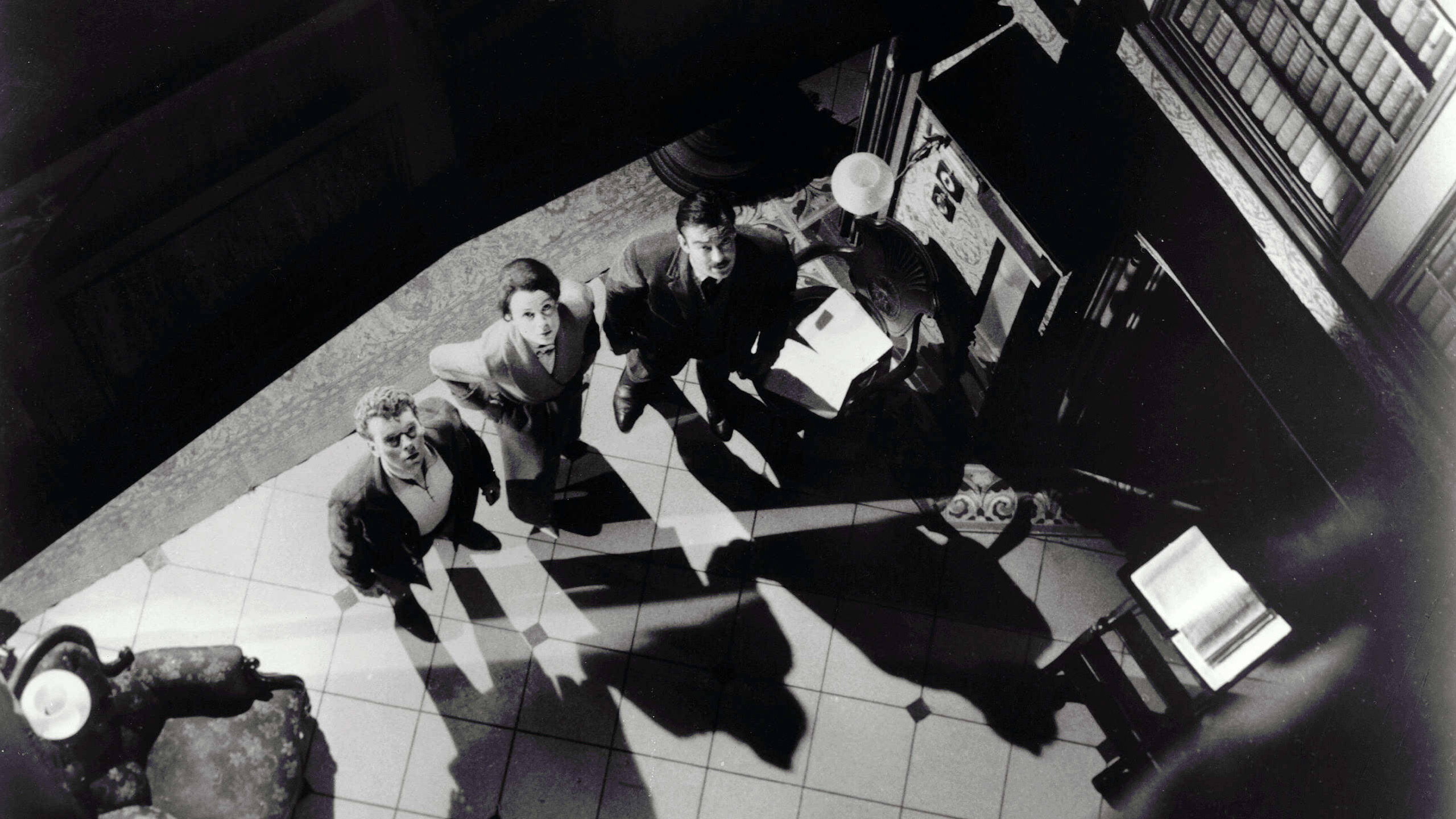
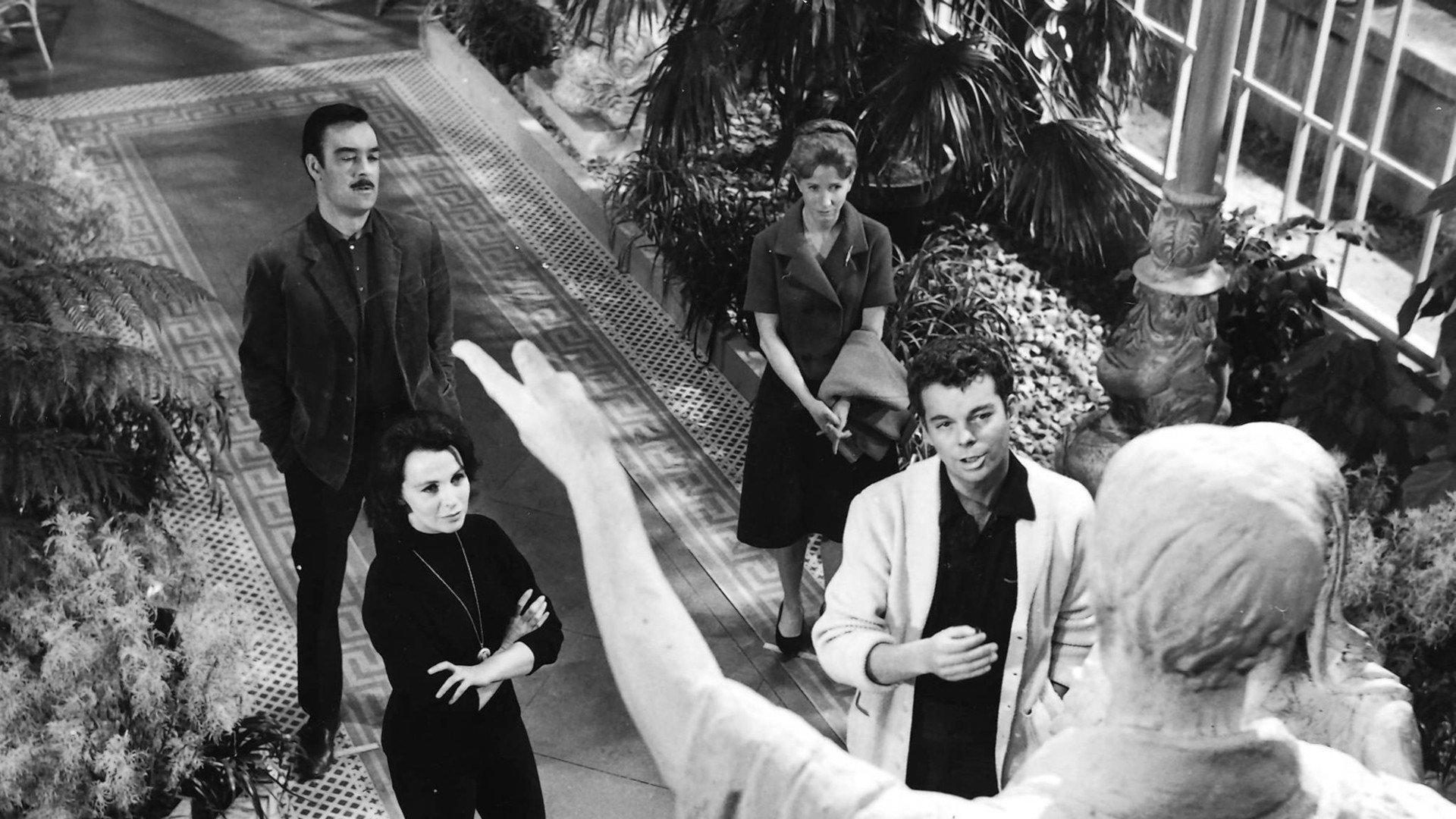
Production designer Elliot Scott created the interiors, assisted by a team responsible for the house’s elaborate furnishings and architectural details. The sets contain extensive woodwork, heavy doors, ornamental ceilings and unusually long corridors. Their arrangement repeatedly suggests that the building contains more space than its occupants can understand. Rooms appear disconnected from ordinary domestic proportions, while staircases and passages lead toward areas associated with earlier deaths. The interiors were constructed to accommodate the camera movements and unusual viewpoints required by Wise. Their complexity gave the filmmakers opportunities to create disorientation without depending on the visible appearance of a ghost.
The library’s spiral staircase became one of the most important architectural features. Its precarious construction contributes to a sequence in which Eleanor approaches a dangerous height while apparently responding to the house. The nursery provides another focal point for supernatural activity, connected with the building’s history and the fate of its former inhabitants. These rooms acquire significance through their relationship with the characters rather than through decorative Gothic associations alone. The building’s apparent hostility also changes according to the time of day and the emotional condition of its occupants. Familiar interiors become threatening through an altered camera position, an unexpected noise or a door whose physical behaviour contradicts ordinary experience.
Anamorphic Photography, Infrared Film, and Practical Effects
Cinematographer Davis Boulton photographed the film in black-and-white Panavision, working with camera operator Alan McCabe to create compositions that made the architecture appear unstable. Wise wanted the corridors to seem longer and more threatening than conventional lenses permitted. He approached Panavision president Robert Gottschalk about obtaining a wider anamorphic lens and was offered an experimental design whose distortion had prevented its commercial introduction. Wise accepted responsibility for its optical imperfections because the distorted perspective suited his intentions. Different retrospective accounts identify slightly different focal lengths for the prototype, but consistently describe the director’s deliberate use of a lens that exaggerated the geometry of Hill House.
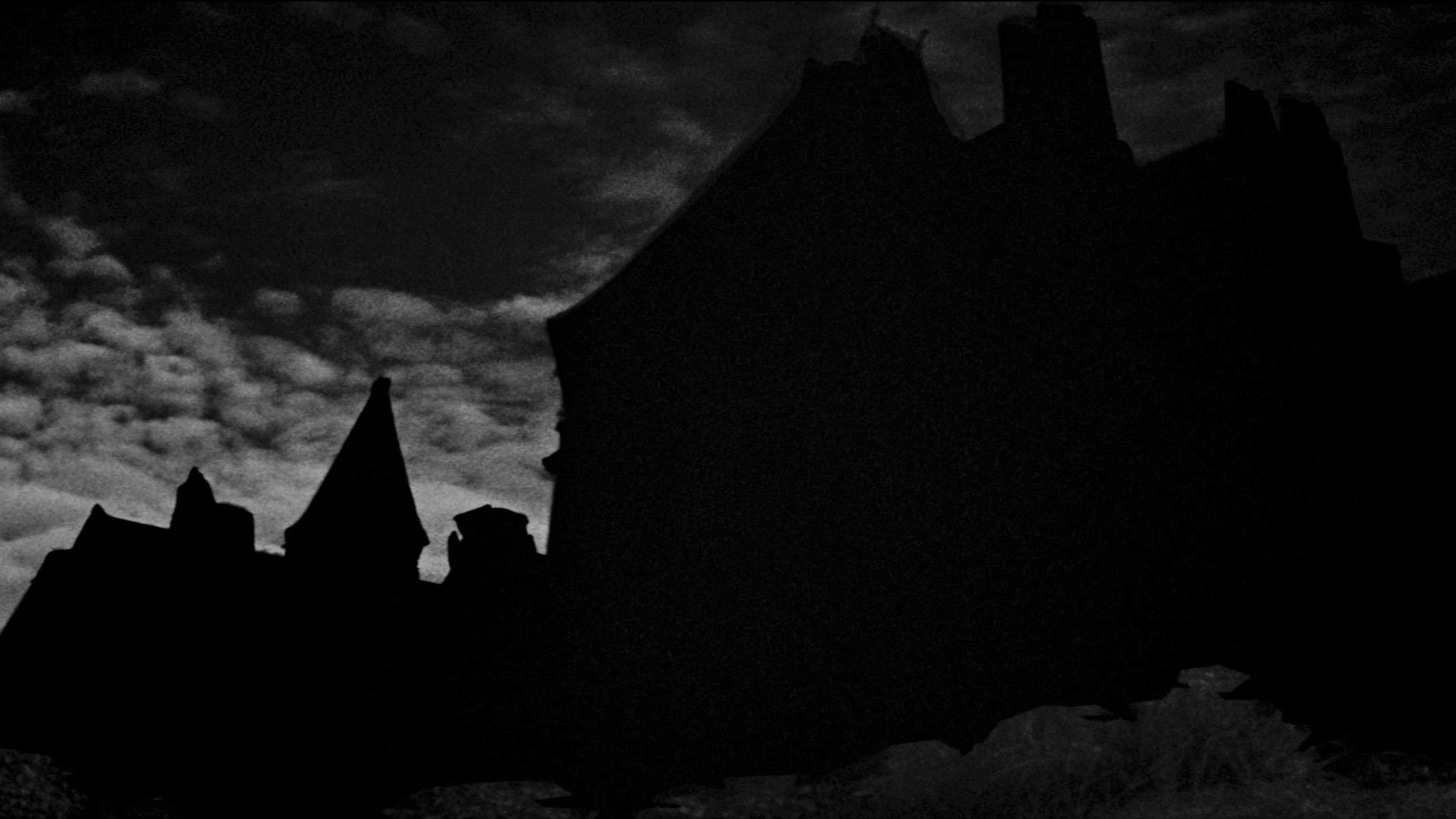
The exterior photography employed infrared-sensitive black-and-white film for selected shots. Its response to vegetation and reflected light produced unusually pale foliage, dark skies and heightened contrasts in the stonework. Wise described the effect as an important means of giving the building a monstrous appearance. The combination of infrared exteriors and distorted interior compositions created a visual identity that depended on photographic techniques rather than elaborate supernatural imagery. Low camera positions, sharply tilted angles and movements through confined rooms reinforced the impression that the building could alter the viewer’s sense of balance. The lighting also preserved substantial areas of darkness within compositions that otherwise remained spatially legible.
The practical effects were deliberately economical. Wise described constructing the famous bulging door from laminated wood, allowing a strong crew member positioned behind it to push the surface outward and gradually release the pressure. The resulting movement suggests that an enormous invisible force is breathing or pressing against the barrier. The spiral staircase required a different arrangement. A small camera platform was constructed to travel along its broad banister, with the footage subsequently reversed to obtain the desired movement. These techniques demonstrate how physical construction, camera operation and editing could suggest impossible events without materializing a supernatural figure. Their effectiveness depends on the surrounding performances and the careful preparation of the audience’s expectations.
Sound Design and Humphrey Searle’s Music
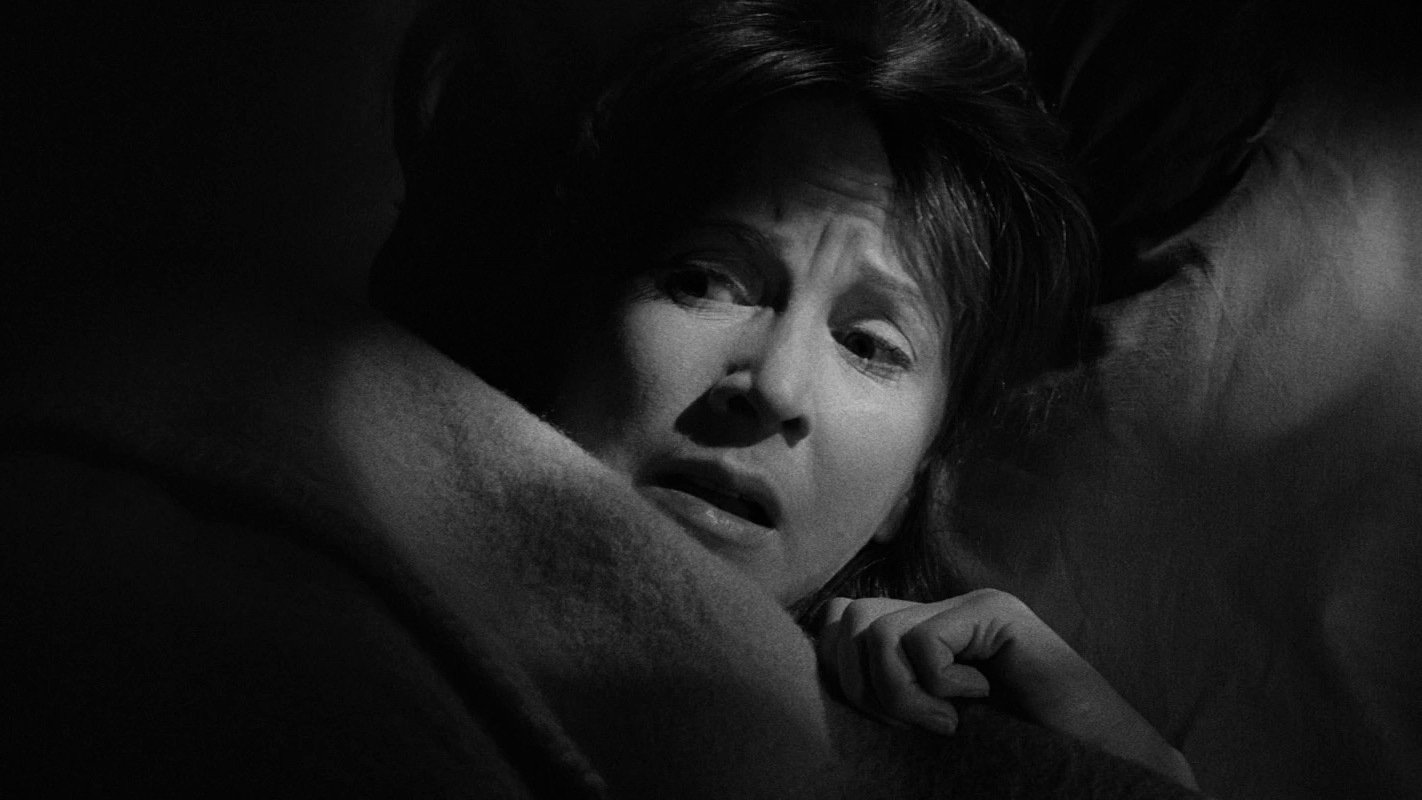
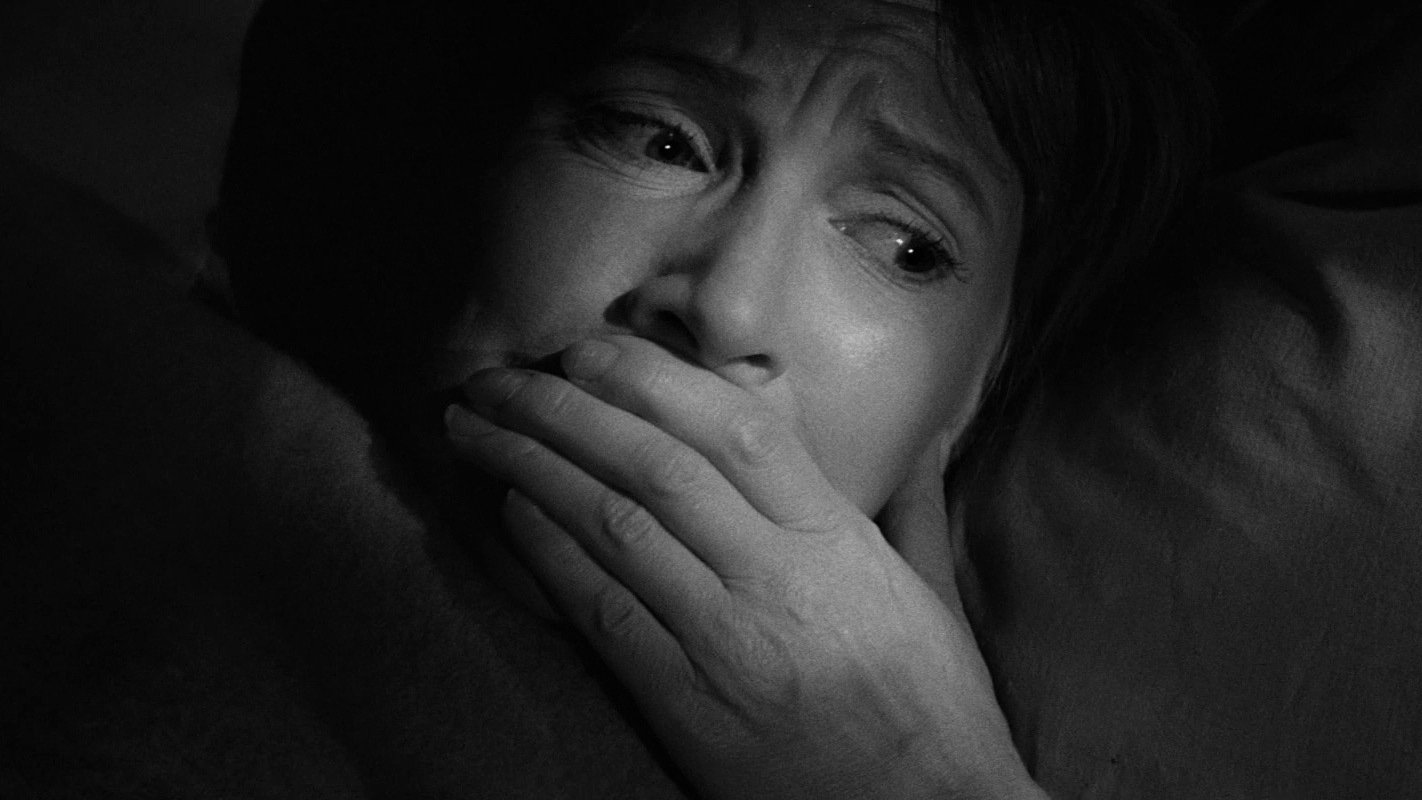
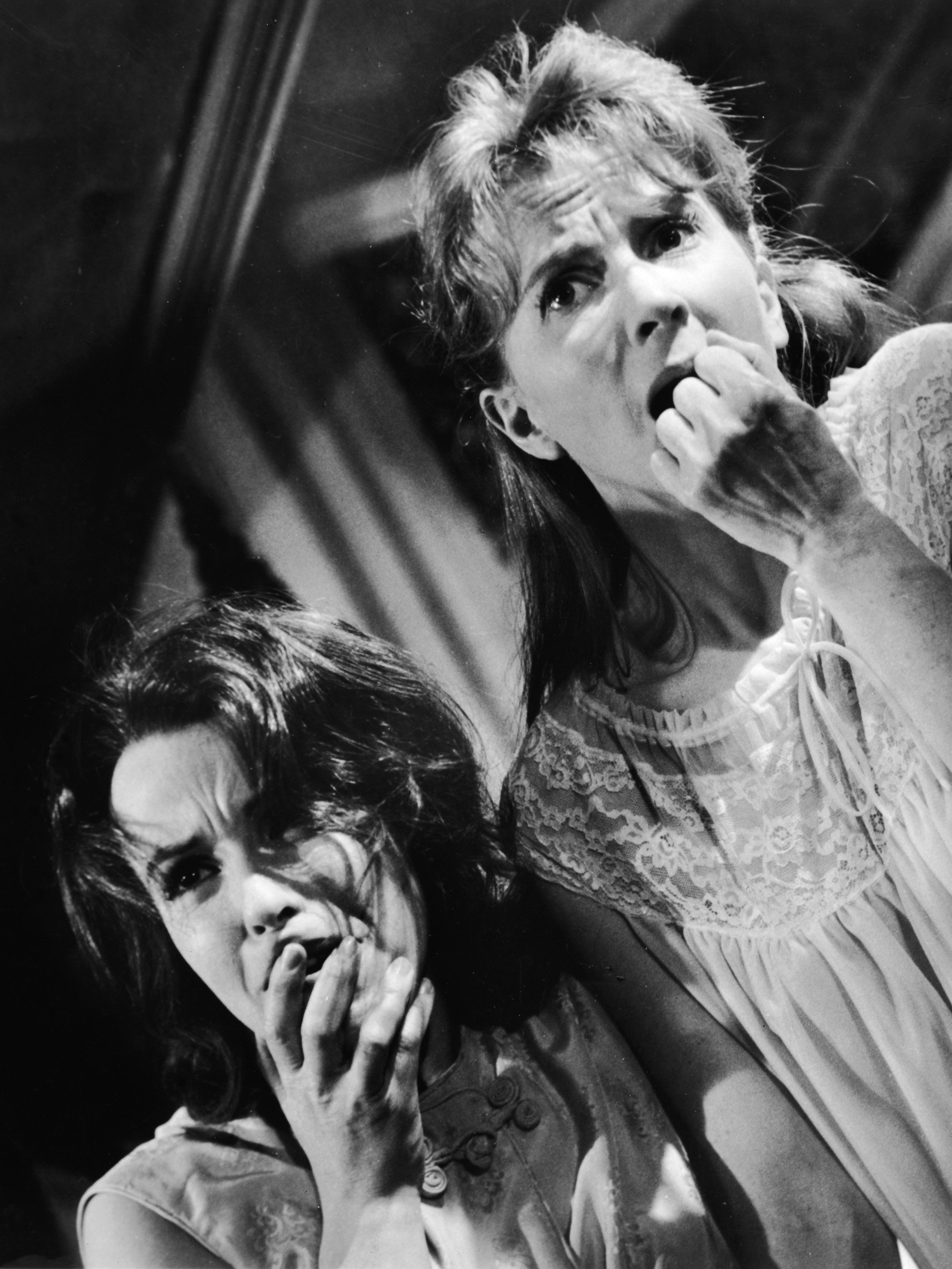
Sound is essential to the film’s supernatural encounters. Wise prepared many of the effects before principal photography so that the actors could react to noises resembling those eventually heard by the audience. During the bedroom sequence, Harris and Bloom responded to a playback system reproducing increasingly violent disturbances outside their door. The sounds included heavy impacts, groaning and movements suggesting an unidentified presence approaching the room. In the 1995 interview with Judy Sloane, Wise described using a large playback horn, while Harris remembered how the noises gradually increased in intensity. Their testimony establishes that the performances were shaped by an audible stimulus during filming rather than by instructions to imagine the disturbance.
The sound design frequently makes Hill House appear physically active. Knocking, footsteps, strained surfaces and unfamiliar vocal sounds move through rooms whose visible spaces remain apparently empty. The audience must determine the location and possible origin of a threat that the image refuses to identify. The sequence in which Eleanor believes she is holding Theodora’s hand demonstrates the interaction between sound and psychological uncertainty. When the immediate disturbance subsides, the revelation that Theodora is elsewhere makes Eleanor question what she has experienced. The scene establishes a frightening event through physical sensation and performance, while withholding visual confirmation of the presence responsible.
Humphrey Searle composed and conducted the musical score, whose orchestral writing supports the film’s psychological atmosphere. His music employs dissonance and sharply defined instrumental textures, but the soundtrack frequently gives priority to the sounds produced by the house. George E. Turner’s American Cinematographer analysis emphasizes the relationship between the score and these effects, observing that musical passages are often withdrawn when the unexplained noises become the principal source of tension. This separation allows the supernatural disturbances to occupy an acoustic environment distinct from conventional dramatic accompaniment. The film’s sound therefore combines composed music, specifically manufactured effects and periods of relative quiet, making each audible change significant within the narrative.
Production History, Theatrical Release, and Contemporary Criticism
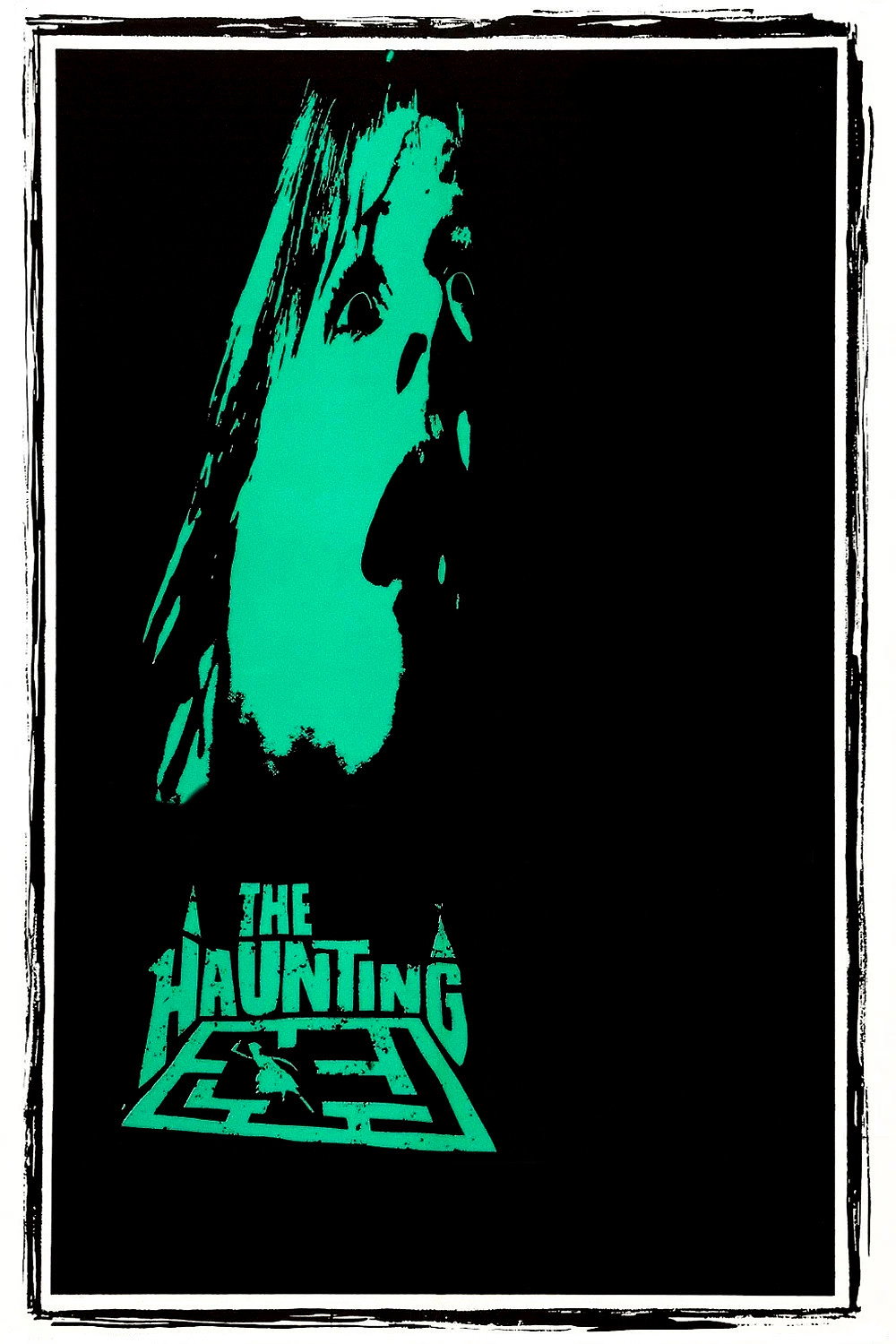
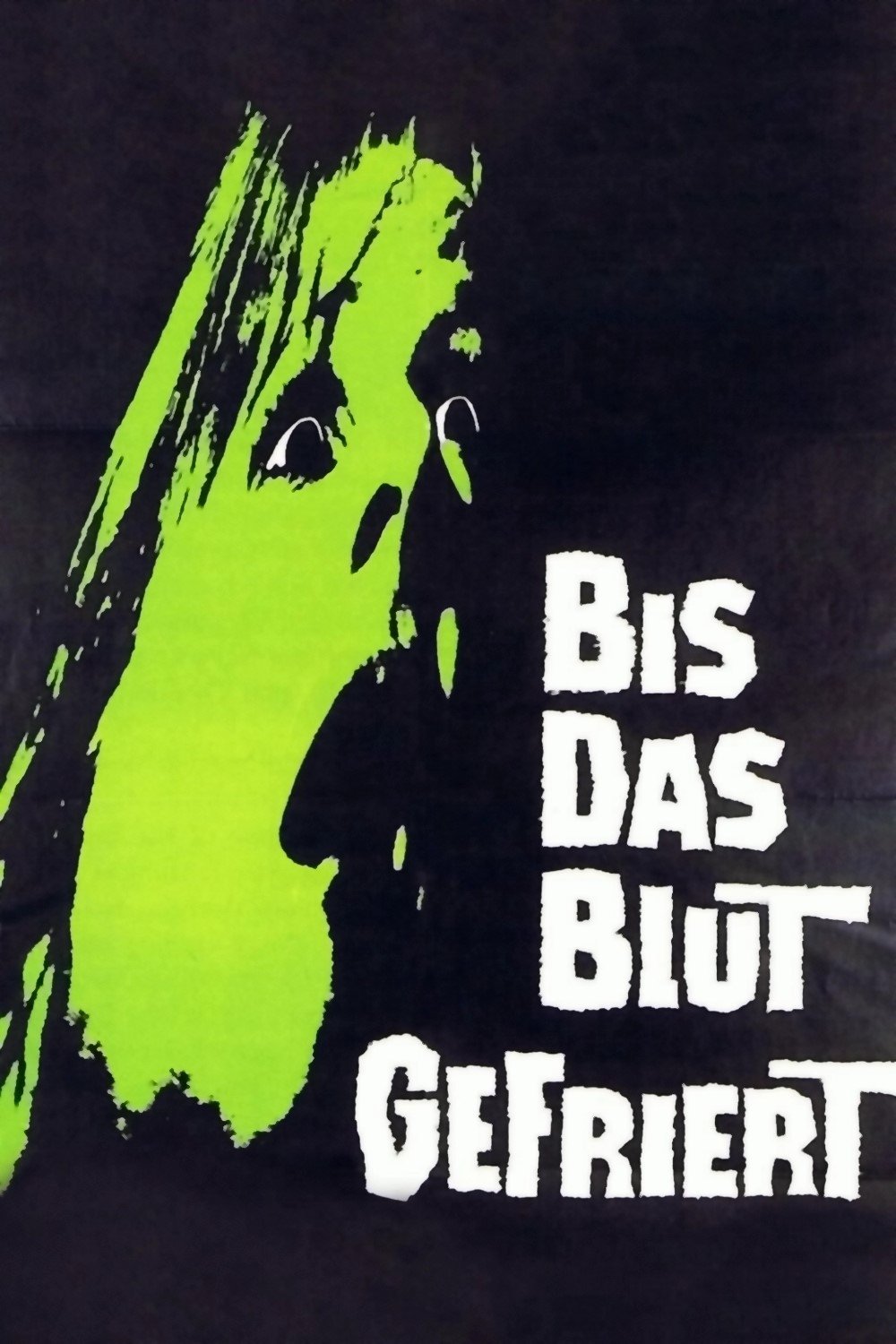
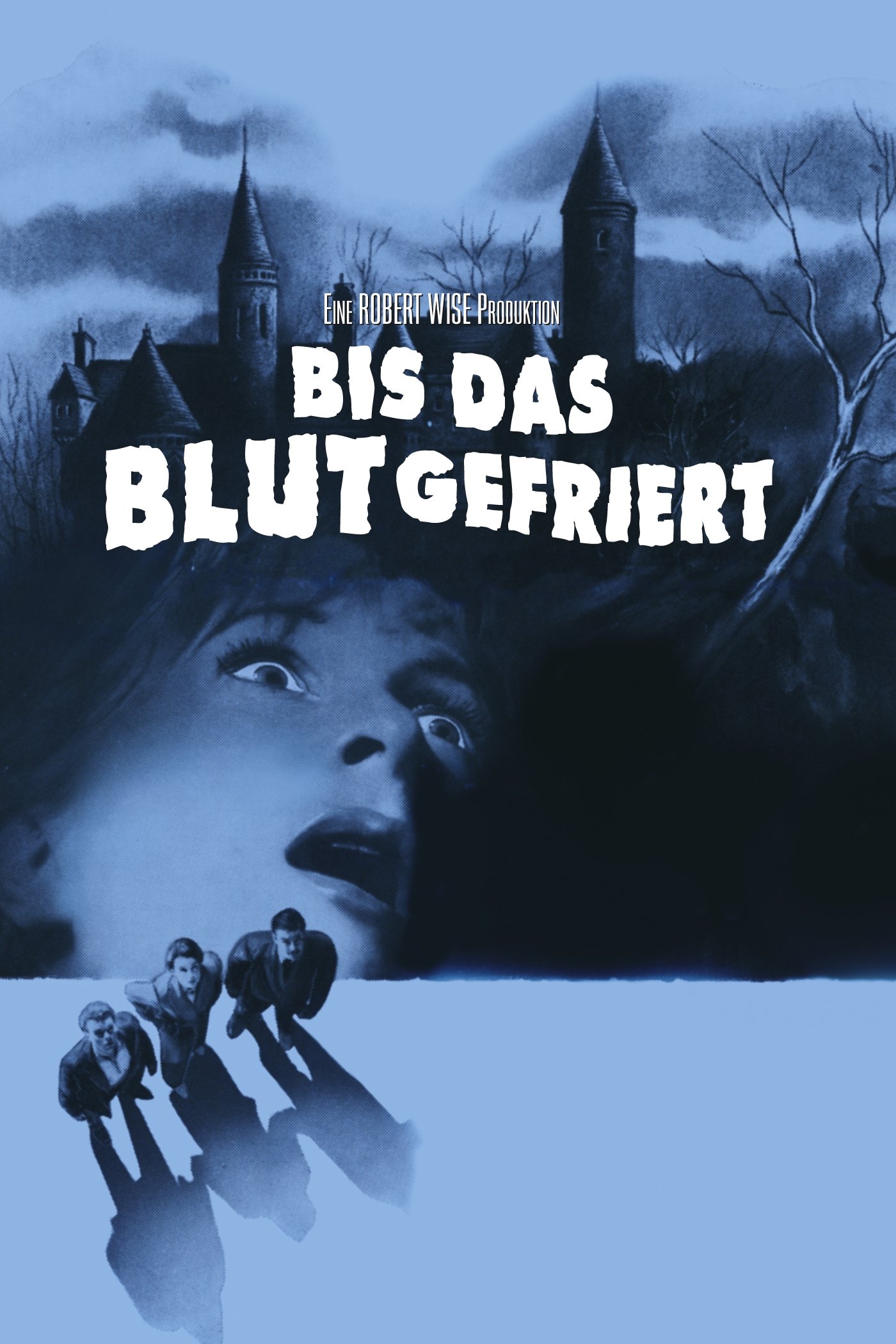
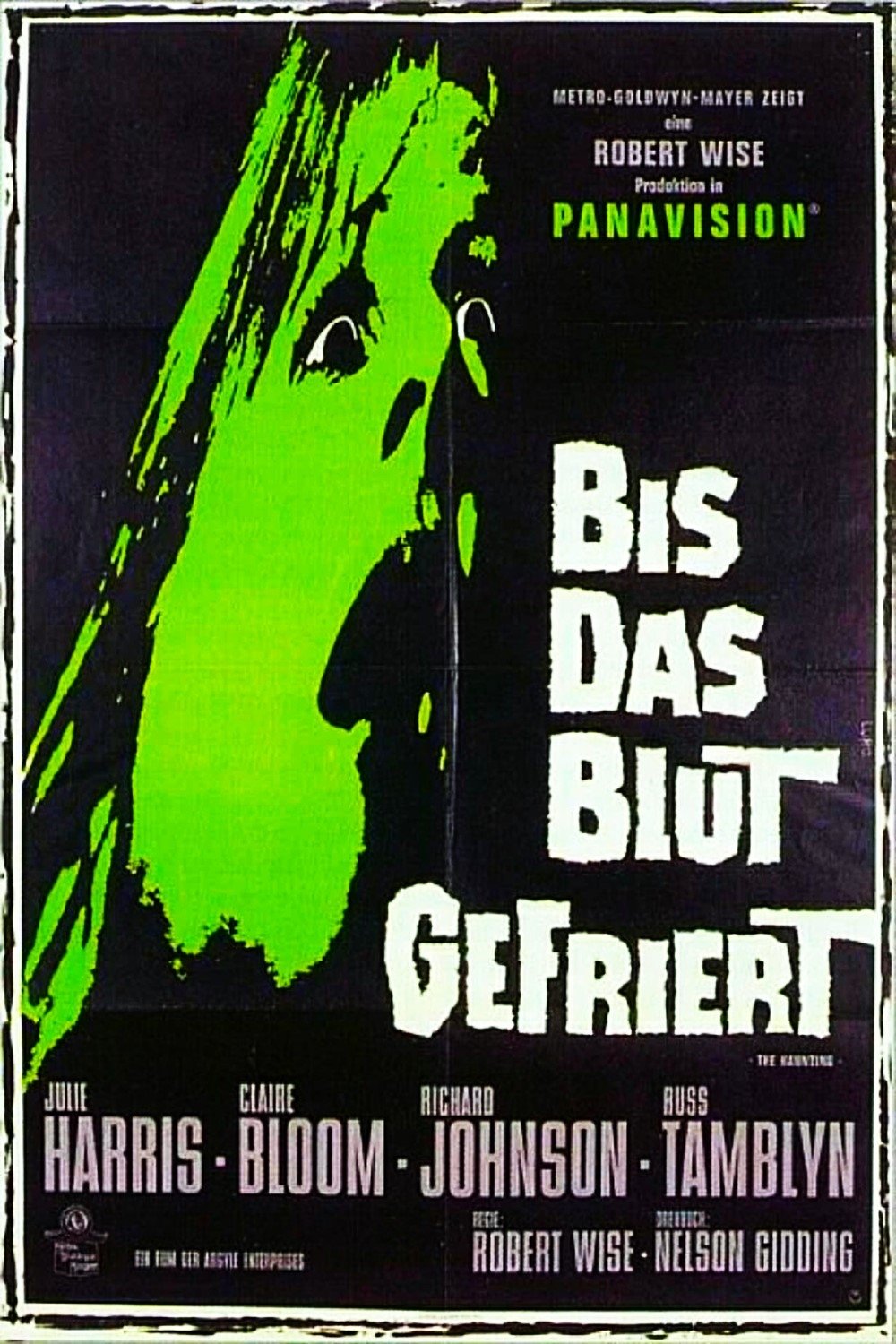
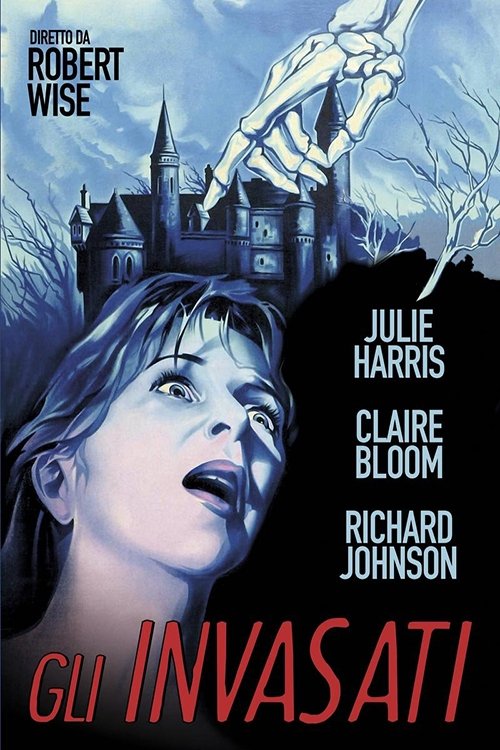
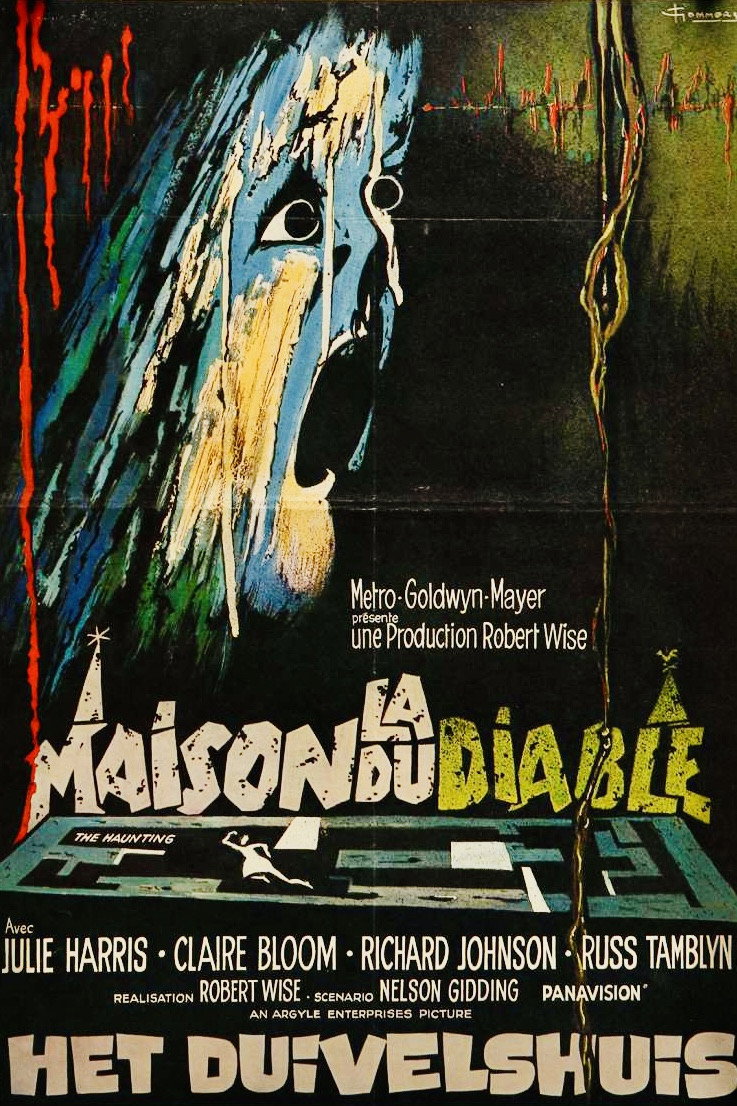
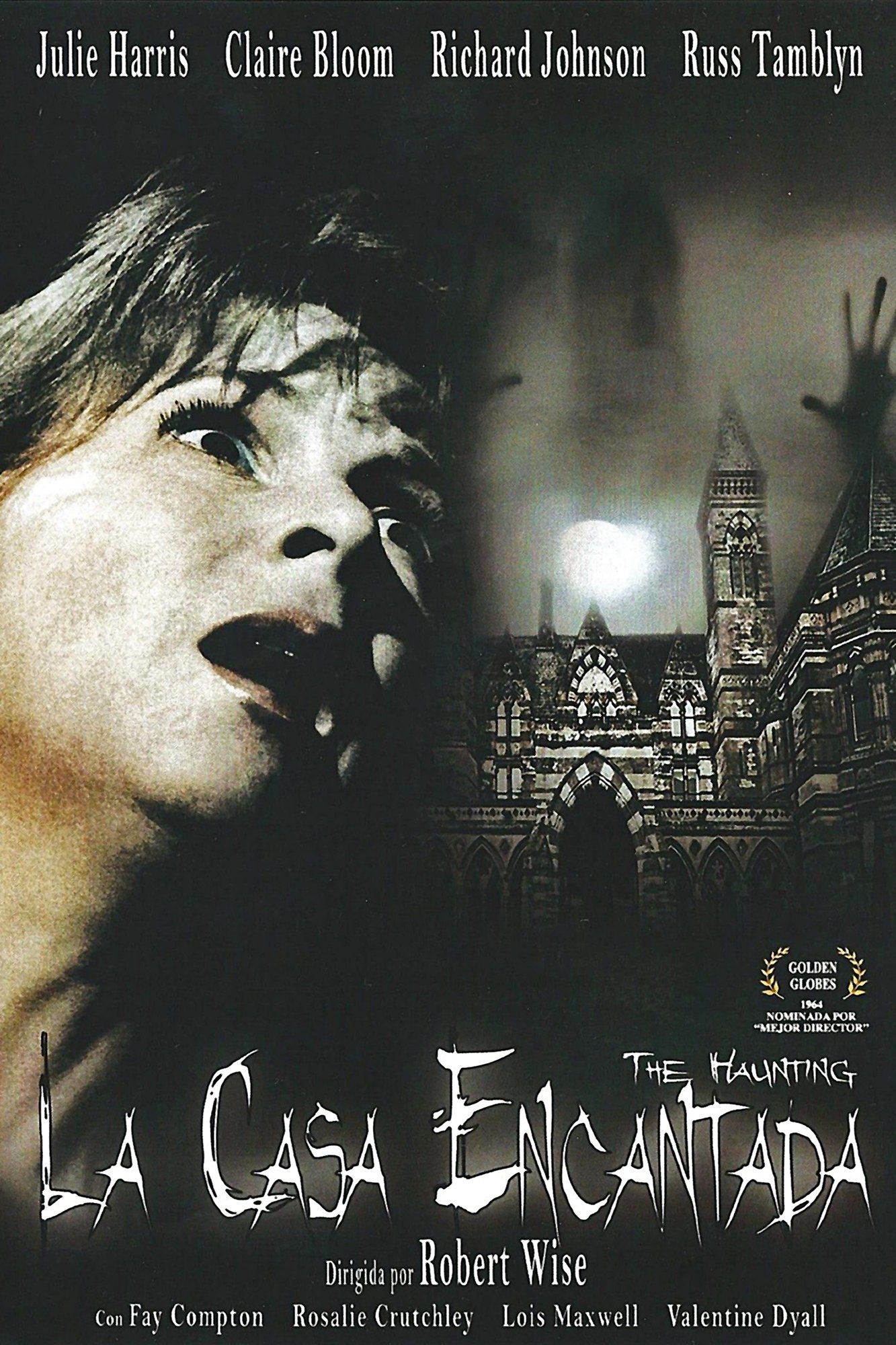
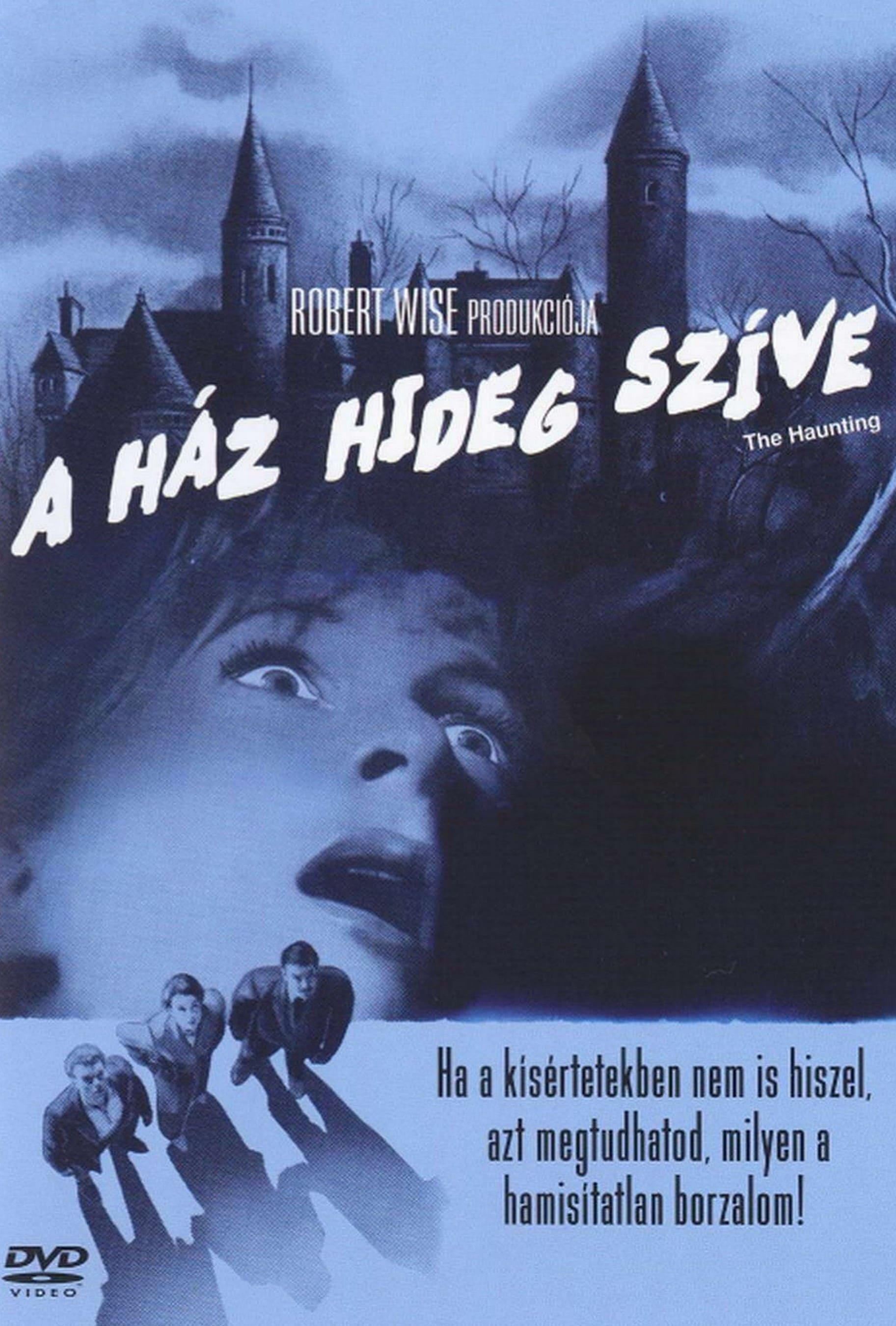
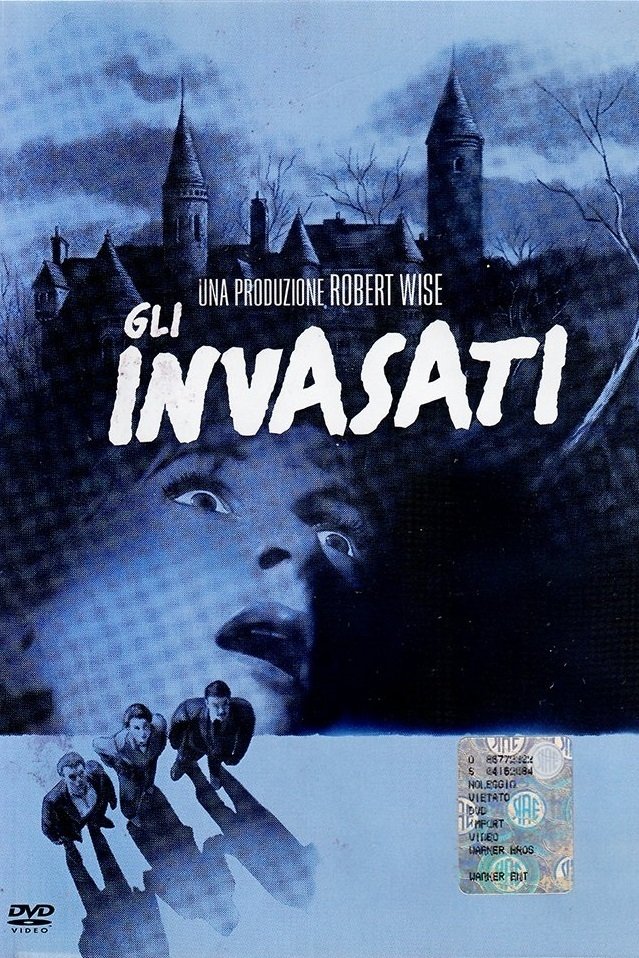
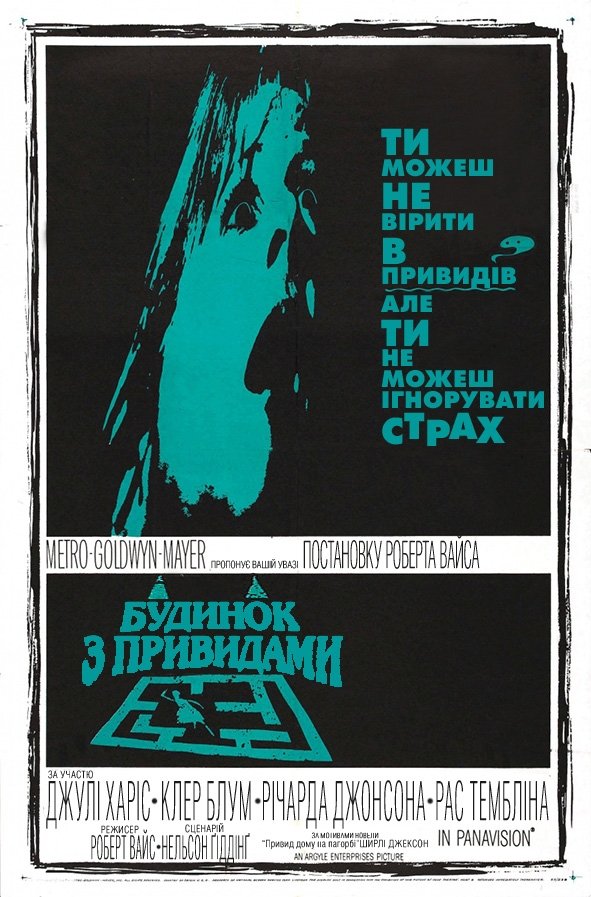
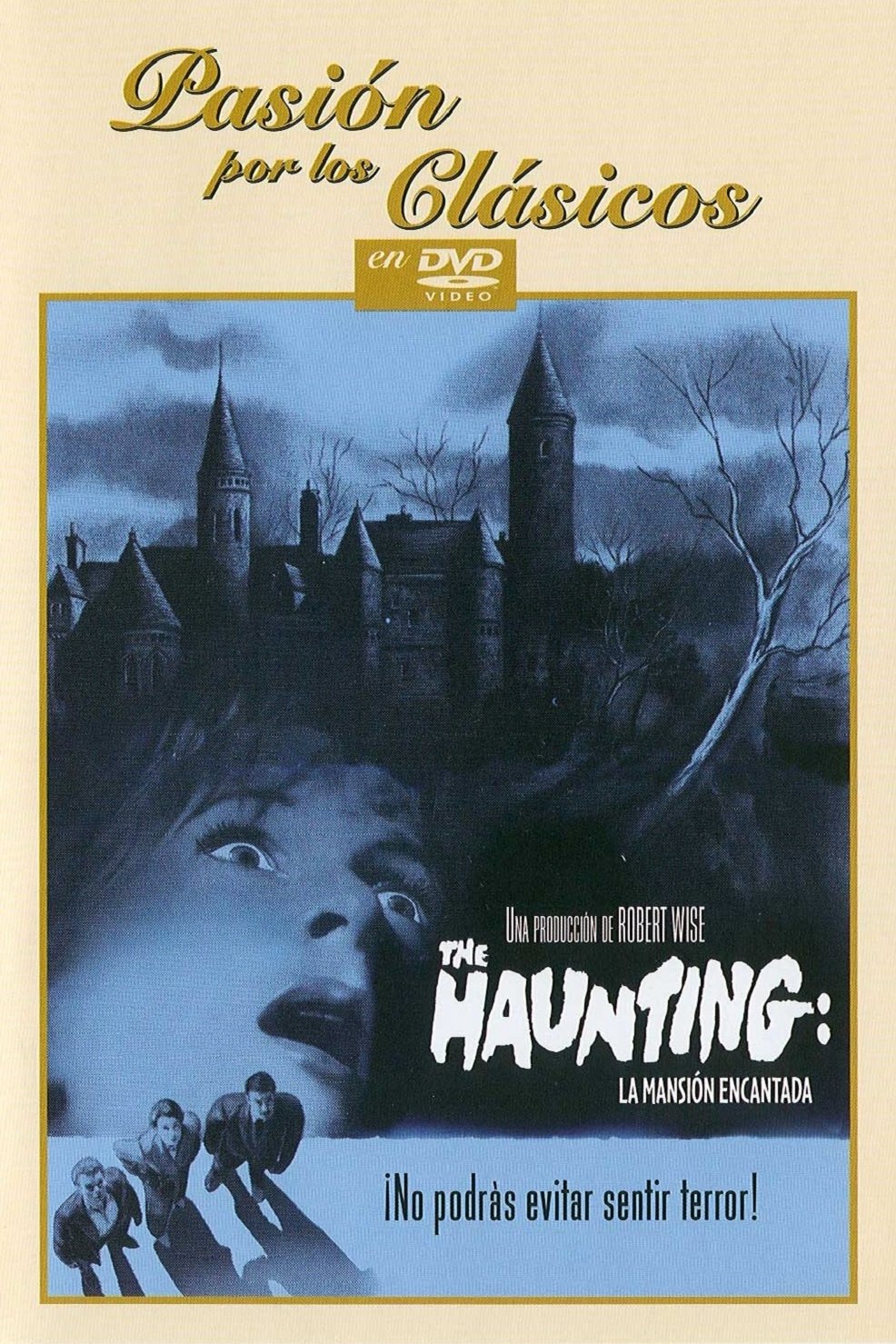
Principal photography began in Britain on October 4, 1962, after delays associated with Julie Harris’s theatrical commitments. The American Film Institute records that the production continued into early 1963, with Wise remaining involved through an extended period of post-production. The film was photographed in a 112-minute black-and-white widescreen format and distributed through MGM. The AFI documents simultaneous New York and Los Angeles openings on September 18, 1963. Studio promotion encouraged public interest in supernatural phenomena, including a campaign that solicited accounts of paranormal experiences. Parapsychologist Nandor Fodor participated in promotional appearances connected with the investigation of these claims.
The initial critical reception was divided. Bosley Crowther, reviewing the film for The New York Times, praised the performances of Harris and Bloom and acknowledged the effectiveness of individual frightening scenes, but questioned the dramatic logic of the overall narrative. Variety likewise admired the technical achievement, particularly Boulton’s cinematography and the impression of the house as an active presence, while criticizing aspects of Gidding’s screenplay. Time was substantially less sympathetic, regarding the supernatural material as conventional. These assessments demonstrate that the film’s photographic and acoustic accomplishments could be recognized even by reviewers who considered its dramatic construction unsatisfactory.
Other contemporary responses were strongly favourable. Life praised the film’s ability to create fear through the experiences of its female characters, while Parents magazine selected it as its picture of the month in September 1963. Contemporary trade reporting recorded encouraging receipts from selected opening engagements, including approximately $29,000 from one New York cinema and $27,000 from a Chicago location. These figures describe individual theatrical engagements rather than the film’s complete domestic earnings. Wise subsequently received a Golden Globe nomination for Best Director. The contrast between the contemporary reviews and later evaluations illustrates how the film’s reputation developed beyond the immediate commercial and critical conditions of its release.
Historical Position and the Legacy of Hill House
The Haunting occupies a distinctive position within the development of supernatural horror because of its combination of psychological characterization and formal experimentation. Wise’s return to the principles associated with Val Lewton placed the unseen threat at the centre of the production. The film’s extensive use of sound and distorted photography demonstrates how supernatural violence can be represented through the response of characters and changes within apparently ordinary environments. Its treatment of Eleanor also gives emotional vulnerability a structural role: the haunting develops through a character whose experiences cannot be separated from her isolation, guilt and need for acceptance. These elements are identifiable within the completed film, independently of later interpretations of its ambiguous ending.
The film underwent substantial critical reassessment during the following decades. In an essay originally published by Sight and Sound in February 1994, filmmaker Brian Yuzna described how its reliance on atmosphere, performance and unexplained phenomena continued to frighten him despite repeated viewings. His analysis emphasized the importance of Jackson’s literary construction and Wise’s ability to translate the source material into cinematic terms. George E. Turner’s 1999 American Cinematographer retrospective likewise examined the technical achievement of the photography and the continued effectiveness of the sound design. These evaluations provide evidence of a developing historical reputation that differed from the objections raised during the original release.
Later recognition also came from filmmakers and retrospective critical surveys. Martin Scorsese placed The Haunting first in a 2009 selection of his favourite horror films, identifying its unusually effective use of fear. The original novel received a new theatrical adaptation in 1999, directed by Jan de Bont, while Mike Flanagan’s television series The Haunting of Hill House (2018) drew independently on Jackson’s literary material. These productions belong to the broader adaptation history of the novel and should not automatically be described as direct continuations of Wise’s film. The 1963 production remains historically significant for the documented integration of experimental anamorphic photography, carefully designed acoustic disturbances and an intensely subjective approach to the haunted-house narrative.