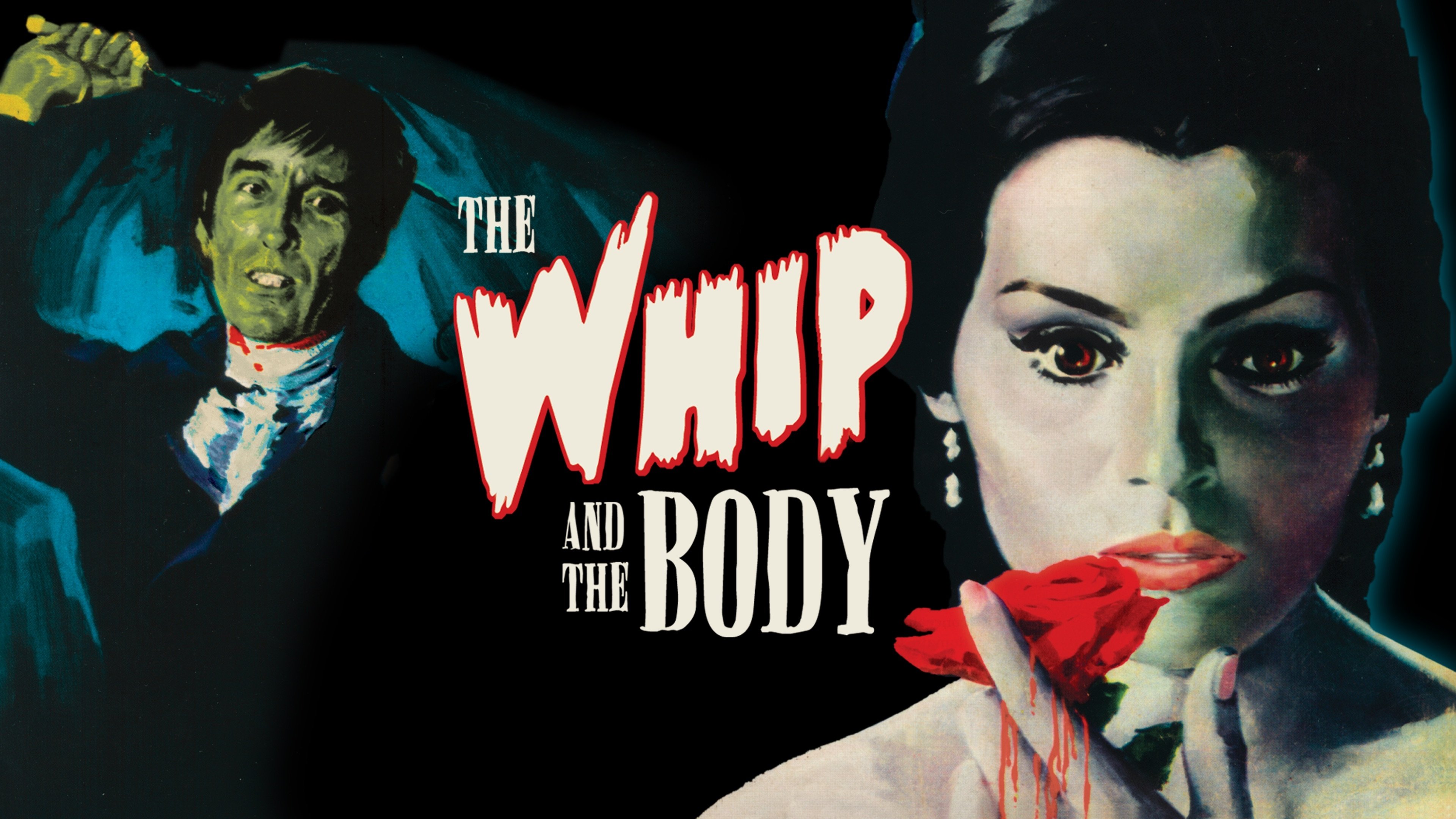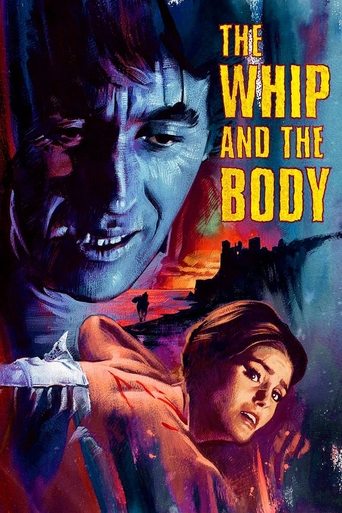
The Whip and the Body (1963)

IT
HORROR FILM Mystery Drama
SUBGENRES GOTHIC
Runtime
87 min
Release
August 29, 1963
Budget
$66,500
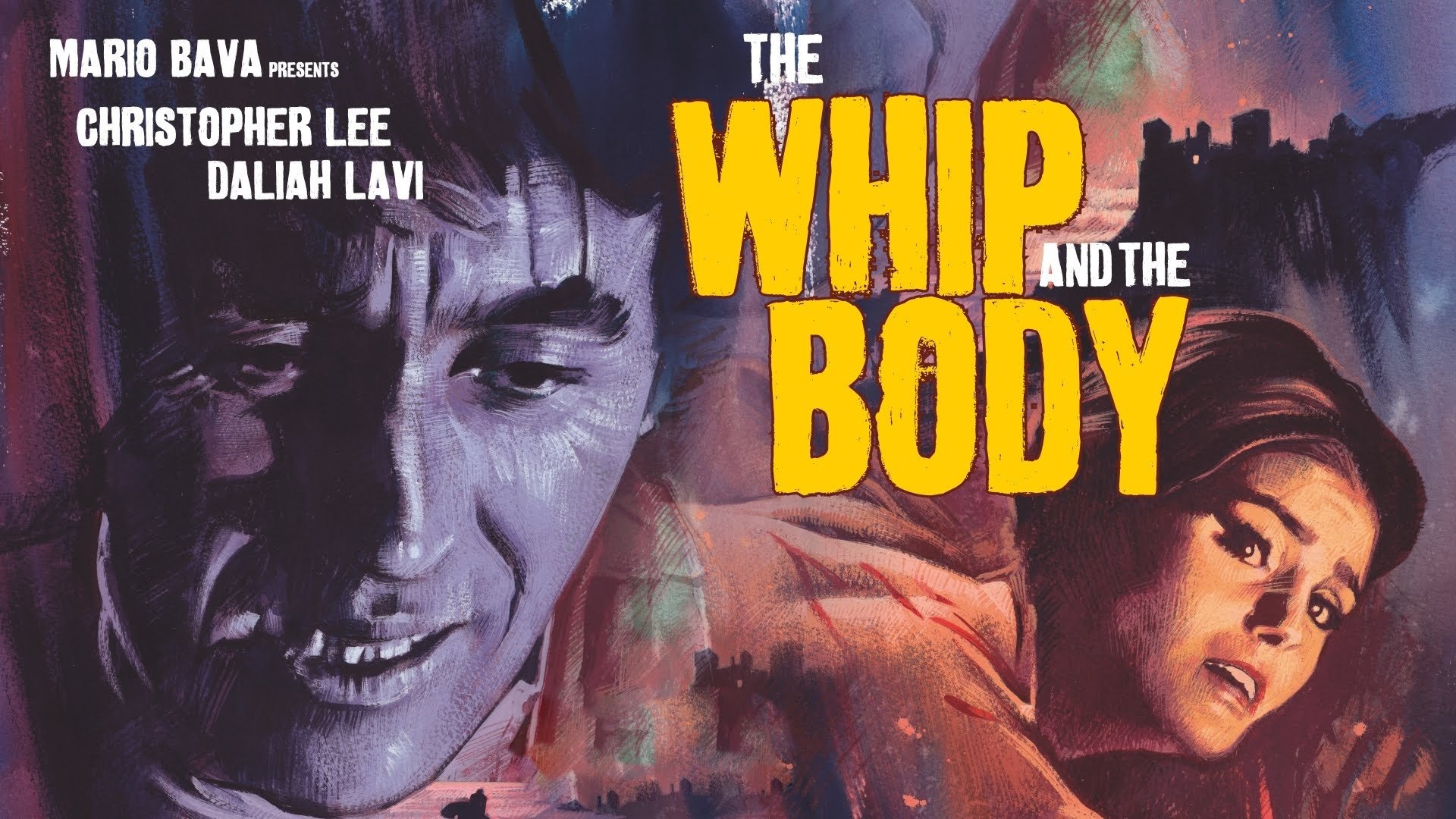
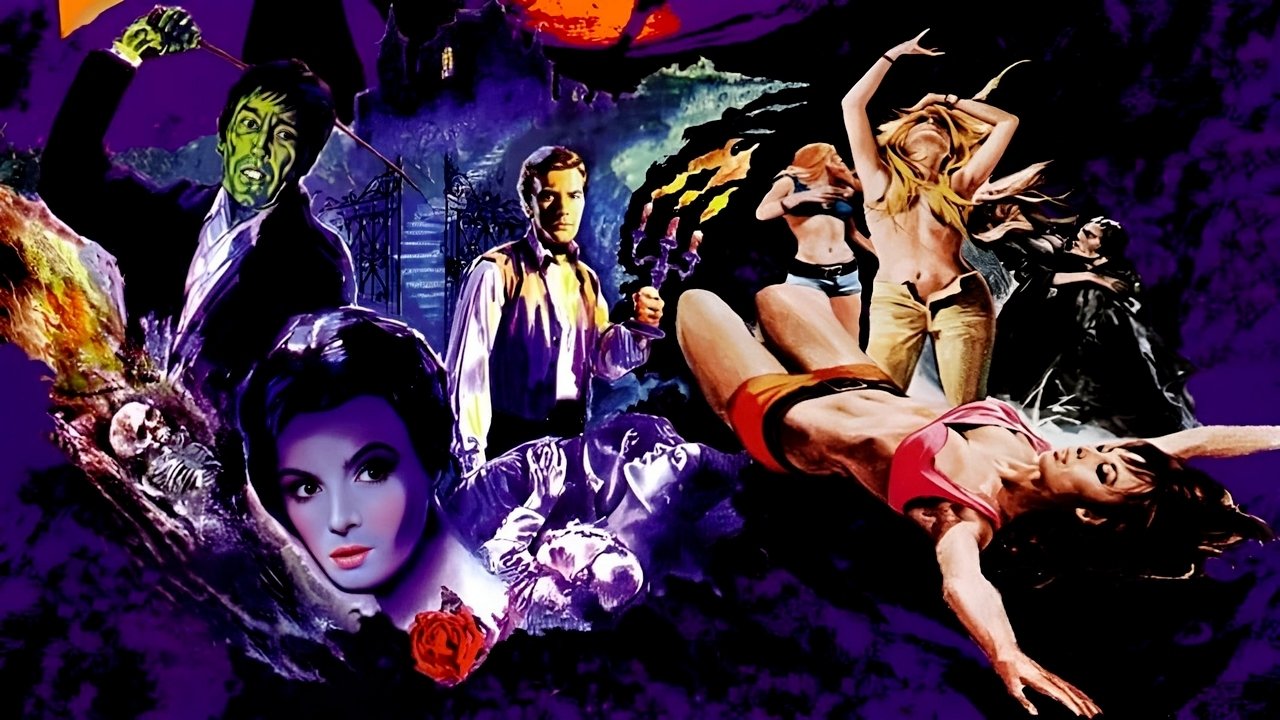
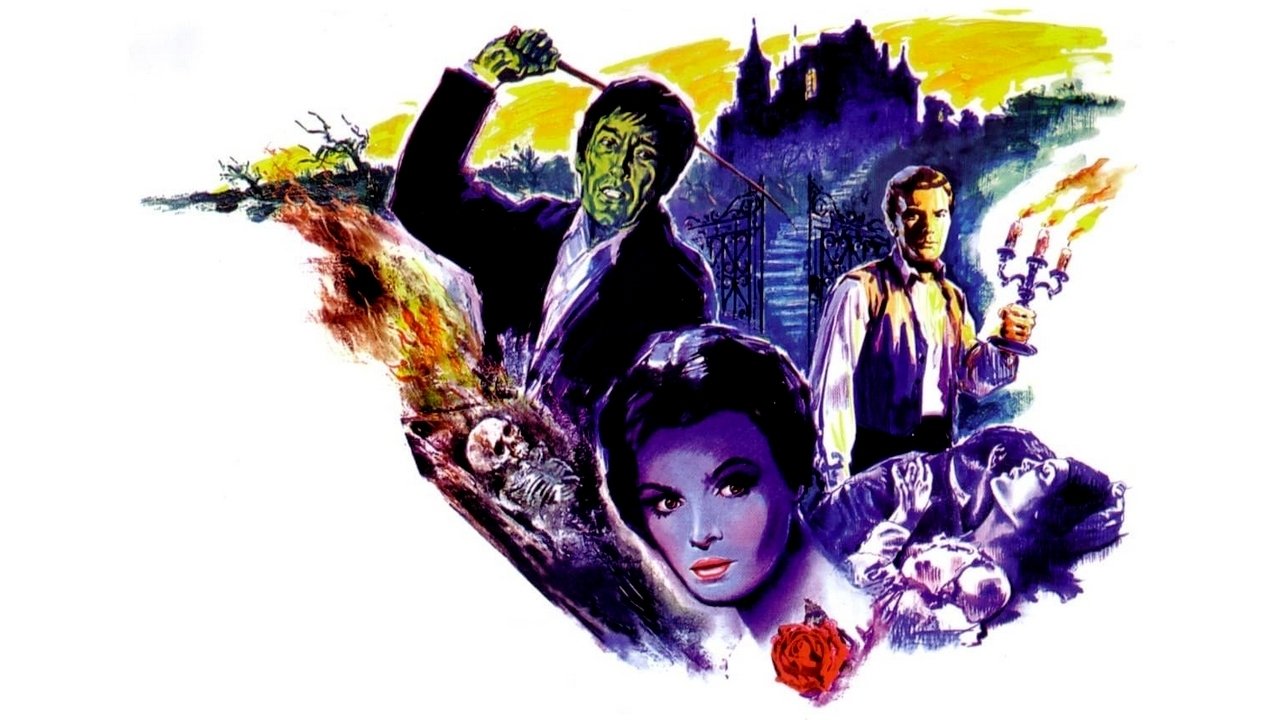
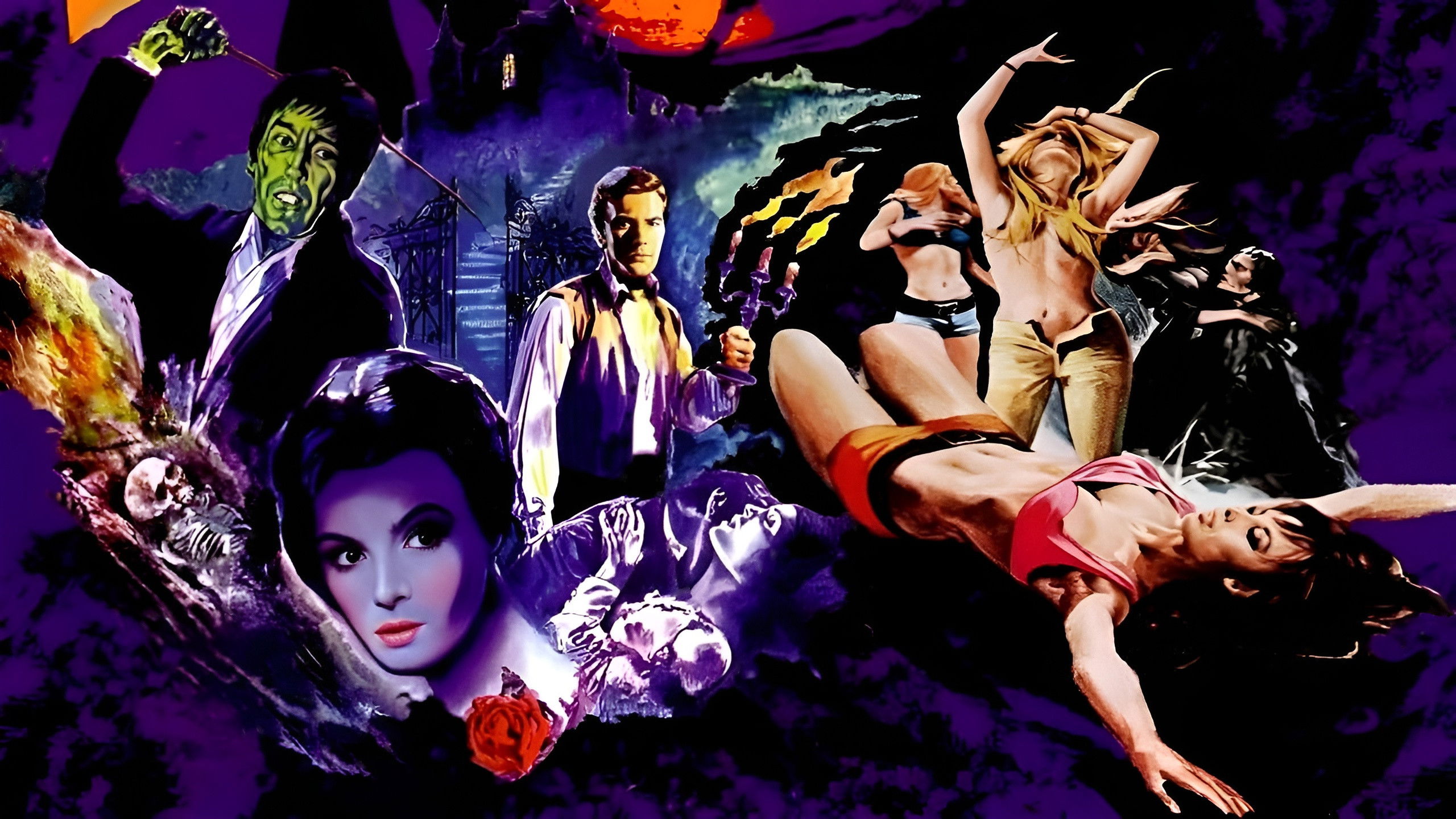
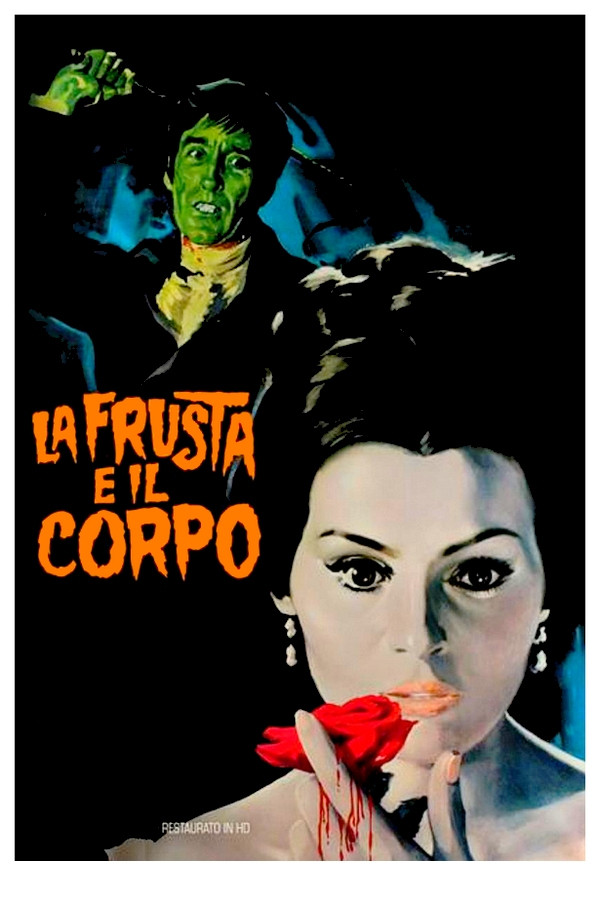
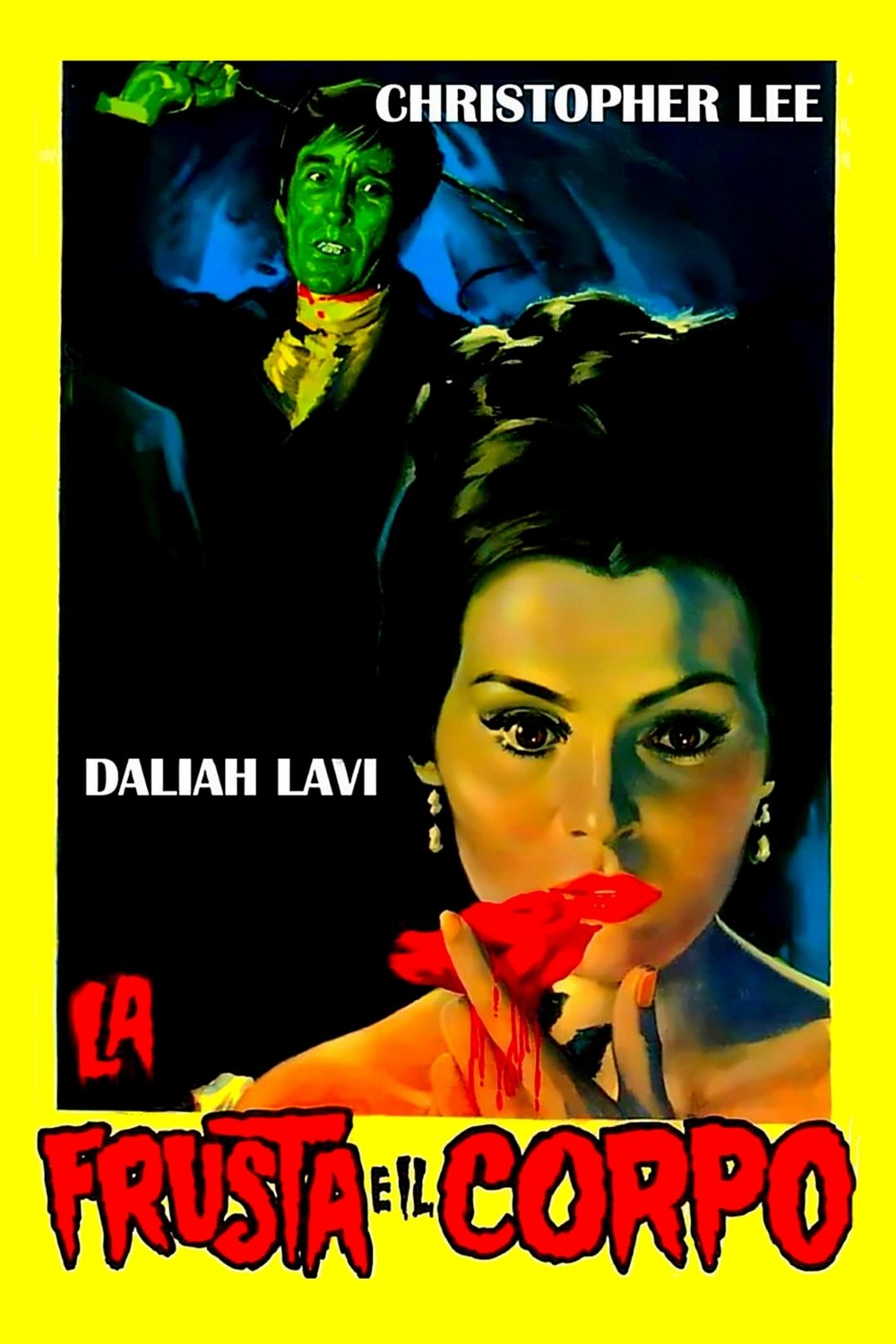
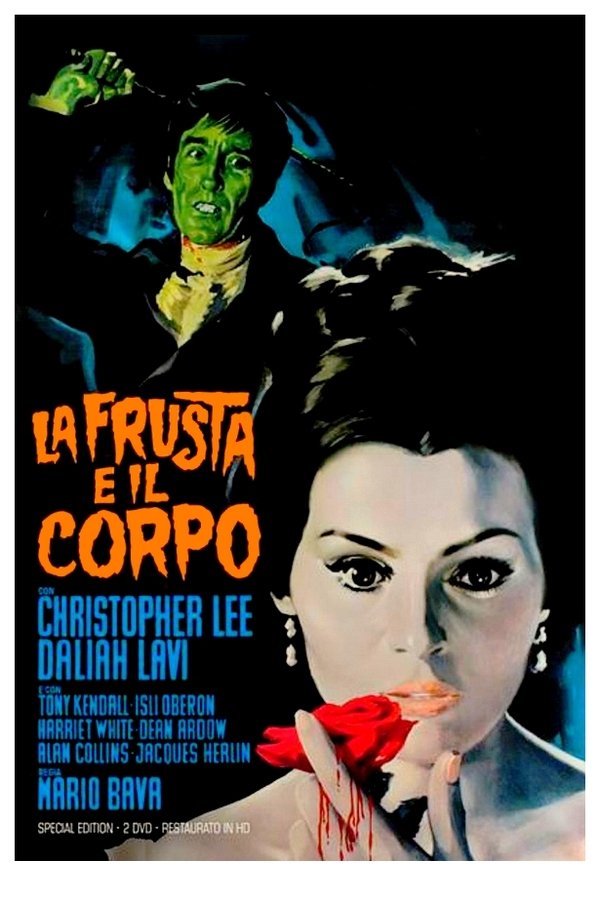
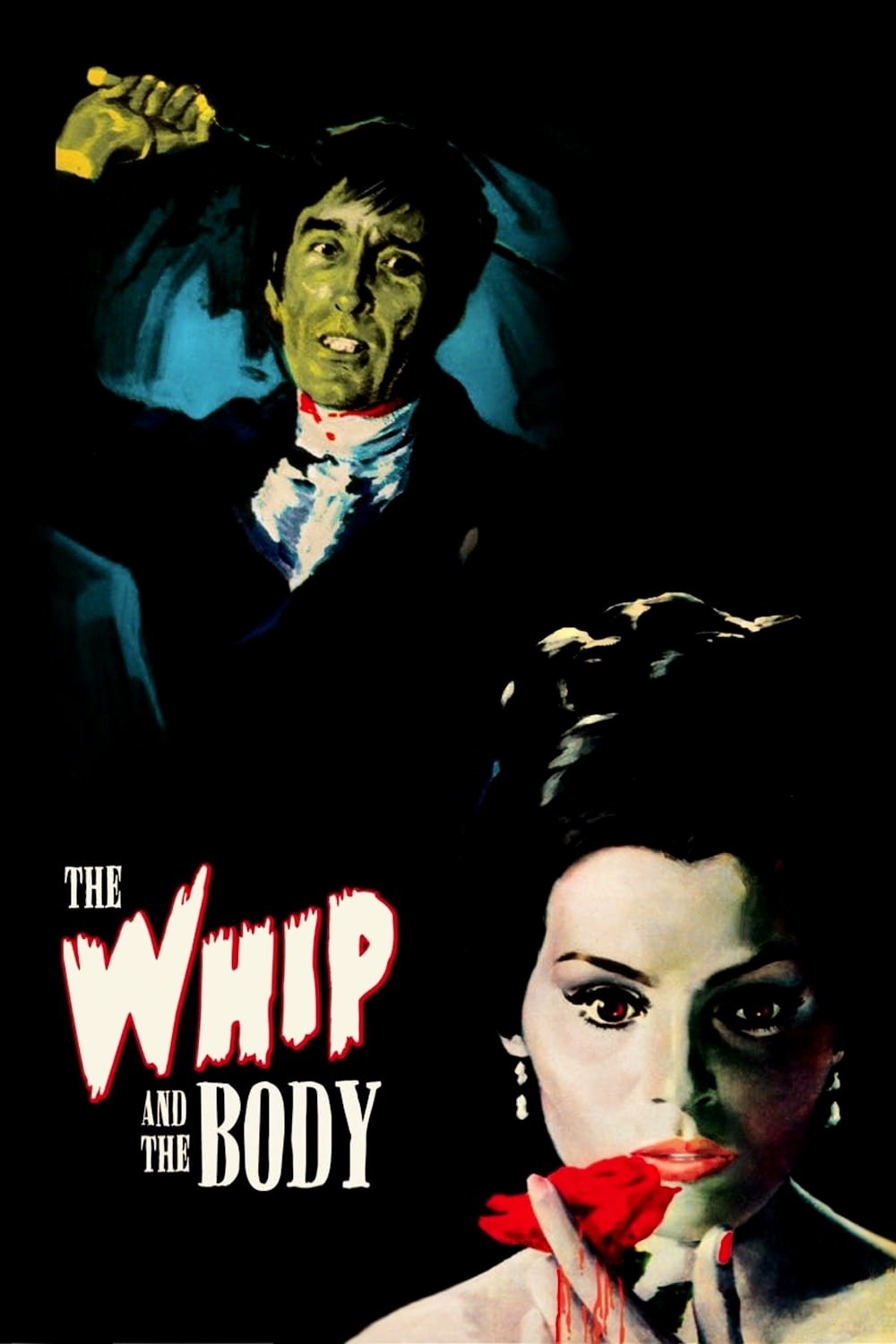
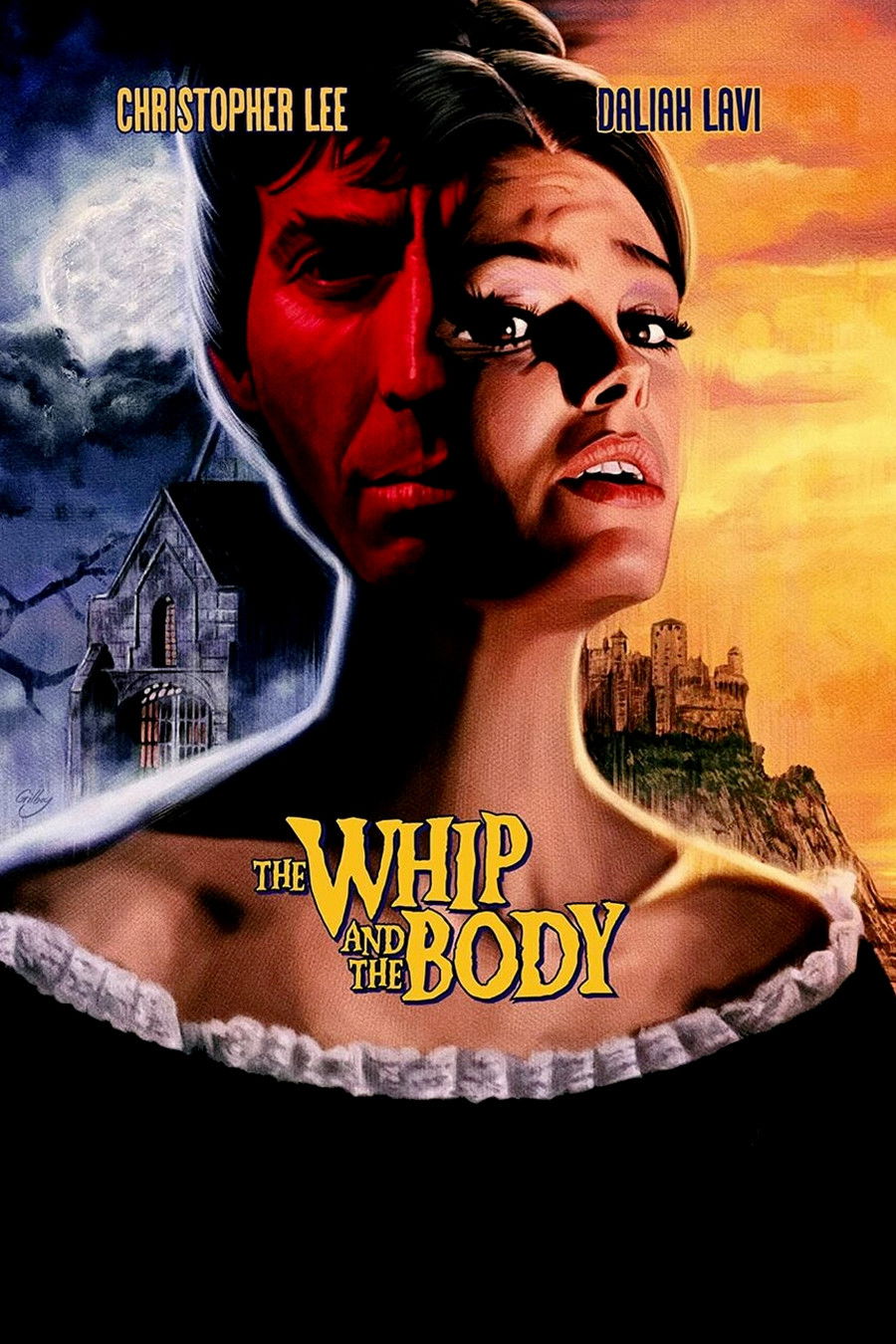
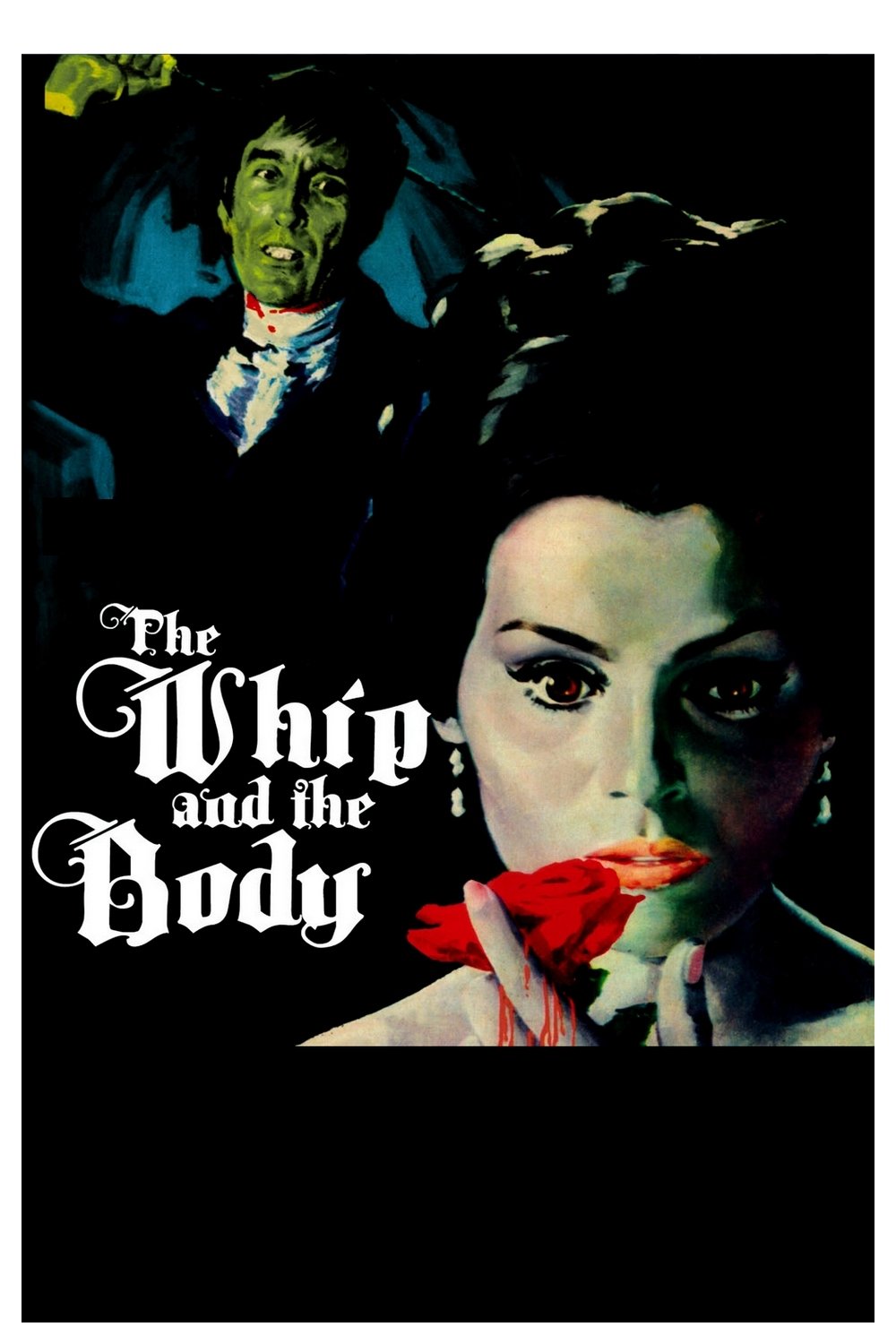
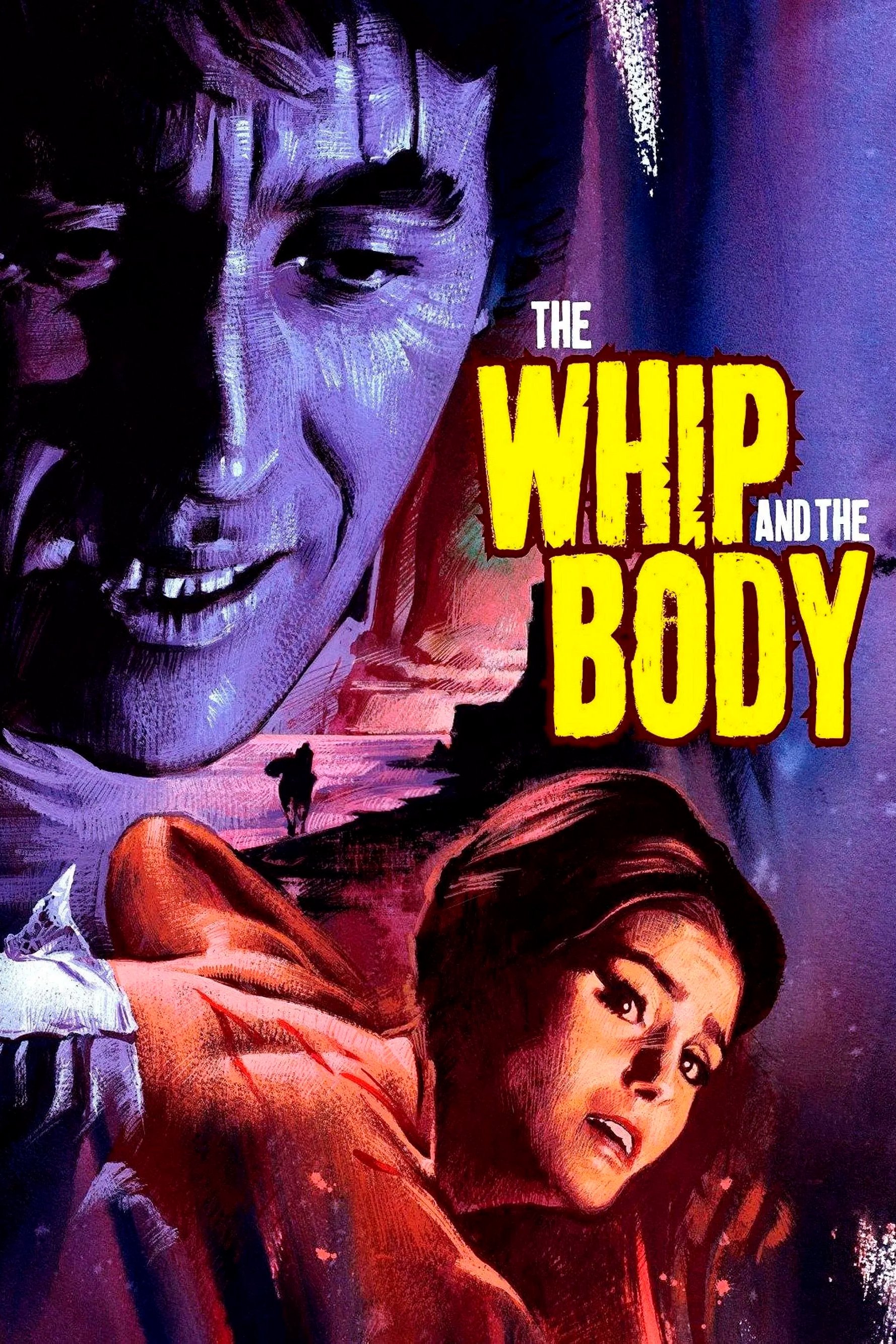
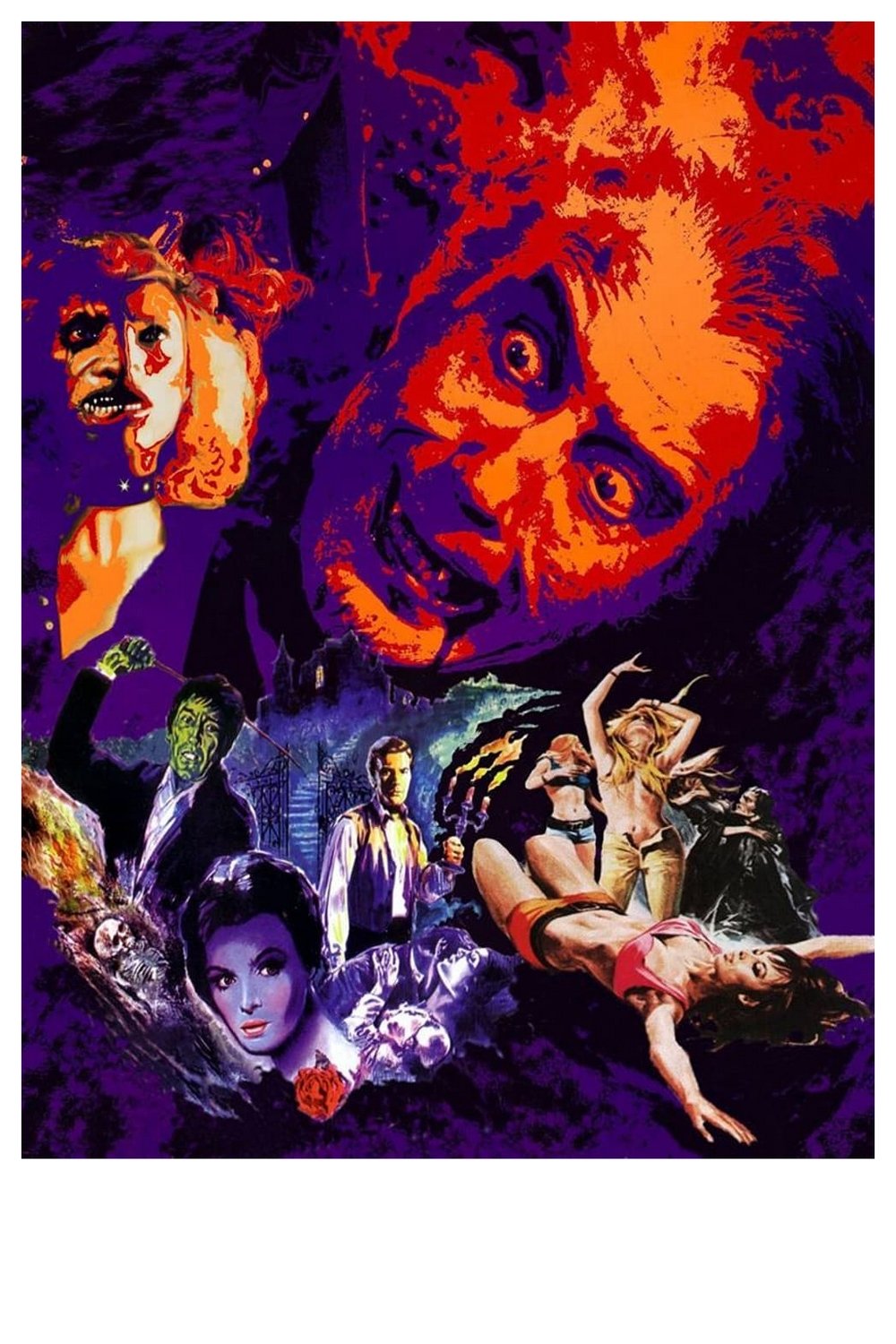
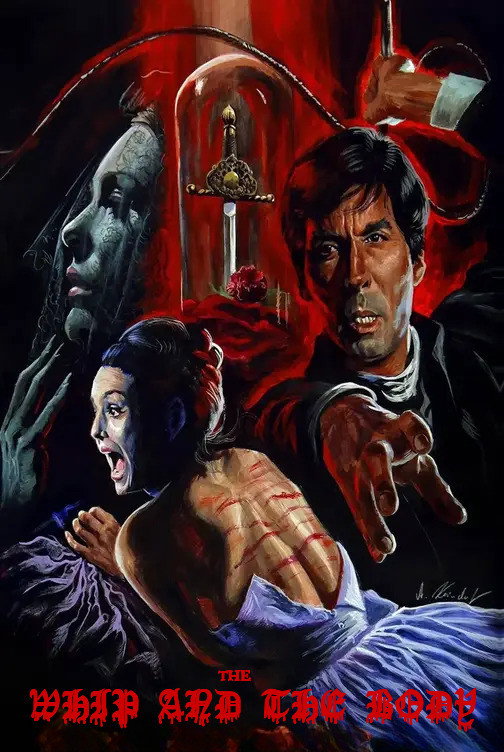
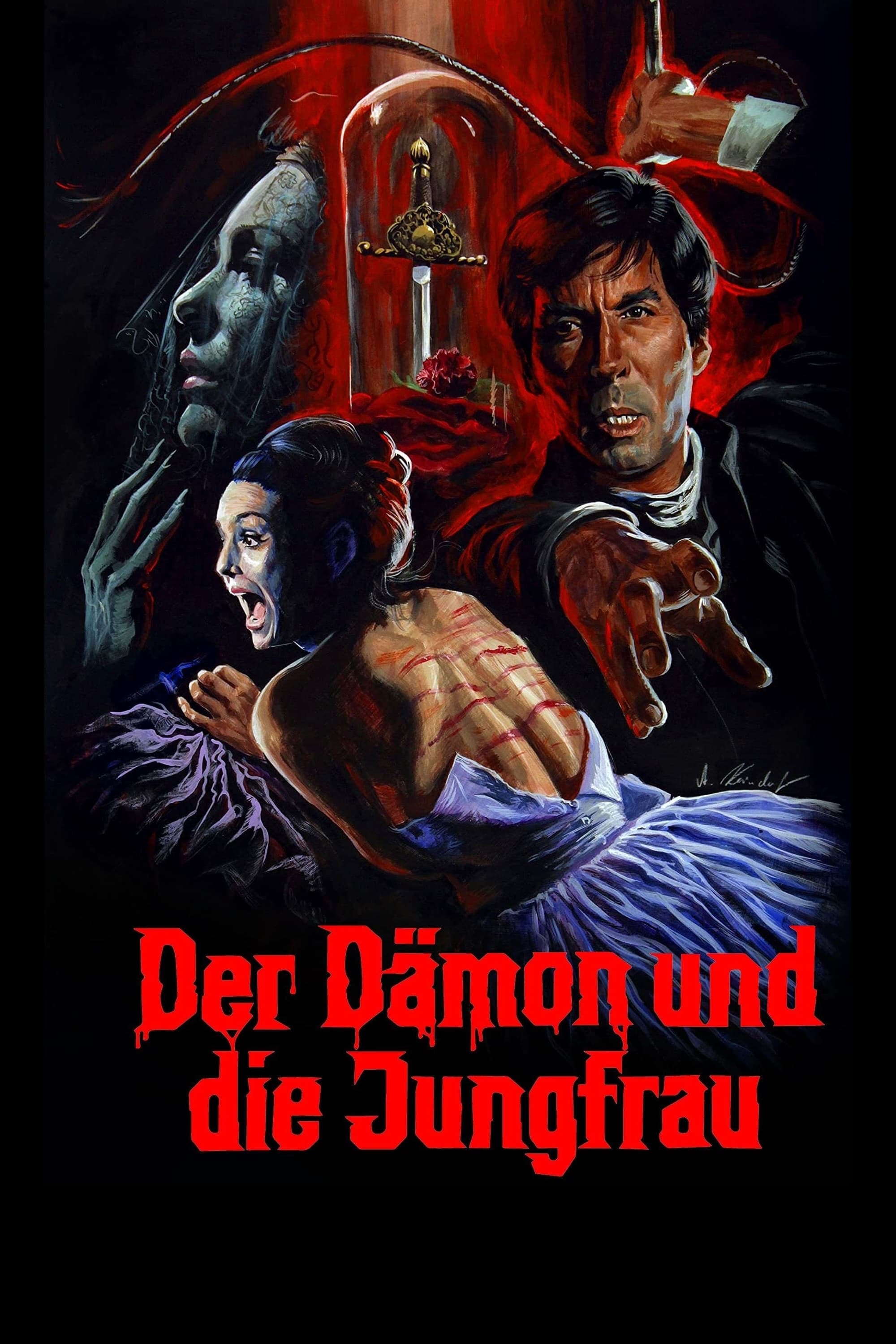
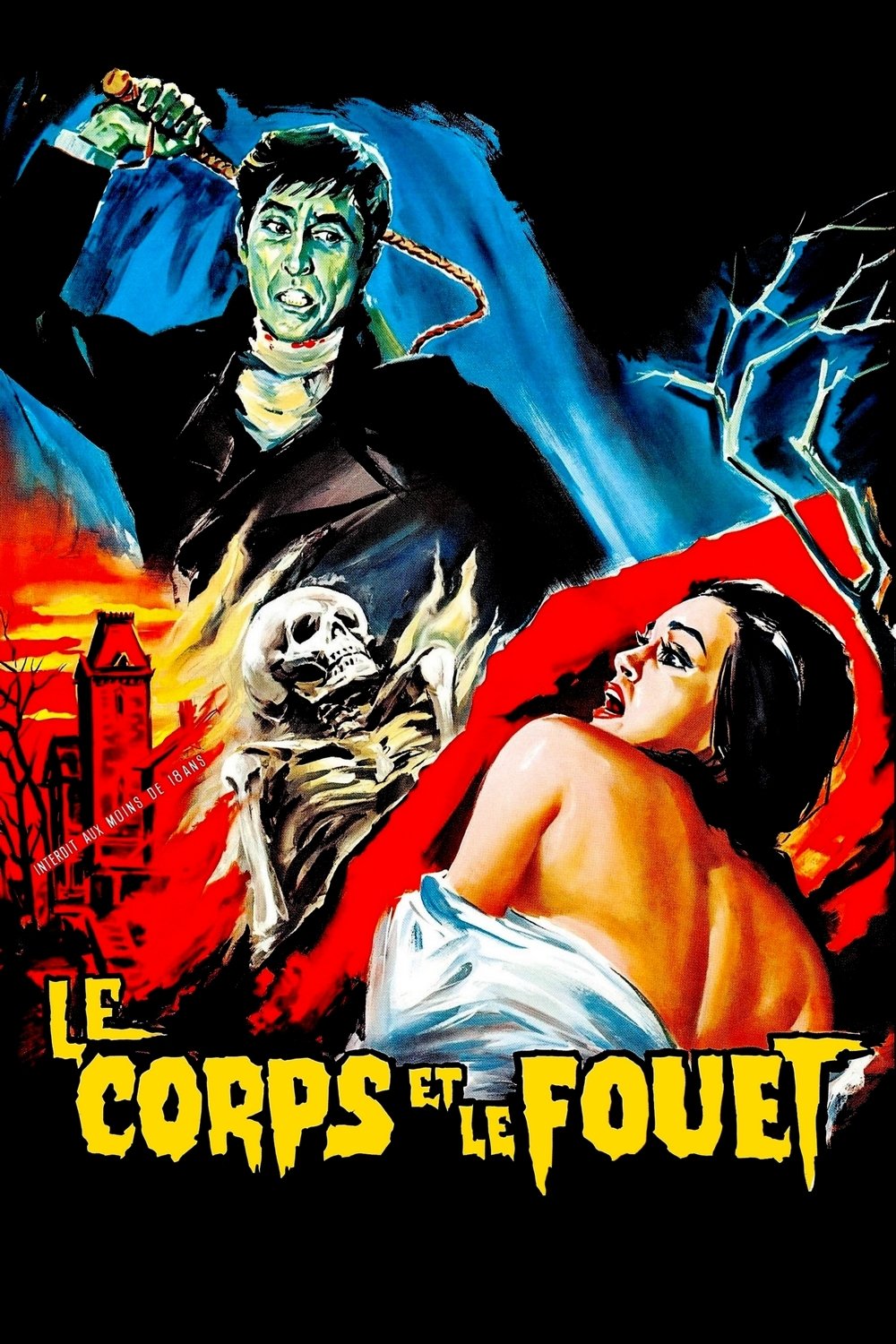
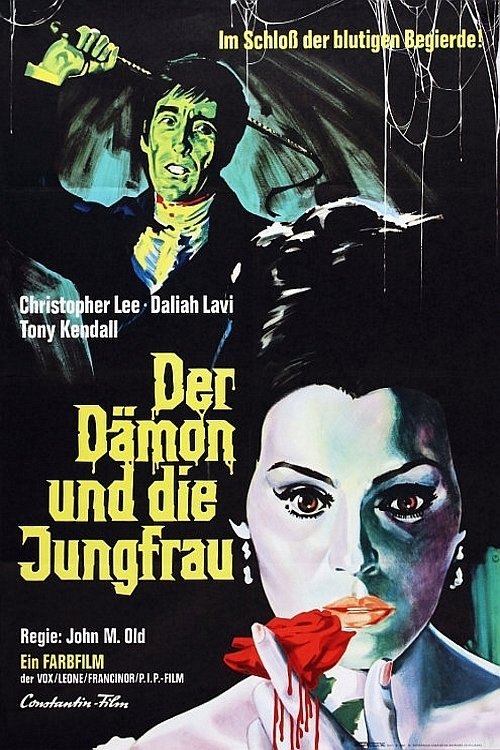
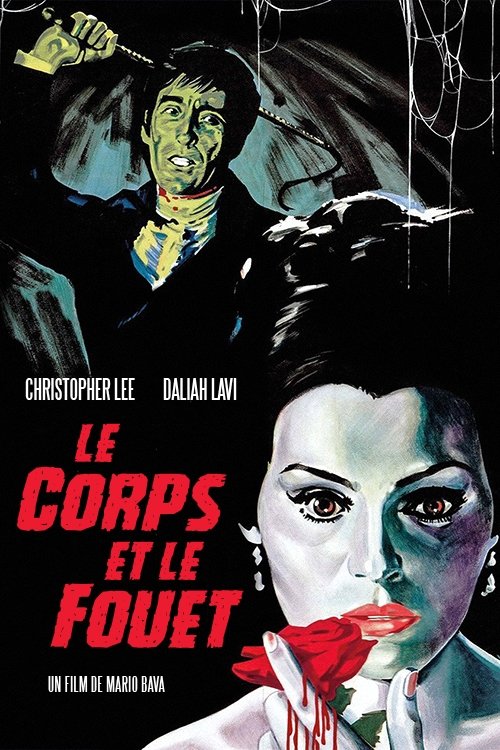
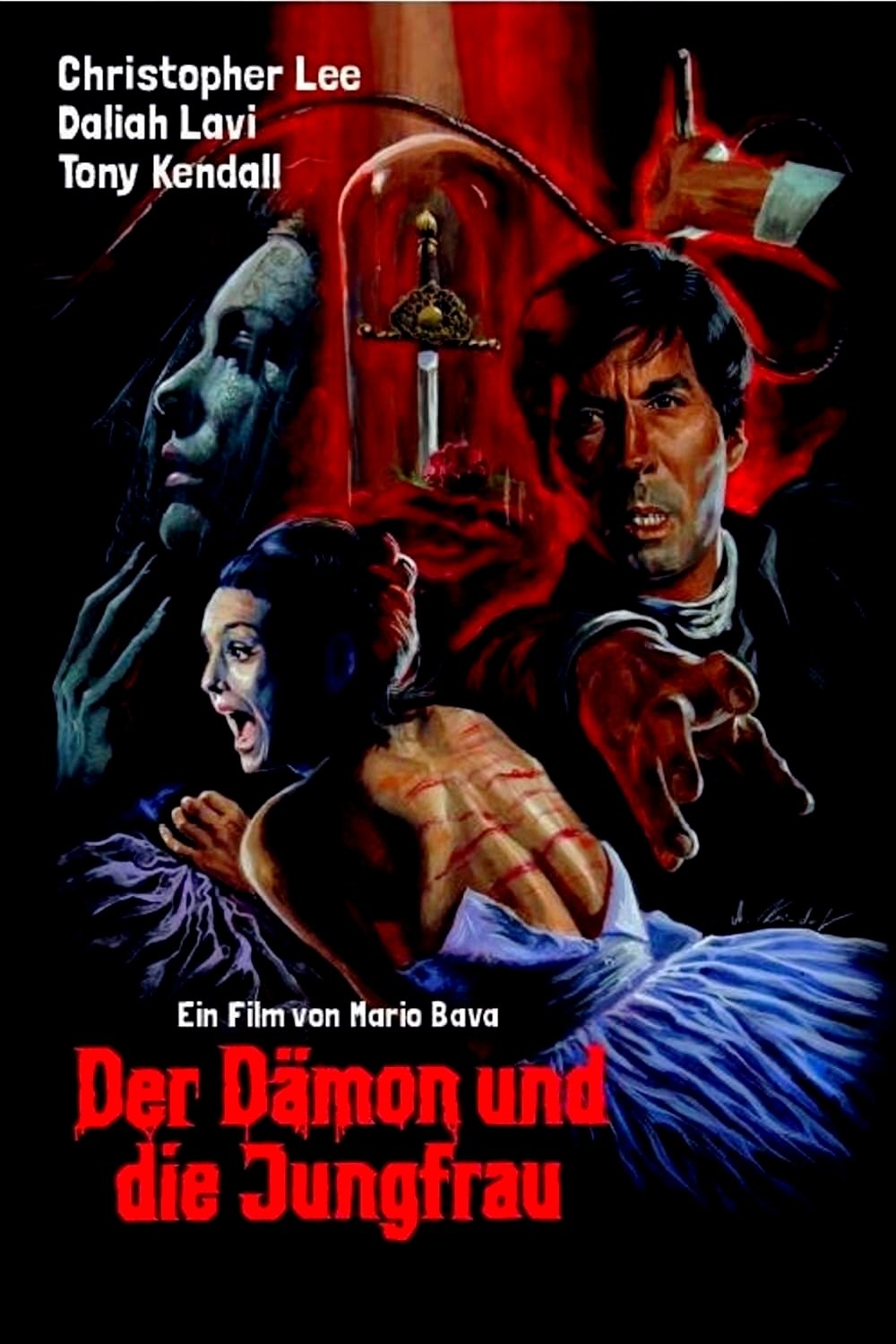
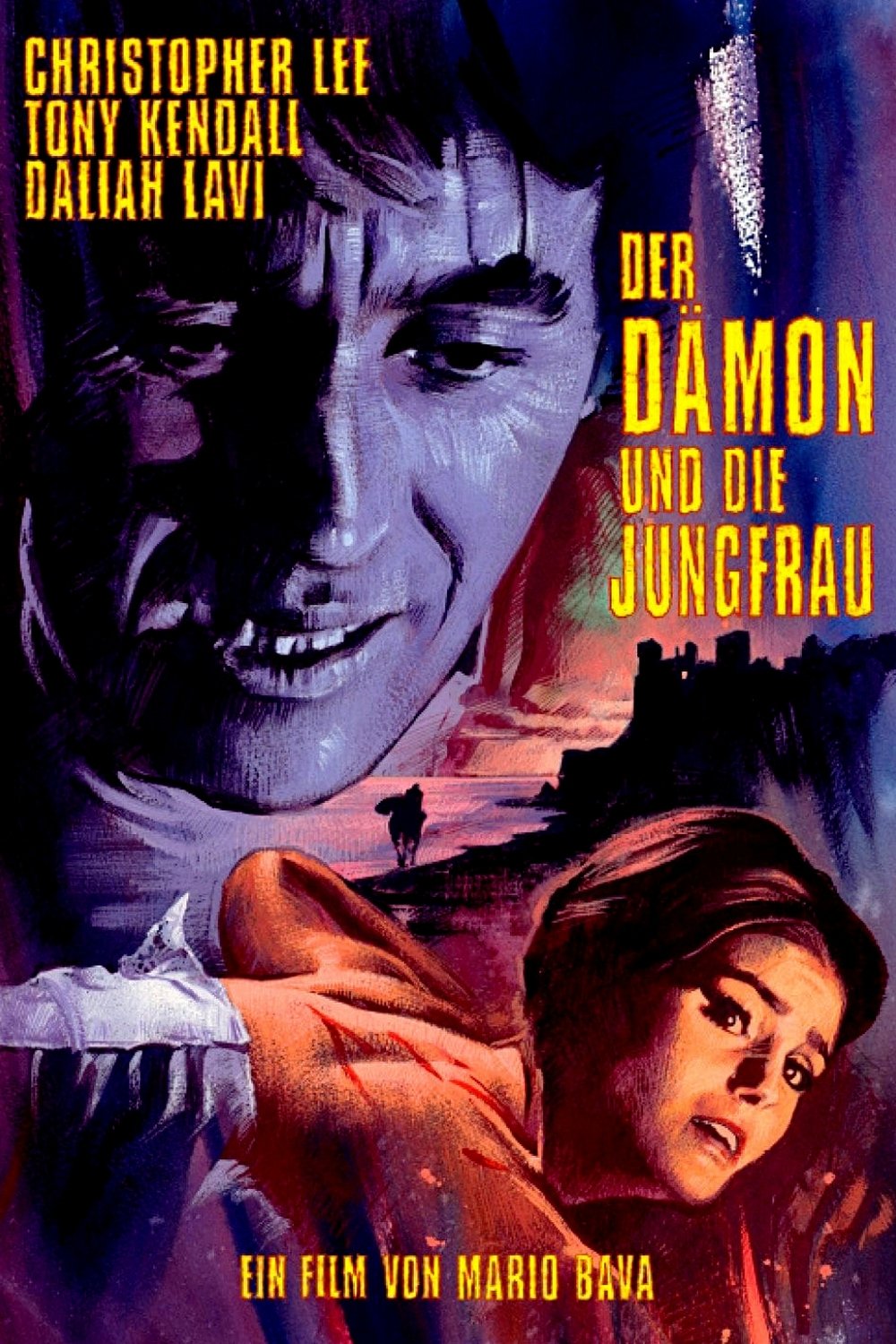
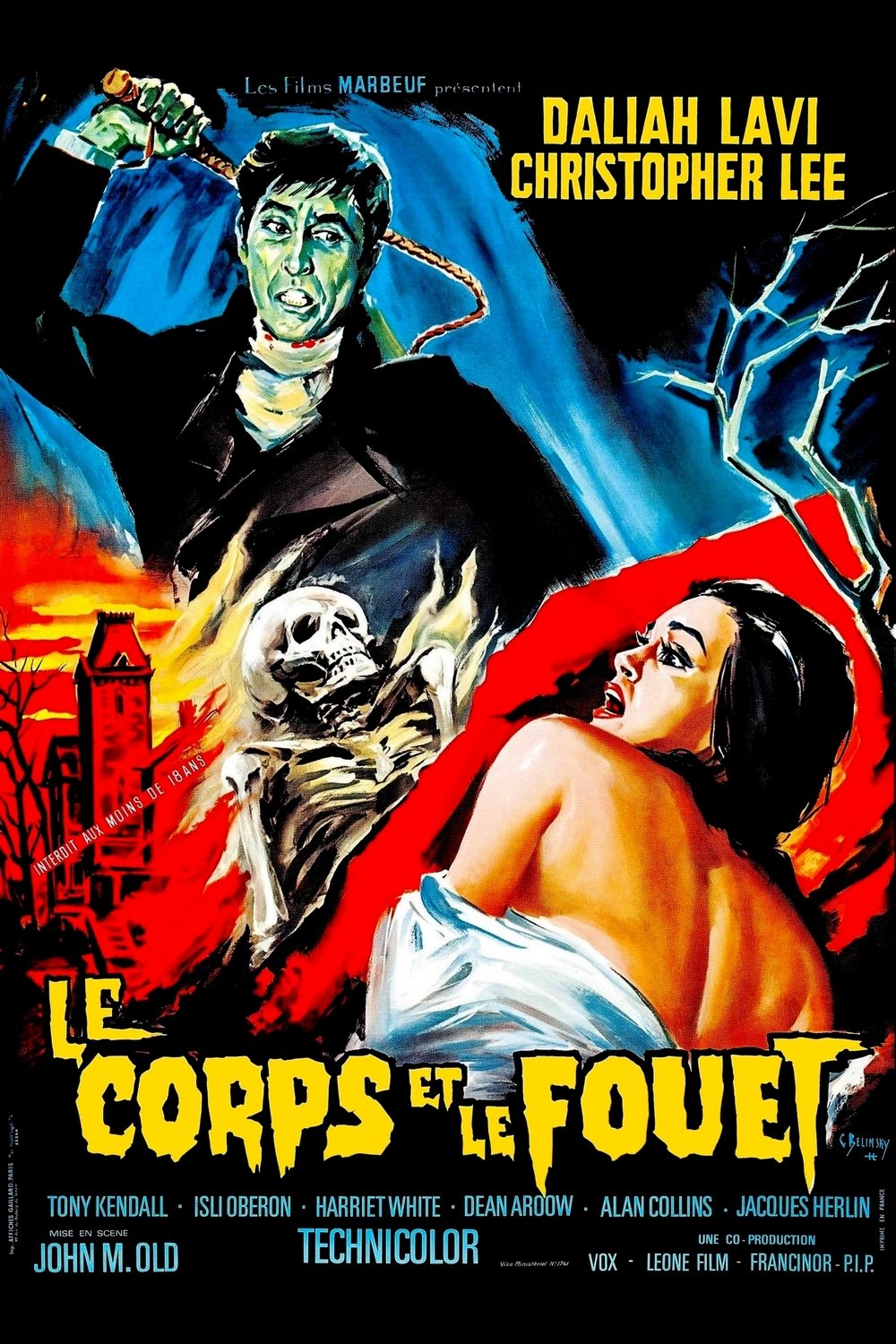
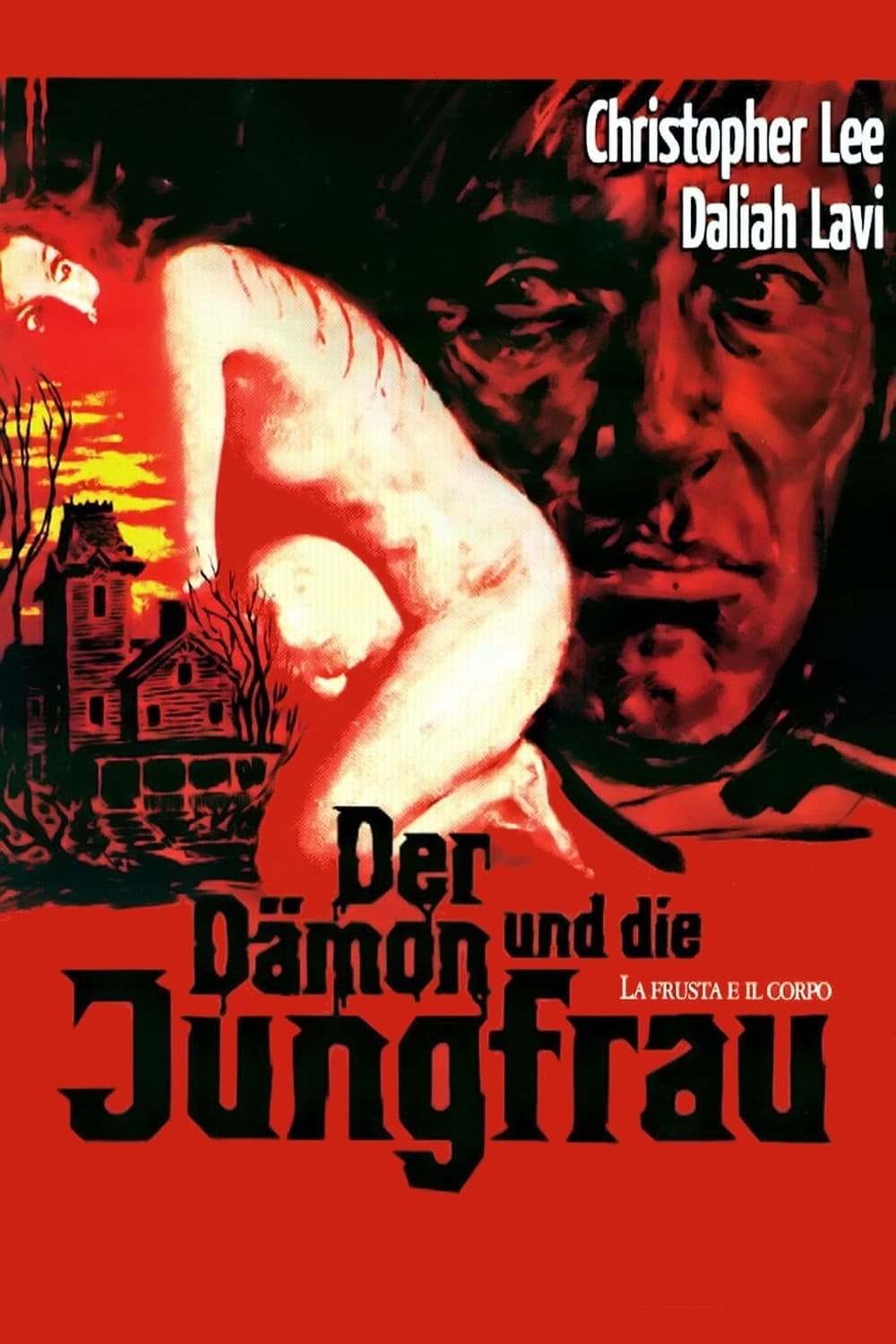
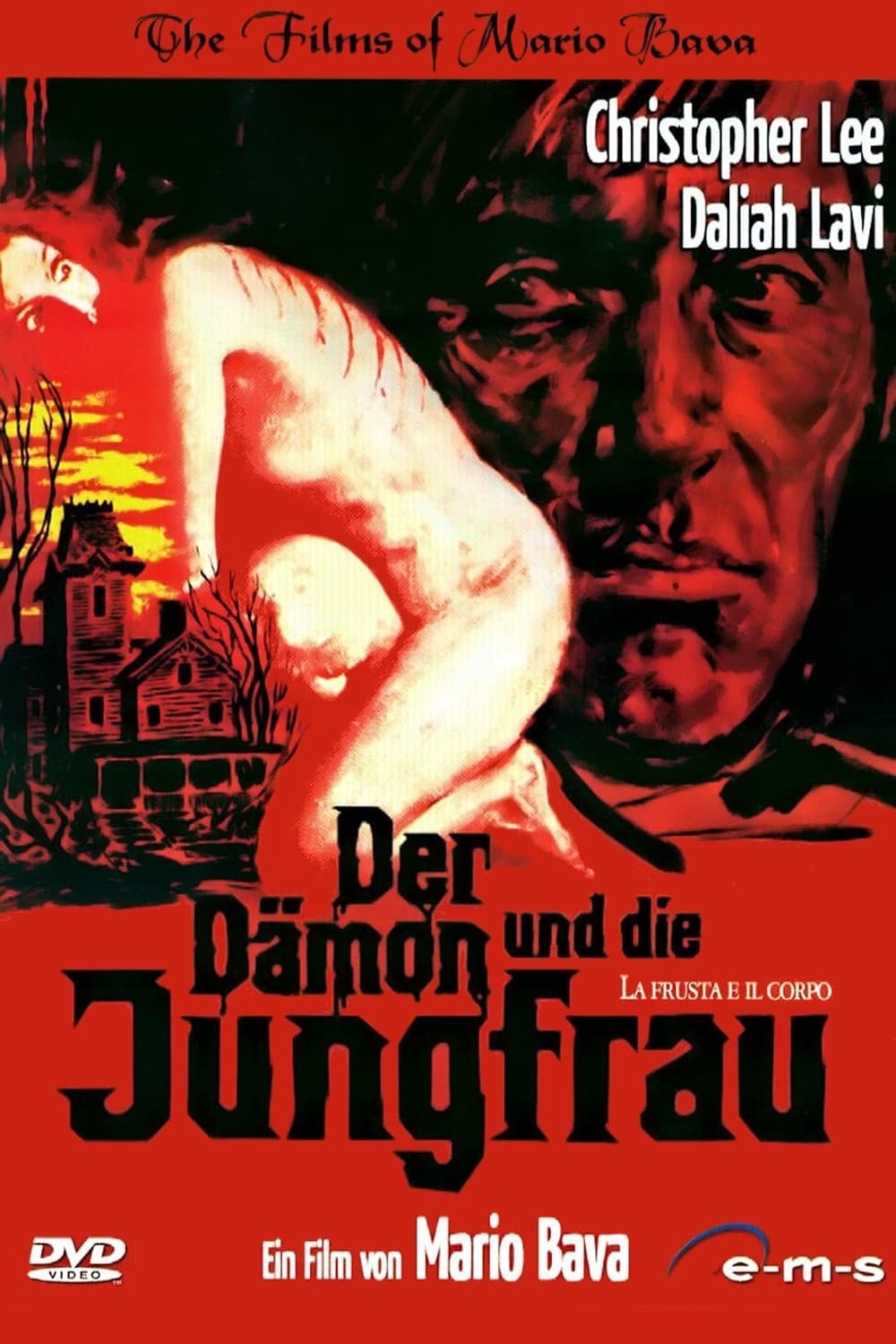
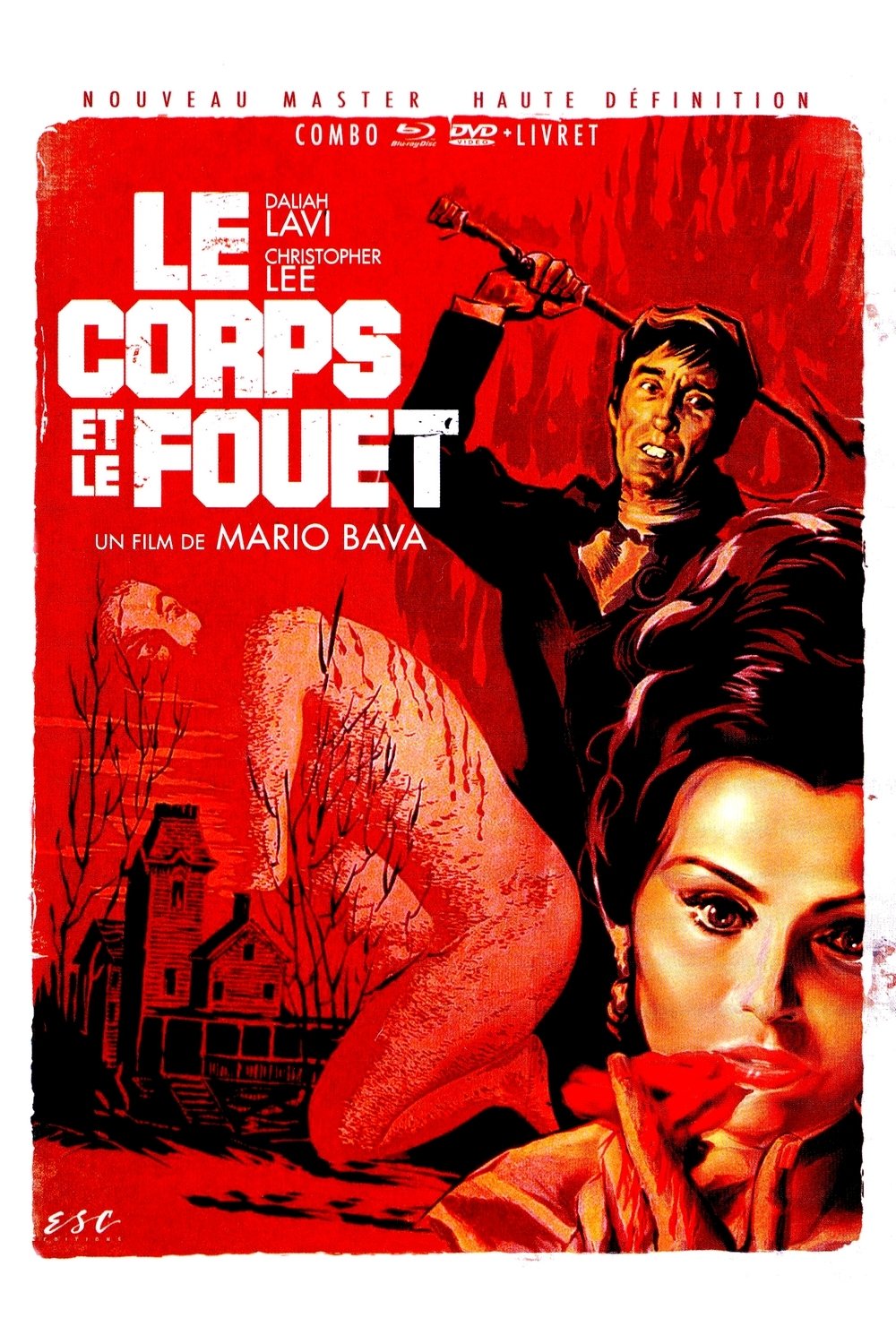
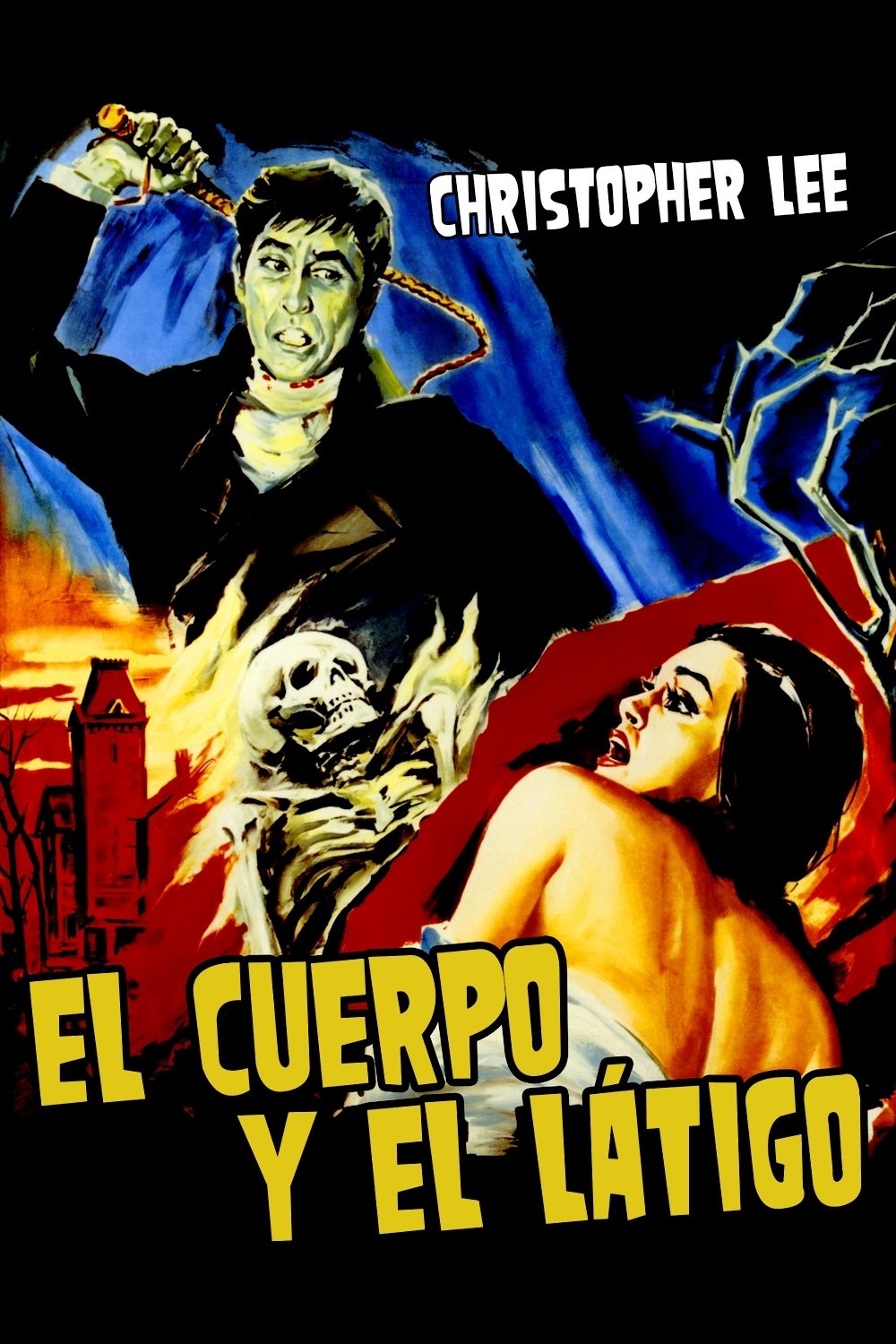
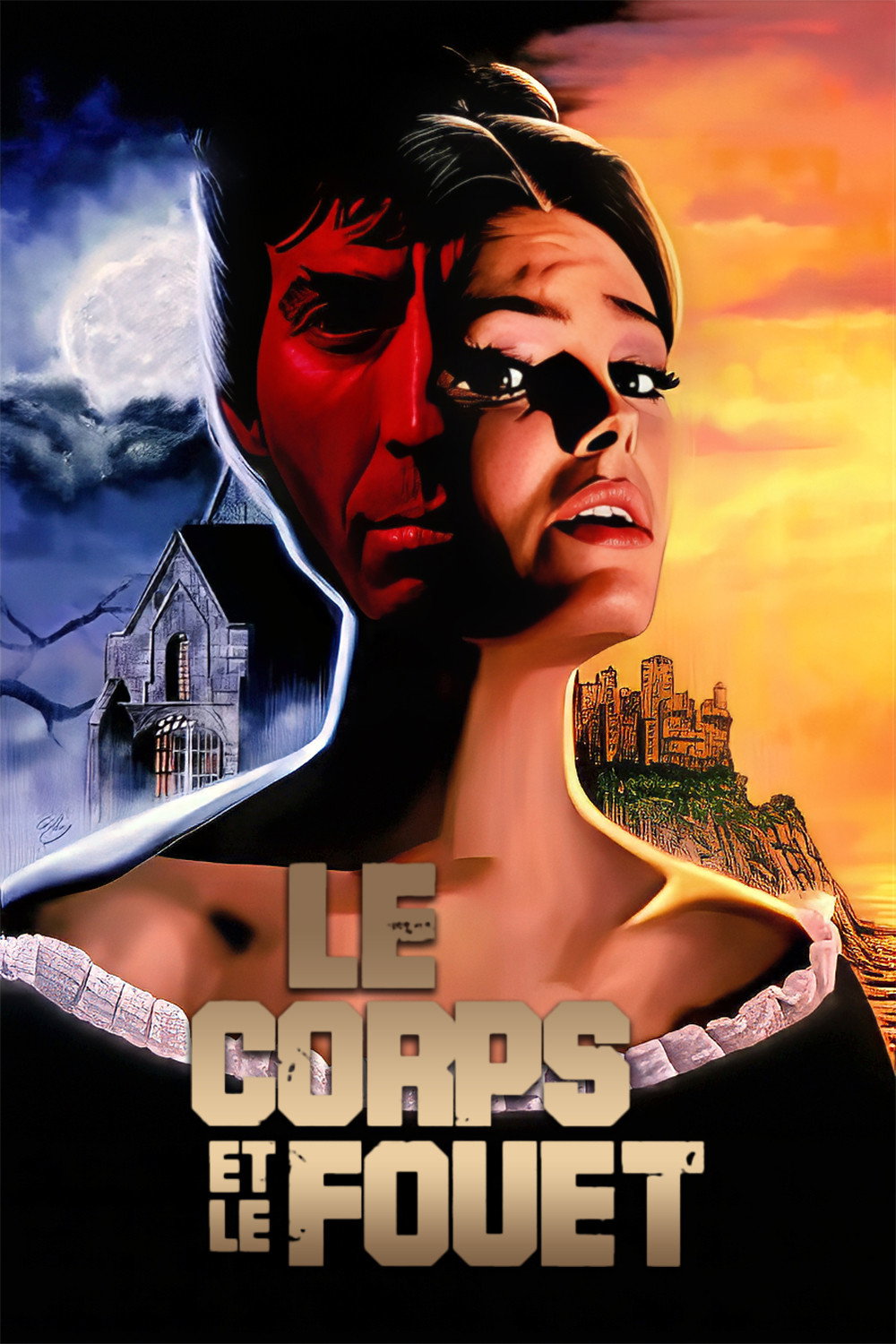
The Whip and the Body (1963) poster
Director
Production Companies
Leone Film , Francinor , PIP , Vox Film
Plot

In the 19th century, a sadistic nobleman terrorizes the members of his family. He is found dead, but his ghost soon returns to haunt the residents of his castle.

Alternative Titles
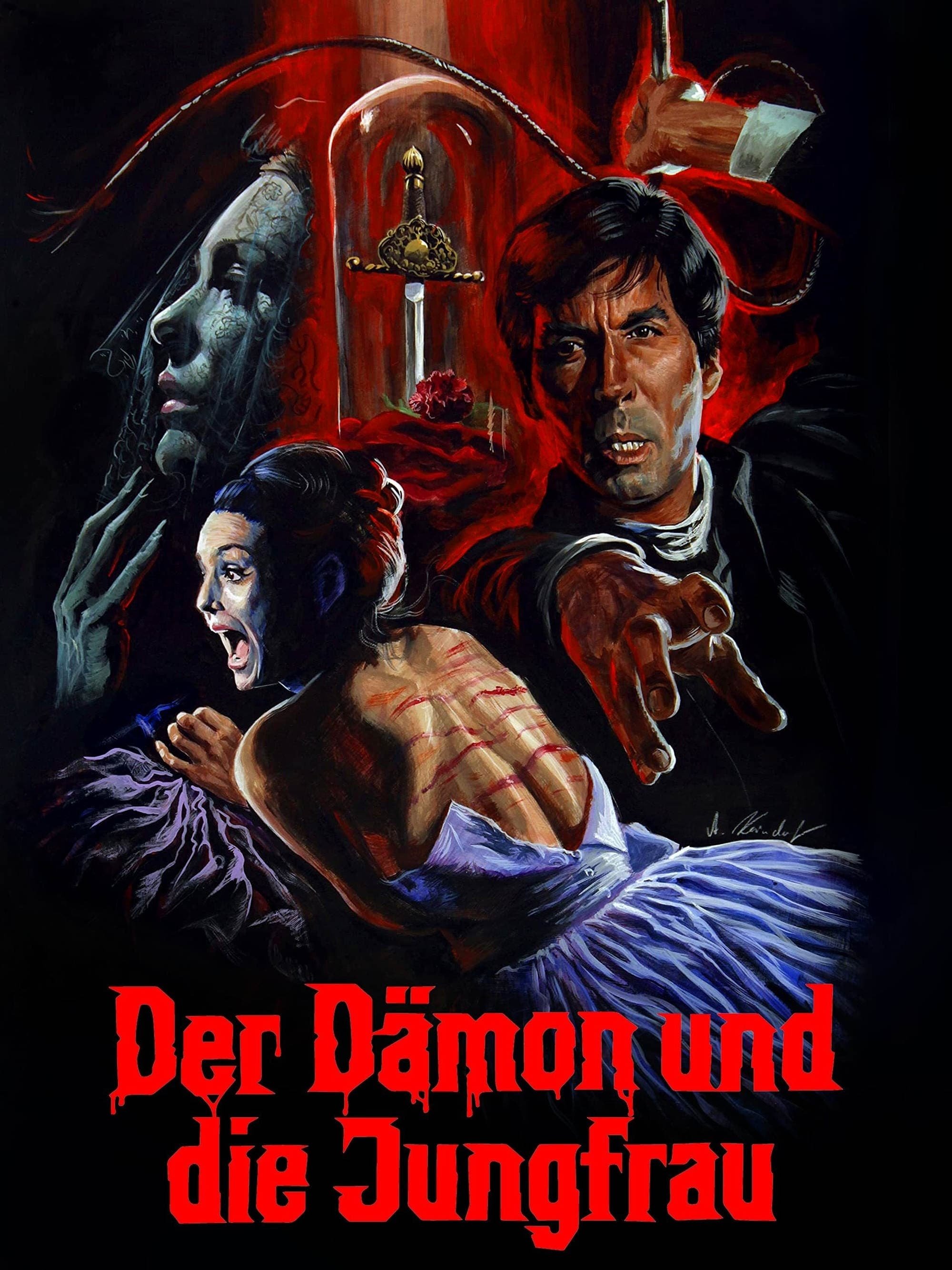
Der Dämon und die Jungfrau (Austria) — German Het gegeseld lichaam (Belgium) — Flemish title Rêves macabres (Belgium) — Home Video Title O Chicote e o Corpo (Brazil) — Portuguese 鞭子与肉体 (China) — Chinese Der Dämon und die Jungfrau (Germany) — German Der Mörder von Schloß Menliff (Germany) Pisken og kroppen (Denmark)
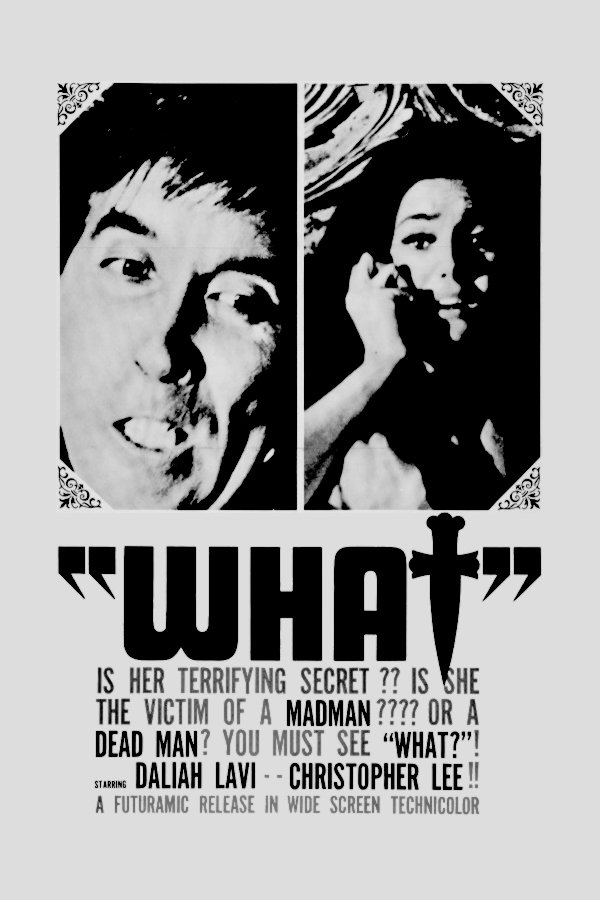
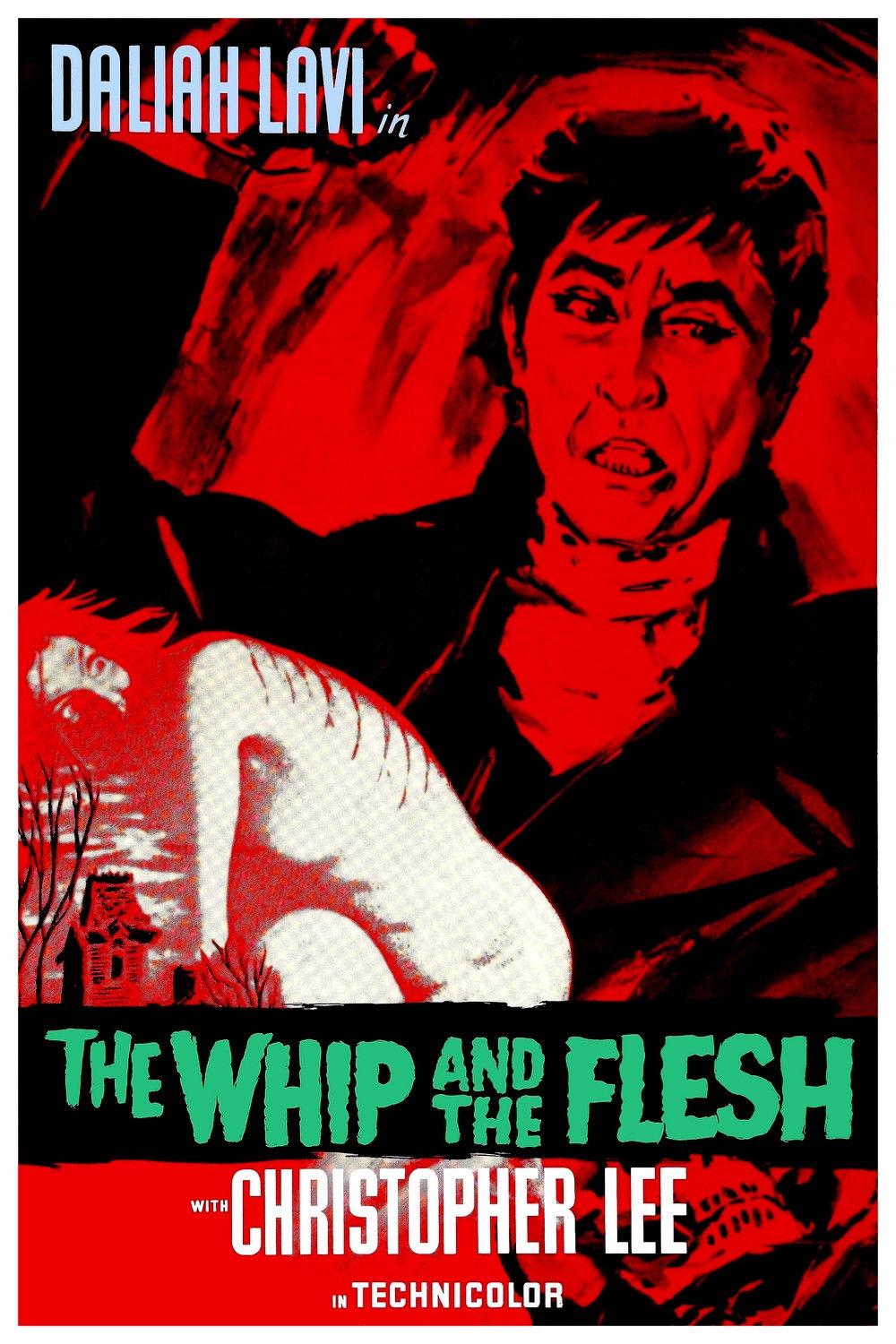
Show all 22 alternative titles El cuerpo y el látigo (Spain) — Spanish Le Corps et le Fouet (France) — French Night Is the Phantom (United Kingdom) — English dubbed version 鞭子與肉體 (Hong Kong SAR China) — Chinese A hús és a test (Hungary) 白い肌に狂う鞭 (Japan) — Japanese 채찍과 시체 (South Korea) — Korean El cuerpo y el látigo (Mexico) — Spanish Bicz i ciało (Poland) — Polish Drácula, o Vampiro do Sexo (Portugal) — Portuguese Плеть и тело (Russia) — Russian The Whip and the Flesh (United States) What? (United States) — English dubbed version What† (United States) — Stylized English title

Trailers & Videos

1 video

Film Guide & Analysis

Mario Bava’s Italian Gothic horror: Gastaldi’s screenplay, Christopher Lee and Daliah Lavi, colour photography, violent desire, the 1963 censorship case and alternative versions.

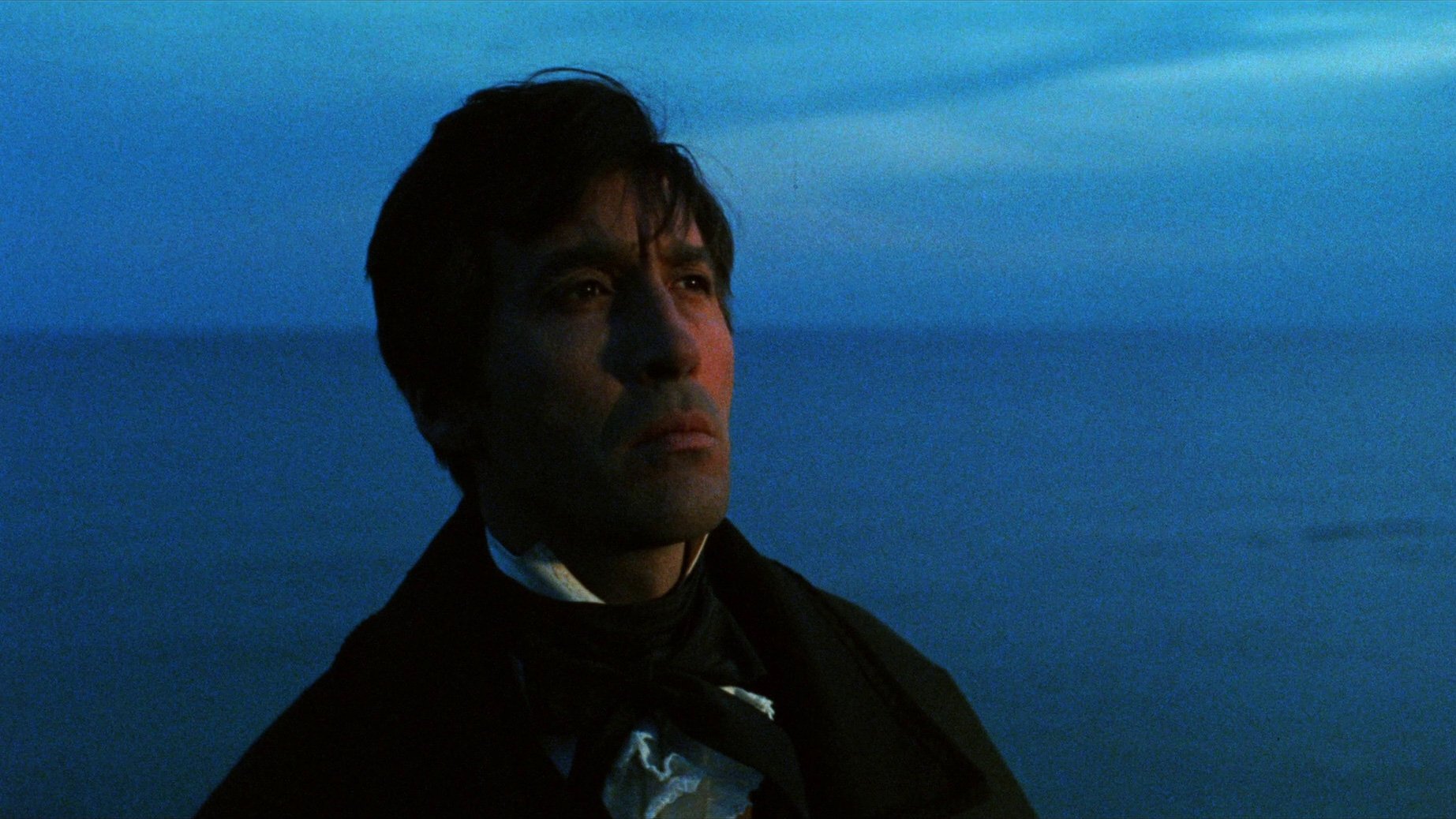
Mario Bava’s The Whip and the Body (La frusta e il corpo, 1963) takes place in a nineteenth-century coastal castle where an estranged nobleman’s return exposes violence concealed beneath aristocratic propriety. Kurt Menliff, played by Christopher Lee, comes back after being disinherited by his father and immediately confronts Nevenka, his former lover and now the wife of his brother Christian. Their renewed encounter involves a whip, attraction and fear. When Kurt is murdered, Nevenka believes he has returned from the grave to reclaim her, while suspicions spread among relatives and servants who each have reason to resent him. The horror arises as much from the uncertainty of what Nevenka experiences as from the apparently supernatural intrusion.

An Italian-French production starring Daliah Lavi as Nevenka, the film was written by Ernesto Gastaldi, Ugo Guerra and Luciano Martino, with cinematography credited to Ubaldo Terzano and music by Carlo Rustichelli. Bava’s elaborate coloured lighting, carefully staged coastal imagery and use of recurring objects turn the family melodrama into a Gothic study of compulsive desire. Its sexualized violence triggered a documented series of Italian classification decisions and a police seizure, followed by international releases under different titles and with varying alterations. Once difficult to see in a satisfactory version, it has become an important work in the critical reassessment of Bava’s 1960s horror cinema.

Development: From Psychological Thriller to Gothic Melodrama

Ernesto Gastaldi, Ugo Guerra and Luciano Martino share the writing credits. Interviewed by Luigi Cozzi in 1970, Gastaldi said he had envisaged a psychological nightmare associated with the methods of Henri-Georges Clouzot. He felt that Bava had instead heightened the material into a baroque drama, exaggerating its emotional and visual registers. The tension between rational mystery and heightened Gothic sensation is visible throughout the result.

The production was mounted through Italian and French companies, including Leone Film, Vox Film, Francinor and Paris International Productions, and distributed in Italy by Titanus. The official Italian cinema archive lists the director as Mario Bava under the pseudonym John M. Old. The writers, cinematographer, composer and several cast members were likewise associated with English-sounding screen credits, a convention familiar from internationally marketed Italian genre filmmaking. The screen names must be distinguished from the individuals who did the work: the credited David Hamilton was Ubaldo Terzano, and Jim Murphy was Carlo Rustichelli.

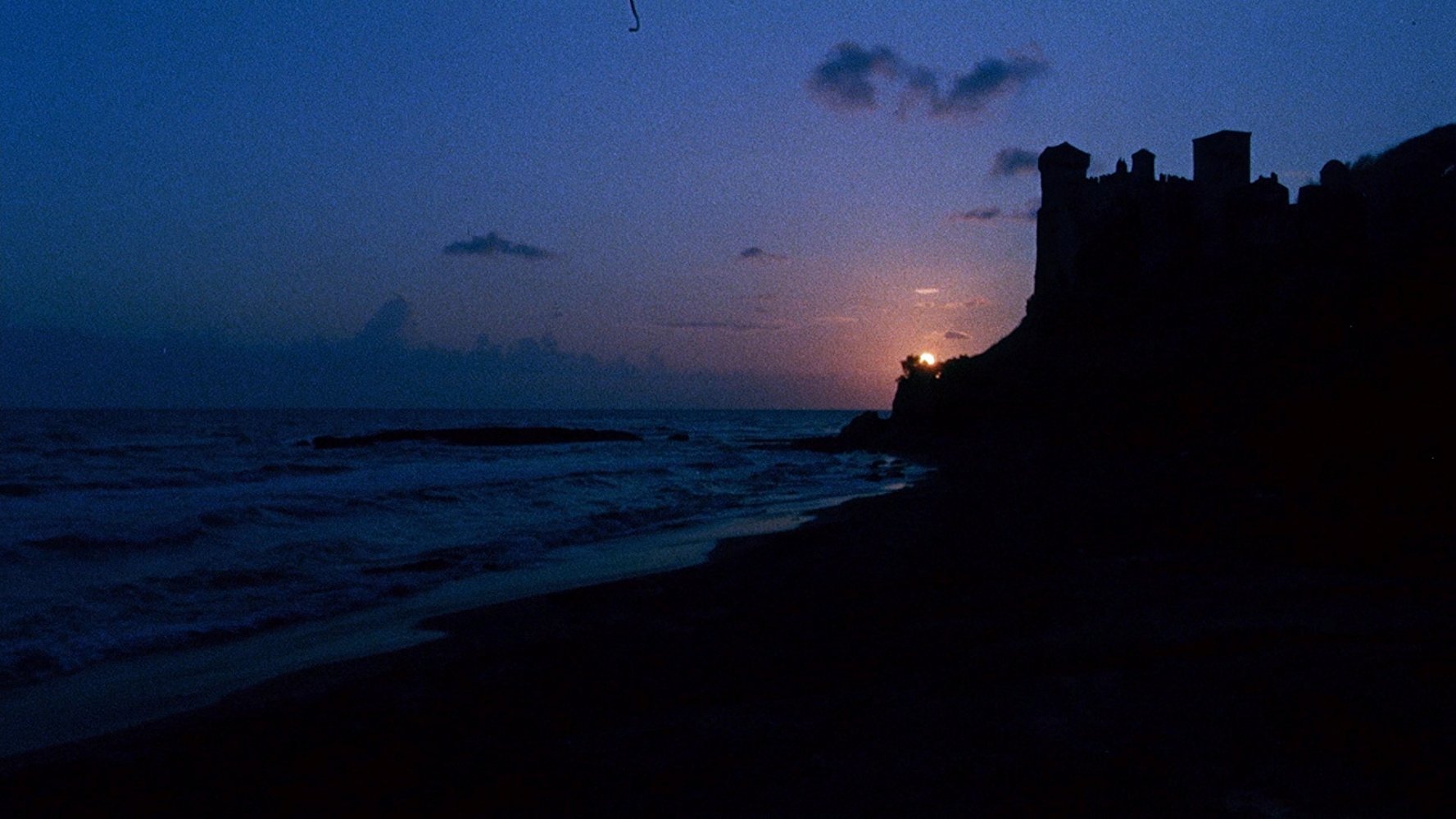
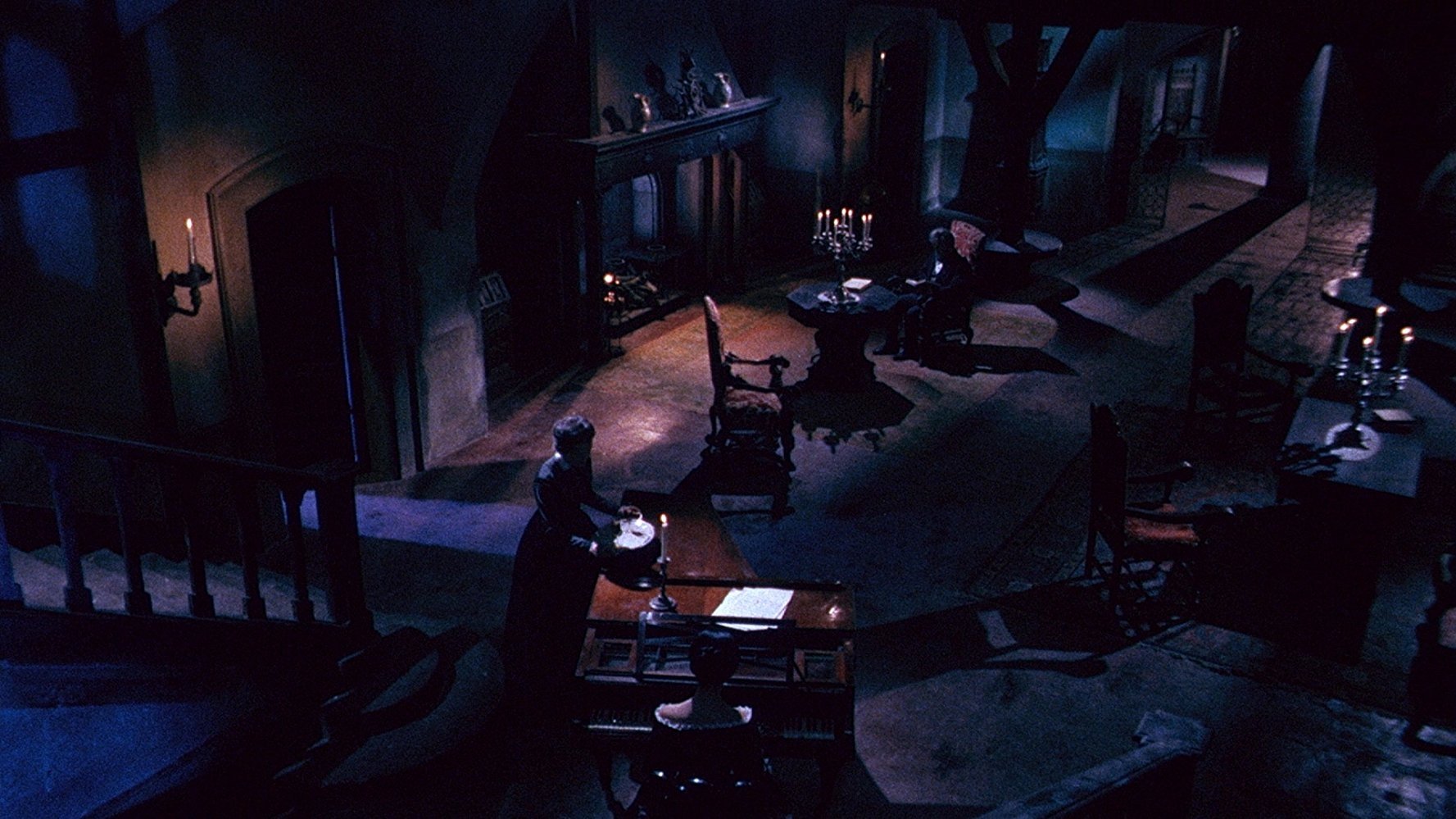
The story moves among a castle, its crypt and a beach, repeatedly bringing members of the household into contact without a wider investigation. Bava could build an elaborate visual world from limited spaces, relying on colour, set decoration and photographic illusion to alter the atmosphere. Gastaldi remembered the director using a glass matte to place a castle in the background of a beach shot, a specific example of the ingenuity that transformed an apparently expansive landscape through a relatively simple camera effect.

The Menliff Household and the Return of Kurt

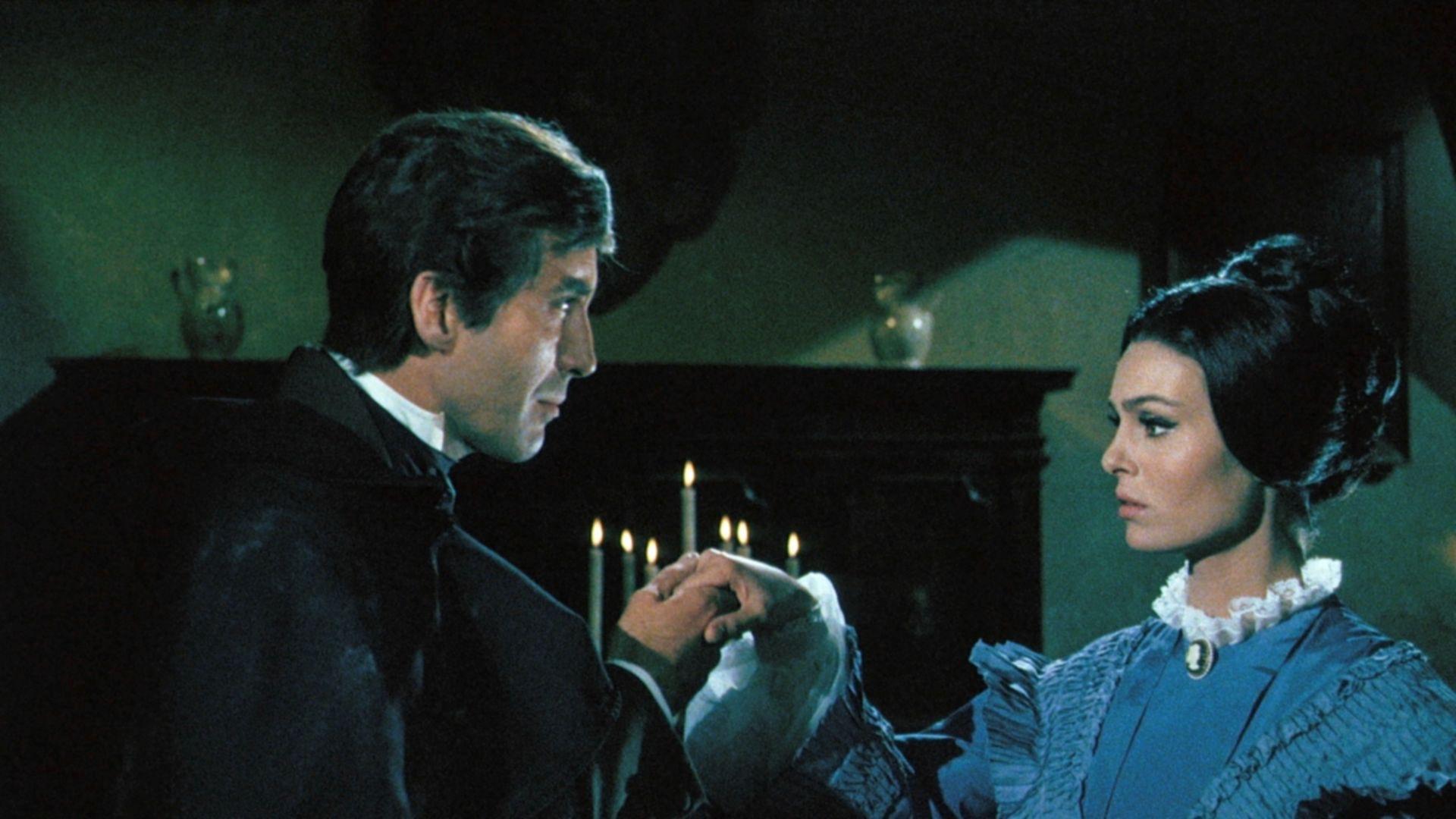
Kurt’s arrival threatens an arrangement that had already been formed in his absence. The ageing Count Menliff refuses to welcome his elder son back or restore the inheritance that has passed toward Christian, played by Tony Kendall. Christian’s marriage to Nevenka is outwardly respectable, but it rests beside the unresolved history of her relationship with Kurt. Ida Galli’s Katia has feelings for Christian, adding another form of frustration to a household governed by family duty and unequal attachment. Almost every encounter is shaped by knowledge that another character would prefer to suppress.
The most consequential earlier injury concerns Tania, a servant’s daughter who died by suicide after Kurt seduced and abandoned her. Her mother Giorgia, played by Harriet Medin, keeps the dagger associated with the death, a visible object of remembrance and possible revenge. The weapon is framed by flowers, joining mourning to the same imagery of passion that later surrounds Nevenka. Luciano Pigozzi plays the servant Losat, and Gustavo De Nardo portrays the count. Their positions underline differences in status within the castle, while Kurt’s past shows that aristocratic privilege has given him the power to injure people outside his class with little immediate consequence.

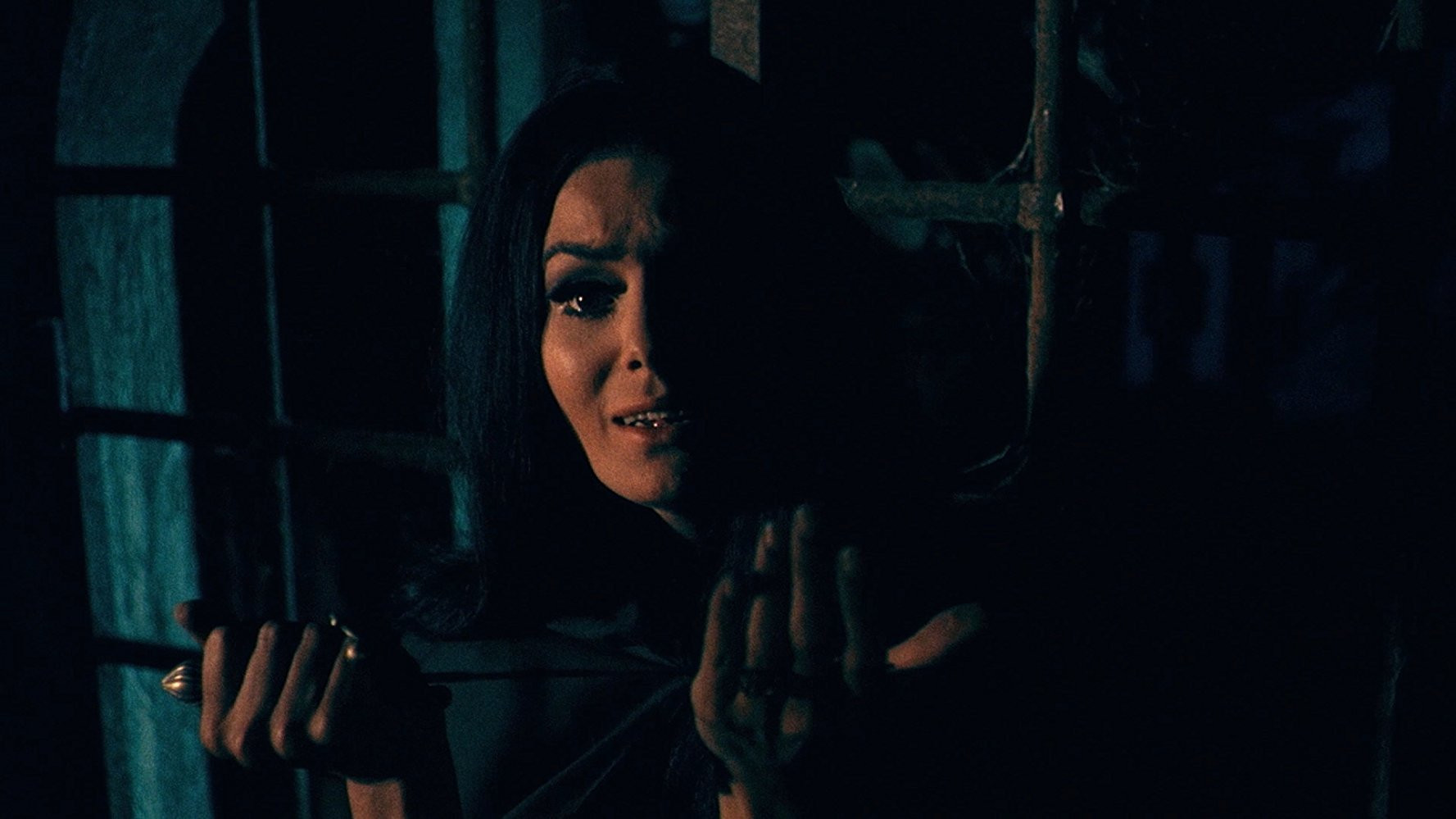
The story’s murders rearrange these loyalties without producing a straightforward detective narrative. After Kurt is found stabbed, several residents appear capable of resenting or fearing him. The subsequent death of the count increases the sense that the family’s hidden quarrels have become lethal. Nevenka, meanwhile, begins to experience encounters with a figure she recognizes as Kurt, complete with the marks of his death. Each new encounter may disclose something about the murders or about the unstable relationship between Nevenka’s memory, desire and perception.

Nevenka, the Whip and Sexualized Violence

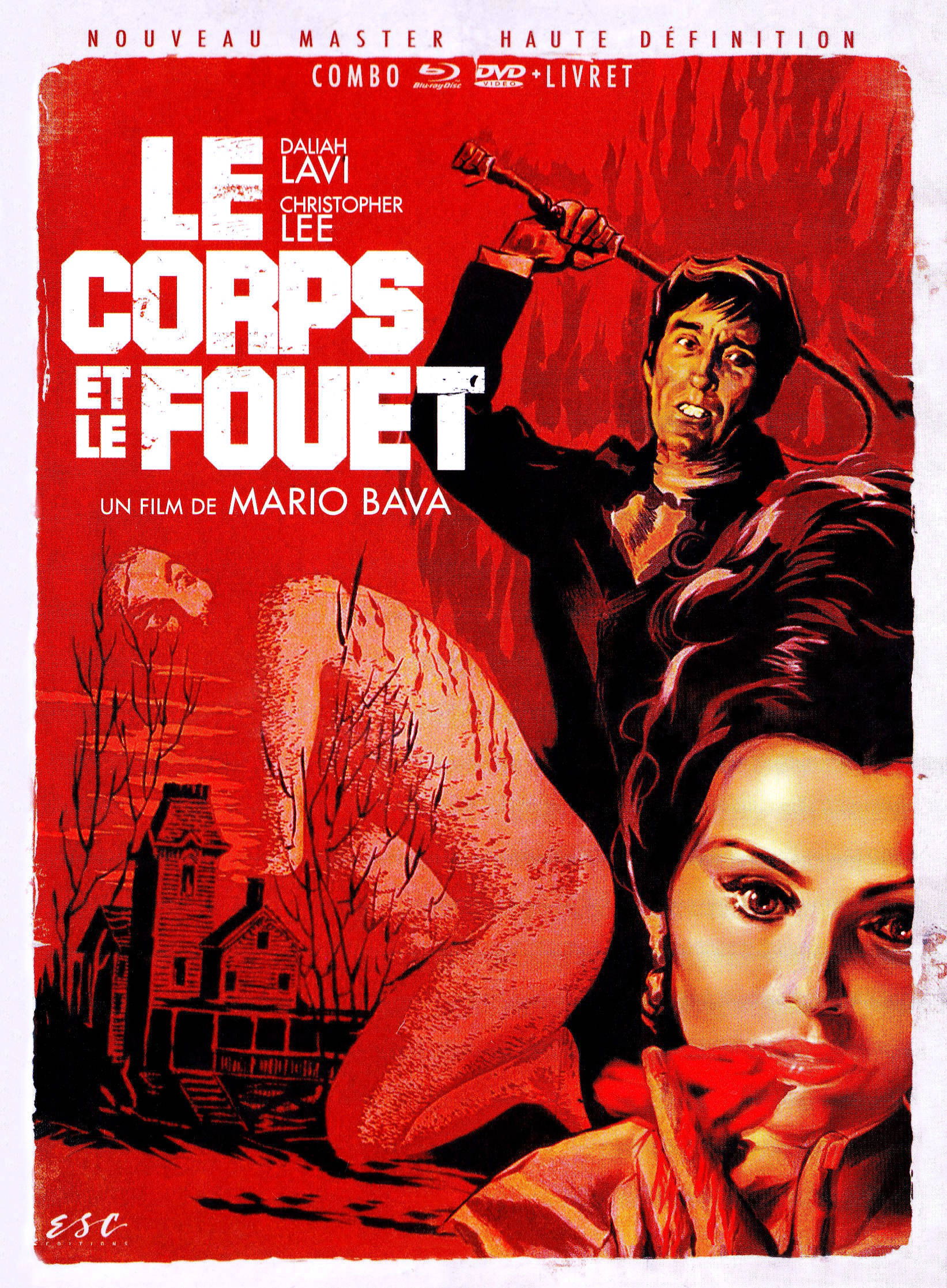
The film’s defining encounter occurs on the beach, where Nevenka’s contact with Kurt turns from alarm into an episode of whipping and erotic attachment. The staging makes physical domination inseparable from their earlier intimacy, but it does not supply a stable model of consent that can be applied outside this fictional relationship. Kurt uses her attraction to him as an instrument of control, while Nevenka’s reactions challenge the apparent distinction between fear and desire. Bava moves between their perspectives, showing the movement of the whip and the wounds on her body before allowing the scene’s violence to merge into its romantic imagery. The unsettling result cannot be reduced to a conventional courtship or a purely external assault.

The film’s depiction of eroticized cruelty invites analysis through ideas associated with the Marquis de Sade and the relation of pleasure to inflicted pain. Such an interpretation of Bava’s imagery is not a factual psychological diagnosis of Nevenka. The film repeatedly shows her compelled toward what she fears, and the attraction continues after Kurt’s death. The apparent ghost becomes a means by which desire persists without the living man’s physical presence.

The recurring whip acquires meaning outside its first explicit appearance. Sharp sounds, threatening gestures and the shape of objects inside the castle evoke an encounter that Nevenka seems unable to escape. Roses operate beside it as another repeated motif. Their beauty and thorns connect ceremonial romance with injury, while the dagger used in the deaths establishes a parallel between intimate betrayal and bodily violence. They also explain the problems the film encountered with censors, who treated the combination of physical punishment and sexual response as a challenge to prevailing rules of public decency.

Colour Photography, the Castle and the Coast

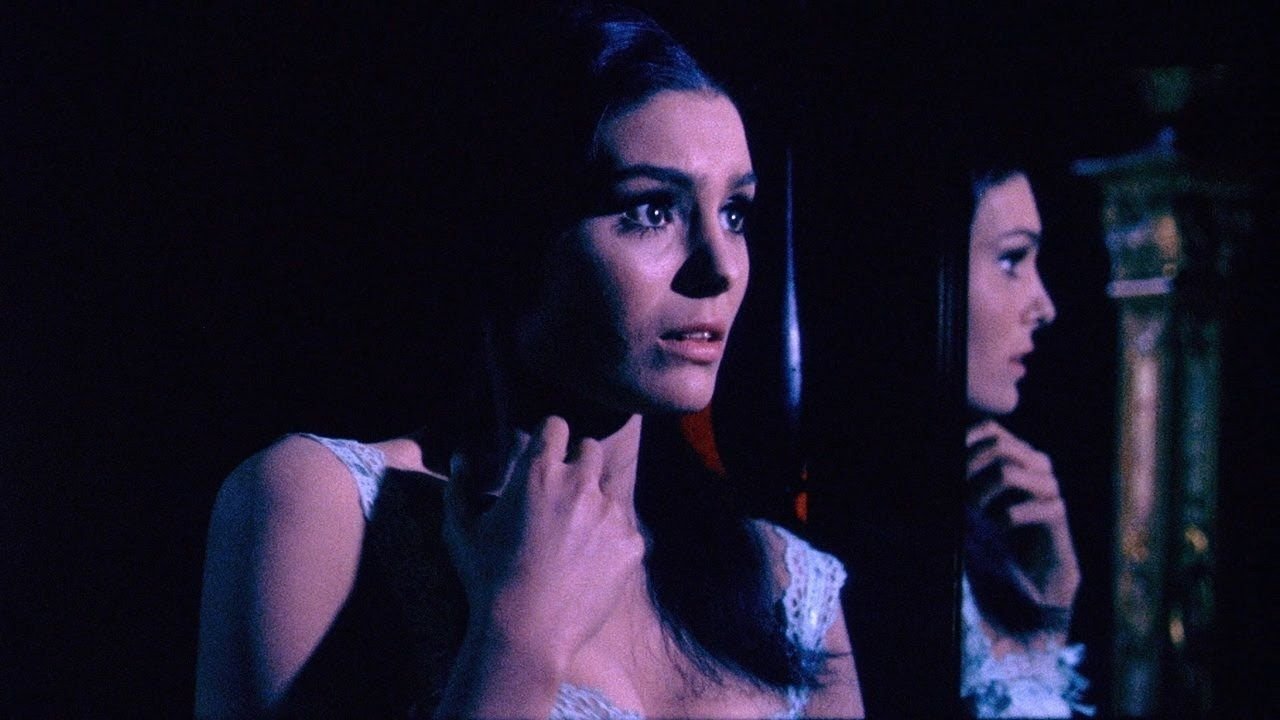
The Whip and the Body is one of Bava’s most concentrated demonstrations of how coloured light can change the psychological meaning of a familiar setting. The castle’s corridors, bedrooms and chapel are repeatedly washed in reds, blues and greens that have no simple explanation as ordinary room illumination. Instead, those colours organize the viewer’s experience of space, making a passage appear seductive in one scene and threatening in another. The film’s official cinematography credit belongs to Ubaldo Terzano, whose work was performed in close collaboration with a director renowned for his photographic expertise.

The location work on the shore gives the picture an especially striking contrast between enclosed aristocratic rooms and the apparently open landscape. A beach encounter is no less controlled than the scenes in the castle: the sea, rock formations and distant architecture are carefully arranged within the frame. Gastaldi recalled Bava placing a castle into a coastal view with glass-matte photography, confirming that the landscape’s apparent continuity could be constructed rather than simply found. The technique is consistent with the filmmaker’s wider practice of using foreground elements, artificial depth and economical effects to expand the appearance of a production. Its purpose here is to maintain the castle’s presence even when the characters are temporarily outside it.

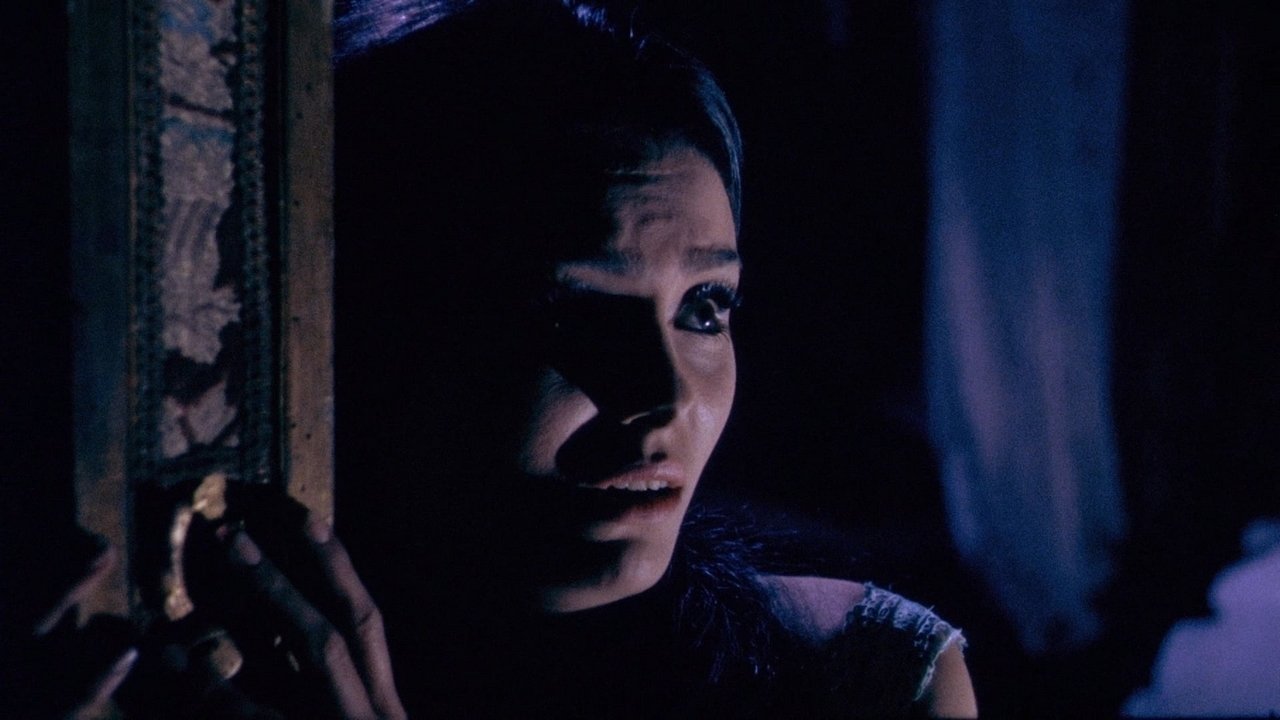
The visual treatment of Kurt’s possible return depends on equally precise relationships among bodies, doorways and shadows. A figure appears at a window, movements begin outside the visible frame and curtains or corridors seem to conceal a presence. The ruined space of the crypt can suggest the persistence of an actual revenant, while Nevenka’s rooms offer a more intimate setting for visions of the dead man. These effects remain effective because Bava does not impose a single visual marker distinguishing objective events from disturbed perception.

The Apparition, Sound and Carlo Rustichelli’s Score

Sound is central to the haunting even when Kurt is absent from the image. A voice, a movement at a window or the crack of something resembling a whip can turn a room into a reminder of the beach. The sound of a branch striking a window, in particular, links an ordinary environmental event to the physical punishment Nevenka associates with her former lover. Footsteps and doors extend the threatening presence through the castle’s interior. These acoustic repetitions make the haunting possible before any definite spectral body appears, giving Nevenka’s fear an object that may be either present or imagined.

Carlo Rustichelli composed the score, although international production credits used the name Jim Murphy. The music often brings romantic phrasing into contact with disturbing imagery, complicating the emotional meaning of violent scenes. When the film returns to objects or locations associated with Kurt, musical emphasis can revive an earlier encounter without repeating it in full. The combination of orchestral melody, noise and silence also prevents the supernatural material from being completely separated from the love story. The disturbing aspect of the film comes from the persistence of attraction in circumstances where the possibility of ordinary intimacy has collapsed.

Different language versions are part of the film’s exhibition history, and modern releases have circulated with both Italian and English audio. Screen performances in internationally produced Italian films were often shaped by post-synchronization, so the availability of an English track does not establish that every actor supplied that track’s voice. The two presentations may also differ in wording at moments central to the mystery. Particular dialogue variations must therefore be checked against the version screened rather than assumed to be identical across all copies.

Gothic Ambiguity, Guilt and the Final Revelation

The story uses several conventions of the nineteenth-century Gothic tale: an ancestral castle, a disinherited son, a family crypt, disputed inheritance and the possible return of a murdered man. Yet its horror is organized around a woman whose experiences are increasingly difficult to verify. Nevenka’s memories of Kurt are inseparable from emotional dependence, and the apparent apparitions intensify precisely when she is isolated. Other inhabitants hear her accounts without sharing her certainty.

The revelation of Nevenka’s involvement in Kurt’s murder fundamentally changes the story. It shifts attention from a simple revenge plot toward the relation between guilt and recurring visions. The circumstances surrounding the count’s death add another layer to the household’s attempts to conceal violence. Critical interpretations have described the apparent resurrection as a projection of Nevenka’s desire and remorse, but such readings gain force from the film’s visual pattern rather than from a clinical explanation offered by its characters. Bava allows the Gothic atmosphere to remain meaningful after the plot discloses human responsibility for deaths initially surrounded by supernatural suspicion.

The climax brings the imagery of intimacy and violence into a final confrontation in which Nevenka’s perception can endanger her own body. Her inability to separate Kurt from the force he still exerts over her makes the concluding action tragic as well as horrific. The film’s explanation of the crimes does not return the household to a state of innocence; its relationships have already been structured by inheritance, coercion and the need to conceal dishonour. Scholarly interpretations of Bava’s early Gothic work have connected such situations with patriarchal authority and the family as a structure of submission.

Italian Seizure, Censorship and Export Versions

The Italian censorship history is unusually well documented. The Ministry of Culture’s Cinecensura archive records that the first review commission approved public exhibition on 24 August 1963 while restricting admission to adults aged eighteen and over because of disturbing and morbid sequences. After cuts were made, an appeals decision on 12 October reduced the restriction to viewers younger than fourteen. This change did not settle the matter. On 17 October the Rome police ordered the film seized, citing scenes associated with sexual practices considered offensive to public decency.

The Rome court’s decision of 27 January 1964 required further cuts, some corresponding to alterations already made before the appeal. The official archive also records an erroneous new classification application filed in 1983, apparently seeking the removal of an eighteen-only restriction that had already been changed decades earlier. These documents provide a more secure basis for the film’s censorship history than generalized claims that all scenes involving the whip were removed. The recorded decisions establish grounds and dates, but identifying the precise contents of a surviving foreign print requires comparing that print with the relevant censorship documentation.

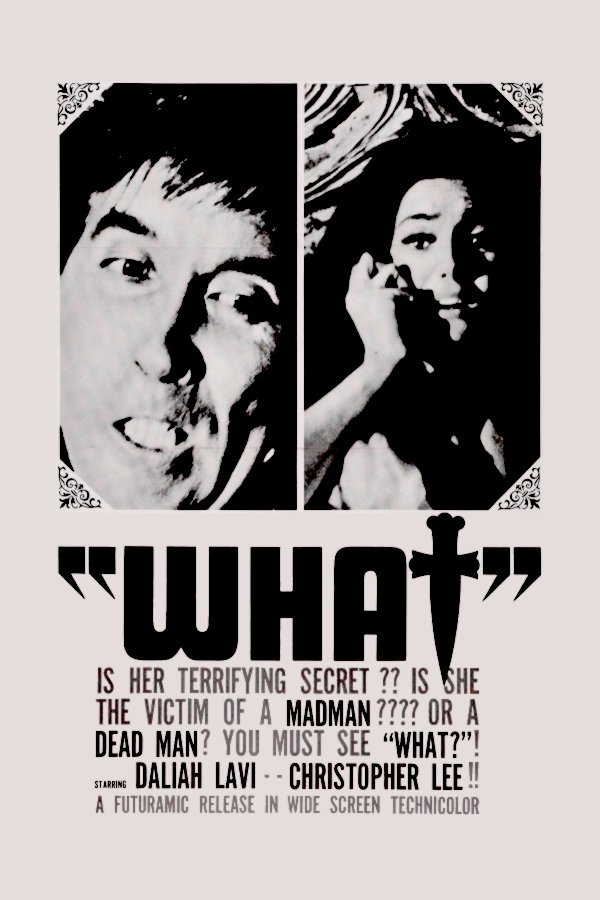
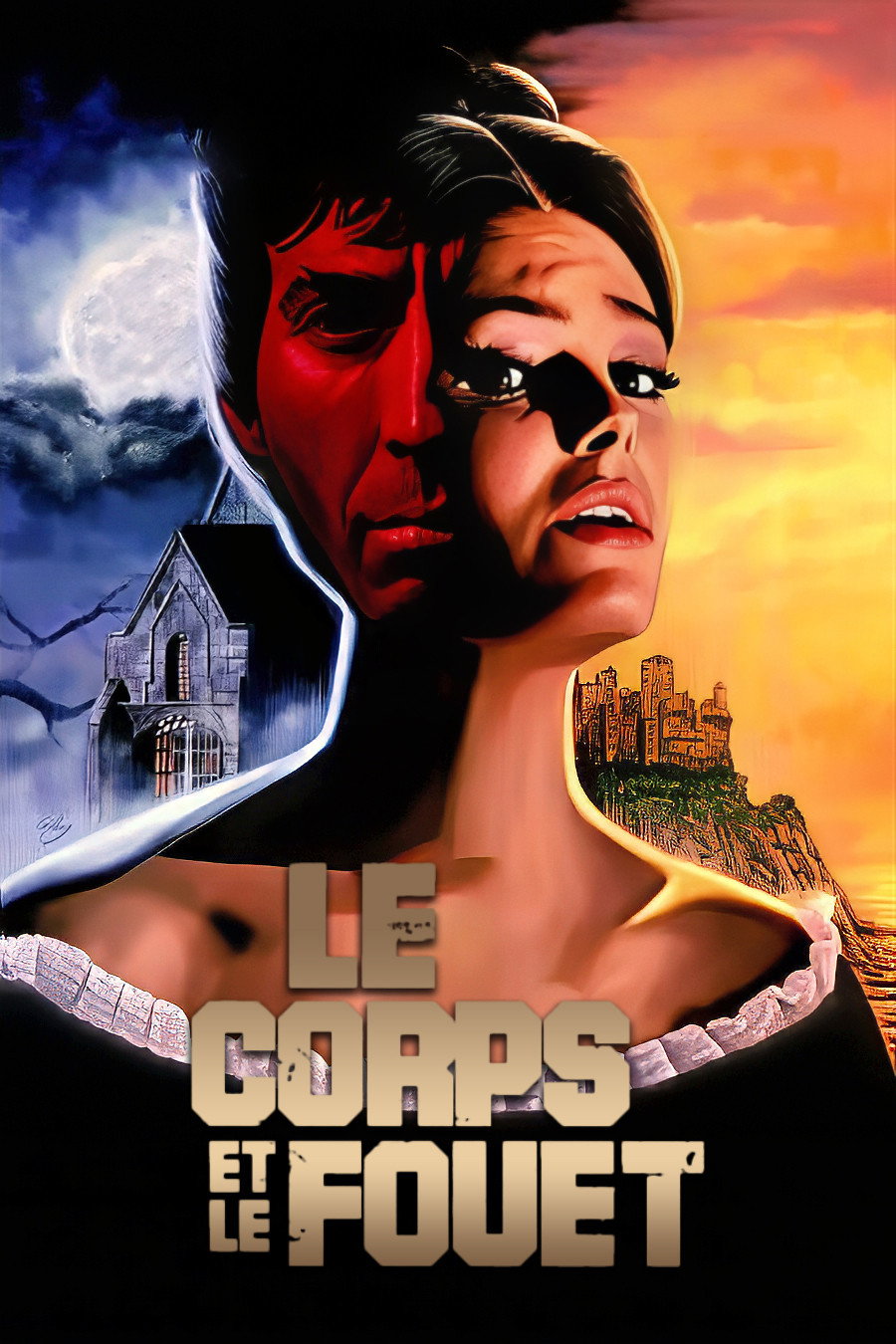
International circulation produced a confusing group of titles. Cineuropa records the Italian release on 29 August 1963, a British release in 1965 and the French premiere on 26 January 1966 under Le Corps et le fouet. The British market used Night Is the Phantom, while American versions appeared under such names as What? and The Whip and the Flesh. The title changes were accompanied in some markets by shortened or altered presentations, but the duration attached to a release does not by itself identify every missing shot. Modern distributors have made approximately eighty-seven-minute presentations available, bringing the sensual material and Bava’s designed colour compositions into clearer view than many abbreviated circulation prints permitted.

Critical Reassessment and Place in Italian Gothic Horror

The film arrived during a period when Italian producers were making Gothic horror for both domestic audiences and foreign distributors. Its family secrets and supernatural atmosphere invite comparisons with Bava’s earlier Black Sunday (1960), but its combination of colour and sexualized cruelty is more concentrated. It also differs from the director’s episode films and from the fashion-world murders of Blood and Black Lace (1964). The threat in The Whip and the Body cannot be separated from a marriage, a former lover and the social conditions of an aristocratic household. The castle becomes a place where desire persists as a form of fear, regardless of whether the dead can literally return.

The film’s hostile censorship history and shifting export identities complicated its reputation. In 1970 Gastaldi still expressed dissatisfaction with Bava’s decision to turn a psychological thriller into a baroque Gothic drama. Later critics have often valued precisely the visual excess that he disliked. A 2015 retrospective organized by the Centro Sperimentale di Cinematografia and the Cineteca Nazionale placed the film within the development of Italian Gothic horror and quoted scholars Steve Della Casa and Marco Giusti on its audacity and photographic style. Their discussion also identified Martin Scorsese’s admiration as part of the film’s later critical standing, which should not be confused with evidence of commercial success at its original opening.

The renewed circulation of fuller versions and specialist restorations has made its colour, pacing and erotic emphasis easier to assess. The picture is an important example of Bava’s method because its visual construction does more than decorate a familiar ghost story: lights, objects and sounds make psychological pressure tangible, while the formal elegance intensifies the brutality of what the characters do to one another. The durable achievement is an unusually unified treatment of desire, violence and spectral uncertainty within Italian cinema of the early 1960s.

References

  1. Archivio del cinema italiano (ANICA) La frusta e il corpo (1963) — Production and Credits

    Primary Italian film-industry record documenting the credited writers, artists and performers, their English-language pseudonyms, production companies, distributor and original censorship authorization.

  2. Cinecensura / Ministero della Cultura and CSC–Cineteca Nazionale La frusta e il corpo — Italian Censorship Dossier

    Official archival chronology identifying the August 1963 adult classification, October appeal and seizure, January 1964 court-ordered cuts and the erroneous 1983 submission.

  3. Cinepugno / Horror magazine Interview with Ernesto Gastaldi (1970) — Luigi Cozzi

    English translation of the contemporary screenwriter interview, recounting the different dramatic approaches of Gastaldi and Bava and describing the director’s glass-matte beach technique.

  4. Senses of Cinema Whips and Bodies: The Sadean Cinematic Text

    Extended critical essay examining sexualized violence, the beach encounter, Nevenka’s perspective, Gothic symbols, sound repetitions and the psychological meaning of Kurt’s return.

  5. Centro Sperimentale di Cinematografia / Cineteca Nazionale Danze Macabre: Il cinema gotico italiano

    Institutional retrospective programme citing Della Casa and Giusti on Bava’s film, censorship, its exceptional photography and later critical recognition within Italian Gothic horror.

Cast

View Full Cast & Crew →

Release & Distribution

Production Companies (4)

  • Francinor FR
  • Leone Film IT
  • PIP FR
  • Vox Film IT

Distributors (1)

  • Titanus IT

Release History (6)

Release DateTerritoryRelease TypeFormatDistributorCertificationNotes
1963-08-29 Italy Theatrical — — —
1964-06-14 Japan Theatrical — — —
1965-12-10 United States Theatrical — — — 77 min.
1966-01-26 France Theatrical — — —
1967-01-01 Austria Theatrical — — 12
1967-06-09 Germany Theatrical — — 12
Evil horror!!!