Development and the Matheson Adaptation
Richard Matheson's I Am Legend appeared in 1954 and combined the older vampire tradition with a modern biological catastrophe. Its central character, Robert Neville, tries to explain apparently supernatural weaknesses through research while living alone among infected people. Screen adaptation plans preceded the completed film by several years. Matheson prepared a screenplay for a proposed Hammer Films production, but that version did not go forward. In later interviews he recalled that British censorship objections had obstructed the project. Matheson's description concerns the abandoned British project, whose screenplay and production circumstances differed from those of the film eventually made in Italy.
By September 1959, American trade papers were reporting that Robert L. Lippert's Associated Producers planned to film the novel under its original title. The American Film Institute traces the project through subsequent announcements and records that Lippert held the screen rights in 1962. His decision to mount production in Rome brought the property into a transatlantic manufacturing arrangement rather than the British project Matheson had originally envisaged. Contemporary reports placed Vincent Price in Italy by the end of January 1963, with photography underway in February. The completed picture retained the novel's central crisis after passing through substantially different proposed productions.
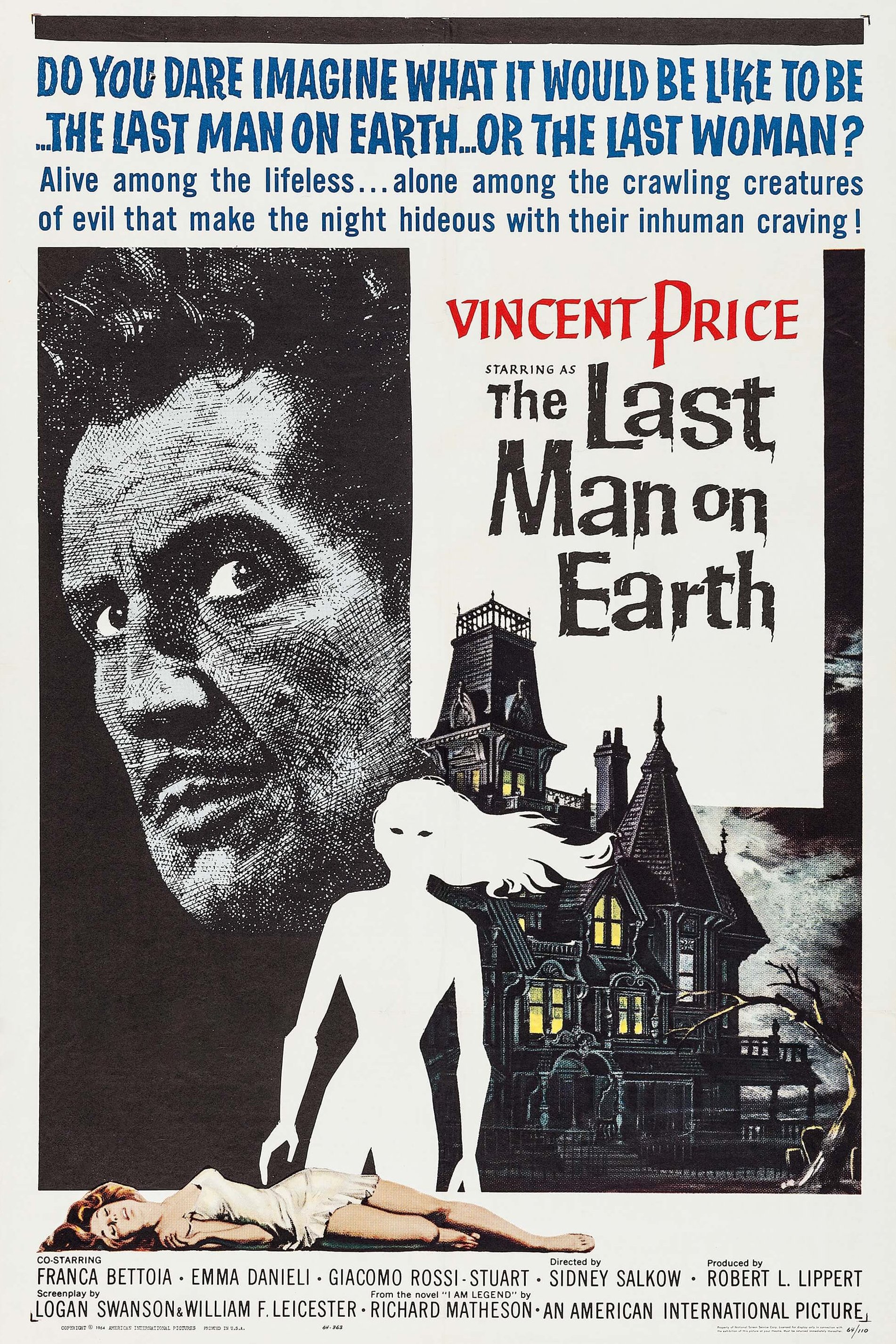
The American screenplay credits list Logan Swanson and William P. Leicester. Swanson was Matheson's pseudonym, and the author explained in an interview published in Pat McGilligan's Backstory 3 that the name combined family surnames. He had used it when he wished to distance himself from work that had been rewritten. Matheson later criticized the finished film, particularly its direction and the choice of Price as the protagonist, although he acknowledged that it followed much of his story. His involvement in the screenplay and his disapproval of the finished adaptation are therefore compatible facts. The changes that prompted his dissatisfaction remain part of the adaptation's contested history.
The Italian-American Production and Its Two Directors
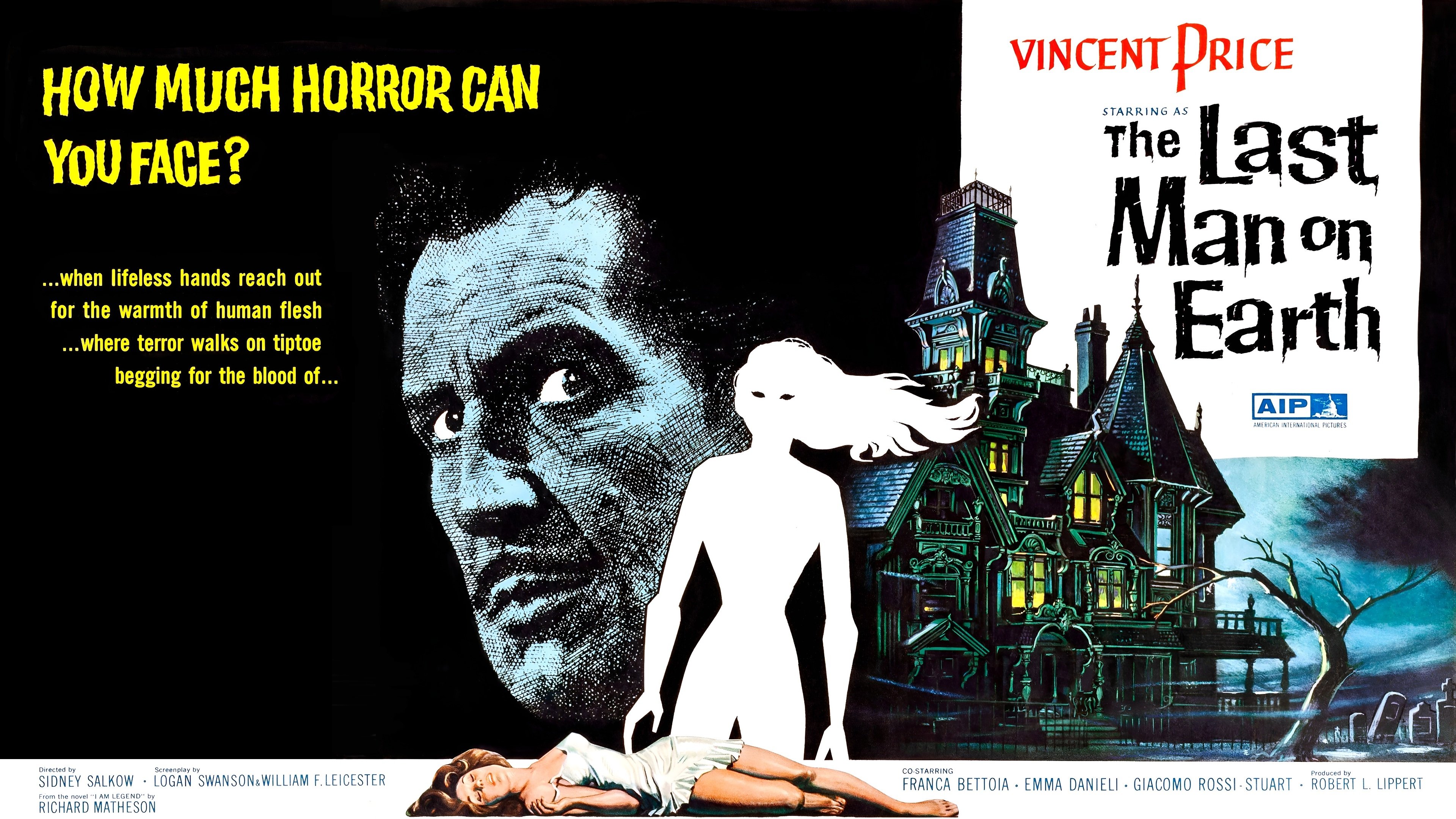
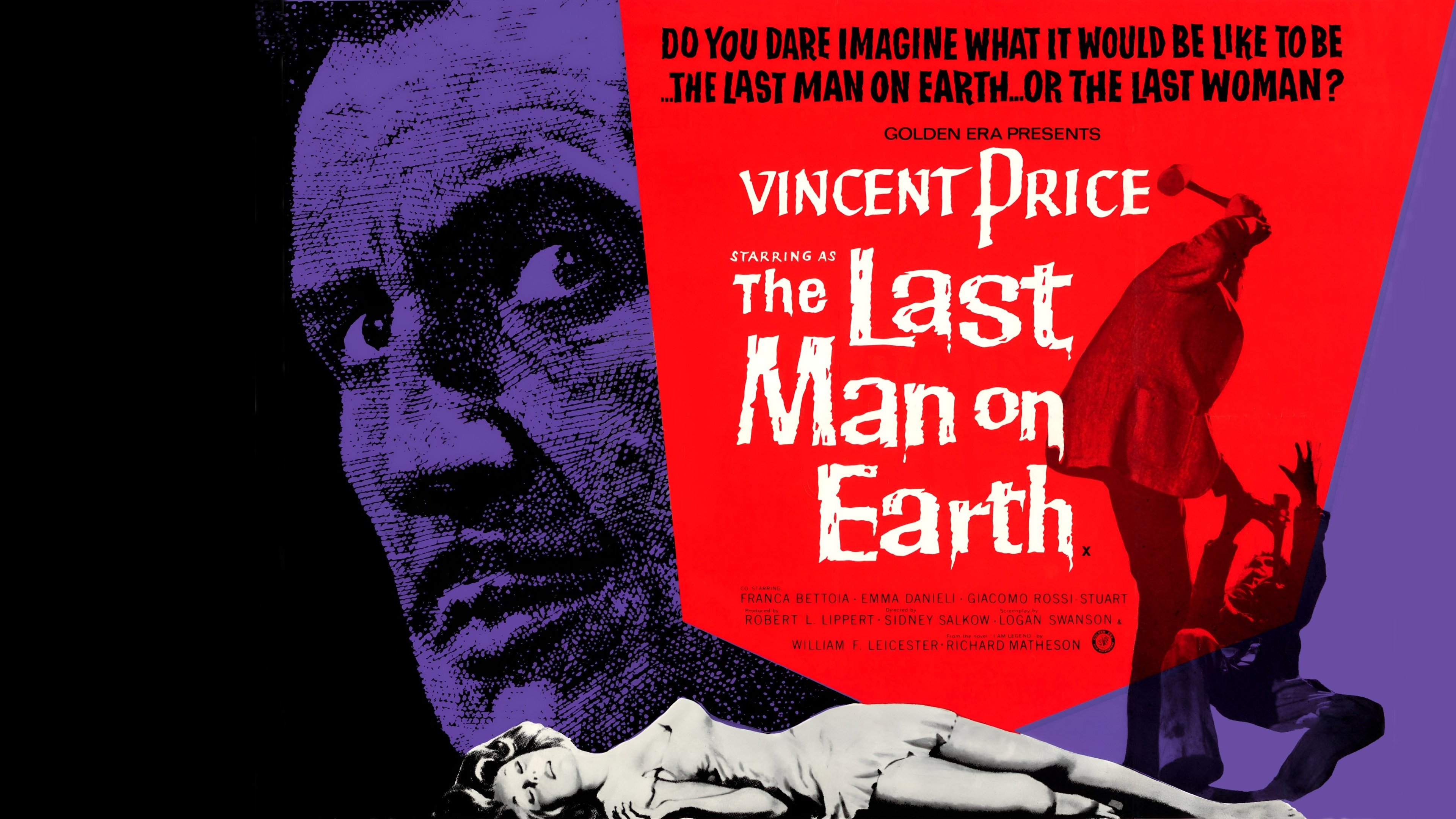
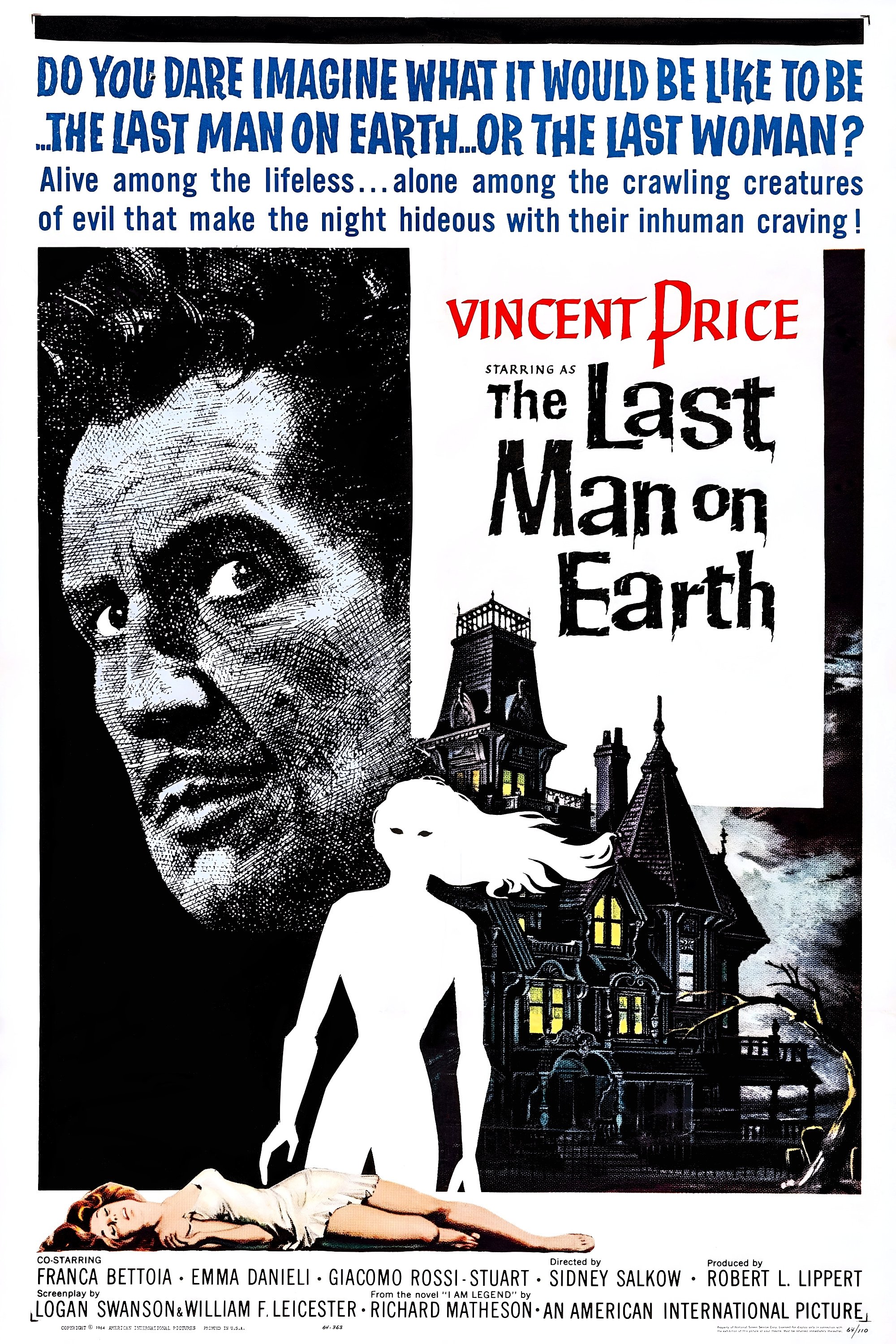
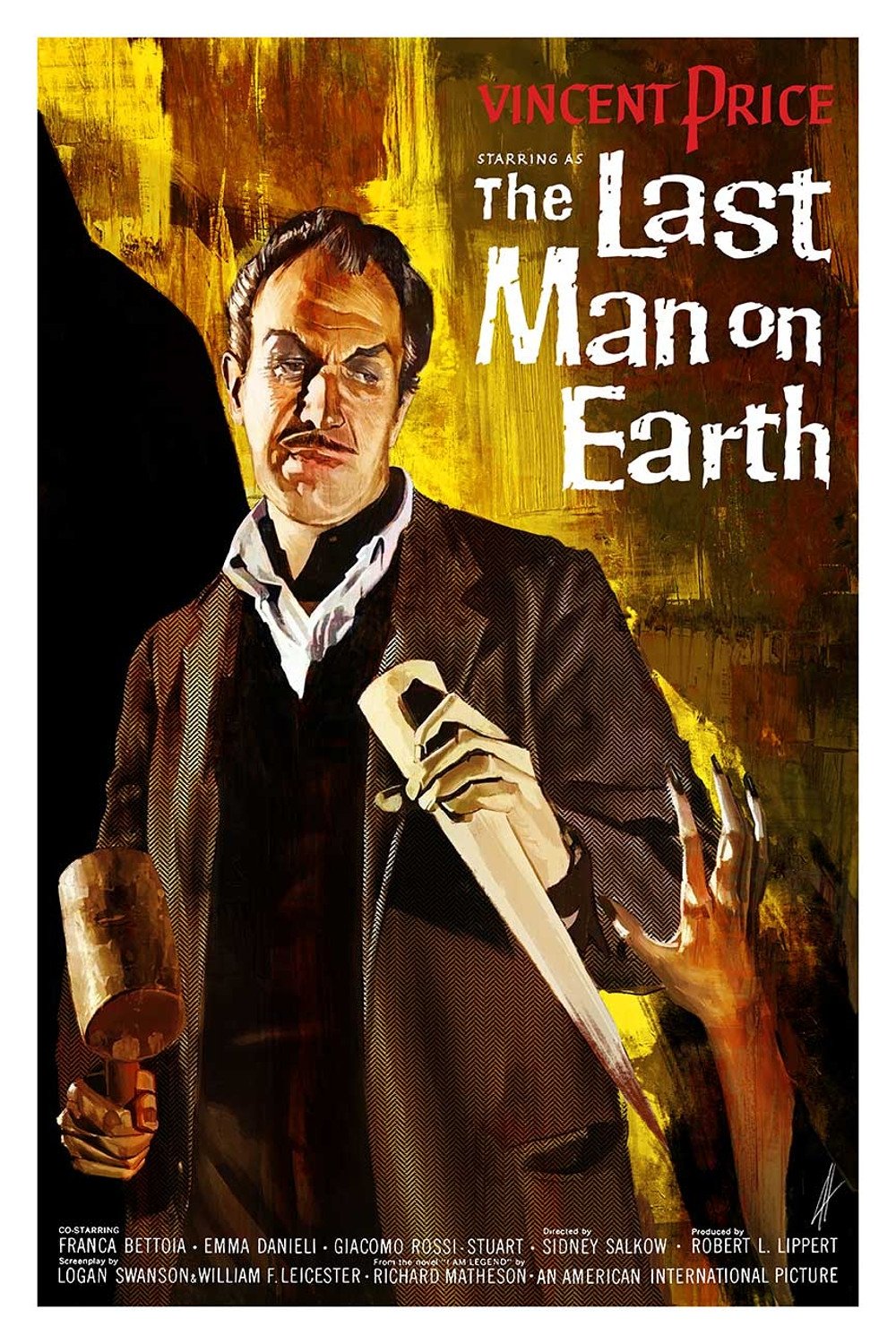
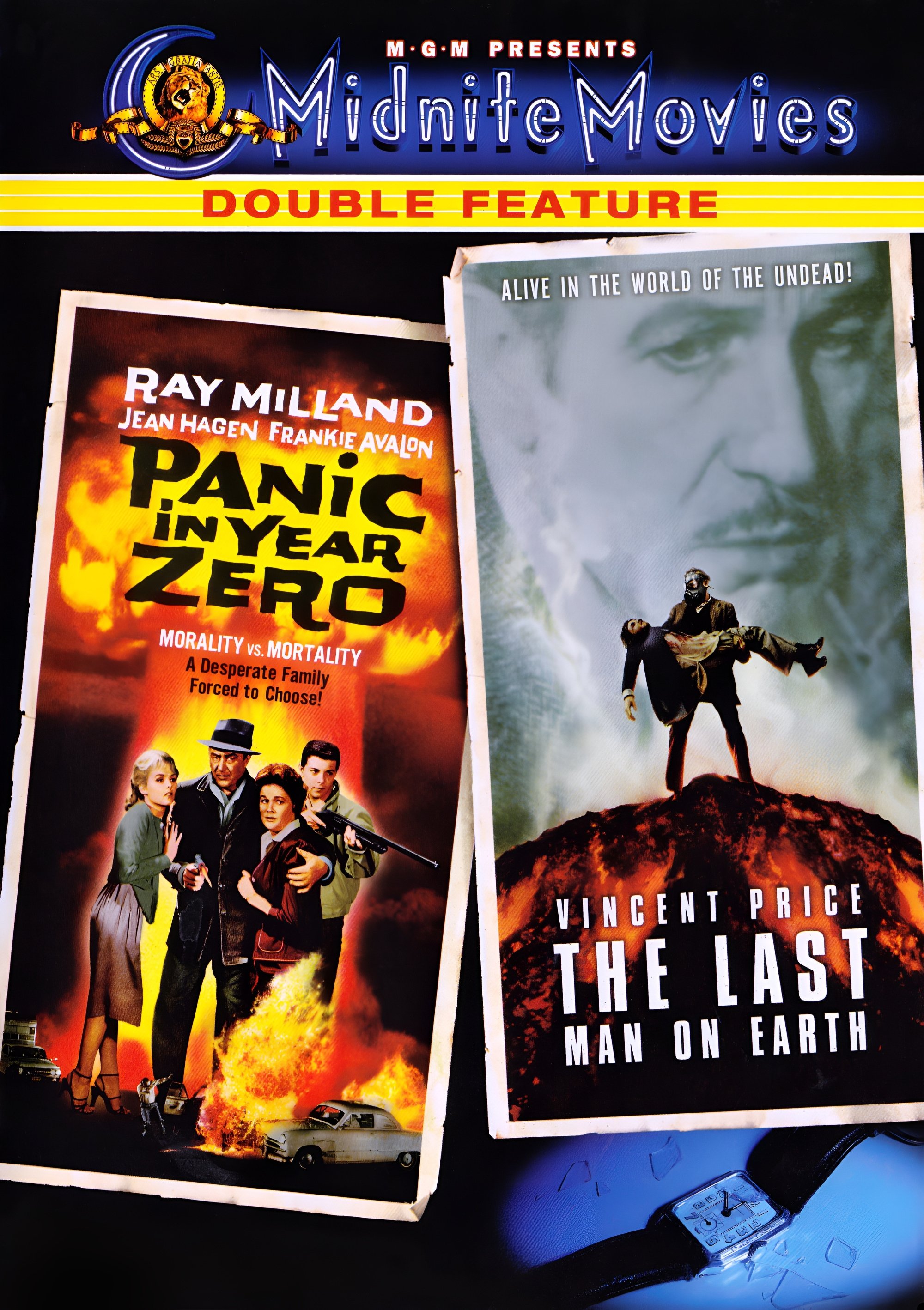
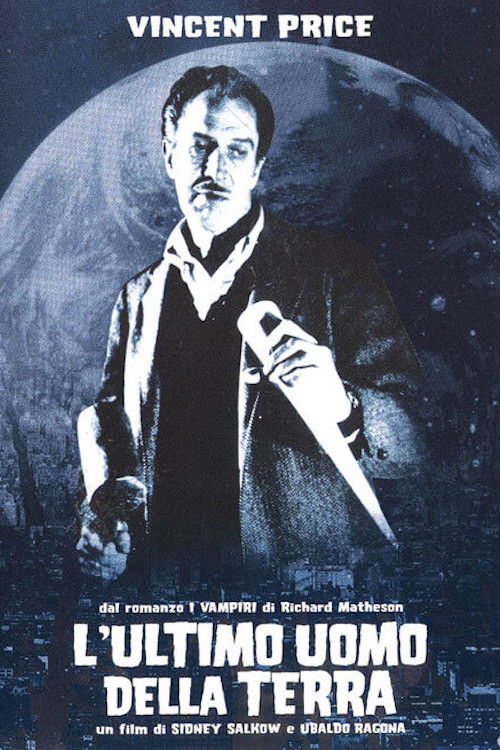
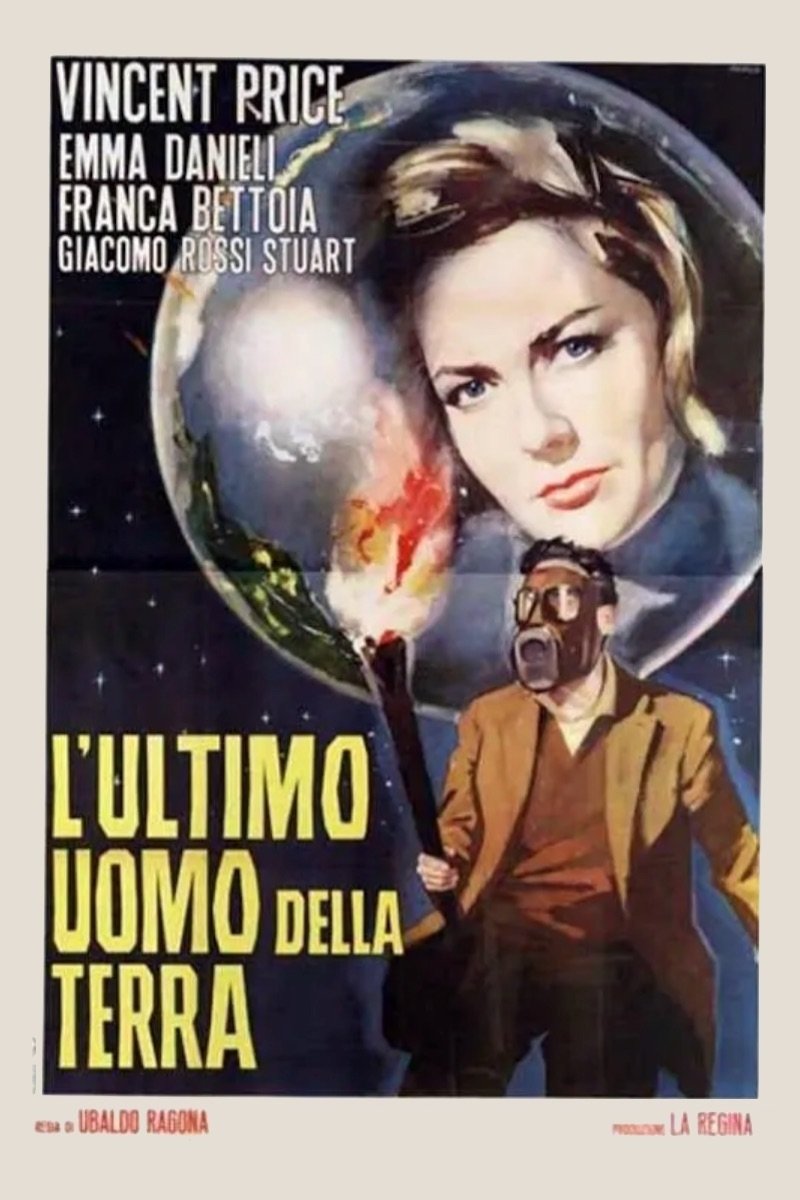
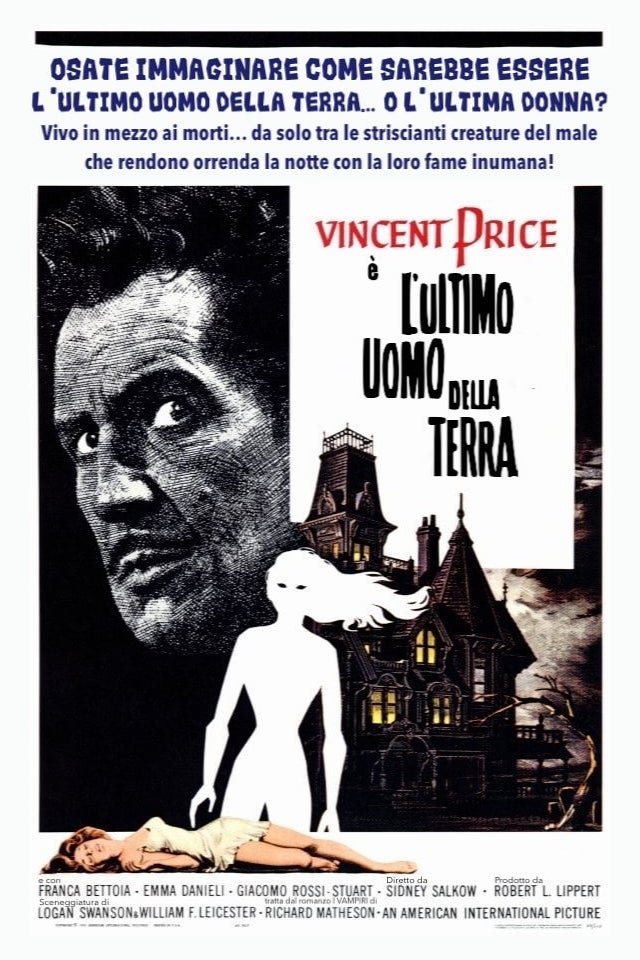
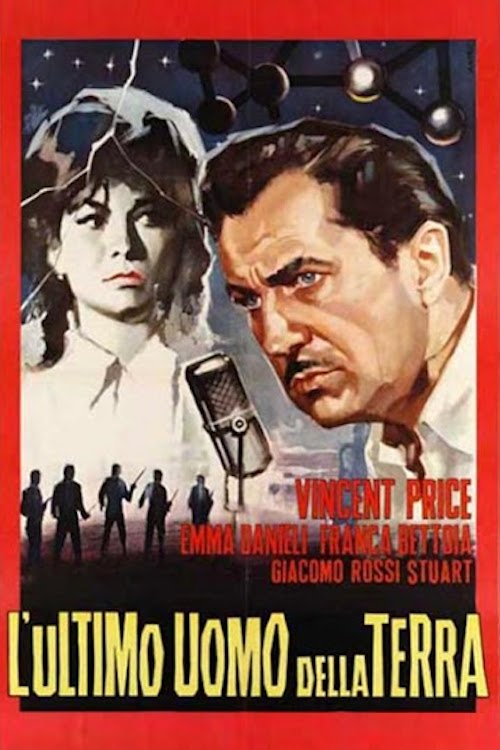
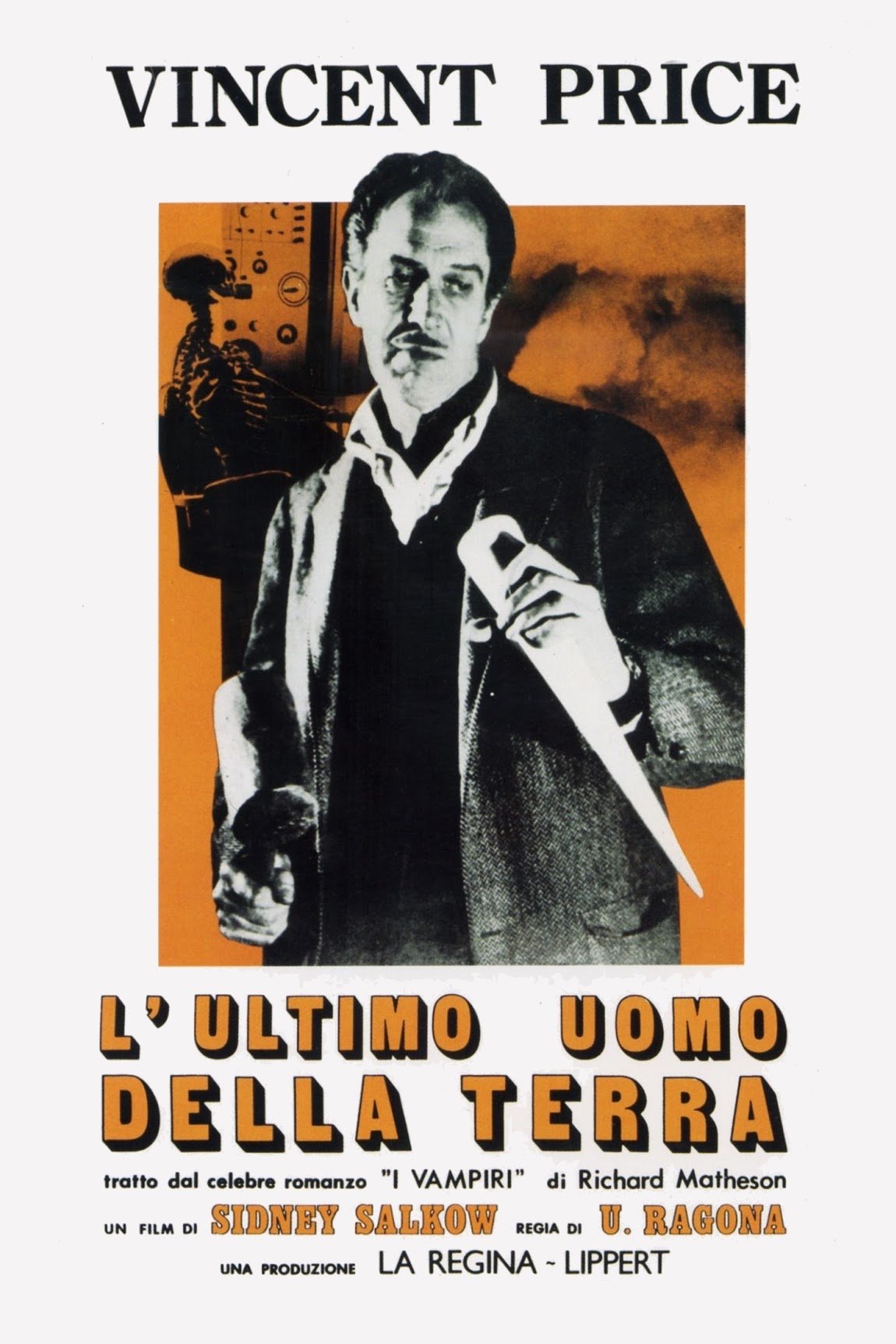
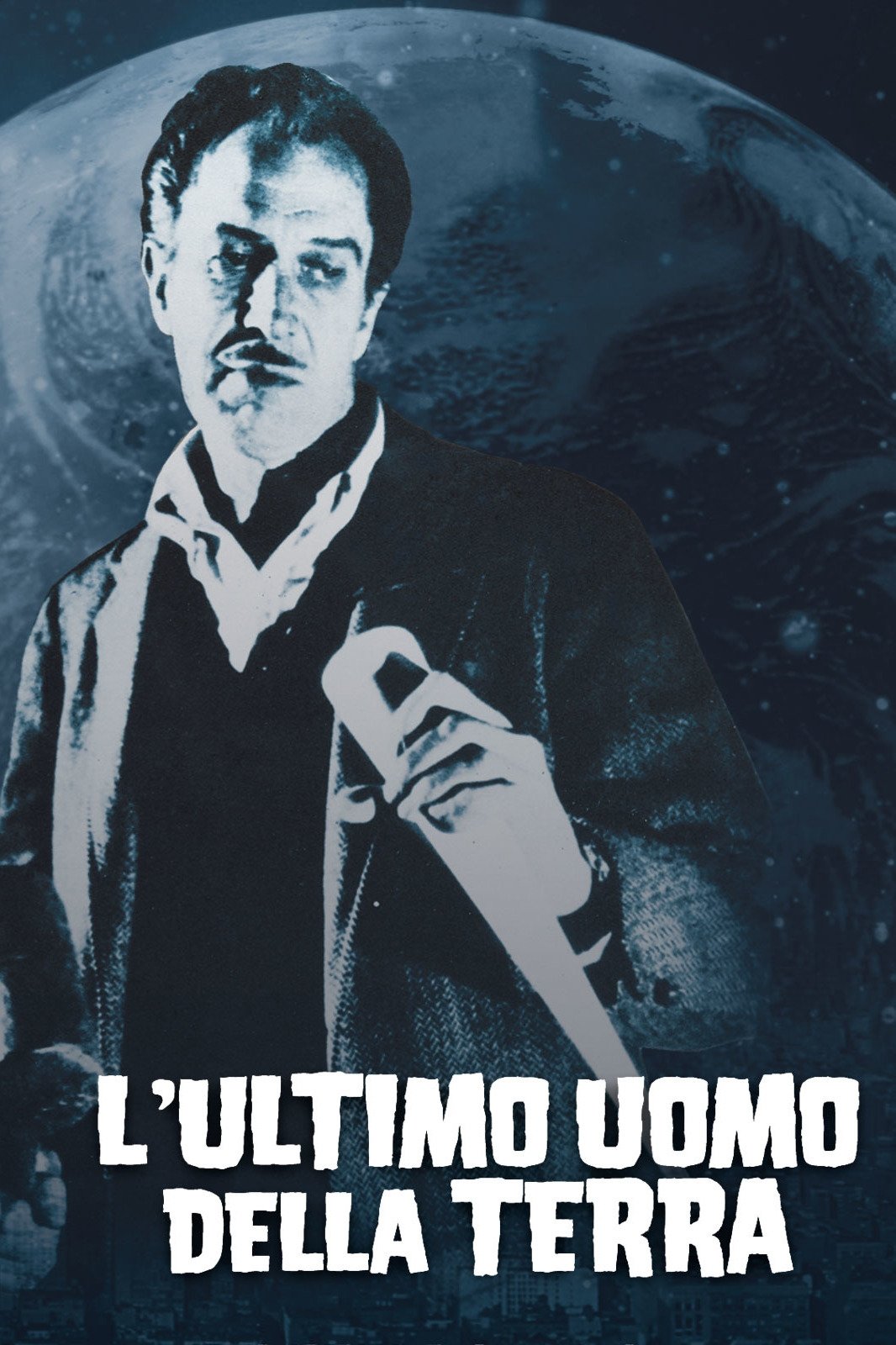
The film's directorial attribution changes with the edition being examined. American prints credit Sidney Salkow, while Italian prints identify Ubaldo Ragona. The AFI preserves both names and specifically associates Ragona with the Italian version. An academic account in the Politecnico di Milano's Transatlantic Transfers project discusses testimony from editor Franca Silvi and makeup artist Pier Antonio Mecacci that supports a substantial directing role for Salkow. Other accounts suggest that Lippert brought him in to rework material filmed by Ragona. The competing accounts leave the division of directorial responsibilities partly unresolved.
The difference extends to screenplay and technical credits. Italian archival records associate Ragona and Furio M. Monetti with the local screenplay, whereas the American credit identifies Swanson and Leicester. The Italian archive lists Franca Silvi in editing, while AFI credits Gene Ruggiero for the American production. These variations establish that national versions were accompanied by different acknowledgments of creative labor. They identify distinct systems of national attribution, while the exact contributions made during filming and preparation of the respective versions remain a subject of historical investigation.
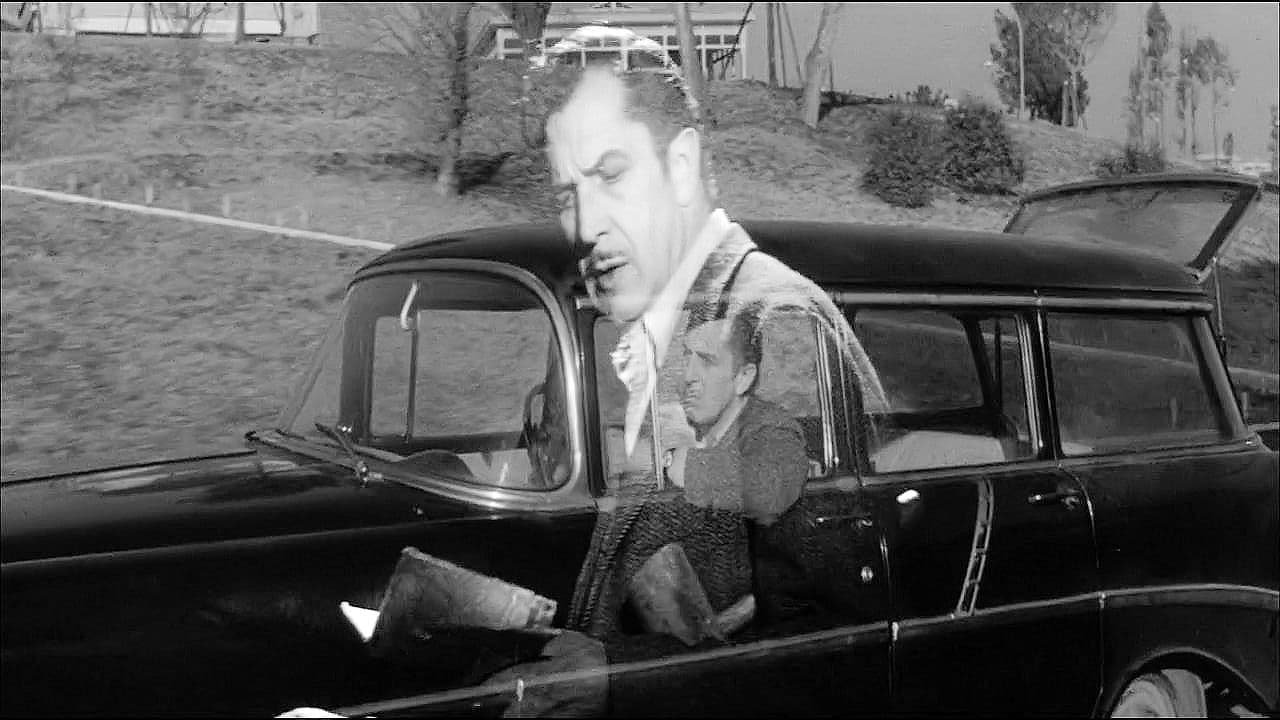
The production combined Italian crews and locations with an American lead actor and a film intended for international distribution. Price later remembered the practical difficulty of photographing Rome as a city ostensibly situated in the United States. In an interview with Tom Weaver, reproduced by Turner Classic Movies, he recalled early-morning trips intended to avoid traffic and recognizable Roman landmarks, as well as the bitter cold encountered during the work. His experience captures the uneasy relationship between the location chosen for economy and the fictional American city depicted on screen.
Rome, Black-and-White Photography and Urban Emptiness
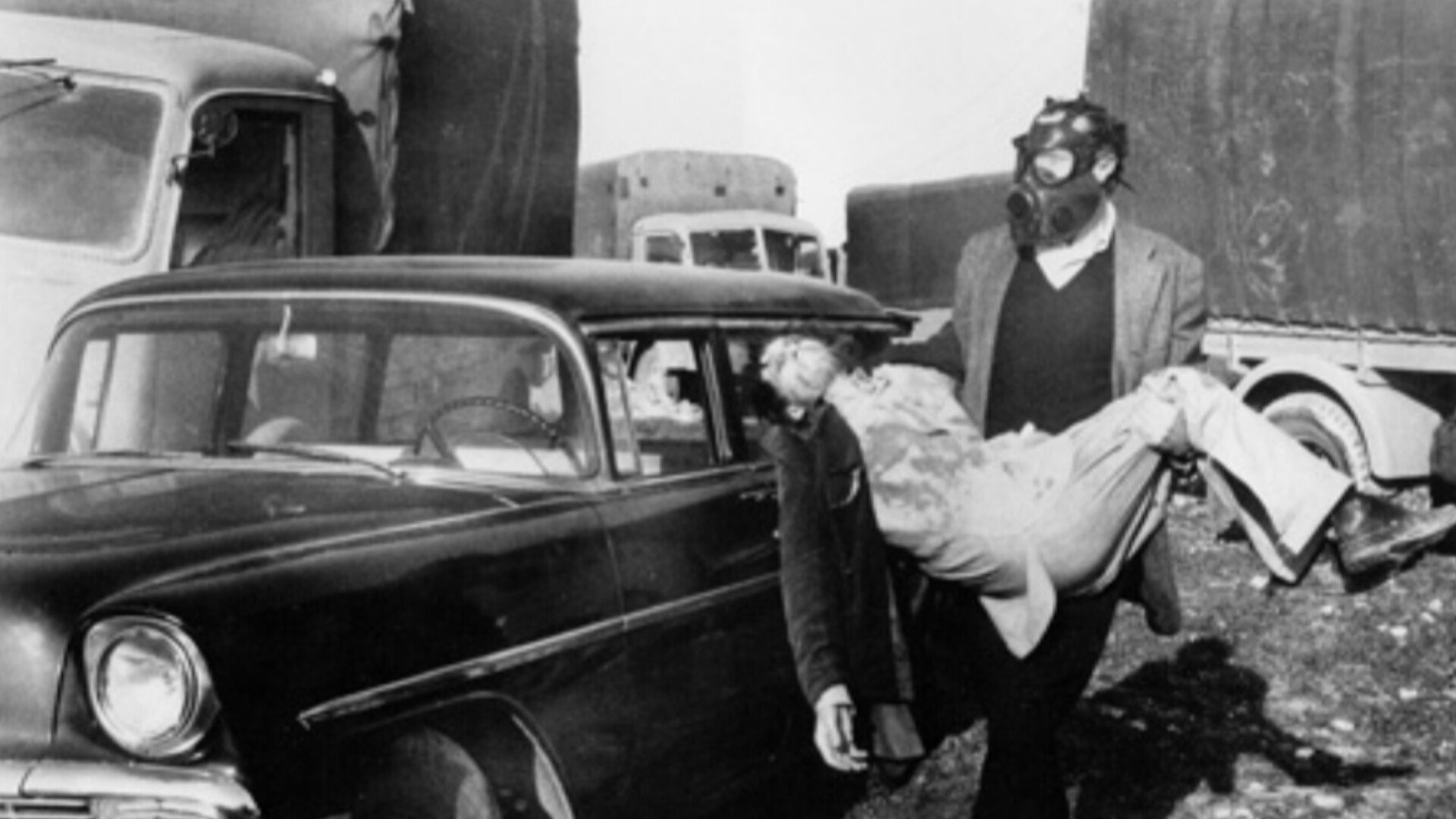
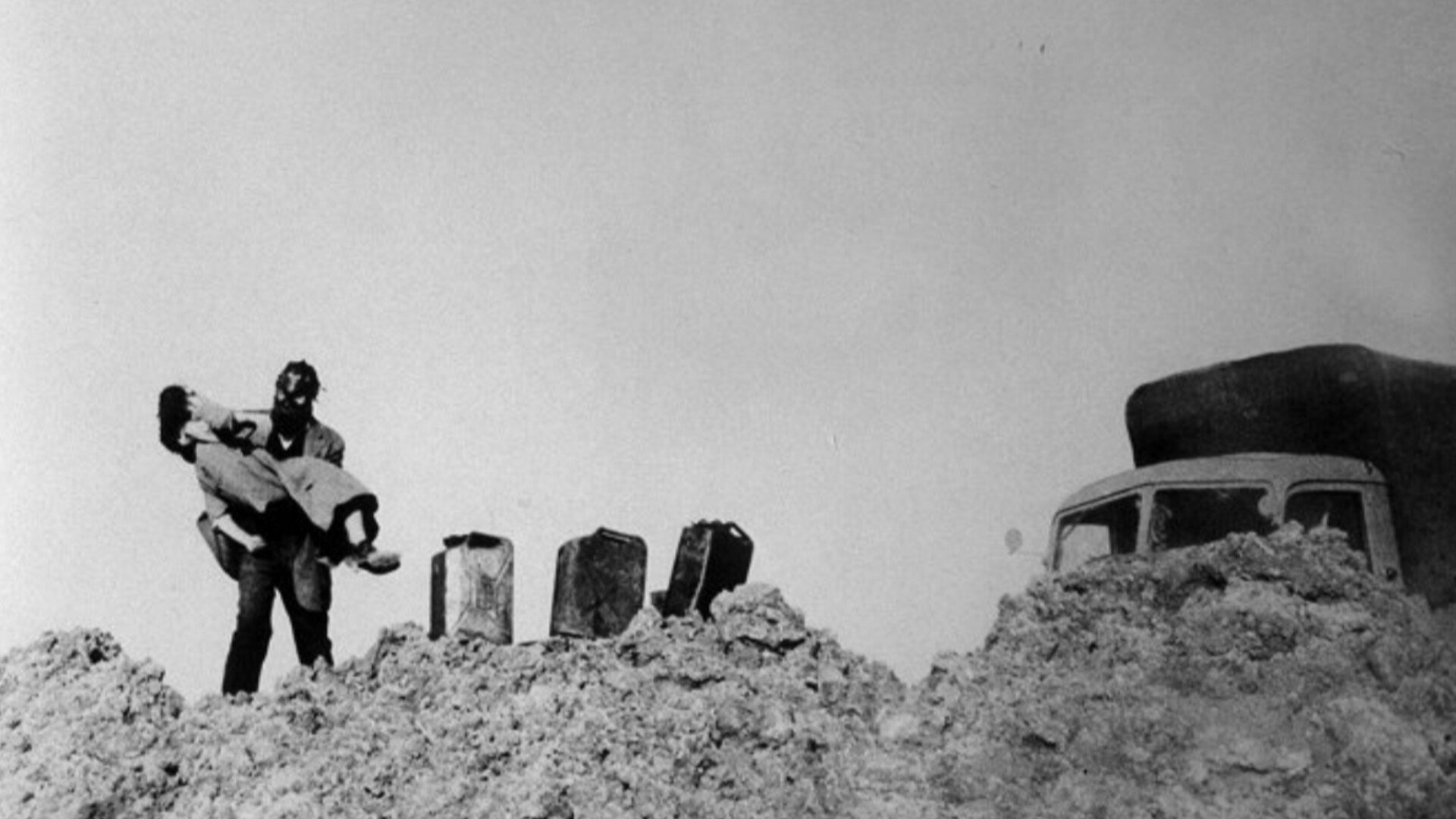
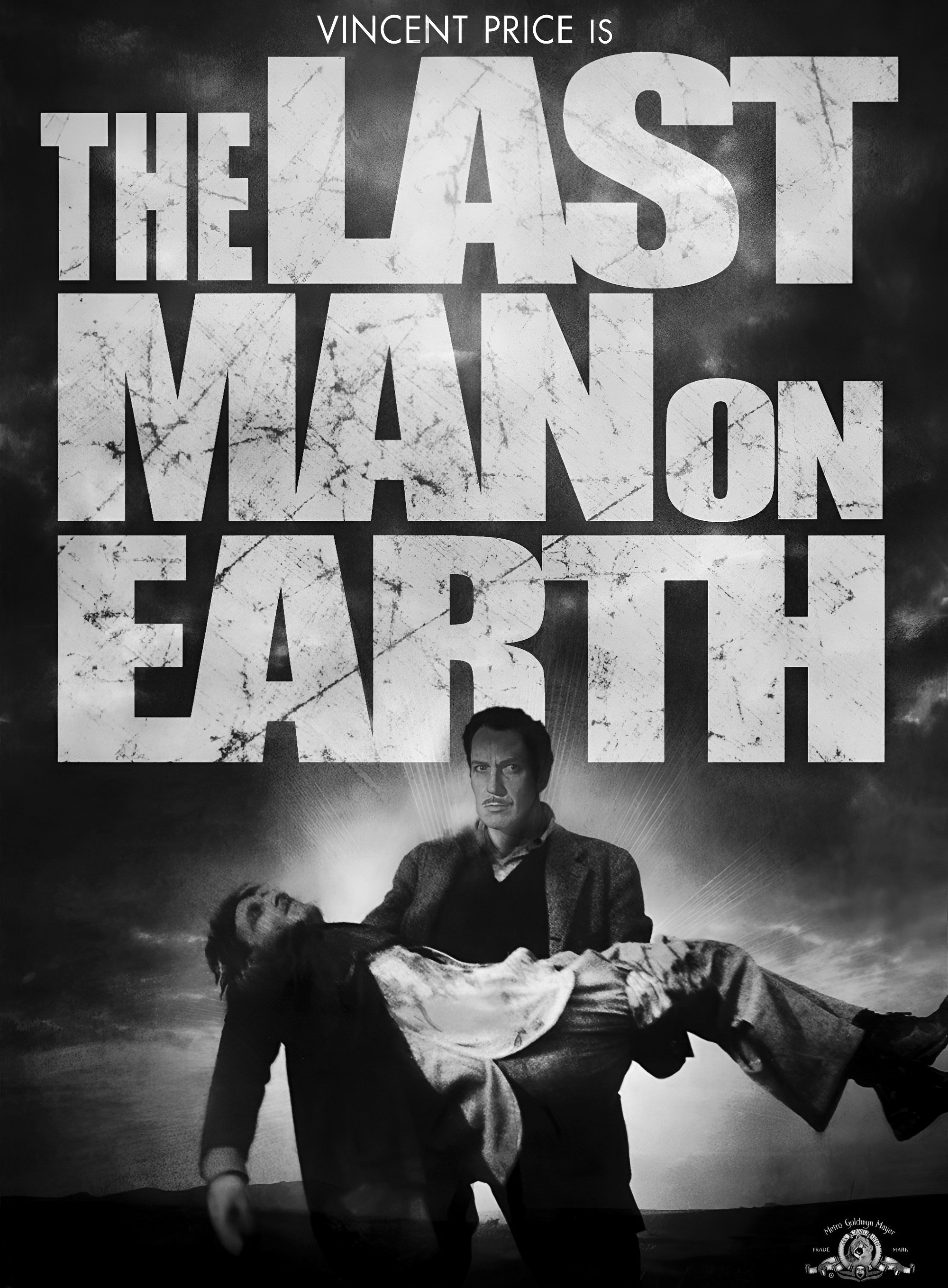
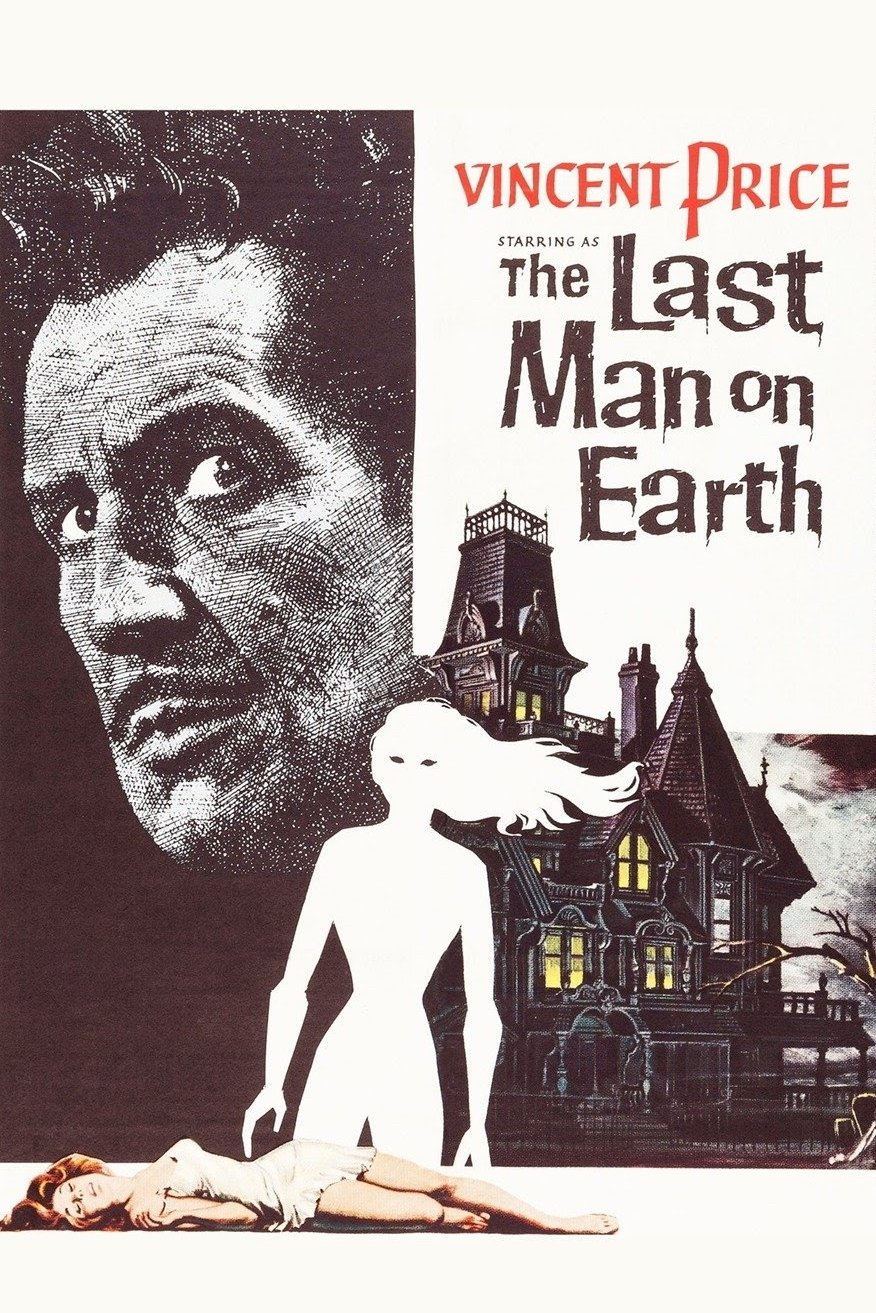
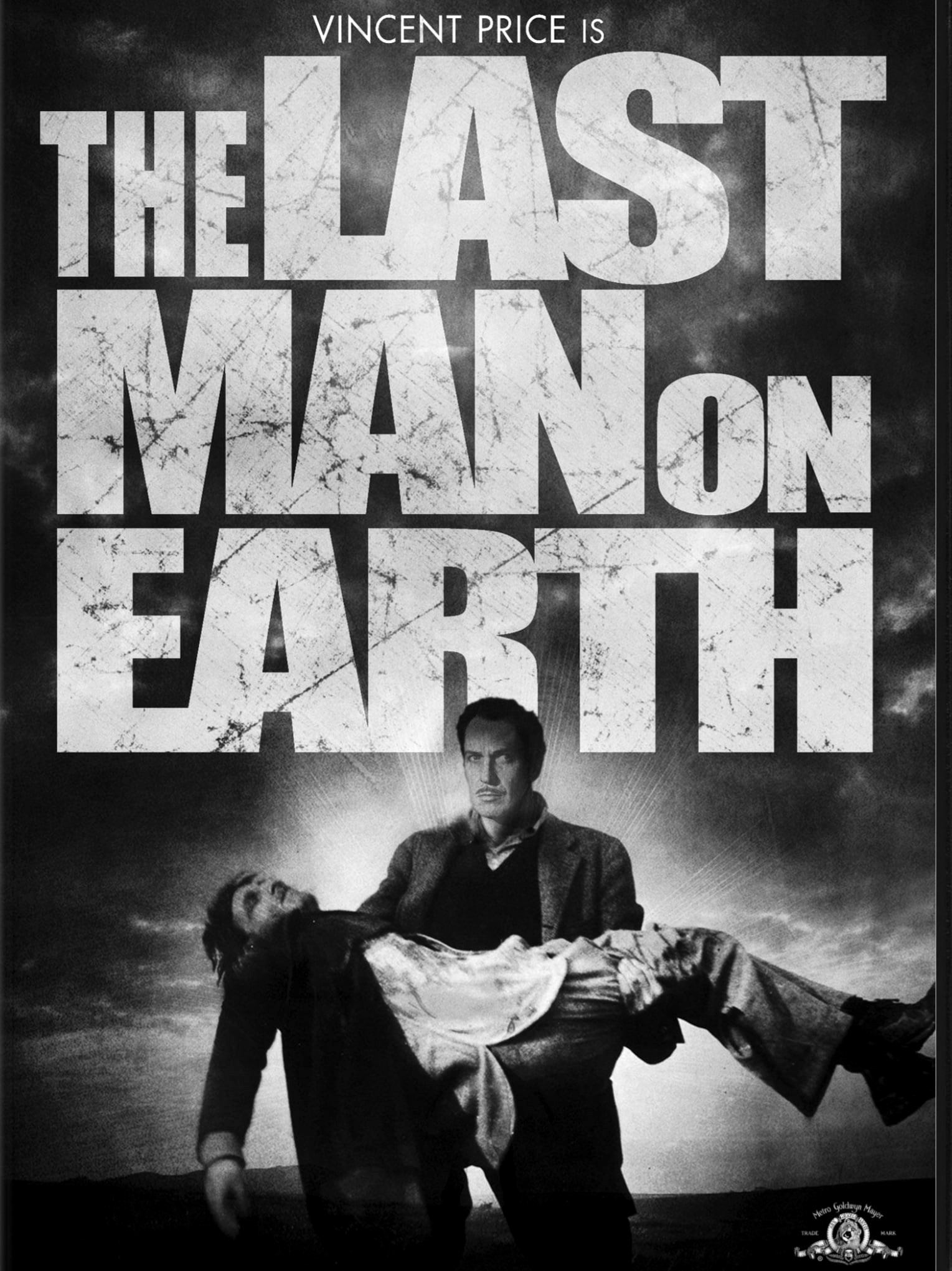
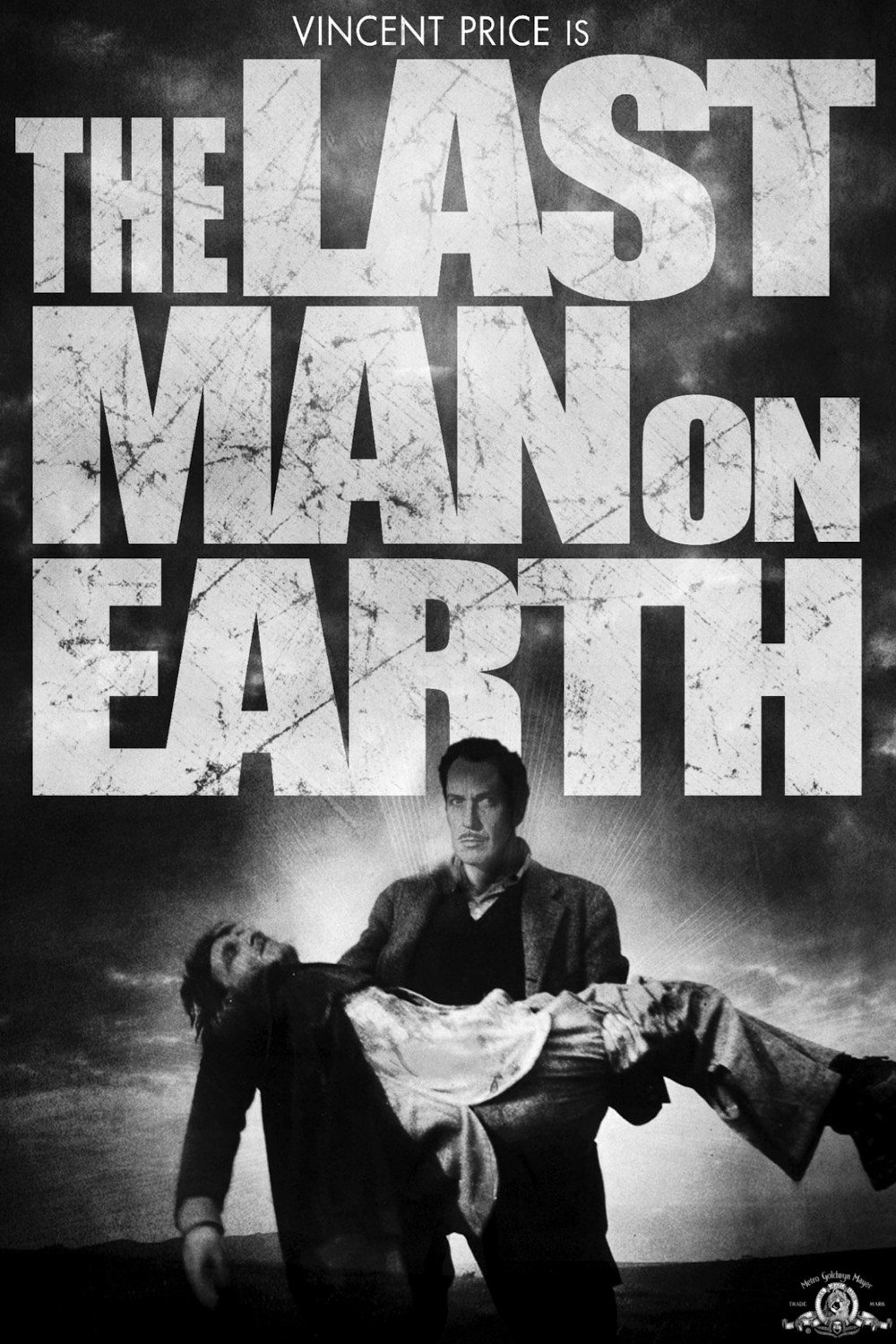
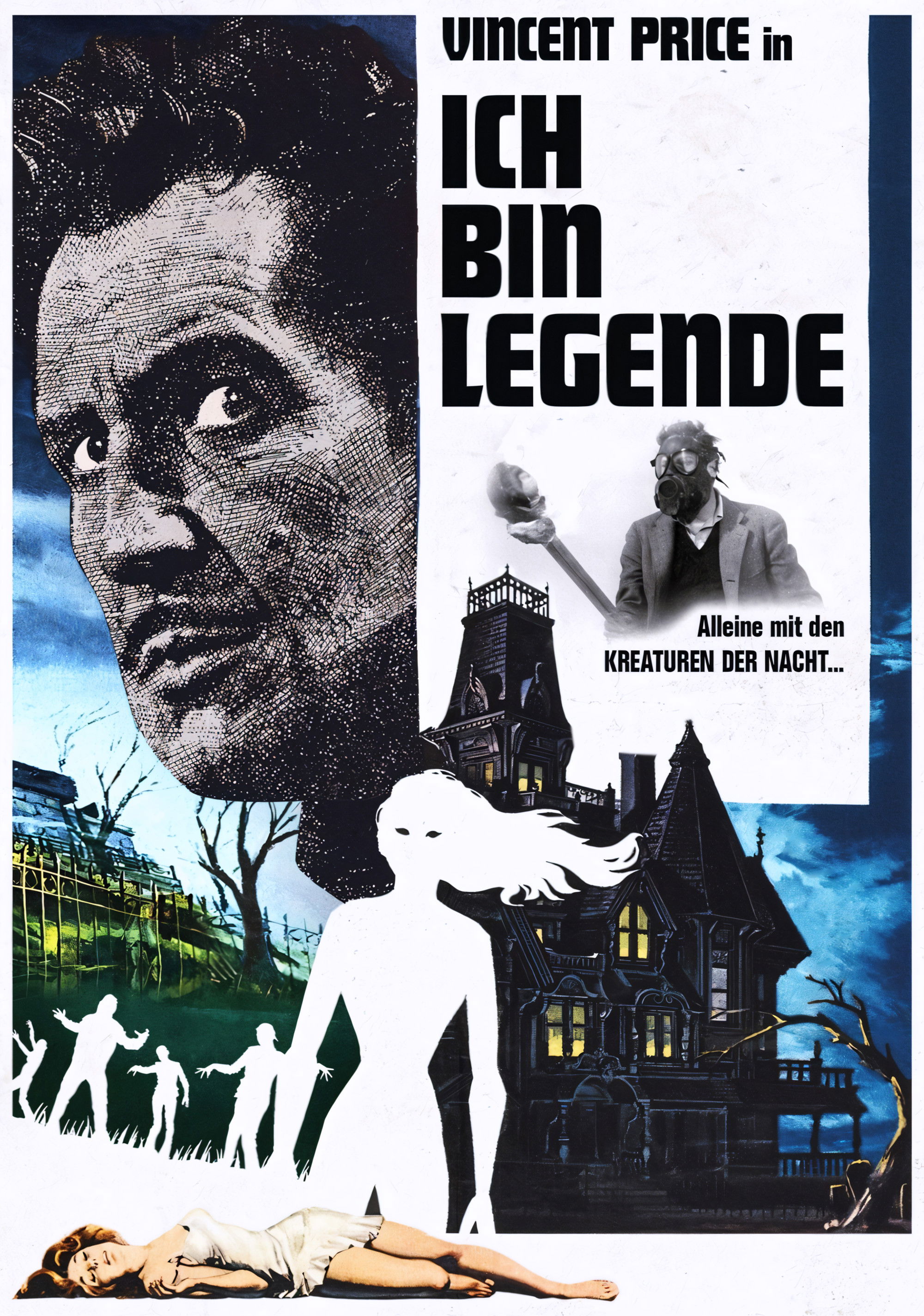
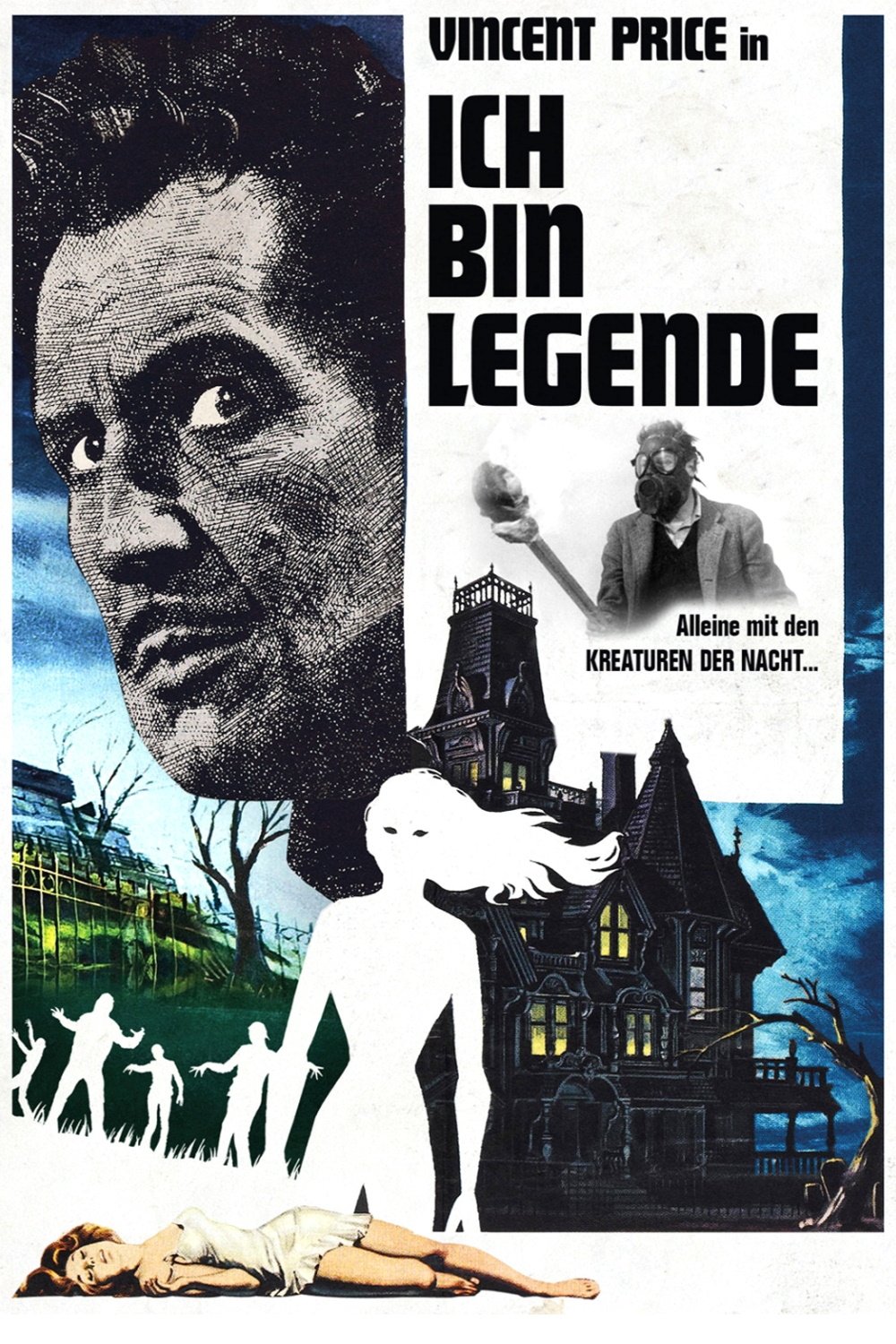
Franco Delli Colli photographed the film in black and white, using largely deserted Roman streets and modern buildings to create the impression of a metropolis after human society has collapsed. The opening passages show abandoned vehicles and bodies lying in broad, exposed spaces. Unlike Gothic vampire settings organized around crypts or castles, the buildings are recent constructions associated with administrative life and modern urban planning. Their ordinary public functions have disappeared, leaving streets that seem built for a population no longer present. The combination gives the film an atmosphere of estrangement before the first nocturnal assault reaches Morgan's house.
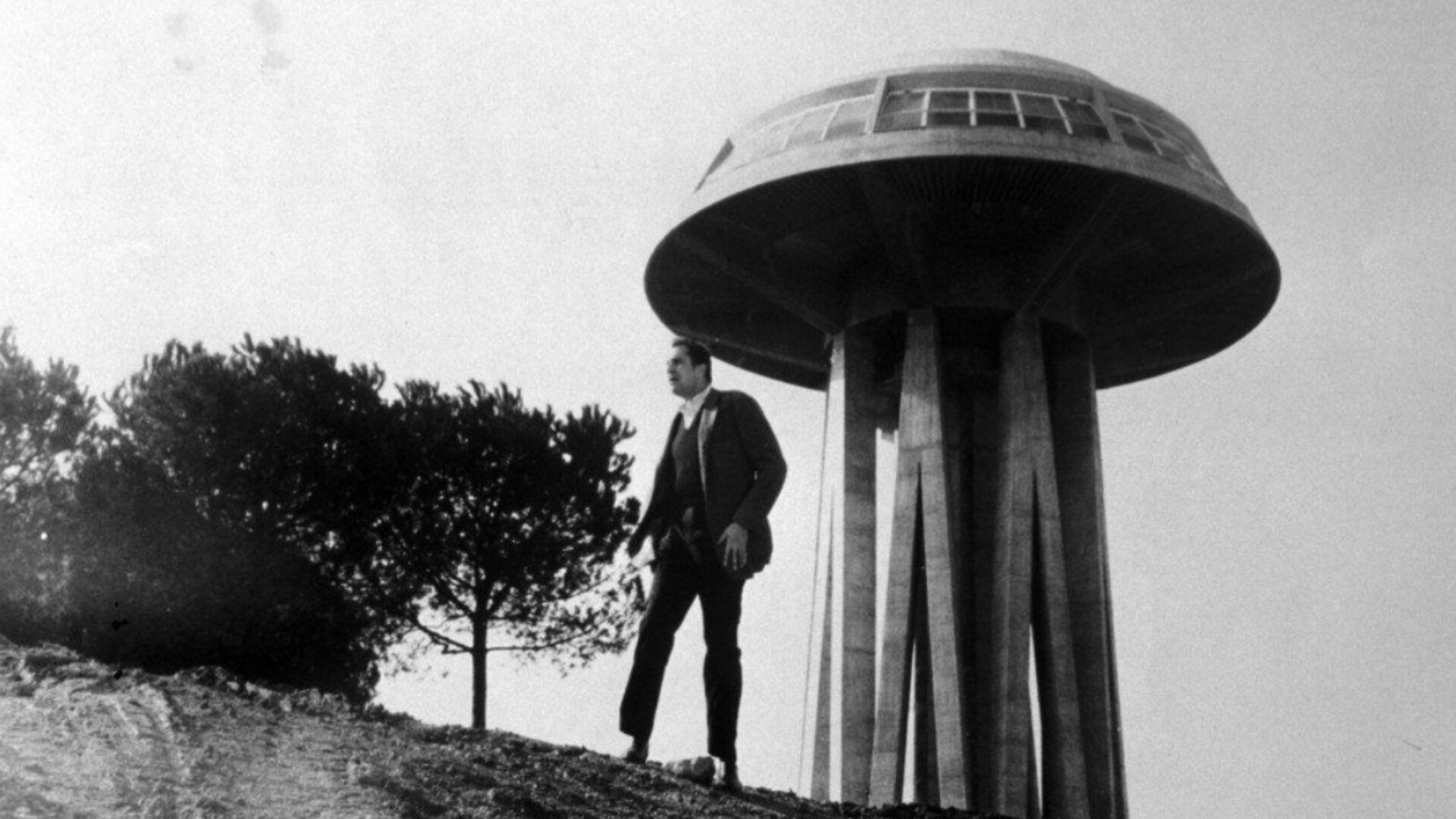
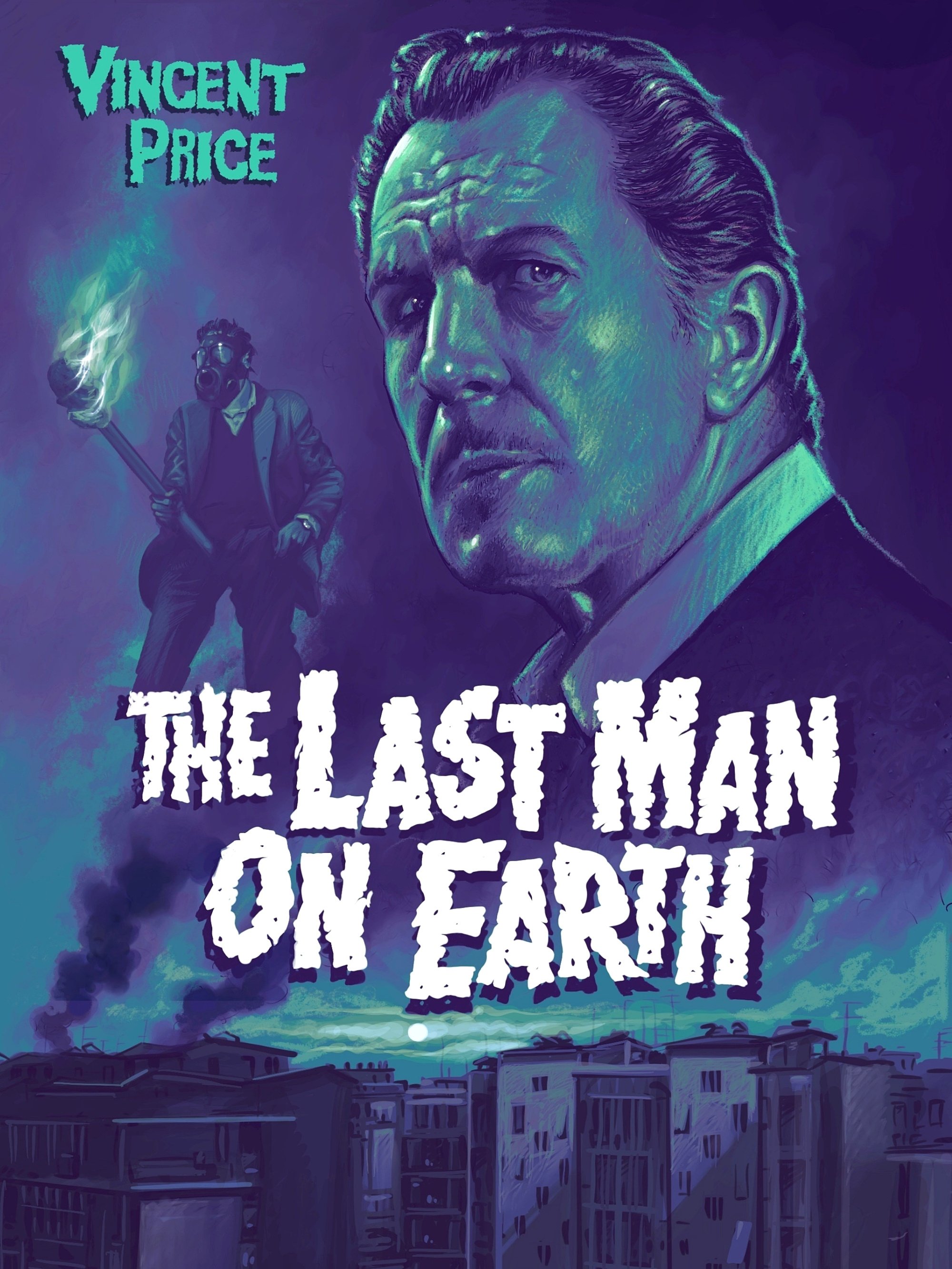
Particularly distinctive are the locations in Rome's EUR district, whose monumental geometry is documented by the Politecnico di Milano research project. Broad avenues, formal stairways and imposing facades lend the ostensibly American city an unmistakably Italian character. Price regarded that discrepancy as a production difficulty. In the finished film, however, the spacious architecture also serves the story's scale: one man can move through a city designed for many thousands, and the distance between buildings makes his isolation immediately visible. The effect is especially pronounced during the long passages in which Morgan moves through the empty streets without encountering another living person.
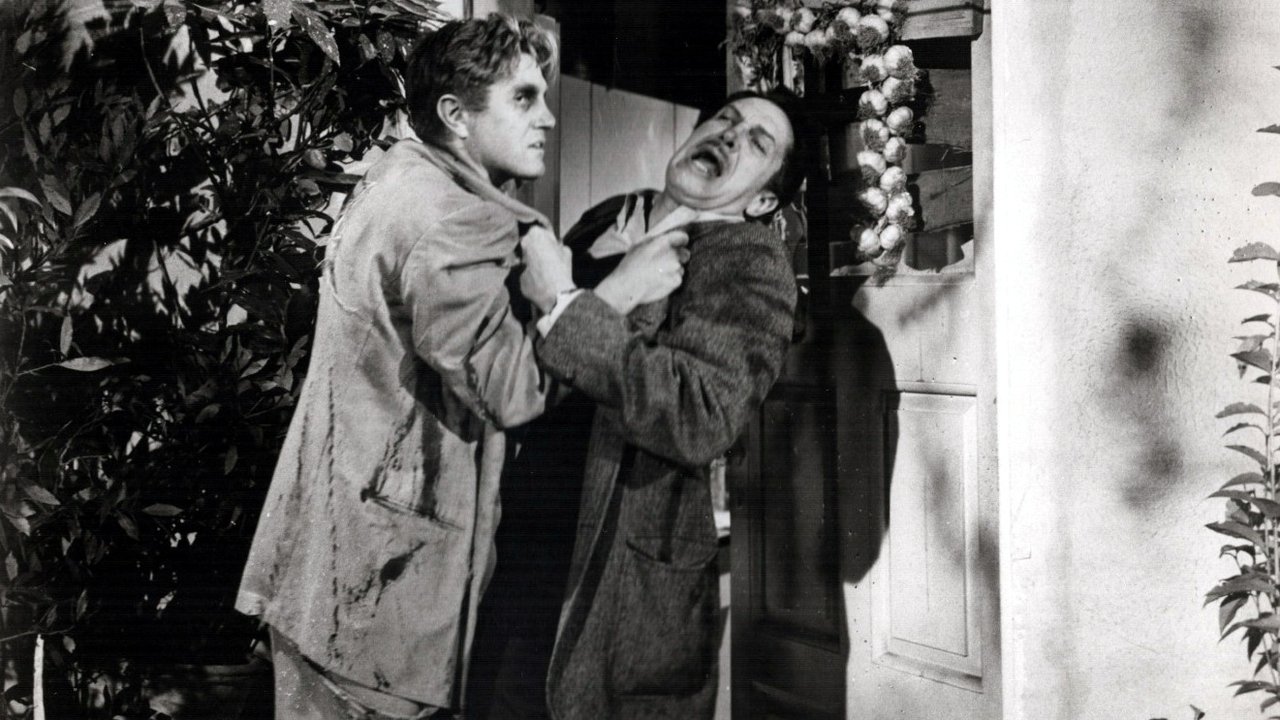
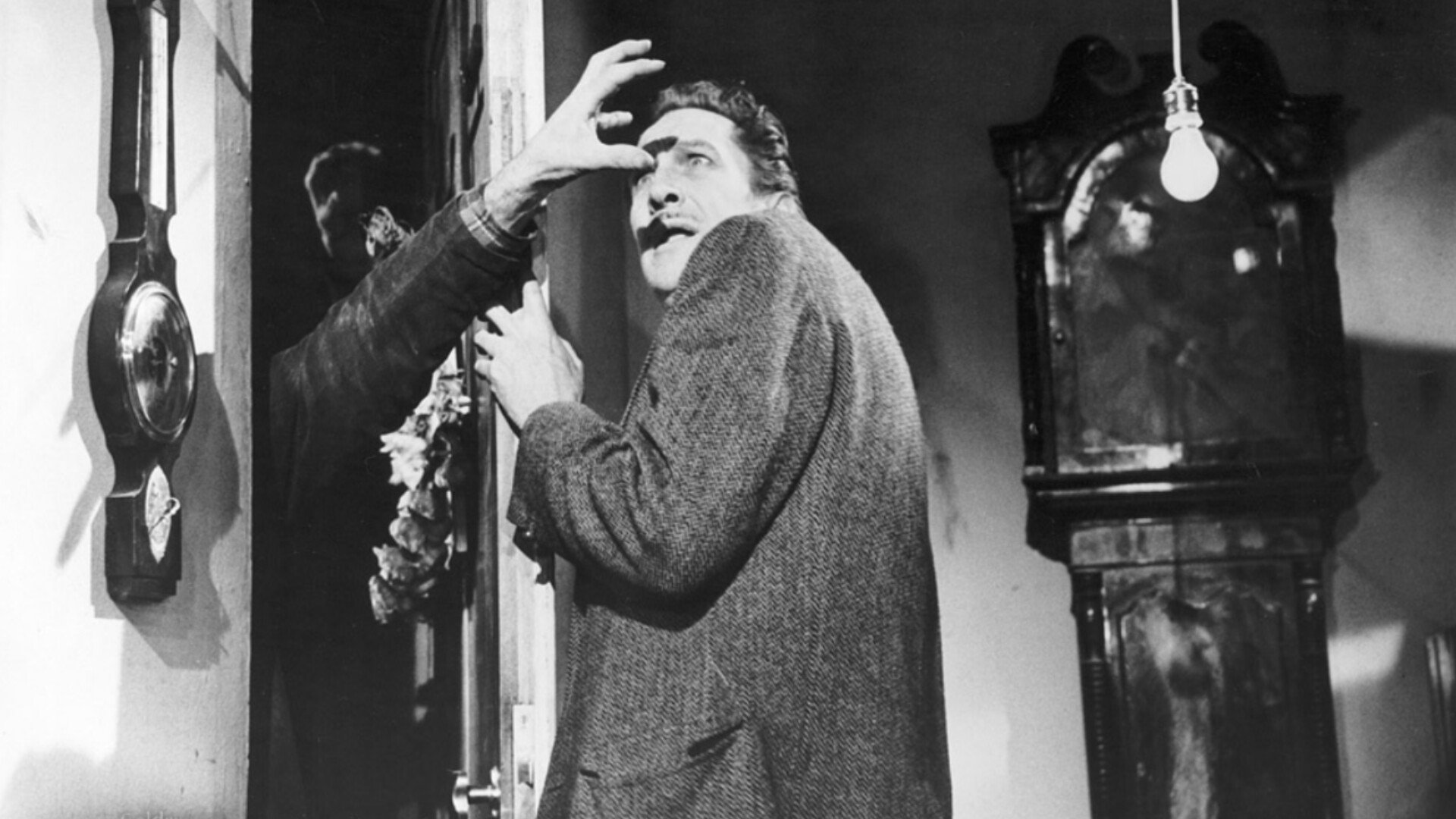
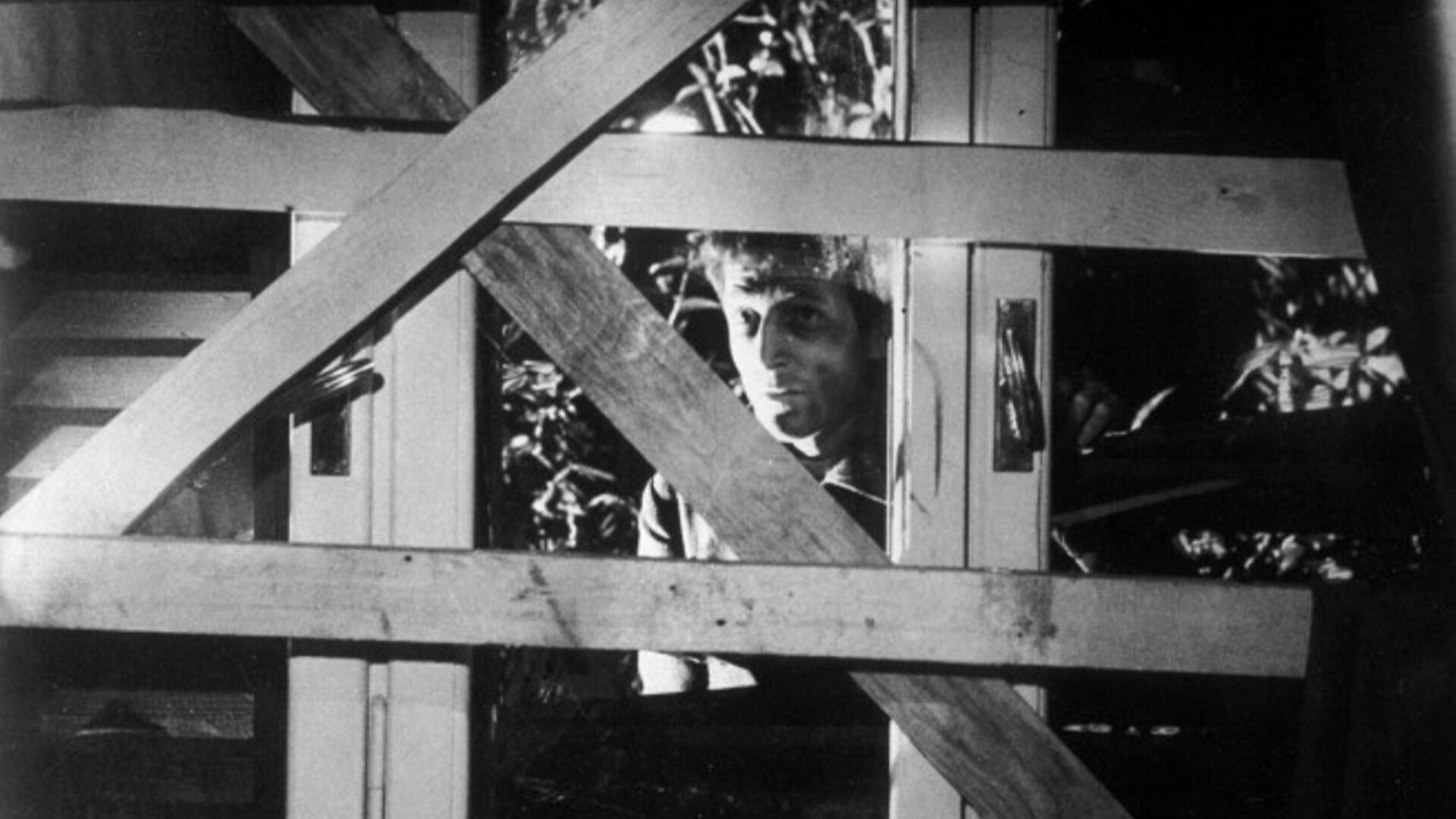
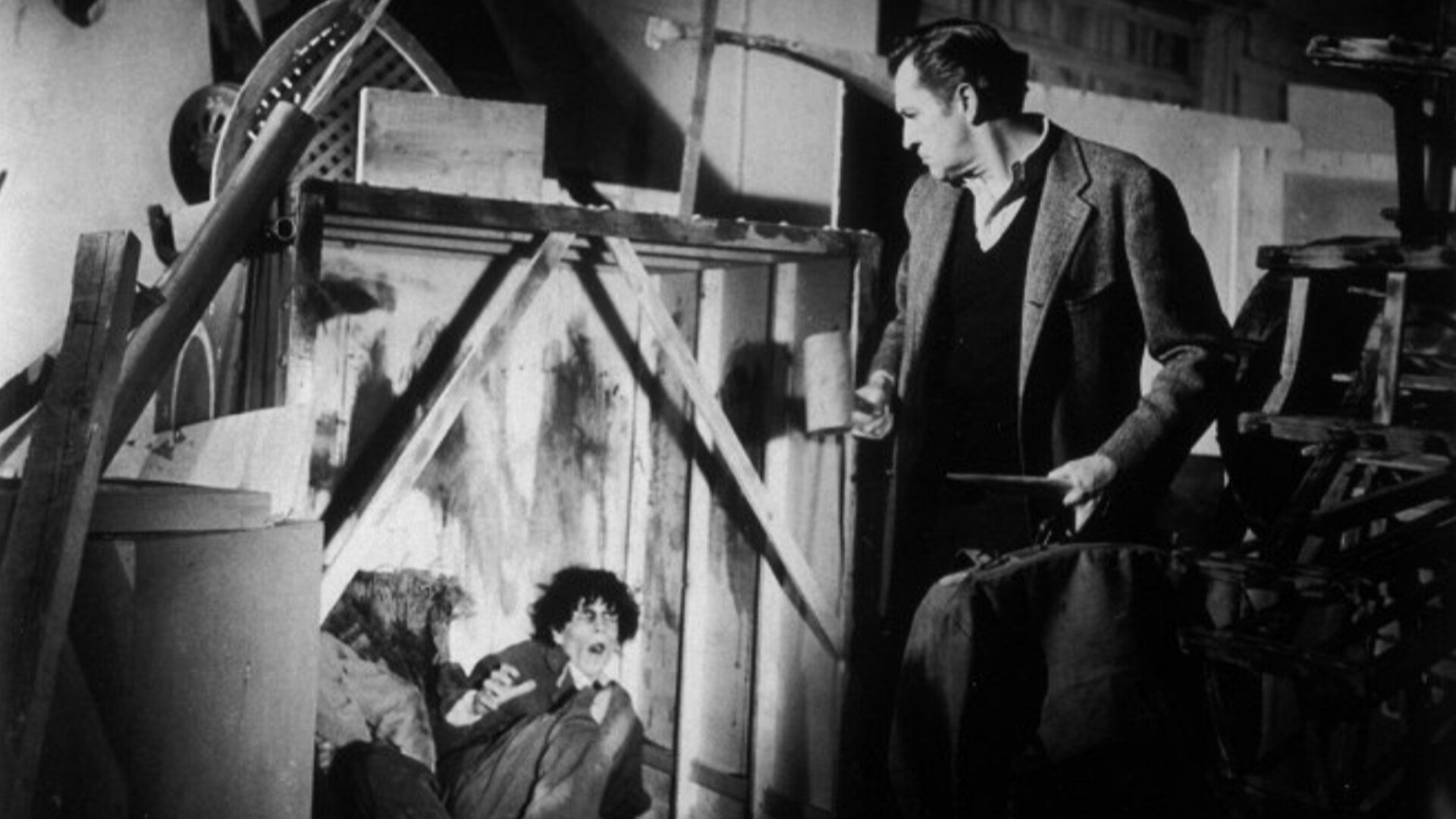
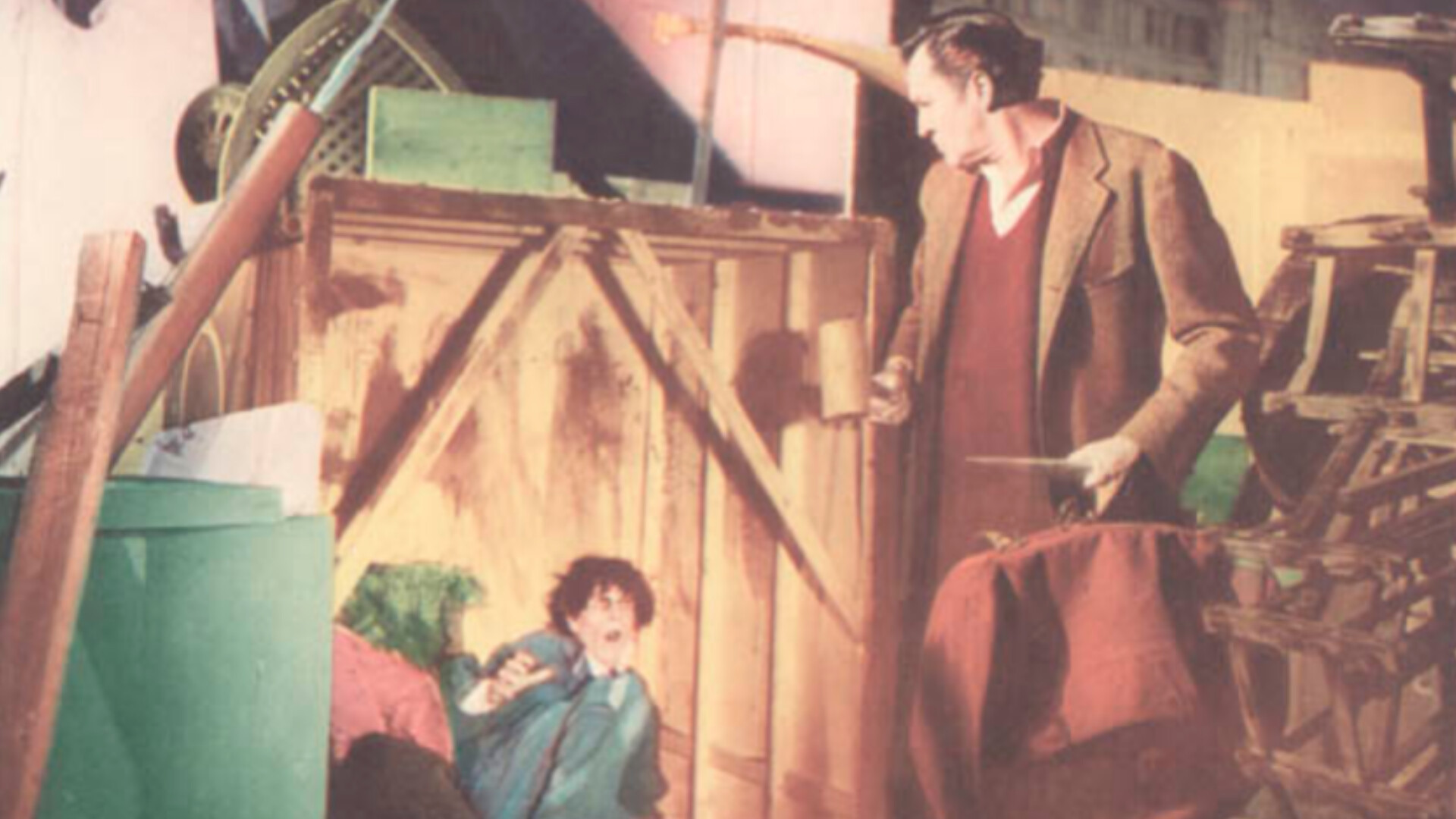
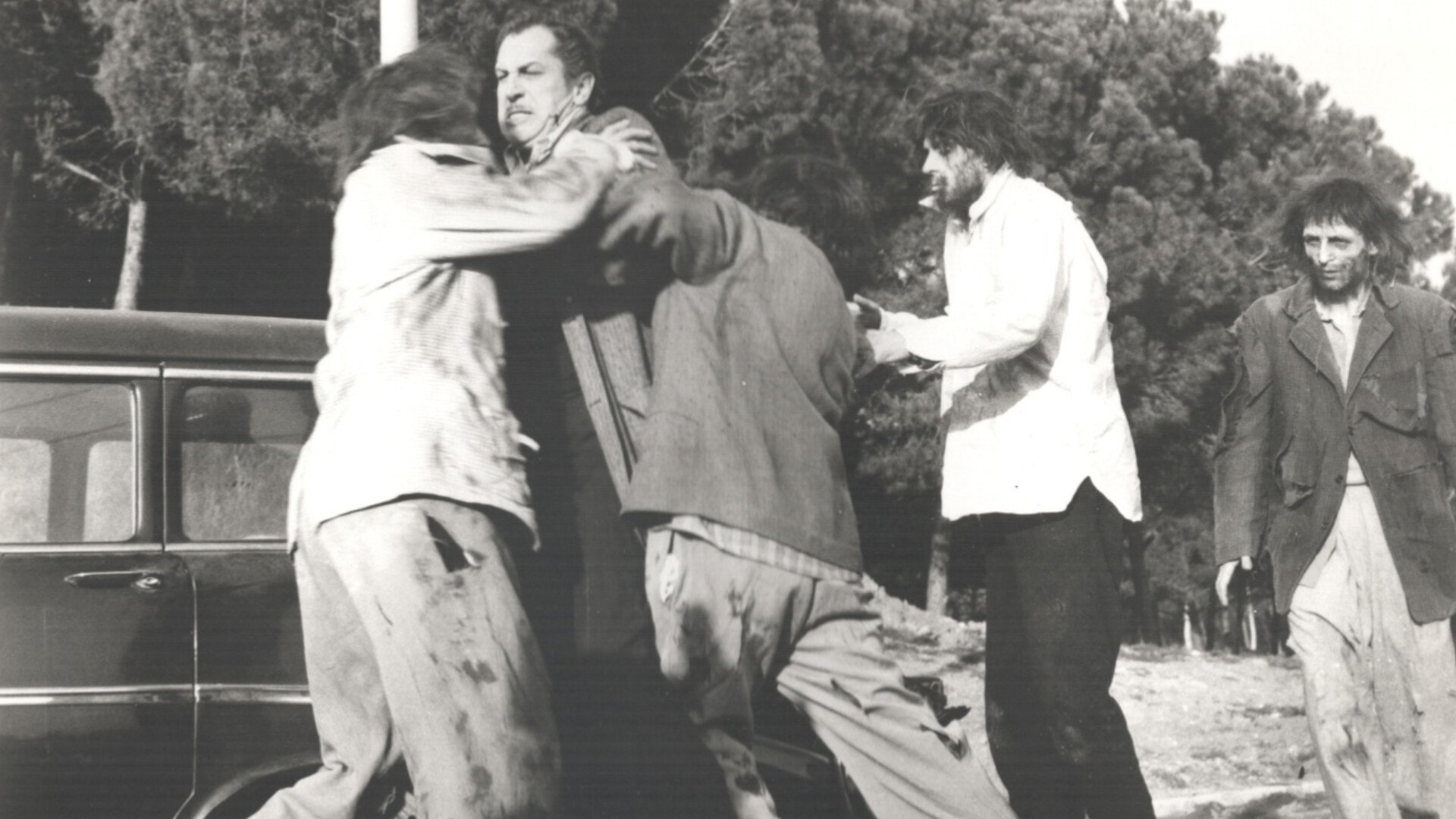
The visual pattern changes after dark. Morgan's home becomes a small defensive enclosure, surrounded by faces, shadows and repetitive impacts at the barricaded entrances. The film's modest means limit the number and complexity of its creatures, so several scenes rely on groups moving slowly and calling to the man inside. Their presence is made threatening by duration and repetition rather than speed. By contrast, daylight excursions allow the camera to return to empty public spaces. This alternation between crowded siege and vacant city gives the daily cycle a recognizable rhythm and links the vampire threat to the absence of ordinary social life.
Vincent Price and the Routine of Survival
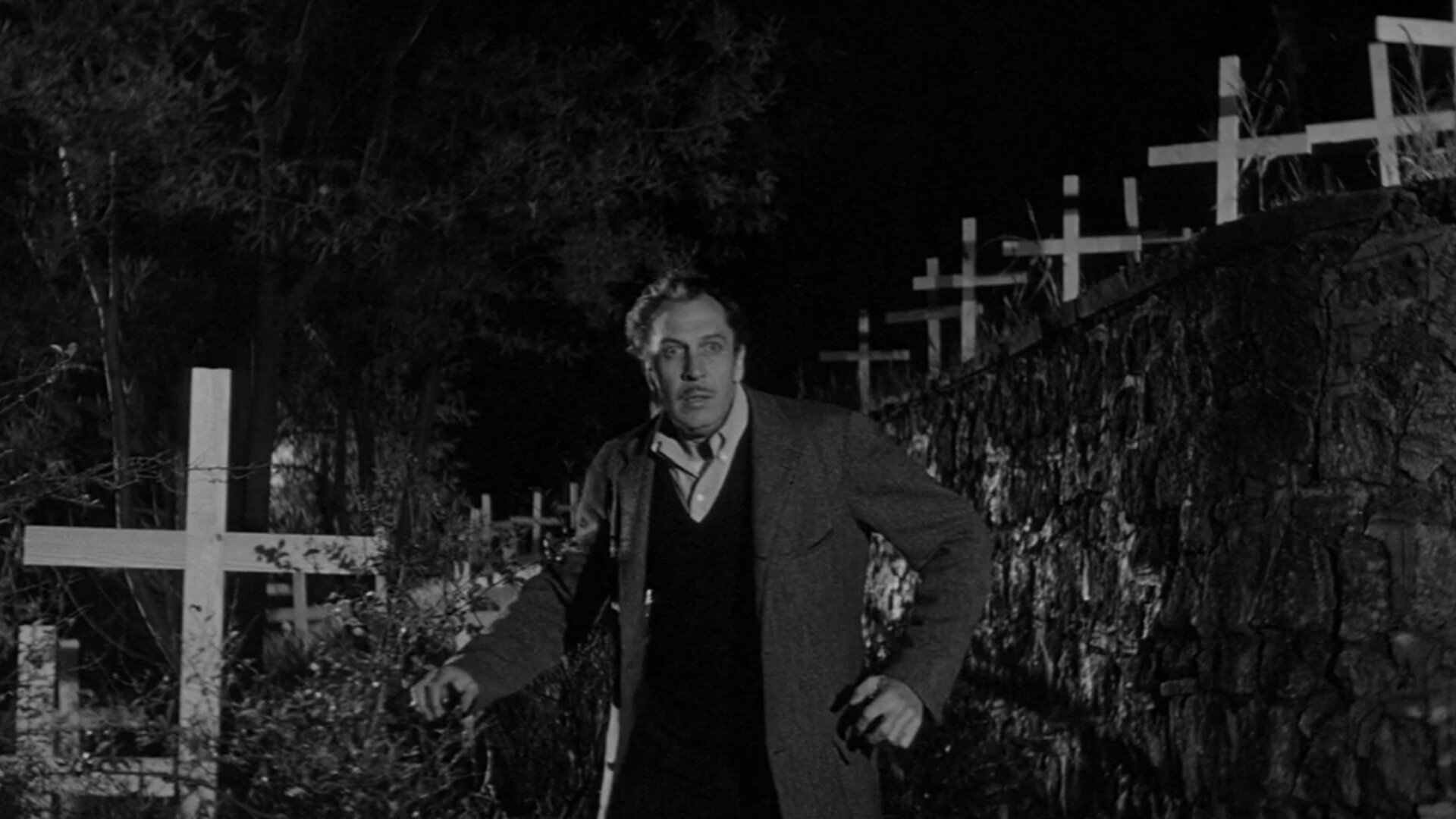
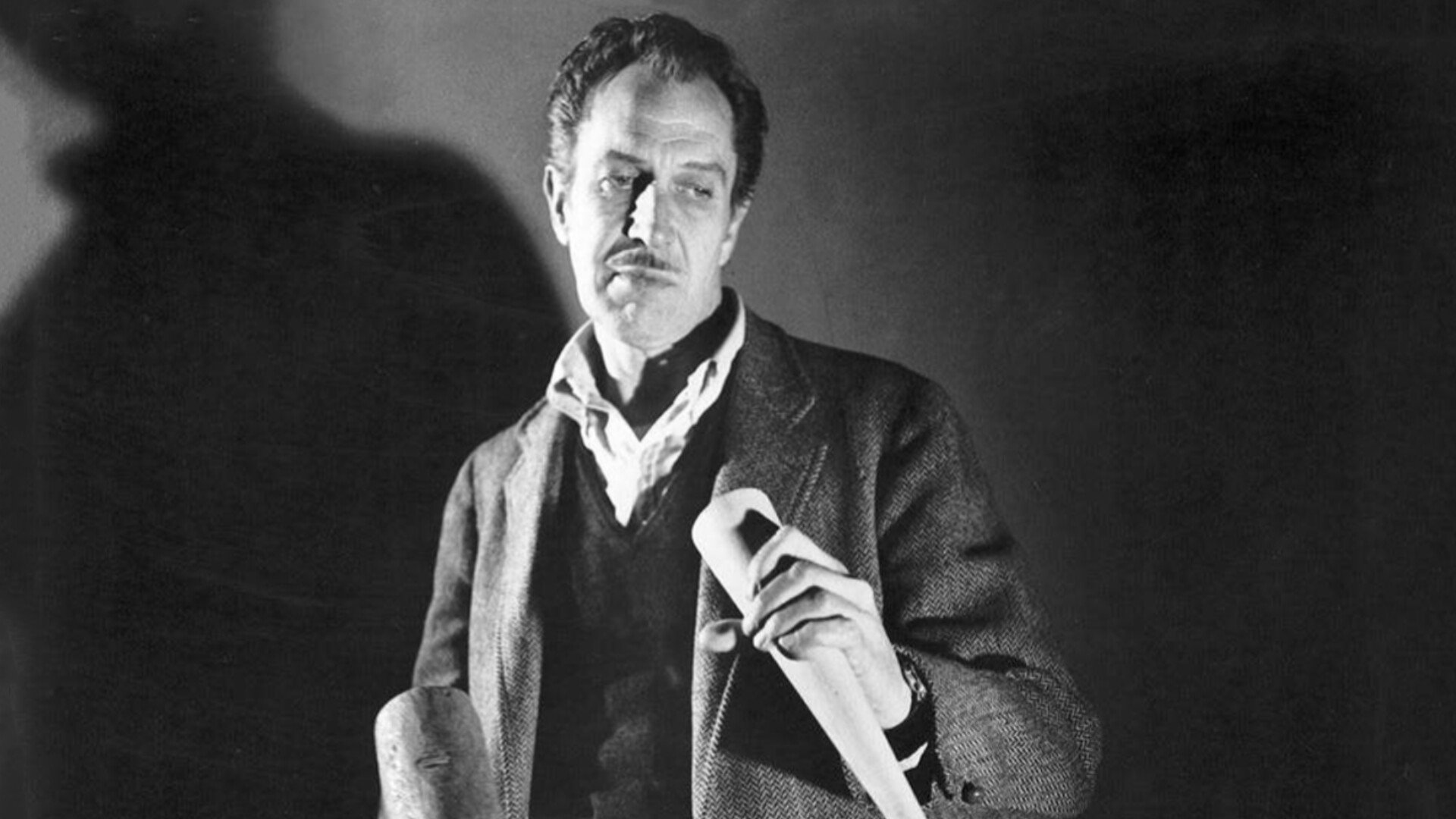
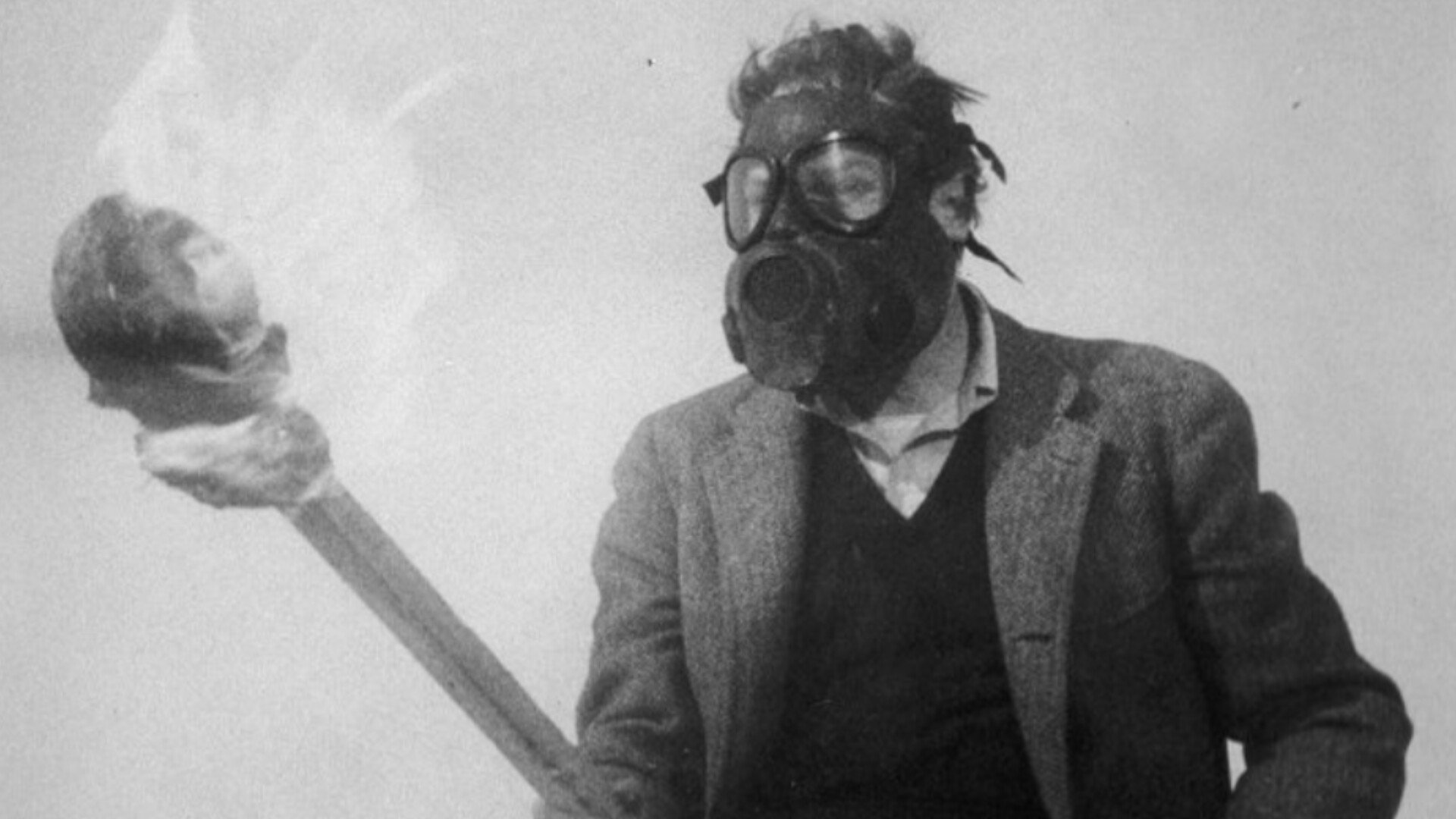
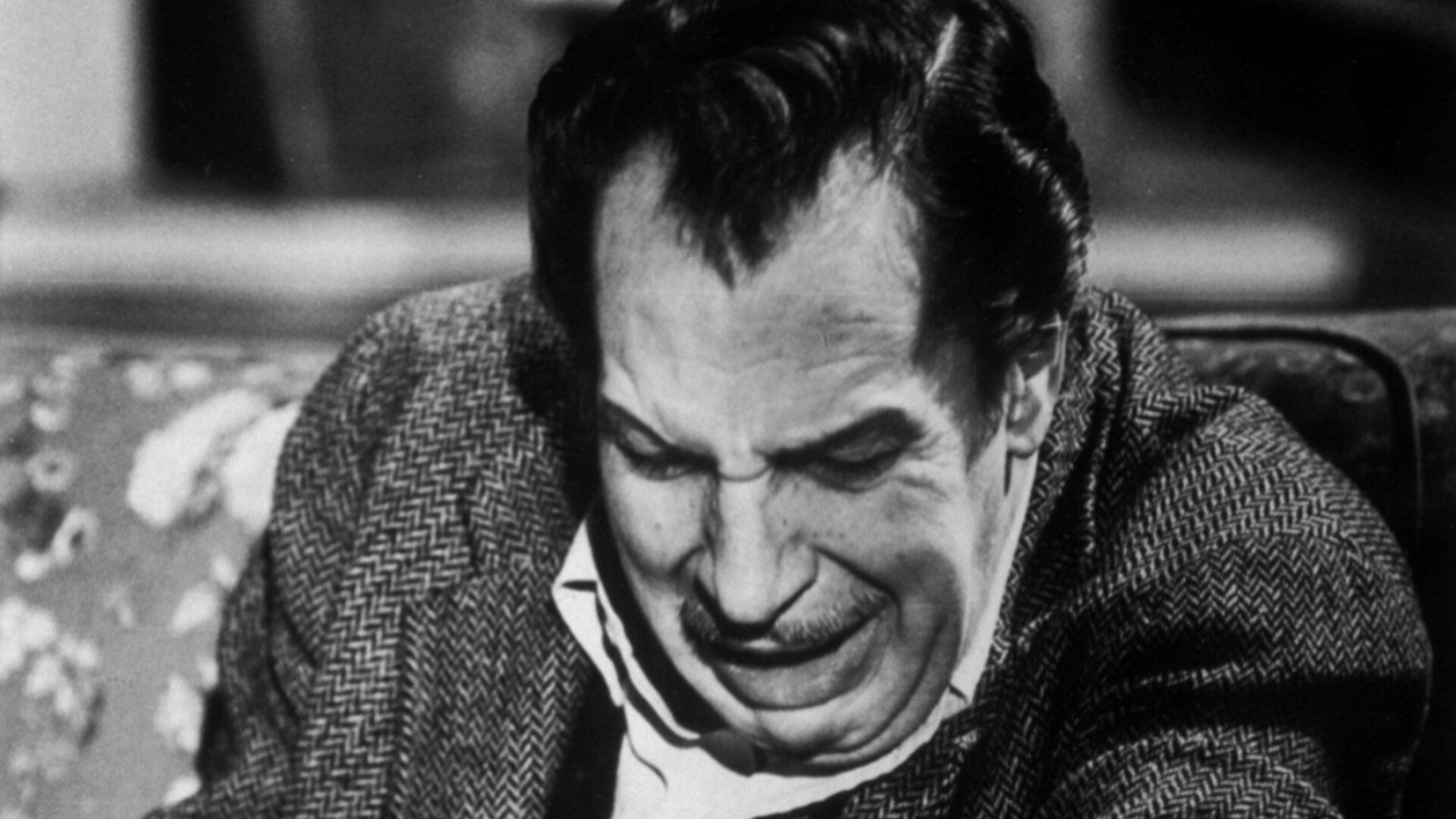
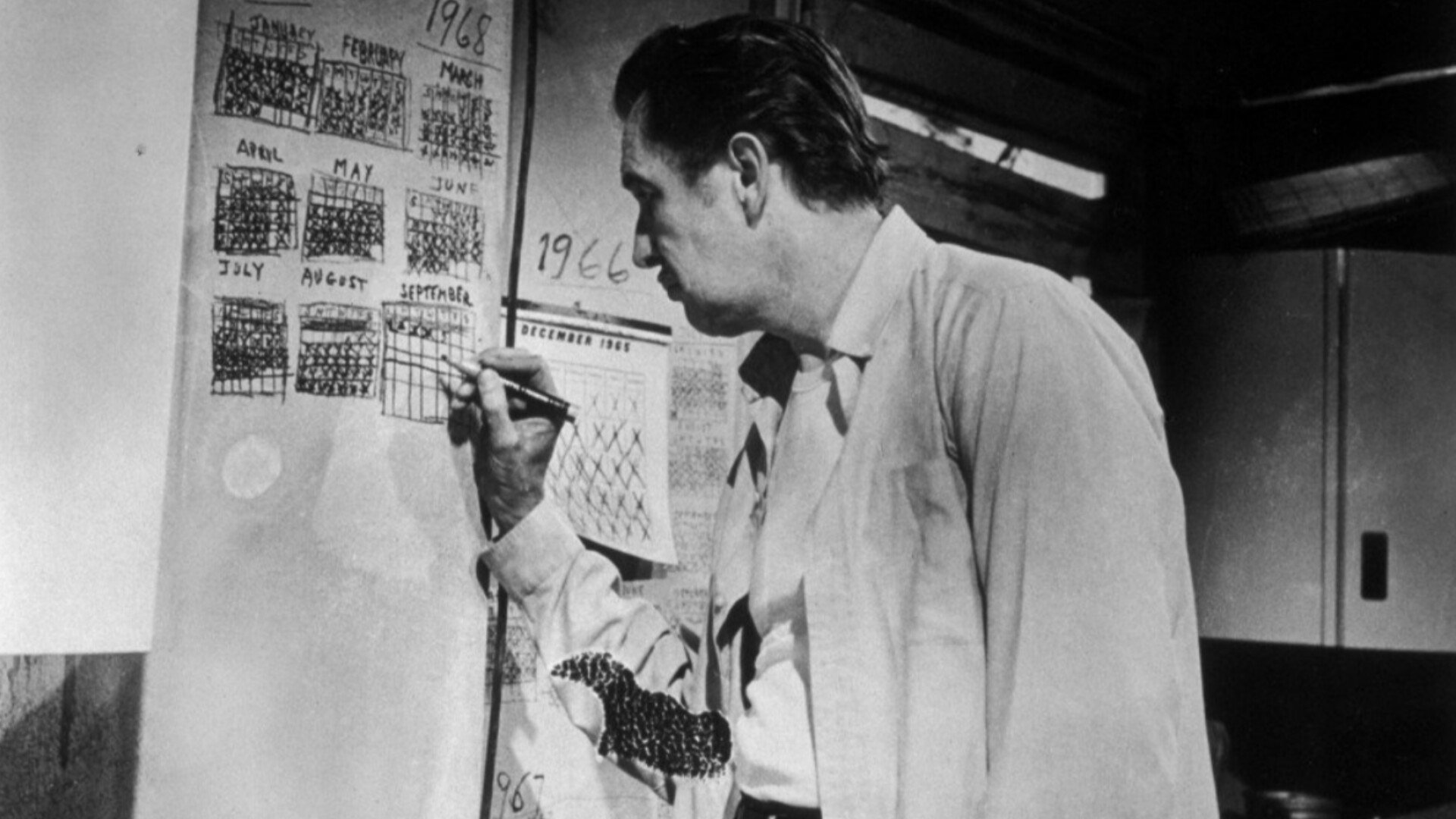
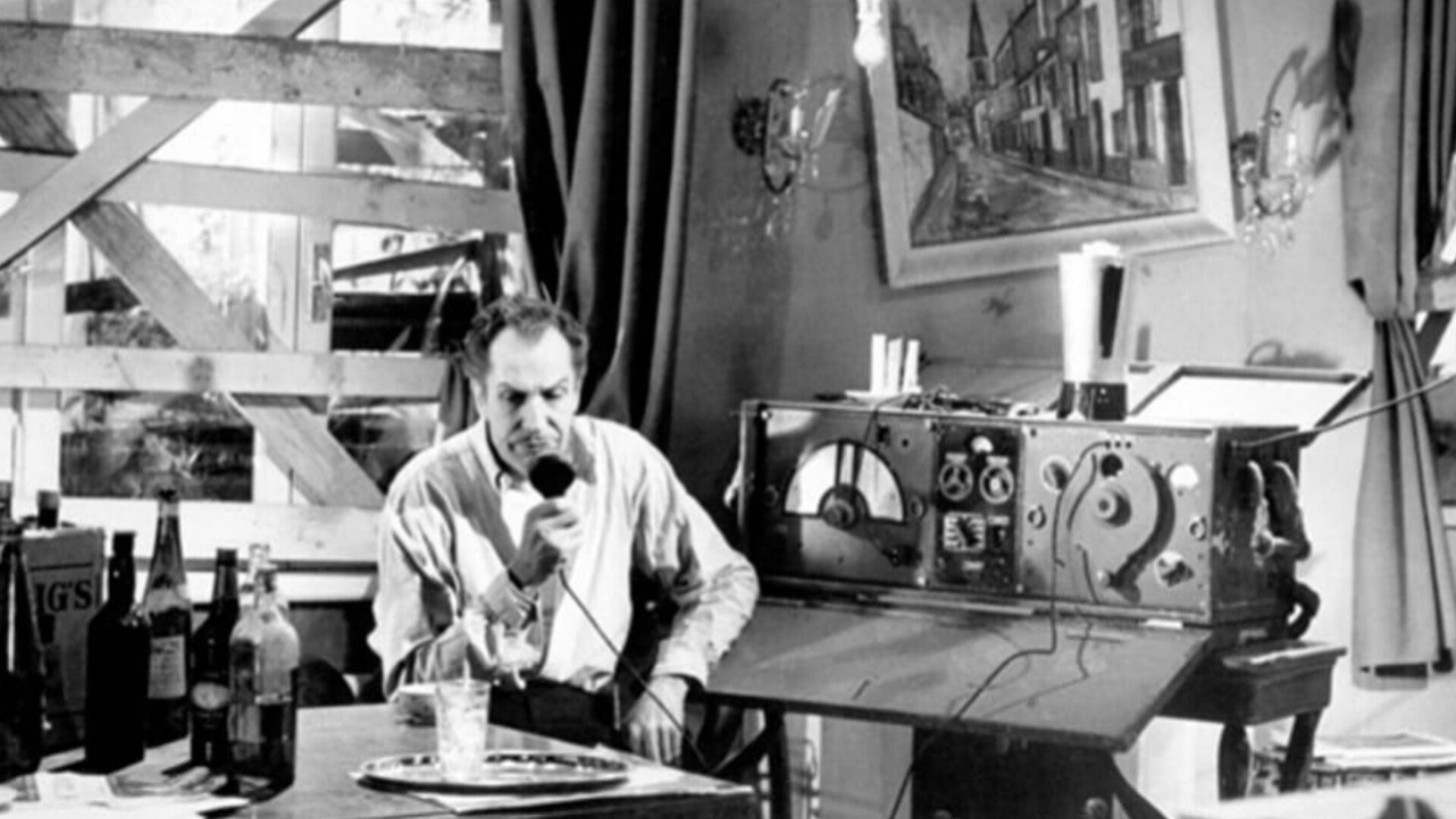
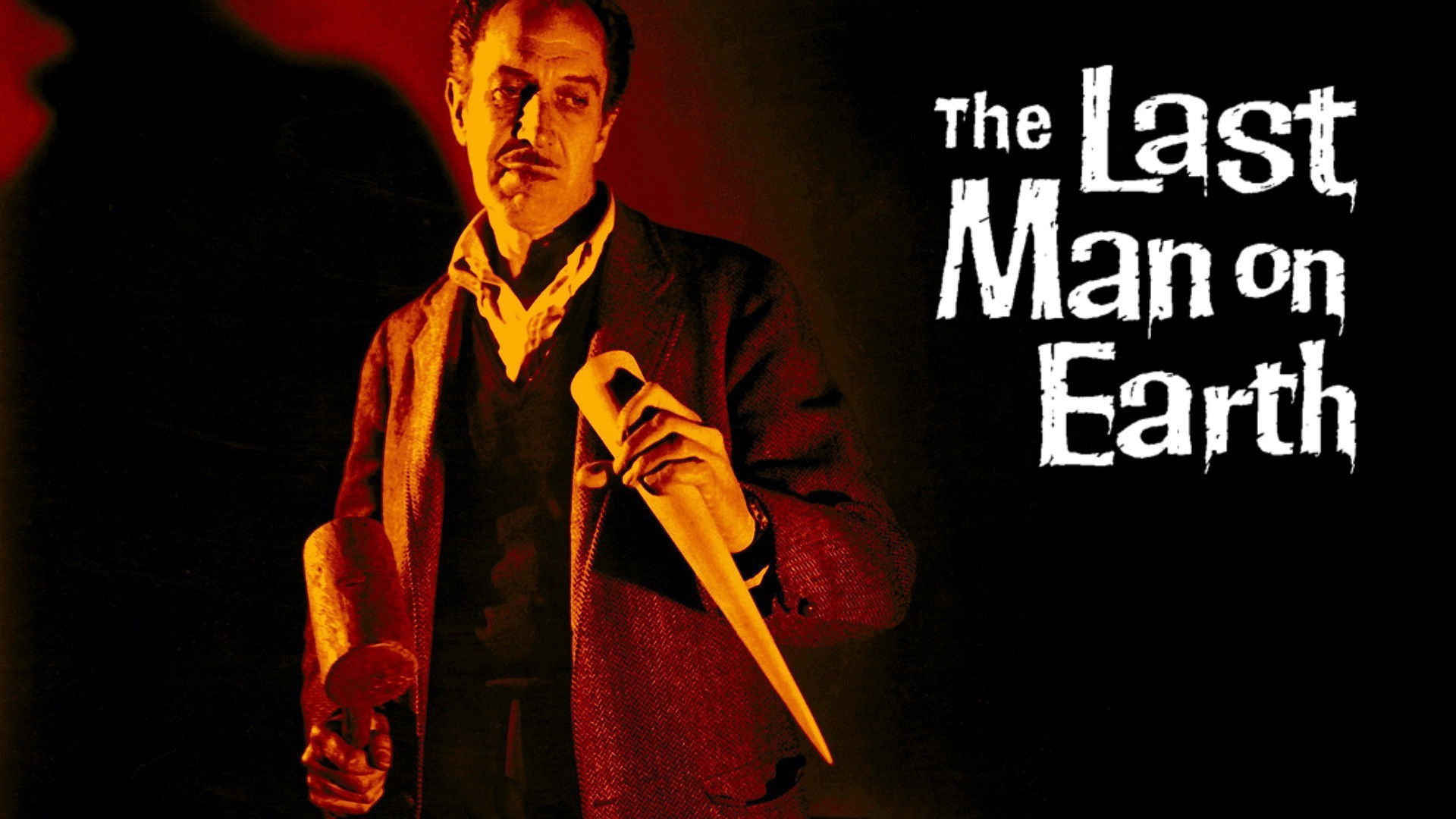
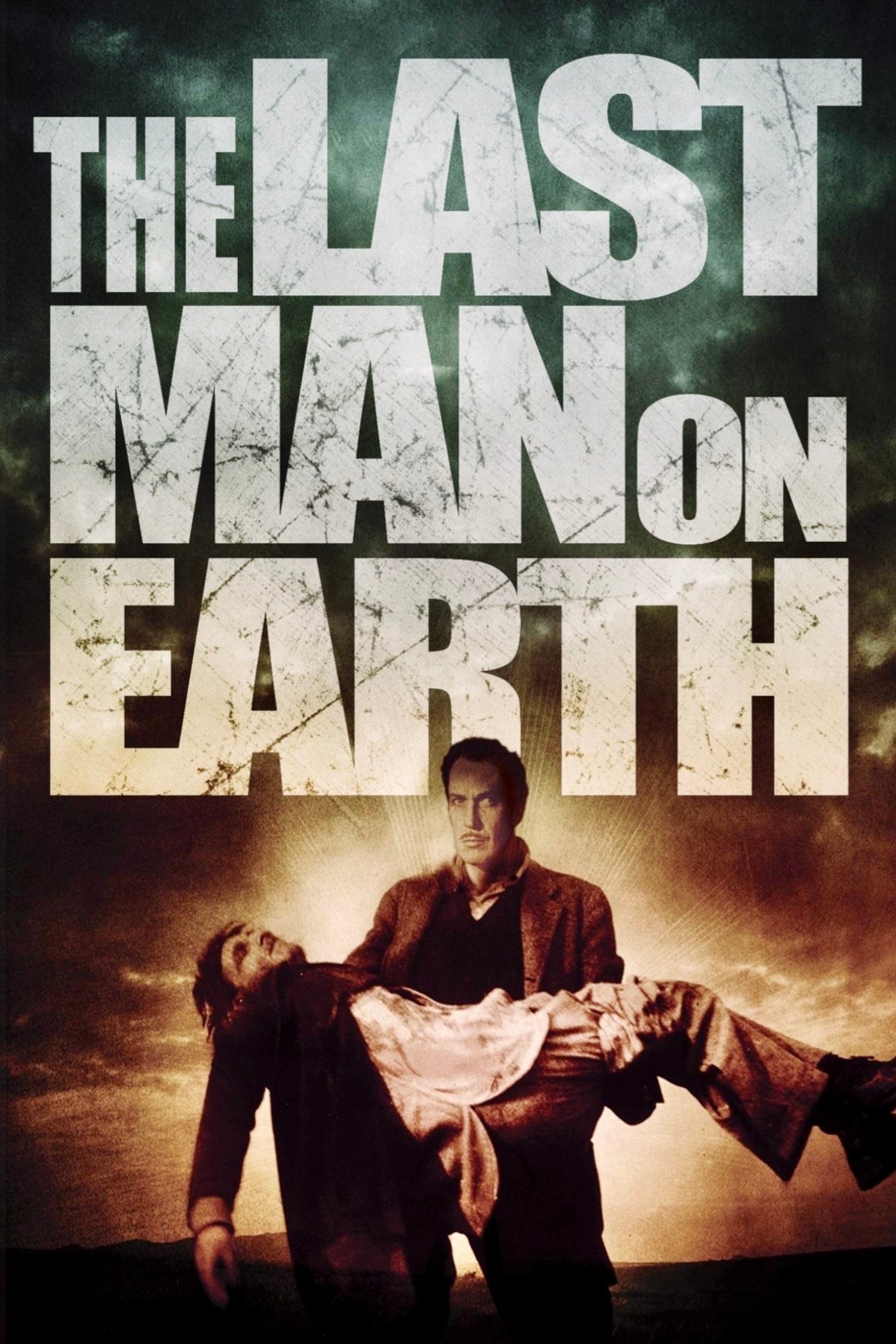
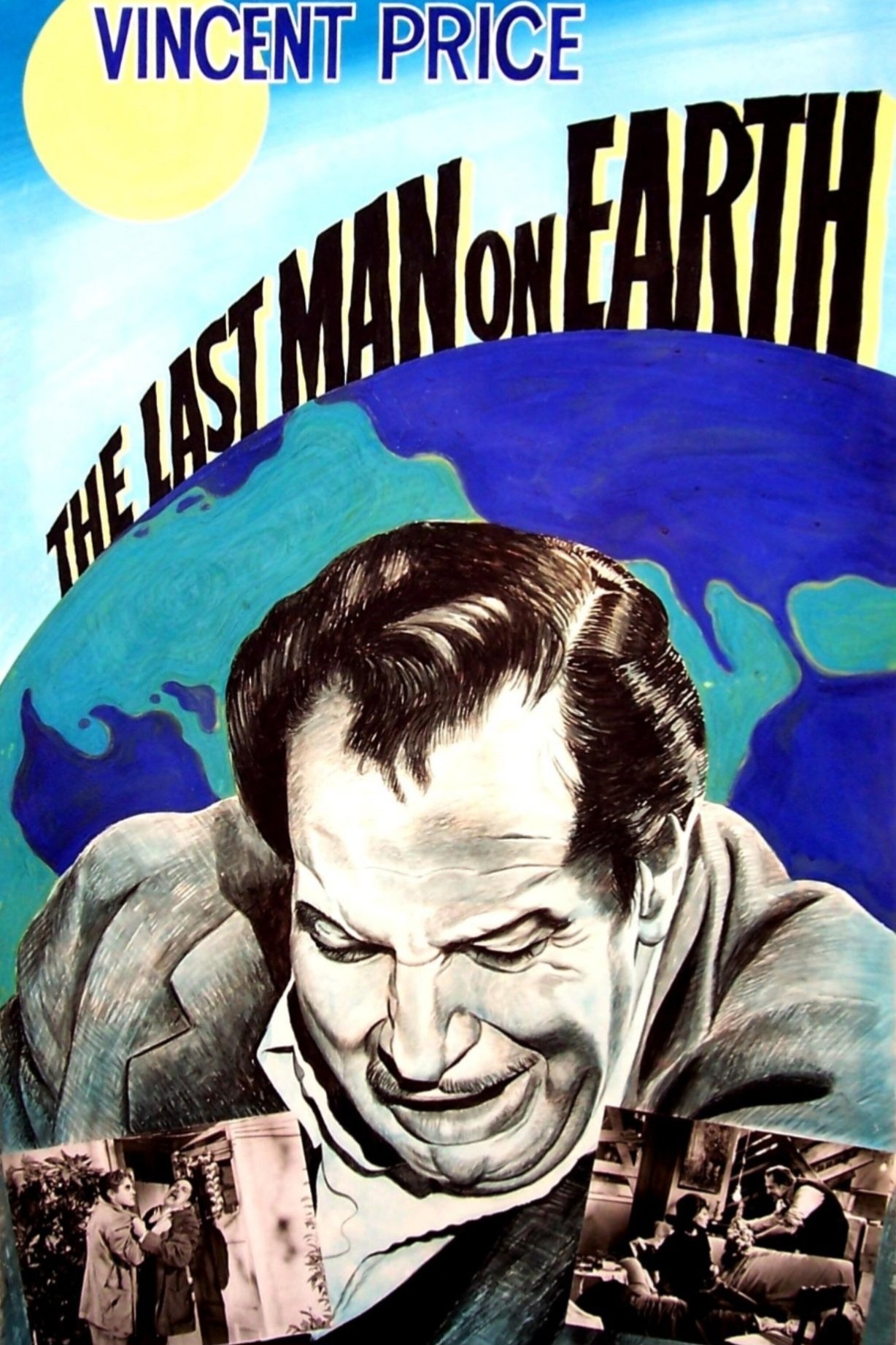
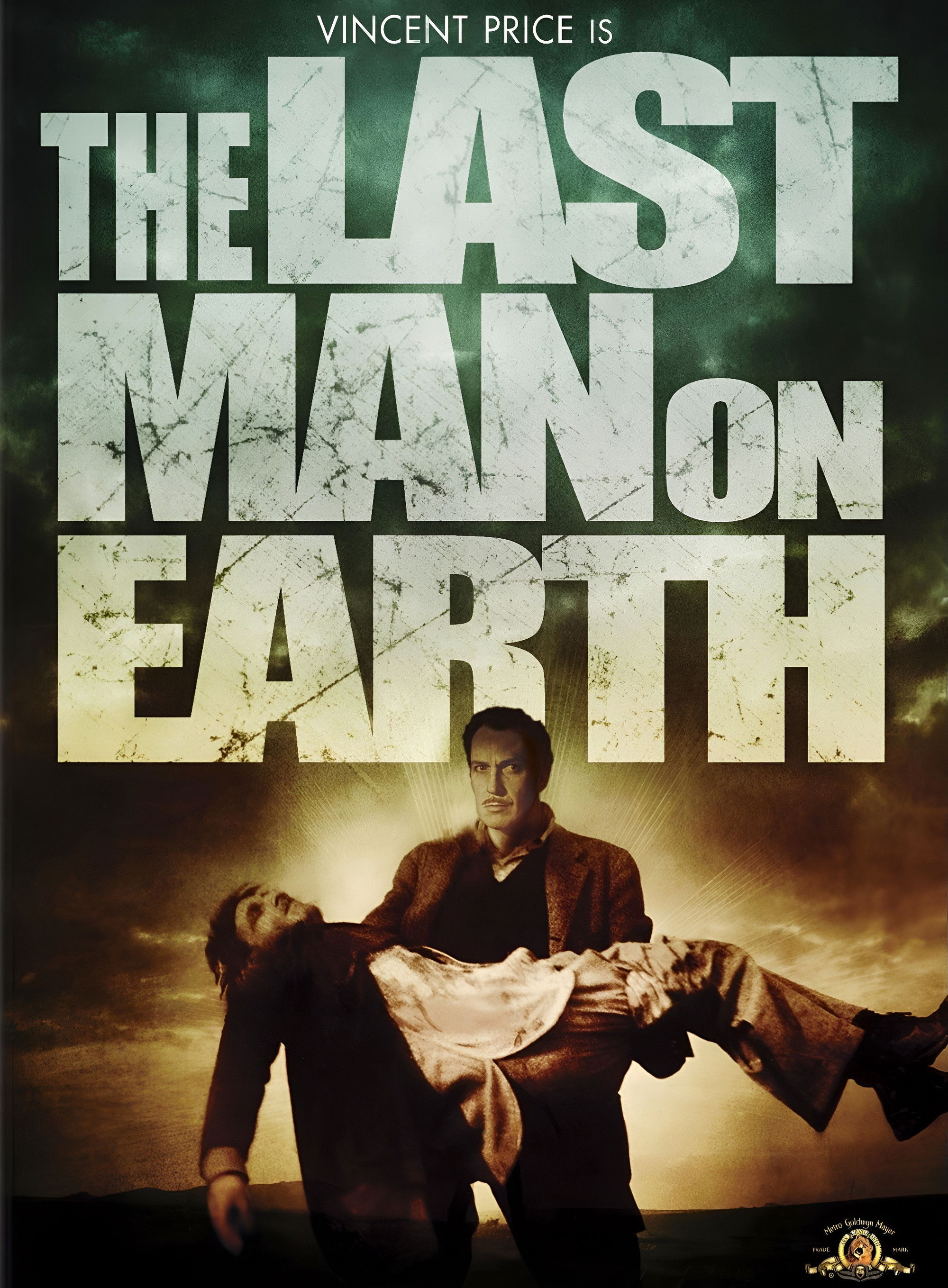
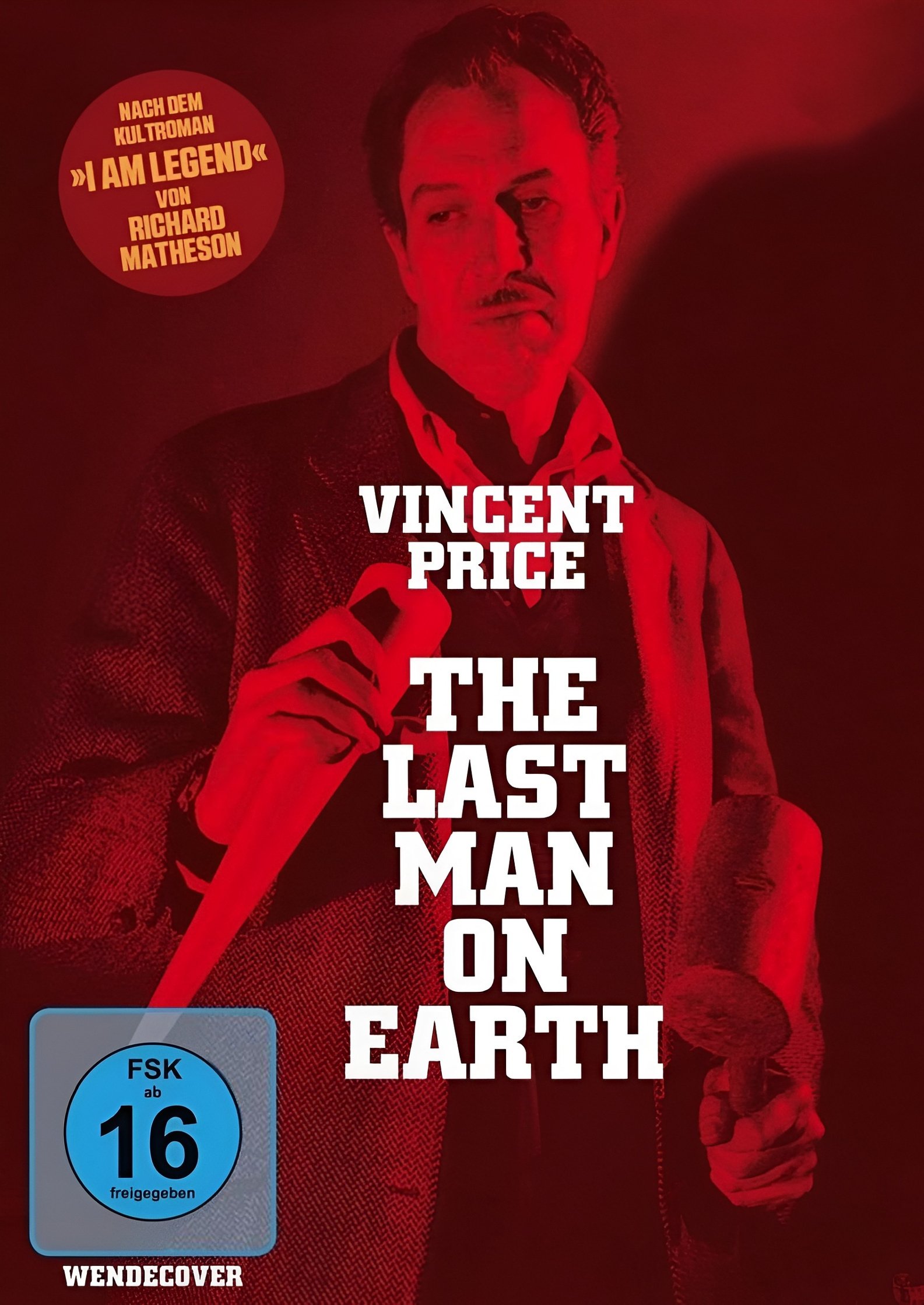
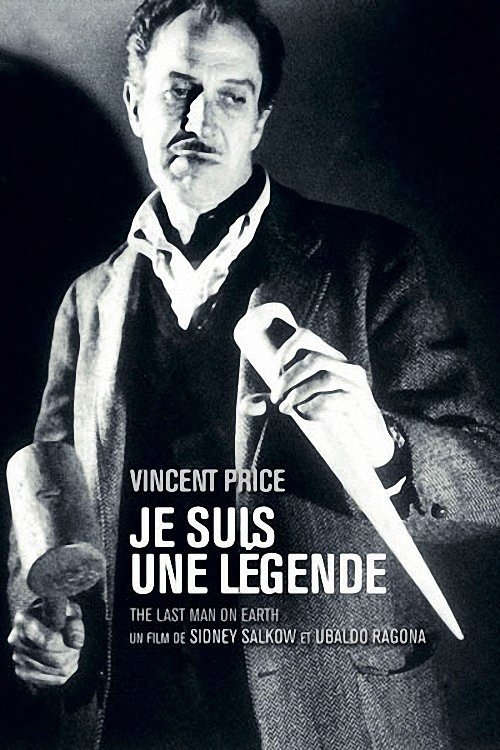
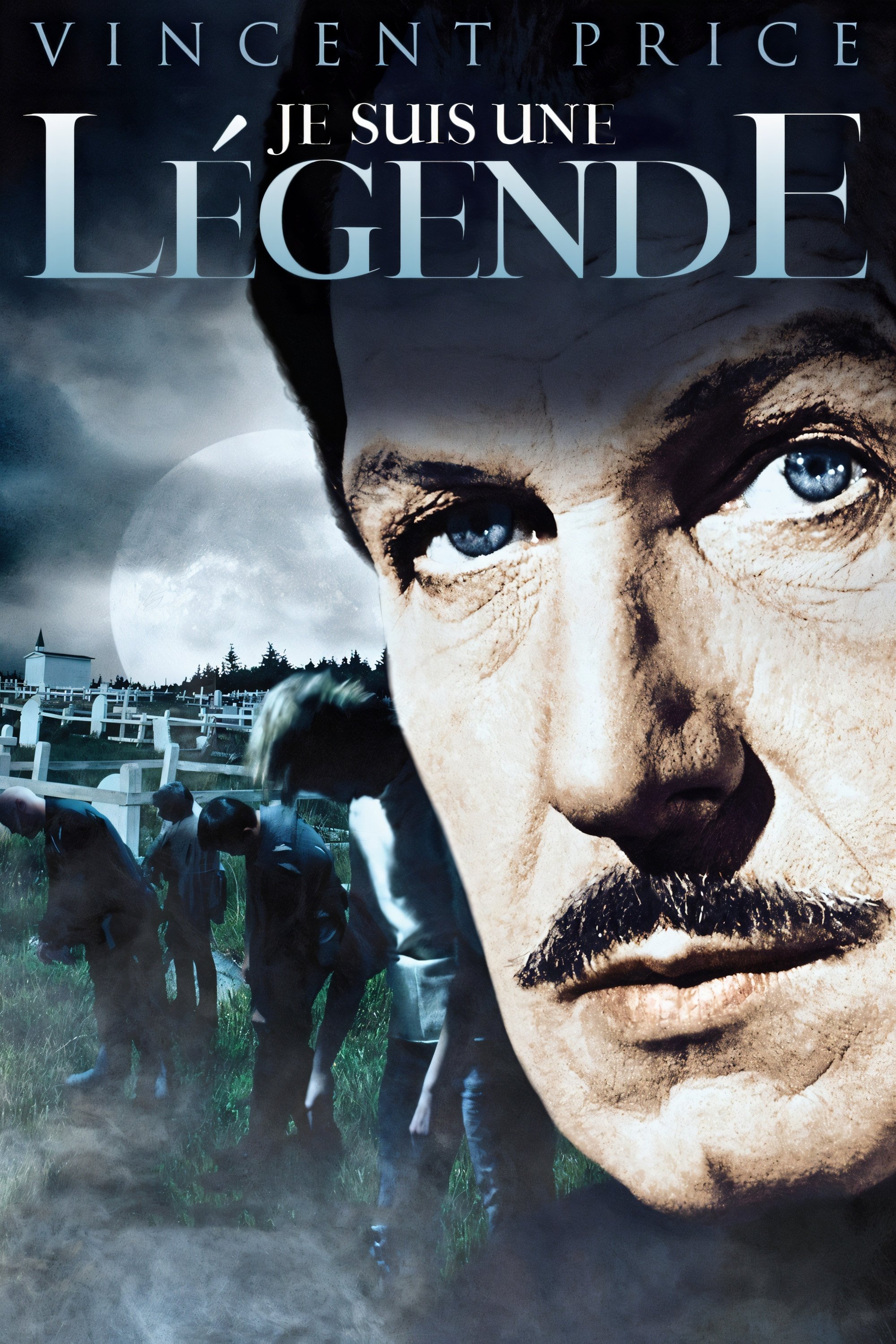
Price's Robert Morgan differs from the more flamboyant villains and aristocratic figures with which the actor was associated during the early 1960s. He spends extended passages alone, moving mechanically through familiar tasks and speaking as though his account of the disaster has been repeated many times. Each day he marks time, gathers garlic or wooden stakes, searches abandoned buildings and disposes of the dead. The practical actions have become the structure of his remaining existence. His apparent competence carries an uncomfortable qualification: the audience sees how routine can make extreme violence feel as ordinary as collecting food or repairing a door.
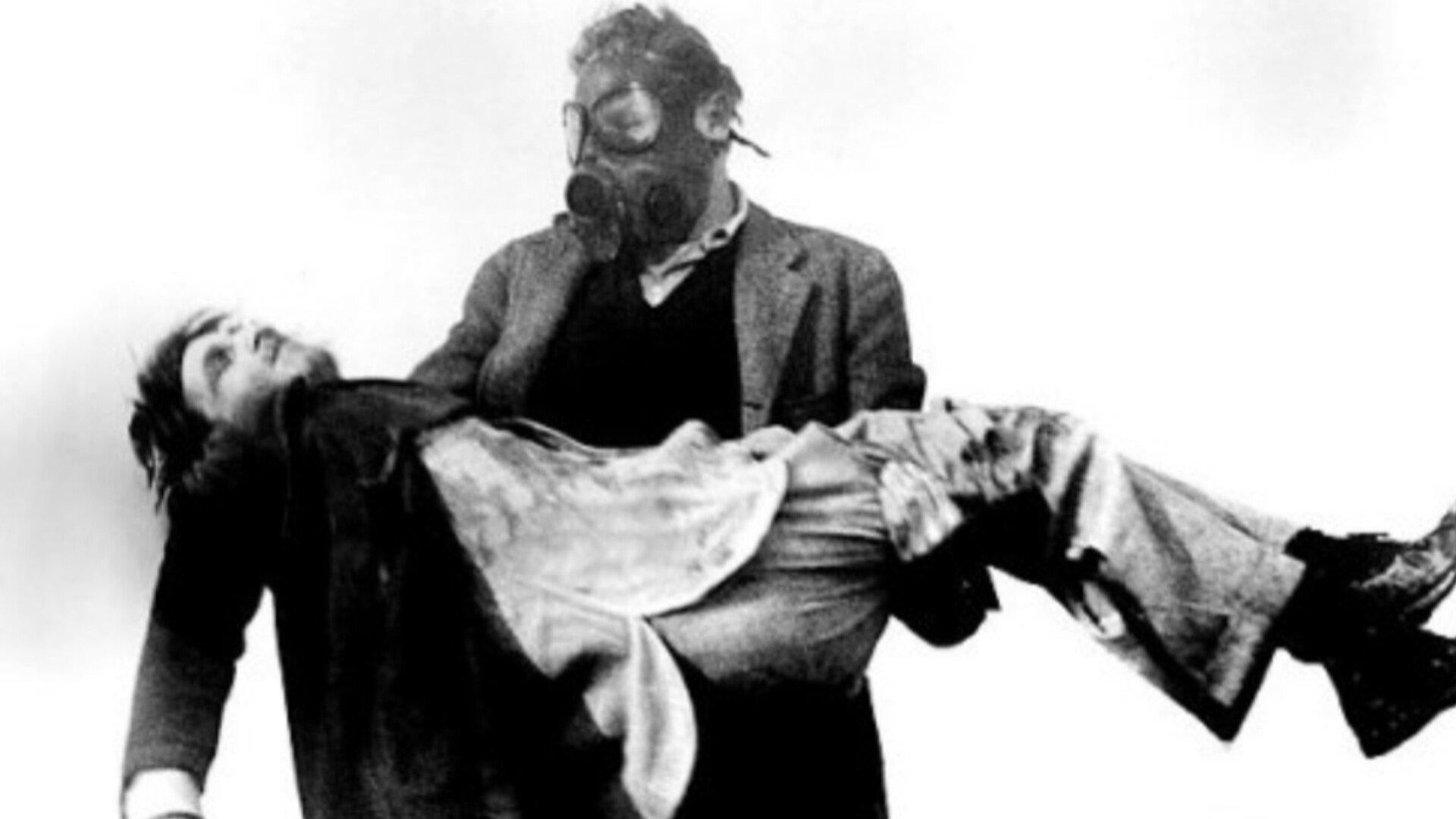
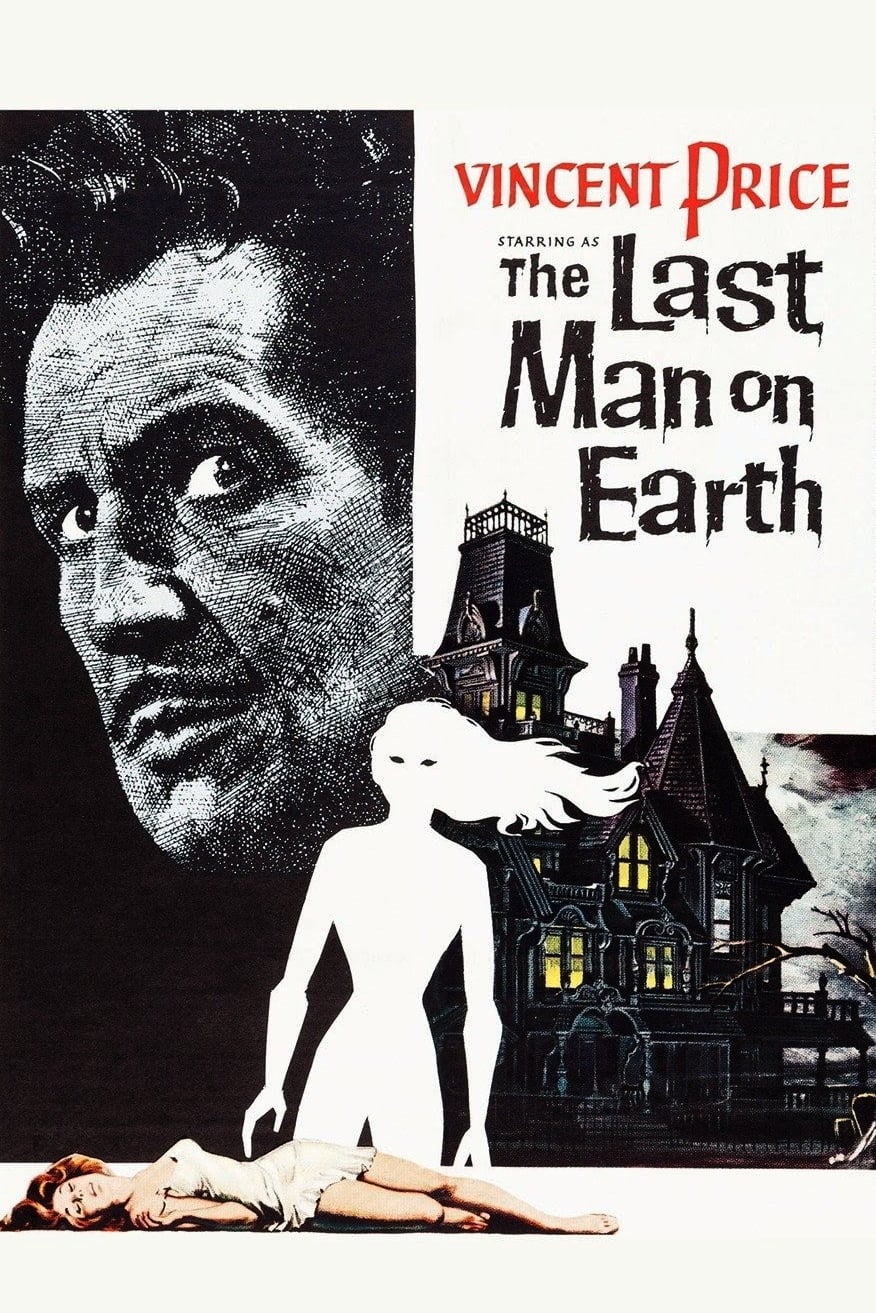
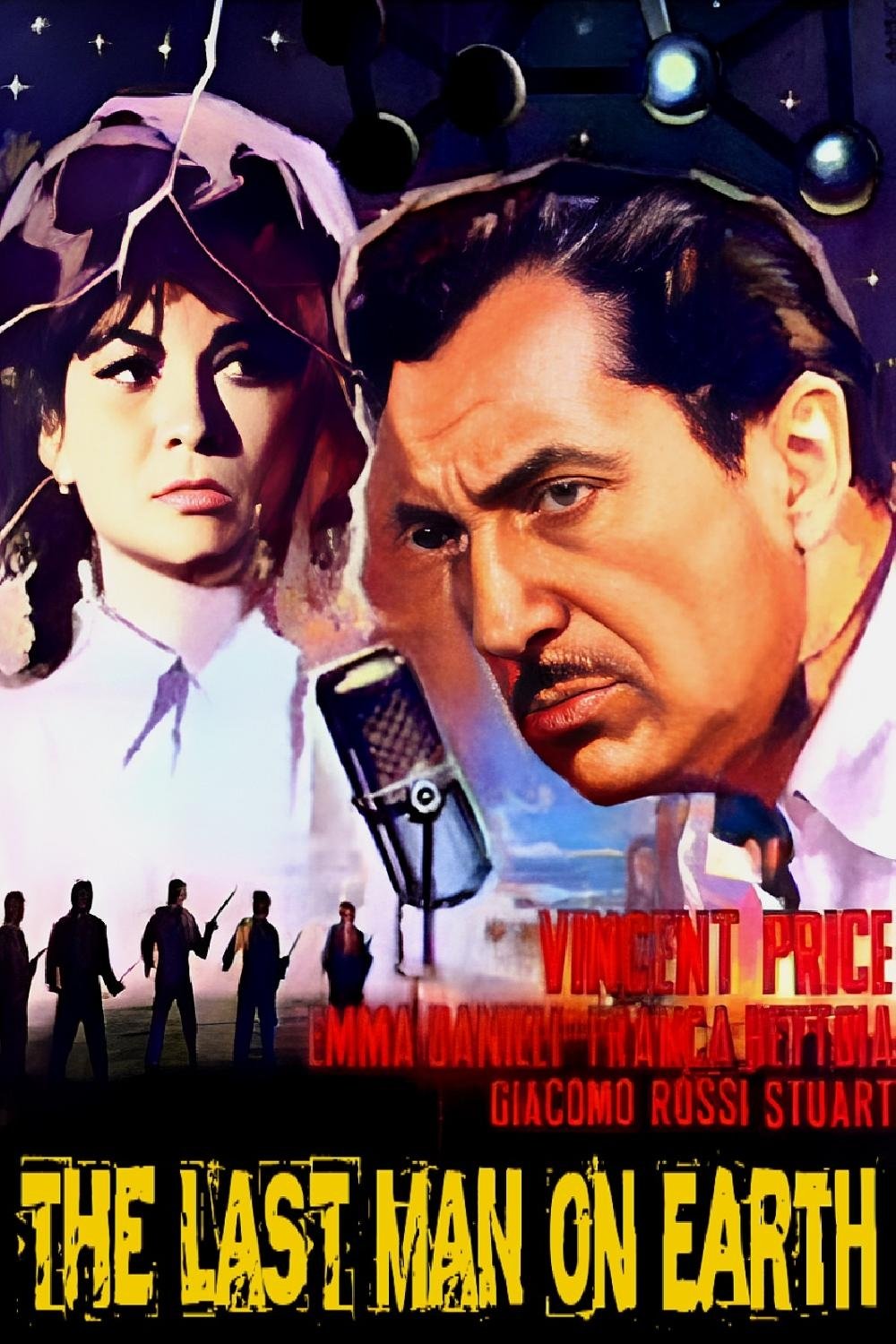
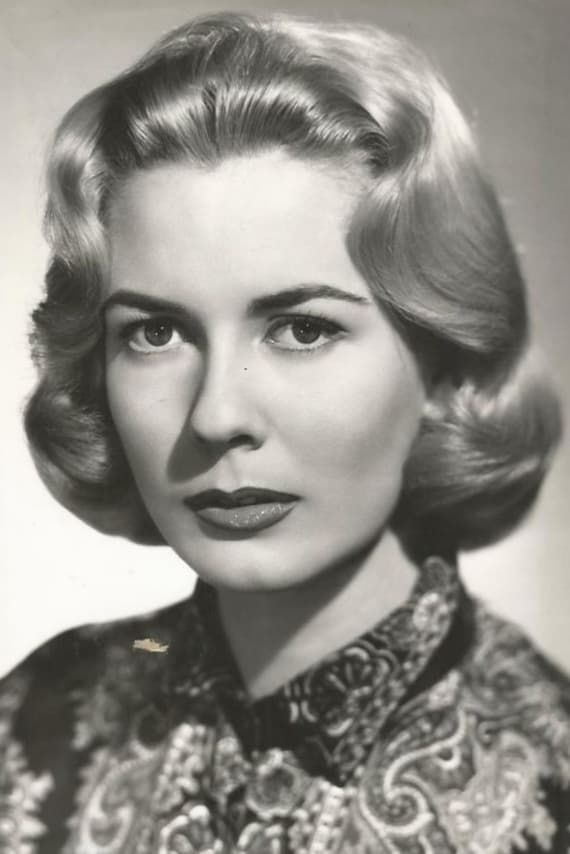
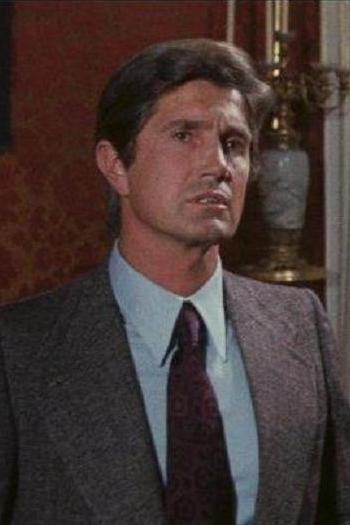
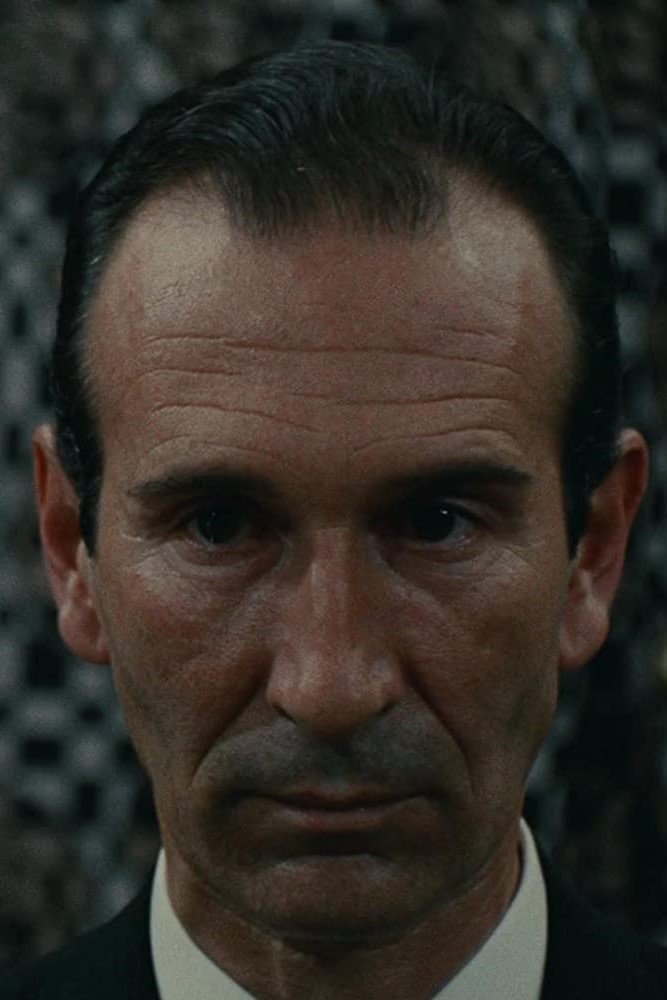
Flashbacks establish what those habits have replaced. Morgan worked as a scientist when the plague began, and the deaths of his daughter Kathy and wife Virginia unfold against a background of failed attempts to contain the disease. Emma Danieli's Virginia and Christi Courtland's Kathy are seen principally through the memories that explain his isolation. Giacomo Rossi Stuart's Ben Cortman, once an acquaintance, later becomes one of the figures calling for Morgan to come outside. The persistence of recognizable voices gives the creatures a personal history that a purely anonymous invading horde would lack. Their connection to Morgan reinforces his inability to leave the earlier world behind.
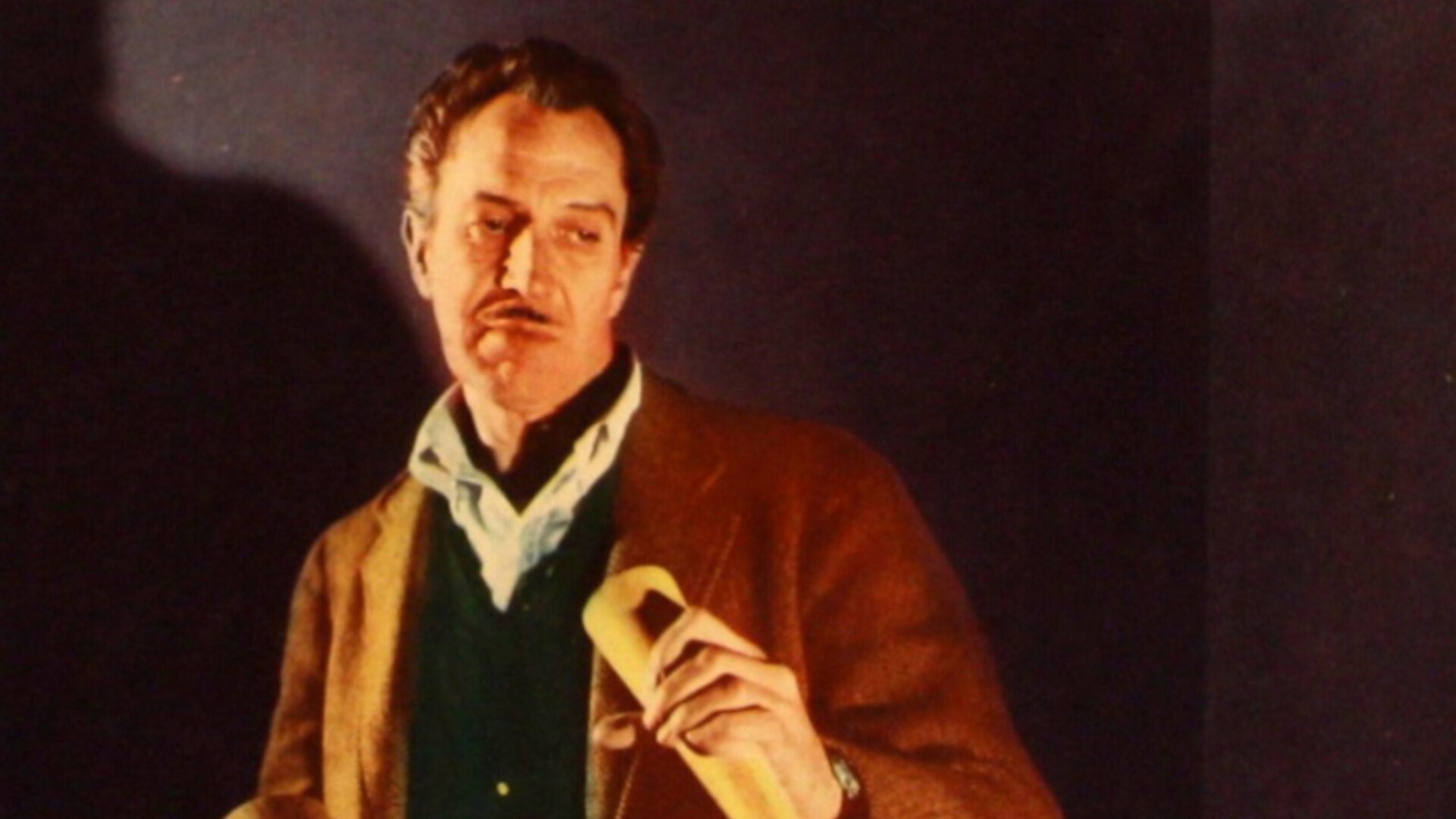
Matheson thought Price ill suited to the leading role, a judgment that he expressed despite his admiration for the actor's other performances. The objection concerned the relationship between the screen persona and the more ordinary survivor he had imagined. Turner Classic Movies, by contrast, has singled out the film's subdued performance as an effective portrayal of exhaustion and emotional numbness. These are distinct evaluations rather than a historical disagreement to be resolved by assertion. The film itself allows Price comparatively little theatrical display during the daytime scenes, placing unusual weight on his movement through spaces emptied of other performers.
Contagion and the Reworking of Vampire Folklore
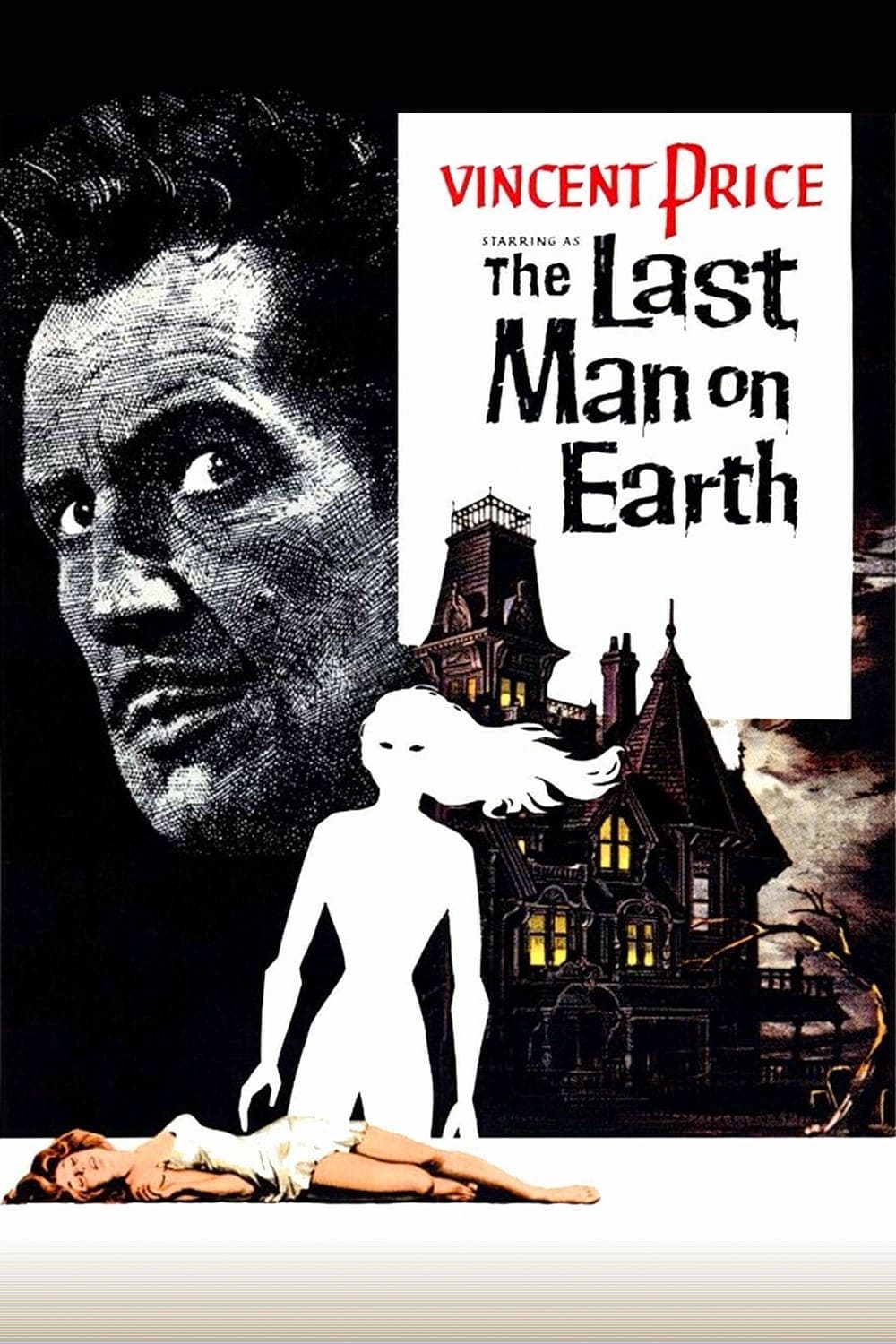
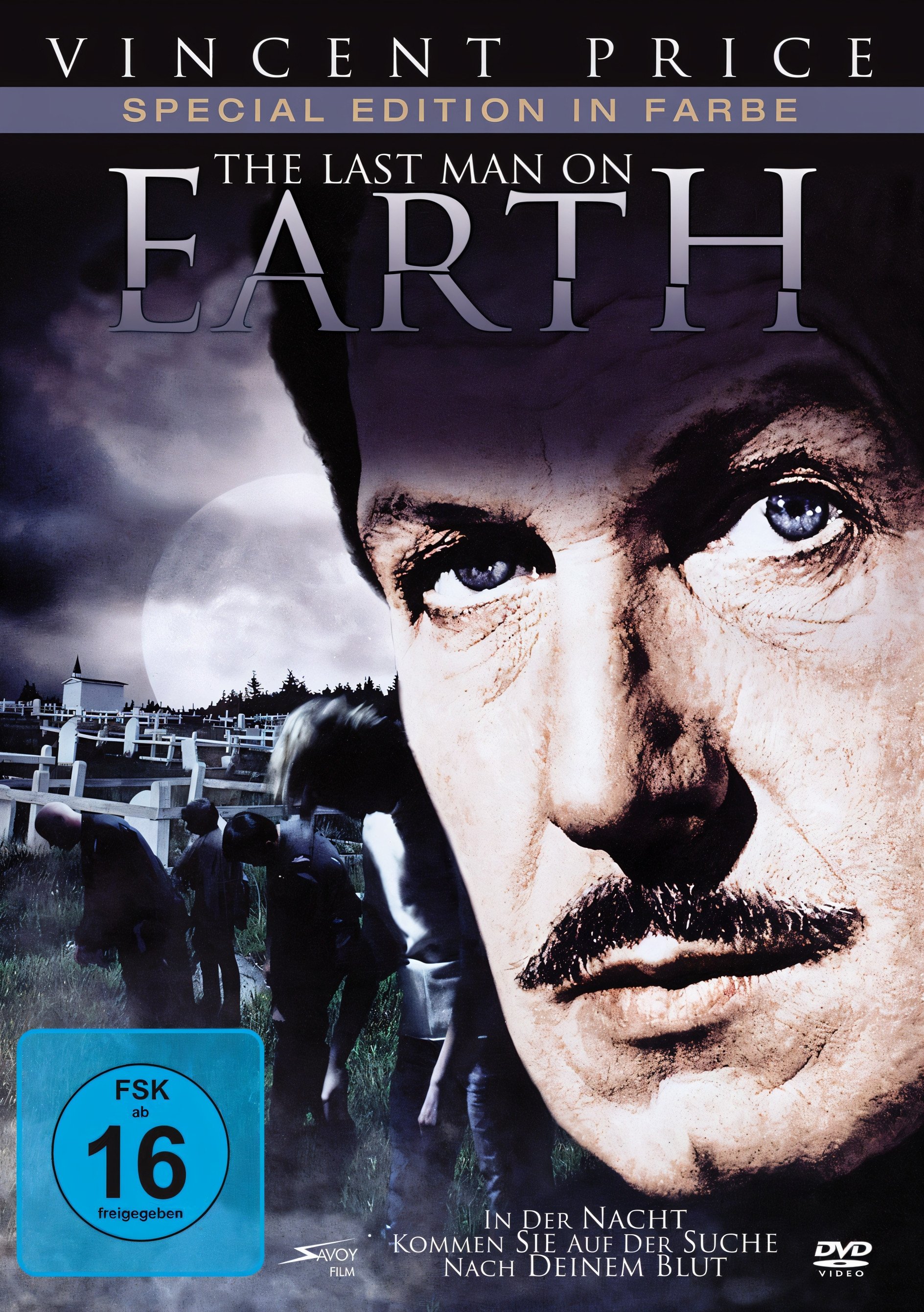
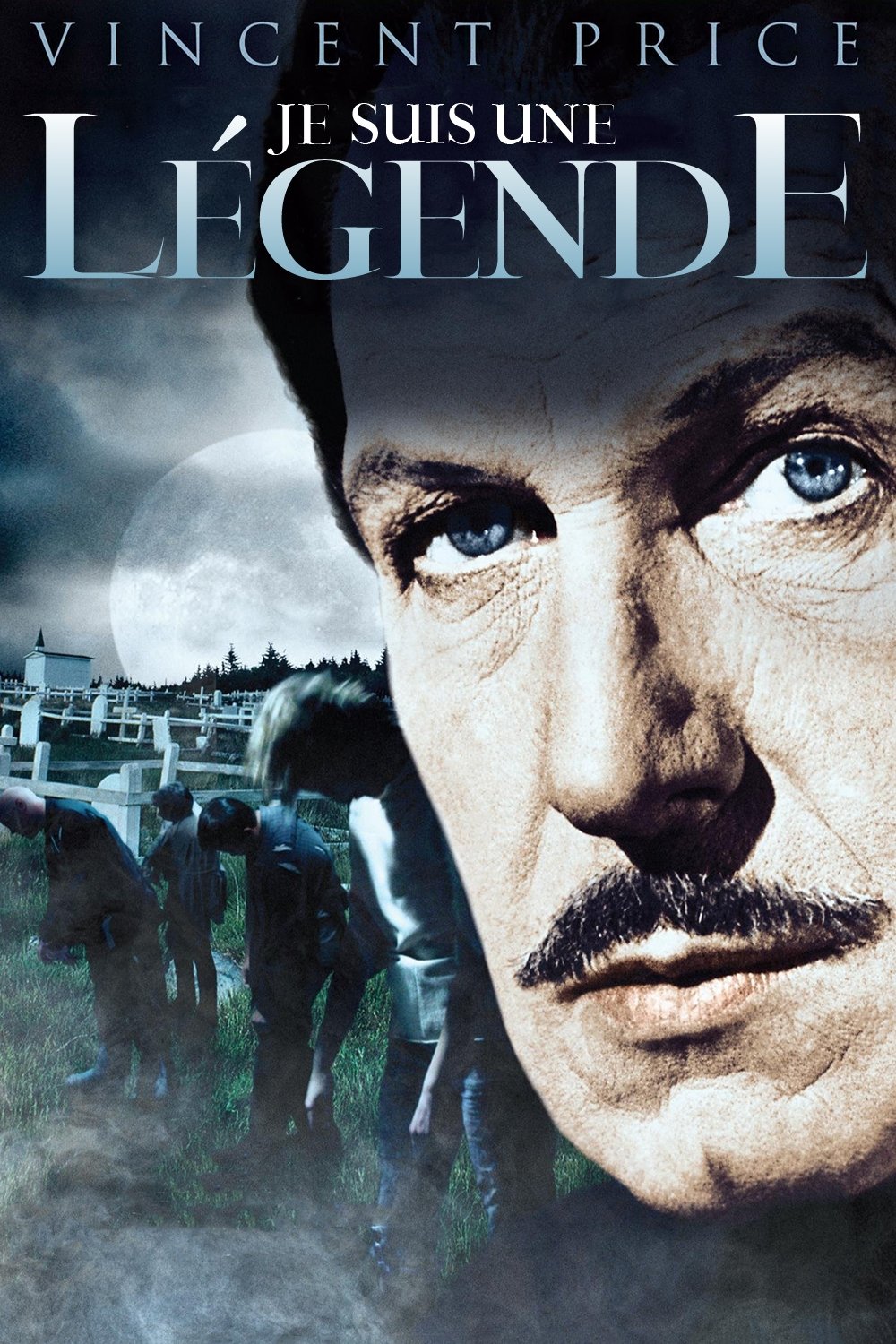
The threat retains recognizable vampire characteristics: its members avoid sunlight, fear mirrors and garlic, and can be killed with stakes. At the same time, the disaster is presented through the language of disease and immunity. Morgan's earlier illness is eventually understood to have protected him against the later outbreak. The film therefore places traditional protective objects beside medical research without offering an entirely convincing or exhaustive account of every supernatural property. Its monsters also resemble the living dead in the way they move collectively through familiar streets and congregate around a guarded home. Their classification as vampires matters to the story, even when their movement anticipates later zombie imagery.
Matheson's novel provides a more extensive inquiry into the biological and psychological basis of vampirism than the film can sustain. Robert Neville studies the infection and discovers that people altered by the plague do not all share the same condition. The screen version retains the distinction between the openly violent night creatures and infected people who have developed ways to control their symptoms. It condenses the scientific process while giving the discovery of a new social group an increasingly important role in the final act. These alterations give the screen story a different balance between laboratory inquiry, isolation and the political implications of the ending.
The treatment of the plague also changes the standard moral alignment of monster cinema. Morgan kills apparently helpless creatures during the day because he believes them to represent the continuing danger to humanity. When the audience learns that some infected people remain capable of organization and restraint, his actions acquire a different meaning. The night attacks remain genuinely dangerous, yet the same conduct can appear defensive to Morgan and murderous to people trying to establish another social order.
Ruth, the New Society and the Final Reversal
The arrival of Ruth Collins, played by Franca Bettoja, disrupts Morgan's apparent certainty that no uninfected person remains. Her ability to move in daylight first suggests another survivor, but Morgan discovers that she belongs to a group of infected people whose symptoms are temporarily controlled by a serum. A transfusion of his blood changes her condition, giving the encounter a possibility of medical recovery that the years of solitary survival had failed to provide. The relationship briefly makes cooperation imaginable, although the larger group has already come to regard Morgan as a threat. The discovery overturns his belief that he is the only person capable of preserving a human future.
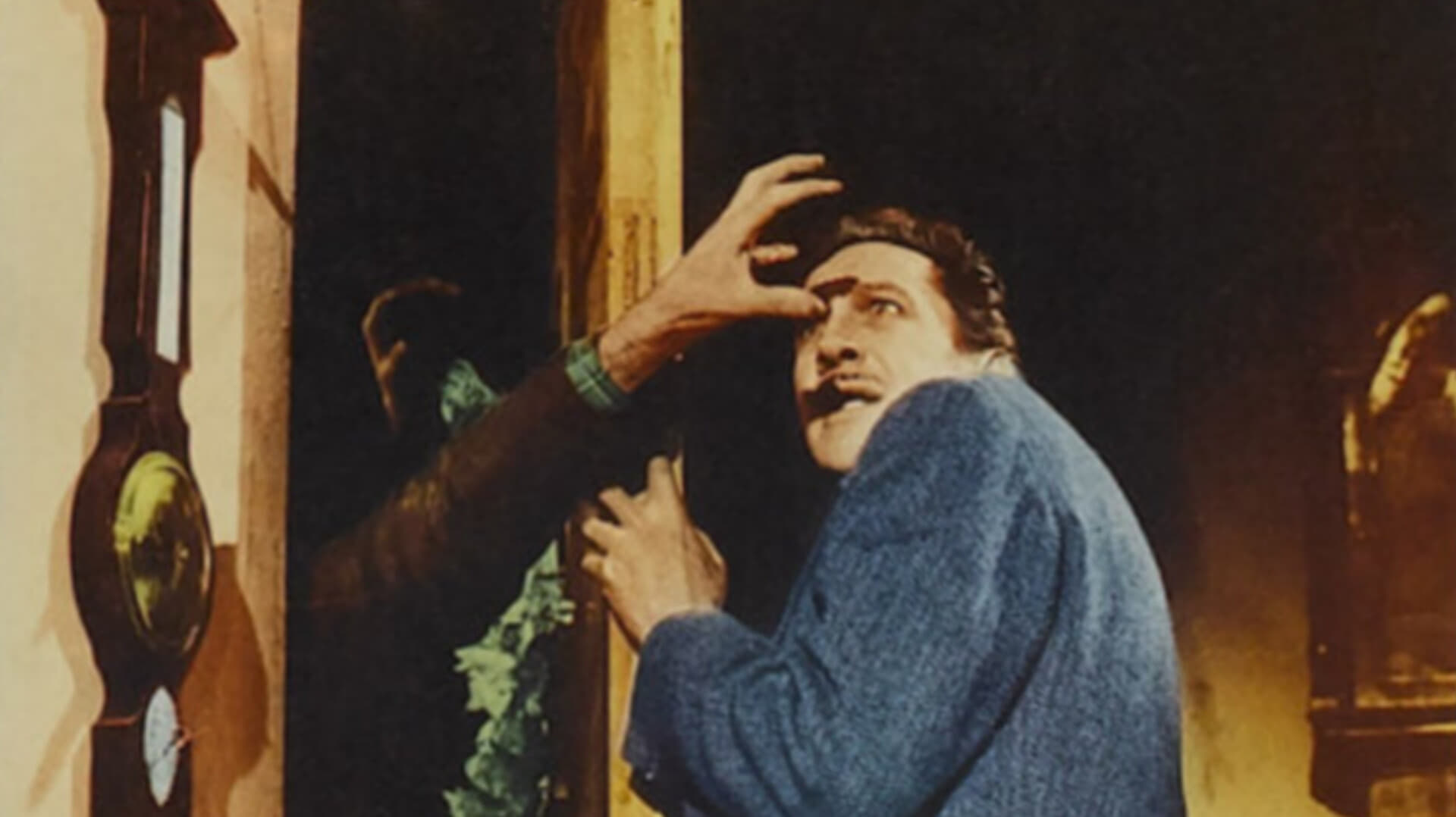
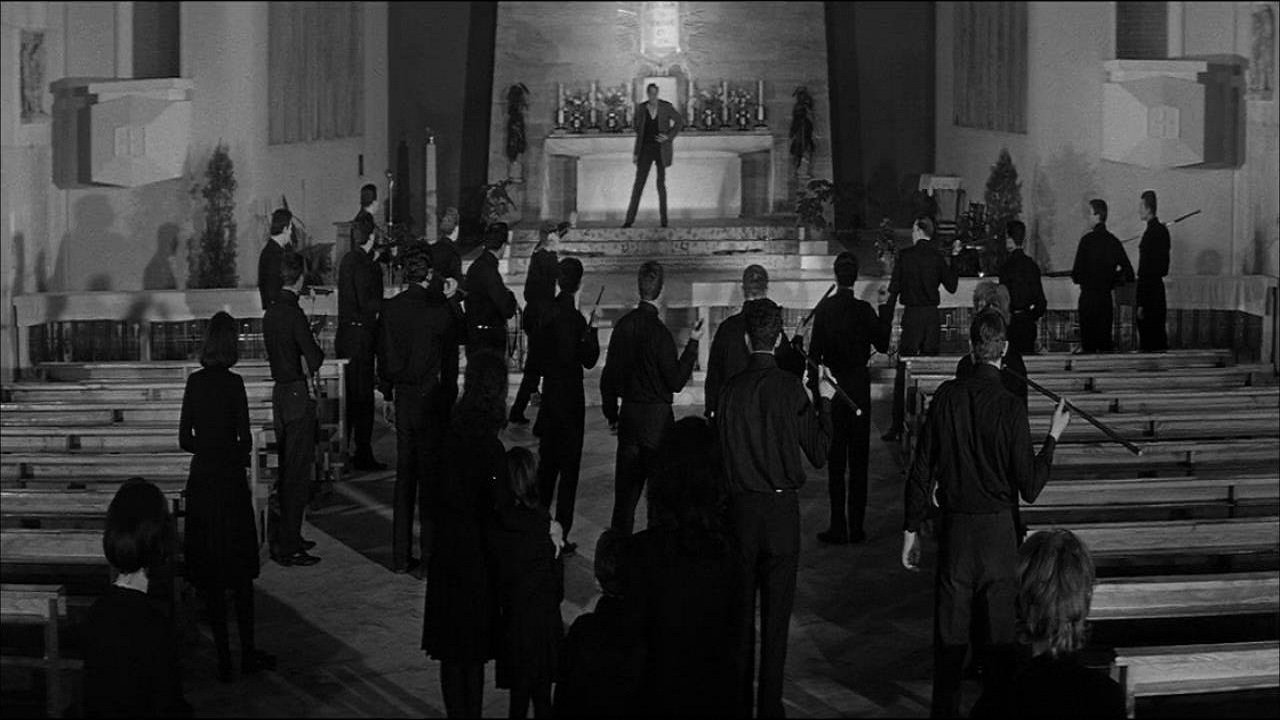
The final pursuit carries this reversal into an explicitly public space. Armed members of the new society chase Morgan into a church and kill him despite his attempts to explain that his blood could help them. The scene has the structure of a manhunt rather than a conventional vampire attack. Its cruelty comes from the difference between Morgan's self-description and the judgment of the people now holding power. Ruth's presence leaves a fragile possibility of treatment after his death, but the film does not restore the protagonist to the position of an unquestioned savior. The conclusion asks viewers to reconsider whose lives count as normal in a world that has already changed.
In the novel, the title I Am Legend points to the discovery that Neville has become a terrifying figure in the mythology of a successor society. The film preserves this underlying change of perspective but alters the circumstances of his death and gives his immunity a more immediate therapeutic function. Its church ending adds visible martyr imagery without supplying a full reconciliation between the two populations. The adaptation's decision to show the conflict directly also distinguishes it from later film versions that reorganize the same premise around other kinds of adversaries. Contagion and the struggle over social authority remain inseparable in the closing images.
Release, Reception and Place in Horror History
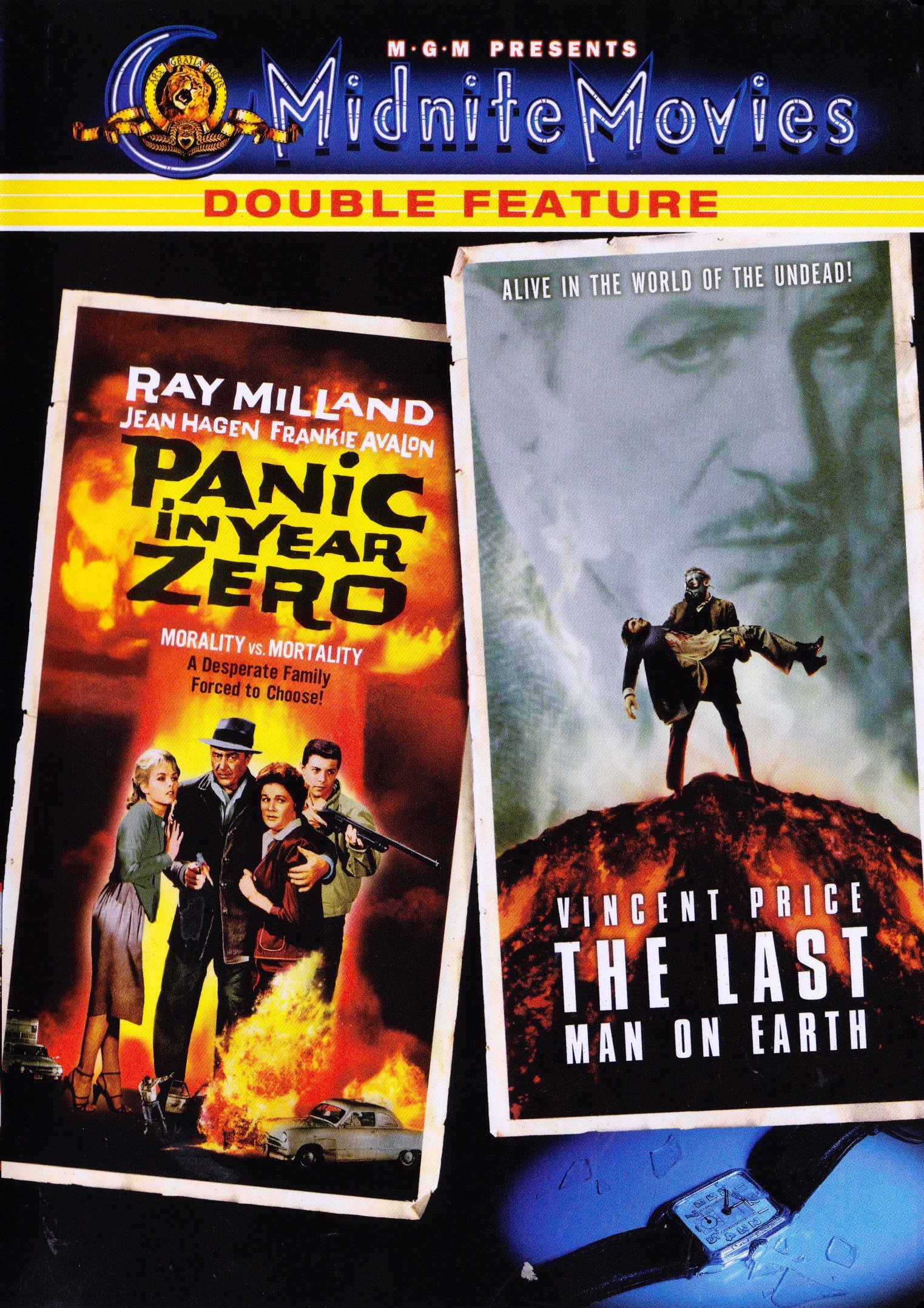
American International Pictures distributed The Last Man on Earth in 1964. According to contemporary notices documented by the AFI, the Los Angeles engagement began on May 6 at approximately twenty theaters and drive-ins, paired with Circus of Horrors. Denver screenings had occurred during the preceding week with Unearthly Stranger, while New York opened on September 2. The different openings indicate a staggered American release, with no single nationwide opening day. The recorded running time is approximately eighty-six minutes. Trade reporting placed an average budget of $300,000 on Lippert's proposed production program, but no final audited budget for this particular film emerges from the surviving notices. The same records provide limited evidence for reconstructing its complete box-office performance.
The original reception was much less enthusiastic than the film's later reputation. Turner Classic Movies characterizes the early response as dismissive of the small budget, the uneven pace and the post-synchronized dialogue. Its retrospective assessment nonetheless finds an unsettling quality in the quiet performance and the deserted environments. The contrast between early dismissal and later appreciation is a documented feature of the film's reception history. What the film can be credited with visually is specific: ordinary streets become sites of mass death, nocturnal crowds gather around a fortified house, and a protagonist who tries to preserve the old world discovers that a different society is emerging. These devices give the picture a place in the development of post-apocalyptic horror independent of its commercial outcome.
The film's relationship with George A. Romero's Night of the Living Dead (1968) has been discussed through both documented literary influence and visual resemblance. Romero acknowledged the importance of Matheson's novel to his own conception. A BFI study identifies The Last Man on Earth as a relevant predecessor and notes that the film aired on Pittsburgh television while Romero was making Night of the Living Dead, but it presents his possible viewing of that broadcast as an inference. The besieged house and slow-moving infected crowds provide a clear comparison, without proving that Romero borrowed each image directly from the 1964 film. Its historical importance lies partly in that intermediate position between literary vampire contagion and the mass-undead imagery of later cinema.