Origins: From Blood Feast to a Southern Ghost Story
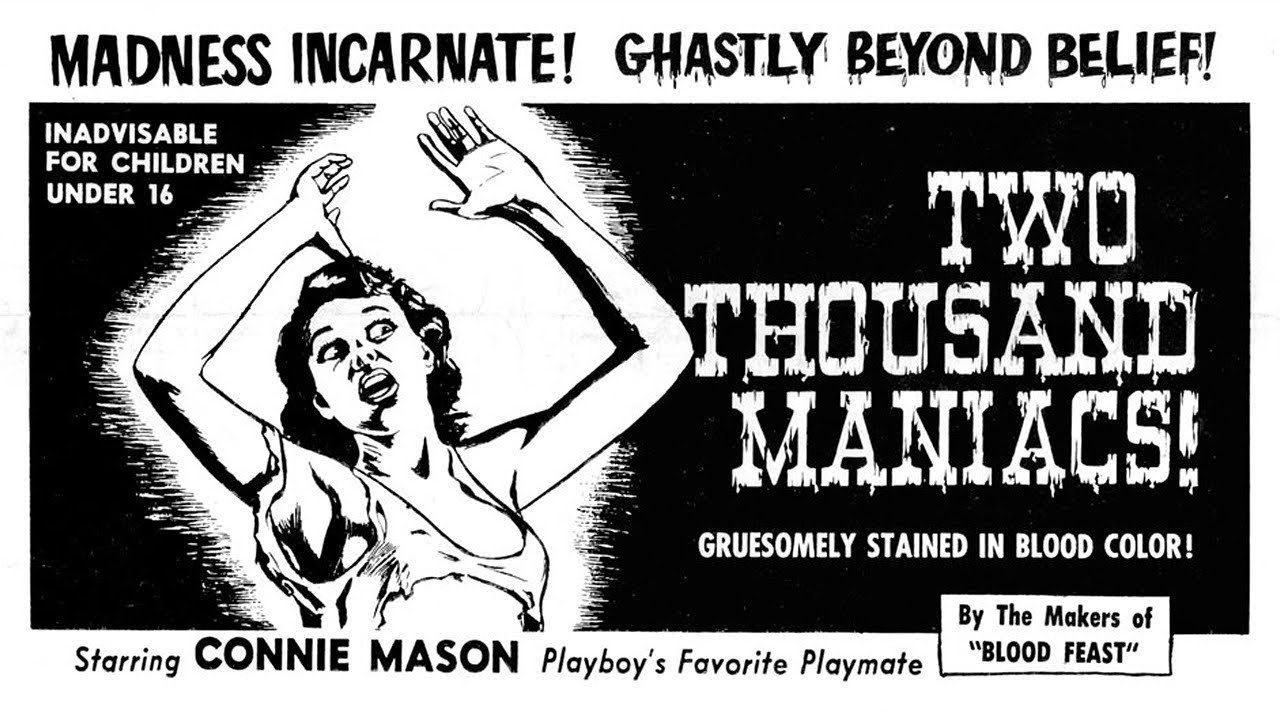
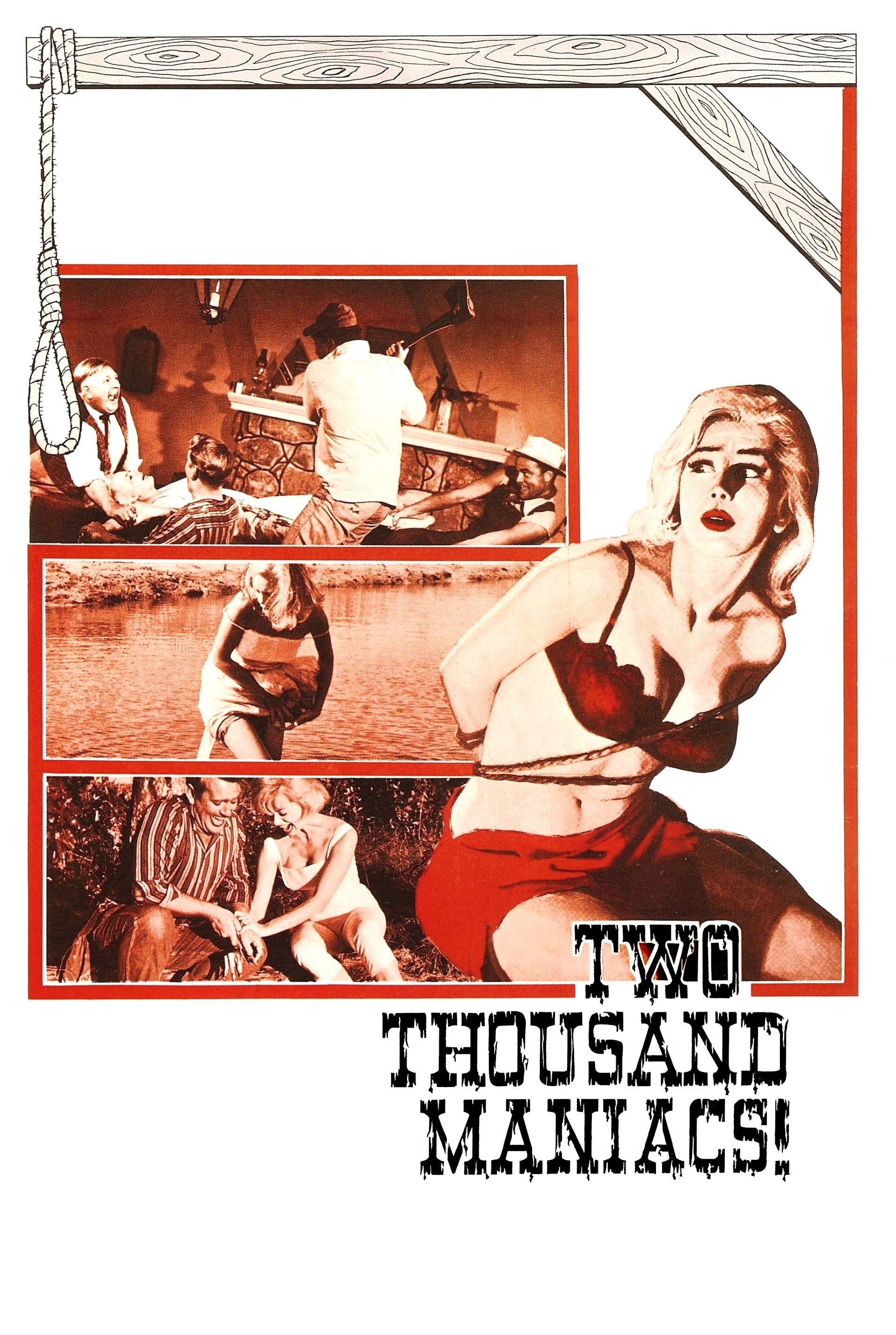
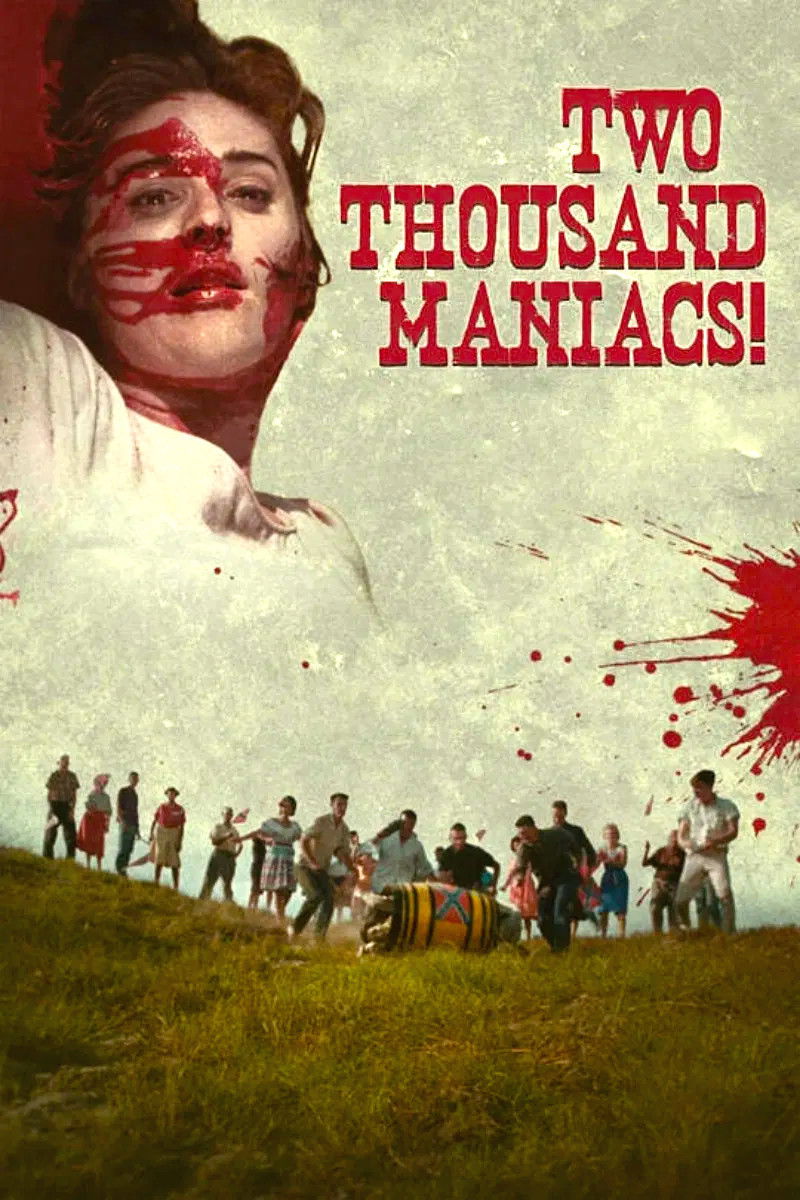
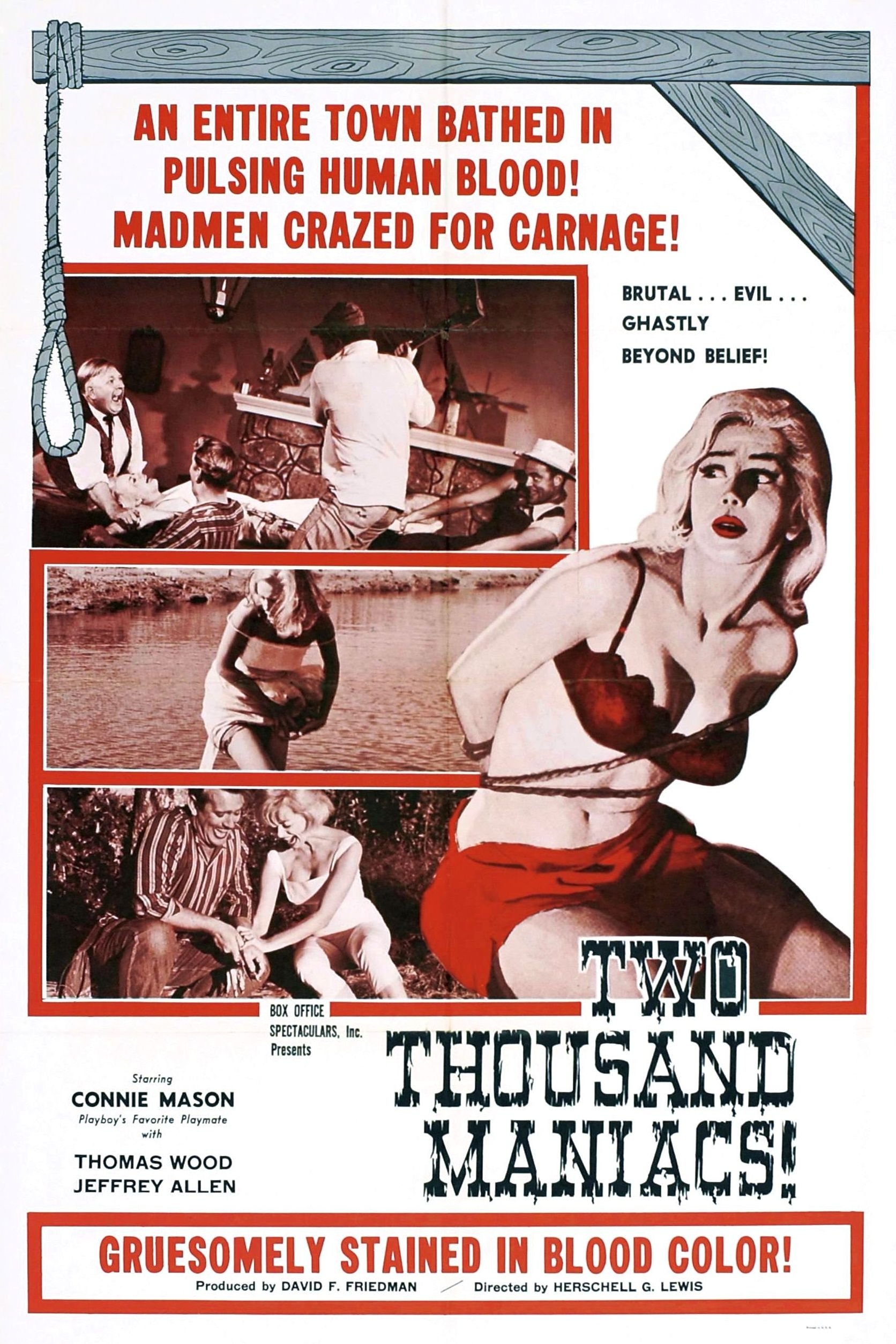
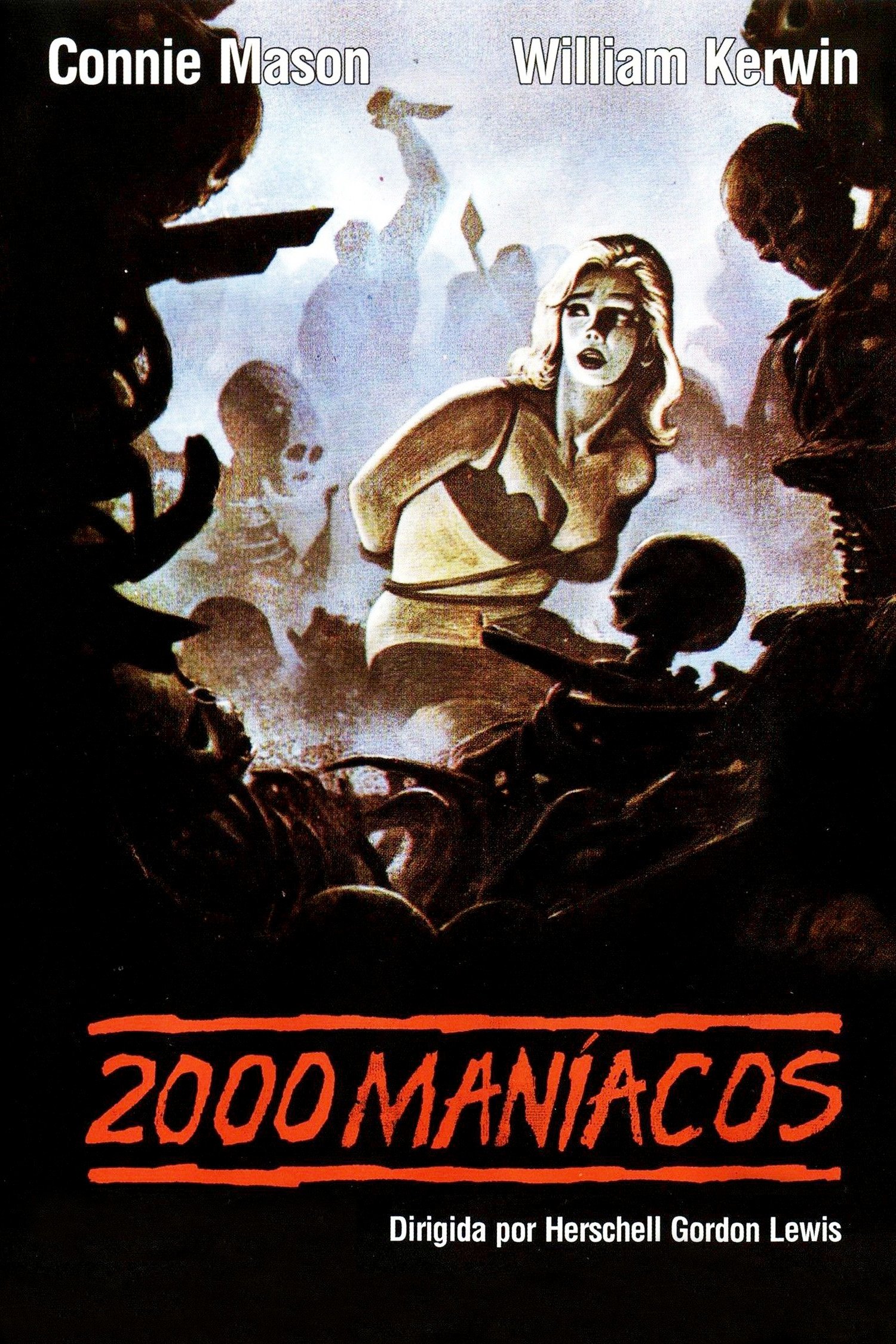
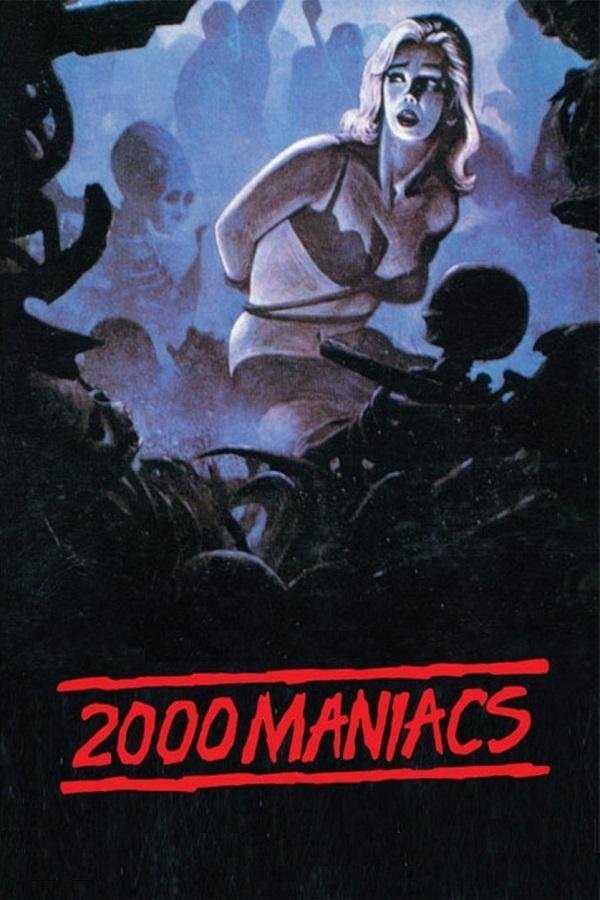
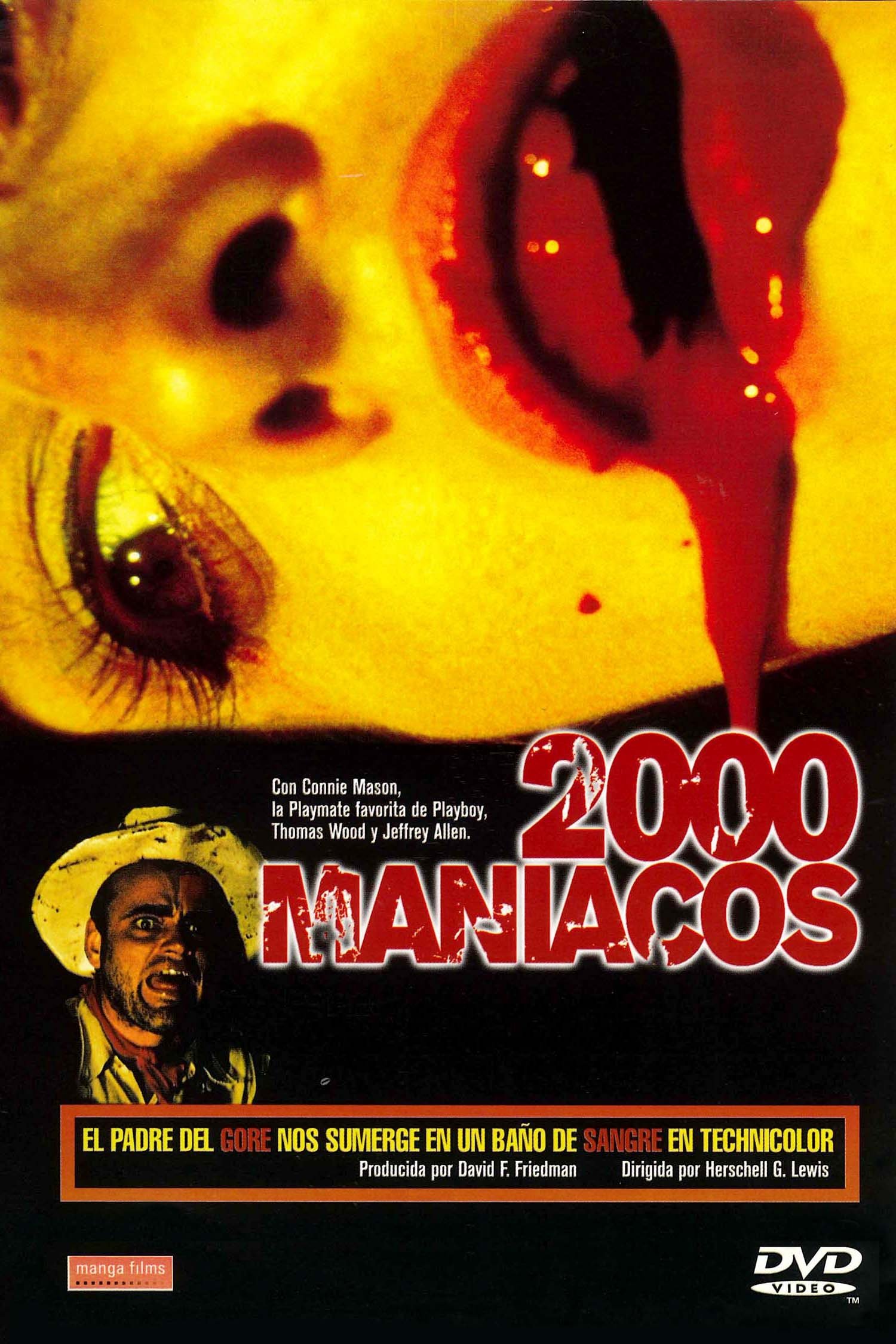
The development of Two Thousand Maniacs! followed the unexpected commercial success of Blood Feast, the 1963 production through which Lewis and Friedman had made explicit bodily mutilation the principal attraction of a theatrical horror film. Although Blood Feast had established a market for graphic violence, Lewis believed its production had been too hurried to take full advantage of the opportunity. He later described wanting to make a more carefully constructed film with improved performances, a stronger dramatic progression and a wider range of situations. The intention was to preserve the commercial identity of the earlier work while making the surrounding narrative more substantial.
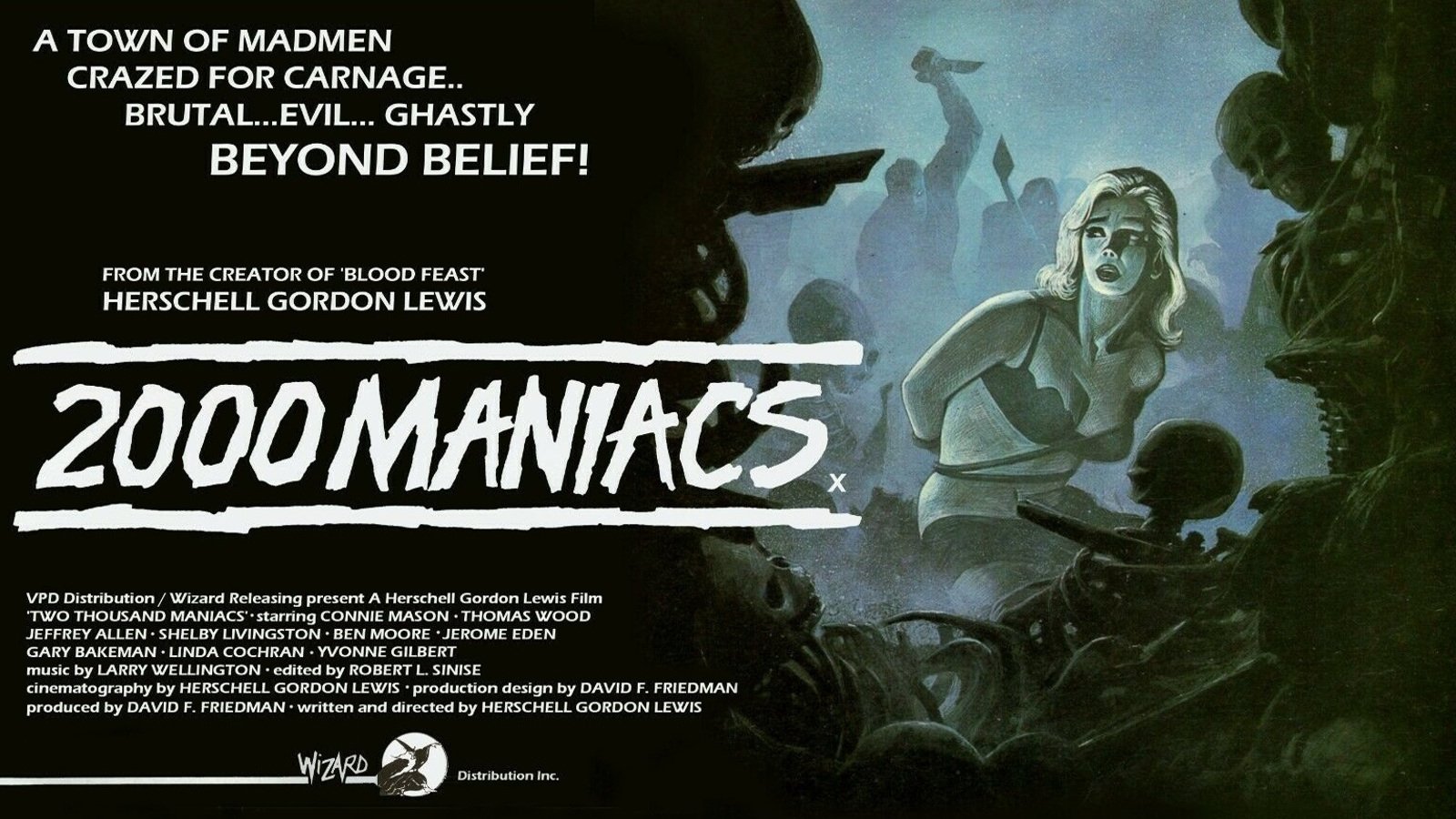
The central idea came from David F. Friedman. In a retrospective interview reproduced by Turner Classic Movies, Friedman recalled seeing the stage musical Brigadoon in New York. Its story of a Scottish village returning to existence at extraordinary intervals suggested a supernatural premise that could be adapted to the American South. Lewis, who had previously taught at the University of Southern Mississippi, was interested in Southern culture and its distinctive regional imagery. The collaborators replaced the enchanted village with a community destroyed by Union soldiers during the Civil War, whose inhabitants return after a century to punish travelers from the North.
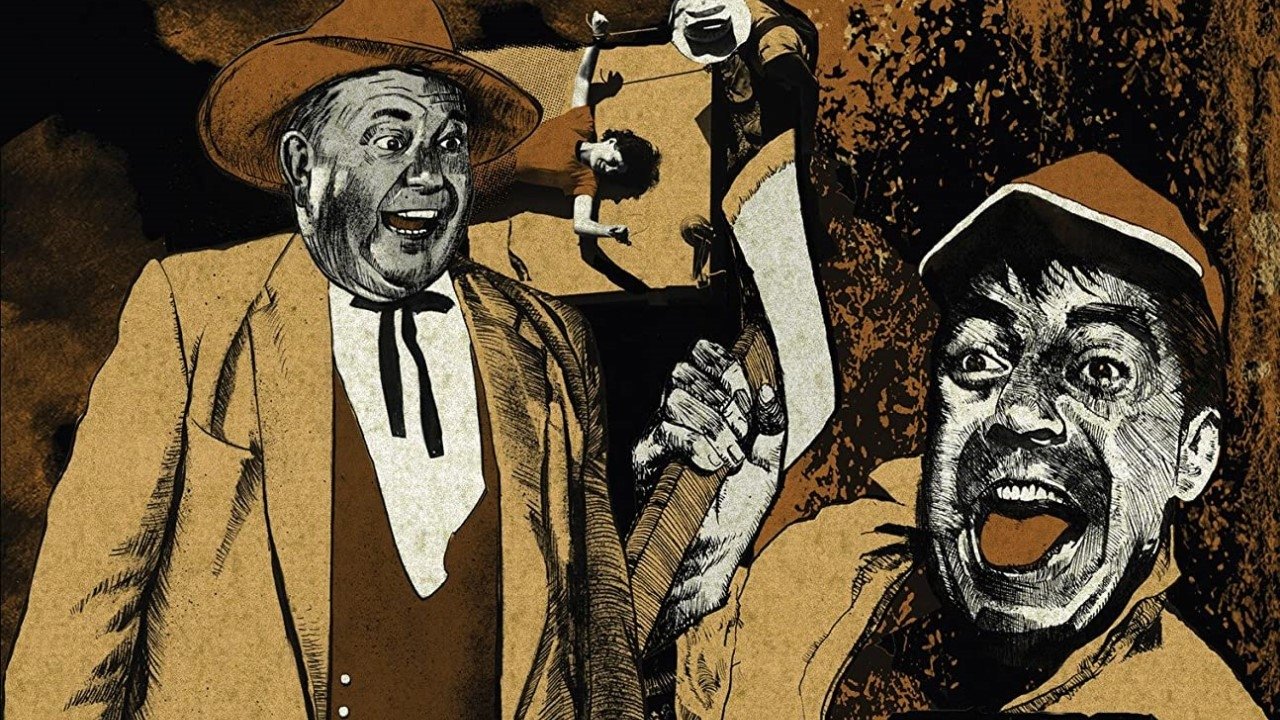
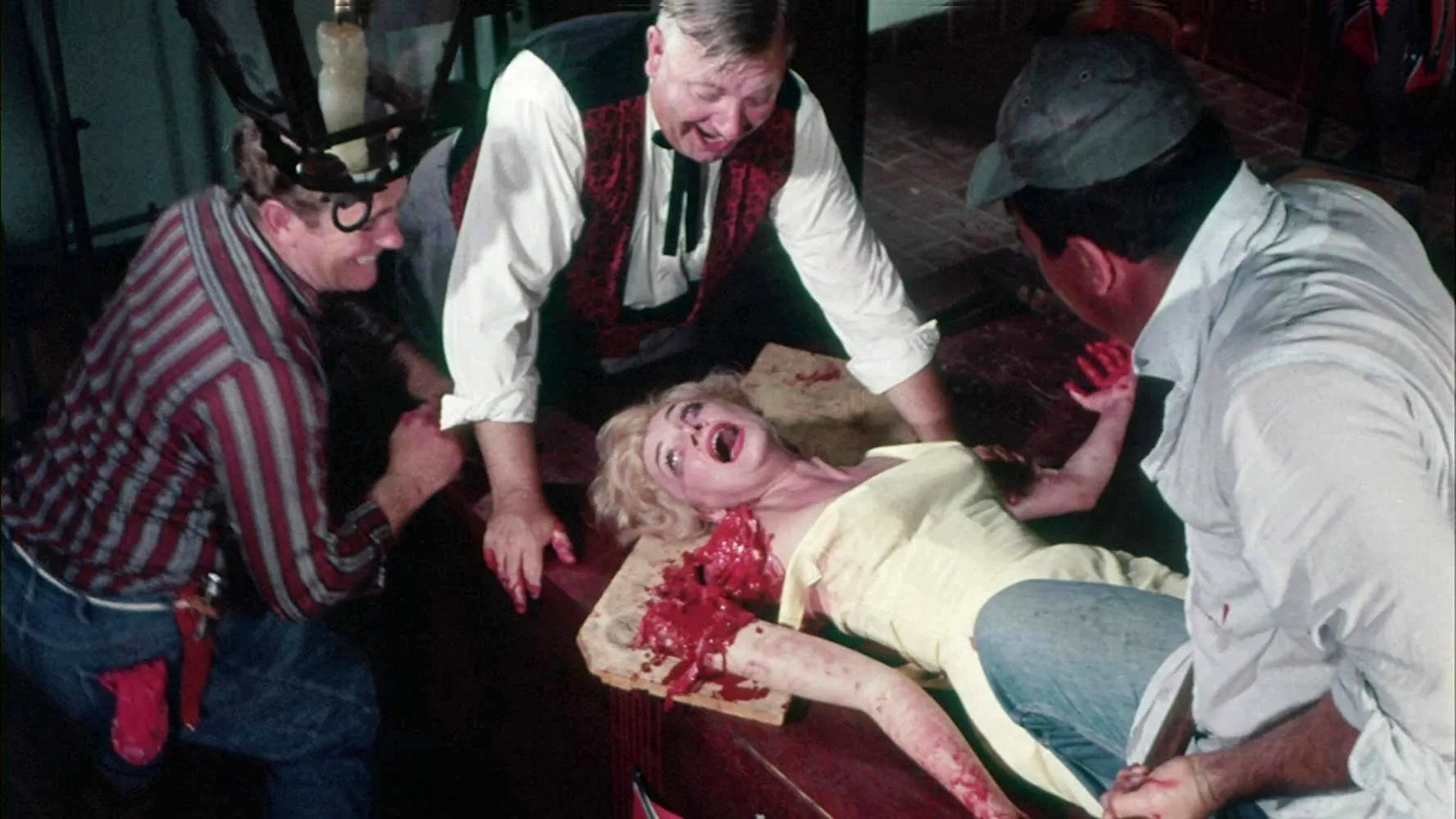
That change gave the film a different horror mechanism from Blood Feast. The earlier picture had followed a single murderer preparing an occult ceremony; Two Thousand Maniacs! presents an entire community participating in collective violence. The visitors are welcomed into an apparently ordinary celebration, and the first stages of their confinement are concealed beneath offers of hospitality. The eventual revelation that Pleasant Valley exists outside normal historical time supplies a supernatural explanation for the townspeople's conduct. Lewis thus incorporated his established interest in graphic spectacle into a recognizable ghost-story structure, with the mystery of the town sustaining the narrative between murders.