Production & Development
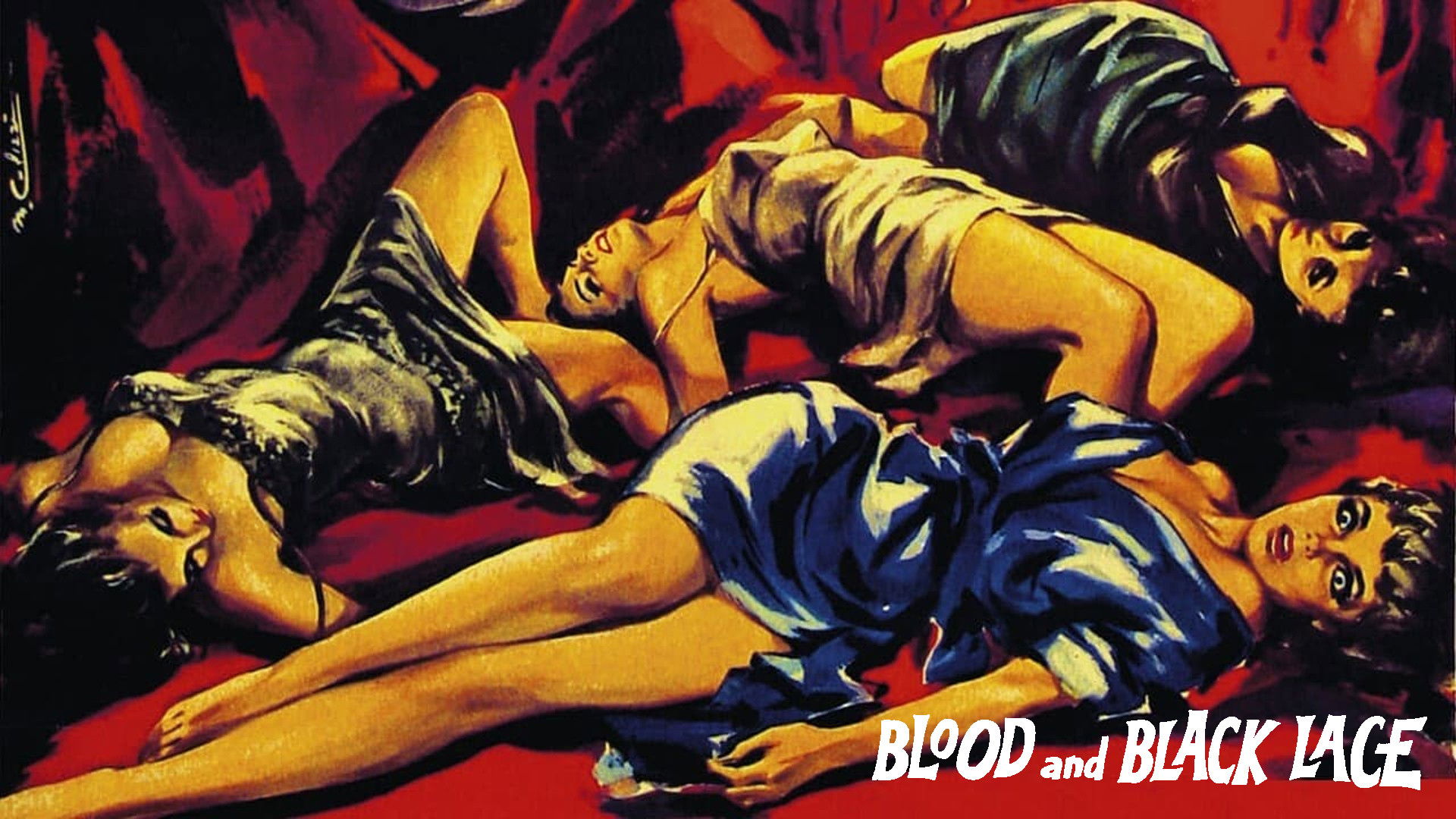
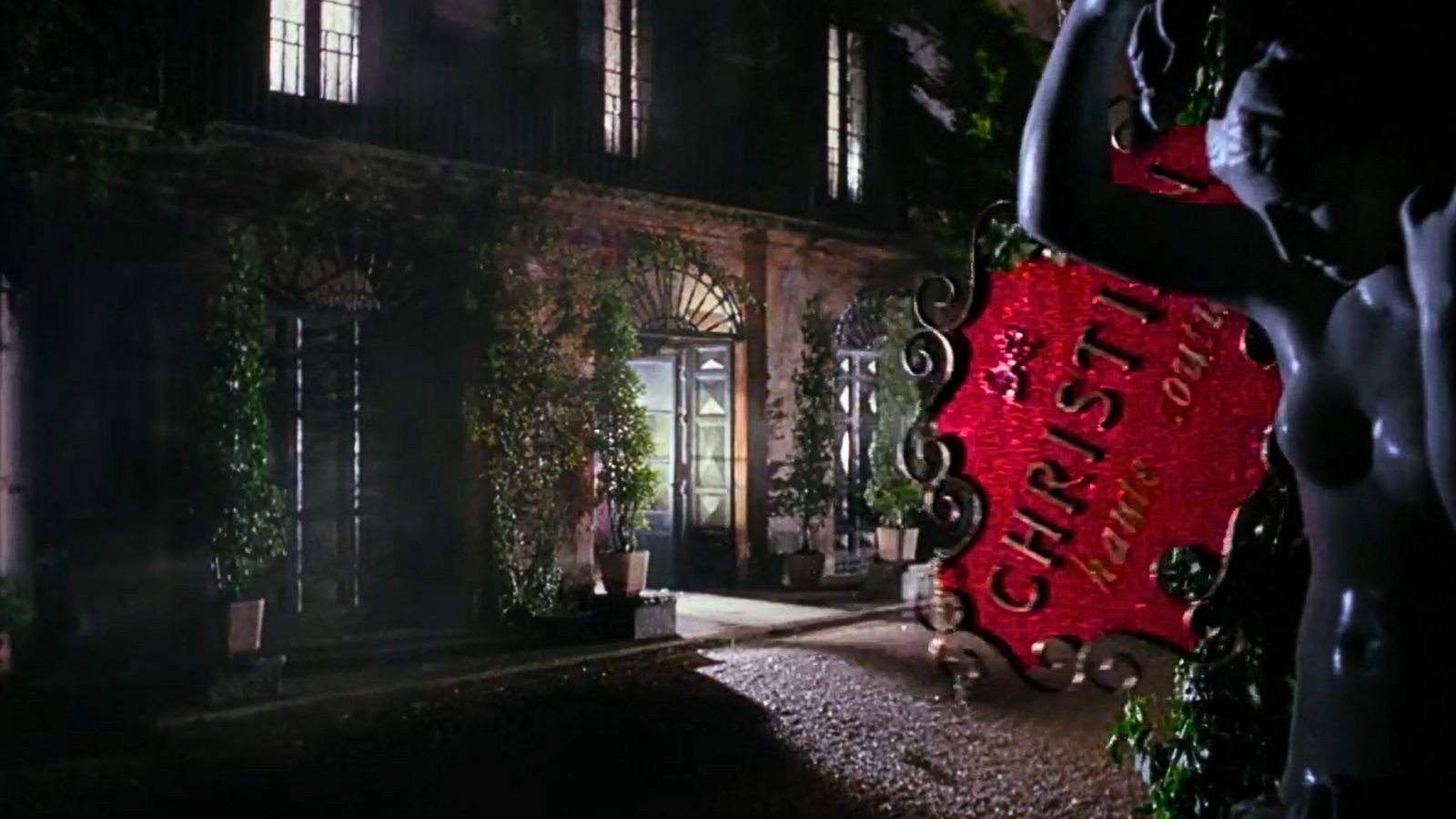
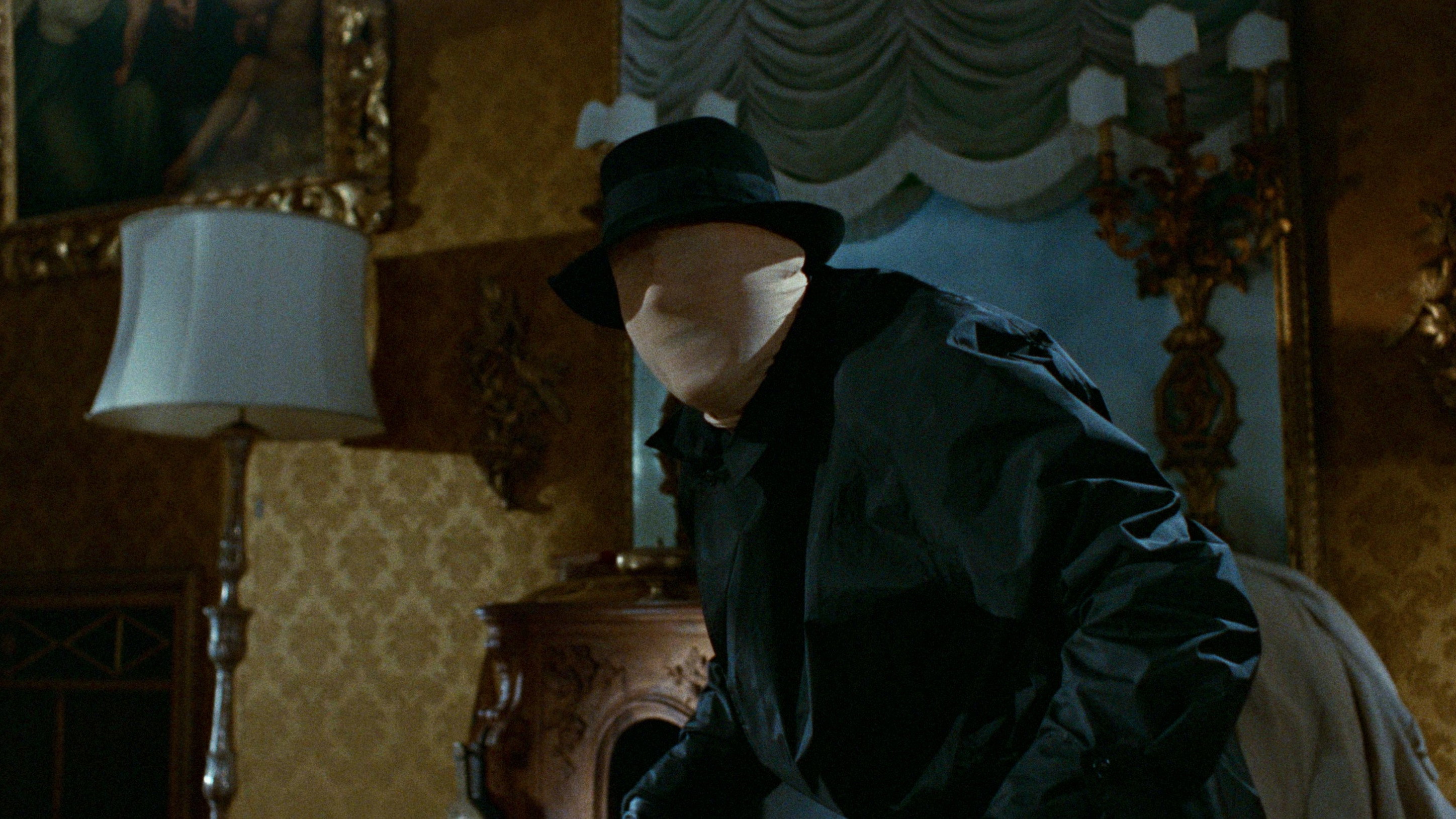
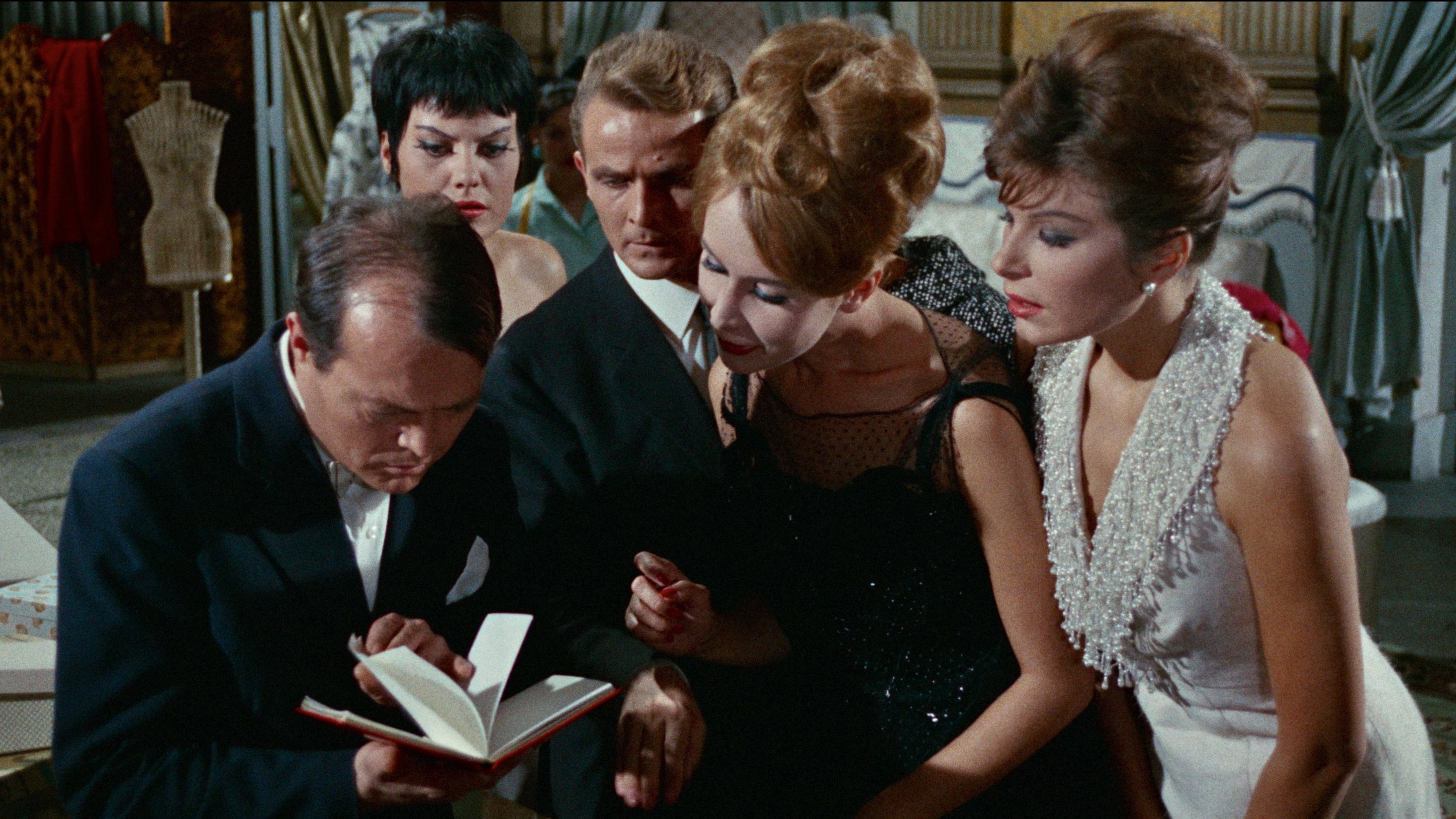
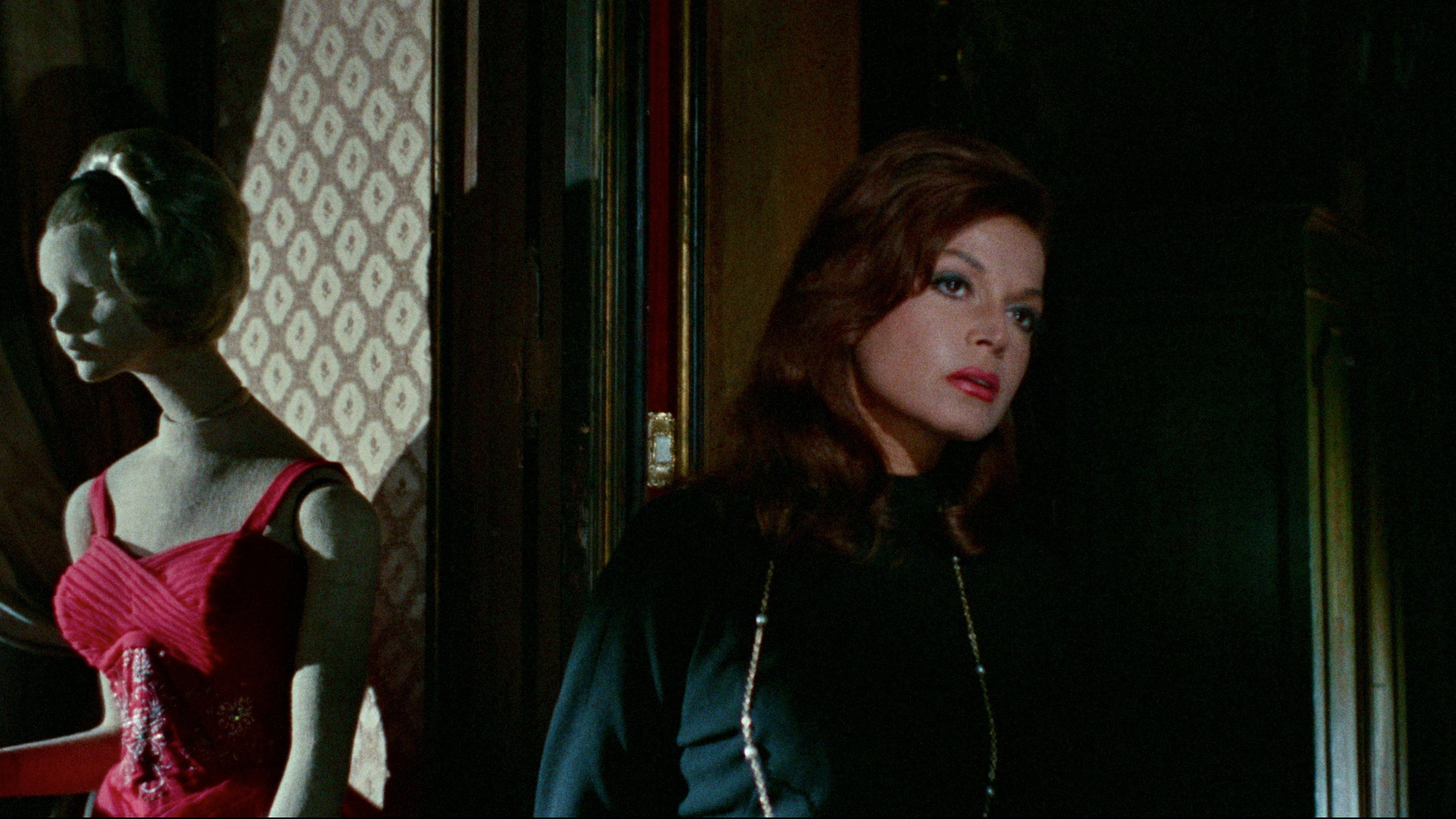
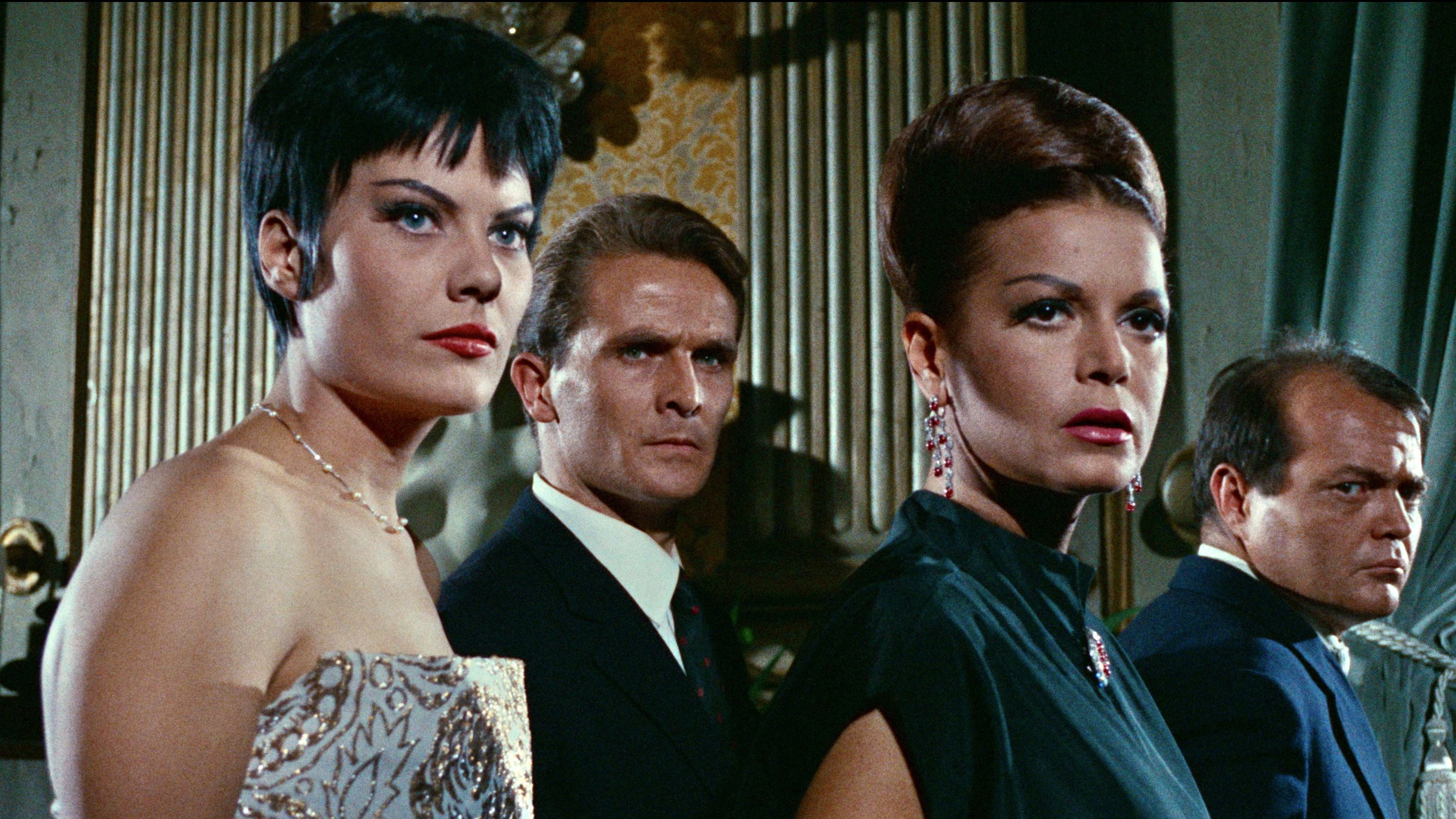
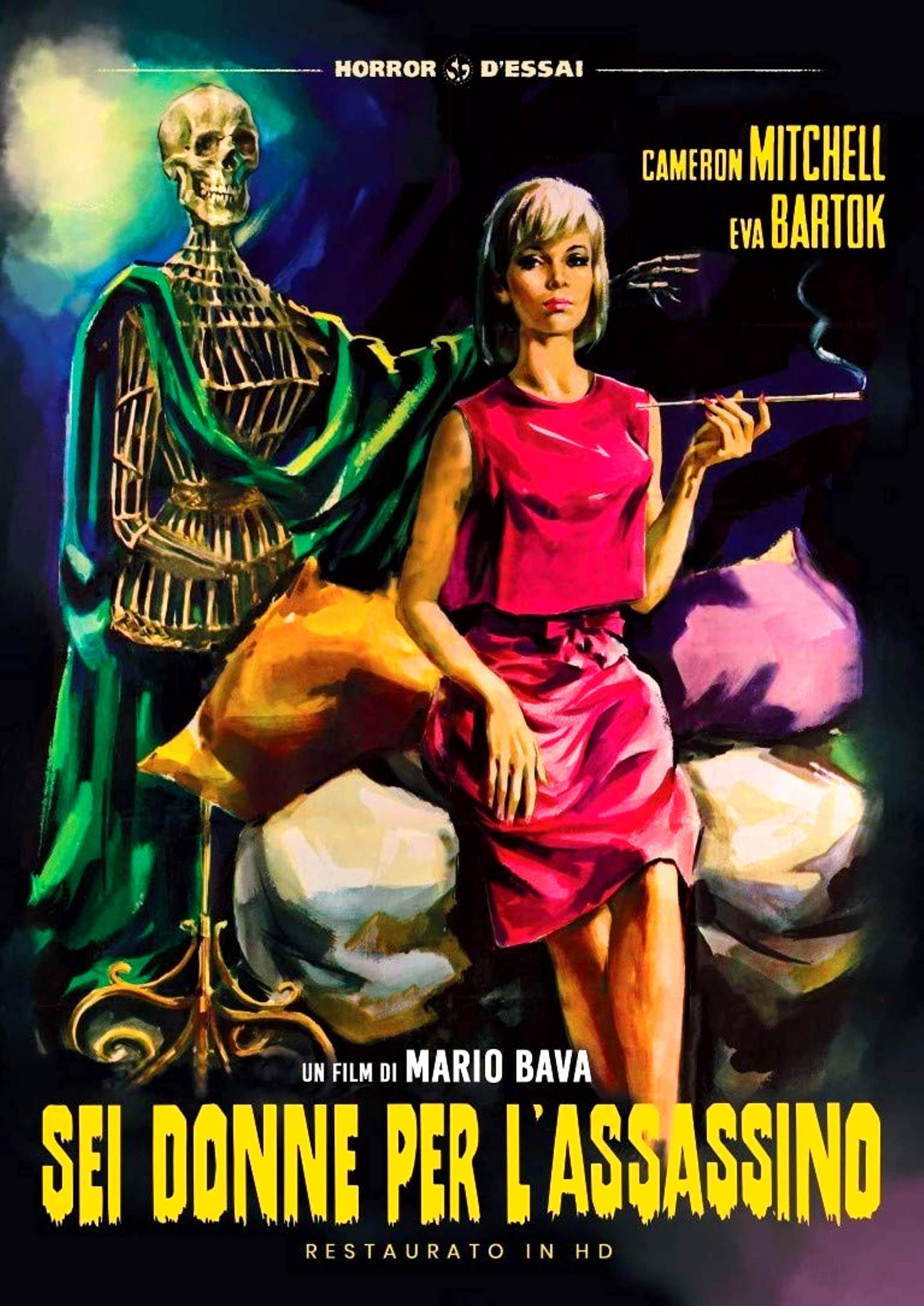
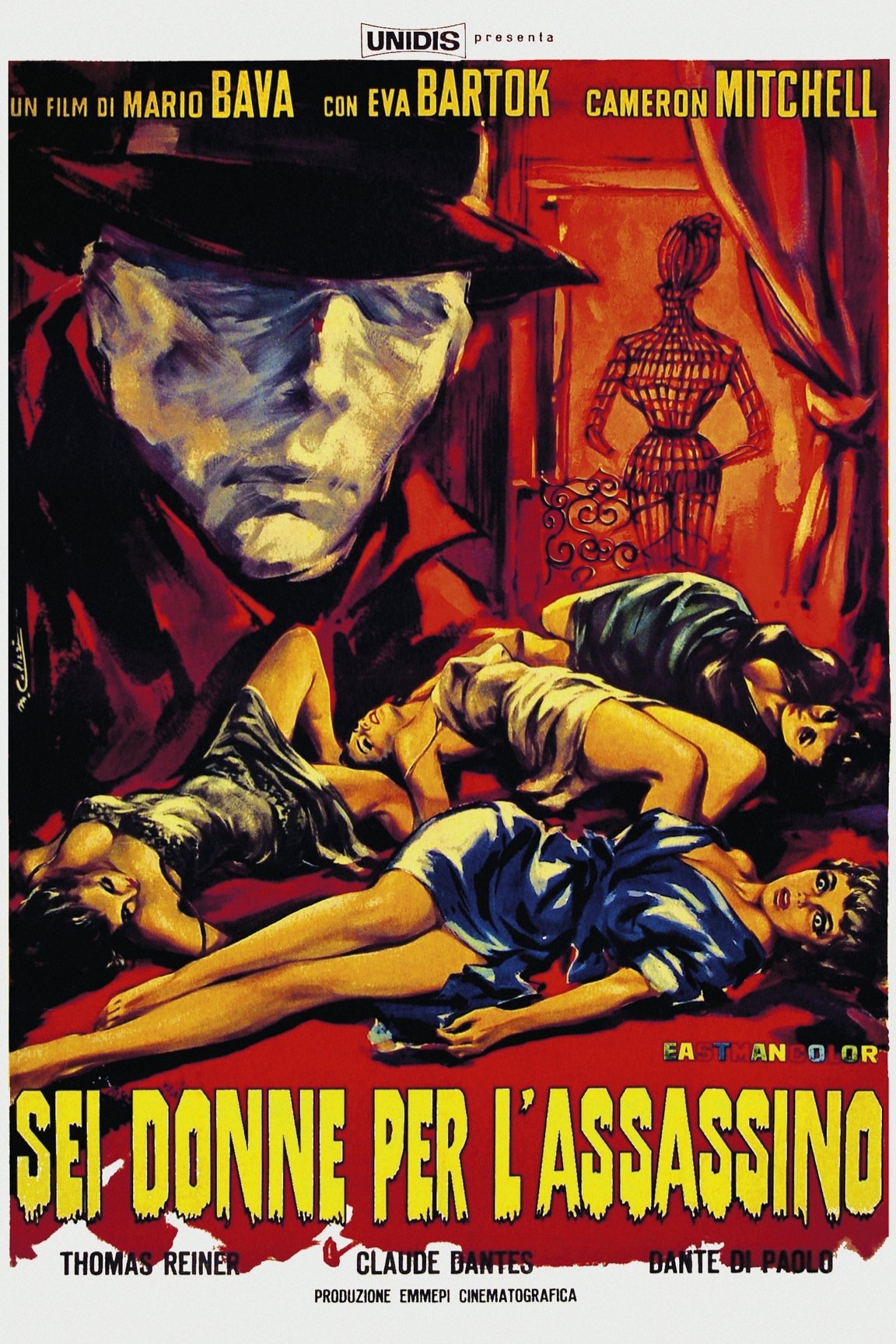
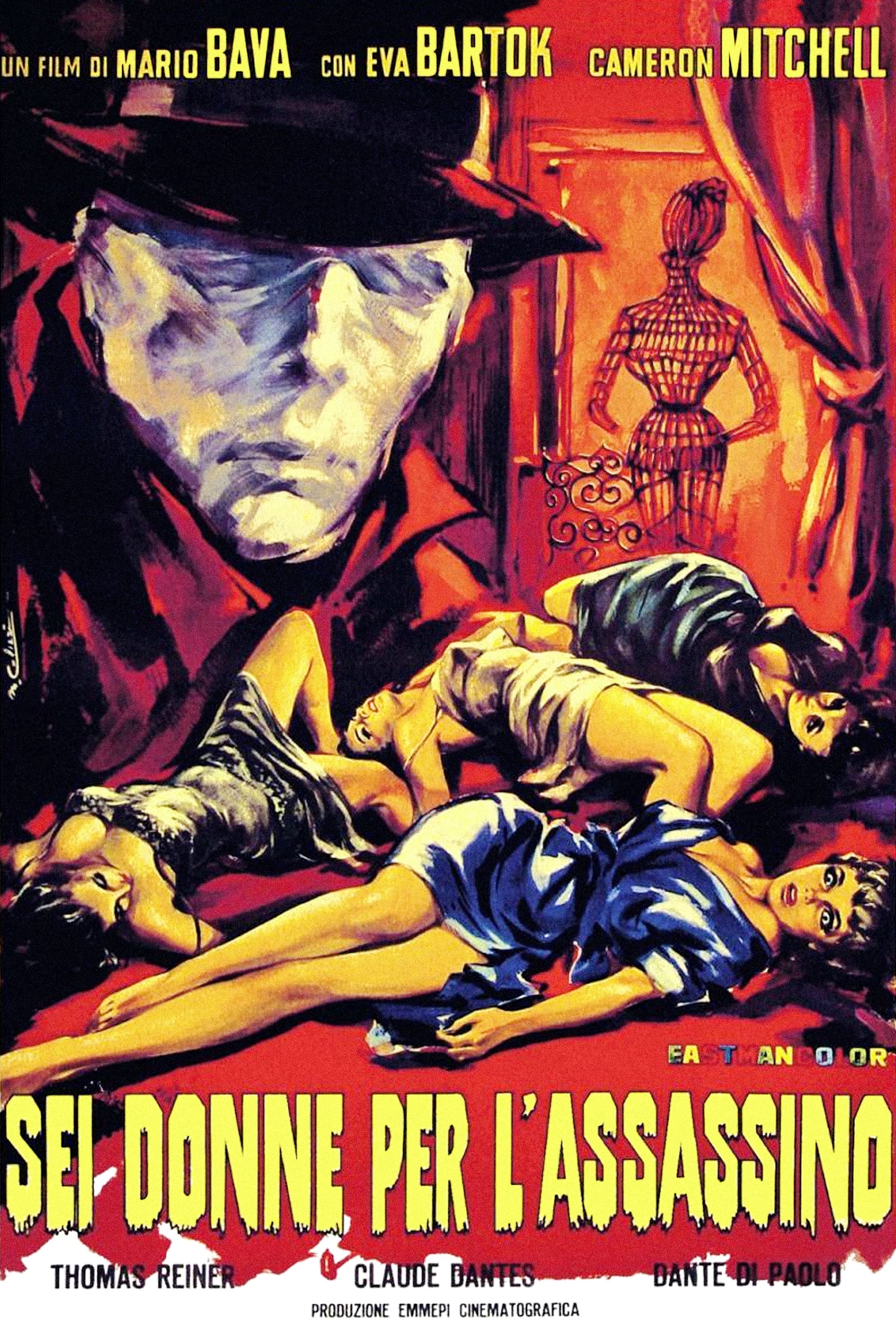
Blood and Black Lace emerged at a transitional moment in Mario Bava’s career. The director had established an international reputation through Black Sunday and Black Sabbath, but the financial difficulties affecting Galatea Film, which had supported much of his earlier work, forced him to seek arrangements with other producers. The new project was developed through Emmepi Cinematografica, a comparatively small Italian production company. Initially titled L’atelier della morte, it was conceived as a murder mystery set within an exclusive fashion house, an environment that could accommodate both an ensemble of suspects and a succession of violent encounters.
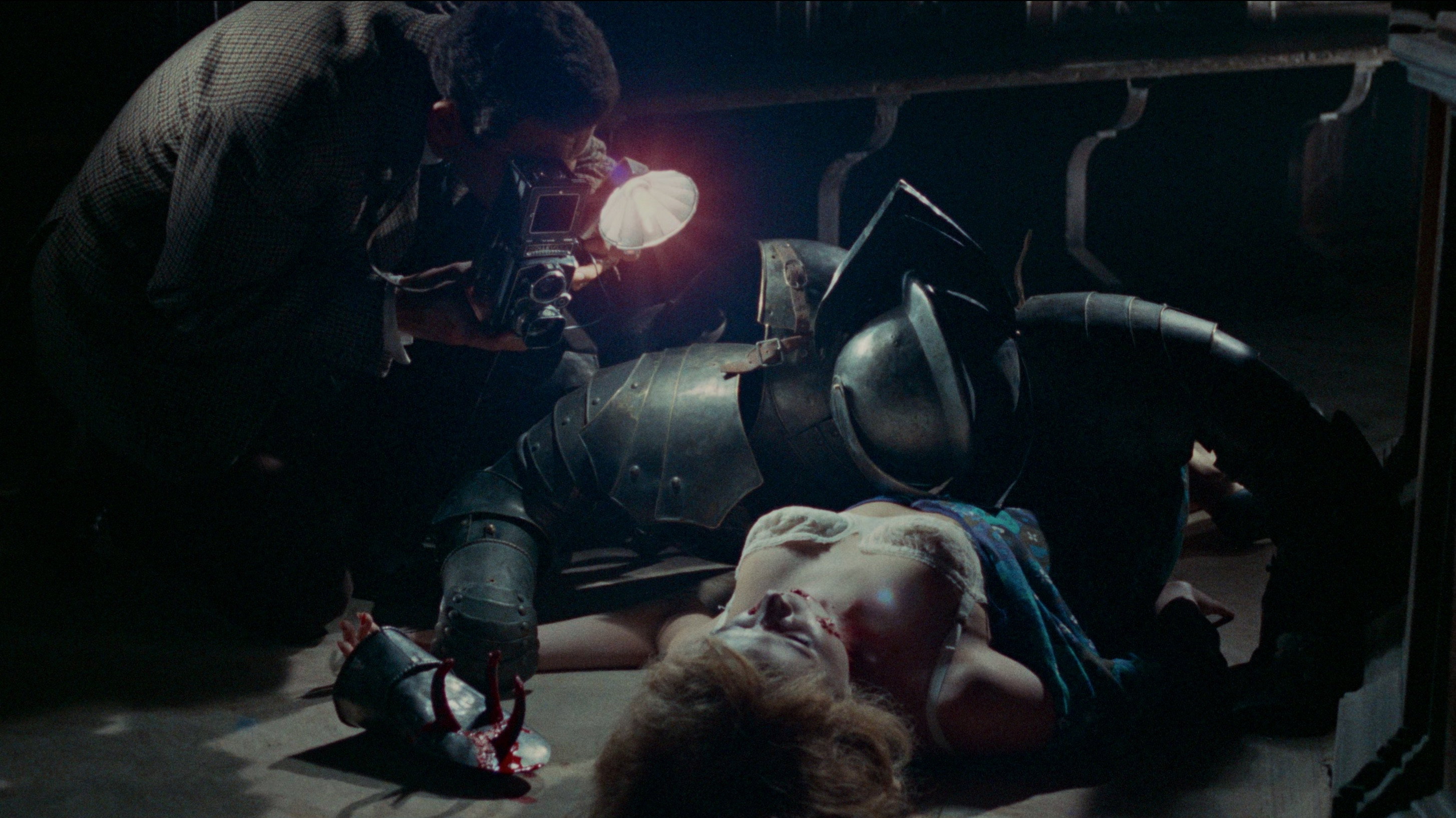
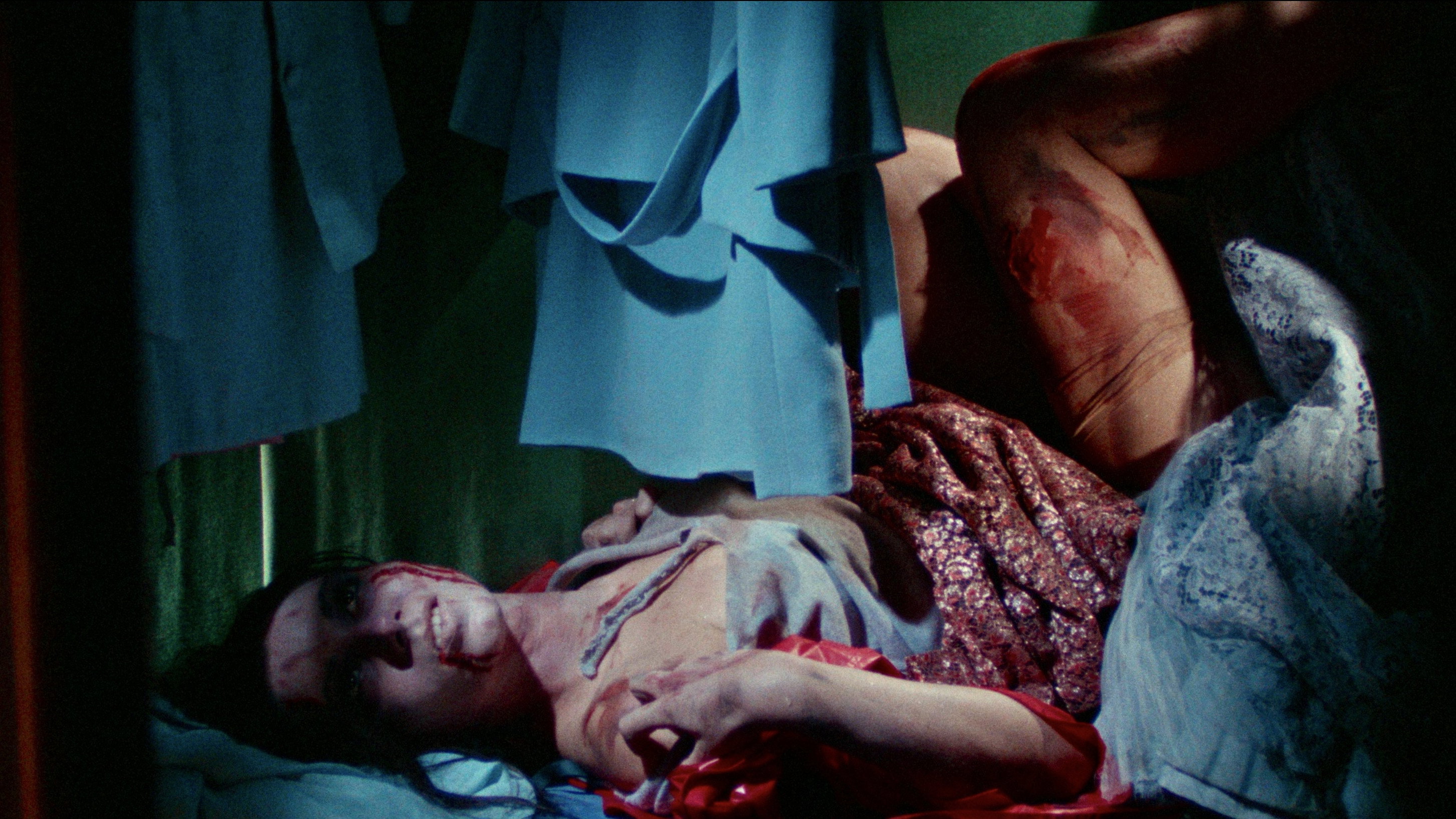
The screenplay developed from material by Marcello Fondato and Giuseppe Barillà, with Bava contributing to the finished film. Archival research presented by Roberto Curti identifies a surviving ten-page story treatment and a screenplay of 156 pages preserved in Rome. These documents provide a concrete basis for examining how the narrative evolved during production. The original concept involved a closed environment dominated by professional rivalry, compromising secrets and relationships that could become motives for murder. Bava’s contribution was especially significant in transforming that dramatic material into a visually elaborate thriller whose individual killing sequences possess a strong identity of their own.
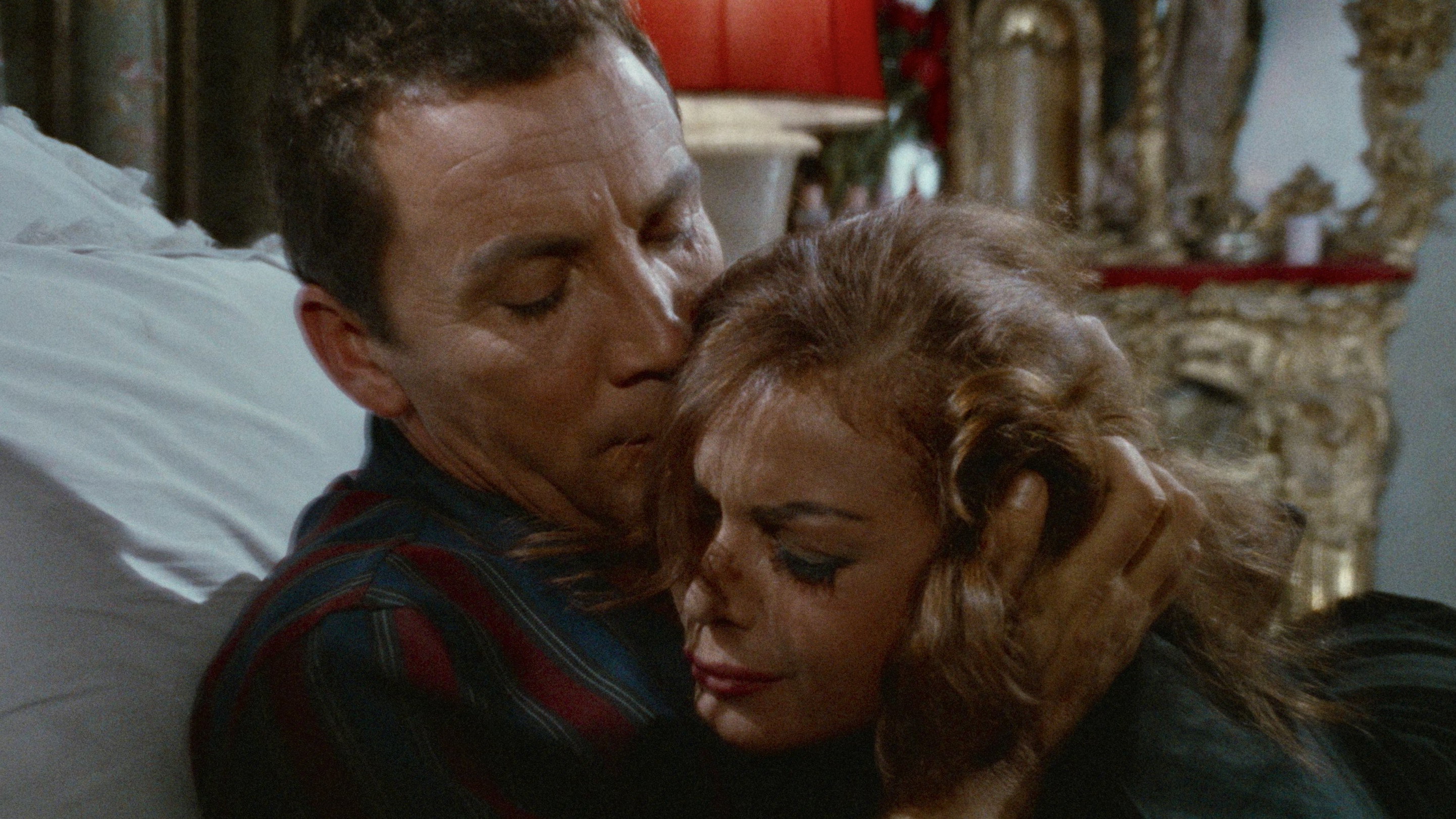
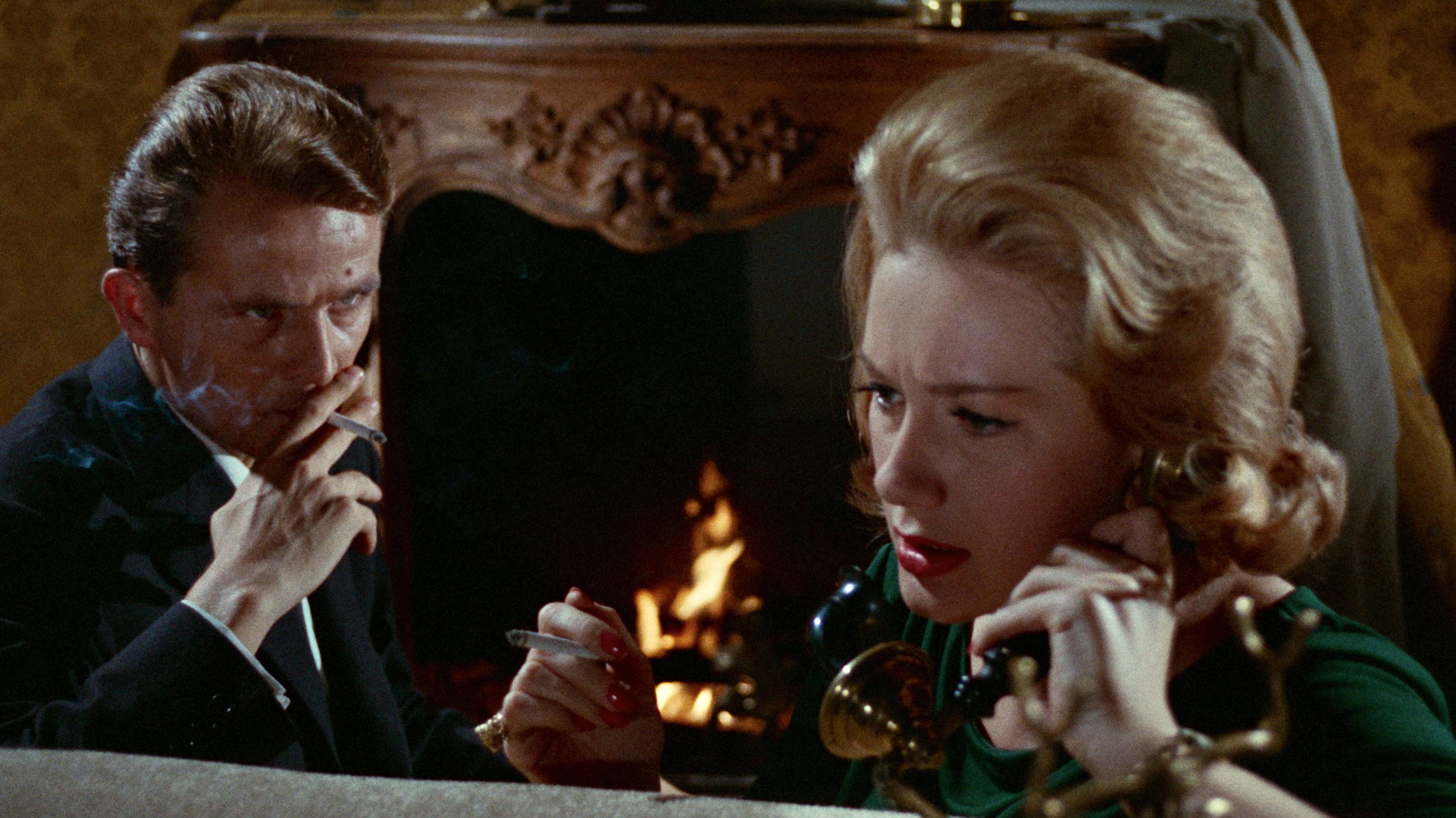
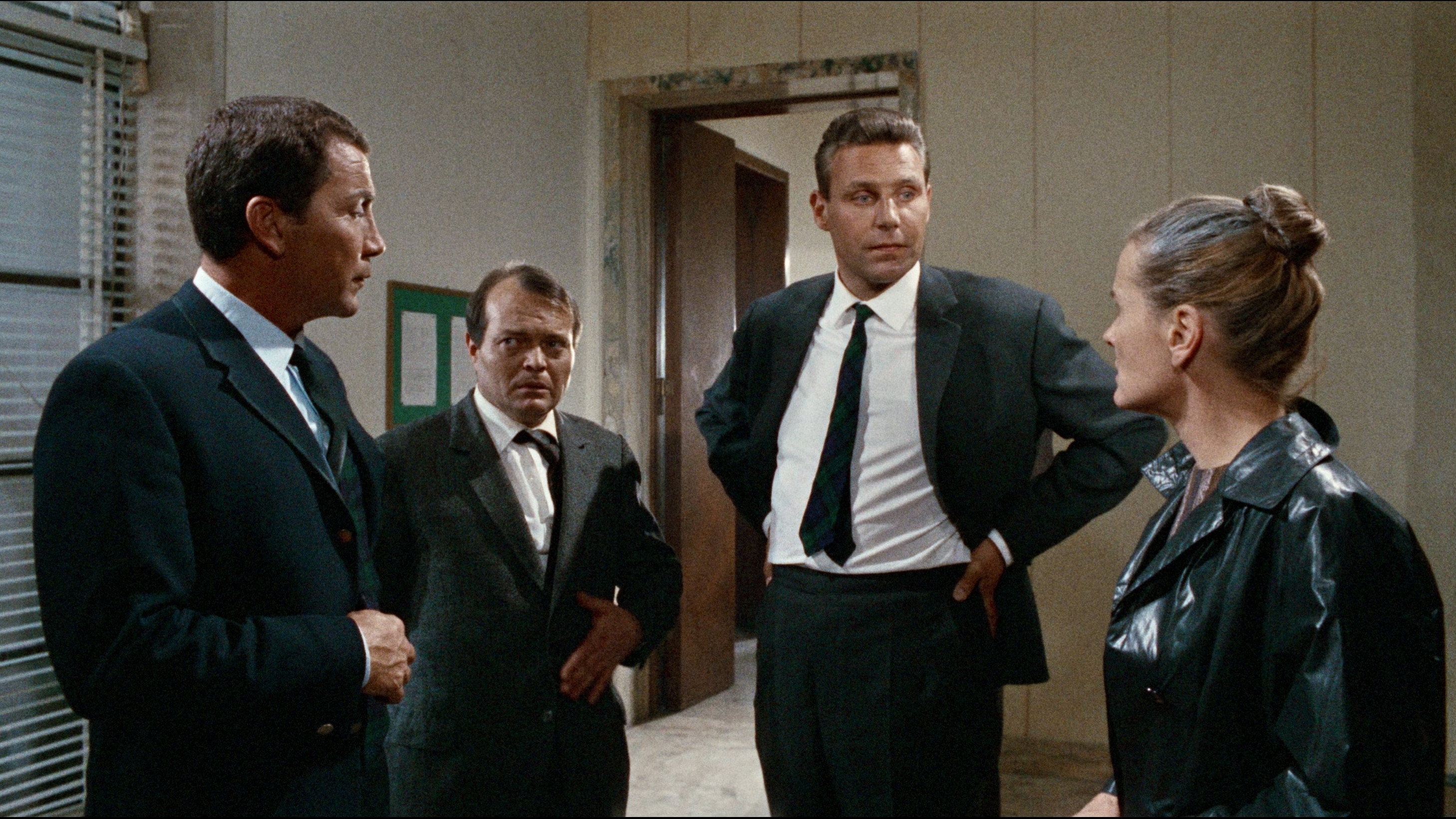
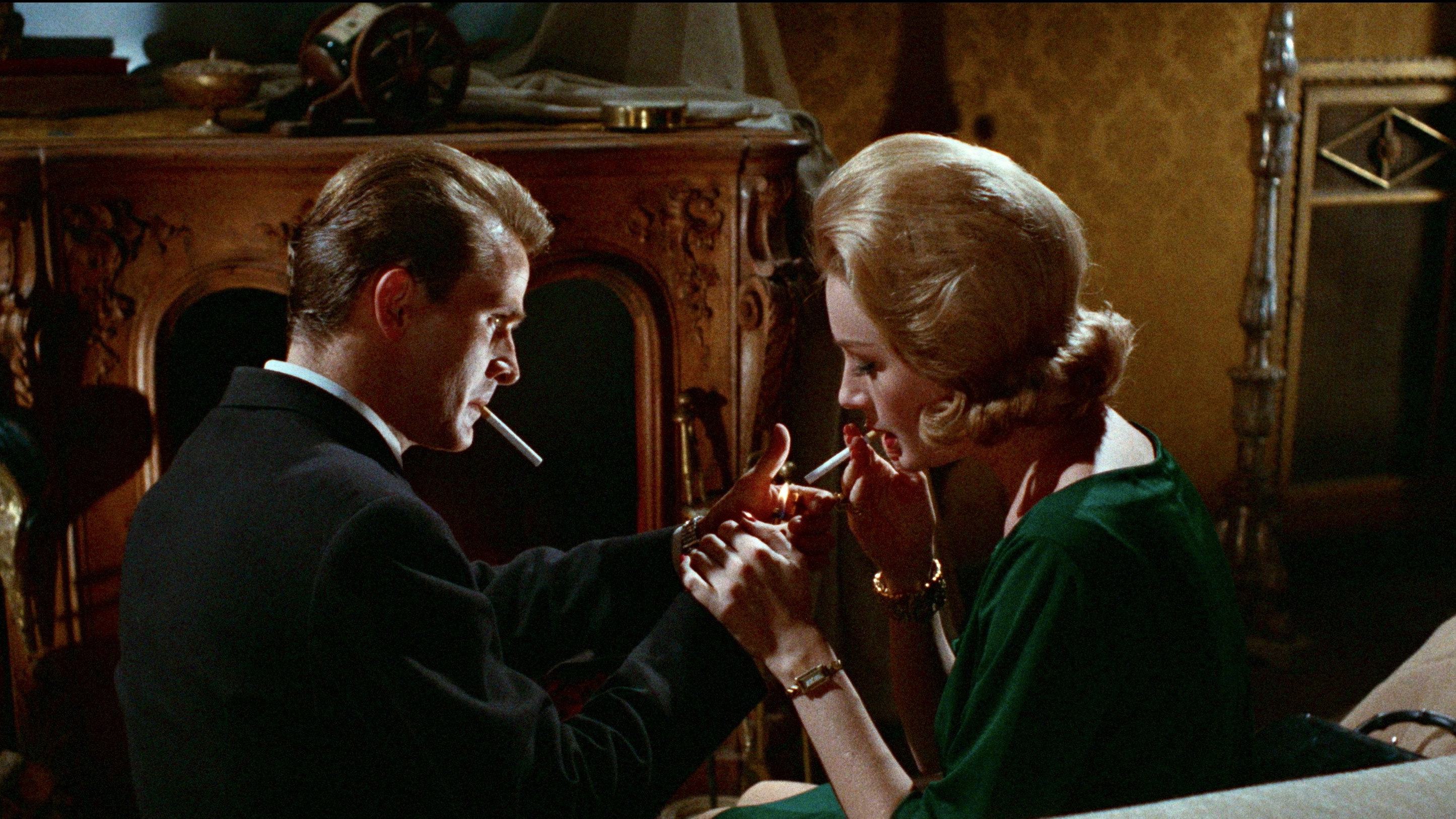
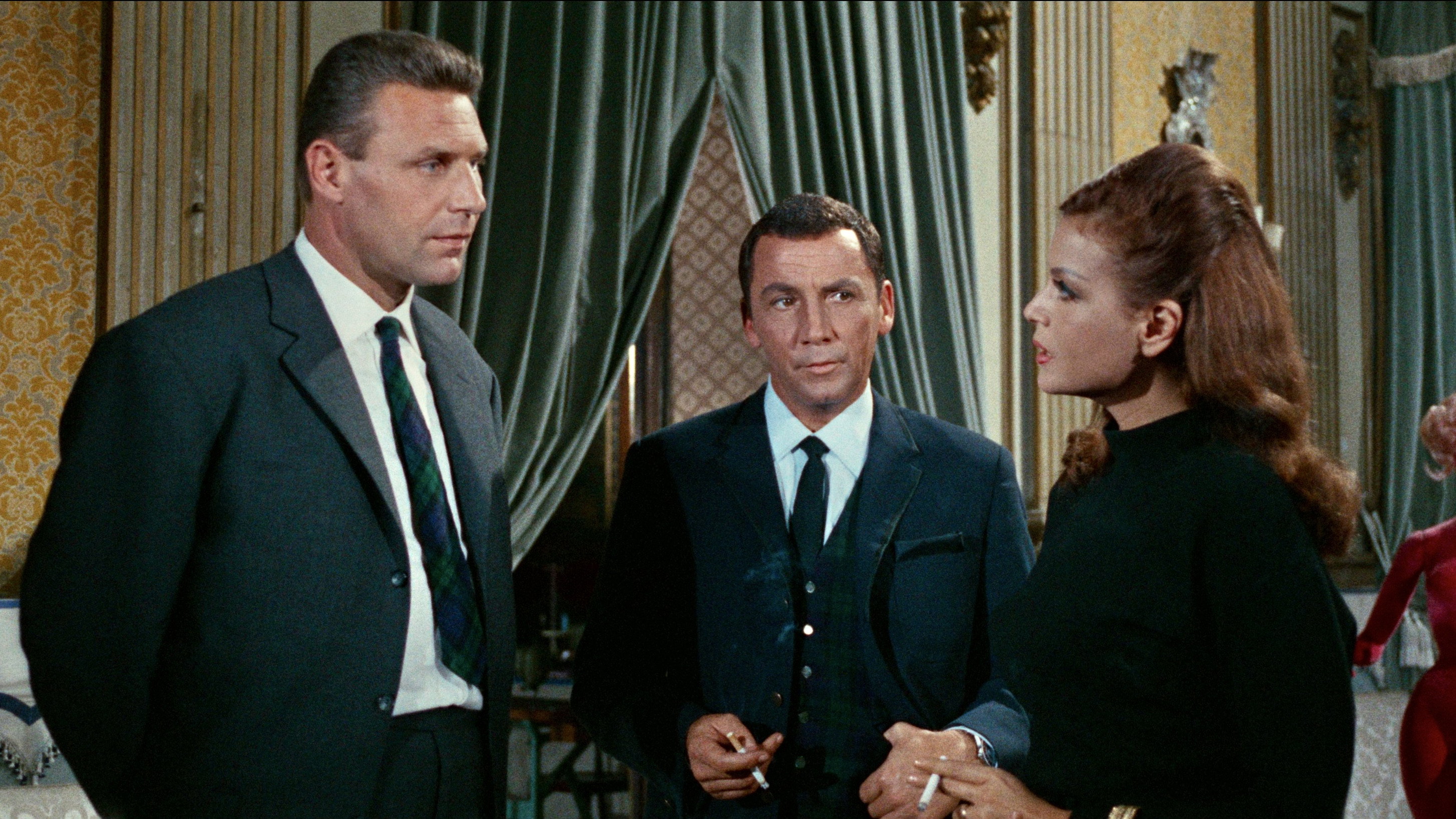
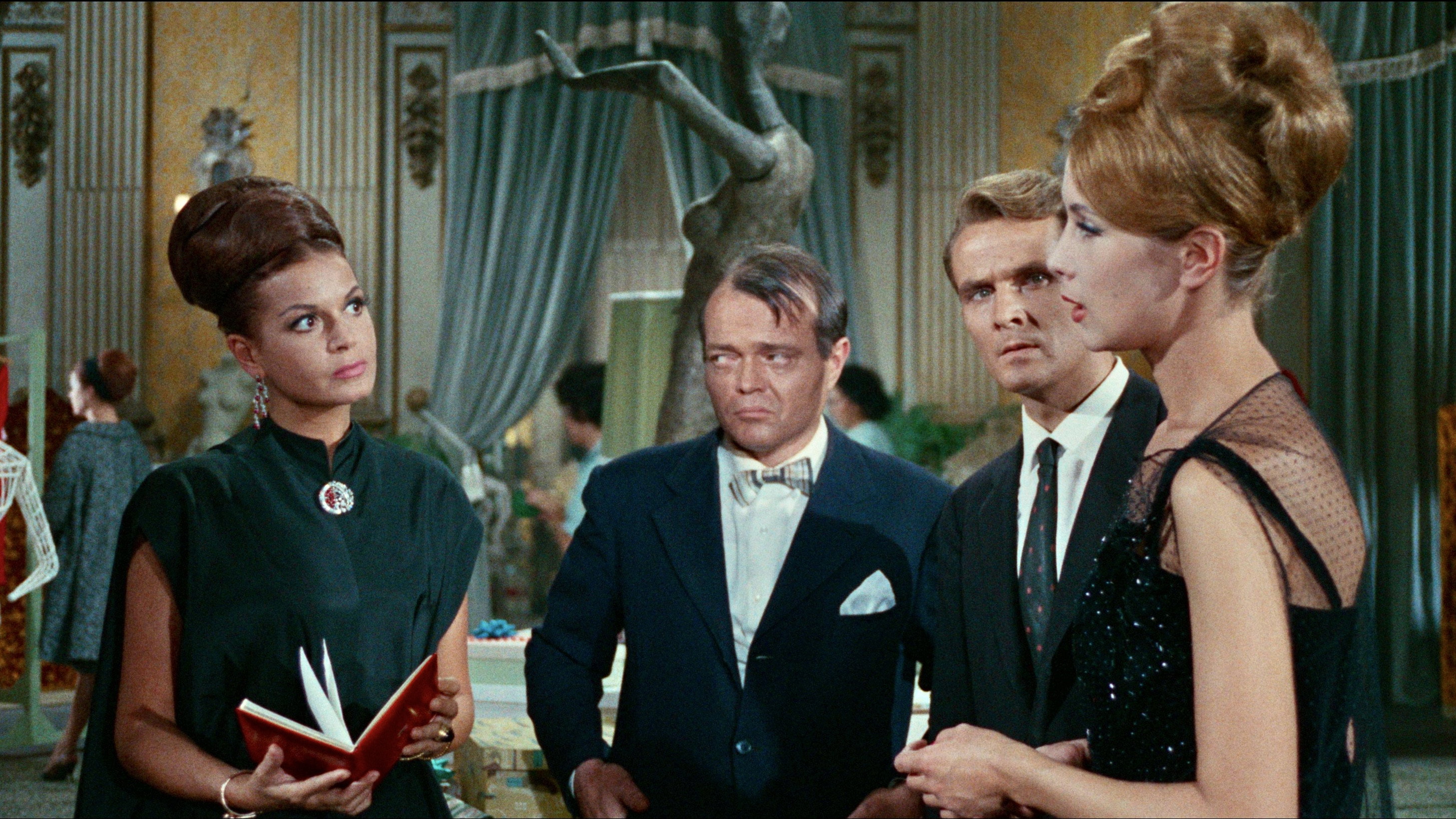
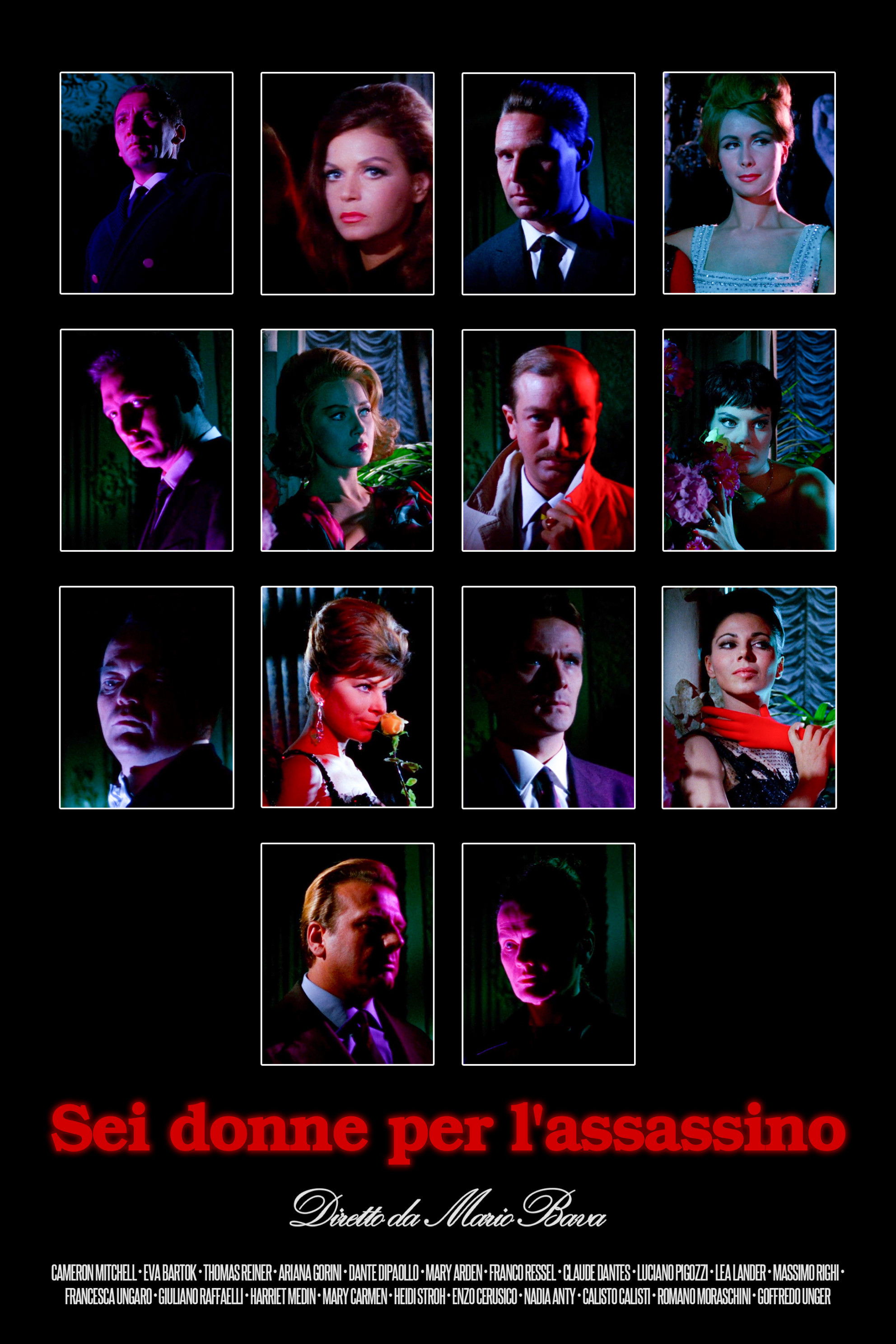
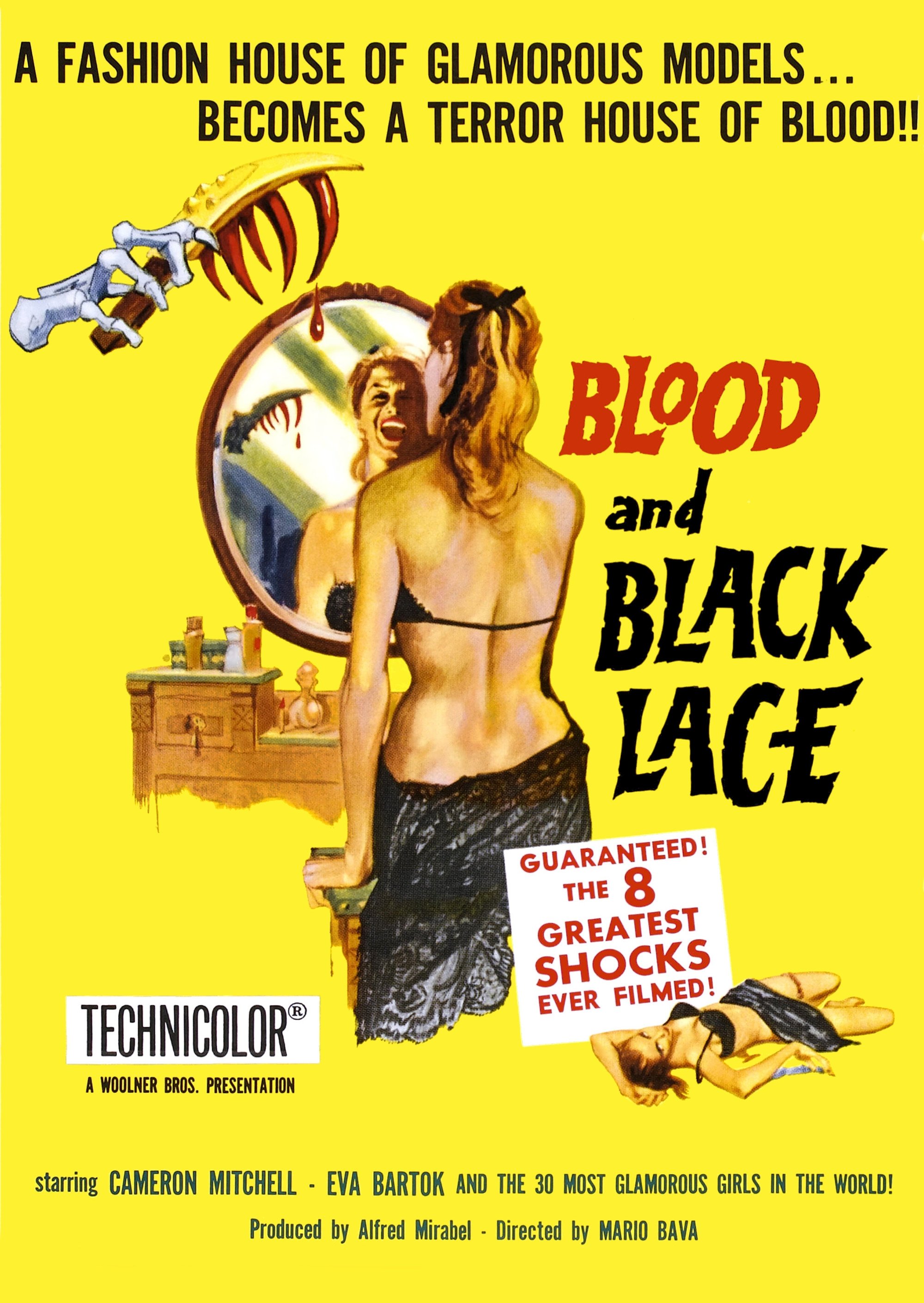
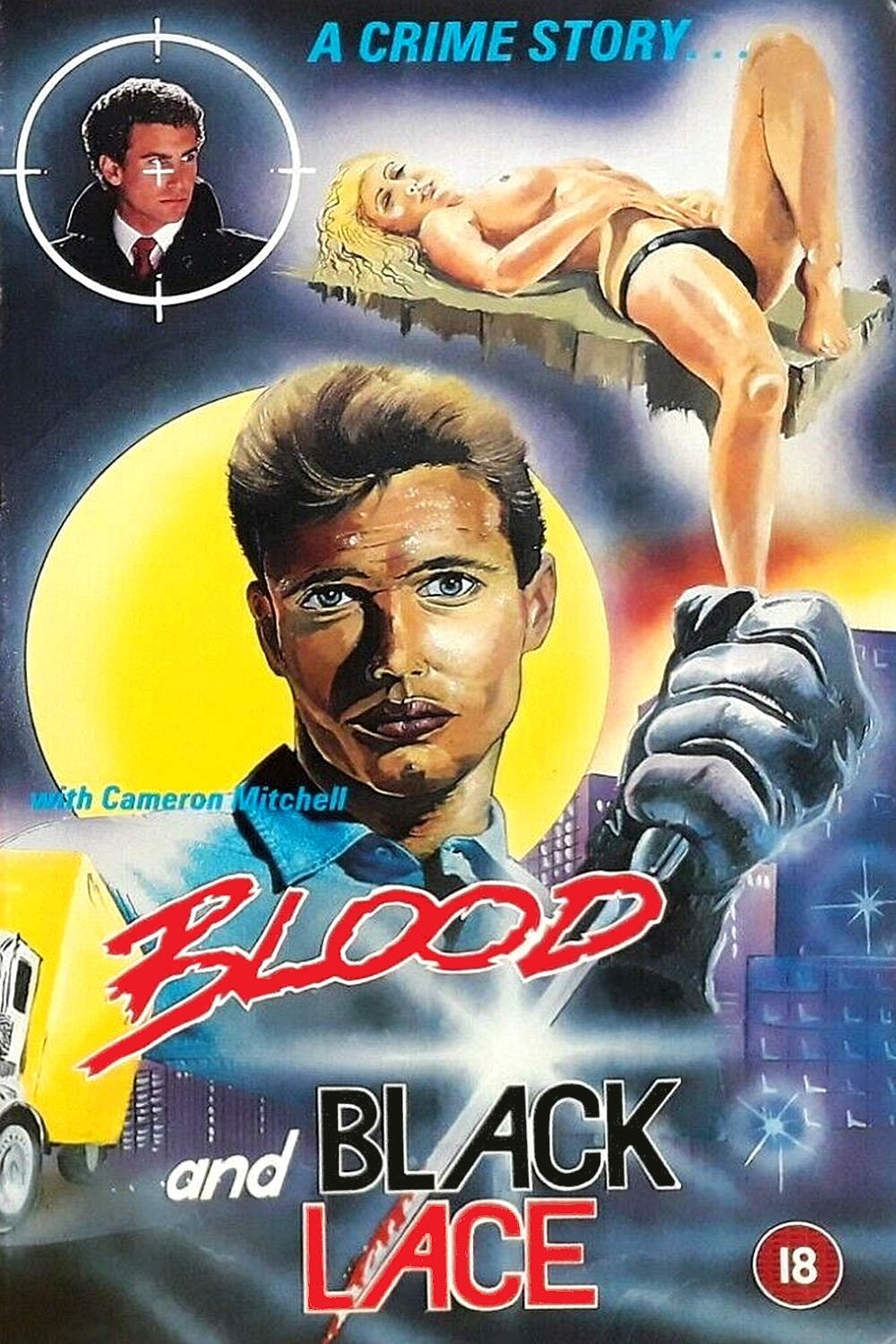
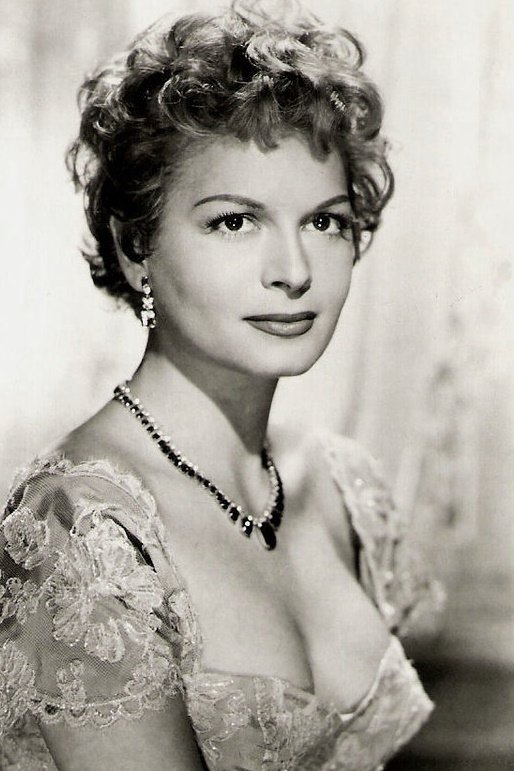
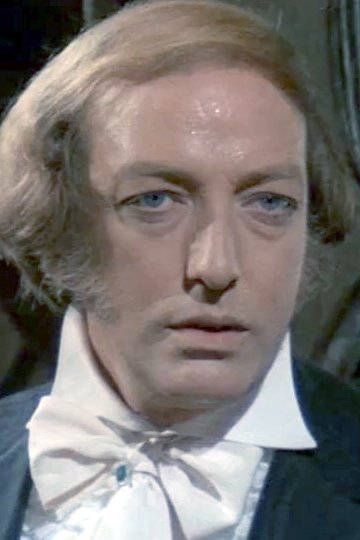
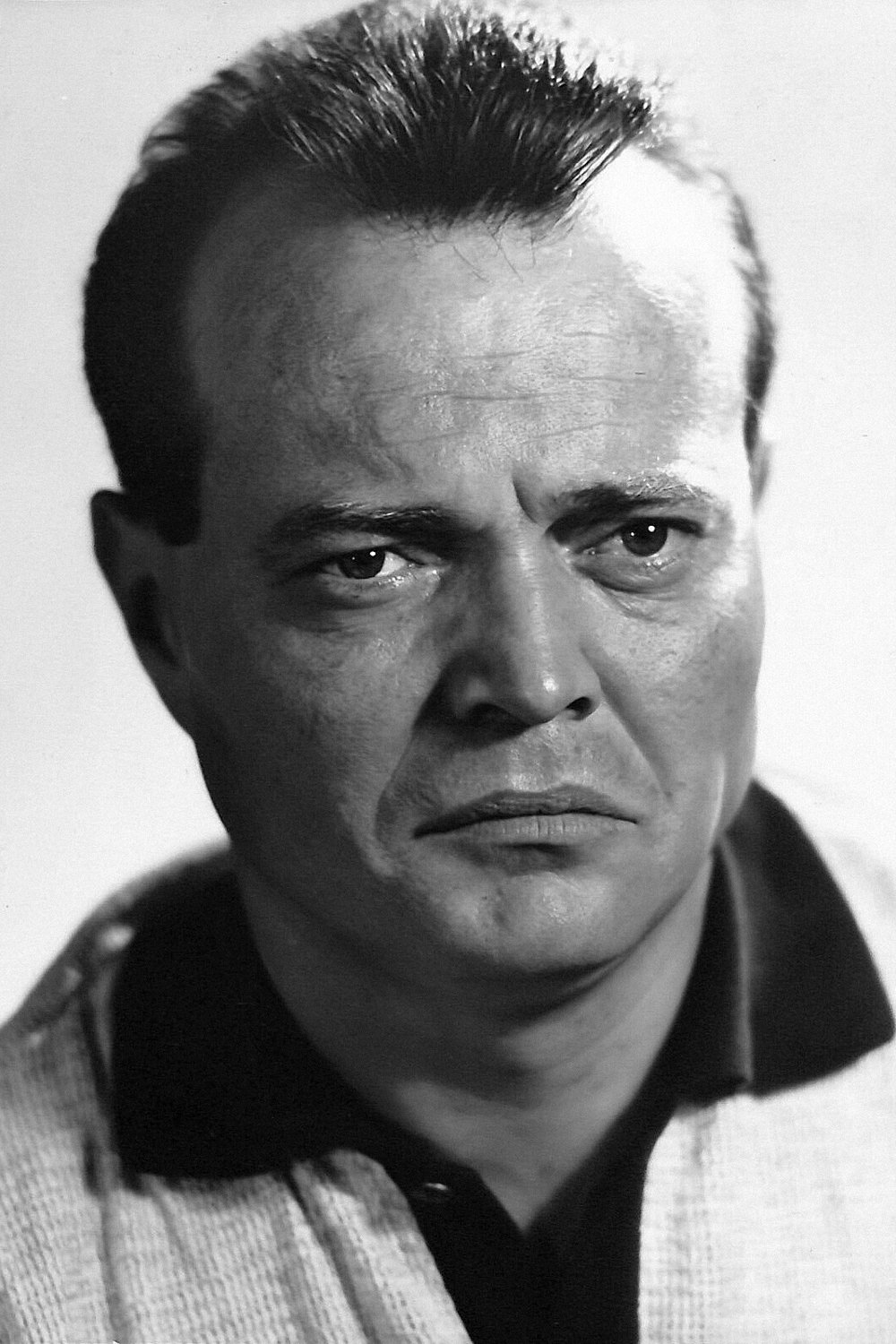
The production was organized as a co-production involving Italy, France and West Germany. Its international structure reflected the commercial importance of foreign markets for Italian genre filmmaking during the early 1960s. The cast brought together performers of several nationalities, including Cameron Mitchell, Eva Bartok and Thomas Reiner. Such arrangements were common within European popular cinema, where financing, distribution agreements and casting frequently crossed national boundaries. The production’s industrial context is particularly important because the film subsequently acquired a reputation far exceeding the modest domestic commercial response recorded during its initial circulation.
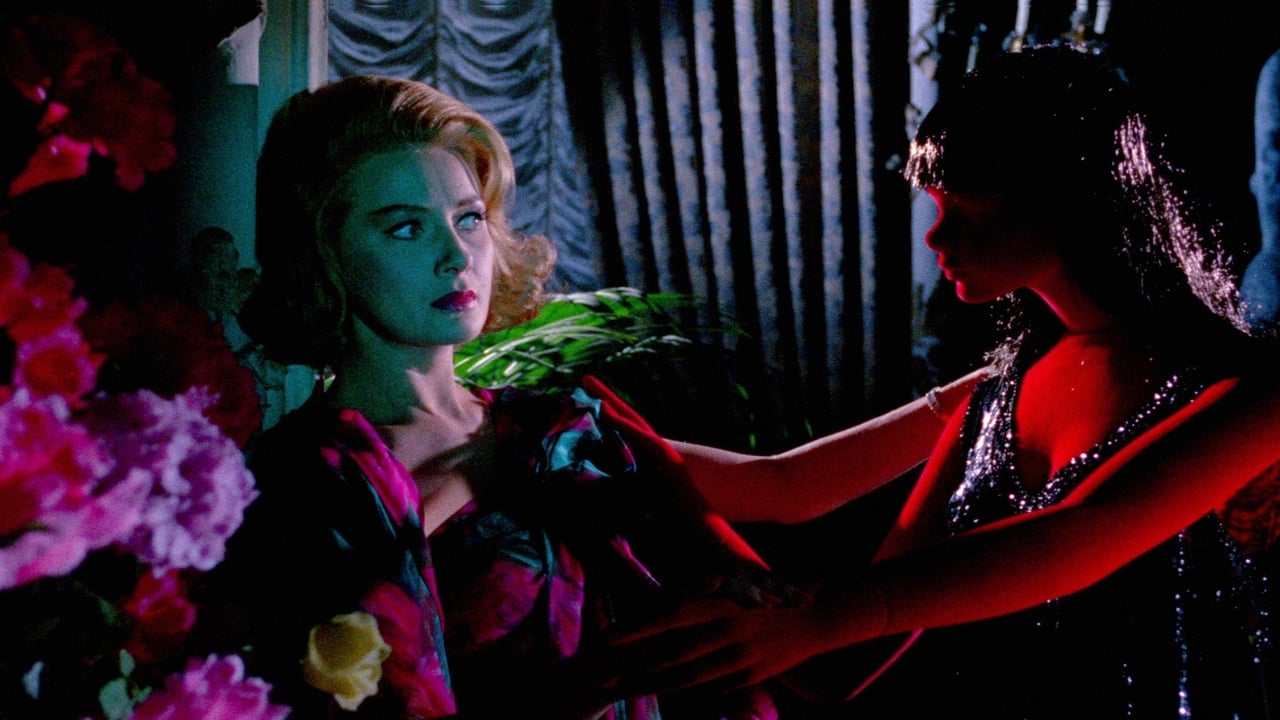
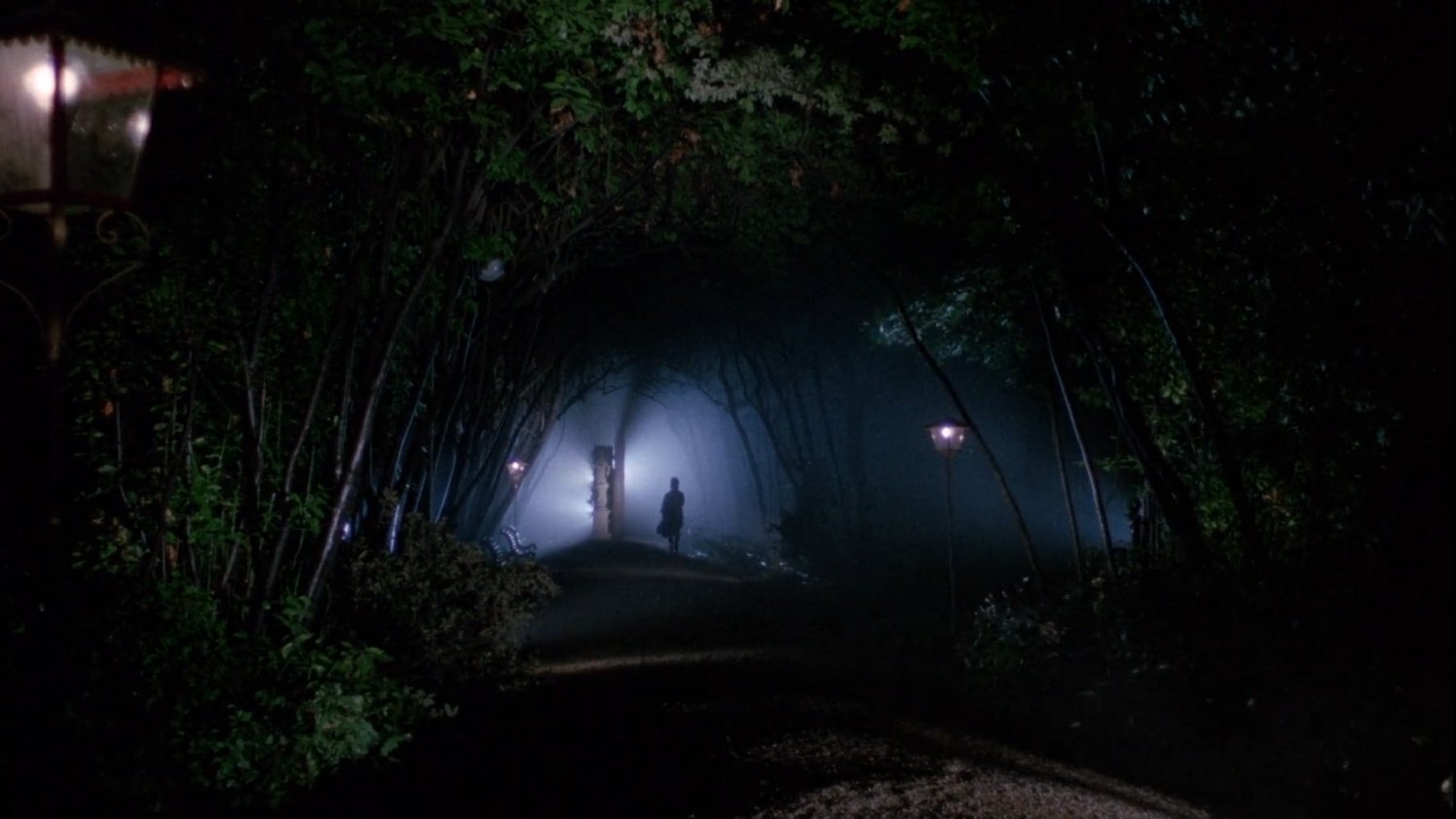
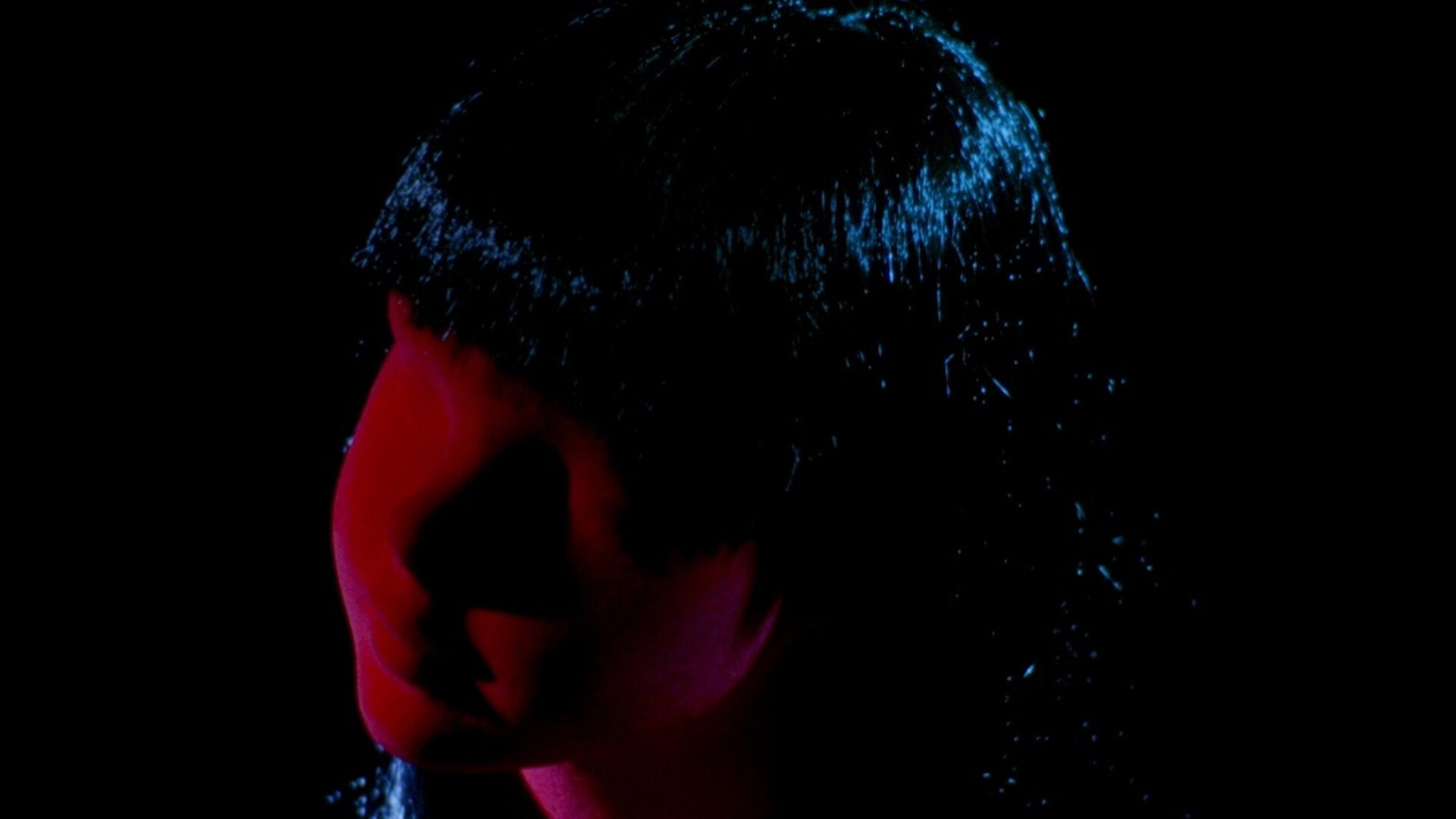
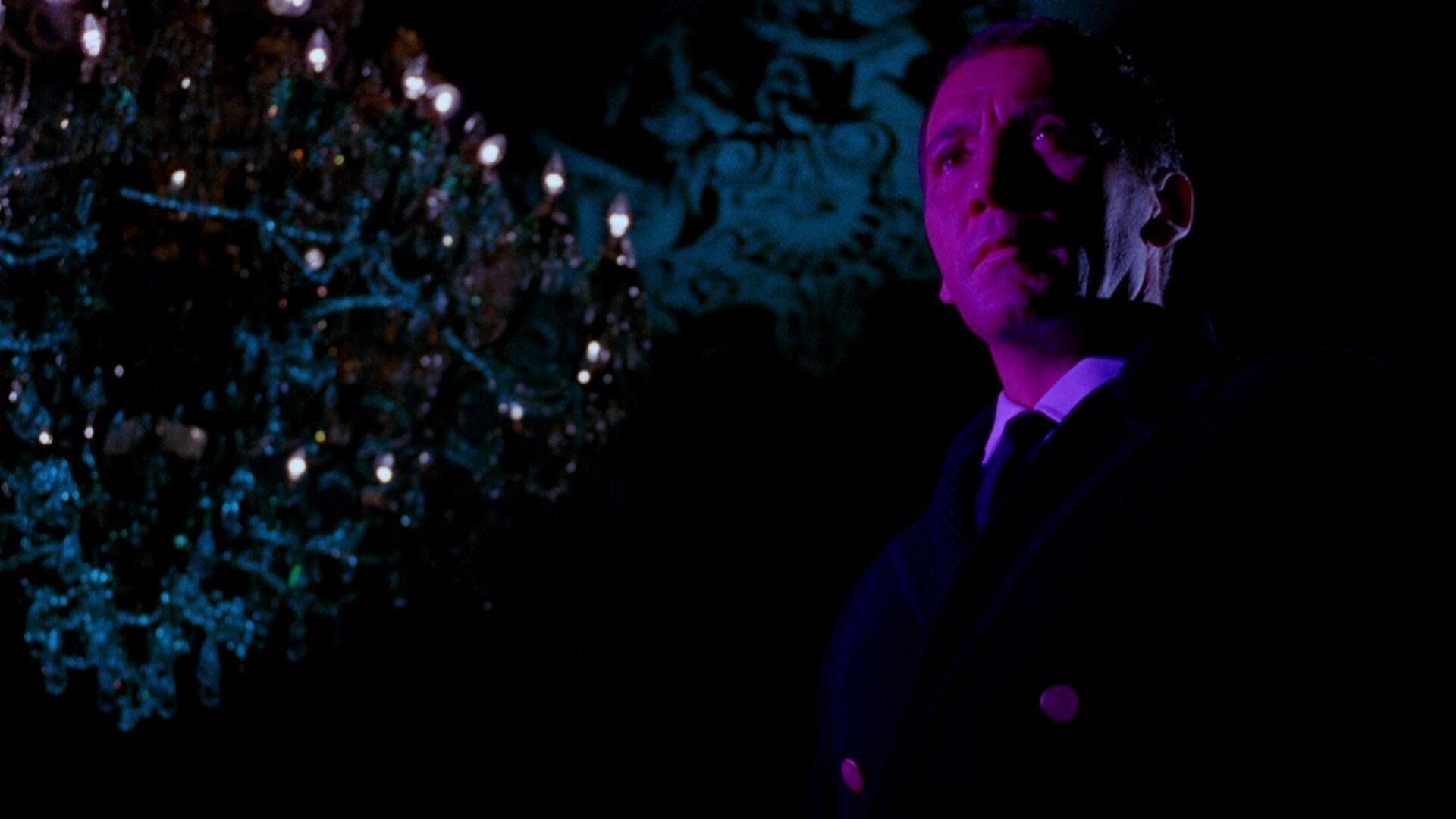
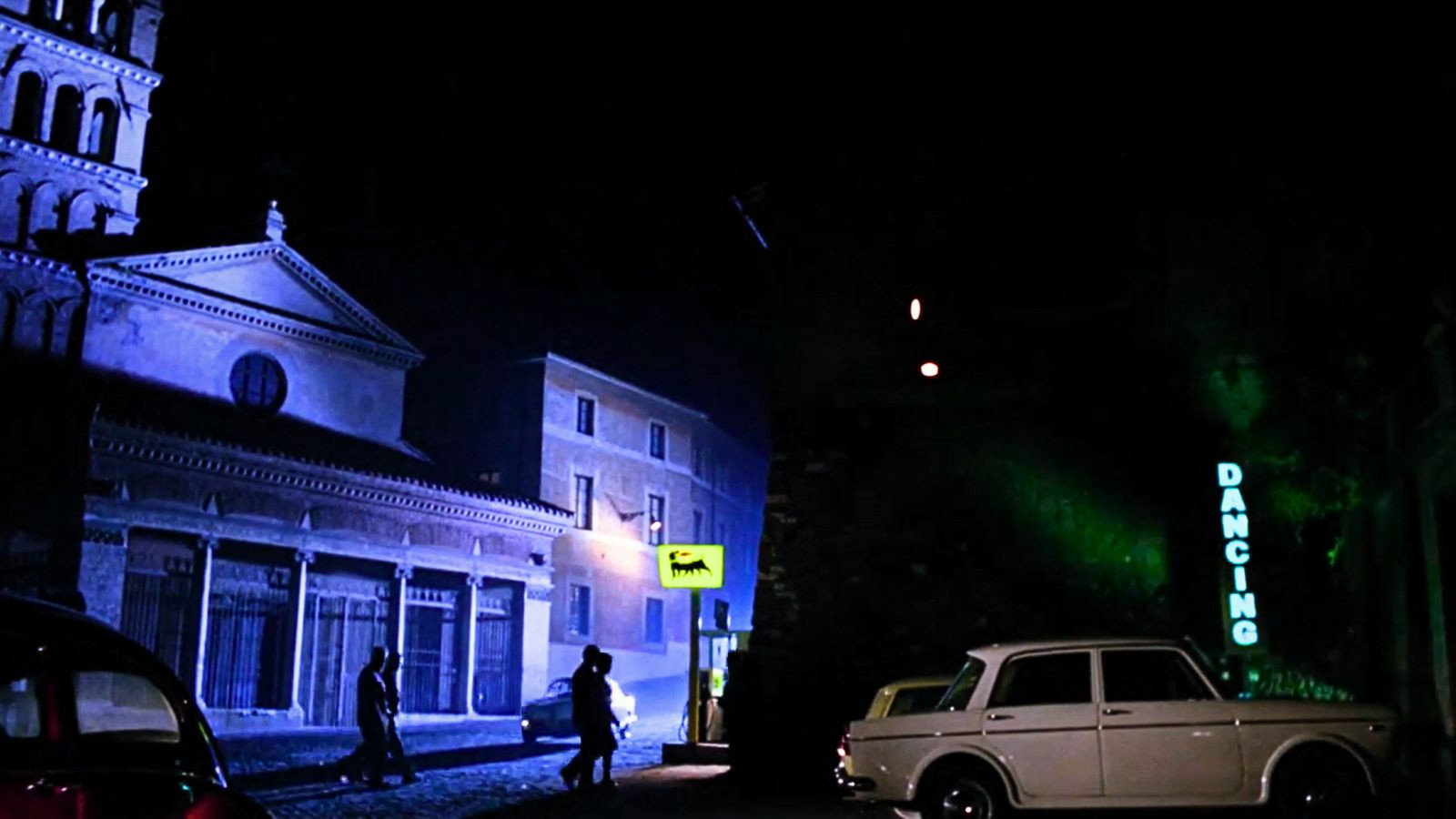
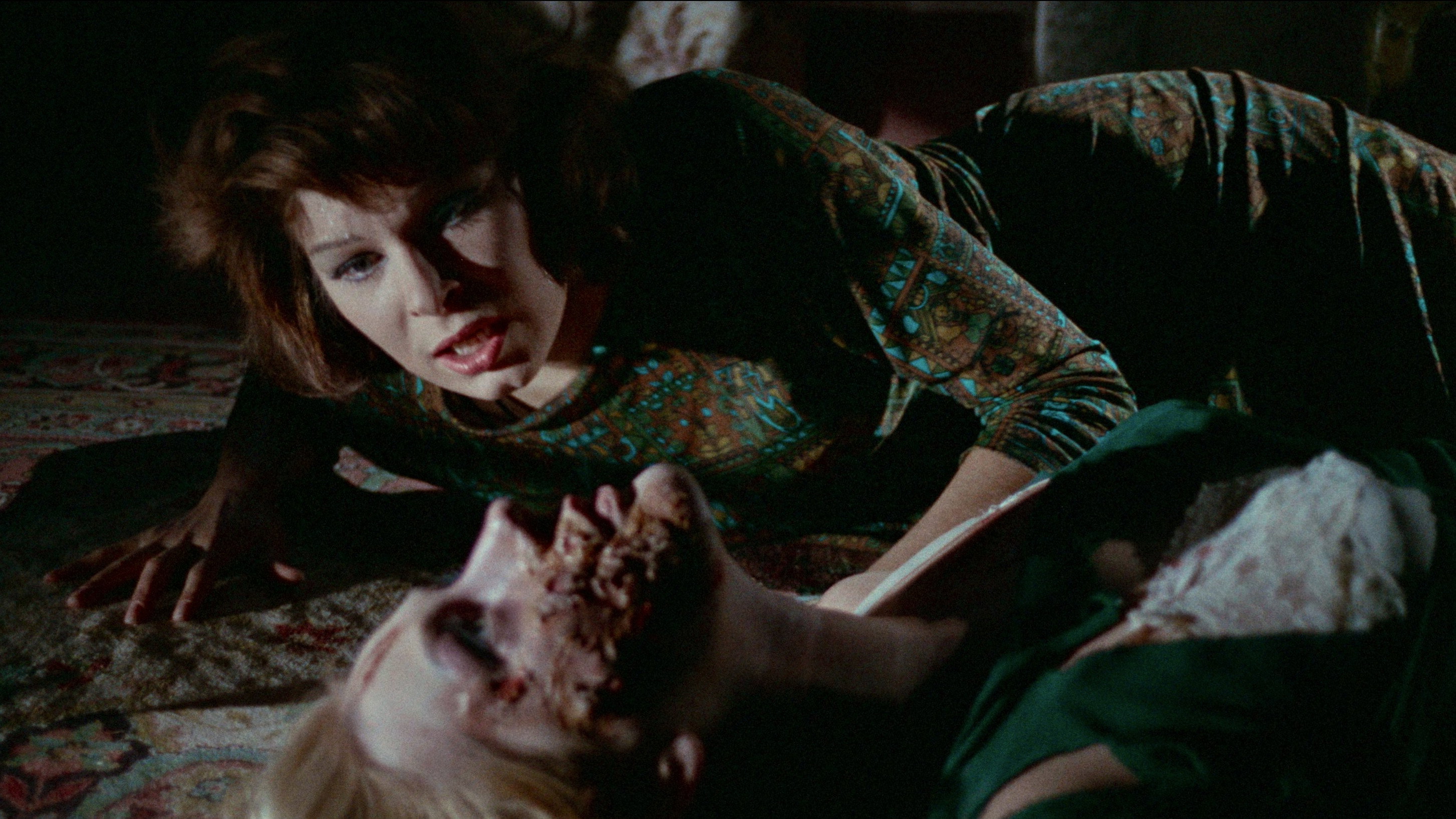
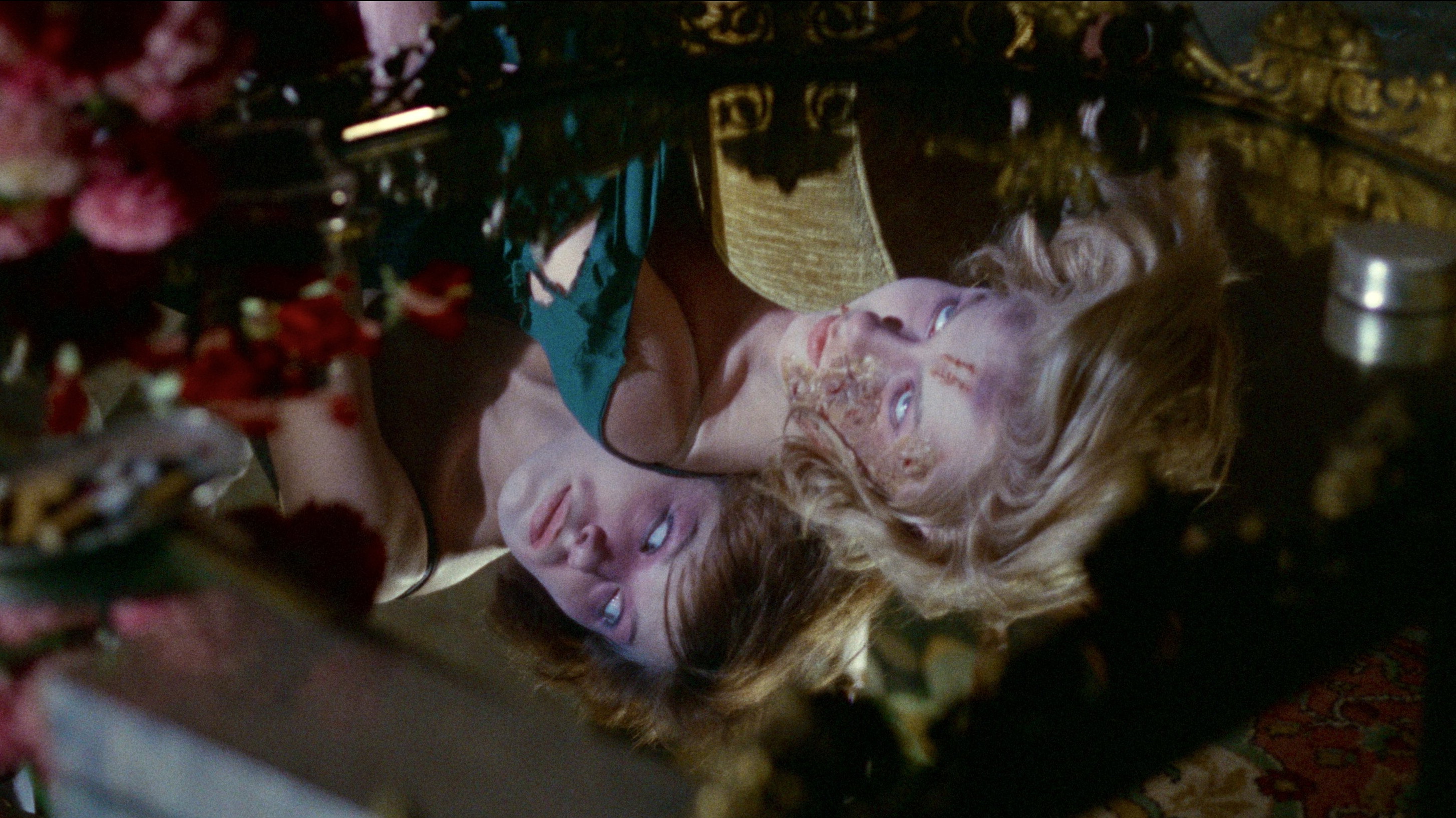
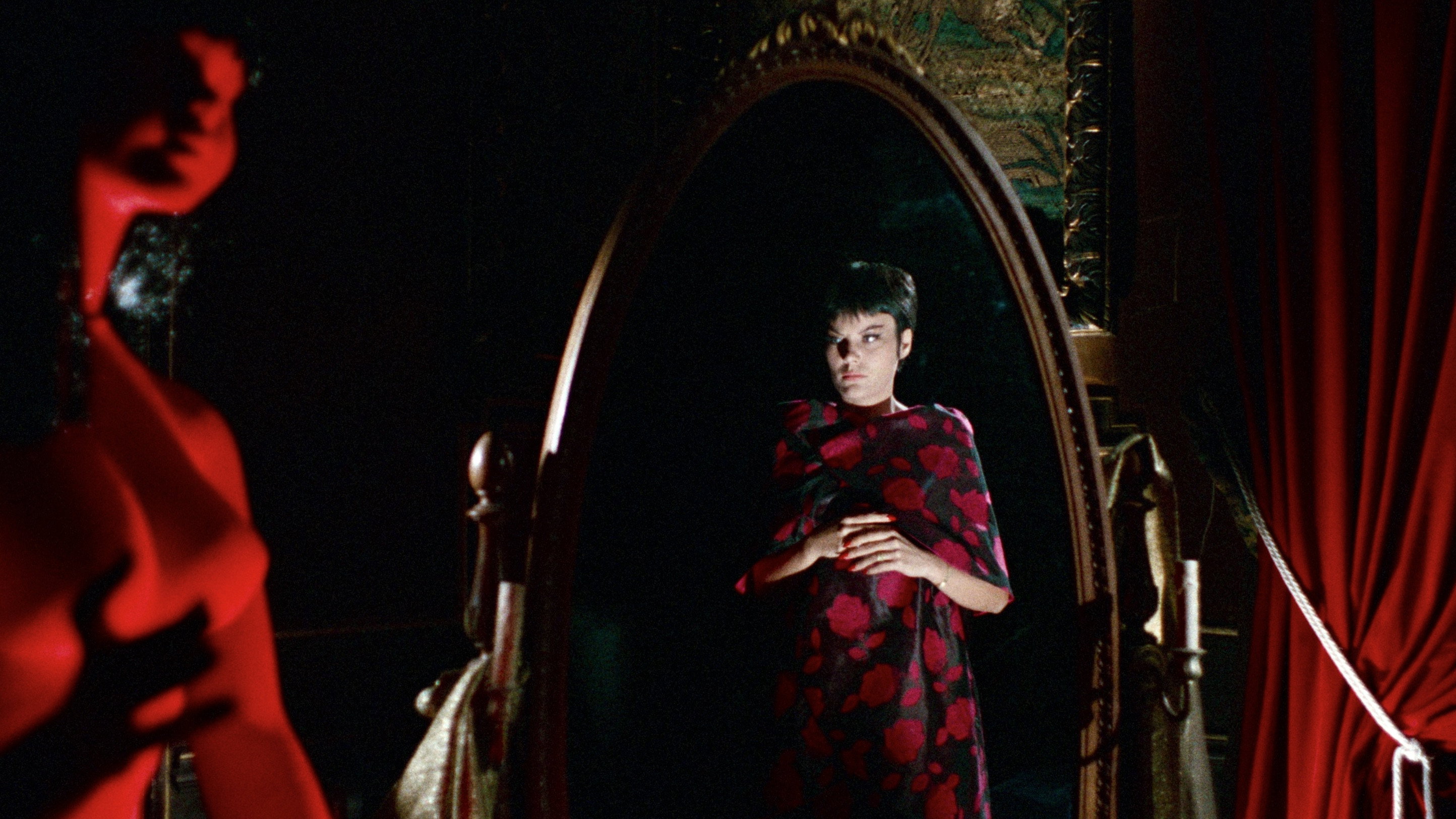
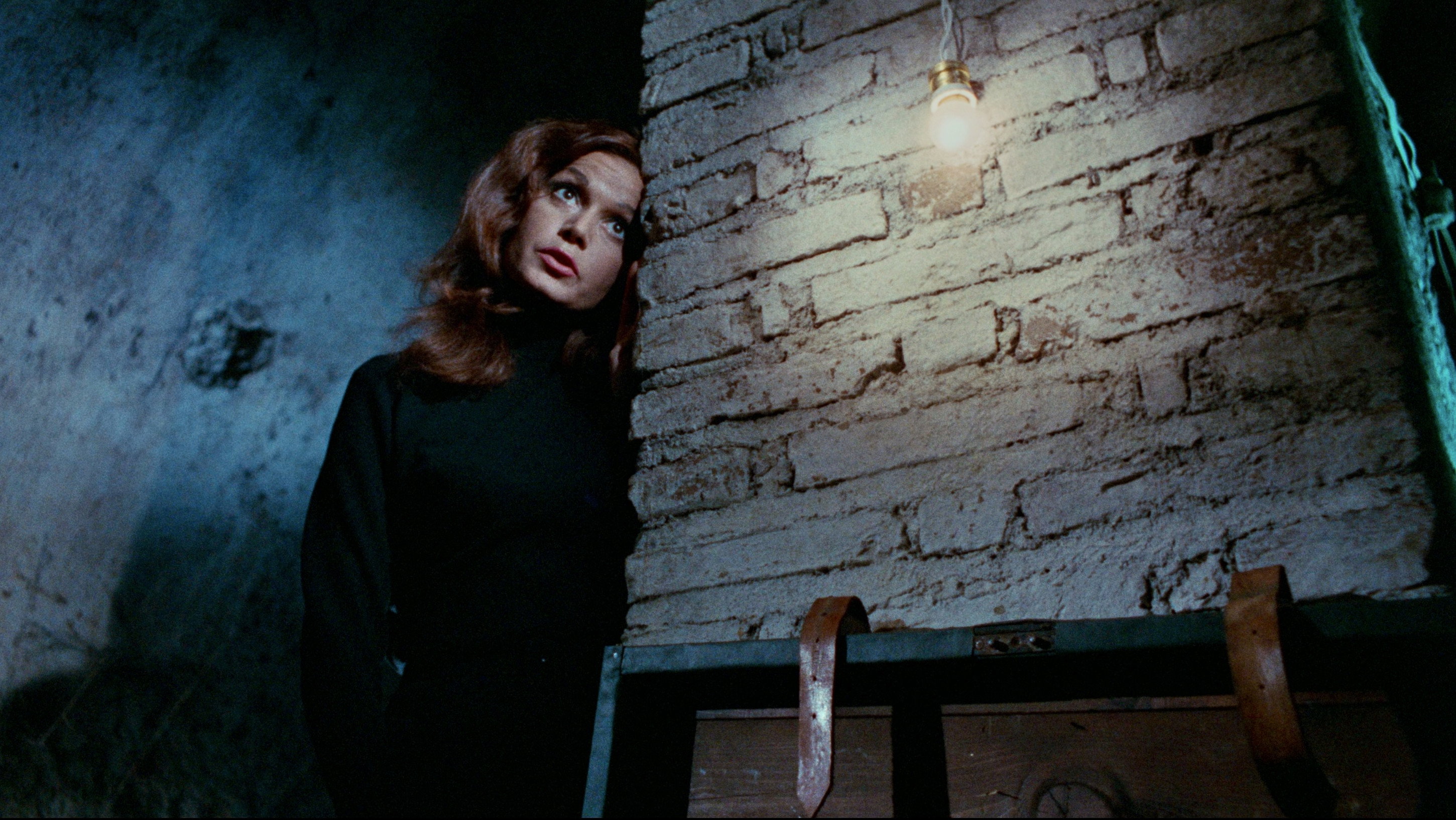
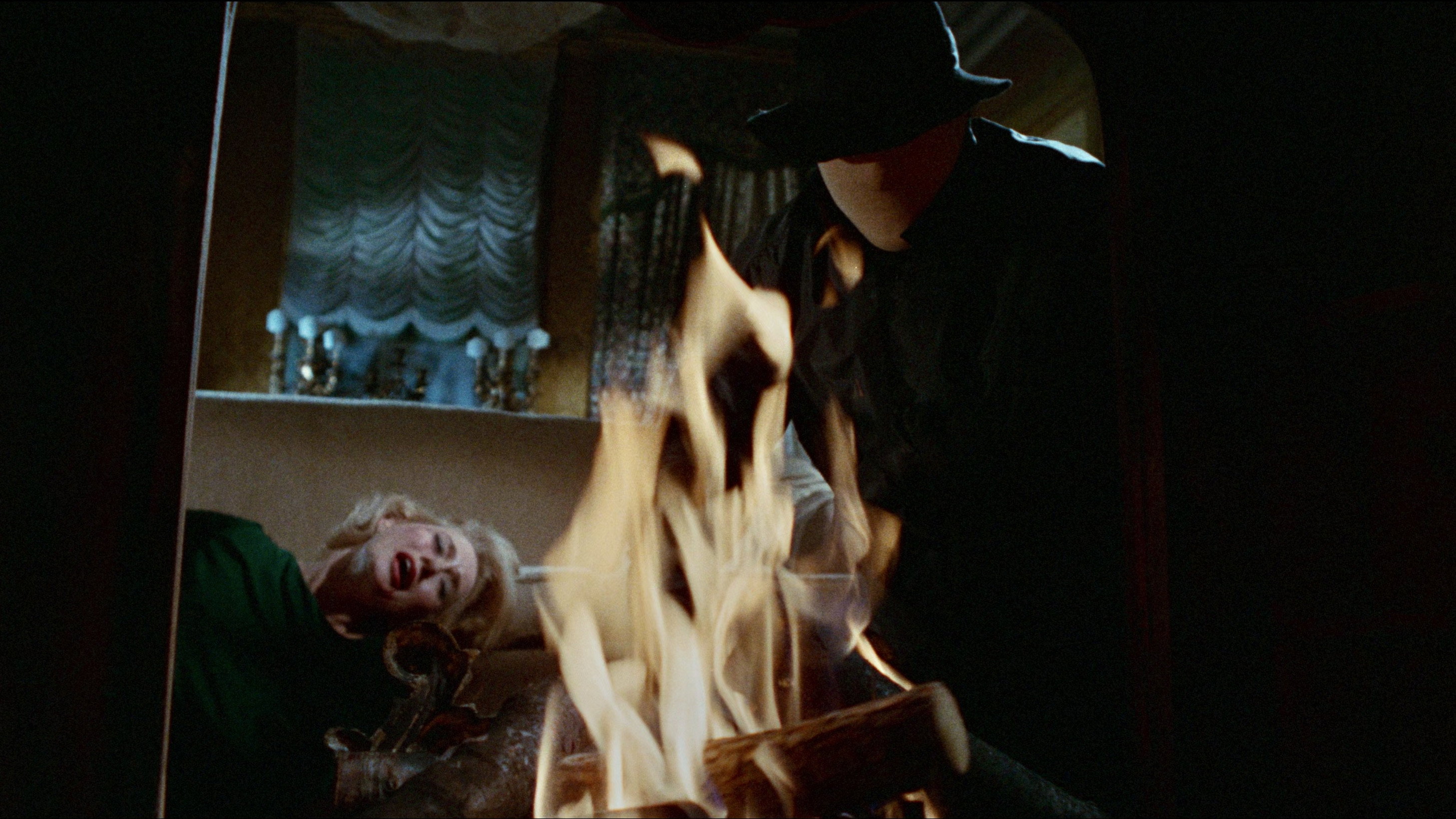
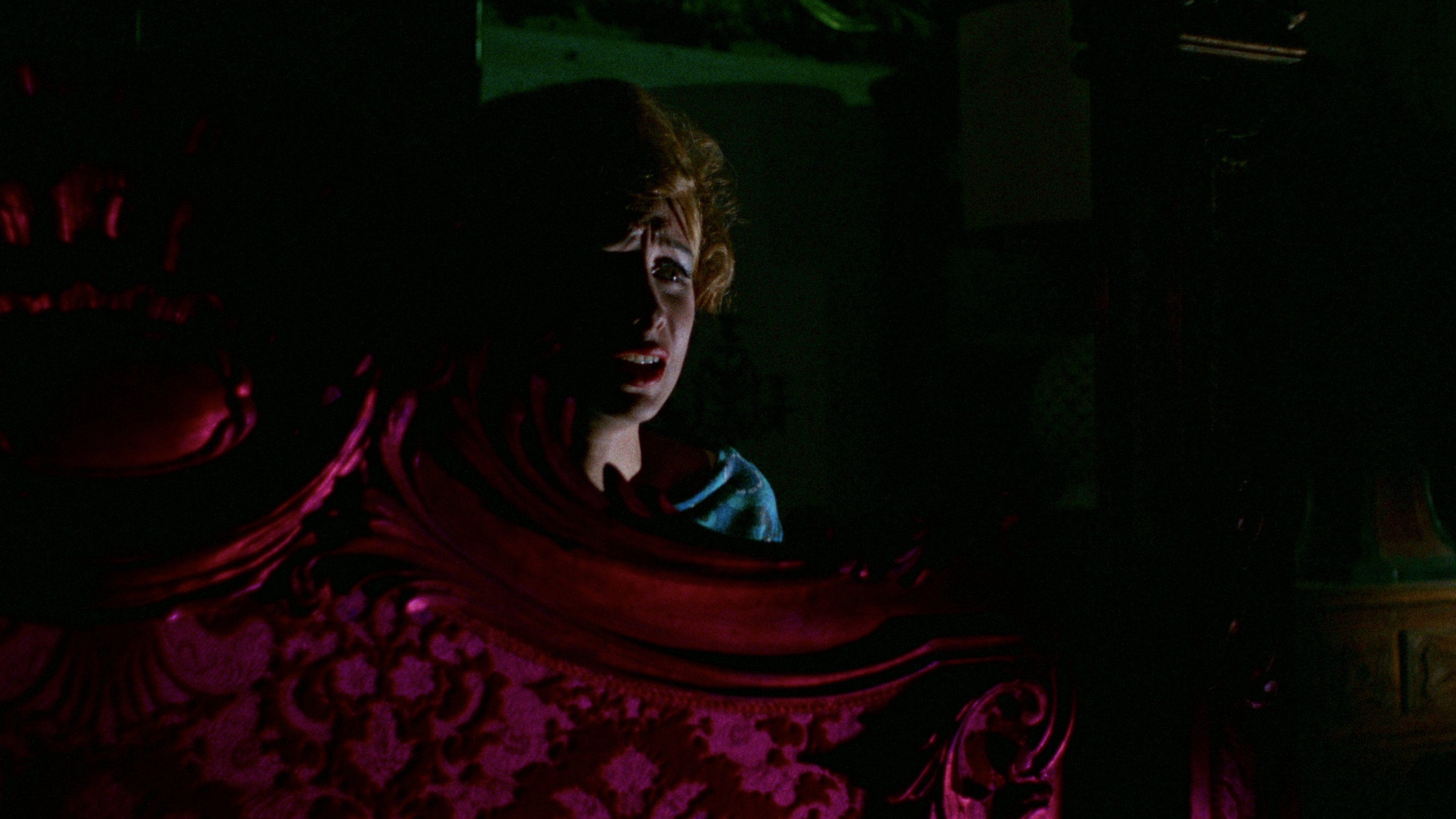
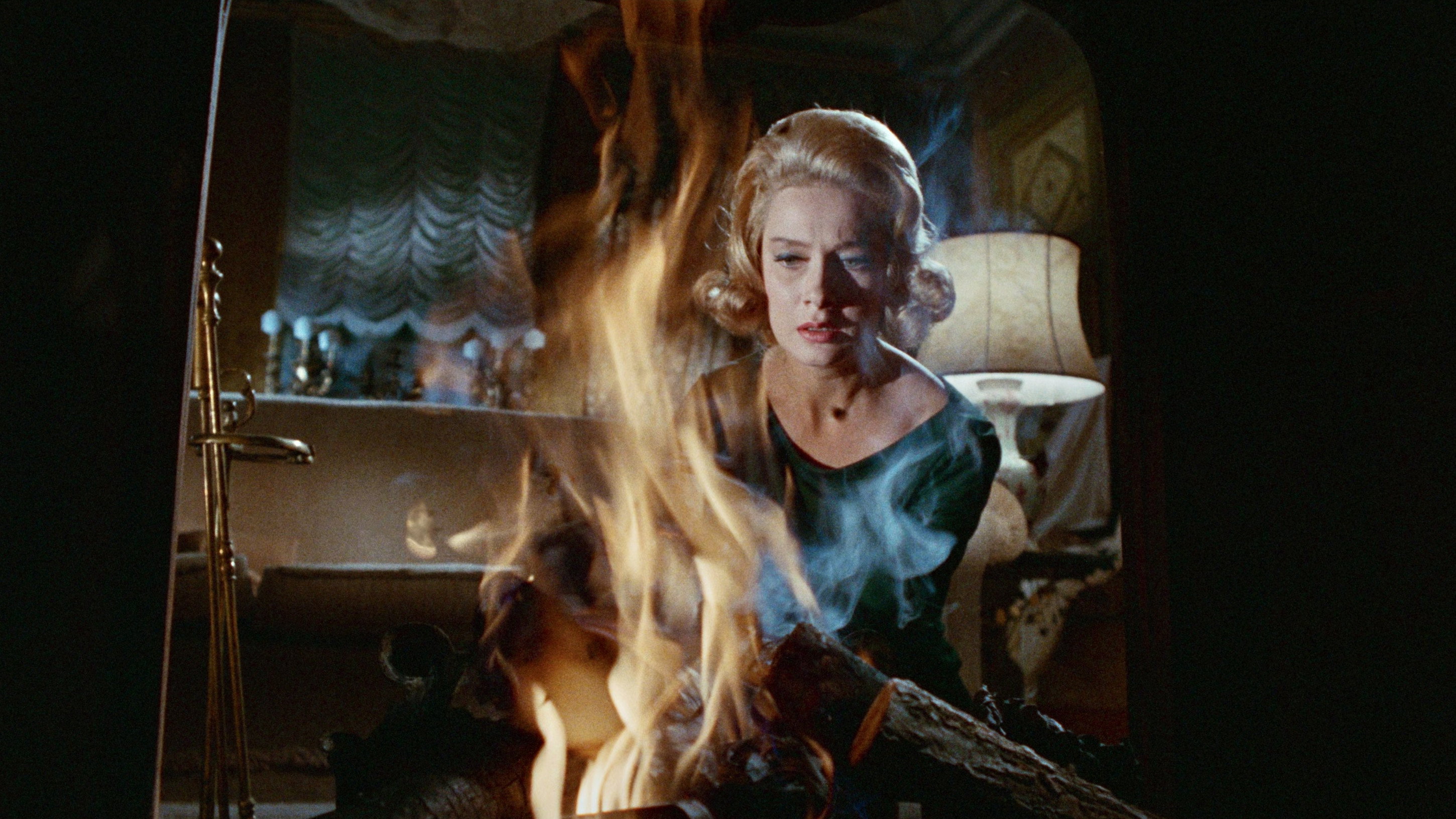
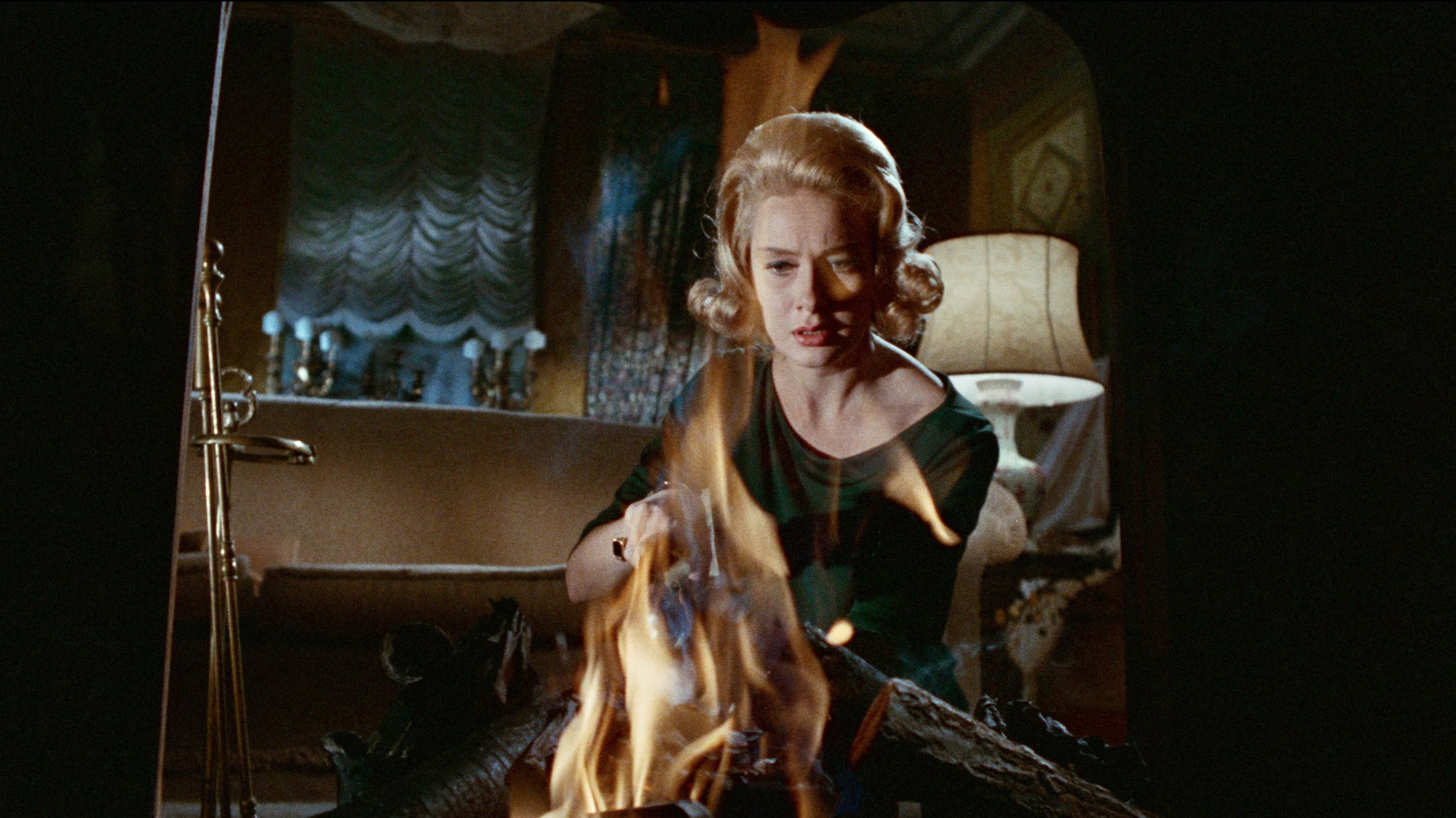
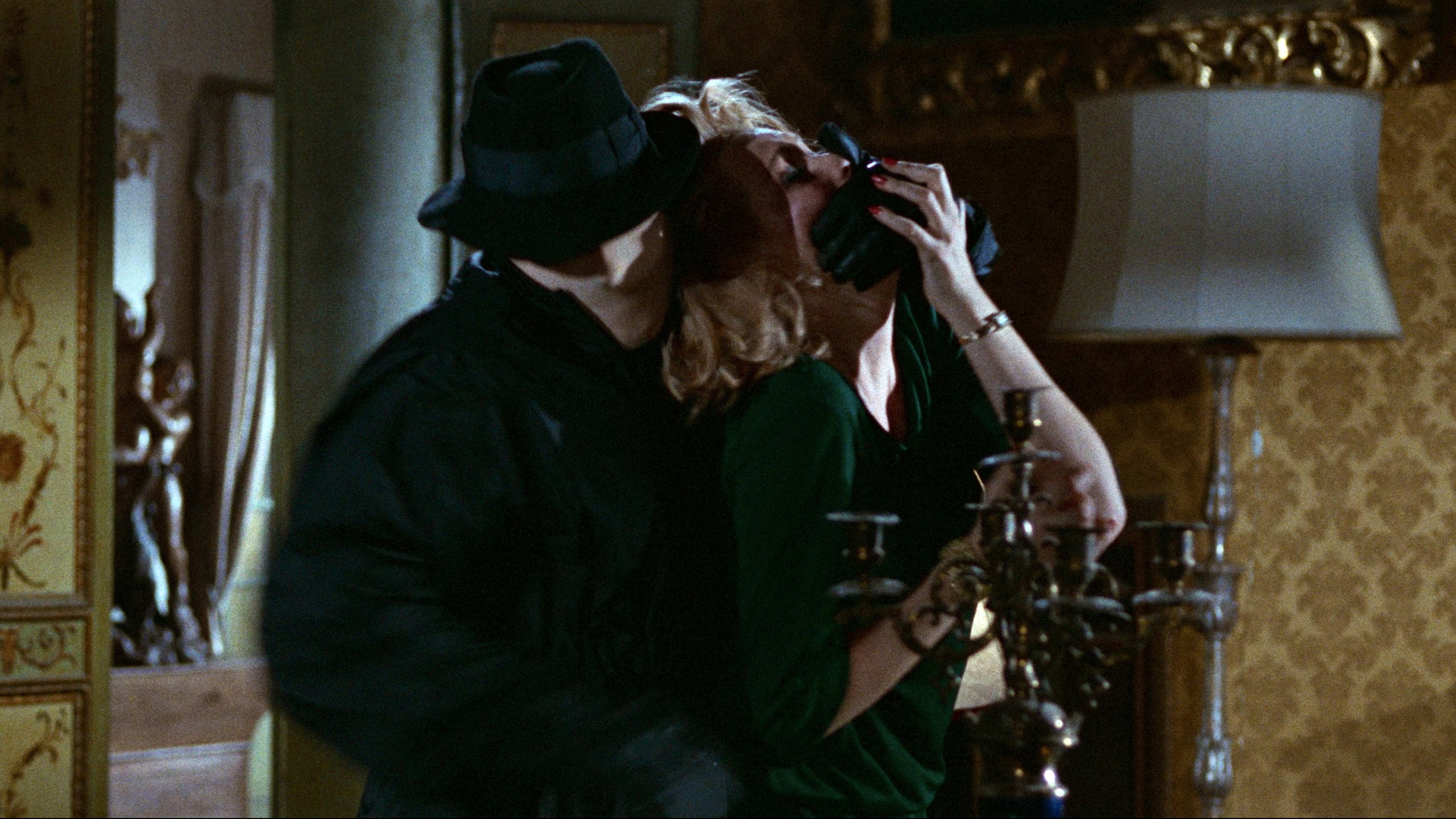
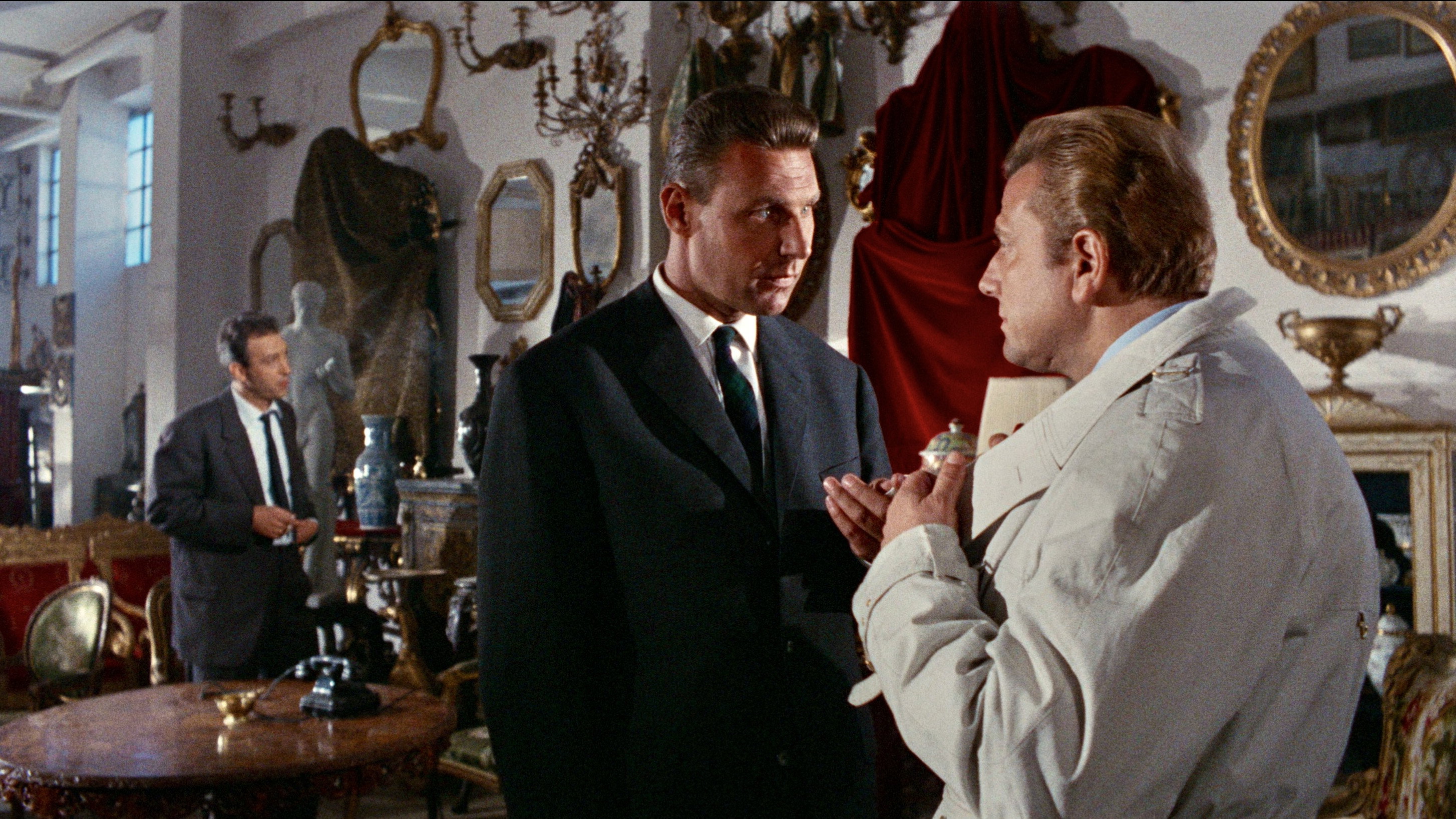
Principal photography took place between late 1963 and early 1964. Bava worked with cinematographer Ubaldo Terzano, whose collaboration with the director contributed substantially to the film’s unusual lighting and photographic effects. Cameron Mitchell later recalled the improvised equipment used to obtain certain camera movements, including a small wagon functioning as a makeshift dolly. These recollections should be understood as testimony concerning particular production methods rather than evidence that every elaborate shot was achieved in the same manner. The surviving film demonstrates how careful preparation, economical technical solutions and an unusually coherent visual conception could produce an elaborate thriller within the financial limitations of contemporary Italian genre production.