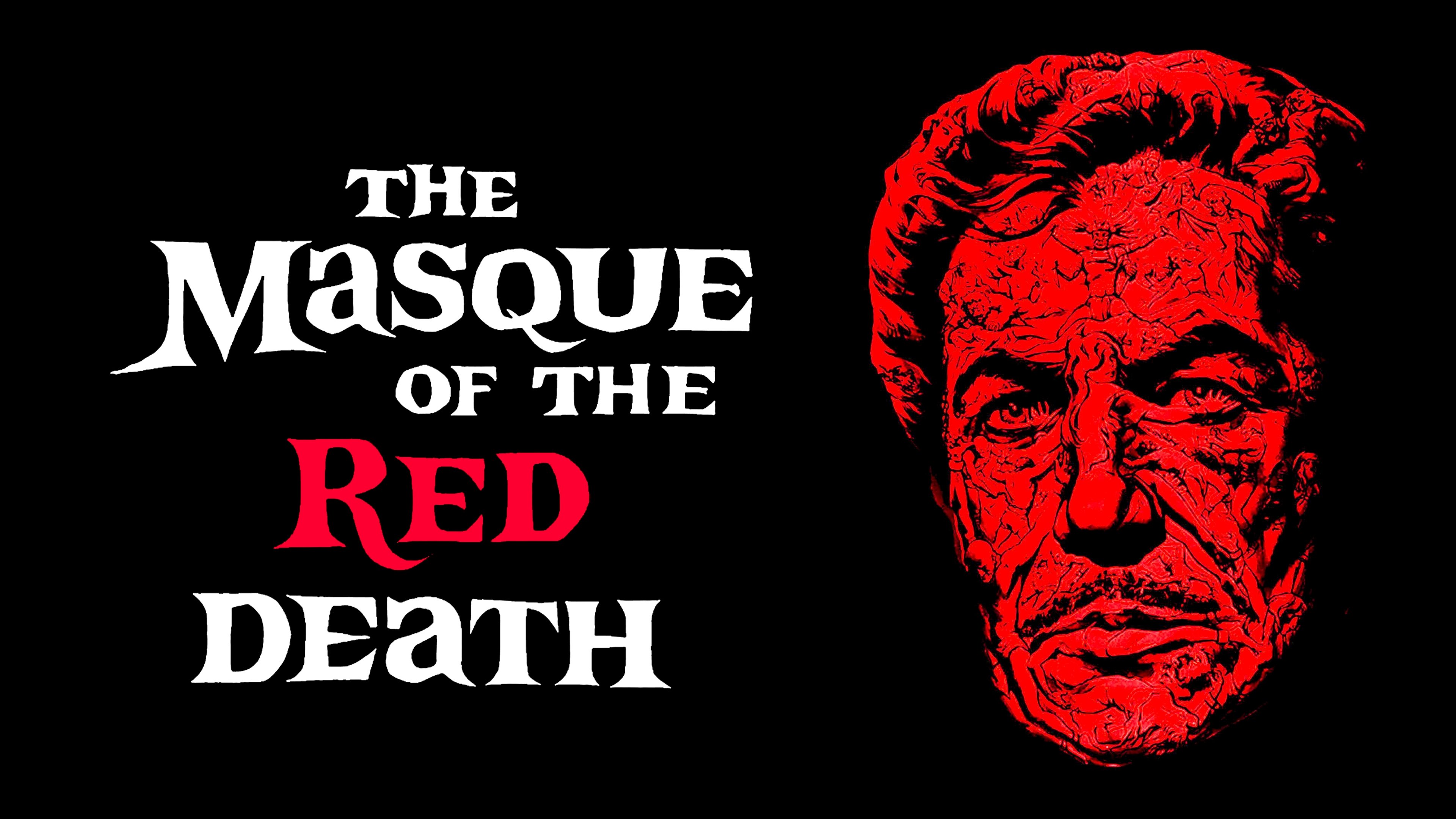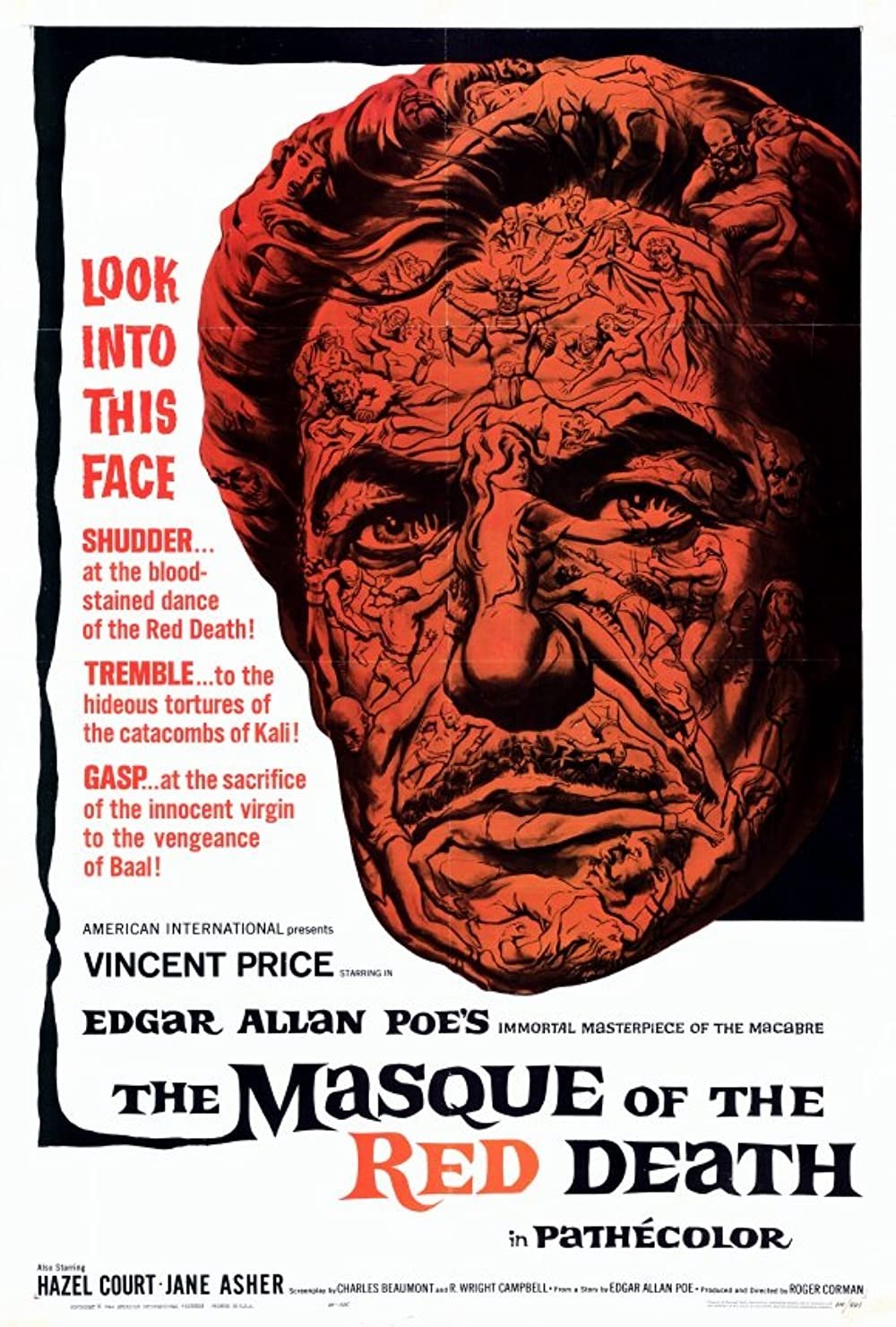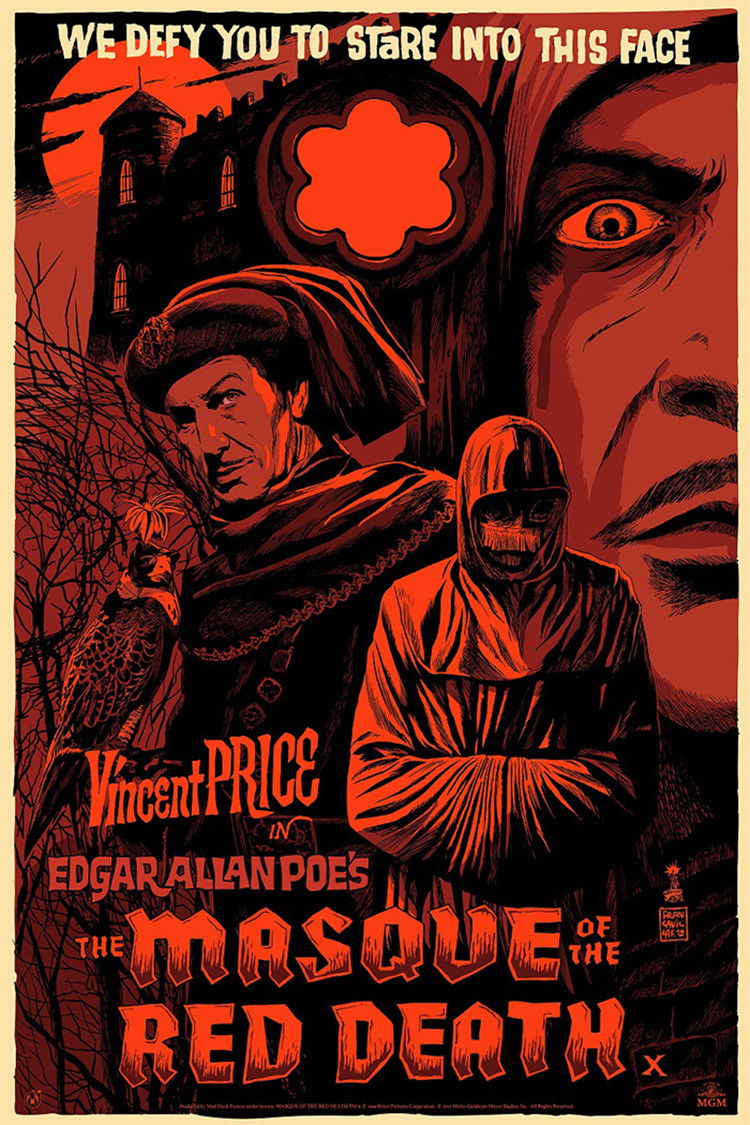
The Masque of the Red Death (1964)

US
Runtime
90 min
Release
June 24, 1964
Budget
$1,000,000
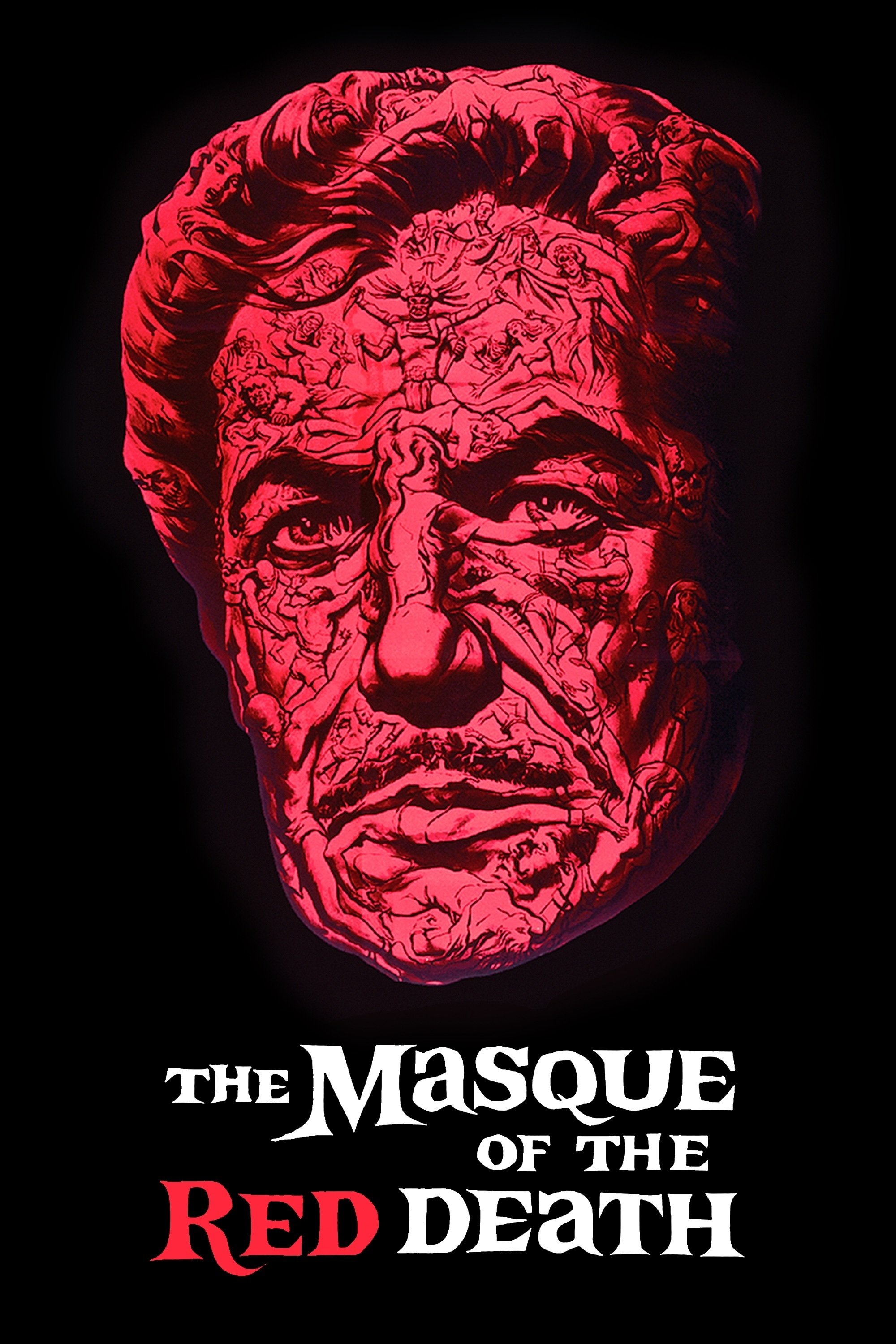
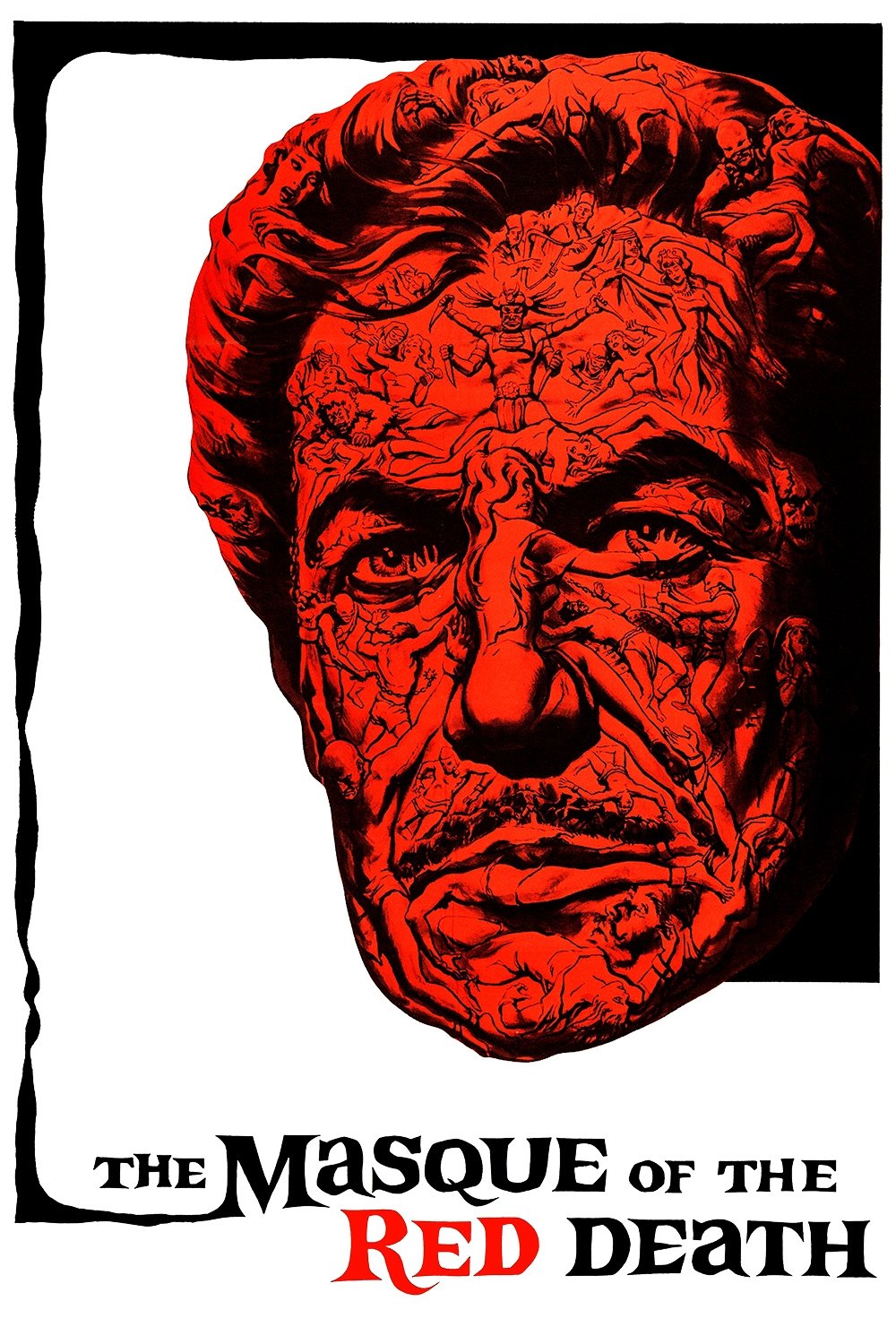
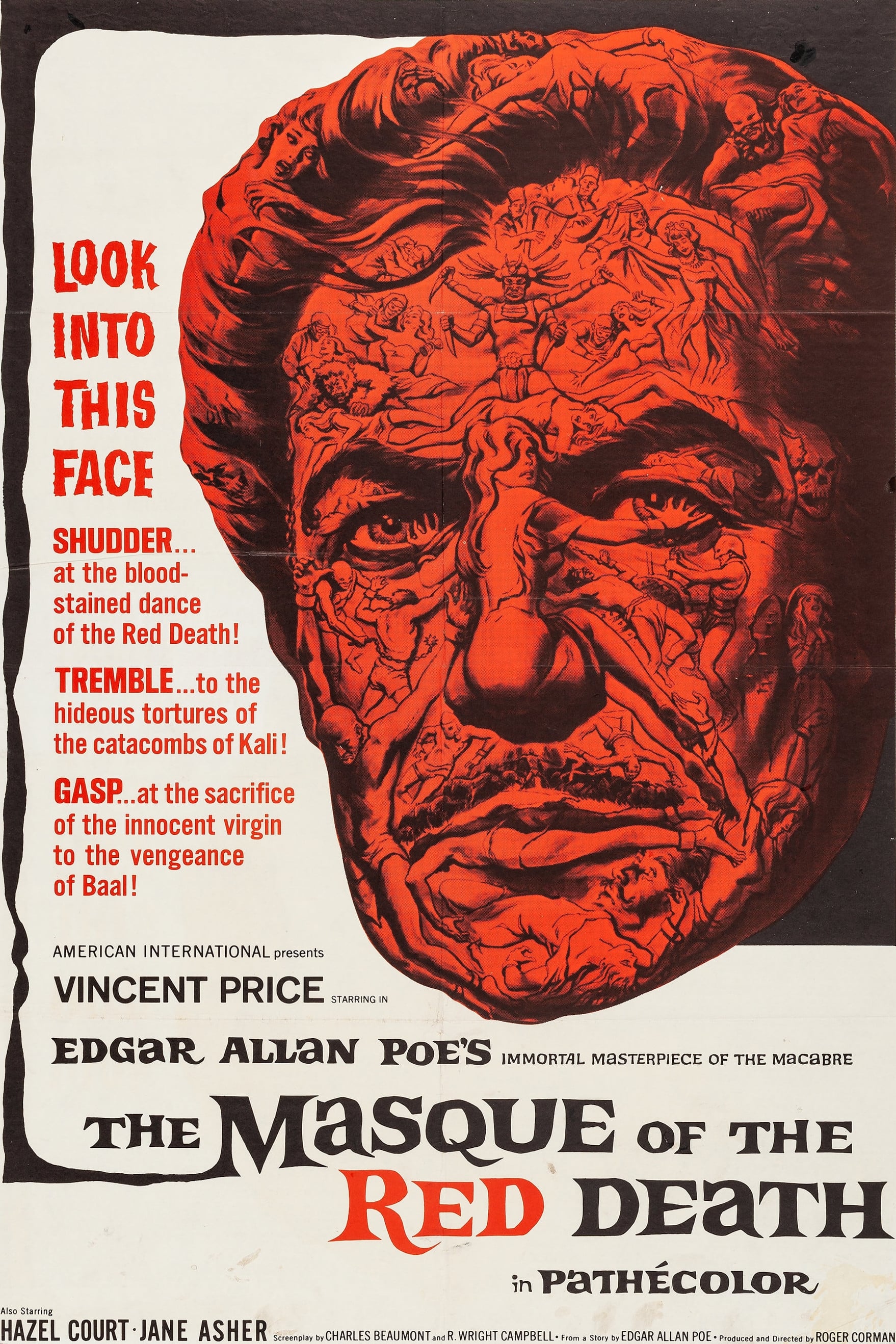
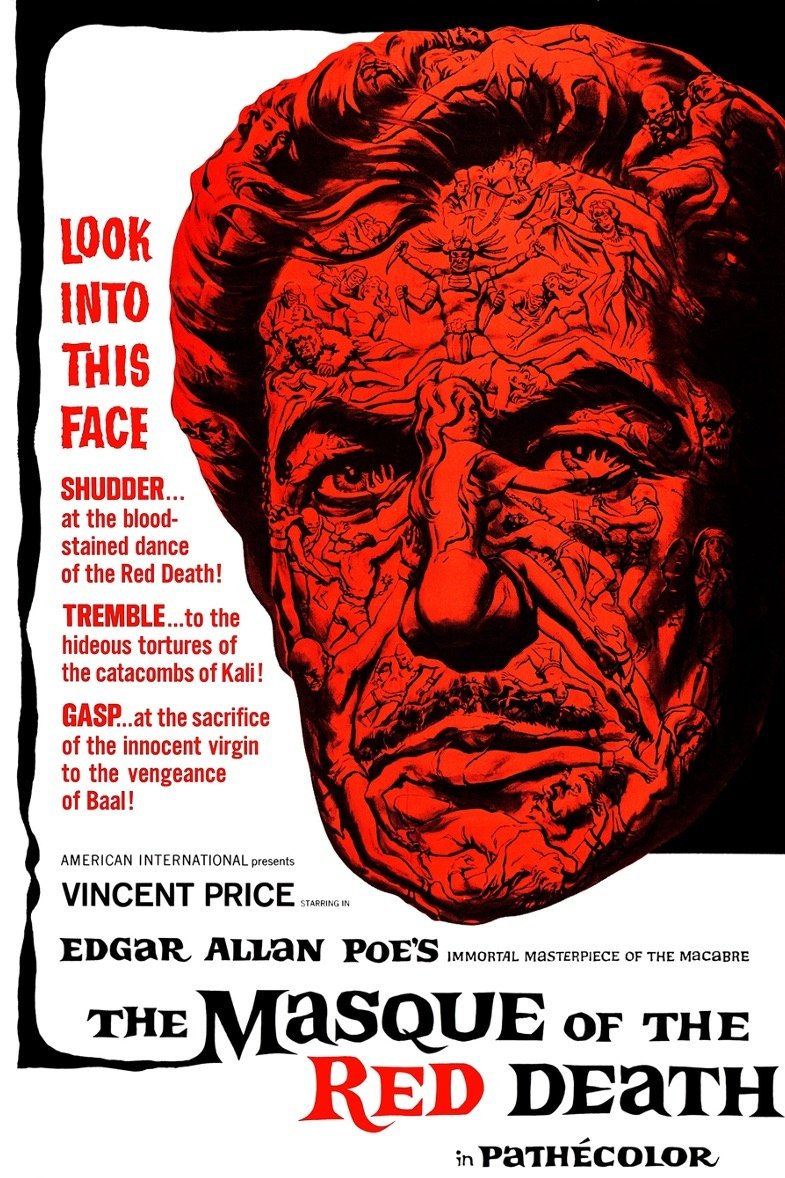
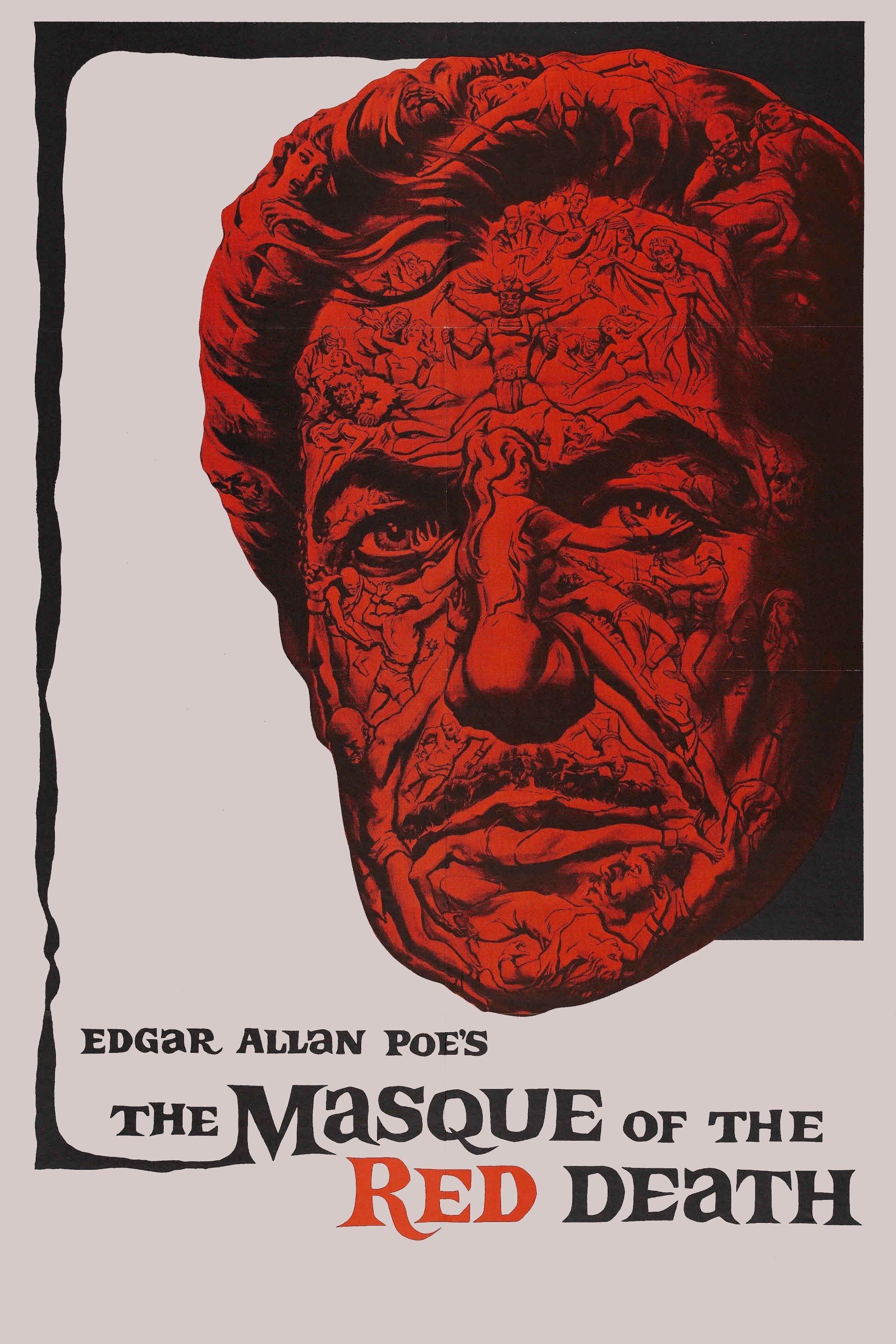
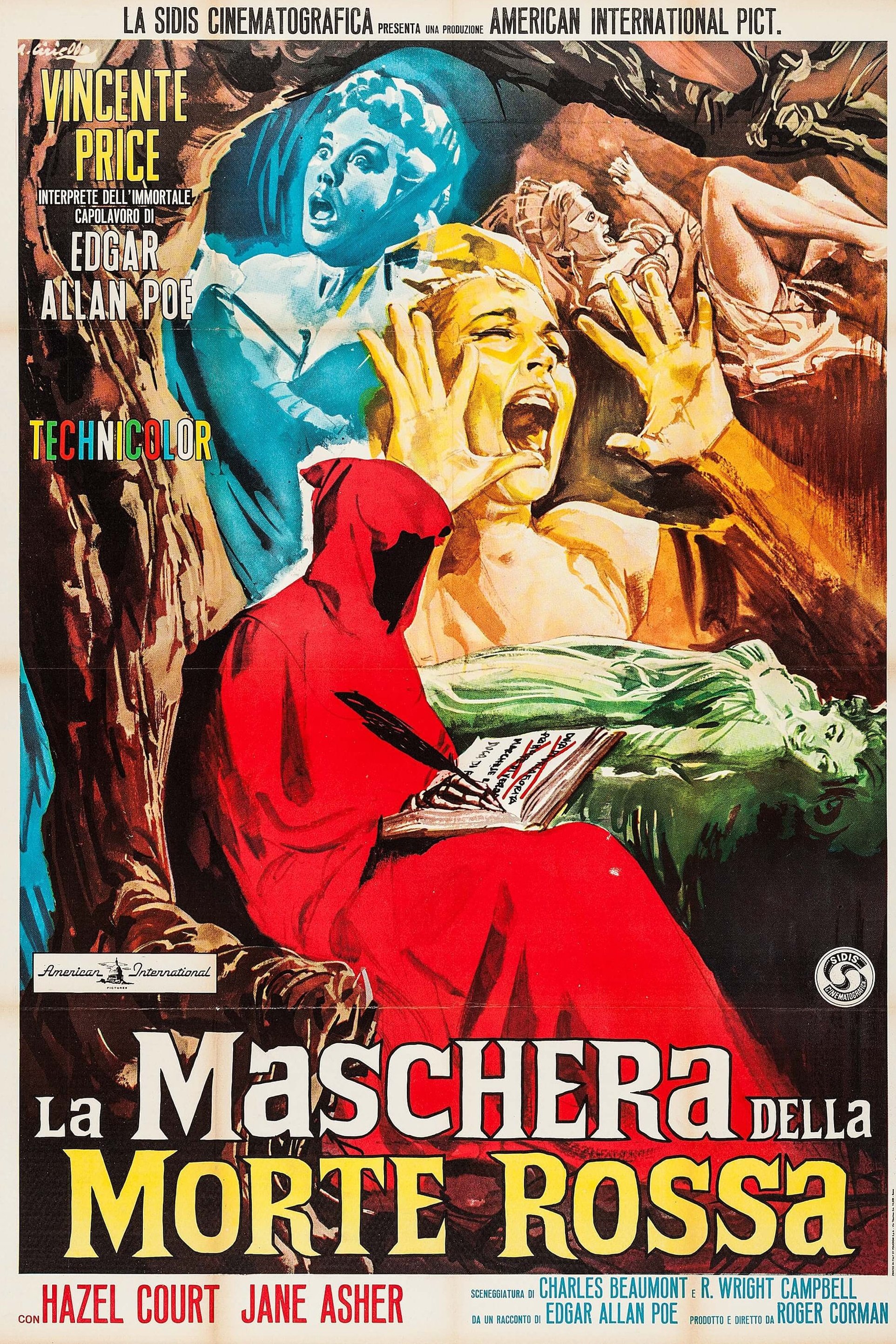
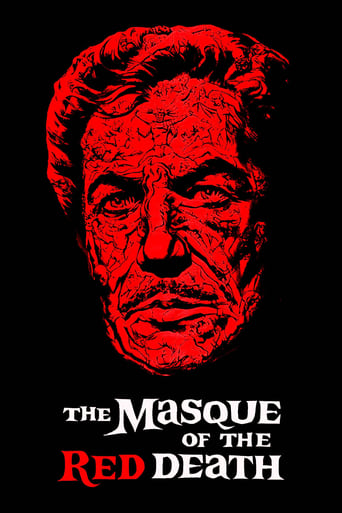
The Masque of the Red Death (1964) poster
Director
Production Companies
Alta Vista Productions , American International Pictures
Plot

A European prince terrorizes the local peasantry while using his castle as a refuge against the "Red Death" plague that stalks the land.

Alternative Titles
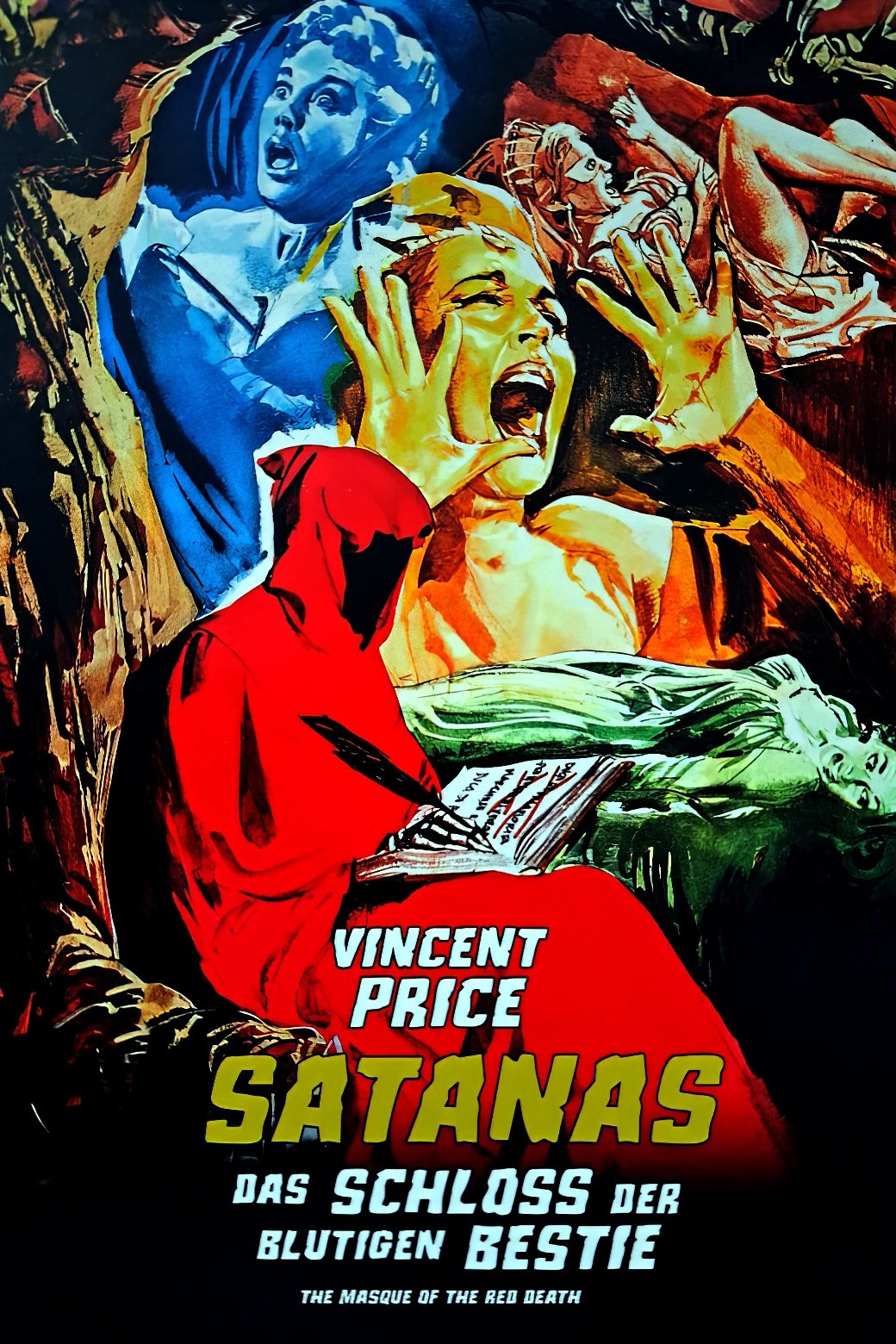
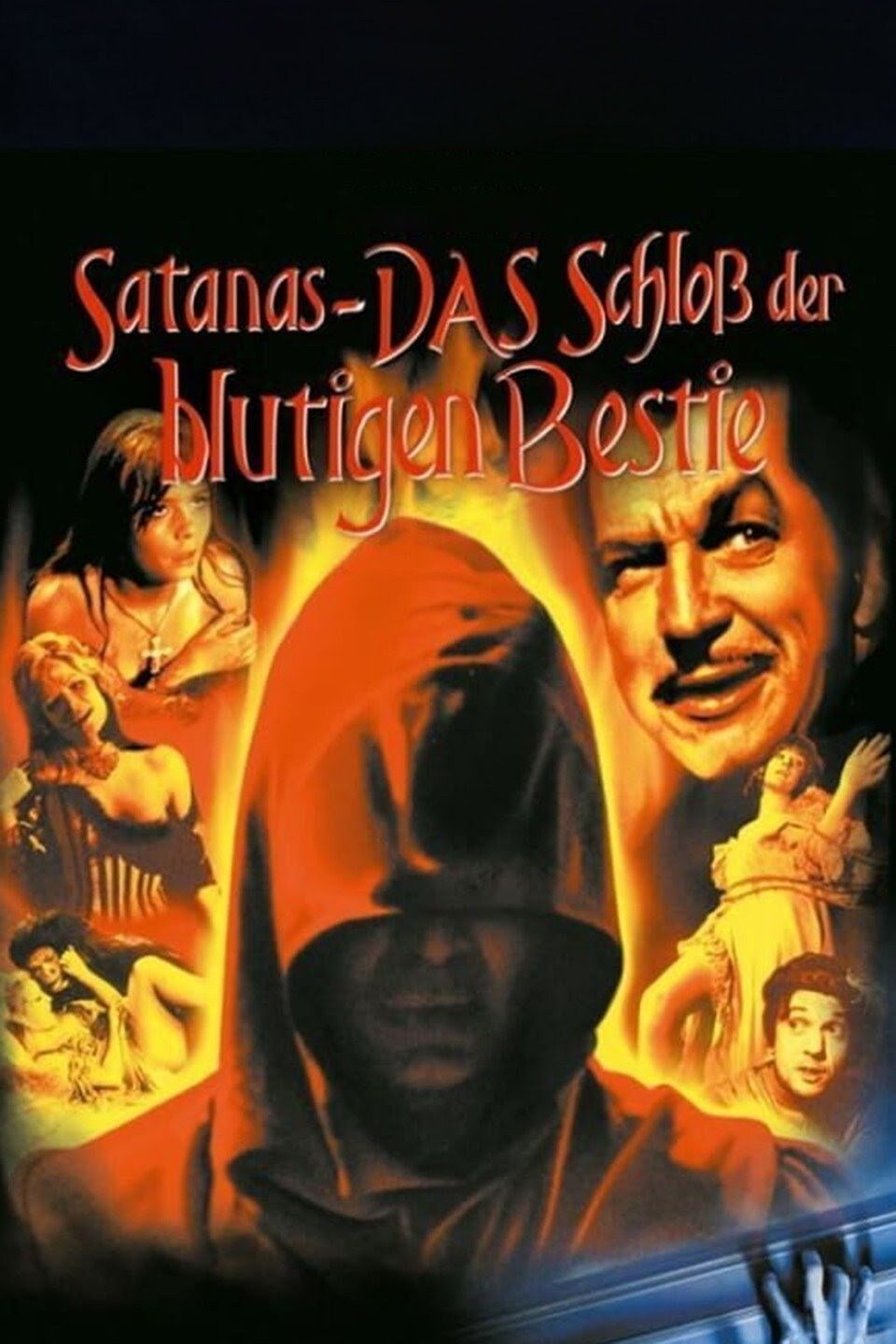
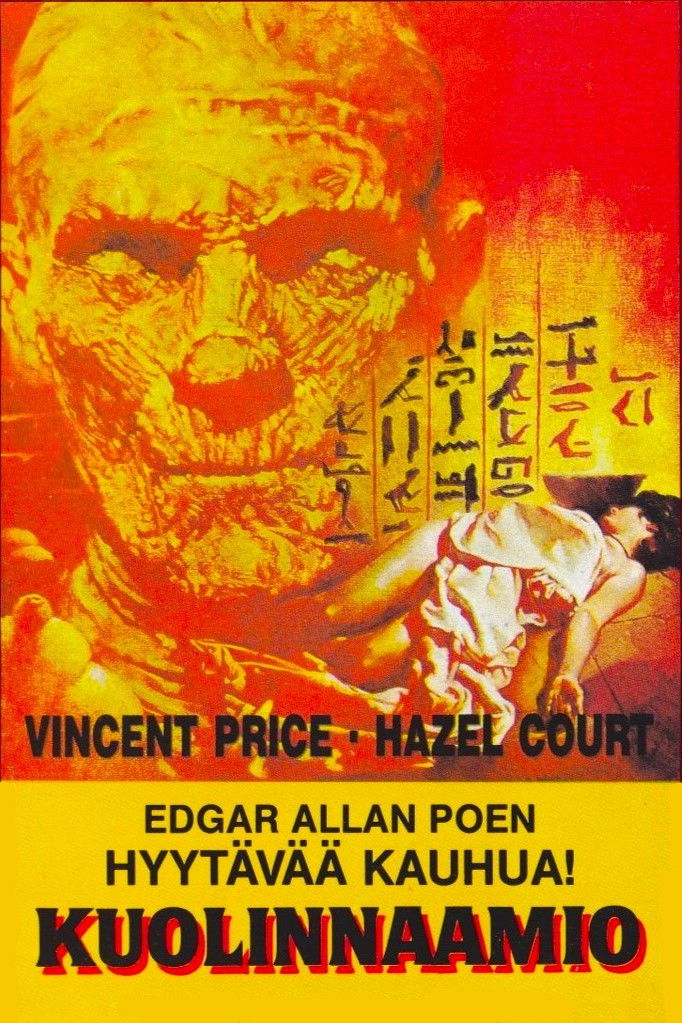
A Máscara Mortal (Brazil) — Portuguese A Orgia da Morte (Brazil) 红死病 (China) — Chinese Maska rudé smrti (Czechia) — Czech Die Maske des roten Todes (Germany) Satanas - Das Schloss der blutigen Bestie (Germany) — German Den røde dødsmaske (Denmark) — Danish La màscara de la mort vermella (Spain) — Catalan
Show all 23 alternative titles La máscara de la muerte roja (Spain) Kuolinnaamio (Finland) — Finnish Le masque de la mort rouge (France) 紅死病 (Hong Kong SAR China) — Chinese A Vörös Halál álarca (Hungary) — Hungarian מסכת המוות האדום (Israel) — Hebrew La maschera della morte rossa (Italy) — Italian 赤死病の仮面 (Japan) 죽음의 가면 (South Korea) — Korean La muerte con máscara roja (Mexico) — Spanish Maska Czerwonego Moru (Poland) — Polish A Máscara da Morte Vermelha (Portugal) — Portuguese Маска црвене смрти (Serbia) — Serbian Маска красной смерти (Russia) De blodtörstiga (Sweden) — Swedish

Trailers & Videos

5 videos

The Masque of the Red Death (1964) Film Guide

Roger Corman’s Poe adaptation: the development of the AIP project, Vincent Price’s Prospero, Nicolas Roeg’s colour design, the Hop-Frog material, censorship and restoration.

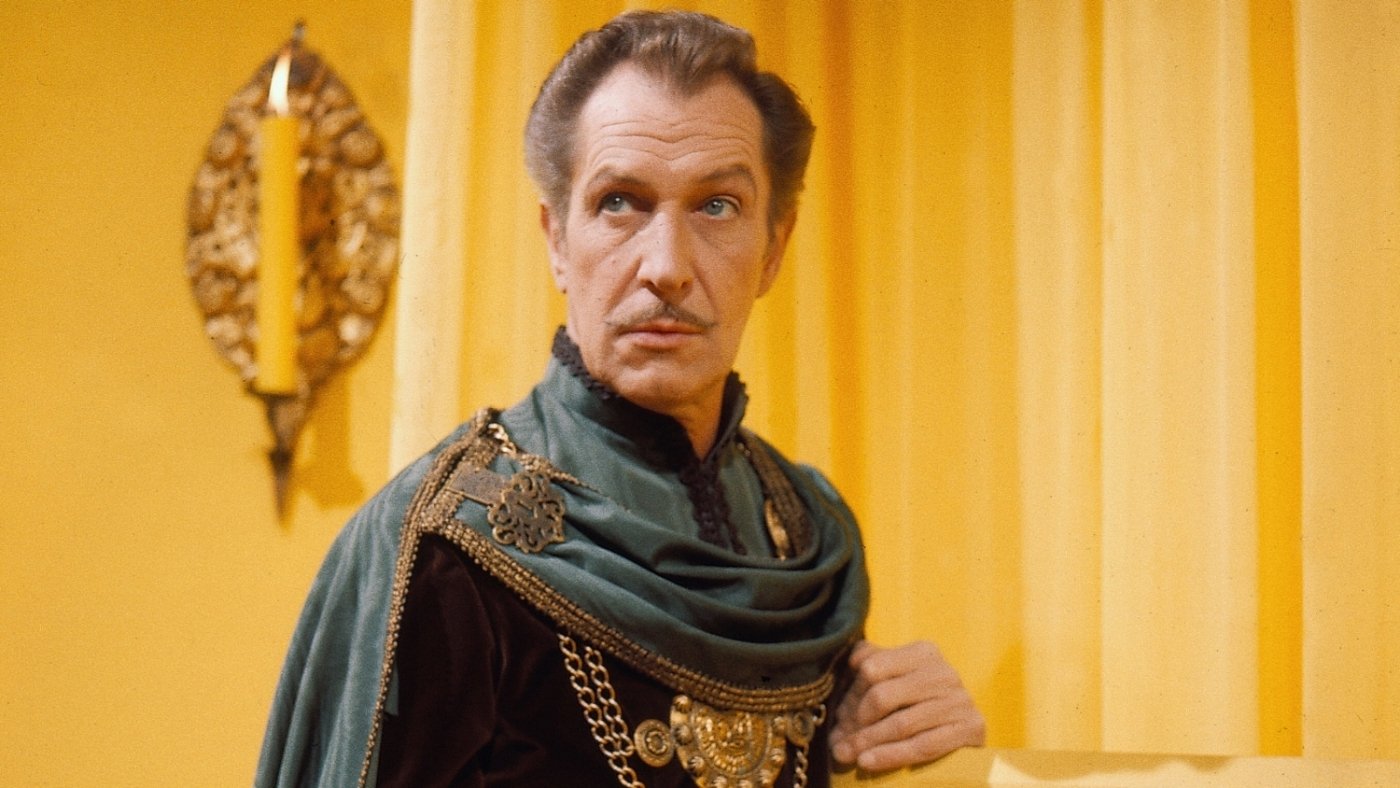
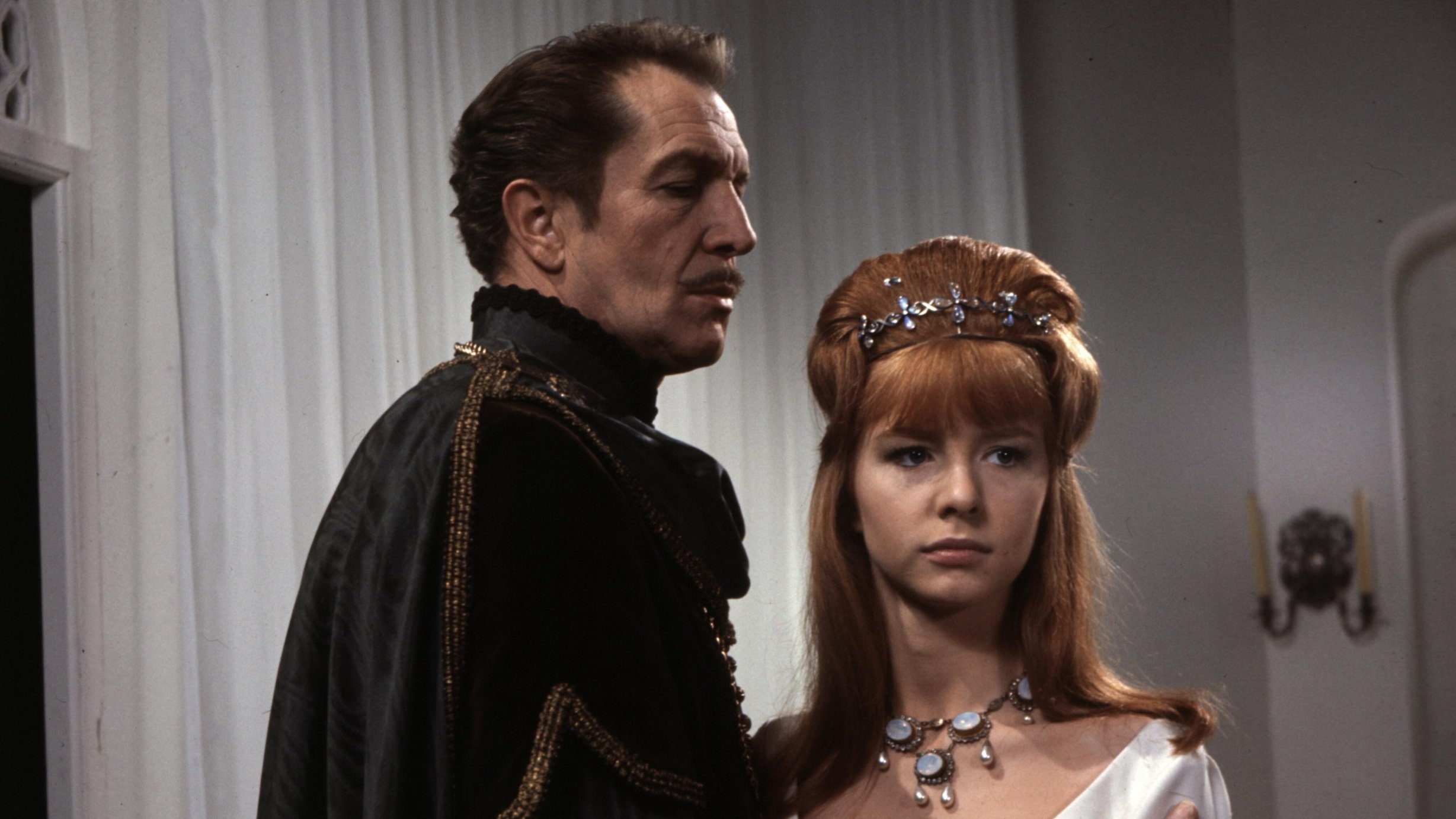
Roger Corman’s The Masque of the Red Death (1964) is a Gothic horror film built around a particularly stark conflict: the inhabitants of a wealthy fortress celebrate their apparent security while an epidemic devastates the countryside outside. Vincent Price plays Prince Prospero, who treats suffering as proof of his power and attempts to make his castle a refuge from death itself. Adapted from Edgar Allan Poe’s 1842 story, the film combines medieval spectacle, satanic ritual and a deliberately extravagant palette of colours. Its central horror is both physical and political, emerging from the spectacle of people condemned by a ruler who believes his position places him beyond ordinary human vulnerability.

Produced within Corman’s cycle of Poe-inspired films for American International Pictures, the picture was made in England with cinematography by Nicolas Roeg and production design overseen by Daniel Haller. Charles Beaumont and R. Wright Campbell expanded Poe’s brief allegory into a feature-length drama, also drawing on the author’s separate story Hop-Frog. The result is especially significant within 1960s horror for its sustained use of colour, its interest in religious belief as a form of coercion, and its unusually cruel portrait of aristocratic privilege. Its release history and later restoration also reveal how censorship changed what different audiences could see.

The Poe Cycle and a Delayed Production

The Masque of the Red Death developed out of a successful relationship between Roger Corman and American International Pictures. House of Usher (1960) had demonstrated a market for colour adaptations of Poe, and The Pit and the Pendulum (1961) strengthened that commercial argument. According to the American Film Institute’s reconstruction of contemporary trade reporting, plans for Masque were announced in February 1961. Corman initially considered the project through his own Filmgroup operation, then folded it into further work for American International. Its long gestation complicates any account that treats it as a straightforward successor to House of Usher.

The film remained in development while Corman made other Poe-associated features, including Tales of Terror and The Raven. Trade publications reported drafts by several writers before Charles Beaumont and R. Wright Campbell received the final screenplay credits. A September 1962 industry report placed the proposed budget at one million dollars, a projected figure rather than a confirmed account of the eventual cost. By June 1963 American International had arranged a co-financing relationship with a European partner, subsequently identified as Anglo-Amalgamated Productions. This arrangement made an English production possible and placed the film within both American exploitation distribution and British studio filmmaking.

The project also faced rival attempts to adapt the public-domain Poe story. AFI records a dispute involving producer Alex Gordon, who sought an injunction on plagiarism allegations shortly before the film’s release; the action did not prevent Corman’s version from opening. Corman’s sustained interest in Masque was creative as well as commercial. He later explained that he had delayed filming partly because the personification of Death might invite comparisons with Ingmar Bergman’s The Seventh Seal (1957).
Poe’s Allegory and the Screenplay’s Satanic World

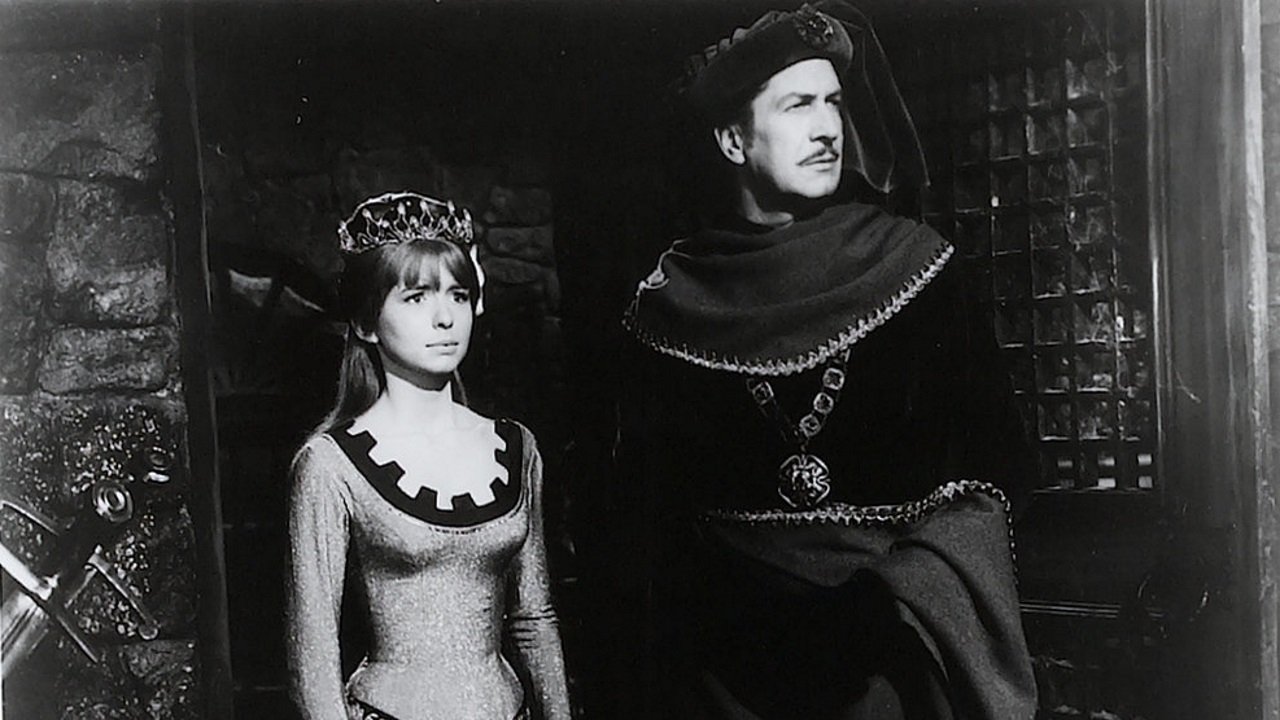
Poe’s The Masque of the Red Death, first published in Graham’s Magazine in May 1842, follows Prince Prospero as he shelters privileged companions from a lethal pestilence and stages a masquerade inside a fortified abbey. The tale is compressed, relying on rooms, a clock, a masked intruder and a final collapse to develop its argument about mortality. The screenplay preserves the fortress, epidemic and fateful ball but creates additional dramatic relationships. Corman’s Prospero is a practising Satanist whose treatment of the surrounding peasants demonstrates cruelty long before the mysterious red-cloaked visitor appears.
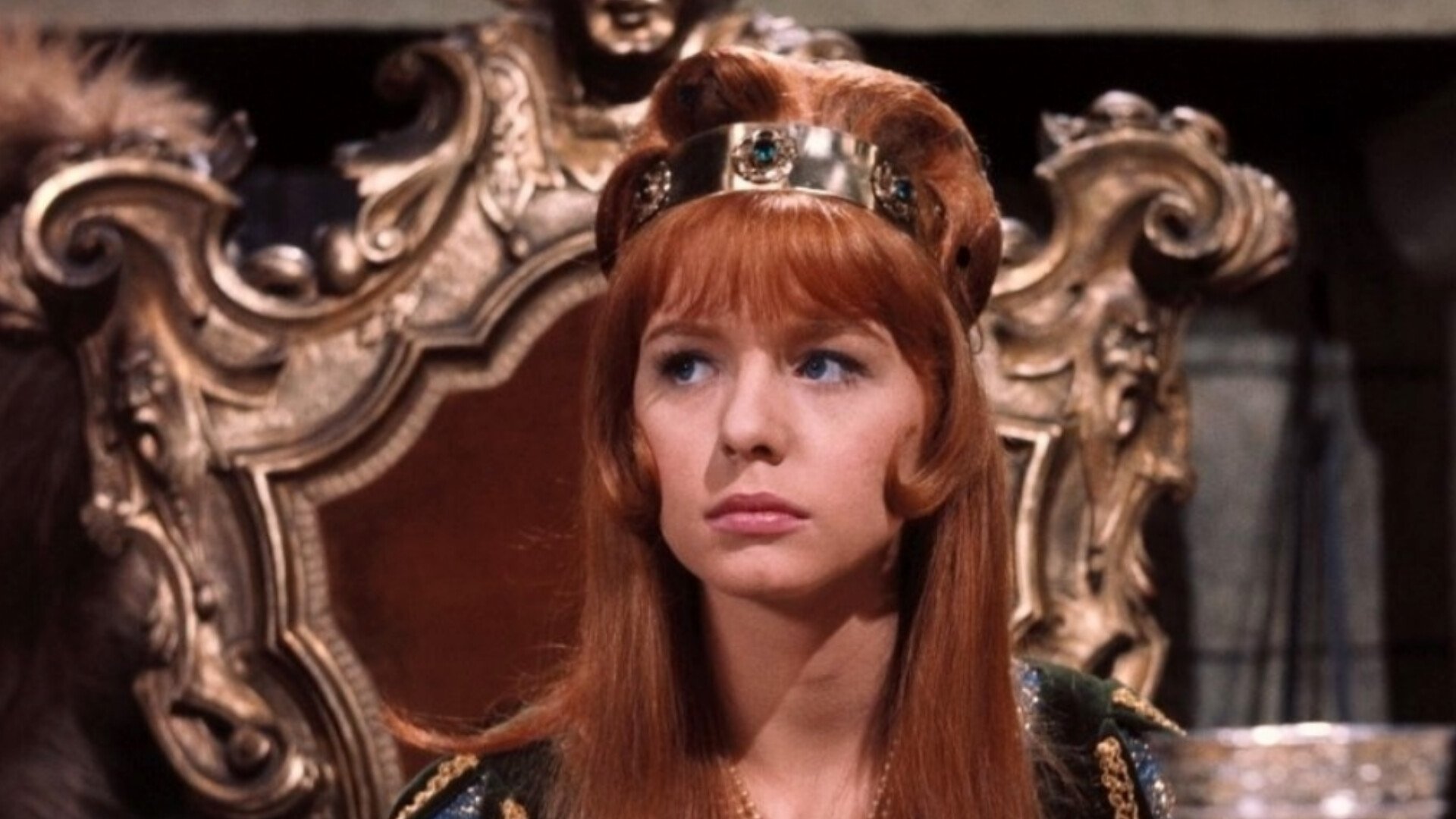
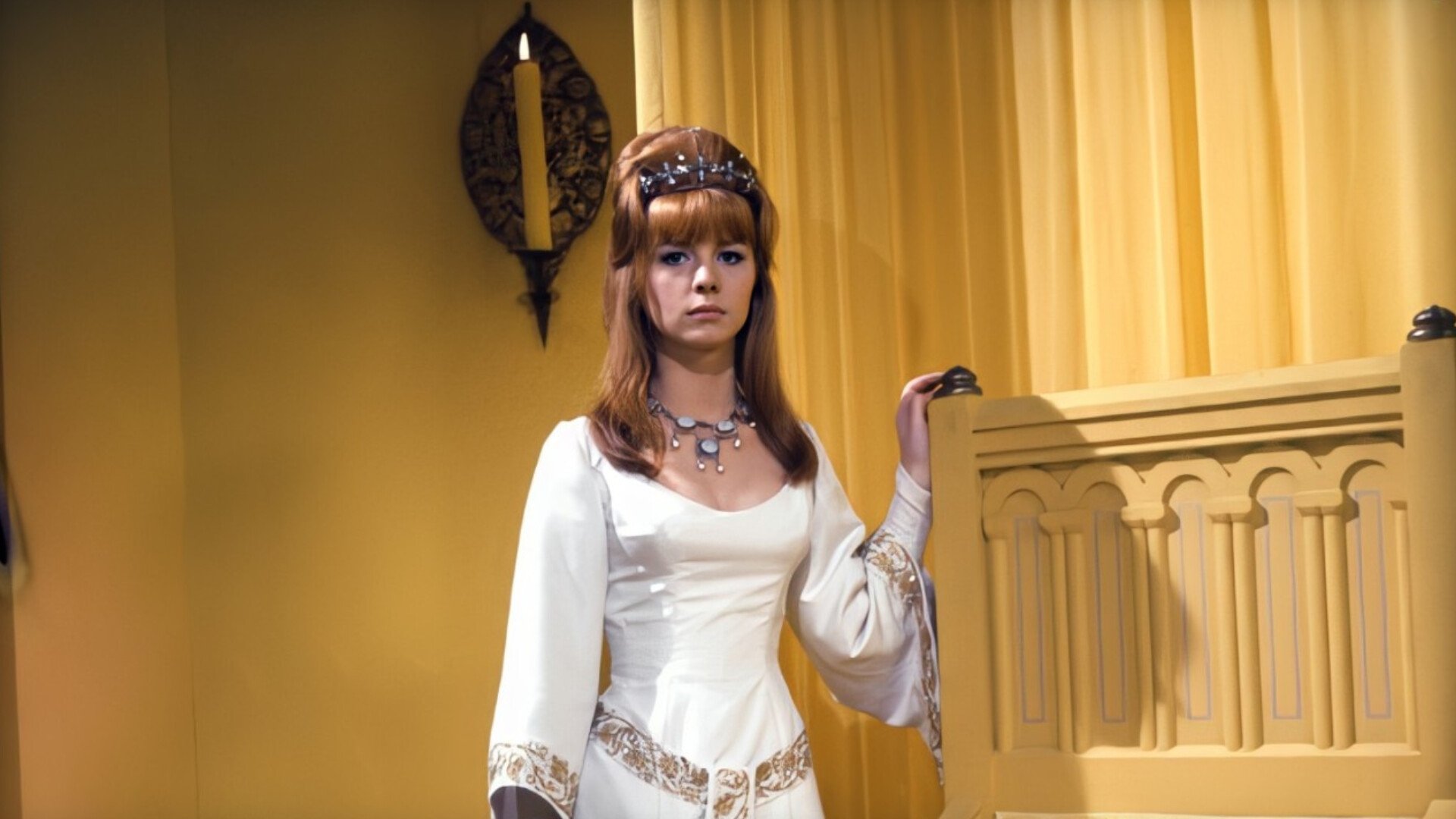
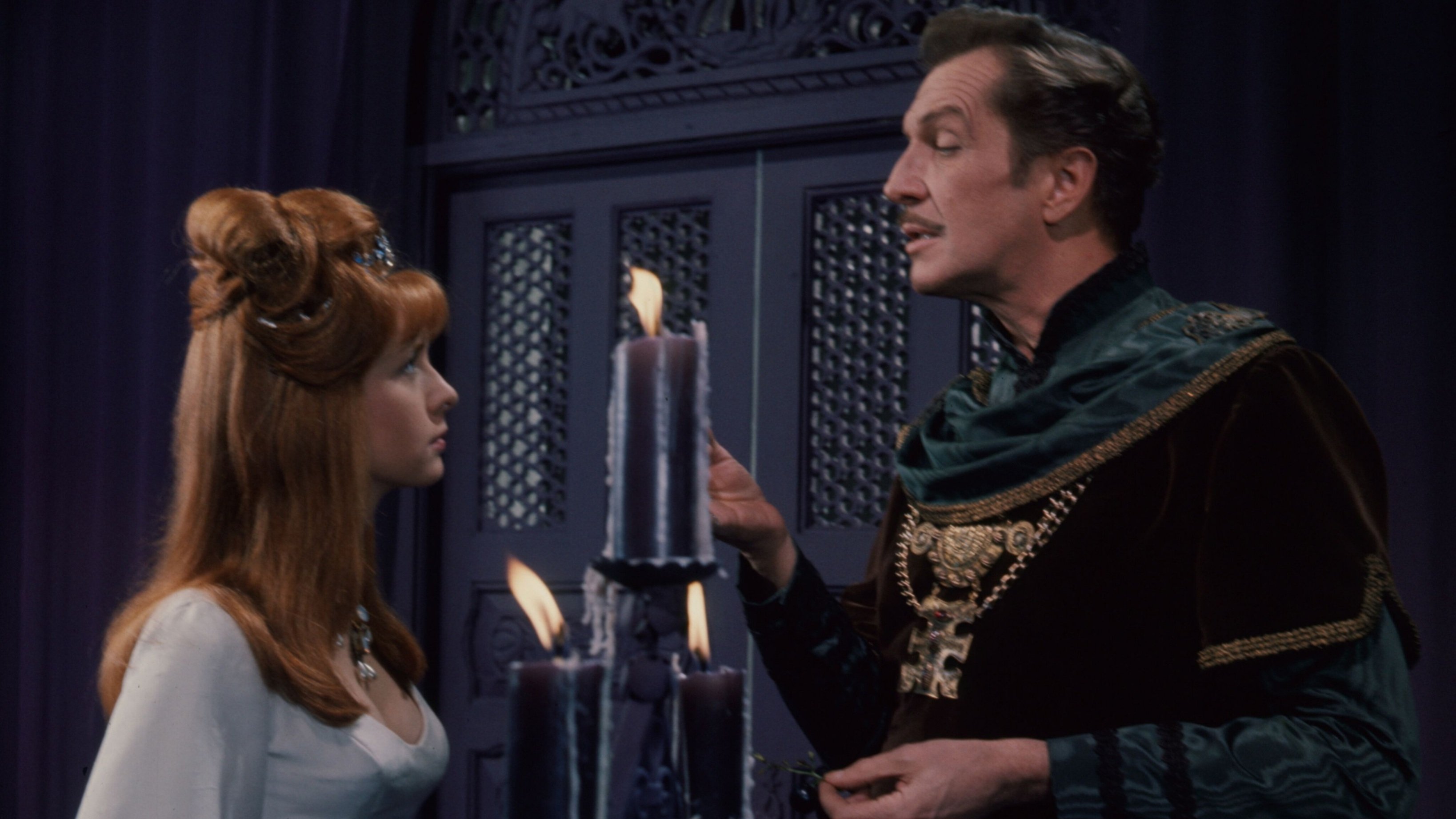
Francesca, a young woman taken from a threatened village, provides an outsider’s perspective on life behind the castle walls. Prospero forces her to confront the cruelty of his entertainments while attempting to weaken her religious convictions. Her father Ludovico and her lover Gino remain connected to the endangered population beyond the castle. These figures give the film a conflict that Poe’s compact narrative does not develop: belief, loyalty and survival become questions argued between people with radically unequal power. Prospero claims access to a superior supernatural order, but his convictions cannot secure the exemption from death that he demands.

Beaumont and Campbell also incorporate material from Poe’s Hop-Frog, concerning humiliation and revenge at a royal court. The combination creates a court where abuse is cultivated as entertainment and where an apparently powerless victim can turn a spectacle back against the oppressor. The film’s religious material goes beyond Poe as well. Satanic rites, a black chamber and Juliana’s pursuit of occult initiation intensify the castle’s moral atmosphere, making Prospero’s private philosophy visible through actions, costumes and ritual spaces.

Filming in England and Constructing the Castle

Principal photography began on 18 November 1963 at the Associated British Picture Corporation studios in Elstree, according to the AFI Catalog. Corman later recalled a five-week filming schedule, longer than the short shoots he had often managed in the United States. He nevertheless found that English working practices altered his expectations about the additional time available. The production was supported by standing sets from the historical drama Becket (1964), with other existing scenery also adapted to the requirements of the film. Reusing substantial constructions helped give the palace an extent that the production might not otherwise have afforded.

Daniel Haller, associated with the design of Corman’s earlier Poe productions, served as production designer, with Robert Jones credited as art director. Their work had to support two sharply separated environments: the vulnerable settlement outside the walls and a castle whose occupants organize every room around privilege and spectacle. The latter contains ceremonial spaces, winding passages and chambers linked to the final masquerade. Its architecture gives Prospero a system of entrances and barriers through which he regulates access to his guests. The enormous interiors also allow bodies to appear small against the architectural display of his authority.

The change of production location coincided with a different photographic collaboration. Nicolas Roeg photographed Masque after Floyd Crosby had worked on the earlier American Poe films. Corman’s ambition was to give this entry its own visual identity rather than simply reproduce an established series formula. English studio resources, reused period sets and a more elaborate colour scheme provided the means. The final design is especially suited to a story in which death approaches a community enclosed by its own wealth: the castle appears solid and spacious, yet its doors and walls cannot make it secure.

Nicolas Roeg, Colour and the Spectacle of Death

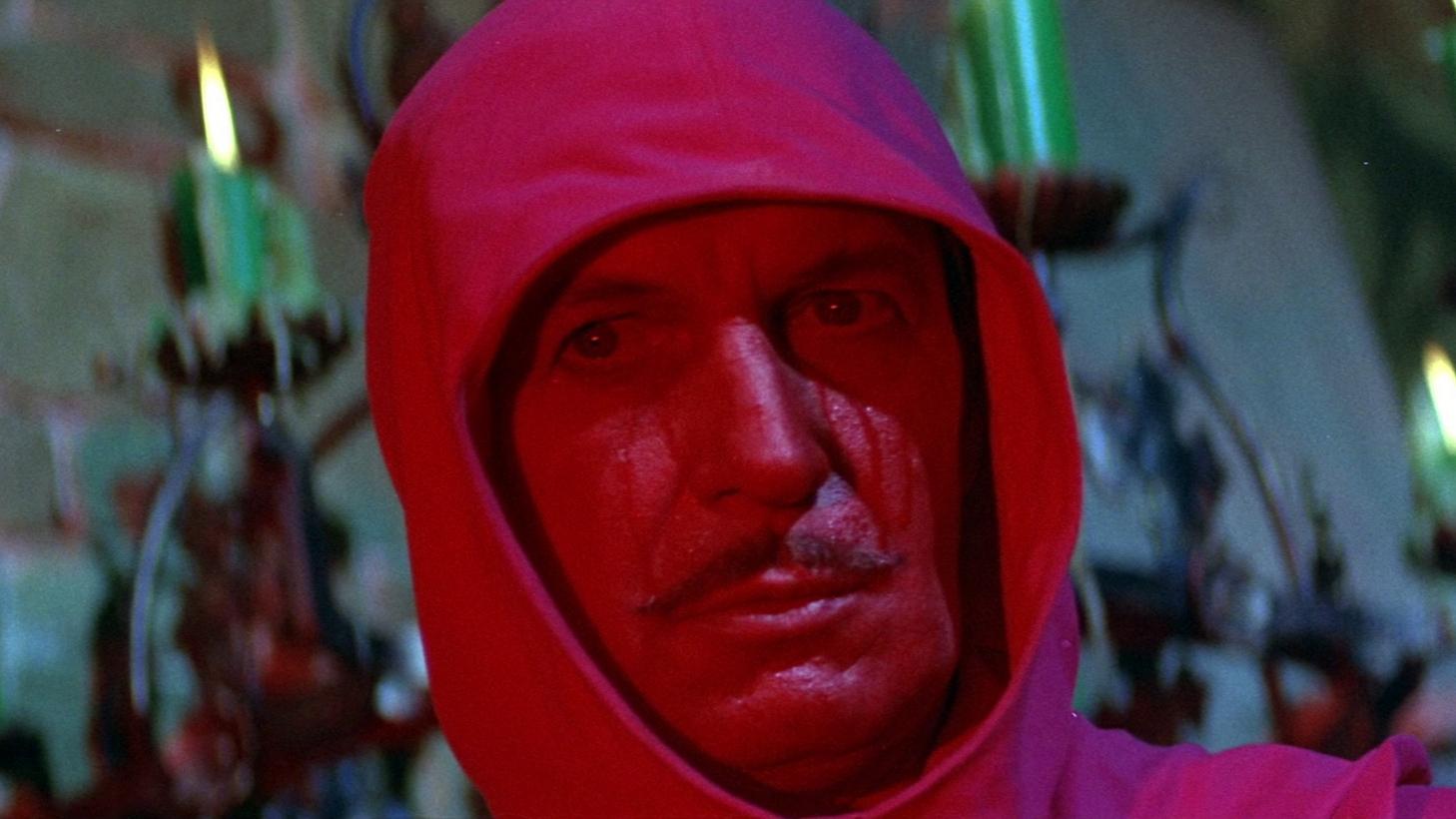
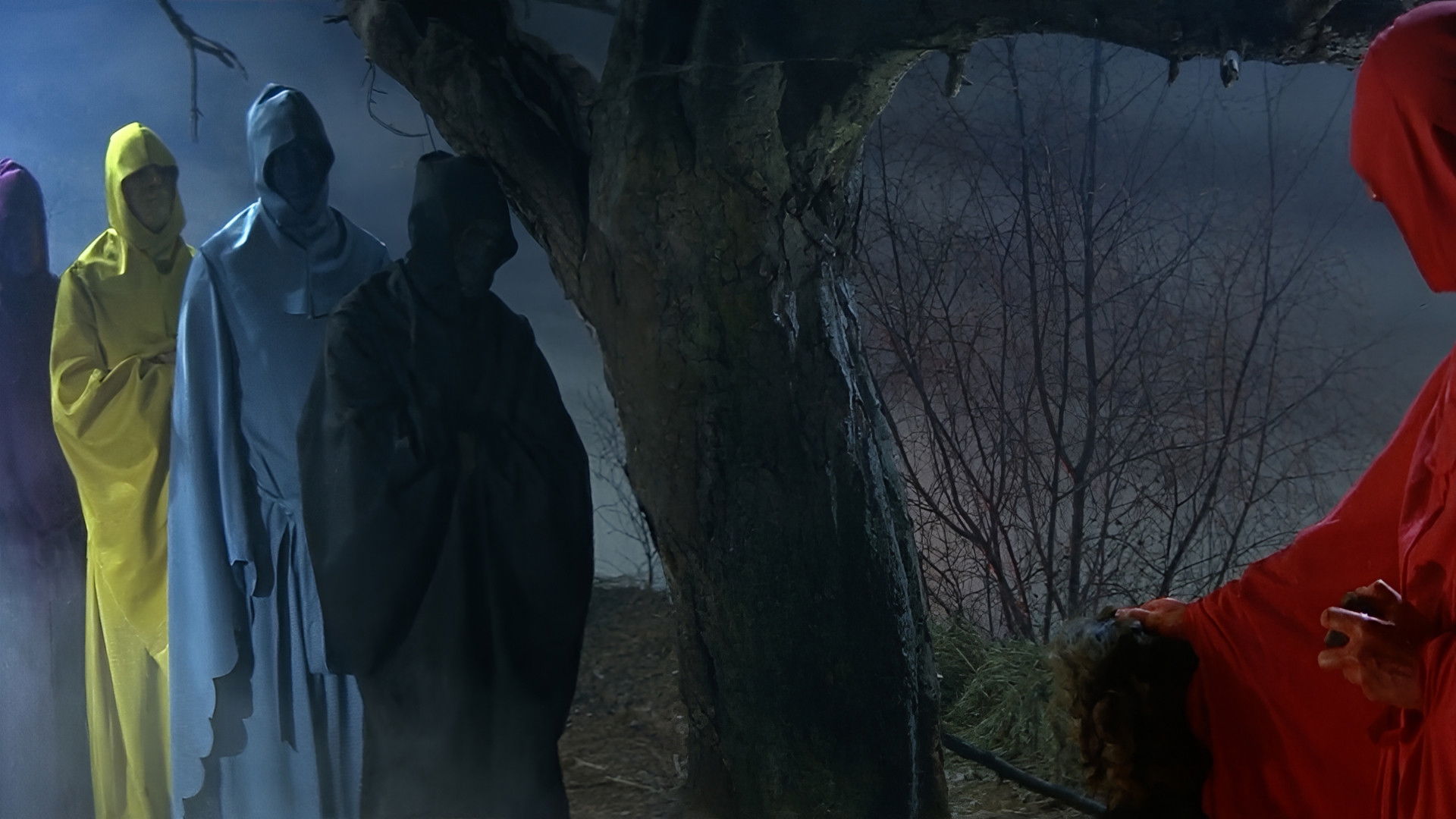
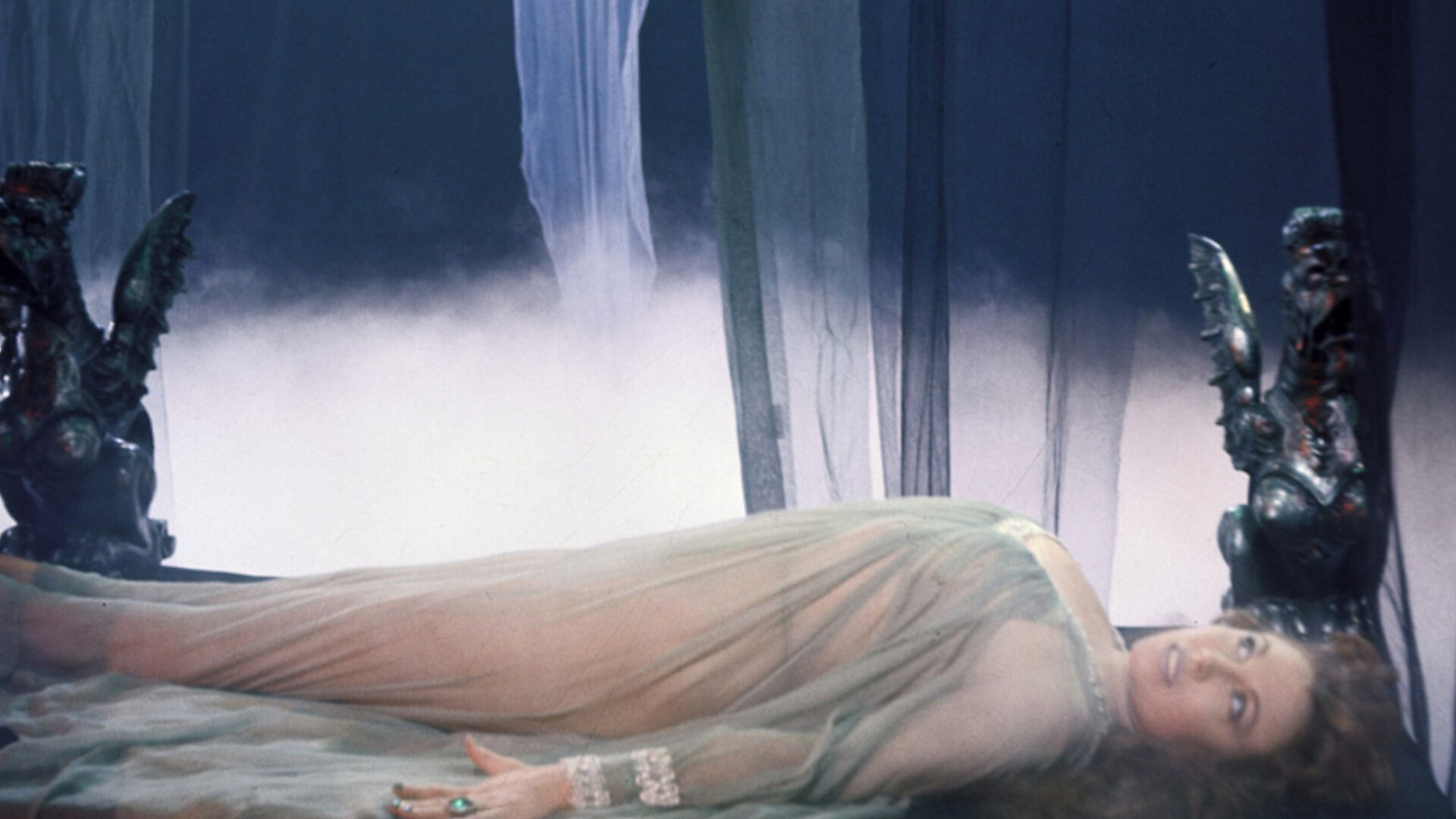
Roeg’s cinematography is central to the film’s visual character. Rooms dominated by reds, yellows and other emphatic colours create changes of mood as characters pass from one interior to another. The succession of coloured spaces is inherited from Poe’s story, where the arrangement of rooms and their relation to the clock help structure the masquerade. On screen, colour turns that literary scheme into an experience of movement. The camera can follow figures through architectural divisions, making each transition a change in the terms of their temporary safety.

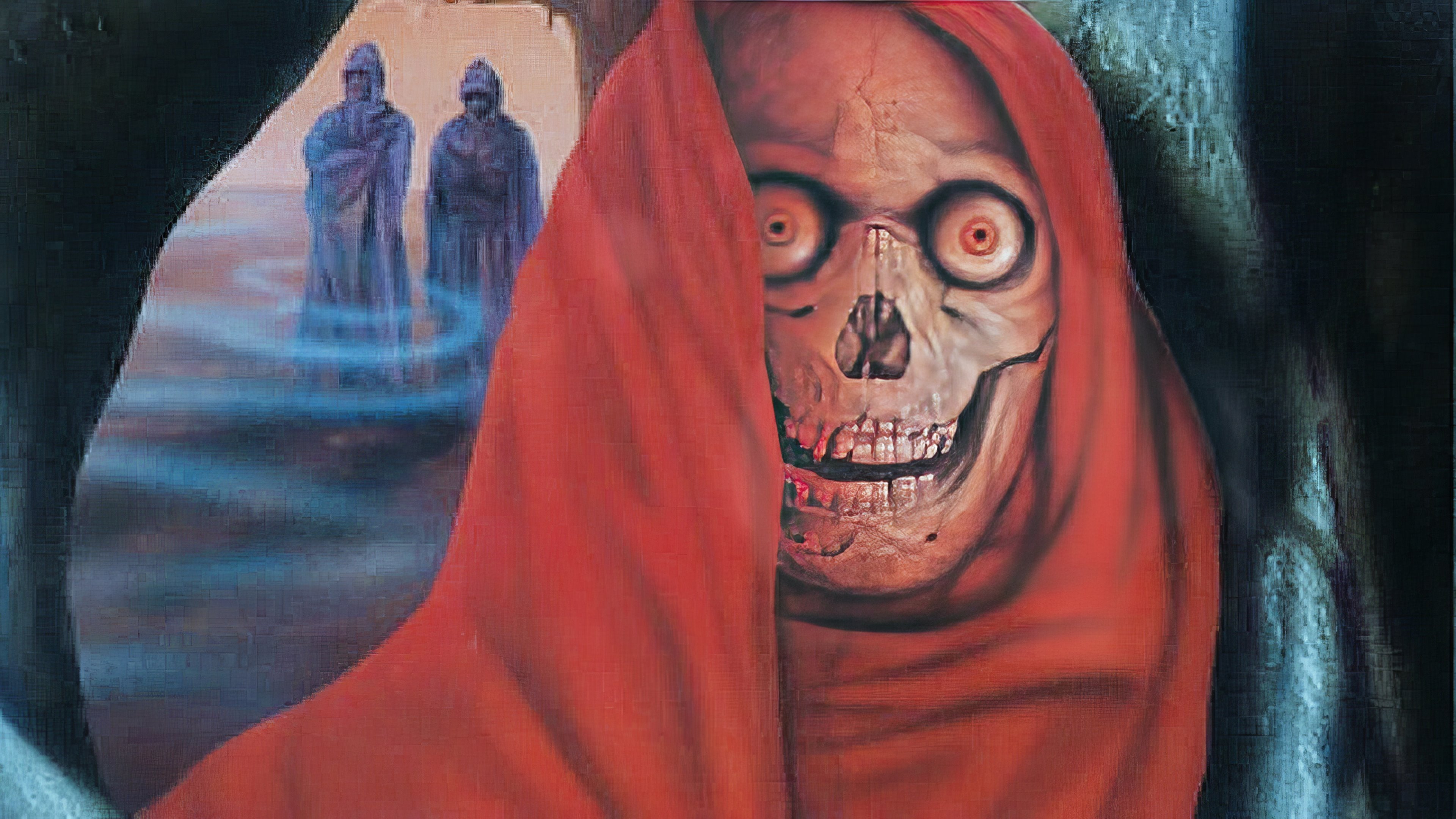
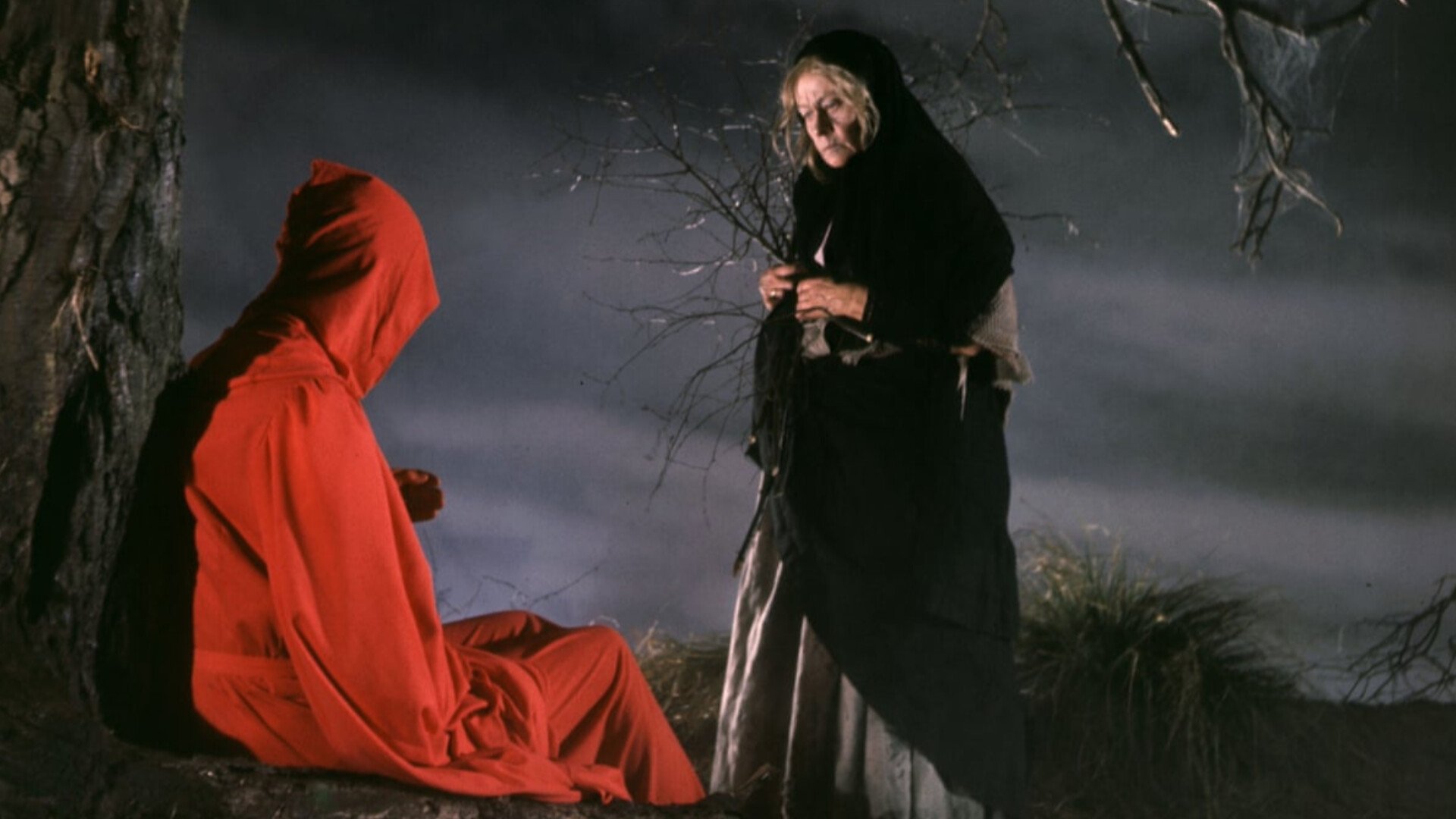
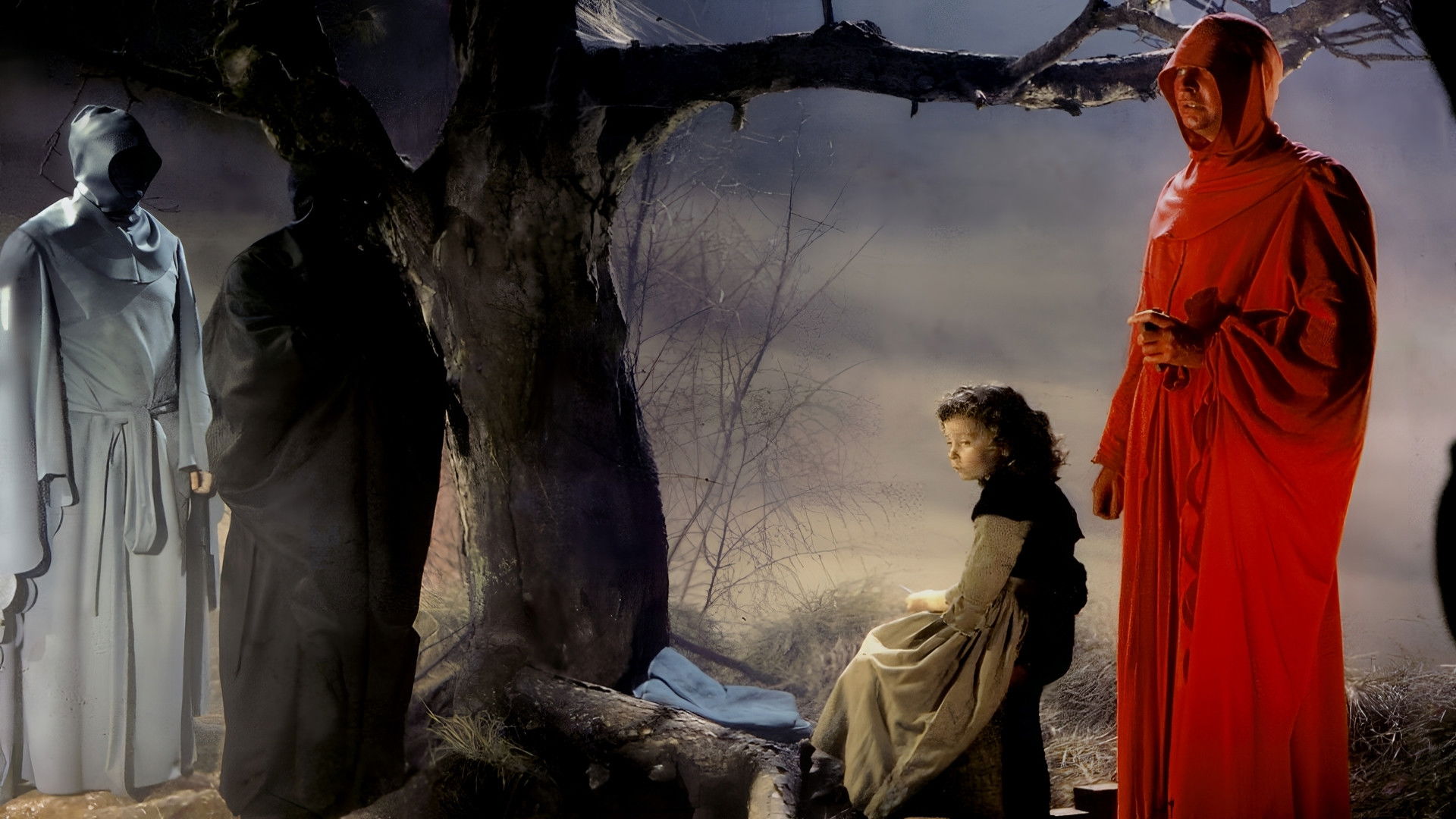
The cinematography also contrasts the castle’s controlled pageantry with the signs of disease outside. The red-cloaked figure remains visually distinct even in a film saturated with strong colour. Its appearance turns a familiar courtly costume into an omen that the guests are unable to comprehend until the celebration has become a catastrophe. The film’s late dance of death was deliberately choreographed, a choice Corman discussed in his recollections of the production. The sequence brings the guests’ elaborate costumes and gestures into contact with the bodily consequences of the plague, giving the climax a disturbing ceremonial order.

The Museum of Modern Art has singled out Roeg’s colour photography and the elaborate English sets as marks of the film’s ambition. The later Academy Film Archive restoration sought to recover the original Eastmancolor appearance, underscoring how heavily interpretation depends on the quality of surviving prints. In faded or inconsistently timed versions, the relationship between colours and the architecture can be diminished. Masque is therefore an example of horror whose formal design is difficult to separate from its material preservation: the intended effect depends on the viewer seeing the contrasts and transitions built into the photographed image.

Vincent Price and the Struggle Over Belief

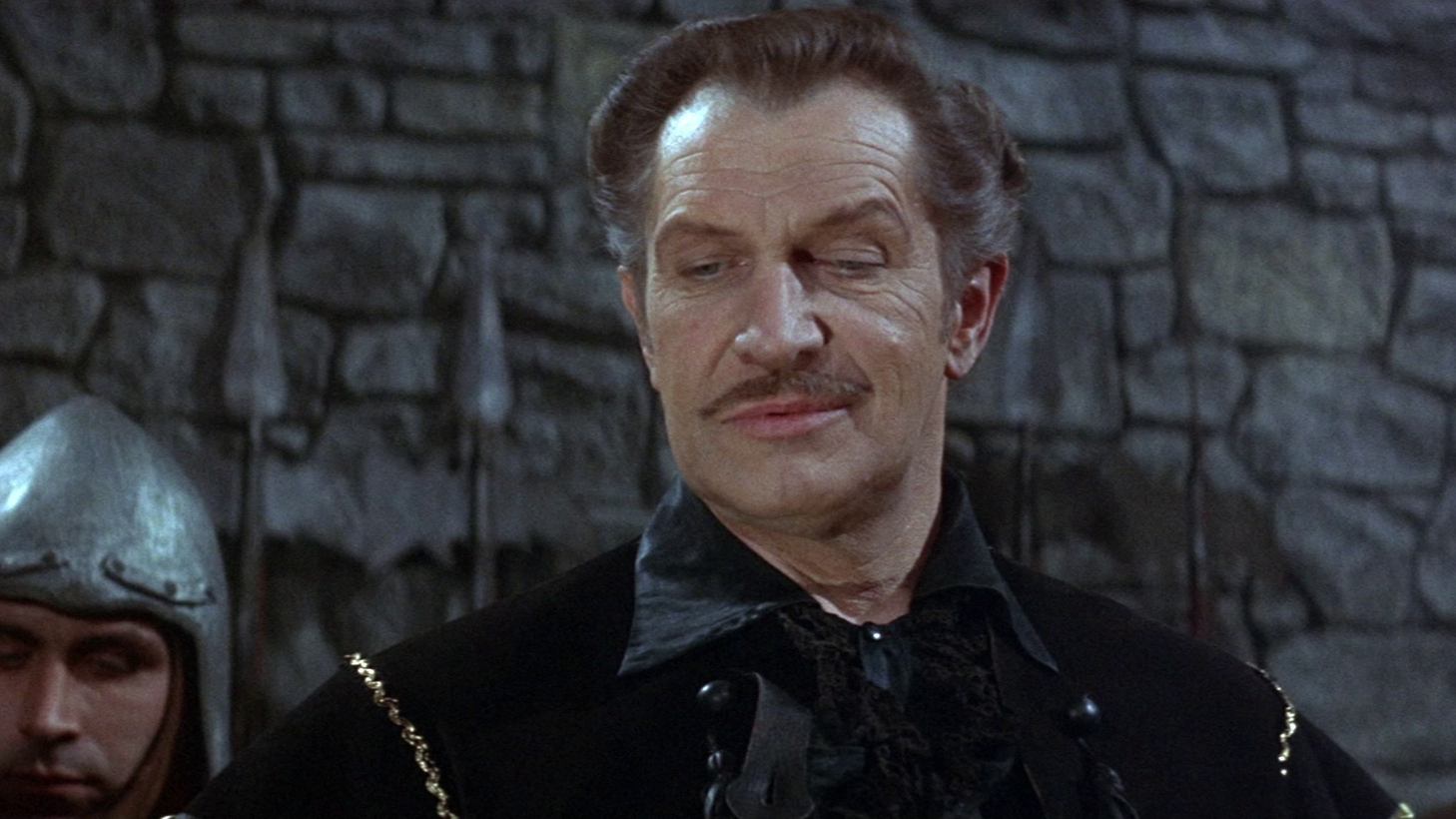
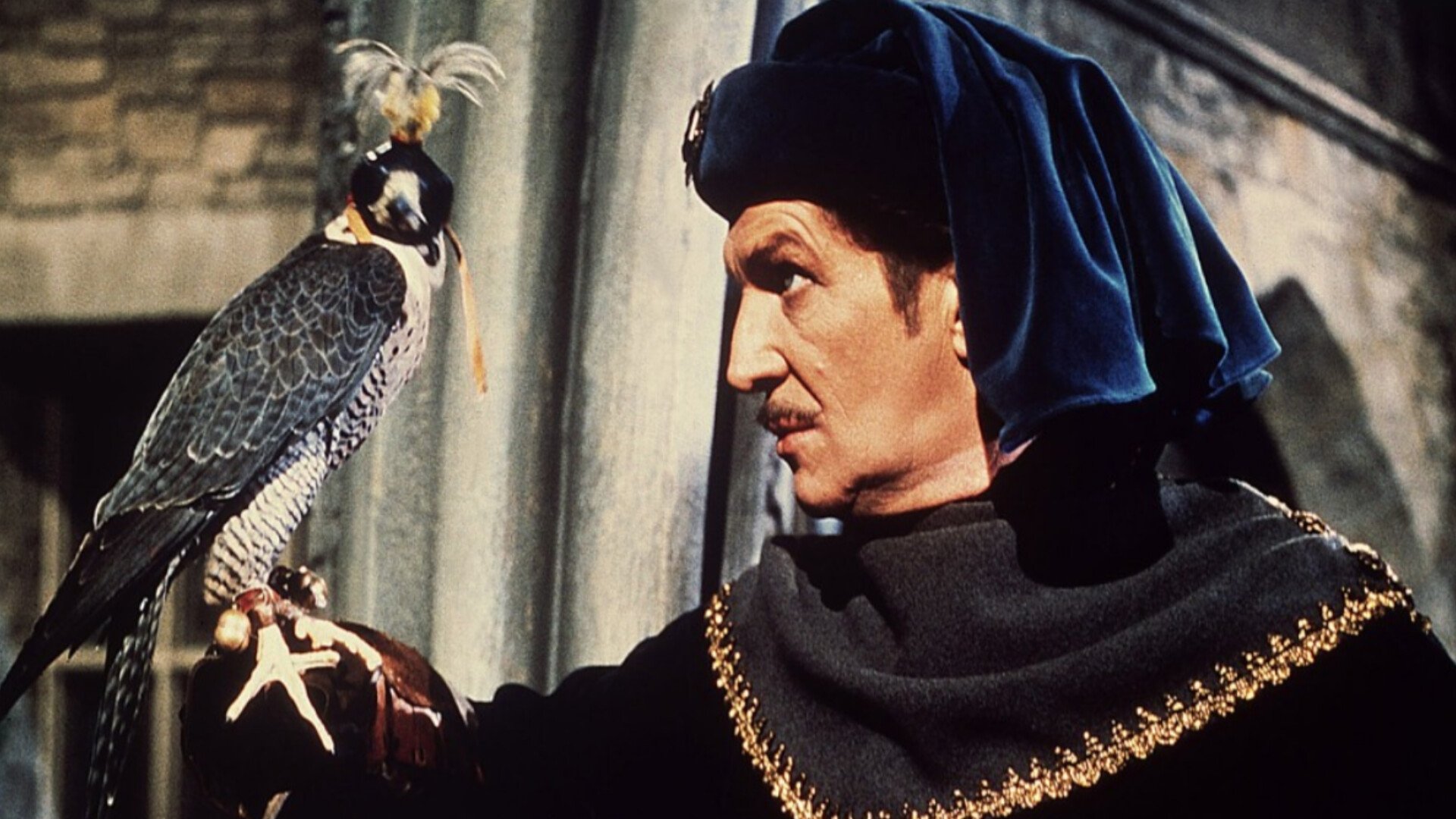
Vincent Price’s Prospero is an unusually confident centre for a Corman horror film. Rather than enter the story as a frightened heir or an unstable victim, he rules a household in which others must respond to his demonstrations of dominance. Price gives the prince an amused, sometimes conversational manner that makes cruelty seem an ordinary expression of authority. He approaches Francesca as someone whose convictions are a challenge to his intellect and power. That relationship helps the film sustain its arguments about faith without requiring the supernatural threat to remain continuously visible.

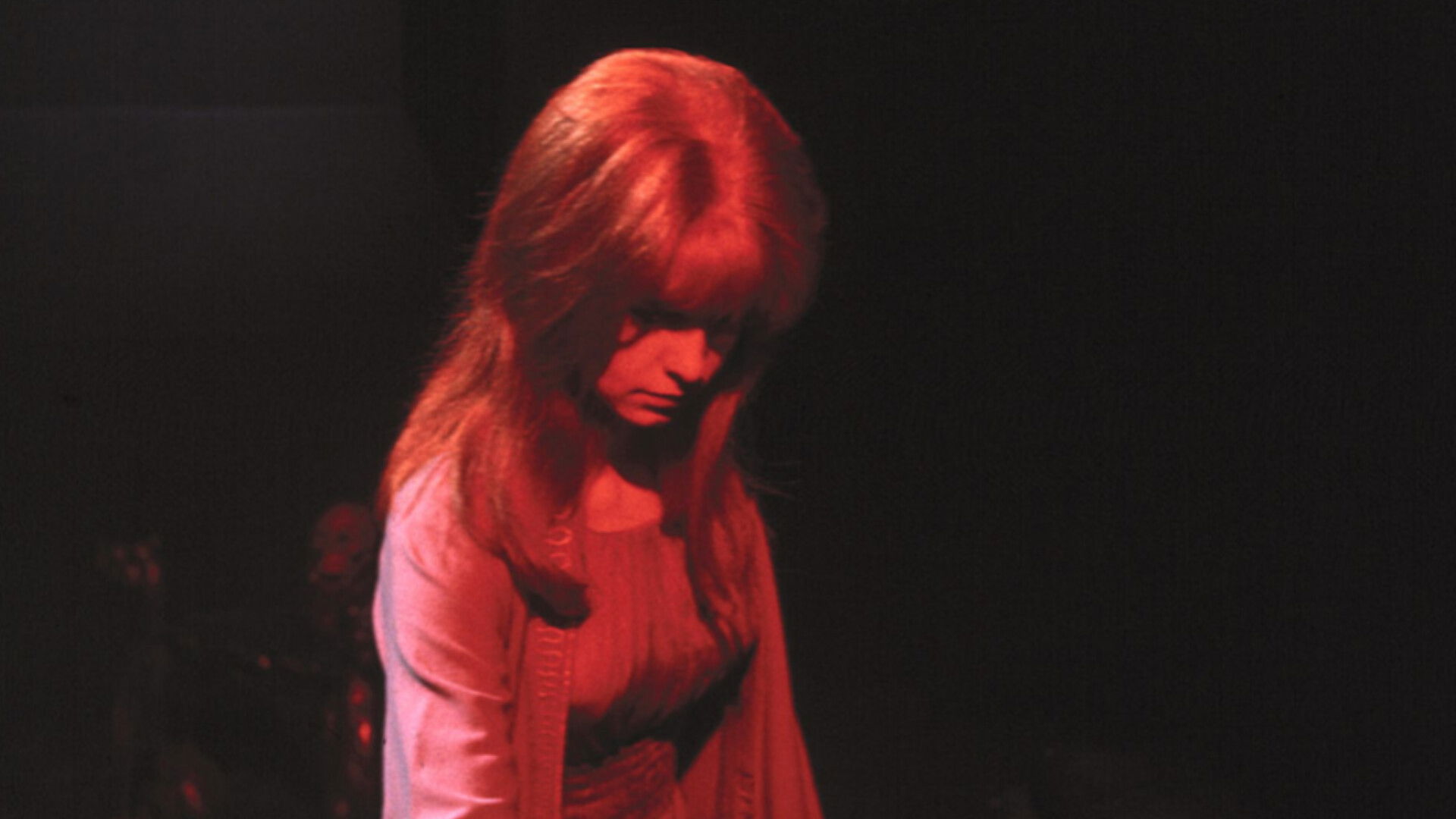
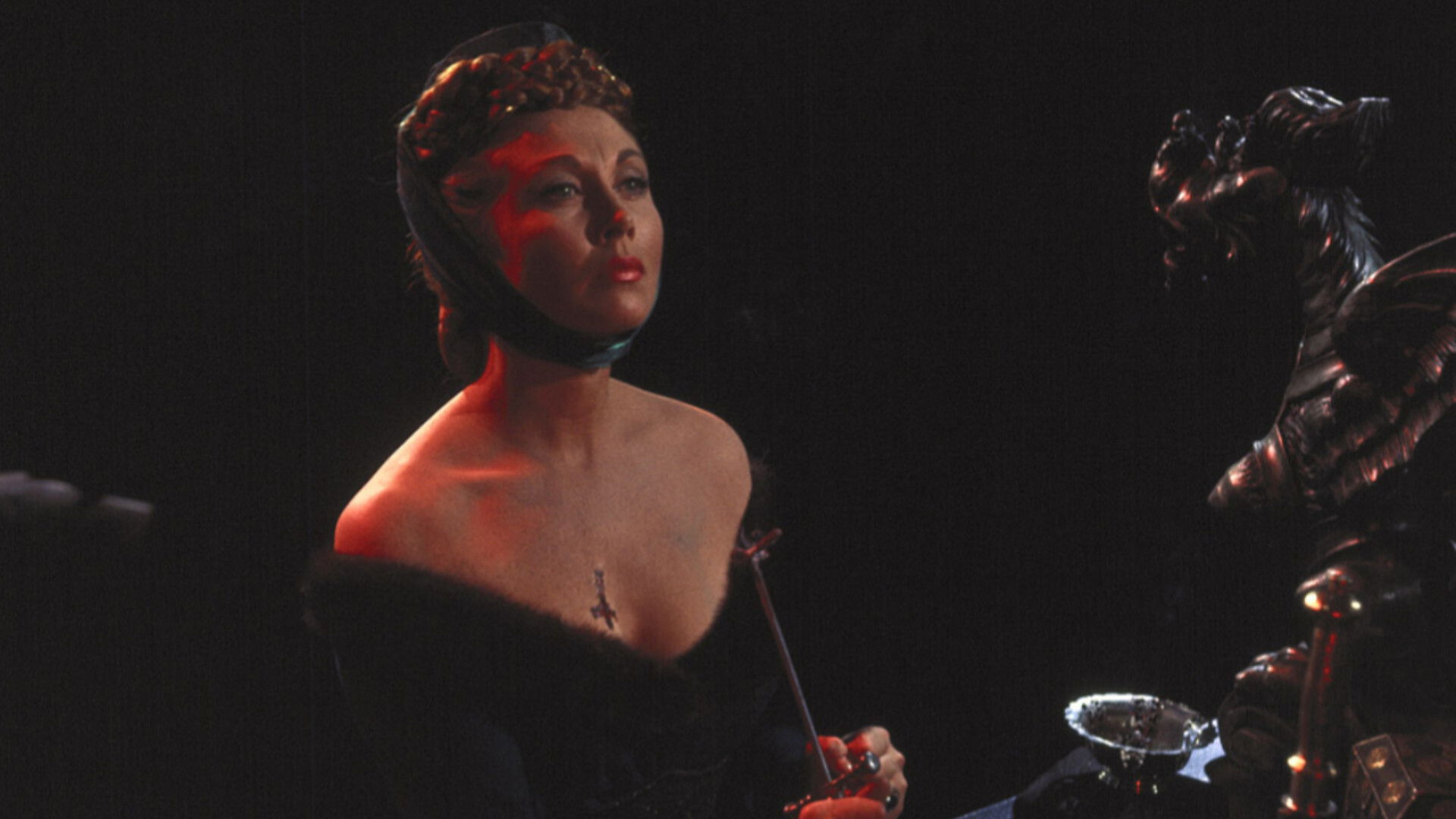
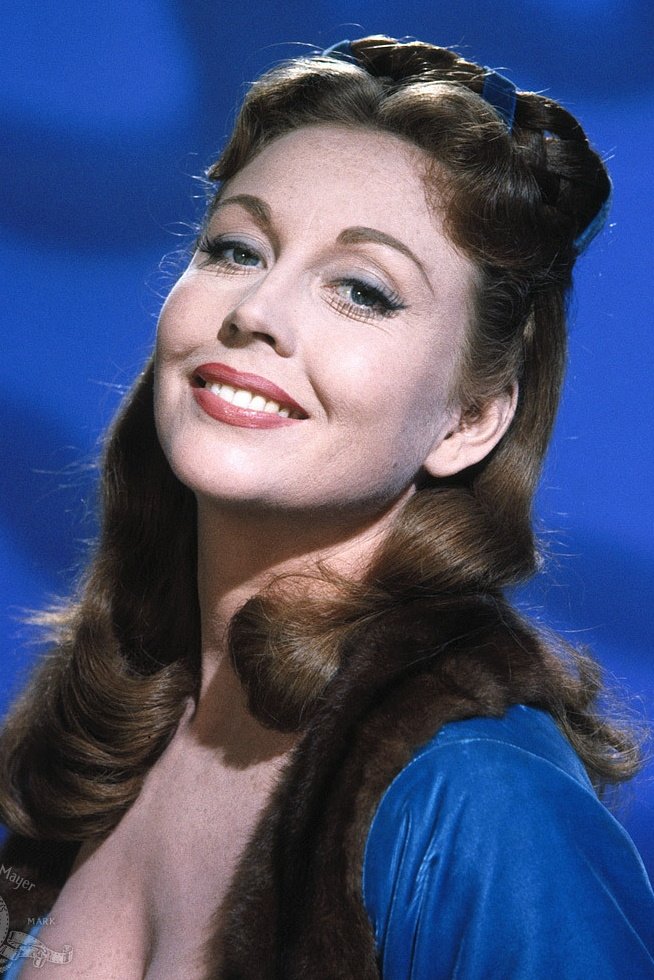
Jane Asher’s Francesca is positioned between the world of the threatened village and the castle’s increasingly coercive rituals. Her responses give the spectator a view of the court that differs from the excitement of its privileged guests. Hazel Court’s Juliana offers a contrasting position inside the household: she seeks to secure her standing with Prospero through satanic commitment and becomes subject to the dangers of that desire. These characters are not interchangeable symbols of innocence and corruption. Each is drawn into a different arrangement of power, fear and religious belief, which determines the risks she faces.

Patrick Magee’s Alfredo embodies a more openly contemptuous form of aristocratic cruelty, particularly toward the court entertainer Hop Toad. David Weston’s Gino and Nigel Green’s Ludovico retain the stakes of the world beyond the castle even when the narrative concentrates on Prospero. In his discussion of the Poe cycle, critic Geoffrey O’Brien emphasizes the importance of Price’s performance style to the atmosphere of Corman’s enclosed worlds. Here that style serves a ruler who can control his subjects’ lives but cannot dictate the terms of his own death.

Hop Toad, Ritual and the Cruelty of Entertainment

The Hop Toad subplot introduces another form of horror into the festivities. Prospero’s guests treat physical difference and social vulnerability as sources of amusement, and Alfredo’s humiliation of Hop Toad and Esmeralda creates the conditions for revenge. The episode draws on Poe’s Hop-Frog but is integrated into the film’s wider interest in the ethics of spectacle. The court maintains its pleasures by defining certain people as disposable entertainers. When violence returns to that space in the guise of a performance, the participants discover that their position as spectators offers no protection against its consequences.

The castle’s ceremonies also make religion theatrical. Prospero’s Satanism is displayed through costumes and ritual acts; Juliana’s initiation involves visions of suffering that translate her aspirations into disturbing images. The film repeatedly connects what people claim to believe with what they are prepared to inflict on others. These sequences involve physical threat and stylized violence, but their purpose within the narrative differs from the operations of the plague. Human cruelty has particular agents and motives, while the Red Death ultimately crosses the boundaries those agents believe they can impose.

The final masked celebration joins the two modes of spectacle. Prospero’s court has organized an elaborate entertainment to affirm its separation from the epidemic, yet the arrival of a figure in red exposes the absurdity of that arrangement. Corman’s staging offers more than the simple revelation of a disguised intruder. Figures move and collapse within a ceremonial environment that has been built to exclude disorder. The moment transforms a display of wealth and choreography into an image of collective mortality, using the same visual machinery that previously made the court appear splendid and invulnerable.

Release, Censorship and Divergent Versions

The film opened in Los Angeles on 24 June 1964, with a London debut during the same month and a New York showcase engagement beginning on 16 September. AFI documents contemporary running times of 84, 86 and 90 minutes, evidence that release information cannot be reduced to one universally consistent length. The British Board of Film Classification records a cinema examination dated 14 May 1964 for a 90-minute presentation and explicitly identifies cuts or alterations made as part of the classification process. This evidence should be kept distinct from later home-video certificates, which refer to different submissions and exhibition conditions.

The American release also lost material associated with the film’s satanic sequences. Film Foundation documentation explains that the restored edition replaced censored footage missing from American-release elements by drawing on a surviving 35 mm Technicolor print. The restoration’s surviving source materials therefore offer a more useful account of what was recovered than claims about a single definitive original running time. Censorship operated through specific distributors, territories and prints, and the surviving evidence does not support treating every difference in length as the result of official cutting.

Contemporary commentary sometimes drew attention to the film’s religious content as well as its violence. Archival material assembled by The Film Foundation includes Catholic Legion of Decency correspondence and a United States continuity script with notes, useful documents for understanding controversy and the preparation of release versions. The distinction matters because the relationship between Prospero’s ceremonies and the film’s argument about belief can change when the surrounding scenes are removed or shortened.

Reception, Restoration and Place in Horror History

Early reviews responded strongly to the production’s visual design. A New York Times assessment cited by Turner Classic Movies praised Corman’s imaginative use of colour and decor, while Newsweek described the film’s demonic subject matter in favourable stylistic terms. These reports establish elements of contemporary critical response rather than a uniform consensus among all reviewers. AFI also documents a short Museum of Modern Art engagement planned for April 1965, an indication that the picture circulated beyond ordinary commercial screenings soon after its release. Its later standing developed in a context where Corman’s Poe cycle could be studied as a sustained body of work.

Restoration has been particularly important to the film’s modern reception. The Academy Film Archive and The Film Foundation reconstructed a 4K presentation from the original 35 mm picture negative, a British Technicolor print and original sound elements, with supplementary footage from another archival Technicolor source. Image work was completed by Roundabout Entertainment and the audio restored by Audio Mechanics. The restored film was subsequently exhibited in settings including a Museum of Modern Art preservation programme and The Film Foundation’s Restoration Screening Room. These presentations make the survival and recovery of the colour photography part of the film’s documented history.

Among the Poe films, Masque is distinctive for the breadth of its ensemble, the integration of another Poe story and the sustained contrast between plague-stricken peasants and a decadent ruling class. Geoffrey O’Brien’s retrospective account of Corman’s cycle places its Gothic interiors within an overarching cinema of artificial environments and psychological confinement. The film develops that approach into a more public confrontation between privilege and death, carried by Price’s Prospero and Roeg’s moving camera. Its historical value lies in the particular combination of literary adaptation, exploitation-era production methods and colour-driven Gothic horror that Corman achieved on this English shoot.

References

  1. American Film Institute AFI Catalog — The Masque of the Red Death (1964)

    Archival production history based on contemporary trade reporting, covering development from 1961, financing, British photography, competing projects, premiere dates and divergent running times.

  2. Turner Classic Movies The Masque of the Red Death — Jeff Stafford

    Production essay drawing on recollections by Roger Corman and Vincent Price, with details of Elstree filming, reused sets, colour design, critical response and the incorporation of Hop-Frog.

  3. The Criterion Collection “The House Is the Monster”: Roger Corman’s Poe Cycle — Geoffrey O’Brien

    Scholarly analysis of Corman’s Poe adaptations, their enclosed environments, psychological motifs, Vincent Price’s performances and the transformation of literary sources into film.

  4. The Film Foundation October 2023 — The Masque of the Red Death

    Restoration dossier documenting the original film elements, replacement of censored American-release footage, historical correspondence and the 4K preservation workflow.

  5. British Board of Film Classification The Masque of the Red Death (scope)

    Primary classification record distinguishing the altered 1964 theatrical submission from later home-video versions and documenting specific regulatory decisions.

Cast

View Full Cast & Crew →

Release & Distribution

Production Companies (2)

  • Alta Vista Productions
  • American International Pictures US

Distributors (1)

  • American International Pictures US

Release History (8)

Release DateTerritoryRelease TypeFormatDistributorCertificationNotes
1964-06-24 United Kingdom Premiere — — — London
1964-06-24 United States Premiere — — — Los Angeles, California
1964-09-16 United States Limited Theatrical — — — New York City, New York
1964-10-30 Ireland Theatrical — — 15
1965-08-14 Italy Theatrical — — —
1969-10-08 France Theatrical — — 12
2005-10-17 United Kingdom Physical DVD — 15 DVD
2020-10-21 United States Limited Theatrical — — — Montclair Film Festival
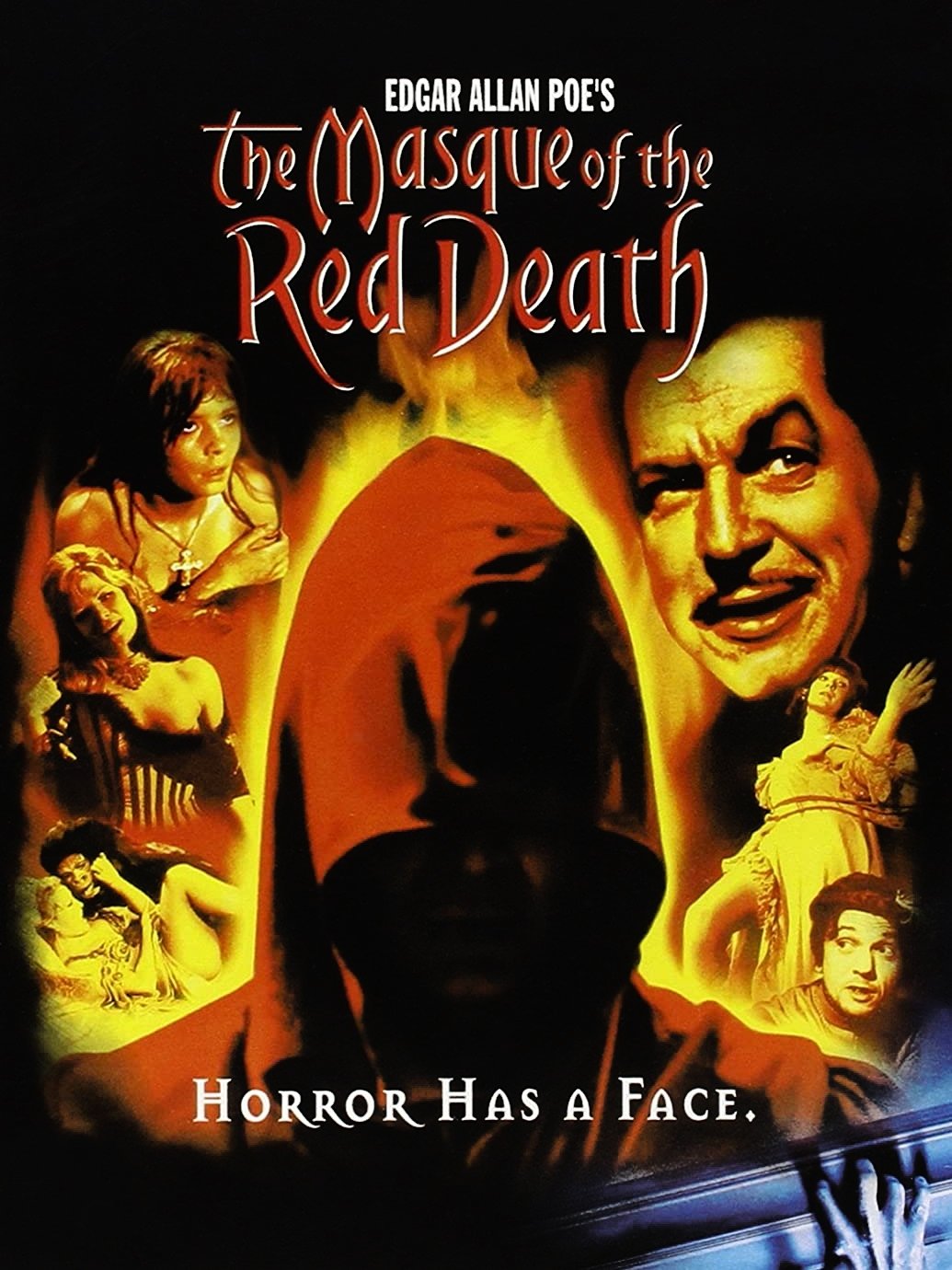
Horror has a face.