Crypt of the Vampire (1964)

IT
HORROR FILM
SUBGENRES GOTHIC
Runtime
82 min
Release
September 14, 1964
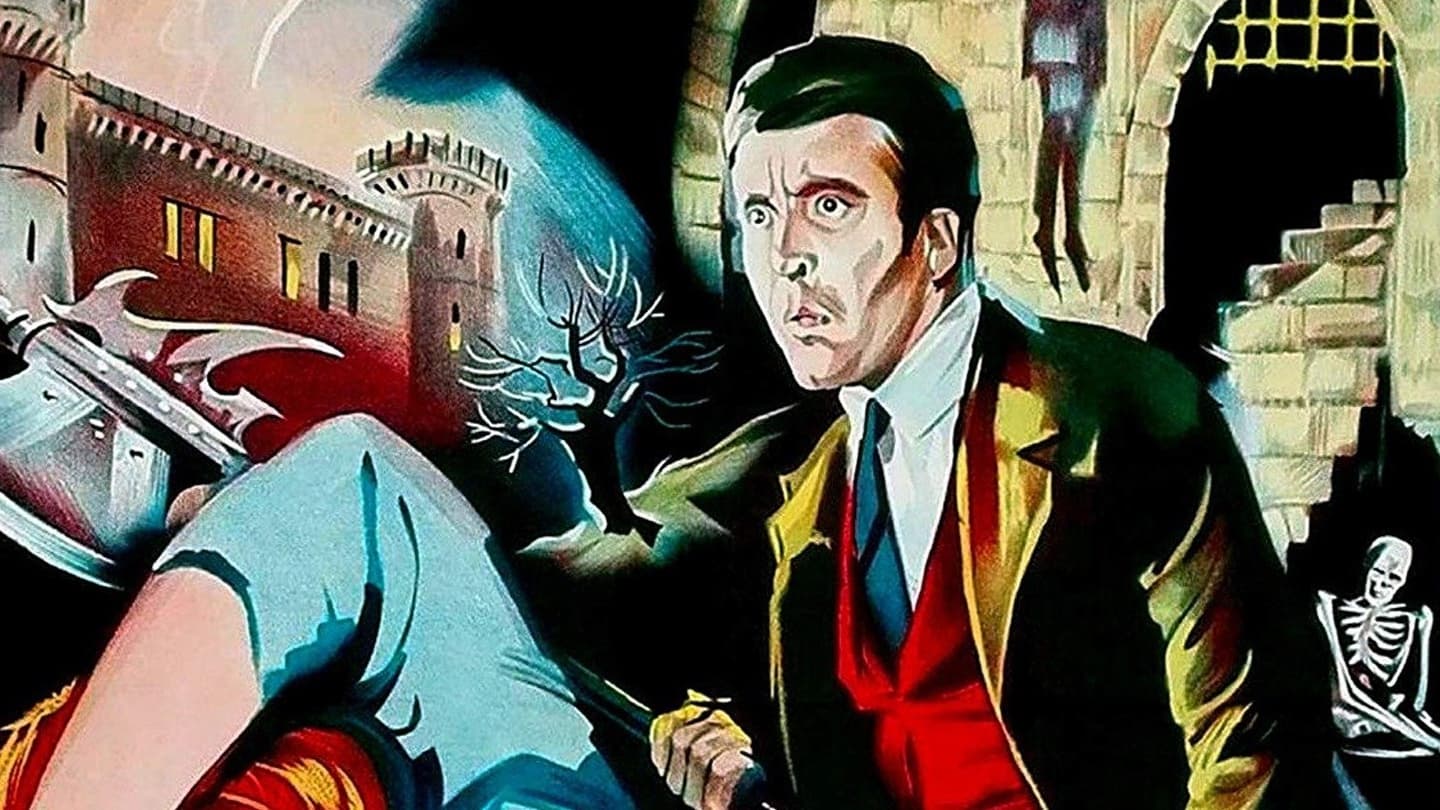
Crypt of the Vampire (1964) poster
Production Companies
Hispamer Films , E.I. Associates Producers , Alta Vista
Plot

Count Karnstein sends for a doctor to help his sick daughter Laura. Her nurse believes she is possessed by the spirit of a dead ancestor;Carmilla. A young woman becomes intrigued by the mysterious deaths surrounding Laura after a carriage accident outside the castle forces her to stay. They become close friends until Laura becomes convinced the spirit of Carmilla is forcing her to kill.

Alternative Titles
O Túmulo do Horror (Brazil) — Portuguese 恐怖地窖 (China) — Chinese Ein Toter hing am Glockenseil (Germany) — German La maldición de los Karnstein (Spain) — Spanish La Crypte du Vampire (France) — French Crypt of Horror (United Kingdom) 恐怖地窖 (Hong Kong SAR China) — Chinese 크립트 오브 더 뱀파이어 (South Korea) — Korean
Show all 12 alternative titles Krypta Wampira (Poland) — Polish Проклятие Карнштейнов (Russia) — Russian Прокляття Карнштейнів (Ukraine) — Ukrainian Terror in the Crypt (United States)

Film Guide & Analysis

Camillo Mastrocinque’s Gothic adaptation of Carmilla explores ancestral curses, female identity and supernatural suspicion within the walls of an Italian castle.

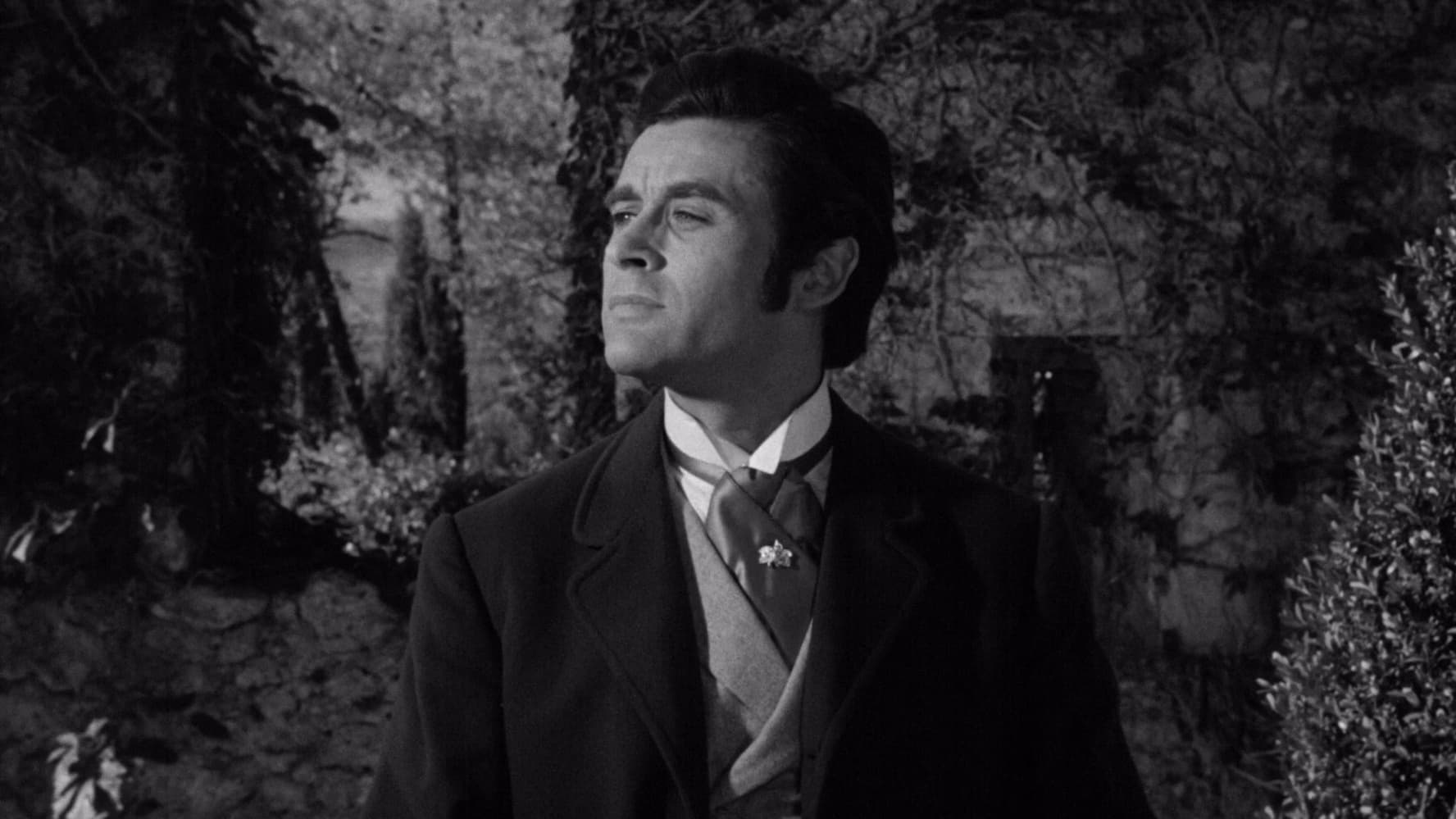
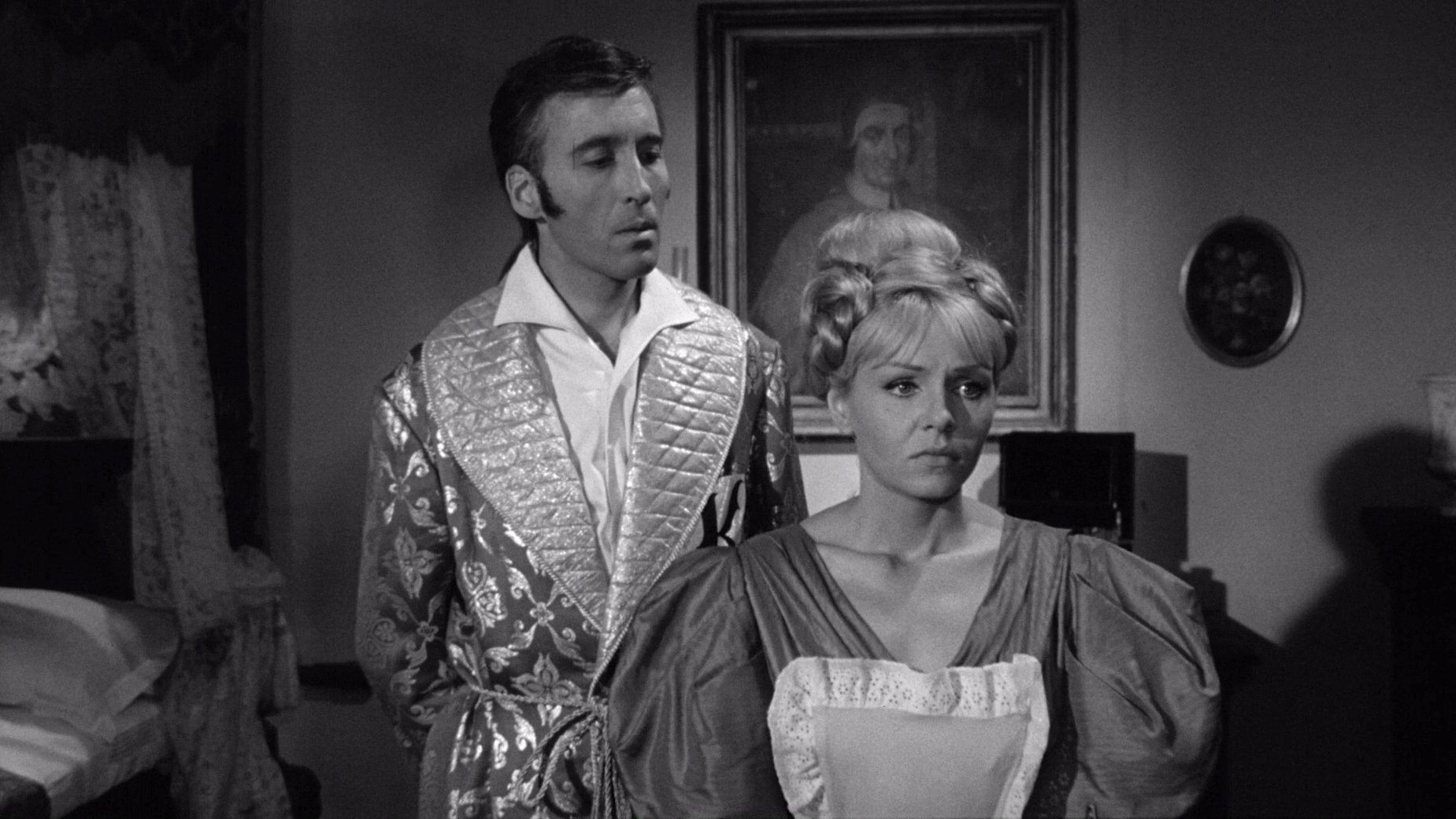
Released in Italy in 1964, La cripta e l’incubo (Crypt of the Vampire, also known as Terror in the Crypt) is an Italian-Spanish Gothic horror film directed by Camillo Mastrocinque and freely adapted from Sheridan Le Fanu’s Carmilla. Christopher Lee portrays Count Ludwig Karnstein, whose daughter Laura is troubled by nightmares apparently connected with a murderous ancestor. As unexplained deaths occur around the family estate, the arrival of the mysterious Ljuba and the investigation of a concealed portrait turn the castle into a setting of uncertain identities, inherited violence and supernatural suspicion. The narrative combines the traditions of literary vampirism with an investigative structure in which paintings, family documents and conflicting testimonies become essential to the mystery.

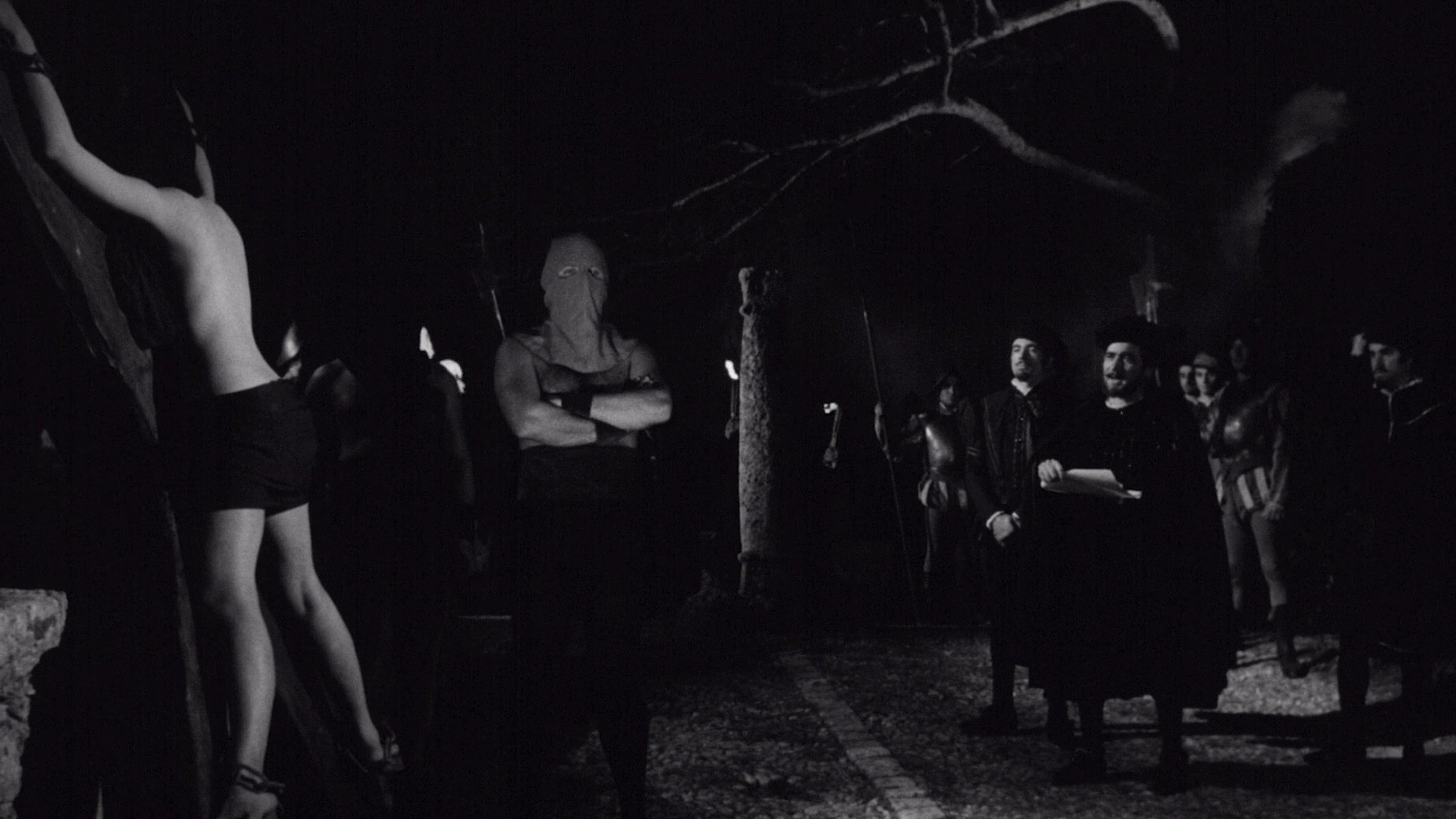
Written by Ernesto Gastaldi and Tonino Valerii, the film belongs to the established Italian Gothic cycle of the early 1960s but develops an unusually ambiguous relationship between vampirism and witchcraft. Its black-and-white photography and extensive use of the Castello Piccolomini at Balsorano establish a visually imposing environment, while Adriana Ambesi and Ursula Davis give the adaptation a distinctive treatment of female identity and attraction. The film’s significance lies particularly in its rearrangement of Le Fanu’s characters and its emphasis on the uncertain boundary between supernatural possession, ancestral resemblance and deliberate human deception.

Production & Development

La cripta e l’incubo was developed as an Italian-Spanish co-production involving MEC Cinematografica and Hispamer Film. The film emerged during a period when Italian producers were making Gothic horror for both domestic audiences and international distribution, frequently using foreign settings, international casts and English-language professional pseudonyms. Camillo Mastrocinque directed under the name Thomas Miller, while Ernesto Gastaldi and Tonino Valerii were credited as Julian Berry and Robert Bohr. These names formed part of the production’s international presentation and should be distinguished from the filmmakers’ actual identities.

The screenplay originated in a story developed by Gastaldi and Valerii. Gastaldi later recalled an unusually compressed writing process. According to his account, a producer expressed interest in the subject but required a completed screenplay almost immediately. The two writers claimed that a script already existed and then worked through the night to produce it. The anecdote, preserved in the historical material assembled by the Centro Sperimentale di Cinematografia, provides valuable testimony concerning the circumstances described by one of the participants. Its precise chronology, however, cannot be independently established from the recollection alone.

The production made extensive use of the Castello Piccolomini at Balsorano, near L’Aquila, an imposing historical building that subsequently appeared in numerous Italian genre productions. Production designer Demofilo Fidani, credited as Demos Philos, adapted its architectural spaces to the requirements of a narrative involving family secrets, ancestral portraits and threatening interiors. The location supplied the production with substantial Gothic scenery without requiring every architectural environment to be constructed in a studio. This practical arrangement was particularly important within the economical production methods characteristic of the Italian horror industry.

Mastrocinque was better known for his work in comedy, including productions featuring Totò, but the project required a sustained atmosphere of supernatural danger. Christopher Lee’s participation gave the film an actor already internationally associated with Gothic horror through his appearances in Hammer productions. His character, however, is the anxious father of a potentially cursed young woman rather than a conventional predatory vampire. The role places his established screen presence within a family mystery whose central uncertainty concerns the identities of its female characters.

Sheridan Le Fanu & the Transformation of Carmilla

The literary foundation of La cripta e l’incubo is Sheridan Le Fanu’s Carmilla, published in 1871–1872. The novella concerns a mysterious young woman whose intimacy with another woman becomes inseparable from illness, nocturnal disturbances and the history of a vampiric aristocratic family. Mastrocinque’s film preserves the Karnstein lineage, the relationship between two young women and the threatening return of the past, but reorganizes the narrative around an investigation into a supposed ancestral curse. The result is a loose adaptation whose principal dramatic mechanisms differ substantially from those of the literary source.

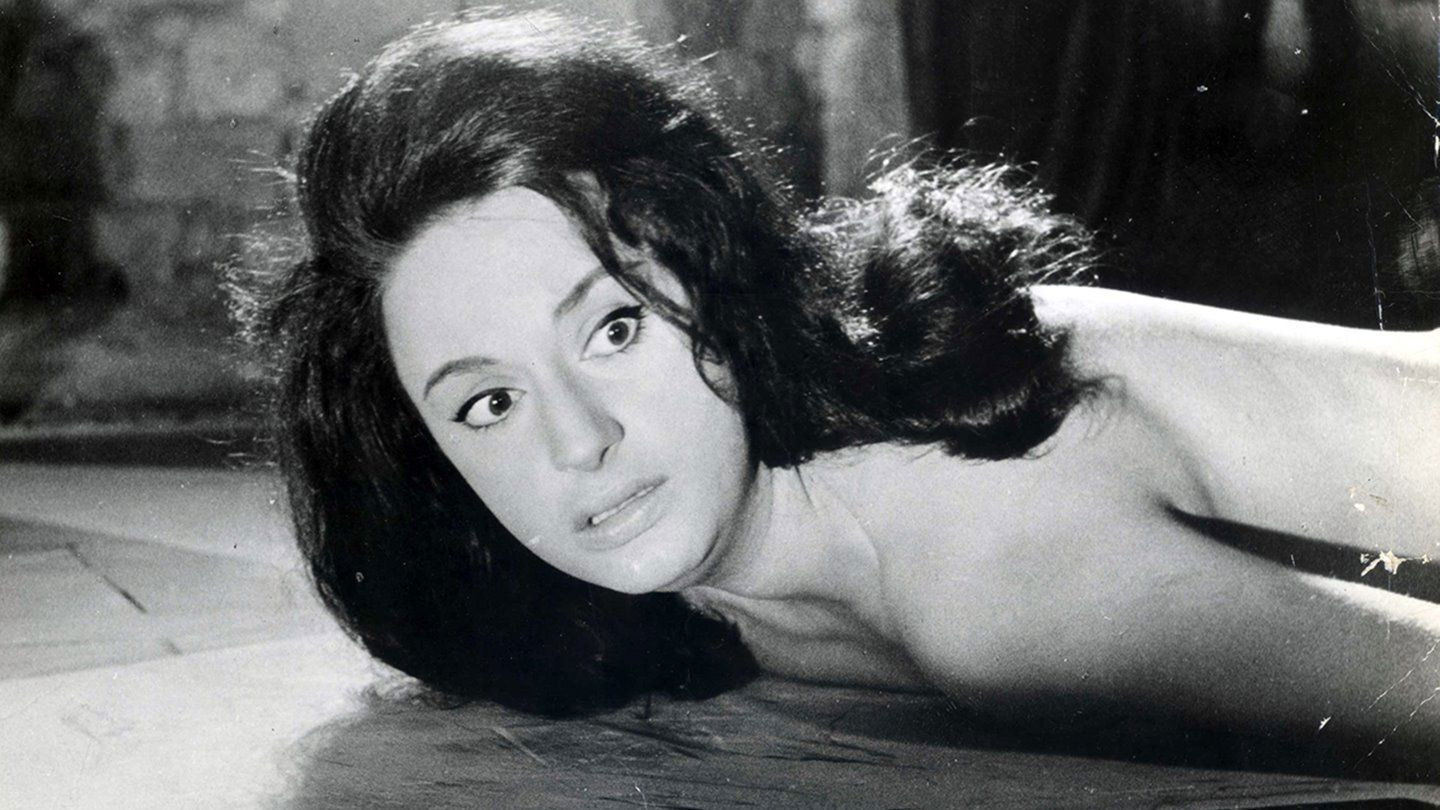
Laura Karnstein, played by Adriana Ambesi, experiences disturbing dreams associated with violent deaths. Her father fears that she may be connected with the return of an ancestor accused of witchcraft. Friedrich Klauss is invited to examine the family records and investigate the mystery, while the arrival of Ljuba introduces another young woman into Laura’s increasingly unstable world. The two develop an intimate relationship that complicates the question of which character is vulnerable and which may represent the supernatural danger. The investigation eventually makes the identification of an ancestral portrait central to understanding the deaths.

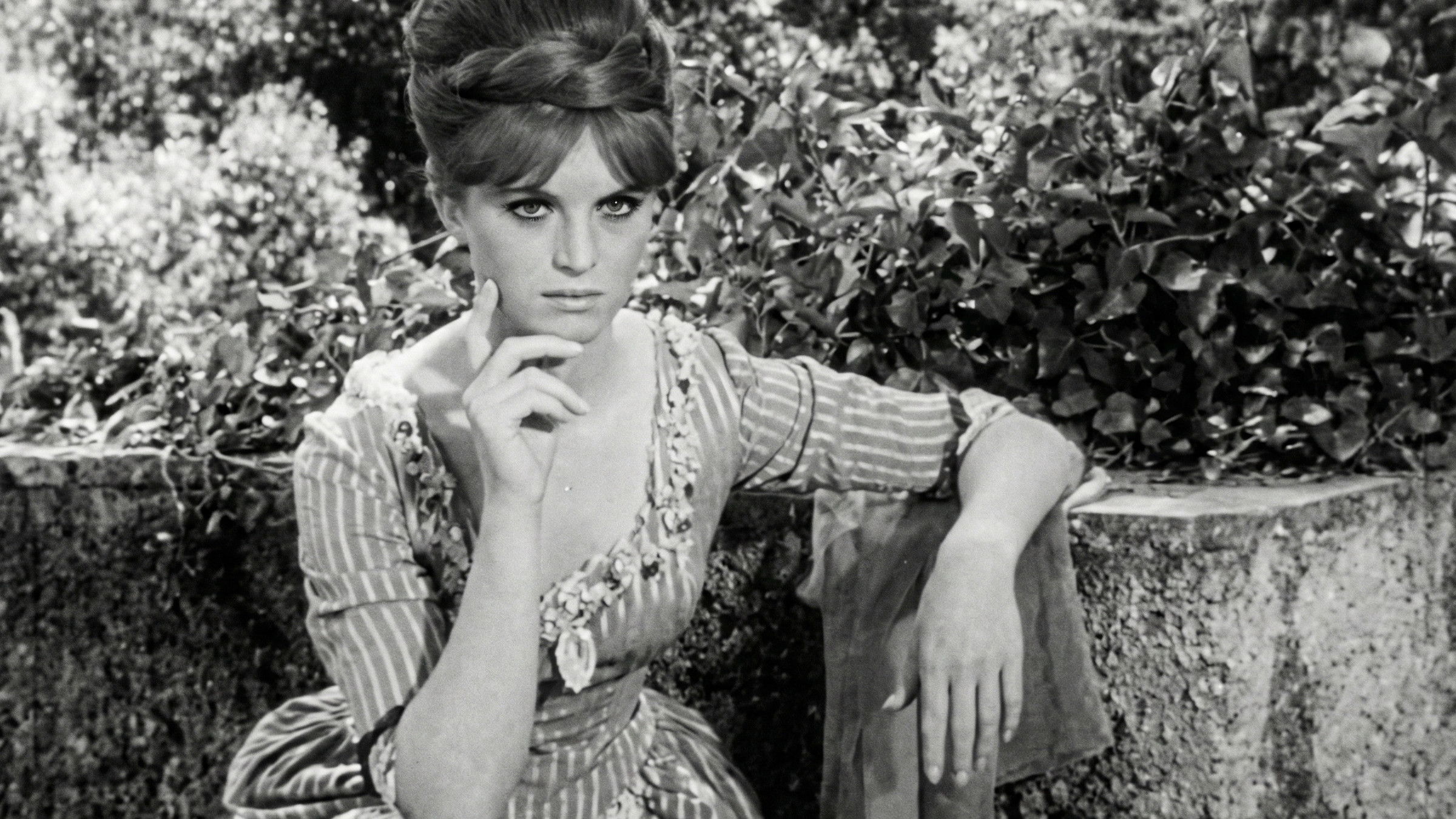
Film historian Roberto Curti has emphasized the screenplay’s reversal of important characteristics from Le Fanu’s original narrative. Laura, conventionally the threatened young narrator of Carmilla, acquires qualities associated with the literary vampire, including unstable moods and an appearance of dangerous sensuality. Ljuba, meanwhile, possesses a more apparently innocent physical presence. This reversal shifts the audience’s suspicions between the two women and gives the adaptation an unusual instability of identity.

The film also reduces the importance of familiar visual signs of vampirism. Its mystery does not depend upon repeated displays of elongated canine teeth or an unequivocal identification of a traditional undead predator. Accusations of witchcraft, inherited resemblance, ominous dreams and family documents compete as explanations for the events. The mixture places the narrative within the literary tradition of Carmilla while allowing it to develop independently as a Gothic murder mystery.

Black-and-White Photography & Gothic Mystery

The visual identity of La cripta e l’incubo is closely connected with the Castello Piccolomini, whose monumental architecture provides much of the film’s spatial character. Large chambers, staircases, corridors and stone interiors establish an environment dominated by the physical presence of the family’s past. The building becomes a repository of threatening objects and hidden information, allowing the investigation to develop through the exploration of rooms, documents and images. Its historical appearance also makes the supposed ancestral curse more convincing within the fictional world.

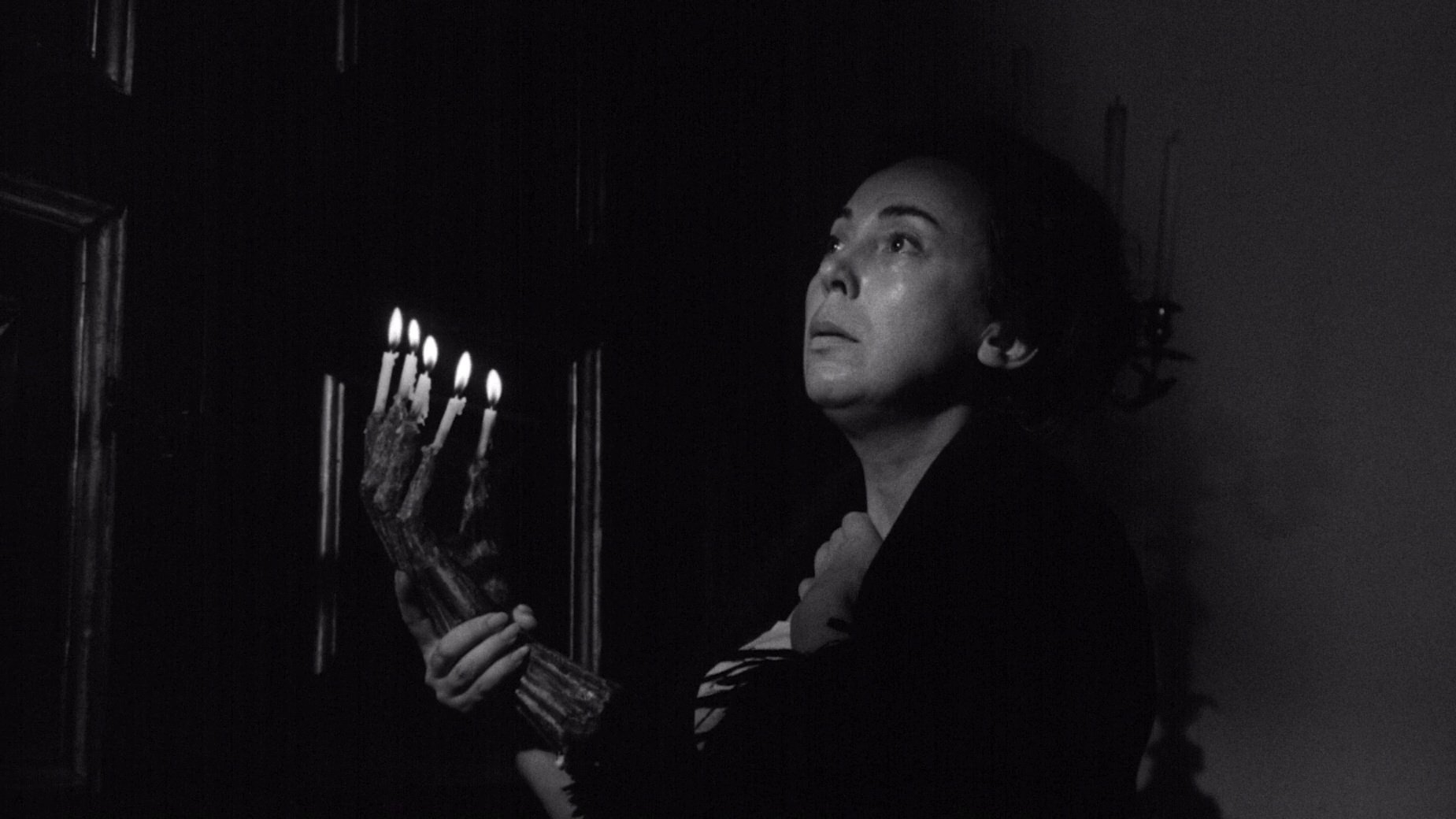
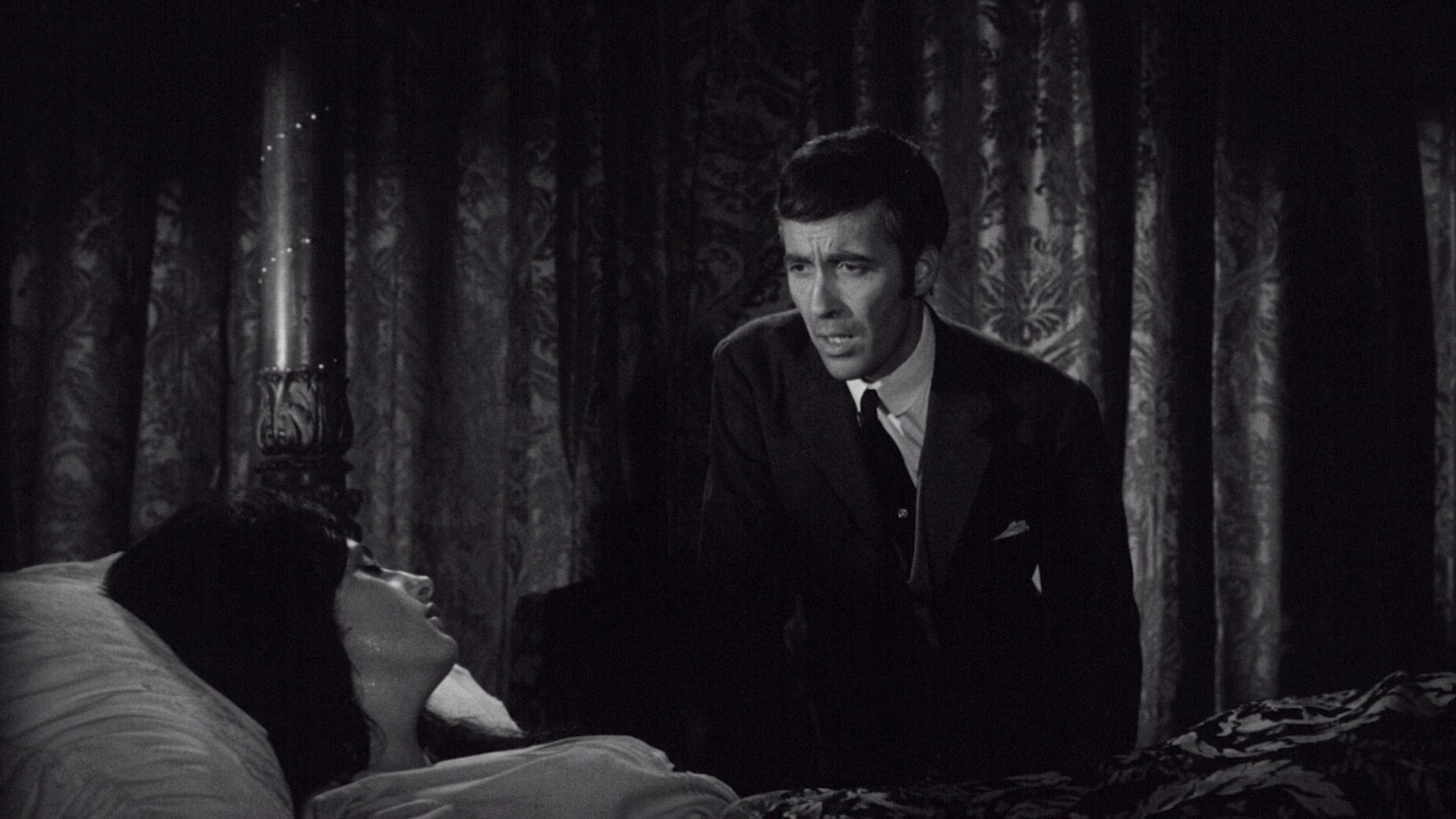
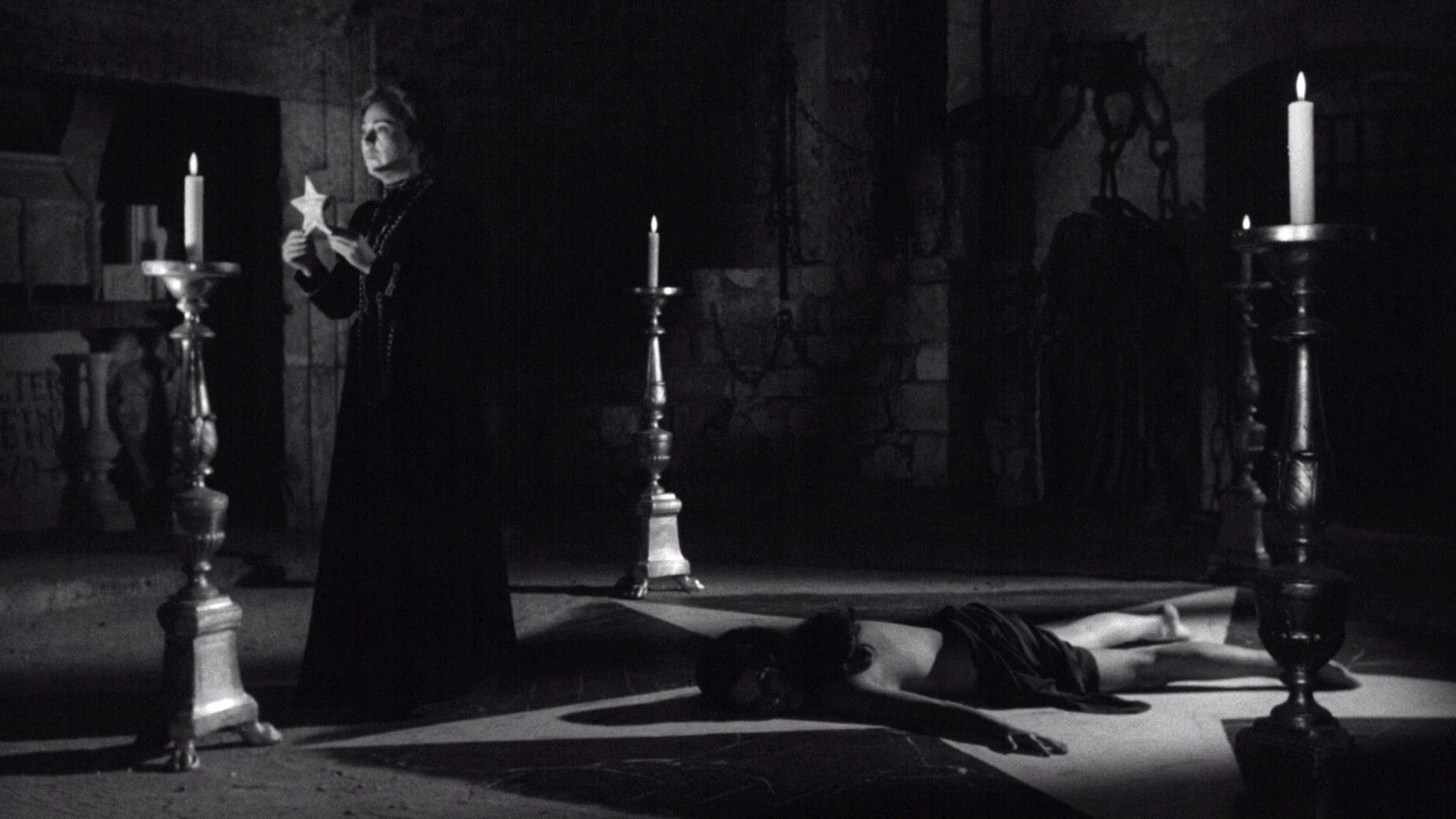
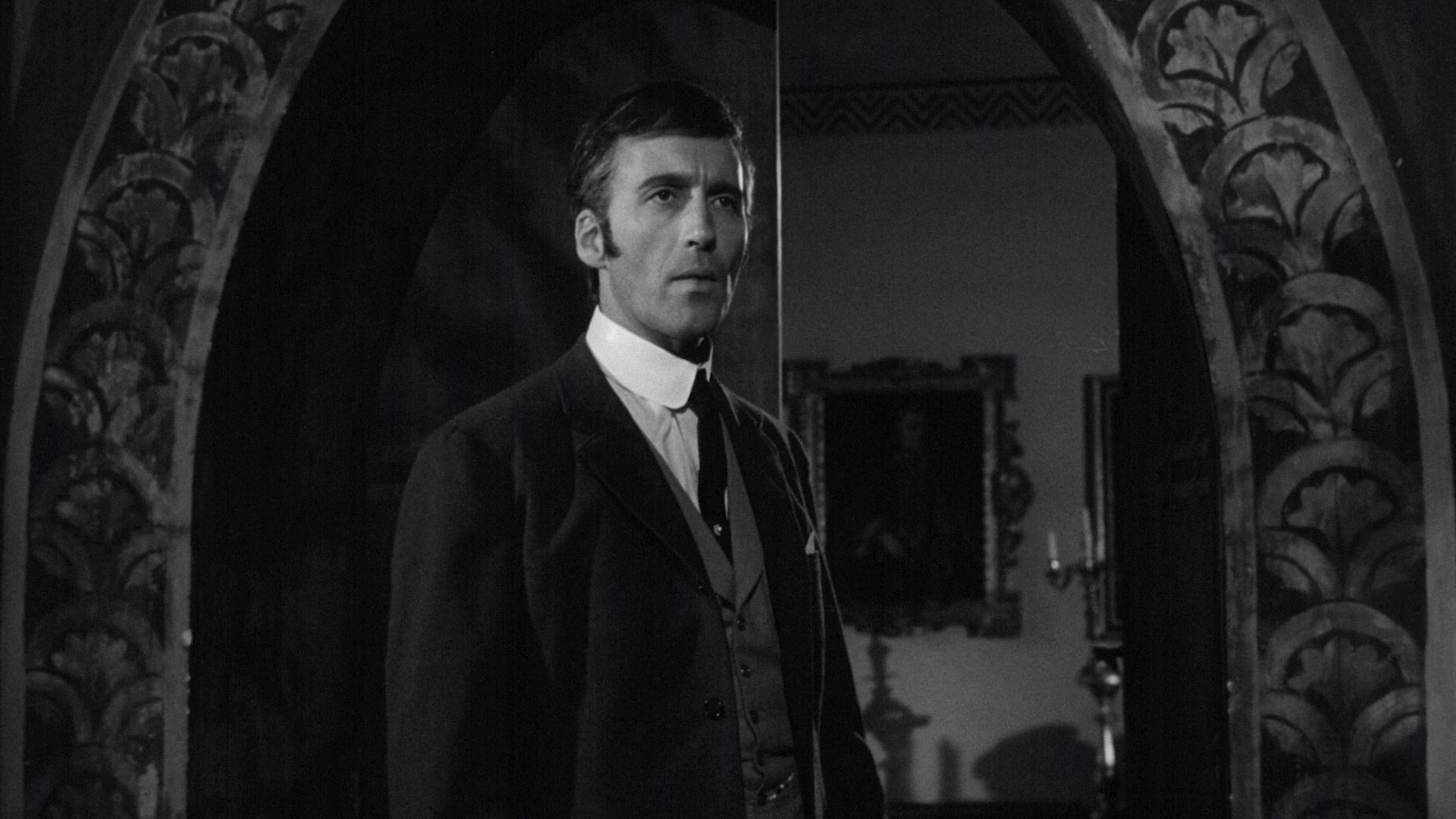
The black-and-white photography, credited to Julio Ortas Plaza with Giuseppe Aquari also identified in historical accounts, uses the contrast between illuminated figures and dark architectural spaces to establish uncertainty. The interiors provide substantial depth, permitting characters to occupy different areas of the frame while the surrounding environment retains a threatening presence. The absence of colour places particular emphasis on faces, costumes, shadows and the surfaces of the castle. These visual qualities support the film’s atmosphere without requiring elaborate supernatural effects in every sequence.

One of the narrative’s most distinctive devices is the concealed image of an ancestor beneath another painted surface. The restoration of the portrait becomes part of the investigation, turning an apparently decorative object into material evidence. The discovery introduces a relationship between art, identity and murder that belongs to a wider tradition of Gothic mysteries. Curti has compared the device with the later use of concealed or misleading images in Italian thrillers, including Deep Red and The House with Laughing Windows. The comparison identifies a shared narrative principle rather than establishing a direct production influence.

The castle’s oppressive interiors are complemented by the uncertainty surrounding those who inhabit it. Laura’s dreams, Ljuba’s arrival and the behavior of other members of the household create a continual tension between visible appearances and concealed intentions. Mastrocinque uses the environment to sustain this uncertainty, making the investigation itself a principal source of horror. The audience encounters a succession of possible explanations before the family’s hidden history can be understood.

Female Identity, Desire & Supernatural Fear

The relationship between Laura and Ljuba forms one of the film’s central departures from conventional vampire narratives of the period. Their growing intimacy draws upon the erotic implications of Le Fanu’s Carmilla, where attraction between women becomes inseparable from supernatural danger. The adaptation preserves this relationship while altering the apparent characteristics of its participants. Laura possesses a more visibly sensual and emotionally unstable identity, while Ljuba is presented through a contrasting appearance of innocence. These differences complicate the assignment of victim and predator.

The film’s treatment of female attraction belongs to a broader development within European Gothic horror during the early 1960s. Roger Vadim’s Blood and Roses had already offered a contemporary interpretation of Carmilla, while later adaptations would increasingly emphasize the erotic possibilities of the female vampire. Mastrocinque’s film occupies a position within this history through the relationship between Laura and Ljuba, but its treatment remains closely connected with the mystery surrounding the family curse. Their intimacy is part of a larger structure involving suspicion, mistaken identity and uncertain supernatural agency.

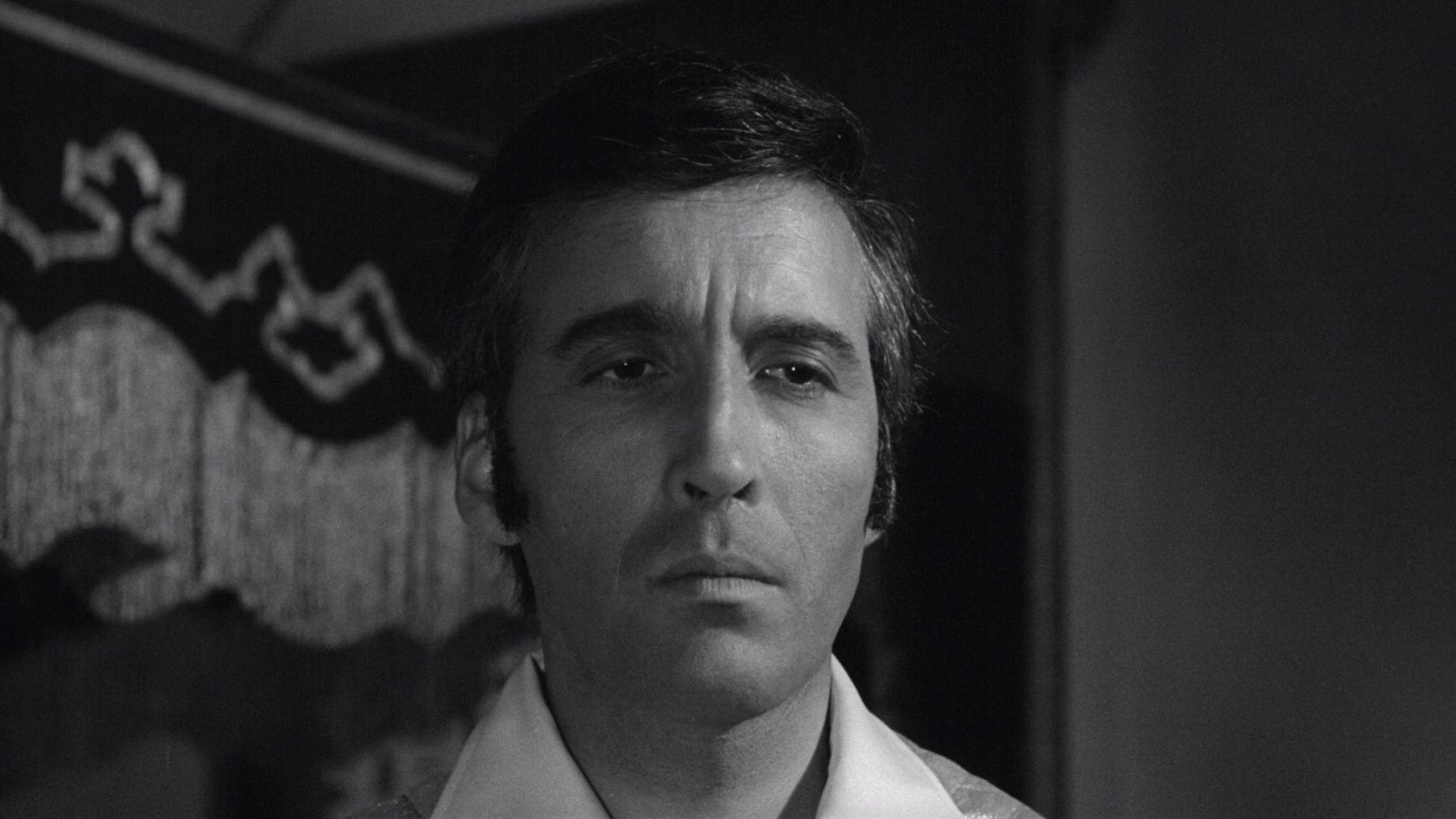
Christopher Lee’s Count Ludwig provides another dimension to the narrative through his fear for his daughter. His concern suggests paternal protection, but his position within the family also connects him with the secrets surrounding the ancestral curse. Laura’s apparent susceptibility to supernatural influence becomes a problem that the household attempts to explain through historical research and investigation. The conflict between familial authority and female autonomy is therefore embedded in the film’s Gothic premise.

The resulting horror depends substantially upon psychological uncertainty. Nightmares seem to anticipate deaths, familiar individuals become potential suspects, and ancestral resemblance threatens the stability of personal identity. Witchcraft and vampirism provide competing supernatural frameworks for these events. The film’s distinctive contribution is the sustained uncertainty surrounding the women at the centre of the story, whose relationship transforms the inherited conventions of Carmilla into an investigation of desire, fear and concealed history.

Release, Censorship & Historical Position

La cripta e l’incubo received Italian censorship authorization on 22 April 1964. The original commission record identifies the production as an Italian-Spanish co-production and permits public exhibition subject to a prohibition on admission for viewers younger than fourteen. The decision refers to scenes considered unsuitable for the particular sensitivity of younger audiences. The commission also approved the film for export. The available decision does not identify specific compulsory cuts, so claims concerning particular removed images require separate documentary evidence.

Italian release records commonly identify 27 May 1964 as the beginning of theatrical circulation, although later catalogues and international databases contain different dates. The distinction between national certification, original domestic release and subsequent foreign distribution is important when reconstructing the film’s chronology. The production circulated internationally under titles including Crypt of the Vampire, Crypt of Horror, Terror in the Crypt and La maldición de los Karnstein. These titles reflect its marketing in different territories, but their existence alone does not establish that every national release represented a substantially different edit.

Contemporary Italian criticism was not uniformly favorable. A notice published in Segnalazioni cinematografiche characterized the film as competently made but considered its familiar Gothic material insufficiently original. The judgement illustrates the difficulty that popular Italian horror frequently encountered in contemporary critical evaluation, where established genre conventions could be interpreted as evidence of limited artistic ambition. Later historical discussion has been more attentive to the film’s treatment of Carmilla, its narrative ambiguity and the relationship between its architectural setting and the investigation.

Within the Italian Gothic cycle, the film provides an example of the period’s ability to combine literary adaptation with crime-mystery construction. Its supernatural elements are integrated with the investigation of documents, paintings and family relationships rather than organized primarily around spectacular monster effects. Mastrocinque subsequently directed An Angel for Satan (1966), another Gothic production involving female identity and the return of the past. La cripta e l’incubo remains particularly valuable for its reinterpretation of Le Fanu and the way it transforms the castle into a place where historical evidence, sexual ambiguity and the fear of inherited violence intersect.

References

  1. Centro Sperimentale di Cinematografia Danze Macabre. Il cinema gotico italiano

    Institutional retrospective containing Ernesto Gastaldi’s production recollection, documentation of the Balsorano castle location and historical commentary on the Italian Gothic cycle.

  2. Centro Sperimentale di Cinematografia Fantasmi d’amore. Il gotico italiano

    Historical presentation featuring Roberto Curti’s detailed analysis of the adaptation of Carmilla, the reversal of character identities and the role of the concealed portrait.

  3. CHANGES — Università degli Studi di Milano La cripta e l’incubo — Fascicolo 42808

    Original Italian censorship decision dated 22 April 1964, documenting the age restriction and authorization for international export.

Cast

View Full Cast & Crew →

Release & Distribution

Production Companies (3)

  • Alta Vista
  • E.I. Associates Producers
  • Hispamer Films ES

Release History (4)

Release DateTerritoryRelease TypeFormatDistributorCertificationNotes
1964-05-27 Italy Theatrical — — —
1964-05-27 Mexico Theatrical — — C
1964-09-14 Spain Theatrical — — —
1967-03-03 Germany Theatrical — — 16
How much shock can the human brain endure before it cracks?