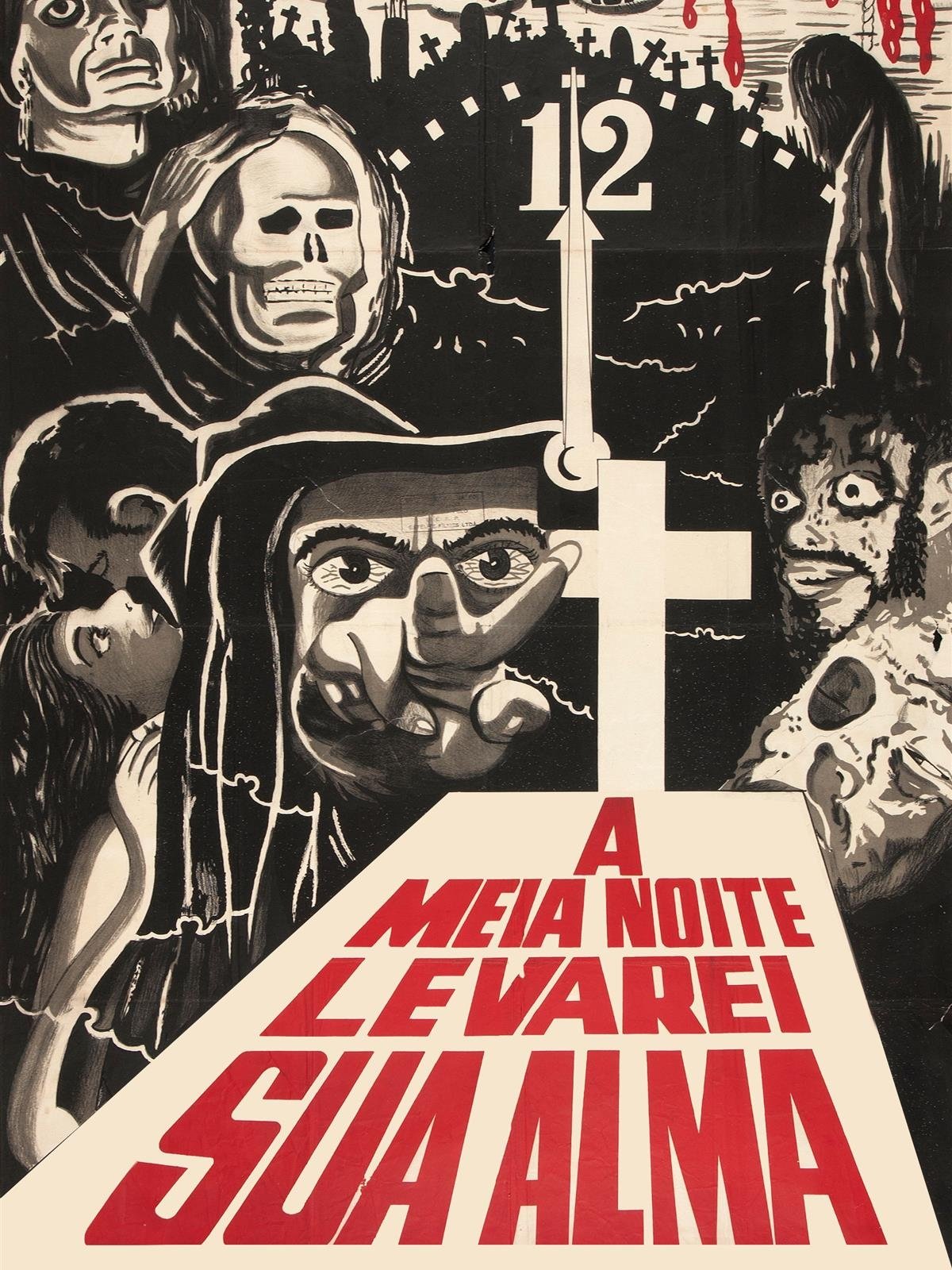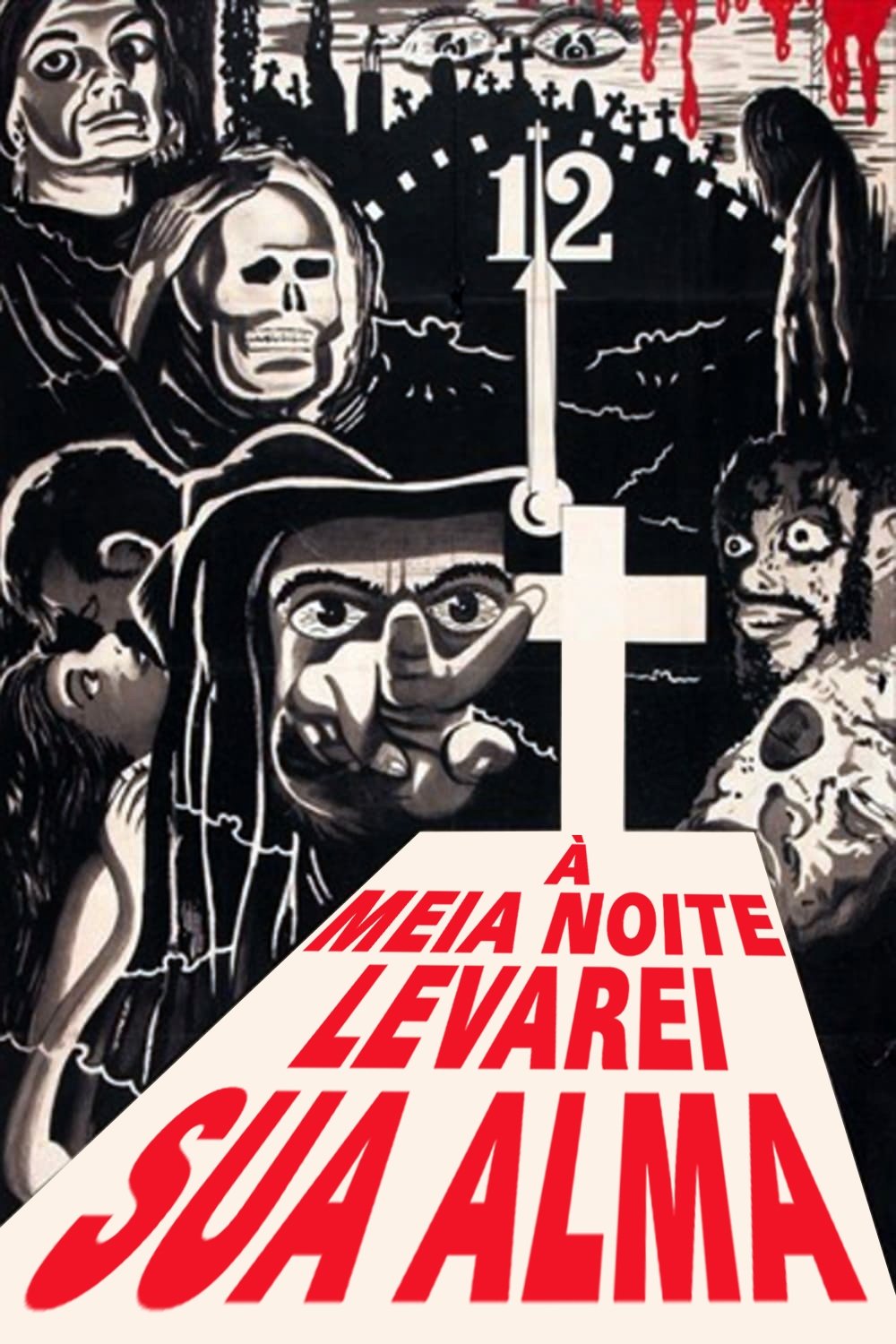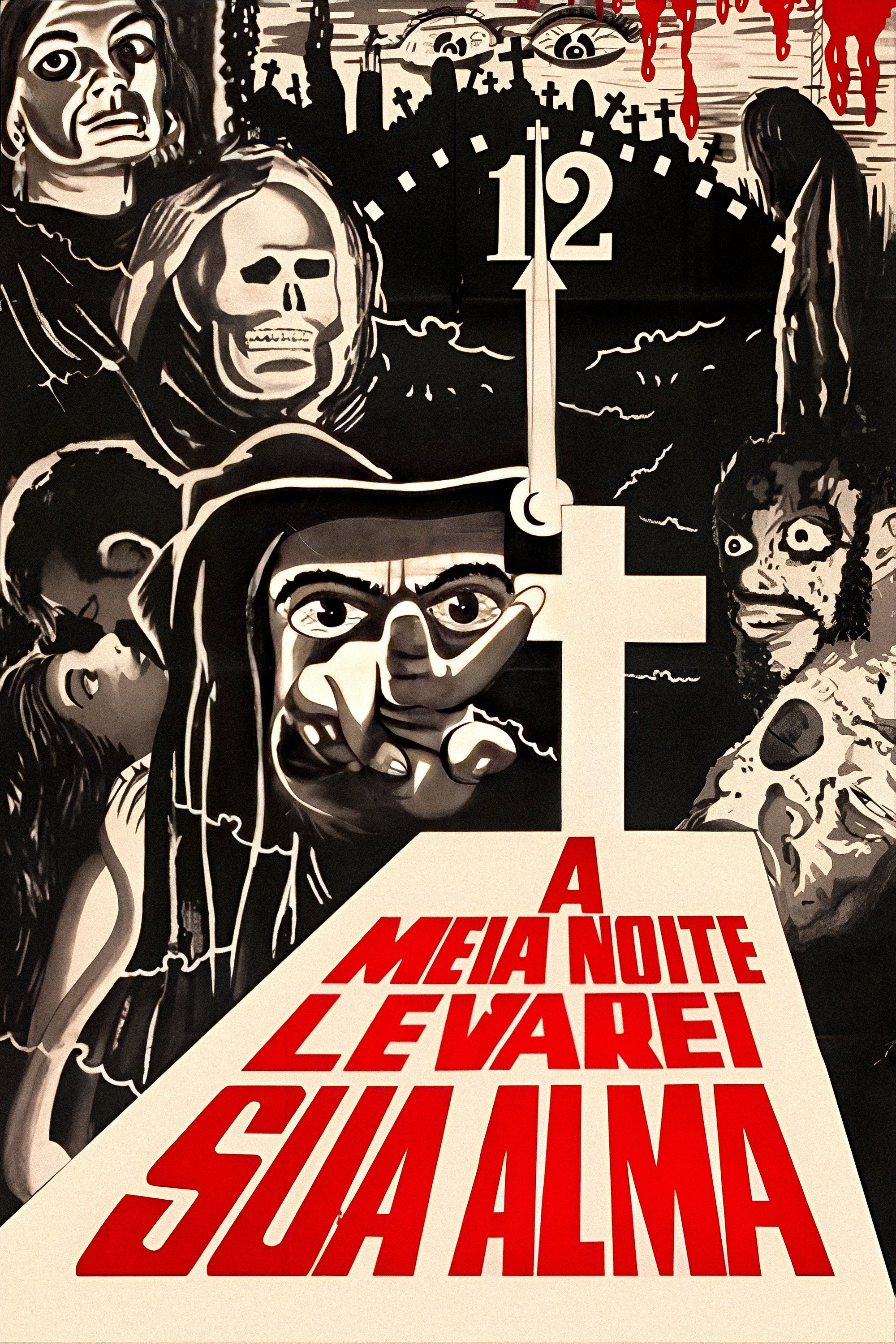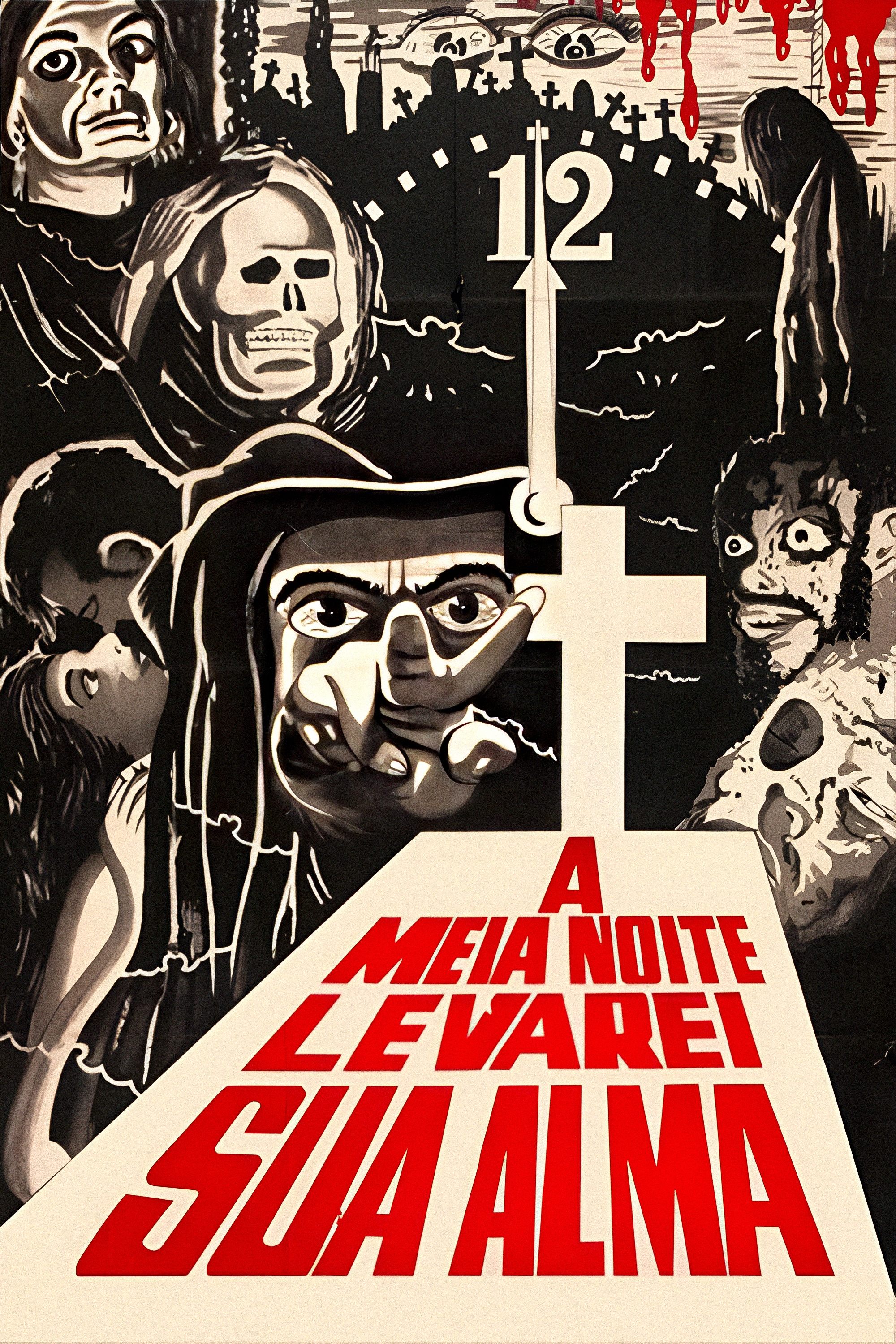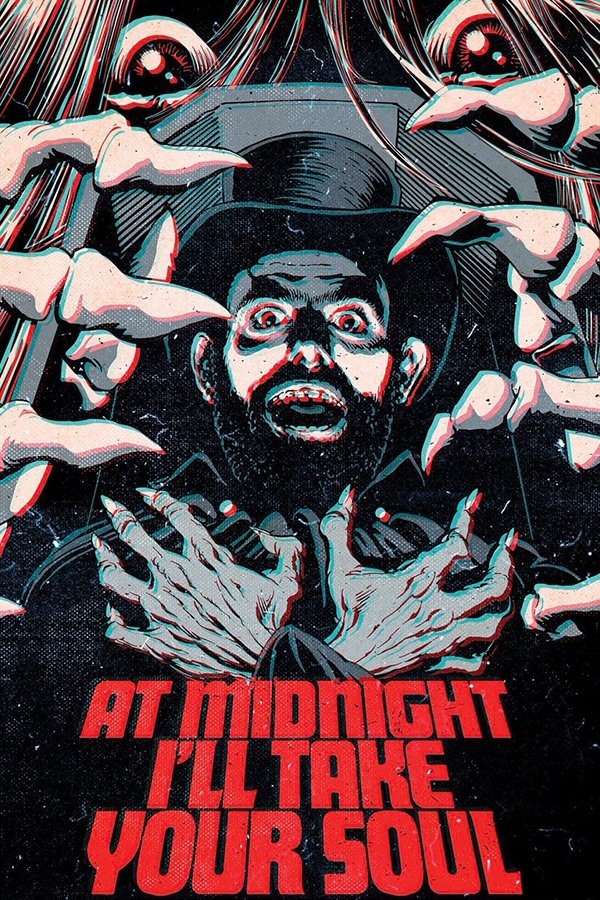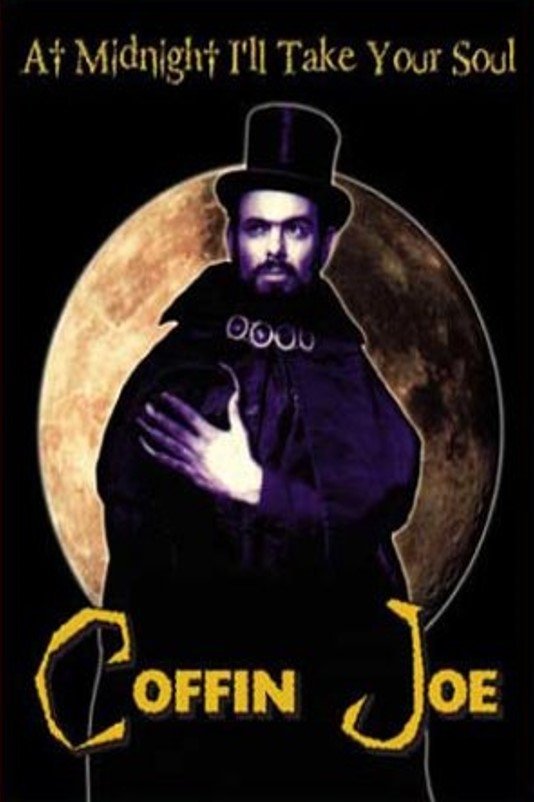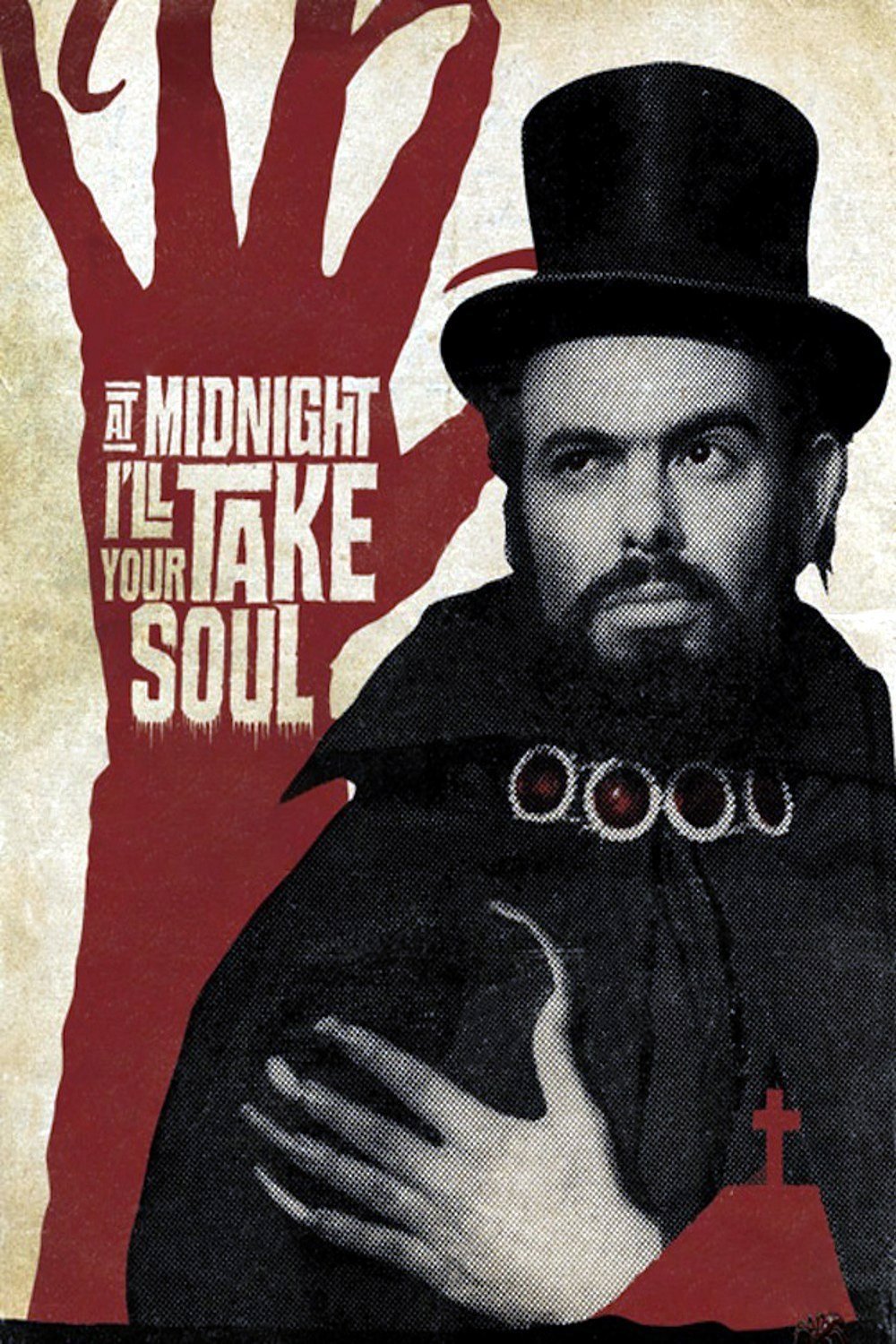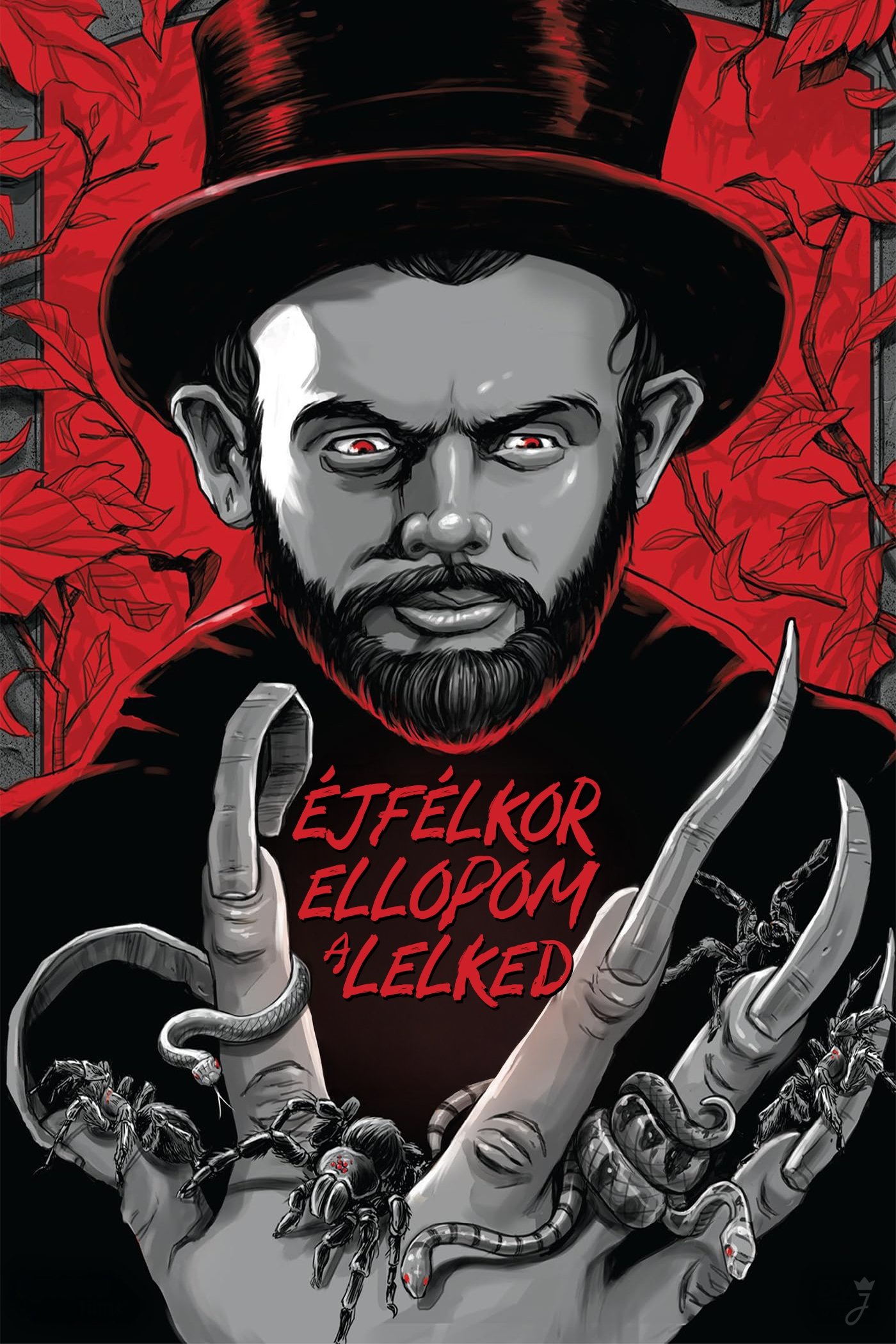
At Midnight I'll Take Your Soul (1964)

BR
HORROR FILM Thriller Fantasy
Runtime
84 min
Release
November 9, 1964
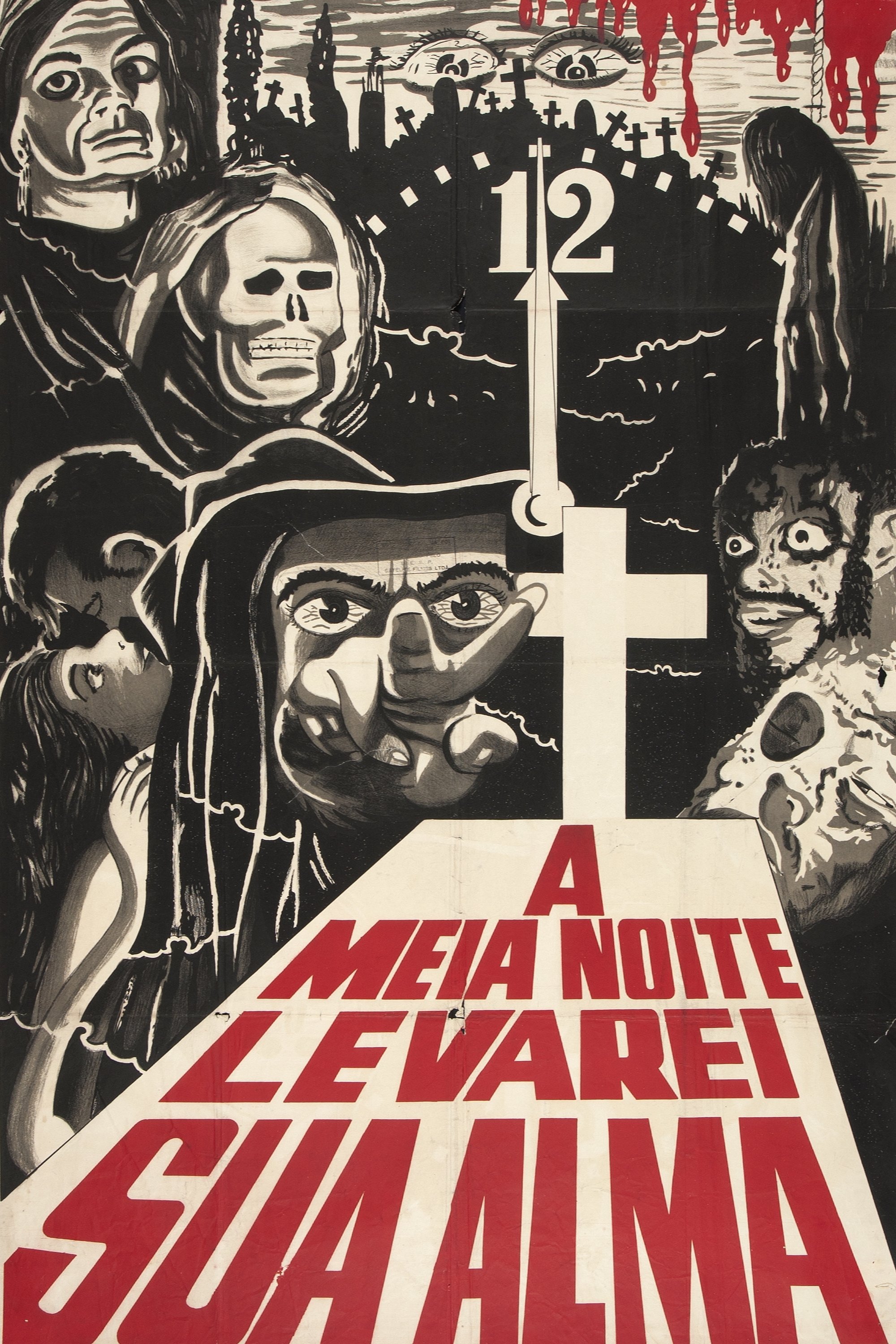
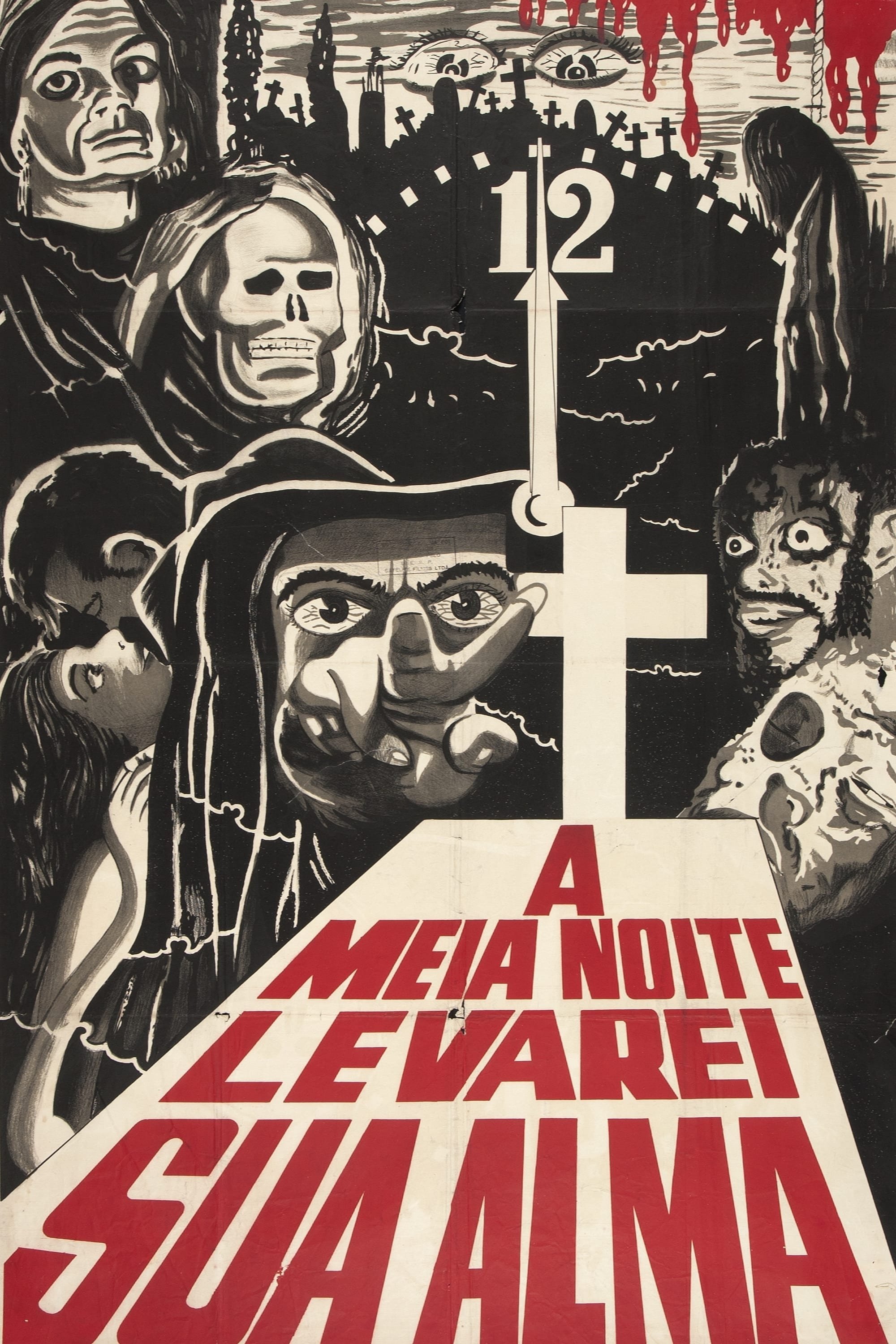
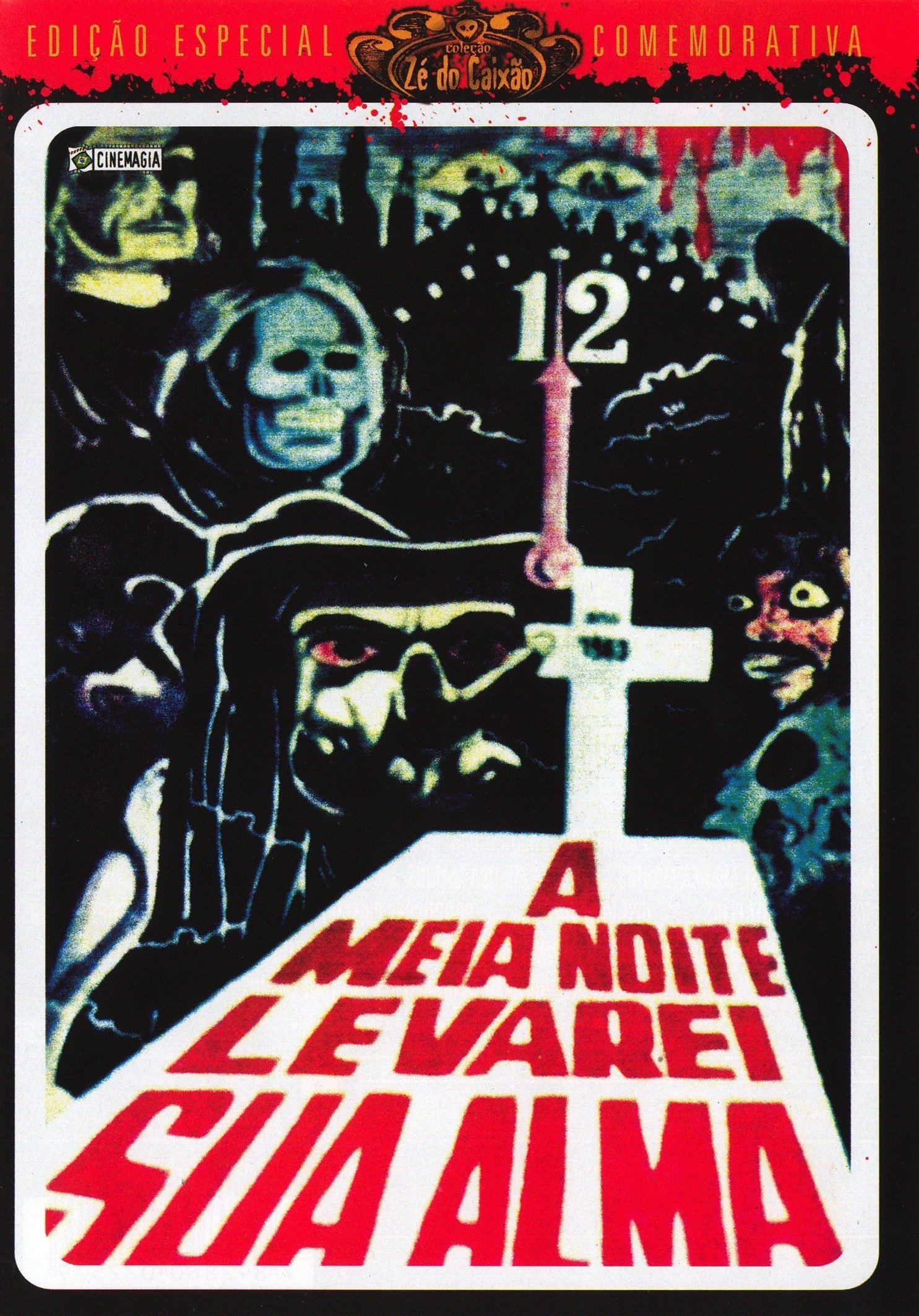
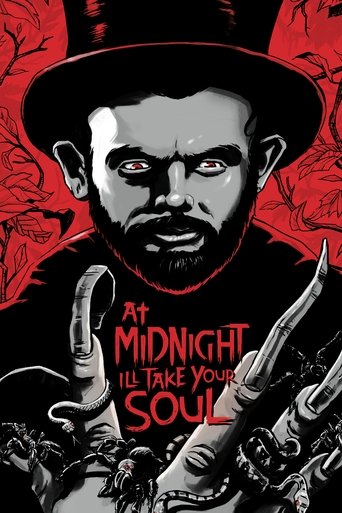
At Midnight I'll Take Your Soul (1964) poster
Production Company
Indústria Cinematográfica Apolo
Plot

In a small Brazilian town, undertaker Zé do Caixão openly ridicules his neighbors' religious beliefs and insists that his bloodline must continue through a child he considers worthy of him. Frustrated with his marriage, he becomes fixated on another woman and uses intimidation and murder to remove obstacles. The community fears his brutality, but the suffering he causes begins to return to him through ominous warnings and supernatural visions. His conviction that nothing exists beyond death comes under increasing pressure as the town confronts the crimes committed in its midst.

Alternative Titles
Gecə Yarısı Ruhun Mənim Olacaq (Azerbaijan) 午夜索魂 (China) — Chinese O půlnoci odnesu tvou duši (Czechia) — Czech A medianoche me llevaré tu alma (Spain) — Spanish À minuit, je possèderai ton âme (France) — French Απόψε Θα Πάρω την Ψυχή Σου (Greece) — Greek Éjfélkor ellopom a lelked (Hungary) — Hungarian A mezzanotte possiederò la tua anima (Italy) — Italian
Show all 11 alternative titles 오늘 밤 네 영혼을 지배하리라 (South Korea) — Korean À Meia-Noite Levarei Sua Alma (Portugal) — Portuguese В полночь я возьму твою душу (Russia) — Russian

Trailers & Videos

2 videos

Film Guide & Analysis

José Mojica Marins creates Coffin Joe in a landmark of Brazilian gothic horror shaped by violence, atheism, supernatural punishment and independent filmmaking.

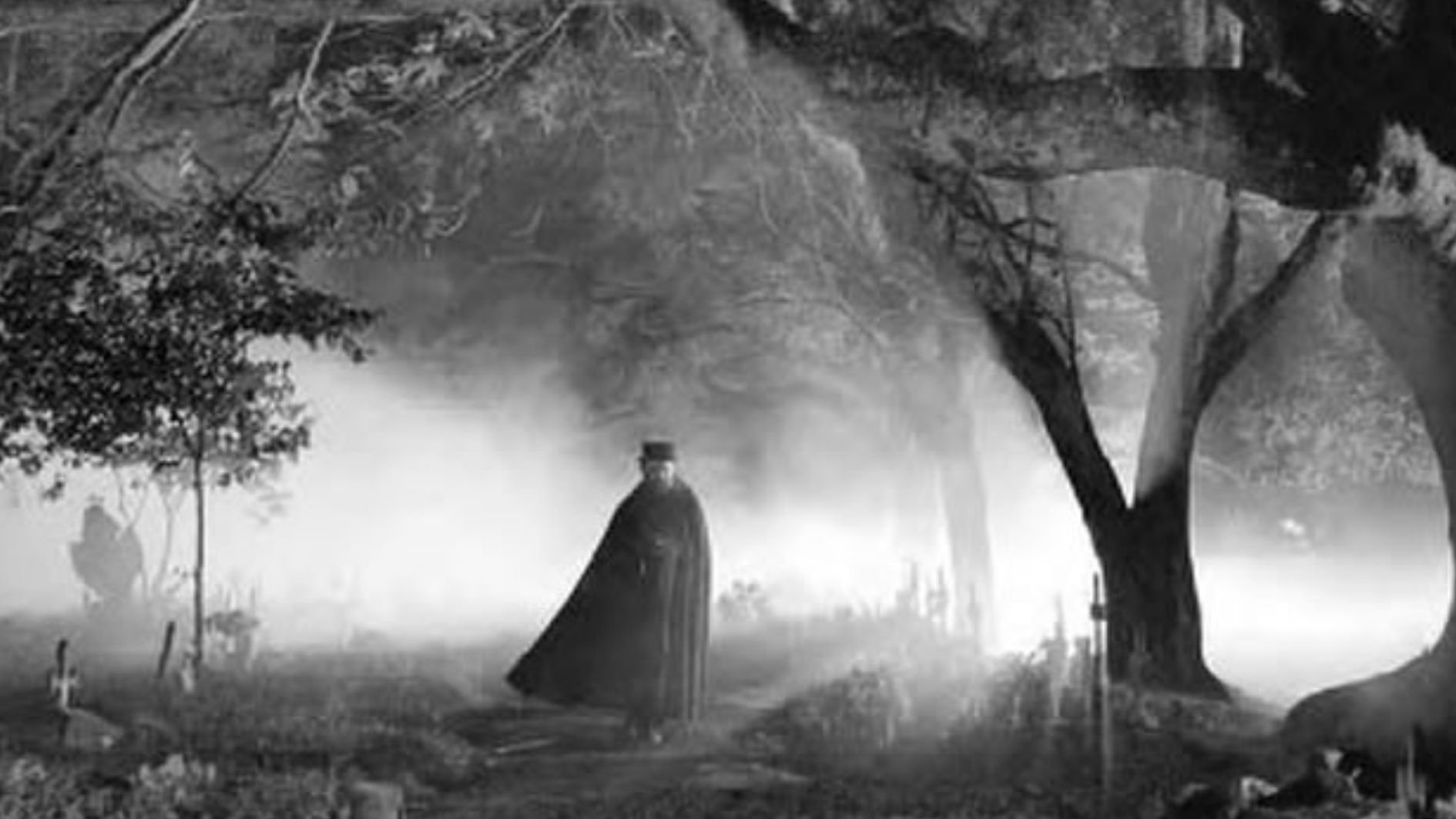
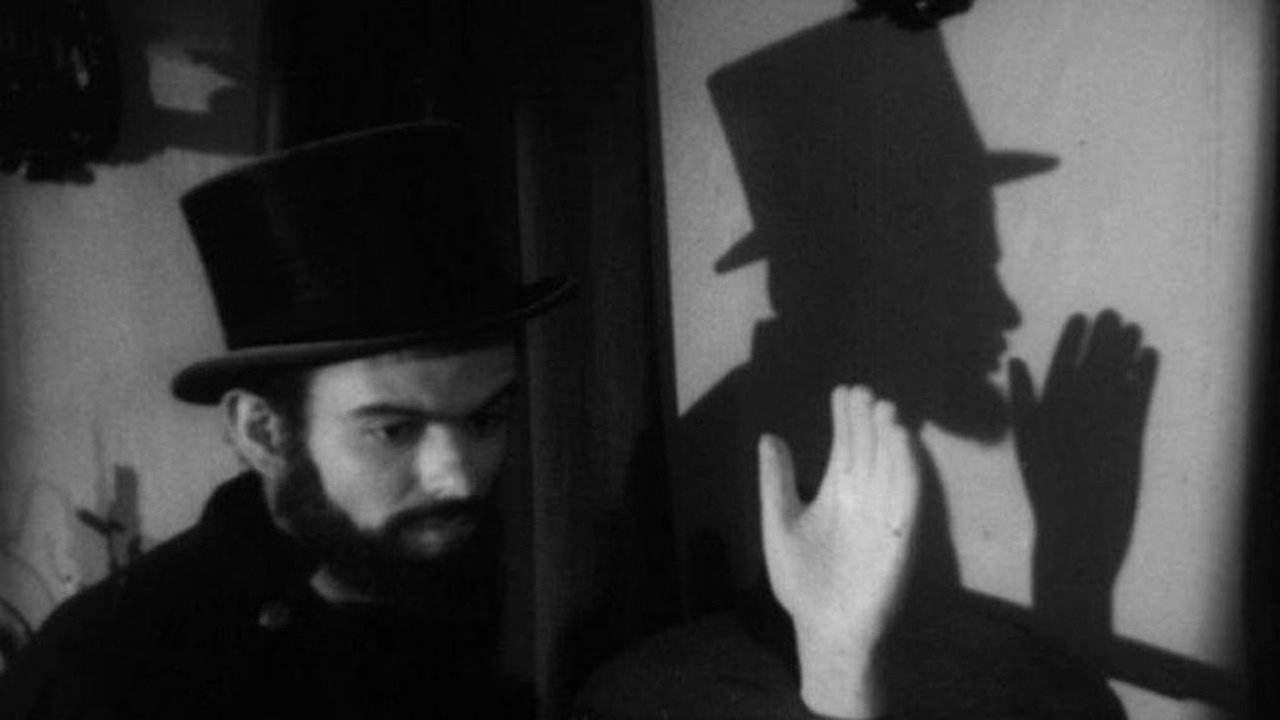
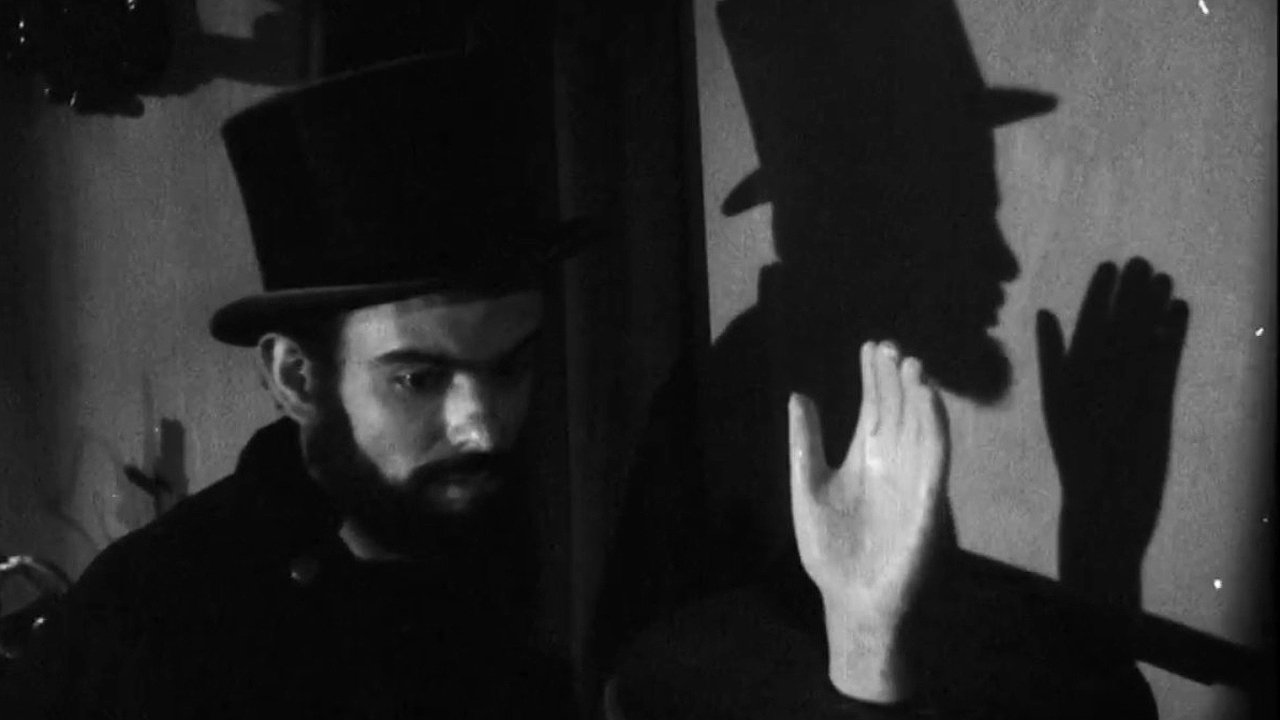
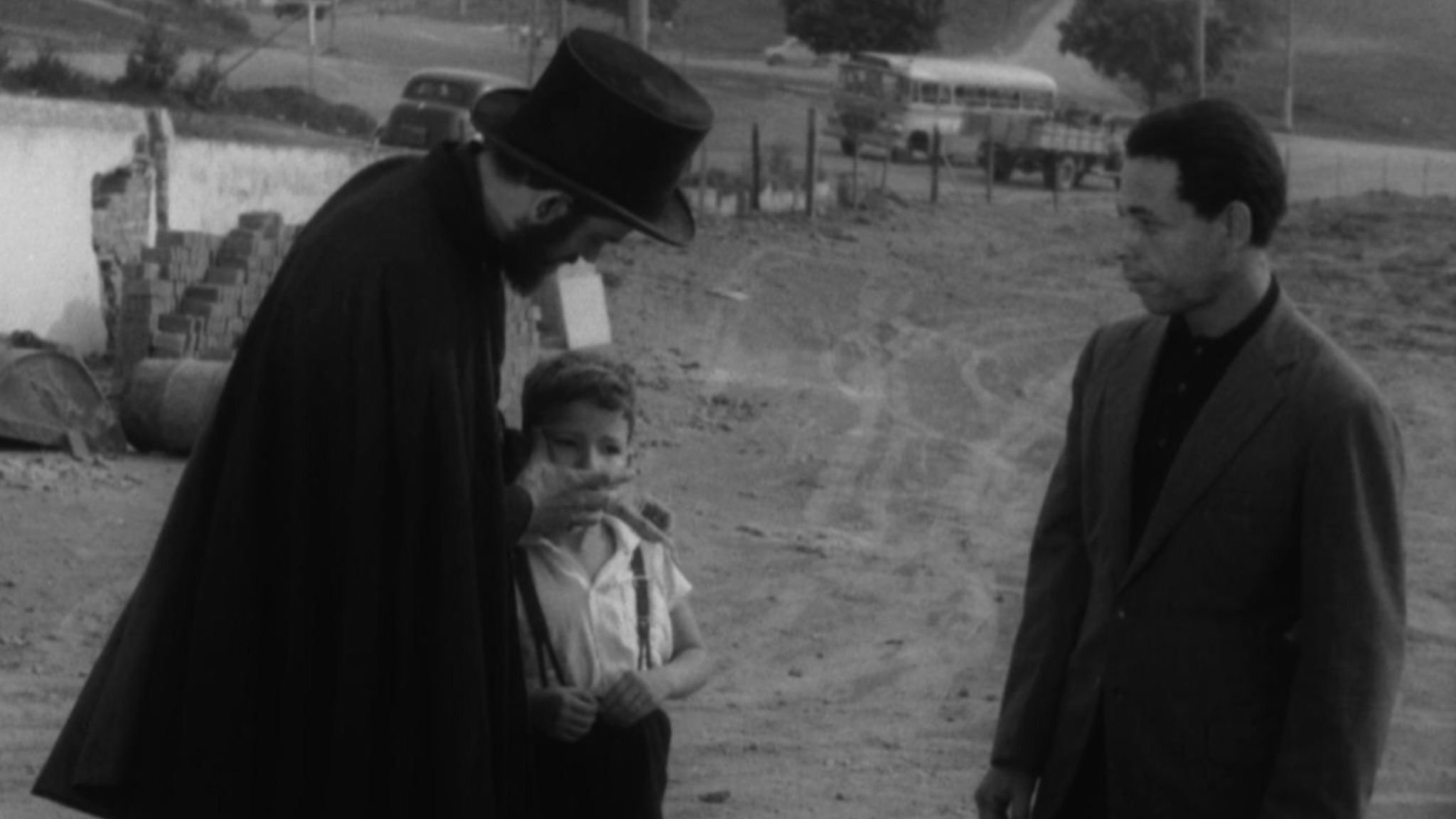
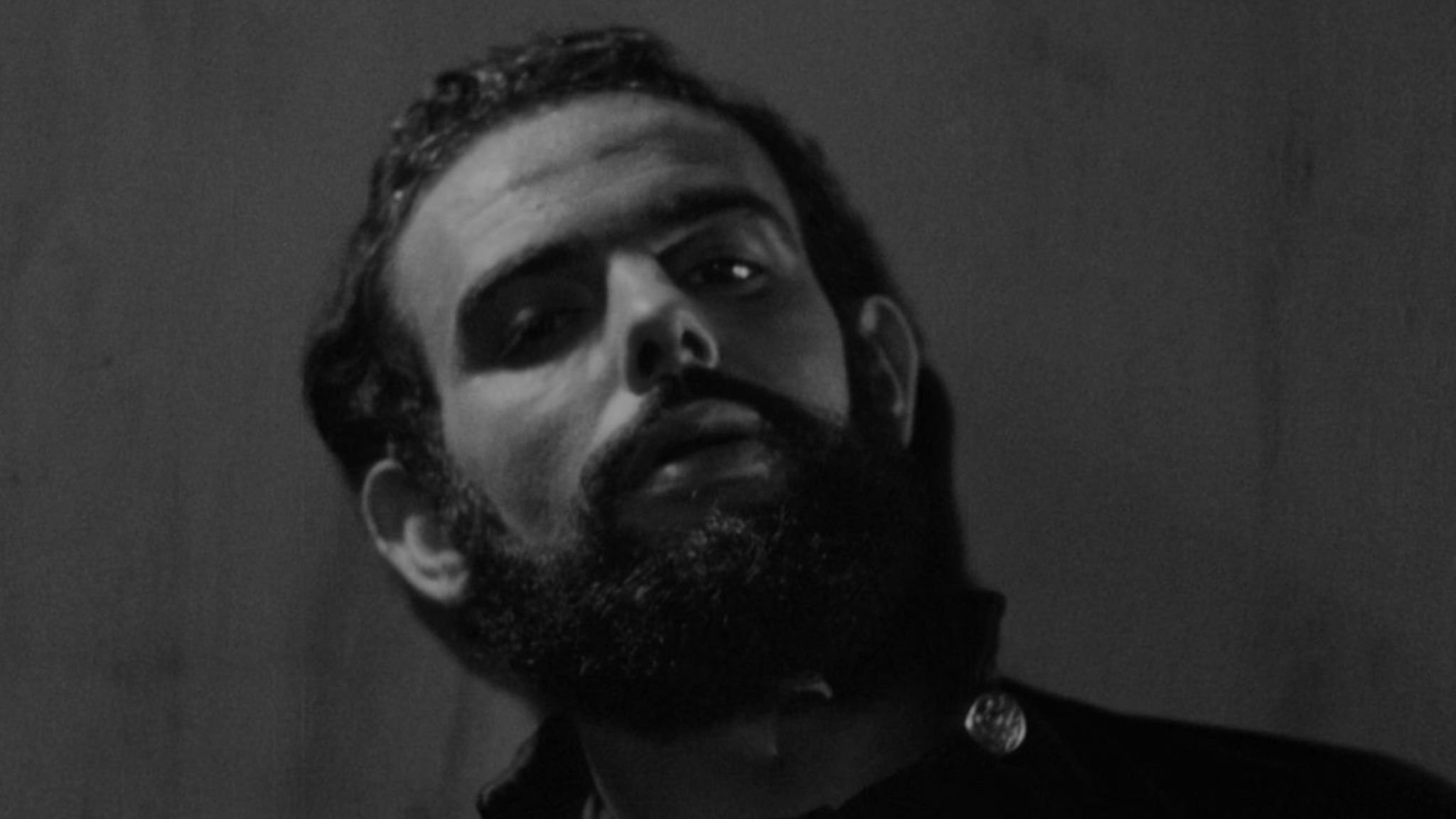
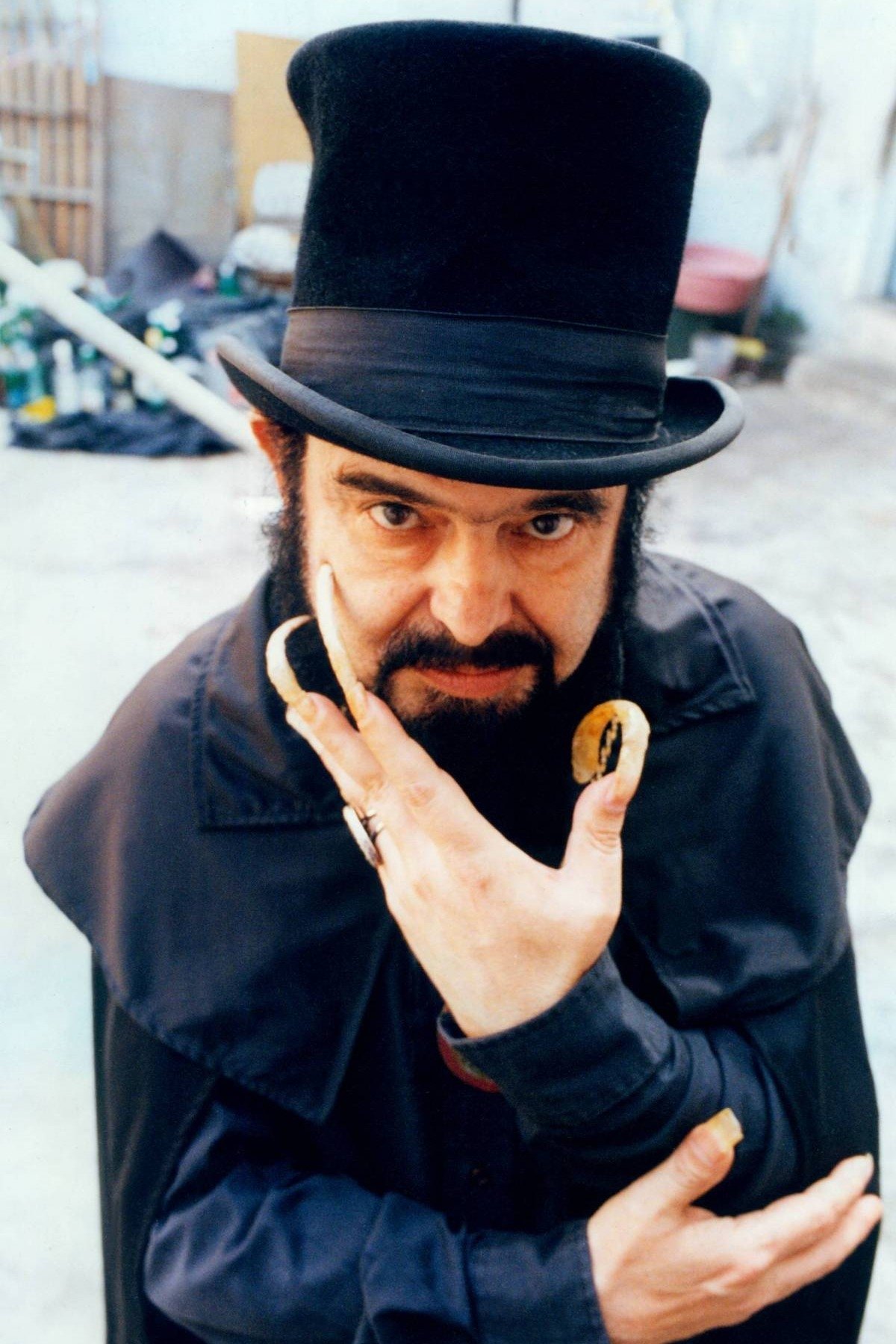
At Midnight I'll Take Your Soul (1964), directed by and starring José Mojica Marins, introduced Zé do Caixão, internationally known as Coffin Joe, to Brazilian cinema. The undertaker's black clothes, top hat and elongated fingernails make him immediately recognizable, but his threat is rooted in his behavior: he intimidates a small community, rejects its religious customs and treats other people as obstacles to his desire for an heir. Emerging from independent filmmaking in São Paulo, the picture brought gothic horror into a setting marked by local ritual, village gossip and the social authority of Catholic observance. Its status as a landmark of Brazilian horror reflects that unusually specific combination.

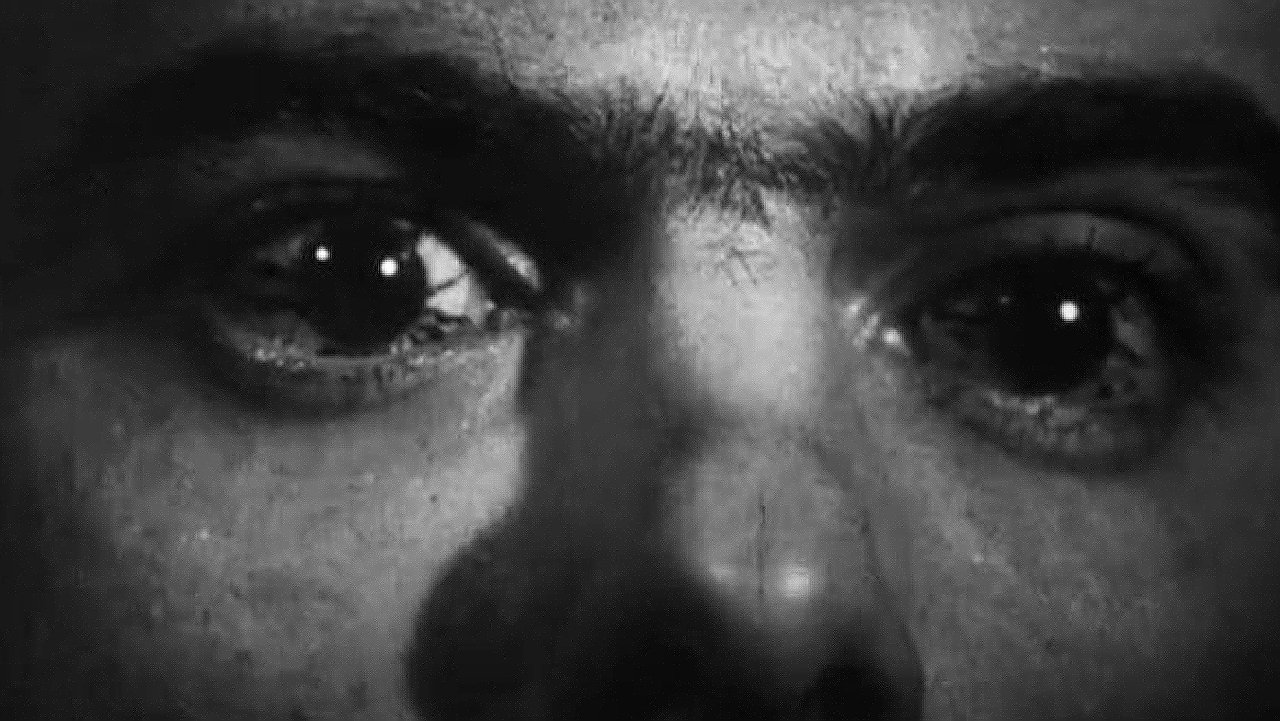
The film's black-and-white images, direct address to spectators and eruptions of physical brutality establish a style that could be unsettling even when its inexpensive settings are plainly visible. Marins makes Coffin Joe both a criminal protagonist and the target of an increasingly supernatural reckoning. The drama moves from coercion within everyday life toward the possibility of punishment by the dead, giving its blasphemous dialogue an unexpected moral trajectory. The film opened in São Paulo in November 1964 and later circulated through international fantastic-film events and home video. Its place in horror history rests on the creation of a durable Brazilian screen figure and a distinctive form of regional genre cinema.

Independent Production and the Arrival of Horror

Marins reached the film after making pictures in other genres and working outside the financial security associated with large studios. His early career grew out of amateur film activity in São Paulo, where access to equipment, performers and exhibition was a recurring practical problem. He had already attempted ambitious productions before turning decisively to horror. In a retrospective interview with Revista Universitaria do Audiovisual, he recalled being fascinated by the reaction of cinema audiences to frightening images and described the genre as the direction he most wanted to pursue. That recollection establishes his motivation as a personal one, even if later memories inevitably simplify a complicated career.

The production of At Midnight I'll Take Your Soul was organized through Indústria Cinematográfica Apolo, with Marins responsible for the direction and the central screen character. The story gives a local undertaker an obsessive objective: finding a woman capable of bearing the child he imagines will perpetuate his bloodline. This is an economical dramatic engine, allowing the narrative to develop through encounters among a relatively small number of residents. It also gives the villain space to speak at length about power, existence and religion. The film's relative scarcity of elaborate locations becomes part of its design, because the town and its cemetery form the moral territory over which Coffin Joe attempts to exercise control.

The independent circumstances shaped the film's rough proximity to performance and physical action. Marins relied on expressive faces, emphatic confrontations and simple objects whose meaning the audience could immediately recognize: a coffin, a church custom, an animal, a grave. These are not interchangeable ornaments of a gothic setting. Each carries an established social or religious association that Coffin Joe can desecrate or weaponize. The production therefore builds its horror from a conflict the audience can follow without extensive exposition. Its importance should be understood within this limited means of production, rather than through unsupported stories about an exact budget or a supposedly unprecedented technical method.

Coffin Joe, Atheism and the Desire for an Heir

Coffin Joe's central belief is that his existence can be prolonged through a biologically ideal descendant. He treats marriage, sexuality and parenthood as instruments of self-preservation, while rejecting the local population's Christian ideas of judgment and an afterlife. His contempt is performed in public as well as expressed in private. He ridicules religious practice and tests the willingness of his neighbors to oppose him. This makes the character more complex than a disguised supernatural monster: he begins as a human tyrant whose convictions authorize cruelty. The horror lies in how consistently his theory of superiority is translated into violence against weaker people.

The film does not present Coffin Joe's atheism as a neutral philosophical position. His speeches bind disbelief to an authoritarian fantasy in which he alone determines the value of others. Historical studies of the film have considered that fusion against the religious and political culture of Brazil in the 1960s, when public discussion of unbelief could acquire meanings far beyond individual theology. Such readings illuminate the character's provocations without turning his personal brutality into a representation of all atheists. Within the story, the surrounding community fears his actions and his deliberate violation of its customs. Those fears gain force when his declarations begin to invite a supernatural answer.

Marins gives the undertaker a highly controlled screen identity. His dark clothing and conspicuous nails create a continuous silhouette that connects his employment among the dead to the violence he brings into ordinary homes. The directness of the dialogue is equally important. Coffin Joe frequently behaves as though he has an audience to defeat, using confrontation to extend his authority beyond the other characters. Lucas Procopio Caetano's study of Marins's performance examines this construction of the protagonist through acting and horror conventions. The film's force comes partly from this insistence on making the viewer spend time with a monster who regards himself as intellectually and physically superior.

Women, Coercion and the Community

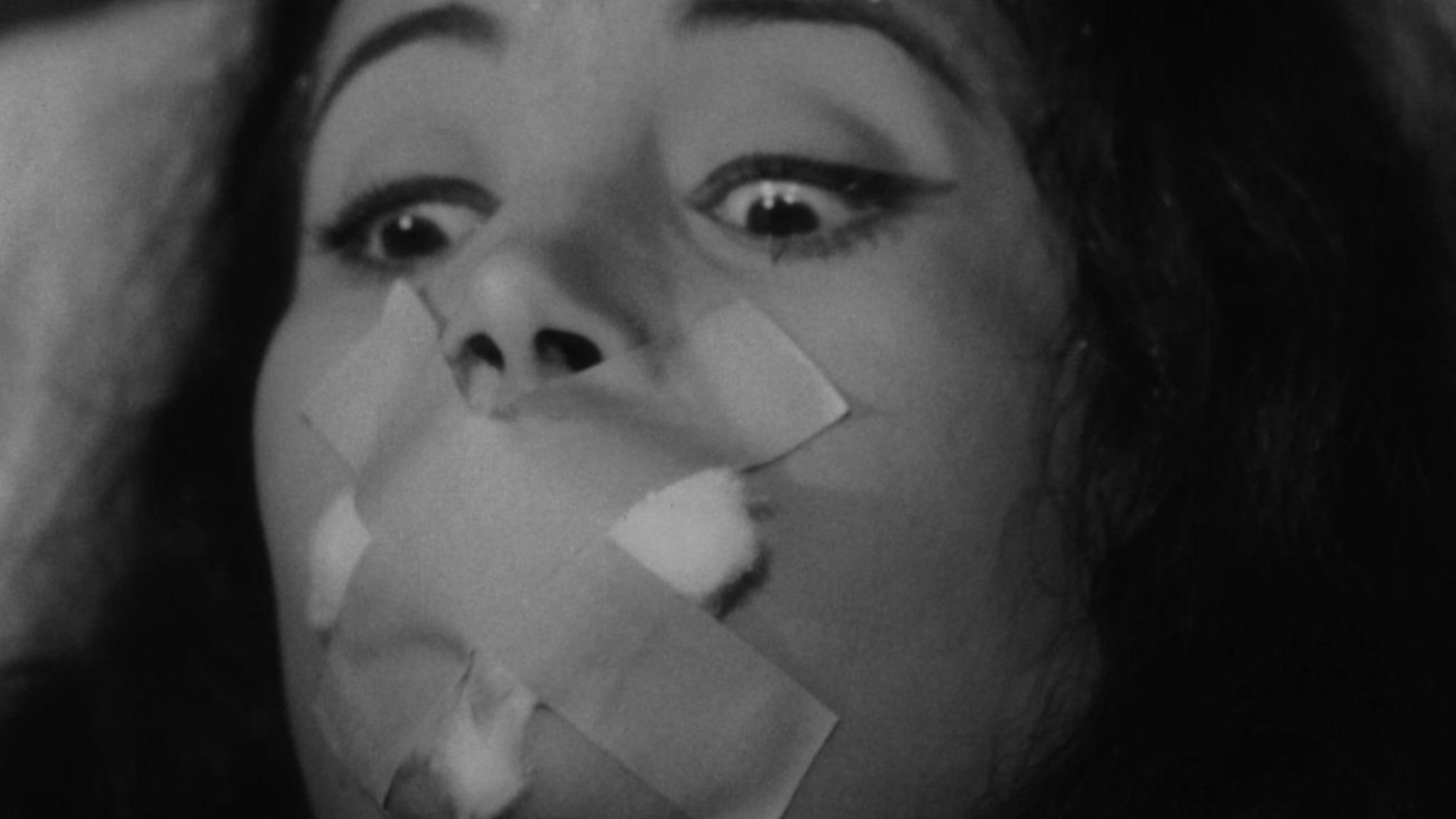
The search for an heir gives the film its most disturbing human conflict. Coffin Joe treats women as prospective bearers of his imagined successor, while the women themselves exist within relationships and obligations he refuses to respect. His wife Lenita cannot satisfy the reproductive demand he imposes upon her. Terezinha, connected to his friend Antonio, becomes another target of his plans. The film's sexual violence is therefore inseparable from its portrayal of masculine power. The women are endangered by a system of thinking in which their choices, bodies and suffering are subordinated to the protagonist's obsession with his own continuation.

The consequences extend beyond individual attacks. Coffin Joe exploits the town's fear and the reluctance of its inhabitants to resist him, turning familiar spaces into places of intimidation. The violence against Terezinha produces a promise of revenge after death, setting a different form of authority against his confidence in earthly strength. Scholarship on the film's treatment of women has emphasized the relationship between dehumanization and the character's desire for control. This perspective is important because the film sometimes gives its villain the greatest dramatic energy while making his victims bear the cost of that fascination. Its disturbing power depends on recognizing both sides of that imbalance.

Black-and-White Style and Screen Performance

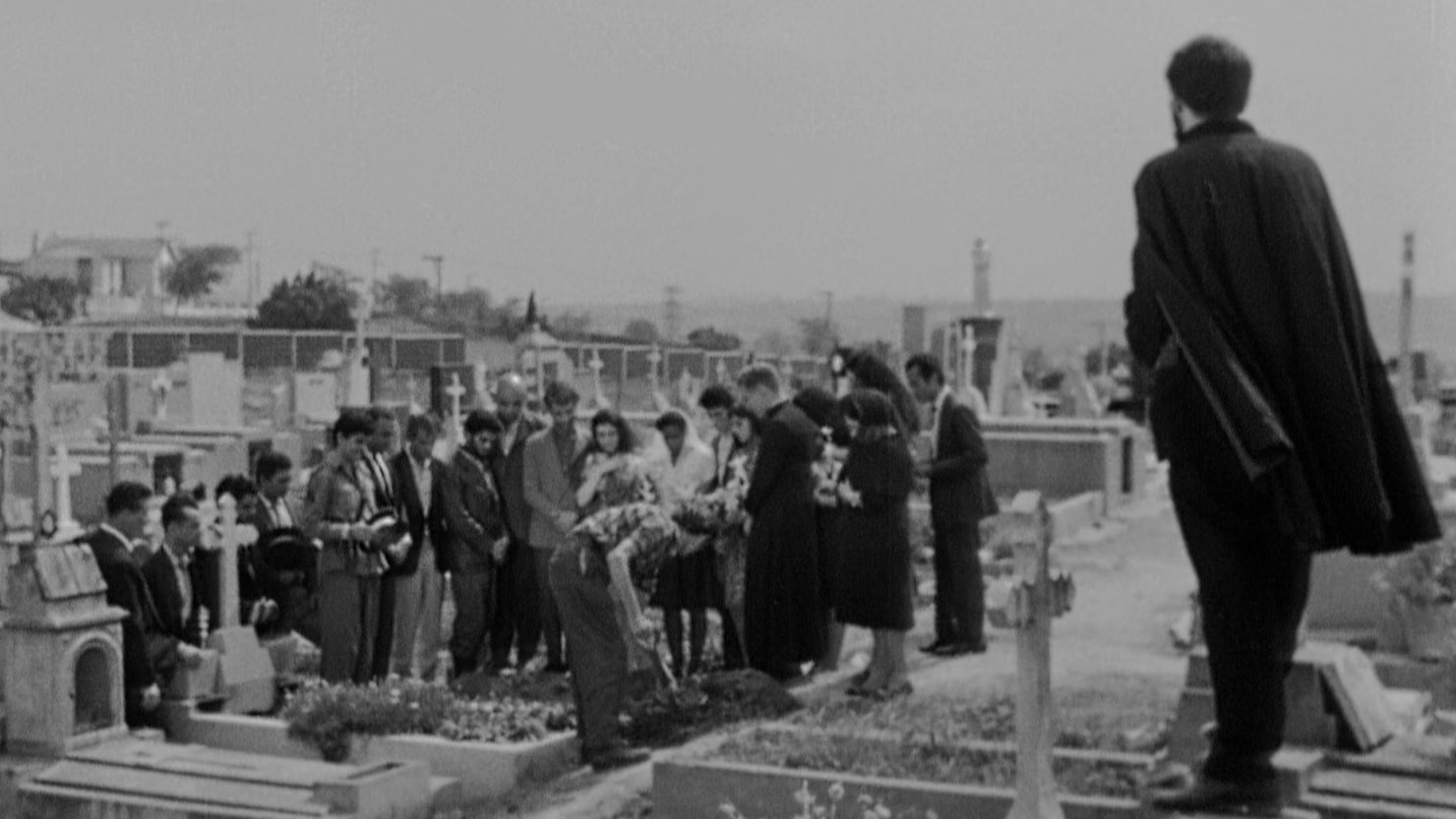
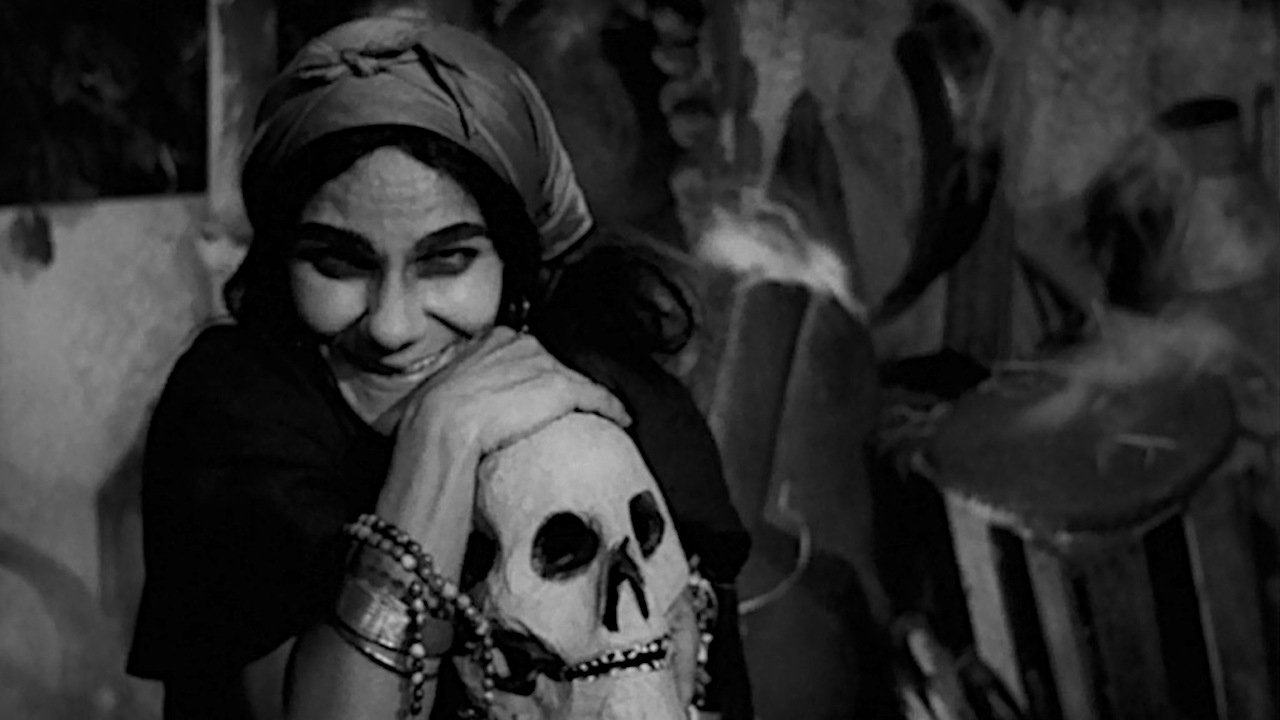
The visual language draws upon recognizable gothic motifs while placing them in an environment closer to Brazilian everyday life than to the castles of European horror. Coffins, grave markers, nighttime streets and domestic interiors connect the undertaker's profession to the town's fears. Black-and-white photography helps unify locations that could otherwise appear visually disparate, using shadow and harsh contrasts to keep the boundaries of rooms and burial spaces unstable. The frame often turns an ordinary prop into an emblem before the violence around it becomes explicit. Such effects are achieved through staging and camera placement as much as through makeup or mechanical tricks.

Marins favors performances that are theatrical in gesture and emphatic in speech. The opening address warns the audience about the experience to come, establishing an uneasy relationship between the film and those watching it. Coffin Joe's subsequent speeches continue that sense of challenge, as though his authority extends beyond the fictional village. The supporting cast counterbalances him with expressions of alarm, disbelief and moral outrage. The difference between their reactions and his deliberate self-possession gives many scenes their tension. At moments when he stops to regard his own cruelty as a demonstration of strength, an extended pose can be more unnerving than the act itself.

The roughness of some exchanges does not erase the precision with which the film organizes its moral space. Domestic life represents attachments that Coffin Joe dismisses; the cemetery marks both his livelihood and the death he pretends to master. The film repeatedly moves him across this boundary, allowing the same face to dominate an ordinary conversation and later confront something beyond his understanding. Formal studies of At Midnight I'll Take Your Soul have paid attention to framing, movement and the actor's physical command of the image. This is particularly fruitful for a film whose central figure is remembered through posture and costume as strongly as through narrative detail.

Violence, Folklore and Supernatural Judgment

The bodily violence is unusually confrontational for the film's original period. Threats are realized through physical attacks, unsettling close views and an atmosphere in which the protagonist can inflict suffering without remorse. Animals, funerary objects and exposed vulnerability become materials of shock. The effectiveness of these moments does not require an elaborate catalogue of makeup techniques that surviving sources cannot adequately verify. Their place in the film is structural: each episode tests how far Coffin Joe can act without facing any authority he considers real. The spectator is made to anticipate the next transgression while also awaiting a reversal of his apparent invulnerability.
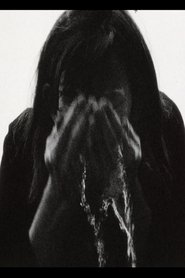
The supernatural enters through prophecy and the dead rather than through an elaborate system of occult rules. A warning about the fate of Coffin Joe's soul is initially another occasion for contempt. As the story approaches All Souls' Day and midnight, however, the setting begins to answer his denial through images of the deceased and an encounter with his own mortality. The transition is significant: an apparent criminal melodrama becomes a nightmare of punishment. Marins draws on the ritual calendar and cemetery imagery familiar to the film's community while giving the visions a specifically cinematic intensity. The clash between disbelief and apparition makes the ending more than a conventional defeat of the villain.

There is a deliberate contradiction at the center of this resolution. Coffin Joe has spent the film asserting that fear of the dead is superstition, yet the ending uses a spectral procession to break his confidence. Whether viewers understand those images as literal supernatural intervention or as a final experience of terror, their narrative purpose is clear. The protagonist encounters a limit to the power he has claimed over others. This combination of brutality and moral reckoning gave Marins a pattern he could revisit and complicate in later Coffin Joe films without reducing the first entry to a mere prologue.

Censorship, Premiere and Early Reception

The film's public arrival occurred during a politically charged year in Brazil. The Cinemateca Brasileira records a federal censorship certificate dated June 26, 1964, restricting the feature to audiences aged eighteen and over. It also records the São Paulo premiere at the Art-Palácio cinema on November 9 of that year. Those details are essential to distinguishing formal restriction from a claim that the film was universally prohibited at its initial release. Marins later recalled hostility from censors toward the provocative material in his films, but retrospective testimony about persecution should be read alongside the surviving classifications and the changing official treatment of his later work.

The combination of sacrilege, sexual violence and graphic cruelty challenged assumptions about what Brazilian commercial cinema could accommodate. Coffin Joe's contempt for religious observance was especially provocative because the narrative sets his language against a community whose practices possess shared moral authority. The film also complicates easy judgments about its apparent ideological position. Its protagonist attacks belief, but the climax introduces punishment in terms readily recognizable from religious horror. This tension made the work susceptible to sharply different responses: some viewers could regard it as an offensive spectacle, while others could find an inventive local variation on familiar gothic material.

The broader recognition of Marins and his character did not happen in a single step. Historical scholarship on his early career traces production, theatrical reception, censorship and publicity as overlapping processes. Later fantastic-film screenings and press attention in Europe helped distinguish the director from the dismissive reception that parts of the Brazilian critical establishment had given his work. It is therefore misleading to describe the film's international reputation as an immediate consequence of its 1964 premiere. Its cult standing developed through circulation and reinterpretation, with the screen persona of Coffin Joe becoming a point of recognition for audiences who knew little else about Brazilian genre cinema.

International Circulation, Restoration and Legacy

The identity of Coffin Joe survived well beyond the film's initial release. Marins returned to the character in This Night I'll Possess Your Corpse (1967), extending the search for an heir and the conflict between rationalized cruelty and supernatural punishment. The much later Embodiment of Evil (2008) completed the central trilogy. The undertaker also crossed into television, comics and music, making him a figure whose public existence could no longer be limited to one fictional narrative. That expansion matters because the first film established a recognizable design and philosophy strong enough to function in successive media even as their cultural circumstances changed.

International home video was another stage of rediscovery. In an essay for Instituto Moreira Salles, critic and historian Carlos Primati documents how Something Weird Video circulated a group of Marins films in the United States around 1995 and 1996, helping the Coffin Joe name reach collectors outside Brazil. Such editions broadened access but did not always preserve ideal image quality or the intended presentation of the films. Later releases and retrospectives encouraged a fresh evaluation of the director's visual choices, previously easy to dismiss when viewed through damaged or badly transferred copies. The history of access is therefore part of the film's critical history.

Preservation work created another opportunity to encounter the original picture. The 2024 Instituto Moreira Salles retrospective presented a 4K restoration of At Midnight I'll Take Your Soul, listed at approximately 81 minutes, within a program of restored Marins features. That figure should not be mechanically compared with every older home-video runtime as proof of censorship: specific print sources, transfers and classification practices must be considered first. The film has subsequently retained a central place in accounts of Brazilian fantastic cinema, including recognition in the Abraccine selection of essential Brazilian fantastic films. Its legacy is anchored in a concrete achievement: a small independent horror production generated an enduring national screen icon while expanding the expressive possibilities of the genre in Brazil.

References

  1. Universidade de São Paulo Daniela Pinto Senador, Das primeiras experiencias ao fenomeno Zé do Caixão (2008)

    Scholarly history of early production, financing context, censorship, reception and promotion of the first Coffin Joe films.

  2. Revista Universitaria do Audiovisual / UFSCar Estela Andrade, Entrevista com José Mojica Marins (2012)

    Direct interview on early filmmaking, horror influences, Brazilian folklore and the director's recollection of censorship.

  3. Zanzala / Universidade Federal de Juiz de Fora Lucas Procopio Caetano, Jogos horrificos: o horror como performance em A meia noite levarei sua alma (2019)

    Academic study of performance methods and the construction of Coffin Joe through Marins' acting.

  4. Universidade Estadual Paulista Leticia da Silva Leite, A representacao do ateismo nos filmes de terror brasileiros (2024)

    Historical analysis of unbelief, blasphemy and religious politics in the first two Coffin Joe films.

  5. Instituto Moreira Salles Carlos Primati, Um belo espetaculo: Zé do Caixão como ele sempre mereceu ser visto (2024)

    Detailed historical essay on the international video rediscovery, damaged transfers and 4K preservation of Marins' work.

Connections

Cast

View Full Cast & Crew →

Release & Distribution

Production Companies (1)

  • Indústria Cinematográfica Apolo BR

Release History (1)

Release DateTerritoryRelease TypeFormatDistributorCertificationNotes
1964-11-09 Brazil Theatrical — — —