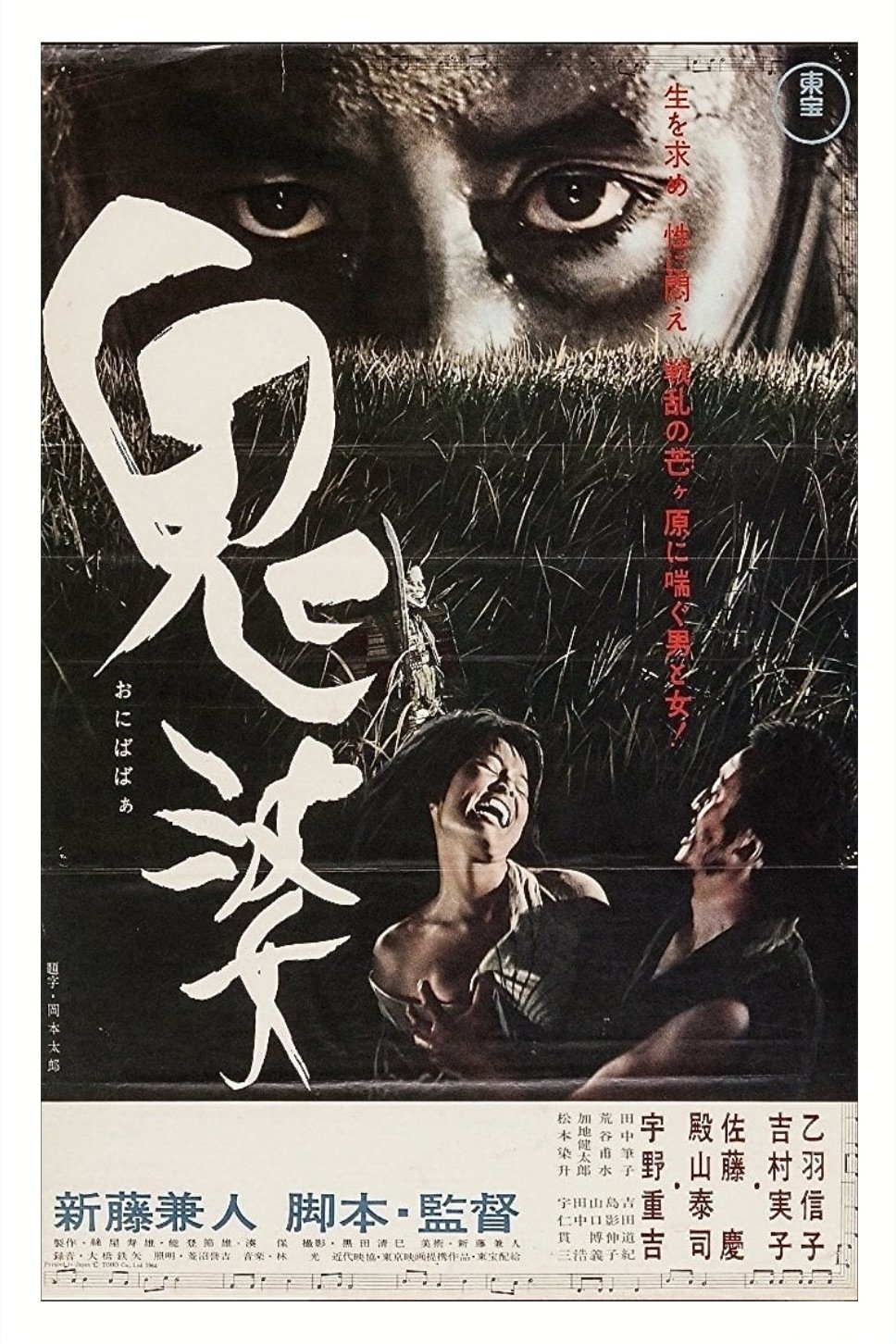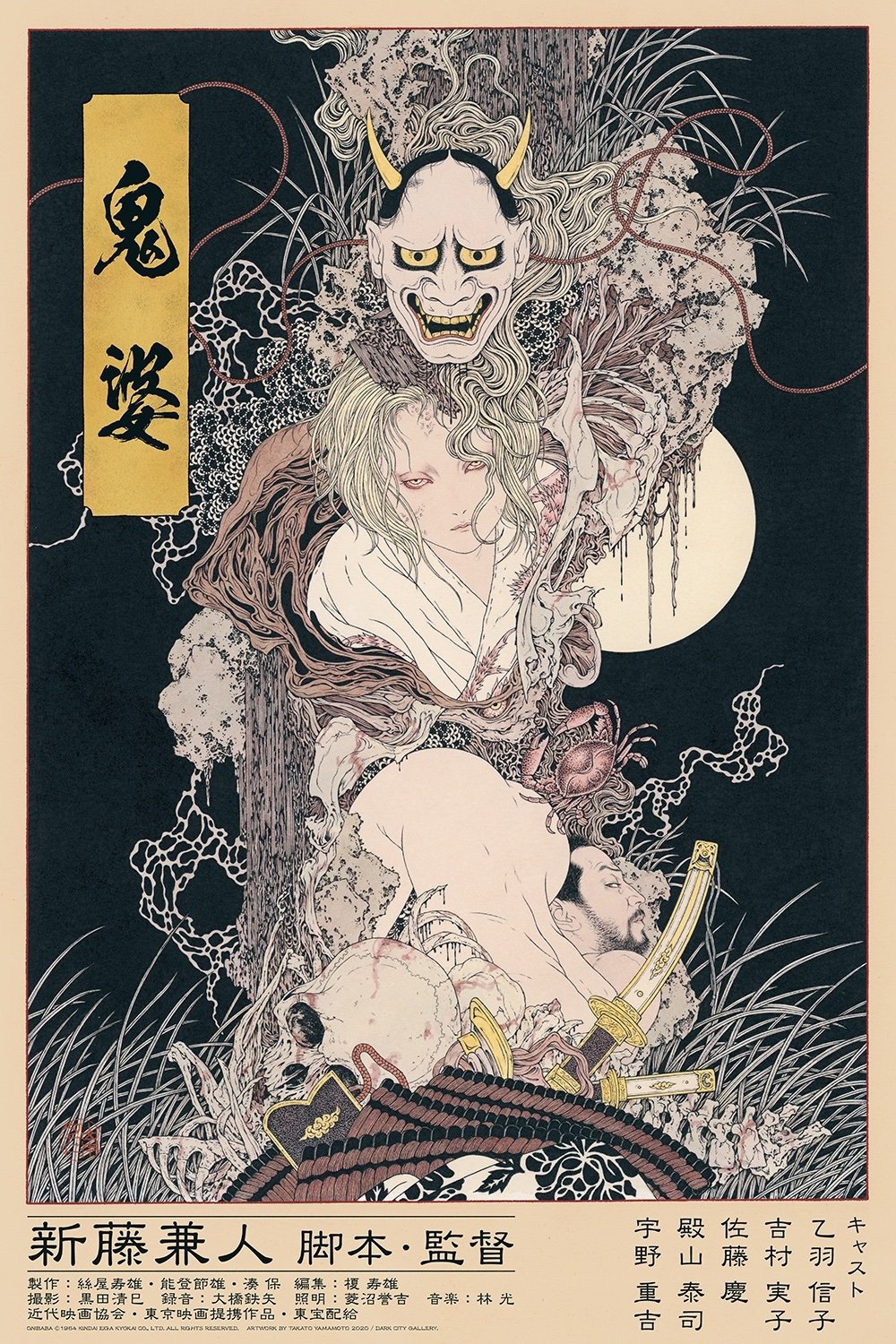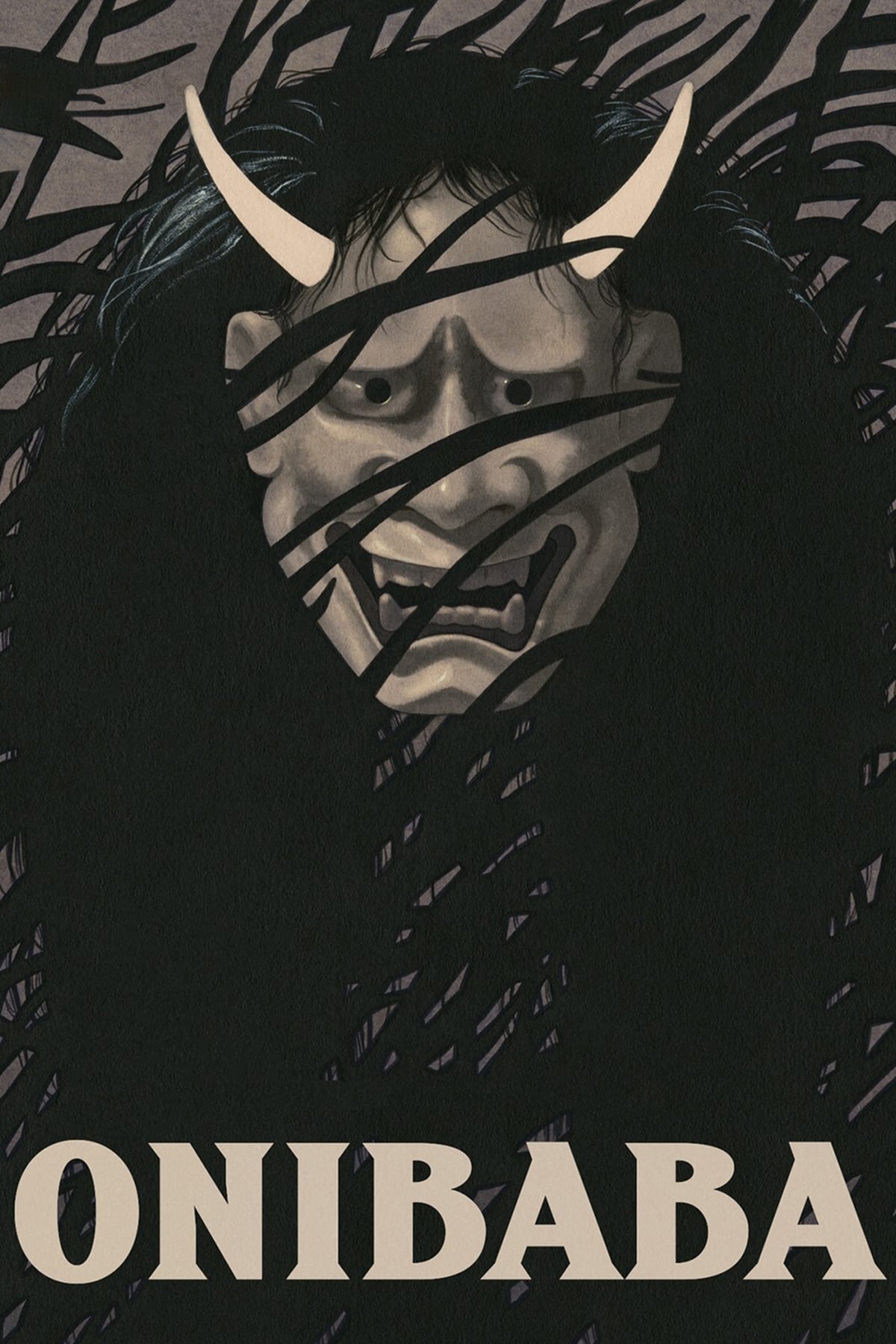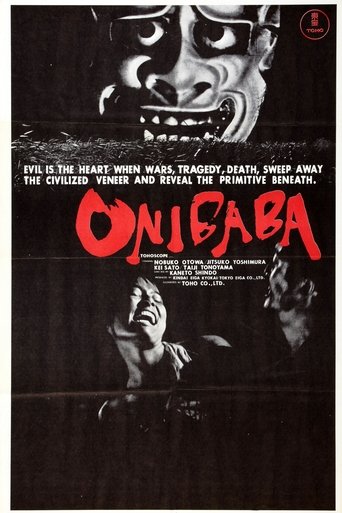


Origins and Production
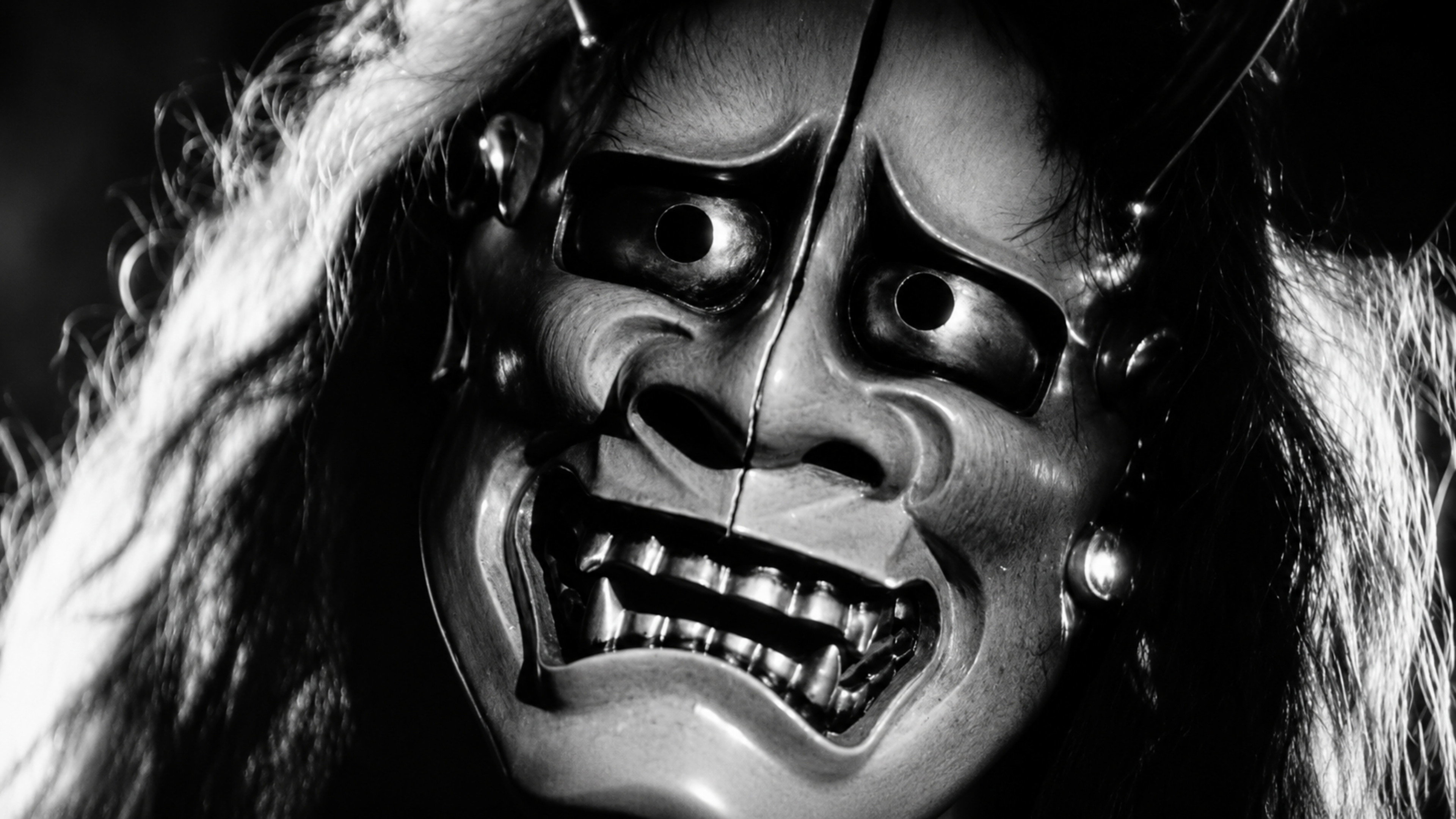
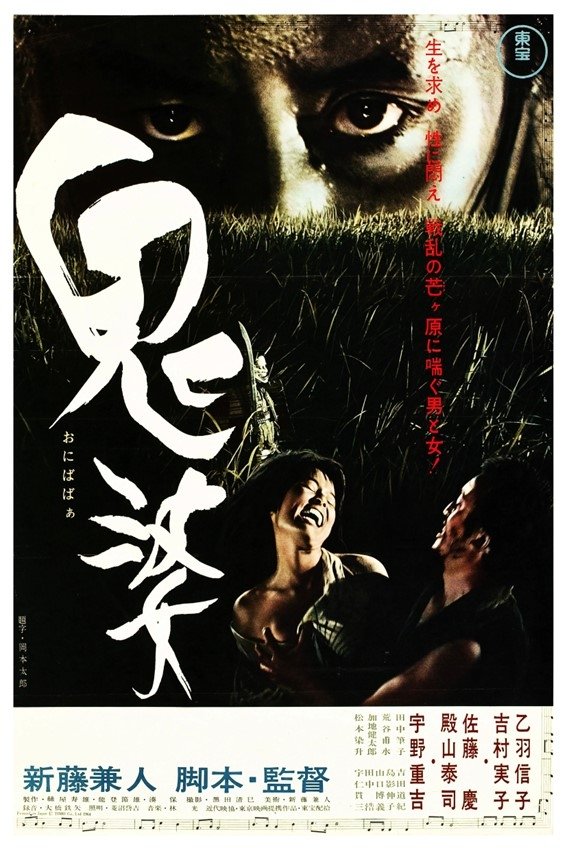
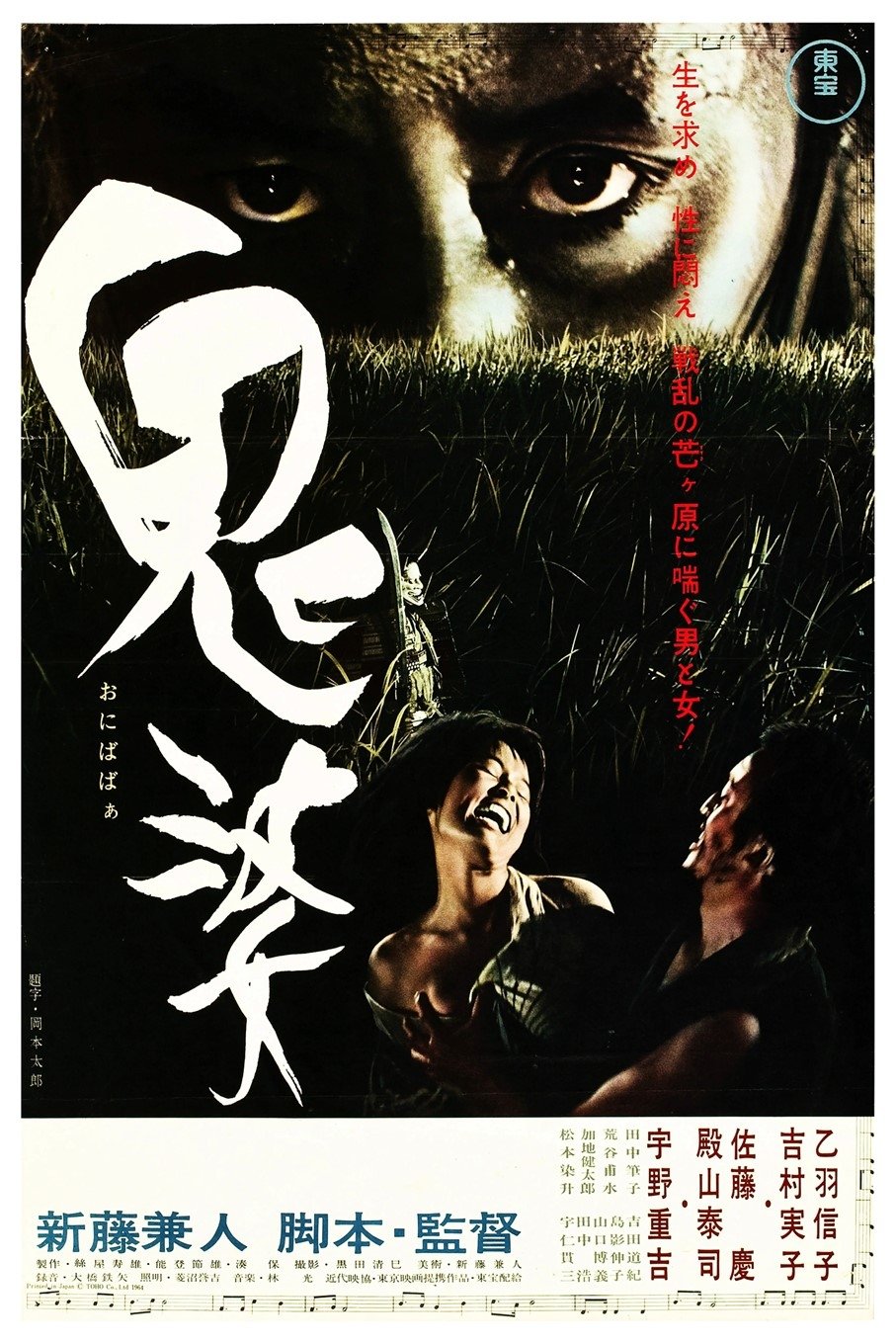
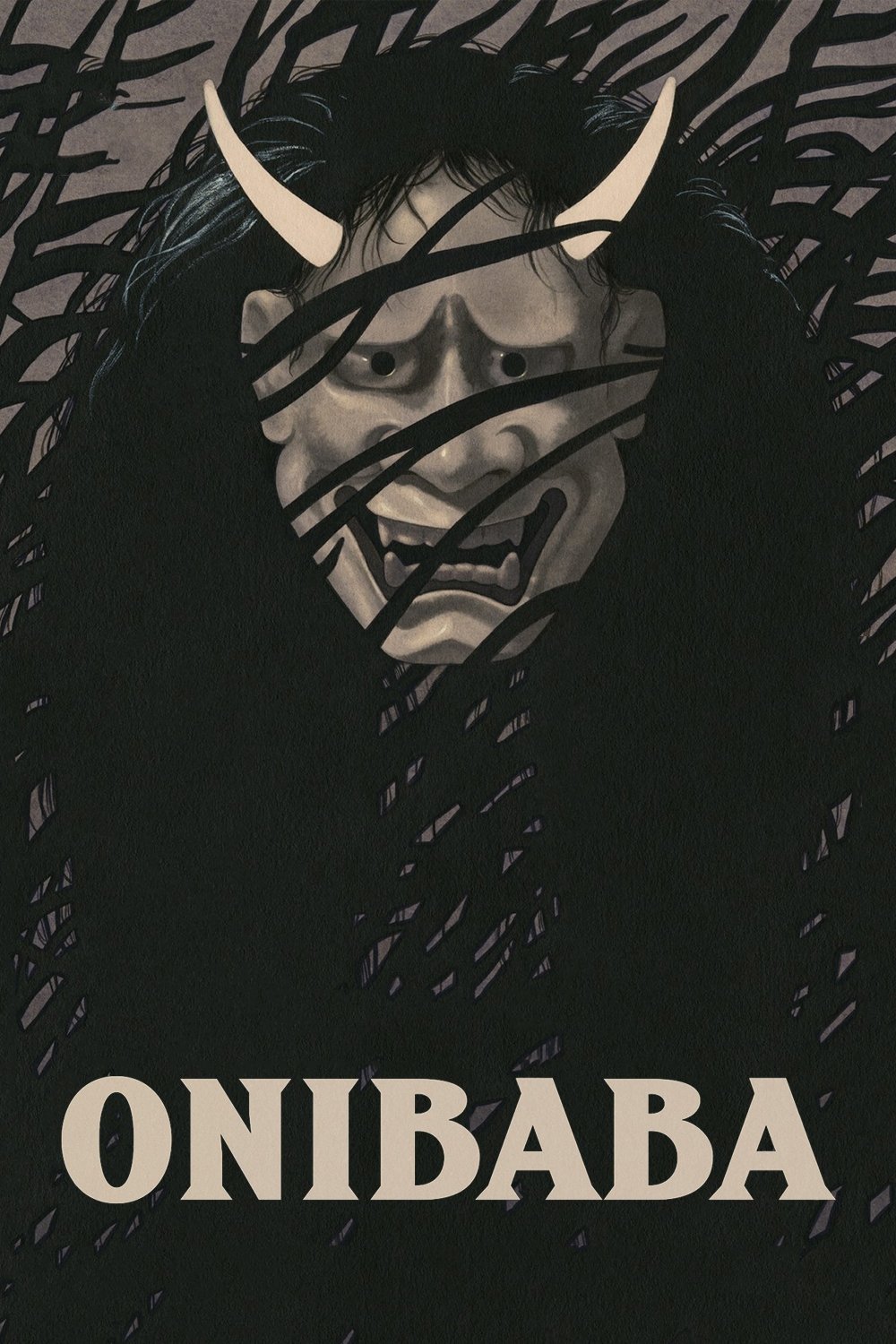
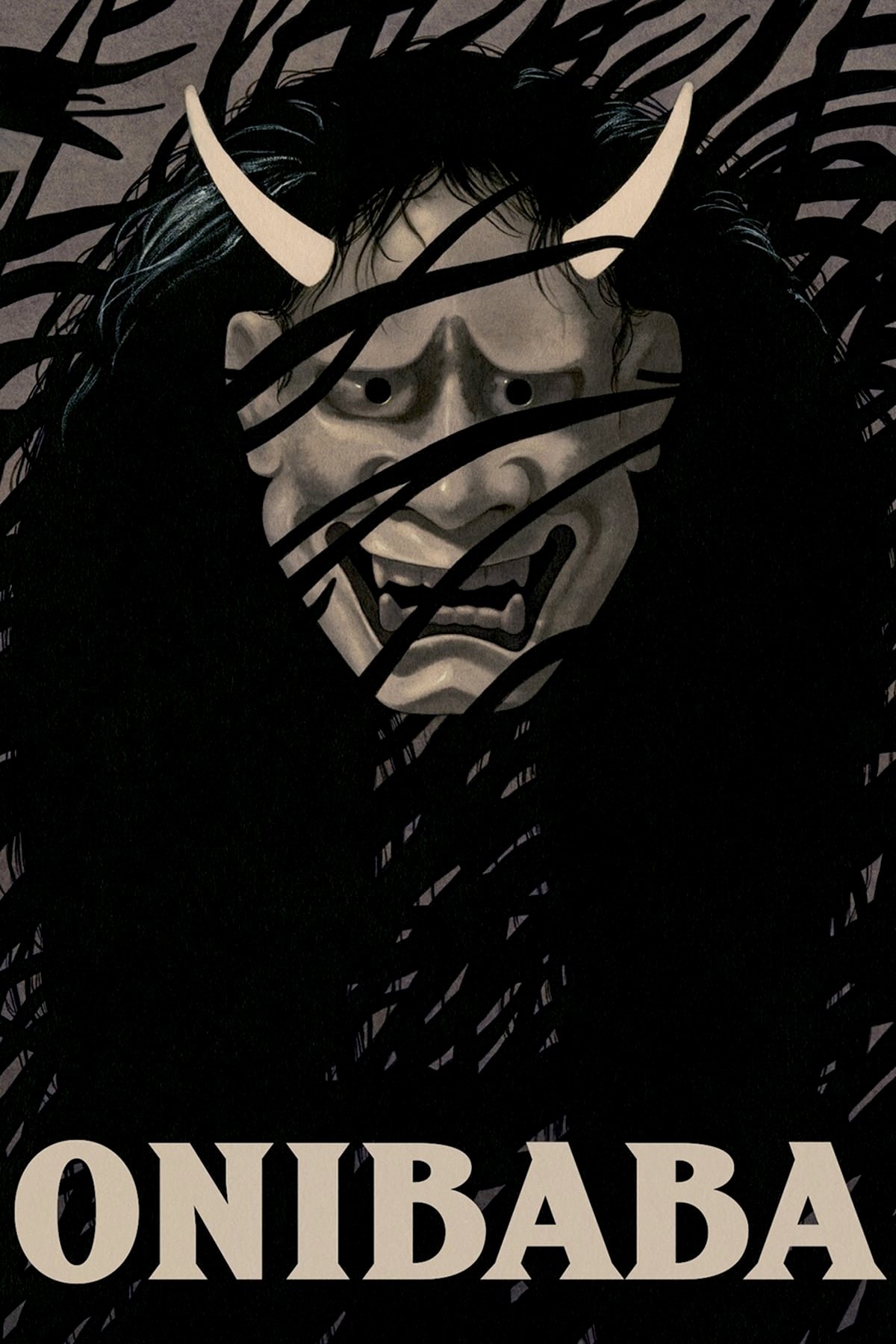
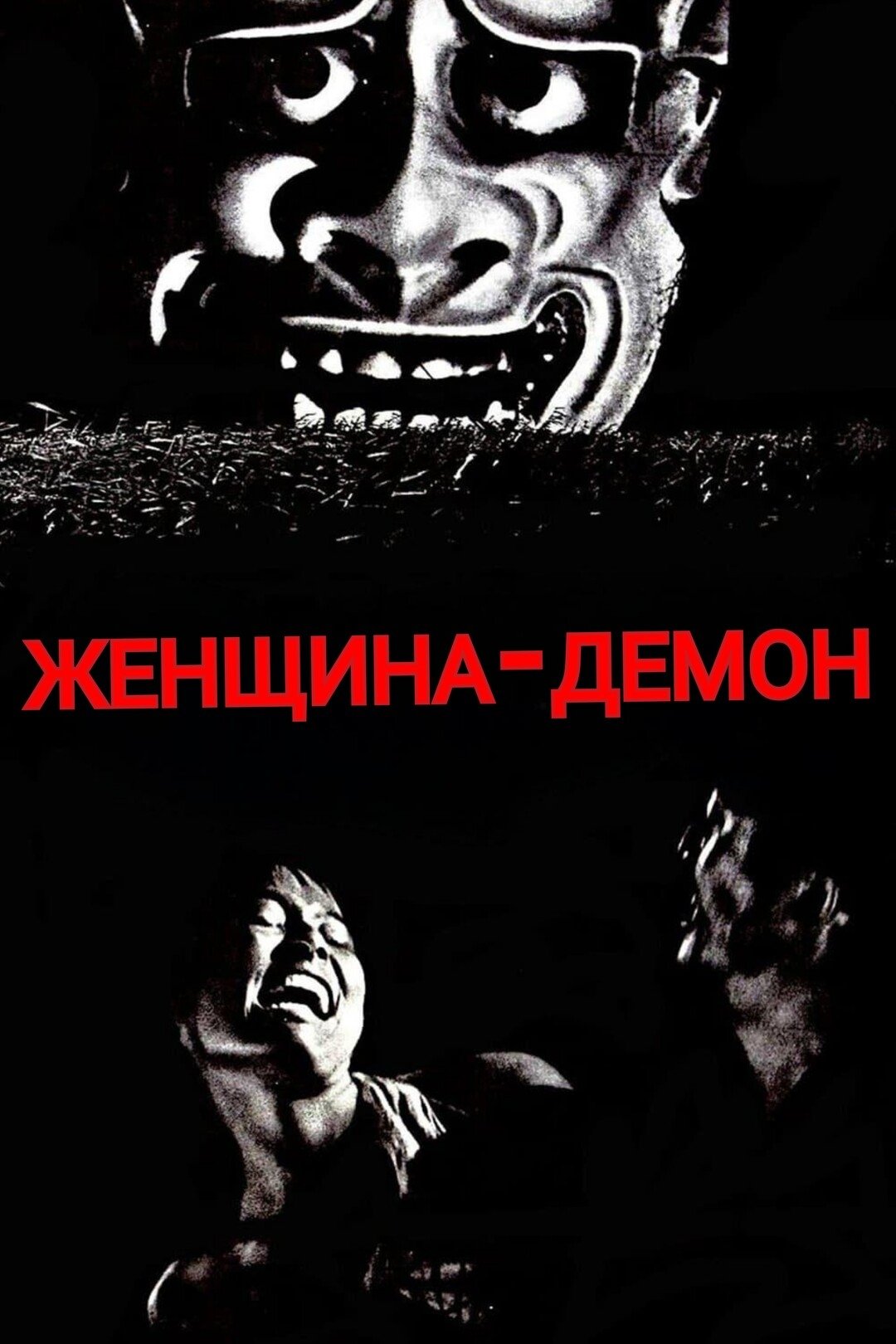
Shindō developed Onibaba within the independent filmmaking practice he had helped establish through Kindai Eiga Kyokai, the company founded with fellow filmmaker Kōzaburō Yoshimura. Working outside the normal assumptions of studio-led prestige cinema had allowed him to address difficult subjects directly, including the aftermath of the Hiroshima bombing and the hardships of rural existence. His earlier The Naked Island (1960) had already concentrated on the physical exhaustion of people struggling to obtain the necessities of life. Onibaba moves that concern into a historical story where the absence of food makes killing an economic activity. This continuity places its horror within an established body of social filmmaking.
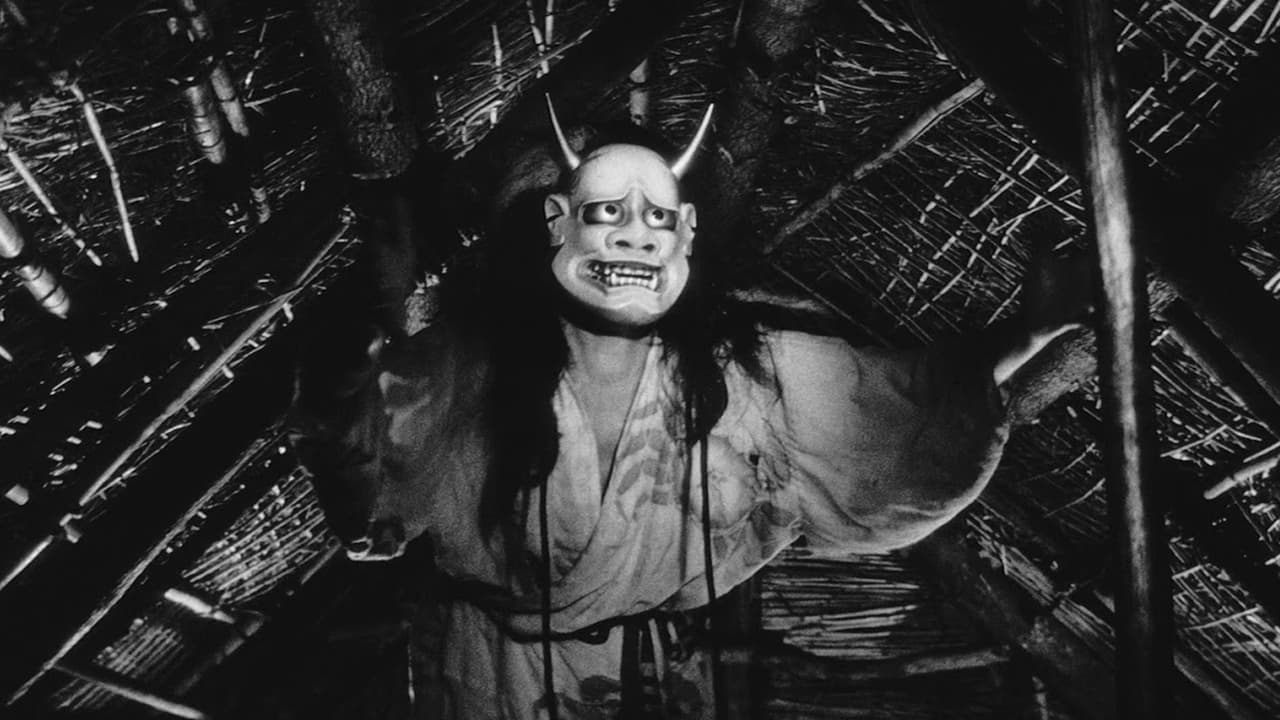
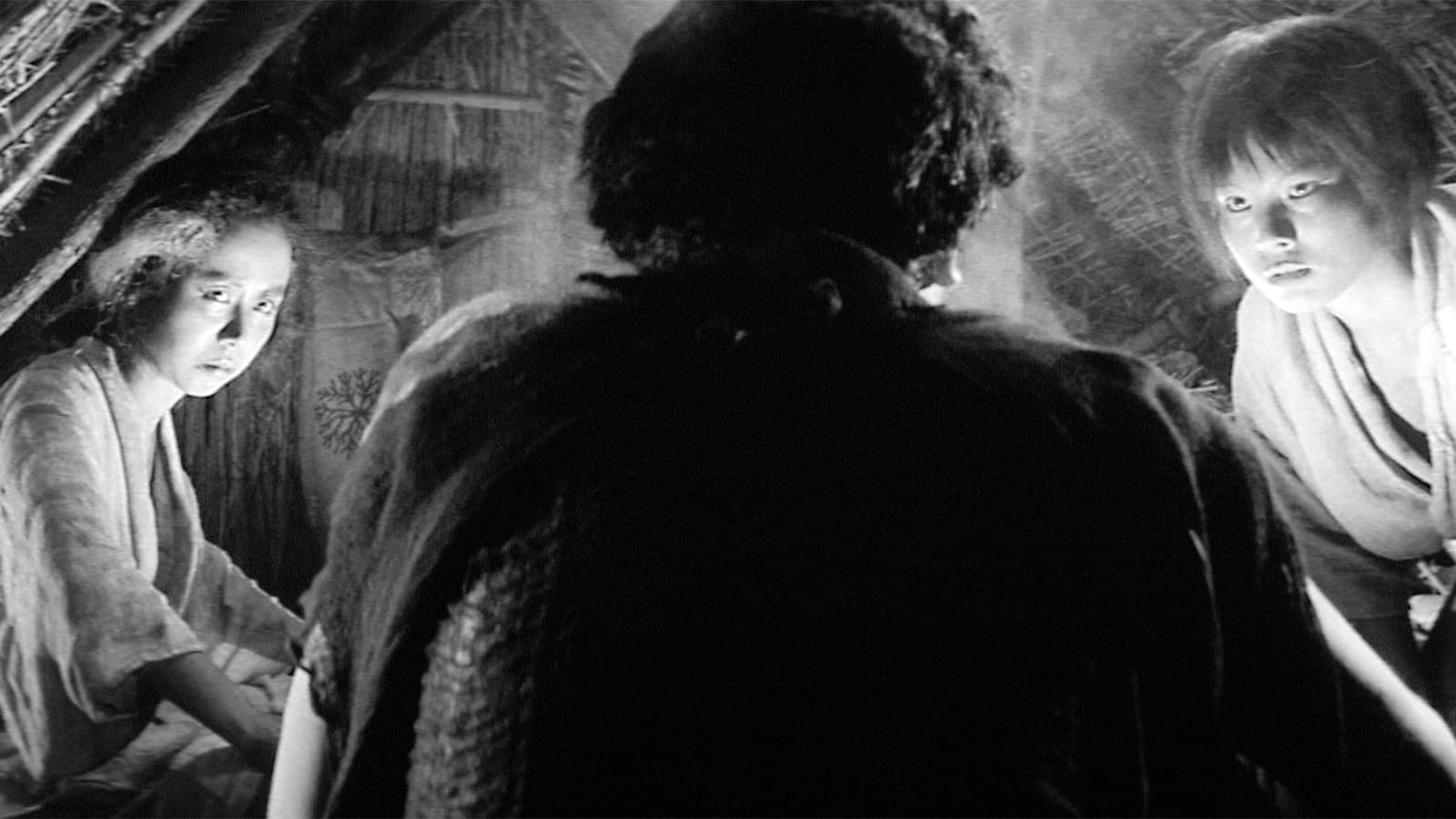
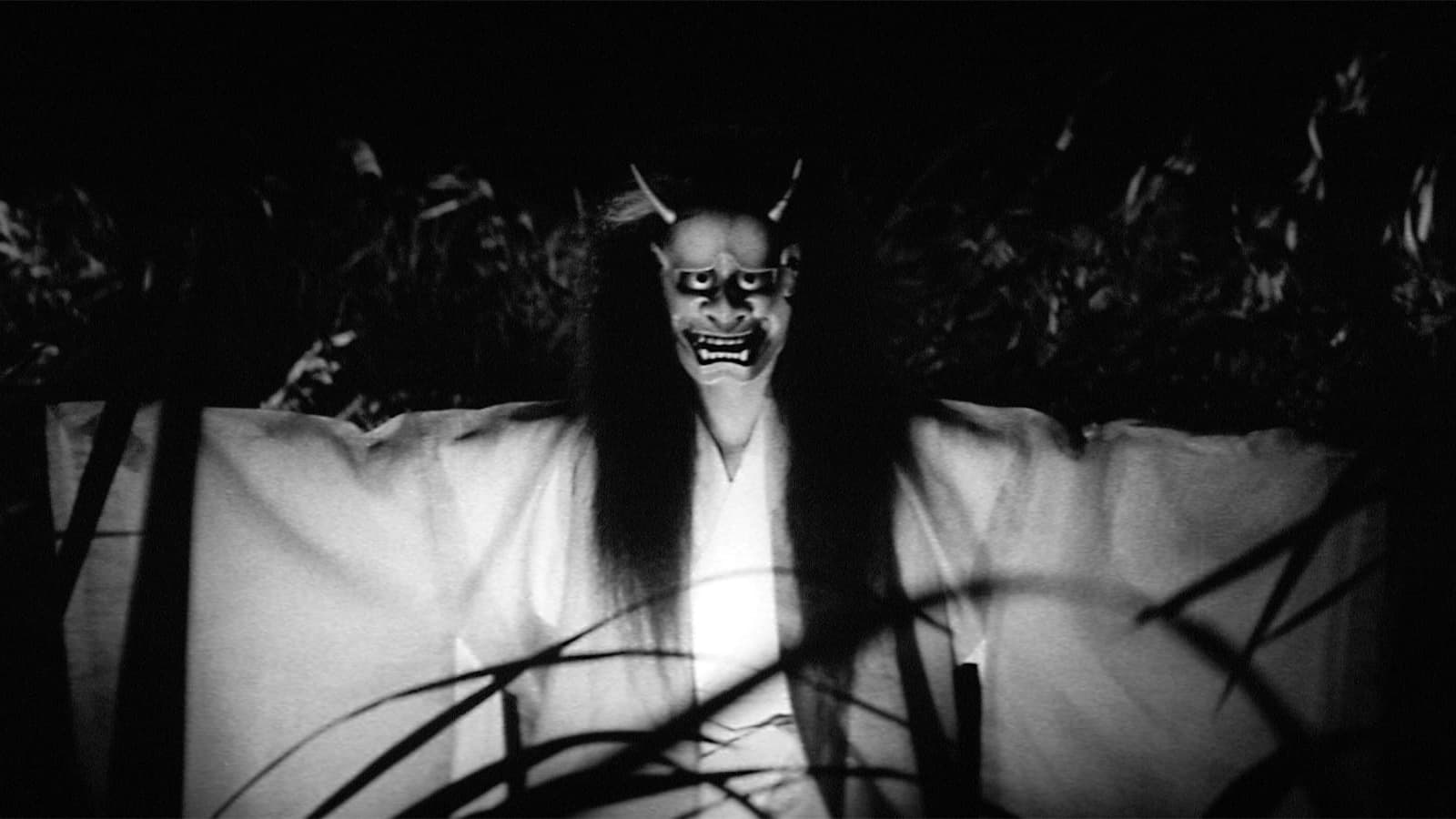
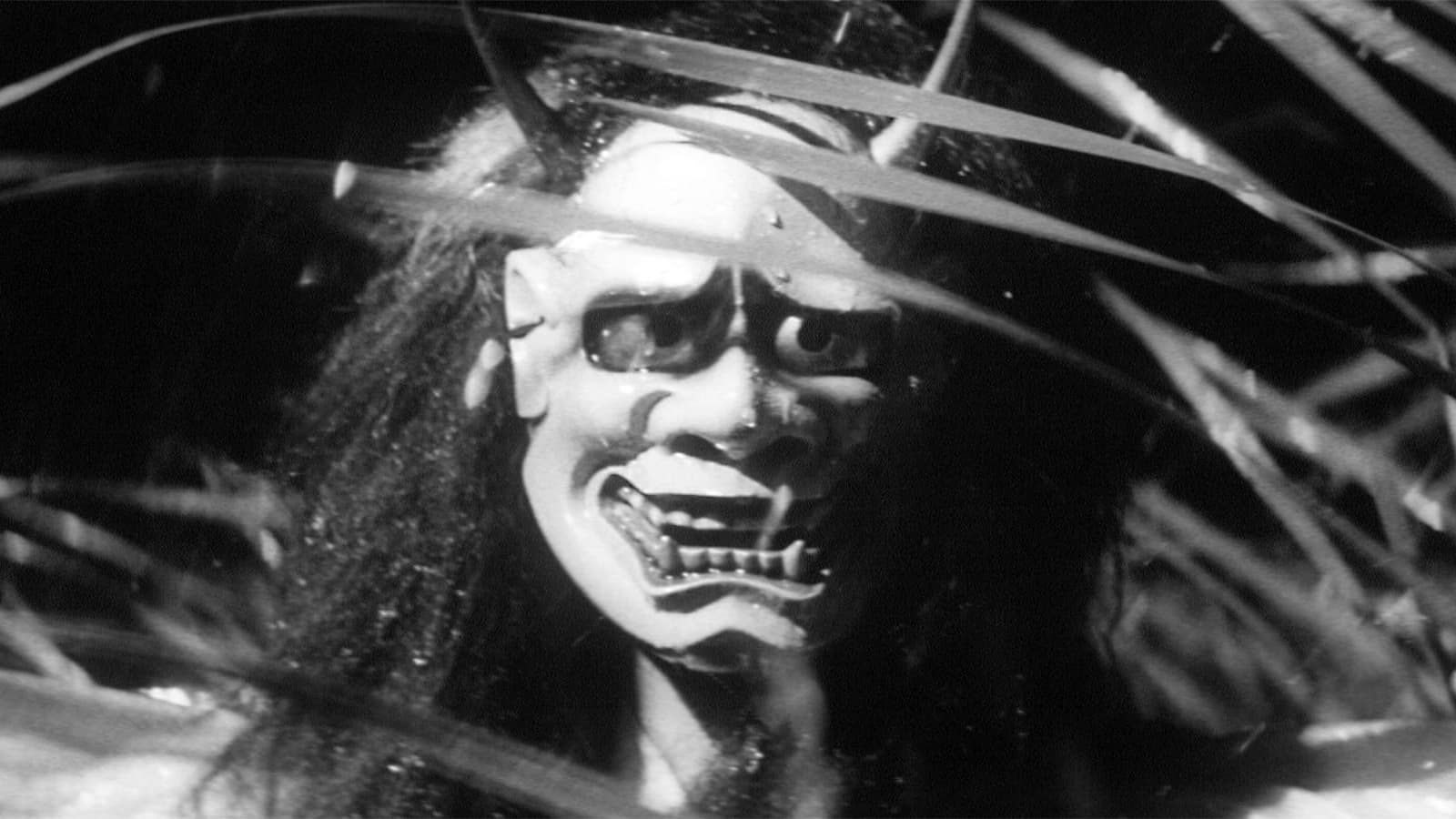
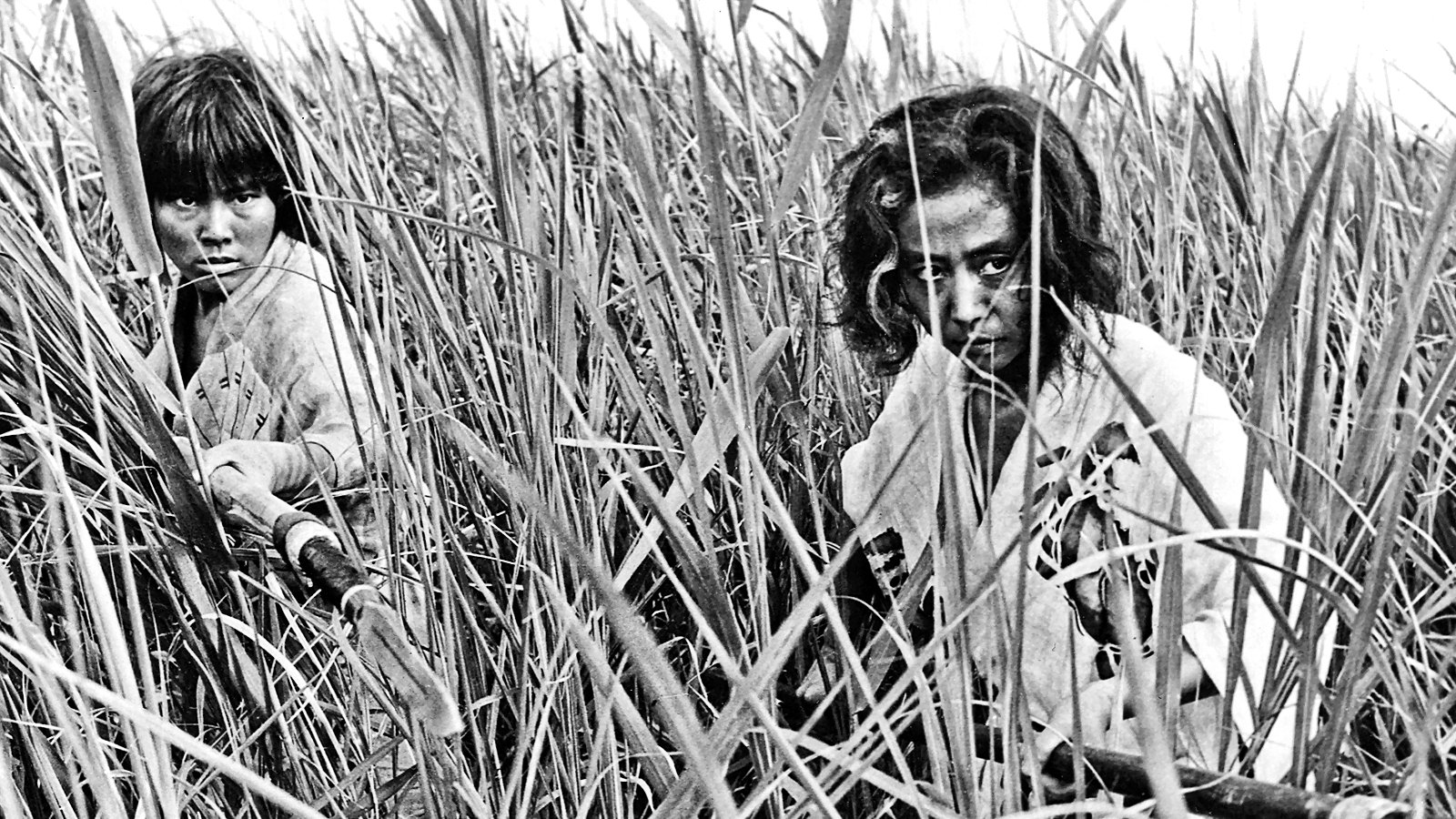
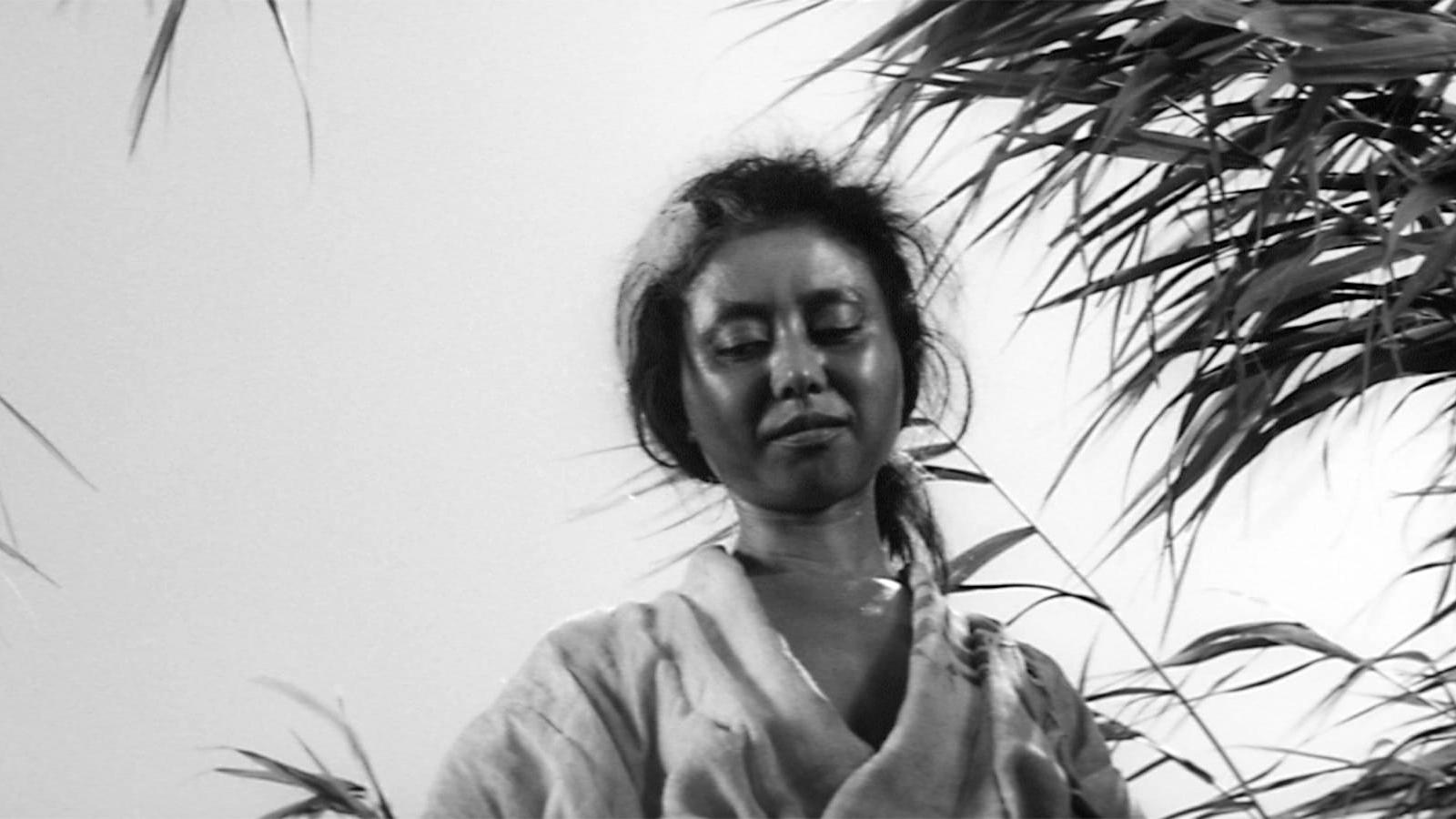
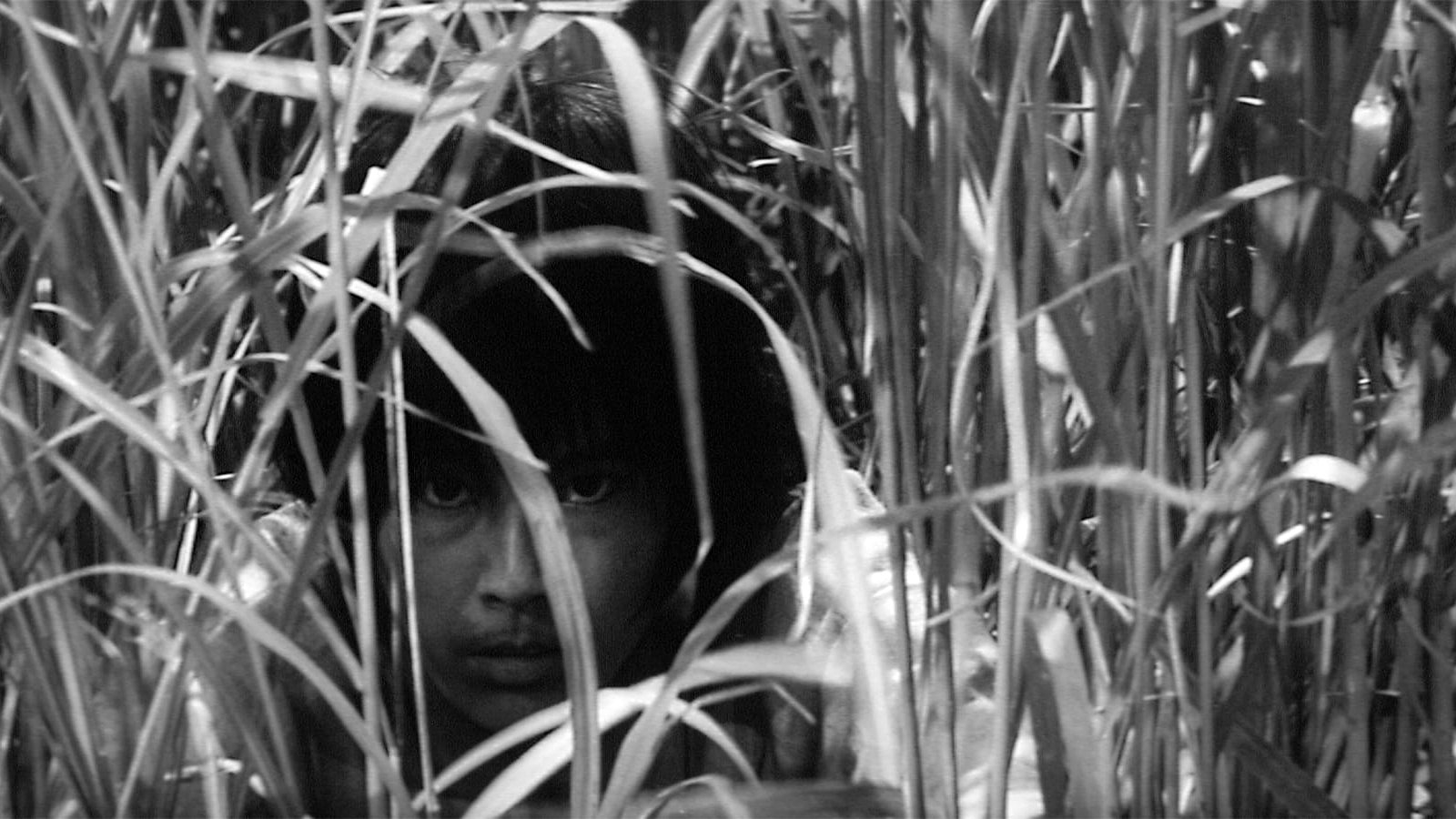
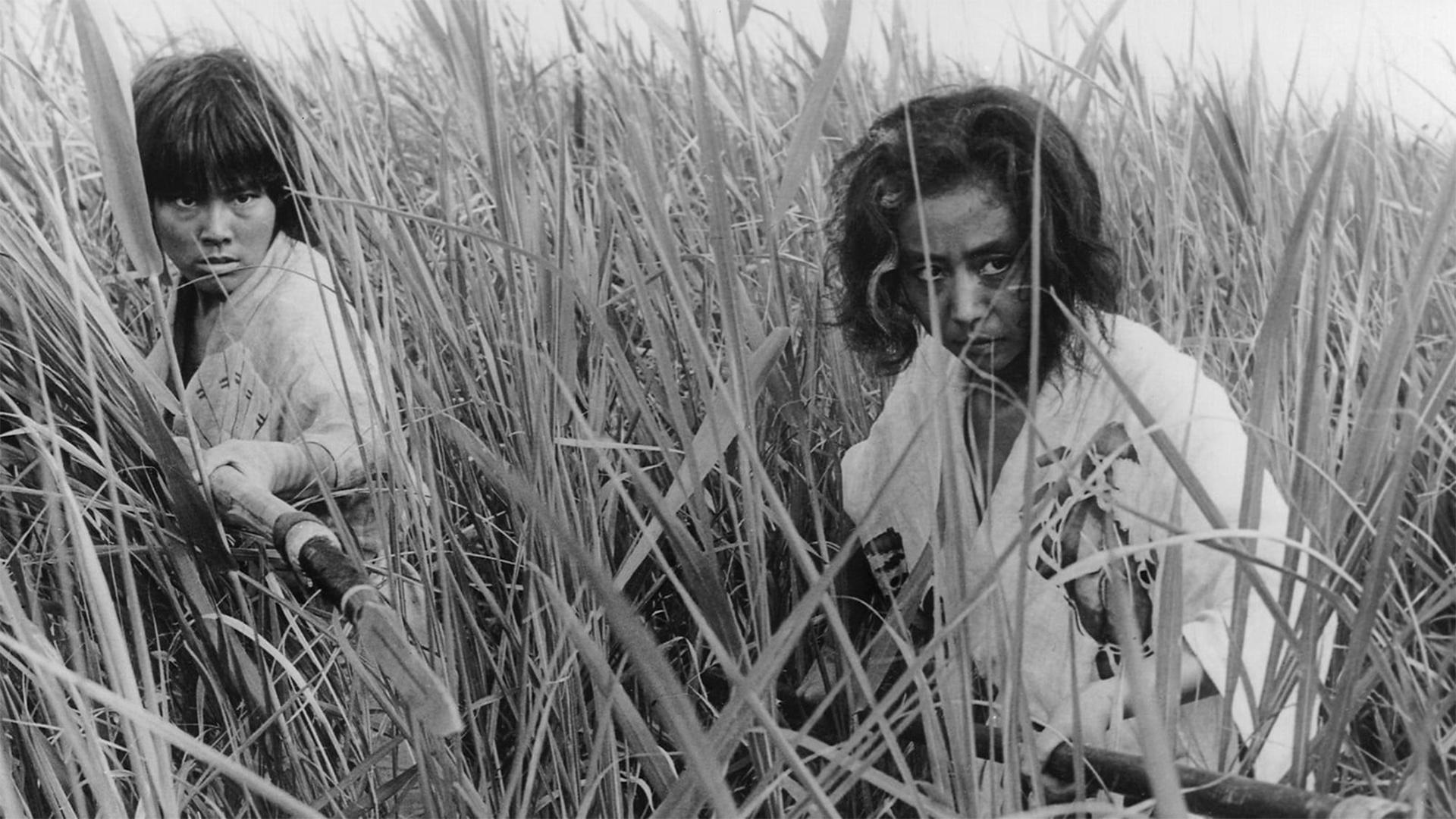
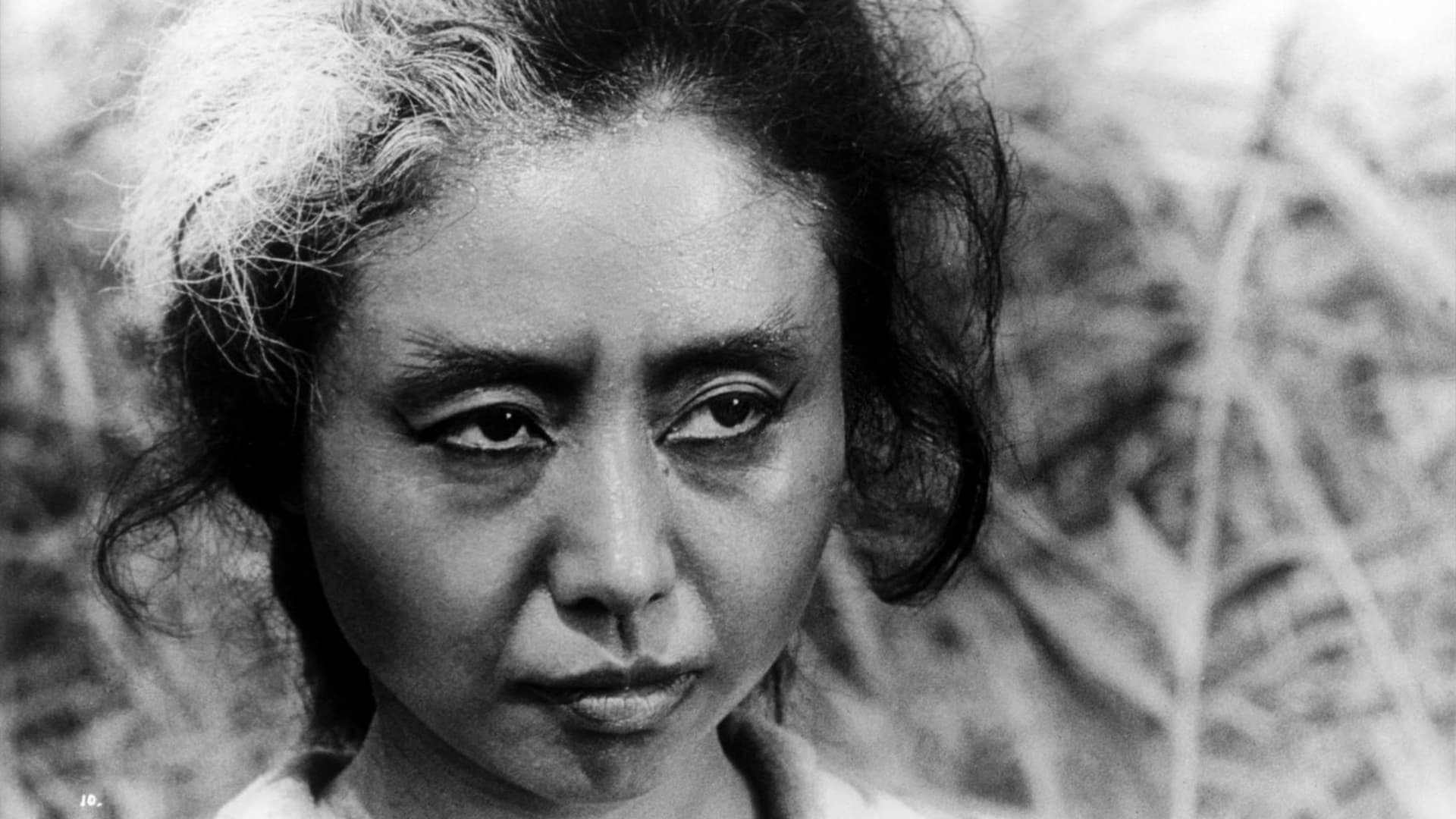
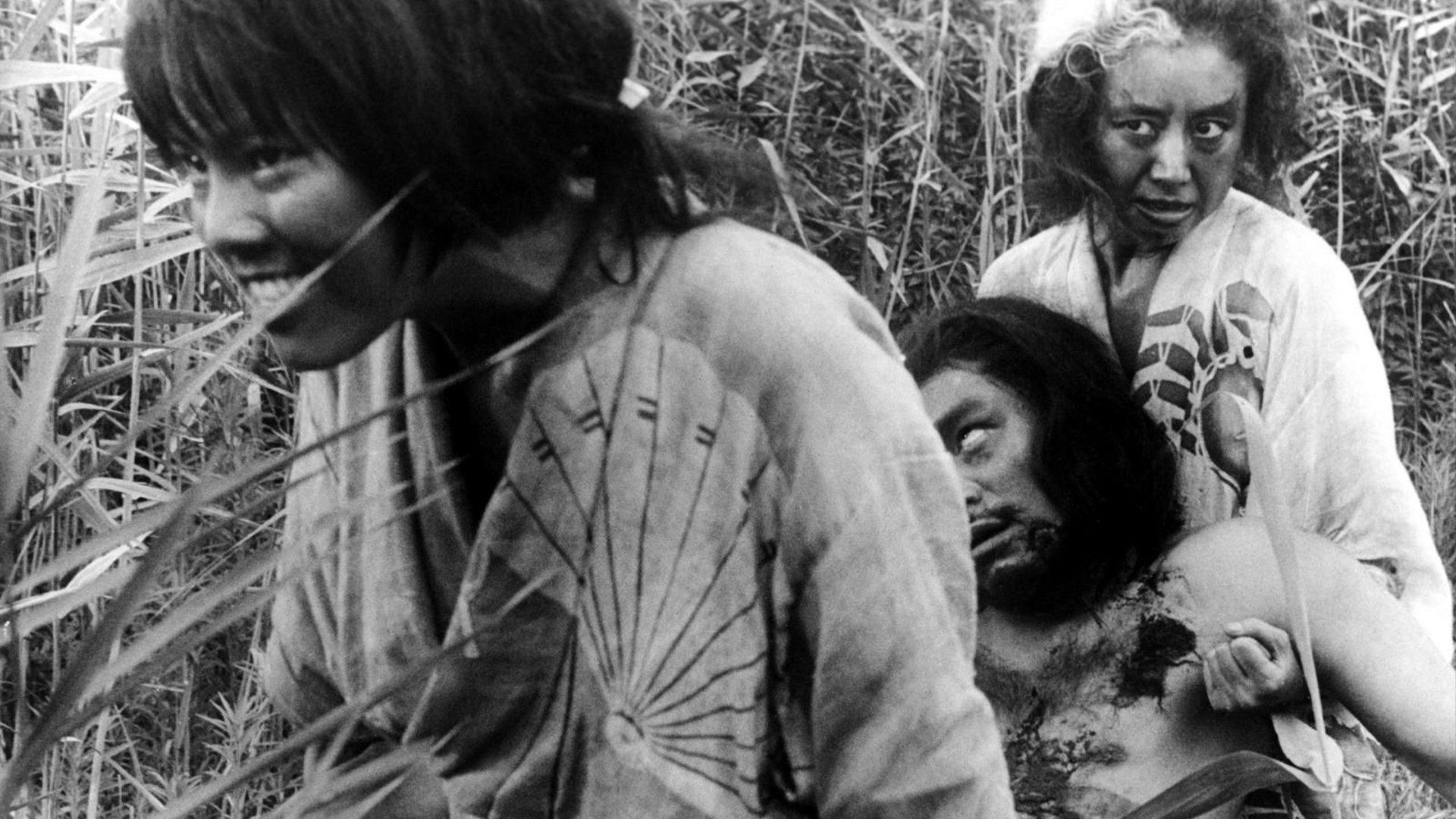
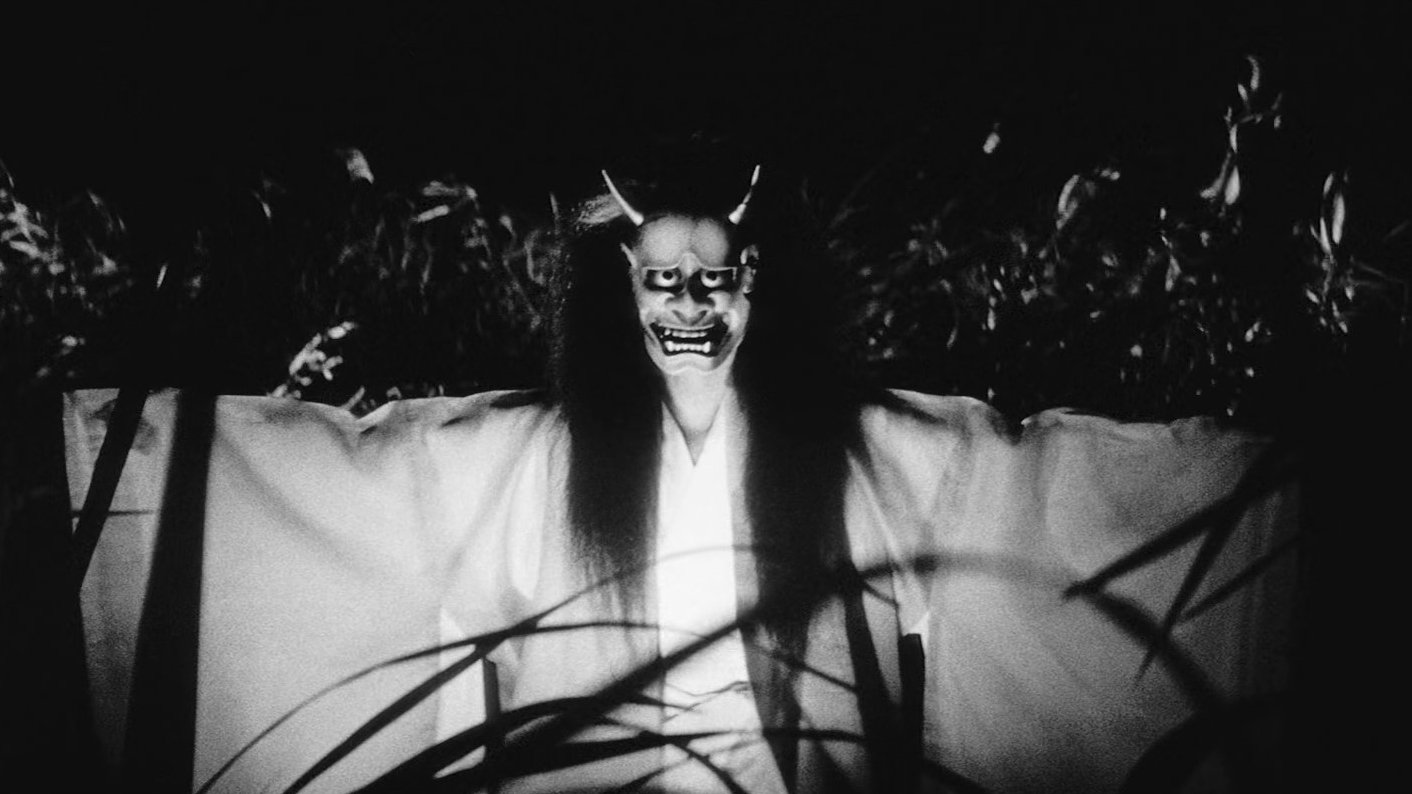
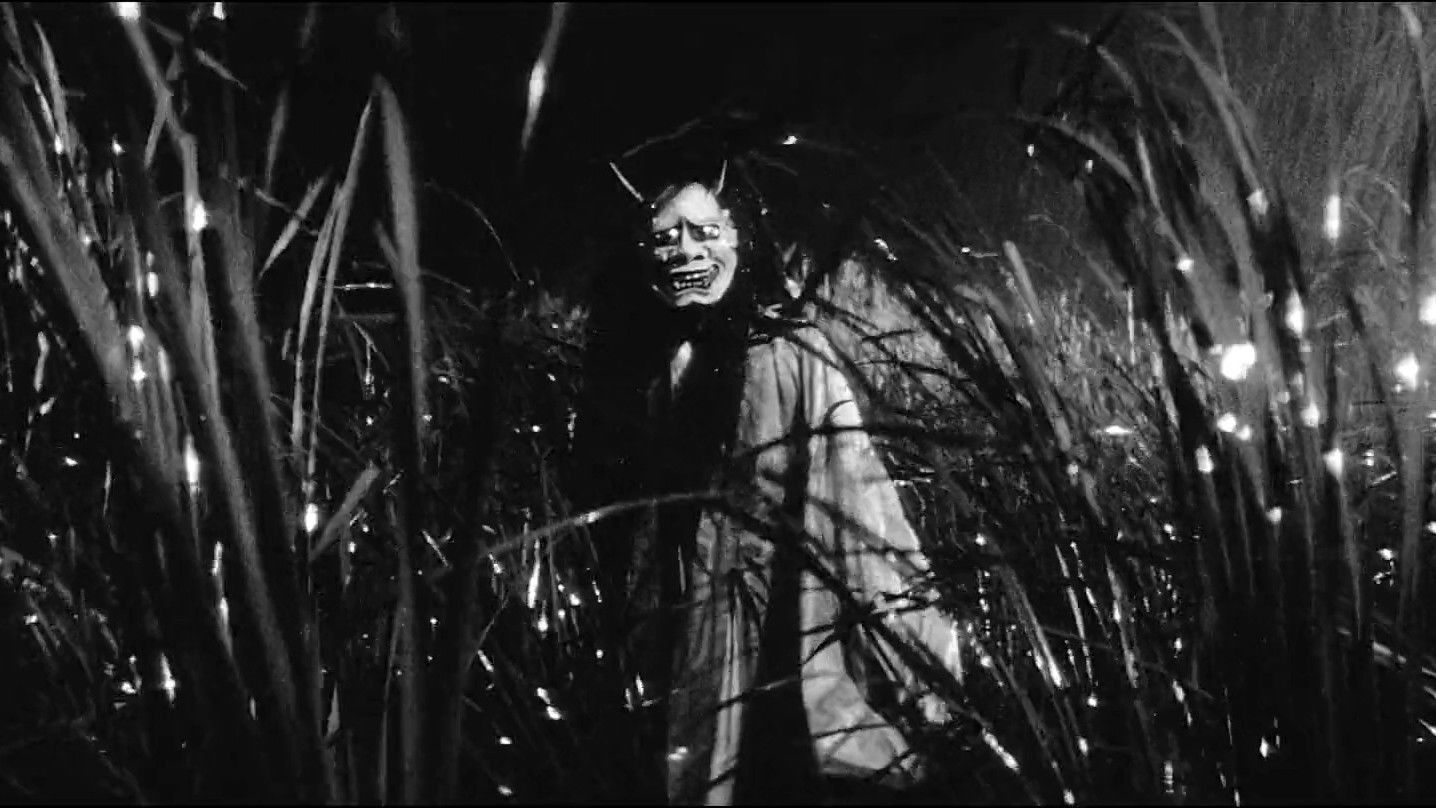
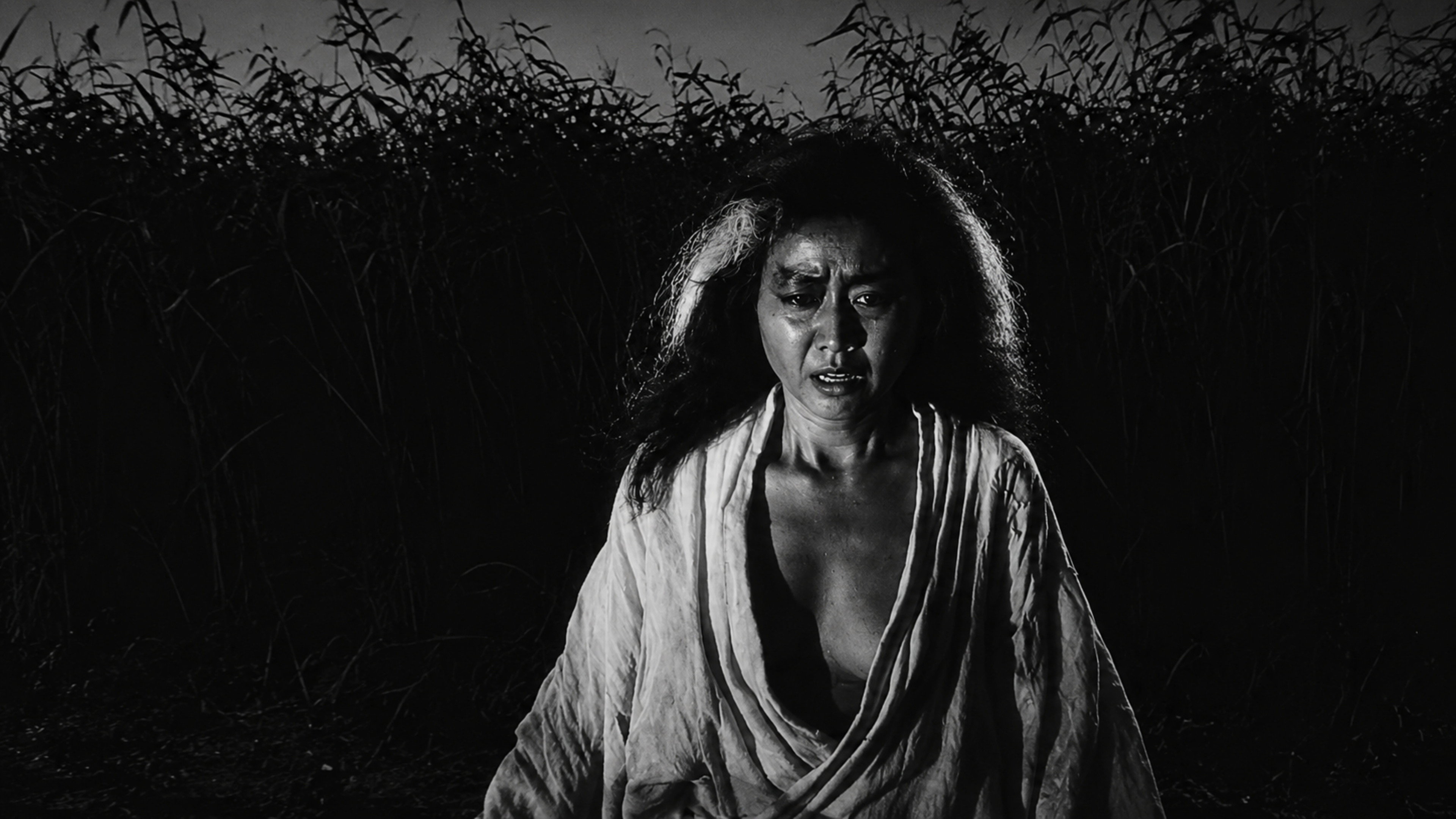
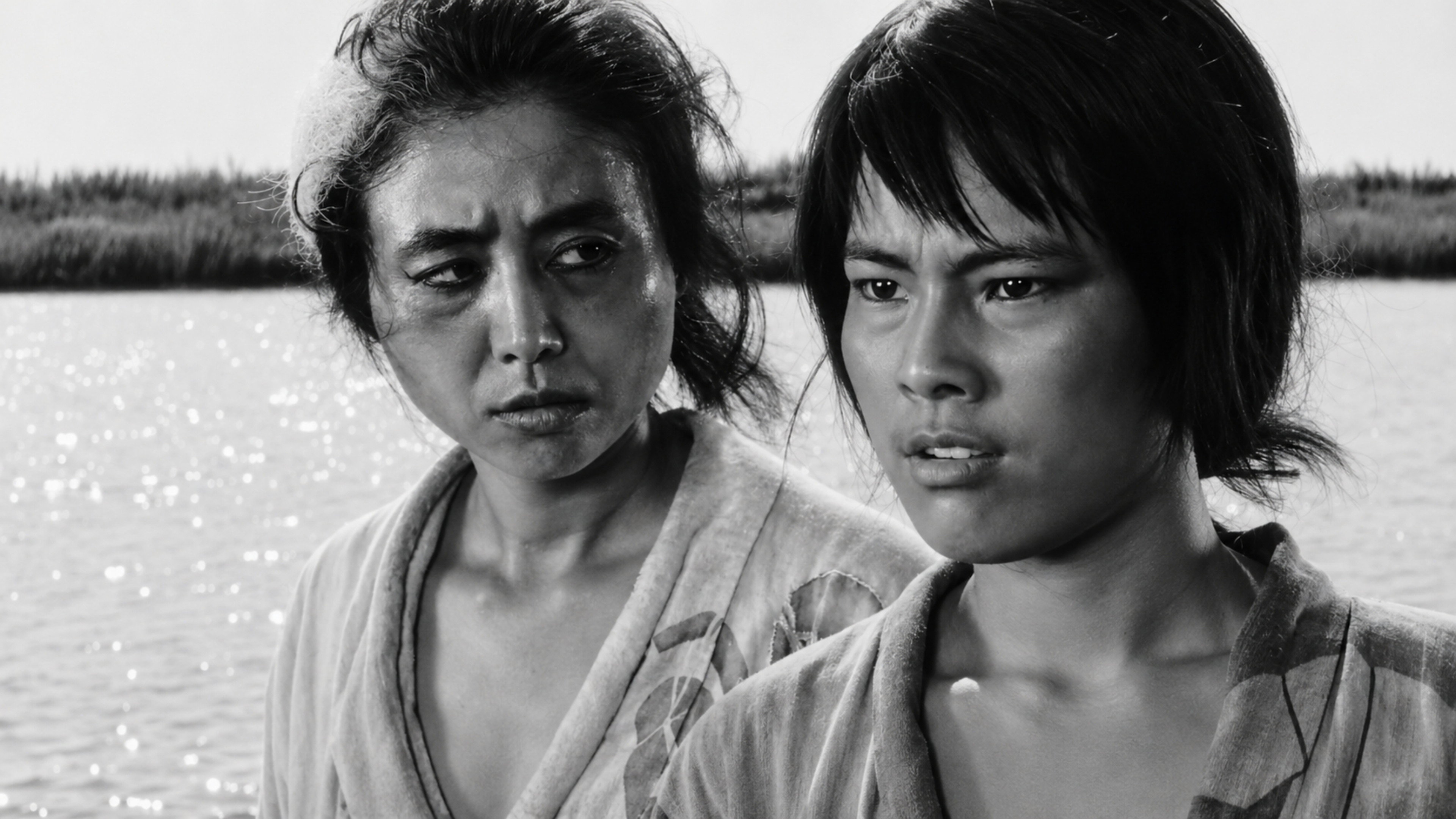
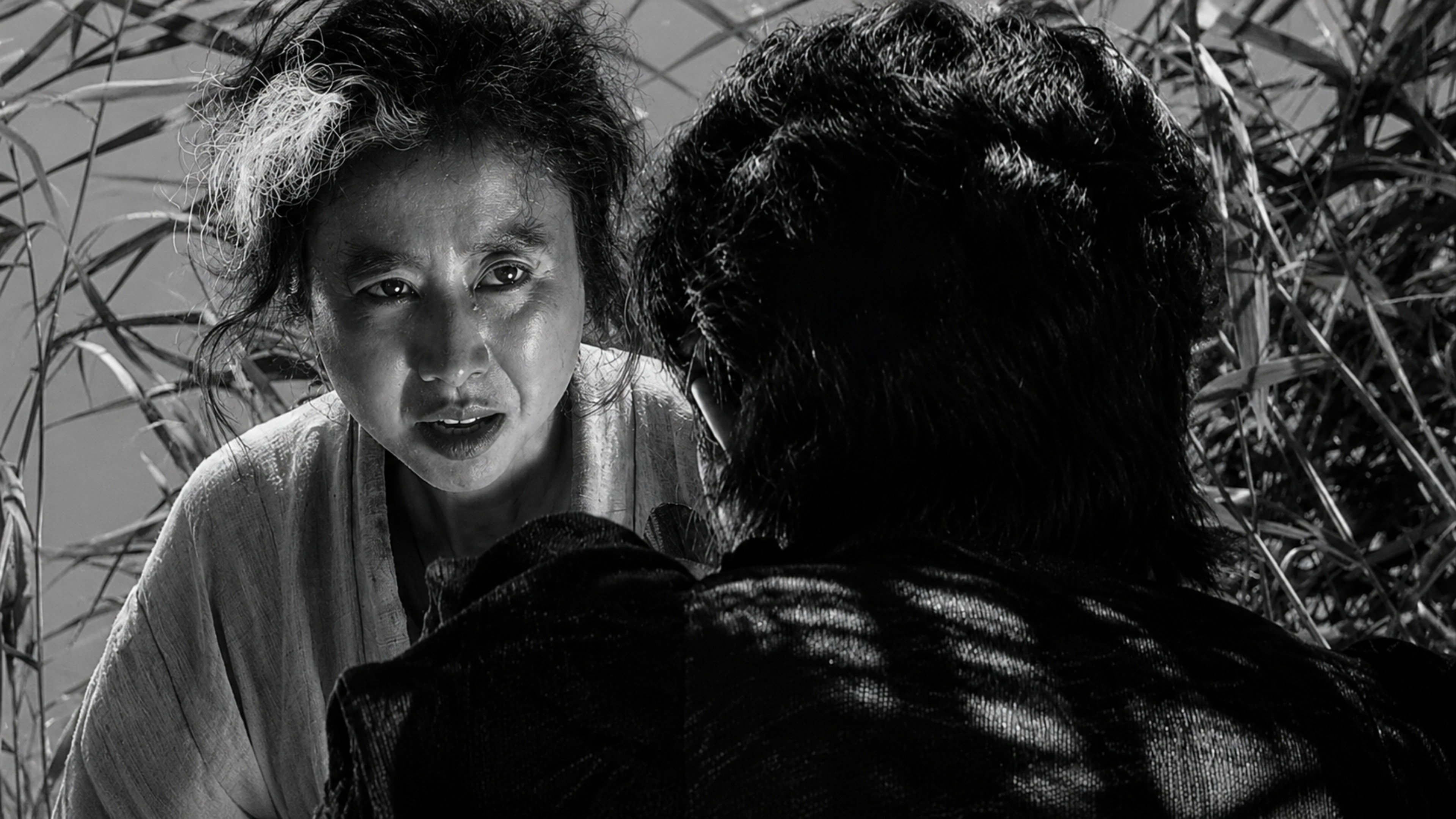
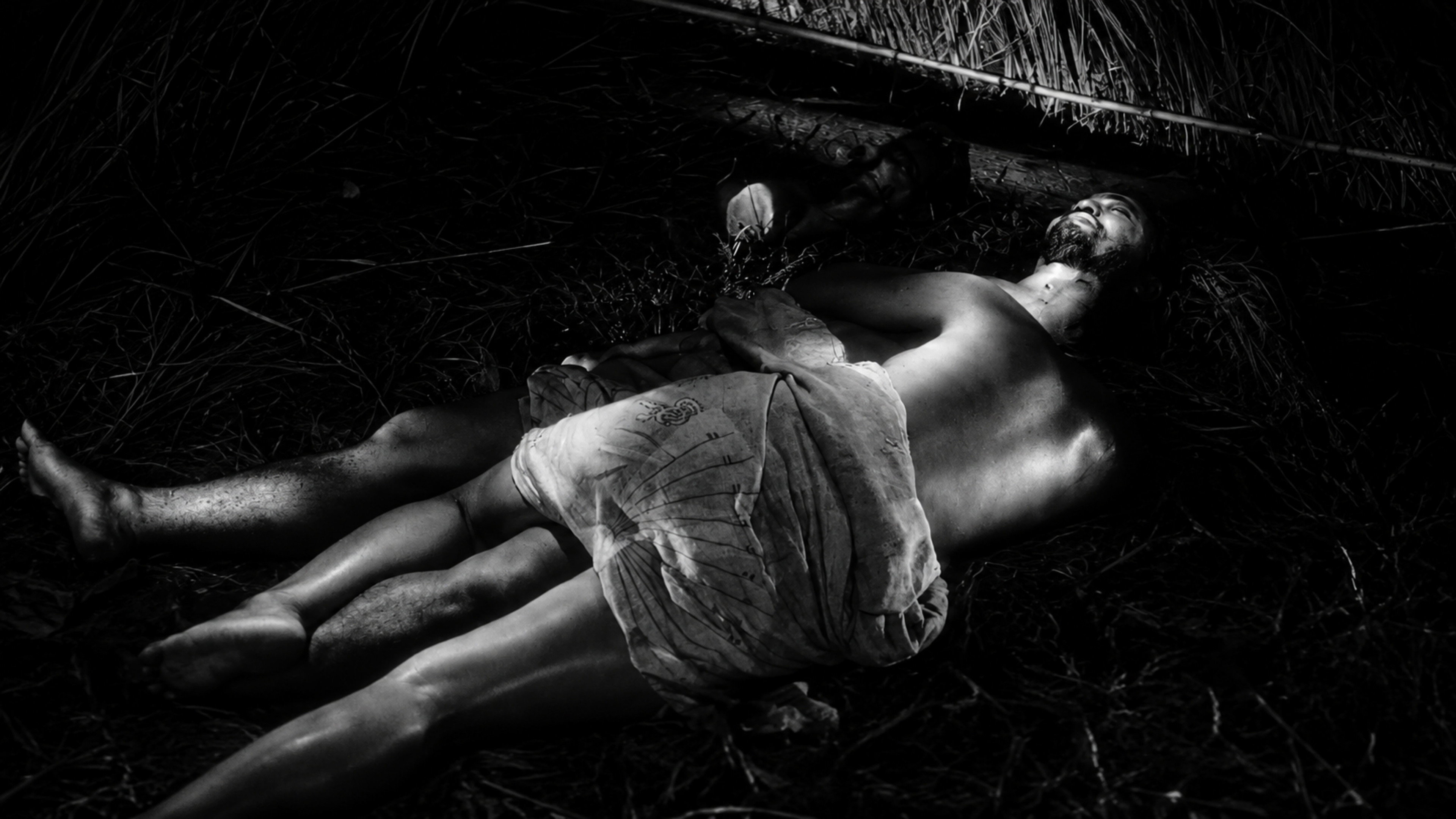
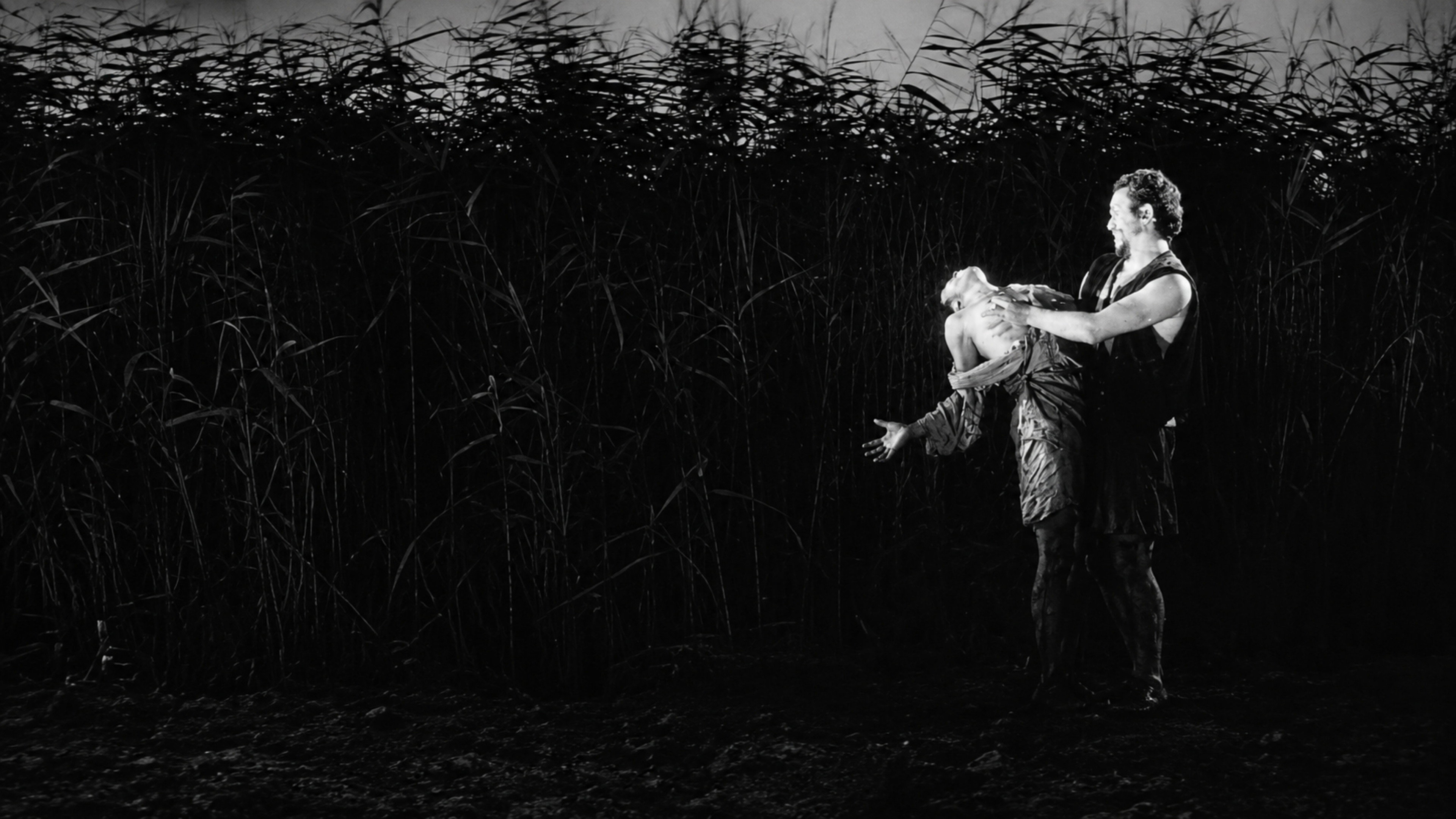
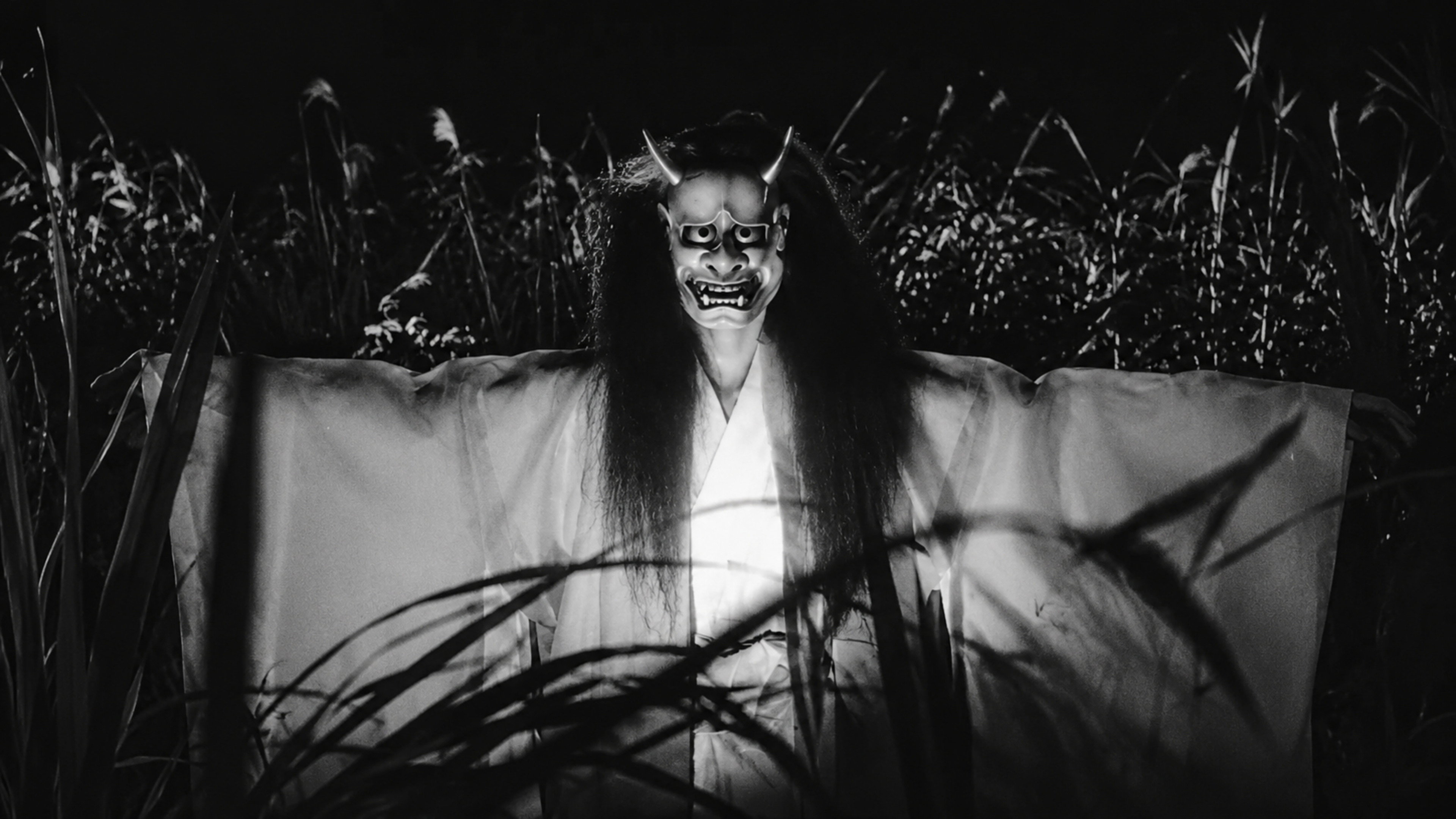
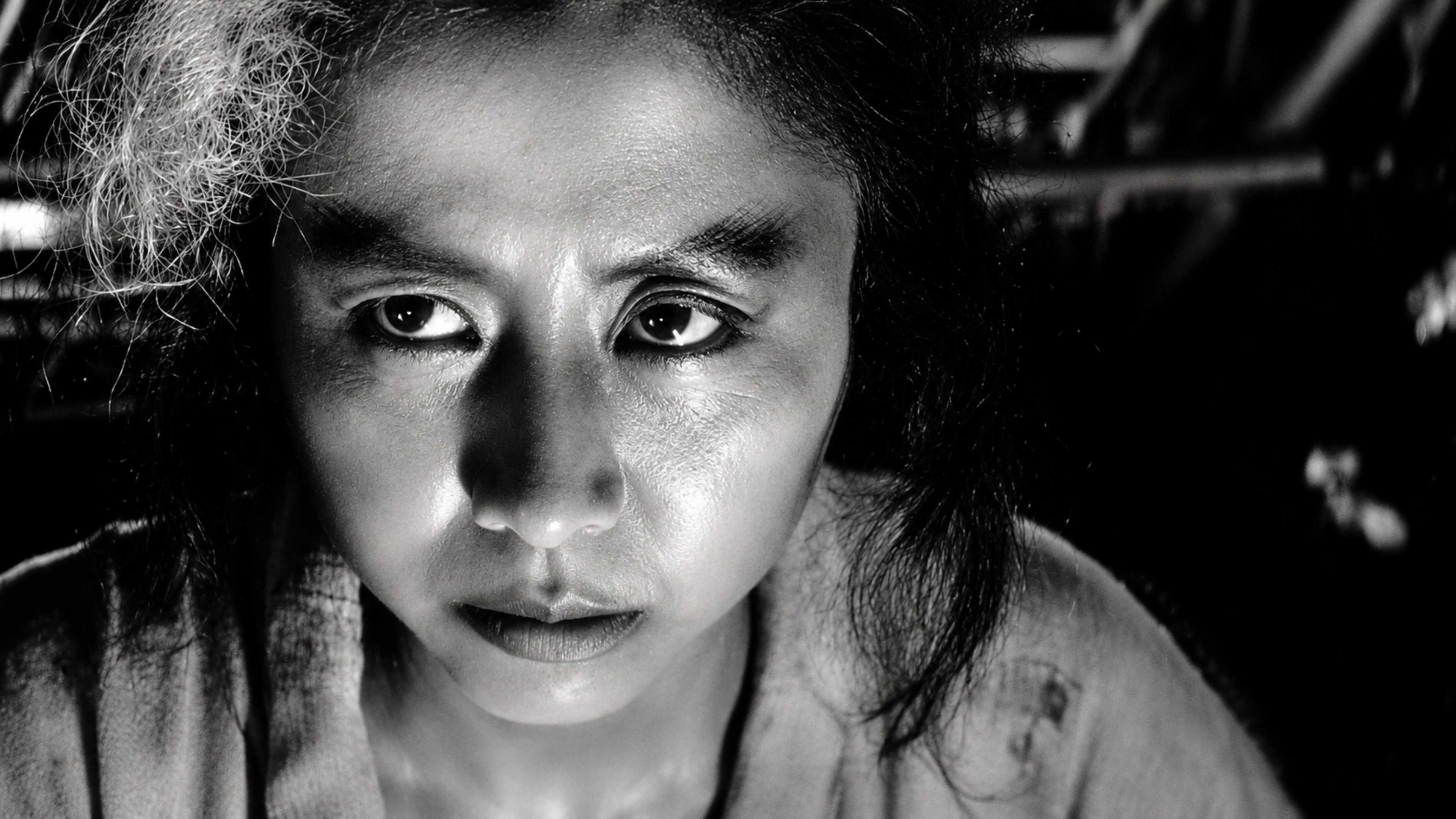
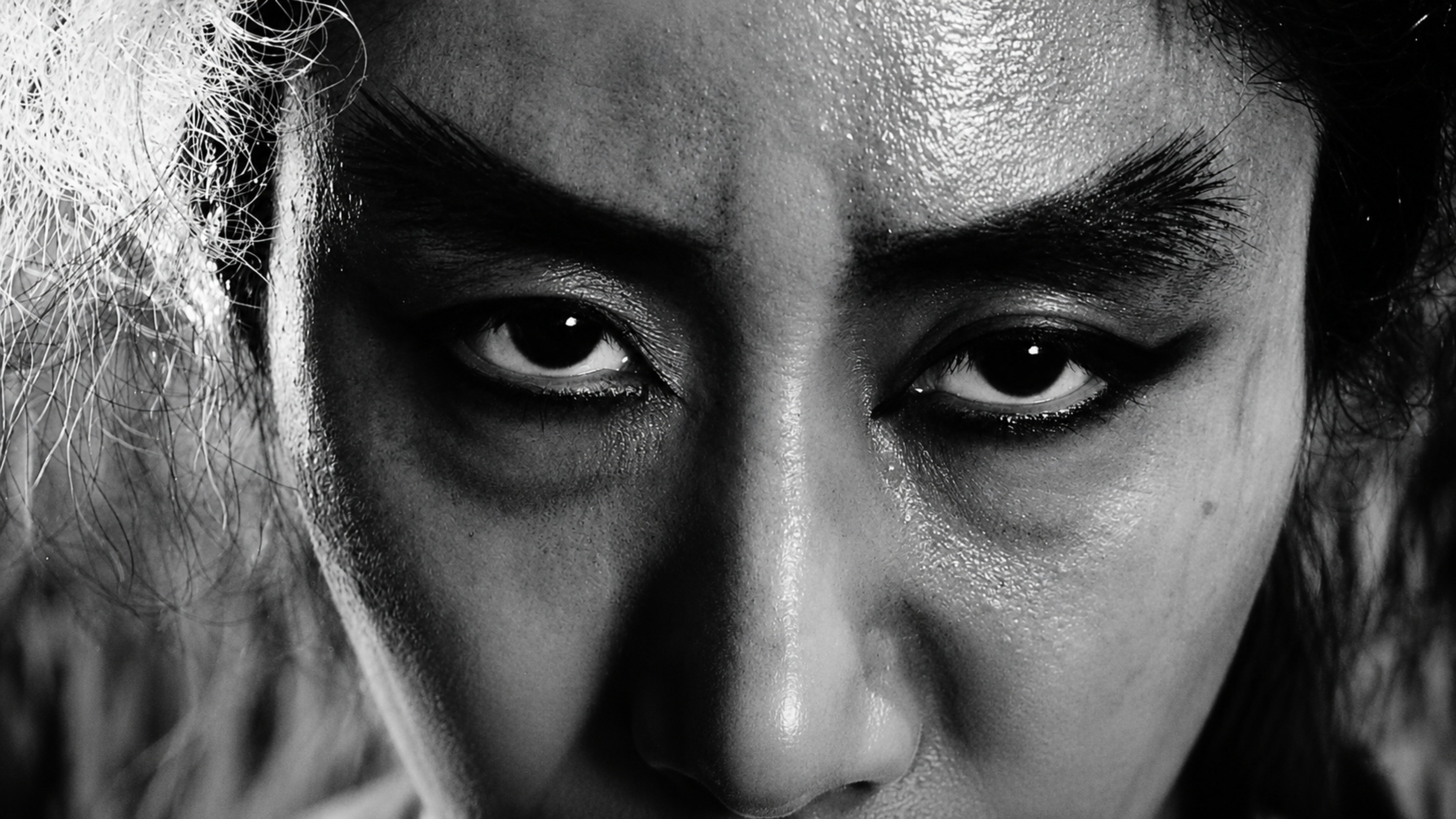
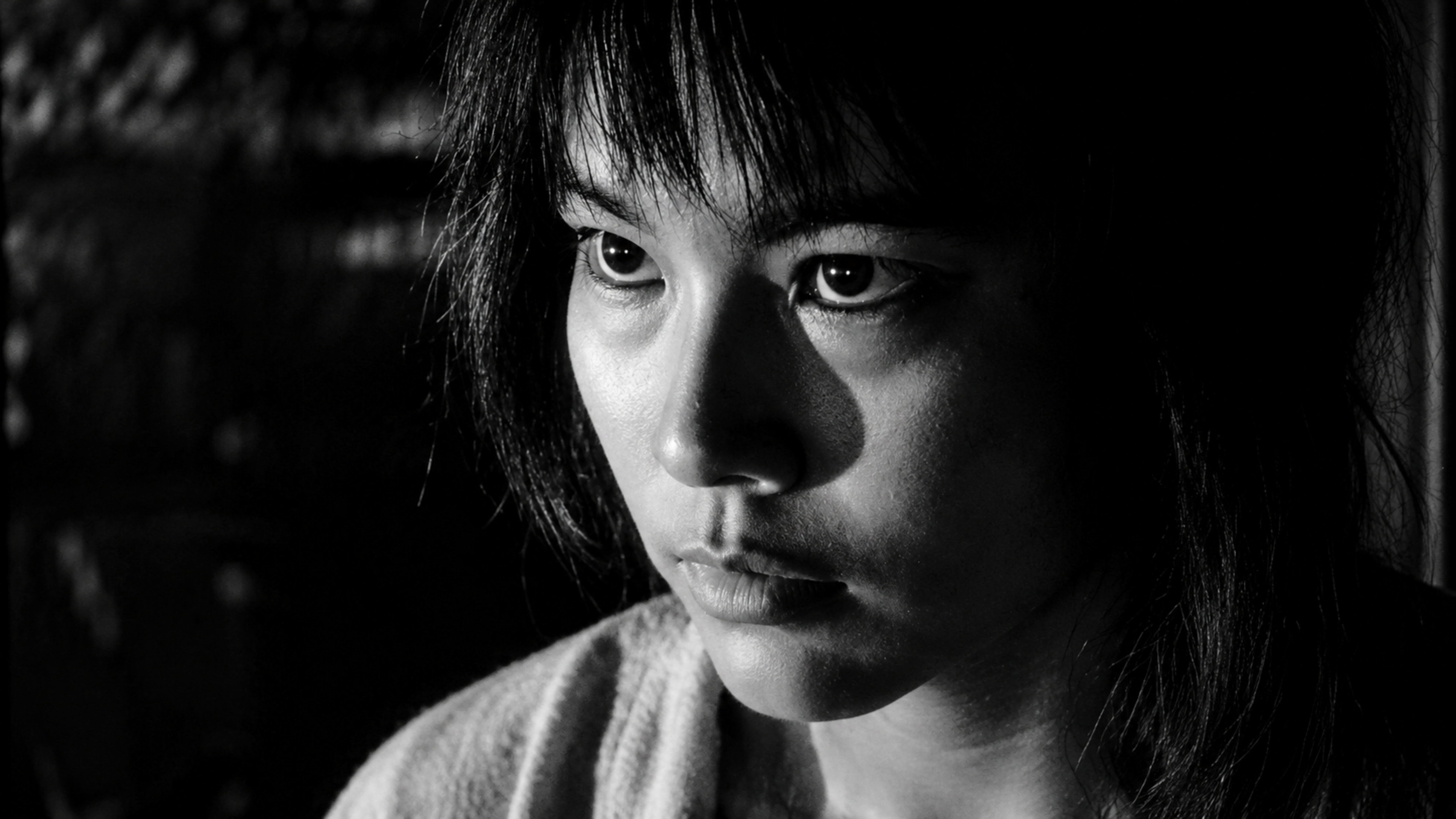
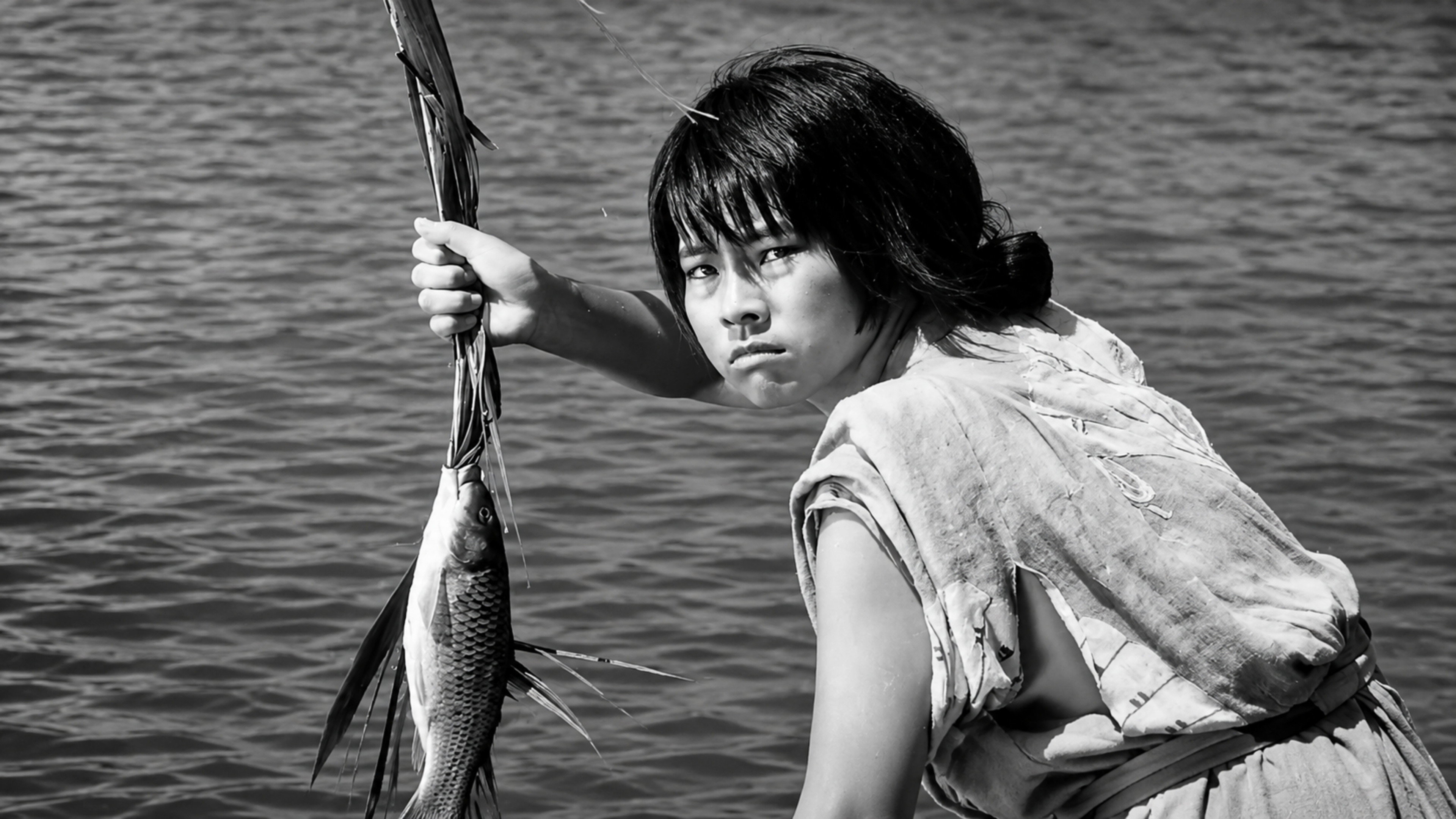
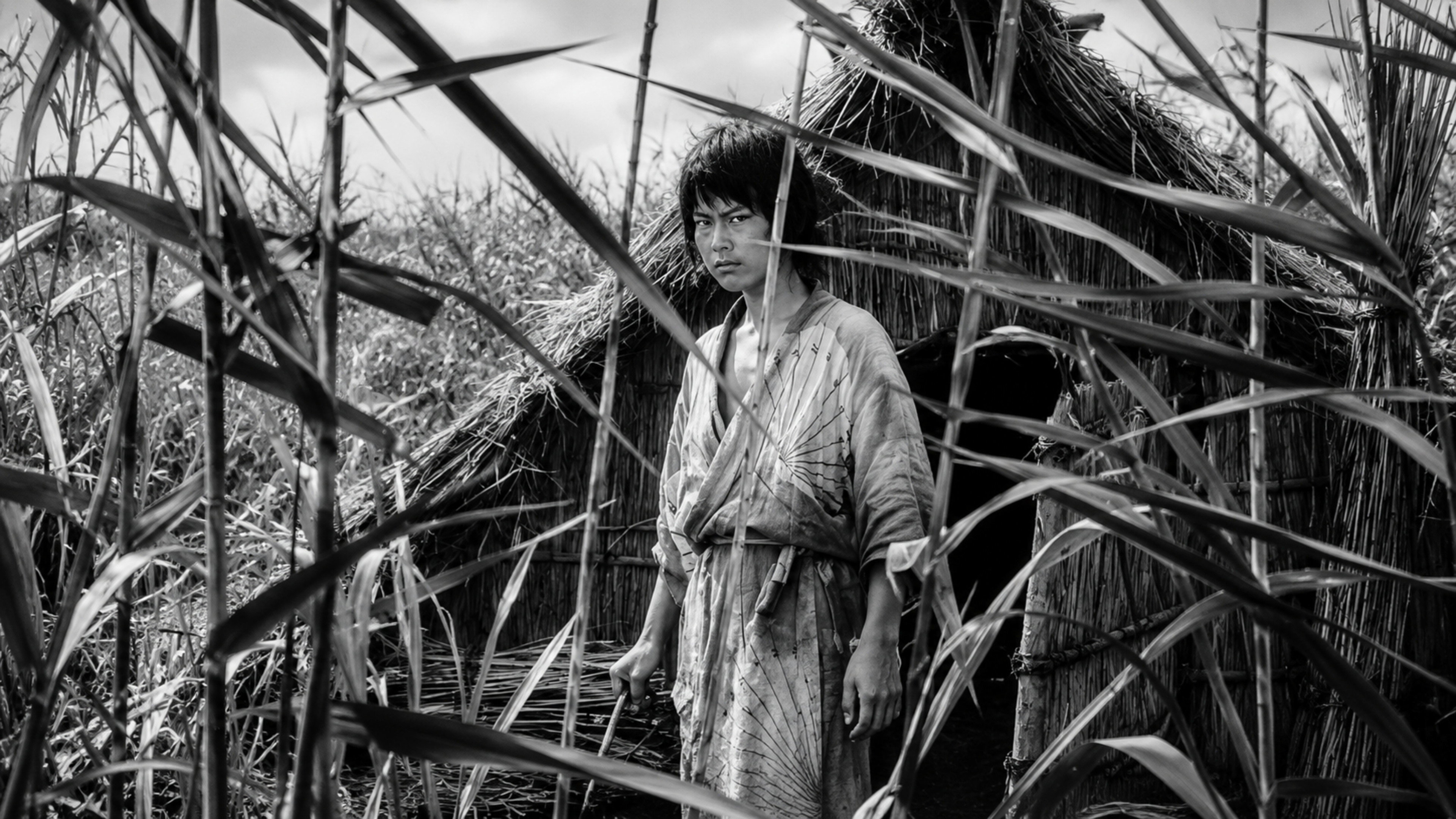
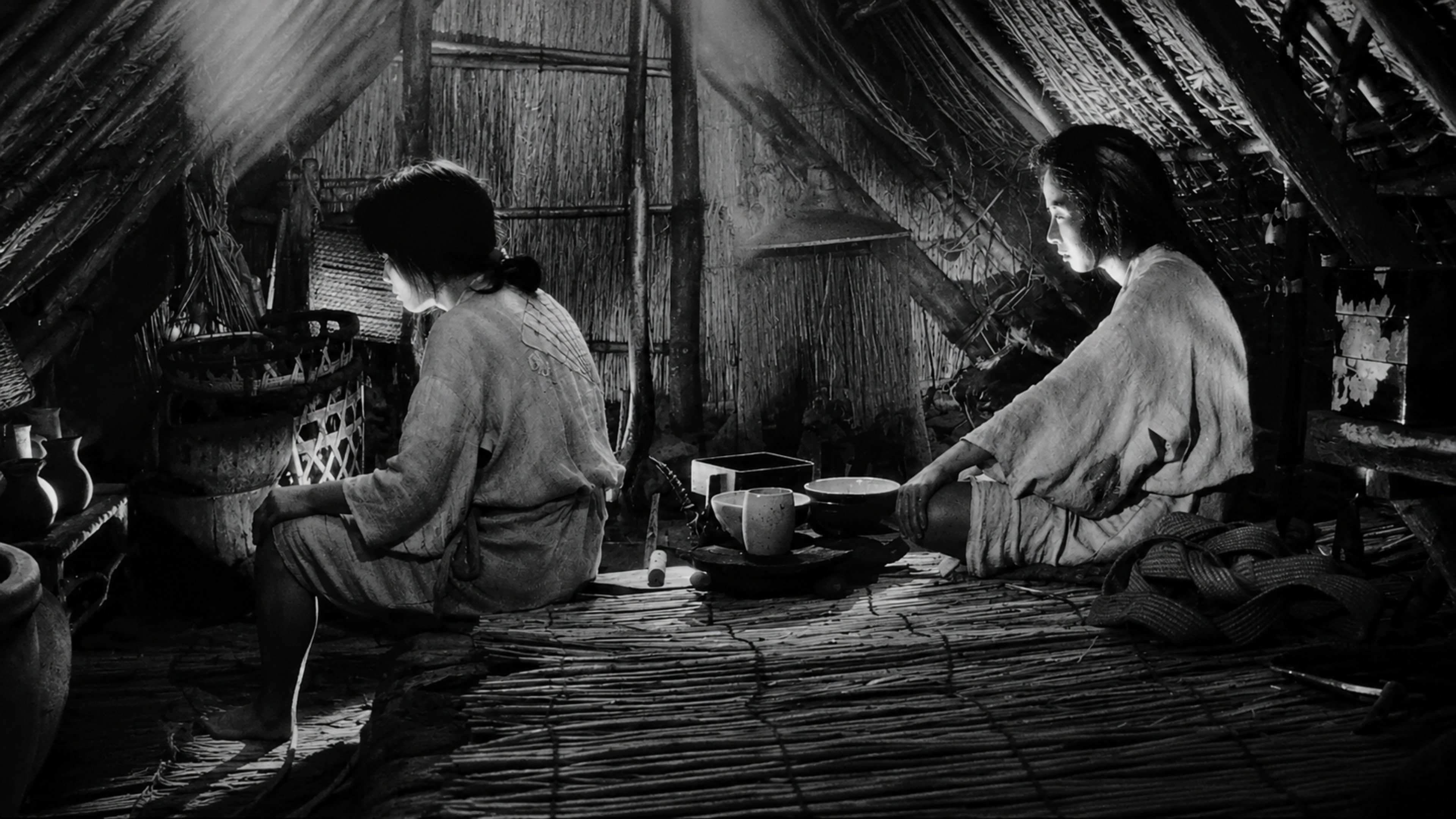
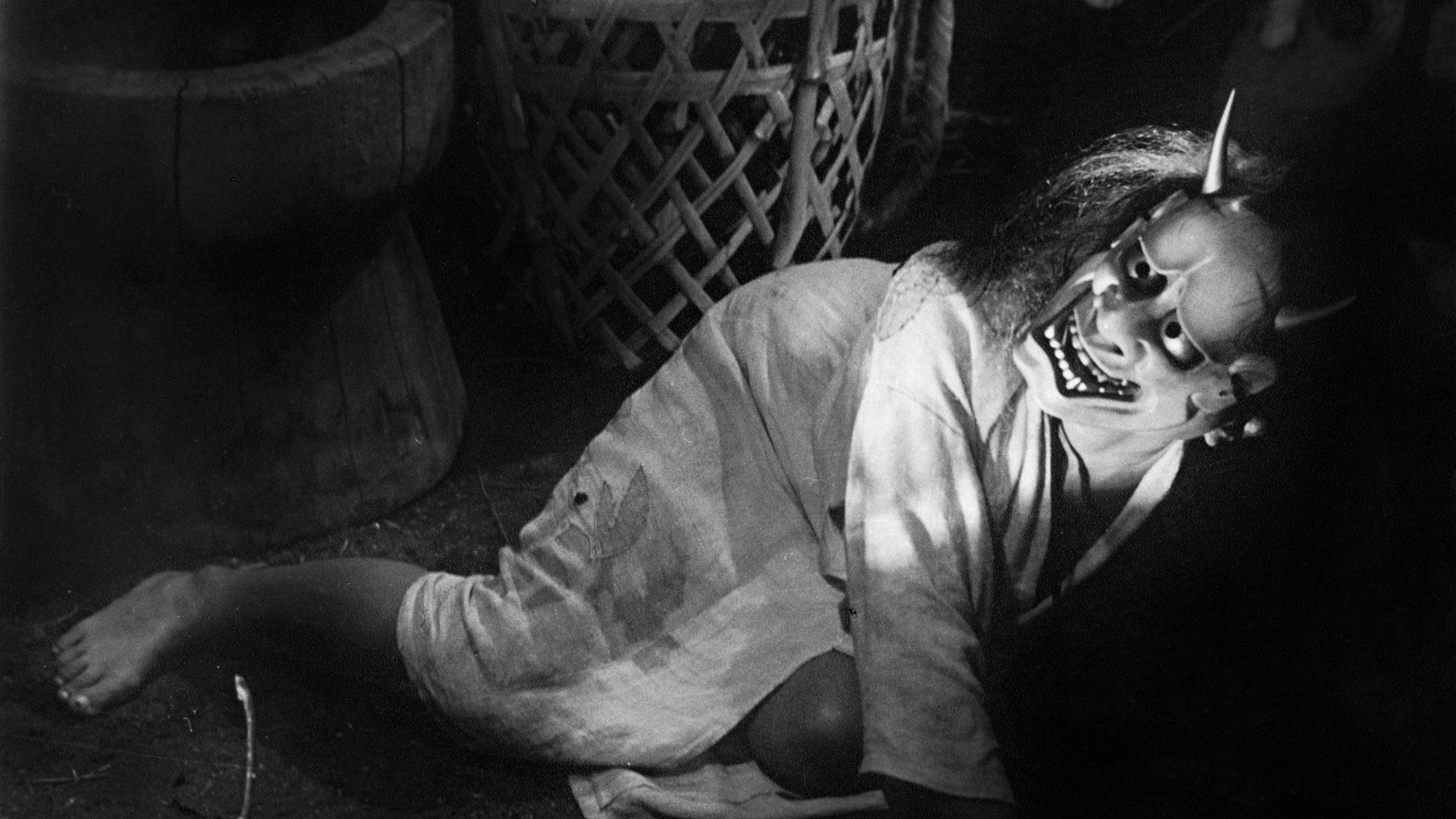
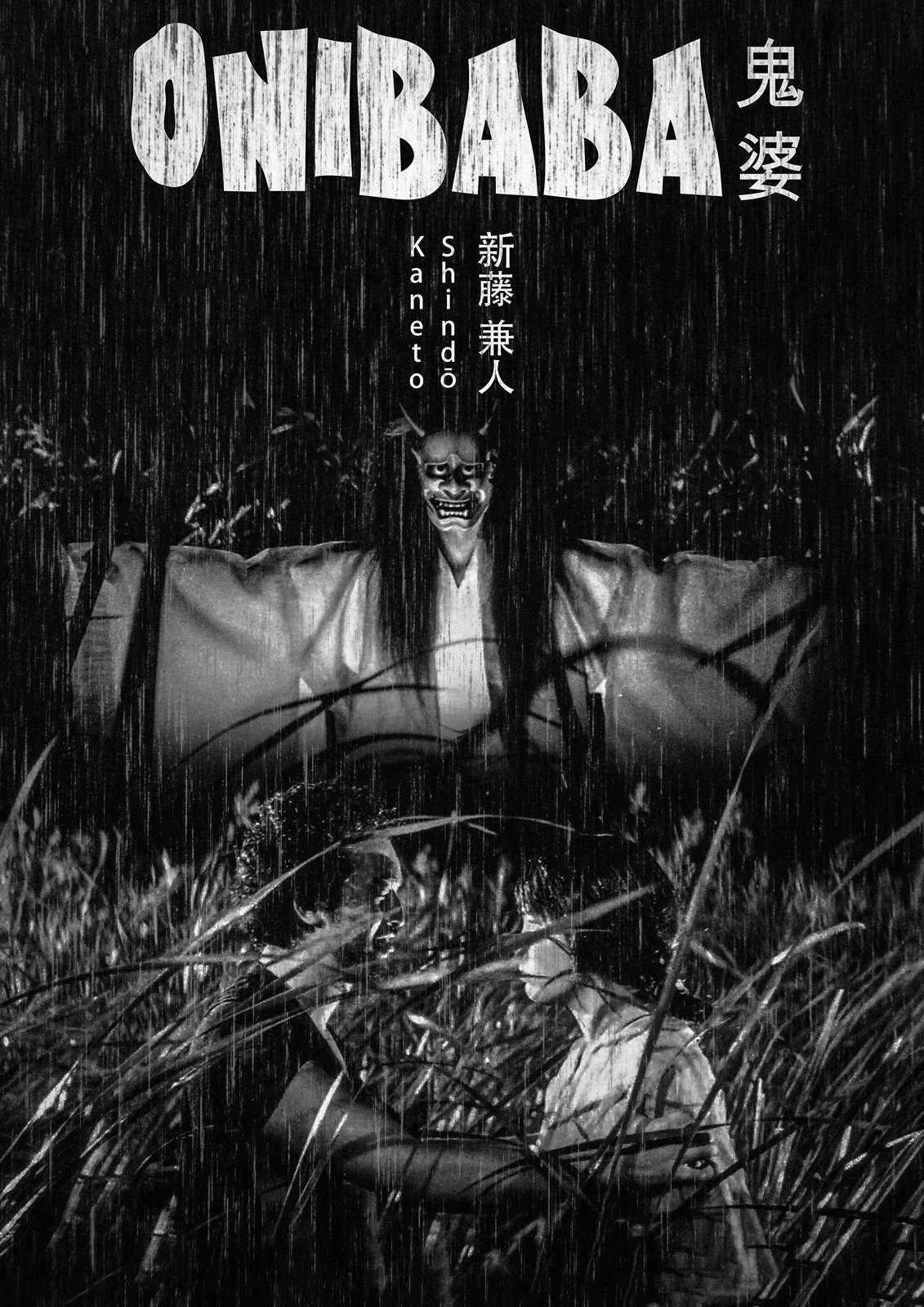
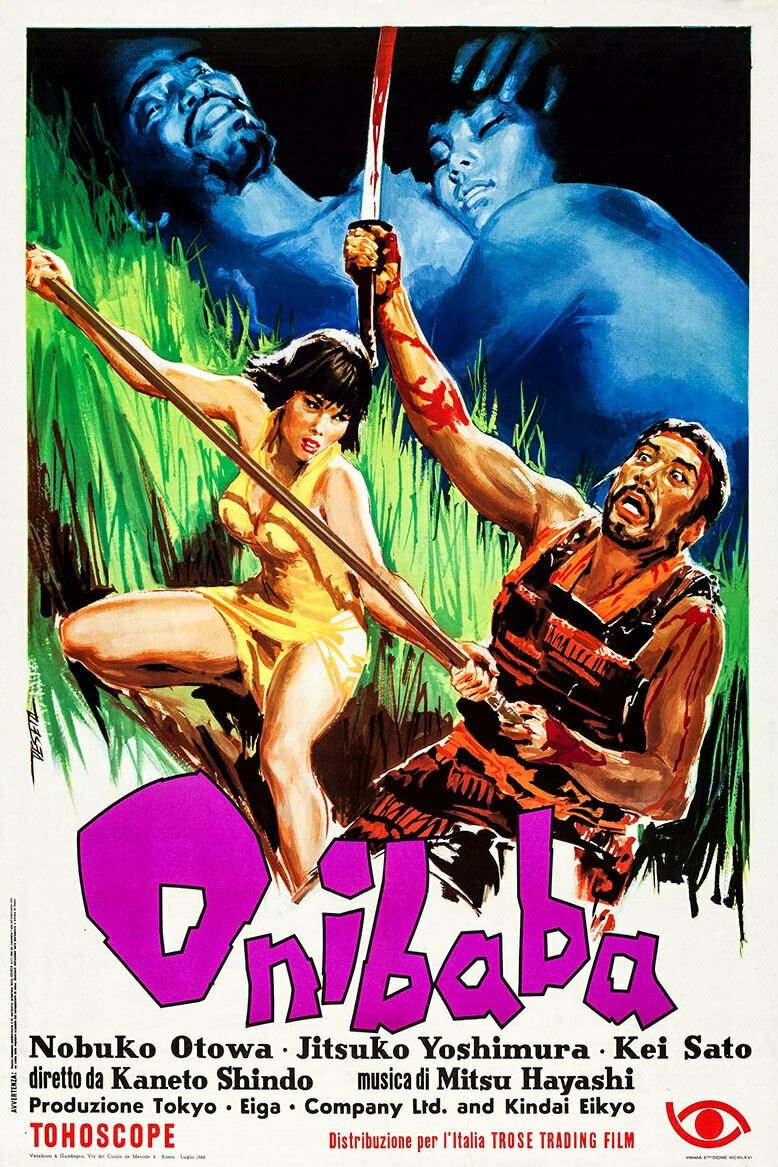
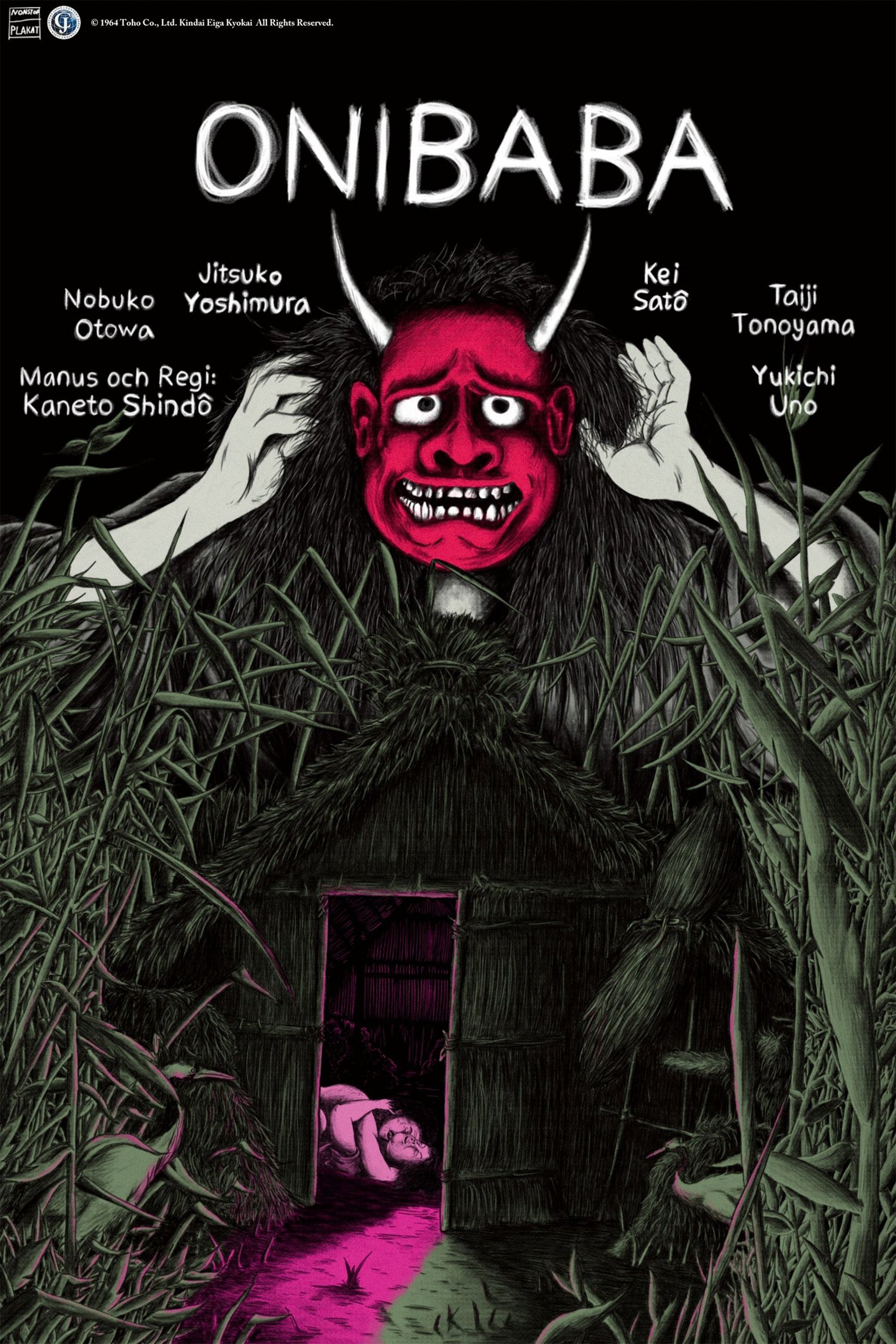
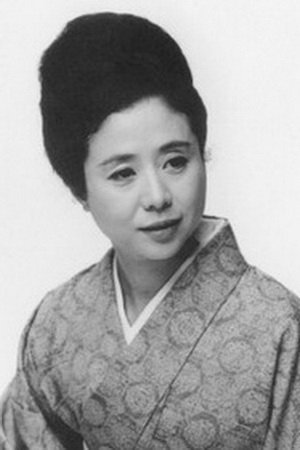
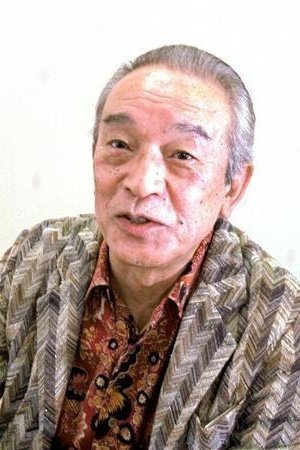
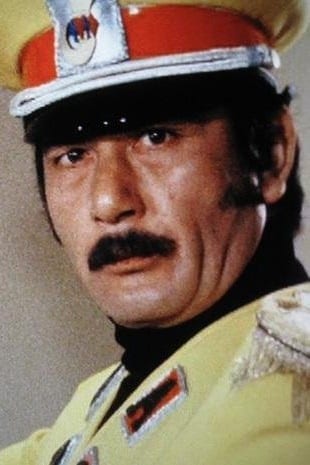
The film's production placed exceptional demands on its landscape and performers. Shooting took place amid tall grass in the Inba Swamp area of Chiba Prefecture during the summer of 1964, a location documented by surviving behind-the-scenes footage filmed with actor Kei Satō's camera. Shindō's staging depends on bodies moving through reeds, entering huts and returning repeatedly to the pit where the dead are discarded. The limited group of principal characters helps maintain an enclosed dramatic world despite the outdoor setting. Nobuko Otowa's long association with the director gives the older woman's ferocity an importance that extends beyond a conventional villain role.