

Development and Production in Britain
Following the international recognition of Knife in the Water, Polanski looked for opportunities outside Poland but encountered difficulties securing financing for further projects. Producer Gene Gutowski helped bring him into contact with British backers. Compton Films, associated with Michael Klinger and Tony Tenser, was interested in a commercially viable horror picture, a requirement that shaped the material Polanski and Brach developed. Writing retrospectively about the period, David Thompson records Polanski’s recollection that the two men wrote Repulsion in seventeen days. That account is a filmmaker’s later memory of the screenplay process rather than a surviving production timetable for every stage of its development.
The project gave Polanski access to a genre with recognizable commercial attractions while leaving room for a film built around subjective experience. Bill Horrigan’s account for the Criterion Collection describes the director’s interest in enclosed settings and his willingness to use familiar horror devices as a route to more personal visual ideas. The screenplay establishes a modest number of relationships and locations, then gives increasing weight to what happens during Carol’s isolation. Its progression differs from a mystery organized around solving the cause of a supernatural disturbance: viewers understand that events are becoming intolerable without gaining an equally clear explanation for Carol’s condition.
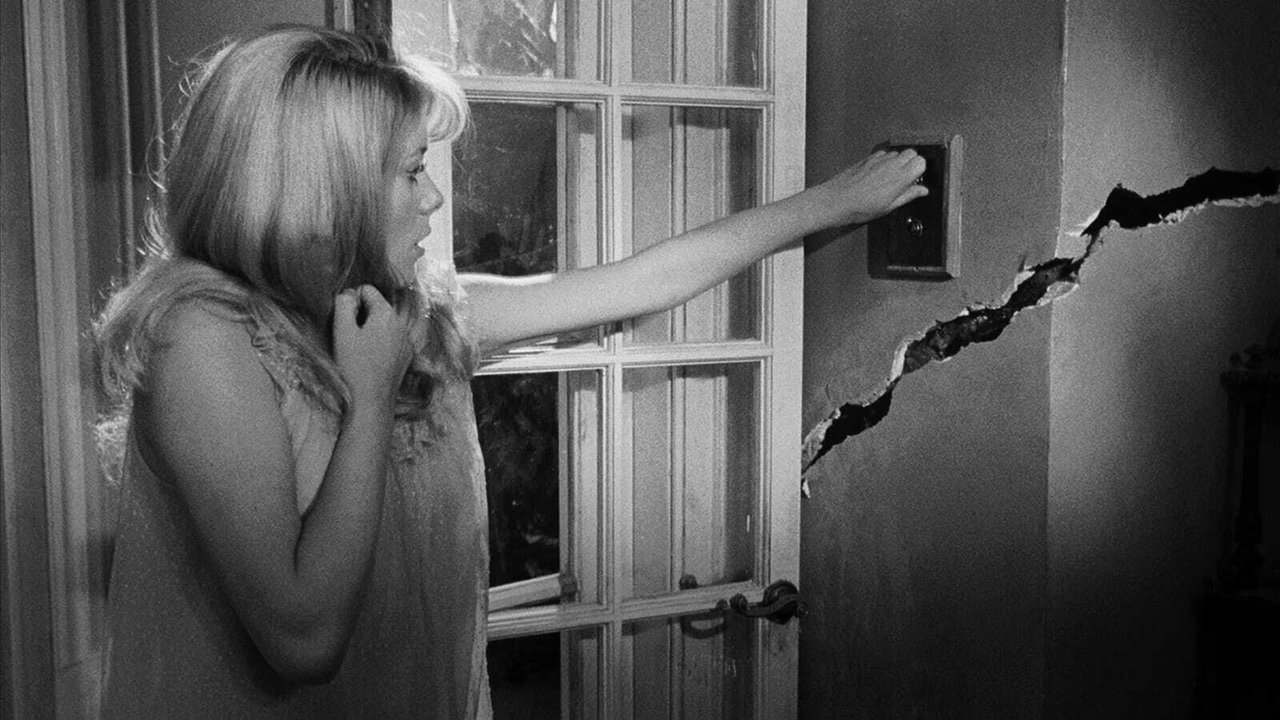
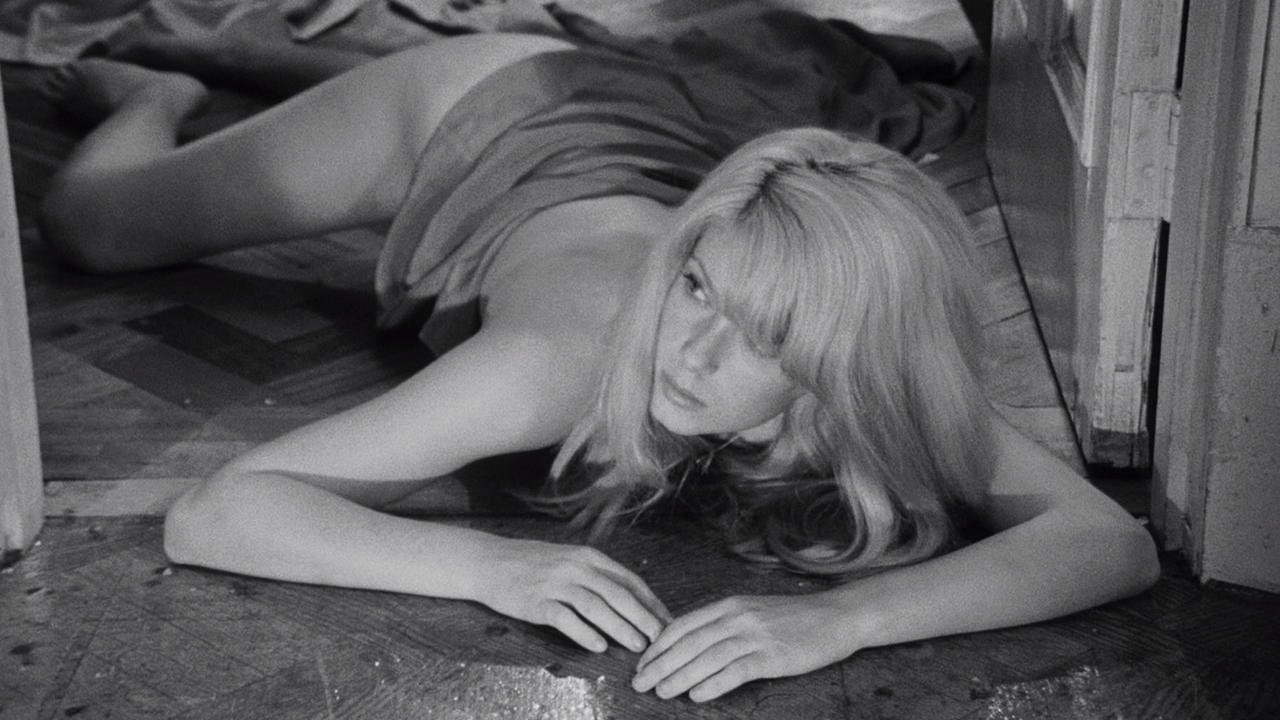
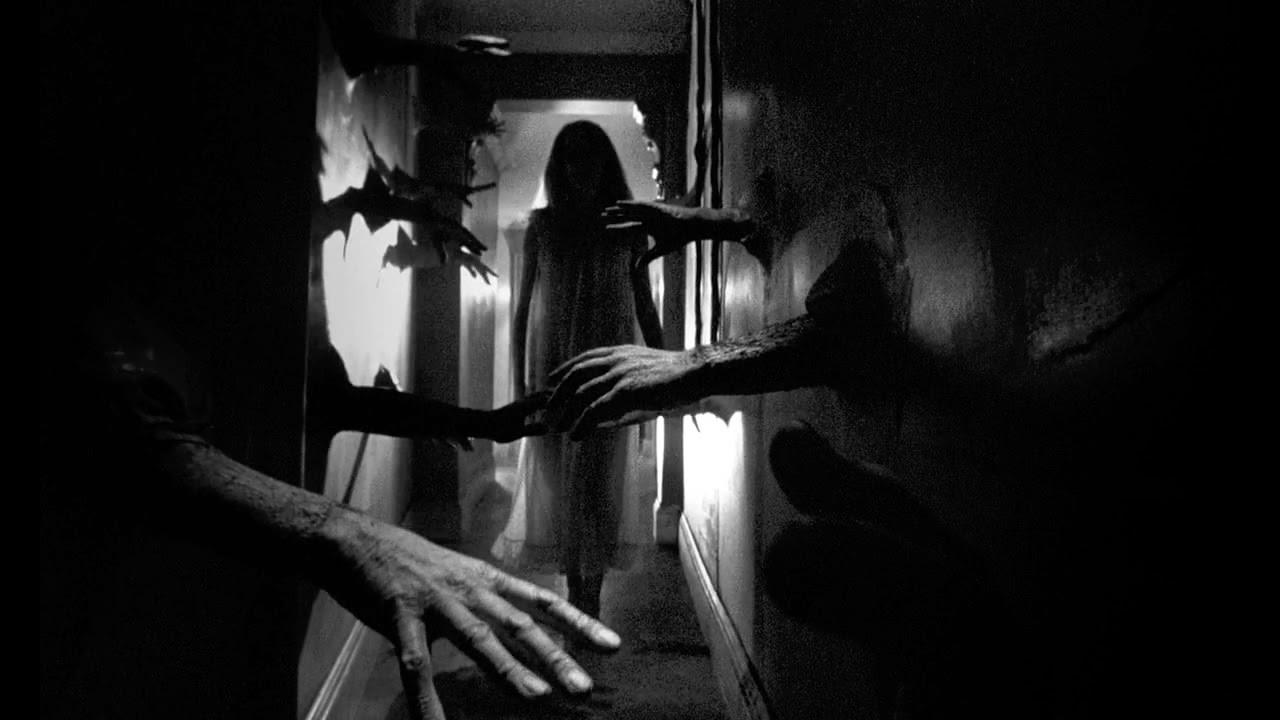
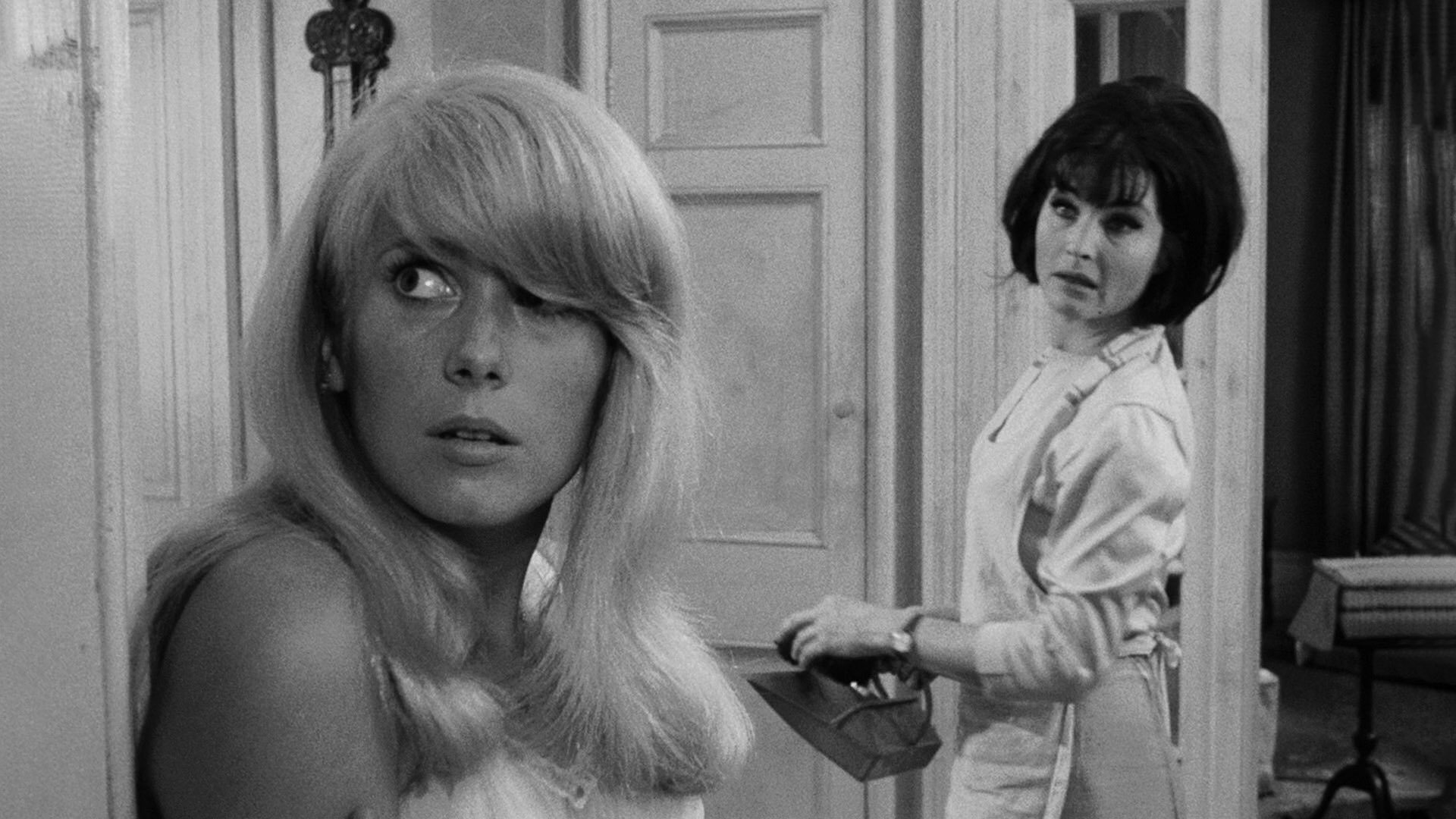
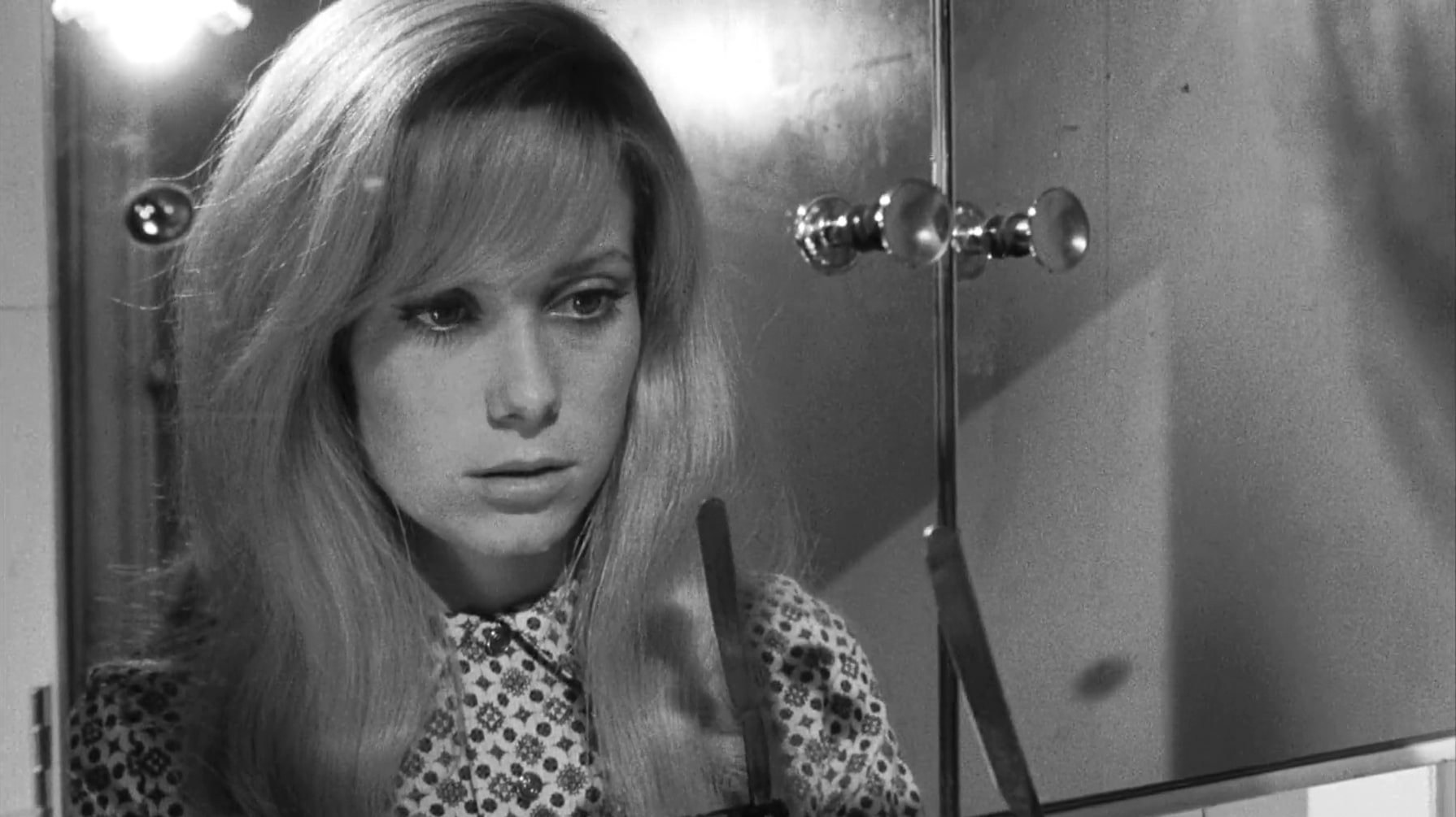
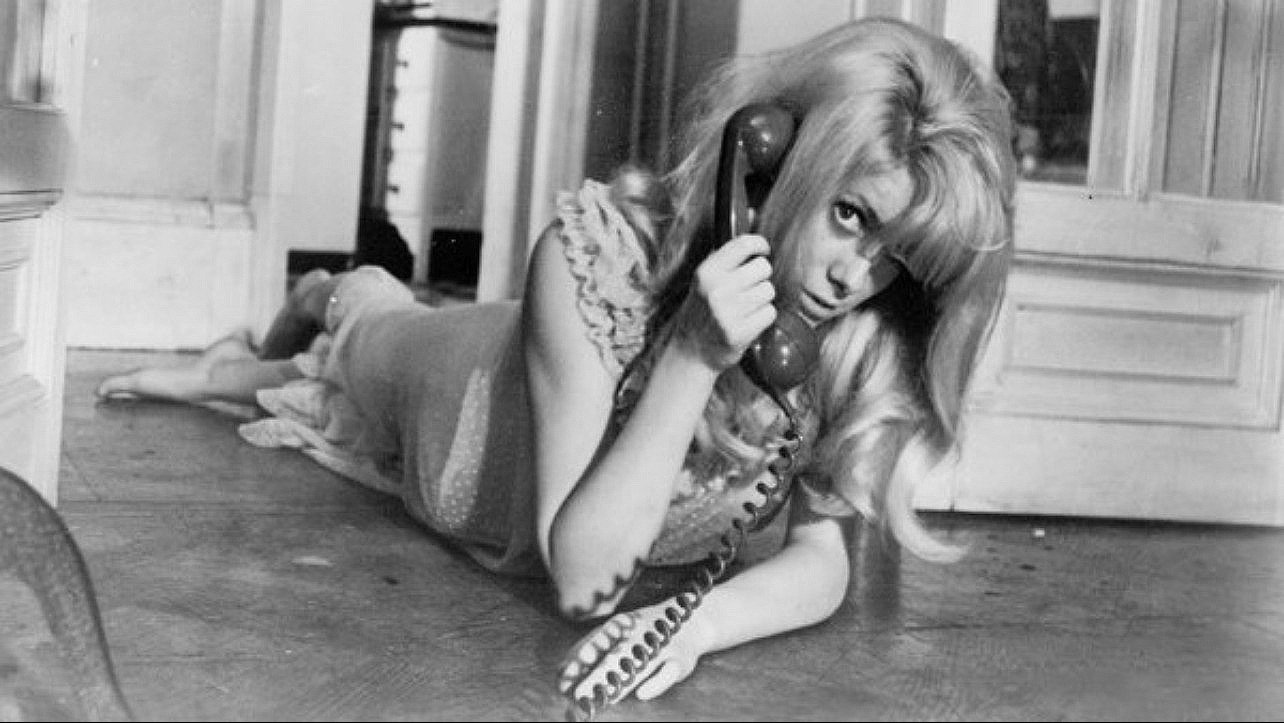
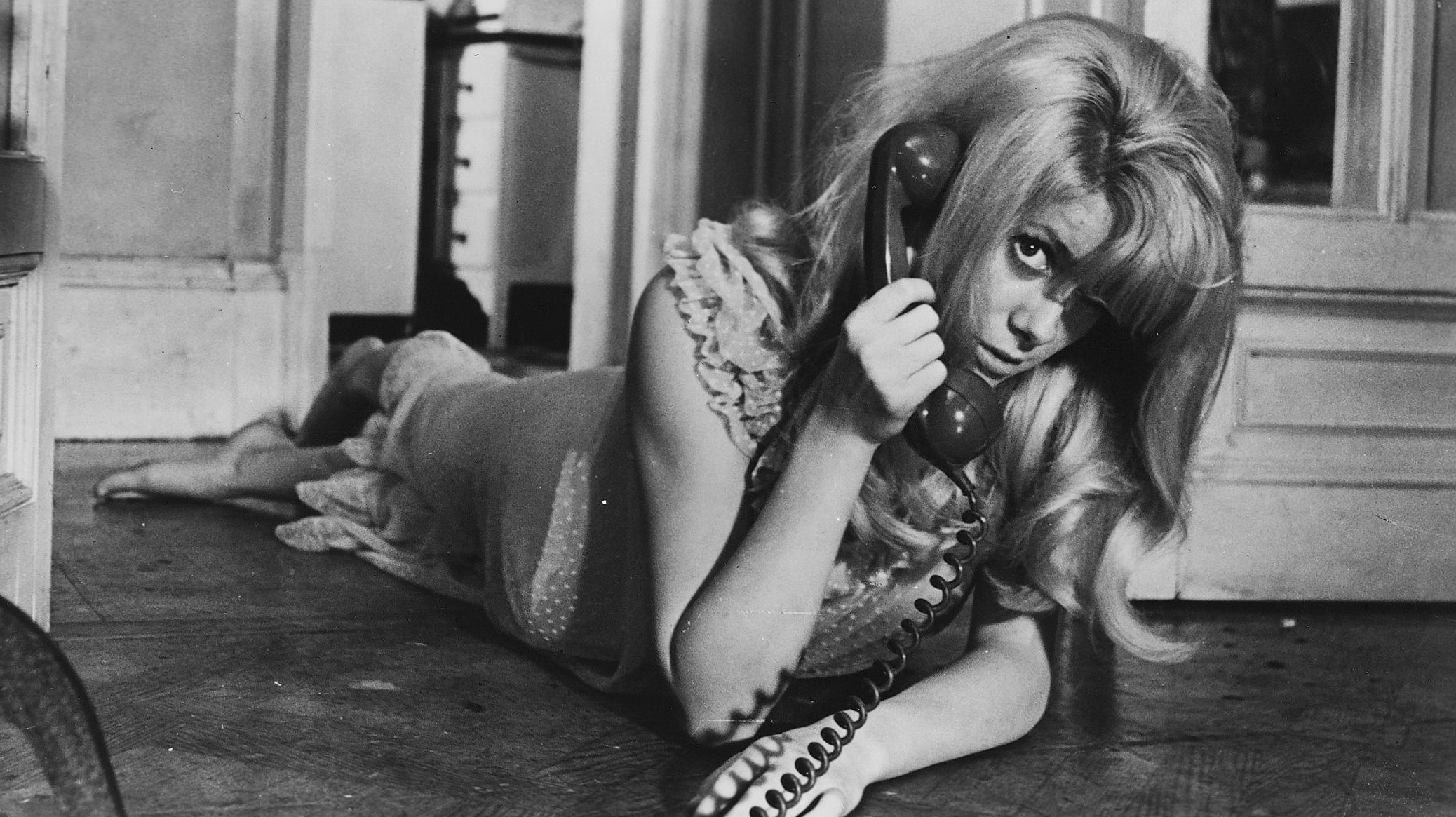
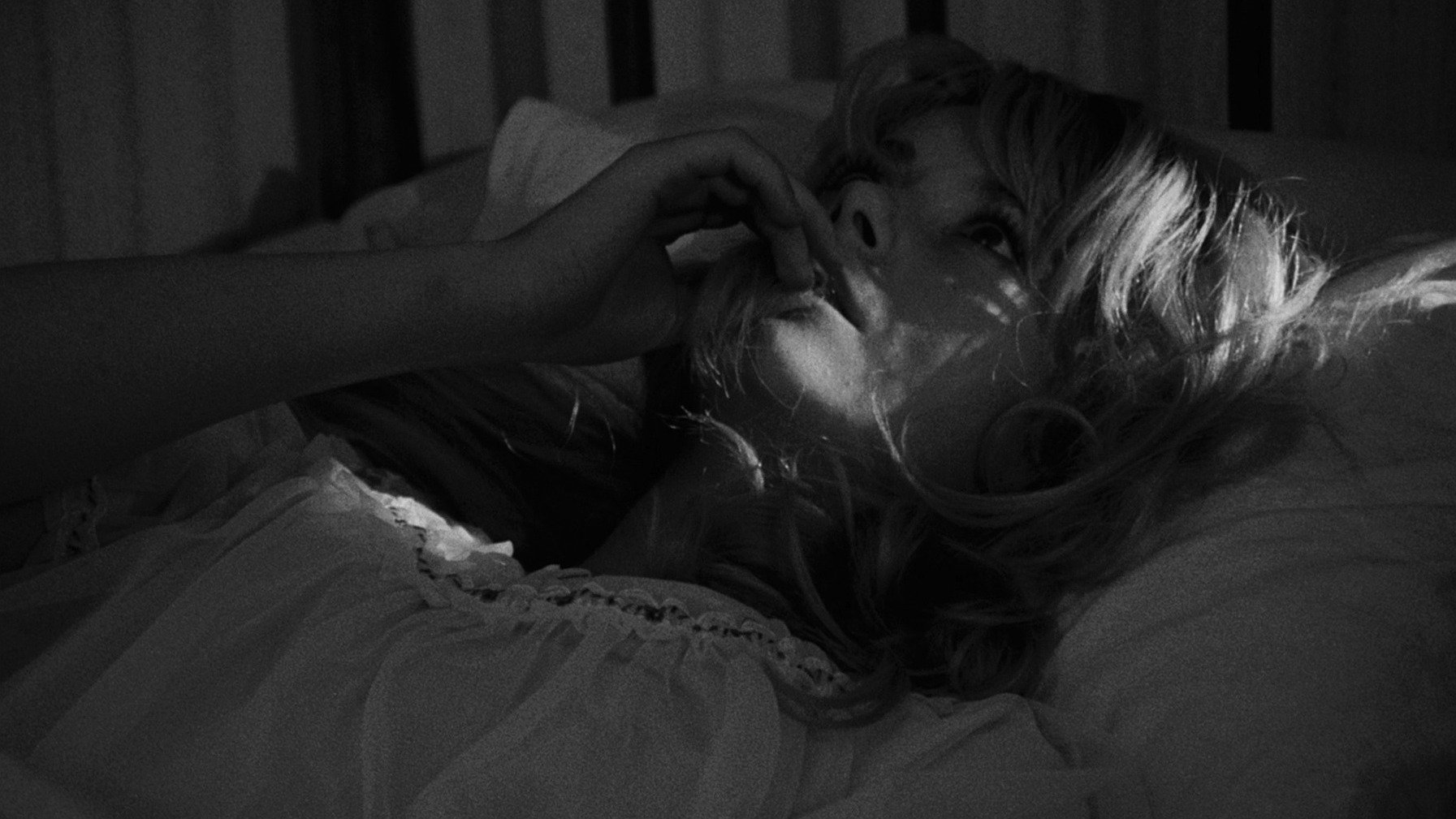
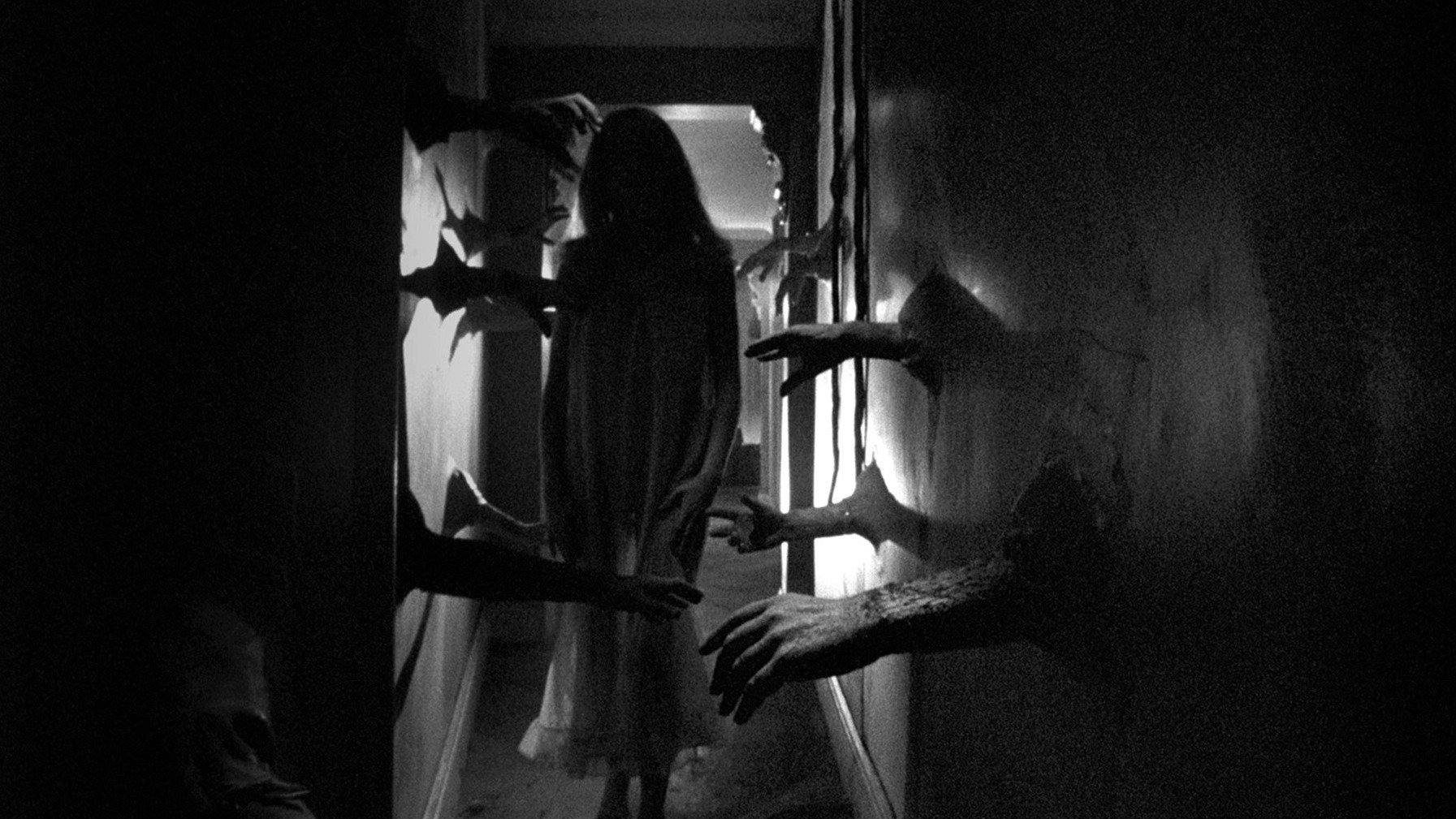
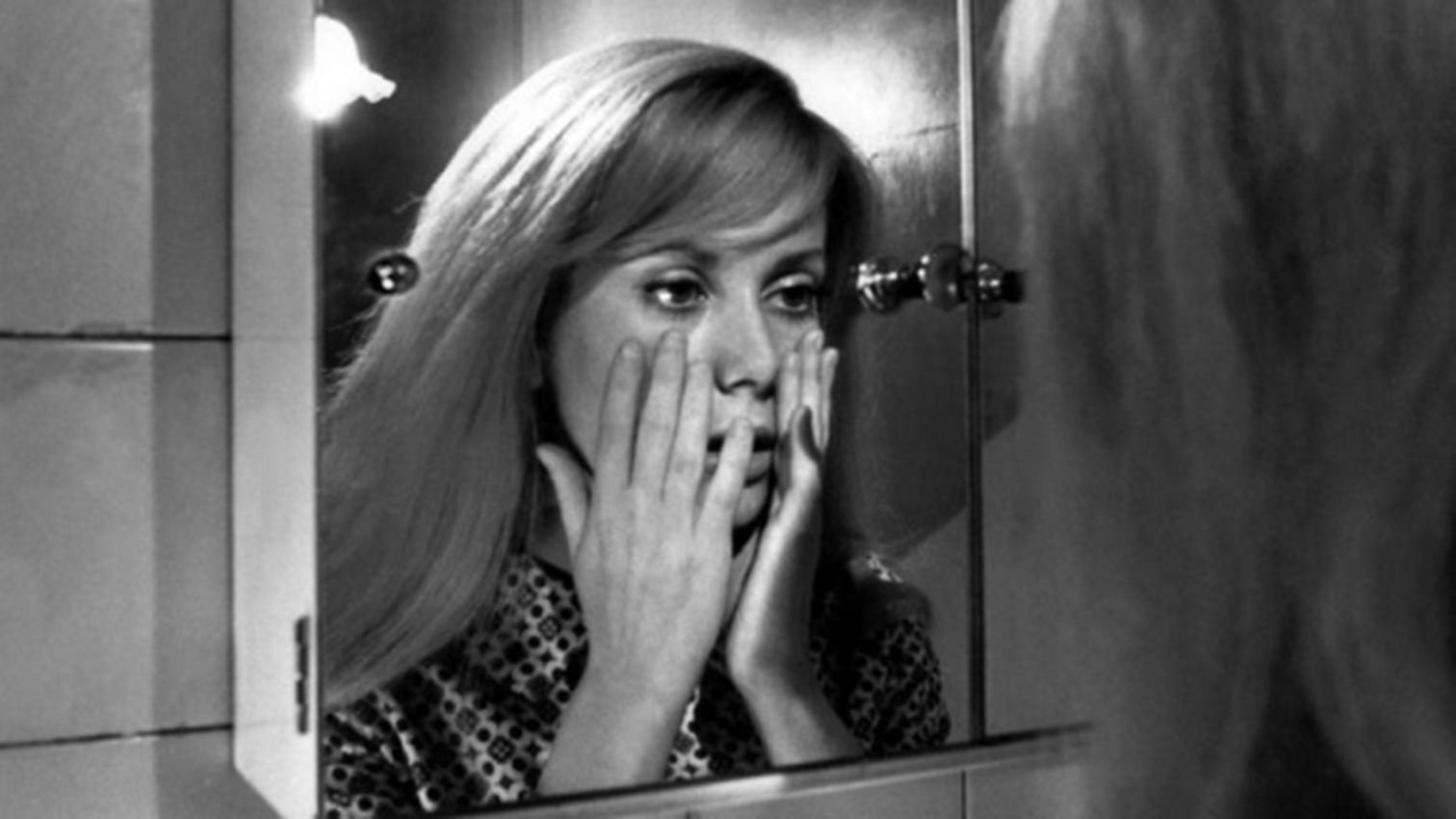
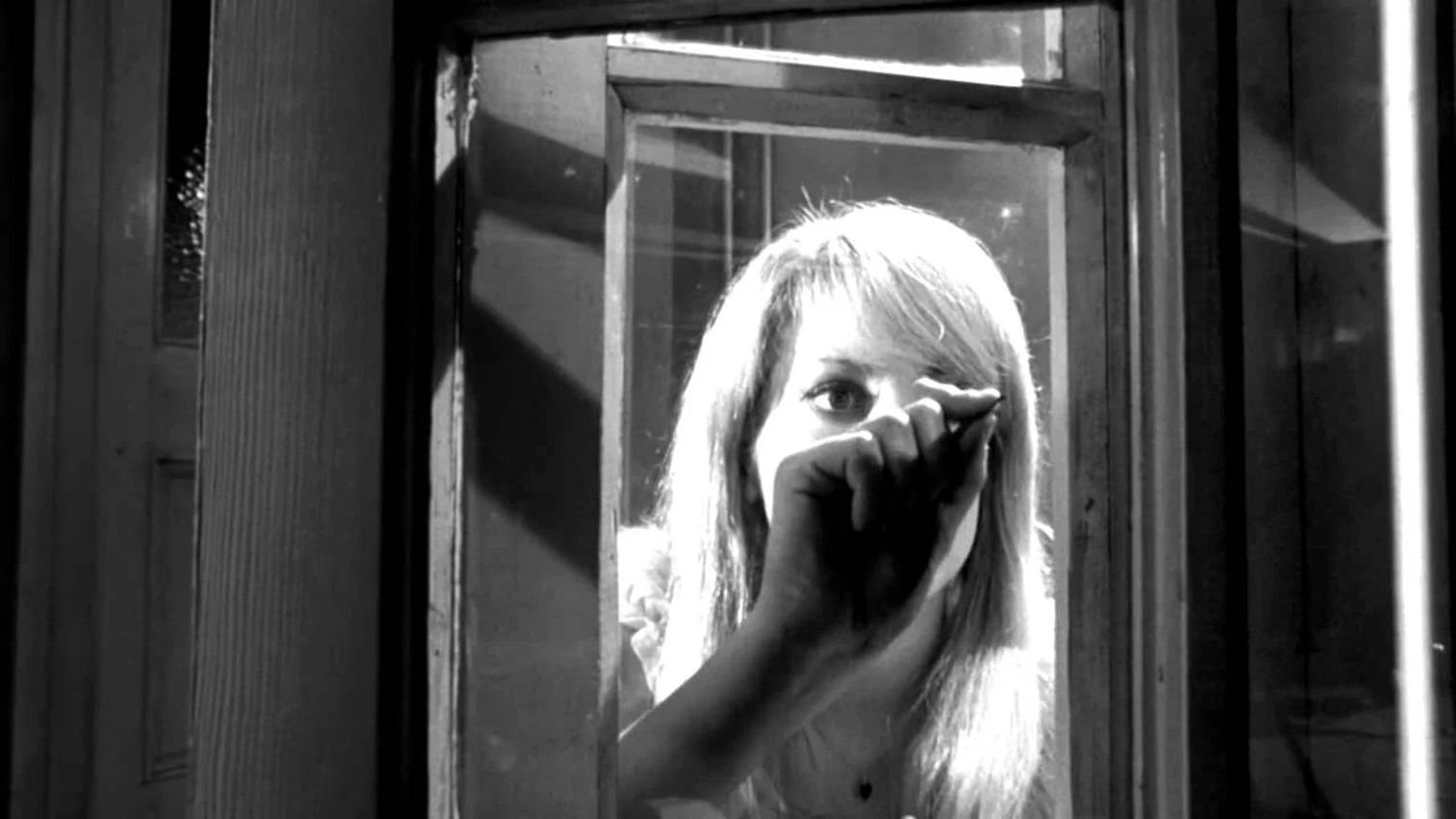
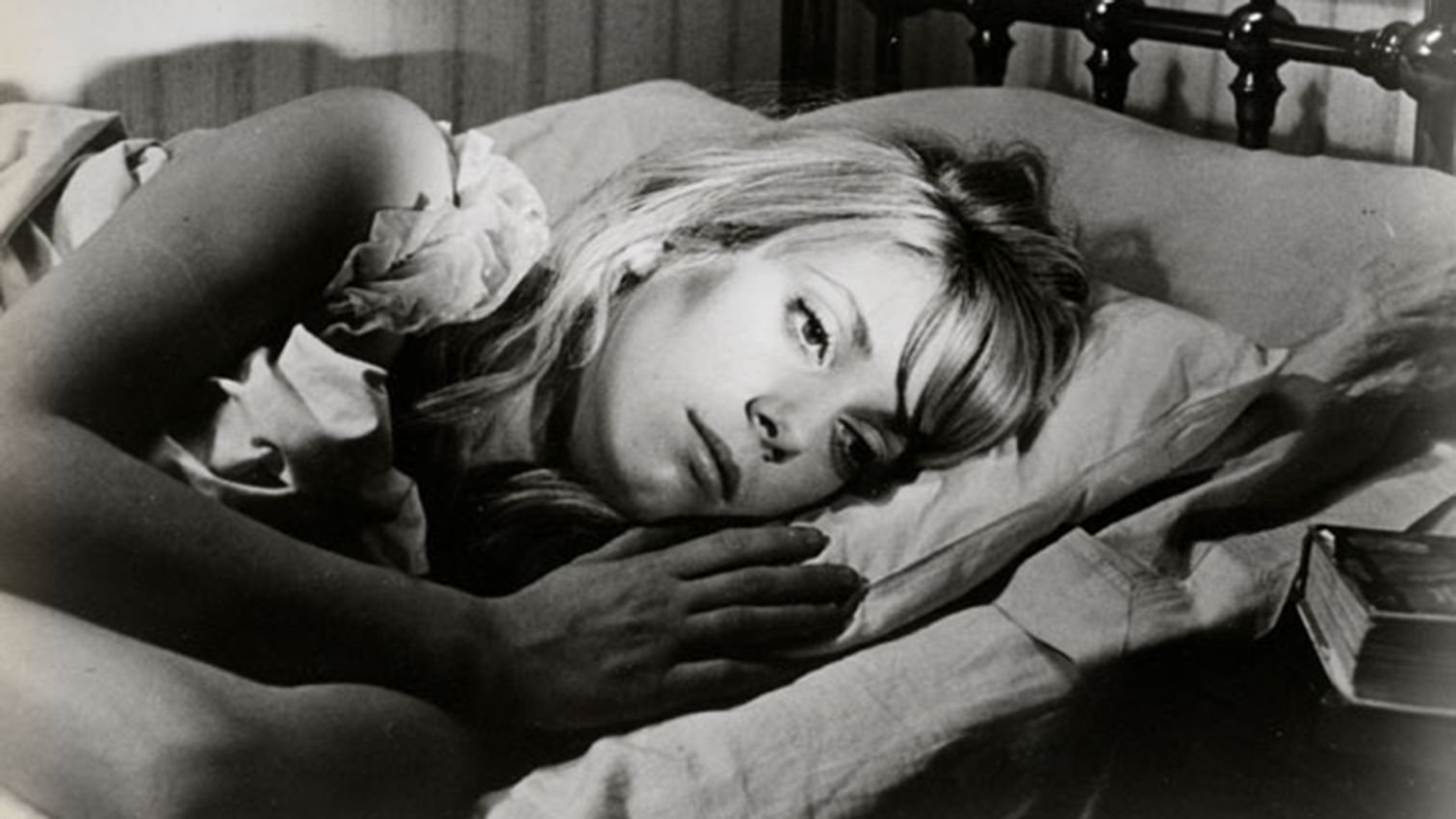
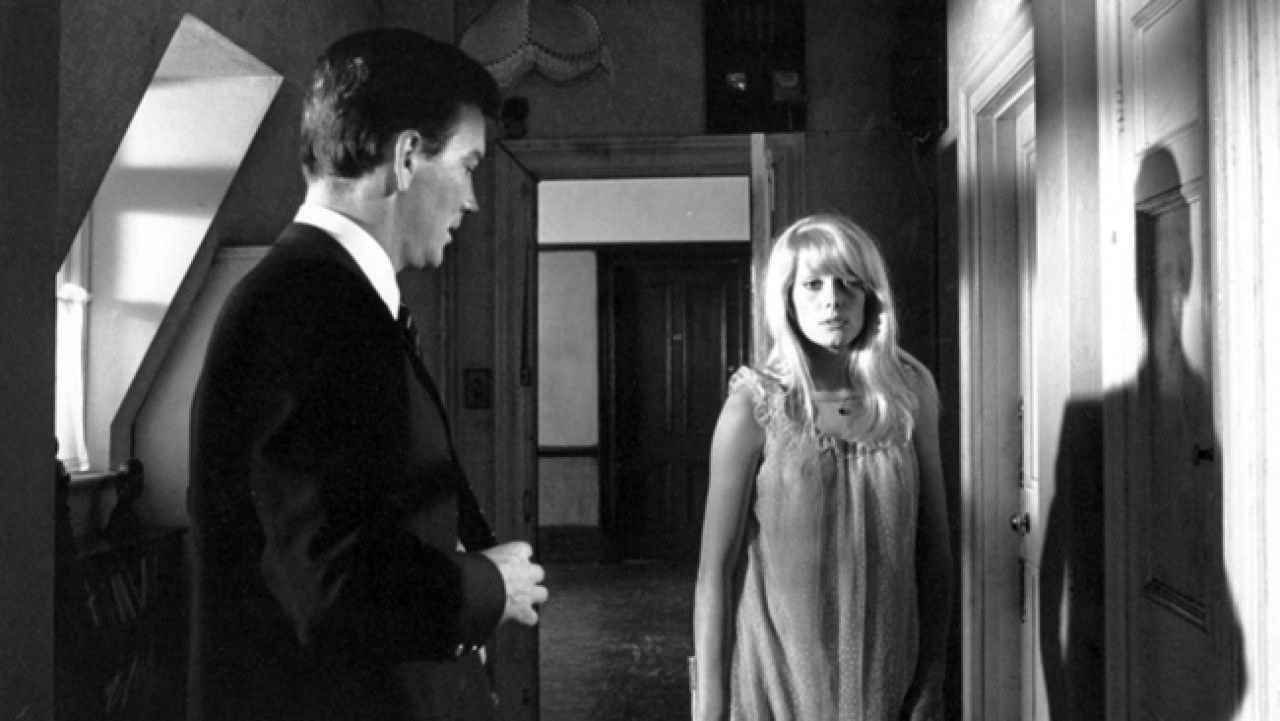
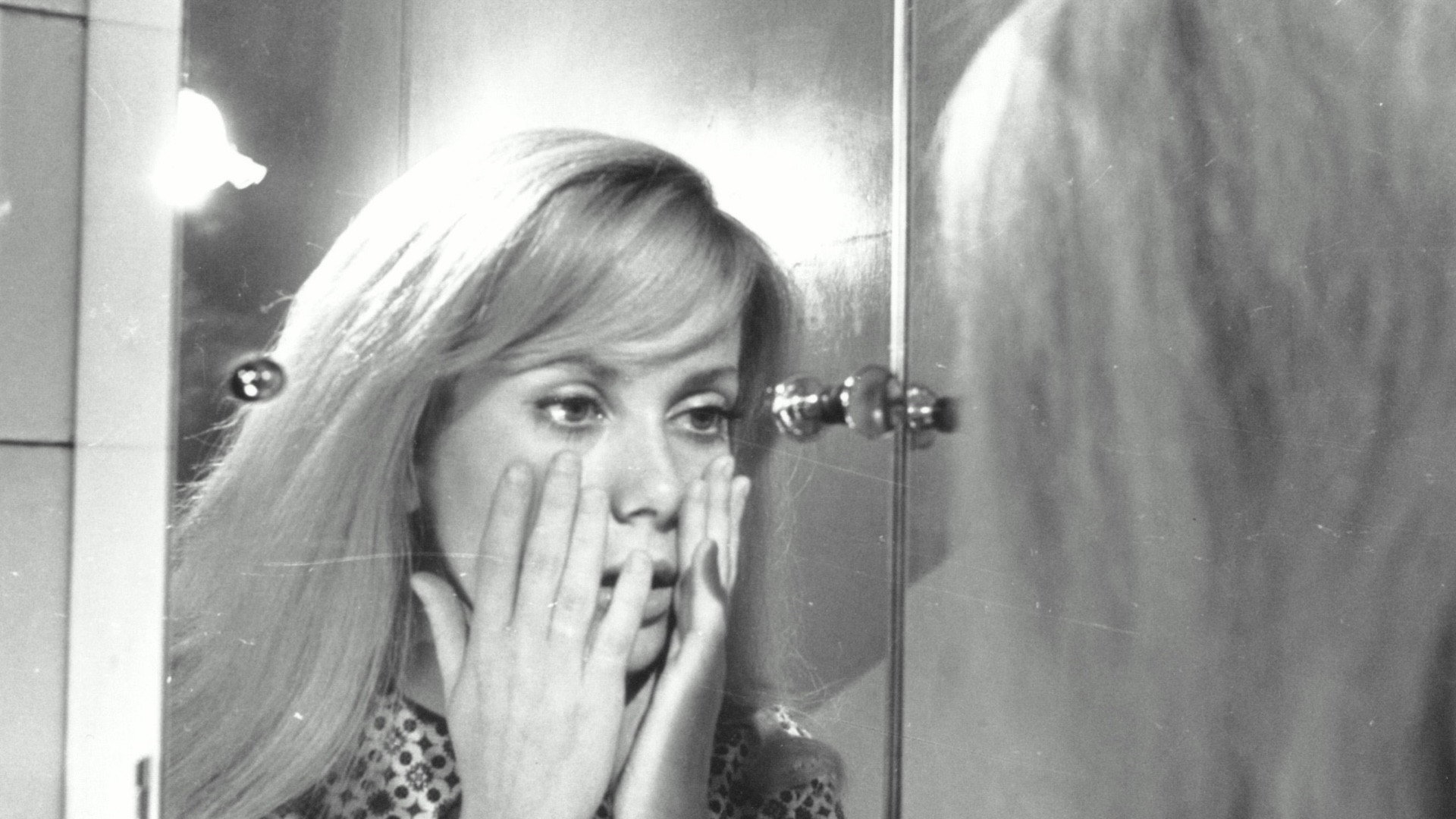
The production was mounted in London, combining location material with constructed interiors. BFI research identifies the principal flat as largely a set built at Twickenham Studios, with exterior locations and selected views used to give it geographical credibility. This arrangement was artistically important because the filmmakers could control the domestic space when it needed to change. Polanski later criticized the technical limitations he felt the budget imposed, as Michael Sragow documents in his historical essay. The film’s surviving images nevertheless show a consistent approach to scale, camera position and staged disturbances, suggesting how a constrained production could concentrate its resources on a few decisive environments.