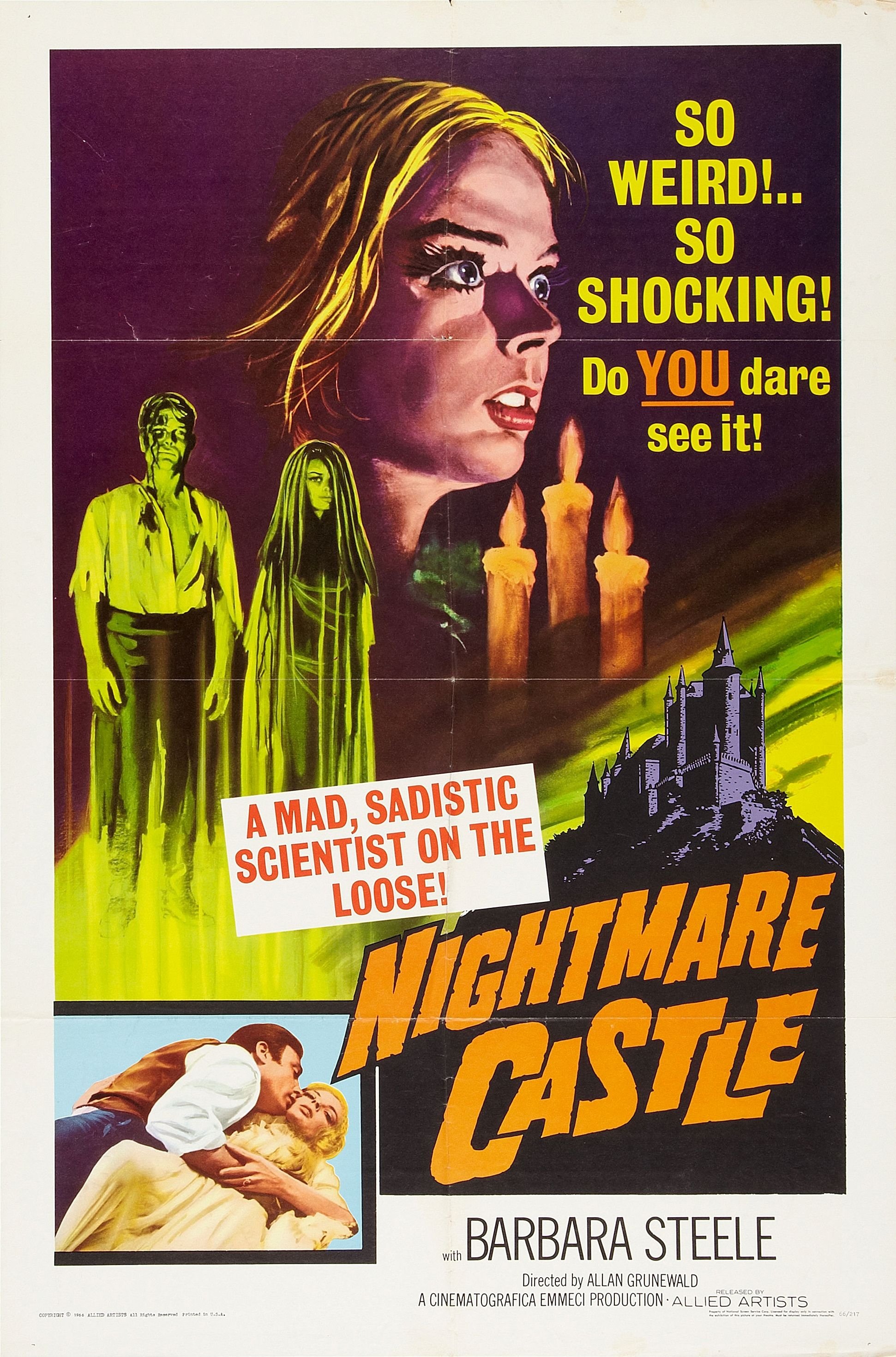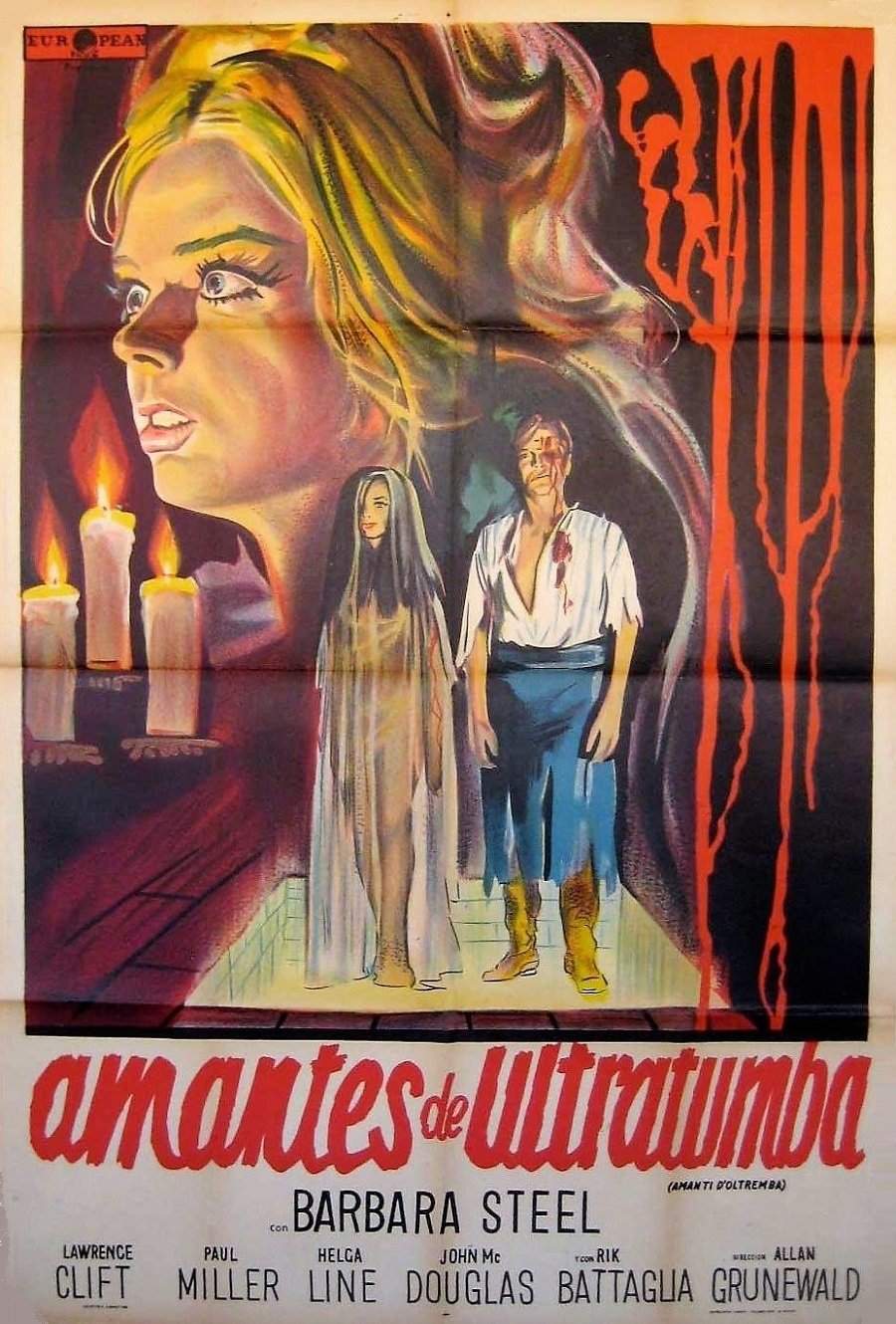

Production & Development
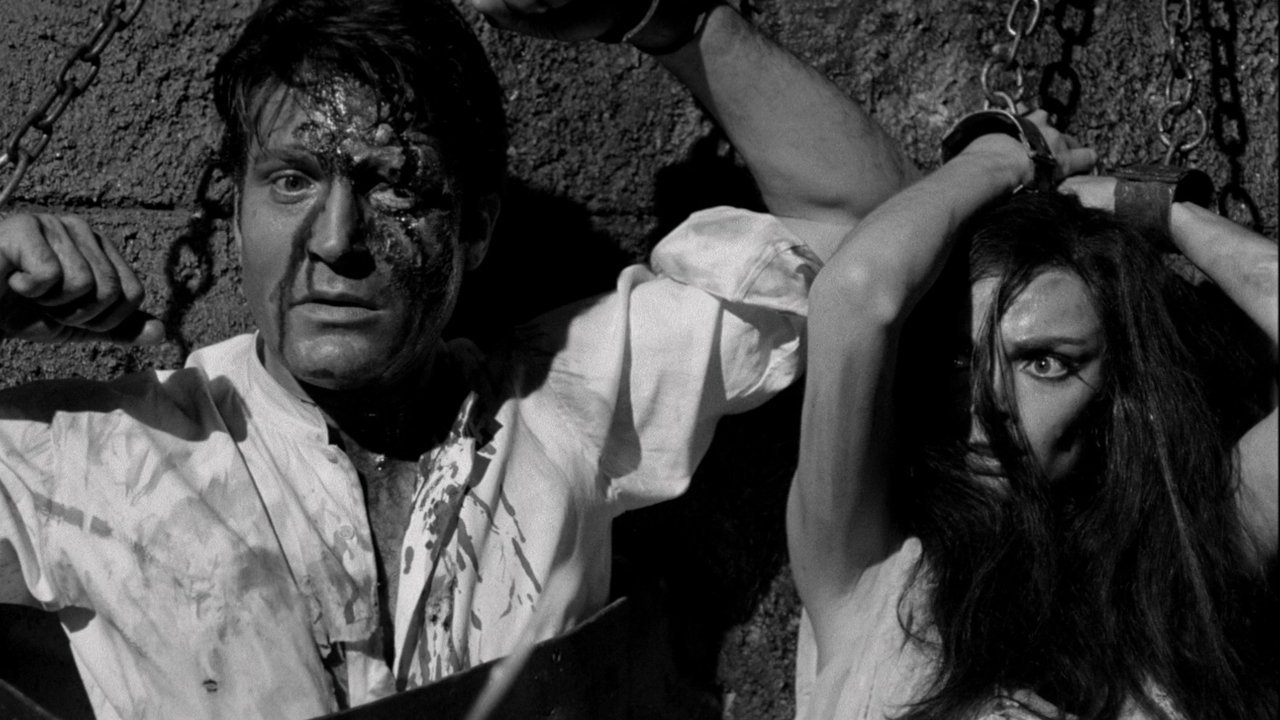
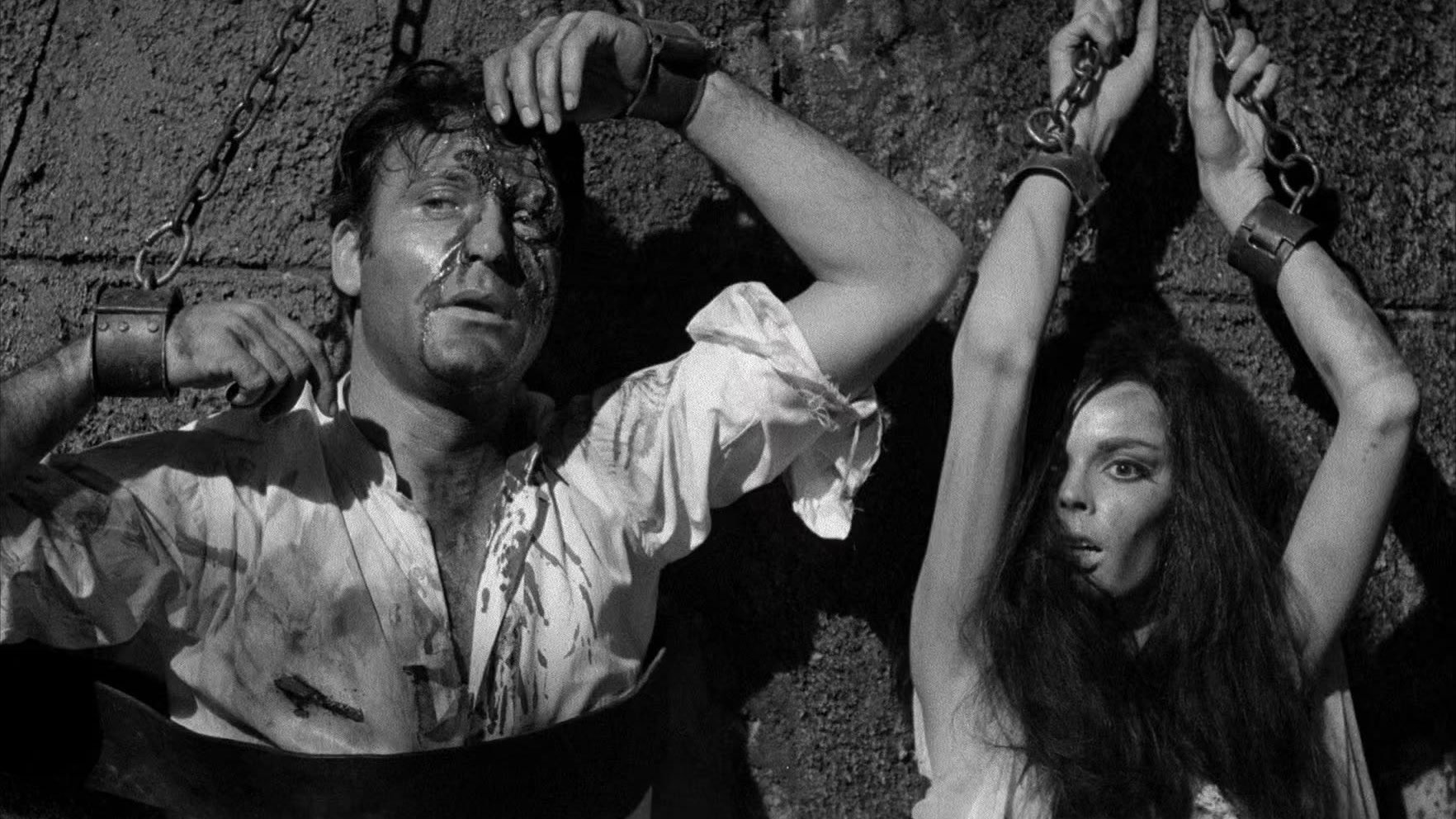
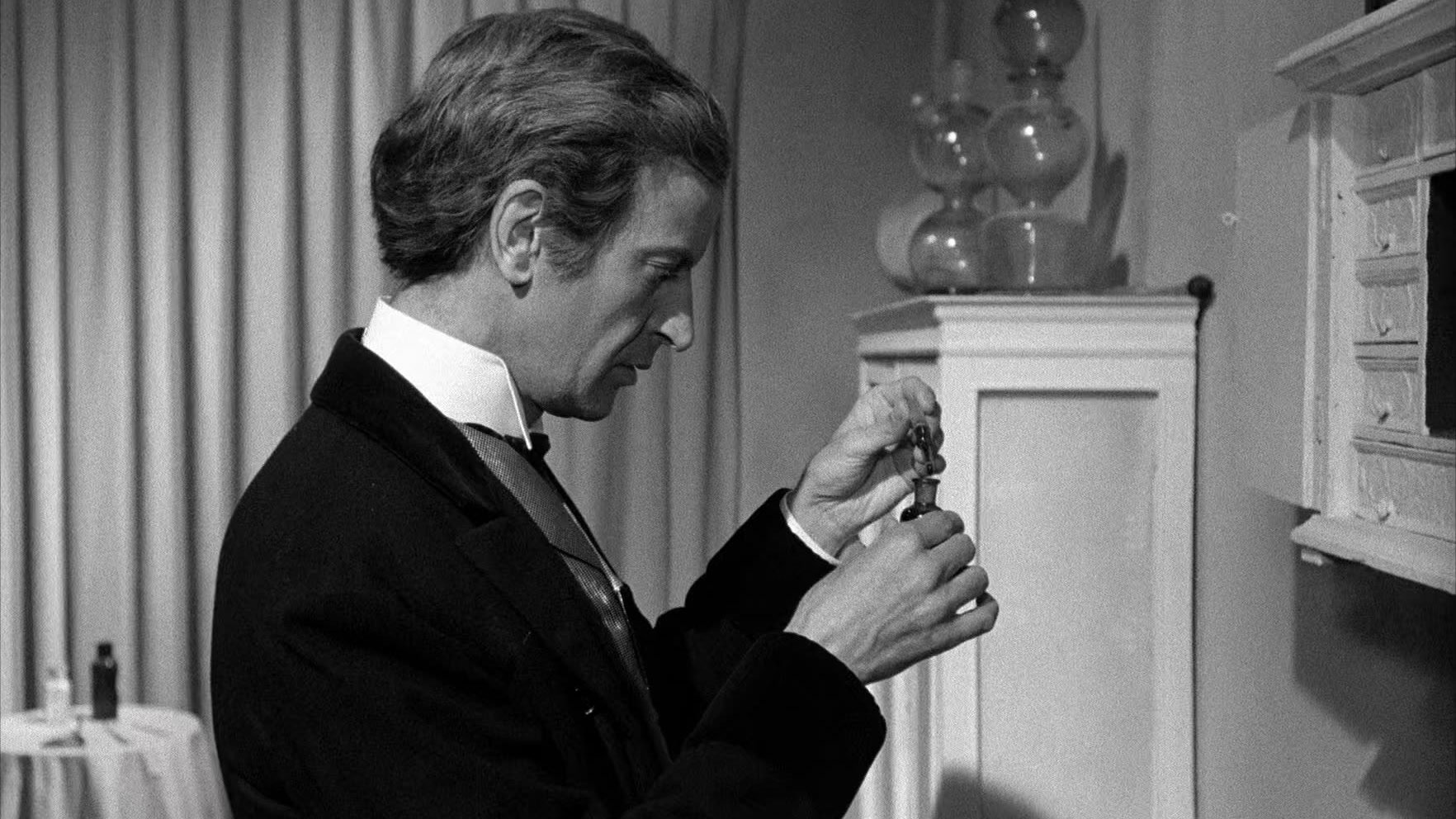
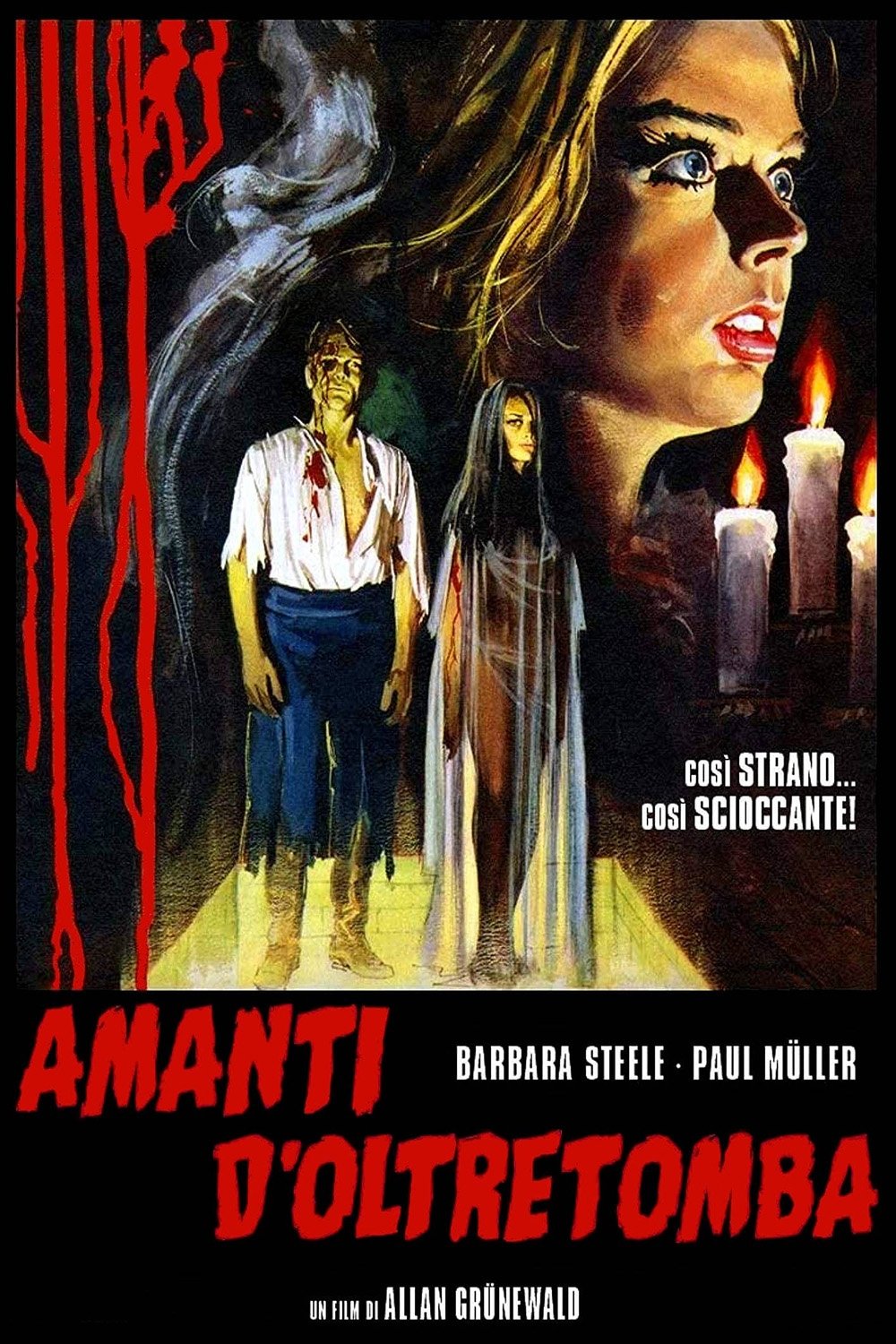
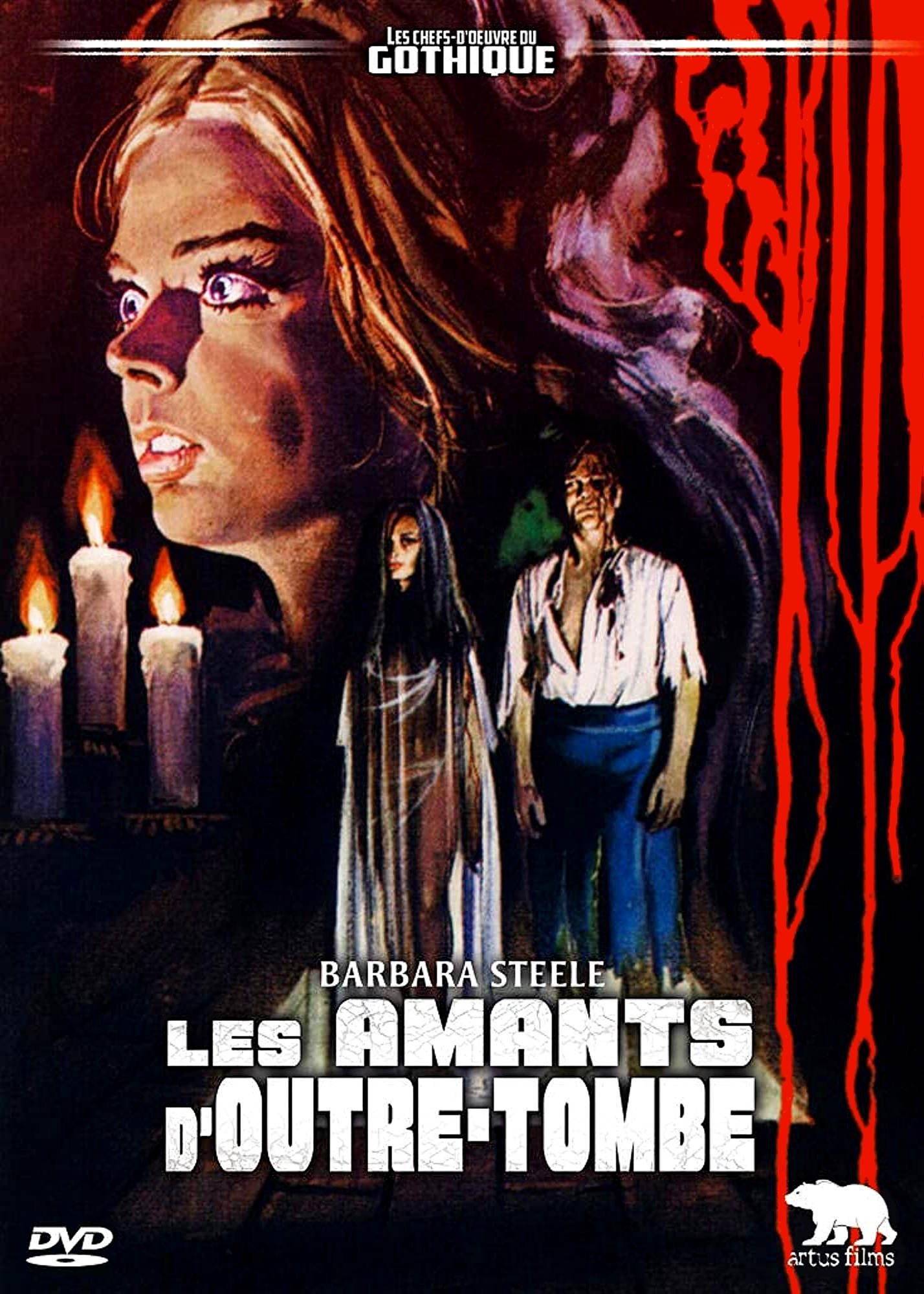
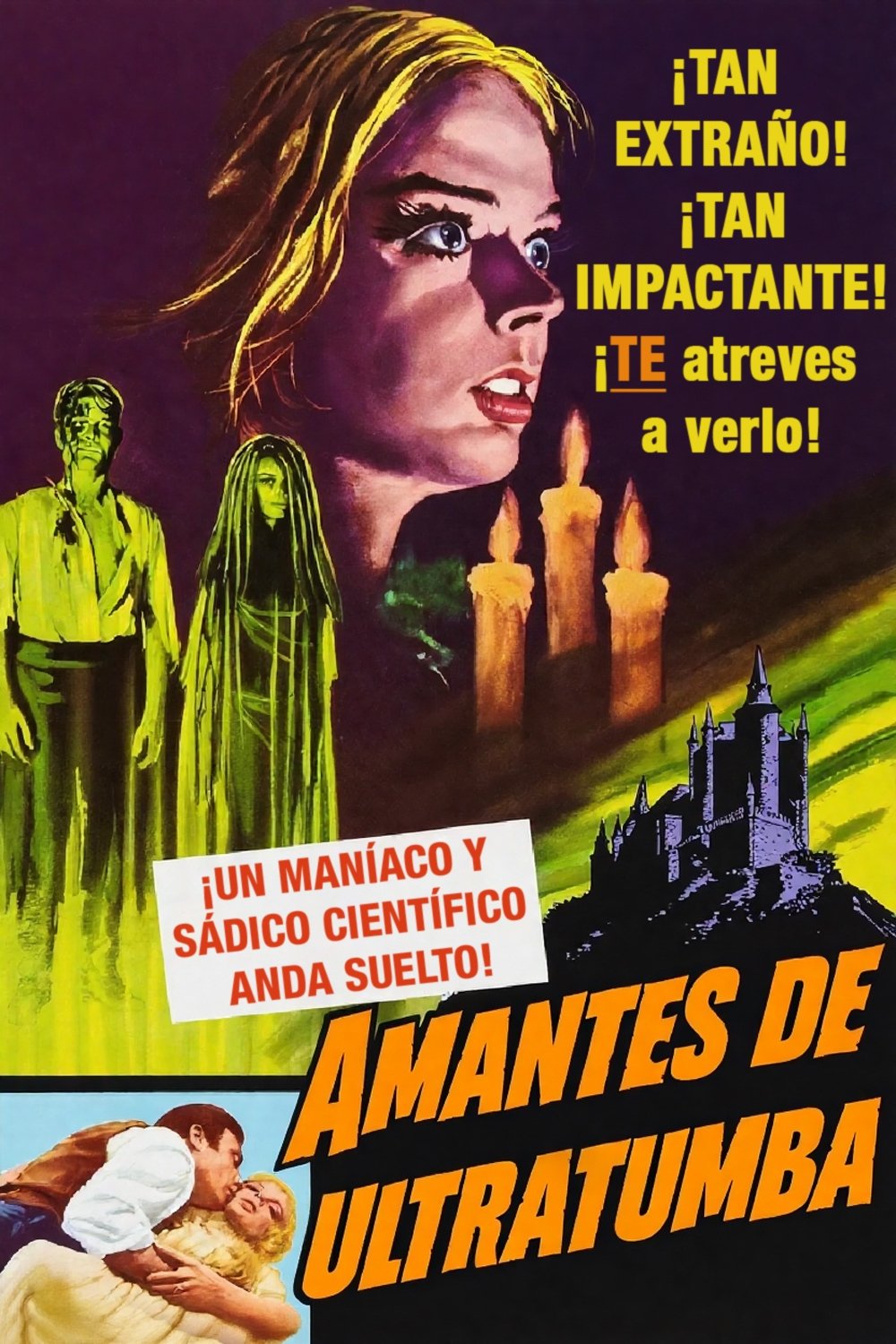
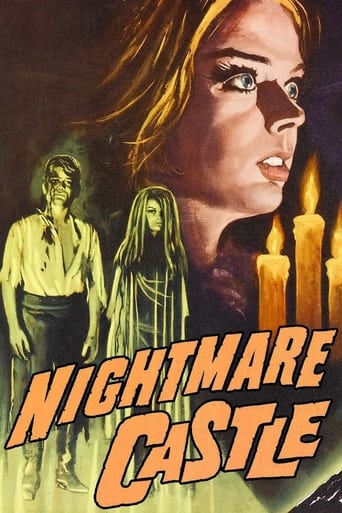
Nightmare Castle emerged from the Italian Gothic horror industry during the middle of the 1960s, when relatively small production companies were exploiting the international market for supernatural thrillers. Mario Caiano developed the story with Fabio De Agostini and directed the film under the name Allan Grünewald. The screenplay brought together the established Gothic situation of a secluded aristocratic residence and a contemporary medical experiment concerned with blood and rejuvenation. Its combination of inheritance intrigue, violent marital conflict and supernatural vengeance supplied opportunities for both conventional suspense and more disturbing images of physical suffering.
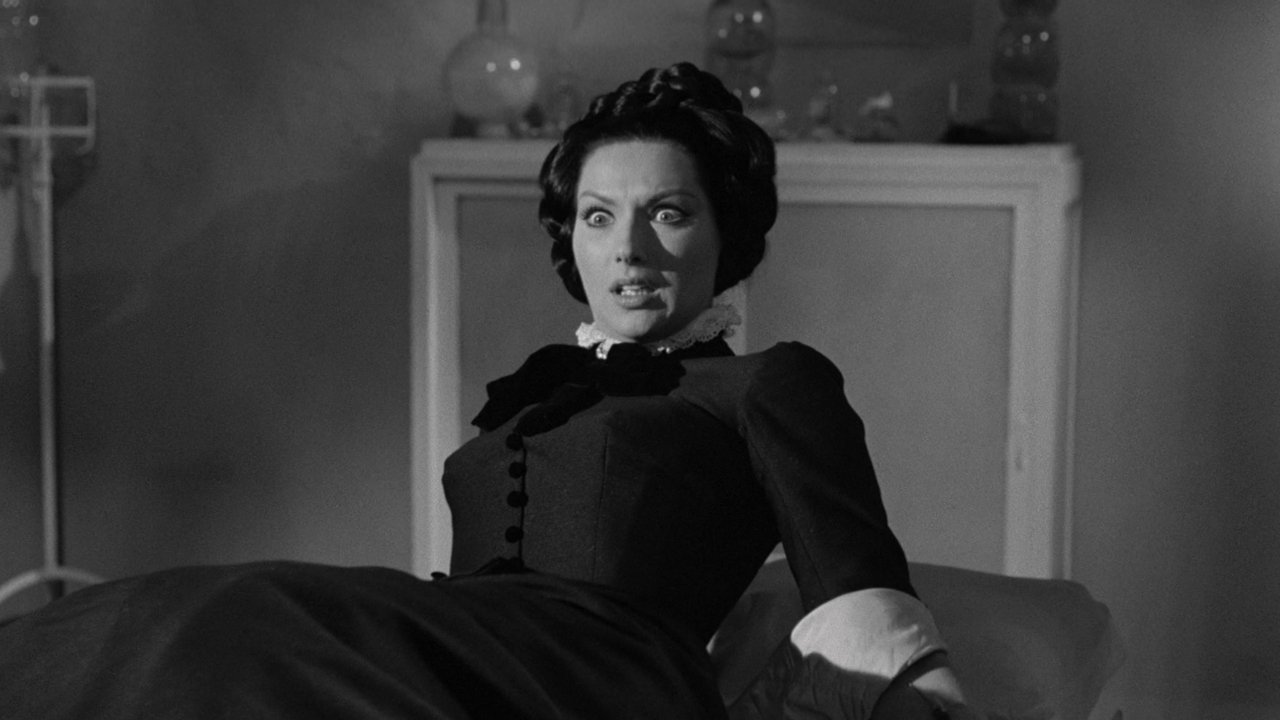
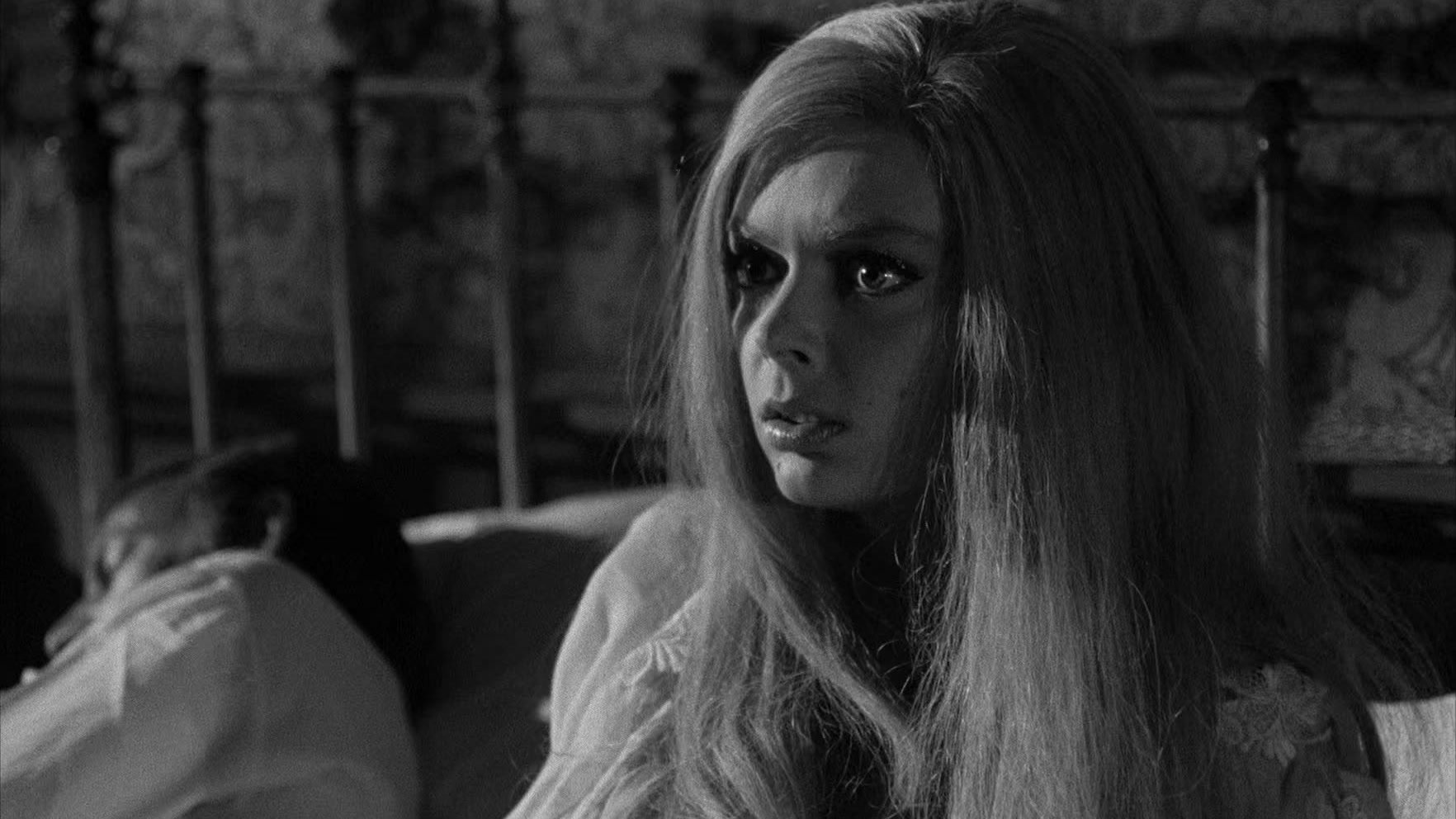
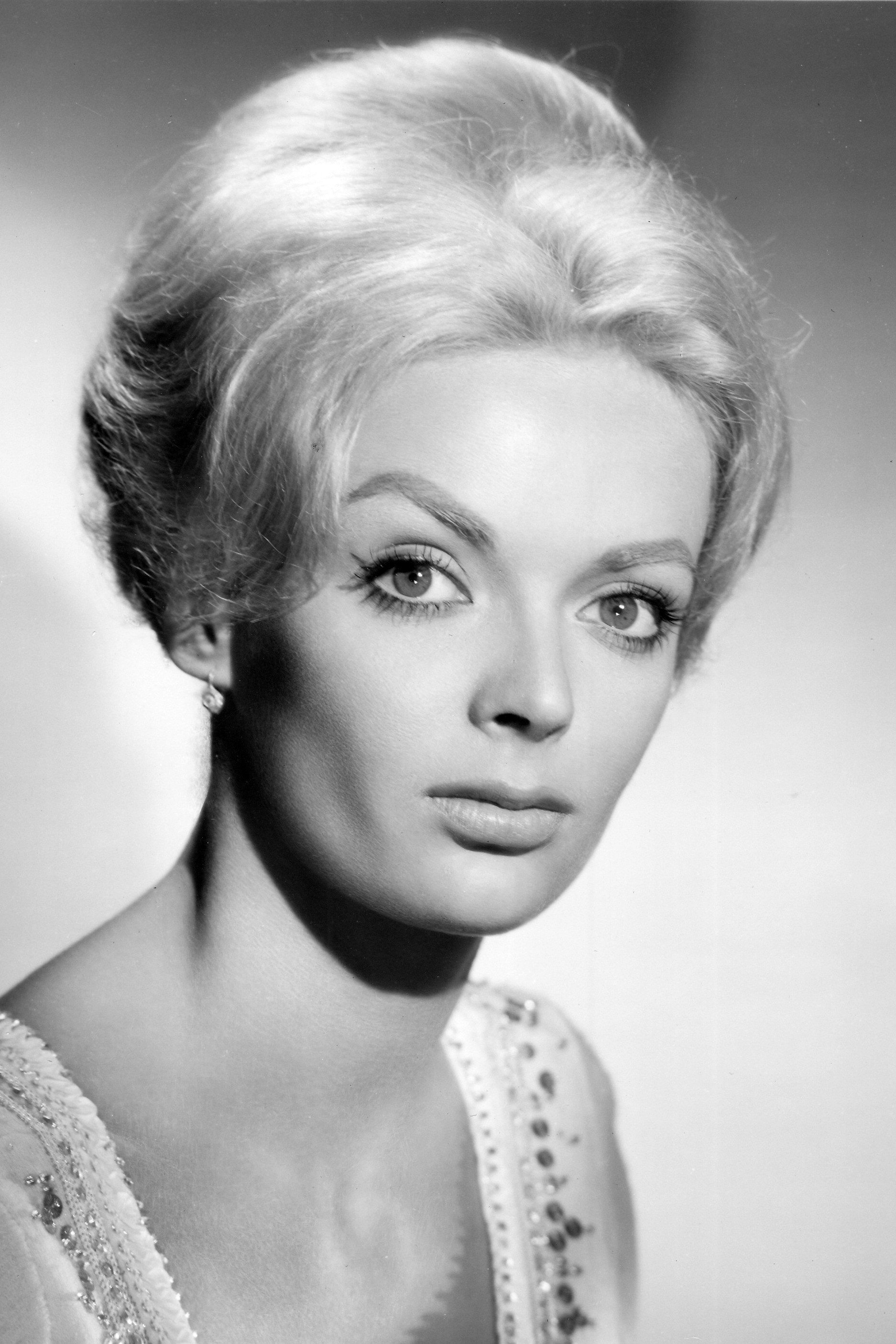
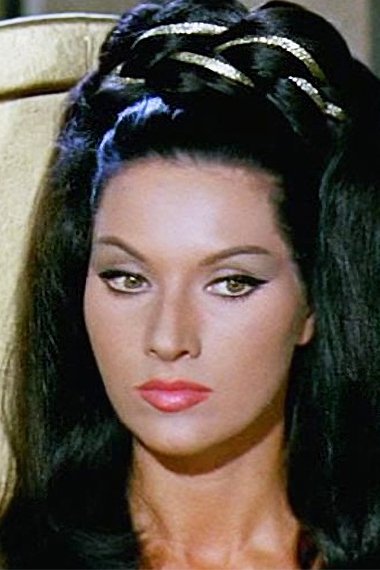
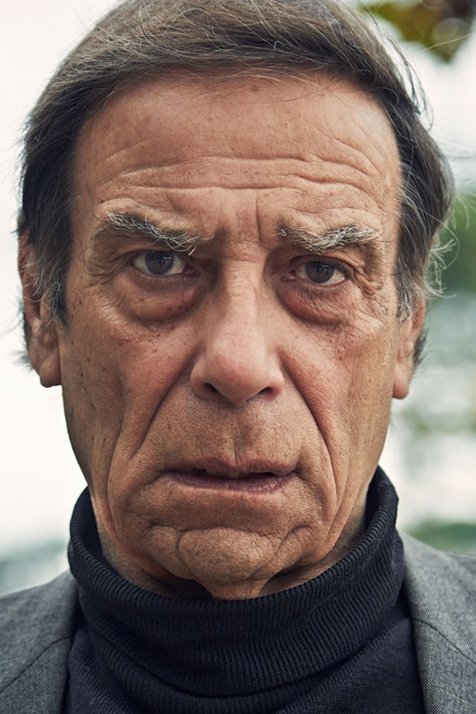
The production was organized by Cinematografica Emmeci, with Carlo Caiano credited as producer. Retrospective accounts associate the project with Mario Caiano’s interest in Gothic literature and the presence of Barbara Steele, who had become strongly identified with Italian horror following Black Sunday and other films of the early 1960s. The filmmaker’s relationship with the genre therefore extended beyond an attempt to reproduce an immediately successful commercial formula. The available production documentation confirms a collaboration involving experienced performers and technicians, although specific recollections concerning the project’s conception should be distinguished from independently established records.
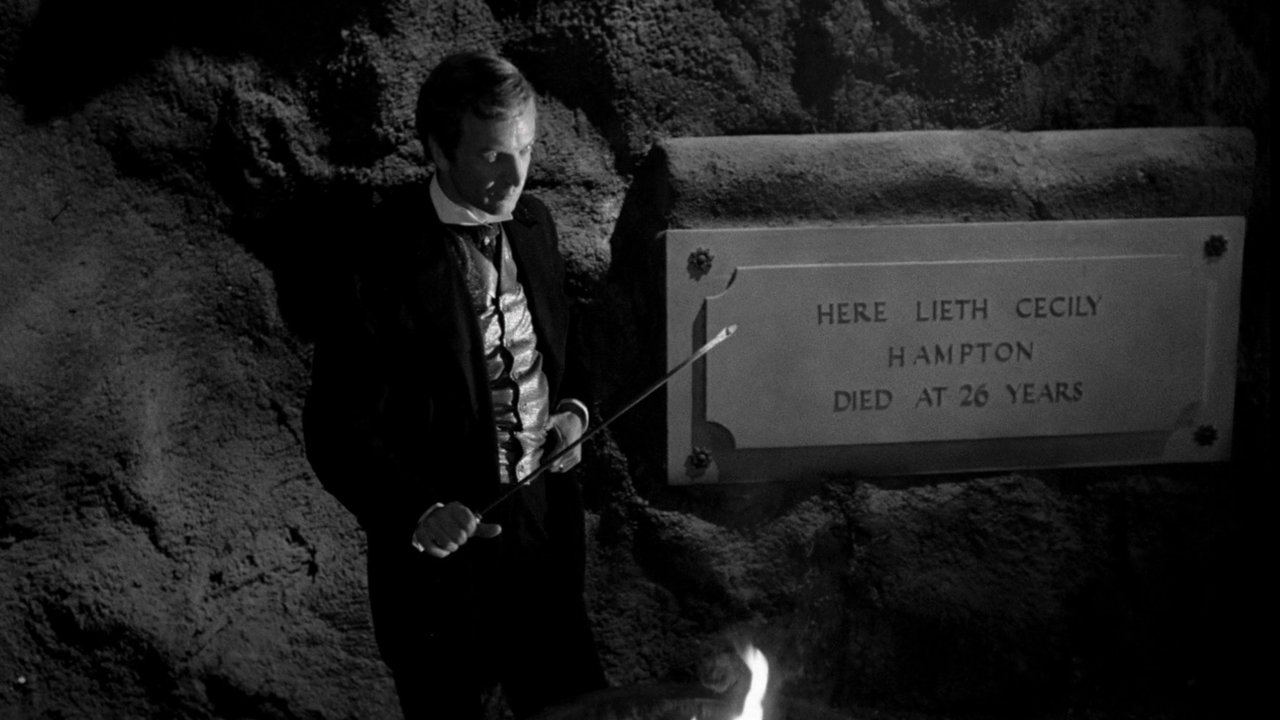
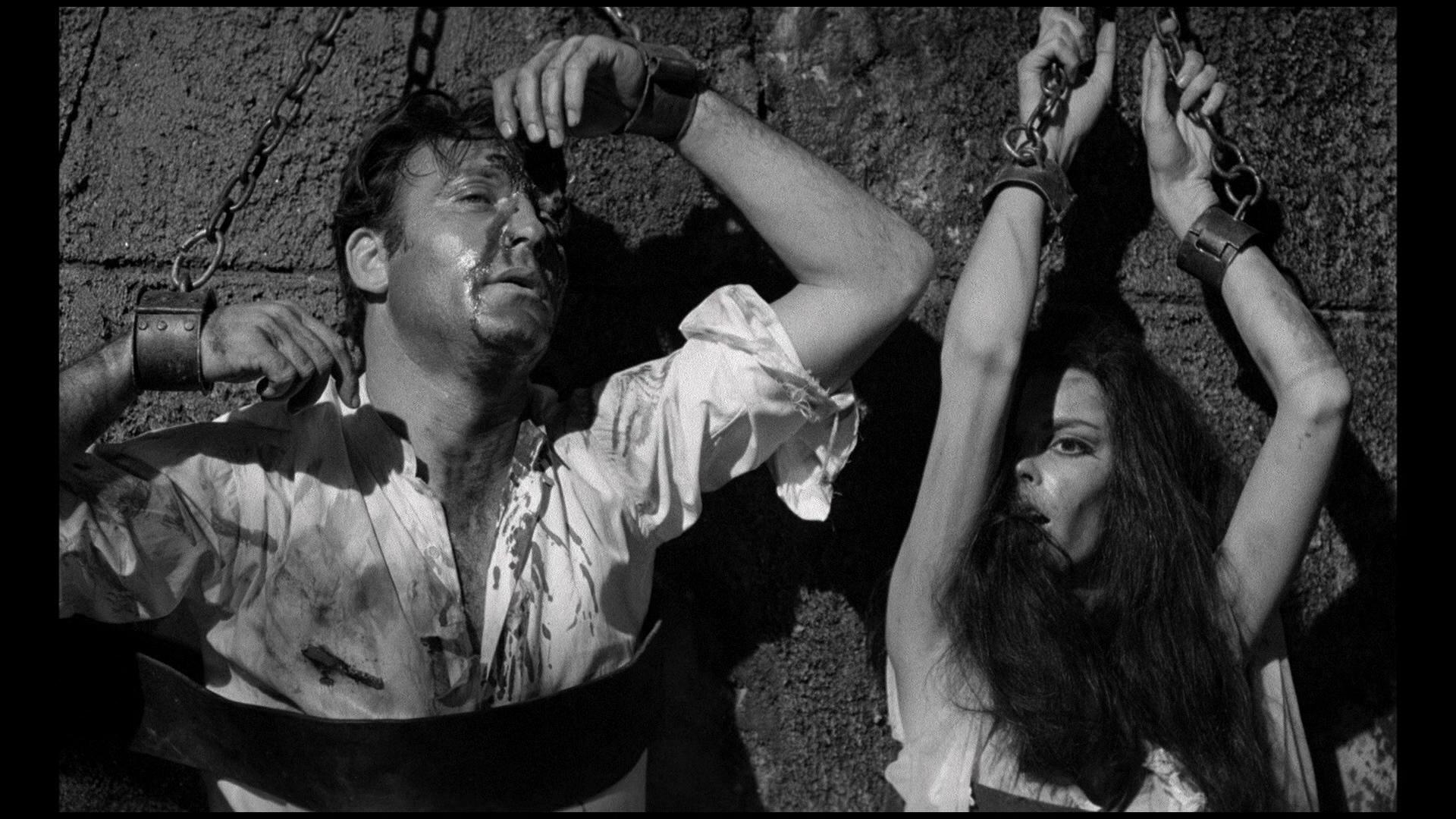
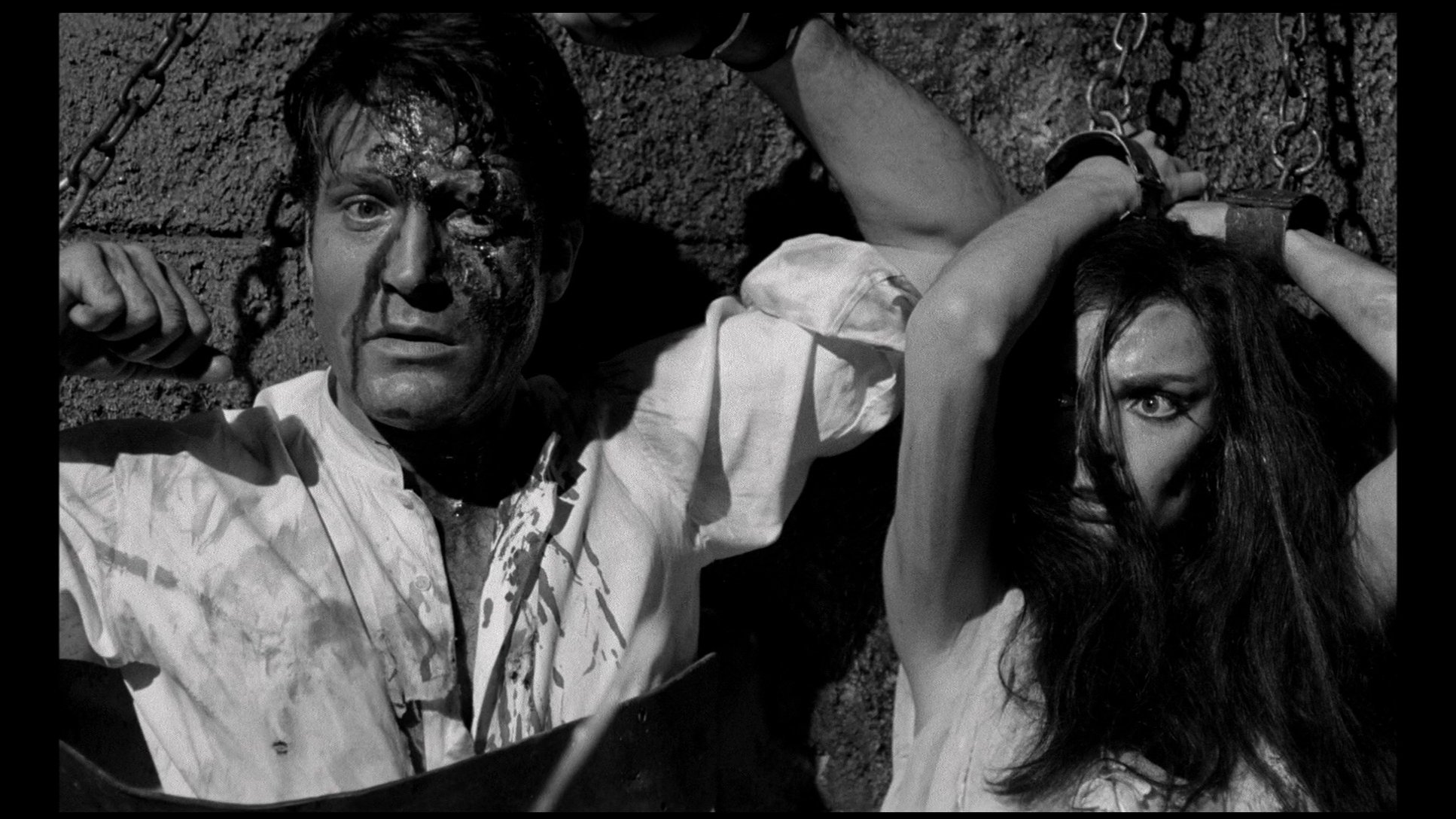
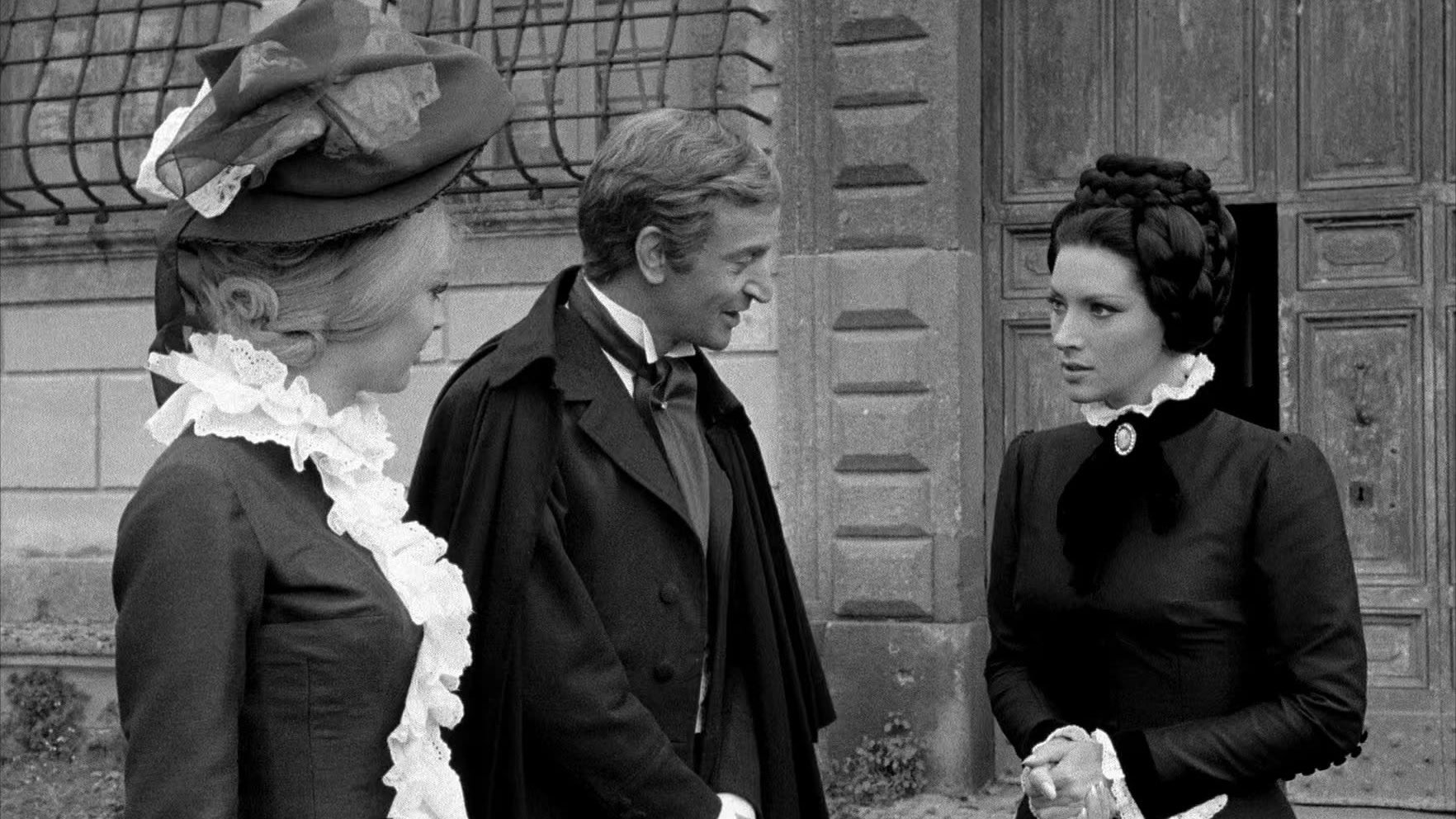
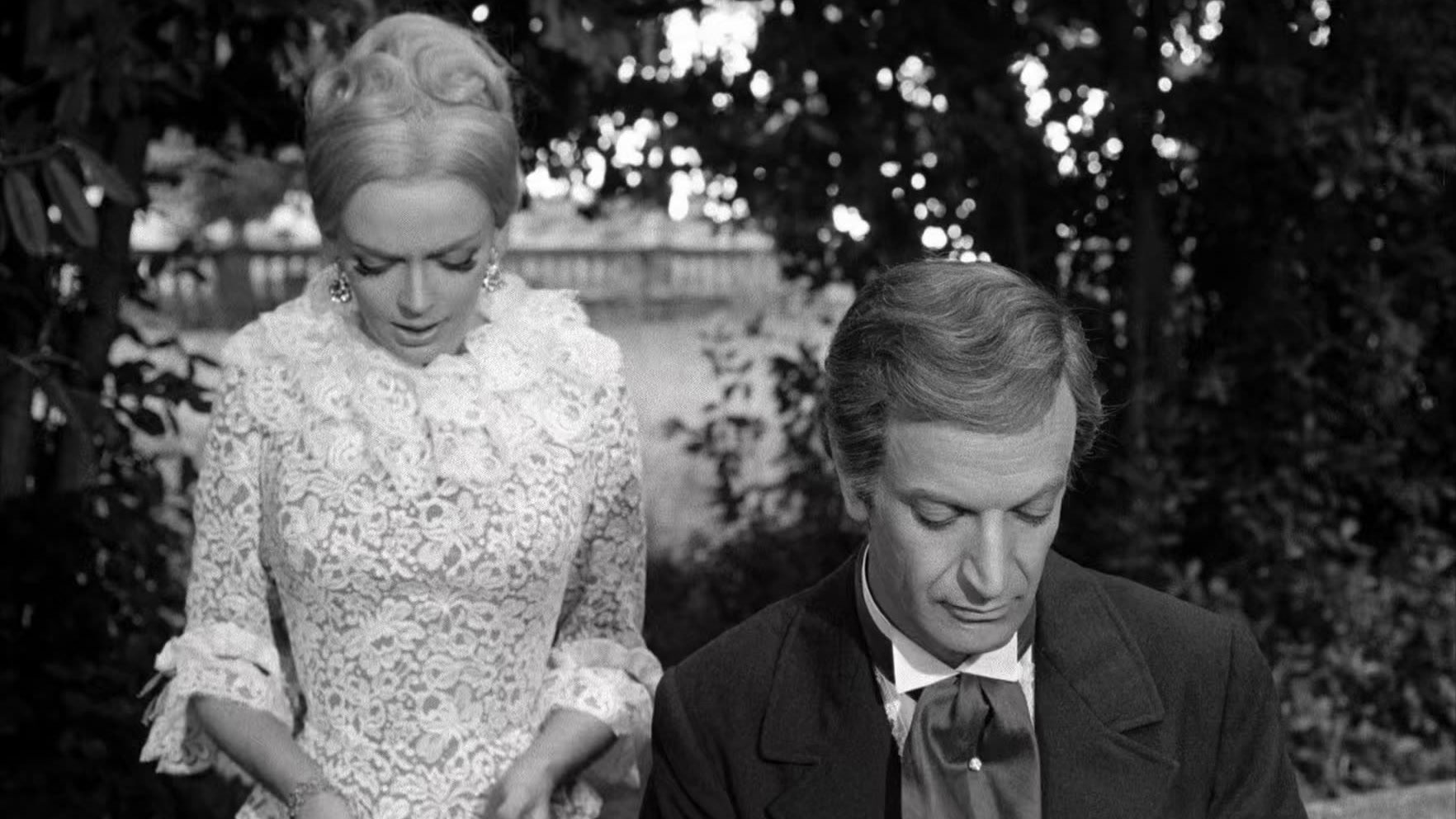
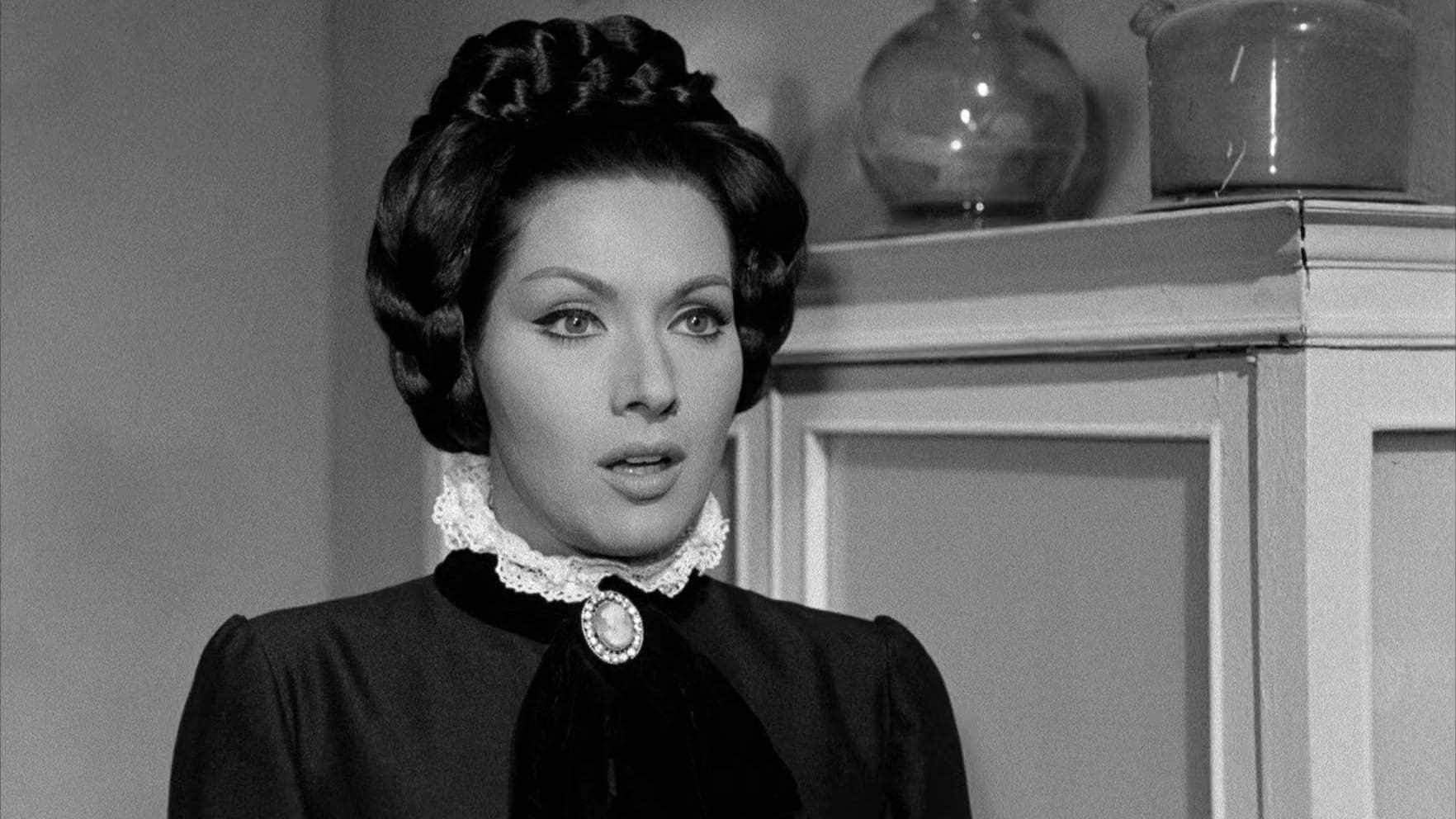
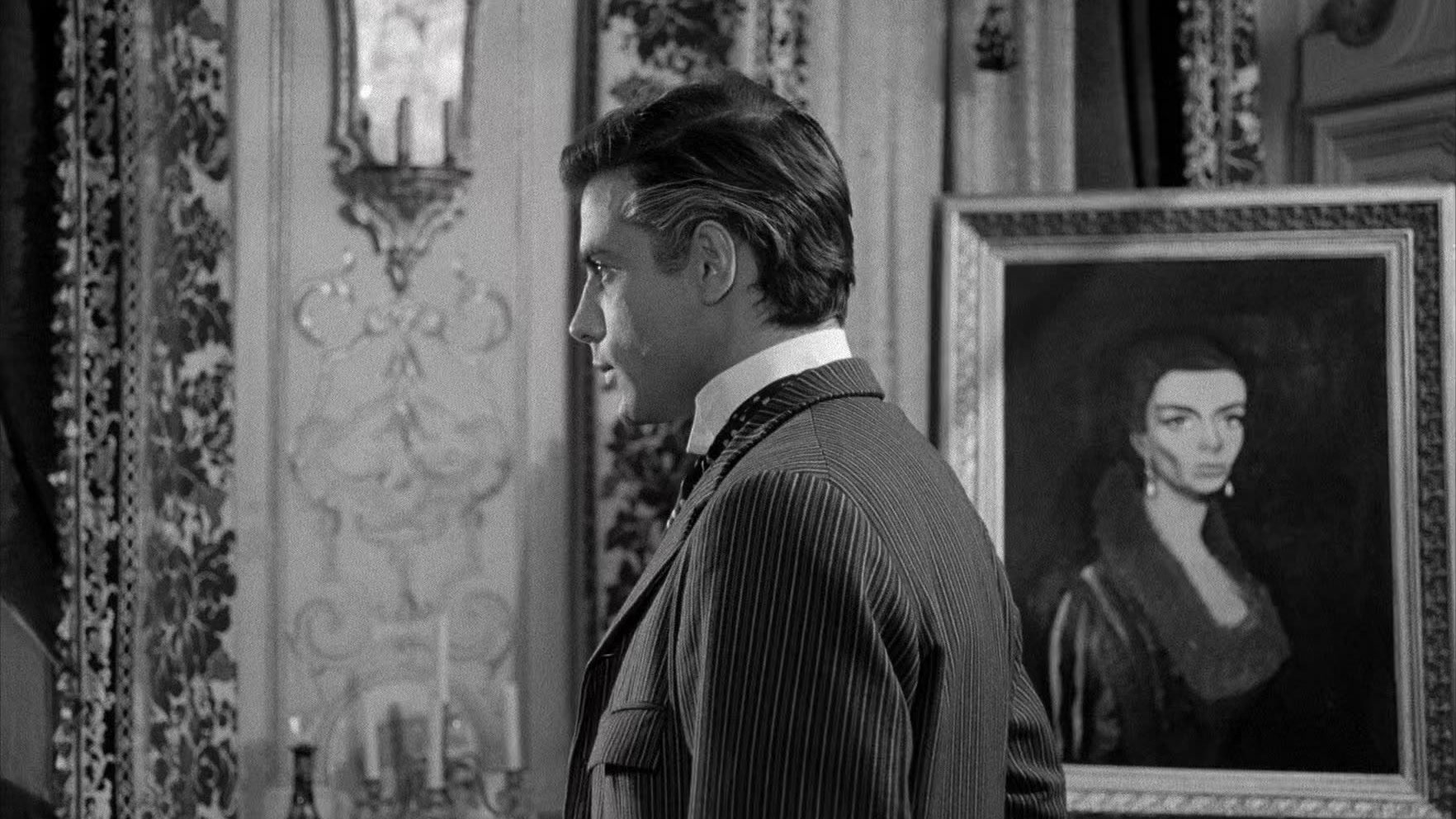
The film used Villa Parisi at Frascati and studio facilities in Rome to construct its enclosed Gothic environment. The large residence provided the principal location for a narrative whose characters remain trapped by the consequences of murder and financial ambition. The screenplay was structured around successive revelations concerning Stephen’s crimes, the destination of Muriel’s inheritance and the identity of the woman who later enters the house. These developments permitted the same setting to accommodate several overlapping forms of horror without relying on frequent changes of location.
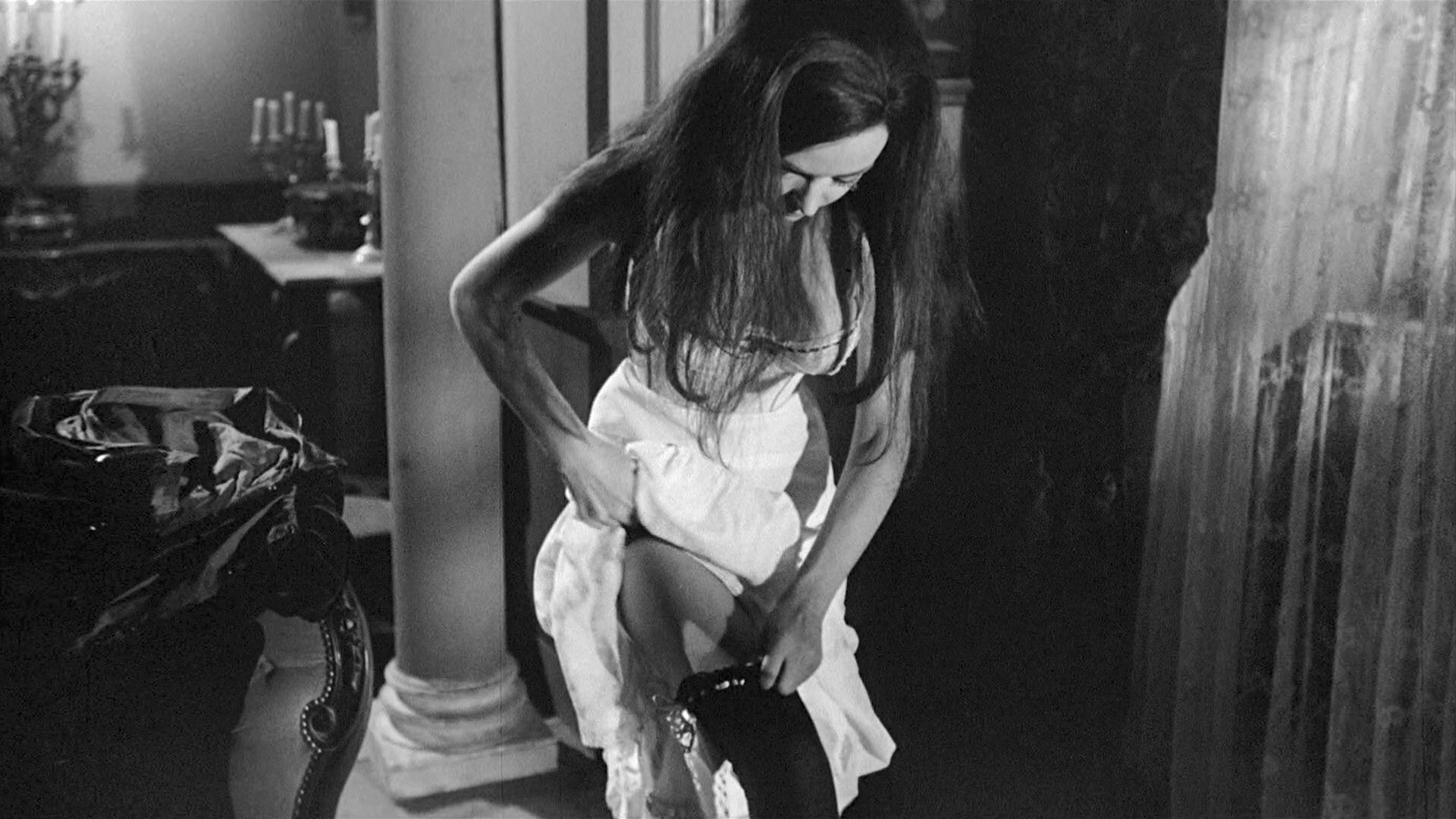
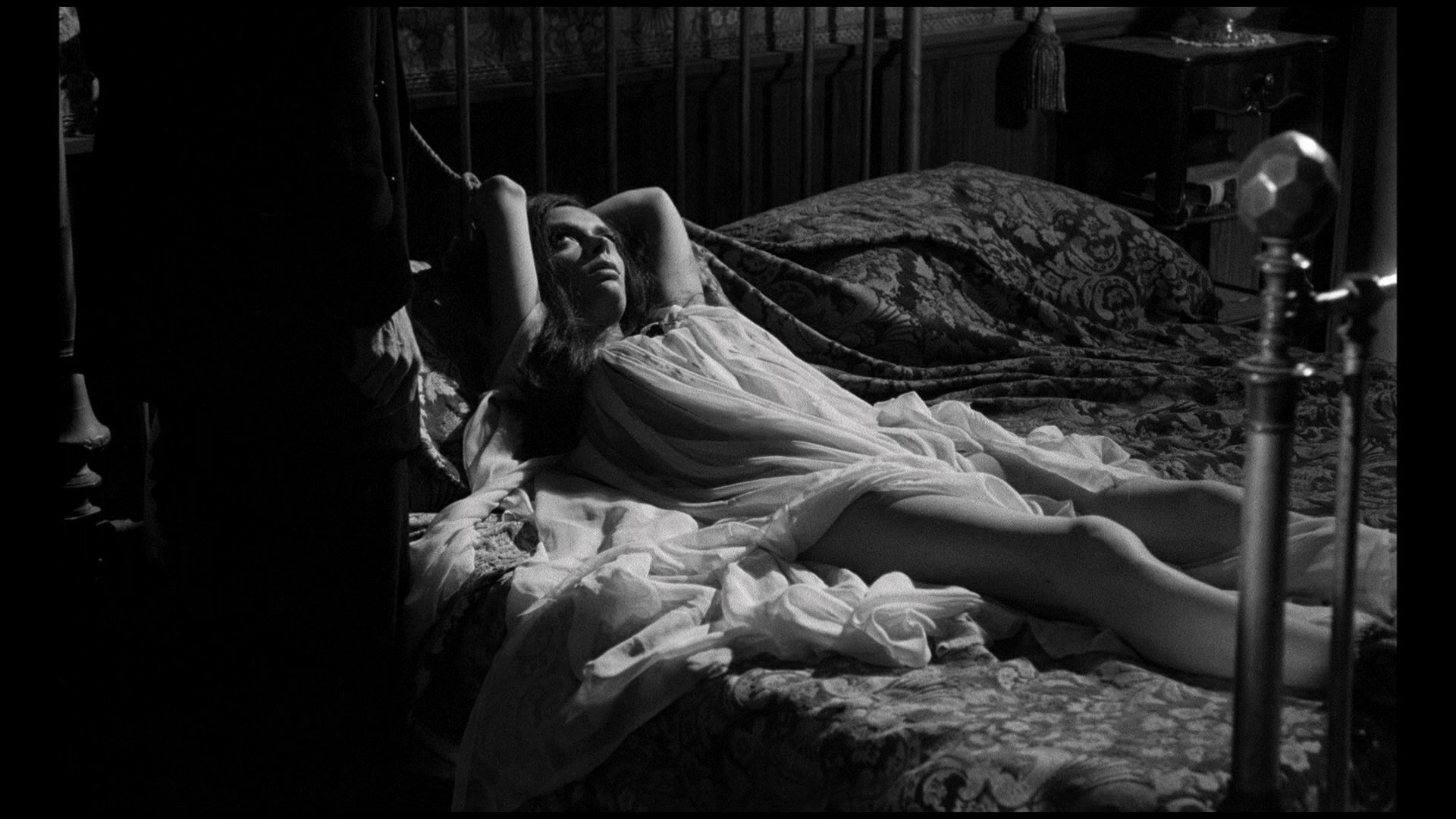
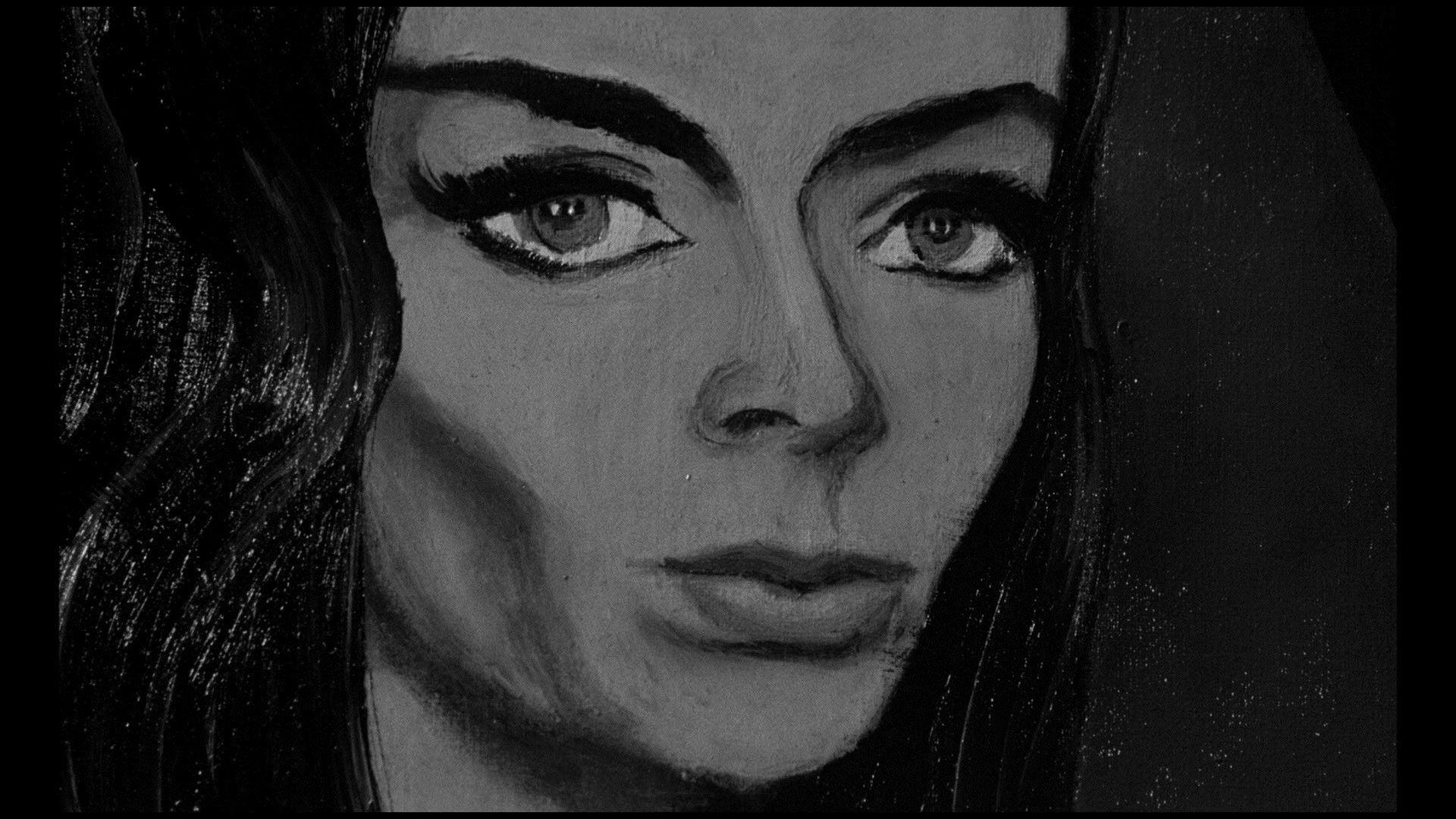
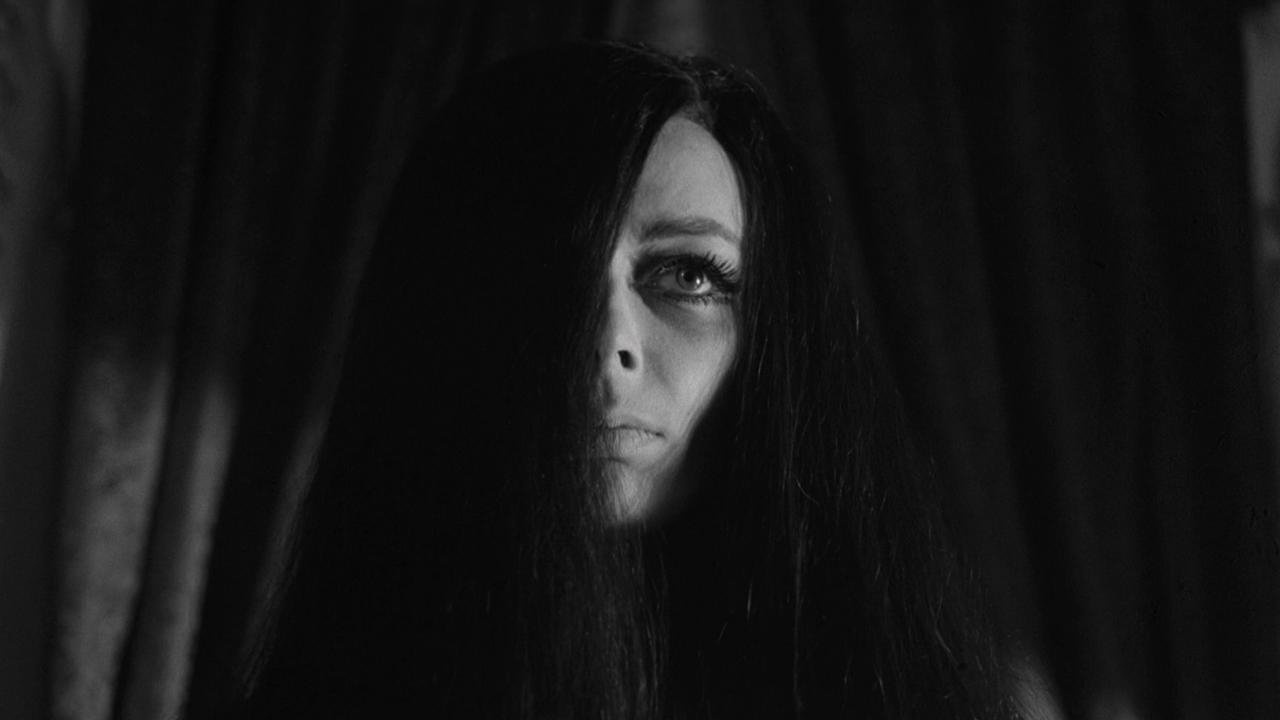
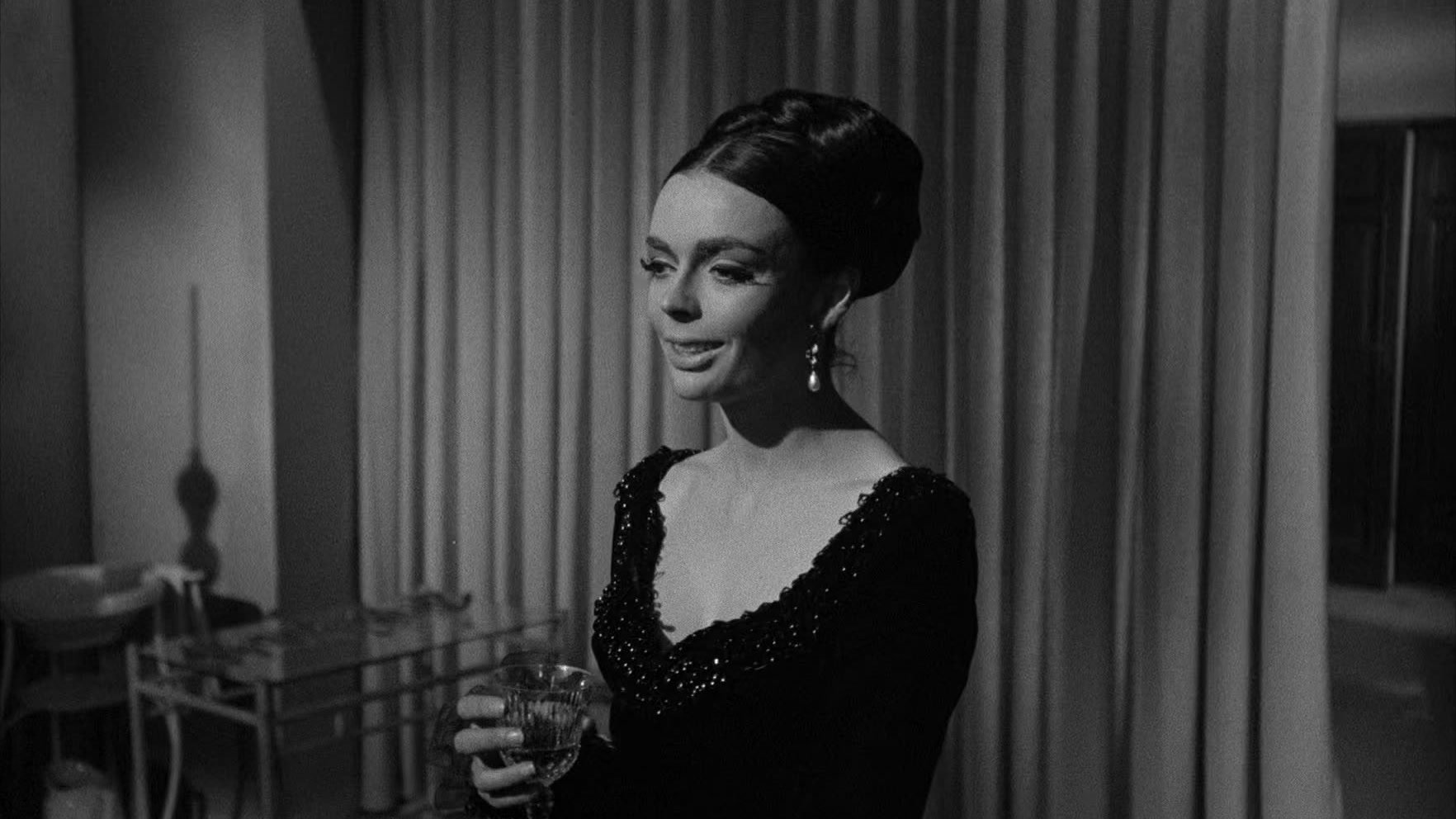
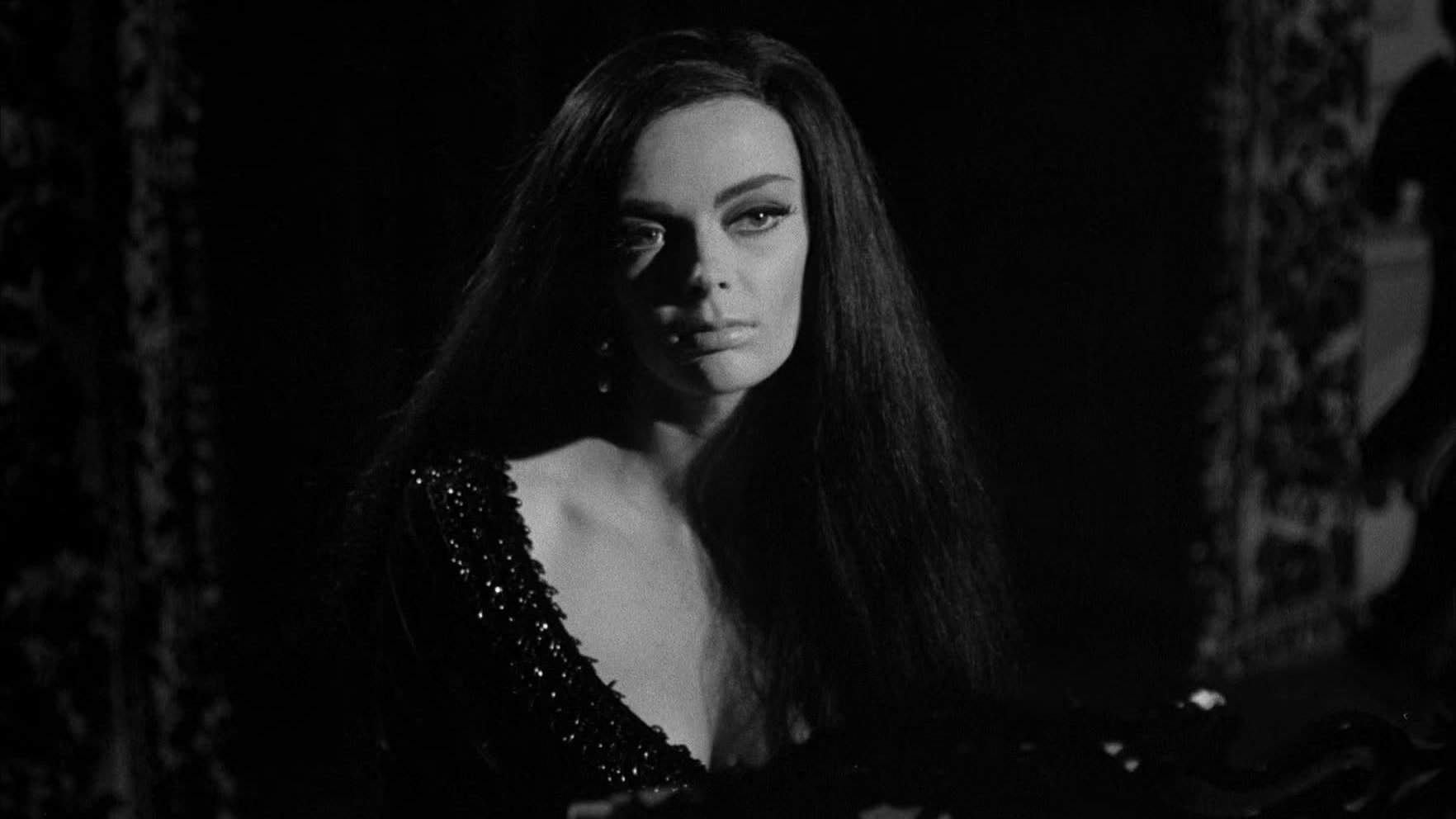
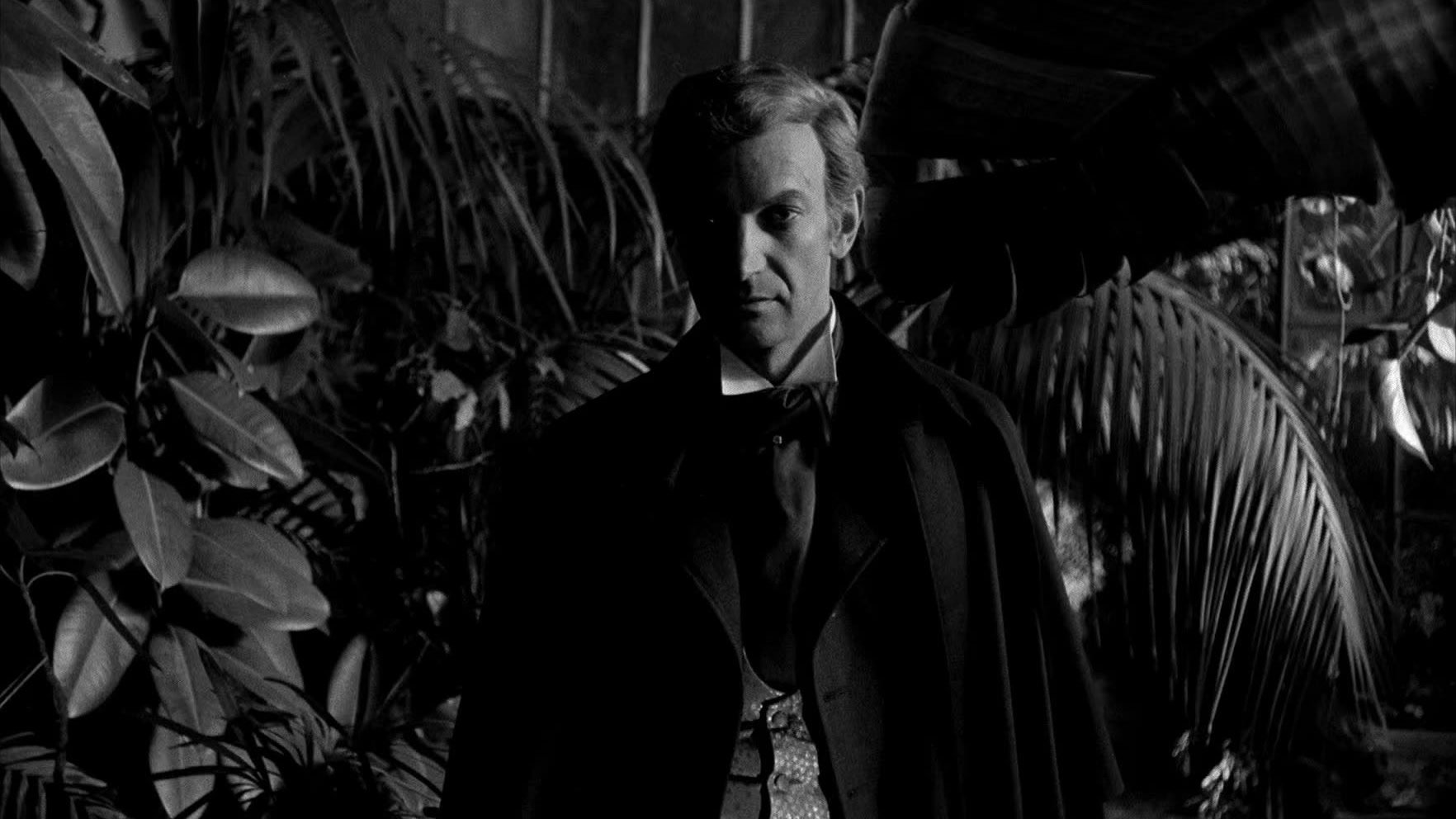
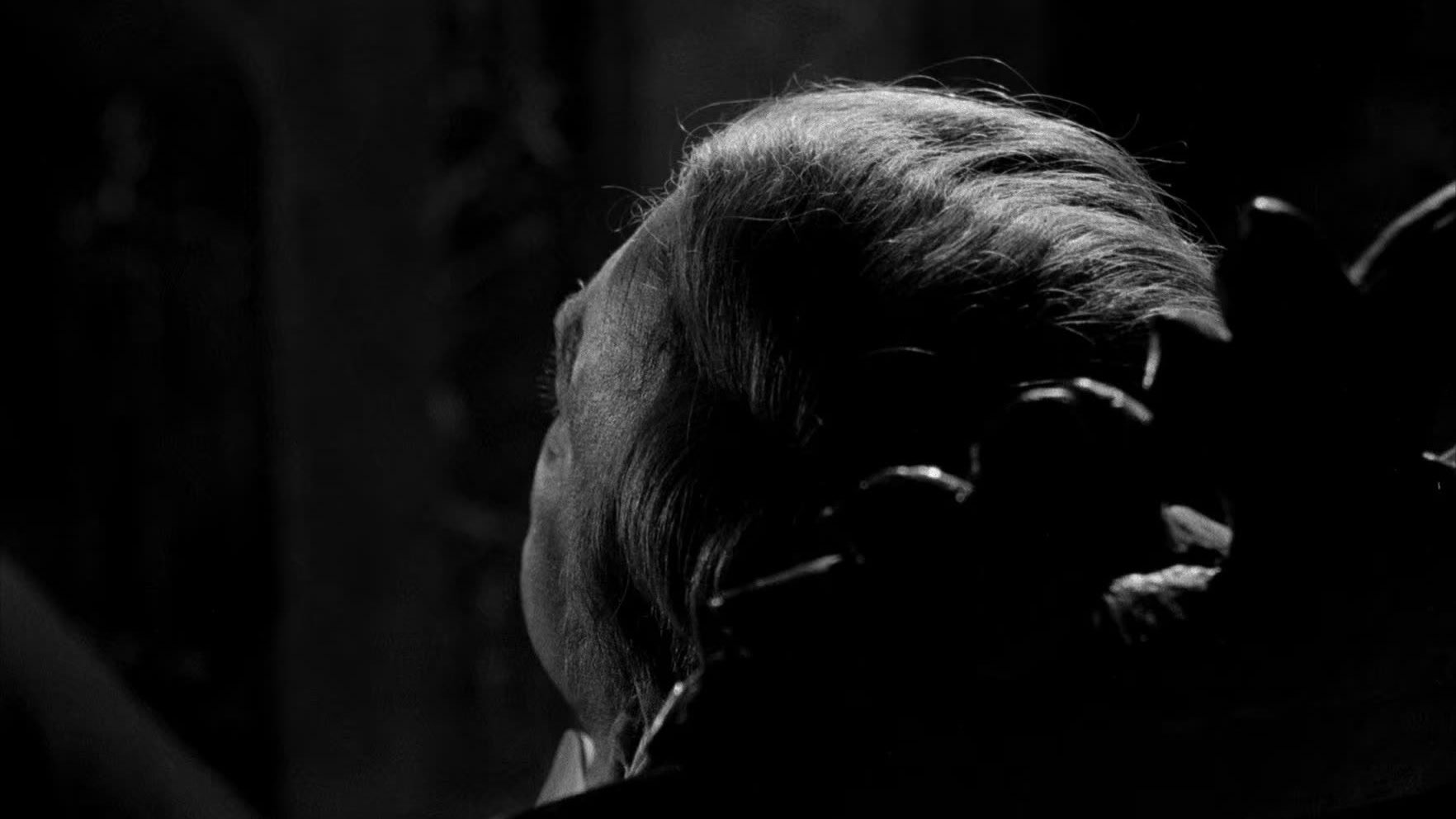
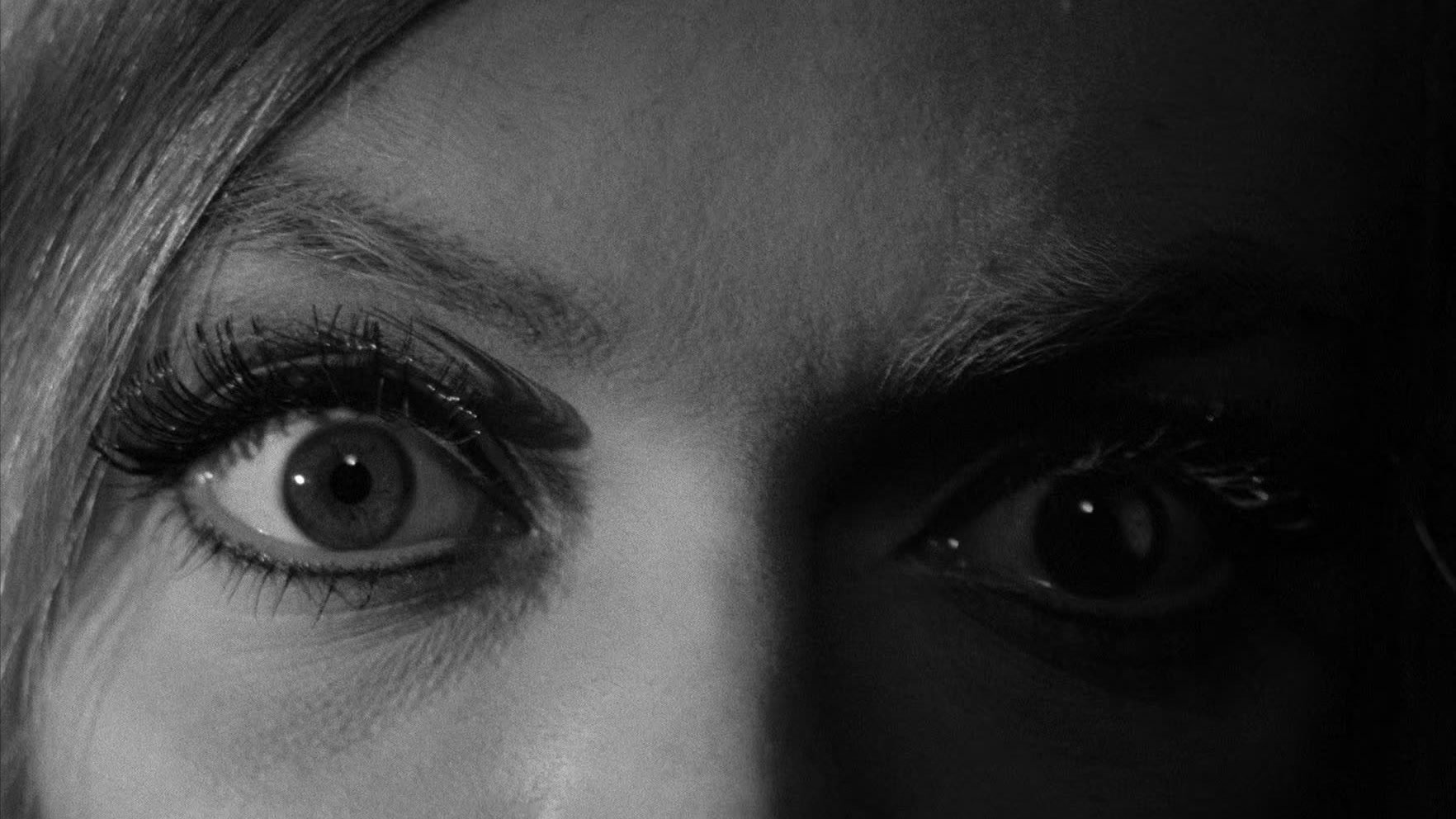
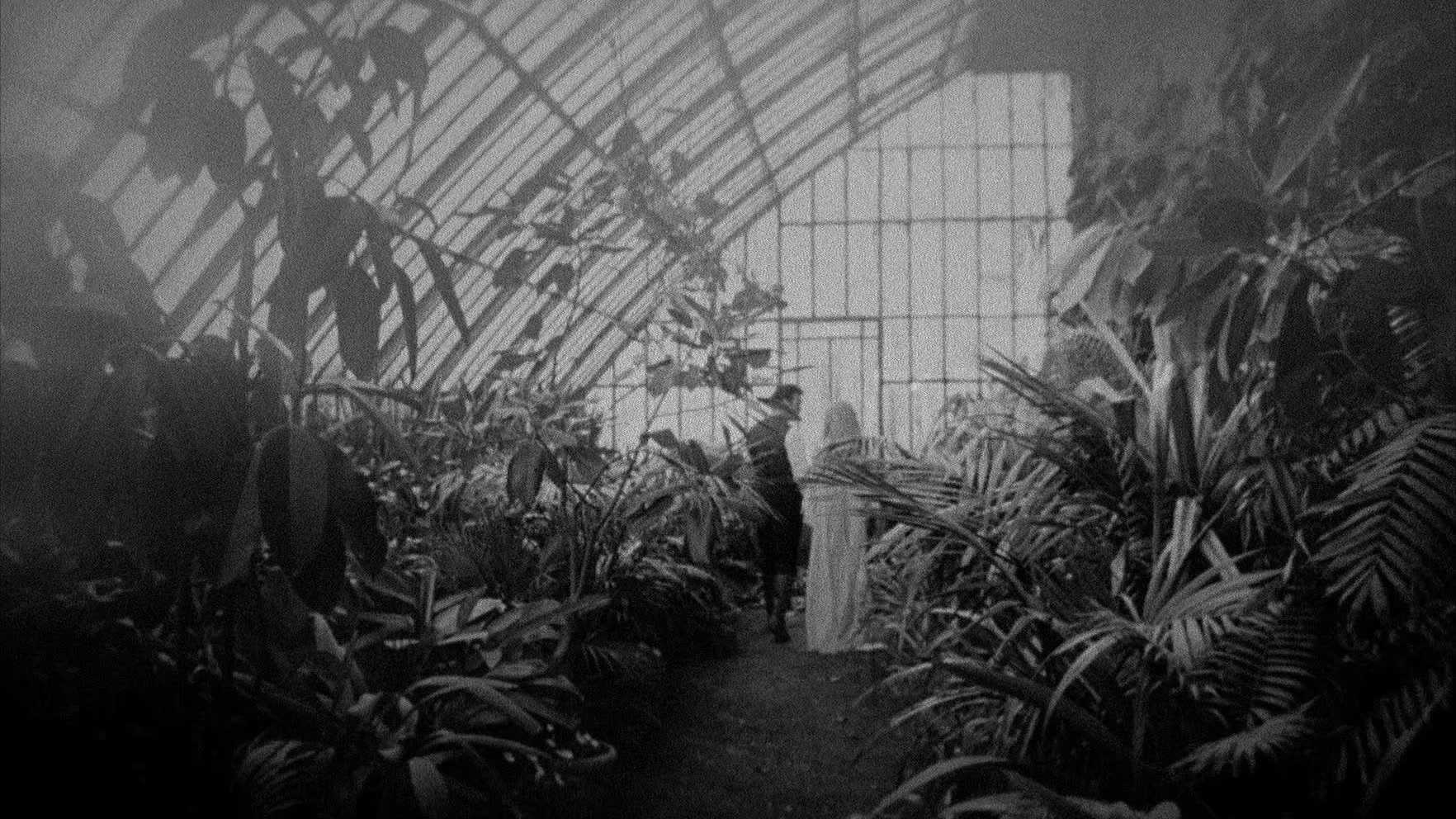
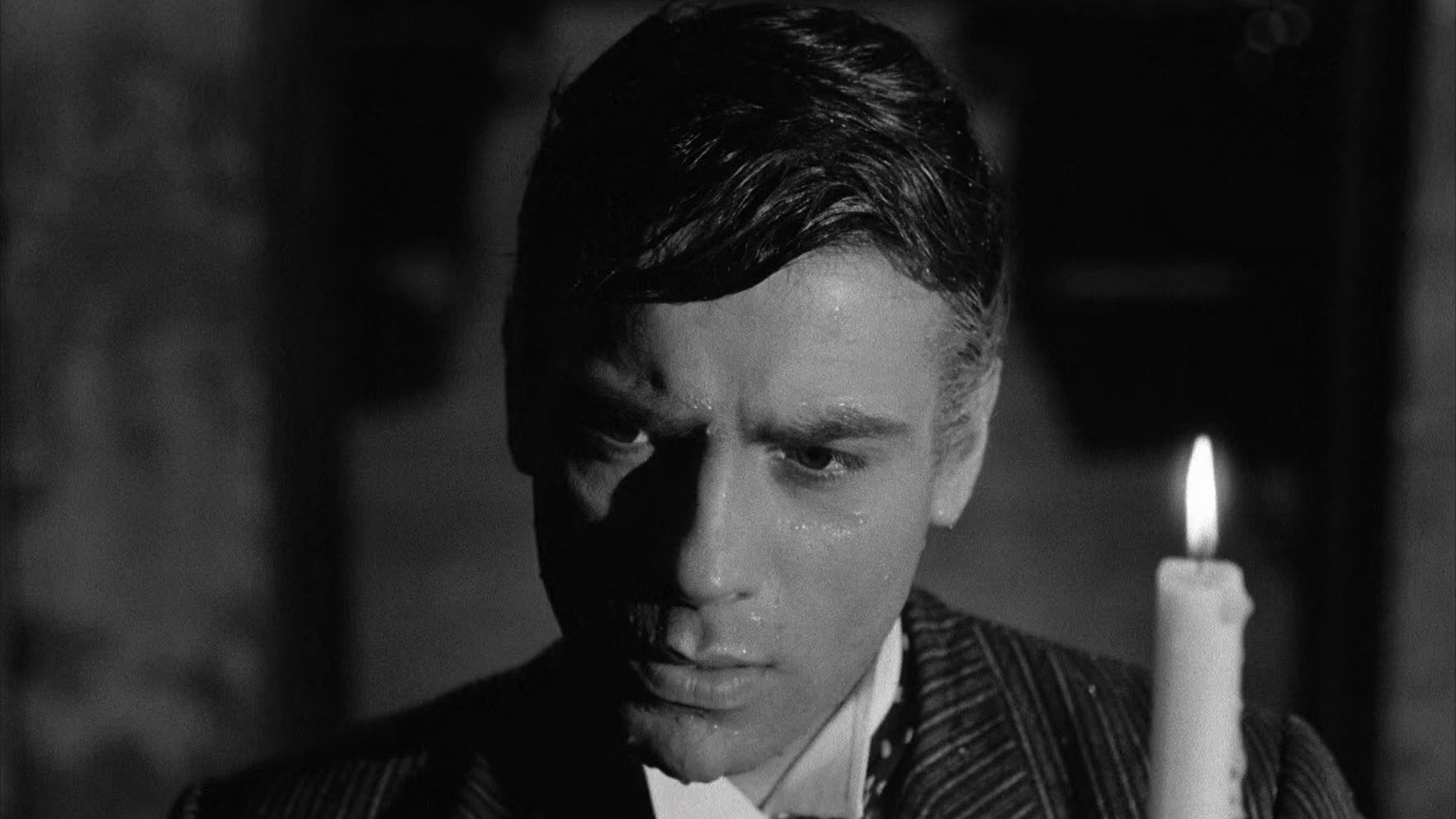
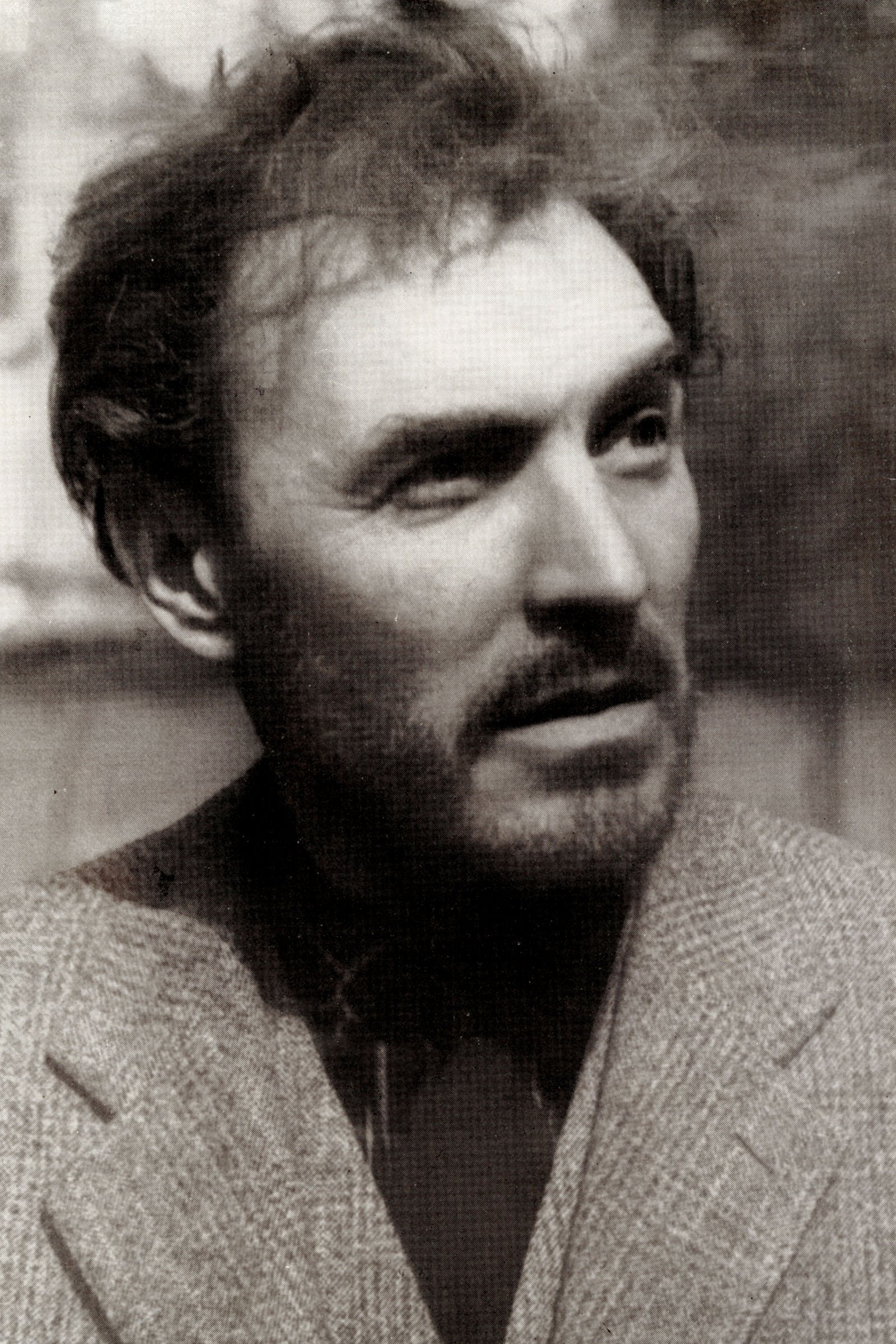
Caiano’s collaboration with cinematographer Enzo Barboni was especially important for the production’s visual character. Barboni was already experienced in Italian genre filmmaking and later became widely known as a director under the name E. B. Clucher. His photographic work here belongs to a different area of his career, emphasizing darkness, threatening interiors and the physical presence of the actors. The resulting film demonstrates how a modest Gothic production could obtain an elaborate visual identity through lighting, architectural space and the performances of an established international cast.