Bloody Pit of Horror (1965)

US
HORROR FILM
Runtime
87 min
Release
November 28, 1965
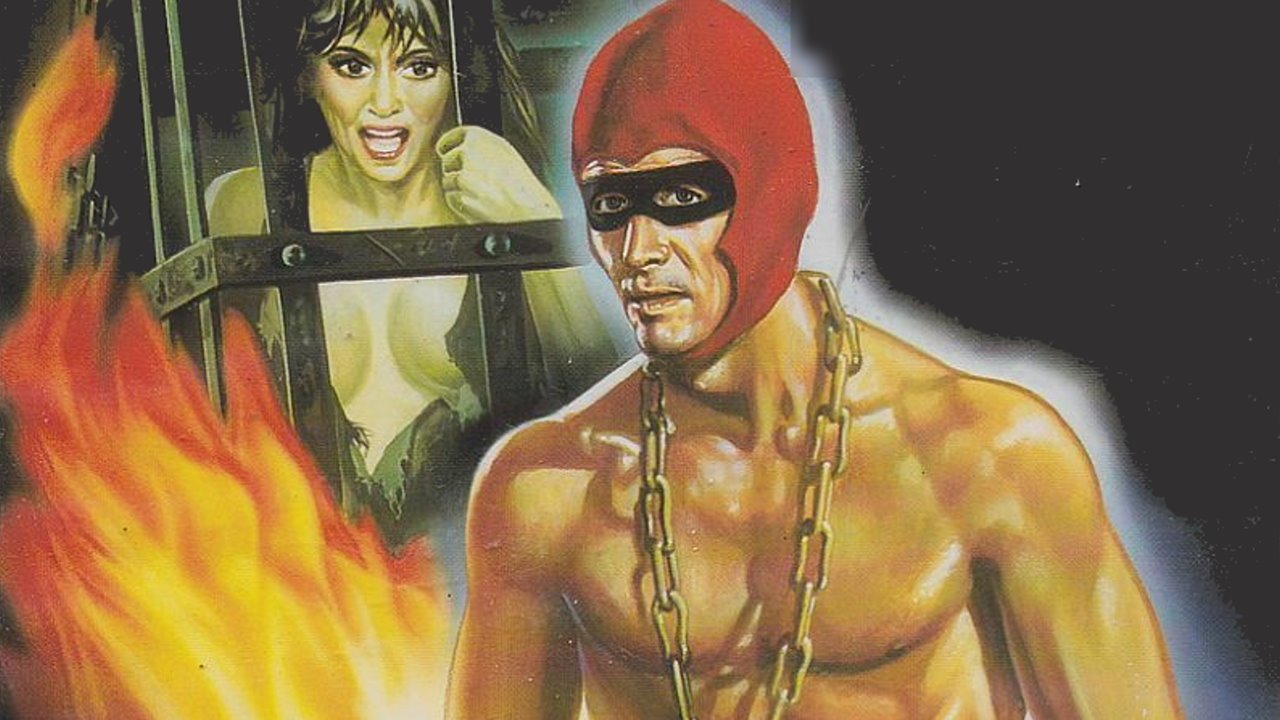
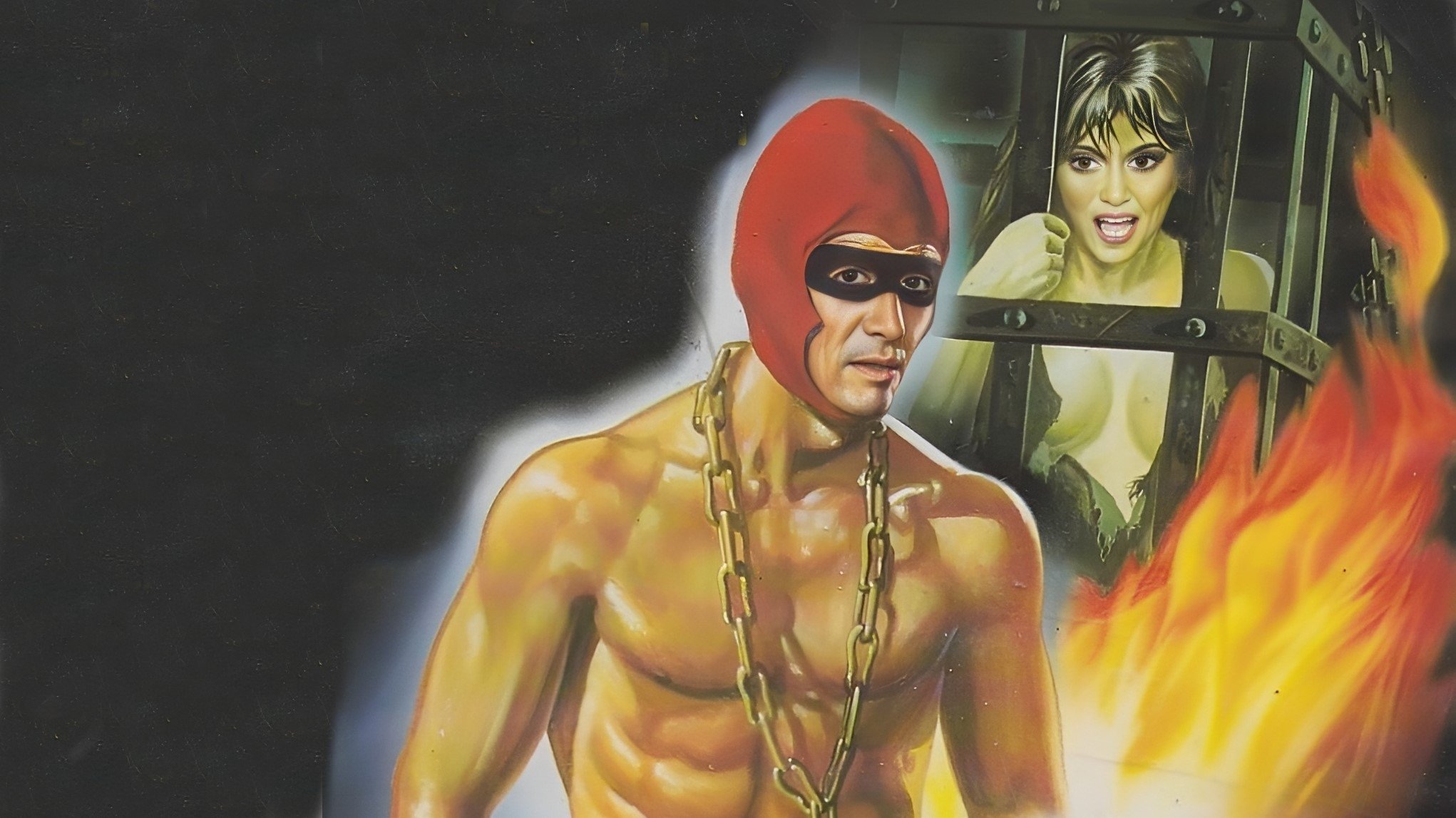
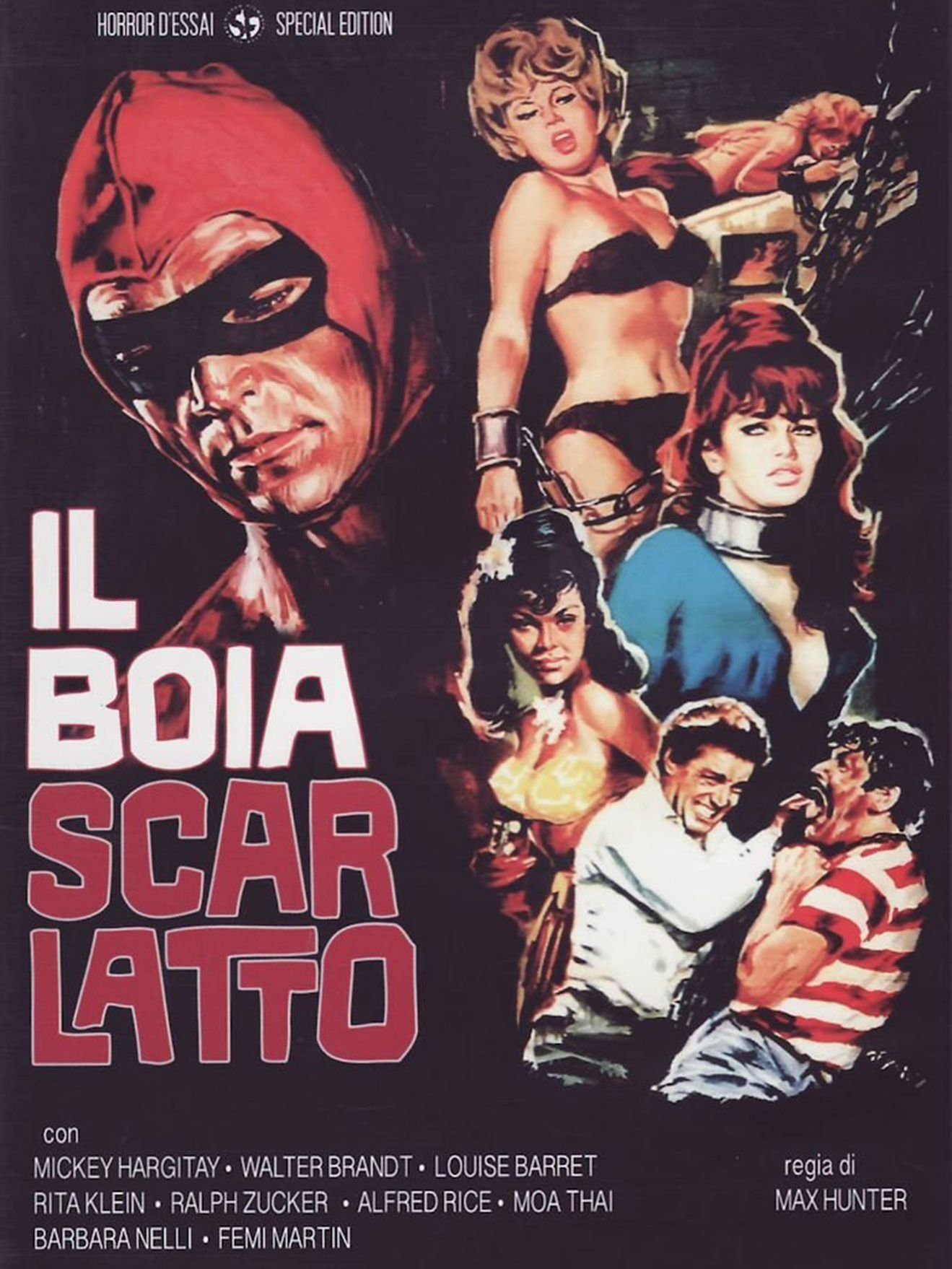
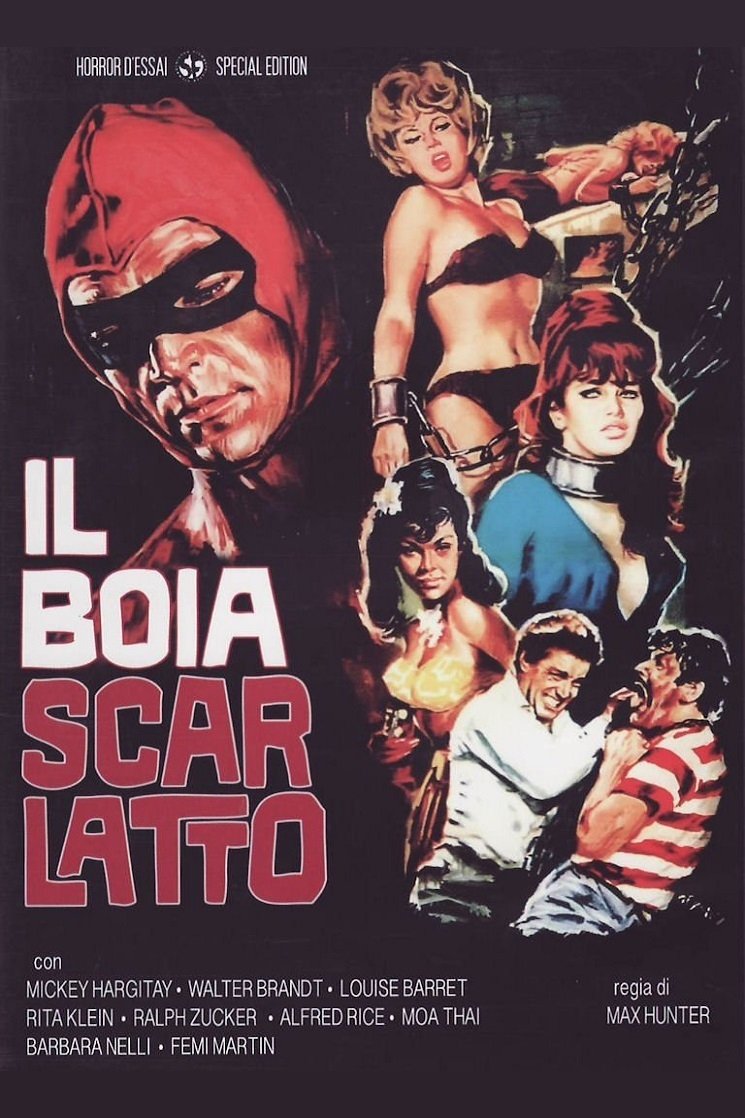
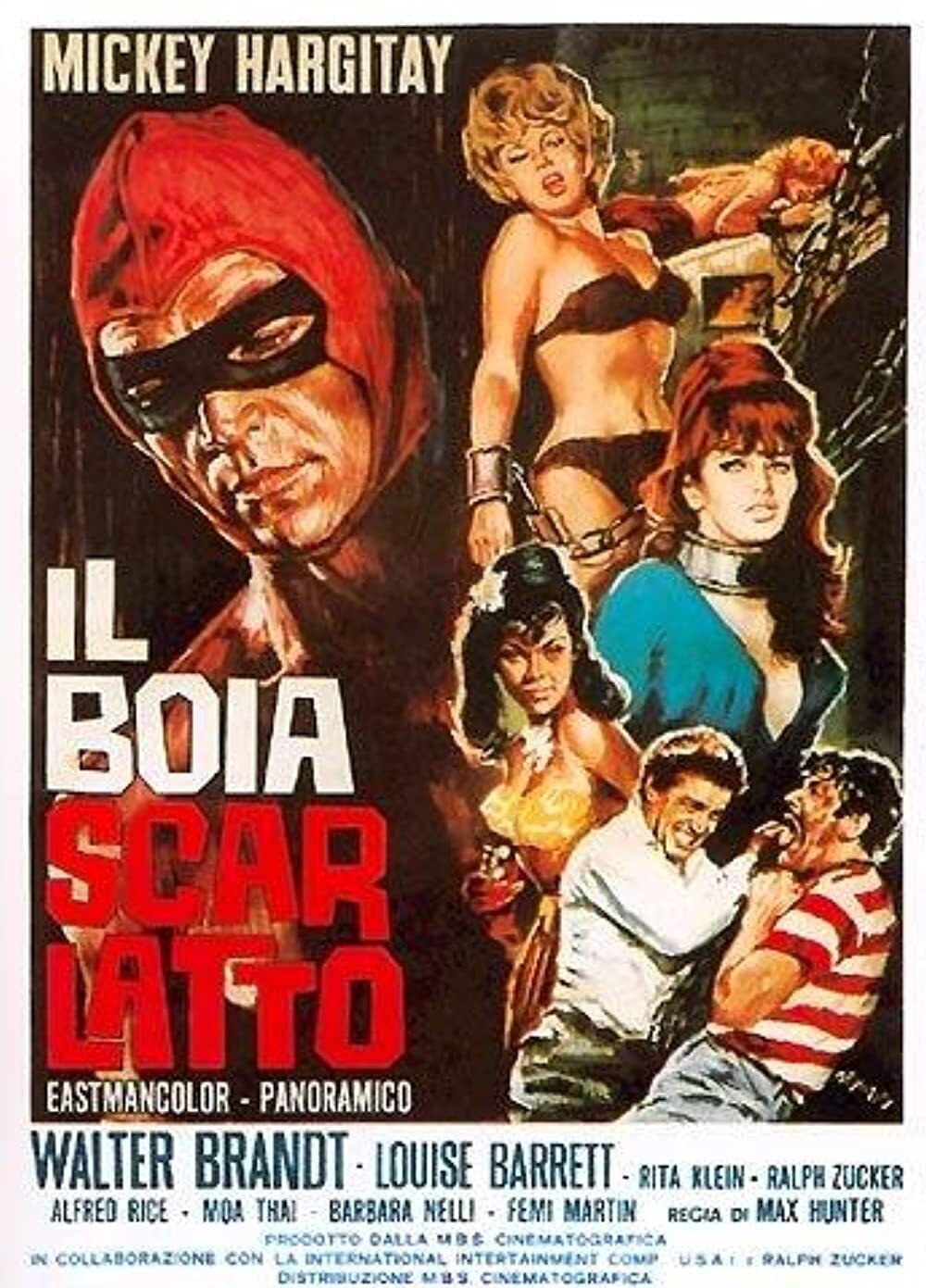
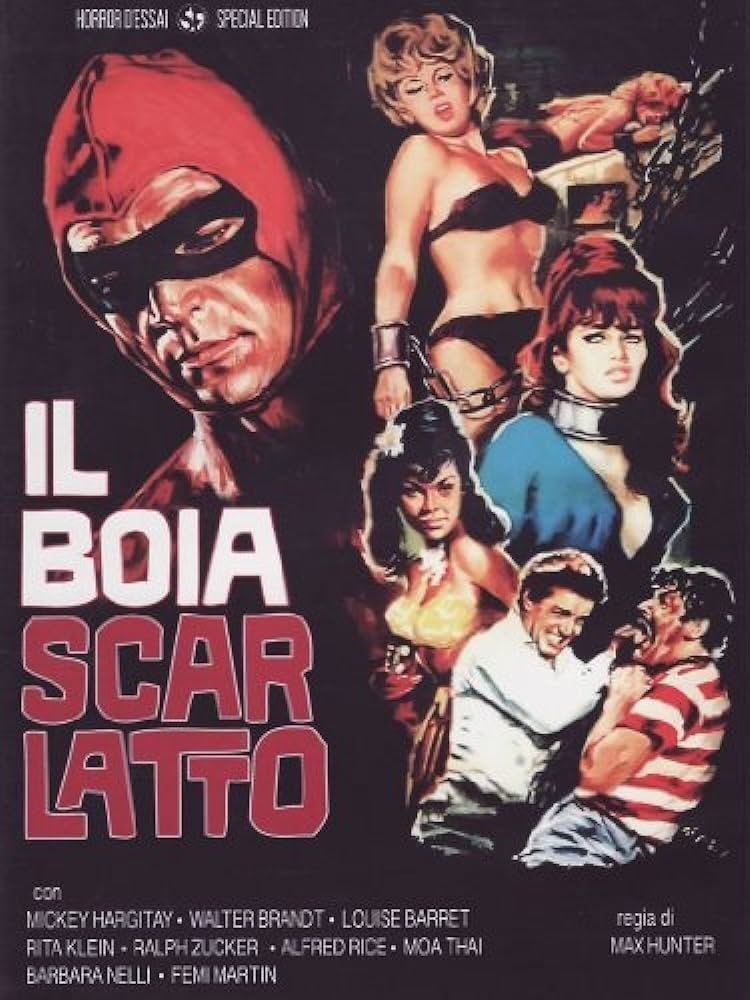
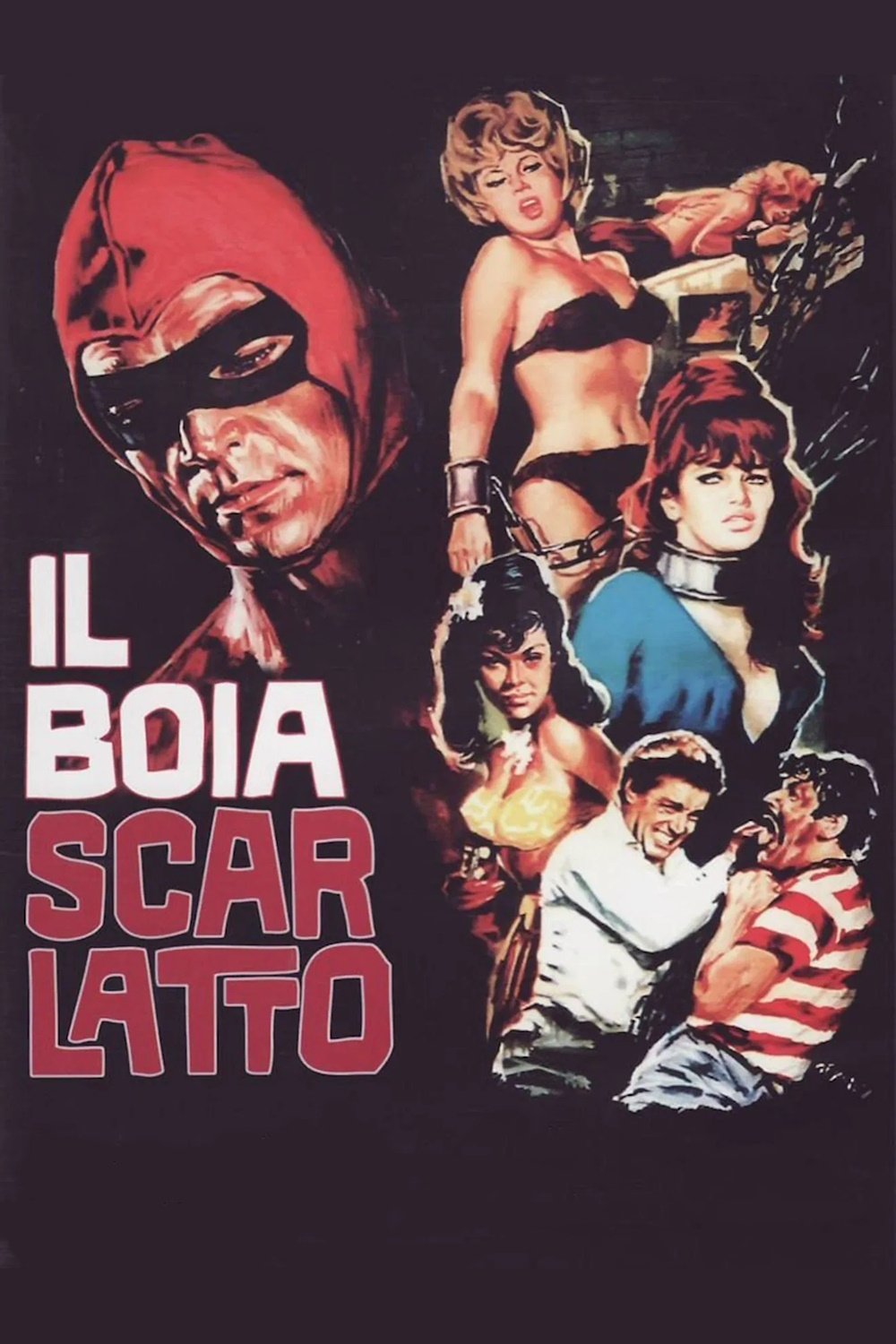
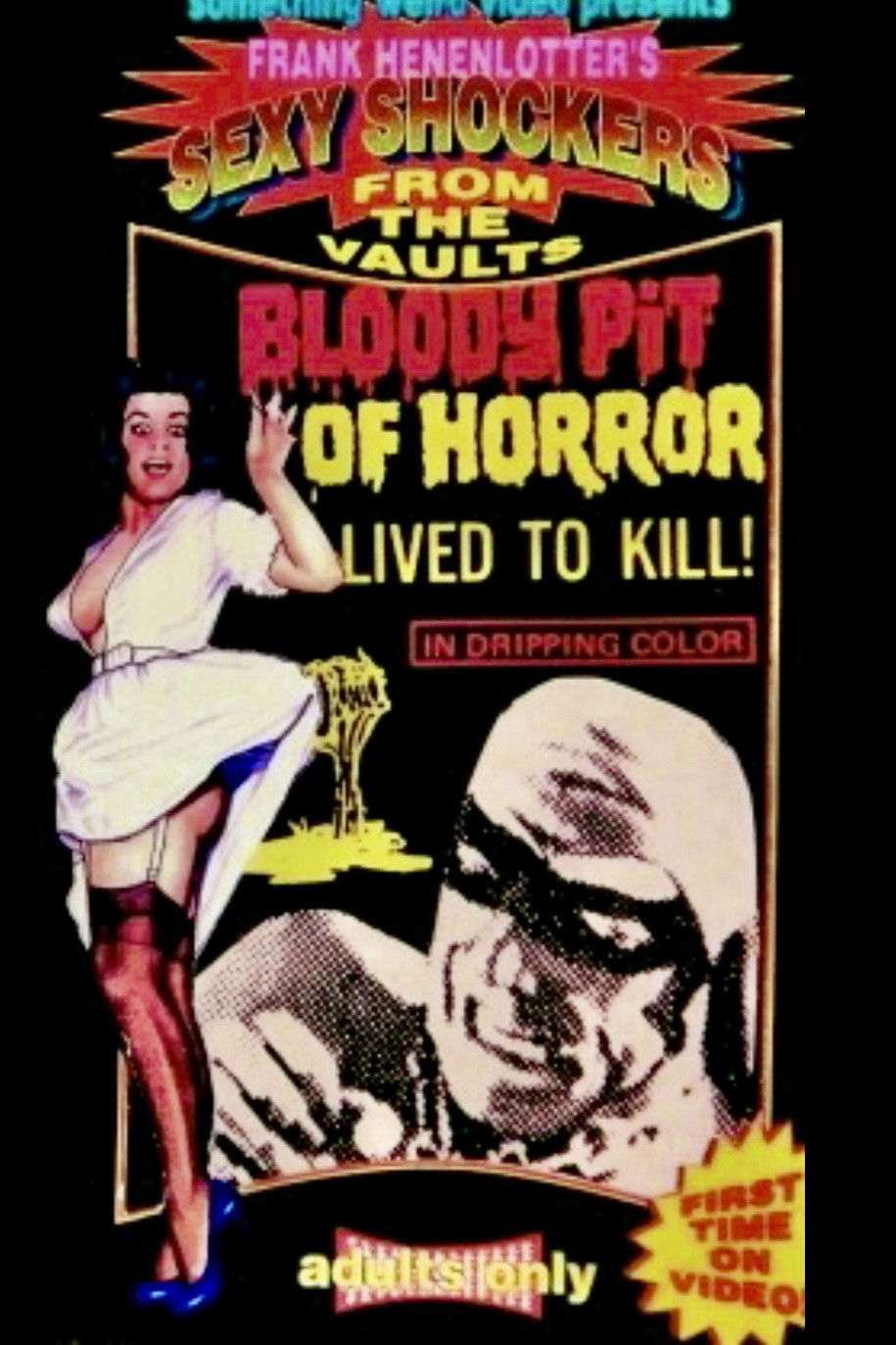
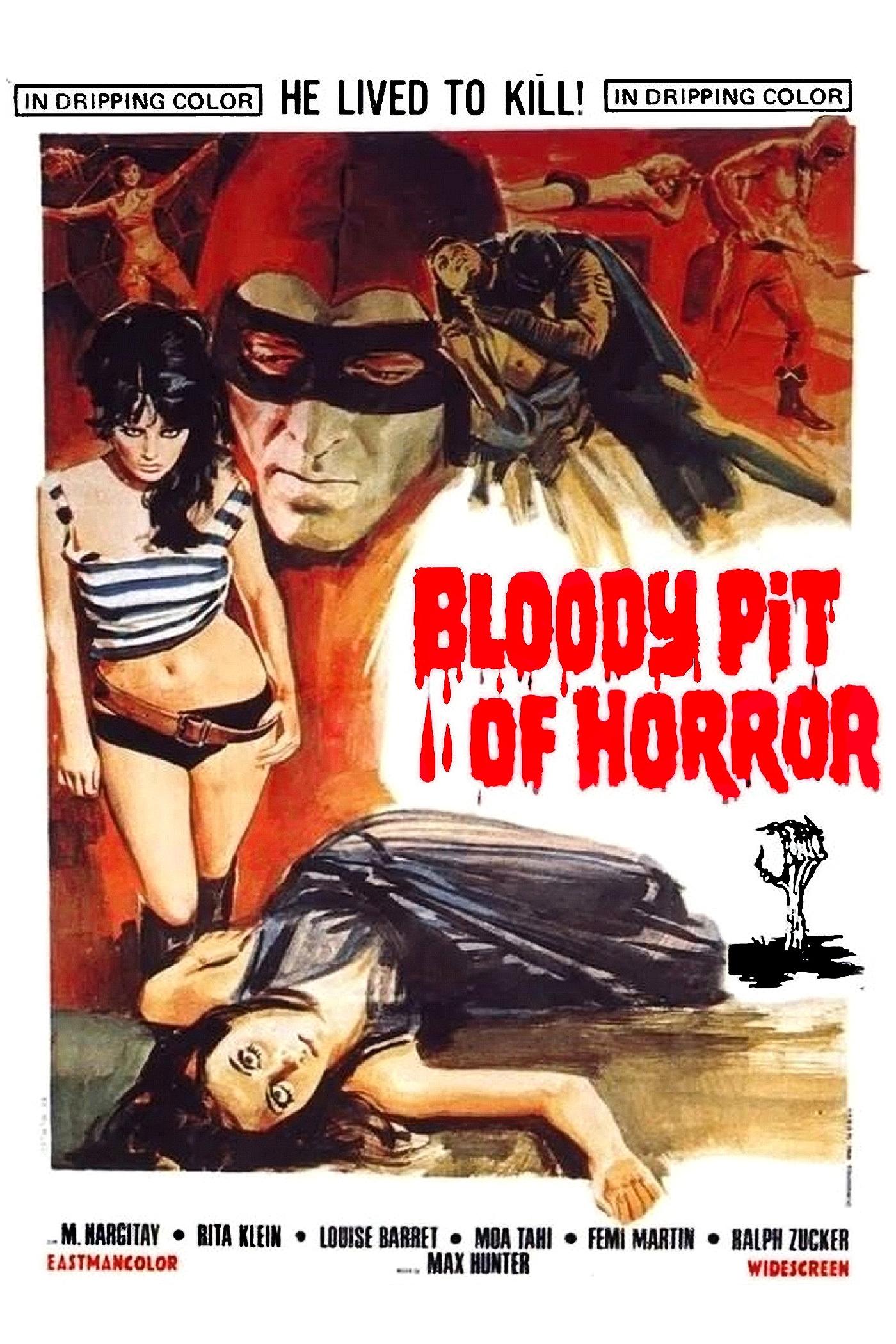
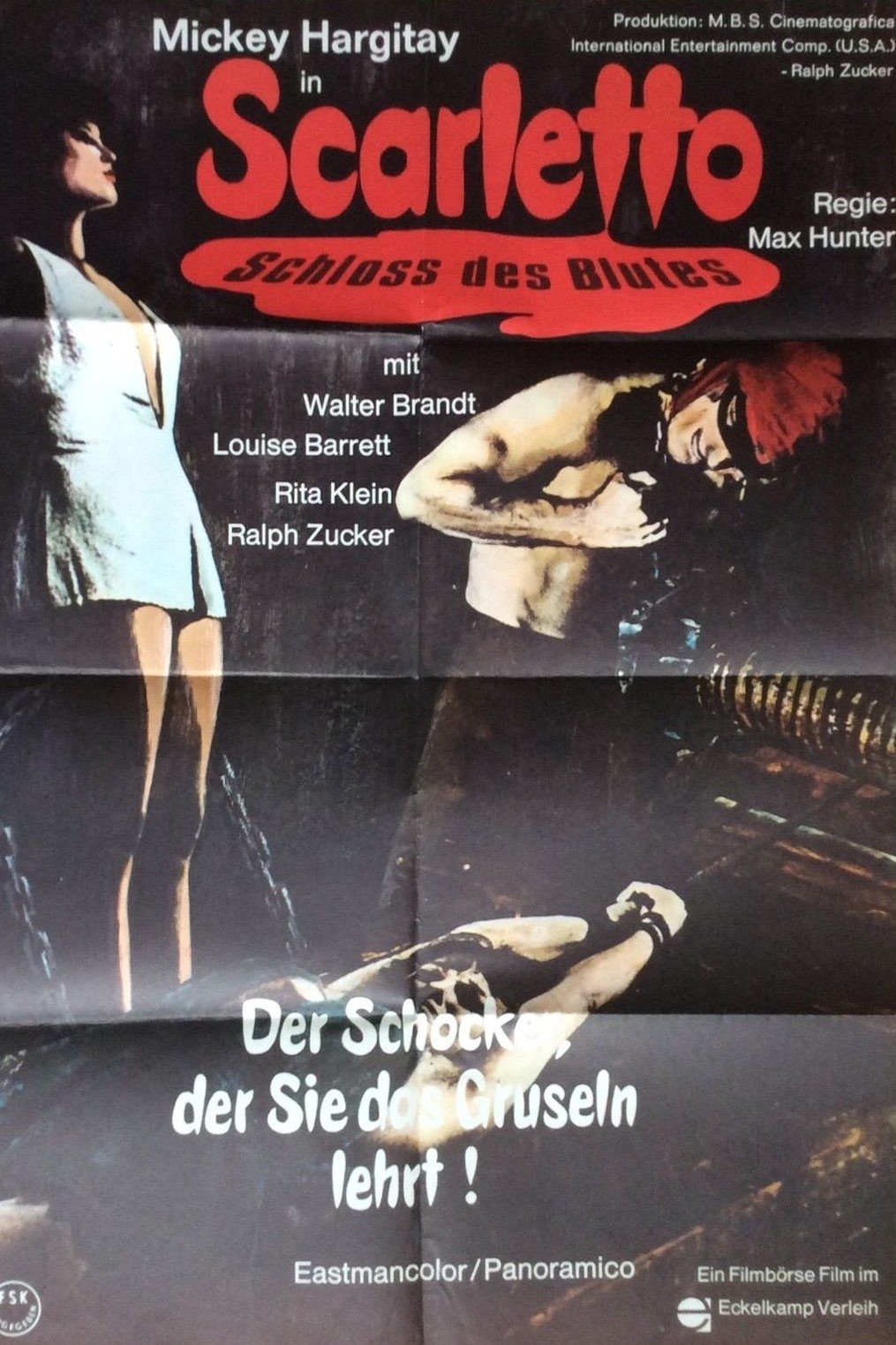
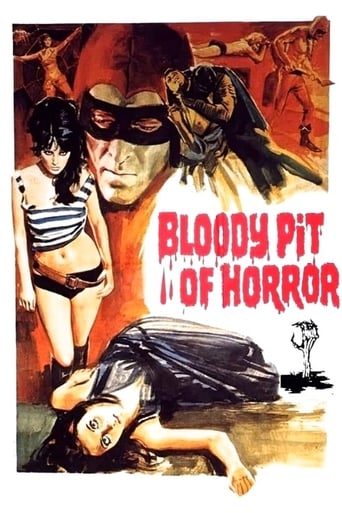
Bloody Pit of Horror (1965) poster
Director
Production Companies
International Entertainment , M.B.S. Cinematografica
Plot

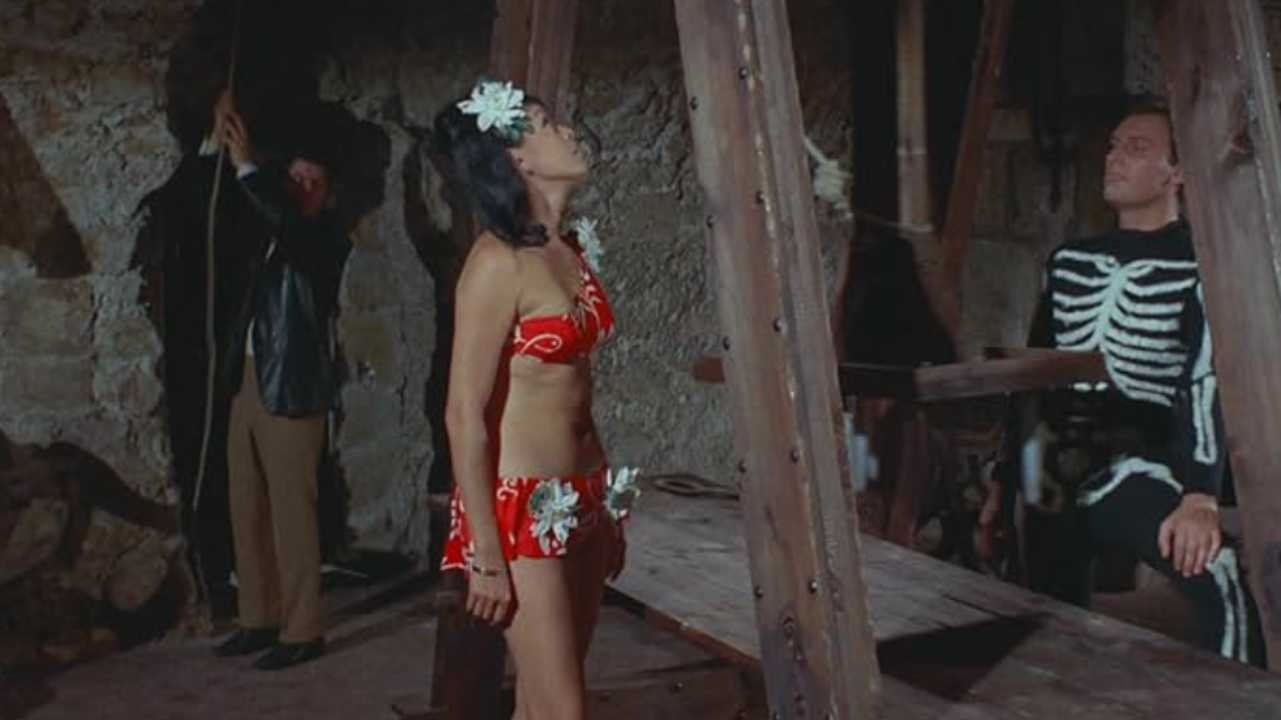
A photographer and his models go to an old, abandoned castle for a photo shoot. Unbeknownst to them, the castle is inhabited by a lunatic who believes himself to be the reincarnated spirit of a 17th-century executioner whose job it is to protect the castle against intruders.

Alternative Titles
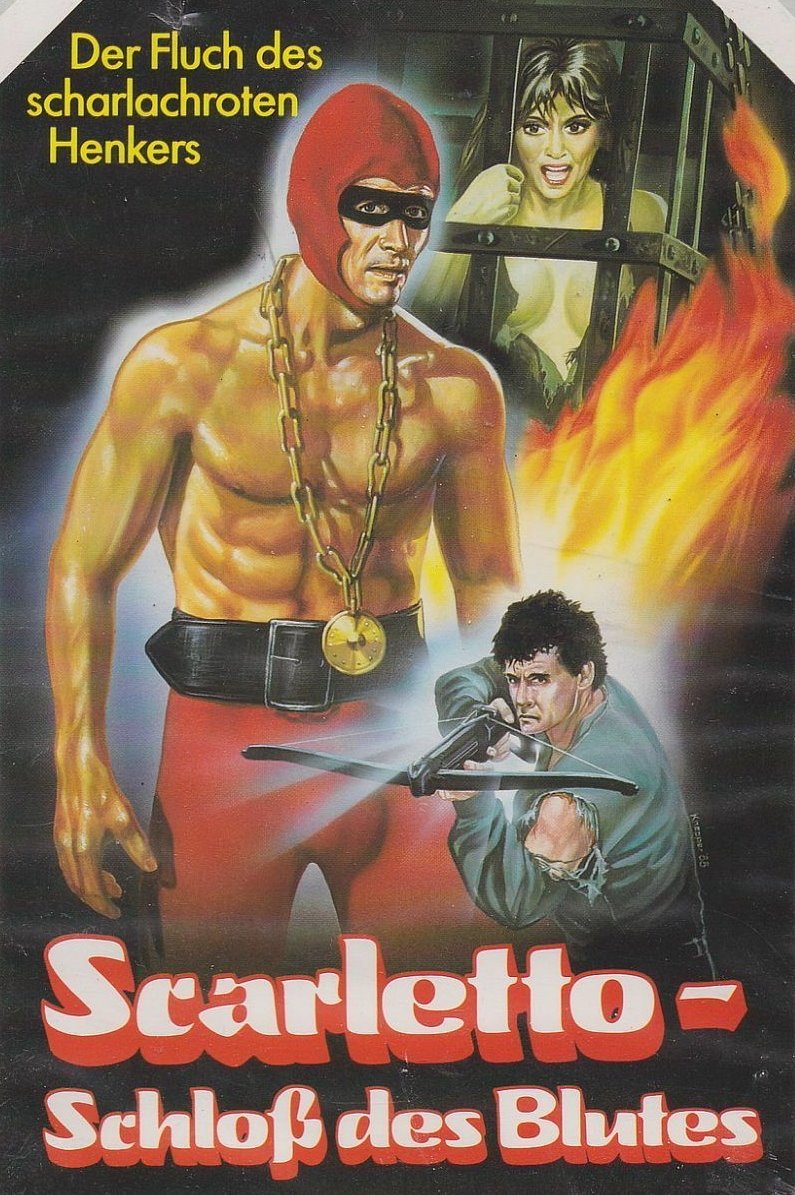
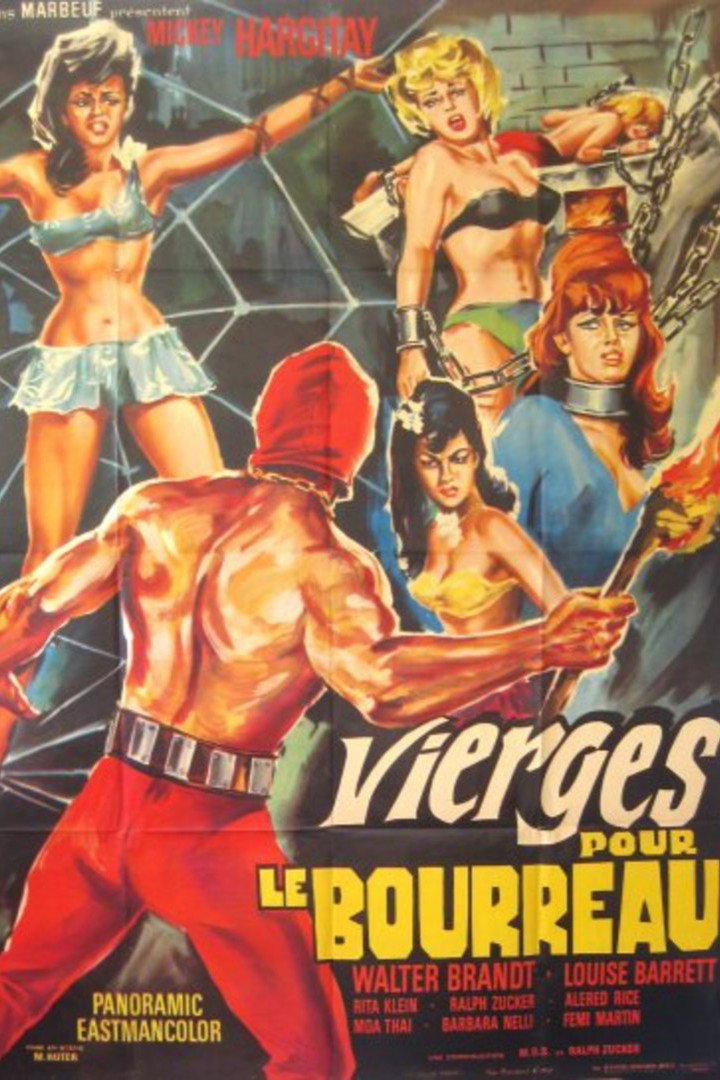
惨杀古城 (China) — Chinese Das Schreckensschloss des scharlachroten Henkers (Germany) — Super-8 (Rex Film) Der scharlachrote Henker (Germany) — DVD (Ostalgica) Scarletto - Schloss des Blutes (Germany) — German Vierges pour le bourreau (France) 慘殺古城 (Hong Kong SAR China) — Chinese The Crimson Executioner (Italy) A Tale of Torture (United States)
Show all 9 alternative titles The Red Hangman (United States)

Trailers & Videos

3 videos

Film Guide & Analysis

Massimo Pupillo joins Italian Gothic horror, sensational photographic fiction and the spectacle of the male body in a castle of theatrical violence.

Bloody Pit of Horror (1965), released in Italy as Il boia scarlatto, brings an unusually flamboyant strain of sadism into the country's mid-1960s Gothic cycle. Massimo Pupillo begins with the legend of an executioner condemned inside an iron maiden, then moves to a contemporary photographic expedition at the same castle. A publisher and his companions hope to produce sensational illustrations for horror stories; the building's secluded owner instead turns their staged suffering into actual murder. The premise makes commercial horror imagery part of the action, allowing the film to examine the attraction of cruelty while repeatedly indulging in its spectacle. The division between the performers and the people controlling their bodies becomes increasingly unstable.

Mickey Hargitay plays Travis Anderson, a former screen muscleman whose devotion to his own physique develops into identification with the castle's infamous executioner. His vivid costume and prolonged speeches give the picture an identity far removed from restrained supernatural Gothic horror. Its mixture of period torture chambers, contemporary popular publishing, erotic display and bodily punishment connects several strands of Italian genre culture at once. Scholars have consequently found material for discussions of masculine narcissism and sexual repression in a film often dismissed for its theatrical excess. The historical interest of Pupillo's work lies in that collision of attractions, rather than in any claim that its violence introduced a new cinematic technique.

Pupillo and the Italian Gothic Cycle

Massimo Pupillo directed three Gothic horror pictures associated with 1965: Terror-Creatures from the Grave, Lady Morgan's Vengeance and Il boia scarlatto. They belong to the period when Italian producers assembled inexpensive genre films for both domestic cinemas and overseas markets, often using international-looking credits and performers. Pupillo was billed here as Max Hunter. Roberto Natale and Romano Migliorini developed the screenplay, while Ralph Zucker was involved as producer and also appears as the photographer. These details matter because the fiction concerns a small entertainment enterprise selling terror through carefully arranged images. Its exaggerated publishing characters are unusually close to the business of manufacturing the film's own attractions.

The script supplies a fictional past for the castle before introducing Rick, Edith and their companions. Their professional assignment involves photographing models in settings decorated with apparent instruments of torture. What begins as a calculated exercise in creating frightening pictures becomes dangerous after the visitors disturb the sealed chamber. The proprietor's earlier relationship with Edith provides a personal motive for his hostile attention to the group. By joining an old executioner's legend to a modern commercial project, the story gives its murderer a ready-made identity and its victims an occupation that already requires them to simulate fear. The supernatural explanation remains entangled with Travis's increasingly obsessive behavior.

Photographic Horror and the Castle

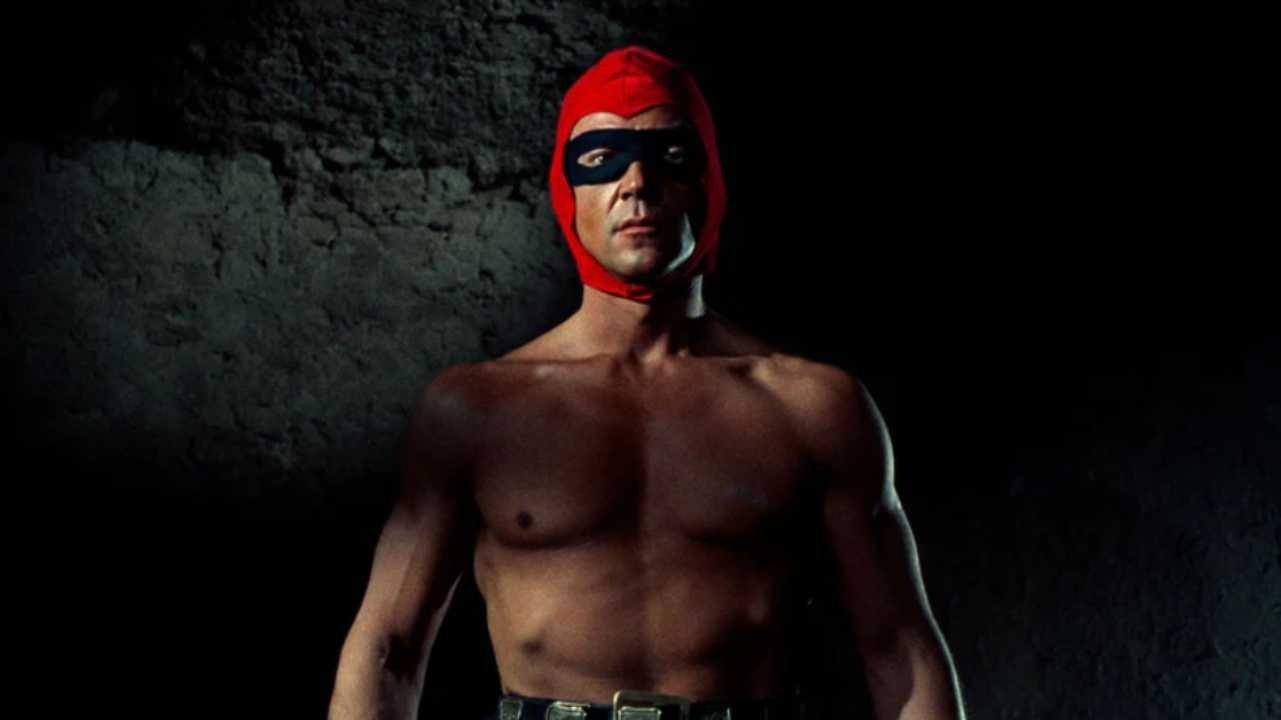
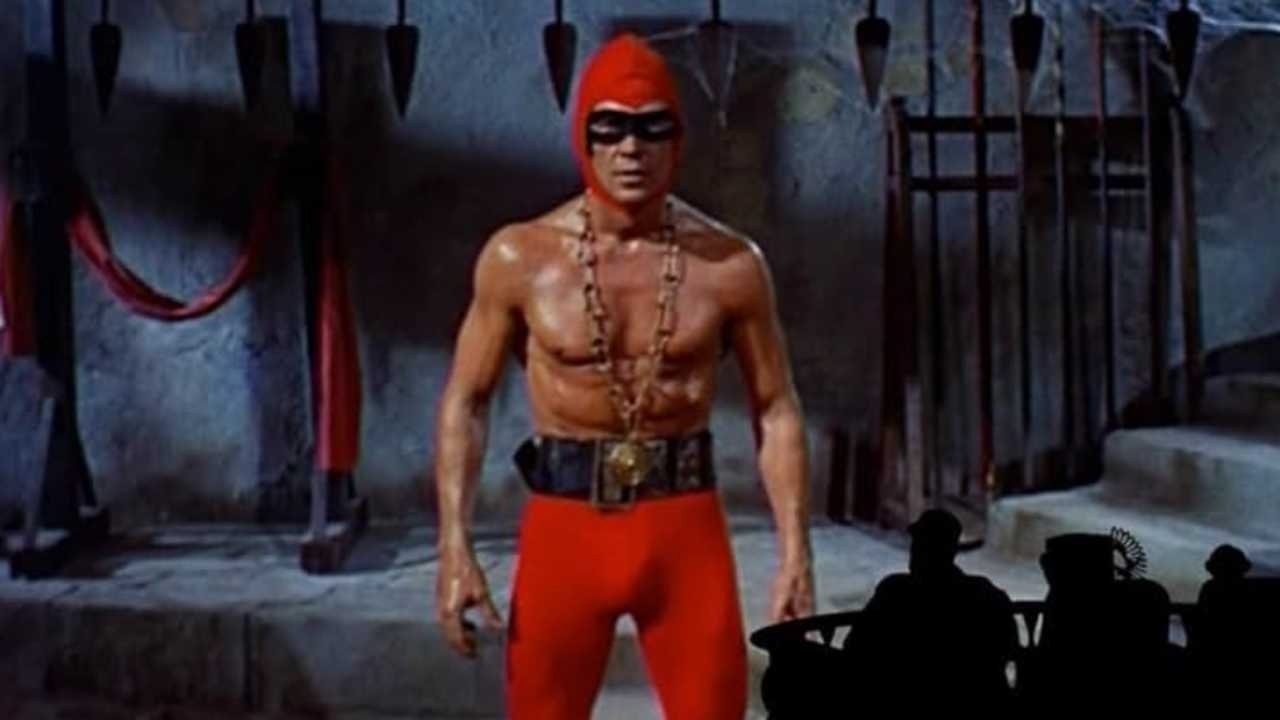
The company arrives with bright clothes, cameras and props that contrast with the castle's massive stone spaces. The red hood worn by the Crimson Executioner becomes the central chromatic sign of the killings, while the costumes used for the photographic session make the characters look as though they have stepped out of illustrated crime stories. The production is closely connected in subject matter to Italy's fotoromanzi, narratives constructed from sequential photographs, and to the darker comic-book fashions circulating during the 1960s. Leon Hunt has examined the film in relation to the emerging fumetti neri, whose masked criminals combined sexual attraction with violent punishment. That connection is a critical reading of its imagery, not proof of a direct literary adaptation.

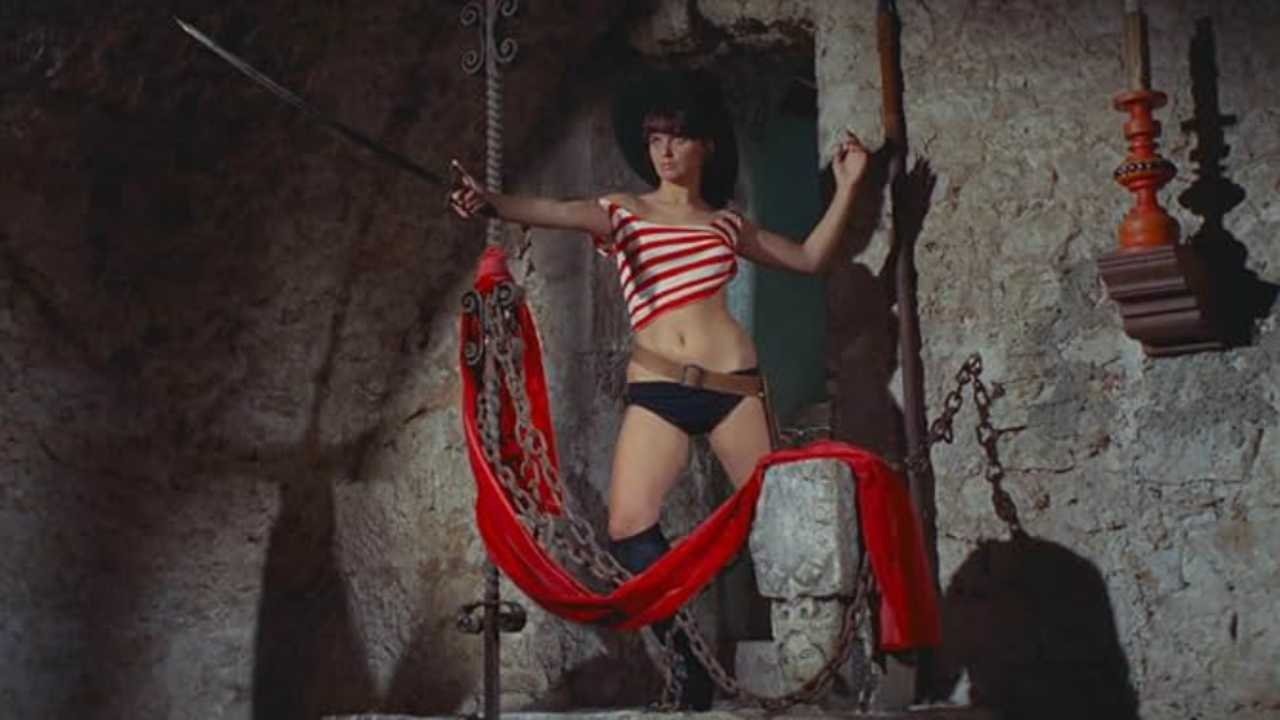
The castle serves a practical dramatic purpose beyond providing picturesque masonry. Corridors separate the visitors, concealed observation points permit private surveillance and the dungeon converts decorative objects into functional traps. Pupillo repeatedly puts attractive bodies within arrangements designed for a camera, then changes the purpose of the same compositions from entertainment to coercion. The effect is particularly evident when the intended horror photographs are eclipsed by violence that the group can no longer direct. Bright interiors and extravagant mechanisms sometimes give these passages a theatrical quality; that quality also suits a story populated by people who earn their living from deliberately artificial spectacles. The setting consequently becomes central to the drama of looking and control.

Mickey Hargitay and the Perfect Body

Hargitay's casting turns the villain into a conspicuous physical presence. A former Mr Universe, he had appeared in sword-and-sandal cinema, an important reference for the muscular body that Travis treats as the center of his existence. The character's former career in costume pictures reinforces this association inside the story. His retreat to the castle is presented as an attempt to preserve bodily perfection, and the return of Edith threatens the isolation on which that ideal depends. Travis's transformation into the executioner can therefore be interpreted as a collapse of self-control under the pressure of desire and resentment. The film never requires the audience to accept his own explanation of himself as reliable psychiatric testimony.

Leon Hunt's analysis emphasizes the contradiction between Travis's self-display and his declared hatred of sensuality. The executioner's almost bare torso and fitted clothing draw attention to the body of the tormentor even while the scenario offers women as objects for punishment. Torture becomes an extension of the physical discipline that Travis has imposed on himself, with the dungeon resembling a grotesque counterpart to a gymnasium. This interpretation also helps explain why the camera lingers on Hargitay's poses and gestures instead of reserving its interest for the threatened models. The spectacle offers competing forms of identification: admiration for a powerful figure, fascination with his breakdown and discomfort at his enjoyment of suffering.

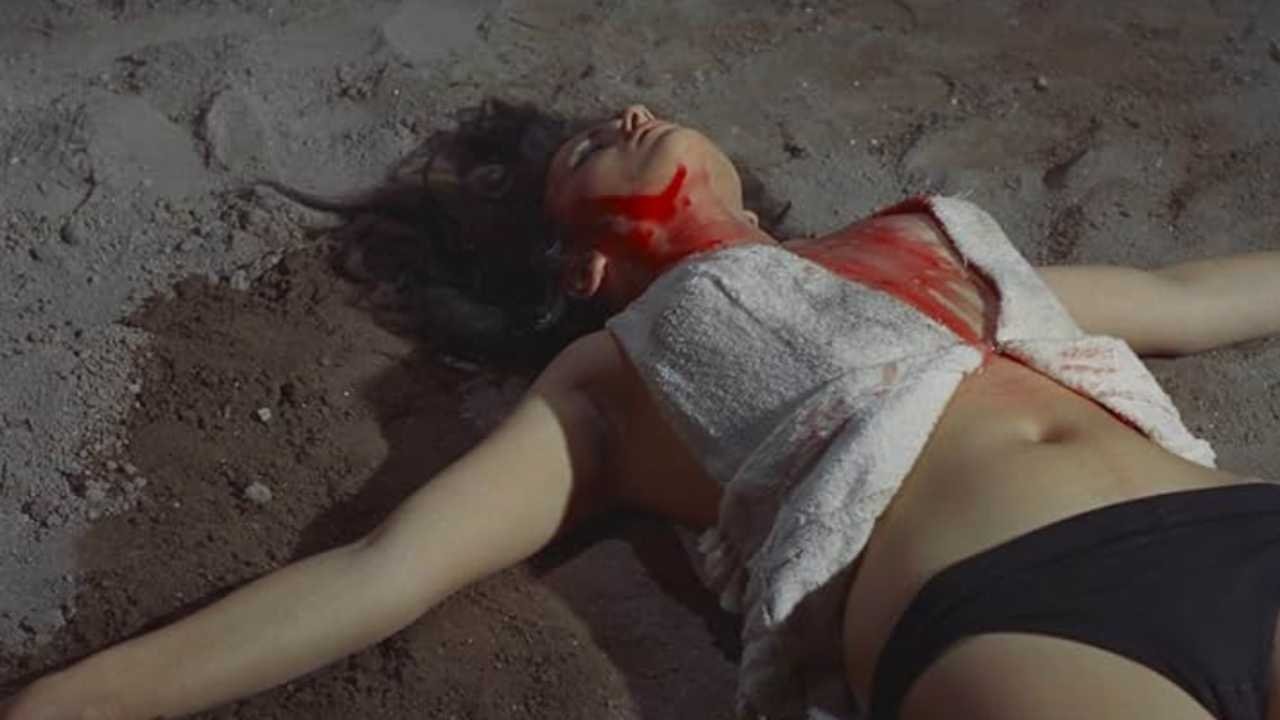
The film's treatment of gender remains difficult to separate from its exploitation purpose. Female captives are exposed to extended ordeals staged for visual excitement, whereas male characters also die but generally receive less eroticized attention. Rebecca Booth's later analysis stresses that the presence of male victims complicates descriptions of the film as exclusively concerned with torturing women. That qualification does not erase the unequal treatment of their bodies. The resulting tension is central to the film's reception: its images can be studied for what they reveal about anxieties surrounding masculinity while still being recognized as commercially designed scenes of humiliation. The distinction prevents thematic interpretation from becoming an uncritical defense of the material.

Torture Machines and the Spectacle of Violence

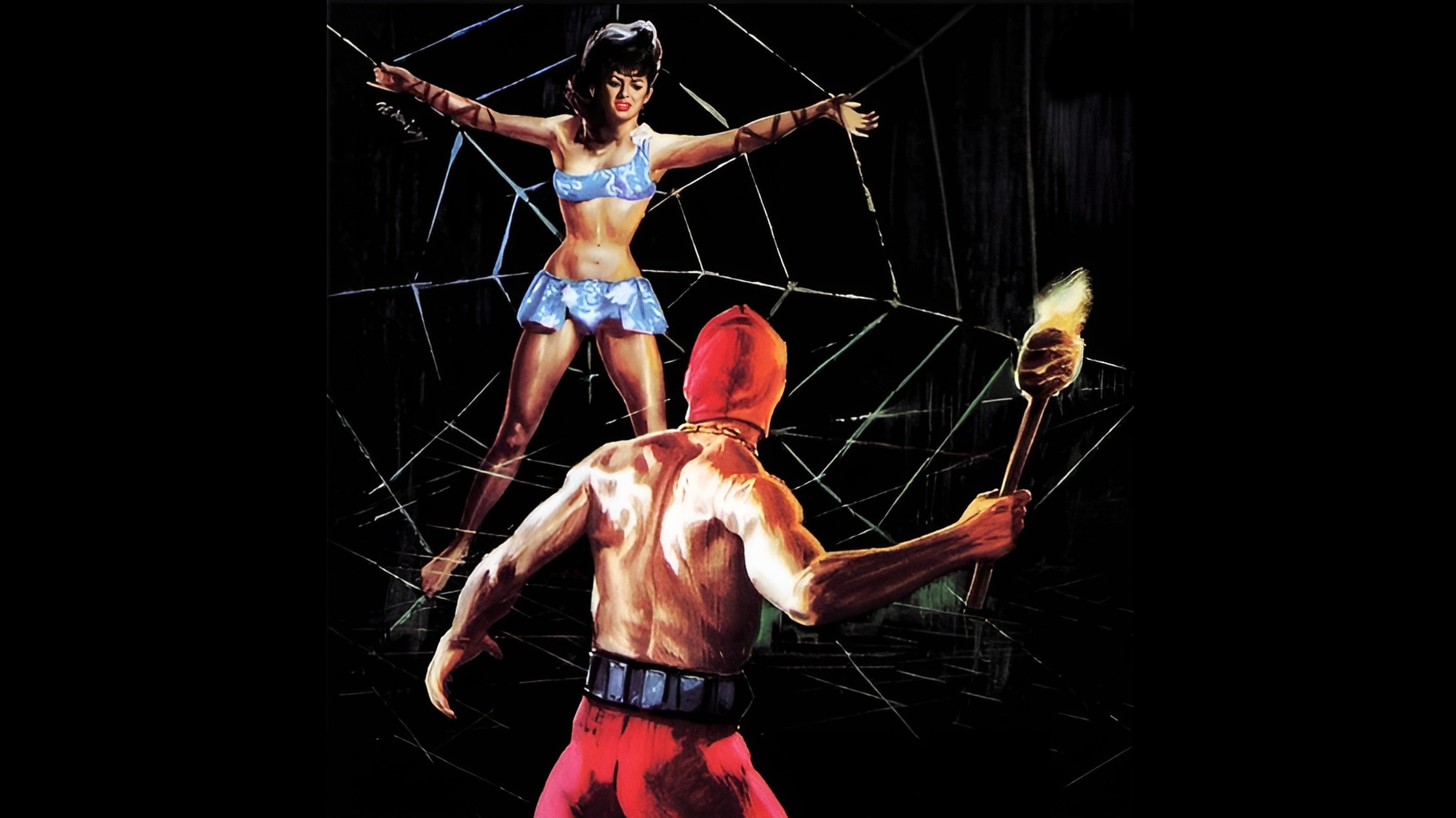
As the second half progresses, the plot increasingly organizes itself around devices of punishment. A woman trapped in an artificial web faces a mechanical spider and a mechanism capable of firing projectiles; other prisoners are exposed to rotating knives or elaborate restraints. The machines demand time from the viewer because their arrangements and threatened movements are displayed before their effects are completed. They extend the film's interest in artificial horror from a photographer's staged tableaux to structures whose purpose is now lethal. The staging mixes suspense with a conspicuously constructed form of spectacle, recalling popular stage melodrama and Grand Guignol traditions without establishing a documented direct influence on Pupillo's production.

The Crimson Executioner's own costume also changes the emphasis of the violence. His exposed muscular torso, black mask and bright hood make each attack resemble a performance by someone eager to be seen. Close views of threatened flesh invite the audience to anticipate injury, but the surrounding equipment remains visibly theatrical. This uneasy combination helps explain why later criticism has ranged from contempt for the film's implausibility to fascination with its uninhibited visual inventions. The climactic use of a spiked figure, called the Lover of Death in English-language accounts, brings the killer's fascination with invulnerable flesh to an abrupt conclusion. His body finally becomes subject to the penetration and destruction he inflicted on others.

Distribution, Versions and British Censorship

Il boia scarlatto opened in Italy on 28 November 1965. Its American distributor, Pacemaker Pictures, subsequently paired it with another of Pupillo's Gothic productions, encouraging audiences to approach both works as imported Gothic shockers. English-language presentation also altered the framing of the material: the shortened American edition opens with a reference to the Marquis de Sade, which functions as exploitation advertising rather than evidence that the screenplay adapts a specific work by the writer. The English-language release title is more aggressively descriptive than the Italian Crimson Executioner, shifting promotional attention toward bodily violence. Different release prints must be distinguished before making comparisons about rhythm or the relative prominence of individual scenes.

A detailed comparison published by Movie-Censorship in 2023 measured a shorter US cut at 74 minutes and four seconds against an original-version transfer lasting 87 minutes and nineteen seconds. Much of the removed material involves the group's arrival, photography and relationships, although the comparison also identifies a brief reduction of sexual exposure during a knife sequence. These timings describe the specific copies compared, and should not be generalized to every print distributed under the same title. In Britain, the BBFC's surviving record confirms that a cinema submission was judged unsuitable for classification on 4 August 1967. That decision concerns a particular submission in 1967; it is not evidence of a universal ban in all markets or a complete history of later availability.

Critical Readings and Cult Reputation

Pupillo's film has attracted two markedly different forms of retrospective attention. Kevin Lyons, writing for EOFFTV in 2020, criticized its slow build-up and uneven pacing while identifying Hargitay's theatrical performance as its strongest attraction. Rebecca Booth, in a 2019 essay for Horror Homeroom, examined the film's relationship to photographic fiction, theatrical horror and cultural ideas of physical perfection. Both approaches begin from the film's conspicuous artificiality but assign it different critical weight. The disagreement should not be recast as a story of uniform rehabilitation: the lurid devices and extended photographic passages continue to divide viewers who value different qualities in horror cinema.

Academic analysis by Leon Hunt supplies a more specific reason for the film's persistence within studies of European exploitation. He connects Travis's obsessive bodybuilding to representations of gender and desire in the peplum, while treating the photographic horror assignment as part of a wider traffic between Gothic cinema and violent popular comics. These readings identify a historically revealing combination of forms in a modest commercial feature. They do not establish that Pupillo consciously intended every implication subsequently identified by scholars. Its significance is most securely described through this unusual mixture of genres and the interpretive debate it has sustained, rather than through unsupported claims that it transformed later horror filmmaking.

References

  1. Horror Homeroom Perfection, Psychosis and Pupillo: Il boia scarlatto (Bloody Pit of Horror, 1965)

    Rebecca Booth examines the film within the Italian Gothic cycle, its fotoromanzo imagery, male narcissism and changing accounts of its gender politics.

  2. BBFC Bloody Pit of Horror - 1967 Classification Record

    The British Board of Film Classification preserves the original cinema submission and its 4 August 1967 rejection decision.

Cast

View Full Cast & Crew →

Release & Distribution

Production Companies (2)

  • International Entertainment
  • M.B.S. Cinematografica

Release History (4)

Release DateTerritoryRelease TypeFormatDistributorCertificationNotes
1965-11-28 Italy Theatrical — — —
1966-06-08 France Theatrical — — —
1967-05-16 United States Theatrical — — —
1967-07-14 Germany Theatrical — — 18 Eckelkamp
He was a homicidal maniac who LIVED TO KILL!