Development and Hammer’s Four-Film Production Plan
The project developed from a story by Peter Bryan, who had previously written Hammer’s The Hound of the Baskervilles (1959) and The Brides of Dracula (1960). Film historian Frank Collins traces its origins to a 1962 synopsis titled The Zombie, which began in Haiti before moving to Cornwall. Producer Anthony Hinds revised the idea during development, and variants of the screenplay circulated under titles including Horror of the Zombies. The final film retains the connection between overseas ritual knowledge and the British landowner who uses it.
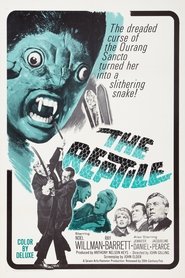
Producer Anthony Nelson Keys helped organize a 1965 programme designed to reduce costs by making four films consecutively at Bray Studios. The two larger attractions were Dracula Prince of Darkness and Rasputin the Mad Monk, each featuring Christopher Lee, while Gilling was assigned The Plague of the Zombies and The Reptile. Kevin Lyons’s production history for the British Film Institute dates the start of Gilling’s first film to 20 July 1965 and the beginning of The Reptile to early September. That rapid succession permitted departments to retain crews and transform standing sets rather than build separate environments from the ground up. A village and its surrounding structures could consequently serve different stories with comparatively limited additional expenditure.
Gilling had substantial experience as a screenwriter and director, including the period crime film The Flesh and the Fiends and work for Hammer. Collins cites the director’s recollection that he revised the script while filming, although Peter Bryan retained sole screenplay credit. The production joined a practiced technical staff with an ensemble led by André Morell rather than Hammer’s principal international stars. Its position as the less expensive half of a planned double bill did not prevent the filmmakers from constructing elaborate nocturnal sequences. The constrained schedule encouraged a plot centred on the village, cemetery, manor and mine, allowing the connections among these places to become progressively more threatening.
Cornwall, the Manor and a Corrupt Social Order
The story uses Victorian Cornwall as a place where social rank still determines who may demand answers. Dr. Tompson has seen villagers die from what appears to be a mysterious disease, but his inability to investigate the bodies leaves him professionally helpless. Sir James Forbes arrives as an outsider with greater experience and the confidence to challenge established local authority. At the same time, Hamilton and his companions behave as though the village belongs to them. Their riding party’s disruption of a funeral displays contempt for the people whose lives have been affected by the deaths. The incident gives a public form to the disregard that will later be revealed beneath the manor.
The Cornwall of the film was largely constructed in and around Bray rather than recorded as an ethnographic portrait of the county. Bernard Robinson’s production design and Don Mingaye’s art direction create the village, the grand residence and the approaches to the mine as a connected Gothic landscape. The reuse of scenery with The Reptile became part of Hammer’s production economy, but it also created a distinctive pair of films in which apparently remote Cornish communities conceal foreign-associated supernatural practices. The physical contrast between the squire’s comfortable rooms and the underground workings gives the narrative its most concrete division of class and power.
Ruth Heholt’s research, published in Gothic Britain, examines these two Hammer pictures through the idea of Cornish Gothic and the representation of foreign danger within Britain. The setting’s isolation allows outside knowledge to be imagined as something hidden beneath a familiar landscape. In The Plague of the Zombies, however, it is a wealthy Englishman who imports and exploits that knowledge. Hamilton is not an innocent victim of an external force. He controls the conditions in which villagers die and their bodies are put to work. This reversal gives the film a disturbing social implication: those who possess land and status can turn their neighbours into property while retaining the outward privileges of respectability.
Sir James Forbes, the Tompsons and the Investigation
Morell plays Sir James as a forceful but observant physician, neither a helpless sceptic nor an omniscient specialist in the occult. His initial task is medical: he must determine why Tompson’s patients are dying and why normal examination has failed. Brook Williams gives the younger doctor a sense of exhaustion and urgency, reflecting the burden of professional responsibility in a community that distrusts his findings. Their relationship allows the inquiry to develop through disagreement and shared discovery. The possibility of an unnatural cause emerges after they encounter evidence that graves are empty, compelling Forbes to extend the investigation beyond the assumptions with which he arrived.
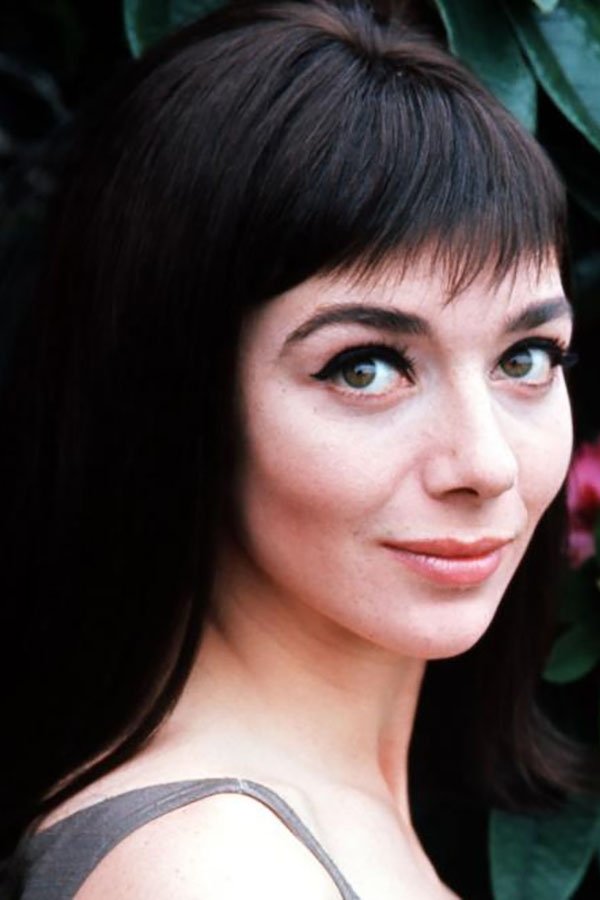
Jacqueline Pearce’s Alice Tompson gives the outbreak an immediate personal consequence. Her decline and death transform the medical mystery into a bereavement, while the later sight of her reanimated body makes the destruction of individuality explicit. Sylvia, played by Diane Clare, is an active observer who follows disturbing clues but is also exposed to the squire’s predatory associates. Their pursuit of her introduces the threat of sexual coercion alongside the literal commandeering of corpses. The storyline therefore places the surviving women at risk from different manifestations of the same authority: Hamilton’s power reaches into the social life of the village and the bodies of its residents.
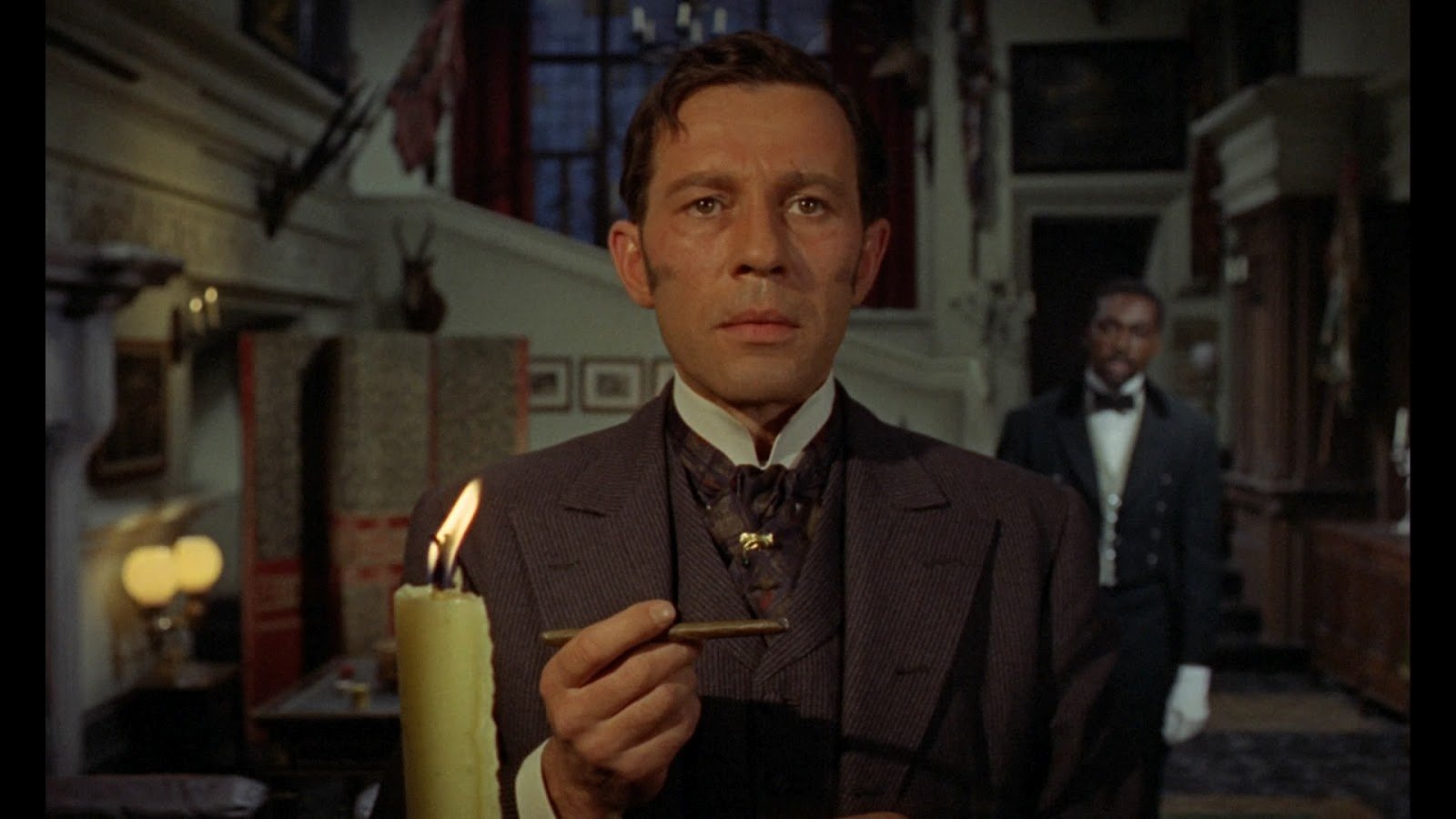
Michael Ripper appears as Sergeant Jack Swift, a local representative of the law who has to respond to circumstances beyond ordinary policing. His presence establishes that the investigation is taking place within an existing civic community, rather than a realm abandoned by every institution. John Carson’s Hamilton supplies the opposing form of authority, marked by cultivated assurance and a willingness to intimidate. Alexander Davion’s Denver and the squire’s riding companions extend his reach into public space. These supporting parts keep the conflict rooted in relations among villagers, employers and officials. The eventual discovery of the mine reveals that an apparent epidemic has been protecting an organized crime.
Haitian Ritual, Enslaved Labour and Imperial Gothic
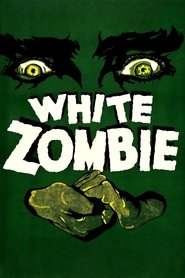
Hamilton’s use of ritual knowledge acquired in Haiti connects the film to the older screen zombie associated with coercion and unpaid labour. In White Zombie (1932), bodies are similarly subordinated to a master’s economic interests, while I Walked with a Zombie (1943) locates its Gothic conflict within a Caribbean setting shaped by colonial history. Gilling transfers the system to an English mining community. His undead are neither contagious nor driven by an independent appetite for human flesh. Their condition results from deliberate practices employed by someone who wants a workforce that cannot demand wages, refuse an assignment or testify about its treatment.
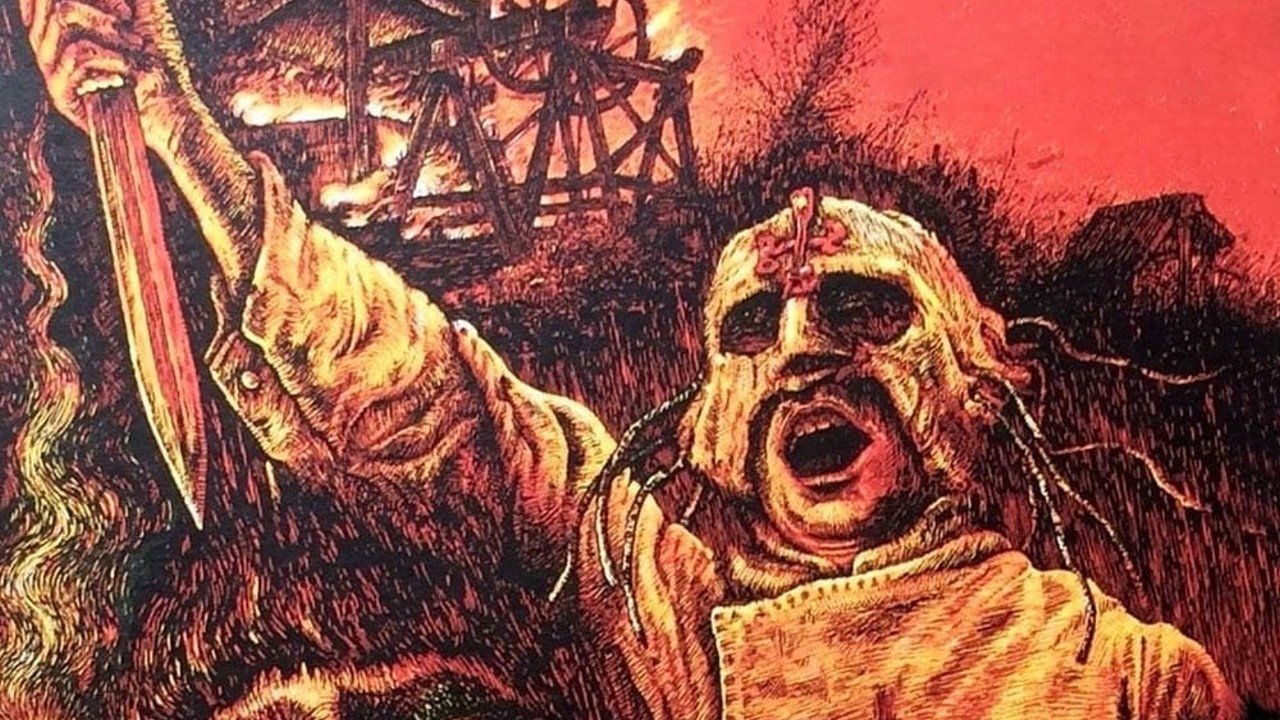
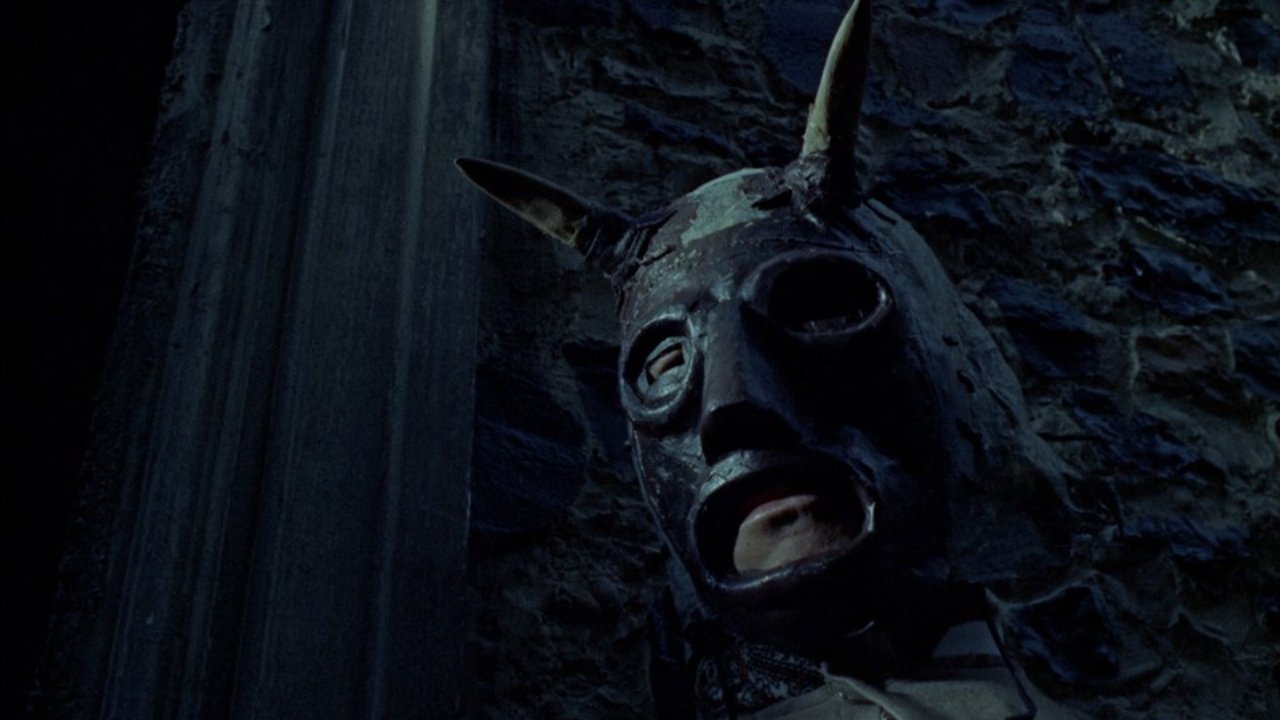
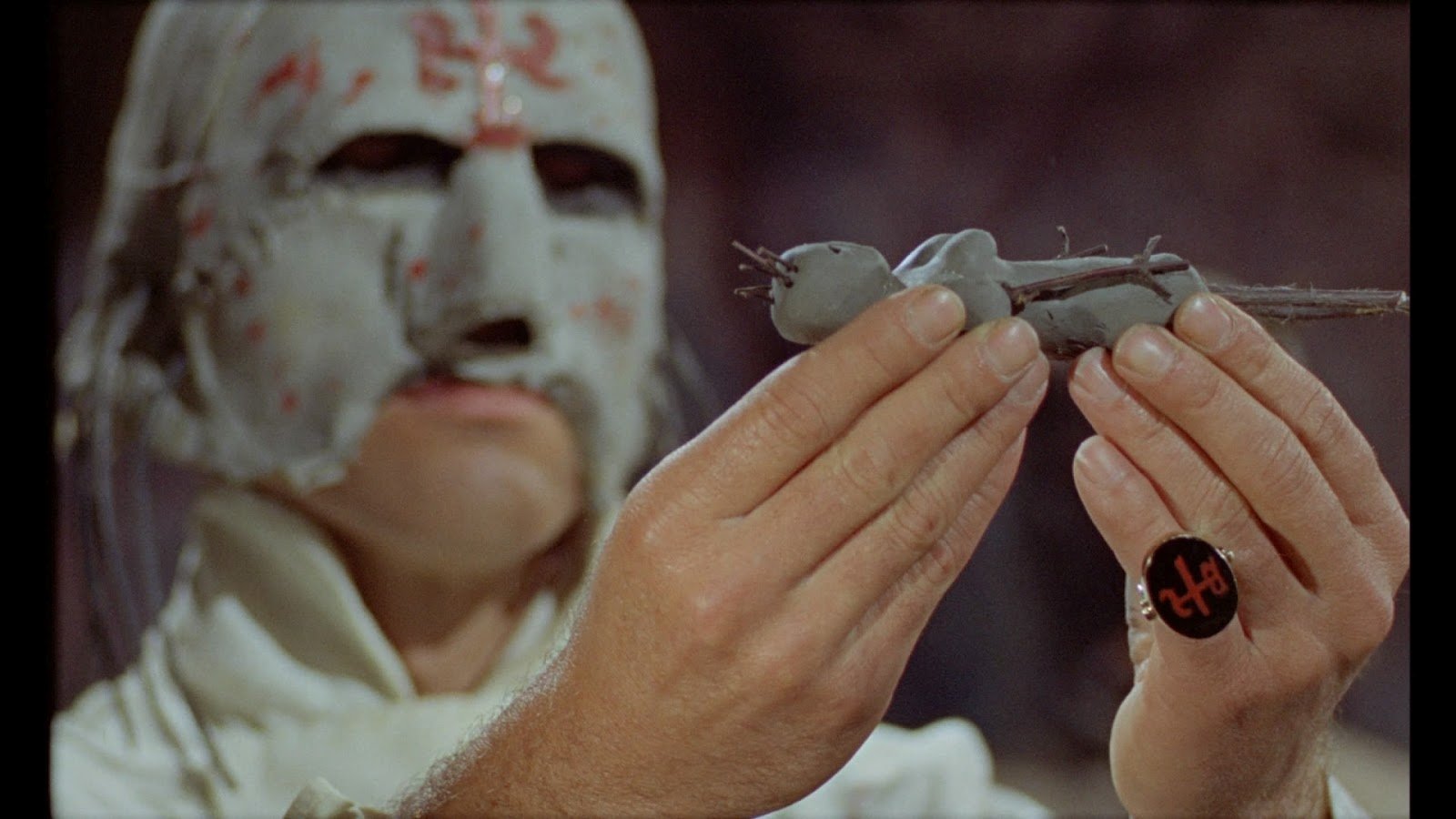
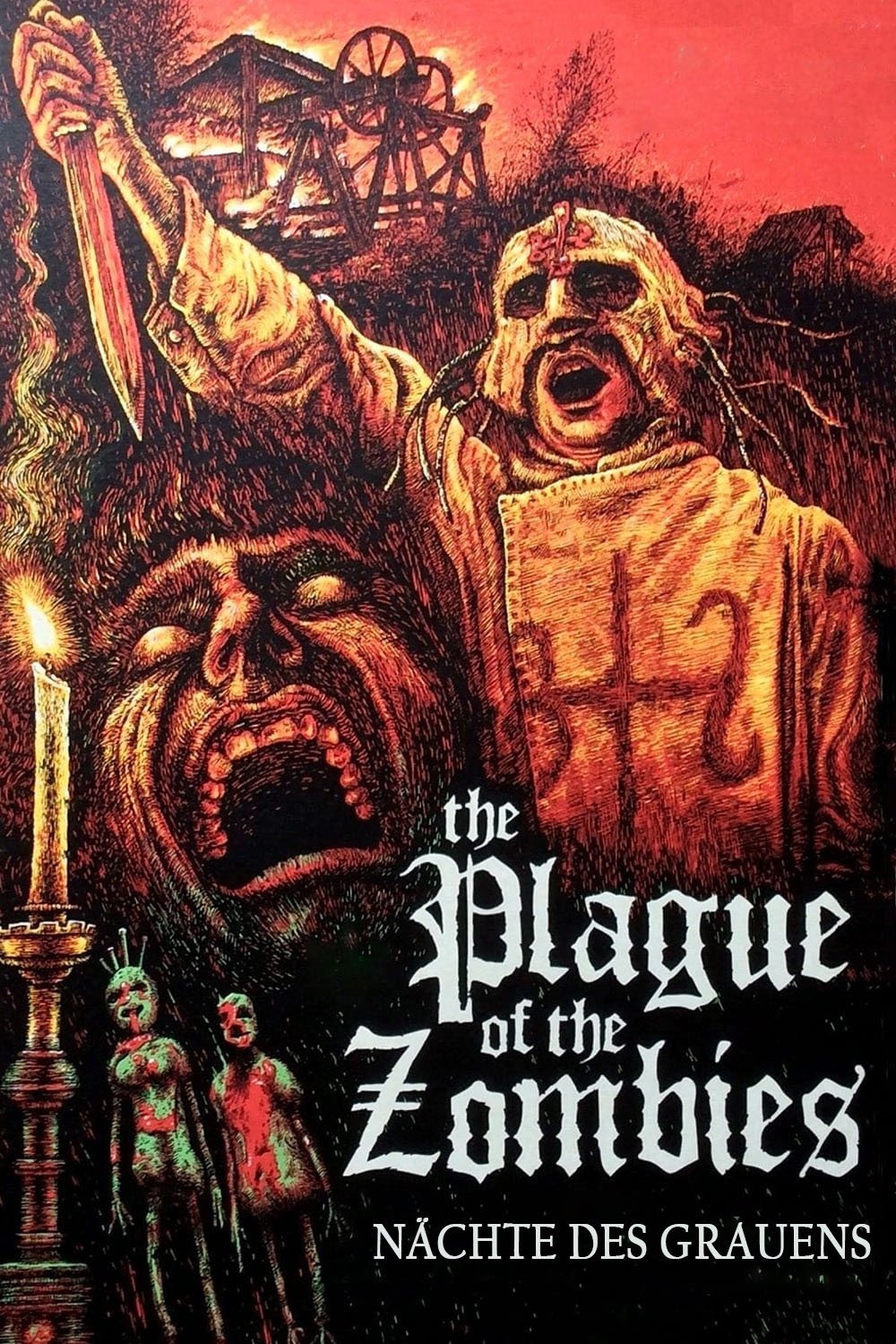
The ceremonies involve miniature representations of victims, blood and coffins whose contents help maintain the squire’s control. These objects give the plot a tangible mechanism: the investigators can search for evidence of a rite and ultimately destroy the means by which it operates. At the same time, the film’s imagery belongs to a history of sensational Western representations of Haiti and Vodou. Its invented rites and threatening associations must not be treated as a documentary account of Haitian religious practices. They reveal how British Gothic cinema used foreignness to organize fear, even while the chief exploiter in this narrative is a powerful local landowner.
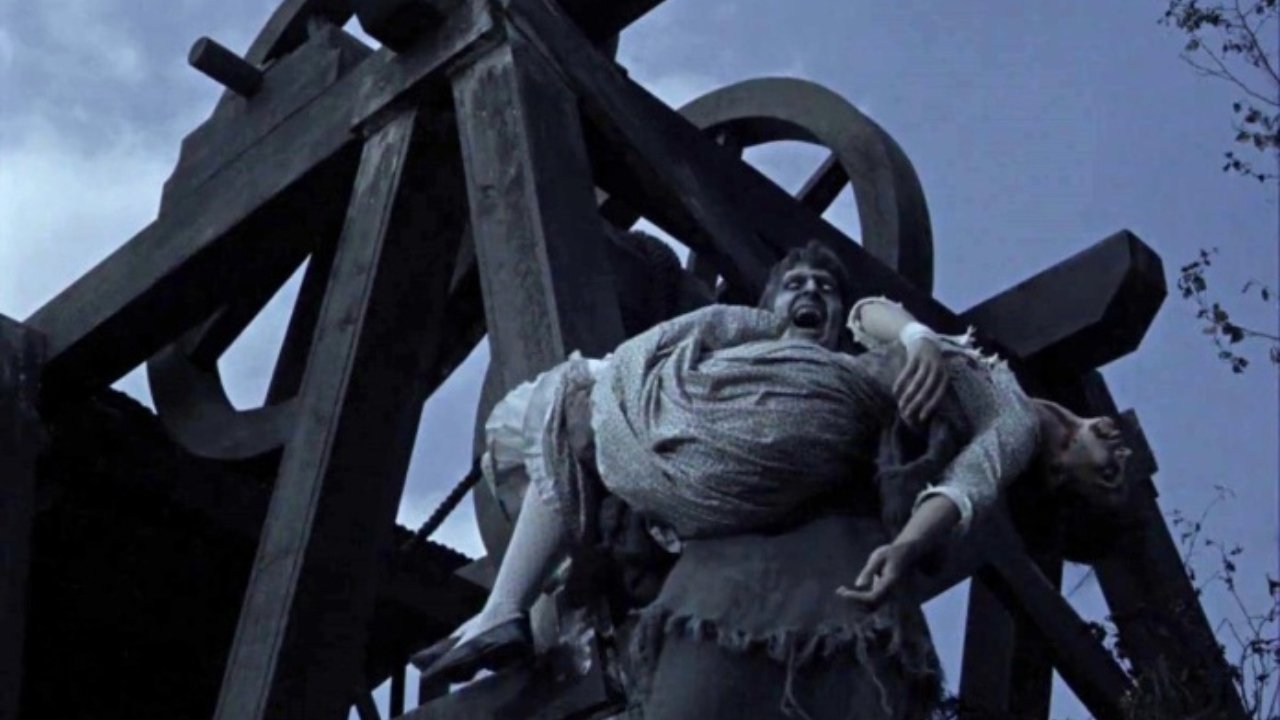
The tin mine makes the labour theme unusually explicit. It is not simply a cavern used to conceal monsters, but the location where the stolen dead continue to produce value for their master. This distinction matters to the ending, when the destruction of ritual objects brings the exploited corpses into conflict with Hamilton. The arrangement exposes a violence already present in the living community’s hierarchy and then makes it grotesquely literal. Heholt’s work identifies the relevance of imperial Gothic to the Cornish setting; broader zombie scholarship likewise emphasizes enslavement as a defining element of the tradition before the Romero cycle. The film can therefore be read as horror about labour without implying that it offers a historically exact account of mining or Caribbean religion.
Roy Ashton’s Makeup and the Graveyard Nightmare
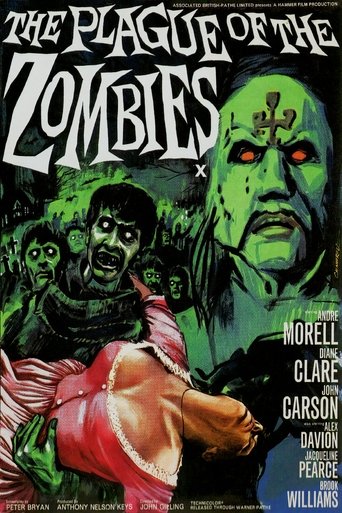
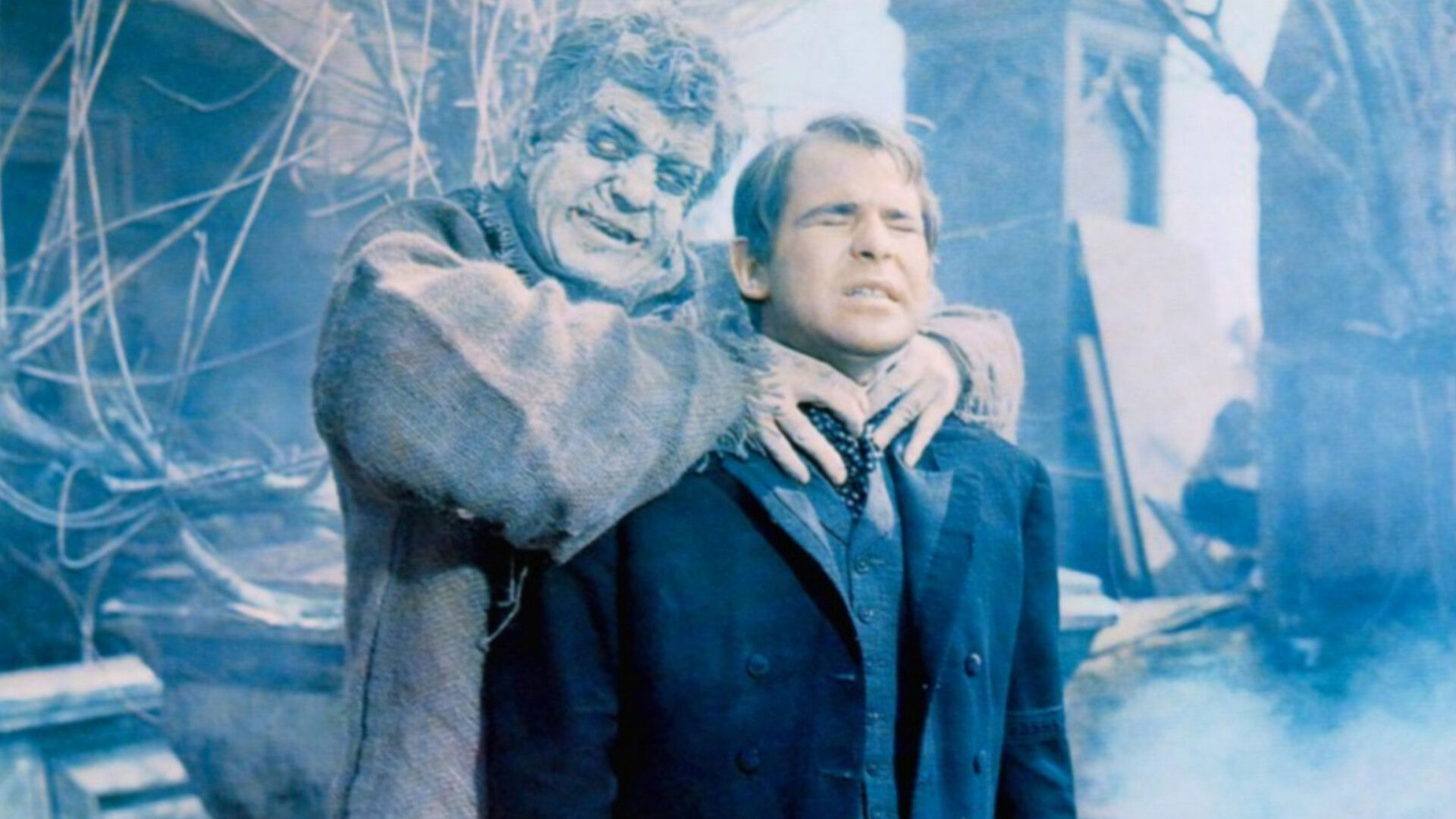
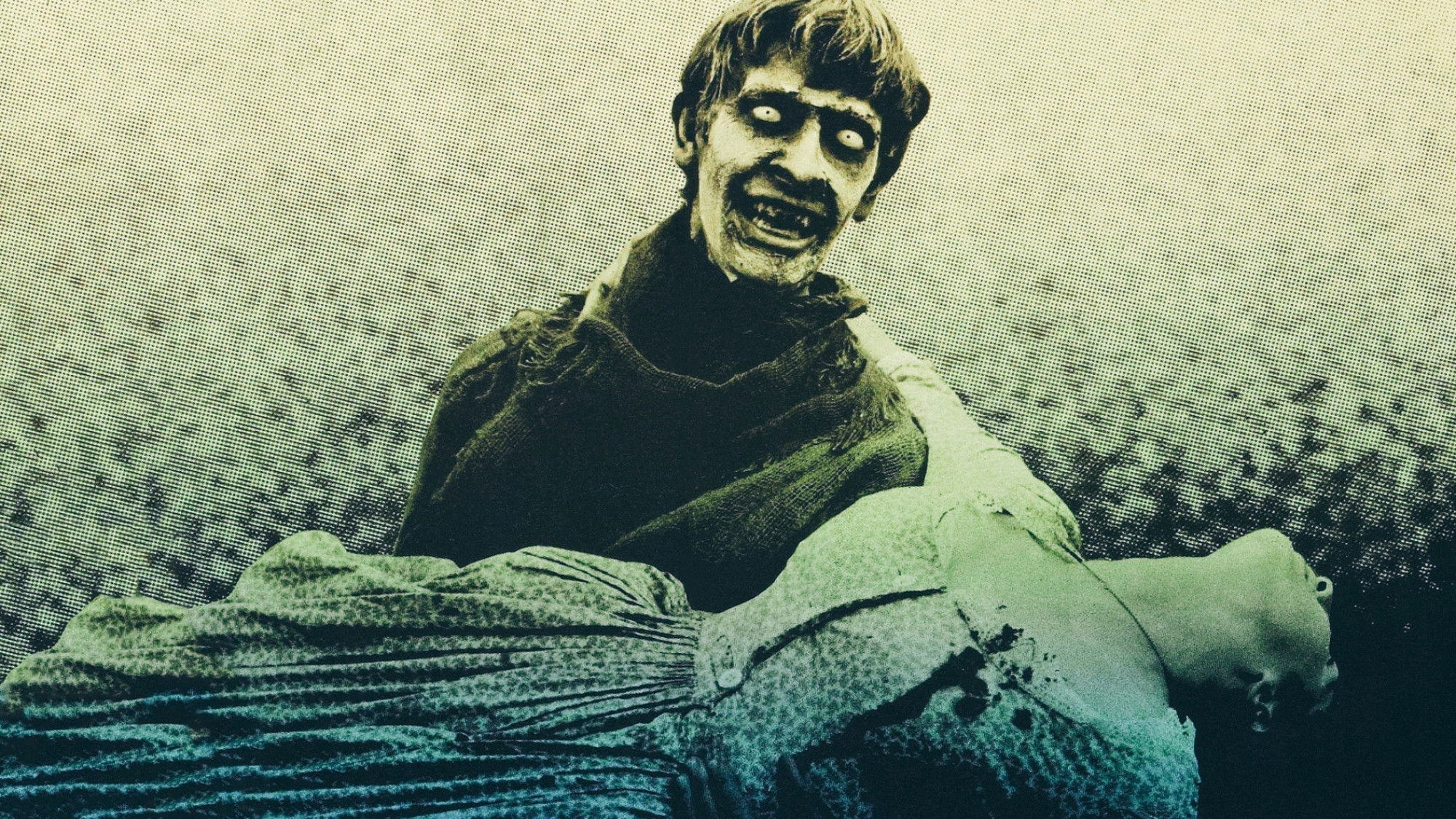
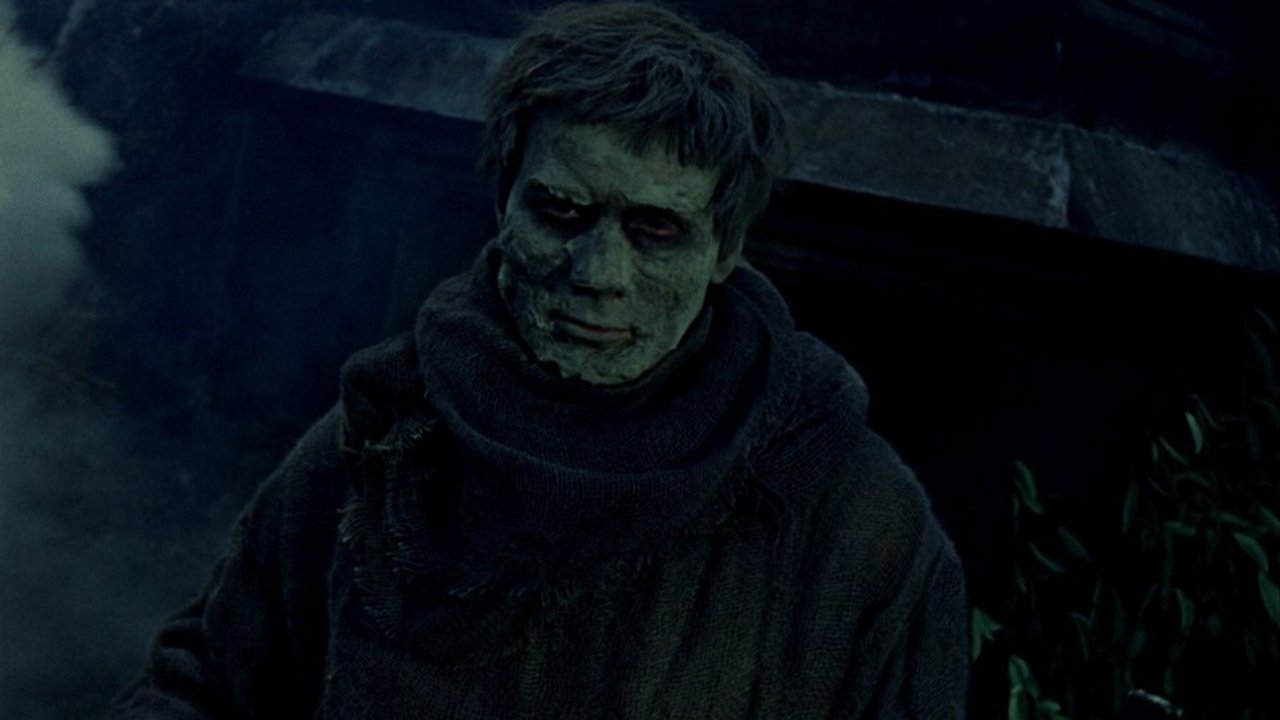
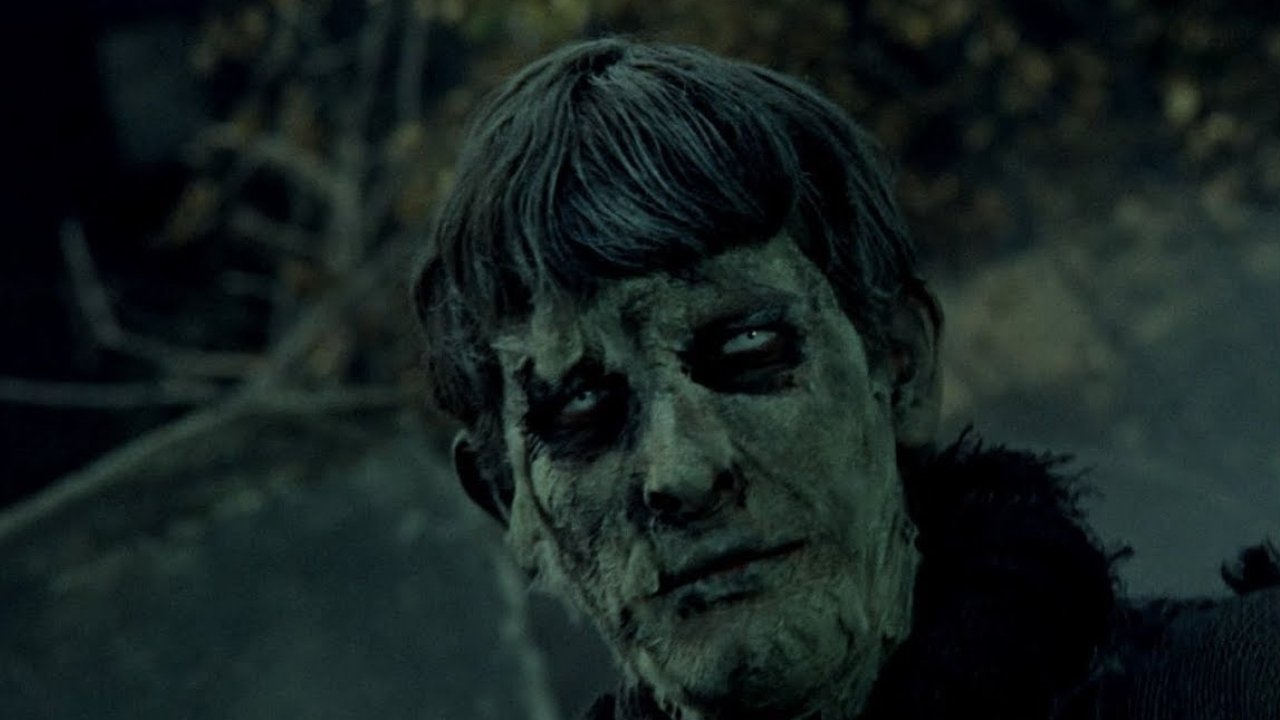
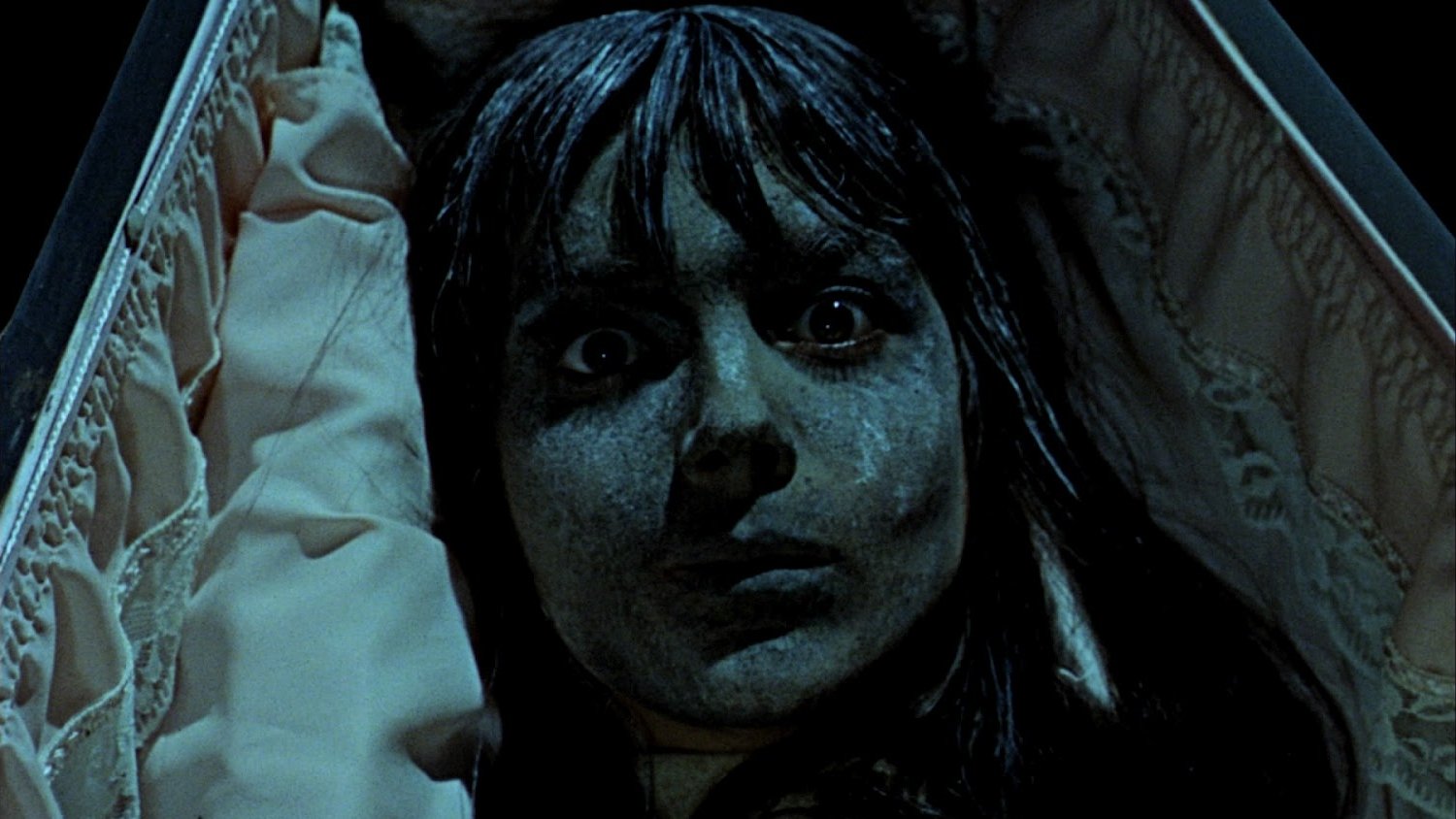
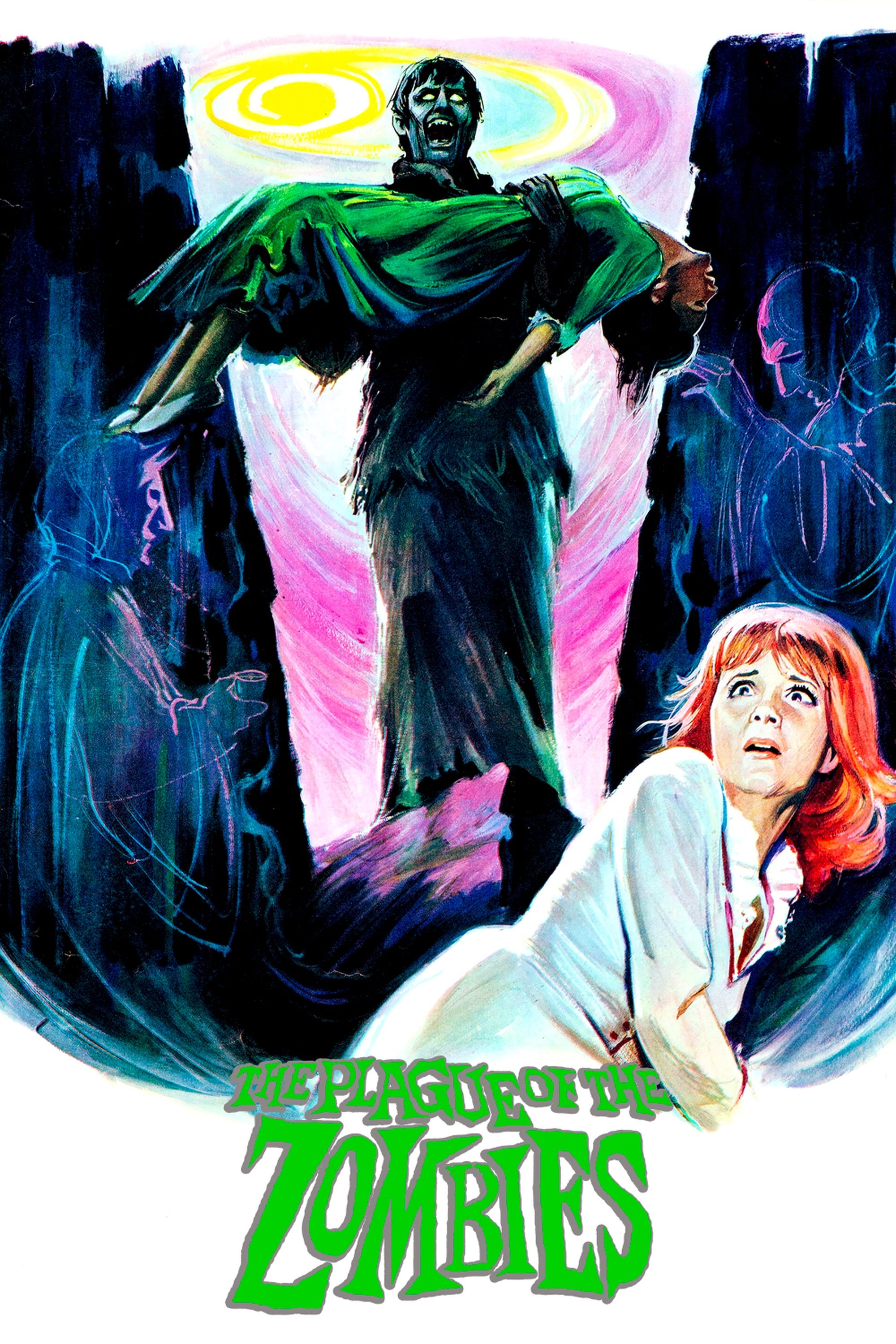
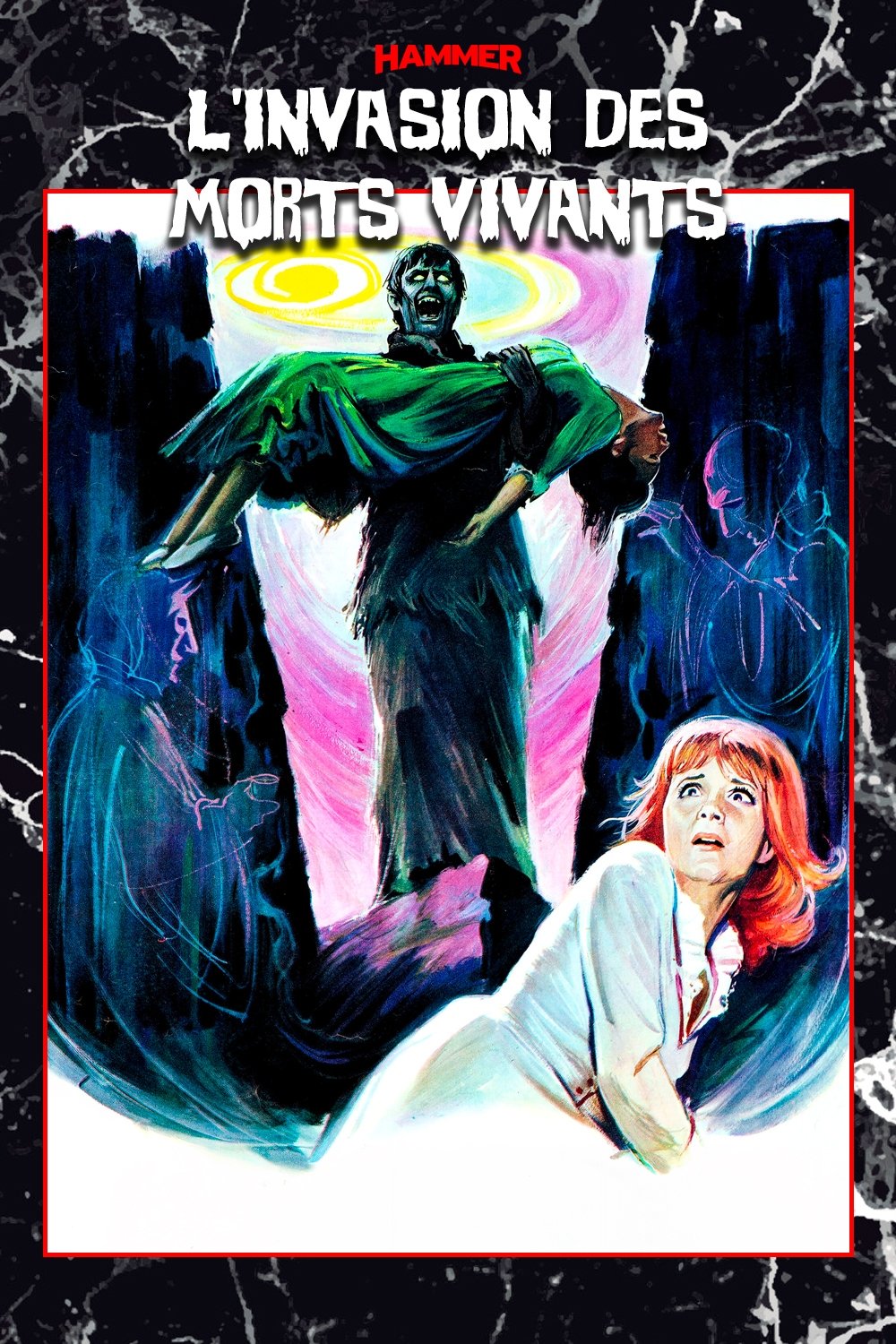
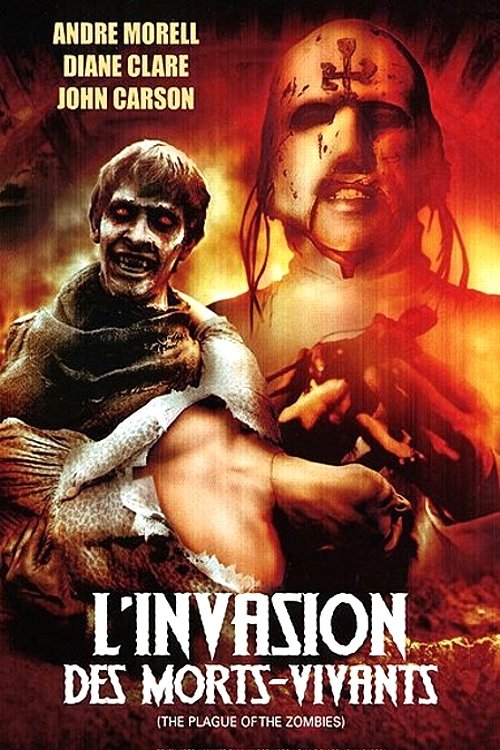
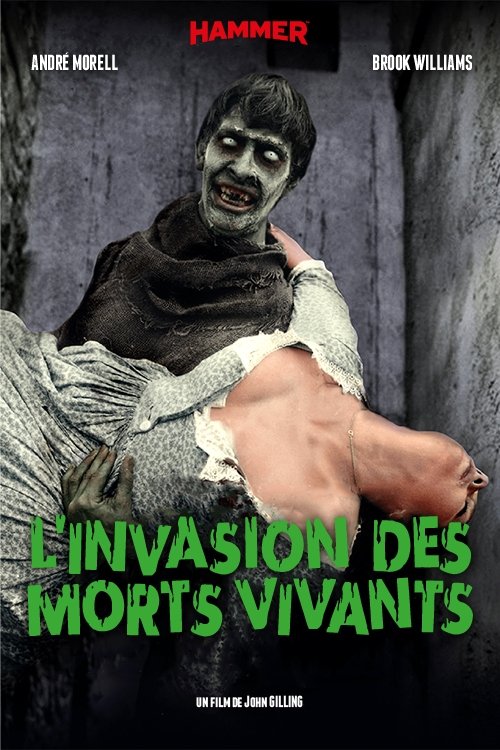
The appearance of the undead is central to the film’s position in zombie history. Roy Ashton’s makeup gives the resurrected villagers pallid, damaged skin and unnatural eyes, replacing the relatively intact and trance-like figures common in earlier zombie pictures with bodies visibly marked by decay. The sight of Alice after burial makes this transformation especially disturbing because the viewer remembers her as a living person. Her confrontation with Forbes ends in a violent act involving a spade, an image that links the necessity of stopping a reanimated body to the horror of mutilating someone who was known and loved. The effect draws its force from the collision between personal grief and a cadaver’s unfamiliar physical condition.
Production accounts drawing on Ashton’s recollections describe tissue paper, earth pigments and liquid latex among the materials used for the decomposing faces, together with specially devised lenses for the performers’ eyes. Pearce later recalled discomfort while being prepared for a replica head and lying in the grave required for Alice’s return. The makeup does not seek anatomical realism in a medical sense. It gives the performers a recognizably damaged identity that survives changes of lighting, angle and distance, making them effective both in close views and when approaching in a group.
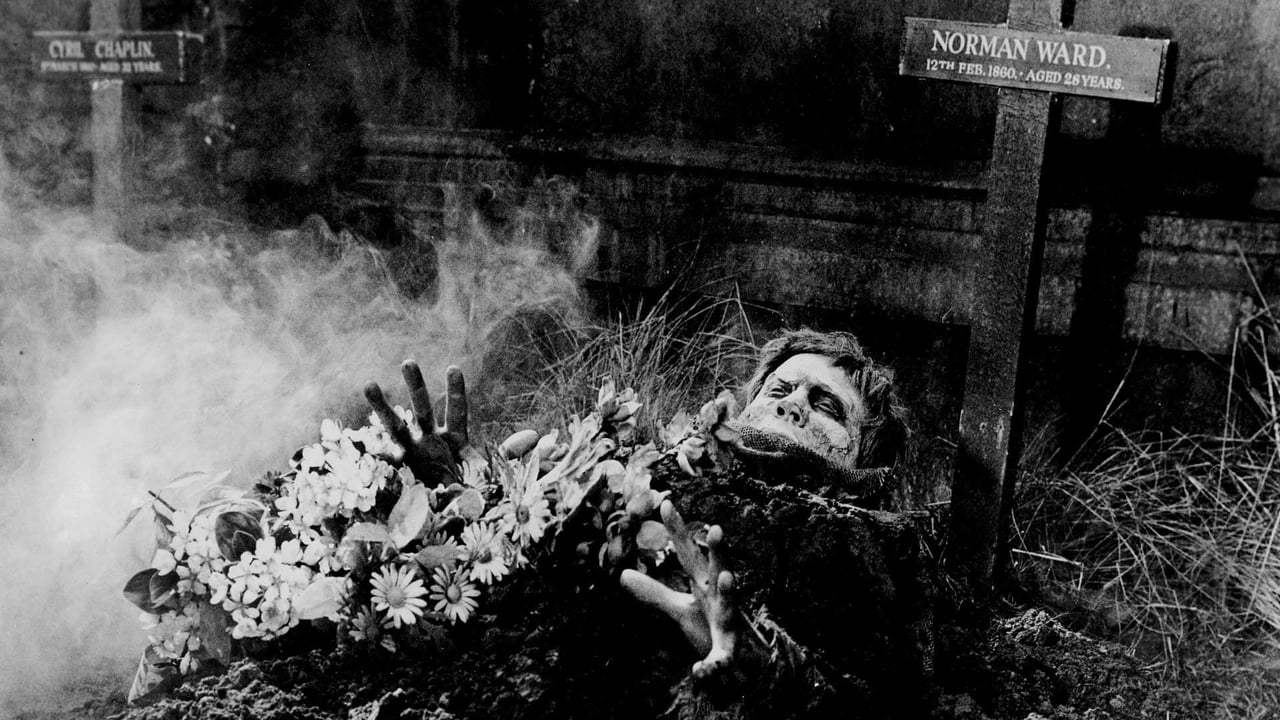
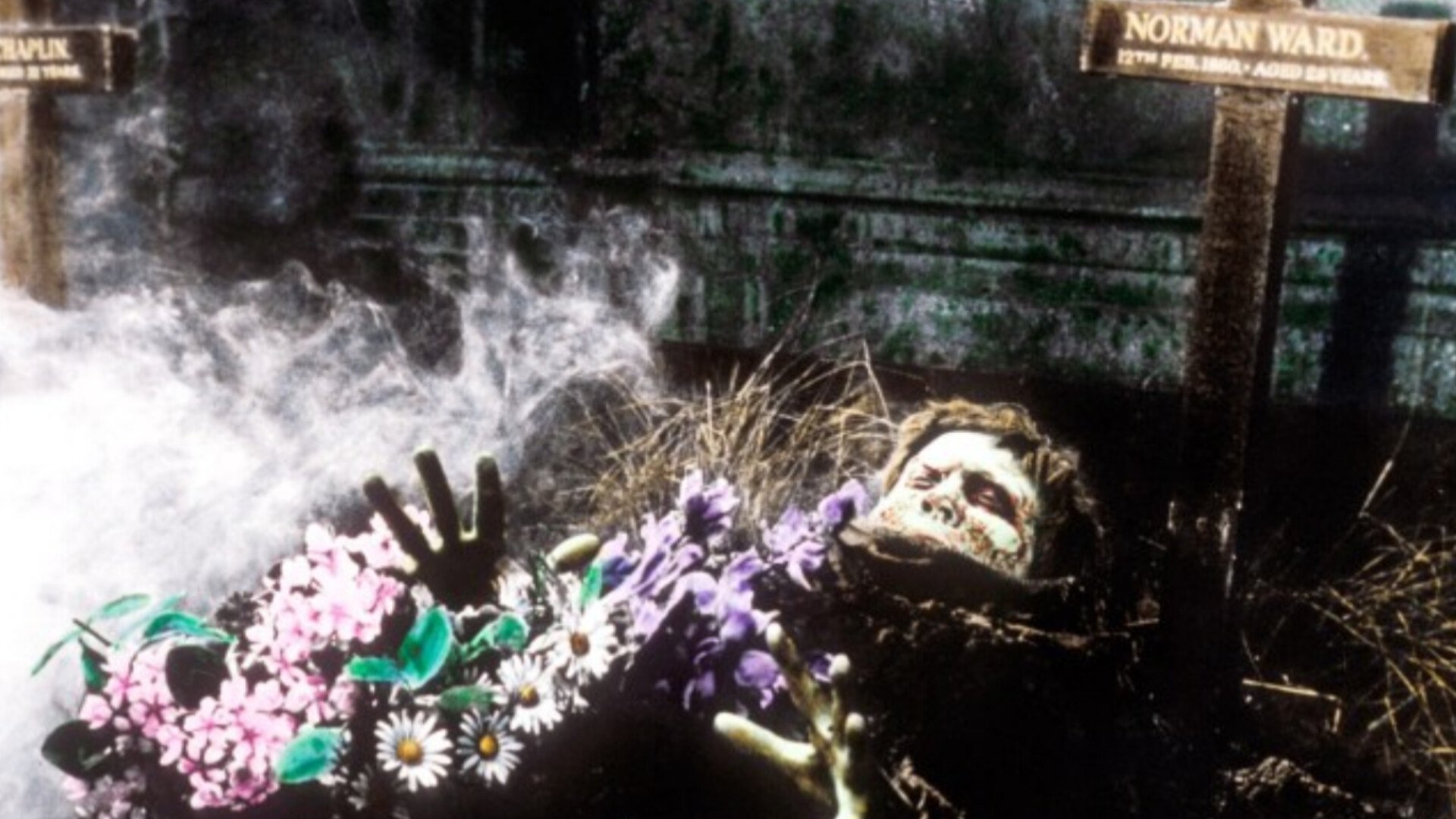
The most celebrated sequence is Dr. Tompson’s nightmare of corpses rising from their graves. Gilling changes the colour atmosphere, distorts the camera’s alignment and allows figures to climb through soil into the frame, so that the familiar cemetery appears suddenly unstable. The dream does not introduce a second set of supernatural rules: it presents the younger doctor’s terror through a temporary break from the comparatively direct style of the investigation. Because the viewer has already learned that some graves are empty, the nightmare intensifies an established danger while allowing the film greater visual freedom. Its clustered, decomposing figures became among the most frequently reproduced images of Hammer’s horror cinema.
Photography, Editing and the Sound of Fear
Arthur Grant’s Technicolor photography differentiates the village’s outwardly ordinary spaces from the damp, enclosed world surrounding the mine. Daylight gives the landscape a deceptive calm, while graveyard passages and the squire’s ceremonies introduce colder and more unstable colour. Bernard Robinson’s village sets sustain this contrast by providing repeatedly recognizable routes among houses, churchyard and manor. When the investigators revisit a place, they return with information that changes its significance. The camera does not require a new environment for every shock; the developing knowledge of the characters gradually transforms locations that initially appear manageable.
The film’s editing, credited to Chris Barnes, moves between the inquiry and the practices through which Hamilton controls the dead. Cuts to ritual objects give viewers an advantage over the doctors without revealing the whole conspiracy immediately. During Alice’s resurrection, the sequence of reaction, makeup and physical action makes a brief encounter unusually forceful. The graveyard dream then shifts rhythm and perspective, gathering a succession of emergent bodies into an event whose emotional intensity exceeds ordinary plot exposition. Gilling’s control of contrast between steady investigation and sudden danger is a substantial part of the film’s effectiveness, independent of the number of corpses appearing on screen.
James Bernard’s score supplies an urgent orchestral presence to the rituals and supernatural encounters. Its emphatic accents are particularly effective when a threatening figure appears after a period of watchfulness, while quieter passages leave room for footsteps, movement and the sounds of the cemetery. The film also uses ordinary public activity to make its violence intrusive: the noise of horses passing through a funeral procession communicates the squire’s indifference before the cause of the deaths has been explained. These relationships among image, music and environmental sound allow the production to move from the sober tone of a medical investigation to the uncanny experience of waking corpses.
Release, Critical Response and Place in Zombie History
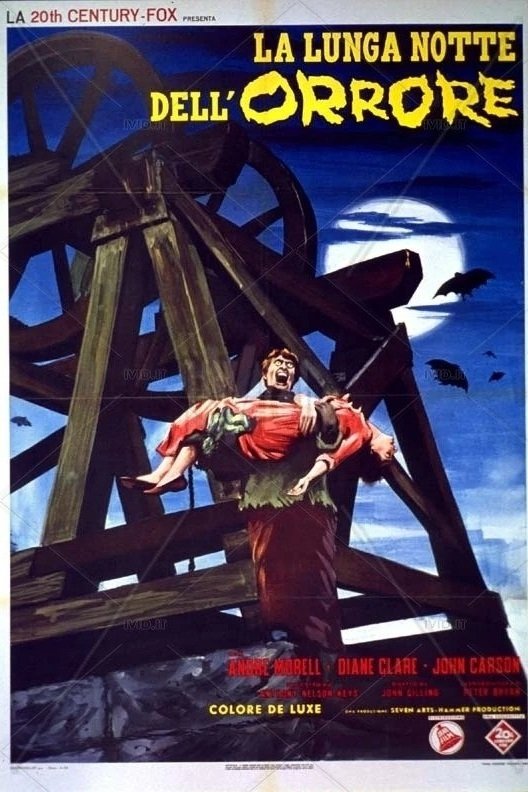
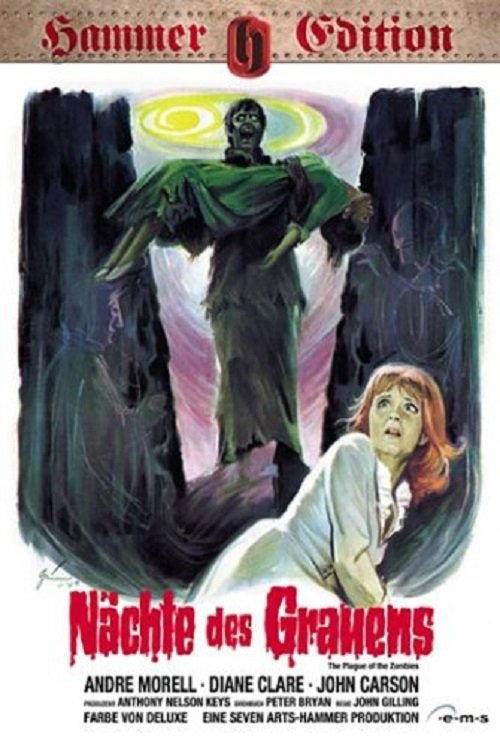
The Plague of the Zombies reached British cinemas on the ABC circuit with Dracula Prince of Darkness on 9 January 1966. The British Film Institute records the pair’s opening-day receipts as £10,190, approximately twice the circuit’s normal figure, a result for the programme rather than a separate gross for Gilling’s film. American screenings followed in January, with publicity emphasizing the return of Hammer’s Dracula and the new undead attraction. The initial arrangement was significant: despite being planned as a supporting picture, The Plague of the Zombies could reach audiences alongside one of the studio’s most recognizable brands. Its production companion The Reptile was subsequently released with Rasputin the Mad Monk.
British censorship concerns had already arisen during script development, when depictions of open coffins, mutilation and the newly risen dead were scrutinized. Accounts drawing on correspondence with the BBFC and the American Production Code Administration describe objections to the number of spade blows in Alice’s destruction. Those documents support discussion of pressure during preparation, but do not by themselves prove the exact contents of every theatrical print. Contemporary critical responses were not uniformly dismissive. Frank Collins’s historical survey identifies a favourable Monthly Film Bulletin assessment from February 1966, while later writing for Turner Classic Movies and the BFI has singled out the film’s atmosphere, makeup and social conflict.
The film occupies a transitional position between the hypnotically controlled zombies of early sound cinema and the decomposing undead that became widespread after Night of the Living Dead in 1968. Scholars of the genre point to its rotting faces and group resurrection as anticipations of later visual conventions, while stressing that Hamilton’s creatures remain enslaved labourers rather than autonomous cannibals. Claims that it directly inspired a particular filmmaker need evidence beyond chronological resemblance. Its historical importance is more precise: Hammer gave the old zombie-as-worker narrative a vivid new physical form within British Gothic horror. Later restoration and home-video editions have helped preserve access to that design and to one of the studio’s most distinctive productions of the decade.