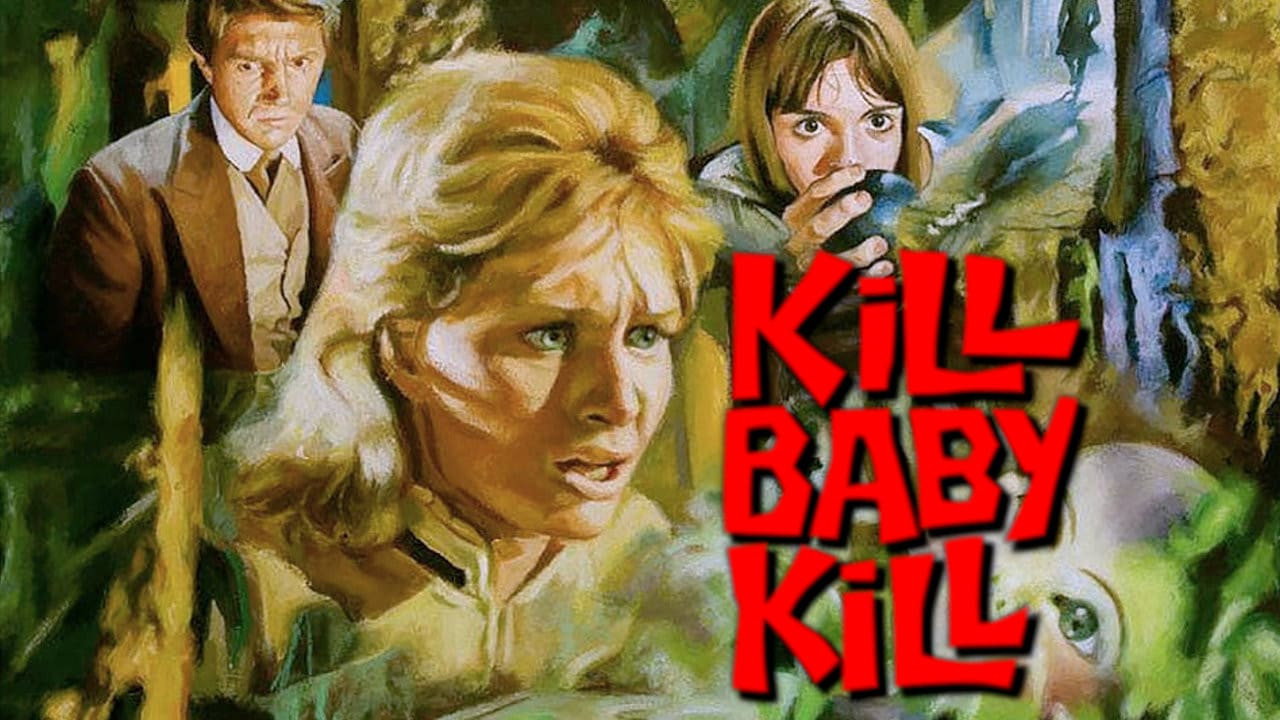
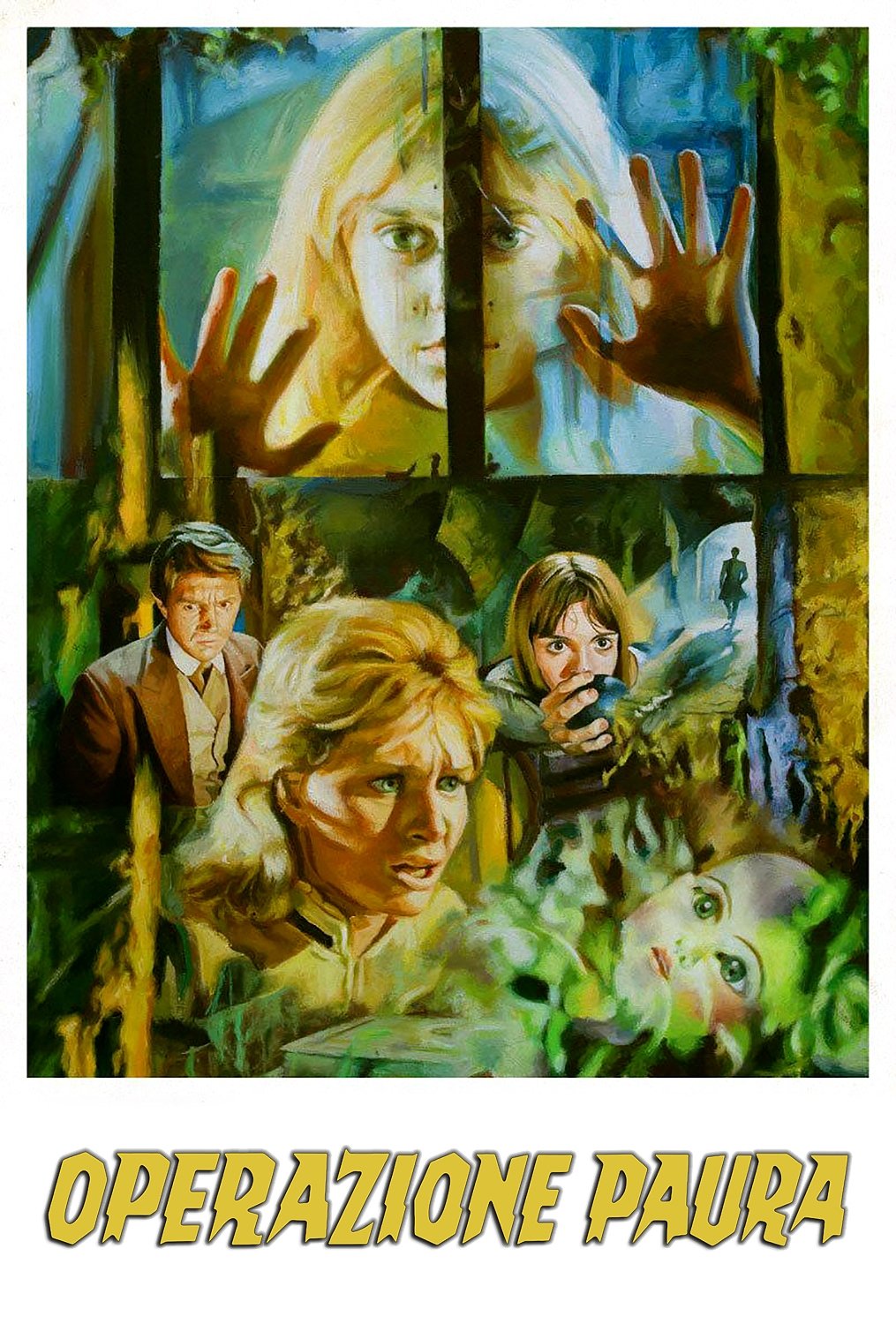
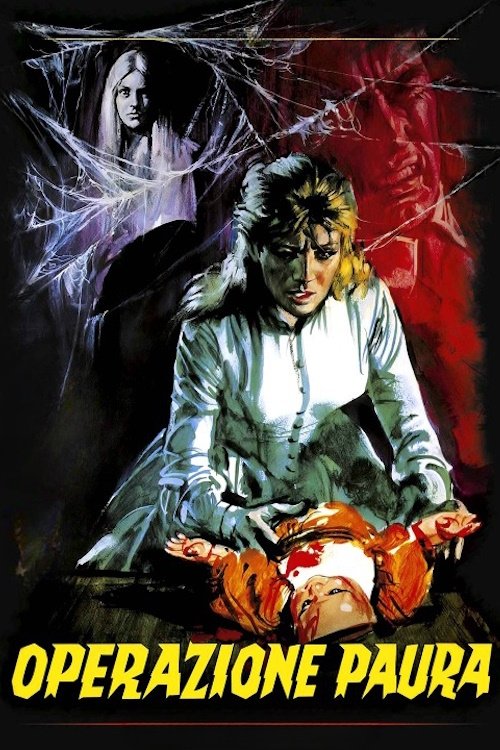
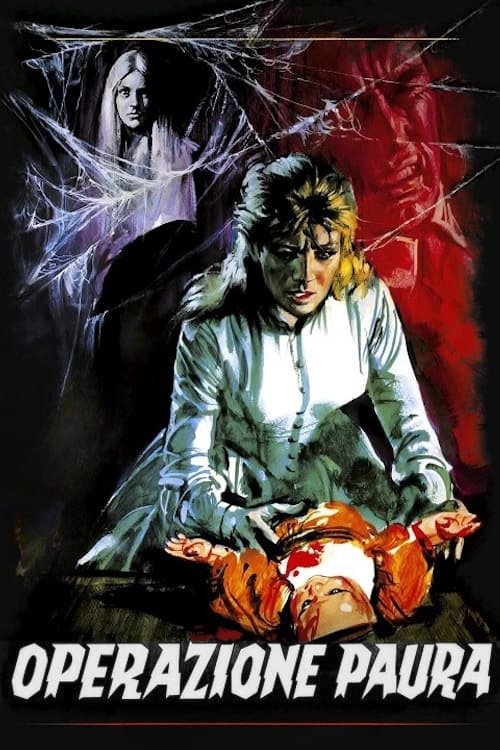
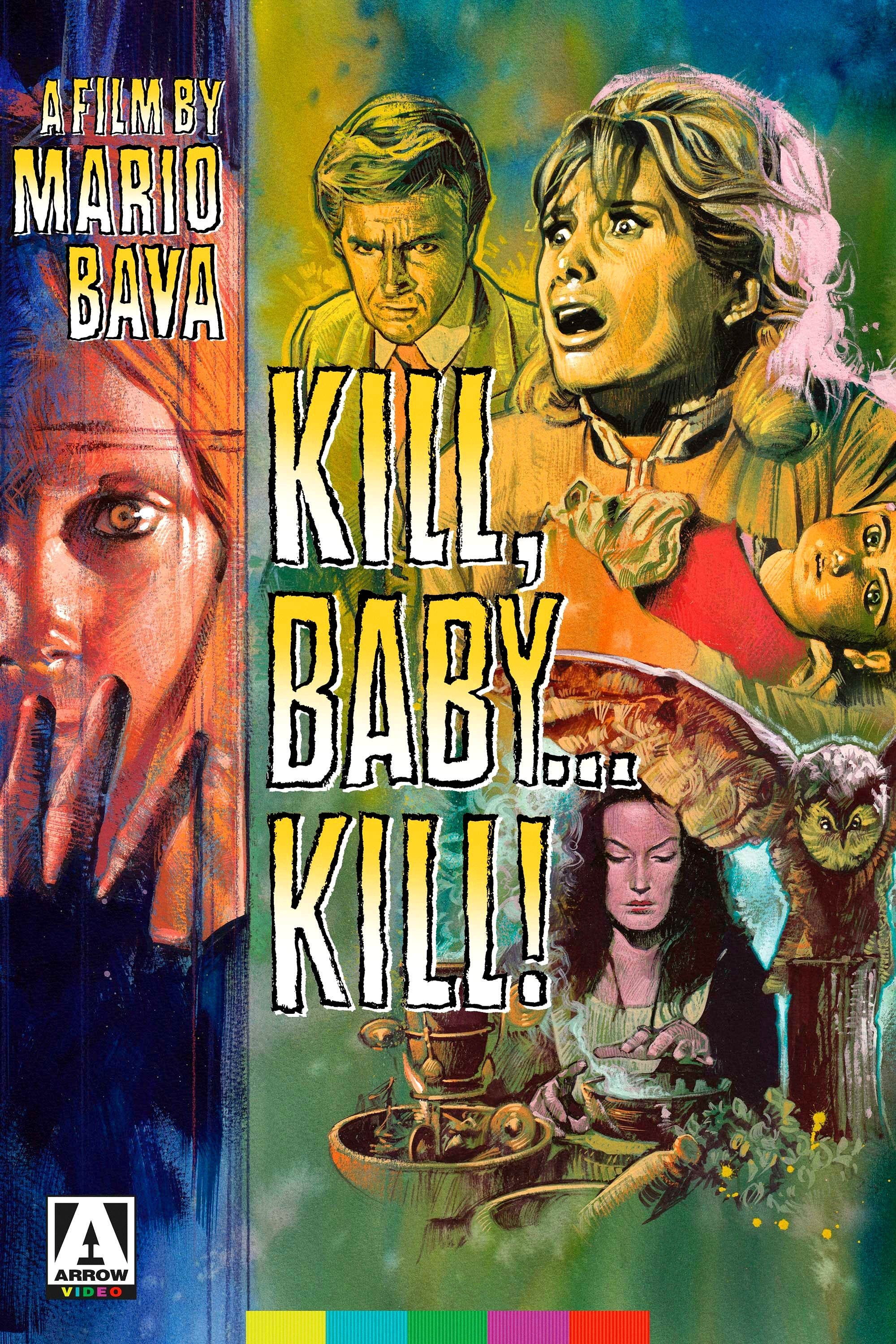
Kill, Baby... Kill! (1966)

IT
HORROR FILM Mystery Thriller
SUBGENRES GOTHIC
5.5/10 4 votes
Runtime
85 min
Release
July 8, 1966
Budget
$50,000
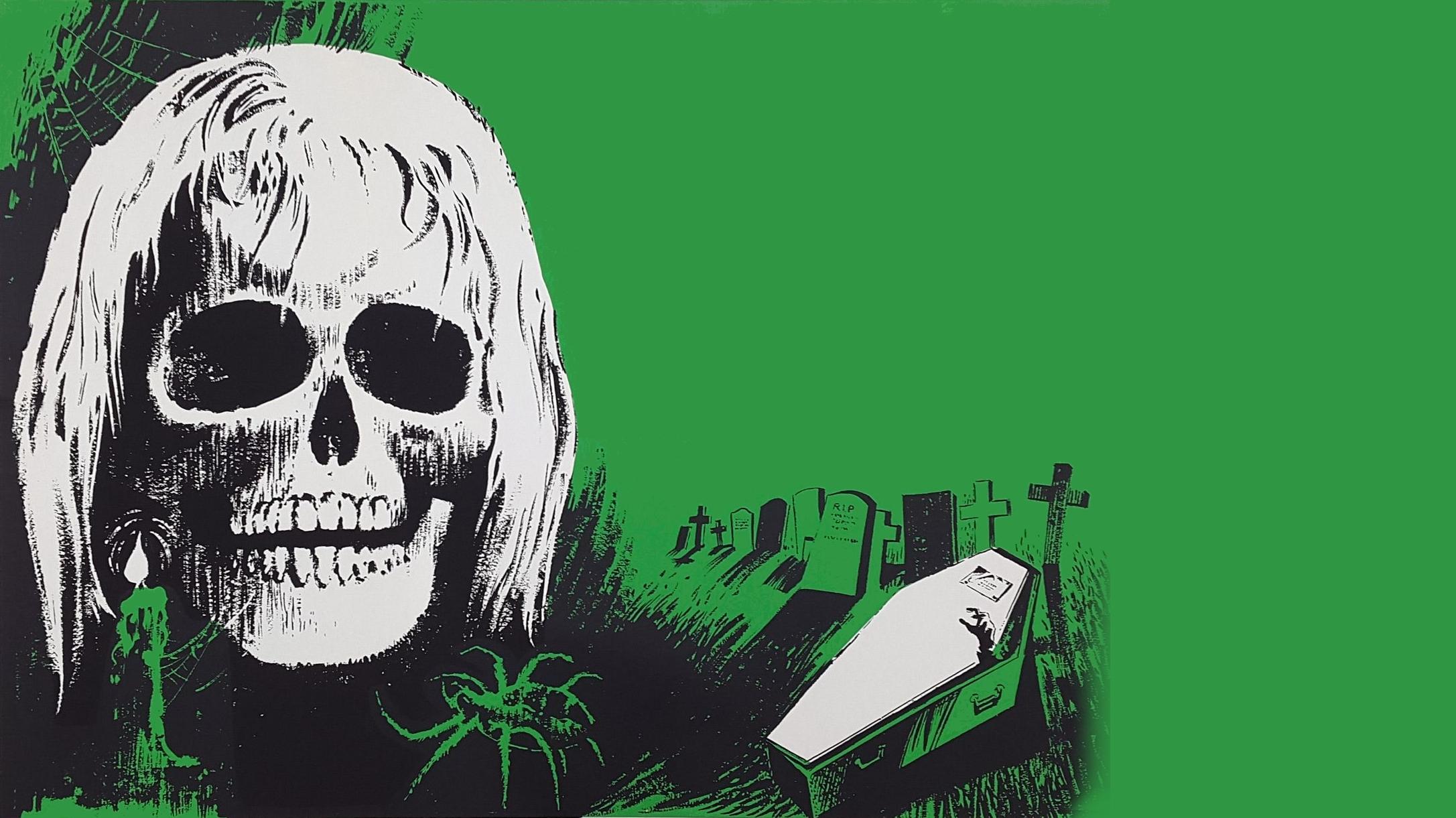
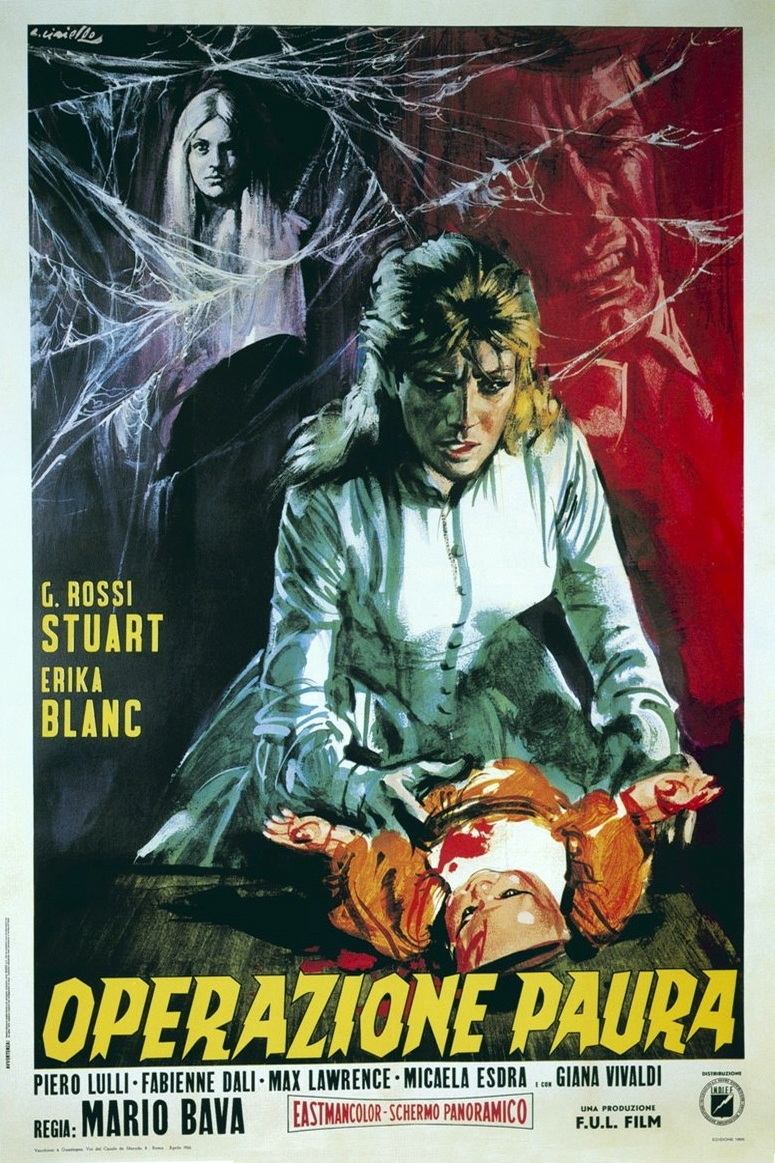
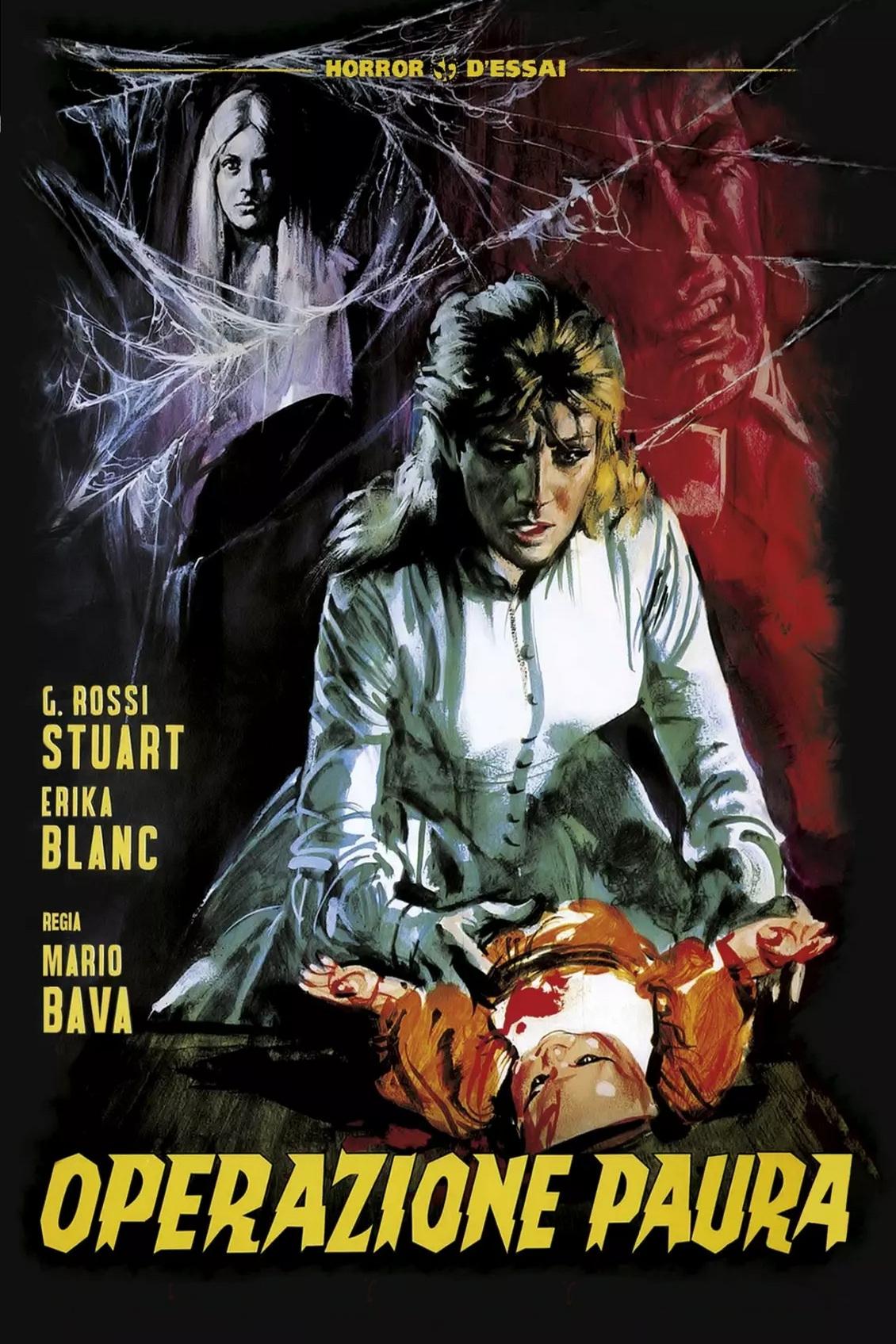
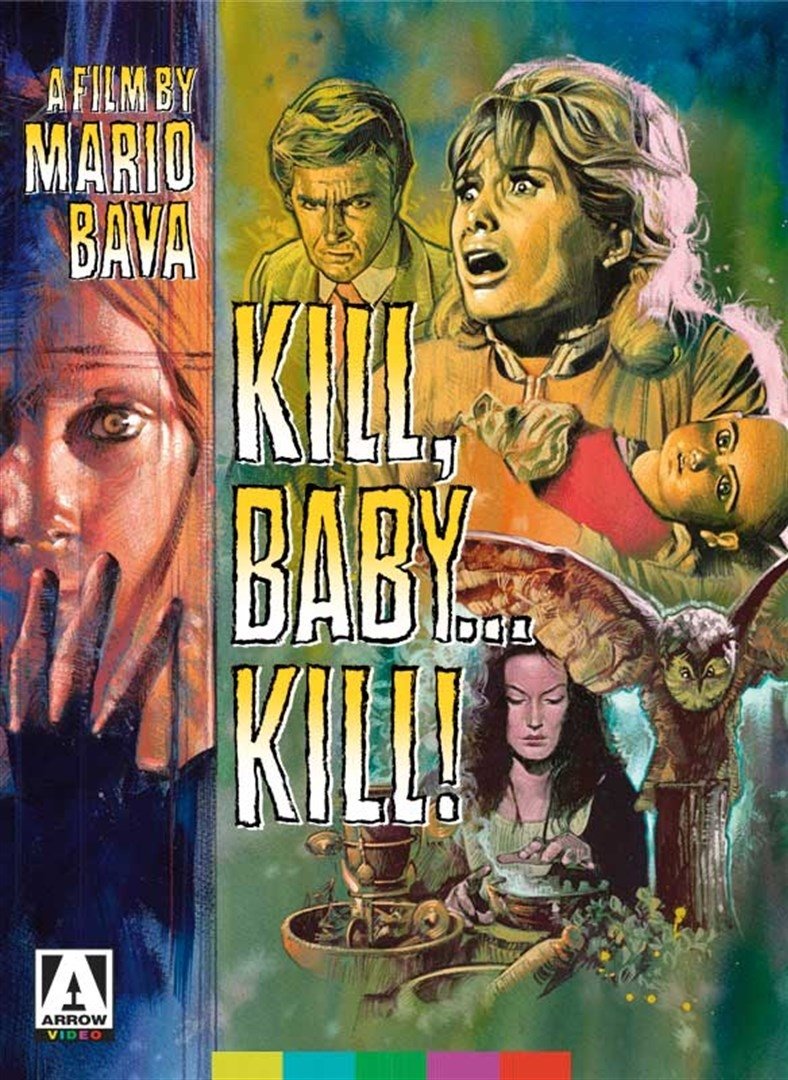
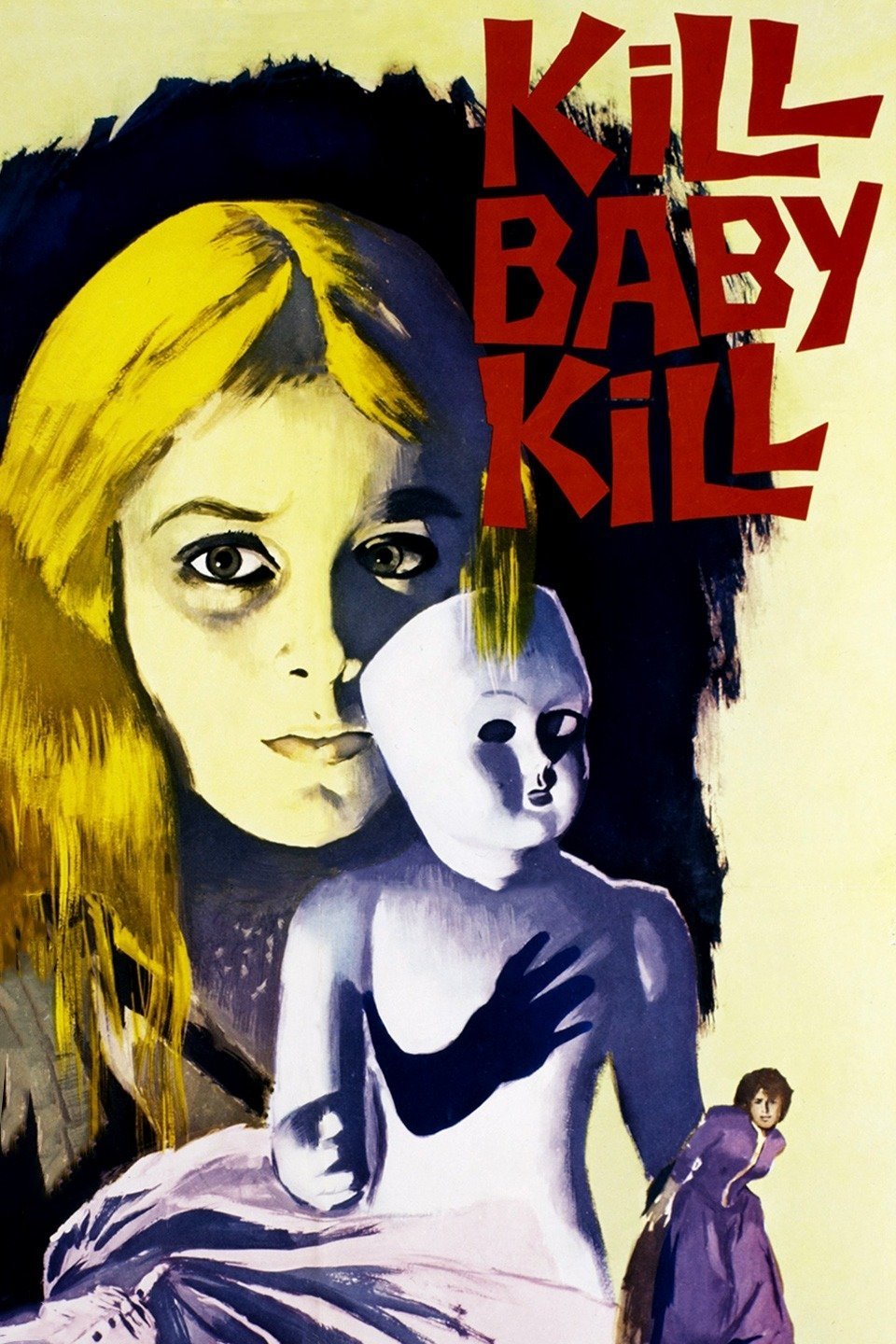
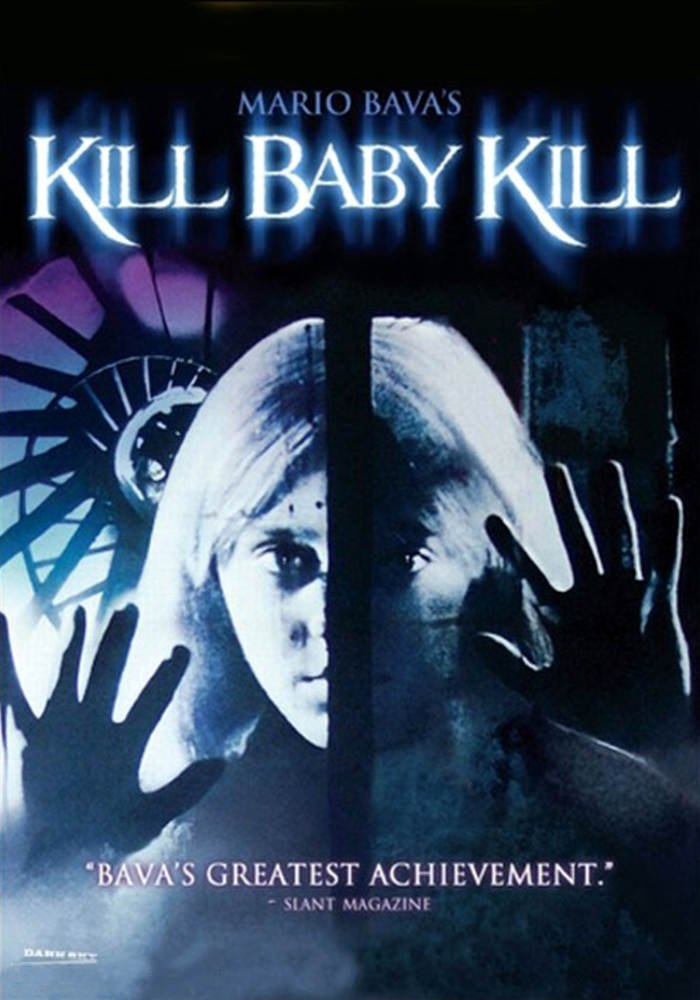
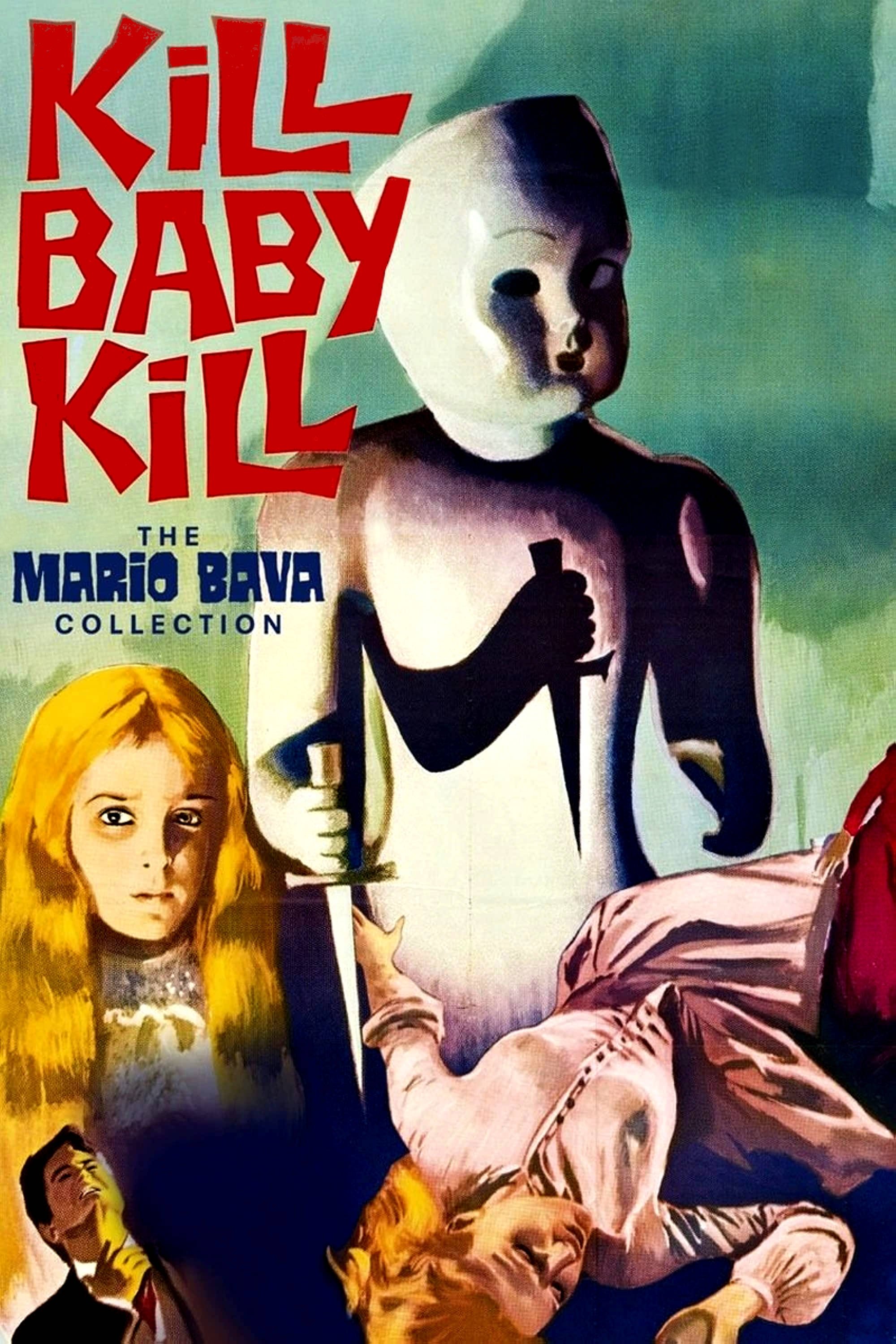
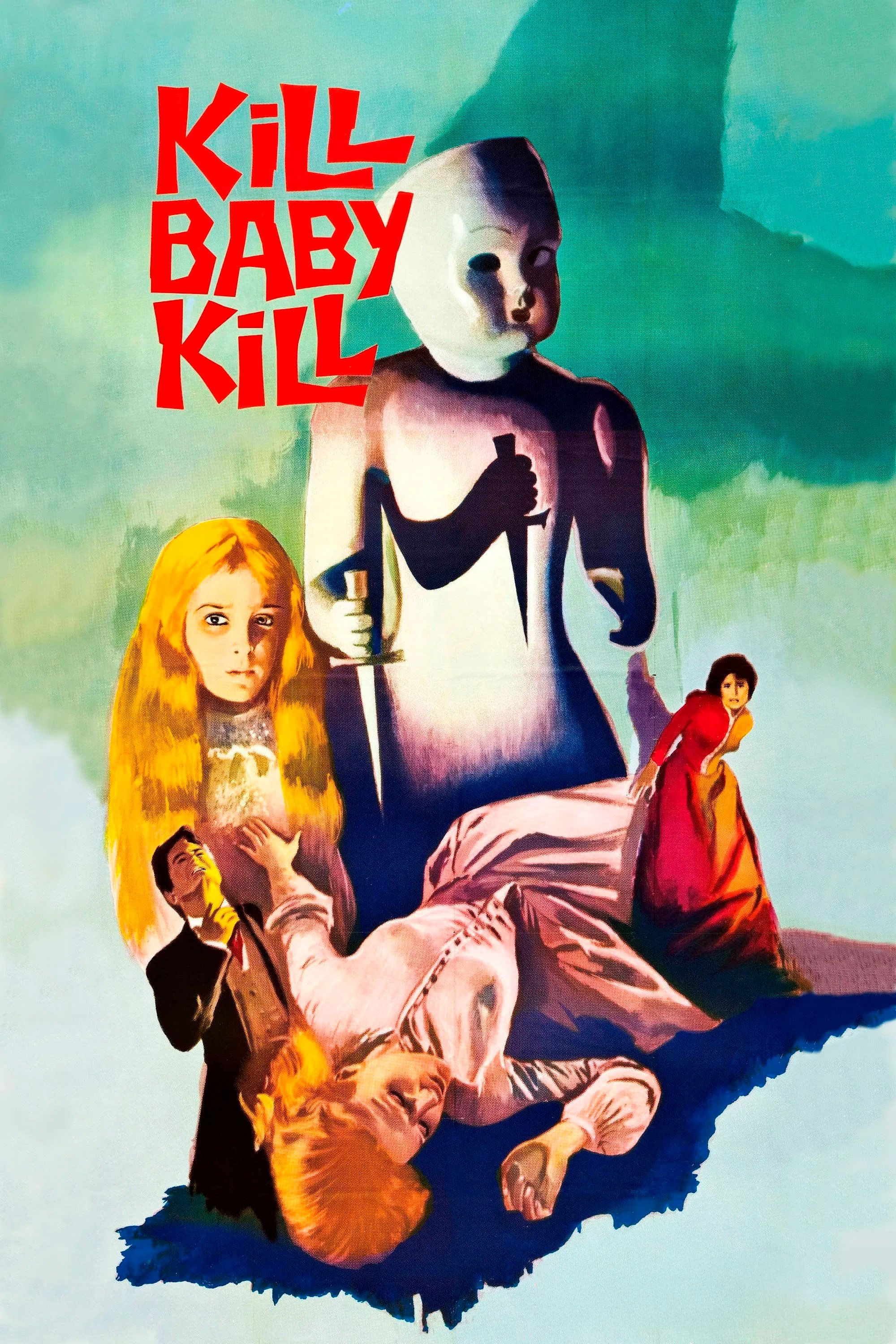
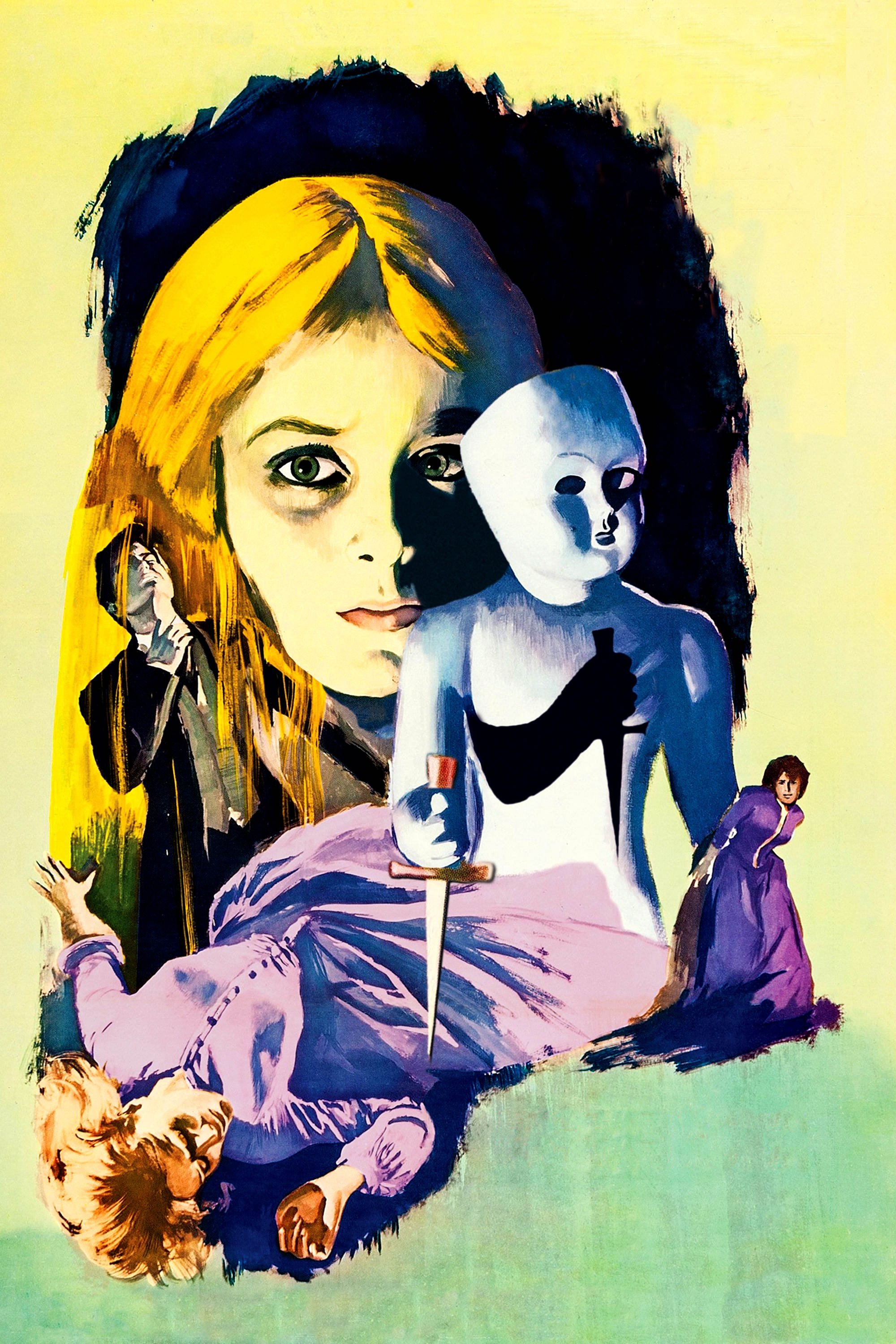
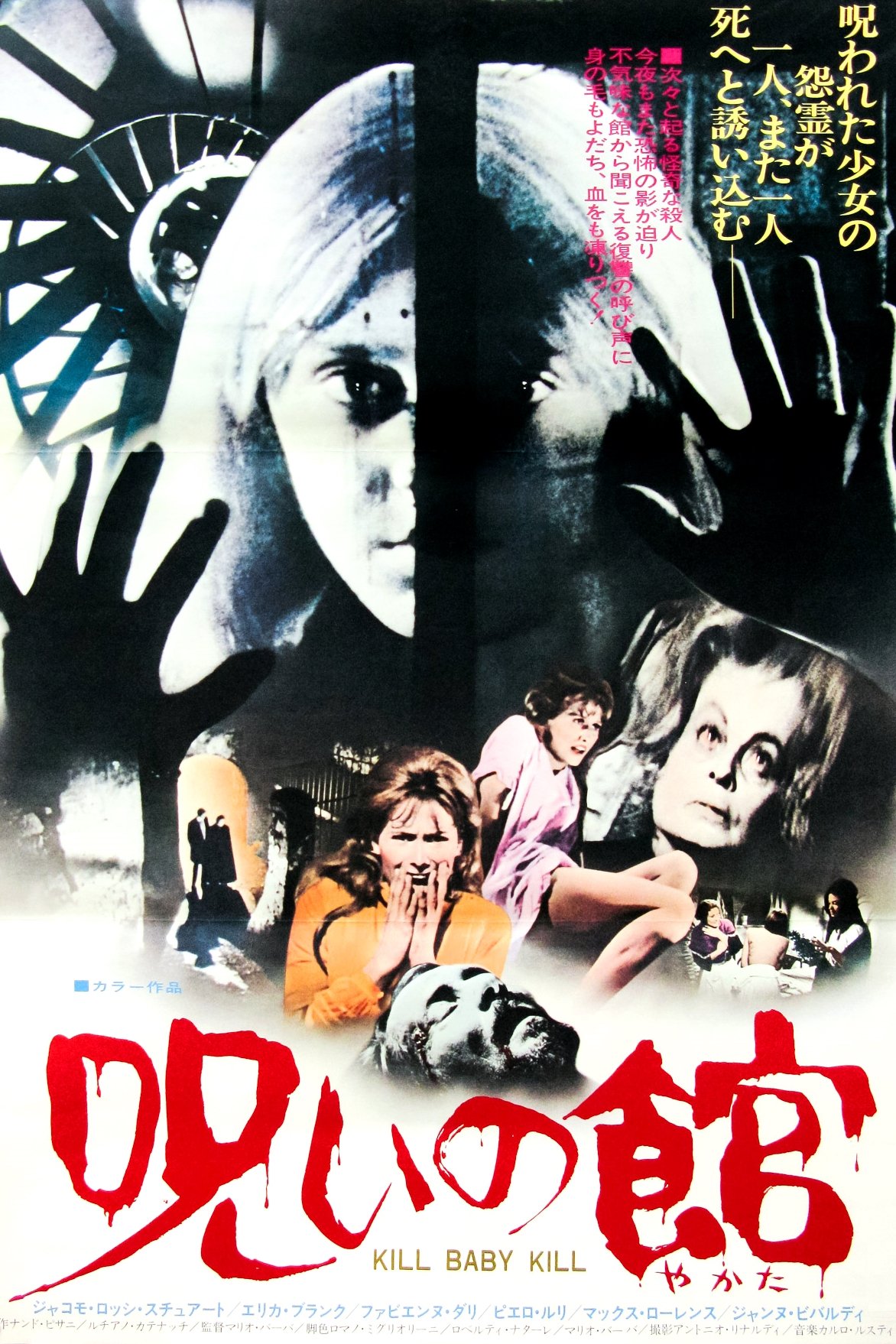
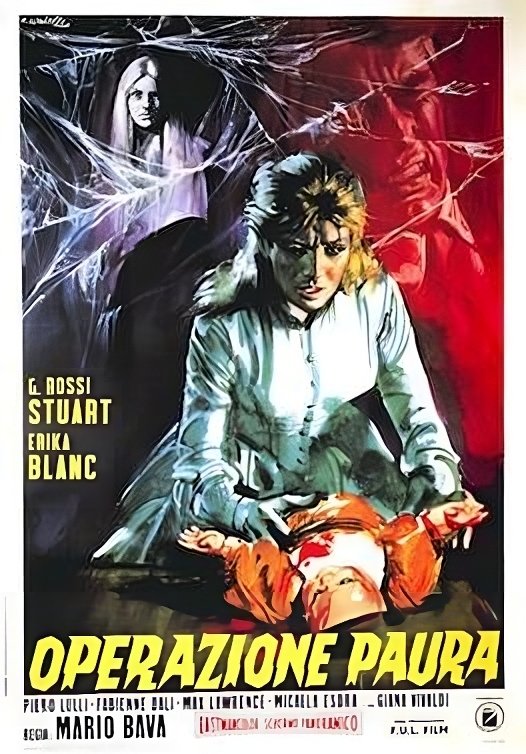
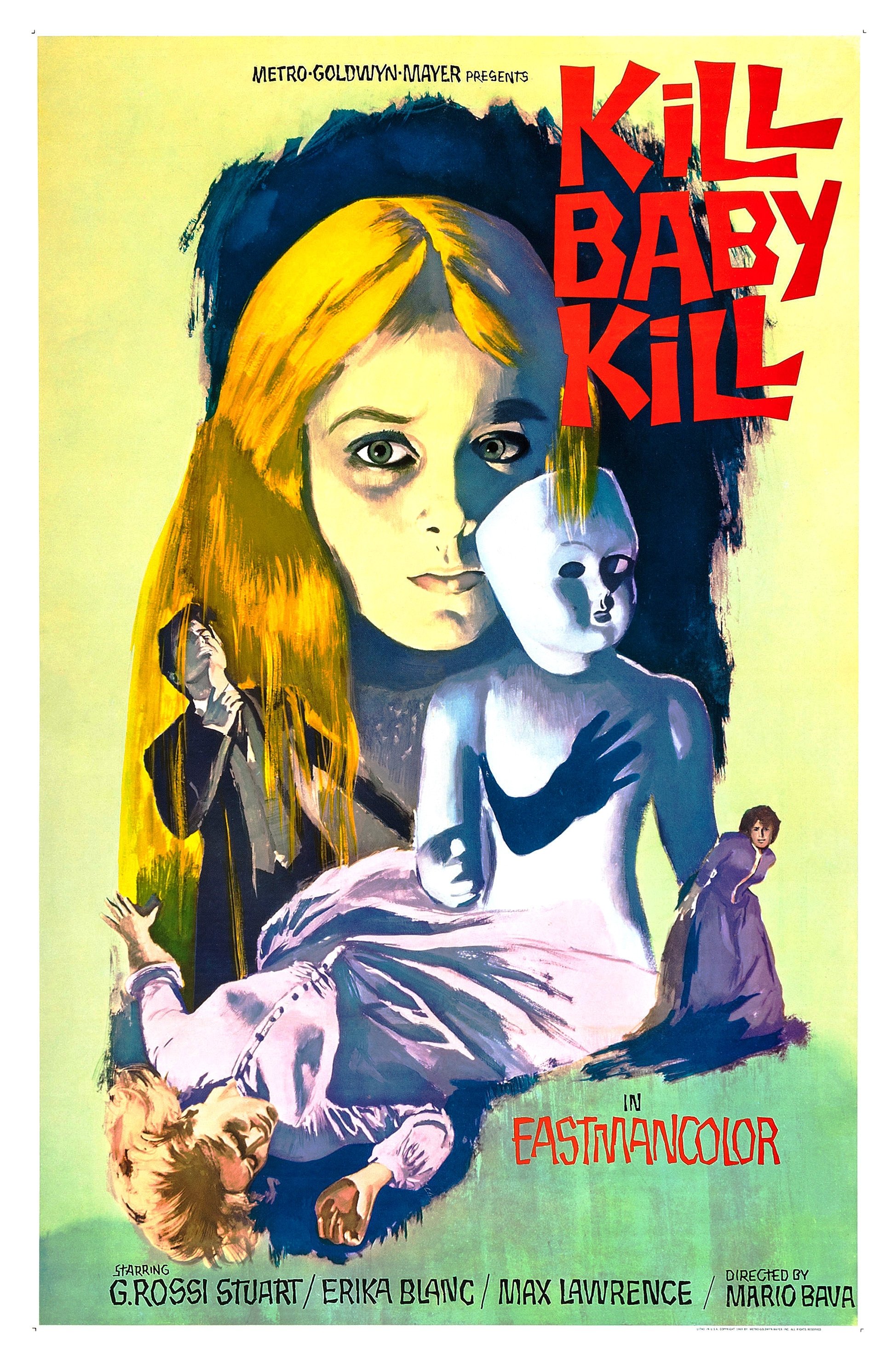
Kill, Baby... Kill! (1966) poster
Director
Production Company
FUL Films
Plot

An 18th century European village is haunted by the ghost of a murderous little girl.

Alternative Titles
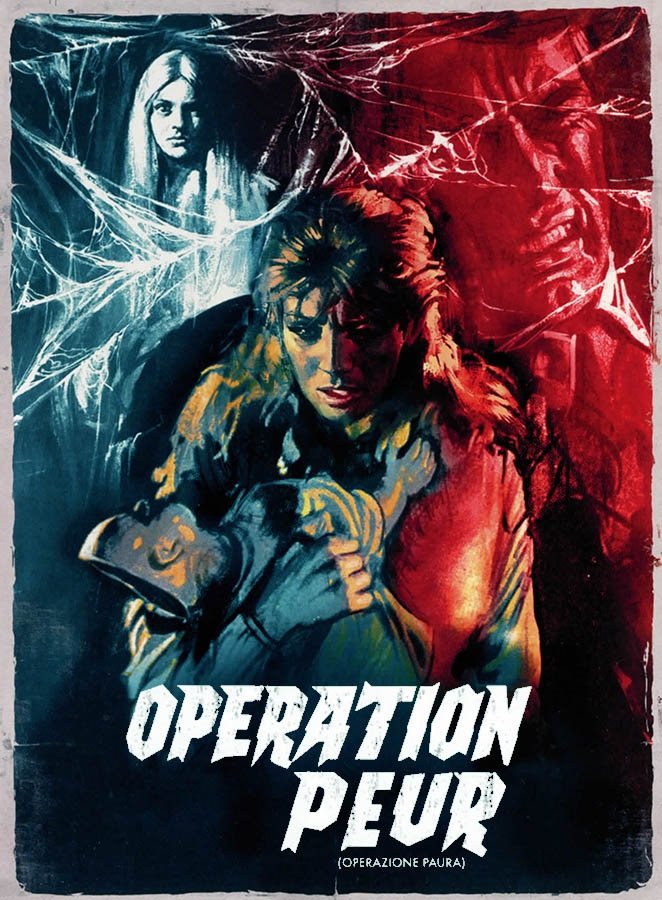
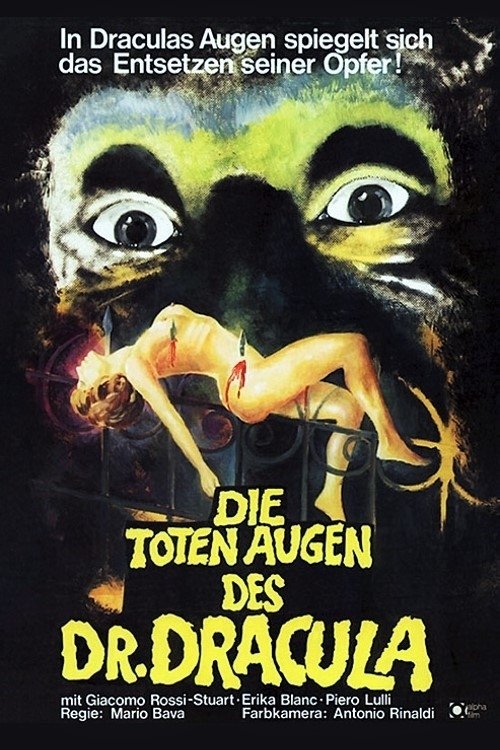
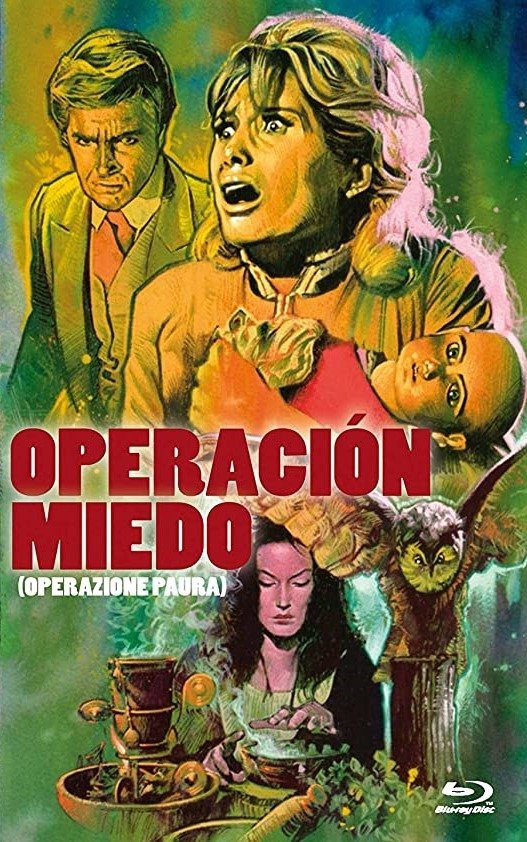
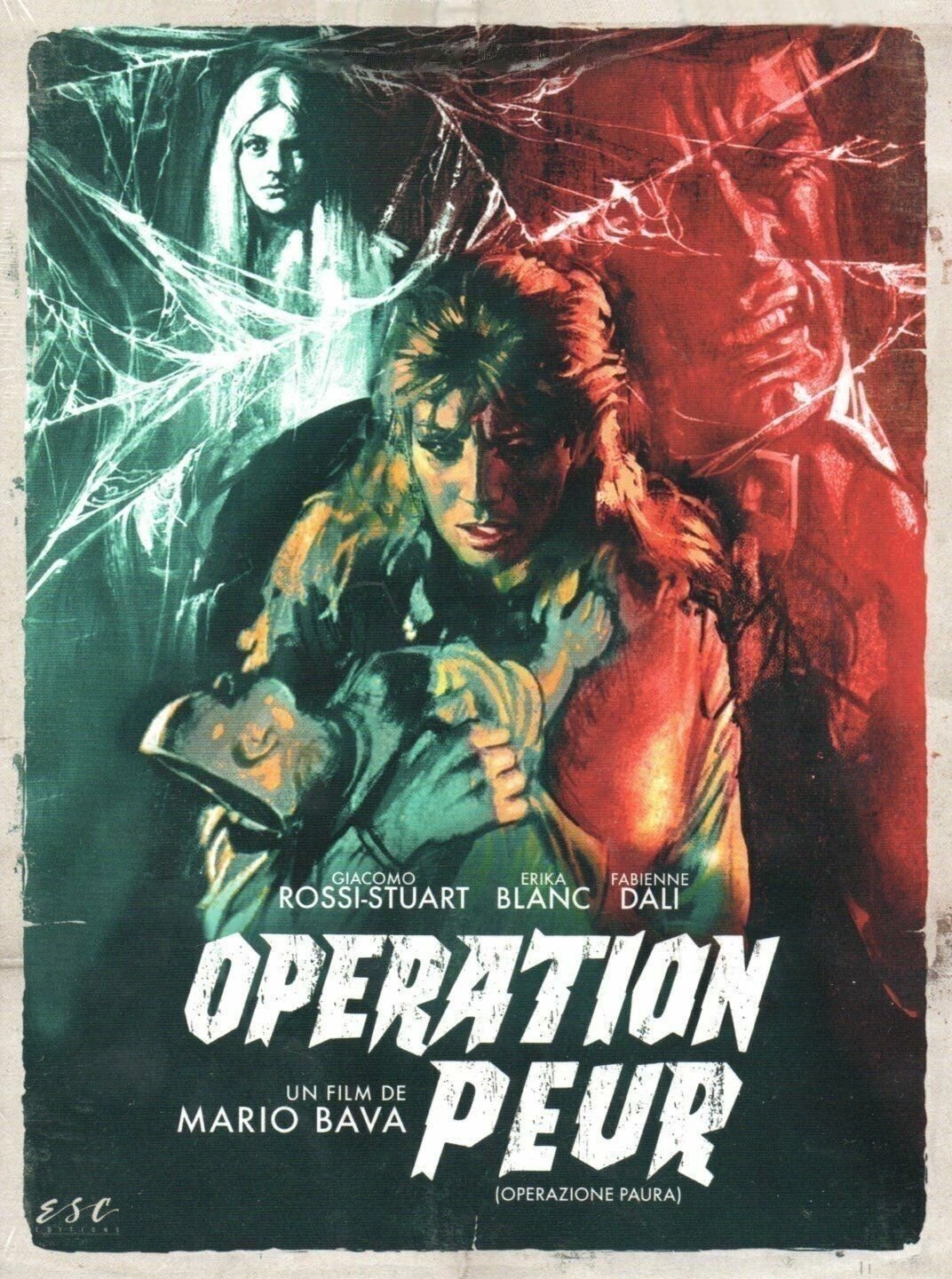
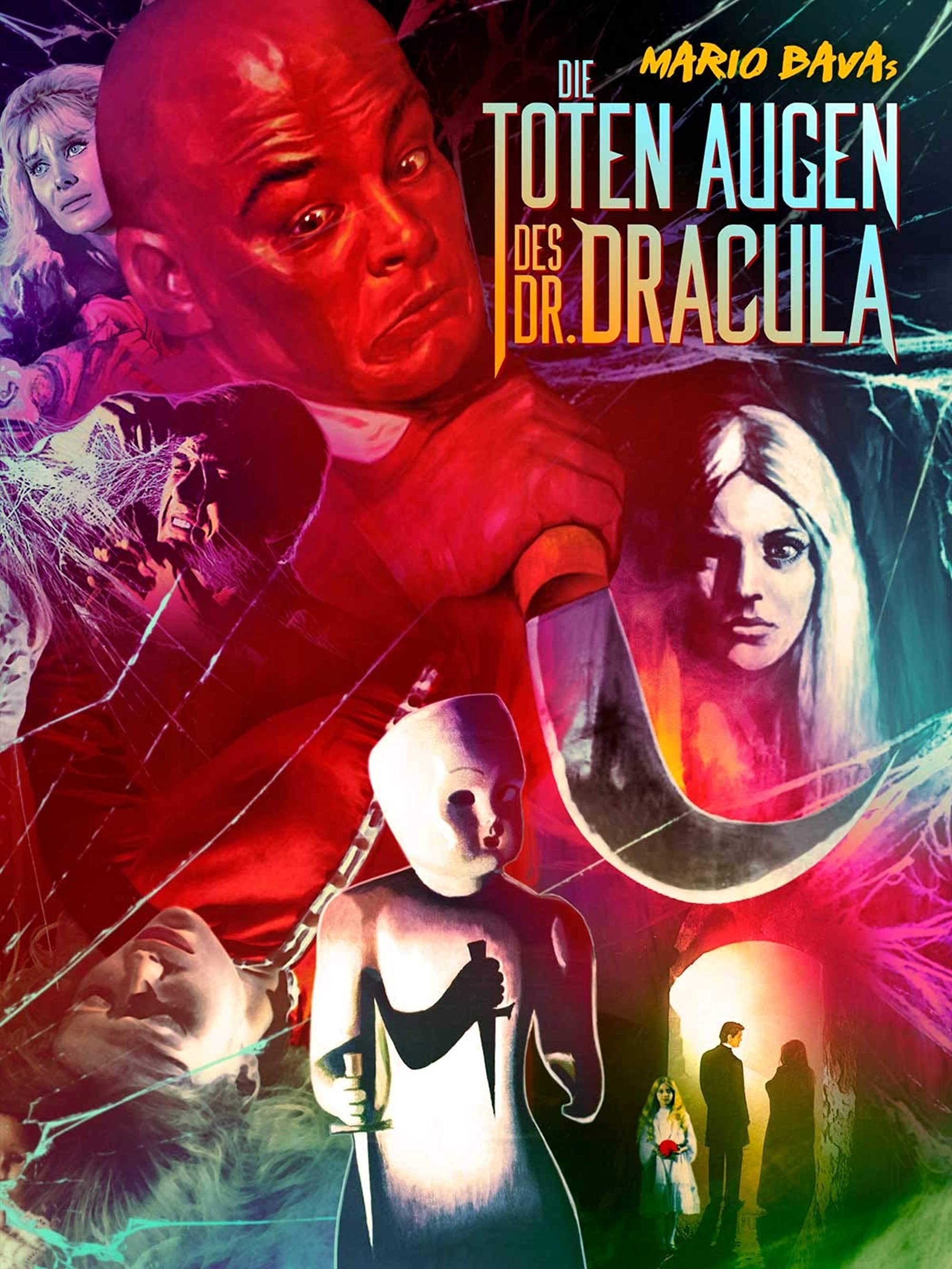
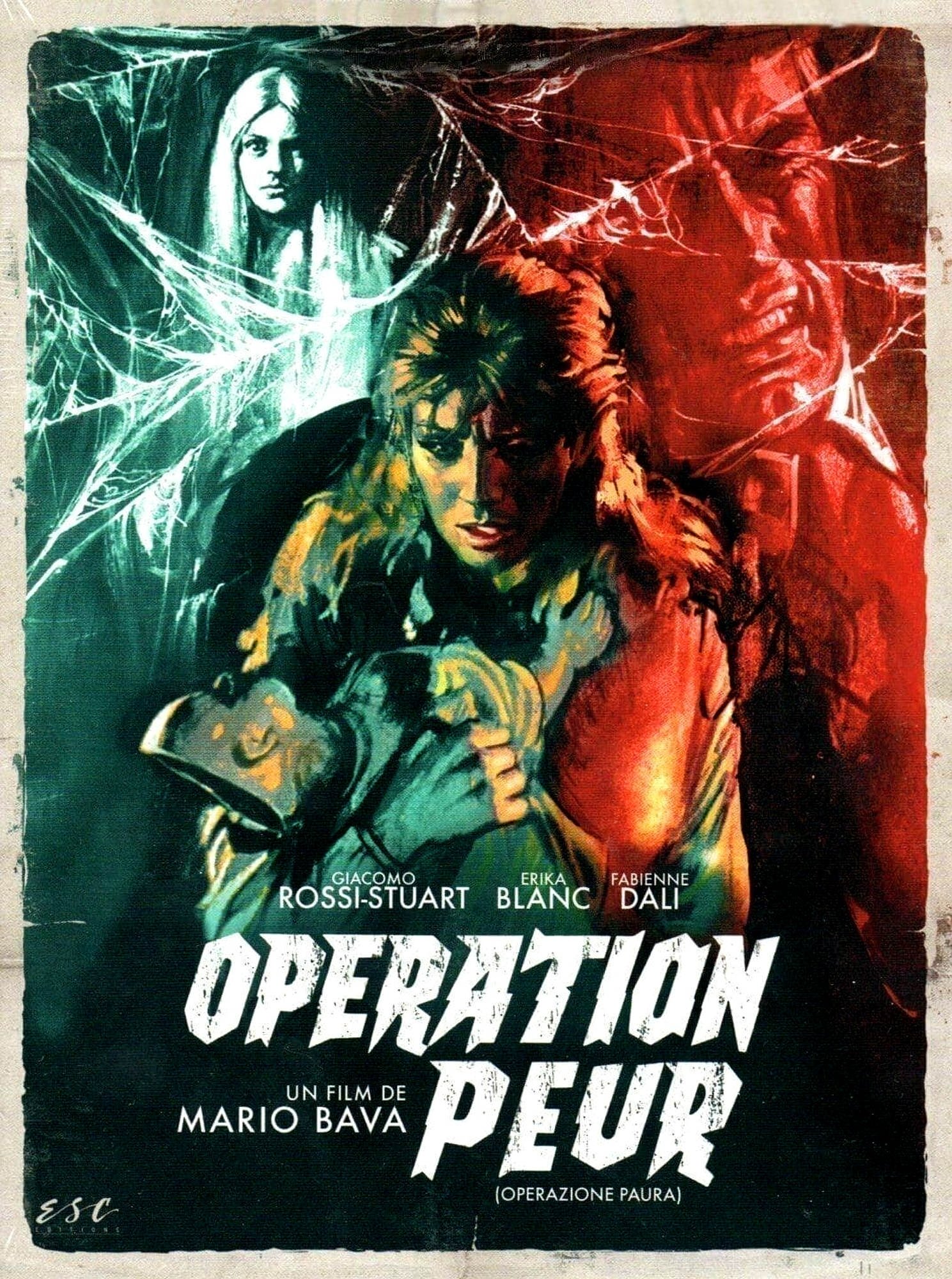
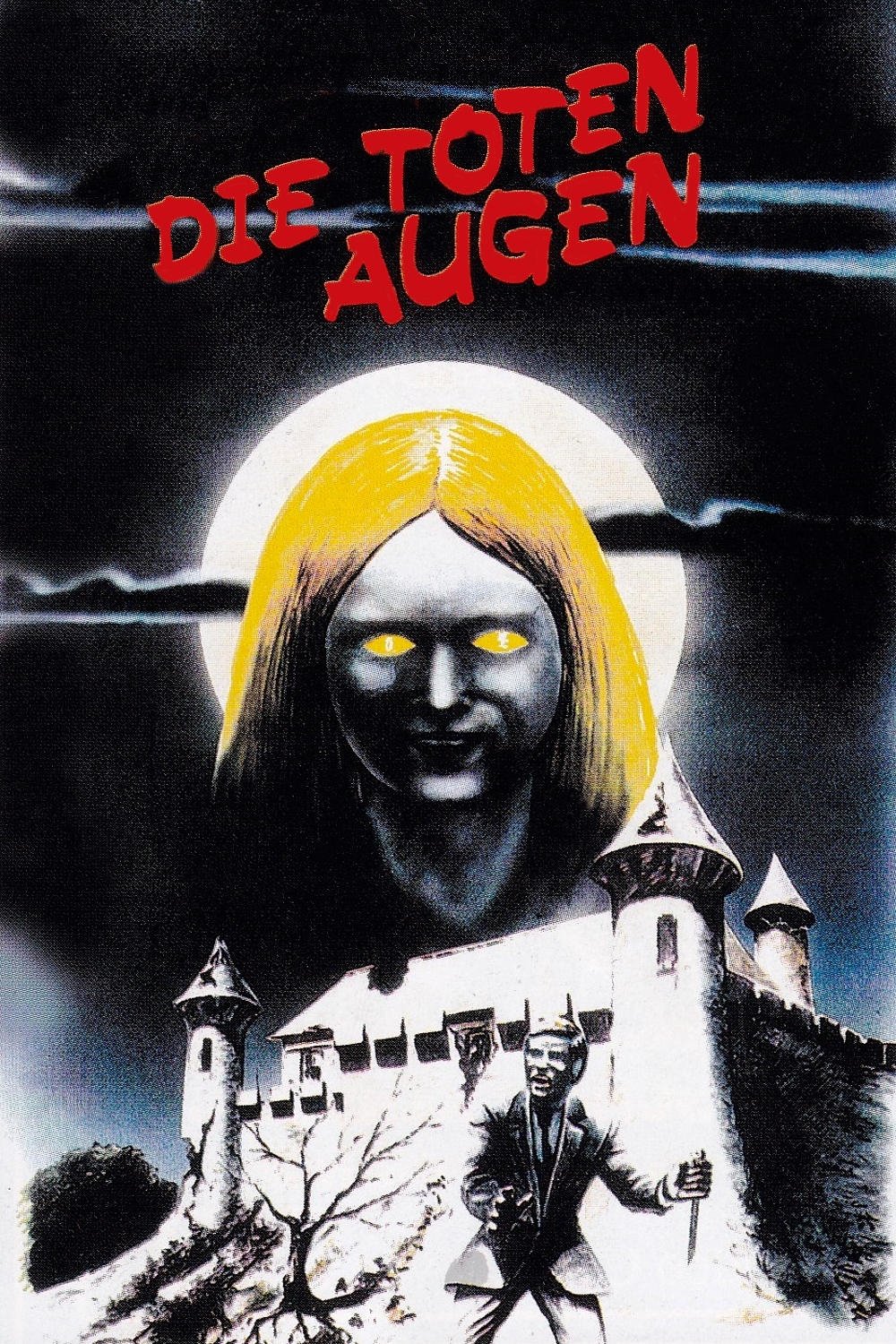
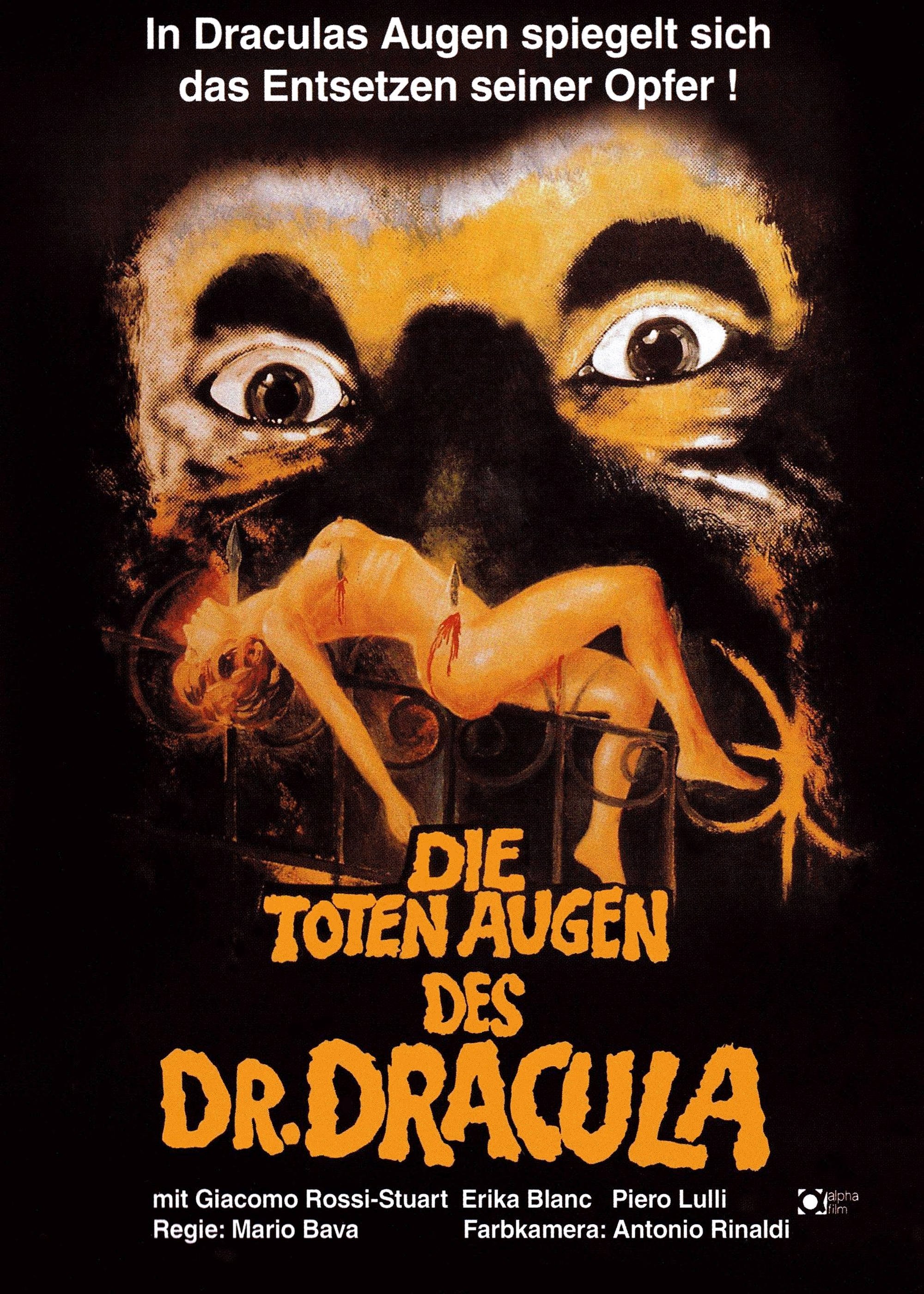
Операция "Страх" (Bulgaria) — Bulgarian O Ciclo do Pavor (Brazil) 驱魔任务 (China) — Chinese Prokletí smrti (Czechia) — Czech Die toten Augen des Dr. Dracula (Germany) Operación miedo (Spain) — Spanish Opération peur (France) — French Curse of the Dead (United Kingdom) — premiere title
Show all 18 alternative titles Félelem hadművelet (Hungary) — Hungarian 呪いの館 (Japan) — Japanese 킬, 베이비... 킬! (South Korea) — Korean Operacja strach (Poland) — Polish Операция «Страх» (Russia) — Russian Curse of the Living Dead (United States) — reissue title Don't Walk in the Park (United States) Kill Baby Kill (United States) — alternative spelling Kill, Baby... Kill! ...Or Be Cursed by the Living Dead (United States) — DVD Title Operation Fear (United States)

Trailers & Videos

2 videos

Film Guide & Analysis

Mario Bava’s Gothic nightmare transforms a vengeful child, an isolated village and impossible spaces into one of the defining achievements of Italian supernatural horror.

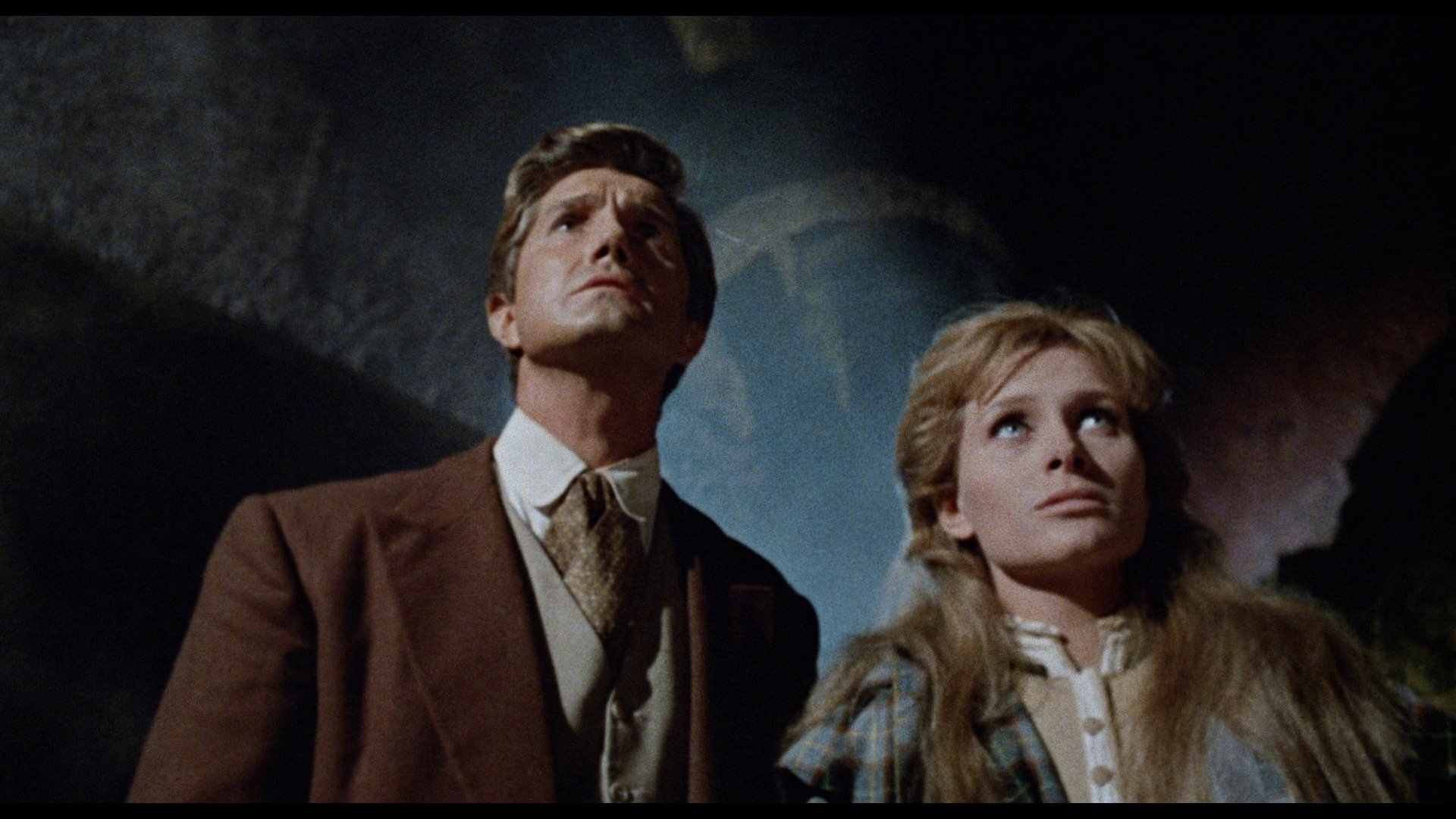
Released in Italy in July 1966, Operazione paura (Kill, Baby... Kill!) is a landmark of Italian supernatural horror and one of Mario Bava’s most accomplished Gothic films. Set in an isolated Central European village in 1907, it follows Dr. Paul Eswai, a physician summoned to investigate a mysterious death. His rational explanation of events encounters a community living under the threat of Melissa Graps, a dead child whose appearances precede acts of fatal violence. The film transforms the traditional haunted village into a network of threatening spaces, where an apparition playing with a white ball can exert greater power than the authorities attempting to contain her.

Produced under severe financial limitations, Kill, Baby... Kill! became an exceptional demonstration of Bava’s command of colour, lighting, movement and photographic illusion. Its images of spectral childhood, circular passages and unstable identities established a distinctive form of Gothic nightmare. The film also occupies an important position between the supernatural productions associated with Bava’s earlier career and the investigative structures prominent in Italian giallo cinema. The subsequent influence of Melissa’s appearance on filmmakers including Federico Fellini has been extensively discussed, while the recovery of the film through archival restoration has helped establish the importance of its original colour design.

Production & Development

Kill, Baby... Kill! emerged at a difficult point for Italian Gothic filmmaking. The producers who had supported important horror productions earlier in the decade were facing changing commercial circumstances, while the industry was increasingly concentrating on other internationally marketable genres. Mario Bava returned to supernatural horror after working on projects ranging from science fiction to adventure and comedy. The film was financed by F.U.L. Films, a small production company associated with Nando Pisani and Luciano Catenacci, and planned as a comparatively inexpensive independent production. The restricted budget made existing locations, practical effects and an economical shooting method essential to its realization.

The screenplay was developed by Romano Migliorini and Roberto Natale, with Bava contributing to its final form. A persistent account maintains that the director began production using only a brief outline, improvising almost the entire picture. More recent historical research has challenged that version, establishing the existence of a developed screenplay and identifying alterations introduced during filming. Among the proposed ideas reportedly abandoned was a more elaborate treatment of victims returning after death. The available evidence supports the conclusion that the finished film underwent significant changes during production, without justifying the claim that it was conceived without a complete narrative structure.

Financial difficulties became particularly serious after filming had begun. Retrospective accounts describe the producers exhausting their available funds and the cast and crew agreeing to continue without their remaining wages. The frequently repeated claim that the entire film was completed in twelve days is difficult to reconcile with these accounts, which describe a longer period encompassing the interruption and completion of shooting. Bava’s achievement should therefore be understood through the practical decisions that allowed production to continue under pressure rather than through an unverified record of exceptional speed.

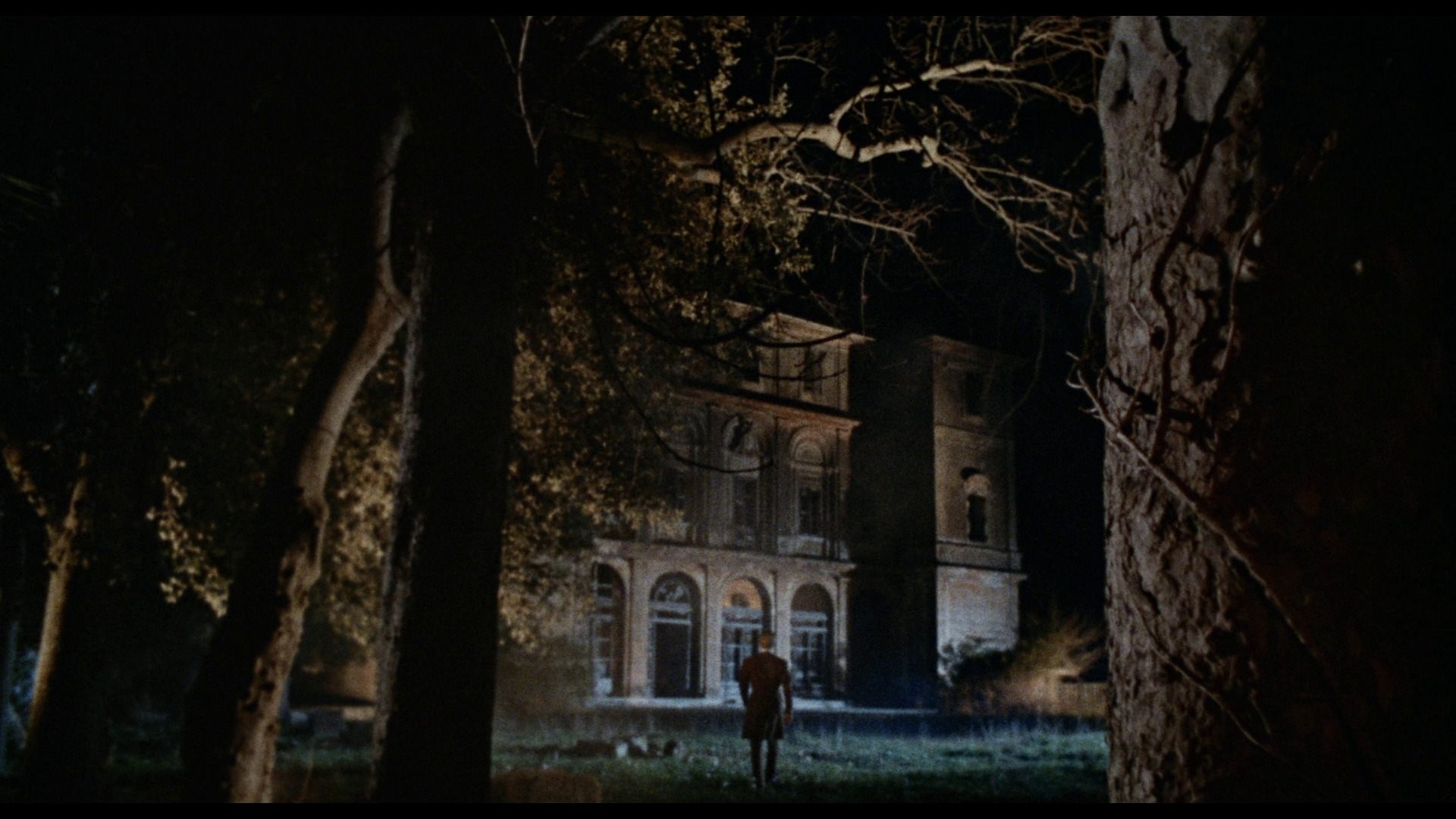
The filmmakers used medieval locations in Lazio, near Rome, to represent the isolated village and its surrounding environment. The narrow streets, stairways and old stone buildings supplied a convincing historical setting without the expense of constructing an entire settlement. Additional work involved the Villa Grazioli area and studio facilities. The combination of existing architecture, carefully arranged props and controlled lighting enabled Bava to create a coherent supernatural world from relatively limited resources. These circumstances were especially significant because the story depended upon the visual transformation of apparently ordinary spaces into threatening environments.
Narrative, Superstition & Supernatural Investigation

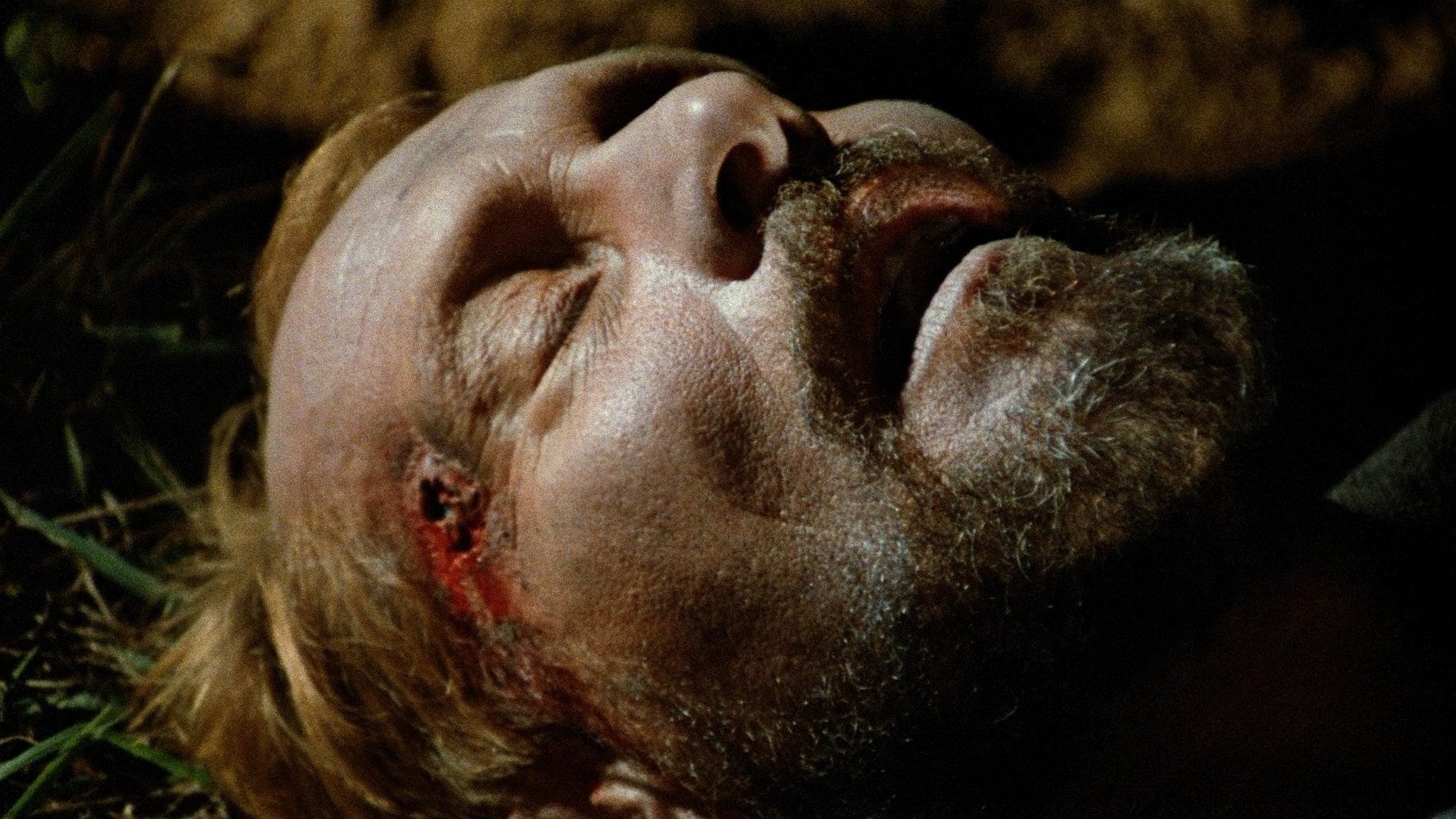
The story opens with the death of Irena Hollander, who throws herself onto a spiked fence after encountering a mysterious presence. Dr. Paul Eswai arrives in the village to examine her body at the request of Inspector Kruger. The authorities initially approach the death as a possible crime, but the inhabitants resist the investigation and refuse to discuss the circumstances openly. Eswai discovers that the villagers believe anyone who sees the ghost of Melissa Graps will soon die. Their terror is reinforced by a series of apparently inexplicable deaths and by the conviction that ordinary medical or legal authority cannot protect them.

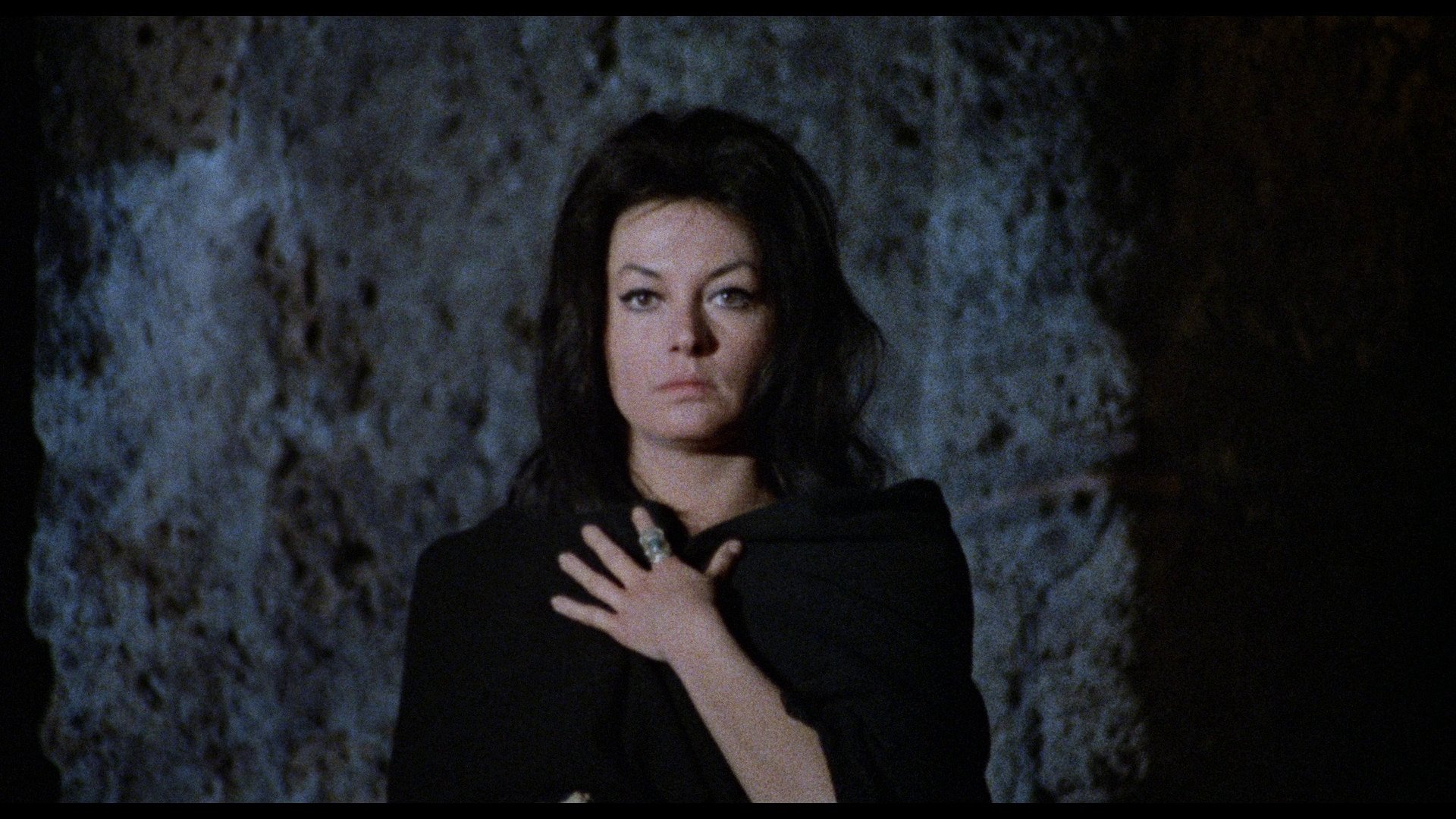
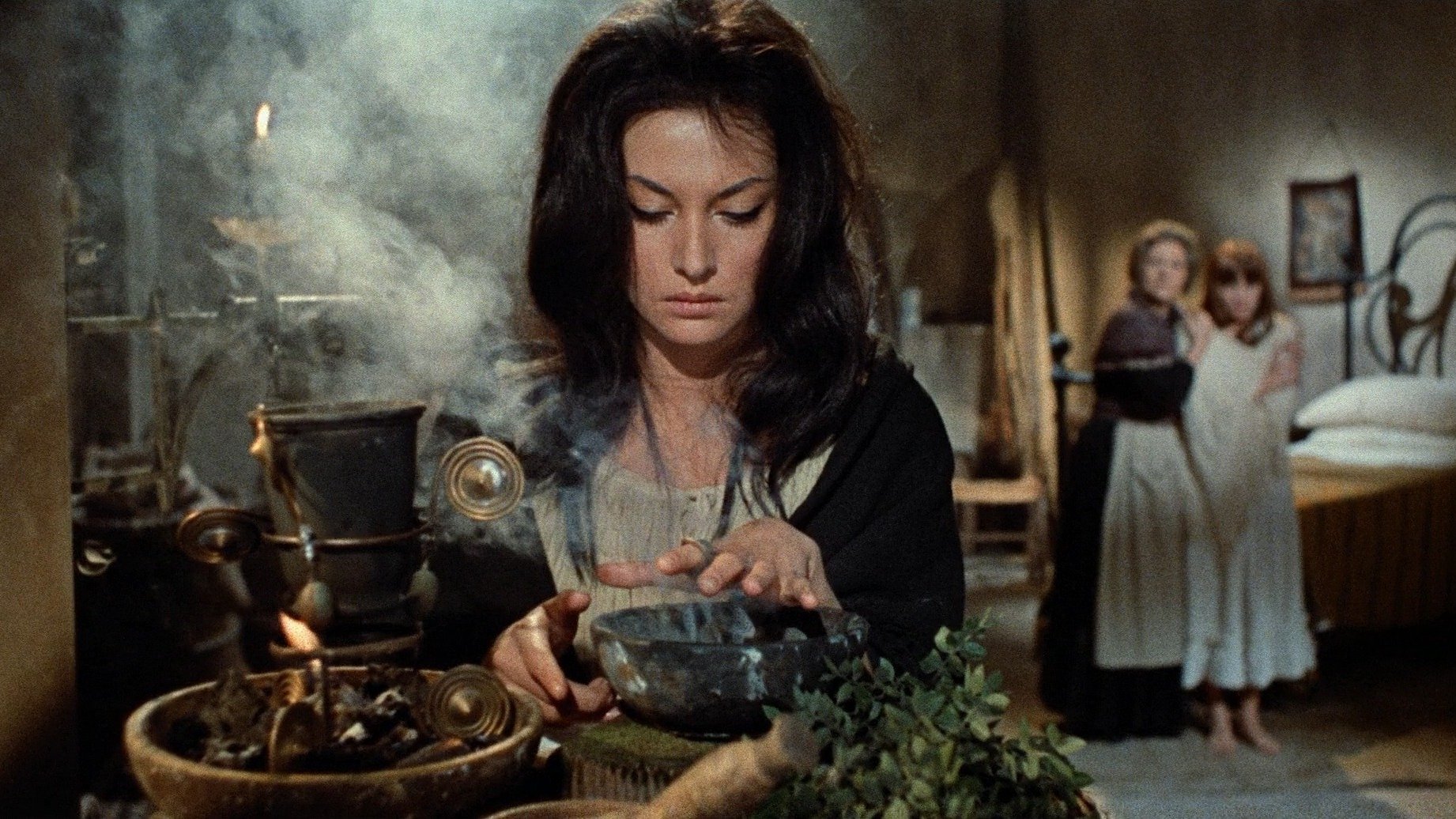
The investigation introduces Monica Schuftan, a young woman returning to her native village, and Ruth, a local practitioner whose knowledge of supernatural forces makes her indispensable to the frightened inhabitants. Ruth attempts to protect those threatened by Melissa through rituals that include the placement of coins inside the bodies of the dead. Eswai initially dismisses such precautions as superstition, yet the continued appearance of the child undermines his confidence. The village functions as an enclosed community whose shared fear has become inseparable from its history.

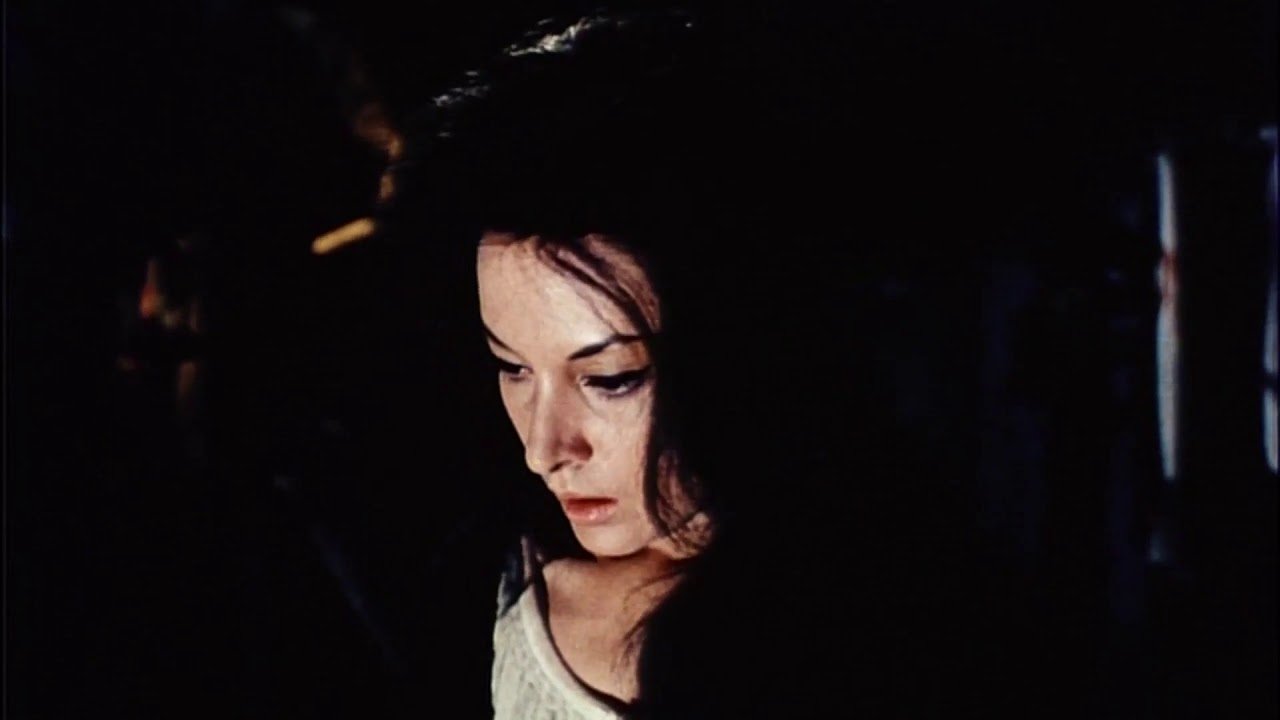
Melissa died approximately twenty years earlier after being injured during a local celebration. The villagers failed to help her, and her mother, Baroness Graps, has remained consumed by grief and resentment. The child’s ghost now appears before those selected for death, exerting a power that causes victims to destroy themselves. This mechanism gives the supernatural threat an unusual form: the apparition does not need to attack physically because her appearance initiates an overwhelming compulsion. The deaths become manifestations of an old grievance that has expanded into a collective punishment.

The investigation ultimately reveals the relationship between Melissa, the Baroness and Monica, whose identity is bound to the family’s concealed past. Eswai must confront a supernatural influence that exceeds the explanations available through his professional training. Ruth’s intervention becomes essential to ending the destructive cycle. The resolution shifts the meaning of the haunting from an unexplained sequence of deaths toward a history of abandonment, grief and revenge. The film’s detective structure thus leads into a supernatural family tragedy whose consequences have spread throughout the community.

Colour Photography & Gothic Space

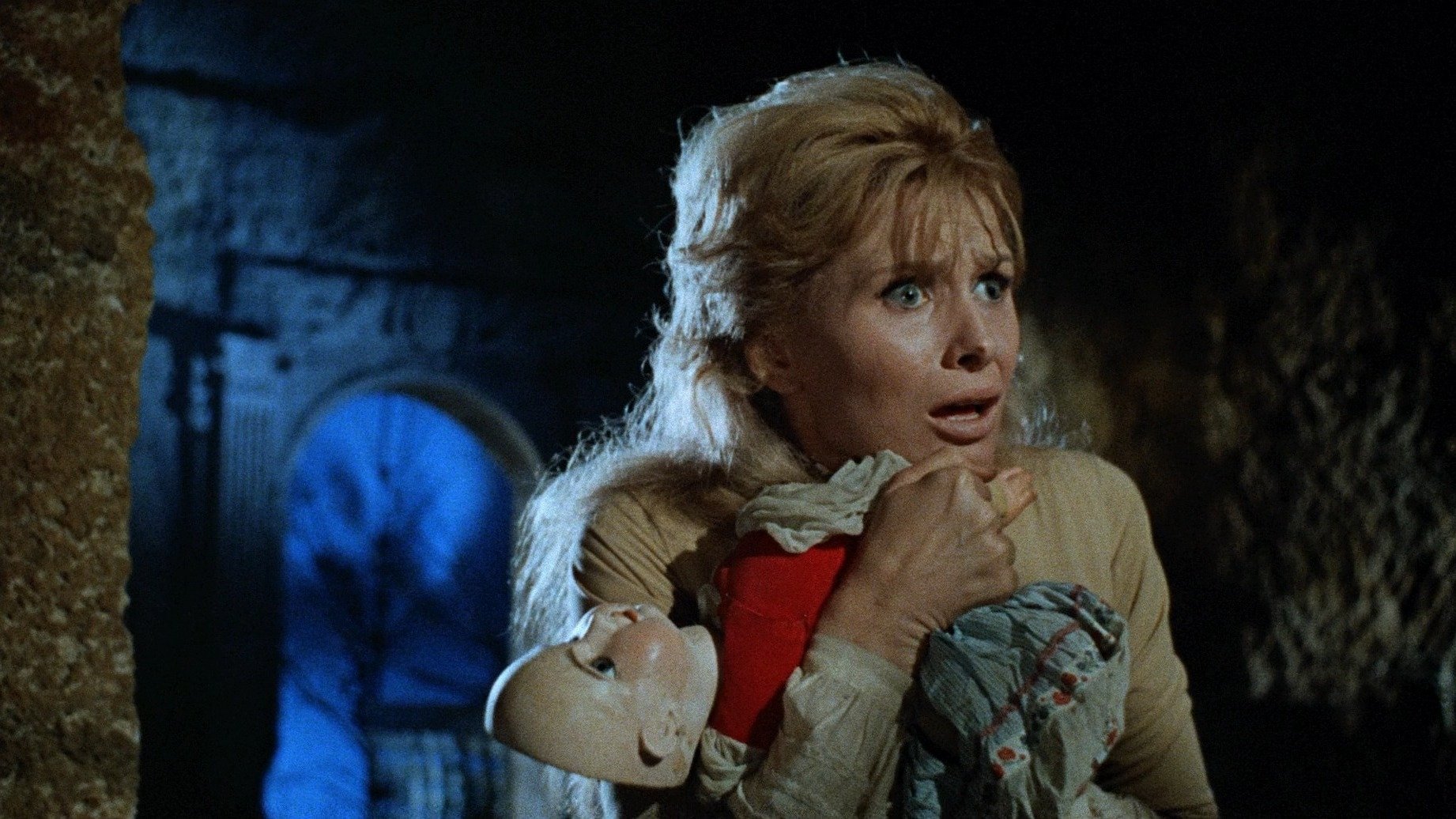
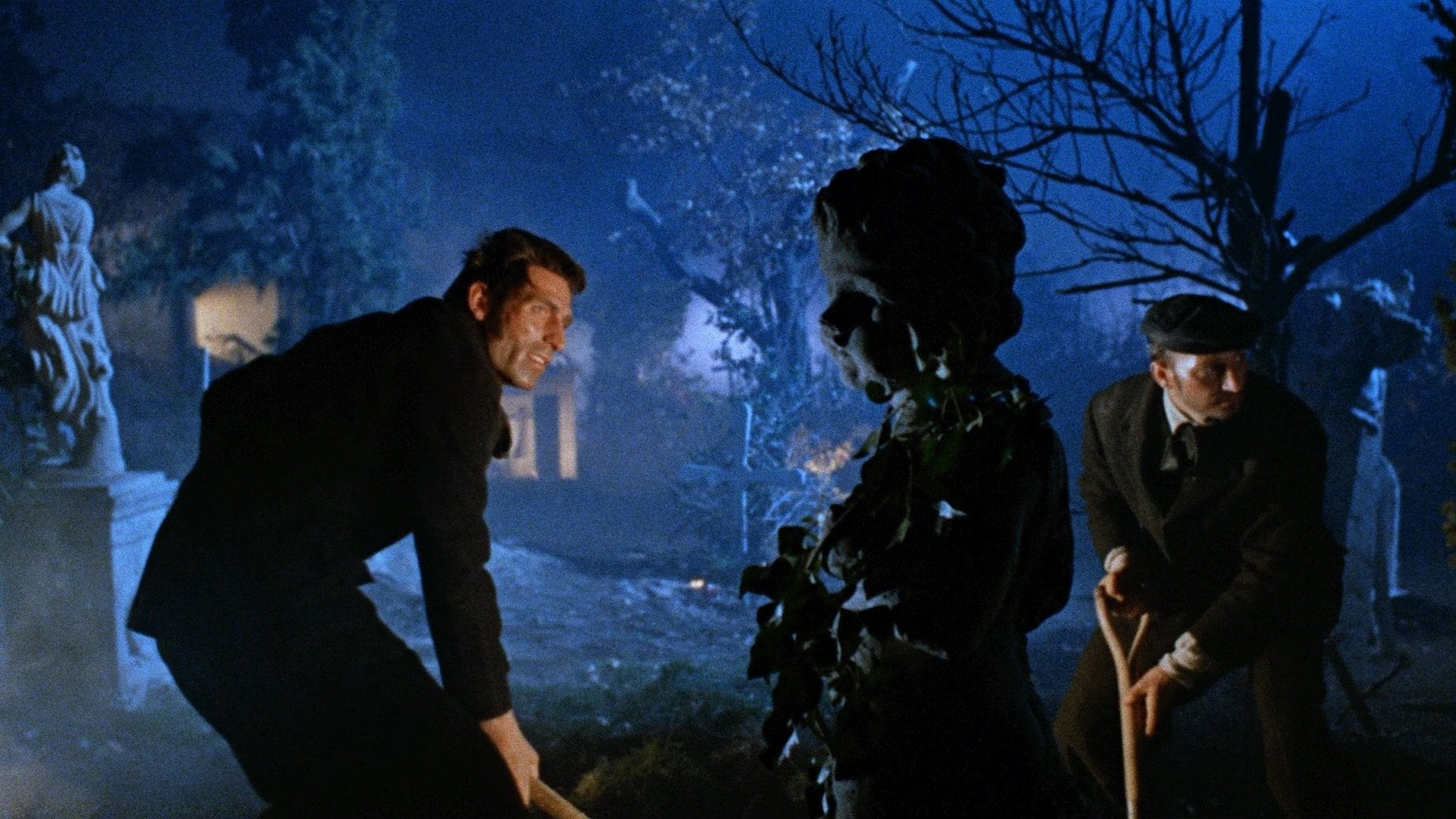
The film’s colour cinematography is among the principal reasons for its historical reputation. Antonio Rinaldi received the official cinematography credit, while Bava’s involvement in the visual conception and photographic effects was central to the production. The images employ contrasting areas of blue, green, violet and red to create environments that rarely appear entirely natural. Light sources often possess an expressive intensity greater than their apparent practical origins would suggest. The resulting images establish an unstable atmosphere in which the village seems to exist between recognizable physical space and a supernatural dimension.

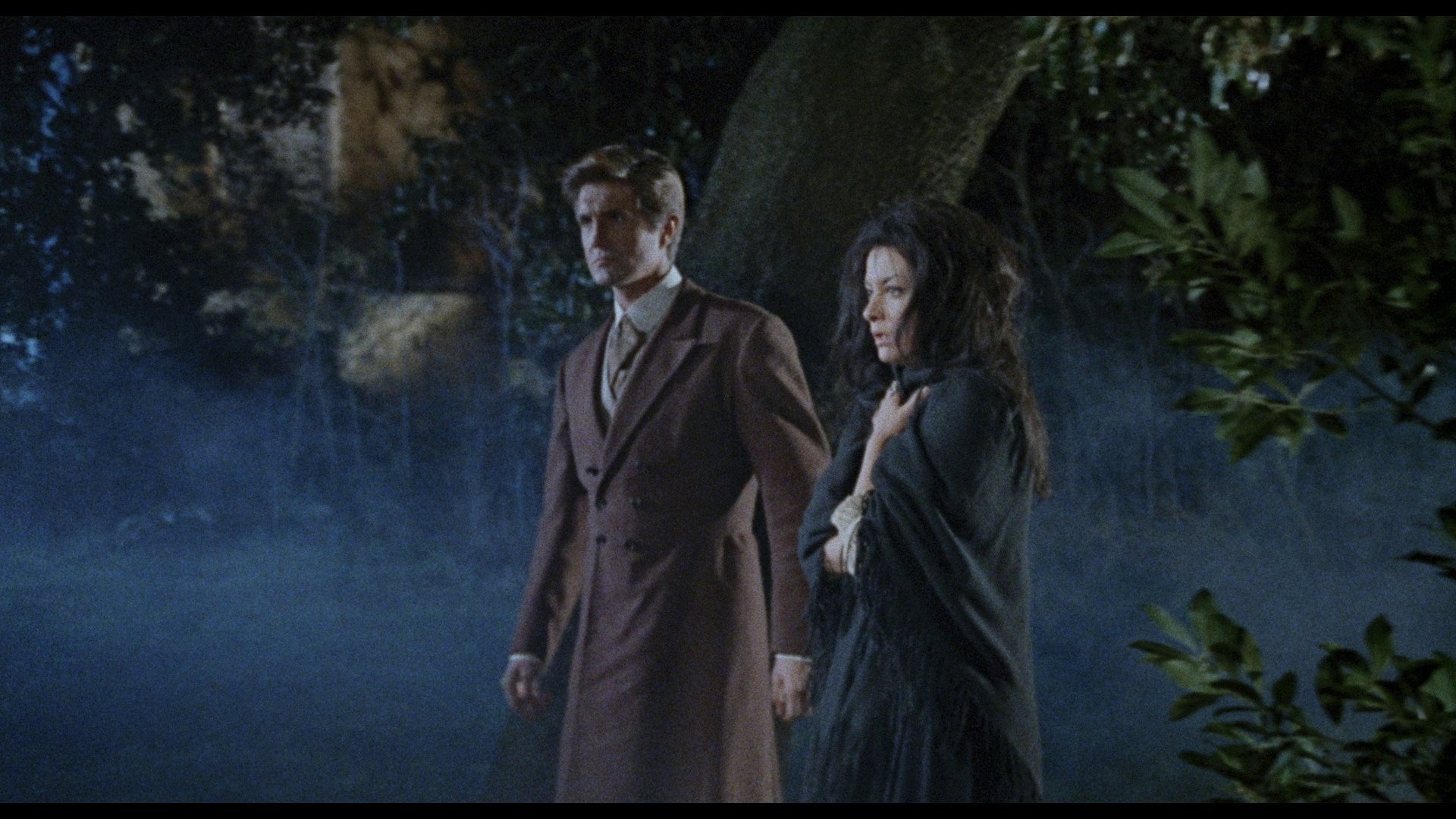
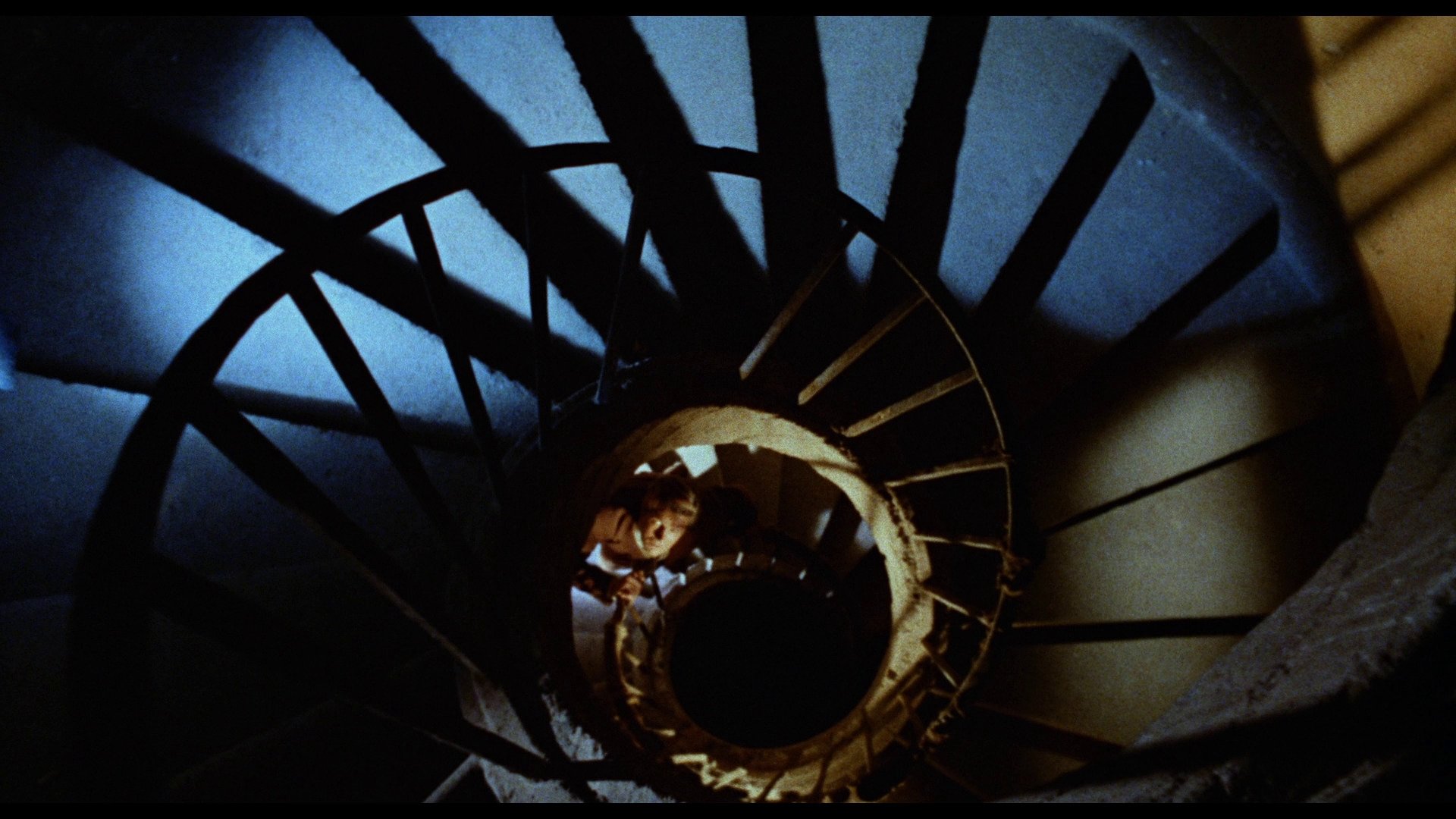
Bava uses the existing architecture to construct a network of passages, rooms and stairways that gradually become difficult to distinguish. Narrow streets lead toward abandoned buildings, while interiors contain doors and openings that appear to promise escape but instead deepen the characters’ confusion. Fog transforms the exterior spaces, separating figures from their surroundings and concealing the distance between buildings. The combination of location photography and controlled studio work allows the filmmaker to establish a physically convincing setting while continually altering its apparent properties.

Camera movement is especially important during moments when the supernatural disrupts ordinary perception. Subjective approaches, sudden reframing and carefully organized movement through interiors make the viewer share the uncertainty experienced by the characters. The film repeatedly uses architectural features as visual obstacles, positioning threatening figures beyond windows, doorways or passages. Melissa’s appearances are often effective because the surrounding composition appears stable until the child becomes visible within it. Bava’s images invite the spectator to examine the frame for disturbances that might already be present.

A particularly elaborate sequence involves Eswai pursuing a figure through a succession of apparently connected rooms. Each passage returns him to a similar space, and the pursuit gradually becomes a confrontation with his own double. Repeated movement turns the architecture into a visual loop, undermining the possibility of establishing a reliable spatial relationship between one room and the next. The episode demonstrates how camera placement, editing and scenic arrangement can represent a psychological disturbance without requiring extensive mechanical effects. Its influence upon later filmmakers has been widely discussed, and it remains one of the clearest examples of the film’s transformation of Gothic architecture into a source of horror.

Melissa Graps & the Uncanny Child

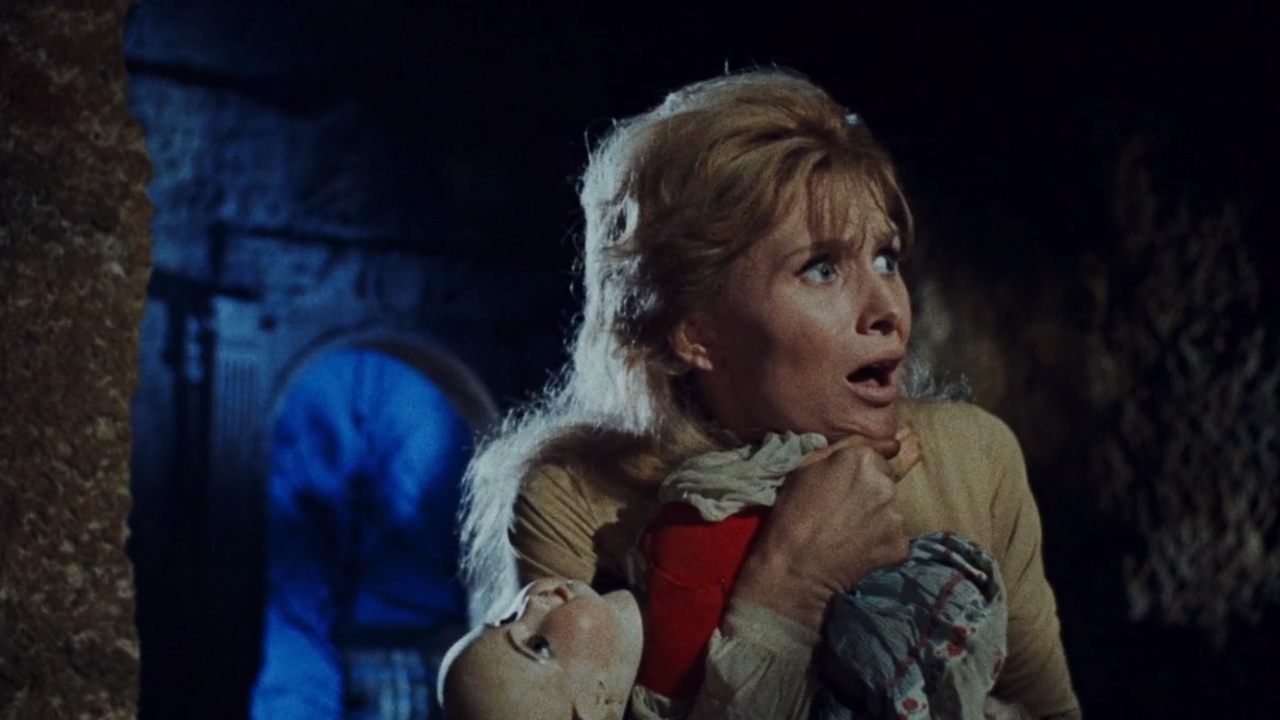
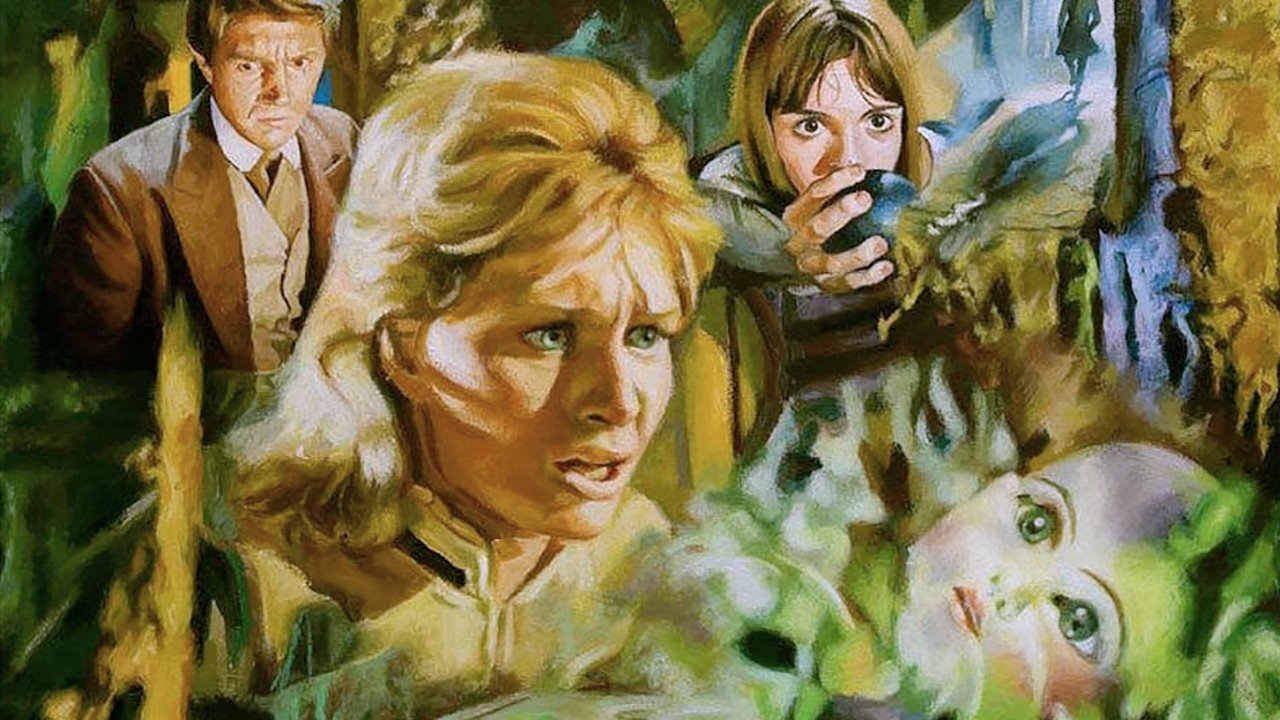
Melissa Graps is one of the most distinctive apparitions in Italian Gothic cinema. Her appearance combines familiar signs of childhood with an extraordinary capacity for violence. She wears a pale dress, has long blonde hair and frequently carries or plays with a white ball. These objects initially suggest innocence, but their recurrence becomes an unmistakable warning that a death is approaching. The contrast between the child’s ordinary appearance and the fatal consequences of seeing her produces an effect quite different from the grotesque makeup or monstrous physical transformations commonly associated with supernatural horror.

The role was performed by Valerio Valeri, a boy whom Bava selected after being unable to find a suitable young actress. Historical accounts describe Valeri as the son of a man employed in the building where the director lived. The choice contributes to the apparition’s unusual screen presence, although the performance’s effectiveness ultimately depends upon the relationship between the actor, costume, lighting and framing. Melissa often appears motionless or moves with a calmness that contrasts with the extreme reactions of the adults who encounter her.

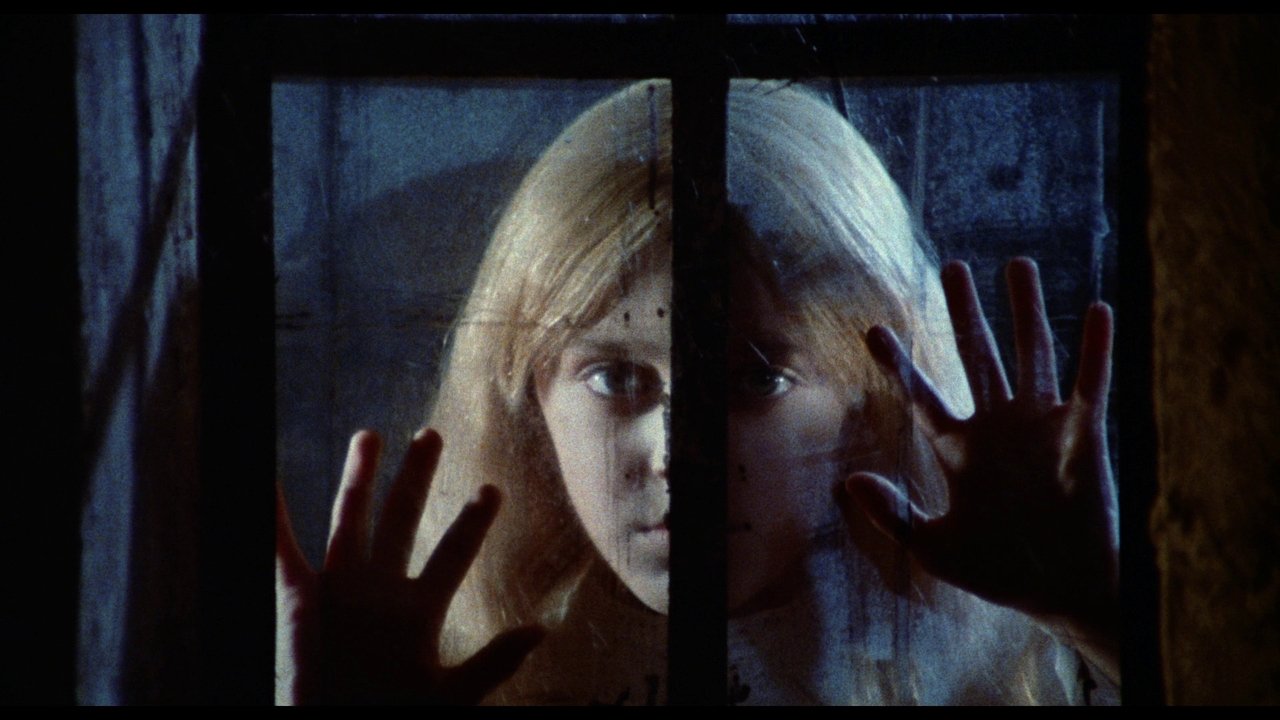
The white ball is central to the character’s visual identity. Its movement can announce Melissa before her figure enters the composition, converting an ordinary childhood object into a signal of imminent supernatural danger. Windows and reflective surfaces provide another recurring means of presenting the apparition. One particularly memorable image shows the child staring through a pane of glass with her hands pressed against it. The figure appears separated from the living world by an ordinary architectural surface, yet possesses the ability to intrude upon the lives of those inside.

Melissa’s history complicates her role as an embodiment of evil. She was herself the victim of a community that refused assistance after her fatal injury. Her return is connected with the unresolved anger of her mother, whose desire for vengeance turns the child into the instrument of continuing punishment. The film therefore gives its most frightening figure an origin in suffering and abandonment. Melissa remains dangerous, but her destructive power emerges from a history in which adults have failed to protect a vulnerable child. This combination of familiar innocence, supernatural agency and inherited violence gives the apparition a distinctive position within horror iconography.

Music, Sound & Nightmare Structure

The music is credited primarily to Carlo Rustichelli, with Roman Vlad also identified in archival festival documentation as an uncredited contributor. The soundtrack’s most recognizable element is the recurring association between Melissa and a delicate, music-box-like melody. The contrast between this apparently innocent sound and the deaths accompanying the child’s appearances establishes a threatening relationship between childhood familiarity and supernatural violence. The musical material becomes part of the audience’s recognition of the haunting, allowing the approach of danger to be anticipated before the apparition is fully revealed.

The film also uses distinctive sounds associated with Melissa’s presence, including childish laughter and the movement of her ball. These details give the supernatural figure an identity that extends beyond her physical appearance. The audio signals can precede an encounter or accompany an empty space, creating the impression that the ghost has already entered the surrounding environment. This use of recognizable sound is especially effective during scenes in which the camera does not immediately identify the source of the disturbance.

Bava’s narrative develops through successive encounters that become increasingly detached from ordinary spatial and temporal continuity. Eswai’s investigative progress provides a recognizable structure, yet individual sequences interrupt its apparent logic through visions, repetitions and impossible movements. The recurring appearance of Melissa, the use of altered spaces and the pursuit through identical rooms contribute to a feeling that the characters have entered a nightmare governed by its own rules. This quality gives the film a distinctive identity within the Italian Gothic cycle.
The supernatural manifestations also disturb the relationship between medical knowledge and local beliefs. Eswai expects symptoms and deaths to have identifiable causes, while Ruth understands the events through ritual and spiritual intervention. The film does not treat these positions as equivalent systems of evidence: its fictional world eventually establishes that supernatural forces are real. The resulting tension supplies an important part of the horror, since professional confidence becomes ineffective when confronted with events beyond the categories through which the protagonist ordinarily understands death.

Release, Censorship & Restoration

Operazione paura was submitted to the Italian censorship authorities in June 1966. On 7 June, the reviewing commission authorized exhibition subject to a prohibition on admission for anyone younger than eighteen. Its decision specifically referred to the oppressive supernatural atmosphere, the succession of disturbing deaths and the representation of victims compelled to kill themselves by occult influences. The wording demonstrates that the commission regarded the cumulative psychological and violent effects of the film as particularly unsuitable for younger audiences.

The producers appealed the decision, and on 2 July 1966 the appeal commission reduced the age restriction to fourteen. The revised ruling emphasized the exaggerated and artificial character of the supernatural events, arguing that older adolescents would be capable of recognizing their implausibility. The contrast between the two official decisions is historically revealing: the first treated the film’s atmosphere and violence as a serious threat to younger viewers, while the second interpreted the same supernatural material as sufficiently artificial to justify a less restrictive classification. These decisions are documented in Italian censorship file 47160.

The film entered Italian theatrical circulation in July 1966, with 8 July recorded as the release date in the film’s modern distribution chronology. Its commercial performance was comparatively strong for the circumstances of production. Historical research cited by Ian Olney records Italian theatrical receipts of approximately 210 million lire. The amount provides a useful indication of the film’s domestic circulation, but should not be treated as equivalent to profit or money returned directly to the producers. International distribution brought additional titles, including Curse of the Dead in Britain and Kill, Baby... Kill! in the United States.

A major digital restoration was undertaken by the Centro Sperimentale di Cinematografia and Cineteca Nazionale in 2014. The project drew upon 35 mm picture and sound elements and involved scanning and restoration at 2K resolution. The restored film was presented at the Rome Film Festival, helping renew attention to the colour photography and visual construction. Later home-video presentations included the original Italian soundtrack, English-language audio and additional historical material. The restored edition is commonly presented at approximately 83 to 85 minutes, while some earlier foreign prints circulated at shorter lengths. These differences should be associated with identifiable versions rather than treated as evidence of a single universally fixed running time.

Reception, Influence & Gothic Horror Legacy

The contemporary critical response to Operazione paura included recognition of its visual qualities alongside reservations about its conventional supernatural premise. A notice published in Il Resto del Carlino in January 1967, preserved by Cinematografo, acknowledged Bava’s established reputation beyond Italy and praised the colour photography and special effects while questioning the originality of the narrative. Such responses demonstrate that the visual achievement was recognized without the film necessarily receiving the level of critical prestige later associated with its reputation. The British trade press likewise identified atmospheric strengths while expressing reservations about the credibility of the story.

Subsequent historical criticism has placed greater emphasis upon Bava’s transformation of familiar Gothic material into an unusually coherent visual experience. The Centro Sperimentale di Cinematografia has presented the film as one of the major achievements of Italian Gothic horror, drawing attention to its dreamlike passages and the disturbing history underlying the village’s curse. The film’s stylistic position also connects it with developments in Italian giallo cinema, particularly through its investigative structure, subjective camera movements and episodes of violent death. Its Gothic identity remains dominant, but the overlap demonstrates the close relationship between different forms of Italian horror during the 1960s.

The influence of Melissa Graps is one of the film’s most extensively discussed historical legacies. Federico Fellini incorporated a threatening blonde child with a white ball into Toby Dammit, his episode of Spirits of the Dead (1968). The similarity has been identified by historians and discussed through accounts of Bava’s reaction to Fellini’s film. Later examples include Martin Scorsese’s representation of Satan as a young girl in The Last Temptation of Christ (1988), the disorienting pursuit through repeated rooms in David Lynch’s Twin Peaks and Guillermo del Toro’s use of a spectral child at a window in The Devil’s Backbone (2001). These relationships have been examined by critics including Ian Olney and Tim Lucas, although the degree of direct influence should be distinguished from visual resemblance in each individual case.

Kill, Baby... Kill! has subsequently become an important reference point for the representation of childhood as a supernatural threat. Its achievement is especially significant because the frightening figure is created through relatively simple visual elements: a child, a dress, a ball and the manipulation of surrounding space. The film also demonstrates Bava’s ability to sustain a distinctive Gothic atmosphere despite severe industrial limitations. Its continuing historical importance rests upon the documented influence of specific images, the sophistication of its colour cinematography and its integration of supernatural revenge with the visual experience of a world that no longer obeys ordinary physical rules.

References

  1. Senses of Cinema Kill, Baby… Kill! — Ian Olney

    Detailed 2026 scholarly analysis of the production myths, screenplay, financial circumstances, colour imagery, narrative structure and documented influence upon later filmmakers.

  2. CHANGES — Università degli Studi di Milano Operazione paura — Fascicolo 47160

    Original Italian censorship records documenting the June 1966 restriction to audiences aged eighteen or over and the July appeal reducing the age threshold to fourteen.

  3. Centro Sperimentale di Cinematografia Danze Macabre. Il cinema gotico italiano

    Institutional retrospective discussing Melissa Graps, the Gothic imagery, nightmare sequences and the place of Operazione paura in Italian horror history.

  4. Centro Sperimentale di Cinematografia 20 film, 5 restauri: i classici del cinema italiano protagonisti al IX Festival del Film di Roma

    Institutional documentation confirming the 2014 digital restoration and presentation of Operazione paura within the Mario Bava retrospective.

  5. Turner Classic Movies Kill, Baby, Kill! — Lang Thompson

    Historical critical essay discussing Bava’s production, the film’s supernatural atmosphere, performances, American distribution and subsequent influence.

Cast

View Full Cast & Crew →

Release & Distribution

Production Companies (1)

  • FUL Films

Release History (4)

Release DateTerritoryRelease TypeFormatDistributorCertificationNotes
1966-07-08 Italy Theatrical — — —
1967-10-08 United States Limited Theatrical — — PG Pittsburgh, Pennsylvania
1970-03-13 Germany Theatrical — — 16
1973-05-26 Japan Theatrical — — R18+
Makes you shiver & shake!