The Japanese Legacy and the American Project
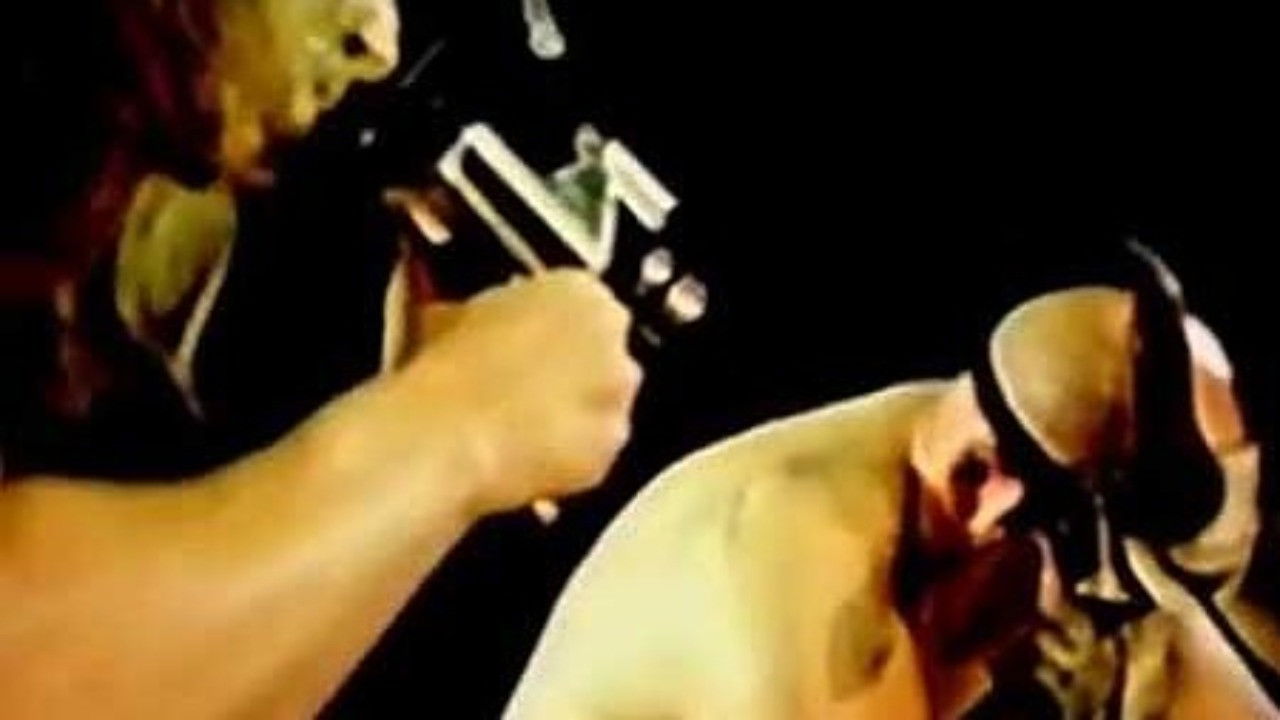
The original Japanese cycle developed a reputation for presenting extreme bodily violence in forms that could resemble illicit recordings or clinical documents. Flower of Flesh and Blood, in particular, supplied a model for a film organized around a prolonged display of simulated dismemberment. Biro encountered that work as a viewer before becoming involved in its American distribution. In a 2015 interview, he recalled seeing the film in 1995 and establishing Unearthed Films with a release of the Japanese title in 2002. The distinction between distributor and filmmaker is important: his knowledge of the material came from bringing difficult-to-market films to a specialized audience.
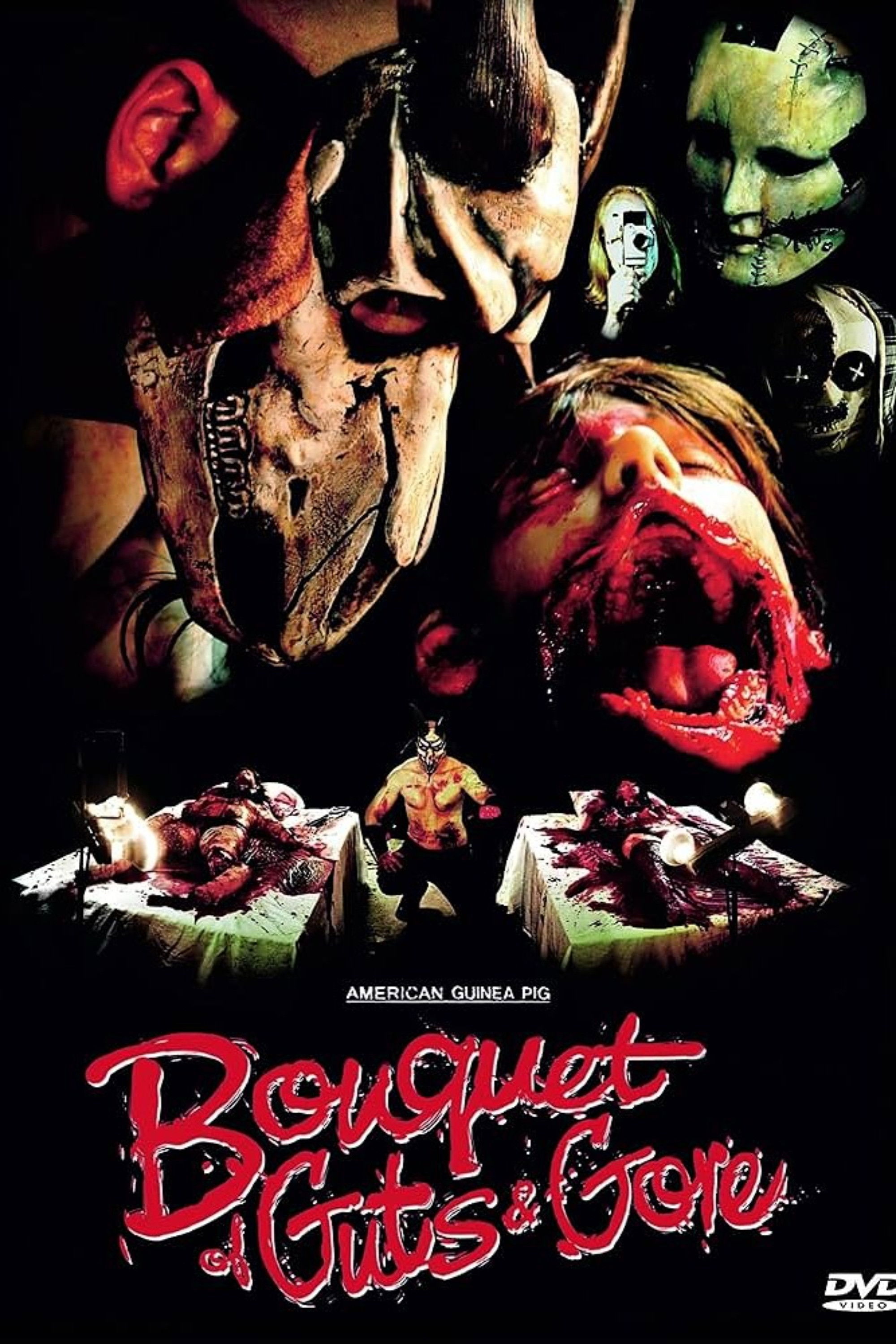
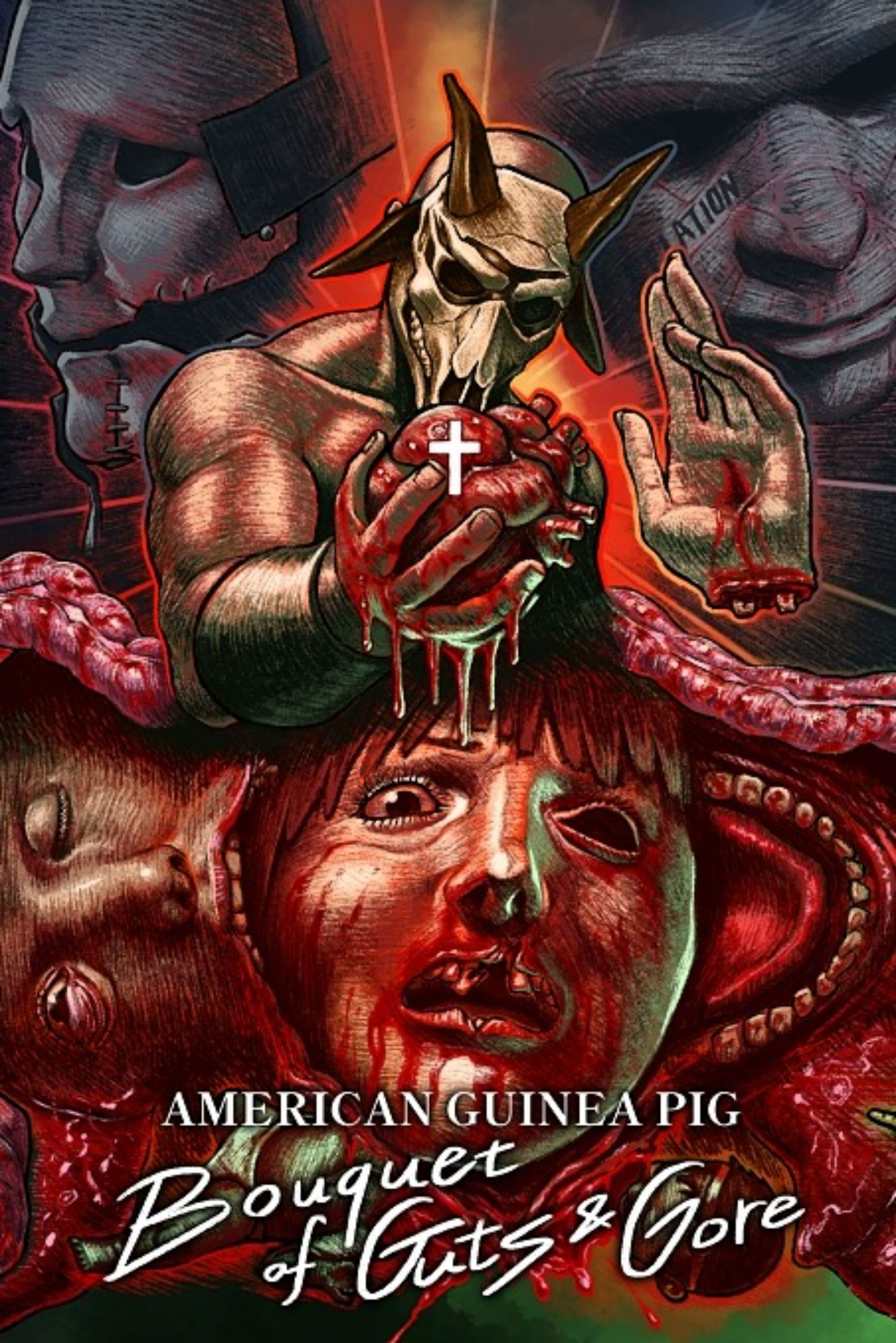
Biro said he had pursued the possibility of remaking or continuing the Japanese series for years, while discussions over the name had met resistance. His statements explain the American project as a long-standing personal and commercial ambition, though they should not be turned into an unsupported account of contractual rights. He also intended the new installments to differ from one another. The inaugural American feature therefore established a recognizable label without requiring every subsequent production to repeat its simulated-snuff arrangement. The plan suited a company already accustomed to connecting independent filmmakers with audiences seeking extreme horror beyond conventional theatrical channels.