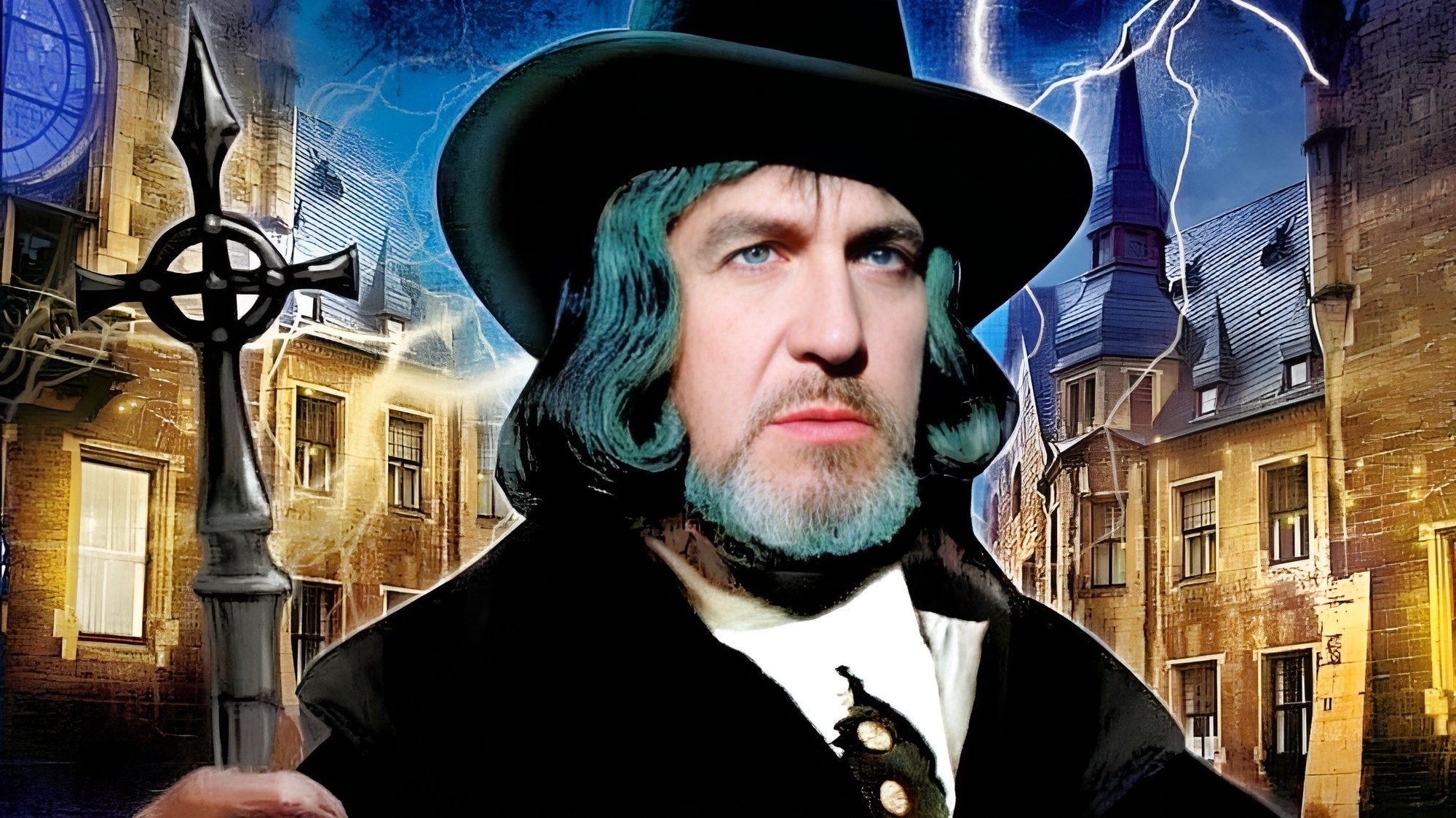
Witchfinder General (1968)

US
HORROR FILM Drama History
SUBGENRES FOLK
Runtime
87 min
Release
May 17, 1968
Budget
$83,000
Revenue
$1,500,000
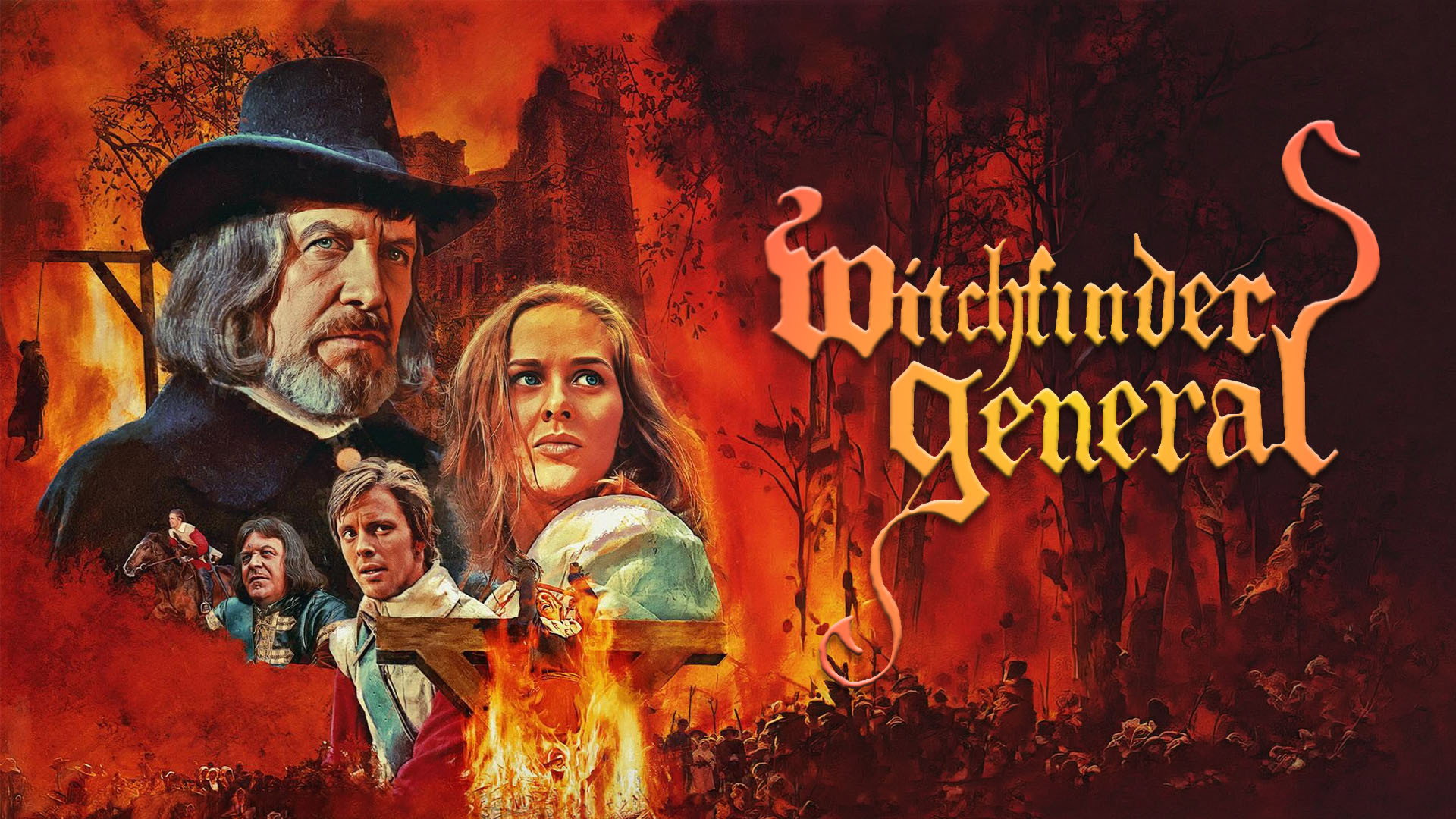
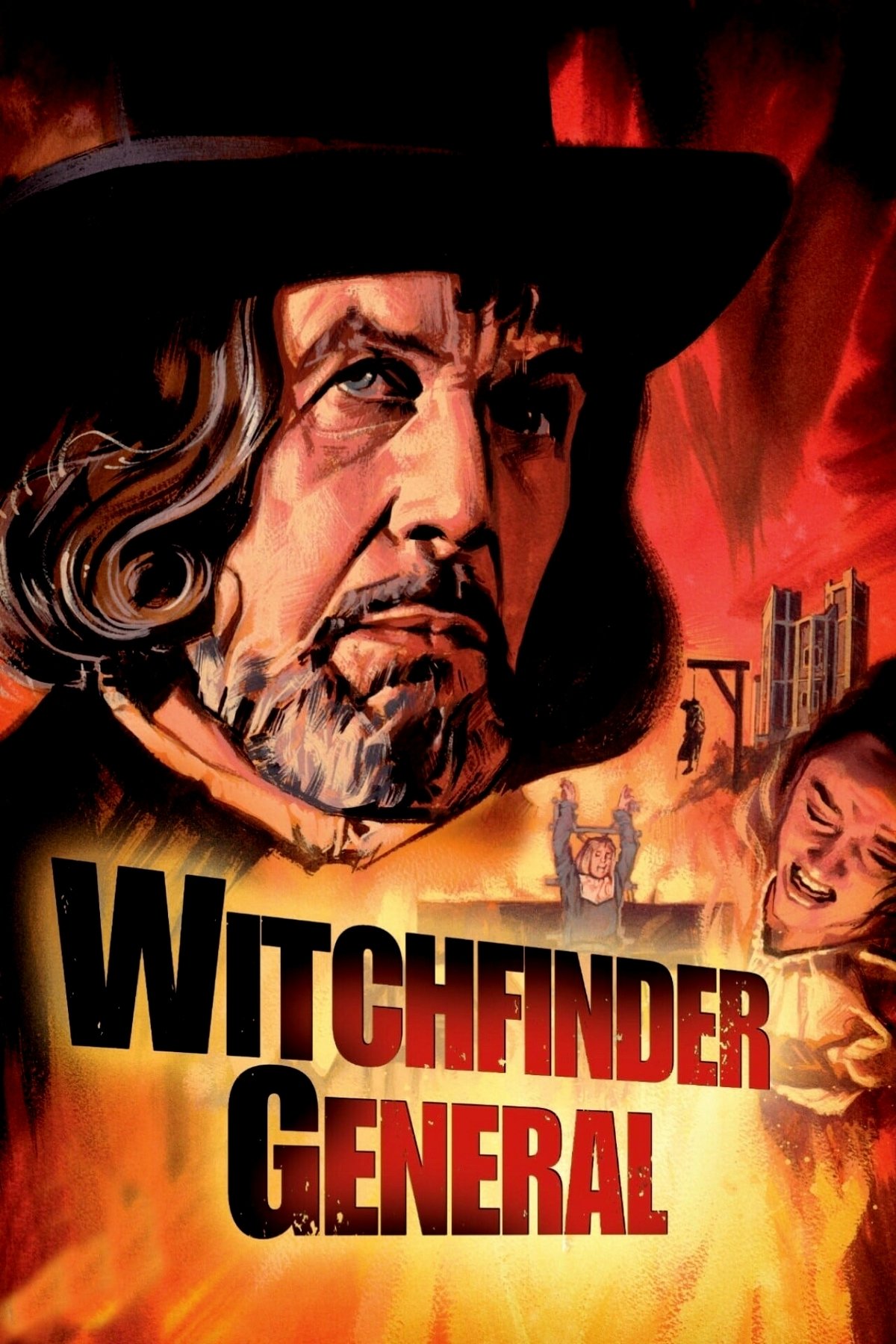
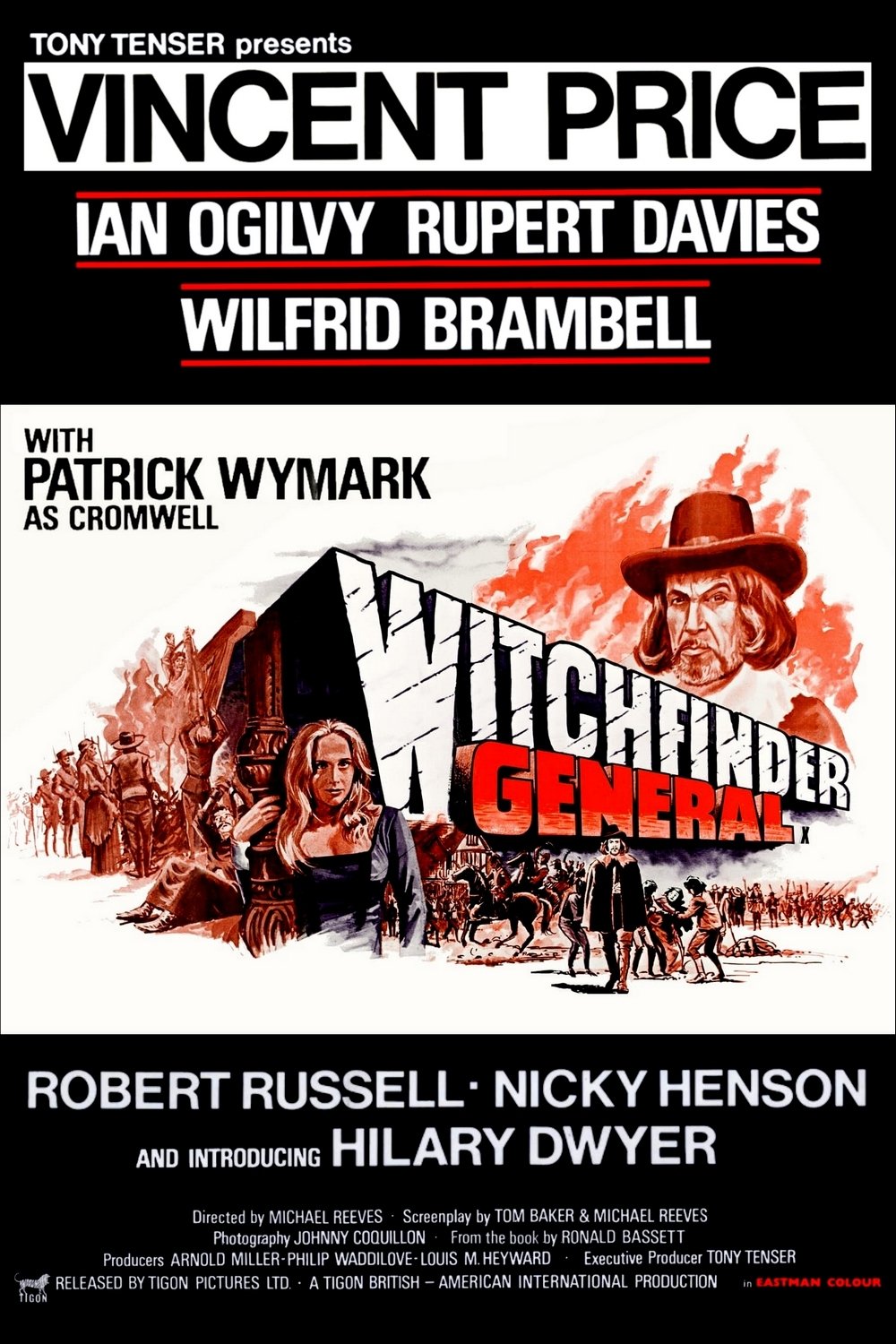
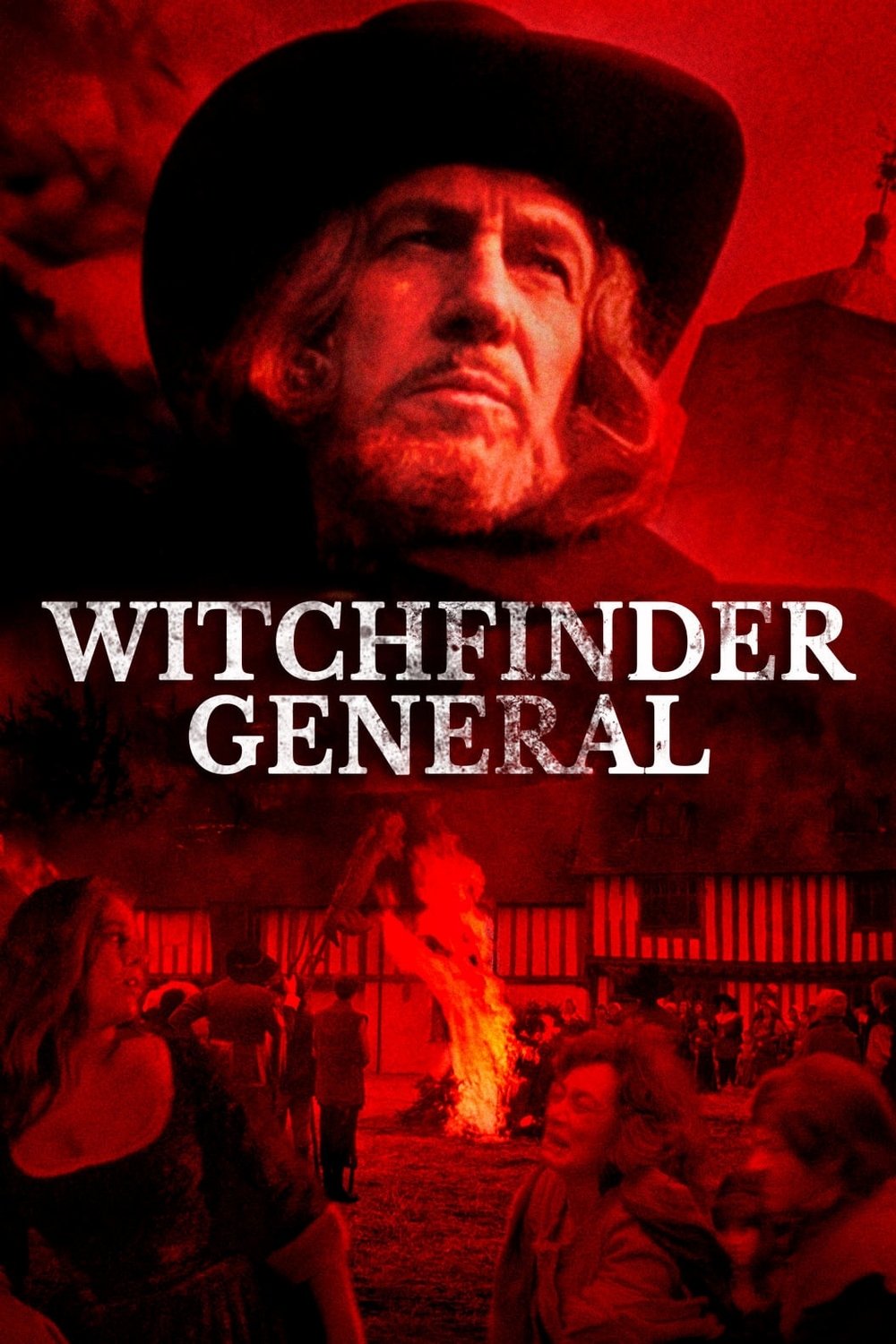
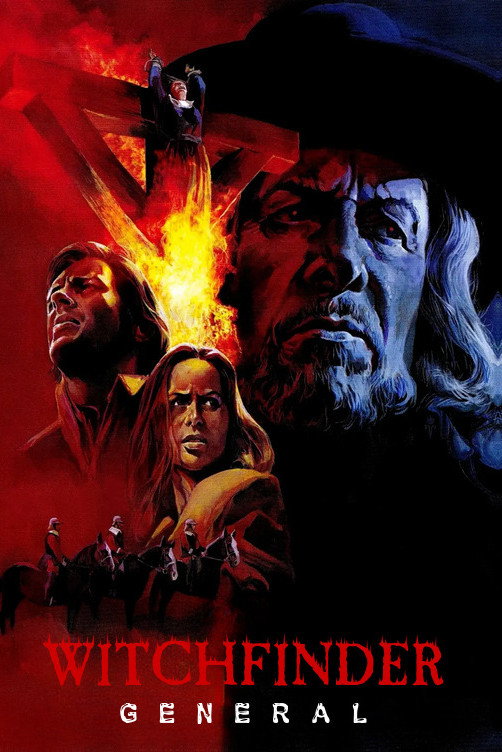
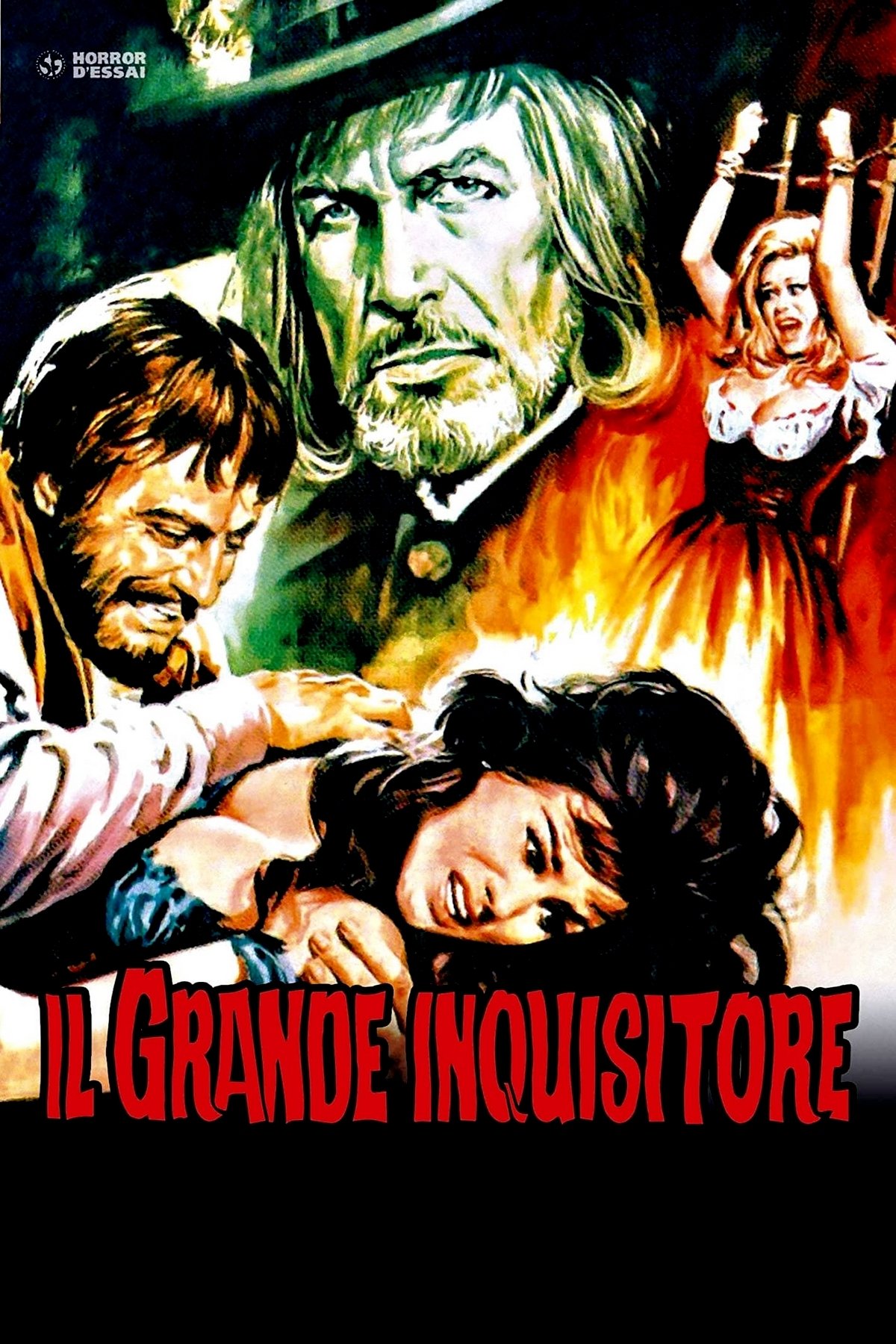
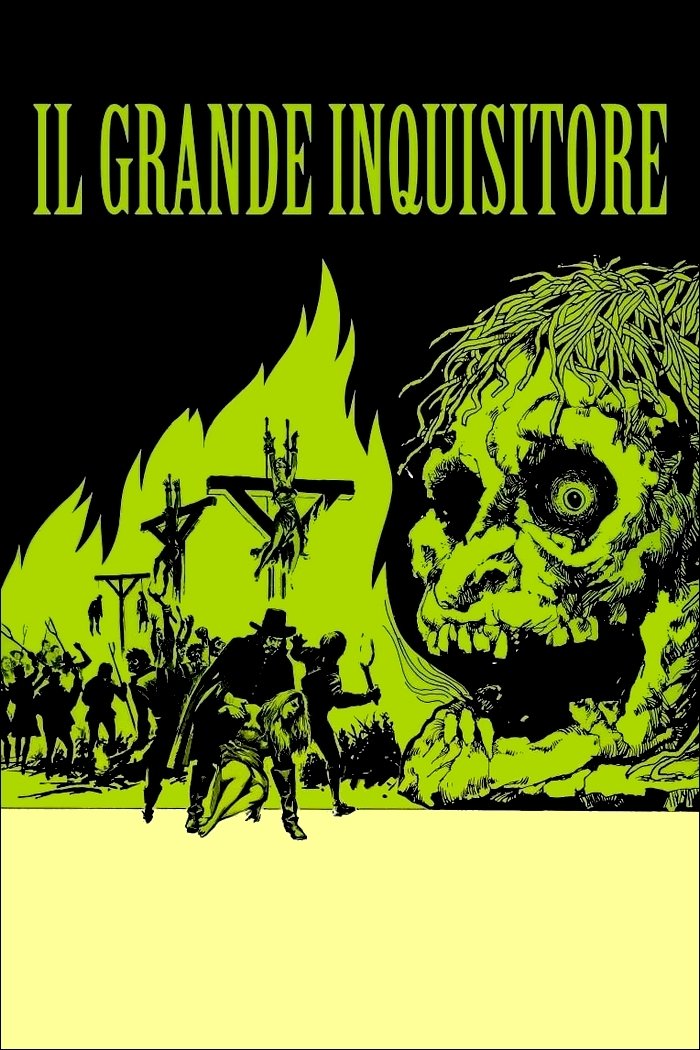
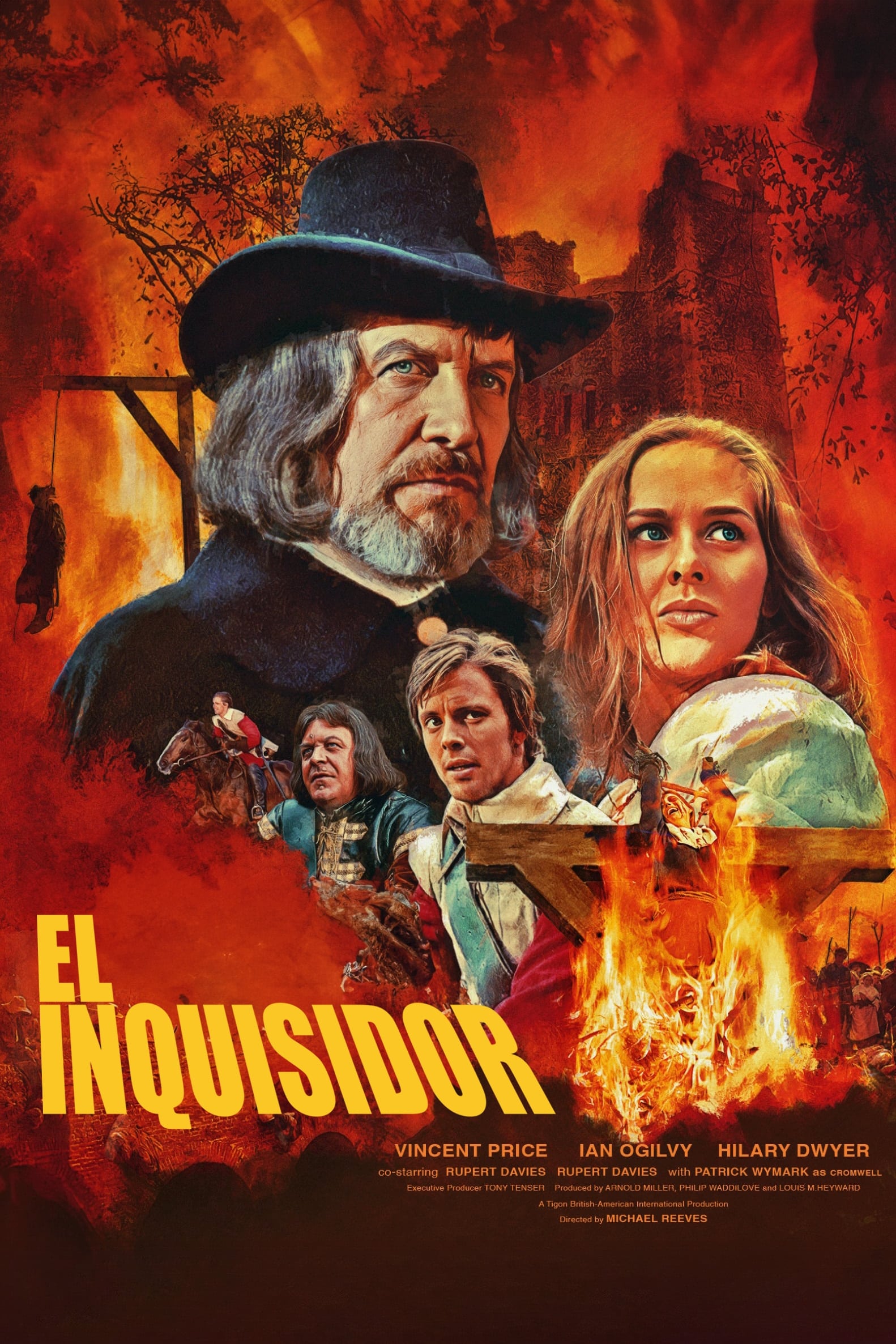
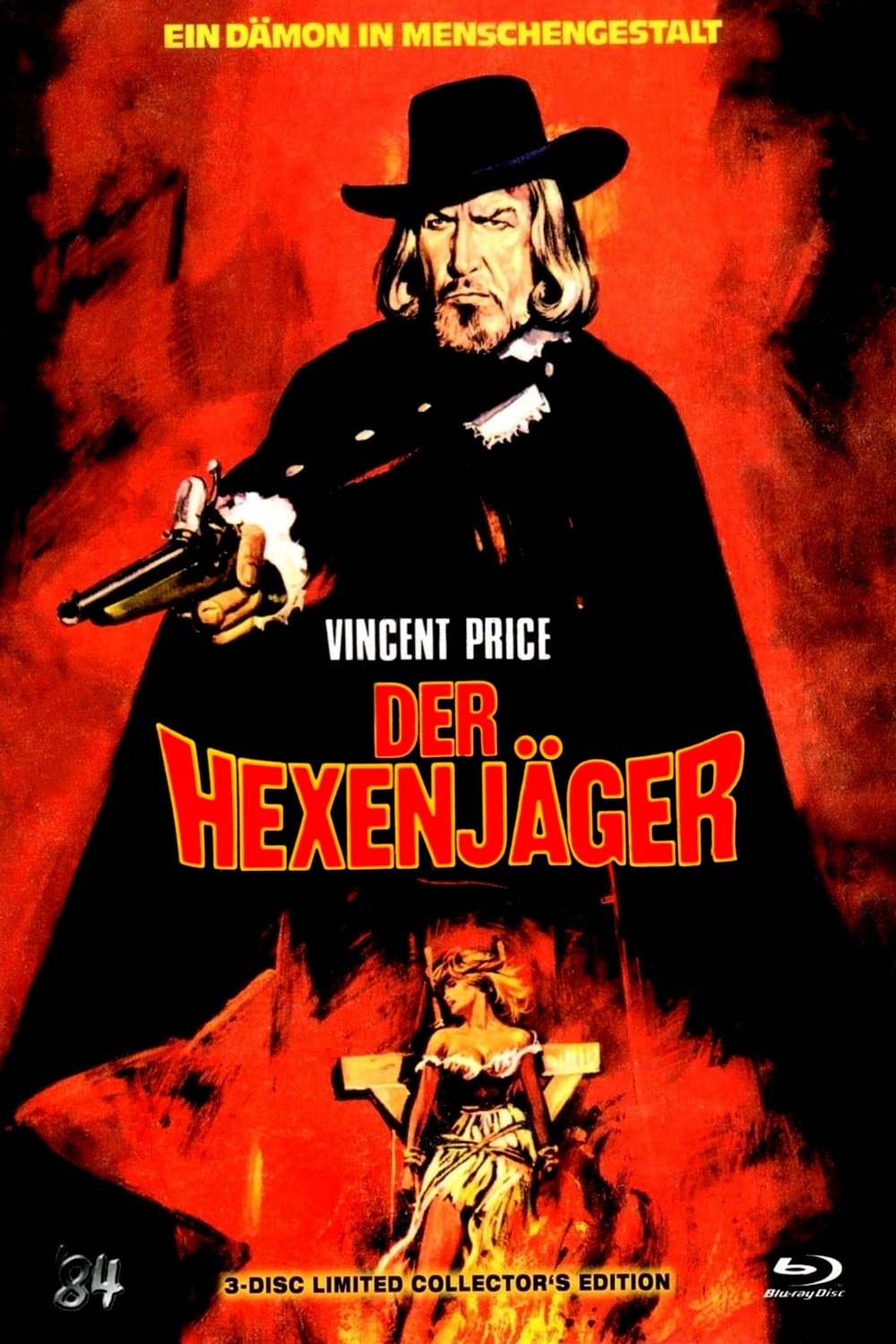
Witchfinder General (1968) poster
Director
Production Company
Tigon British Film Productions
Plot

England, 1645. The cruel civil war between Royalists and Parliamentarians that is ravaging the country causes an era of chaos and legal arbitrariness that allows unscrupulous men to profit by exploiting the absurd superstitions of the peasants; like Matthew Hopkins, a monster disguised as a man who wanders from town to town offering his services as a witch hunter.

Alternative Titles
O Caçador de Bruxas (Brazil) — Portuguese 驱魔降邪 (China) Lovci čarodějnic (Czechia) — Czech Der Hexenjäger (Germany) — German Heksejægeren (Denmark) — Danish Cuando las brujas arden (Spain) El general Witchfinder (Spain) — Spanish Noidantappajat (Finland) — Finnish
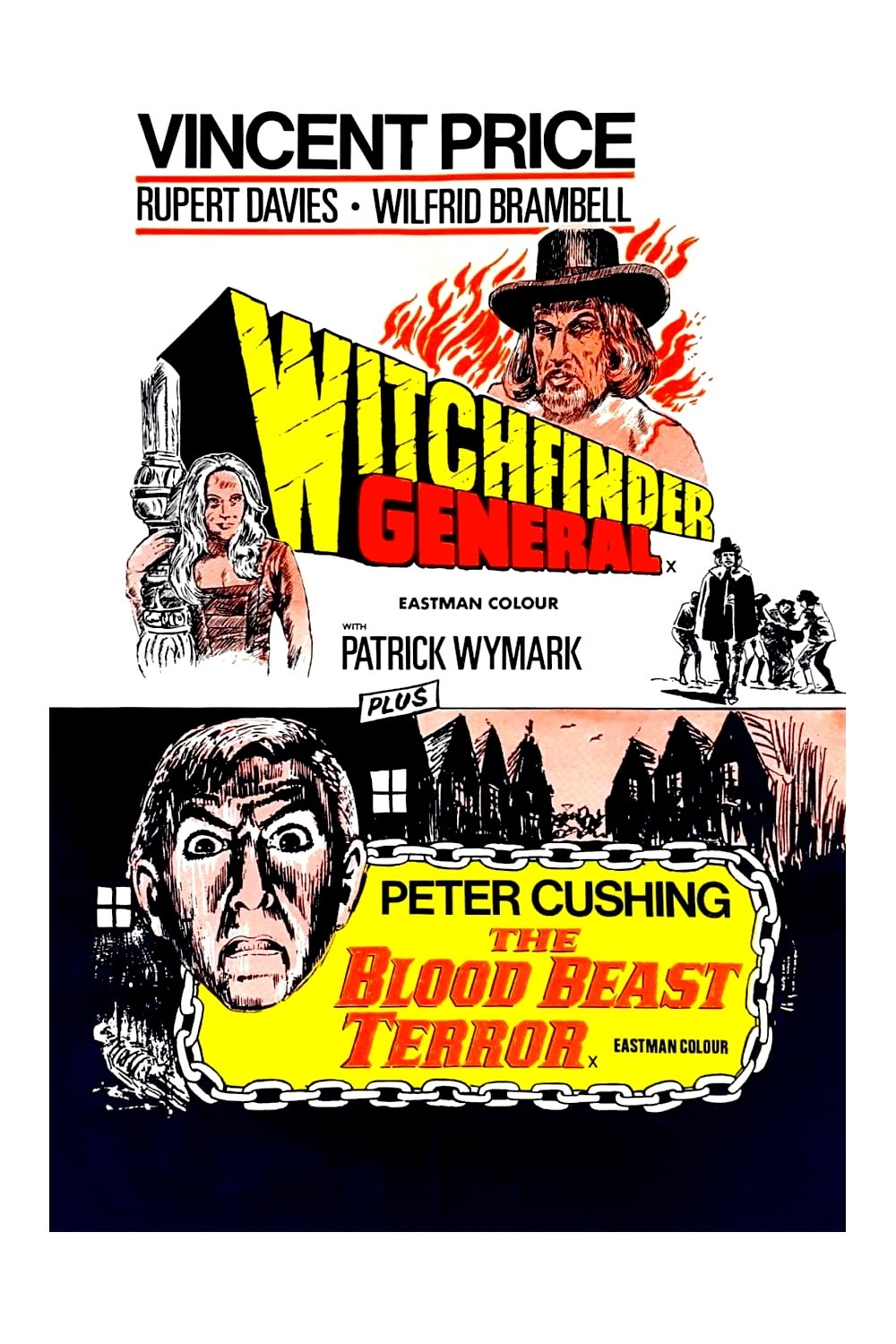
Show all 25 alternative titles Le Grand Inquisiteur (France) — French Matthew Hopkins, Witchfinder General (United Kingdom) — On-screen title O Lόfoς ton Kremasmέnon (Greece) — Translit Ο Λόφος των Κρεμασμένων (Greece) — Greek Boszorkányvadász generális (Hungary) Il grande inquisitore (Italy) — Italian 심판 (South Korea) — Korean De heksenjager (Netherlands) — Dutch Heksebrenneren (Norway) Pogromca czarownic (Poland) — Polish Robak zwycięzca (Poland) General vânător de vrăjitoare (Romania) Великий инквизитор (Russia) — Russian Den blodiga snaran (Sweden) — Swedish Edgar Allan Poe's The Conqueror Worm (United States) — Promotional title Matthew Hopkins: Conqueror Worm (United States) The Conqueror Worm (United States) — Theatrical title

Trailers & Videos

4 videos

Film Guide & Analysis

Michael Reeves and the English witch hunts: Matthew Hopkins, Vincent Price, rural violence, American retitling, censorship and folk horror.

Witchfinder General (1968), directed by Michael Reeves, is a British historical horror film that locates terror in the persecution of supposed witches during the English Civil War. Vincent Price plays Matthew Hopkins, a self-appointed investigator who travels through East Anglia with his associate John Stearne, extracting accusations, confessions and payment from frightened communities. When their campaign destroys the household of a country priest, Parliamentarian soldier Richard Marshall undertakes a pursuit that gradually becomes as destructive as the violence he opposes. The film dispenses with supernatural manifestations: its executions, coercion and sexual abuse arise from people acting under the protection of religious and civil authority.

Adapted from Ronald Bassett's 1966 novel, the film was made by Michael Reeves during the brief final phase of his career and financed through a British-American arrangement involving Tigon and American International Pictures. John Coquillon's rural cinematography gives the brutality a landscape of striking beauty, while Price's restrained performance departs from the theatrical style associated with his earlier Gothic roles. The original British release, the American retitling as The Conqueror Worm and the restoration of censored material form distinct parts of its distribution history. Its subsequent importance in discussions of folk horror rests on the combination of historical persecution, local community complicity and a revenge narrative denied any reassuring conclusion.

Matthew Hopkins and the Historical Record

The historical Matthew Hopkins became active in witch-hunting around Manningtree in Essex during 1644, amid the political and administrative disruption of civil war. Working with John Stearne and other assistants, he helped bring accusations to trial across parts of East Anglia. Historian Malcolm Gaskill estimates that roughly three hundred people passed through proceedings associated with their campaign and about one hundred were executed. Those figures describe an extensively documented campaign while allowing for gaps in surviving records. Hopkins adopted the title of witchfinder general himself; it was not a formal office bestowed upon him by Parliament.

Accounts of actual investigations describe sleep deprivation, prolonged surveillance and inspections for supposed physical signs of witchcraft. Women were especially vulnerable, although men were accused as well. Communities could invite the investigators or cooperate with them, and the resulting detentions imposed costs on local authorities. The film draws on that atmosphere of institutional fear but gives the witch-hunters a simplified freedom to arrest, torture and execute at will. John Lowes was a real vicar of Brandeston who was executed following a witchcraft prosecution in 1645. The film, however, invents the relationship between his fate, Sara and the avenging soldier Richard Marshall, so their shared story should not be treated as an exact chronicle of the historical case.

Reeves also invents Hopkins's fate. The film culminates in his violent death at the hands of an avenger, whereas the historical Hopkins died in 1647 amid declining health and growing criticism of his methods. His real career ended without such a confrontation. This distinction is particularly important because the final scene reshapes history into an examination of revenge rather than a lesson about how the witch hunts were stopped. The film's historical basis lies in the persecution and its circumstances; the identities, connections and eventual punishments of its principal dramatic characters follow the needs of the screenplay.

Development and Production

The screenplay was drawn from Ronald Bassett's historical novel Witchfinder General, published in 1966, and developed by Reeves and Tom Baker. The project followed Reeves's earlier features The She-Beast (1966) and The Sorcerers (1967), whose disturbing treatments of power and cruelty had attracted attention despite modest production resources. Tigon's Tony Tenser secured American International Pictures as a financing and distribution partner. The arrangement made Vincent Price available as the principal attraction for international sales, but it also limited the director's control over casting. Reeves had wanted Donald Pleasence for Hopkins, a preference confirmed in production histories drawing on participant testimony.

Accounts of Reeves's relationship with Price describe considerable tension. The younger director wanted to strip away the actor's familiar flourishes and make Hopkins cold, matter-of-fact and difficult to read; Price reportedly resented the manner in which those demands were communicated. Retrospective interviews preserve Price's dissatisfaction with Reeves's treatment of performers. These anecdotes document a strained working relationship but should not be embellished into claims that every decision on set was an open conflict. Price subsequently acknowledged the strength of the finished film in a letter to the director.
The production relied heavily on real landscapes and period buildings rather than a succession of elaborate studio constructions. Its resources were limited, yet the crew could stage mounted travel, crowded public executions and interiors that conveyed an unsettled seventeenth-century society. Pressure from the American distributor also affected the film's treatment of sexuality and violence. Testimony about added material and later cuts comes from participants and subsequent histories; different prints need to be distinguished before attributing every change to Reeves, the producers or the censor.

Vincent Price and the Performances

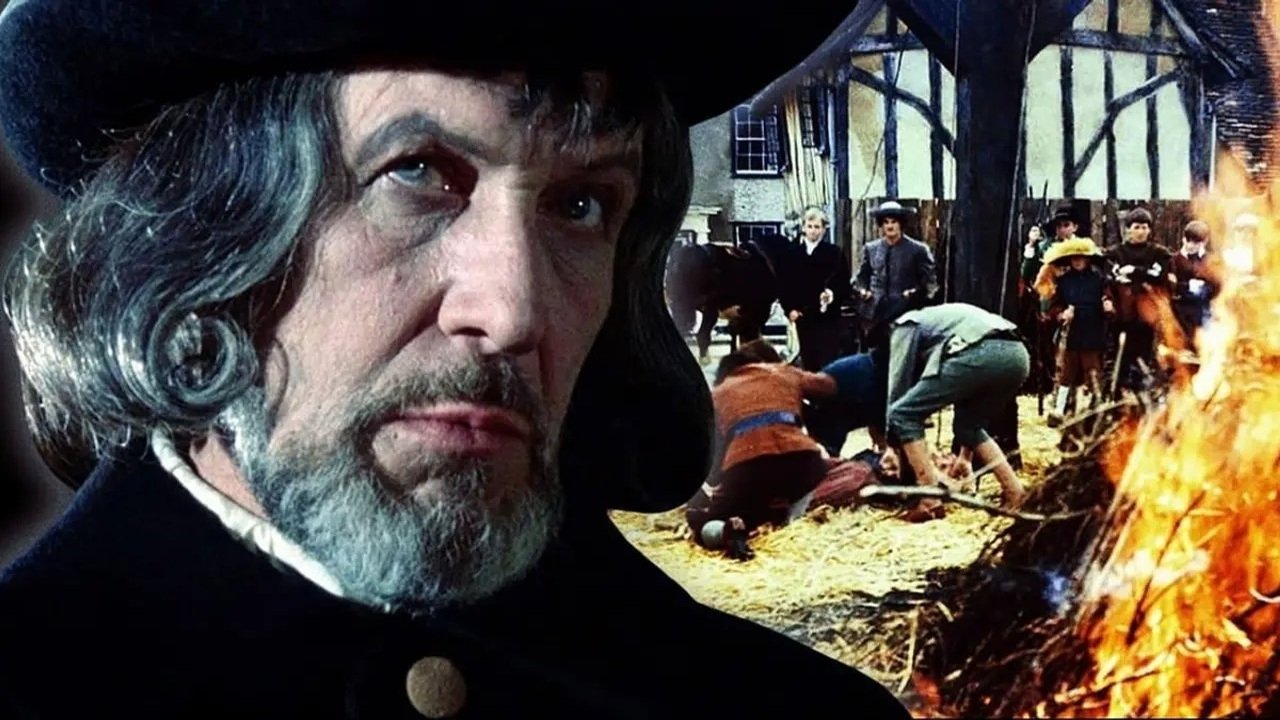
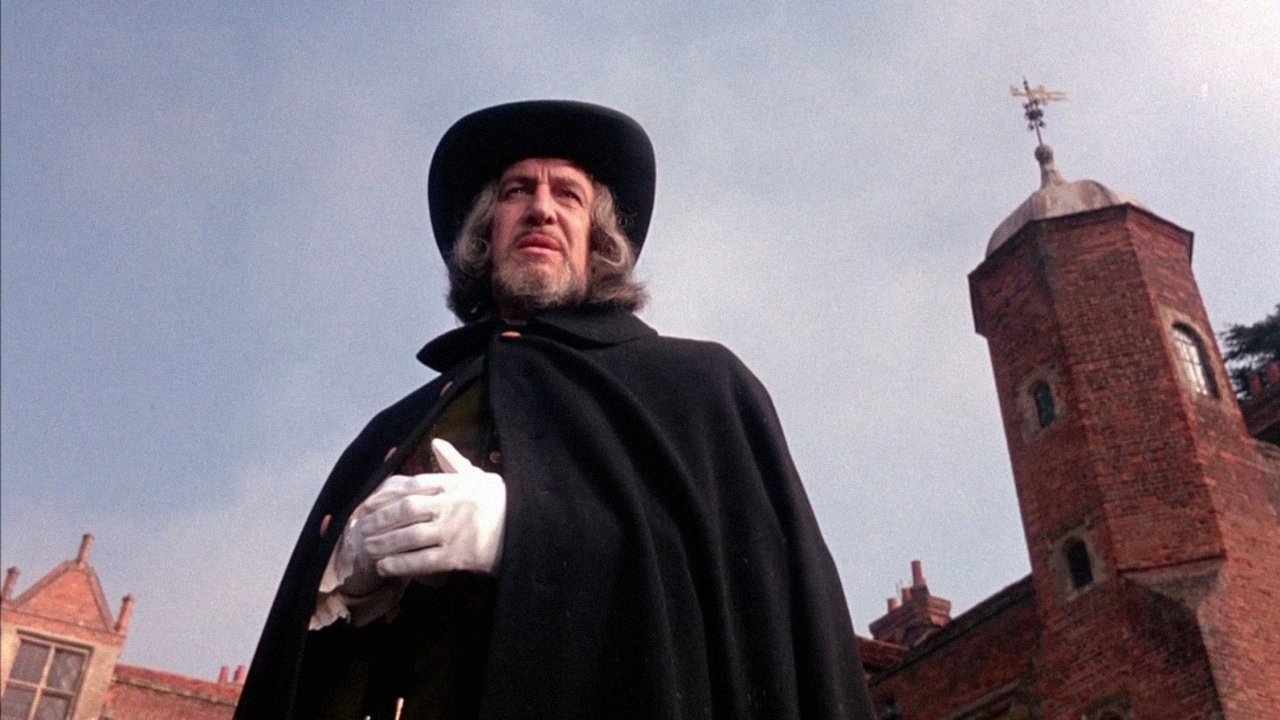
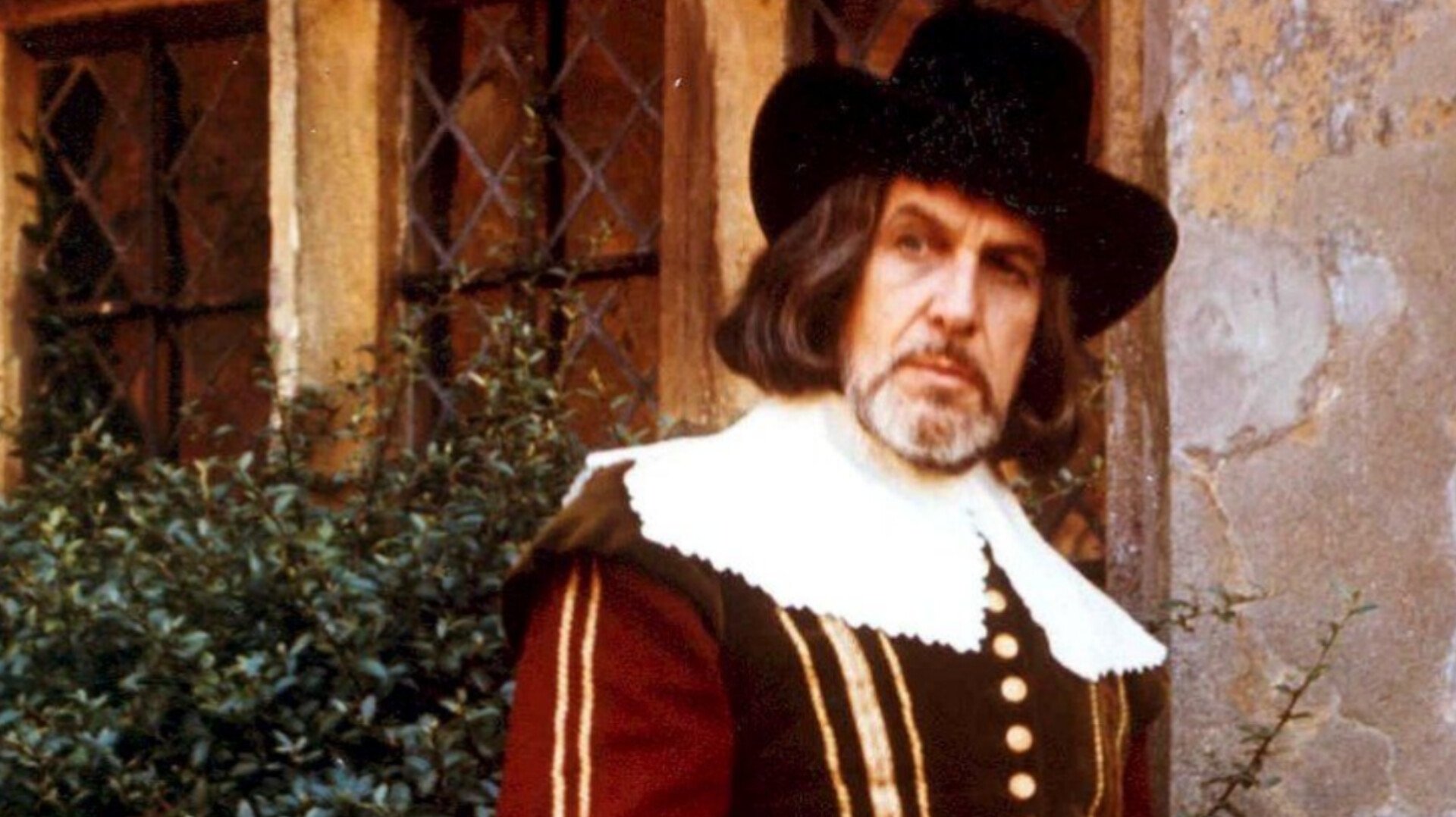
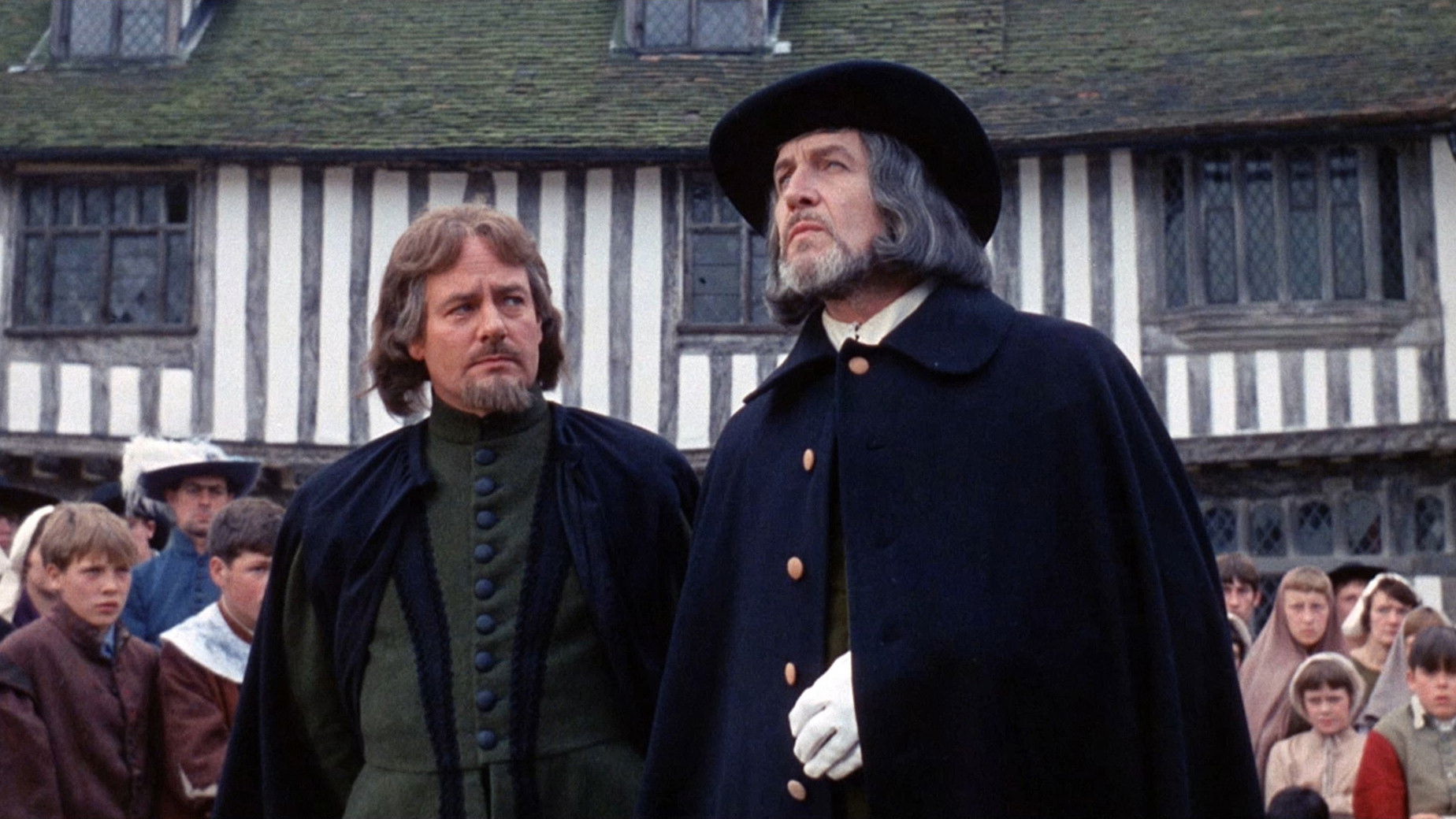
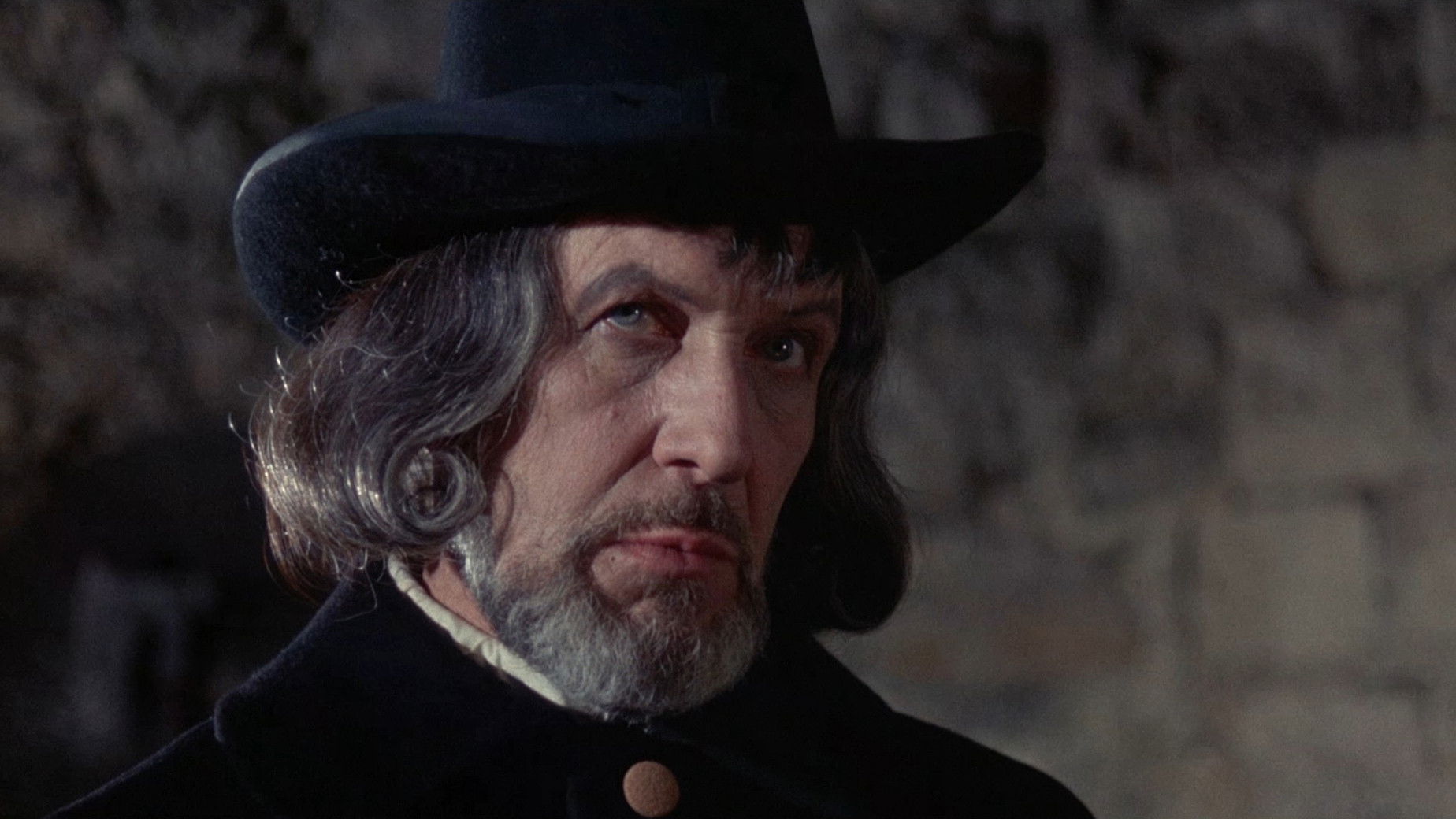
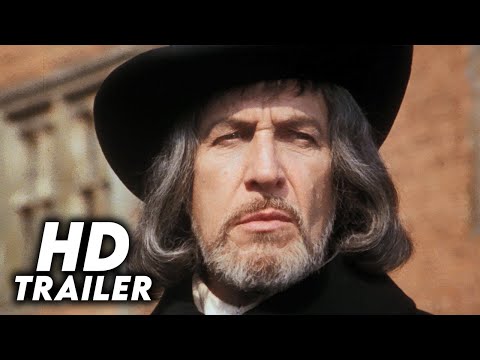
Price's Hopkins is distinguished by his composure. He receives accusations, negotiates fees and commands examinations with little visible excitement, as though their cruelty were a matter of business. The restraint matters because the film rarely permits the character to explain himself in psychological terms. His public authority depends on being treated as someone who knows how to identify evil, while his private conduct reveals calculation and sexual exploitation. The contrast places menace in routine gestures and controlled speech, avoiding the more flamboyant Gothic villainy already associated with Price's career in the Roger Corman productions.

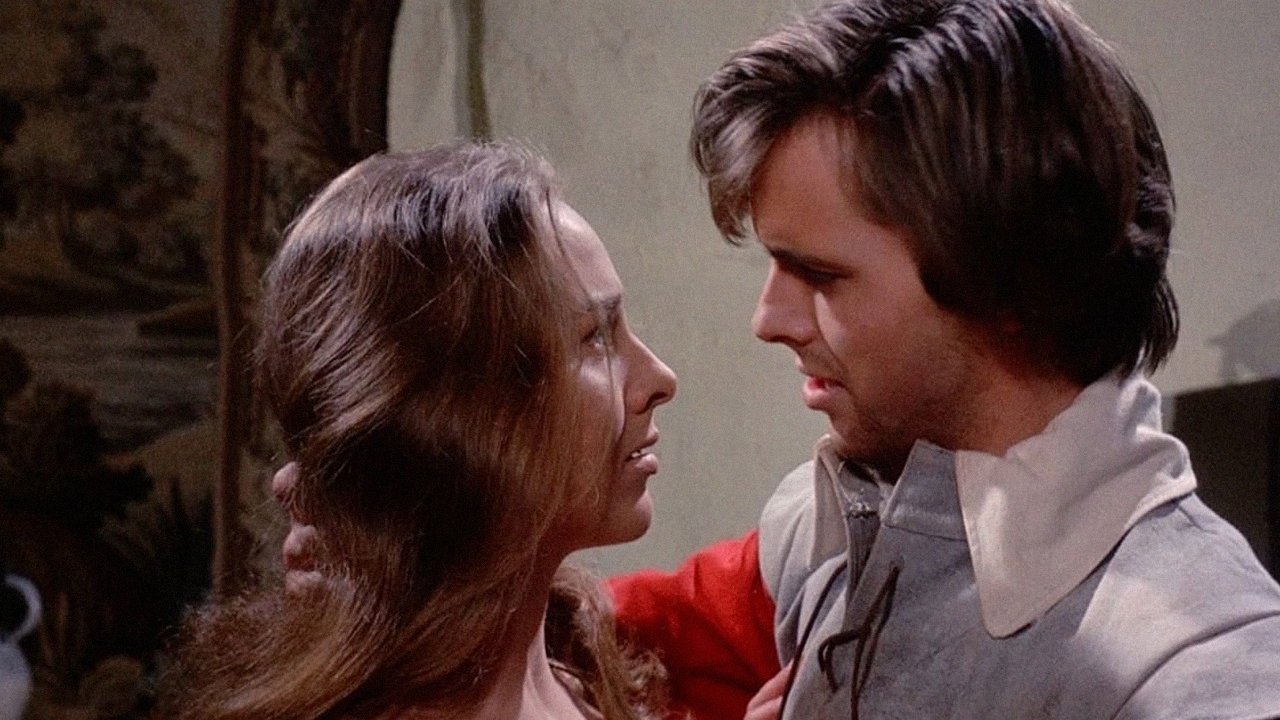
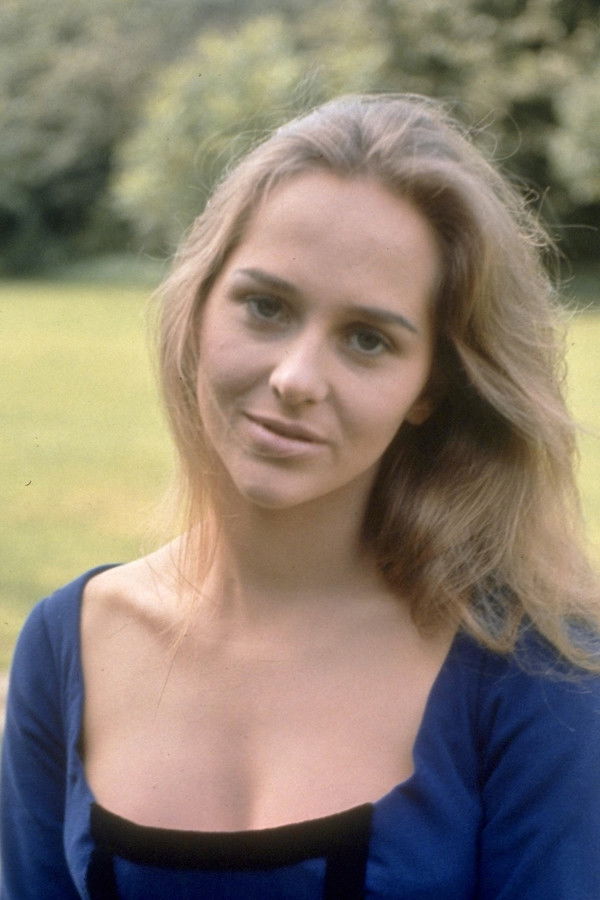
Robert Russell's John Stearne supplies an openly brutal counterpart to Hopkins, carrying out much of the physical intimidation and threatening people whose lives are already precarious. Ian Ogilvy plays Richard Marshall as a capable soldier whose loyalty to Sara gives way to an obsessive pursuit. Hilary Dwyer portrays Sara, the niece of the accused priest, as someone whose efforts to protect a relative place her within the witch-hunters' power. Rupert Davies gives John Lowes a recognizable identity as a rural clergyman rather than an anonymous victim. Their different positions establish the unequal freedom of movement and choice on which the story's violence depends.

Cinematography and the English Landscape

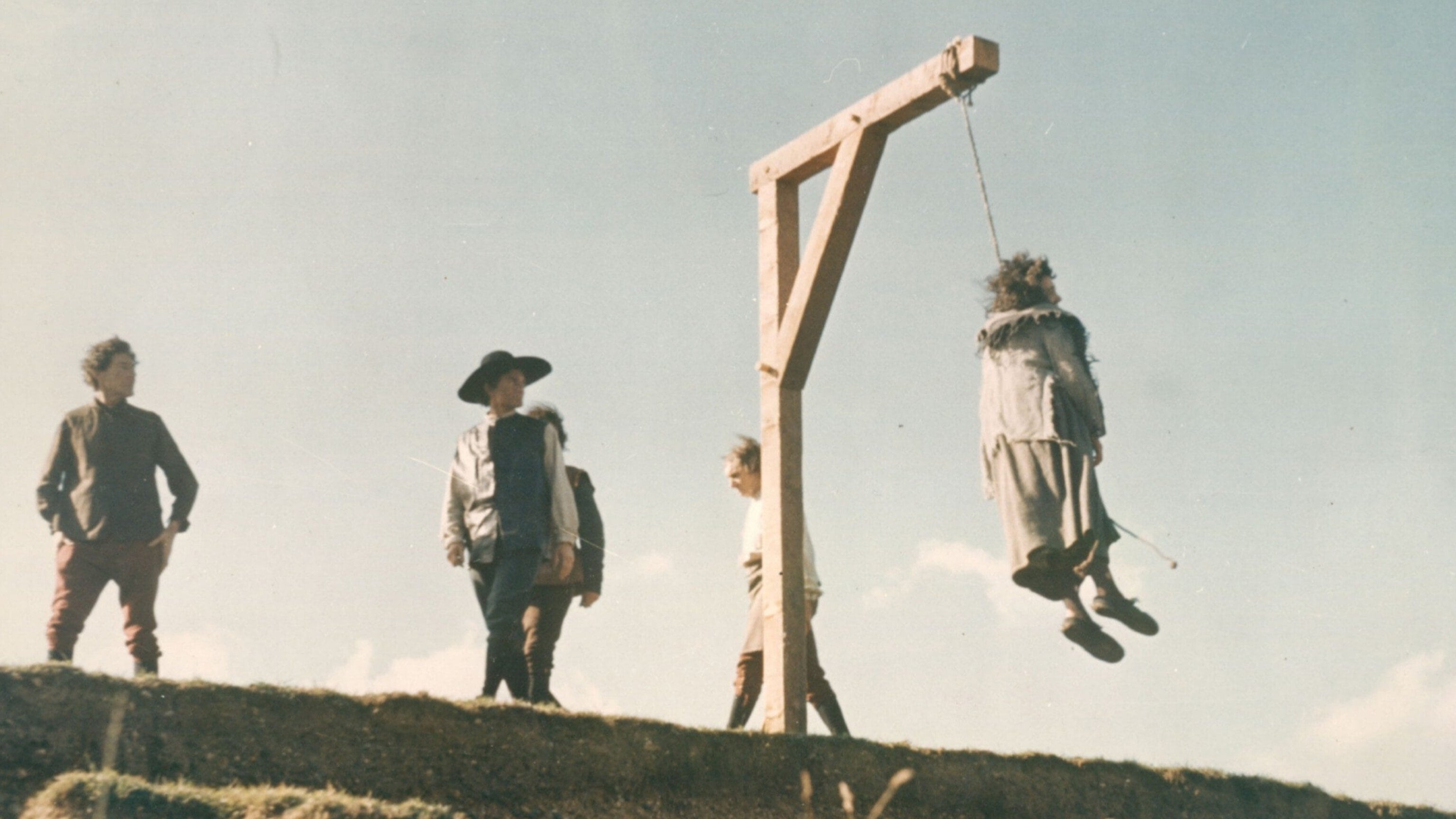
John Coquillon's color photography repeatedly frames persecution against open fields, trees, waterways and village buildings. The first execution is introduced through apparently peaceful countryside, accompanied by outdoor sounds and the hammering of a gallows under construction. The visual arrangement allows the viewer to understand the execution as part of the daily life of the community before Hopkins has become central to the story. Reeves uses the landscape for travel and pursuit, giving the picture some of the structure of a Western. The contrast between pastoral beauty and organized murder creates an unease that a conventional castle or laboratory setting would have produced differently.

Several locations have been identified in detail by the British Film Institute. The opening passage uses Kersey in Suffolk, including the field near St Mary's Church where the hanging was staged. St John the Evangelist in Rushford provides the church and adjoining setting associated with Lowes and Sara. At Kentwell Hall, the moat becomes the place where suspects are subjected to a supposed test for witchcraft. The market square in Lavenham serves later scenes of public punishment, while Orford Castle supplies the stone interiors and approach used for the climax. These are specific surviving sites, not generic substitutes for an imagined English village.

The geography also shapes the apparent scale of Hopkins's authority. He rides between settlements, while people who remain in each village must confront the consequences of his visit. Wide shots reveal an extensive countryside in which immediate protection is difficult to obtain; enclosed rooms and castle chambers then restrict the escape routes of individual victims. Reeves can move from a distant crowd to the suffering of a single person without changing the basic setting. The alternation gives the film a visual rhythm in which an idyllic view may lead directly into an interrogation, an execution or the aftermath of violence.

Witch-Hunting, Torture and Social Control

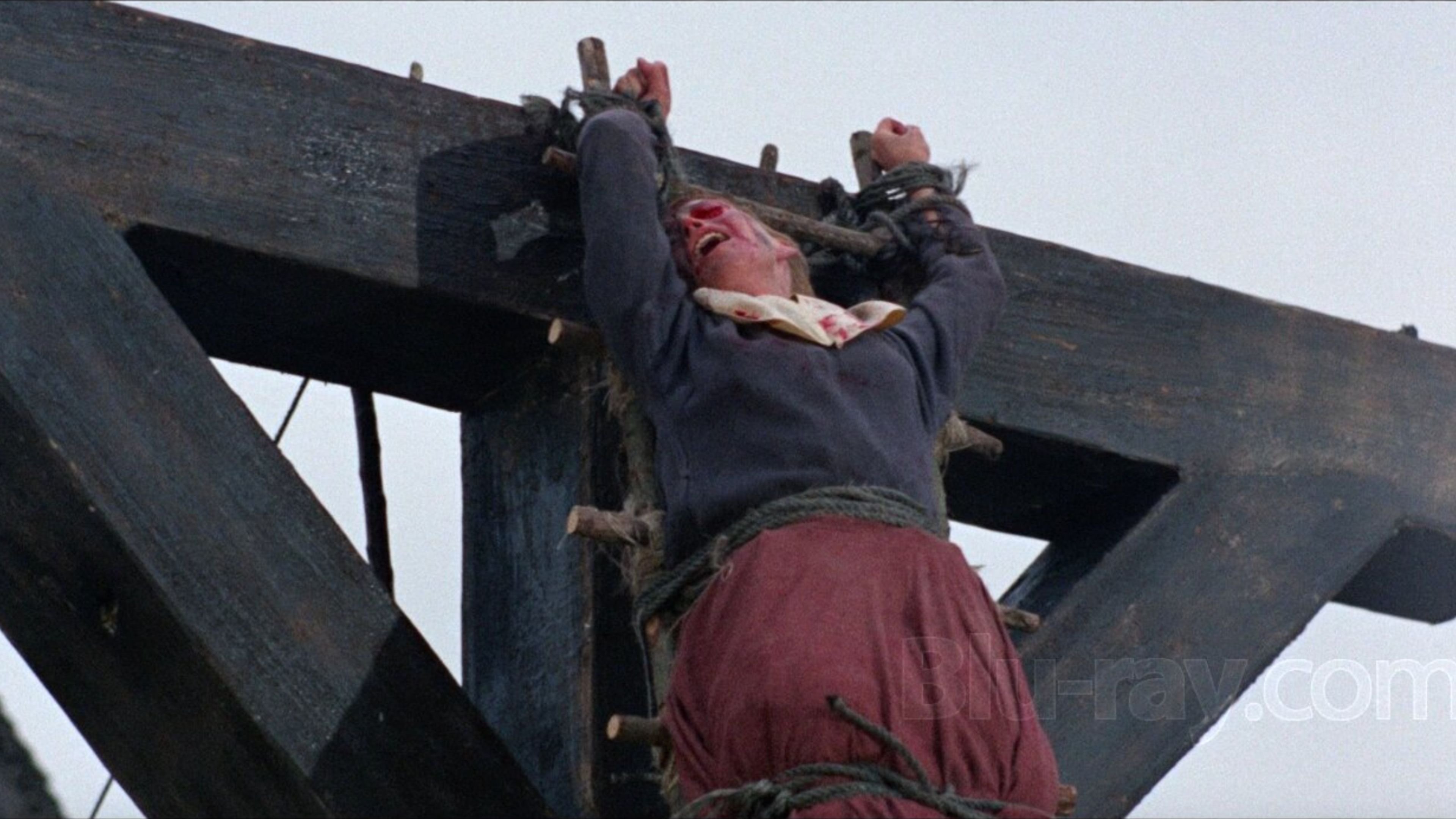
The accusations in Witchfinder General become instruments of coercion because the people enforcing them can define what counts as evidence. Hopkins and Stearne use physical examinations, threats and public humiliation to produce confessions that have already been presumed necessary. The swimming test offers an especially revealing example: suspects are lowered into water under conditions in which survival can be interpreted as proof of guilt. The performance of a trial supplies a public justification for punishment while giving the accused little practical means of disputing it. The film repeatedly shows ordinary inhabitants allowing these procedures to continue, making collective participation part of the horror.

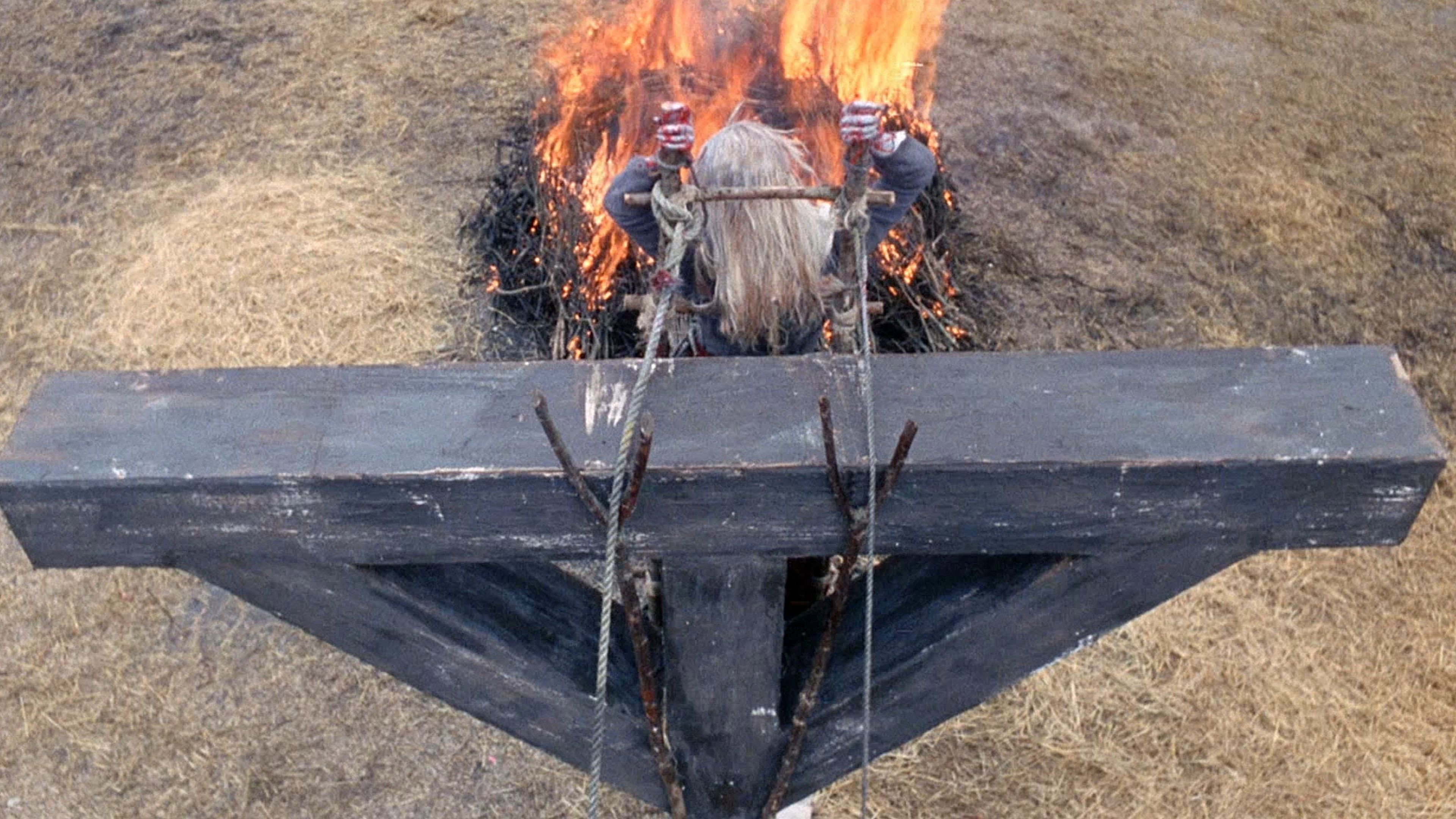
Sexual exploitation forms another aspect of the investigators' power. Sara submits to Hopkins's demands in the hope of securing her uncle's life, but the promise of protection proves unreliable. Stearne subsequently assaults her, extending the threat beyond the official interrogation. The narrative treats these abuses as consequences of power exercised without meaningful oversight, not as evidence that the victims caused their own persecution. Scenes of stabbing, hanging and burning give the cruelty a physical immediacy, although the film often places the emphasis on the duration of terror and on the reactions of witnesses rather than on detailed wounds.

The religious setting is significant without being a reliable historical documentary of every seventeenth-century institution. Hopkins presents his work as the detection of hidden evil, while the story shows how such claims can authorize actions driven by payment, jealousy and sadism. Reeves brings that logic into ordinary places of worship, local assembly and domestic life. No functioning witchcraft is established as the cause of the suffering. The danger comes from the political and social structures that enable an accusation to become a sentence, often before any independent investigation can occur.

Richard Marshall and the Failure of Revenge

Marshall initially appears as a soldier whose practical responsibilities are separate from the witch-hunters' campaign. The attack on Lowes and Sara changes that relationship. His pursuit of Hopkins and Stearne proceeds through a succession of communities, using the same roads and public spaces through which the persecutors have traveled. This structure allows the film to adopt the movement of a revenge Western, with a recognizable target and a determined pursuer. Yet the violence Marshall witnesses also alters him. His original aim of protecting Sara becomes increasingly difficult to distinguish from the desire to punish his enemies personally.

The final confrontation at Orford Castle makes that transformation explicit. When Marshall gains the opportunity to strike Hopkins with an axe, his repeated blows continue until another soldier intervenes with a gunshot. Rather than producing relief, the interruption leaves Marshall furious that the act of revenge has been taken away from him. Sara's screams complete the sequence, refusing the expected reunion of a rescued woman and a victorious man. The historical Hopkins did not die this way, and the invention serves a precise dramatic function: even the death of the persecutor cannot restore the relationships and moral certainty destroyed by his campaign.

Music, Distribution and Censorship

Paul Ferris composed the original music, whose lyrical and sometimes pastoral character contrasts with the brutality of the action. The soundtrack supports journeys through the landscape and the developing relationship between Richard and Sara without turning every scene into an overt musical warning. The score contributes to the film's affinity with the Western, a comparison also made in accounts of Reeves's intentions. For the American release, the musical presentation was altered, so the score heard in every surviving edition should not automatically be identified with the original British arrangement. Contemporary documentation does not require attributing the American changes to a single person without examining the particular version.

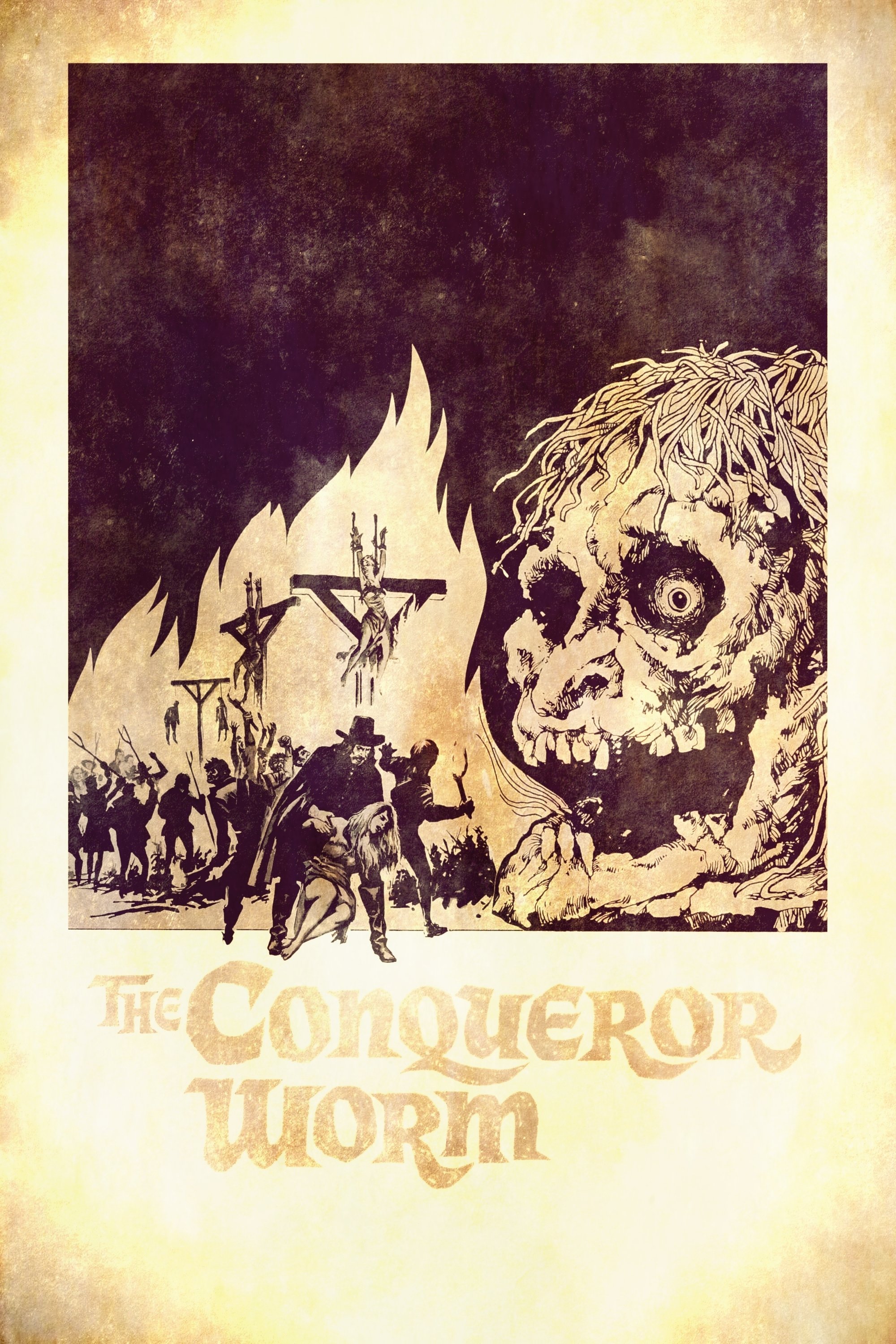
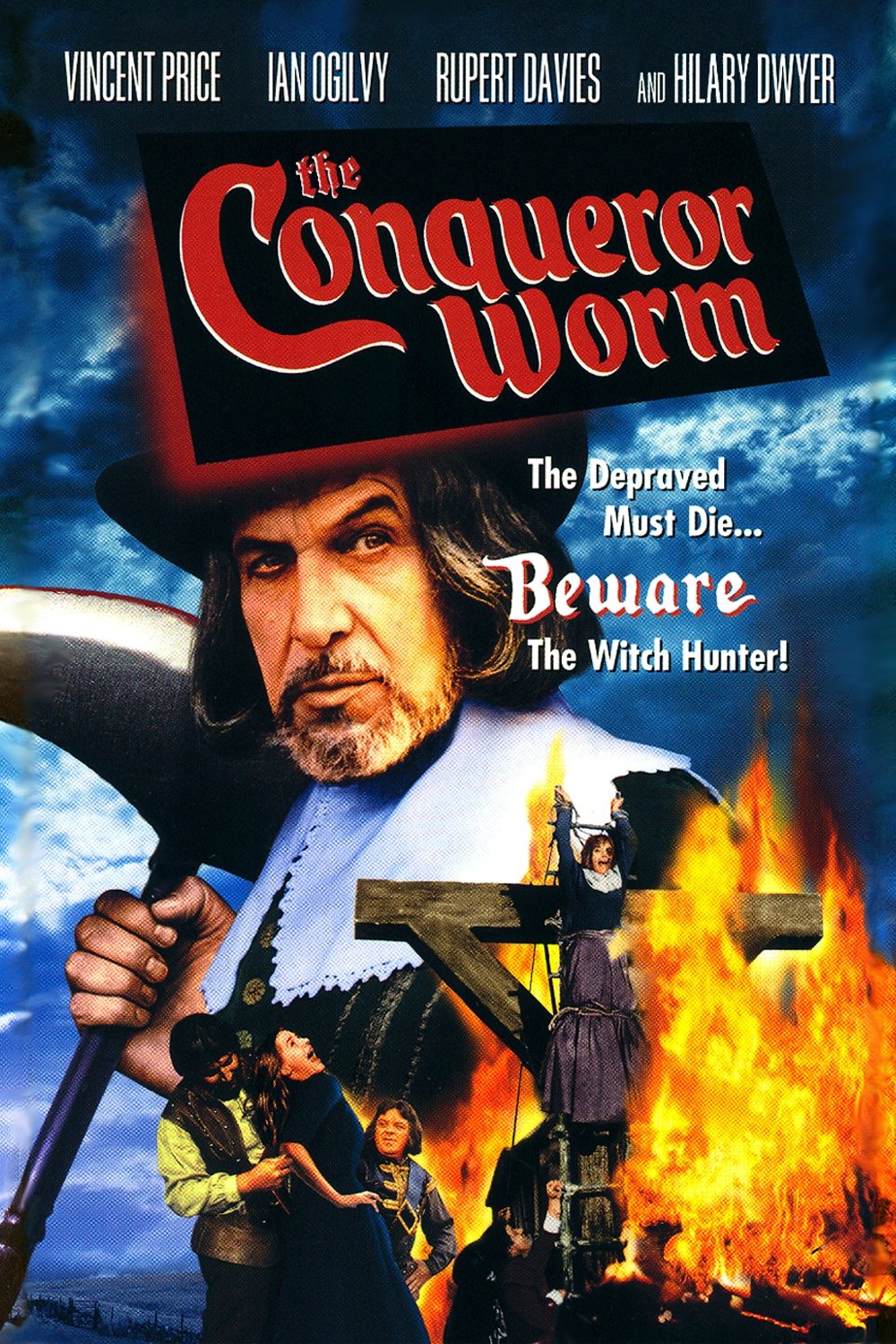
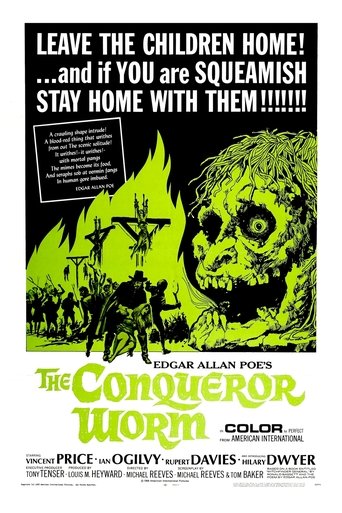
American International Pictures distributed the film in the United States as The Conqueror Worm, using the title of an Edgar Allan Poe poem to connect it with the company's established Vincent Price horror cycle. Price's recitation from that poem was added at the beginning and end of the American presentation. The film itself remained based on Bassett's novel and the historical witch hunts; Poe did not supply the story or characters. The rebranding was a distribution and marketing decision, accompanied by differences in presentation that should be distinguished from changes made for British classification.

The British Board of Film Classification records a theatrical submission classified on April 26, 1968, after cuts or alterations. Production histories describe reductions involving the torture of Lowes, a burning and the final axe attack, while the public BBFC entry confirms intervention without providing a complete shot-by-shot inventory. Later British video and cinema records show differing running times. Some differences can arise from playback speed, restoration or separate material added for international versions; the bare numbers do not establish the exact content of each print. A 2013 British cinema classification records a presentation running approximately 87 minutes; establishing exactly which previously cut images it contains requires comparison of the surviving prints.

Reception and Historical Significance

Witchfinder General encountered strong resistance from some British critics during its original release. Alan Bennett's exceptionally hostile response, subsequently recalled by the BFI, expressed the discomfort caused by its prolonged depictions of cruelty. The film arrived in 1968, when horror cinema was moving into more confrontational treatments of sexuality, violence and the failures of familiar institutions. Its original reception should be separated from the esteem it later acquired. Critical reassessment has emphasized the deliberate contrast between Coquillon's countryside images, Price's performance and Reeves's refusal to offer a comforting moral victory.

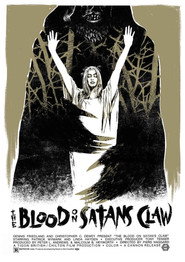
The film is now frequently associated with the retrospective category of folk horror, alongside The Blood on Satan's Claw (1971) and The Wicker Man (1973). Their settings and methods differ, but the grouping identifies an interest in isolated communities, inherited beliefs and the violence that local authority can enforce. In Witchfinder General, the feared supernatural agent is absent; persecutors and their collaborators are responsible for the suffering. Reeves died in 1969 at twenty-five, leaving this as his third and final feature. Its legacy rests on a documented combination of historical subject matter, location photography and an ending in which punishment cannot repair the damage done.

References

  1. Turner Classic MoviesThe Conqueror Worm

    Jeff Stafford examines the production, restrained central performance, original score, American title and altered release presentation.

  2. British Film InstituteThe Terror of the Old Ways: 50 Years of Witchfinder General

    Adam Scovell considers the film in the history of British horror, its treatment of landscape and the original hostile reception.

  3. British Film InstituteWitchfinder General: In Search of the Witchy Suffolk Locations

    Detailed on-location research identifying Kersey, Rushford, Kentwell Hall, Lavenham and Orford Castle.

  4. British Board of Film ClassificationWitchfinder General

    Official records of the 1968 theatrical intervention and later classifications, running times and violence guidance.

  5. University of EssexWhat Is a Witch?

    Historical research by Professor Alison Rowlands examining the East Anglian witch trials, Matthew Hopkins, John Stearne and the persecution of accused witches in 1645.

Cast

View Full Cast & Crew →

Release & Distribution

Production Companies (1)

  • Tigon British Film Productions GB

Distributors (1)

  • American International Pictures US

Release History (11)

Release DateTerritoryRelease TypeFormatDistributorCertificationNotes
1968-05-15 United States Premiere — — —
1968-05-17 United States Theatrical — — NR
1968-05-19 United Kingdom Theatrical — — 18
1968-10-26 Italy Theatrical — — —
1969-01-23 Norway Theatrical — — —
1969-04-11 Germany Theatrical — — 16
1969-09-10 France Theatrical — — 16
1970-02-23 Denmark Theatrical — — 15
1970-03-12 Netherlands Theatrical — — —
1970-10-12 Sweden Theatrical — — 15
1970-12-31 Mexico Theatrical — — —
He'll hang, burn, and mutilate you. He's the… Witchfinder General