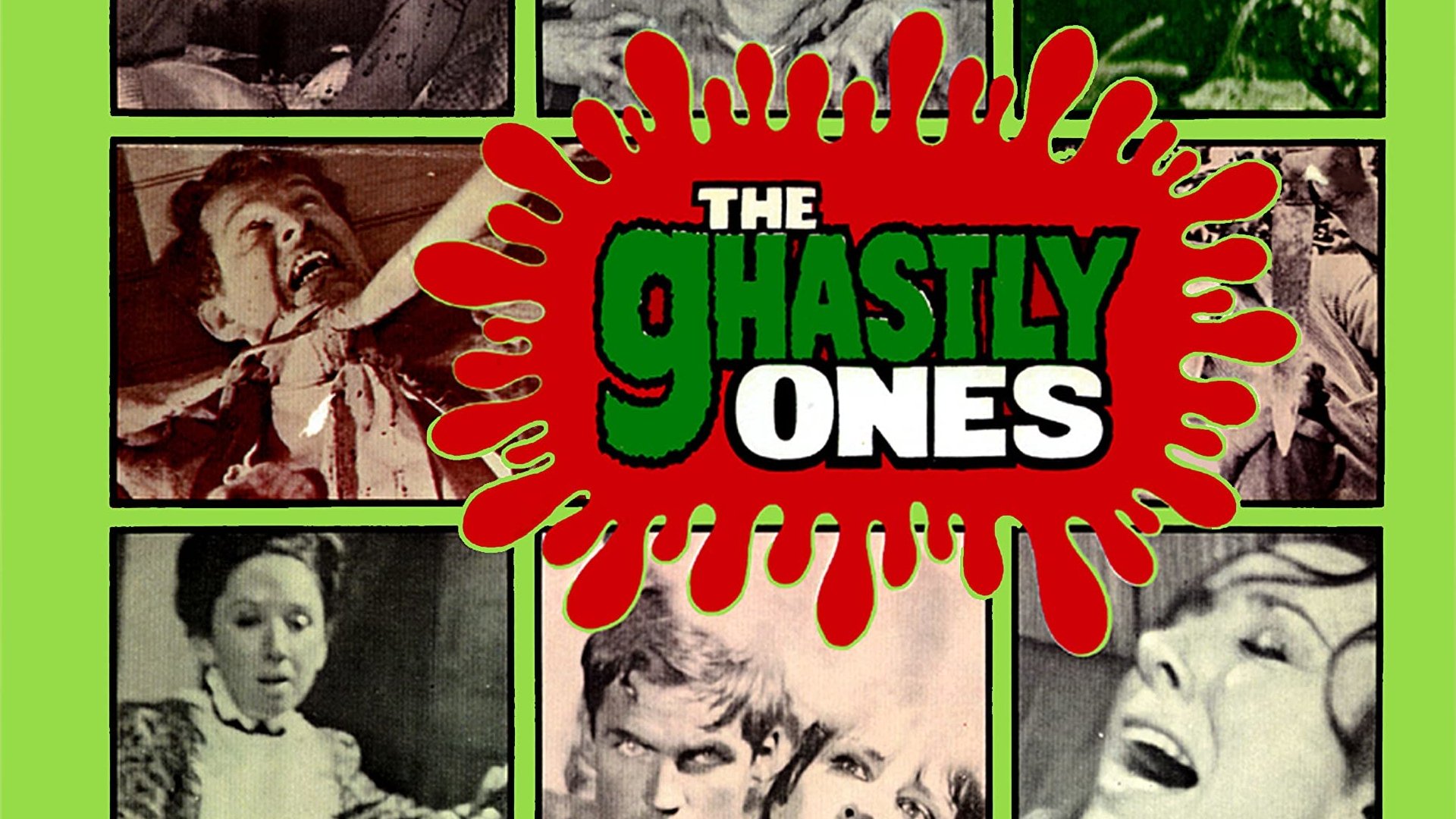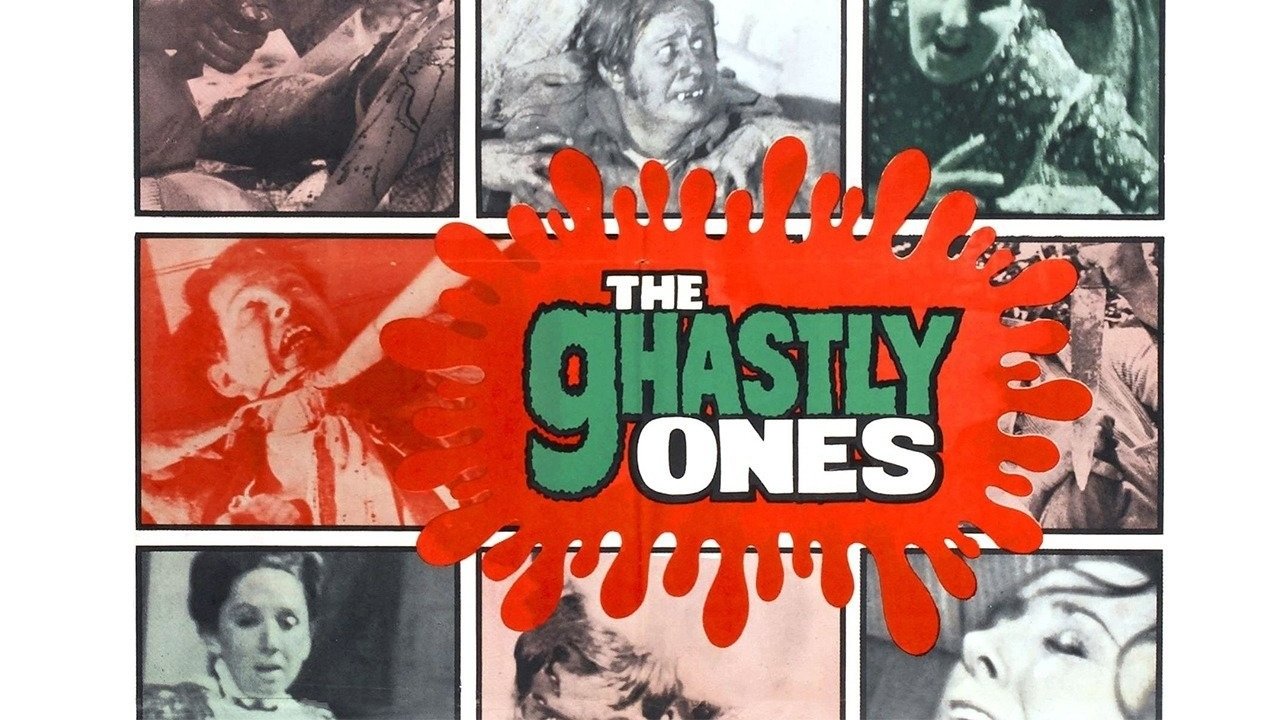
The Ghastly Ones (1968)

US
HORROR FILM
UK censorship history DPP · Successful prosecutions
Runtime
81 min
Release
September 6, 1968
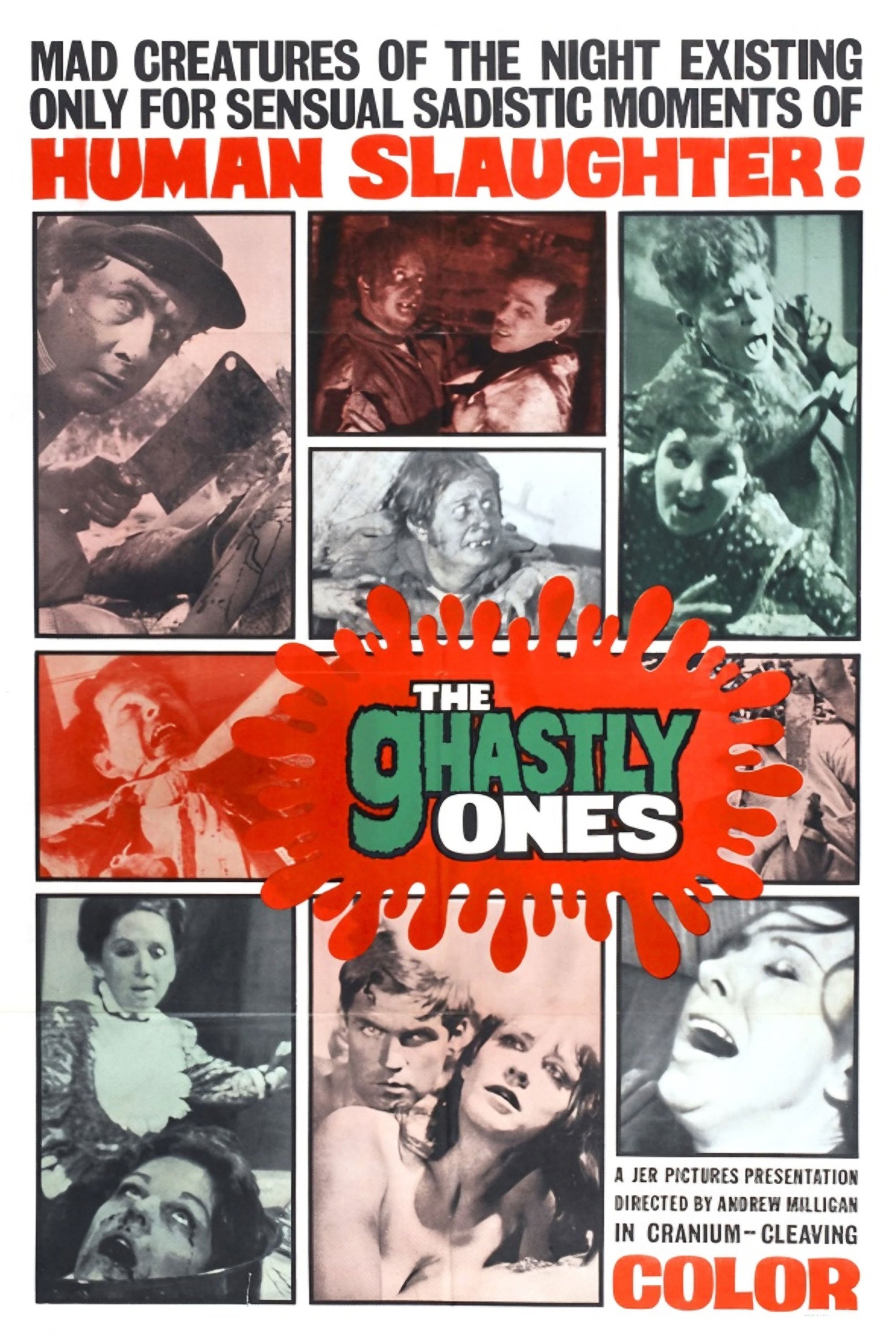
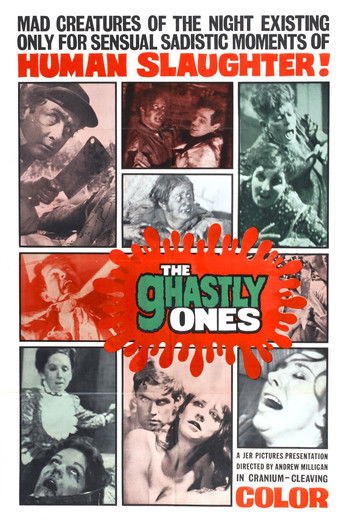
The Ghastly Ones (1968) poster
Director
Production Company
ASA Productions
Plot

To inherit their father's fortune, three sisters must spend three nights on an eerie island. A deformed man leads them to the estate where depraved horrors await.

Alternative Titles
那些可怕的 (China) — Chinese Blood Rites (United Kingdom) — English Blood Orgy (United States) — English

Trailers & Videos

2 videos

Film Guide & Analysis

Andy Milligan's 1968 underground horror: its transformation from sexploitation, Staten Island production, 16mm photography, handmade gore, video nasties controversy and archival preservation.

The Ghastly Ones (1968), also distributed as Blood Rites, is an American independent horror film directed by Andy Milligan. Produced within the New York exploitation industry, it marked a decisive transition in the filmmaker's career from underground theatre and sexually oriented melodrama to graphic horror. Originally conceived with considerably more erotic material, the production was substantially reworked after distributor and publicity specialist Sam Sherman recommended emphasizing its violent elements. The resulting film combined an inheritance mystery set in a nineteenth-century mansion with grotesque murders, family hostility and the handmade visual style that became closely associated with Milligan's subsequent work.

Photographed in color on Staten Island using inexpensive 16mm equipment, The Ghastly Ones represents an unusually direct example of independent filmmaking outside established production facilities. Its period costumes, domestic interiors and crude physical effects were assembled with severely limited resources, while performers connected to New York's experimental theatre community contributed to its exaggerated dramatic style. The film subsequently circulated through regional exploitation theatres and acquired additional notoriety in Britain under the title Blood Rites, becoming associated with the video nasties controversy. Its preservation history is particularly significant because most of Milligan's early films have disappeared, leaving The Ghastly Ones among the surviving records of his transition into commercial horror.

Development and the Transition from Sexploitation to Horror

Andy Milligan began his filmmaking career within the experimental theatre culture of 1960s New York. His work at Caffe Cino and other Off-Off-Broadway venues involved performers and writers operating outside established commercial theatre. He subsequently began making inexpensive films, including Vapors (1965), a short drama set in a gay bathhouse, before moving into features marketed through the sexploitation circuit. These early productions relied on small casts, limited locations and techniques carried over from stage performance. The Ghastly Ones emerged from this environment, retaining Milligan's fascination with dysfunctional relationships while introducing the graphic physical violence that would become a defining element of his horror films.

The film's transformation is documented in an important first-hand account by Samuel M. Sherman, published by film historian Tim Lucas in September 2006. Sherman recalled seeing an early color production filmed at Milligan's Staten Island residence after distributor Jerry Balsam had acquired it. The material contained substantial sexual content alongside thriller elements that Sherman considered insufficiently developed. He recommended returning to the location, strengthening the role of the hunchbacked character played by Hal Borske and filming additional scenes of explicit violence. According to Sherman, Milligan reassembled the performers and substantially reduced the erotic material. Sherman also claimed responsibility for suggesting the title The Ghastly Ones and creating its advertising campaign with Bob Price.

The account establishes an important distinction between the initial production and the version distributed as a horror film. The surviving print documents the completed exploitation presentation, while the earlier assembly described by Sherman is not available for direct comparison. The American Film Institute identifies Jerome Frederick Productions as the credited production company and JER Pictures as distributor. Sherman's recollection refers to Jerry Balsam's involvement, but the surviving evidence does not fully establish the contractual relationship among the individuals and companies associated with the project. What is clear is that the additional photography helped redirect Milligan's commercial career toward horror during a period when increasingly explicit films were attracting attention in American exploitation theatres.

Staten Island, 16mm Photography and Handmade Production

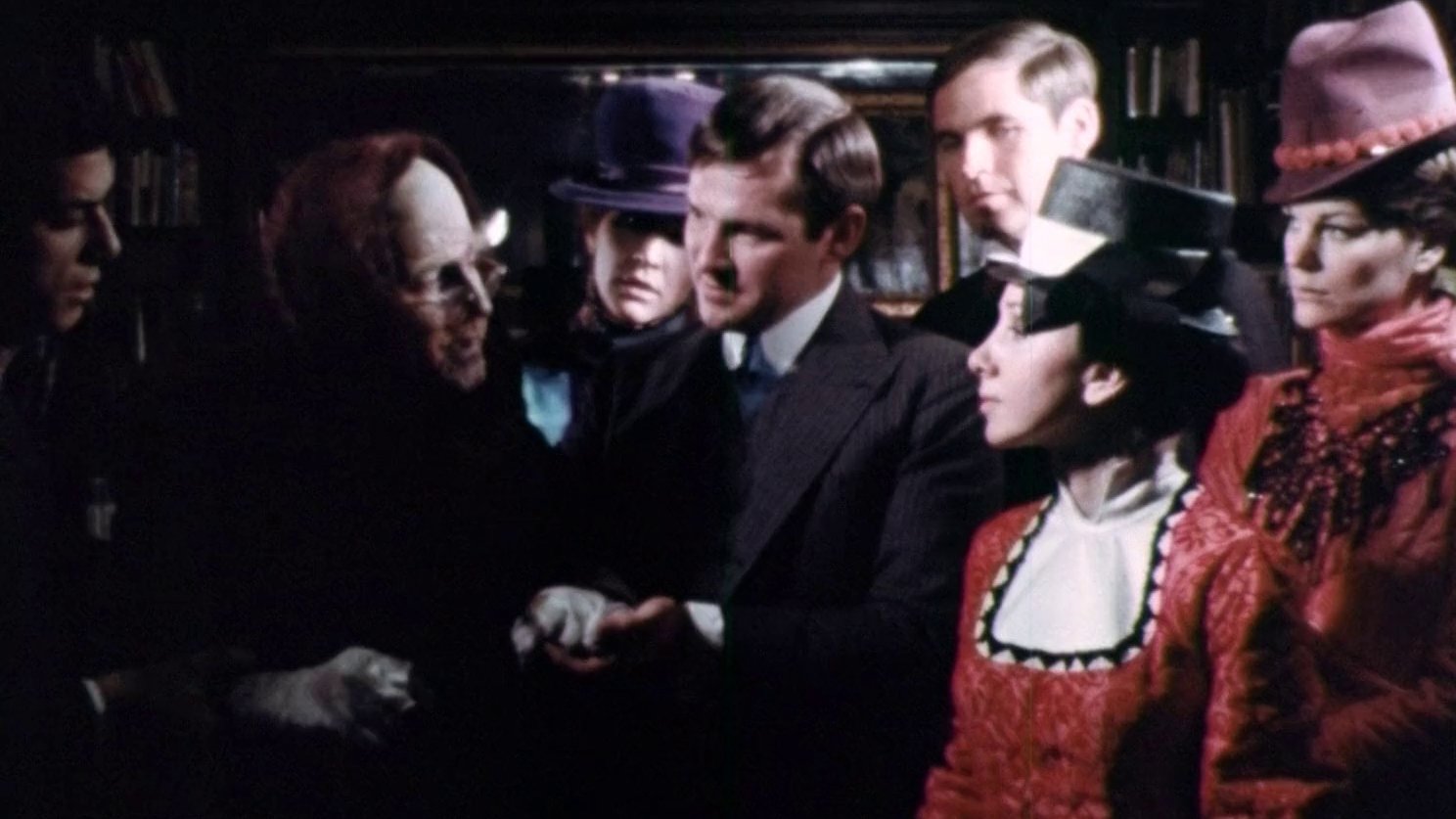
The production was photographed largely in and around an old residence on Staten Island, New York, where Milligan lived and worked. The building provided interiors suitable for a period mystery without requiring elaborate studio construction. Its rooms, furnishings and surrounding grounds became the fictional family estate, although the film's historical setting is frequently undermined by details belonging to the twentieth century. Milligan's background in costume construction allowed him to prepare period clothing independently, while the limited geographical range of the production reduced transport and location expenses. The film developed its appearance through the practical use of an existing property rather than through a production design department supported by substantial financing.

Milligan employed a 16mm Auricon camera capable of recording synchronized sound directly onto the film. This equipment had been developed primarily for news and documentary work and imposed considerable limitations on a dramatic production. He also used short ends, the remaining lengths of film stock from other shoots, to reduce costs. The resulting photography contains unstable framing, abrupt movements and changes in image quality associated with the inexpensive shooting process. Film historian Tim Lucas has discussed Milligan's habit of ending shots with unusually disruptive camera movements, a recognizable feature of his work. These characteristics help distinguish the film from conventional studio horror while documenting the resources available to its director.

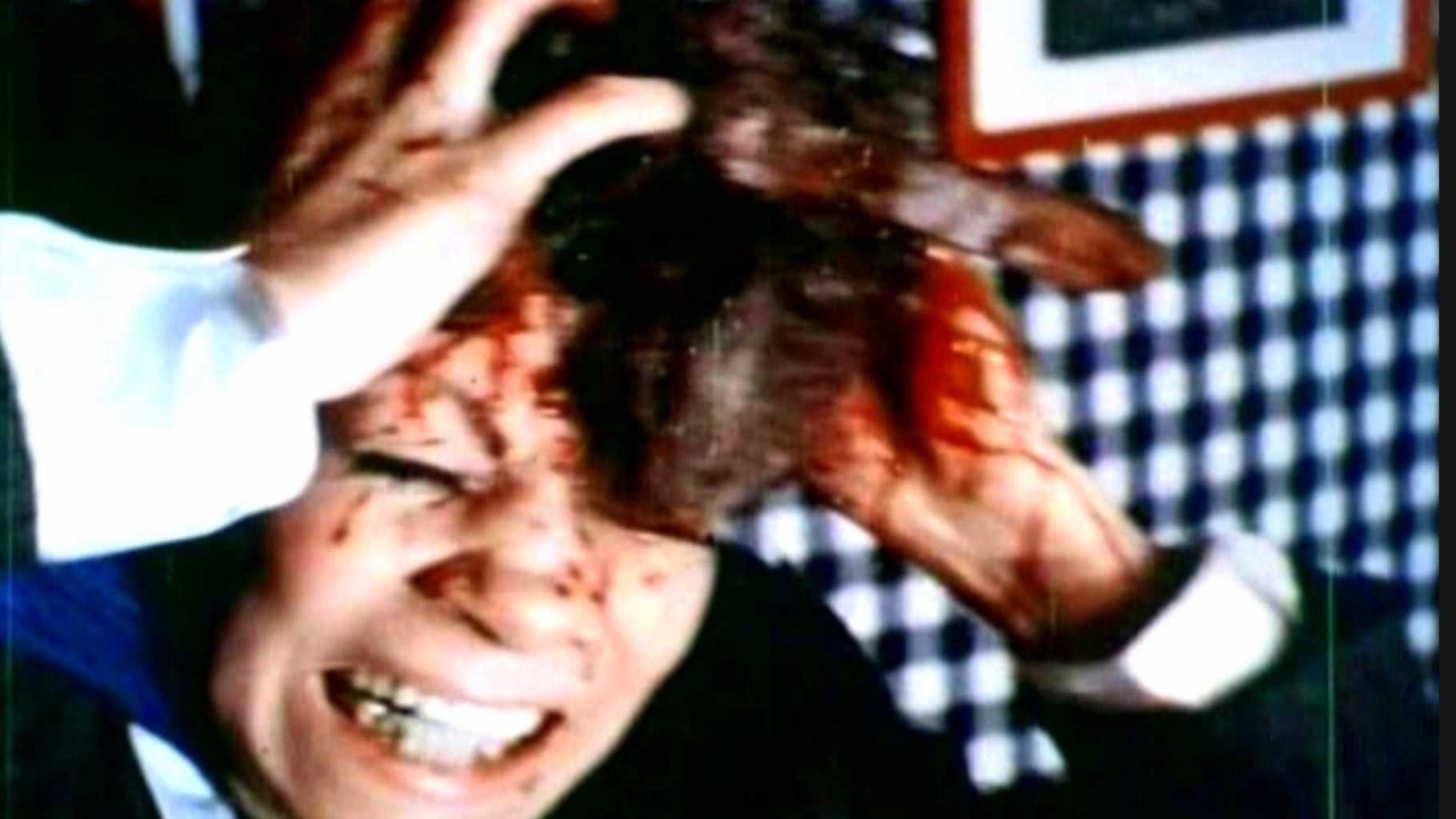
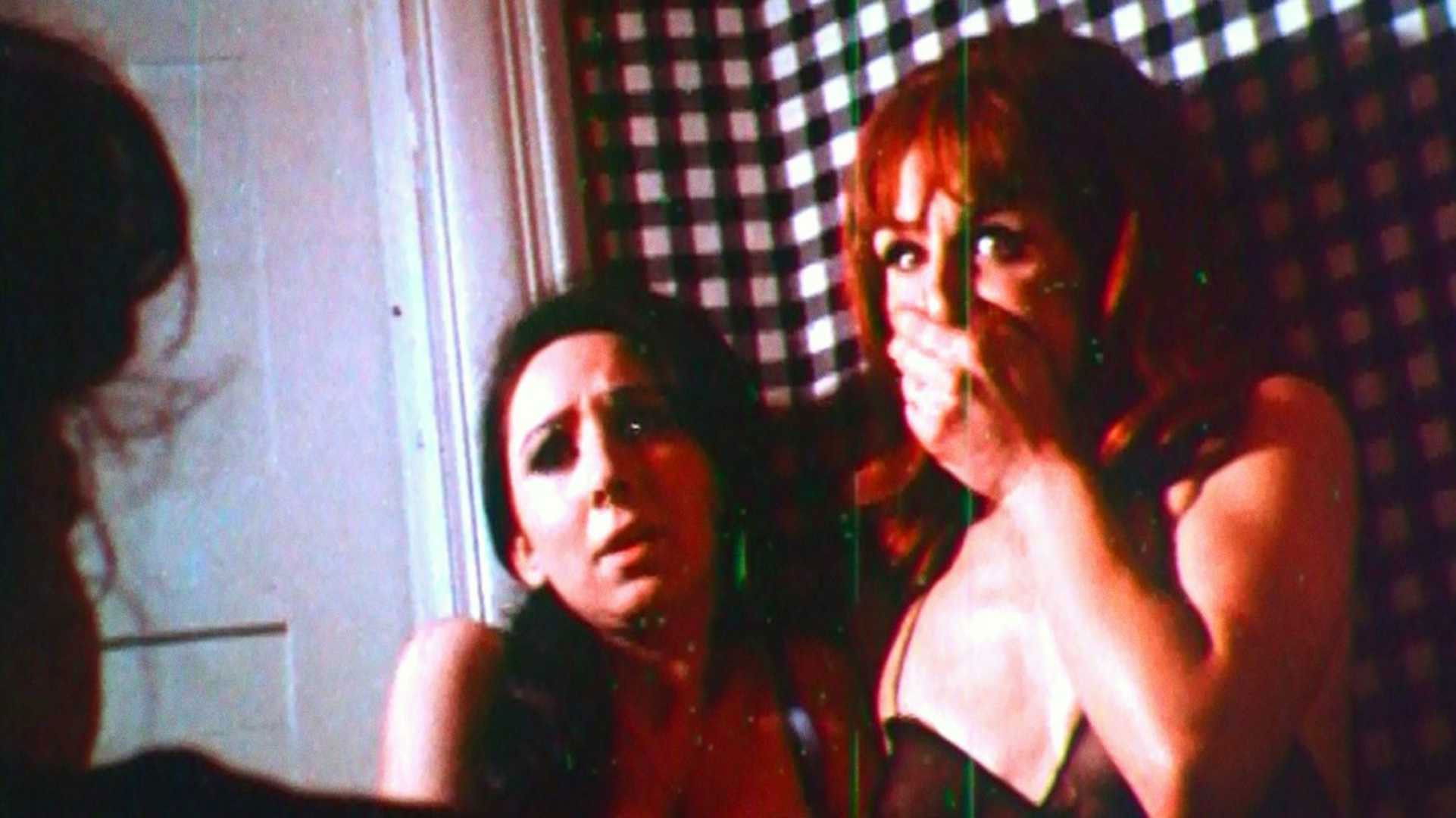
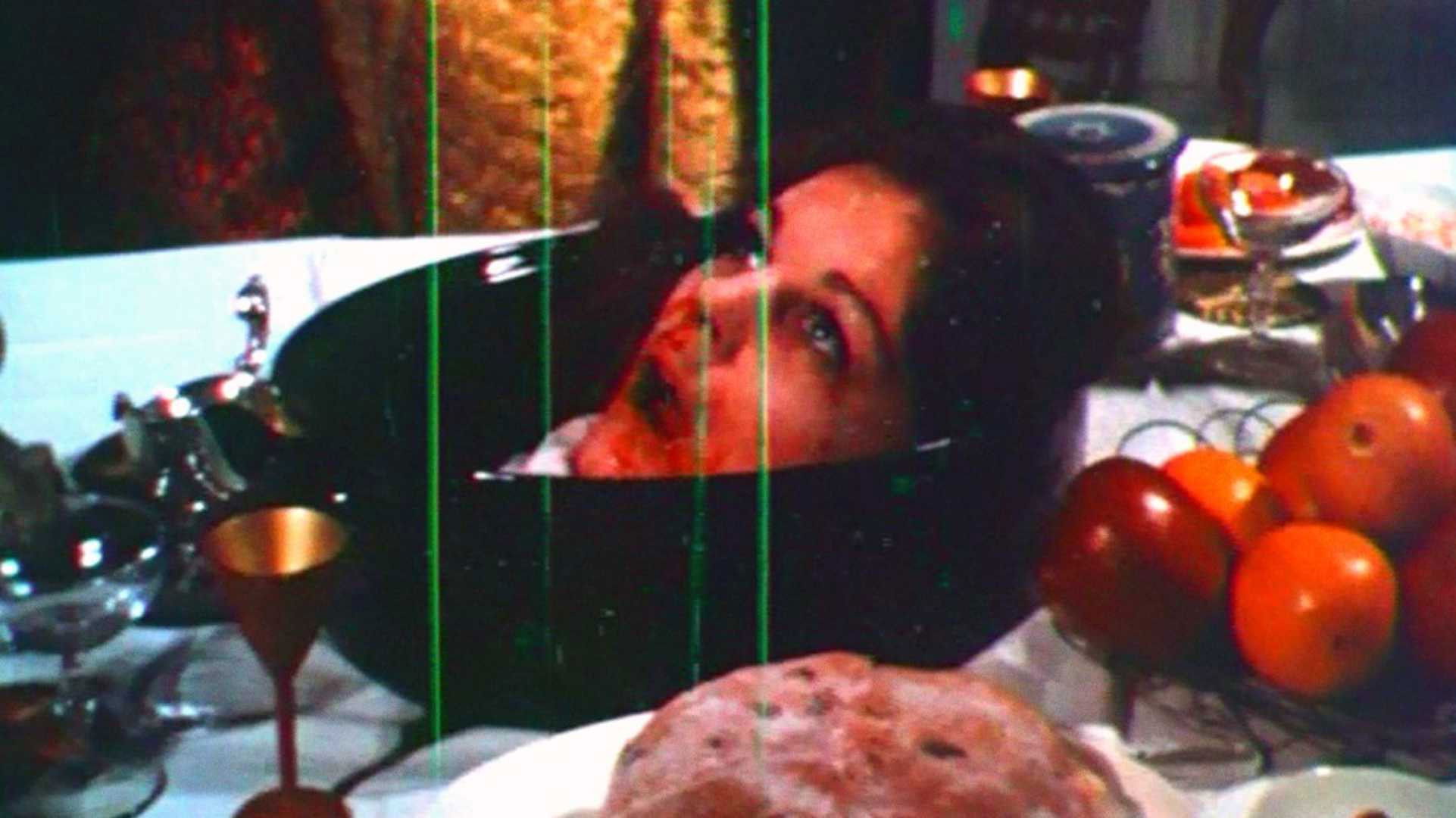
The picture was Milligan's first color feature, allowing the violence to be emphasized through visible blood and bodily injury. The makeup and gore effects depended on inexpensive physical materials, including animal offal used to represent exposed organs. The production did not possess the resources needed for elaborate mechanical effects or extensively constructed prosthetics. Instead, killings were staged around direct physical action, artificial body parts, props and carefully limited framing. The surviving documentation establishes the use of organic materials but does not provide a reliable technical breakdown for each individual murder. These effects are important within Milligan's career because they belong to the revised horror material that replaced much of the original project's sexual content.

Gothic Melodrama, Family Conflict and the Performers

The screenplay draws upon a familiar Gothic mystery structure involving relatives summoned to a remote estate under unusual inheritance conditions. Its nineteenth-century setting provides a framework for jealousy, resentment and disagreements over property, while the surrounding household becomes increasingly dangerous. Milligan places particular emphasis on confrontations between characters, frequently allowing arguments and accusations to occupy substantial portions of the running time. This emphasis reflects his experience directing theatre and differentiates the film from later slashers organized primarily around stalking and repeated physical pursuit. The inheritance arrangement supplies the narrative setting, while relationships already damaged by hostility become the main source of conflict.

The cast includes performers associated with Milligan's independent theatrical and filmmaking circle, among them Hal Borske and Maggie Rogers. Borske plays Colin, the physically deformed servant whose behavior contributes to the atmosphere of menace, while Rogers gives a particularly forceful performance as one of the household's older inhabitants. Their exaggerated characterizations combine with the confined setting to create a form of violent theatrical melodrama. The film's aggressive dialogue, unconventional staging and recurring images of bodily destruction would remain recognizable throughout Milligan's later horror productions. Critics have disagreed sharply over the results, but the continuity between his theatrical background and his approach to horror performance is central to understanding the film.

Theatrical Release, Video Nasties and Archival Restoration

The American Film Institute documents a theatrical opening in Charlotte, North Carolina, on September 6, 1968, with distribution credited to JER Pictures. The film circulated through the regional exploitation market, where sensational titles and graphic advertising were important methods of attracting audiences. Its promotional material emphasized the violence and the novelty of its color photography. Contemporary criticism was severely hostile. Joe Dante, writing for Film Bulletin before establishing his career as a director, attacked the film's photographic quality and amateurish execution. Tim Lucas later discussed that assessment in Sight and Sound while situating Milligan within the history of American trash cinema. These responses demonstrate the difference between the film's original critical standing and its later historical interest.

British circulation under the title Blood Rites created a separate history. The film appeared on videocassette through Scorpion and was included in the Director of Public Prosecutions' video nasties list during the early 1980s. Its association with that campaign extended its reputation beyond the American exploitation circuit, but inclusion on the list must be distinguished from an independently verified BBFC rejection or a specific judicial conviction. The film also circulated under the alternative title Blood Orgy. Its violence contributed to its notoriety, although the surviving record does not establish a complete chronology of every British cassette edition or the precise editorial differences among all the versions distributed internationally.

The film returned to wider circulation when Something Weird Video and Image Entertainment issued a DVD in 2004 using surviving theatrical material. In 2021, Severin Films included The Ghastly Ones in the nine-disc collection The Dungeon of Andy Milligan. The film was scanned and restored from a surviving 35mm release print, with the distributor reporting that earlier pre-print materials were believed lost or destroyed. The edition preserves the alternative Blood Rites title sequence and includes commentary by Borske with filmmaker Frank Henenlotter, additional historical commentaries and an interview with Sherman. Severin lists a running time of approximately 72 minutes, whereas the original AFI record lists 81 minutes. The available documentation does not establish precisely why these figures differ. Milligan later returned to a closely related inheritance narrative in Legacy of Blood (1977), demonstrating the continued importance of the earlier film within his work.

References

  1. Video WatchBlog Sam Sherman on Andy and Ivan - Tim Lucas

    Original 2006 account based on a direct conversation with distributor Samuel M. Sherman, documenting the original erotic version of the project, his recommendation for additional gore photography and the creation of the title and advertising campaign.

  2. Sight and Sound Trash Movies, the Refuse of Mainstream Cinema - Tim Lucas

    Substantial critical essay published by the British Film Institute, placing Milligan within American underground and exploitation cinema, discussing his theatrical background, 16mm filming methods and the contemporary response to The Ghastly Ones.

  3. Underground Slate A Tuppence Where Yer Eart Should Be: Andy Milligan's British Horror Films - Paul A. J. Lewis

    Extensive historical research on Milligan's independent productions, documenting his New York background, inexpensive filmmaking methods, use of short-end 16mm stock and organic gore materials, and the British video nasties history of Blood Rites.

Cast

View Full Cast & Crew →

Release & Distribution

Production Companies (1)

  • ASA Productions

Release History (1)

Release DateTerritoryRelease TypeFormatDistributorCertificationNotes
1968-09-06 United States Theatrical — — —
Mad creatures of the night existing only for sensual sadistic moments of human slaughter!