From Simulated Snuff to Possession Horror
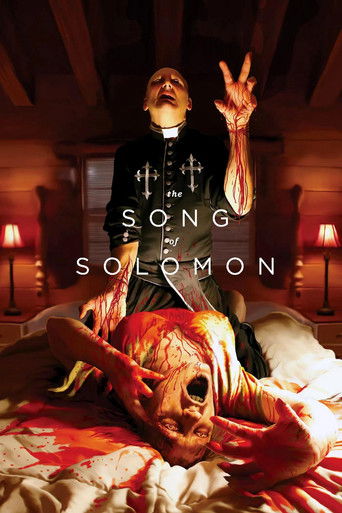
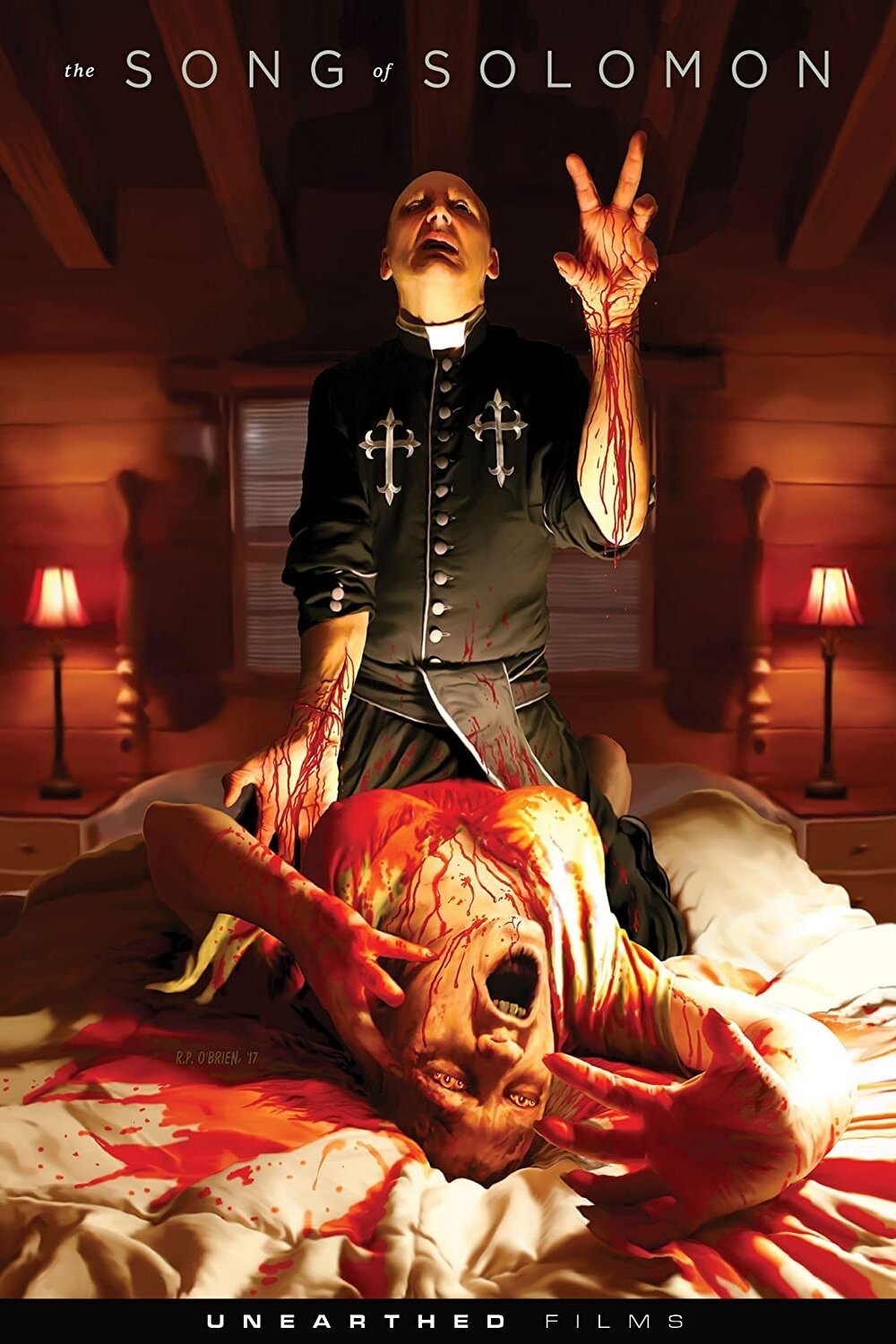
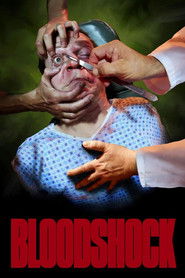
Biro had established the American series with the first American entry, then wrote and produced Bloodshock, which Marcus Koch directed. The project became Biro's second feature as director and altered the series' underlying dramatic format. Instead of repeating a captive-victim scenario, he adapted the machinery of an exorcism narrative: an afflicted woman, a succession of religious authorities and rituals that promise order while exposing the participants to escalating physical danger. The result makes room for more dialogue and a recognizable supernatural mythology without abandoning the prolonged effects sequences associated with the label.
That progression also reflects the relationship between filmmaking and specialist distribution. In interviews Biro explained that Unearthed Films' existing sales connections gave him practical advantages when producing low-budget horror. He could approach a project with some knowledge of how its eventual audience would be reached. The franchise name identified a continuing extreme-horror series, but the possession premise offered a possible route beyond the established splatter market. In a March 2018 interview Biro even discussed marketing the work under a shortened title to make it accessible to viewers unfamiliar with the series.
A Religious Script and the Limits of Authenticity
Biro connected his screenplay to De Exorcismis et Supplicationibus Quibusdam, the Catholic Church's modern rite of exorcism. His production materials and interviews describe research into that text and an effort to use ritual language within the film. These statements illuminate the writer's intentions, but they do not establish that the enacted ceremonies reproduce authorized Catholic practice in full. The United States Conference of Catholic Bishops describes the rite within a formal pastoral and ecclesiastical framework, including the authority required for a major exorcism. Such institutional procedures differ sharply from the apocalyptic violence depicted in the movie.
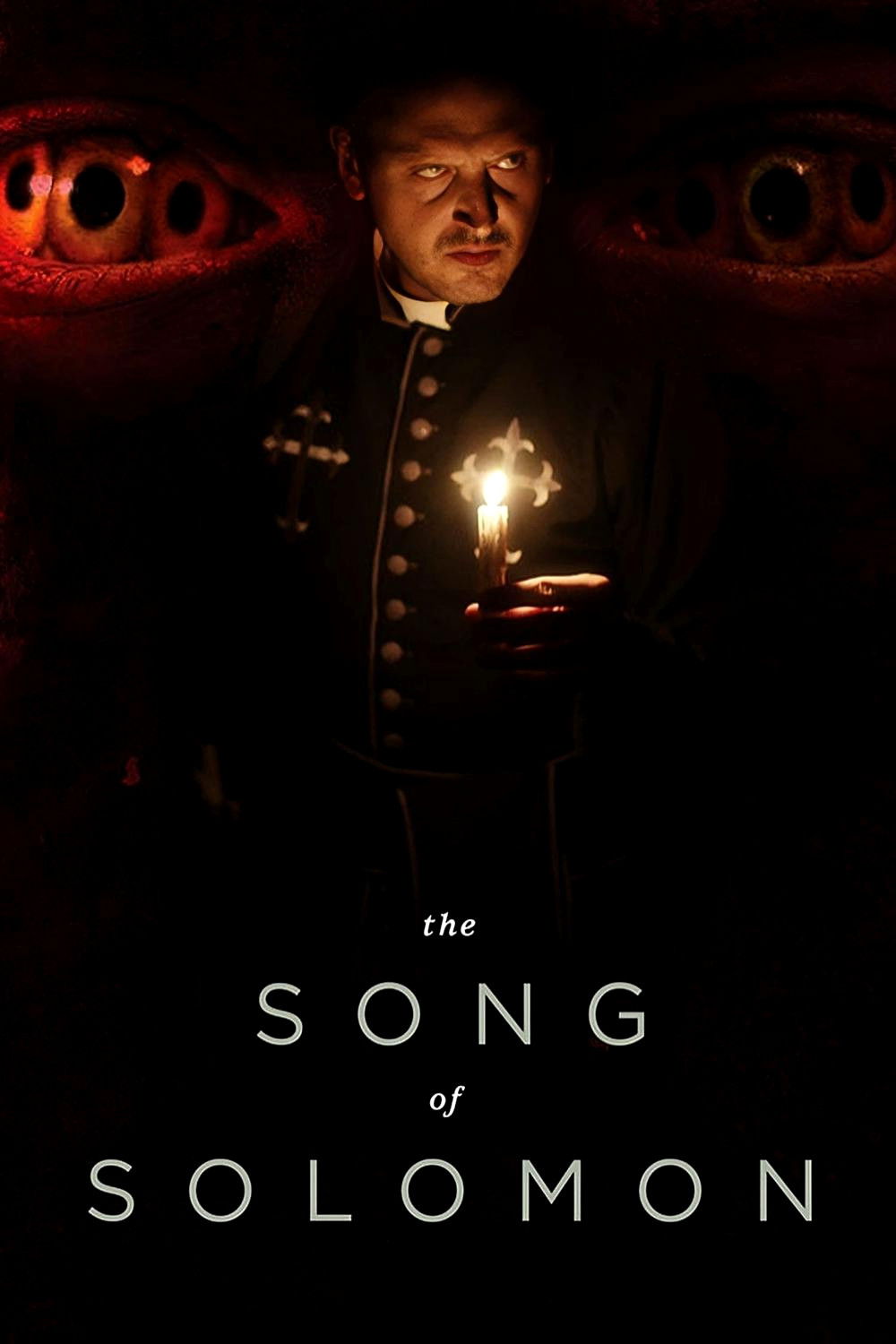
The script places the exorcists inside a struggle whose significance extends beyond Mary's immediate condition. The repeated arrival of priests allows the film to vary the staging of confrontations while gradually implying that the Church itself may be implicated in a larger design. Its theological references give the grotesque spectacles a framework of spiritual conflict. Biro's personal religious interpretation remains visible in this construction, yet the screenplay is still a fictional horror story. The distinction matters particularly because the director publicly characterized his treatment of exorcism as unusually authentic: that was a promotional and creative claim, not a conclusion established by independent religious scholarship.
Practical Effects and the Exorcism Body
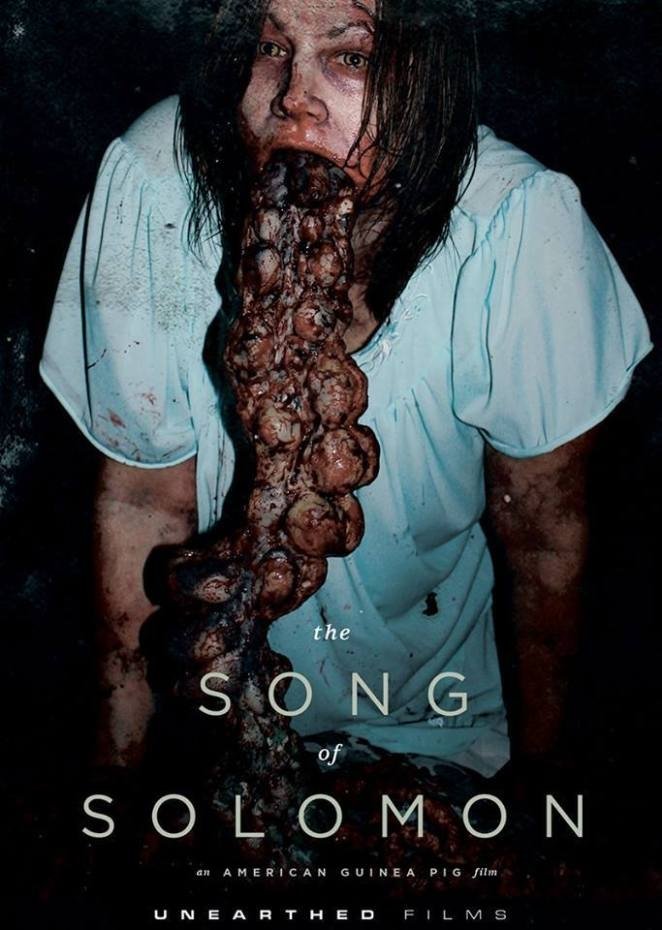
The film's violence is distinguished by its physical construction and by the amount of screen time devoted to each transformation. Marcus Koch and Jerami Cruise worked on the special effects, continuing connections to independent American splatter filmmaking. Biro repeatedly emphasized the use of practical techniques, and a later Blu-ray release included interviews with the effects artists and extensive behind-the-scenes footage. Reviewers described a series of sustained bodily effects rather than isolated shocks inserted into otherwise conventional scenes. The bedroom setting puts these fabricated materials at close range, where lighting and duration leave comparatively little opportunity to hide their surfaces.
This approach changes the customary rhythm of cinematic exorcism. Religious speech and ritual gesture repeatedly lead to assaults on the possessed body, drawing attention to the mechanical ingenuity needed to make each episode convincing. The camera often remains with the consequences of an effect after the dramatic point is clear. That endurance is part of the film's aesthetic, while also accounting for criticism that the sequences become repetitive. The display is an intentionally manufactured illusion: prosthetics, blood effects and replacement pieces create imagery that could never be accepted as documentary evidence of supernatural events. The effects work is best understood through its craft and staging.
Digital Photography and Confined Space
The feature was photographed digitally in 4K by Chris Hilleke. Biro specifically praised the camera sensors' ability to handle dim interiors and candlelight, conditions suited to the story's ritual setting. The production consequently has a more controlled and polished image than the deliberately degraded recordings associated with the first American entry. Interior space becomes a visual constraint: the filmmakers repeatedly return to the same bed and surrounding room, making changes in posture, light and physical damage the primary source of variation. The restricted geography also concentrates the spectator's attention on Cameron's face and prosthetic transformations.
The film's sound follows that concentration on the body. Voices, ritual language and violent effects all compete for attention inside a relatively enclosed dramatic space. The 2018 Blu-ray review by DoBlu describes a stereo presentation with limited dynamics and occasional indistinct dialogue, observations about that disc's audio track rather than evidence of a different original mix. The same release documented commentary tracks with Biro, Cameron, Koch and Cruise, alongside interviews and a substantial making-of feature. Such supplementary material is valuable because it preserves contemporary testimony about technical problems, while the finished soundtrack remains part of its deliberately oppressive presentation.
Festival Premiere, Home Video and Critical Response
The film premiered at the Sitges Film Festival on 7 October 2017, before reaching audiences through subsequent festival screenings and specialist home-video distribution. Unearthed Films' North American Blu-ray release followed in August 2018. Its supplements included separate discussions with performers and effects personnel, as well as production footage explaining the practical work. The film's association with both 2017 and 2018 follows from this staggered circulation; it should not be treated as evidence for two separate productions. The title's alternate presentation without the American Guinea Pig prefix likewise reflects Biro's stated intention to expand the potential audience.
Early responses illustrate the different expectations brought to this mixture of possession drama and extreme gore. Christopher Zabel's August 2018 DoBlu review praised the convincing physical effects while finding the characterization and larger story thin. Raffaele Picchio, writing for Il Cineocchio in September 2018, also recognized the intensity of the effects but criticized the film's dramatic execution and the gap between its ambitions and results. These are identifiable critical judgments rather than a consensus about the film. Together they locate its central tension: a distinctive practical-effects interpretation of religious horror operating within the economic and dramatic limitations of specialist independent production.