Night of the Bloody Apes (1969)

MX
HORROR FILM Science Fiction
SUBGENRES MEDICAL
UK censorship history DPP · Successful prosecutions
Runtime
81 min
Release
February 5, 1969
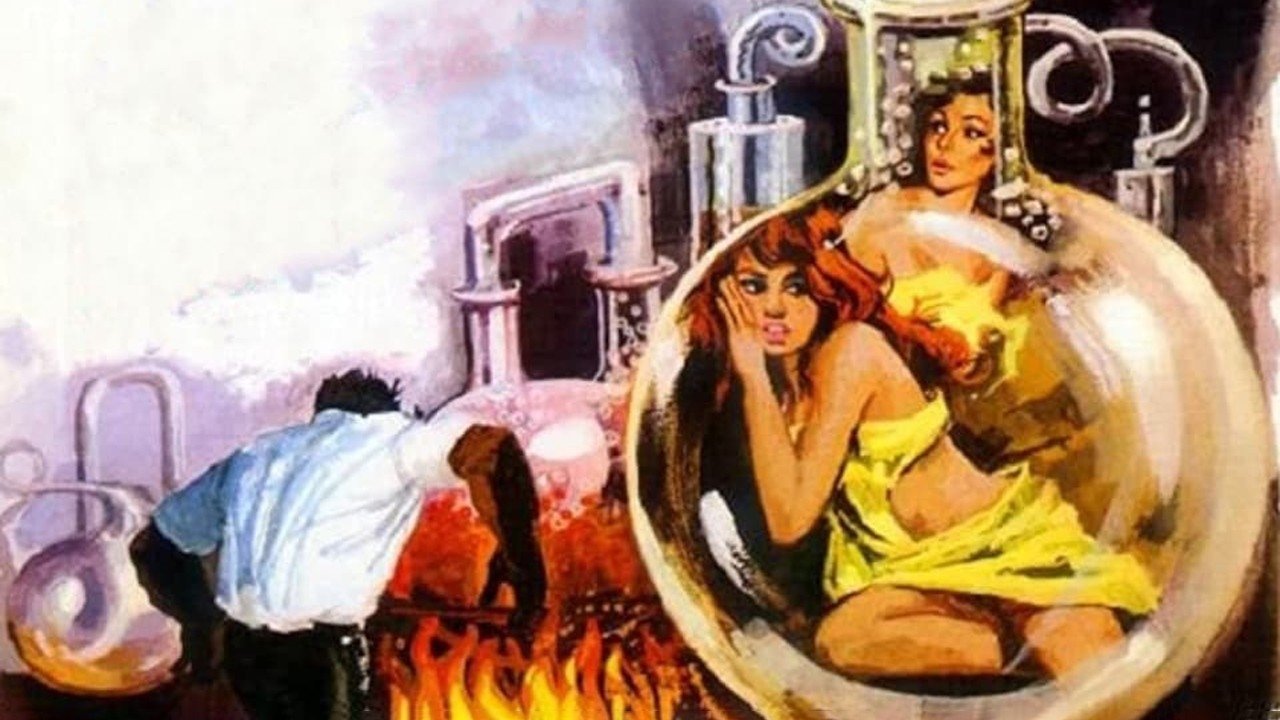
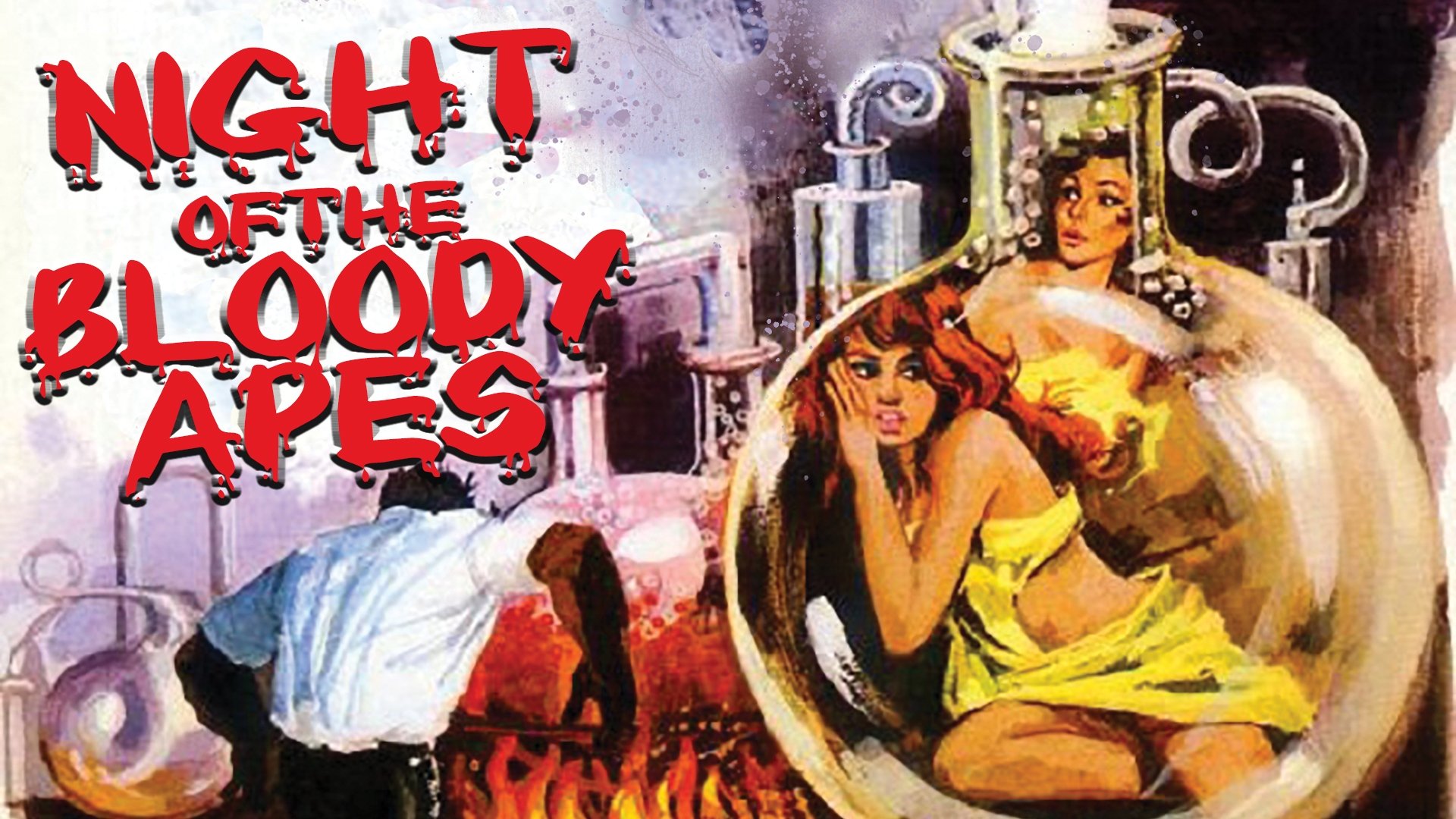
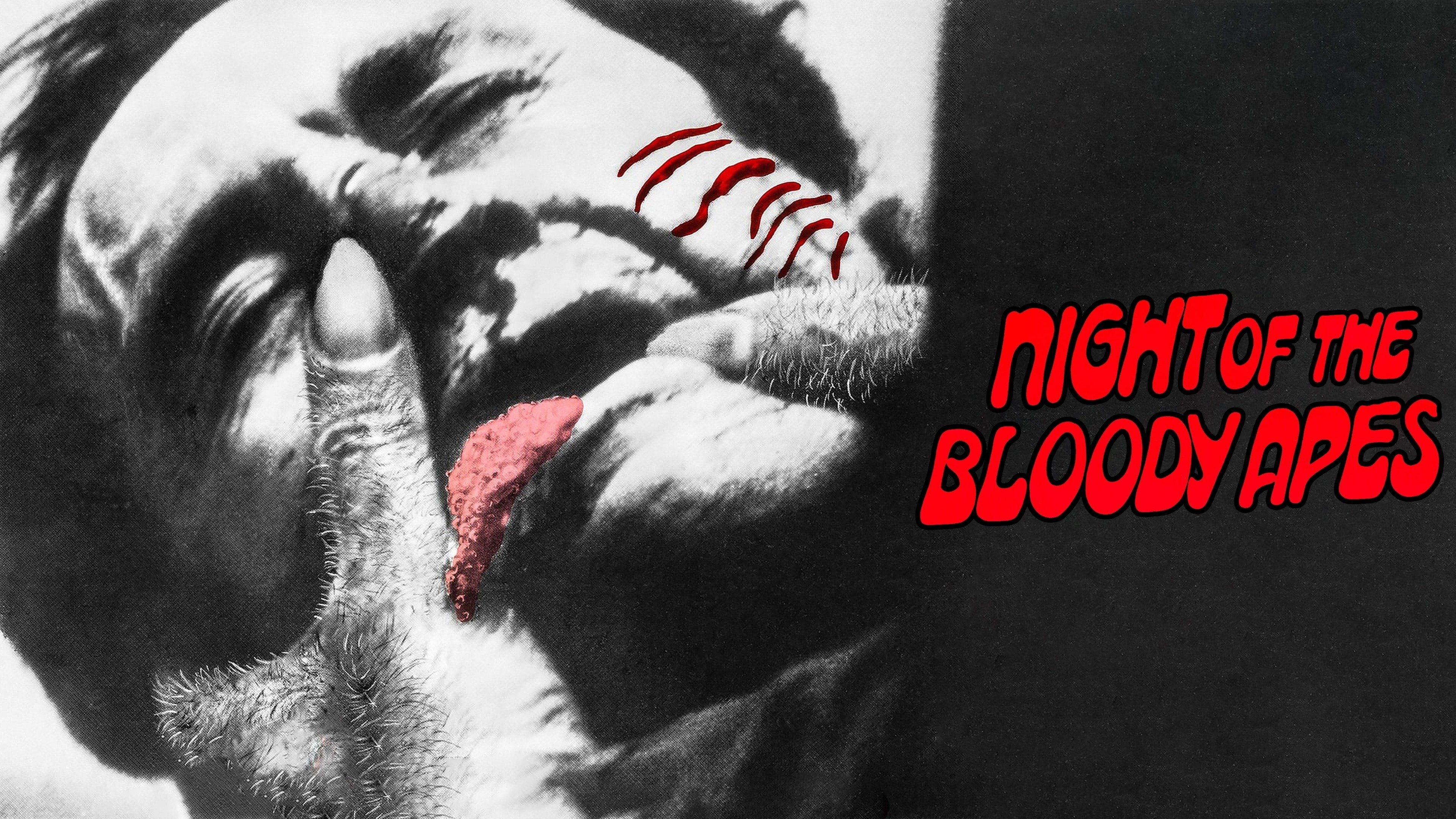
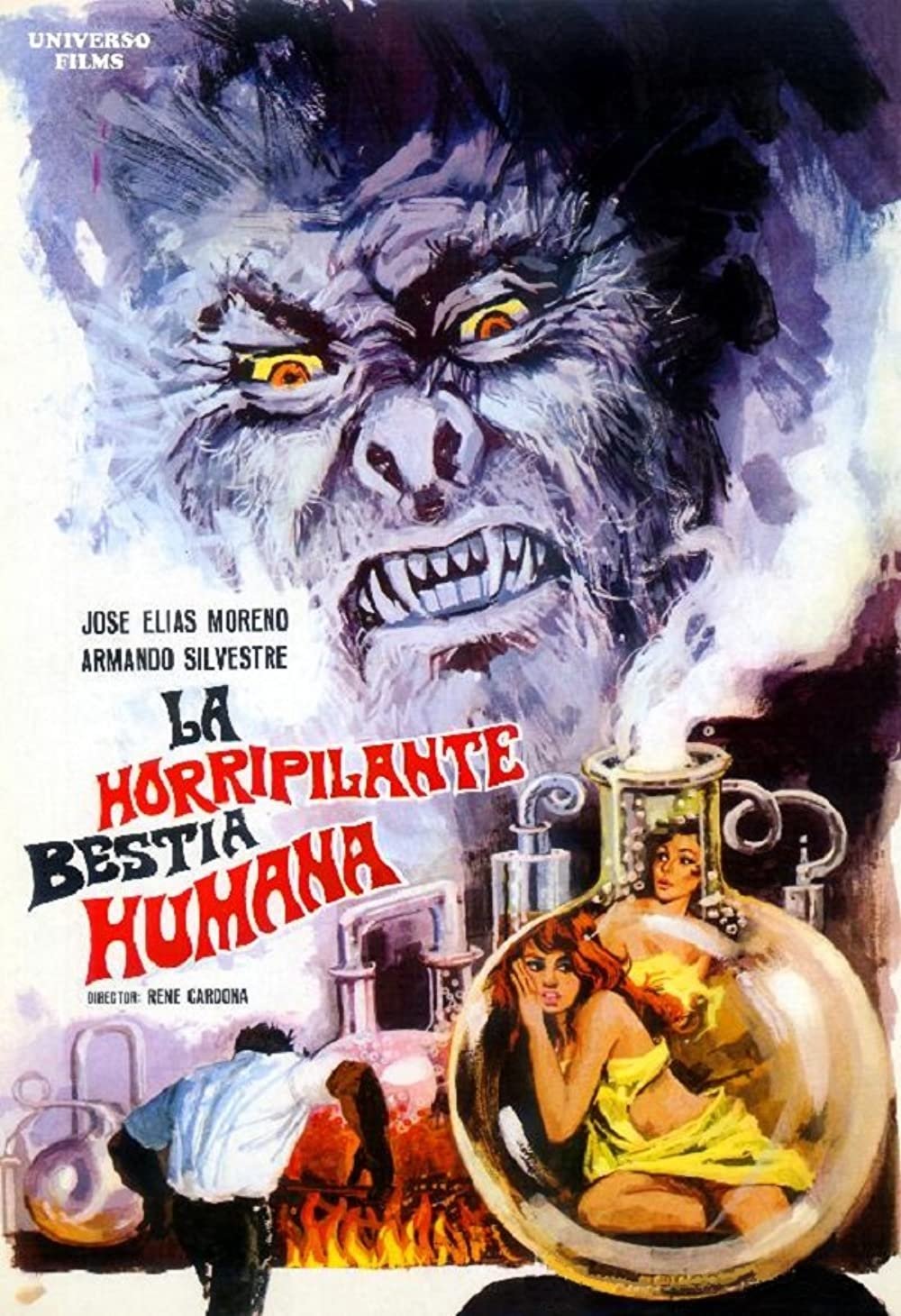
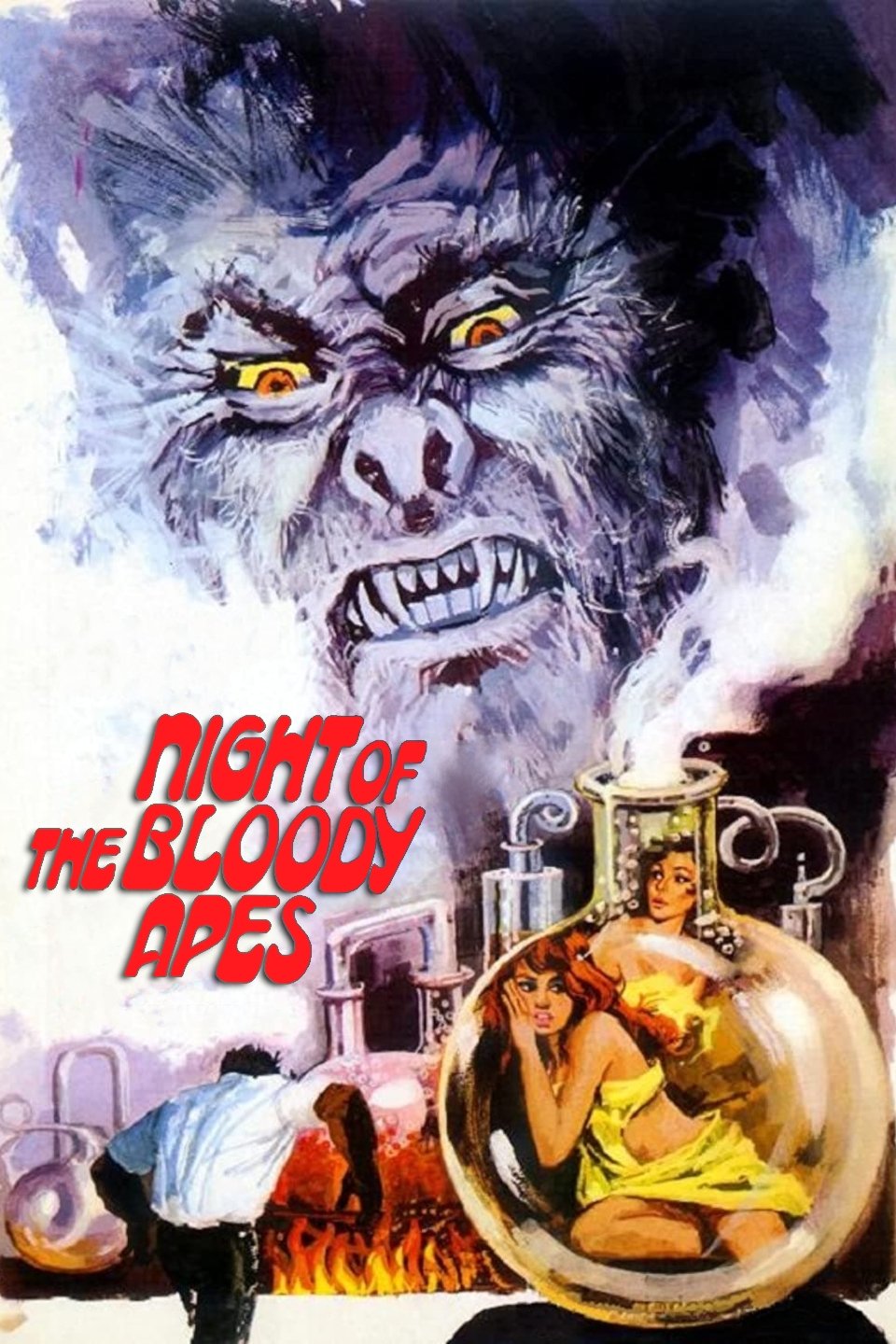
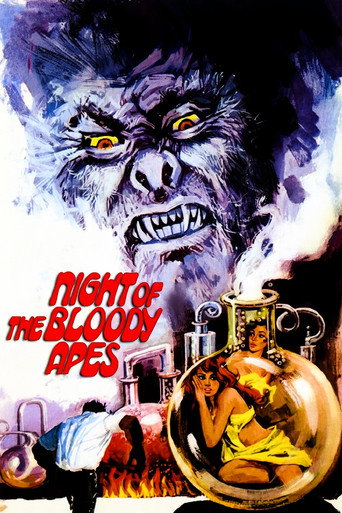
Night of the Bloody Apes (1969) poster
Director
Production Company
Cinematográfica Calderón S.A.
Plot

A surgeon transplants the heart of an ape into his ailing son with horrific results.

Alternative Titles
Нощта на кръвожадното чудовище (Bulgaria) — Bulgarian 血腥猿人夜 (China) — Chinese Sex Monsters (France) Korang la terrificante bestia umana (Italy) — Italian Korang, la terrificante bestia umana (Italy) Horror y sexo (Mexico) Gomar: The Human Gorilla (United States)

Trailers & Videos

1 video

Film Guide & Analysis

René Cardona's Mexican medical horror: the Calderón wrestling cycle, 1968 heart-transplant experiments, Horror y sexo, Jerald Intrator's 1972 American reworking, genuine surgical footage and British video nasties censorship.

Night of the Bloody Apes (1969), originally released in Mexico as La horripilante bestia humana, is a Mexican science-fiction horror film directed by René Cardona and written with his son René Cardona Jr. Produced by Cinematográfica Calderón, it combines the mad-scientist tradition with the popular Mexican cinema of female professional wrestlers. Its historical identity is complicated by several distinct versions. The original Mexican production, an alternative export edition containing nudity, and a substantially reworked American release did not contain exactly the same material. The version widely known as Night of the Bloody Apes was assembled for American distribution in 1972, with additional footage supervised by Jerald Intrator.

The film also belongs to a specific moment in the history of medical horror. Its fictional use of an animal-to-human heart transplant followed the international publicity surrounding experimental cardiac surgery in the late 1960s. The incorporation of genuine surgical footage into the later American edition intensified the relationship between medical documentation and exploitation spectacle. Its subsequent inclusion in the British video nasties controversy gave the production a reputation far removed from its origins in Mexican wrestling cinema. The surviving distribution records, research into the Calderón productions and contemporary criticism provide a basis for examining these separate stages without treating the American reworking as the unchanged work of Cardona.

René Cardona, Cinematográfica Calderón and Lucha Libre Horror

La horripilante bestia humana emerged from the established relationship between René Cardona and Cinematográfica Calderón, a company responsible for numerous Mexican fantasy, adventure and wrestling productions. Alfredo Salazar was associated with the production, while Guillermo Calderón Stell represented the producing family whose films regularly combined recognizable genre formulas. Cardona had already developed a series of pictures featuring female wrestlers confronting criminal organizations, scientists and supernatural opponents. These productions belonged to a popular domestic film culture in which professional wrestling was incorporated into inexpensive adventure and horror narratives. The established audience for lucha libre cinema provided the commercial foundation for the later film.

The most direct predecessor was Las luchadoras contra el médico asesino (1962), internationally distributed as The Wrestling Women vs. the Killer Doctor or Doctor of Doom. Film historian David Wilt identifies La horripilante bestia humana as a substantial reworking of that earlier production. Both films employ laboratory experimentation, a monstrous human figure and female professional wrestling. Gerardo Zepeda appeared as a monster in both productions, providing an additional connection between their fictional worlds. The medical experiments, characters and dramatic emphasis nevertheless differ. The 1969 release reduces the importance of its wrestler protagonist and concentrates more heavily on the grotesque consequences of scientific intervention.

The film was photographed during 1968, with production research placing the beginning of shooting in May. Its original cinematography was by Raúl Martínez Solares, with editing credited to Jorge Bustos. Available film records identify filming in Mexico City, including material photographed around Chapultepec Park. These locations connected the fantastic events with recognizable urban surroundings. The production also employed performers already associated with Mexican popular cinema, including José Elías Moreno and Norma Lazareno. Their presence belongs to the continuity of Cardona's filmmaking rather than evidence of an unusually elaborate casting process. No adequately documented budget or detailed account of the original shooting arrangements has been established.

Cardiac Transplantation, Medical Horror and the Ape-Man

The film developed its central medical fantasy during a period of extraordinary international interest in heart transplantation. On December 3, 1967, surgeon Christiaan Barnard performed the first human-to-human heart transplant in Cape Town, South Africa. Earlier experimental operations had included an unsuccessful transplant involving a chimpanzee heart in 1964. David Wilt, writing in the 2021 Halloween issue of The Mexican Film Bulletin, directly connects the appearance of transplantation narratives in Mexican cinema with this contemporary publicity. He identifies two productions that began filming in consecutive months of 1968: Capulina corazón de león, which approaches the subject through comedy, and La horripilante bestia humana, which uses an animal heart transplant as the foundation of its horror.

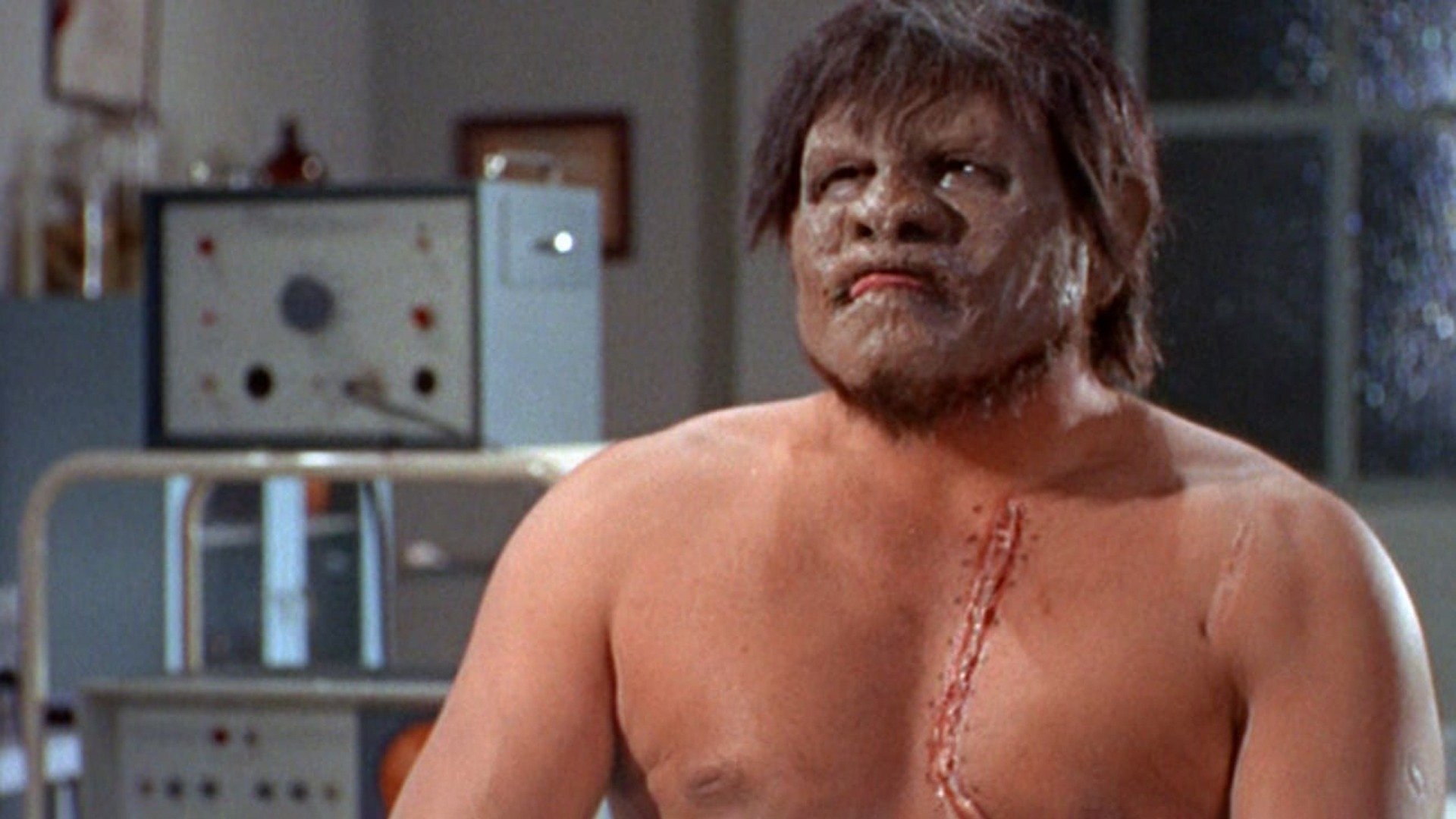
Cardona transforms the medical breakthrough into a familiar mad-scientist scenario in which the replacement organ is imagined as capable of altering the recipient's physical identity and behavior. This belongs to fantastic cinema rather than medical knowledge. Its treatment of biological transformation draws on established monster-film traditions involving scientific ambition, physical mutation and the unstable distinction between human and animal. The ape-man was portrayed by Gerardo Zepeda, with make-up credited to María del Castillo and special effects associated with Javier Torres Torija. The finished creature relies on facial appliances and the actor's physical appearance, while the film frequently places the altered body in ordinary streets and interiors instead of maintaining the separation of a conventional laboratory monster.

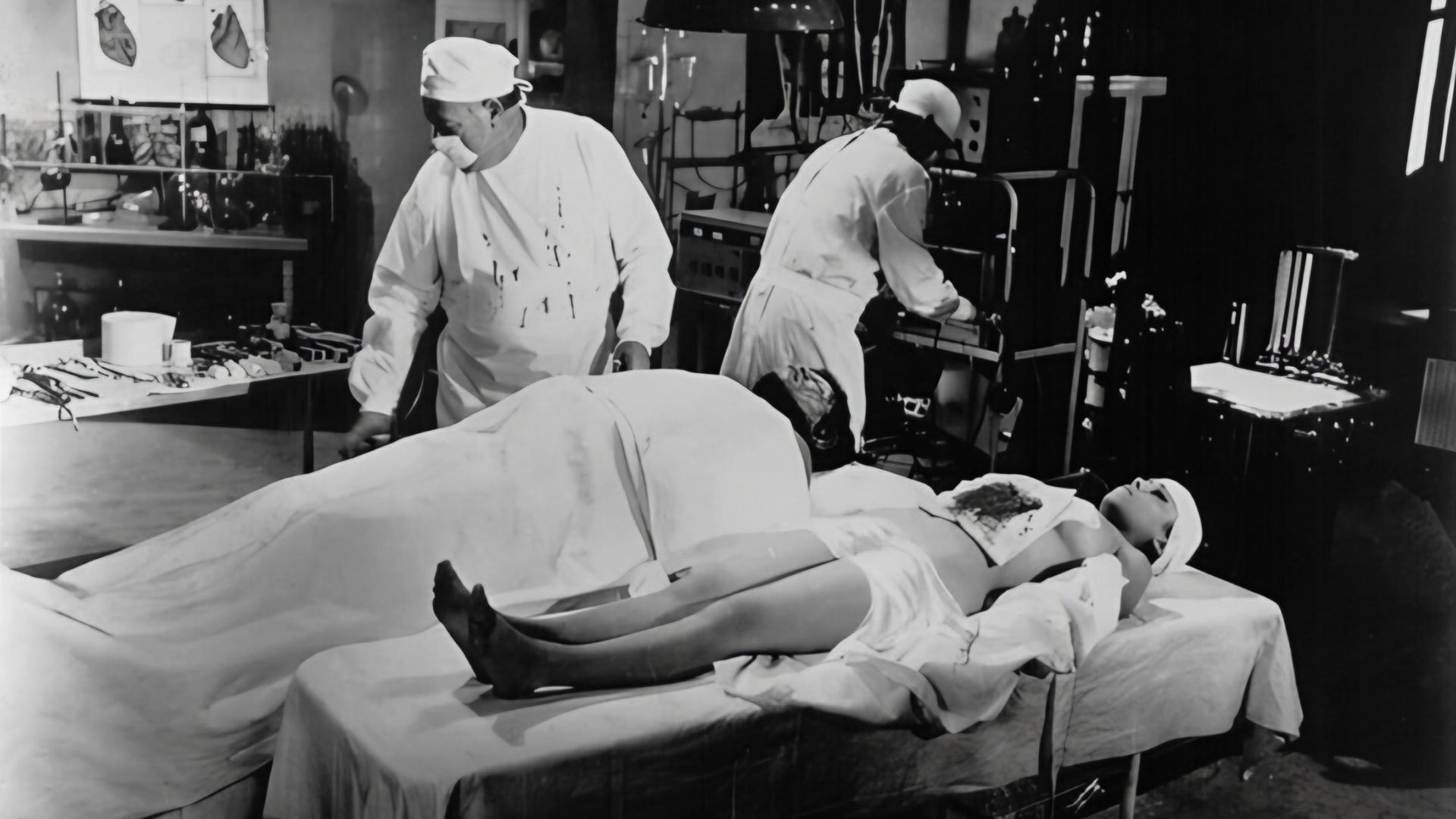
The original photography also contains conspicuous differences in visual texture and composition. Writing in the Monthly Film Bulletin in 1974, critic Tom Milne observed that Cardona introduced occasional expressionistically influenced images without maintaining consistent photographic textures. The review identifies an approach in which isolated dramatic images can stand apart from the surrounding material. The film's later American construction made these differences more pronounced through the insertion of additional violence and medical footage. The resulting surgical sequences combine staged fictional action with genuine images of an operation, creating abrupt transitions between the photographic presentation of the performers and the visual detail of documentary medical material.

La horripilante bestia humana, Horror y sexo and the 1972 American Version

The film's international distribution history began before the version known as Night of the Bloody Apes was assembled. The Mexican production was prepared for domestic circulation under the title La horripilante bestia humana, while an alternative edition containing more explicit material circulated as Horror y sexo. The preparation of separate versions for different markets was an established practice among certain Mexican producers of the late 1960s. Cinematográfica Calderón employed similar arrangements on other productions, notably Santo en el tesoro de Drácula, which also existed in an alternative edition containing nudity. The different versions reflected contrasting censorship environments and commercial expectations in Mexico and foreign territories.

An additional transformation occurred when American exploitation distributor and filmmaker Jerald Intrator acquired material for release in the United States. In 1972, a new English-language edition appeared as Night of the Bloody Apes. Intrator incorporated additional material, including more explicit violent inserts and footage of an actual open-heart operation. He had previously employed comparable methods in preparing an American release of Emilio Vieyra's La venganza del sexo, distributed internationally as The Curious Dr. Humpp. The resulting American version of Cardona's film became its most familiar presentation for English-speaking horror audiences. Intrator's work should be distinguished from the material photographed by the original Mexican production team.

The differences among the versions extend beyond their translated titles. The domestic Mexican film, the export-oriented Horror y sexo and the American reworking represent distinct stages of editing and presentation. The American edition also received English dubbing, altering the relationship between the performers' original dialogue and the finished soundtrack. Later examinations of the surviving prints have identified material unique to particular versions, but their precise editorial relationships cannot be established solely from reported running times. The presence of genuine surgical footage in the American edition is especially important because it has frequently been discussed as though it were an original production decision by Cardona. The surviving distribution history instead identifies the American reworking as a separate intervention.

British Video Nasties, Classification and International Circulation

The film entered British theatrical circulation during the 1970s. The British Board of Film Classification records a cinema submission by Grand National Film Distributors, classified on March 26, 1974, after cuts or alterations. The submitted version is recorded with a running time of 81 minutes. The original British theatrical decision therefore predates the video nasties controversy and should be understood within the separate regulatory conditions of cinema exhibition. Contemporary British reviews also reveal how the film was perceived before its later obscenity notoriety. Tom Milne, writing in the Monthly Film Bulletin, identified the familiar combination of wrestlers and monsters while criticizing the film's construction and acknowledging occasional distinctive photographic choices.

The later videocassette release became associated with the Director of Public Prosecutions video nasties campaign. Copies circulated through the British rental market during the early 1980s, and the film entered the group of titles connected with successful obscenity prosecutions. The real surgical footage in the American reworking was a particularly disturbing element of the version then in circulation. Its appearance in the controversy demonstrates the difference between the film's original production context and the regulatory circumstances in which British audiences encountered it. Obscenity proceedings under the Obscene Publications Act should not be confused with BBFC classification, since the two processes involved different authorities and legal consequences.

The BBFC subsequently recorded home-video classifications on May 19, 1999, and June 24, 2002, both for submissions running 76 minutes and 57 seconds. A further edition submitted by Nucleus Films received an 18 classification on March 15, 2012, running 80 minutes and 21 seconds in the British video format. The latter decision permitted the complete international version to circulate without the earlier British cuts. Differences between those running times should be assessed through the actual masters and their playback standards rather than treated automatically as exact measures of removed footage. The film's historical reputation now encompasses its Mexican wrestling origins, the more explicit American reconstruction and the specific edition targeted during the British censorship campaign.

Cast

View Full Cast & Crew →

Release & Distribution

Production Companies (1)

  • Cinematográfica Calderón S.A. MX

Release History (4)

Release DateTerritoryRelease TypeFormatDistributorCertificationNotes
1969-02-05 Mexico Theatrical — — B
1972-04-01 United States Theatrical — — R 83-minute US version
1974-07-22 Spain Theatrical — — —
2023-11-13 Germany Physical — — 16
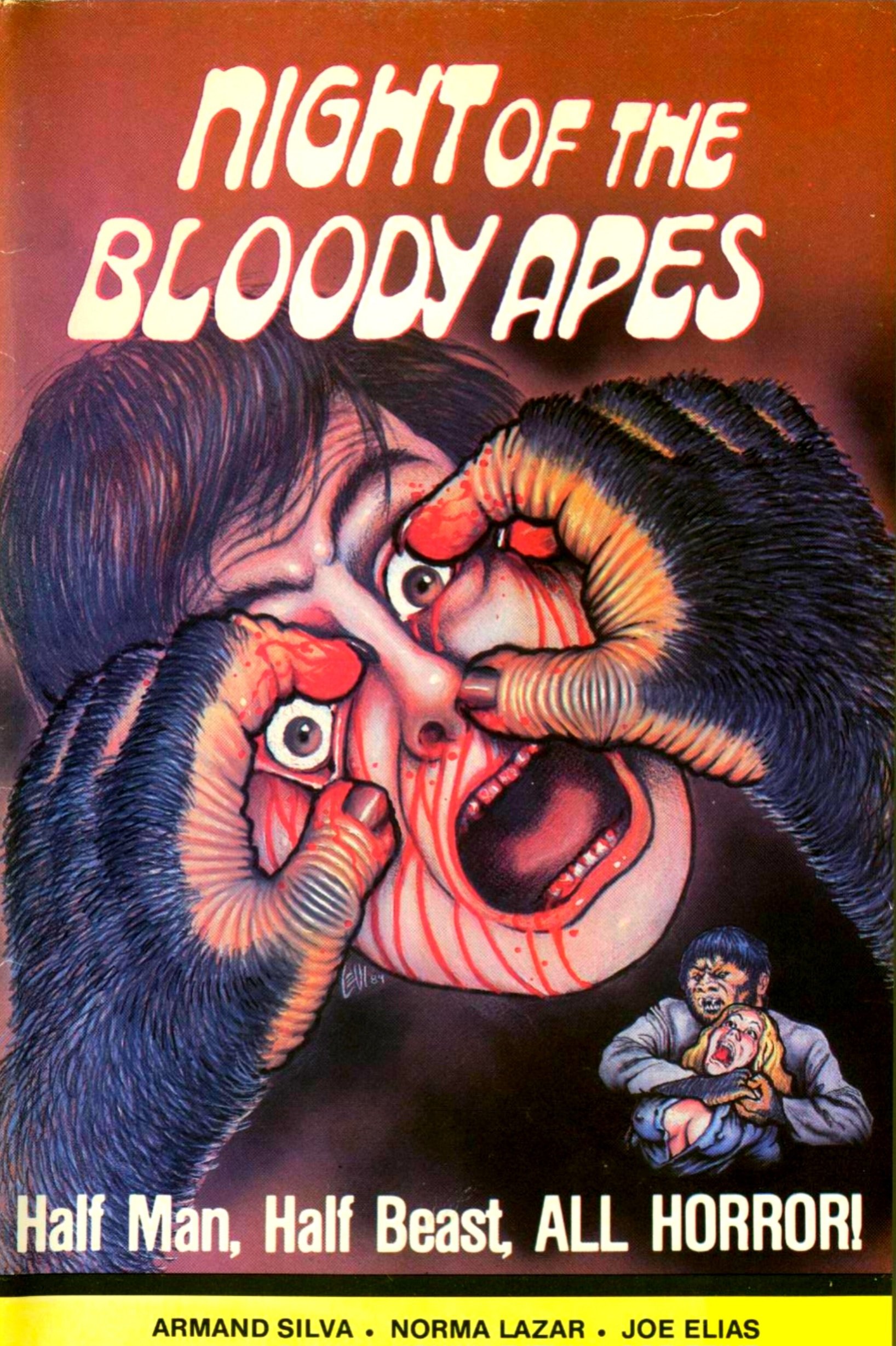
Half man, half beast, all horror