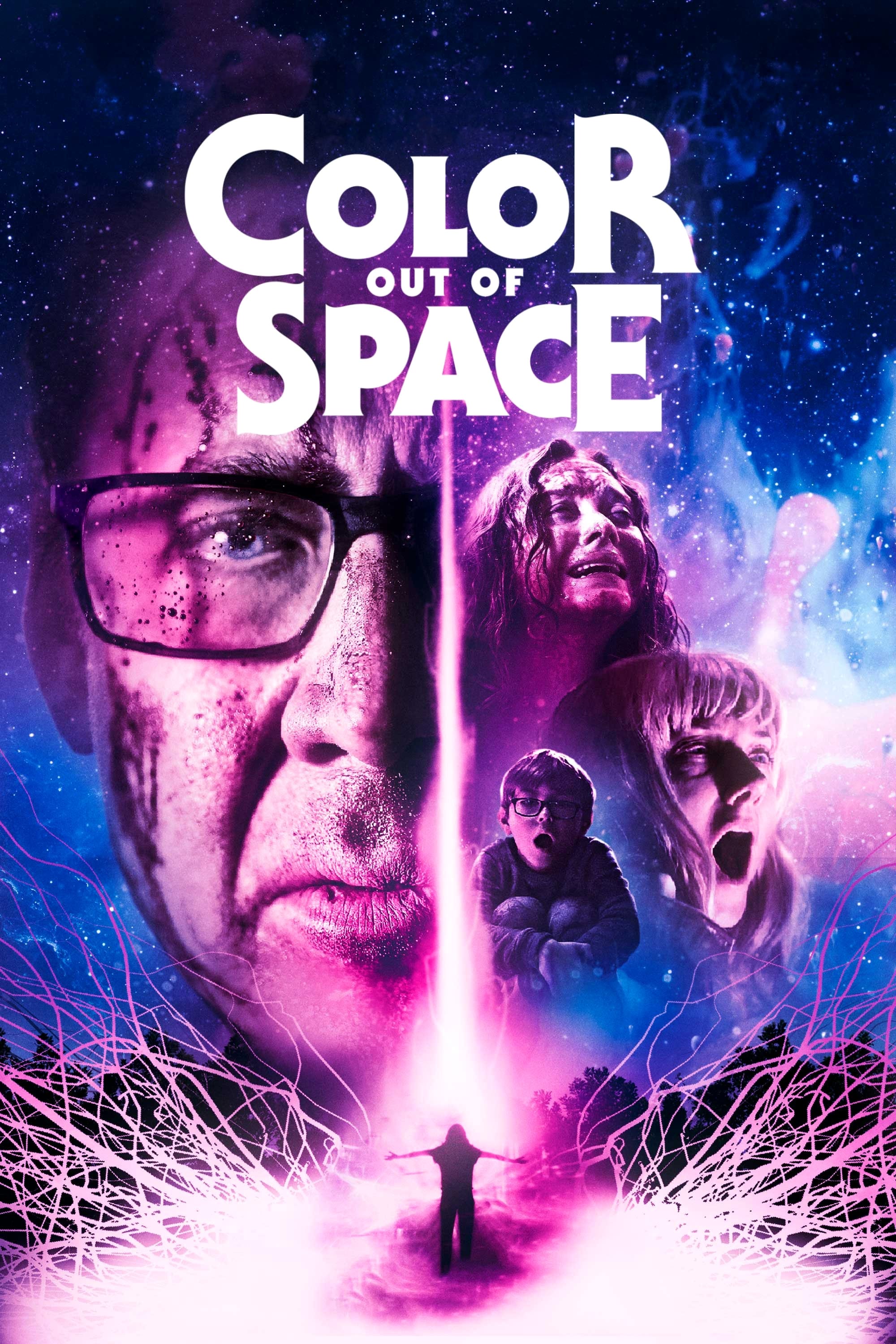
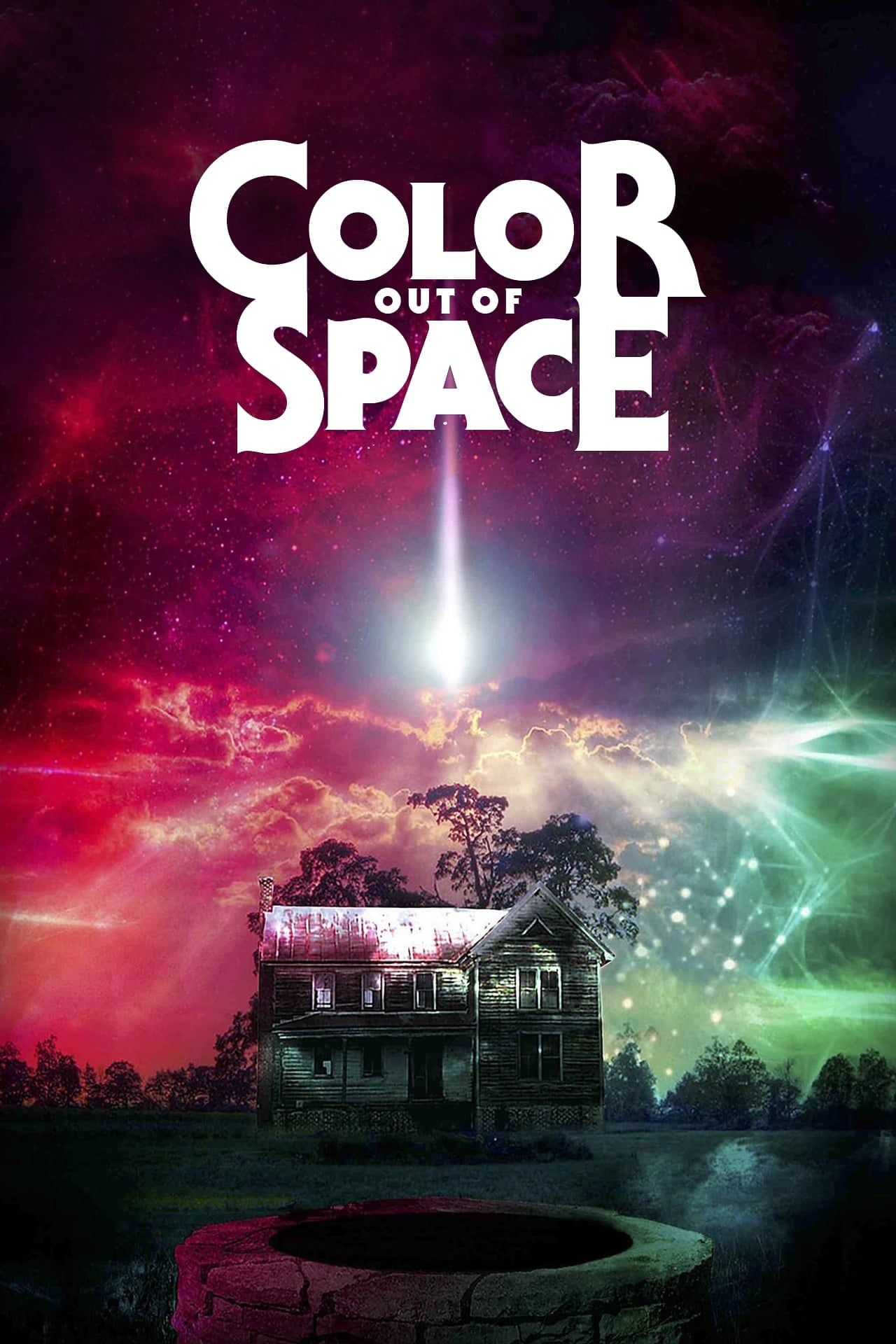
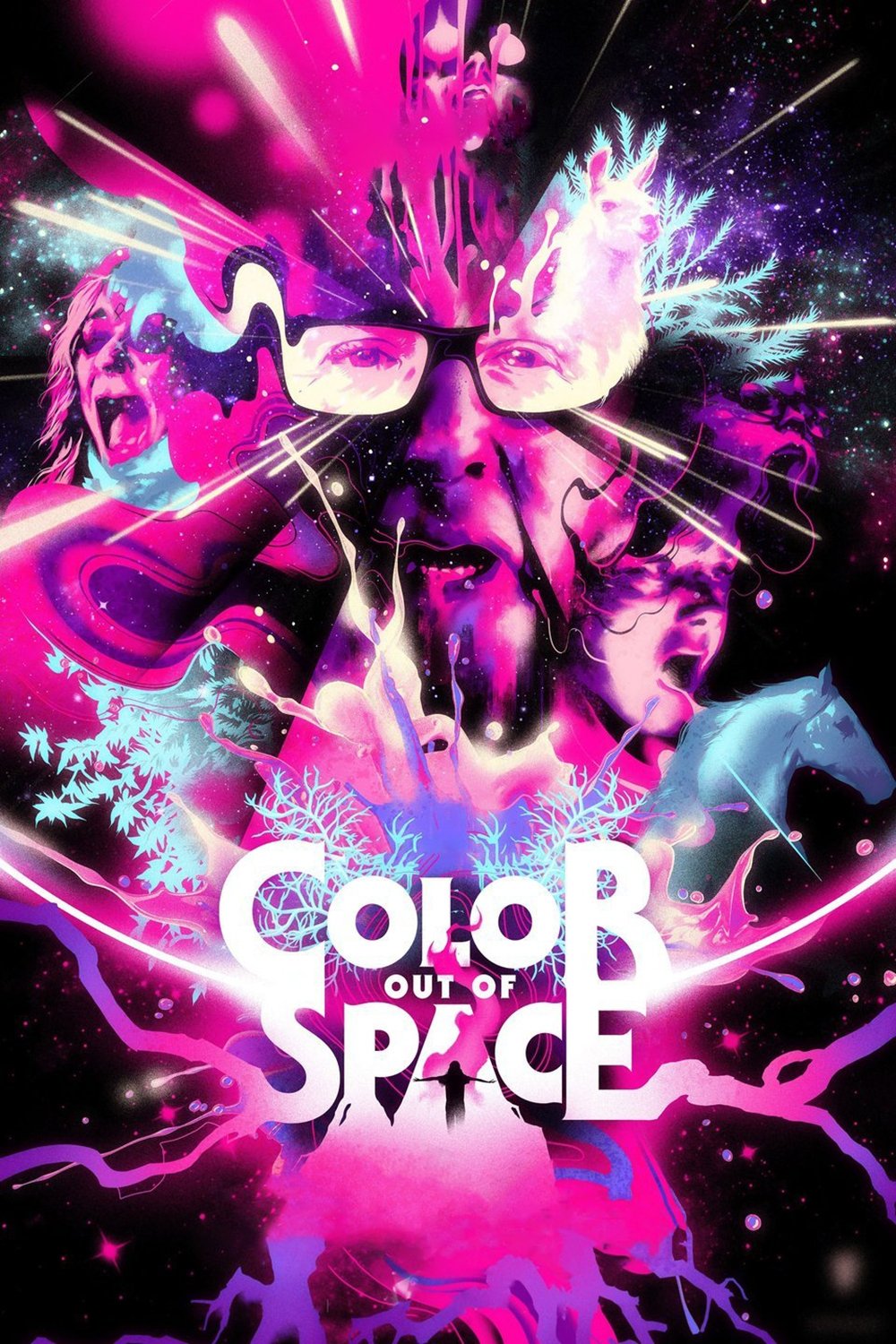
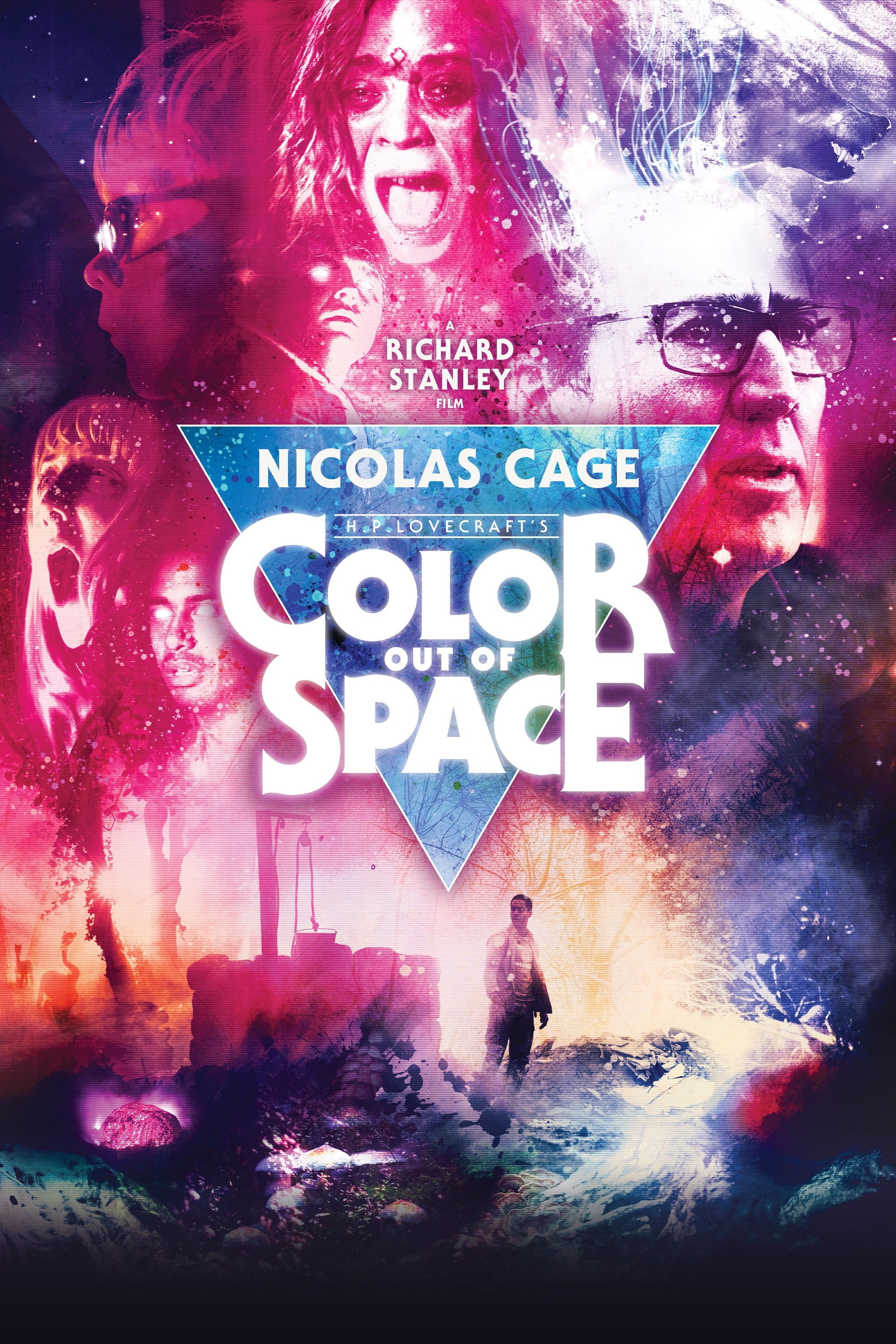
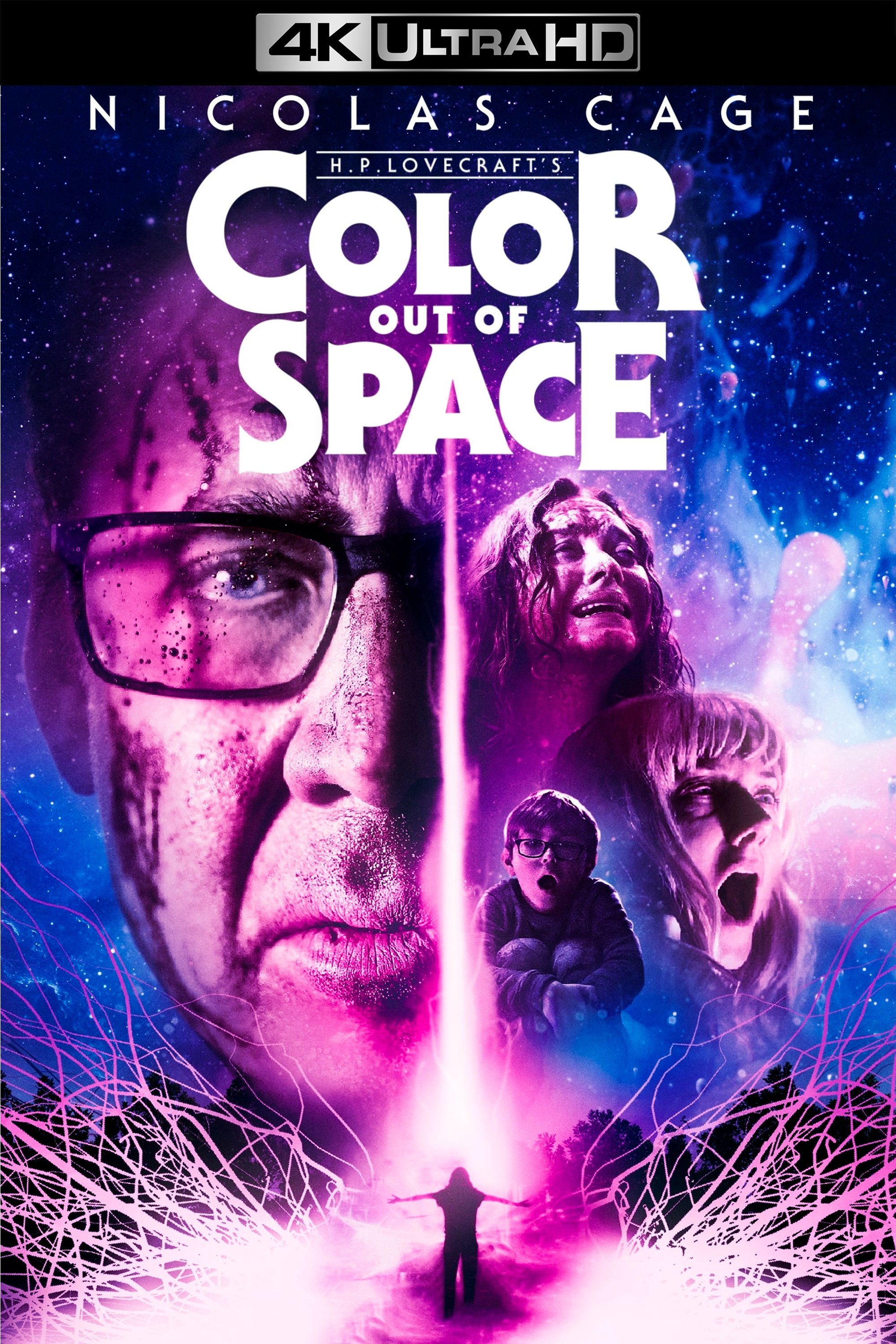
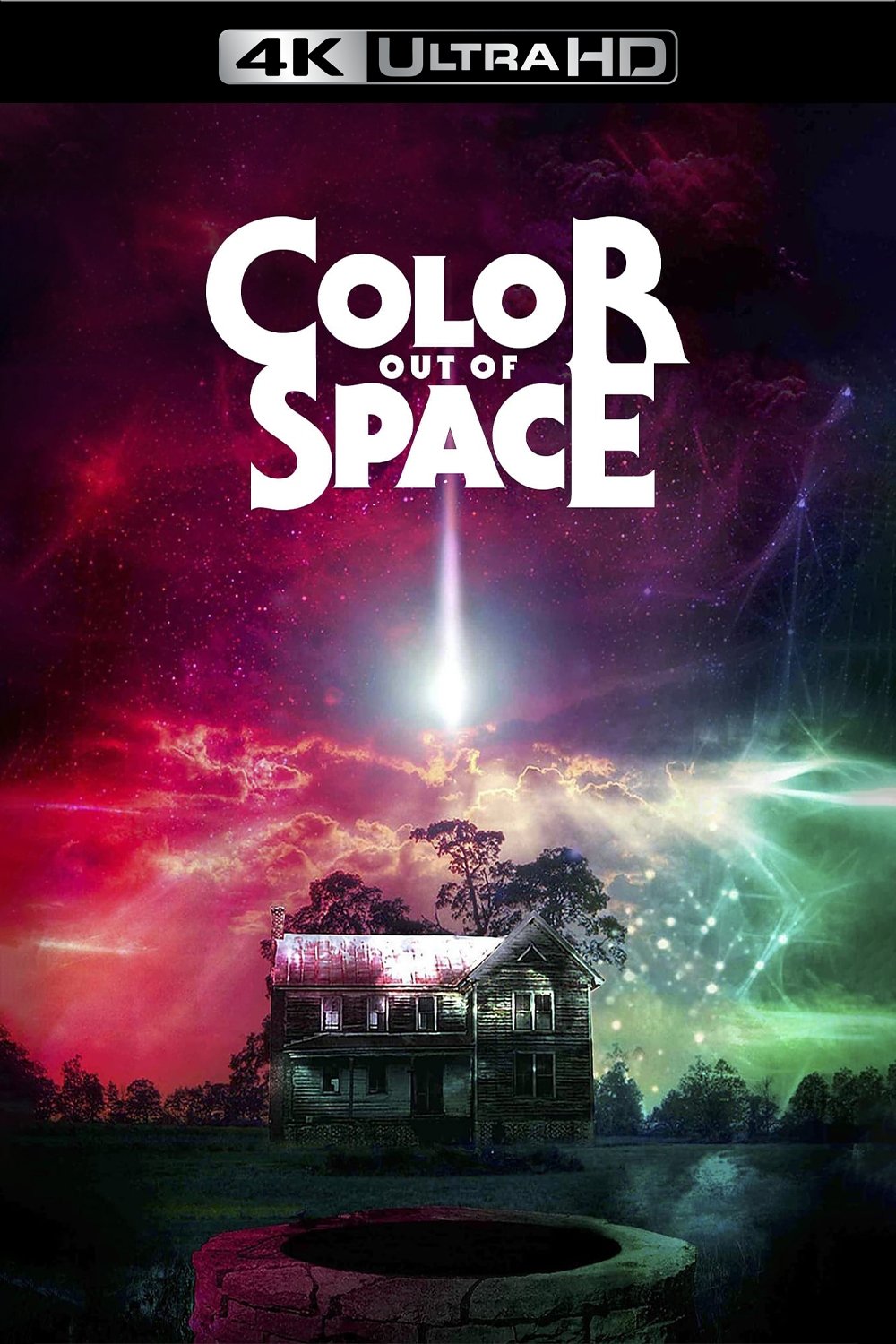
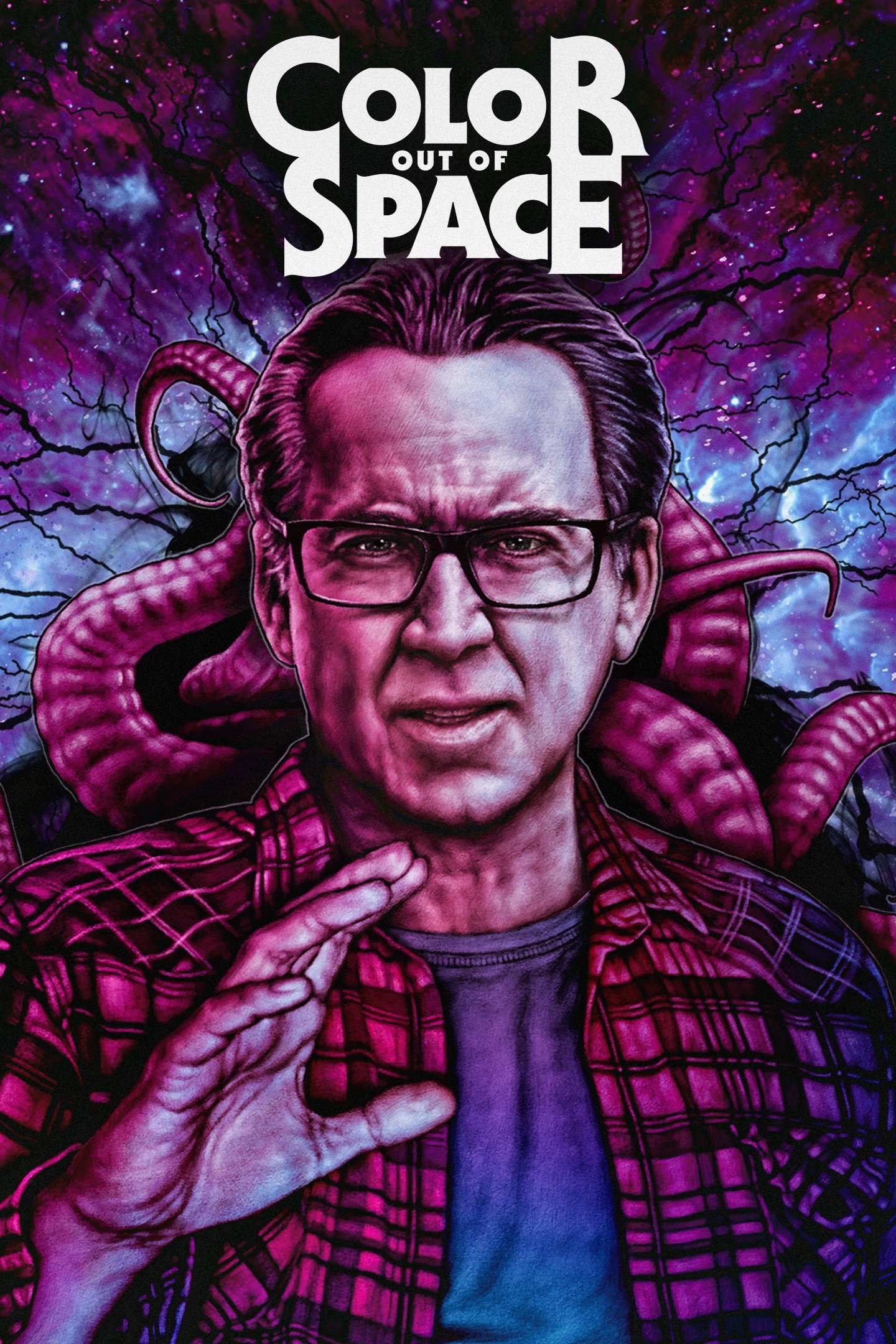
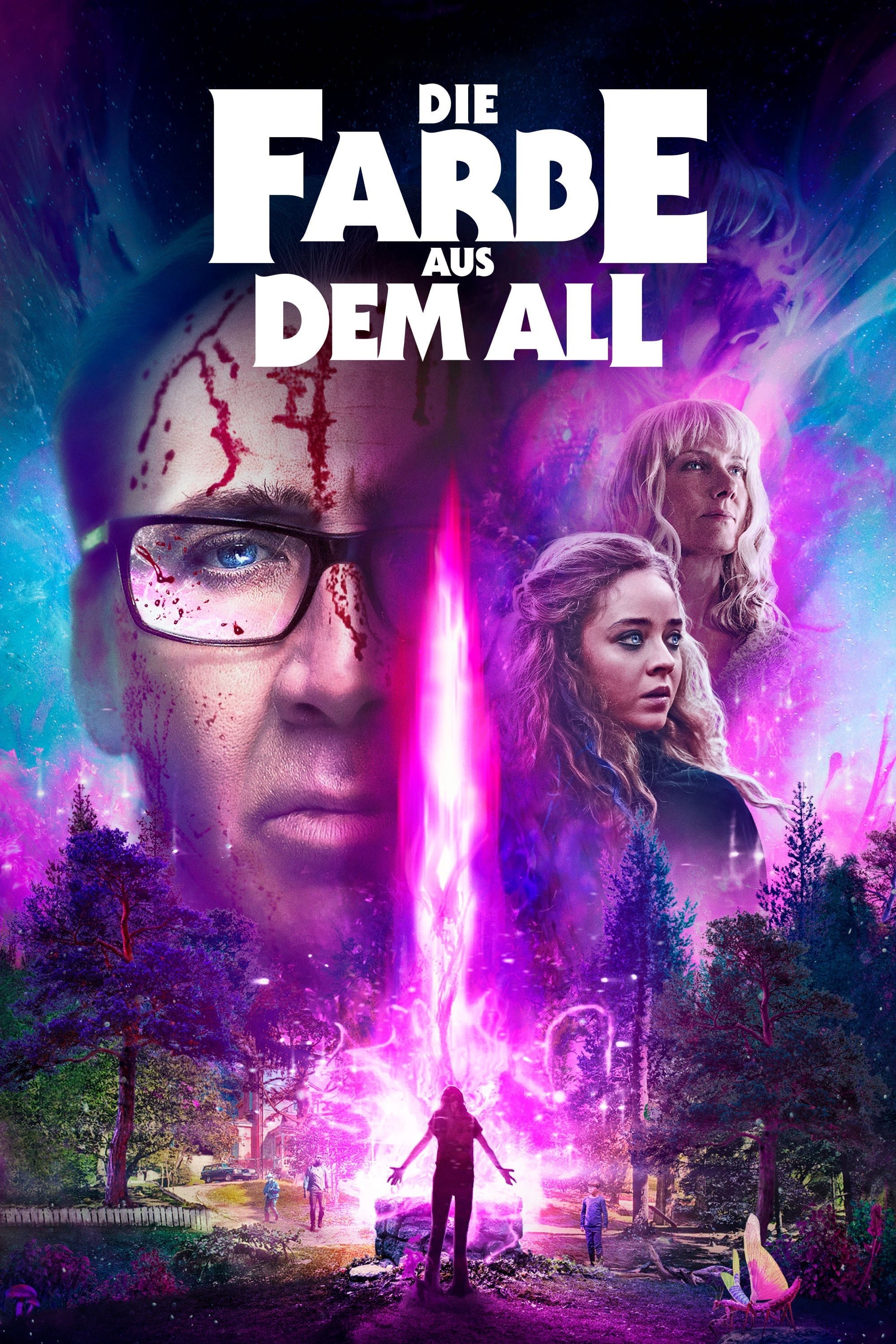
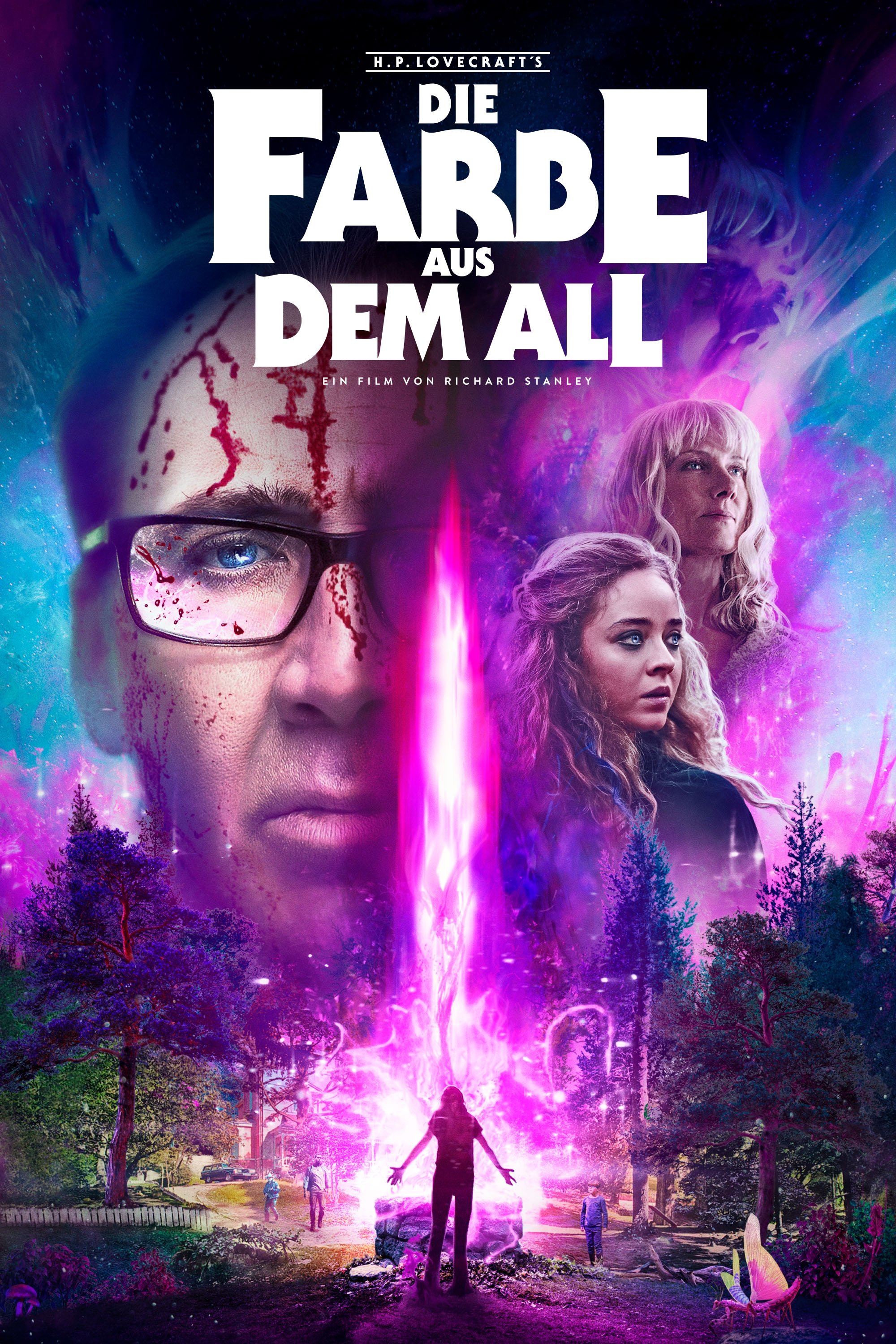
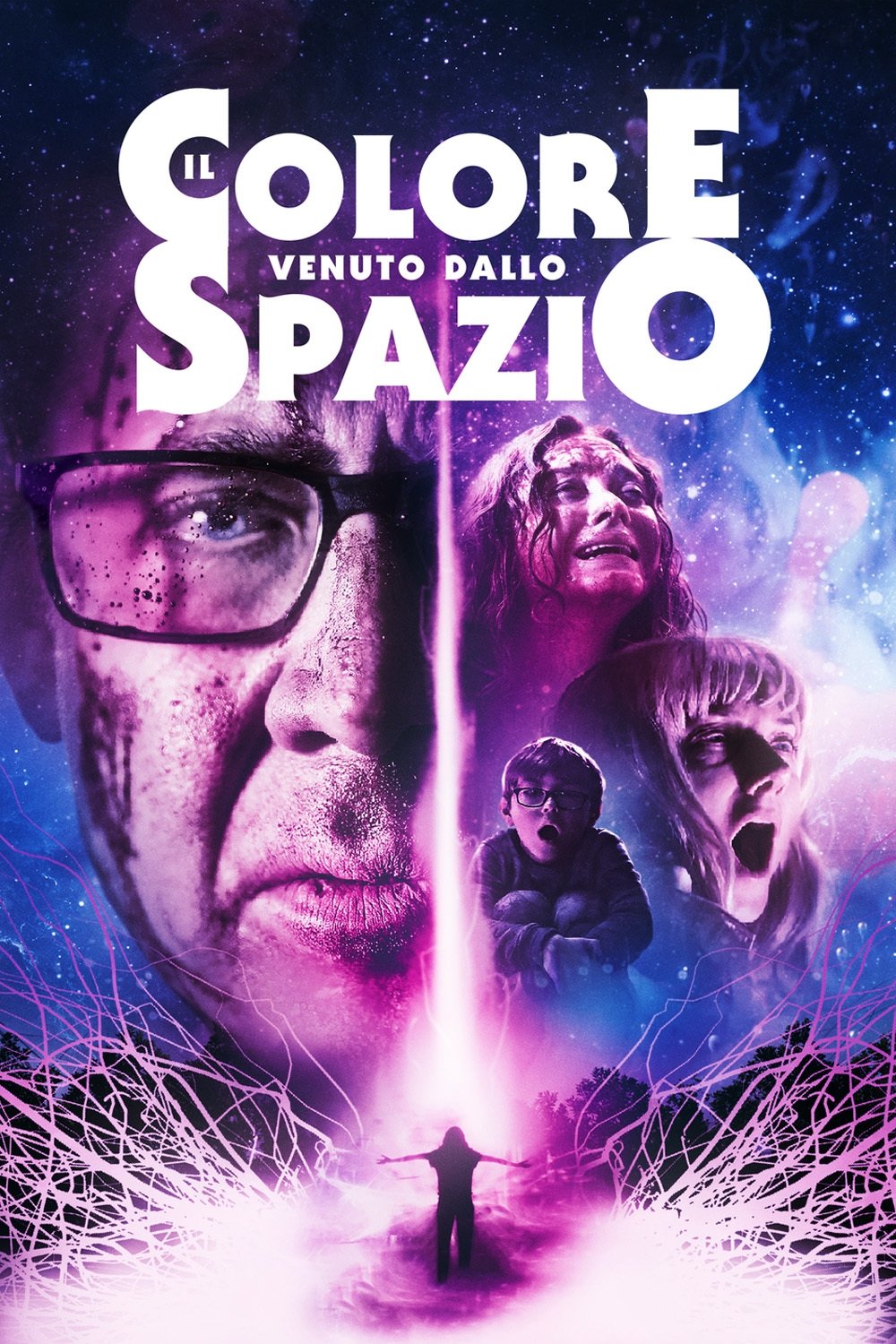
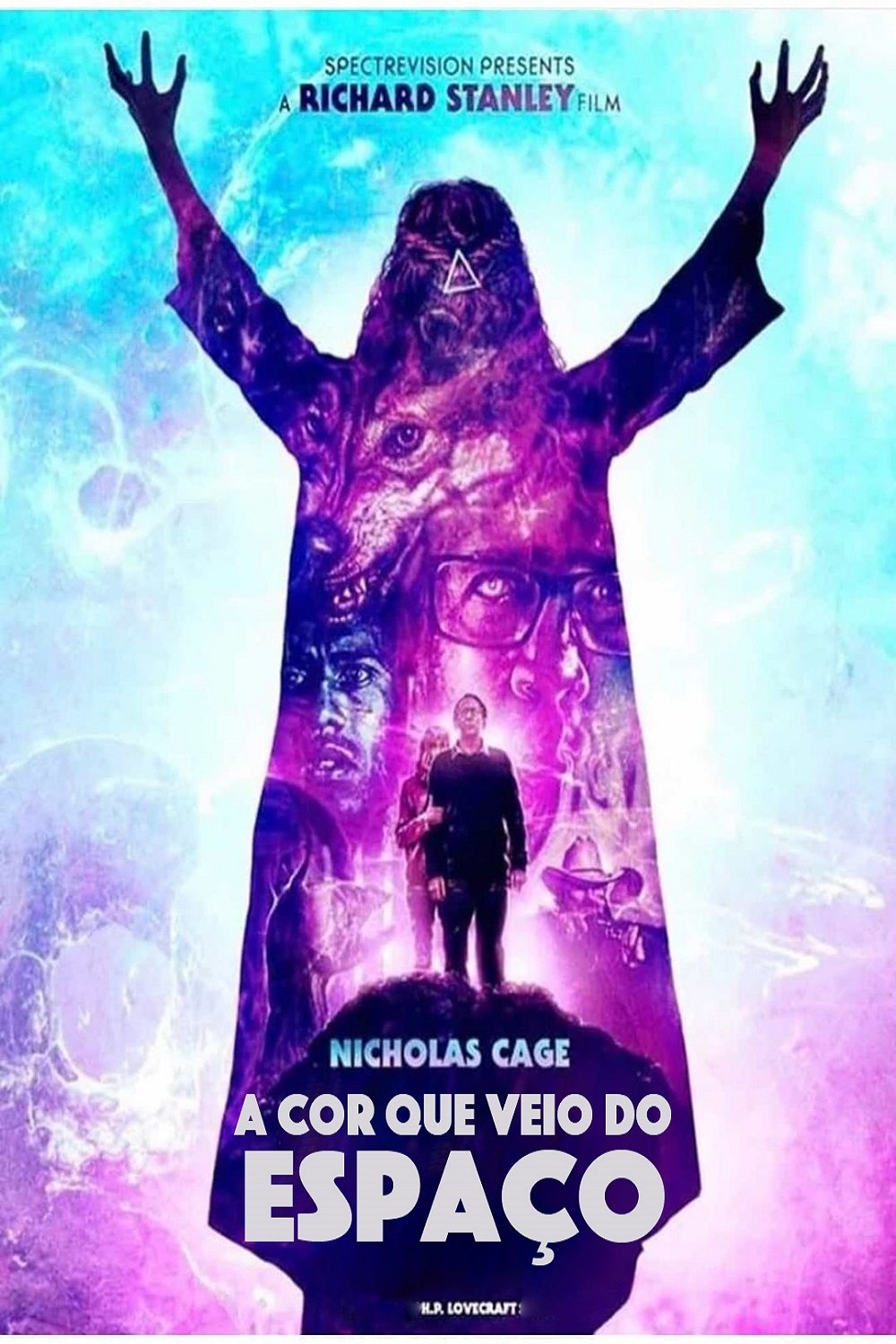
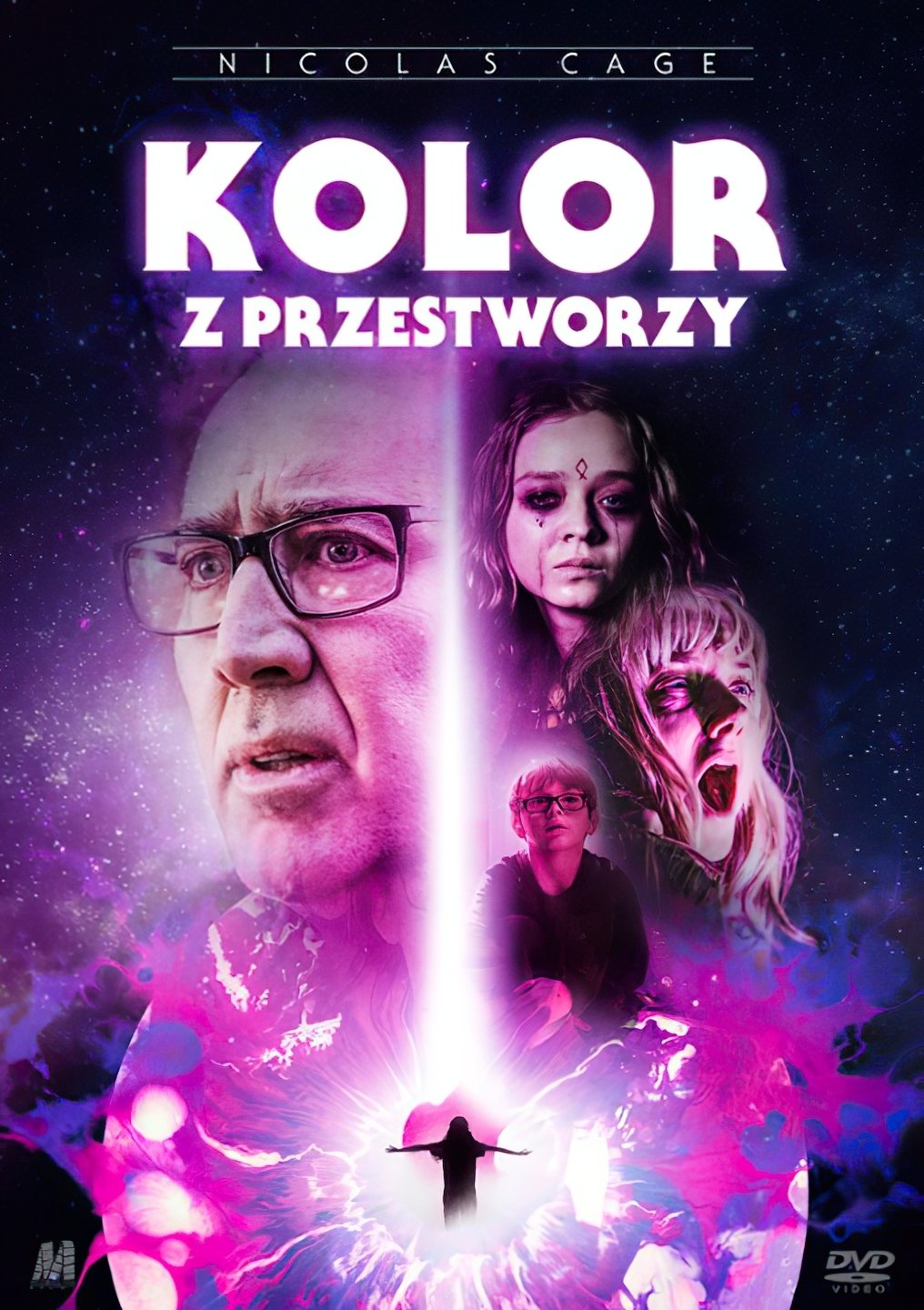
The 1927 Story and the Challenge of Adaptation
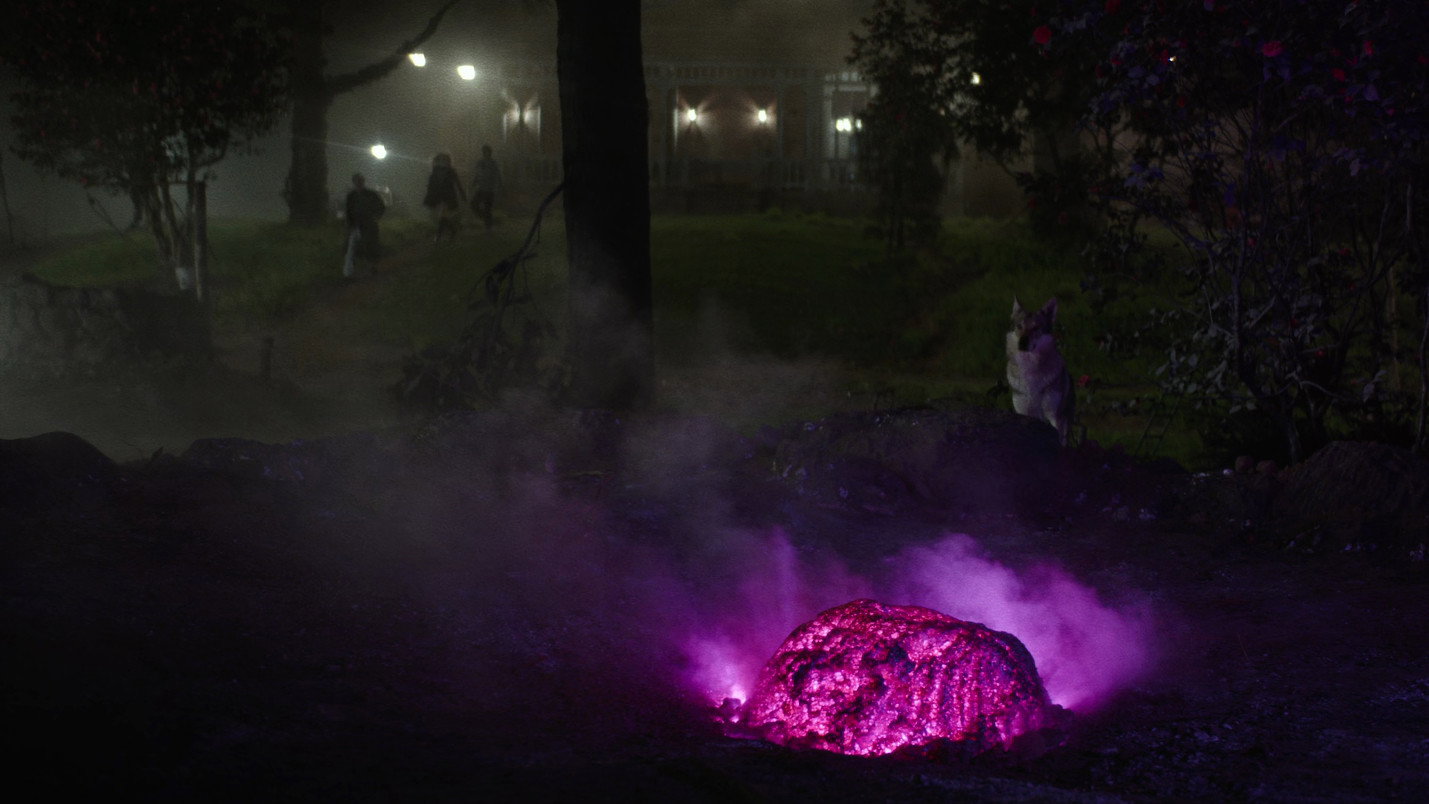
Lovecraft wrote The Colour out of Space in March 1927; it appeared in the September issue of Amazing Stories that year. The original narrative is a retrospective investigation: a surveyor preparing a reservoir project hears from an elderly local man, Ammi Pierce, about the destruction of Nahum Gardner’s farm decades earlier. A meteorite brings an anomalous colour to the landscape, after which crops grow strangely, animals deteriorate and people lose their capacity to understand what is happening. The surrounding wasteland becomes known as the blasted heath. The story’s horror depends on evidence gathered long after the calamity and the lingering possibility that some of the alien influence remains beneath the ground.
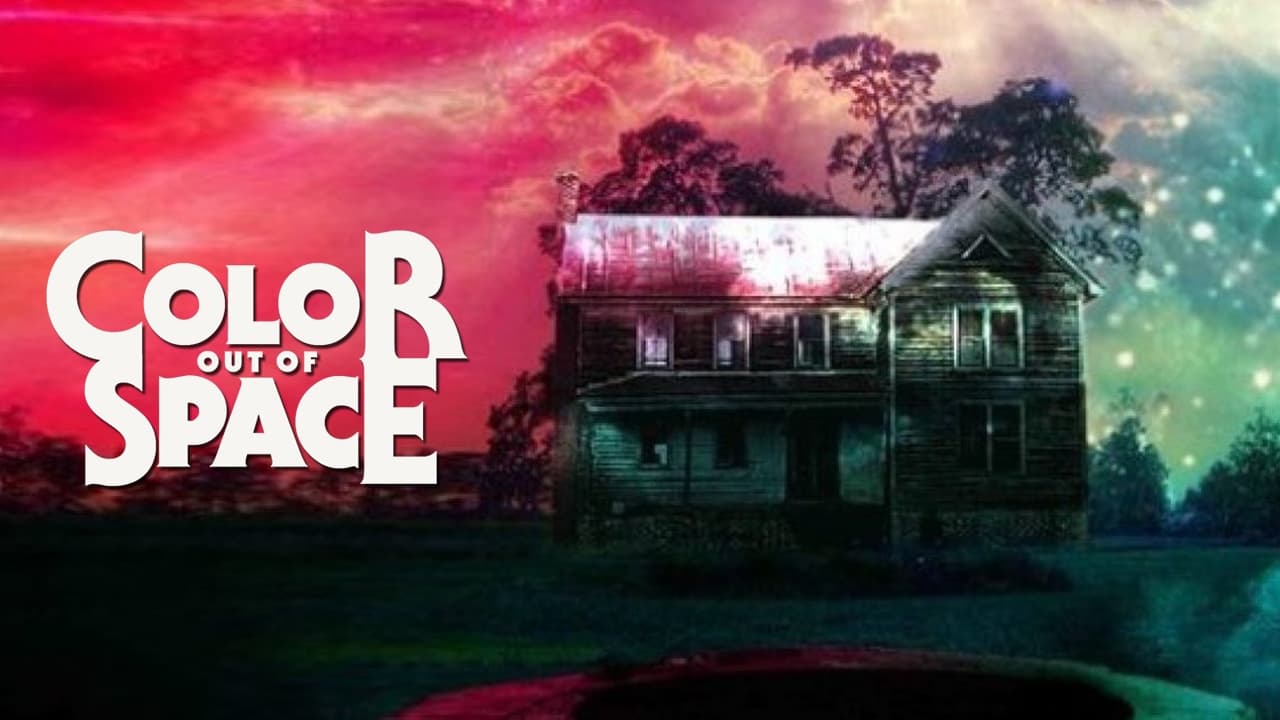
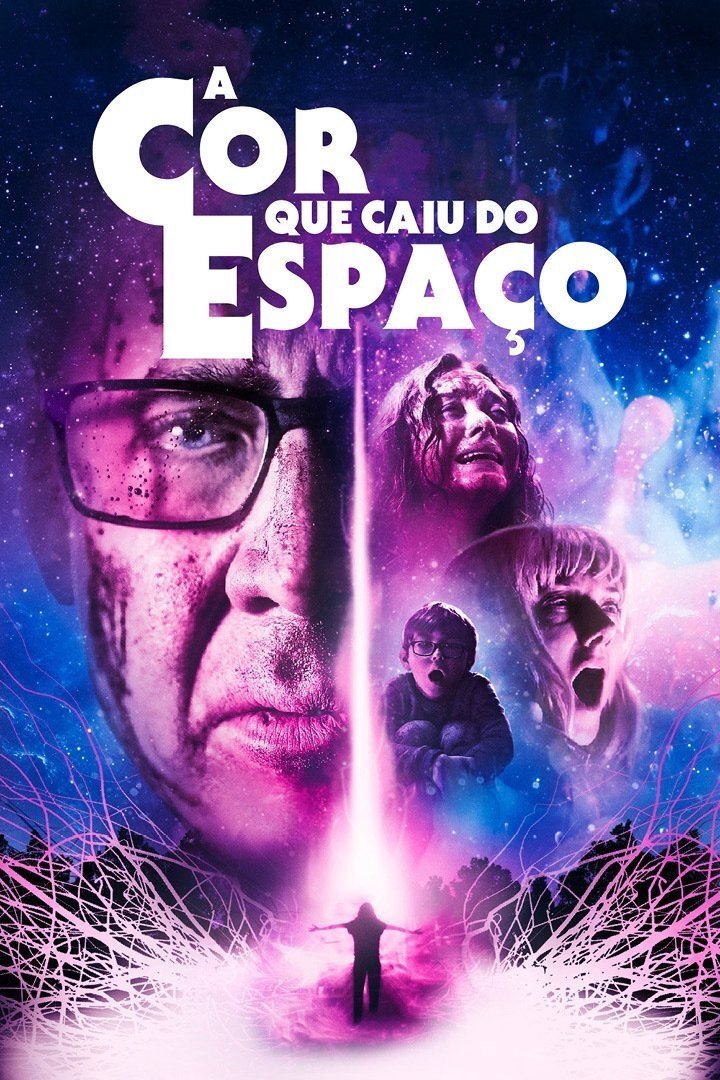
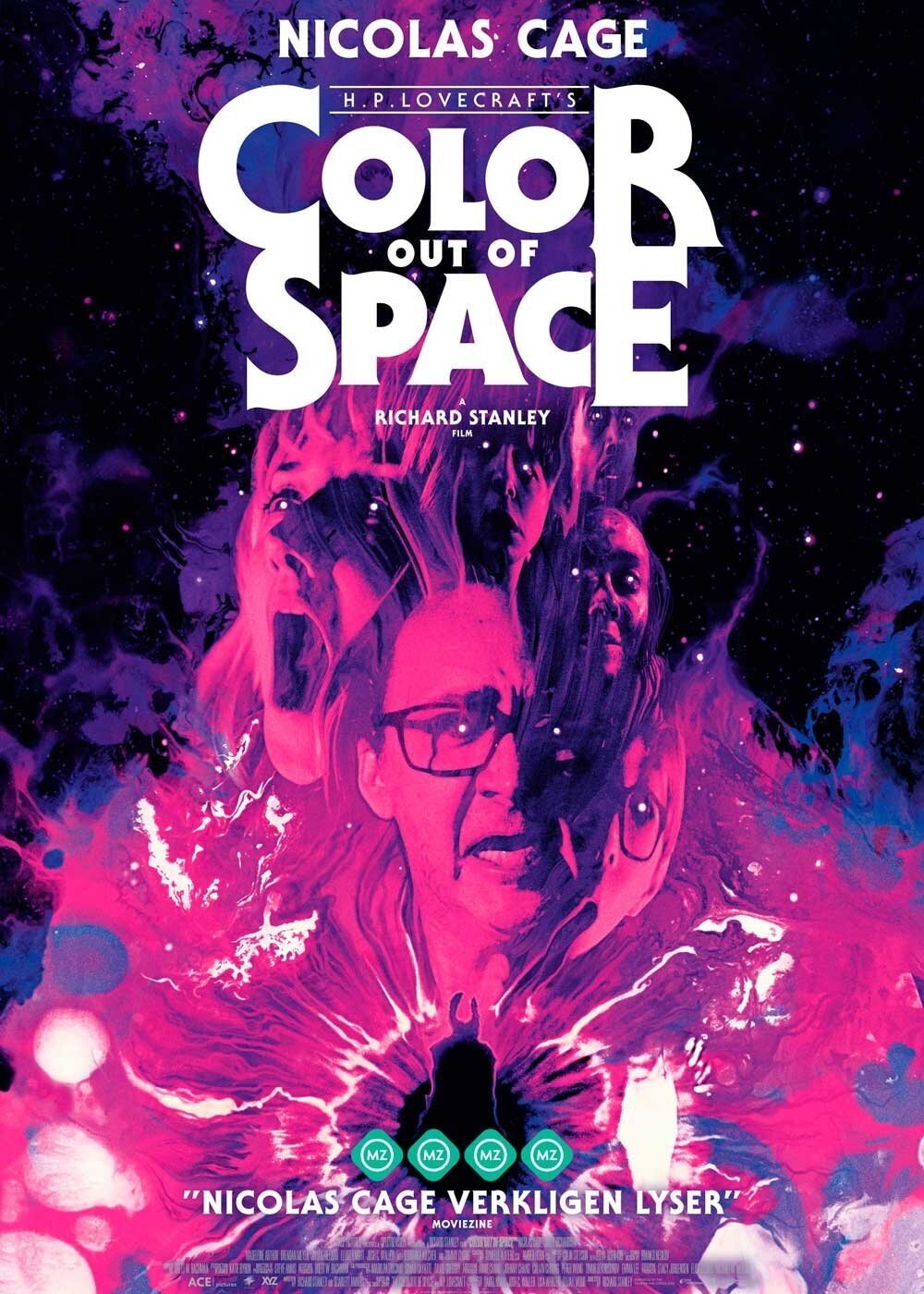
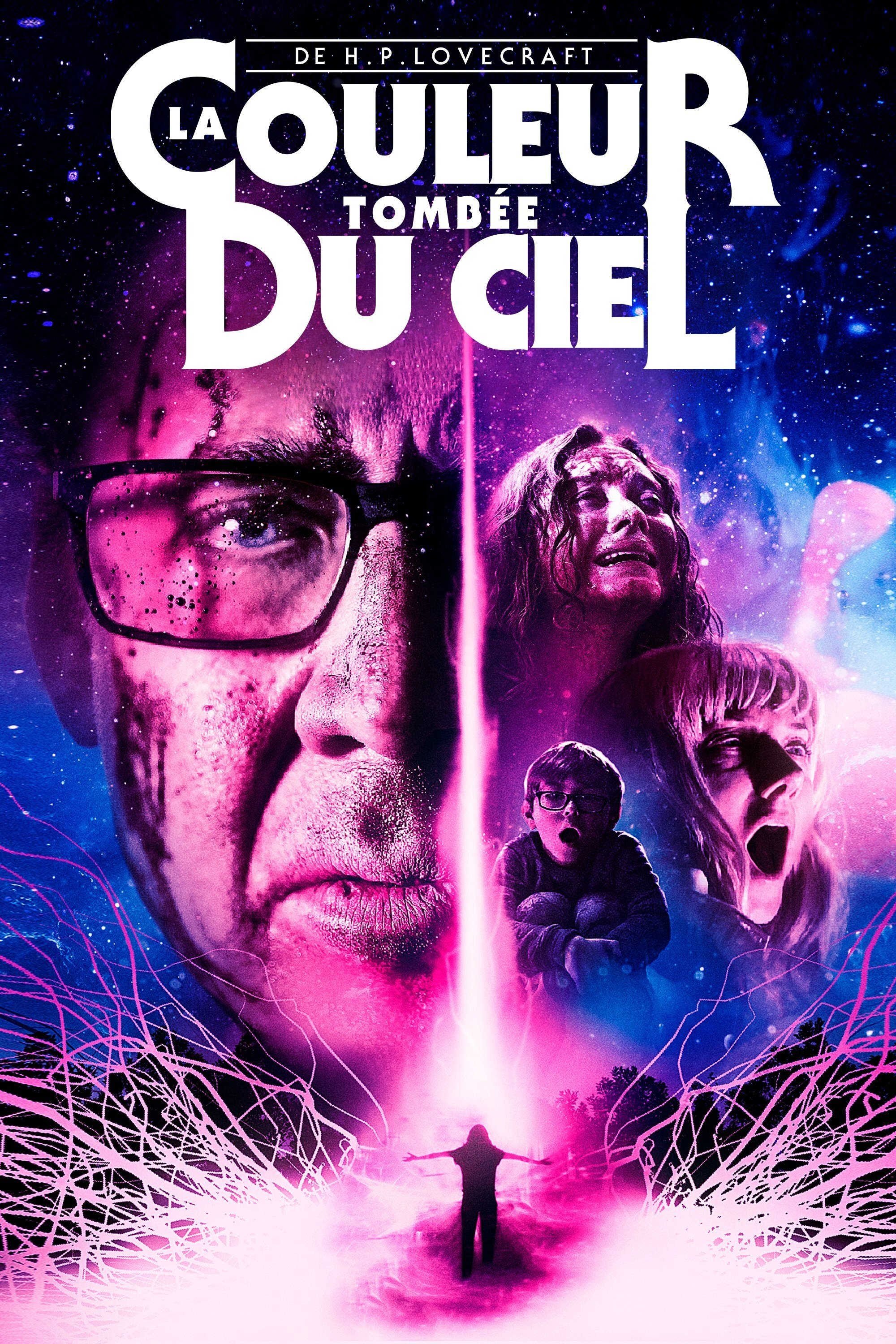
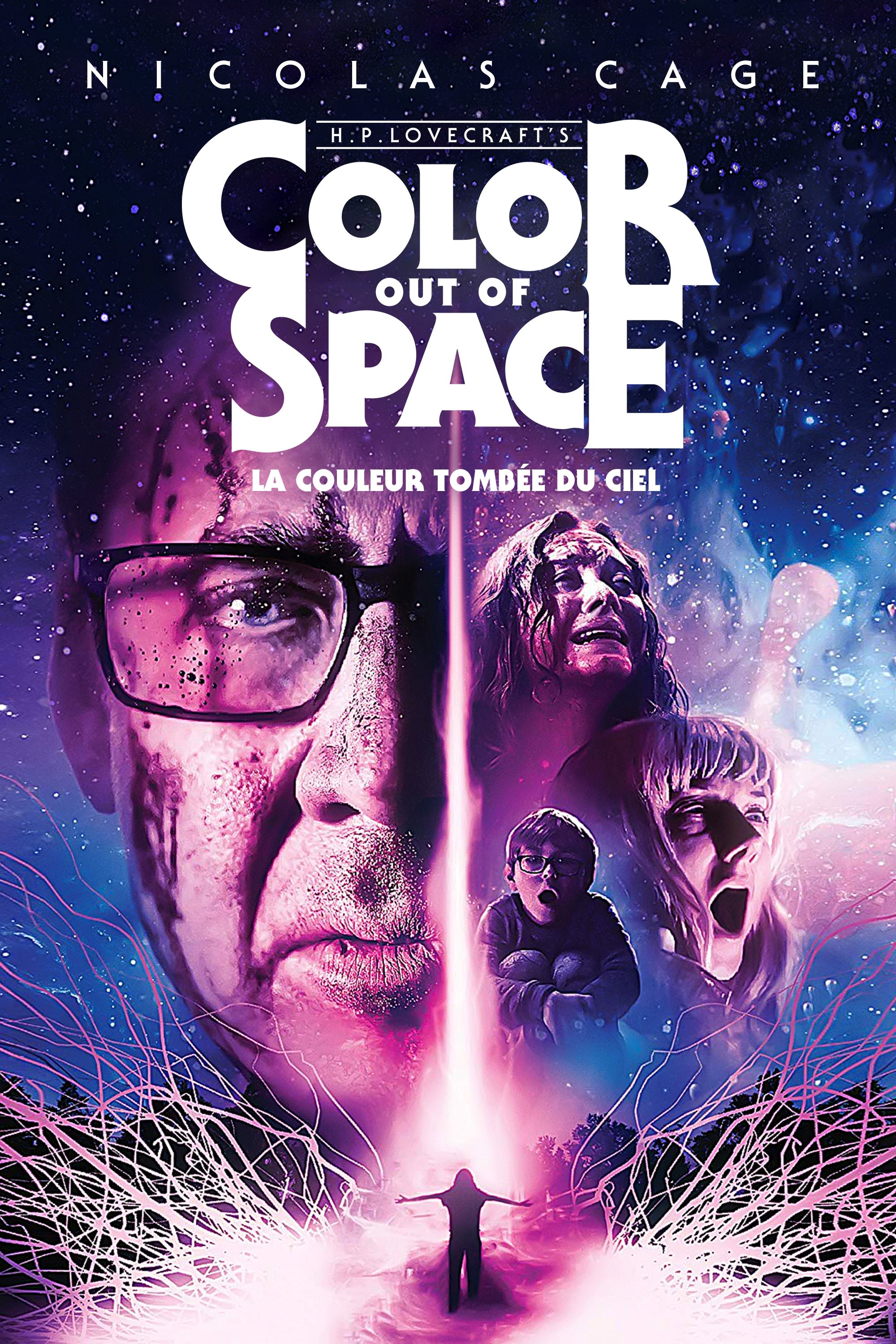
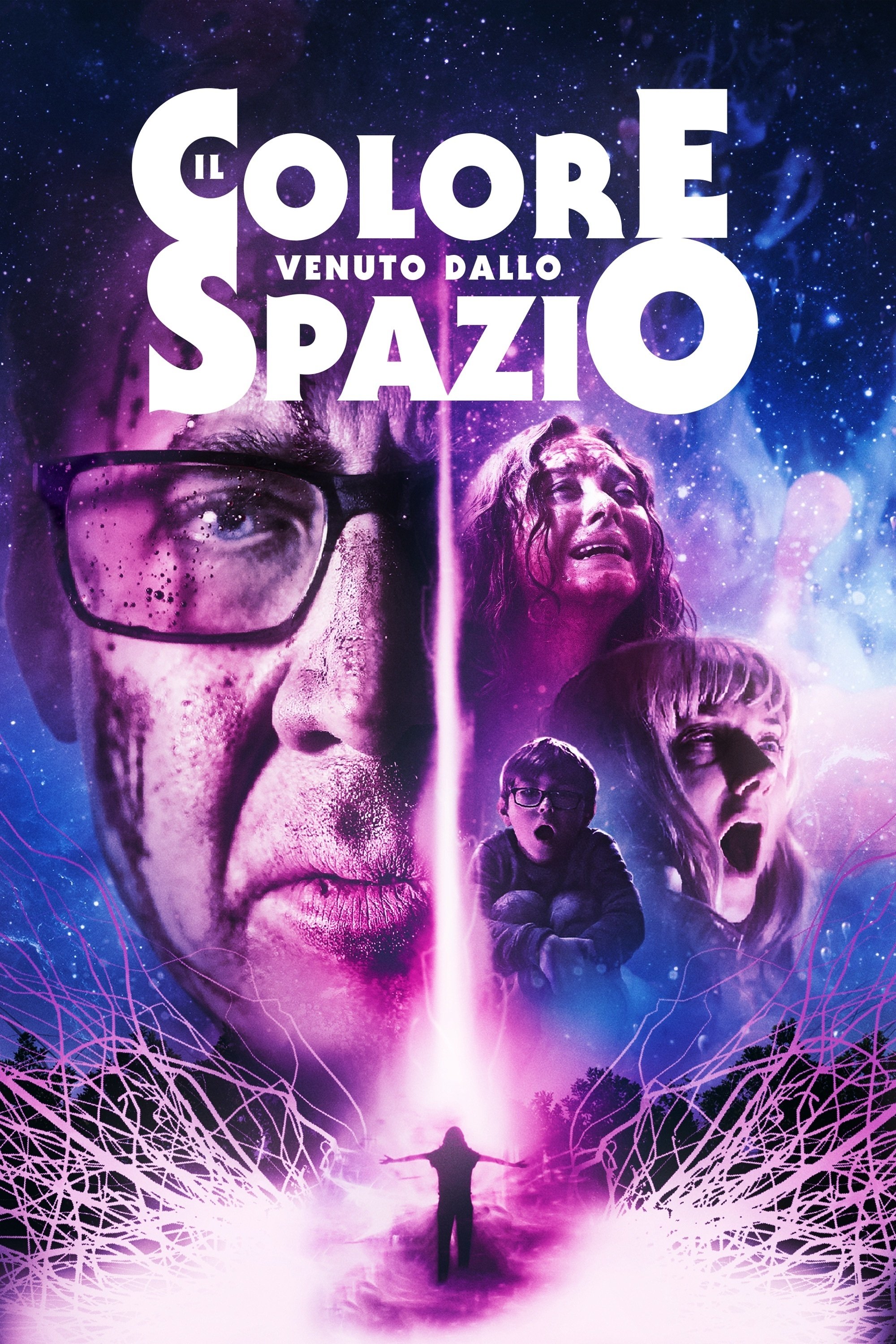
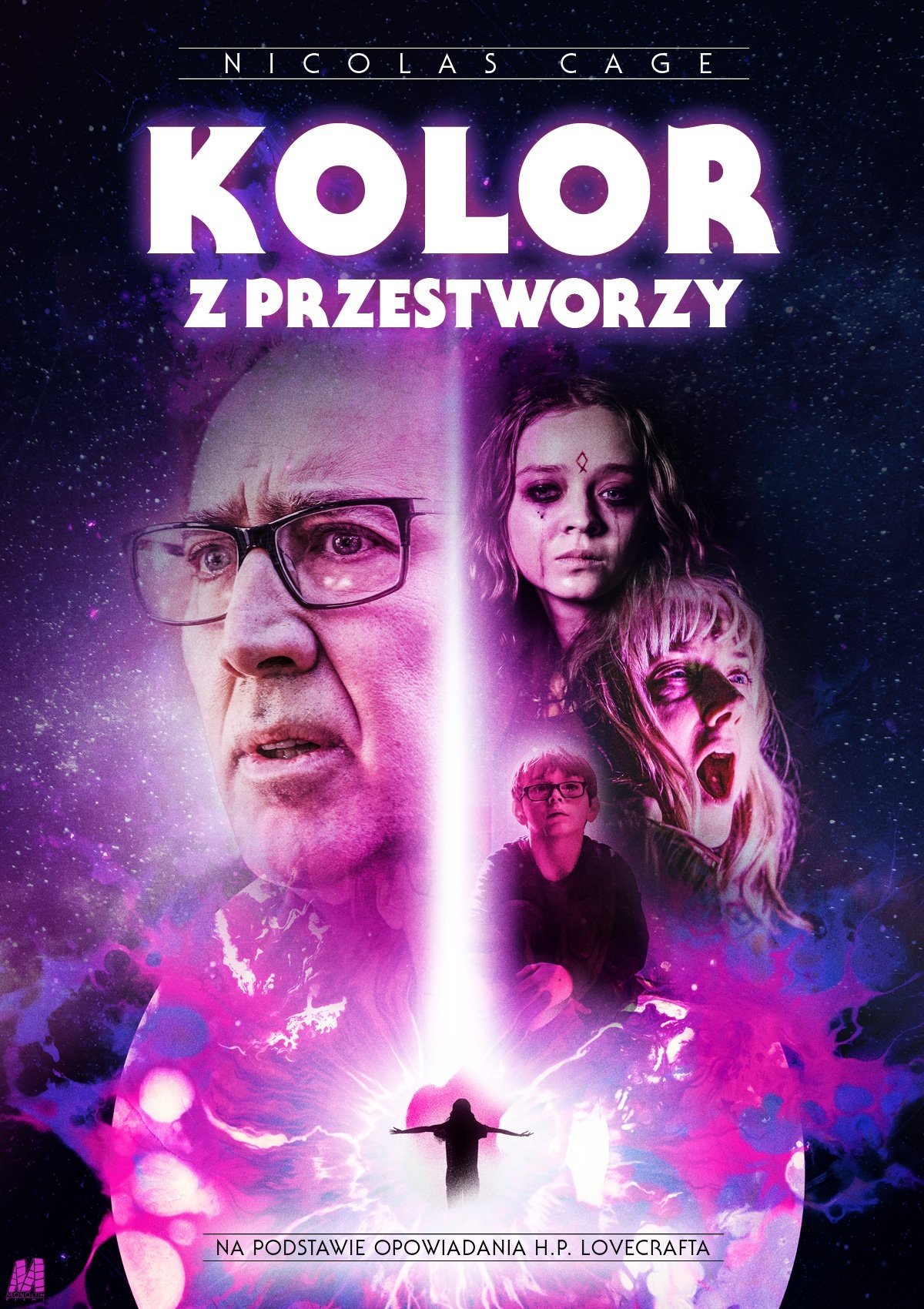
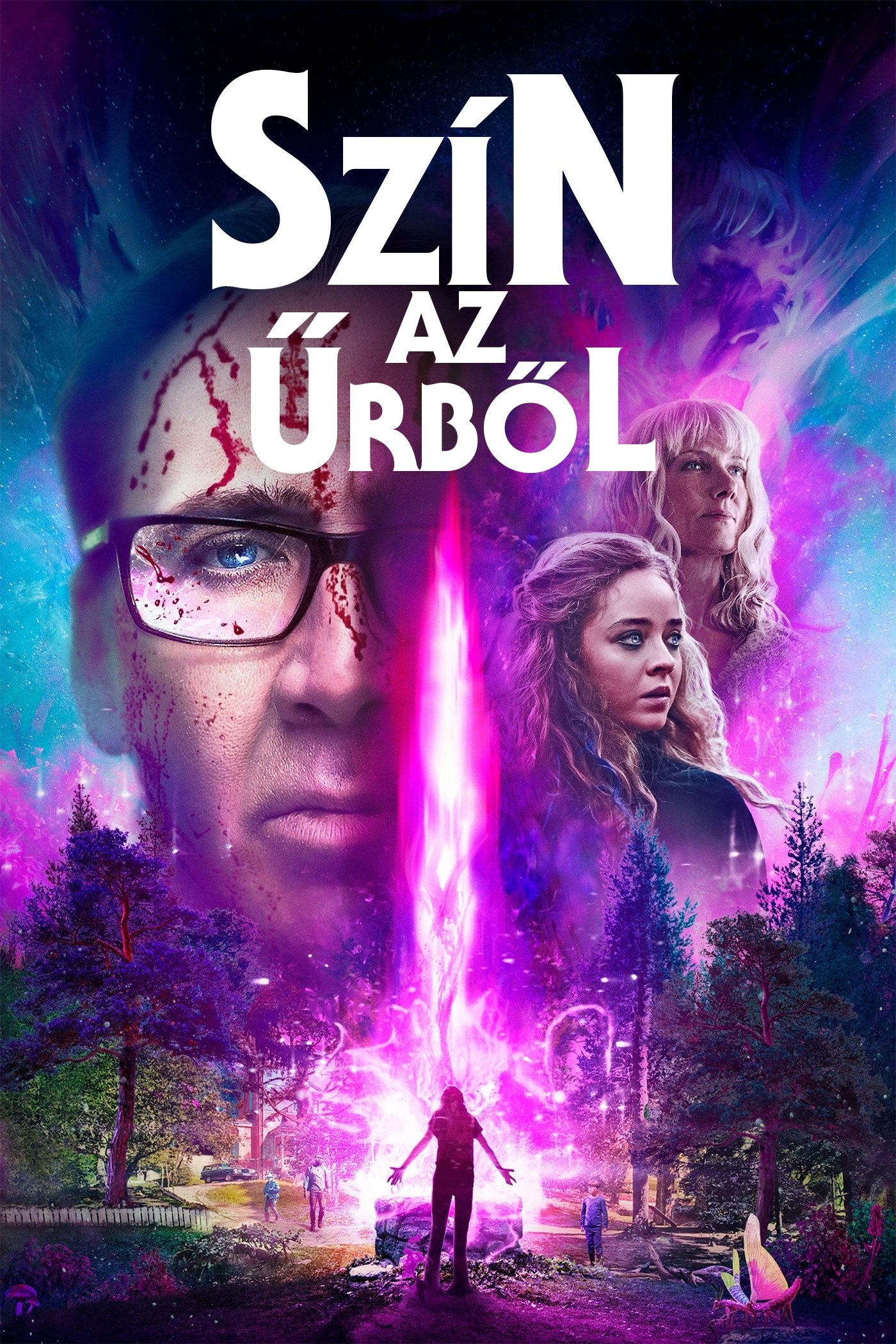
Stanley moves the action into the contemporary era and gives the threatened household sustained dramatic presence. Nathan replaces Nahum as the father’s name, while the family includes daughter Lavinia, sons Benny and Jack, and mother Theresa. Ward Phillips, played by Elliot Knight, combines the function of an outside investigator with that of a witness who can follow the catastrophe as it happens. He works on a water survey connected with a proposed reservoir, preserving the source story’s anxiety about contaminated water. His university connection and surname also locate the film in the larger fictional geography associated with Lovecraft.
These changes alter the balance of knowledge. Lovecraft’s narrator can never directly witness most of the events and must judge a survivor’s account; the film places viewers alongside individuals whose perceptions are themselves being changed. Stanley and Amaris maintain the original tale’s devastating impact on a family and its land while developing personal relationships and visible bodily transformations. The adaptation is therefore best understood as a new dramatization of the literary premise, not a reconstruction of an alleged historical incident or a continuation of another screen version.
Richard Stanley, Scarlett Amaris and SpectreVision
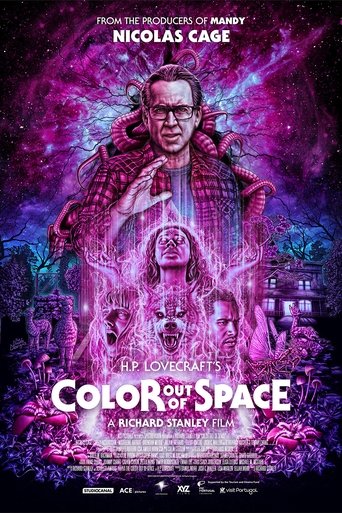
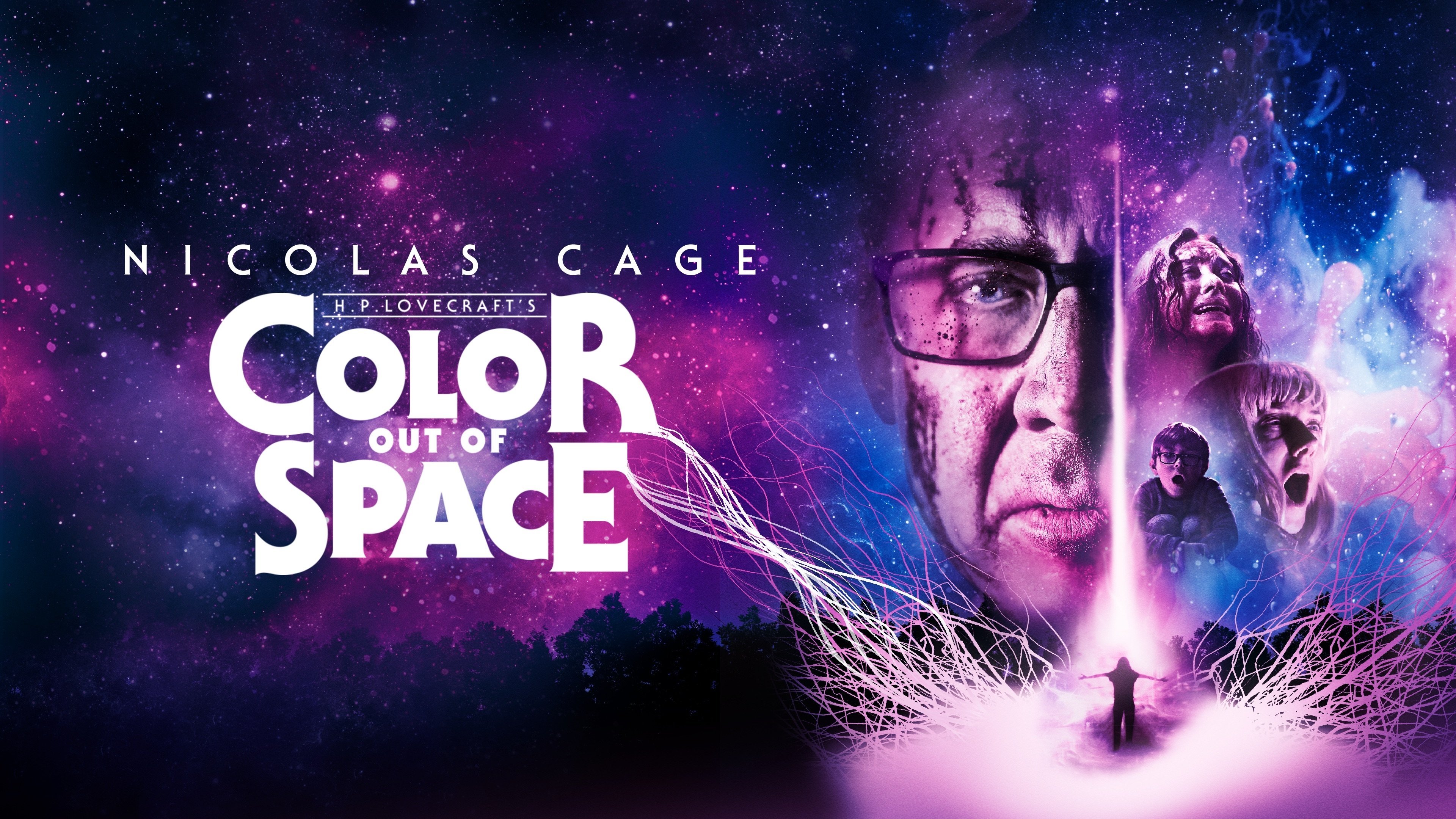
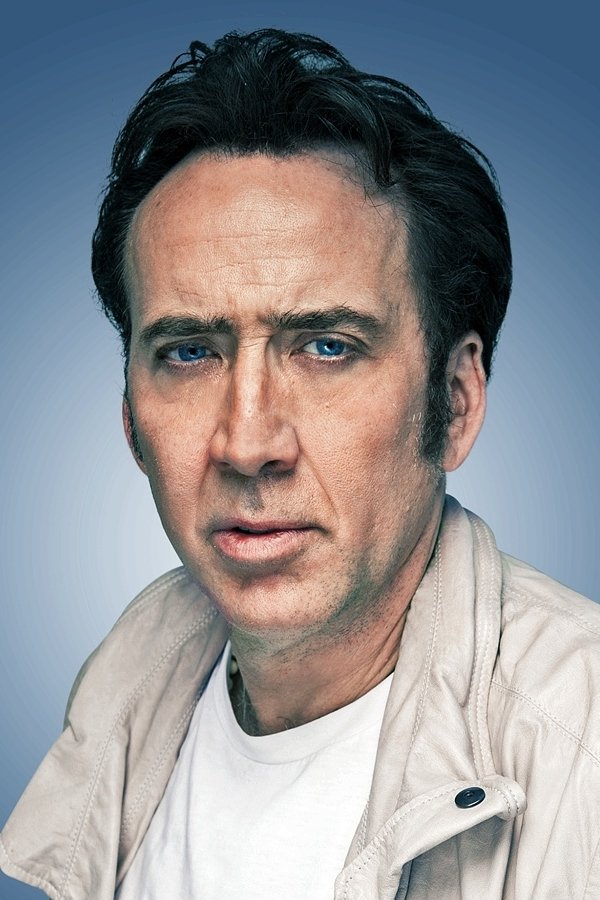
Stanley had explored Lovecraftian material in The Mother of Toads, his segment of The Theatre Bizarre (2011). He subsequently developed a feature screenplay based on The Colour out of Space with Scarlett Amaris, and an early promotional presentation circulated at the Frontières market in 2013. The project moved forward through SpectreVision, the company associated with Elijah Wood and producers Daniel Noah and Josh C. Waller. Nicolas Cage, who had appeared in the company’s Mandy (2018), became the central performer. The casting joined Stanley’s fascination with unstable reality to an actor willing to move quickly from domestic comedy into rage and despair.
The film also had particular significance in Stanley’s career. Following Hardware (1990) and Dust Devil (1992), his attempt to direct The Island of Dr. Moreau (1996) had ended with his dismissal early in production. He spent subsequent years making documentaries and shorter works, and Color Out of Space became his first completed fiction feature in many years. In his January 2020 interview with Rue Morgue, Stanley contrasted the relatively close correspondence between this film and his screenplay with previous experiences in which commercial interference had transformed his material. That testimony is useful evidence of his satisfaction, though it represents the director’s own retrospective assessment.
The screenplay was written to offer a recognizable household before it was destroyed. Stanley explained that the gradual collapse would matter more if the Gardners could initially be seen as people attempting to live together. He also acknowledged his disagreement with aspects of Lovecraft’s personal worldview and described the film as an argument with its source as well as an adaptation. The result retains the cosmic indifference of the alien force while allowing sympathy for characters whose relationships are complex before the meteorite arrives.
Portugal, the Farm and an Imaginary Massachusetts
The production photographed its supposed Massachusetts environment around Sintra, Portugal, early in 2019. Stanley explained that Cage’s availability required a winter shoot, when New England locations were covered with snow, even though the story needed an agricultural landscape still full of foliage. The Portuguese locations supplied woodland, farm structures and a climate capable of suggesting the fictional Arkham countryside. The local company BRO Cinema participated in the shoot, and Portuguese public broadcaster RTP documented the Sintra production and the involvement of a predominantly Portuguese crew. Those circumstances made the landscape a practical solution to a scheduling problem rather than a change in the story’s geographic setting.
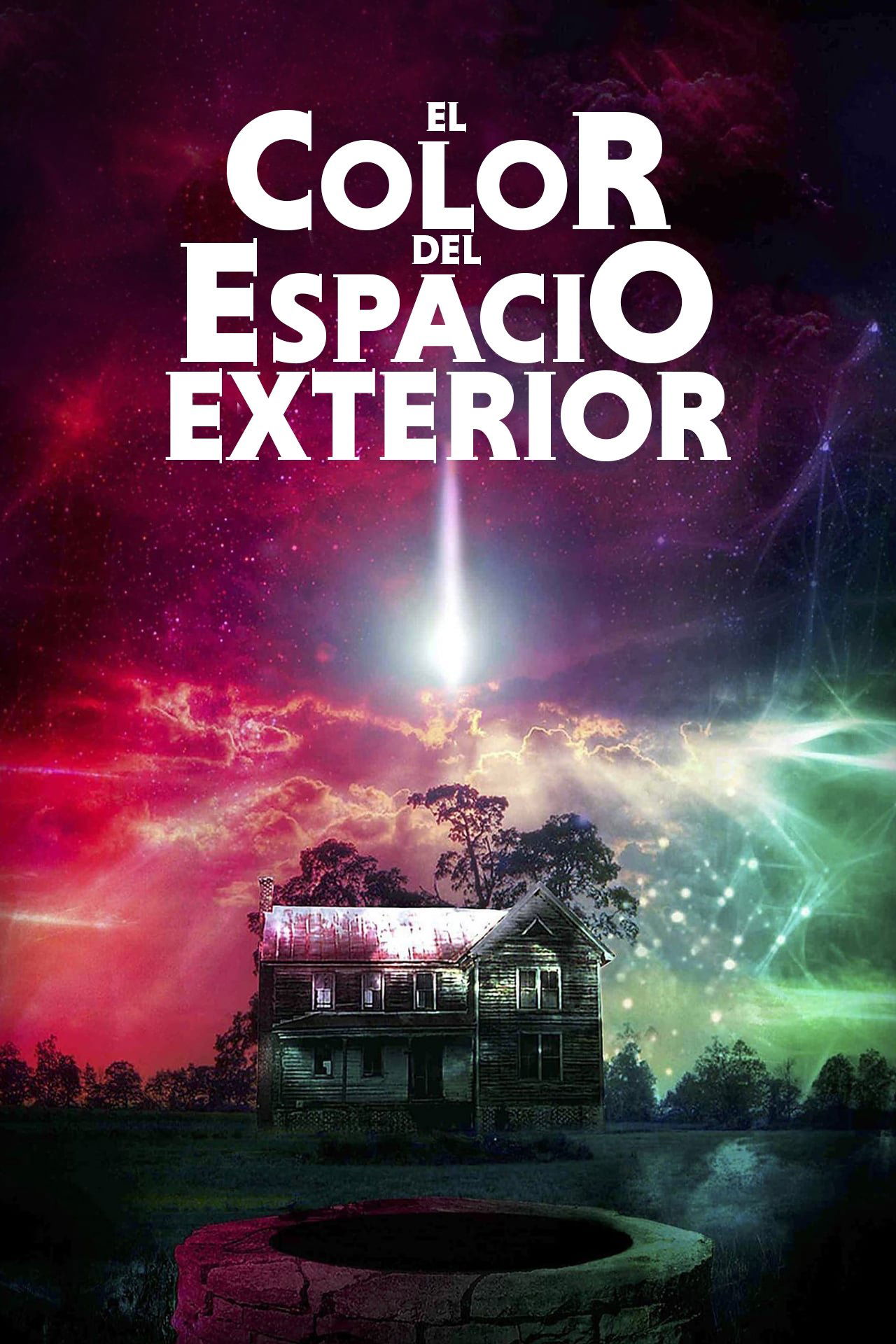
Cinematographer Steve Annis and production designer Katie Byron created a world in which ordinary property gradually loses its familiar appearance. The Gardner house initially contains equipment and objects associated with contemporary family life; the land contains the well, crops and Nathan’s alpacas. These details give the alien influence multiple surfaces on which to become visible. Flowers and fruit acquire unnatural hues, communications falter and the countryside seems to develop rhythms that do not belong to a stable environment. The production uses the same recognizable places before and after the infection, allowing changes in colour and texture to measure the spread of the threat.
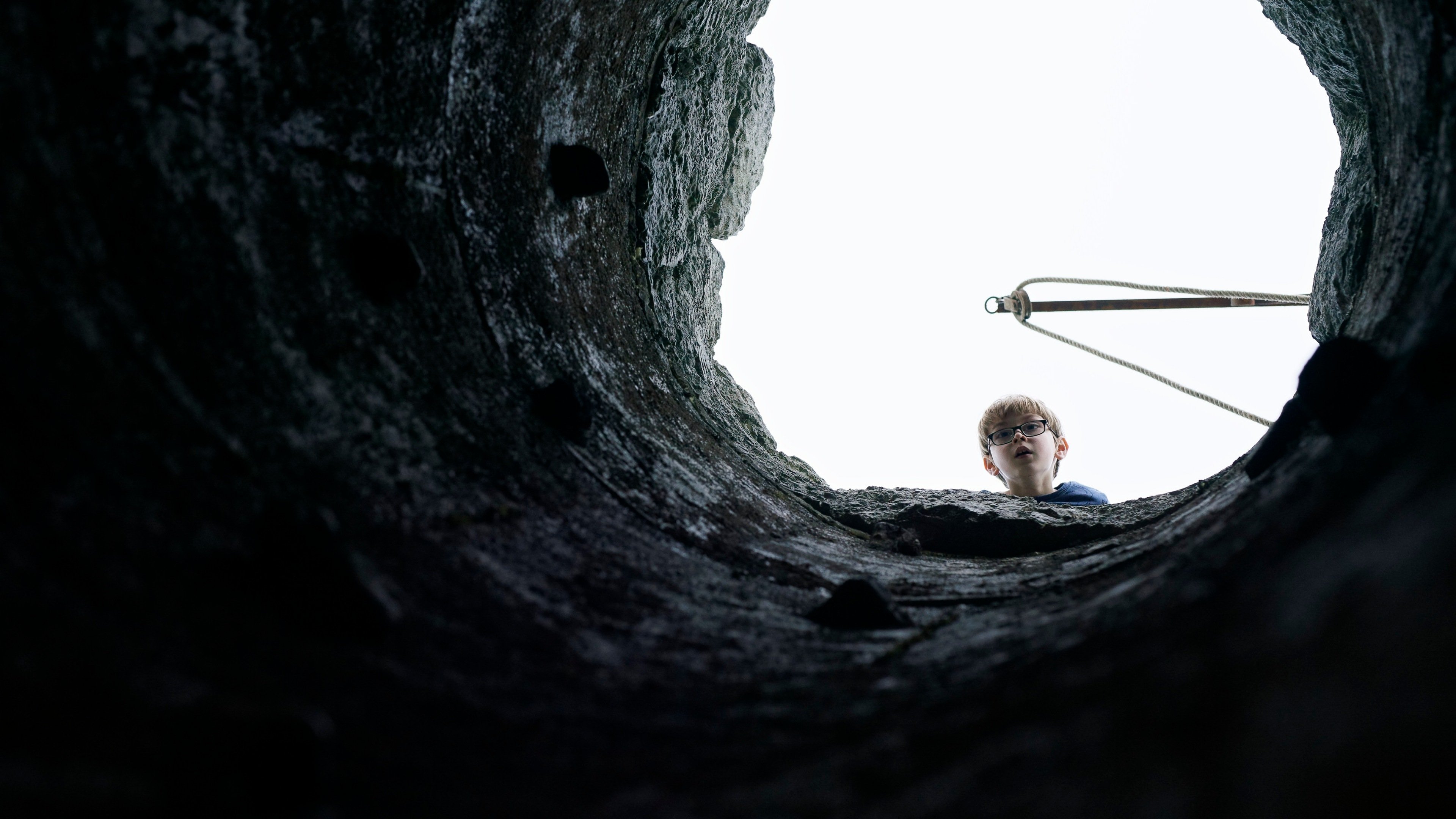
Ward’s interest in water gives the farm’s well importance beyond a decorative Gothic location. It connects the household to the surrounding community and to the future reservoir described in the original text. The planned supply system raises the possibility of contamination escaping the property even when individual characters cannot. The rural isolation, meanwhile, makes outside help slow and incomplete. A sheriff, mayor and neighbouring eccentric appear, but their presence cannot restore the familiar rules by which the Gardners have been living.
The Gardner Family and the Loss of Ordinary Time
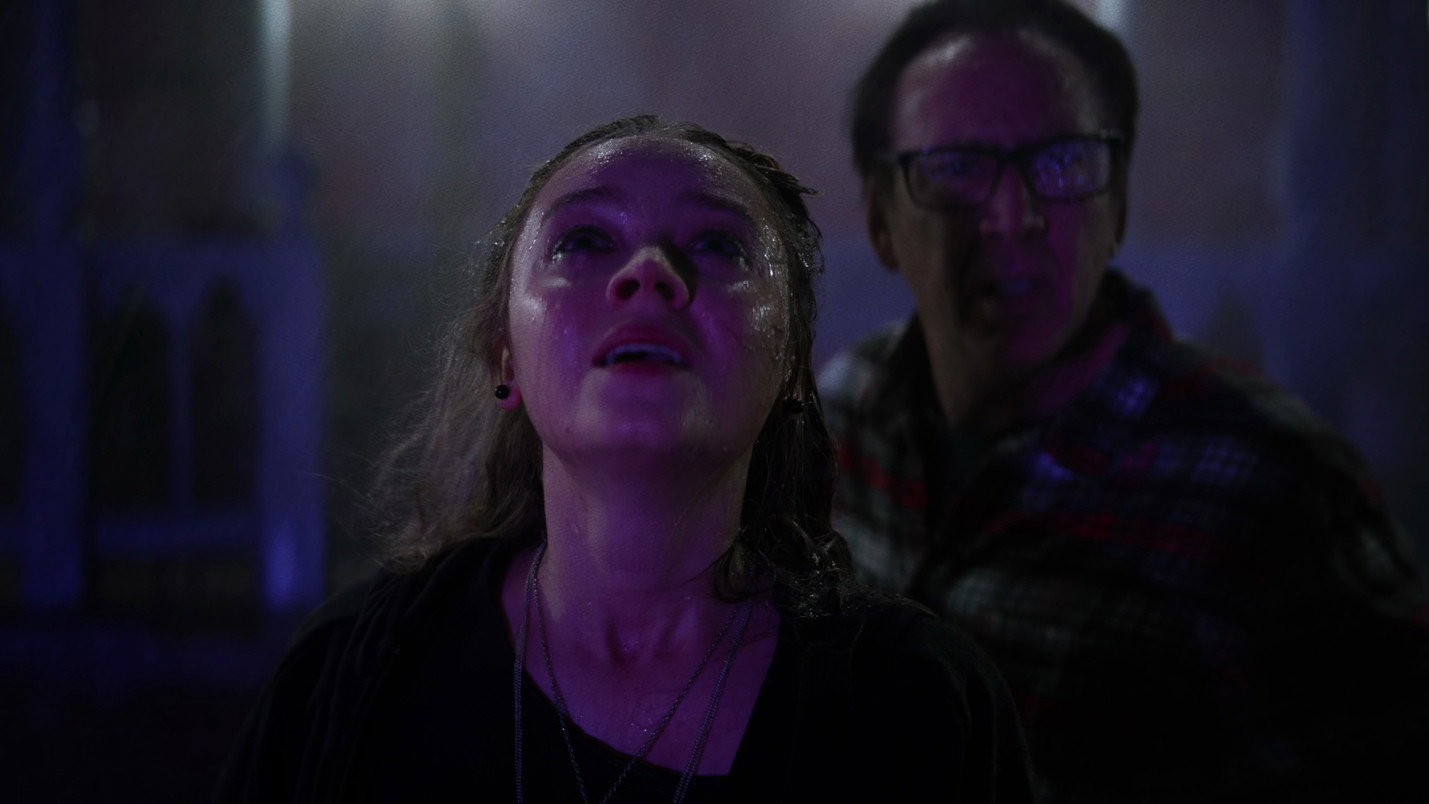
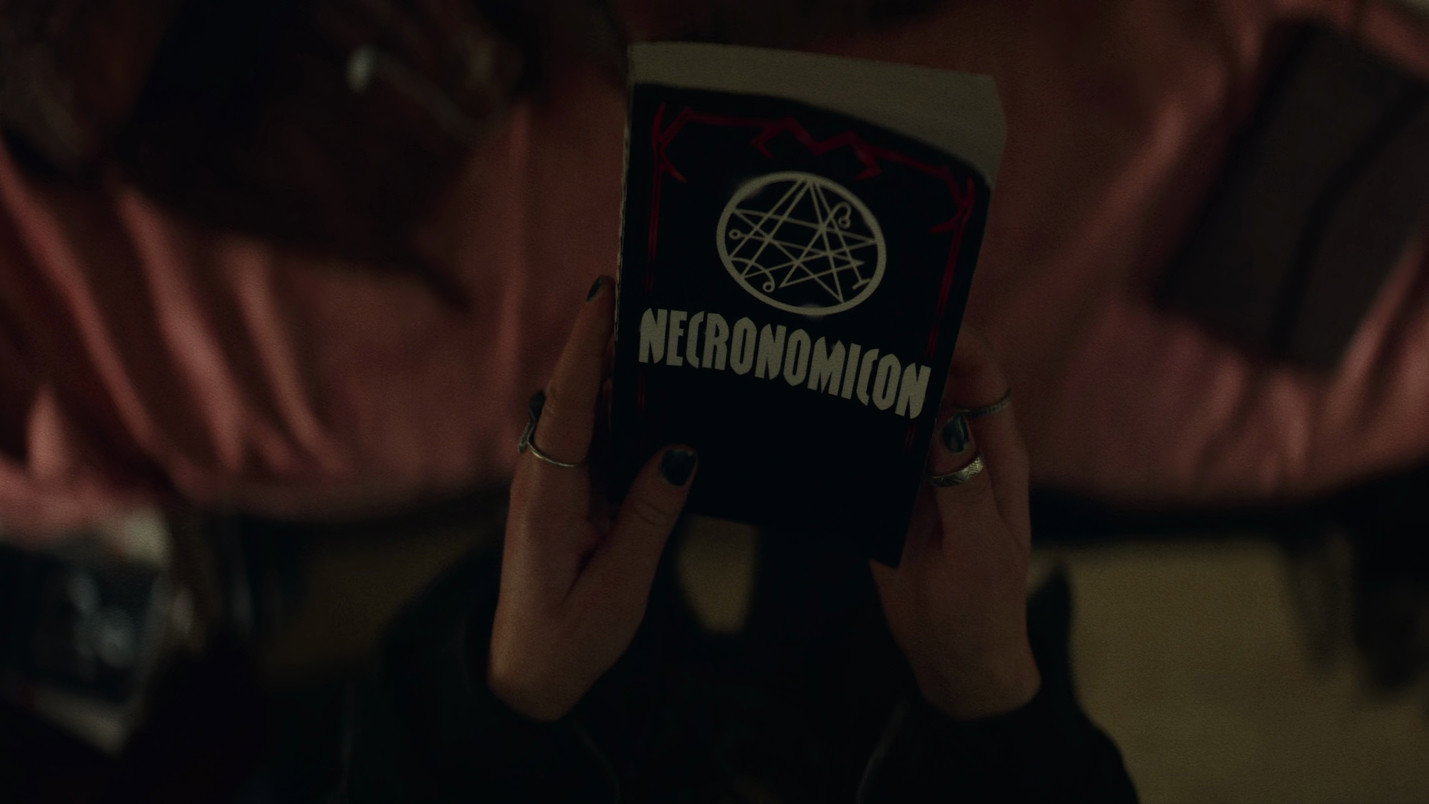
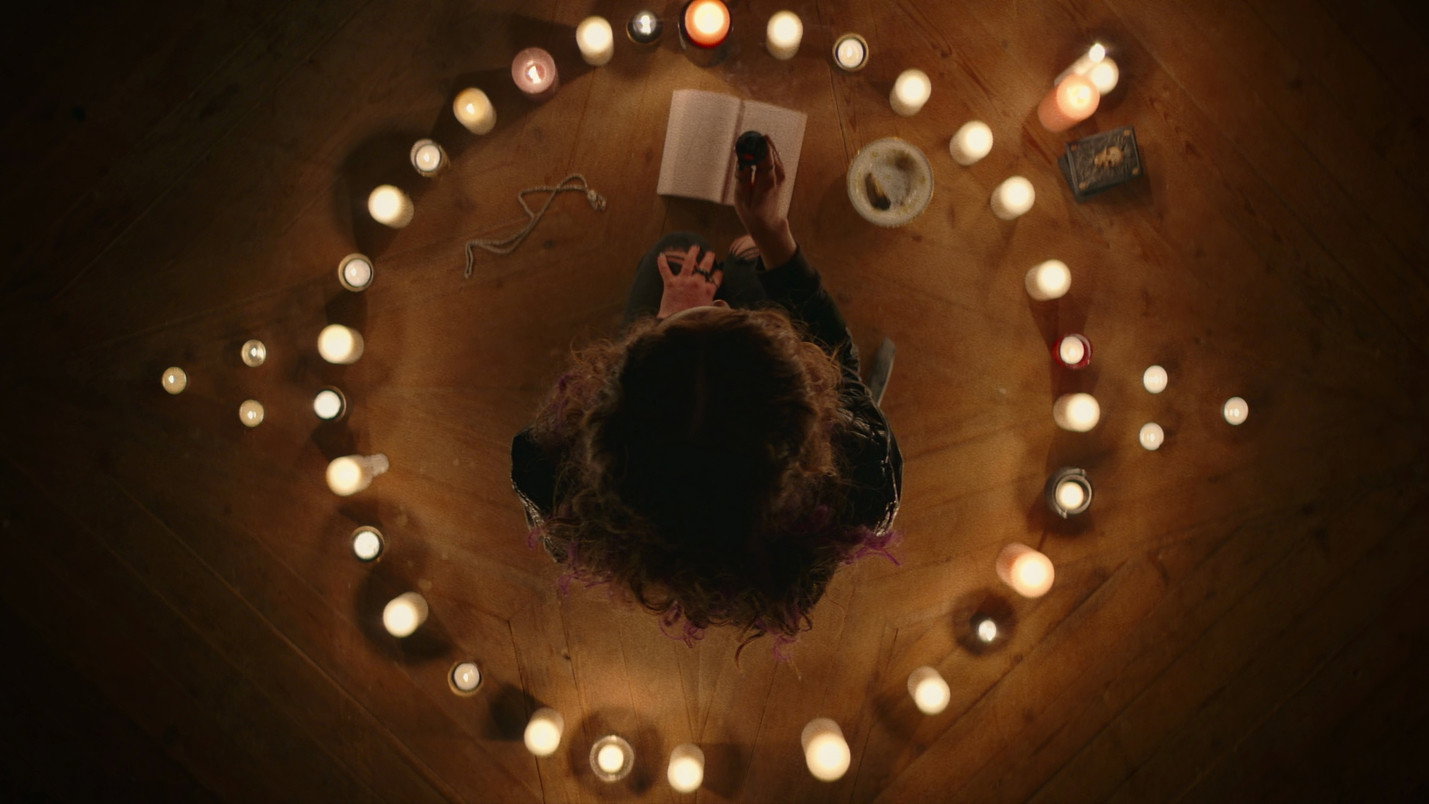
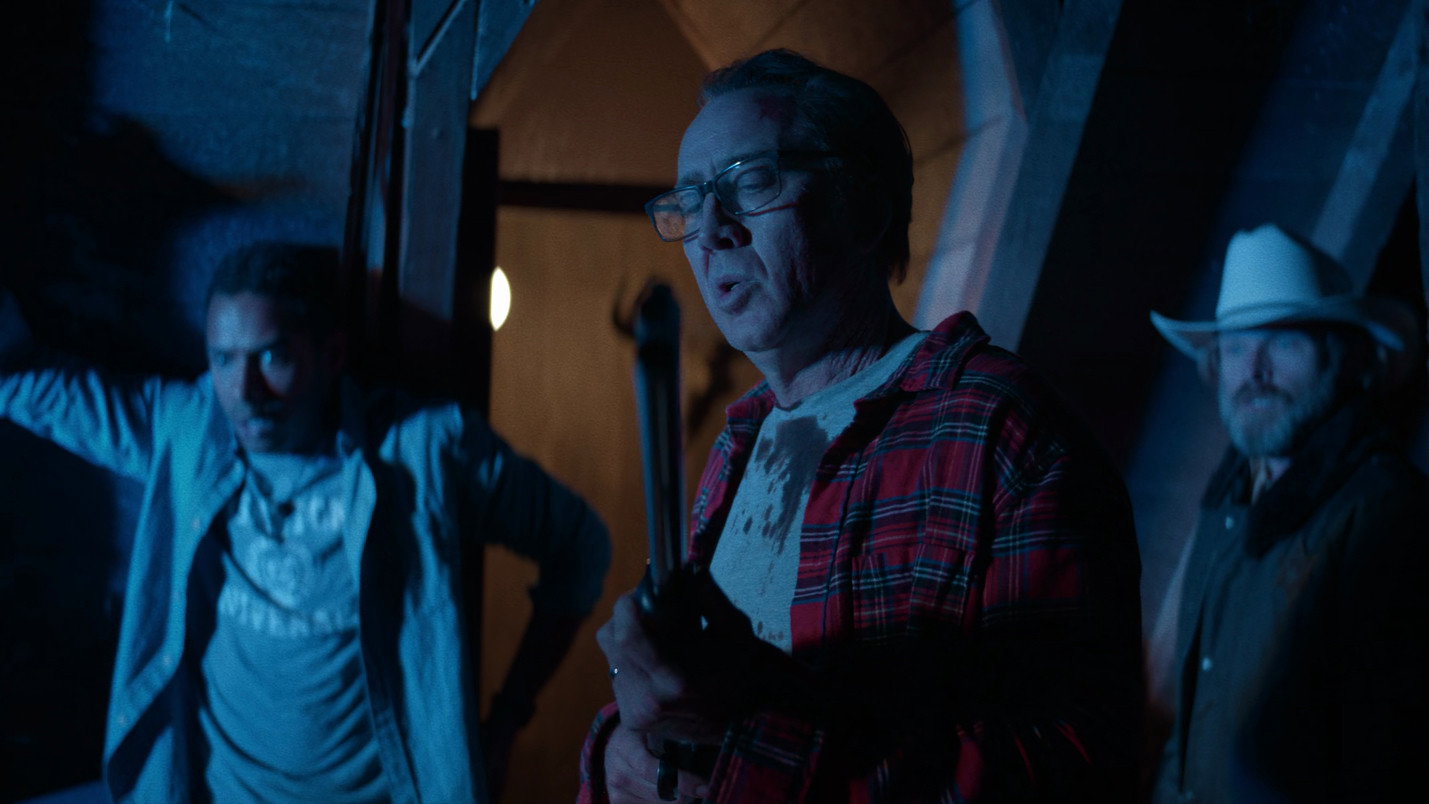
Nathan presents himself as a man rebuilding his life through self-sufficiency and alpaca farming, yet he is anxious about the family’s finances and protective of a household already marked by illness. Theresa, played by Joely Richardson, is recovering from breast-cancer surgery while continuing her professional work remotely. Lavinia, played by Madeleine Arthur, studies occult practices and tries to protect her mother through ritual. Benny, played by Brendan Meyer, gravitates toward the farm’s landscape and the isolated neighbour Ezra; the younger Jack, played by Julian Hilliard, has fewer resources for understanding the changes around him. Their different habits create distinct paths into the same danger.
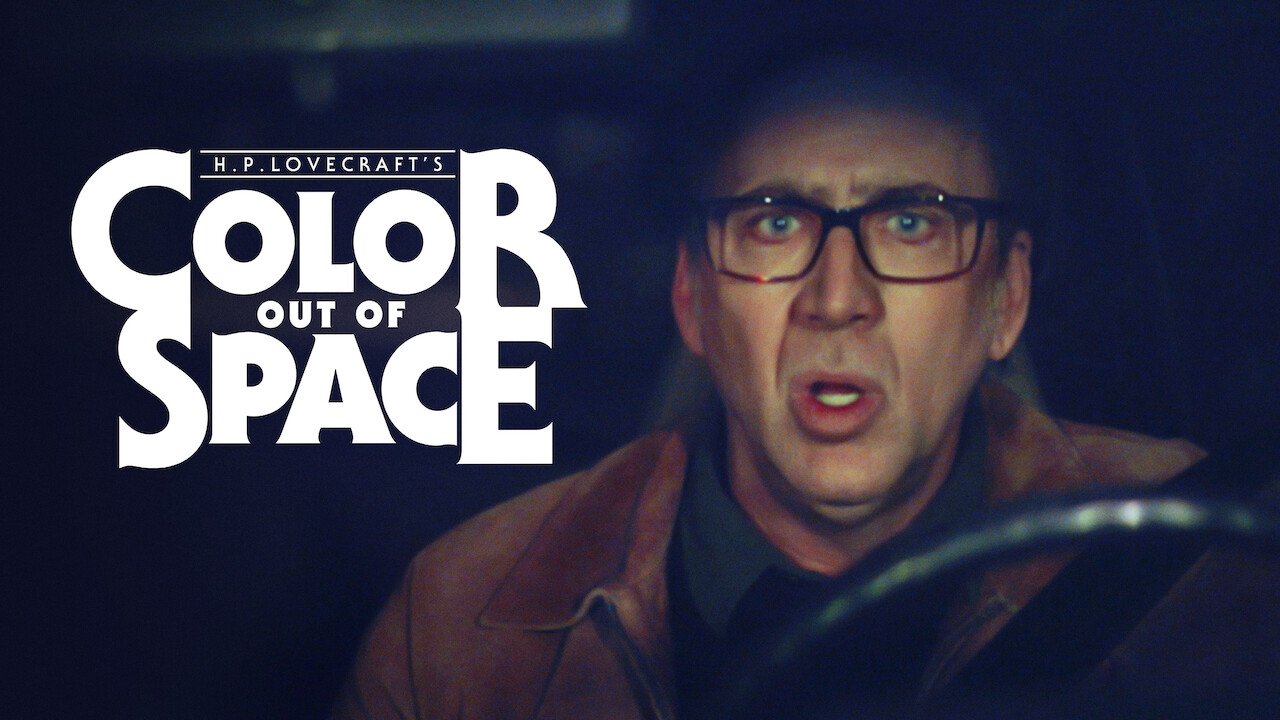
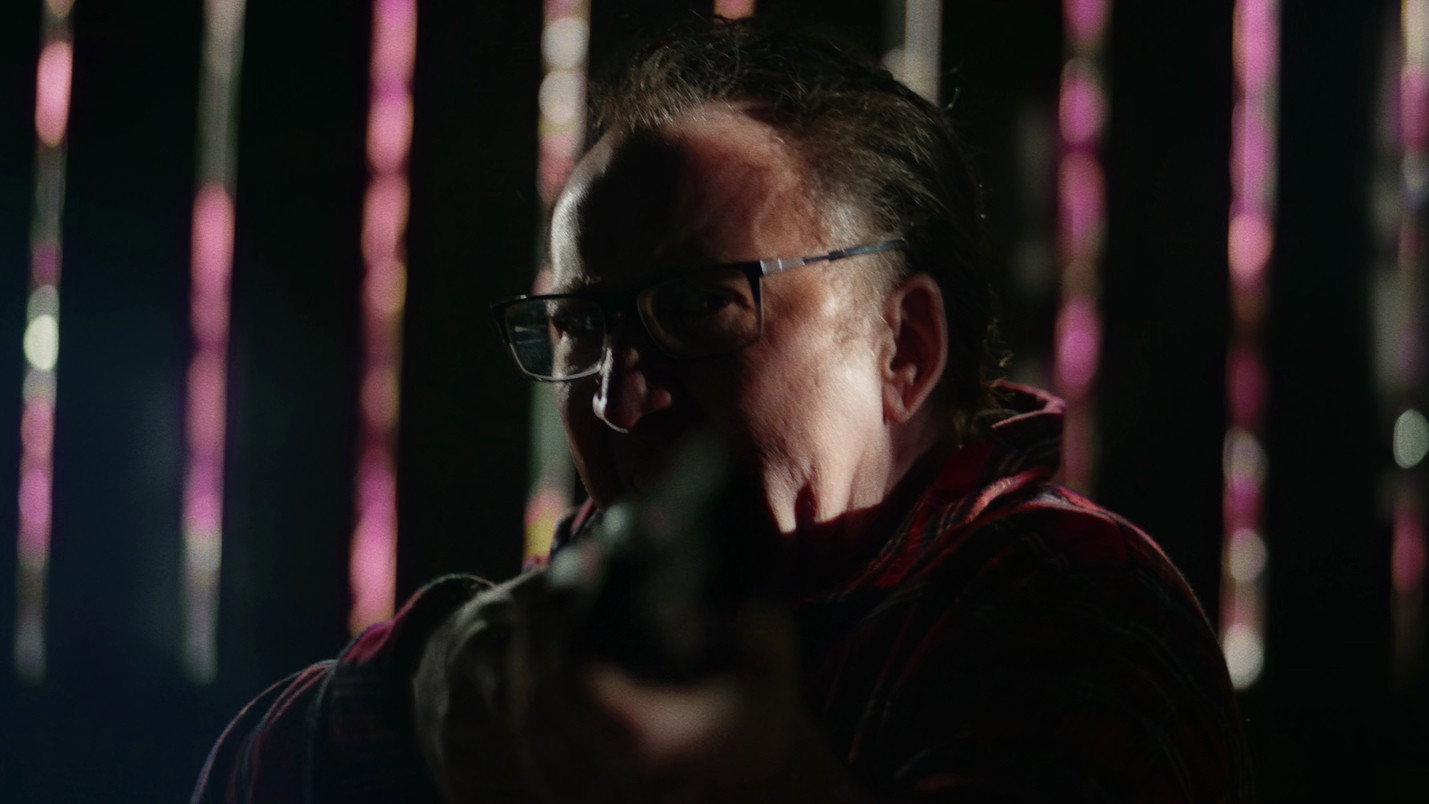
After the meteor falls, disagreements and minor accidents become harder to interpret. Appliances misbehave, sounds and images interfere with communication, and characters fail to account for time that seems to have passed differently for different people. Nathan’s temper becomes increasingly unstable, while Theresa discovers that ordinary work and caregiving are no longer manageable. Cage’s performance alternates between awkward humour, attempted reassurance and sudden anger. Its shifts are sometimes excessive, but they also serve a narrative in which the father’s capacity to provide practical explanations is being dismantled.
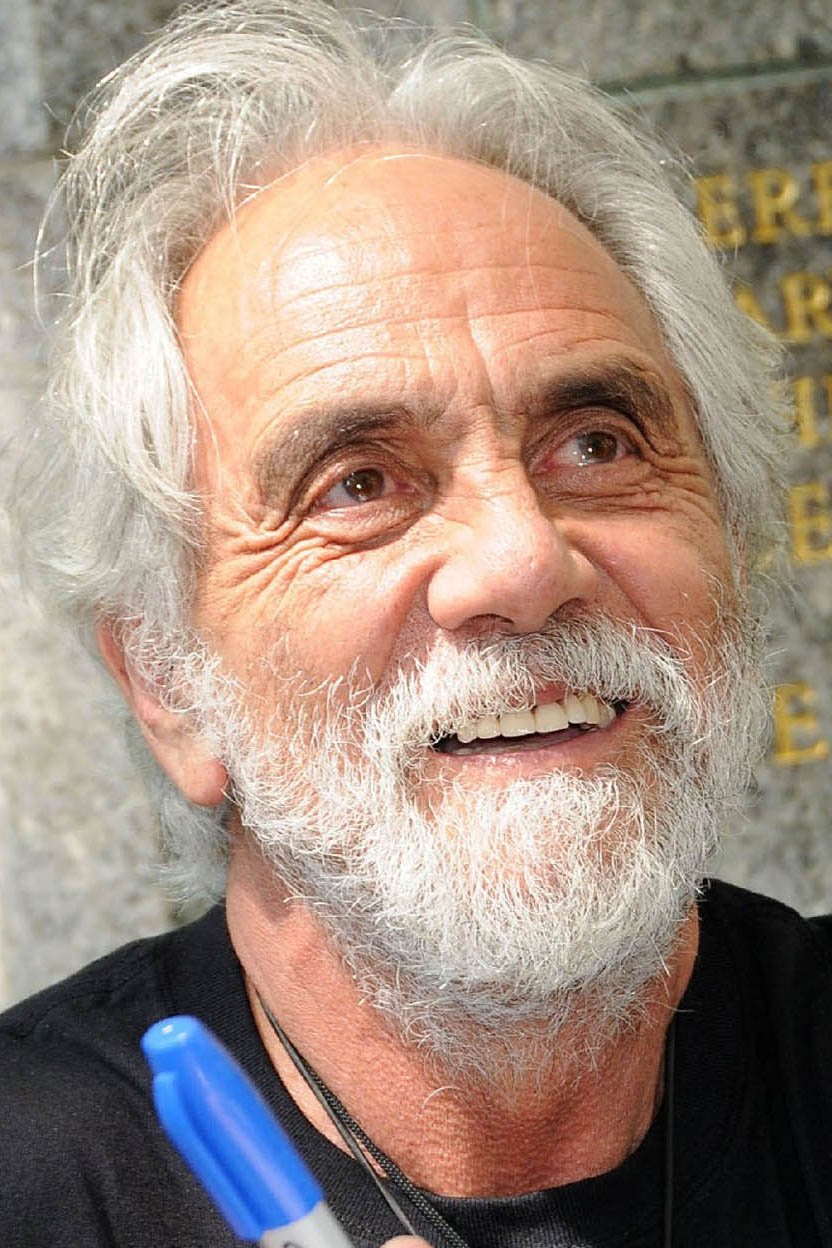
Ezra, played by Tommy Chong, listens to disturbances through improvised equipment and becomes an observer of the invasion’s strange auditory effects. Ward approaches the threat through environmental measurements, and Lavinia through protective symbolism. Neither scientific procedure nor ritual supplies dependable mastery. Their responses are nevertheless meaningful as ways people seek explanations for something that defeats their established knowledge. The film’s most frightening family scenes occur when recognition remains possible even after the body or behaviour of a loved one has changed beyond expectation.
An Impossible Colour and Colin Stetson’s Soundscape
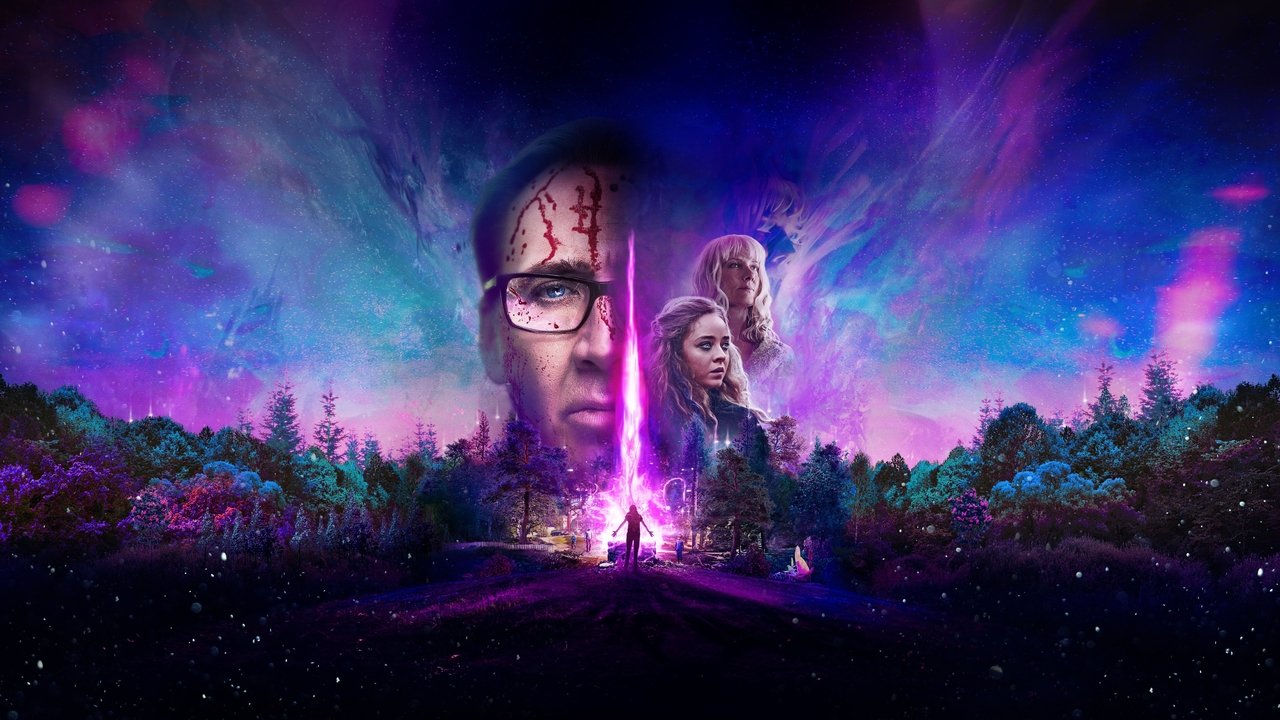
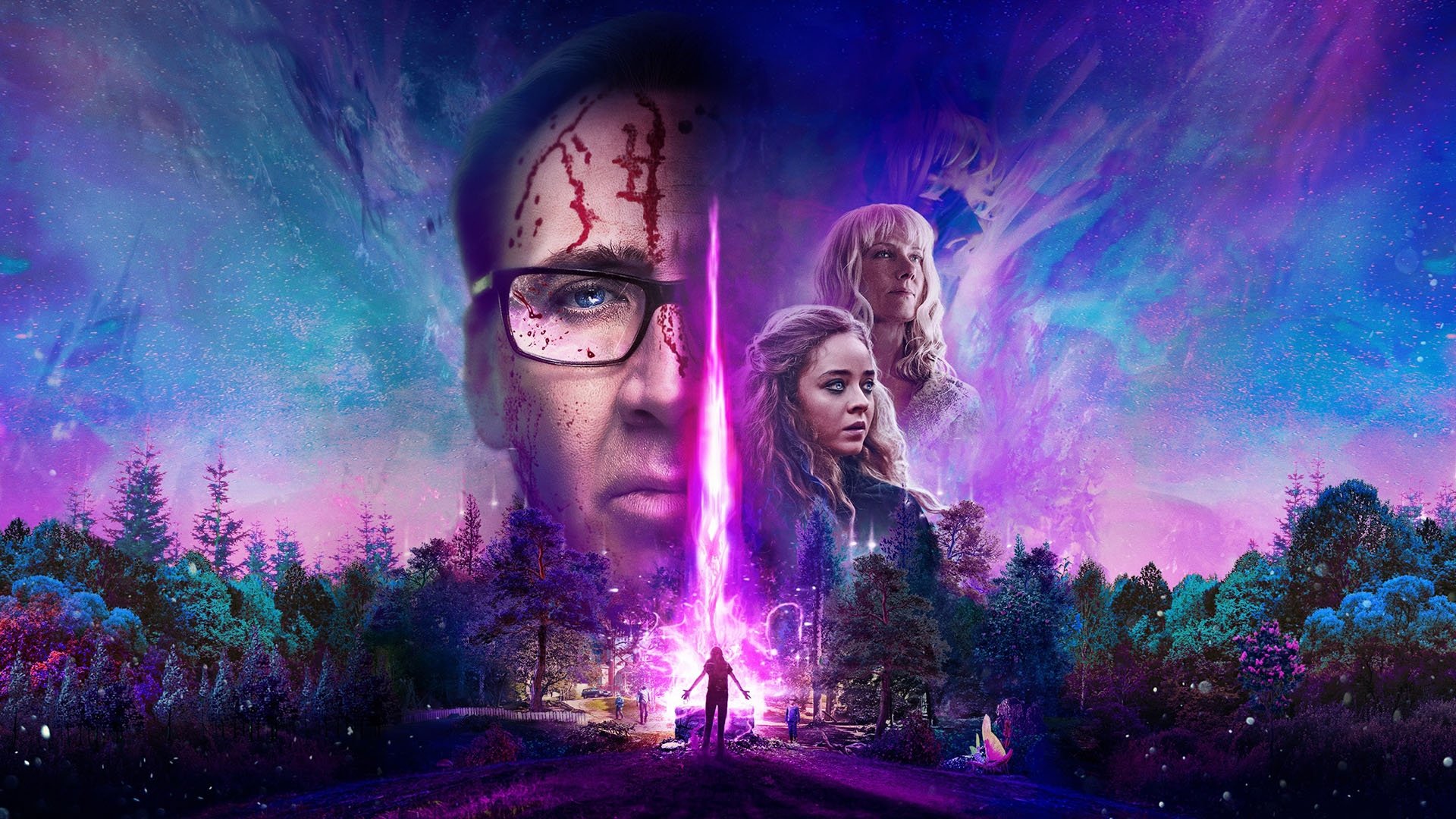
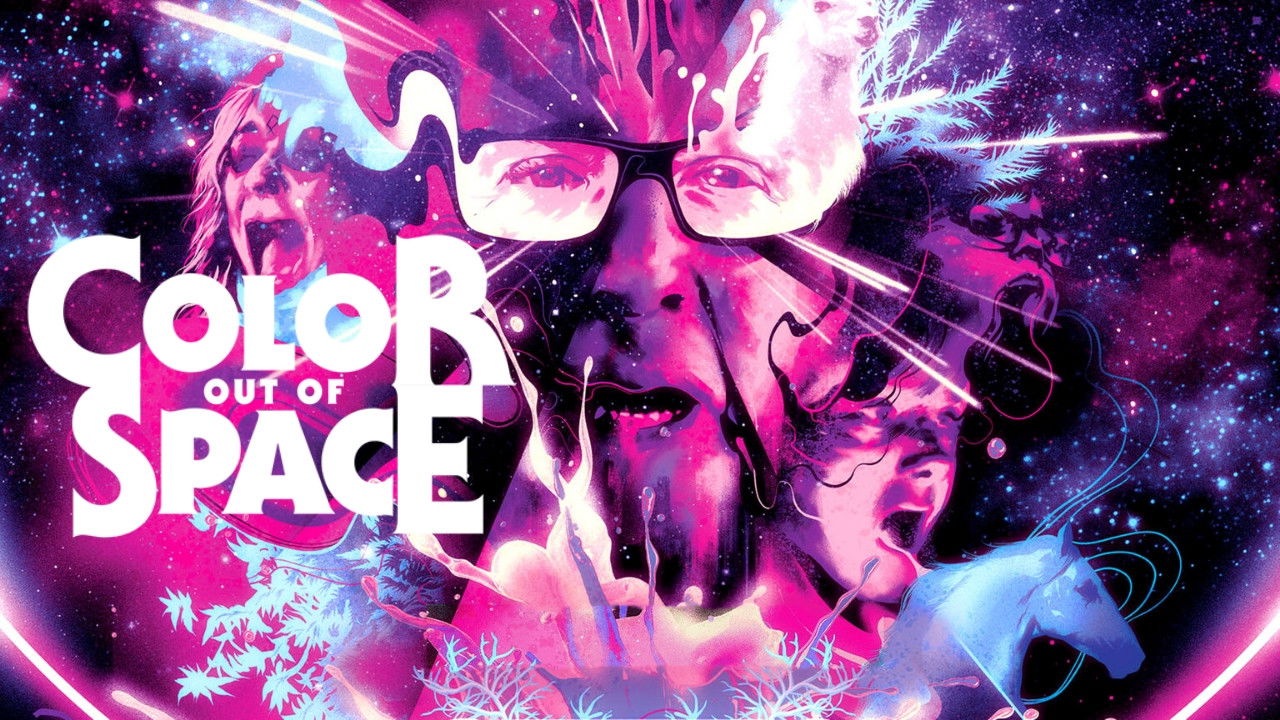
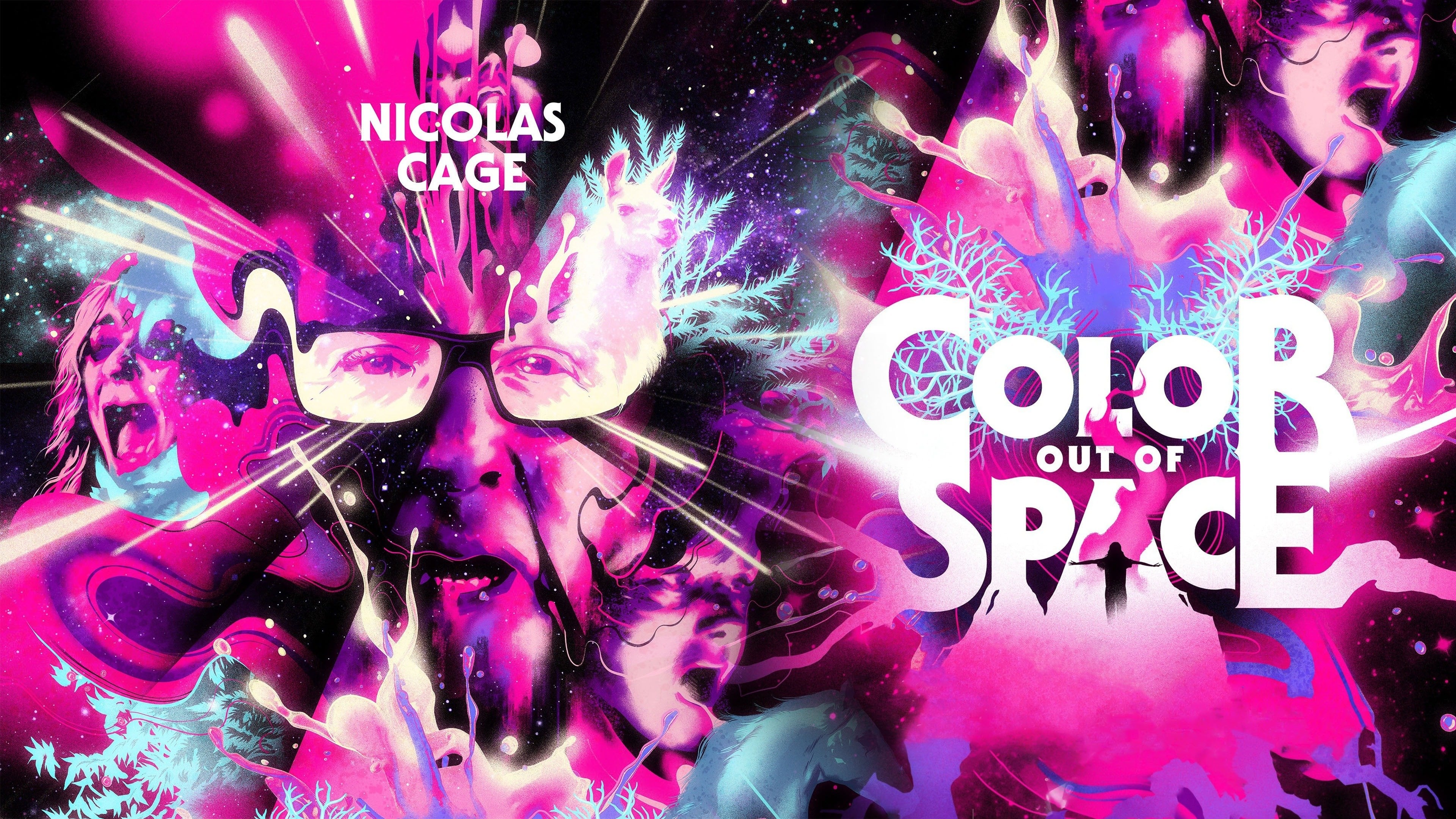
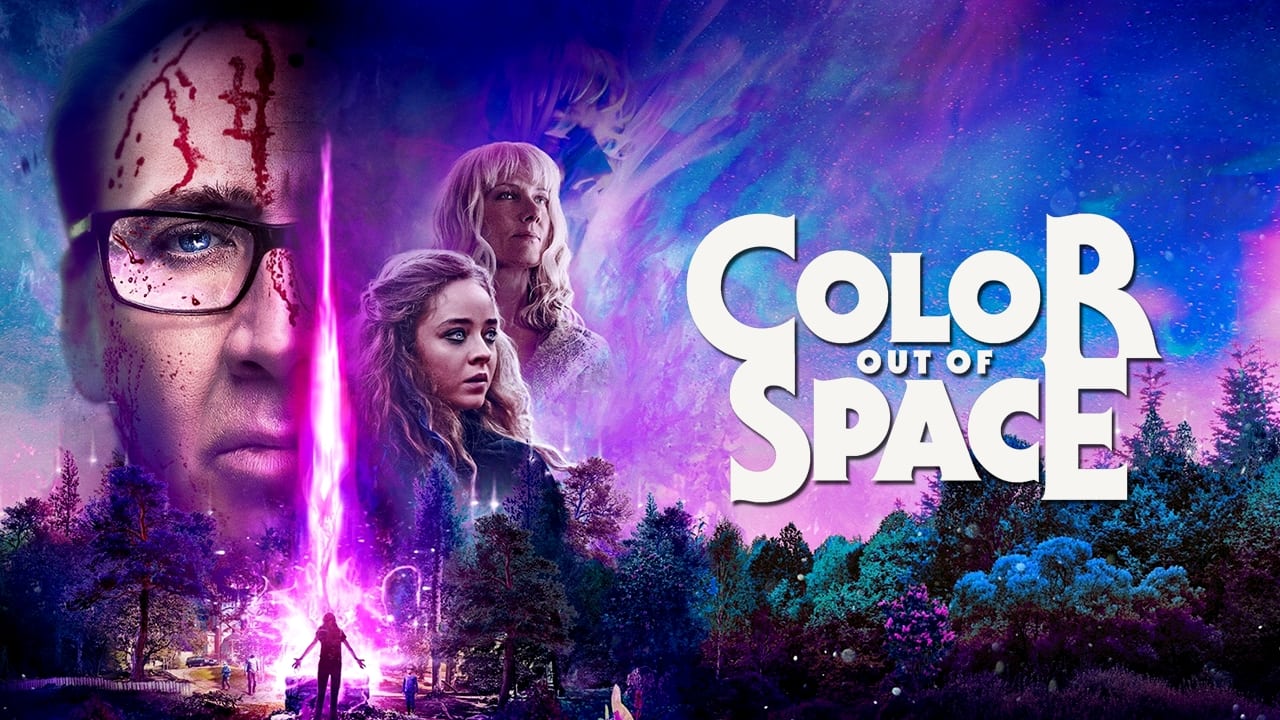
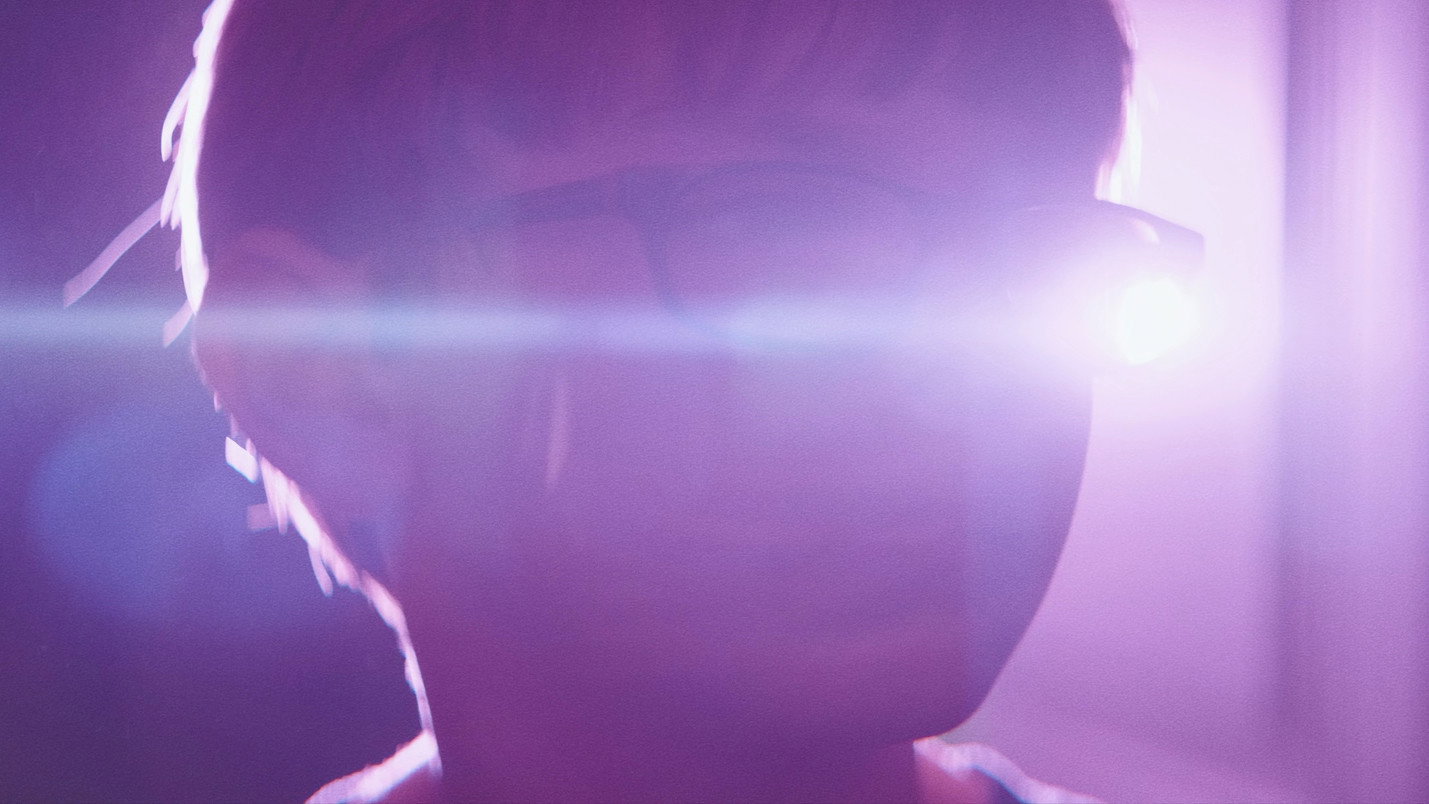
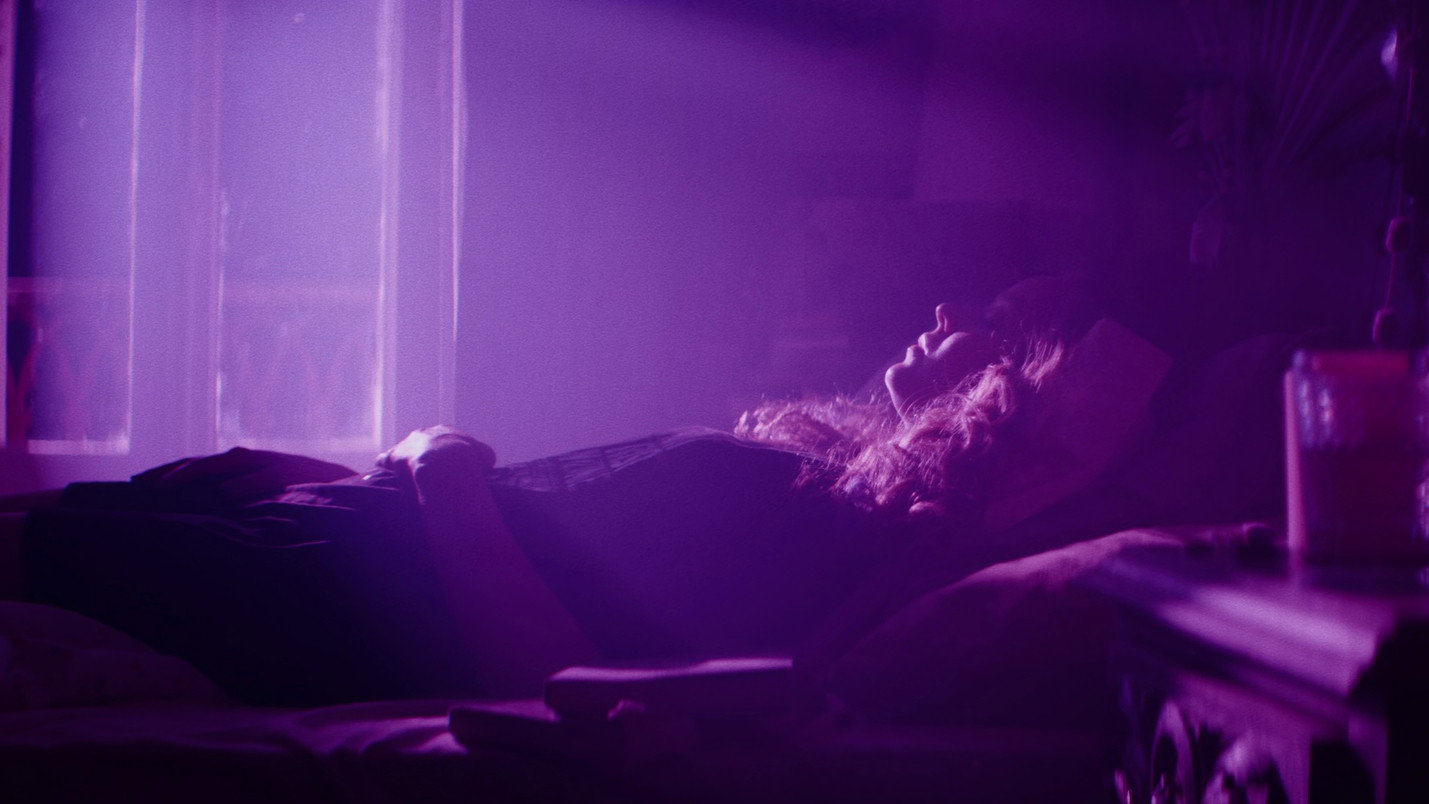
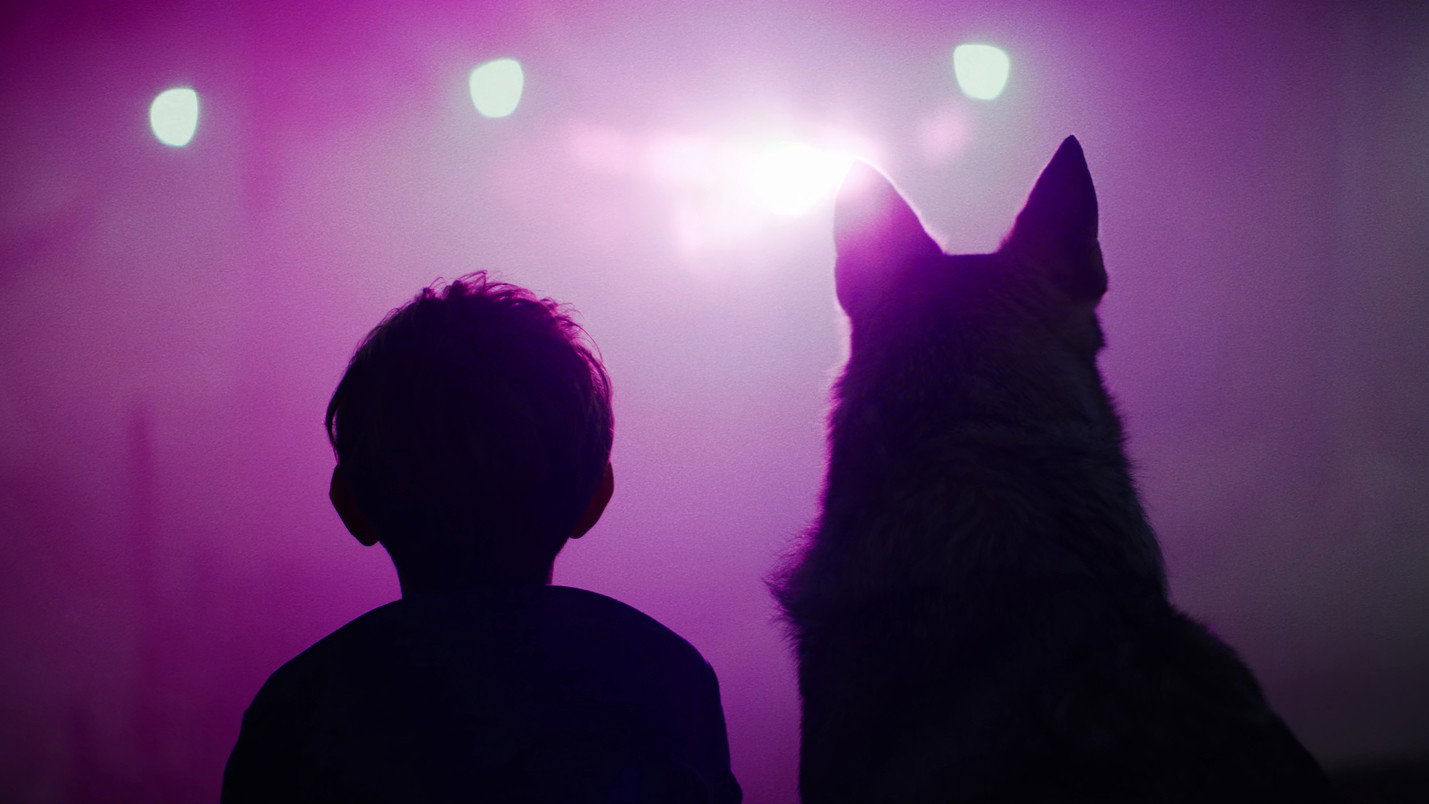
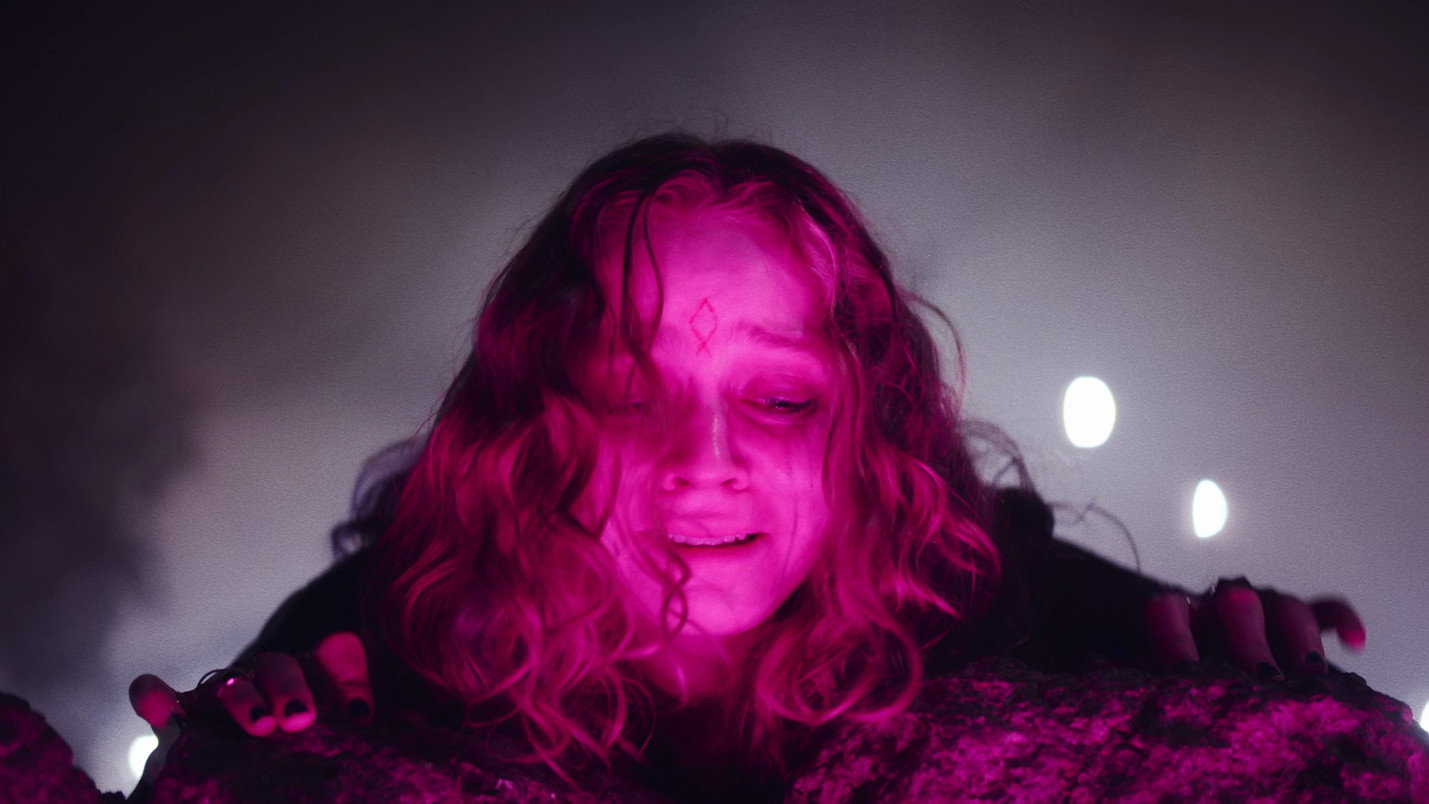
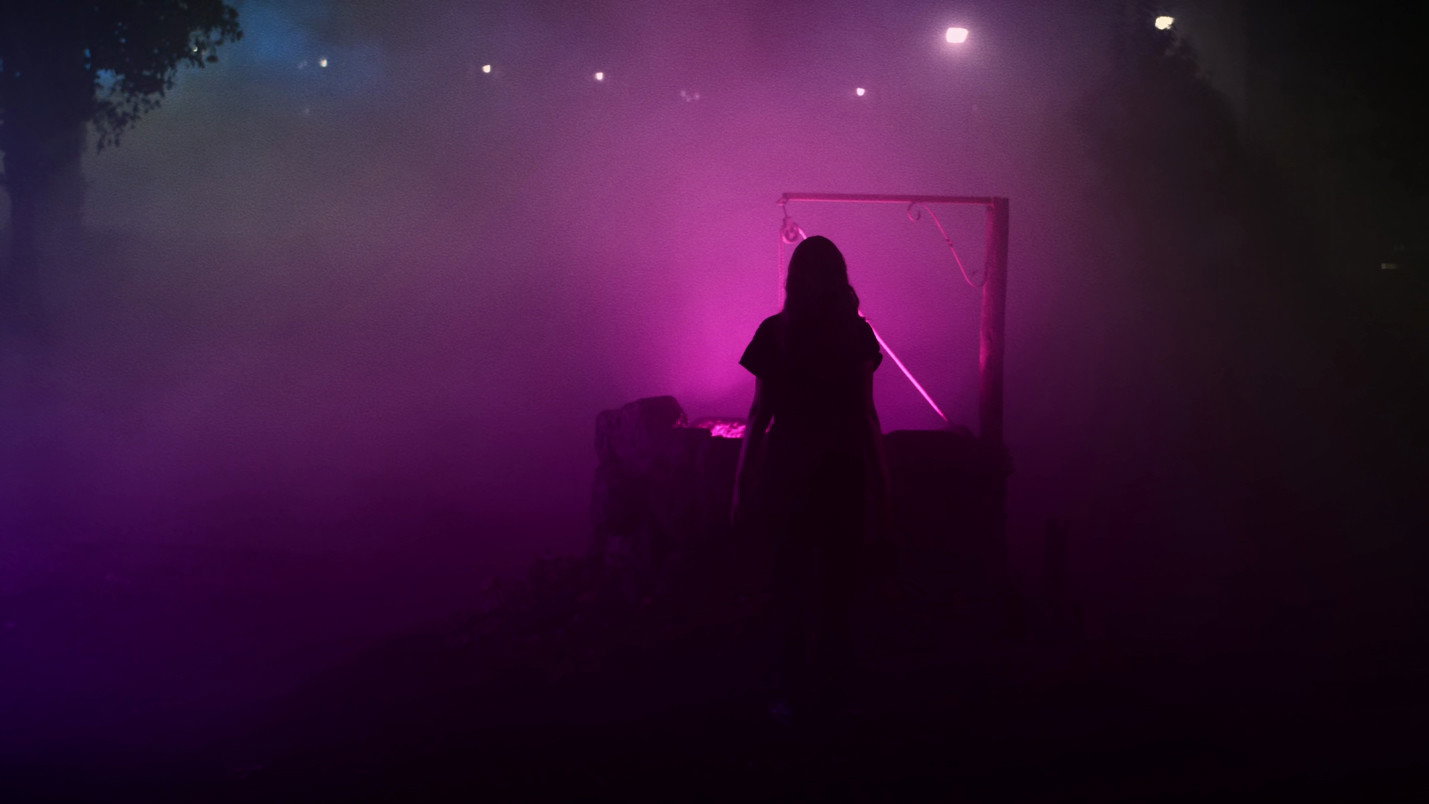
Lovecraft’s central invention is a hue that cannot be properly described because it belongs to no familiar earthly spectrum. A cinema screen cannot literally display a colour outside the conditions of human vision, so Stanley selected a vivid magenta to signify the anomaly. In interviews he connected the choice with the limits of visible light and the idea of colour constructed by human perception. These statements describe an artistic rationale, not a scientifically demonstrated property of the fictional organism. The magenta first marks moments of intrusion and then increasingly invades the image until the entire environment appears subject to a different order.
The technique depends on variation rather than uninterrupted colour saturation. Ordinary woodland greens and domestic textures remain perceptible while luminous growths and shifting light become more intrusive. Digital effects extend physical environments and create unusual patterns of motion, including forms inspired by fractal geometry. Stanley explicitly discussed using such images to convey a force that is difficult to classify as solid, liquid or gas. The visual design therefore moves between something a character can point toward and the suggestion of an entity whose complete form exceeds any single visible manifestation.
Composer Colin Stetson designed a corresponding sonic presence. In an interview with Destroy Exist, he explained that the sound of the colour drew on densely layered underwater coral-reef recordings, electronic harmonic processing and instruments played in unconventional ways. He distinguished that texture from a gentler Gardner family theme built around more familiar instrumental sounds. The changing relationship between those elements gives the score a dramatic function: the alien presence gradually occupies sonic space that had belonged to the family. Stetson’s work does not depend on audiences literally hearing ultrasound or infrasound; it produces perceptible acoustic density through recorded and processed sound.
Body Horror, Practical Creatures and Digital Augmentation
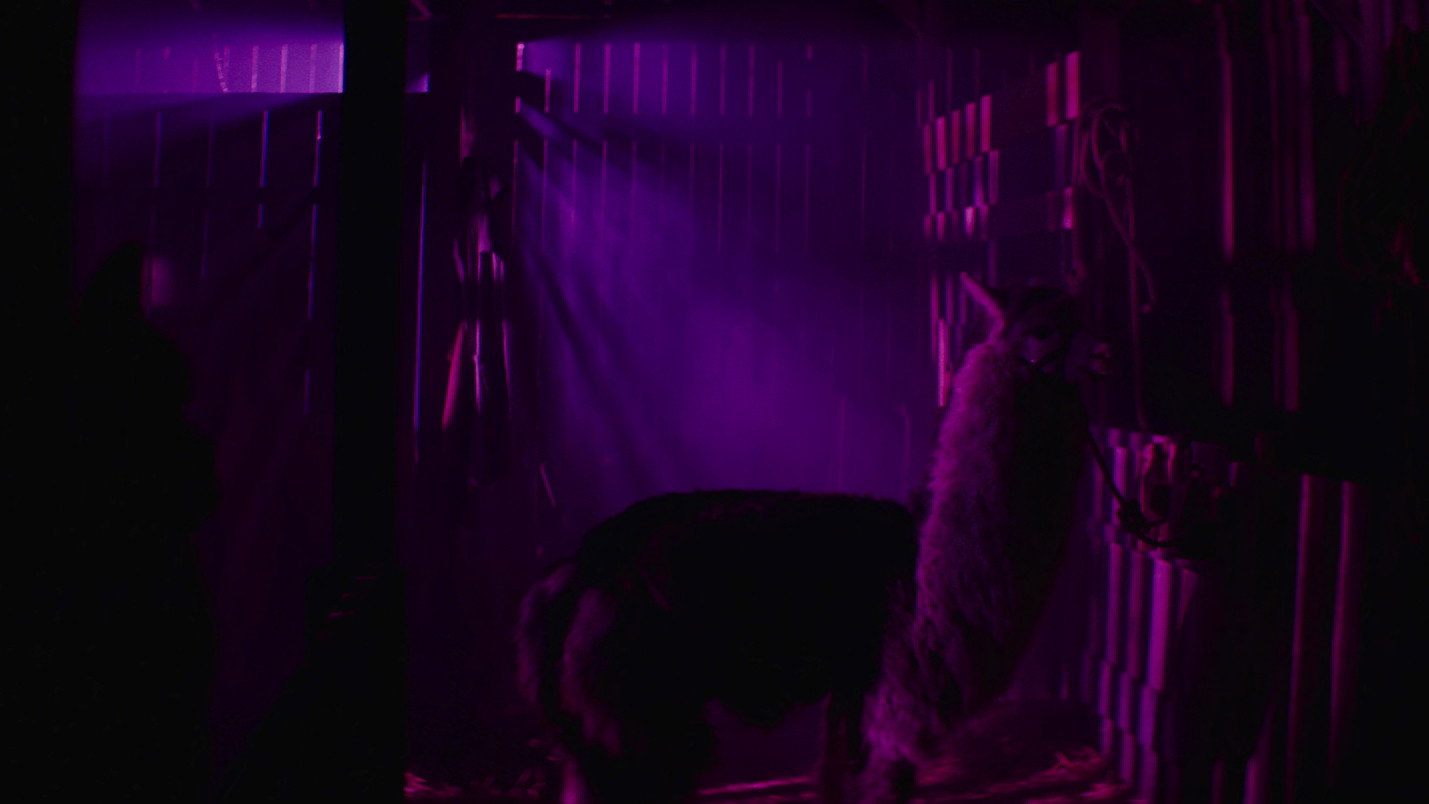
The film’s escalation involves the corruption of plants and animals before the violence becomes inseparable from the human body. The alpacas develop into a fused mass, replacing the harmless absurdity of Nathan’s agricultural ambitions with an image of biological forms losing their boundaries. The most upsetting transformation joins Theresa and Jack into a single suffering creature. The British Board of Film Classification identifies these sequences among the reasons for the film’s strong horror and gore classification, confirming their importance to the released work without requiring a gratuitous description of every injury.
Stanley told HorrorFuel that his preferred method was to begin with practical objects and creatures and use computer-generated effects to conceal rods, wires and other means of manipulation. His account of the alpaca model is direct testimony about a specific part of the production rather than proof that all of the film’s monsters were entirely practical. Digitally altered landscapes and animated transitions work alongside the physical models. The combination permits impossible movement while keeping some transformations close to photographed textures and performers.
The resulting horror resembles the tradition of bodily fusion and loss of human identity found in films such as John Carpenter’s The Thing (1982), which Stanley himself cited as an important example of Lovecraftian cinema. The point of comparison is the instability of the organism, not a claim that the two productions used identical technology. The Gardner family’s tragedy becomes more severe because the alien process does not grant its victims an intelligible new existence. Their bodies continue to register pain and connection even after individuality has begun to collapse.
The Well, Ward Phillips and Cosmic Indifference
The invasion has no clear human motive. It does not announce a demand, make an offer or reveal a punishment for a particular moral offence. The colour alters living systems while human beings attempt to supply explanations shaped by their own experience. Its influence also disrupts the conditions under which testimony would normally be reliable: time becomes unstable and the distinction between hallucination and environment is difficult to maintain. This makes the film’s terror different from a haunting organized around a known ghost or a creature whose appetite can be understood and satisfied.
Ward eventually encounters a vision of an alien environment that suggests the visitor belongs to a scale of existence radically different from the farm. The spectacle gives the film an image for cosmic otherness without resolving the being’s origins or intentions. His survival allows the narrative to close through an outside witness, echoing Lovecraft’s structure even after most of the action has unfolded within the household. The farm is left devastated, while the well and the proposed reservoir sustain the threat that the disturbance may never have been fully contained.
The final warning about water is significant because it transfers the aftermath from a single doomed family to anyone who may enter the region. The original story similarly associates the blasted heath with an impending reservoir and uncertainty over what remains underground. Stanley’s ending preserves that unresolved danger while offering more explicit images of the alien world. Its cosmic horror lies less in the magnitude of visible destruction than in the discovery that an ordinary landscape and the people inhabiting it can be altered by an external process indifferent to their intentions.
Festival Premiere, Distribution and Critical Reception
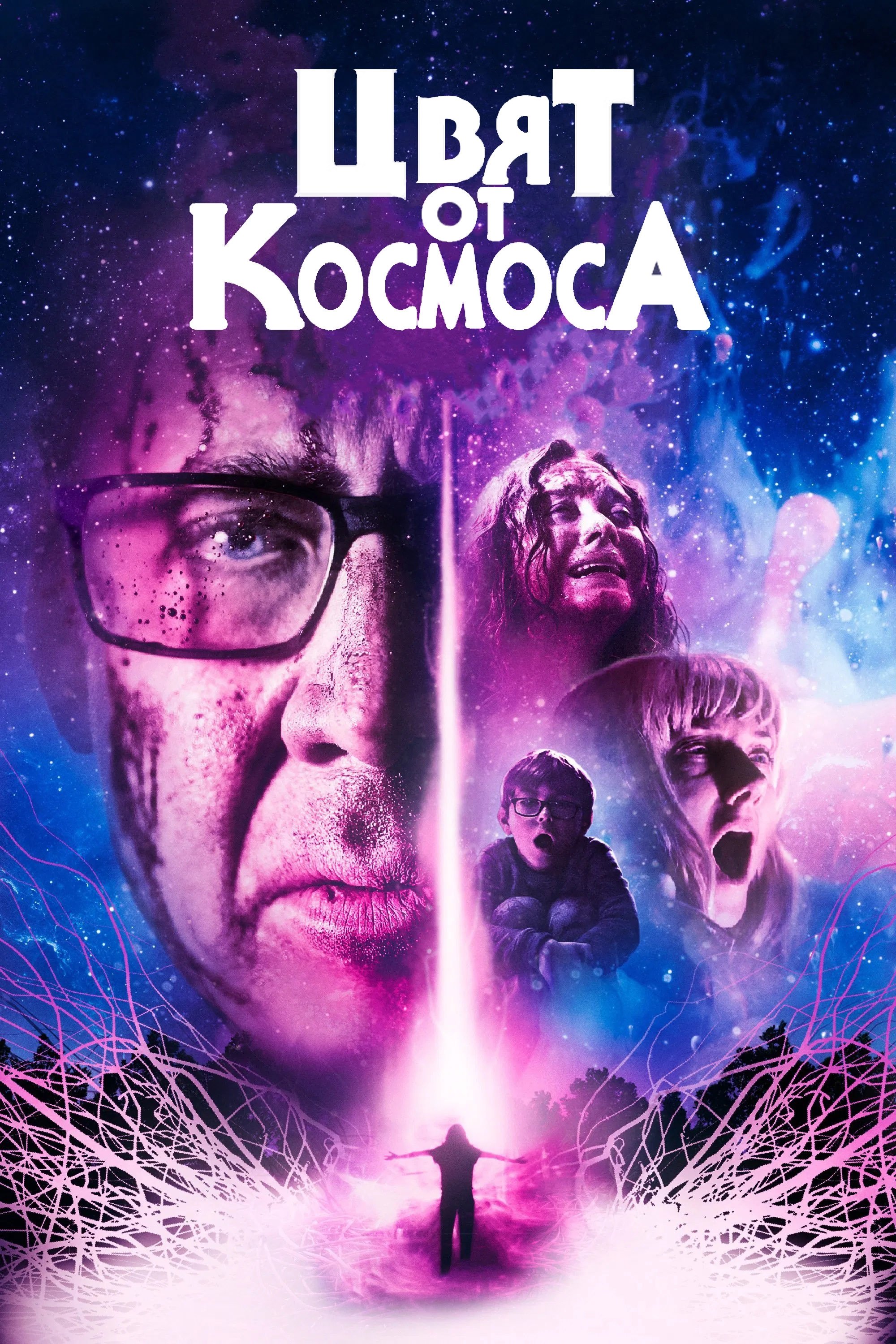
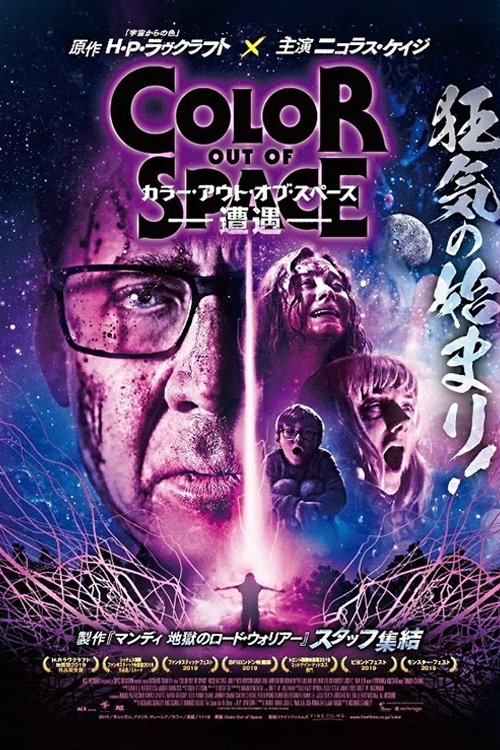
Color Out of Space premiered on 7 September 2019 in the Midnight Madness programme of the Toronto International Film Festival. The festival identified it as a 111-minute American feature with Steve Annis as cinematographer, Brett W. Bachman as editor and Colin Stetson as composer. RLJE Films acquired American distribution rights ahead of the premiere. The film received a limited United States theatrical opening on 24 January 2020, with booking support from Variance Films, before reaching digital and home-entertainment audiences. Its 2019 production and festival history should therefore be distinguished from its more widely circulated 2020 release year.
The British Board of Film Classification recorded a cinema version of 110 minutes and 33 seconds and a home-entertainment submission of 105 minutes and 54 seconds. Different running times in those records are not sufficient evidence of censored scenes, since presentation speed and delivery versions can affect duration. The film circulated unrated in its initial American theatrical engagement and received stronger age restrictions in some other territories. Its box office was modest for a limited release: Box Office Mojo reports just over one million dollars in recorded worldwide theatrical receipts, a figure that does not encompass all later digital and physical-media revenue.
Critical response was generally favourable but not unanimous. Peter Sobczynski, writing for RogerEbert.com in January 2020, praised the ambitious cinematic translation of Lovecraft and the combination of Cage with Stanley’s imagination. Dennis Harvey’s Toronto review for Variety considered the film entertaining but uneven, particularly as its tone grew more frantic. Such responses identify a genuine tension between sustained uncanny atmosphere and deliberately excessive performance and effects. The film also carried particular importance as Stanley’s return to feature direction and as a comparatively direct adaptation of one of Lovecraft’s defining cosmic-horror stories.