Split into three chapters, "Cabrito" tells the story of a man haunted by his loved ones. The film begins with the story of his father and how the family became cannibal. The second part focuses on his mother and how she awakens the worst in her son with her twisted religiousness. The last part is focused on the main character's final catharsis, when he kidnaps his first love, Rosalita, and reproduces the inhuman bizarre caring to which he was subjected in his family relations.
Alternative Titles
撒旦之子 (China) — ChineseCabrito - Son of the Devil (Germany) — German
A Brazilian descent into inherited violence, cannibalism and religious fanaticism, expanded from Luciano de Azevedo's earlier short films.
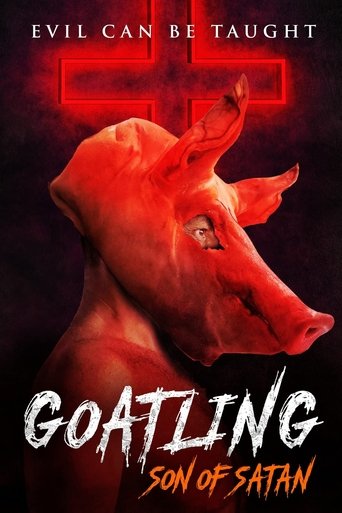
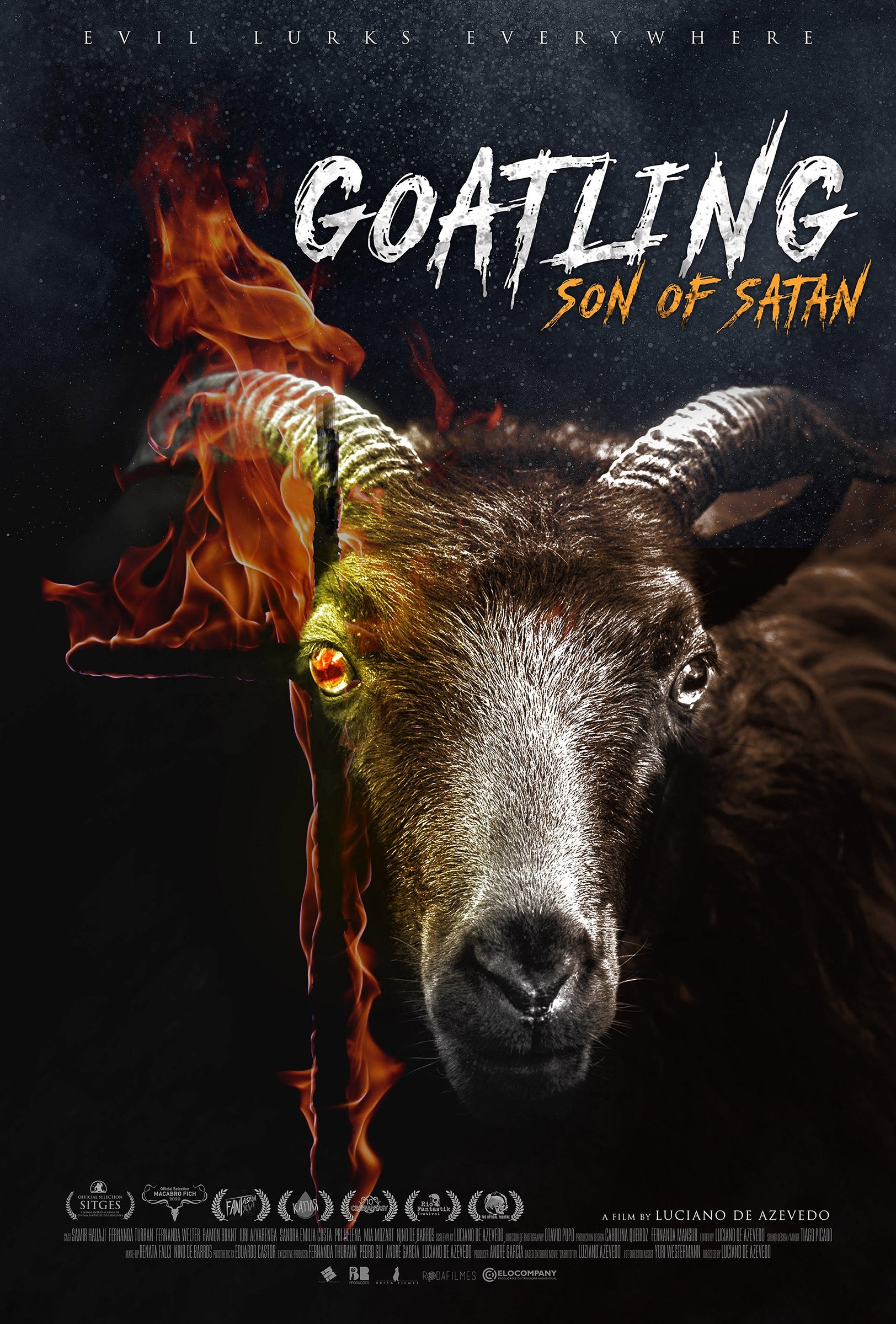
Goatling: Son of Satan, originally titled Cabrito, is a Brazilian independent horror film built around a family history of abuse, cannibalism and religious extremism. Luciano de Azevedo divides the film into three chapters that trace different stages in the life of a man shaped by violence inside the home. The result is less a straightforward cannibal story than a portrait of inherited brutality, in which paternal cruelty, maternal fanaticism and emotional deprivation become the forces that organize the protagonist's adult behavior.
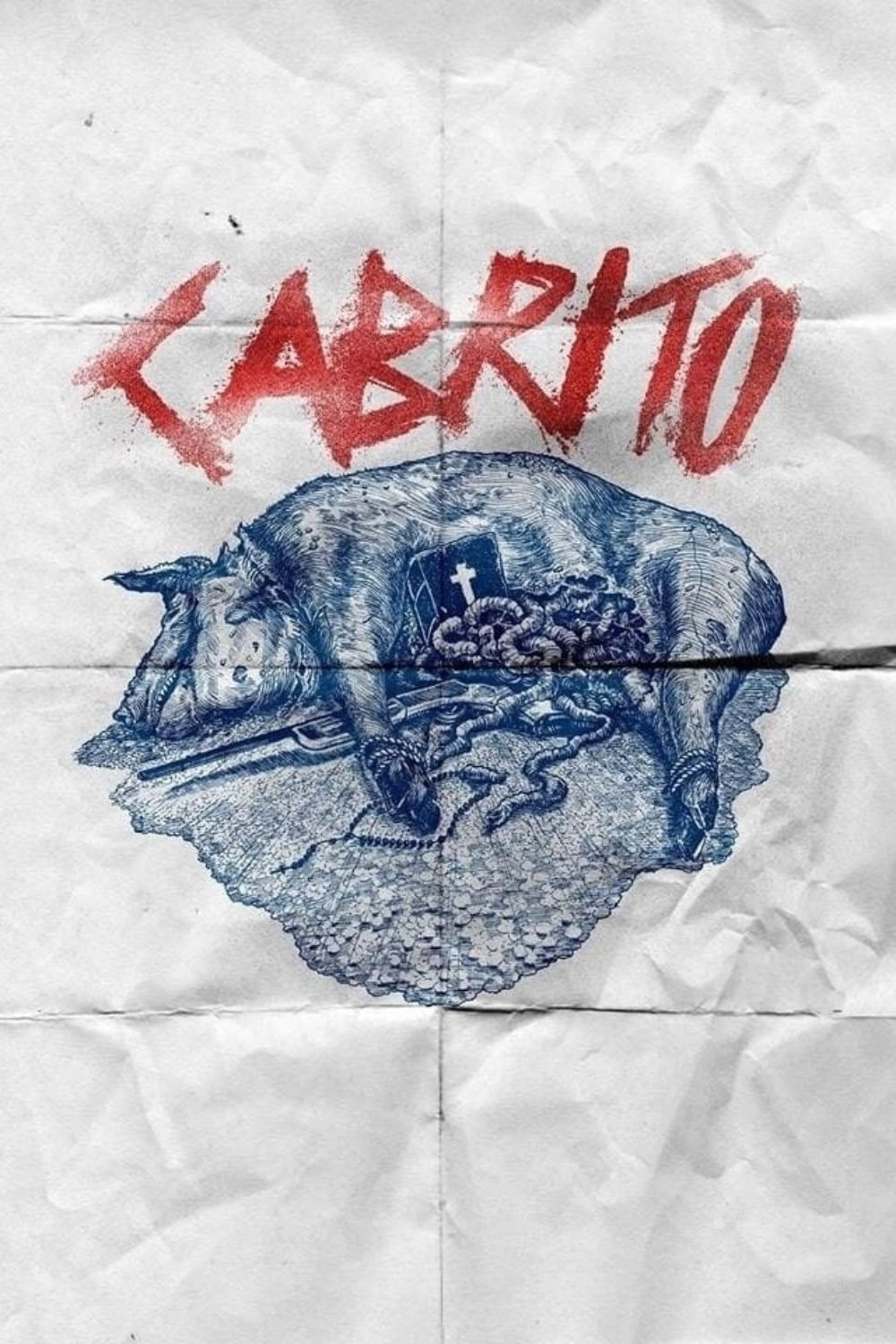
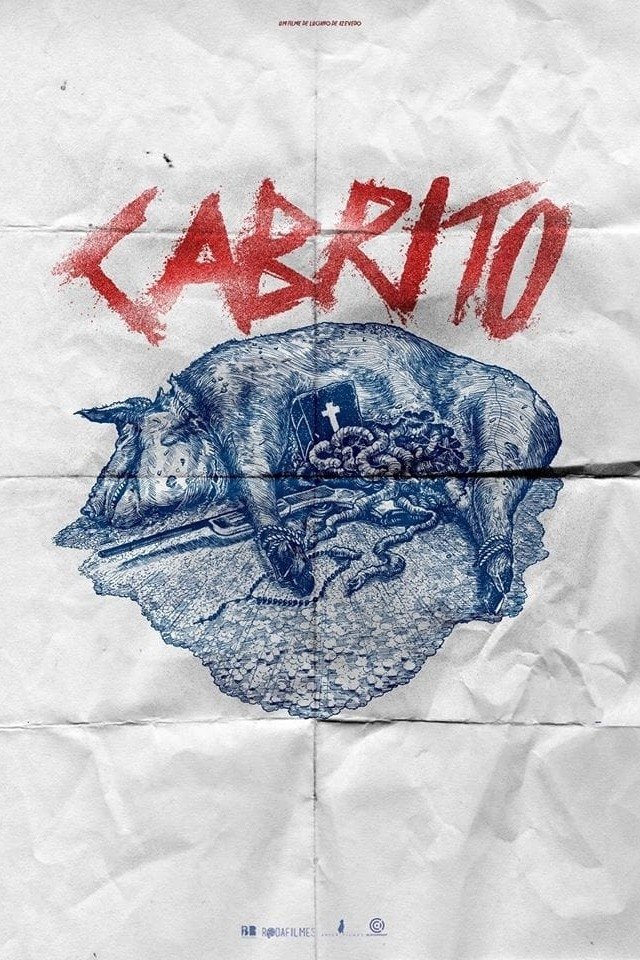
The feature also occupies an unusual place in Azevedo's own work because it grew directly out of earlier short-form material. Cabrito began as a short film in 2015, developed with limited resources and shot in the countryside of Minas Gerais. After the short circulated through international genre festivals, Azevedo expanded the idea with material conceived around Rosalita and eventually transformed the project into a feature. That history remains visible in the finished film: its three-part construction feels episodic by design, but the recurring family relationships, rural atmosphere and obsession with ritual bind the sections into a single descent through the protagonist's past and present.
From Short Film to Feature
The first version of Cabrito was made as a short film with an extremely small production base. Azevedo later recalled that the initial team worked without pay, while the available money went primarily toward makeup, food and transportation to a century-old farm in the interior of Minas Gerais. The location was not incidental. He wanted the project to draw on a recognizably Brazilian rural world, combining stories associated with the countryside with a critique of religion. Actor Samir Hauaji was brought in to help construct the central paternal figure, whose violence would become one of the defining elements of the story.
The short's festival life opened the path toward a larger film. After screening at Sitges, Azevedo met cinematographer Otavio Pupo and producer Carlos G. Gananian. Discussions about adding another passage to the original story developed into a second short-form idea, Rosalita, and then expanded further. Azevedo later secured support to shoot a prologue, allowing the separate pieces to be organized as a feature. The finished Cabrito therefore did not begin as a conventional feature screenplay developed all at once; its structure emerged gradually as Azevedo returned to the same character, family history and thematic material over several years.
Family Violence, Cannibalism and Religion
The film's three chapters are arranged around different sources of damage inside the protagonist's family. The first concentrates on the father and on the emergence of cannibalism within the household. The second shifts toward the mother, whose distorted religiosity becomes another form of control. The third follows the protagonist into adulthood, when he kidnaps his first love, Rosalita, and reproduces patterns of domination and cruelty that echo the treatment he received from his own family. The chapter structure makes repetition central to the horror: violence is not presented as an isolated eruption but as behavior transmitted through intimate relationships.
Azevedo has described the film as a criticism of religious fanaticism and militarism, and he deliberately leaves parts of the narrative unexplained. That refusal of full exposition contributes to the film's fragmented quality while keeping attention on recurring images, rituals and abusive relationships. Cannibalism functions as the most extreme physical expression of the family's corruption, but the film repeatedly places it beside more ordinary forms of coercion: authoritarian parenting, humiliation, dogmatic belief and emotional dependence. The horror therefore grows from a domestic system in which affection, punishment and ritual have become inseparable.
A Deliberately Damaged Image
The visual design was conceived to resist a clean digital finish. Azevedo and Otavio Pupo embraced deep shadow and low illumination, treating darkness as an expressive tool rather than something to be corrected. Azevedo has said that they were willing to let the film become extremely dark and that they deliberately added grain and degraded the image in post-production to break the polished video texture and move it toward a more analog appearance. Natural light was also used extensively, reducing the amount of equipment on set and giving the crew greater freedom to change camera movement and try unusual angles.
Those choices connect the film's form to its subject. The dirty texture, heavy blacks and unstable-looking surfaces make the family spaces feel contaminated before the violence reaches its most explicit points. Contemporary reviews frequently singled out the visual construction even when they were less convinced by the drama, noting the contrast between carefully composed images and a narrative that could feel deliberately disjointed. The aesthetic is therefore not simply decorative gore presentation. It creates a physical sense of decay that supports the film's interest in memory, family history and the persistence of abuse across different periods of the protagonist's life.
Brazilian Horror and International Influences
Azevedo has identified The Texas Chain Saw Massacre as his favorite film and a direct influence on Cabrito, particularly its vision of a family surviving amid poverty and social collapse. He has also cited Dennison Ramalho's short Amor Só de Mãe as a major reference for atmosphere and characterization. Azevedo first encountered Ramalho's film in the early 2000s and later described it as an example of horror that felt genuinely powerful to him. The raw physicality of the New French Extremity, especially its grainy surfaces and psychological aggression, was another acknowledged influence.
Cabrito does not simply transplant those references into Brazil. Its rural setting, religious imagery and attention to specifically Brazilian forms of social anxiety give the material a local frame. Azevedo connected the film's horror to what he saw as a regional and visceral tradition, drawing on the countryside, popular religiosity and stories of real violence circulating in Brazilian society. This combination places Goatling: Son of Satan within an international language of extreme horror while preserving a distinct cultural setting. The film's cannibal family may recall familiar genre archetypes, but its most persistent concerns are the domestic and ideological structures surrounding that violence.
Festivals, Release and Versions
Cabrito reached audiences through the festival circuit before its wider digital distribution. It screened as part of Fantaspoa's 2020 online edition and was also selected for Sitges, where the festival lists the film as a Brazilian production in Portuguese with an 80-minute running time. Fantaspoa awarded Samir Hauaji Best Actor in its Ibero-American competition, giving the film one of its clearest festival distinctions. It also appeared at other genre events including Macabro, which presented the feature as a three-part mixture of witchcraft, cannibalism and religion.
Later home-entertainment releases used the English title Goatling: Son of Satan. The British Board of Film Classification classified a streaming version in August 2022 for strong horror and bloody violence. That version runs 75 minutes and 21 seconds, shorter than the 80-minute festival listing, demonstrating that at least two documented running times have circulated. The available classification record does not explain the difference, so it is safer to treat them as separate documented versions rather than assume specific cuts or censorship. The film's path from microbudget short to international festivals and later VOD is central to its identity as an underground horror production that expanded beyond its original Brazilian context.