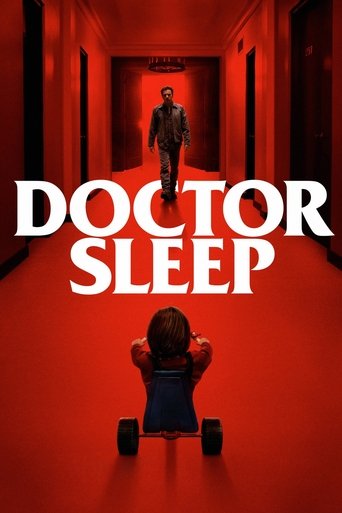
Doctor Sleep (2019)

US
HORROR FILM Thriller Fantasy Drama
6.5/10 2 votes
Runtime
152 min
Release
October 30, 2019
Budget
$45,000,000
Revenue
$72,385,286
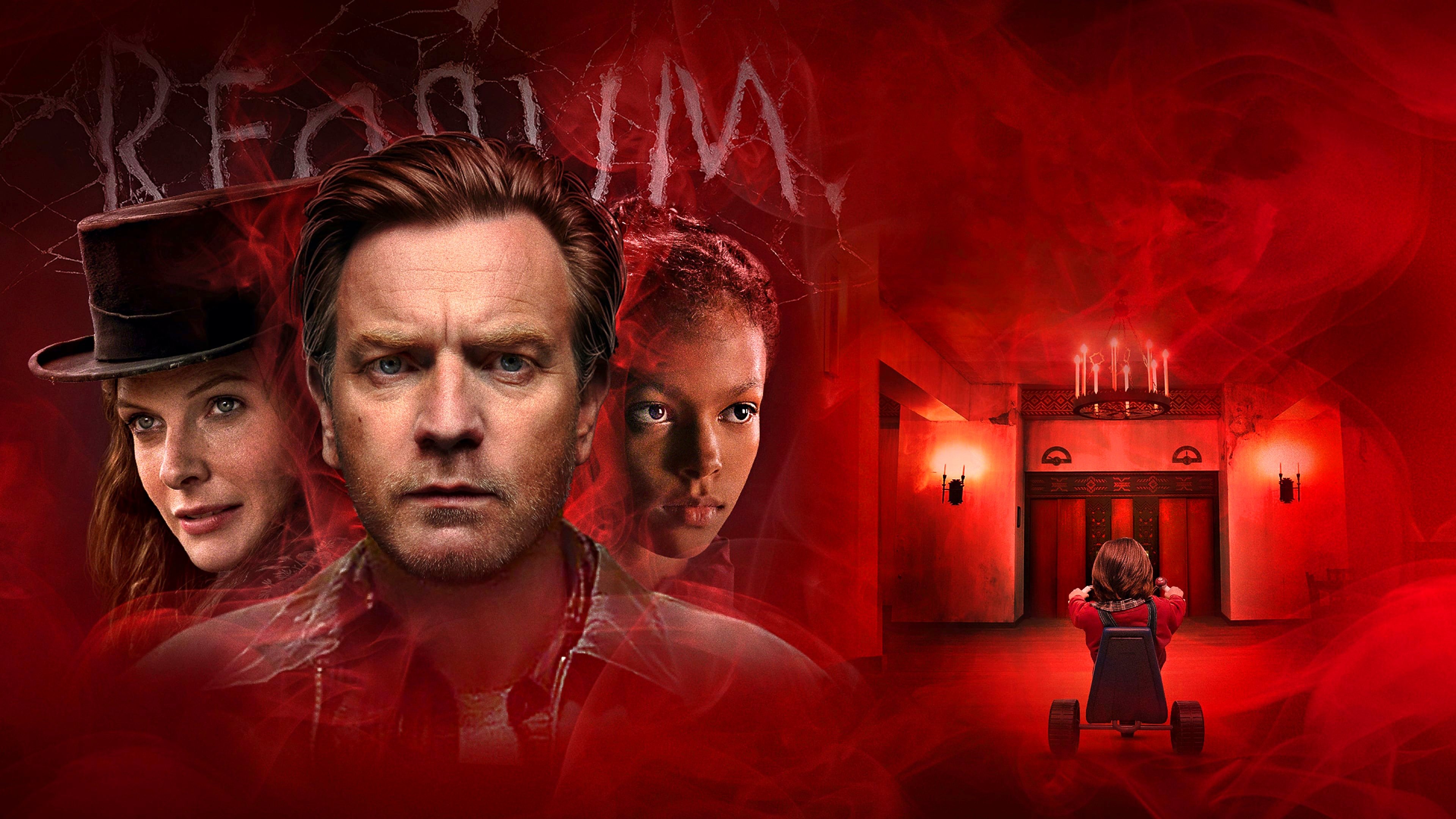
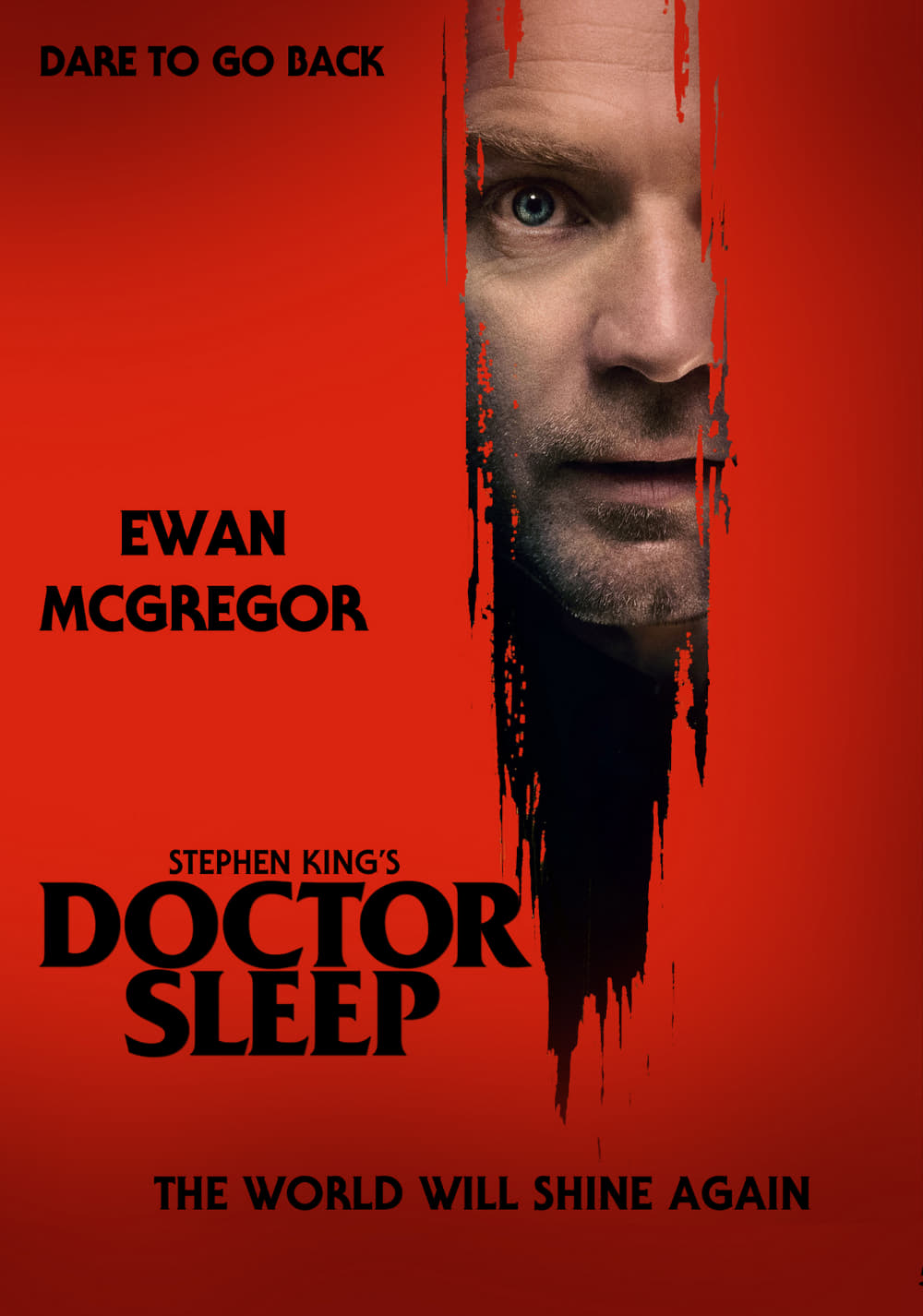
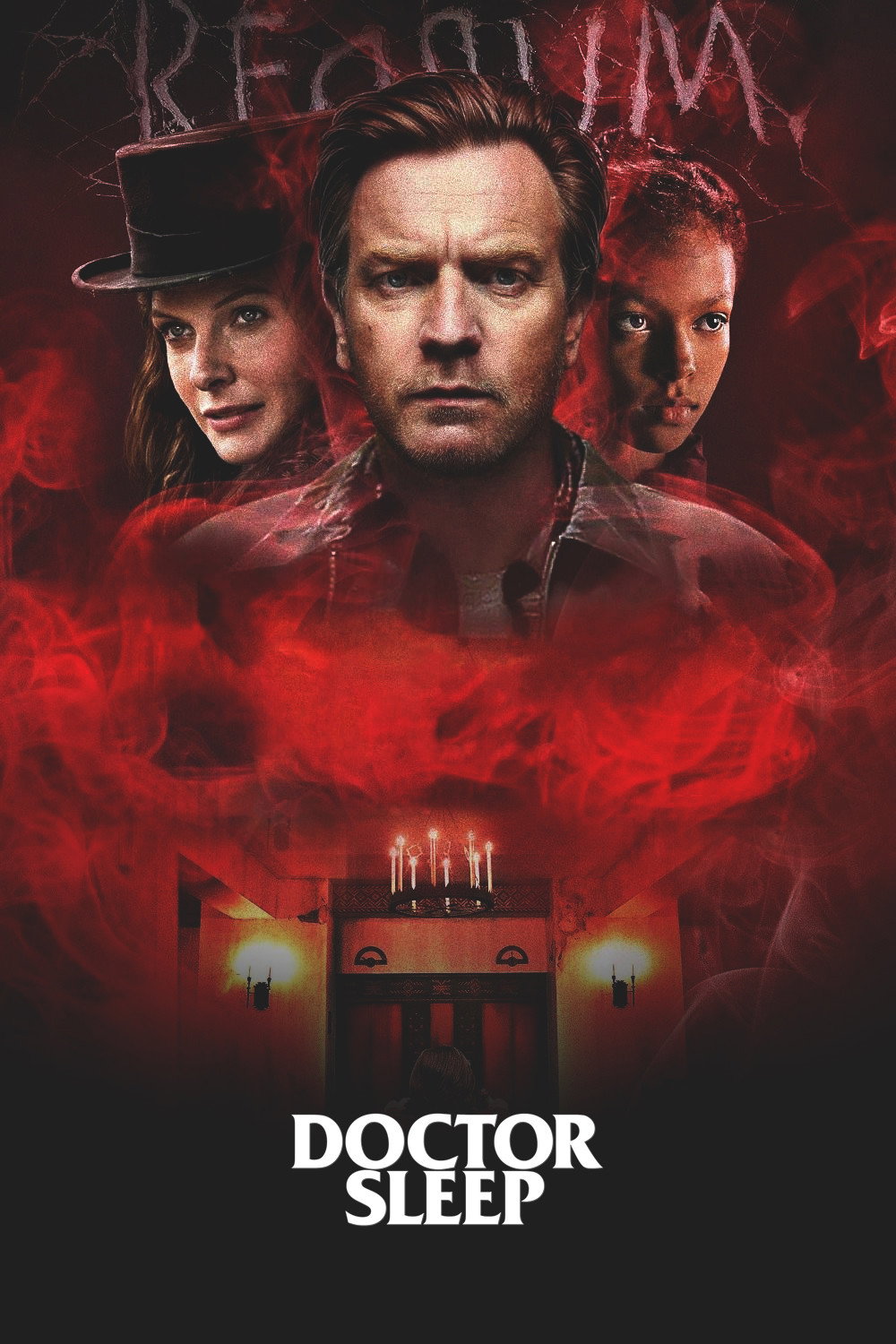
Doctor Sleep (2019) poster
Director
Production Companies
Vertigo Entertainment , Intrepid Pictures , Warner Bros. Pictures
Plot

Still irrevocably scarred by the trauma he endured as a child at the Overlook, Dan Torrance has fought to find some semblance of peace. But that peace is shattered when he encounters Abra, a courageous teenager with her own powerful extrasensory gift, known as the 'shine'. Instinctively recognising that Dan shares her power, Abra has sought him out, desperate for his help against the merciless Rose the Hat and her followers.

Alternative Titles
Доктор Сън (Bulgaria) — Bulgarian Doutor Sono (Brazil) — Portuguese Docteur Sleep (Canada) — French 睡梦医生 (China) Doktor Spánek (Czechia) — short title Doktor Spánek od Stephena Kinga (Czechia) — Czech Doctor Sleeps Erwachen (Germany) — German Stephen Kings Doctor Sleeps Erwachen (Germany) — complete title
Show all 36 alternative titles Doktor Uni (Estonia) — Estonian Doctor Sueño (Spain) — complete title ექიმი ძილი (Georgia) — Georgian Δόκτωρ Υπνος (Greece) — Greek 安眠醫生 (Hong Kong SAR China) — Chinese Doktor Sleep (Croatia) — Croatian Álom doktor (Hungary) — Hungarian דוקטור סליפ (Israel) — Hebrew دکتر اسلیپ (Iran) — Persian ドクター・スリープ (Japan) — Japanese ドクター・スリープ ディレクターズカット (Japan) — director's cut 닥터 슬립 (South Korea) — Korean Daktaras Miegas (Lithuania) — Lithuanian Doktors Miegs (Latvia) — Latvian Doctor Sueño (Mexico) — Spanish Doktor Sen (Poland) — Polish Doutor Sono (Portugal) — Portuguese Доктор Слип (Serbia) — Serbian Доктор Сон (Russia) — Russian Doktor Sleep (Slovenia) — Slovenian Doktor Spánok (Slovakia) — Slovak ด็อกเตอร์ สลีป ลางนรก (Thailand) — Thai Doktor Uyku (Türkiye) — Turkish 安眠醫生 (Taiwan) — Chinese Доктор Сон (Ukraine) — Ukrainian Stephen King's Doctor Sleep (United States) — complete title The Shining 2 (United States) — Working Title Ký Ức Kinh Hoàng (Vietnam)

Trailers & Videos

10 videos

Film Guide & Analysis

Mike Flanagan reconciles Stephen King and Stanley Kubrick through Dan Torrance, recovery, psychic predation and a return to the Overlook Hotel.

Doctor Sleep (2019) confronts an unusual problem for horror sequels: its source novel continues Stephen King's The Shining, while the screen history of that story is inseparable from Stanley Kubrick's very different 1980 adaptation. Mike Flanagan's film follows an adult Dan Torrance through alcoholism, recovery and a renewed encounter with the supernatural ability that marked his childhood. It places the terror of predatory psychics beside the more intimate fear that the damage inflicted by a parent may shape the rest of a child's life. The film's identity depends upon how those two dimensions are allowed to interact.

Flanagan treated the conflicting versions of The Shining as a creative constraint rather than a continuity detail that could be ignored. Stephen King's novel ended with the Overlook Hotel destroyed; Kubrick's film left the building standing. Doctor Sleep returns to the cinematic hotel while preserving the central concerns of King's later book, particularly Dan's struggle to become a protector rather than repeat his father's history. Its photography, sound and effects deliberately recall earlier horror images, but the story extends beyond their locations into hospices, recovery meetings and the dangerous community known as the True Knot.

Development and the Two Versions of The Shining

King published Doctor Sleep in 2013, returning to Danny Torrance as a damaged adult rather than attempting to repeat the original novel's haunted-hotel scenario. Flanagan had already adapted King's Gerald's Game, a project whose treatment of trauma established a productive relationship with the author. In interviews conducted around the film's 2019 release, the director and producer Trevor Macy described their intention to preserve Dan's emotional journey while acknowledging the visual history of Kubrick's The Shining. That decision created a structural difficulty: major events in King's fictional chronology had not occurred in the same way on screen.

The most consequential difference was the Overlook itself. King's novel had destroyed the hotel, while Kubrick's adaptation ended with the building intact and Jack Torrance dead outside in the snow. Flanagan proposed relocating the later story's confrontation to that surviving cinematic space. The adjustment required changes to Dan's fate and to the way his father's legacy could be confronted. Flanagan explained to the Los Angeles Times that he wanted the images established by Kubrick to remain part of the film's world, while protecting the characterization King had established for the younger Torrance. King's eventual approval was therefore central to the adaptation's development.

The compromise reached beyond architecture. Where Kubrick's film is frequently experienced through Jack's escalating threat to his family, Doctor Sleep makes the son responsible for resisting the transmission of that violence. The conclusion draws upon the redemptive sacrifice associated with Jack in King's original The Shining, giving Dan an opportunity to act differently from the father he remembers. This relationship between the two novels and two films is a documented creative decision, rather than an invitation to treat every visual quotation as a literal retelling. It also helps explain the film's greater willingness to make psychic rules and personal motivations explicit.
Dan Torrance: Trauma, Addiction and Recovery

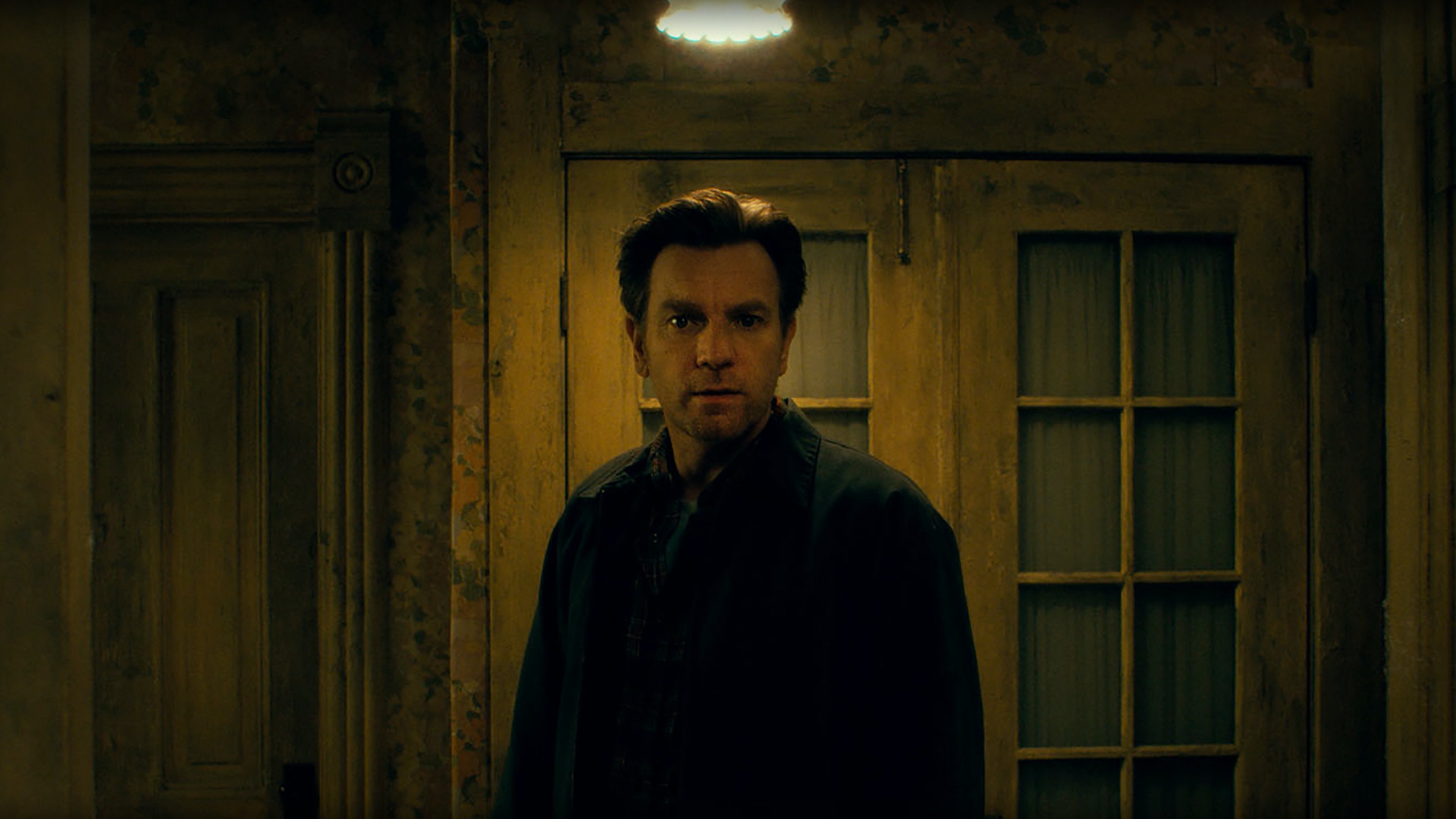
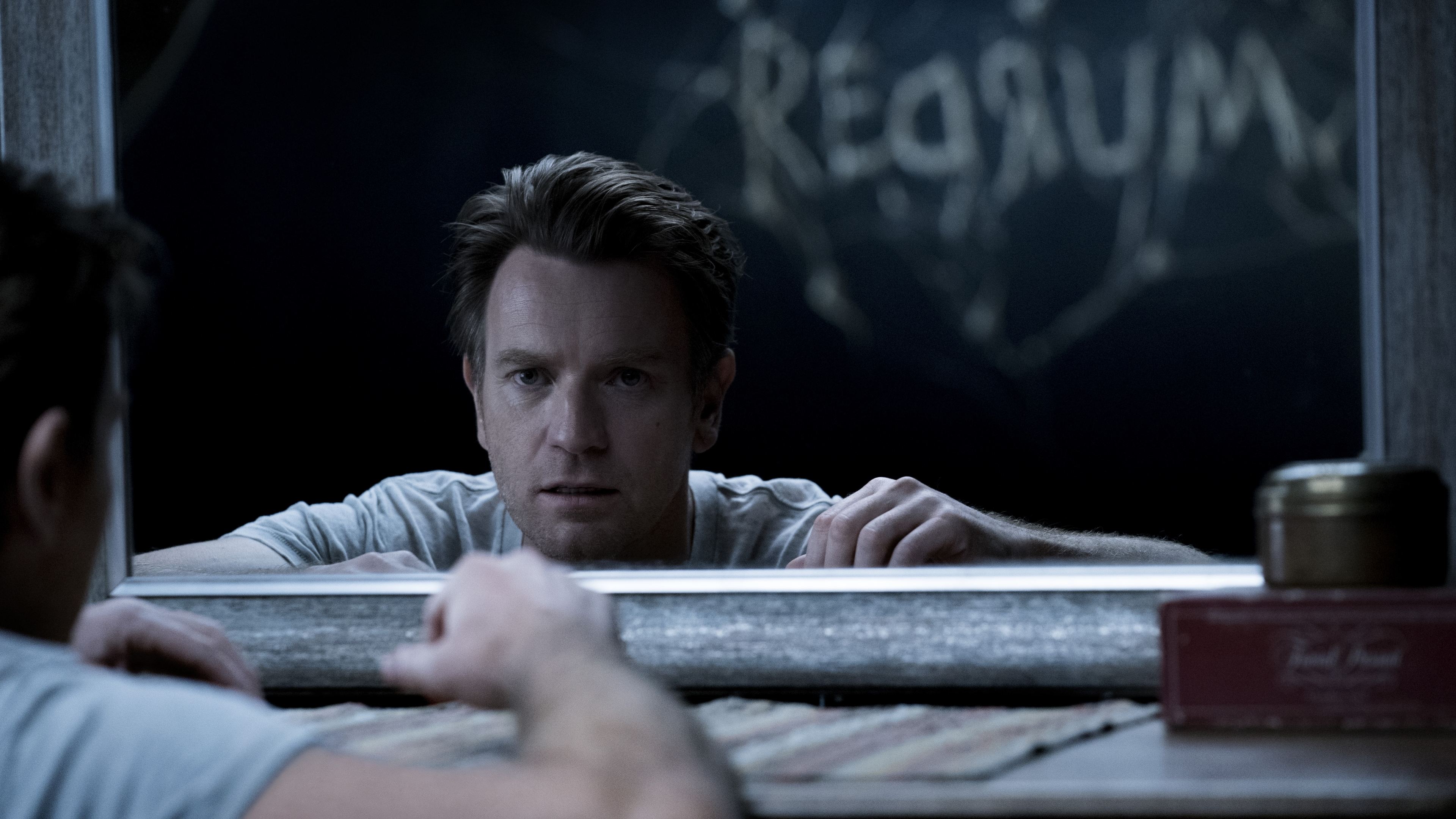
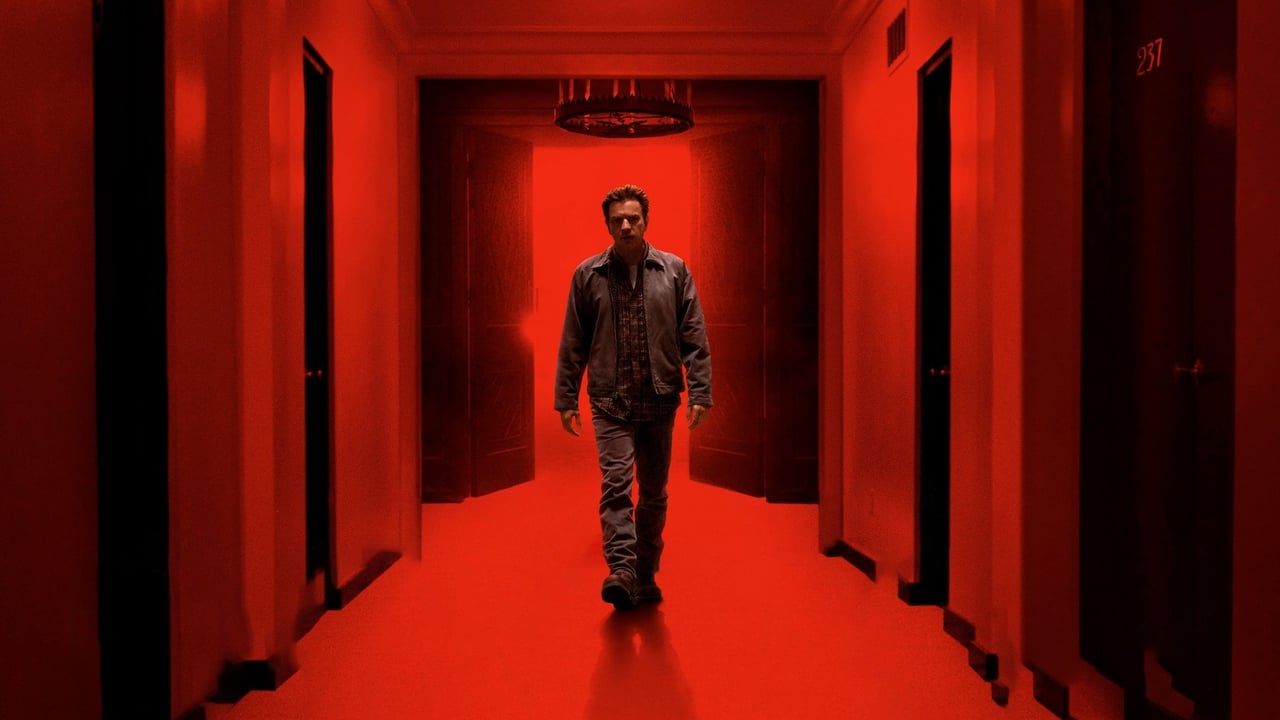
Ewan McGregor's Dan begins the film with his childhood experiences continuing to shape his adult behavior. Alcohol provides a temporary means of avoiding visions and memories, but it also reproduces an aspect of Jack Torrance that Dan most fears. The story then shifts into a recovery framework, with work and responsibility becoming necessary parts of his ability to survive. His association with a hospice is important because it changes the function of the shining: an ability once connected mainly with peril becomes a means of easing another person's death. Supernatural perception acquires an ethical purpose before the central conflict reaches its most dangerous stage.

Flanagan places ordinary communal spaces beside the frightening rooms of the Overlook. Recovery meetings allow Dan to speak about actions that psychic power cannot undo, while his friendship with Billy Freeman supplies the kind of stable adult relationship denied to him during his childhood. The film makes recovery a process with consequences rather than a single moment of personal transformation. This aspect also differentiates Dan's story from the conventional horror sequel built around returning to an old location. The final journey to the hotel has weight because much of the film has already examined how Dan attempts to live outside its influence.

Abra Stone enters as a younger person whose shining exceeds Dan's in certain respects, changing his position from frightened child to reluctant mentor. Her curiosity and determination bring the threat into focus, but their connection is also a reversal of the bond Dan once shared with Dick Hallorann. Carl Lumbly's Hallorann remains a guide in Dan's memories and visions, giving continuity to the idea that psychic knowledge carries obligations toward other vulnerable people. Abra's strength prevents the film from treating childhood solely as helplessness, while Dan's failures keep his eventual protective role from appearing automatic or inevitable.

The True Knot and the Horror of Predation

The True Knot provides a different model of supernatural danger from the Overlook. Its members travel through ordinary American landscapes, conceal themselves within the habits of a mobile community and survive by taking the psychic substance they call steam from people who shine. Rose the Hat, played by Rebecca Ferguson, combines personal charm with an appetite for suffering. Her authority depends on the group accepting the exploitation of children as a routine condition of survival. The film's horror consequently extends beyond the ghosts of an isolated building: a predatory organization can move through the wider world without appearing monstrous to an unsuspecting passerby.

The murder of the young baseball player, portrayed by Jacob Tremblay, makes that predation unavoidably concrete. Flanagan described filming more violent material than appears in the final theatrical scene and regarded its severity as necessary to establish what Dan and Abra are opposing. The sequence's duration and the reaction of the perpetrators distinguish it from a generic threat delivered through dialogue. Rose and her companions have an ideology of self-preservation, but the film makes clear that their survival is purchased through deliberate suffering. The True Knot thus supplies a moral counterpoint to Dan's work at the hospice, where proximity to death is associated with care.

The group also exposes the limitations of its apparent immortality. Its members depend upon a diminishing resource and respond to scarcity with fear, making their collective confidence increasingly brittle. Rose's attempts to reach Abra through psychic space give the story an adversary capable of crossing ordinary distance. In visual terms, those scenes move beyond the cramped physical geography associated with Kubrick's hotel. Their spectacle has a narrative purpose: Dan and Abra cannot simply flee to a location beyond the influence of their pursuers, so the struggle must ultimately involve an active use of the powers Dan has spent years suppressing.

Cinematography and the Return to the Overlook

Cinematographer Michael Fimognari described the visual design as emerging from the themes of recovery and character rather than from a wholesale attempt to reproduce Kubrick. In a first-person production account for MovieMaker, he identified the ARRI Alexa 65, DNA Prime lenses and primarily ARRI SkyPanel lighting as the principal equipment. He also explained the use of warm autumnal tones against cyan shadows to connect geographically separate spaces. The resulting color contrasts give Dan's everyday world its own visual personality. Kubrick's influence remains evident in certain compositional choices, especially when the film returns to the hotel, but the lighting strategy deliberately differs.

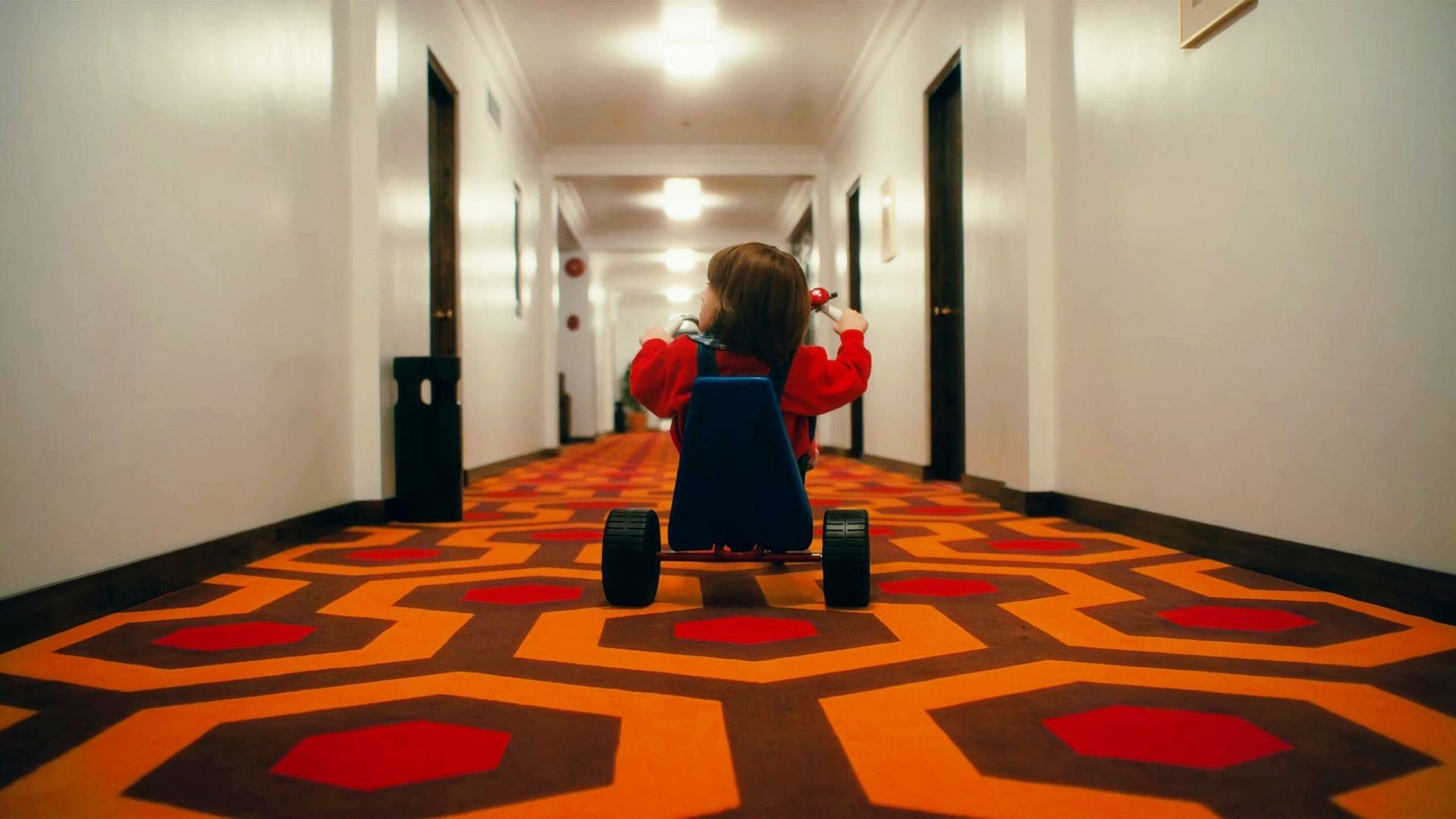
The production preserved the 1.85:1 frame associated with the cinematic Shining and used centered or symmetrical compositions where that language served the narrative. The Overlook's corridors, bathrooms and public rooms become recognizable environments that the audience may remember before Dan steps into them. Reconstructing these spaces allowed the film to stage new encounters within a visual system already burdened with meaning. Familiarity is used as a source of apprehension: a corridor or room can suggest an earlier act of violence without requiring a new demonstration of the building's power. The effect depends on spatial continuity rather than on a succession of brief visual quotations.

Away from the hotel, Fimognari's camera often places psychic conflict in surroundings that look lived in and comparatively ordinary. The contrast is useful because the supernatural threat is no longer confined to the spectacular architecture of a mountain resort. Color and distance can change the audience's awareness of danger before the characters have named it. These choices also prevent the second film from becoming a purely nostalgic return to an established setting. Dan spends much of the narrative building an identity in places that bear little resemblance to his childhood prison; the return to the Overlook is frightening partly because the images undo that hard-won separation.

Effects, Psychic Space and Physical Horror

The adaptation required visual forms for psychic phenomena that King's prose could describe without assigning them a single fixed appearance. In a detailed Fangoria interview, Flanagan explained that the production studied the behavior of smoke and vapor when designing the steam consumed by the True Knot. He wanted it to remain unsettlingly material instead of turning every supernatural encounter into a bright fantasy display. Some of the more elaborate images of faces within steam found in the novel were reduced or abandoned. That choice shaped a recurring visual effect whose apparent simplicity helps the predatory acts feel connected to the physical bodies of their victims.

Other sequences demand a more expansive approach. Rose's psychic projection above the landscape expresses a power that the film cannot communicate through a confined room or an ordinary close-up. The sequence changes scale dramatically, yet it retains the threat established through the True Knot's appetite: distance is no guarantee of safety. Flanagan discussed the difficulty of deciding which fantastic ideas from the book should become visible and which should remain suggested. His comments demonstrate a deliberate hierarchy of effects. The production sought a grounded treatment for the recurring manifestations of the shining, while allowing the rare excursions into psychic space to alter the film's sense of physical possibility.

The film's most severe bodily horror remains connected with the consumption of a child's suffering. The baseball player's death derives its force from performance, the attackers' reactions and the withholding of rescue, rather than from a detailed catalogue of prosthetic techniques. It would be misleading to assign particular makeup materials or digital methods to individual shots without direct production evidence. This distinction is important because the scene's moral function is well documented in Flanagan's own explanation, while specific construction details are not equally established. In an otherwise expansive supernatural story, the human scale of the victim makes this sequence especially difficult to separate from the film's larger concern with inherited and inflicted trauma.

The Newton Brothers and the Role of Silence

The Newton Brothers, Andy Grush and Taylor Newton Stewart, had an established working relationship with Flanagan before Doctor Sleep. Their music had to exist alongside an unusually recognizable sonic inheritance from Kubrick's film. The resulting score supports the new characters and their shifting emotional states without requiring every return to the Overlook to be accompanied by a recognizable quotation. The relationship between sound and memory becomes particularly important in scenes where Dan faces an apparition from his childhood. Music can prepare the audience for a familiar sensation, but its absence can also make a confrontation feel more exposed and uncomfortable.

Grush gave Berklee a revealing example from late post-production. The composers had prepared a six-minute piece intended for a major sequence near the film's conclusion, and the work was approved by the director and other collaborators. Shortly before the final print, Flanagan proposed removing it. According to Grush, the resulting silence served the scene better, despite the considerable work invested in the composition. The account establishes a concrete editorial decision rather than a general claim about ominous music. It also illuminates the film's willingness to let a remembered environment, a performance and the expectation of a musical cue generate tension without an accompanying score.

Theatrical Release, Reception and Director's Cut

Warner Bros. began the film's international theatrical rollout in late October 2019, followed by its wide United States opening on November 8. The theatrical version runs approximately 152 minutes. Contemporary box-office reporting described an American debut of roughly $14.1 million, well below the industry's forecasts for its first weekend. The result complicated expectations for a high-profile continuation of The Shining, despite the recognizable literary source and the visibility of the cast. Those opening figures describe the initial American weekend, not the picture's complete worldwide earnings or a demonstrated calculation of profitability. Reception also reflected the film's unusual position between a literary adaptation and a sequel to a celebrated cinematic predecessor.

An alternative assembly became available in January 2020. The Director's Cut lasts approximately 180 minutes and uses chapter headings to give the narrative a more explicitly literary organization. SYFY Wire's contemporaneous comparison documented additional material concerning Abra's early powers, longer encounters involving the True Knot and expanded interactions between Dan and the figures tied to his childhood. The additions are distributed across the picture rather than confined to a new ending. That distinction matters because the extended version changes the pacing of character development without replacing the screenplay's basic reconciliation of King and Kubrick. The two versions should therefore be identified as separate released cuts, with their respective runtimes and structures preserved.

The film's legacy is best understood through the questions its production made visible. Flanagan could neither ignore Kubrick's imagery nor reproduce King's original ending literally, and the released work carries the traces of that negotiation into its final act. Viewers and critics have differed over whether the return to the Overlook overwhelms Dan's independent story, an interpretation that should be kept distinct from the recorded production decisions. Doctor Sleep remains a distinctive example of horror adaptation as an argument between established works: the earlier film's visual memory shapes the sequel, while the later story tries to recover the possibility of responsibility and change that King considered essential to the Torrance family.

References

  1. Los Angeles Times How Doctor Sleep Earned Stephen King's Endorsement and Still Honored Stanley Kubrick

    Sonaiya Kelley interviews Mike Flanagan and Trevor Macy about the screenplay, the Overlook continuity problem, framing choices and King's response.

  2. MovieMaker Michael Fimognari on Doctor Sleep

    The cinematographer's first-person account details lighting and color decisions, ARRI Alexa 65 cameras, DNA Prime lenses and the visual relationship with Kubrick.

  3. Fangoria Exclusive Interview: Doctor Sleep Director Mike Flanagan (Part Two)

    Original interview on the design of the steam effect, psychic projection, the baseball boy sequence and the challenges of translating the novel's violence.

  4. Berklee Oh the Horror: Andy Grush on Composing for Doctor Sleep

    Jed Gottlieb interviews composer Andy Grush about the Newton Brothers' collaboration and the decision to remove a major completed cue near the film's ending.

  5. SYFY Wire New 3-Hour Cut of Doctor Sleep Shines a Brighter Light on Its Characters' Backstories

    James Comtois compares the released 2020 Director's Cut with the theatrical edit, identifying additional scenes, chapter divisions and changes in narrative rhythm.

Connections

Cast

View Full Cast & Crew →

Release & Distribution

Production Companies (3)

  • Intrepid Pictures US
  • Vertigo Entertainment US
  • Warner Bros. Pictures US

Distributors (2)

  • InterCom HU
  • Warner Bros. Entertainment US

Release History (67)

Release DateTerritoryRelease TypeFormatDistributorCertificationNotes
2019-10-21 United States Premiere — — R Los Angeles, California
2019-10-30 Switzerland Theatrical — — 16
2019-10-30 France Theatrical — — 12
2019-10-31 Switzerland Theatrical — — 16
2019-10-31 Spain Theatrical — — 16
2019-10-31 United Kingdom Theatrical — — 15
2019-10-31 Greece Theatrical — — —
2019-10-31 Croatia Theatrical — — —
2019-10-31 Ireland Theatrical — — 16
2019-10-31 Italy Theatrical — — —
2019-10-31 Portugal Theatrical — — M/16
2019-10-31 Serbia Theatrical — — —
2019-11-01 Finland Theatrical — — K-16
2019-11-01 Sweden Theatrical — — 15
2019-11-06 Indonesia Theatrical — — —
2019-11-07 United Arab Emirates Theatrical — — —
2019-11-07 Argentina Theatrical — — —
2019-11-07 Australia Theatrical — — MA 15+
2019-11-07 Brazil Theatrical — — 16
2019-11-07 Colombia Theatrical — — —
2019-11-07 Denmark Theatrical — — 15
2019-11-07 Hong Kong SAR China Theatrical — — IIB
2019-11-07 Hungary Theatrical — — 16
2019-11-07 Israel Theatrical — — —
2019-11-07 South Korea Theatrical — — 15
2019-11-07 Kuwait Theatrical — — —
2019-11-07 Kazakhstan Theatrical — — —
2019-11-07 Netherlands Theatrical — — 18
2019-11-07 New Zealand Theatrical — — —
2019-11-07 Peru Theatrical — — —
2019-11-07 Philippines Theatrical — — —
2019-11-07 Russia Theatrical — — 18+
2019-11-07 Saudi Arabia Theatrical — — —
2019-11-07 Singapore Theatrical — — M18 (uncut) NC16 (edited)
2019-11-07 Slovakia Theatrical — — 15
2019-11-07 Thailand Theatrical — — 15
2019-11-07 Ukraine Theatrical — — —
2019-11-07 Uruguay Theatrical — — —
2019-11-08 Bulgaria Theatrical — — —
2019-11-08 Canada Theatrical — — —
2019-11-08 Estonia Theatrical — — —
2019-11-08 India Theatrical — — —
2019-11-08 Iceland Theatrical — — —
2019-11-08 Lithuania Theatrical — — N-16
2019-11-08 Latvia Theatrical — — —
2019-11-08 Mexico Theatrical — — C
2019-11-08 Taiwan Theatrical — — —
2019-11-08 United States Theatrical — — R
2019-11-08 Vietnam Theatrical — — —
2019-11-14 Czechia Theatrical — — 18+
2019-11-15 Norway Theatrical — — 18
2019-11-15 Poland Theatrical — — 18
2019-11-21 Austria Theatrical — — —
2019-11-21 Switzerland Theatrical — — 16
2019-11-21 Germany Theatrical — — 16
2019-11-21 Lebanon Theatrical — — —
2019-11-22 Romania Theatrical — — 15
2019-11-22 Türkiye Theatrical — — 16+
2019-11-29 Japan Theatrical — — —
2019-12-12 Chile Theatrical — — —
2020-01-21 Japan Digital — — —
2020-01-21 United States Digital — — R
2020-01-23 Brazil Digital — — 16
2020-02-01 Australia Digital — — MA 15+
2020-02-04 United States Physical — — R
2020-08-01 New Zealand Digital — — 16
2026-10-15 Philippines Digital — — — Netflix
Return to the Overlook.