Development, Period Research and Maritime Language
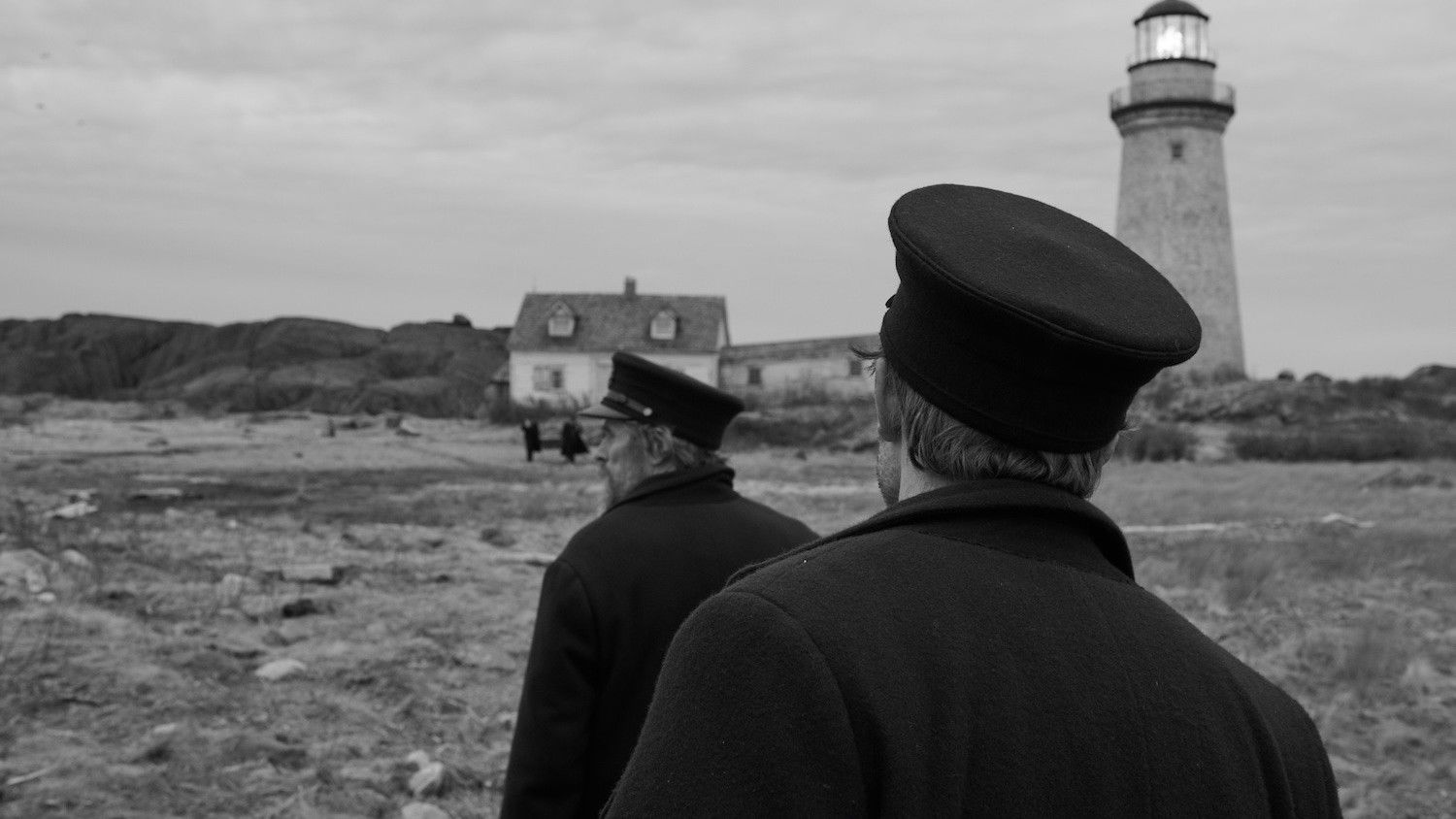
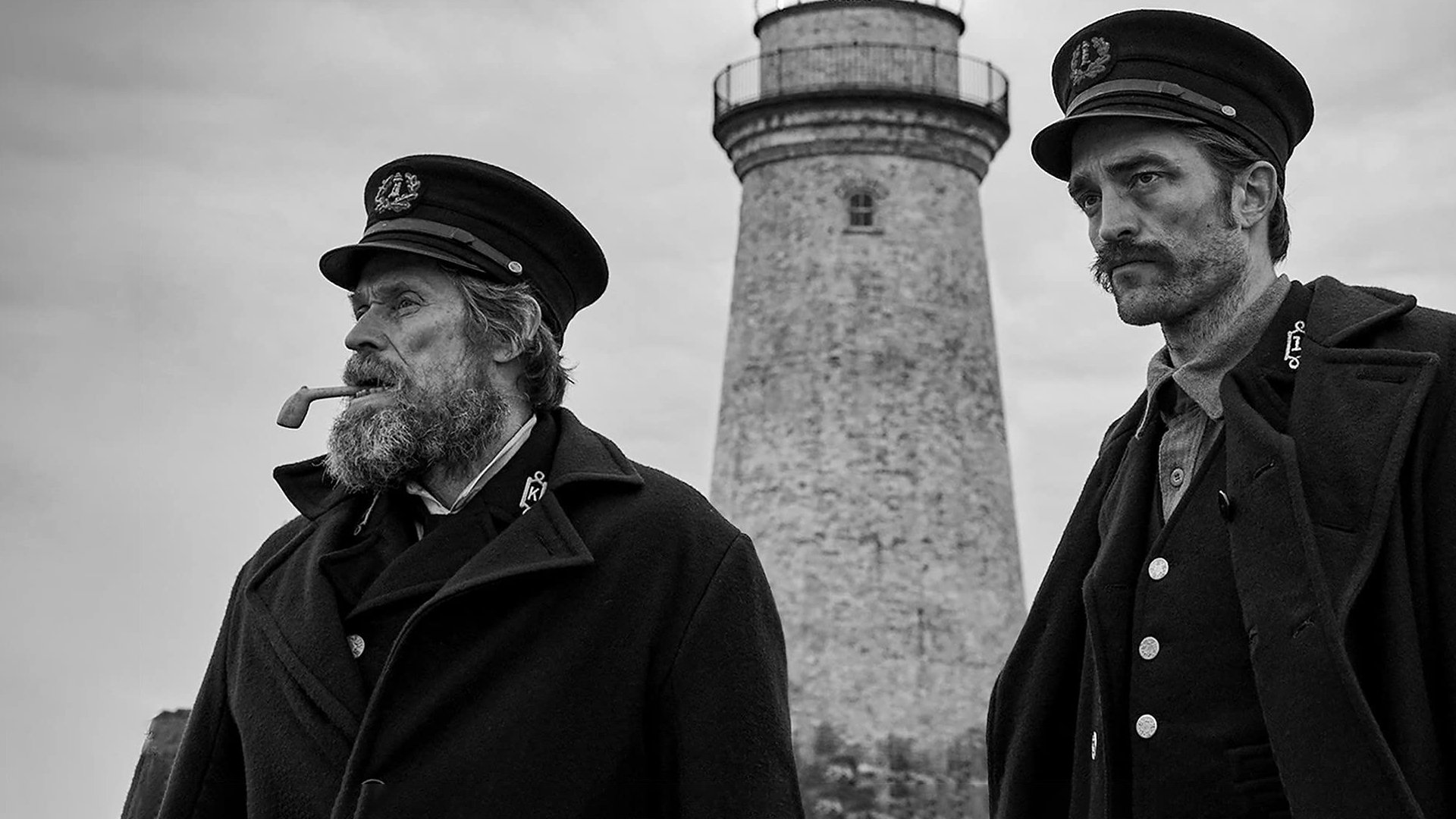
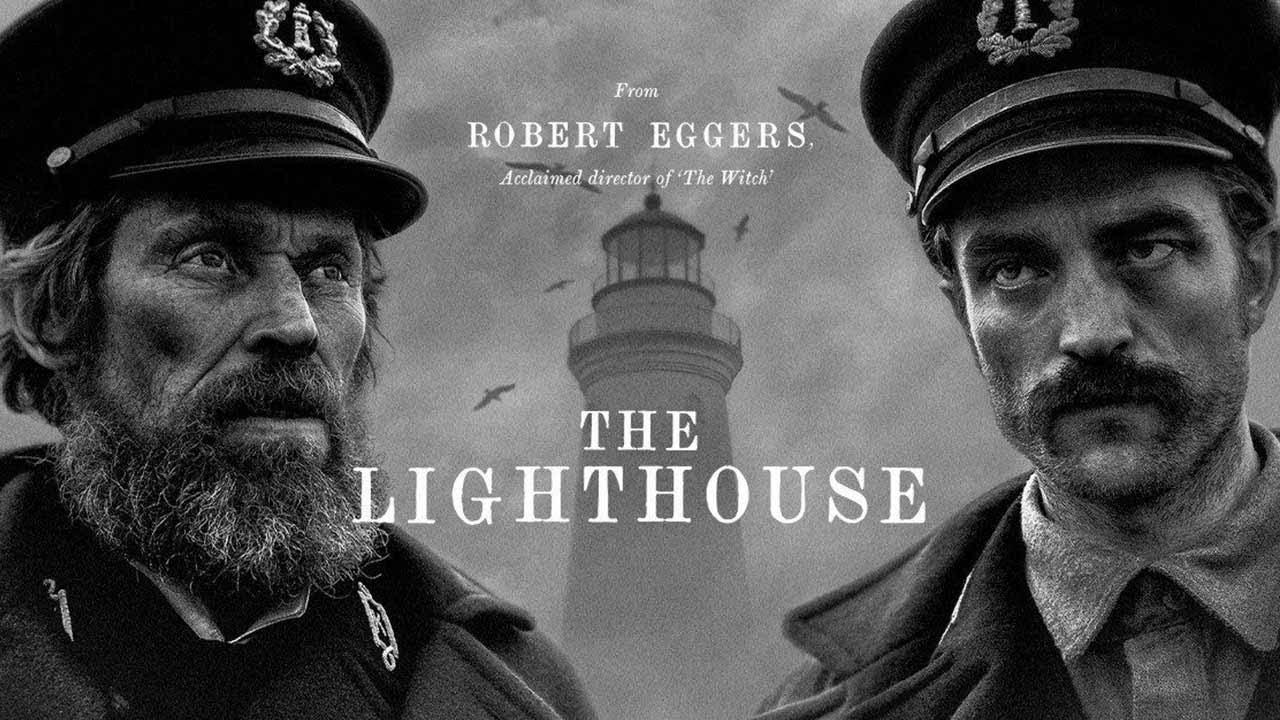
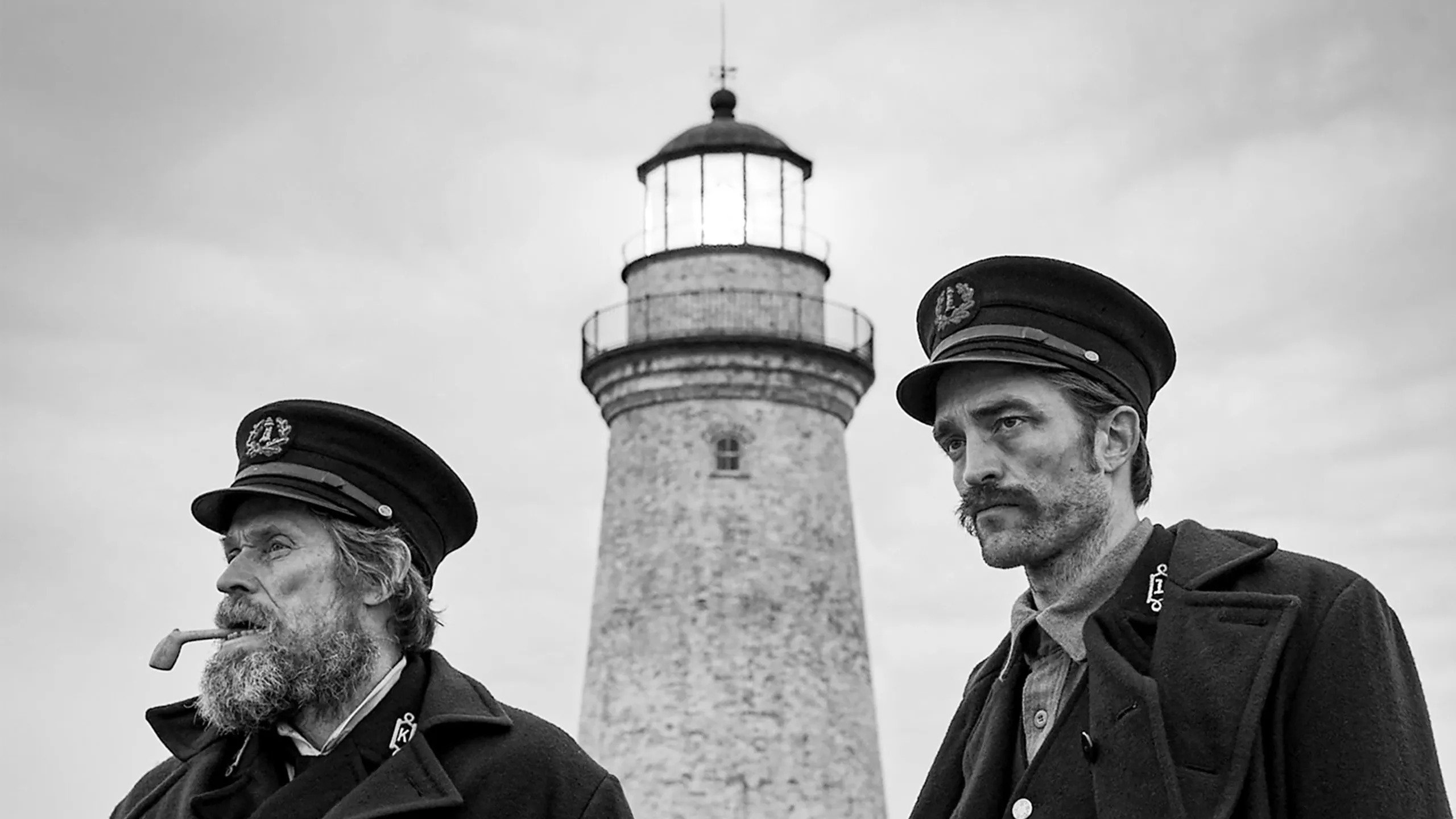
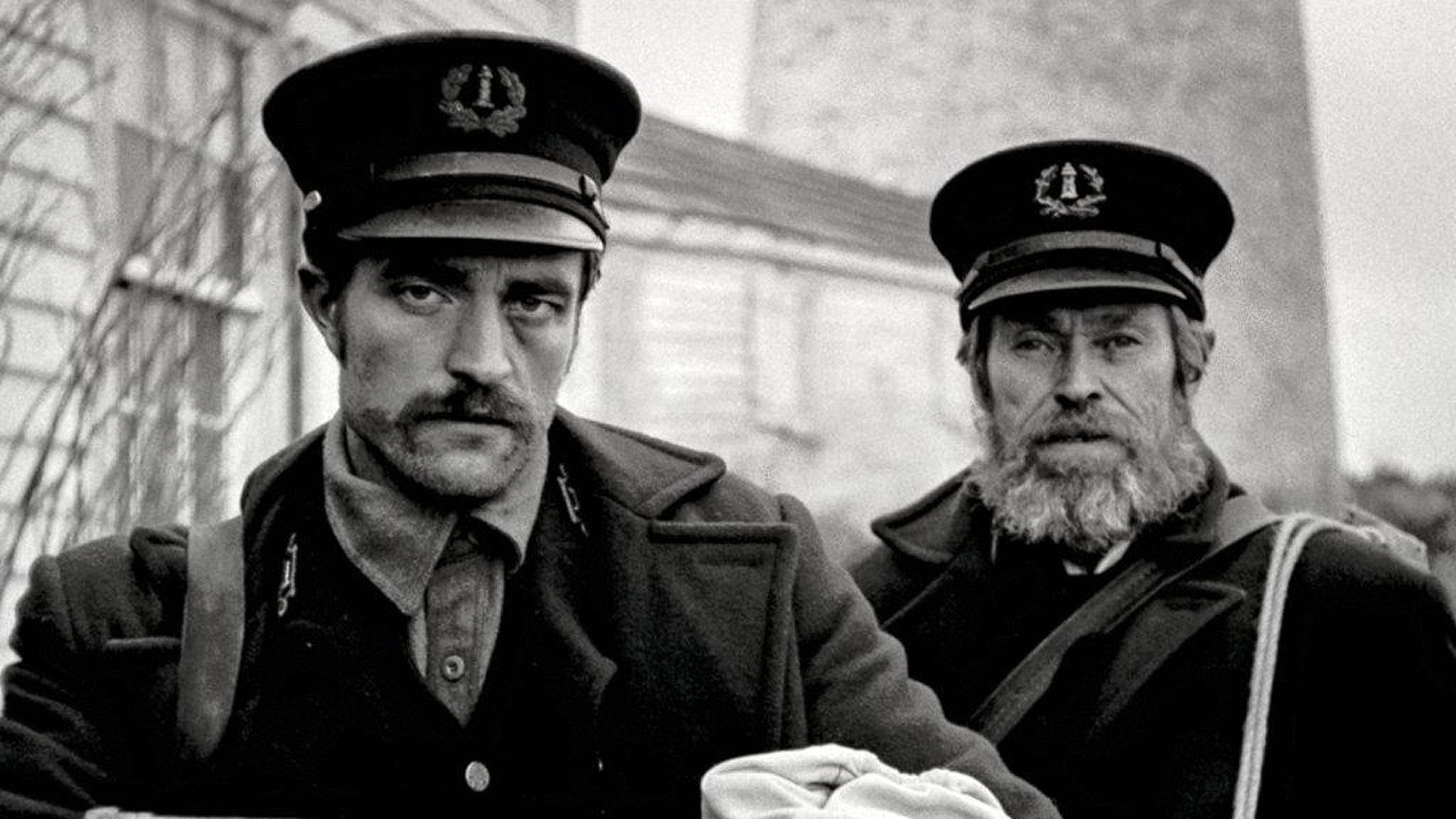
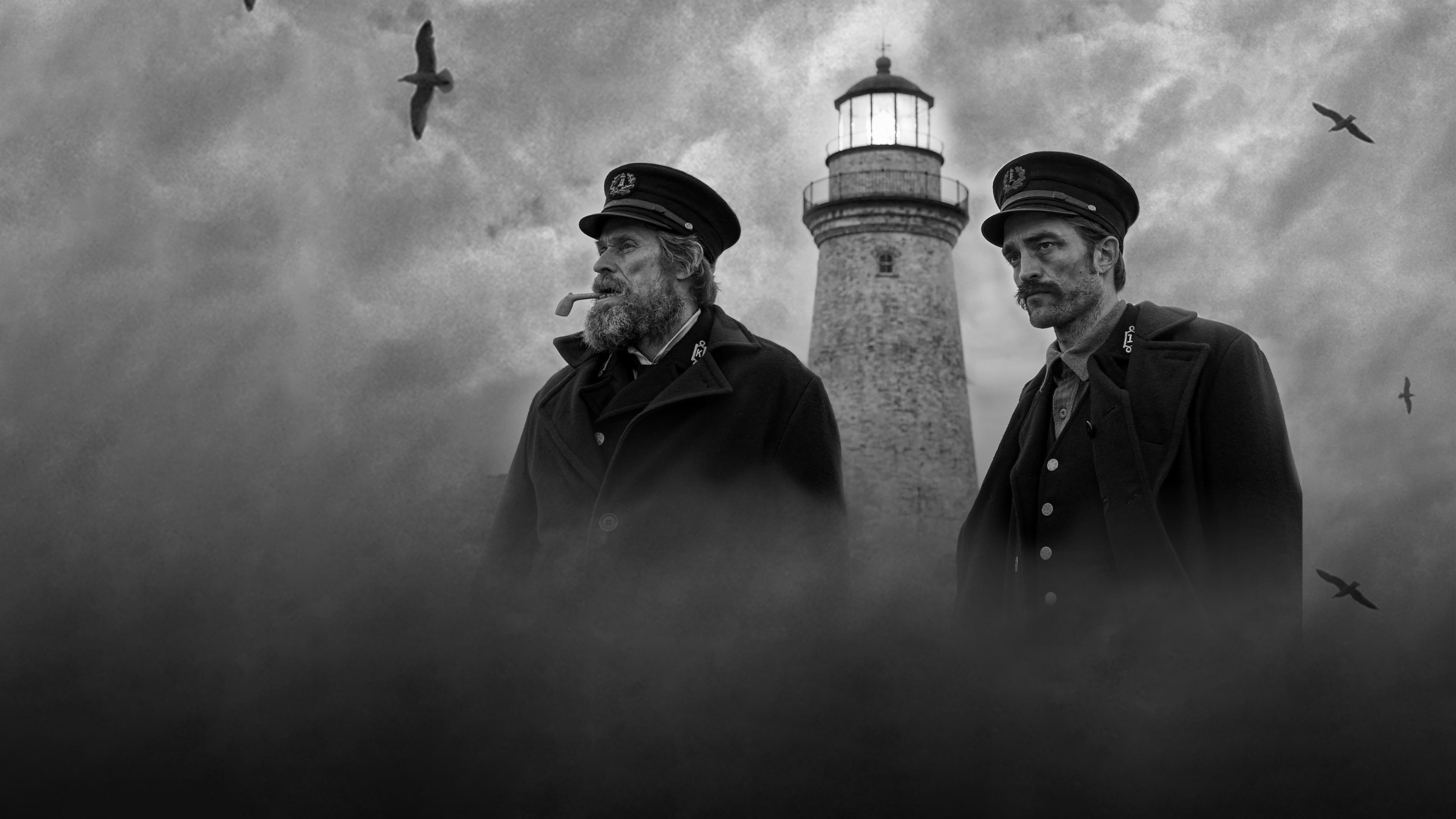
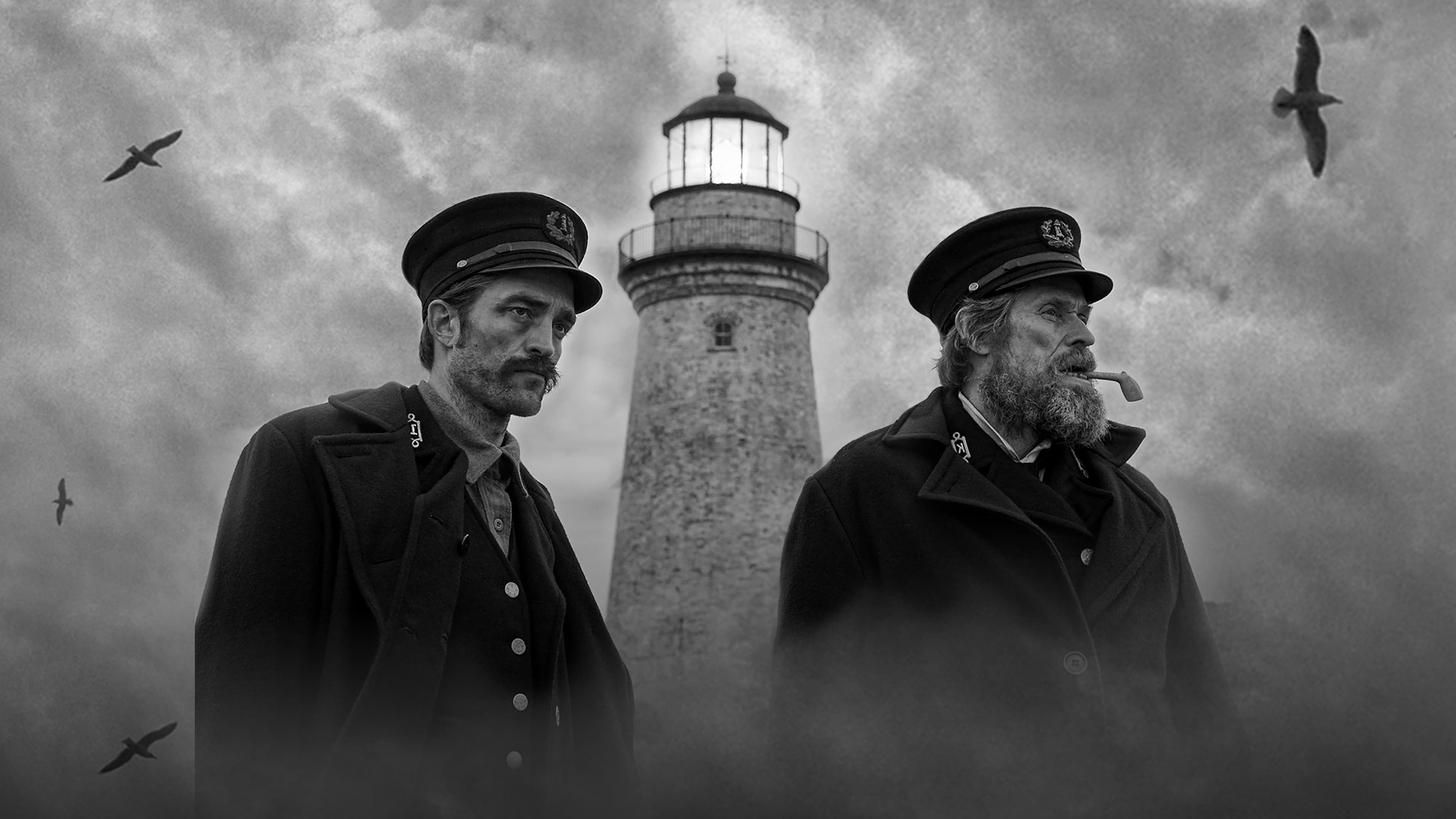
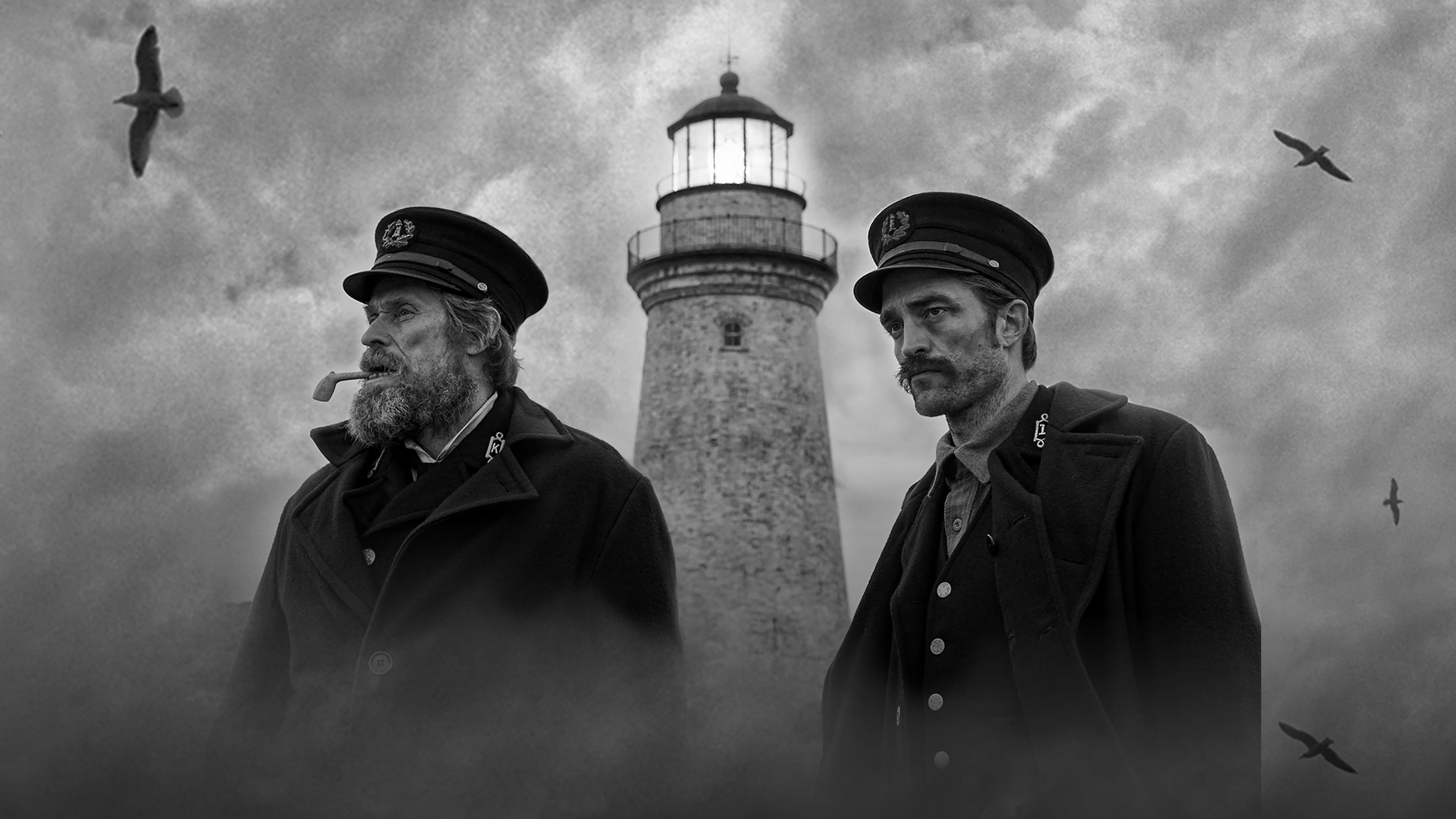
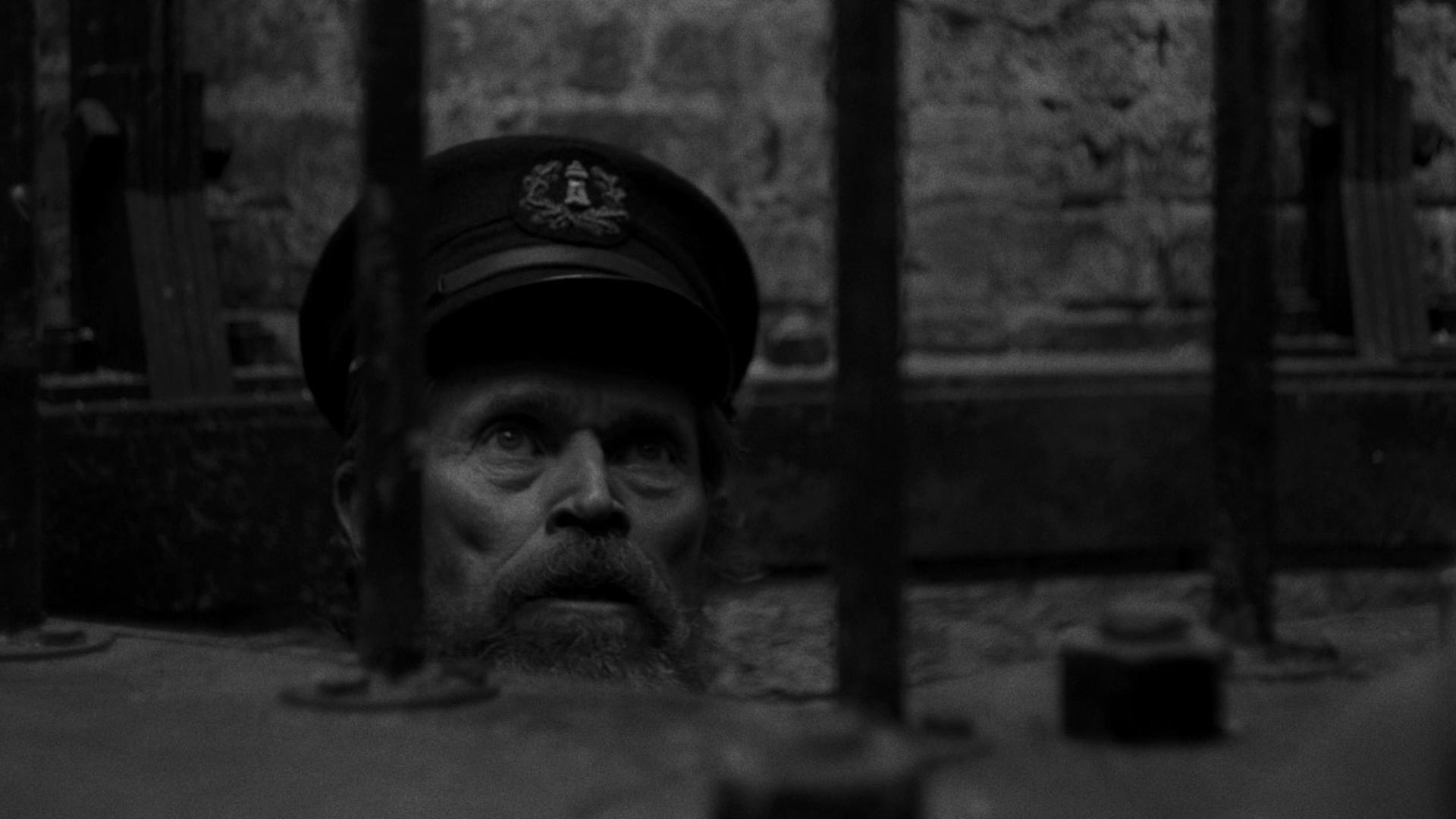
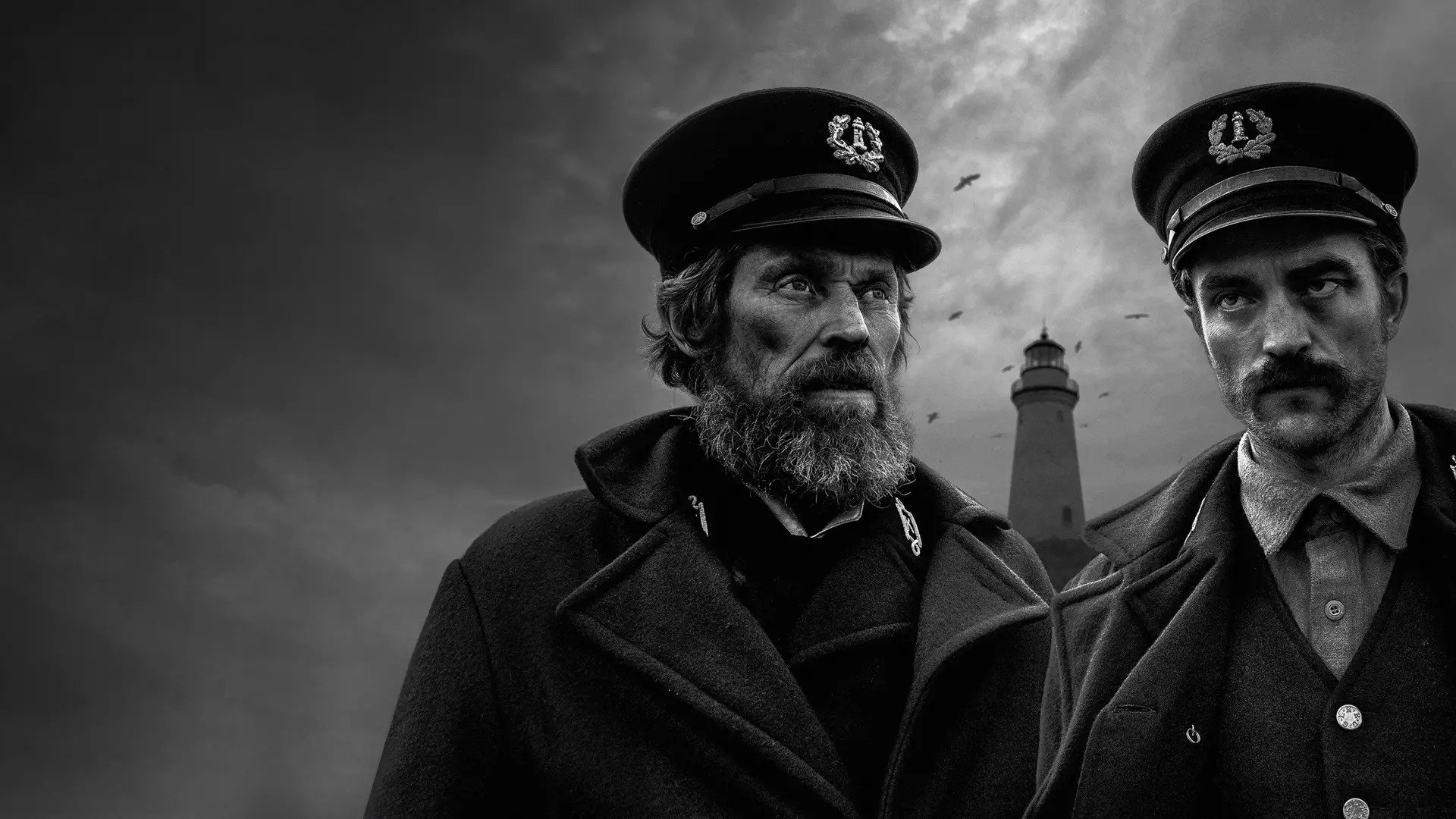
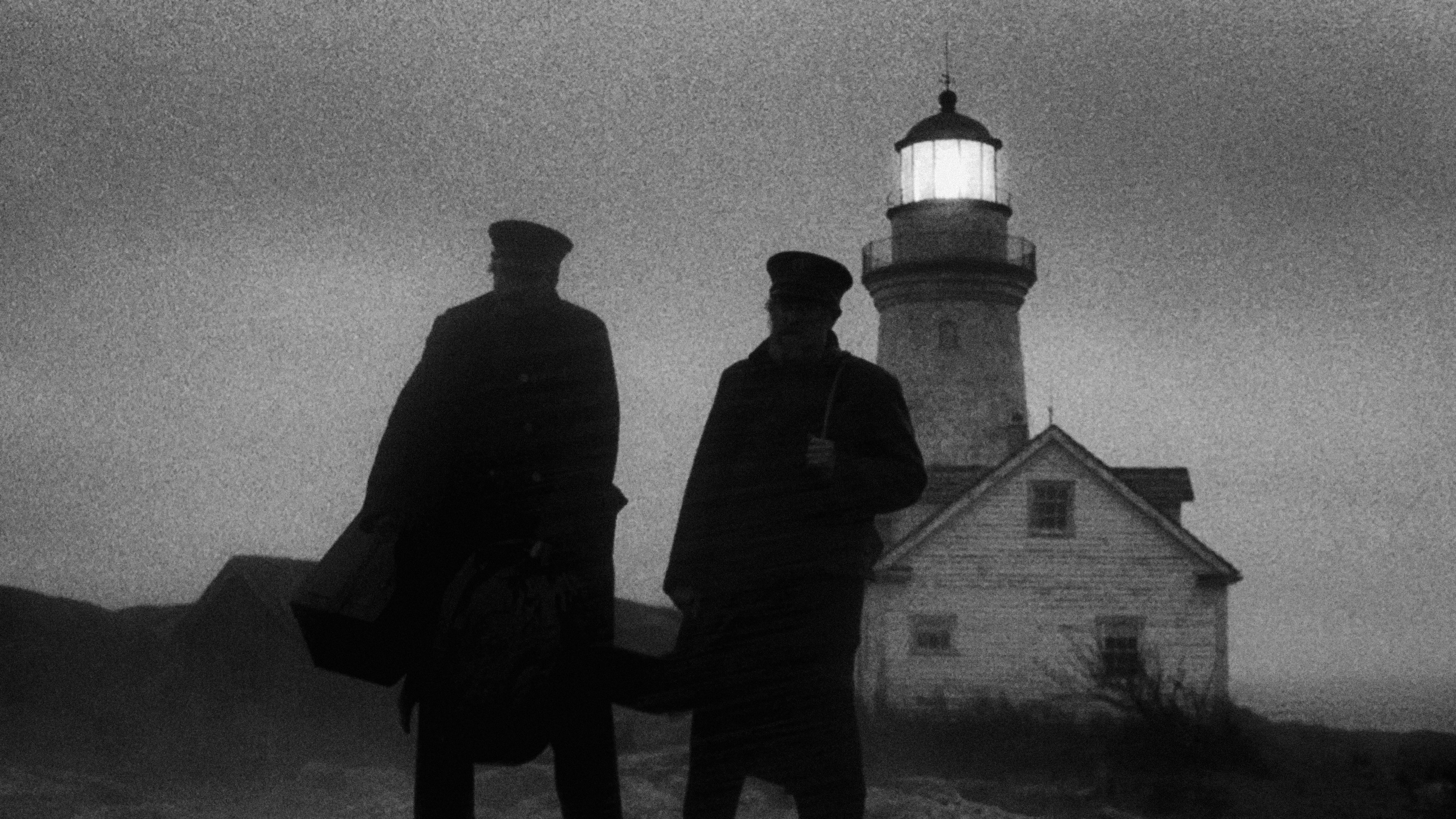
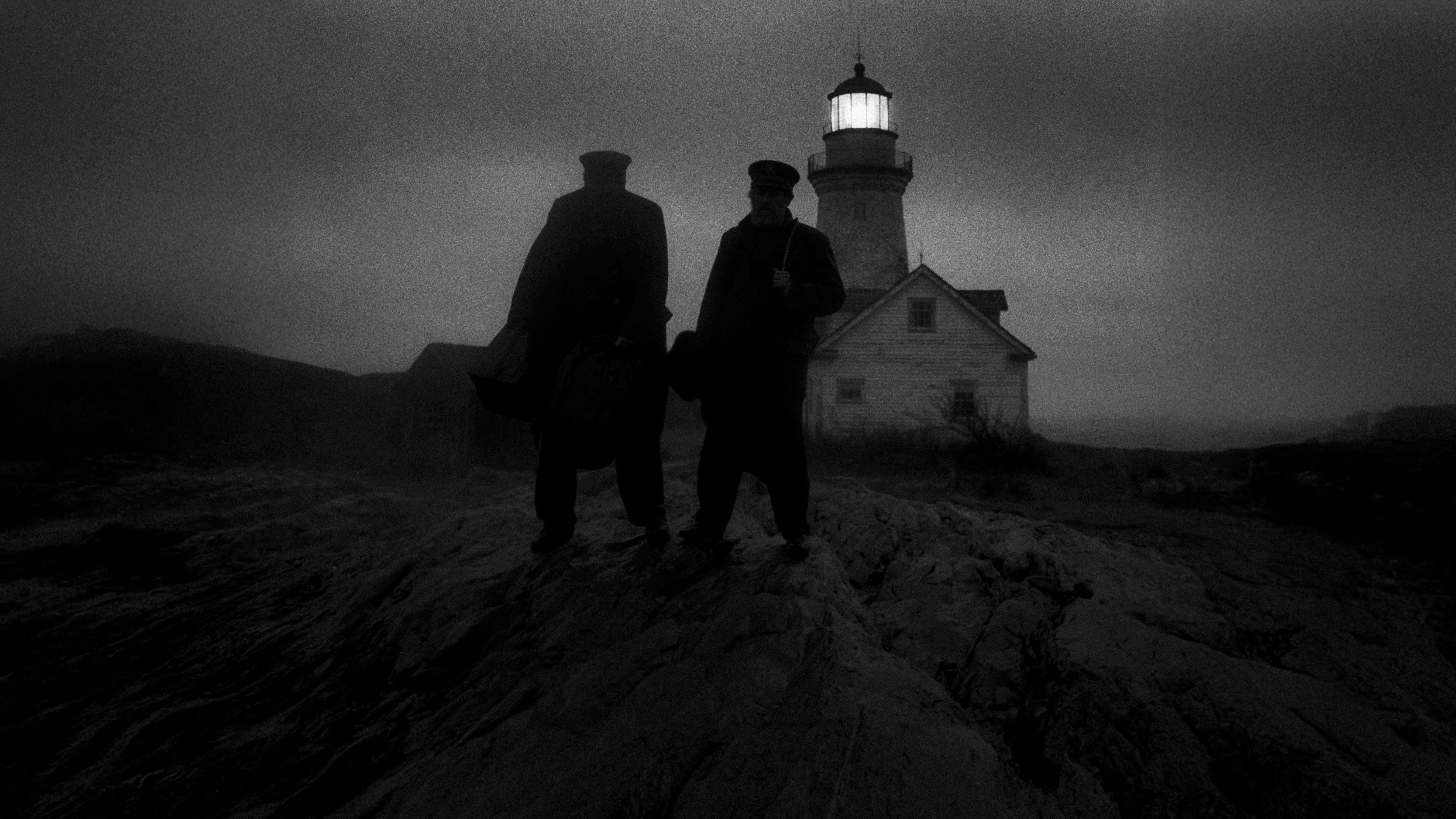
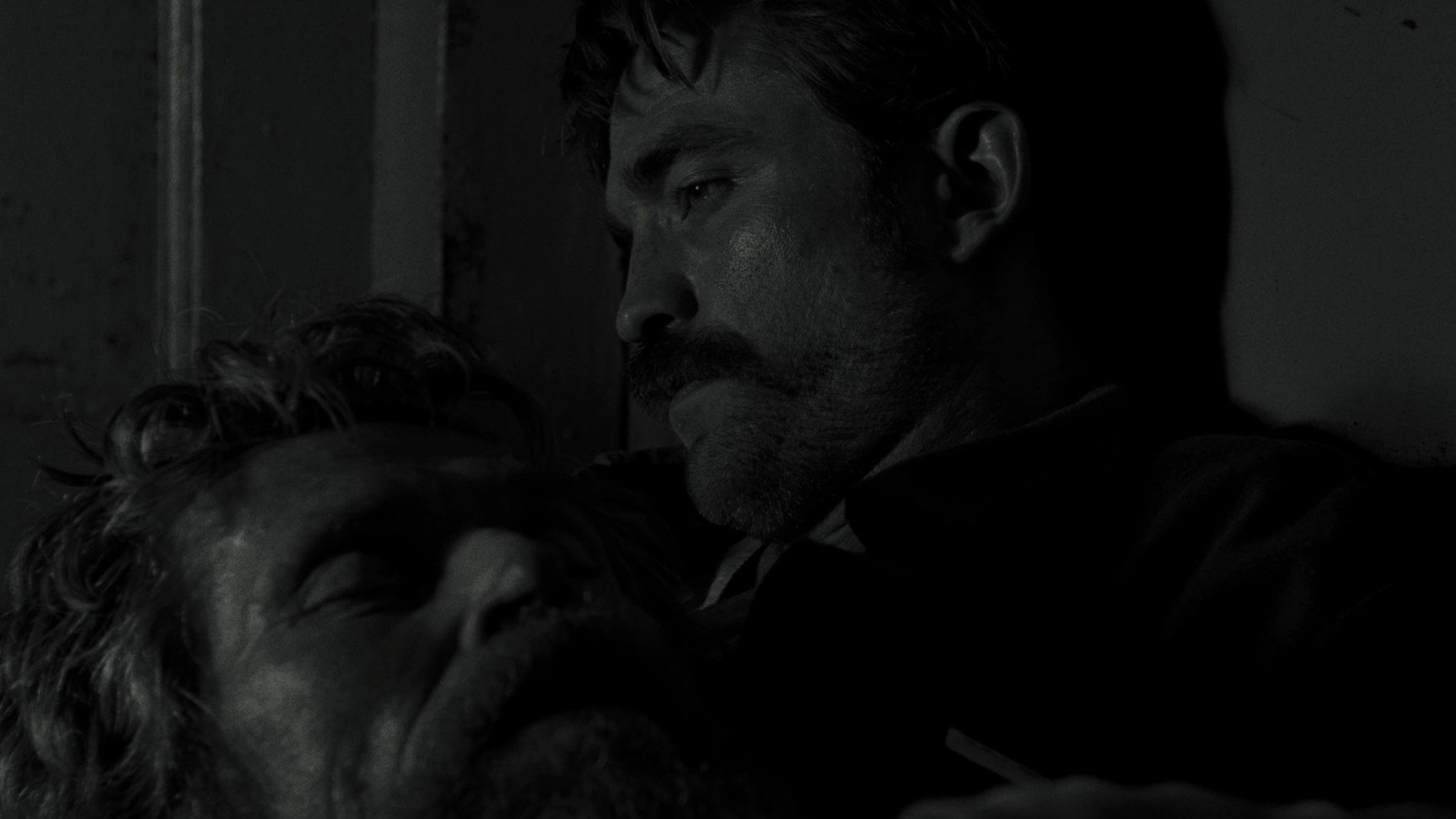
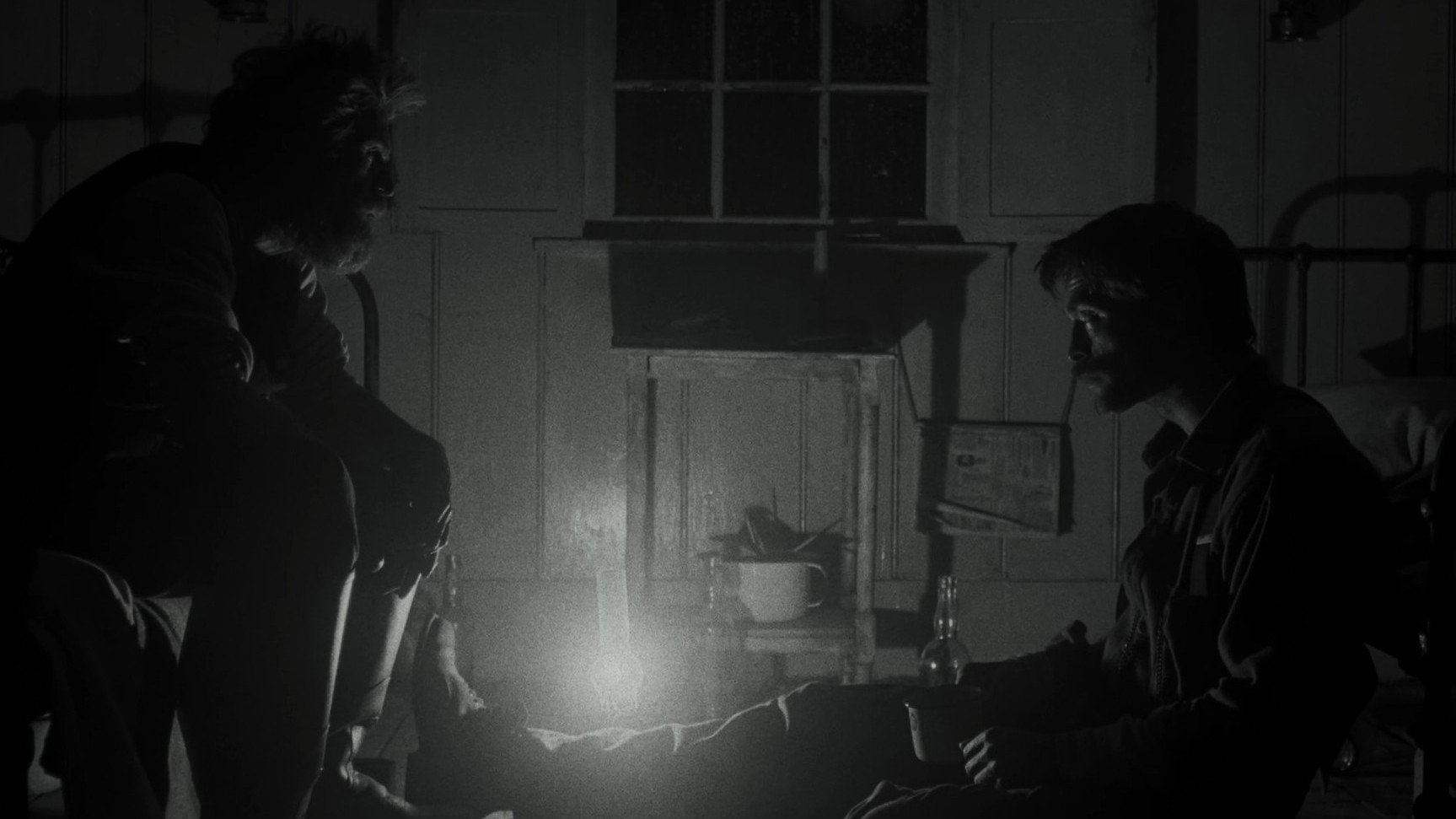
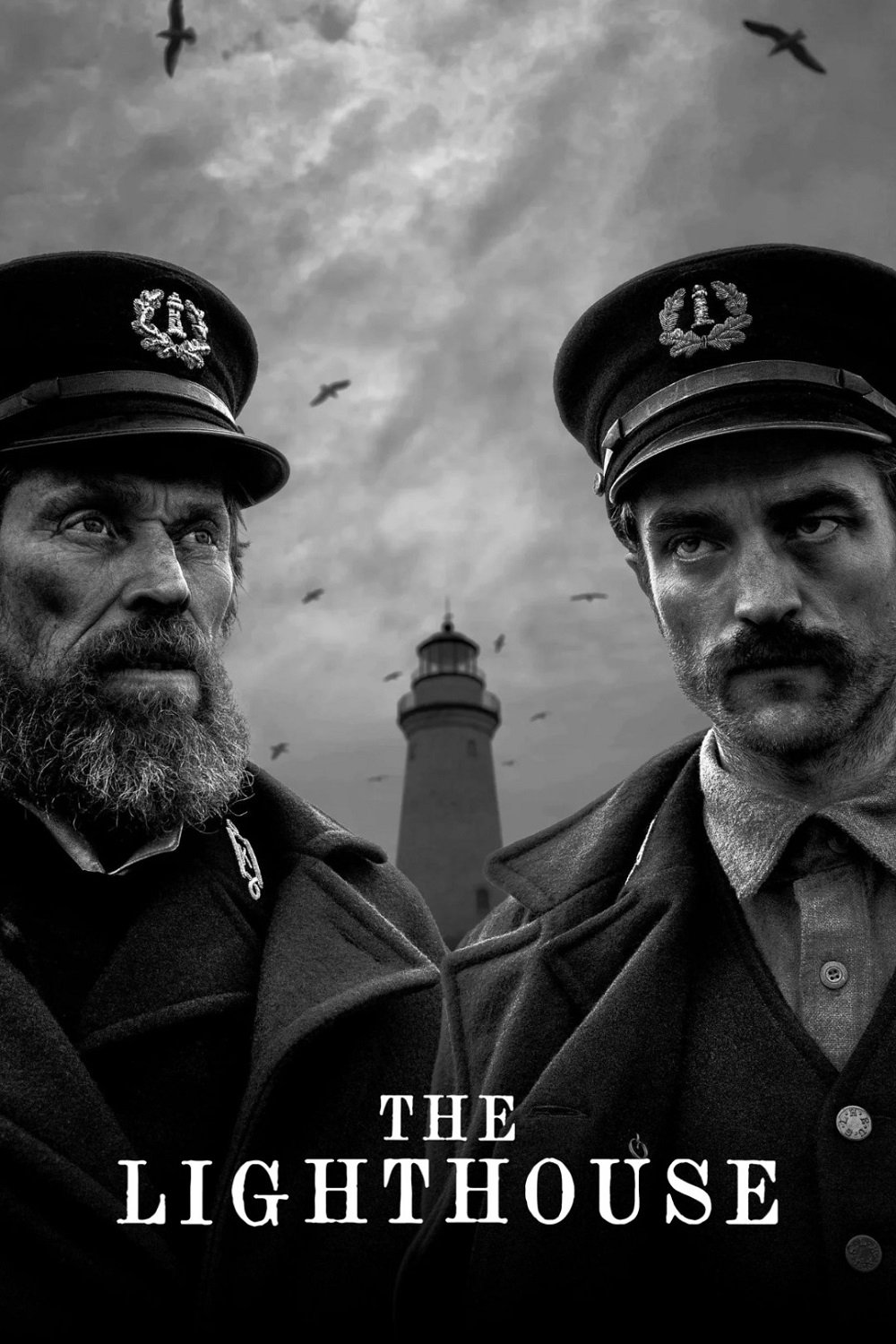
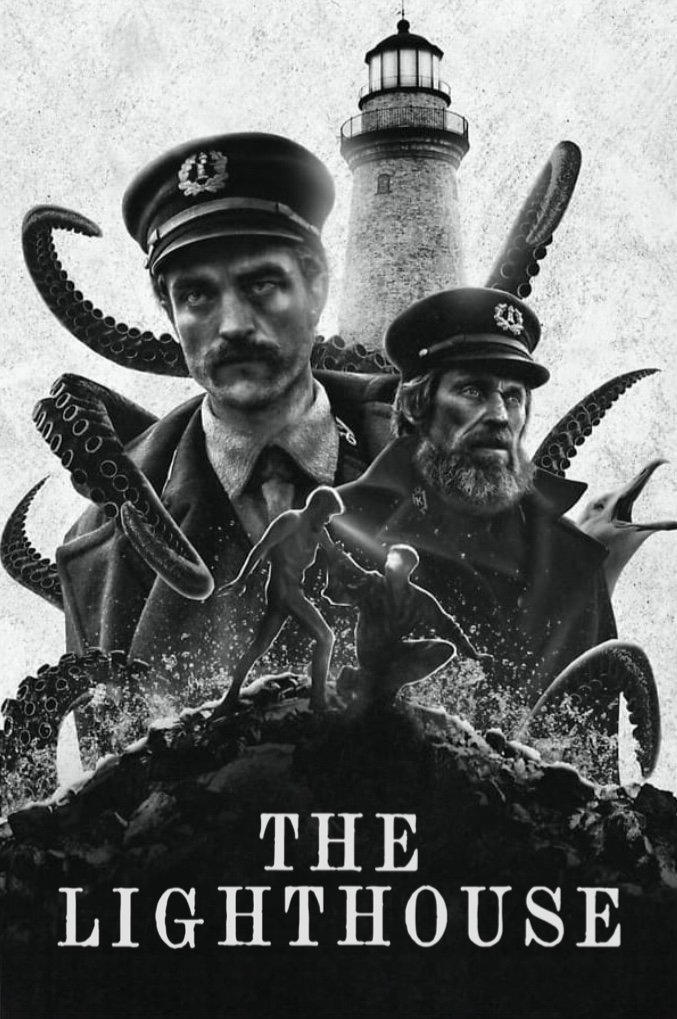
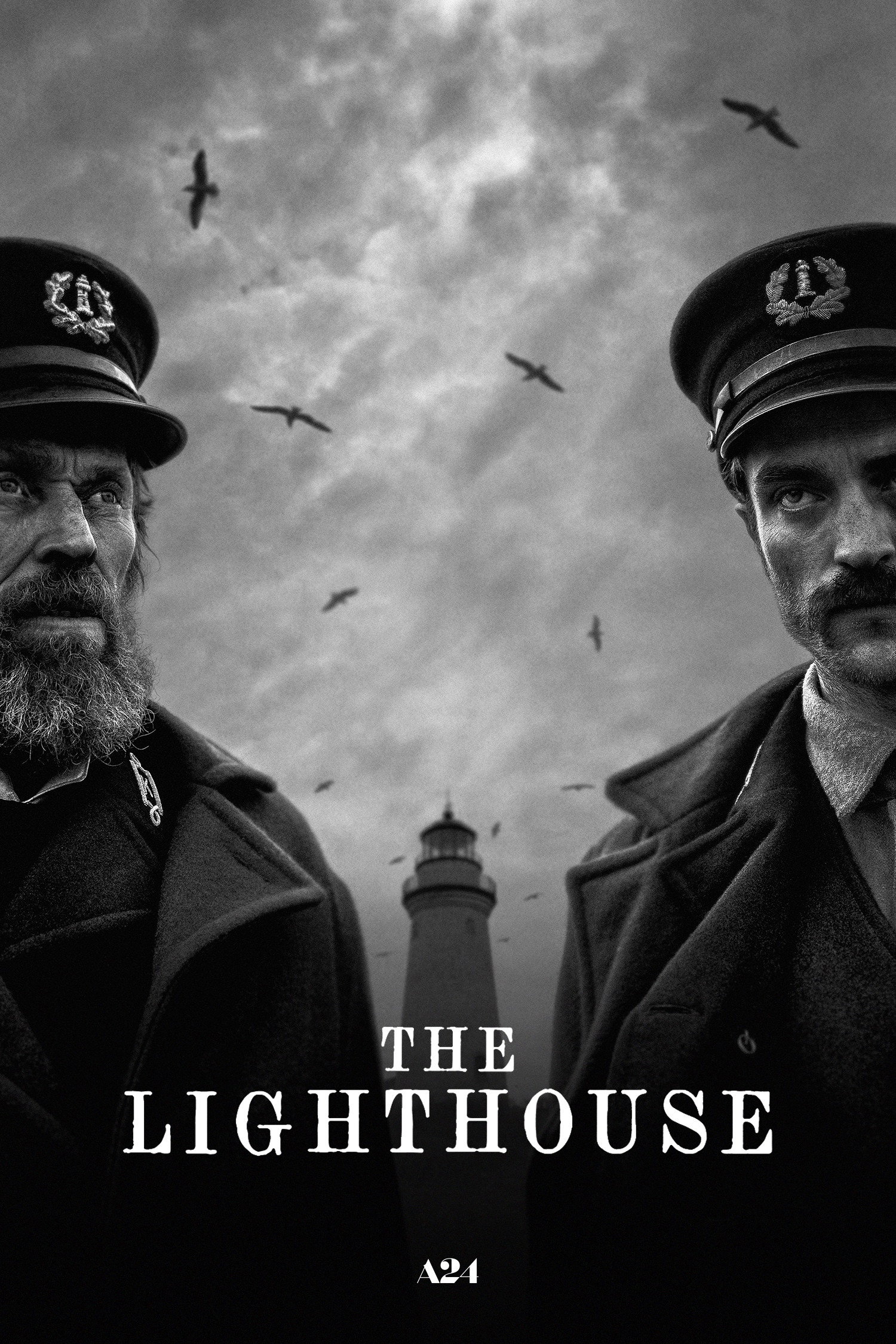
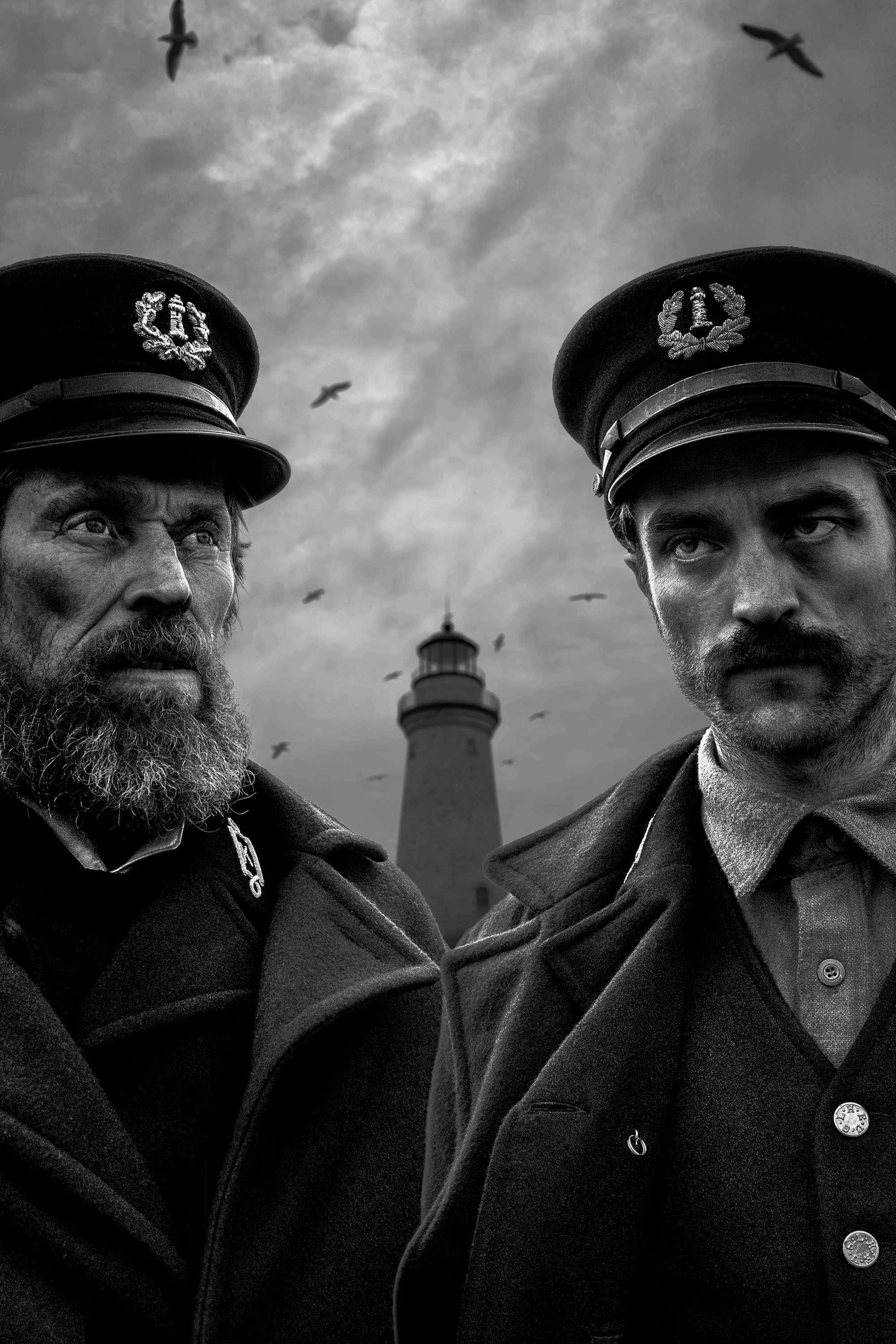
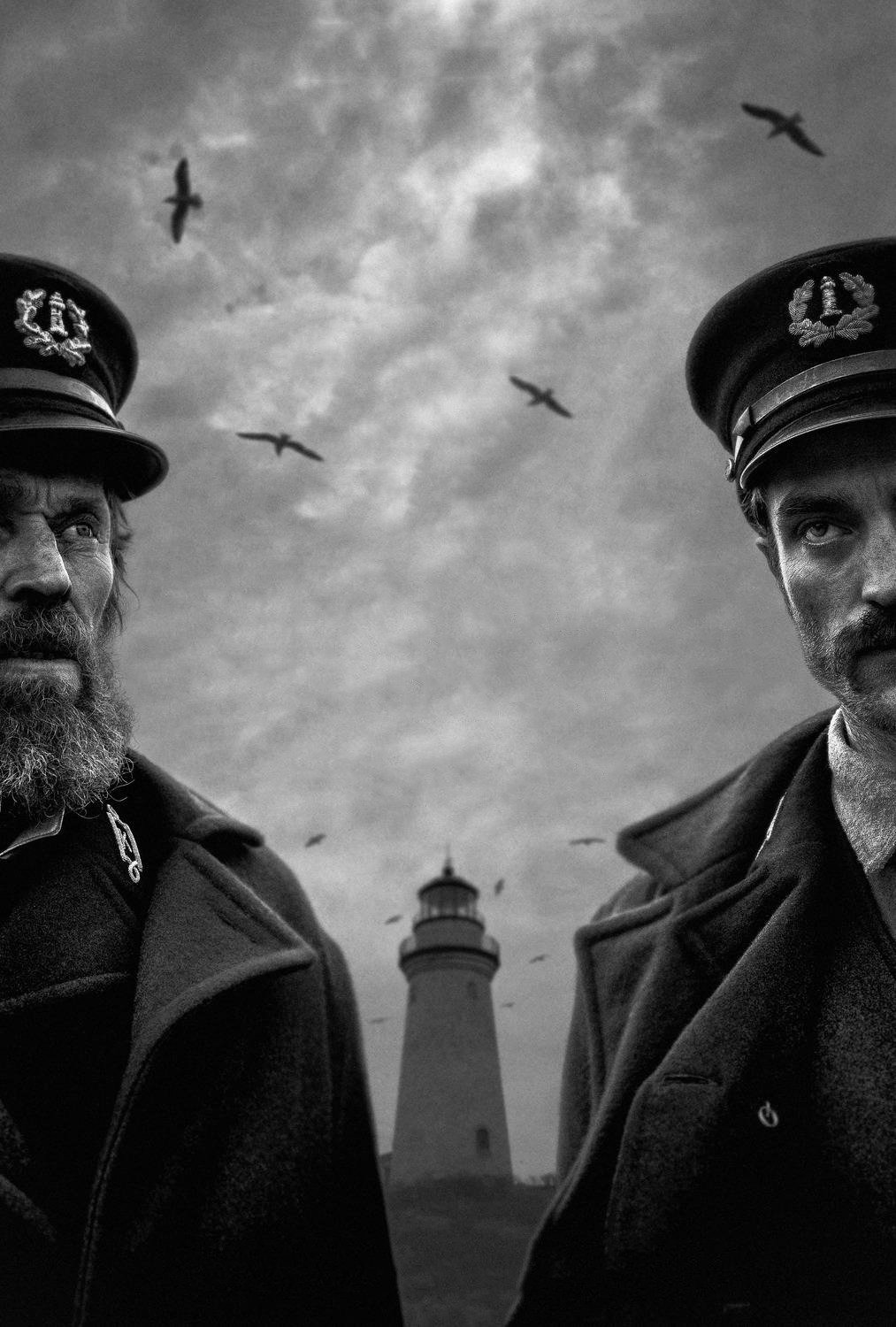
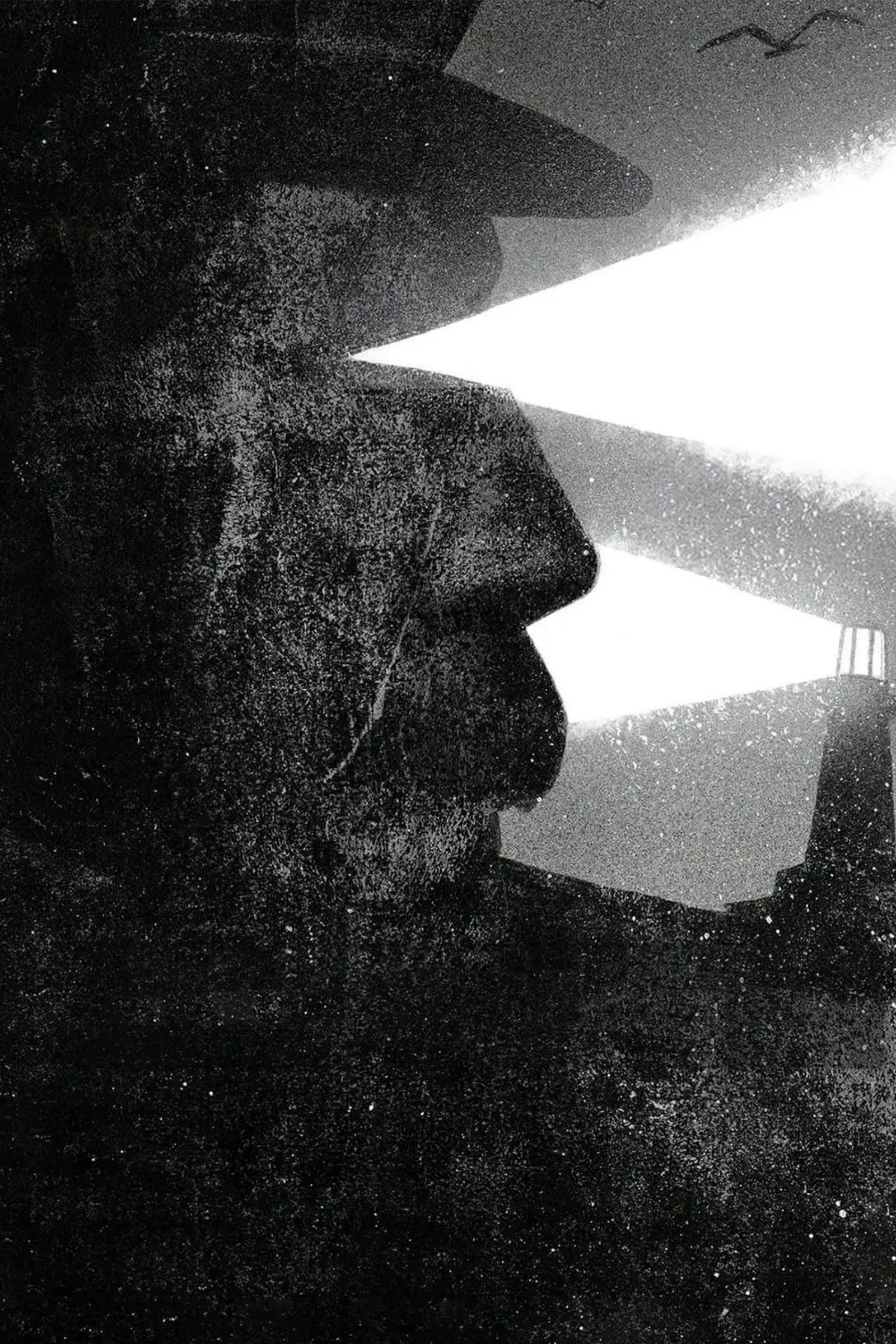
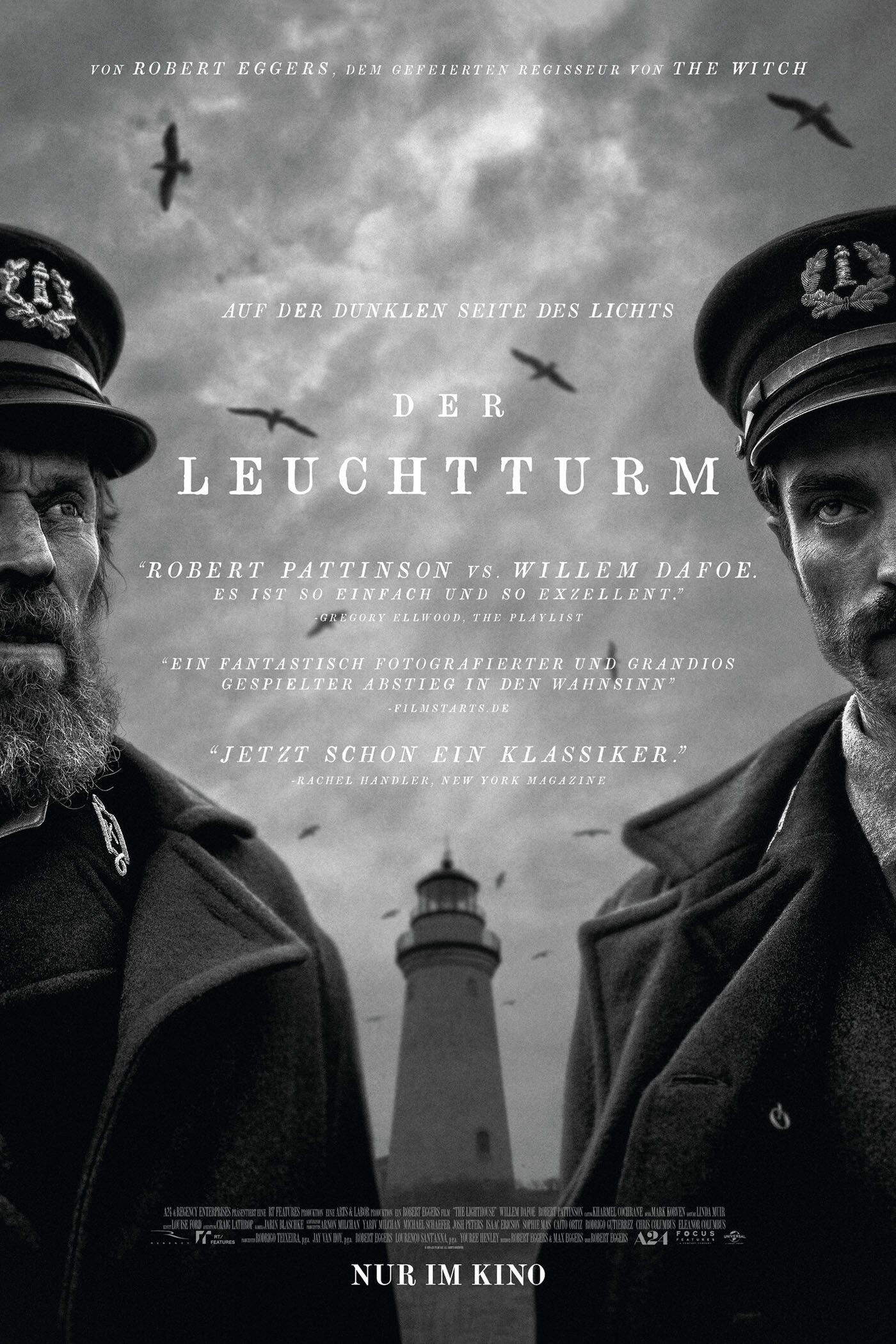
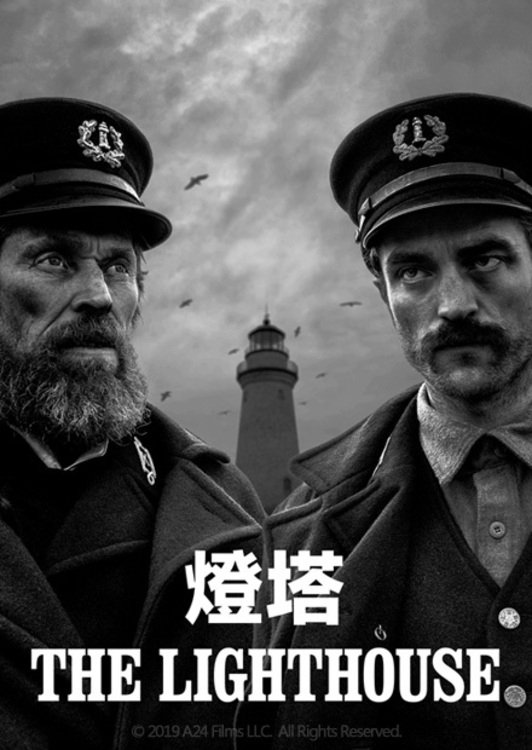
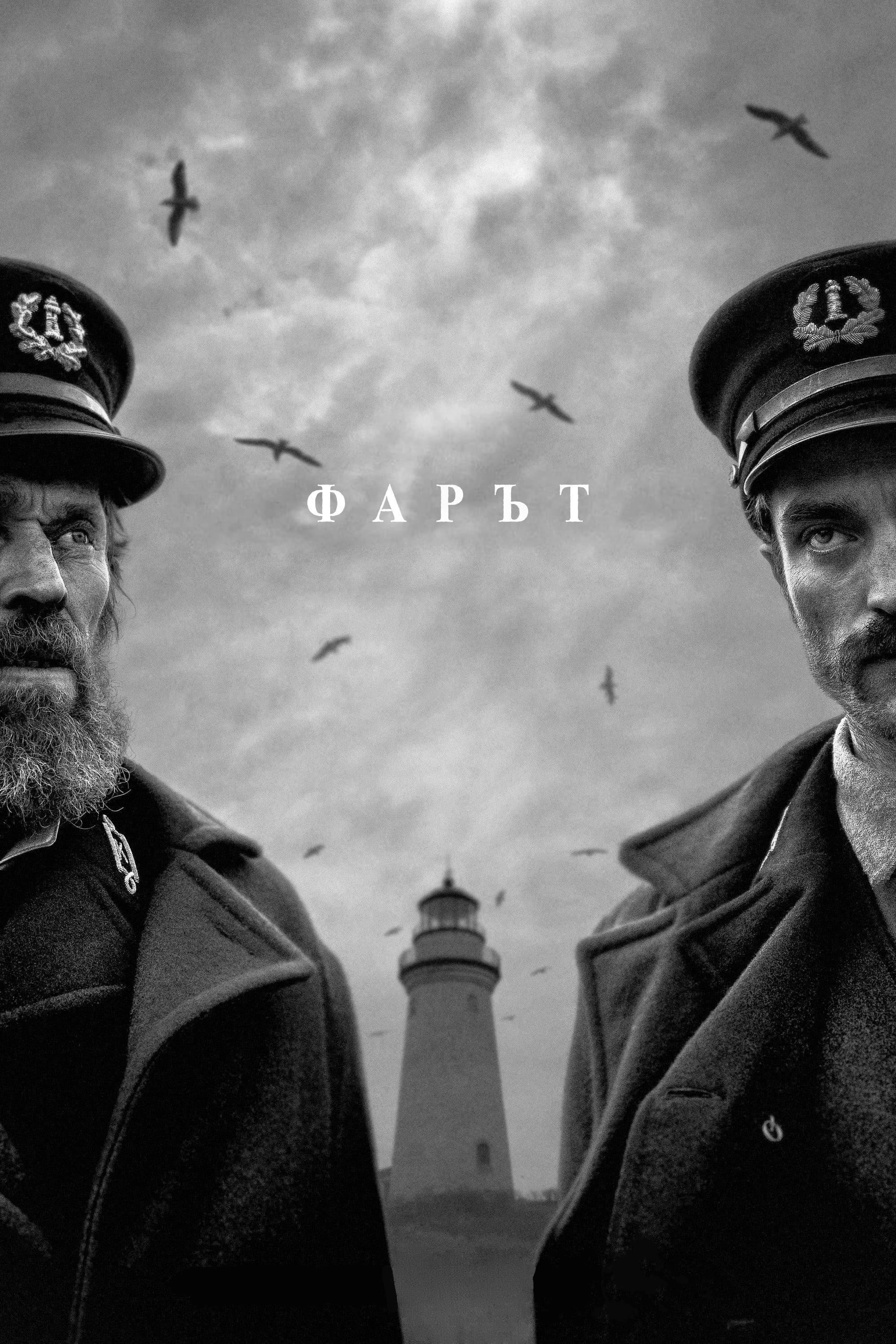
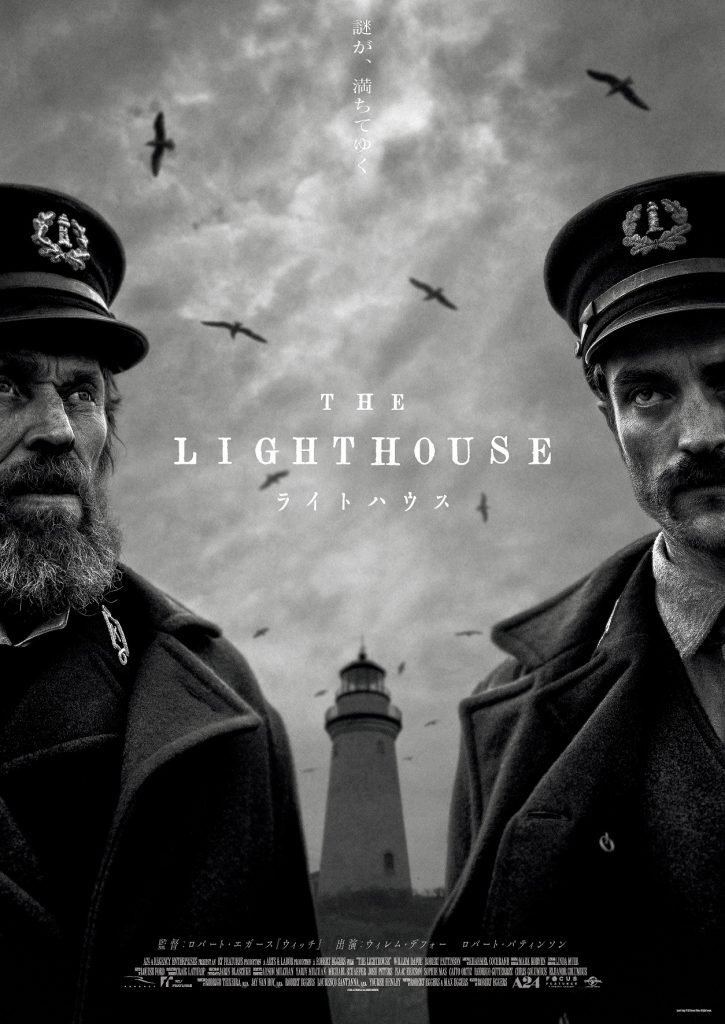
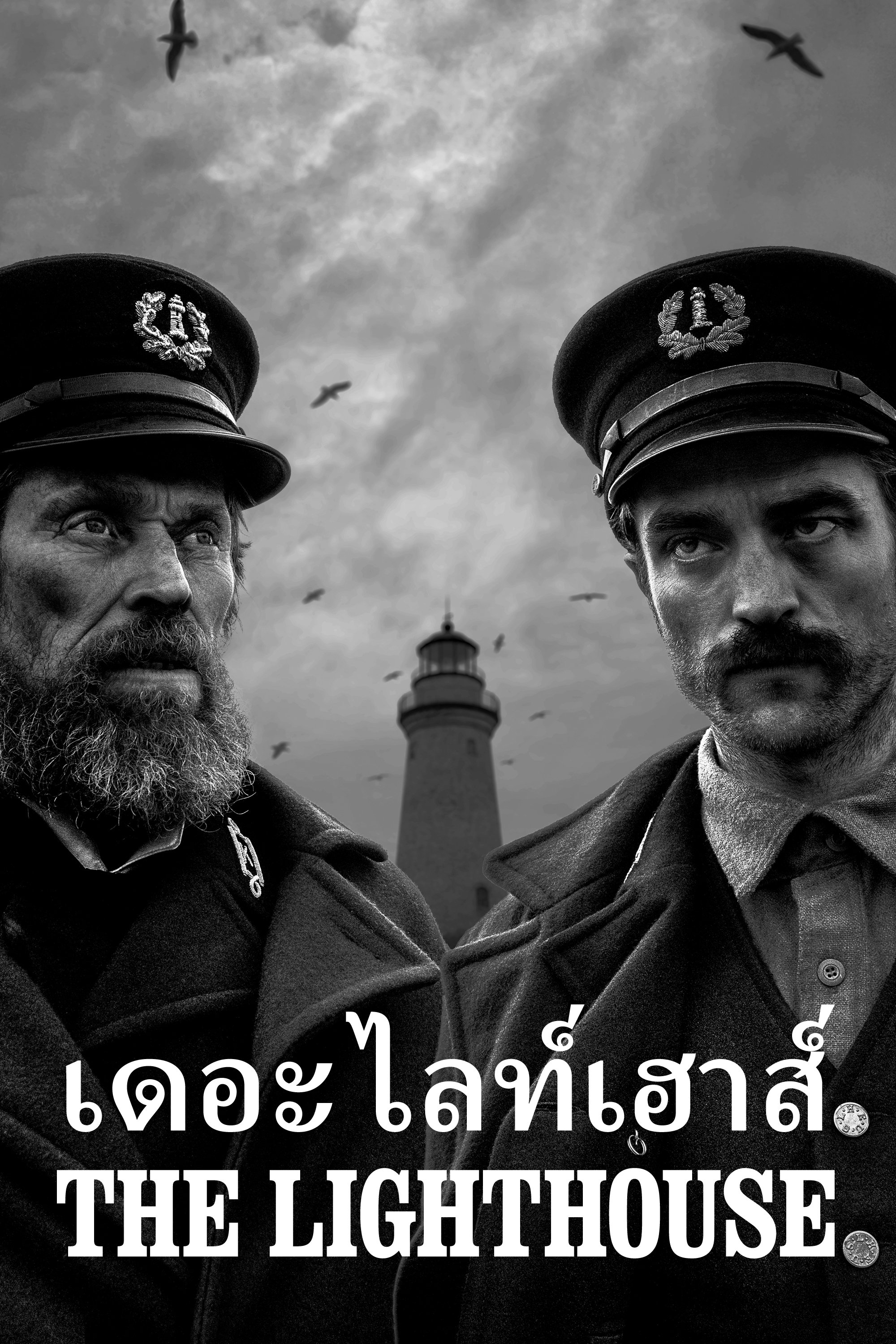
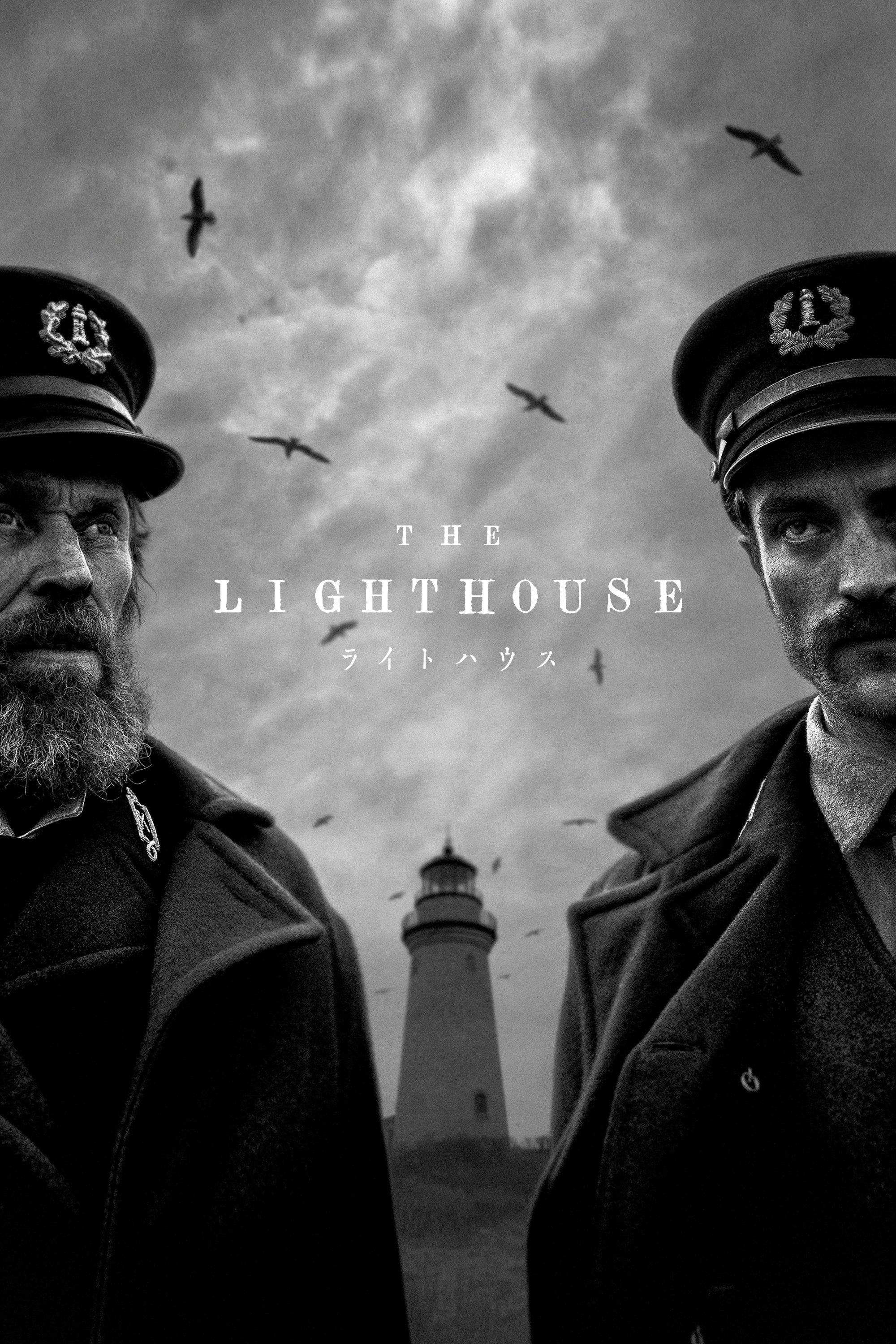
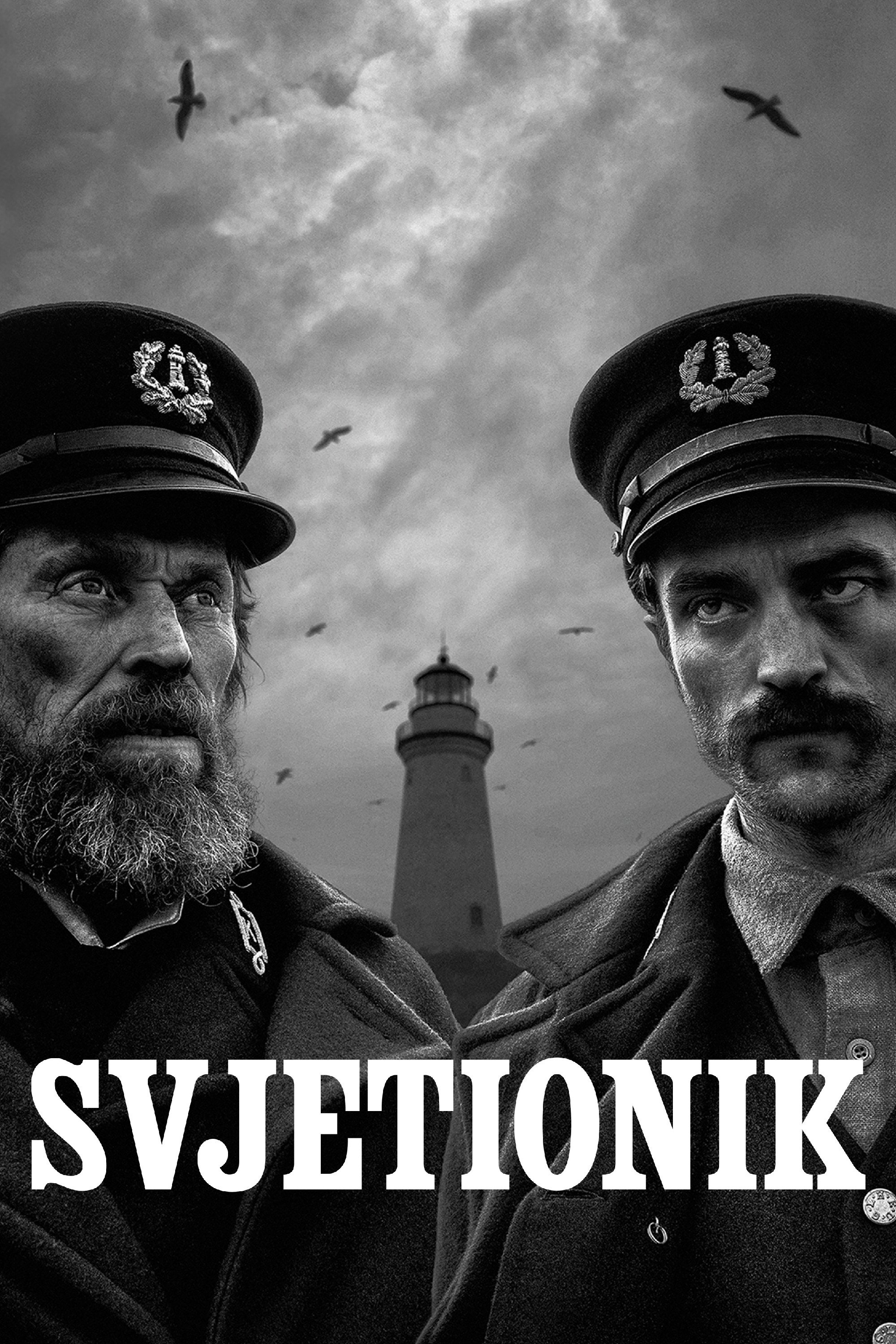
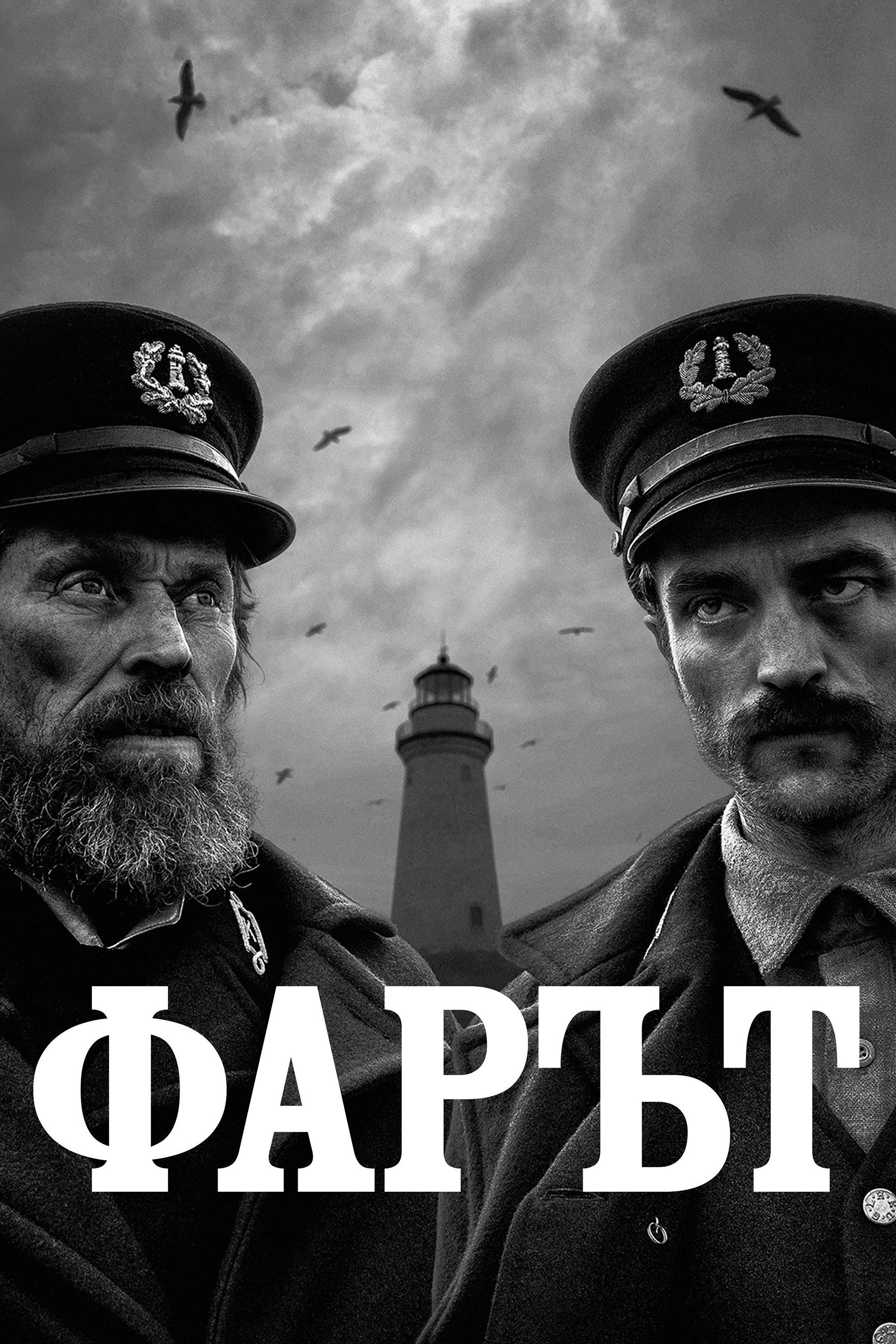
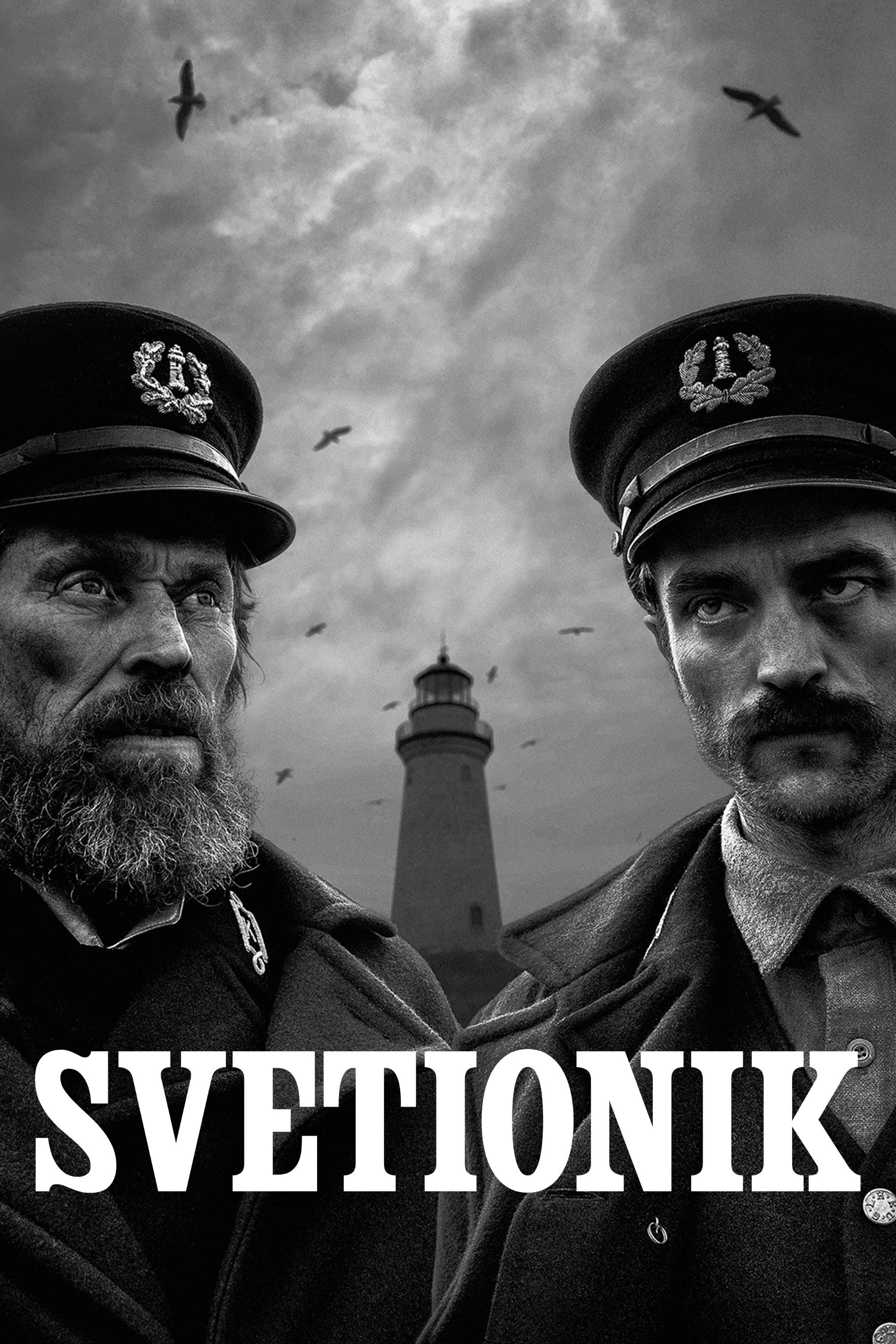
The project originated partly with Max Eggers, who had been developing a story involving a ghost in a lighthouse. Robert Eggers became interested in the setting before the narrative had reached its final form and began considering the visual and atmospheric possibilities of two men isolated within a maritime station. Edgar Allan Poe had left an unfinished fragment titled The Light-House, but the completed screenplay is not a direct adaptation of that fragment. The brothers instead developed an original narrative drawing on lighthouse history, regional folklore, literary material and the practical routines of nineteenth-century maritime employment.
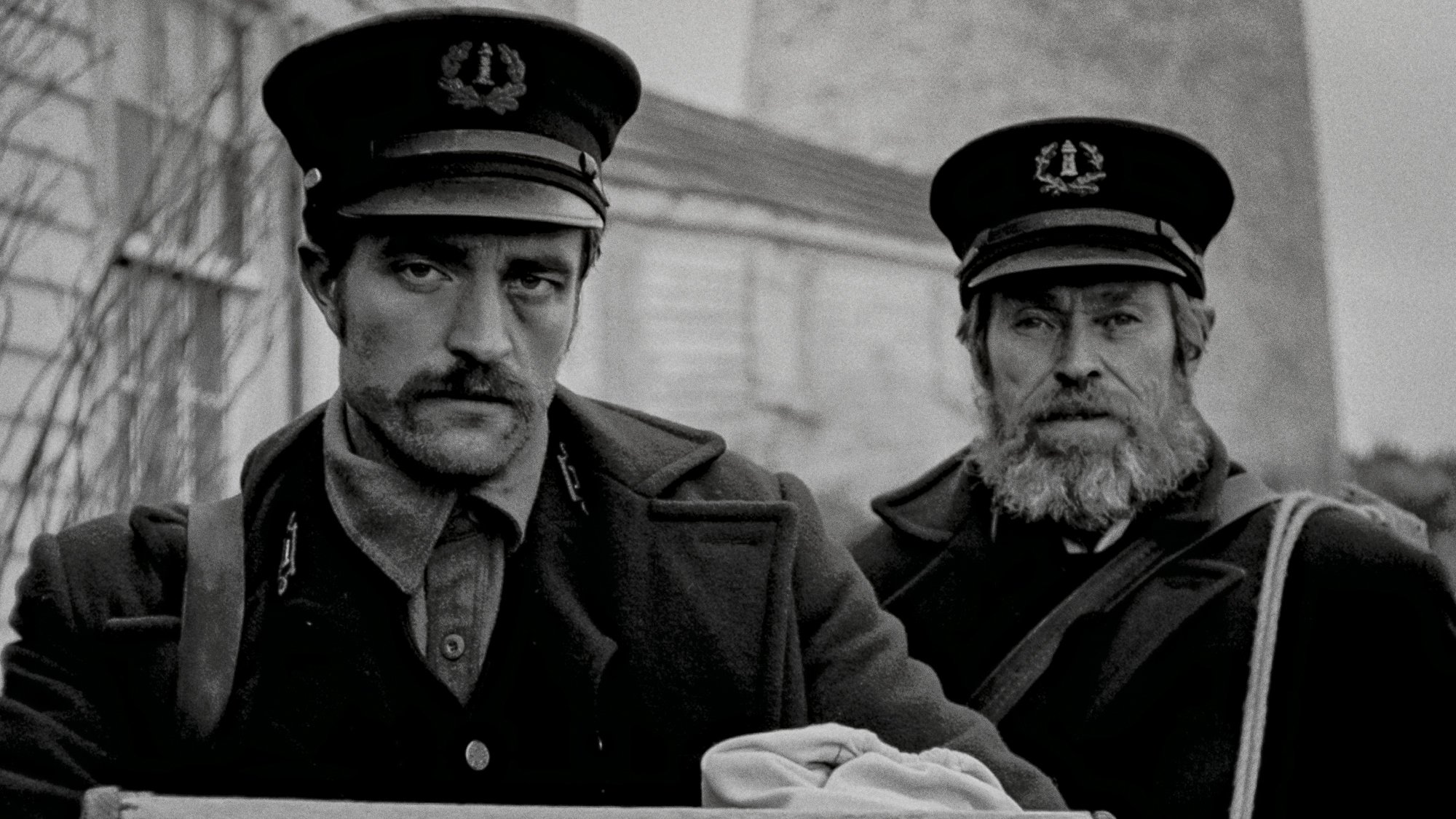
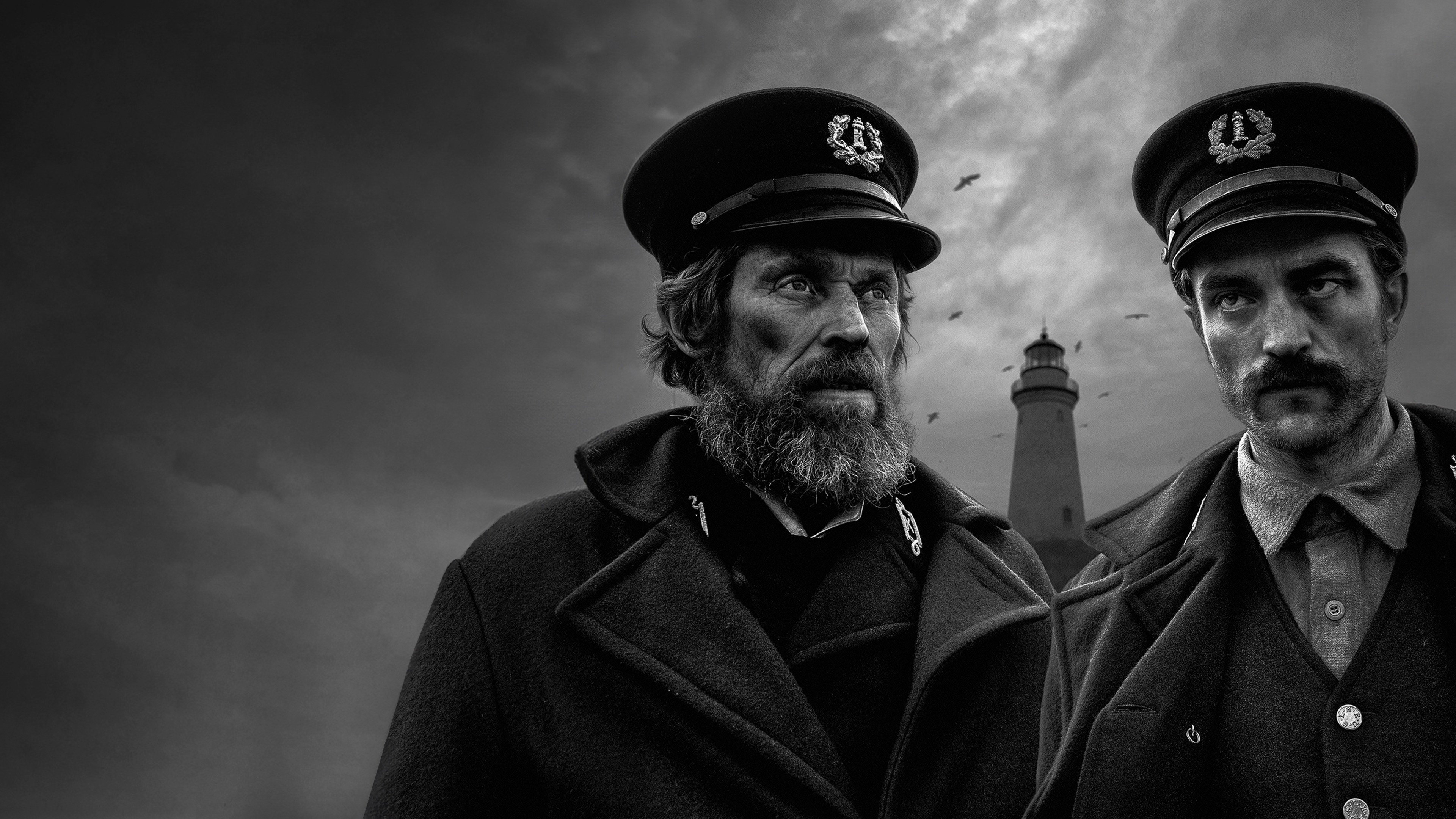
Historical dialogue required unusually extensive preparation. Robert Eggers consulted Herman Melville, Robert Louis Stevenson, Samuel Taylor Coleridge, lighthouse keepers' journals and recorded accounts from lumberjacks. The most important linguistic source eventually became the work of Sarah Orne Jewett, a Maine writer who had documented the speech of sailors, farmers and coastal communities through phonetic dialogue. Eggers also used linguistic research concerning Jewett's treatment of regional dialect to establish consistent rules for the two principal characters. The screenplay therefore distinguishes Wake's maritime vocabulary and elaborate verbal curses from the younger man's different social and occupational background.
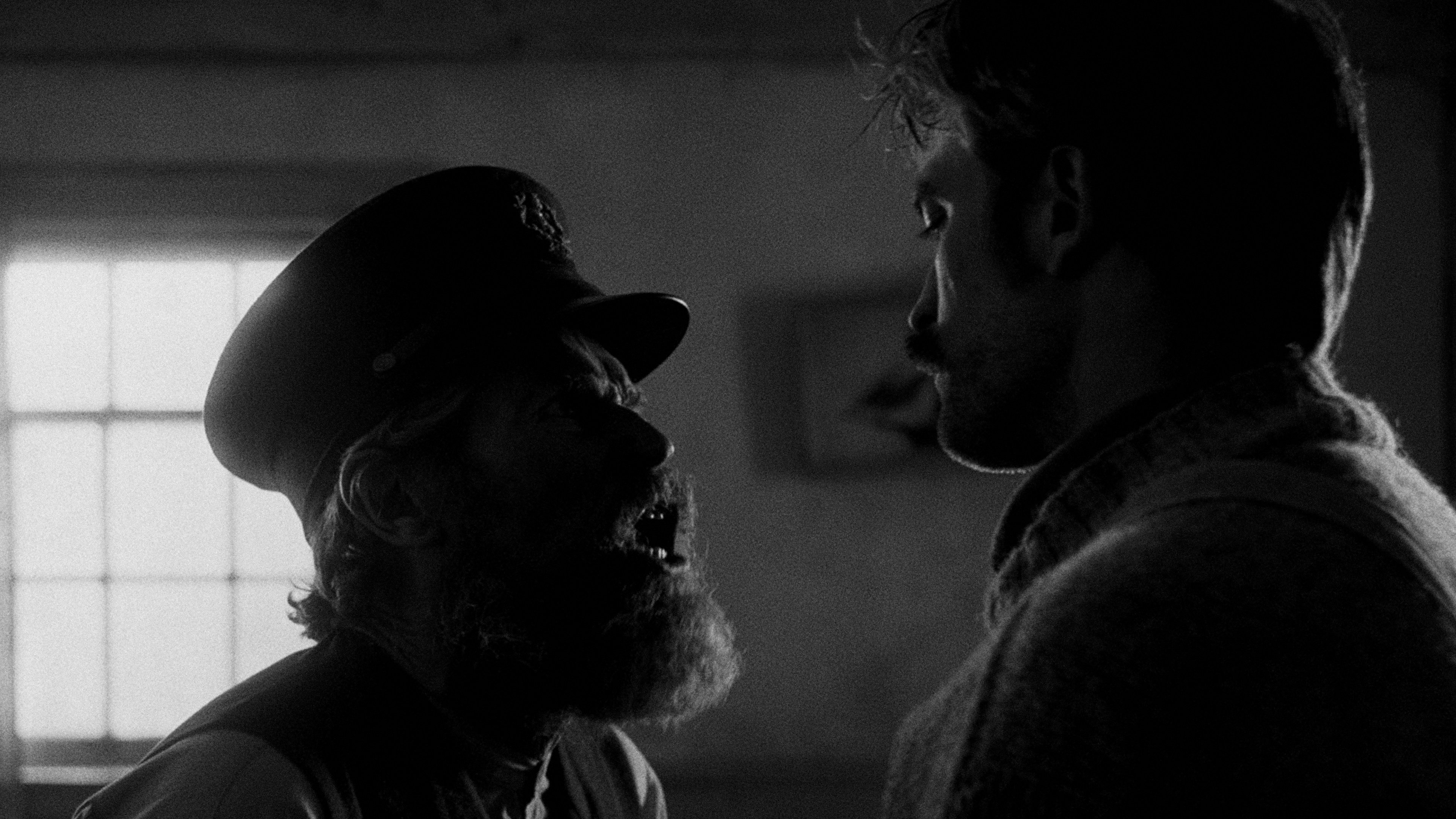
The dialogue is predominantly original rather than a compilation of quotations from historical sources. Eggers has explained that he and Max used surviving documents to reconstruct vocabulary, grammar and rhythm, while writing the dramatic exchanges themselves. The approach is particularly important because long verbal confrontations become the principal form of conflict between the characters. Their competing accounts of events cannot be verified by another human witness, and language gradually becomes an instrument through which each attempts to dominate the other.
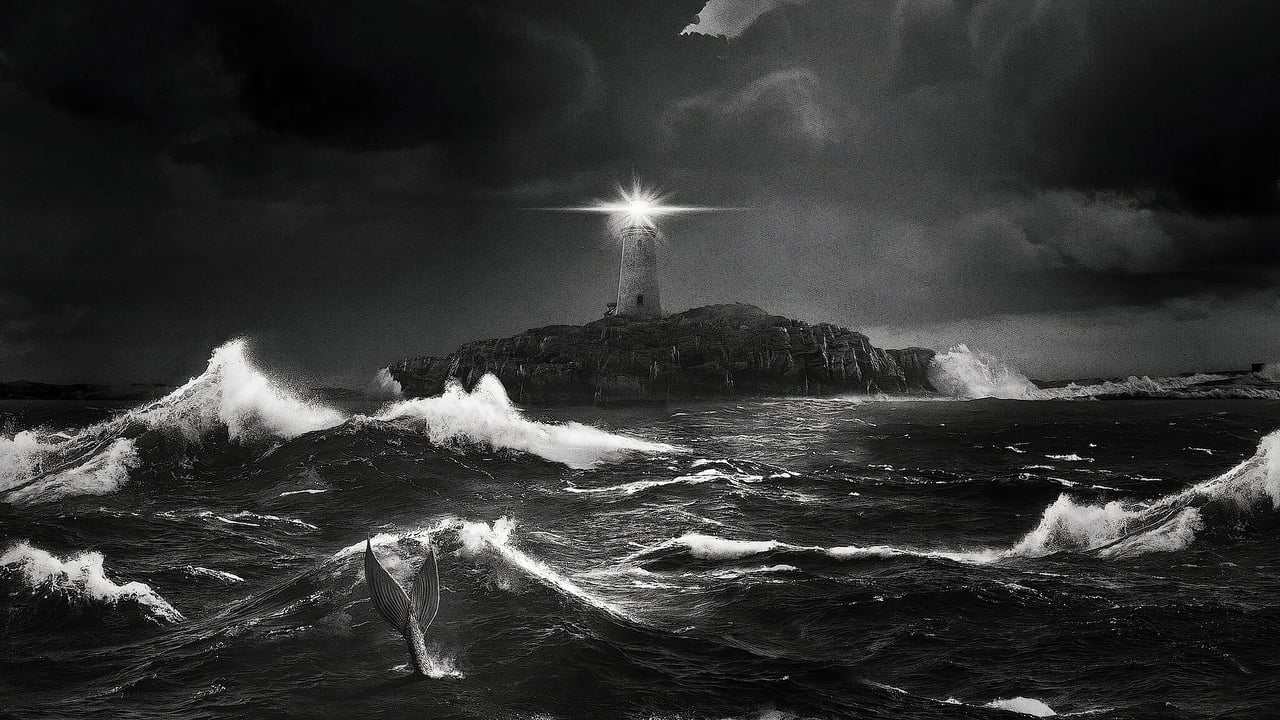
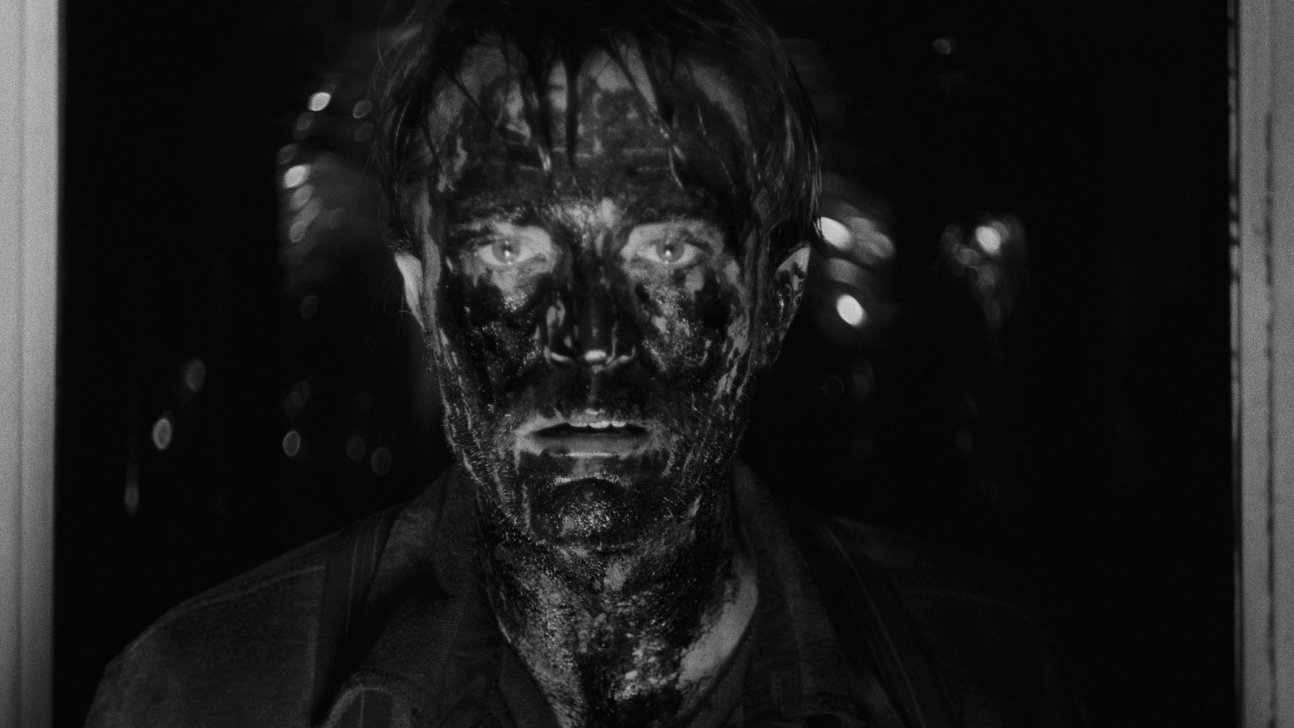
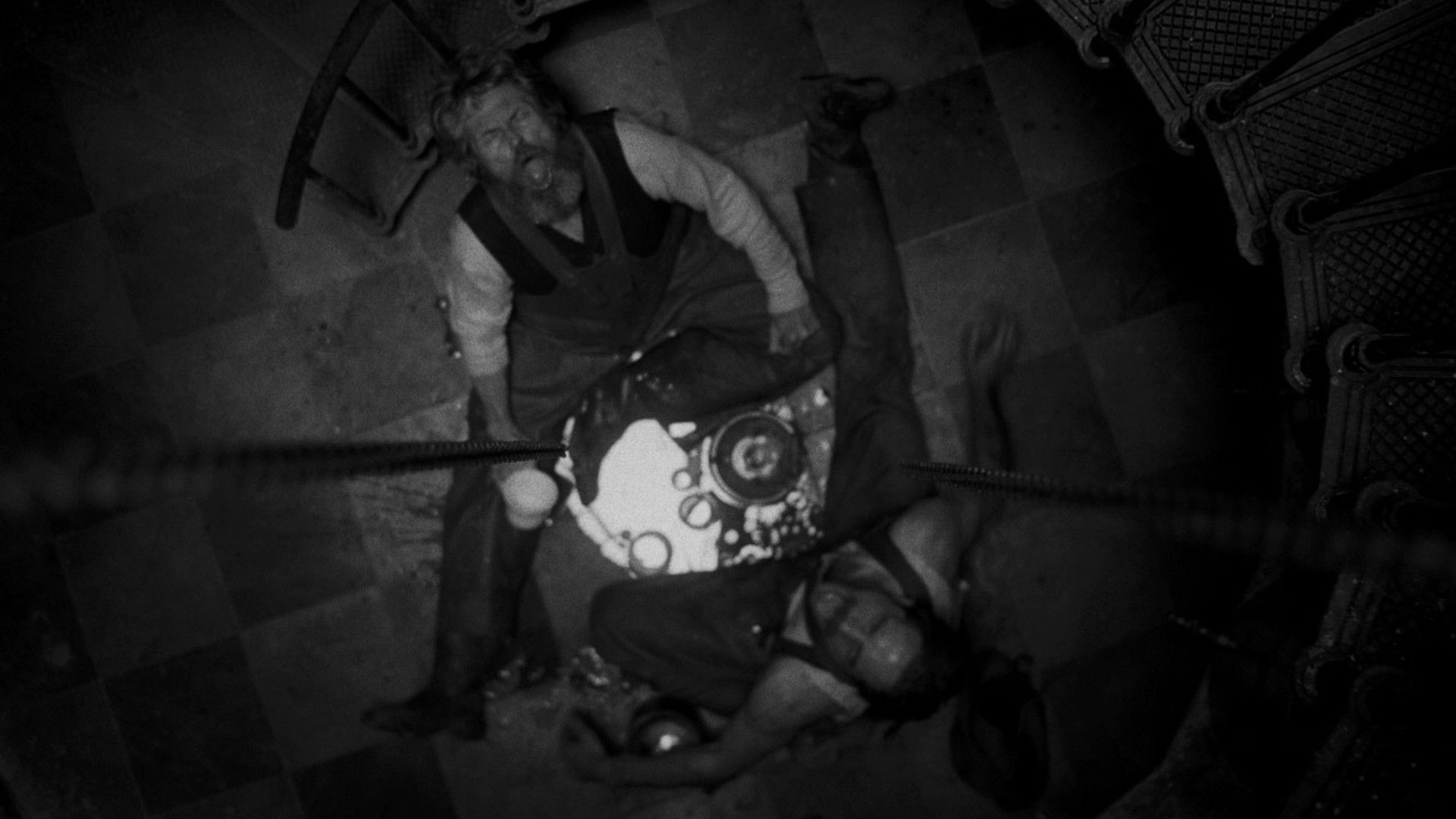
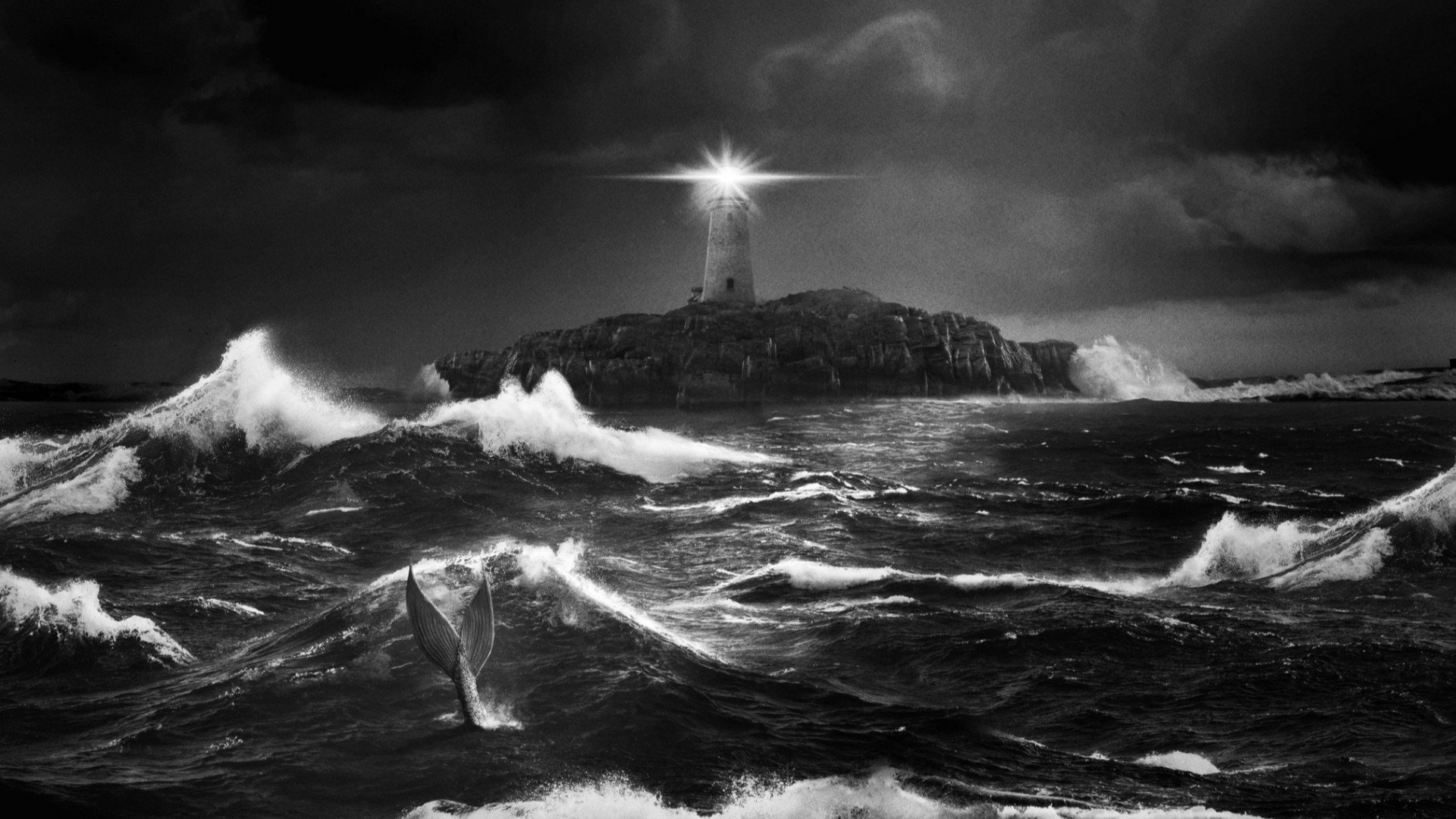
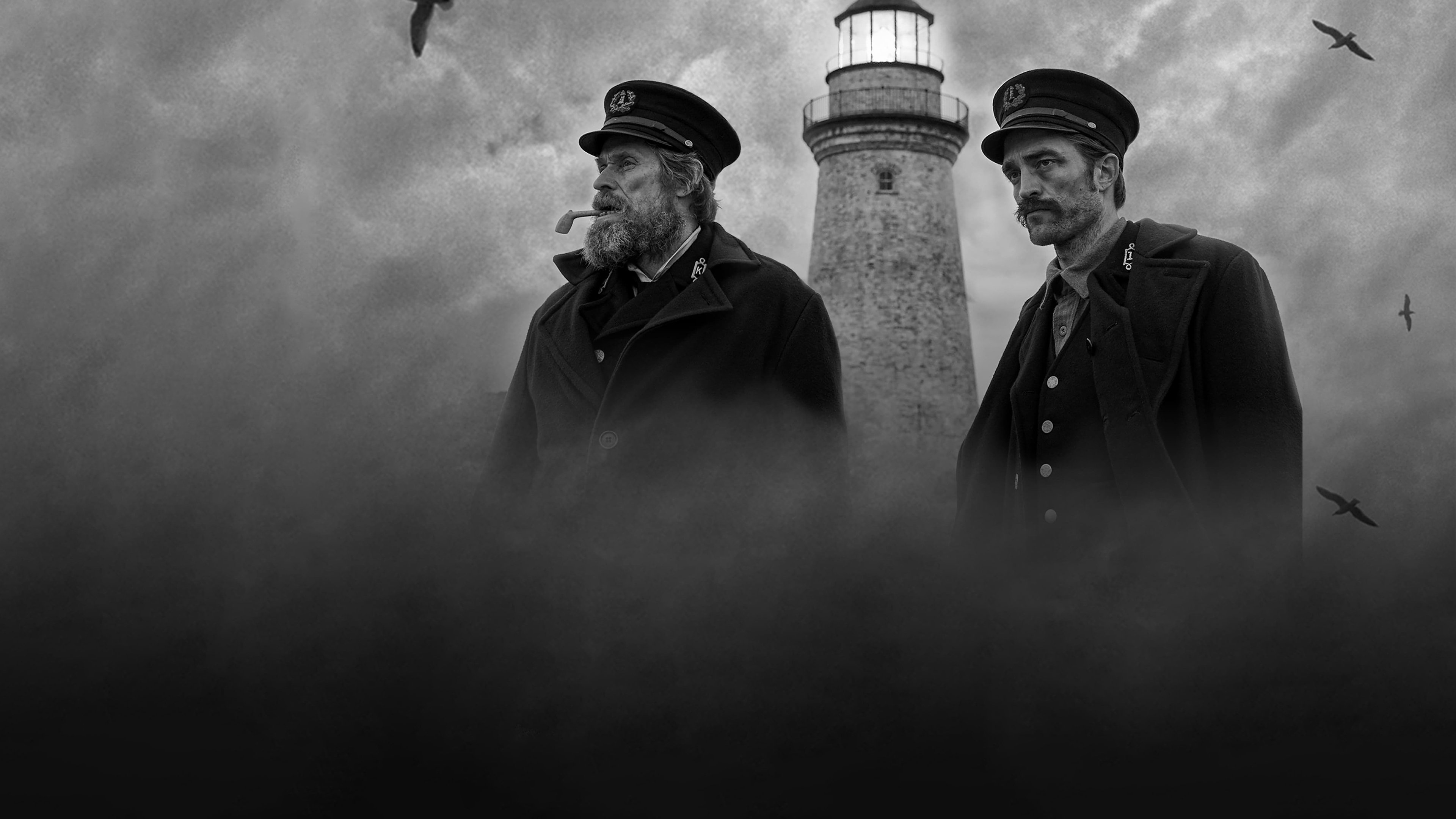
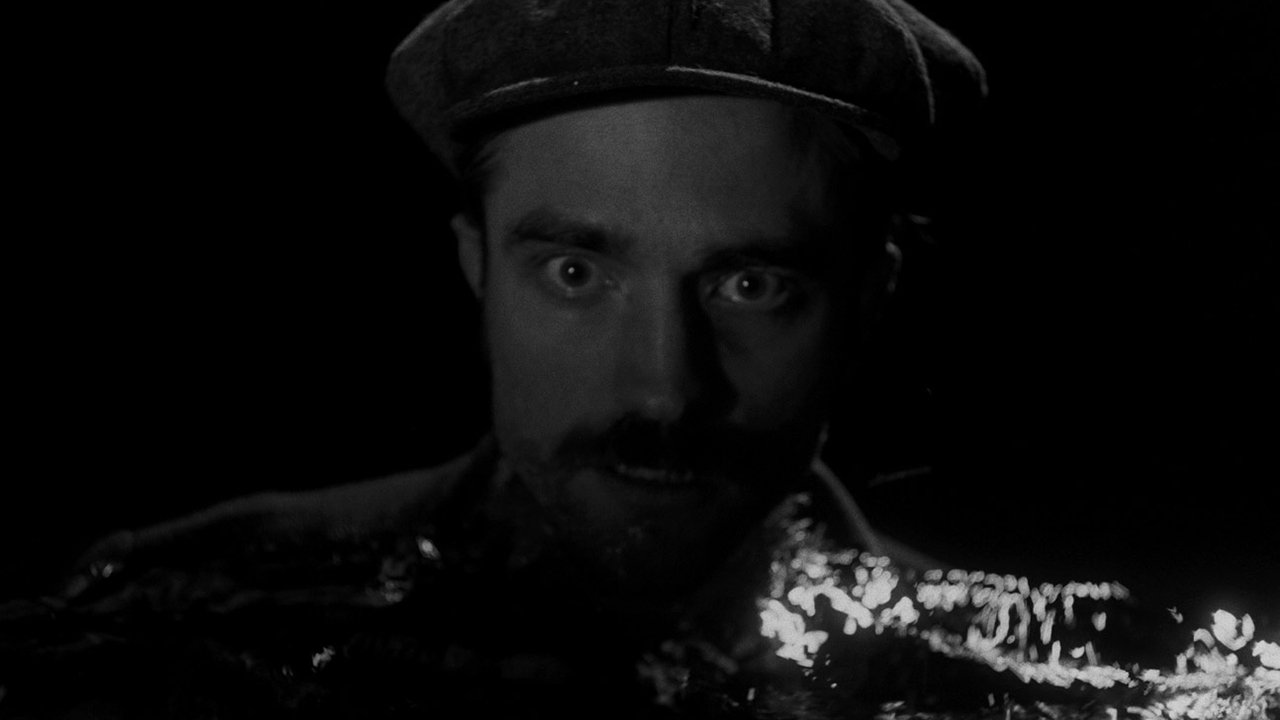
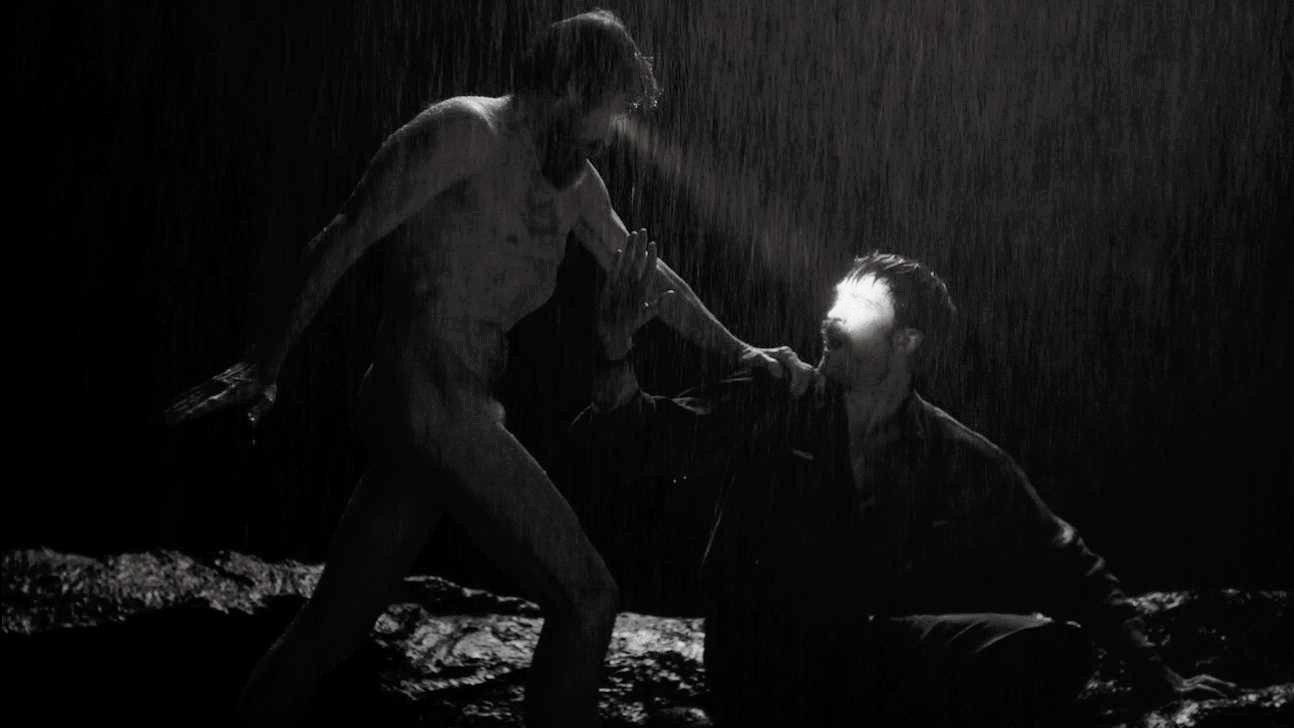
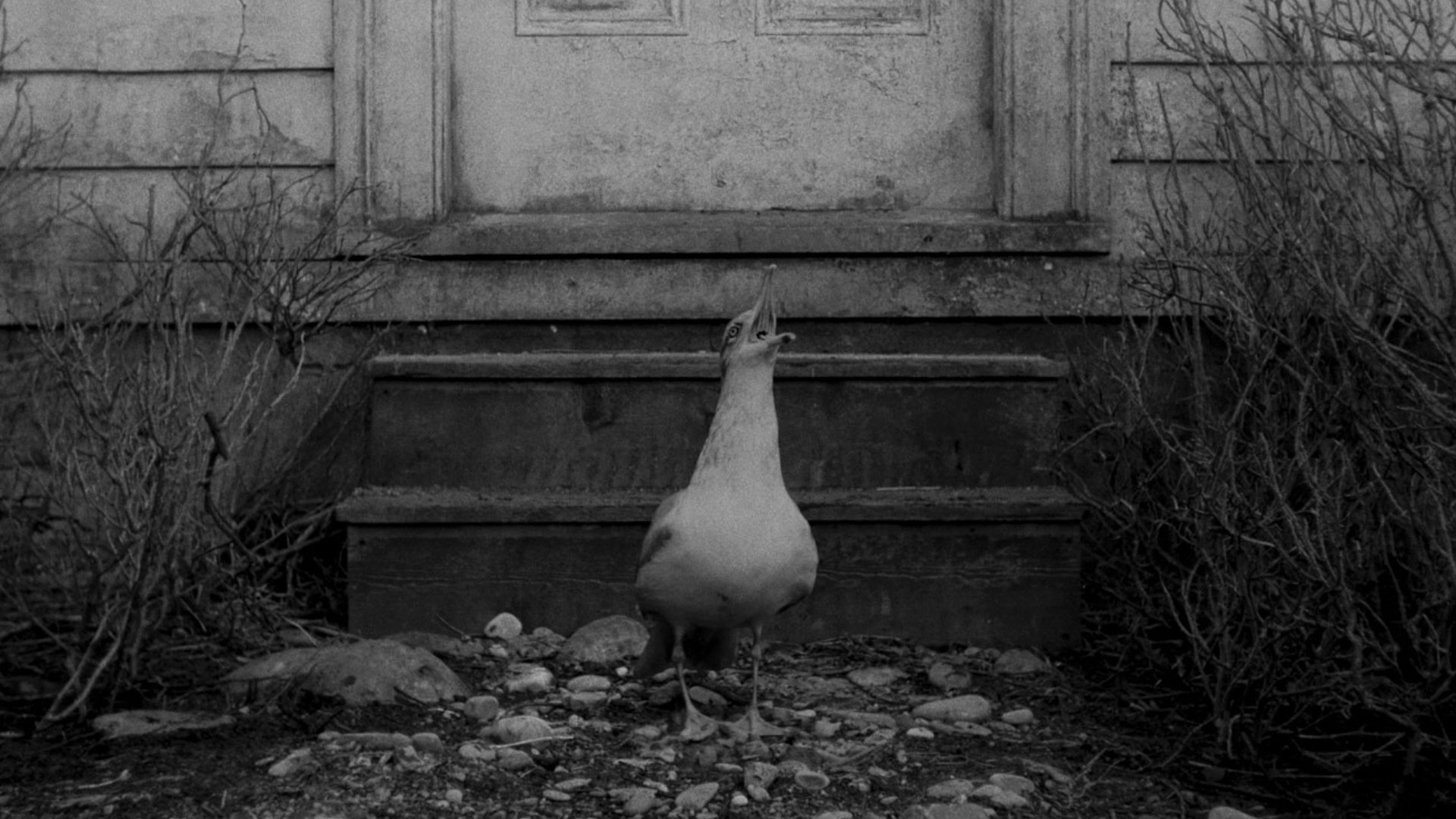
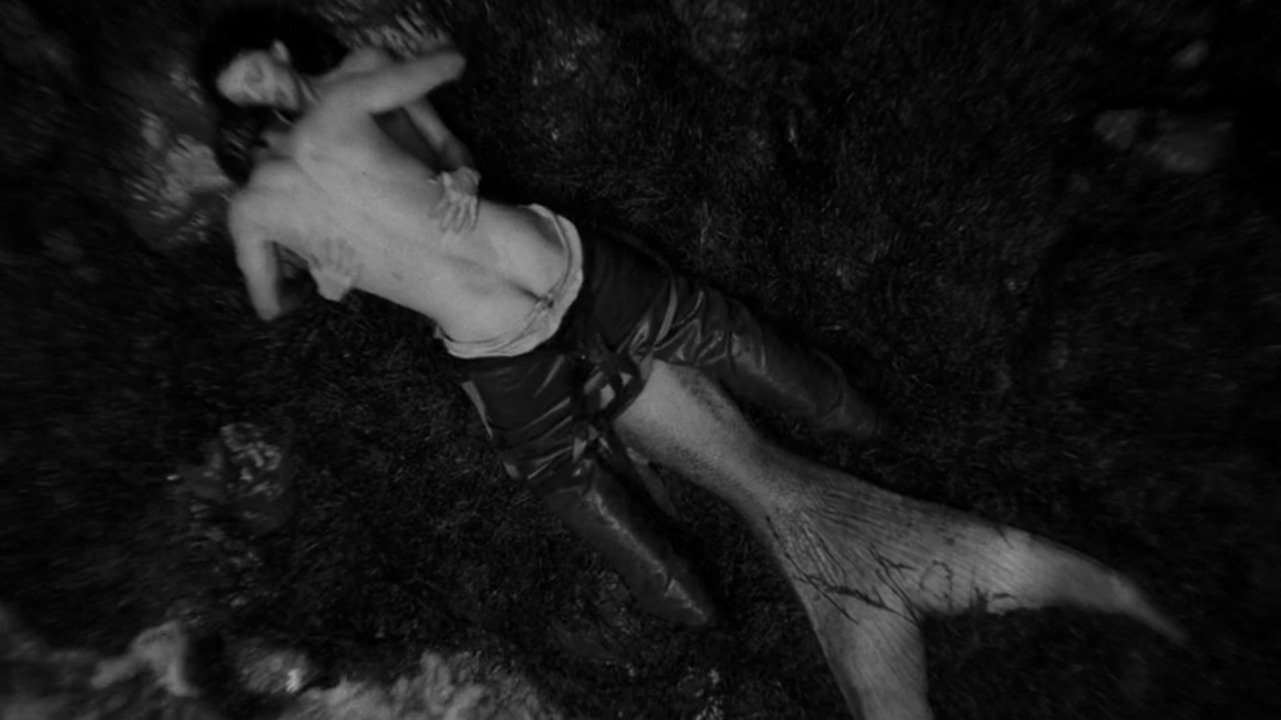
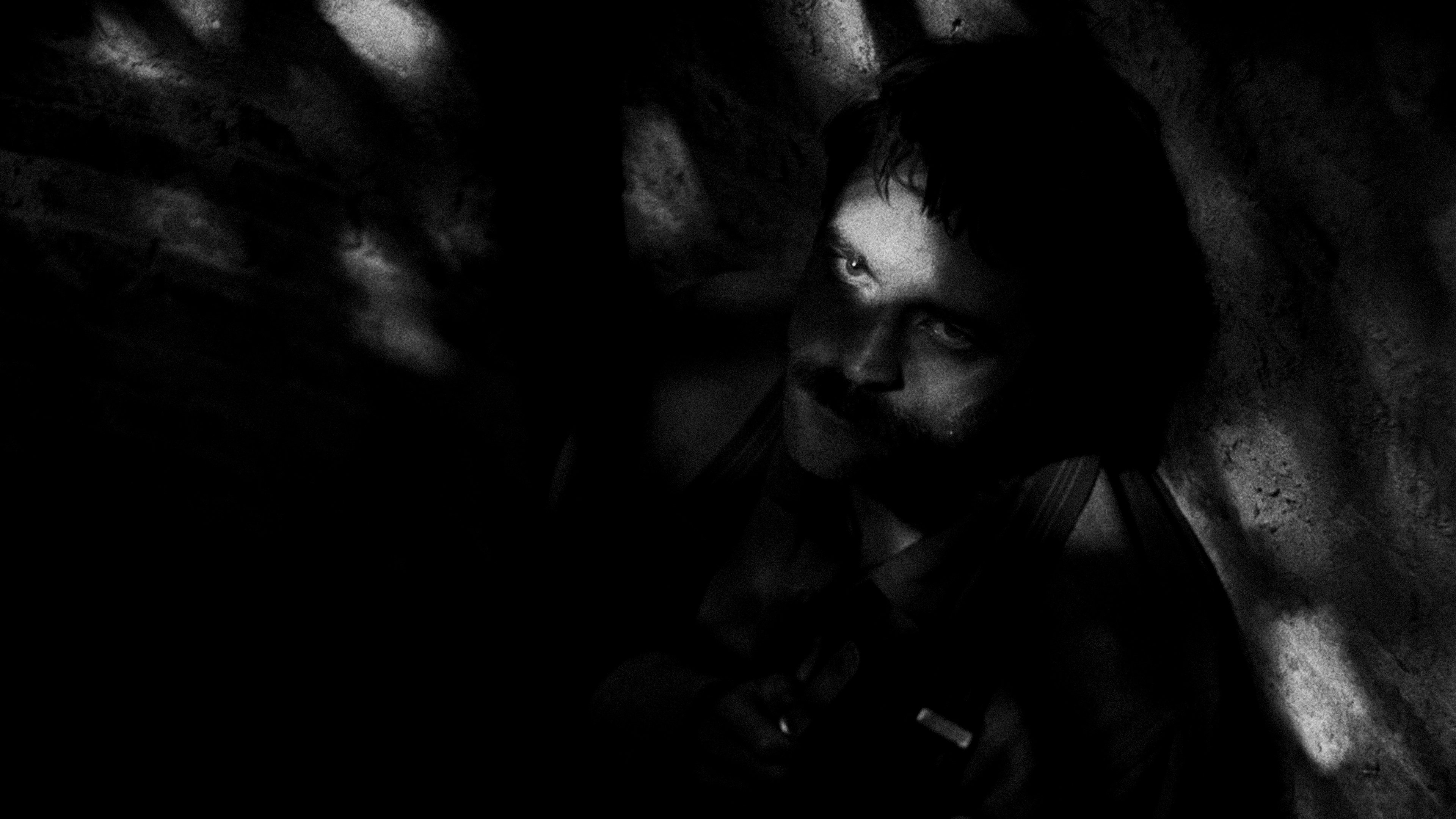
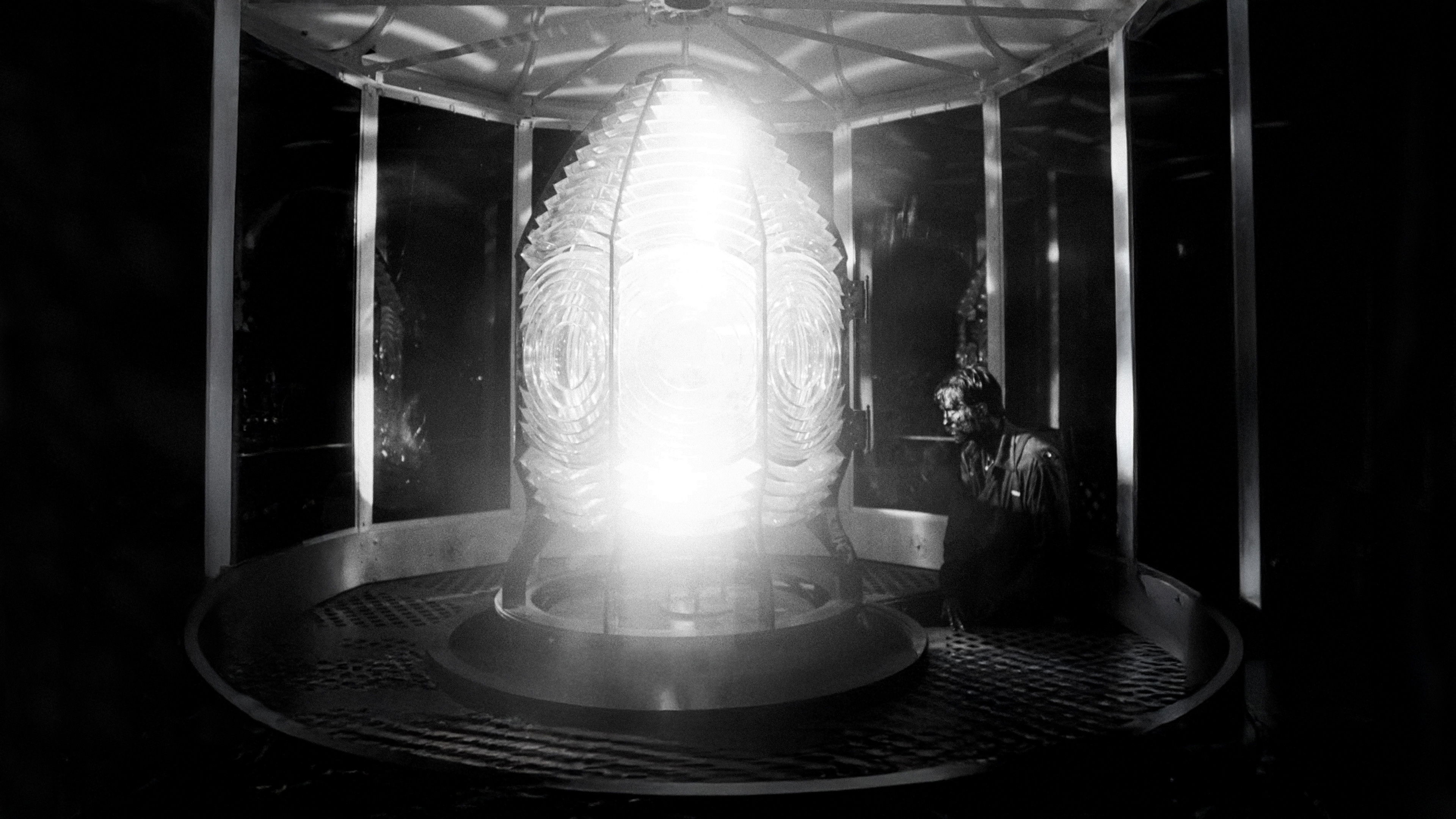
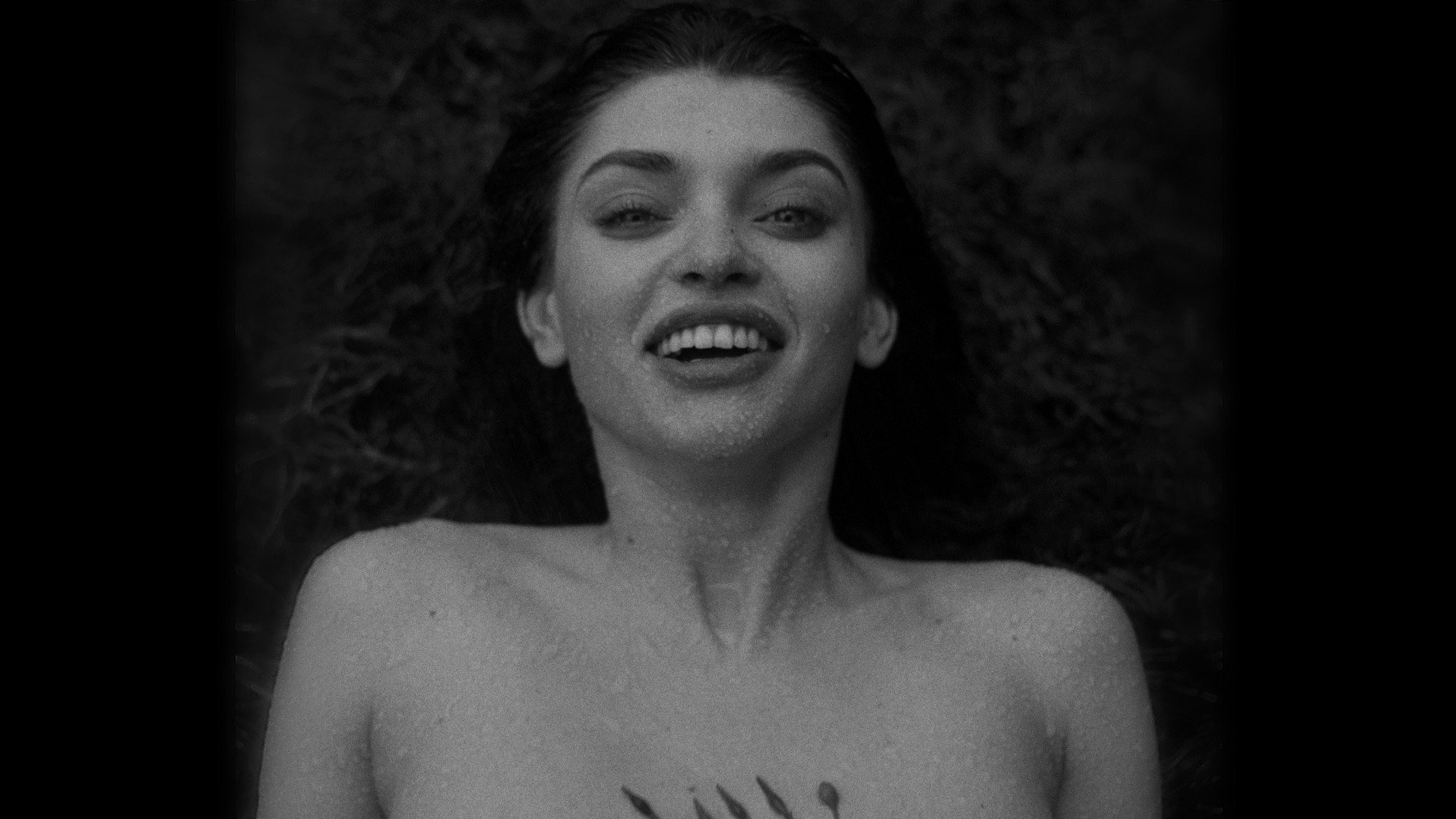
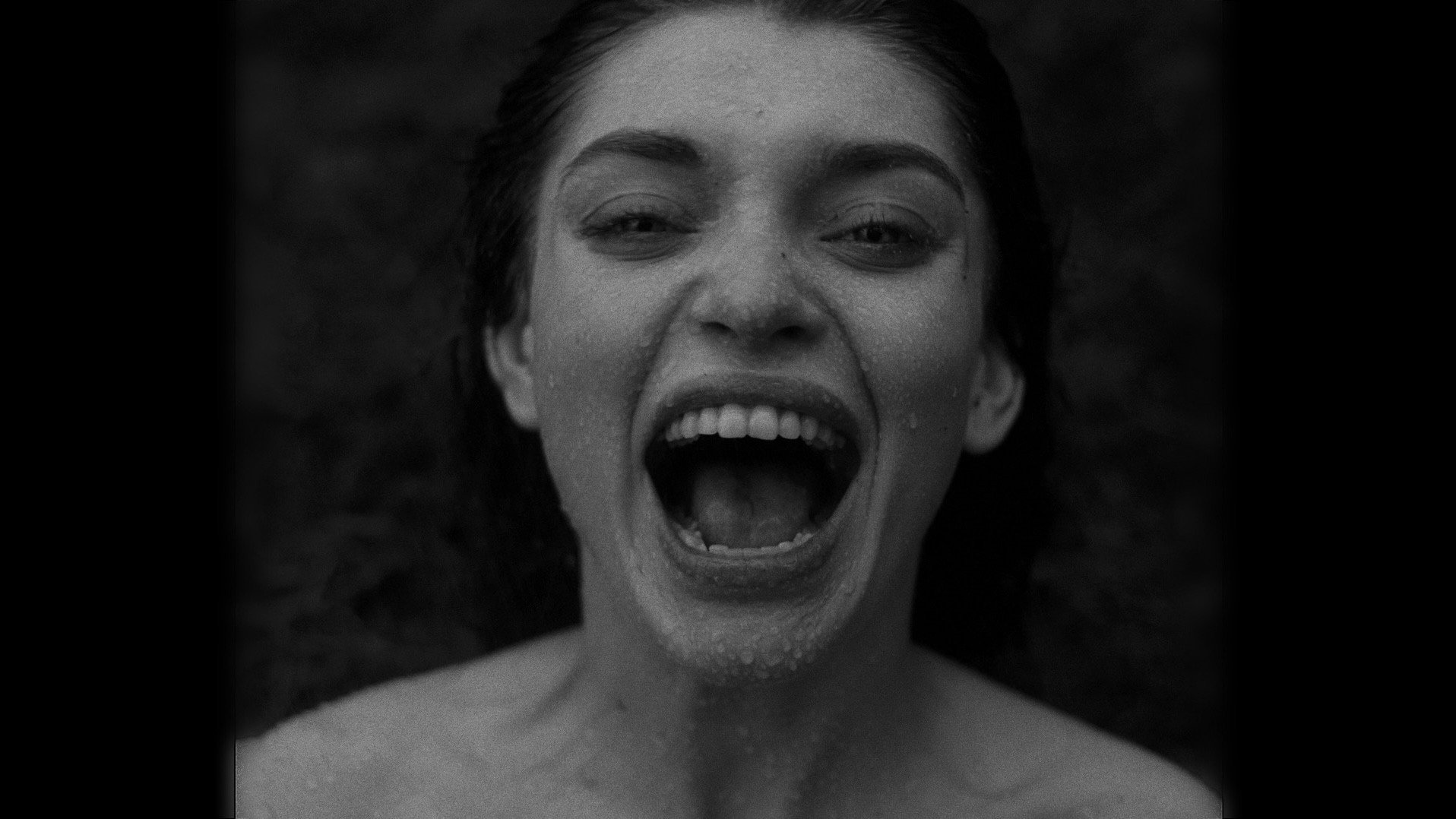
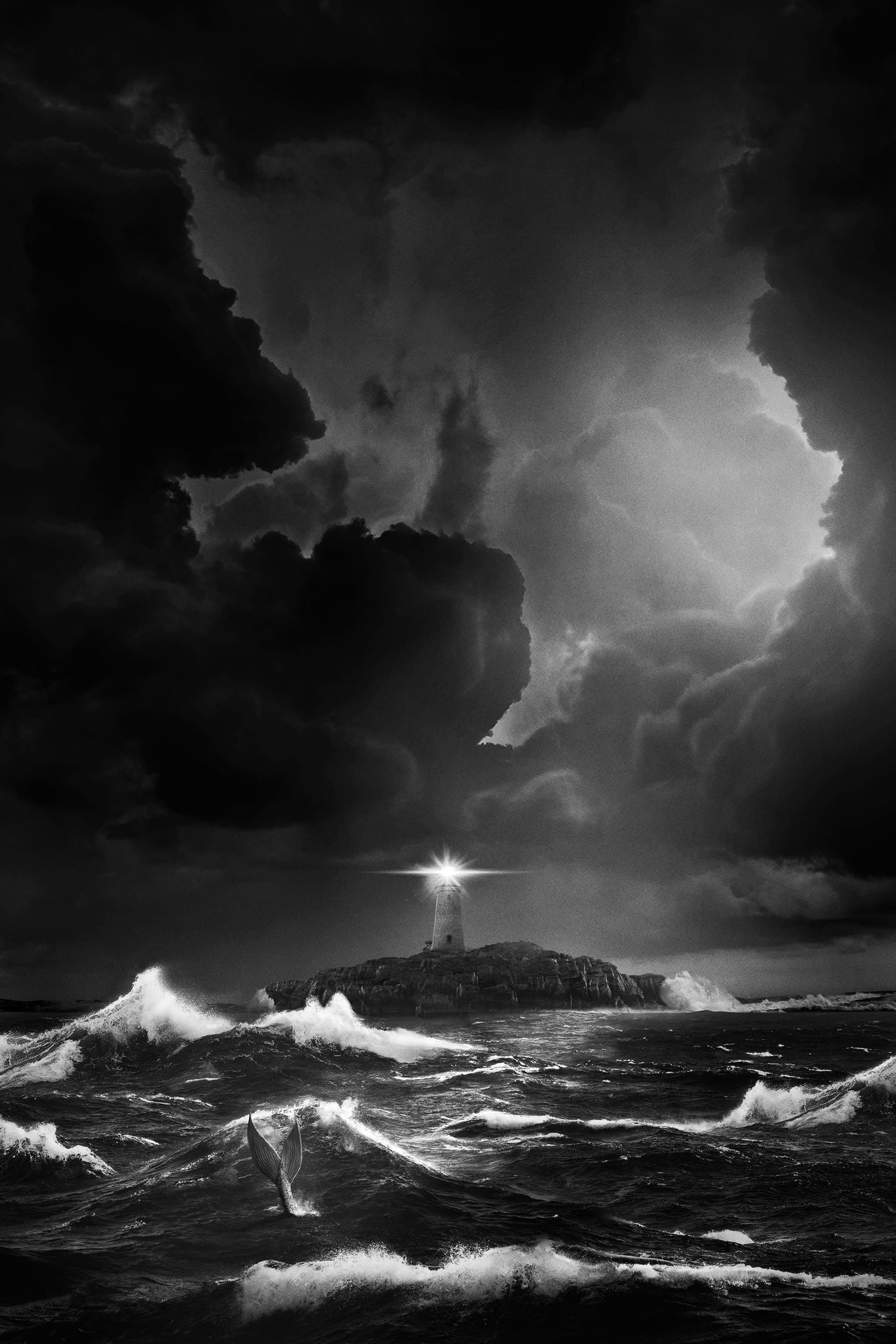
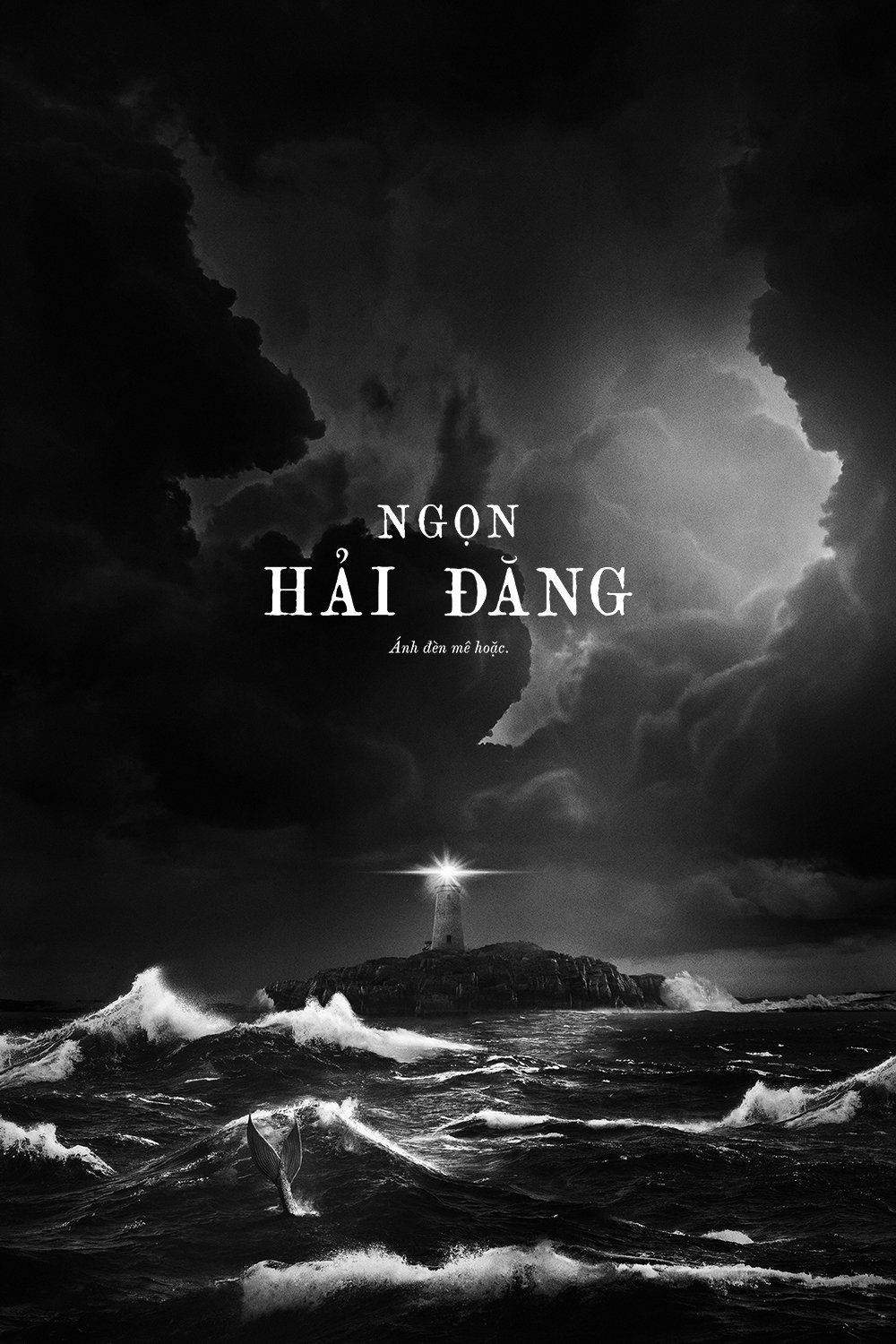
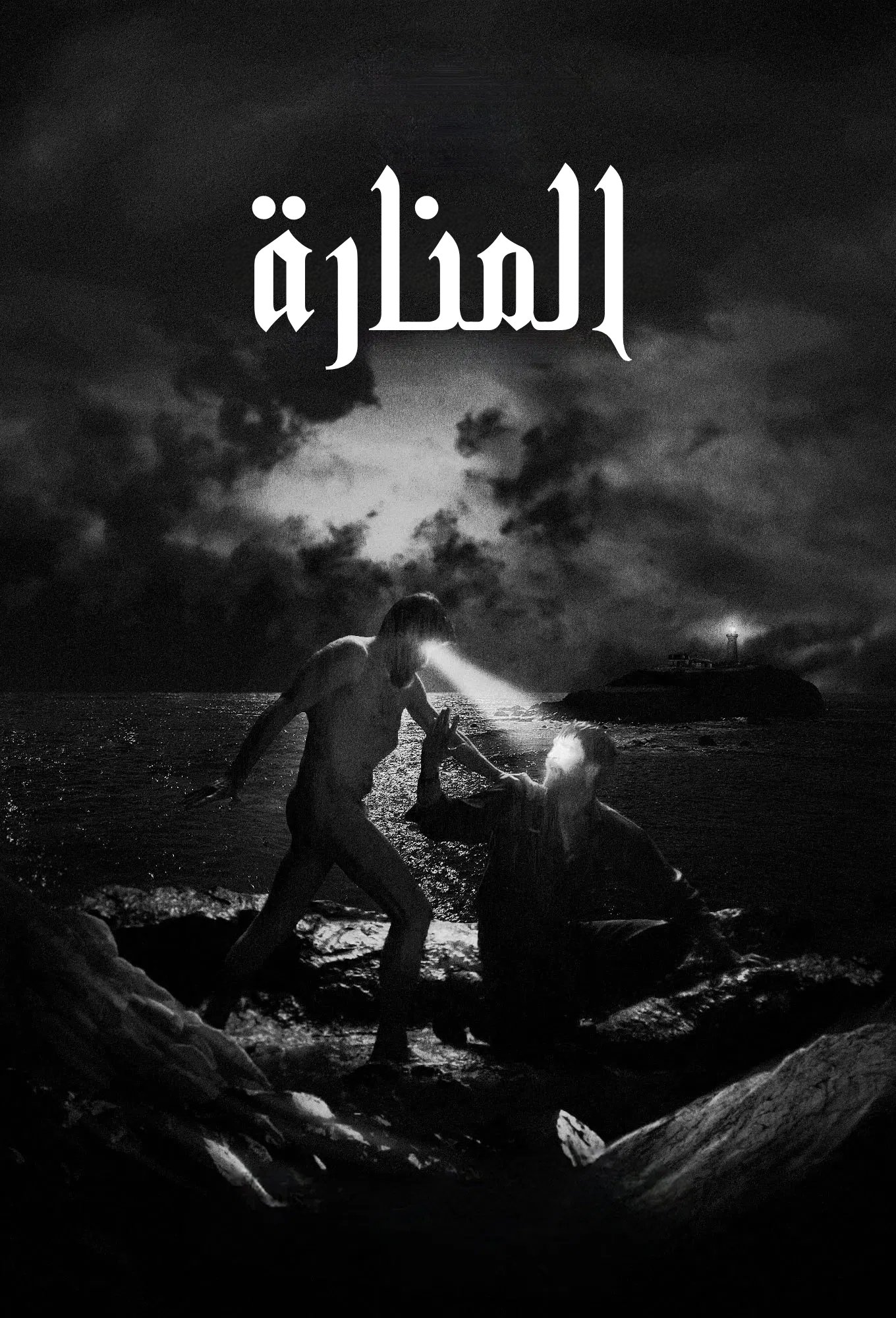
The supernatural imagery is informed by maritime superstition and classical mythology without establishing one definitive explanation. Mermaids, seabirds, the inaccessible lantern and the punishment associated with forbidden knowledge provide recognizable mythological references, while the screenplay retains the possibility that individual encounters result from intoxication, exhaustion, guilt or distorted perception. This uncertainty was part of the intended dramatic structure rather than a mystery designed to receive an unambiguous final solution.