



Development and the Return to Derry
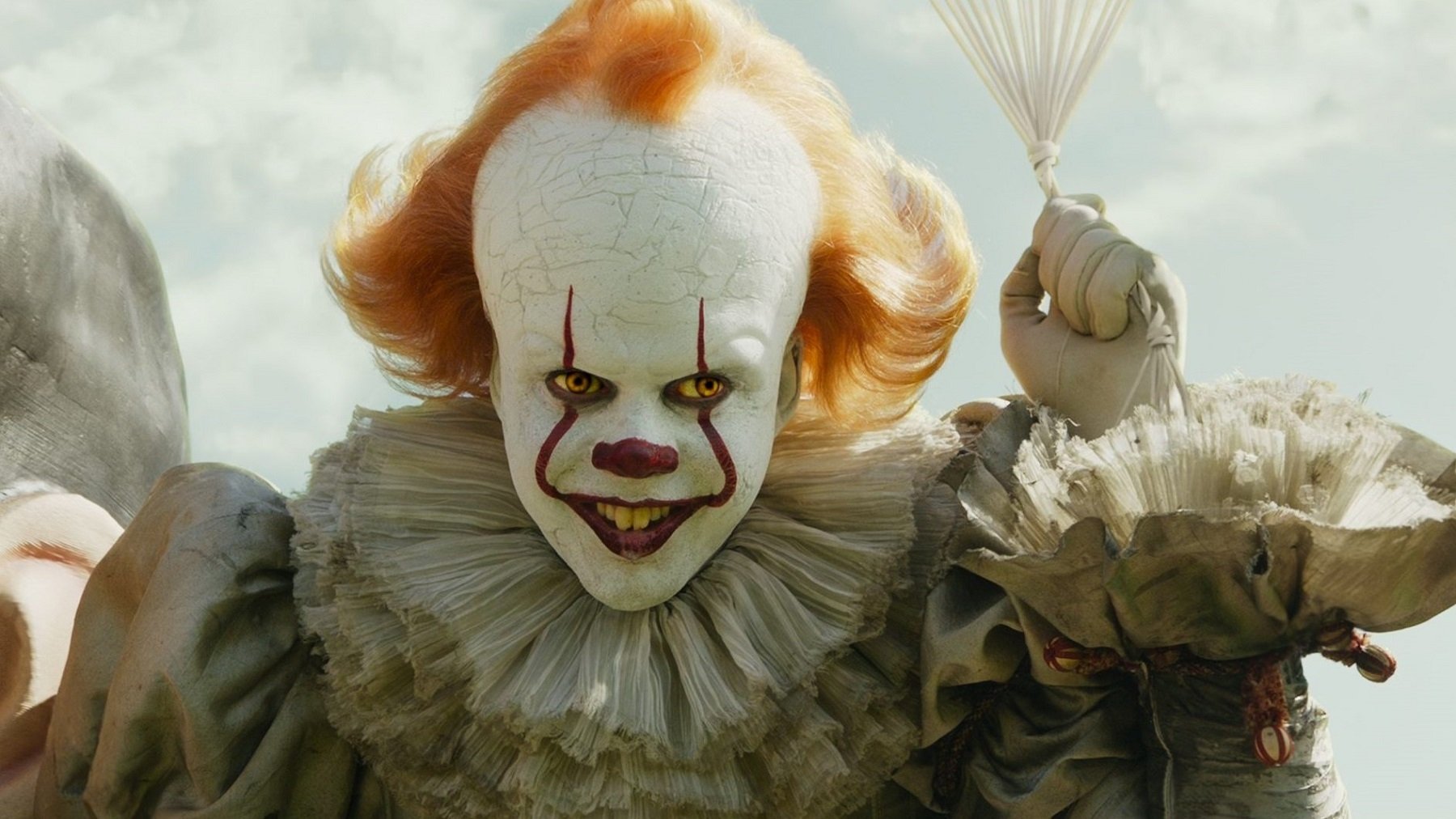
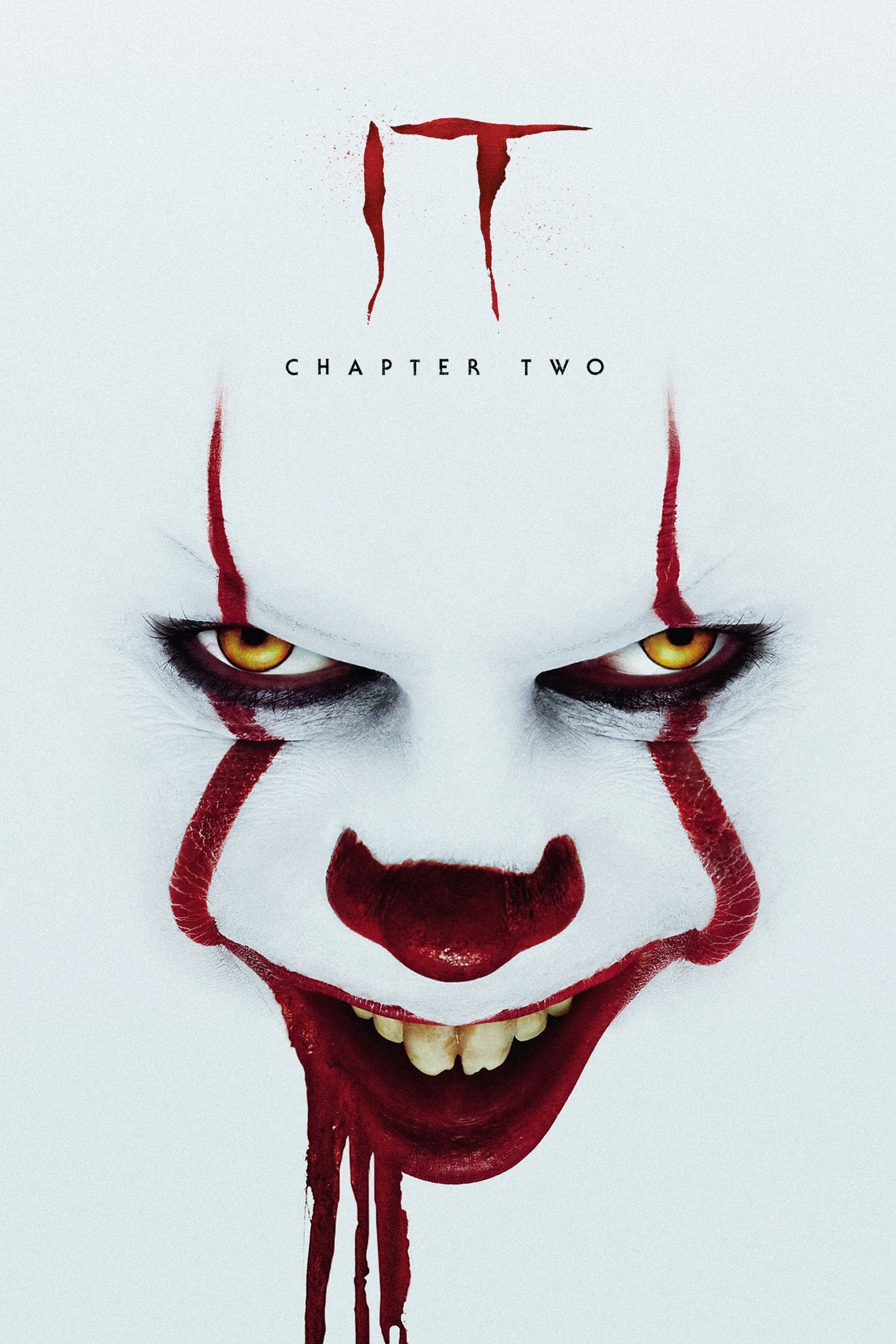
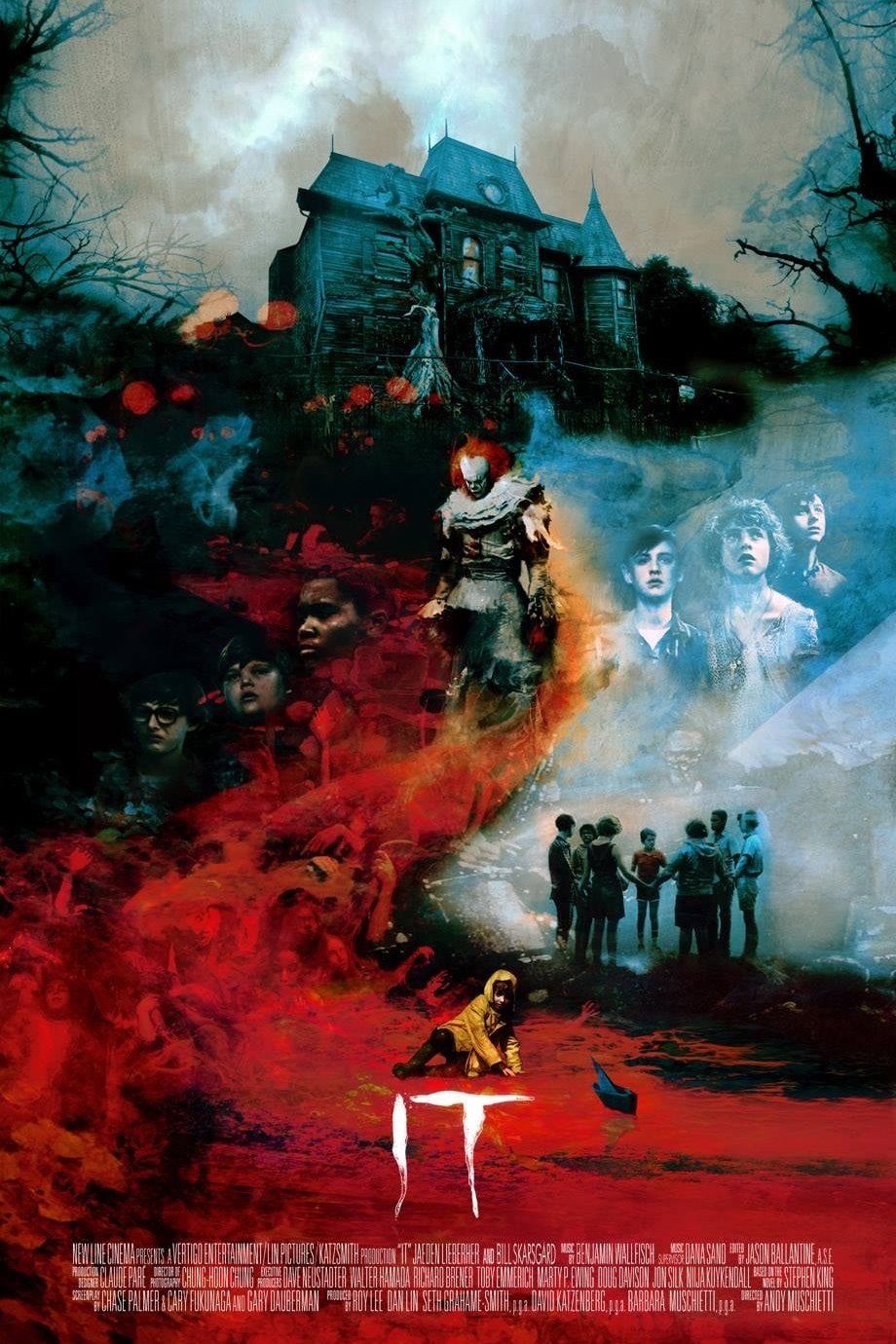
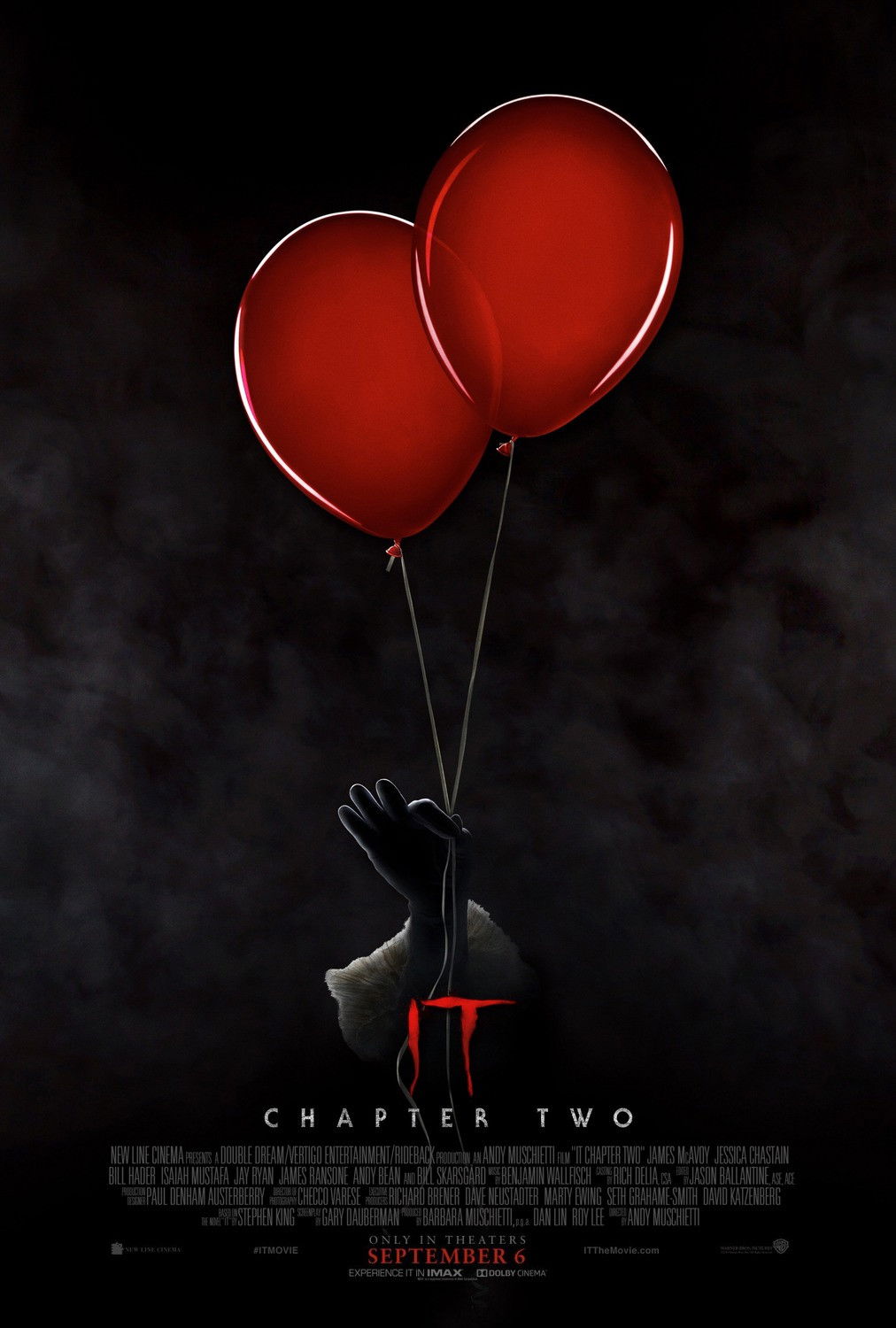
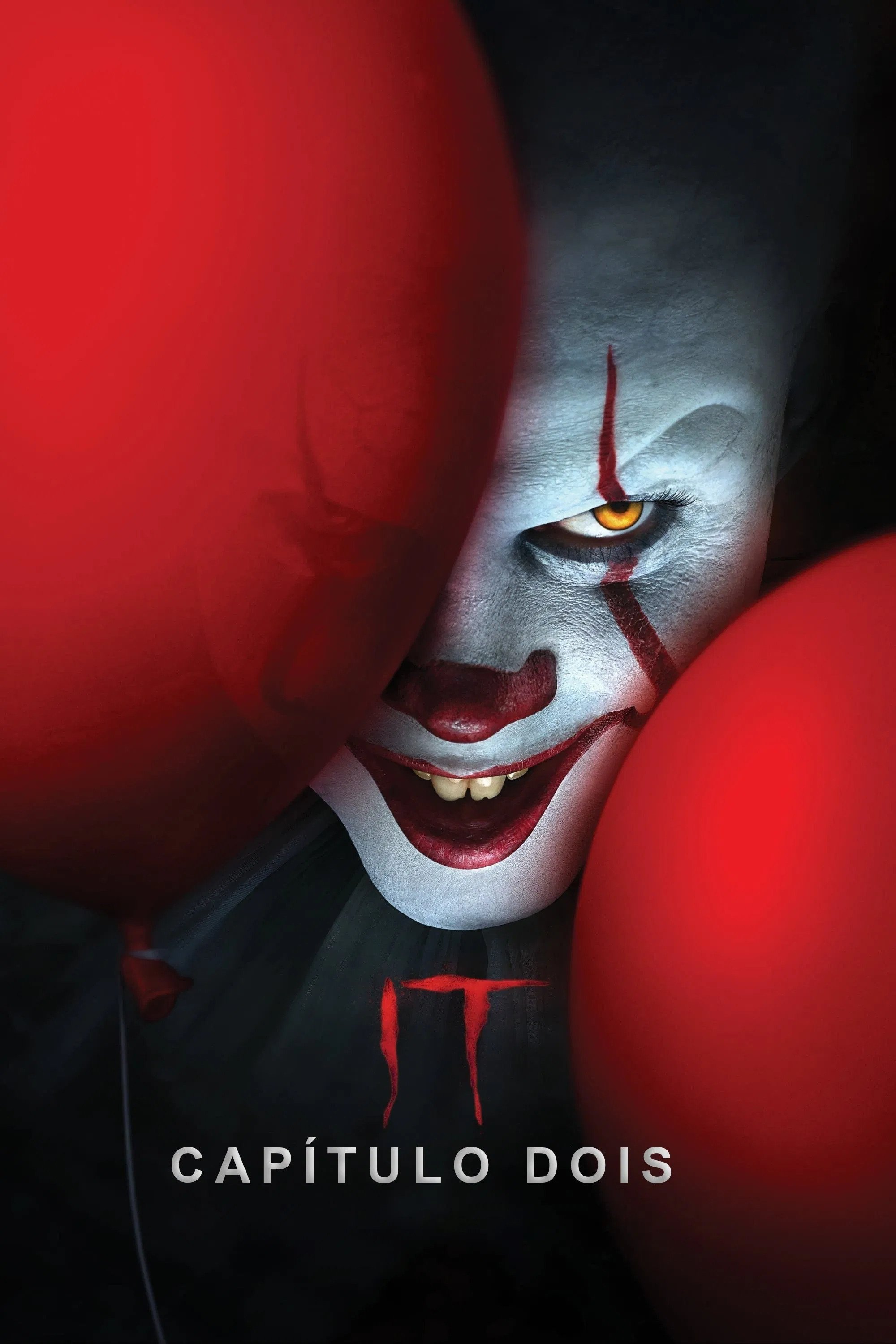
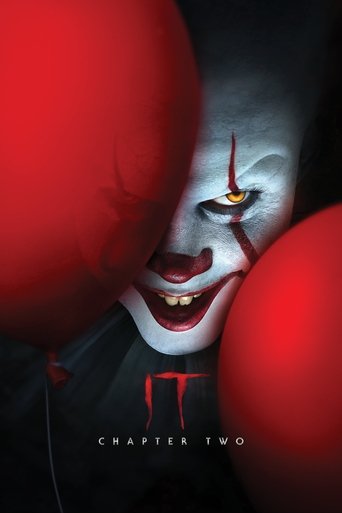
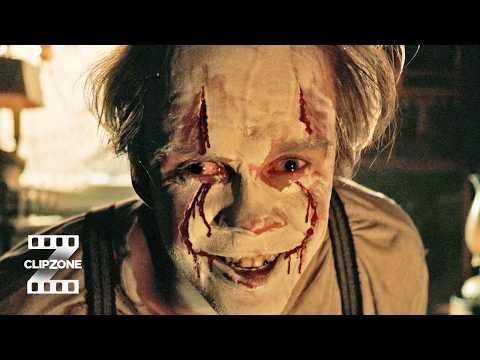
The commercial success of It (2017) established the conditions for completing Muschietti’s adaptation of King’s novel. The earlier film had concentrated on the Losers’ childhood confrontation with Pennywise, moving the action to 1989 and leaving the adult storyline for a separate production. This arrangement differed from the novel, which interweaves events from two periods through recollection, investigation and extended accounts of Derry’s history. Muschietti and screenwriter Gary Dauberman faced the task of restoring the relationship between those timelines while giving the adult characters an independent dramatic trajectory. In a September 2019 interview with Esquire, Muschietti described the principal challenge as transforming King’s expansive literary construction into a more tightly connected cinematic narrative.
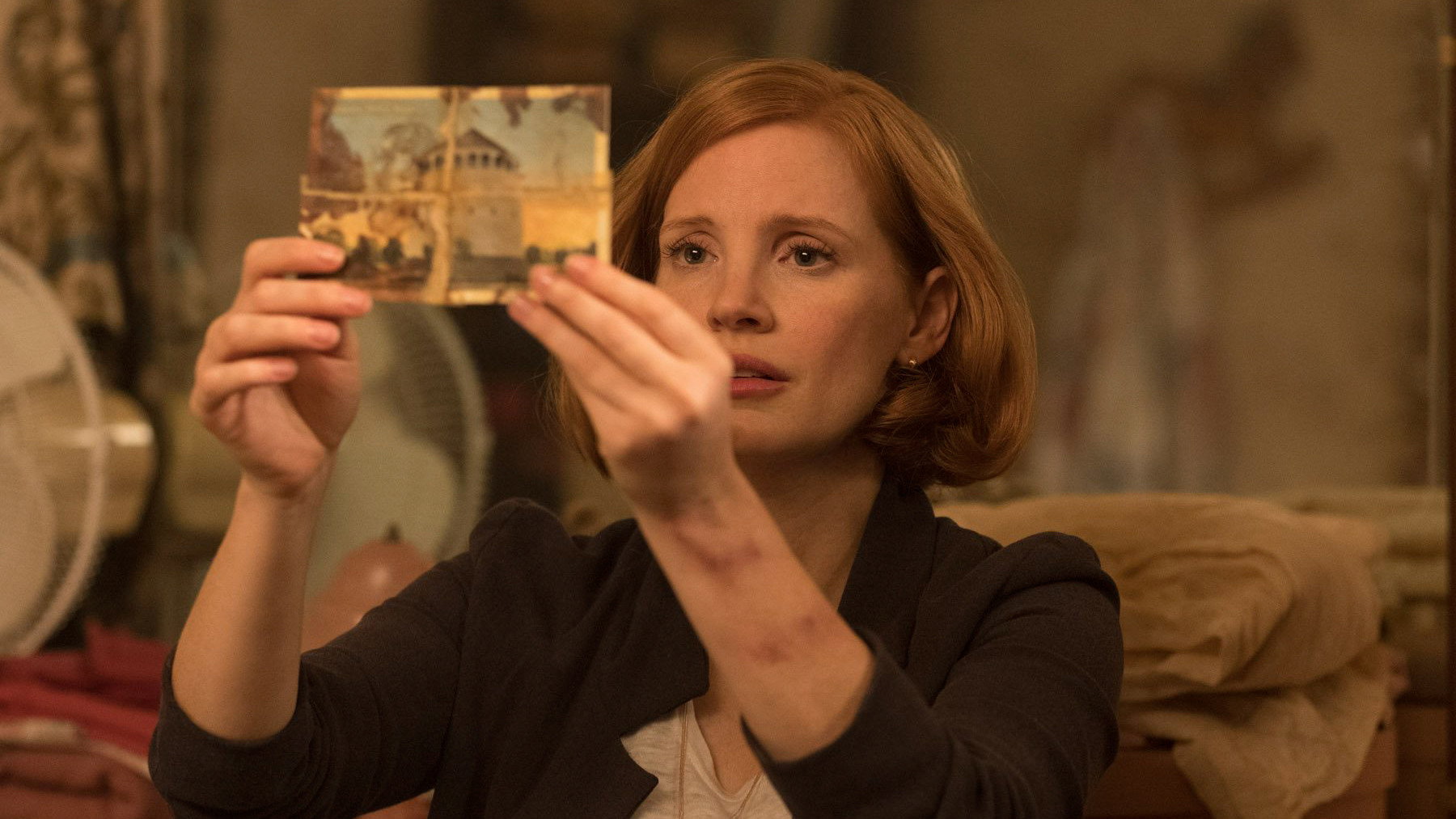
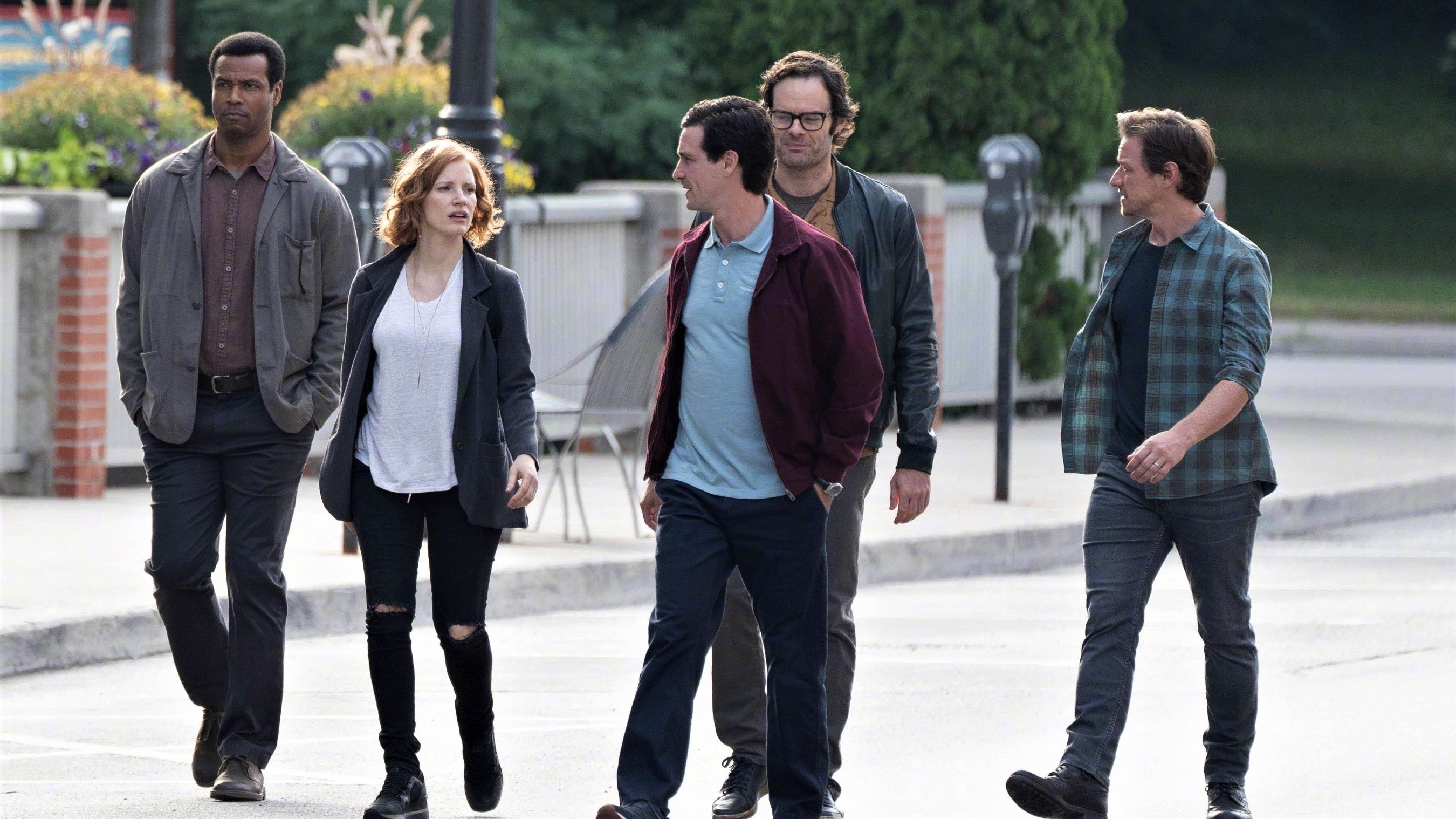
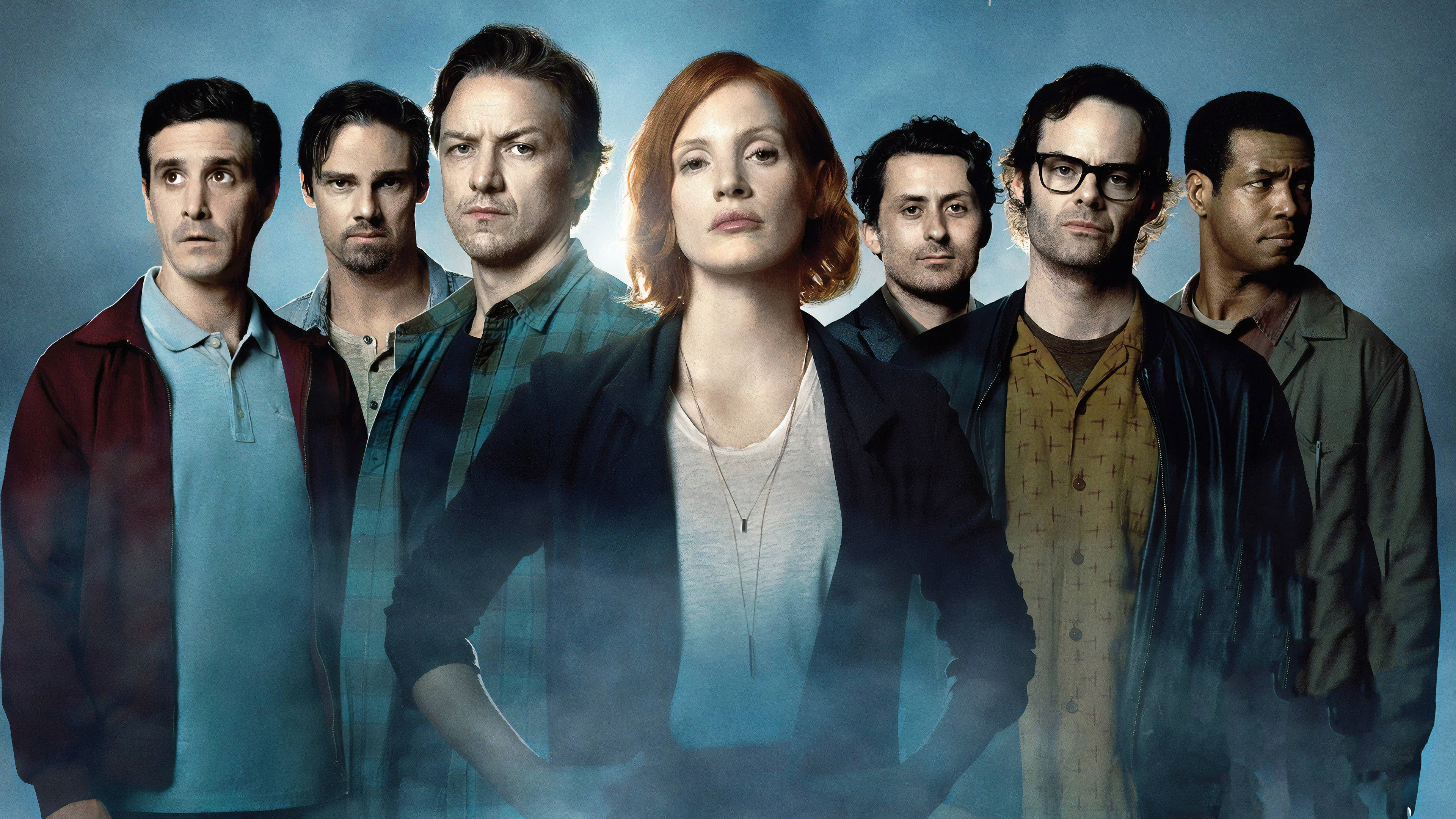
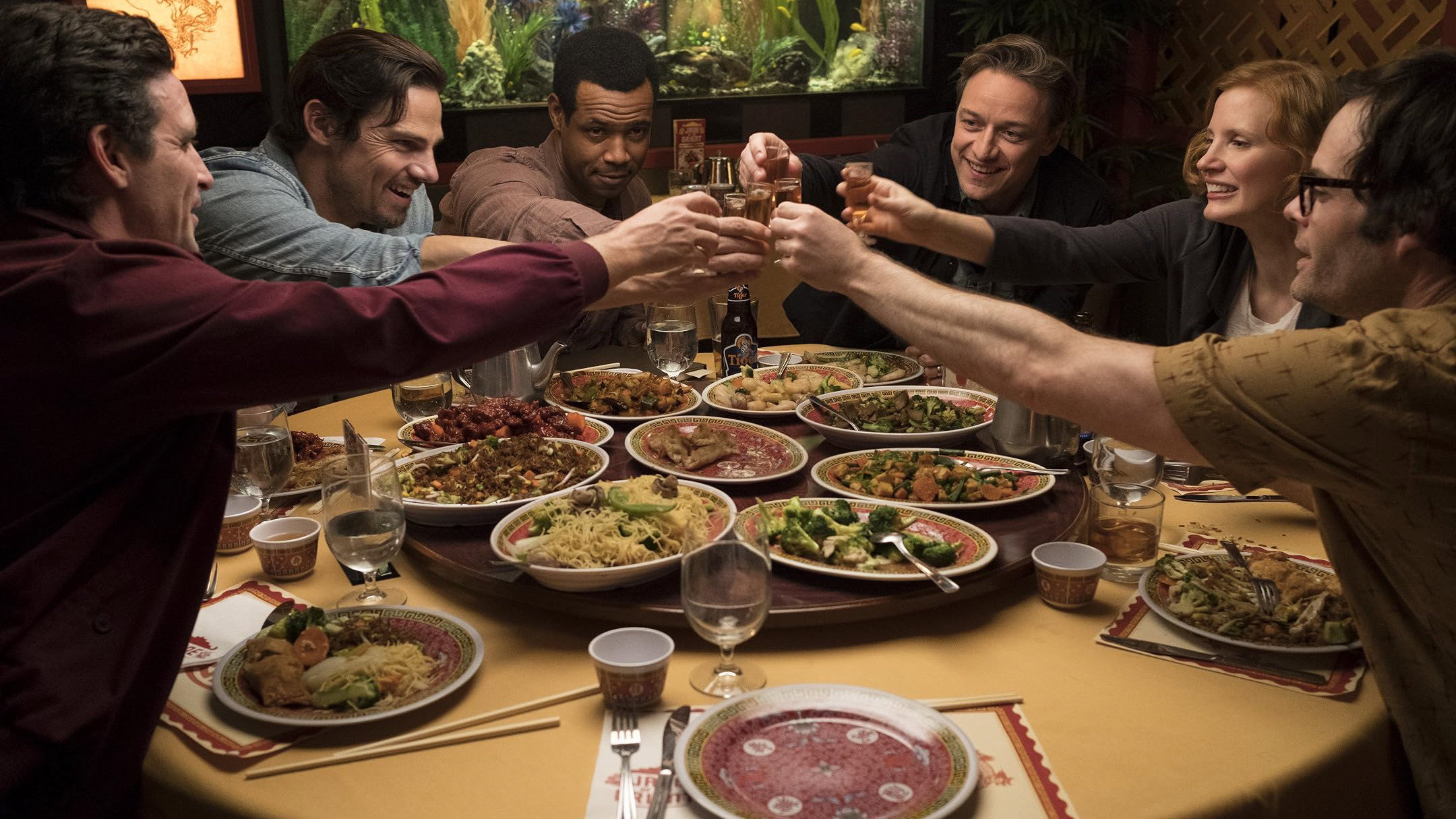
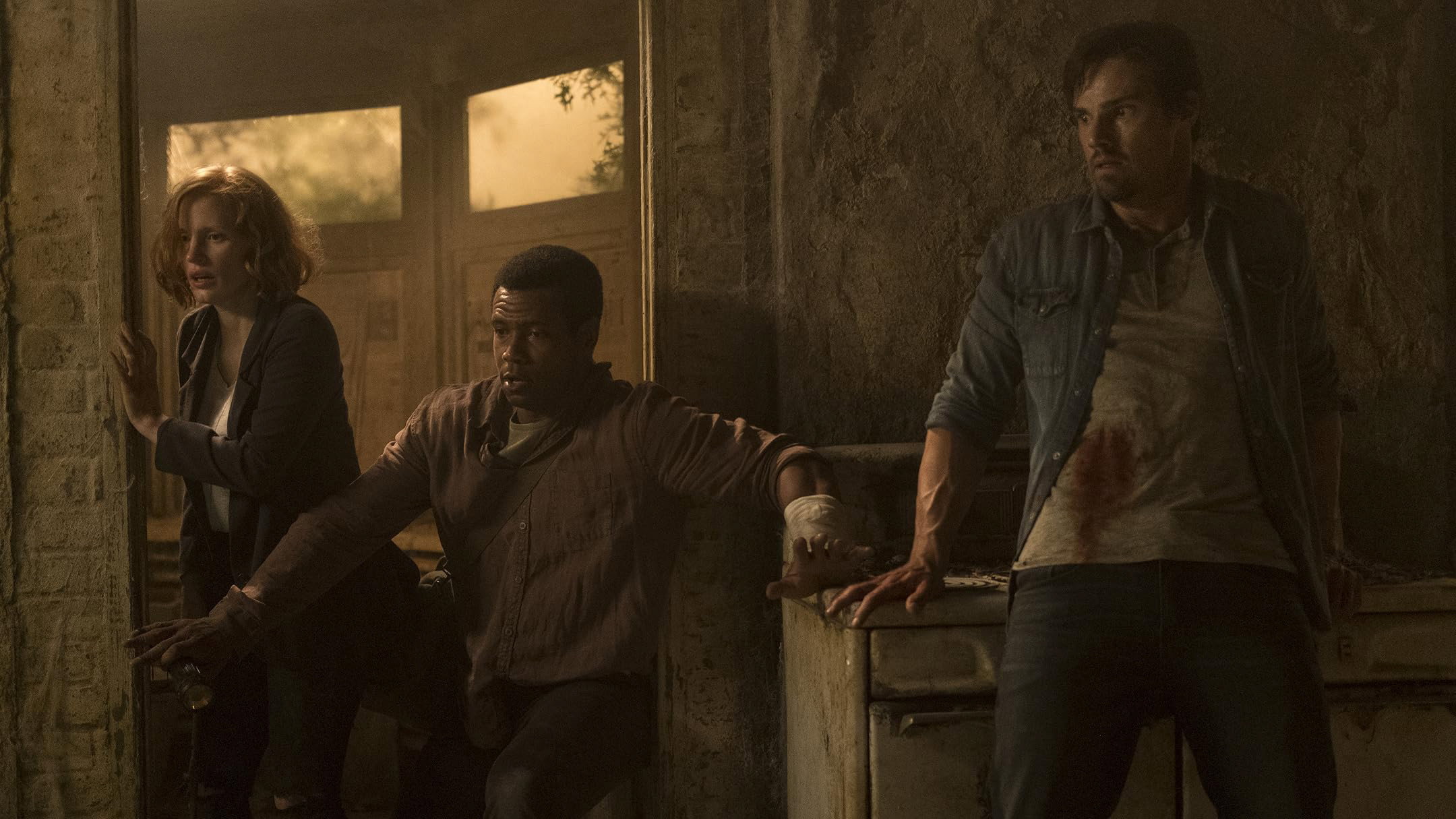
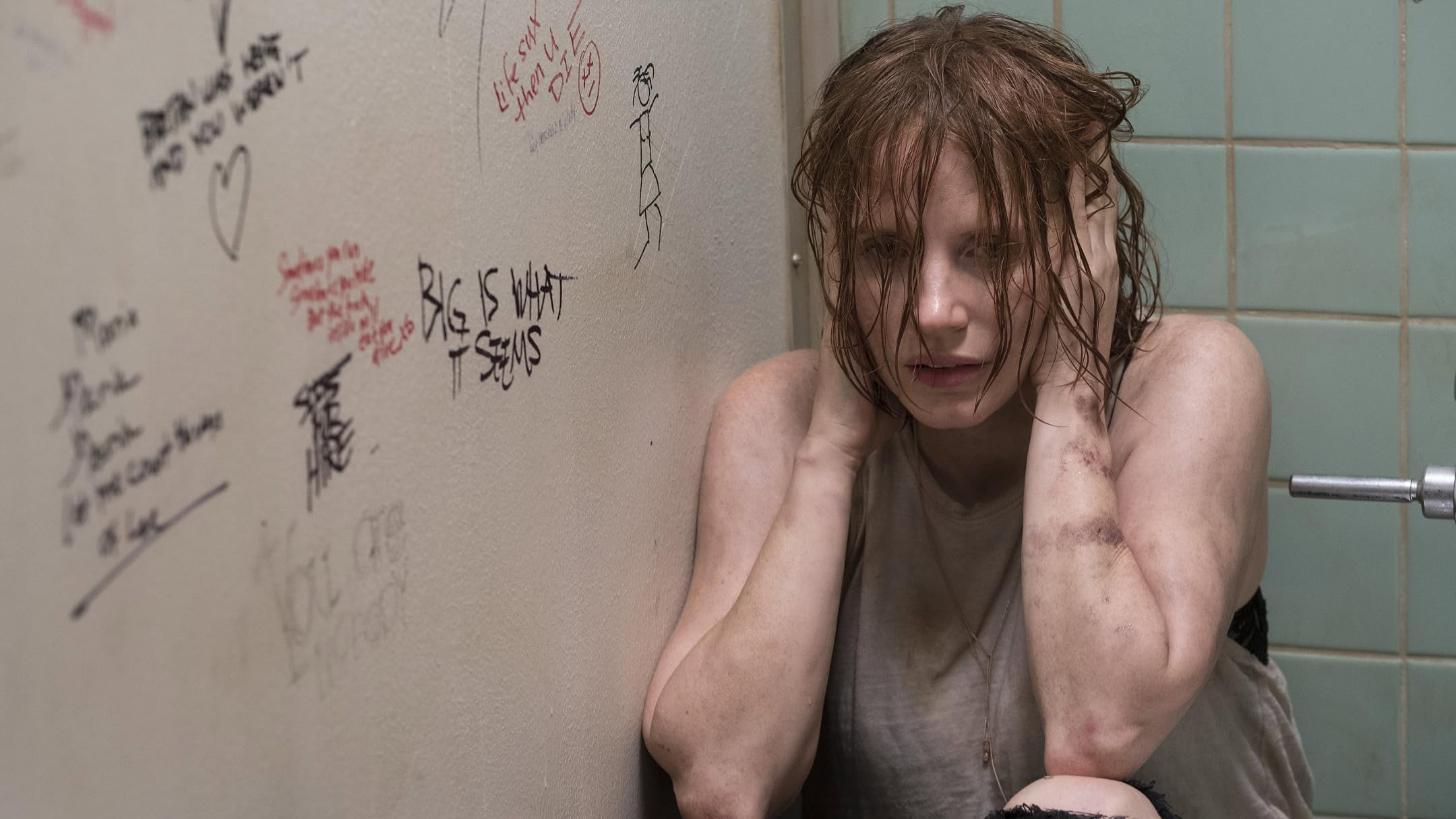
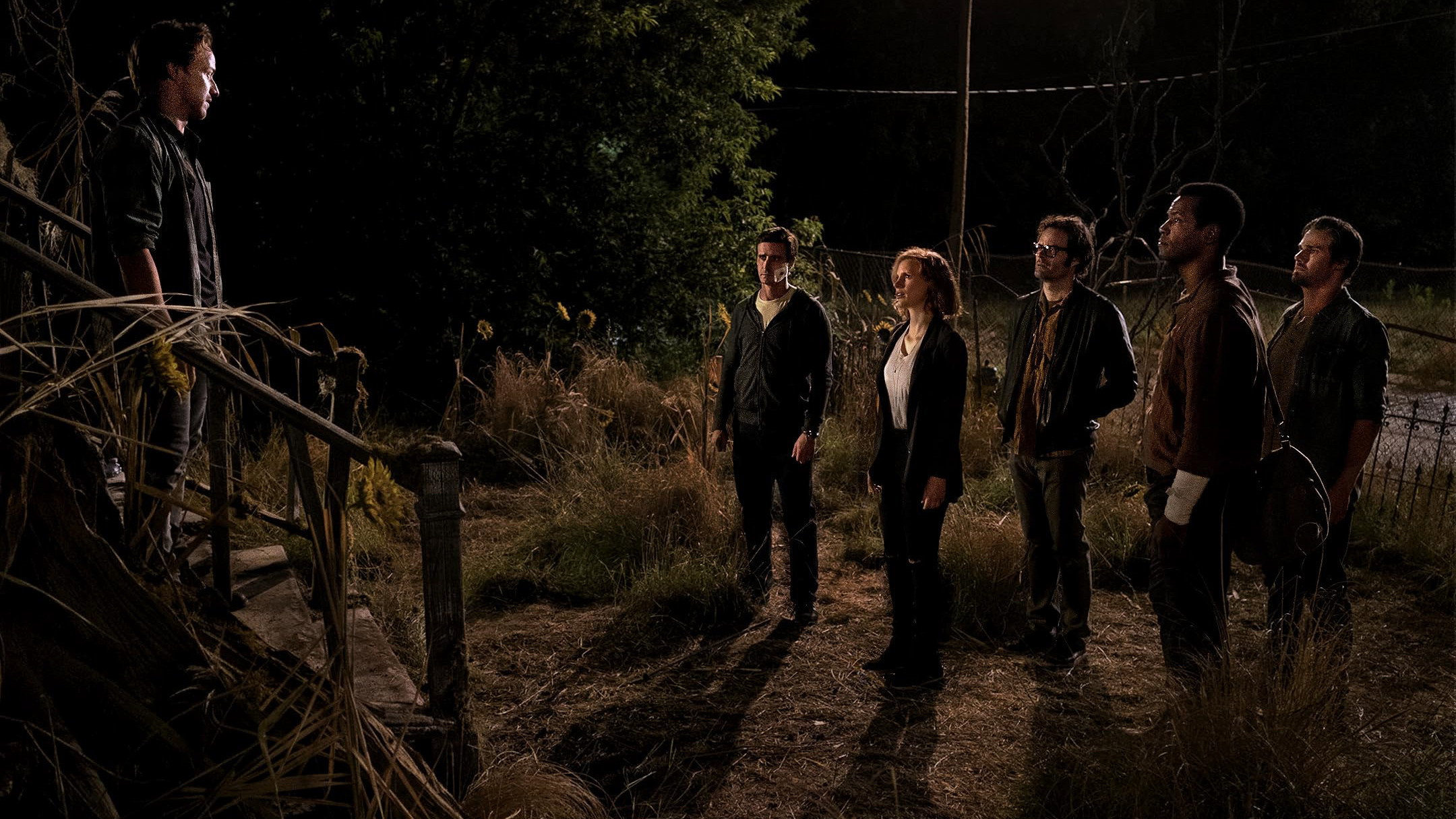
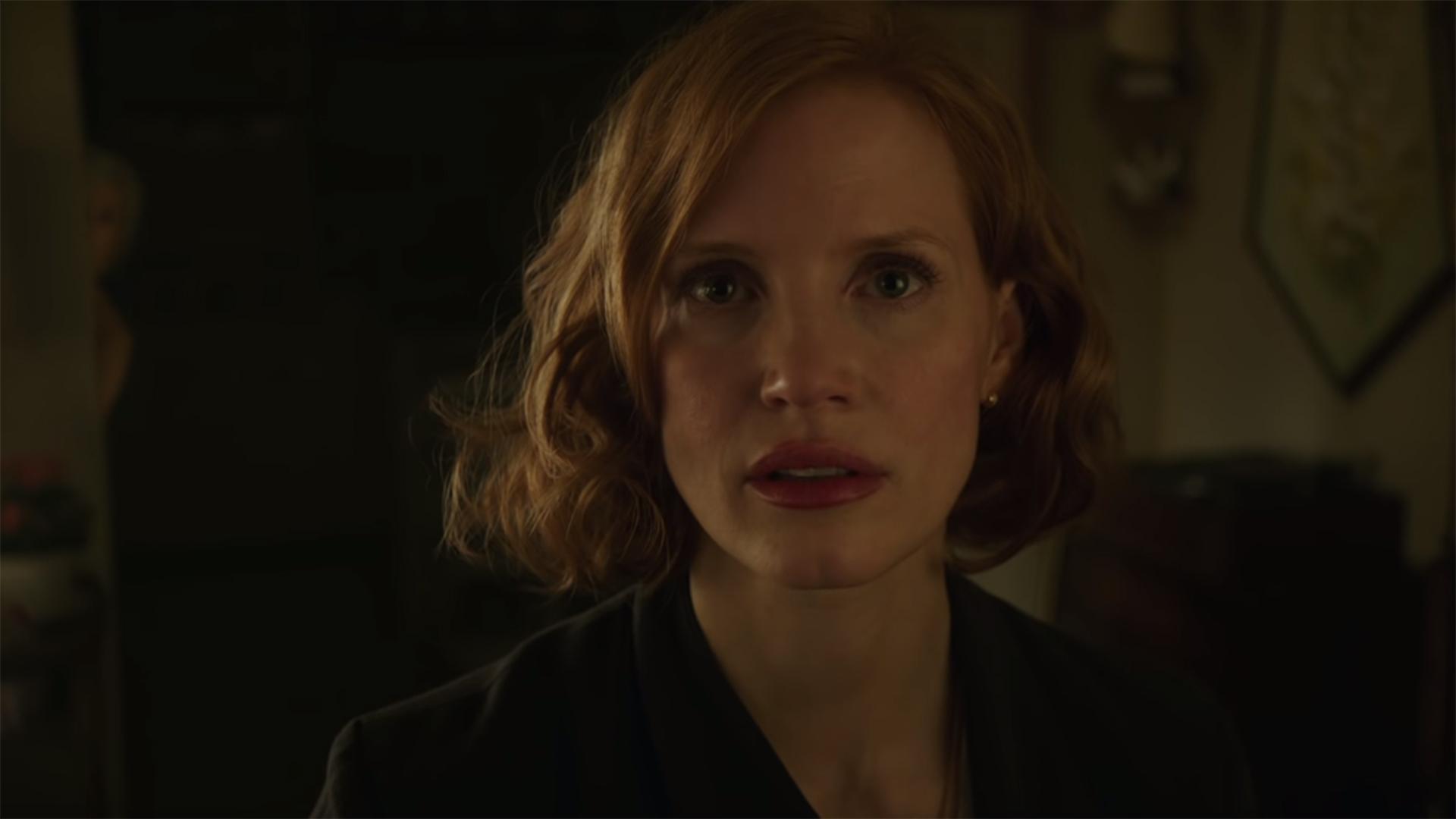
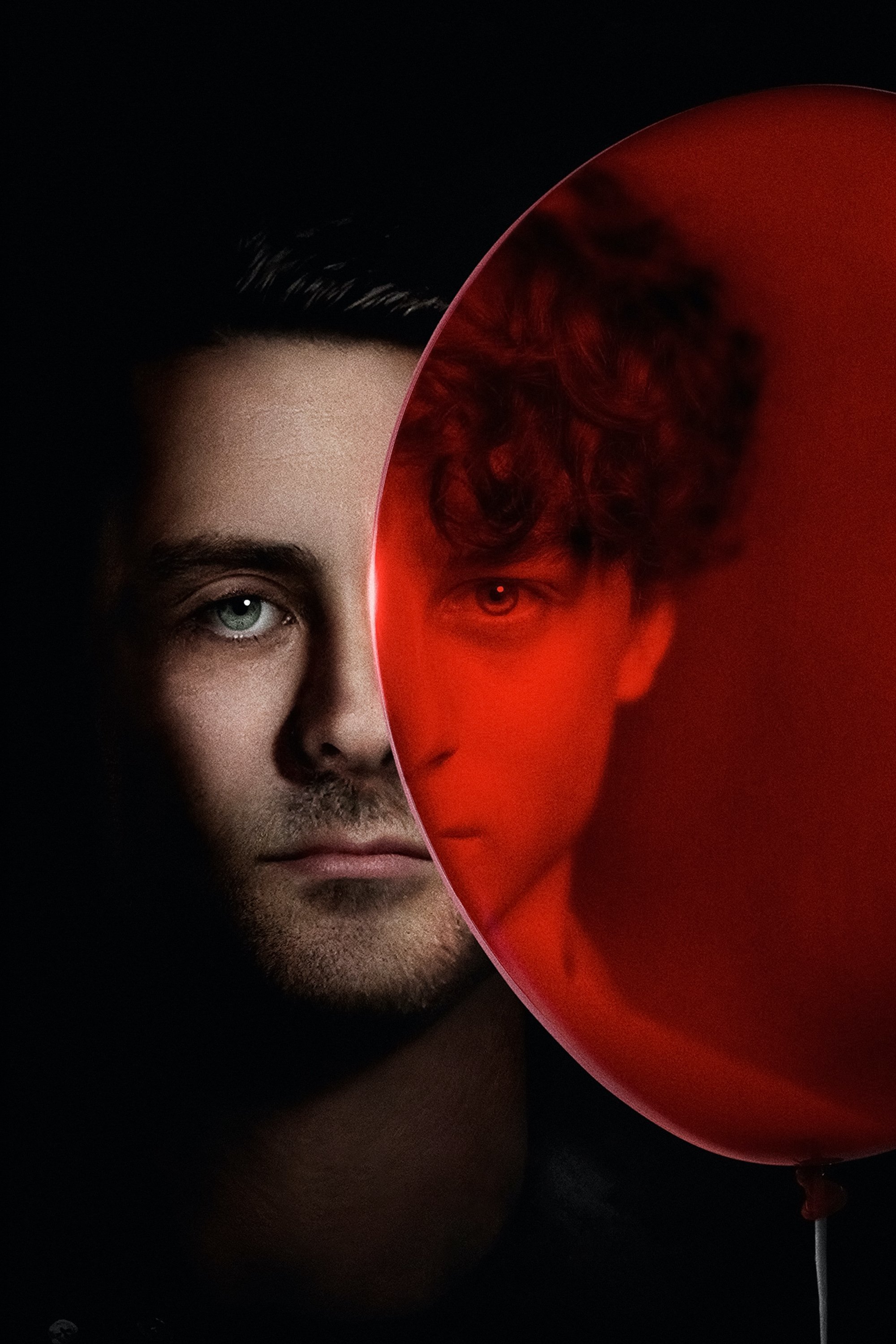
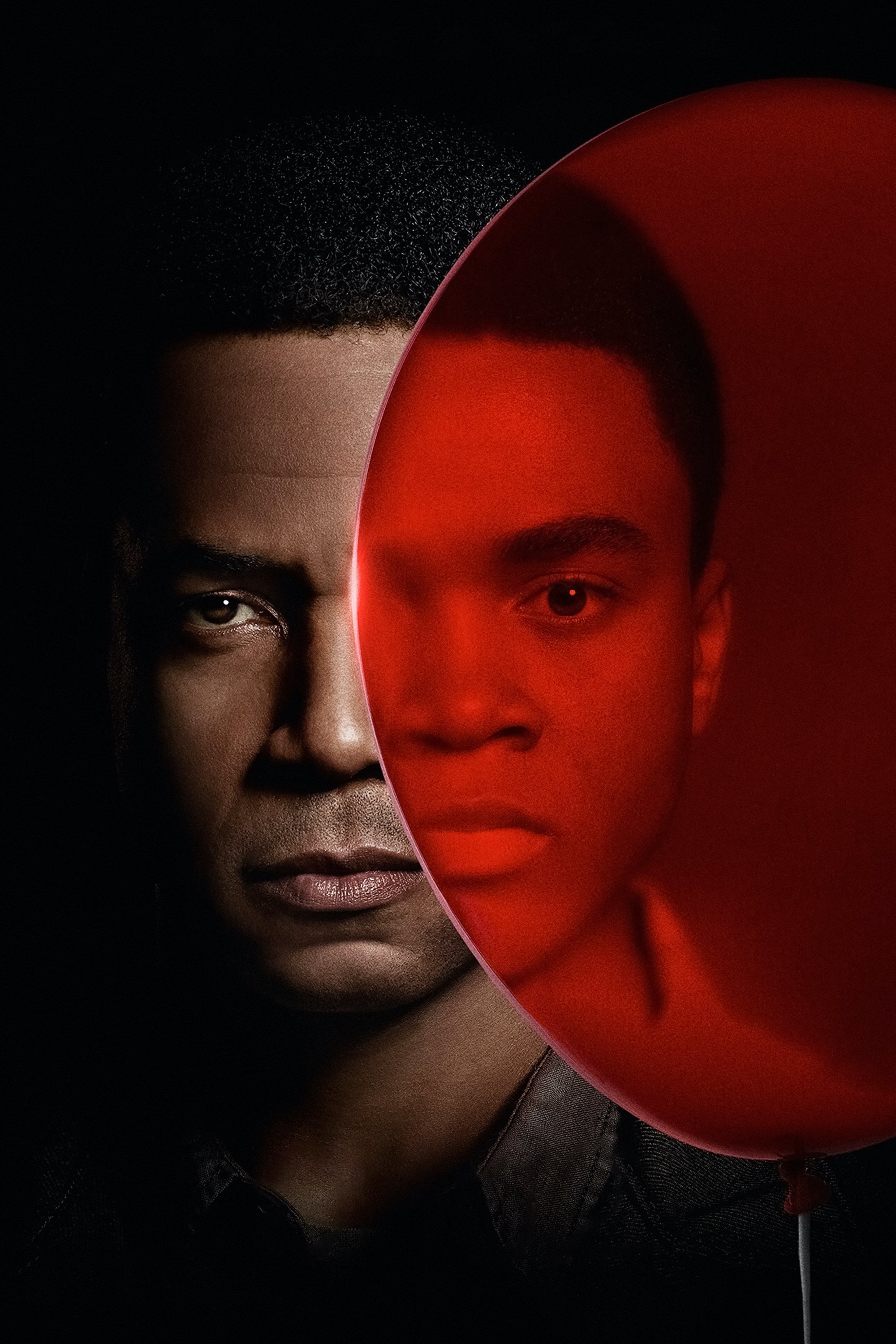
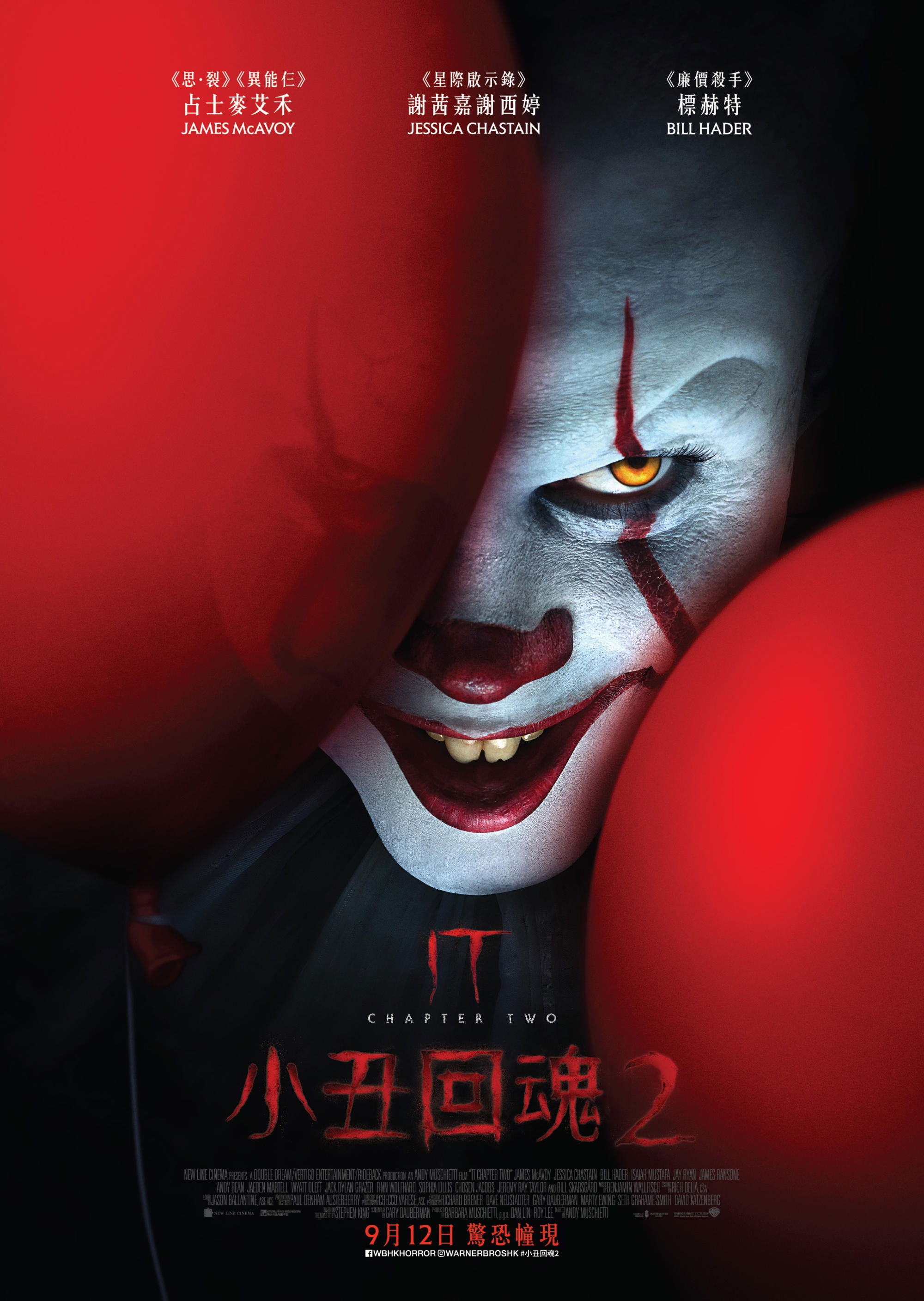
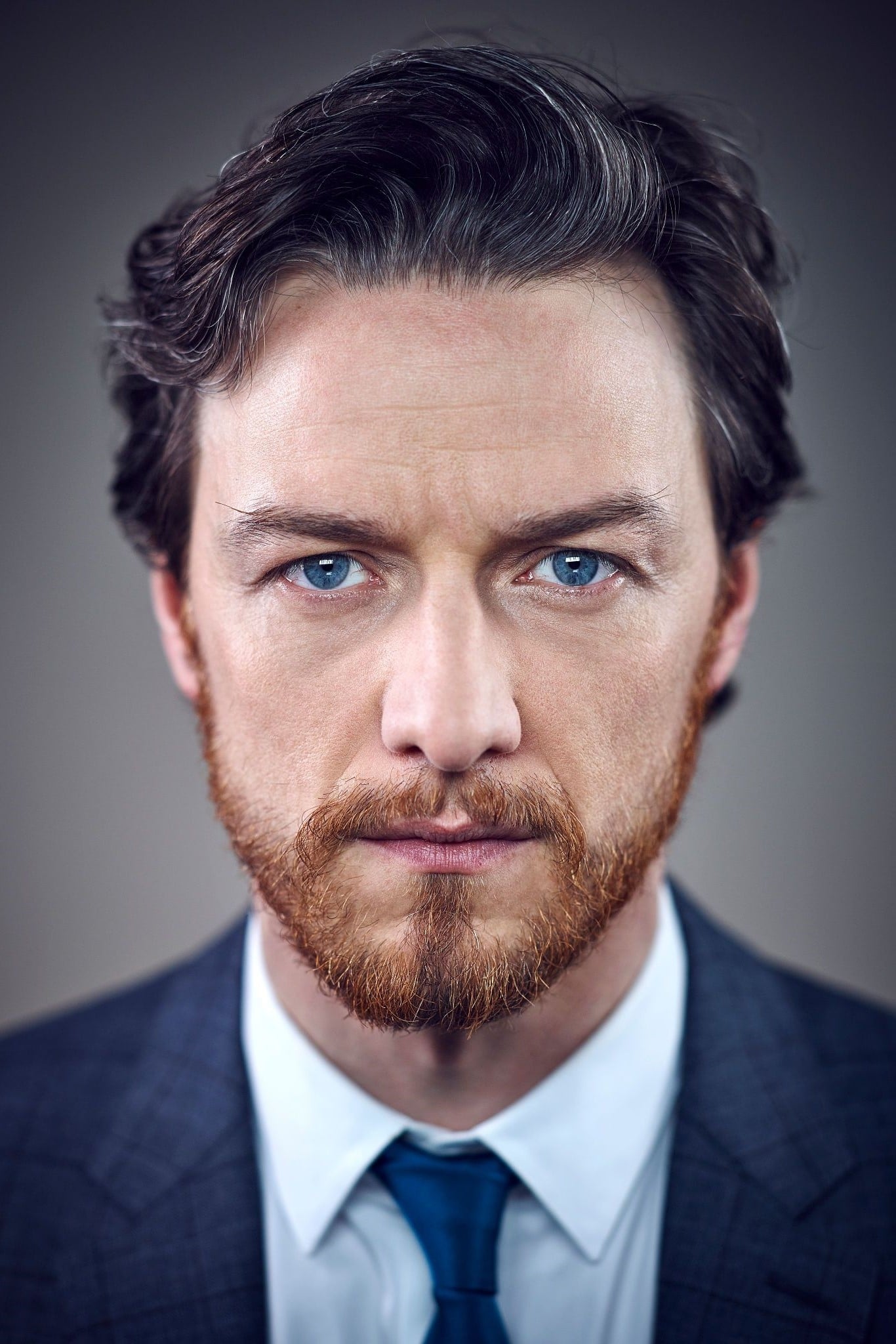
The filmmakers retained the younger actors from the first production while assembling an adult cast whose appearances and performances would establish continuity across the twenty-seven-year interval. McAvoy portrays Bill Denbrough, Chastain plays Beverly Marsh and Hader assumes the role of Richie Tozier. Mustafa, Ryan and Ransone complete the principal returning group as Mike Hanlon, Ben Hanscom and Eddie Kaspbrak, while Andy Bean appears as Stanley Uris. The adult performers needed to convey changes in personality without losing recognizable characteristics established during childhood. The screenplay uses recovered memories and newly revealed incidents to connect the two groups of actors, making the earlier experiences essential to the later confrontation.
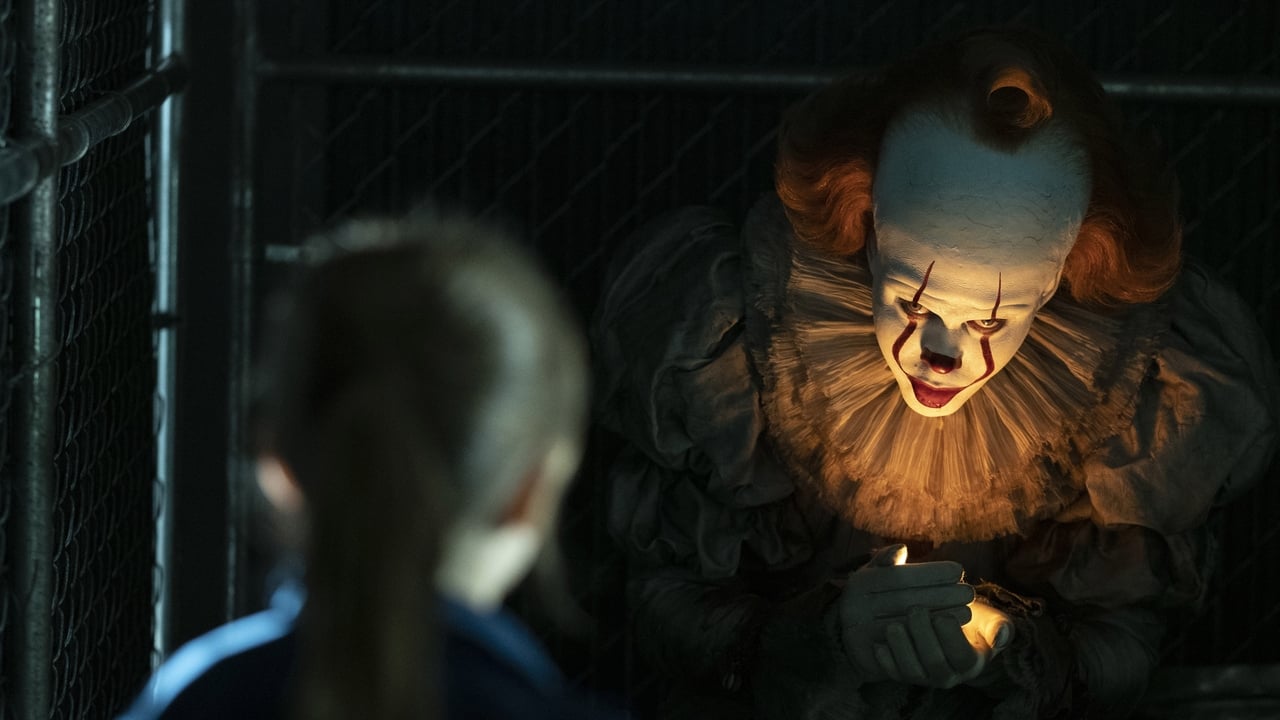
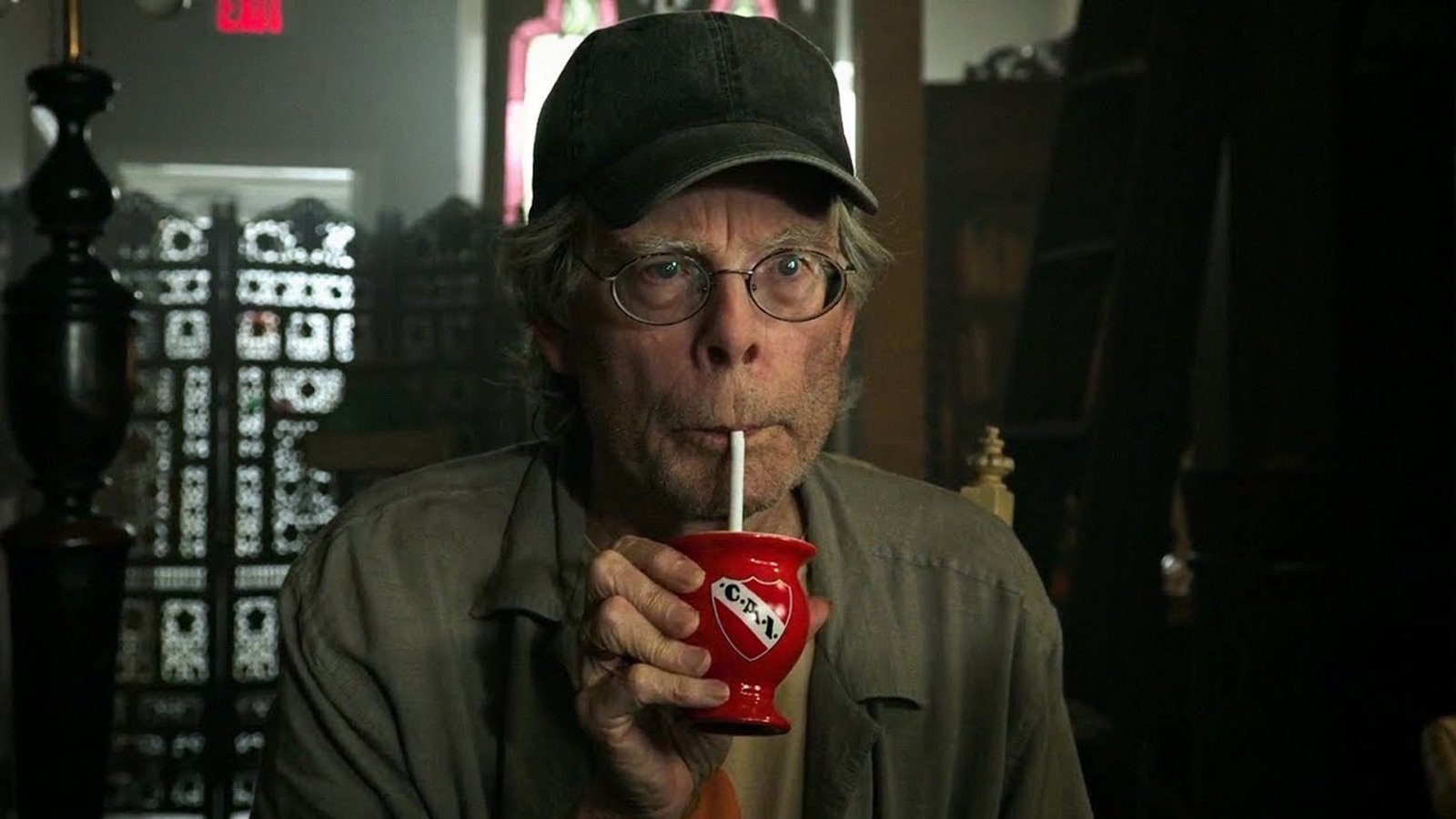
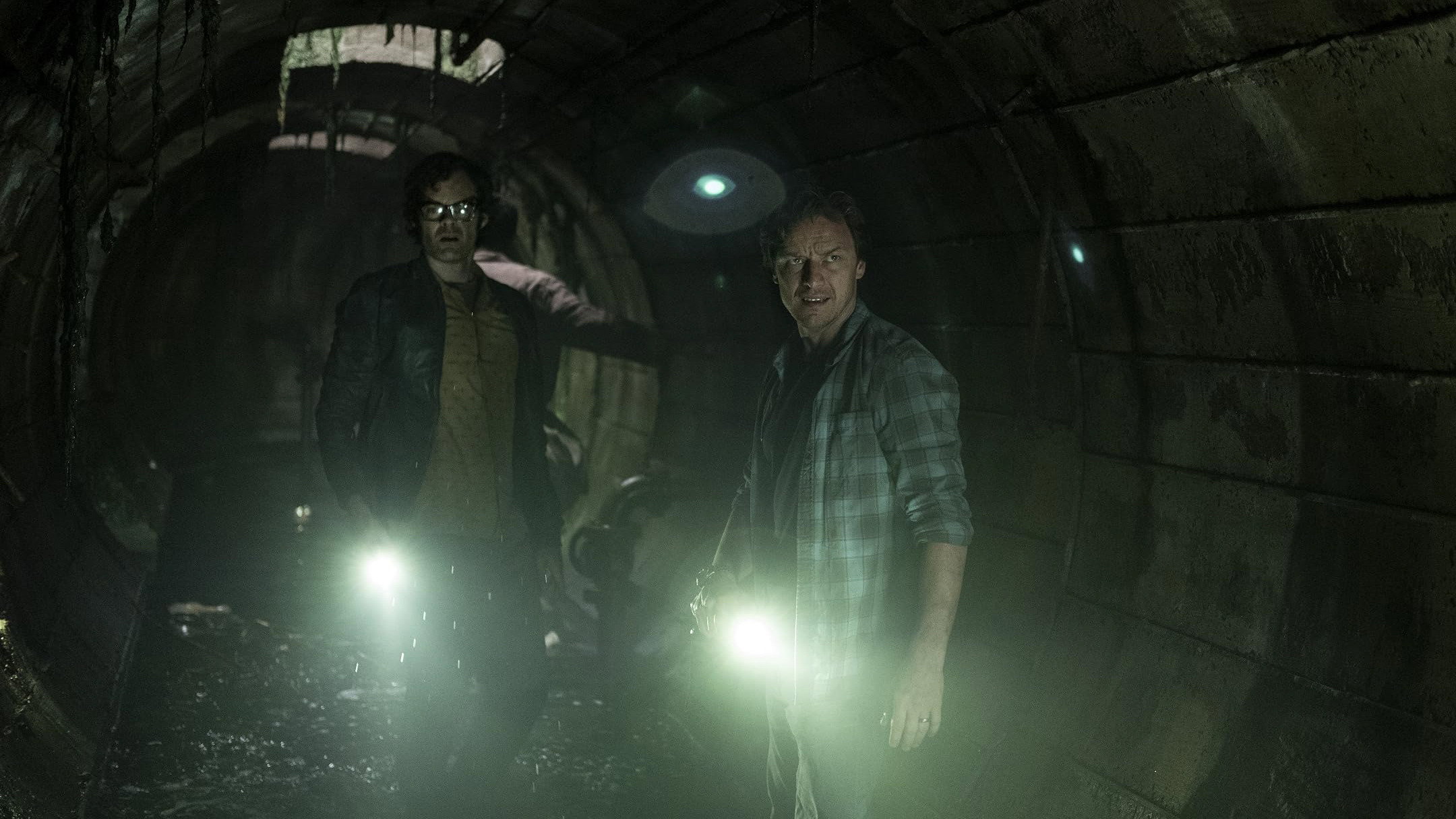
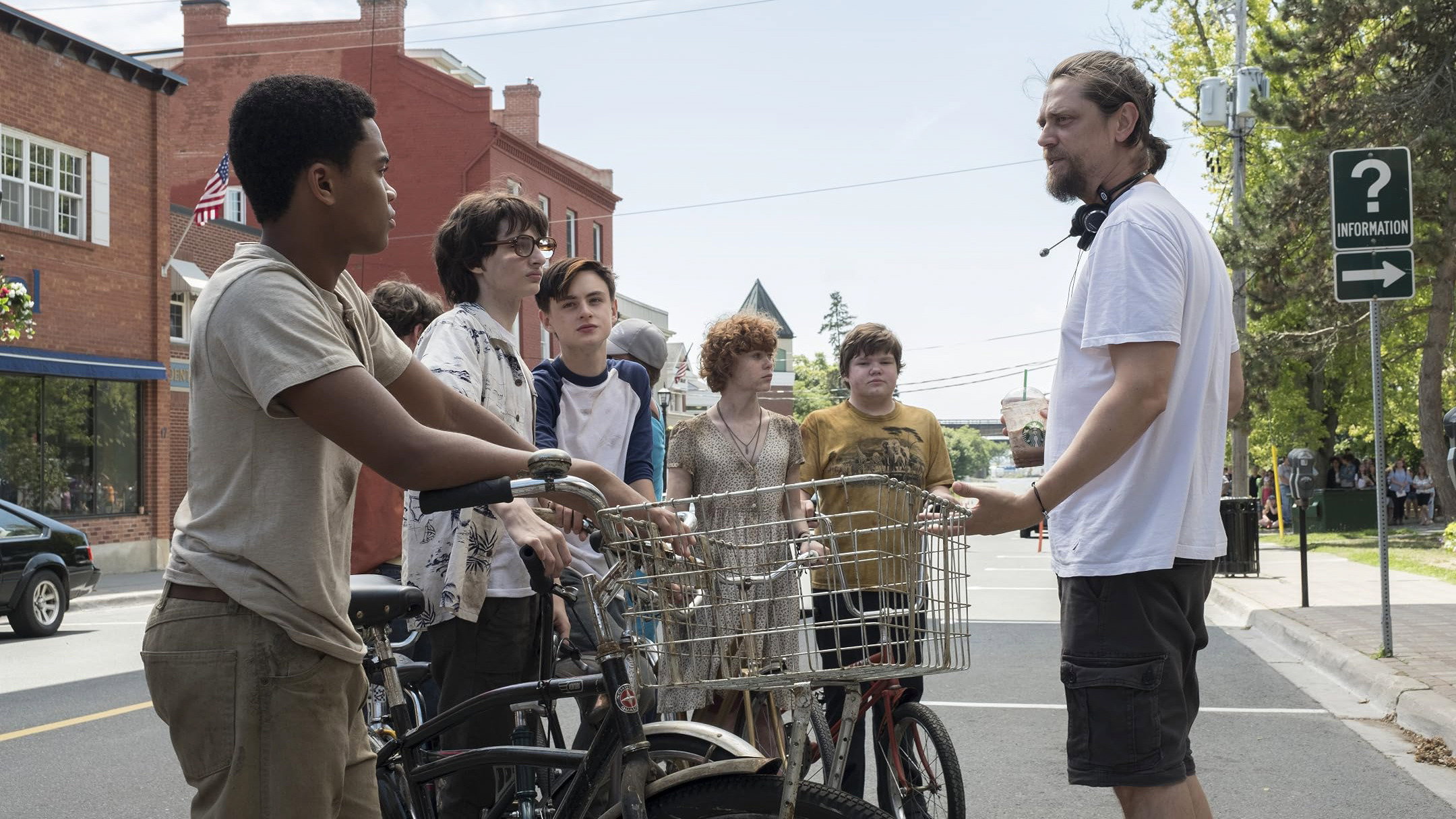
Principal photography began on June 19, 2018, at Pinewood Toronto Studios, with extensive location work in Ontario. Port Hope again provided the principal exterior representation of Derry, while studio sets accommodated the sewer system and other environments requiring elaborate technical construction. Cinematographer Checco Varese later reported that filming concluded in early November after eighty-six production days. The length and complexity of the shoot reflected a screenplay divided between adult encounters, reconstructed childhood scenes and increasingly large supernatural sequences. Stephen King also appeared in a cameo as the owner of a second-hand shop, providing a direct connection between the author and the completed adaptation.