Development and the Breakup Movie
The initial premise did not originate simply as a continuation of the themes in Hereditary. Aster was approached by the Swedish company B-Reel Films after its producers had read the Hereditary screenplay, before that film had been made. They wanted an American filmmaker to develop a folk-horror story set in Sweden. Producer Patrik Andersson and Martin Karlqvist had already been considering a project drawing from Swedish midsummer traditions and a fictional rural community. Aster initially had reservations about taking commissioned work, but the proposal arrived while he was looking for a way to write about the end of a relationship.
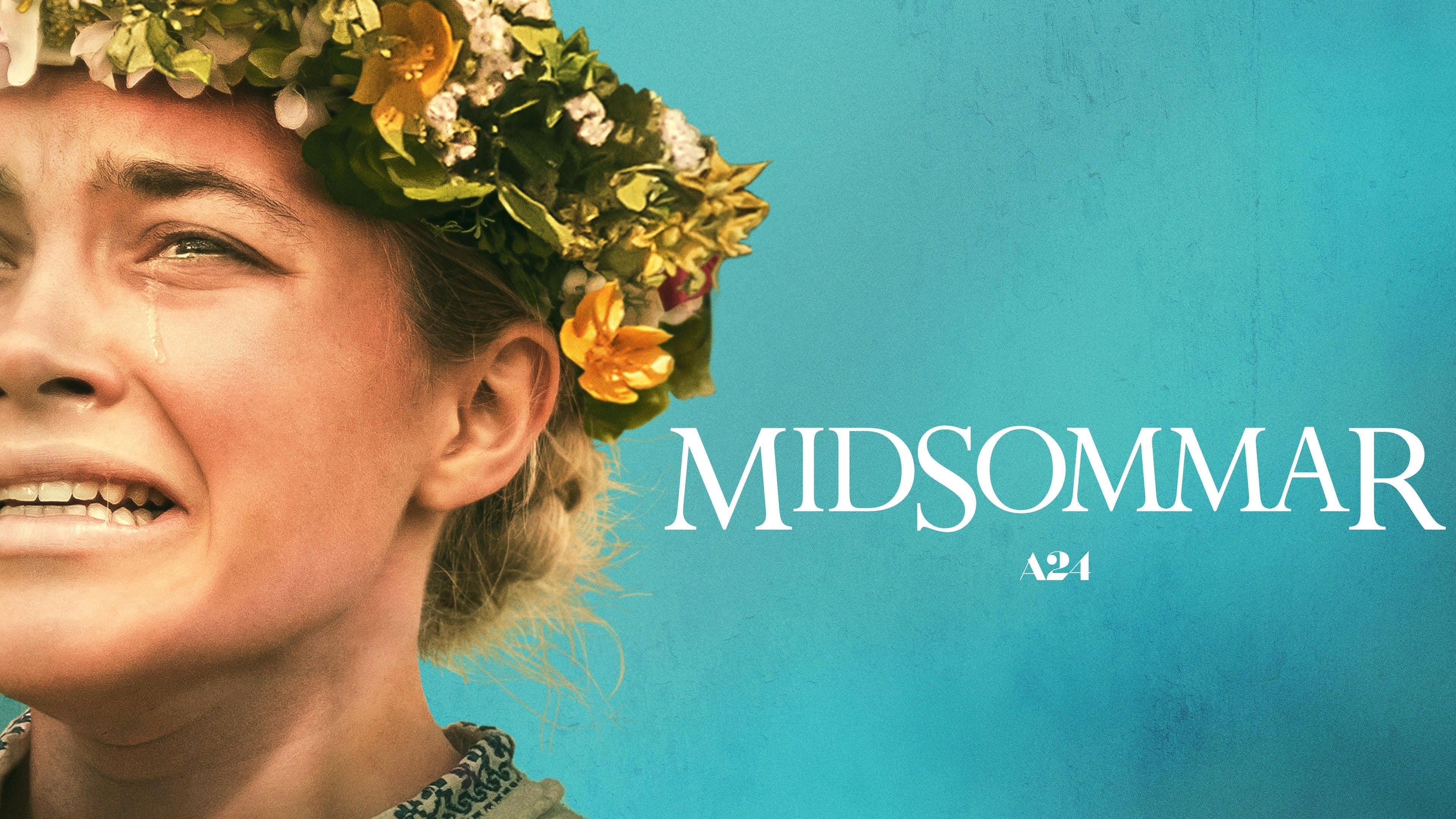
Aster has repeatedly described Midsommar primarily as a breakup film. He had recently experienced a difficult breakup and saw that the familiar narrative architecture of folk horror could give exaggerated cinematic form to emotions that otherwise risked becoming conventional relationship drama. The distant community, ceremonial progression and predetermined sacrifices could function as the framework, while Dani and Christian's deteriorating relationship supplied the emotional movement. Aster described the aim as creating something operatic, allowing the scale of the film to become as overwhelming as a breakup can feel to the people experiencing one.
This explains why the destination of the plot is never the film's main mystery. The Americans enter an isolated community whose customs immediately suggest danger, and genre knowledge makes catastrophe increasingly predictable. Aster has said that the obvious expectation that people will eventually be sacrificed made the exact outcome less interesting to him than the emotional route toward it. Midsommar builds suspense around Dani's changing relationship to Hårga even after the dangers of the community become apparent. By the climax, the central transformation is not the revelation of the community's violence but Dani's acceptance of a place within it.
Folklore and the Construction of Hårga
The detail of Hårga was supported by extensive research but should not be mistaken for a documentary representation of Swedish religion or history. Aster traveled in Sweden with production designer Henrik Svensson, visiting museums, speaking with folklorists and examining traditions associated with Hälsingland and Swedish midsummer celebrations. Svensson had already been assisting the Swedish producers during development and eventually became the film's production designer. The accumulated material gave the fictional community a vocabulary of architecture, textiles, symbols, ceremonies and agricultural practices from which the filmmakers could construct their own culture.
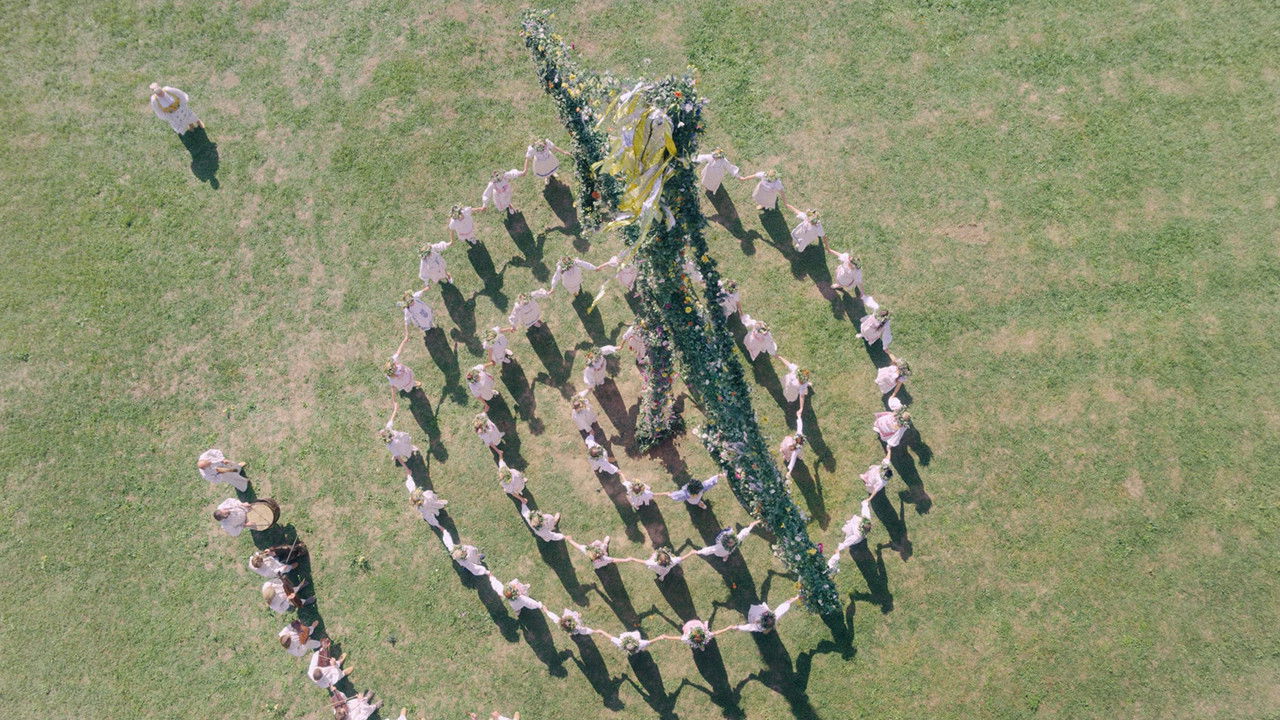
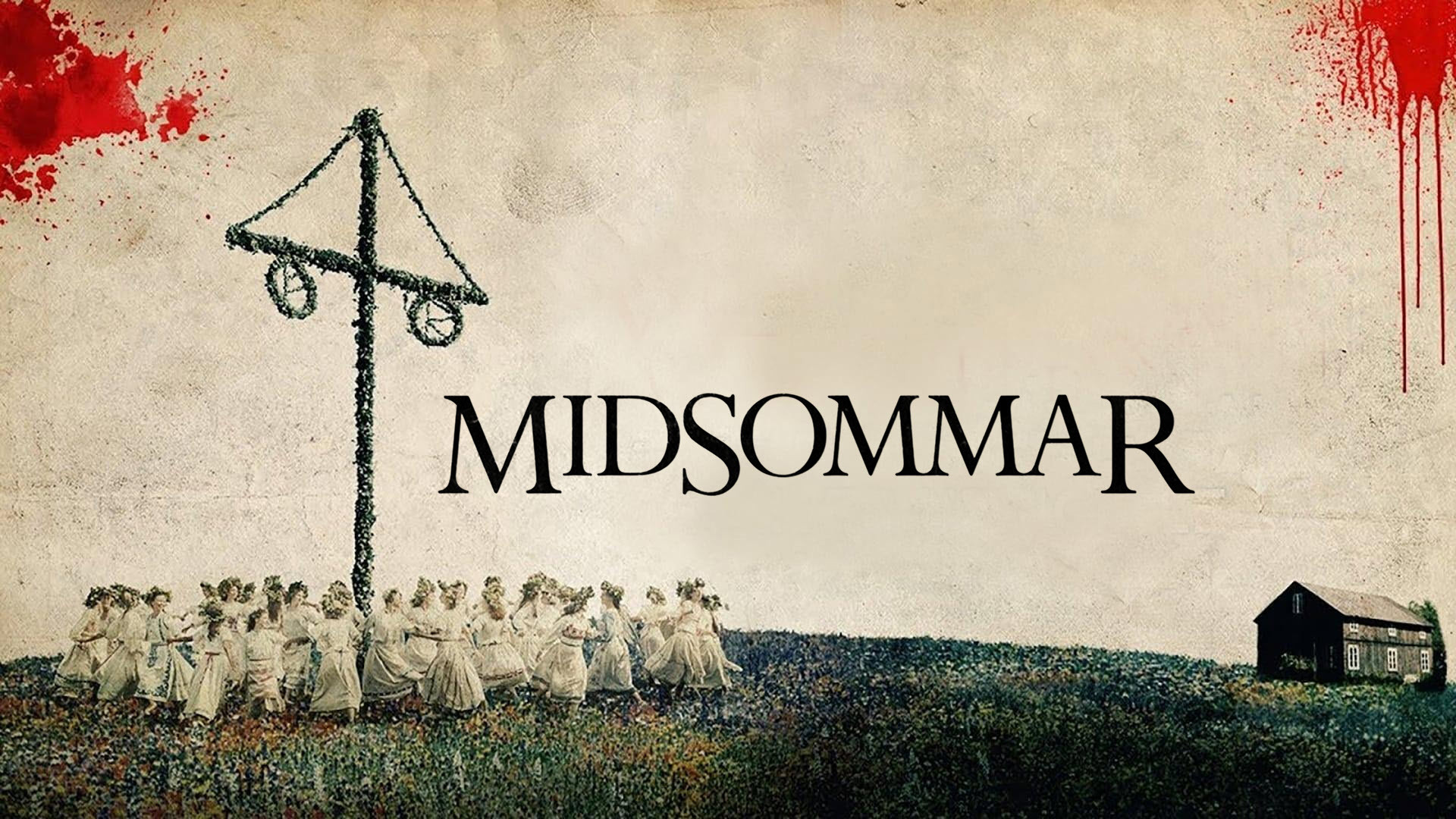
Aster explicitly distinguished the finished mythology from historical reconstruction. Midsommar combines genuine cultural references, folk motifs, imagined practices and material developed specifically for Hårga. The distinction is essential because some of the film's most extreme acts have frequently been discussed as though the movie were documenting normal Swedish traditions. It is not. The midsummer pole, flowers, communal festivities and certain visual references draw from Scandinavian culture, while the rigid life cycle, sacrificial system and narrative function of the ceremonies belong to a fictional horror society assembled for the film.
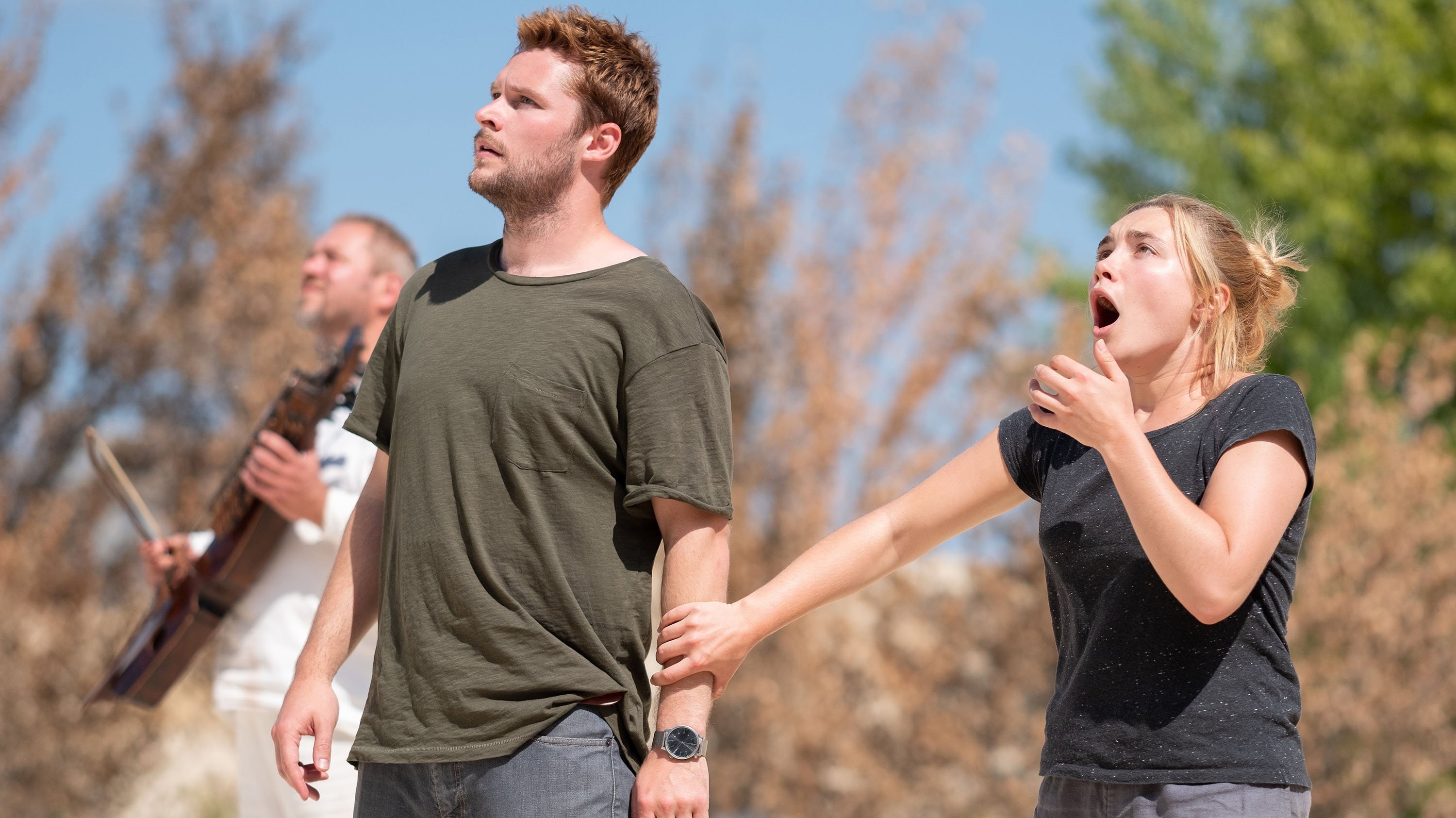
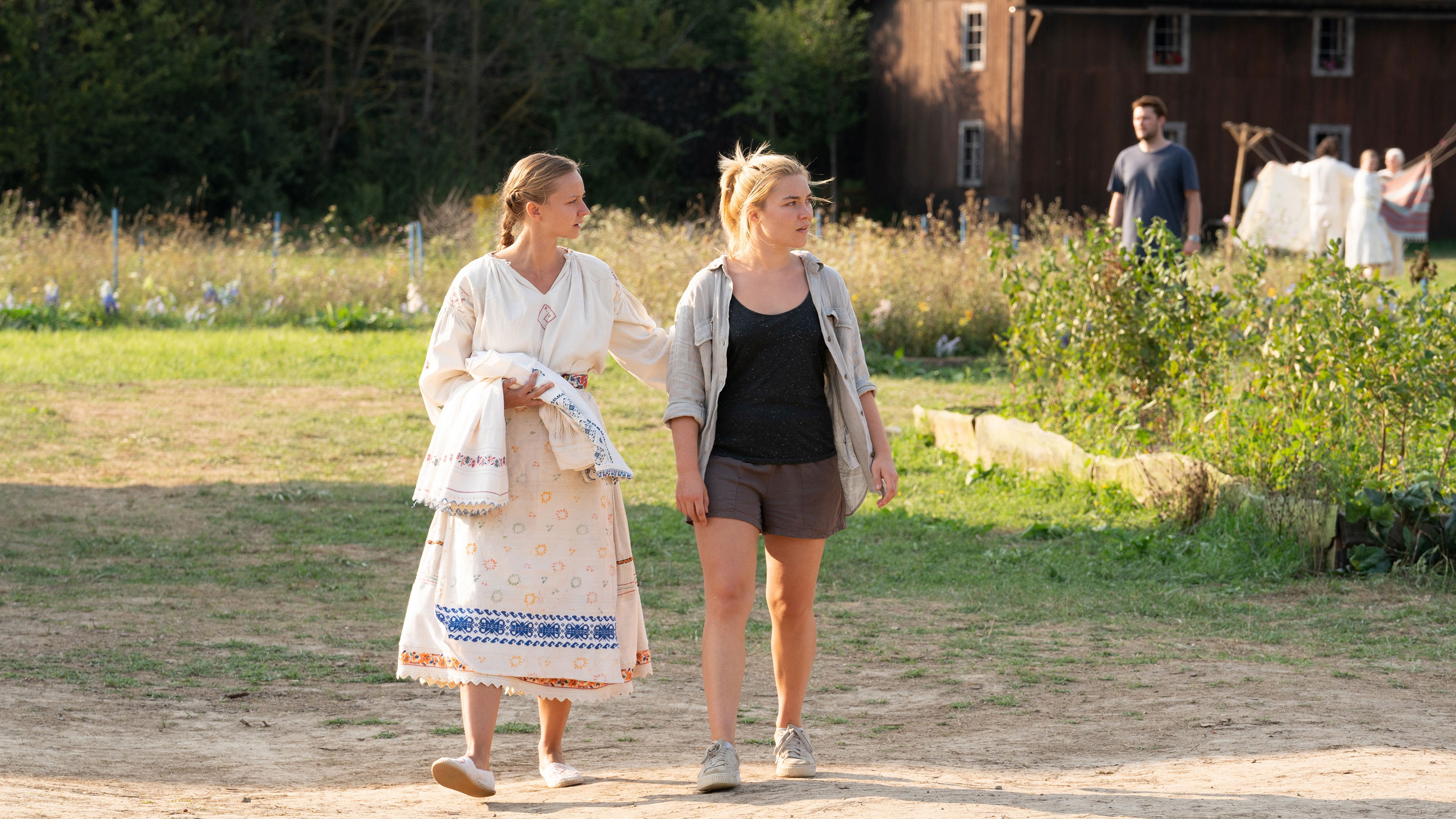
That mixture creates one of Midsommar's most effective sources of unease. The outsiders cannot easily determine where ordinary cultural difference ends and genuine danger begins. Every unfamiliar custom can initially be rationalized as something they simply do not understand. Josh attempts to intellectualize the community through anthropology, while Christian increasingly treats Hårga as material for his own academic work. Their confidence that observation provides understanding becomes a weakness. The film repeatedly places culturally recognizable detail beside invention until the visitors' position as tourists and researchers prevents them from responding decisively to what is happening around them.
Production Design and Symbolism
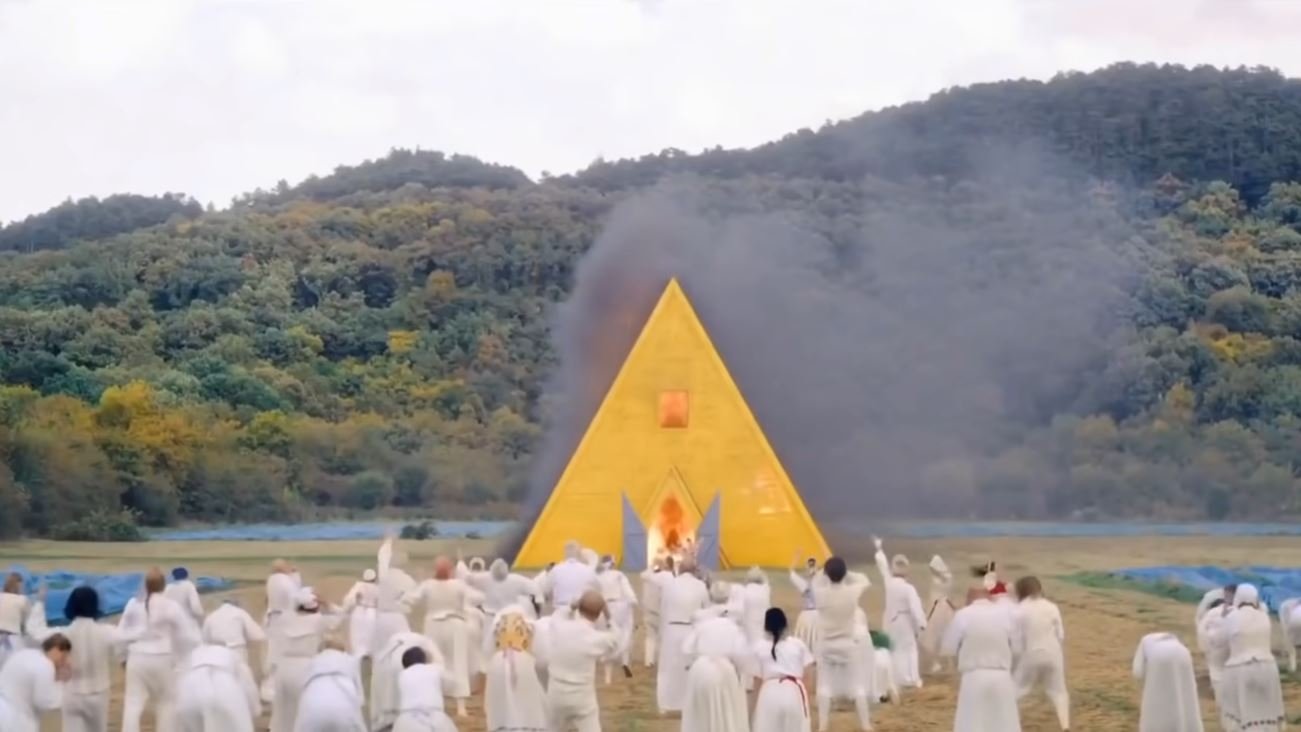
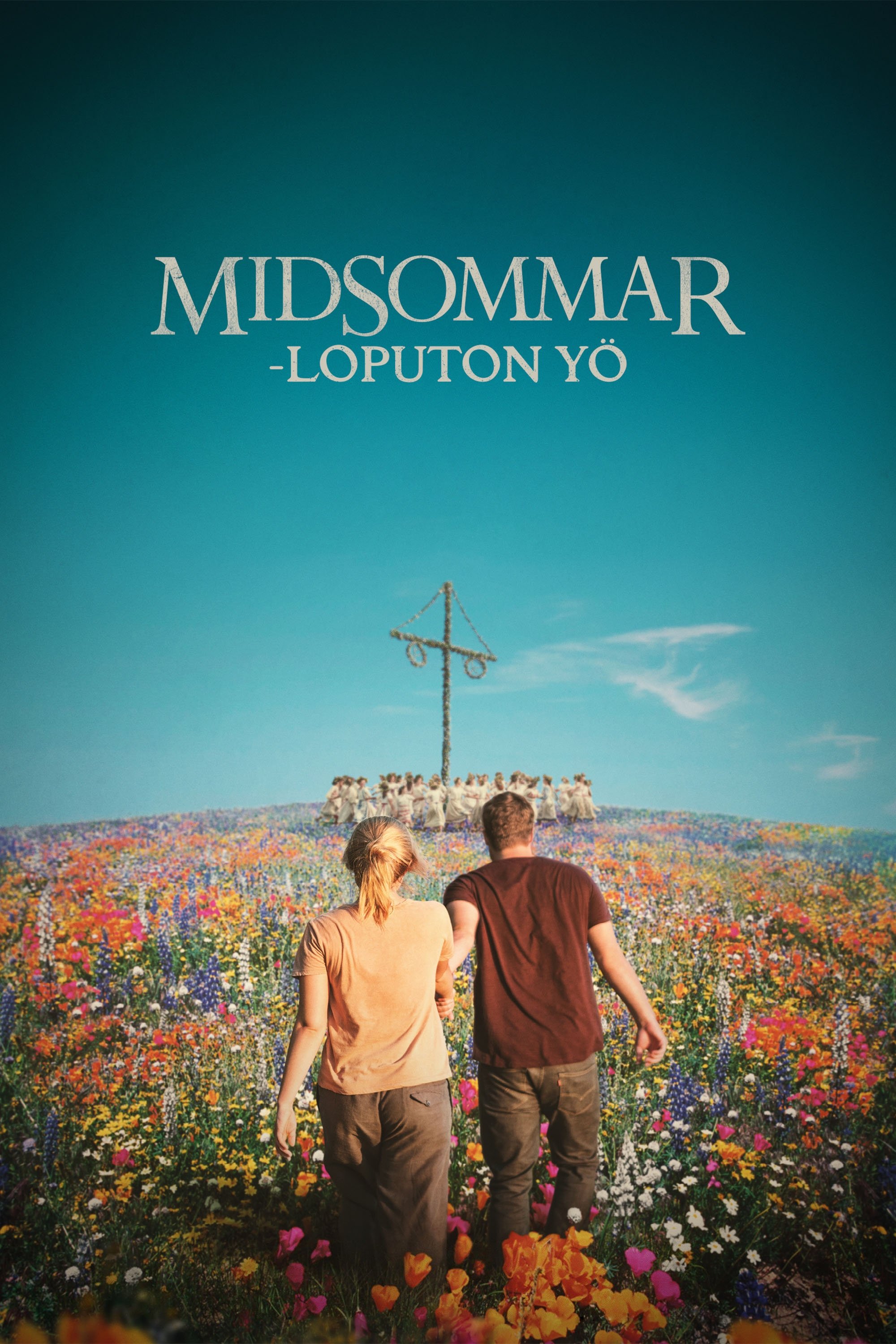
Although the story takes place in Sweden, most of Hårga was constructed in Hungary. Svensson and Aster needed unusually precise control over the geography because the village was conceived as an interconnected system with carefully organized spaces. Aster developed elaborate shot lists before principal photography and then worked through them with Svensson and cinematographer Pawel Pogorzelski. The design team had roughly two months to construct the settlement and prepare the surrounding field. Buildings therefore had to satisfy both the internal logic of the community and camera movements planned long before shooting began.
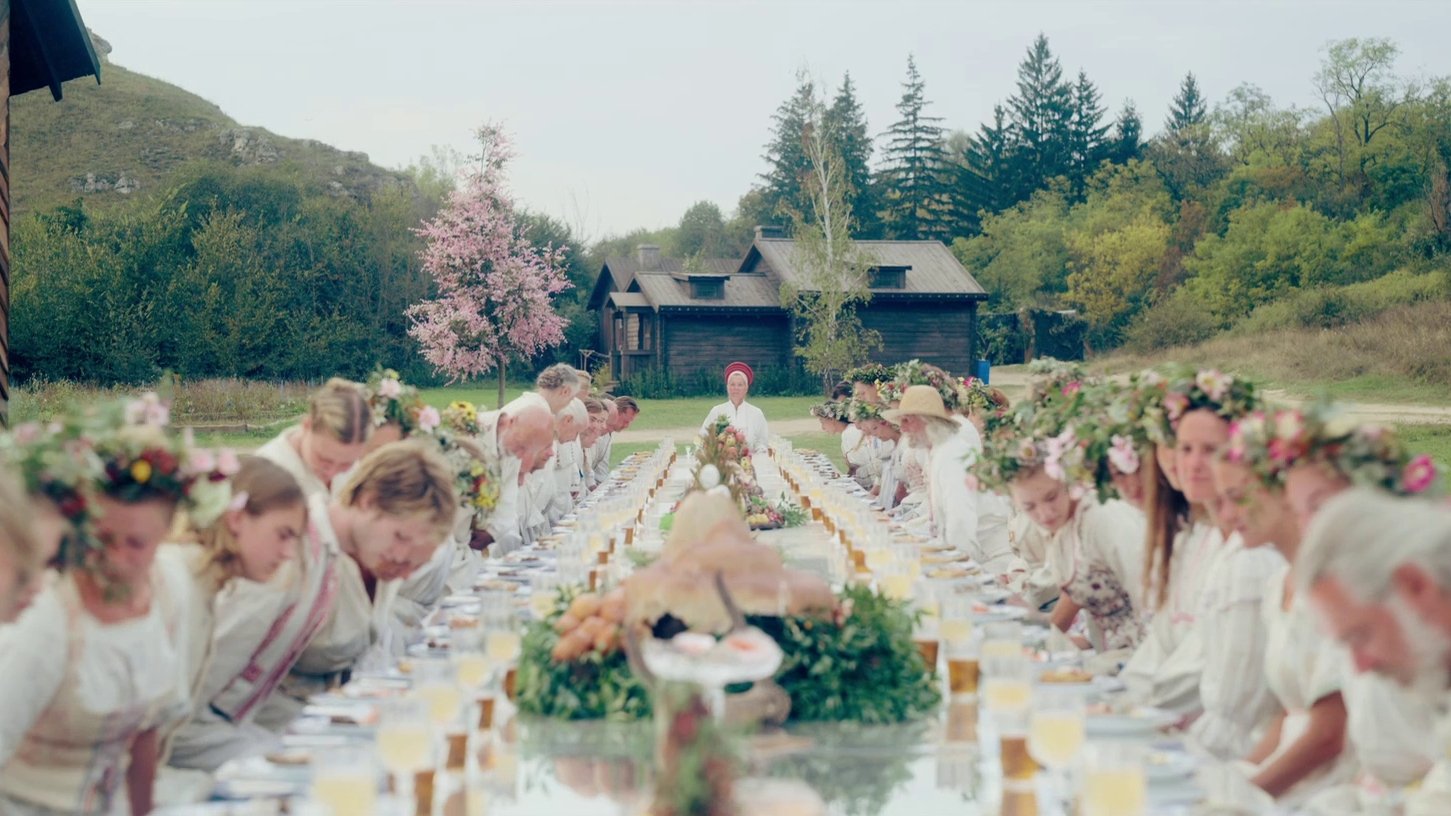
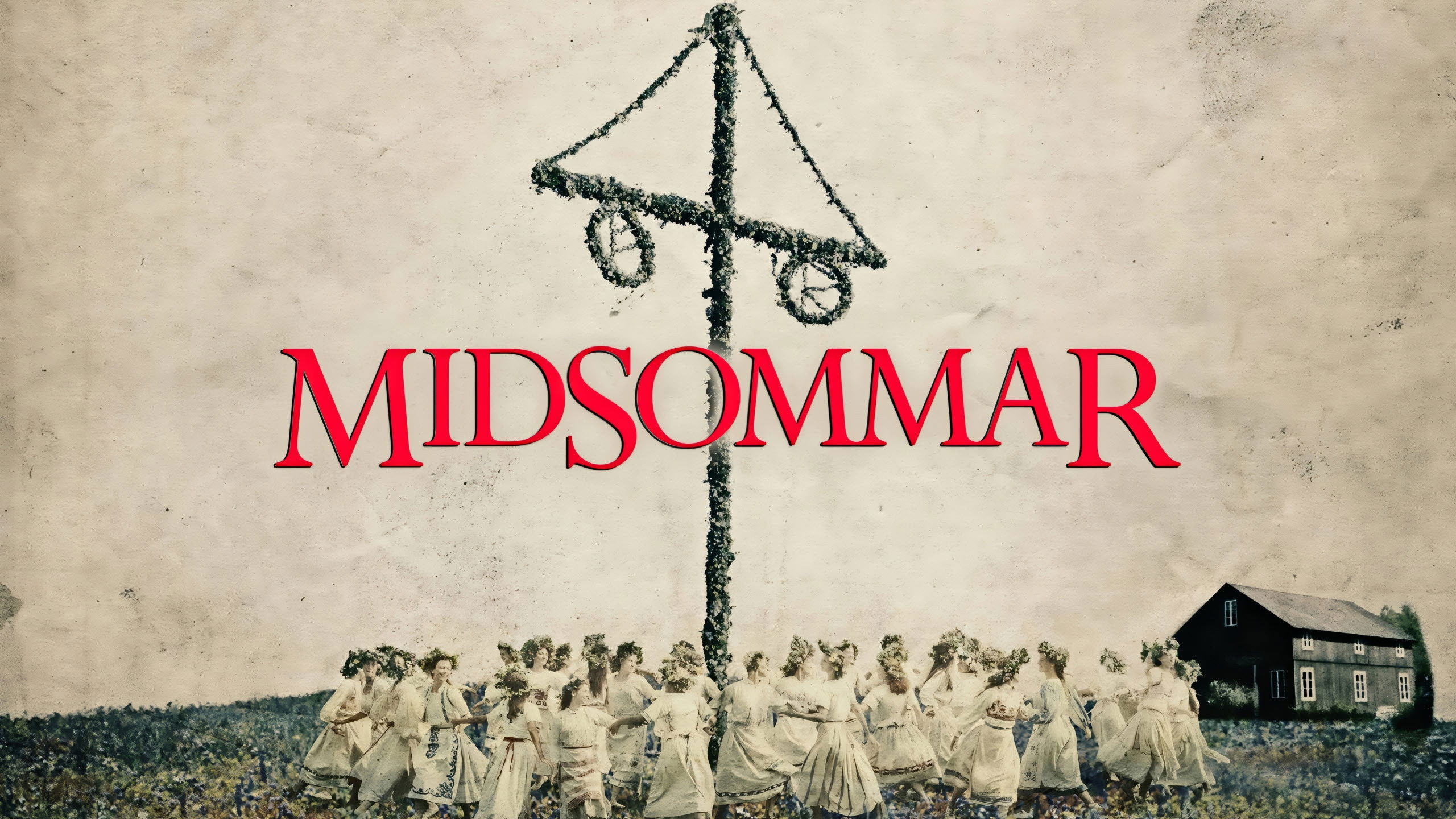
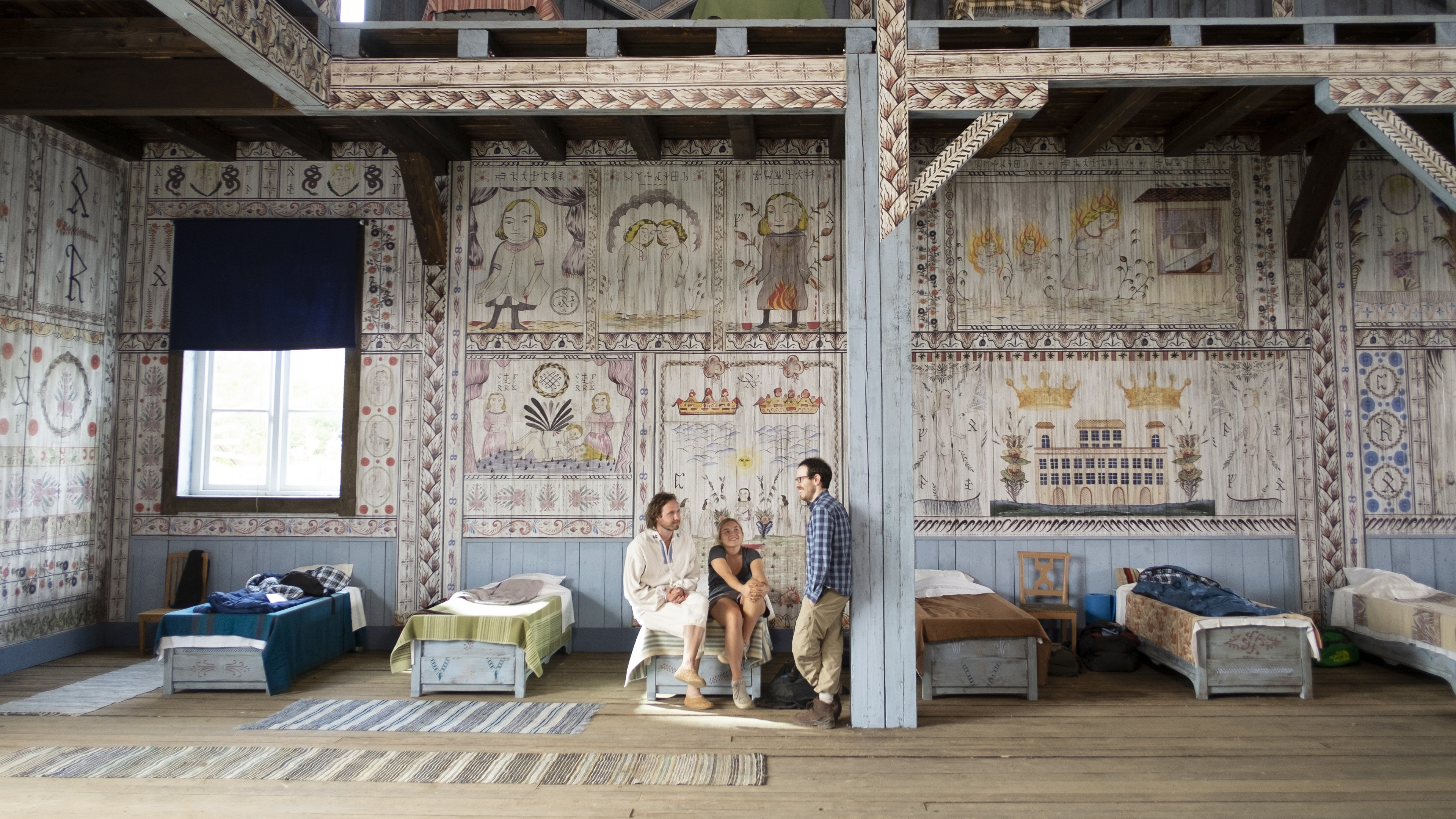
Svensson drew on architectural traditions associated with Hälsingland but deliberately exaggerated and recombined them. Symmetry and sacred geometry became organizing principles. Buildings, pathways, tables and ceremonial arrangements were designed to suggest that Hårga follows a visual order extending from everyday life into ritual. Svensson has described the community partly through the model of a bee society, with distinct social functions assigned to different groups. The village consequently feels less like an improvised settlement than an organism in which every person appears to occupy a predetermined position.
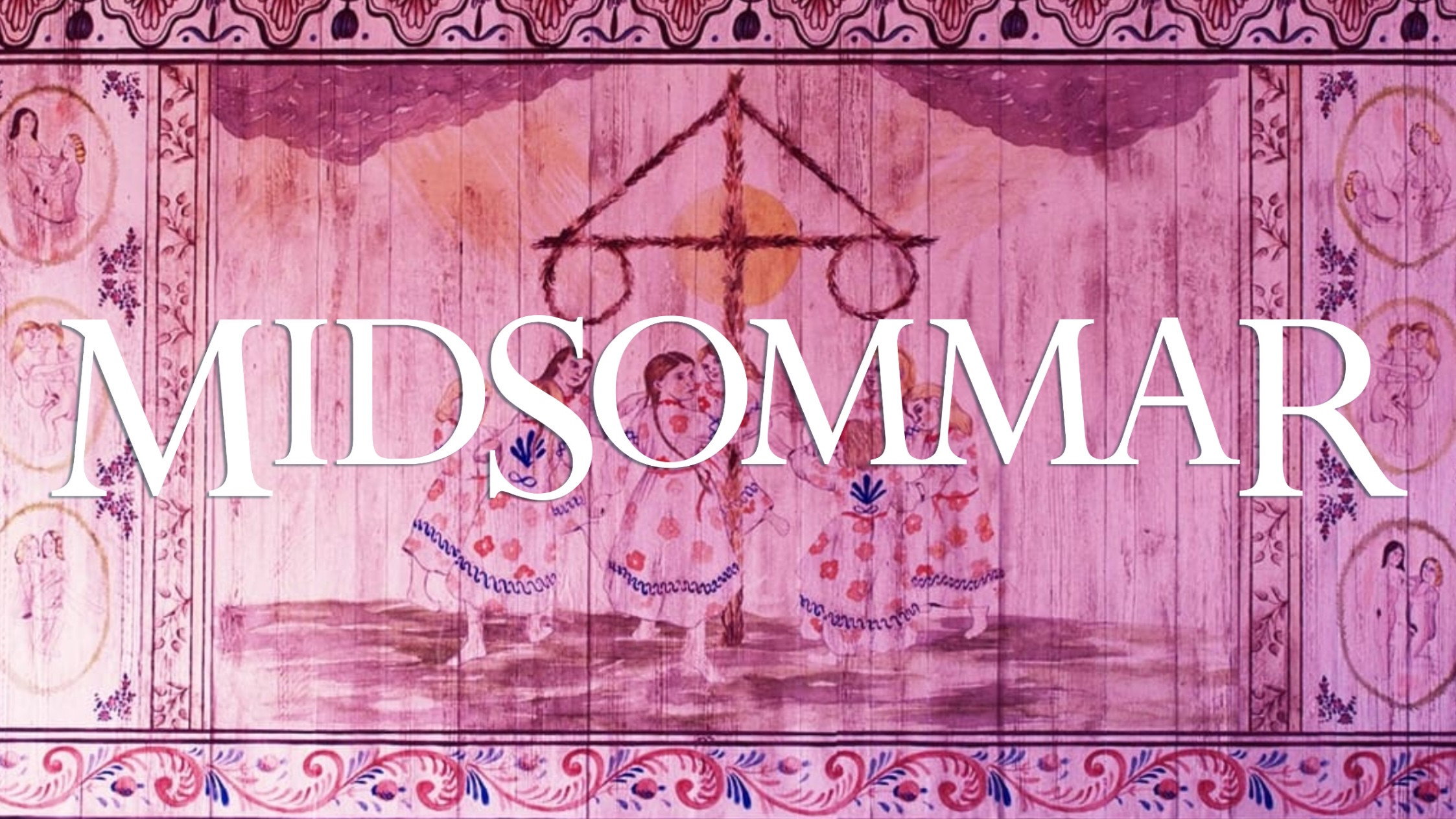
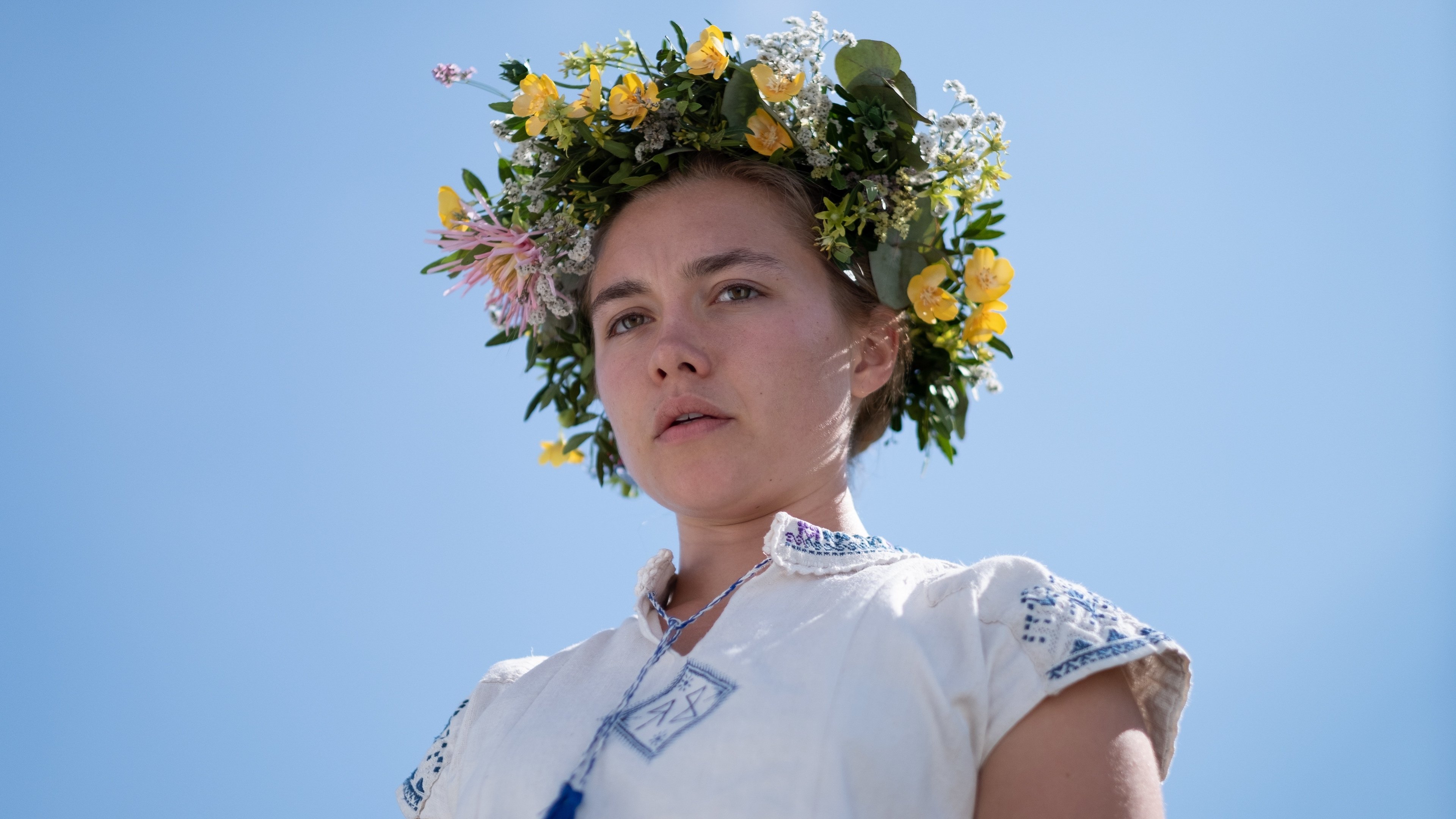
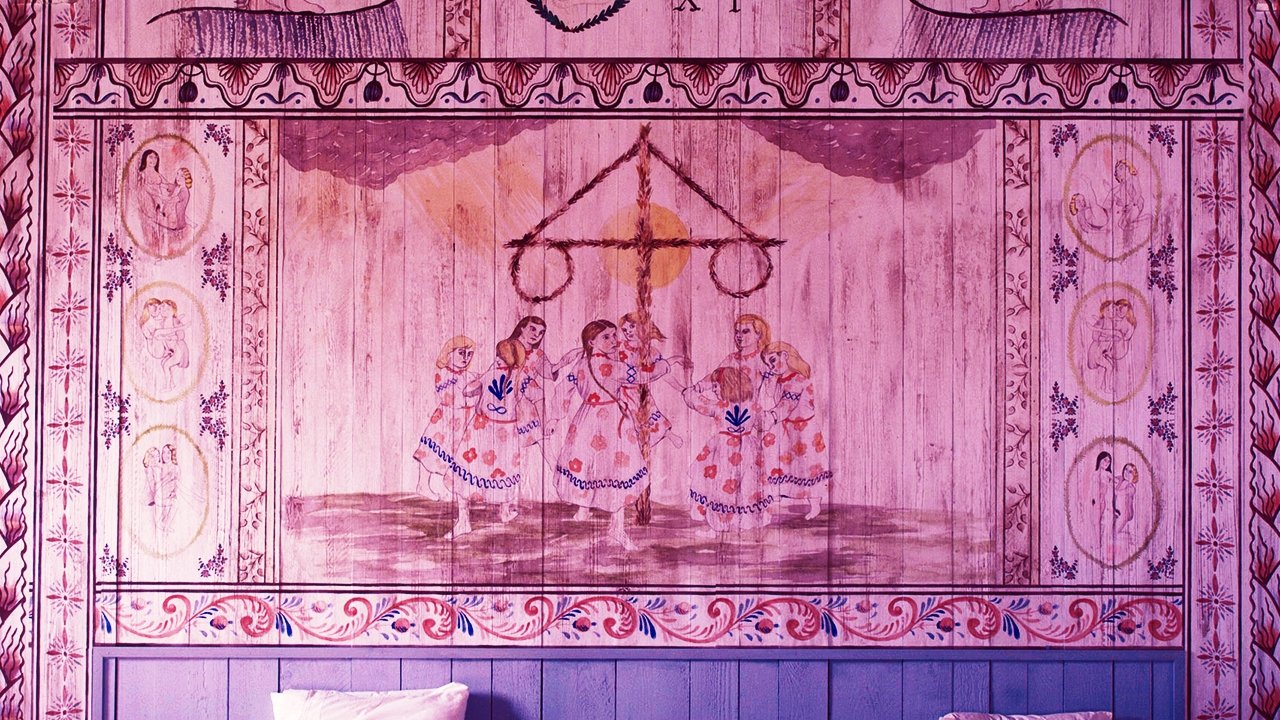
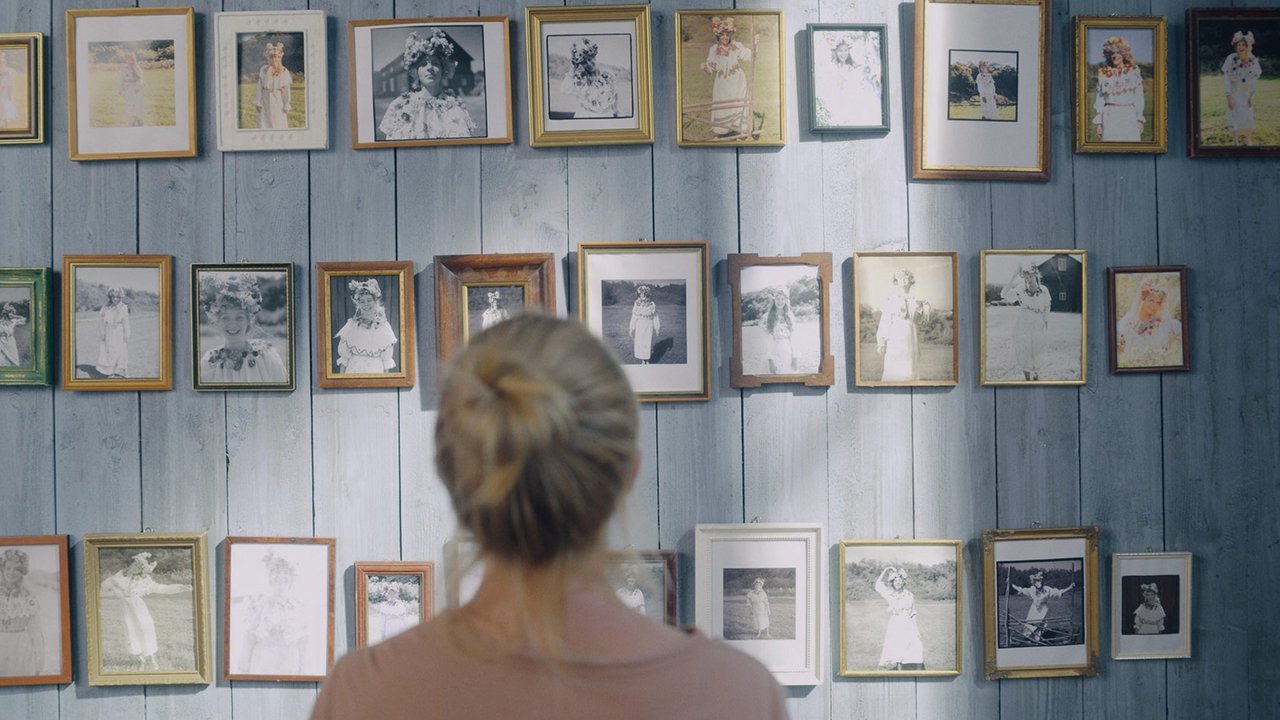
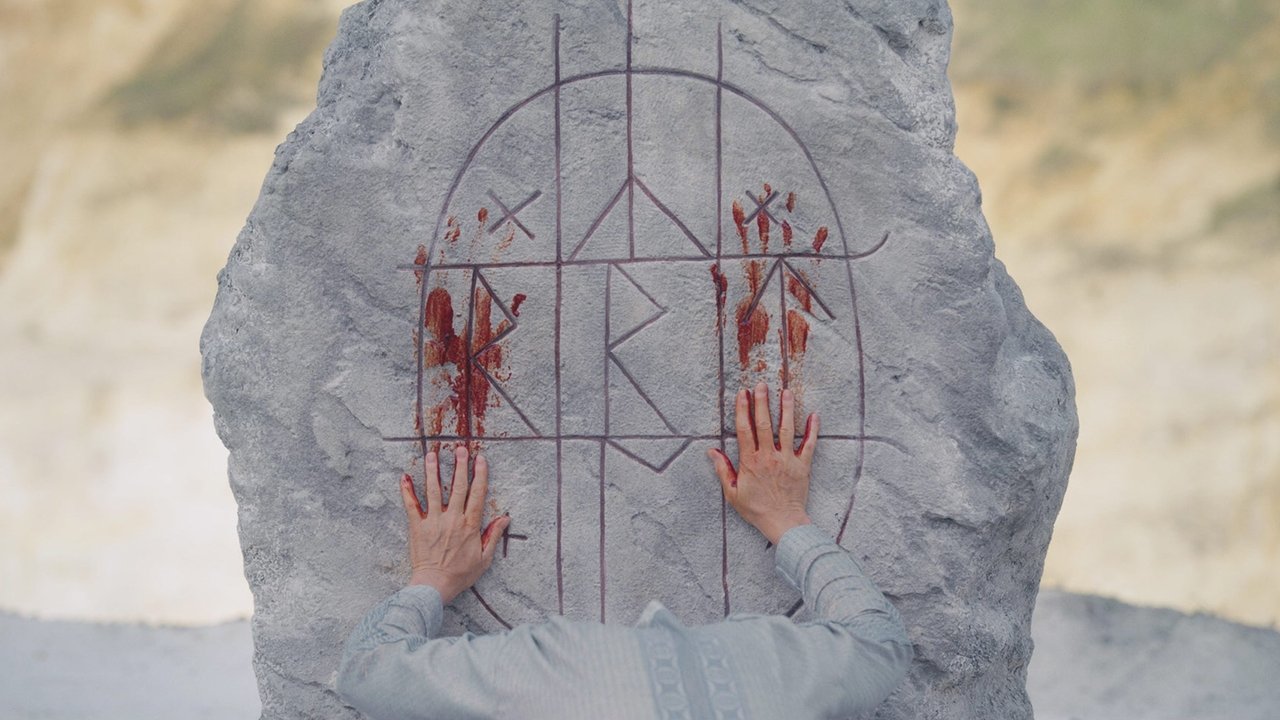
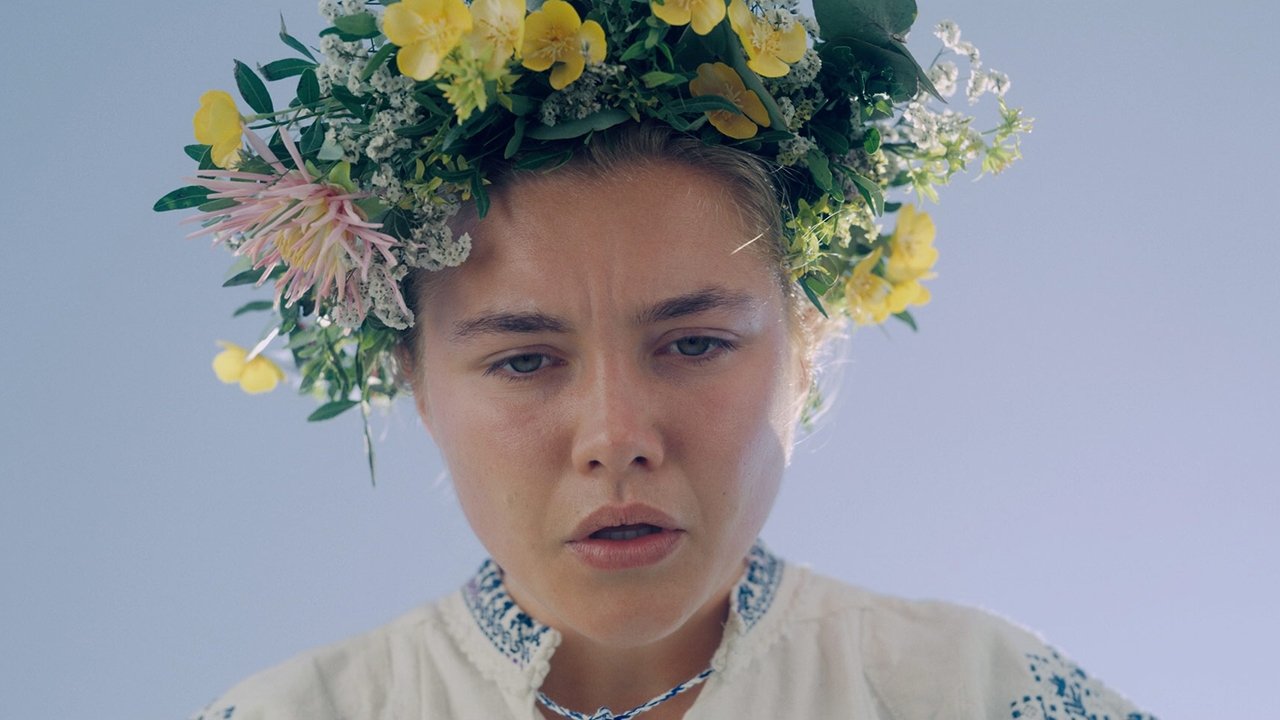
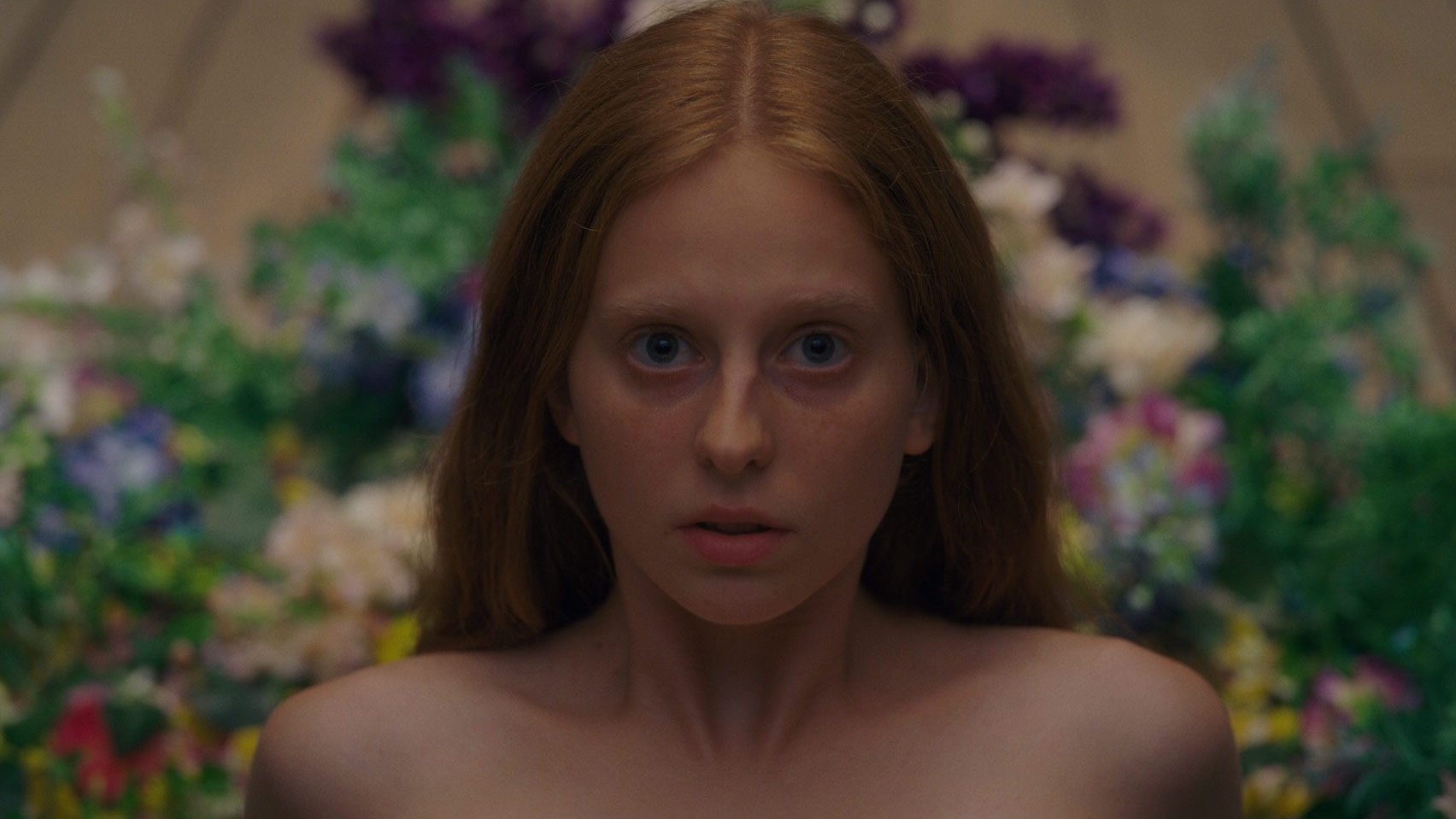
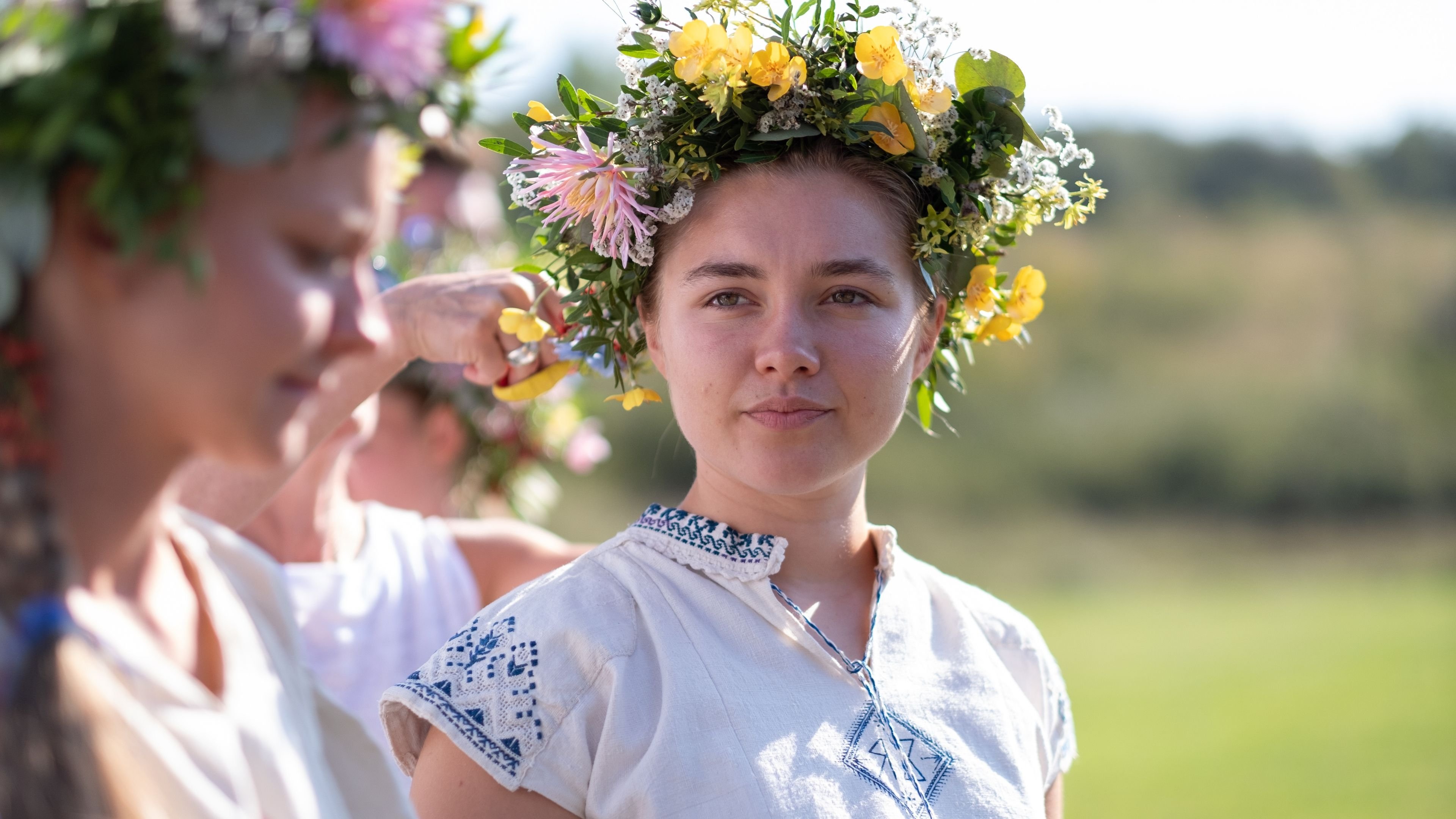
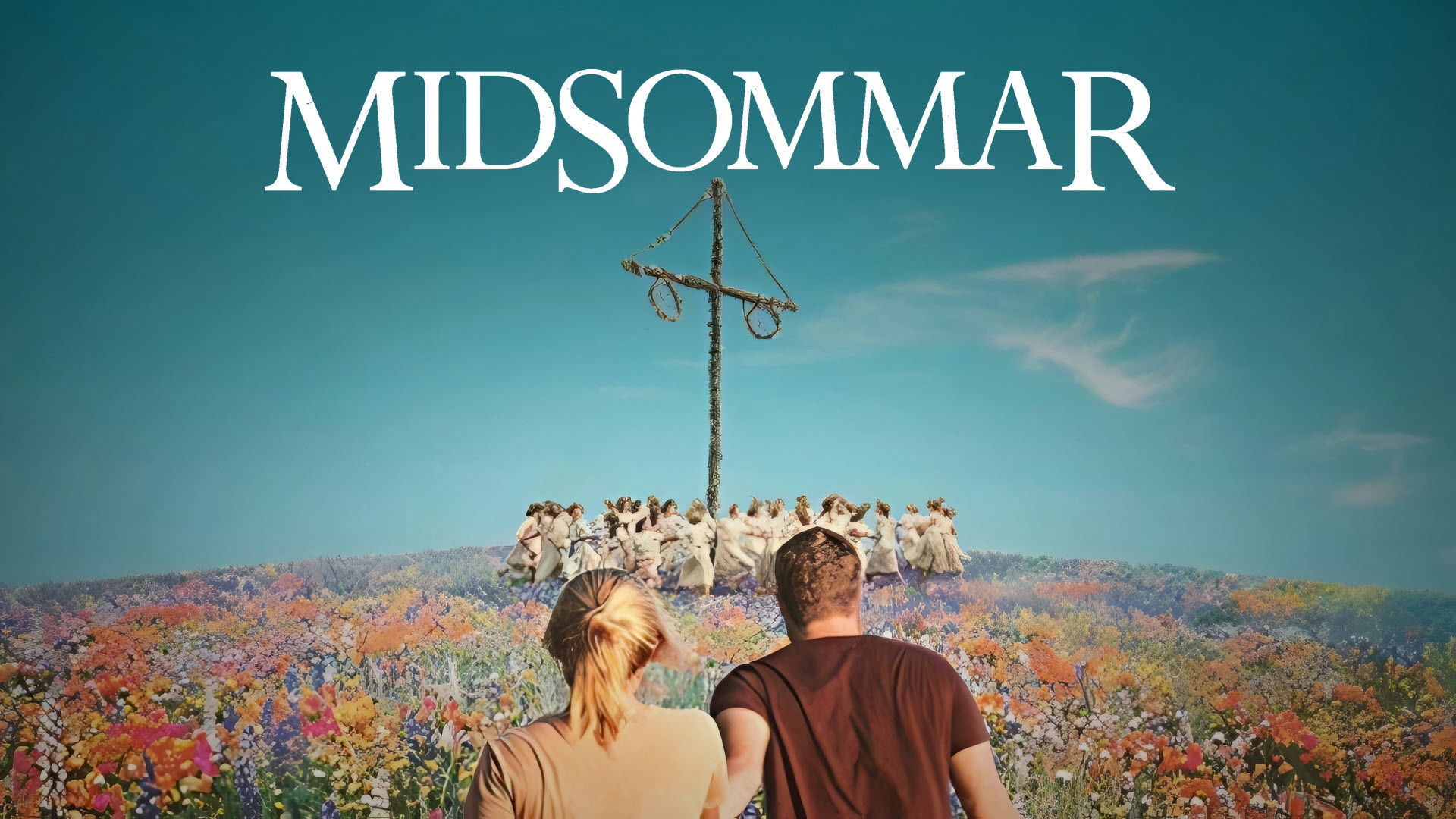
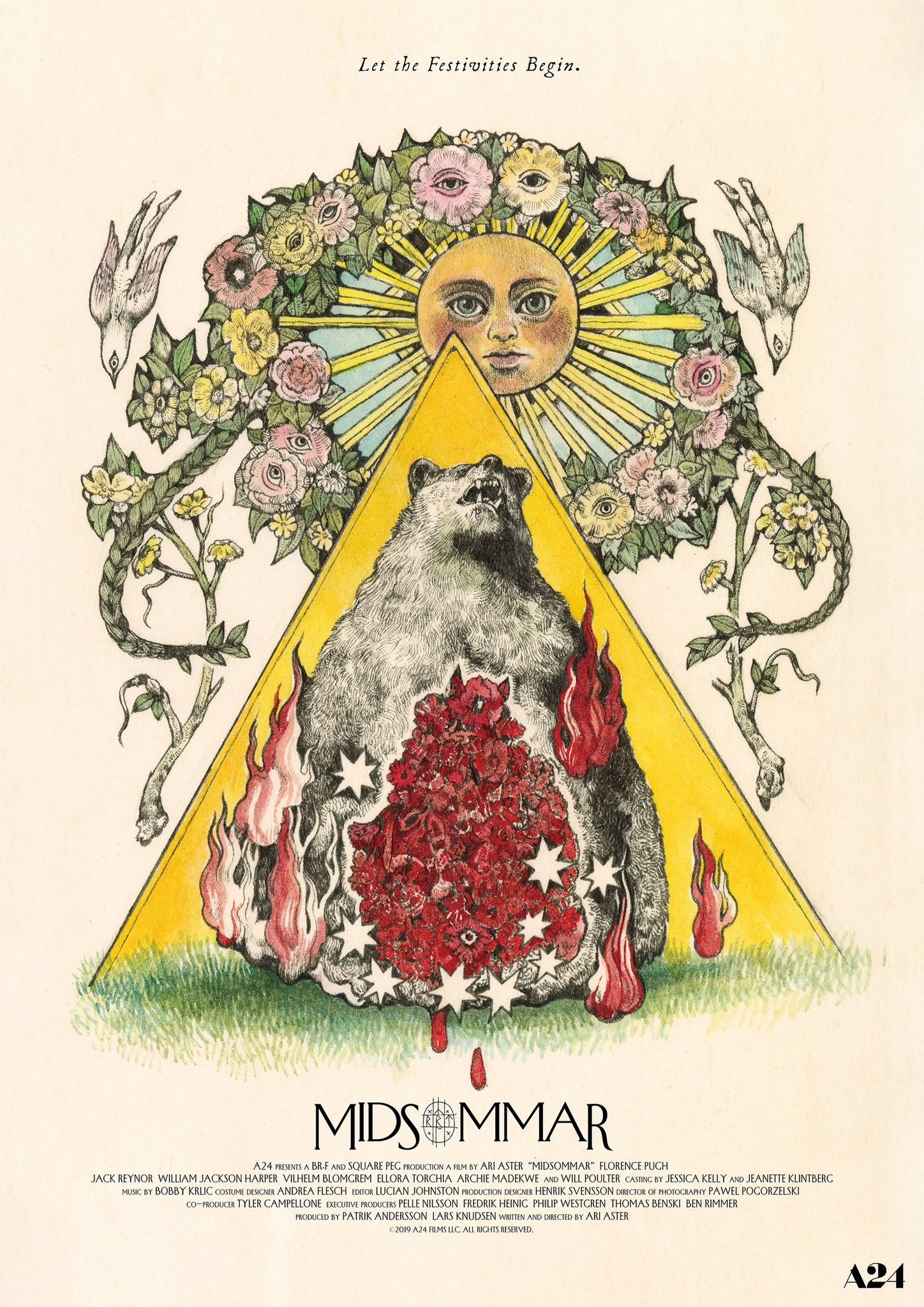
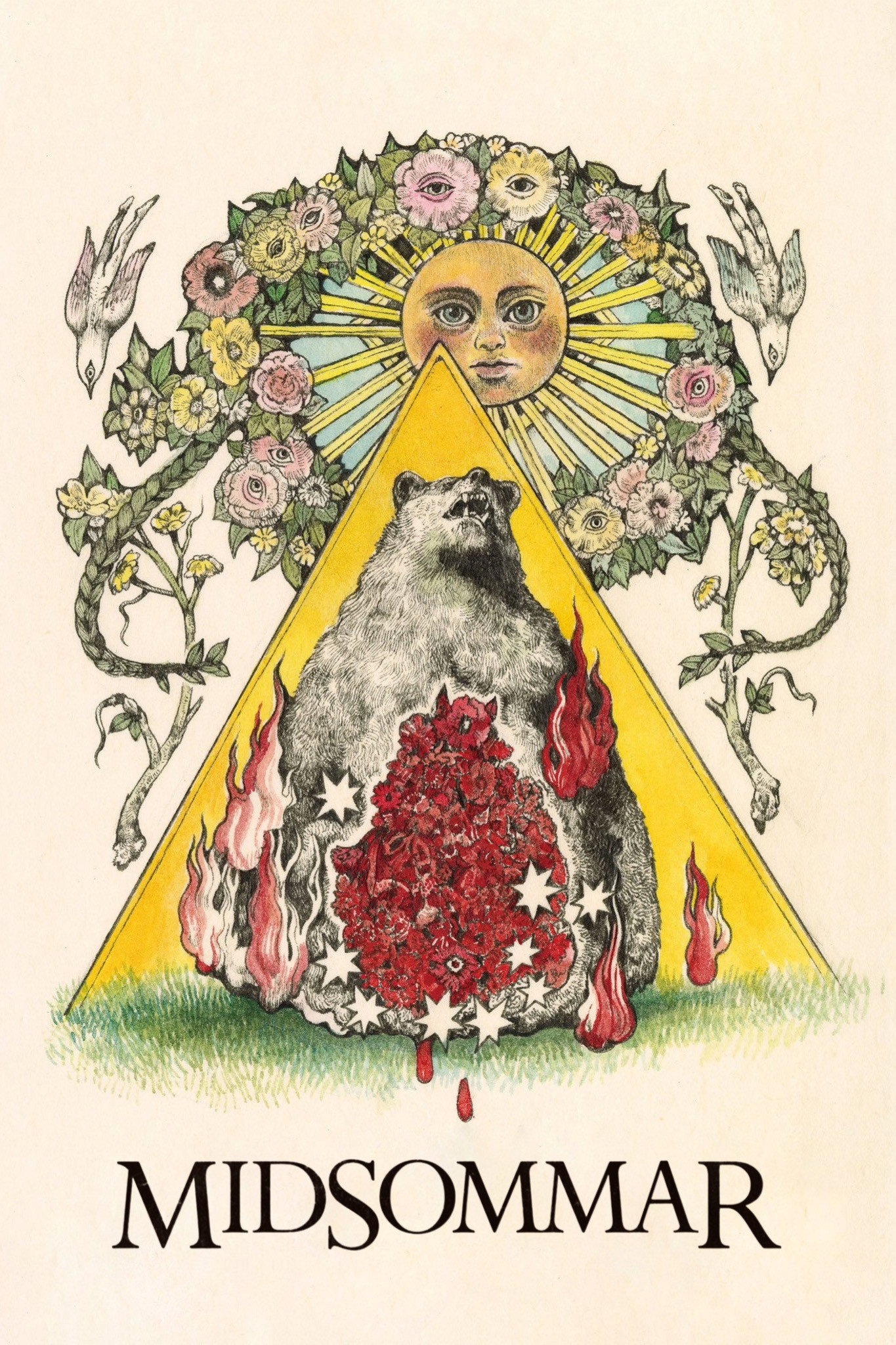
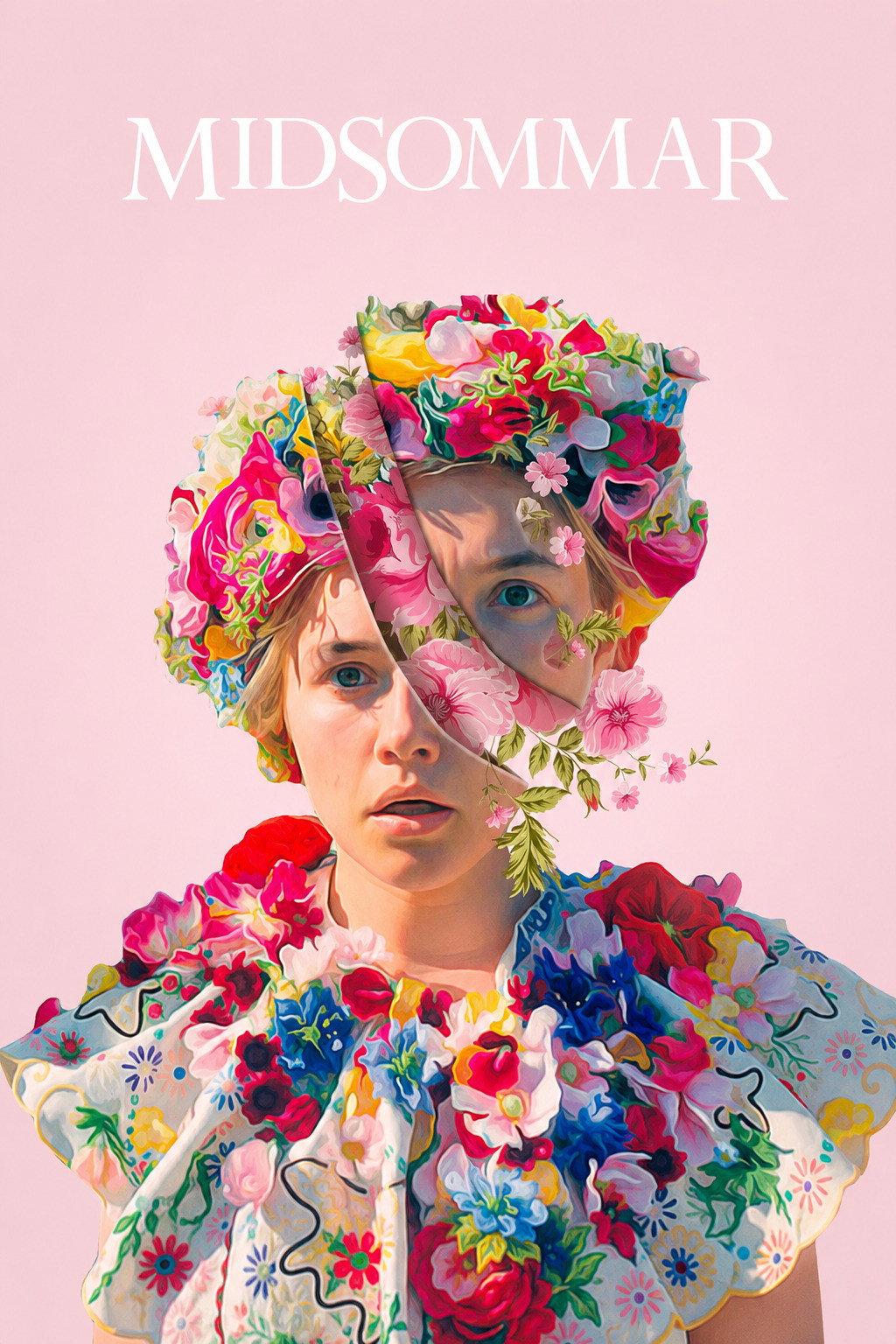
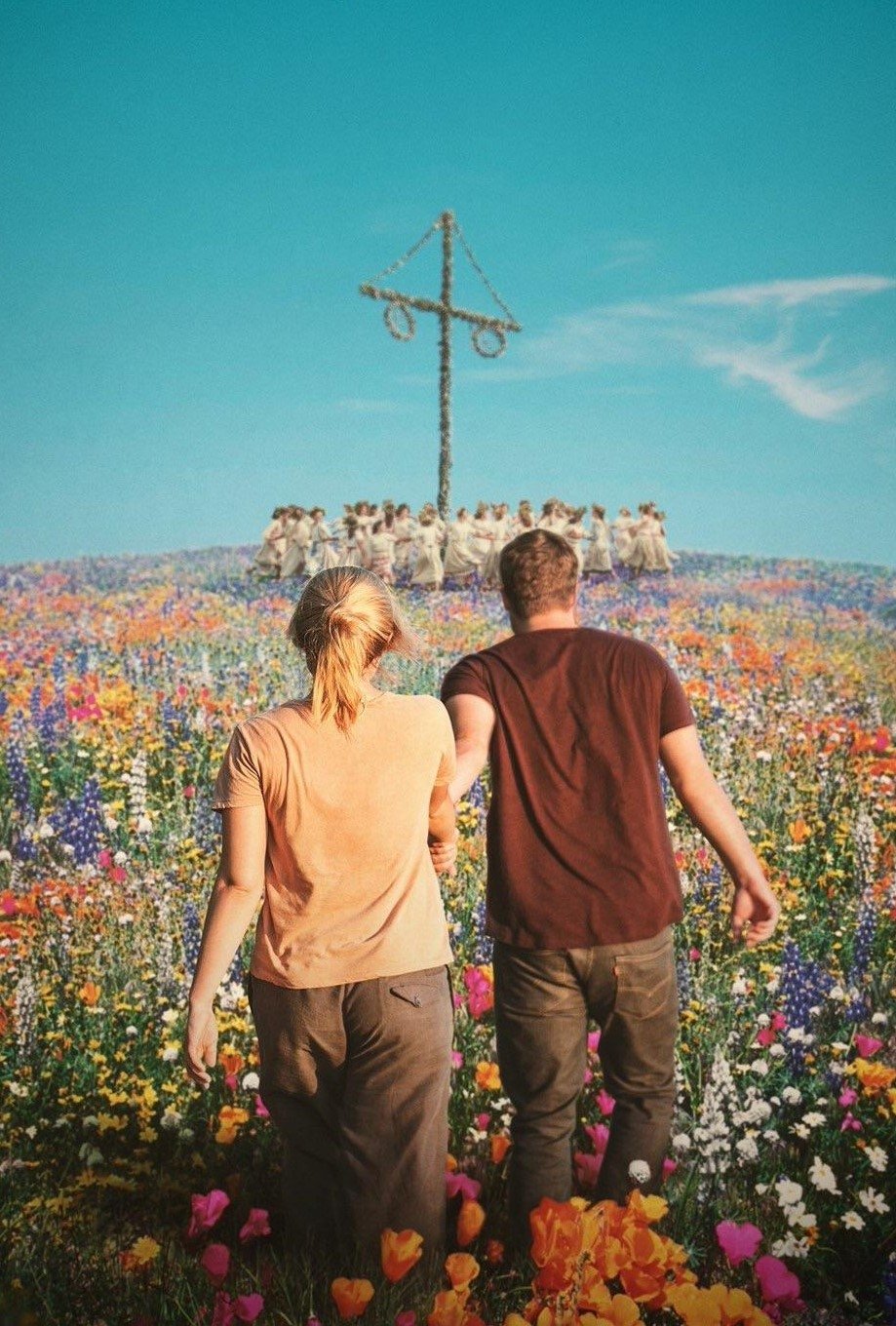
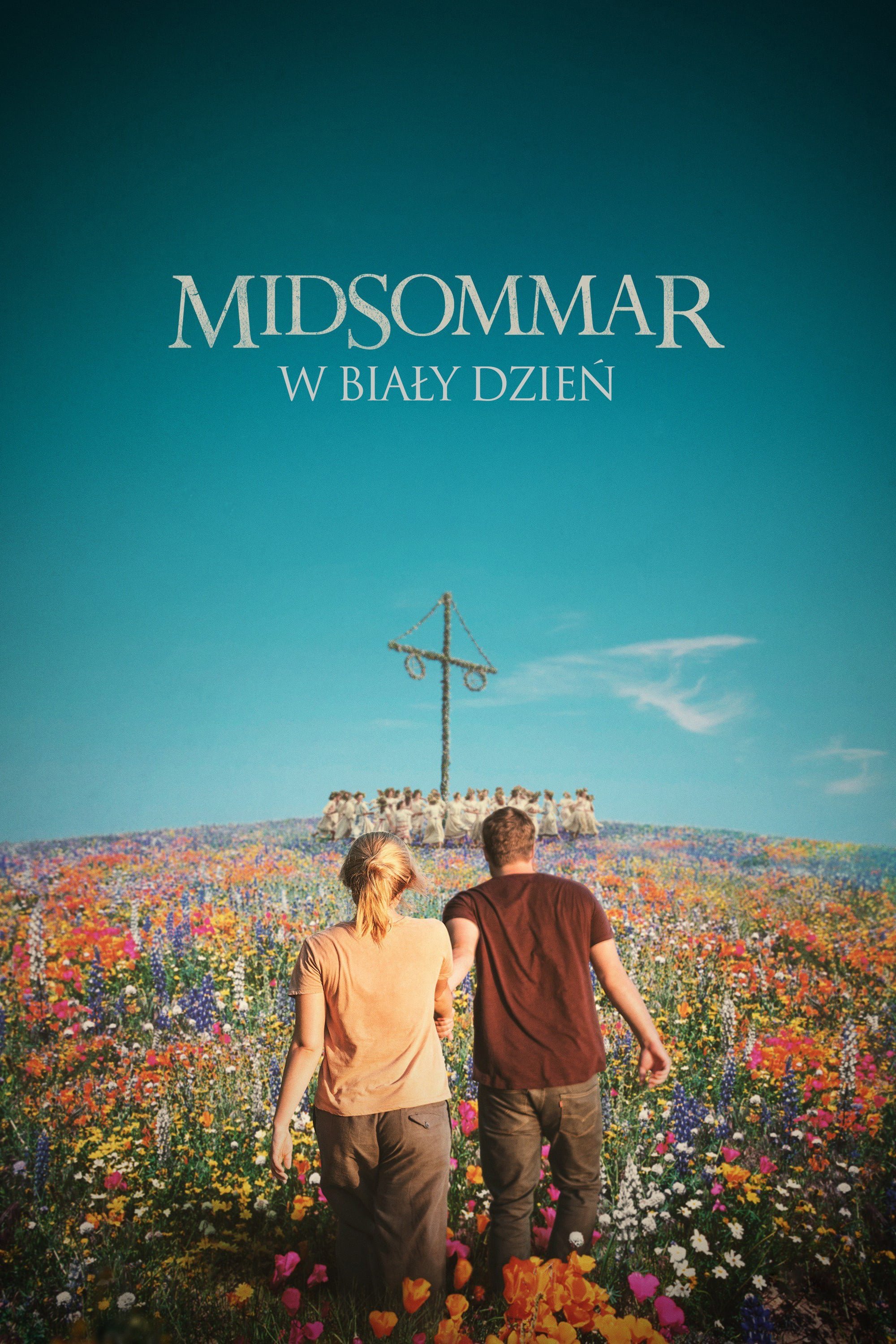
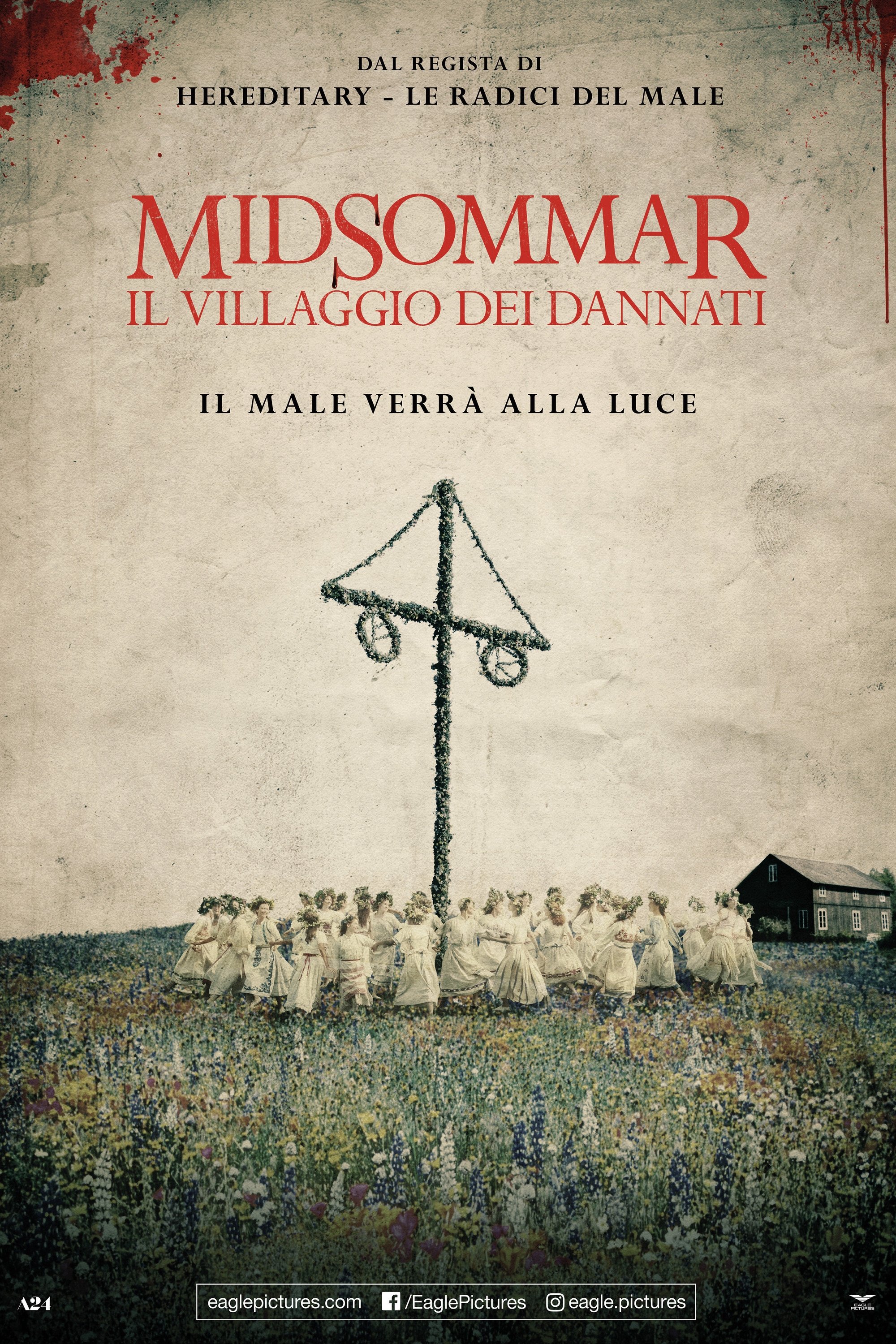
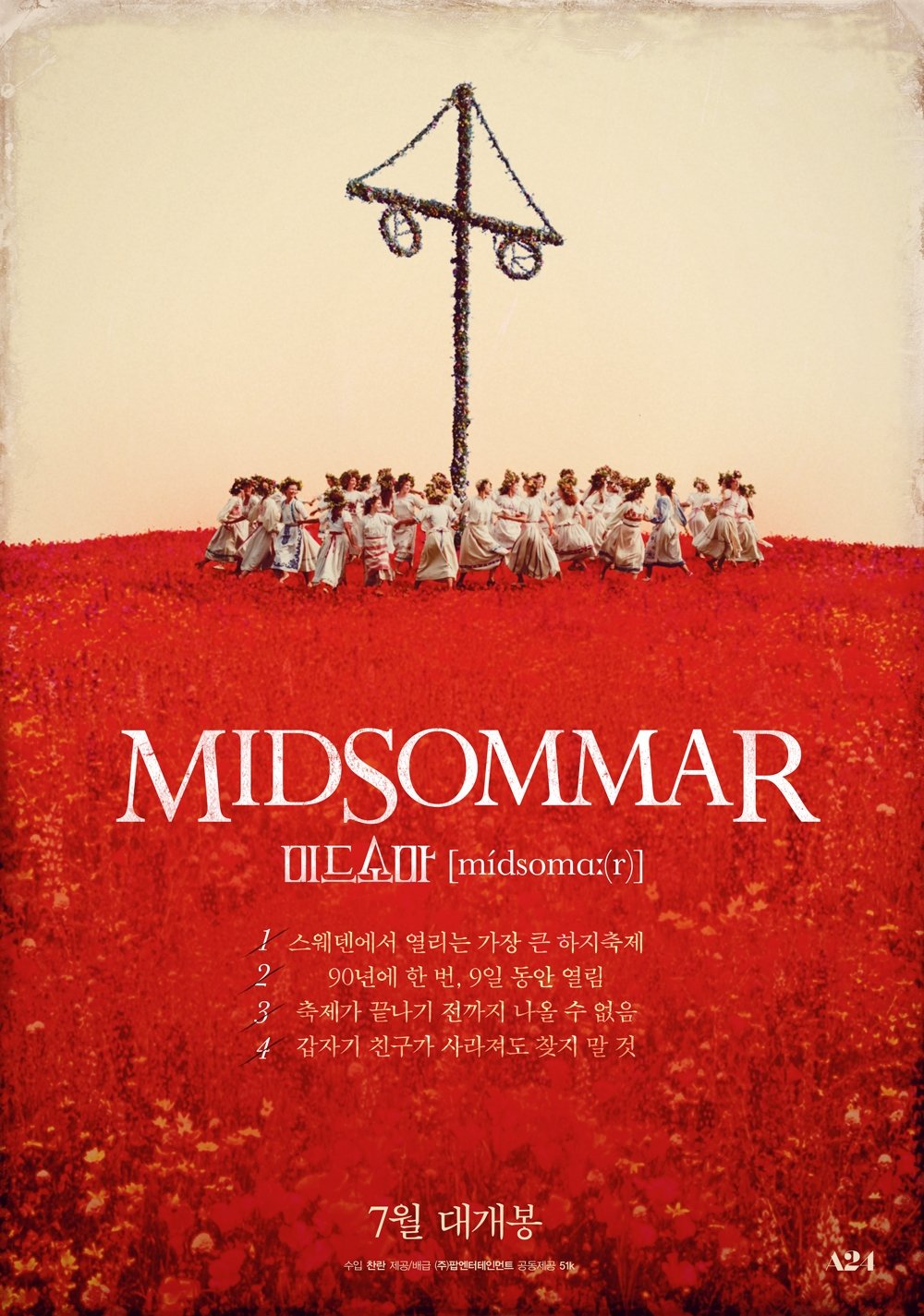
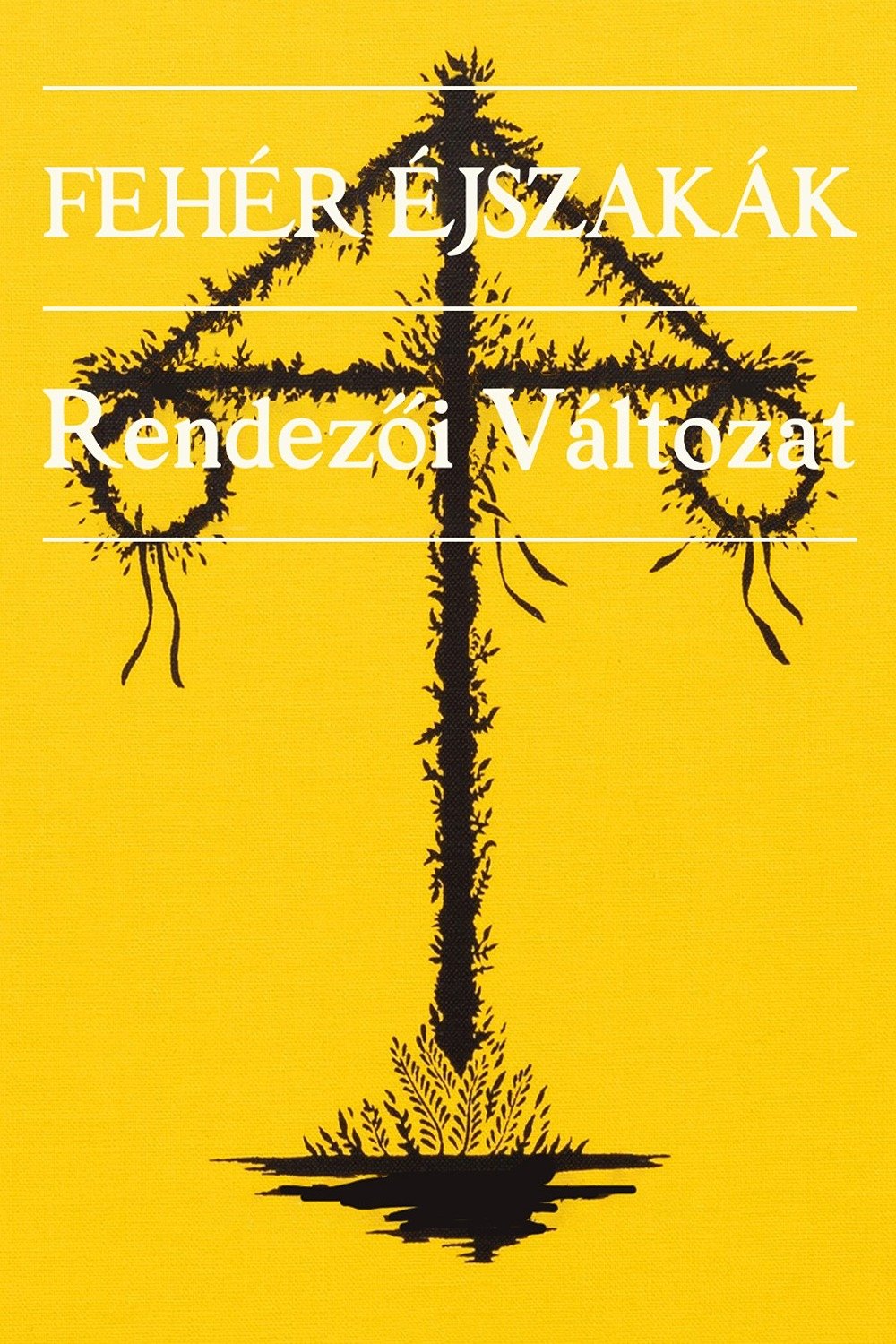
Murals and decorative images provide another layer of information. The film frequently places visual indications of future events in plain sight. Paintings, runes, tapestries and architectural arrangements create a visual language that the visitors either fail to interpret or dismiss as ornament. Color was also carefully organized. Svensson associated yellow and blue with ominous meanings inside the design, while costume designer Andrea Flesch developed a progression in which ceremonial clothing becomes increasingly colorful. By the final ritual, flowers, fabrics, paintings and architecture have turned the village into an overwhelming decorative system in which beauty and violence are visually inseparable.
Horror in Daylight
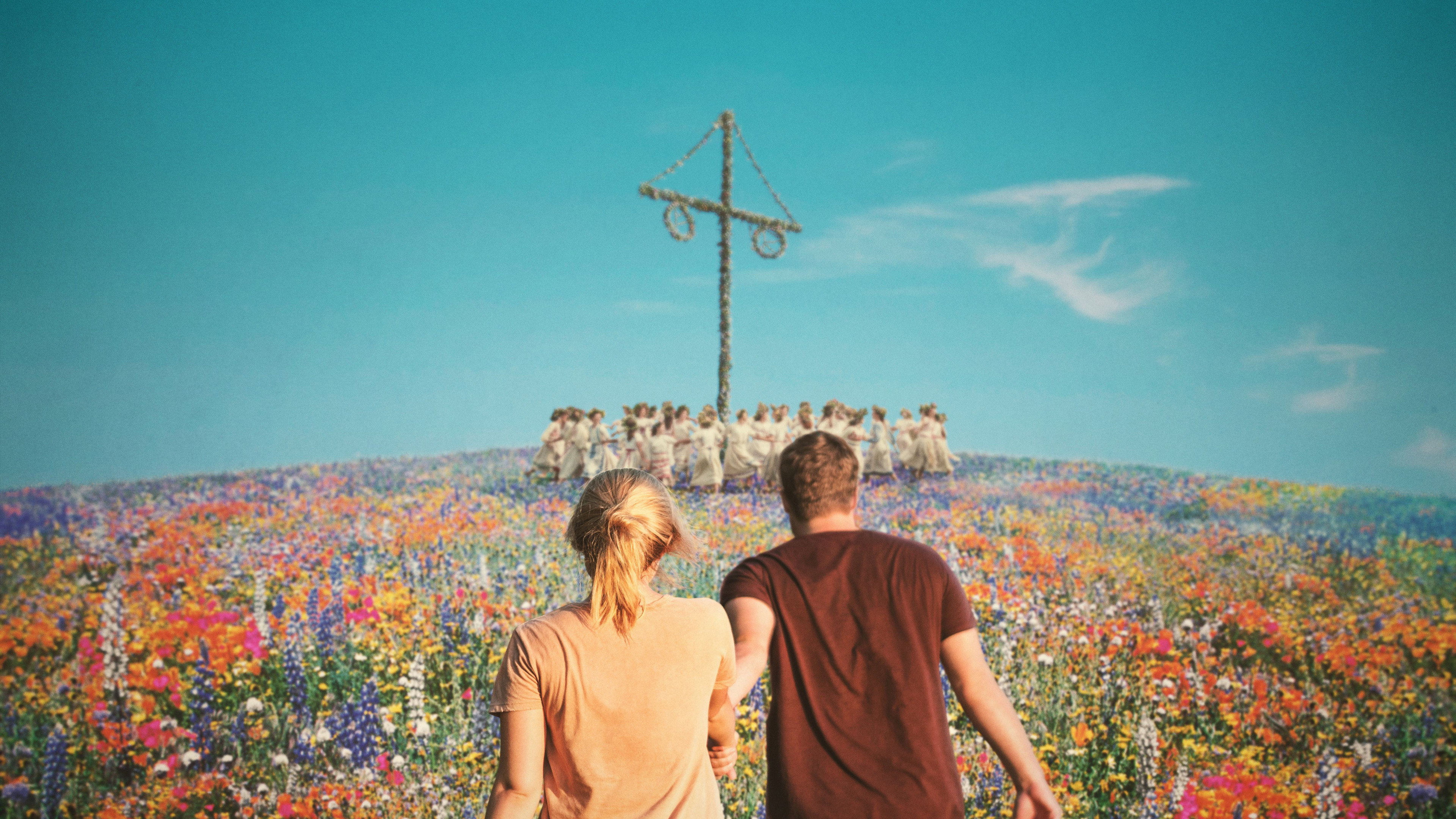
The decision to stage almost the entire Swedish section in bright daylight created one of the production's greatest technical challenges. Pogorzelski and Aster wanted a sustained midday appearance with direct light and harsh shadows. During preparation, the cinematography team repeatedly studied the movement of the sun across the Hungarian location, photographing stand-ins at short intervals to determine when particular areas could be filmed. Because the field was too large to cover with overhead diffusion, contrast had to be controlled largely through scheduling, natural light and large bounce materials positioned around the actors.
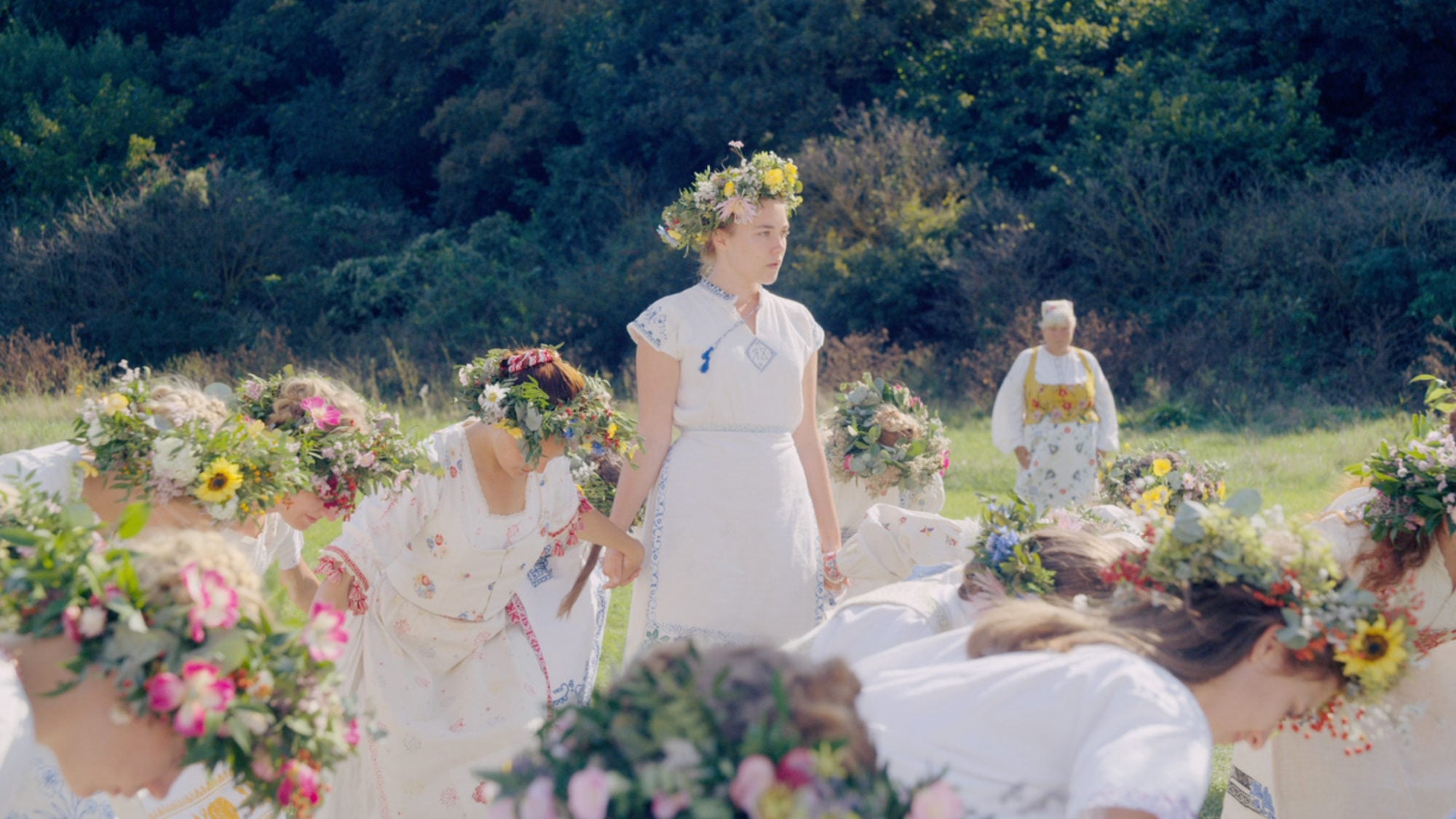
The production primarily used the Panavision Millennium DXL2 after testing it against the Alexa and 35mm film. Pogorzelski valued its color reproduction and latitude for a film dominated by white clothing, green landscapes and strong sunlight. Large artificial lights were generally unnecessary for wide exterior material, although they could be introduced when the sun disappeared behind surrounding hills during tighter coverage. The white garments of the Hårga inhabitants became unexpectedly useful because their pale fabric reflected light onto nearby performers, effectively turning groups of extras into moving sources of fill.
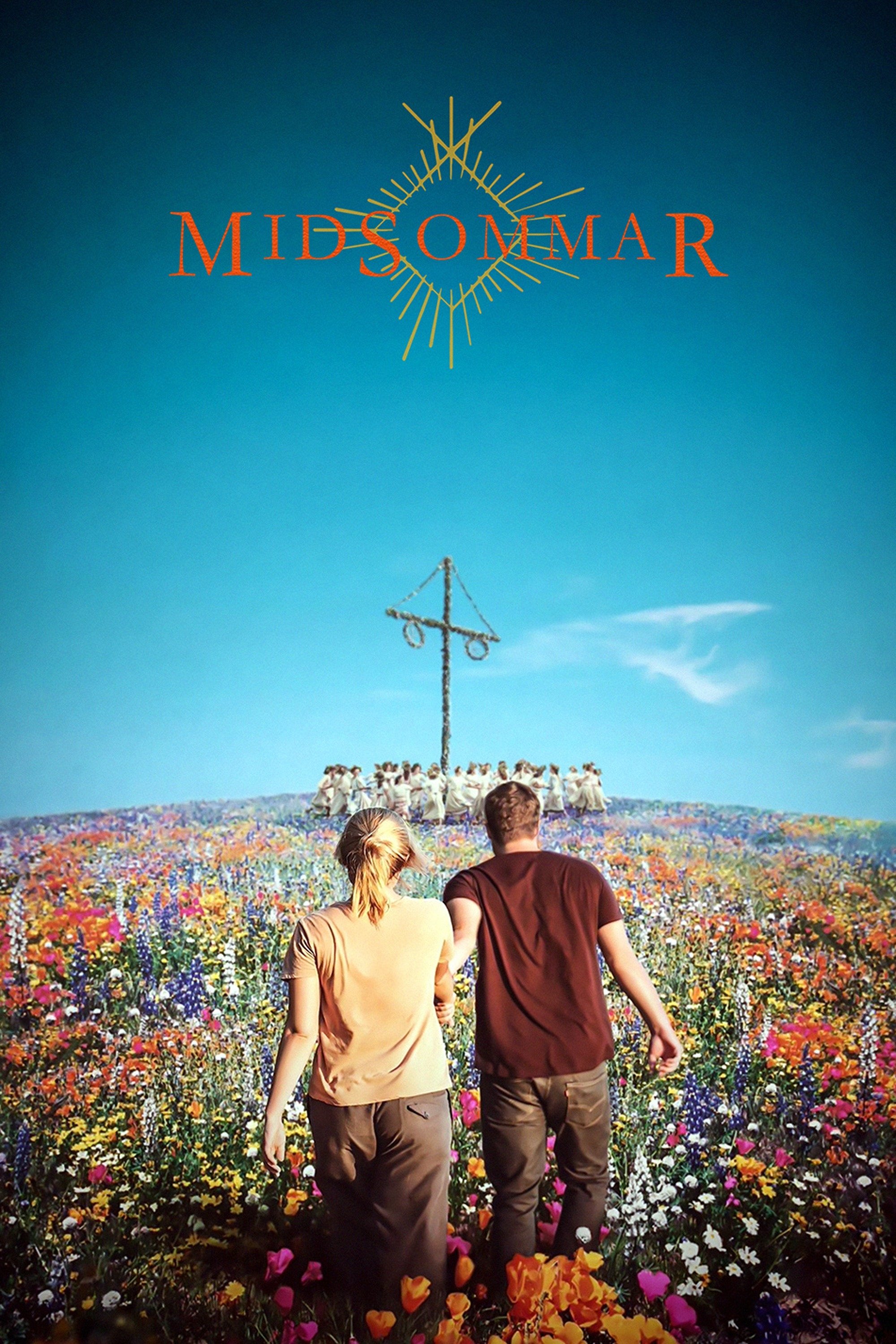
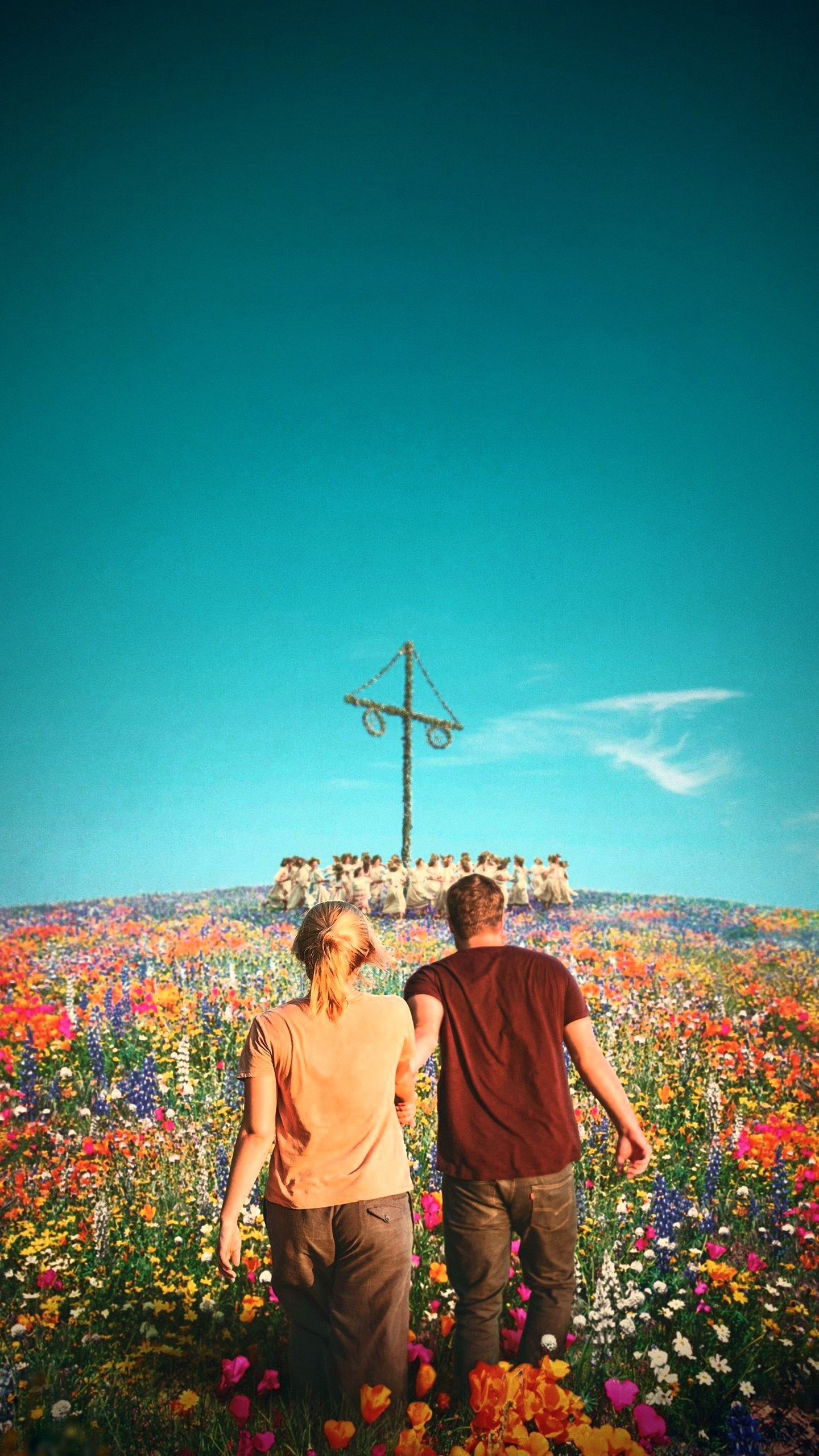
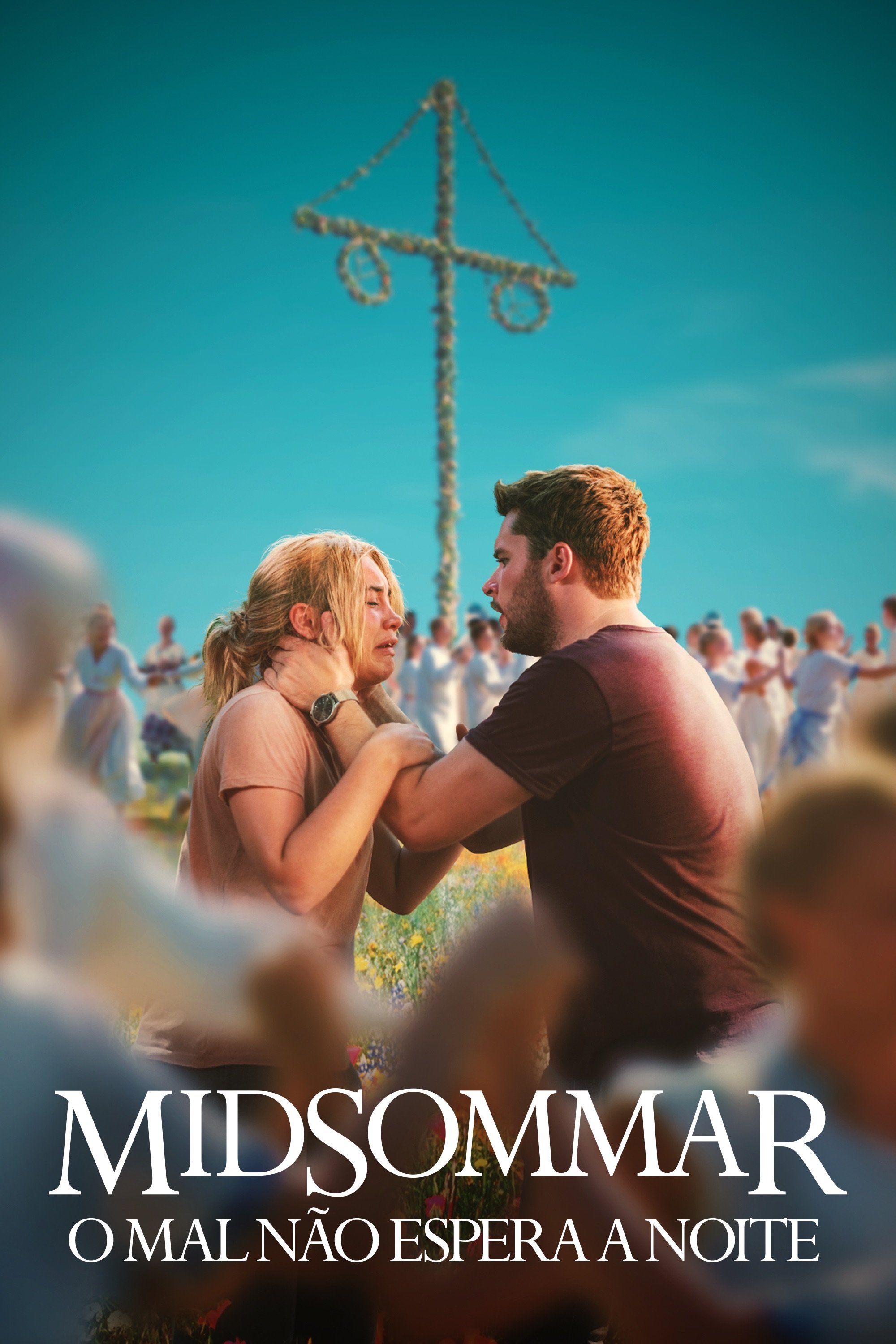
The resulting images deny viewers one of horror cinema's most familiar protections. Darkness normally allows a threat to remain concealed, giving the audience permission to fear what cannot be seen. Midsommar instead shows too much. Corpses, rituals and expressions are exposed with clinical clarity, while hallucinogenic sequences make the visible world itself unreliable. Plants appear to breathe, faces subtly deform and backgrounds move without the image ever abandoning its pastoral brightness. The terror comes not from entering darkness but from discovering that sunlight offers no safety at all.
Grief, Empathy and Assimilation
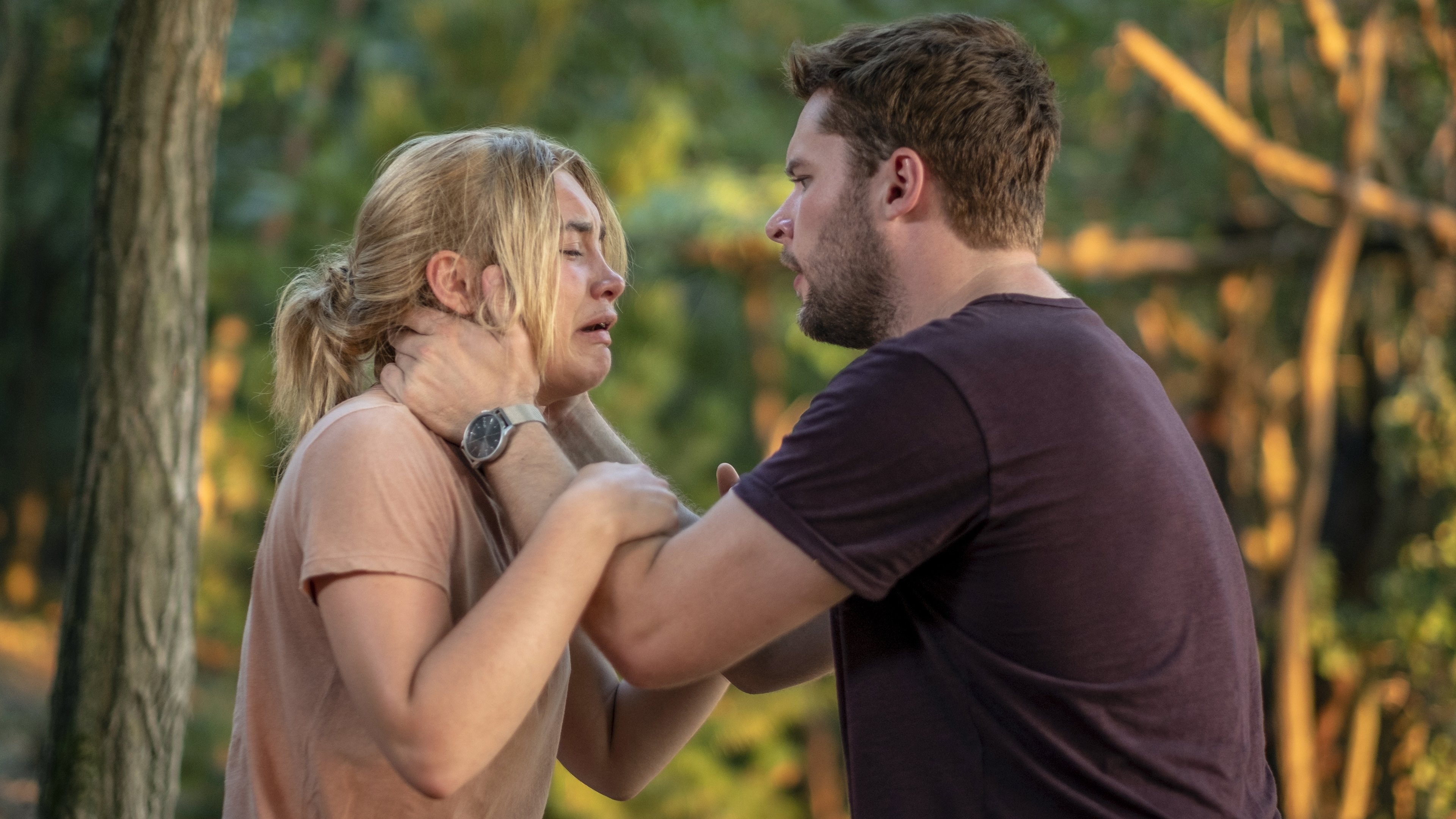
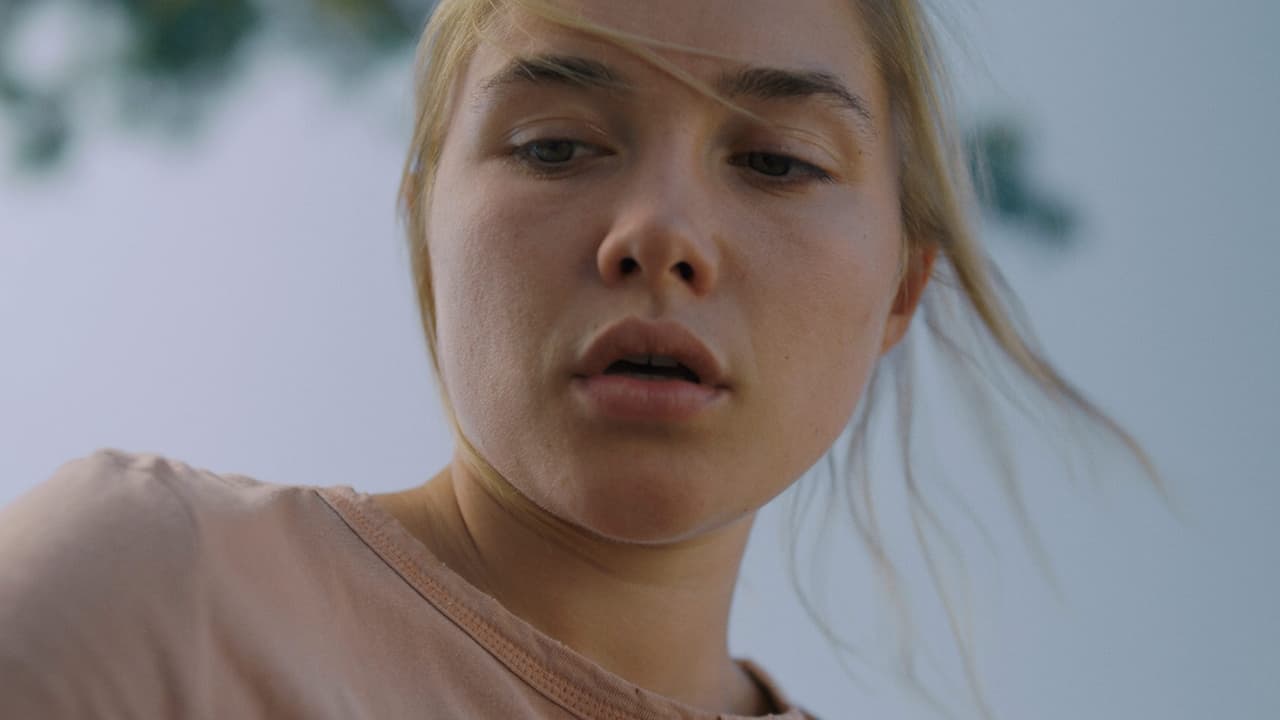
Dani enters Sweden after an extreme family trauma and with almost no functioning emotional support. Her relationship with Christian was already deteriorating before the deaths of her parents and sister, but grief makes the prospect of separation more complicated for both of them. Christian remains physically present while repeatedly failing to respond to Dani with meaningful emotional engagement. Aster builds many of their scenes around avoidance, delayed conversations and small acts of neglect. Their relationship appears to continue largely because neither person is willing to complete the breakup.
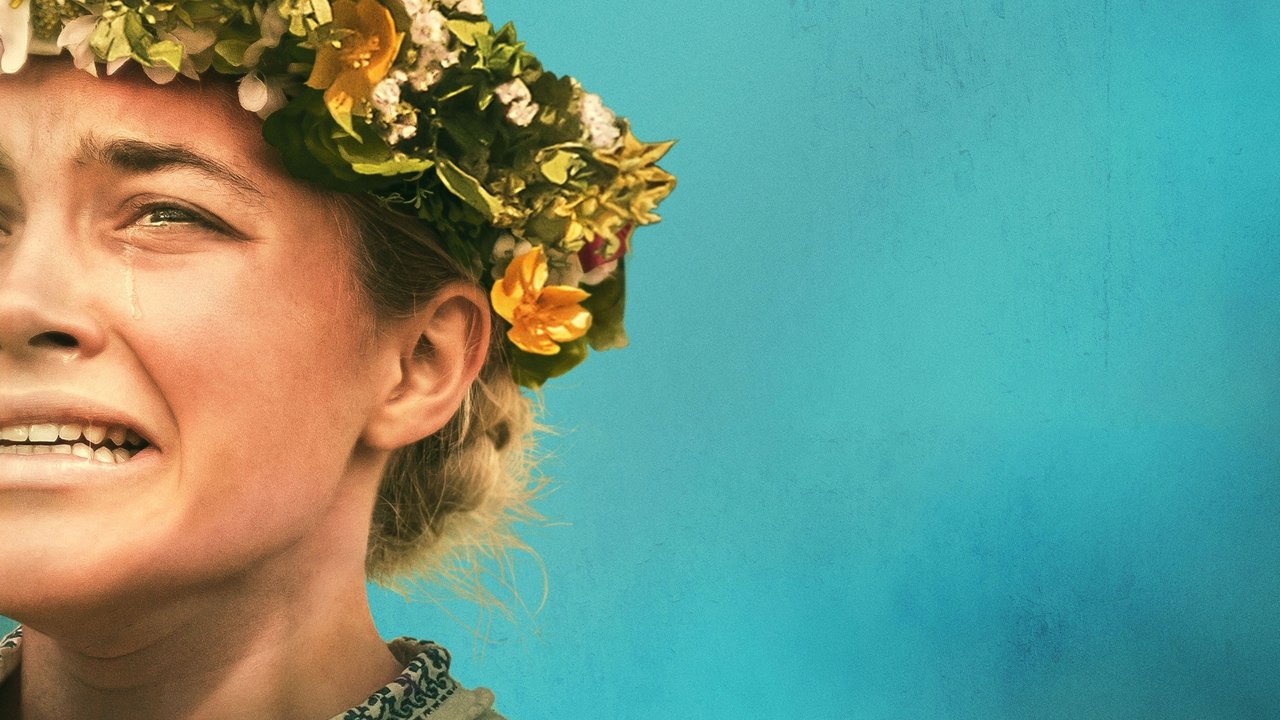
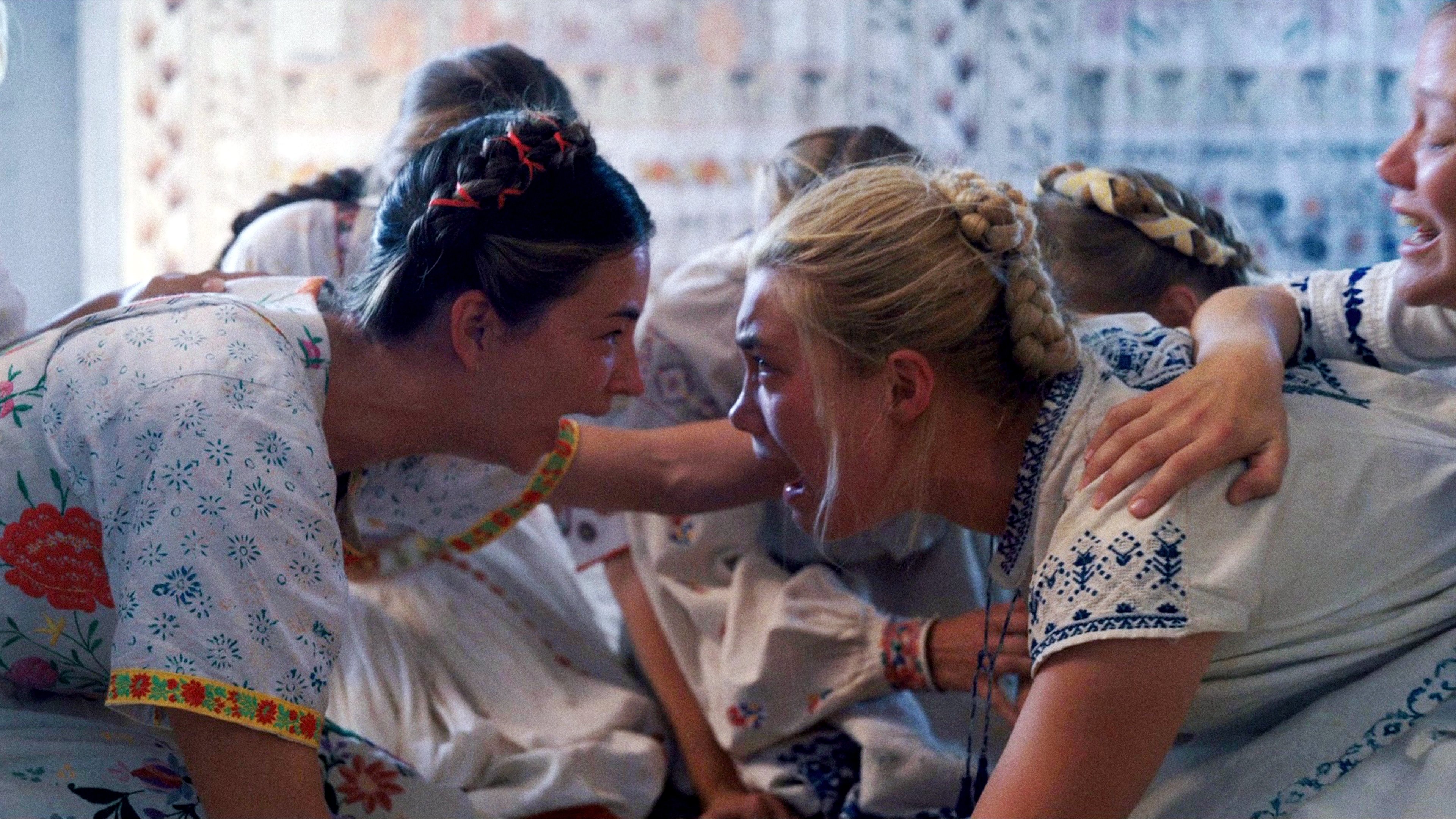
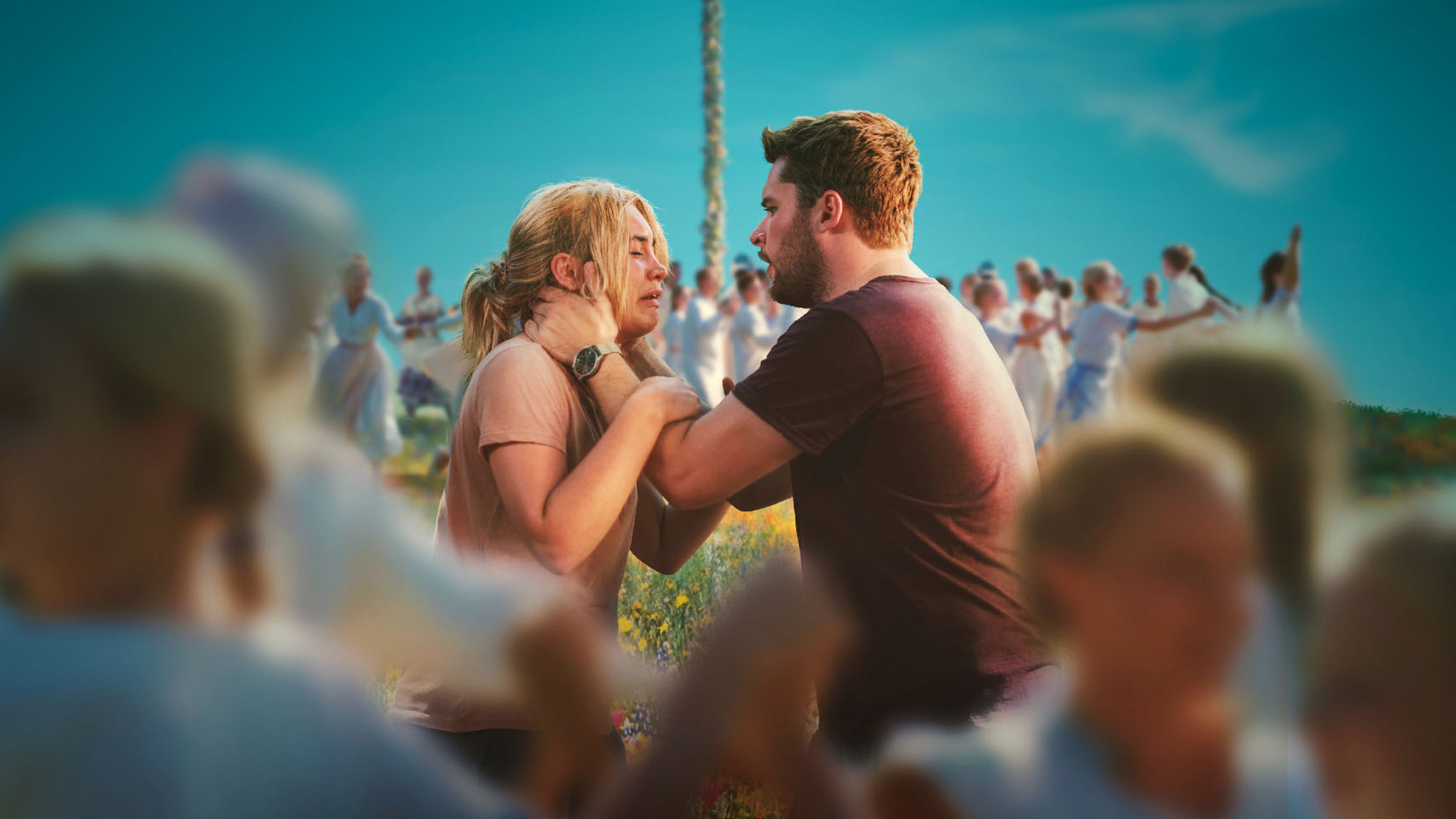
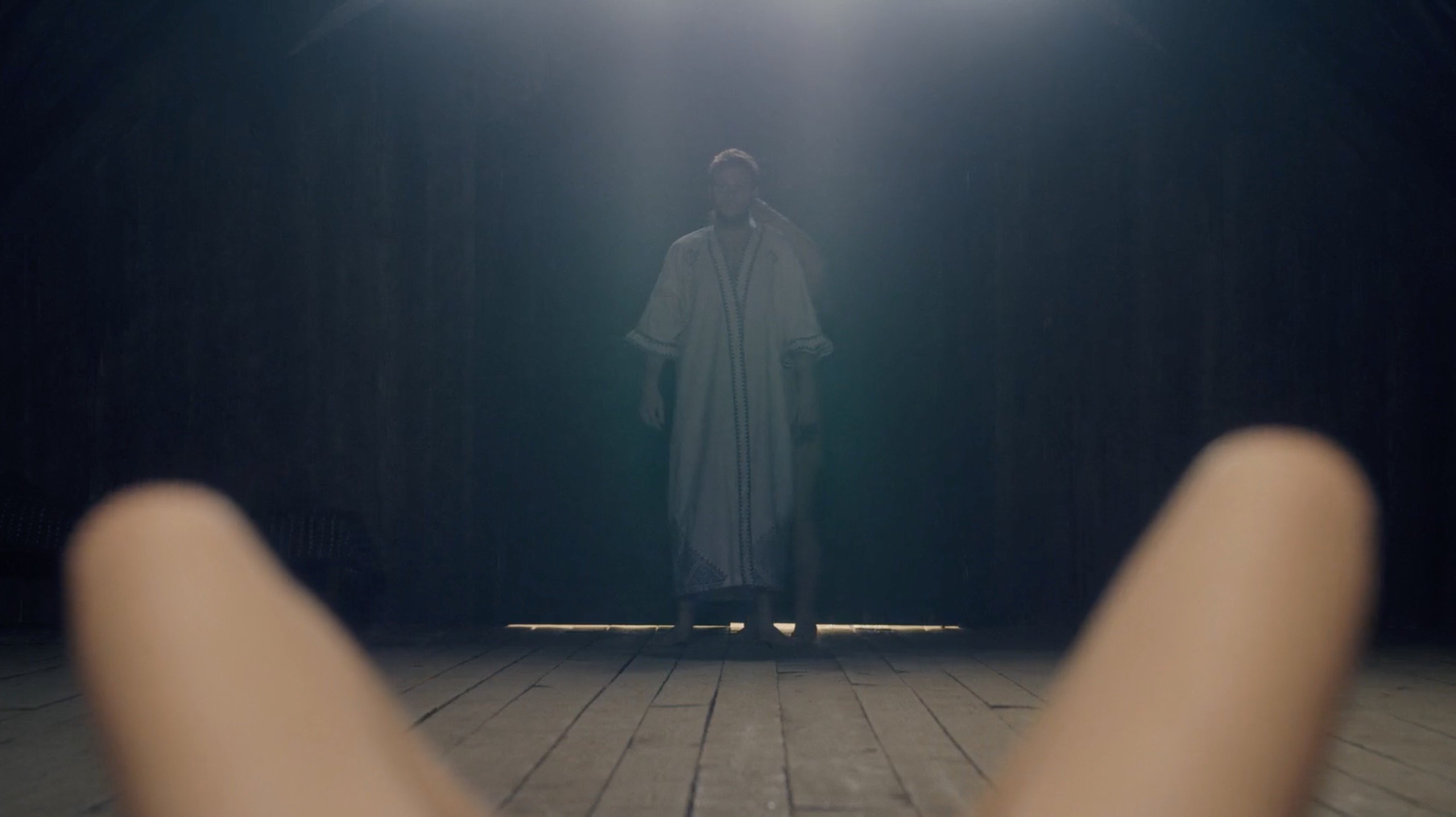
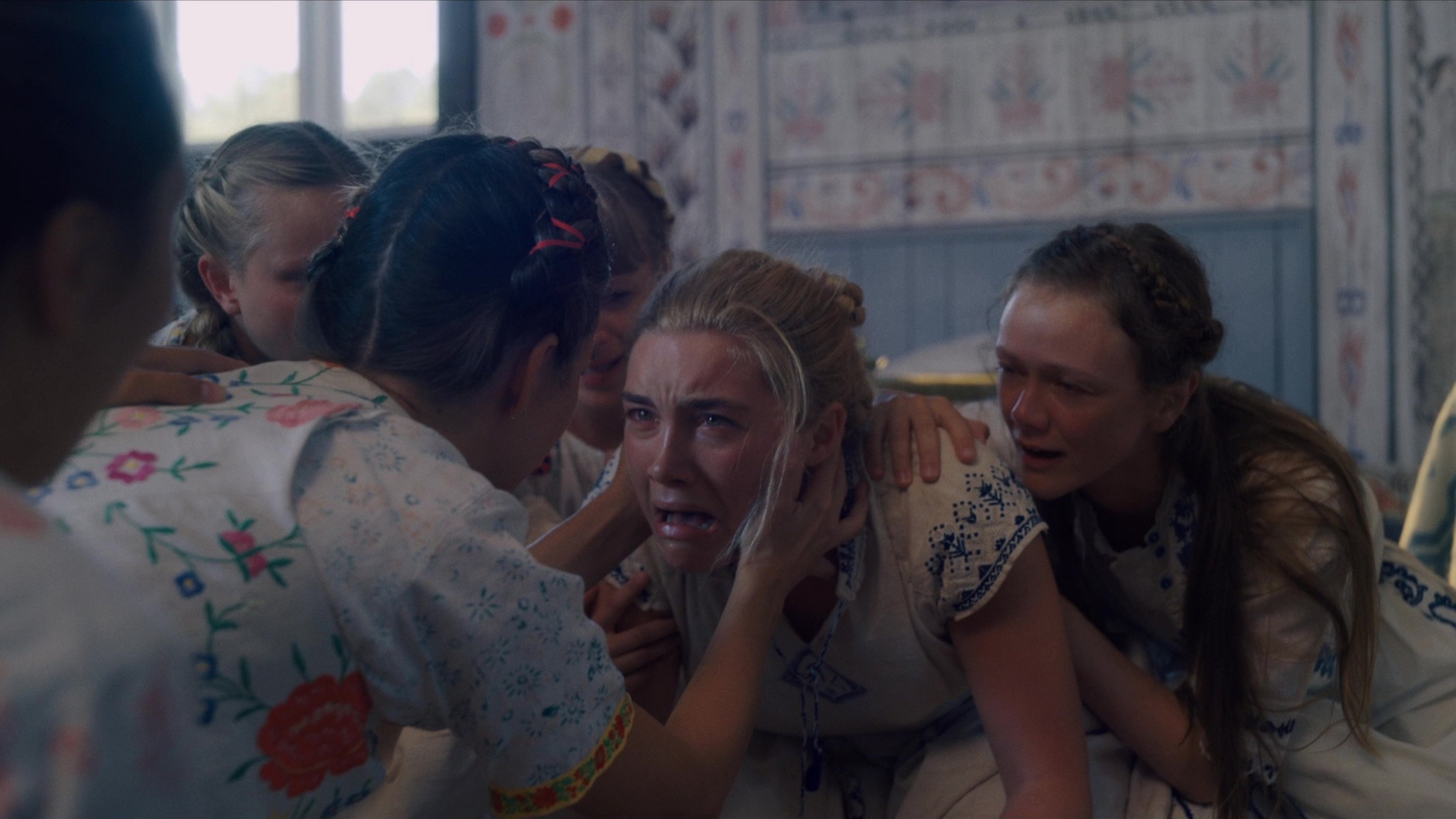
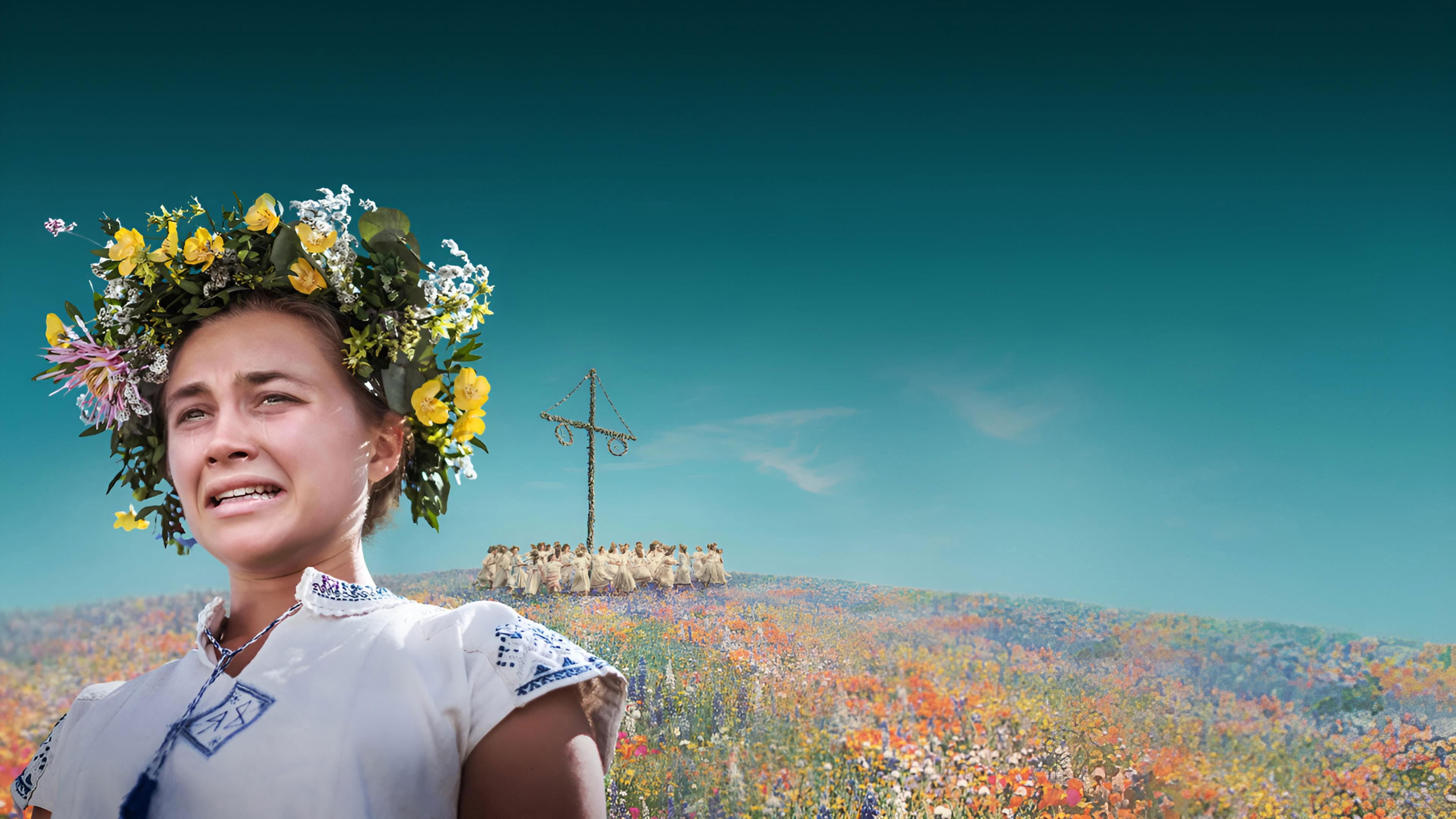
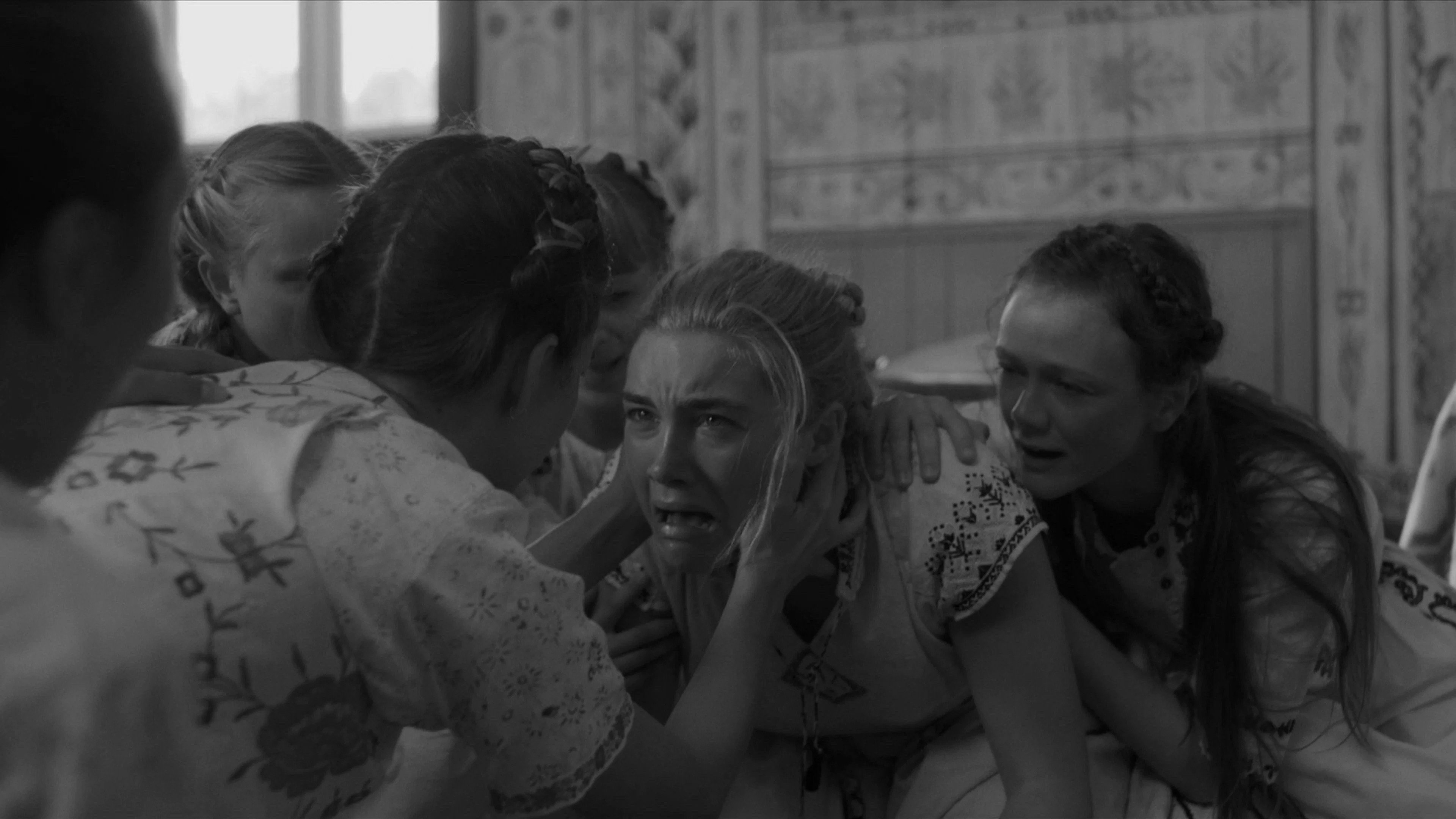
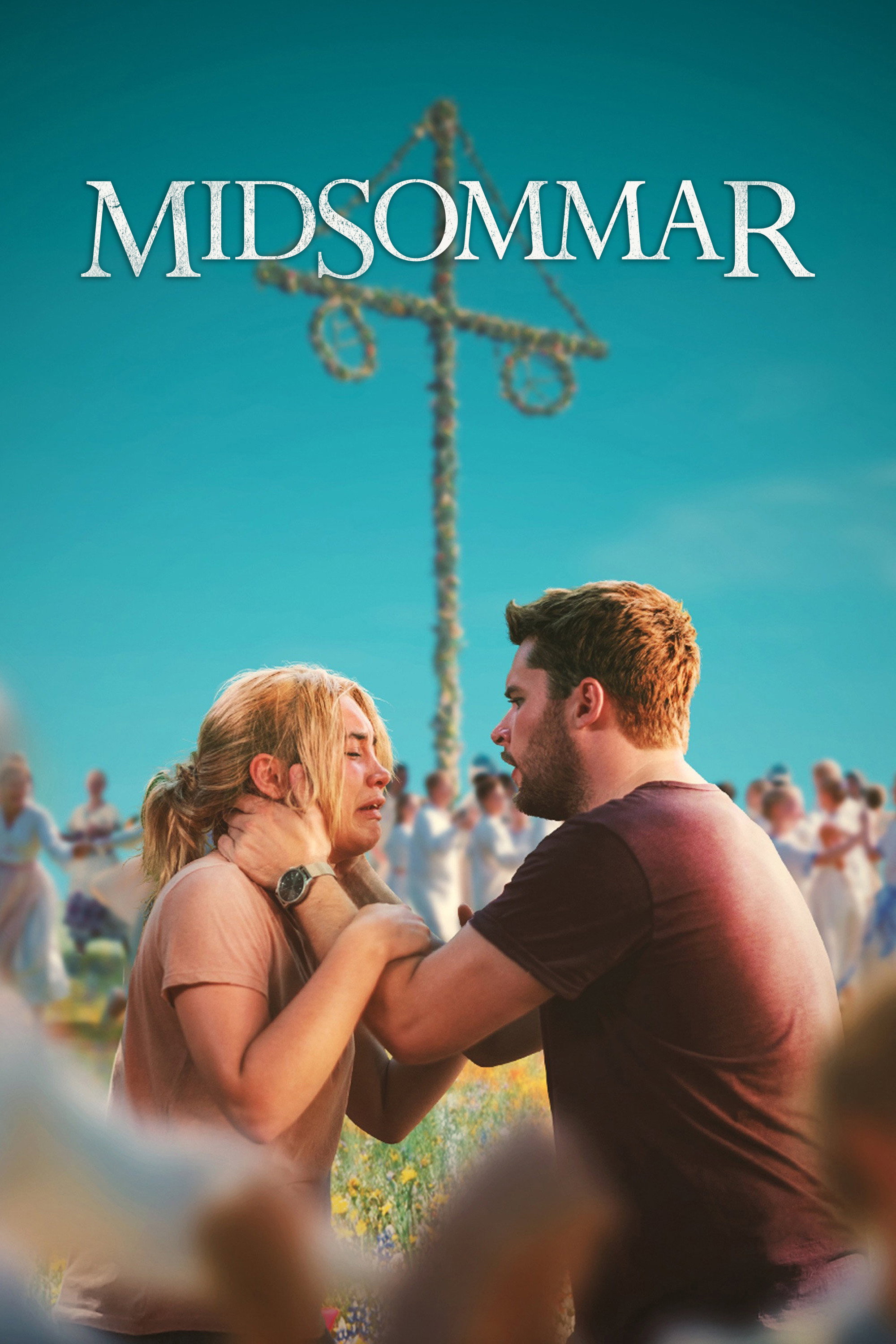
Hårga provides the opposite form of emotional experience. Members of the community cry, breathe, sing and move collectively. When Dani experiences overwhelming grief after witnessing Christian during the mating ritual, the women surrounding her imitate her screams and synchronize their breathing with hers. The moment is simultaneously compassionate and terrifying. Dani finally receives an external reflection of pain that Christian has been unable to provide, but that recognition occurs inside a community systematically isolating her from her previous life.
The film therefore avoids making Dani's apparent liberation uncomplicated. Hårga offers belonging, ritual structure and emotional synchronization, yet it also manipulates outsiders, administers drugs, controls sexual reproduction and kills people according to its ceremonial system. Dani's growing comfort cannot erase those facts. The horror of her trajectory lies partly in how understandable the emotional attraction becomes. Aster constructs a situation in which a destructive community recognizes precisely what Dani lacks, then supplies it at the moment she is least capable of judging the cost.
Ritual Violence and Body Horror
Violence in Midsommar is treated differently from the sudden disruptions of Hereditary. Many of its most disturbing acts are ceremonial, witnessed by groups and performed according to procedures that the Hårga regard as ordinary. The contrast between the visitors' horror and the community's composure creates much of the film's tension. Death is absorbed into Hårga's established social and ritual systems. Even extreme physical destruction can be followed by meals, discussions or preparations for the next stage of the festival.
The film's practical makeup and prosthetic work gives this ritual violence a blunt physical presence. Bodies do not disappear once their narrative function is complete. They are altered, displayed, incorporated into ceremonies and transformed into objects carrying symbolic meaning for the community. The emphasis on damaged faces, opened bodies and human remains places Midsommar within body horror even though mutation is not supernatural. Human anatomy becomes another material Hårga can reorganize according to custom.
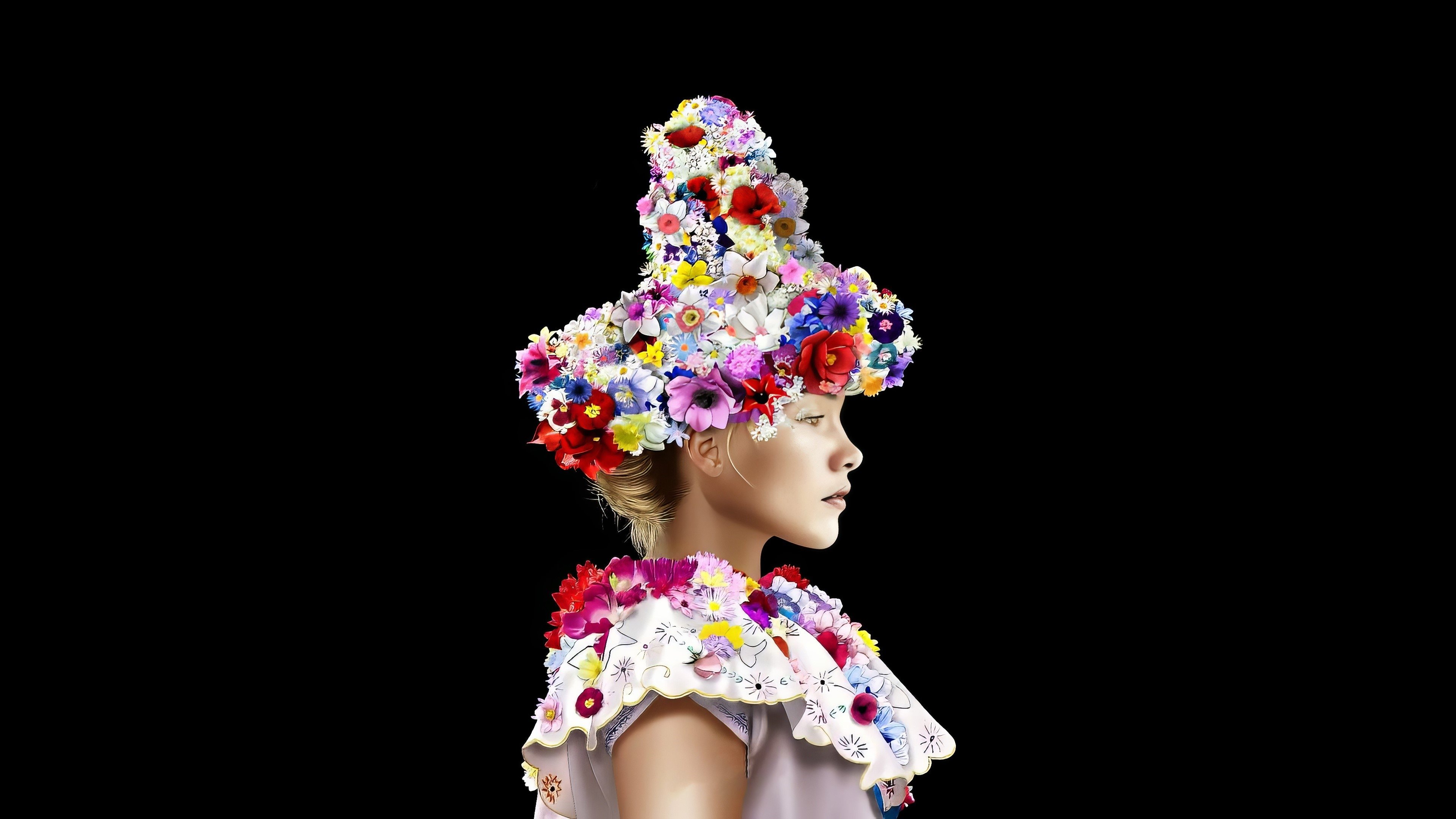
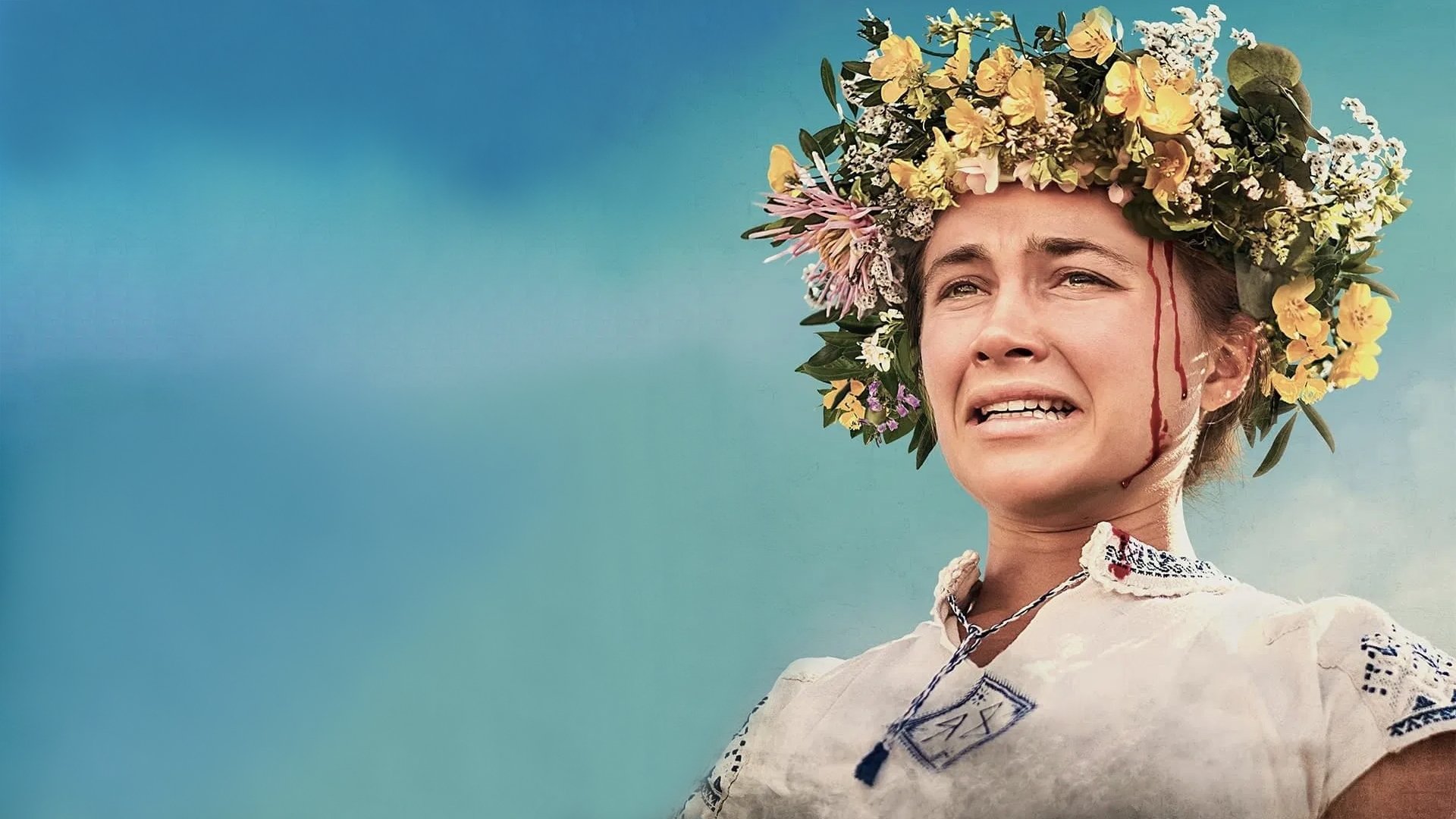
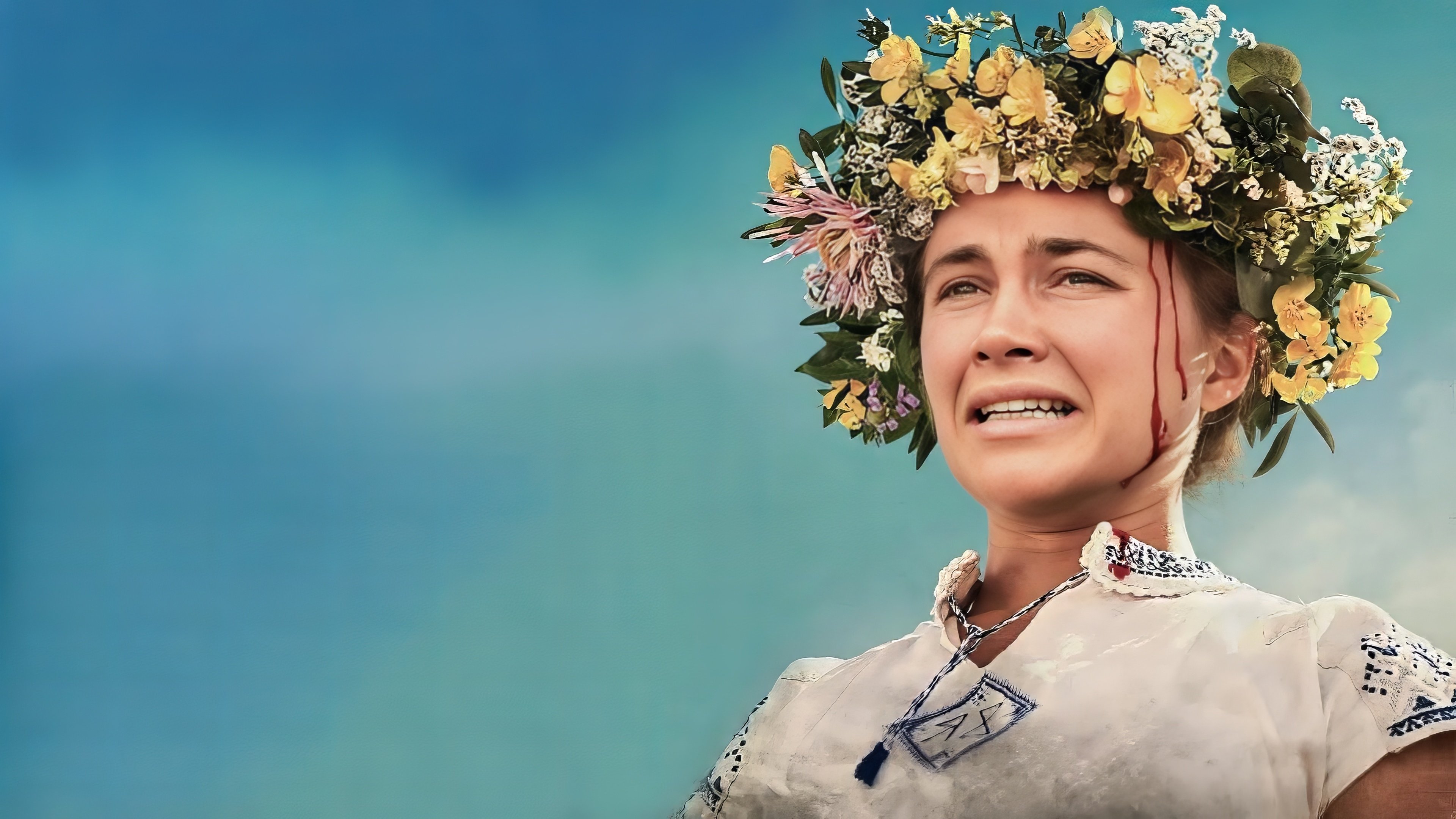
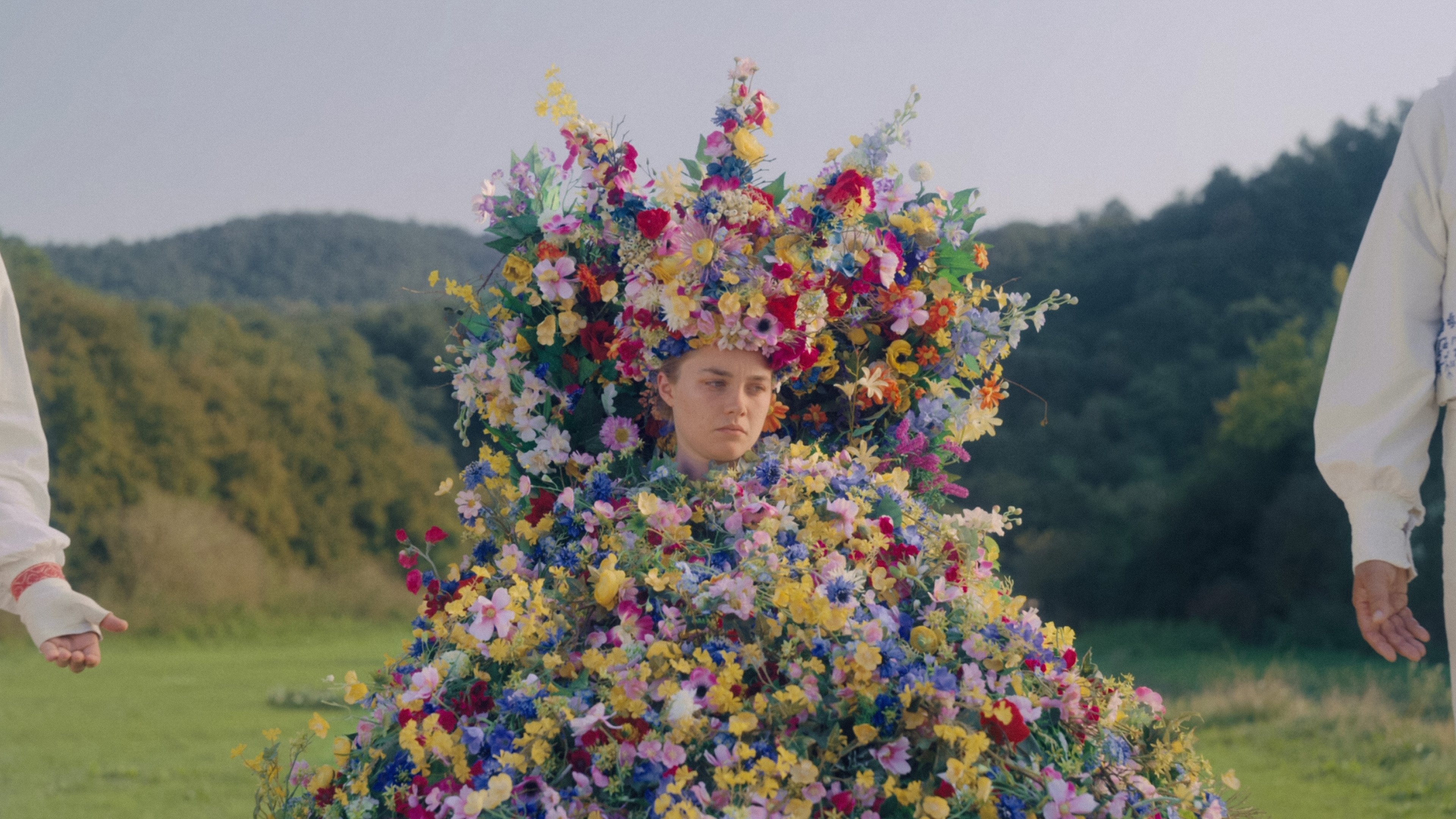
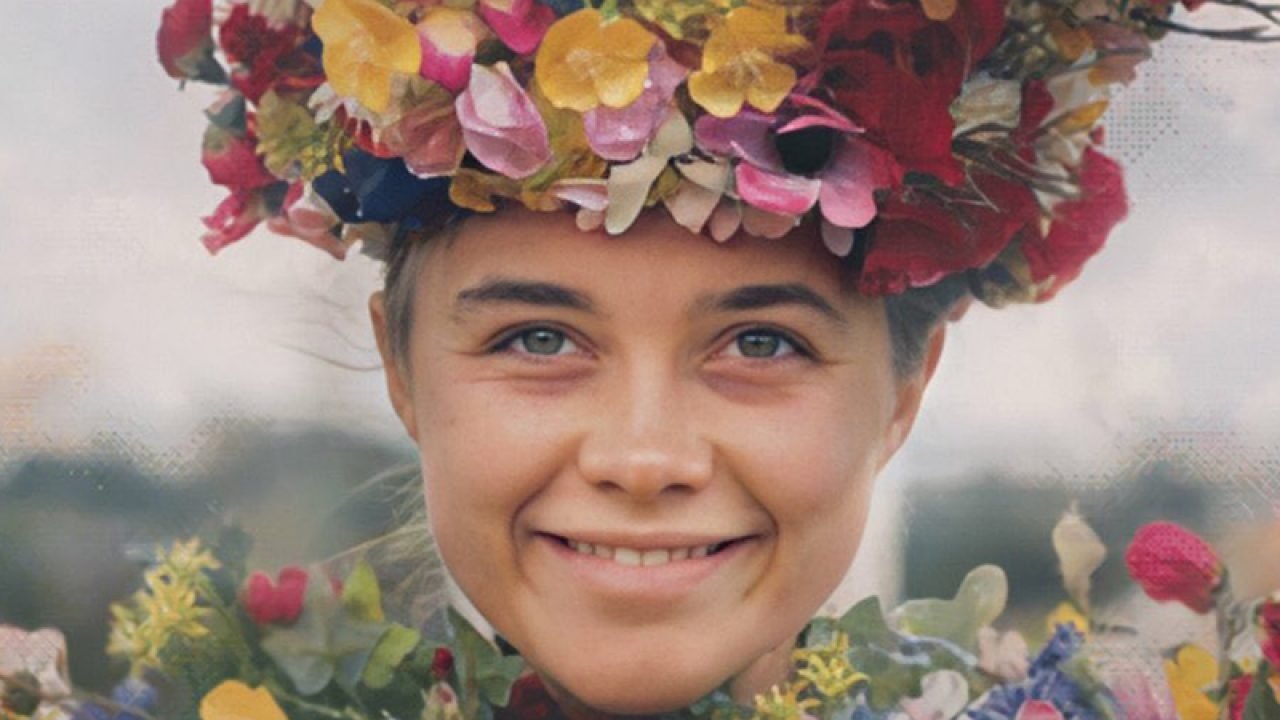
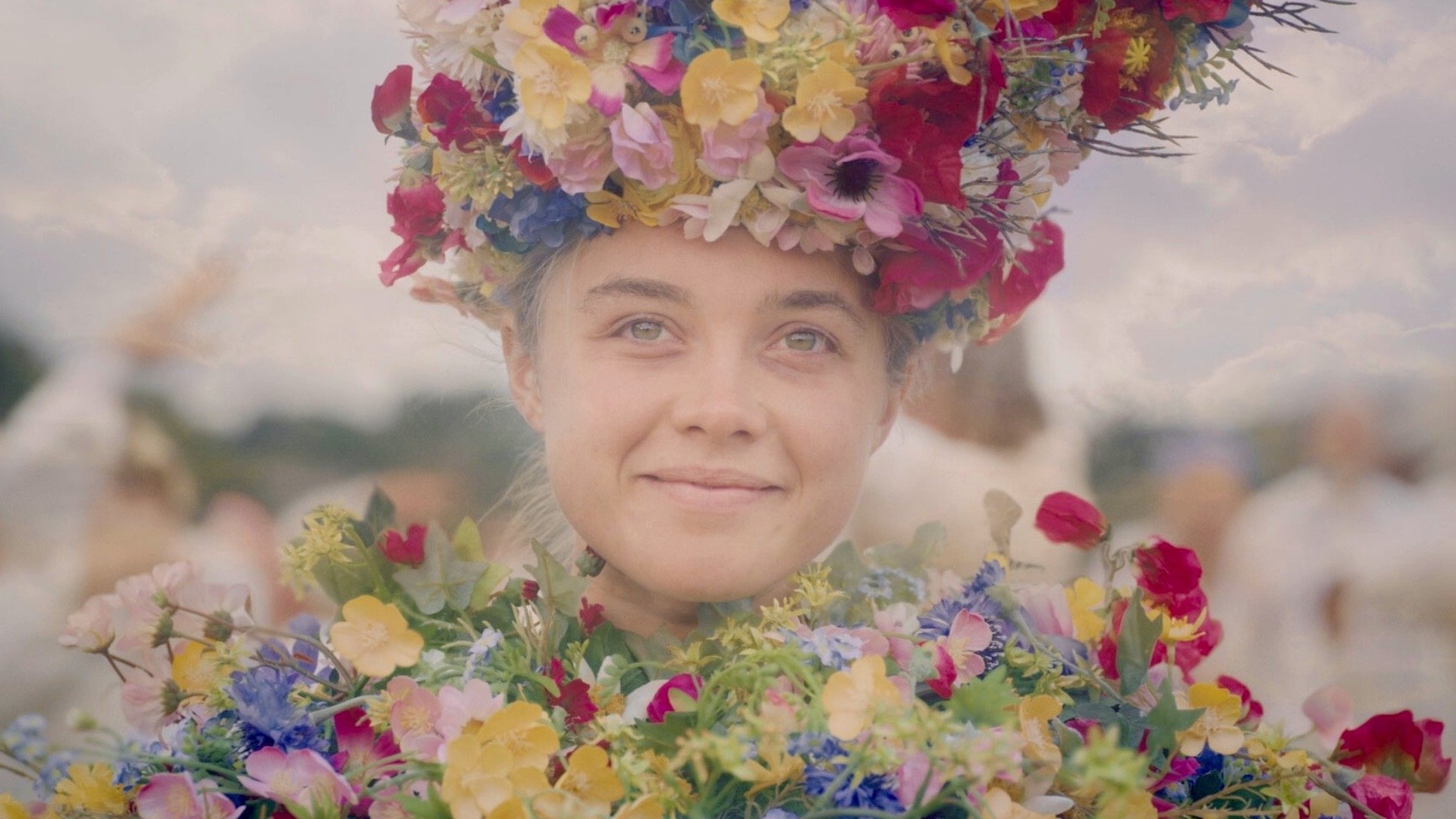
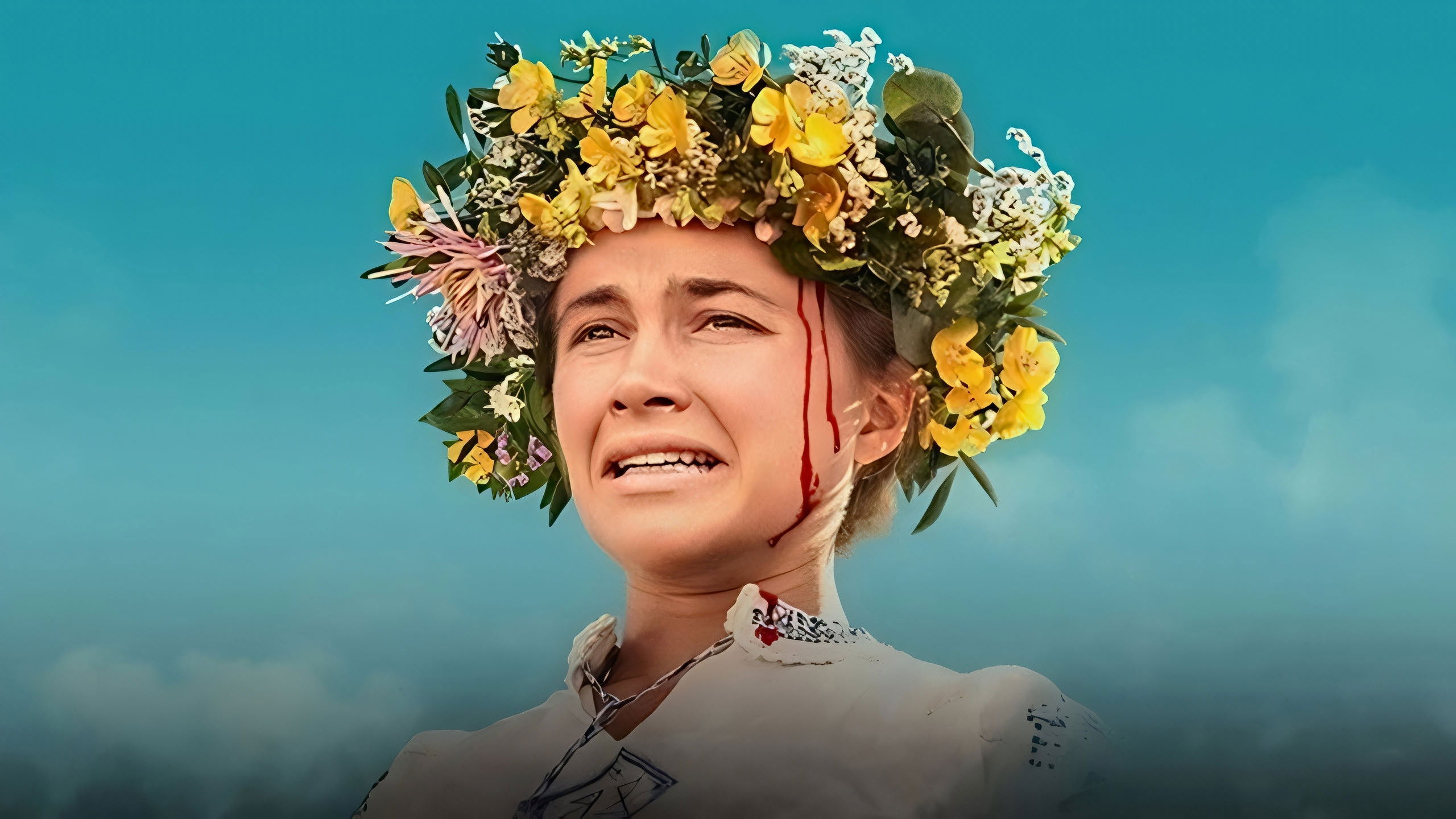
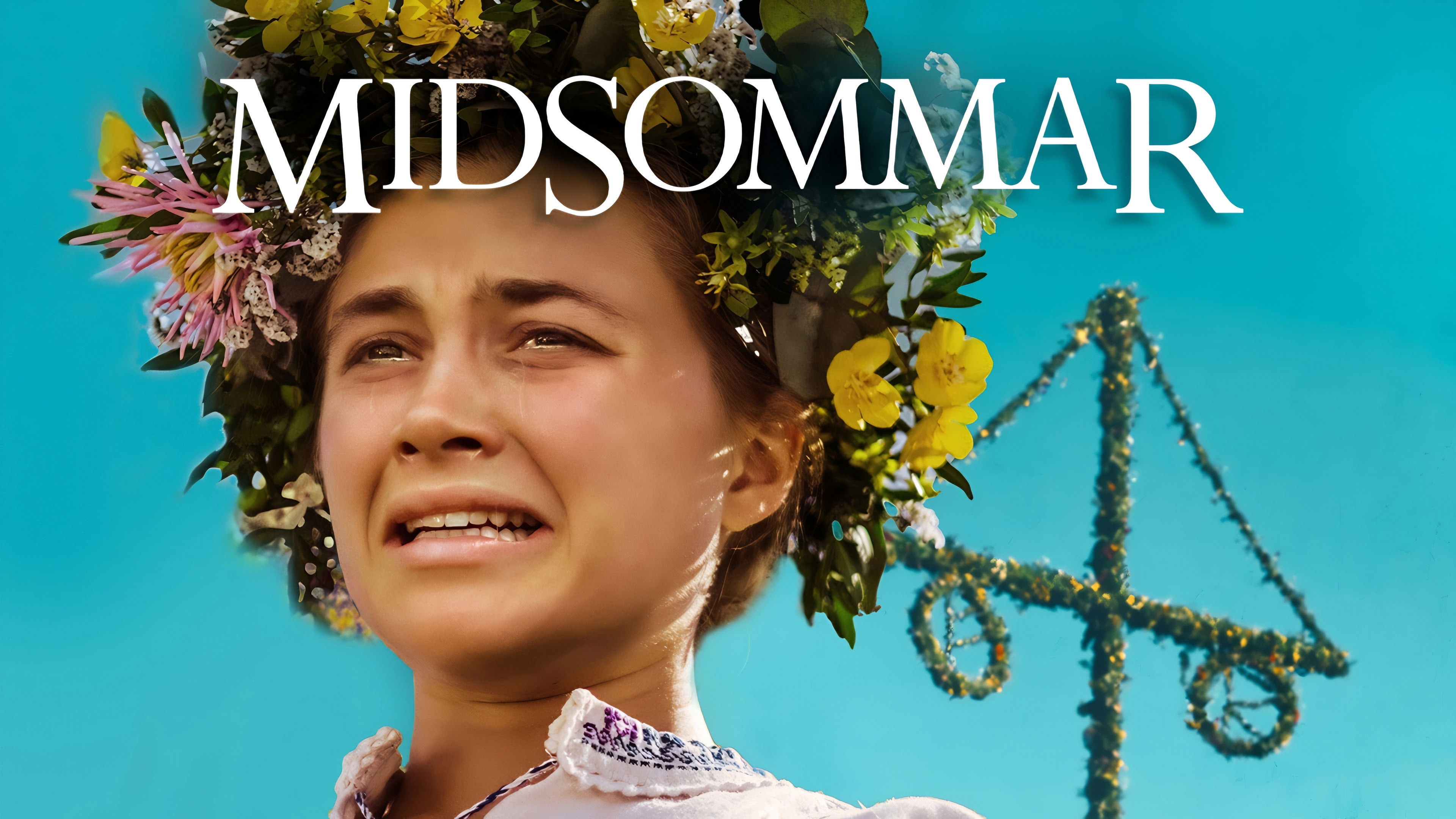
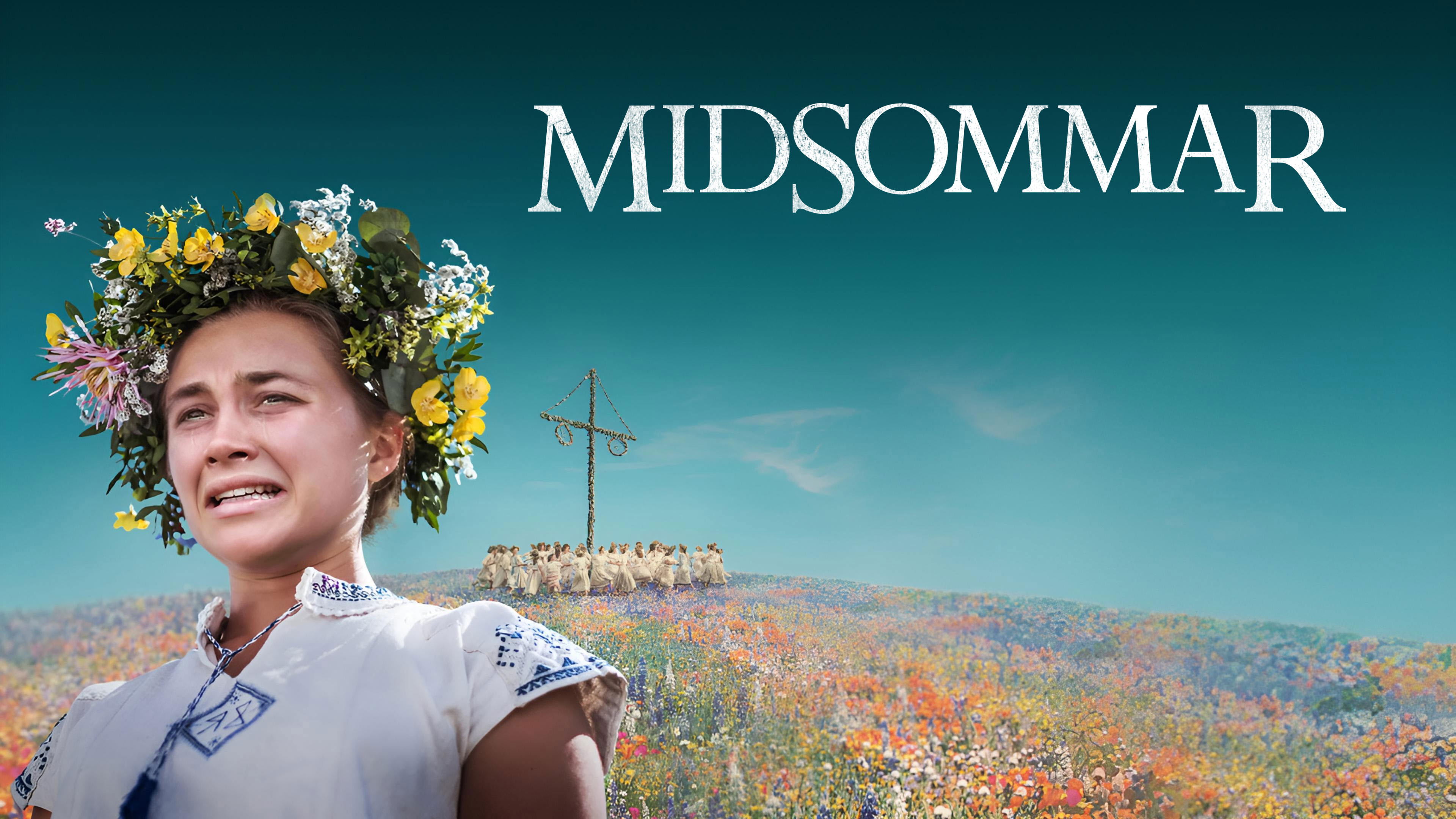
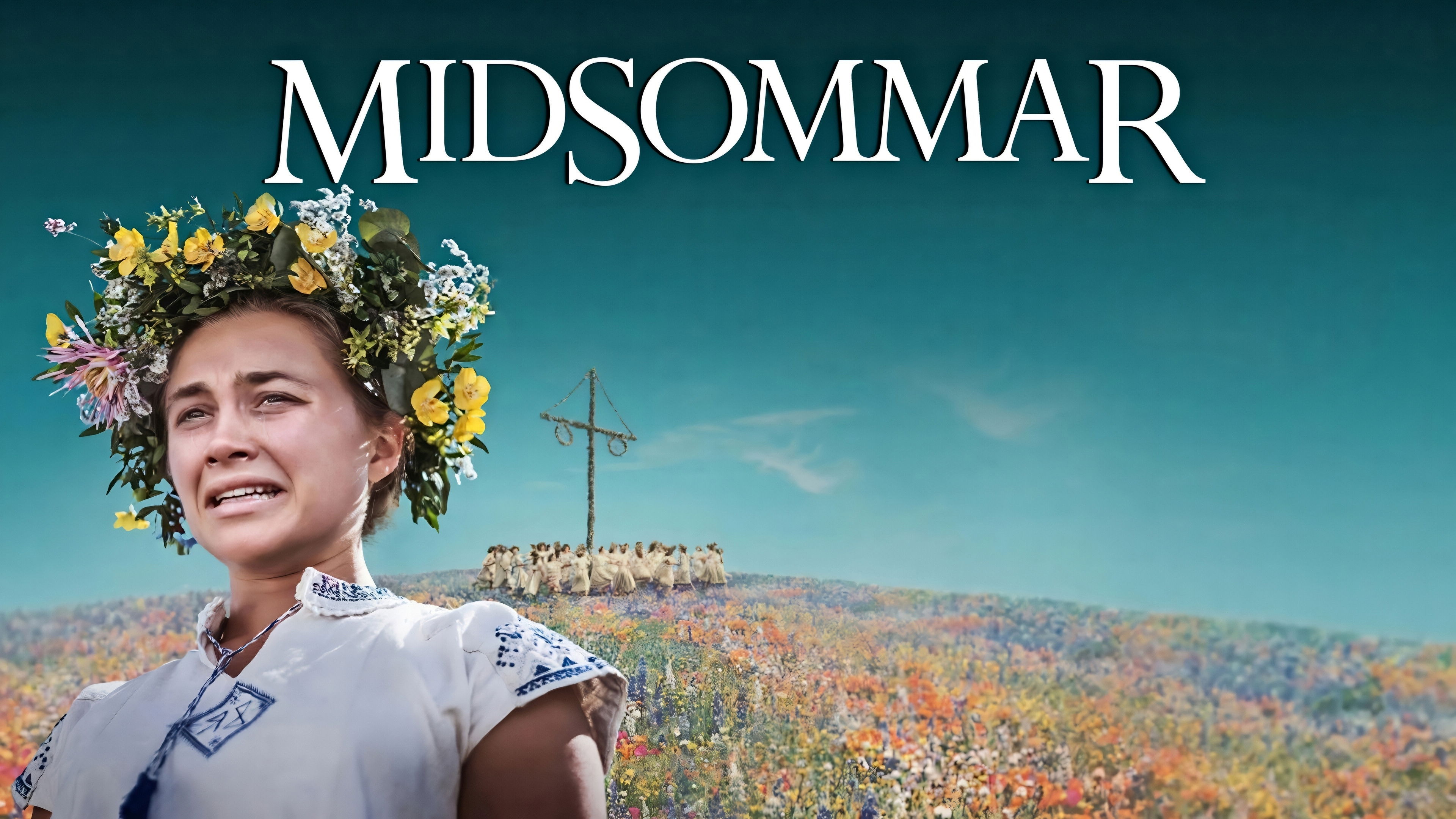
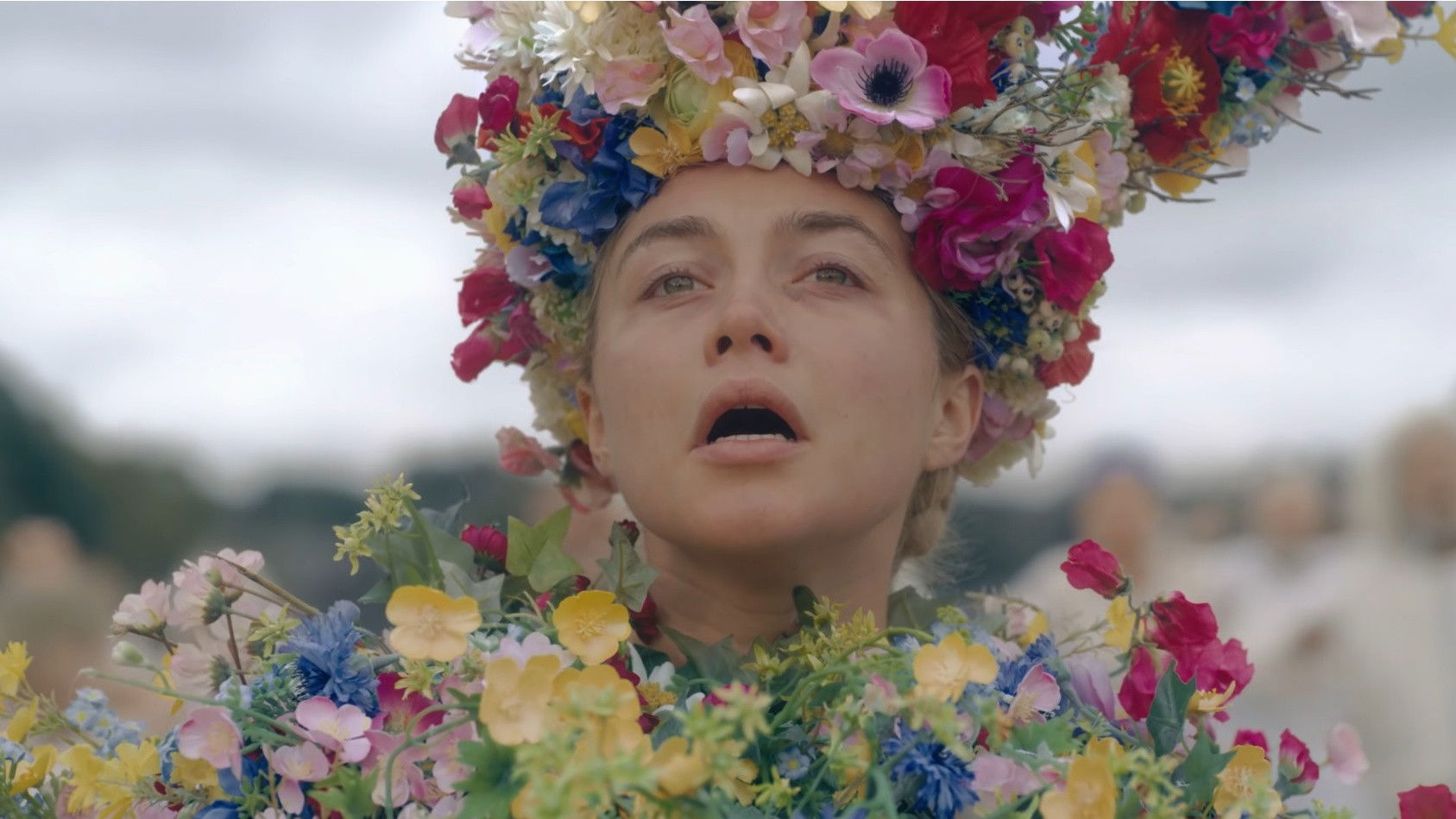
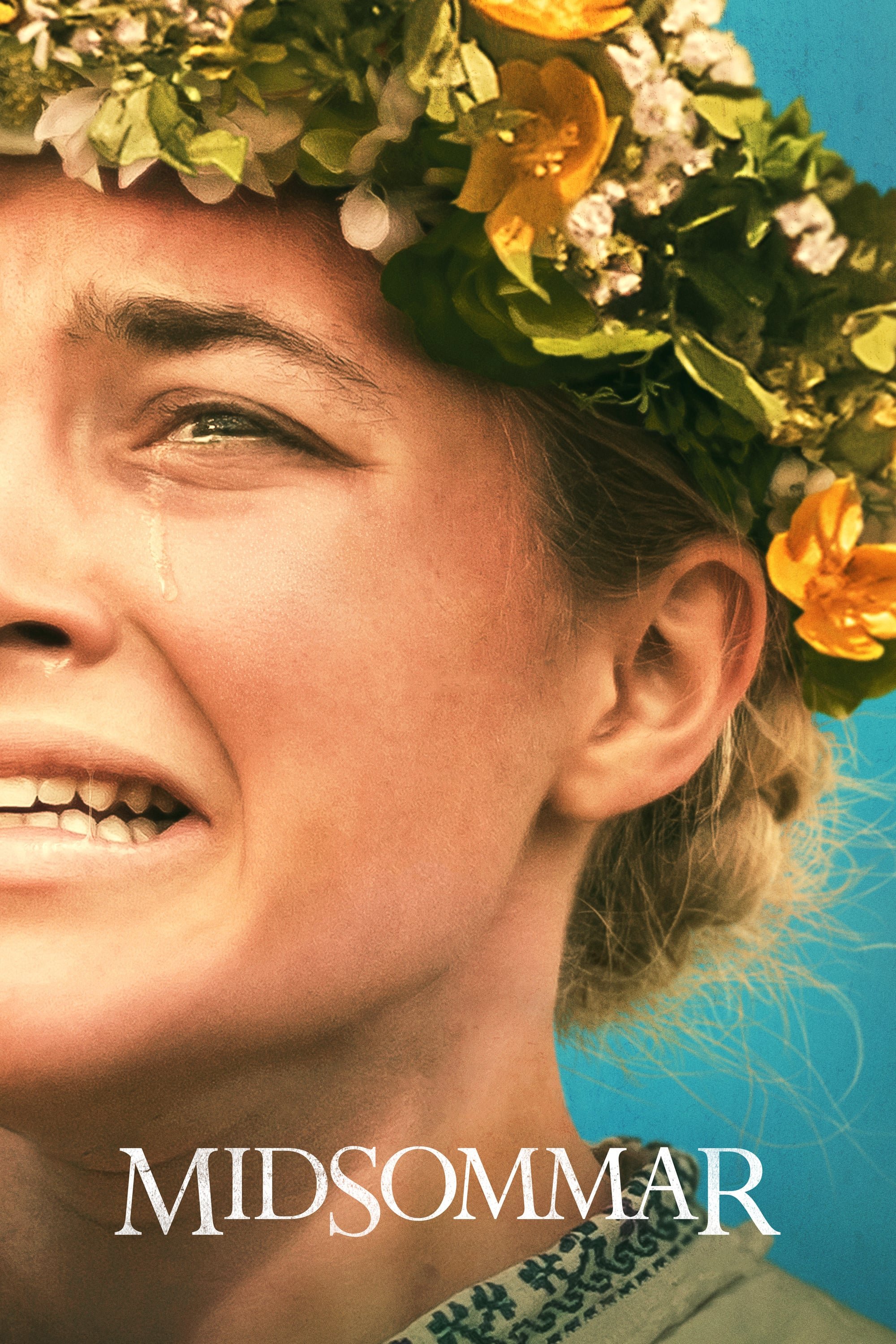
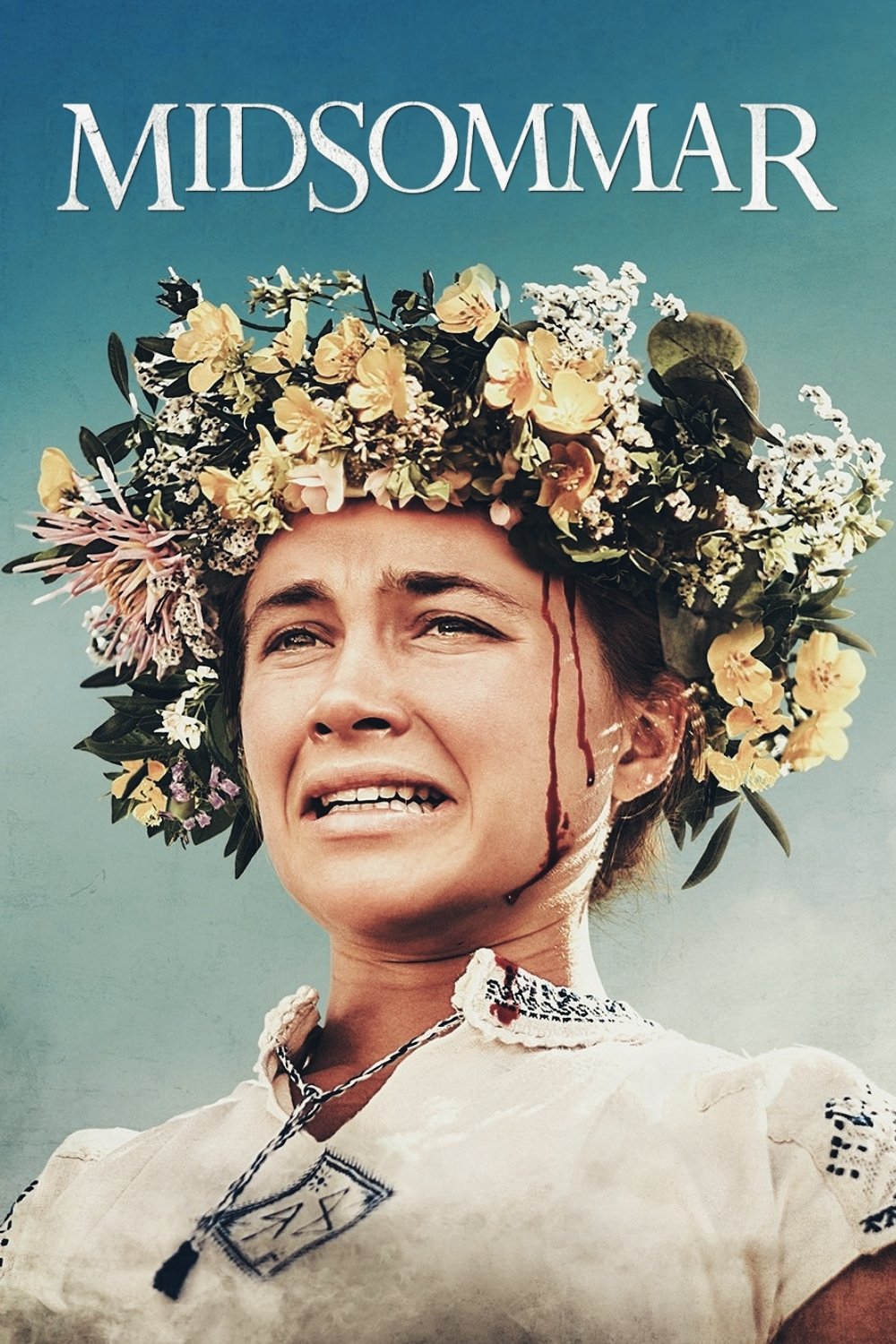
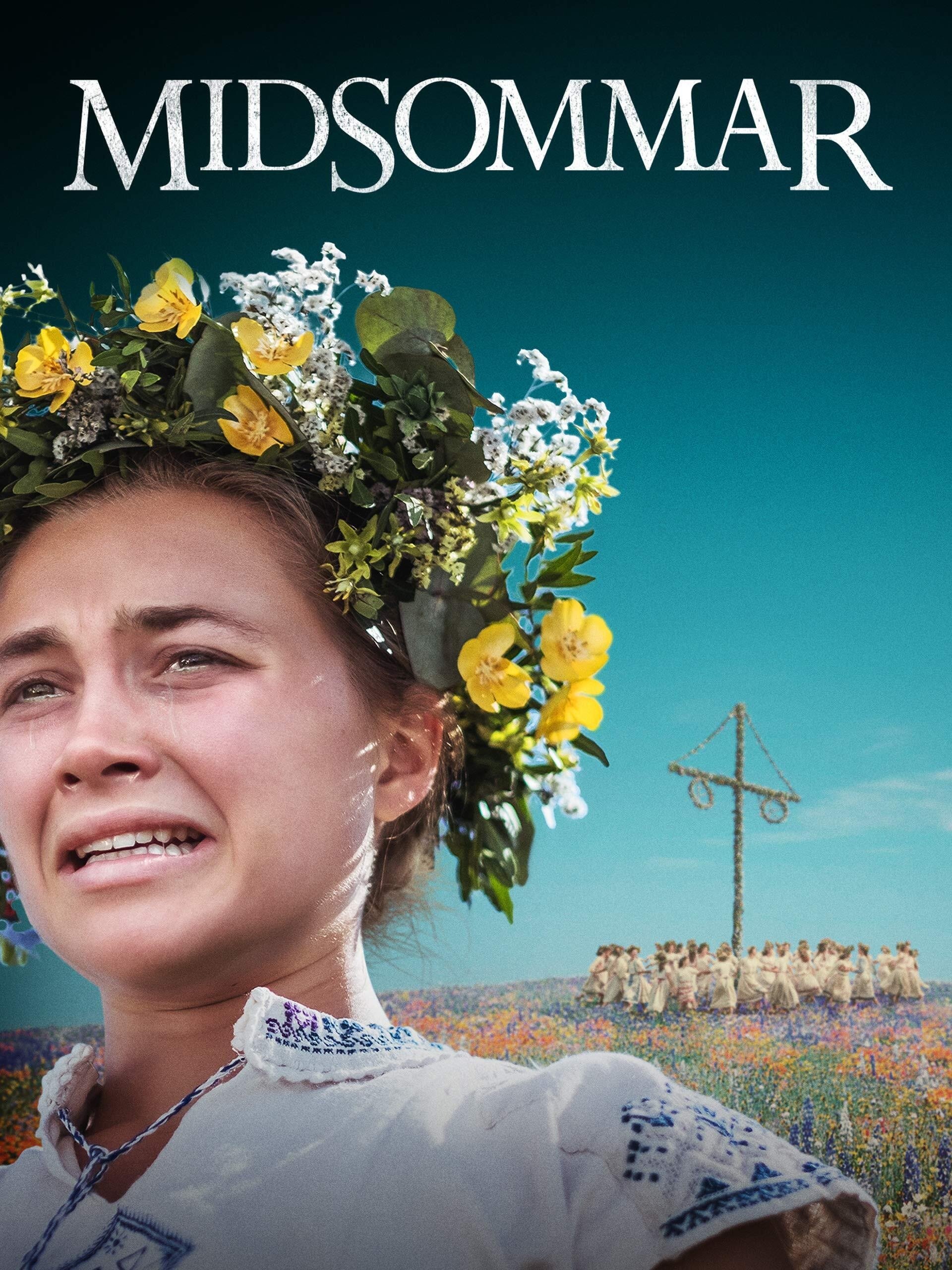
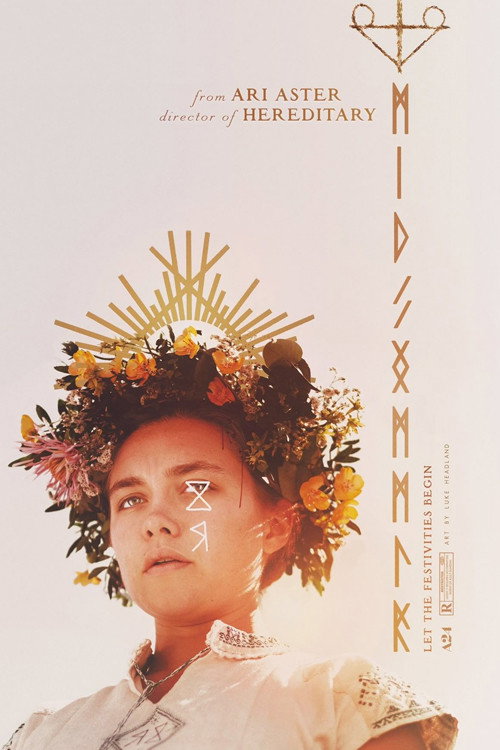
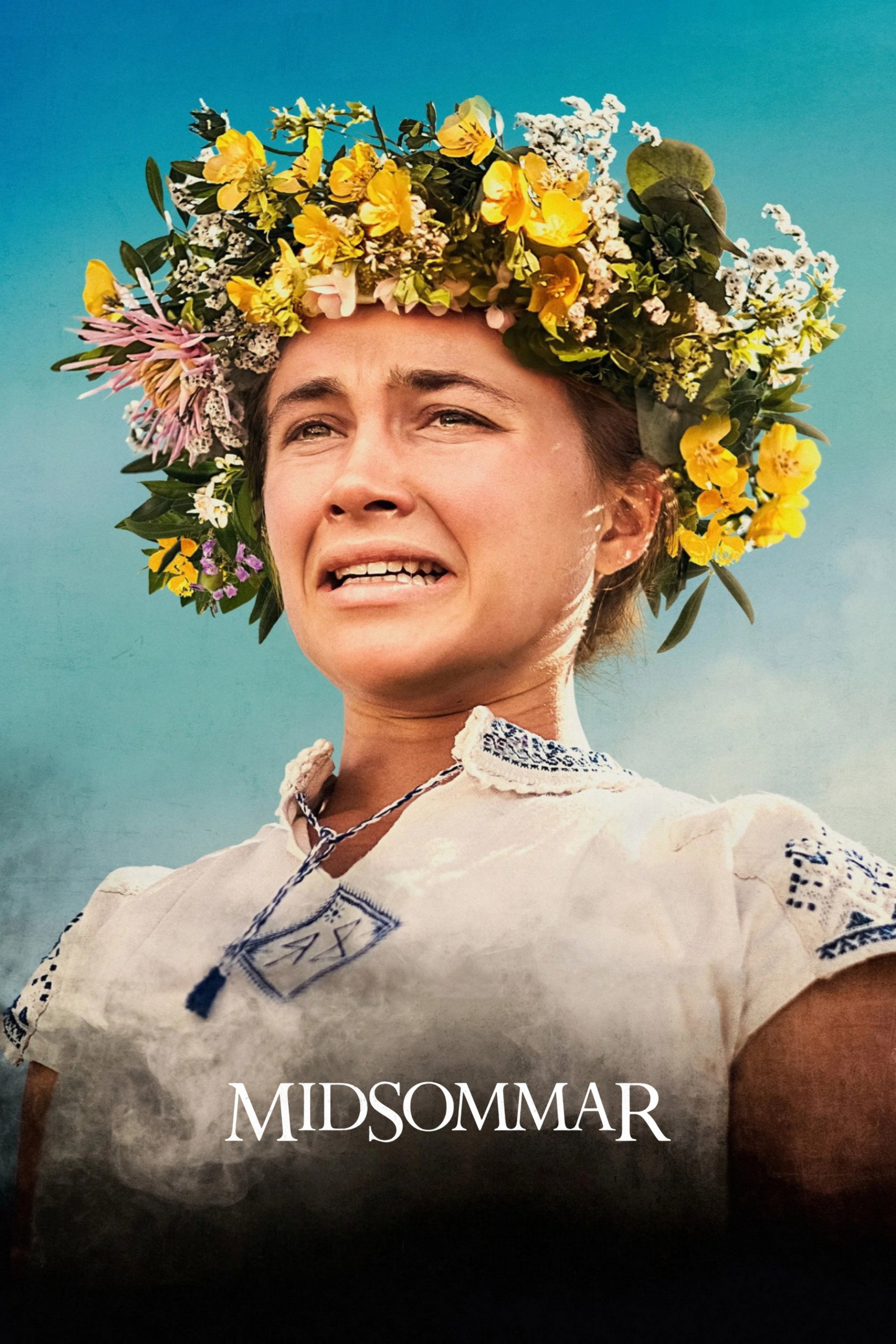
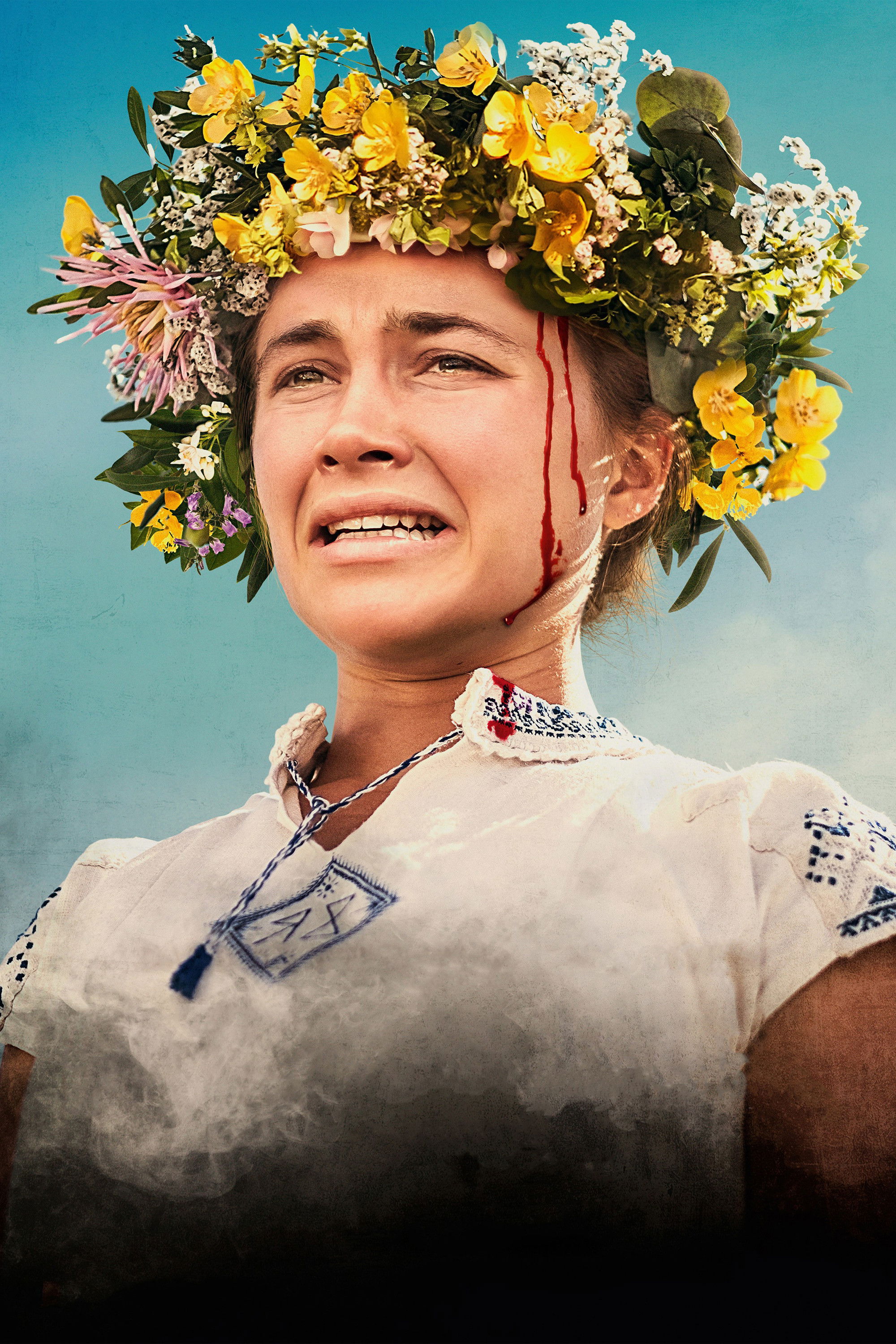
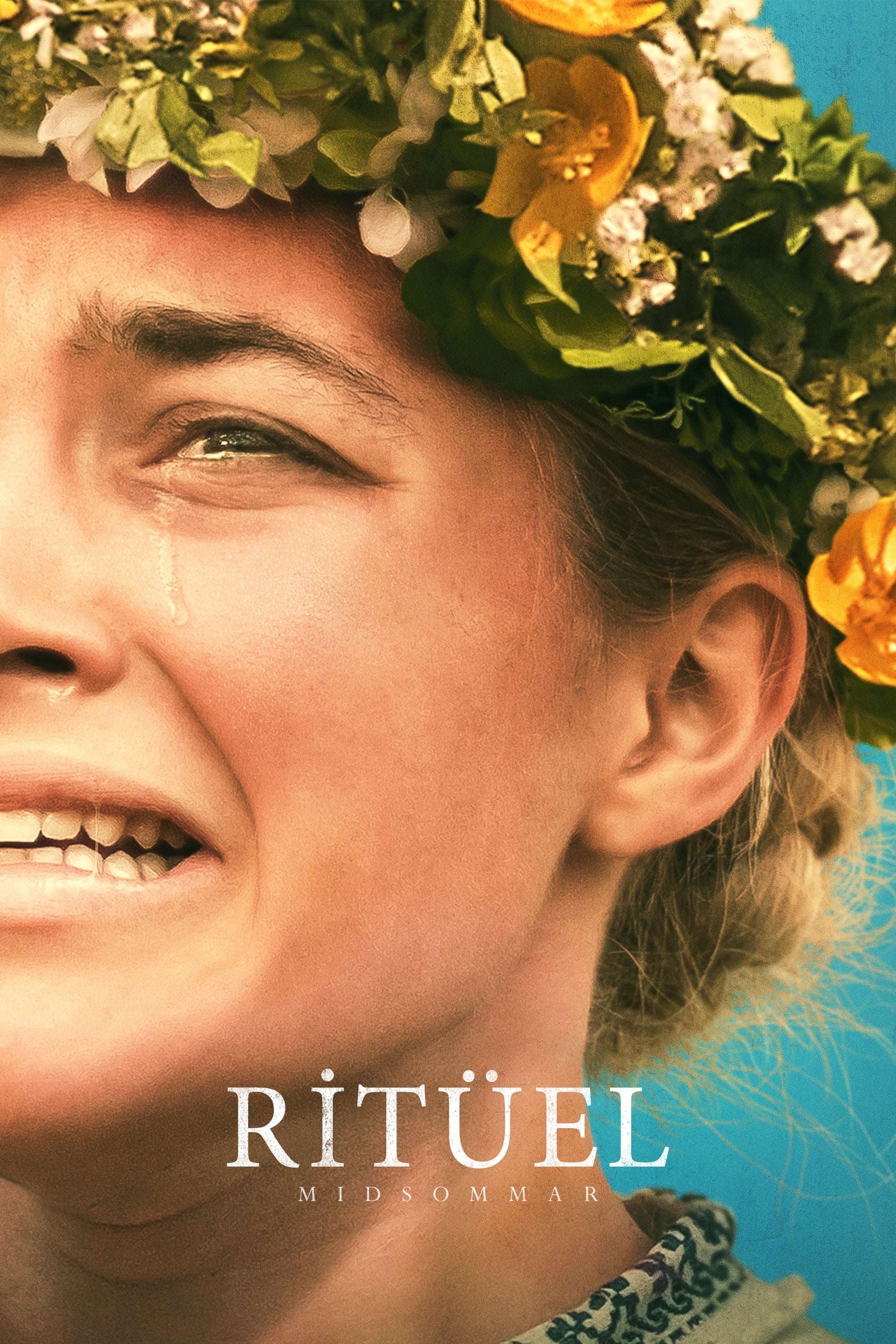
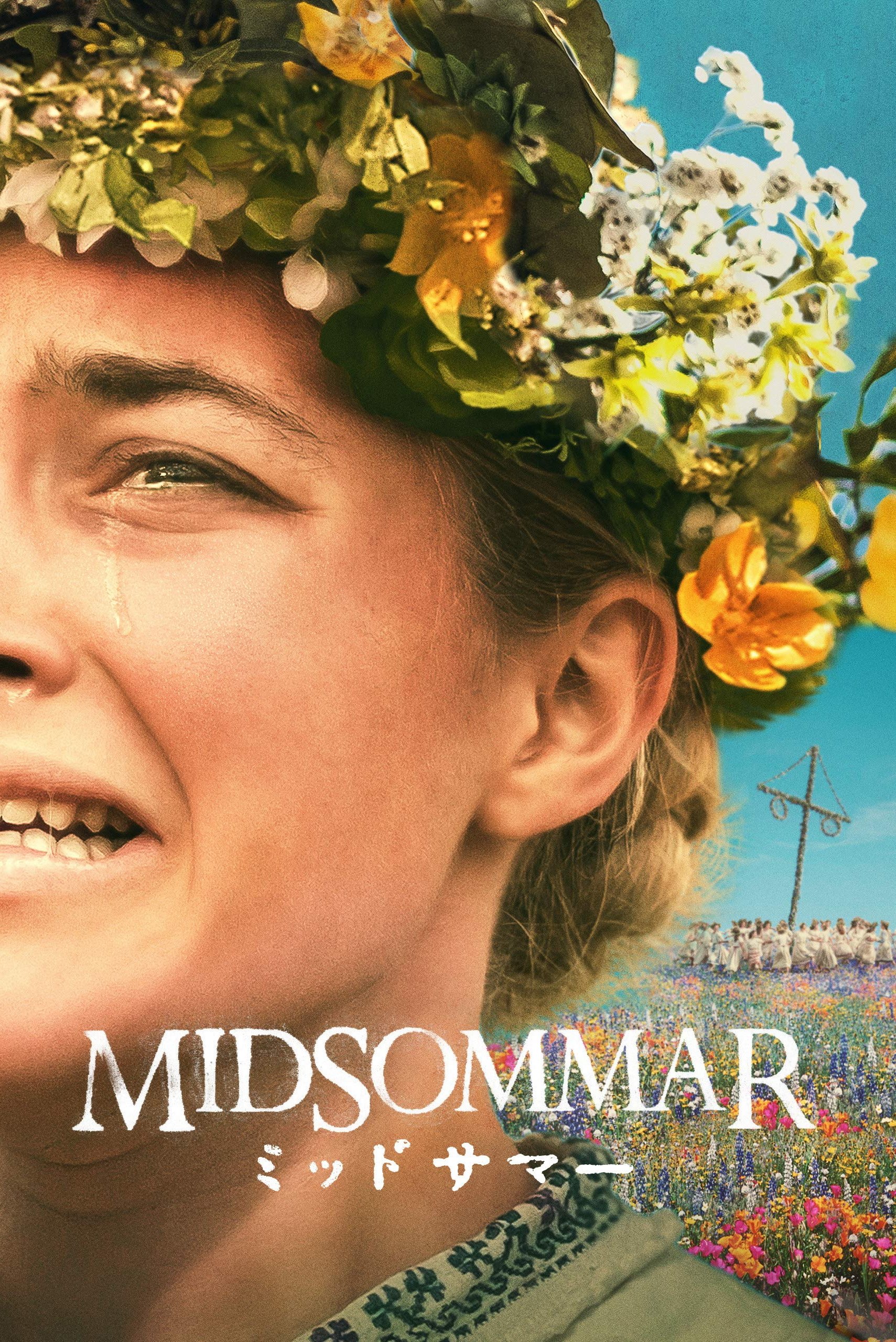
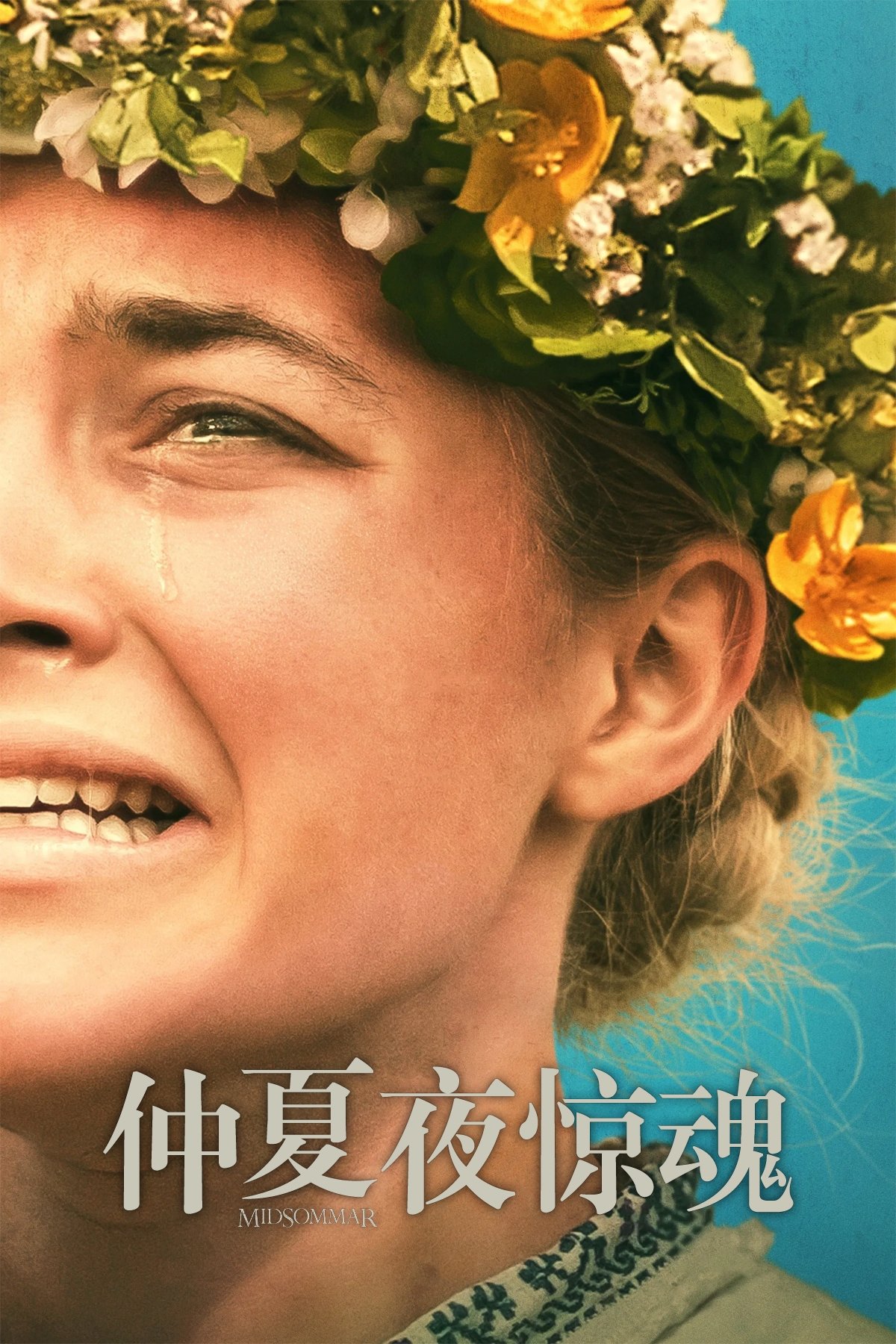
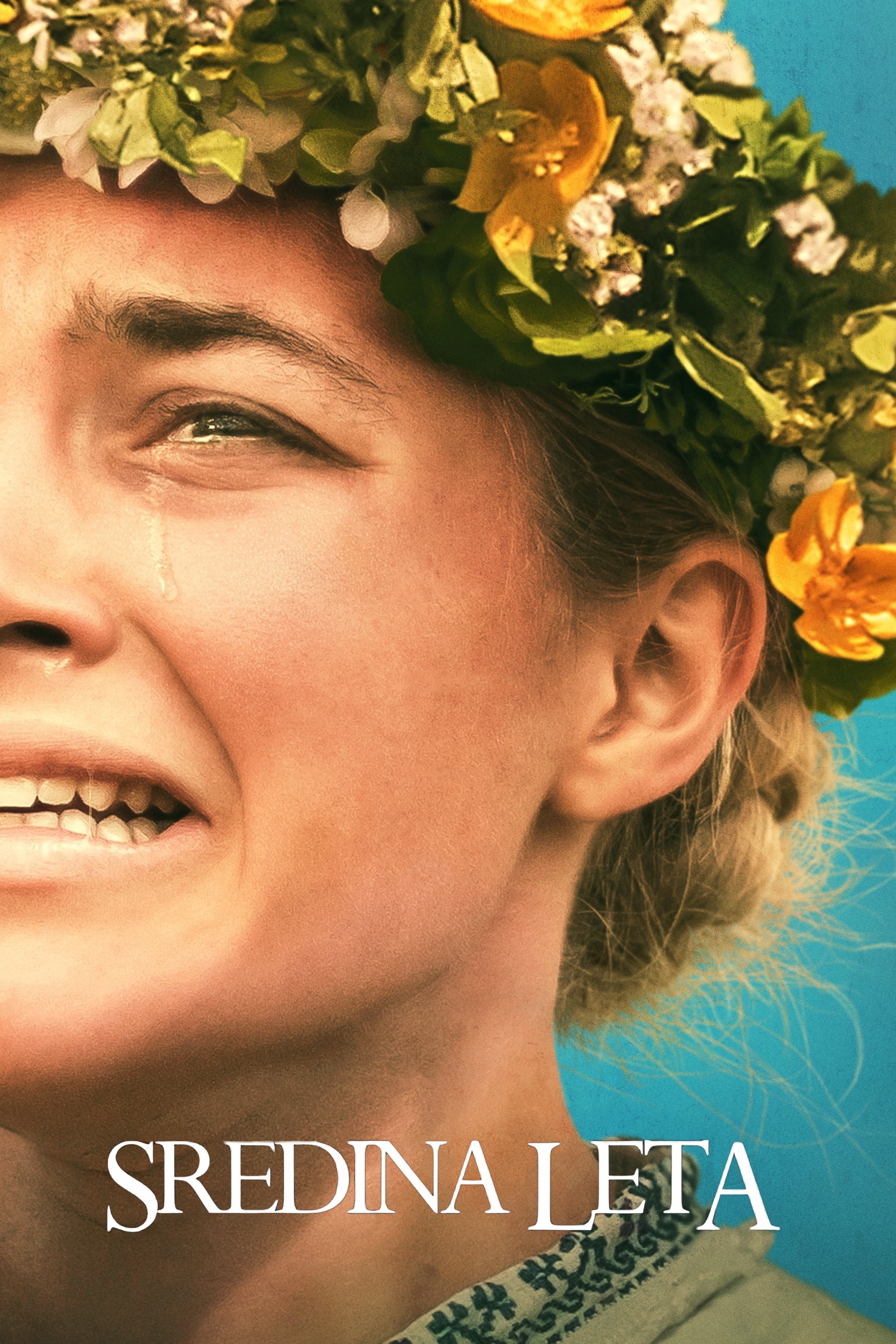
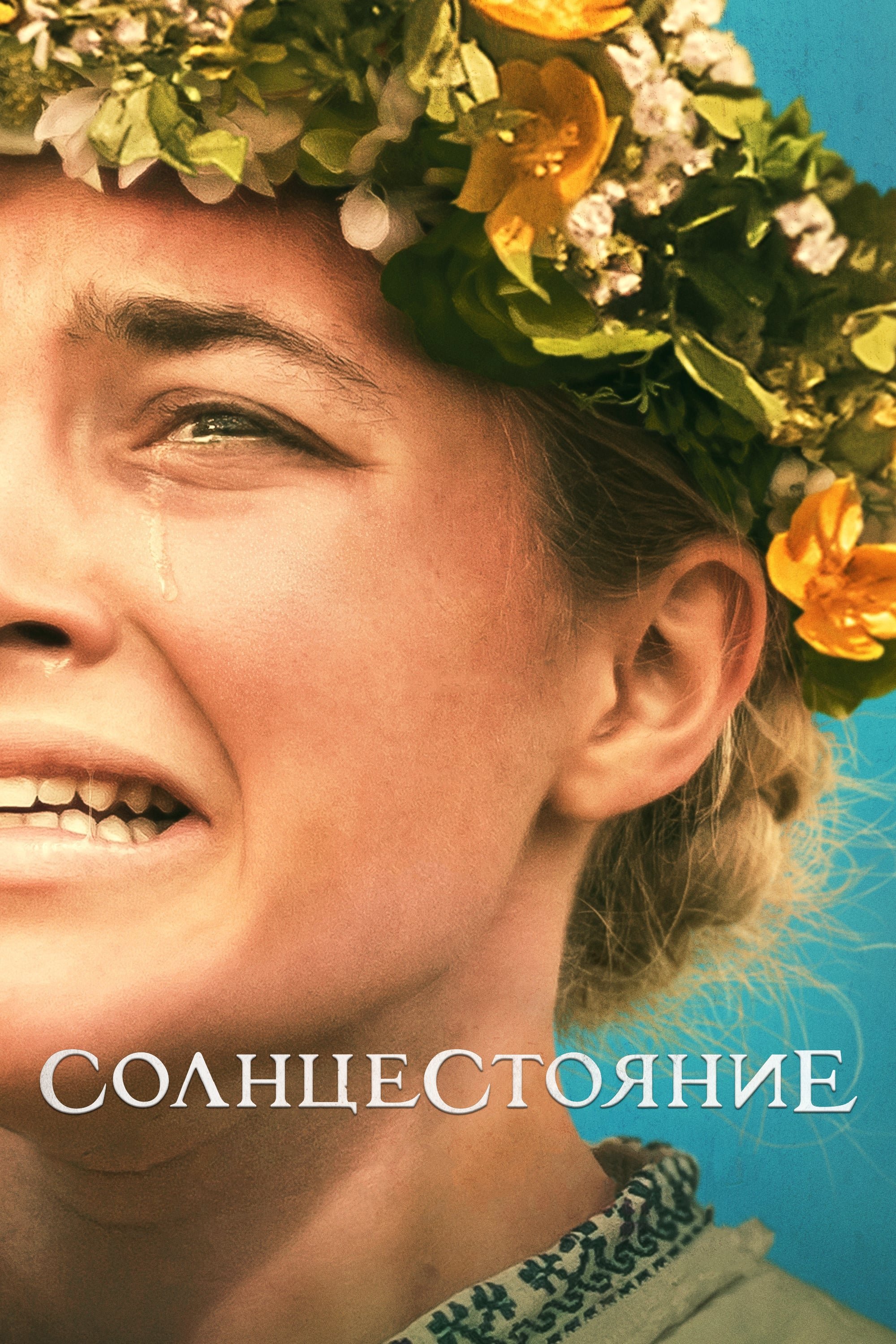
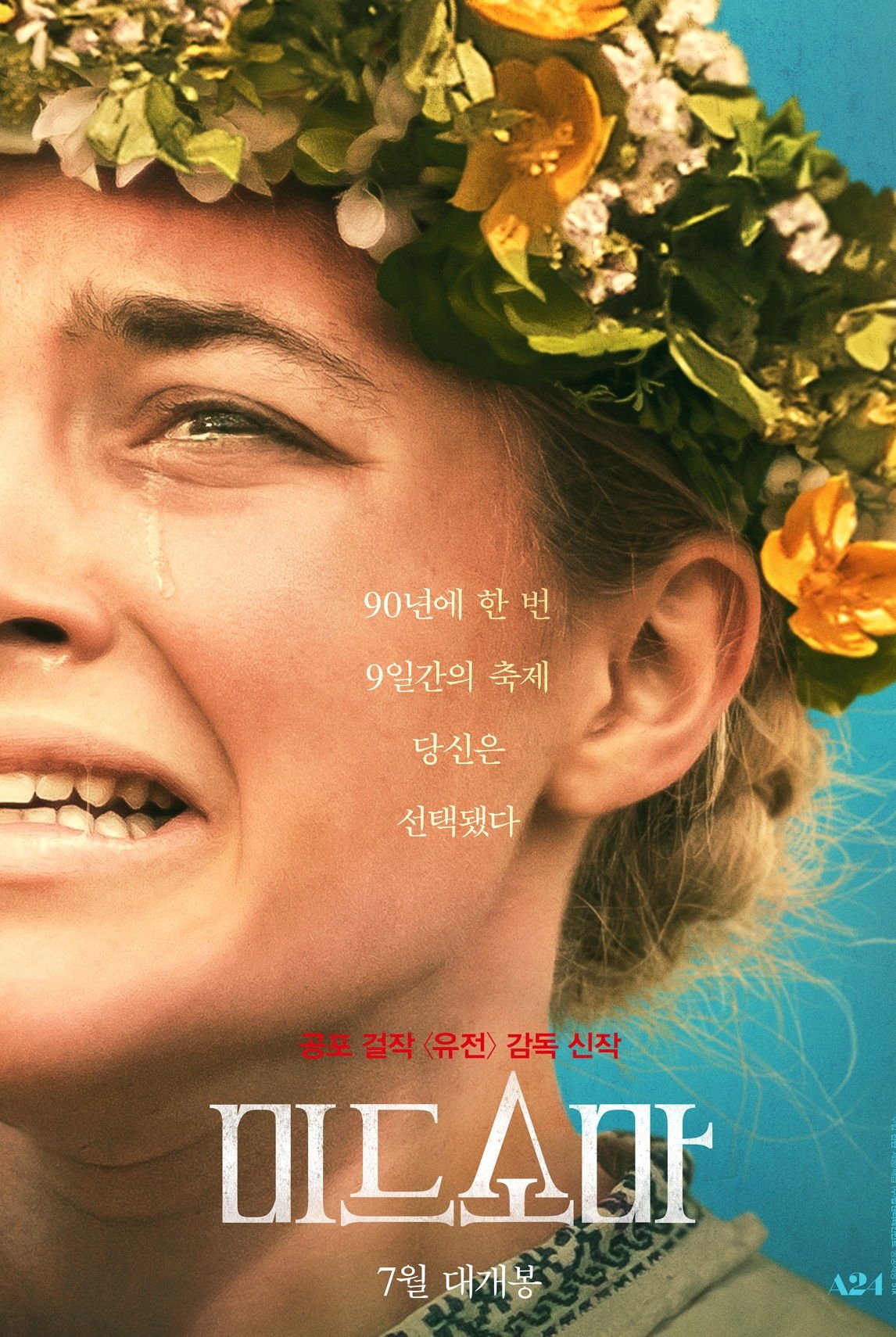
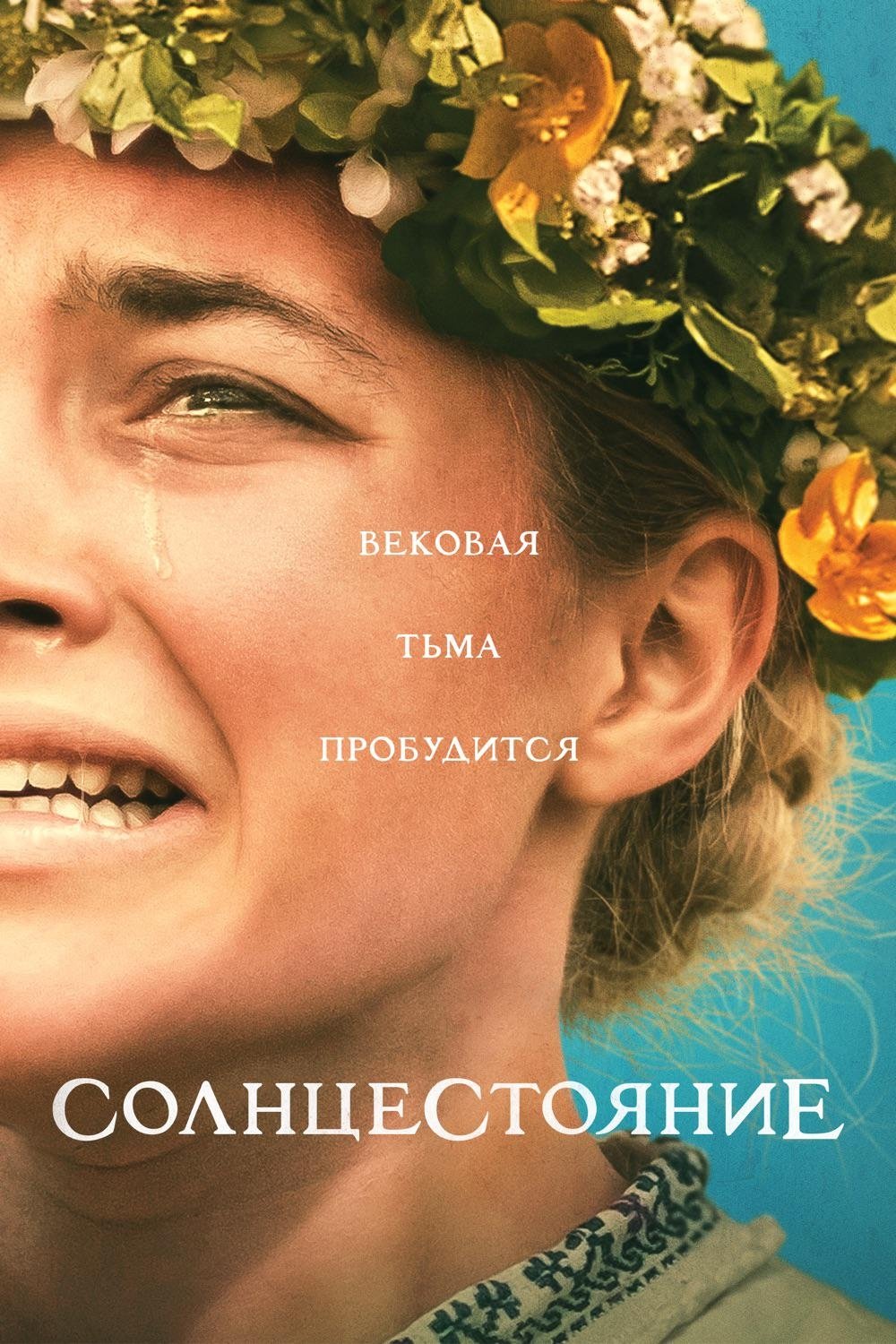
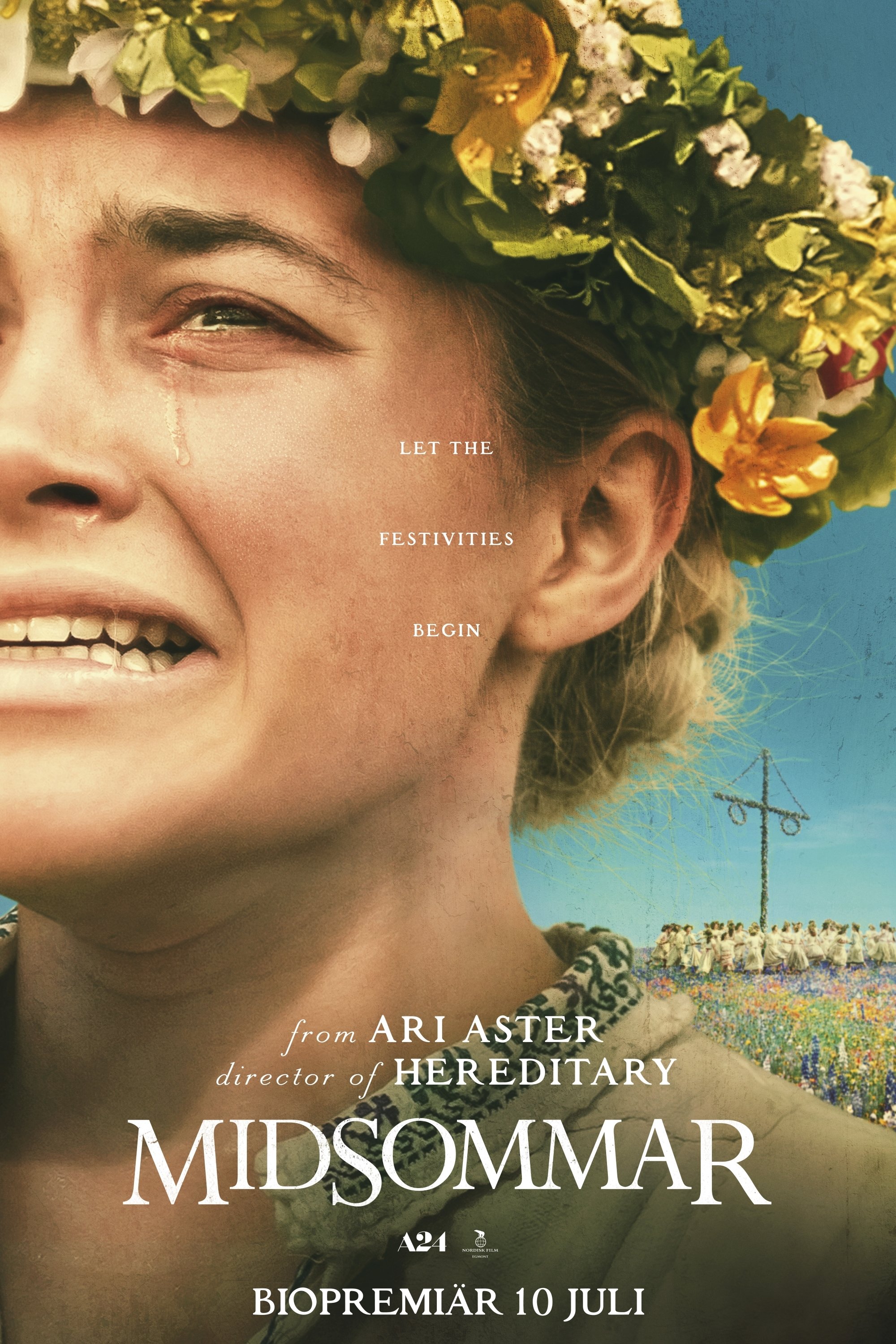
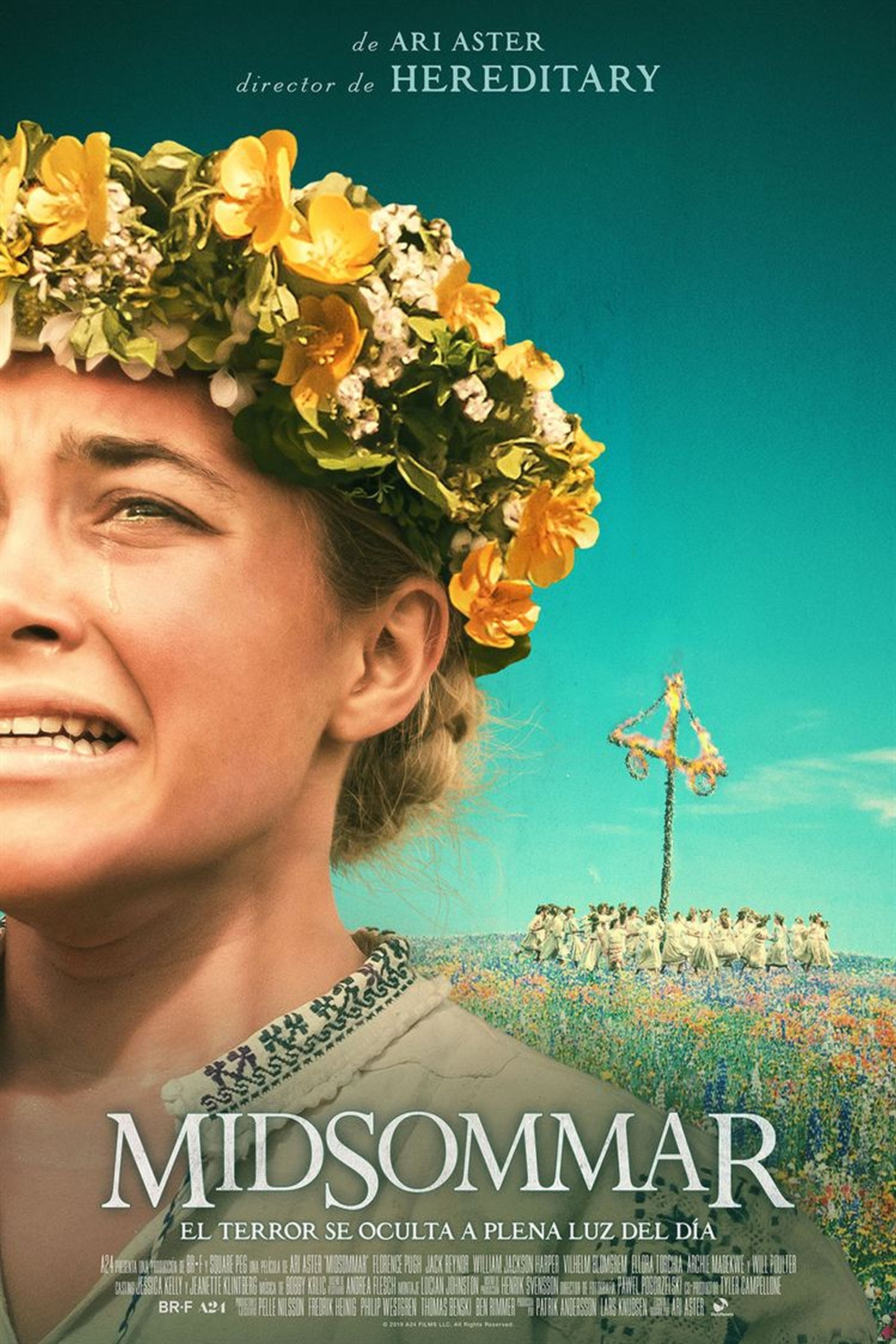
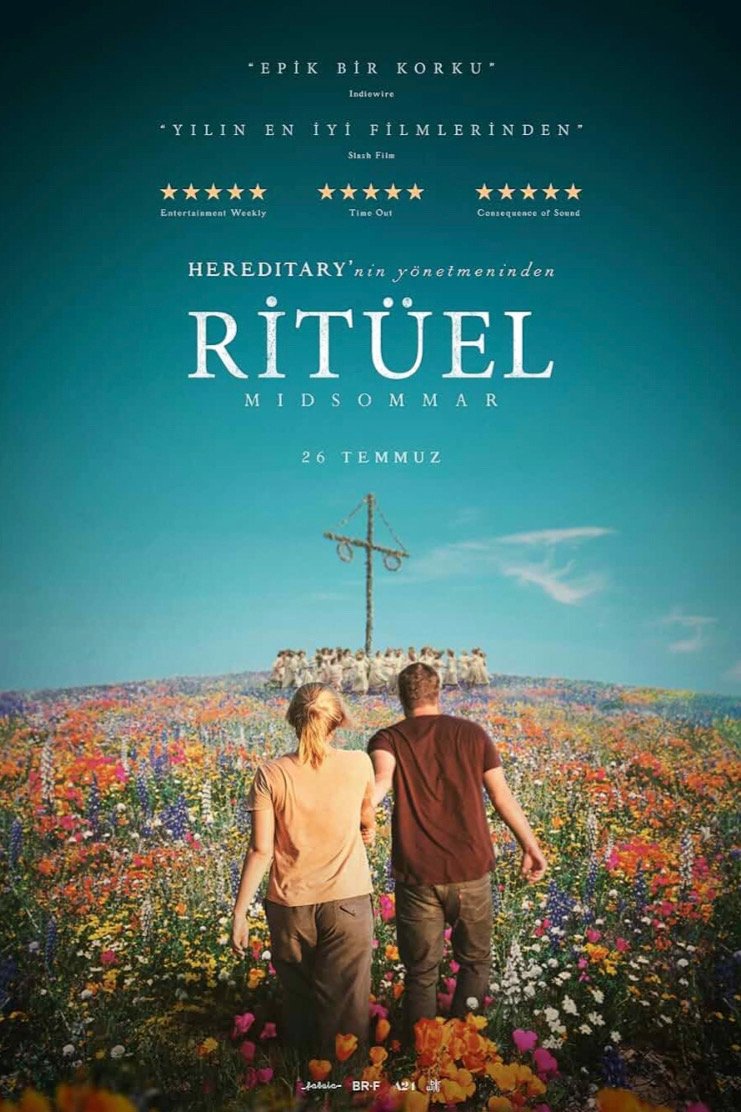
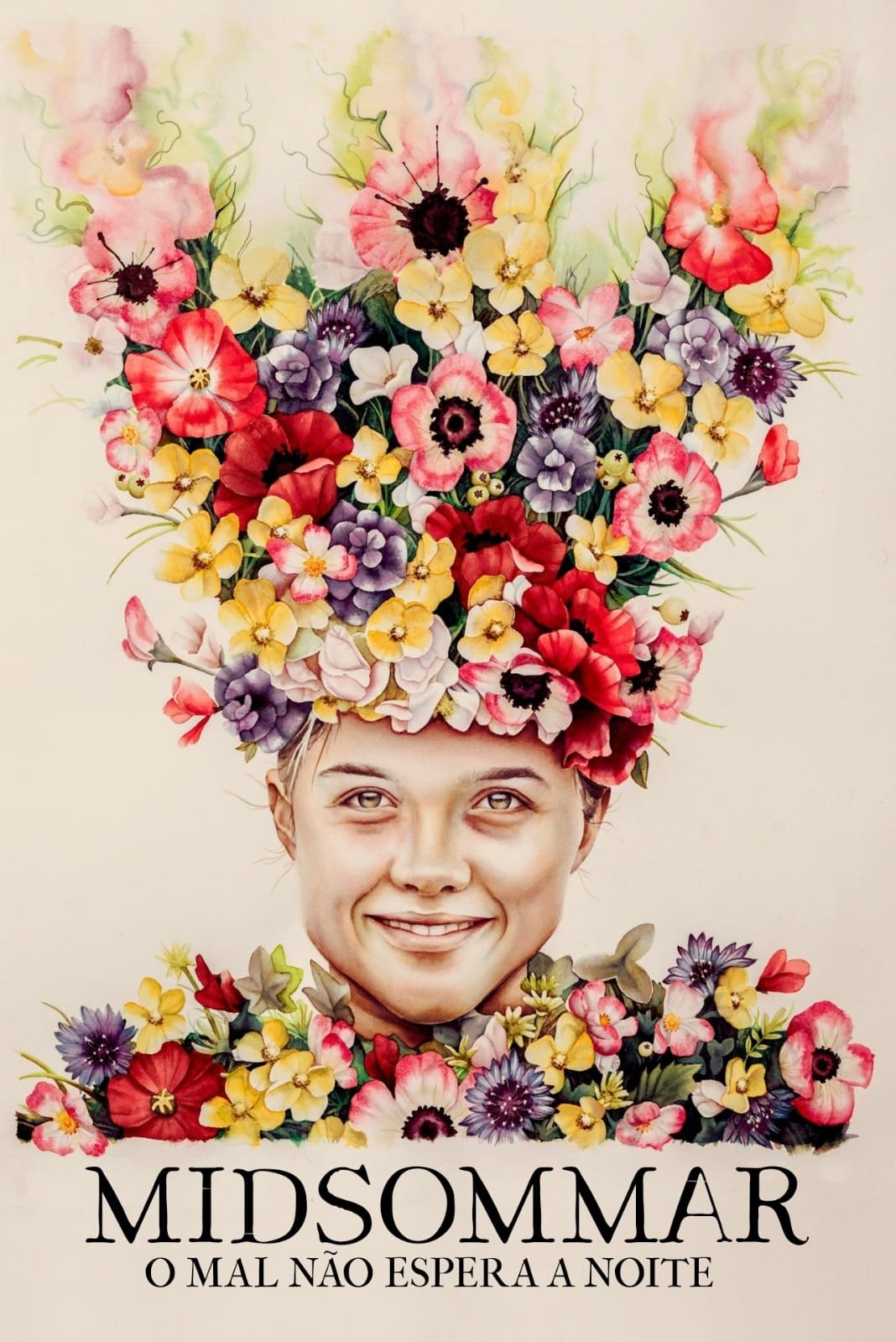
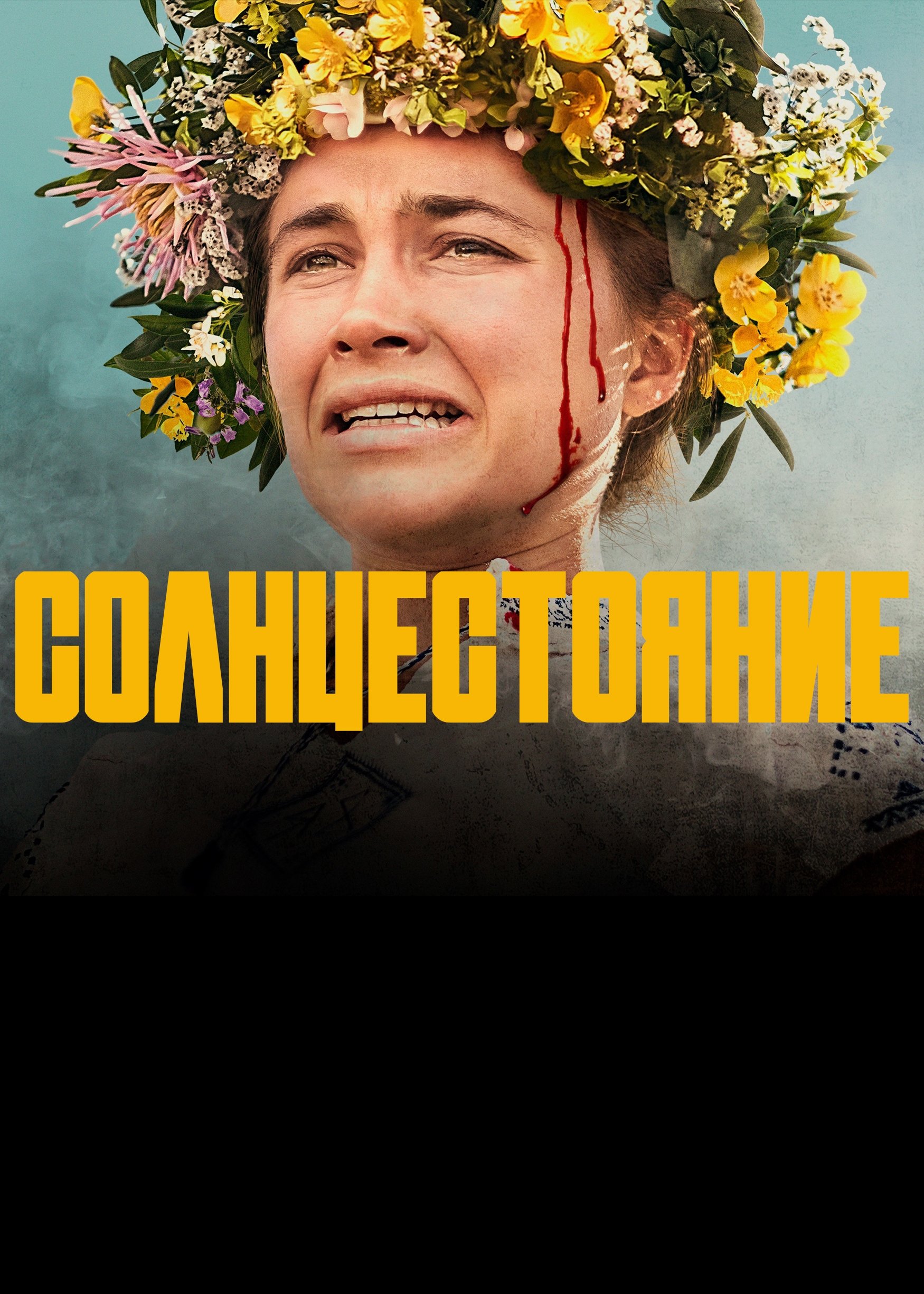
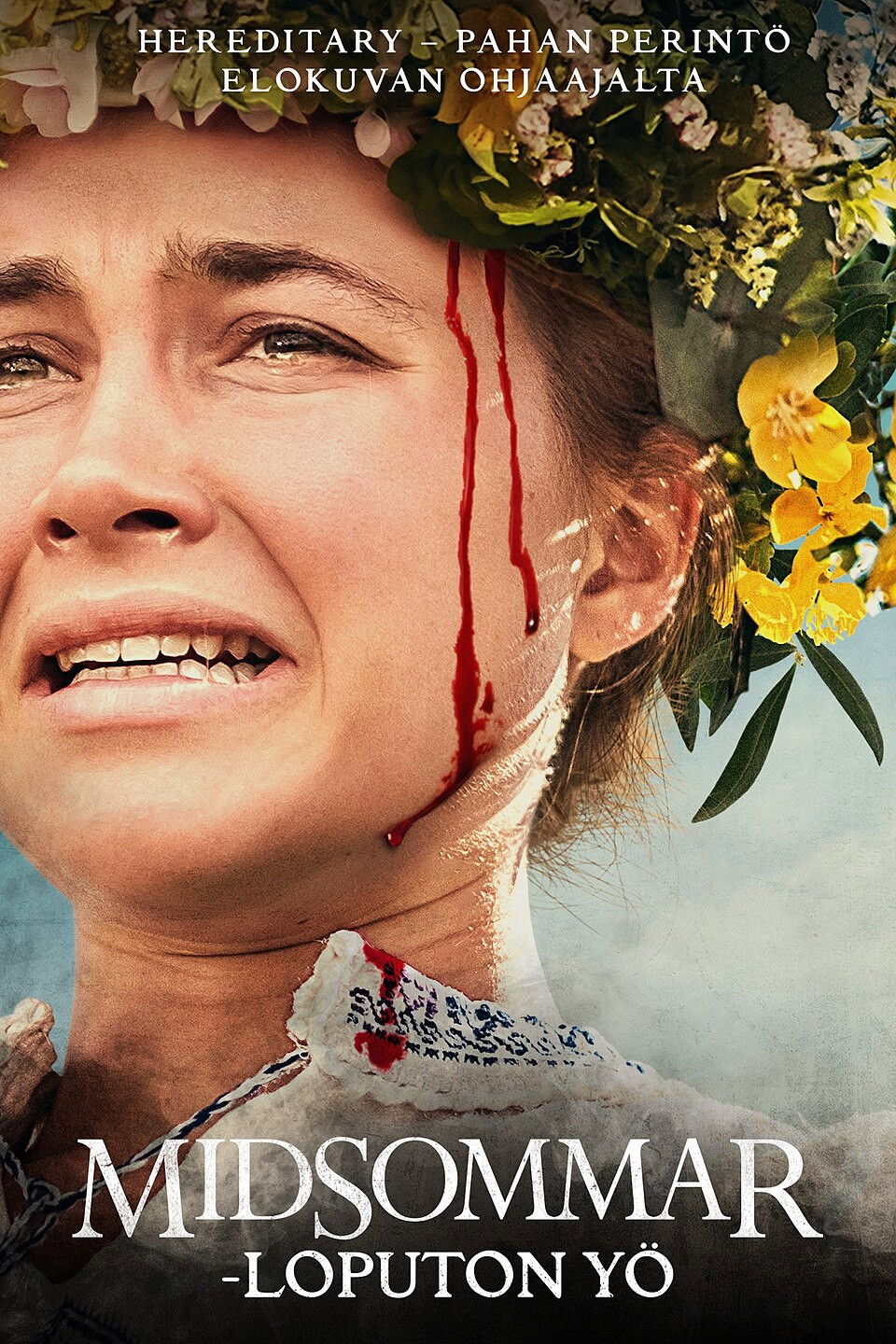
Costume design reaches its opposite extreme with Dani's May Queen clothing. Flesch and her team spent roughly two months developing the final floral costume, eventually attaching about 10,000 silk flowers to a specially engineered structure. A24 records the finished costume at approximately fifteen kilograms. Aster wanted it to resemble an entire meadow, using flowers to overwhelm the silhouette. The effect is simultaneously triumphant and restrictive: Dani becomes the visual center of the community at exactly the moment her body is almost swallowed by its flowers. Her transformation into the May Queen is therefore expressed as both coronation and enclosure.
Music and Collective Sound
Aster began his relationship with composer Bobby Krlic unusually early. He had written Midsommar while listening extensively to Krlic's work as The Haxan Cloak, particularly the album Excavation, and the two connected before filming began. Krlic consequently developed the non-diegetic score and music that the Hårga perform within scenes. Material had to exist before production so performers could sing and play it on set. This helped reduce the normal boundary between background score and the community's own musical culture.
Krlic and Aster wanted the music to move beyond straightforward horror scoring. Their discussions increasingly centered on the idea of a dark fairy tale, leading Krlic toward orchestral writing, voices, unusual instrumentation and sounds influenced by Nordic traditions without attempting to reproduce a single historical musical practice. He worked closely with Aster in the studio, often responding directly to Aster's descriptions of the intended emotional effect. The final ritual sequence became an especially important reference point because its music needed to contain fear, grief and an unsettling form of release simultaneously.
Collective sound also mirrors the social organization of Hårga. Breath, cries, singing and instrumental performance frequently become communal activities shared across the group. The community absorbs private experience into shared rhythm. This culminates in sequences where pain is echoed vocally by surrounding participants. Sound therefore performs the same function as the film's symmetrical architecture and synchronized movement: it makes individual identity increasingly difficult to separate from the group.
Release, Reception and Legacy
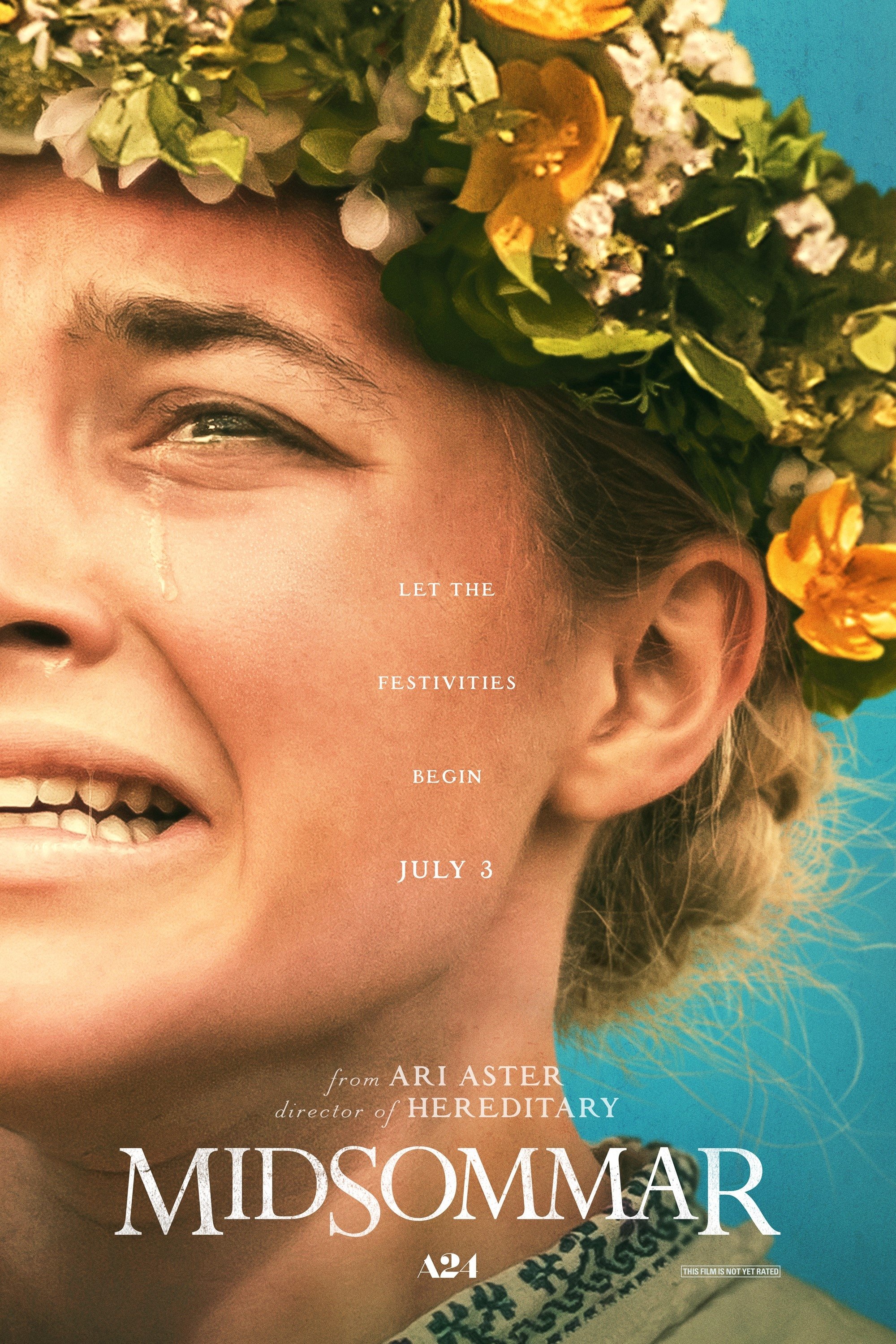
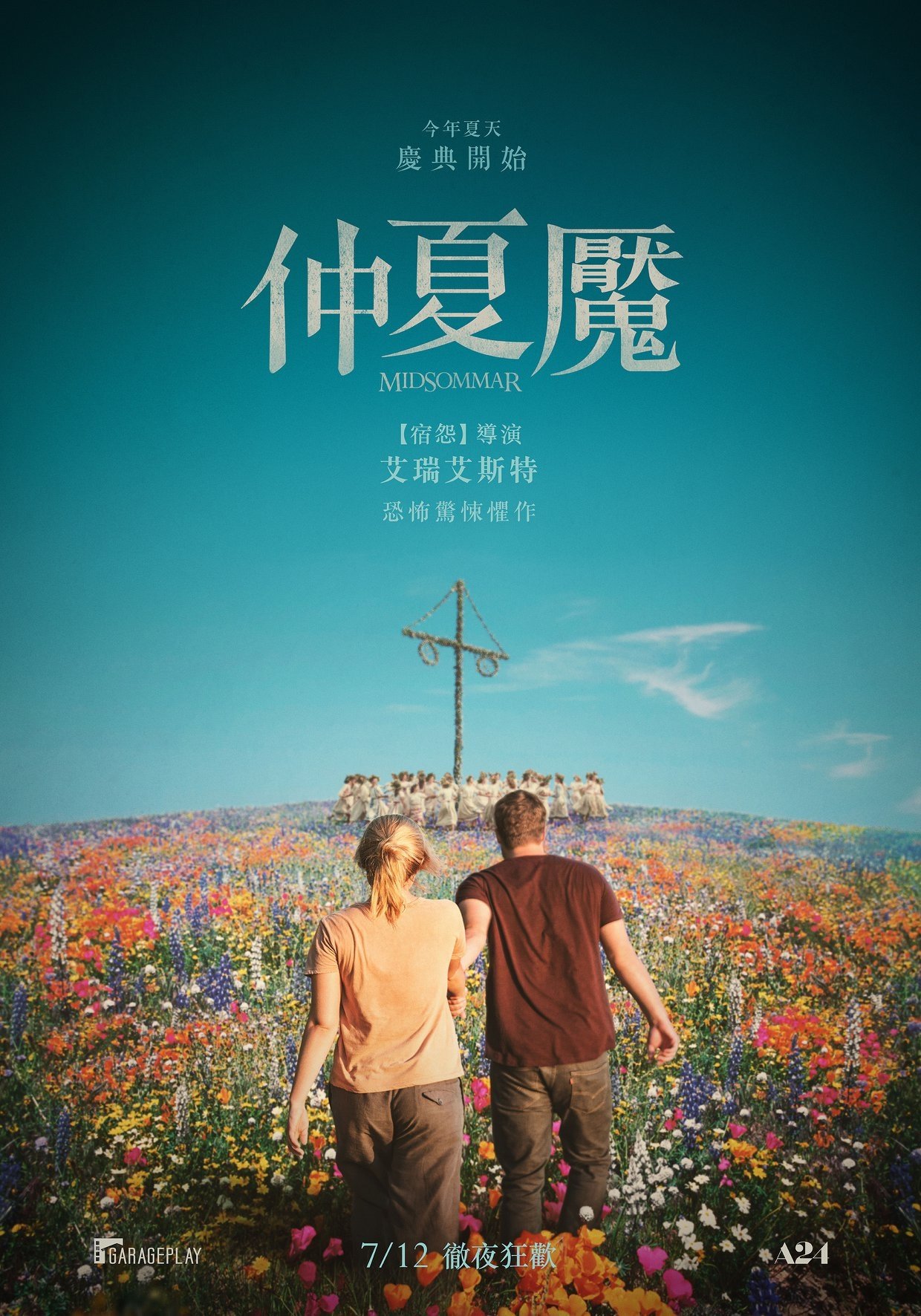
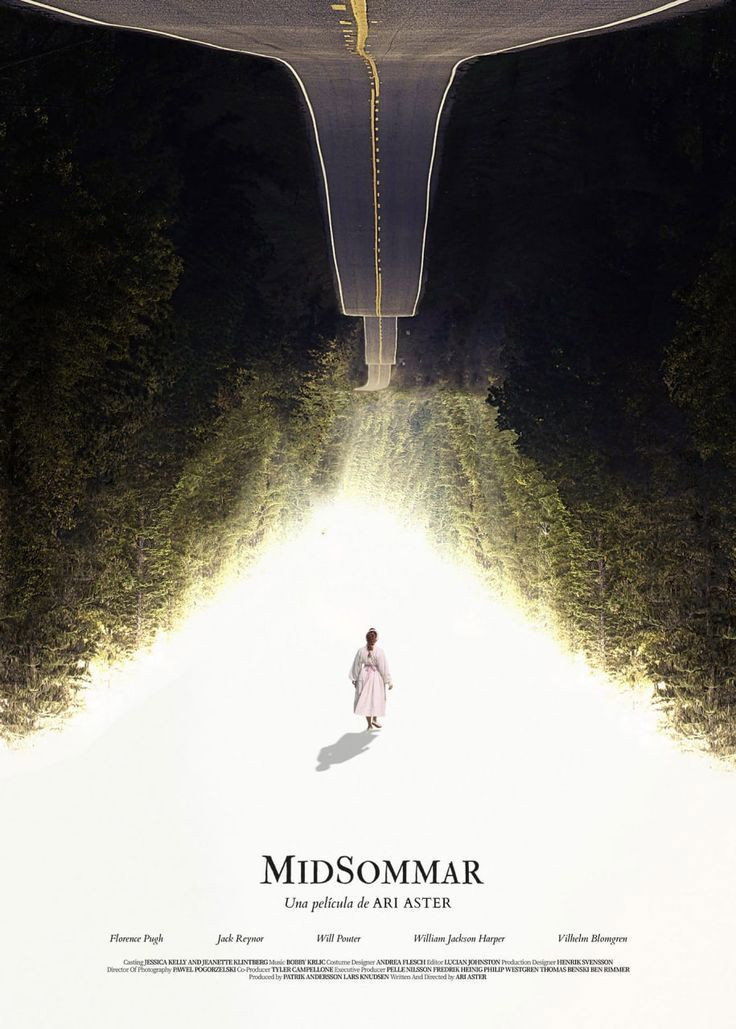
A24 released Midsommar theatrically in the United States on July 3, 2019. The theatrical version runs approximately 147 minutes, an unusually long duration for a wide horror release. It opened with about $6.6 million domestically and eventually earned approximately $27.4 million in the United States and Canada. Worldwide theatrical grosses reached roughly $48.6 million against a reported production budget of about $9 million. The result was significantly smaller than the largest mainstream horror hits of the period but substantial for a long, deliberately paced and graphically violent film without franchise branding.
Critical response was generally favorable while remaining divided over the film's length, characters and deliberate excess. Metacritic recorded a score of 72 from 54 reviews. Sight and Sound situated the film firmly within folk horror while noting how its hallucinatory daylight environment separates it from conventional supernatural storytelling. Discussion frequently returned to Florence Pugh's performance, the cinematography and the unusual combination of emotional melodrama with graphic ritual violence. Comparisons with The Wicker Man were inevitable, although Aster consistently emphasized that the breakup structure was his principal emotional route into the material.
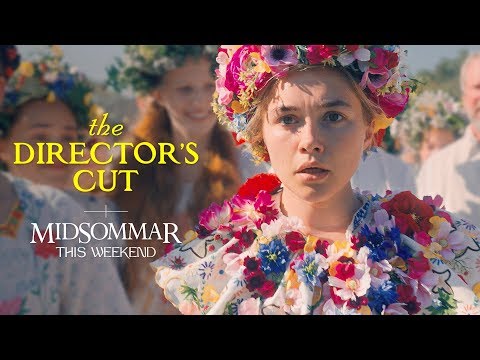
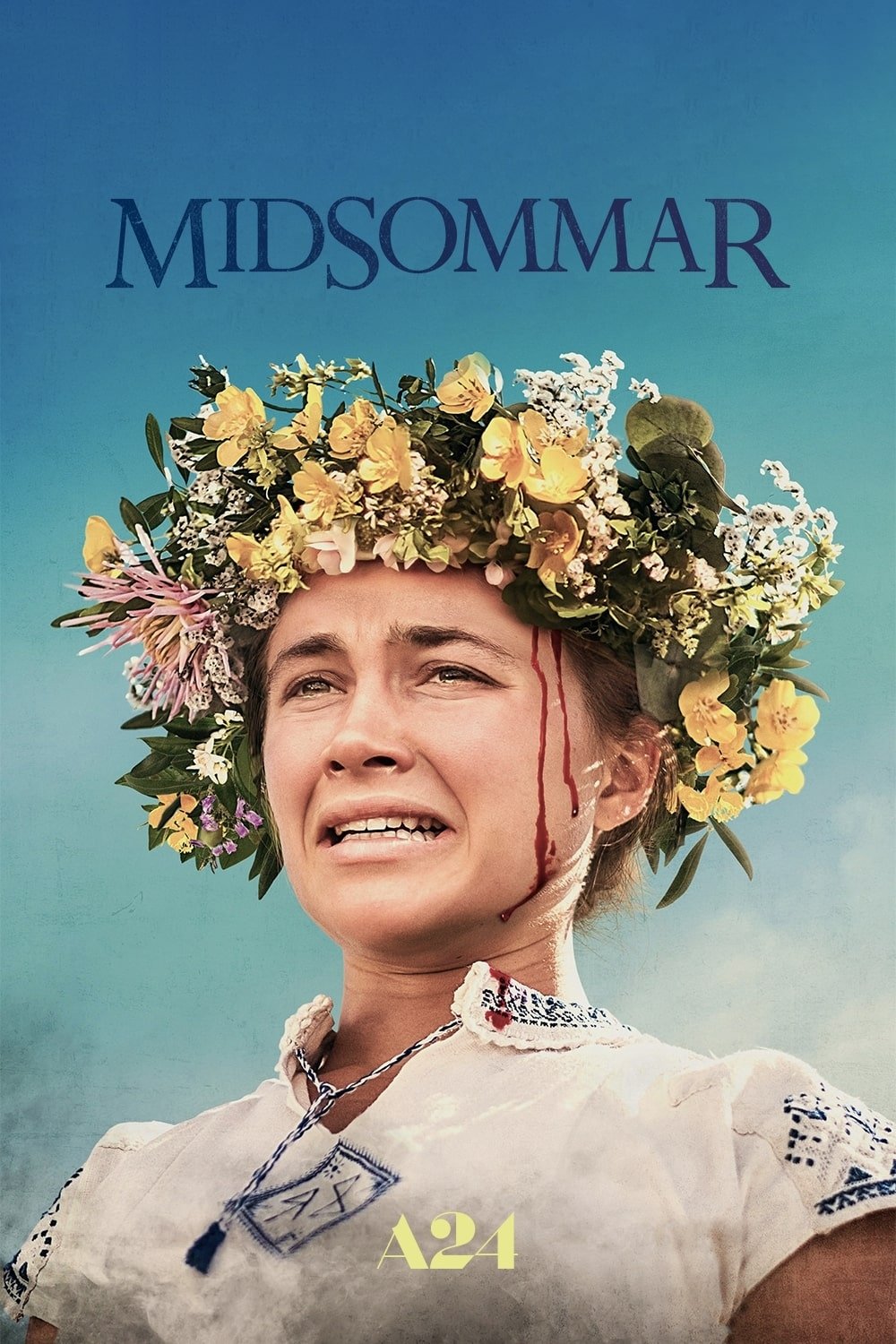
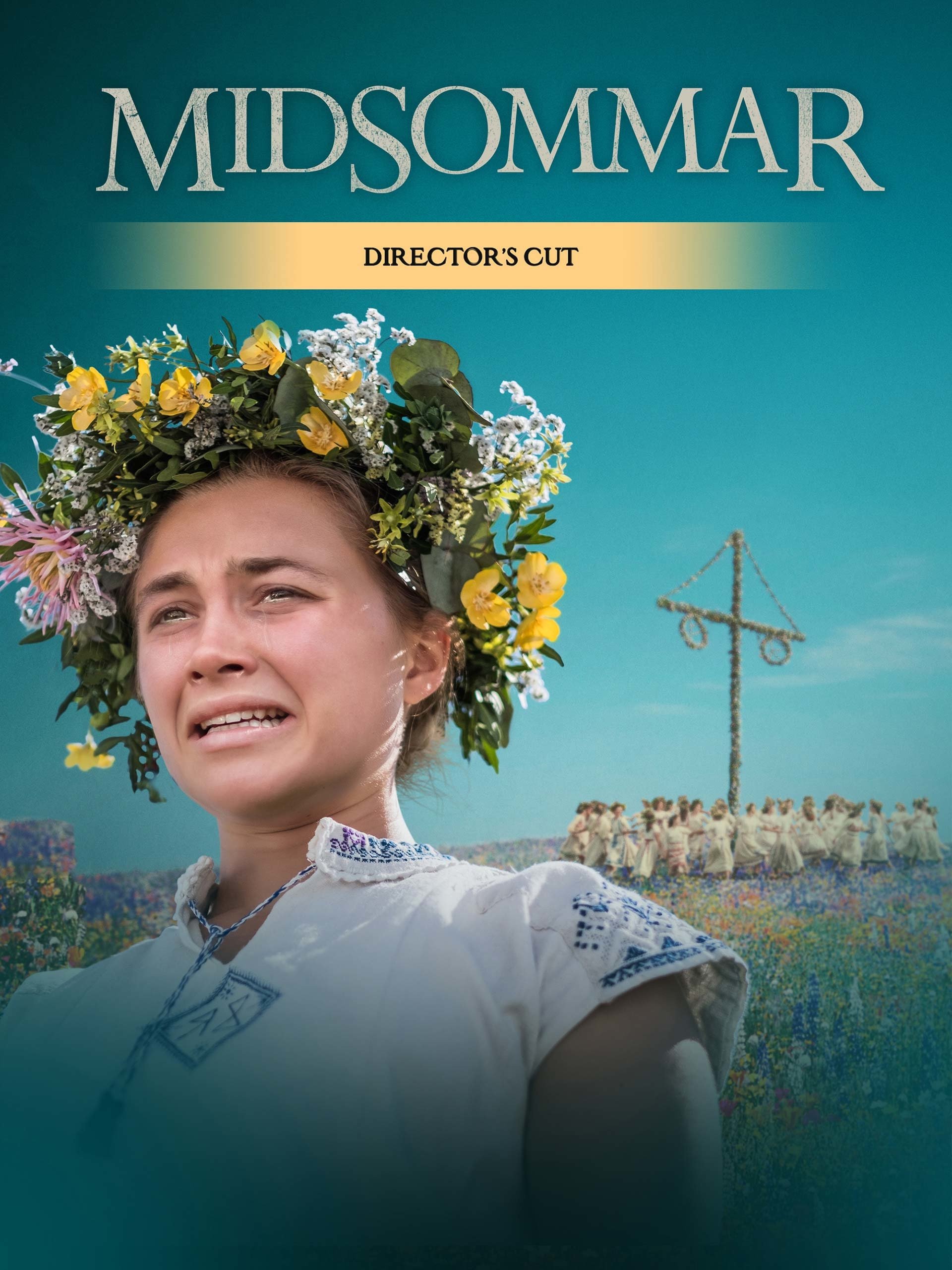
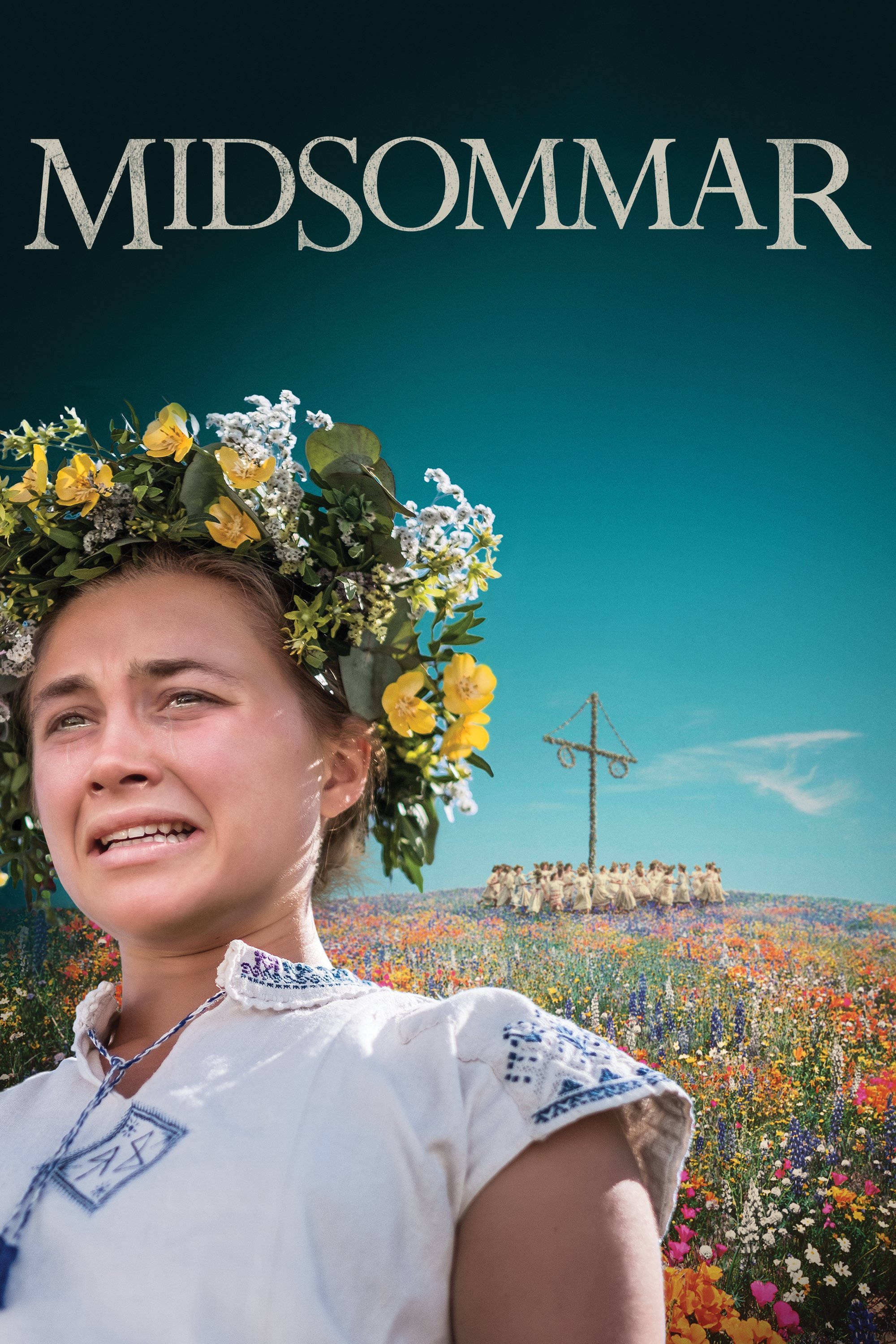
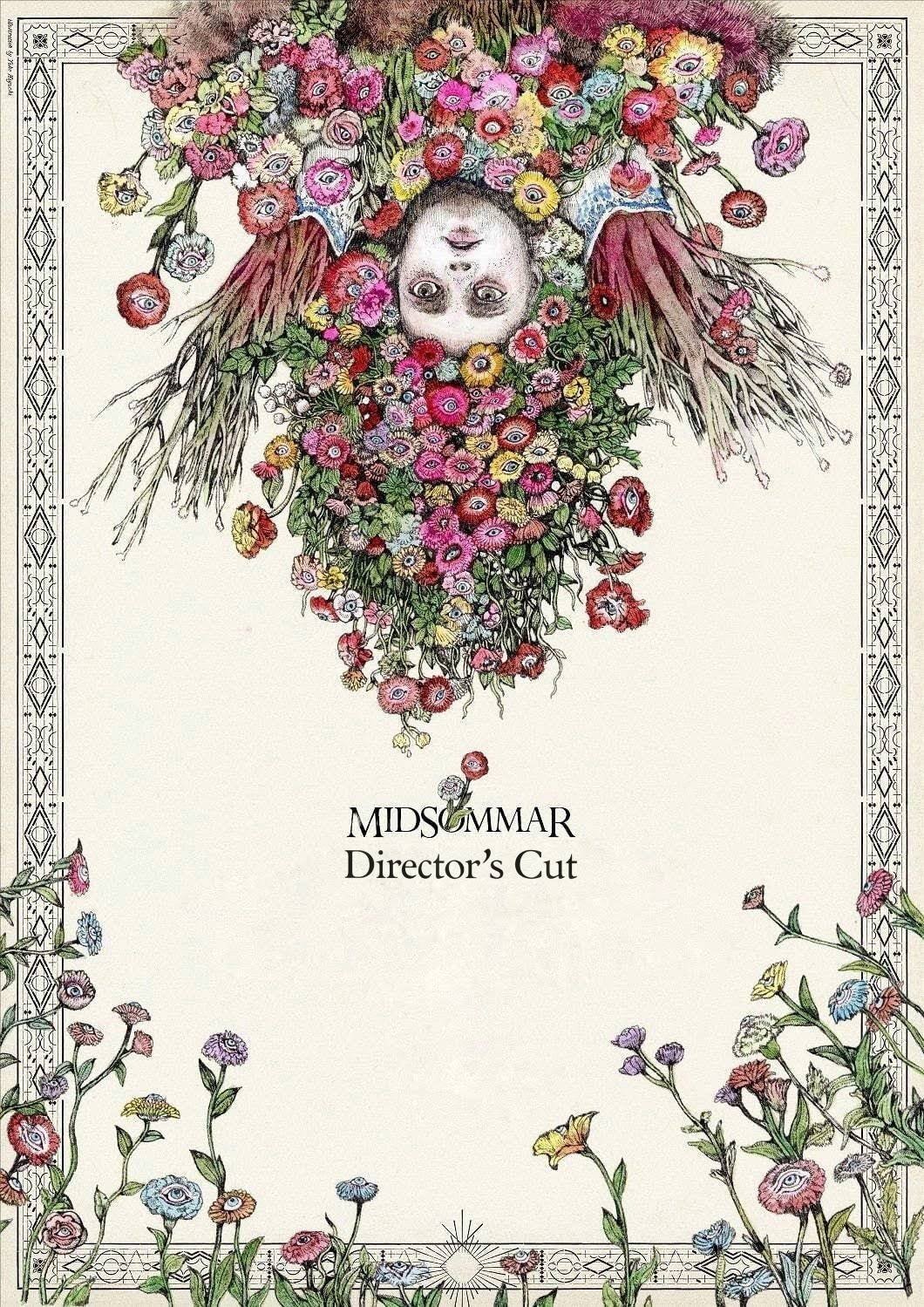
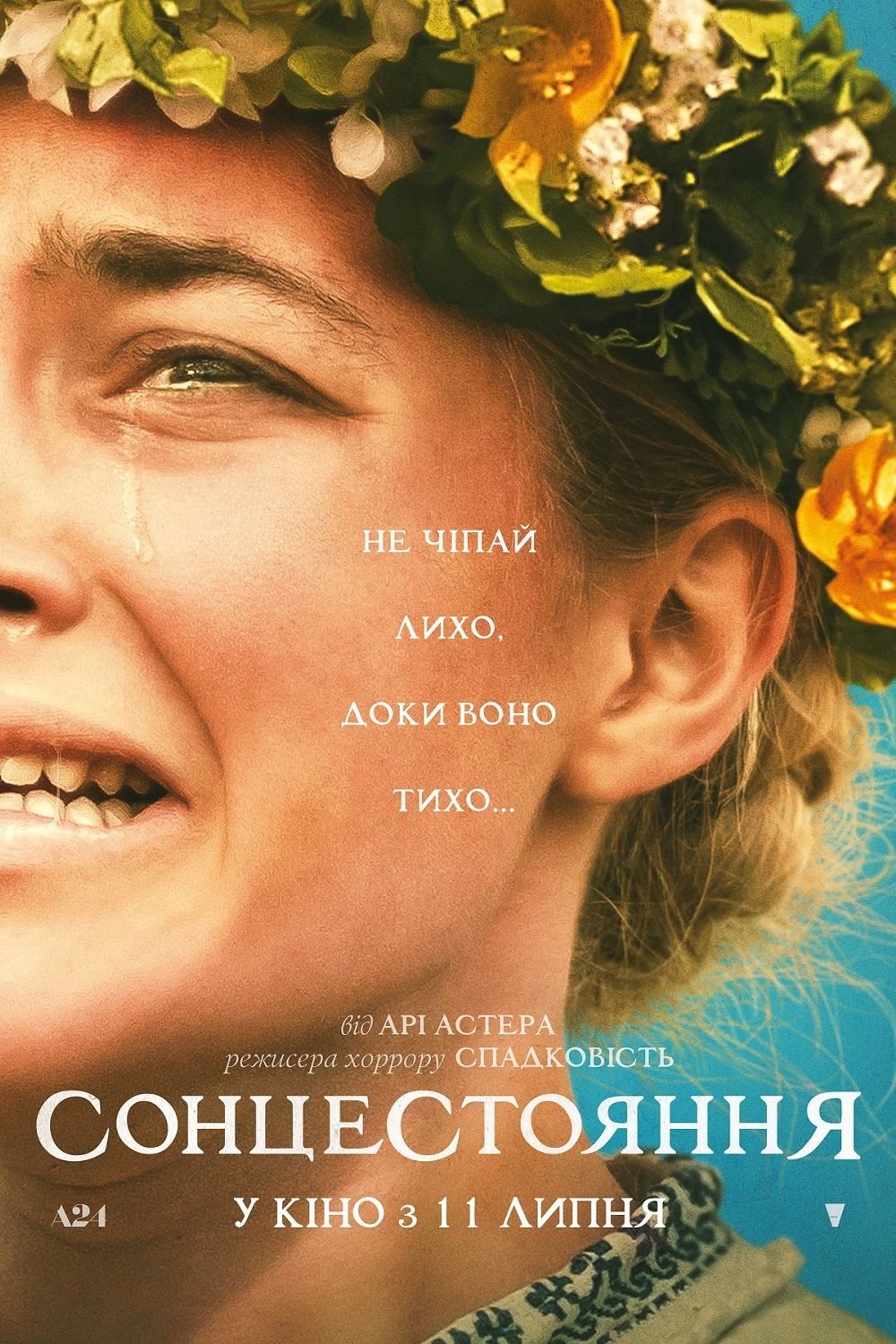
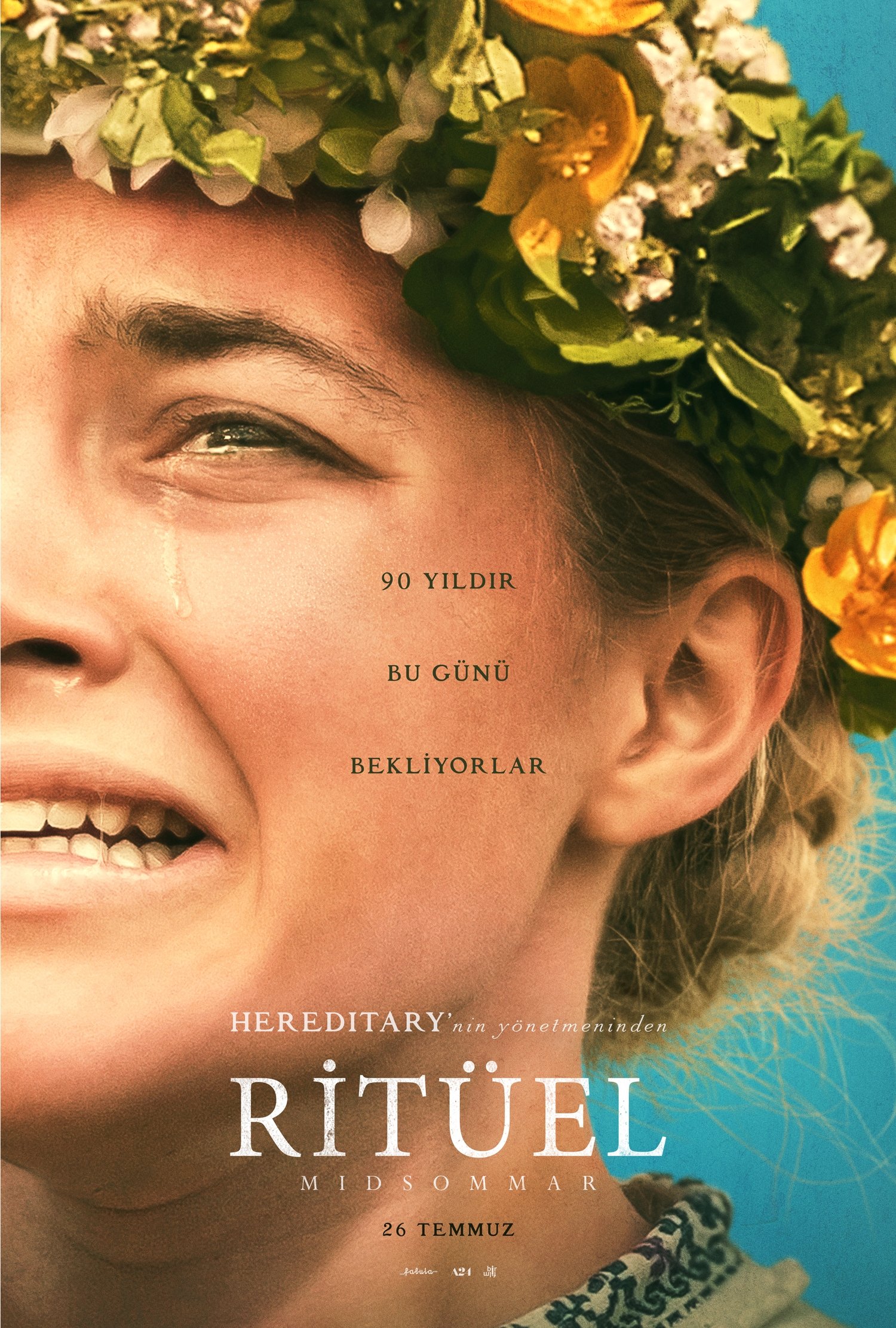
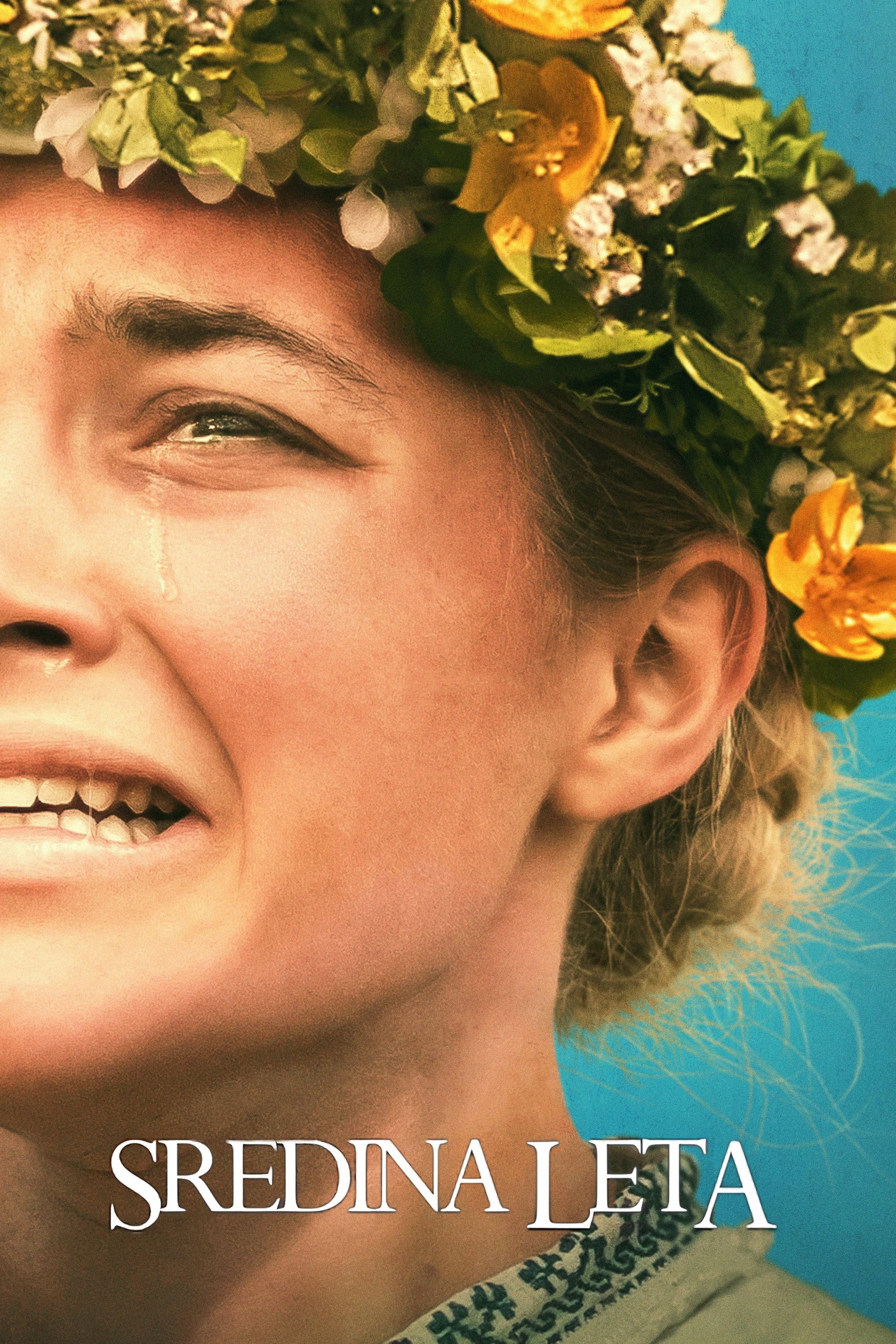
Aster subsequently restored additional material for a 171-minute director's cut, first presented publicly in August 2019 and later issued by A24 on physical media. The longer version expands several relationship scenes and adds further ritual material, making the deterioration between Dani and Christian more explicit. Midsommar rapidly developed an iconography extending beyond its theatrical run: the May Queen crown, floral gown, yellow temple and sunlit Hårga landscape became recognizable visual references within contemporary horror culture. More significantly, the film demonstrated that folk horror could be reworked without simply reproducing the rural British models most associated with the form. Its community is invented, its emotional core is contemporary and its greatest source of terror is visible from the beginning. The characters enter a beautiful environment that tells them exactly what it is; they simply cannot read it until they have already become part of its ritual.