Production & Development
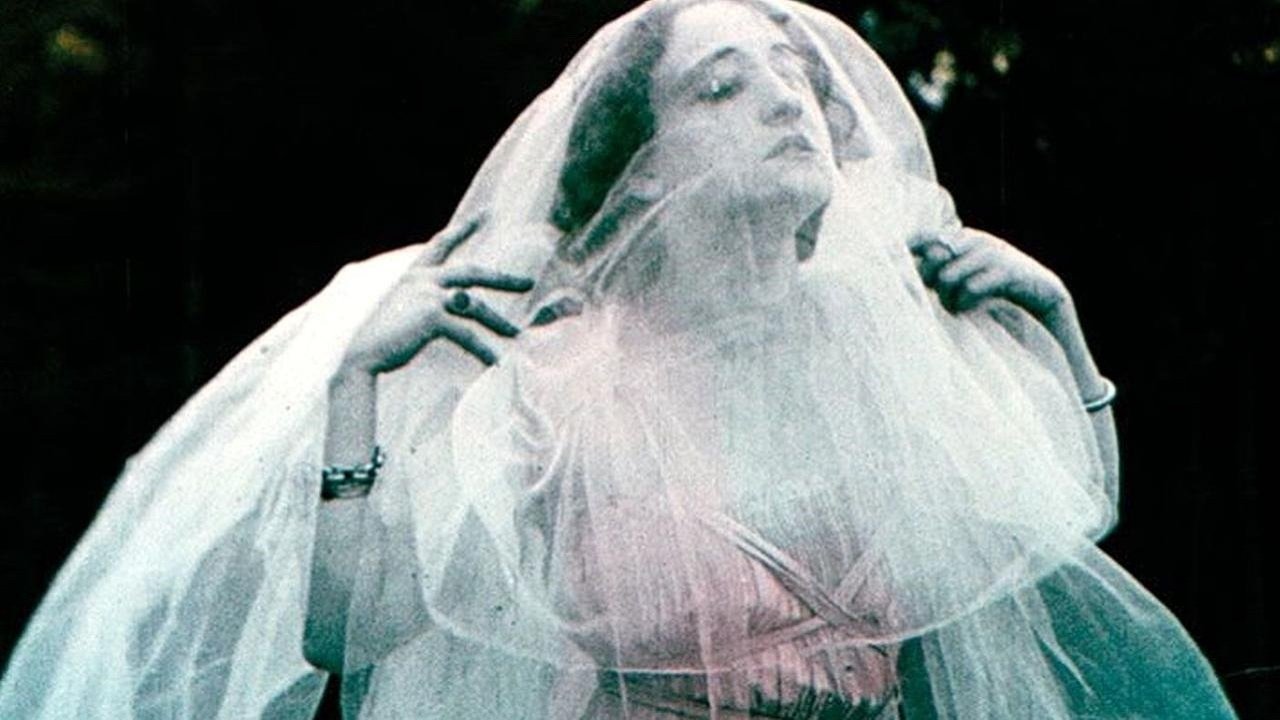
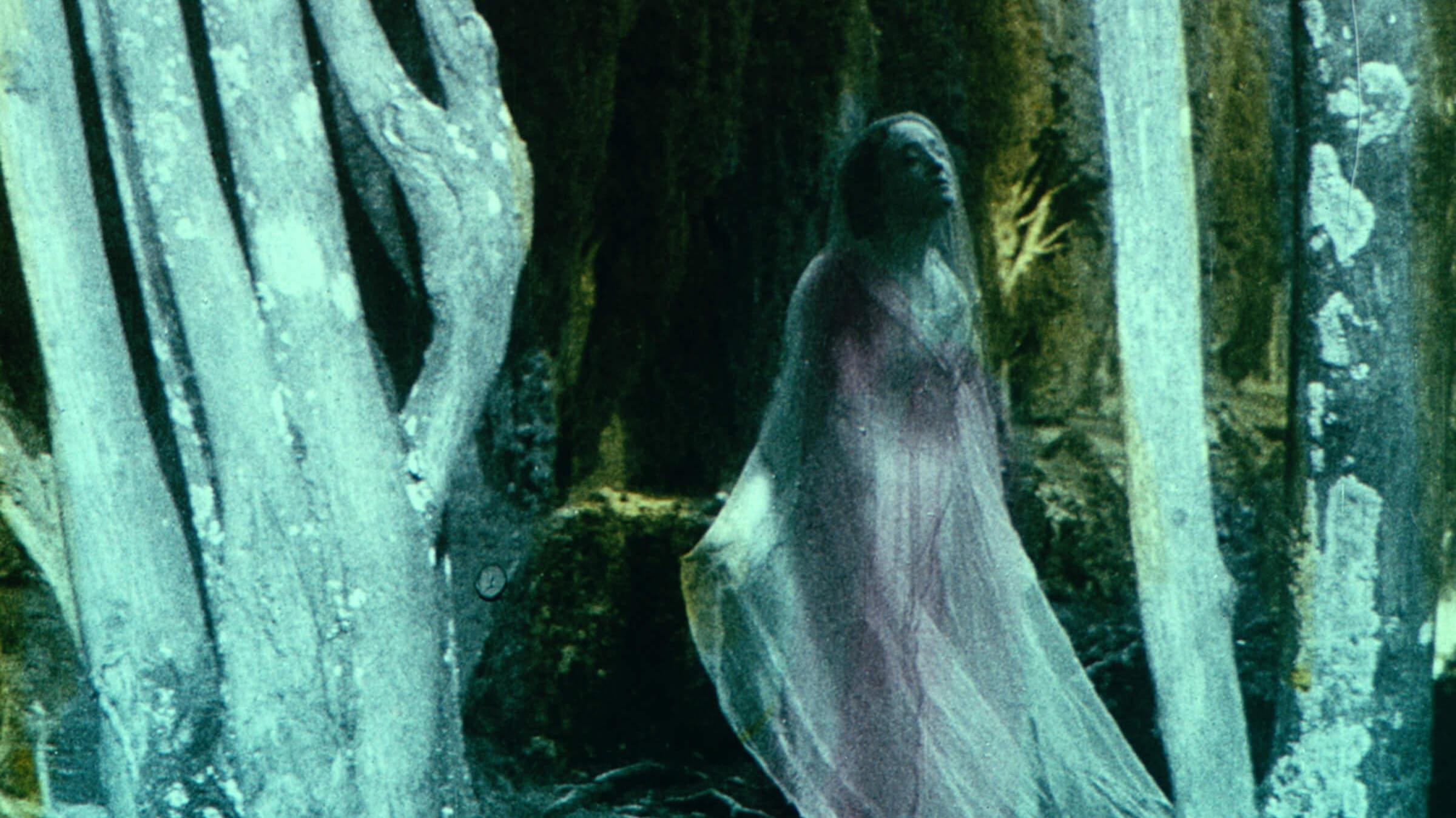
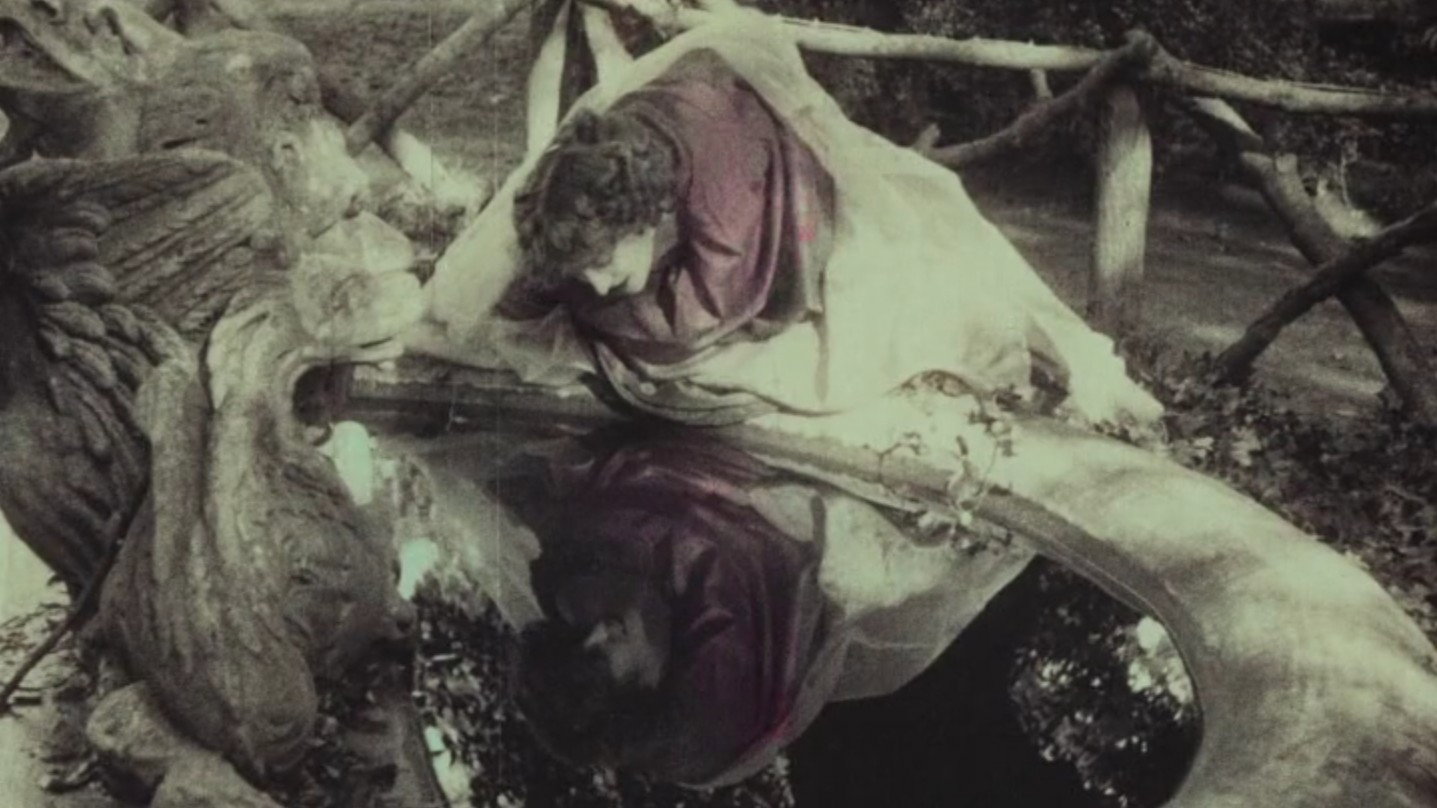
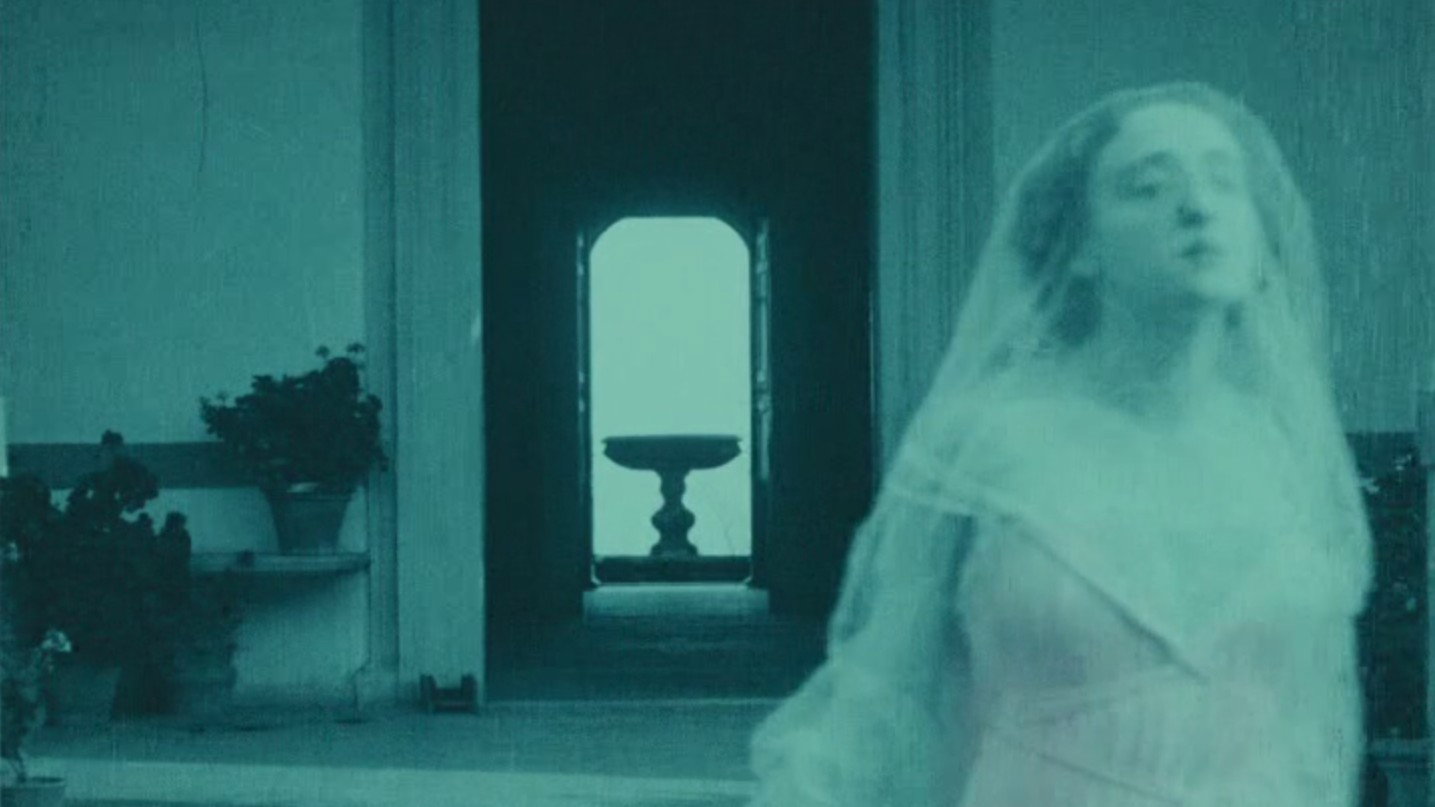
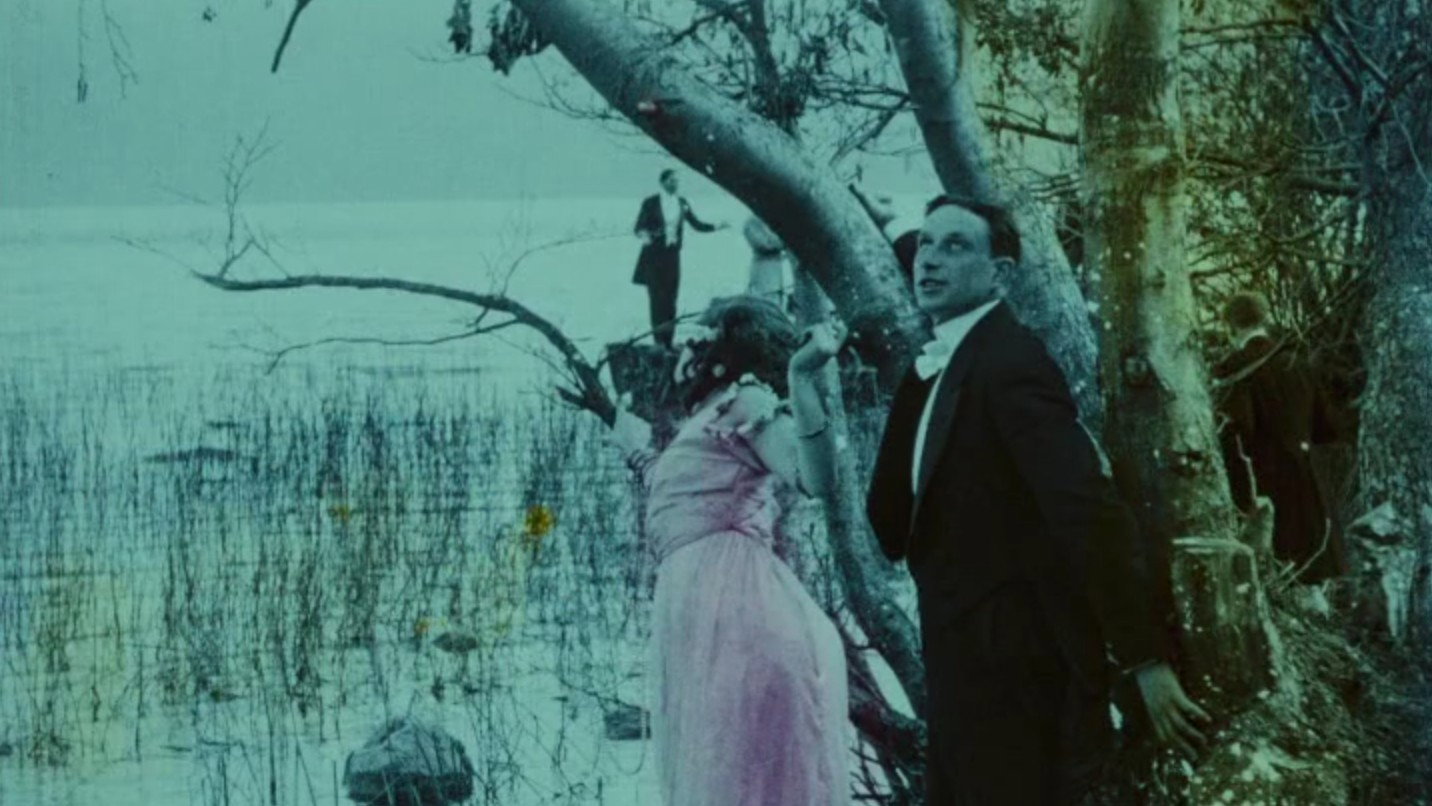
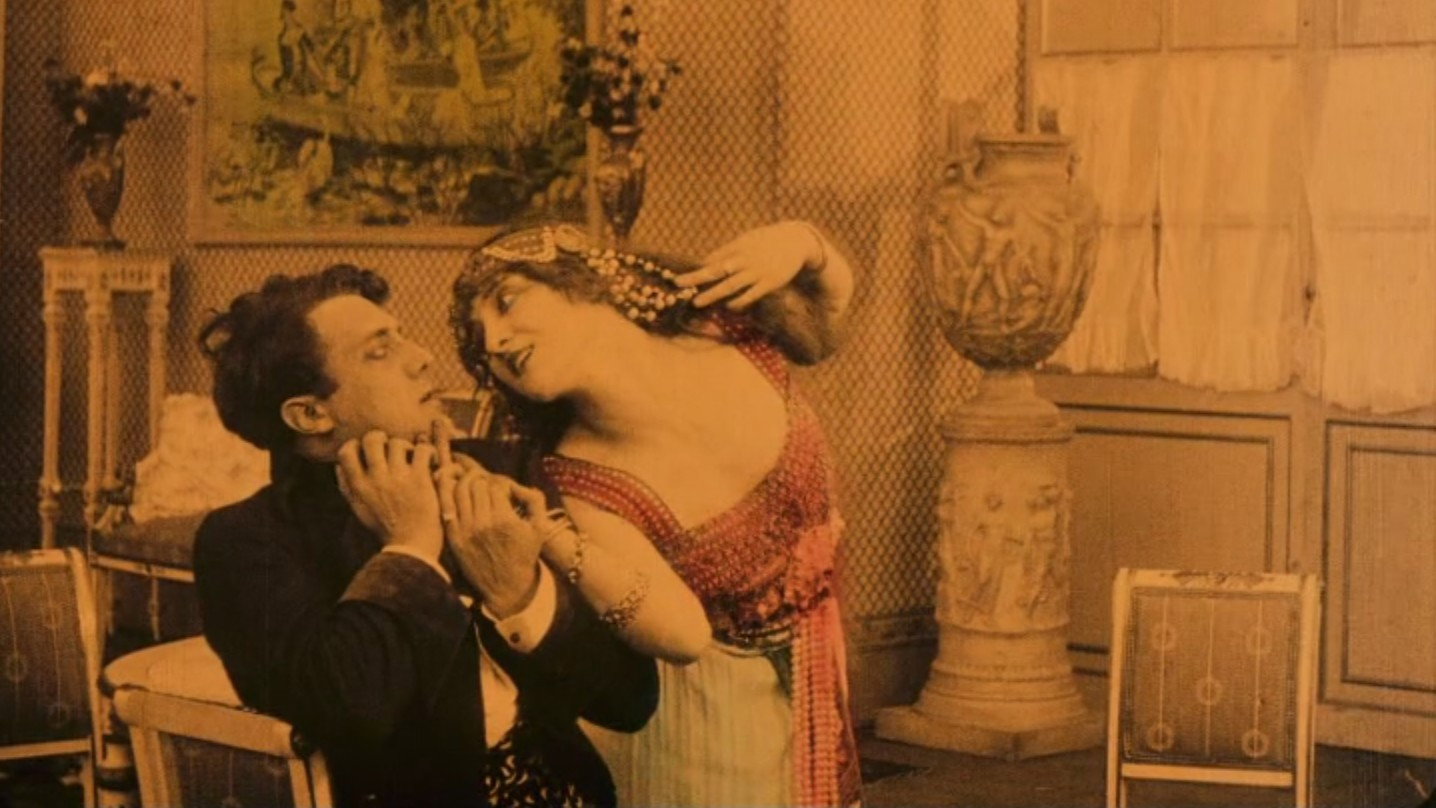
Rapsodia satanica emerged from the cultural ambitions of Società Italiana Cines during a period when Italian filmmakers were exploring the prestige of literary adaptation and the expressive possibilities of the feature film. Its narrative originated in a poetic work by Fausto Maria Martini and was subsequently adapted by Alberto Fassini, a Cines producer who used the pseudonym Alfa. The resulting scenario retained the central Faustian situation while giving the bargain a female protagonist and an aristocratic environment. Nino Oxilia, himself associated with the literary culture of the crepuscolari, directed the project with particular attention to the integration of performance, scenery and pictorial composition.
The production was conceived in 1915 and completed in the spring of that year, according to the historical documentation assembled by the Cineteca di Bologna. Its wider artistic ambitions were considerable. The film was presented as part of a proposed series of prestigious screen works, alongside Giulio Antamoro’s Christus and a projected Garibaldi production associated with Enrico Ferri. Contemporary promotional material claimed that the project brought poetry, the visual arts and music together in an unprecedented cinematic synthesis. Such language belongs to the publicity surrounding the production rather than to an independently established historical first, but it demonstrates the cultural status Cines sought for the undertaking.
Distribution was delayed until 1917, with archival accounts pointing to difficulties within Cines and the disruption of the Italian film industry during the First World War. The precise relative importance of internal disagreements and wartime circumstances remains uncertain. Oxilia did not live to see the subsequent development of his film’s reputation: he was killed in military service on Monte Tomba in November 1917. The circumstances surrounding completion and release give Rapsodia satanica a distinctive place among the final artistic achievements of Italian cinema immediately before the upheavals of the war.