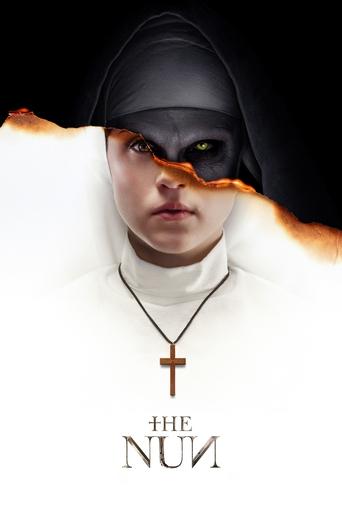
The Nun (2018)

US
HORROR FILM Mystery Thriller
SUBGENRES NUN
6.0/10 3 votes
Runtime
96 min
Release
September 5, 2018
Budget
$22,000,000
Revenue
$365,550,119
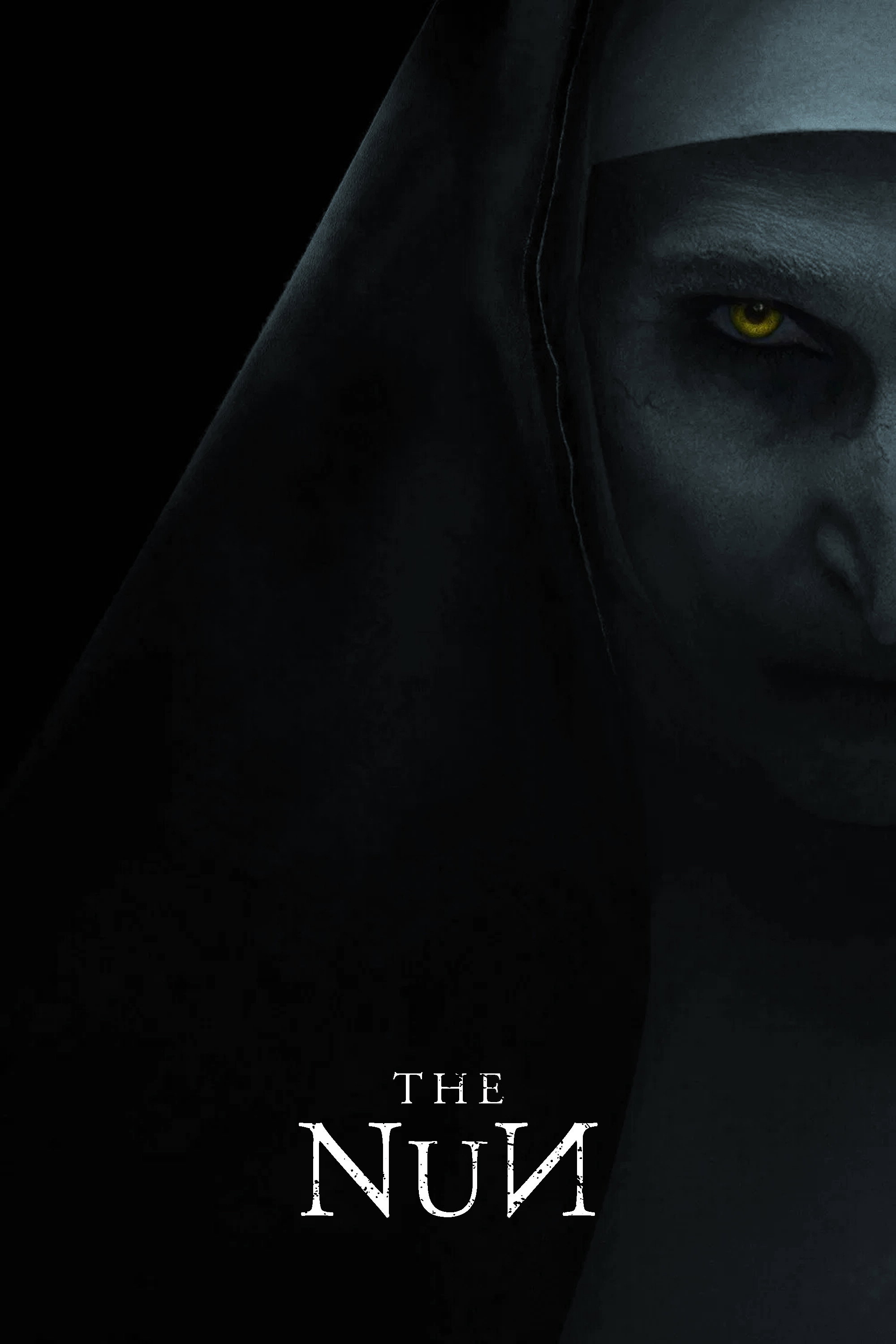
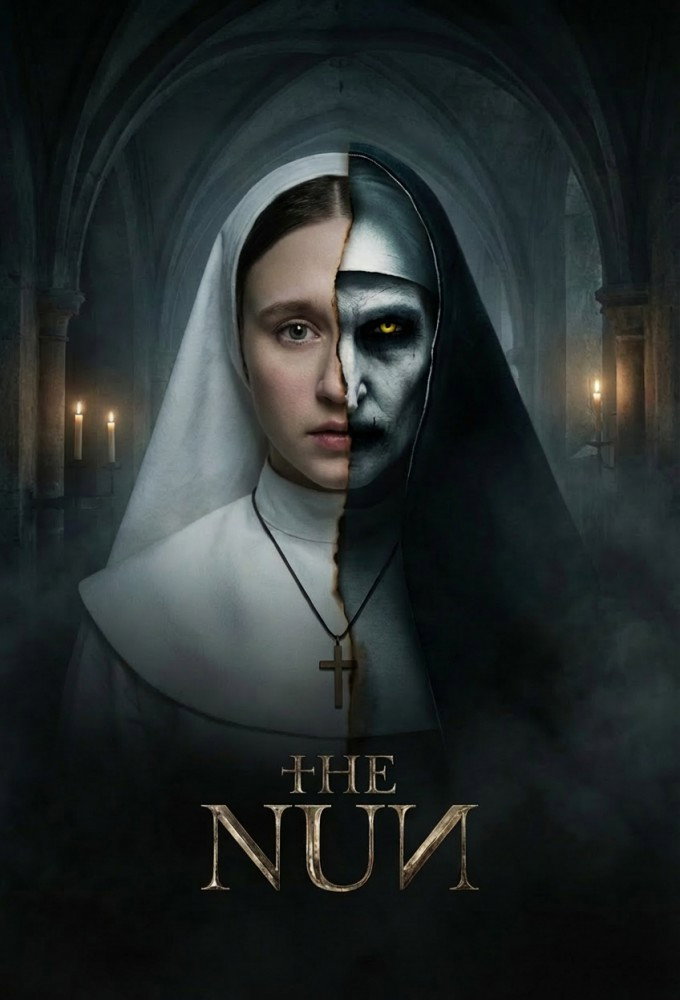
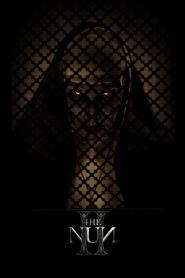
The Nun (2018) poster
Director
Plot

In 1952, a young nun dies at a secluded abbey in Romania under mysterious circumstances. The Vatican sends Father Burke and Sister Irene, a novice preparing to take her vows, to investigate. With help from a local man known as Frenchie, they reach the monastery and discover that its remaining inhabitants are guarding a terrifying secret. Strange visions, abandoned corridors and hostile apparitions suggest that a demonic force has taken hold of the building. As the investigation turns into a struggle for survival, Burke and Irene confront an entity that assumes the form of a nun and threatens anyone who enters the abbey.

Alternative Titles
الراهبة (United Arab Emirates) — Arabic Монахинята (Bulgaria) — Bulgarian A Freira (Brazil) — Portuguese La Religieuse (Canada) 修女 (China) — Chinese 诡修女 (China) 鬼修女 (China) La Monja (Colombia)
Show all 45 alternative titles Sestra (Czechia) — Czech Nunn (Estonia) — Estonian Annabelle Saga La Monja (Spain) La monja (Spain) — Spanish La monja 2018 (Spain) Nunna (Finland) — Finnish La Nonne (France) მონაზვნის წყევლა (Georgia) — Georgian მონაზონი (Georgia) — ქართული H Kalogria (Greece) Η Καλόγρια (Greece) — Greek 詭修女 (Hong Kong SAR China) — Chinese Časna (Croatia) — Croatian Az apáca (Hungary) — Hungarian הנזירה (Israel) — Hebrew נזירה (Israel) द नन (India) — Hindi راهبه (Iran) The Nun - La vocazione del male (Italy) — Italian 死霊館のシスター (Japan) — Japanese 더 넌 (South Korea) — Korean Vienuolė (Lithuania) — Lithuanian Mūķene (Latvia) — Latvian La monja (Mexico) — Spanish Zakonnica (Poland) — Polish The Nun - A Freira Maldita (Portugal) Călugărița: Misterul de la mânăstire (Romania) — Romanian Опатица из пакла (Serbia) — Serbian Проклятие монахини (Russia) — Russian الراهبة (Saudi Arabia) — Arabic Nuna (Slovenia) — Slovenian Mníška (Slovakia) — Slovak เดอะ นัน (Thailand) Dehşetin Yüzü (Türkiye) — Turkish 鬼修女 (Taiwan) — Chinese Монахиня (Ukraine) — Ukrainian Ác Quỷ Ma Sơ (Vietnam)

Trailers & Videos

1 video

Film Guide & Analysis

Corin Hardy carried Valak into the mountains of 1950s Romania, turning a Conjuring antagonist into the center of a Gothic horror film built from ruined religious spaces, demonic imagery and old-world atmosphere.

The Nun takes an image created for The Conjuring 2 and builds an entire Gothic environment around it. Set primarily in Romania in 1952, Corin Hardy's 2018 film follows Father Burke and the novice Sister Irene to the remote Abbey of St. Carta after a nun dies there under disturbing circumstances. Their investigation places them inside a decaying religious complex where normal distinctions between living and dead, sacred and profane, physical space and supernatural illusion become increasingly unstable. At the center is Valak, the demonic figure previously encountered by Lorraine Warren but now removed from the suburban and domestic environments that had defined much of The Conjuring series.

Hardy approached the project less as another haunted-house story than as an opportunity to make an old-fashioned Gothic horror adventure using the resources of a modern studio franchise. Castles, crypts, cemeteries, corridors, candlelight, religious imagery and the landscape of Transylvania give The Nun a visual identity markedly different from the American settings of the earlier films. The narrative remains connected to the larger Conjuring mythology, but its atmosphere reaches toward Hammer horror, European Gothic cinema and the heightened visual worlds of Italian genre filmmaking. Critical response was mixed, yet the film became an enormous commercial success and confirmed that Valak could function not merely as a memorable apparition but as one of the central monsters of the expanding franchise.

From The Conjuring 2 to The Nun

Valak had not originally been conceived as the demonic nun audiences eventually saw in The Conjuring 2. James Wan has explained that the antagonist was first designed as a large winged demon created through practical creature effects. During post-production, however, he decided that the creature felt too fantastical for the world established by The Conjuring. He wanted something more personal and unsettling, and the concept was reworked into the appearance of a nun. Material involving the new design was filmed during additional photography, including the sequence involving the painting in the Warrens' home, while visual effects were used to incorporate the redesigned antagonist into existing footage.

The resulting image immediately stood apart from the other supernatural entities in the series. A nun normally signifies religious commitment, protection and institutional faith; Valak uses the same silhouette as an inversion of those associations. Bonnie Aarons returned to the role for the spin-off, allowing the character's distinctive face and movement to carry directly from The Conjuring 2 into the earlier period of The Nun. Aarons has stated that the face was not created with elaborate prosthetic appliances for the film but was hand-painted, leaving her own facial structure and performance visible beneath the makeup.

The spin-off therefore did not need to redesign the monster in order to enlarge it. Instead, Gary Dauberman's screenplay, from a story credited to Dauberman and Wan, relocated Valak into a history predating Lorraine Warren's confrontation with it. The Nun functions as an origin chapter within the film series rather than as a documented account of a historical demonic case. Father Burke, Sister Irene, the Abbey of St. Carta and the supernatural history constructed around Valak belong to the fictional mythology of the Conjuring films.
Gothic Horror in Romania

Romania was not merely standing in for another country. Hardy was particularly attracted to the opportunity to set and film the story there, describing the combination of the 1950s period and Romanian location as essential to creating a world whose characters had moved outside familiar surroundings. Production began from Bucharest and traveled into Transylvania, using real castles, fortresses, rural landscapes and other historic structures. Among the locations was Corvin Castle, while additional material was created at Castel Film Studios.

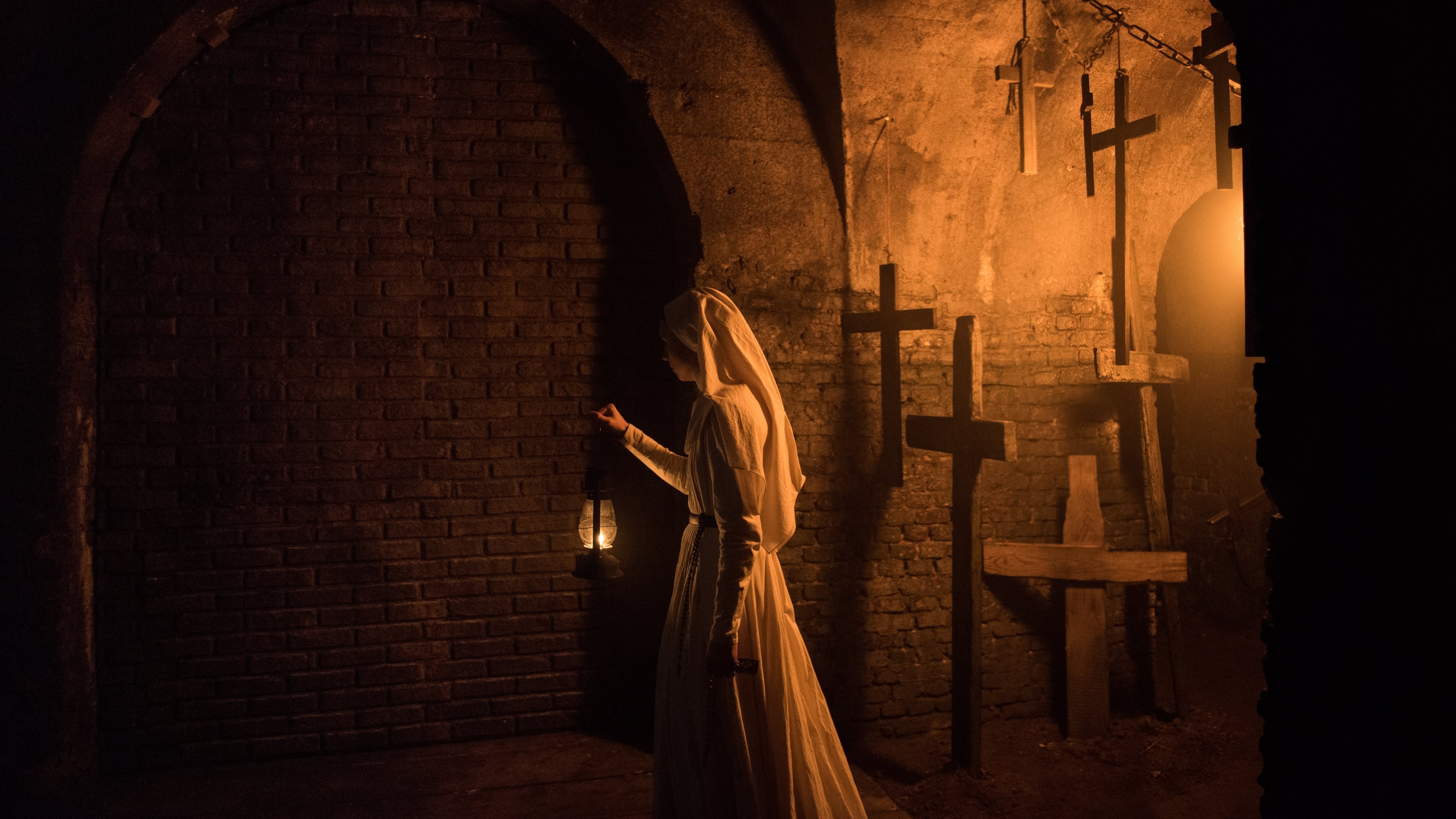
Hardy wanted physical age and texture wherever possible. The filmmakers worked in damp stone interiors, underground military spaces, castle passages and exterior landscapes that already possessed the irregular surfaces the film required. One extensive corridor sequence was photographed inside an underground Romanian fortress. Real locations brought logistical problems, particularly when camera tracks, cranes, lighting equipment and a large crew had to enter spaces never designed for film production, but Hardy considered those difficulties valuable because the environments gave the actors and camera something tangible to inhabit.

Not every required space could be filmed inside functioning religious buildings. Hardy has explained that the production could not simply use active churches or convents for all of the material, so significant interiors were constructed at the studio. A church, tomb spaces and a cemetery were among the environments created or extensively controlled for production. Jennifer Spence's design therefore joins authentic Romanian architecture with invented locations until the fictional abbey feels larger than any single building used to represent it.

Visual Style and Religious Space

Hardy approached The Nun through an extensive collection of drawings and visual references. He has identified classic Gothic cinema and filmmakers including Mario Bava and Dario Argento among the inspirations discussed during preparation, along with the broader atmosphere of Hammer horror. The purpose was not to imitate an older movie mechanically but to recover a richer form of Gothic imagery than the contemporary domestic setting of many supernatural films normally permitted. Stained glass, candles, moonlight, mist, graves and monumental stone architecture allowed the film to treat color and composition more aggressively than a realistic suburban story could.

Cinematographer Maxime Alexandre had already photographed Annabelle: Creation before moving into The Nun. Although he considered the Romanian story visually distinct, he retained the Leica Summilux-C lenses used on the earlier production as a subtle connection between the two films. Hardy and Alexandre could then push the surrounding environments in a different direction. Deep corridors, pools of darkness, symmetrical religious architecture and shafts of directional light repeatedly reduce the human characters inside spaces that seem to continue beyond what the frame can reveal.

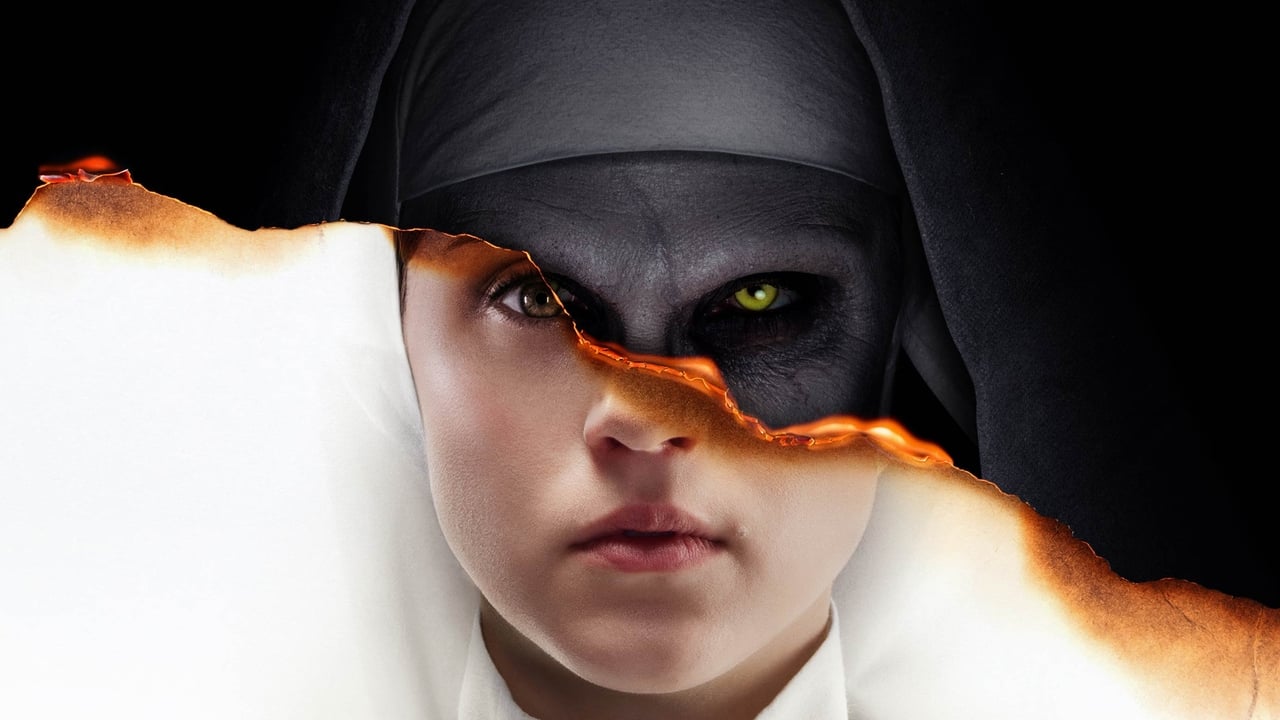
The religious setting also gives the film a vocabulary of shapes that can be corrupted without requiring complicated explanation. Crosses, habits, chapels, confession, prayer and sacred architecture are immediately recognizable. The horror comes from discovering that those signs no longer guarantee spiritual protection. Hardy repeatedly turns Christian imagery against itself, most literally when crosses change orientation or when a demonic figure adopts the form of a nun. Valak therefore works visually before the screenplay explains anything about the entity: the image is disturbing because two incompatible ideas, sanctity and demonic corruption, occupy the same human form.

Practical Effects and Valak

Hardy came to The Nun with a strong personal interest in creature effects. Before directing features he had wanted to work as a monster maker, and he described collaborating with Amalgamated Dynamics on the film as the fulfillment of a long-standing ambition. ADI had an extensive history in practical creature work, and Hardy wanted physical effects and in-camera techniques to remain part of the production even within a franchise that also depended heavily on digital post-production.

The approach is particularly appropriate to Valak because the character depends heavily on human presence. Bonnie Aarons is not hidden beneath a completely artificial creature head. Her features, eyes, body language and controlled movements remain fundamental to the effect. The severe makeup, black-and-white habit and unnatural complexion alter a recognizable human form rather than replacing it. This gives Hardy the ability to place Valak at the end of a real corridor or directly behind another performer and allow the location, costume and actor to create much of the image before visual augmentation.

Other supernatural manifestations could move farther into effects-driven territory, but Hardy repeatedly preferred to obtain as much of an image practically as circumstances allowed. He has said that he and the crew aimed for a classical appearance and attempted to use practical and in-camera solutions instead of relying automatically on computer-generated imagery. That philosophy does not make The Nun a purely practical-effects production. Digital effects remain part of the finished film. The distinction is that real locations, performers, makeup and physical effects were treated as the foundation rather than as obstacles to be replaced.

Faith, Fear and Fictional Demonology

The Nun places questions of faith more centrally than most earlier Conjuring spin-offs. Father Burke arrives as an experienced Catholic investigator carrying guilt from a previous exorcism, while Sister Irene has not yet taken her final vows. Hardy described the pair as characters positioned on opposite sides of spiritual uncertainty: one haunted by events in his past and the other unsure of the future she is preparing to choose. Valak consequently operates not only as a physical attacker but as a force capable of exploiting weakness, memory and doubt.

The setting allows the screenplay to build horror from Catholic imagery without requiring the fictional cosmology to correspond to real religious doctrine. The abbey's history, the portal supposedly opened through occult activity, the relic used against Valak and the rules surrounding the demon are elements of the film's supernatural mythology. The name Valak has precedents in historical demonological literature, but the nun appearance and the detailed narrative connecting the entity to St. Carta and the characters of the Conjuring series are cinematic inventions.

Keeping that distinction clear is important because The Conjuring franchise often places invented supernatural material beside characters or institutions presented with documentary familiarity. The Nun is not a historical reconstruction of a Vatican investigation in Romania and should not be understood as evidence for an actual encounter with the demon shown on screen. Its effectiveness comes from using recognizable religious structures and symbols as the basis for fiction. The more authentic the churches, garments, prayers and architecture appear, the more forcefully the film can violate the expectations attached to them.

Release, Reception and Franchise Legacy

Warner Bros. released The Nun internationally beginning on September 5, 2018, with the United States opening following on September 7. The production carried a reported budget of approximately $22 million. Its domestic debut was exceptionally strong, producing about $53.8 million during its opening weekend. The film eventually earned approximately $117.5 million domestically and $248.6 million internationally for a worldwide theatrical total of roughly $366.1 million.

That commercial response contrasted with a much more divided critical reception. Metacritic recorded a score of 46 from thirty-two reviews. Several critics admired Maxime Alexandre's photography, the Romanian locations and the film's heavy Gothic atmosphere while finding the underlying story comparatively thin or its scare construction repetitive. The disagreement is useful in understanding the film's place within the franchise: The Nun was frequently treated as a stronger visual and commercial object than as a dramatic expansion equal to the principal Conjuring films.

Commercially, however, the experiment was decisive. Valak had moved from a late addition to The Conjuring 2 into the central attraction of a major theatrical release, demonstrating again that individual monsters from the shared mythology could support separate films. The Nun II followed in 2023 and continued the story of Sister Irene and the entity, confirming a distinct sub-series inside the larger franchise. The original film's lasting horror identity remains strongly visual: the pale face beneath the black veil, Romanian castles, torchlit corridors and religious spaces overwhelmed by an image that reverses their normal meaning. Whatever its narrative limitations, The Nun successfully gave one of the Conjuring Universe's most recognizable apparitions a world specifically designed for it.

Connections

Cast

View Full Cast & Crew →

Release & Distribution

Distributors (2)

  • InterCom HU
  • Warner Bros. Entertainment US

Release History (51)

Release DateTerritoryRelease TypeFormatDistributorCertificationNotes
2018-09-04 Portugal Premiere — — M/16 MOTELX
2018-09-05 Brunei Theatrical — — —
2018-09-05 Indonesia Theatrical — — —
2018-09-06 Argentina Theatrical — — —
2018-09-06 Australia Theatrical — — MA15+
2018-09-06 Brazil Theatrical — — 14
2018-09-06 Czechia Theatrical — — 18+
2018-09-06 Germany Theatrical — — 16
2018-09-06 Denmark Theatrical — — 15
2018-09-06 Greece Theatrical — — —
2018-09-06 Hungary Theatrical — — 16
2018-09-06 Ireland Theatrical — — 16
2018-09-06 Israel Theatrical — — הותר לבני 16 ומעלה נימוק: אימה
2018-09-06 Netherlands Theatrical — — 16
2018-09-06 Portugal Theatrical — — M/16
2018-09-06 Slovenia Theatrical — — —
2018-09-06 Slovakia Theatrical — — 15
2018-09-06 Thailand Theatrical — — 15
2018-09-06 Ukraine Theatrical — — —
2018-09-07 Estonia Theatrical — — —
2018-09-07 Spain Theatrical — — 16
2018-09-07 Finland Theatrical — — K-16
2018-09-07 United Kingdom Theatrical — — —
2018-09-07 India Theatrical — — A
2018-09-07 Lithuania Theatrical — — NR
2018-09-07 Mexico Theatrical — — B-15
2018-09-07 Poland Digital — — 18
2018-09-07 Romania Premiere — — 15
2018-09-07 Sweden Theatrical — — 15
2018-09-07 United States Theatrical — — R
2018-09-07 Vietnam Theatrical — — —
2018-09-07 South Africa Theatrical — — —
2018-09-19 France Theatrical — — 12
2018-09-19 South Korea Theatrical — — 15
2018-09-20 Hong Kong SAR China Theatrical — — —
2018-09-20 Italy Theatrical — — —
2018-09-20 Kazakhstan Theatrical — — —
2018-09-20 Russia Theatrical — — 16+
2018-09-21 Japan Theatrical — — —
2018-09-21 Norway Theatrical — — 15
2018-09-21 Türkiye Theatrical — — 15+
2018-12-04 United States Physical 4K UHD, DVD, Blu-ray — R DVD, Blu-ray, 4K UHD
2019-01-14 United Kingdom Digital — — 15
2019-01-14 United Kingdom Physical — — 15
2019-01-16 Hungary Physical 4K UHD, DVD, Blu-ray — 16 DVD, Blu-ray, 4K UHD
2019-01-19 France Digital — — 12 VOD
2019-01-23 France Physical DVD, Blu-ray — 12 DVD & Blu-Ray
2019-01-23 Netherlands Physical Blu-ray — 16 Blu ray
2021-09-19 France Digital — — 16 Netflix
2022-09-19 France Digital — — 16 Prime Video
2026-01-13 Germany Digital — — 16 HBO Max
Pray For Forgiveness