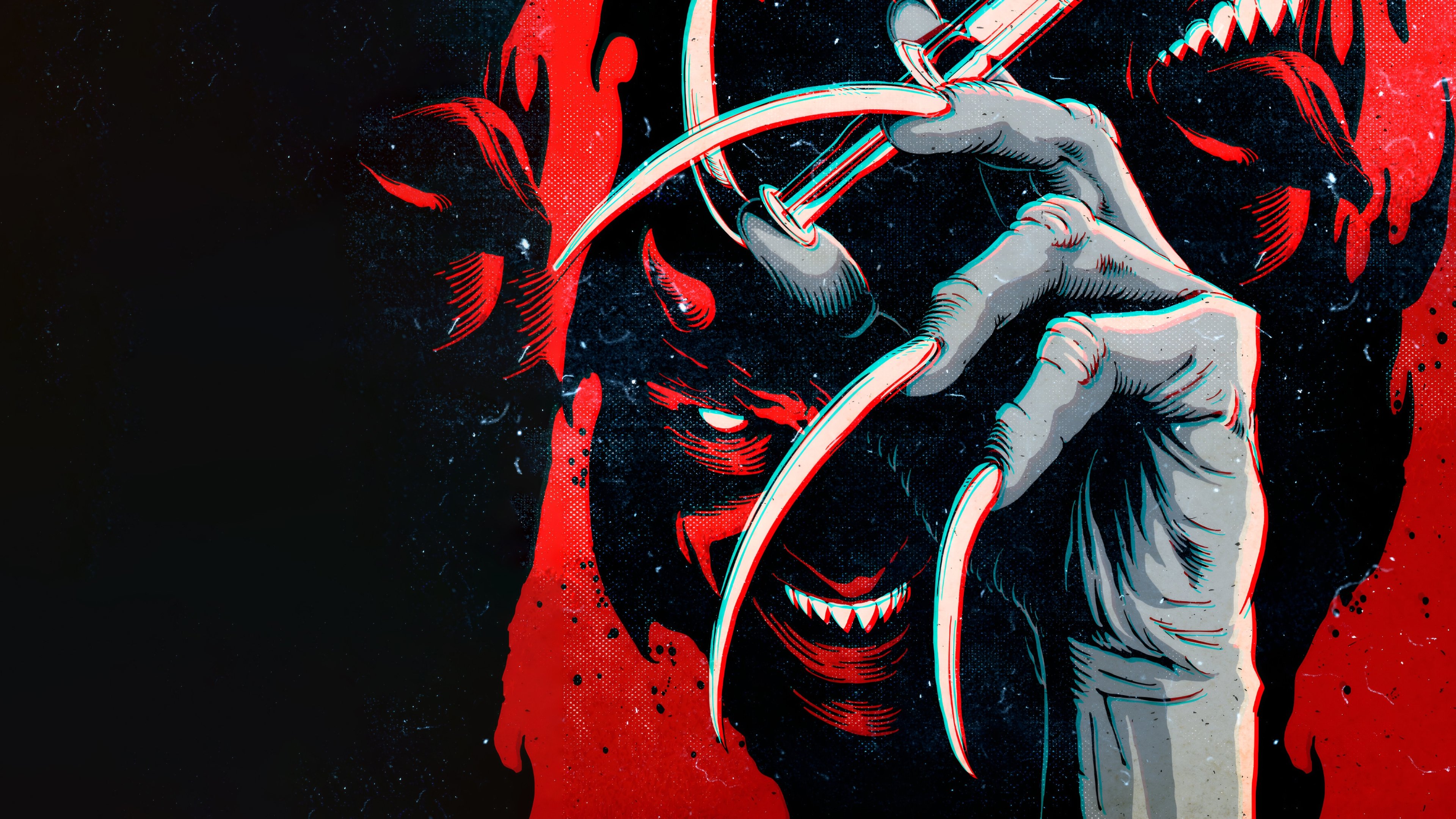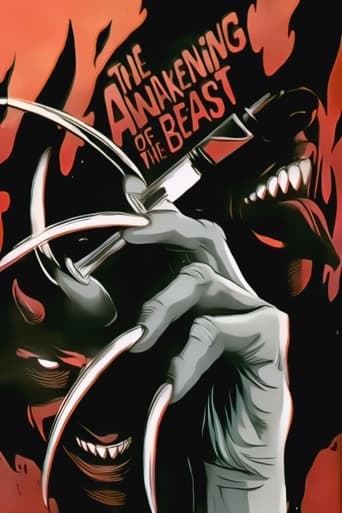
Awakening of the Beast (1970)

BR
Runtime
93 min
Release
January 1, 1970
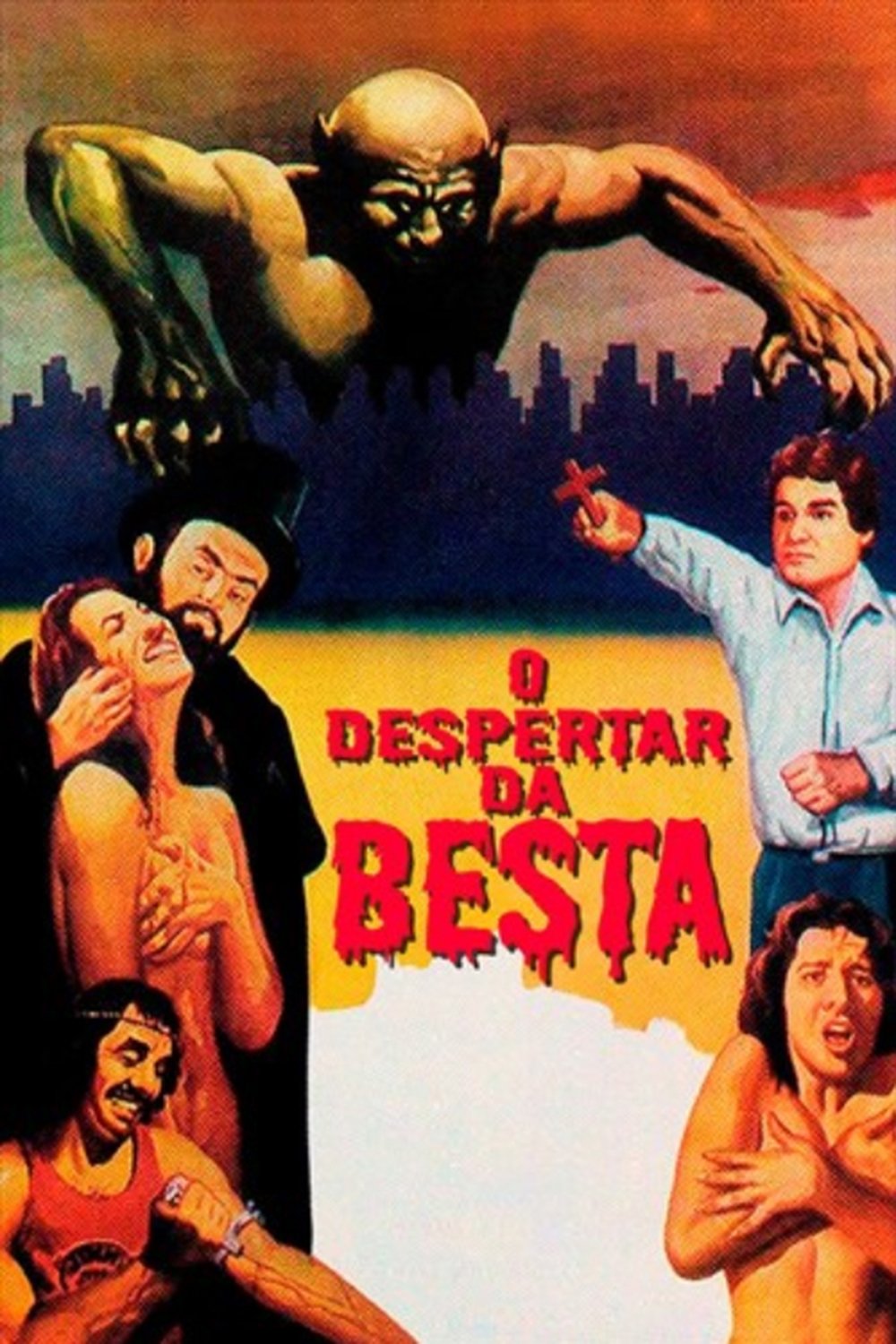
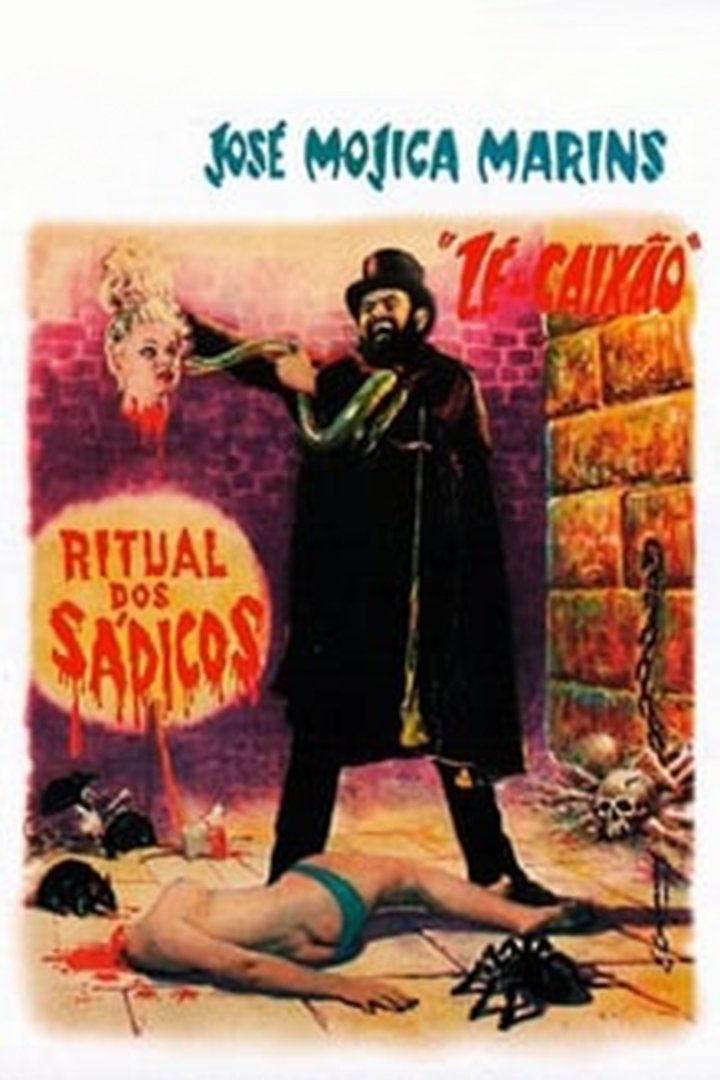
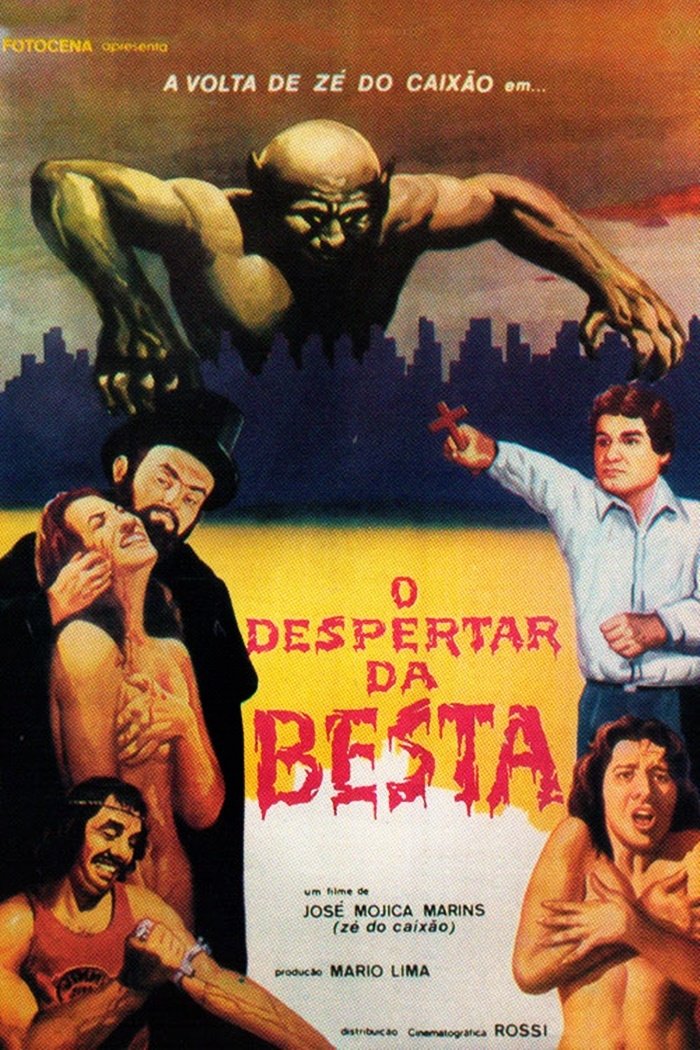
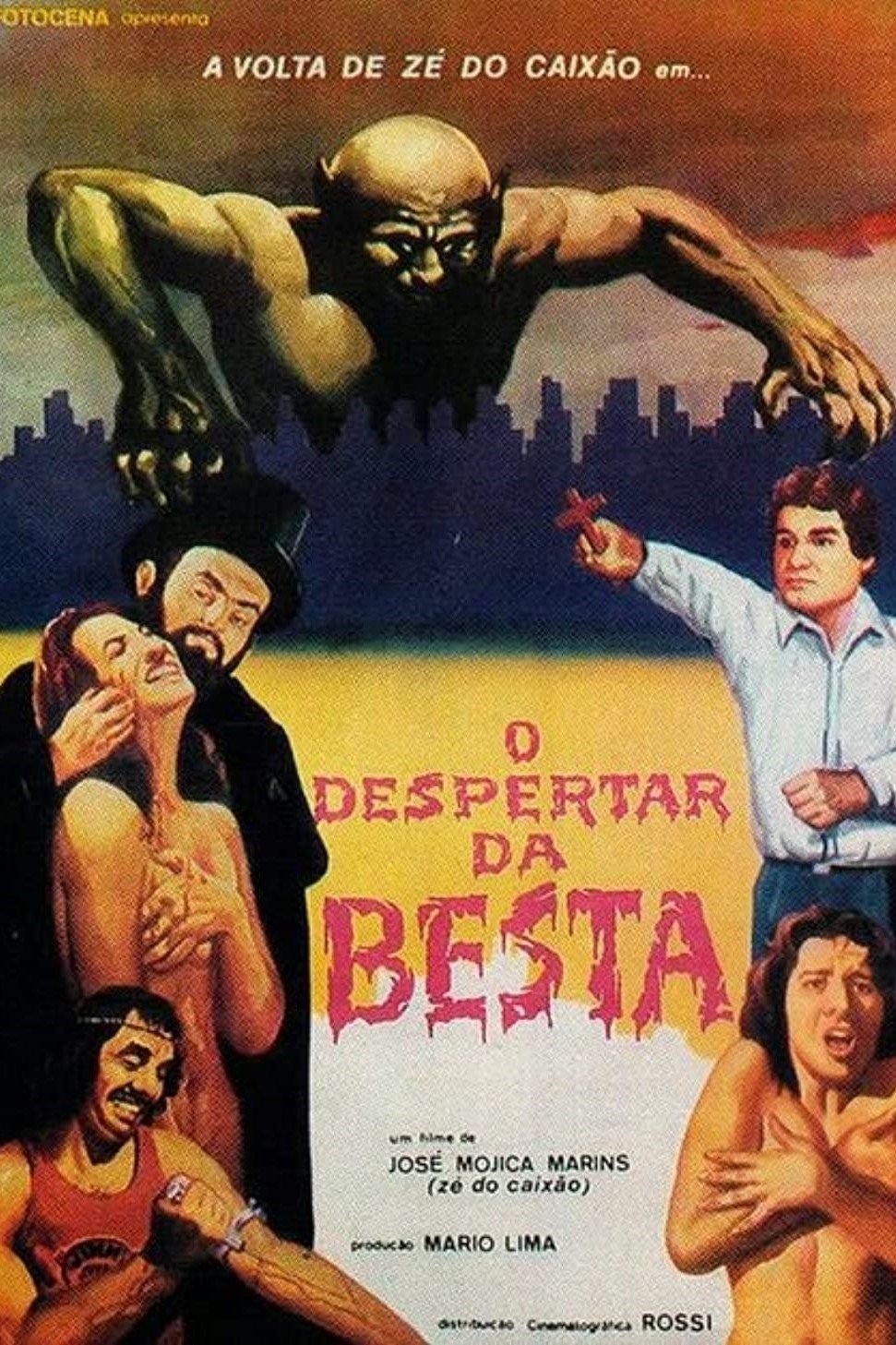
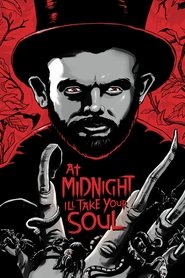
Awakening of the Beast (1970) poster
Production Companies
Ovni Indústria Cinematográfica , Fotocena Filmes , Fantoma Films
Plot

In a series of televised discussions, specialists argue over the effects of drugs and the relationship between unconventional behavior, sexual morality and violence. A researcher conducts an experiment on four volunteers, using LSD and the notorious image of Zé do Caixão to investigate their fears. The participants' visions reveal how the fictional undertaker has entered the popular imagination. The film combines satire, pseudo-documentary discussion and hallucinatory horror, placing Coffin Joe within an experiment separate from the narrative trilogy.

Alternative Titles
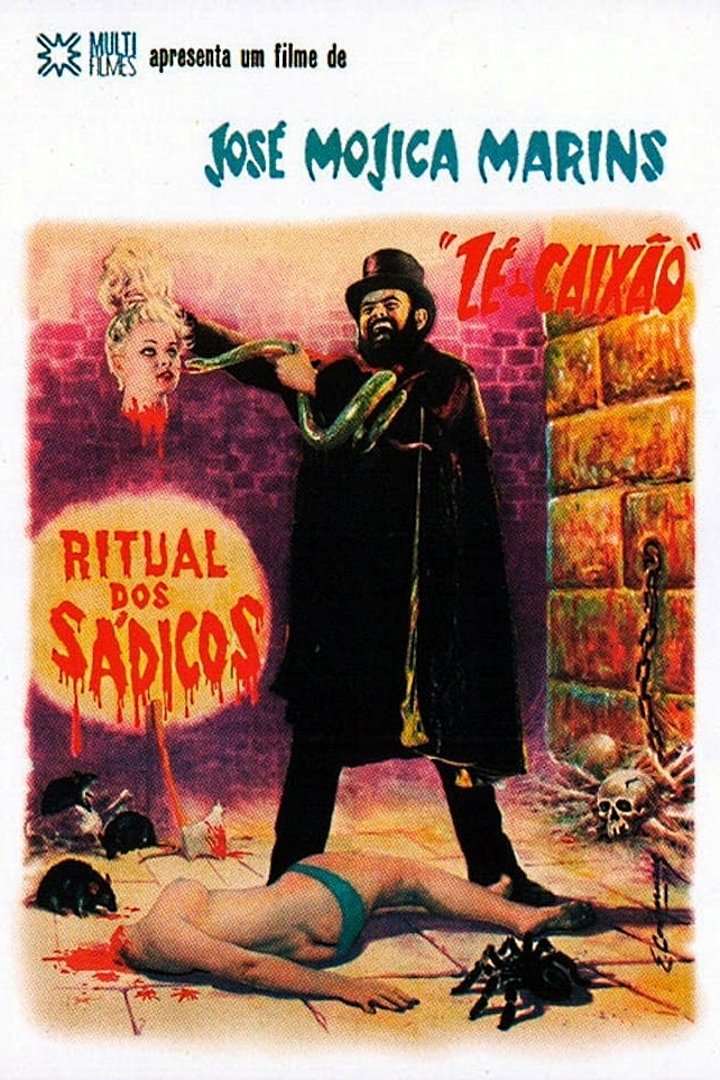
O Ritual dos Sádicos (Brazil) 野兽觉醒 (China) — Chinese Das Erwachen der Bestie (Germany) — German L'éveil de la bête (France) — French 野獸覺醒 (Hong Kong SAR China) — Chinese 야수, 눈을 뜨다 (South Korea) — Korean Пробуждение зверя (Russia) — Russian The Awakening of the Beast (United States) — English

Trailers & Videos

1 video

Film Guide

An experimental Coffin Joe film made in 1969 confronts sensational imagery, urban cruelty and censorship under Brazil's military dictatorship.

Awakening of the Beast, originally titled Ritual dos Sádicos, is one of the most revealing films in the career of Brazilian horror director José Mojica Marins. Made in São Paulo in 1969 and commonly dated 1970, it places his notorious creation Zé do Caixão, known internationally as Coffin Joe, inside a fractured investigation of drugs, sexual violence and popular fear. An apparent scientific inquiry opens into episodes of urban cruelty before a controlled experiment uses the character's image to provoke terrifying visions. The film's movement between dramatized incidents, television debate and psychedelic nightmare makes the culture surrounding horror cinema part of its subject. Its importance extends beyond the screen: federal censors obstructed its circulation for more than a decade.

The troubled release history requires care. Although many catalogues attach a 1970 date to the film, that year marks its submission to the censorship authorities, not a confirmed nationwide theatrical opening. A severely shortened version was authorized in 1982 under the title O Despertar da Besta, while the uncut work reached festival audiences in 1986. These different stages became inseparable from its reputation. The film also occupies an unusual place in the Coffin Joe cycle. Marins appears as himself, and his fictional undertaker becomes an image manipulated by other people, allowing the director to interrogate his own celebrity and the public fascination with violent entertainment.

São Paulo and the Cinema Marginal Moment

After the notoriety of At Midnight I'll Take Your Soul and This Night I'll Possess Your Corpse, Marins faced mounting resistance from critics and the censorship establishment. Ritual dos Sádicos arose in a different Brazilian cultural atmosphere from the village-centered gothic tales that had established Coffin Joe. Its setting is contemporary São Paulo, with crowded public spaces, nightlife and discussions of changing sexual behavior. In this context, the films associated with the city's Boca do Lixo production district were developing rough, experimental forms outside conventional prestige cinema. Marins drew upon that environment without abandoning the confrontational horror that had defined his earlier work.

Rubens Francisco Lucchetti wrote the screenplay from an idea by Marins. Their collaboration allowed several apparently independent incidents to feed into a larger inquiry about the ways society identifies dangerous behavior. Filmmakers associated with Brazilian independent cinema appear in the television-discussion material, among them Carlos Reichenbach, João Callegaro and Jairo Ferreira. Their participation connects the fiction to the filmmakers and critics who debated its aesthetic and moral provocation. The production thus uses the social world around the director as a dramatic resource; the performers are not merely a parade of recognizable names inserted into an existing supernatural story.

The picture was shot in 35 mm with cinematography credited to Giorgio Attili. Available historical accounts offer a more substantial explanation of its artistic organization than of its financing or shooting schedule, and reliable figures for an exact budget are lacking. Its formal ambition nevertheless differs clearly from a straightforward continuation of the undertaker's adventures. The filmmaking brings the streets and mass media of the late 1960s into contact with grotesque spectacle, anticipating the central question of the film: where does the public belief in monstrous conduct come from?

Episodes of Urban Violence

The opening movement assembles disturbing incidents involving addiction, coercion, humiliation and sexual exploitation. They are framed by conversations about crime and the moral condition of contemporary youth, but they do not unfold as a single detective story. The abrupt changes of situation invite viewers to experience these fragments as evidence being presented for examination. Marins stages a society eager to name the sources of deviance while remaining surrounded by forms of cruelty that cannot be reduced to a single cause. The sense of accumulated corruption arises from the contrast between respectable explanations and the violence taking place beyond them.

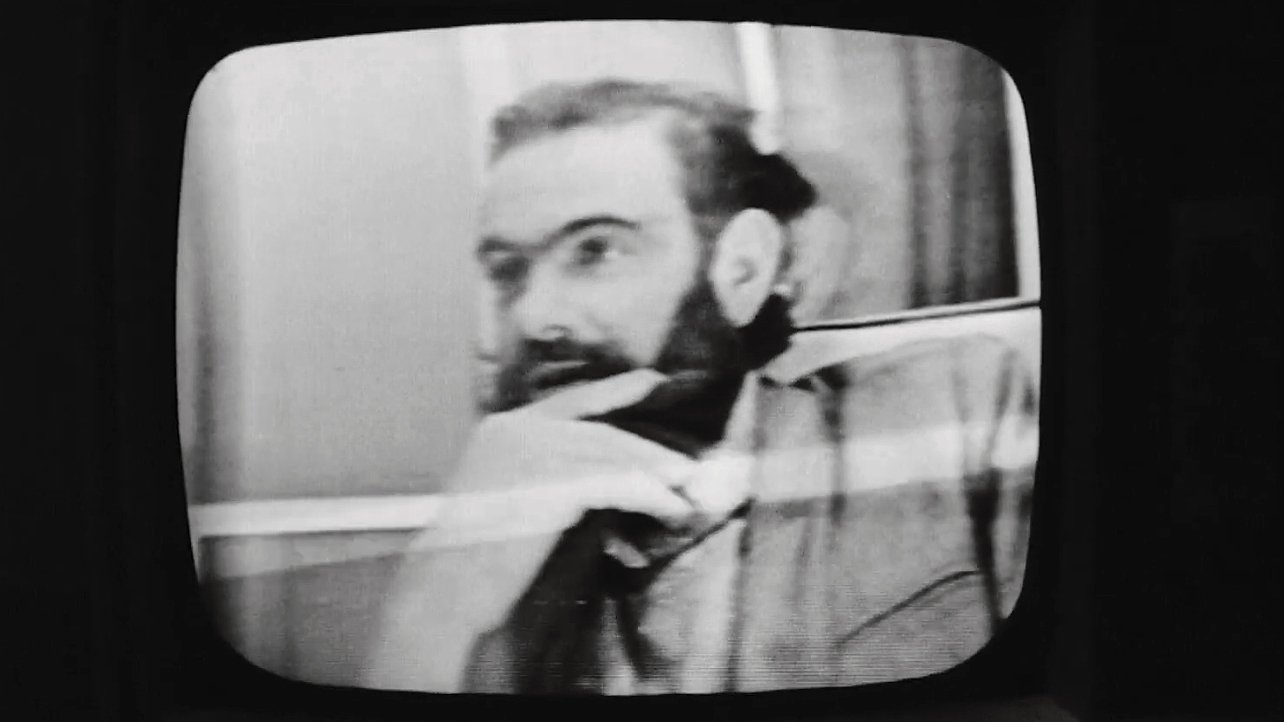
A televised debate then offers an explicit framework for the preceding scenes. A psychiatrist, Dr. Sergio, discusses experiments involving four volunteers, the effects supposedly produced by LSD and the unsettling figure of Coffin Joe. The device brings the language of professional expertise into the same field as sensational imagery. Television is especially important because it turns an intimate moral inquiry into something addressed to an audience. The participants speak as if they can distinguish psychological fact from popular fantasy, yet the film continually exposes the uncertainty of their assumptions and the attractions of the spectacles under discussion.

This structure allows readings connected to the military regime's policing of public morality without requiring the film to function as a direct statement of organized political opposition. Recent research on Marins's censorship files emphasizes how official concerns about criminality, abnormal behavior and social order shaped responses to the images. Onscreen, the rhetoric of respectable diagnosis encounters experiences that resist neat classification. The drama is therefore as interested in who has the power to describe behavior as it is in the behaviors themselves. Its social criticism emerges through the arrangement of episodes and their presentation as testimony.

The LSD Experiment and Coffin Joe

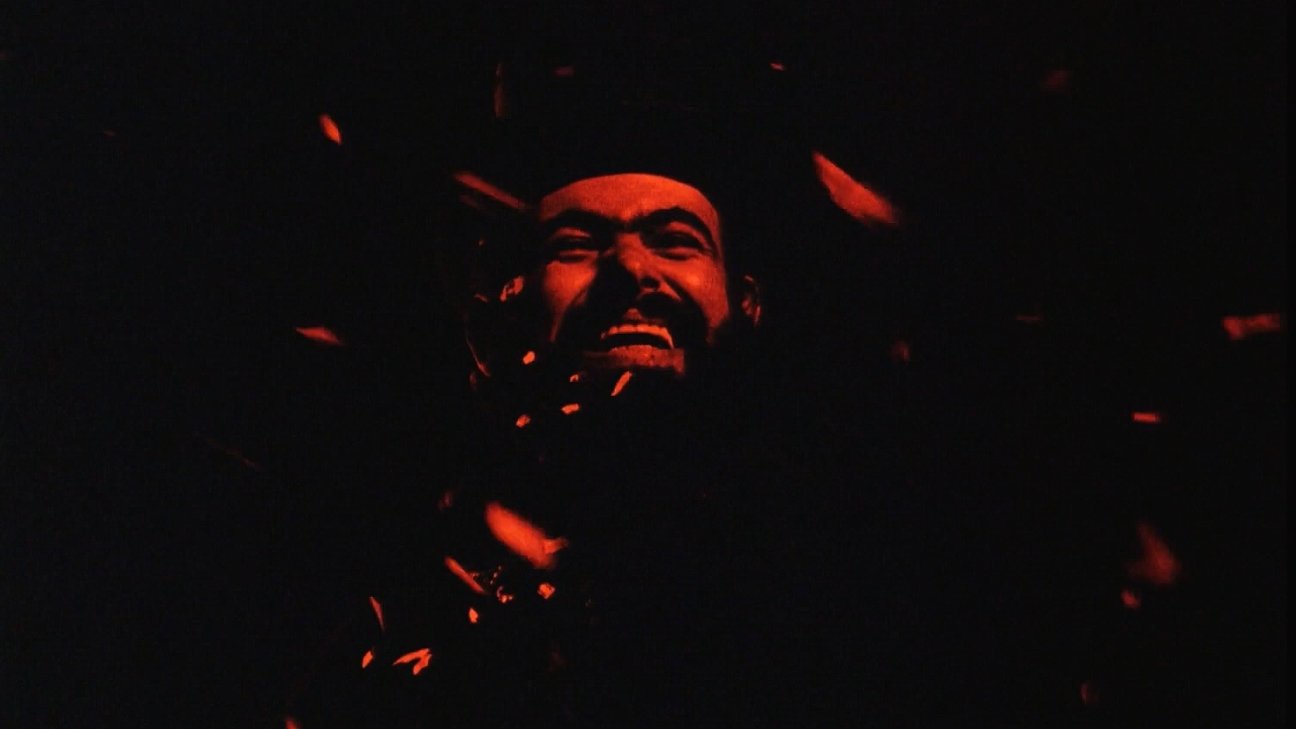
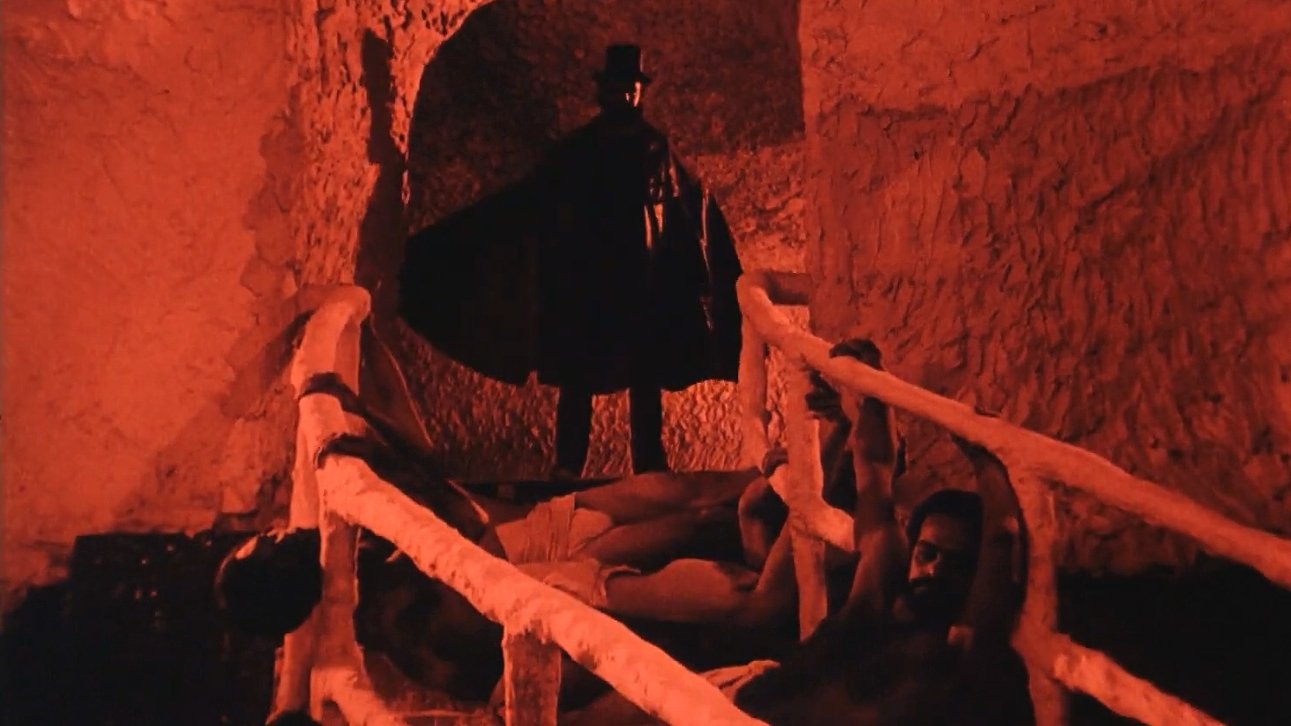
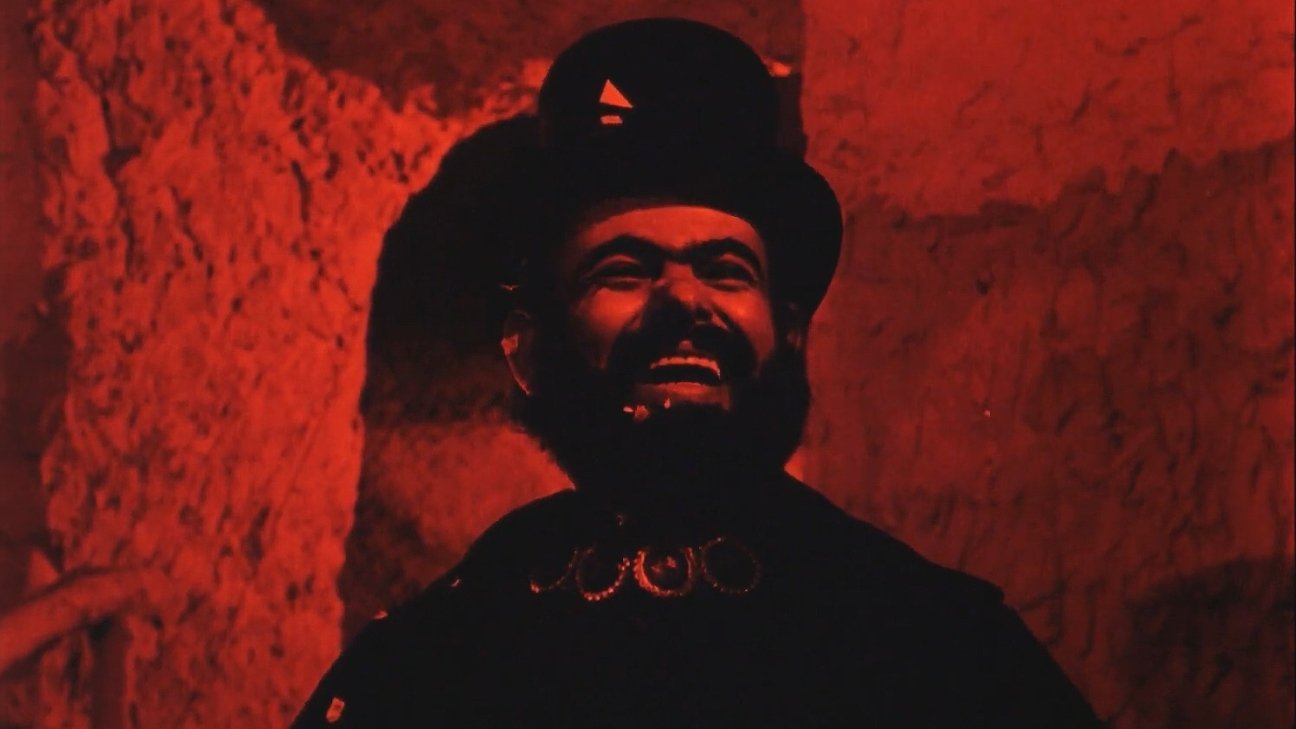
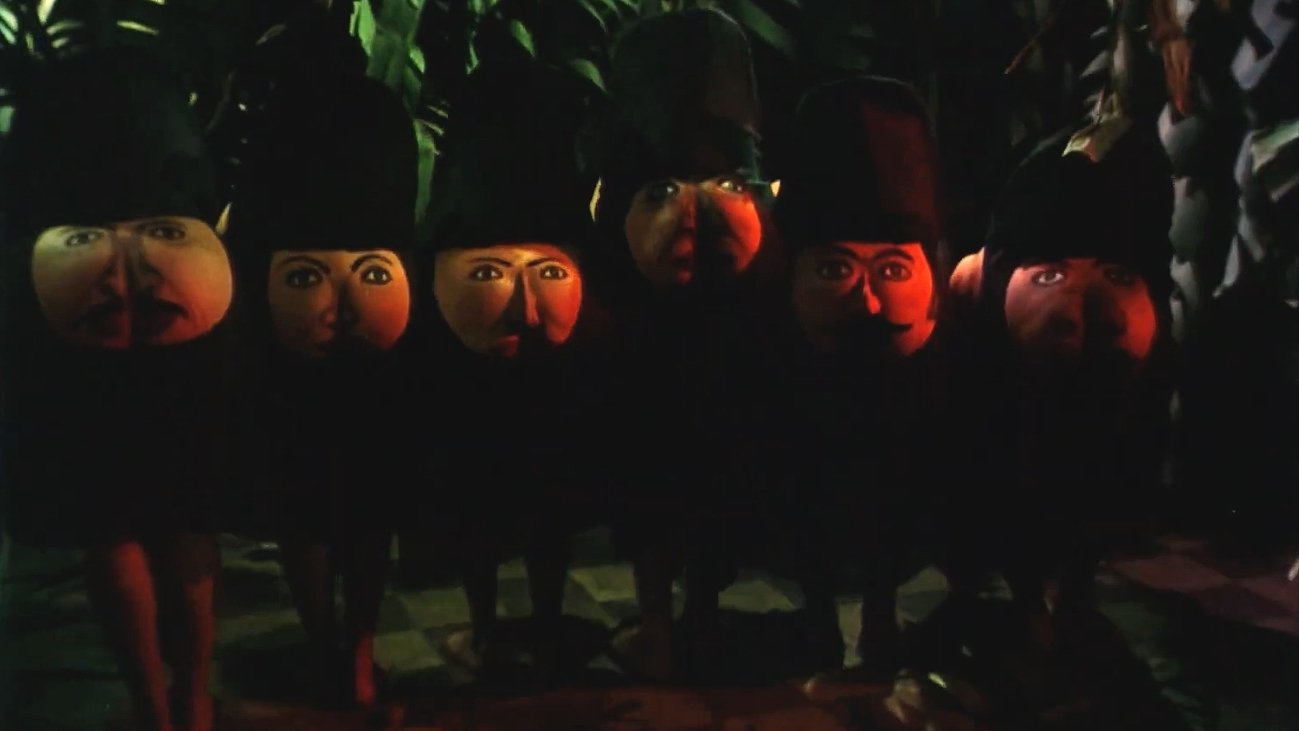
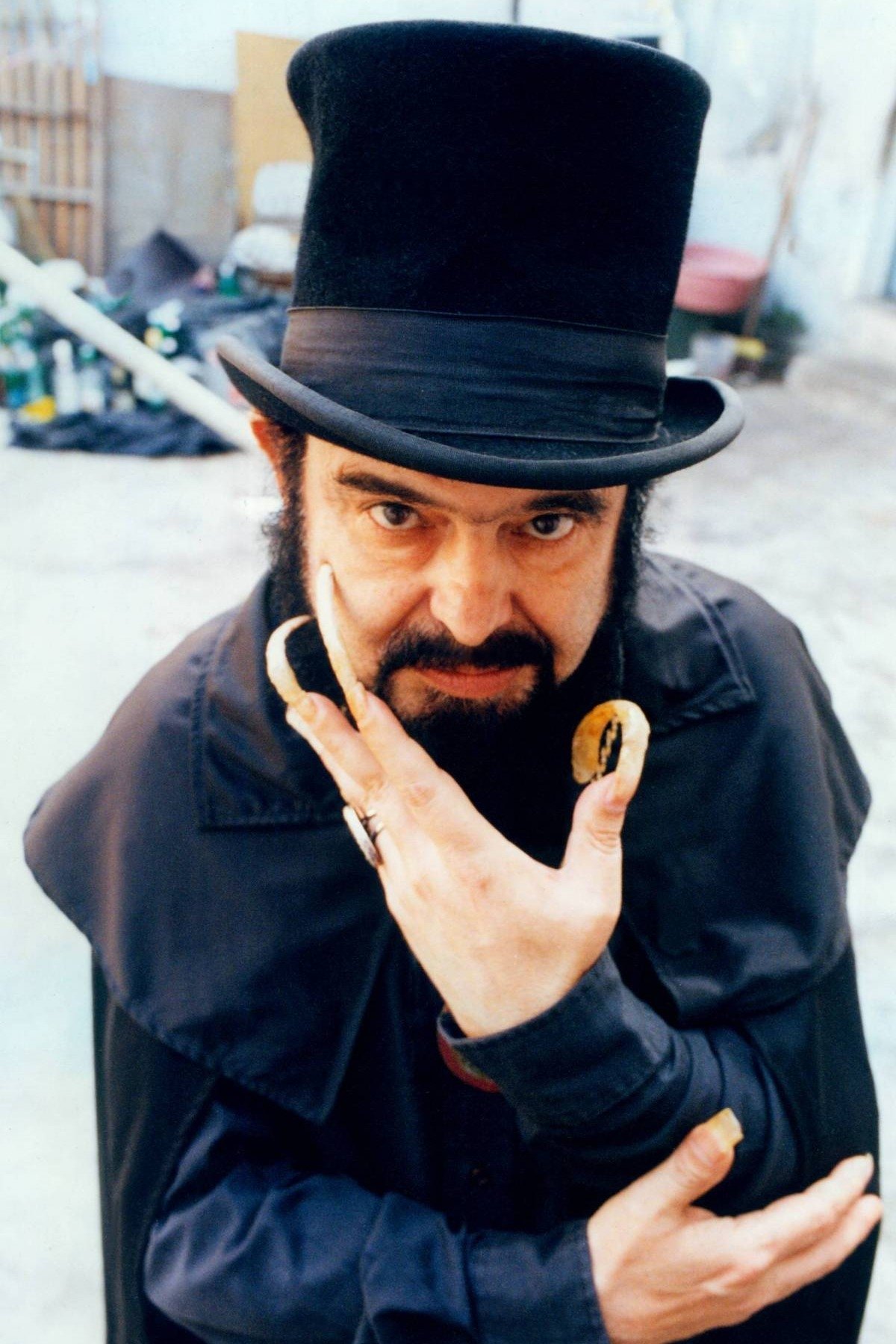
The psychiatrist's experiment makes Coffin Joe the common stimulus for four radically different hallucinations. Participants watch the undertaker's image and enter visions filled with threatening bodies, sadistic rituals and distorted erotic situations. The sequences transform a recognizable screen villain into a figure circulating through the minds of spectators. Coffin Joe no longer needs the sustained narrative authority he possessed in the original films. His costume and presence are sufficient to activate fear, while the volunteers supply their own associations. The arrangement also shows how a commercial horror character can acquire an existence beyond the story that first made him famous.

Color acquires particular force in the hallucination passages, contrasting with the black-and-white material used elsewhere. The change of texture marks an altered mode of perception and provides an immediate visual separation between the televised account and the nightmare spectacle. Exaggerated gestures, abrupt imagery and sequences of bodily distress make the visions confrontational even when their staging is visibly theatrical. Their effect depends on the collision of images and the anticipation of something worse to come. They belong to the film's investigation of suggestion, in which the mind's response to a frightening image can matter as much as the image itself.

The final disclosure complicates the apparent lesson about drugs. The psychiatrist reveals that the volunteers were given a placebo, undermining the direct causal link between LSD and the disturbing visions that the experiment had seemed to demonstrate. In narrative terms, the revelation turns the horror back toward expectation, learned fear and the social stories used to explain misconduct. It also retroactively destabilizes the authoritative tone of the television discussion. The film repeatedly offers the language of evidence while demonstrating how easily dramatic images can be enlisted to support conclusions already desired by the people interpreting them.

Marins Onscreen and the Problem of Authorship

Marins appears in the debate as a filmmaker whose notorious creation has become a subject of public analysis. The distinction between the man and the fictional undertaker is crucial. Other participants can question Coffin Joe's social influence while addressing the person who made him. What begins as a discussion of disturbing images also becomes an argument about the responsibility of the artist who produces them. The relationship is uneasy because the director's recognizability rests partly on the same sinister persona that the conversation treats as a possible danger to audiences.

The film uses that tension to move between documentary suggestion and deliberate theatricality. The debate resembles a public-affairs broadcast, complete with an expert voice and competing responses; the nightmare sections revel in artificial spectacle. Neither mode remains secure. An apparently rational explanation gives way to images that carry an emotional charge impossible to contain within a clinical demonstration. The presence of independent filmmakers in the fictional discussion makes the instability more pointed, since people associated with creating and evaluating films become part of a performance about their effects. Marins is at once the director of the spectacle and a participant whose work is scrutinized inside it.

Scholarship on the film has interpreted these decisions as part of a distinctive authorial strategy. The director tests the boundary between his professional identity, the fame of Coffin Joe and the fearful audience imagined by the narrative. That boundary was already unstable in Marins's public life, when the undertaker's distinctive appearance circulated through television, promotion and performances. Awakening of the Beast uses the instability formally: the viewer has to decide whether an alarming image is evidence, entertainment or an invention placed in someone's mind.

Image, Sound and Grotesque Performance

The visual scheme is built from deliberate discontinuity. Ordinary interiors and televised discussion supply a recognizable contemporary world; the experimental sequences disrupt it with extreme close-ups, theatrical makeup, physical aggression and changes of color. The result is a collage in which urban reality and stylized fantasy repeatedly intrude upon each other. This contrast matters more than any isolated technical flourish. It prevents the film from settling into the geography of a haunted house or the fixed moral world of the earlier Coffin Joe narratives. The camera can present a familiar environment as a place of social observation, then turn the encounter into something closer to a fever dream.

Performance also supplies an organizing principle. The debate depends on the apparent authority of people speaking publicly, while the episodes of abuse expose bodies to humiliation and domination. In the visions, recognizably staged gestures intensify the sense of psychological threat. Critical studies have emphasized how Marins combines popular theatrical forms with cinematic excess, often placing a grotesque image where a more restrained drama would offer explanation. His actors must occupy several registers in quick succession, making the picture's unevenness an active element of its expression. What initially seems disconnected acquires coherence through a repeated struggle over the power to watch and interpret.

Music and sound contribute to the movement between these registers, including the contemporary countercultural atmosphere evoked by the film. Specific recording sessions, instruments and individual sound effects are insufficiently documented for a separate technical history. The audible organization remains significant as part of the performance: argument and narration establish a veneer of control, while the disturbing sequences use intensity and interruption to break that control. The result does not rely on the invisibility of its construction. The audience is continually reminded that shock can be assembled and presented, even when the implications of what is shown are difficult to dismiss.

Censorship, Renaming and Competing Versions

The most consequential event in the film's production history was its encounter with federal censorship. Completed around the transition from 1969 to 1970, Ritual dos Sádicos was submitted to the authorities on June 29, 1970. Research drawing on the surviving censorship files shows that the original examination involved differing opinions, followed by an effective prohibition. Further proceedings in 1971 and 1972 did not secure a release. The objections concerned depictions of drug use, sexual conduct and violence, but the administrative record also shows disagreement about whether the film's professed educational purpose could justify the images being shown. A simple account of unanimous initial condemnation would misrepresent that process.

After renewed efforts in the early 1980s, the film returned under the title O Despertar da Besta. Permission was granted in September 1982 only after extensive alterations. Giancarlo Backes Couto's investigation of the official files describes the approved version as having lost more than twenty minutes, including material central to the representation of drugs. A legal authorization for this reduced cut did not mean that the original film had received a conventional commercial release. Accounts of its subsequent screenings are inconsistent, partly because censored versions, festival events and retrospective presentations are often compressed into a single release date.

The complete version was presented at the Rio Cine festival in August 1986, after the end of military rule. This is a separate milestone from the 1982 approval, and it cannot be treated as a delayed 1970 theatrical opening. The change of title and the competing cuts created a fragmented history in which even the year attached to the work varies by institution. Contemporary catalogues commonly date the film to 1969 or 1970 according to production or completion, whereas the years 1982 and 1986 belong to its delayed public circulation. Such distinctions are central to any account of this title's censorship and reception.

Recovery and Place in Brazilian Horror

The prolonged prohibition damaged the film's opportunity to reach its original audience. It also affected Marins's position among producers, for whom a project likely to be detained by federal authorities represented a serious financial risk. These consequences help explain why its historical reputation developed unevenly. Its contemporaries could recognize the formal ambition of its mixture of provocation and self-portraiture, yet the work was unable to circulate in the ordinary manner of another commercial release. Subsequent study has placed it in the context of Brazilian marginal cinema and the country's contested cultural life under authoritarian rule.

Preservation and later screenings made it possible to reassess the film beyond accounts of its ban. The Cinemateca Brasileira included the work in its 2007 restoration program, while retrospective exhibitions continued to introduce it to audiences unfamiliar with its troubled history. The Instituto Moreira Salles presented a digital screening in 2022, and the International Film Festival Rotterdam included the title in a 2012 program on Brazilian independent filmmaking. These events demonstrate sustained curatorial attention without proving any particular commercial success or a measurable influence on later filmmakers. Its importance is more directly visible in the meeting of horror performance, political anxiety and reflection on cinema itself.

For the Coffin Joe character, the film marks a change in function. The undertaker becomes an object of fear manufactured through images and public conversation, while his creator occupies a place within the story's world. That arrangement opens possibilities beyond the original gothic villain narrative and gives an especially sharp form to Marins's recurring interest in spectatorship. Awakening of the Beast survives as evidence of a cinema willing to confront the social anxieties of its time through exaggeration and discomfort. Its later availability restores a missing part of the director's career, even as the censorship record remains essential to understanding what audiences were originally prevented from seeing.

References

  1. RebecaRevista Brasileira de Estudos de Cinema e Audiovisual — Suzana Reck Miranda and Leonardo Frederico, O estilo de José Mojica Marins em O despertar da besta (1969) como dispositivo de critica social (2026)

    Peer-reviewed analysis of the film's formal construction, theatrical excess, metacinema and criticism of normative social discourse.

  2. Midia e CotidianoGiancarlo Backes Couto and Cristiane Freitas Gutfreind, Tortura e imagens na Ditadura Militar: o caso dos relatorios de censura a José Mojica Marins (1964-1972) (2026)

    Archival study of the relationship between the director's violent imagery and the moral and political language of official censorship.

  3. Portal Brasileiro de CinemaCarlos Primati, O Despertar da Besta - Horror no Cinema Brasileiro

    Original critical essay on the creator-character relationship, the collage of media and the recovery of the film through restoration.

Connections

Cast

View Full Cast & Crew →

Release & Distribution

Production Companies (3)

  • Fantoma Films US
  • Fotocena Filmes BR
  • Ovni Indústria Cinematográfica BR

Release History (1)

Release DateTerritoryRelease TypeFormatDistributorCertificationNotes
1970-10-01 Brazil Theatrical — — 18 Source: IMDb
Coffin Joe's return in...