From Screenwriting to a Directorial Debut
Argento entered filmmaking through journalism and screenwriting. He had worked as a critic for Paese Sera and contributed, with Bernardo Bertolucci, to the story development of Sergio Leone’s Once Upon a Time in the West (1968). His first feature drew on Fredric Brown’s 1949 novel The Screaming Mimi, but reshaped its mystery into a distinctly cinematic problem of observation and mistaken interpretation. The film’s source history is not entirely straightforward: contemporary compiled credits reproduced by the British Film Institute also name Bryan Edgar Wallace, while identifying Brown’s novel as an uncredited source. It is therefore more precise to acknowledge the documented connection to Brown than to assume a simple, fully credited adaptation.
Argento recalled in a 2022 interview that financing the debut required approximately a year of effort. His father Salvatore produced the picture, which was mounted as an Italian–West German collaboration involving Seda Spettacoli and CCC Filmkunst. According to the German film archive filmportal.de, shooting took place in Rome and at the I.N.C.I.R. studios between late August and October 1969. Argento described a tightly planned six-week shoot and said that he came to filming with an extensive storyboard. These recollections illuminate the preparation behind a film whose elaborate viewpoints might otherwise appear to have emerged spontaneously on set.
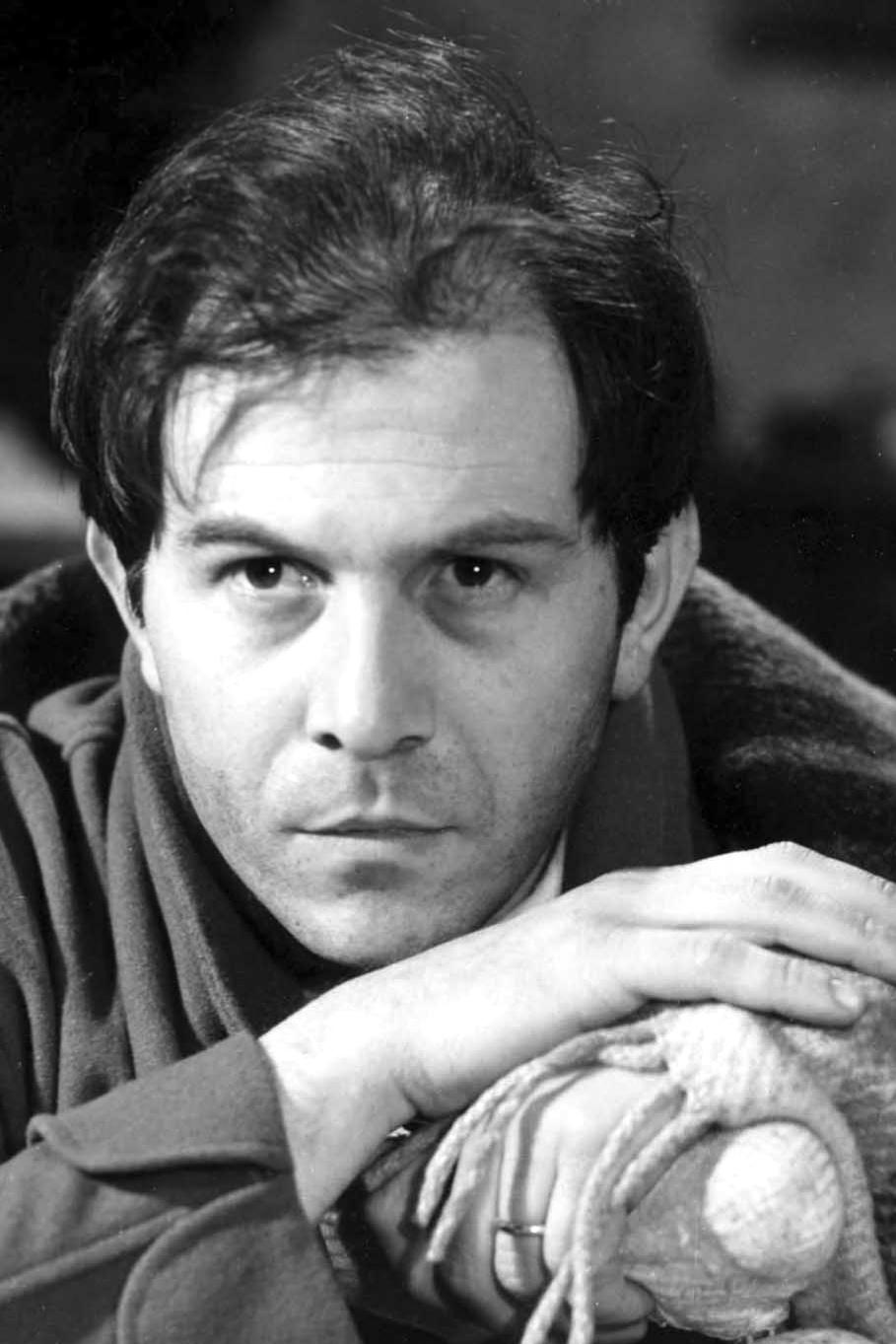
The director’s account also describes significant friction with leading actor Tony Musante over the handling of performances. Such disputes should be understood as Argento’s retrospective version of production events, not as an independently established verdict on Musante. Cinematographer Storaro separately remembered disputes with the production over shooting plans and costs. The conflicts reveal the practical challenge of realizing unconventional camera positions on a relatively constrained production. They also help explain why the resulting film was visually assertive from its opening scenes: both the director and the cinematographer considered composition integral to the story, even when their decisions required additional negotiation.
The Art Gallery and the Unreliable Witness
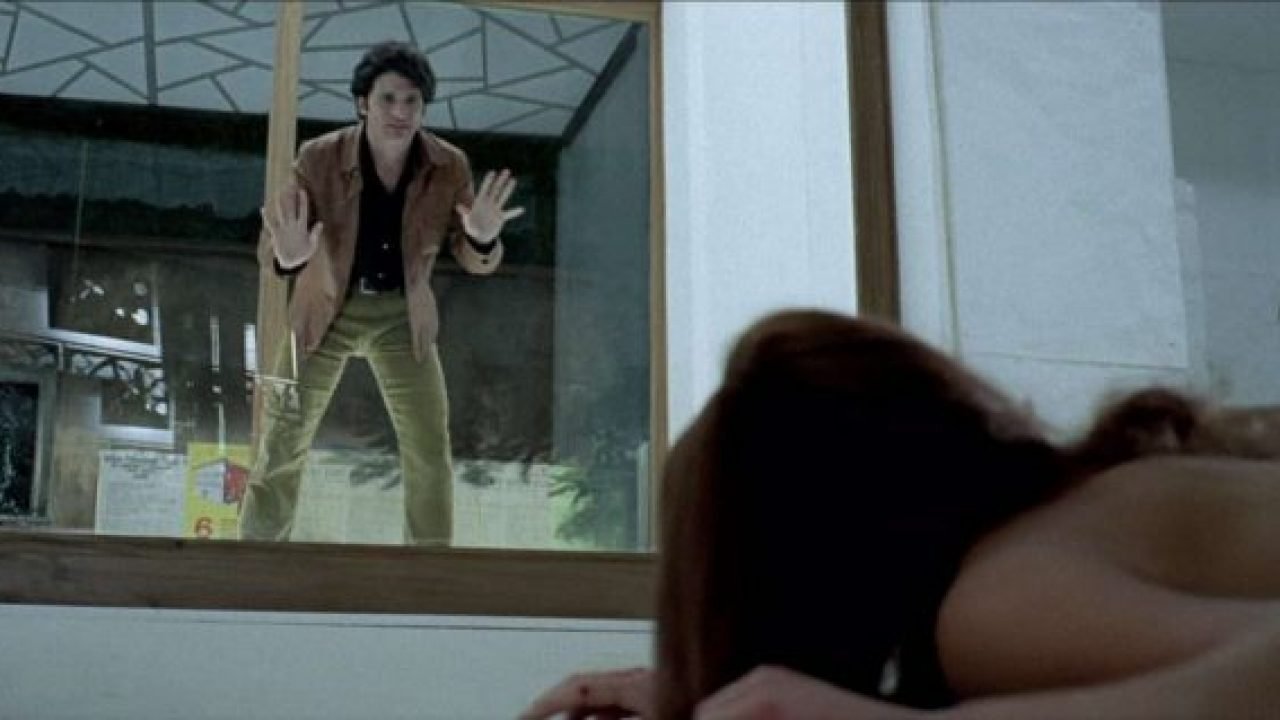
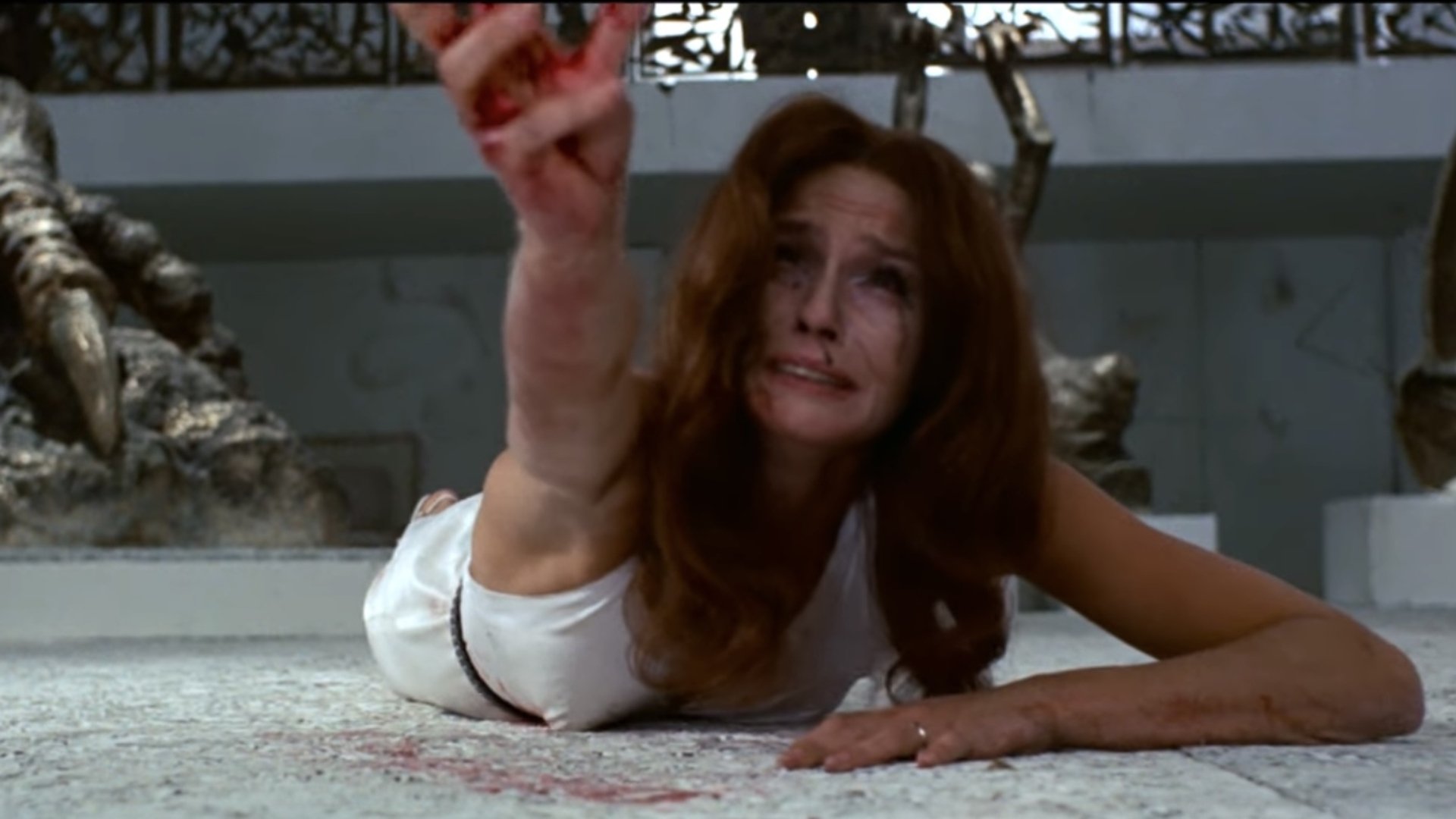
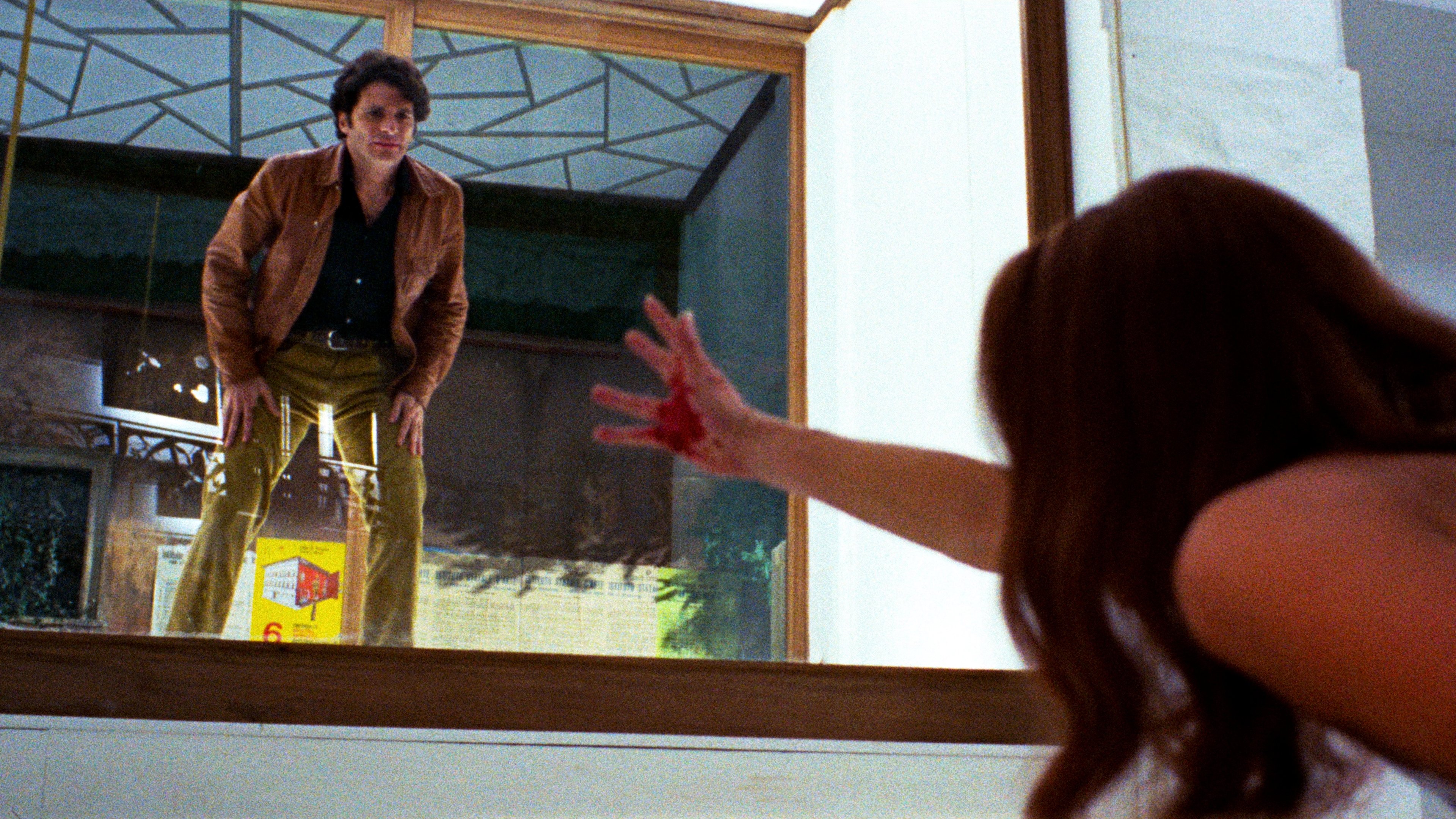
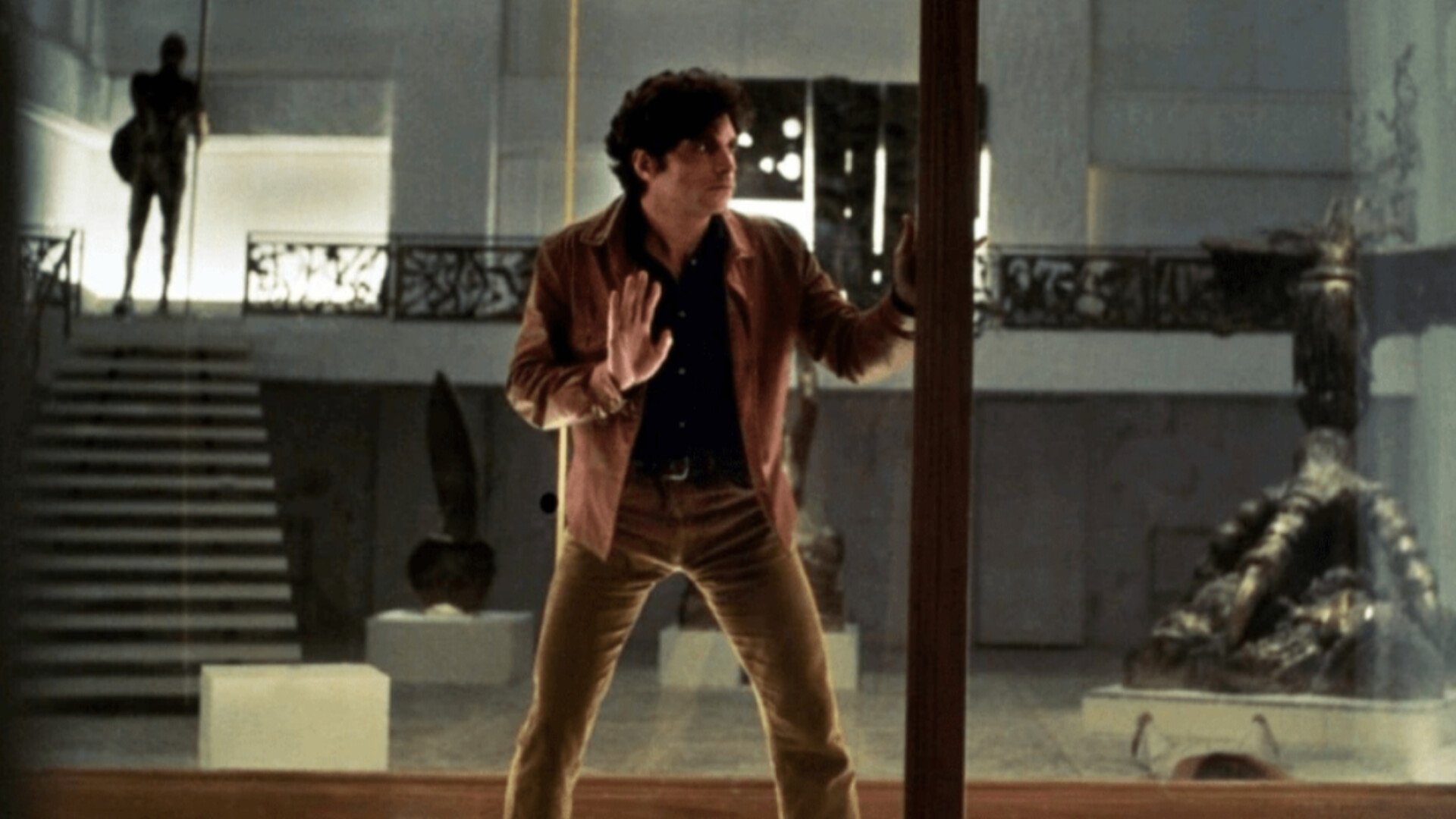
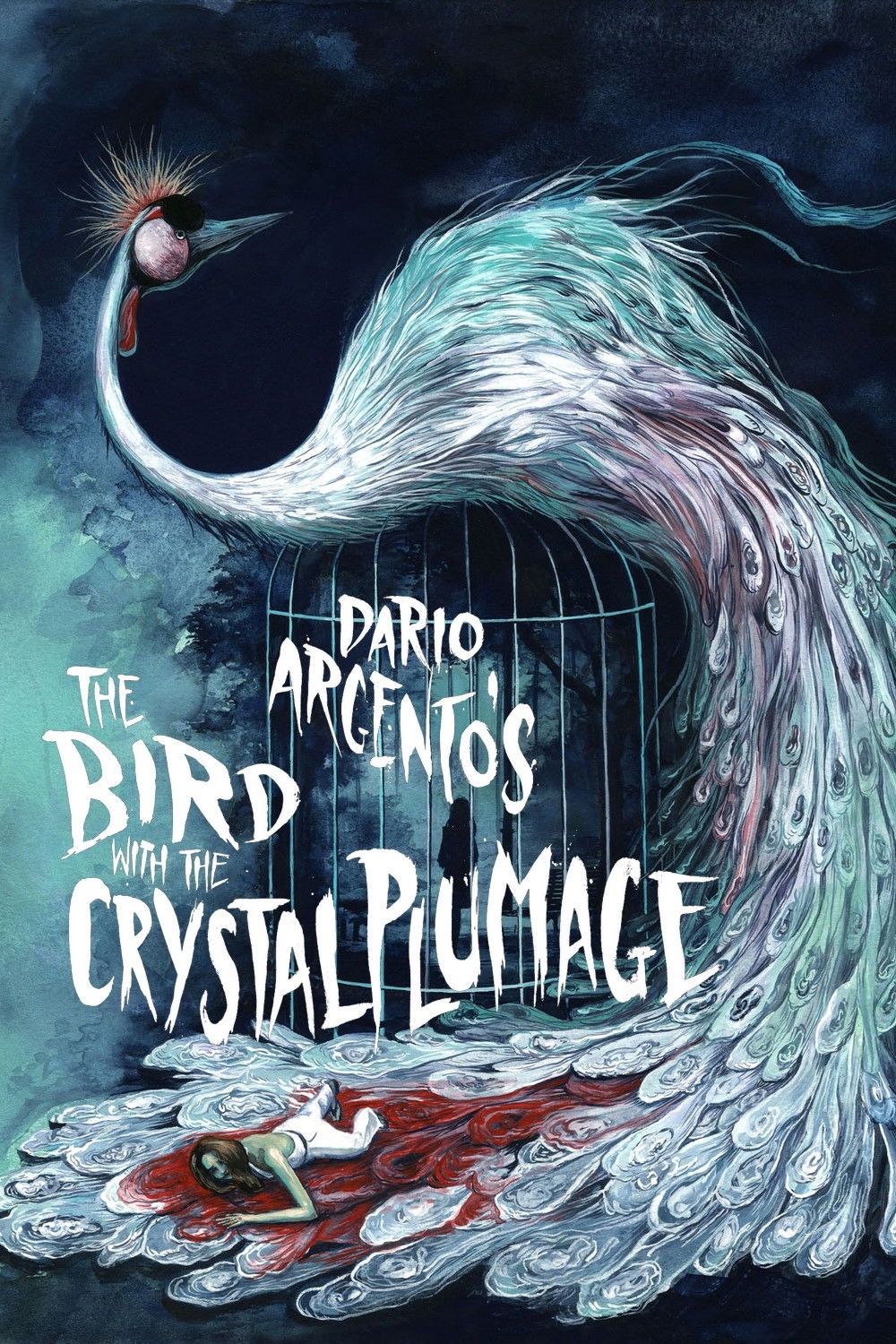
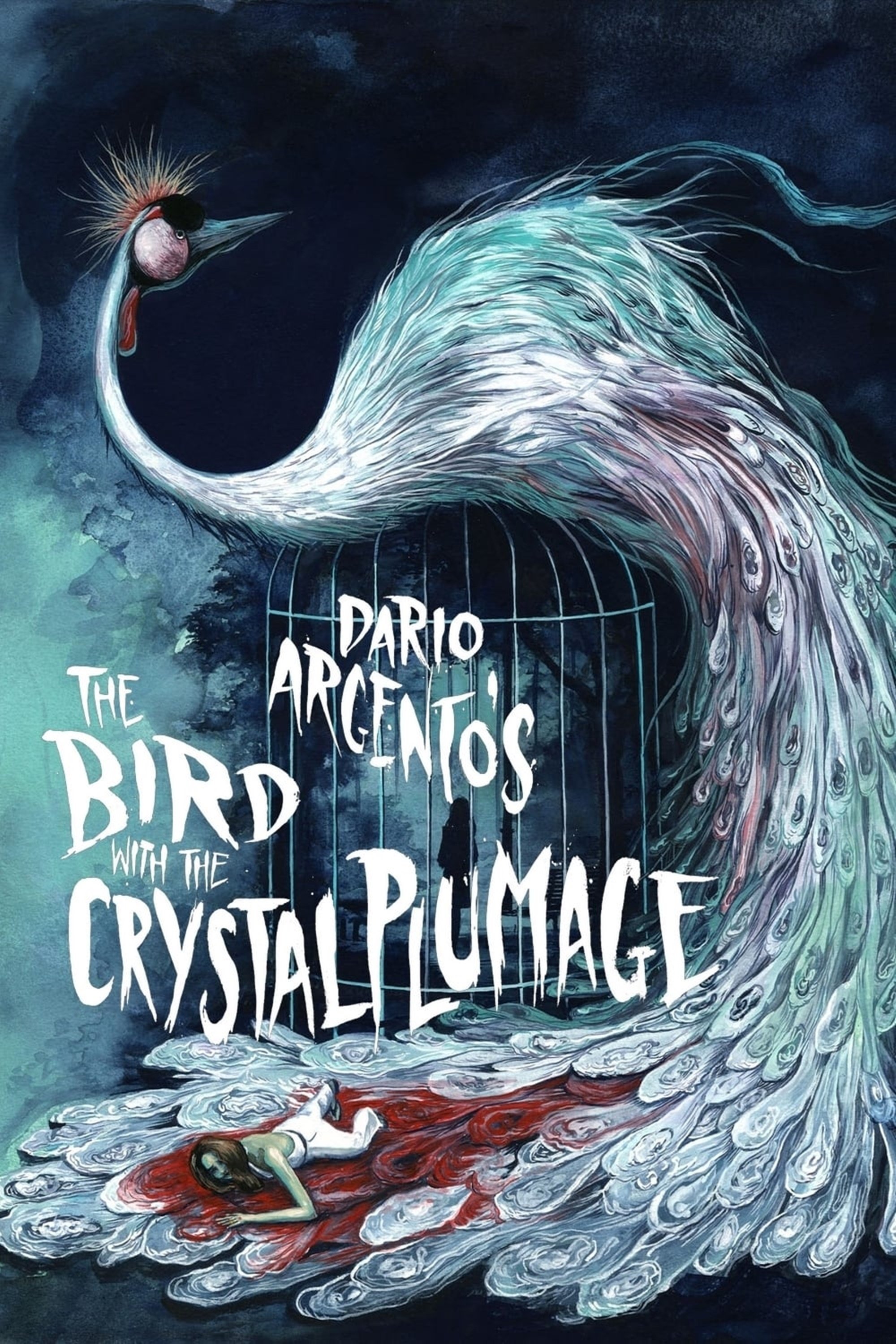
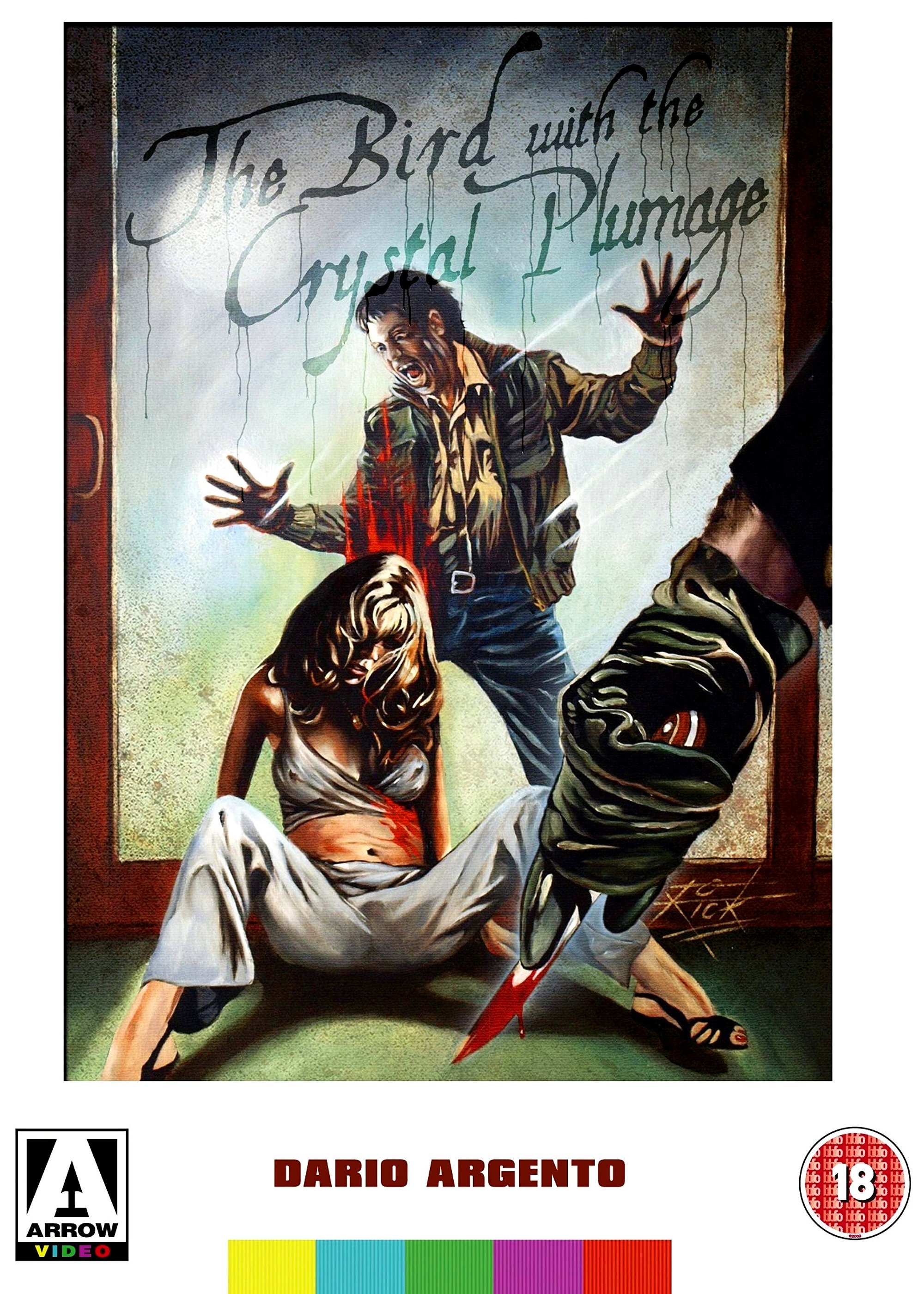
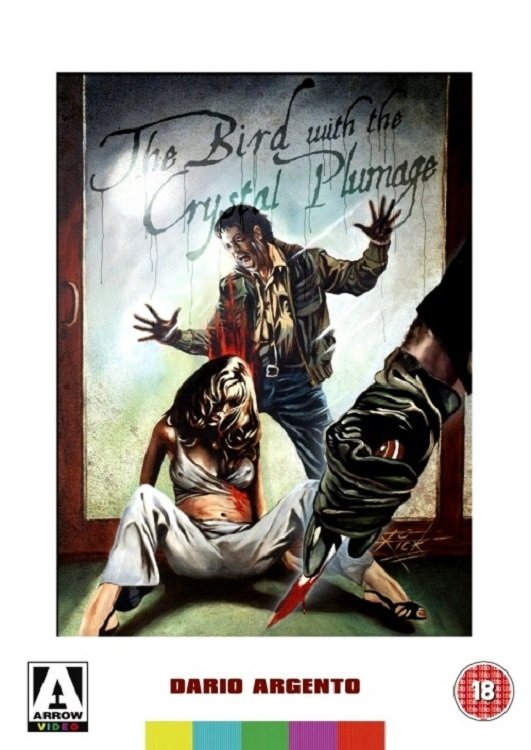
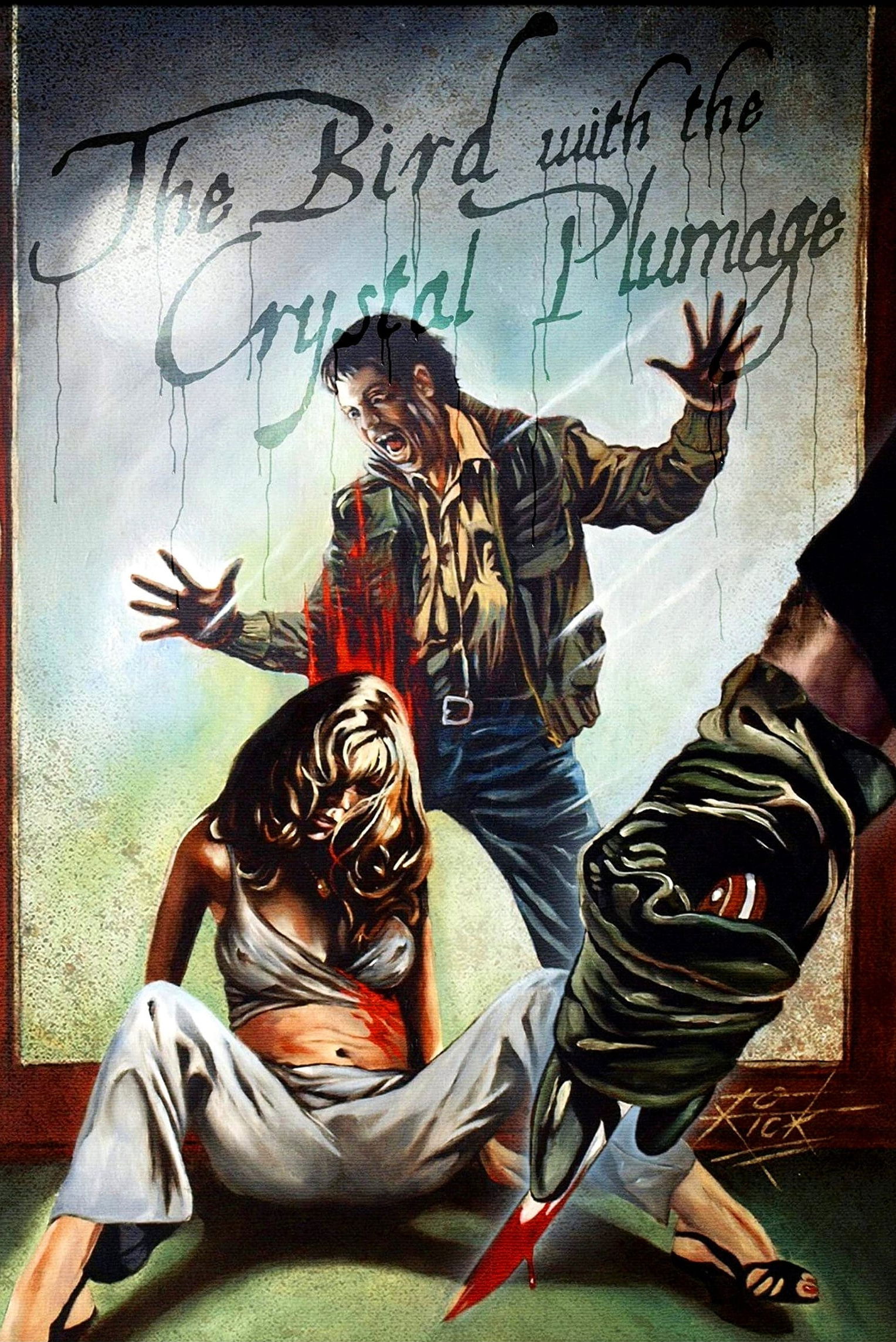
The opening gallery sequence establishes the film’s method more decisively than an ordinary murder prologue. Sam sees Monica Ranieri struggling with a black-clad figure across a glass façade. He tries to reach her, but the automatic doors seal him inside a narrow passage, visible from the street yet unable to move toward either combatant. The scene separates knowledge from action. The witness appears to have an unusually clear view of the violence, and the viewer shares his vantage point, but the narrative later demonstrates that the apparent clarity of an image does not guarantee a correct interpretation.
Sam’s investigation develops through objects that require the same act of interpretation. A painting showing a violent assault leads him toward the history of an earlier crime, while a recorded telephone call preserves an unusual background sound. The bird whose call ultimately becomes identifiable gives the film its apparently eccentric title. These clues move between painting, memory and sound recording: technologies and artworks retain traces of events, but their significance depends on someone discovering the correct relationship between them. The detective’s difficulty is therefore not a shortage of evidence. It is his inability to place what he has seen and heard in an adequate explanatory context.
The climactic reversal returns directly to the gallery. Sam discovers that he initially confused the roles of aggressor and victim: Monica was attacking her husband Alberto rather than merely being attacked by an anonymous man. This disclosure invites a re-reading of the opening images without requiring the earlier footage to have been fabricated. The film’s structure makes a mystery of interpretation as much as identity. Argento would return to the motif of a witness who has seen the answer but misunderstood it, notably in Deep Red (1975). Here, however, the idea already shapes both the plot and the viewer’s dependence on the camera.
Techniscope, Composition and a Threatening Rome
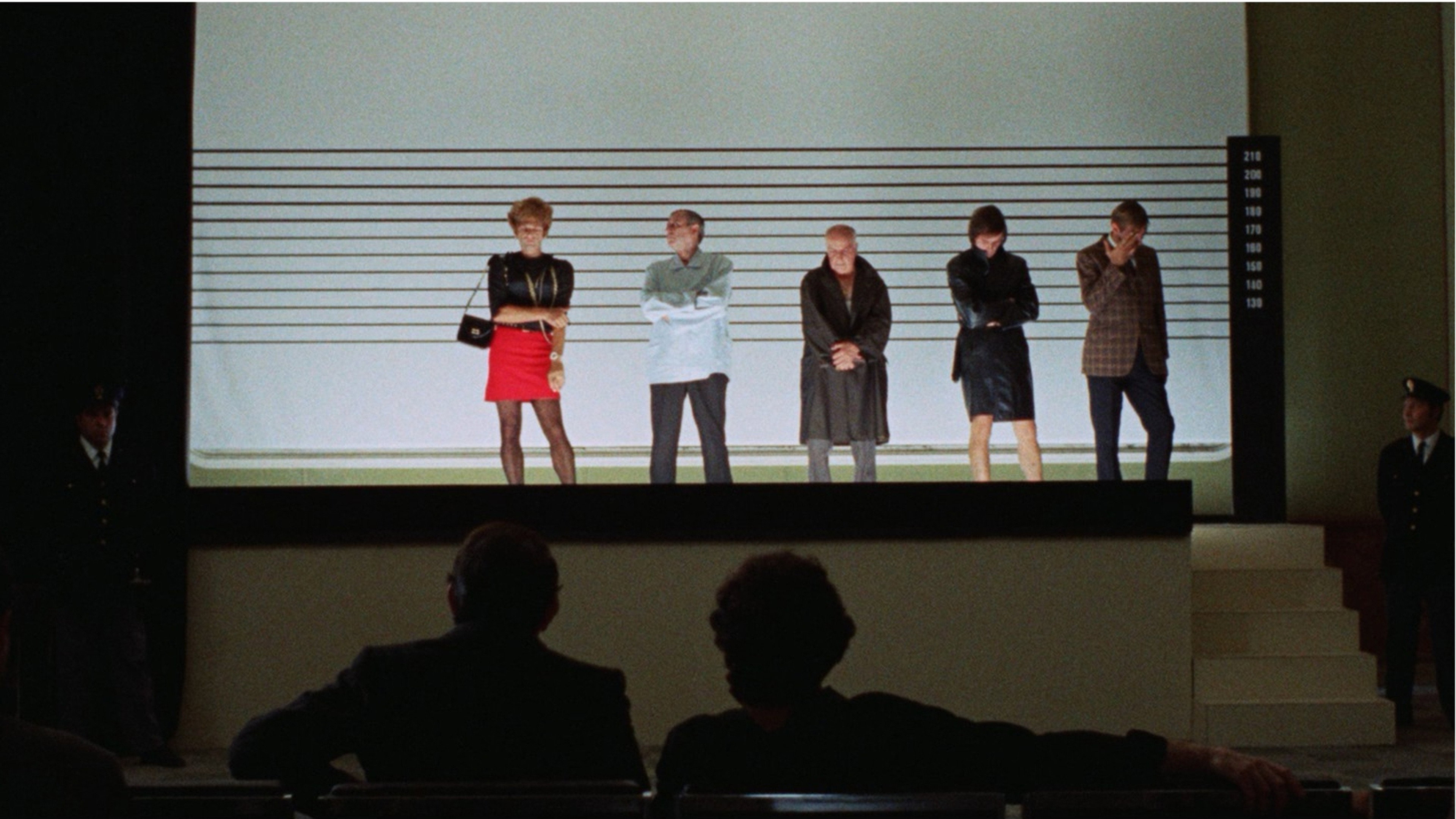
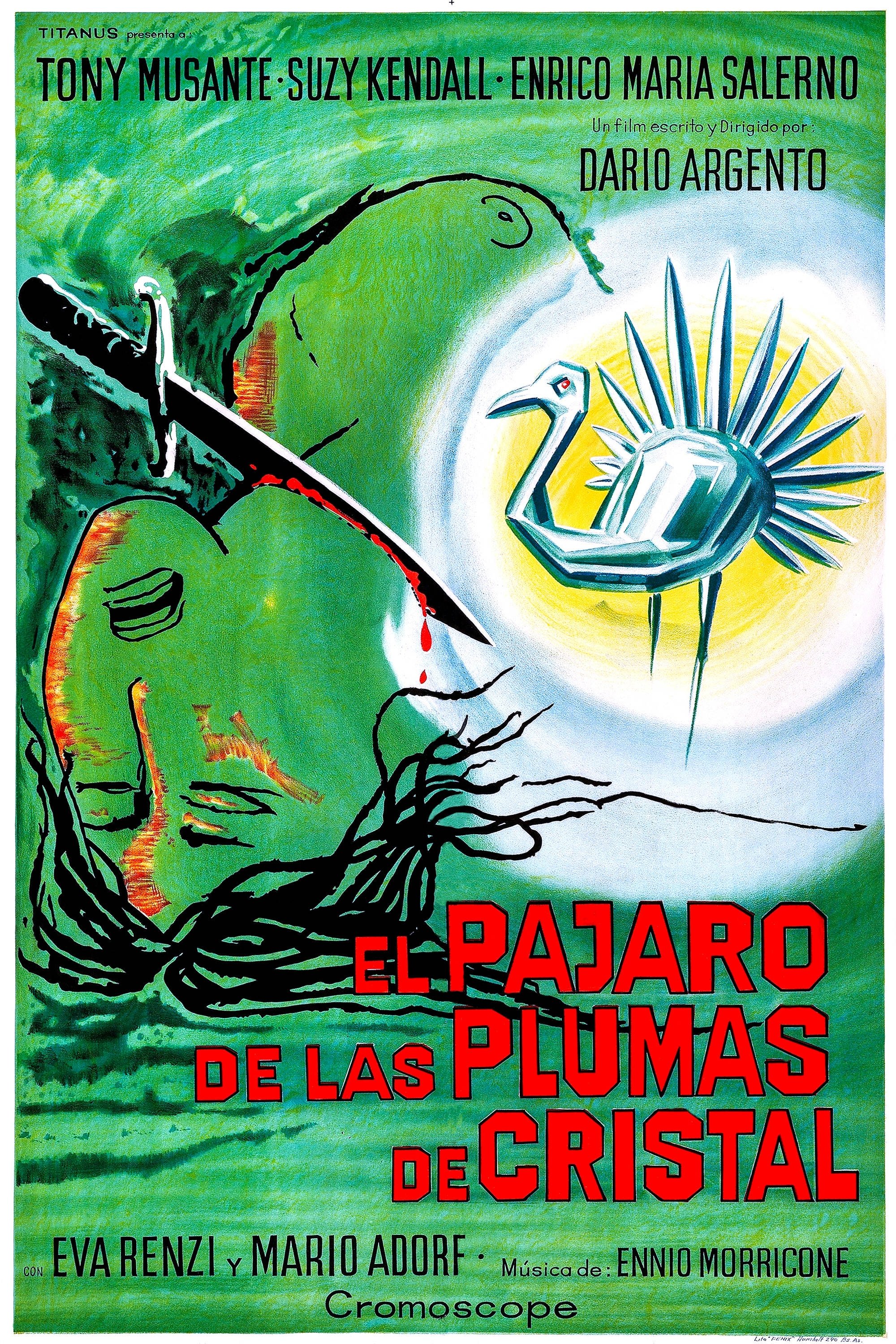
Storaro photographed The Bird with the Crystal Plumage in colour on 35 mm Techniscope, a two-perforation format associated with economical widescreen production. Filmportal records the original image ratio as approximately 2.35:1. Storaro later explained that his early adoption of Techniscope came through Italian productions where the savings in film stock were attractive. The wide frame nevertheless became an expressive resource. In the gallery, bodies are separated by expanses of white display space and glass; elsewhere, streets, interiors and corridors make characters appear exposed even when surrounded by the ordinary structures of a modern city.
In a 2018 interview published by Revus & Corrigés, Storaro recalled a revealing dispute over the number of planned setups. He proposed photographing murder scenes from the perpetrator’s viewpoint, partly as a way of achieving a forceful image with fewer shots. His account connects an economical production decision to one of the visual signatures for which the film became known. It does not mean that every subjective camera movement originated with Storaro, or that the entire picture was filmed from the killer’s perspective. The significance lies in the collaboration between a director seeking unusual suspense effects and a cinematographer determined to protect the expressive value of each composition.
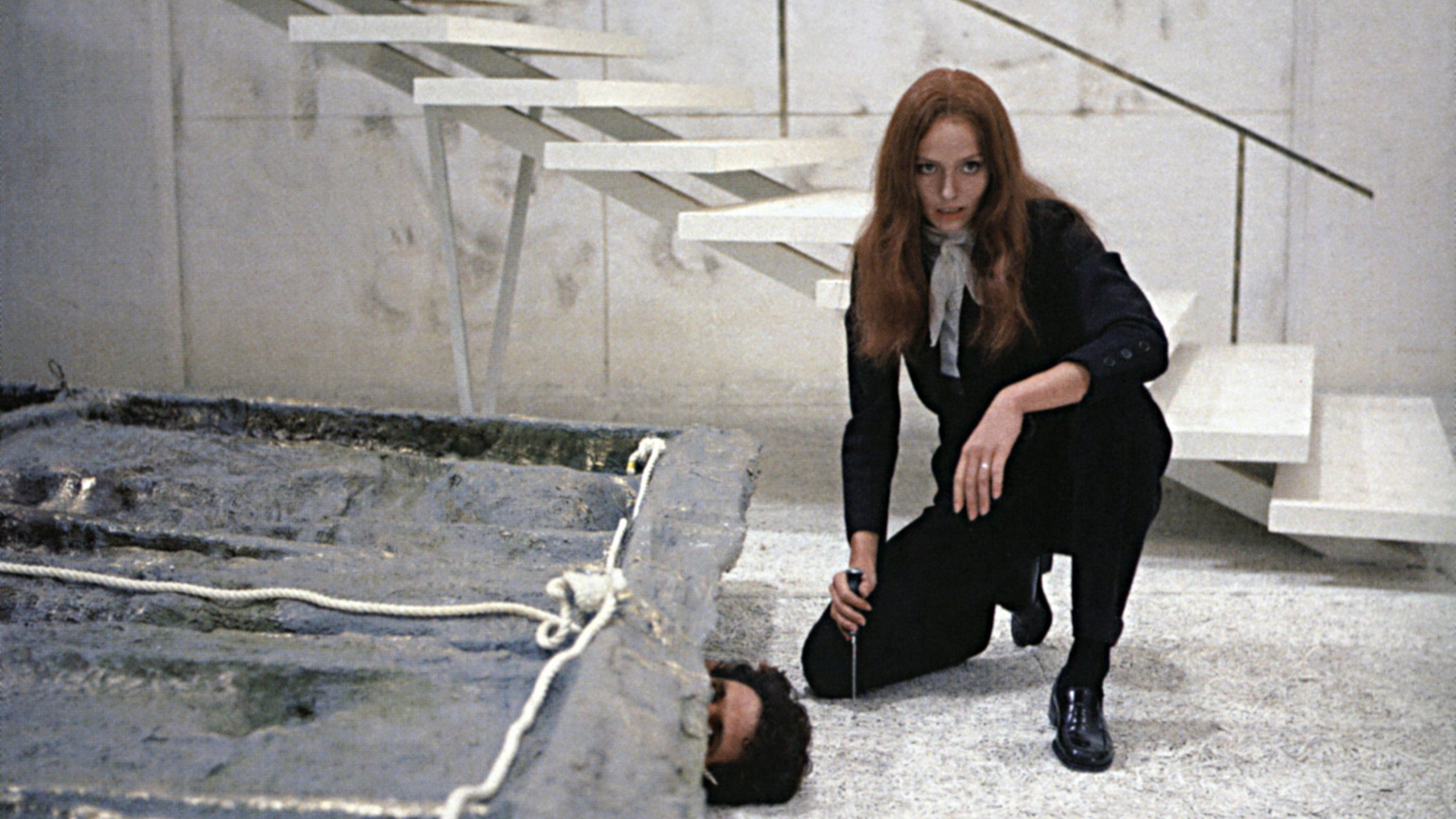
Argento’s locations are not interchangeable pieces of picturesque Roman scenery. A gallery can become a trap, a domestic interior can expose the person inside to an unseen intruder, and the city’s nighttime spaces give Sam few reliable routes toward safety. The film repeatedly controls how much the spectator can understand about the location of a threatening figure. White surfaces, deep shadows, bright clothing and sudden points of red are especially conspicuous because the photography is built around contrasts that remain legible in the wide frame. Storaro said that light and composition were intended to serve the characters’ emotions and physical presence; his testimony supports treating these choices as deliberate visual narration rather than decorative excess.
Ennio Morricone’s Experimental Score
Morricone’s score is unusually important to the film’s balance between recognizable mystery conventions and disturbing sensation. It moves from fragile, almost lullaby-like writing into dissonance and irregular musical gestures, preventing the audience from associating a single reassuring theme with the investigation. The British Film Institute’s archive characterizes the music of Argento’s early thrillers through a combination of jazz, lullabies and abrasive non-melodic lines. These contrasting elements are appropriate to a story in which familiar surroundings can abruptly become threatening and a seemingly obvious image conceals a different action.
The working process is described in two independent retrospective testimonies. Argento recalled visiting Morricone with records that he imagined might offer inspiration, only for the composer to reject the suggestion; he also remembered considerable improvisation with the musicians. Morricone, interviewed by Sight and Sound in 2006, emphasized the experimental and dissonant quality of the scores he wrote for Argento’s first three thrillers. He said that their similar sonic approach eventually contributed to a break in the collaboration. The film’s compiled credits name Bruno Nicolai as conductor, a role distinct from Morricone’s composition. Together, these accounts establish that the score’s unconventional character was an intentional part of the original production.
Violence, Gender and the Film’s Psychological Explanation
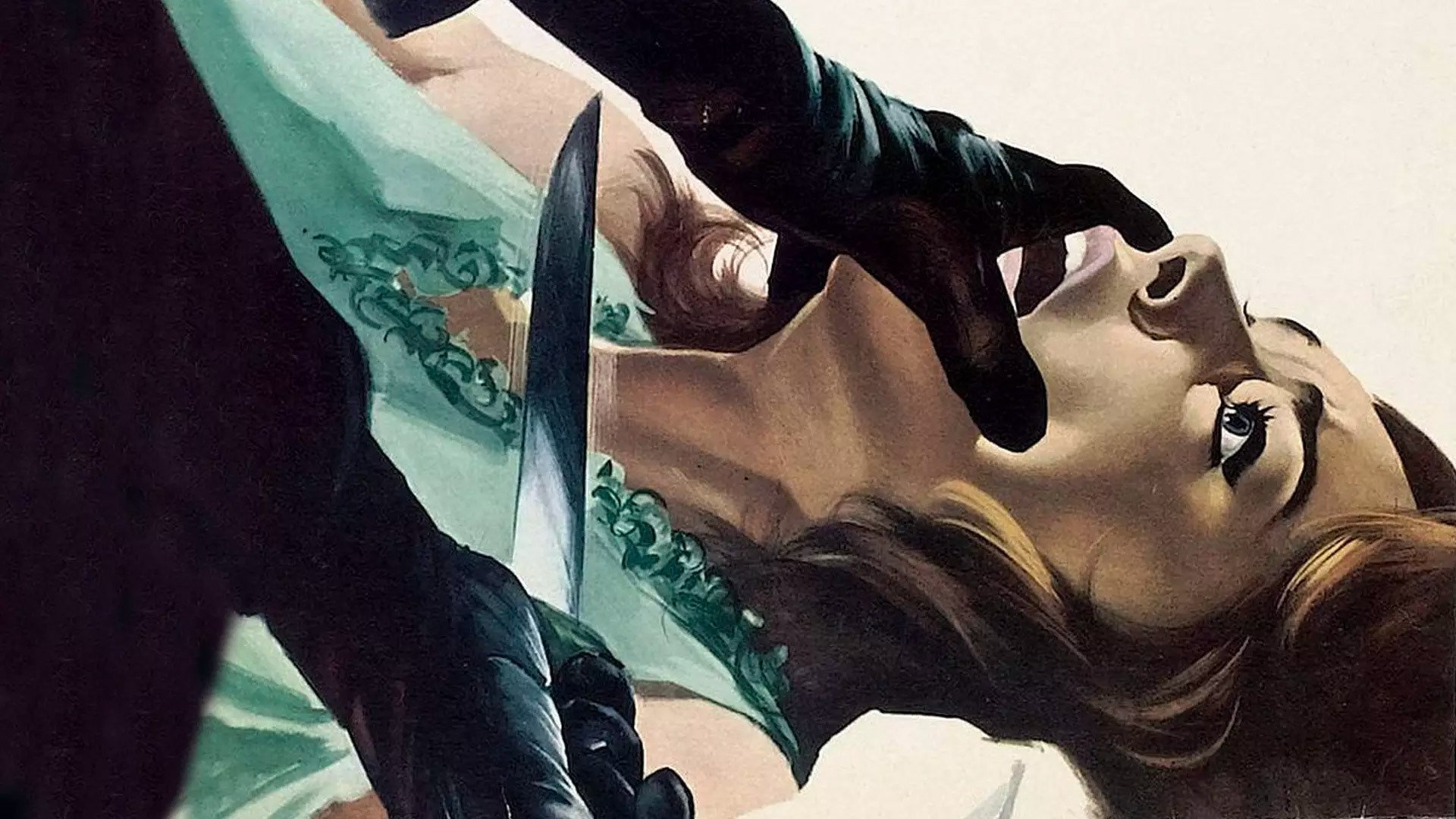
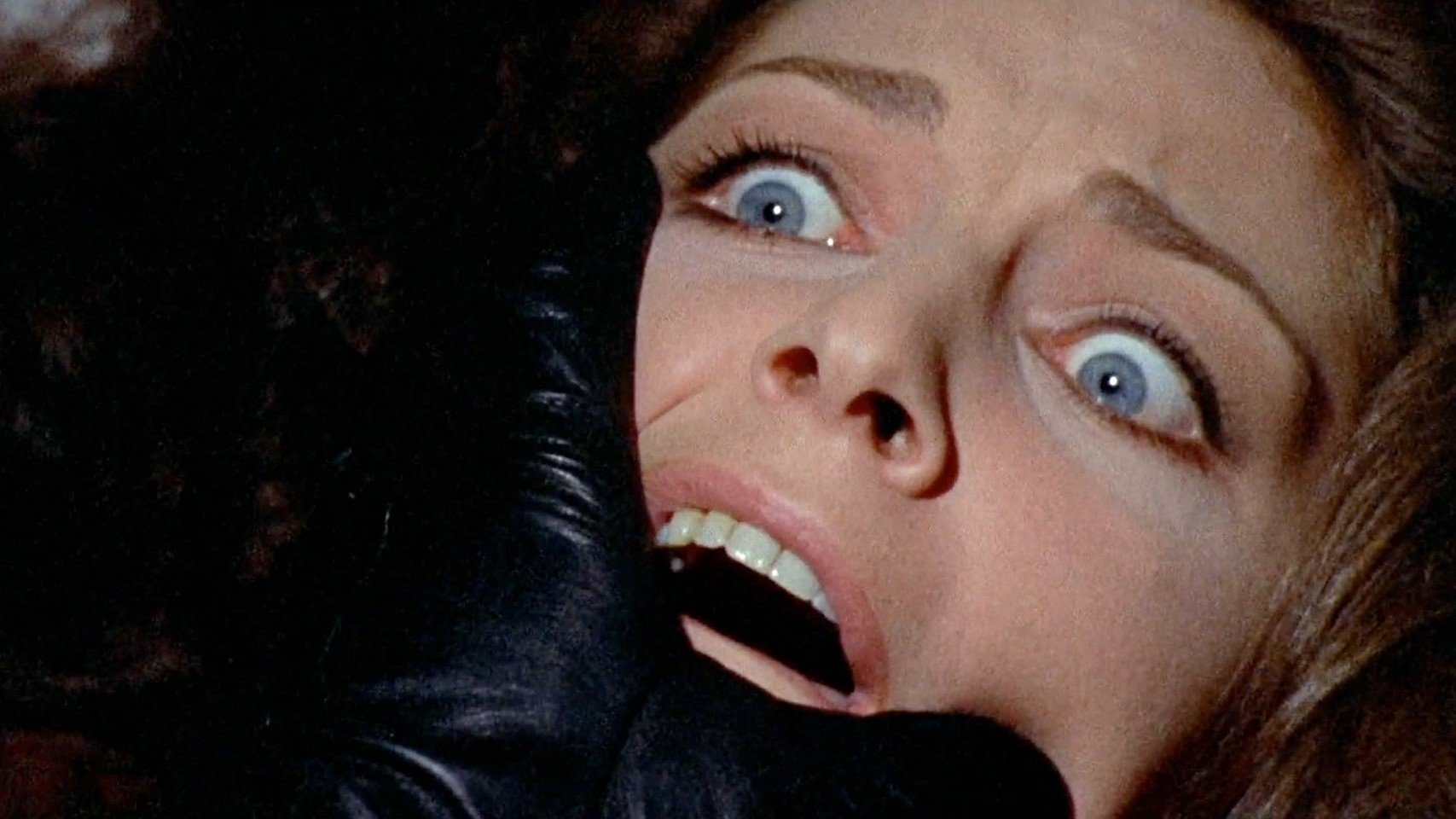
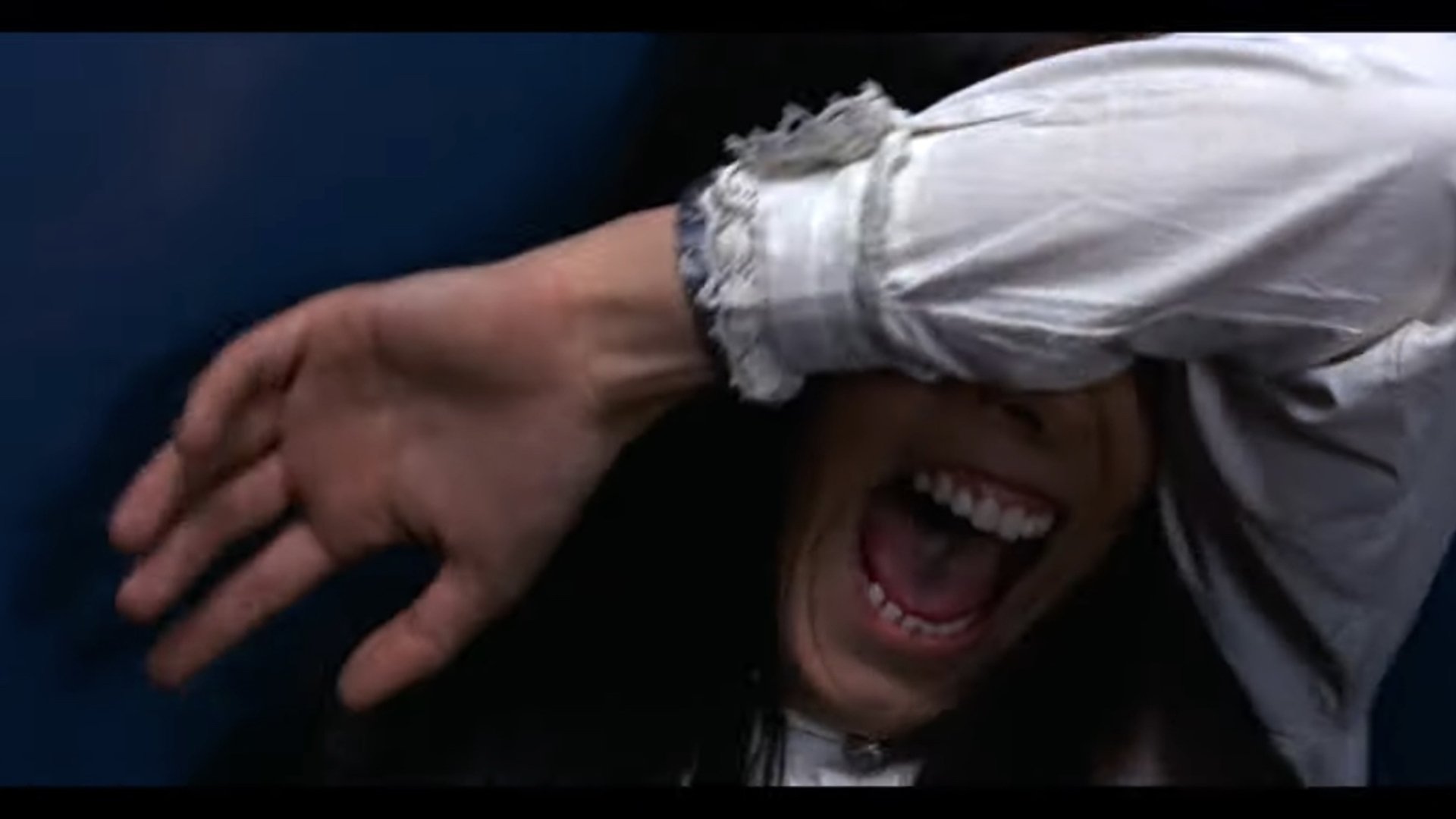
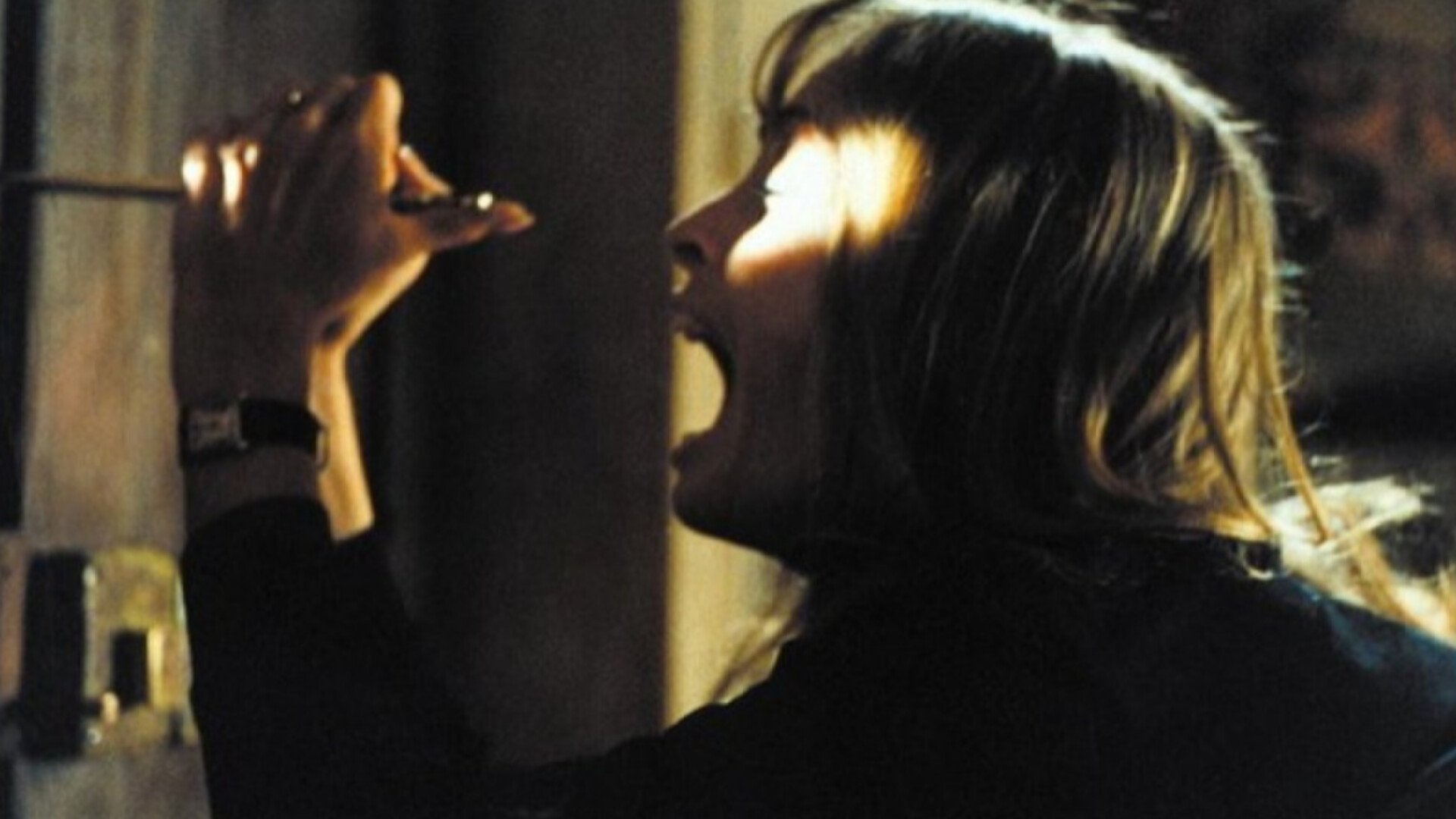
The murders depend on images that soon became associated with the giallo: the obscured face of the assailant, dark gloves, blades and sudden attacks on women in ostensibly secure surroundings. At the same time, Argento devotes more attention to the anticipation and staging of violence than to a continuous succession of graphic wounds. Sam’s vulnerability is repeatedly emphasized, especially when he can observe danger but cannot stop it. Giulia, his partner, is also threatened because his investigation brings the killer into their private life. The suspense derives from the asymmetry between what the assailant knows and what the potential victims can discover.
The conclusion complicates the film’s distribution of victimhood. Monica’s murderous behavior is linked to an earlier sexual assault and to a painting that recalls the event. A psychiatrist then offers an explanation for the violence through her identification with an aggressor. That account is part of the film’s fictional psychological mechanism; it should not be presented as a reliable clinical description of how survivors of sexual violence behave. The revelation also turns the apparently helpless woman in the first gallery scene into the person who posed the danger. The reversal depends on the spectator having accepted Sam’s initial assumption about the figures he saw.
This treatment places the film at a complicated intersection of mystery and exploitation horror. Its formal ingenuity unsettles a witness’s confident reading of gender and power, yet its account of trauma relies on sensational connections between victimization and homicidal madness. Both observations follow from the construction of the story and should be distinguished from statements attributed to the filmmakers. They are relevant to the history of giallo because the genre repeatedly combines an investigative puzzle with the spectacle of bodily threat, asking the spectator to scrutinize violence while also making that scrutiny uncomfortable.
Release, Archival Versions and Contemporary Reception
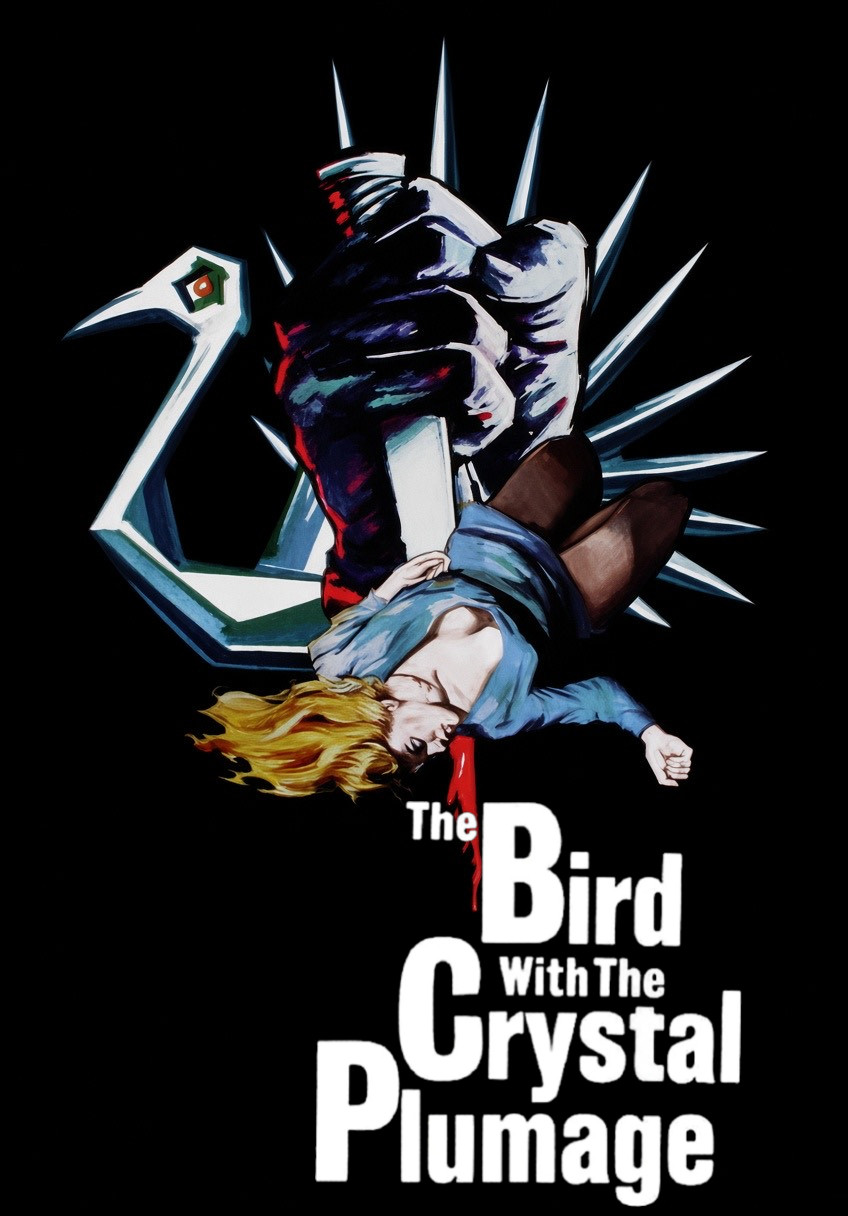
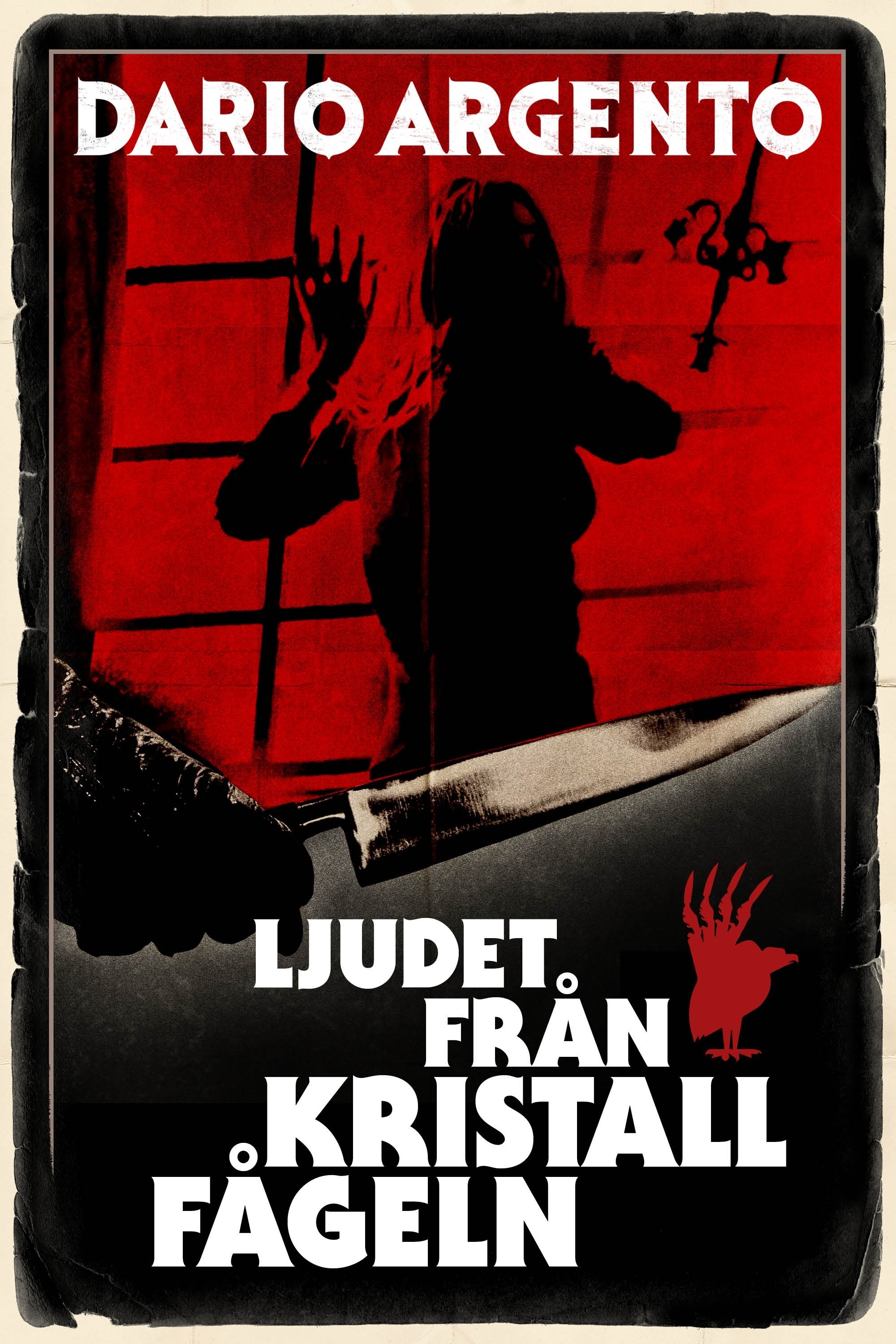
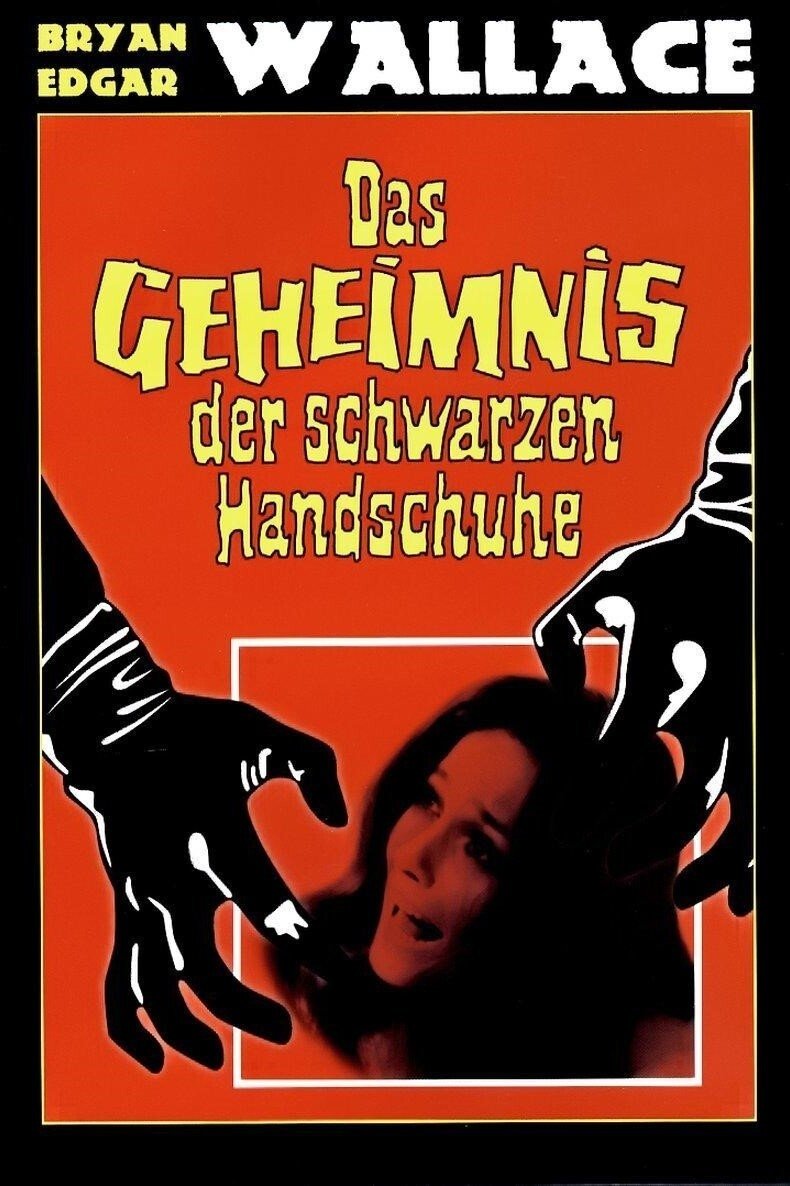
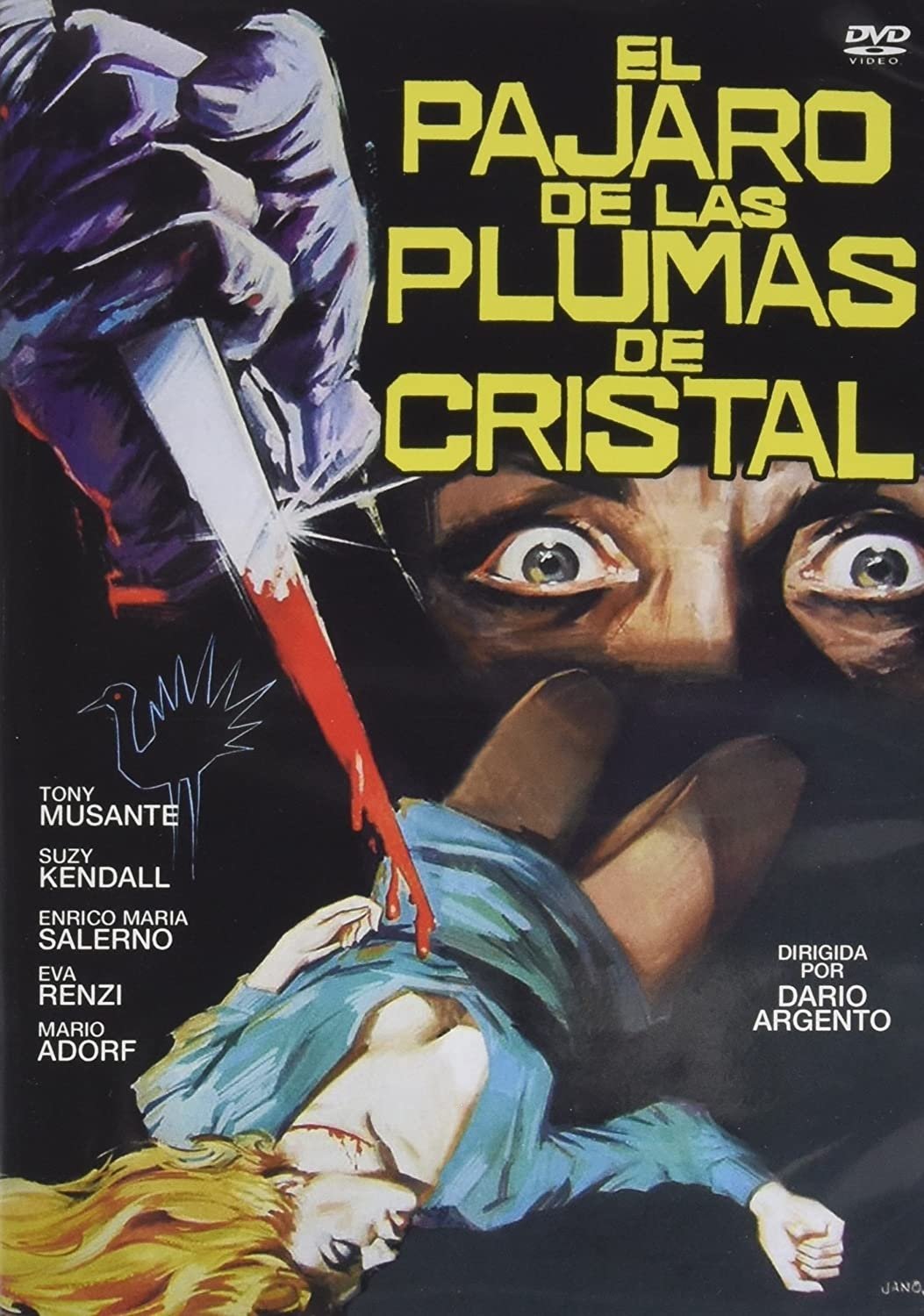
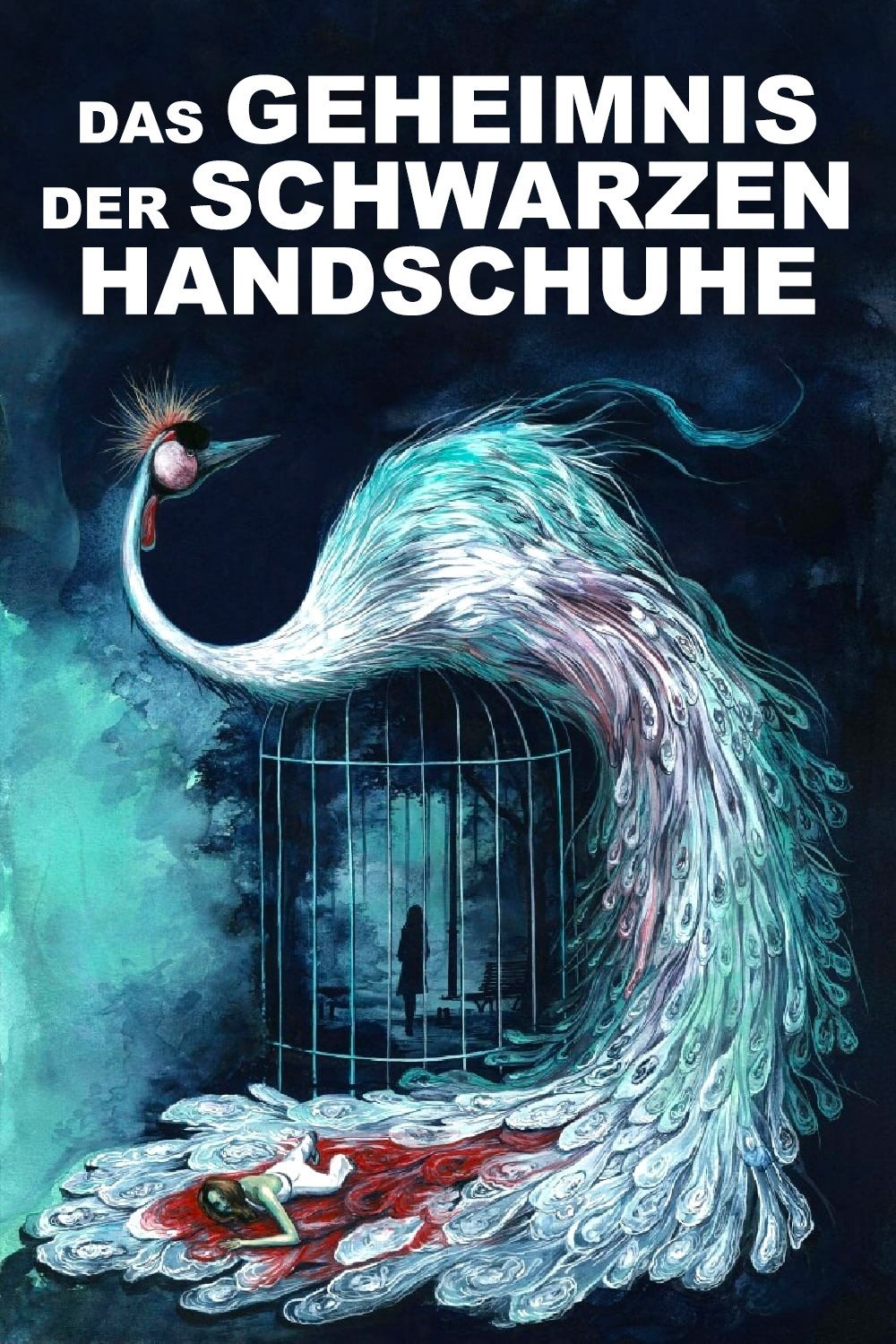
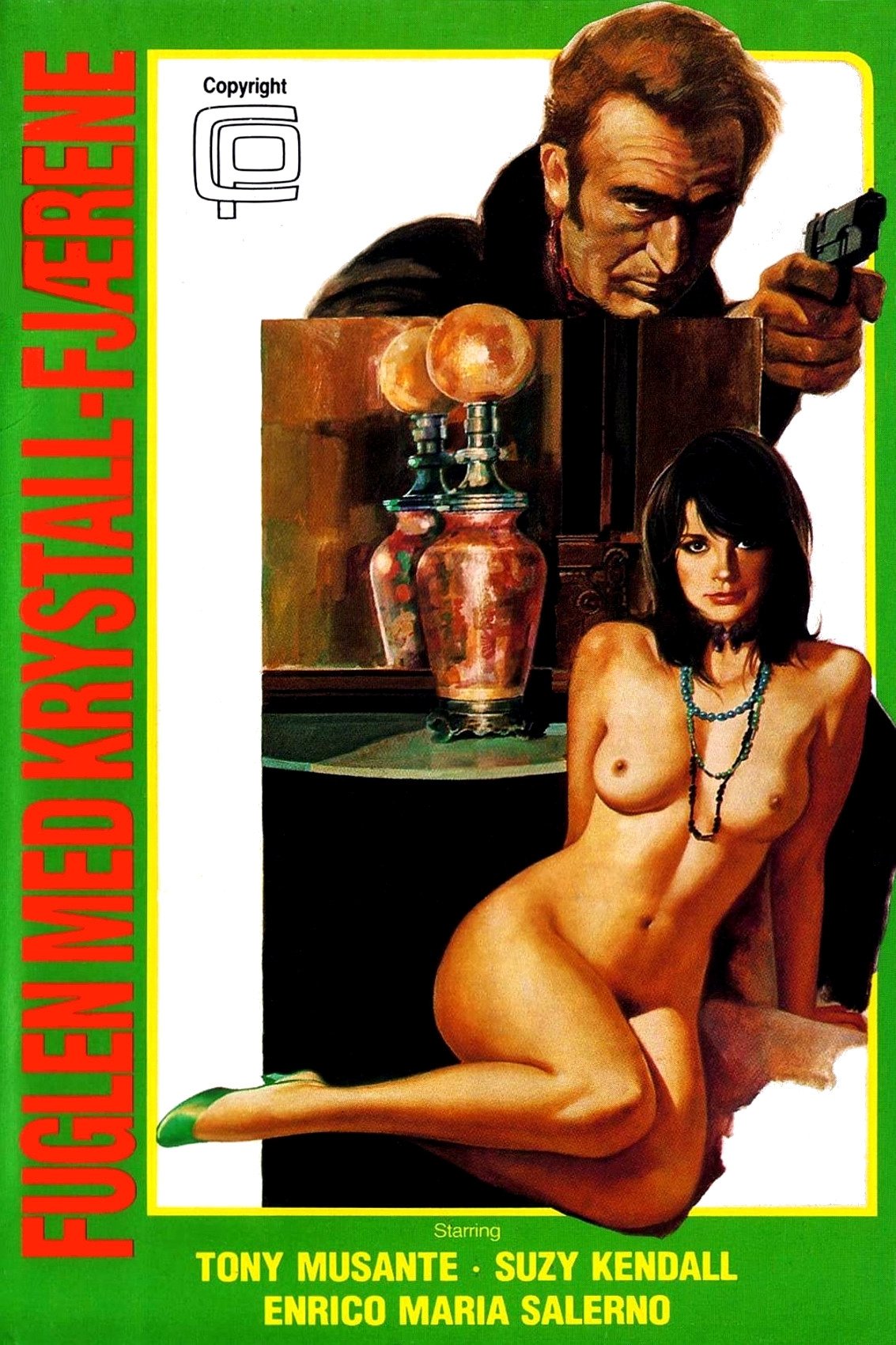
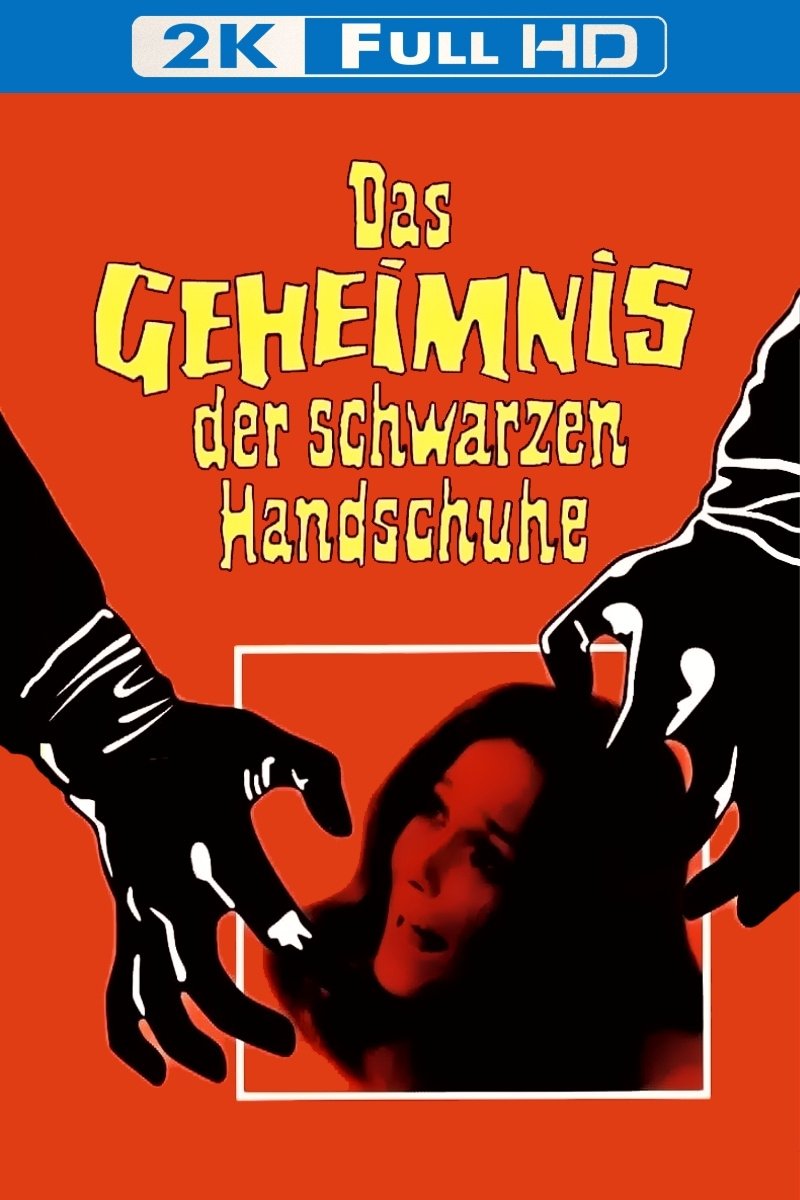
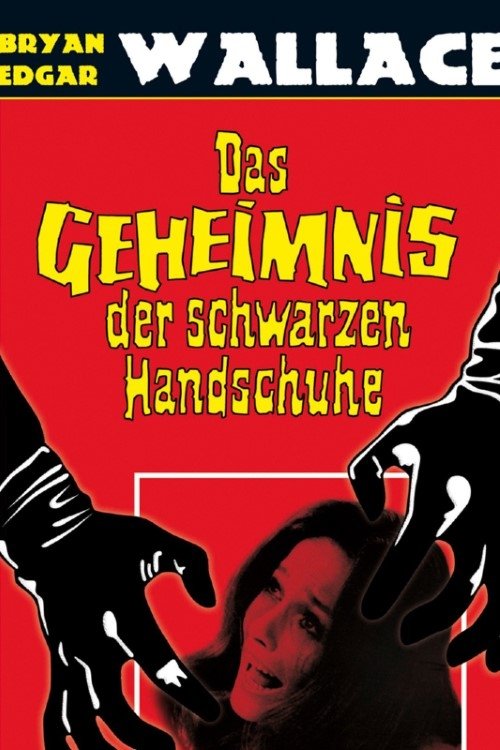
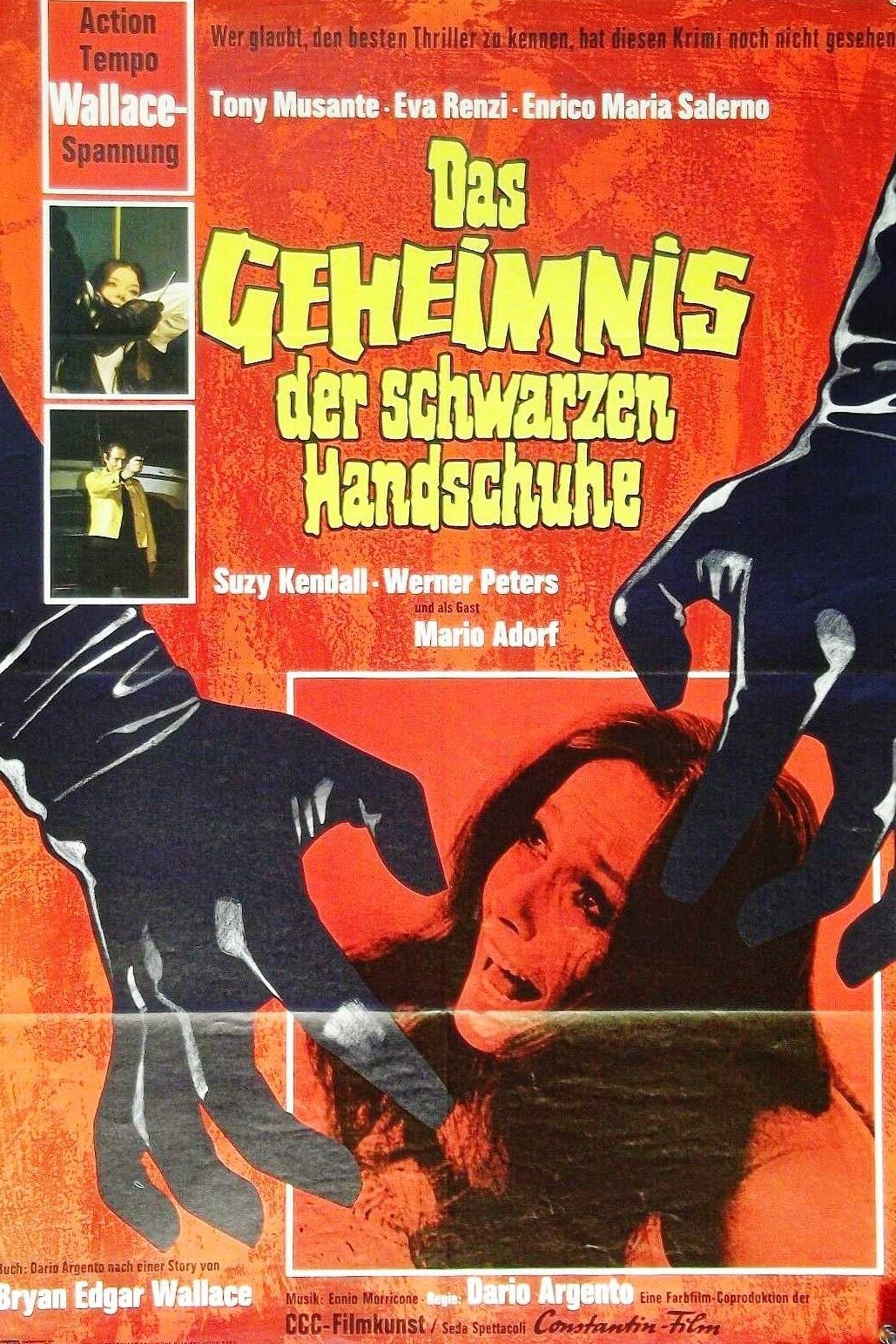
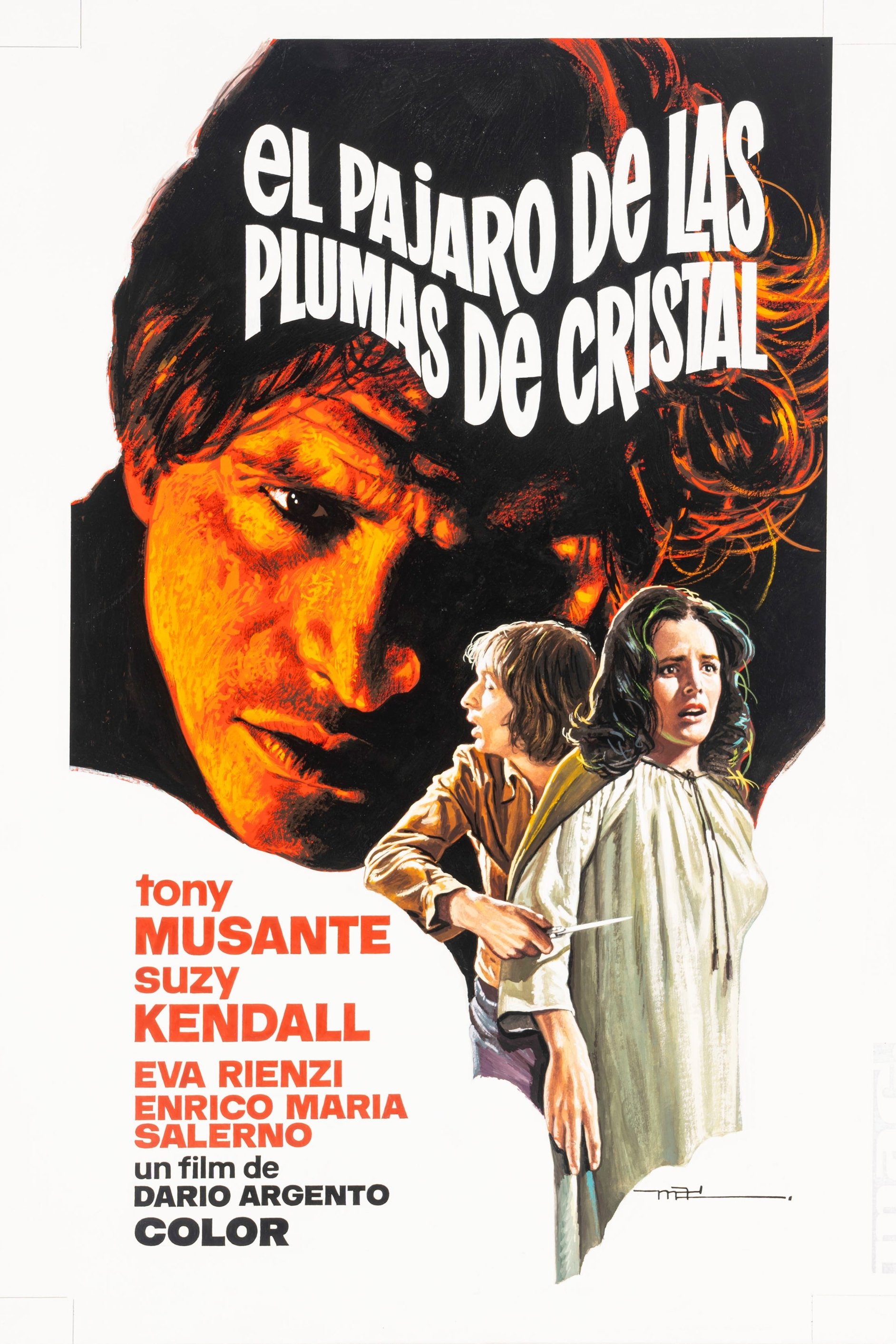
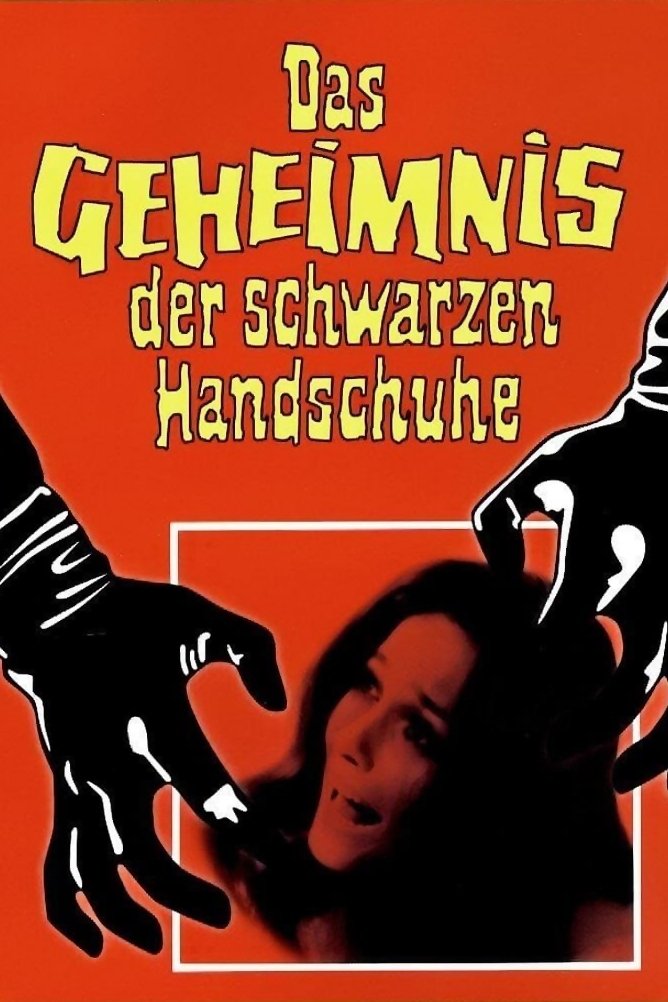
The film reached Italian cinemas in February 1970. Filmportal lists an Italian premiere on February 19 and records the German opening on June 24, 1970, under the title Das Geheimnis der schwarzen Handschuhe. Its production documentation identifies the original Italian–West German collaboration and the 35 mm Techniscope format. The same archive lists a 101-minute original entry, a 94-minute German distribution print and a separate 90-minute digitized version. These records identify different catalogued materials; their durations alone do not prove that every difference resulted from censorship, nor do they establish the running time of every release elsewhere.
The film circulated internationally and became a commercial breakthrough for Argento, although specific box-office claims deserve caution in the absence of comparable contemporary figures. In 2022 the director recalled that its opening in Italy had been less immediately spectacular than its subsequent success abroad. That memory differs in emphasis from retrospective descriptions of an immediate Italian hit, but the sources agree on the picture’s eventual importance to his career. German documentation provides a more precise kind of release evidence: it records a May 1970 classification for the local distribution print and an age restriction of sixteen and over. That is a fact about a particular market and version, not a universal rating for the film.
An assessment published in the Monthly Film Bulletin in November 1970, later reproduced in the BFI’s programme notes, admired the handling of the flashbacks, camerawork and Morricone’s music while acknowledging weaknesses in the plot. It placed Argento’s methods in relation to classical Hitchcockian suspense rather than declaring a new genre had appeared overnight. Later criticism has been more interested in the director’s control of space, colour and subjective viewpoint. The contrast illustrates how a film can be received initially as an unusually assured crime thriller and subsequently be studied as a formative work of modern Italian horror.
Its Place in the History of the Giallo
The Bird with the Crystal Plumage arrived in an established tradition. Mario Bava’s The Girl Who Knew Too Much (1963) and Blood and Black Lace (1964) had already developed essential connections among murder mystery, stylized violence and visually distinctive assailants. Argento’s debut intensified several of those elements and gave particular emphasis to the unstable act of seeing. The BFI’s historical assessment identifies its role in bringing the giallo to a wider audience while recognizing the contributions of earlier filmmakers. Its significance is therefore best understood as consolidation and popularization rather than the invention of an entire form.
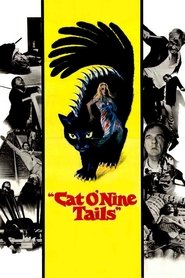
The film also introduced a group of devices Argento would develop in later work: an outsider drawn into local violence, an artwork that preserves dangerous information, a threatening viewpoint whose owner remains concealed and an investigative image that must be looked at again. The subsequent The Cat o’ Nine Tails (1971) and Four Flies on Grey Velvet (1971) formed a loose early grouping often called the Animal Trilogy, based on their titles rather than shared characters or continuous stories. Deep Red later revisited the problem of a misunderstood visual clue on a larger scale. These relationships make the 1970 debut a useful point of comparison across Argento’s filmography without reducing each later film to a repetition.
Its afterlife has also been institutional. Restored presentations and retrospectives by bodies including Cinecittà, Film at Lincoln Center and the British Film Institute have continued to exhibit the film in the context of Argento’s wider work. Such programming provides verifiable evidence of sustained critical attention, even though it cannot by itself quantify influence on individual directors. The film remains historically distinctive because the fundamental mistake is committed by both a character and the viewer who trusts his interpretation. Its violence is rooted in a deliberately constructed uncertainty about who is looking, what is being seen and how an image is given meaning.