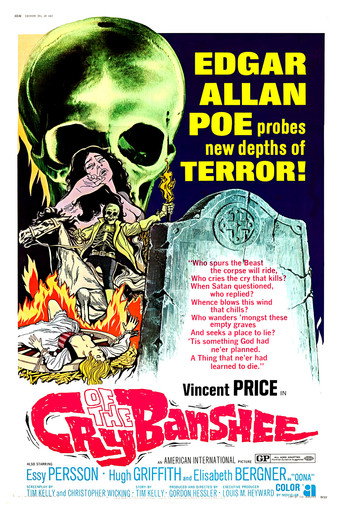
Cry of the Banshee (1970)

GB
HORROR FILM
SUBGENRES FOLK OCCULT WITCHCRAFT
Runtime
91 min
Release
July 22, 1970
Budget
$500,000
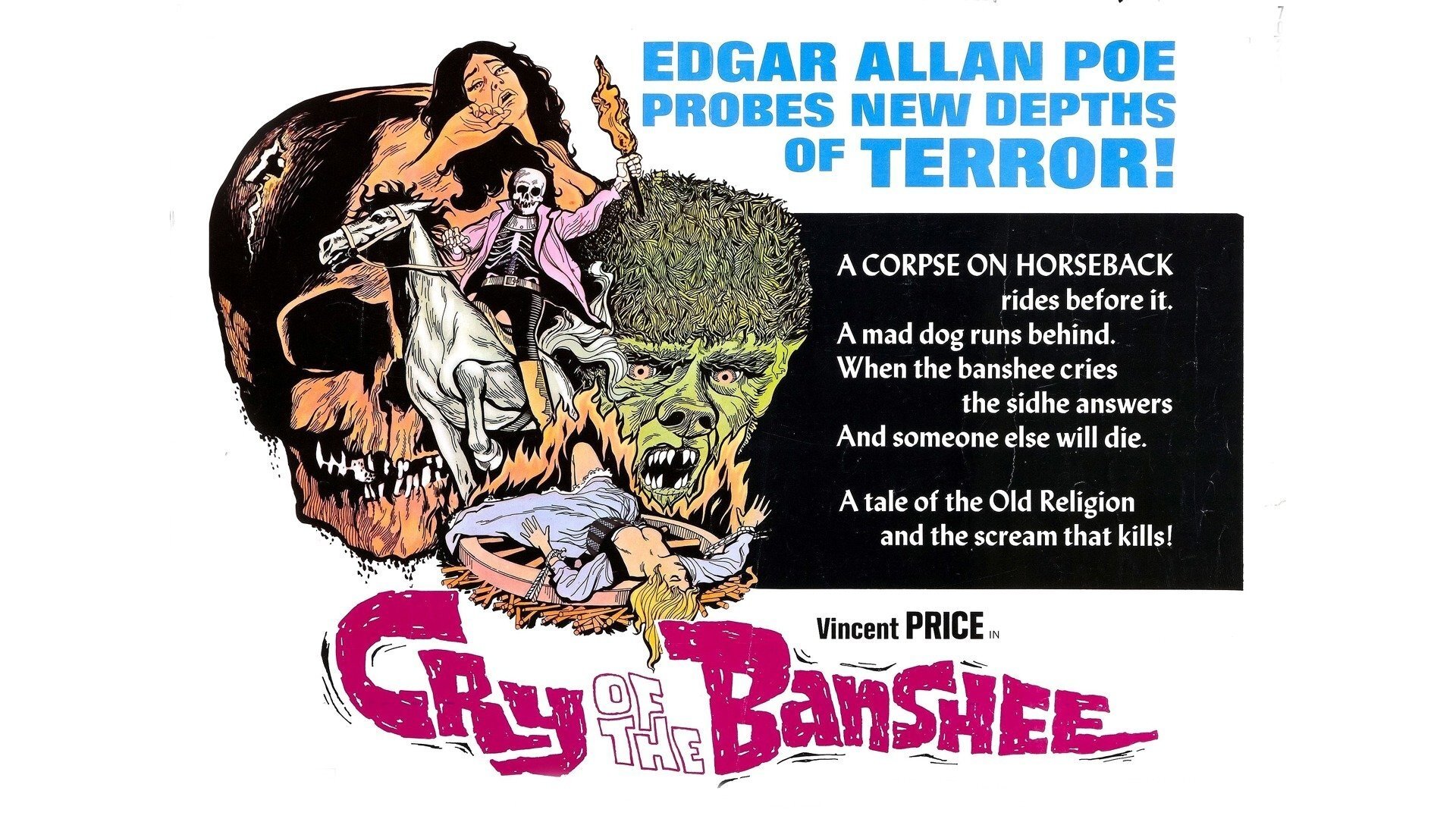
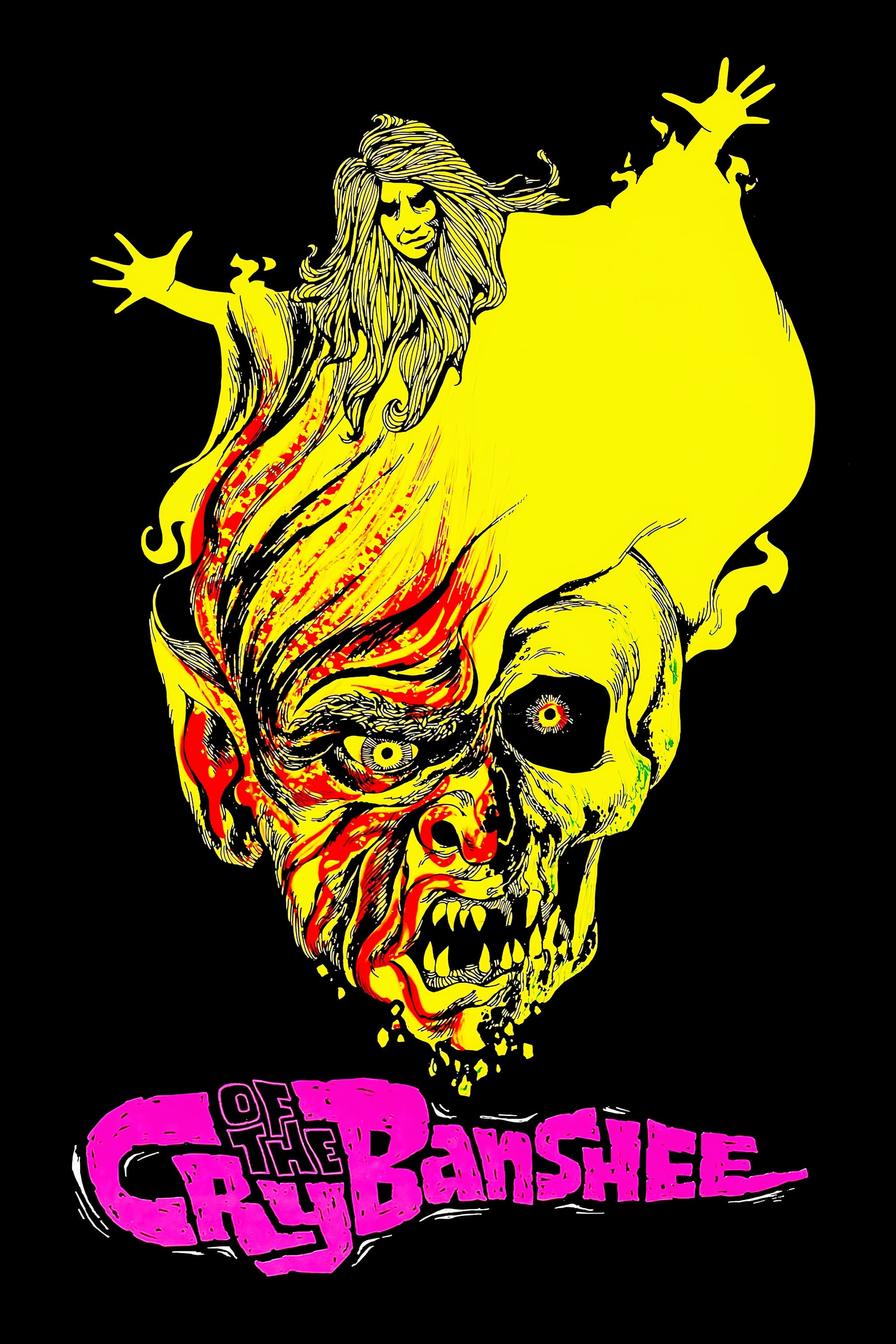
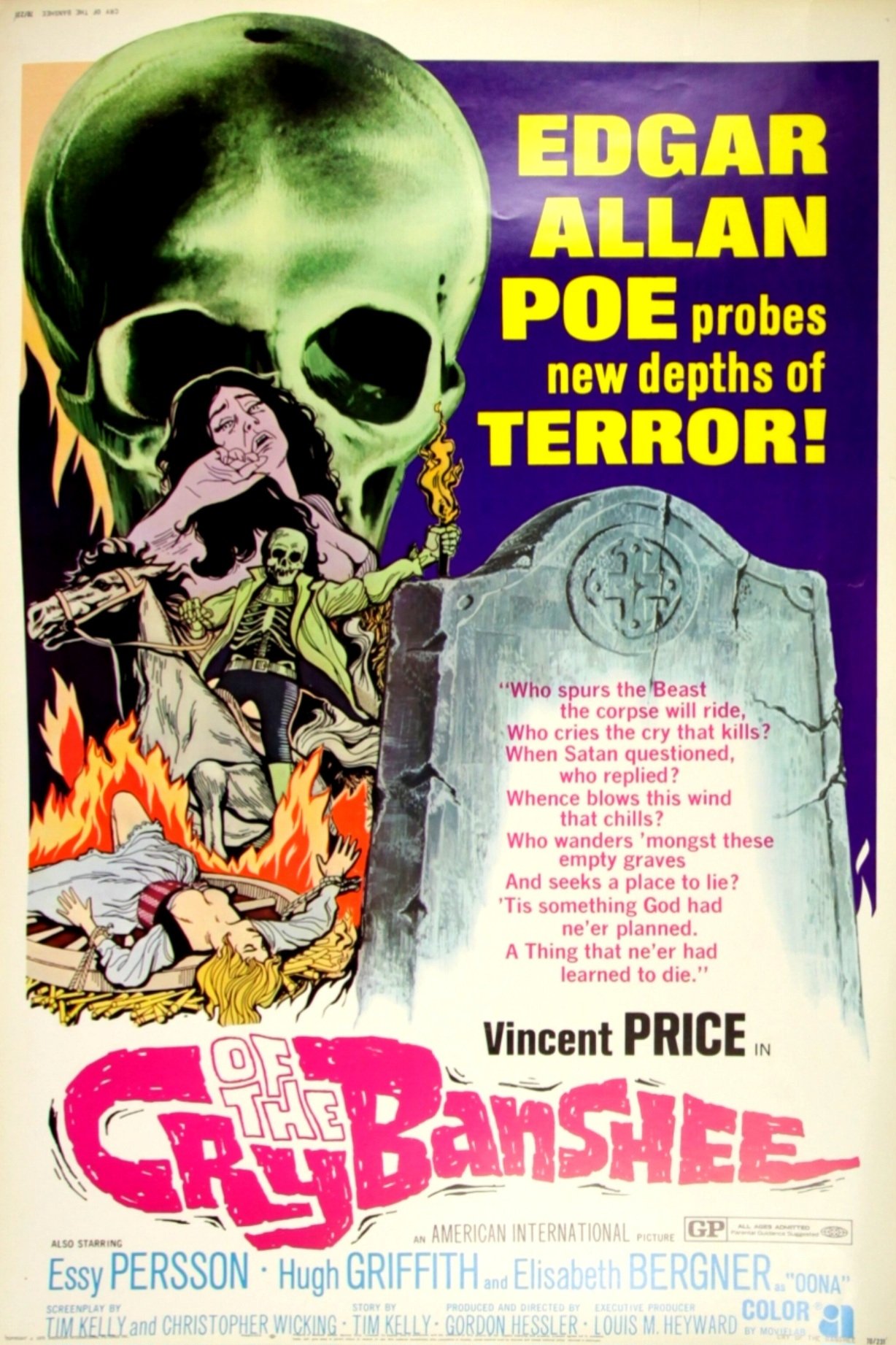
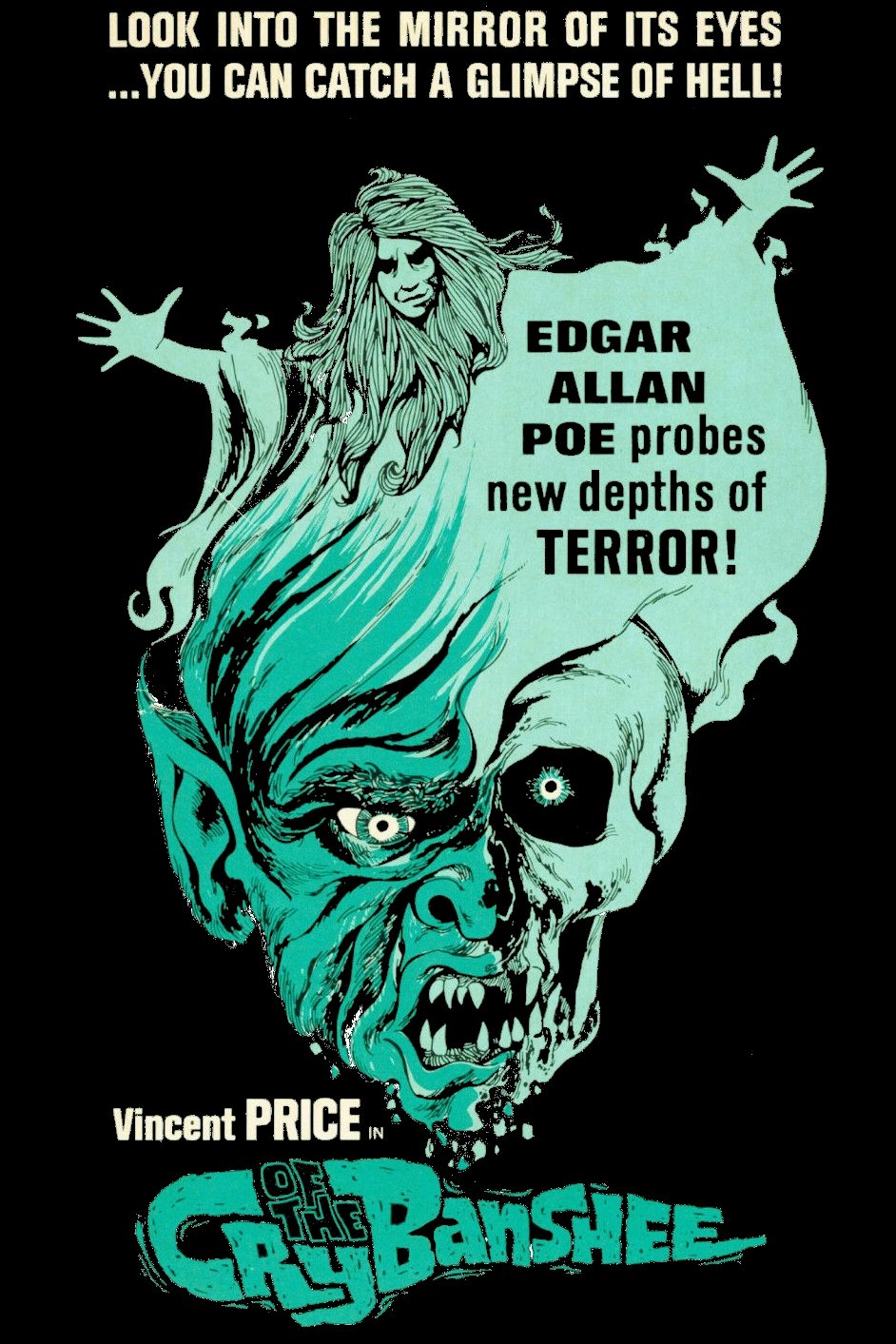
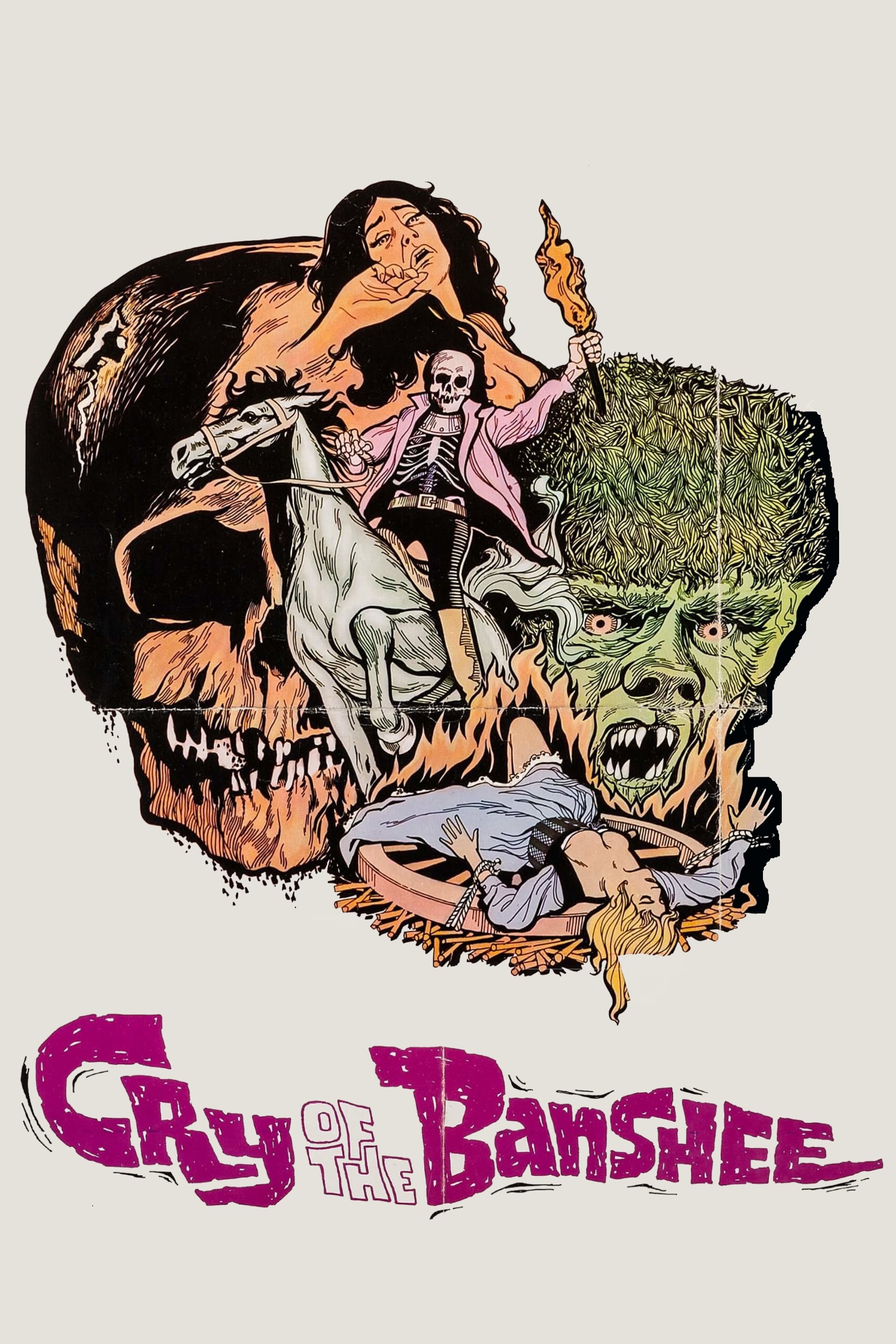
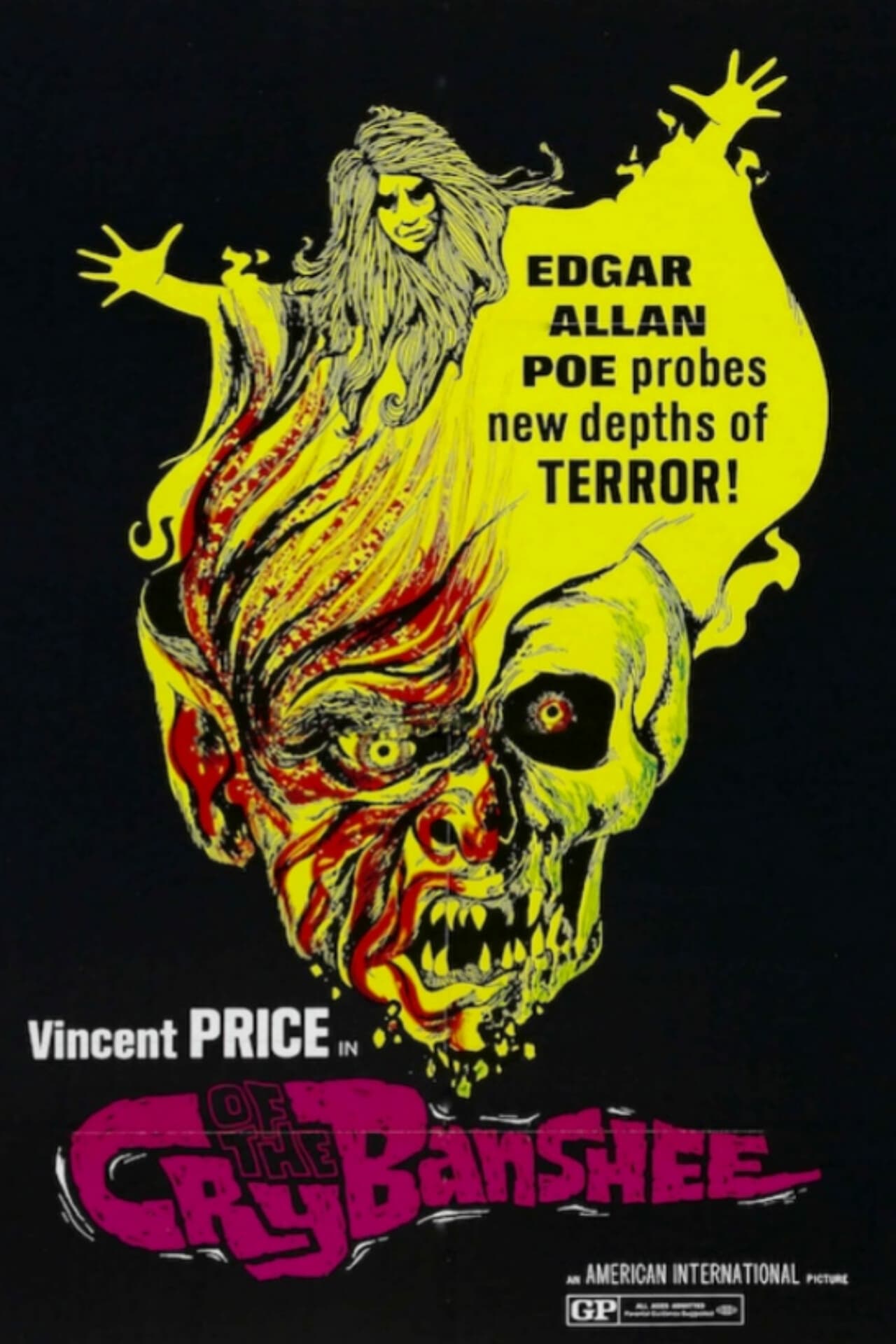
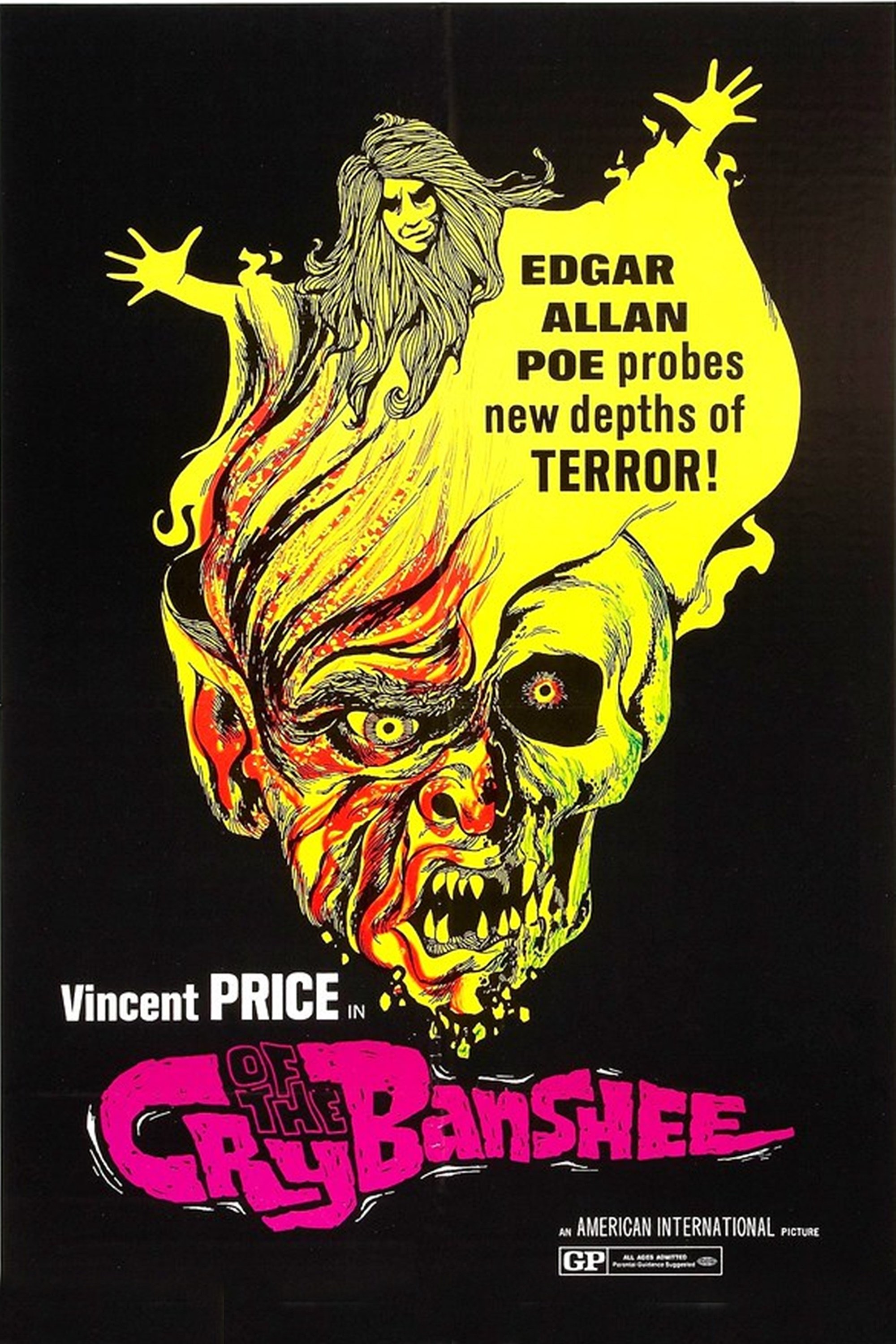
Cry of the Banshee (1970) poster
Director
Production Company
American International Pictures
Plot

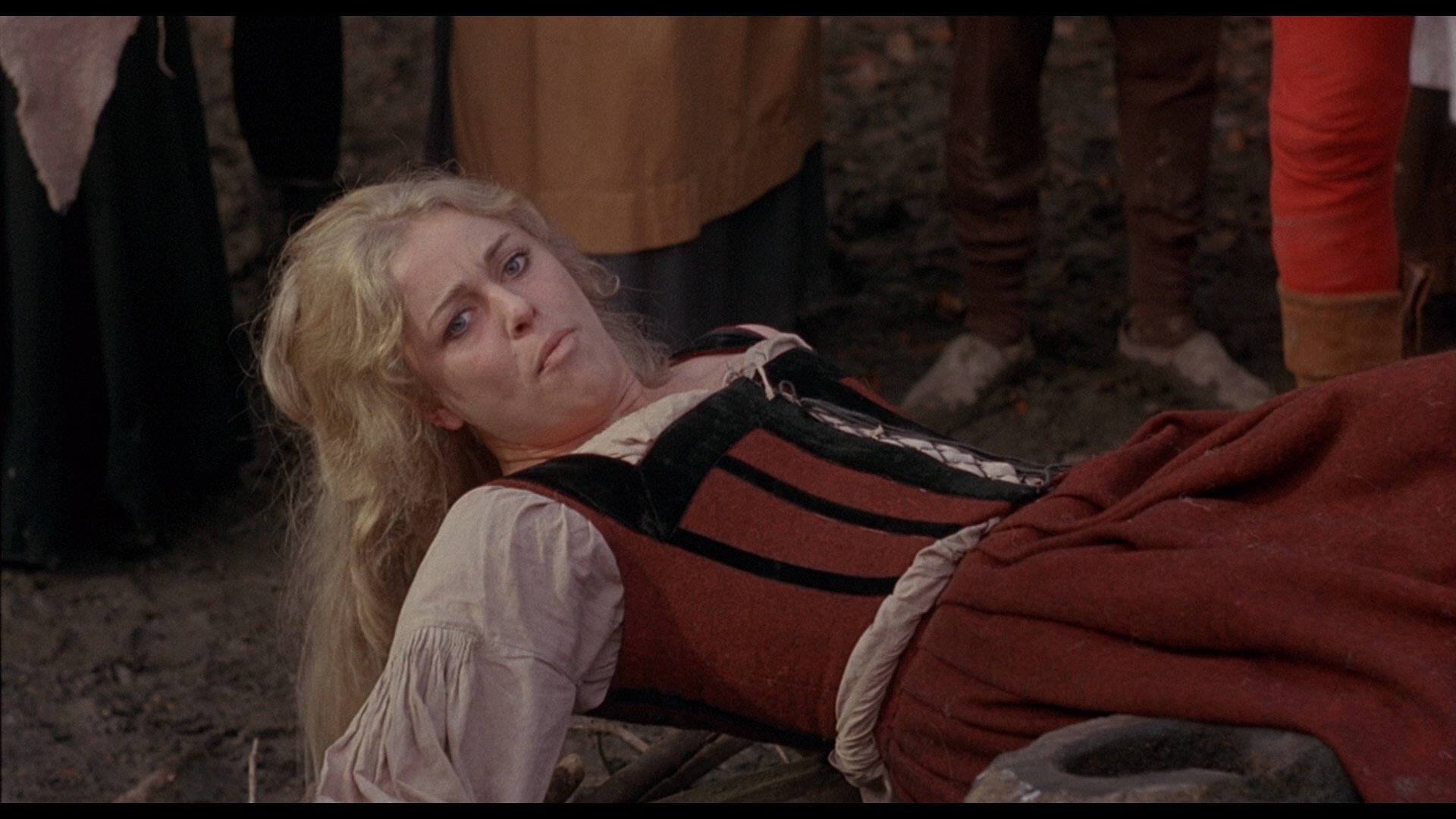
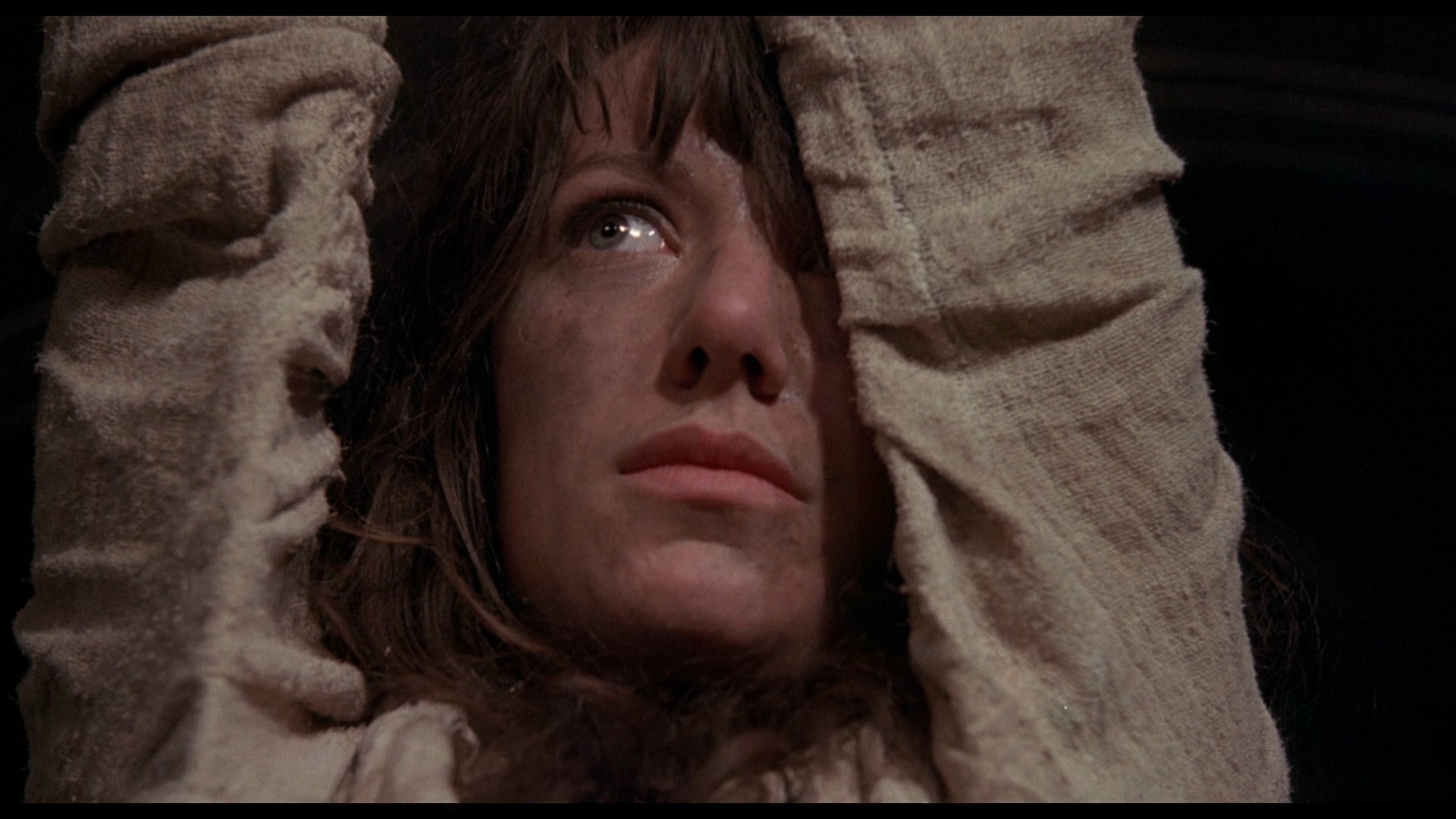
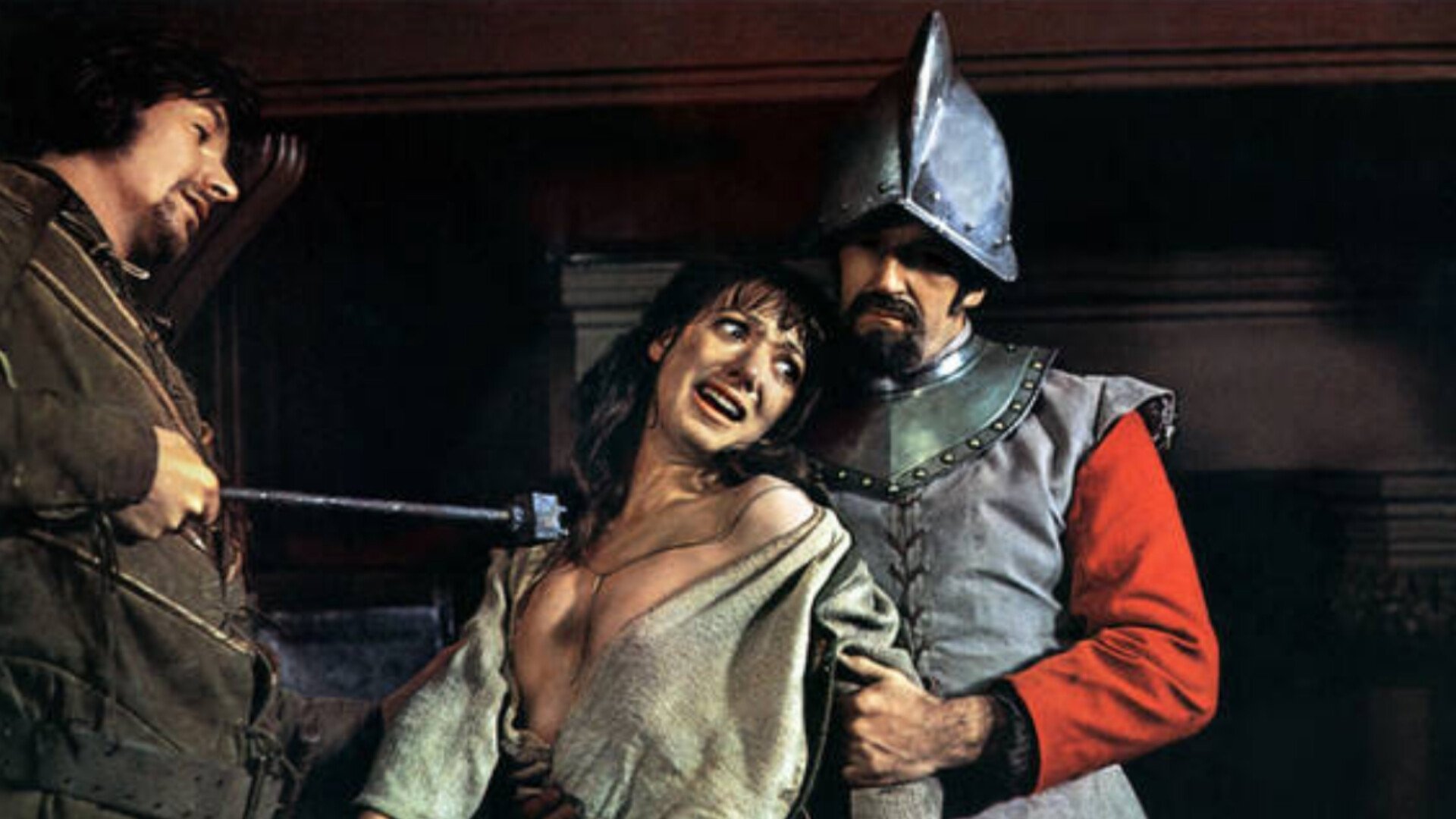
In seventeenth century England Lord Whitman wages unending war on what he sees as the ever-present scourge of witchcraft, and many local villagers have suffered at his hands. But one victim uses her occult powers to curse his family, enlisting unknowing help from one of the household.

Alternative Titles
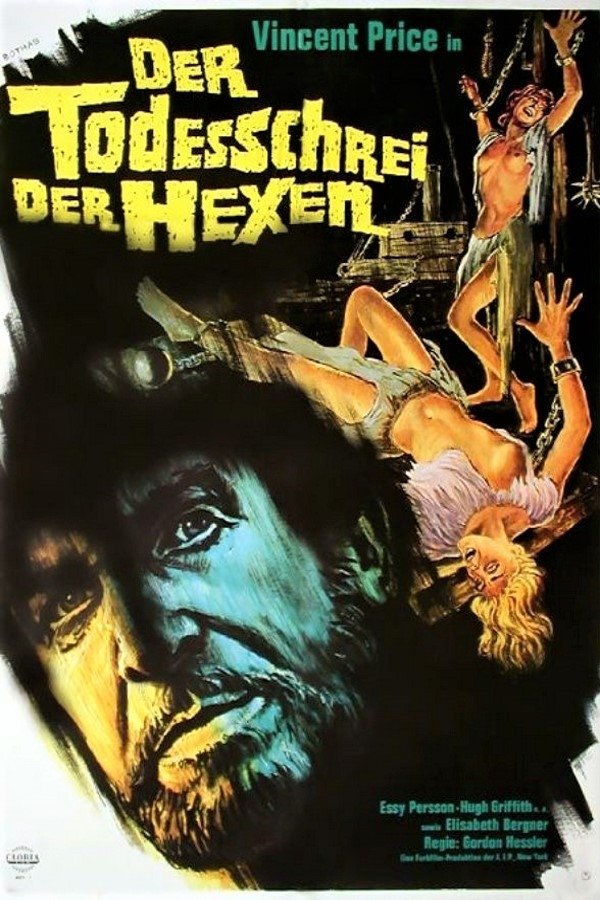
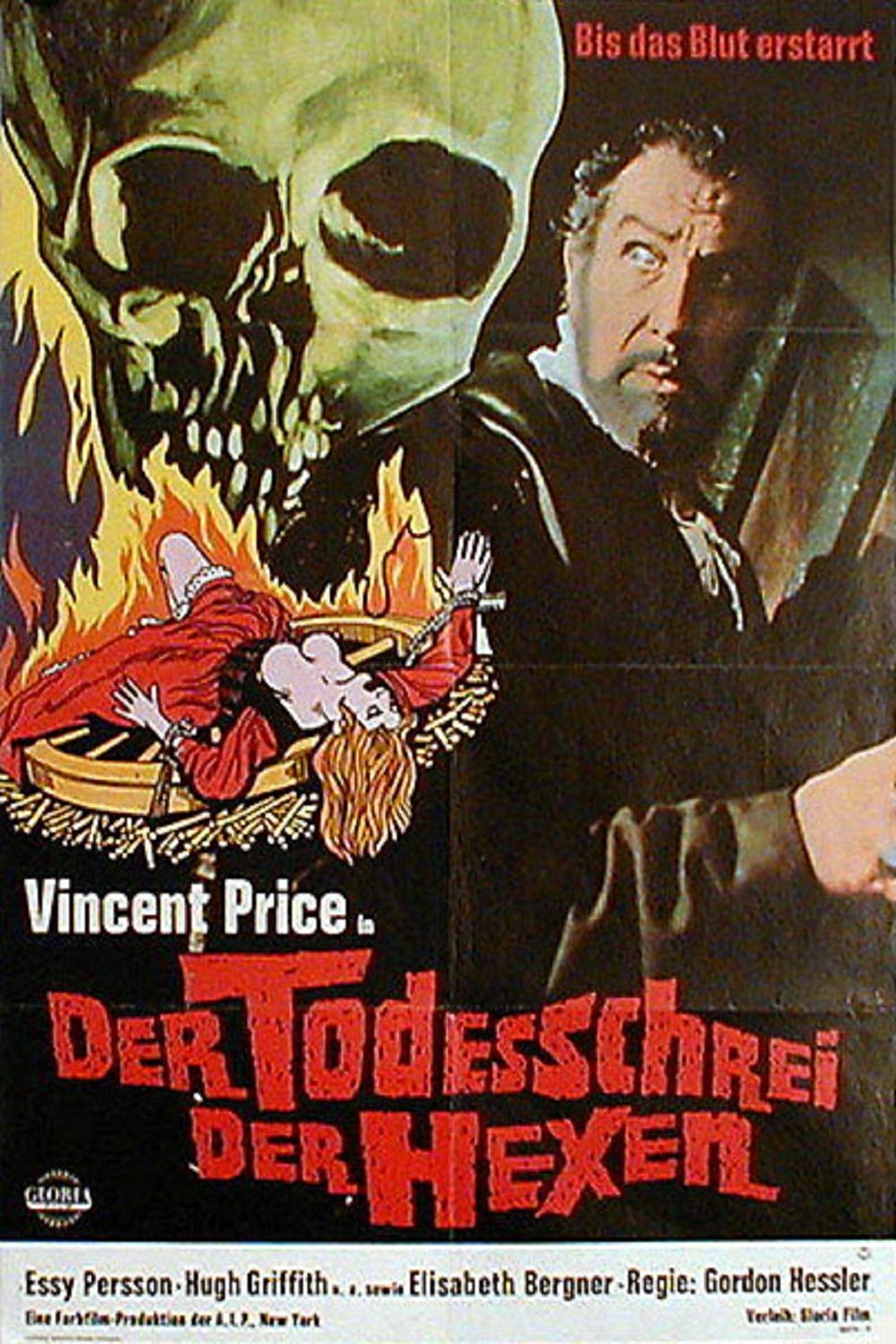
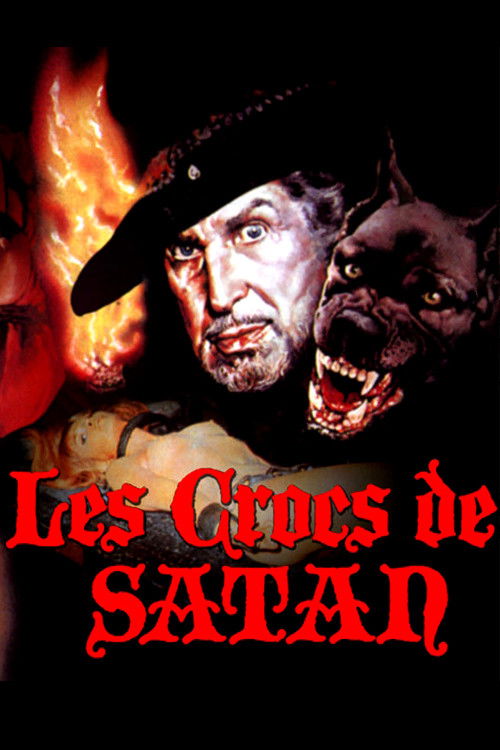
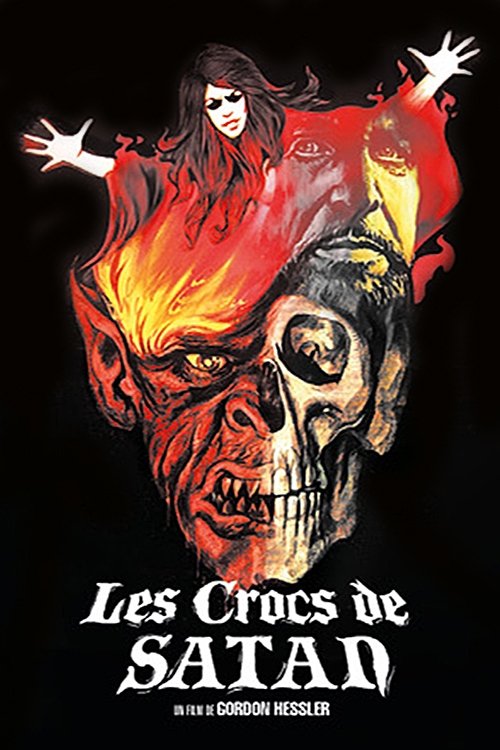
O Uivo da Bruxa (Brazil) — Portuguese 鬼泣女妖 (China) — Chinese Volání smrti (Czechia) — Czech Der Todesschrei der Hexen (Germany) — German Hævnens ånd (Denmark) — Danish El crit de la bruixa (Spain) — Catalan El grito de la muerte (Spain) — Spanish Les Crocs de satan (France) — French
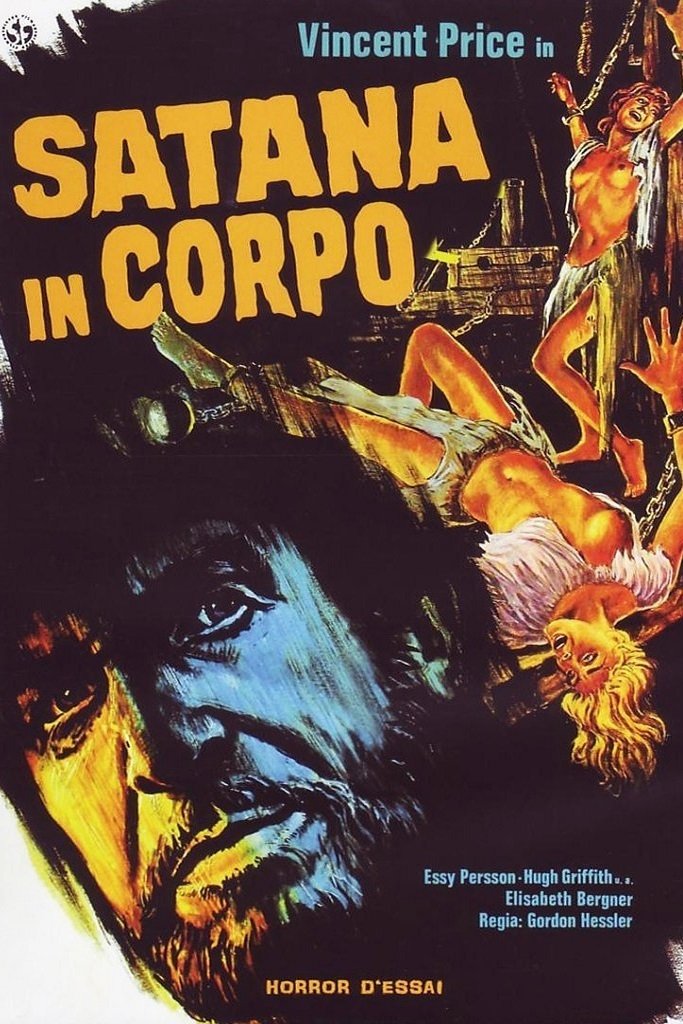
Show all 16 alternative titles Κραυγές που Σκοτώνουν (Greece) Το Ουρλιαχτό της Κολάσεως (Greece) — VHS title 鬼泣女妖 (Hong Kong SAR China) — Chinese Satana in corpo (Italy) — Italian 밴시의 울음소리 (South Korea) — Korean O Chorar dos Mortos (Portugal) Плач Банши (Russia) — Russian เจ้าชายหมาป่ามหากาฬ (Thailand) — Thai

Trailers & Videos

10 videos

Film Guide & Analysis

Gordon Hessler's 1970 British folk horror: the abandoned screenplay, Vincent Price, witch persecution, Terry Gilliam's animation, competing musical scores and Hammer's 2026 restoration.

Cry of the Banshee (1970) is a British Gothic horror film directed by Gordon Hessler and produced for American International Pictures, starring Vincent Price, Elisabeth Bergner and Hilary Dwyer. Set in Elizabethan England, it explores the persecution of alleged witches by a corrupt magistrate whose brutality provokes supernatural retaliation. The film belongs to the final phase of the British period-horror cycle associated with the international success of Hammer Films, Roger Corman and Michael Reeves. Its treatment of institutional violence, sexual cruelty and religious authority also reflects the increasingly confrontational direction of British horror at the end of the 1960s.

The production is particularly significant for its troubled screenplay development and the intervention of American International Pictures in the completed film. Hessler and writer Christopher Wicking attempted a substantial revision of the original material, but the studio restricted their changes. The American theatrical version subsequently replaced Wilfred Josephs's original score with music by Les Baxter, altered the editing and substantially reduced Terry Gilliam's animated opening. These differences affected the film's original reception and later circulation. Its production history has been reconstructed through interviews with Hessler, archival screenplay research and the restoration of both versions for Hammer Films' 2026 home-video release.

American International Pictures and the Abandoned Screenplay

Cry of the Banshee developed within the British production operation of American International Pictures, the American company responsible for Roger Corman's successful Edgar Allan Poe cycle. During the late 1960s, AIP expanded its activities in Britain through producer Louis M. Heyward, known professionally as Deke Heyward. Gordon Hessler had joined the company after the departure of Michael Reeves from The Oblong Box (1969), which Hessler subsequently directed. His collaboration with Christopher Wicking continued through Scream and Scream Again (1970) and Cry of the Banshee, establishing a working relationship concerned with the treatment of authority, violence and social conflict within commercial horror.

The original screenplay for Cry of the Banshee was written by Tim Kelly, but Hessler was dissatisfied with the material and involved Wicking in its revision. In an interview conducted by George Reis, the director recalled that the project had already been sold and was subject to a fixed delivery schedule. Hessler and Wicking travelled to Scotland, where they developed a substantially different conception of the witches and their persecution. The director later explained that AIP executives objected to the scale of their proposed changes, restricting the rewriting to approximately ten percent of the existing screenplay. His account describes a production in which commercial commitments prevented the filmmakers from pursuing their preferred treatment.

Film historian Steve Haberman subsequently examined this collaboration through original production documentation while researching his study Gothic for Radicals. His investigation included Tim Kelly's screenplay, preserved in the Tim Kelly Collection at the American Heritage Center, University of Wyoming, and documents supplied by Christopher Wicking's widow. This archival work provides a foundation for considering the relationship between the screenplay submitted to AIP and the film eventually completed. Haberman interprets the finished picture as part of a recurring political and moral pattern in the Hessler-Wicking collaborations, although that interpretation should be distinguished from the documented limits imposed by the studio. Hessler himself remained dissatisfied, retrospectively describing Cry of the Banshee as his least interesting AIP production.

Vincent Price, Elisabeth Bergner and the Gothic Ensemble

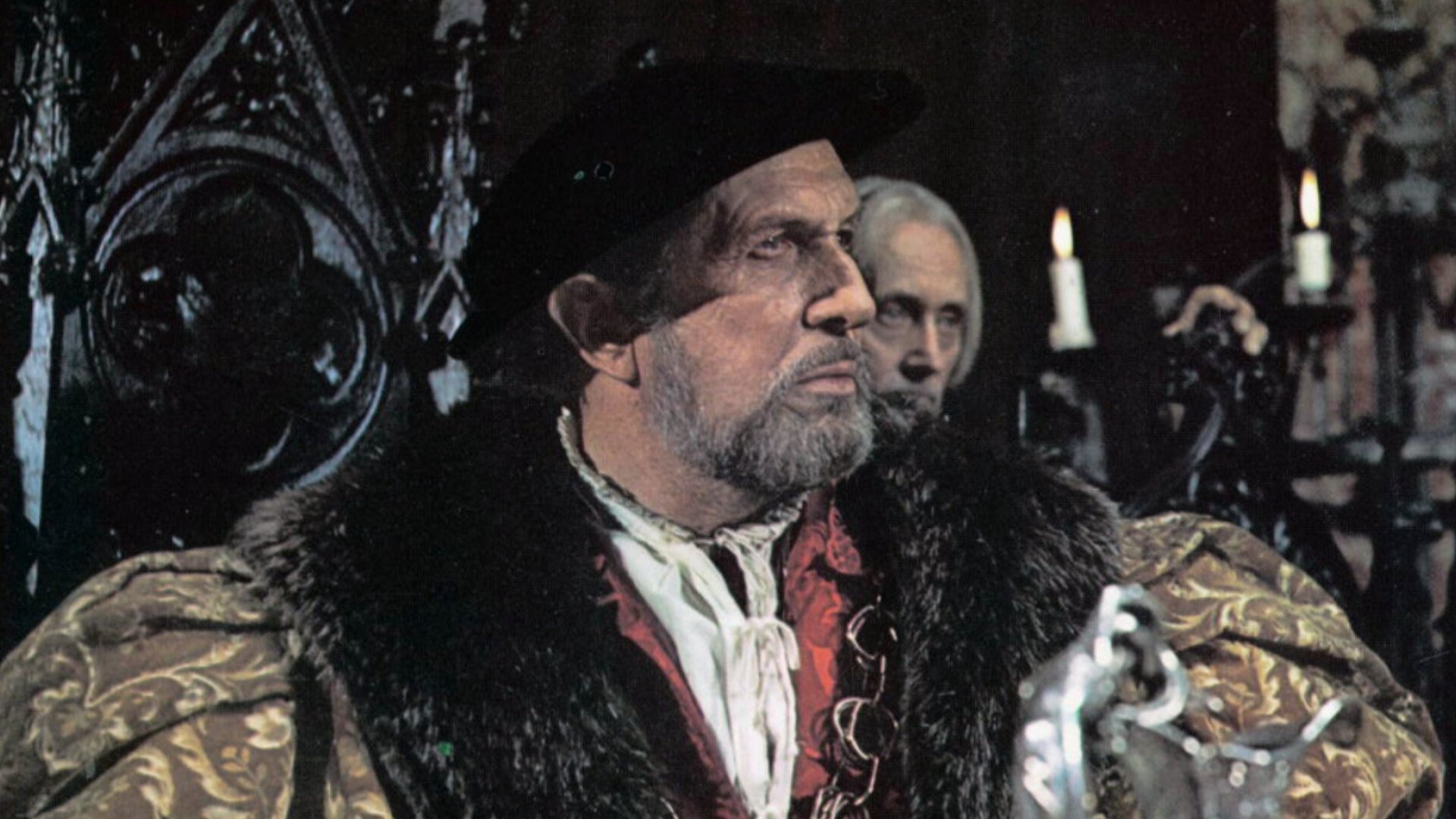
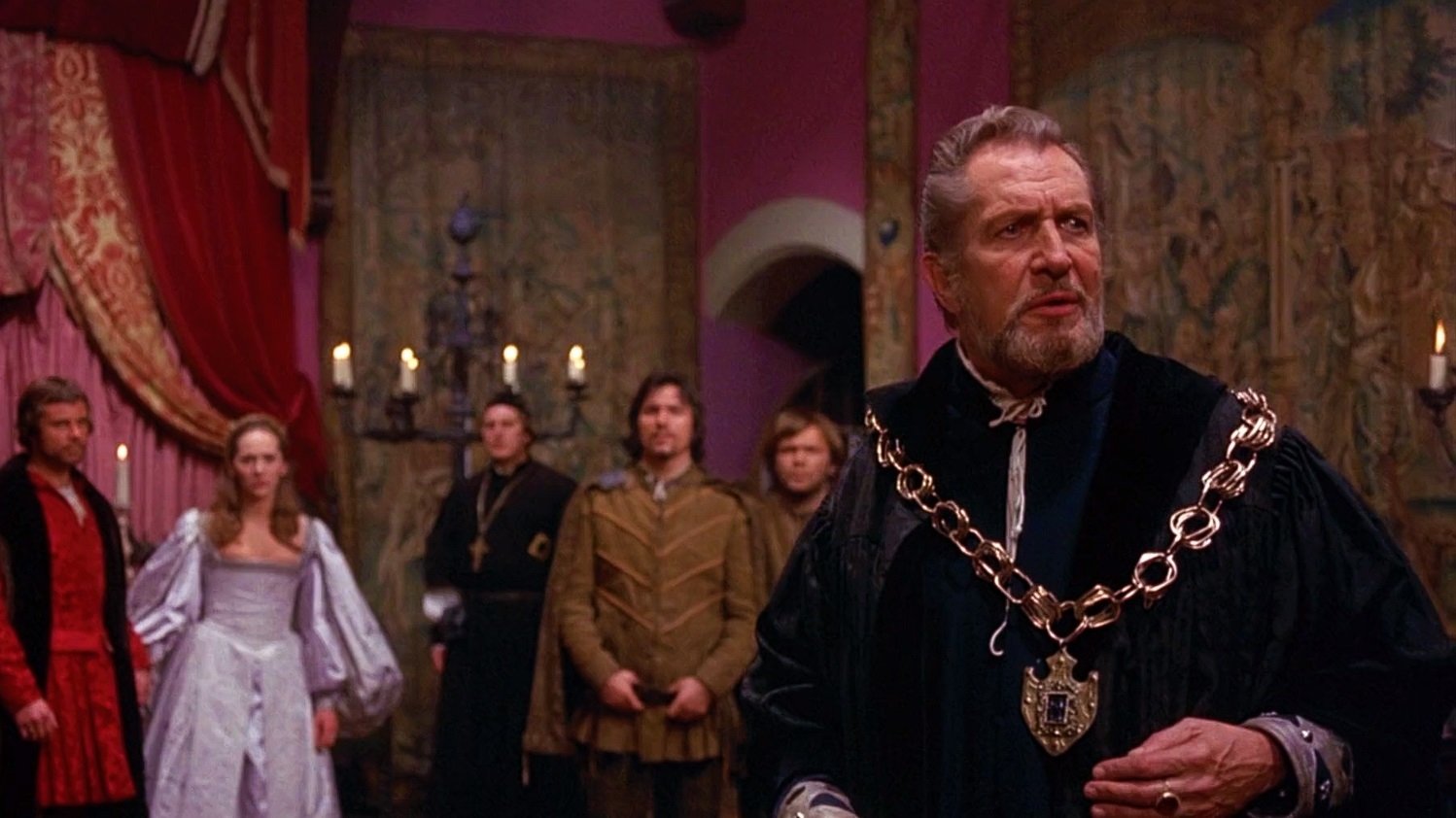
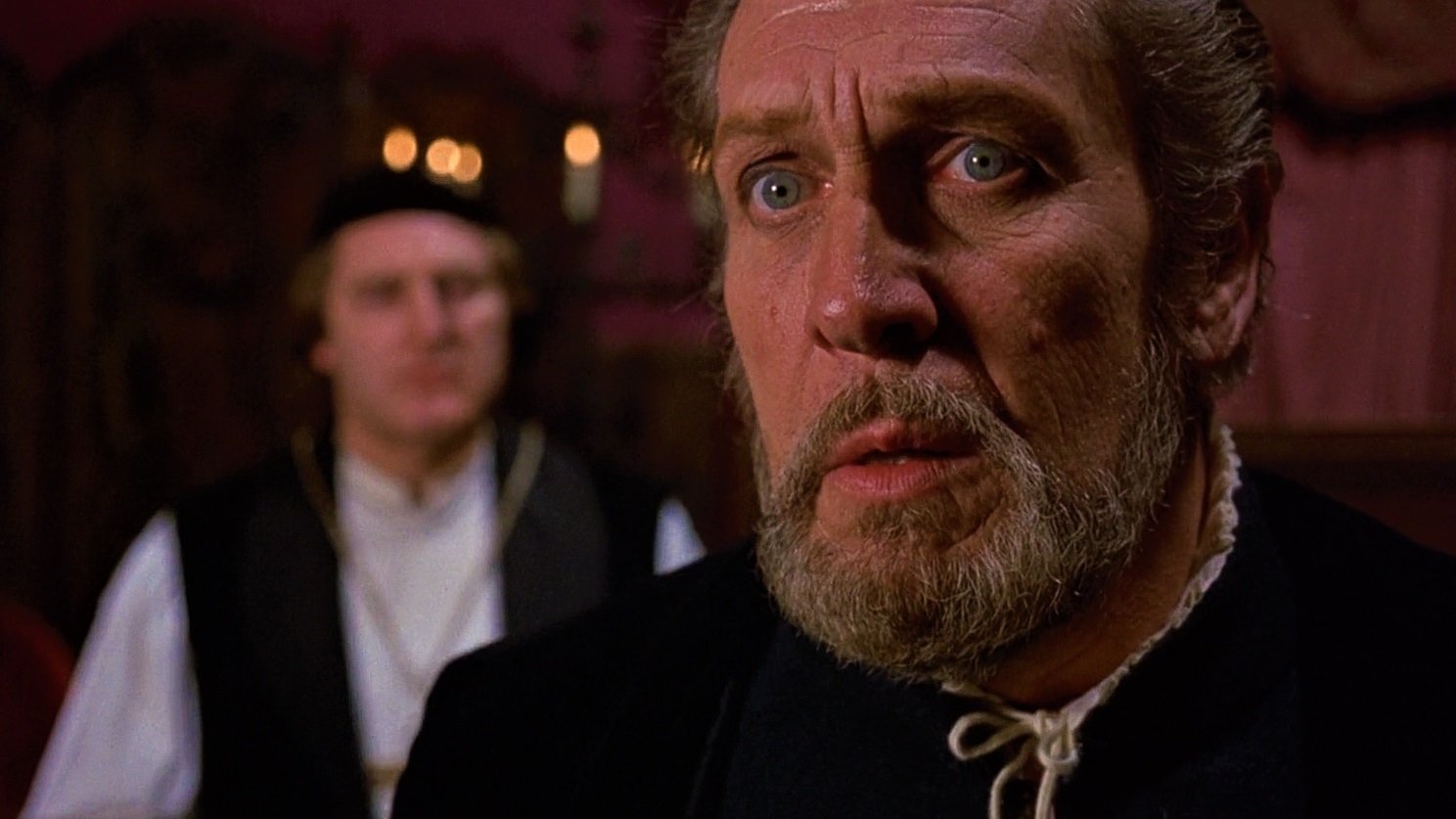
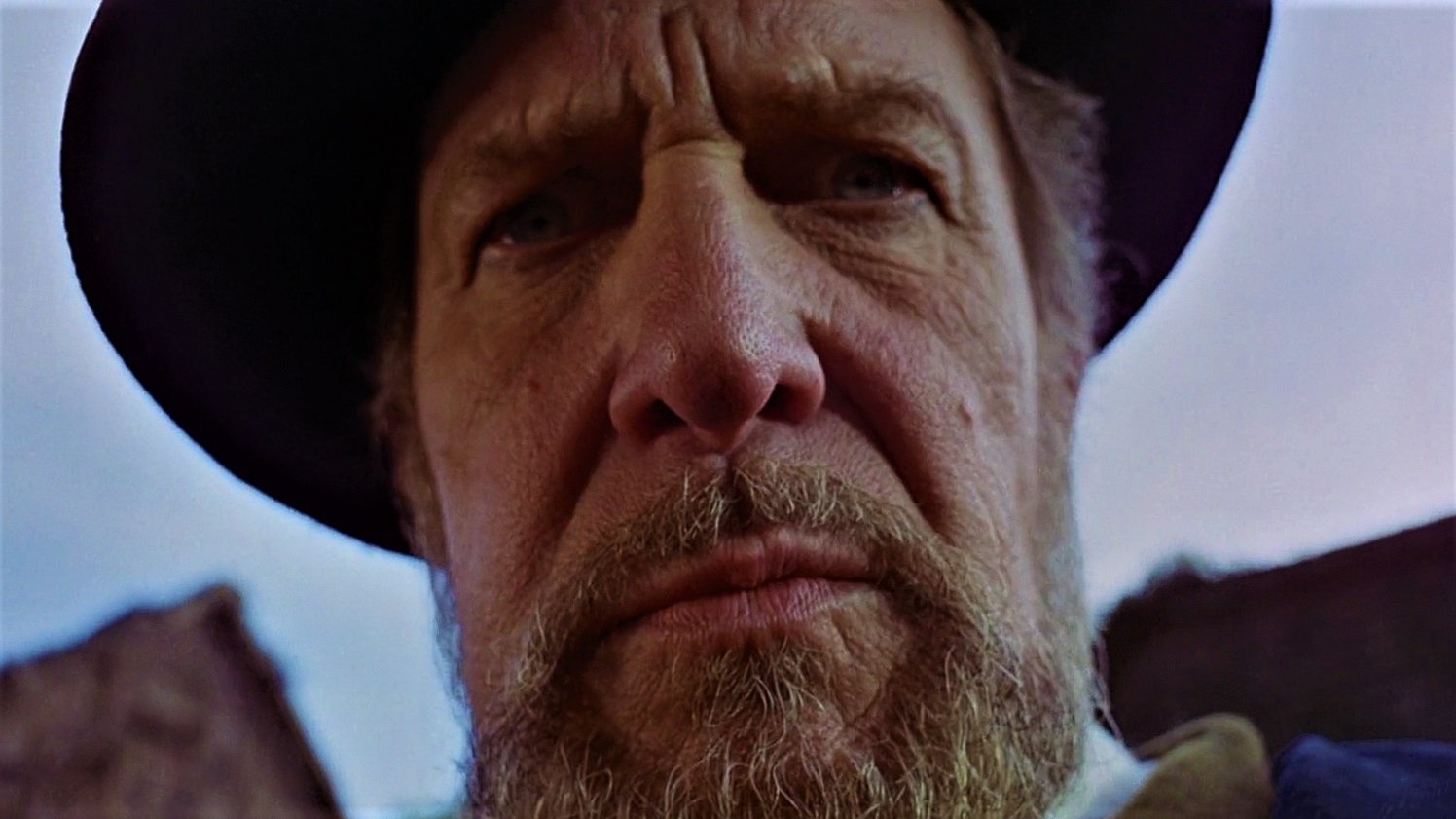
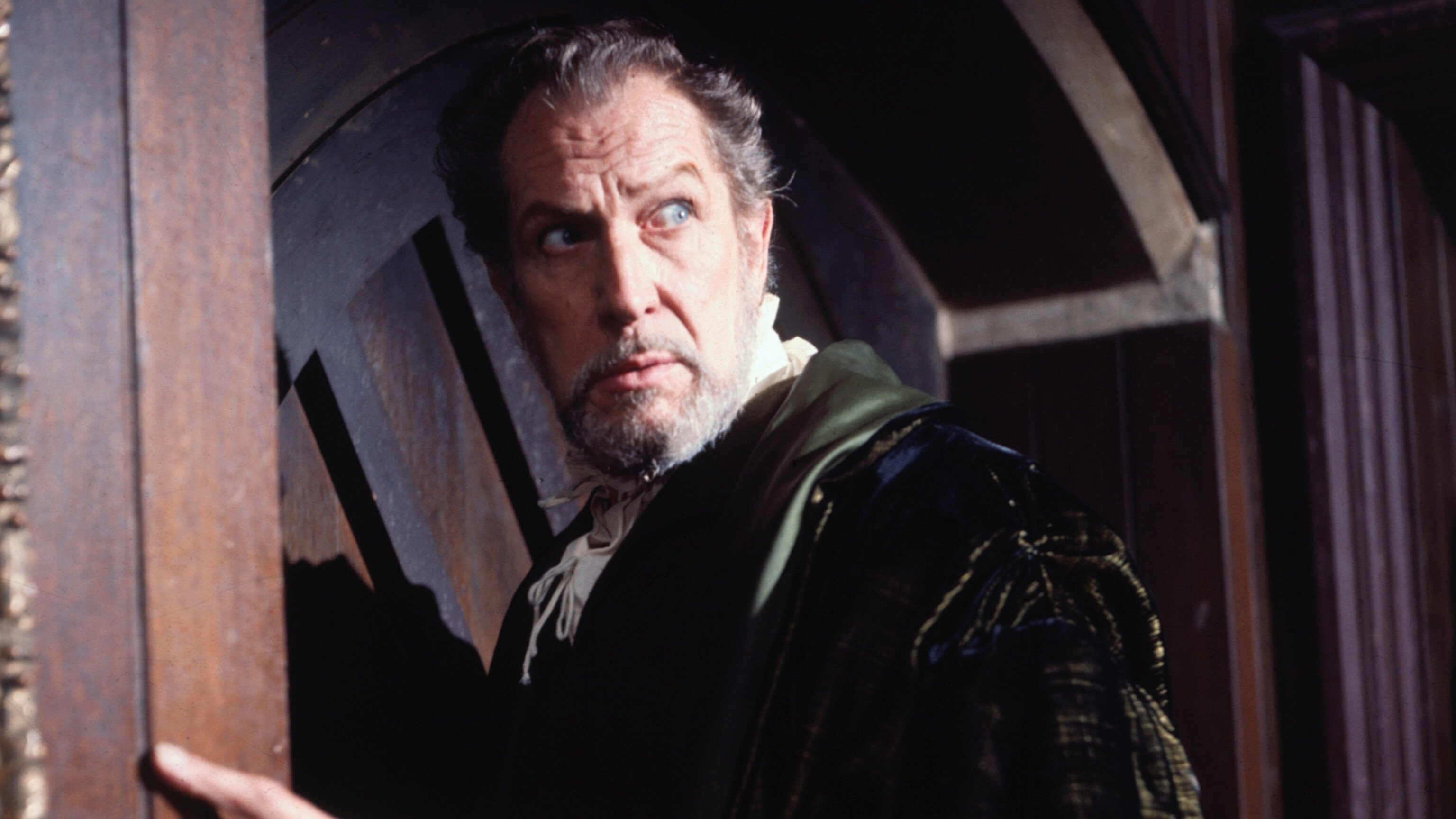
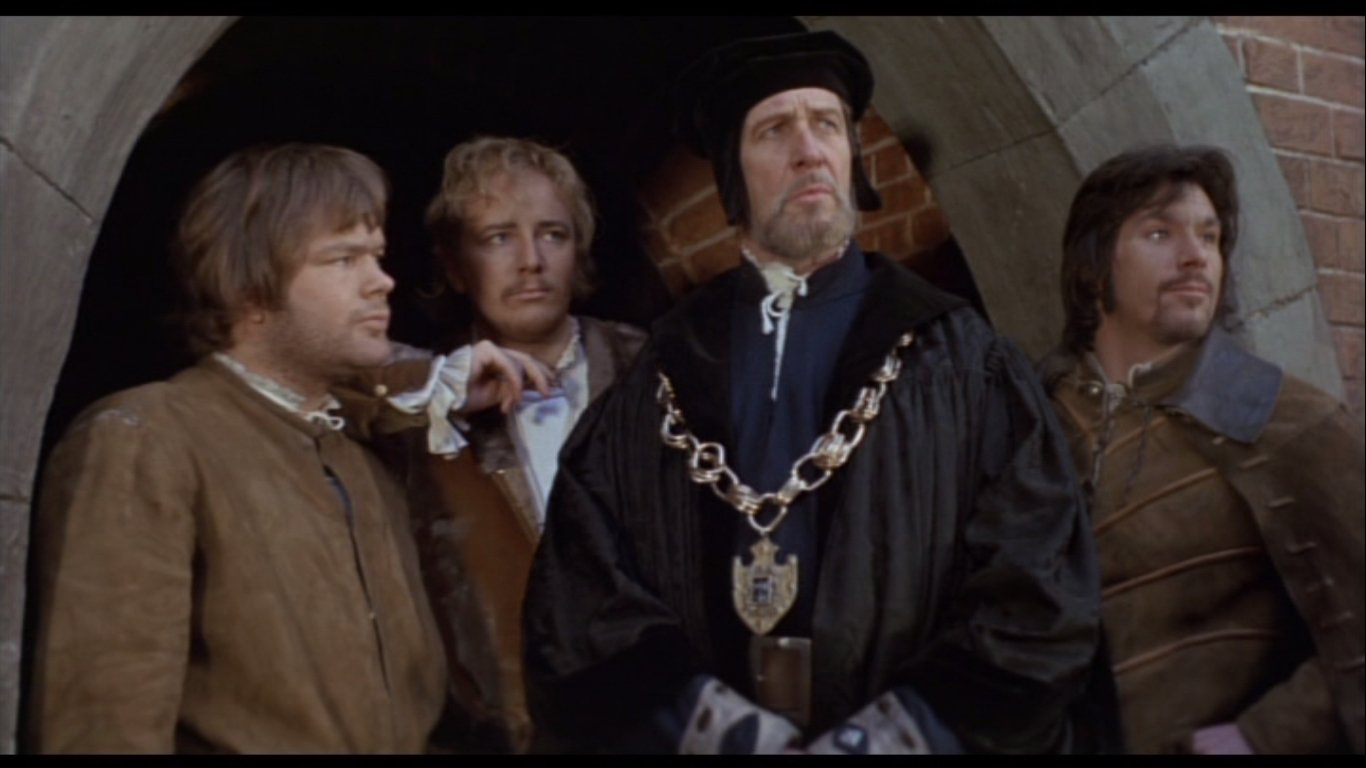
Vincent Price's casting connected Cry of the Banshee to two overlapping traditions of British and American horror. His earlier performances in Corman's Poe adaptations had made him internationally associated with Gothic menace, while his portrayal of Matthew Hopkins in Michael Reeves's Witchfinder General (1968) demonstrated his ability to play an oppressive historical figure with comparatively restrained seriousness. Lord Edward Whitman occupies related territory as a magistrate who uses accusations of witchcraft to justify persecution. Unlike several of Price's more theatrical Gothic villains, Whitman is principally defined by his exercise of worldly power and the violence committed by his household.

Elisabeth Bergner's appearance as Oona brought a performer with a substantially different cinematic background into the production. Bergner had established her reputation in European theatre and cinema decades earlier, including the British film Escape Me Never (1935). Her casting represented a significant return to English-language filmmaking after a long absence. Hessler recalled that Heyward had suggested Bergner and praised the commitment she brought to an unusual role. Oona's presence establishes a direct confrontation between the persecuted community and Whitman's authority, giving the film a supernatural antagonist whose actions emerge from an identifiable grievance rather than an unexplained desire to kill.

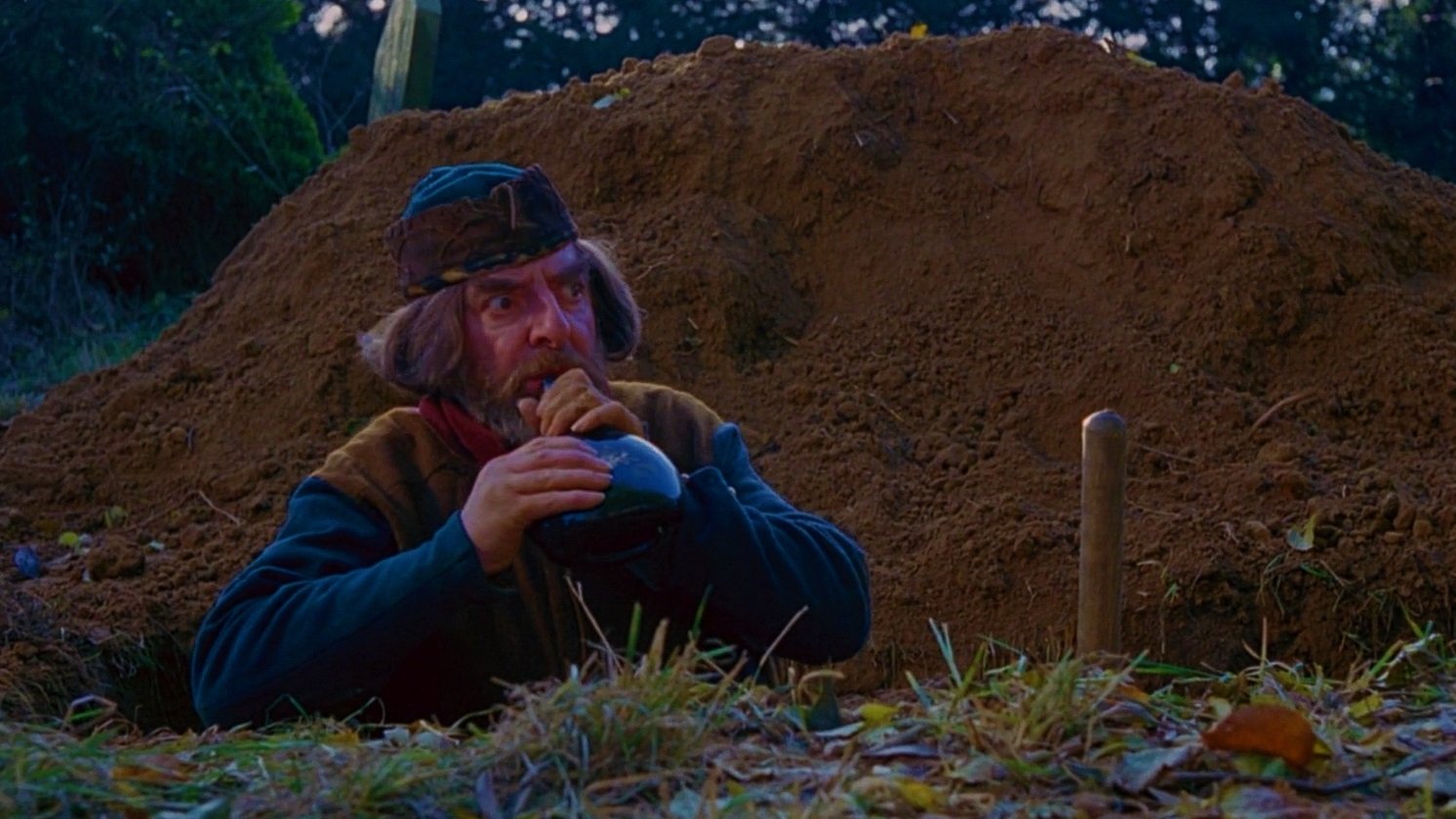
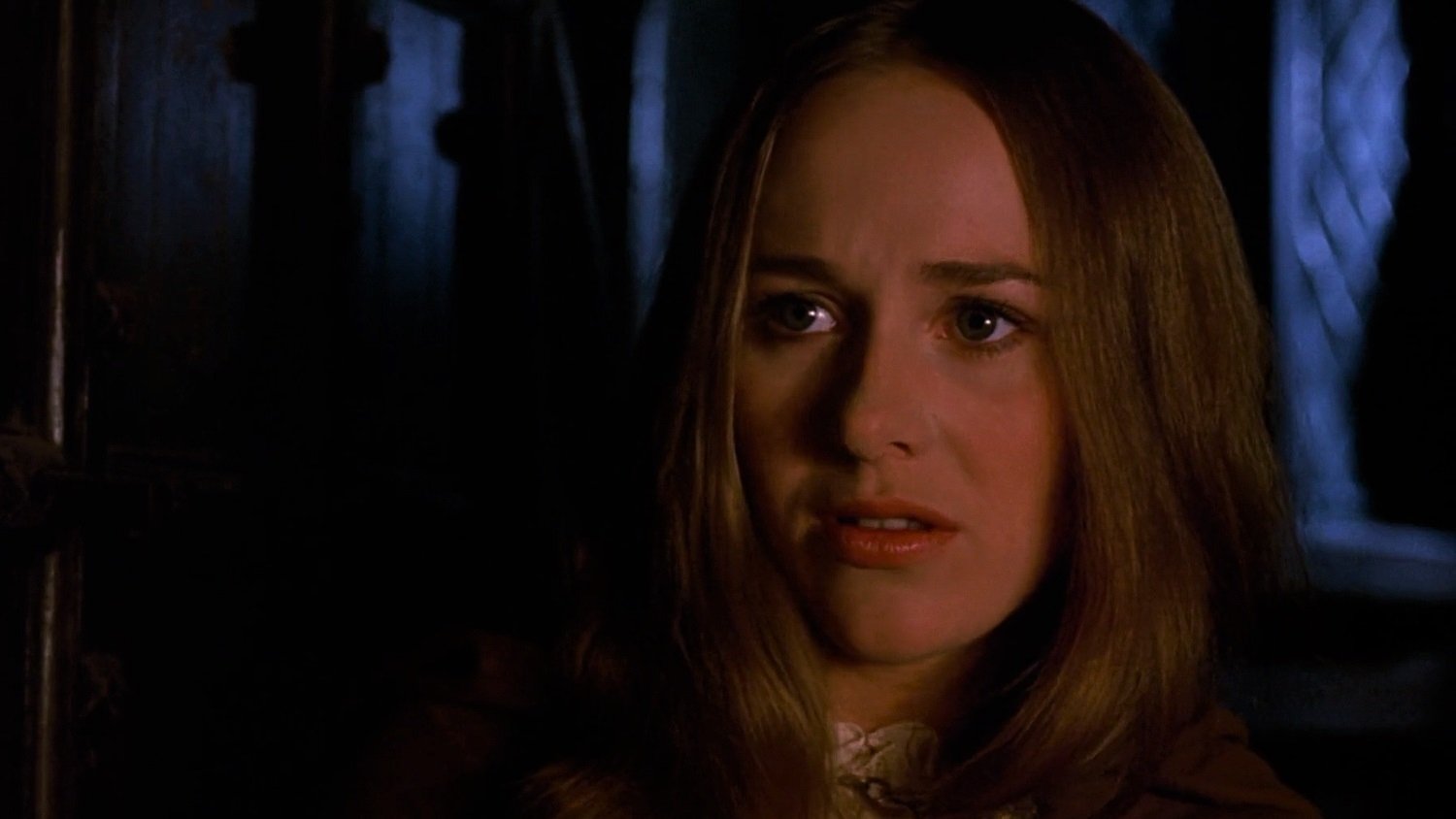
The wider ensemble includes Hilary Dwyer, who had previously appeared opposite Price in Witchfinder General, Patrick Mower as Roderick, Essy Persson as Lady Patricia Whitman and Hugh Griffith as Mickey. Their characters extend the film beyond the opposition between Whitman and Oona, introducing conflicting loyalties within the household and the surrounding community. Hessler also recalled tensions involving Price and AIP during production, although he did not claim to know the precise contractual issues involved. Such testimony provides evidence of the working relationship between star and distributor, but it does not establish that those disagreements materially changed Price's performance or the film's screenplay.

Witchcraft, Religious Authority and Folk Horror

Cry of the Banshee emerged shortly after Witchfinder General had demonstrated the disturbing possibilities of depicting witch persecution through physical violence and the abuse of religious authority. Both films feature Vincent Price as a figure capable of inflicting suffering under the appearance of lawful power, but their supernatural premises differ. Michael Reeves's film treats persecution primarily as an act of human brutality, whereas Hessler introduces actual occult intervention. The distinction complicates the portrayal of the accused witches: the film presents their victimization as an injustice while also granting some members of the persecuted community powers capable of inflicting fatal revenge.

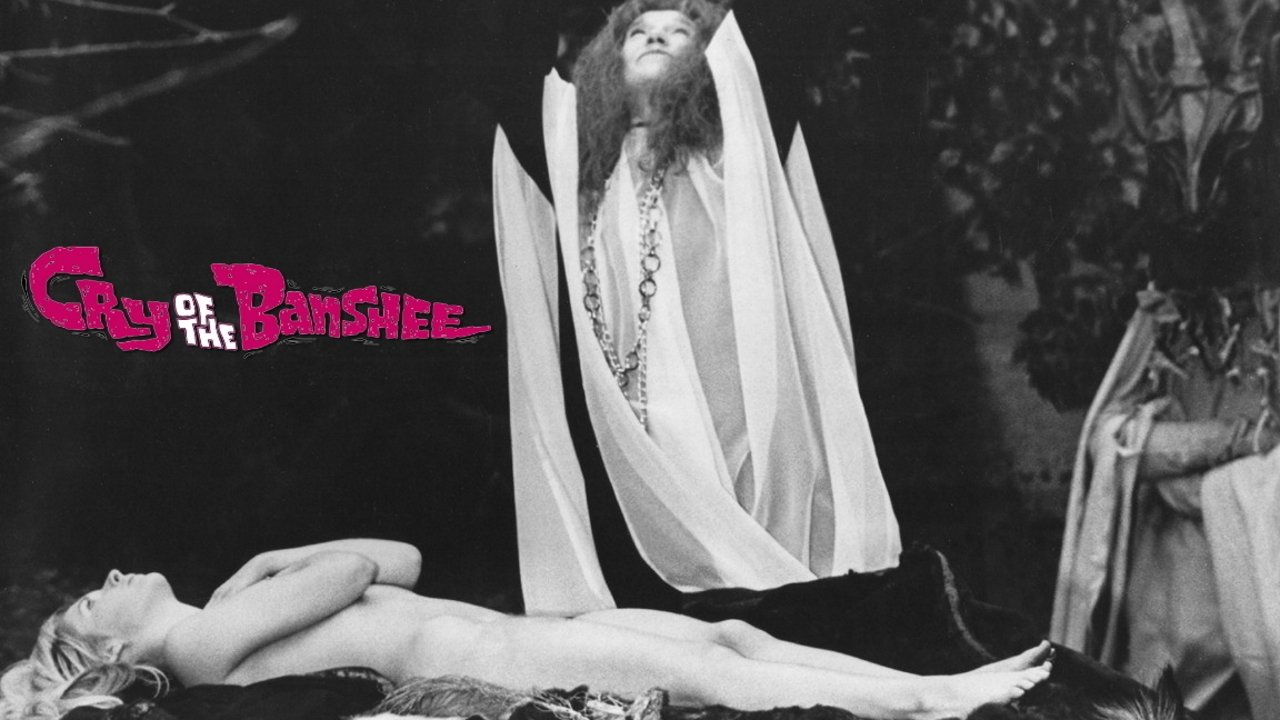
The supernatural threat invoked by Oona is described as a banshee or sidhe, terminology that does not correspond precisely to the traditional Irish banshee, a female supernatural figure associated with the announcement of death. The film instead employs a destructive entity capable of acting through a human intermediary. Its representation draws upon several traditions of cinematic horror, including witchcraft, curses and bodily transformation. The narrative connects these supernatural conventions to the exercise of authority within the Whitman household. Its interest in persecuted outsiders and the violence of an established ruling family places it within the British folk-horror tradition, although the setting is a constructed historical environment rather than an attempt to reconstruct a specific documented witch trial.

Haberman interprets the film as part of the political development of Hessler and Wicking's work. In his reading, their Gothic productions repeatedly concern the consequences of corruption among powerful older figures, particularly within institutions claiming moral legitimacy. Cry of the Banshee provides an especially direct example because Whitman's public campaign against evil permits acts of cruelty that eventually threaten his own family. This interpretation is supported by recognizable events and relationships in the film, but it remains a critical reading rather than an independently documented statement of every participant's intentions. It also explains why the material has attracted interest beyond its conventional supernatural imagery.

Period Design, Costumes and Cinematography

The film was photographed by John Coquillon, whose previous work on Witchfinder General had contributed substantially to that film's harsh representation of the English countryside. In Cry of the Banshee, historical architecture and rural locations provide an environment for the struggle between Whitman's household and the surrounding population. Grim's Dyke, a Gothic Revival country house in Middlesex, served as an important filming location. Its interiors and exterior grounds supplied an architectural setting compatible with the production's period imagery. The combination of location photography and constructed interiors gave the film the recognizable appearance of British Gothic cinema while accommodating the practical limitations of an AIP production.

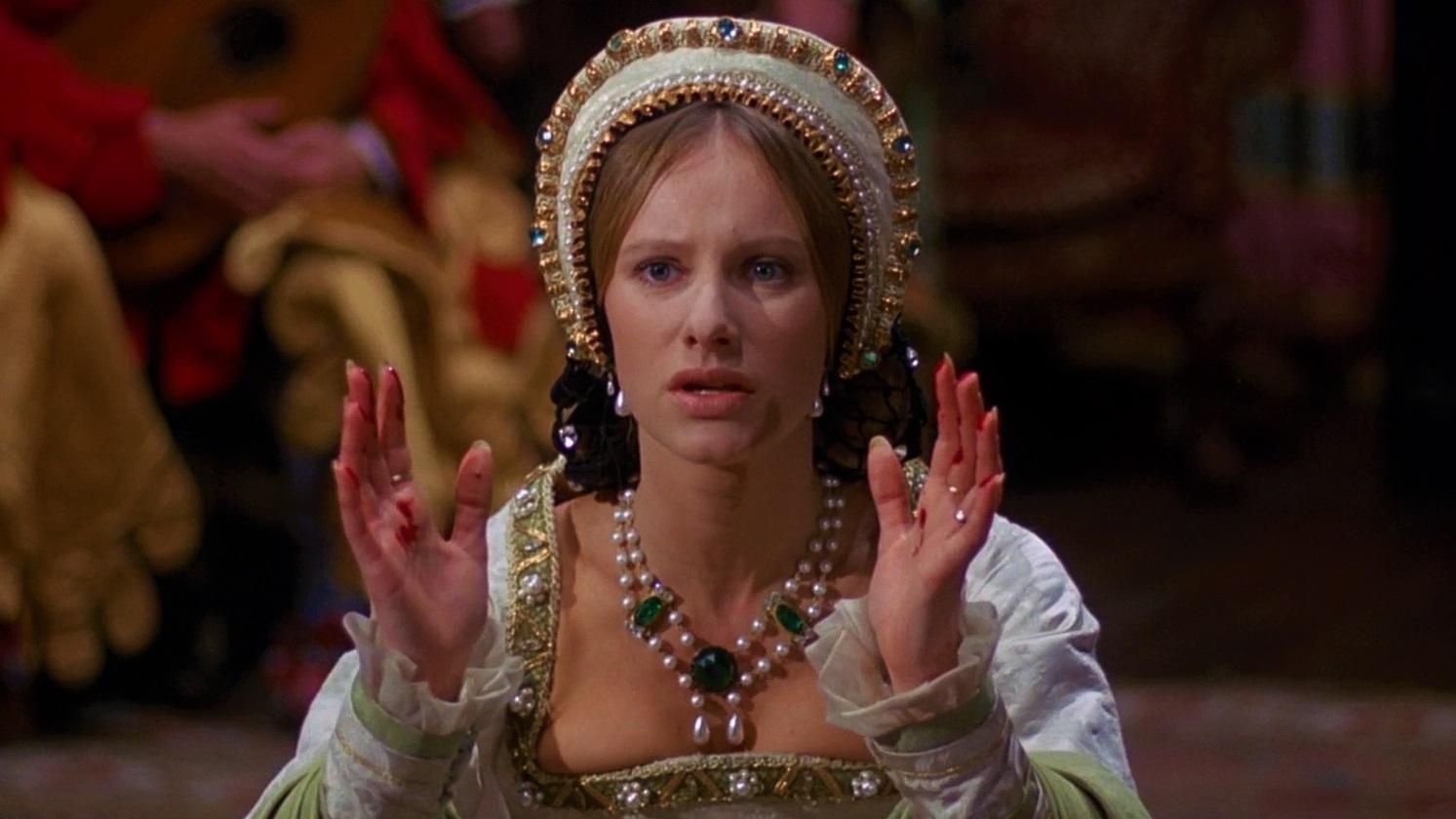
Hessler described the acquisition of period costumes as an important advantage of filming in Britain. In his interview with George Reis, he rejected the suggestion that the production had simply inherited an unsuitable collection of costumes from another film. Instead, he explained that British rental houses maintained extensive wardrobes originally prepared for larger historical productions, allowing smaller companies to obtain convincing costumes at comparatively modest expense. This account identifies a concrete production method behind the film's period appearance. Hessler also confirmed that his AIP films were composed principally for widescreen exhibition at approximately 1.85:1, while retaining consideration for the television framing commonly used in subsequent distribution.

Coquillon's photography and Hessler's direction give considerable attention to the physical division between the established household and the people living under its authority. Exterior locations allow the landscape to become part of the persecution narrative, while the more confined interiors emphasize control and intimidation. The film also makes extensive use of movement and close framing during confrontations. Contemporary critic David Pirie, writing in the Monthly Film Bulletin, criticized the production's limited resources and questioned whether its visual approach adequately supported the material. His response provides an important contemporary counterpoint to later appreciations of the film's Gothic atmosphere, demonstrating that its production design was not universally regarded as successful on release.

Terry Gilliam, the Opening Animation and Two Musical Scores

One of the film's most distinctive production elements is the opening animation designed by Terry Gilliam, whose work with Monty Python had established a recognizable method of combining cut-out figures, grotesque imagery and unexpected movement. Hessler later credited Heyward with arranging the animated sequence. Its presence connected an established British comic and visual artist to a period horror production whose tone was otherwise dominated by cruelty and supernatural revenge. The animation formed part of Hessler's original presentation, but AIP subsequently altered the credit sequence for theatrical distribution. The intervention reduced an element of the film that later became particularly important to discussions of its original creative identity.

The soundtrack underwent an equally significant change. Wilfred Josephs composed the original score, which was conducted by Philip Martell. Hessler believed Josephs's music contributed to the mysterious quality of the completed film and was particularly appropriate to its historical setting. AIP rejected that score for its altered theatrical presentation and commissioned replacement music from Les Baxter, a composer closely associated with the company's earlier horror productions. The substitution affected the musical character of the film. Different generations of viewers consequently encountered materially different presentations of the same production, with variations in both image and sound.

Hessler expressed strong reservations about the replacement in his interview with George Reis. He considered the original score more suitable to the period material and questioned the appropriateness of Baxter's approach. His explanation for the studio's decision was speculative, however, and did not identify a verified internal memorandum establishing why the music was rejected. Later assessment has not been uniform: in his archival research, Steve Haberman expressed particular admiration for Baxter's theatrical score while continuing to recognize the distinctive work of Hessler and Wicking. The disagreement illustrates why the two soundtracks should be treated as historically separate creative presentations, rather than assuming that one represents an objectively superior solution.

Theatrical Versions, Contemporary Reception and the 2026 Restoration

Cry of the Banshee entered American theatrical distribution through AIP on July 22, 1970. The studio's release differed substantially from the version assembled under Hessler's direction. The American theatrical cut, approximately 87 minutes long, altered the title sequence, used Baxter's replacement soundtrack and reduced material involving nudity and sexualized violence. The longer version, generally listed at approximately 91 minutes, retained Gilliam's original opening and Josephs's music. The American edition received the GP classification, a historical rating designation that should not be confused with the modern PG classification. Different theatrical and home-video records also preserve varying running times, which must be interpreted in relation to the source version and playback format.

The film's original critical reception was divided. David Pirie's review in the Monthly Film Bulletin regarded the production as a disappointing continuation of the Hessler-Wicking collaboration, criticizing its atmosphere and emphasis on sadistic violence despite recognizing the potential of its central conflict. British trade publication Kine Weekly, by contrast, acknowledged Price's established command of the material. Later interpretations have continued to differ. Haberman considers the film an important component of the filmmakers' exploration of corruption and authority, whereas Hessler himself remained dissatisfied with the restrictions imposed during its development. These contrasting assessments establish the film's contested critical position without supporting claims that it achieved the canonical status of Witchfinder General.

The history of its preservation took a significant step in 2026 when Hammer Films released Cry of the Banshee as the inaugural title in its Hammer Presents collection. The series was created to restore and distribute British horror productions that were not originally made by Hammer. In an official interview published in December 2025, Hammer representative Steve Rogers confirmed that both Hessler's original version and AIP's altered theatrical version had been restored from original negative materials by the restoration partner Silver Salt. The February 2026 edition presented the director's cut in widescreen and full-frame formats alongside the theatrical version, with additional interviews and archival material. This preservation effort made the principal editorial differences accessible within one release and clarified the film's distinction from the original Hammer production catalogue.

References

  1. BearManor Media Interview with Dr. Steve Haberman for Gothic for Radicals

    Extensive interview with the author of an archival study of Gordon Hessler and Christopher Wicking, documenting research into original screenplays, studio papers, the American Heritage Center collections and the political themes of their AIP horror films.

  2. The B Movie Nation The Late Great Gordon Hessler

    Reproduction of George Reis's original interview with Gordon Hessler, including first-hand testimony about AIP's screenplay restrictions, Elisabeth Bergner's casting, British costume rental houses, Terry Gilliam's animation, the soundtrack replacement and the director's dissatisfaction with the production.
  3. Hammer Films Introducing… Hammer Presents

    Official interview with Hammer representative Steve Rogers explaining the archival restoration, the different Hessler and AIP versions, the survival of Terry Gilliam's opening animation and the production of the 2026 collector's editions.

Cast

View Full Cast & Crew →

Release & Distribution

Production Companies (1)

  • American International Pictures US

Distributors (1)

  • American International Pictures US

Release History (7)

Release DateTerritoryRelease TypeFormatDistributorCertificationNotes
1970-07-22 United States Theatrical — — — 87-minute theatrical cut, rated GP
1970-10-31 United Kingdom Theatrical — — 15 Originally X
1971-03-19 Germany Theatrical — — 16
1975-03-21 Portugal Theatrical — — M/18 Barcelos
1995-01-01 United States Physical VHS — — VHS, 91-minute uncut version
2003-04-15 United States Physical DVD — R DVD, 91-minute uncut version
2021-08-18 France Physical DVD — 12 DVD
Hell hath no fury like a sorceress scorned!