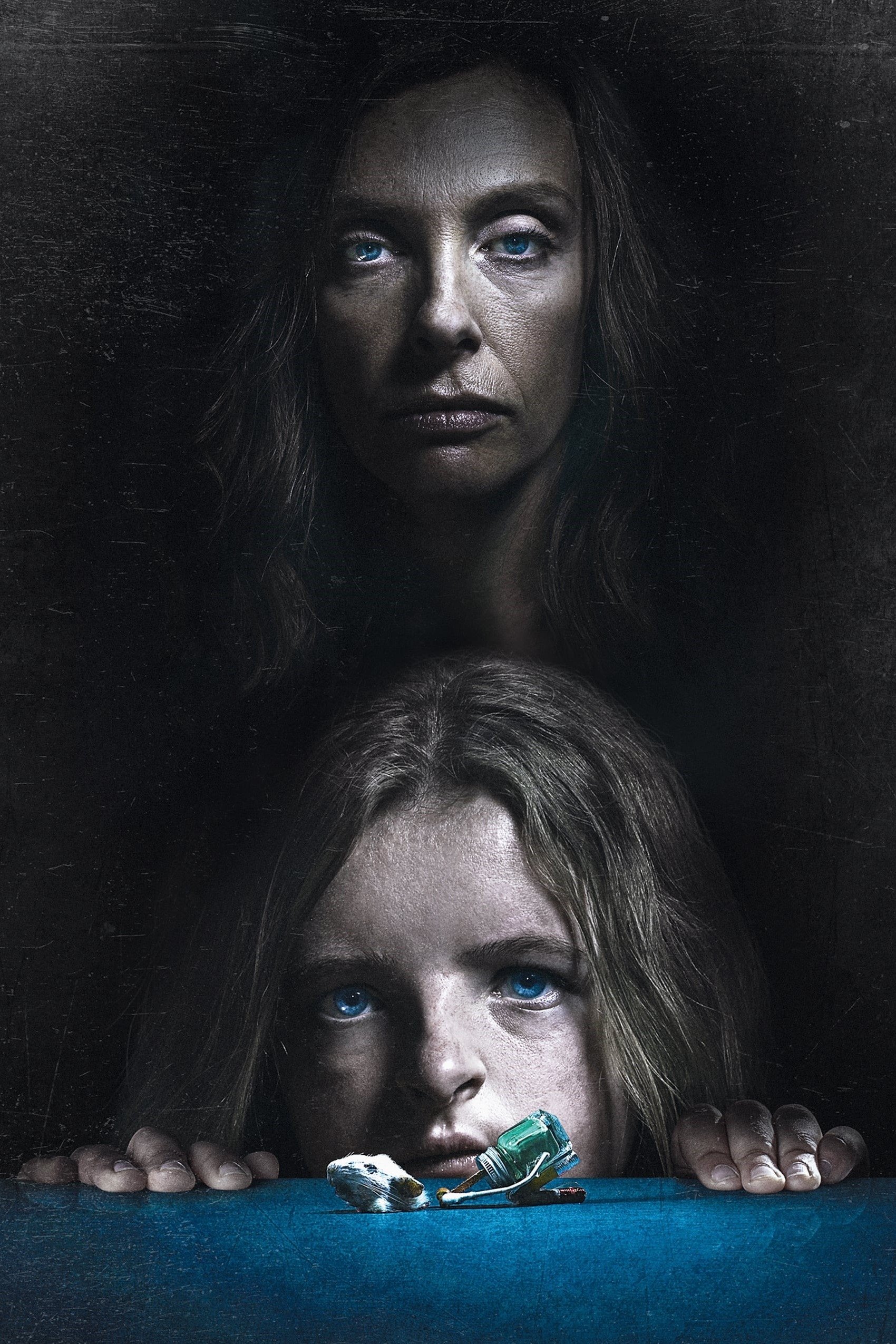




Development and Family Tragedy
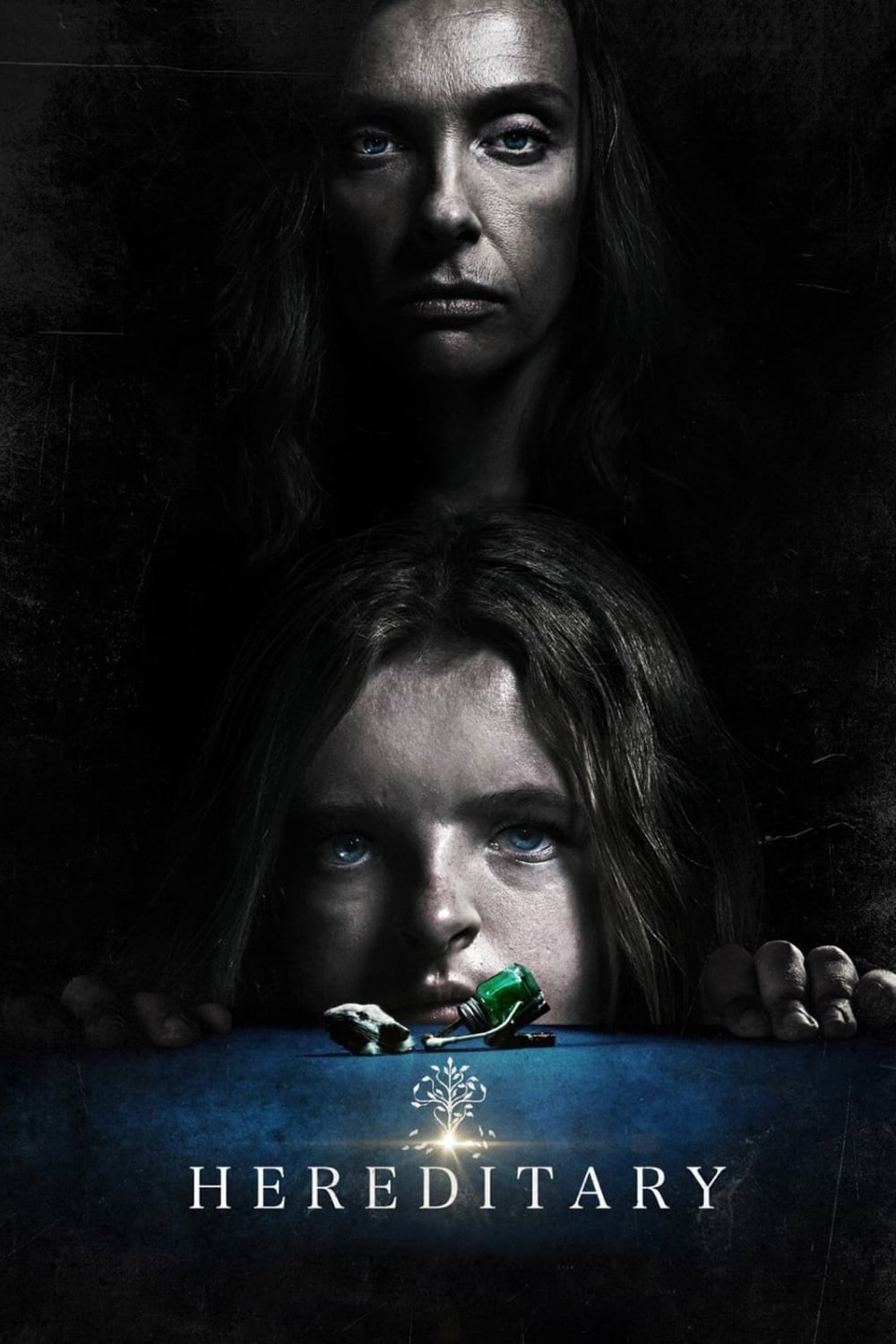
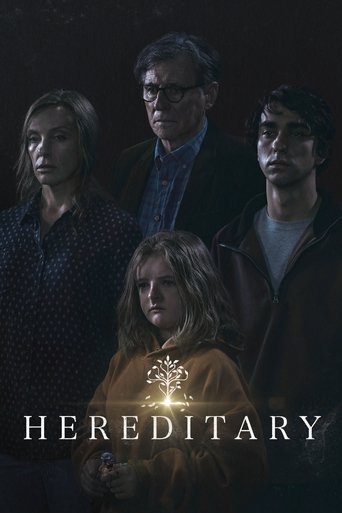
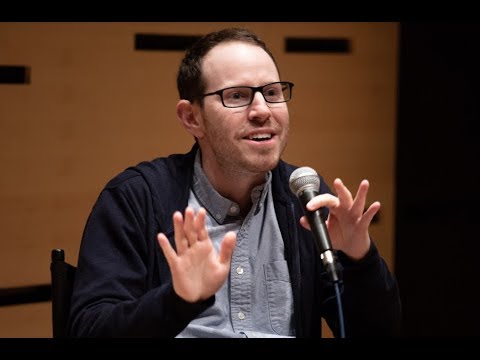
Hereditary was Ari Aster's first completed feature after several years of attempting to move longer projects into production. Aster had already attracted attention through short films, but financing a feature remained difficult. He later explained that horror appeared to offer a more realistic route toward getting a film made. Rather than begin with a conventional supernatural premise and add dramatic depth afterward, however, he approached Hereditary through the emotional structure of a family tragedy. Grief and trauma were intended to function convincingly even before the supernatural machinery became visible.
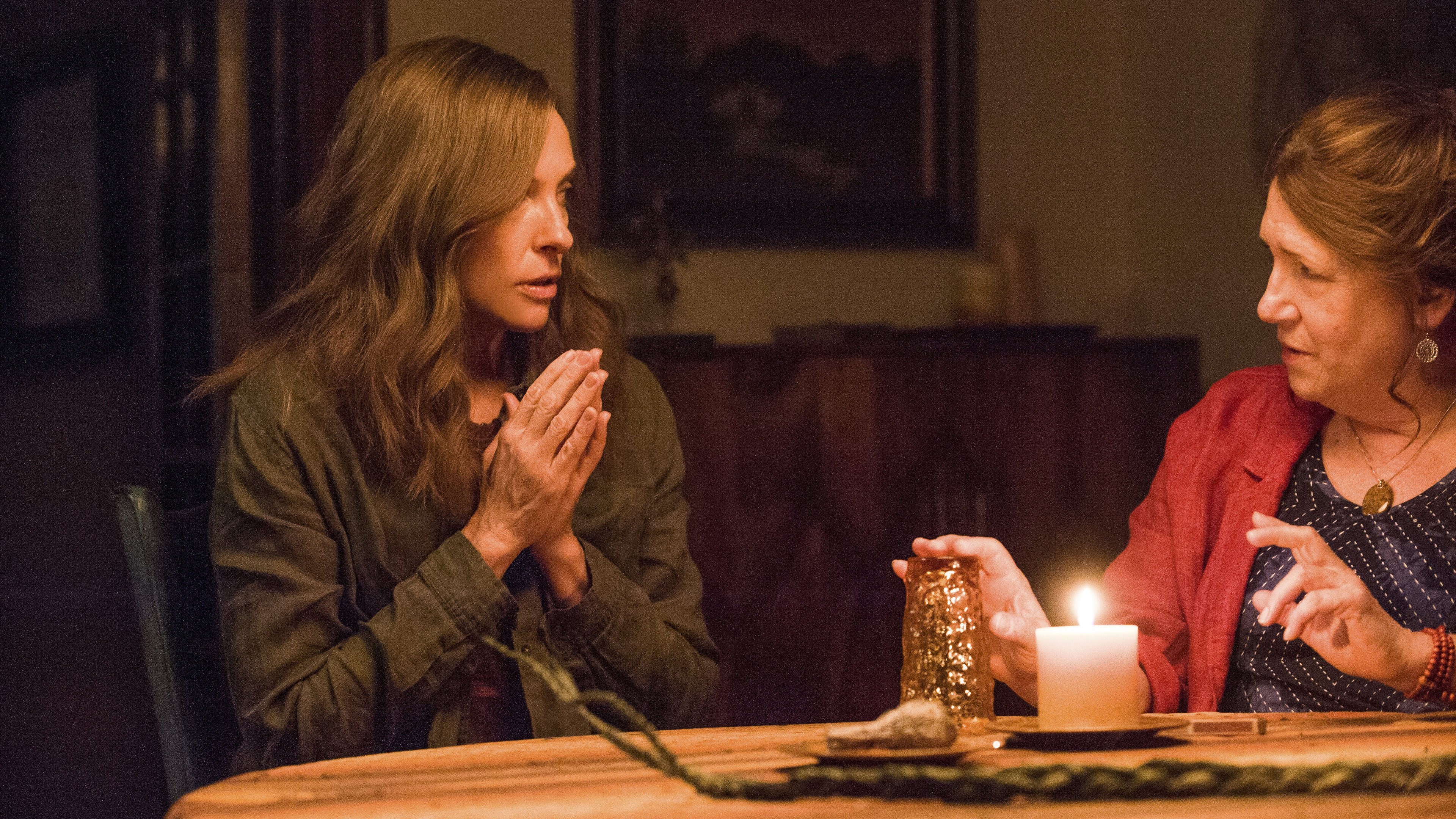
Aster has described the emotional foundation of the film as personal while emphasizing that its characters and events are fictional. His objective was not to reproduce a specific family incident. Instead, he wanted to translate feelings associated with periods of severe family difficulty into a narrative in which misfortune seems to accumulate beyond anyone's ability to stop it. The horror genre allowed those emotions to become external forces. Bereavement becomes haunting, inherited dysfunction becomes a literal inherited curse, and the fear that a family may be unable to escape its history becomes an occult system designed before the principal characters understand that it exists.
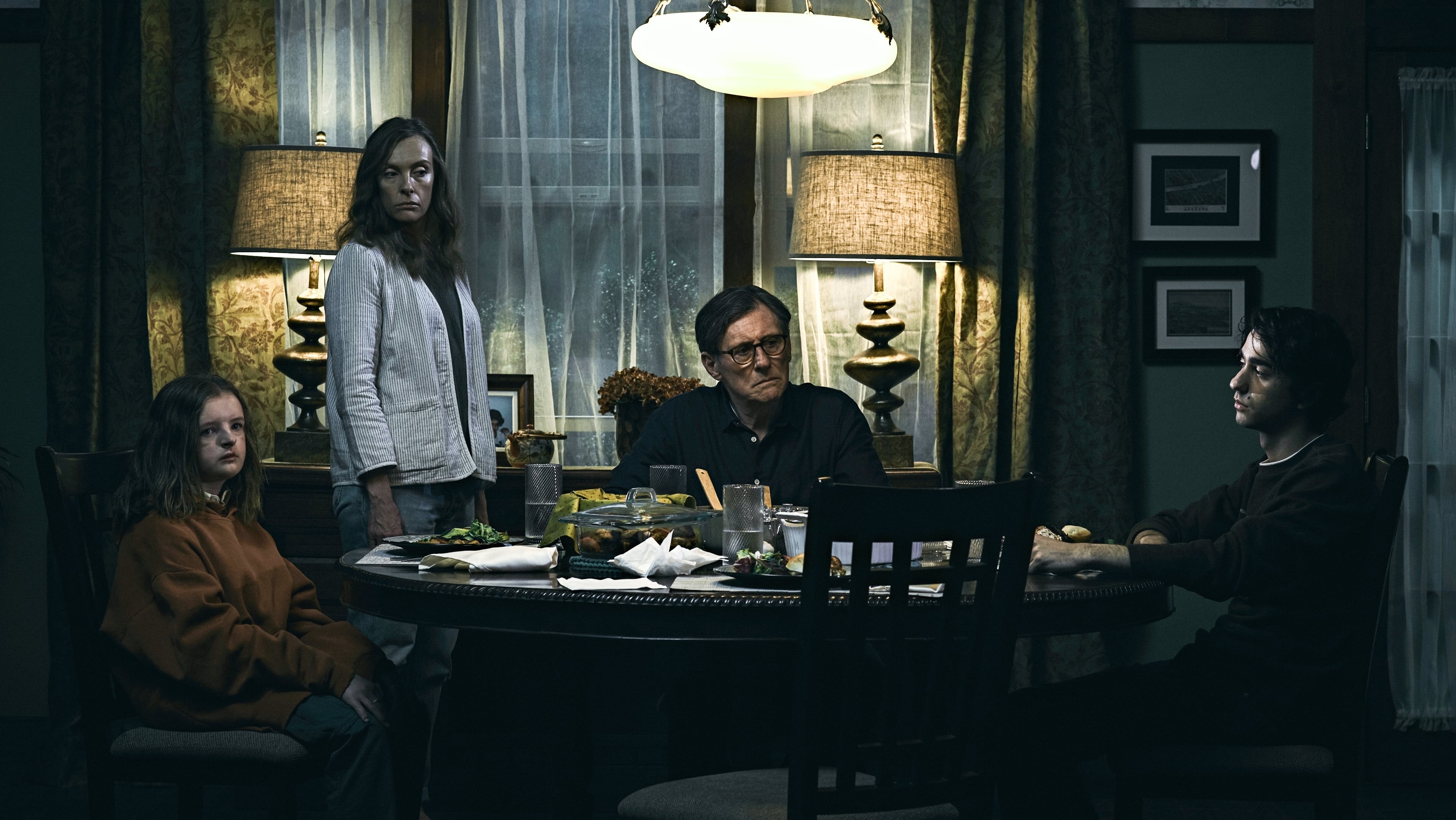
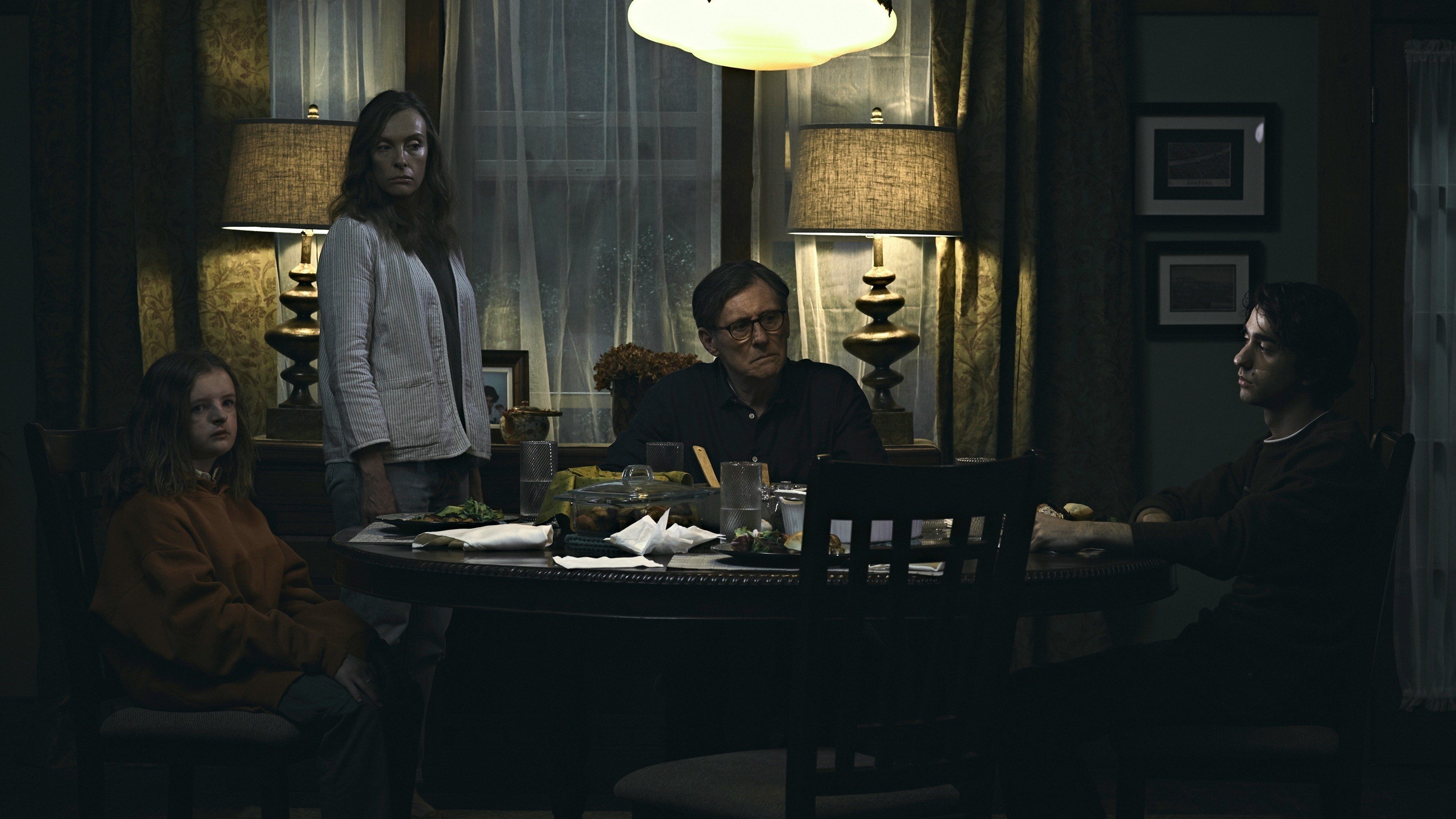
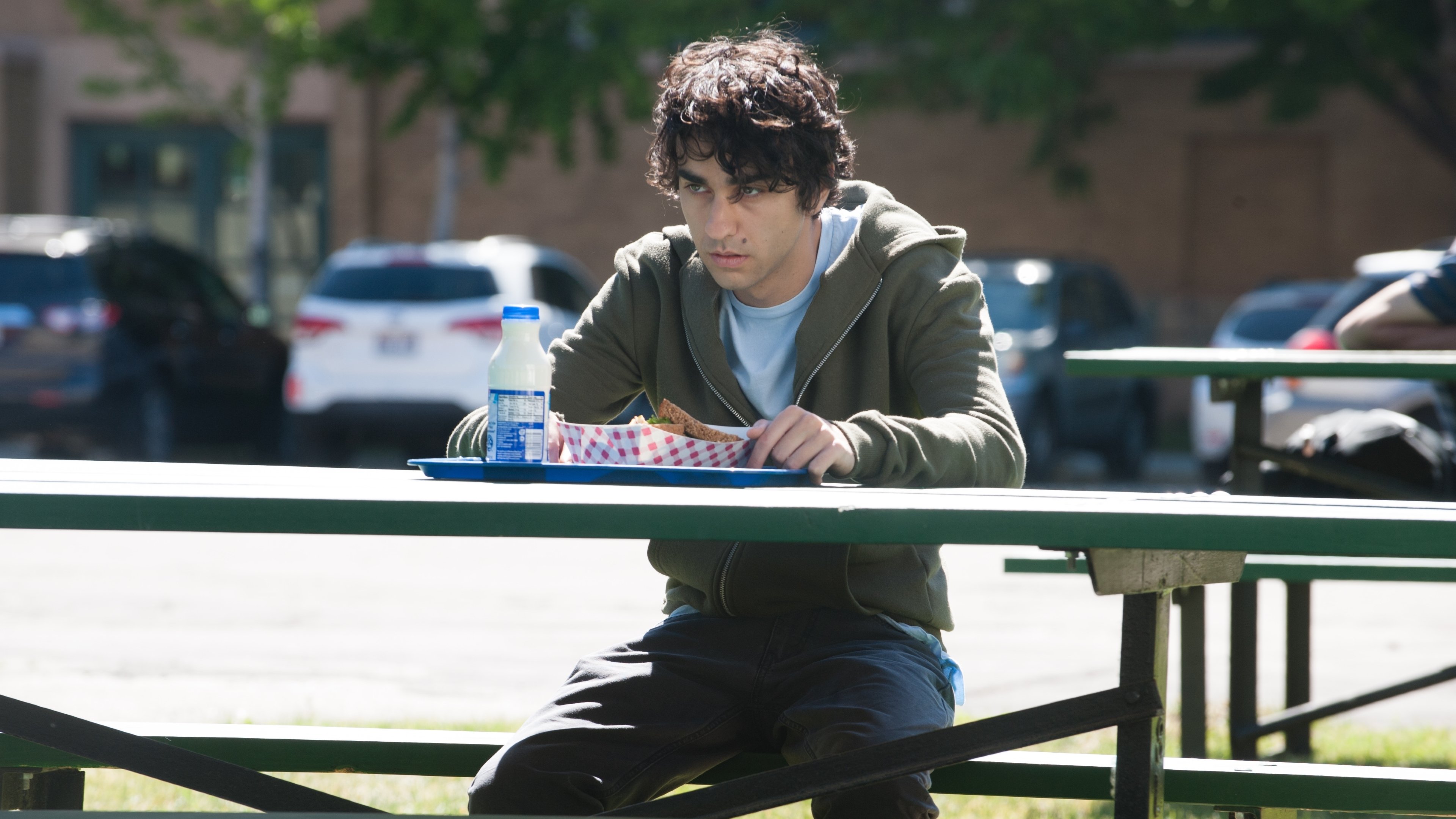
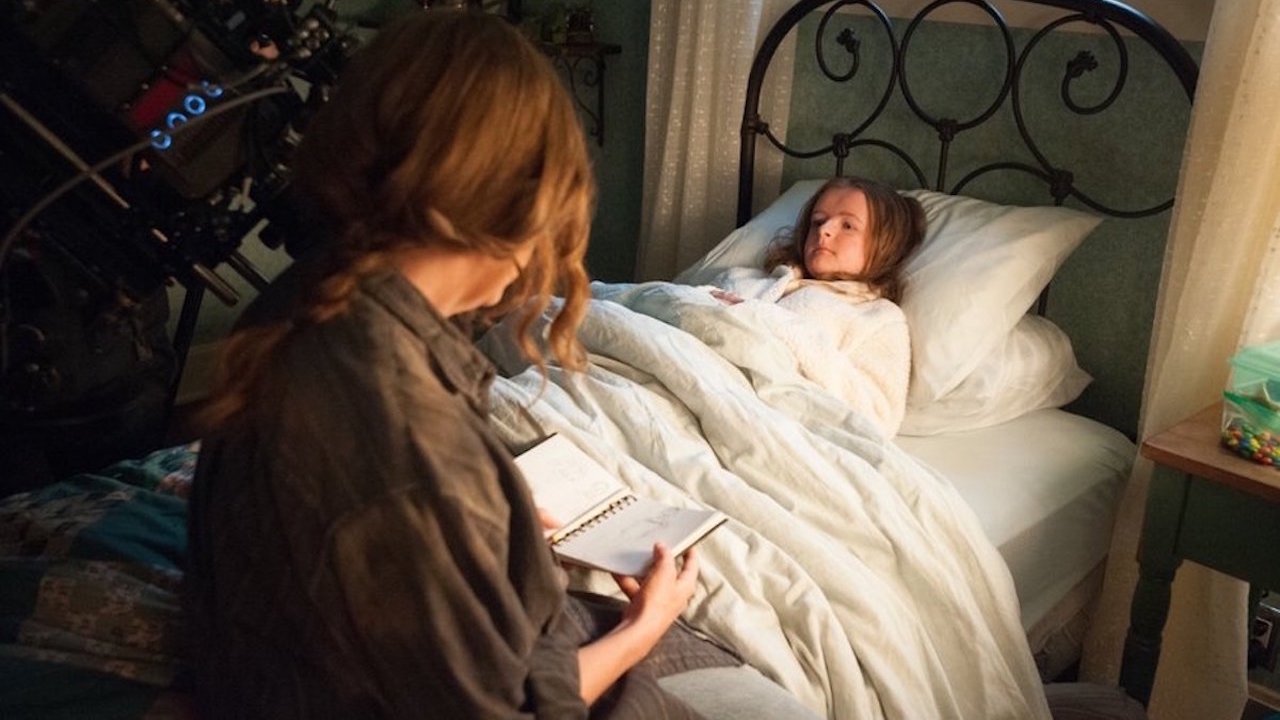
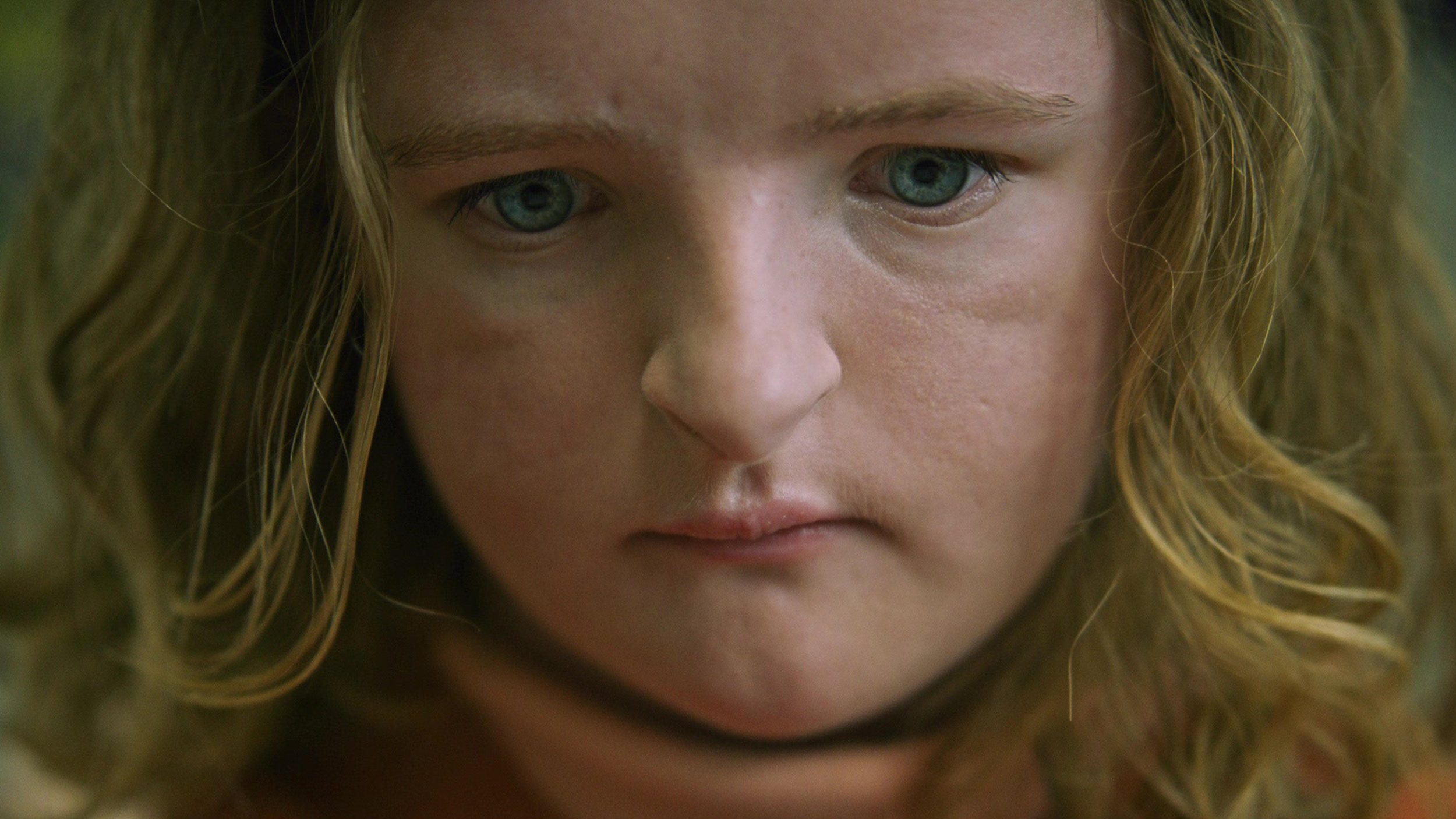
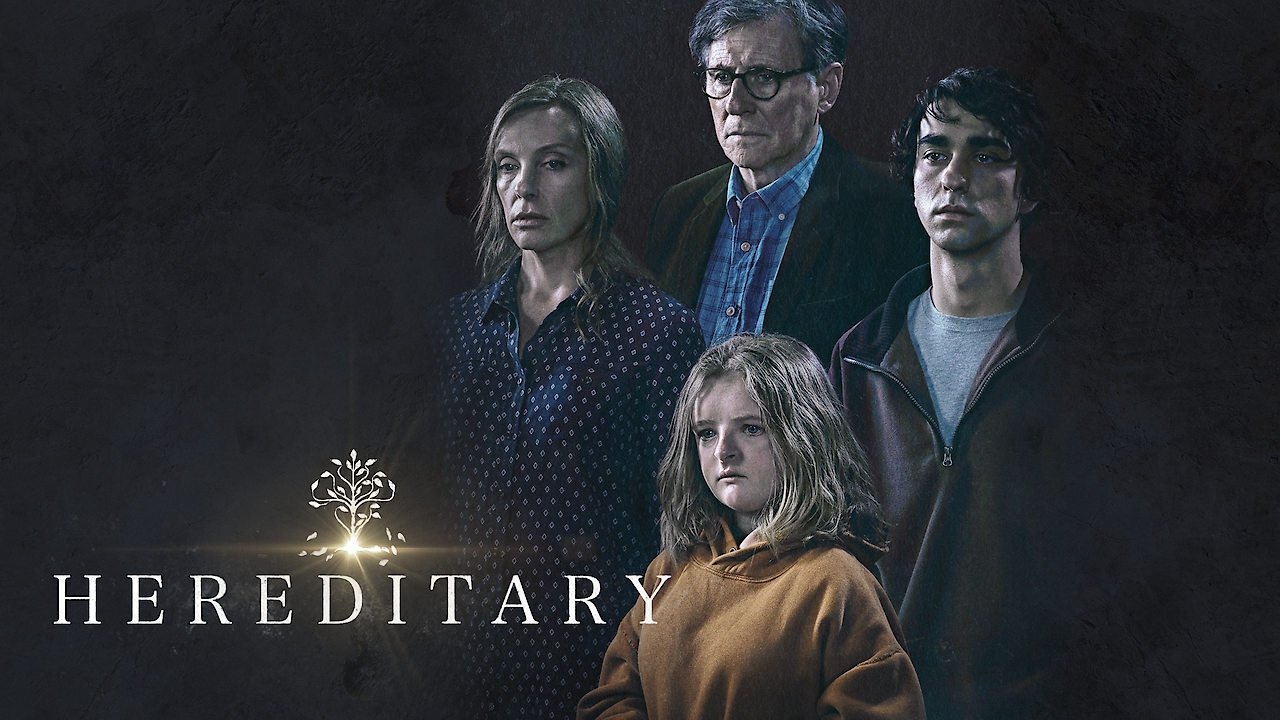
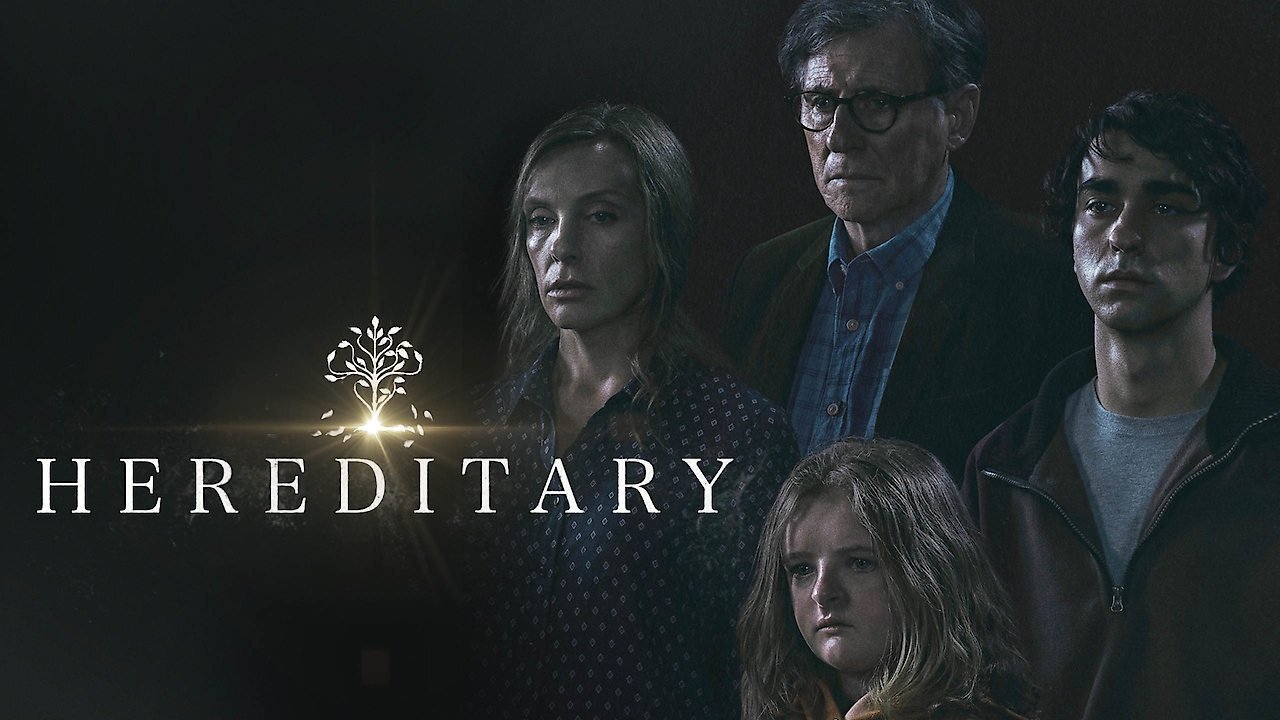
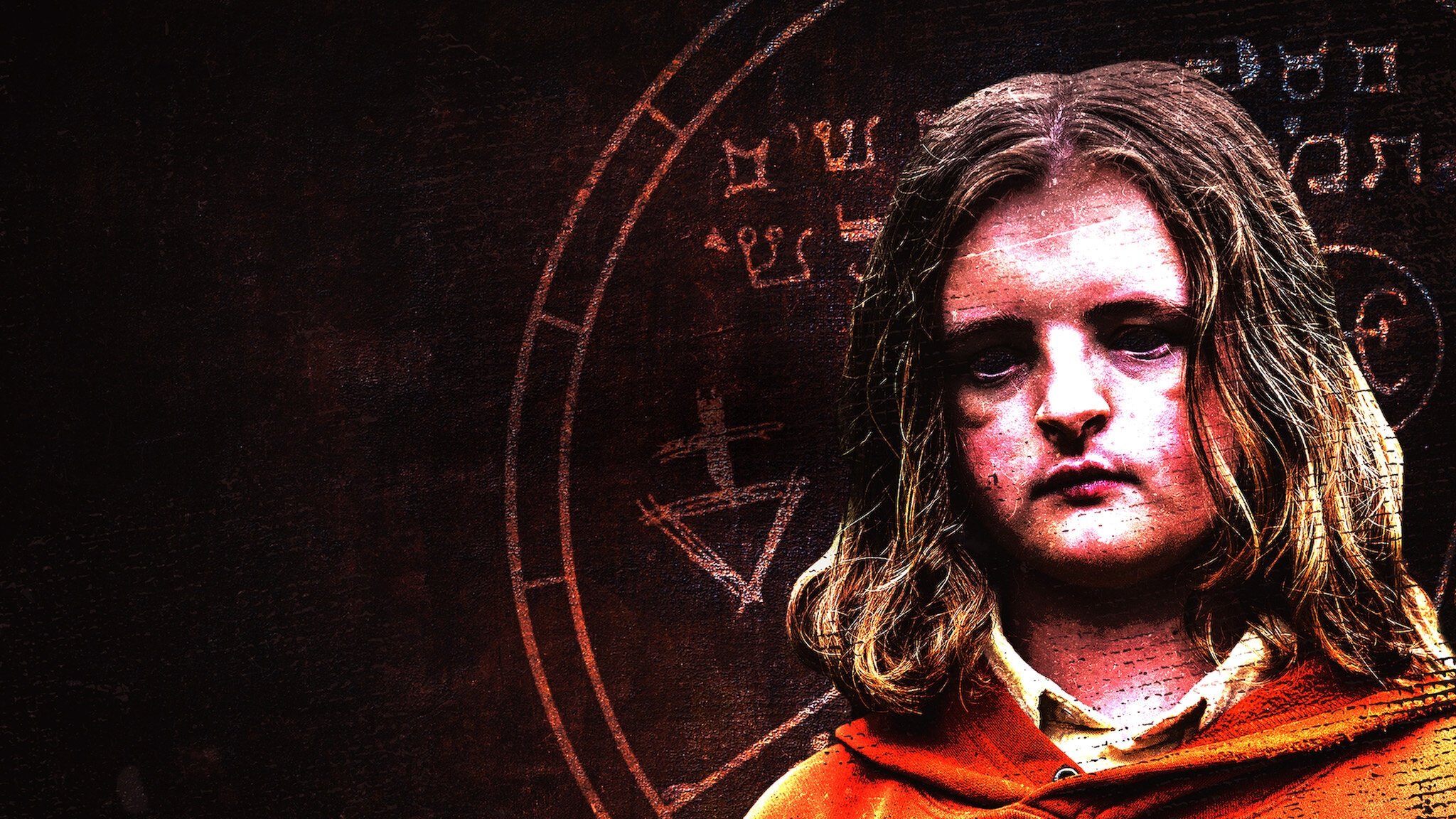
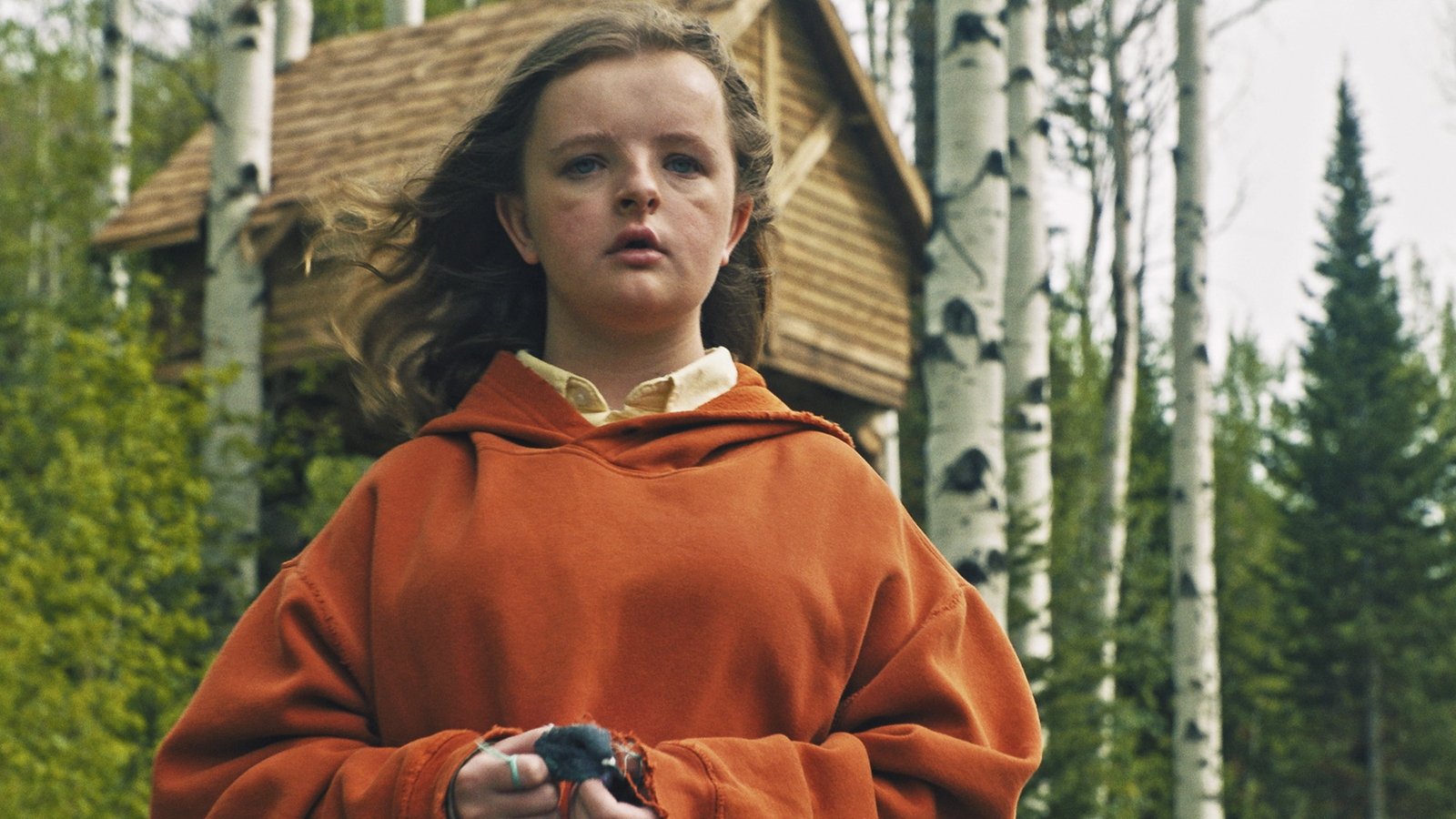
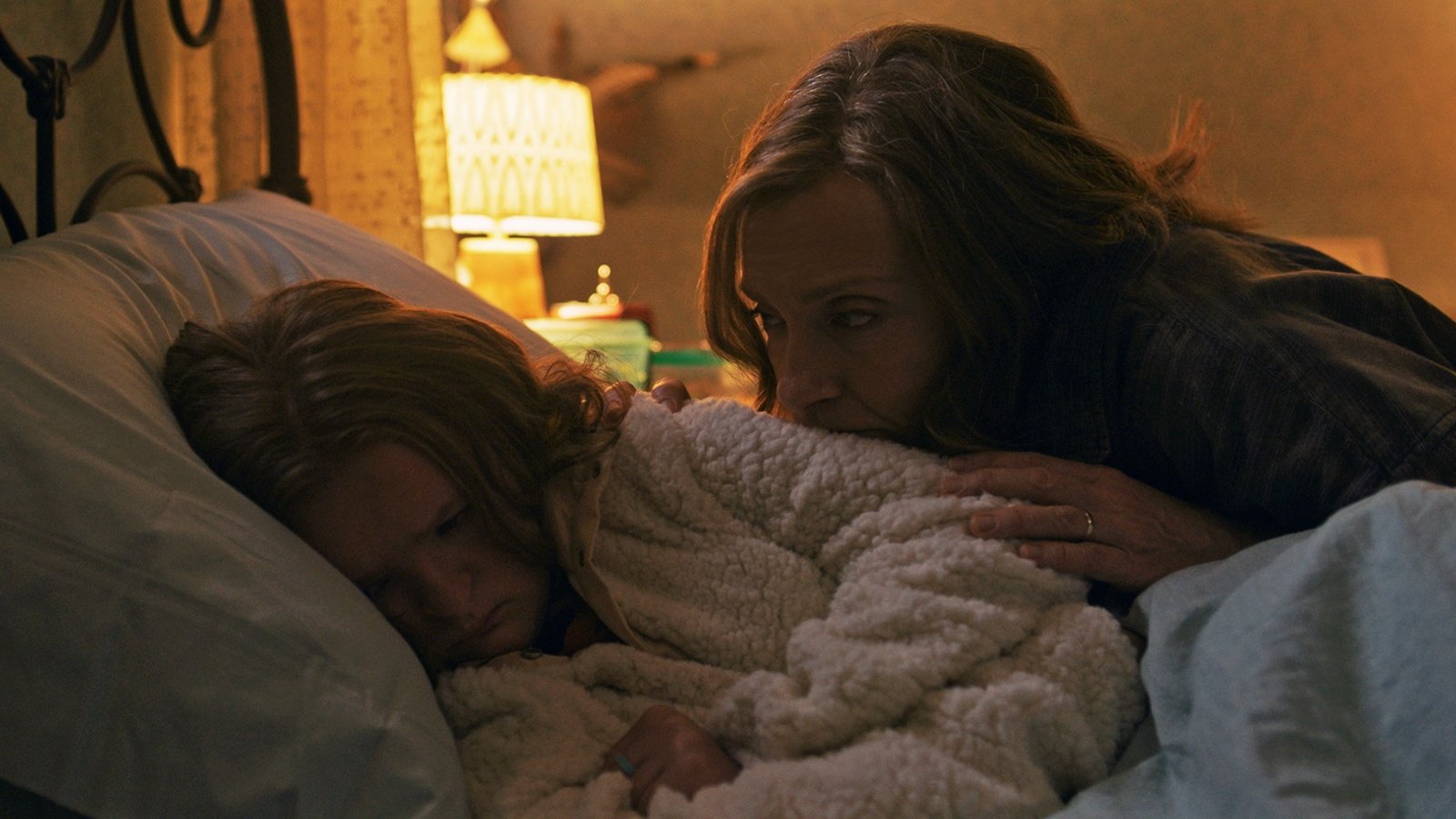
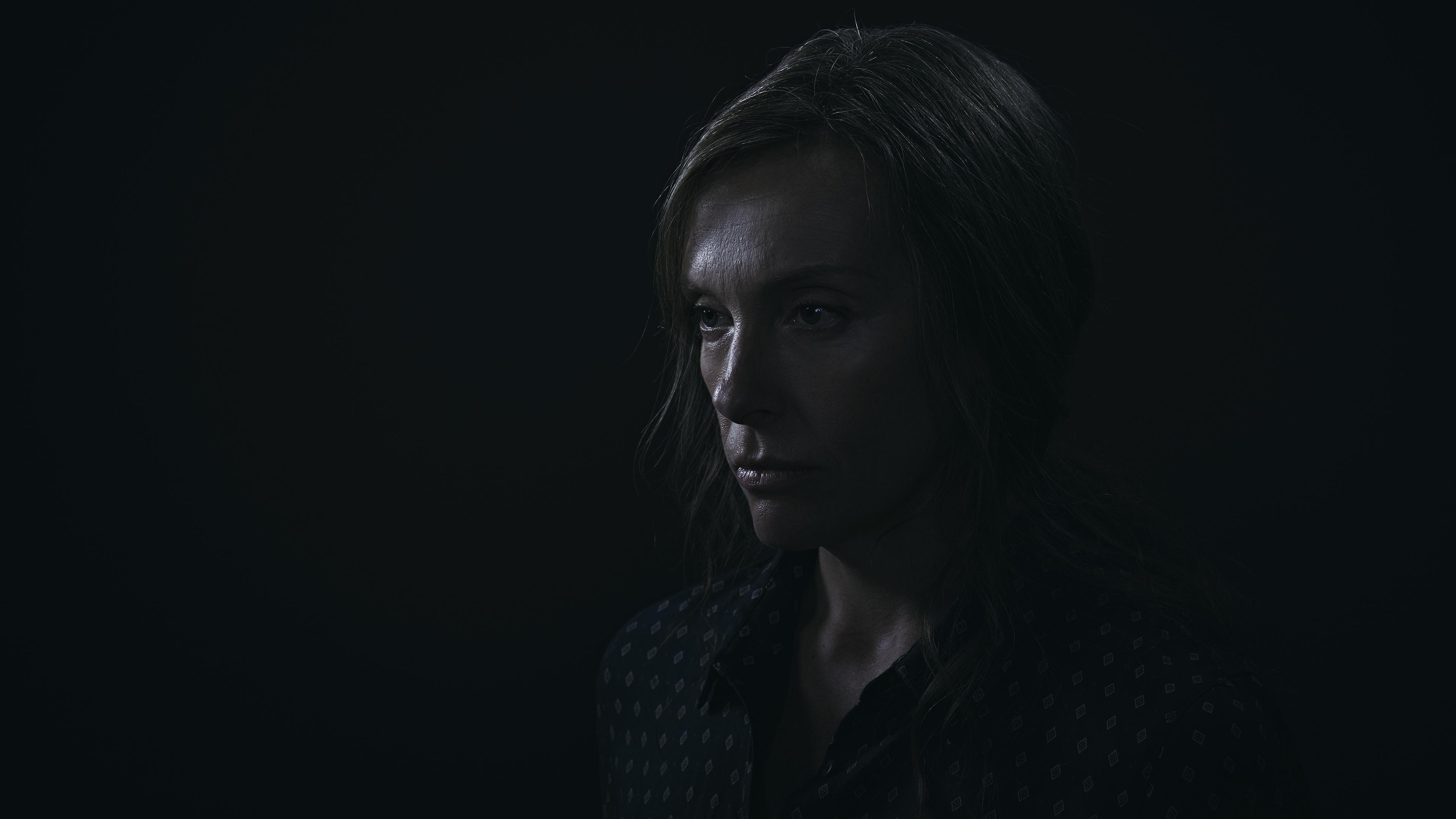
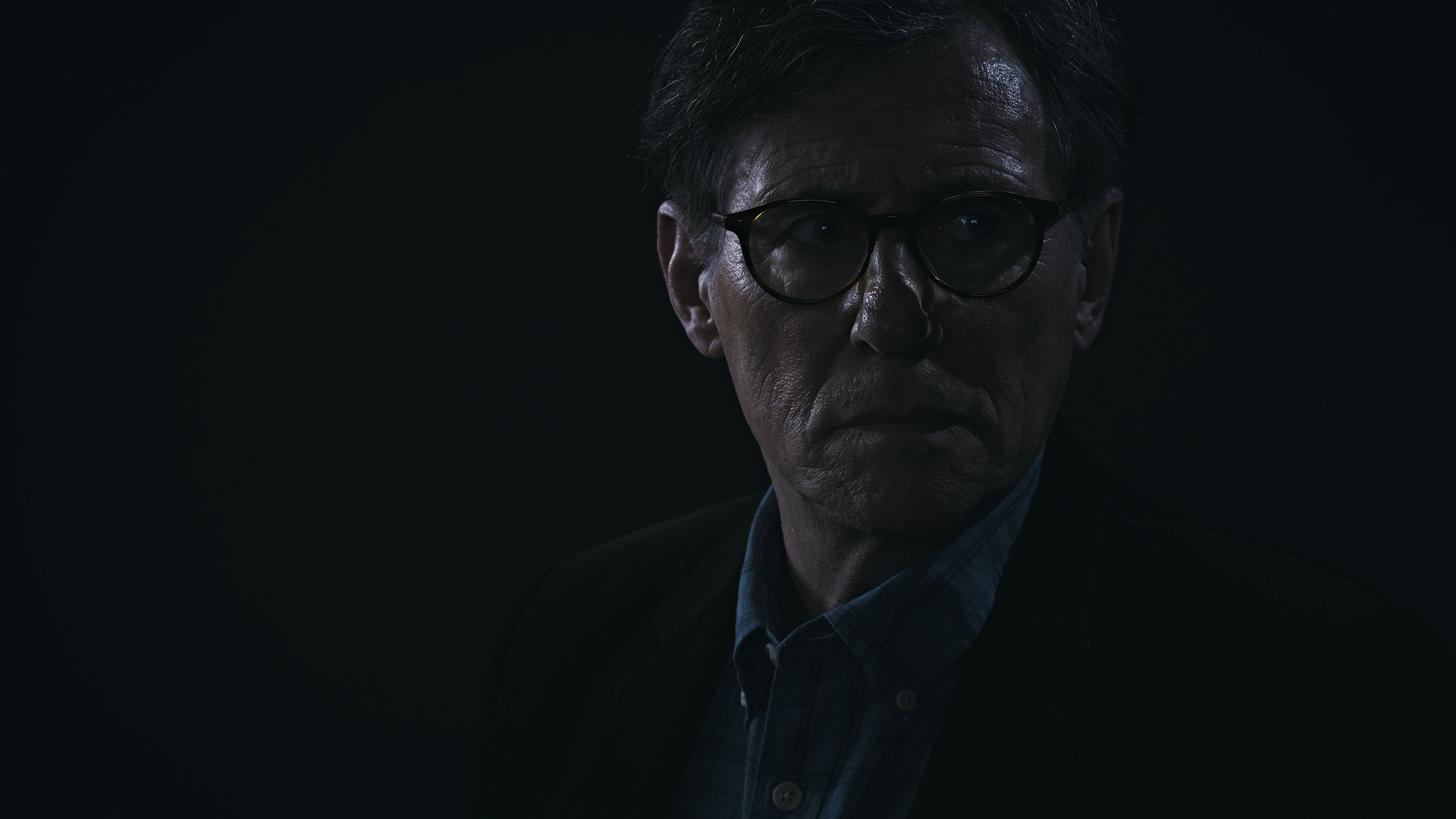
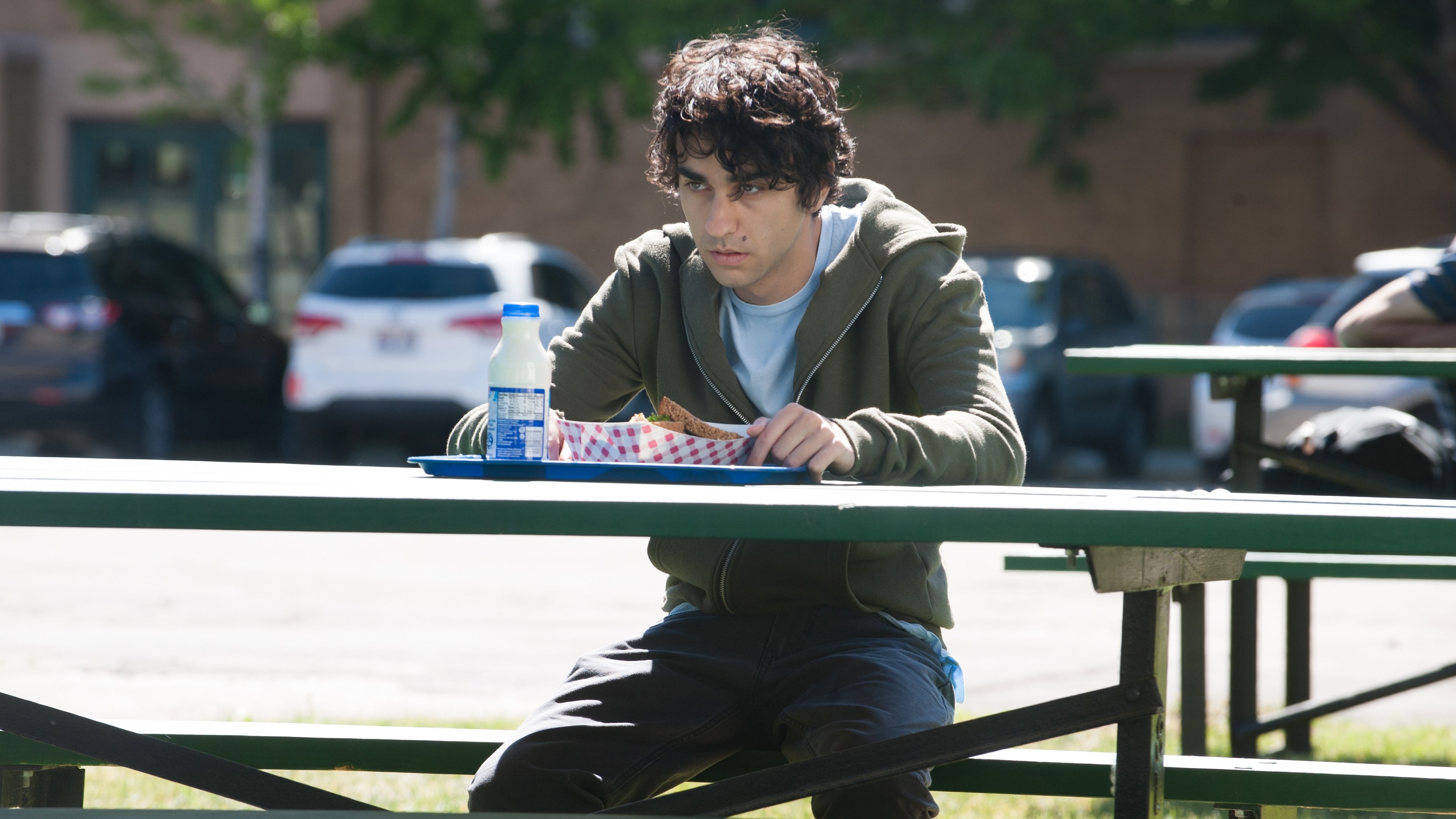
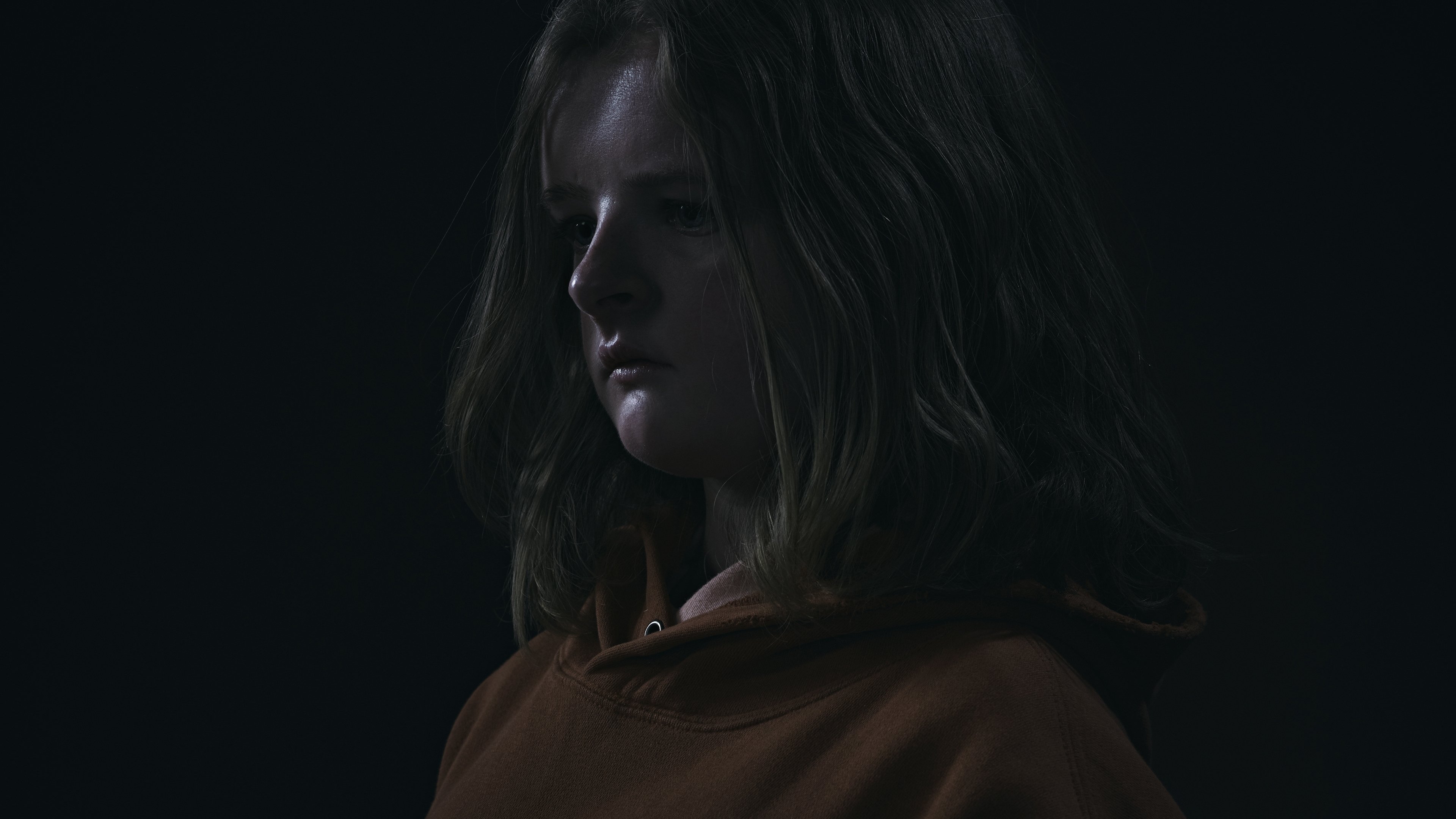
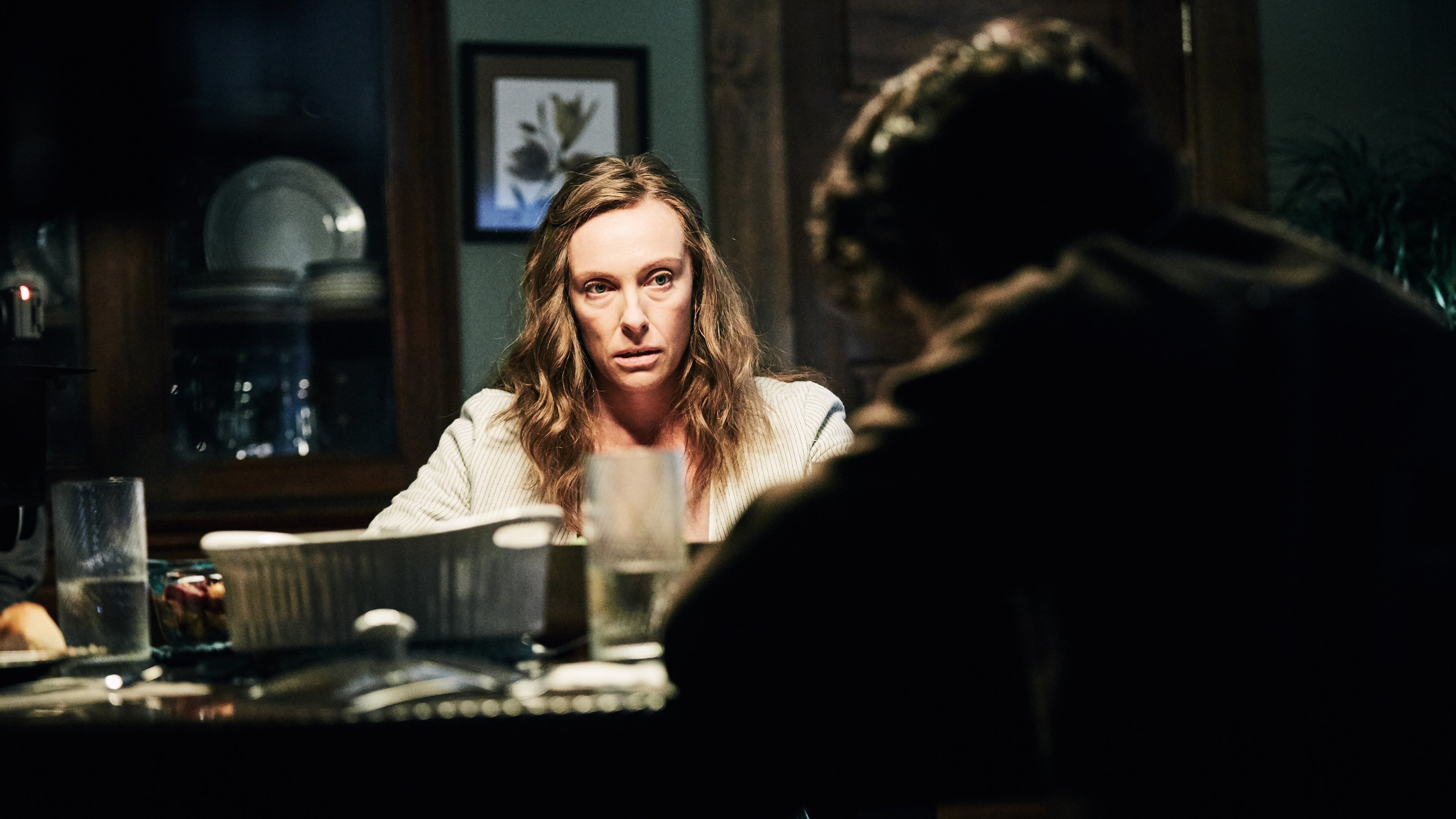
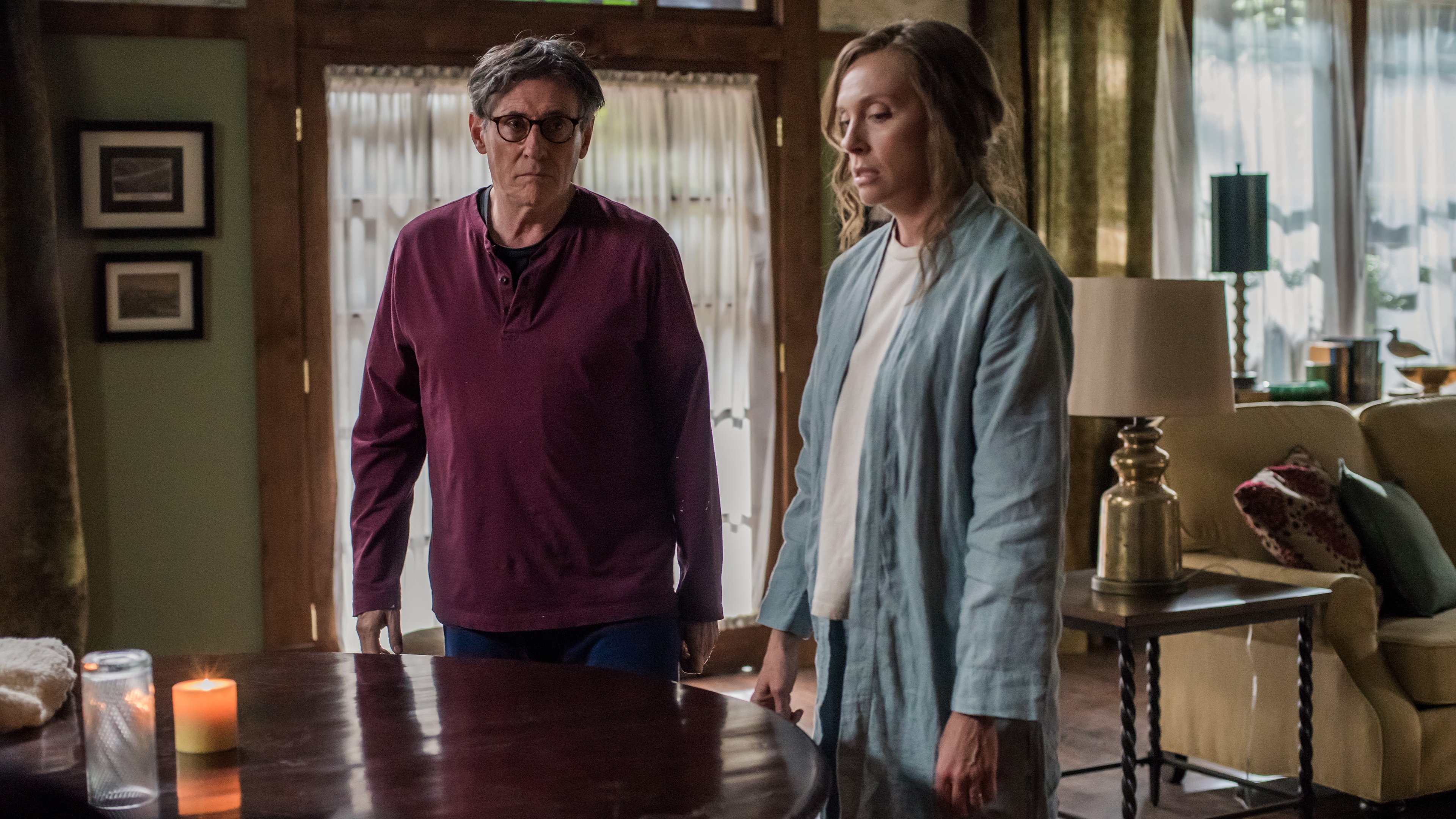
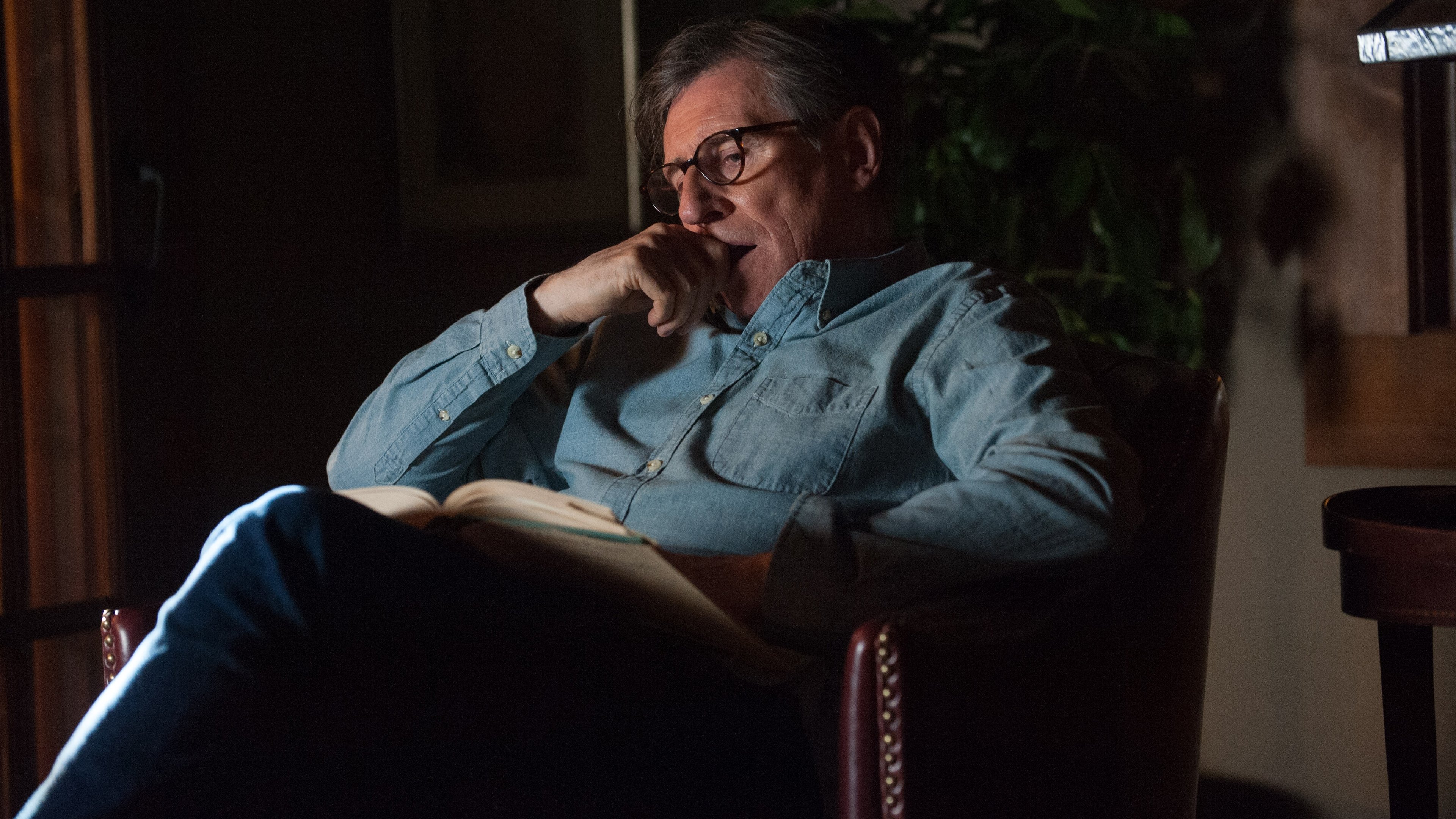
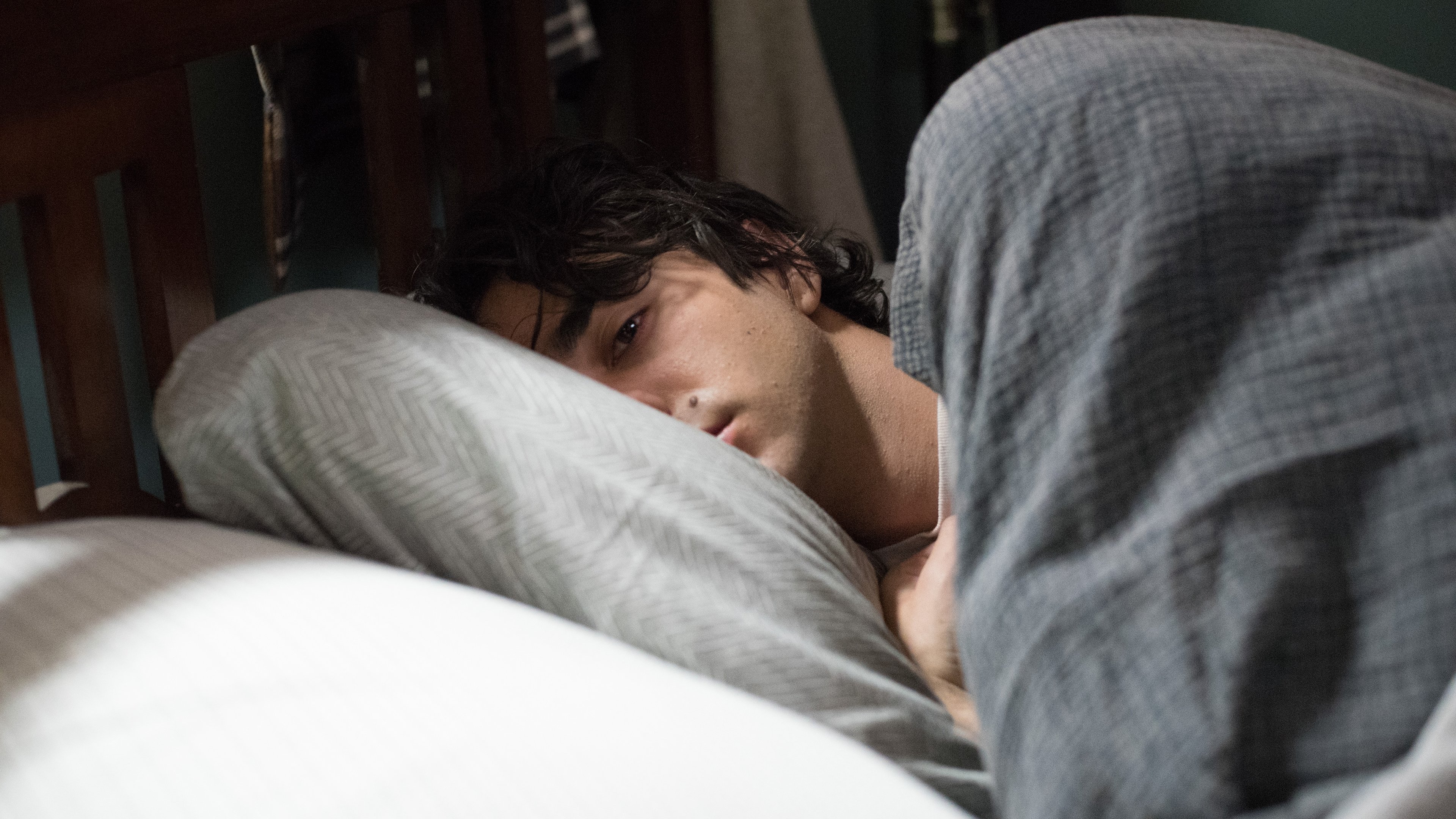
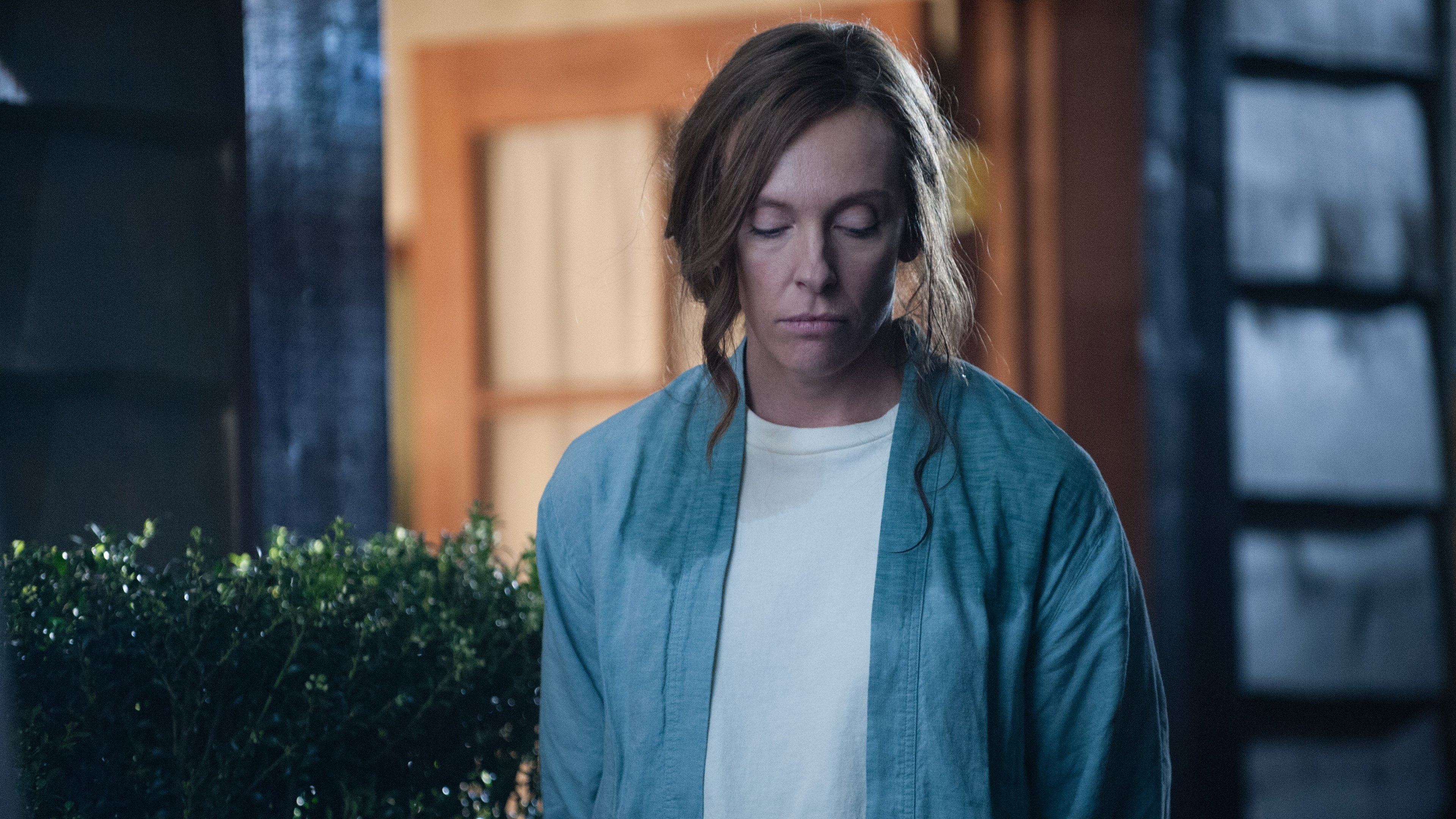
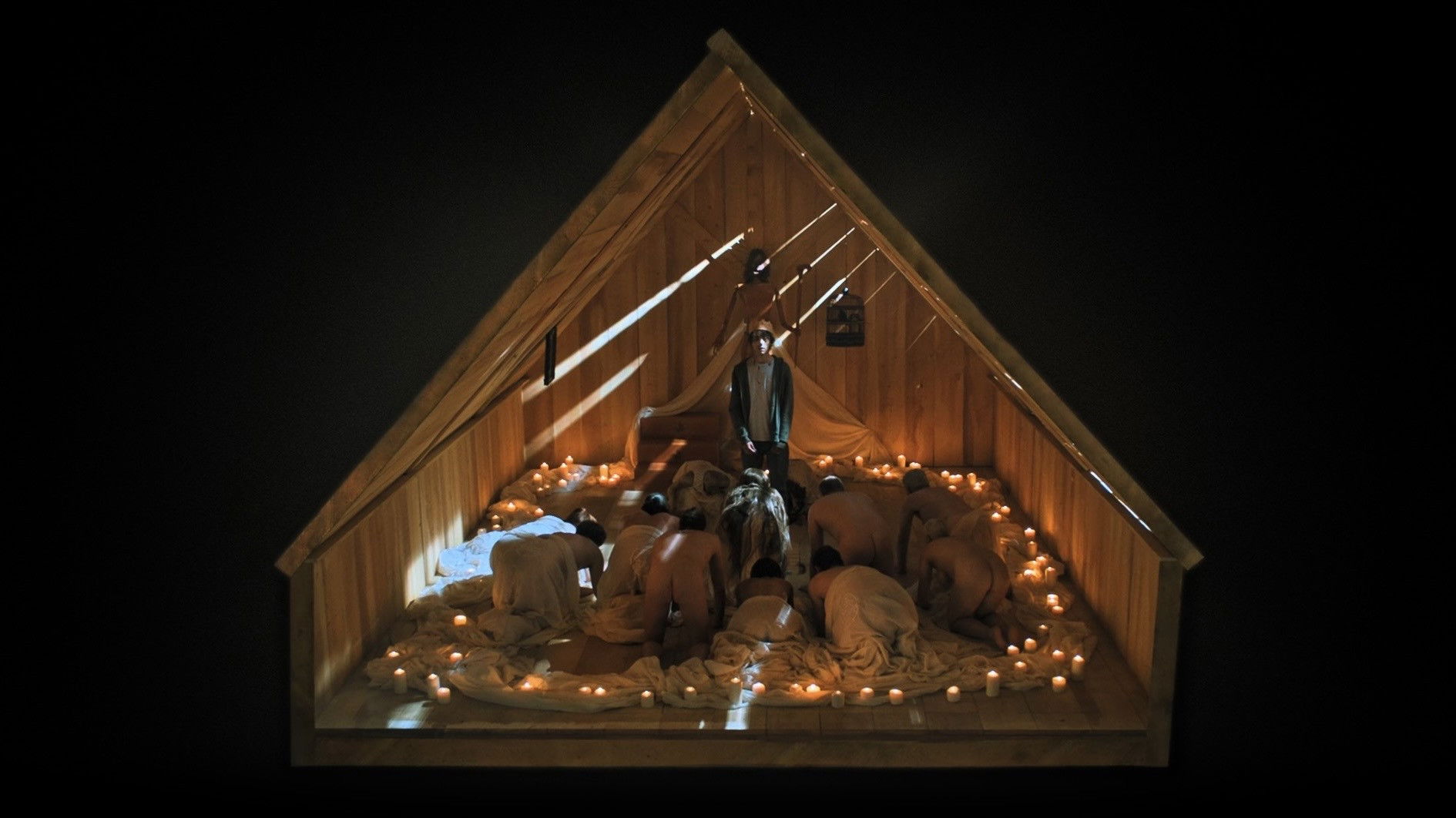
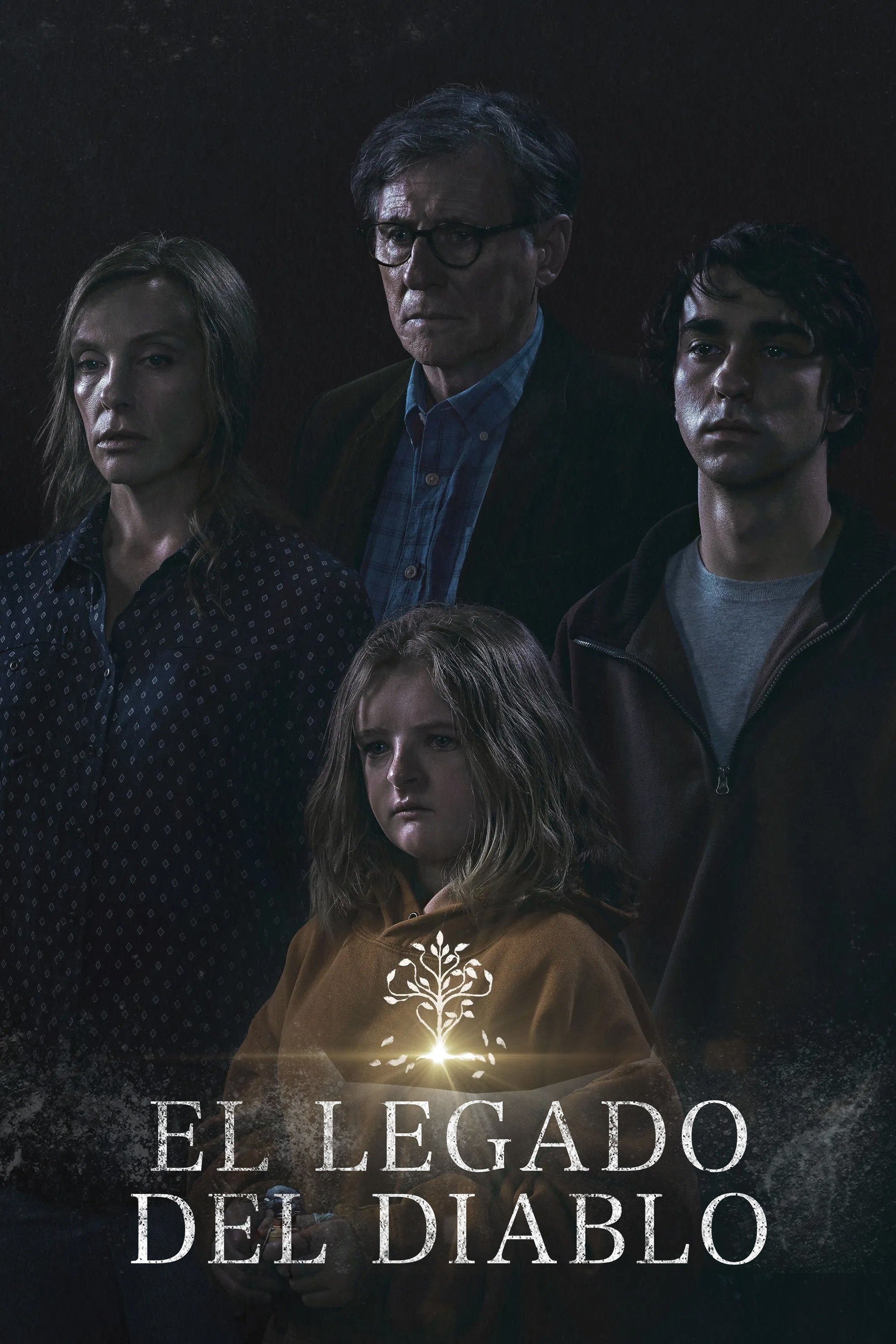
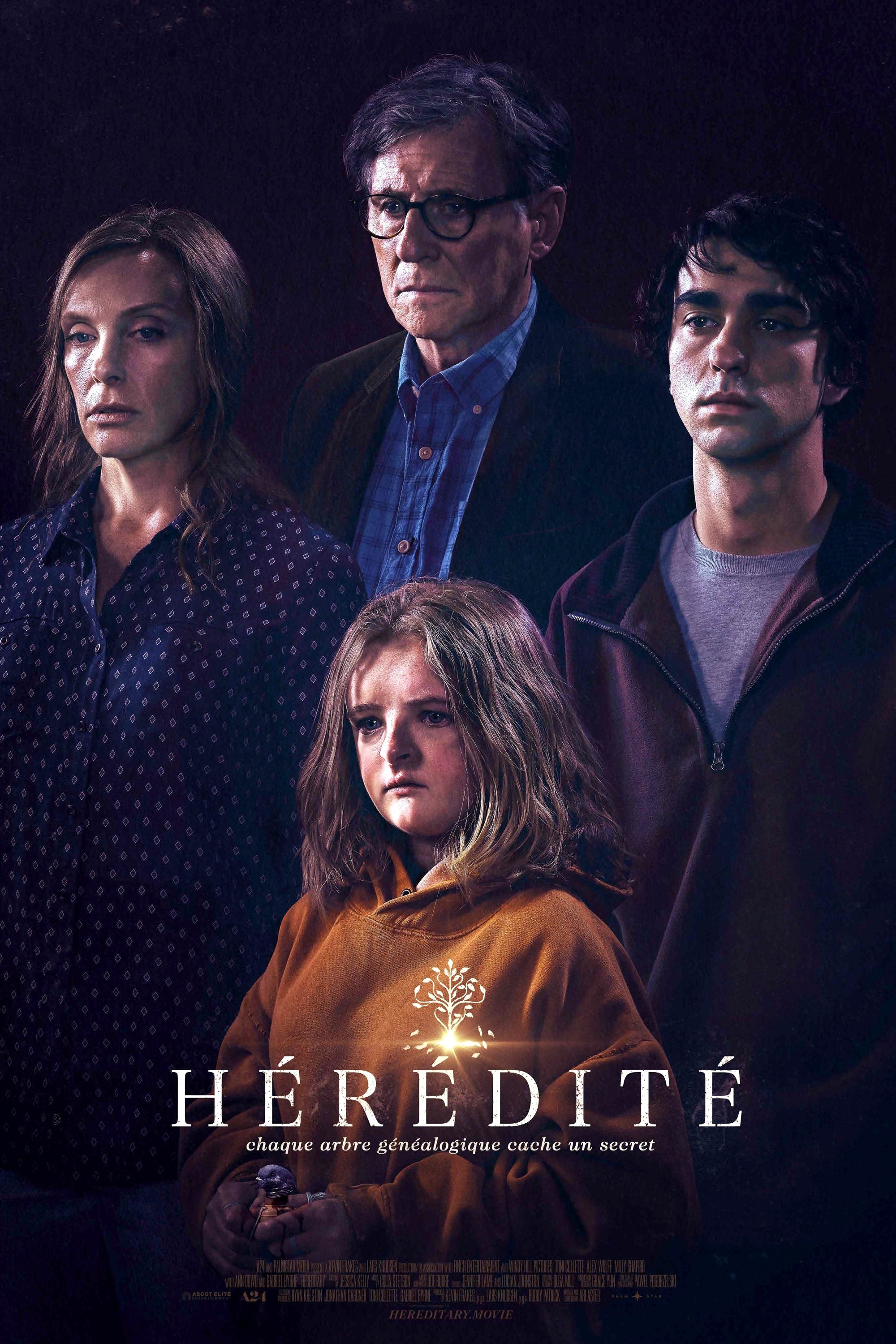
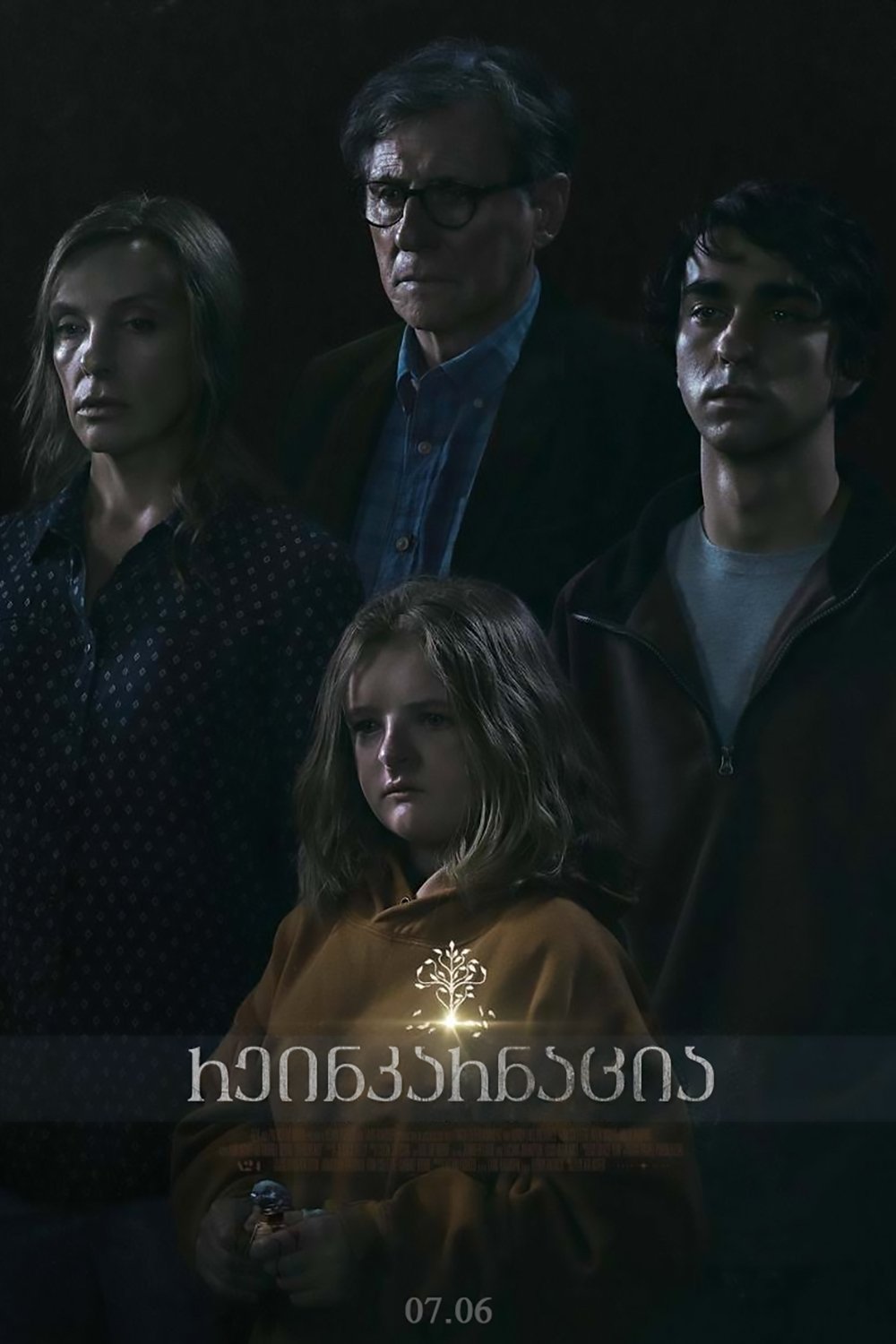
This structure explains why Hereditary spends so much time on conversations, arguments and uncomfortable silences before allowing its demonic mythology to dominate. Aster wanted the family drama to work independently. Annie's resentment toward her mother, Peter's fear and anger, Steve's increasingly exhausted attempts to preserve stability and Charlie's unusual relationship with her grandmother establish fractures that the supernatural plot later exploits. Horror does not create every problem inside the Graham family. It enters a household already carrying unresolved histories, then makes those histories impossible to escape.